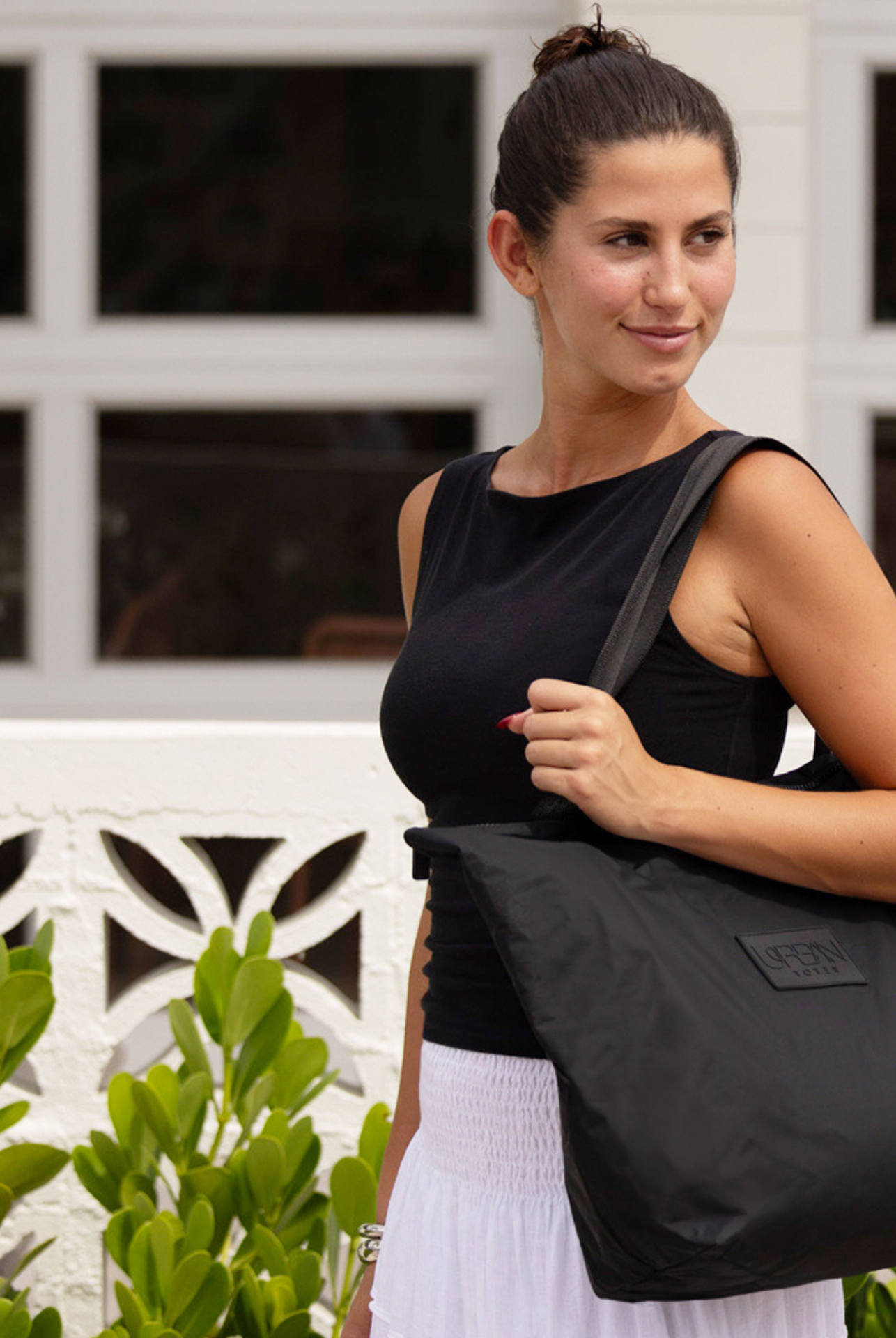
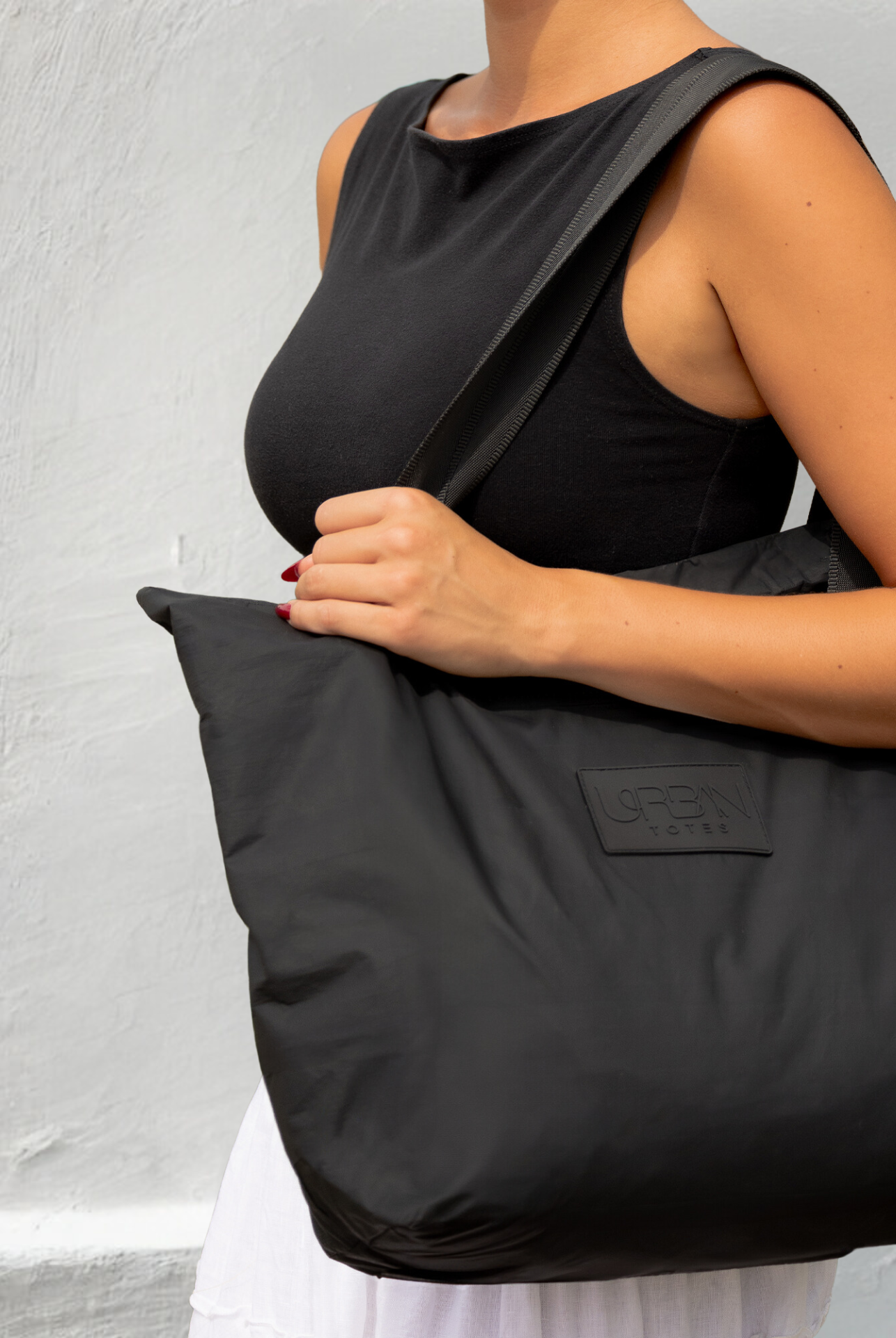
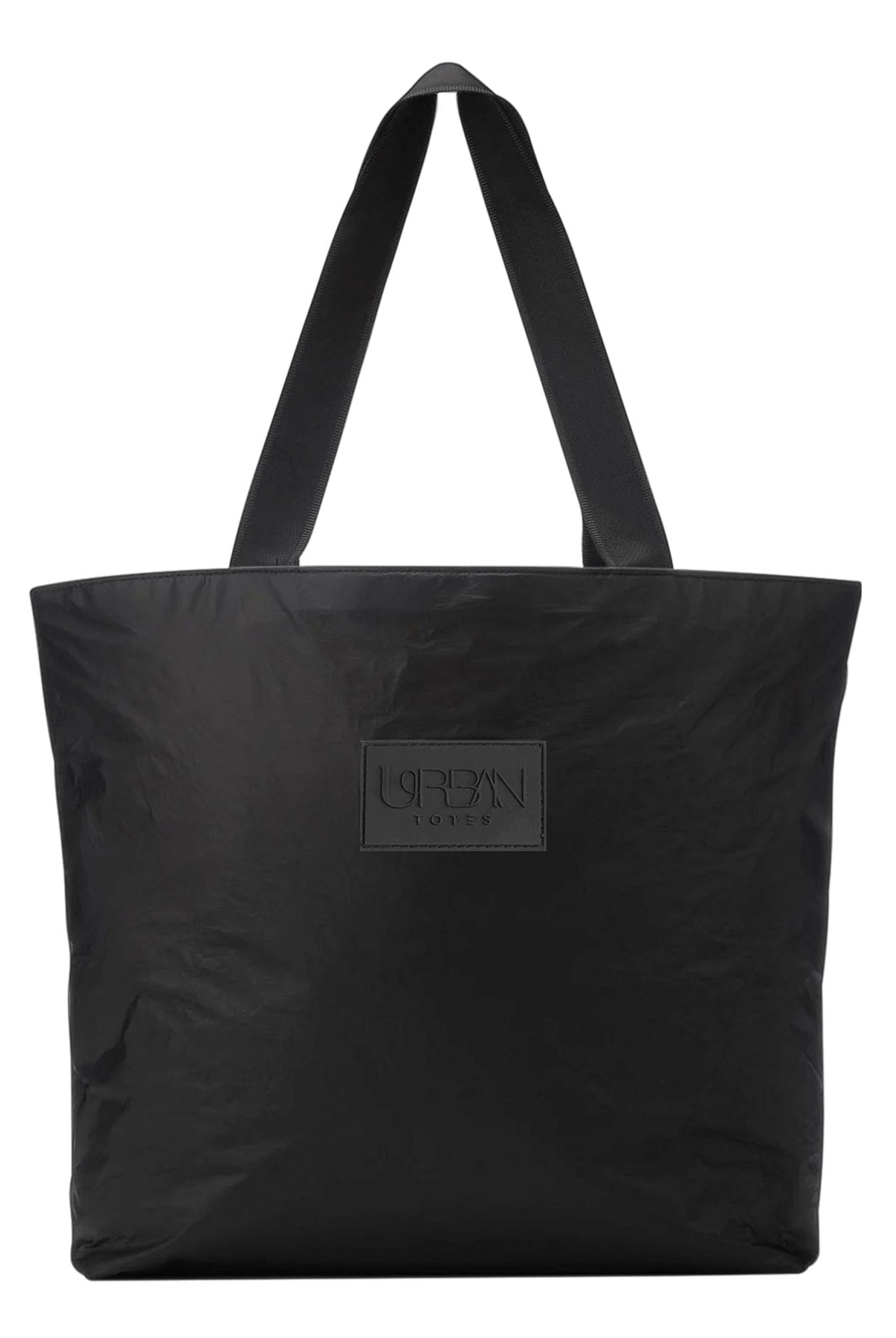
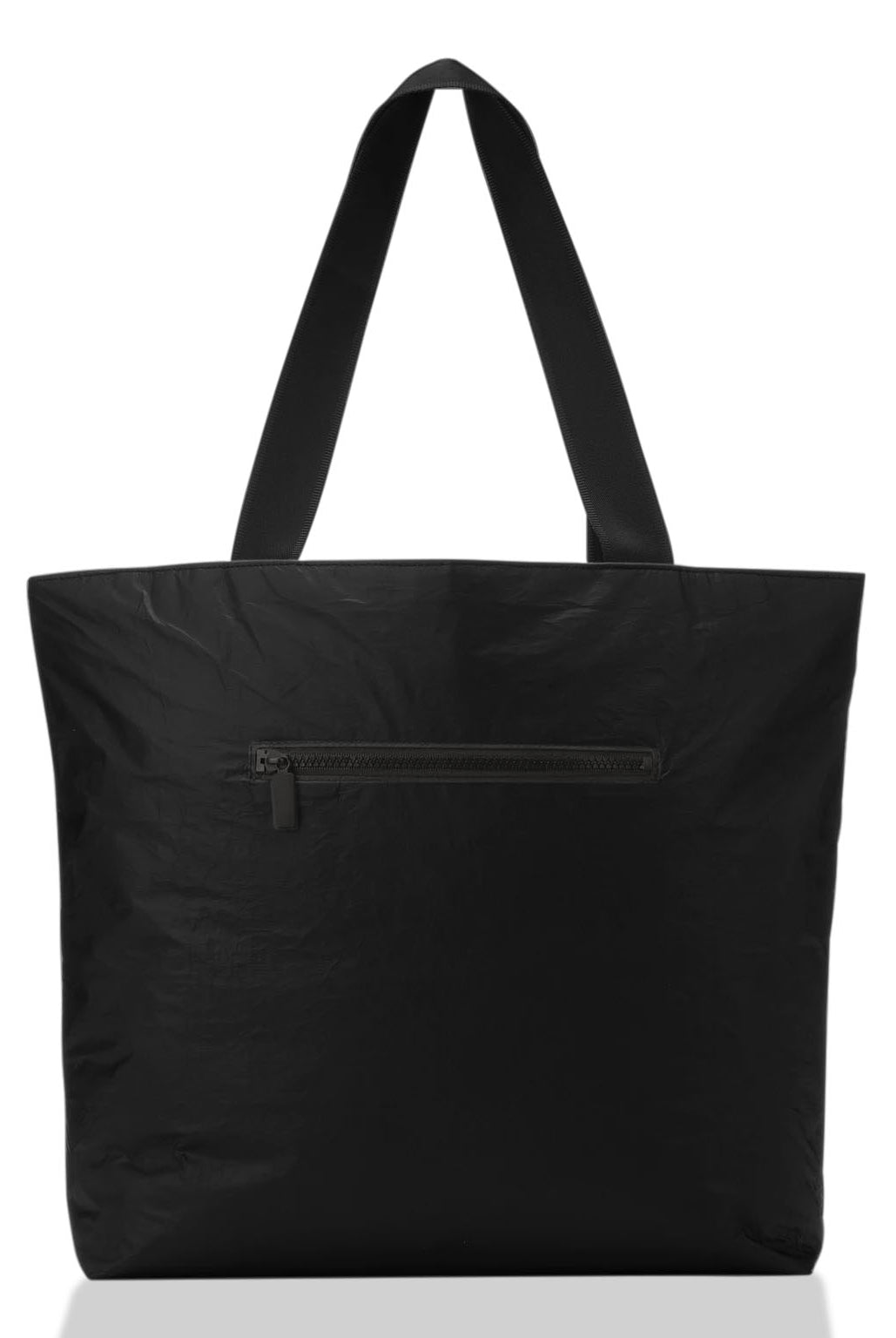
You know the bag. It looks roomy enough when you leave the house, then turns into a fabric black hole by mid-morning. Your keys slip under a cardigan, your phone disappears behind a snack pouch, and somehow your lip balm is always the one thing you can't find at pickup, check-in, or the coffee counter.
That's usually the moment a structured tote bag starts to make sense. Not because it's trendier than a soft tote, but because it brings shape, access, and a little order to a day that's already doing a lot. When a bag stands up on its own, keeps essentials where you expect them, and still looks polished with jeans, sneakers, or a blazer, it stops being just another accessory.
Table of Contents
- The End of the Endless Search Introducing the Structured Tote
- The Anatomy of a Structured Tote Bag
- Structured vs Unstructured Totes Which Is Right for You
- How to Choose Your Perfect Structured Tote
- Styling Packing and Caring for Your Tote
- The Urban Totes Difference Thoughtfully Designed Structure
The End of the Endless Search Introducing the Structured Tote
A busy day exposes every weakness in a bag. School drop-off, grocery stop, laptop meeting, a quick change of shoes in the trunk, then one more errand on the way home. If your tote puddles onto the passenger seat and everything slides into one corner, the day feels messier than it needs to.
That's why so many women end up looking for a more defined shape. A structured tote bag gives you visual calm and practical access at the same time. It opens wide, keeps its silhouette, and lets you spot what you packed without digging elbow-deep through collapsed fabric.

The appeal isn't new. The modern tote bag's origin is commonly traced to L.L.Bean's 1944 Ice Carrier, later connected with the Boat and Tote. Its rugged canvas and reinforced, boxy build established the model for a carry-all with stand-alone structure and utility-first design, as noted in this history of the tote bag.
Why it feels like an upgrade
A good structured tote changes three things right away:
- Access gets easier: Your wallet, keys, charger, and sunglasses don't all sink to the bottom.
- The bag looks neater: Even when it's full, it keeps a more intentional shape.
- Contents get better support: Lunch containers, notebooks, and tech aren't pressing outward in odd directions.
A tote doesn't need to be rigid like luggage. It just needs enough shape to stay usable when your day gets full.
That middle ground is what most women are really after. Not stiff and bulky. Not floppy and chaotic. Just organized, stylish, and ready to move.
The Anatomy of a Structured Tote Bag
Some bags look structured when they're empty, then collapse the second you add a laptop, water bottle, or makeup pouch. Real structure comes from construction, not just appearance.

A useful way to think about it is like a house. The exterior fabric is the finish you notice first, but the foundation is what keeps everything standing. In a tote, that foundation is usually a firmer base, reinforcement through the walls, and stitching that can handle repeated daily use.
What gives a tote its shape
A structured tote bag's core engineering advantage is shape retention under load. It relies on reinforcement layers and denser base construction so the bag doesn't collapse when filled with heavier items like laptops or water bottles, according to Eric Javits' guide to high-quality tote construction.
The most reliable signs are usually easy to spot:
- A reinforced base: This helps the bag sit upright instead of folding inward.
- Supported side panels: These keep the profile cleaner when contents are uneven.
- Strong stress-point stitching: Strap anchors and bottom corners take the most wear.
- Defined opening: A bag that stays open without caving in is much easier to use one-handed.
For shoppers who love organization, interior layout matters just as much as outer shape. A tote can look sleek on the outside and still frustrate you if the inside is one big empty cavity. That's why guides on a multiple compartment purse are so useful. They help you think beyond silhouette and focus on where your daily essentials live.
The details that matter in daily use
Material changes the entire experience of a structured tote. Traditional canvas and leather can create a crisp form, but they also tend to feel heavier and less forgiving by the end of the day. Technical fabrics, coated materials, and lighter synthetics can hold shape in a different way. Less boardroom, more go-anywhere.
Practical rule: Check the bag when it's open, zipped, and partly filled. That tells you more than the product photo ever will.
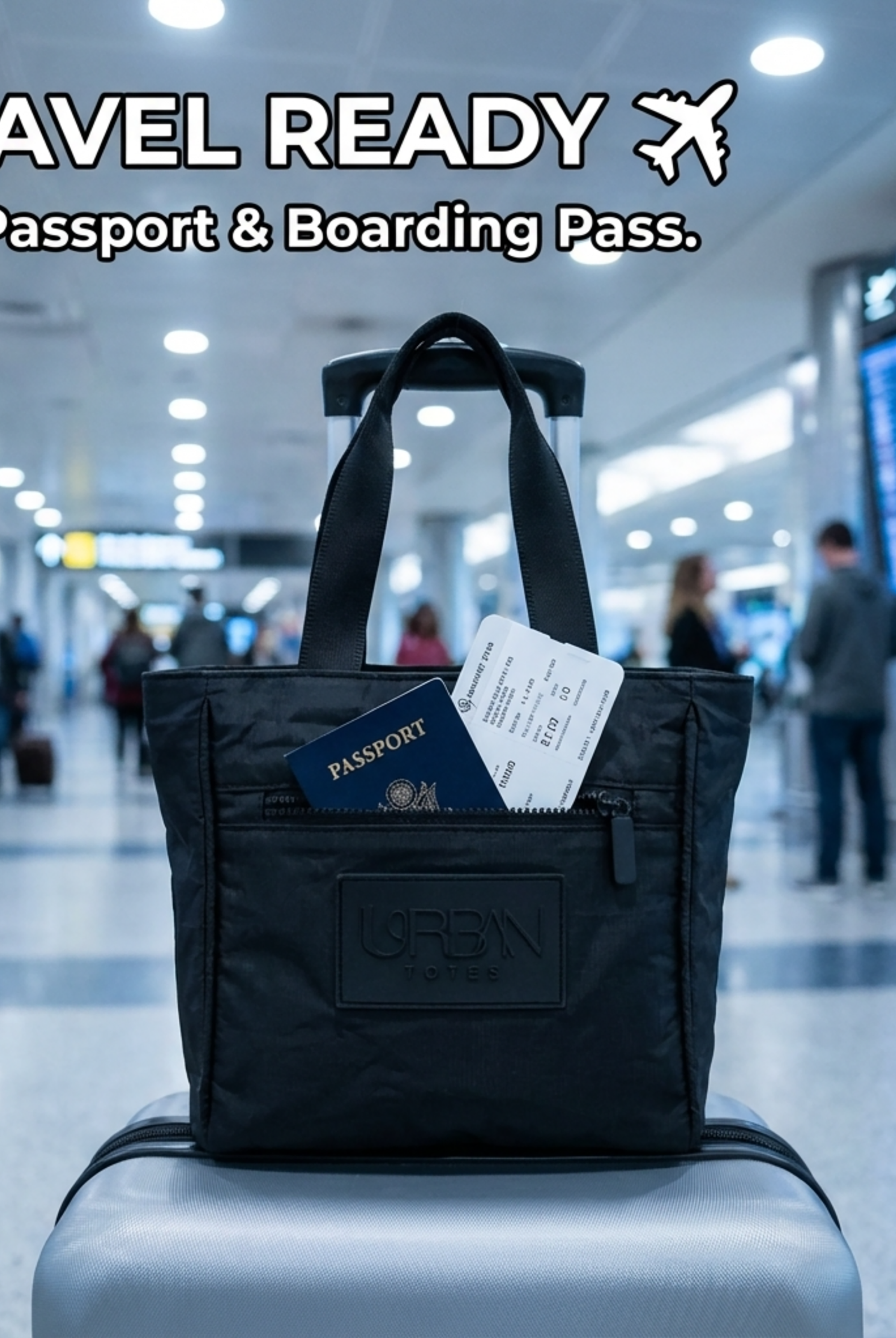
Closure also matters more than people think. A secure zipper or well-designed top closure gives a structured tote a cleaner line and keeps contents from tipping out in the car or at the airport security bin.
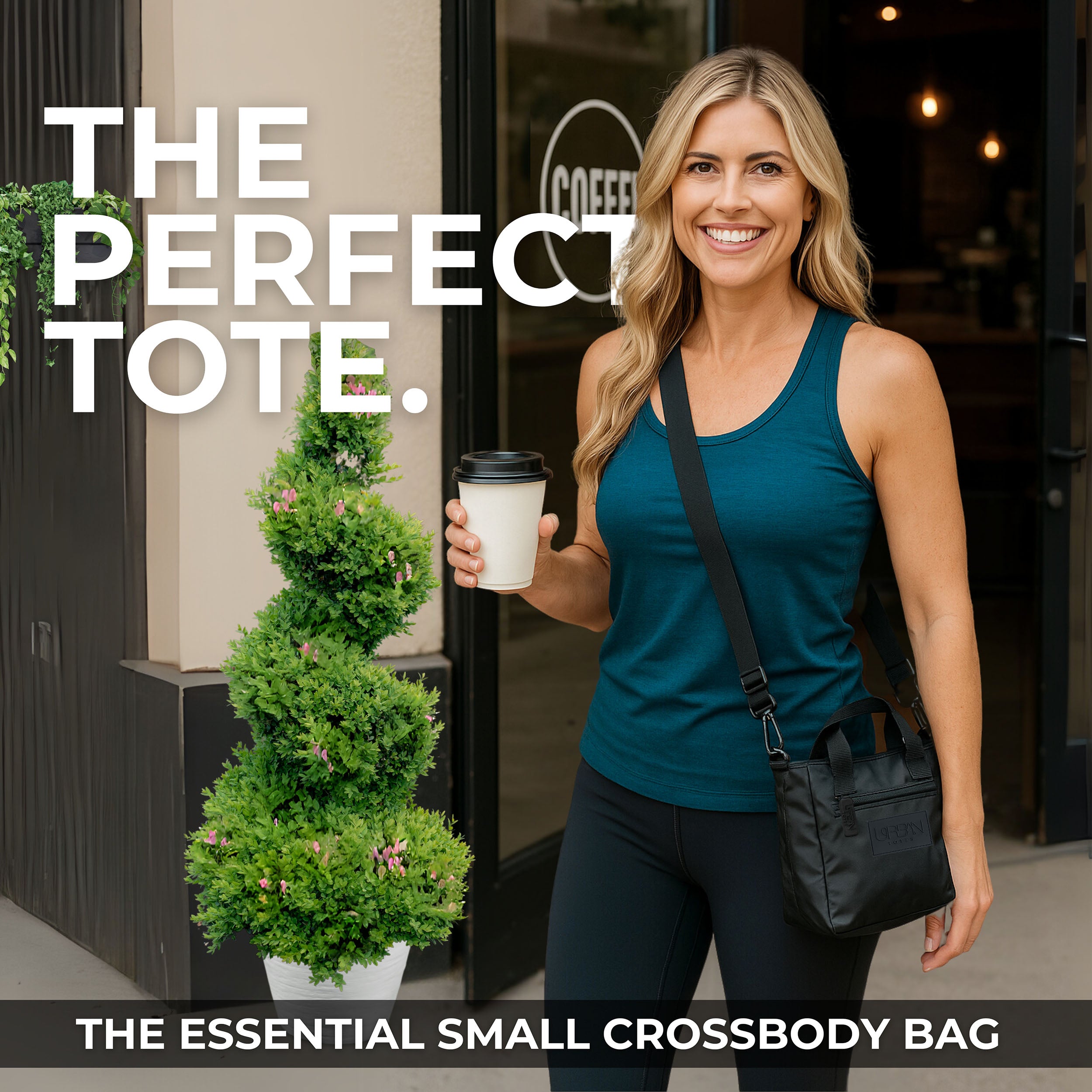
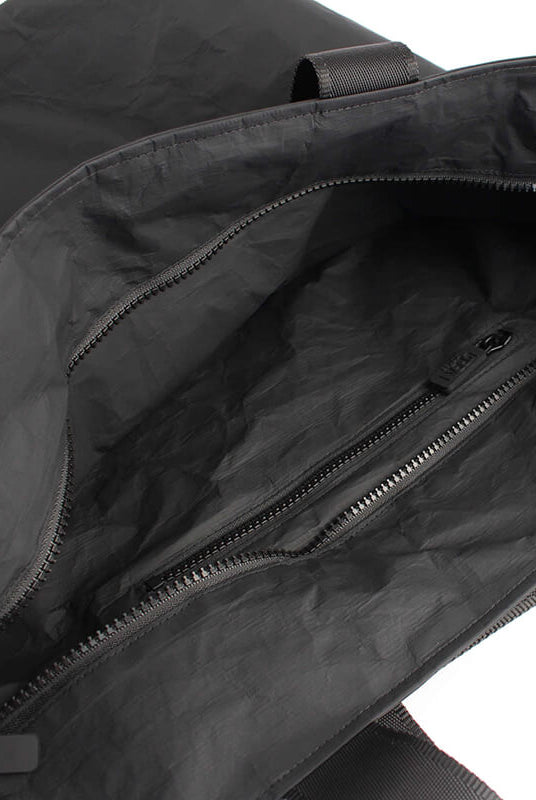
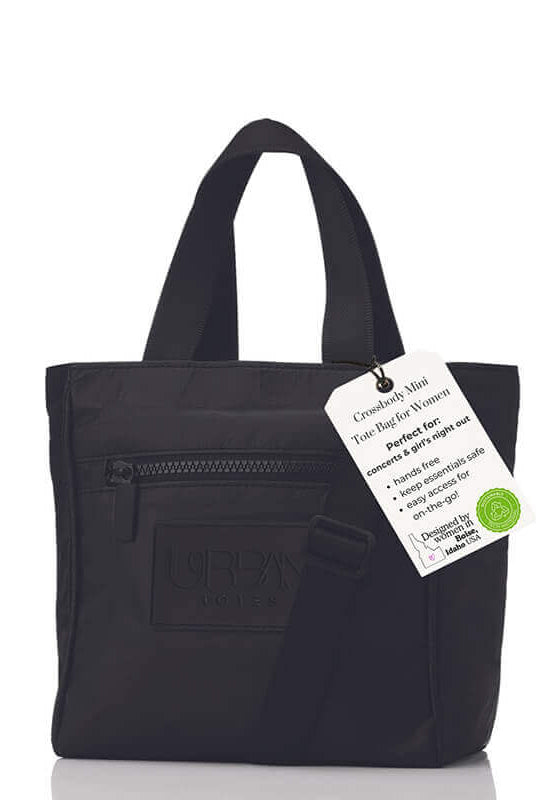
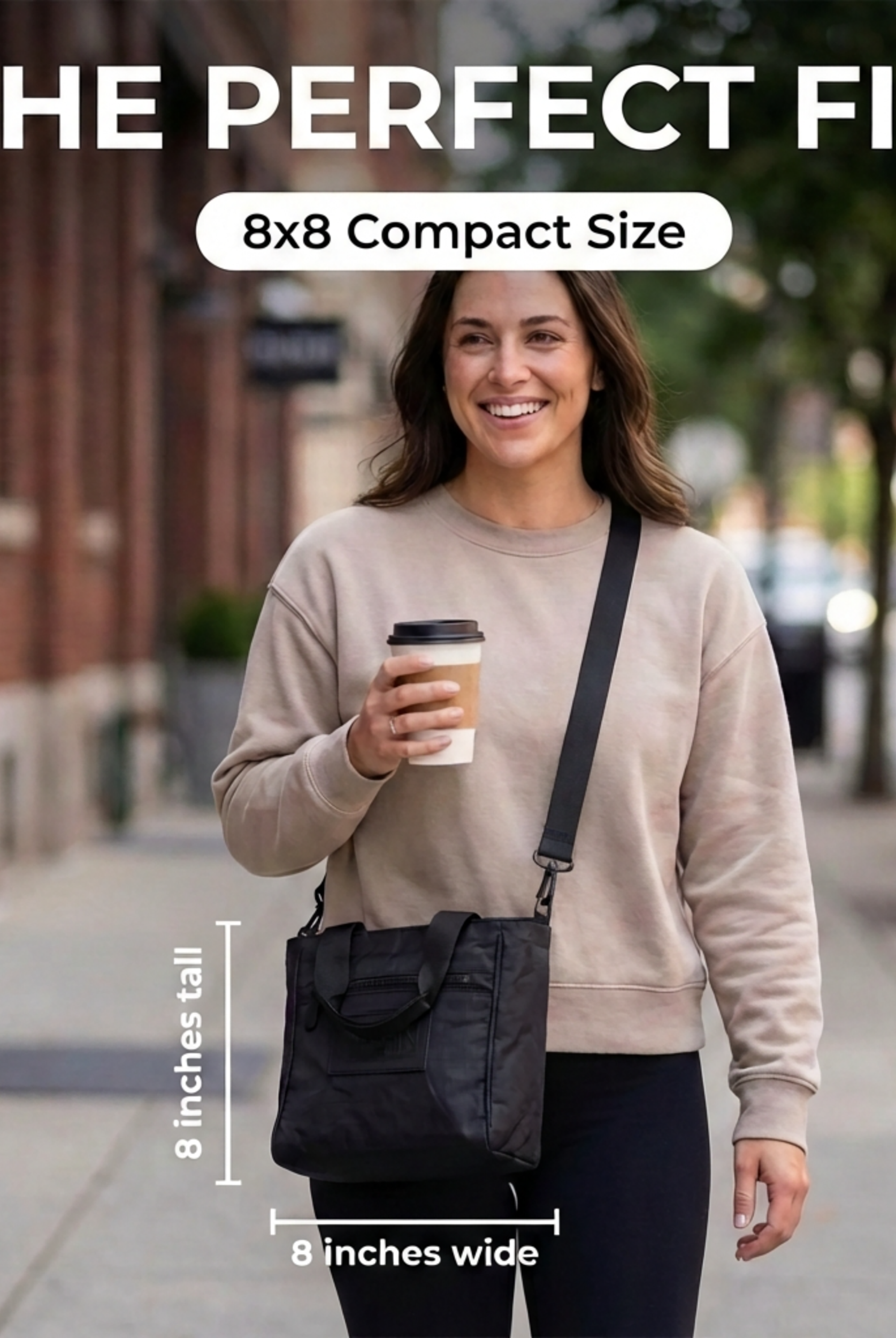
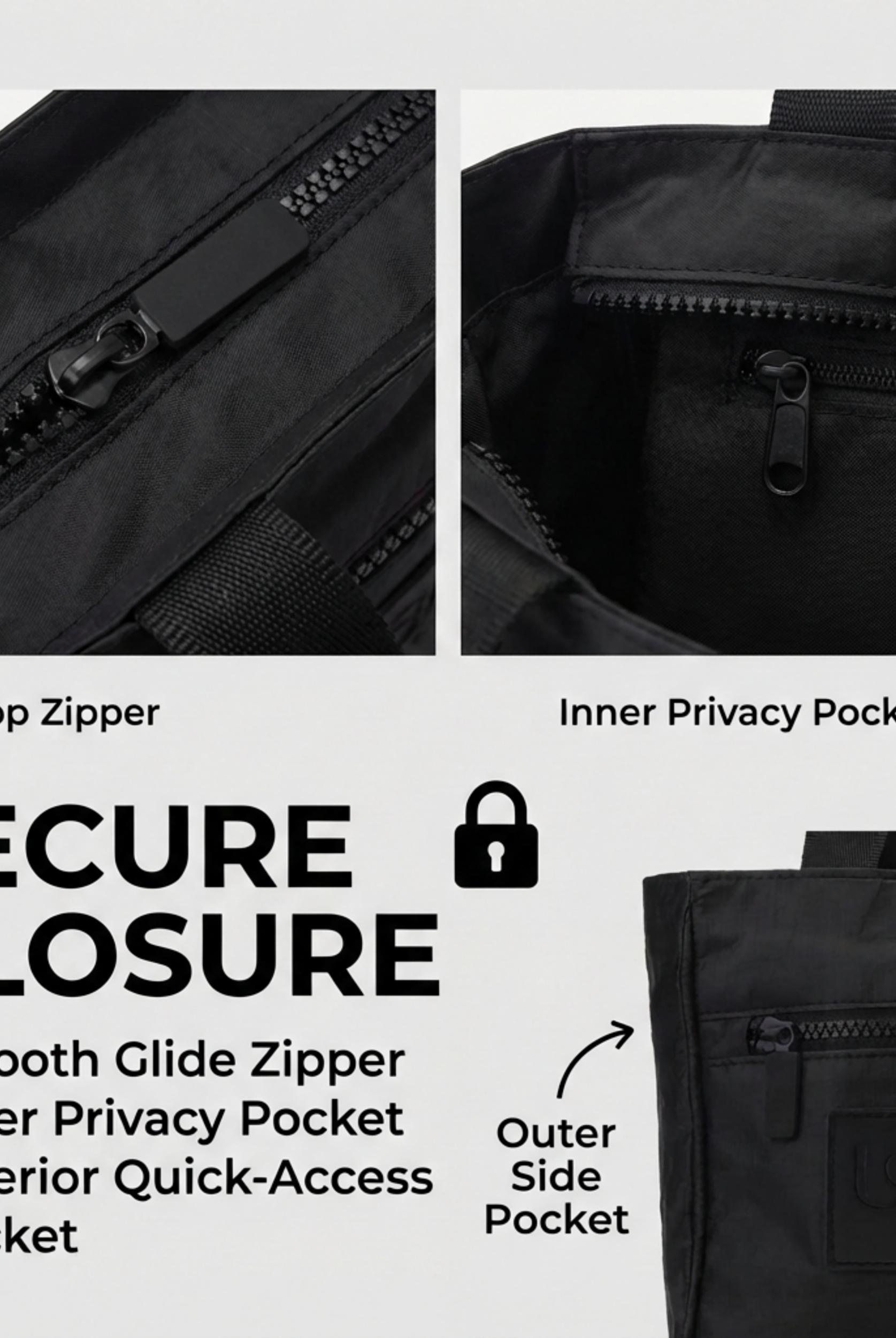
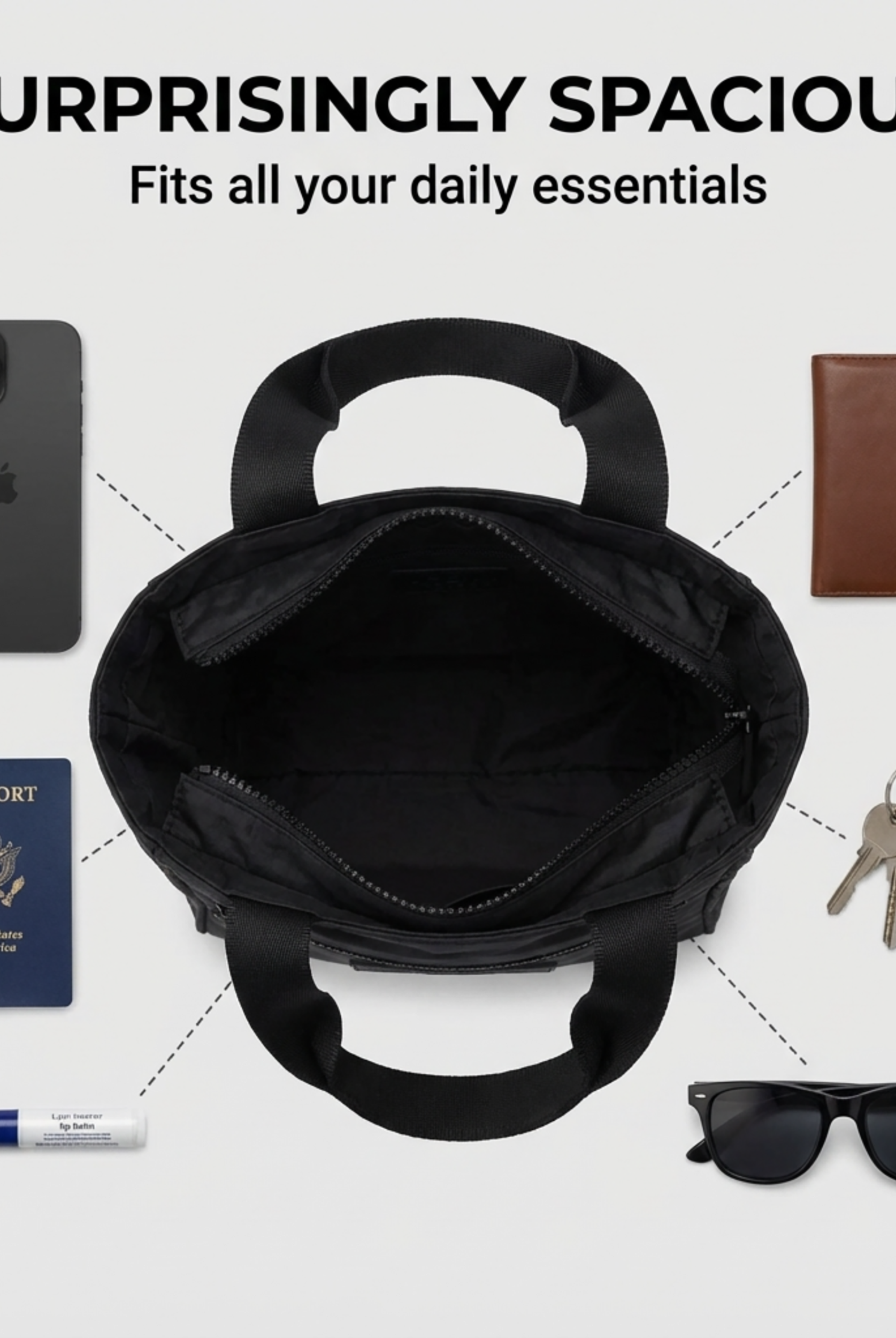
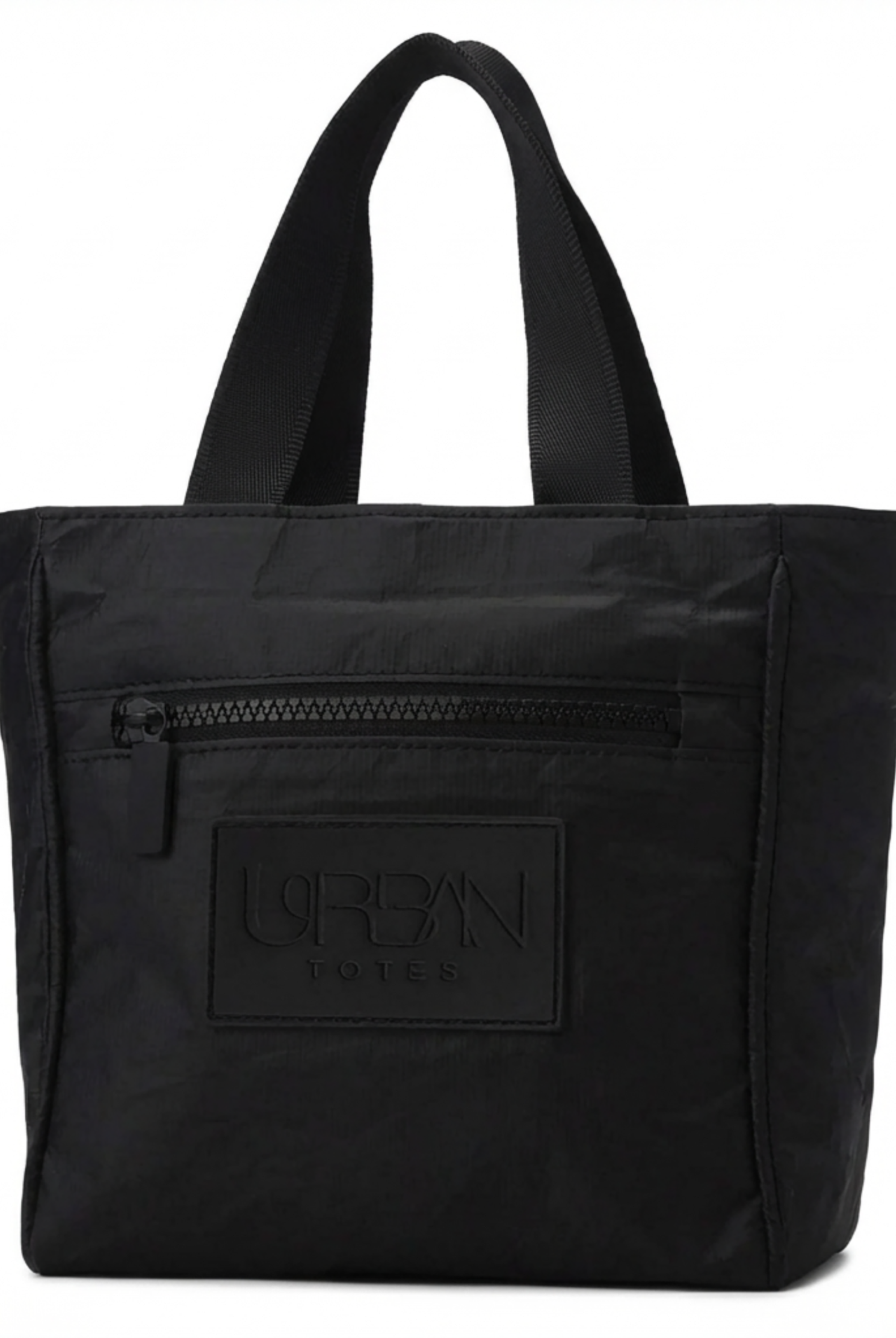
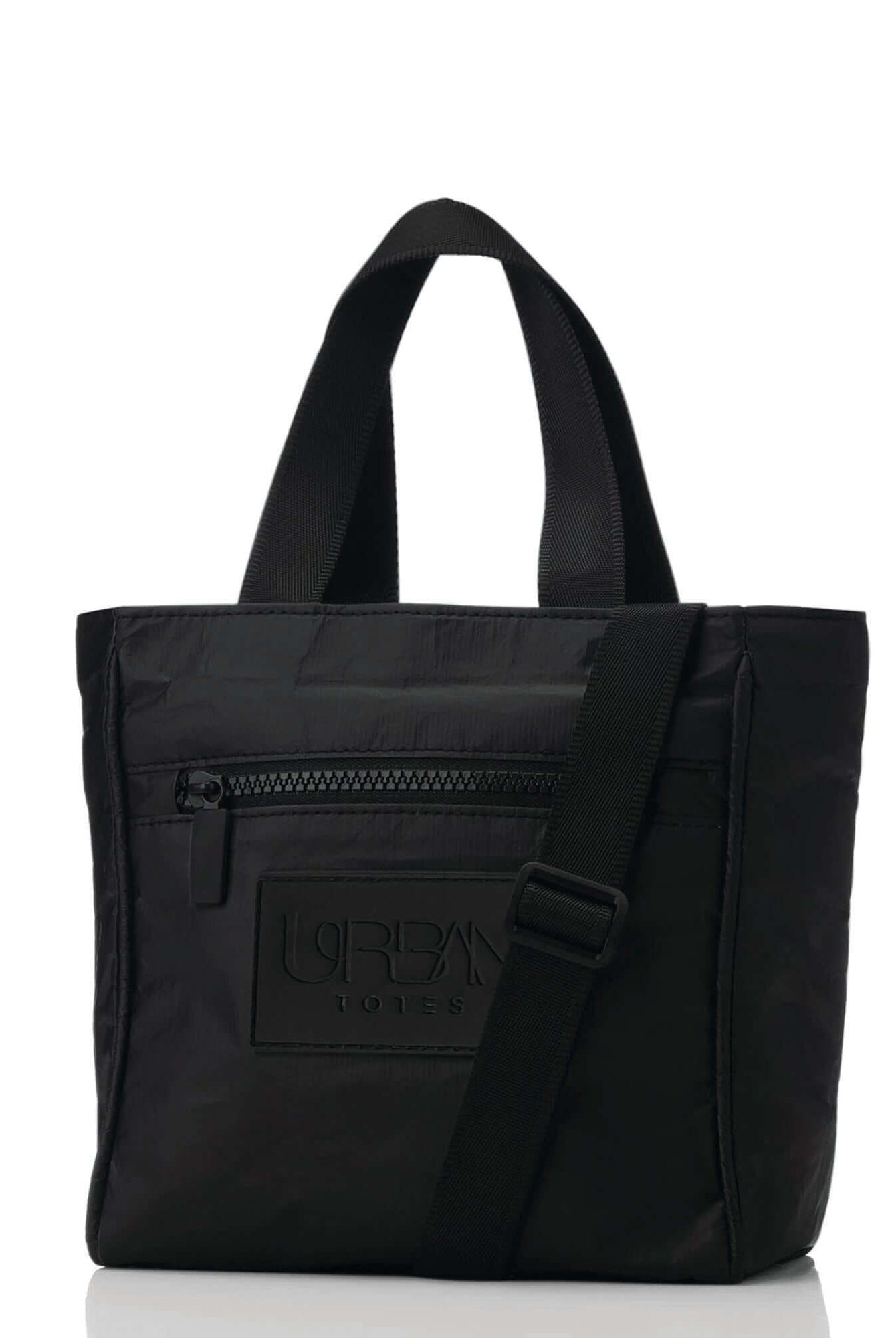
Even smaller bags can use structure intelligently. The Crossbody Tote Bag Mini Purse is a compact example with a zip-top closure, outside easy-access pocket, inside zipper pocket, and technical material with structured piping to hold its shape. That's a reminder that structure isn't only about oversized work bags. It's about intentional design that helps a bag stay useful.
Structured vs Unstructured Totes Which Is Right for You
This choice isn't about right or wrong. It's about what kind of friction you're willing to live with.
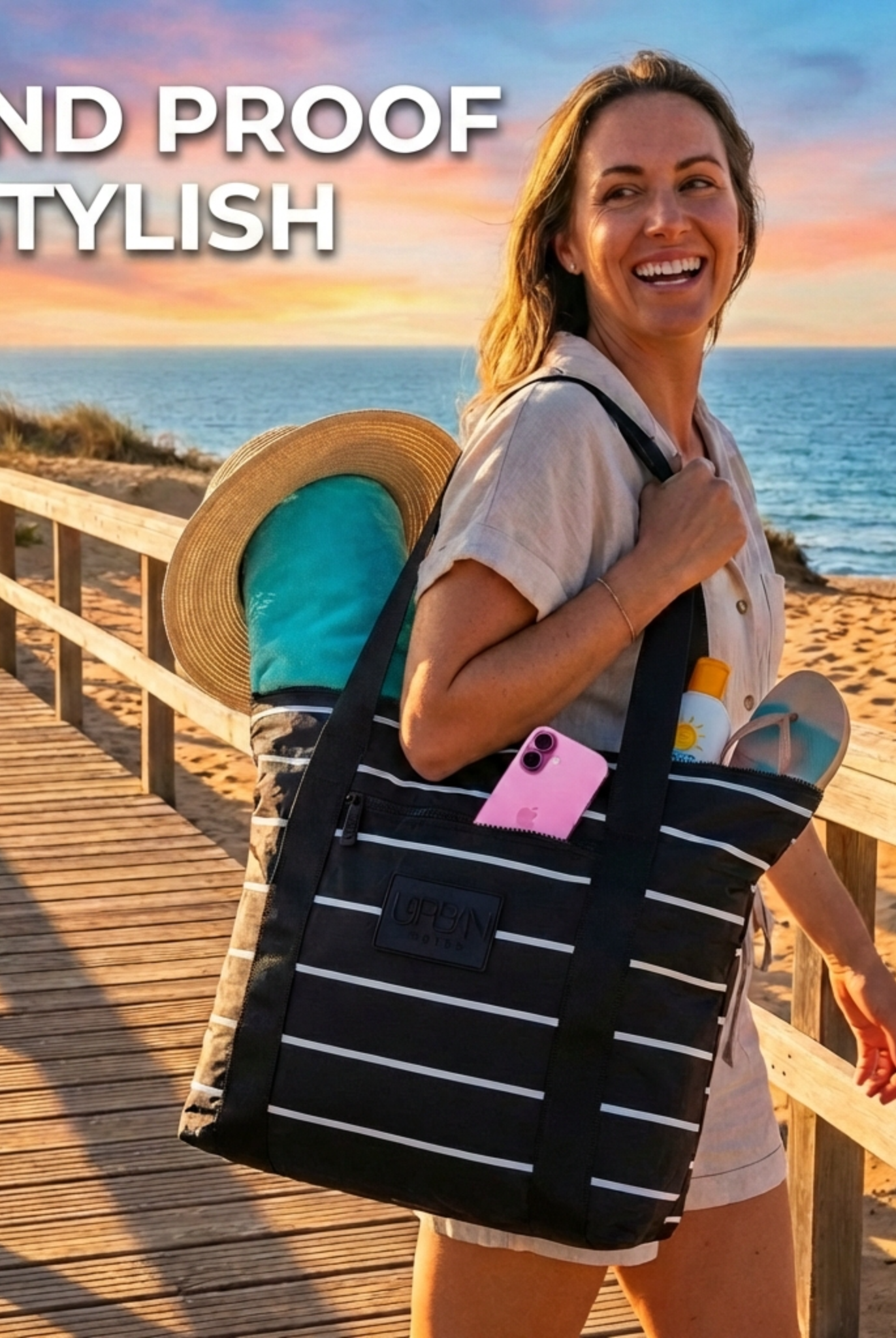
A soft, unstructured tote has an easy, relaxed feel. It folds down well, tucks into a suitcase, and can feel casual in a way that works beautifully for beach days, quick grocery runs, or carrying a sweater and a paperback. But when you need your bag to act like a portable command center, that same softness can become the problem.
Where structure helps
Structured totes usually win on order. They separate items better, hold their shape on a seat or countertop, and keep your outfit looking more polished. If your day includes a laptop, planner, chargers, kid gear, or anything breakable, that definition helps.
They also tend to protect the bag's silhouette when you're carrying mixed items. That matters more than it sounds like. A bag that keeps its form often feels easier to use because the opening stays visible and the bottom doesn't buckle under shifting weight.
| Feature | Structured Tote | Unstructured Tote |
|---|---|---|
| Organization | Usually easier to arrange and access | Often becomes one open catch-all |
| Protection of contents | Better support for tech, notebooks, and containers | Less support when contents shift |
| Portability | Can feel bulkier depending on materials | Usually easier to fold and stash |
| Overall aesthetics | Polished, defined, intentional | Relaxed, casual, slouchy |
For anyone comparing bag categories more broadly, this glossary of bag types from traditional to trendy helps put totes in context with other everyday options.
Where a soft tote still wins
The catch with many traditional structured bags is simple. They can get heavy fast.
That trade-off often gets skipped in shopping advice, but it matters. Verified guidance notes a hidden weight penalty with structured bags, and ergonomics research has found that heavy shoulder bags can create asymmetric loading and musculoskeletal strain. That makes empty bag weight and carry comfort just as important as pockets and polish, especially for commuters and caregivers, as discussed in this overview of structured tote bag considerations.
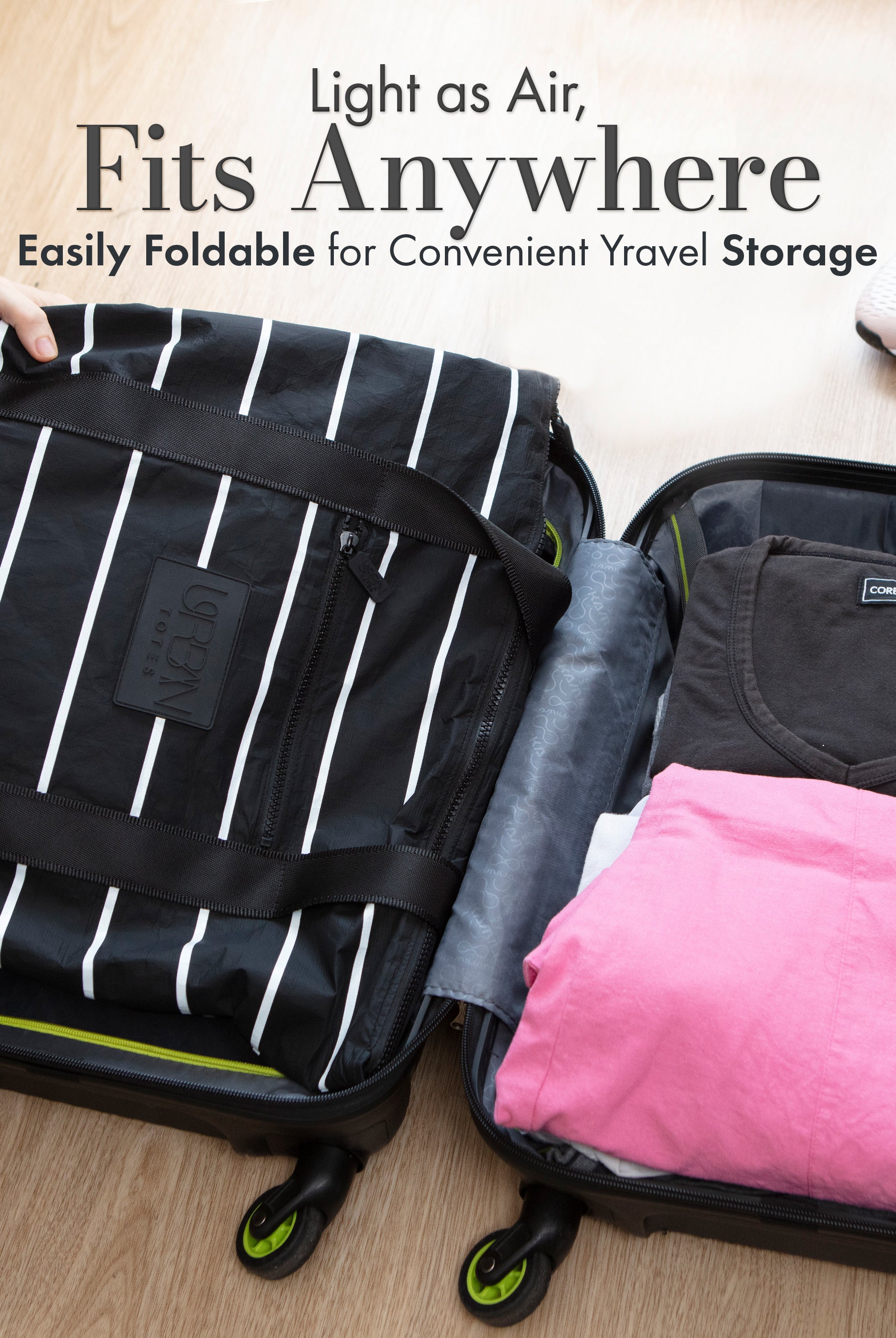
So if your default habit is overpacking, or you carry one bag on one shoulder for hours, a soft tote may feel kinder some days. It bends more, weighs less in many cases, and doesn't fight you when packed into a larger travel bag.
The smartest choice usually isn't the most rigid bag. It's the one that gives you enough shape without making the carry feel like work.
That's why the most useful totes tend to live between the extremes.
How to Choose Your Perfect Structured Tote
The best bag on paper can still be wrong for your life. Start with your real day, not the fantasy version where you carry only a notebook, one lipstick, and a perfectly capped water bottle.

Match the bag to your real routine
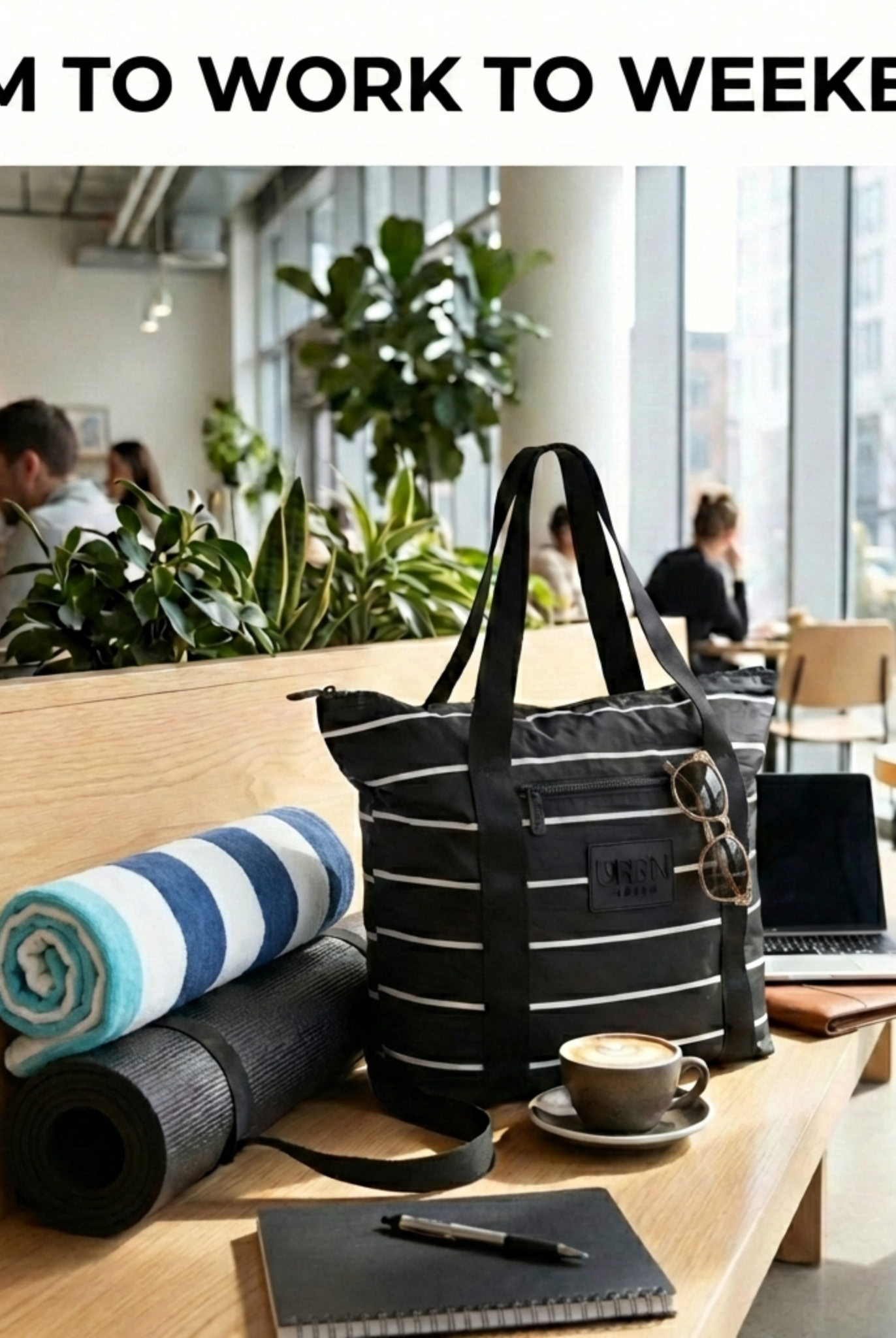
If you commute, your tote needs to handle repetition. It should sit neatly beside your desk, open without collapsing, and keep work gear separate enough that you're not pulling headphones out with your pen case. A work-focused guide like this one on a business tote bag can help you think through the details that matter when the bag is part of your daily uniform.
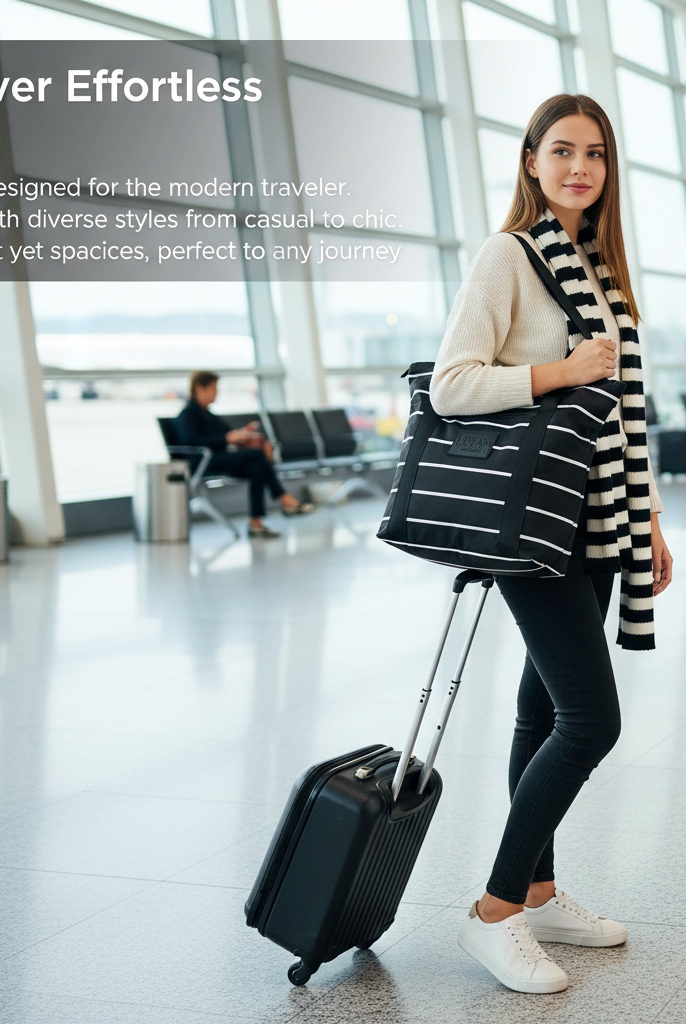
If you travel on weekends, flexibility matters more. You want enough structure to stay organized in the airport or car, but not so much bulk that the bag becomes annoying when you're packing it around a backup sweater, chargers, snacks, and a paperback.
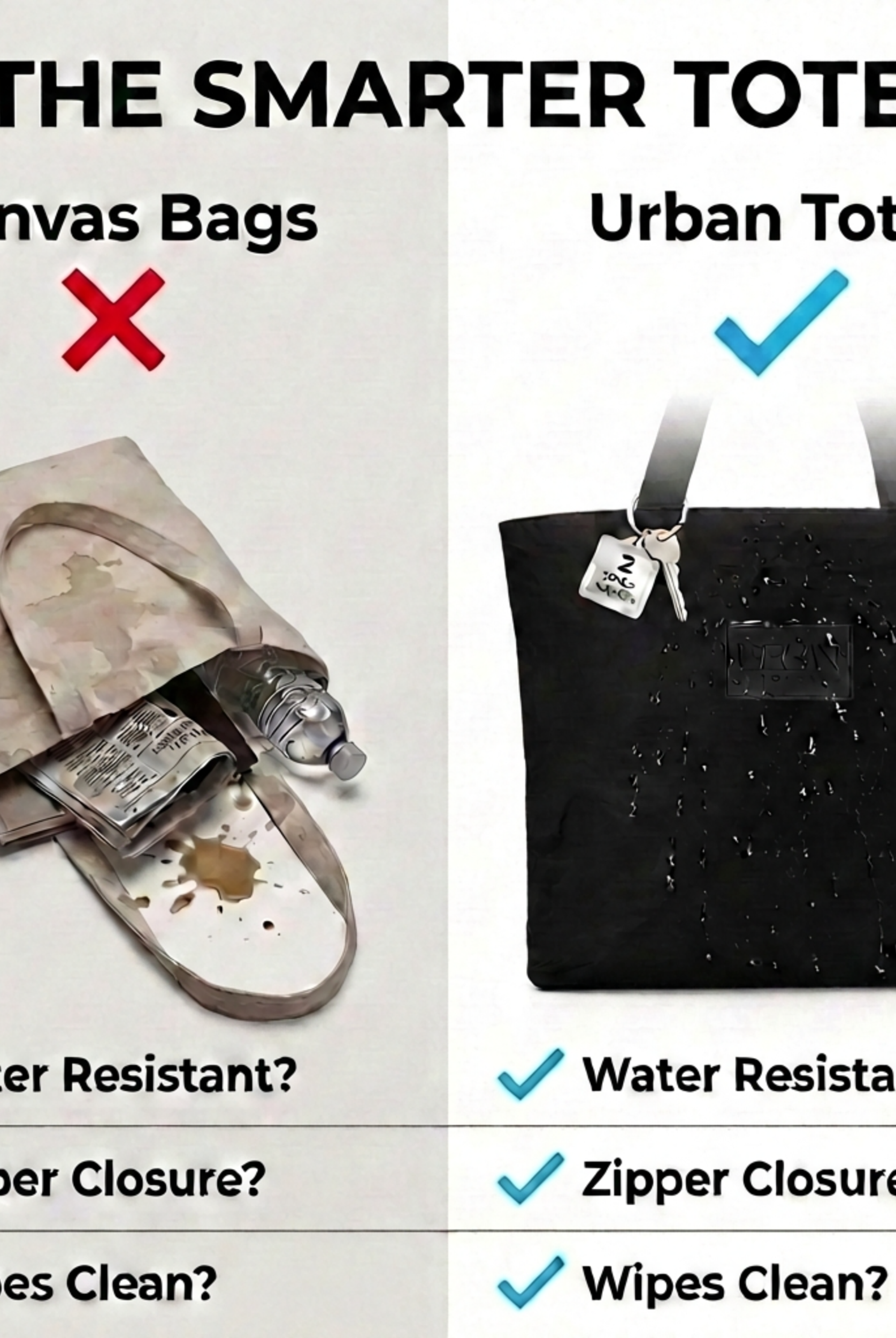
If you're in a caregiving season, ease beats perfection. A wipeable interior, zipper closure, and pockets you can use with one hand can matter more than a dramatic silhouette. The right structured tote should support a full day without feeling precious.
The features worth checking before you buy
Shoppers are paying more attention to bag materials, and the industry is shifting toward recycled synthetics like recycled polyester. Those materials can offer structure and durability without the weight of traditional leather or canvas, making them a lighter option for everyday carry, as discussed in this materials-focused video overview.
That's worth keeping in mind when you compare bags in person or online. The material affects not just how the tote looks, but how it behaves after several hours on your shoulder.
Use this checklist before you decide:
- Start with purpose: Work, travel, errands, parenting, or all of the above. One primary use usually drives the best choice.
- Check the opening: A wide mouth with a secure zipper closure is easier to live with than a bag that narrows awkwardly.
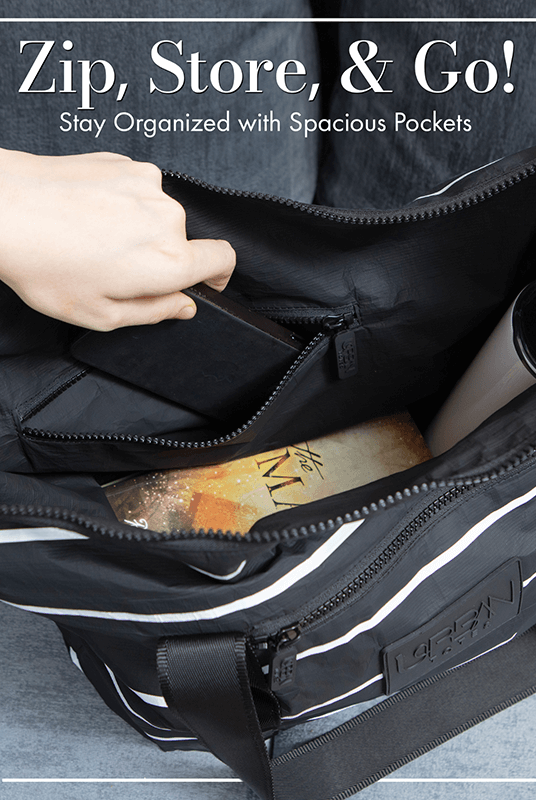
- Look at pocket placement: Exterior quick-access pockets can save you from constant rummaging.
- Notice strap comfort: Thin straps can dig in when the bag gets loaded.
- Think about cleanup: Daily bags pick up spills, receipts, crumbs, and mystery smudges.
If you carry the bag every day, convenience details matter more than dramatic design details.
A final test helps. Picture your usual contents, not your lightest day. If the tote only works when it's half empty, it probably won't keep up.
Styling Packing and Caring for Your Tote
A structured tote earns its place because it works hard, but it also changes how an outfit comes together. Even simple clothes look more intentional when the bag has shape.
How to make it look pulled together
For workdays, pair a structured tote with straight-leg denim, loafers, and a crisp knit. For errands, it can sharpen up leggings, a trench, and clean sneakers. For weekend trips, it balances softer layers like a sweatshirt set or oversized button-down.
The trick is contrast. A defined bag adds polish to relaxed clothes and keeps structured outfits from feeling too stiff.
How to pack it so it works harder
Packing a structured tote well is mostly about weight placement.
- Keep heavier items low: Put water bottles, chargers, or larger pouches at the base.
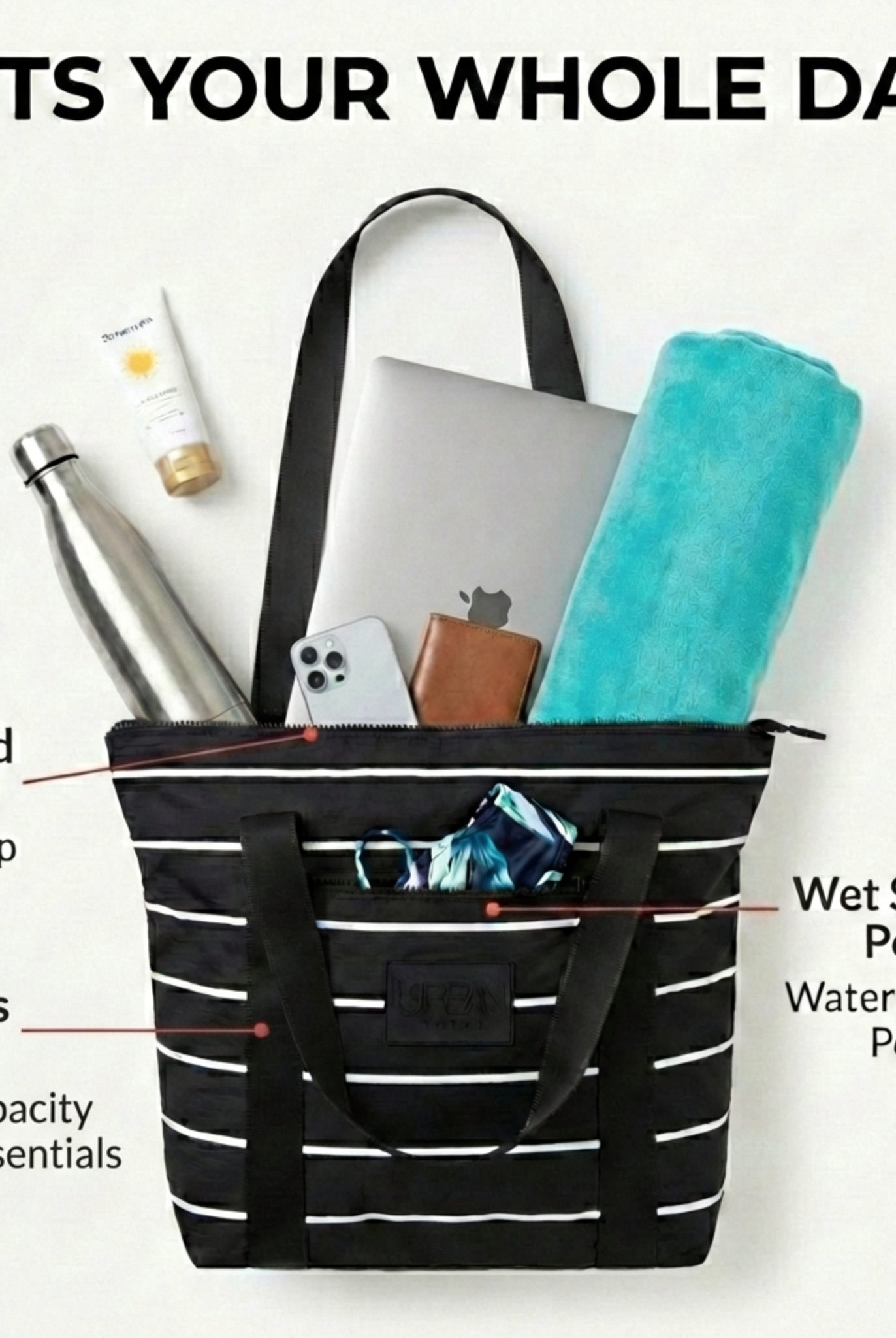
- Use outer pockets for repeat-grab items: Phone, keys, sunglasses, and lip balm should never require a full search.
- Group small items inside pouches: Cords, snacks, and beauty extras stay easier to track.
- Don't overfill the top: The bag works better when it can still close neatly.
A thoughtful carry setup can make the whole day smoother. If you want a practical care routine once you've found your favorite, Urban Totes shares simple upkeep ideas in its guide on how to care for your tote bag.
Easy care that fits real life
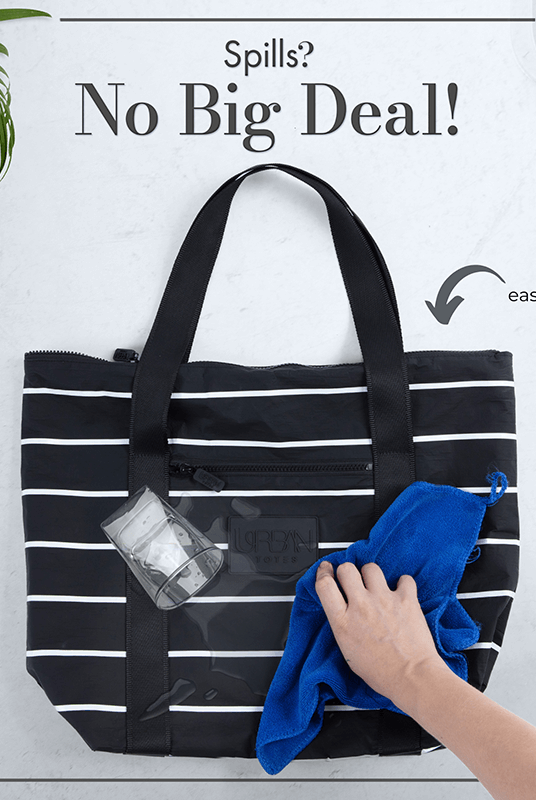
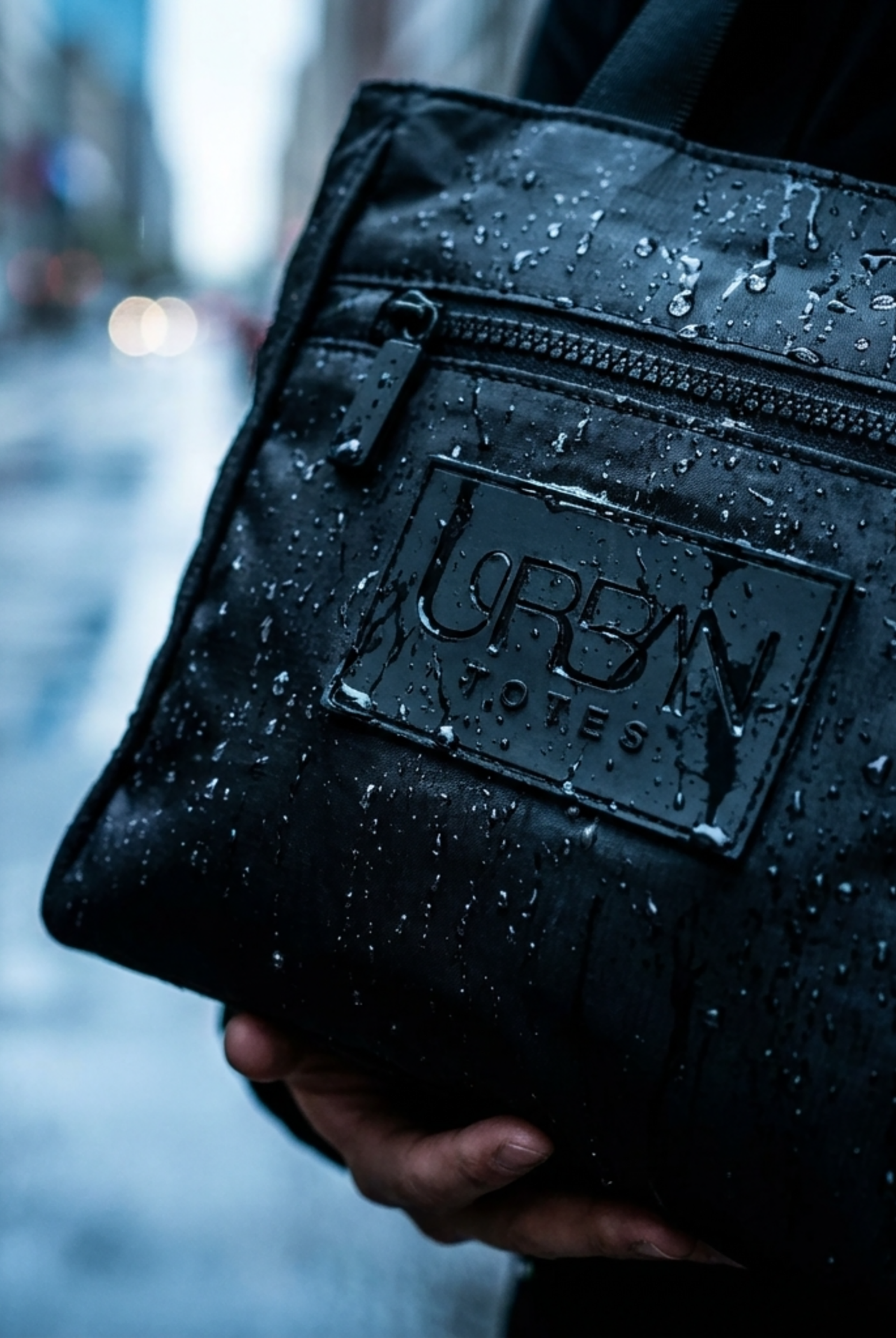
Daily bags collect more than you notice. Coffee drips, pen marks, crushed crackers, receipts, sunscreen residue. Bags made with water-resistant, easy-clean materials are often easier to keep in rotation because maintenance stays realistic.
A simple habit works well. Empty the bag every few days, shake out debris, wipe the inside, and reset only what belongs there. That keeps the tote organized and helps you avoid carrying around the same dead battery pack and five random hair ties for a month.
The Urban Totes Difference Thoughtfully Designed Structure
The original modern tote came from utility. L.L.Bean's 1944 Ice Carrier used rugged canvas and a reinforced, boxy shape to move ice, and that practical build became the template for the tote people still recognize today. The roots of the category were never about decoration first. They were about carrying real things in real life.
That's still the right starting point. But modern routines ask for something more nuanced than the old heavy-duty formula. Most women don't want a tote that collapses into chaos, and they also don't want one so stiff and weighty that it feels like a burden before the day even starts.
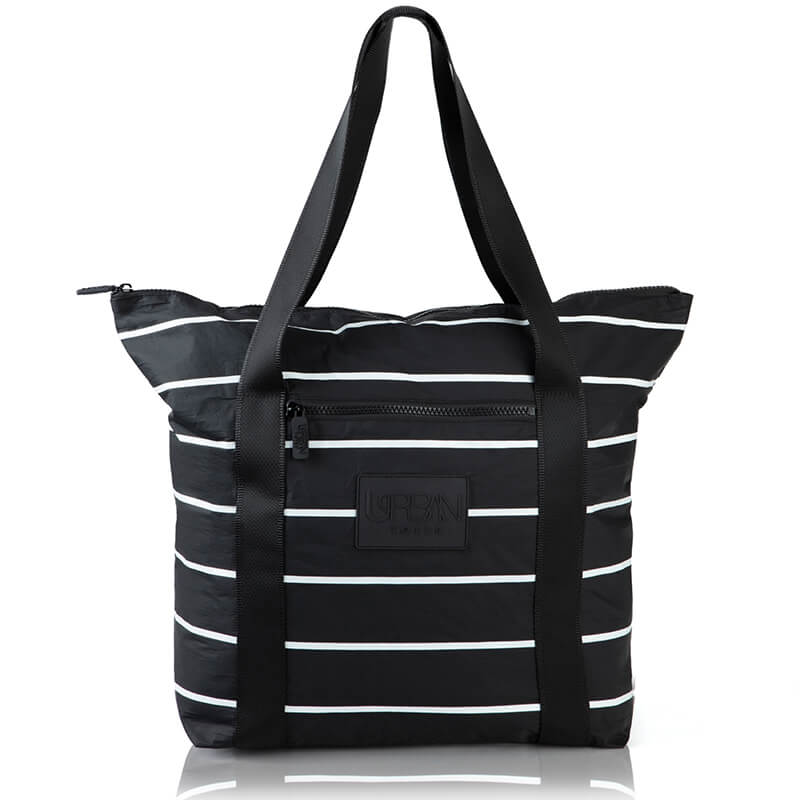
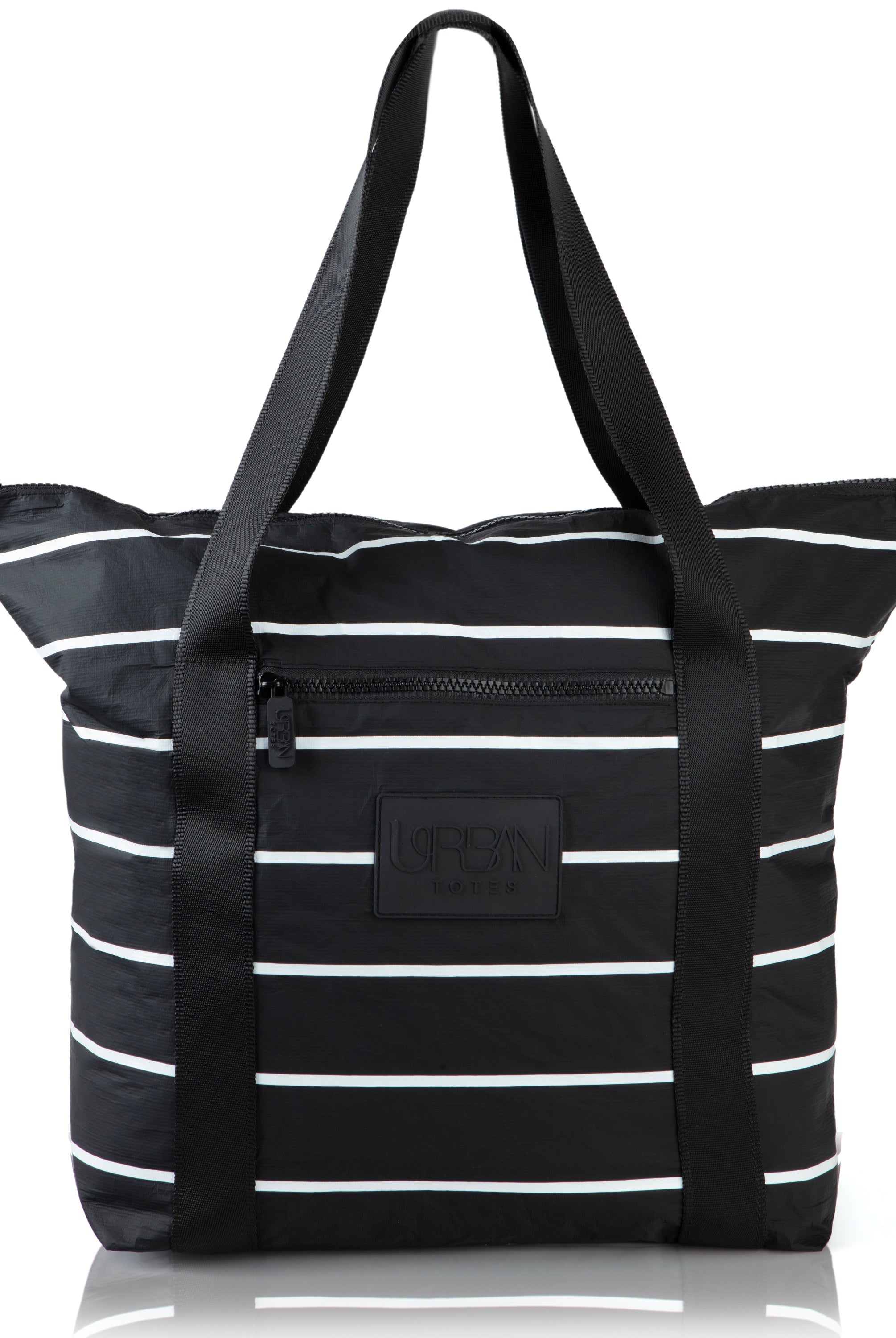
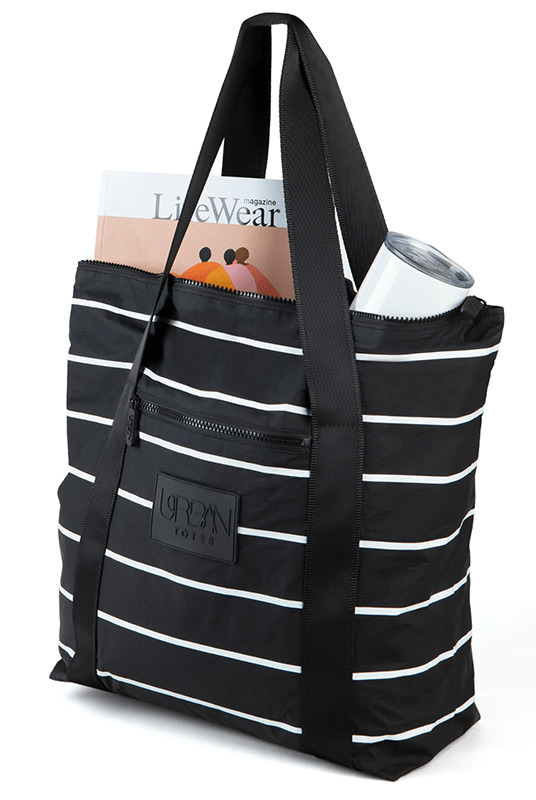
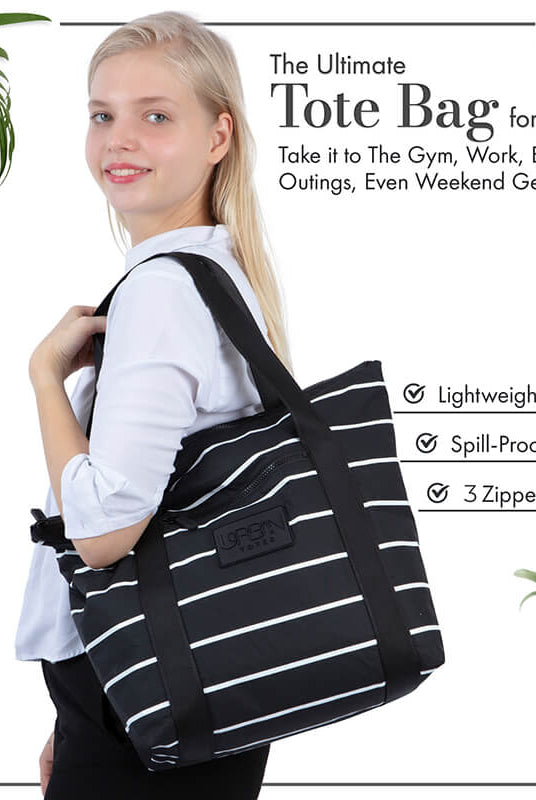
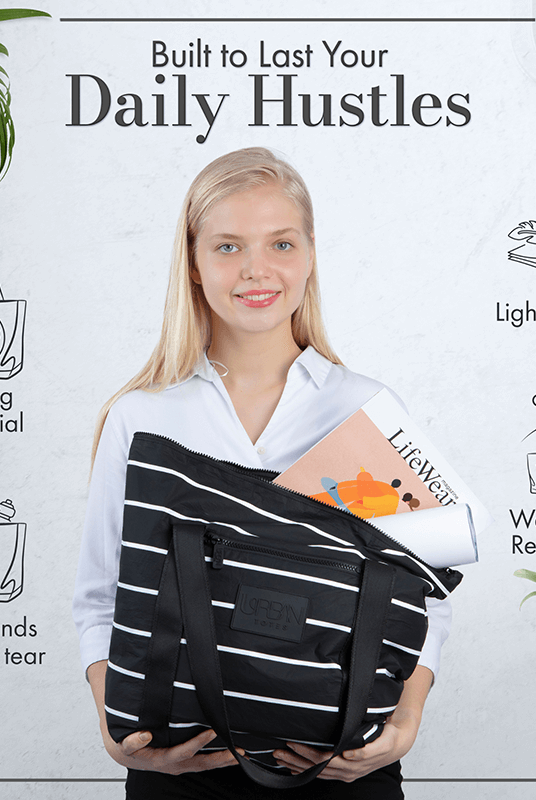
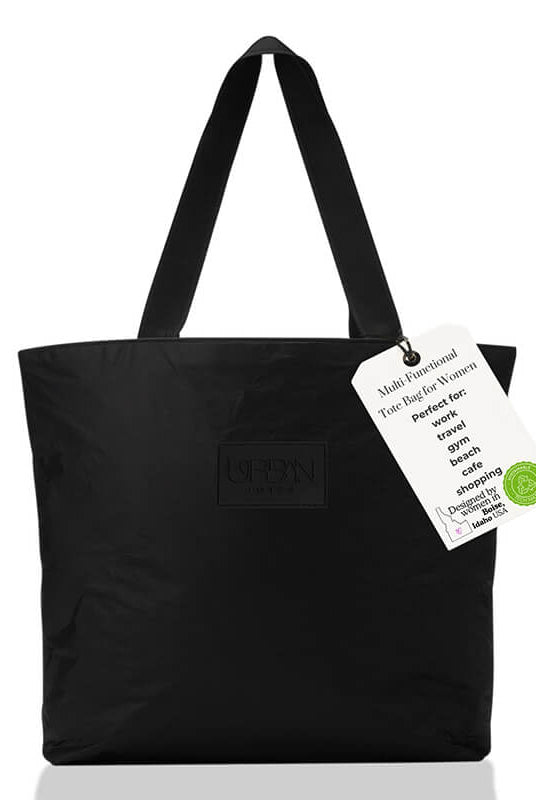
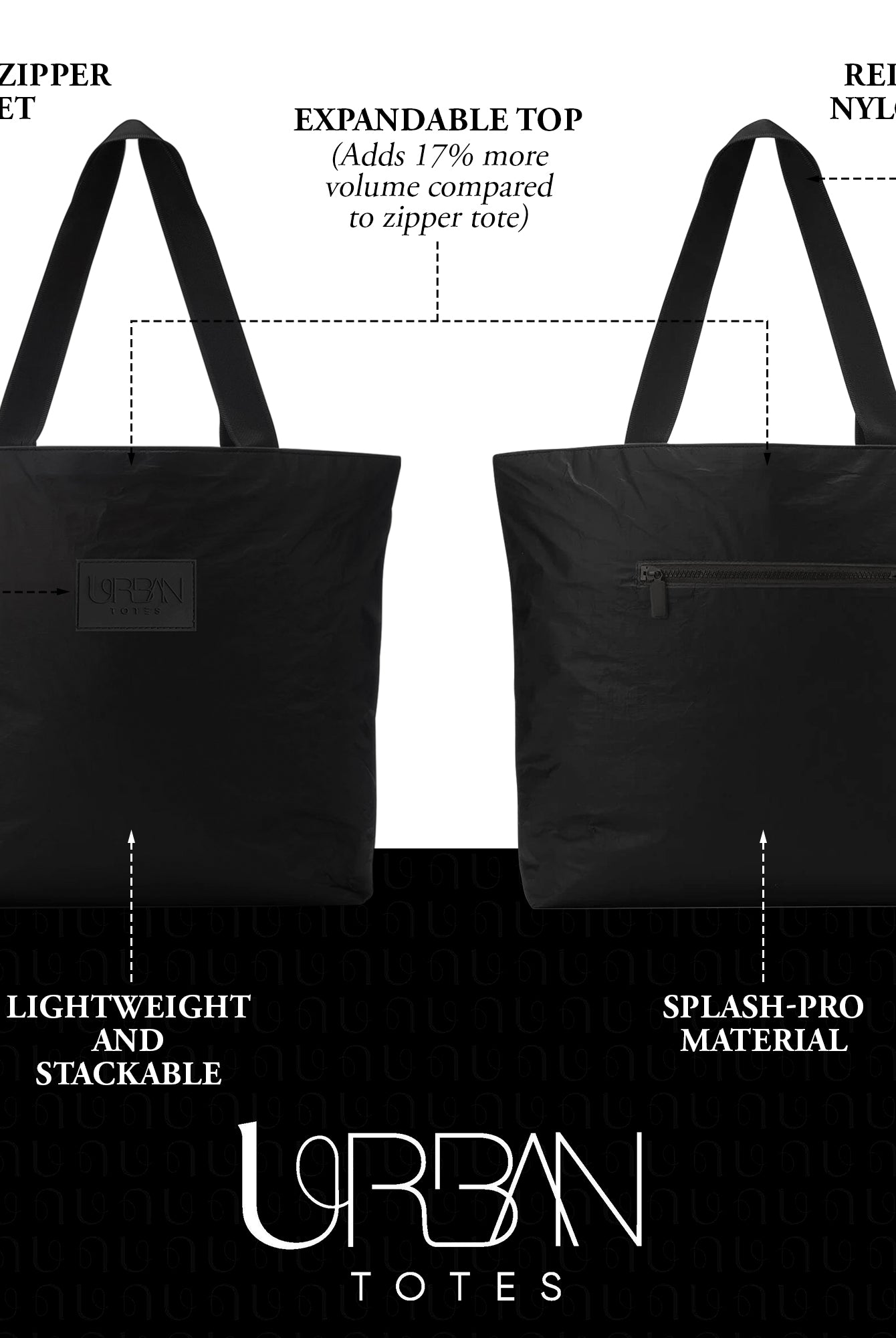
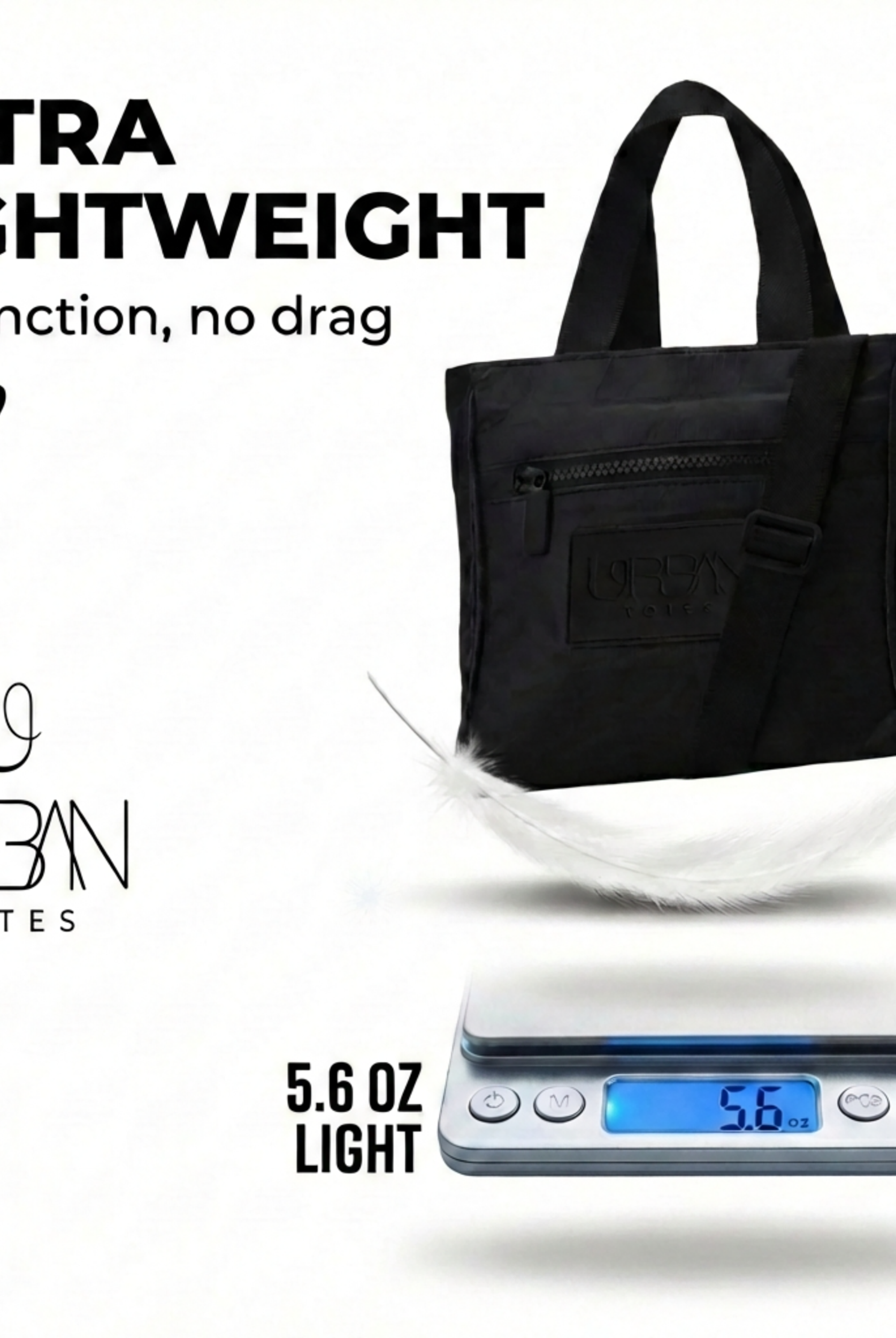
That middle ground is where thoughtful design matters. A bag can offer structure through lighter materials, smarter pocket layout, zipper closure, and a shape that stays useful without becoming bulky. That's the logic behind pieces like The OG Tote Bag, which is designed around lightweight, packable, water-resistant everyday carry with organized compartments and a secure top.
From a woman-owned Boise brand, that approach feels grounded in the way women move through a day. School runs, flights, meetings, beach parking lots, coffee lines, and grocery pickups all ask for the same thing. A bag that keeps up without getting in the way.
Find your perfect go-anywhere bag at Urban Totes. Shop the full collection and choose a tote that brings shape, organization, and everyday ease to whatever the day holds.