Your morning usually tells the truth about your bag.
You're balancing coffee in one hand, your phone in the other, and somehow still trying to lock the door, grab your keys, and answer a text. If you have a child with you, add a water bottle, a snack pouch, and the sudden need to hold a tiny hand right this second. If you commute, swap that for a badge, headphones, sunglasses, lunch, and the awkward shuffle of getting onto a train without dropping anything.
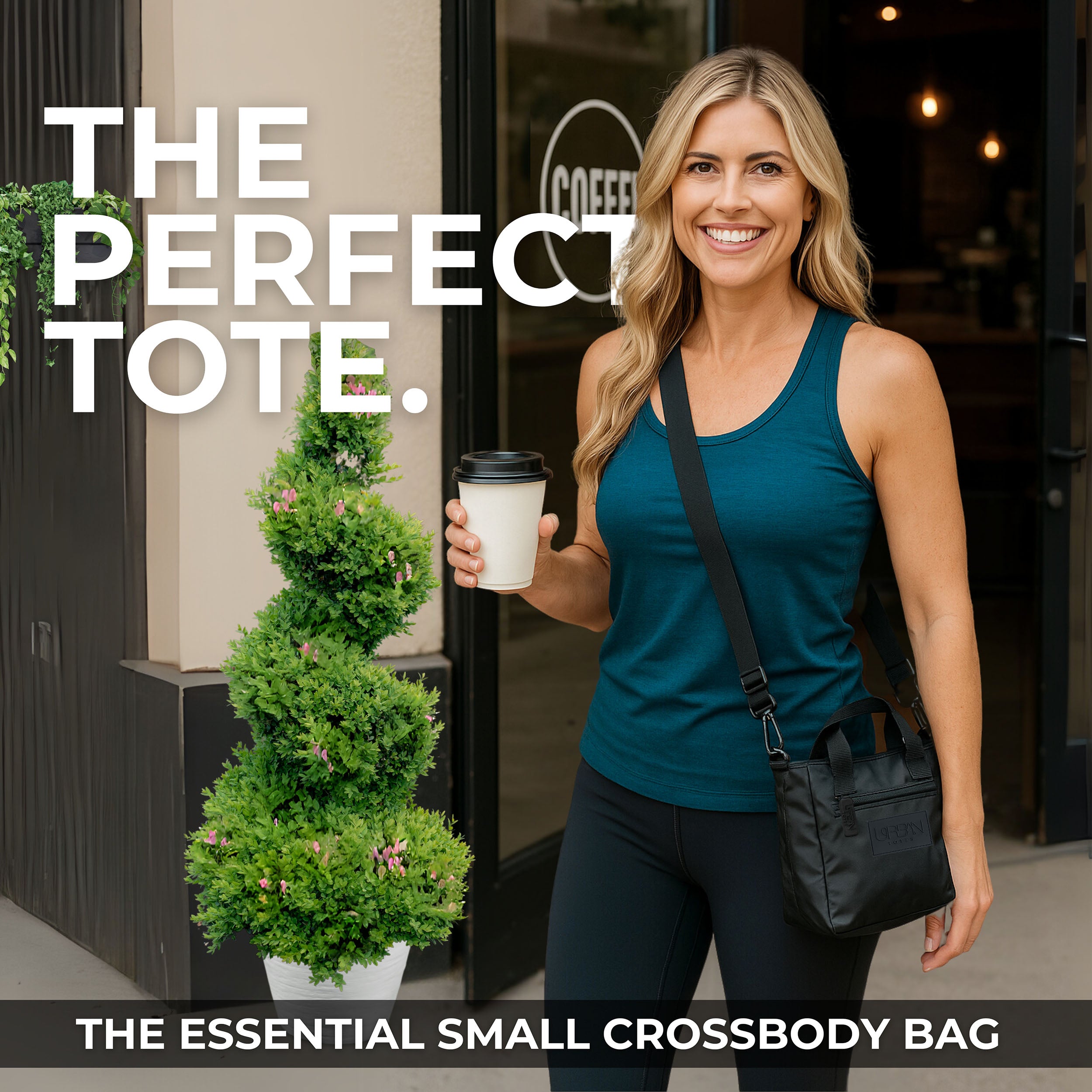
That's where tote bags with crossbody strap stop being a style detail and start acting like daily equipment. A good one gives you tote-level capacity without forcing you into that one-shoulder hunch. It lets you move, reach, carry, and react without constantly readjusting the bag itself.
The Modern Solution to a Hectic Life
A classic tote works beautifully right up until life gets active. It's great when you're walking from the car to the office. It's less great when you're carrying groceries, opening a stroller, digging for your transit card, or weaving through a crowded sidewalk with a hot drink.
The usual problem isn't space, as sufficient bag capacity is often already available. The problem is how the bag behaves while you're moving. Open tops slide off shoulders. Short handles trap one arm. Heavy loads pull unevenly. The bag becomes one more thing to manage.
That's why so many people end up wanting two bags at once. A roomy tote for capacity, and a crossbody for stability.
A well-designed bag should disappear into your day. You should notice what it carries, not what it demands from you.
Tote bags with crossbody strap solve that tension in a very practical way. They let you carry daily essentials like a tote, but wear the bag in a way that frees your hands and keeps the load closer to your body. That matters when your day involves constant transitions. School drop-off to work. Office to grocery store. Gym to errands. Gate change to rideshare.
What this changes in real life
Instead of pinning a strap on your shoulder and hoping it stays put, you get a carry method that moves with you.
- For caregivers: You can lift, reach, and bend without the bag sliding forward.
- For commuters: You can tap a transit card, hold a rail, and keep your phone accessible.
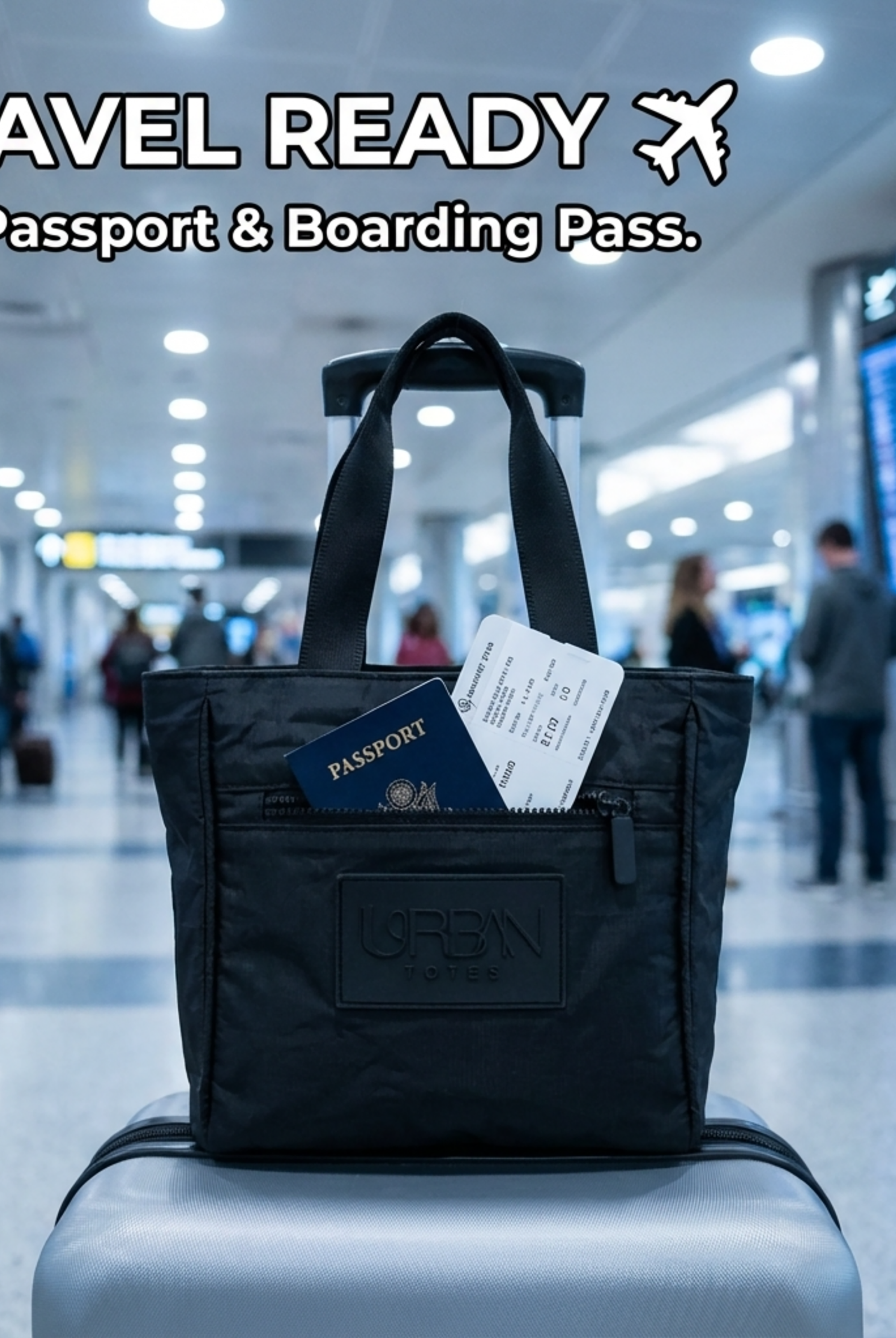
- For travelers: You can manage a suitcase handle and still keep your personal items secure.
- For everyday errands: You're not re-hoisting the same strap every few minutes.
The difference sounds small until you live with it. Then it becomes one of those upgrades you don't want to give back.
The Best of Both Worlds Understanding the Crossbody Tote
A crossbody tote is a hybrid. Think of it as the SUV of bags. It keeps the larger interior and easy loading of a tote, but adds the security and body-hugging carry of a crossbody.

That combination answers a real shift in how people carry things now. A 2023 survey found that 68% of U.S. adults use crossbody bags multiple times a week, surpassing traditional totes, reflecting demand for hands-free convenience and better security in busy environments, as noted in Alibaba's consumer usage analysis of tote bags and crossbody purses.
Why the hybrid works
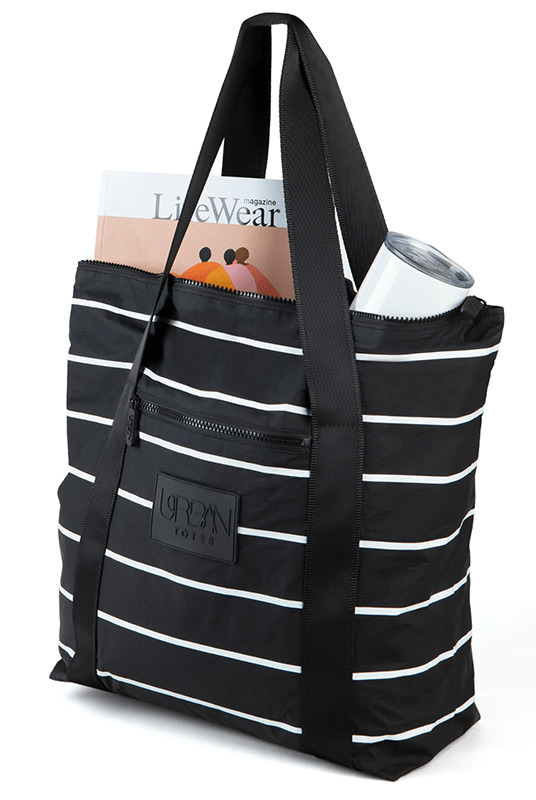
A standard tote is built around access. You can drop in a sweater, notebook, snacks, charger, and a water bottle without playing packing Tetris. That's useful. But the same open, easy shape can become unstable when you're moving fast.
A crossbody bag solves the movement problem by anchoring the load diagonally across the body. That placement usually feels more secure in crowded spaces and gives you more control when you bend, turn, or walk quickly.
When you combine the two ideas, you get a bag that handles a fuller day better than either format on its own.
What separates a real crossbody tote from a tote with a random long strap
Not every tote with an extra strap earns the title. Some are just regular totes with an attachment added as an afterthought.
A functional crossbody tote usually gets three things right:
- The bag shape supports movement: It shouldn't flop wildly when partially packed.
- The strap placement is intentional: Attachment points should help the bag sit flat against the body.
- The carry options are usable: Top handles and crossbody mode should both feel natural, not like one of them is there just for product photos.
If the long strap makes the bag twist, tip, or hit your leg with every step, the design isn't finished.
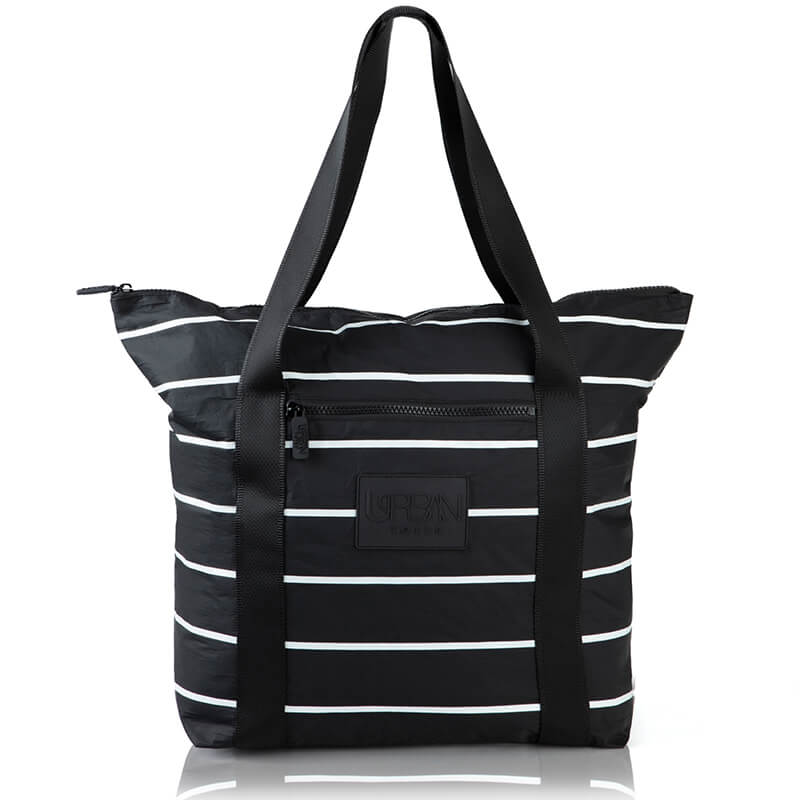
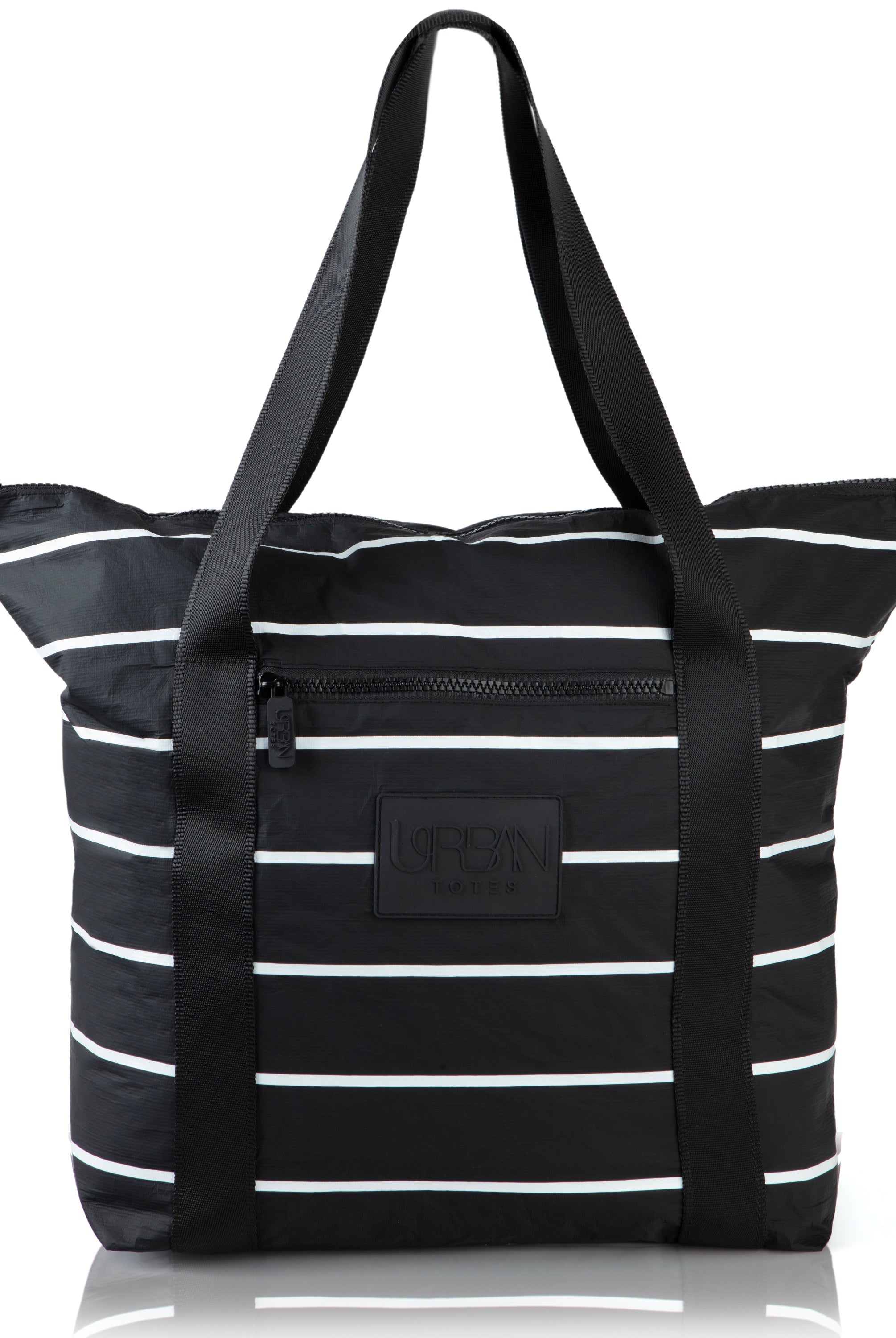
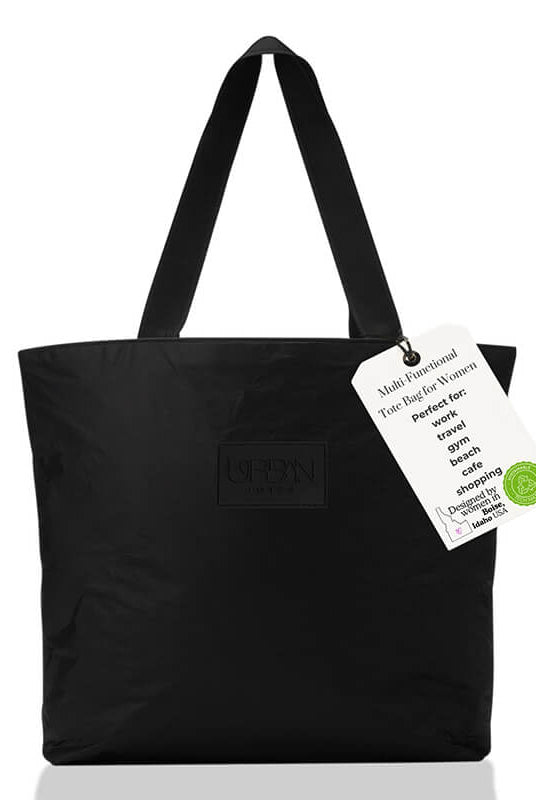
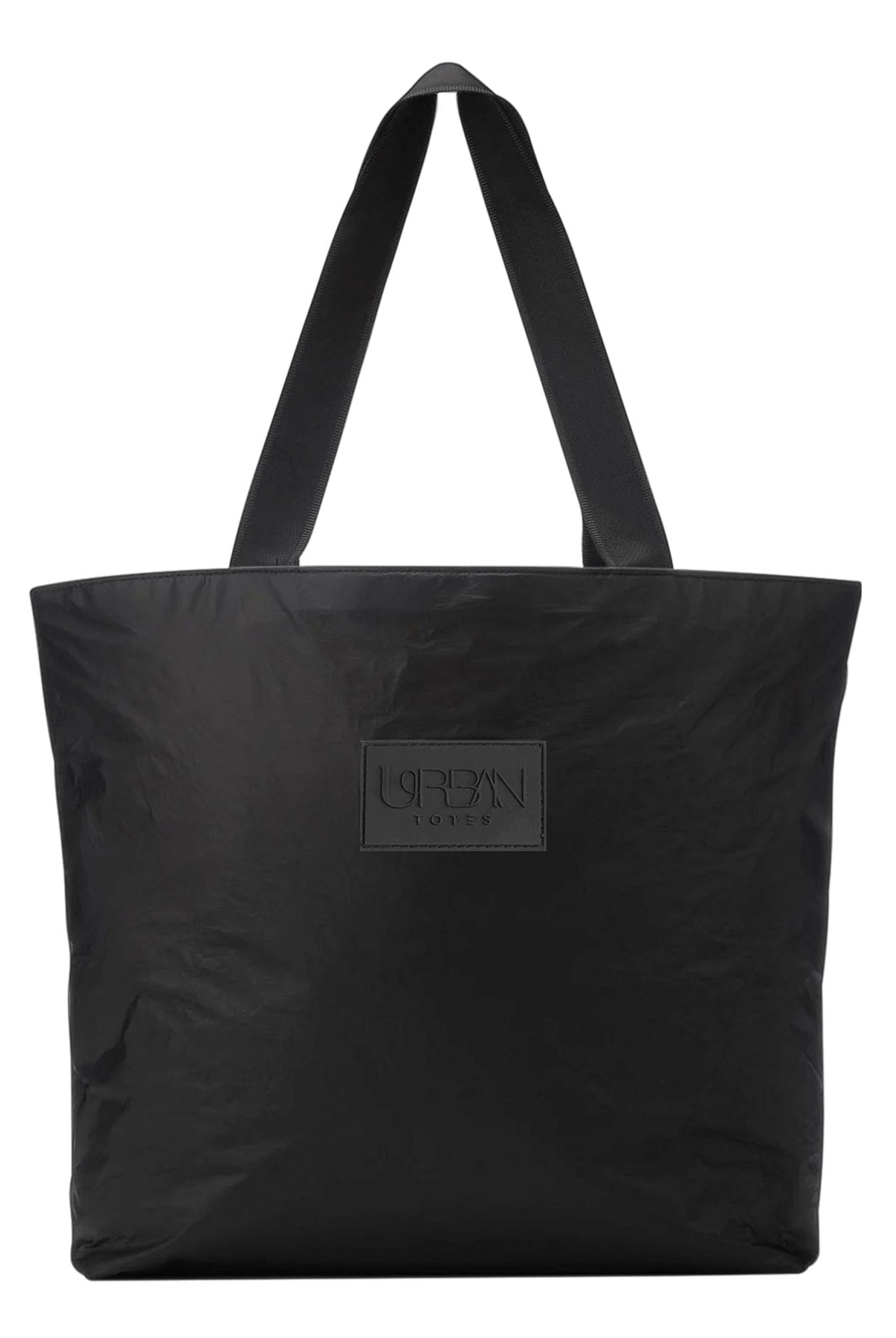
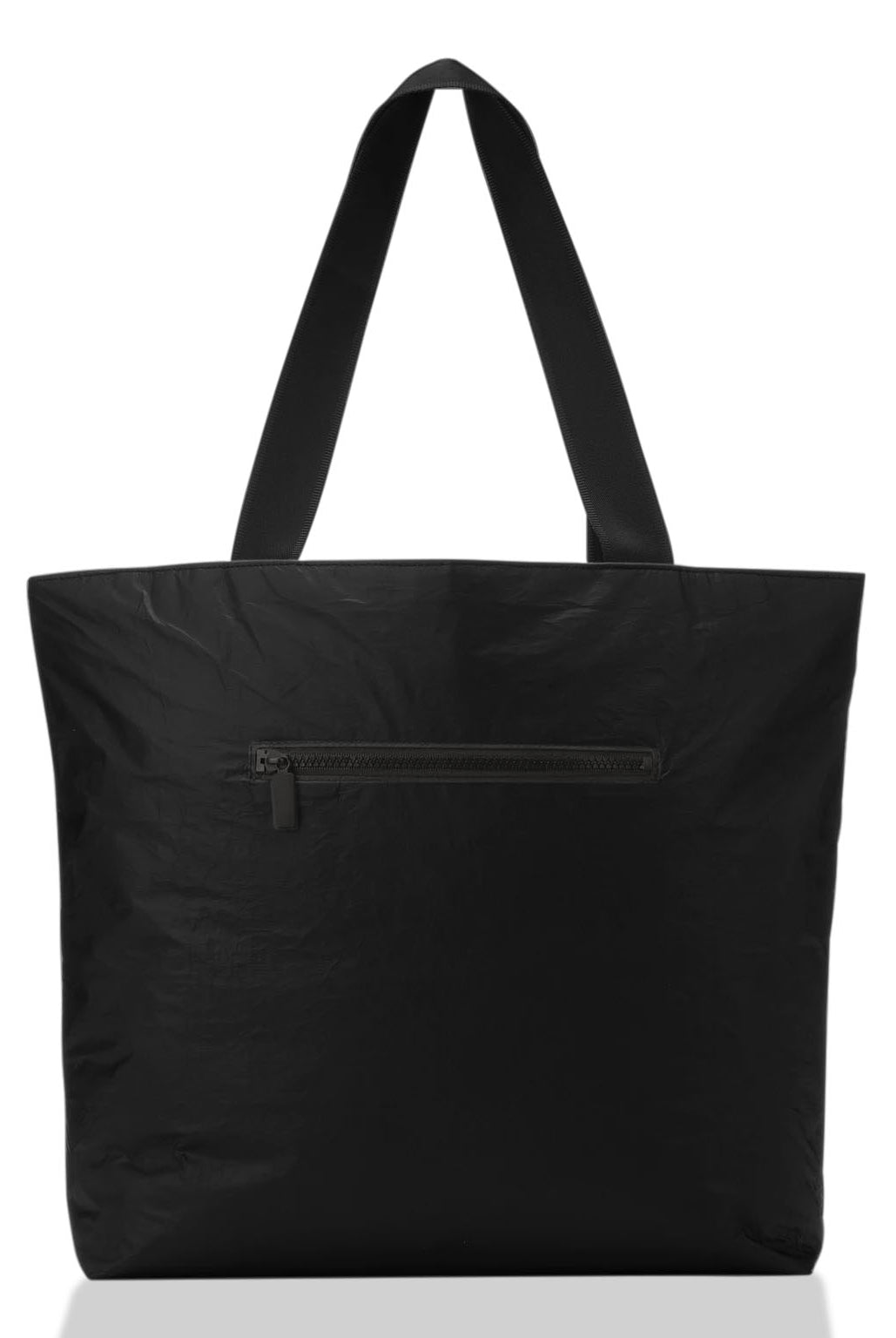
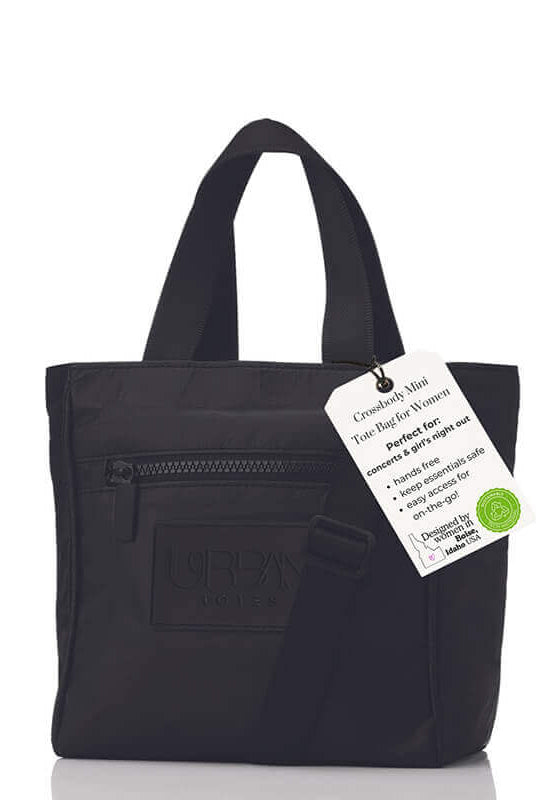
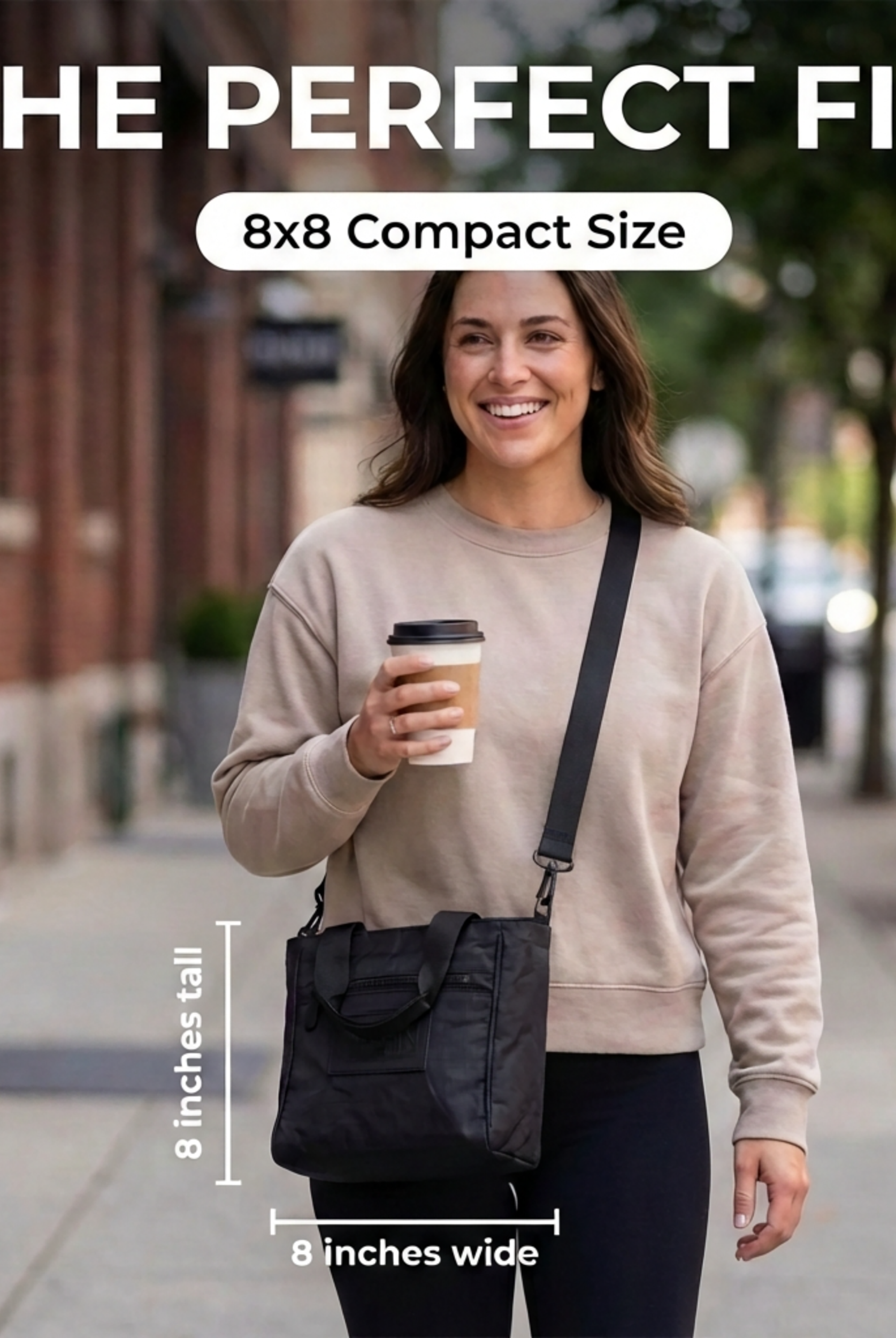
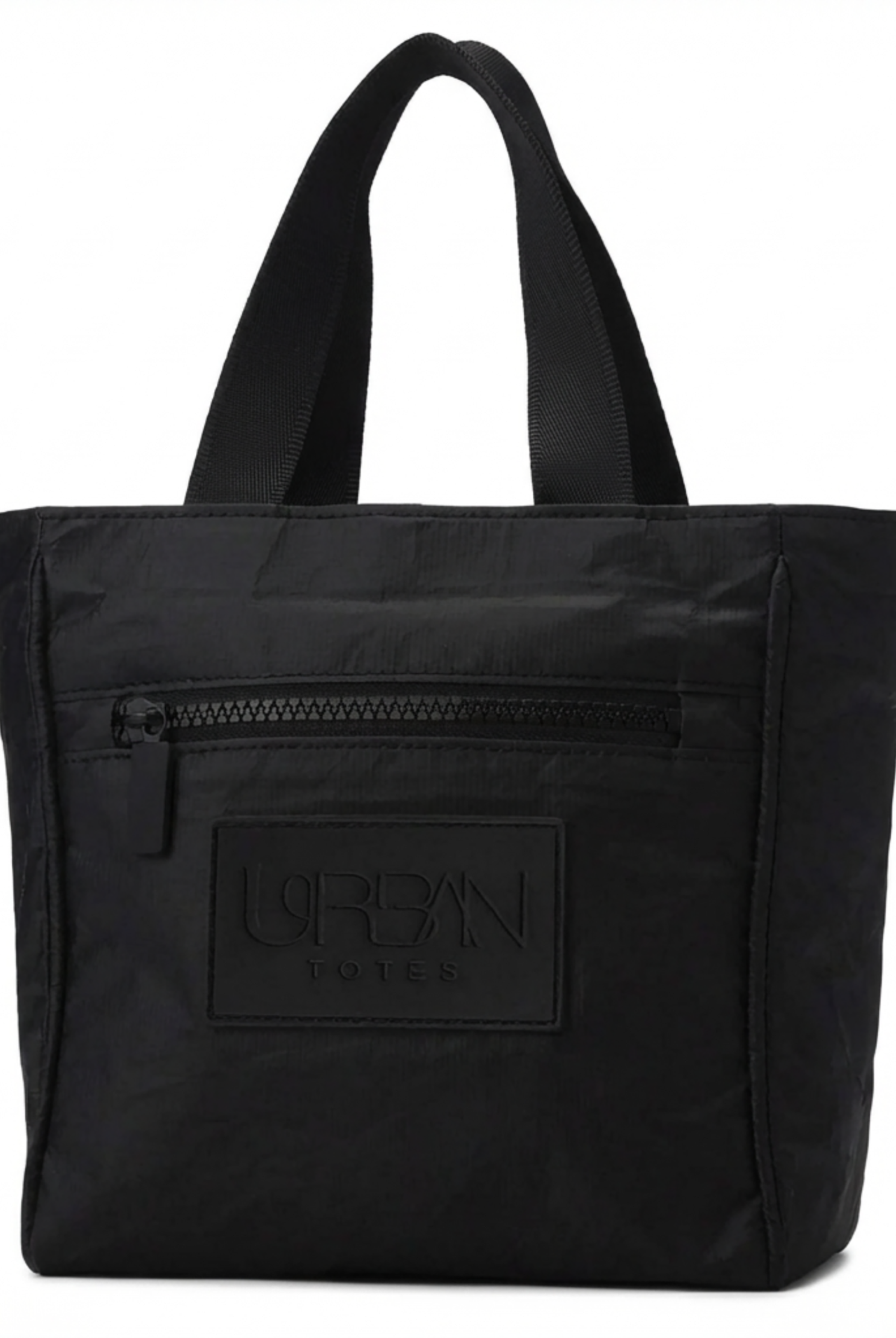
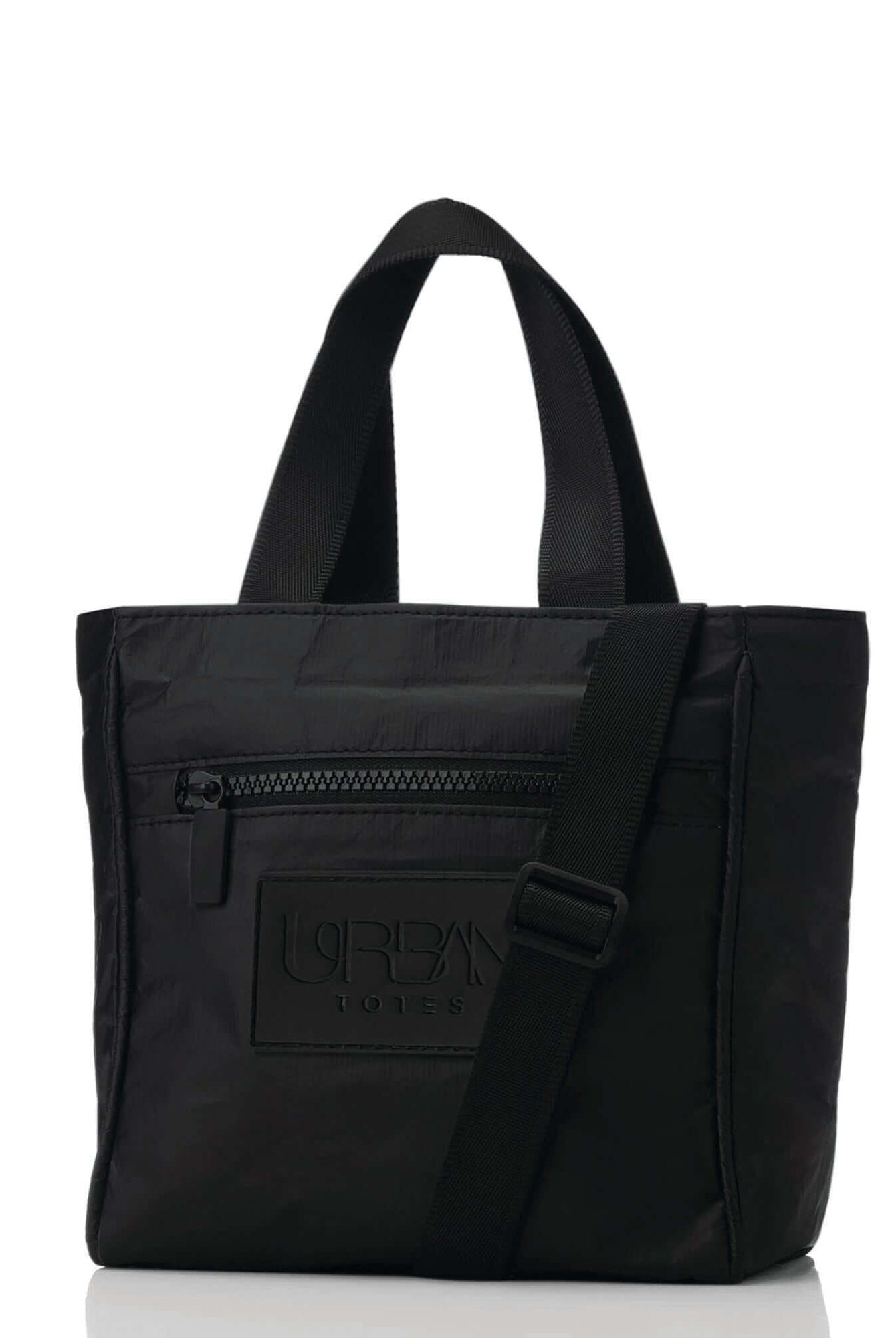
For smaller everyday carry, a compact version can be enough. A piece like the Urban Totes Crossbody Mini Tote Bag Purse reflects that idea by offering tote-style structure in a more scaled-down format for lighter daily loads.
Checklist for the Perfect Bag Key Features to Demand
Retail descriptions often stop at “adjustable strap” and “roomy interior.” That's not enough. If a bag is going to work all day, every day, the details have to support comfort, access, and durability at the same time.

Strap design that supports your body
The strap is the first thing I check because it usually determines whether a bag becomes a favorite or gets abandoned in a closet. A long strap alone doesn't guarantee comfort. The shape, width, adjustability, and hardware all matter.
Look for these signs of a usable strap:
- Adjustable range that fits real bodies: You want enough length to wear the bag comfortably across the torso, not just on one shoulder.
- A strap with some substance: Thin straps tend to dig in faster, especially when the bag carries a bottle, tablet, or lunch.
- Stable attachment points: Clips and rings should keep the bag from tipping or twisting while you walk.
A bag can have beautiful materials and still fail if the strap turns every carry into a posture problem.
Materials that match real weather and real routines
Many shoppers are changing their priorities, with the rise of “sustainable tote crossbody” searches up 61% year over year, and 75% of shoppers reporting frustration with bulky options, which points to a clear gap for lightweight, packable, water-resistant designs, according to Etsy market trend analysis for soft unstructured totes.
That tracks with what works in everyday life. People want a bag that can handle damp countertops, surprise drizzle, gym clothes, snack spills, and the inside of an airplane seat pocket without acting precious.
A practical material choice usually looks like this:
| Feature | What works | What tends not to |
|---|---|---|
| Weight | Lightweight fabric that doesn't start heavy before you pack it | Thick material that feels sturdy but becomes tiring fast |
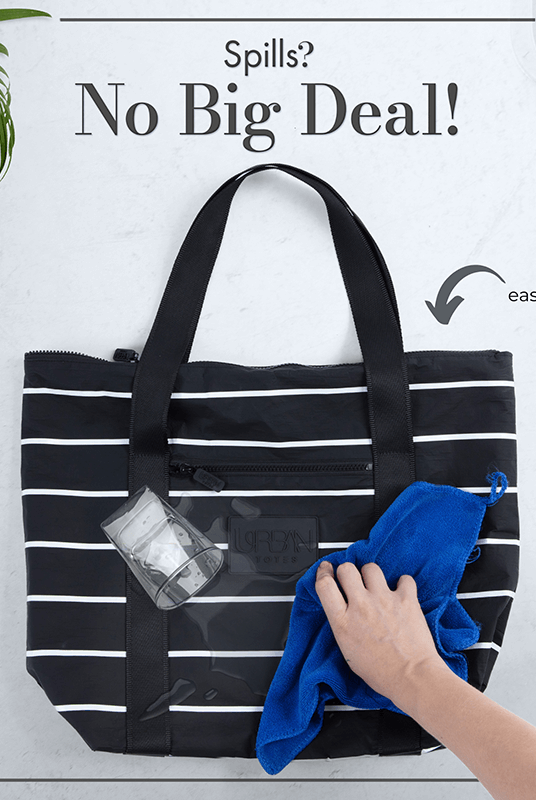
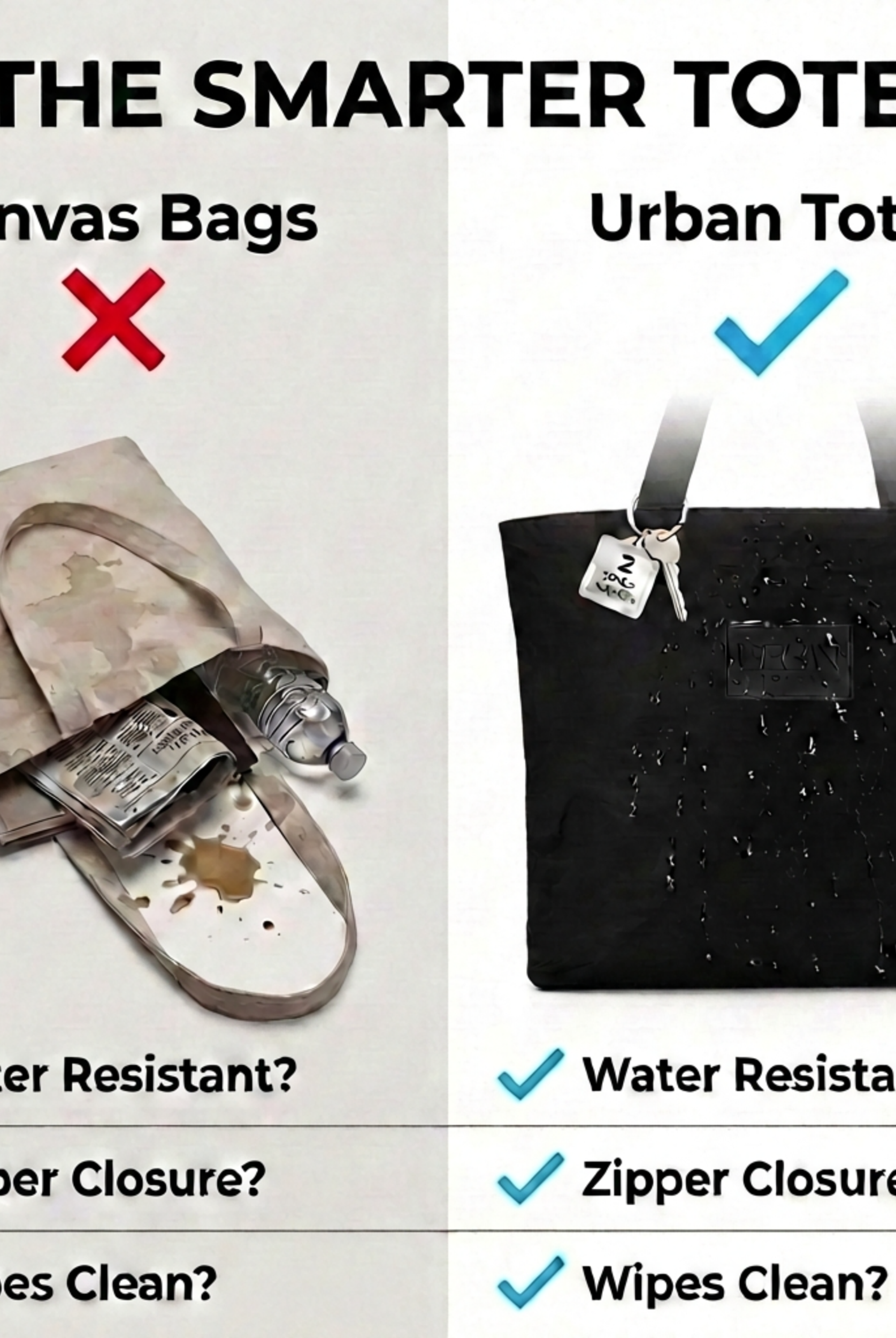
| Surface | Splash-proof or water-resistant finish | Fabrics that stain easily or absorb moisture |
| Flexibility | Packable body with some structure where needed | Completely floppy shapes that collapse into everything |
| Care | Easy wipe-clean maintenance | Materials that need frequent conditioning or special treatment |
Organization that prevents the black-hole effect
A roomy interior is only useful if you can find anything in it. The best crossbody totes don't rely on one giant cavity. They create a simple system.
Try to spot:
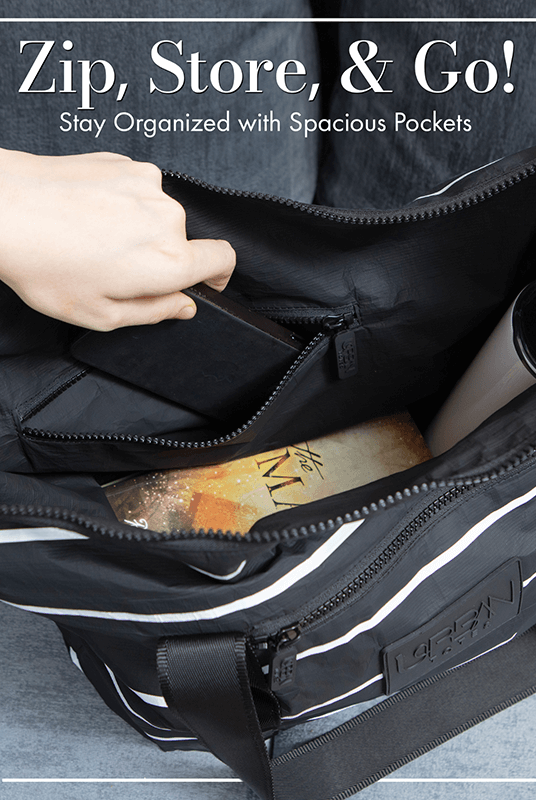
- A dedicated phone pocket: Fast access matters when you're on the move.
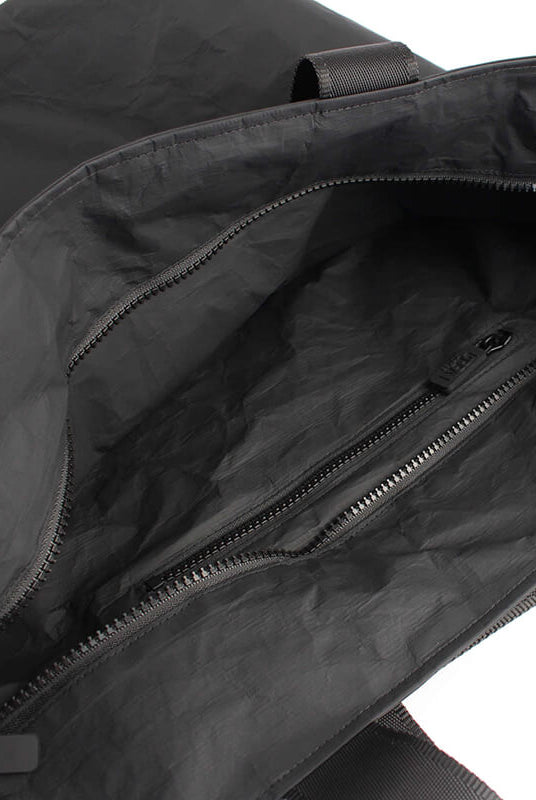
- A key placement strategy: A leash, zip pocket, or fixed interior pocket saves time.
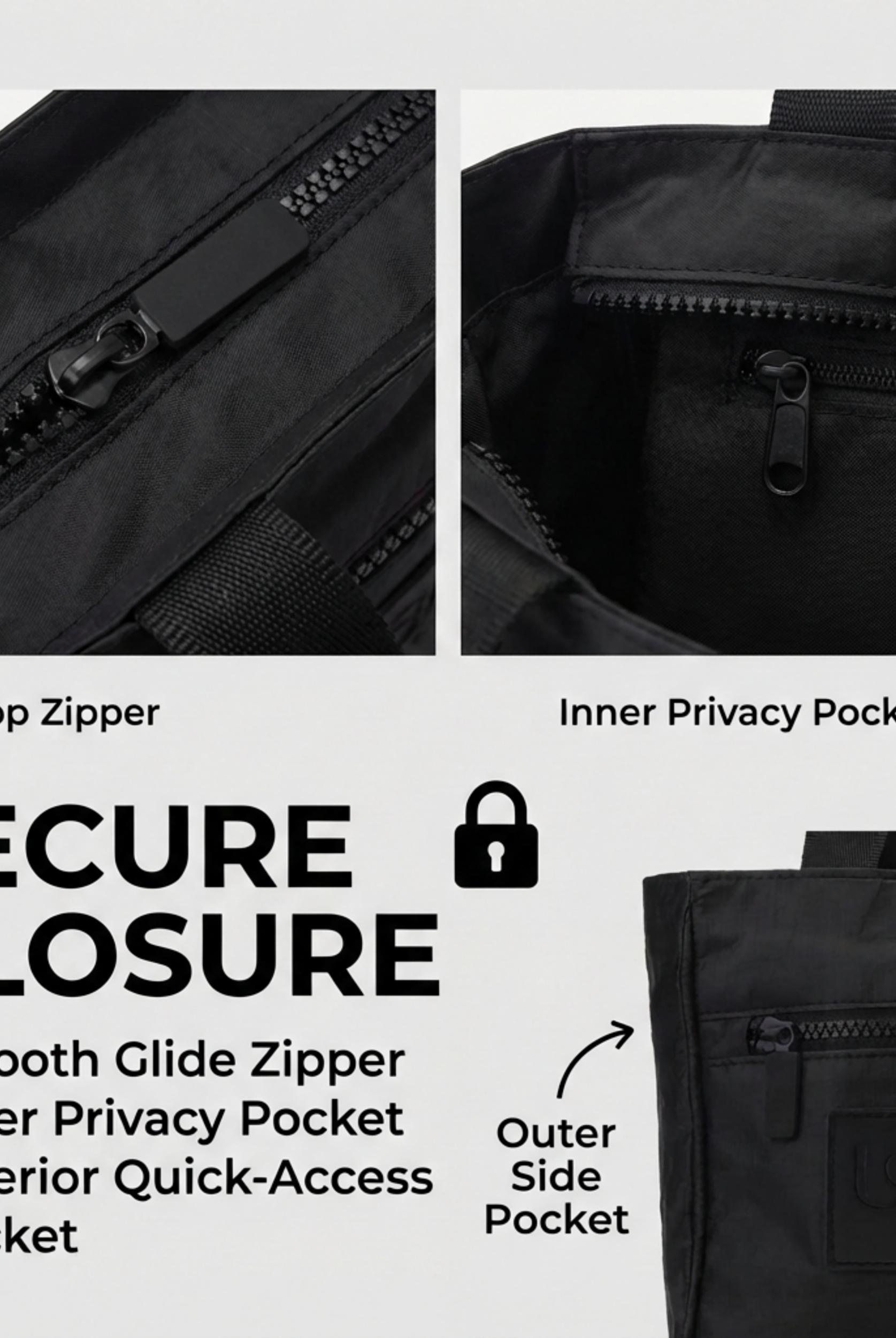
- At least one secure compartment: Useful for cards, medication, earbuds, or anything you don't want drifting around the base of the bag.
Practical rule: The bigger the bag, the more internal structure it needs. Extra volume without organization just creates a deeper mess.
Security that suits crowded days
Open-top totes feel casual and easy. They're also easy for everything else to fall into. Or out of.
For commuting, travel, and crowded public spaces, zip-top closure is usually the smarter choice. It keeps contents contained when the bag tips and adds peace of mind when you set it down. If you prefer a soft tote silhouette, at least make sure the opening doesn't gape when the bag is worn crossbody.
The strongest options combine secure closure, sensible pockets, weather-tolerant materials, and a strap that's built for actual wear, not just shelf appeal.
Is a Crossbody Tote Right for Your Daily Life
The easiest way to judge this style is to watch what your day asks your body to do. If you're constantly reaching, lifting, bending, boarding, carrying, or multitasking, the answer is often yes.

The multitasking parent
A parent's bag has to do more than hold things. It has to stay out of the way while still being available instantly.
Think about a normal outing. Wipes, snacks, sunscreen, a small toy, your wallet, your phone, a water bottle, maybe an extra shirt. Then your child wants help with a shoe, wants to be picked up, or bolts toward the curb. In that moment, a bag that slides off your shoulder is more than annoying. It interferes.
A crossbody tote helps because it keeps the load attached to you while leaving your arms free for the part that matters.
The commuter with too much to carry
The commuter version is different but just as physical. You're opening doors, tapping transit, carrying coffee, checking a schedule, and shifting through crowded space with a laptop, charger, lunch, and maybe a light layer.
This is also where poor strap design catches up quickly. A 2025 analysis found that 68% of tote users report shoulder strain from unpadded straps after two hours of wear, and searches for “tote bag crossbody strap pain” rose 42% year over year, highlighting the need for more ergonomic options for caregivers and commuters, according to Nordstrom's tote category trend context.
When a bag is loaded, the strap can't be an afterthought. If it pinches, slides, or concentrates pressure in one narrow line, you'll feel it by mid-morning.
The spontaneous traveler
For a weekend traveler or frequent flyer, this style earns its keep during transitions. Airport security, boarding, coffee line, gate changes, train platforms, hotel check-in. Travel involves lots of standing and moving, not just carrying.
A crossbody tote works especially well as a personal-item bag when you want quick access to the things you reach for repeatedly:
- Travel wallet or passport
- Phone and charger
- Headphones
- Water bottle
- Light layer or scarf
- Small pouch for toiletries or medication
The right travel bag doesn't just fit under a seat. It keeps your essentials reachable without forcing you to unpack in public.
If your life includes active movement, shifting environments, or the need to keep your hands available, a crossbody tote is less of a fashion category and more of a daily systems upgrade.
How to Style and Pack Your Tote Like a Pro
Good carrying is half bag choice and half bag use. Even a well-designed tote can feel clumsy if it's worn too high, packed unevenly, or stuffed without any internal logic.
Wear it where your body can actually carry it
Fit matters more than people think. Medium totes that are 14 to 16 inches wide need strap lengths of at least 39 to 47 inches for an effective hip-drop position, and ill-fitting straps can increase spinal compression by up to 20% on carries over five hours, according to JungleVine's guide to tote sizes and strap lengths.
In practical terms, that means the bag should sit low enough to stay stable, but not so low that it bangs against your thigh with each step.
A few styling rules help immediately:
- For commuting: Wear the bag close to the body, with the opening easy to reach without swinging it around fully.
- For errands: A slightly higher carry often feels better when you're stopping and starting.
- For bulkier coats: Lengthen the strap before leaving home. Heavy outerwear changes the fit more than people expect.
Pack in zones, not piles
The easiest way to avoid tote chaos is the pouch system. Don't let small items float loose.
Use three simple zones:
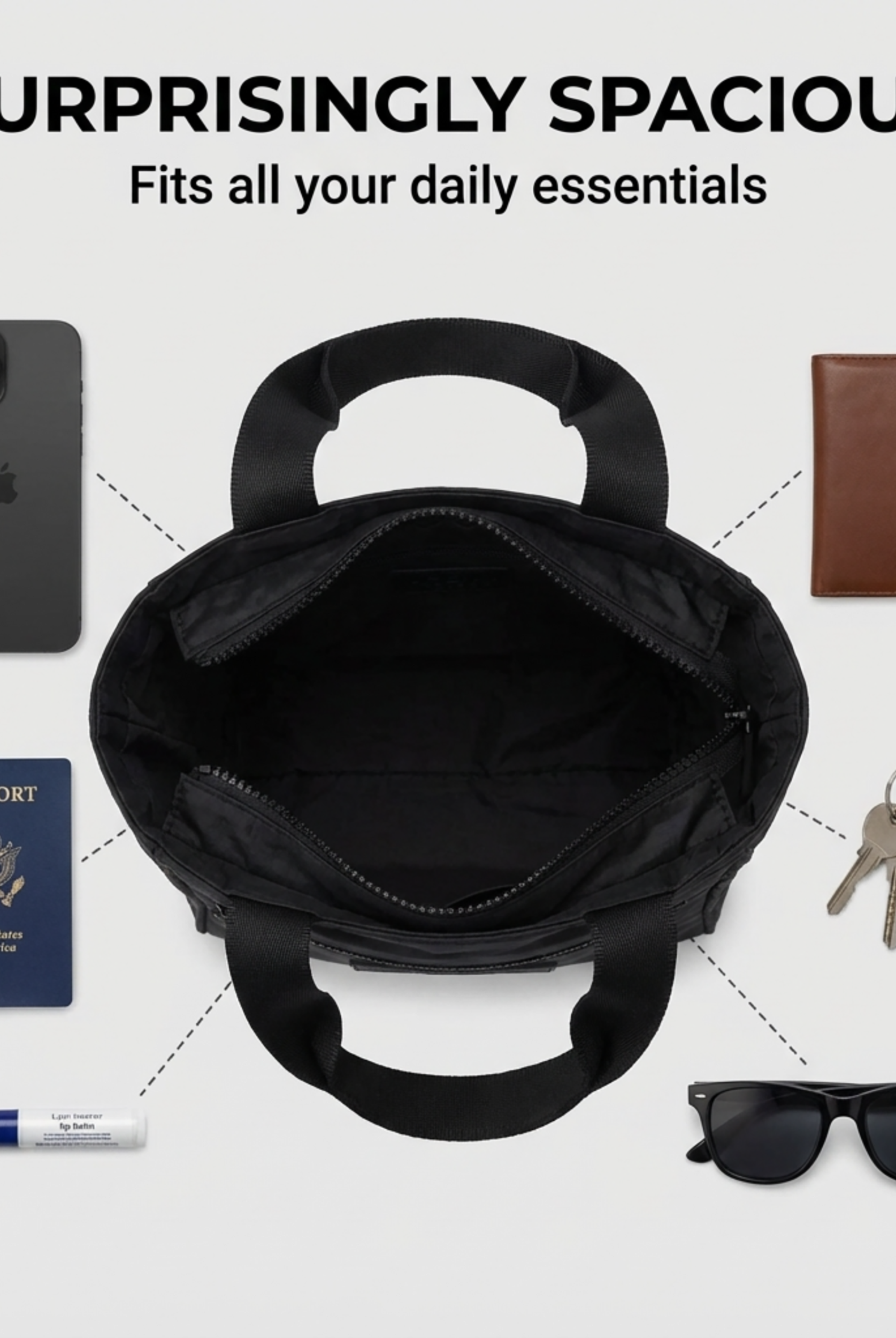
- Fast-access zone for phone, keys, wallet, lip balm
- Core-carry zone for notebook, bottle, charger, sunglasses
- Soft-flex zone for a cardigan, snacks, or a compact extra layer
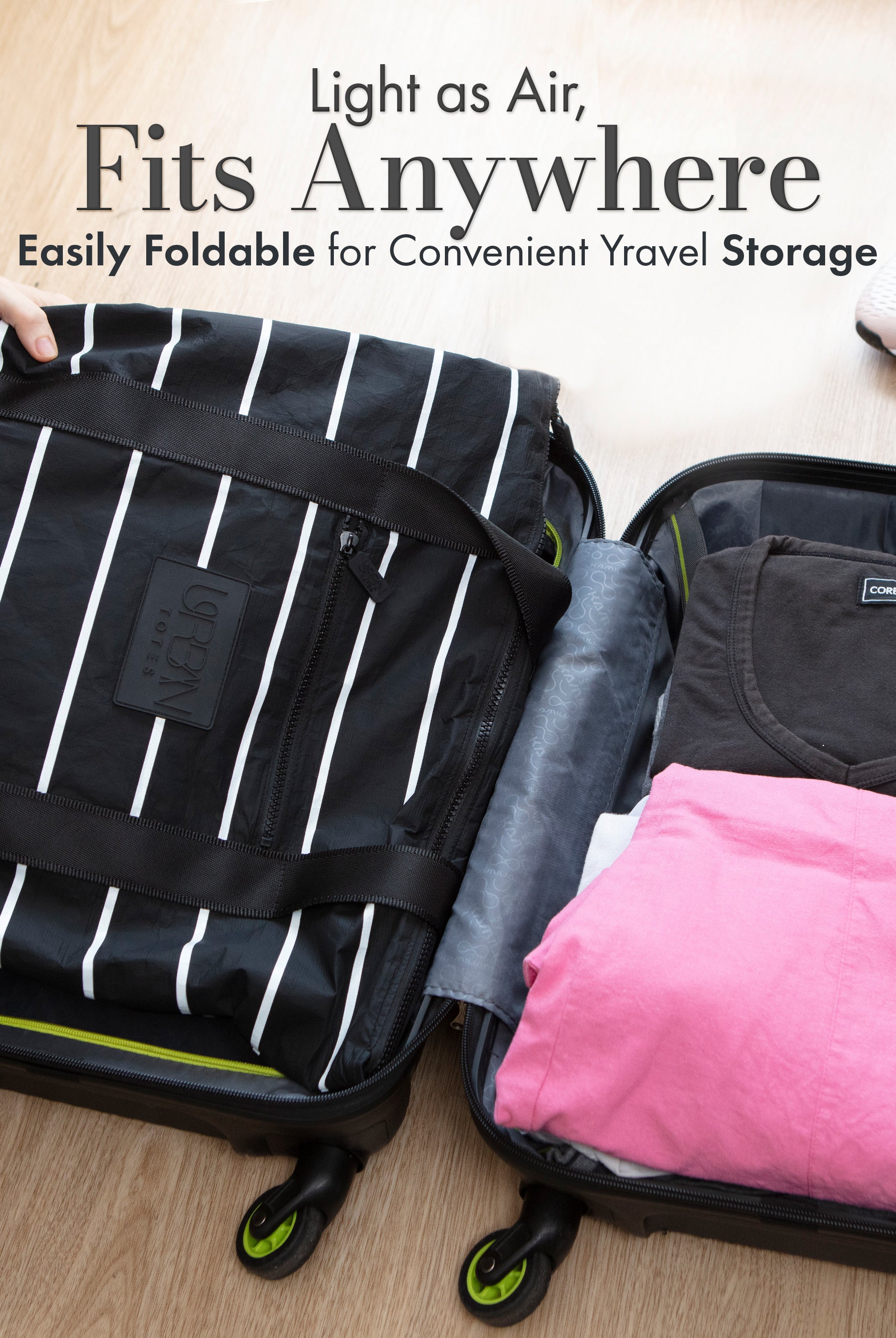
If you're packing for a short trip, a few ideas from these five convenient ways to pack your weekender tote bag for travel translate well to everyday crossbody totes too. Grouping similar items together keeps the bag from turning into one big dig-around compartment.
Balance the weight
This part changes comfort fast. Put heavier items closest to the body-facing panel when possible. That usually helps the bag sit flatter and swing less.
Soft items work best around the edges or top. Hard items should stay contained so they don't create pressure points against your hip or ribs.
Pack for movement, not for the mirror. A bag can look neat on a chair and still carry badly once you start walking.
Keeping Your Go-To Bag in Great Condition
A durable bag isn't just one that survives wear. It's one you can realistically maintain on a busy schedule. If care feels fussy, upkeep is often neglected, and the bag starts looking tired long before it should.
That's why material choice matters beyond appearance. Smooth, wipe-clean, water-resistant fabrics usually make more sense for daily life than materials that need regular treatment or careful storage. If your bag goes from office floor to car seat to café chair to gym bench, easy care is part of the design brief.
Maintenance habits that actually stick
Simple care beats occasional deep cleaning.
- Empty it fully once a week: Shake out debris, receipts, and loose wrappers before they grind into the lining.
- Wipe the base and handles regularly: Those are the first areas to show daily contact.
- Check the hardware: Clips, rings, and adjustment slides should move cleanly and hold position.
- Store it shaped, not crushed: Even flexible bags last longer when they aren't flattened under heavier items.
For comfort over time, the strap deserves special attention. Optimal ergonomics call for an adjustable strap length of 39 to 51 inches, and a width of 0.75 to 1 inch helps distribute pressure more evenly for people carrying 10 to 15 pounds, as outlined in Portland Leather Goods' crossbody tote sizing guidance. If the strap starts to twist or the hardware slips, the bag will feel worse before it looks damaged.
For a more complete routine, Urban Totes' tote bag maintenance tips and tricks offer practical cleaning and upkeep ideas that fit modern everyday materials well.
Why Urban Totes Are Designed for Real Life
The strongest tote bags with crossbody strap do the same few things well. They carry enough. They stay comfortable while moving. They keep essentials easy to find. They don't punish you for using them in actual life.
That sounds obvious, but it rules out a surprising number of bags. Some are roomy but awkward. Some are sleek but unorganized. Some look polished on a product page and become frustrating the moment you add a water bottle, charger, keys, and one unpredictable errand.
What real-life design usually gets right
A useful daily bag tends to share the same priorities:
| Need | Design response |
|---|---|
| Hands-free movement | A stable, adjustable crossbody carry option |
| Less strain | Strap width and fit that support longer wear |
| Faster access | Pockets placed for the things you reach for most |
| More confidence in motion | Secure closure and a body that doesn't spill open |
| Easier upkeep | Materials that clean quickly and handle repeat use |
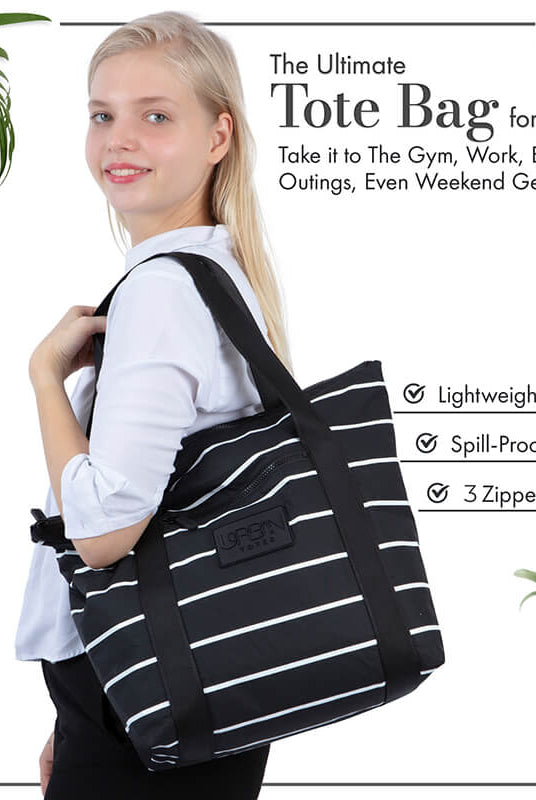
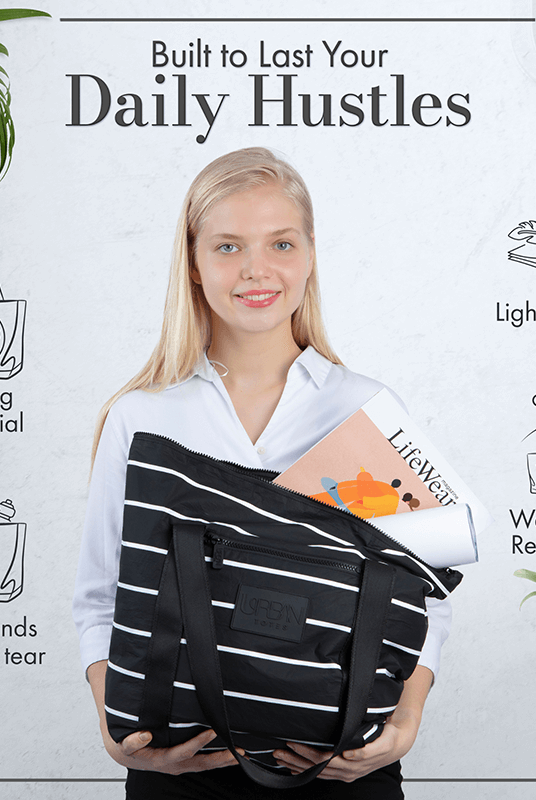
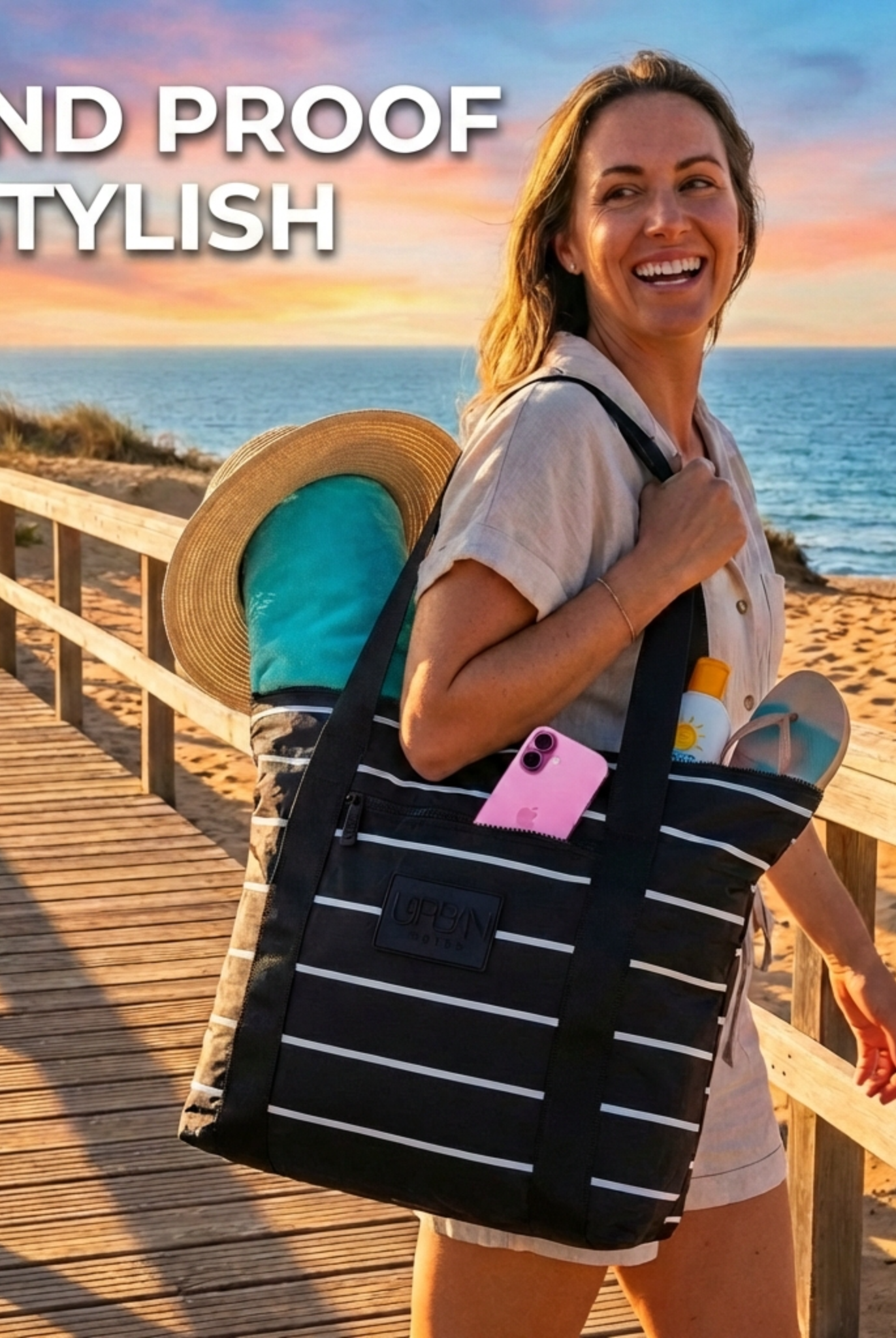
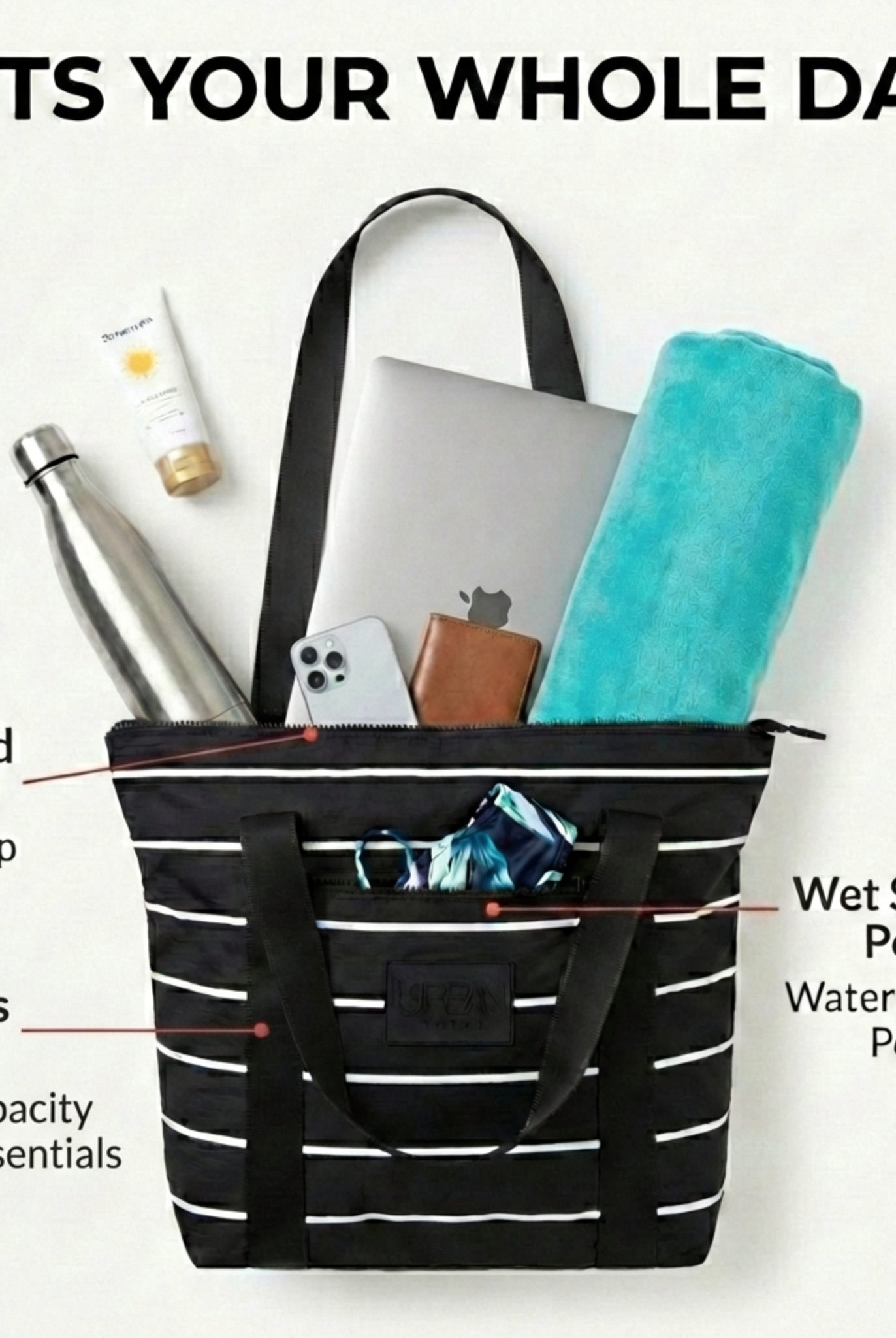
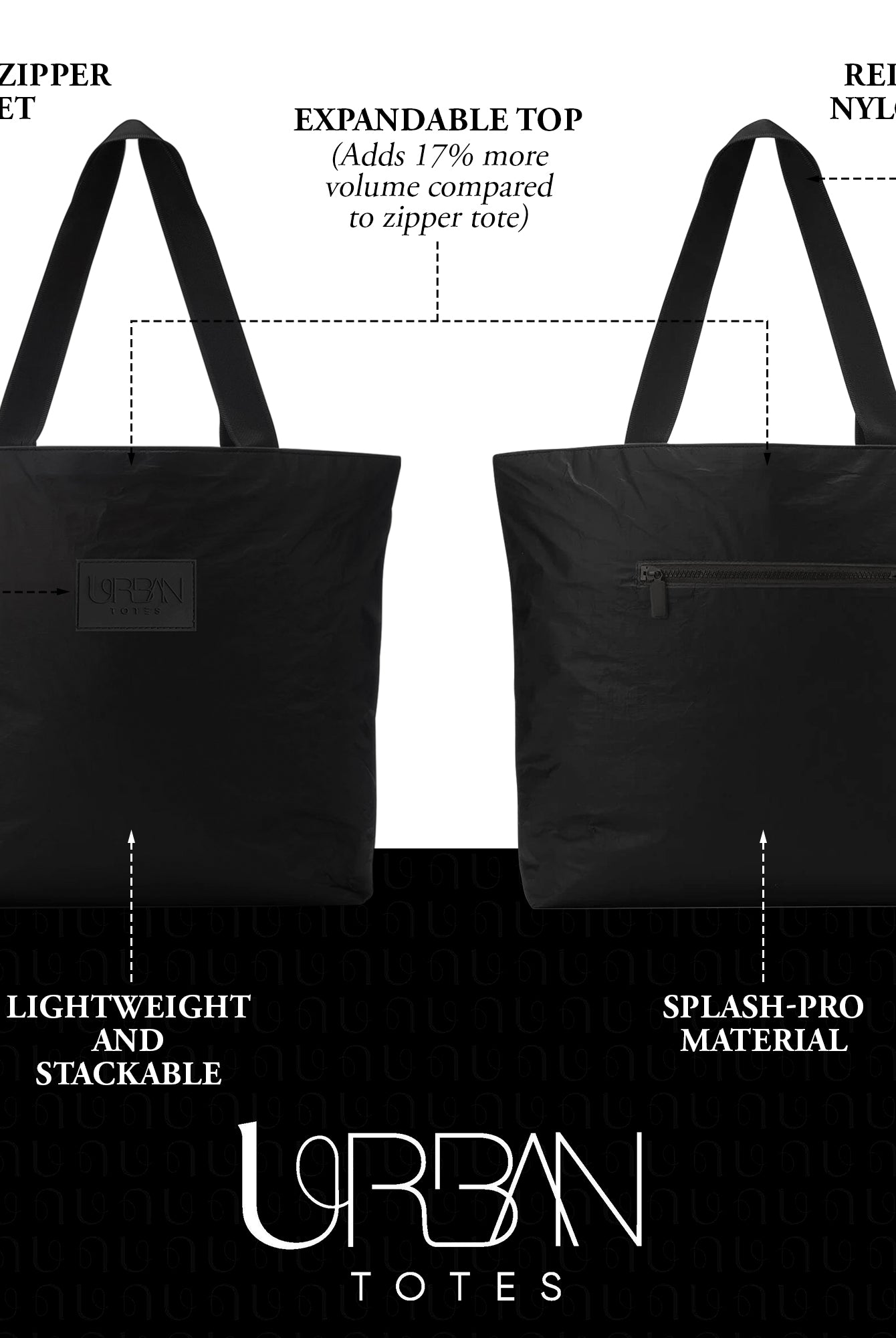
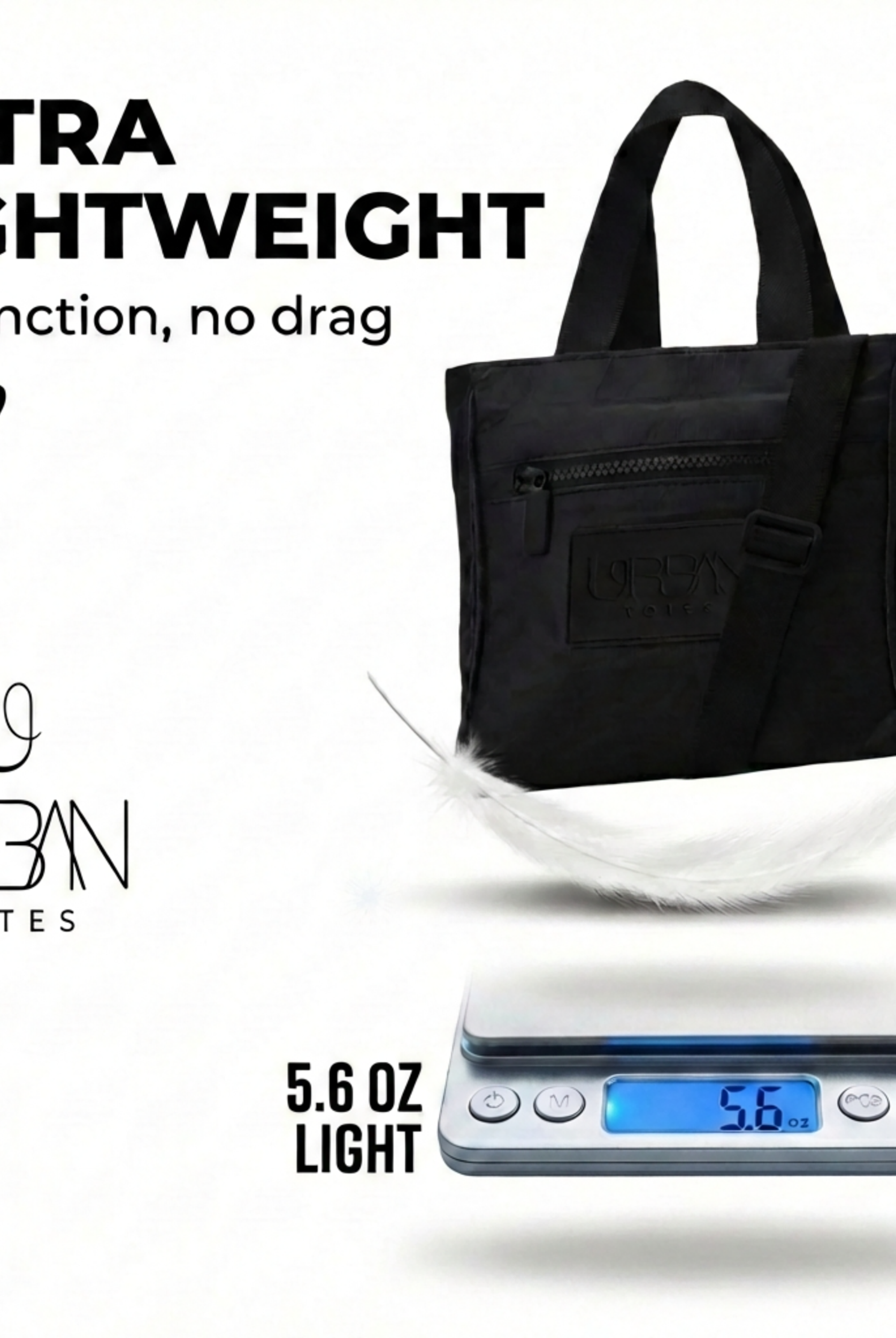
Urban Totes sits naturally in that conversation because the brand's design brief matches realities discussed throughout this guide. The collection focuses on lightweight, splash-proof, easy-to-clean materials, practical interior organization, secure zip closures, and carry options meant for commuting, errands, travel, and daily transitions.
The bigger point
The best bag usually isn't the fanciest one. It's the one that keeps pace without creating extra work.
That's why this category matters. A thoughtfully made crossbody tote supports posture better than many traditional shoulder bags, offers more stability than an open tote, and handles a wider range of daily tasks than a small crossbody alone. For busy women especially, that combination can make the day feel less cluttered before anything even comes out of the bag.
Choose the one that fits how you move. If your life involves full hands, quick transitions, and lots of small responsibilities stacked into one day, a crossbody tote isn't extra. It's infrastructure.
If you're comparing options, focus on fit, strap design, closure, material, and internal layout first. Those are the details you'll feel every single day. Style matters too, but the right tote should do more than look good on your arm. It should make your whole routine easier.