You know the feeling. Friday afternoon turns into a quick overnight plan, your kid needs a change of clothes, you want your laptop just in case, and suddenly you're staring at three bad options: a backpack that won't zip, a giant suitcase that feels ridiculous for a short trip, or a tote that turns into one big black hole by mile one.
That's usually when the wrong bag makes itself known. It's too floppy, too bulky, too heavy, or too chaotic inside. A good bag should make a quick getaway feel easier, not create one more thing to manage.
That's why the weekender bag has become such a useful staple. It isn't just for travel. For a lot of women, it's the bag that handles the in-between spaces of real life: a night away, a workday that rolls into a workout, a road trip snack stash, or a Saturday full of errands. If you've been trying to build a smarter bag lineup, this guide pairs well with these thoughts on the best everyday bags for women.
Table of Contents
- The Perfect Bag for Life in Motion
- So What Exactly Is a Weekender Bag
- Weekender vs Duffel vs Carry-On Tote
- The Anatomy of a Perfect Weekender
- How to Choose the Right Weekender for You
- Packing and Caring for Your Go-Anywhere Bag
The Perfect Bag for Life in Motion
A weekender earns its place because life rarely stays in one lane.
One day it's a short hotel stay. The next, it's school drop-off, a coffee meeting, and a change of clothes for later. Then it becomes the bag you grab for a day trip, a gym run, or a long car ride when everyone needs snacks, layers, chargers, and one place to toss the extras.
Why the wrong bag always shows up at the worst time
A tiny bag forces hard choices. A large suitcase solves the space problem but creates a new one. You end up dragging more structure than you need. And a simple open tote can look chic until you're digging for headphones, wipes, or your keys while balancing on a curb.
That middle ground is where a weekender shines. It gives you room without pushing you into full luggage mode.
A well-chosen weekender feels less like occasion-specific luggage and more like a reliable everyday carry with extra range.
Why women keep reaching for this style
The best weekender bags work because they match the rhythm of modern routines. They move easily from trunk to train, office to airport, hotel room to beach chair. They also look more polished than a gym bag and feel less rigid than rolling luggage.
That versatility matters. Individuals typically don't want a separate bag for every possible plan. They want one that can flex.
A stylish, organized weekender fits that job especially well if you value:
- Quick packing: You can throw in clothes, toiletries, and chargers without a full packing production.
- Daily usefulness: It still works when your “trip” is just a long day away from home.
- Better portability: You can grab it, carry it, and set it down without dealing with wheels or a hard shell.
For women juggling family logistics, work, and spontaneous plans, a weekender often becomes the bag that handles the most.
So What Exactly Is a Weekender Bag
A weekender bag is a compact travel bag built for short trips. Its job is simple. Hold what you need for a brief getaway without crossing into suitcase territory.
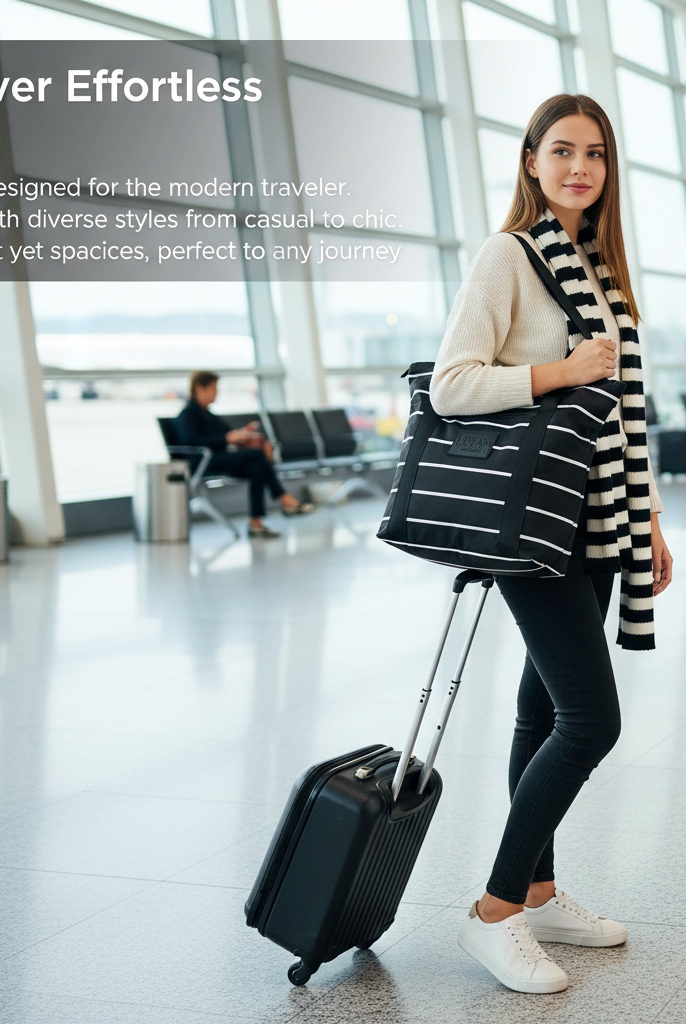
Industry guidance commonly places this category in the roughly 30 to 50 liter range, and REI notes that weekend trips generally need about 50 liters or less. The same guide explains that a common carry-on benchmark is 22 x 14 x 9 inches, with many airline carry-on limits measured by a total of 45 linear inches. That's why so many weekenders are designed to carry a few days of essentials while staying portable and often overhead-bin friendly, as explained in REI's luggage guide.

The easiest way to think about it
A weekender sits between a roomy tote and full luggage.
It's not meant for a long vacation loadout. It's meant for the kind of packing list that includes a couple of outfits, sleepwear, toiletries, chargers, and your personal basics. If you're asking what is a weekender bag, the practical answer is this: it's the bag for the trip that's too big for your purse and too small for your suitcase.
Function matters more than the label
Some bags get called weekenders because of their shape alone, but shape doesn't tell you much. What matters is whether the bag can carry short-trip essentials in an organized, comfortable way.
That usually means:
- Enough capacity for a short stay: Clothes, toiletries, and everyday necessities fit without overstuffing.
- Soft-sided flexibility: You get easier handling than a rigid case.
- A more polished setup than a basic duffel: Better pockets, cleaner structure, and often a more lifestyle-friendly silhouette.
If you're building out a bag wardrobe, this broader glossary of bag types helps clarify where each style fits.
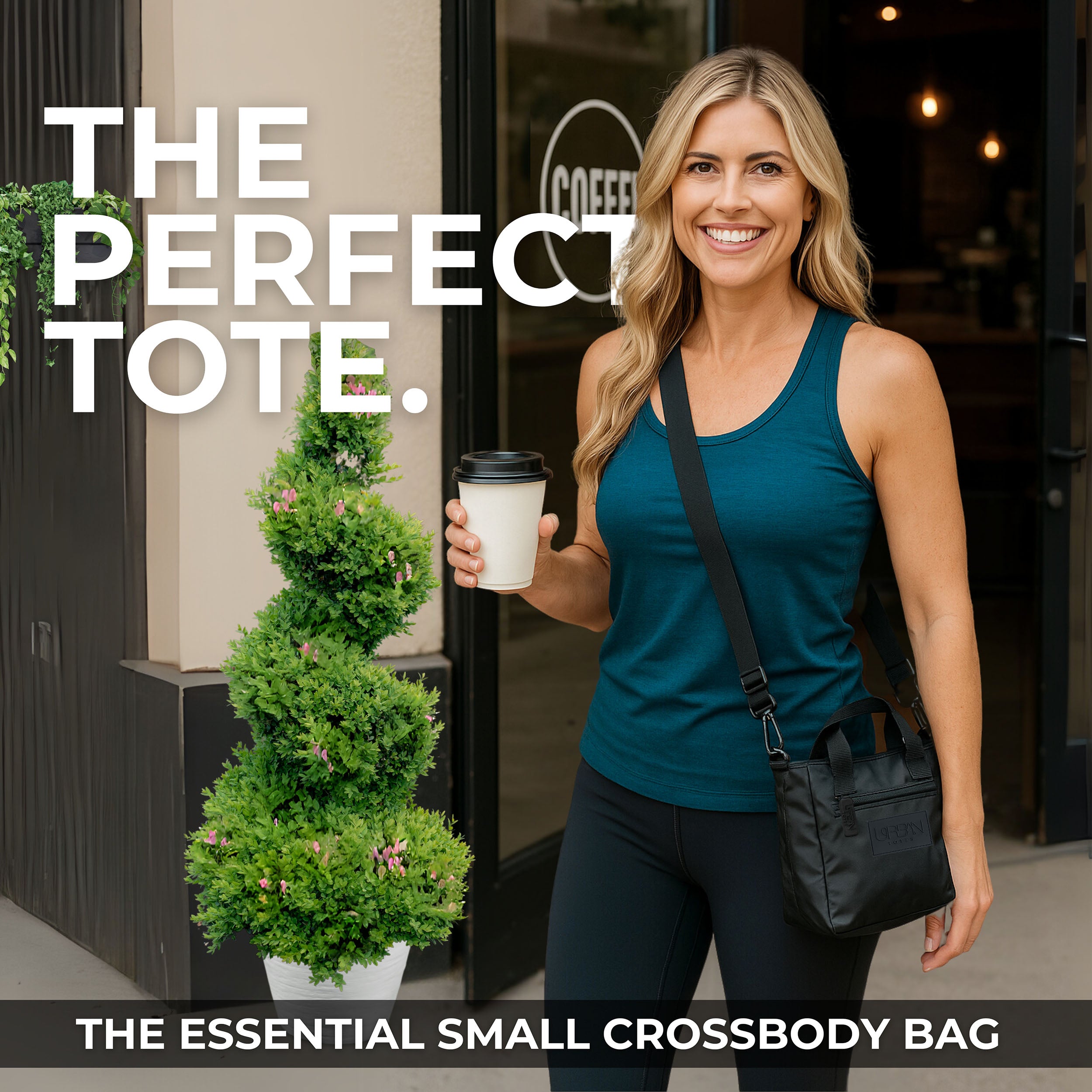
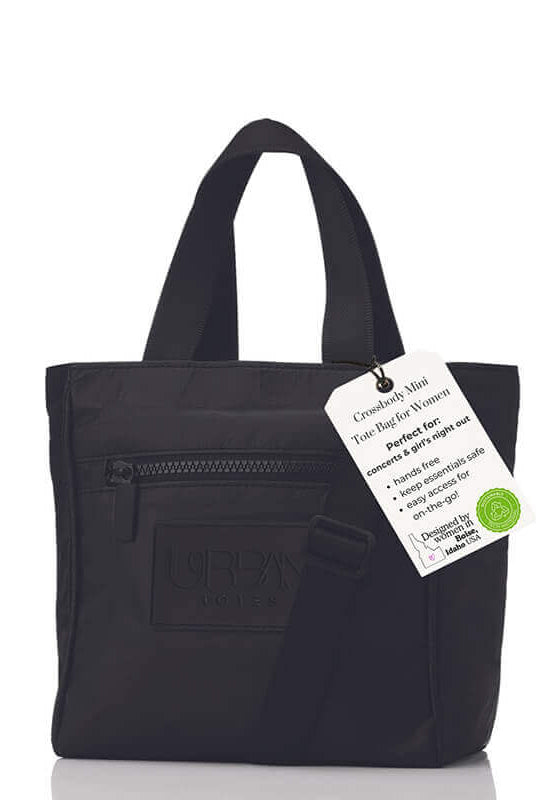
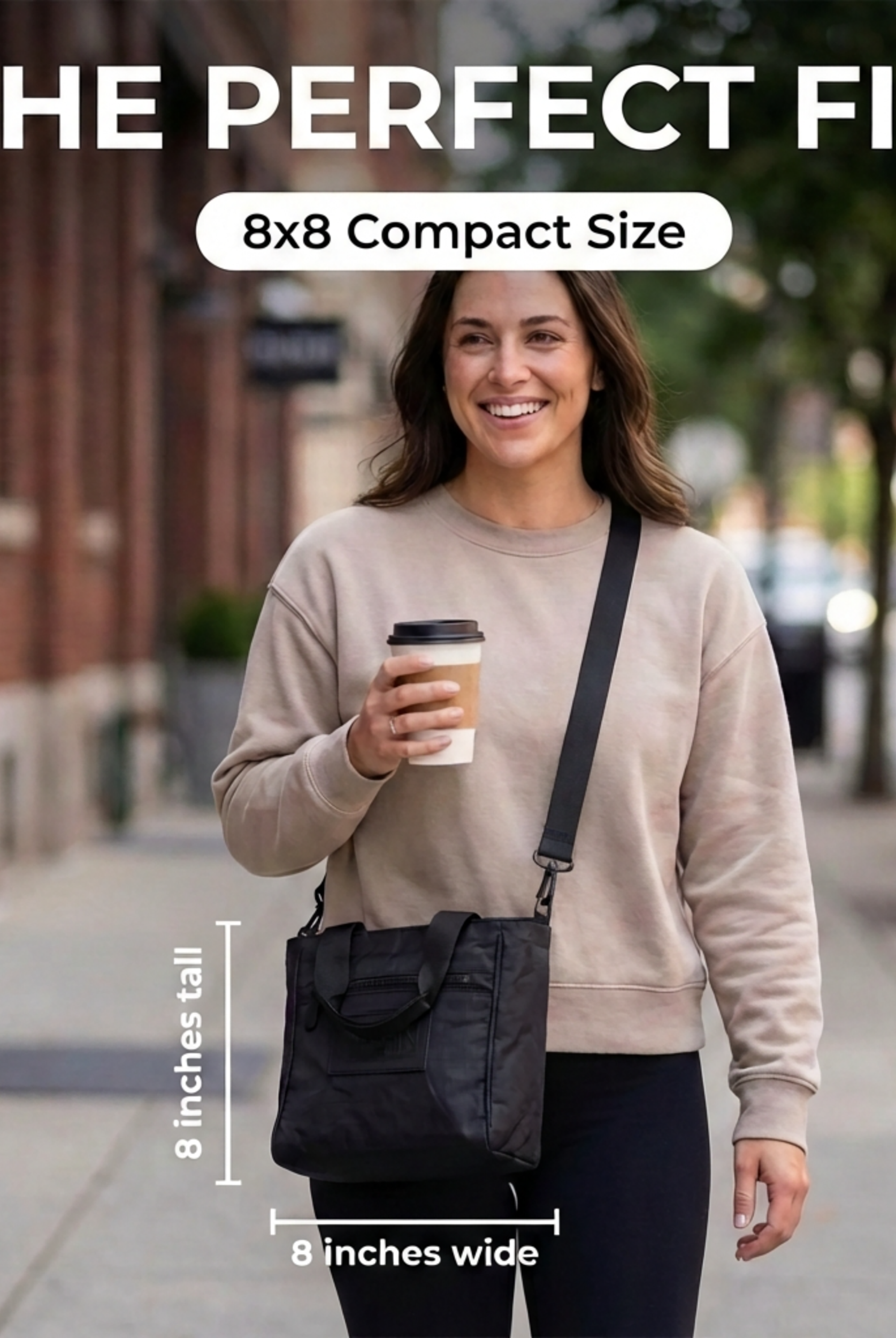
For contrast, a small companion bag like the Crossbody Tote Bag Mini Purse serves a very different role. It has a zip-top closure, exterior and interior pockets, and compact dimensions of 7.5 x 4 x 7.75 inches, which makes it useful for hands-free essentials, not short-trip packing.
Practical rule: If a bag can handle a couple of days away and still feels easy to carry through real life, you're in weekender territory.
Weekender vs Duffel vs Carry-On Tote
The confusion makes sense because these bags overlap. They all travel. They all carry more than a handbag. But they do different jobs, and that difference matters once you start packing.

A quick side-by-side view
| Bag type | Best use | What works well | What tends not to work |
|---|---|---|---|
| Weekender | Short trips and multi-use days | Balanced capacity, easier grab-and-go carry, often better organization | Can feel limited for heavier packing |
| Duffel | Gym gear, sports, casual hauling | Flexible shape, easy to stuff, simple for bulky items | Often becomes one large pile inside |
| Carry-on tote | Daily travel, personal item use, office-to-plane | Easy access, slimmer profile, good for essentials | Usually not ideal for clothing-heavy packing |
| Rolling carry-on | Structured travel with heavier loads | Great for weight distribution and formal travel routines | Bulkier, less convenient for spontaneous local use |
Where the weekender stands apart
A classic duffel is often more casual and less organized. It's great for tossing in gear, but not always great for finding what you need quickly. A carry-on tote is more compact and often better for documents, tech, and in-flight essentials than for a short-trip wardrobe.
The weekender fills the gap. It's more lifestyle-friendly than a gym duffel and less cumbersome than rolling luggage.
Airline fit is part of that appeal, but it's never automatic. IATA recommends a standard carry-on size of 55 x 35 x 20 cm, yet airline rules still vary by carrier. That means a bag that works on one route might not work on another, which is why compact weekender sizing can be a safer approach for flexible travel, as noted in this guide to weekender and overnight duffle bags.
Which one should you reach for
Use a weekender when the plan includes motion, not just packing.
Choose it when you want:
- Better versatility: One bag that can handle travel, commuting, and overflow daily carry.
- Less formality: Easier than rolling luggage for car trips, train rides, and quick overnights.
- More organization than a basic duffel: Especially helpful if you carry shoes, toiletries, tech, and personal items together.
If your main need is a more structured travel companion with pockets, this look at a travel tote bag with pockets is a helpful comparison point.
The Anatomy of a Perfect Weekender
A good weekender isn't defined by a pretty silhouette. It's defined by what happens after you pack it.
The difference between “cute but annoying” and “useful for years” usually comes down to materials, organization, and carry comfort.

Interior architecture matters more than people think
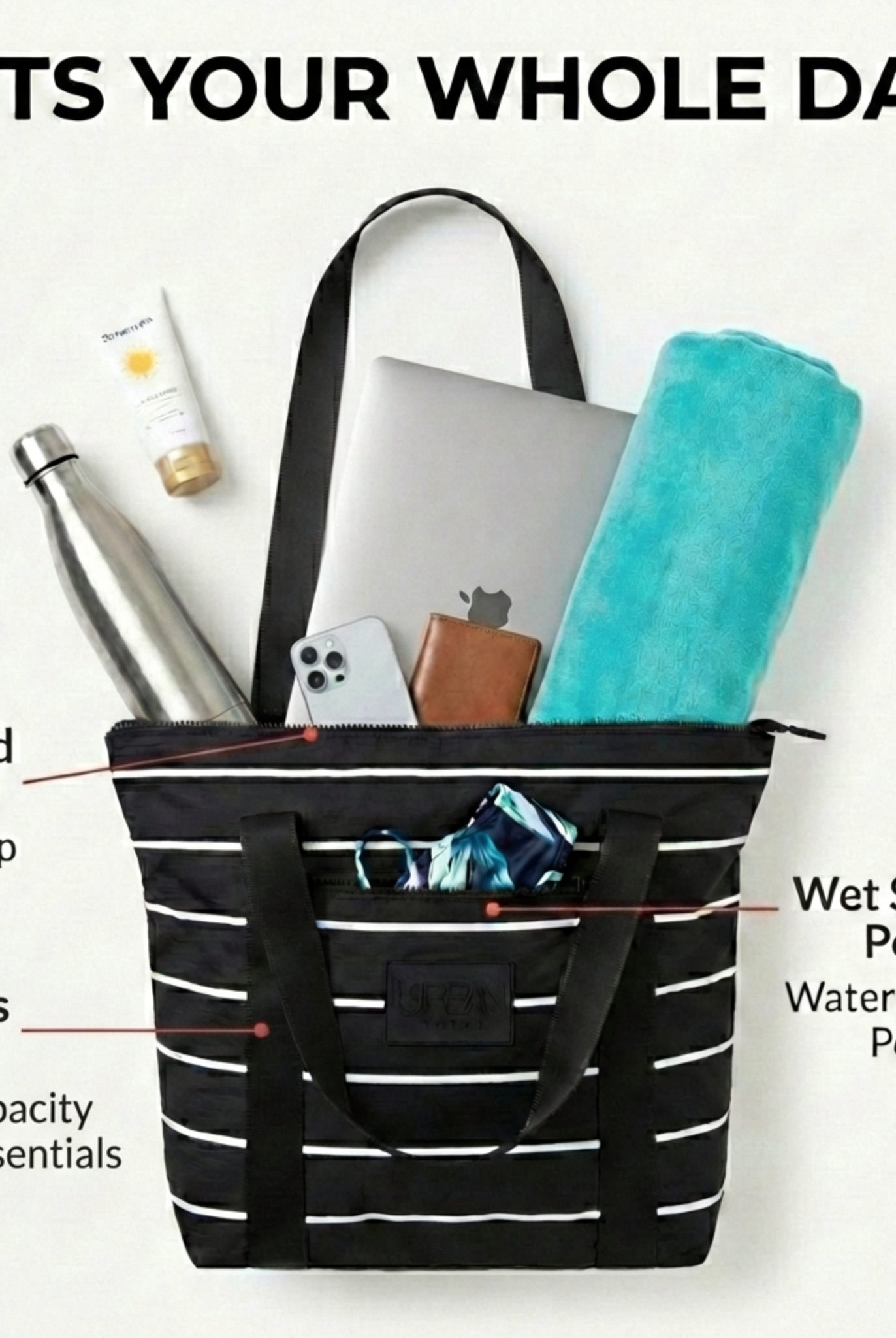
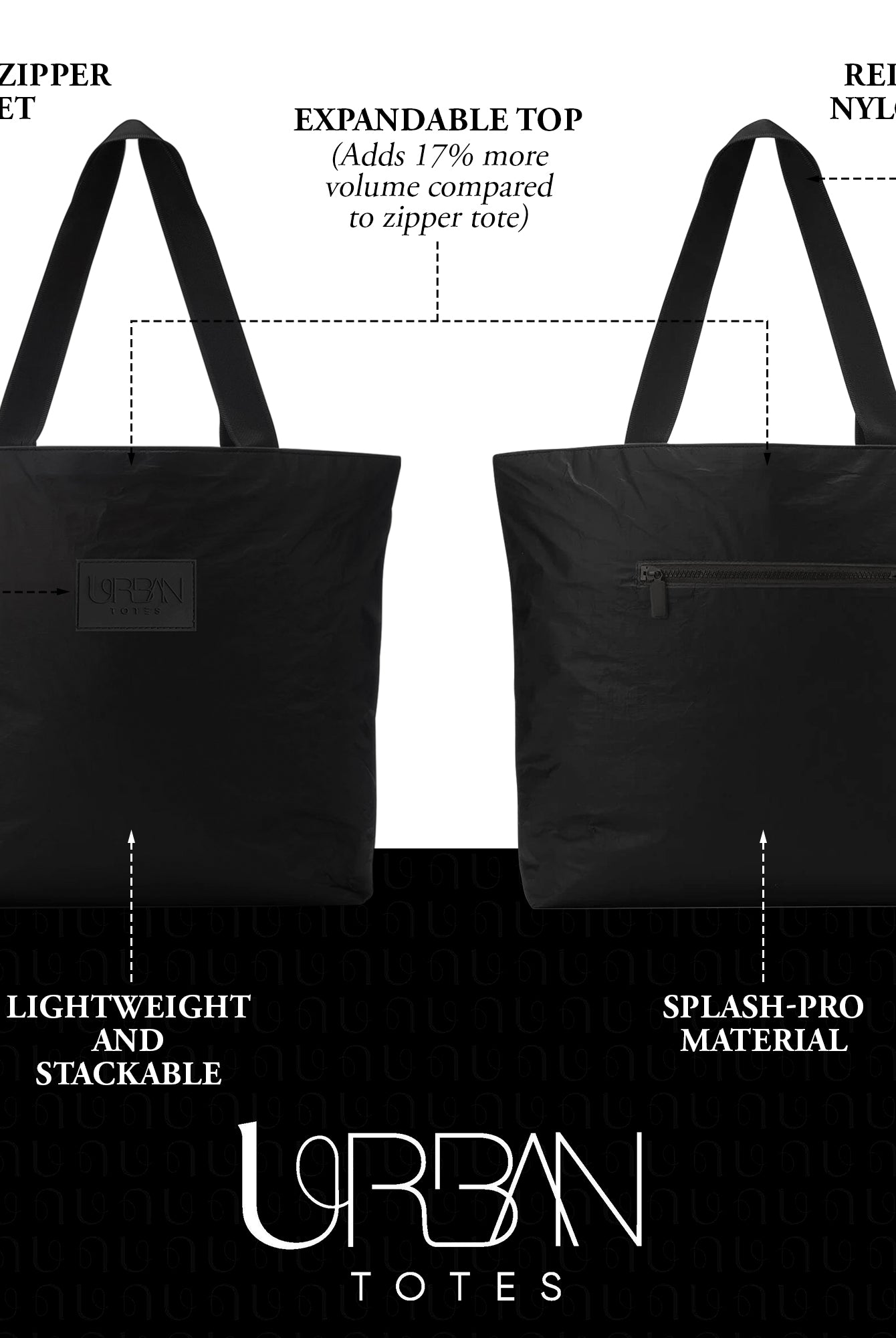
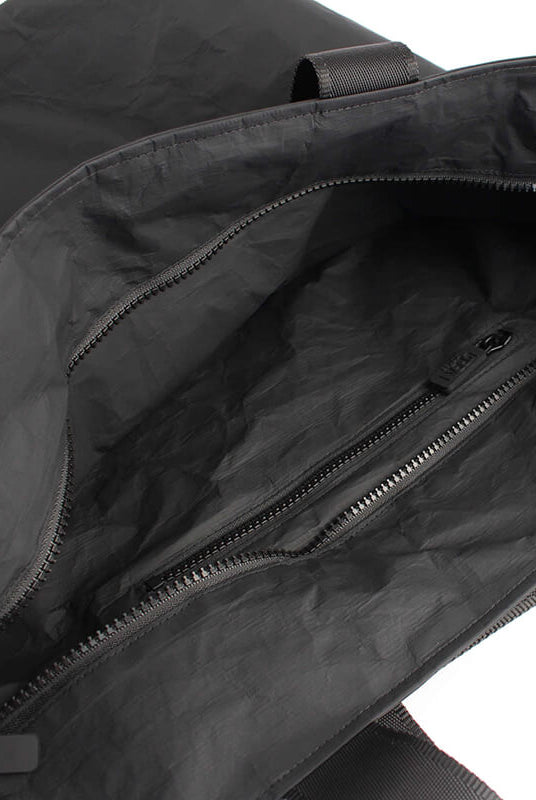
The strongest modern designs focus on interior architecture. Product and expert guidance consistently points to features like elastic interior pockets, laptop sleeves, and zippered compartments because they improve retrieval and reduce the mess that happens when everything slides into one open cavity. Materials matter too. Water-resistant technical fabrics help protect contents and support repeated use for travel, gym trips, and daily routines, as described in this product guide for The Weekender in Black.
That sounds technical, but the practical result is very simple. You stop digging.
If your shoes, charger, toiletries, and clean clothes all need to share one open compartment, your bag starts working against you.
Features worth caring about
Look closely at these details before you buy:
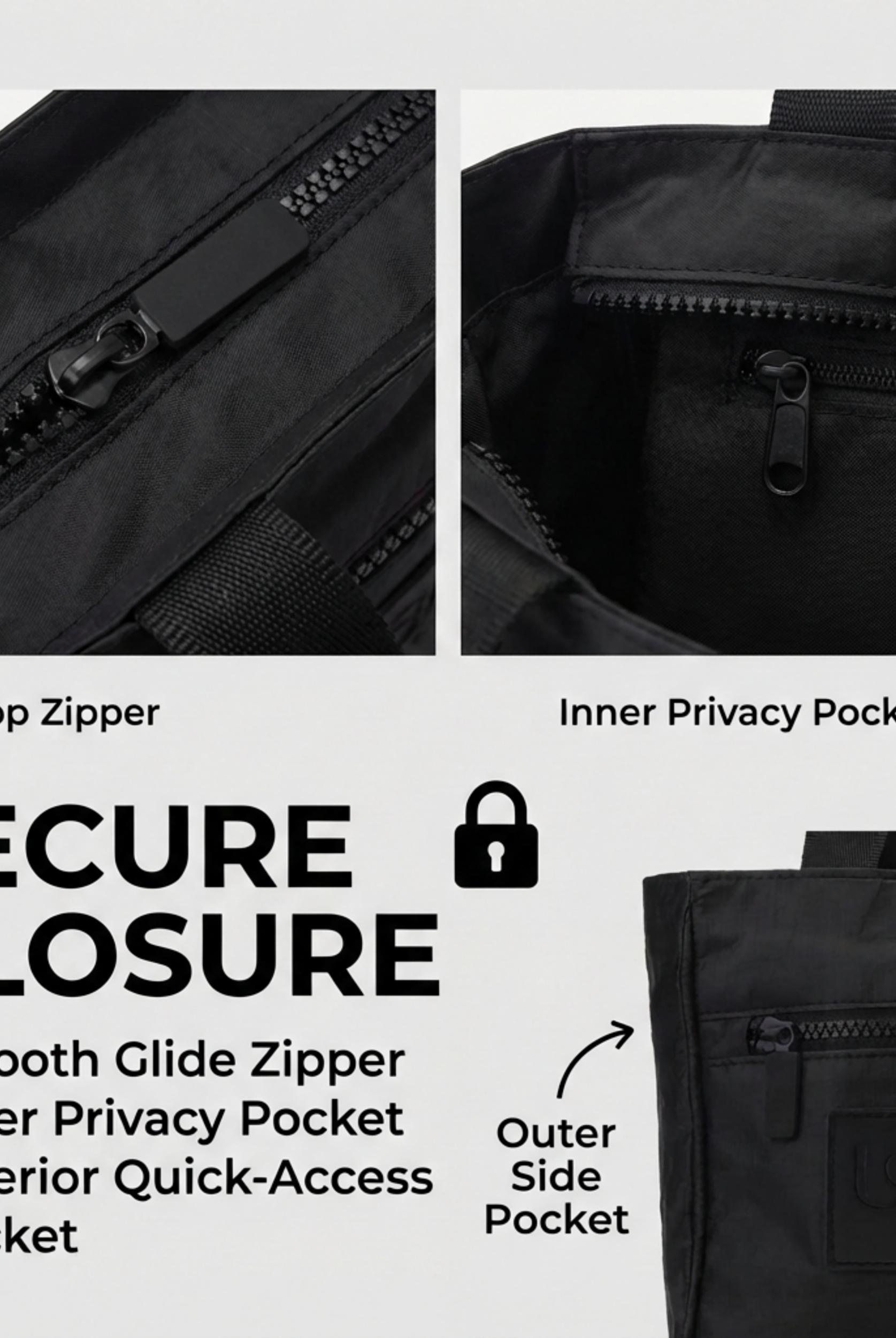
- Zipper closure: This is one of the easiest ways to make a bag feel more secure and more contained in transit.
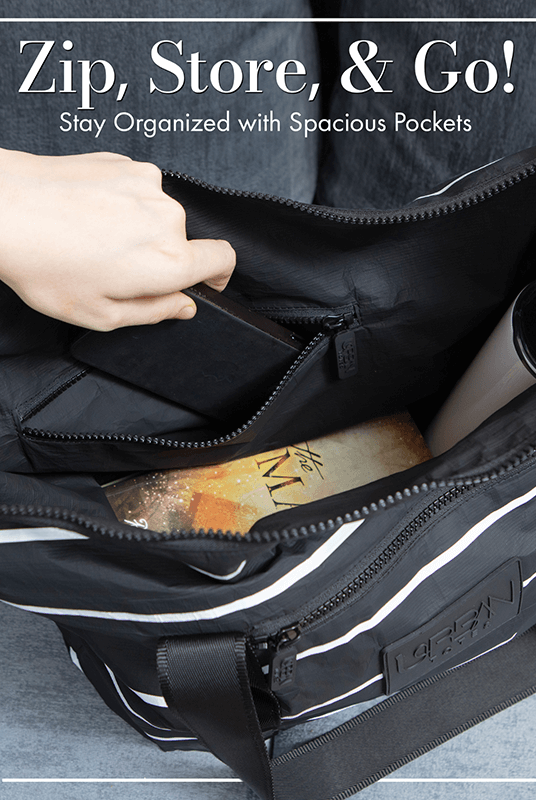
- Multi-pocket layout: Exterior quick-access pockets help with phones, keys, or boarding essentials. Interior compartments keep the main section from becoming a pile.
- Structured base or piping: A little shape goes a long way. It helps the bag stand, pack, and carry better.
- Comfortable handles and strap design: If the handles dig in or twist, you'll notice fast.
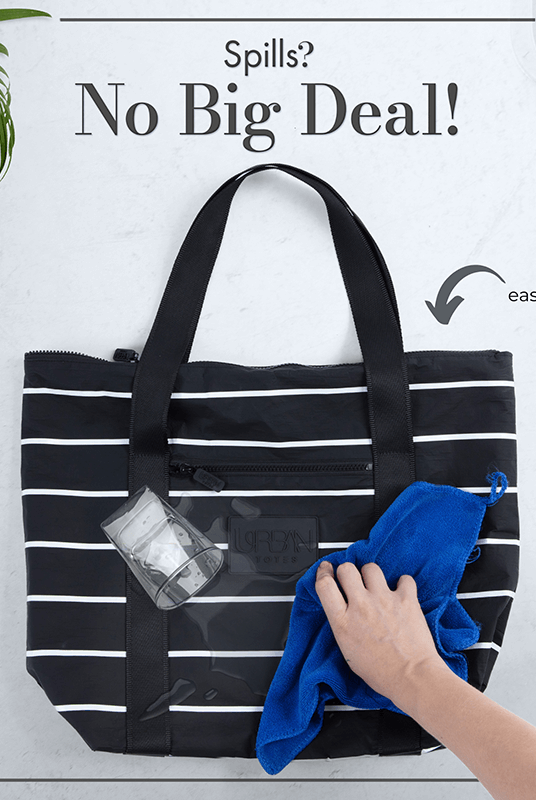
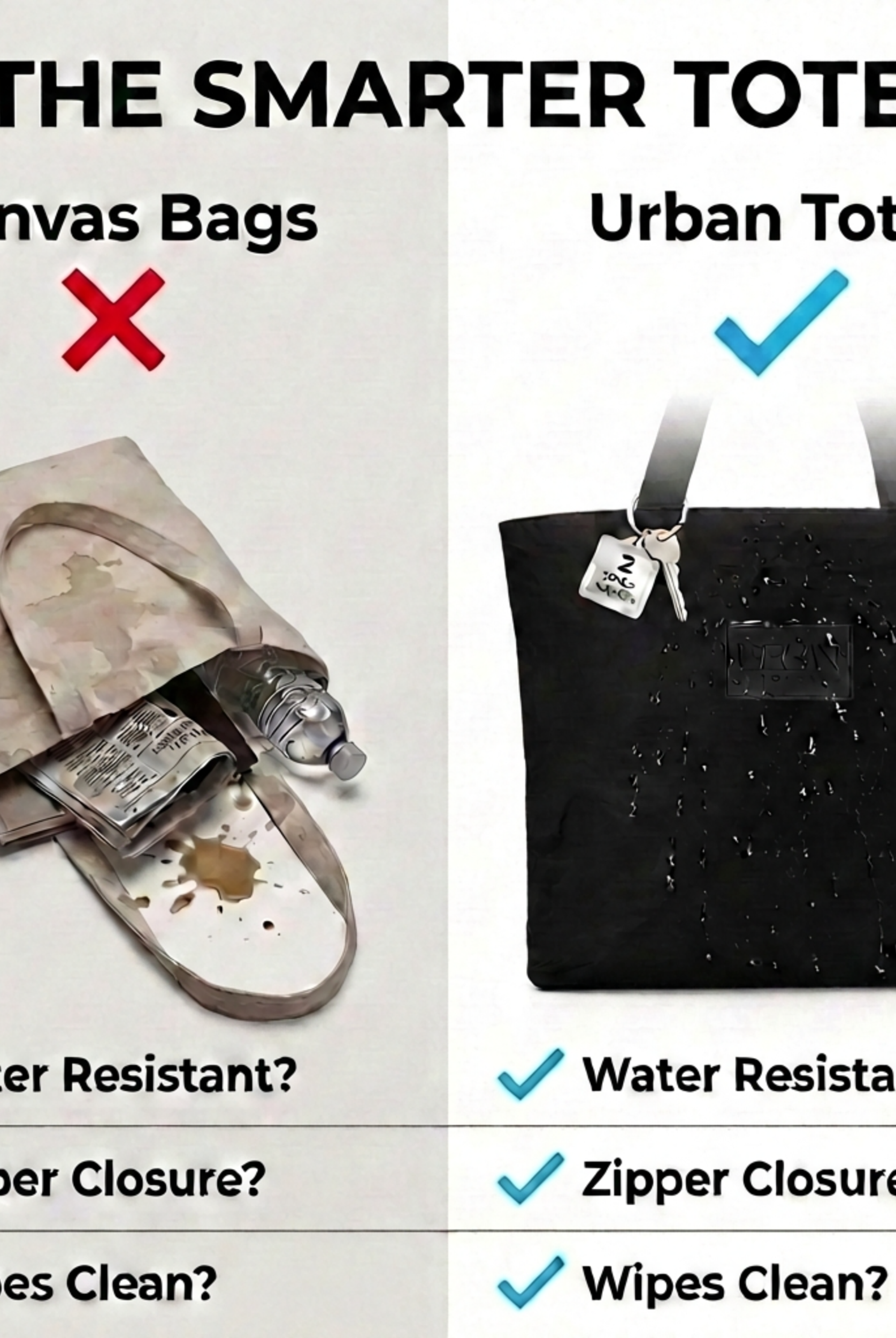
- Water-resistant fabric: A practical choice for weather, spills, and everyday mess.
If you care most about staying sorted, a bag with a more intentional layout usually beats a bigger bag with no system. This breakdown of a multiple compartment purse speaks to the same principle on a smaller scale.
What doesn't hold up well
The weakest weekender bags usually share the same issues:
- One large empty interior: Fine at first, frustrating in daily use.
- Flimsy handles: They make a packed bag feel heavier than it is.
- No closure at the top: Stylish in a photo, less helpful on the move.
- Fabric with no resilience: A bag meant for real life needs to handle repeated loading, setting down, and wiping clean.
How to Choose the Right Weekender for You
The right weekender depends less on trends and more on your actual routine. The smartest choice is the one that matches what you carry most often.

Match the bag to the life you live
Many shoppers need more than a simple open-interior bag. Modern weekender designs increasingly include laptop sleeves, trolley passes, and multiple pockets because commuters, parents, and multitaskers expect more compartmentalization from a bag that supports life in motion, as discussed in this overview of what a weekend bag is.
Here's the useful filter.
- For the weekend traveler: Prioritize organized packing, a zip closure, and a shape that still feels manageable when fully loaded.
- For the commuter: Look for structure, a laptop-friendly interior, and enough polish to move from office to after-hours plans.
- For the gym-and-errands routine: Water-resistant material and separate sections matter more than a luxury finish.
- For moms and caregivers: Easy-clean fabric, quick-access pockets, and a layout that keeps essentials visible will matter every single day.
Ask these questions before buying
A weekender should solve problems, not create new ones. Run through this checklist:
-
What do you actually carry most often
Clothes and toiletries need a different setup than laptop, snacks, cords, and kid extras. -
Do you need open space or defined compartments
Heavy organizers usually prefer multiple sections. Minimal packers may want one roomy cavity plus a few smart pockets. -
Will you carry it far
Handle comfort, weight, and shape matter much more if you'll be moving through terminals, parking lots, or city blocks. -
Does it need to multitask
A true life bag should work for more than one scenario.
The most useful weekender is rarely the flashiest one. It's the one you'll keep reaching for on ordinary Tuesdays and quick Friday getaways alike.
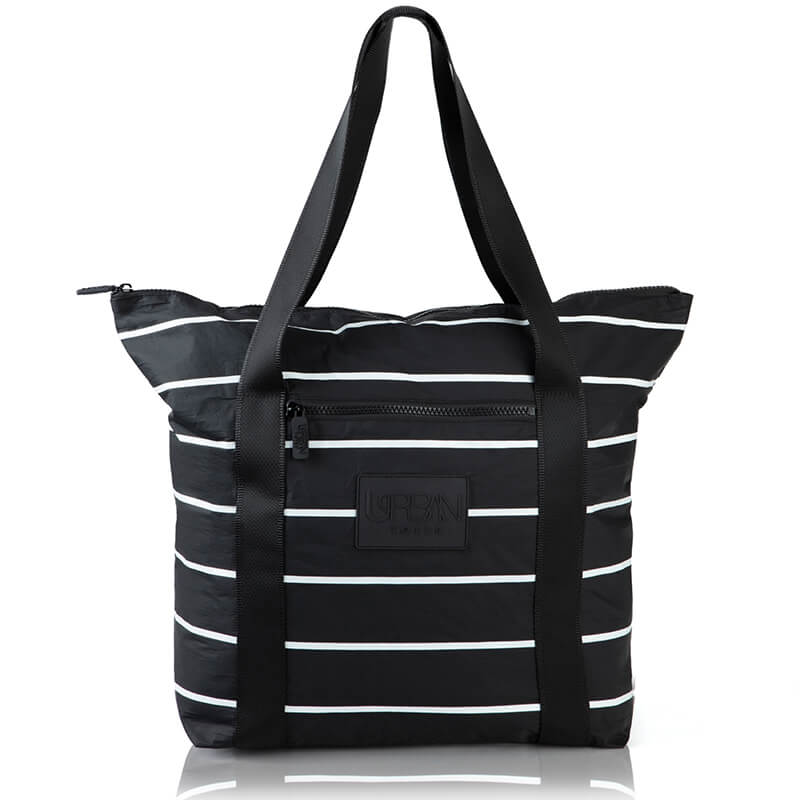
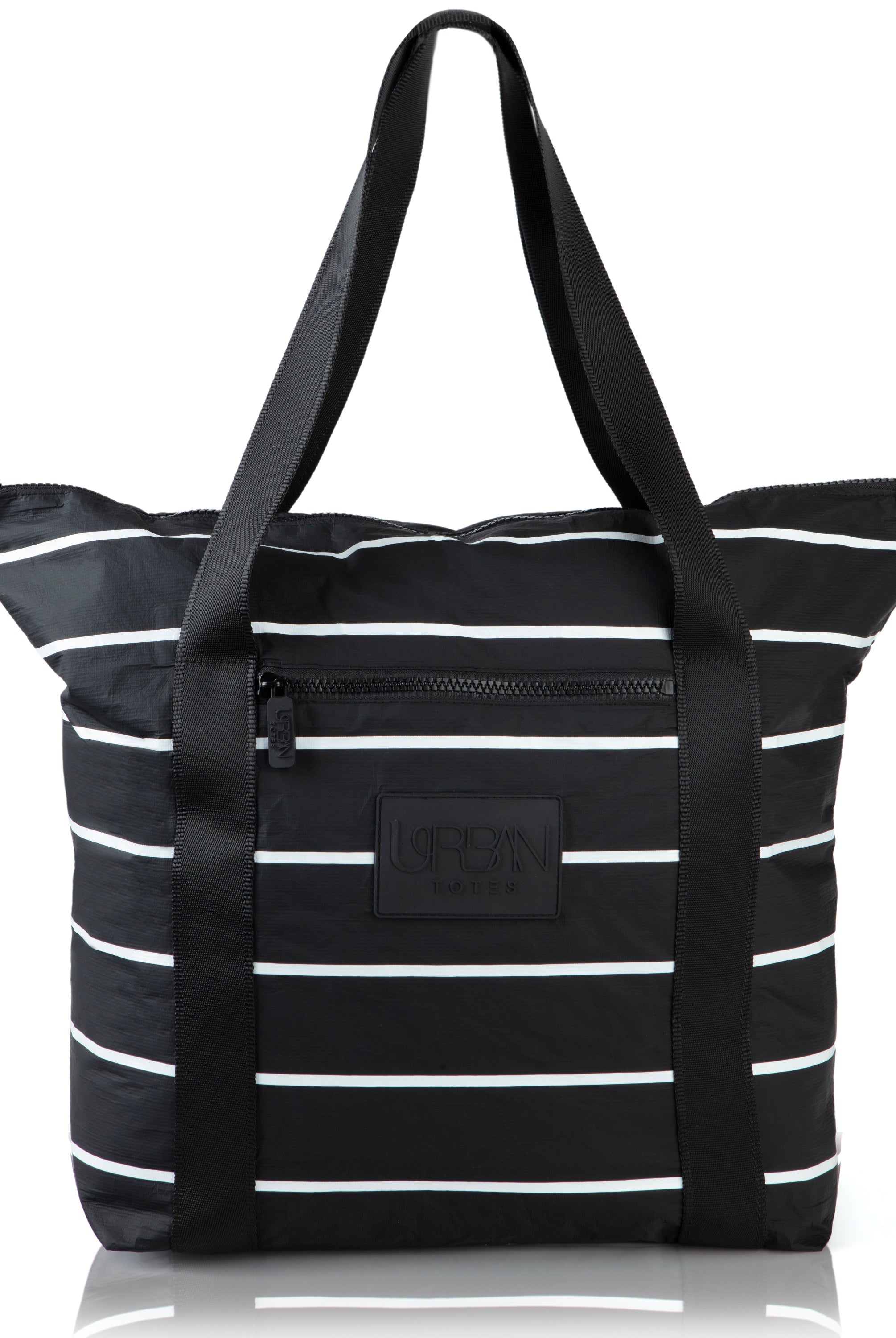
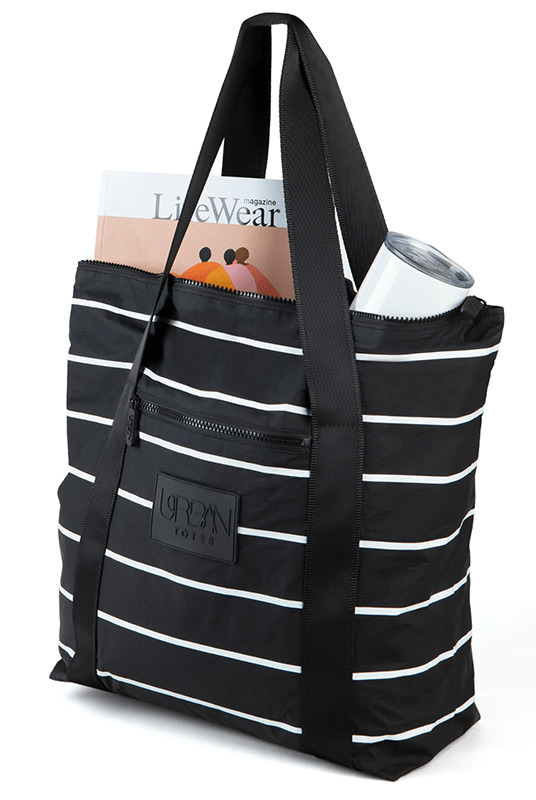
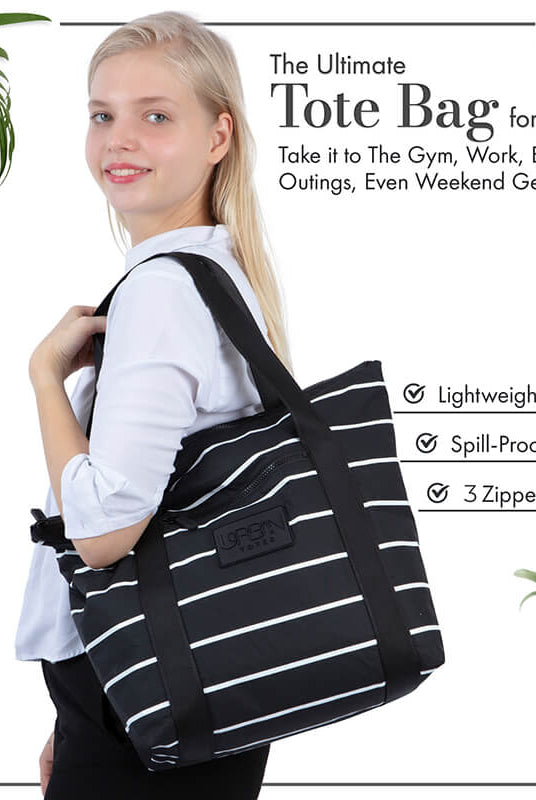
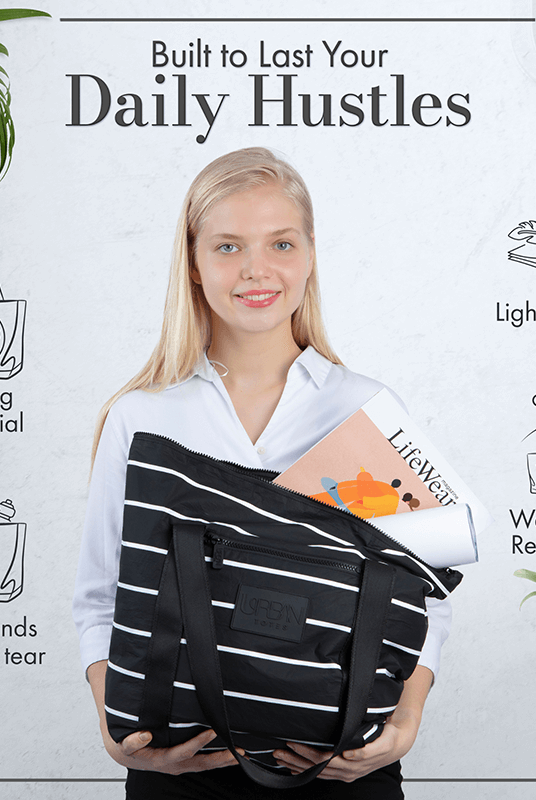
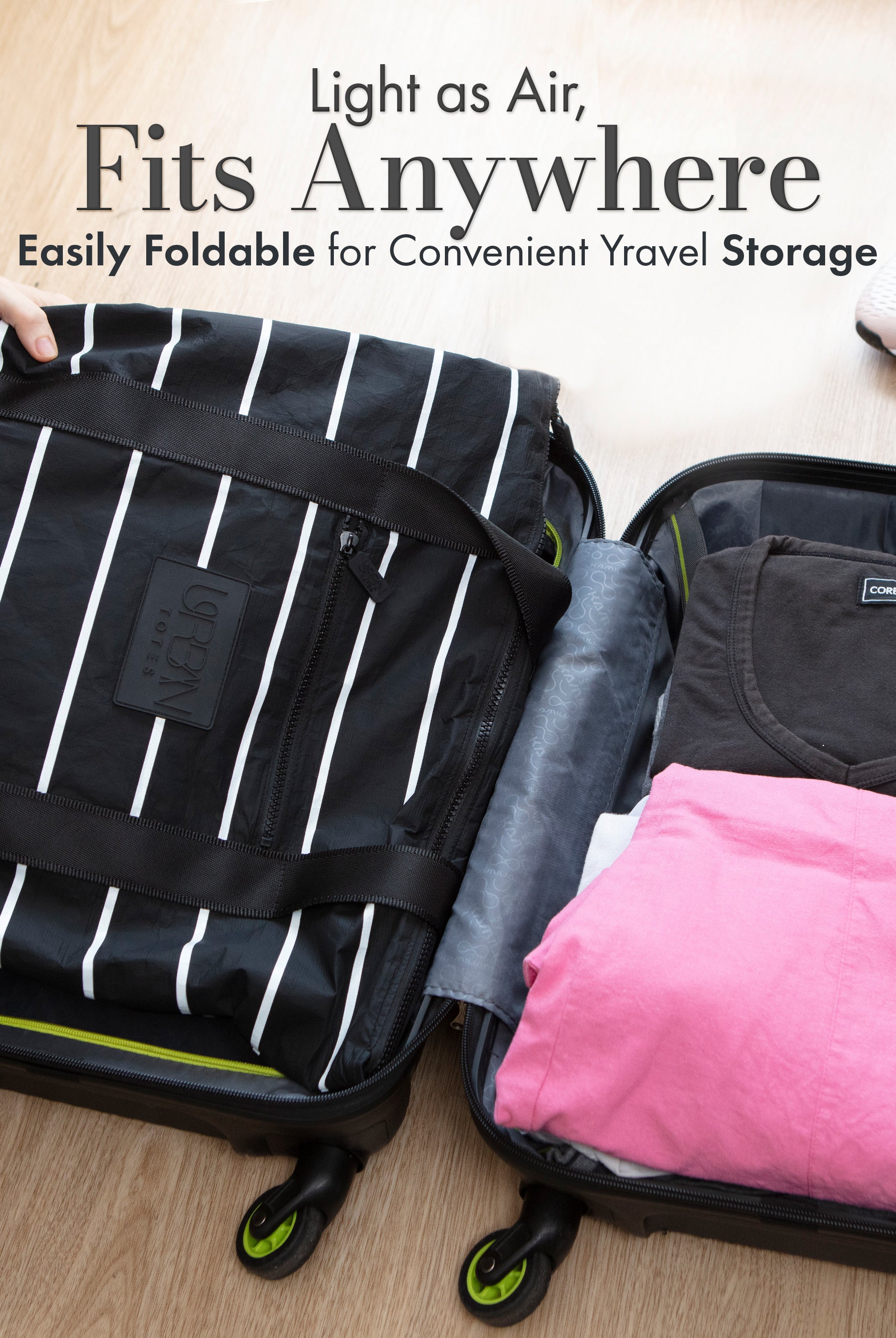
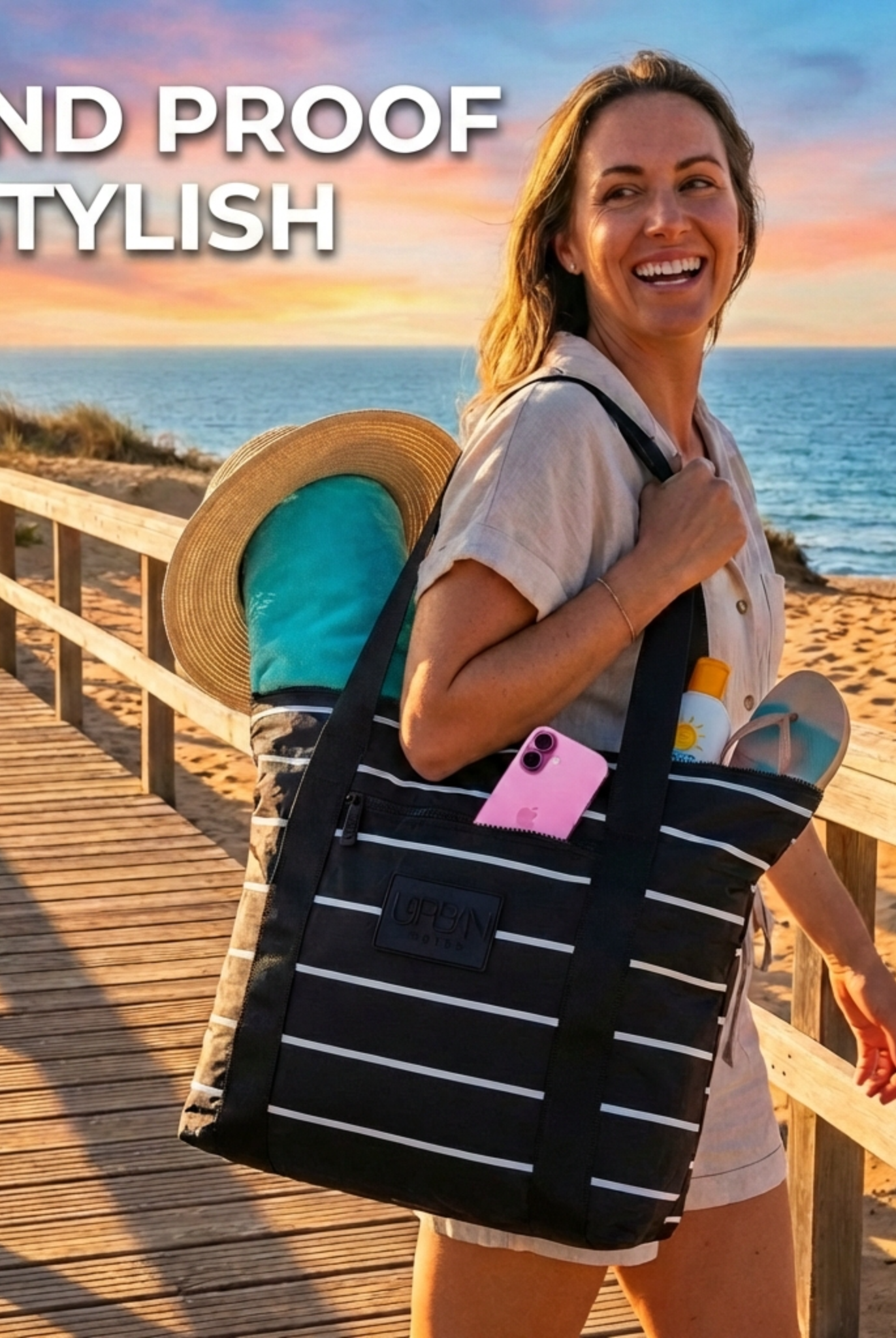
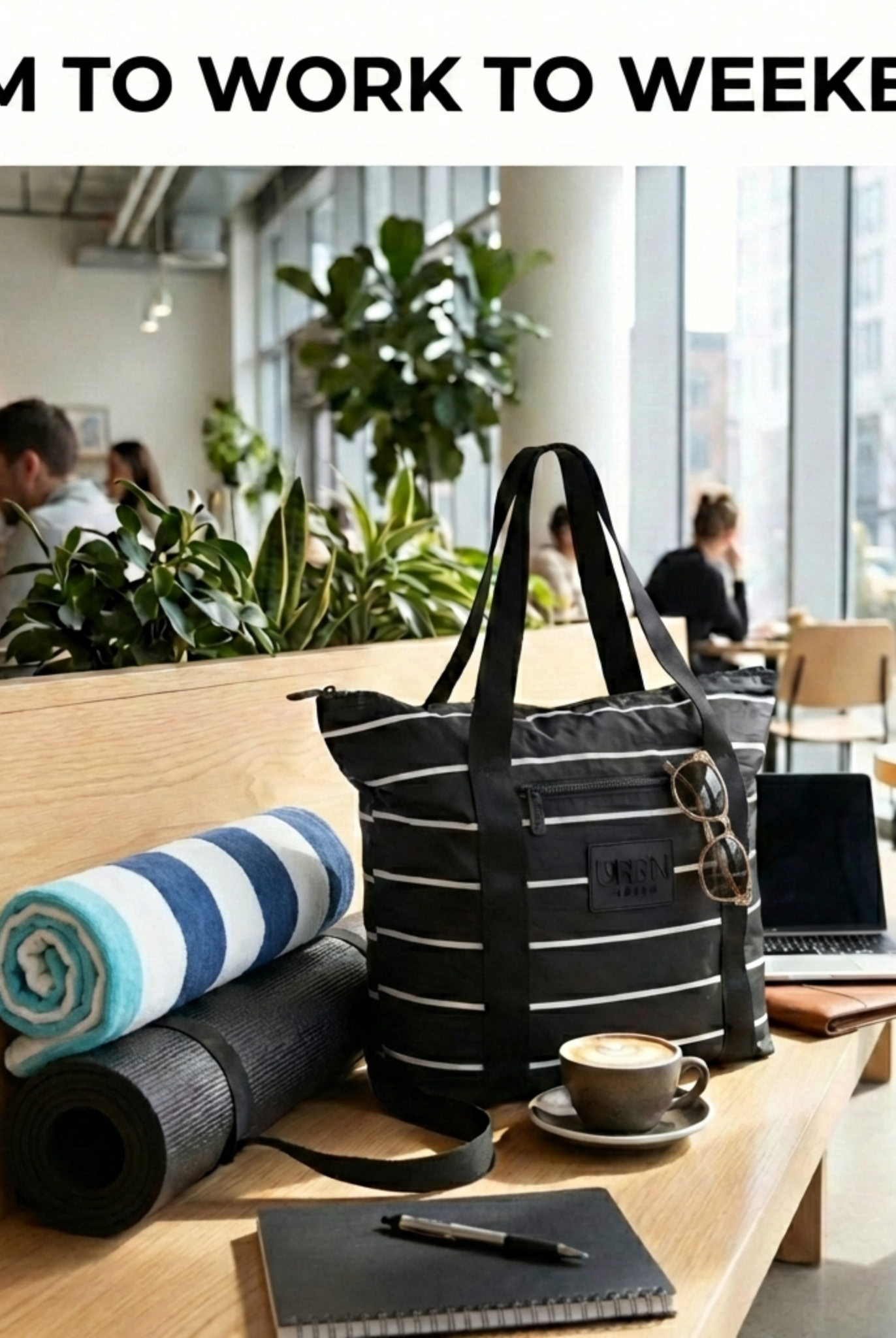
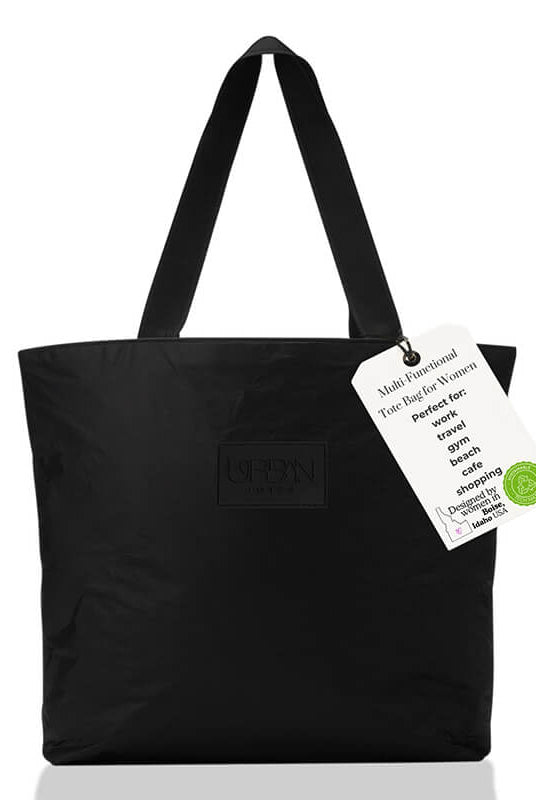
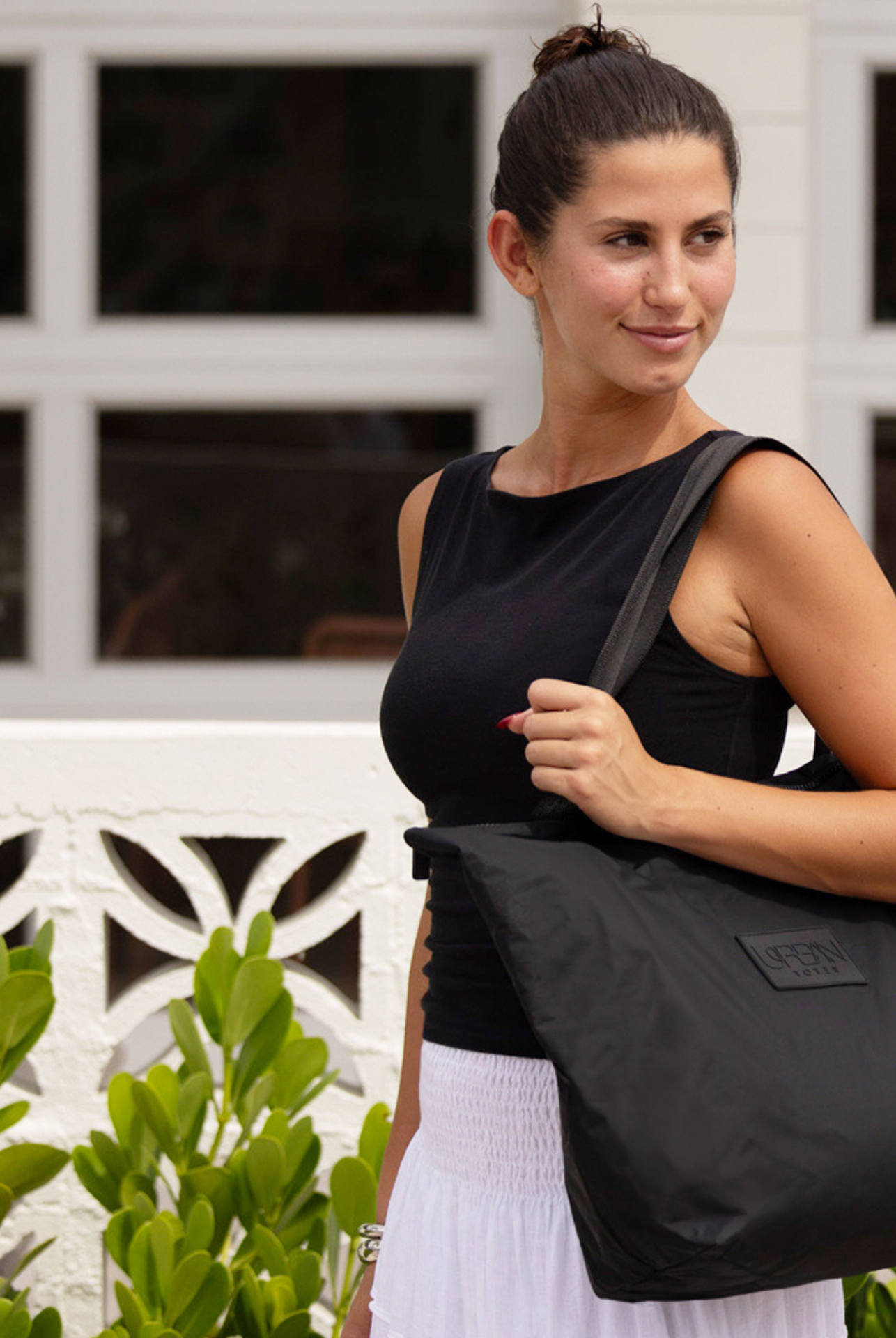
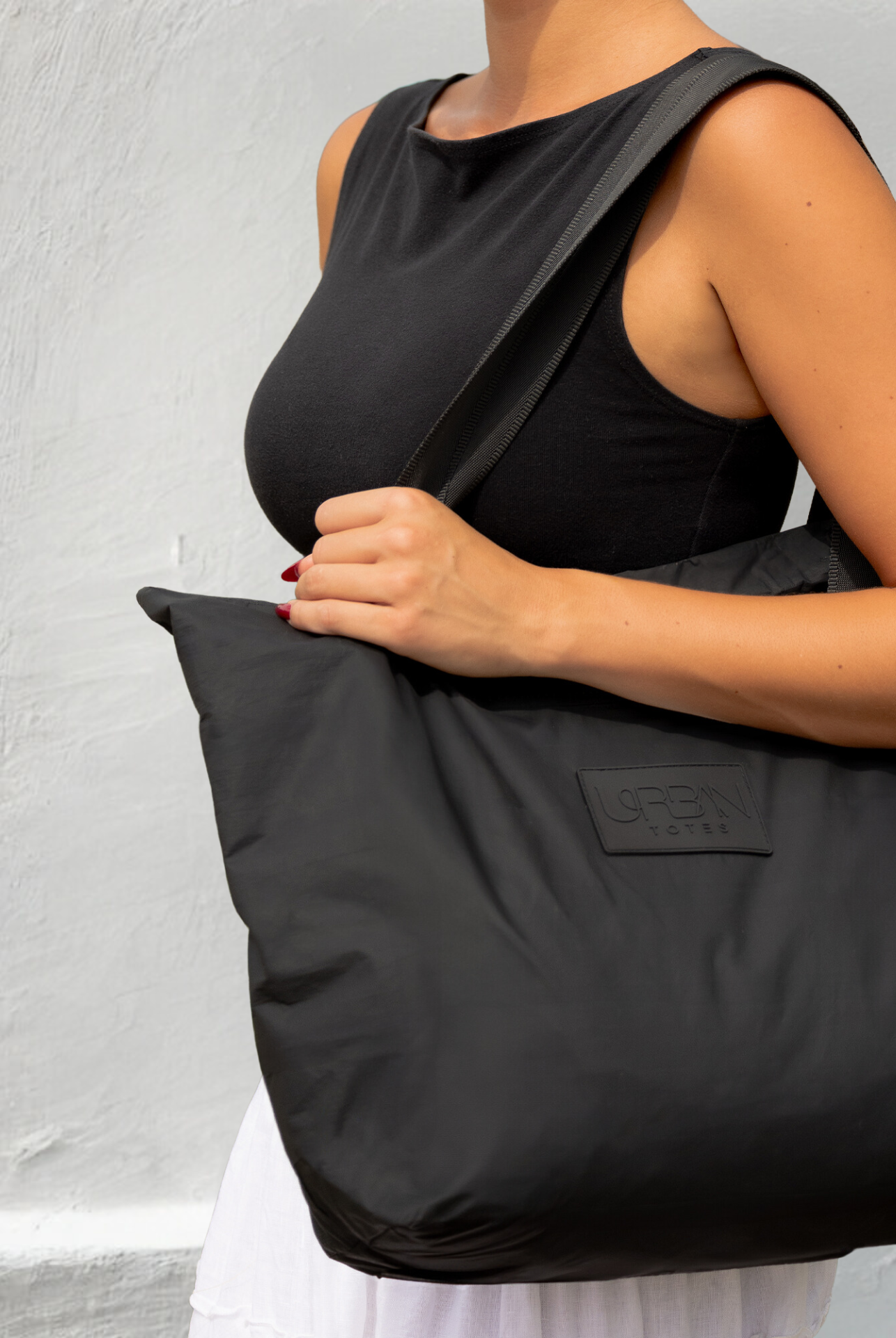
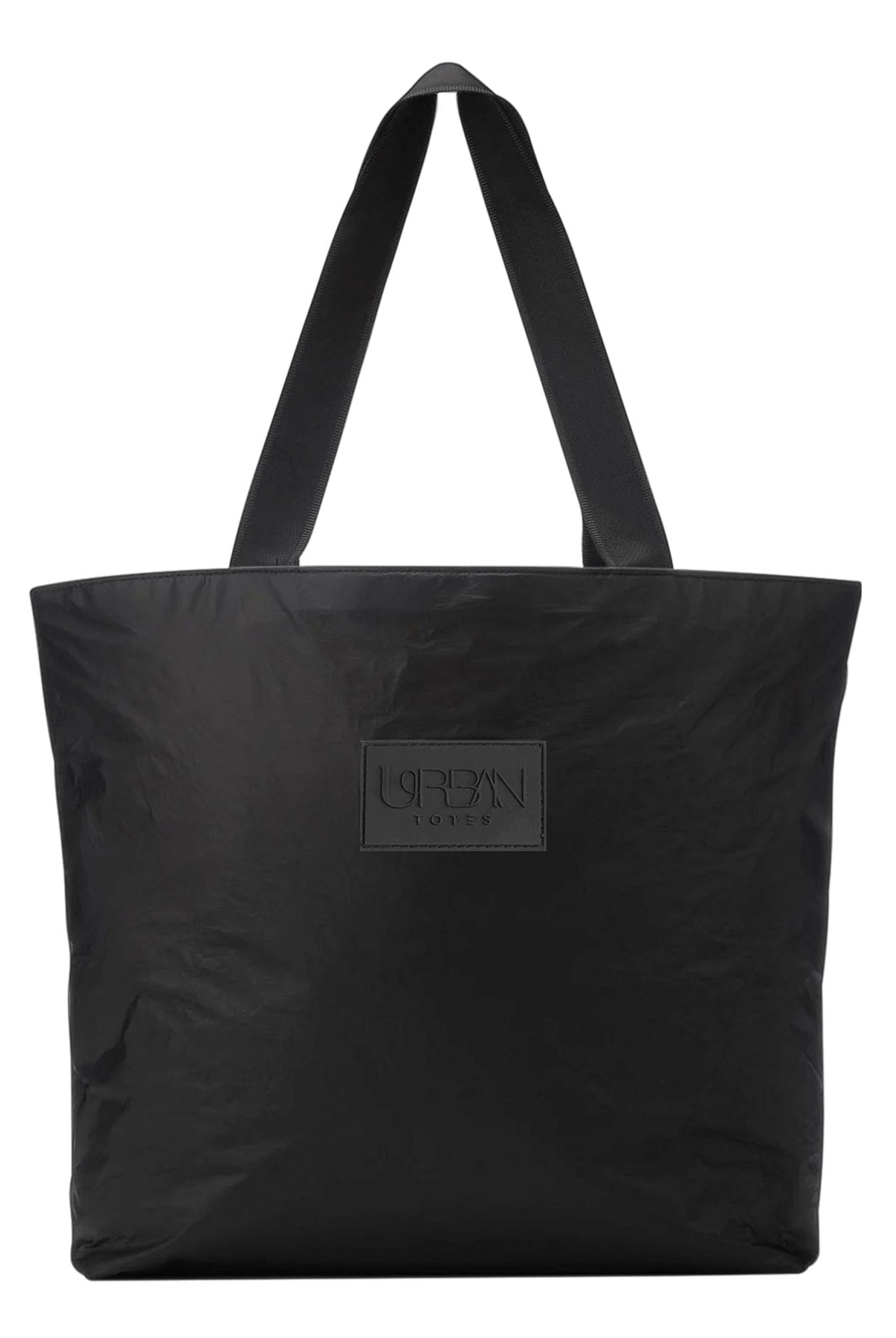
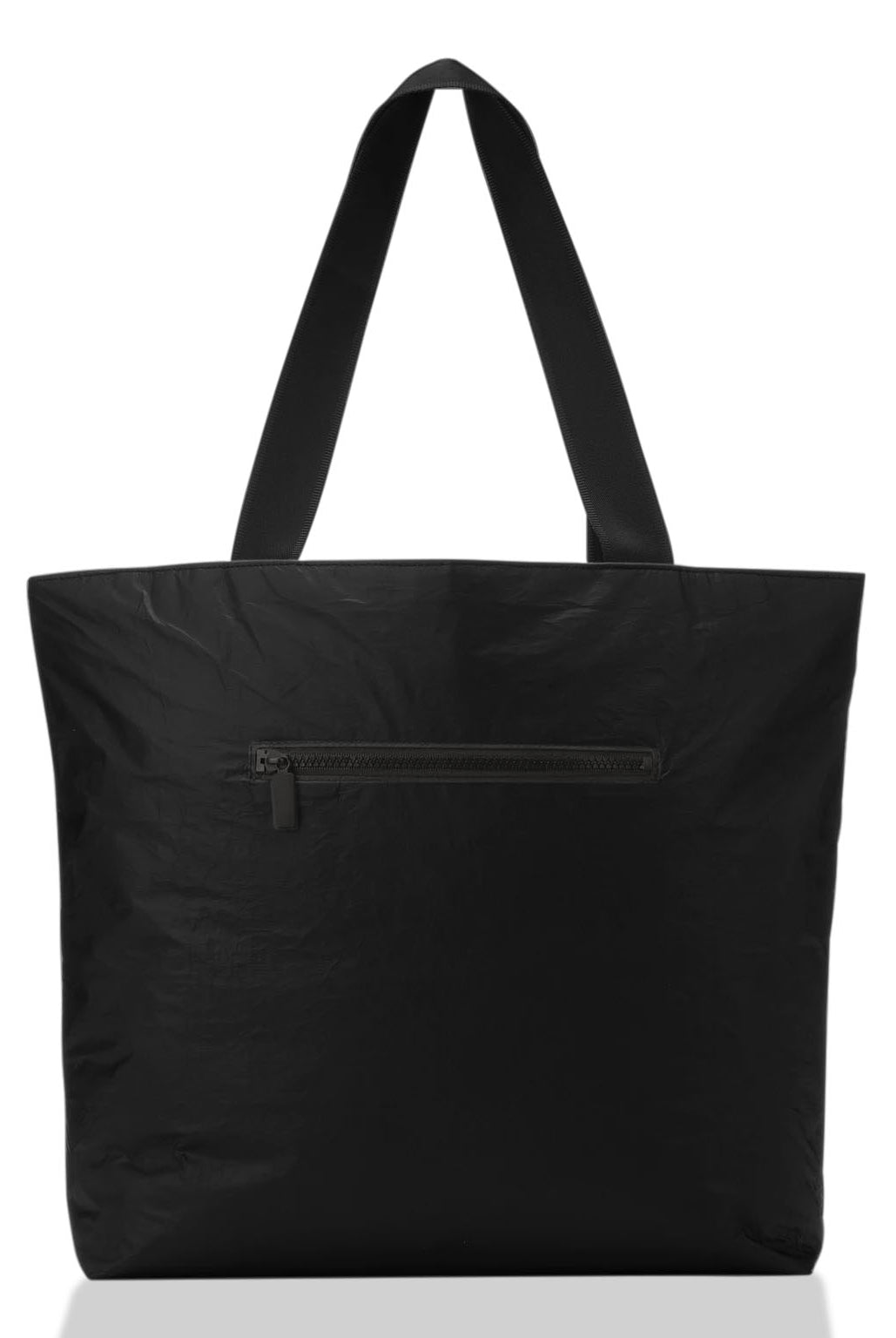
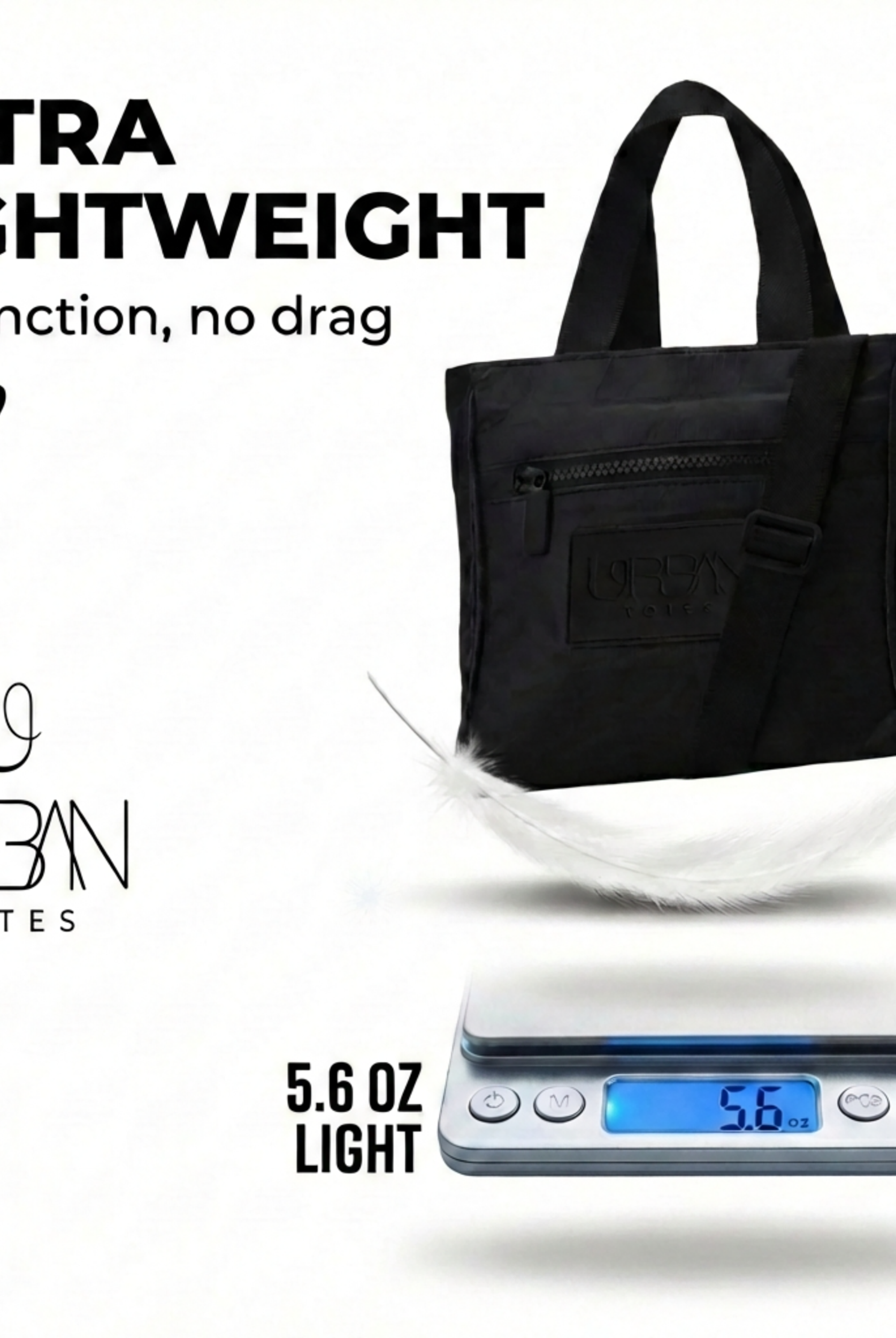
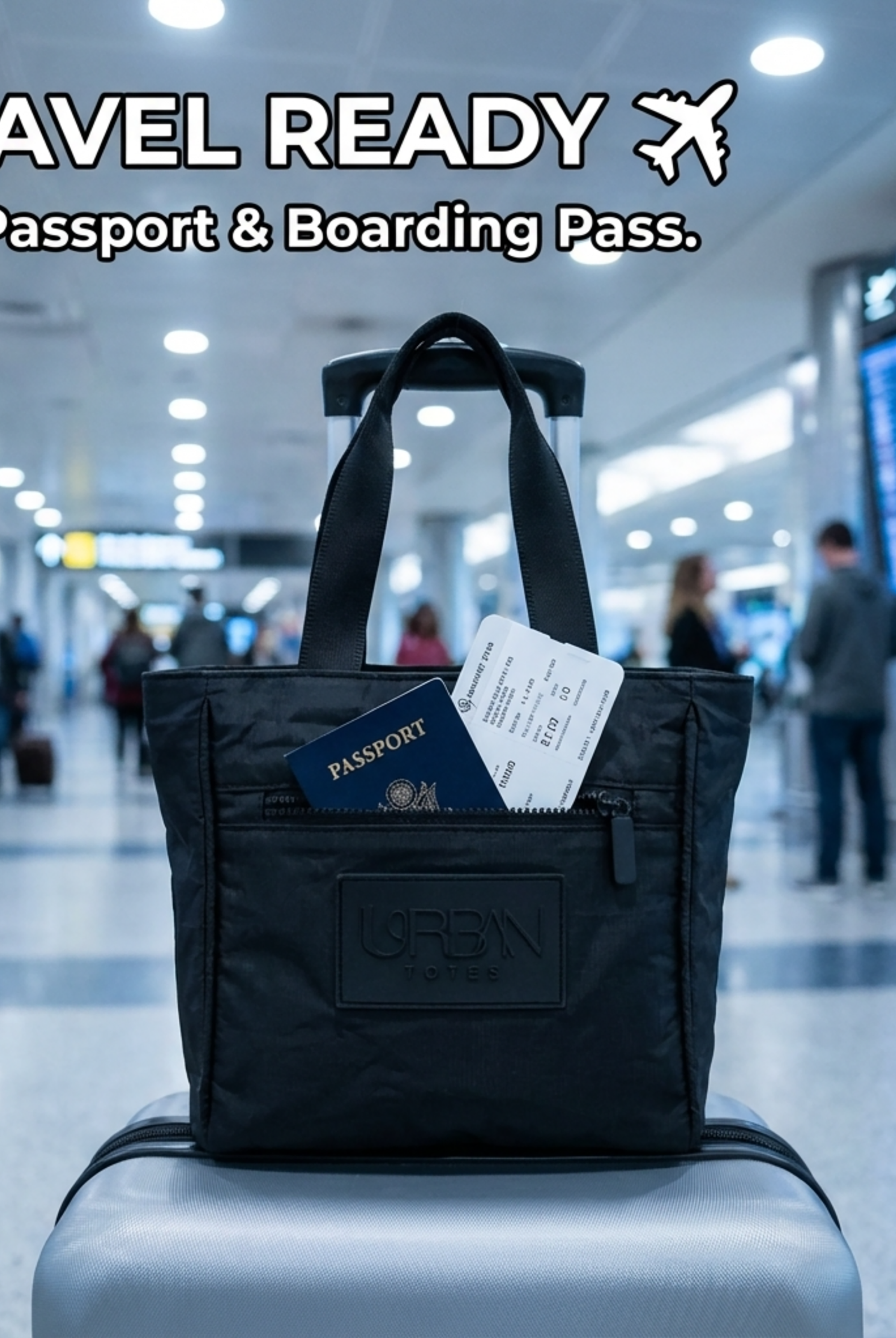
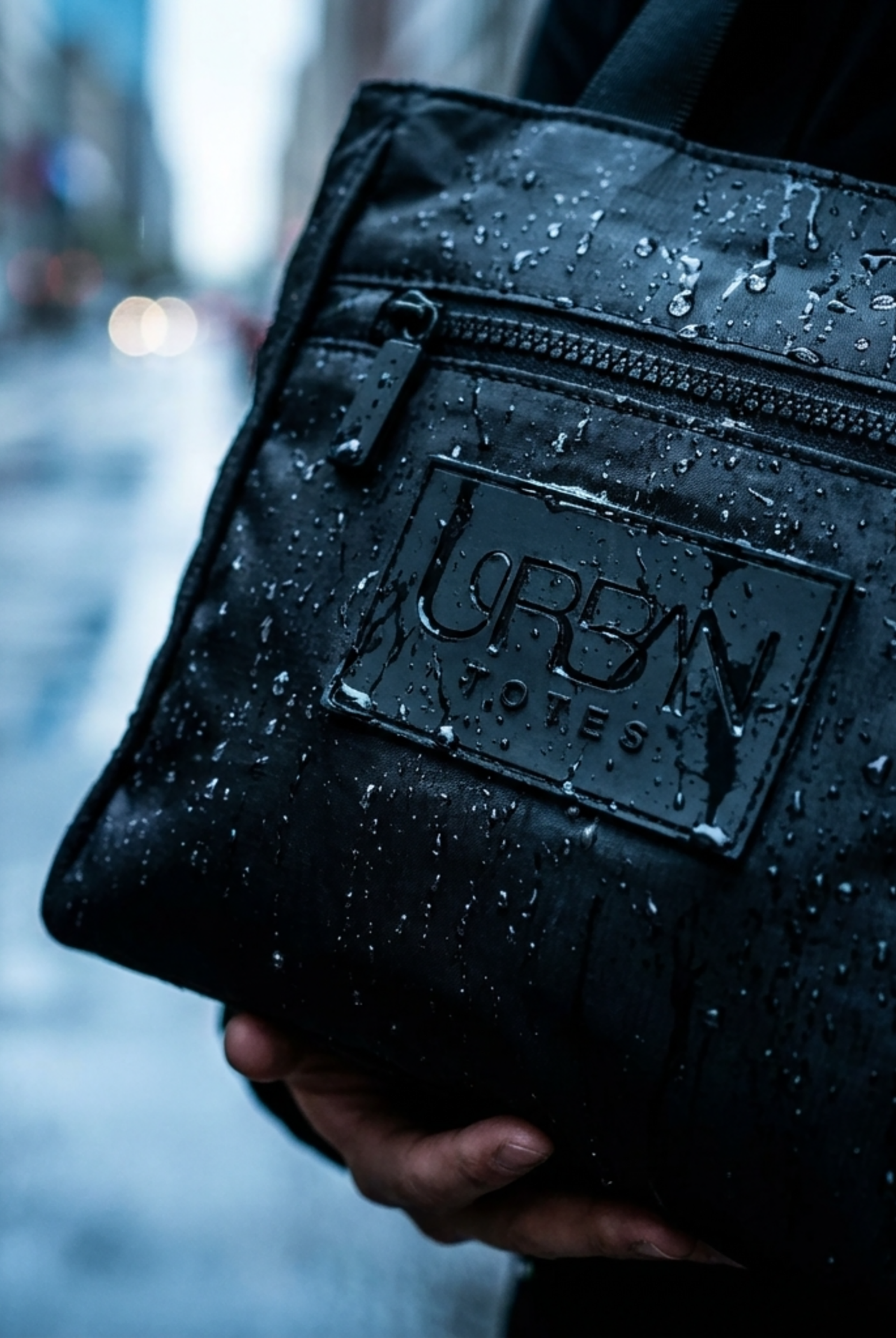
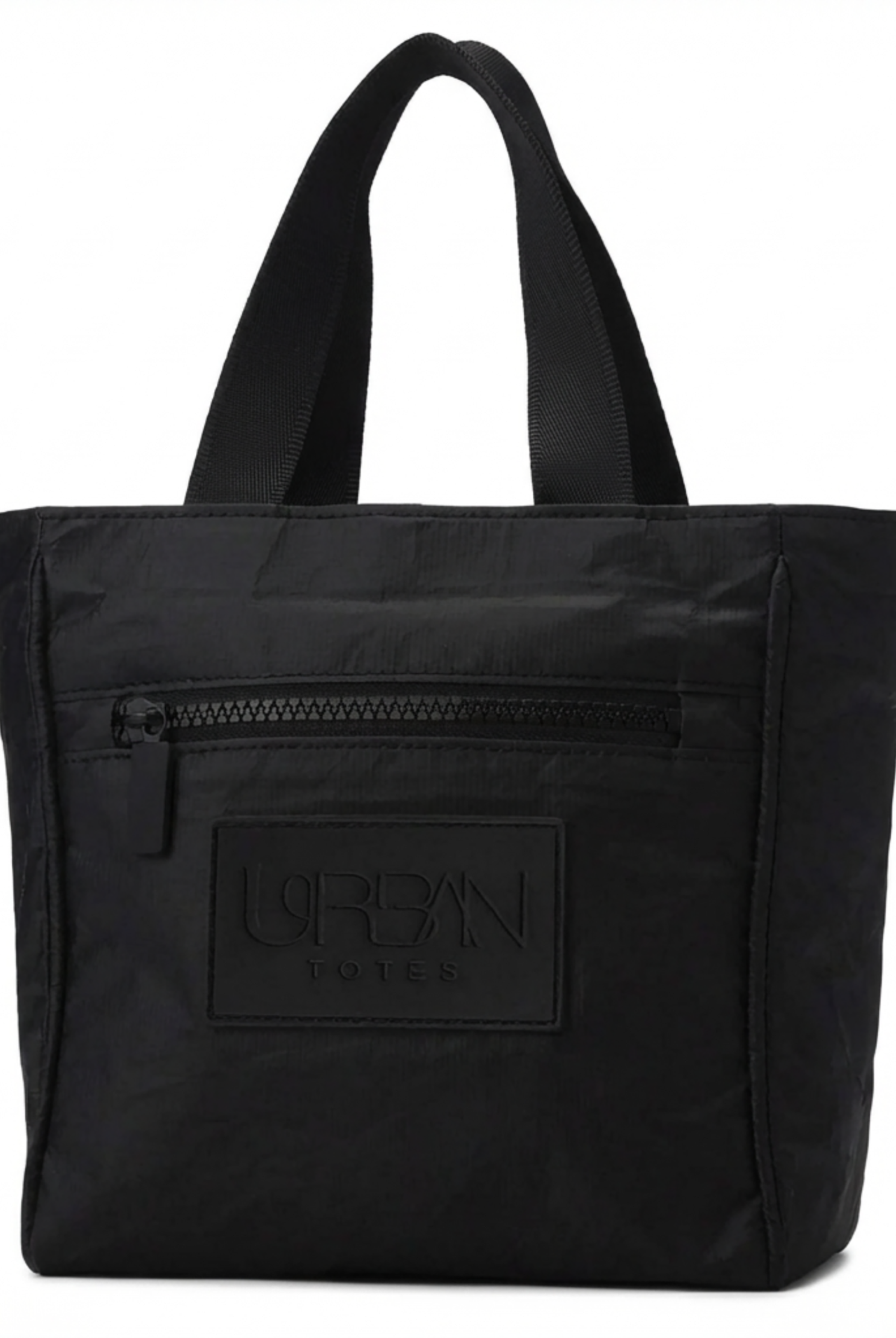
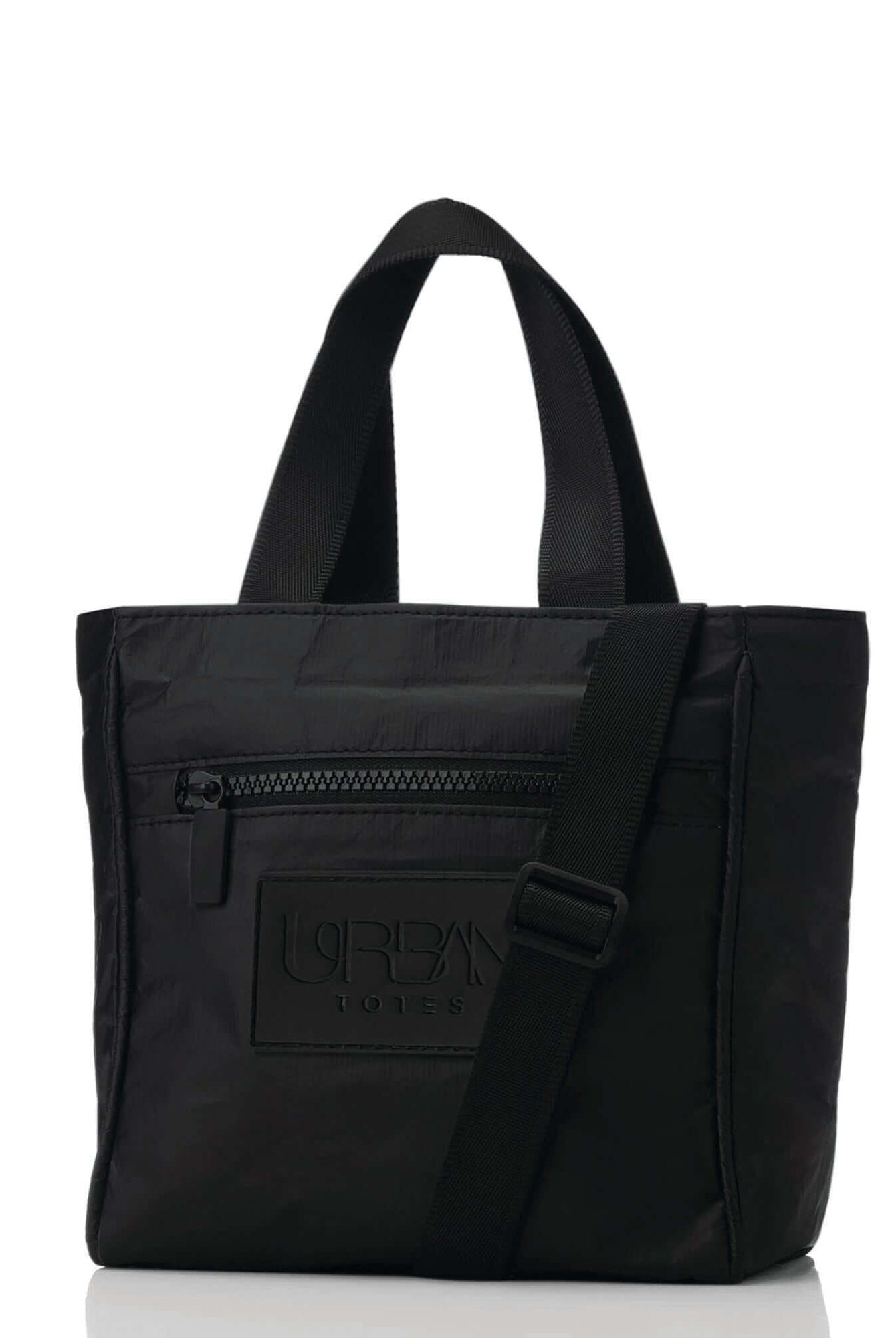
In that lane, Urban Totes offers one practical option as a woman-owned Boise-based brand with lightweight, packable, water-resistant designs and organized interiors built for commuting, errands, travel, and everyday carry.
Packing and Caring for Your Go-Anywhere Bag
A weekender works best when you pack it with intention. You don't need a complicated system. You need one that makes the bag easier to live with.
Pack so everything has a place
Rolling clothes usually makes better use of space than loose folding, especially in a soft-sided bag. Put the bulkiest items at the bottom, keep toiletries contained, and use smaller pockets for the things you reach for first.
A simple rhythm works well:
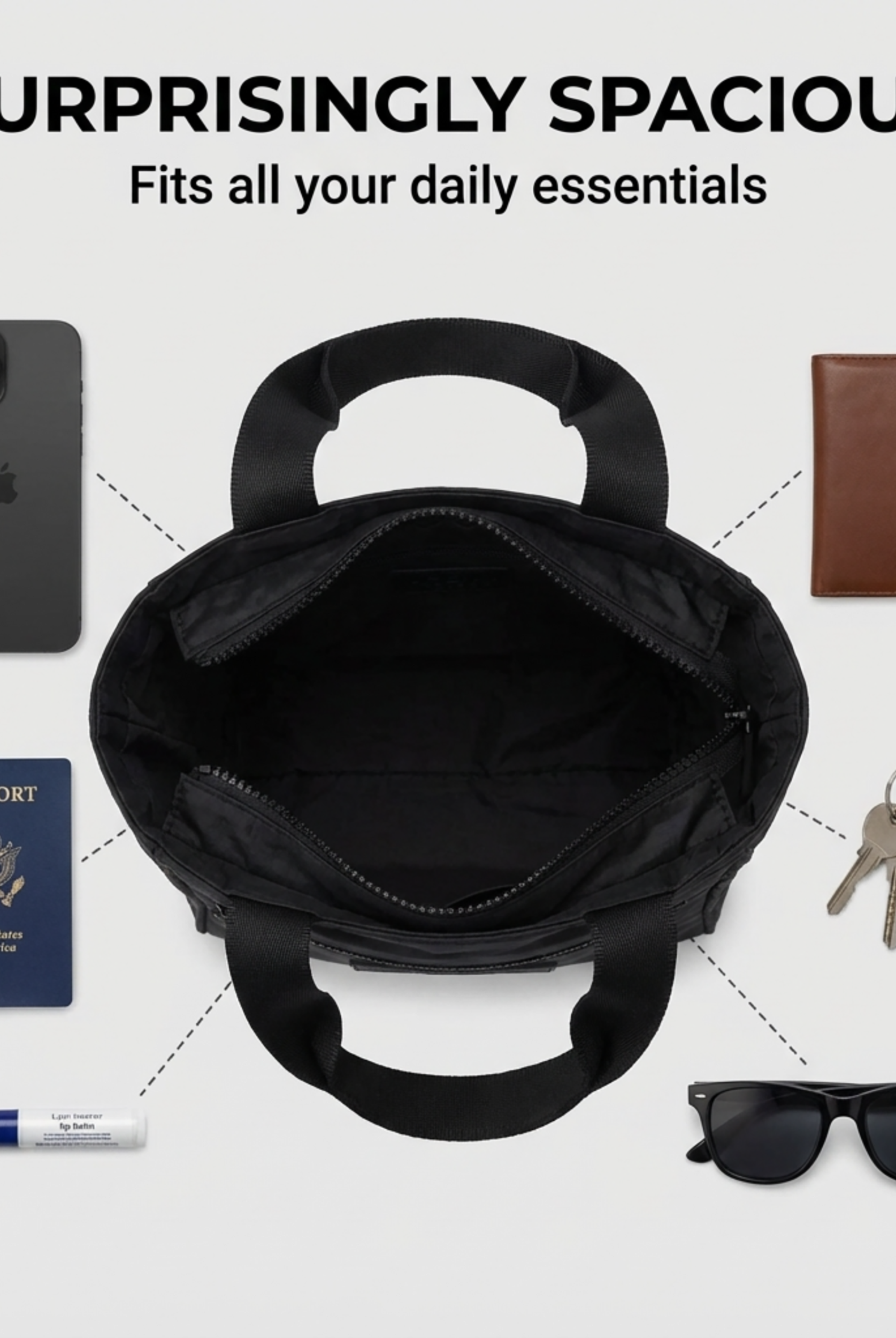
- Keep quick-grab items up top: Phone charger, wallet, keys, lip balm, and headphones.
- Separate clean from messy: Shoes, damp items, or gym gear should never float loose beside clothing.
- Pack by use, not by category alone: Put what you'll need first where your hand naturally goes first.
If you want a practical walkthrough, these five convenient ways to pack your weekender tote bag for travel offer helpful ideas.
Care for it like a bag you plan to keep
A bag that goes everywhere will pick up evidence of real life. That's normal.
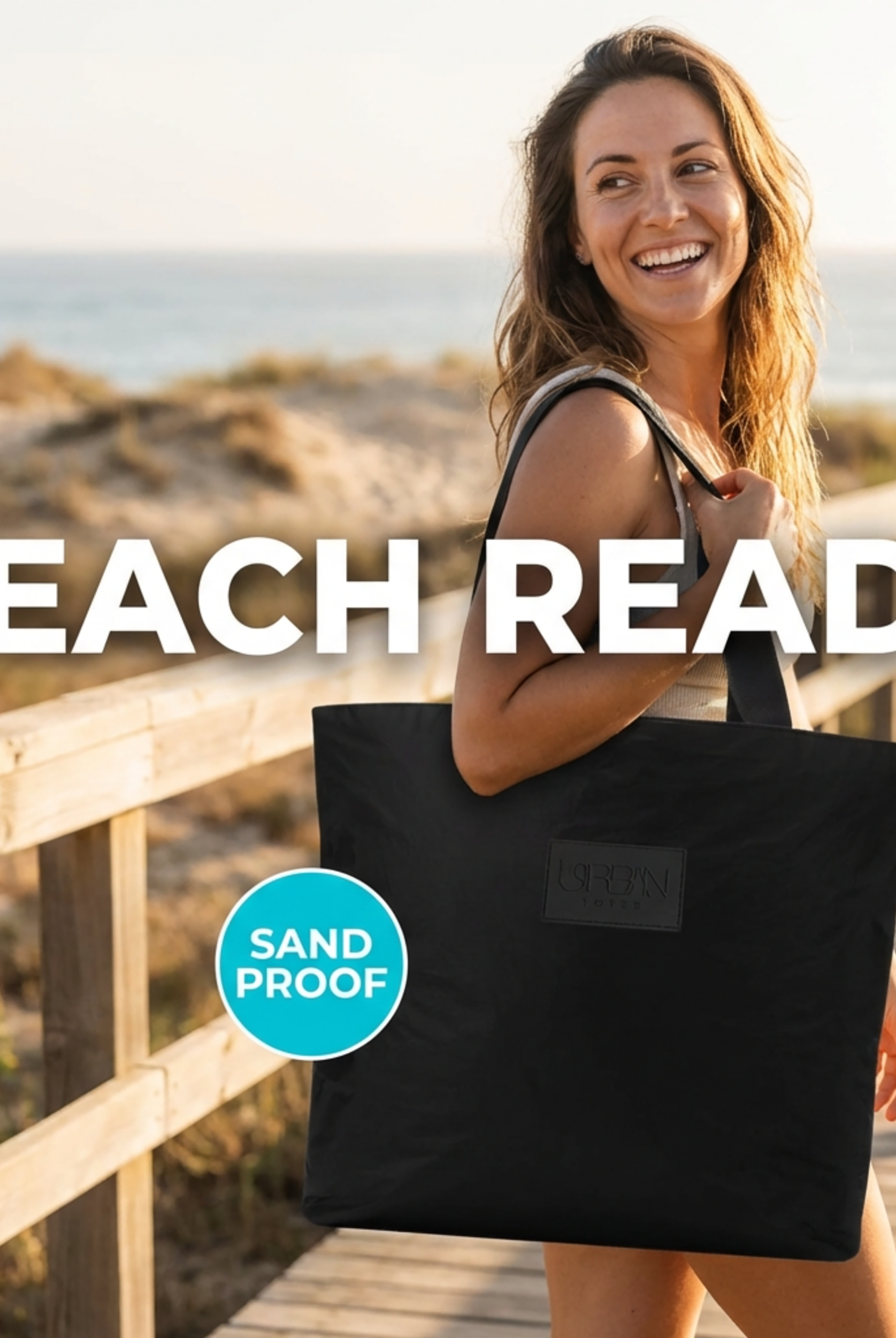
Wipe down the interior regularly. Empty pockets before stains become mysteries. Let the bag air out after gym use, beach days, or any trip that involved damp clothing. If your bag is foldable or packable, store it dry and reshaped rather than crammed into a corner.
The goal isn't perfection. It's readiness.
A great weekender should always feel one step away from your next plan.
Find your perfect go-anywhere bag at Urban Totes. Shop the full collection and take on whatever the day brings.