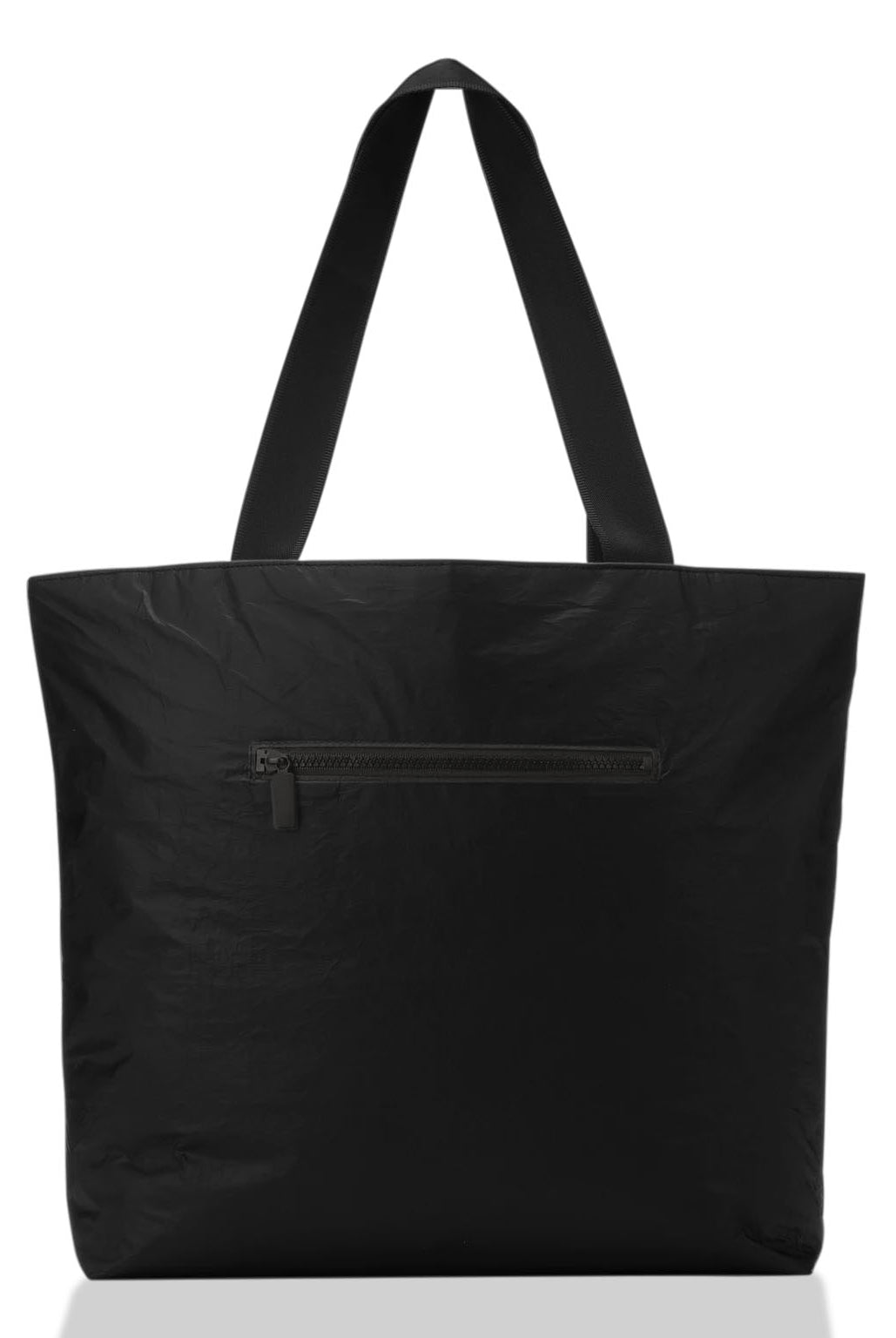
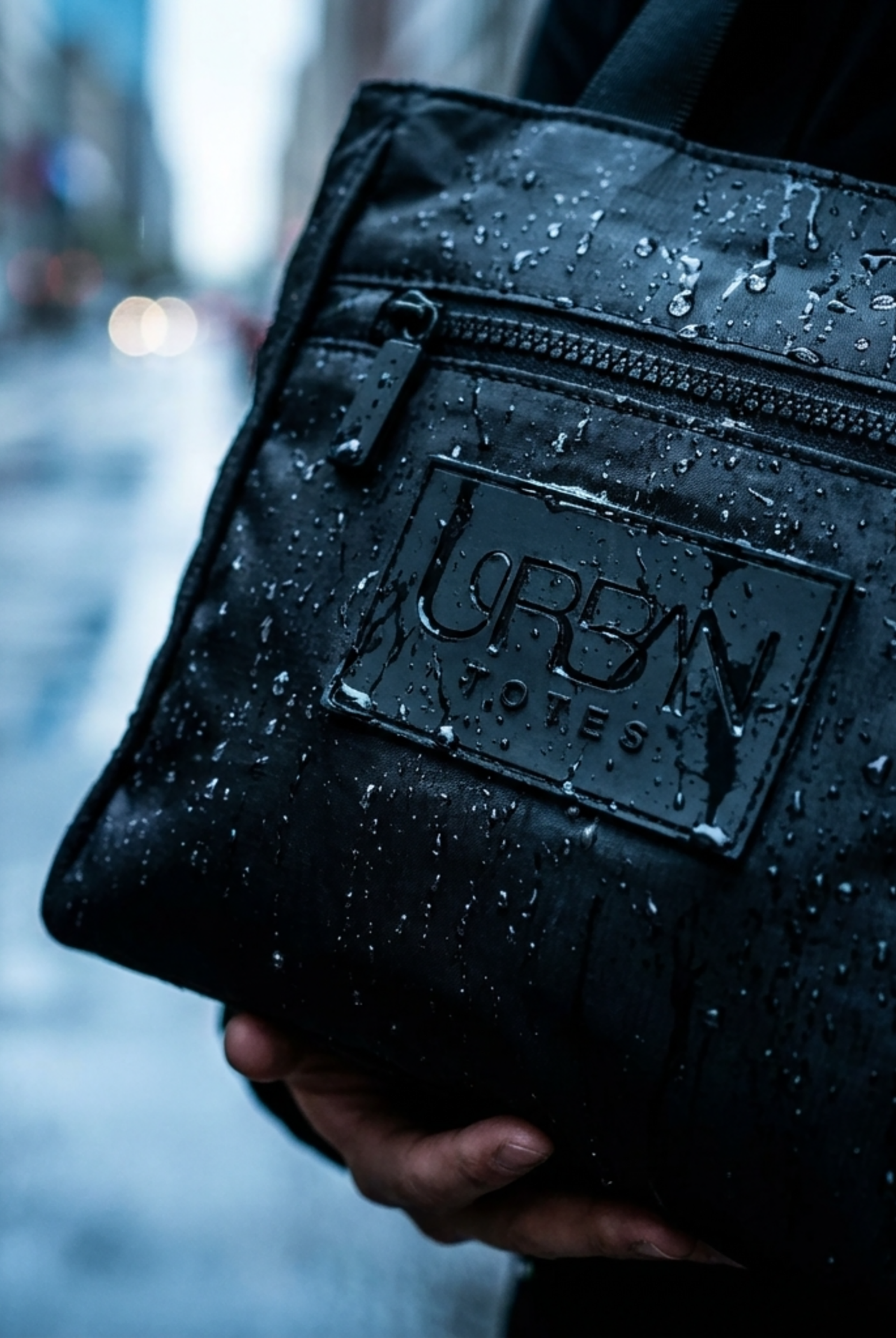
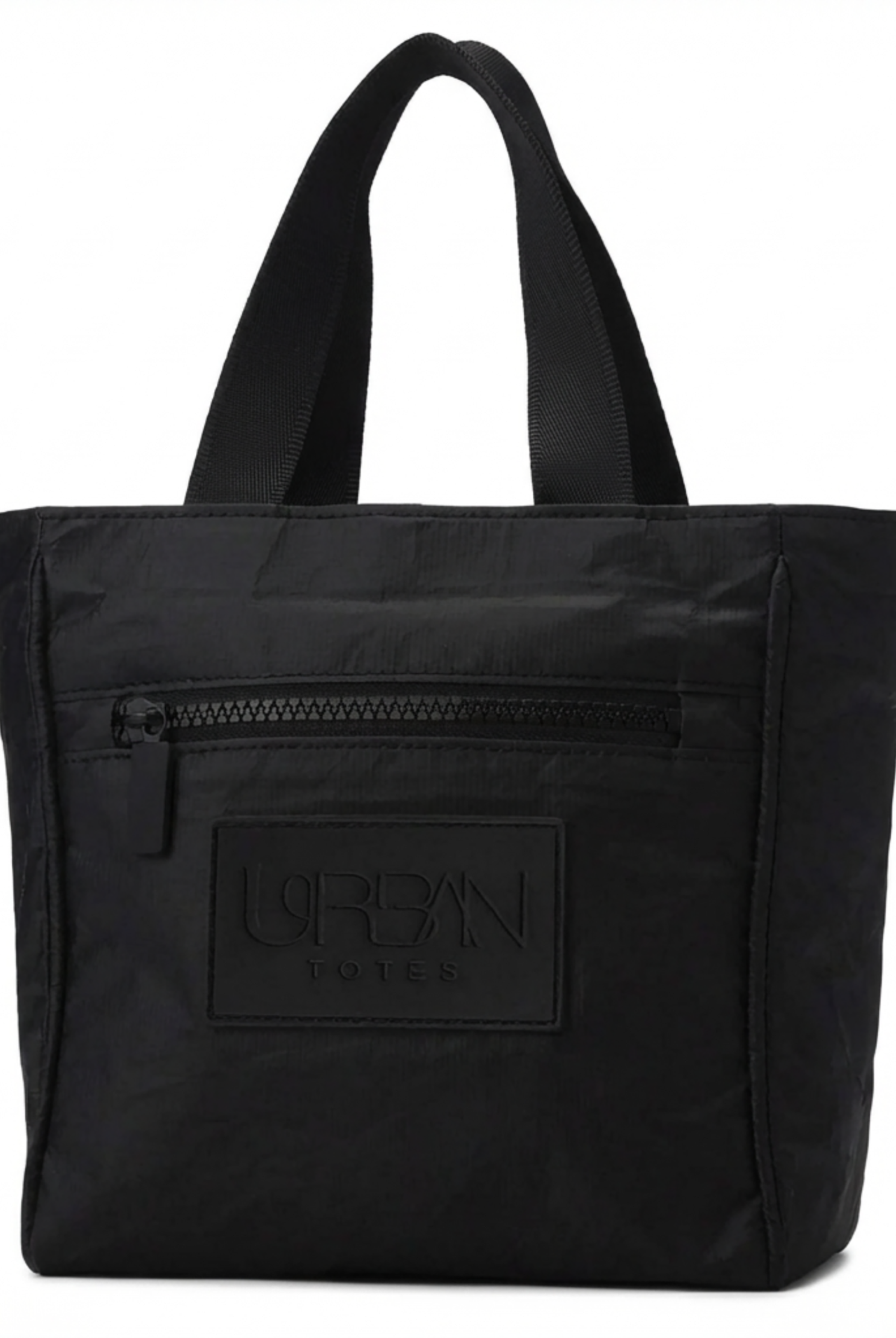
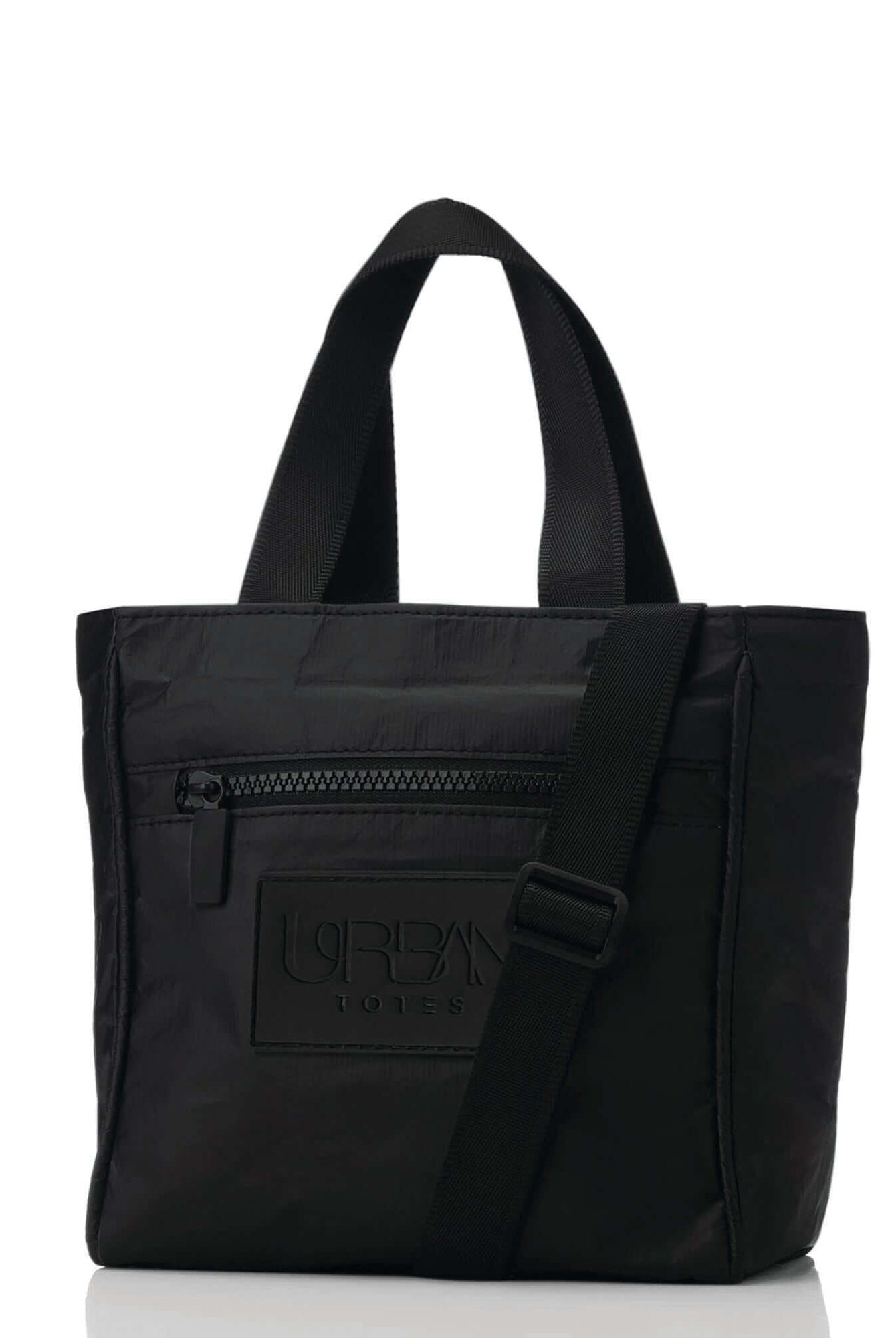
You’re packing for a flight with one suitcase, one personal item, and a beach plan that sounded simple when you booked it. Then the bag question shows up. The classic rubbery beach tote is great by the water but awkward at the airport. The stylish city tote looks right in a hotel lobby but turns into a soggy sandbox by noon.
That’s why finding the best beach bags for travel feels harder than it should. Most bags are built for one setting. Real trips ask more of them. You need one bag that can slide under a seat, carry sunscreen and a wet swimsuit, keep your phone out of the grit, and still look normal when you stop for lunch on the way back.
Seasoned travelers learn this fast. The wrong bag doesn’t just look out of place. It slows you down, leaks, traps sand in every seam, and forces you to repack at the worst time.
The Search for a Beach Bag That Actually Travels
A lot of beach-bag frustration starts on day one of a trip. You arrive with a tote that worked fine at home, then realize it doesn’t fit the way you travel. It won’t fold flat in your suitcase. It has no zipper when you need to stash it under an airplane seat. Or it’s so open and floppy that your sunscreen, charger, room key, and sunglasses all end up in one damp pile.
The opposite problem is just as common. Many travel totes are tidy and polished, but they hate sand and water. They soak through, hold odor, or get gritty in the corners after one afternoon near the shore. By the second day, you’re carrying a bag that feels less like a useful tool and more like a compromise.
That gap is real, and it isn’t just anecdotal. Existing beach bag roundups still lean heavily toward beach-only durability, while overlooking airline-friendly design. A 2026 Carryology report found that 68% of frequent flyers cite packable versatility as the top unmet need in totes, especially when bags miss strict airline sizing expectations, as noted in Pack Hacker’s coverage of beach bags for travel.
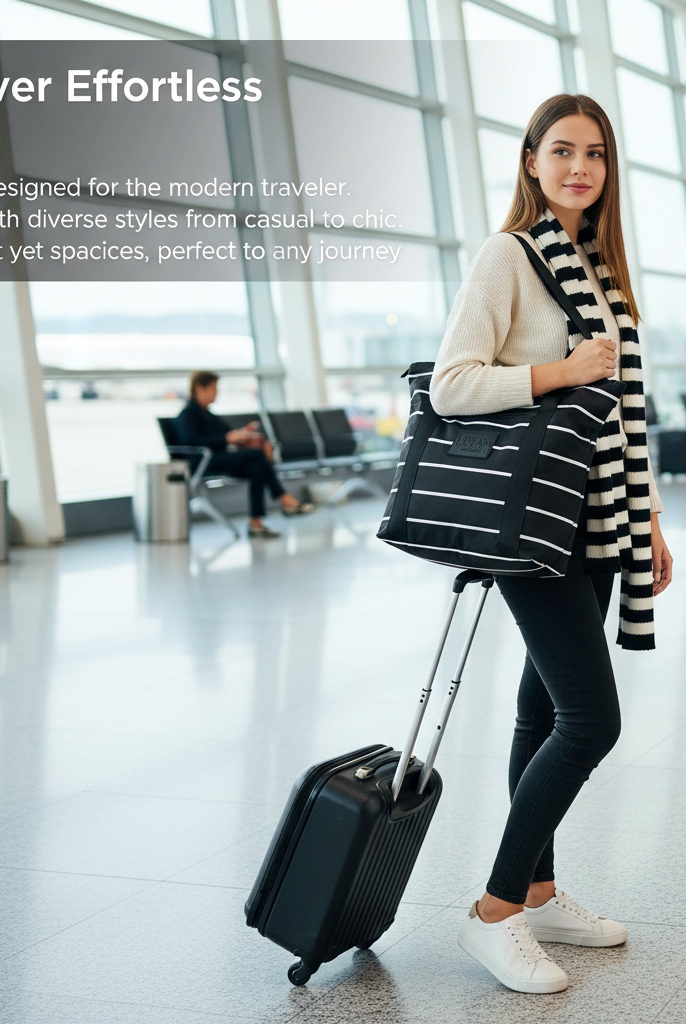
The most useful beach bag on a trip usually doesn’t look like a traditional beach bag. It looks like a travel tote that happens to survive the beach.
That changes how you shop. Instead of asking whether a bag is roomy or cute, ask whether it can move through three settings without creating work for you: airport, beach, and city. If it fails badly in any one of those, it’s not a travel beach bag. It’s just a single-purpose tote wearing the wrong costume.
Anatomy of the Perfect Travel Beach Bag
The easiest way to judge a bag is to stop thinking about “beach bag” as a category and start thinking about travel companion. Good travel gear has a job. It carries the right load, protects what matters, and doesn’t punish you while you move.

Material is the bag’s resilience
A travel beach bag needs more than “durable fabric.” It needs material that handles splashes, heat, sunscreen residue, rough surfaces, and repeated stuffing into suitcases. Bags that look sturdy in a product photo can still fail quickly if the fabric holds moisture or abrades at the corners.
For travel, the sweet spot is usually a fabric that’s water-resistant, wipe-clean, and flexible enough to pack. Overly rigid constructions can be useful on a local car-to-beach run, but they become dead weight when you’re trying to nest a bag inside luggage.
Capacity and weight decide whether you’ll actually carry it
Shoppers often overvalue volume and undervalue the feeling of carrying the bag for half a day. On real trips, a bag doesn’t just haul towels. It often carries a water bottle, wallet, extra layer, snacks, phone charger, sunscreen, sunglasses case, and whatever you bought during a walk back through town.
A bag that’s too small becomes annoying. A bag that’s too large becomes a black hole.
A good rule is to match the bag to the trip pattern:
- Day-use travel tote for a solo traveler or couple who pack lightly
- Expanded carryall for families who need room for snacks, layers, and kid gear
- Secondary small crossbody or pouch for valuables you don’t want buried
Practical rule: If a bag feels heavy before you’ve packed it, it’s probably the wrong bag for air travel.
Organization is its intelligence
The old-school beach tote was one large cavity with handles. That’s fine for towels. It’s terrible for boarding passes, lip balm, earbuds, and hotel keys. Travel adds more small, high-priority items, which means your bag needs a simple internal layout.
Look for:
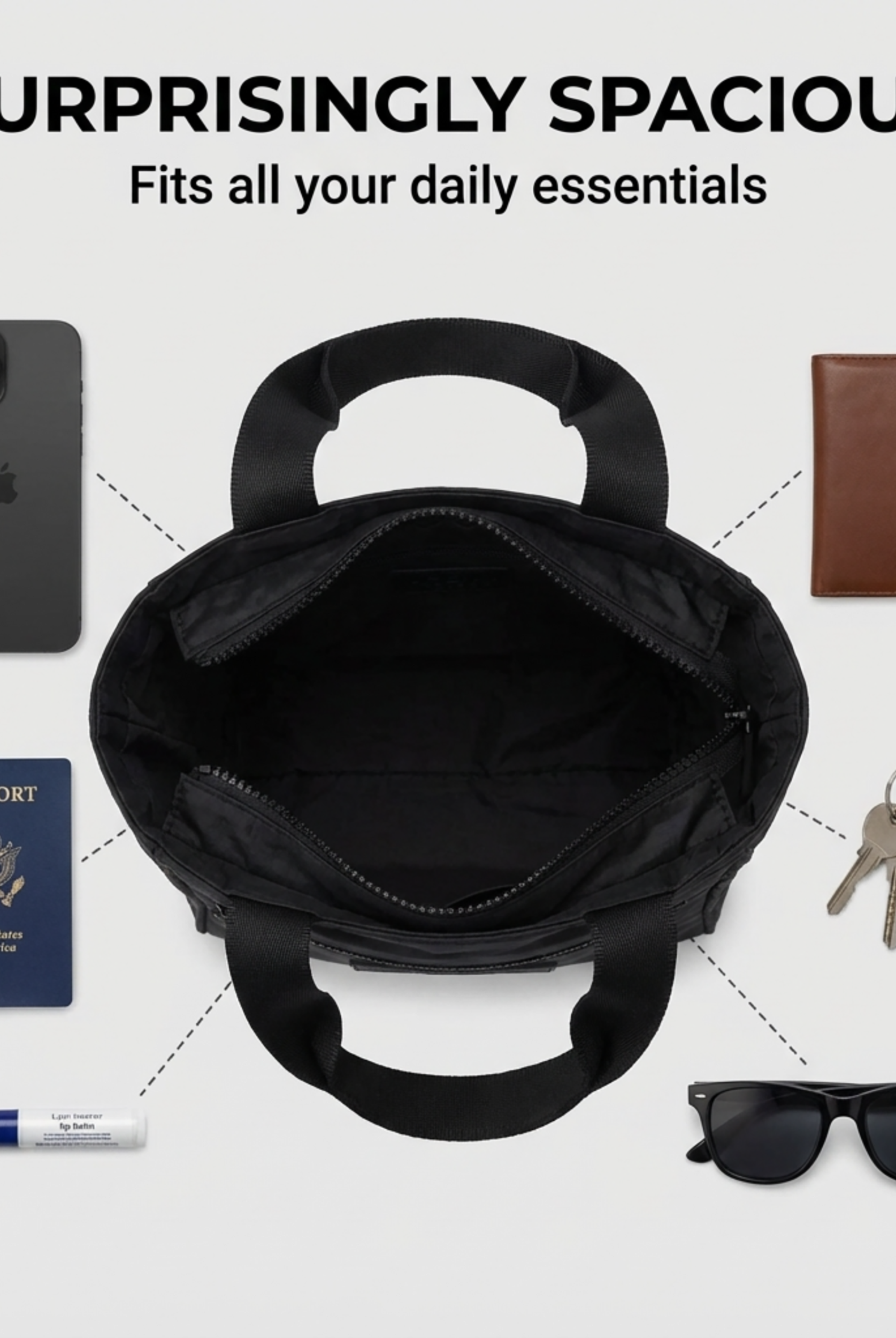
- A secure zip compartment for passport, wallet, and room key
- A separate zone for dry items like a T-shirt or light sweater
- Quick-access pockets for sunscreen, sunglasses, or a reusable bottle
- An interior lining that wipes clean instead of grabbing every grain of sand
Not every pocket is helpful, though. Tiny decorative compartments often trap grit and become hard to rinse.
Security matters more on trips than at the local beach
Open-top totes can work if you’re walking straight from your room to the sand. They work much less well in airports, train stations, and busy beach towns. Travel usually means your bag spends time in public, under seats, beside café chairs, and in overhead bins.
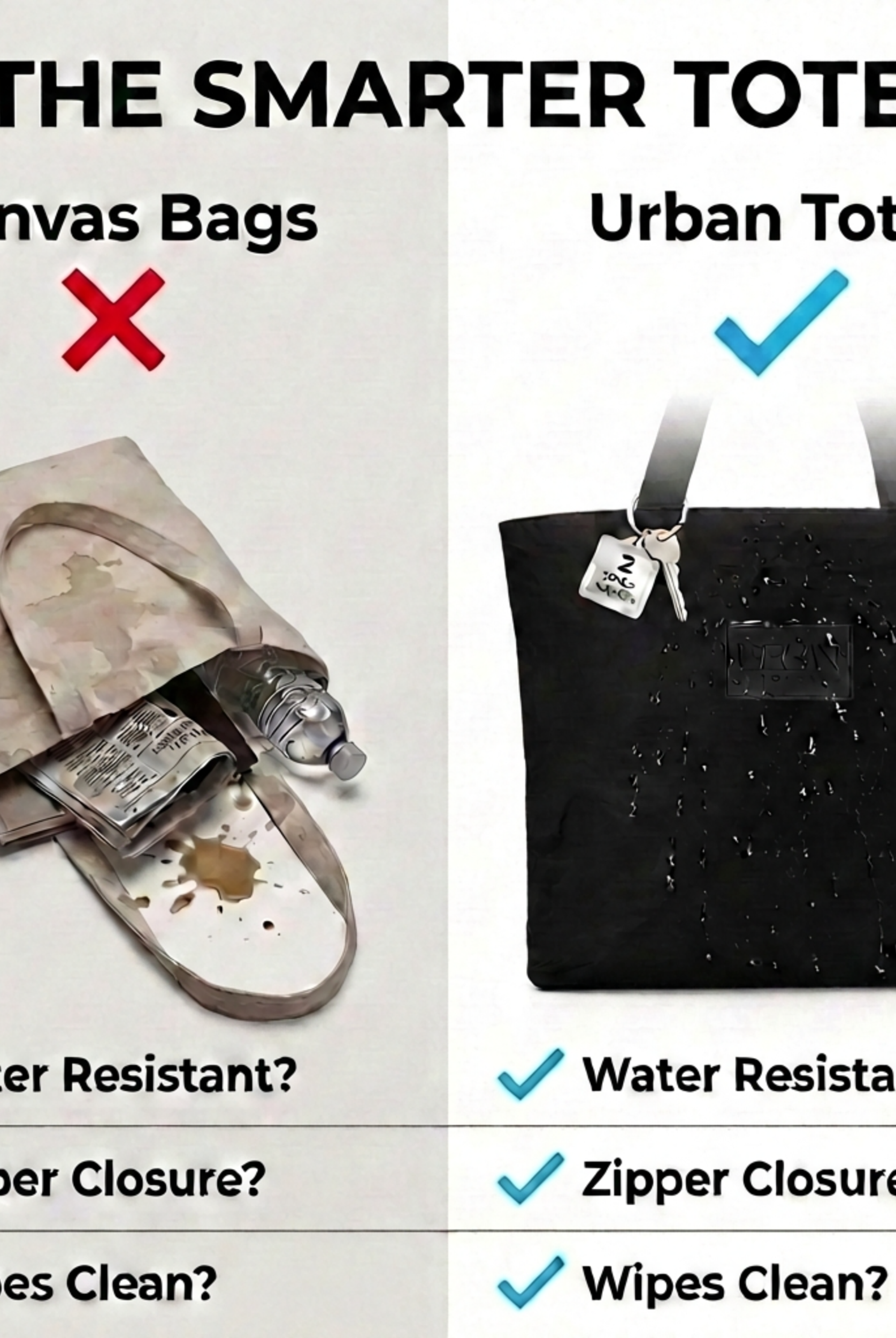
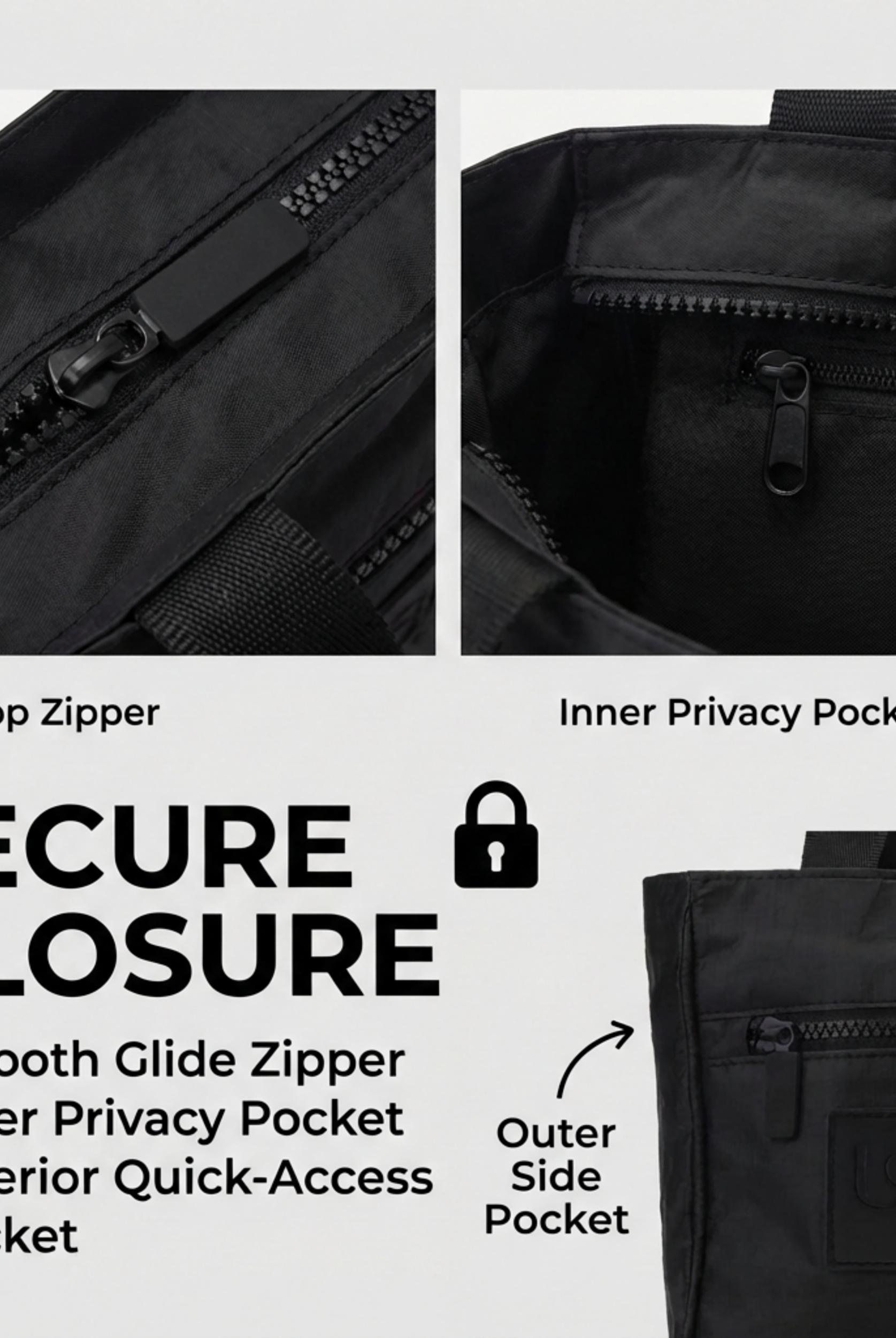
A zip-top closure is one of the most practical upgrades you can buy. It keeps contents contained in transit and adds a layer of privacy when you’re carrying electronics or documents.
Comfort is the bag’s endurance
Handle drop, strap width, and bag shape all affect whether the bag feels manageable after an hour. Thick seams that dig into your shoulder, handles that are too short for a jacket, and floppy bases that swing into your leg all make a bag feel worse than its spec sheet suggests.
Here’s a quick evaluation grid:
| Feature | What works for travel | What usually fails |
|---|---|---|
| Straps | Wide, comfortable shoulder carry | Narrow handles that twist under load |
| Base | Structured enough to stay upright | Fully floppy bottoms that collapse into sand |
| Closure | Zip top or secure interior zip zone | Completely open designs in transit |
| Cleaning | Wipeable or rinseable interior | Textured linings that hold grit |
| Packing | Folds or compresses flat | Bulky molded bodies |
Packability is the part most lists miss
A bag can be excellent at the shore and still be a poor travel choice if it can’t disappear when you don’t need it. Packability isn’t just about folding flat. It’s about how easily the bag integrates into the rest of your system.
The best beach bags for travel do at least one of these well:
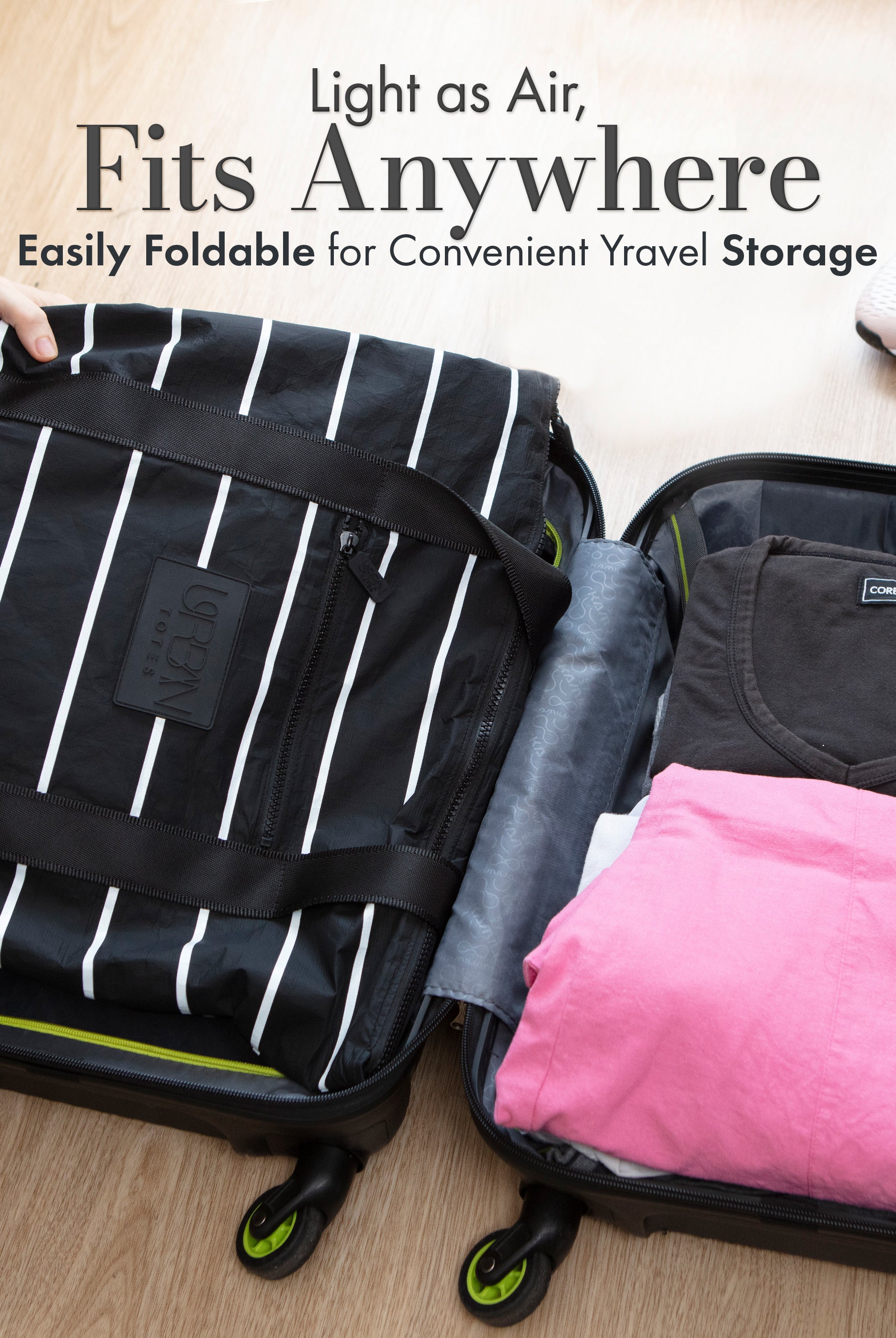
- Lie flat against the suitcase wall
- Compress into a corner without losing shape later
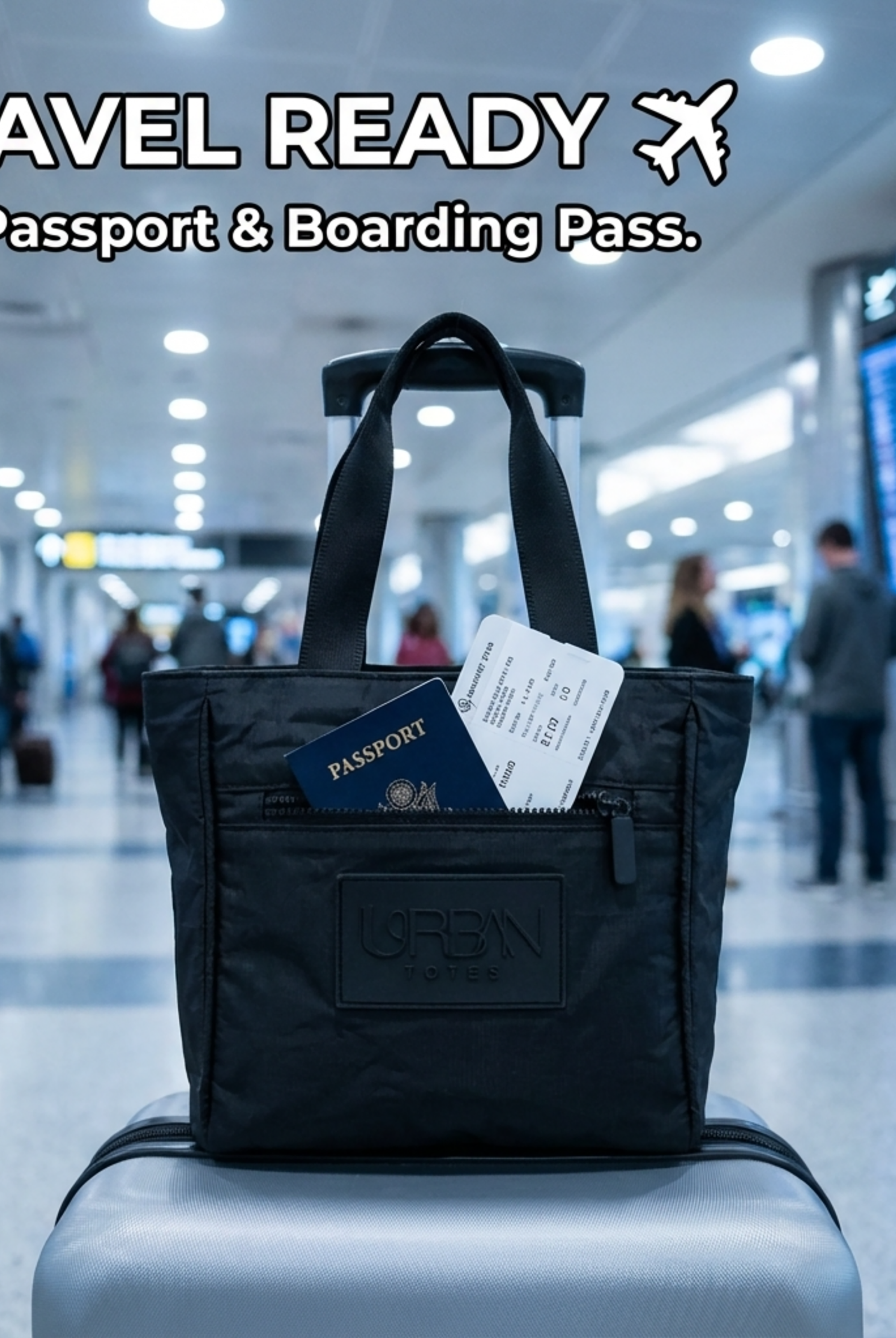
- Double as your personal item on the plane
- Work off the beach, so you don’t need a second tote
That last point matters. Multi-use beats specialization on almost every trip.
Choosing Materials That Travel and Survive the Beach
Material is where the difference between a good-looking tote and a hard-working one becomes obvious. Two bags can appear similar online and behave completely differently once they meet sunscreen, wet towels, shells, and a luggage bin.
TPU and technical fabrics for the most demanding trips
If you travel with heavier loads, technical fabric starts to matter a lot. For loads of 5 to 8 kg, high-denier 900D TPU construction with wide, padded straps is the strongest setup, offering puncture resistance and over 99% water resistance, according to Gorfia’s material guide for beach bag selection. In plain terms, that means the bag is less likely to soak up water, gain weight, or get chewed up by rough surfaces and beach debris.
That doesn’t mean every traveler needs the burliest bag available. It means you should understand what the spec is doing for you. TPU-coated fabric is useful when you’re carrying wet gear, setting the bag down on damp ground, or dealing with messy kid items. It also wipes down quickly in a hotel sink.
Wide, padded straps matter more than many people think. A heavy load feels manageable with the right strap design and miserable with the wrong one.
Canvas, recycled nylon, and mesh each have trade-offs
Traditional canvas still has a place, especially if you want structure and a more polished look. It often holds its shape well and can transition nicely into town. The drawback is simple. Canvas is usually heavier, slower to dry, and less forgiving if you pack it into a suitcase corner.
Recycled nylon often works better for travel because it’s lighter and easier to compress. It also tends to be easier to wipe clean. If you’re balancing beach time with flights, trains, and hotel hopping, lightweight technical nylon usually gives you a better overall travel experience than a thick heritage canvas tote.
Mesh is where many travelers get tempted and then disappointed. It sounds beach-perfect because sand can shake out. But mesh also lets in moisture and exposes contents. For toys and towels, that may be fine. For a travel day with earbuds, a paperback, or a spare shirt, it’s a poor compromise.
Choose materials based on your worst moment of the trip, not your best one. A bag that looks good dry and empty may be awful when wet, full, and carried for an hour.
What to prioritize by travel style
Different travelers should read material choices differently.
- For family beach travel choose wipe-clean, splash-resistant material with some structure. Kids create mess faster than style can compensate for it.
- For a couples getaway lean toward a refined technical fabric or lighter coated textile that still looks at home off the sand.
- For carry-on-only travel favor lightweight, packable fabric over rigid “gear-hauler” materials.
If you already own a tote you like, maintenance can stretch its useful life. A simple routine of rinsing out grit, drying fully, and cleaning high-contact areas keeps technical fabrics working better over time. Urban Totes has a practical guide on how to care for your tote bag with simple maintenance habits that aligns well with what frequent travelers need.
The wrong kind of toughness
One common mistake is buying the most rugged bag available and assuming tougher always means better. For travel, it often doesn’t. Some bombproof beach bags are so bulky and stiff that they’re awkward in overhead bins, impossible to pack, and excessive for a simple beach day plus lunch stop.
The better test is balance. You want a material that can handle abuse without becoming a burden. That’s what separates a beach bag from a travel beach bag.
Mastering Organization from Airplane to Shoreline
The classic open tote works because it’s simple. It also creates chaos the minute your beach day starts before the beach. Add an airport, rental car, train ride, or long walk through town, and that “one big pocket” design stops feeling carefree.
Travelers need internal architecture. Not lots of fussy compartments. Just the right ones.
Why one big cavity fails on real trips
On a local beach run, a loose tote can be good enough. You throw in towels, sunscreen, maybe a paperback, and head out. Travel changes the contents. Now you’ve got earbuds, charger, lip balm, ID, sunglasses, snacks, room key, and often a change of clothes. Wet and dry items start mixing. Small essentials disappear to the bottom. Sand ends up in everything.
That’s why the best beach bags for travel need zoned storage. Keep valuables in one protected area, fast-grab items near the top, and beach gear where a little grit won’t ruin the rest of your day.
A smarter internal layout
A useful travel beach tote usually includes these functions:
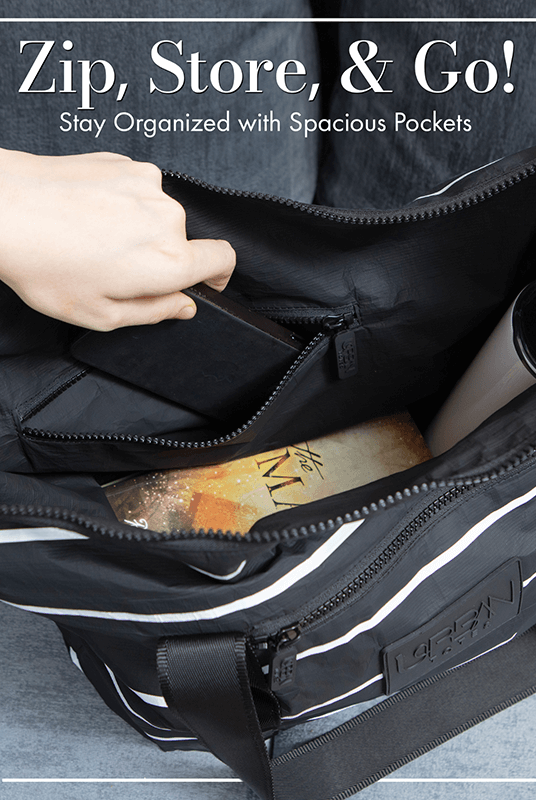
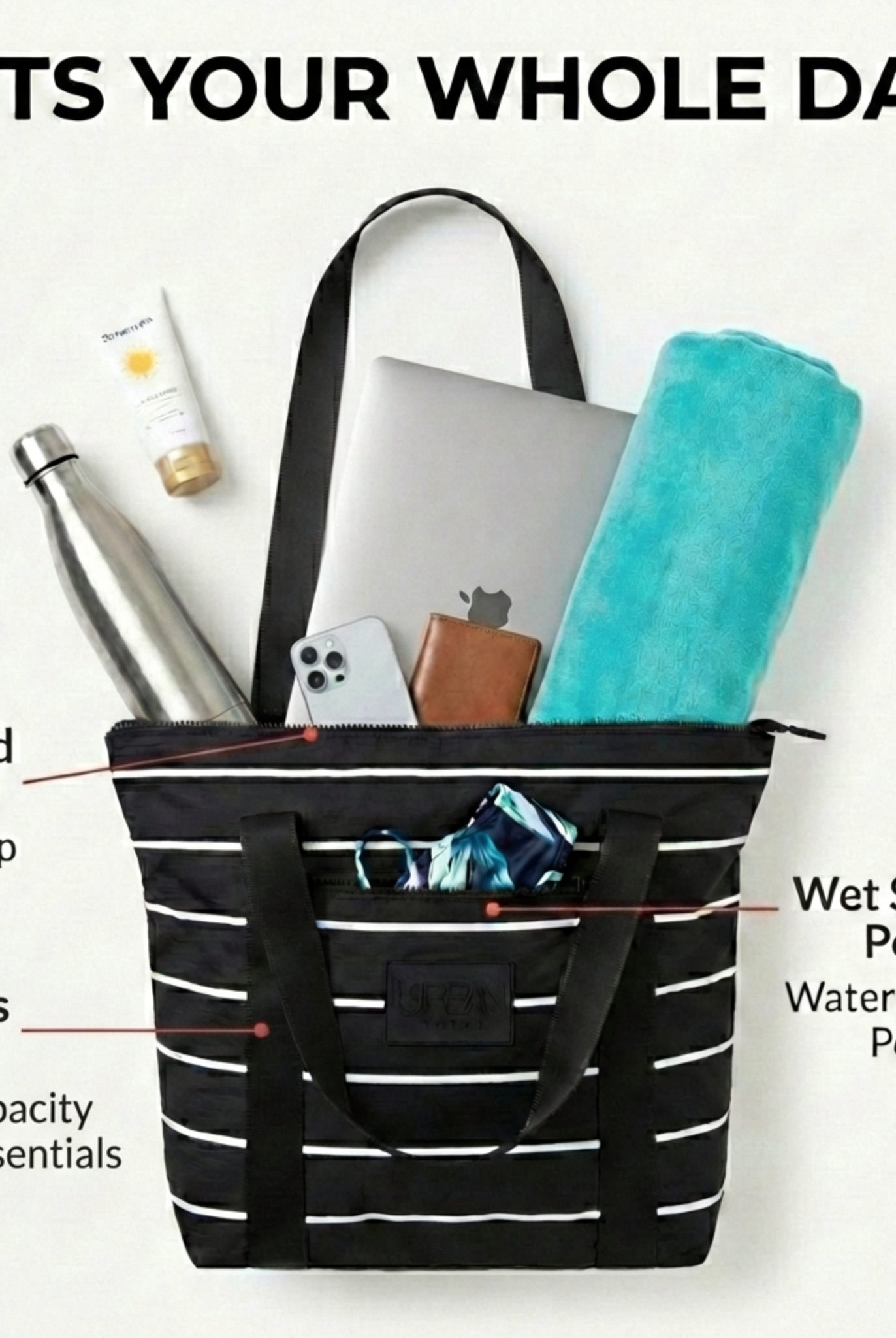
- Dry zone for valuables with a zippered compartment for phone, passport, cards, or hotel key
- Open main area for towels, cover-up, snacks, and larger items
- External access pocket for items you reach for repeatedly, such as sunscreen or a water bottle
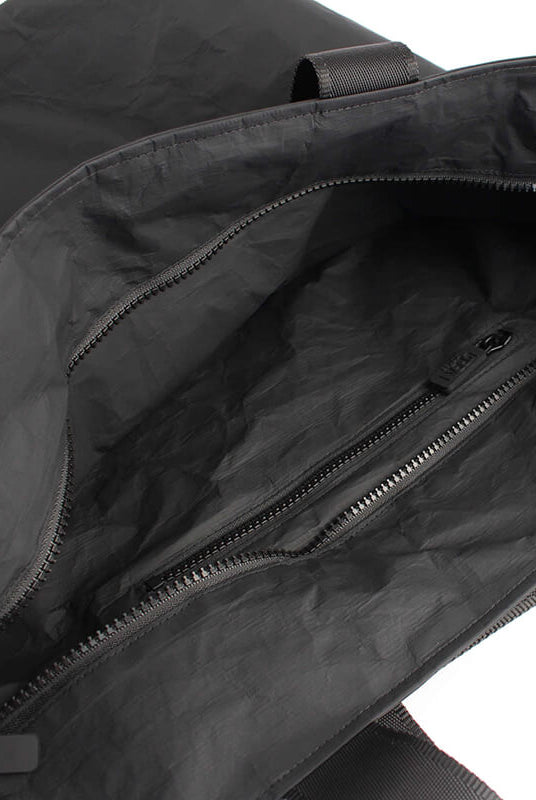
- Easy-clean lining that won’t hold onto wet sand and lotion residue
Not every pocket should be tiny. Tiny pockets are where sand goes to live. Fewer, larger compartments are easier to clean and easier to use.
A bag should help you sort your day in seconds. If you have to dig for your room key while holding flip-flops and sunscreen, the design is failing.
Structure helps with sand, not just shape
Bag organization isn’t only about pockets. The bottom structure's importance is often underestimated. Bags with a semi-rigid base and reinforced bottom panels can reduce sand accumulation by 60% to 80% compared with flat-bottomed totes, because they hold shape under load and avoid the sagging creases where sand collects, according to Carryology’s beach bag performance analysis.
That one design detail improves several things at once. The bag stands up better while you pack it. It keeps contents slightly lifted off damp ground. It also makes cleanup less annoying.
Packing for the transition, not just the beach
A well-organized tote should carry you through the handoff points of the day. Airport to hotel. Hotel to beach. Beach to lunch. Lunch to errands. That’s where a lot of generic beach bags break down.
One helpful approach is to pack in layers:
- Transit layer near the top, such as wallet, sunglasses, charger
- Beach layer in the center, like towel, sunscreen, hat
- Recovery layer in a separate pouch or compartment, like a clean shirt and small toiletries
For travelers who want a tighter packing system inside a larger tote, these practical ways to pack a weekender tote bag for travel translate well to beach-day organization too. The principle is the same. Keep categories distinct so your bag doesn’t become a single mixed pile.
Matching Your Bag to Your Travel Scenario
The right bag depends less on trend and more on the trip you’re taking. A family beach day has very different requirements than a long weekend for two or a solo trip where your tote also has to behave like an office bag and a personal item.

Family beach day
This is the scenario that pushes bags hardest. You’re not only carrying your own things. You’re carrying snacks no one asked for until now, extra layers, sunscreen for everyone, a damp rash guard, and probably something sandy and oddly shaped.
The wrong choice here is often a stylish small tote that looked versatile online. Family beach travel rewards capacity, wipe-clean material, comfortable straps, and a base that won’t collapse the second you set it down.
What works well:
- A larger tote with broad shoulder straps
- A bag with a structured base and a wide opening
- Separate interior zones for wet and dry items
- Material that can be rinsed or wiped before you get back in the car
What tends to fail:
- Tiny internal pockets that trap sand
- Very soft bags with no bottom support
- Fashion totes that become shoulder torture once loaded
A family setup can also justify using a main tote plus a very small companion pouch for valuables. That saves you from opening the large bag every time someone needs a card, a key, or a lip balm.
Couples weekend getaway
Balance matters most. You usually don’t need the biggest bag. You need a bag that can feel beach-appropriate in the morning and normal at a café or casual dinner later.
A good couples bag is often mid-sized, secure, and visually clean. It should carry towels, sunscreen, a bottle of water, and a light layer without looking like sporting equipment. Consequently, many rigid beach-only bags start to feel clumsy. They’re durable, yes, but they don’t blend well into the rest of the trip.
For this kind of travel, look for a tote that offers:
| Scenario need | Better bag choice | Why it matters |
|---|---|---|
| Beach to lunch transition | Minimal, structured tote | Looks appropriate off the sand |
| Shared packing for two | Medium-to-large capacity | Enough room without becoming oversized |
| Protecting small essentials | Full zip or inner zip compartment | Less digging, better security |
| Suitcase compatibility | Soft-sided or packable body | Easier to bring without wasting space |
This traveler usually benefits from restraint. Don’t buy a giant hauler if you’re carrying for two adults who pack intentionally. The extra space just invites clutter.
Solo commuter and explorer
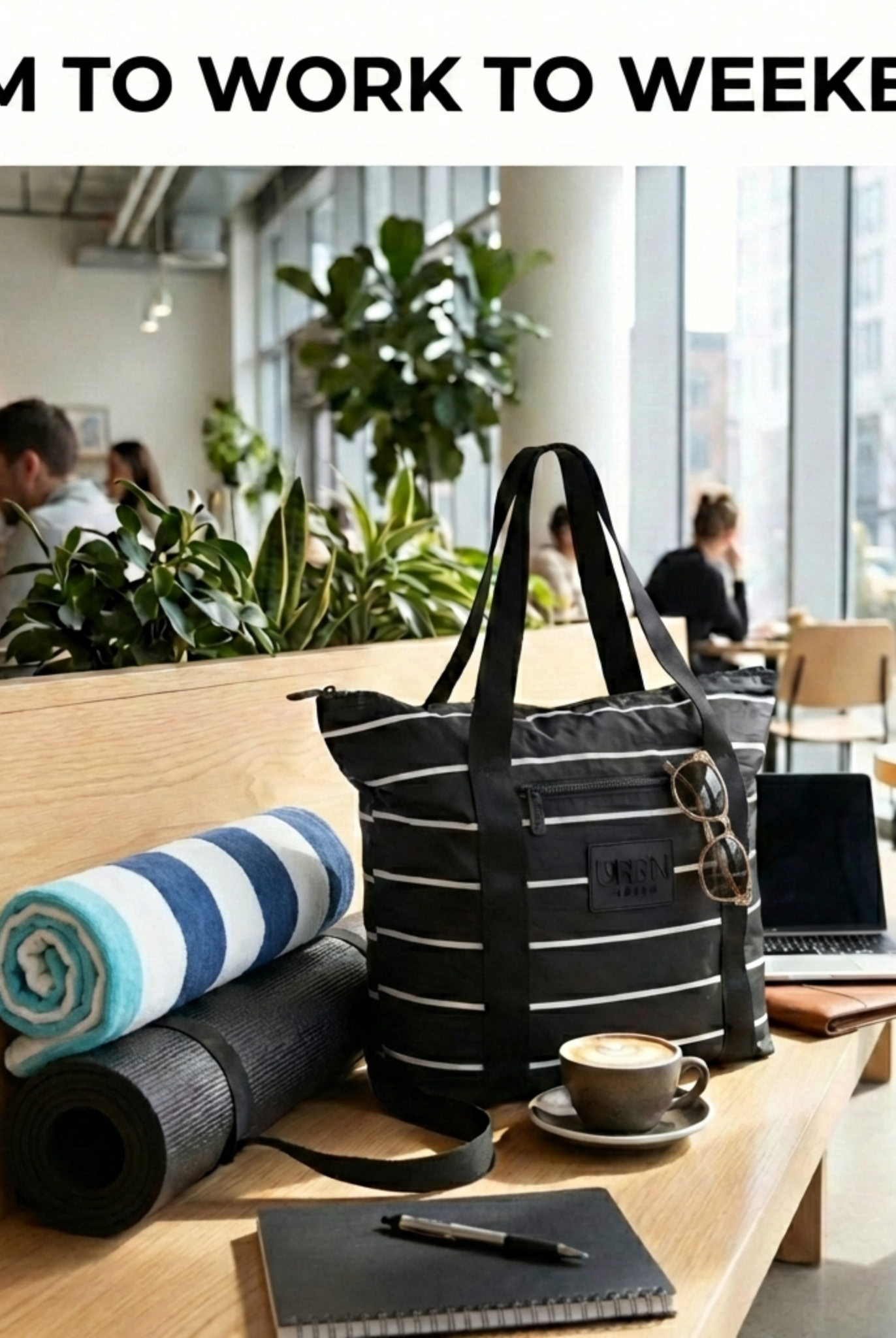
This is the most interesting use case because it asks a lot from one bag. You might board with it, work from it, walk the city with it, then carry it to the beach the next day. That means the tote has to function as personal item, day bag, and beach carryall without becoming awkward in any setting.
The best choice here is usually a lightweight tote with real organization, a secure closure, and a design that doesn’t scream beach gear. Packability is paramount in this scenario. If the bag can flatten into your suitcase on some trips and serve as your primary carry bag on others, it earns its place.
If your itinerary includes airport, coffee shop, shoreline, and grocery stop, your bag shouldn’t force a wardrobe change in the middle of the day.
This scenario also rewards bags with cleaner silhouettes and smart pockets over giant capacity. You’re managing more transitions, not necessarily more stuff.
If you’re unsure where your needs land, it helps to look at a broader glossary of bag types and what each style is built to do. Many people shop for “beach totes” when what they need is a travel tote with beach tolerance.
The practical takeaway
Most travelers don’t need the most rugged bag or the prettiest bag. They need the bag that matches their most common day. If you usually travel with kids, buy for capacity and cleanup. If you split time between beach and town, buy for versatility. If you fly often and pack light, buy for compression, comfort, and secure organization.
That’s how you stop shopping by vibe and start shopping by performance.
How Urban Totes Delivers on Travel-Ready Design
The travel-beach gap is where thoughtful tote design matters most. You need materials that can handle splash and sand, but you also need a shape and layout that still make sense once you leave the shoreline. That combination is harder to find than it should be.

The overlooked feature is cleanup after the beach
A lot of reviews stop at “great for sand and towels.” Daily life doesn’t stop there. Many travelers go from beach to errands, hotel lobby, car seat, stroller, or dinner stop. That transition is where bag design gets exposed.
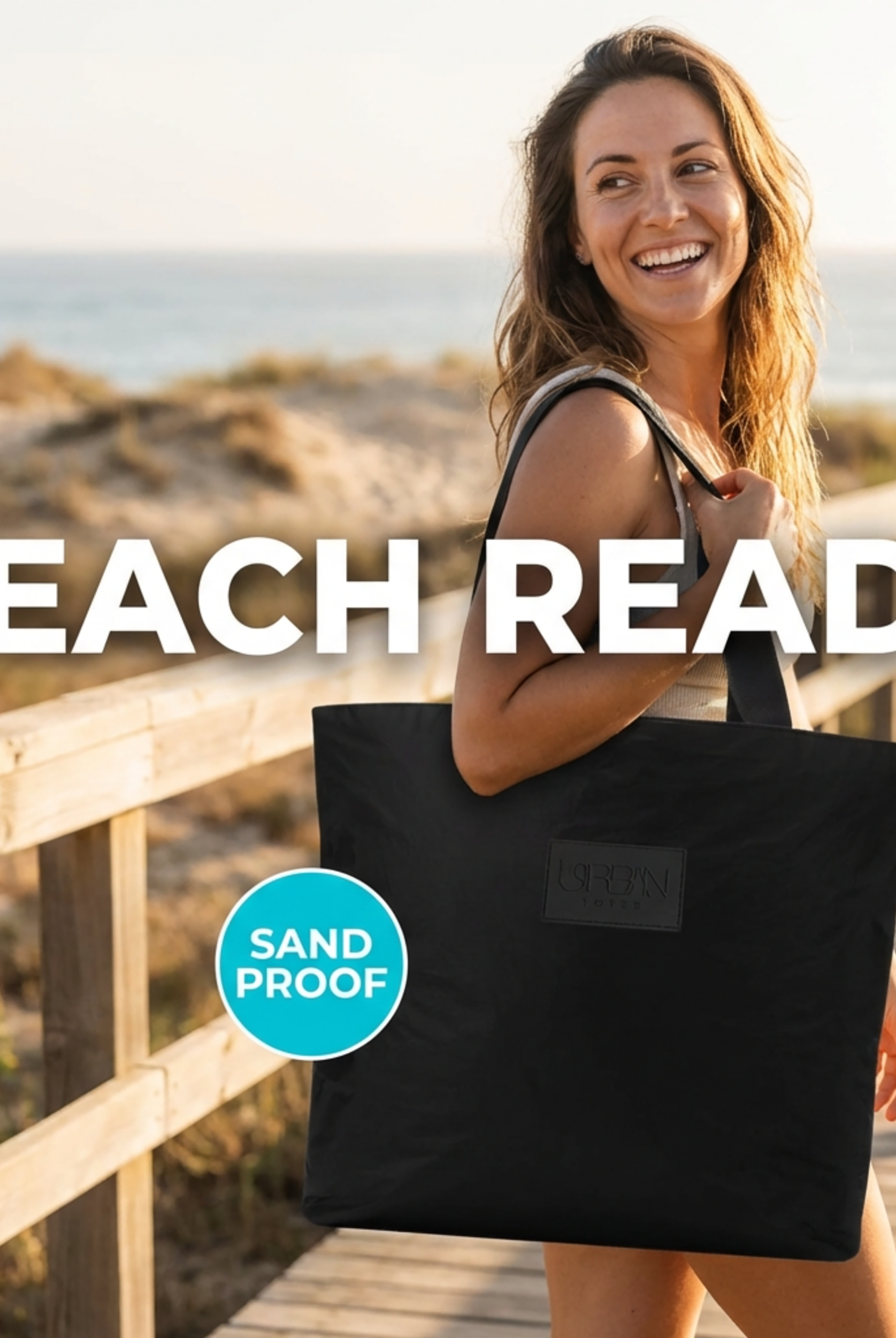
There’s growing demand for better sand control in urban-use bags. Google Trends data shows a 32% spike in searches for “beach bag sand proof pockets” in urban areas, and easy-clean, water-resistant interiors with fully zippered compartments can reduce cleanup time by up to 70% compared with open-mesh bags, as summarized in Fargo Mom’s roundup discussing sand-proof beach bag needs.
That matters because “easy to rinse” and “easy to live with” aren’t the same thing. A bag can be beach-capable and still be annoying once you’re back in regular clothes, carrying keys, receipts, and a phone charger.
Where a versatile tote fits
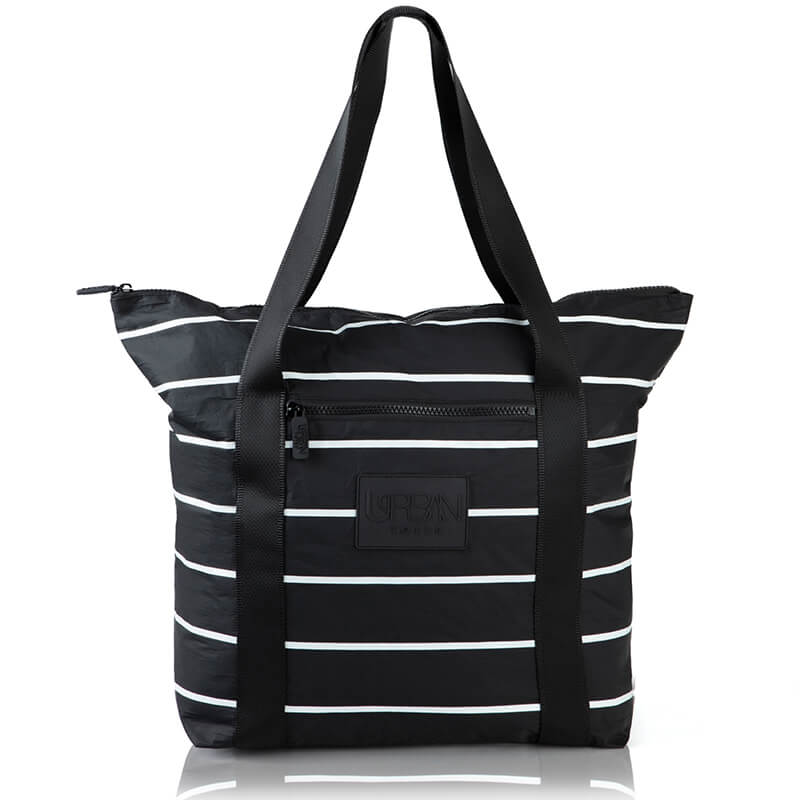
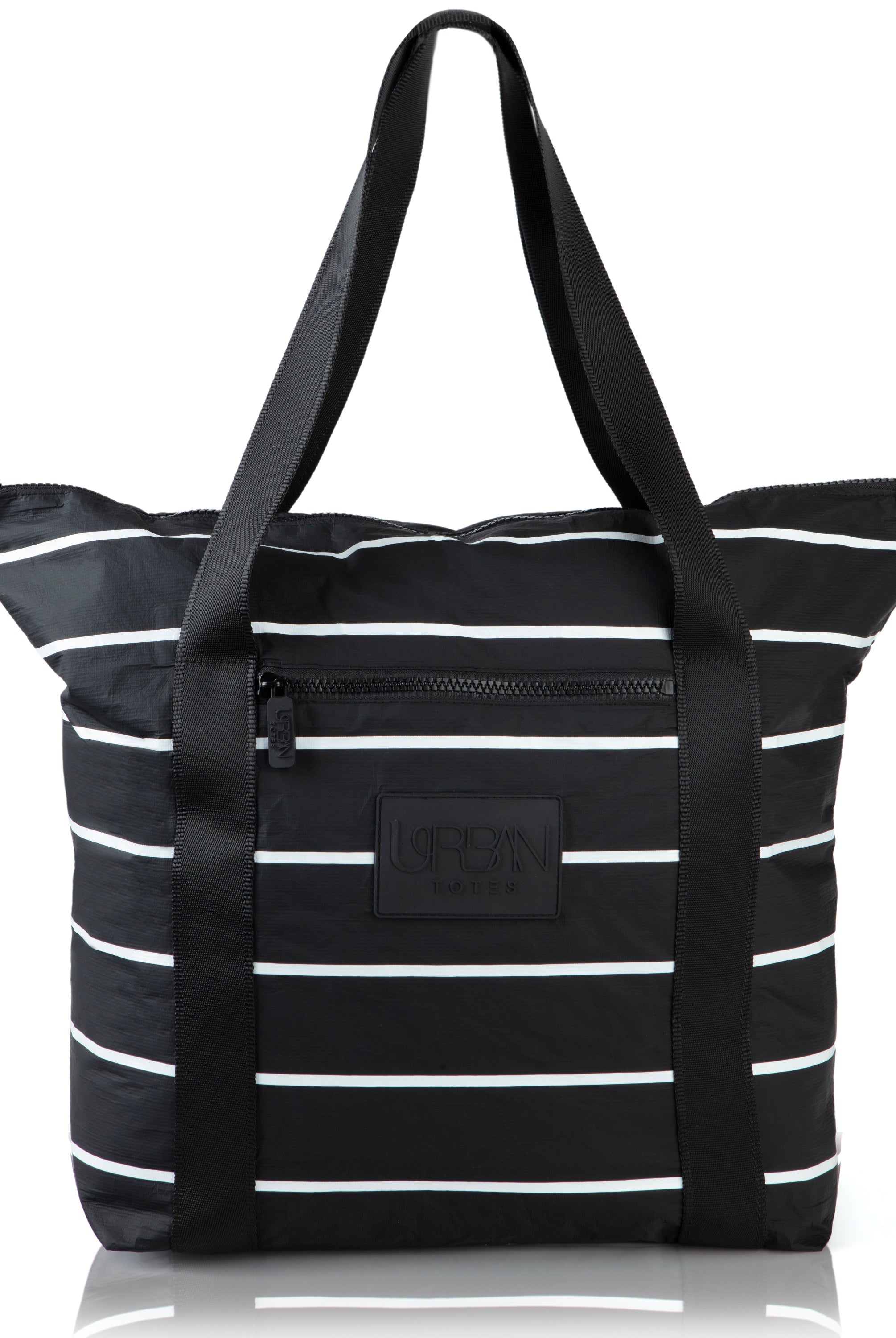
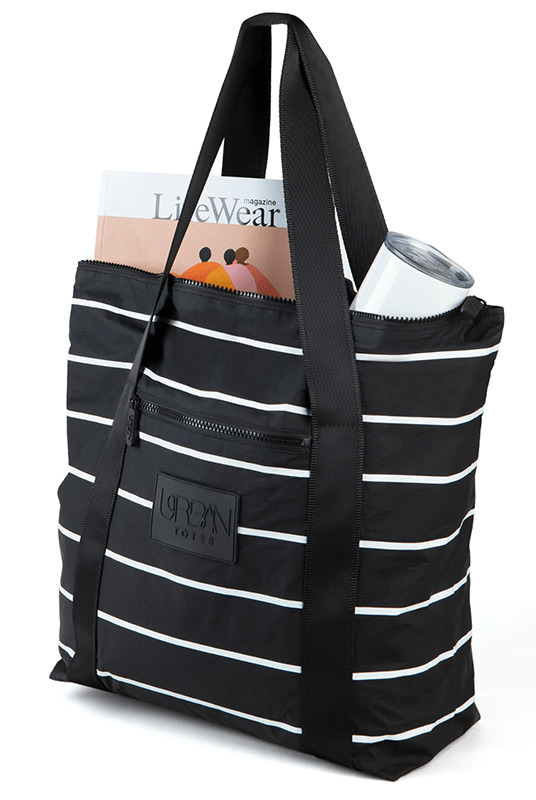
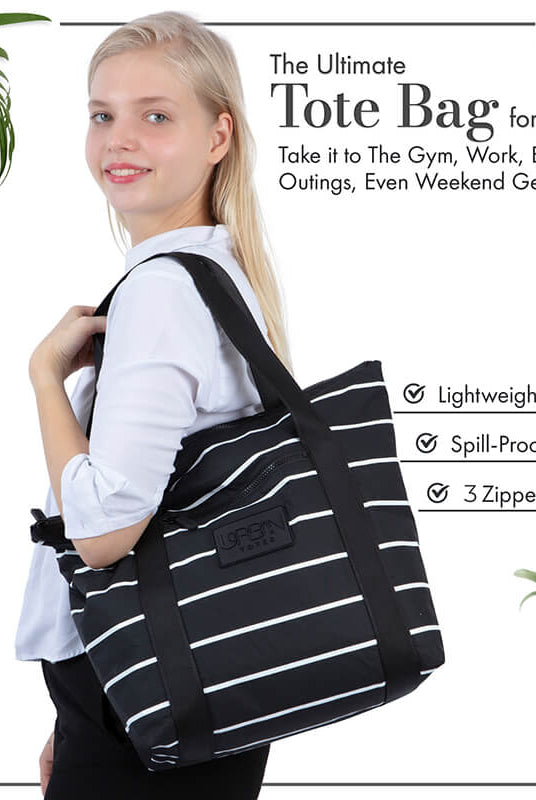
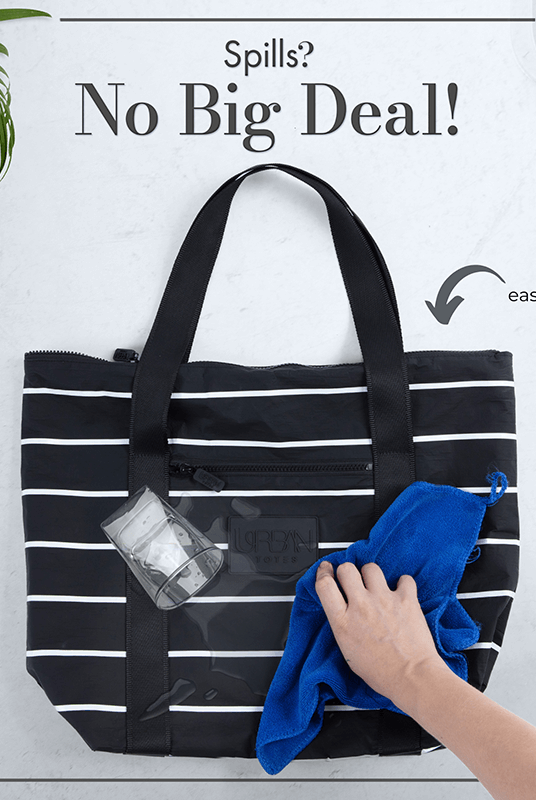
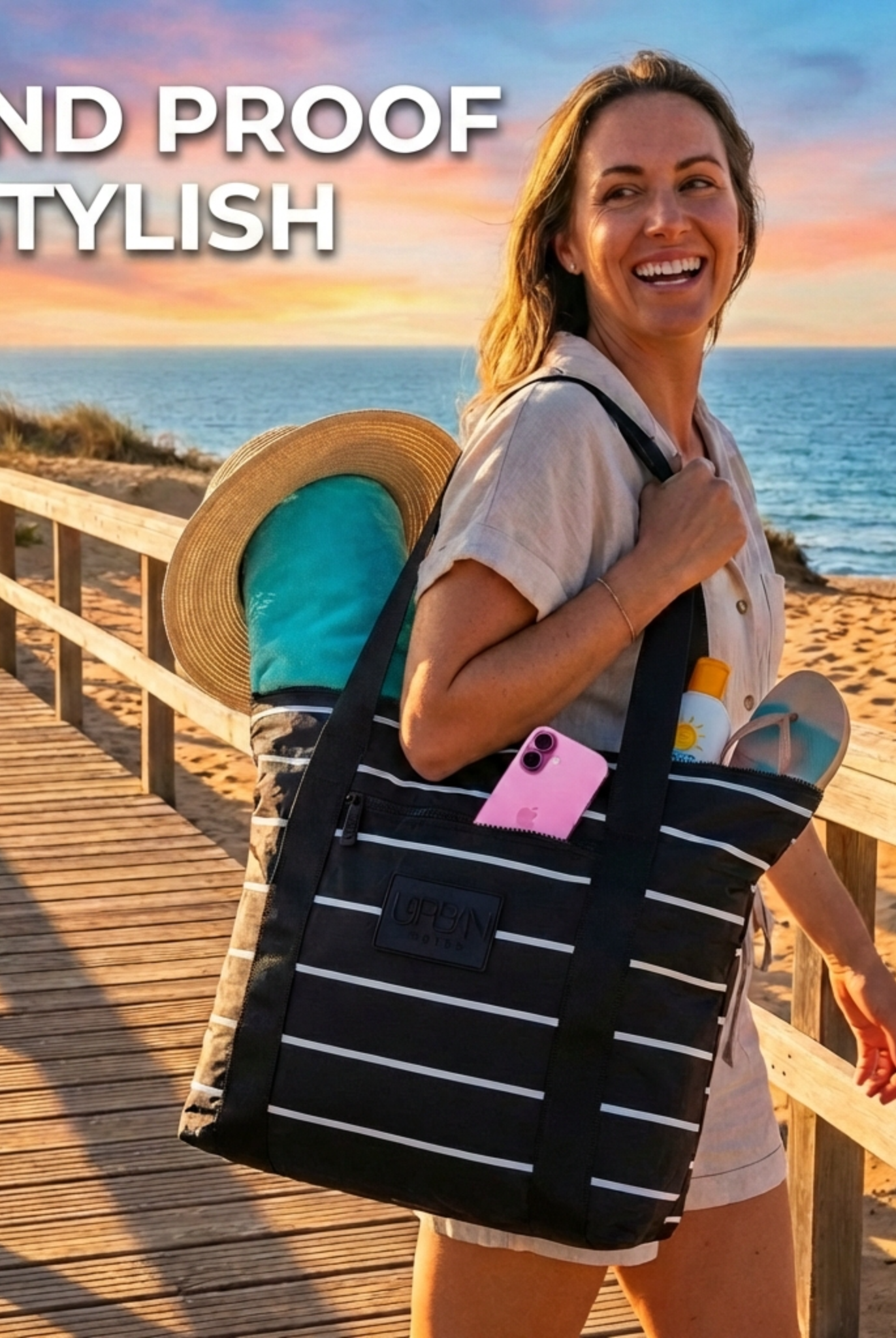
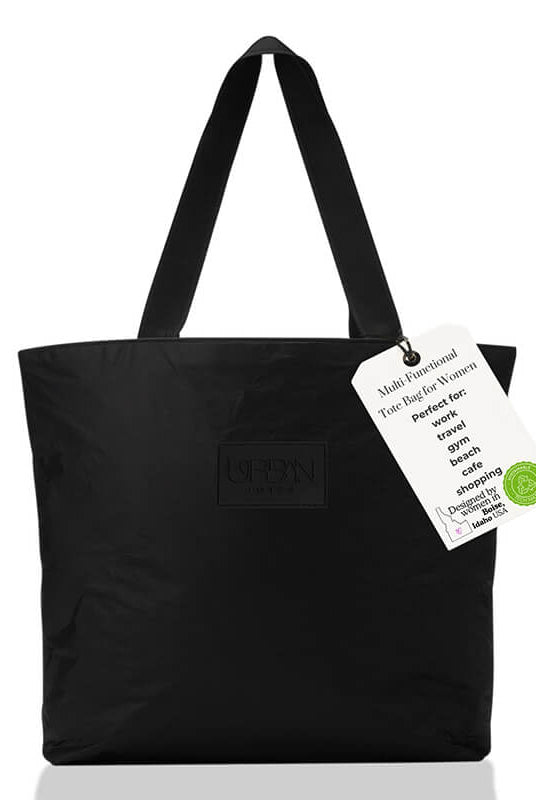
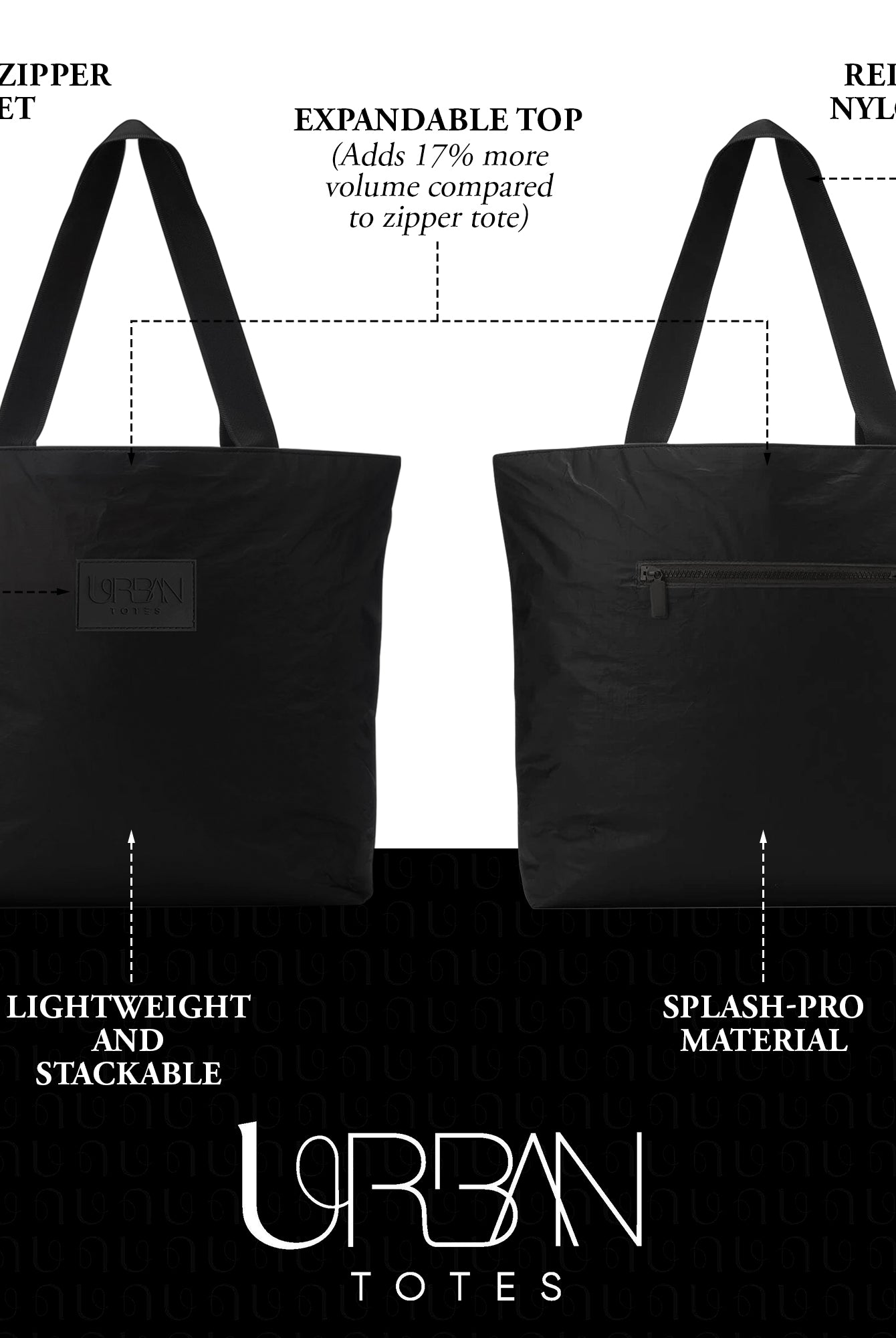
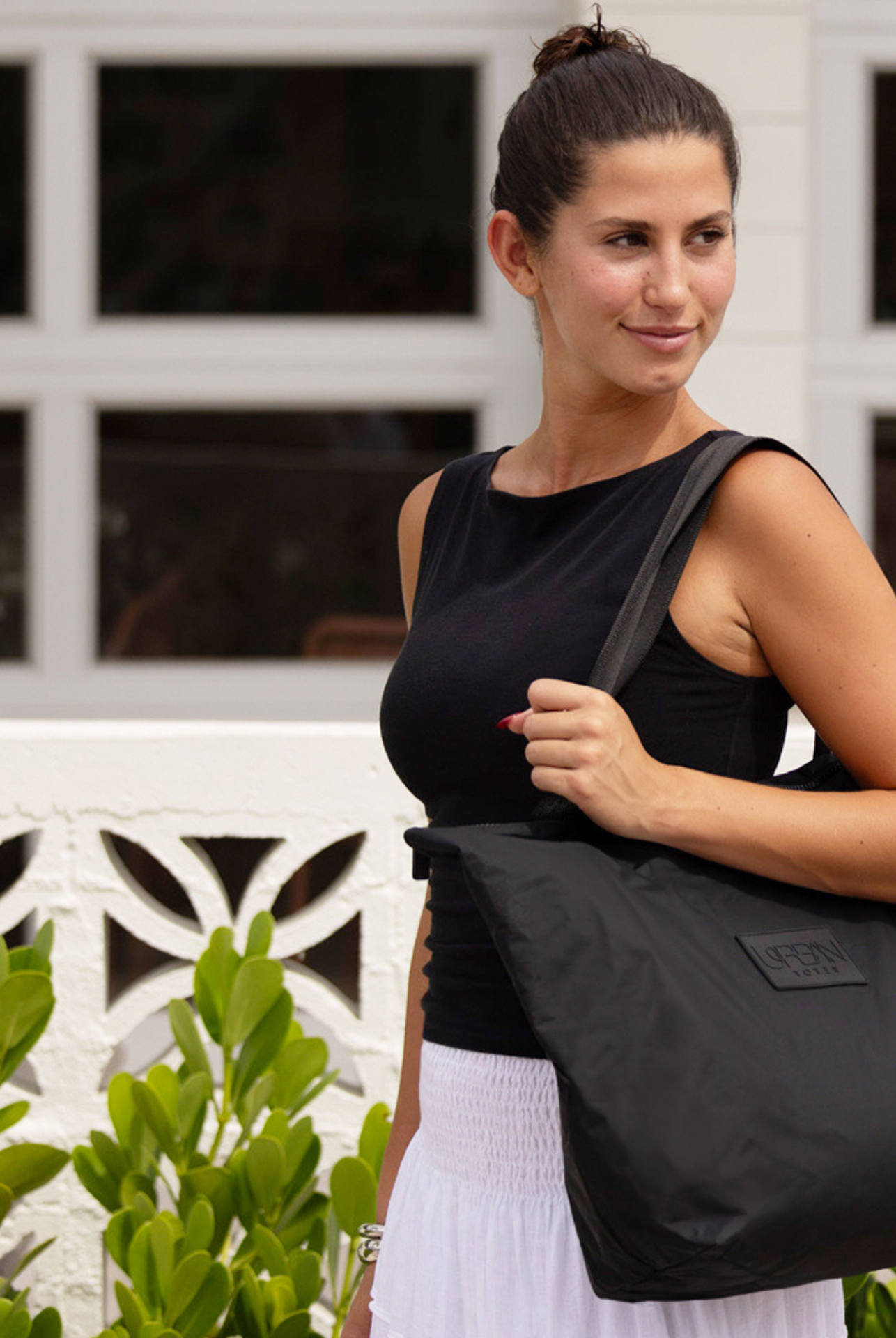
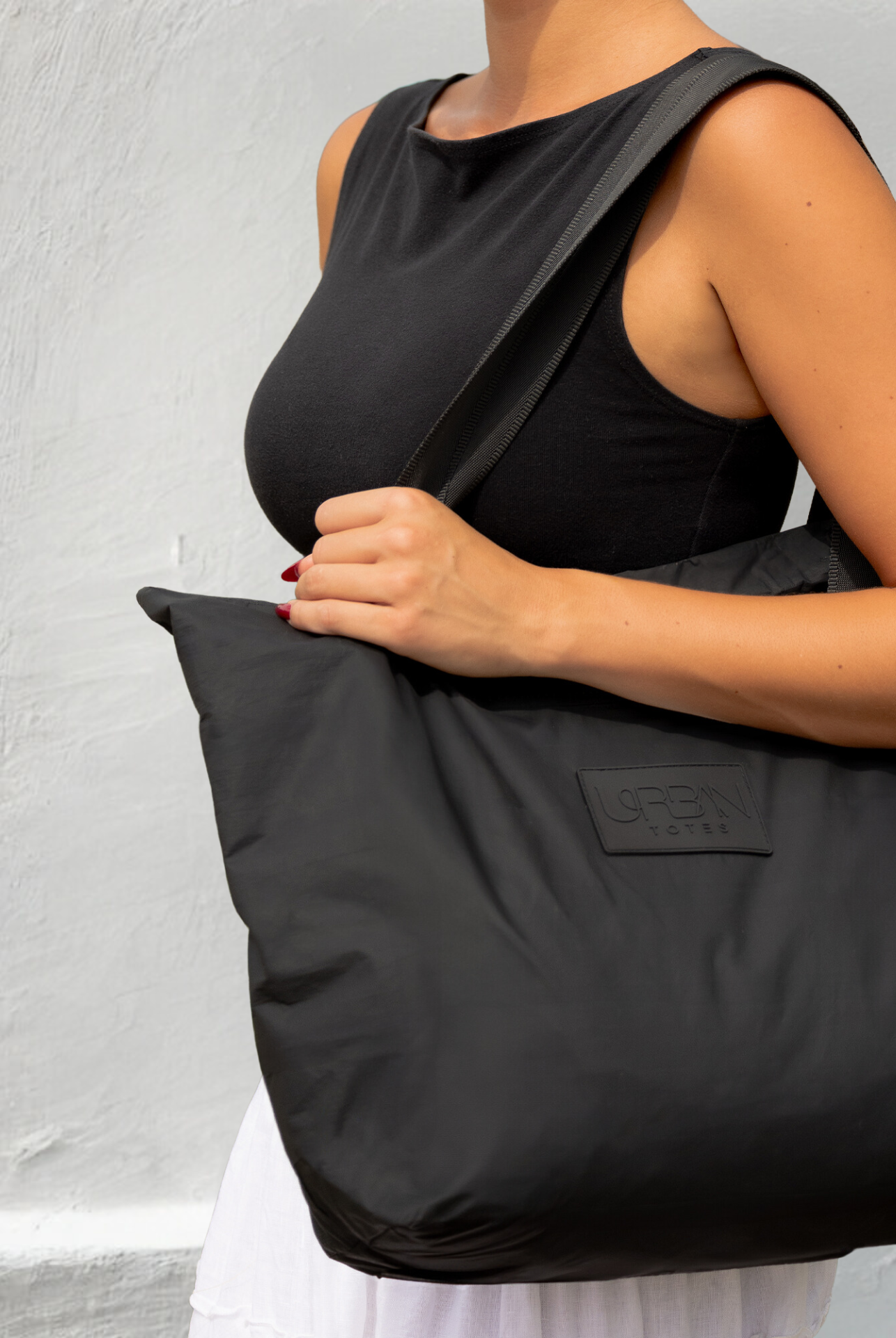
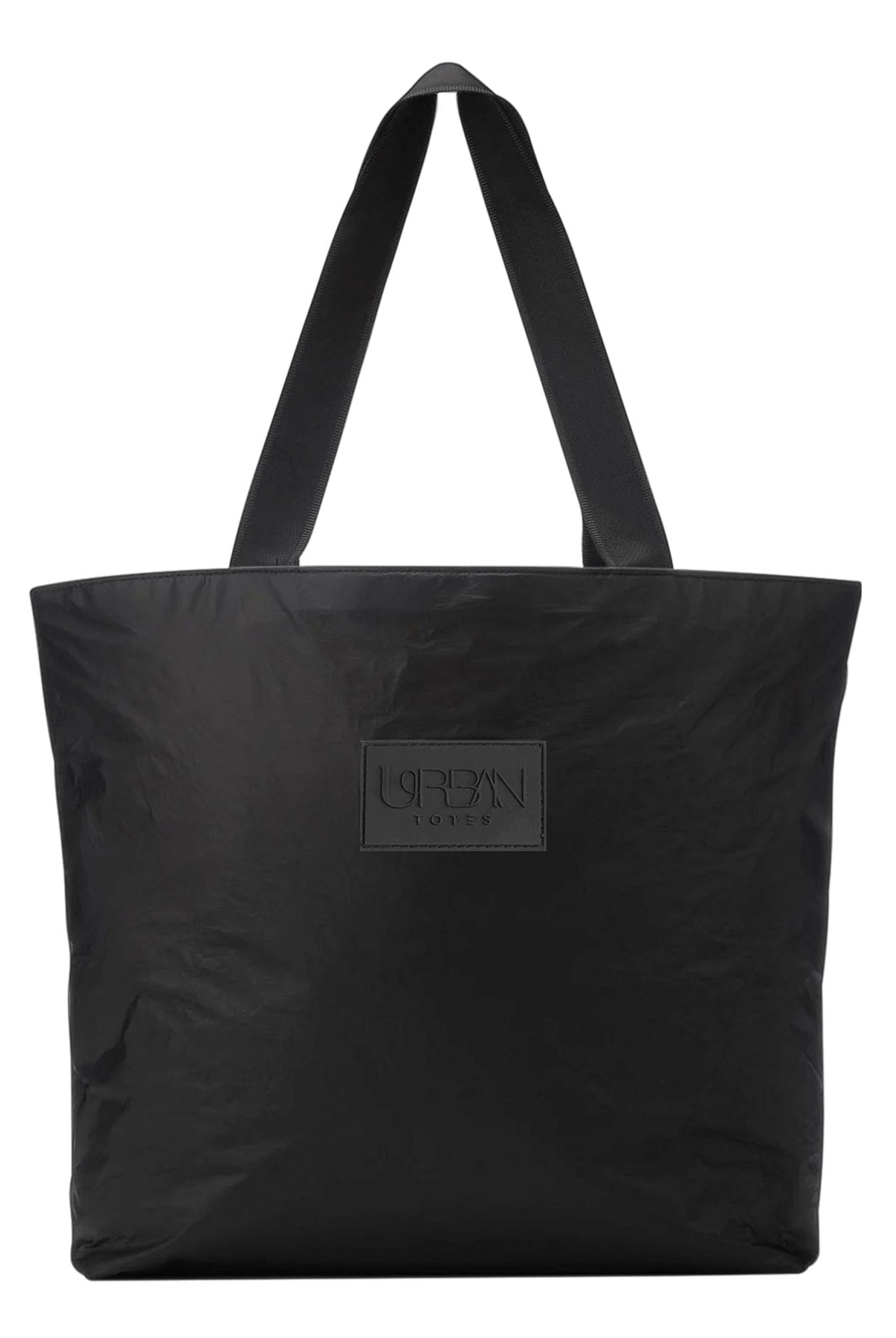
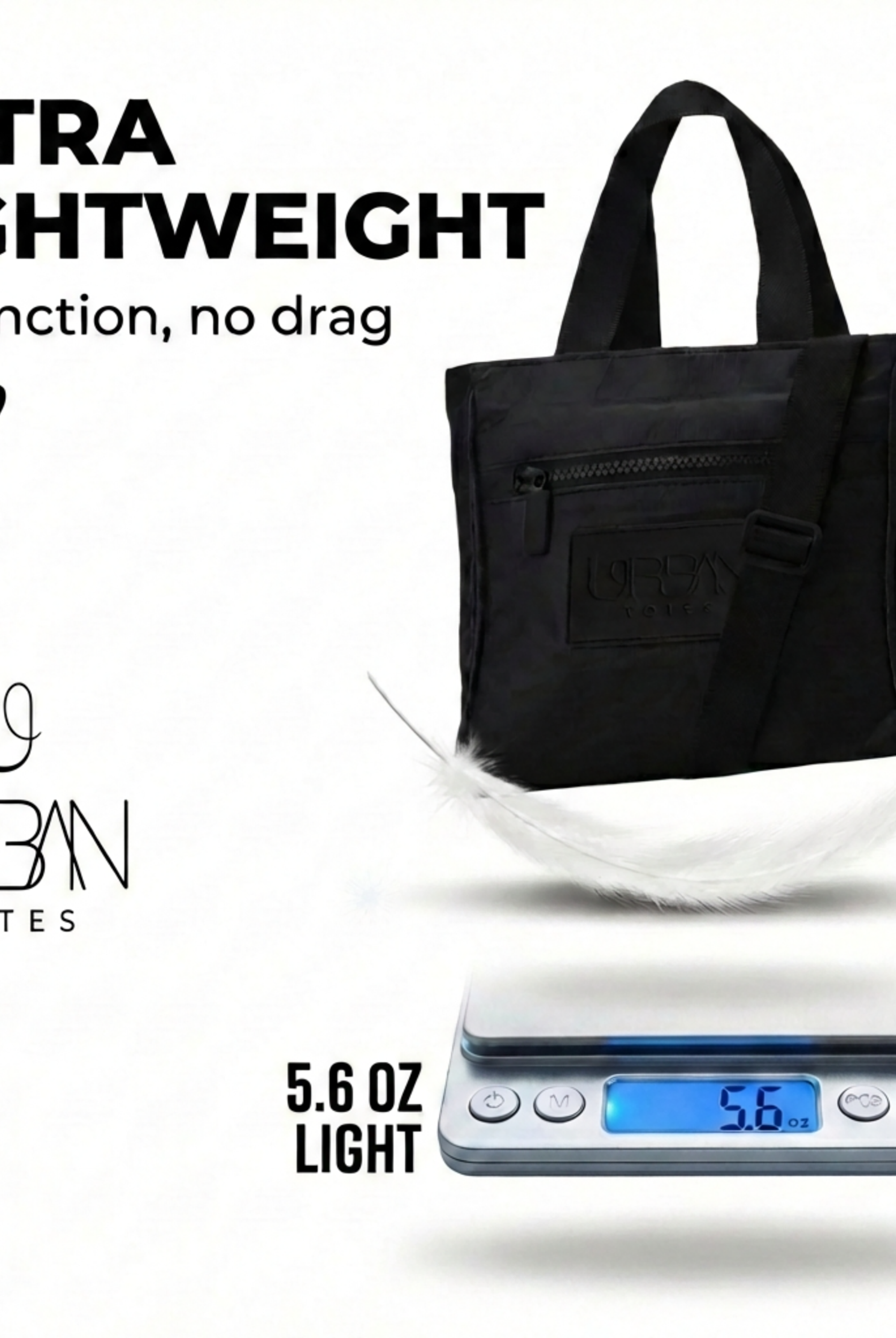
This is the kind of problem a travel-ready tote is supposed to solve. A bag like the Go Anywhere Day Trip Tote fits this use well because it focuses on the practical features travelers keep looking for: lightweight construction, packability, multiple zippered compartments, and water-resistant interiors. Those details matter more than beach-bag styling when the same tote needs to move from plane to shoreline to town.
The same logic applies to a larger weekender-style tote. If you’re carrying for a family or packing for longer day trips, more capacity only helps if the interior stays organized and the bag remains comfortable to carry. A roomy bag with no internal order just scales up the mess.
What this design approach gets right
The stronger design philosophy is straightforward:
- Keep valuables separated so you’re not digging through towels for keys
- Use interiors that wipe clean so sand doesn’t follow you everywhere
- Choose packable materials so the bag fits the rest of your travel setup
- Add secure closures for airport and city use, not just beach use
That’s the main reason some modern totes work better for travel than old-school beach bags. They’re built around transitions. Not just the beach itself.
The best travel beach bag is the one you don’t have to think about after the beach. It contains the mess, protects the essentials, and keeps moving with your day.
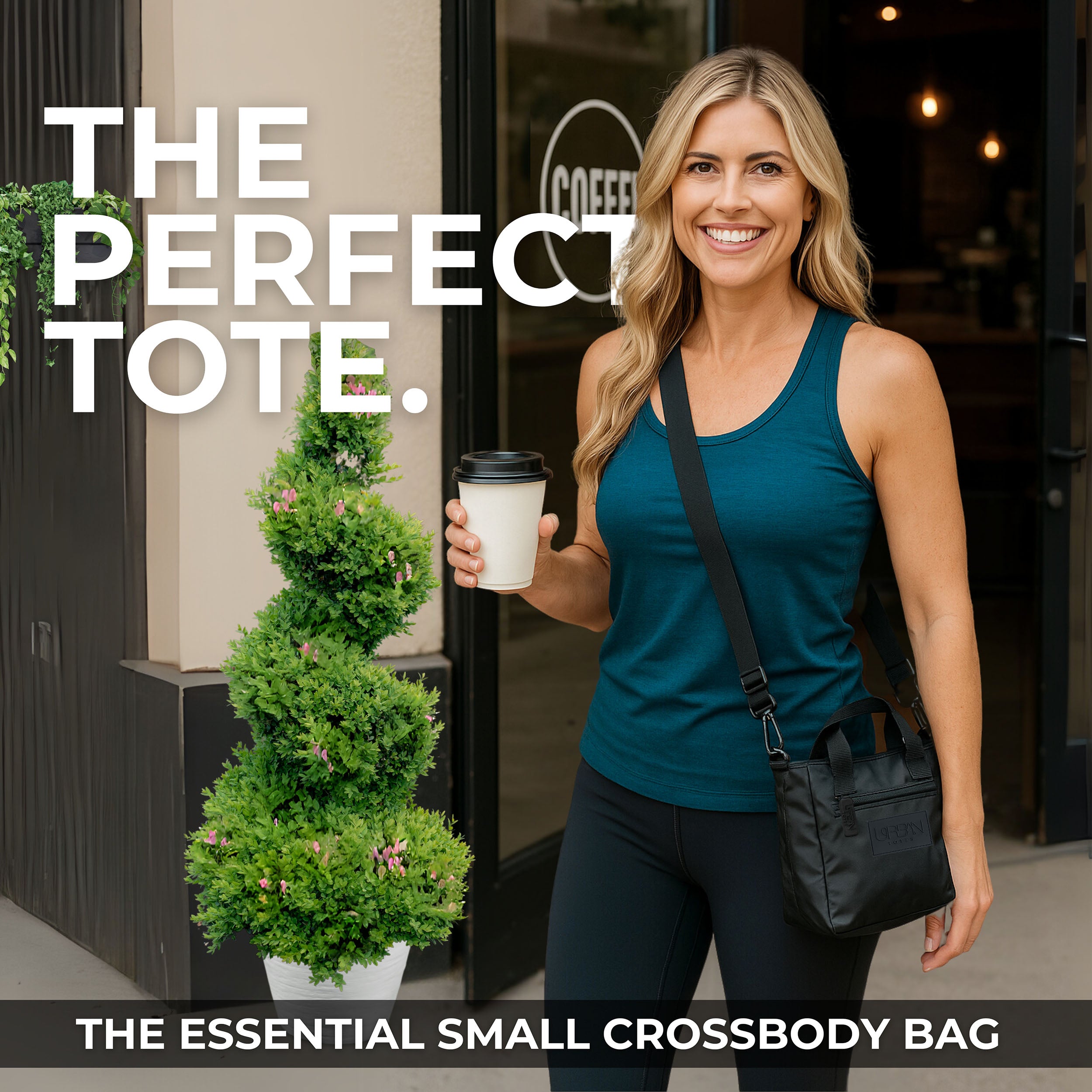
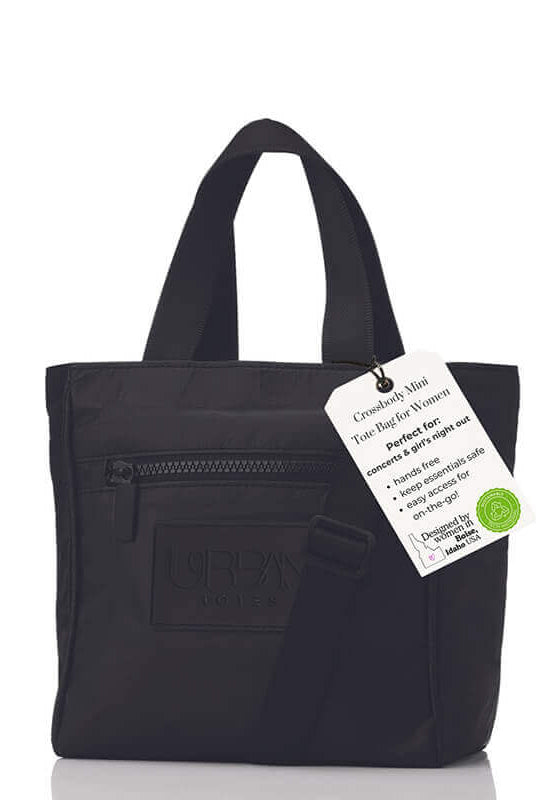
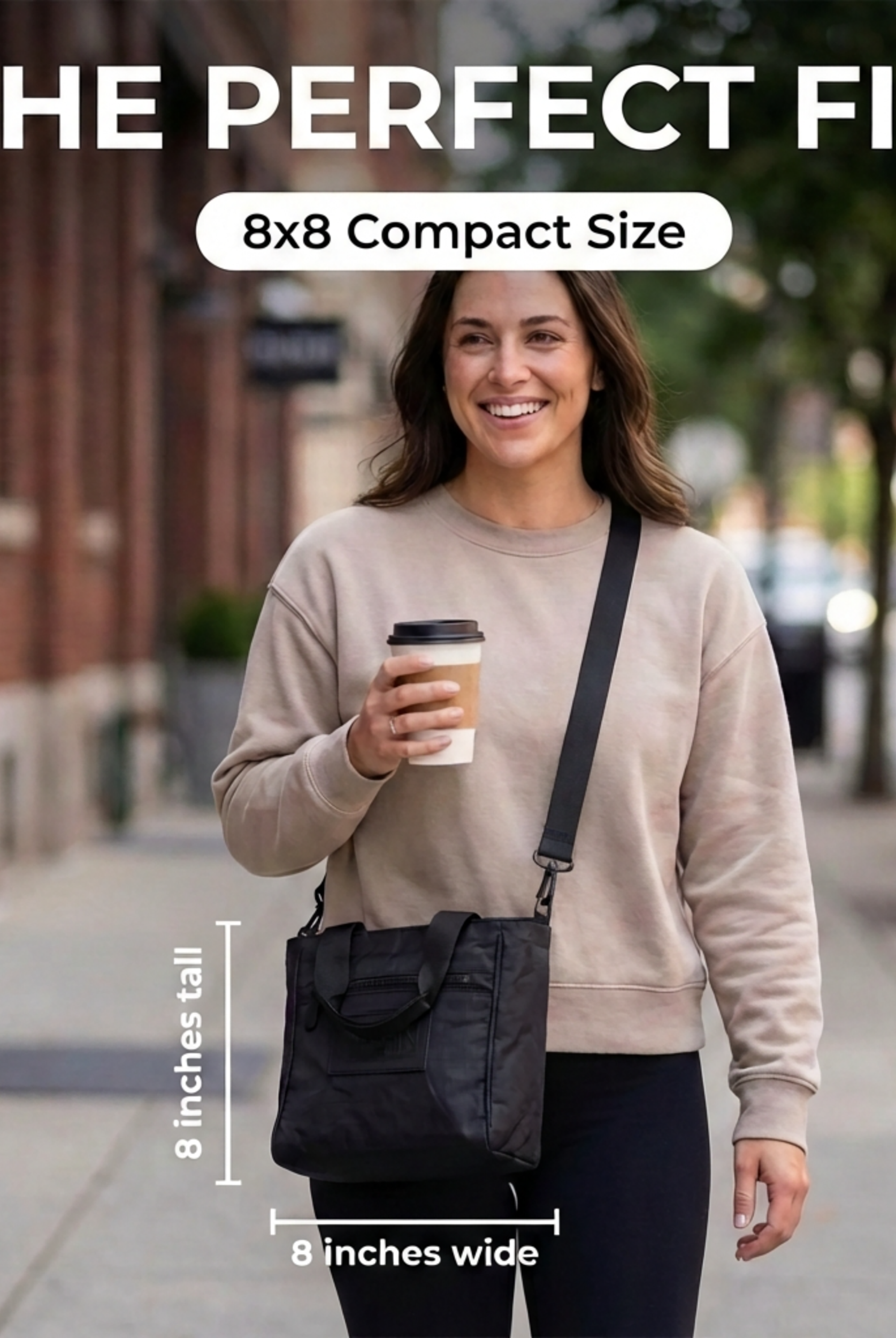
A compact crossbody also earns a place on some trips, especially if you want a separate home for phone, cards, and keys while using the main tote for towels and layers. That pairing works well for families and for anyone who hates unloading and reloading one large bag all day.
Your Checklist for Smarter Beach Travel
Choosing among the best beach bags for travel gets easier once you ignore the marketing categories and look at the actual job the bag needs to do. The right choice should support your trip, not ask you to reorganize your whole day around it.
The shortlist to use before you buy
Keep this checklist handy when comparing bags:
- Check material first and favor wipe-clean, water-resistant fabric that won’t become heavy or miserable when wet.
- Test the carry setup by looking for shoulder-friendly straps and a shape that won’t swing or collapse when loaded.
- Prioritize organization with a few useful compartments, especially one secure zip area for valuables.
- Look at the base and choose some structure over total floppiness if you want less sand buildup and easier loading.
- Think about transit and ask whether the bag works in an airport, not just on a beach towel.
- Don’t overbuy capacity unless your travel pattern really requires it.
- Favor packability if you travel carry-on only or want the bag to store flat in a suitcase.
Quick answers to common travel questions
How do I pack a beach tote inside a suitcase
Lay the tote flat against one interior wall of the suitcase, then fill the center of the tote with soft items like a cover-up or T-shirt so it keeps a gentle shape without wasting space. If the straps are long, tuck them inside the bag so they don’t snag on zippers or packing cubes.
What’s the best way to clean sand out of zippers
Start dry, not wet. Shake out the bag first, open the zipper fully, and use a soft brush or cloth to pull grit away from the teeth. If the bag is already damp, let it dry before brushing. Wet sand tends to smear deeper into the track.
Can a crossbody be your only beach bag
Sometimes, but only for very light solo use. A crossbody works if you’re carrying just essentials like phone, wallet, sunscreen, and sunglasses. Once you add a towel, water bottle, or change of clothes, a tote plus a small crossbody for valuables is a better option.
Are open-top totes always a bad choice for travel
Not always. They can work for simple resort trips where the bag goes directly from room to pool or beach. They’re less convenient in airports, public transit, or busy city settings where security and containment matter more.
Is mesh a smart option for beach travel
Mesh is useful for draining and shaking out visible sand, but it’s usually weaker for mixed-use travel. It exposes contents, lets in moisture, and doesn’t protect electronics or spare clothing well. It works best as a specialized gear bag, not an all-day travel tote.
Should one bag handle both beach and city use
If you travel often, yes. Multi-use saves space, simplifies packing, and reduces repacking during the day. That’s usually a better approach than bringing one beach-only bag and one city tote unless your trip is very gear-heavy.
The smartest bag isn’t the one with the loudest features. It’s the one that fits your actual day, contains the mess, and makes every transition easier.
If you’re comparing options for your next trip, start with the checklist above and choose the bag that works hardest between the beach, the airport, and the rest of the day.