You're halfway through a normal day. Coffee in one hand, phone in the other, keys somewhere, and a sudden burst of rain turns a quick errand into a scramble. In that moment, nobody cares about a bag's trend factor. You care about whether your phone stays dry, whether your wallet is still where you put it, and whether you can keep moving without juggling everything at once.
That's why a water resistant crossbody bag matters in real life. Not in a gear-obsessed way. In a school-drop-off, airport-line, grocery-cart, stroller-pushing way. The right one feels less like an accessory and more like everyday backup. It keeps your essentials close, your hands free, and your stress level lower when the weather or a spilled drink tries to ruin the plan.
For women who move through full days, that difference is hard to overstate. A bag that can handle damp park benches, misty commutes, or the chaos of travel earns its place fast. If beach days are part of your routine too, this guide to beach bags for travel pairs nicely with what we're covering here.
Table of Contents
- That Moment When the Skies Open Up
- Decoding the Water-Resistant Promise
- Essential Features for All-Weather Peace of Mind
- Choosing the Right Bag for Your Busy Life
- How to Care for Your Go-Anywhere Bag
- Your Perfect Partner for Everyday Adventures
That Moment When the Skies Open Up
Rain exposes weak spots fast.
You feel it halfway across the parking lot, when your tote gapes open, your phone is suddenly too close to the edge, and one hand is already busy with keys, coffee, or a child who stopped walking at the curb. The same problem shows up without any forecast at all. A leaking water bottle in the back seat, a juice box squeezed too hard, a wet bench at soccer practice, a coffee shop table with one bad wobble.
A good crossbody handles those moments quietly. It stays close to your body, zips shut, and leaves your hands free for the rest of life. That matters on a train platform, in a grocery store, or during a rushed daycare pickup when standing still is not an option.
The Rise of the Hands-Free, Weather-Ready Bag
Water-resistant crossbody bags caught on because they fit how many women move through a day. Commute, errands, school pickup, a quick stop for lunch, then back out again. A bag that can shrug off light rain or an everyday spill is often more useful than one built for outdoor extremes but awkward to carry to work.
The appeal is practical. Crossbody bags usually keep the load smaller, the opening more secure, and the strap more stable than many shoulder bags or open totes. For women who want one bag that works on weekdays, weekend errands, and short trips, that balance is hard to beat. The same logic shows up in other grab-and-go categories, including beach bags for travel that handle sand, damp towels, and day-trip messes.
A bag earns trust when you stop thinking about it. It handles the drizzle, the splash, the crowded sidewalk, and the long day without asking for special treatment.
What daily life actually demands
Daily use rarely calls for the highest level of weather protection on the market. It calls for enough protection for your routine. That might mean light rain on the walk from the station, a stroller cup holder that tips, or a bottle of hand sanitizer that cracks inside the bag.
That is an important difference.
Many women are better served by a bag that resists moisture, closes securely, and stays organized under pressure than by one made from technical fabric alone. In practice, the useful details are often basic ones. A zipper that fully closes. A lining that wipes clean. A shape that does not collapse when you set it down. A strap that stays put while you move quickly.
Crossbody design also solves a comfort problem that shows up over a full day. It spreads weight more evenly and cuts down on the constant shoulder hike that comes with many fashion-first bags. For commuting, parenting, travel, and everyday errands, that can be the difference between a bag you tolerate and one you keep reaching for.
Decoding the Water-Resistant Promise
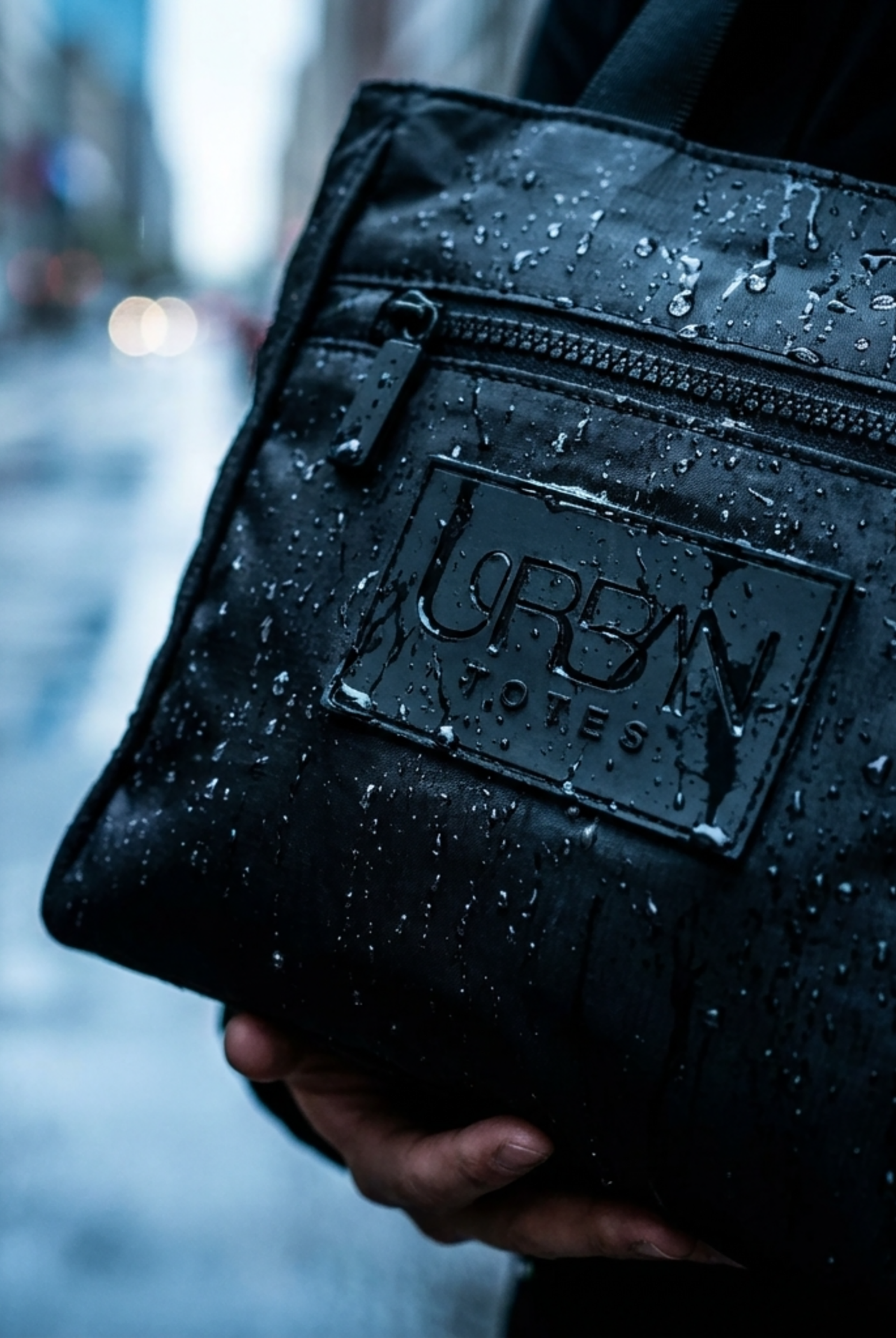
A water-resistant crossbody is built for real interruptions. Rain at school pickup. A coffee splash on the train. A damp park bench during a weekend soccer game. It buys you time and margin for error, which is what most women need day to day.
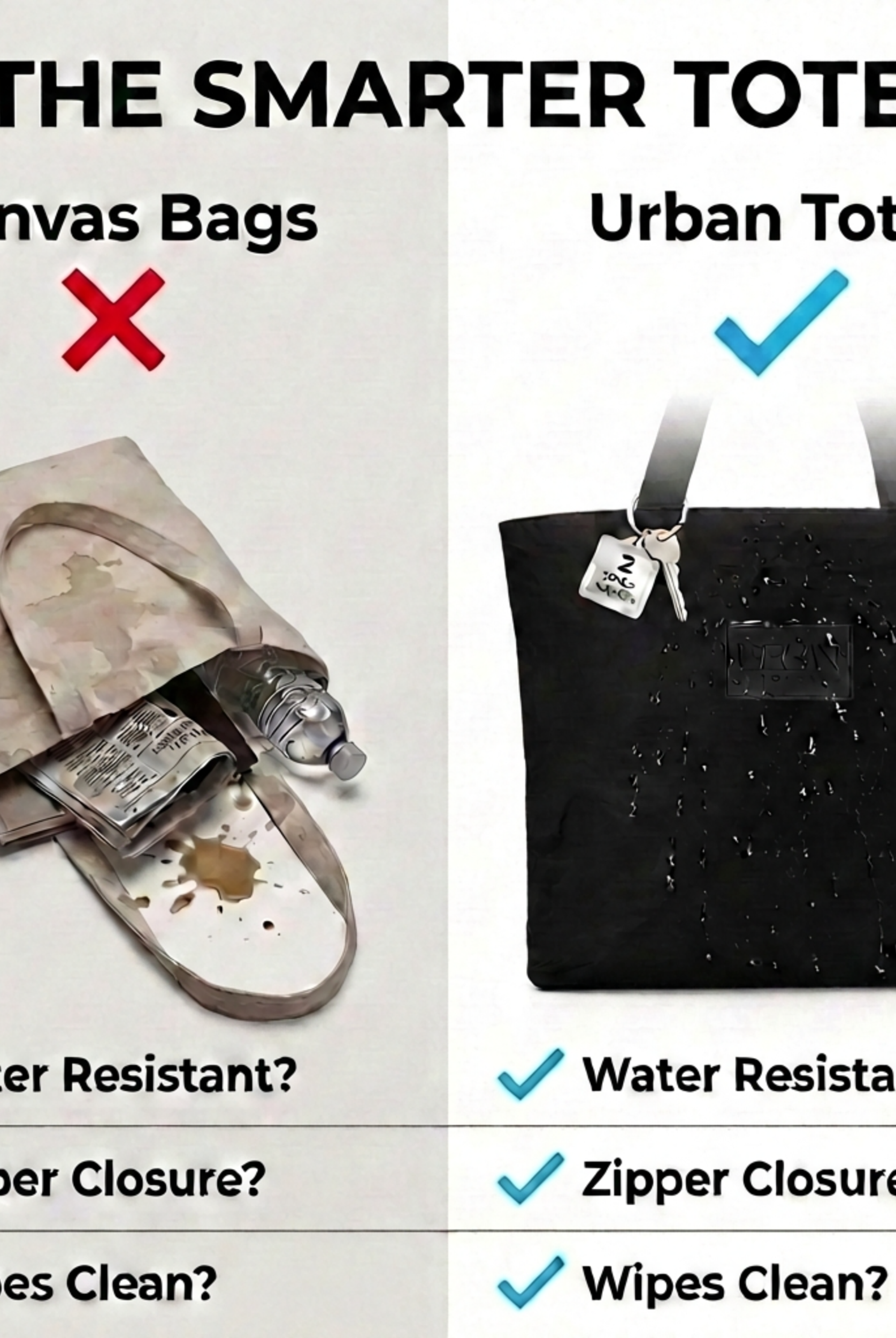
Water-resistant means the bag can shed light moisture and protect your things during brief exposure. Waterproof means a much higher level of protection, usually for activities where heavy rain, full soaking, or immersion is a realistic risk. For commuting, errands, travel days, and parenting duty, water resistance is often the practical sweet spot.

Fabric matters, but daily use exposes the weak spots
Nylon and polyester are common for a reason. They are light, easy to wipe down, and usually handle everyday moisture better than untreated natural materials. That matters if your bag spends its week against wet umbrellas, leaky snack cups, or the mystery grime of a car floor.
Still, fabric claims can sound more impressive than they perform. A bag can be made from water-resistant material and still let moisture in through the top opening, seams, or zipper track. That is why two bags made from similar fabric can behave very differently in the same rain.
I usually tell people to match the bag to the mess, not the label. A city commuter may only need a coated nylon crossbody with a secure zip top. A parent carrying wipes, snacks, and an extra layer may care just as much about a wipe-clean interior and pockets that keep damp items away from electronics. Travel adds another layer, especially if you want something that stays light and organized all day. If you are comparing shapes and carry styles, this guide to everyday crossbody bag styles for real daily use is a helpful place to narrow it down.
Construction decides how useful the protection really is
Stubble & Co's crossbody product details note that performance comes from both the shell and the closure system. That lines up with what shows up in actual use. Openings are usually the first place a bag fails.
A coated synthetic exterior can shrug off a quick shower. A poor zipper can still leave your phone vulnerable.
That is the practical test:
- Choose treated synthetic fabric, such as coated nylon or polyester, for everyday weather protection
- Check the zipper path, especially whether it closes cleanly and sits flat without obvious gaps
- Look at the top shape, because a structured zip-top usually protects contents better than a wide opening that pulls apart when the bag is full
- Pay attention to pocket placement, since exterior pockets are convenient but often less protected in rain
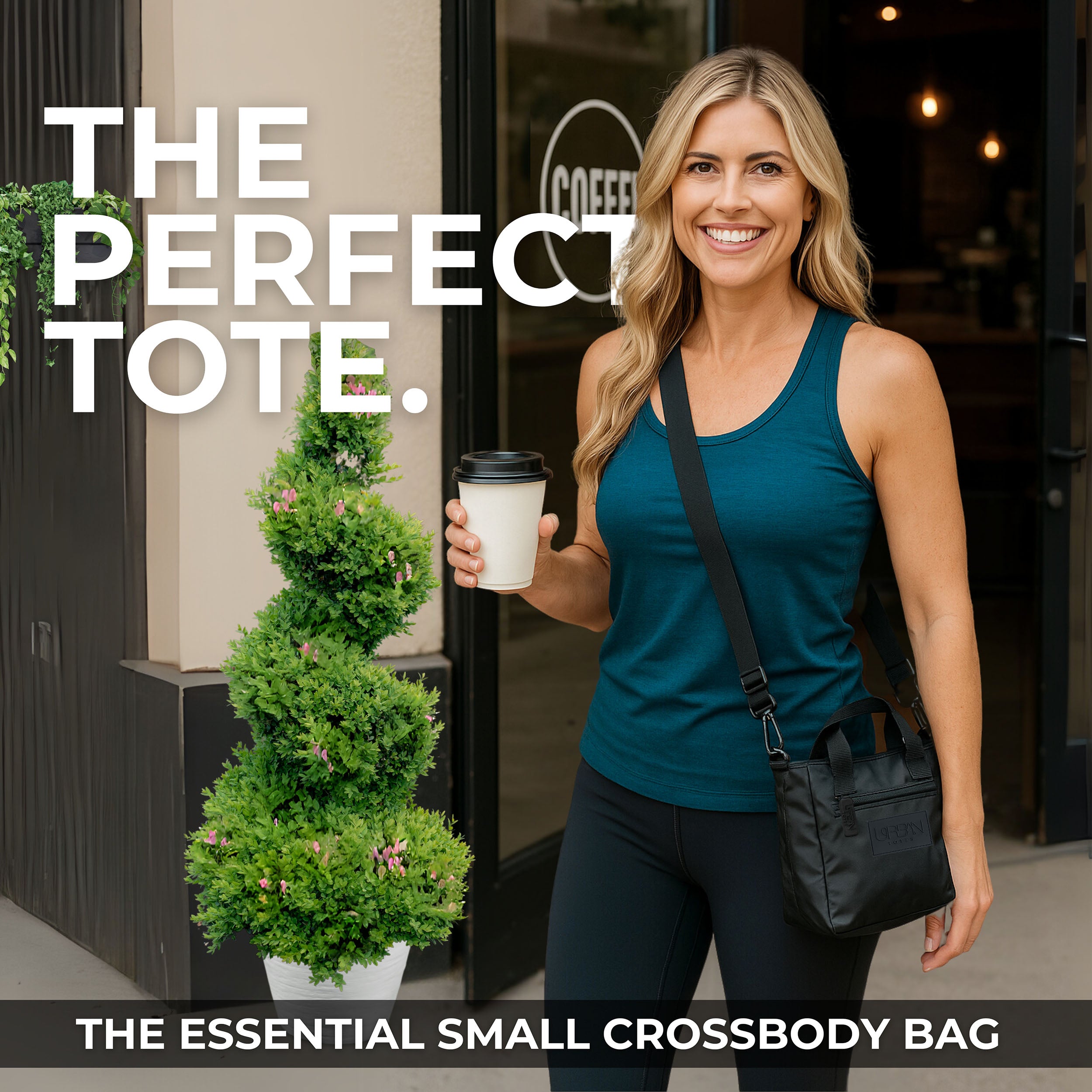
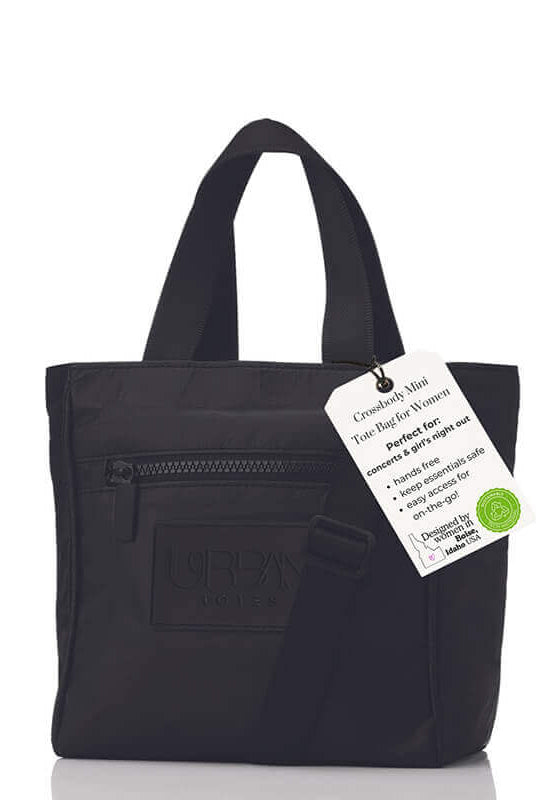
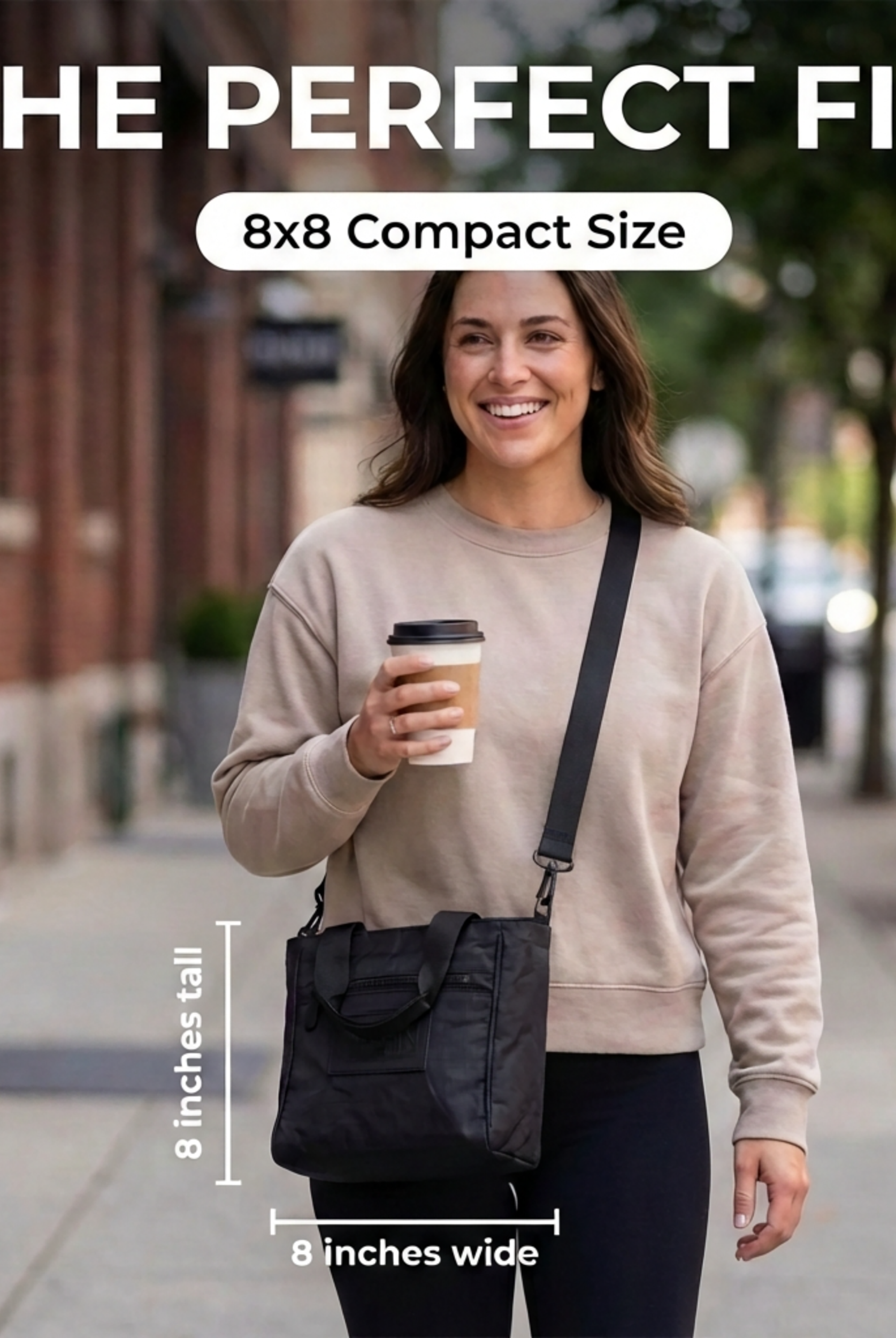
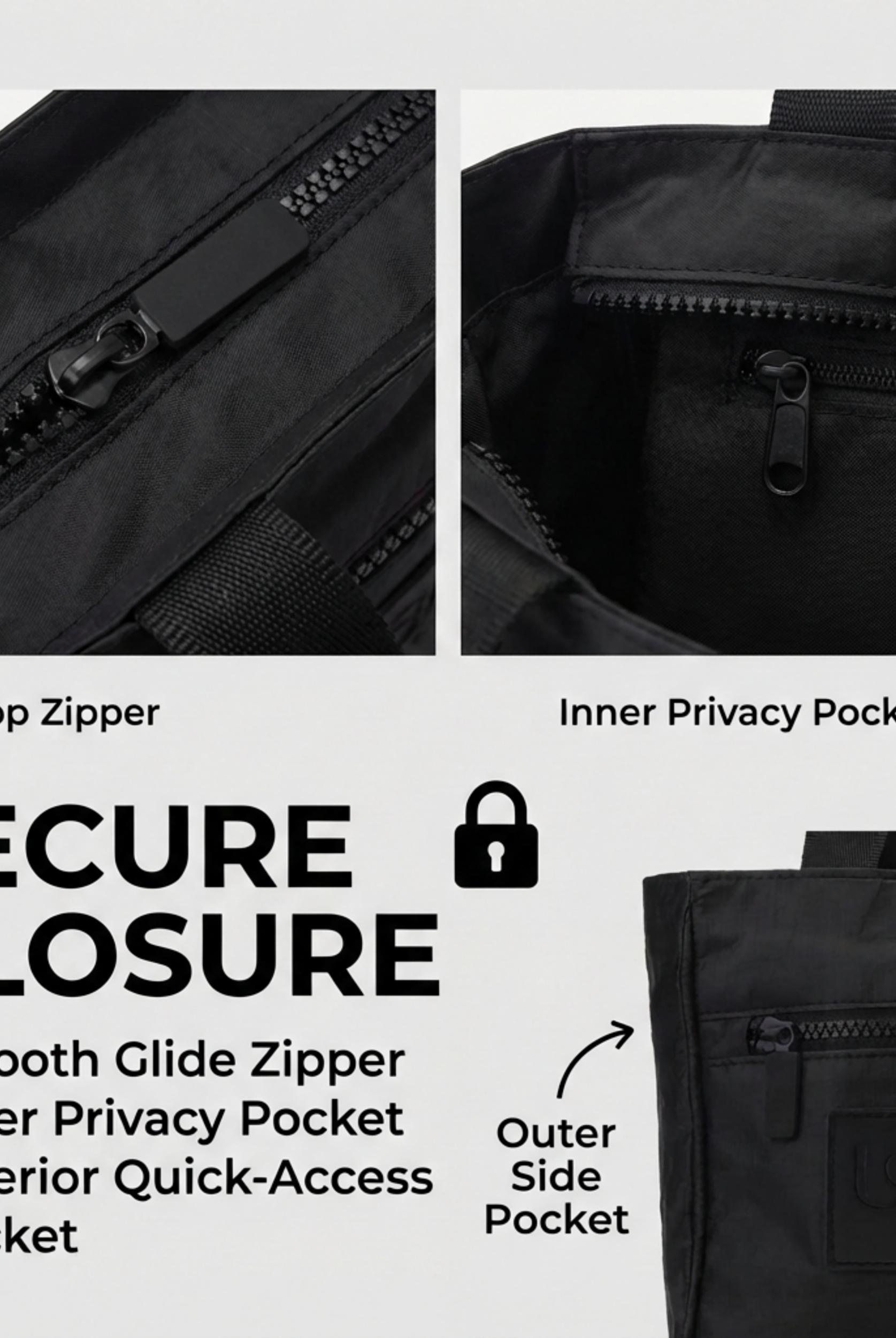
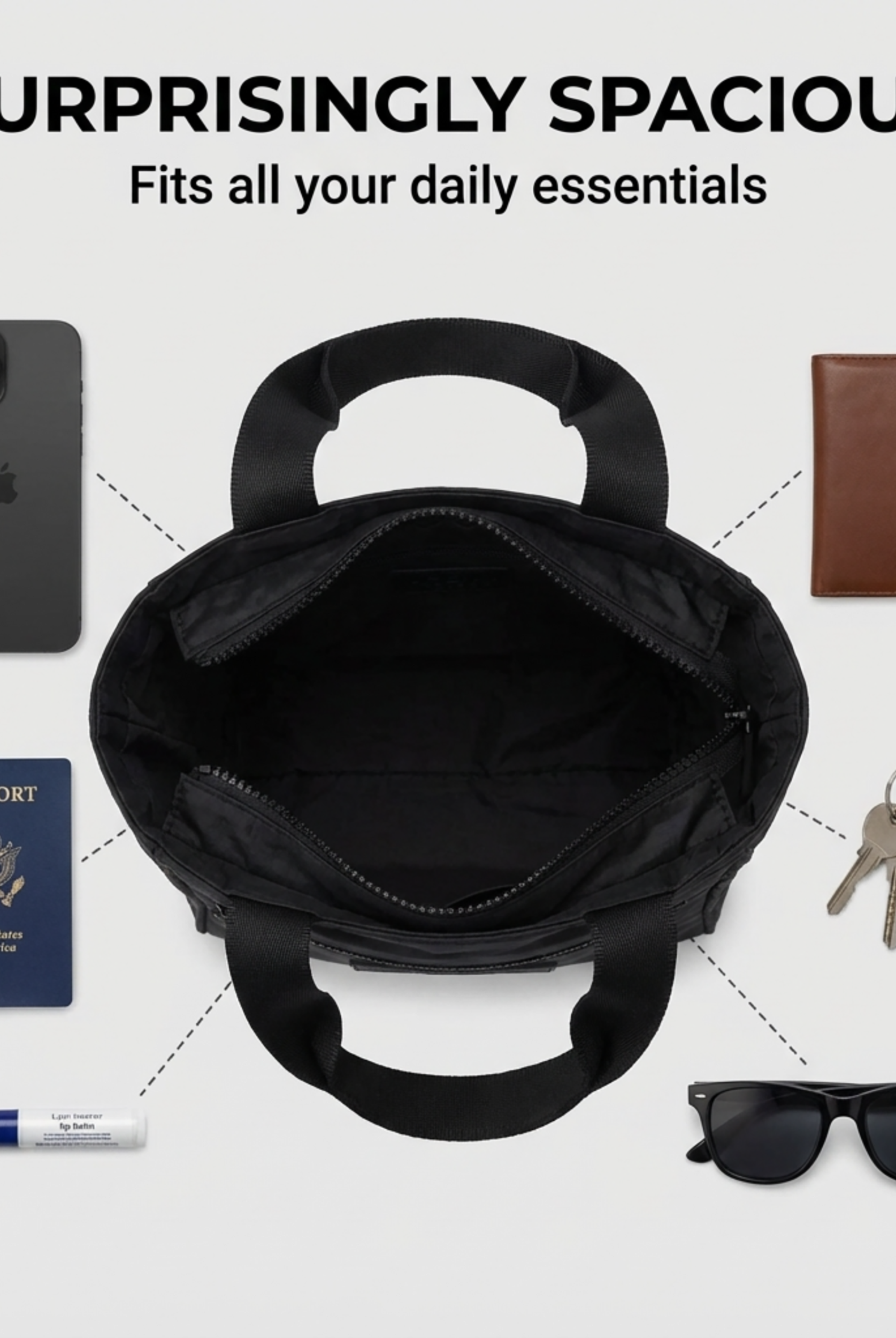
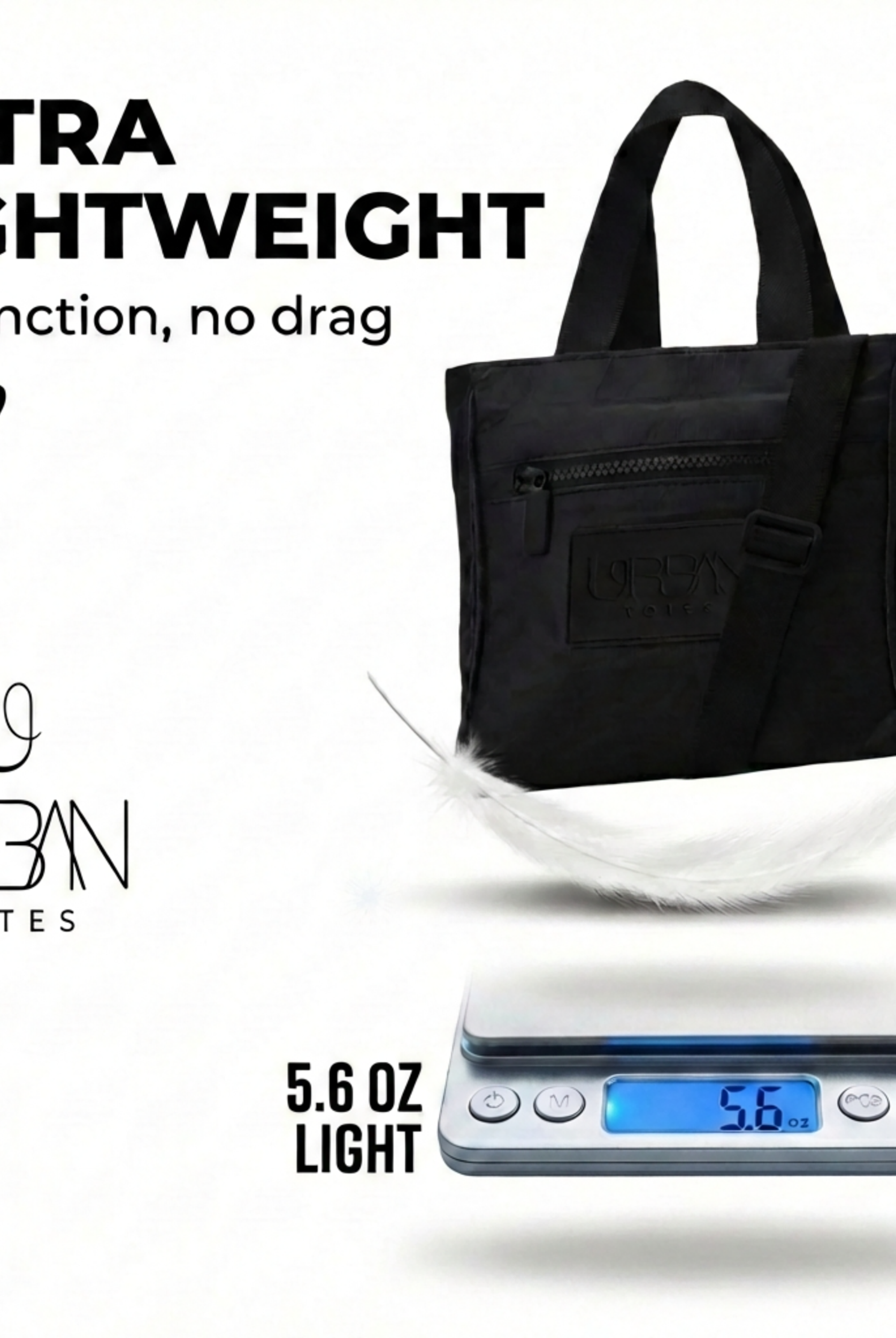
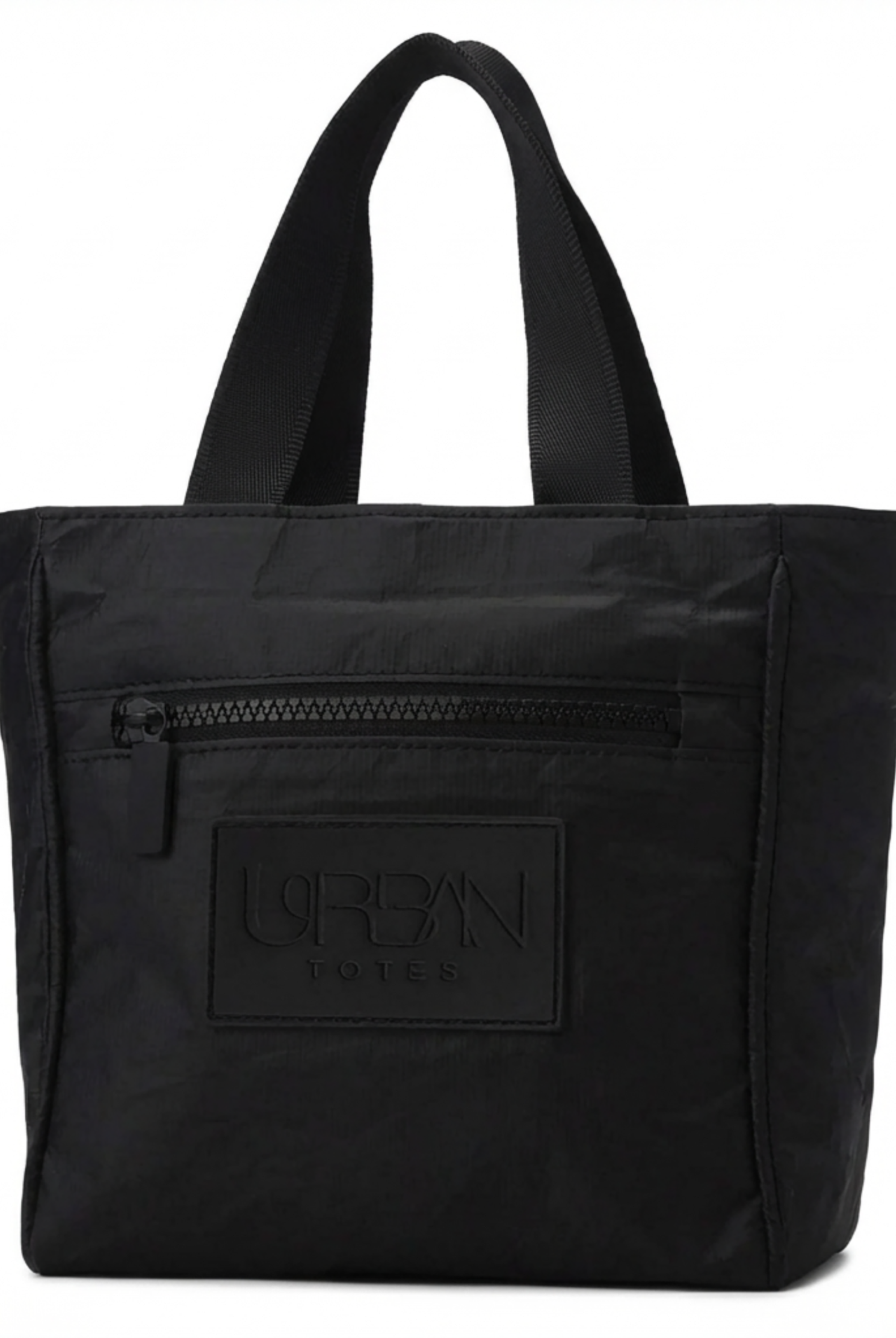
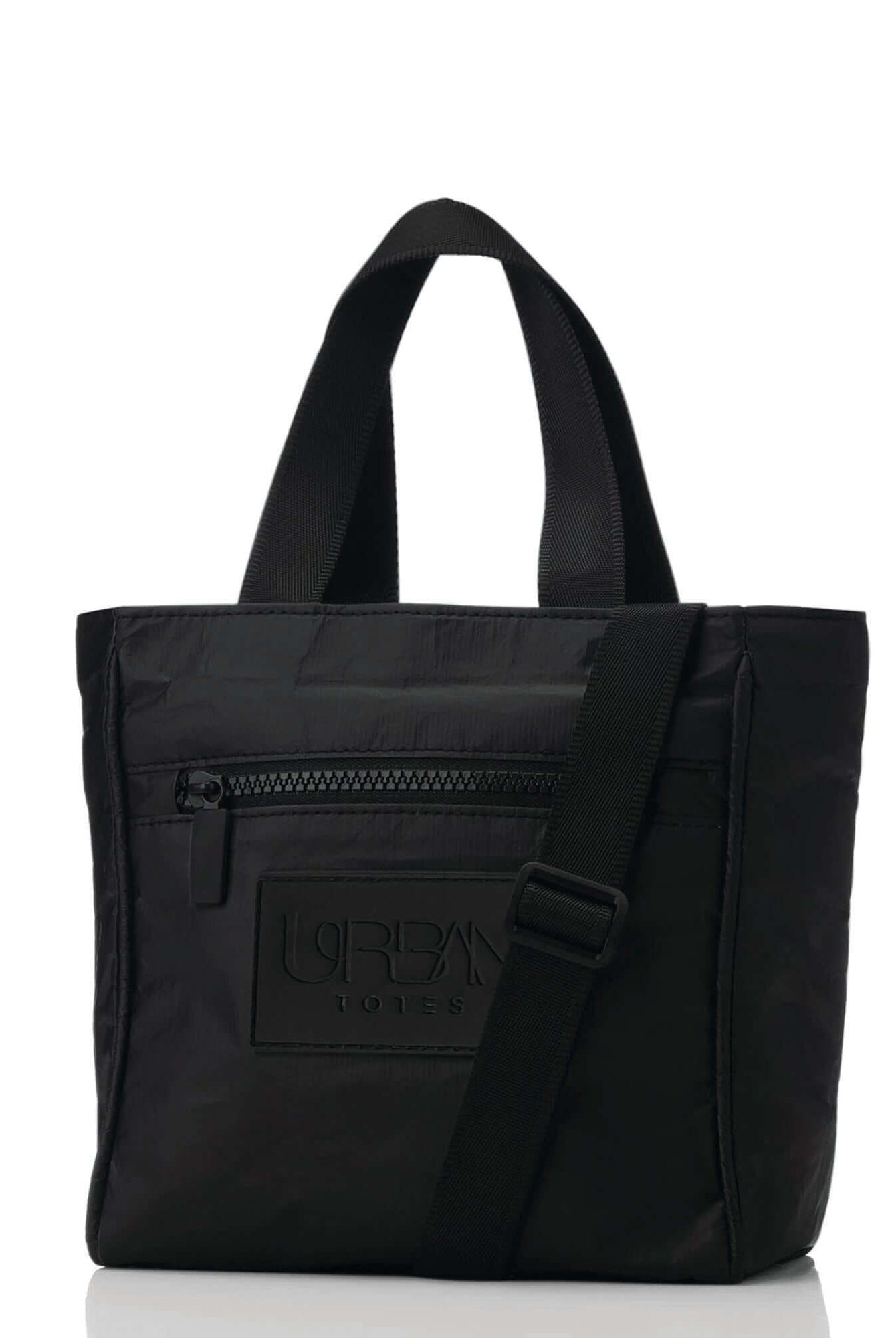
One compact example is the Crossbody Tote Bag Mini Purse, which includes a zip-top closure, an outside zipper pocket, an easy-access outer pocket, nylon straps, and water-resistant materials. That kind of setup works well for women who want a smaller bag but still need order. If you carry only the basics, smart layout often matters more than extra capacity.
The promise of water resistance is simple. It should handle the kind of wet, rushed, slightly chaotic moments that happen in normal life without turning your bag into a piece of technical gear you never needed in the first place.
Essential Features for All-Weather Peace of Mind
A bag can claim water resistance and still be annoying in actual weather. The difference usually shows up at 8:10 a.m., when you're juggling coffee, keys, and a phone under a bus stop awning, trying to zip the bag closed before the rain picks up.
That is why construction matters as much as fabric. For daily use, the best protection often comes from small design choices that keep water out and help you get what you need fast.

Start with the places water gets in
In real use, weak points matter more than marketing copy. A treated exterior helps, but openings decide how the bag performs once the weather turns.
Look closely at:
- Zippers that close cleanly, without puckering or gaps at the ends
- Top openings that stay narrow, instead of spreading wide when the bag is full
- Flaps or overlaps that give the main compartment extra cover
- Seams and corners that look neat and well-finished rather than strained
These details sound minor until you're caught in a parking lot with no umbrella. Then they are the whole story.
Organization helps in wet weather
Good organization is not only about neatness. It reduces exposure.
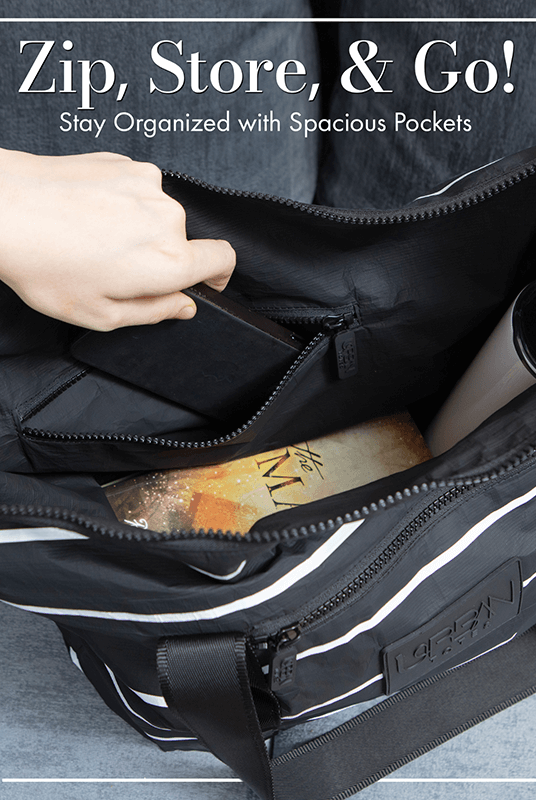
If your phone has a dedicated pocket and your card case is easy to grab, you spend less time standing in drizzle with the main compartment open. If a damp snack pouch or a half-leaking water bottle has its own section, the rest of your bag has a better chance of staying dry. Parents usually notice this first. One wet hand wipe or sticky juice box changes how useful those interior pockets feel.
A closed pocket does more work than a fancy fabric finish if you keep opening the bag every two minutes.
Hardware should make the bag easier to live with
All-weather peace of mind also comes from how the bag behaves during a long day. Heavy hardware, stiff straps, and complicated security features can make sense for travel, but they are not always the right answer for school pickup, errands, and commuting.
For many women, the better choice is a bag that is light, easy to open, and secure enough for normal daily movement. That balance matters even more if you're comparing standard everyday bags with extra-locking models. This guide on anti-theft crossbody bag trade-offs is helpful if you want to compare convenience with added security hardware.
What practical design looks like
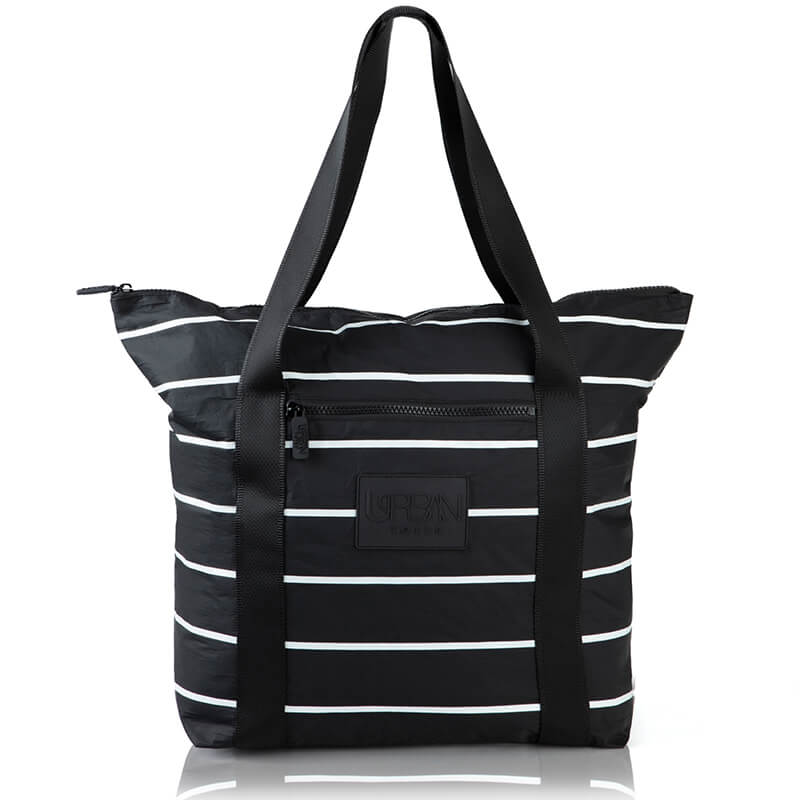
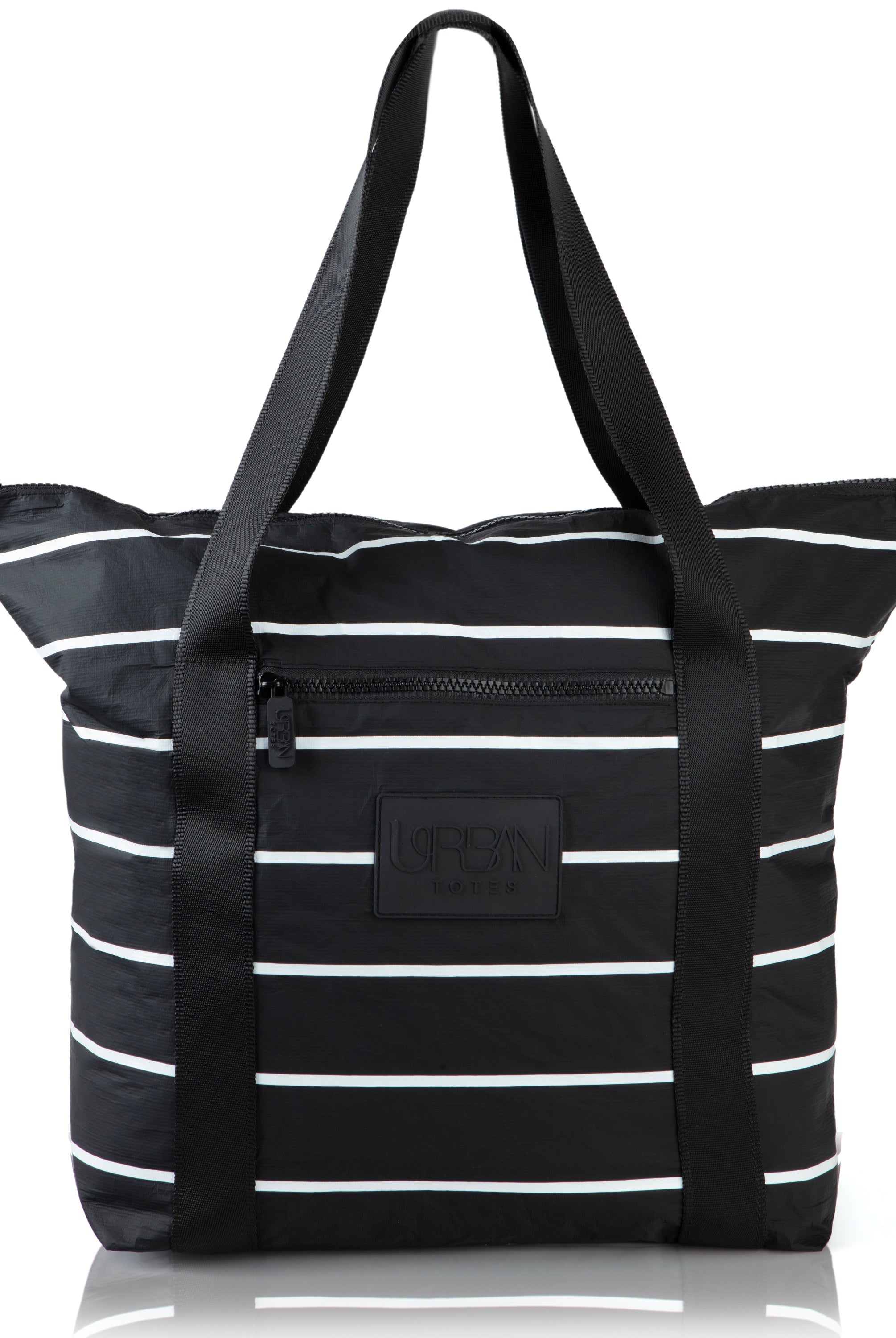
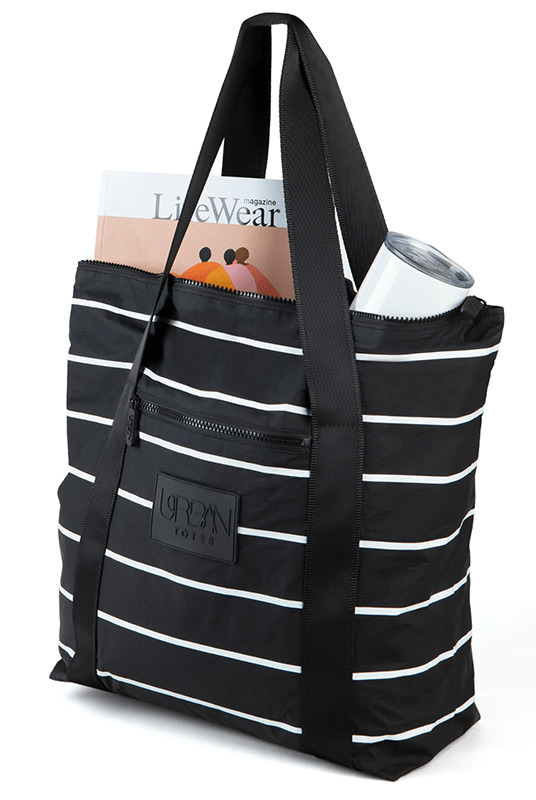
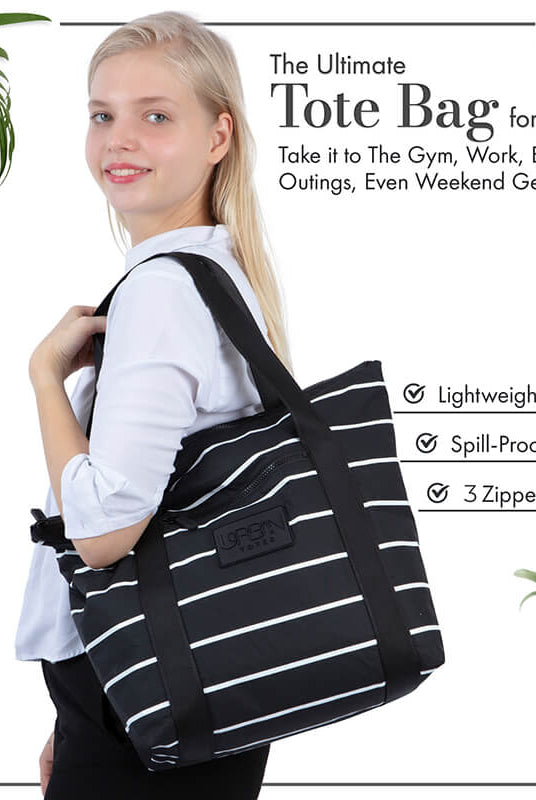
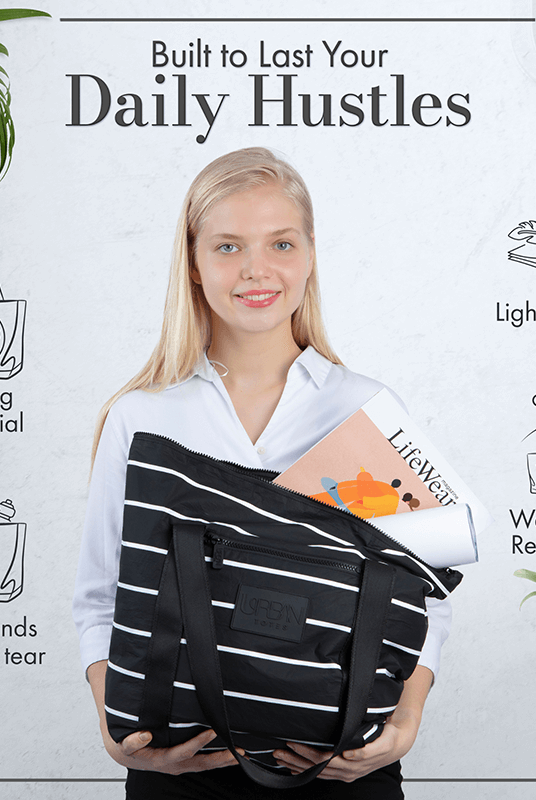
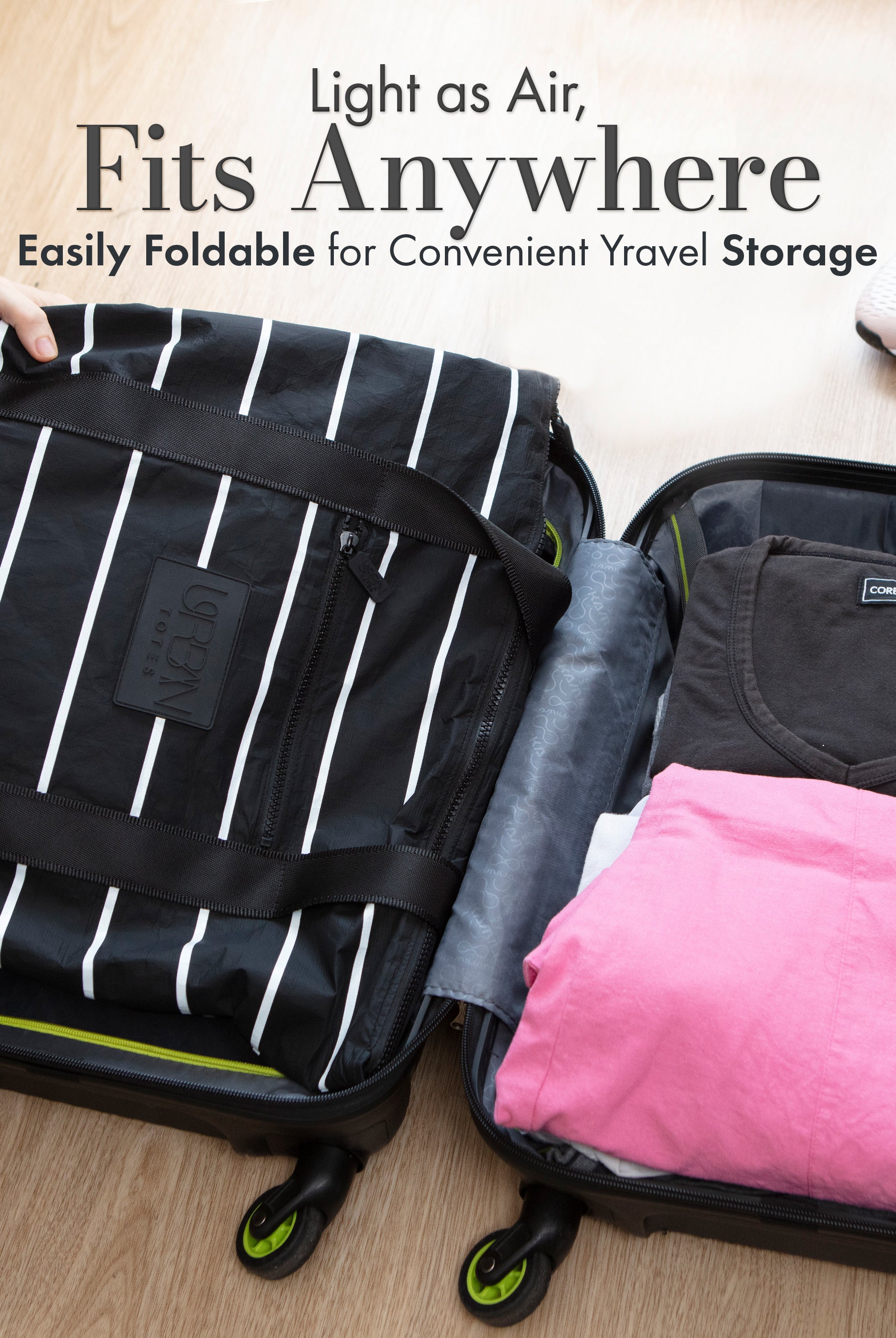
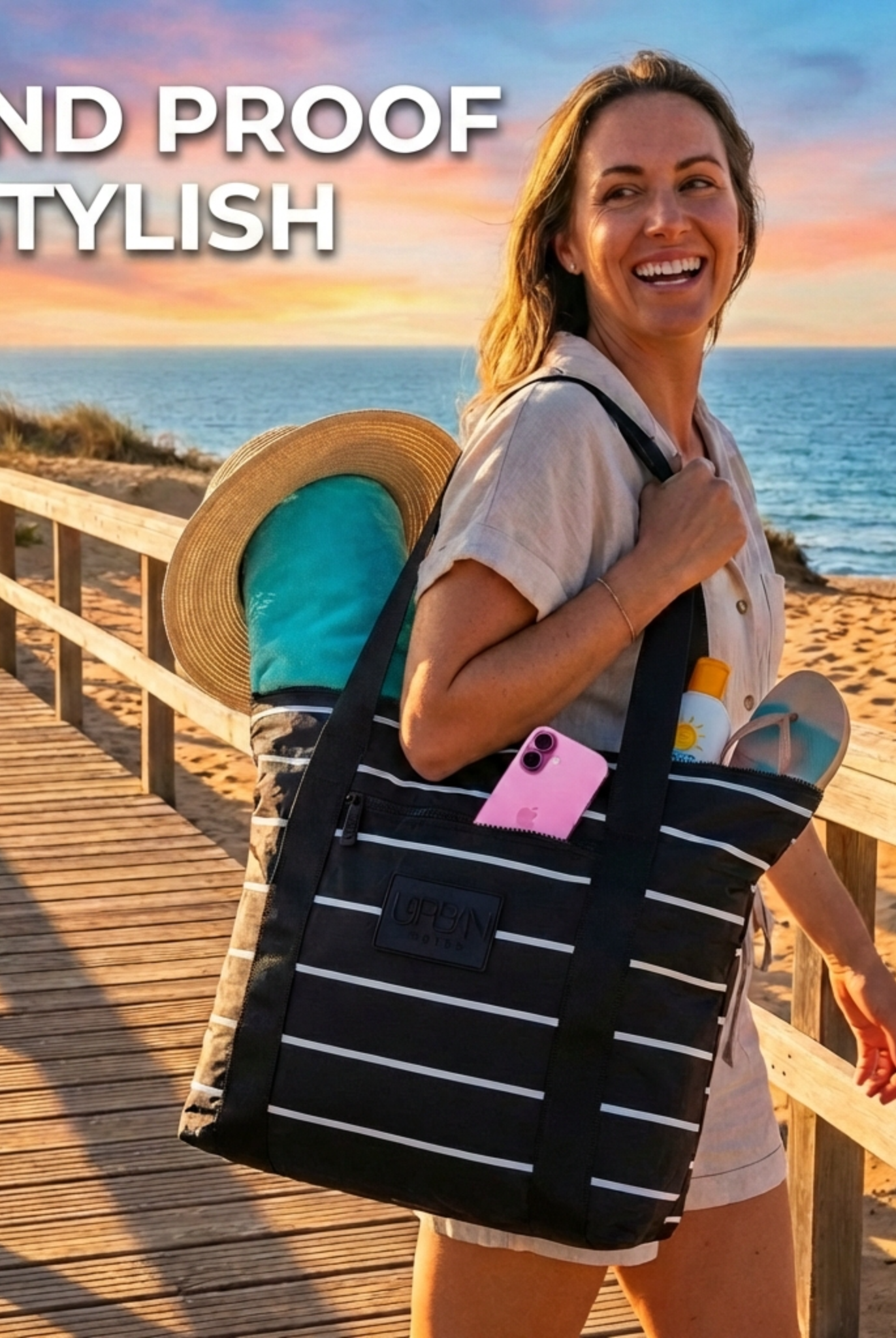
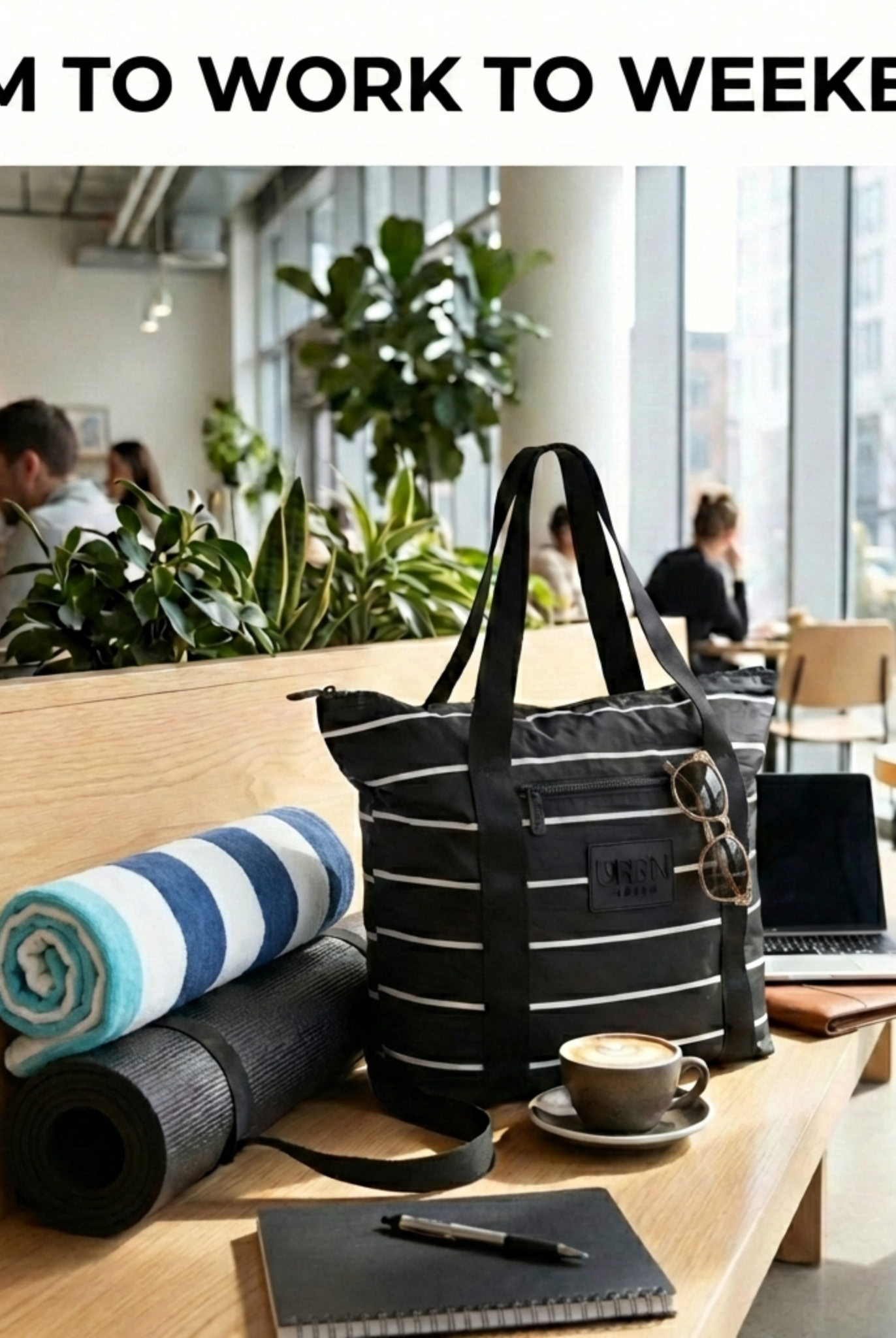
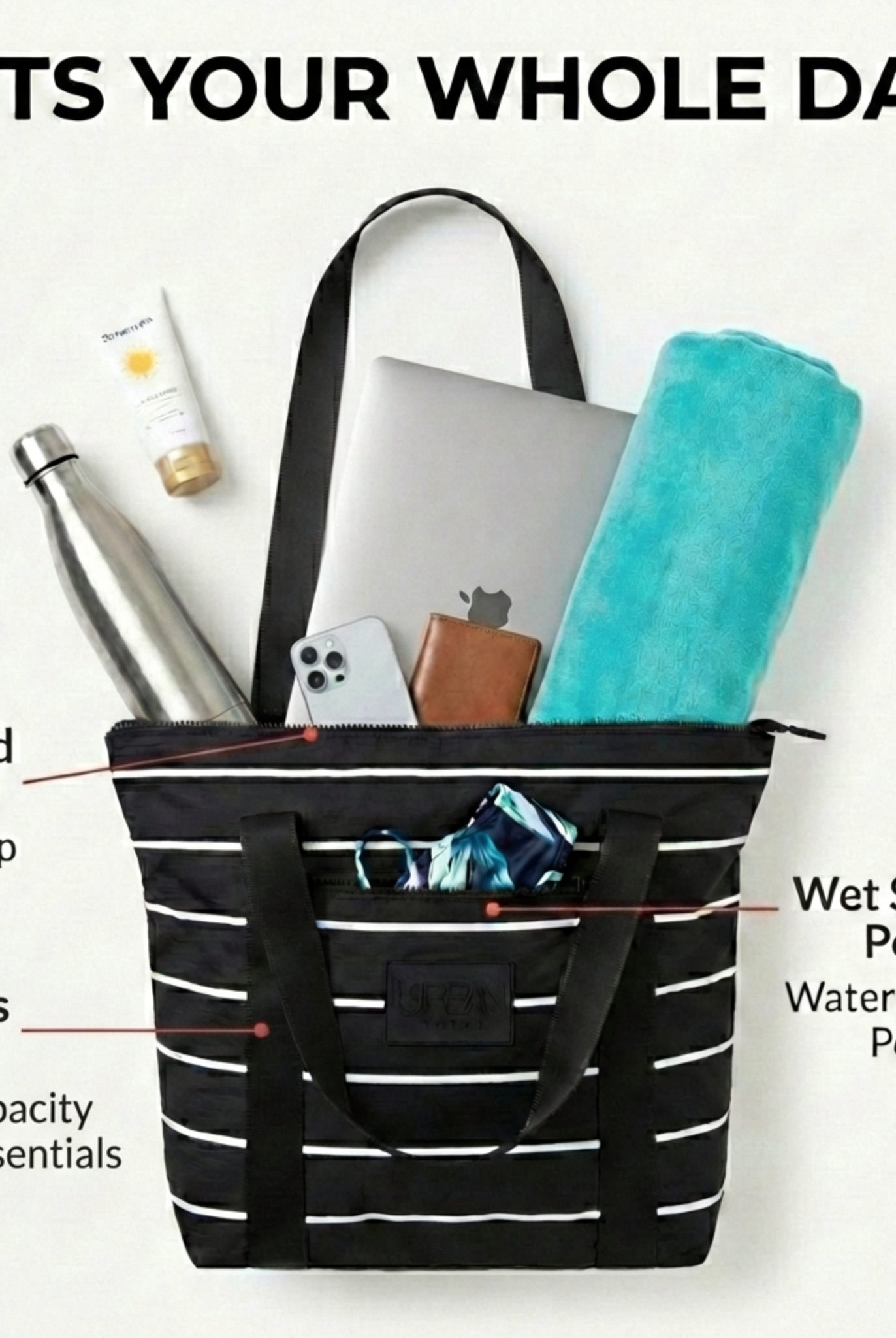
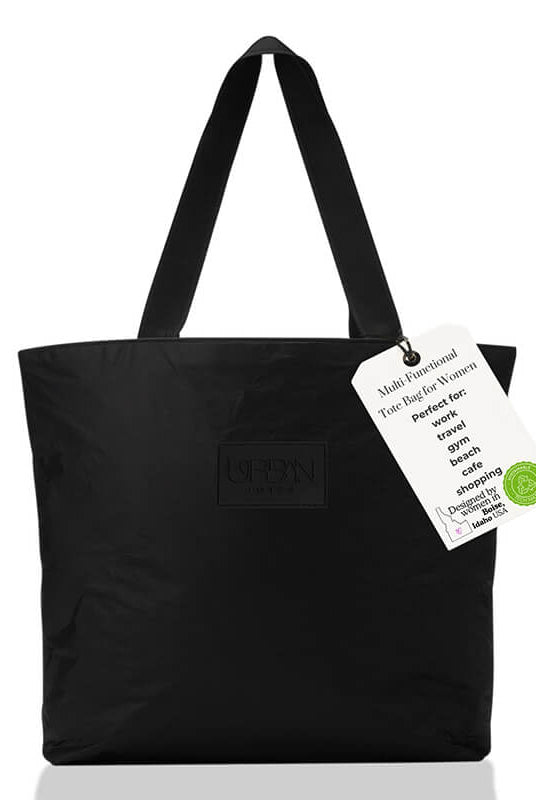
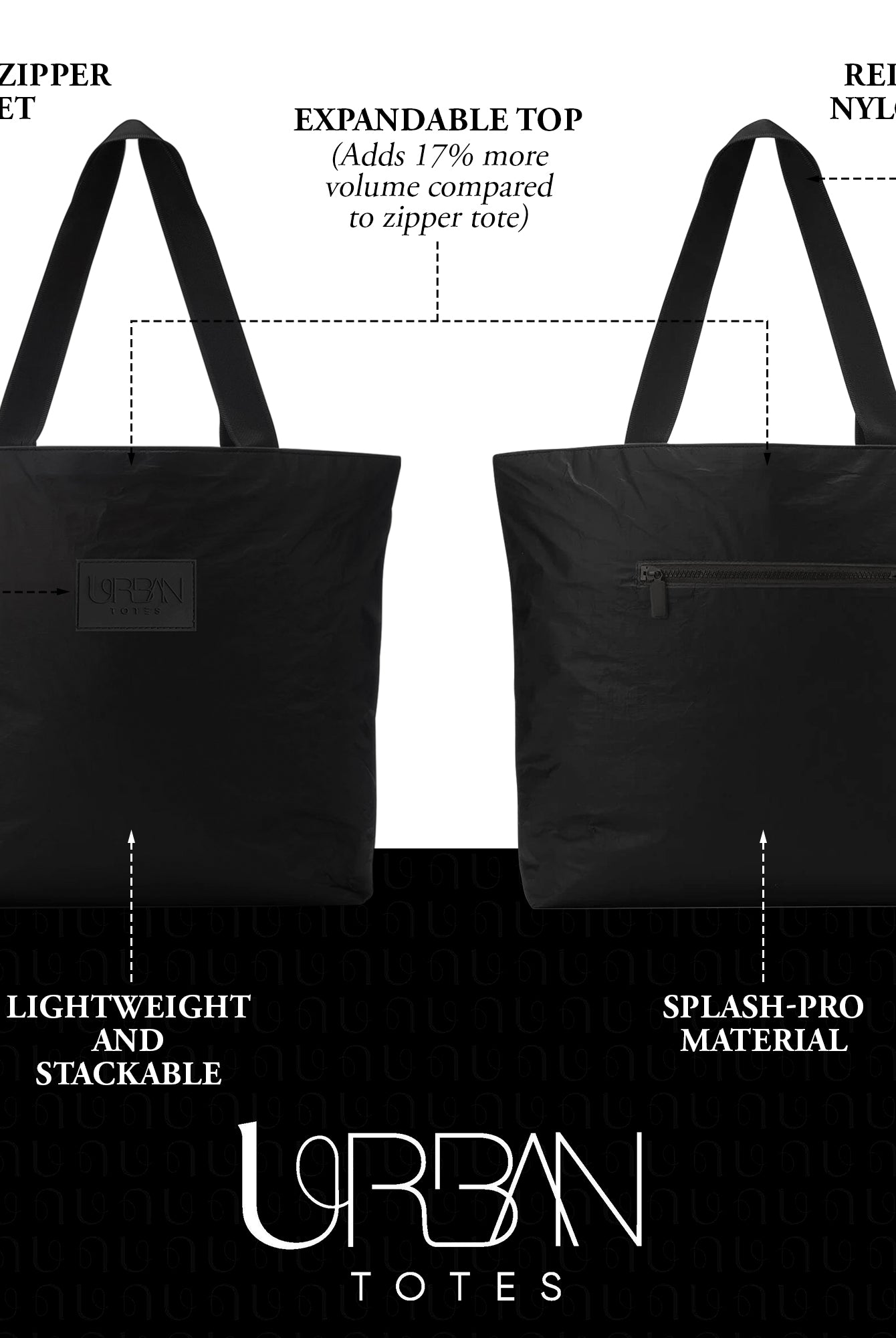
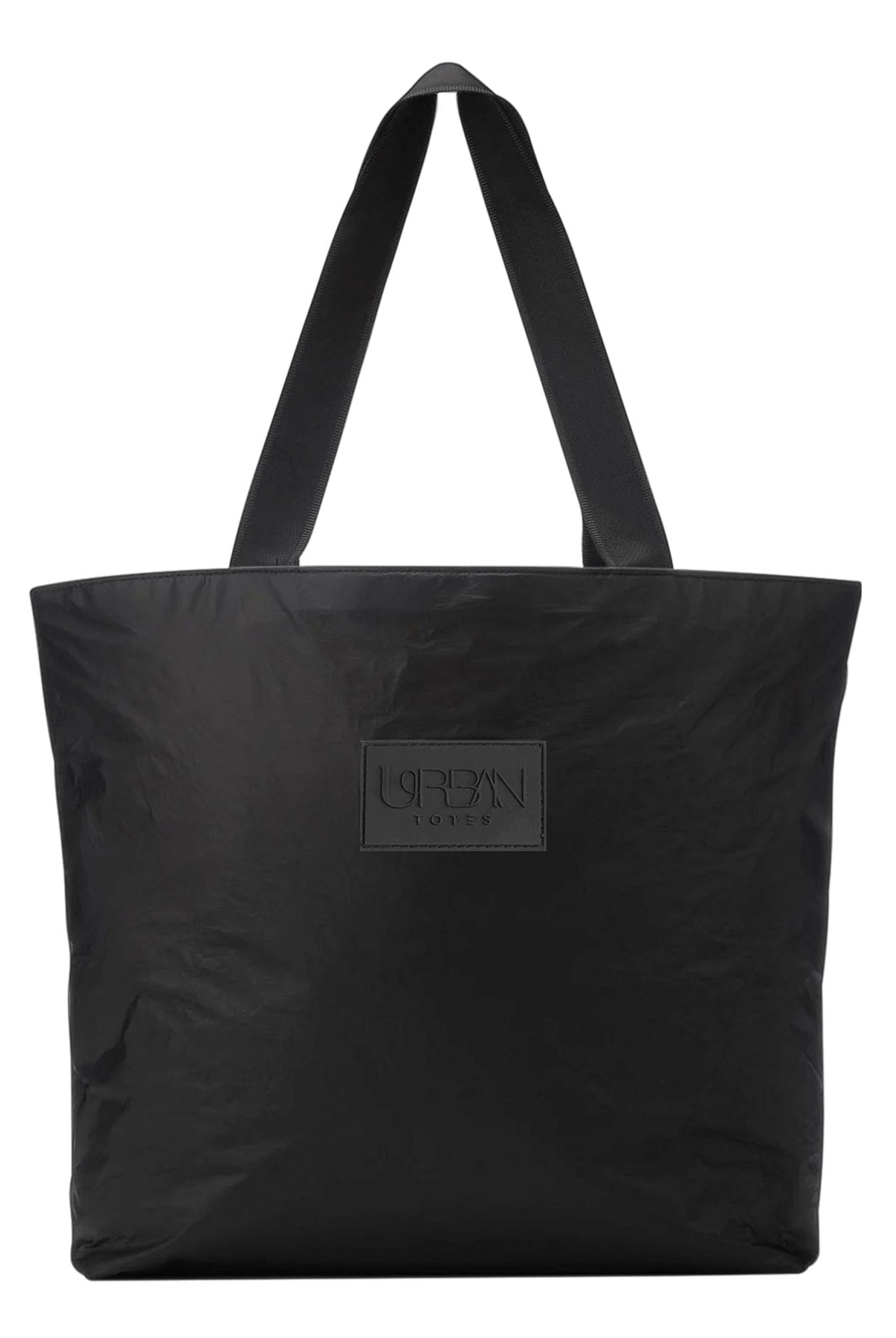
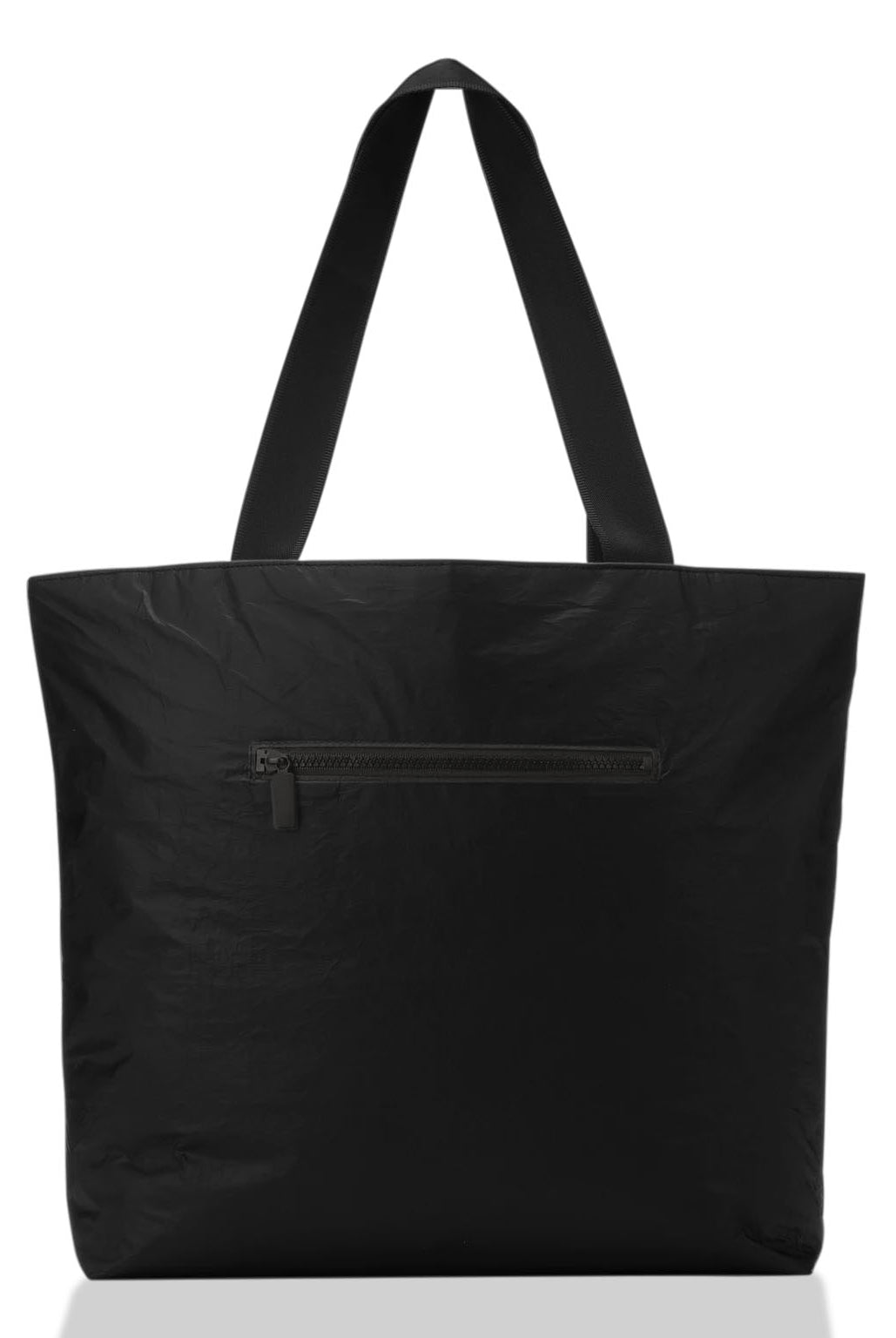
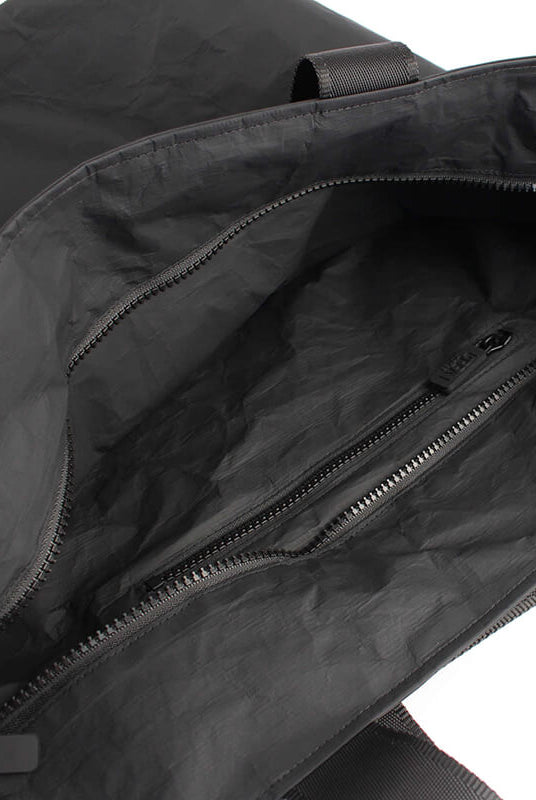
One Urban Totes example that shows the idea well is The OG Zipper Tote Bag by Urban Totes. It includes inside and outside zipper pockets, three large pockets, and a light interior that makes items easier to spot. It is not a crossbody, but the lesson carries over. A bag works better in messy weather when the closure is dependable and the layout keeps essentials separated.
That is what most women need from water resistance. Enough protection for the rushed, damp, everyday moments that happen between home, work, errands, and everything in between.
Choosing the Right Bag for Your Busy Life
The right water resistant crossbody bag shows its value in ordinary, messy moments. Late afternoon. Your phone is buzzing, you still need to stop at the store, and the weather turns before you reach the car. A bag that works for your real routine feels very different from one that only sounds good on a product page.

The useful question is not “Is it water resistant?” It is “How wet does my day get, and how often am I in and out of this bag?” A woman walking from the parking garage to the office needs something different from a parent at the playground or someone spending half a day in transit.
The commuter
For commuting, low weight and quick access usually matter more than heavy-duty weather protection. The bag should sit close to the body, stay comfortable on a longer walk, and keep the basics easy to grab without opening everything up on a station platform.
Nylon and polyester both make sense here because they handle light rain well and clean up without much fuss. The bigger difference usually comes from layout. A compact shape, a dependable zipper, and a pocket placement that lets you reach your card, keys, or earbuds fast will do more for daily usability than extra size.
What to prioritize:
- A compact silhouette that does not swing around when you walk
- A zipper closure that opens quickly with one hand
- A few useful compartments so small items do not collect at the bottom
- A strap that stays comfortable over a coat or blazer
The weekend traveler
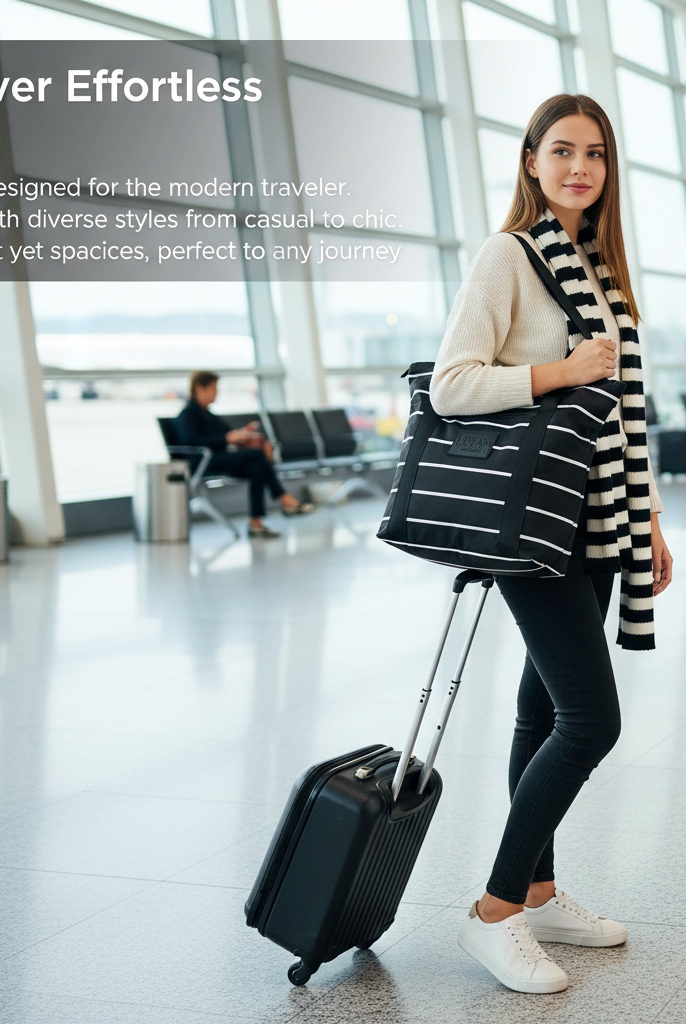
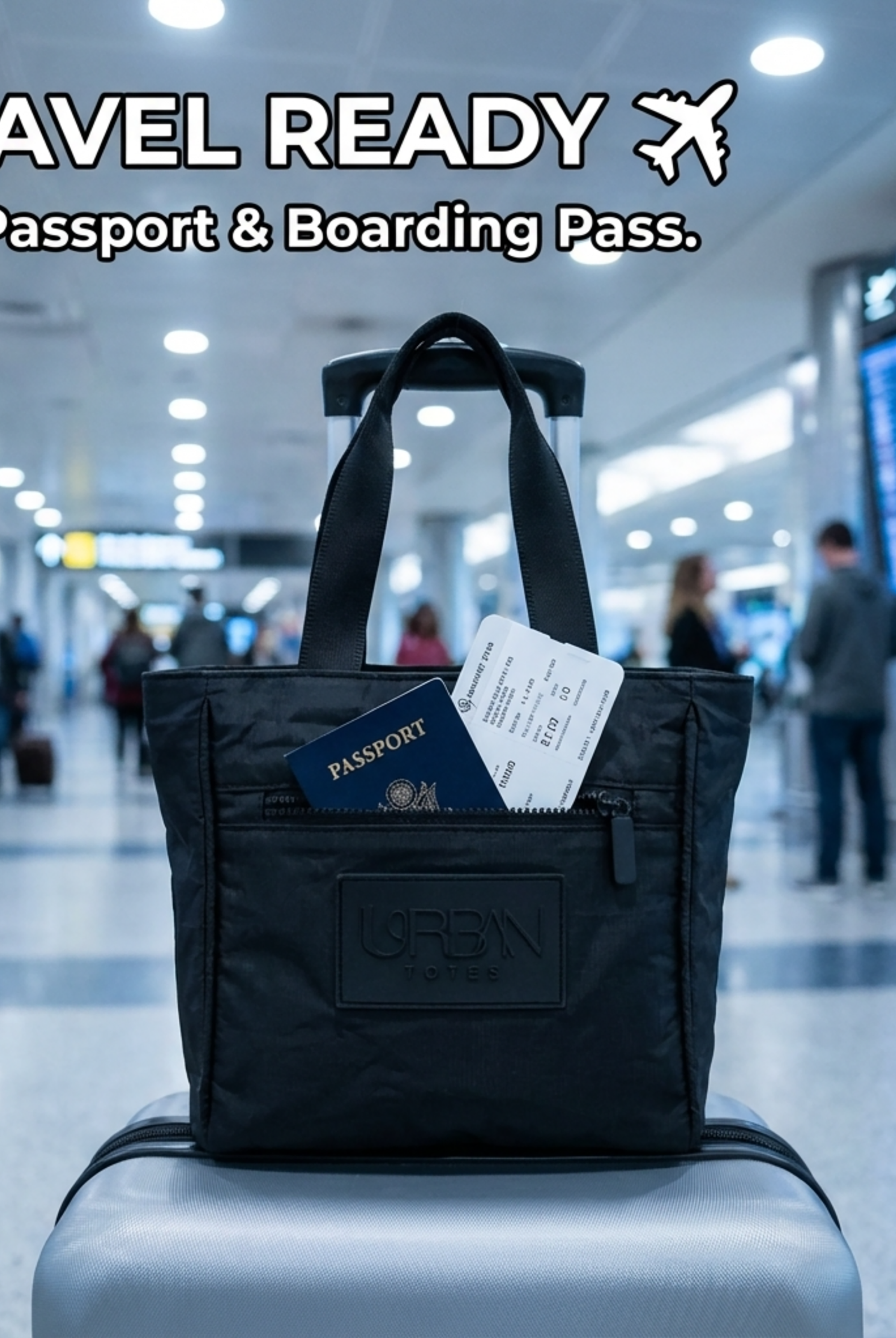
Travel puts more pressure on the bag because you wear it longer and use it in more settings. Airport lines, hotel check-in, quick food stops, surprise rain, crowded sidewalks. In that situation, water resistance needs to cover repeated exposure, not just a short dash from the car.
A slightly roomier bag often works better than an ultra-slim one because it gives you space for the extras that appear during the day. Charger. Sunglasses. Boarding documents. Snacks. If you like one bag that can carry more without feeling bulky, tote bags with crossbody straps for flexible everyday carry are worth a look.
A traveler should look for:
| Need | Better choice |
|---|---|
| Passport and wallet access | Exterior pocket with secure closure |
| Long wear through airports | Lightweight body and comfortable strap |
| Mixed weather | Synthetic shell and covered zipper area |
| Fast packing | Clear layout without too many tiny compartments |
The busy mom or caregiver
Caregiving changes the standard completely. You are not just protecting your own items from rain. You are dealing with wipes, snacks, bottles, sticky hands, and a bag that gets opened while you are distracted.
I would choose easy-clean material over a more technical fabric every time for this kind of use. A bag can have decent water resistance and still be wrong for caregiving if the opening is too narrow or the inside turns chaotic. Quick access matters because you rarely get two free hands and a calm minute to search.
For caregiving days, focus on:
- Wide-enough openings to reach in without a struggle
- Separate pockets for your items and kid extras
- Fabric that wipes clean easily after spills or leaks
- A hands-free fit that stays put while bending, lifting, or pushing a stroller
The minimalist errand-runner
Some women need very little from a bag. Phone, cards, keys, lip balm, done. In that case, a small crossbody is the right move if it has enough structure to keep those few items organized.
This kind of bag does best in short, frequent trips through everyday weather. Grocery run. Coffee stop. School pickup. You do not need maximum protection. You need a bag that closes reliably, sheds light rain, and does not become annoying by the third stop of the day.
The best choice for your lifestyle is usually the lightest one that still covers your real exposure to weather, spills, and daily chaos. That balance is what makes a water resistant crossbody bag worth carrying.
How to Care for Your Go-Anywhere Bag
A water-resistant bag stays useful longer when you treat it like gear you rely on. The good news is that maintenance usually isn't complicated.

After rain or a spill
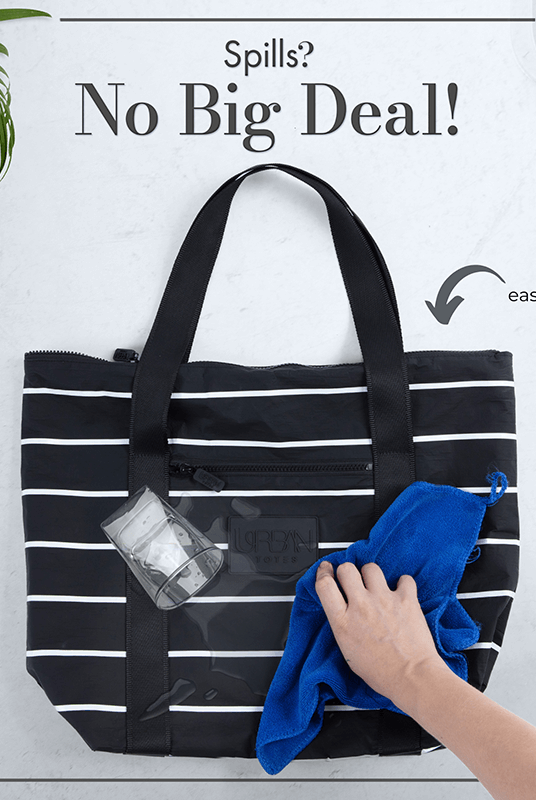
If your bag gets wet, empty it first. Wipe the exterior dry, open the compartments, and let everything air out before you zip it back up and store it. That helps prevent trapped moisture and keeps the inside fresher.
For minor messes, spot cleaning is usually enough. A soft cloth handles most everyday marks without turning bag care into a project.
Build a simple habit
The easiest routine is the one you'll maintain:
- Wipe it down after visible spills
- Clear out crumbs and receipts before they settle into corners
- Air dry fully after wet weather
- Check the zipper area for grit or debris if it starts feeling rough
If your bag's care instructions allow deeper cleaning, follow them. Urban Totes also shares practical upkeep advice in its guide to tote bag maintenance tips and tricks, which is worth bookmarking if you rotate between everyday bags.
A well-cared-for bag doesn't just look better. It keeps performing the way you bought it to perform.
Your Perfect Partner for Everyday Adventures
The smartest bag choice usually isn't the most technical one. It's the one that matches your actual life.
If your world is made of commutes, school pickups, coffee runs, flights, walks, quick errands, and weather that doesn't always cooperate, a water resistant crossbody bag can make daily life feel smoother. Not because it does something magical, but because it handles the ordinary problems well. Wet sidewalks. Spills. Crowds. Long days. Full hands.
That's why this category has lasted. It solves a real need with a shape women want to carry. The best versions combine lightweight materials, secure closures, organized pockets, and enough weather readiness to keep essentials protected without turning your everyday carry into a bulky gear bag.
Urban Totes fits neatly into that mindset as a woman-owned Boise brand focused on bags that are lightweight, organized, packable, and designed for real movement through the day. Style matters. Function matters more. The sweet spot is having both.
Choose the bag that matches your pace, not just your outfit. When it's the right one, you'll use it constantly.
Find your perfect go-anywhere bag at Urban Totes. Shop the full collection and take on whatever the day brings.