Zone 3 is boarding and your hand is already in the bag, wrist deep, fingers closing on a granola bar wrapper and nothing else. Your phone is ringing. Your boarding pass is on it. Somewhere under the sunscreen is the key fob for a rental car you haven't picked up yet.
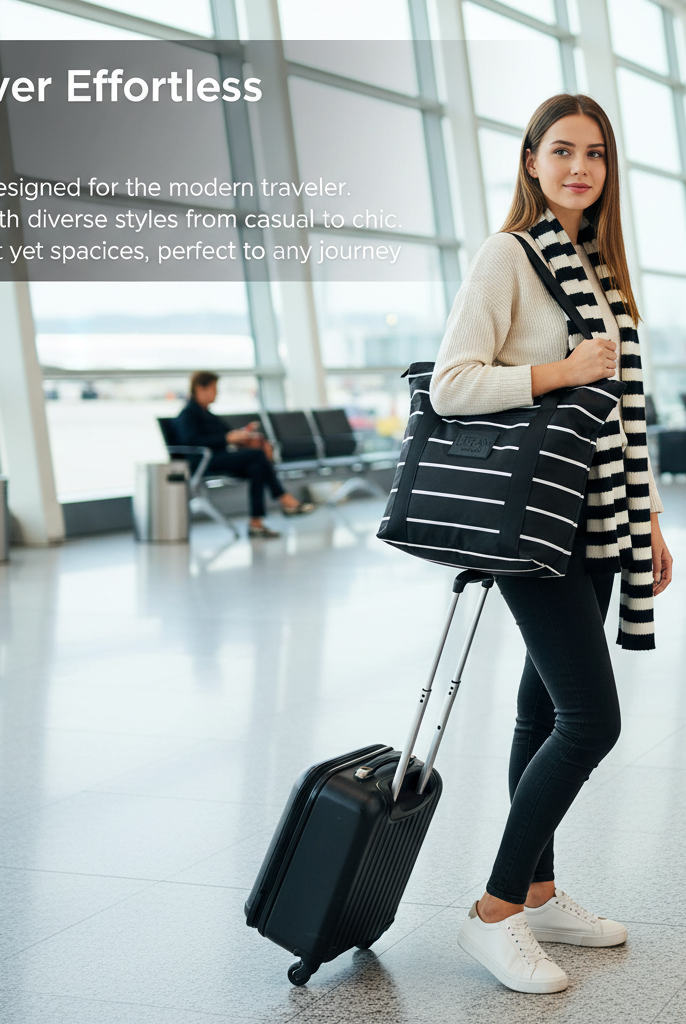
A travel purse either ends that moment in four seconds or turns it into a small public emergency. What follows is a short, practical checklist of travel purse essentials, sorted by how fast you need to reach them: phone and keys within one zip, documents and payment one layer deeper, liquids and power in their own removable pouches. Every item earns its space.
Table of Contents
-
1. Crossbody Tote Bag Mini Purse
- Keep the Irreplaceable Things on Your Body
- A Payment Zone With Its Own Rules
- Build a Liquids Pouch You Can Pull Out Blindfolded
- Know What Counts as Your Personal Item
- The Medication Exception Worth Knowing
- The Power Bank Rule Nobody Packs For
- Security That Still Opens One-Handed
- The Layout That Survives a Real Day
- How the Urban Totes Crossbody Mini Purse Fits Common Travel Purse Needs
- Pack the Essentials and Go Anywhere
1. Crossbody Tote Bag Mini Purse
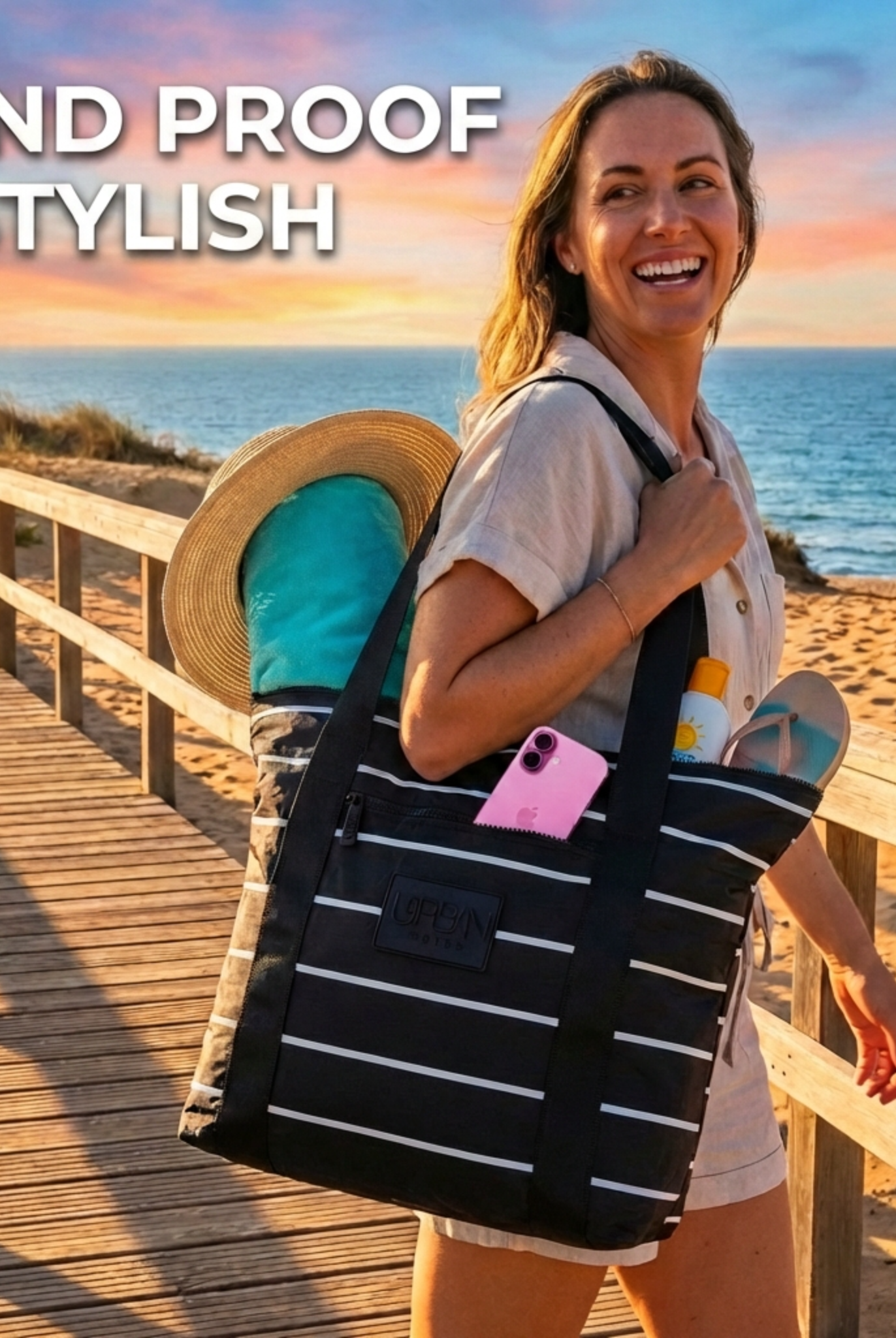
At the airport, your phone is ready for the boarding pass. At the beach, you need the room key without shaking sand through your whole bag. Later, at school drop-off, your hands are full. A small crossbody keeps the day's essentials close while moving easily between each stop.
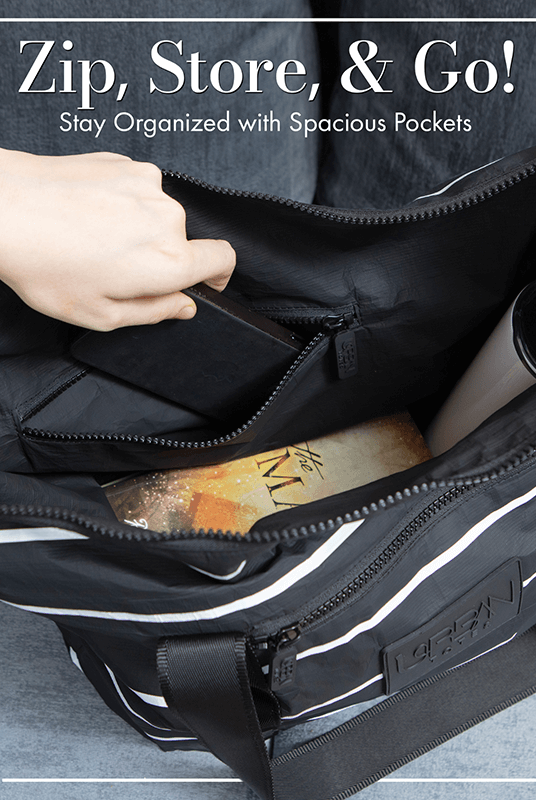
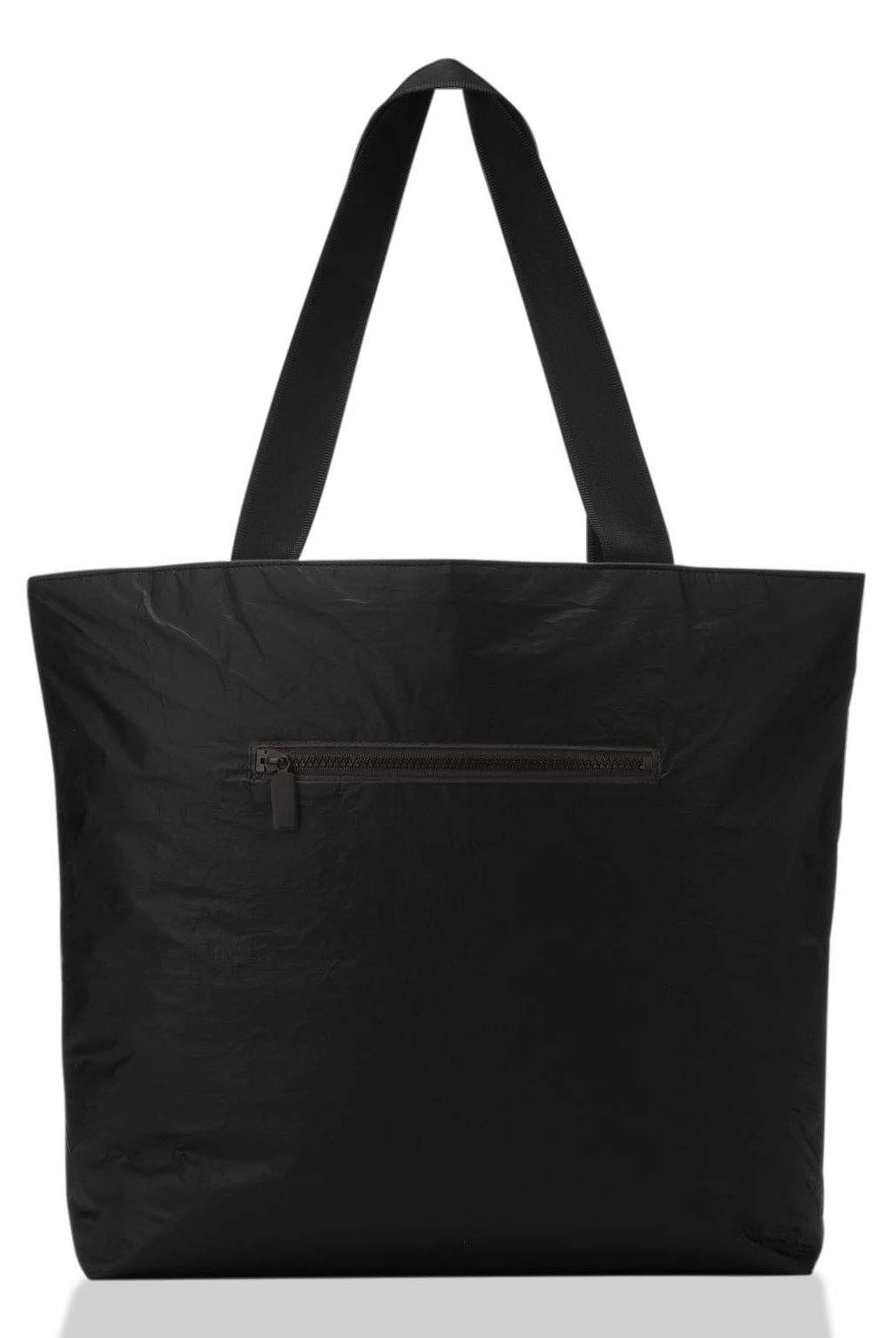
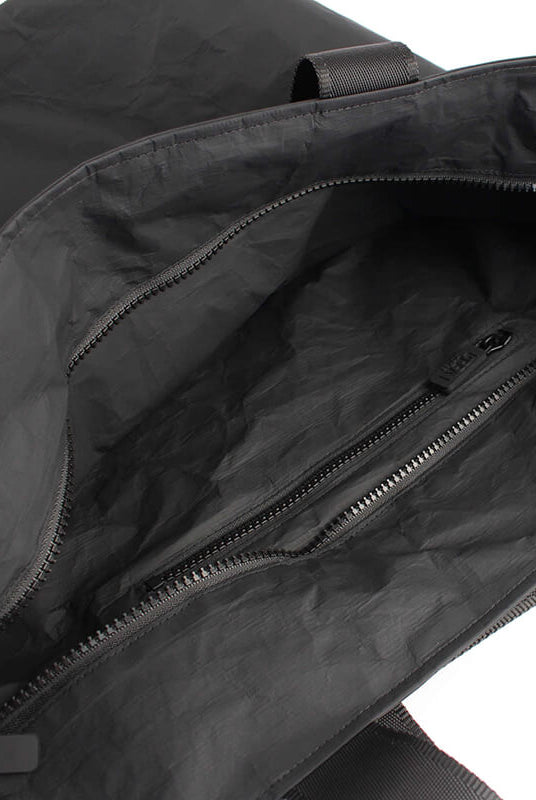
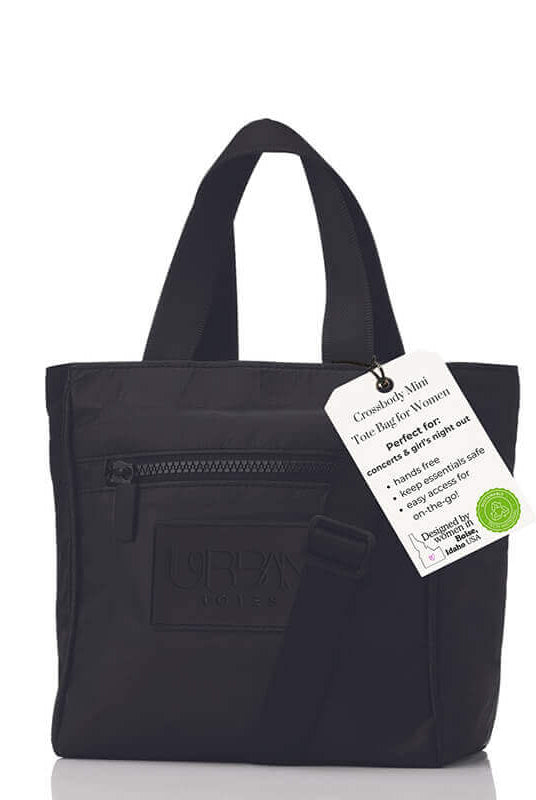
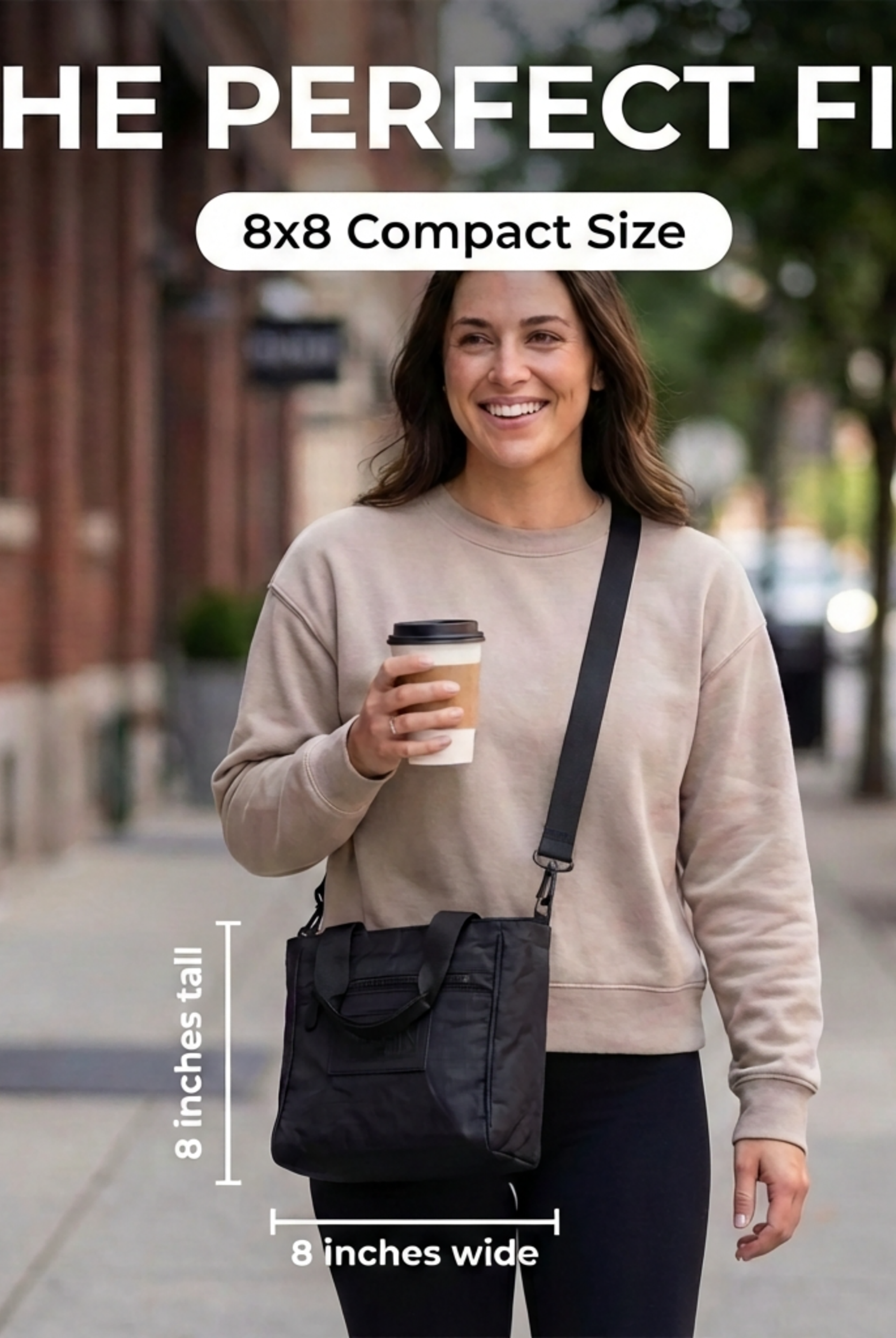
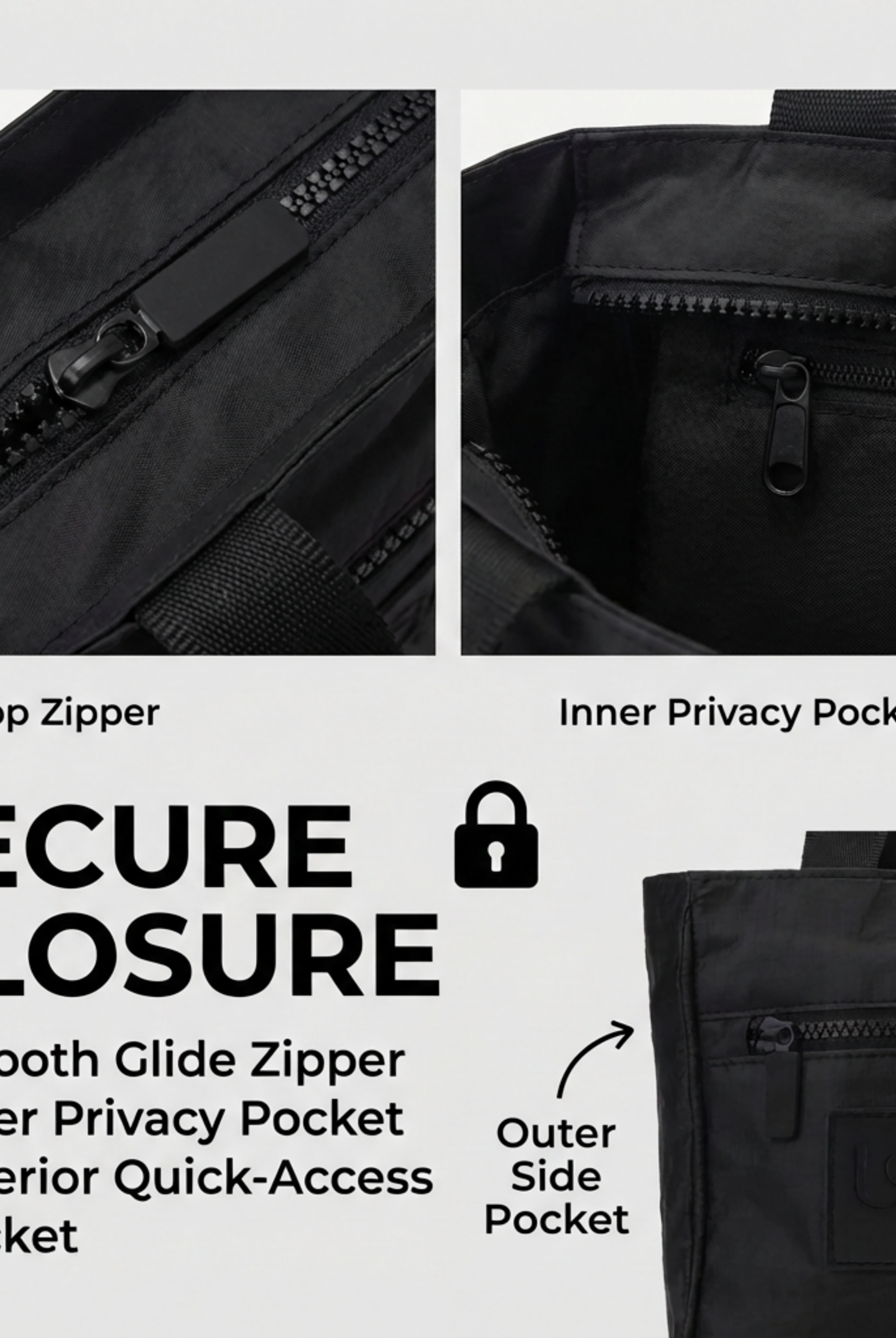
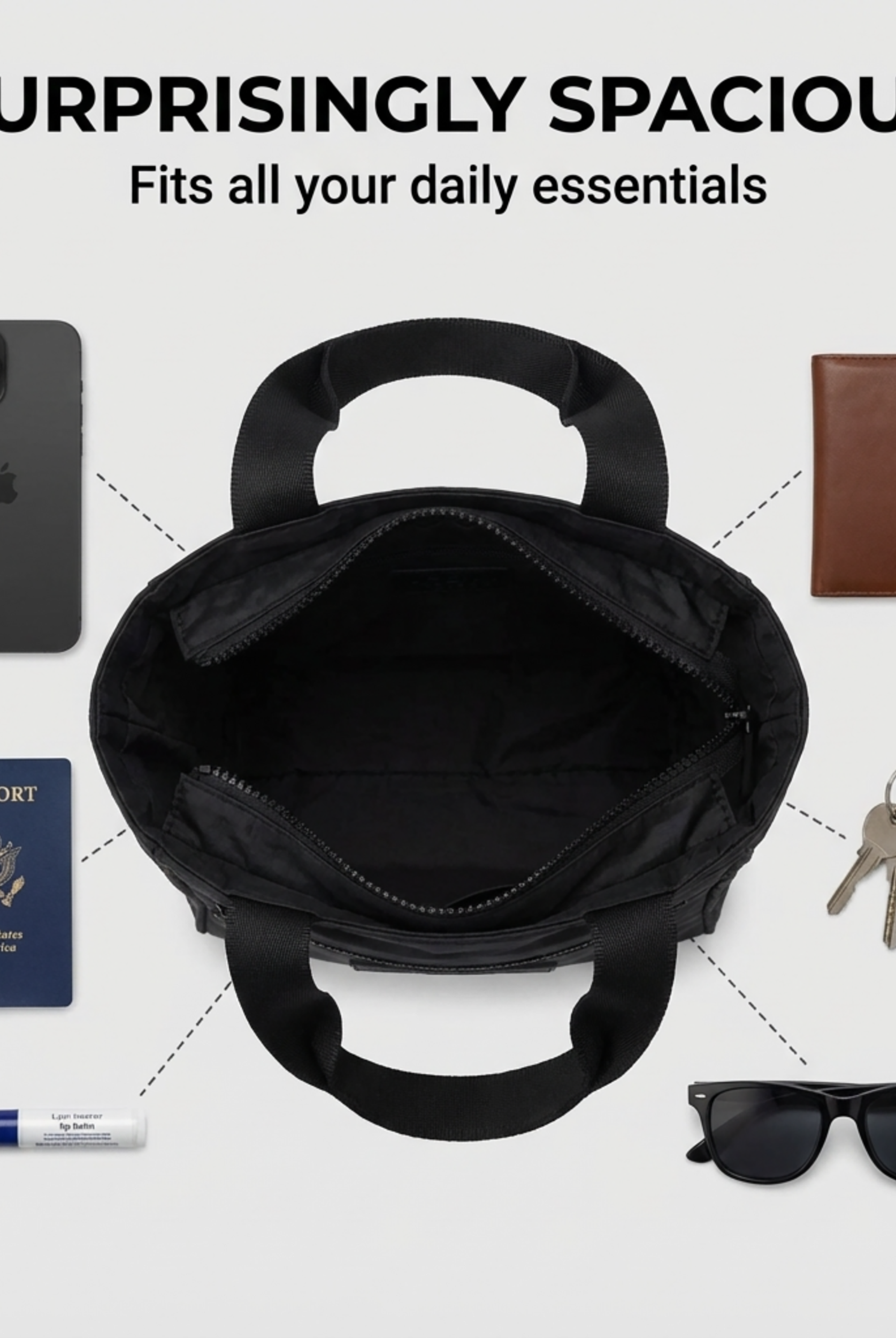
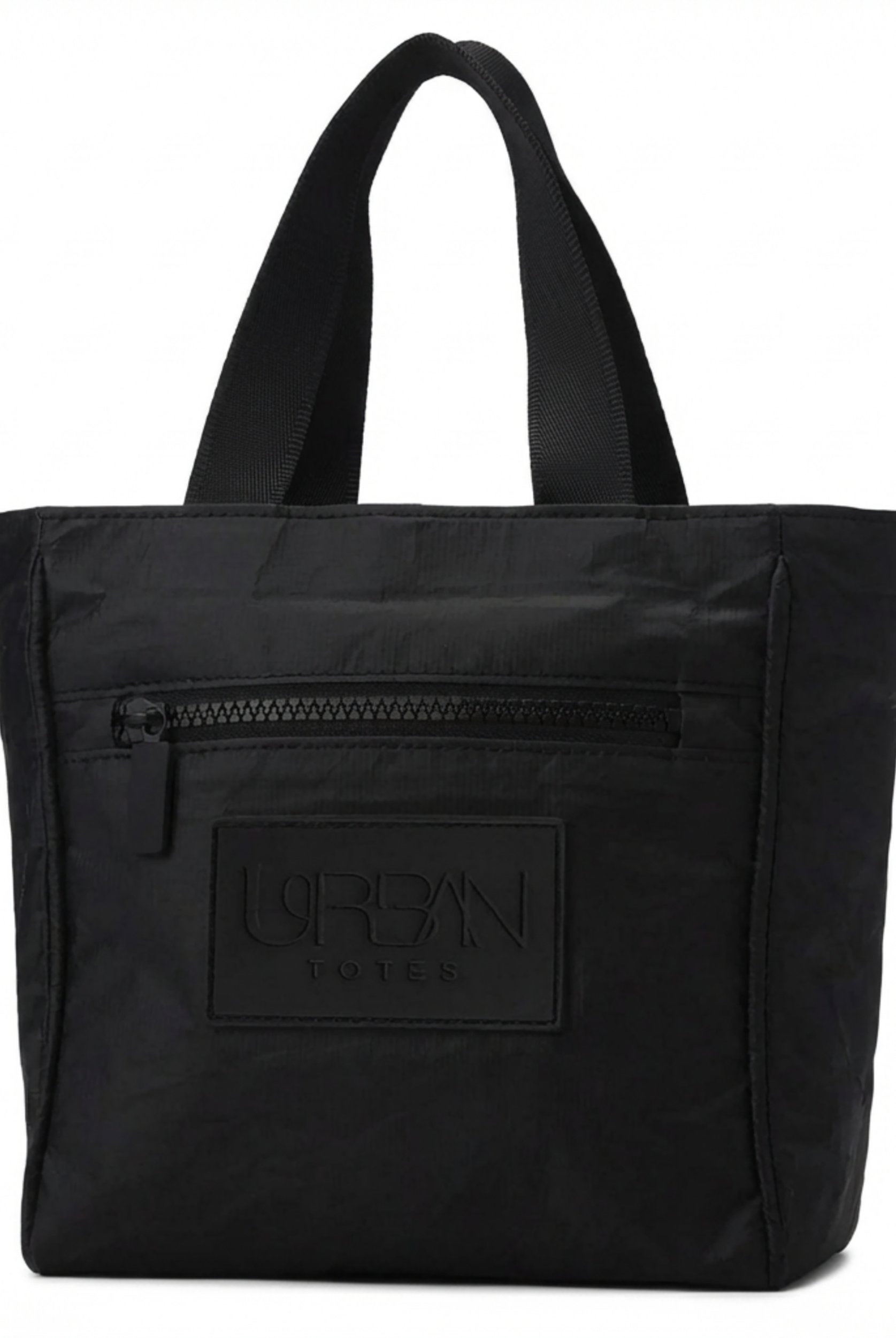
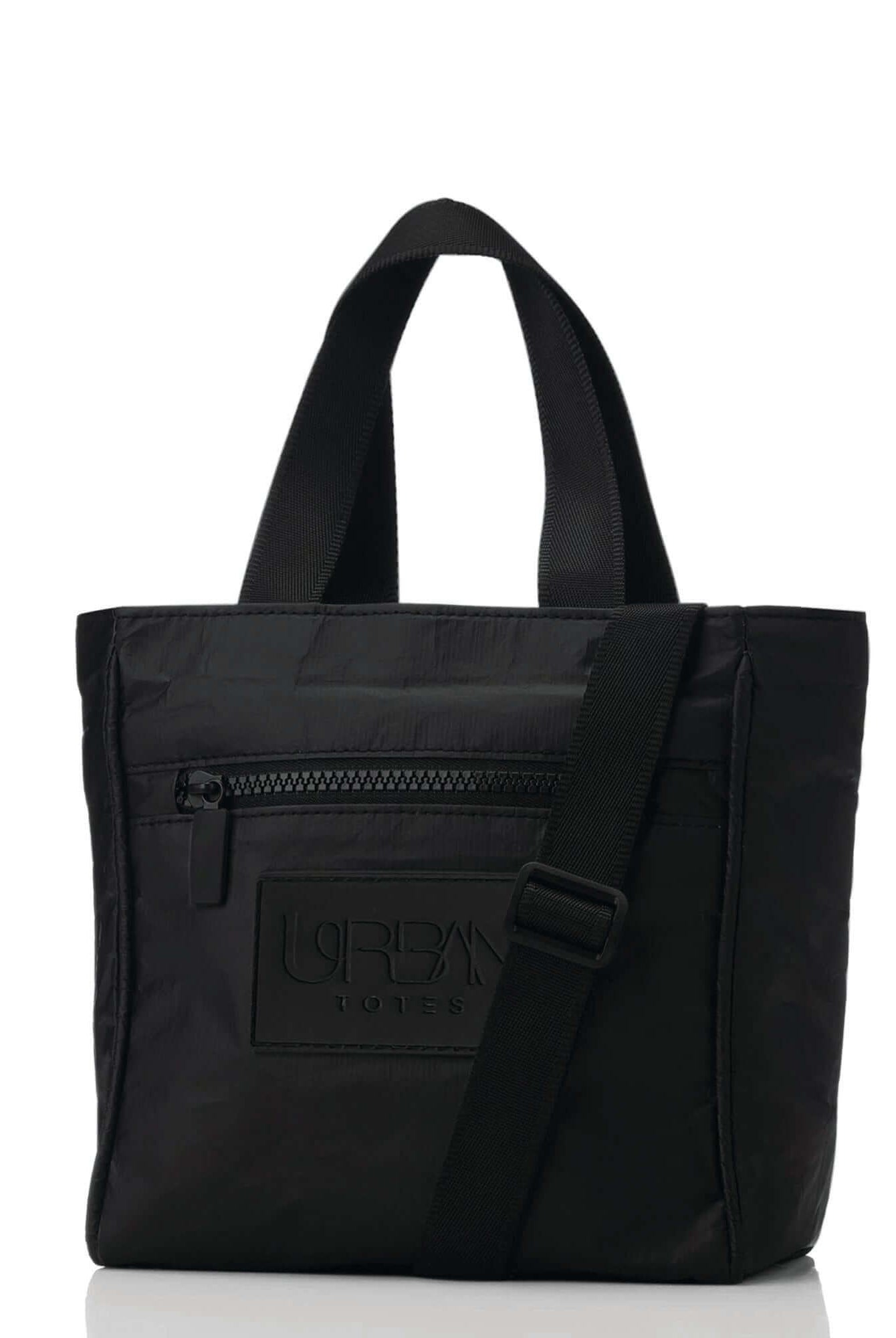
The Crossbody Tote Bag Mini Purse measures 7.5 by 4 by 7.75 inches and has a black interior with a zip-top closure. An outside zipper pocket and an inside zipper pocket keep smaller items sorted, while the large easy-access outside pocket is designed for a phone and keys. The zipper top helps keep contents enclosed as you move through a busy day.
Keep the Irreplaceable Things on Your Body
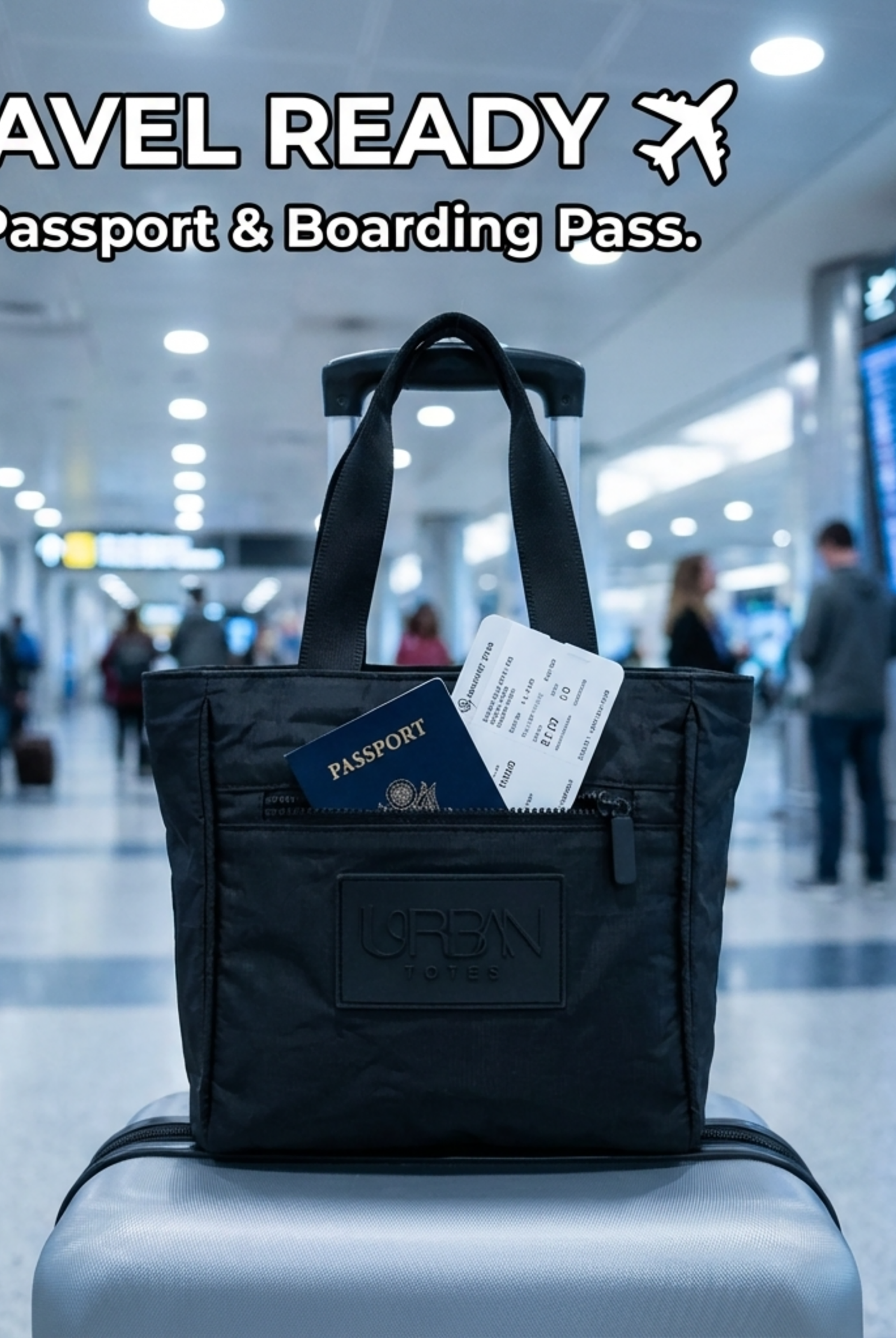
Checked luggage can go astray. In 2024, airlines mishandled an estimated 33.4 million bags worldwide, or 6.3 bags per 1,000 passengers, according to IATA's baggage tracking program. Keep the things that would disrupt your trip in the bag that stays with you: passport or government ID, boarding information, payment cards, emergency cash, prescription medication, phone, charging cable, and a small pouch of personal necessities.
A spare sweater can be replaced. A needed prescription or your ID is harder to do without.
The test to apply: if losing it would end the trip rather than inconvenience it, it goes in the bag on your shoulder.
A Payment Zone With Its Own Rules
Payment often happens in a queue, with one hand on a suitcase or coffee. In a 2023 worldwide survey of 1,349 English-speaking business travelers, about two thirds reported using contactless payments, roughly a quarter used mobile wallets, and one in six had experienced credit-card fraud during a business trip, per BCD Travel's traveler survey. In 2024, 20% of travelers named digital wallets as one of their preferred payment options, according to IATA's 2024 payment release.
Keep the card or phone you use most in the outside easy-access pocket. Tuck backup payment, cash, and ID into the inside zipper pocket. That way, a quick purchase does not require opening every pocket in public.
Build a Liquids Pouch You Can Pull Out Blindfolded
For flights out of U.S. airports, the TSA 3-1-1 rule limits each container of liquids, gels, aerosols, creams, or pastes to 3.4 ounces (100 milliliters). All containers must fit inside one clear quart-sized zip-top bag, with one bag allowed per passenger. Put toothpaste, shampoo, lotion, and other liquids together so the pouch comes out without disturbing the rest of your bag.
In Global Rescue's 2025 survey of more than 1,600 experienced travelers, 63% wanted the liquids rule revised, and 56% of those respondents favored a 12-ounce limit. For now, pack to the current standard (Global Rescue).
TSA's travel checklist advises travelers to clear keys, currency, wallet, phone, and tissues from their pockets, and to remove electronics larger than a cell phone for separate screening. Put the phone and keys back in their designated pocket after the checkpoint, ready for the next stop.
Know What Counts as Your Personal Item
A crossbody rides alongside your carry-on, so check the carrier's rules for both. IATA's baggage guidance gives general advice on cabin baggage and notes that limits vary. For liquids, international security rules commonly limit carry-on containers to 100 milliliters and require them to fit in a transparent, resealable bag with a maximum capacity of 1 liter.
When you reach your seat, the purse should be easy to stow and easy to retrieve. Keep the liquid pouch together so it can come out on its own, while the rest of your essentials stay in place.
Group items by how they need to be screened: liquids together, electronics together, and documents within easy reach.
The Medication Exception Worth Knowing
Prescription medication belongs in your carry-on. Under TSA's travel tips, medically necessary liquid medication above 3.4 ounces is allowed in reasonable quantities, does not need to go in the quart bag, and should be presented for separate screening. Tell the officer at the start of screening.
Breast milk, formula, and juice can also exceed the limit and travel outside the quart bag. TSA says to remove them for screening, along with the ice packs or freezer packs used to keep them cold, even when a child is not traveling (TSA on breast milk, formula, and juice). Keep medication and baby items in their own labeled pouch, in original packaging, where you can find them quickly.
The Power Bank Rule Nobody Packs For
Power banks are spare lithium batteries, so carry them in the cabin rather than checked luggage, and check the applicable limits before flying. Keep the battery easy to remove, with its terminals protected and its capacity label visible.
A dedicated spot prevents a charger from disappearing under receipts and toiletries. It also makes the battery easier to take out if security staff ask to inspect it.
Security That Still Opens One-Handed
In a 2025 survey of solo female travelers, 37% of respondents used anti-theft bags, per Solo Female Travelers Club. A closed main compartment and an inside zipper pocket help keep important items together, while a quick-reach pocket means you can get your phone or transit card without digging.
A tote bag with a crossbody strap keeps your hands free for a suitcase handle, a stroller, or a coffee. Before you leave, practice opening the pocket you use most and put backup payment somewhere separate from your everyday card.
The Layout That Survives a Real Day
- Outside easy-access pocket: phone and keys, ready for the gate, a café counter, or school drop-off.
- Interior zip pocket: backup card, cash, ID, and medication, kept together and closed.
- Clear quart pouch: toiletries and other liquids, sized to the rule and easy to remove.
- Small tech pouch: charging cable, earbuds, and power bank in one place.
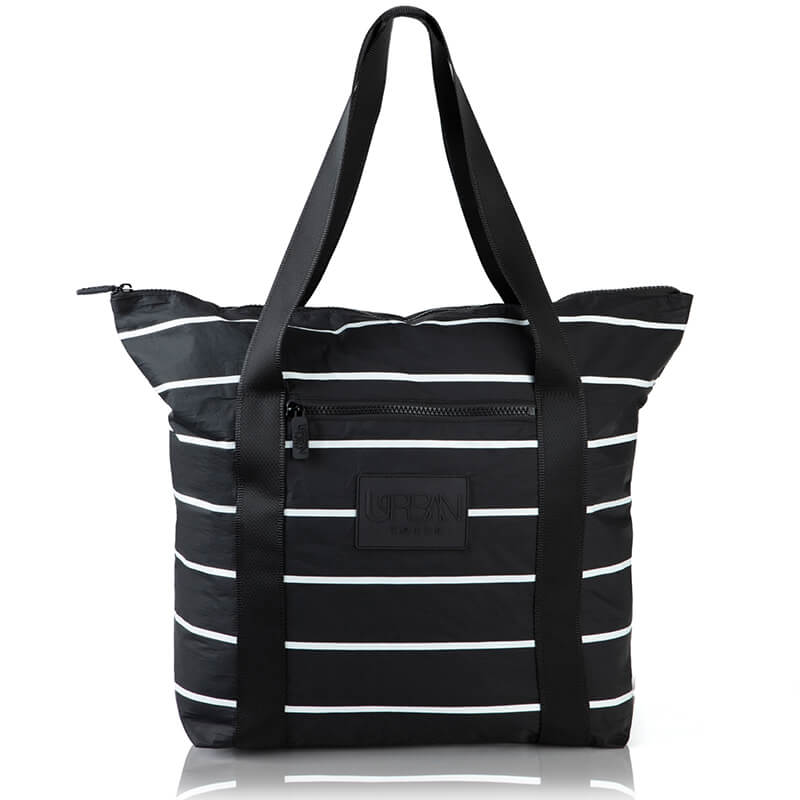
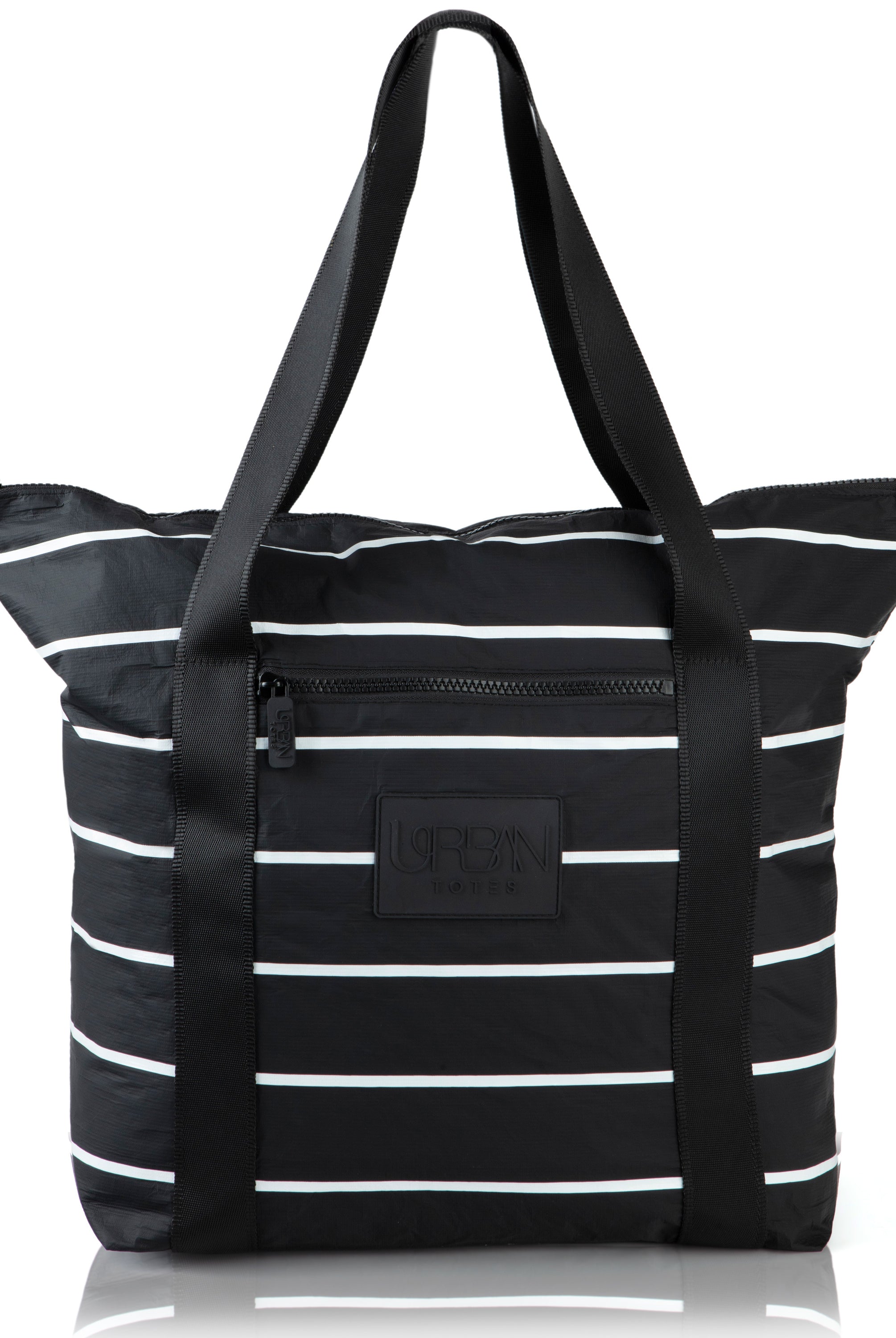
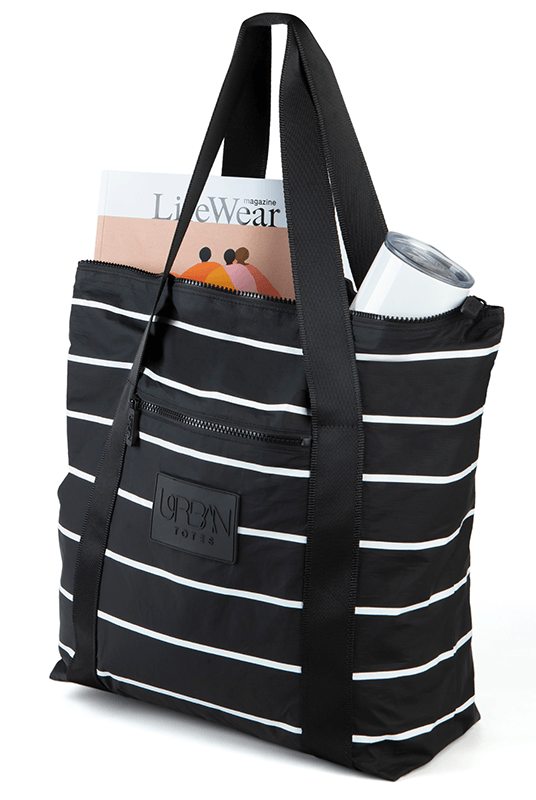
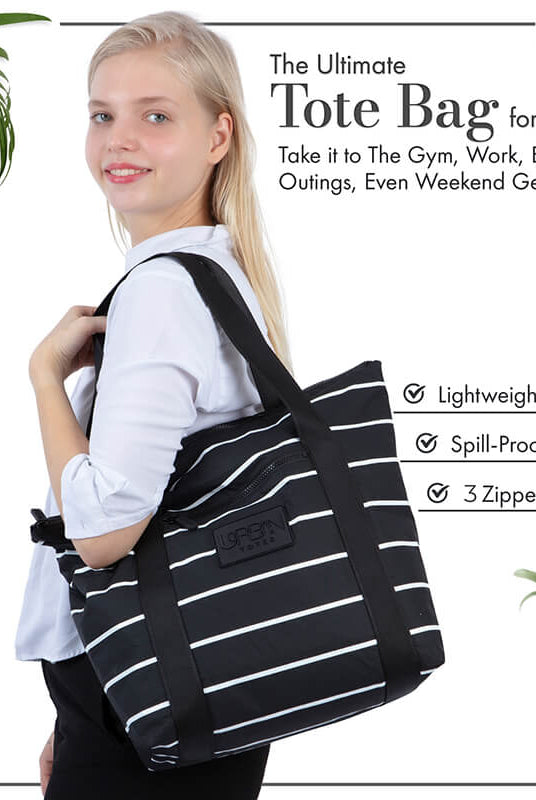
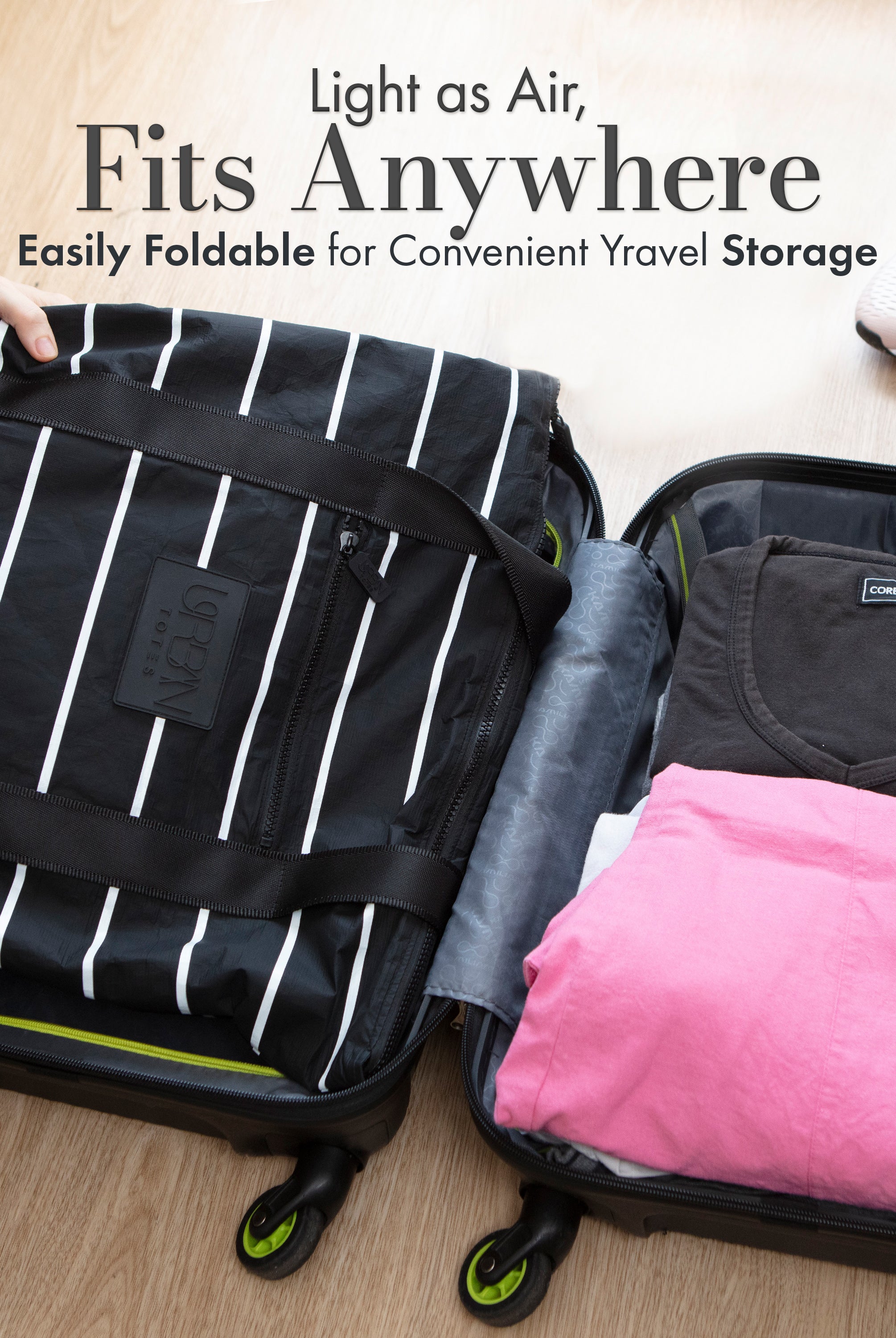
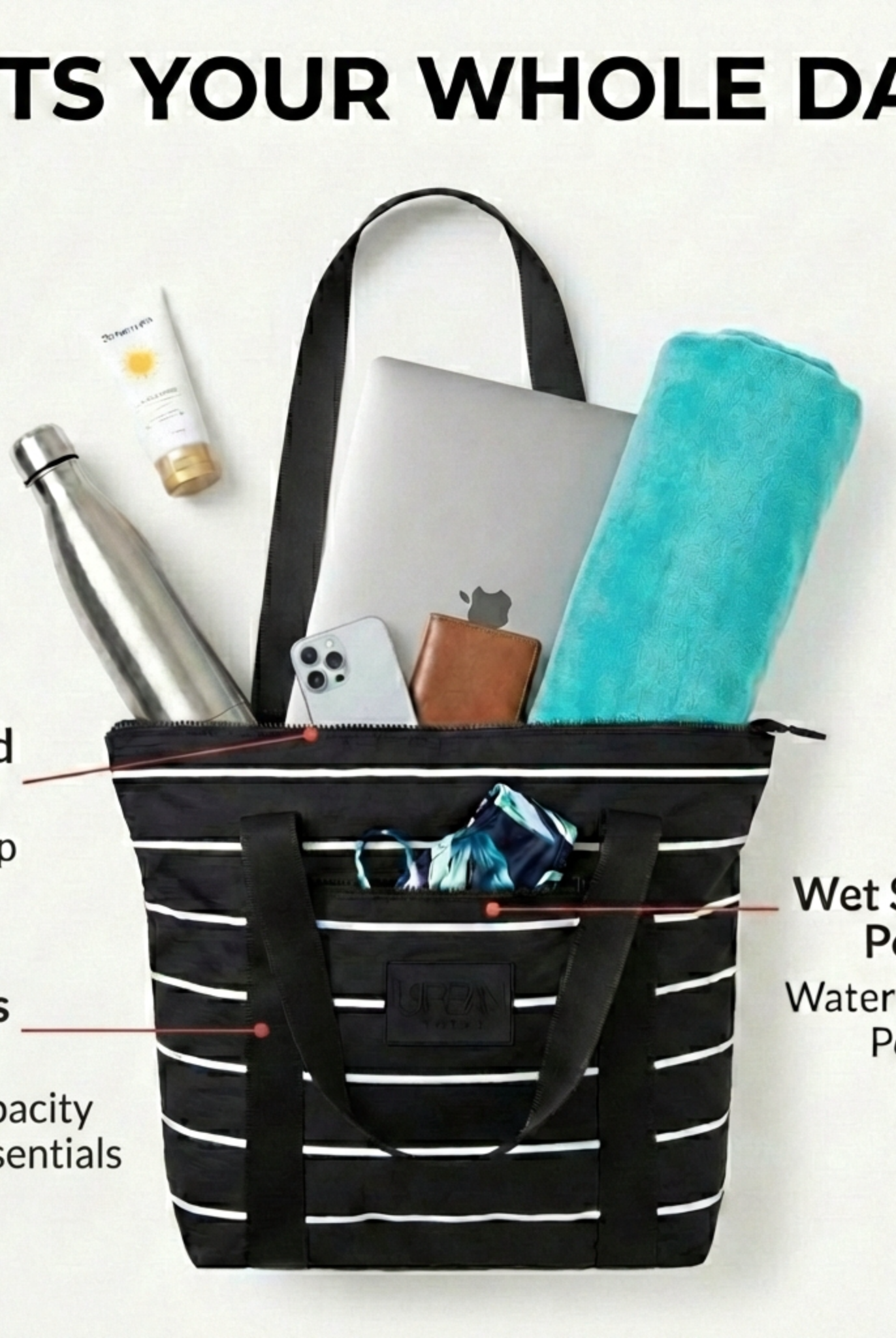
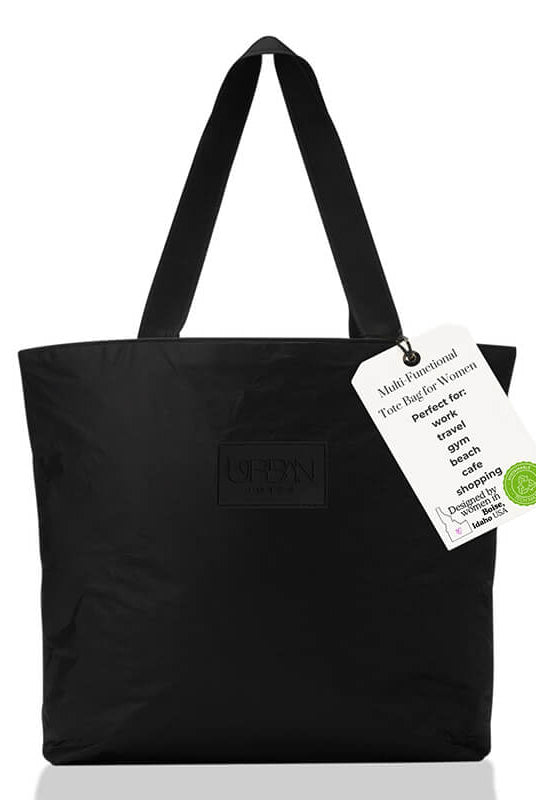
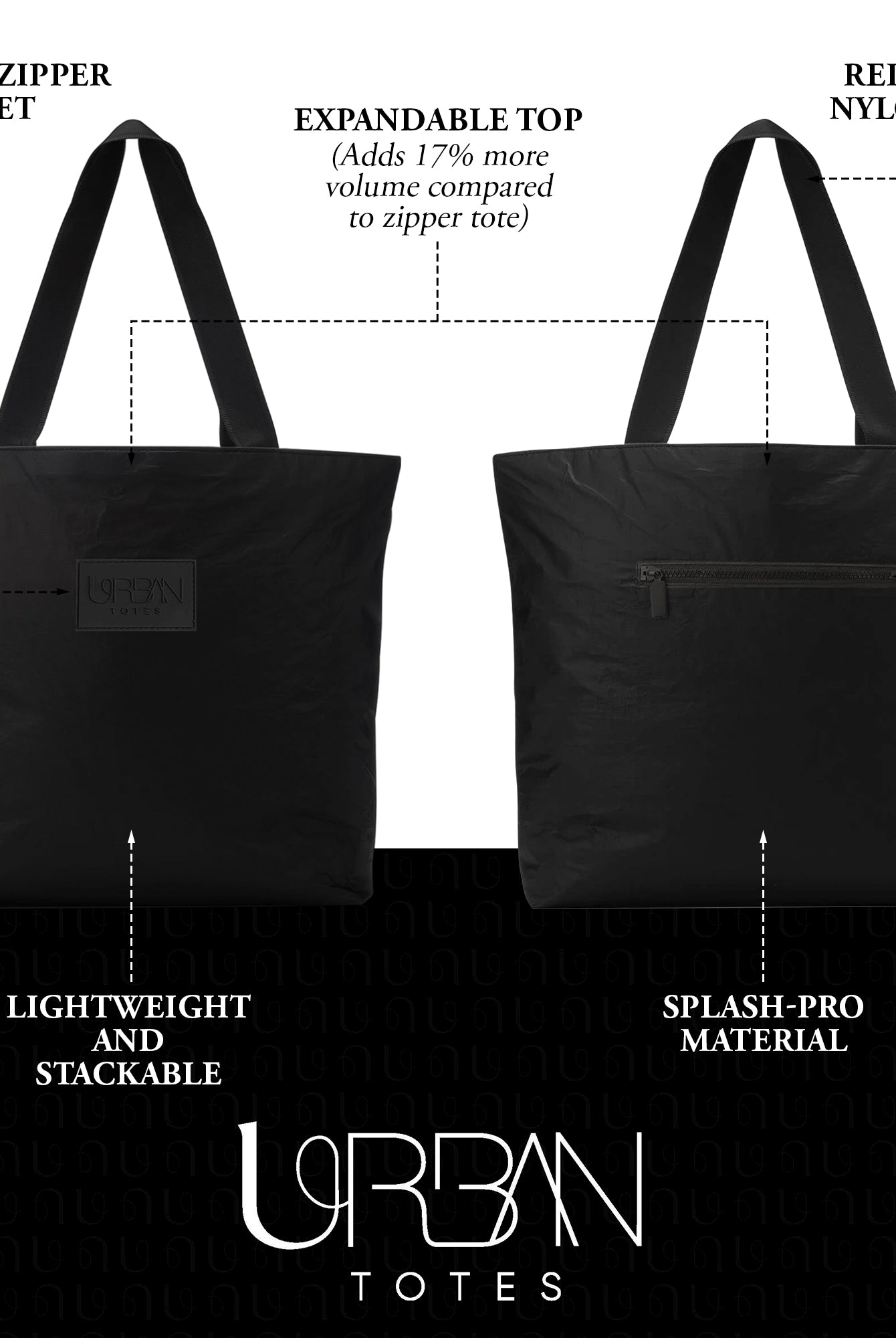
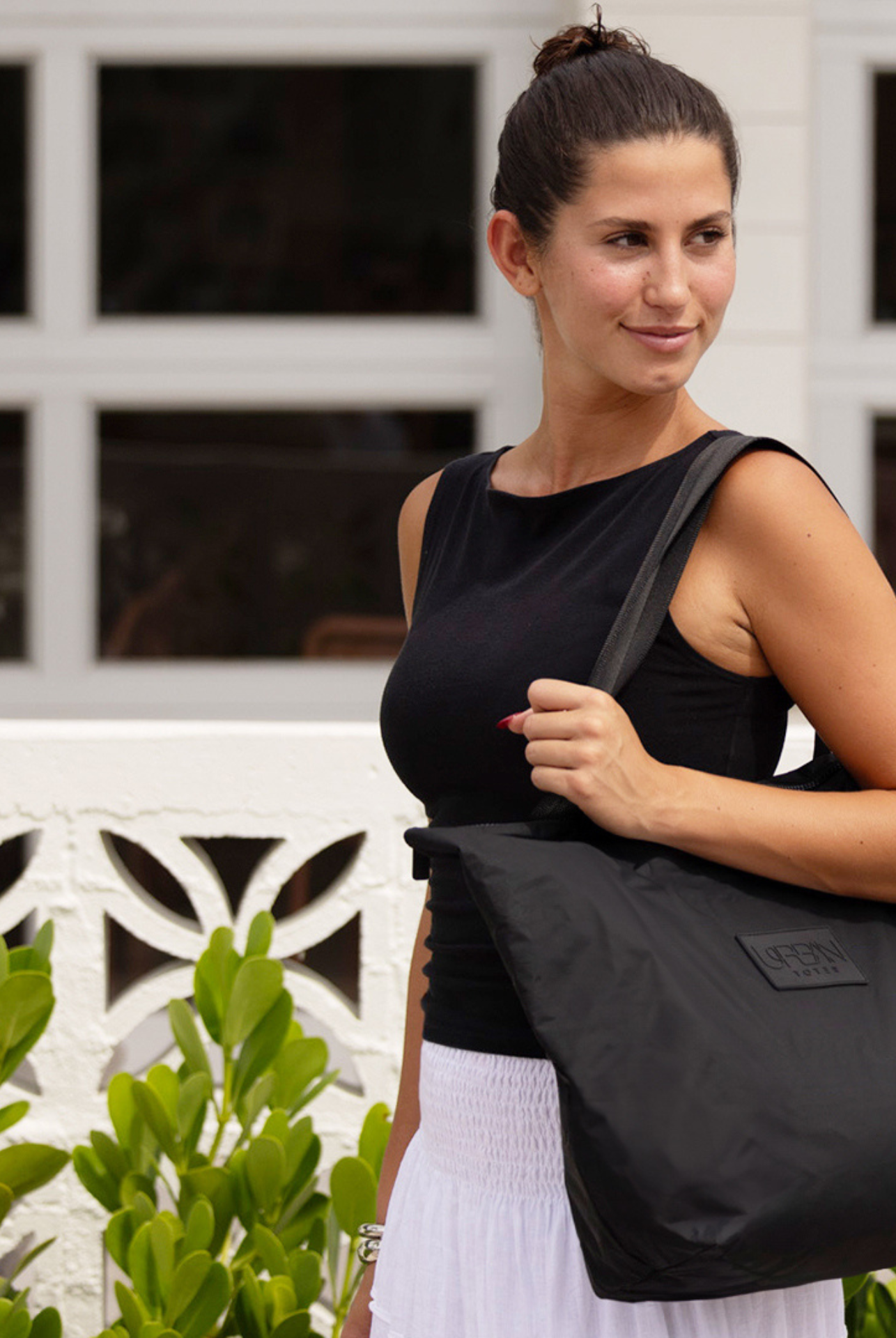
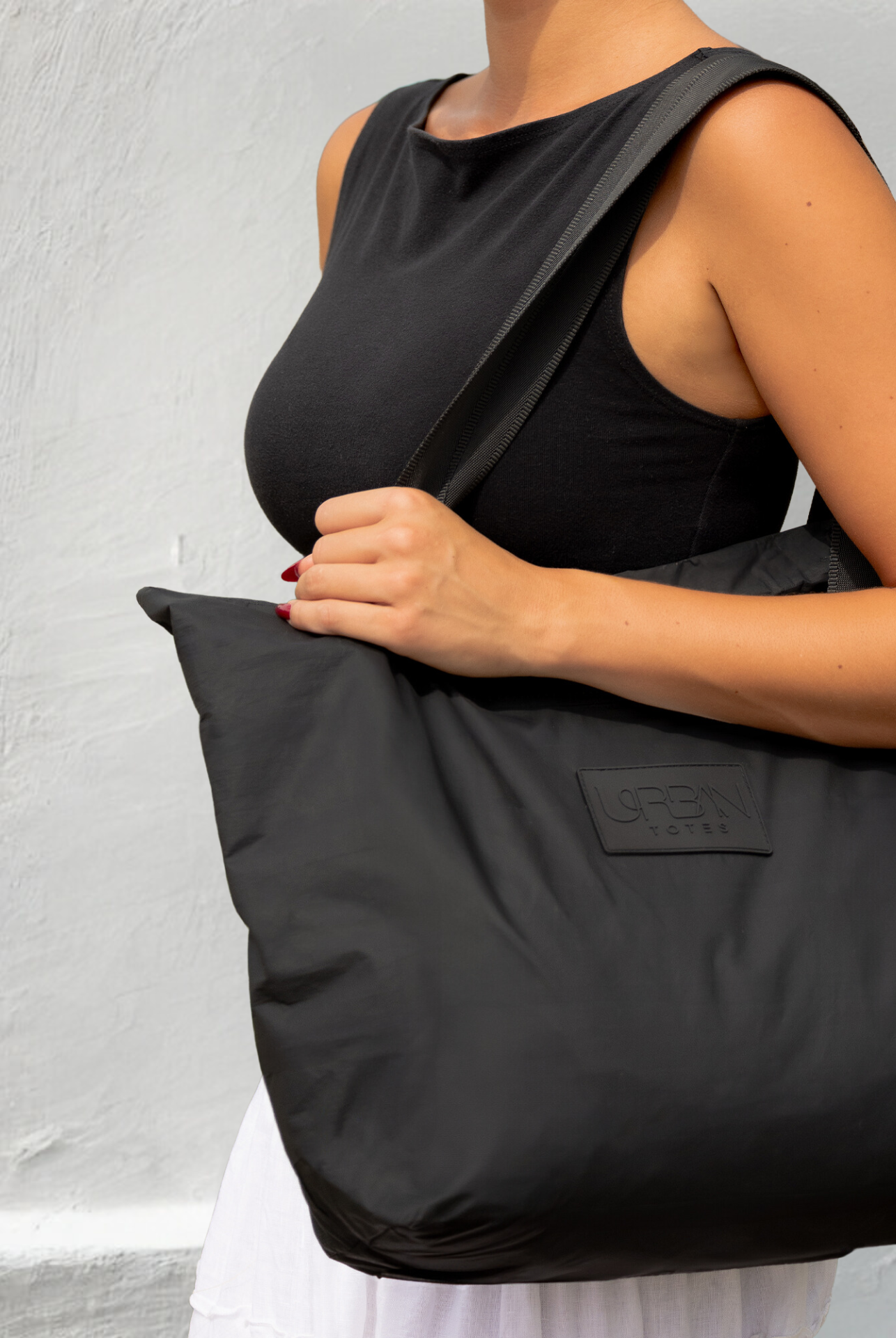
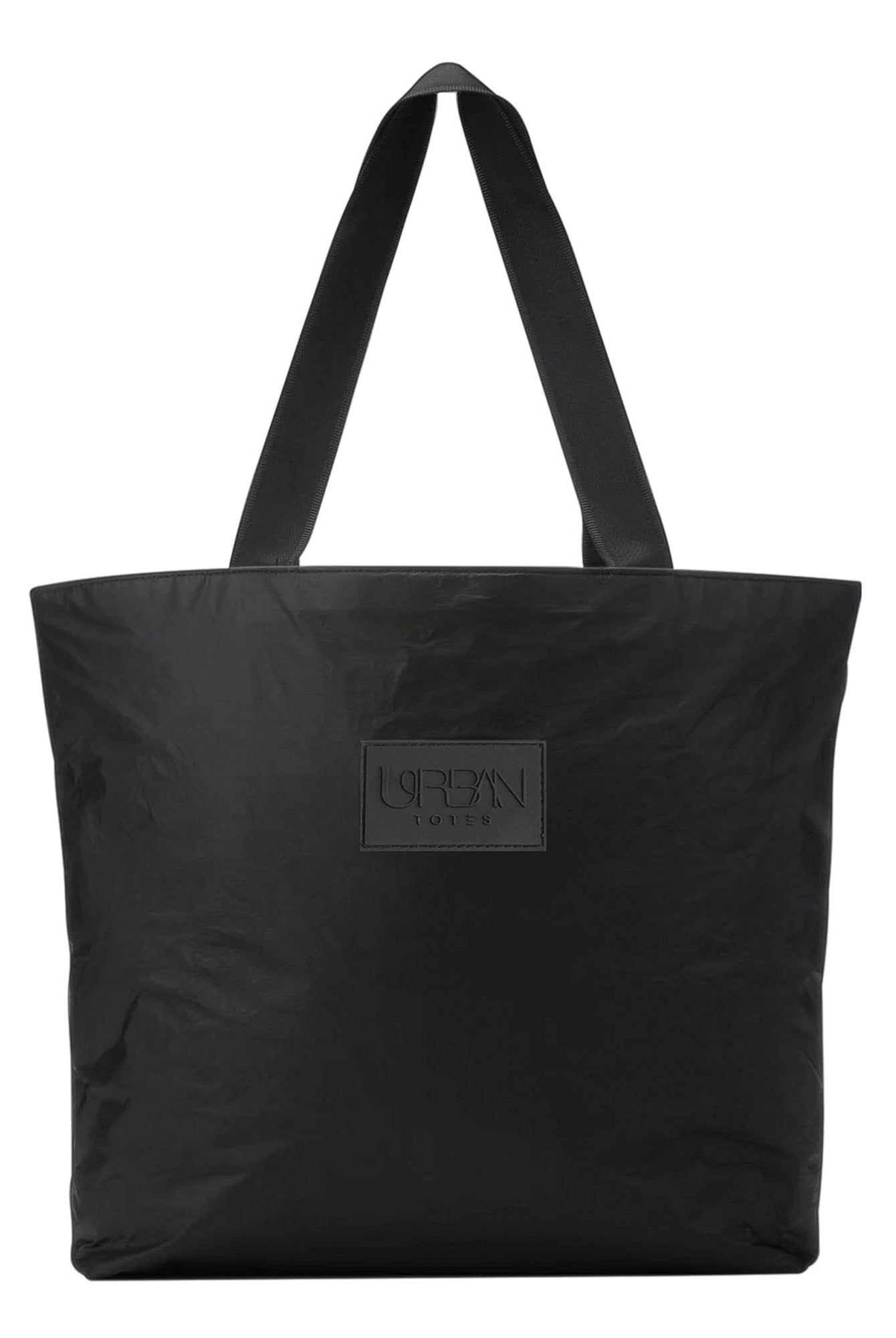
- Packable spare tote: Urban Totes' Day Trip Tote is lightweight, packable, and foldable, ready for a beach stop or a market run.
- The evening reset: clear receipts, restock cash, and return the keys to their pocket.
How the Urban Totes Crossbody Mini Purse Fits Common Travel Purse Needs
Say the day bag is already full of clothes, and the purse on your body still has to cover a gate, a beach chair, and the curb at drop-off. The Crossbody Tote Bag Mini Purse answers that shorter list by matching each need to a pocket.
| Travel purse need | What covers it | How you use it |
|---|---|---|
| Phone and keys without opening the bag | Large easy-access outside pocket | Reach them at a counter or a car door while the bag stays across your body |
| A closed outside spot for a transit card or another small flat item | Single outside zipper pocket | Zip it so it stays shut when you lean over a stroller or a beach bag |
| Backup cash or a spare card kept out of a crowd | Inside zipper pocket | Open it only when you are stopped, not while you are walking |
| A main compartment that does not sit open | Zipper top closure | Close it after you take out a room key or sunglasses, then keep walking |
Fast items stay on the outside. The things you would hate to drop sit behind a zipper. That is how this mini purse stays a daily carry through a terminal, a sandy afternoon, and dismissal, without turning into a second suitcase.
Pack the Essentials and Go Anywhere
Say pickup is forty minutes after the last flight, and the tote still has beach sand in the lining. It rode the terminal, sat open on a beach chair, and now it has to pass for a school-run bag.
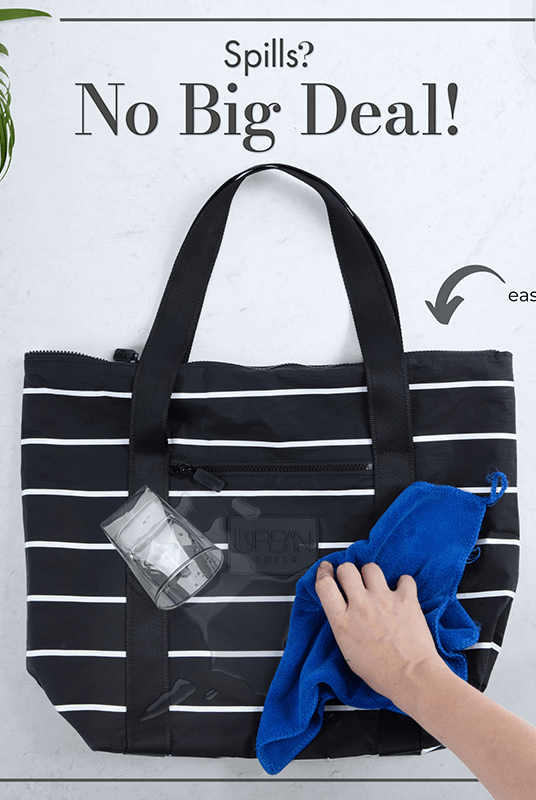
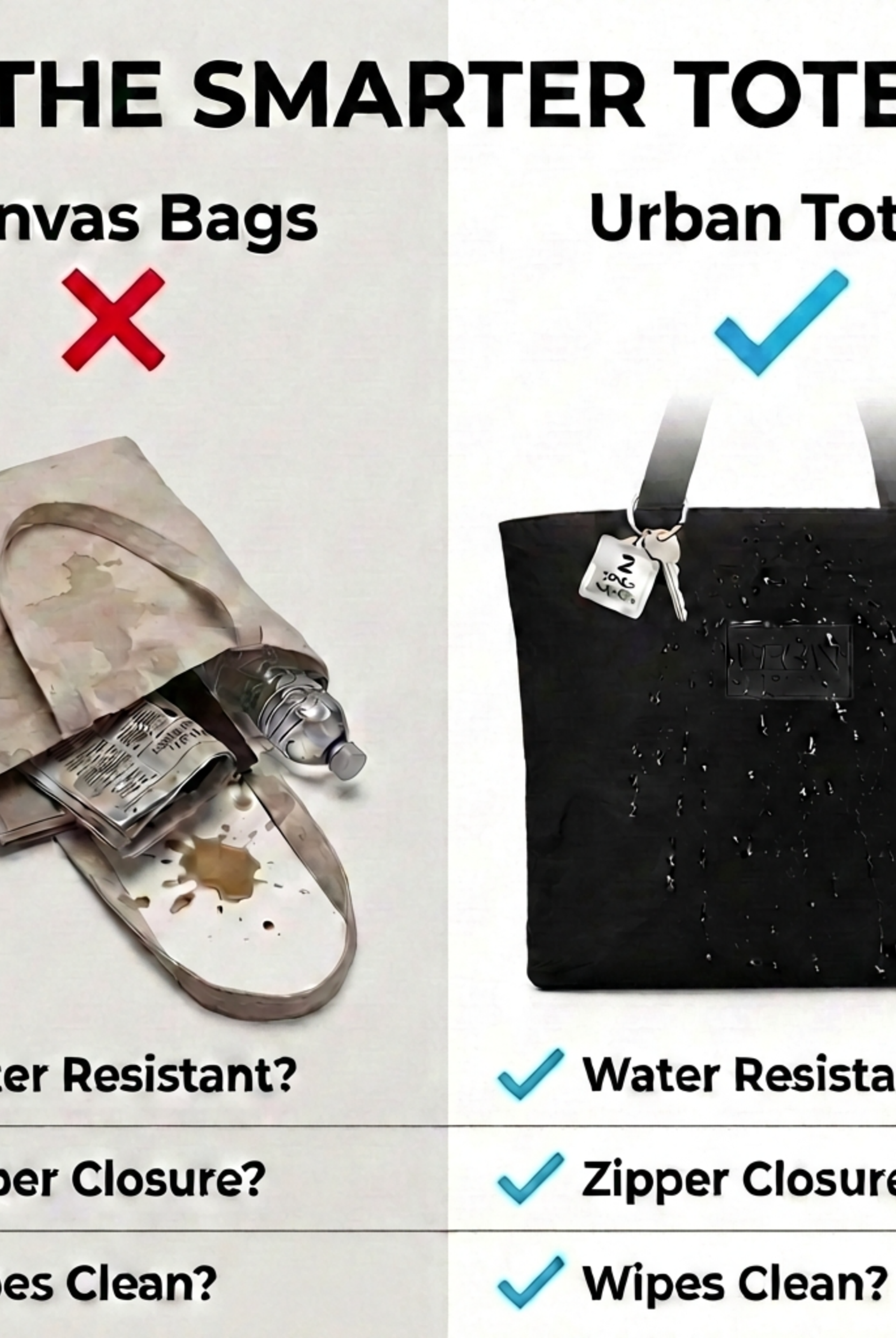
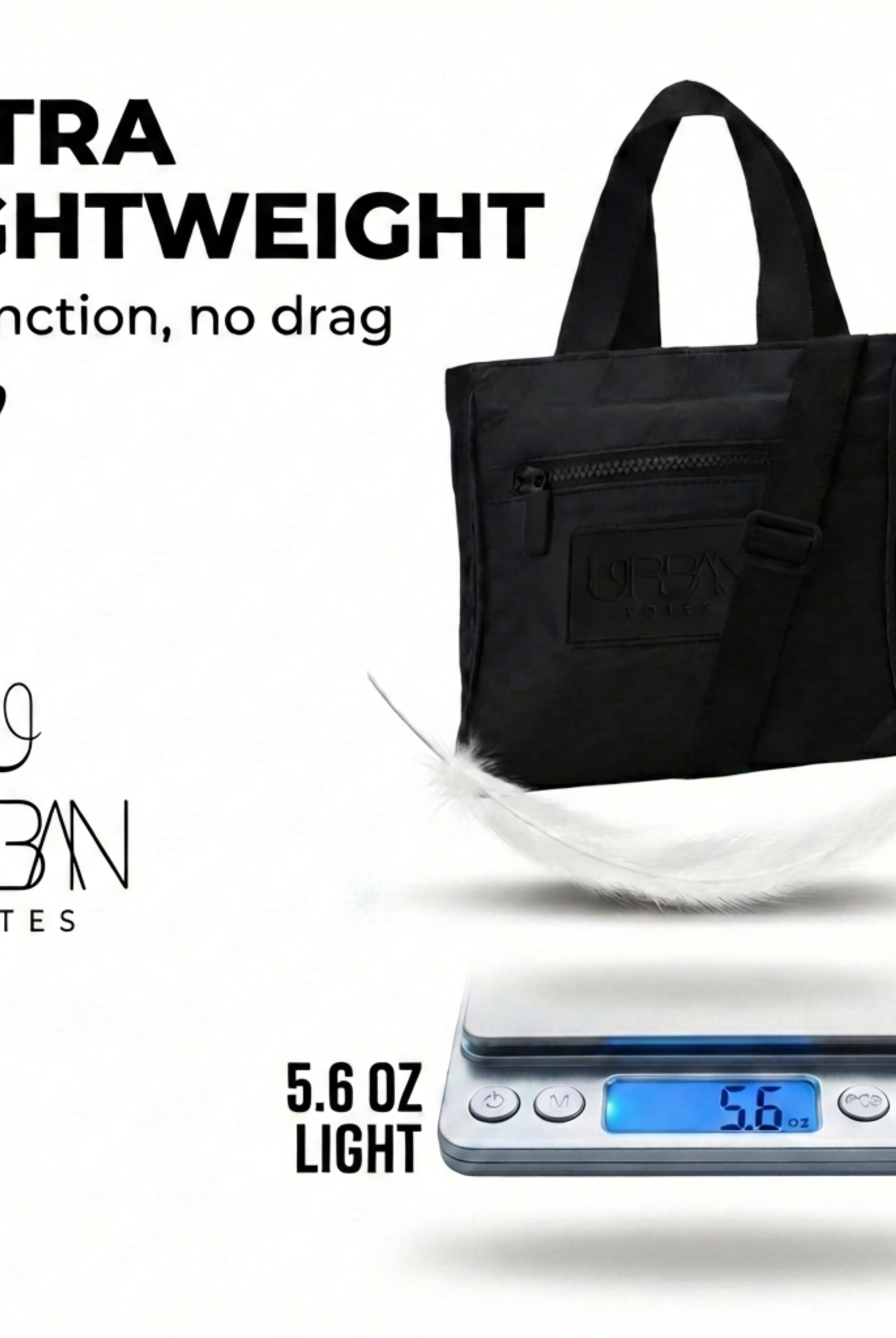
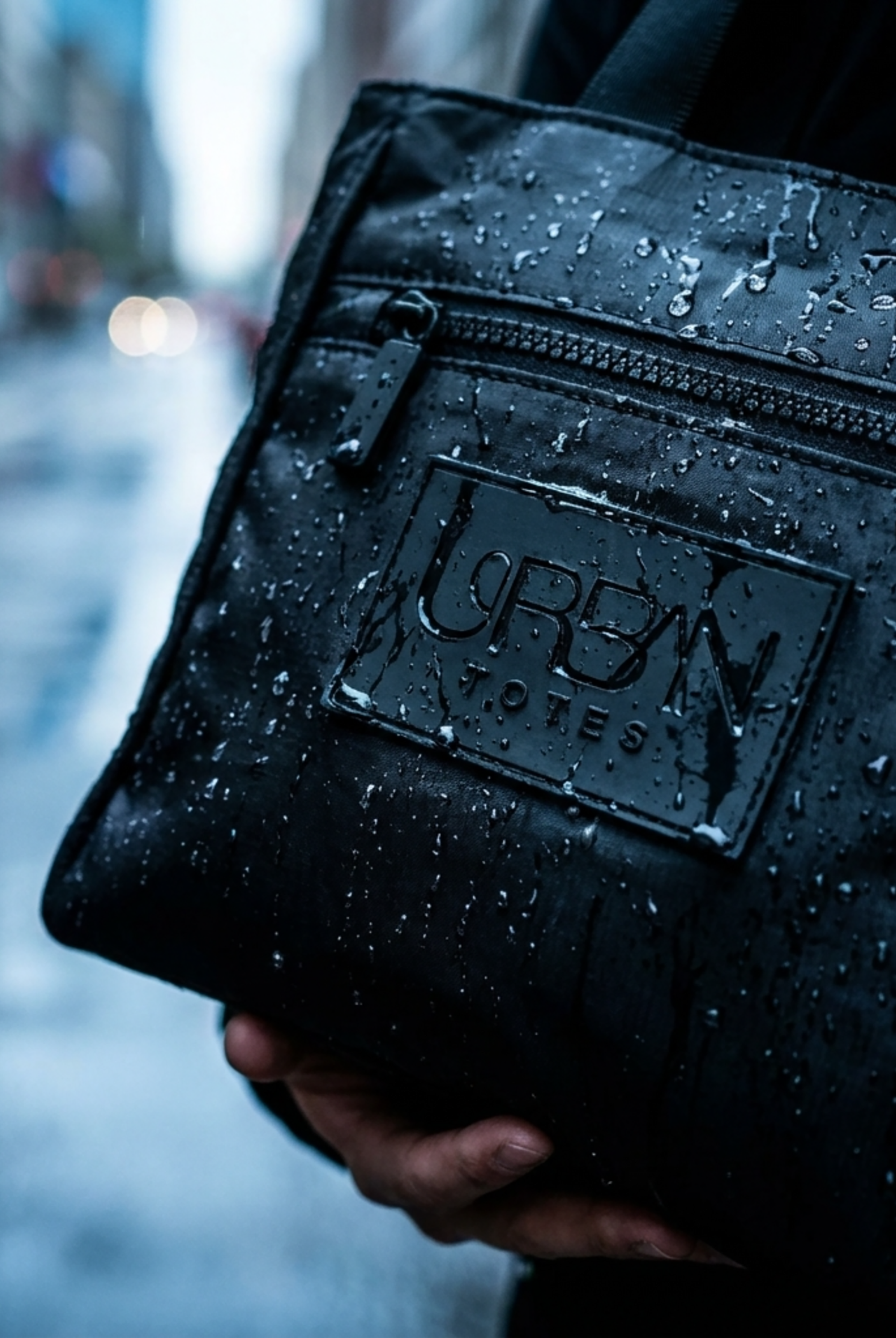
Water-resistant fabric matters in that hour. A drink splash should stay on the outside instead of soaking the papers you cannot replace. Lightweight cloth that keeps its shape on the third hour of the day, then folds flat once you are home, earns shelf space instead of clutter.
Home is the other half of the trip. The same bag should lie flat in a closet or under a seat, ready for the next ordinary morning.
If your documents need a permanent home, find a slim passport wallet that slides into an interior zip pocket and stays there. Then build outward from the things you can't replace, and let the rest of the bag stay light enough to carry all day.
Urban Totes builds bags for exactly this kind of day, with crossbody styles and totes that keep phones, keys, and documents in pockets you can reach one-handed. Designed in Boise, Idaho by a woman-owned team, the collection is lightweight, water-resistant, and packable, so a single bag moves from the airport terminal to the school pickup line without missing a beat. Visit Urban Totes to find the go-anywhere bag that keeps up with whatever your day brings.