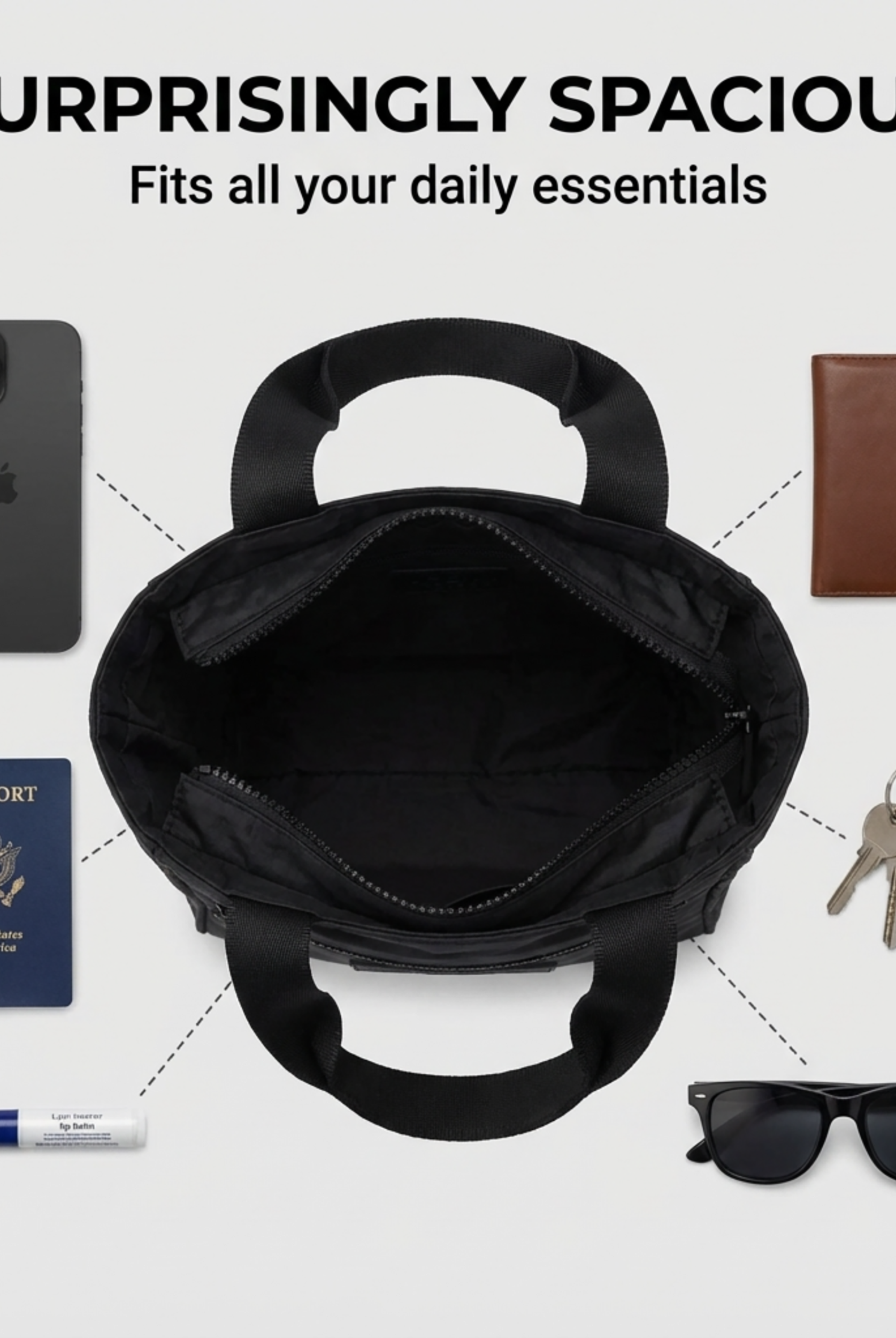
You know the bag. It looks fine when it’s empty, then turns into a black hole the moment real life starts. Your phone drops under a sweater, your passport slides behind a snack pouch, your keys settle at the bottom, and now you’re standing in a security line or a parking lot digging with one hand while trying not to spill everything with the other.
That’s why a good travel tote bag with pockets matters so much. Not because pockets sound useful on a product page, but because the right pocket in the right place changes how fast you move through a day. It cuts the little moments of friction that make travel, commuting, and caregiving feel harder than they need to.
People are clearly shopping for that balance of style and utility. The global tote bags market was valued at USD 2,266.05 million in 2024 and is projected to reach USD 3,377.13 million by 2032, with daily use and casual wear leading the category as buyers look for bags that combine function with everyday style, according to Fortune Business Insights on the tote bags market.
The Search for the Perfect Travel Companion
People don’t start by wanting a “better-organized tote.” They start with a bad morning.
You’re running late. One kid needs a snack. Your boarding pass is on your phone. Your charger is somewhere in the bag, but so are receipts, lip balm, sunglasses, and a cardigan you shoved in at the last minute. You reach in once, twice, three times. Nothing you need is where your hand expects it to be.
That’s the key difference between a generic tote and a thoughtfully designed travel tote bag with pockets. One holds your stuff. The other supports your routine.
A useful travel tote should work the way your body and habits work. The things you grab often should sit near the top or the outside. The things you need protected should have structure around them. The things you can’t afford to lose should have a secure home that doesn’t change every day.
What travelers actually need
A strong travel tote usually handles three jobs at once:
- Fast access: phone, passport, earbuds, wipes, snacks, or a pen.
- Safe storage: laptop, tablet, medication, wallet, and travel documents.
- Flexible overflow: sweater, water bottle, small toiletry pouch, or a change of clothes.
That sounds simple, but many bags fail because they treat all storage as equal. It isn’t. A lipstick pocket and a passport pocket don’t need the same shape, depth, closure, or placement.
A bag feels organized when your hand already knows where to go before you look.
The best designs also respect how people carry totes. You might have a coffee in one hand and a child’s backpack in the other. You might be sliding the tote under an airline seat. You might be opening it in a cramped car, on a train, or at your desk between meetings.
That’s why “has pockets” is too low a standard. The actual question is whether the tote helps you move cleanly through ordinary chaos.
Why Smart Organization Matters More Than Pocket Count
Some bags brag about six pockets, eight pockets, or more. That sounds impressive until you use them. If two pockets are too deep, one is impossible to reach while wearing the bag, and another sits behind the main zipper where small items disappear, the count doesn’t help.

The smarter approach is functional pocket mapping. That means every pocket has a job, a priority level, and a location that matches how you use it. This is important, as market content often focuses on quantity while rarely explaining pocket hierarchy, placement, or one-handed usability, as noted in Thread Wallets’ utility tote category context.
Think in zones, not totals
I design and evaluate totes like a small workspace. A good one has zones.
| Zone | Best for | What works | What doesn’t |
|---|---|---|---|
| Quick-grab exterior | Phone, boarding pass, sanitizer | Shallow or medium depth, easy opening | Deep pockets where items sink |
| Security zone | Wallet, passport, keys | Zippered pocket with consistent placement | Open slip pockets for valuables |
| Tech zone | Laptop, charger, mouse | Padded sleeve with nearby accessory pockets | Tech loose in main compartment |
| Bulk zone | Sweater, snacks, pouches | Open central volume with structure | Too many dividers that steal space |
That hierarchy matters more than the raw number of pockets because it matches behavior. You don’t interact with every item in your bag at the same frequency.
What good pocket hierarchy feels like
A well-mapped tote creates a rhythm:
- Top access for urgent items: You shouldn’t have to unzip the entire bag to grab your phone.
- Middle protection for valuables: Wallet and passport need security, not visibility.
- Side or edge placement for long items: Water bottles, glasses cases, and compact umbrellas do better in vertical zones than in the main cavity.
- Dedicated anchor points for small essentials: Keys need a fixed home, not a “somewhere in here” pocket.
Poorly designed bags usually fail in one of two ways. They either give you one giant open compartment that forces you to use pouches for everything, or they over-segment the interior so much that bulk items become awkward to pack.
Practical rule: If you can’t find your keys, phone, and passport by touch alone after a week of use, the pocket map is wrong.
Accessibility matters too. A pocket can be technically useful and still fail in real life if it requires two hands, a wide grip, or a full opening motion. For commuters, parents, and travelers, one-handed access isn’t a luxury. It’s part of the design brief.
Key Features to Look for in a Travel Tote
A well-designed travel tote bag with pockets should solve specific problems. Not vague lifestyle problems. Real ones. It should stop your laptop from taking impacts, keep your keys from disappearing, and let you move through an airport or train station without constantly setting the bag down.

Start with the pockets that do the most work
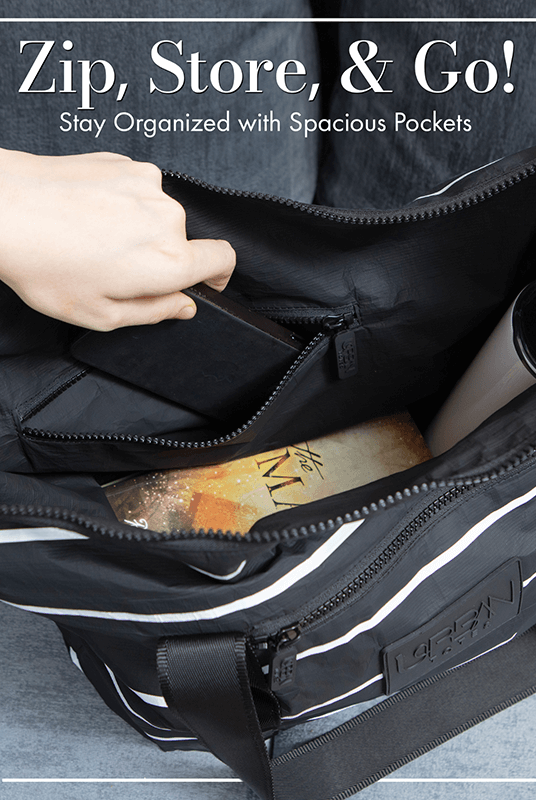
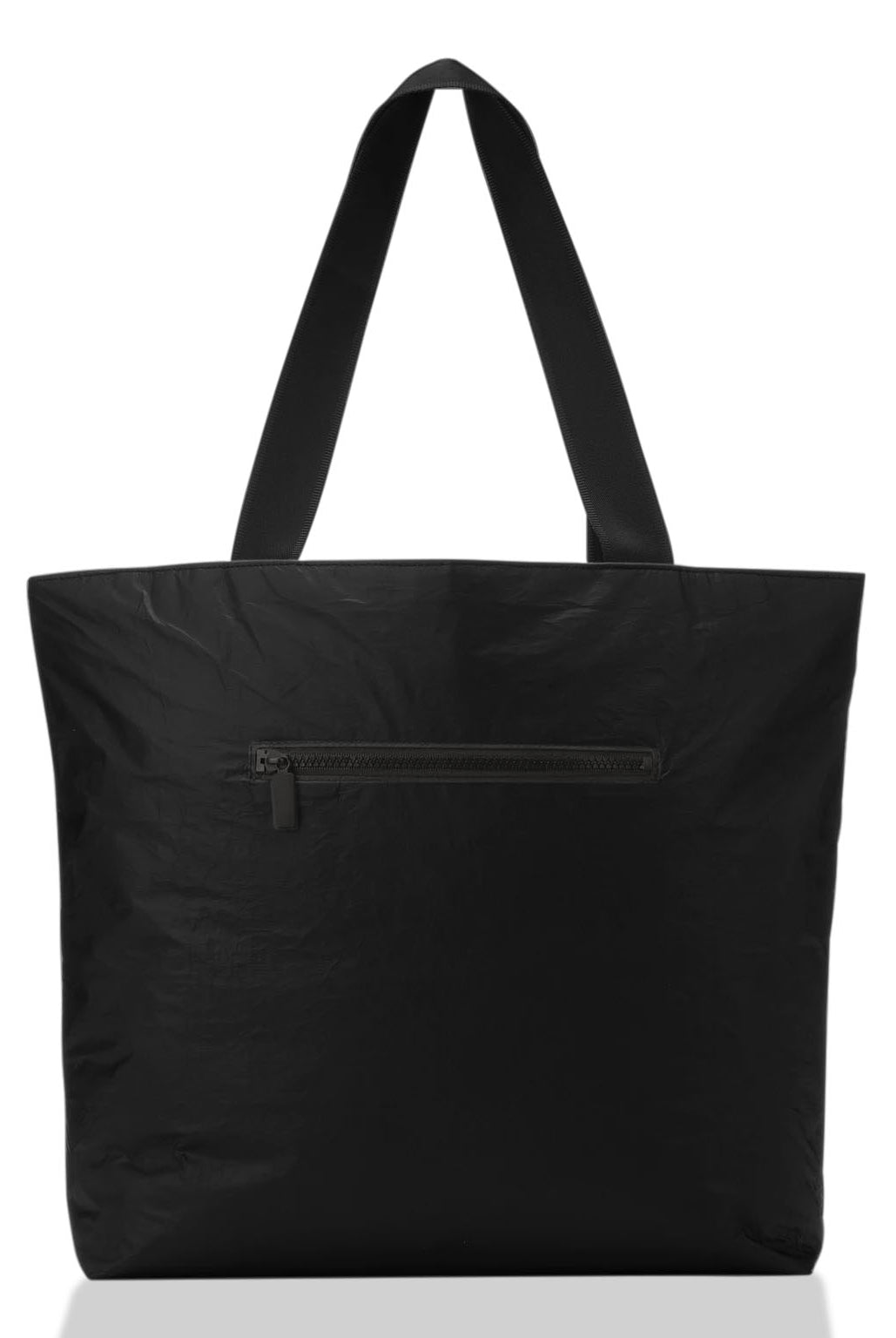
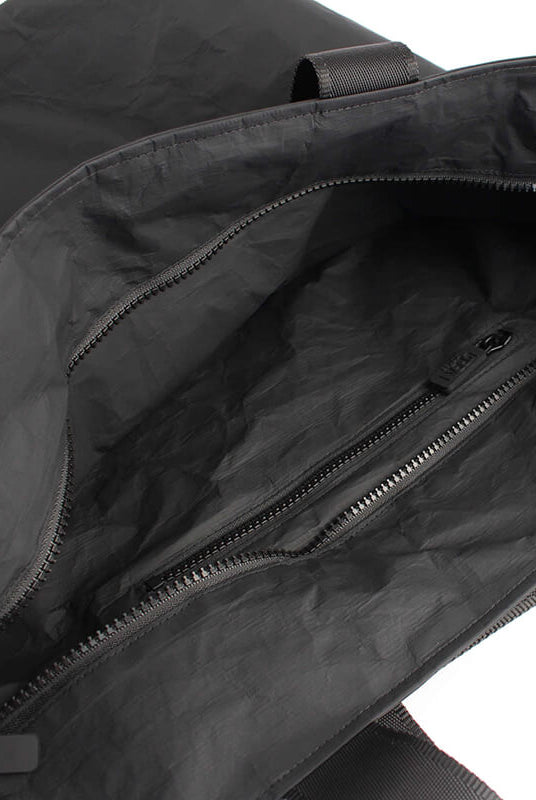
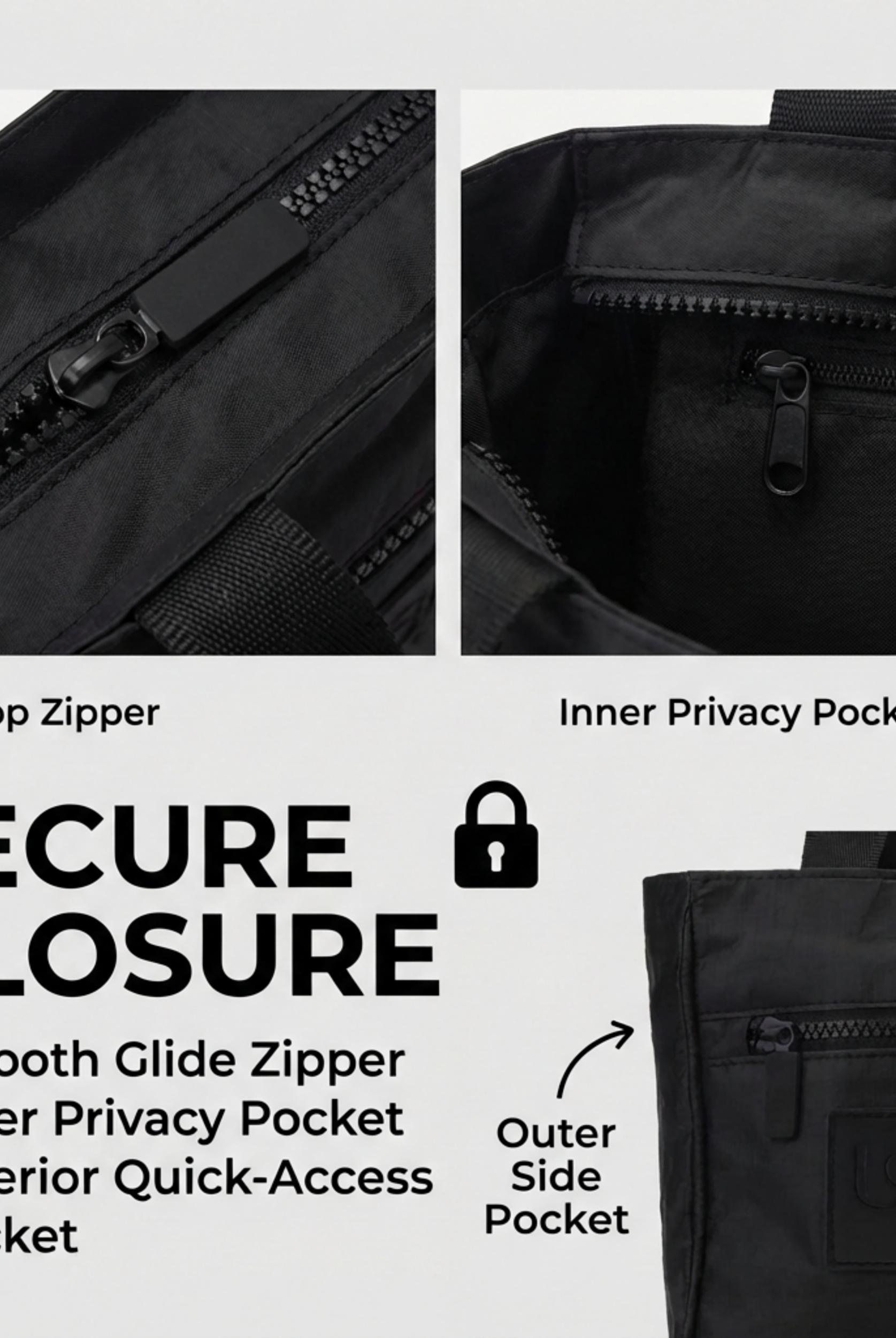
The first pocket I look for is a secure interior zip pocket. This is the home for your wallet, passport, medication, or any item that can’t float around. Open slip pockets are useful, but they aren’t enough for valuables.
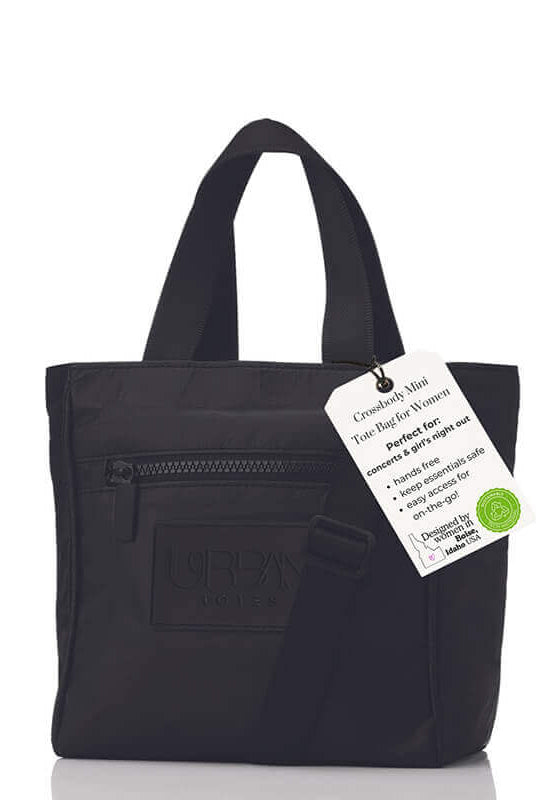
The second is an easy-access exterior pocket. This should hold the items you reach for in motion, such as your phone, transit card, or lip balm. If the pocket is too deep or sits flat against an overstuffed bag, it becomes decorative.
Then there’s the key solution. A key leash is ideal, but even a consistent, shallow key pocket is better than nothing. Keys are small, hard, and always seem to migrate to the bottom corner of a tote.
Tech protection needs structure
Laptop storage is where many totes separate into “pretty enough” and “ready for actual travel.” High-performance totes use padded laptop sleeves built for devices up to 16-inch size, and multi-layer foam can reduce impact shock by 40 to 60%, with adjacent pockets helping keep chargers and cables accessible during travel, according to July’s Everyday Tote Large details.
That matters because a laptop sleeve isn’t just a divider. It’s a protection system.
Look for:
- A padded sleeve: Not a thin fabric wall.
- Placement against a structured panel: This helps the bag carry more cleanly.
- Nearby cable storage: Chargers tossed elsewhere create clutter and snags.
- A closure or snug fit: The laptop shouldn’t slide out when the tote tips.
Keep your tech zone self-contained. Laptop, charger, pen, notebook, and earbuds should sit close enough that you can set up or pack up without hunting across the whole bag.
Features that help in transit
A travel tote earns its place when you’re moving, not when it’s sitting on a bench.
Here are the transit features that pull their weight:
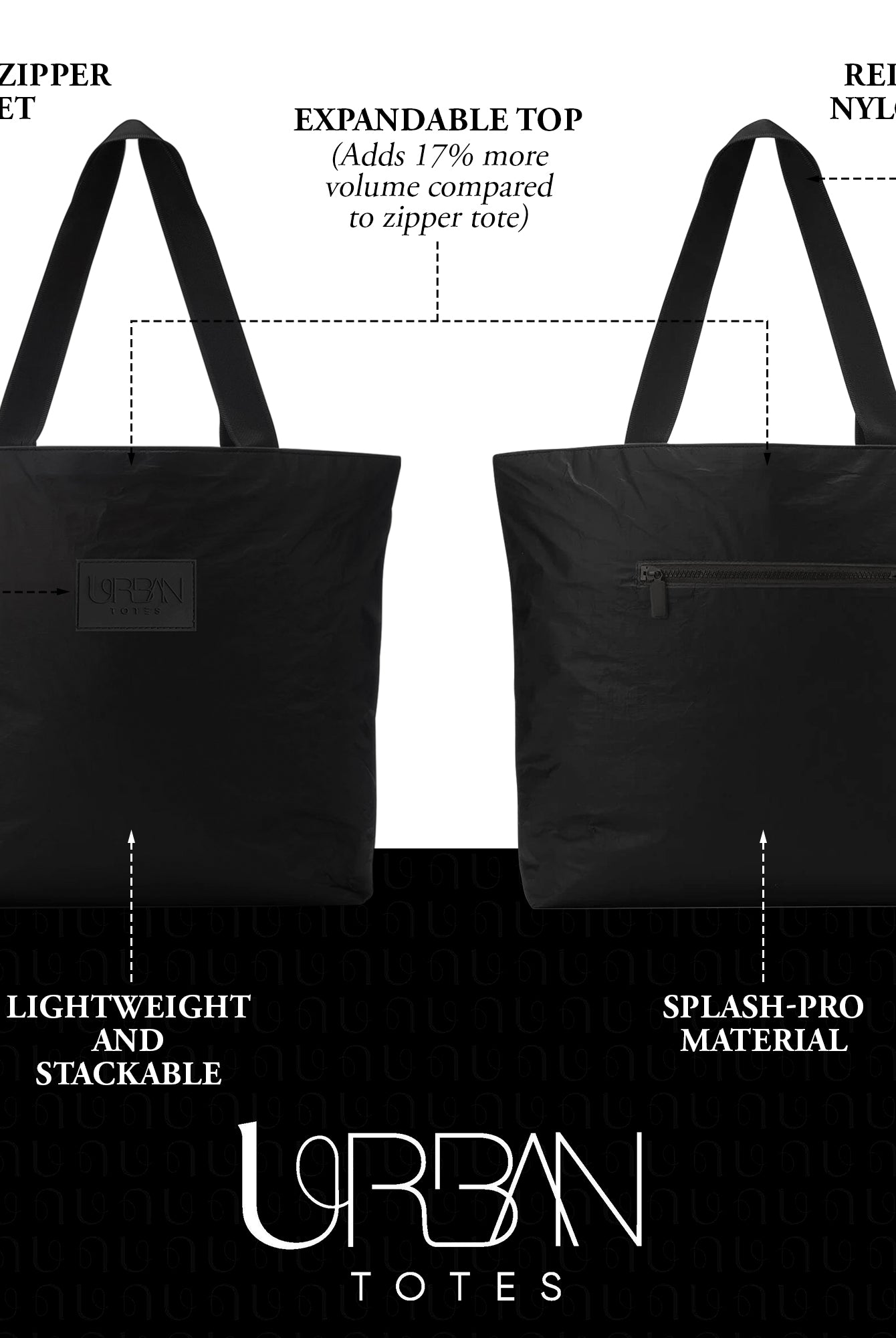
- Zippered main closure: This prevents spills and keeps contents contained when the bag tips or slides under a seat.
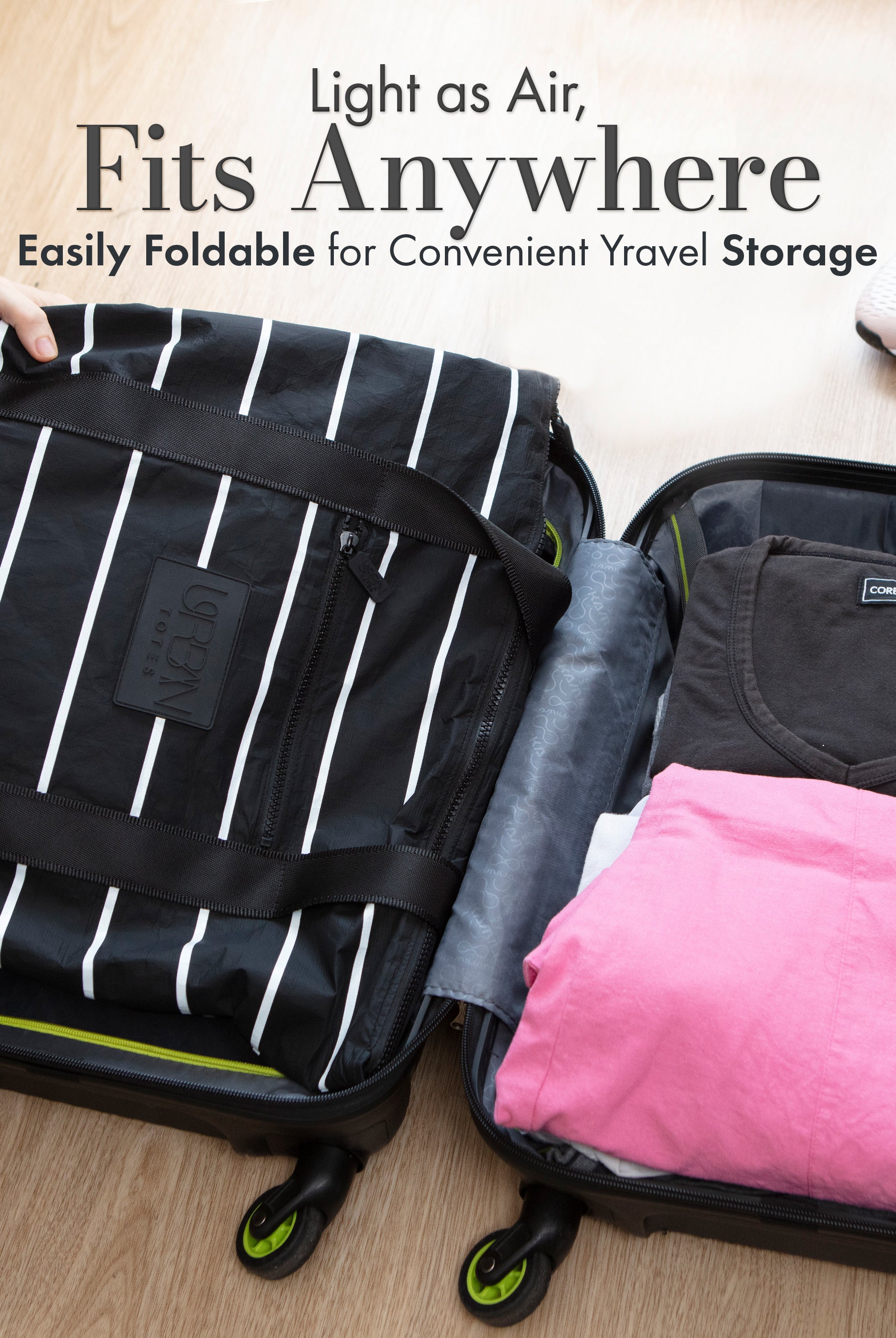
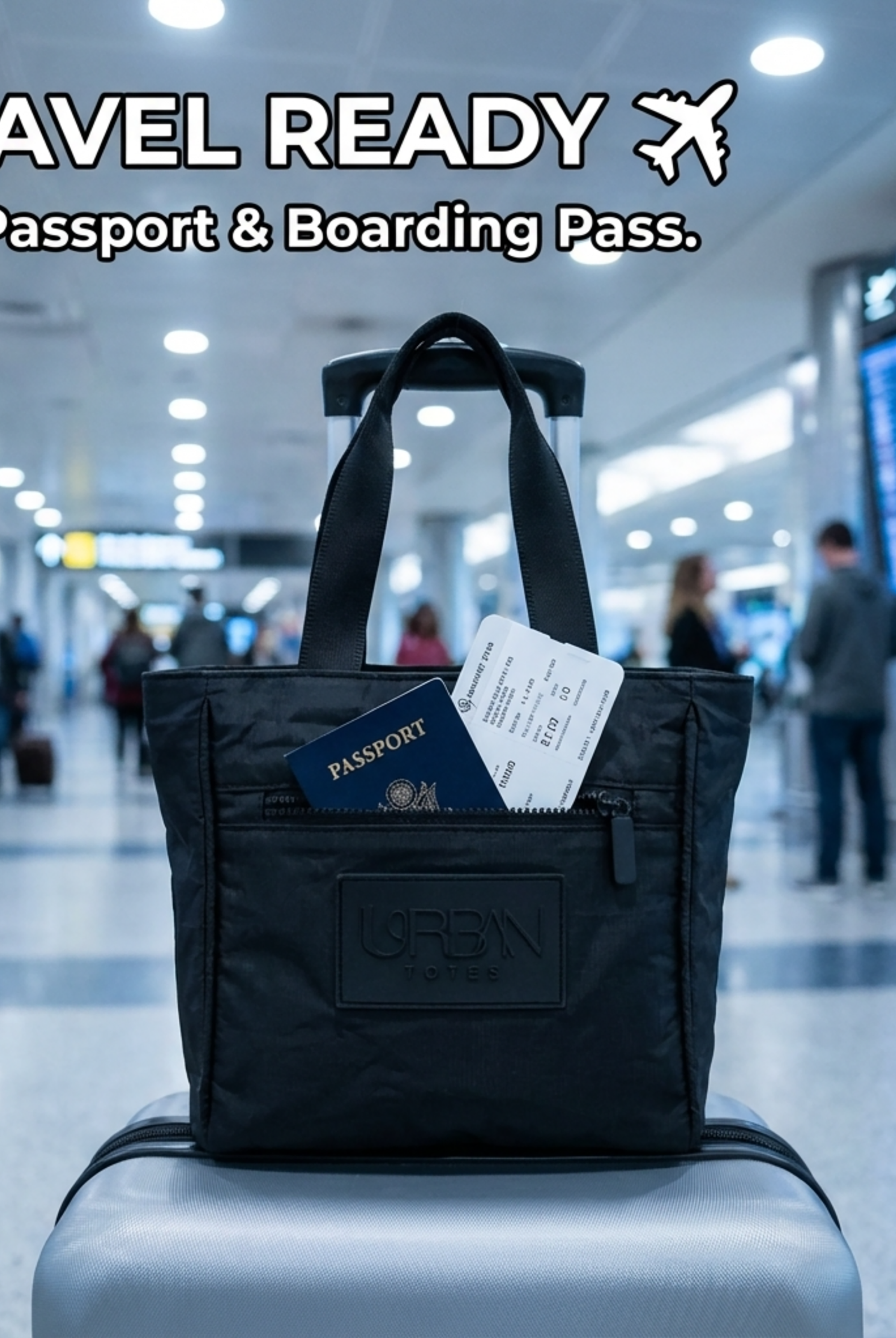
- Trolley pass-through sleeve: This lets the tote stack on rolling luggage instead of pulling down one shoulder all day.
- Structured base: A flat bottom helps the bag stand up while packing and makes pockets easier to use.
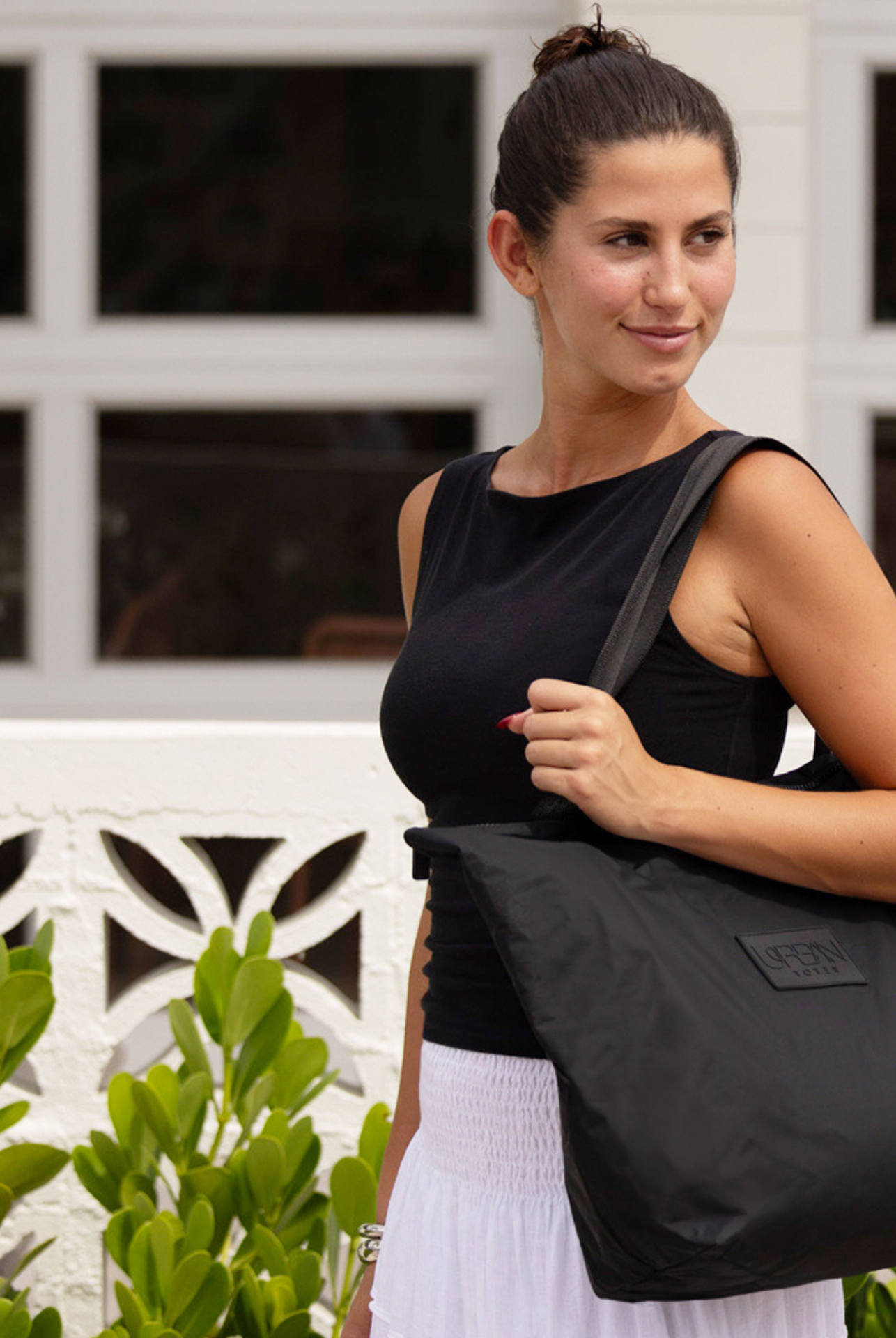
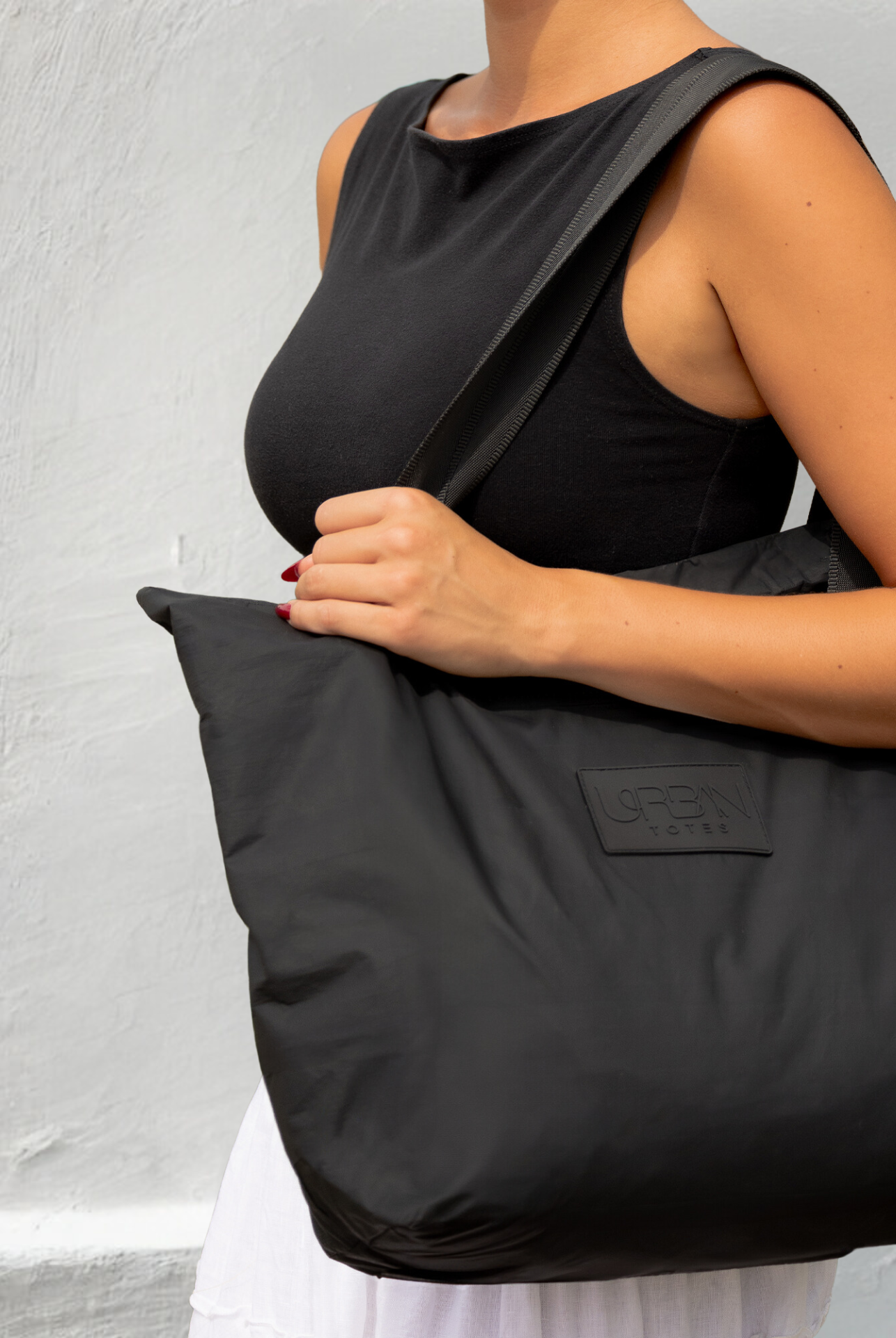
- Comfortable shoulder straps: Straps need enough drop to fit over layers, but not so much that the bag swings or slips.
If you want a broader sense of how tote designs differ from other carry styles, Urban Totes has a useful glossary of bag types from traditional to trendy.
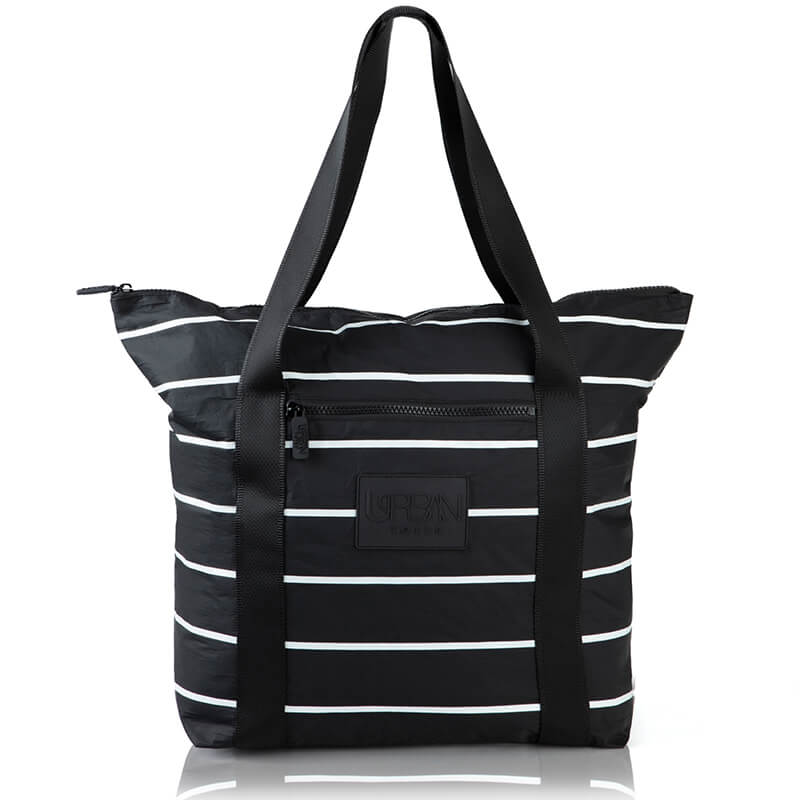
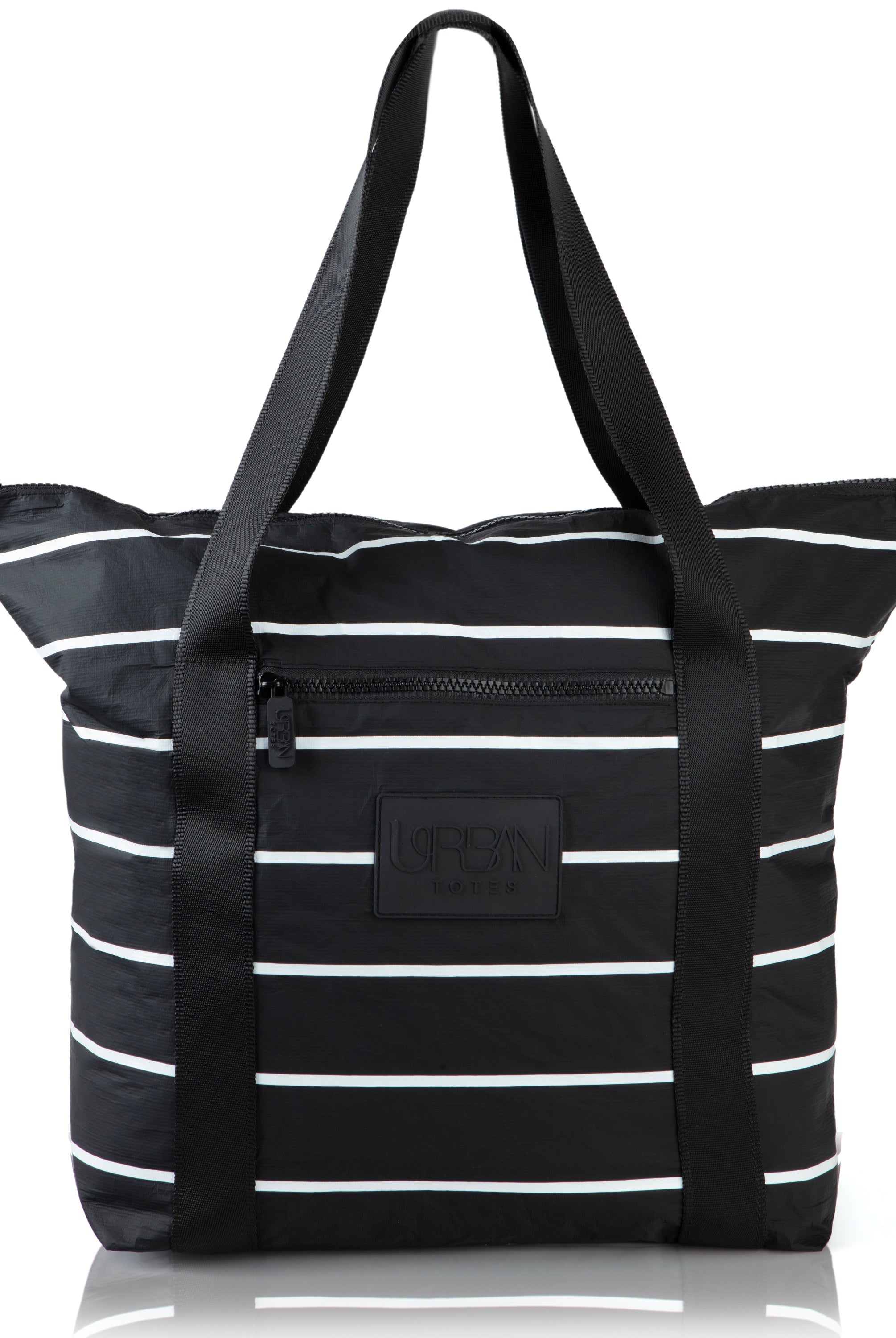
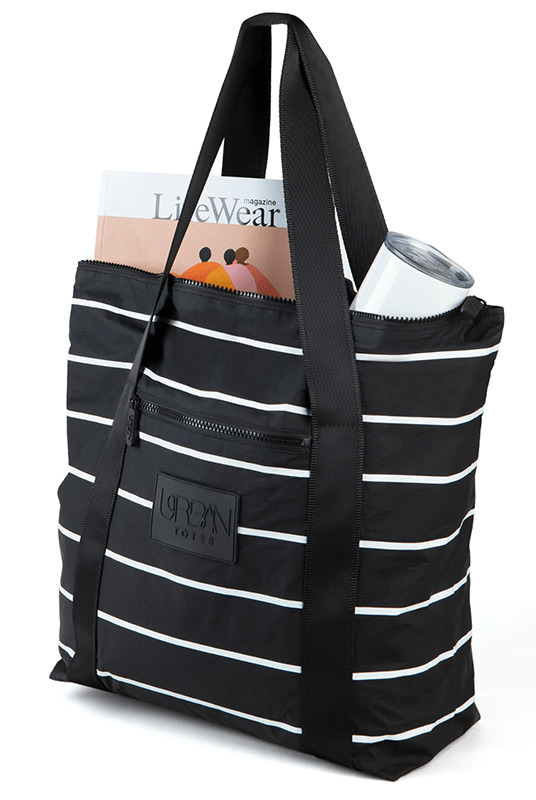
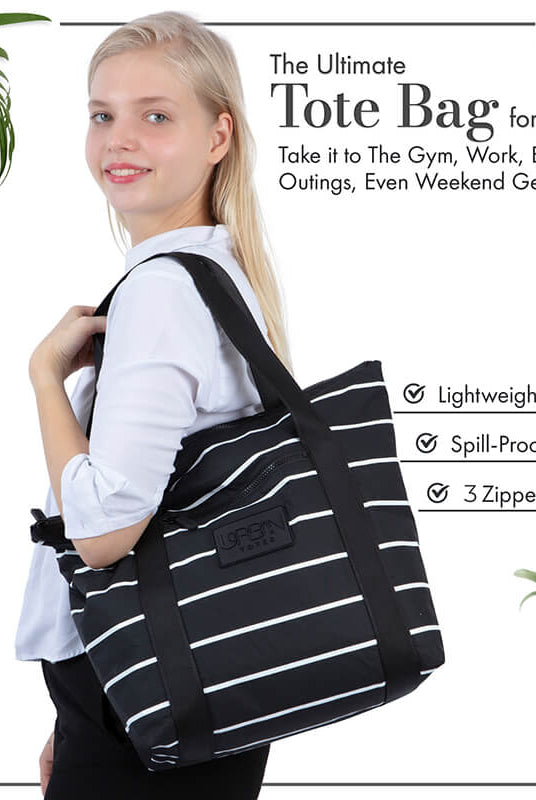
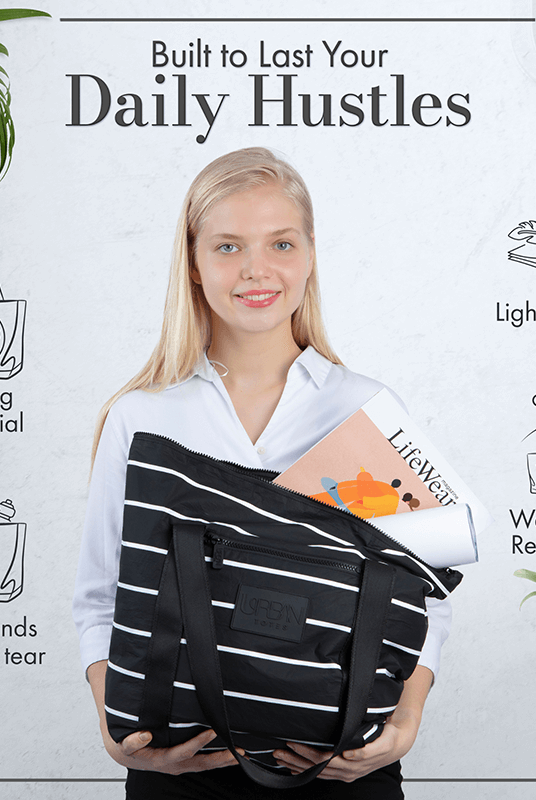
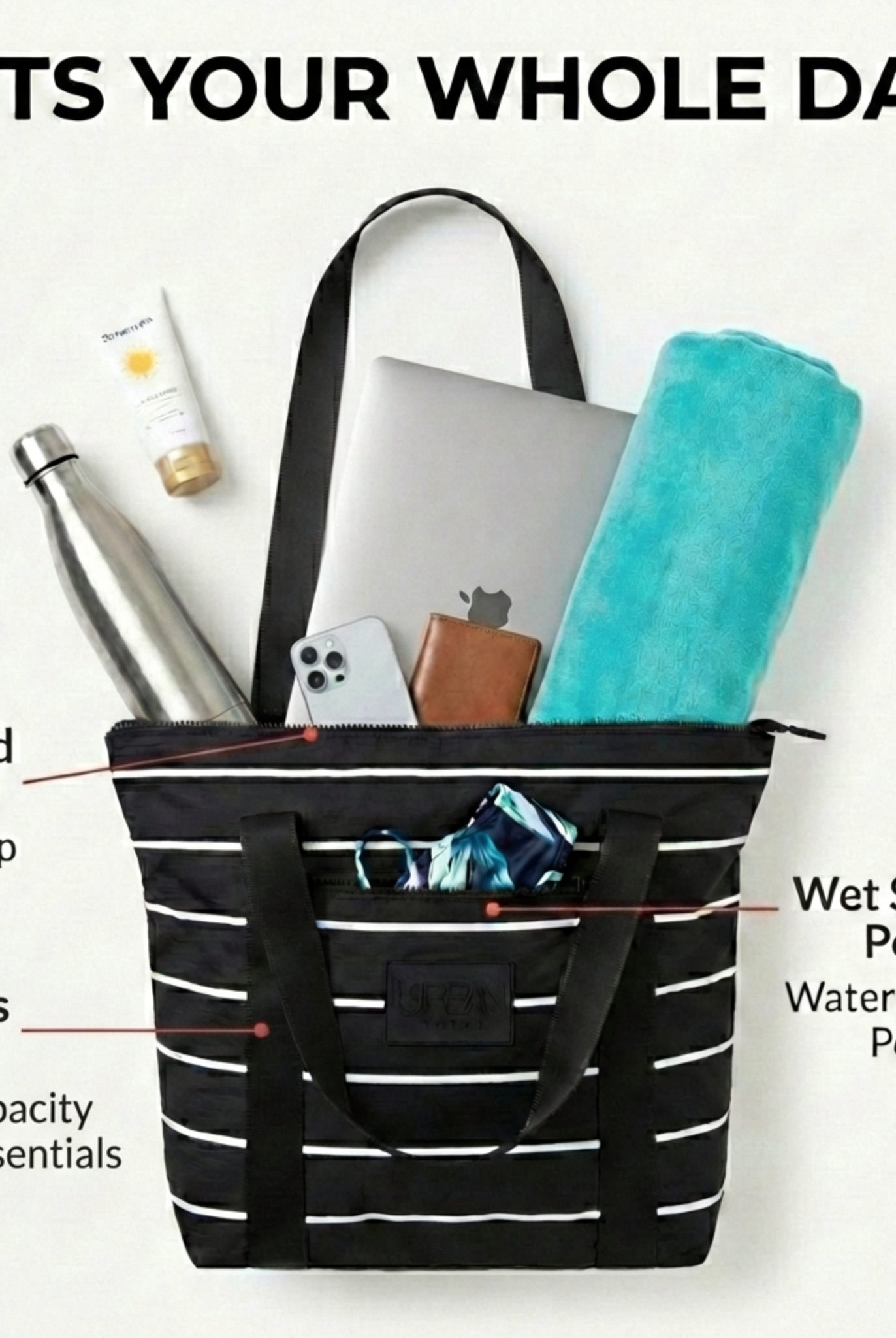
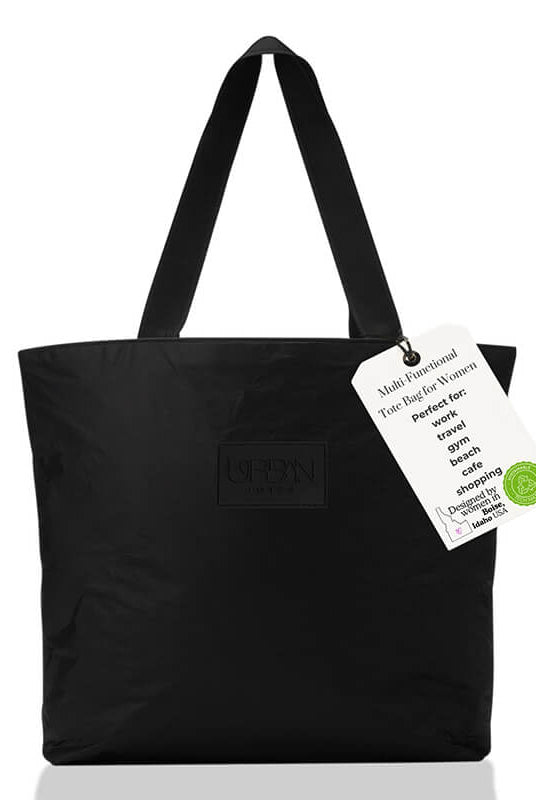
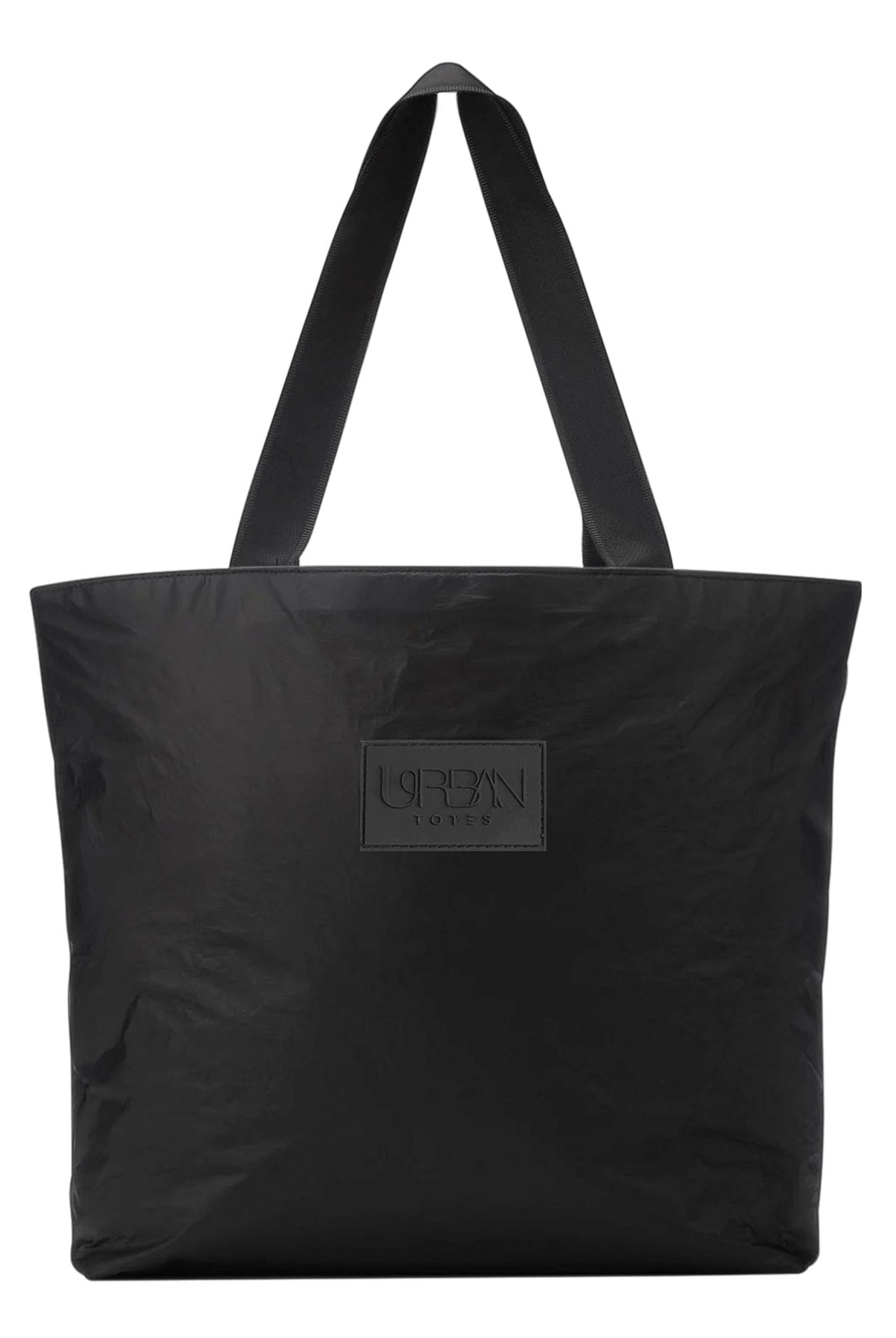
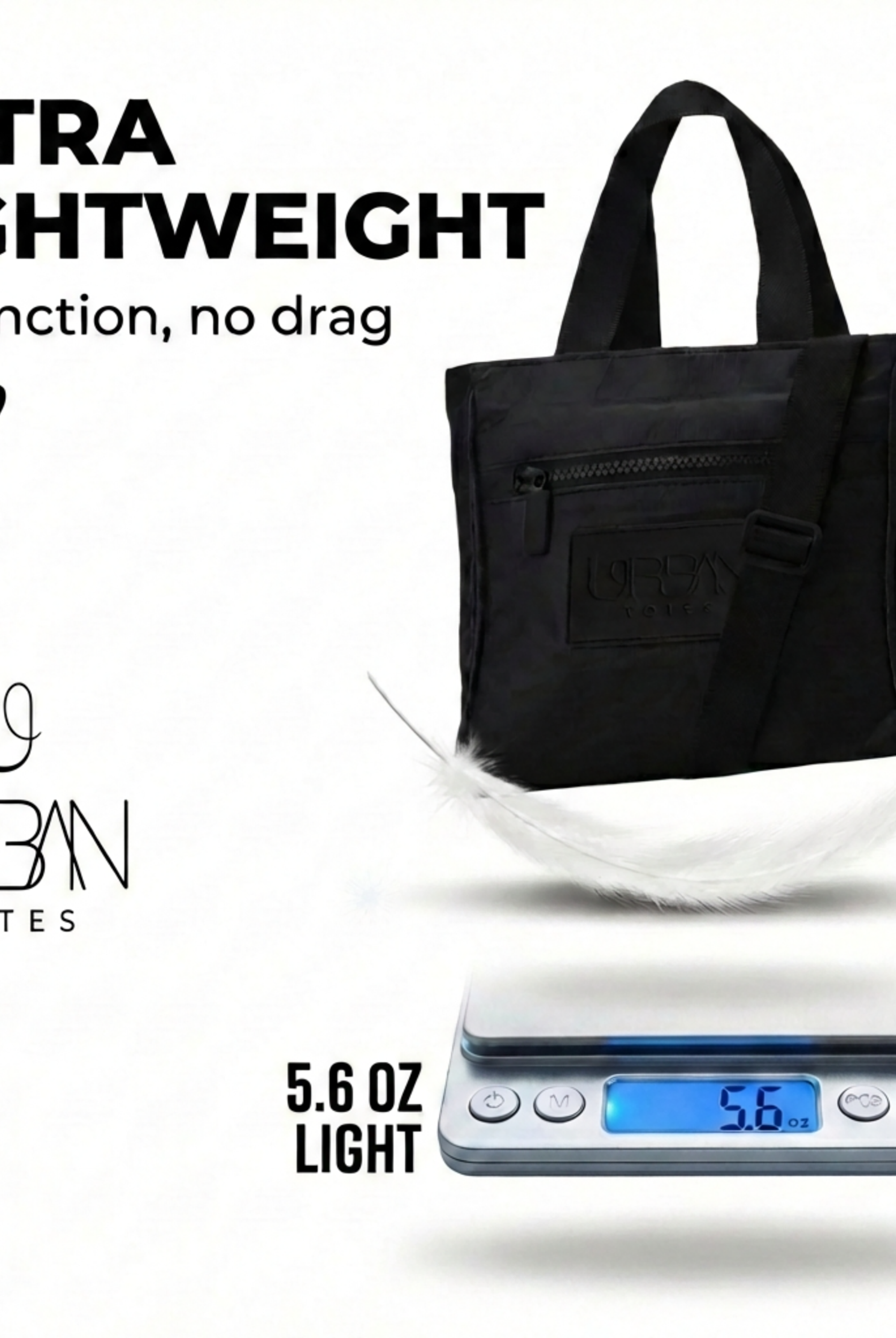
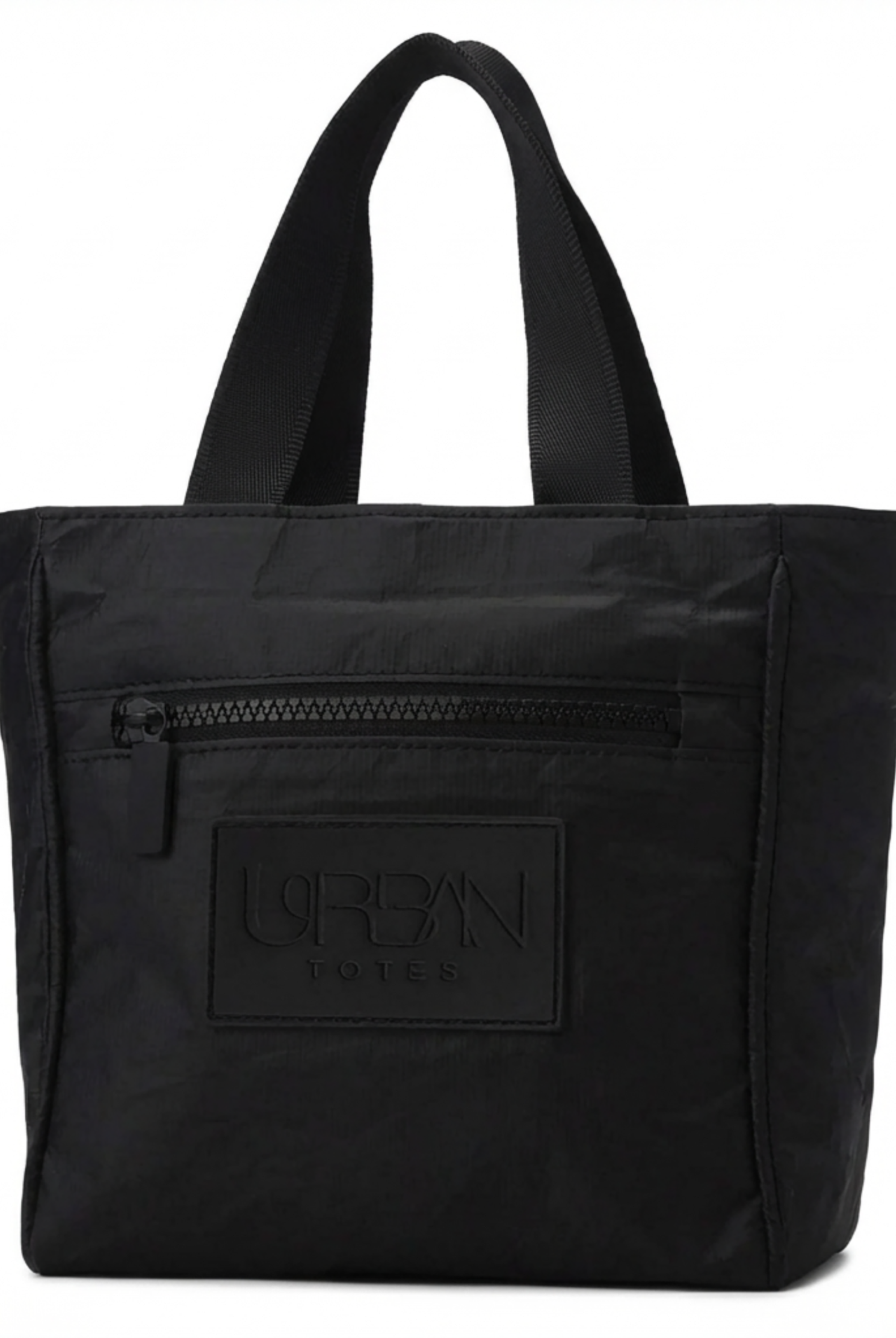
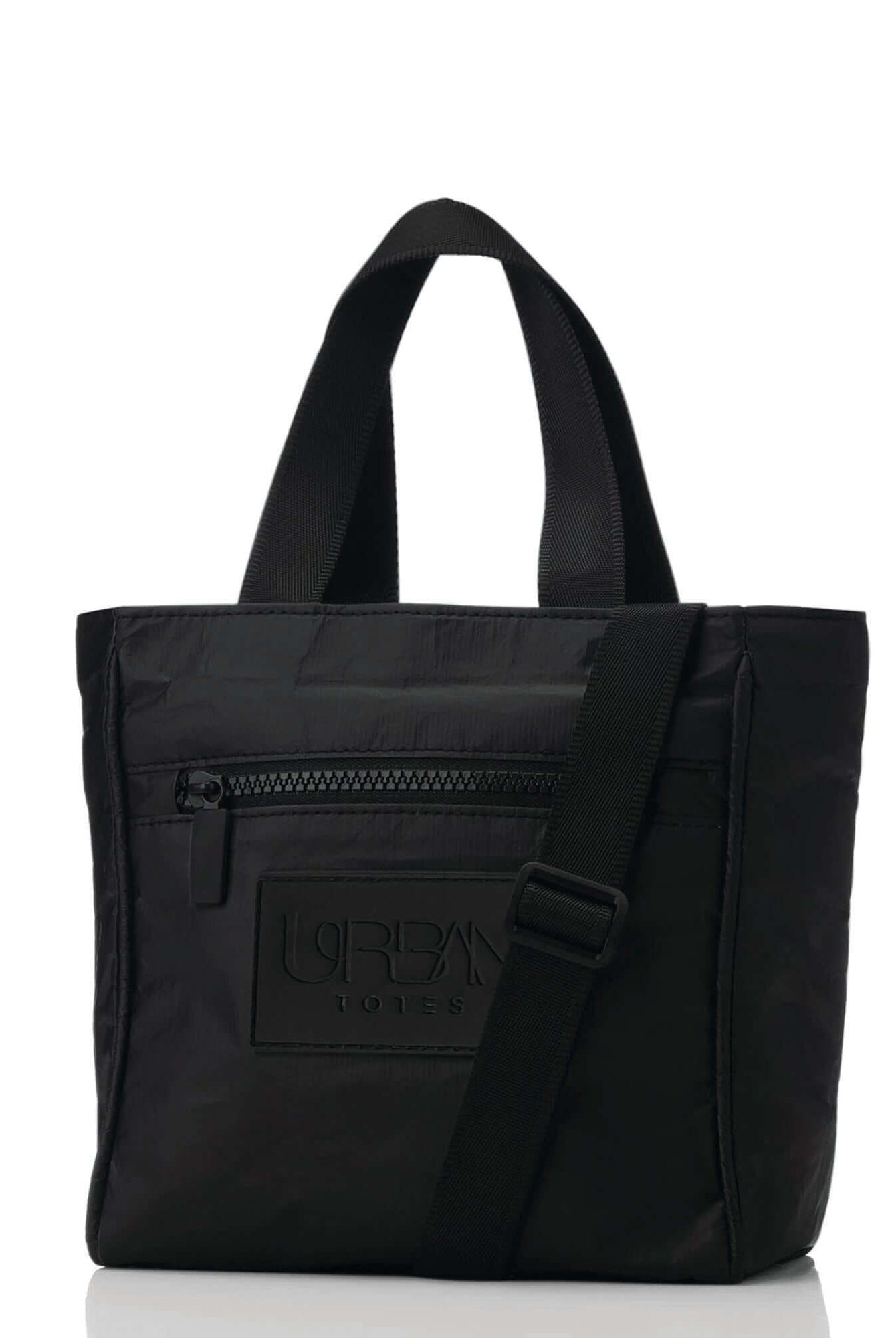
One practical example from the publisher’s lineup is the Urban Totes Day Trip Tote Bag, which includes three large zippered compartments and dedicated pockets for a phone and keys. That kind of layout supports the pocket hierarchy approach better than a single open cavity.
Decoding Materials for a Long-Lasting Tote
Organization gets the attention, but material choice decides whether the tote still feels good after months of real use. A bag can have smart pockets and still disappoint if the fabric scuffs too easily, holds stains, or collapses when you load it.

What to expect from common tote materials
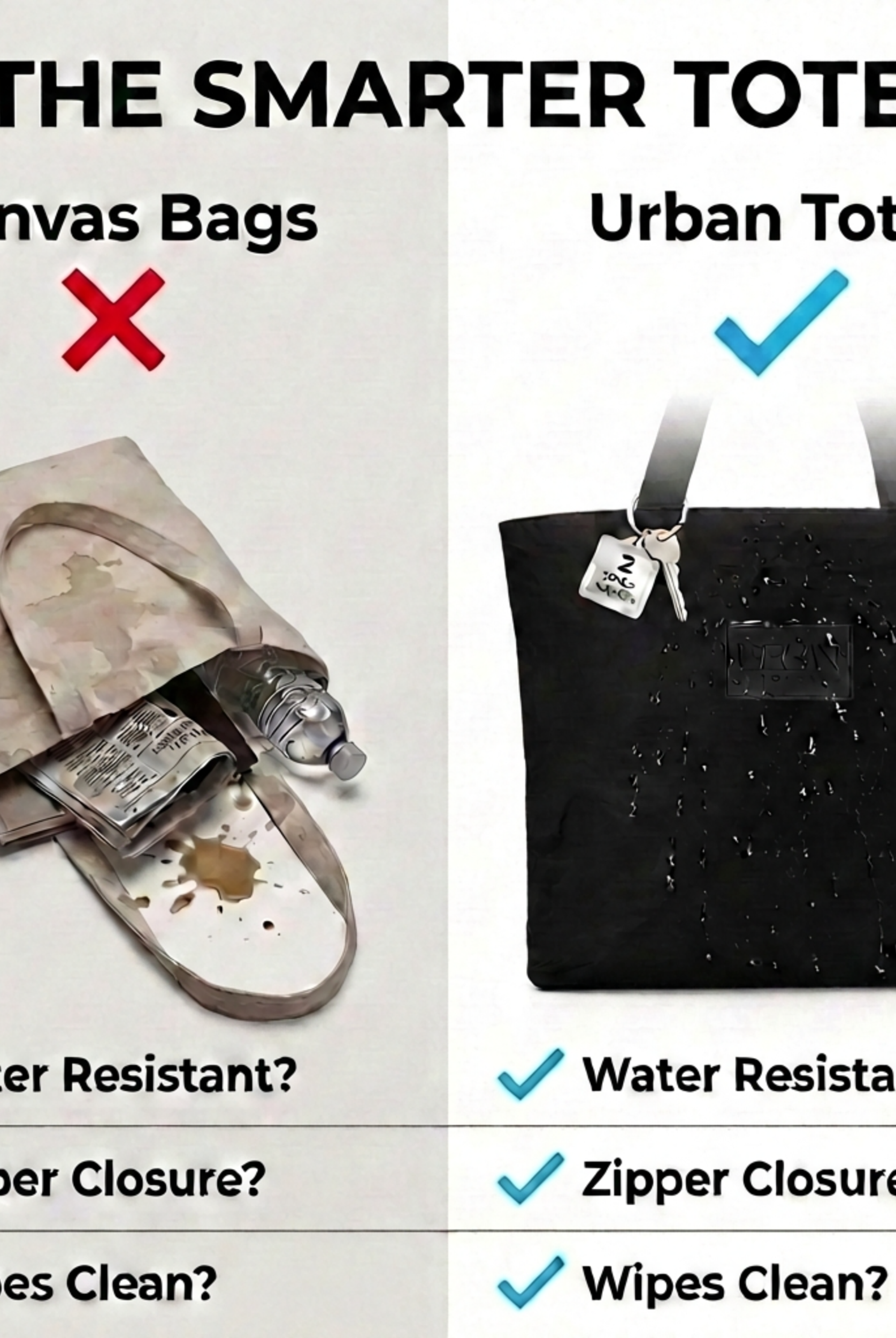
Nylon and polyester are popular for travel totes because they’re light, resilient, and easier to clean than many natural fabrics. Recycled versions can offer the same practical benefits while aligning with shoppers who want more sustainable materials.
Cotton canvas has a nice hand feel and often looks more casual, but it tends to absorb moisture more readily and can feel heavier once loaded. Structured synthetic blends usually perform better for airport, commute, and gym use because they hold shape while resisting everyday mess.
A few material trade-offs matter more than the marketing terms:
| Material direction | Strengths | Trade-offs |
|---|---|---|
| Recycled nylon or polyester | Lightweight, easy to wipe clean, often splash-resistant | Can feel less natural than canvas |
| Canvas or cotton blends | Soft look, familiar texture | Heavier feel, less weather-tolerant |
| Coated fabrics | Better resistance to spills and light rain | Sometimes stiffer or more technical in appearance |
Construction details people forget to check
Most tote failures don’t start with the main fabric. They start at the stress points.
Check these areas closely:
- Zippers: They should glide without catching on the lining.
- Strap attachment points: Reinforced stitching matters because handles carry the full load.
- Base panel: A weak base sags, distorts pocket shape, and wears faster.
- Hardware: Cheap clips and rings chip, loosen, or squeak over time.
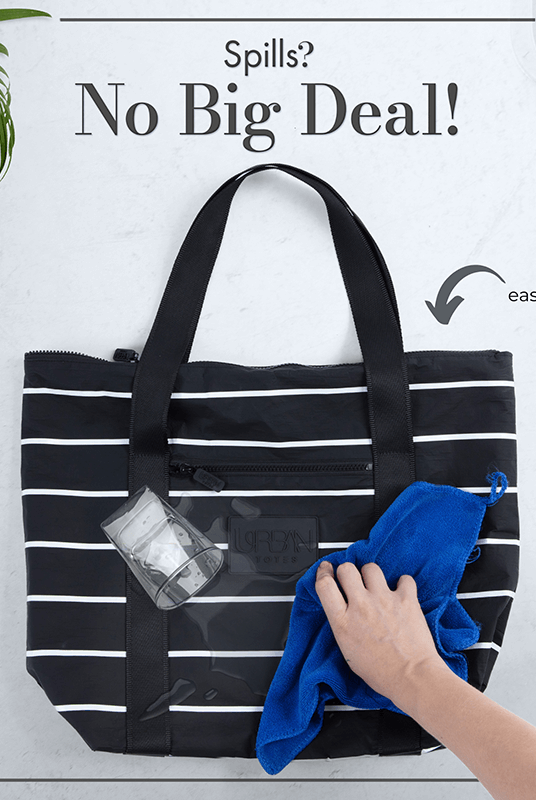
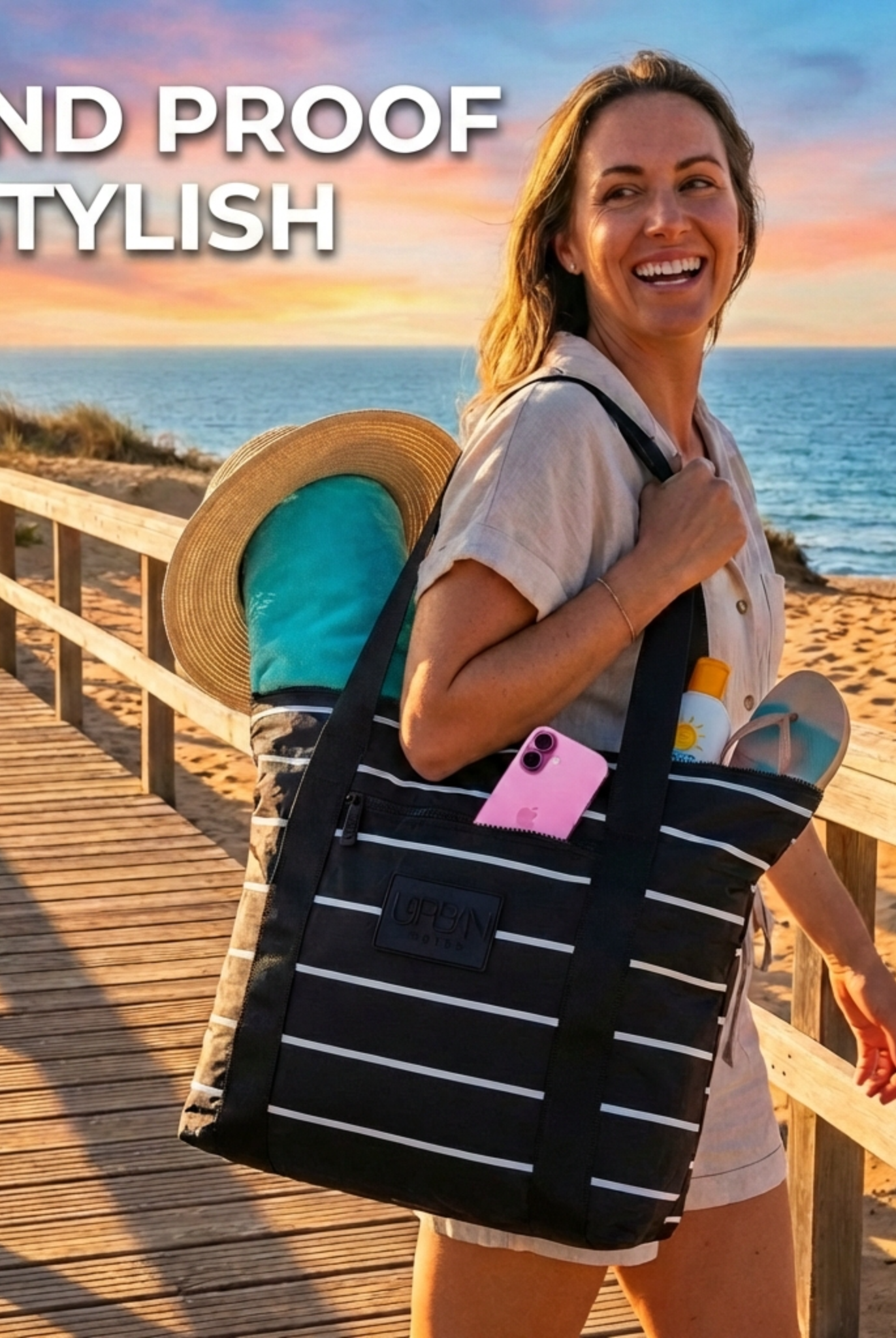
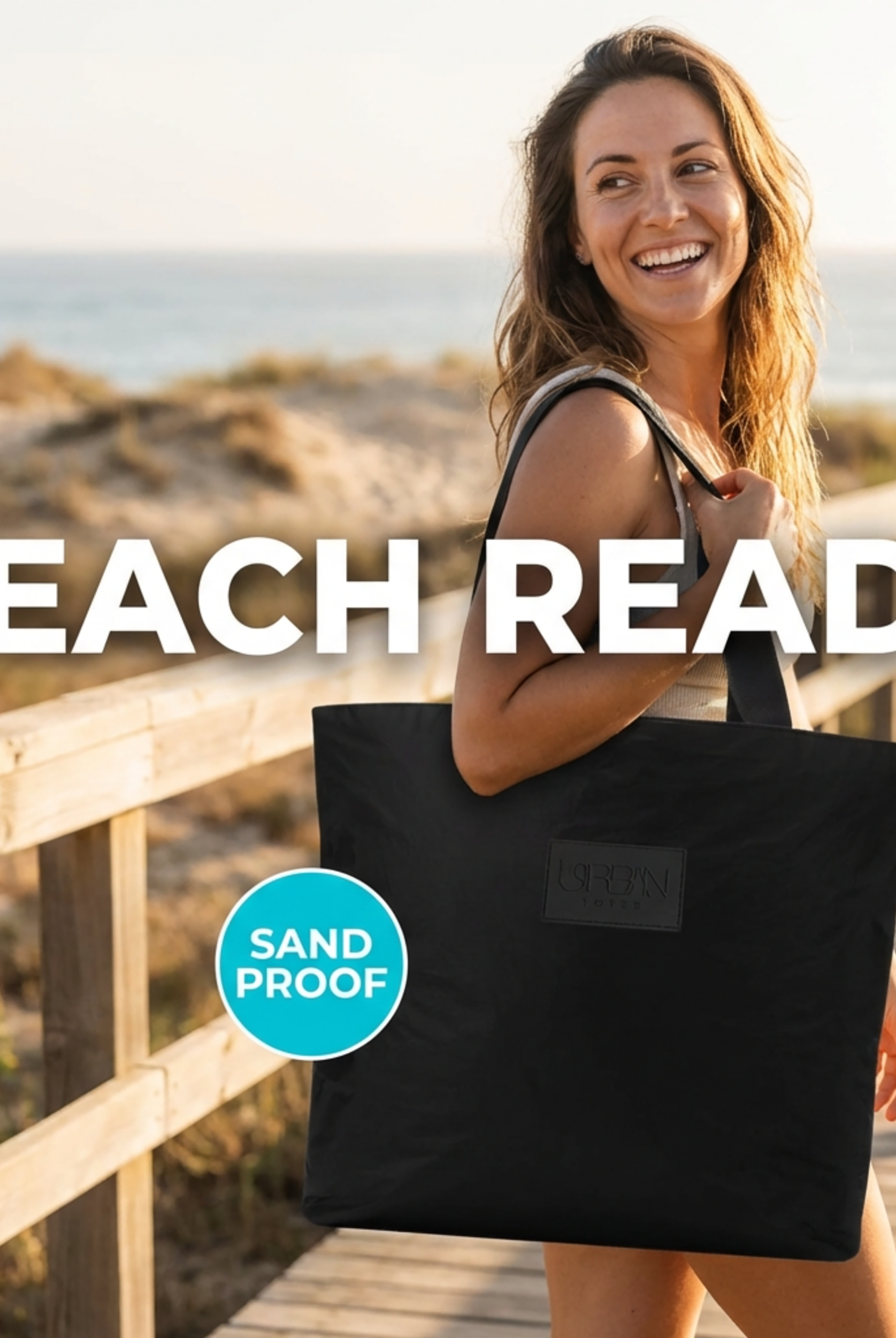
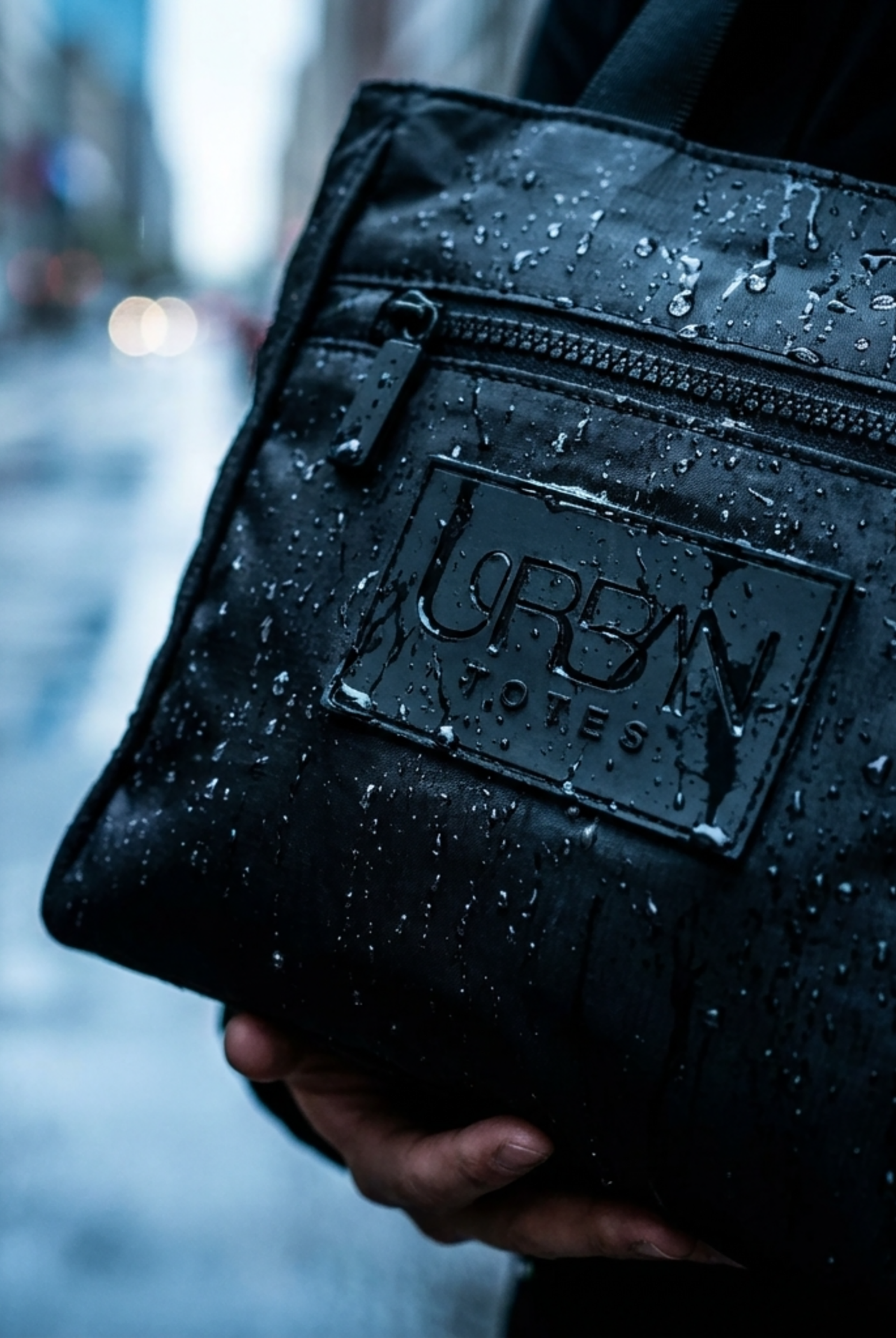
A water-resistant bag helps with light rain, splashes, and the coffee cup that tips in the car. It doesn’t mean you can leave the tote in a storm and expect everything inside to stay dry.
There’s also a feel test I trust. Pick up the empty bag, then imagine it loaded with a laptop, bottle, cardigan, charger, and snack pouch. If the material already feels floppy or the handles feel narrow and sharp, the tote probably won’t get more comfortable once it’s full.
Finding the Right Size for Your Journey
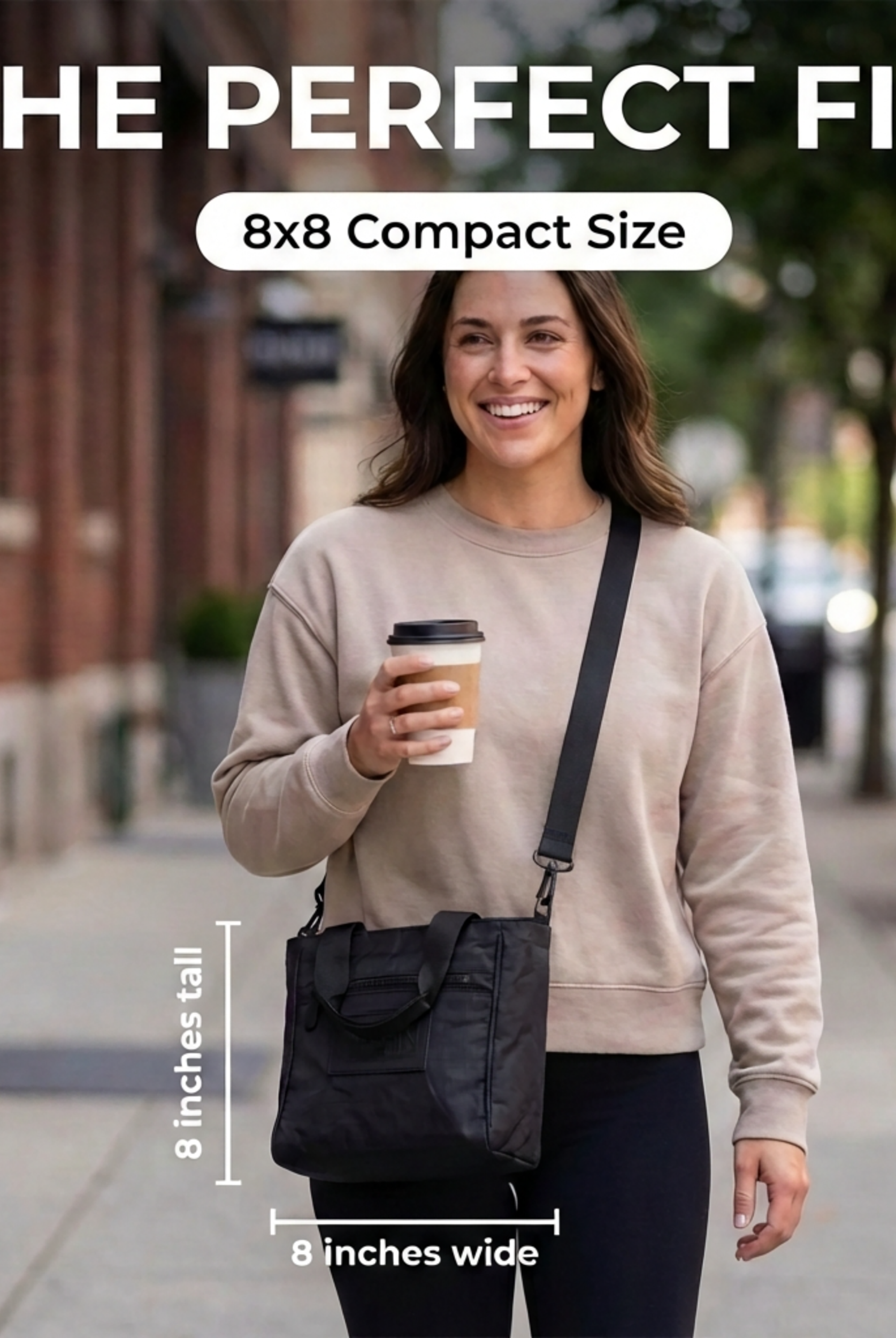
Size mistakes usually go in one of two directions. The first is buying a tote that looks roomy online but becomes frustrating once a laptop, water bottle, and sweater go in. The second is buying a huge tote for “just in case” use, then hating how bulky it feels on ordinary days.

A tote should match the trip you take most often. That sounds obvious, but many people shop emotionally. They picture one idealized airport day and ignore the fact that they’ll use the bag for work, errands, pickup lines, and quick overnights far more often.
The category itself is moving toward flexibility. The global travel bag market is projected to reach USD 24.82 billion by 2030, and soft-sided luggage, including versatile totes, holds over 74% of market share because people prefer flexibility, storage efficiency, and cost-effectiveness, according to Grand View Research on the travel bags market.
Match the size to the job
Here’s a simple way to choose:
- For commuting and daily carry: Look for a bag that fits your laptop, charger, water bottle, notebook, and one extra layer without forcing the zipper.
- For travel as a personal item: Prioritize a shape that slides under a seat and still leaves room for your feet.
- For weekend use: Choose a tote with enough central volume for clothes, but not so much that internal pockets become hard to reach when packed.
If you often carry the bag on your shoulder for long stretches, overall shape matters as much as capacity. A tote that’s too tall can bump your hip awkwardly. One that’s too wide can swing when you walk.
Pack the tote so the pockets keep working
Even a great pocket layout can fail if the main compartment is packed carelessly. The goal is to preserve access.
Use this packing order:
- Anchor the heavy items first: laptop, tablet, or book close to the body side.
- Add soft bulk next: sweater, scarf, or packing cube in the center.
- Reserve pocket space: don’t let bulky items press outward and block interior pockets.
- Keep top-access items at the top: headphones, snacks, tissues, passport pouch.
- Leave one fast-drop zone: a little open room near the top for sunglasses or a receipt.
Some travelers like pouches inside a tote. That works, but only if the pouches support the bag’s pocket map instead of replacing it. If every small item has to go inside another bag inside your bag, you’ve basically rebuilt the chaos in layers.
For extra packing ideas that work well with flexible tote shapes, this guide on convenient ways to pack your weekender tote bag for travel is a useful companion read.
How to Use Your Tote for Any Occasion
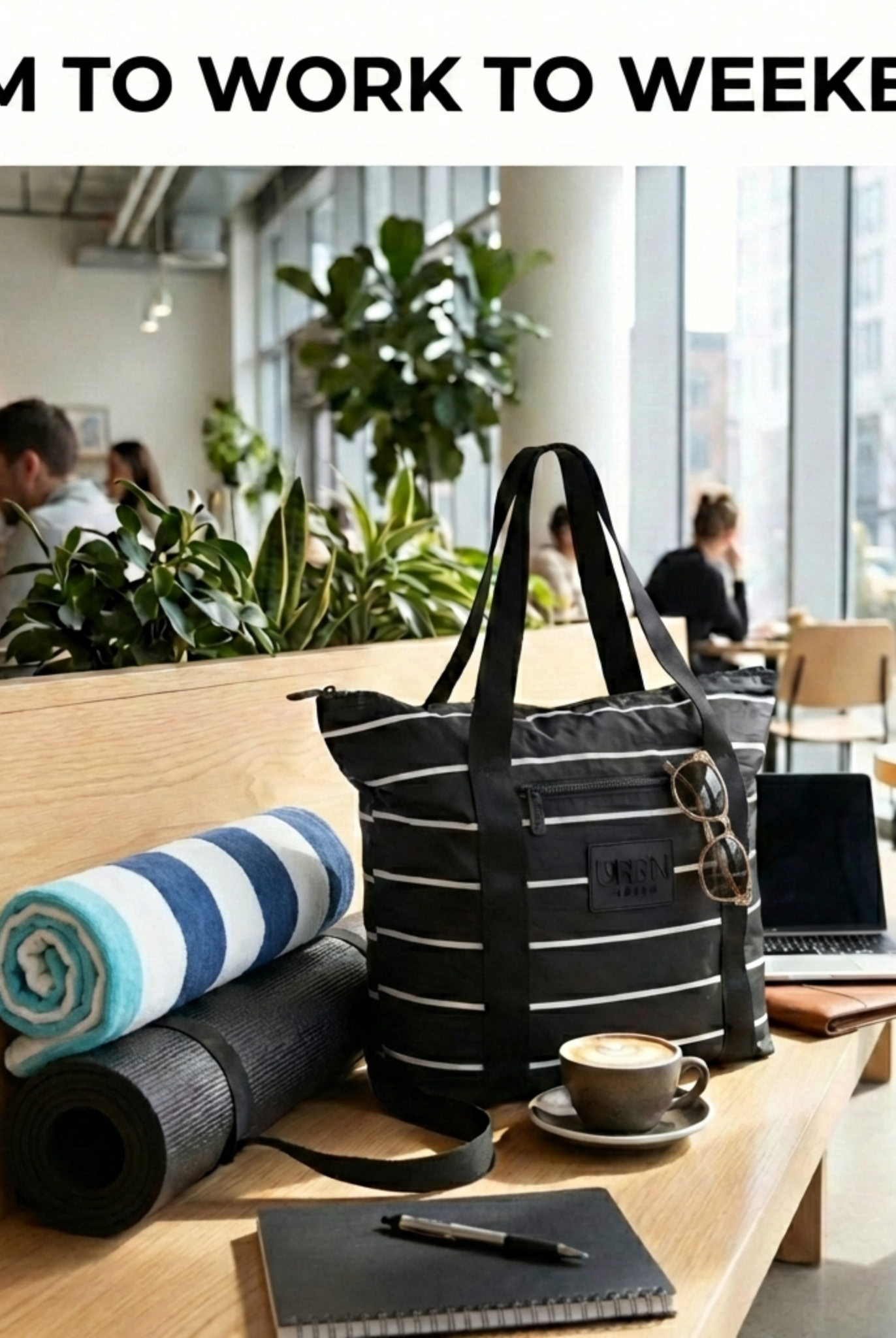
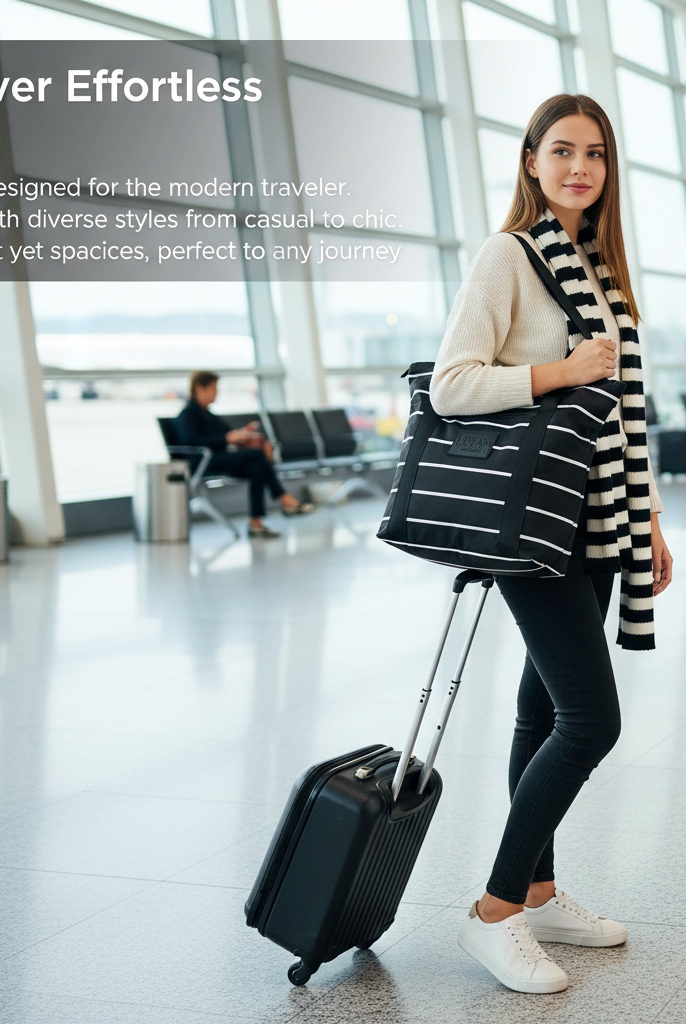
The strength of a good travel tote bag with pockets is that it doesn’t force you into a single role. The same bag can support school pickup, a client meeting, a train ride, or a short flight, as long as the pocket map is honest about what you carry.
For the parent who needs speed
A parent’s tote works best when it separates urgent items from messy ones. Wipes, snacks, and hand sanitizer need quick reach. A spare outfit or light layer can sit in the center. Wallet and keys need their own secure zone because they can’t get buried under crackers and toys.
The biggest mistake here is using every pocket for tiny items. Leave a few pockets unassigned at first. Real life will tell you what needs a permanent home.
For the professional who moves between settings
A work-ready tote should let you transition without repacking. Laptop in the padded sleeve. Charger and mouse nearby. Notebook, badge, and earbuds in predictable spots. If you go from office to gym, shoes or a compact change pouch should stay isolated from the rest of the bag.
A clean tote setup also helps at security and in meetings. You’re not pulling out half your life to reach one cable.
The most useful tote is the one you don’t have to rethink every morning.
For the traveler who wants one personal item that behaves
Travelers need access in layers. Boarding essentials near the top. Passport and wallet zipped. Water bottle upright. Tablet or book reachable once seated. The tote should open cleanly in a narrow seat row without exploding into the aisle.
If you’re packing for a short getaway, it helps to build the bag around roles rather than objects. Travel documents together. Tech together. Comfort items together. Clothing compressed in the center. That keeps the tote usable after takeoff, not just packable before it.
Tote Smarter Live Easier
A better tote doesn’t just carry more. It removes friction.
That’s the standard worth using when you shop for a travel tote bag with pockets. Look past the total number of compartments and pay attention to whether the layout supports how you move. The right bag gives important items a fixed home, protects your tech, carries comfortably, and stays usable when the day gets crowded.
Material choice matters because travel is rough on bags. Size matters because bulk can ruin an otherwise smart design. But the piece most shoppers overlook is still the pocket map. A tote works when each zone has a purpose and that purpose matches your routine.
If your current bag makes you dig, shuffle, and repack, it’s costing you time and patience every day. A thoughtfully designed tote gives some of that back.
Keep it organized. Keep it durable. Keep it easy to access.
Then maintain it so it lasts. Urban Totes shares practical advice on how to care for your tote bag with maintenance tips and tricks.
Choose the bag that fits your real life, not the one with the longest feature list. That’s how you tote smarter and live easier.