You're probably here because your tote has crossed the line from “holds everything” to “eats everything.”
You drop in your laptop, charger, notebook, keys, lip balm, water bottle, and one random receipt you swear you'll deal with later. Then the morning starts. Keys disappear. Your phone slides under a folder. Your laptop bumps against whatever hard object landed at the bottom. By the time you get to your desk, school drop-off, or the train platform, the bag that was supposed to help has become one more tiny source of stress.
That's why work tote bags with compartments matter so much. A good one doesn't just carry your things. It creates order while you're moving through a very full day. The right layout turns your bag into a system, and a system is what makes “Go Anywhere. Tote Everything.” feel possible instead of chaotic.
Table of Contents
- The End of the Endless Search
- Decoding the Anatomy of an Organized Tote
- Key Features That Make a Difference
- Matching Your Perfect Tote to Your Lifestyle
- How to Pack Your Work Tote for Maximum Efficiency
- Keeping Your Go-Anywhere Bag Ready for Action
- Your Tote Questions Answered
The End of the Endless Search
The endless search usually starts before coffee. One hand is holding a travel mug, the other is digging through a dark tote for keys that have somehow slipped under a charger, a snack bar, and a notebook. Then comes the clatter. Your water bottle knocks into your laptop, your card case vanishes into a corner, and suddenly a simple exit from the house feels annoyingly dramatic.
That frustration didn't come from nowhere. Work totes changed because work changed. A widely used guide from kate spade new york calls out “multiple compartments” and a “secure closure” as the most important work-tote features, reflecting a shift from carrying mostly paper files to carrying devices, chargers, phones, keys, and daily essentials in one bag. That design became especially important as laptops became standard work equipment, with shipments still in the hundreds of millions globally each year, making the compartmented tote part of a broader move toward more functional everyday carry (kate spade new york work tote guide).
A single open cavity can work for a quick errand. It usually falls apart during a real workday.
Why the modern tote needs structure
A useful work tote does three things at once:
- Separates hard from delicate items so your laptop isn't shifting against chargers or bottles
- Speeds up retrieval so you're not stopping mid-commute to dig for your badge or phone
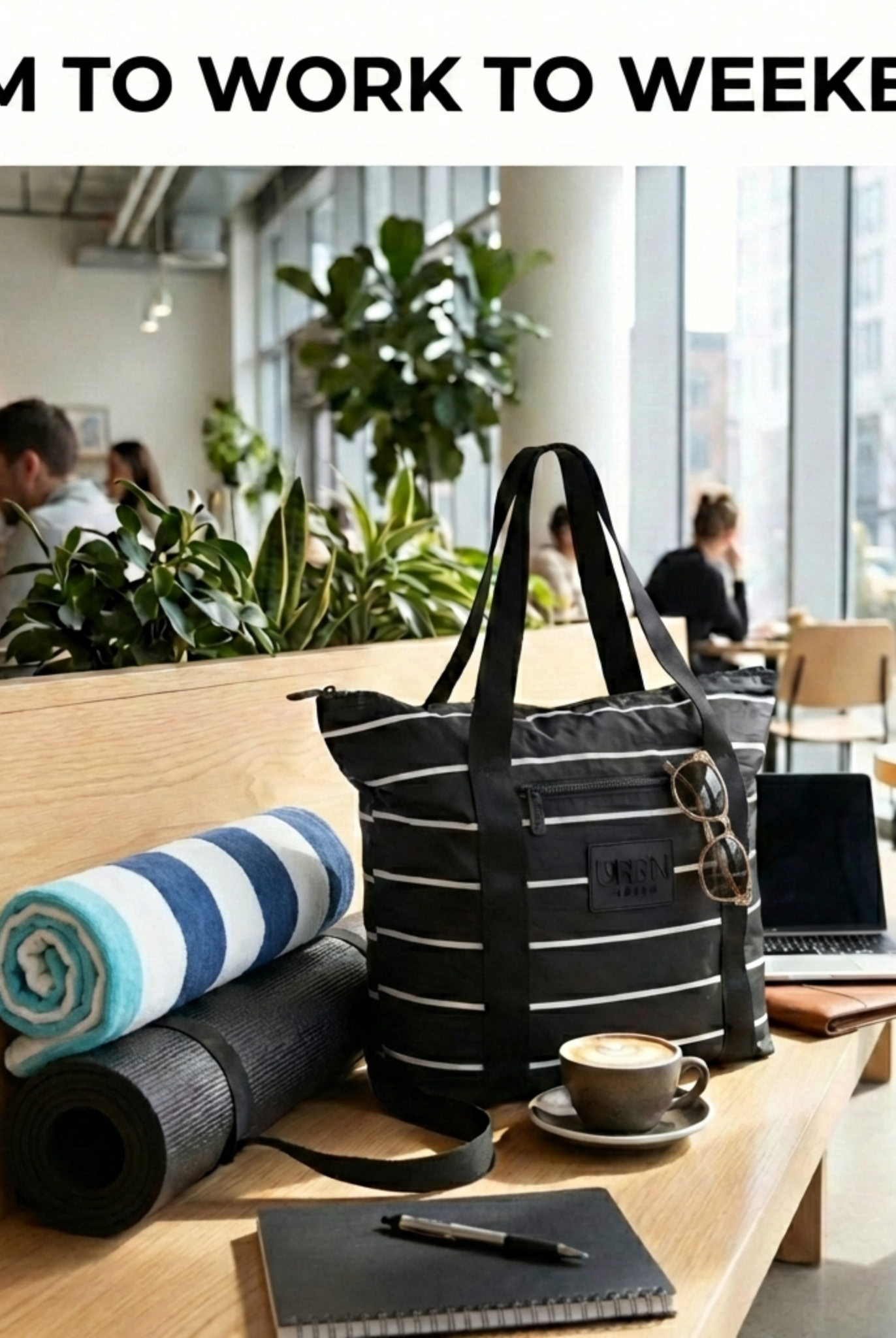
- Keeps your day flexible so one bag can move from office to airport to pickup line
A work tote with compartments isn't about being fussy. It's about removing friction from the routines you repeat every day.
That's its core appeal. Not more features for the sake of features. Less mental clutter. Less rummaging. Fewer little moments where your bag makes life harder instead of easier.
Decoding the Anatomy of an Organized Tote
A well-designed tote works like a good kitchen. The layout matters more than how many drawers it has. If the spatulas are next to the stove and the mugs are near the coffee machine, your morning runs smoothly. Bags work the same way. The smartest work tote bags with compartments place items by frequency, weight, and risk.
Start with the items you reach for most
The most useful compartments are the ones that match actual habits.

A padded laptop sleeve is the first thing many people should check. Industry guidance notes that work totes commonly target 13- to 17-inch laptops, and the sleeve should be checked against the bag's internal dimensions, not just the marketing label. Padding helps protect against scratches, bumps, and minor drops, and it also keeps the computer from shifting into harder items during transit (Lenovo's guide to a work tote with laptop compartment).
Then look for layers of access:
- A main compartment for larger pieces like notebooks, files, or a pouch
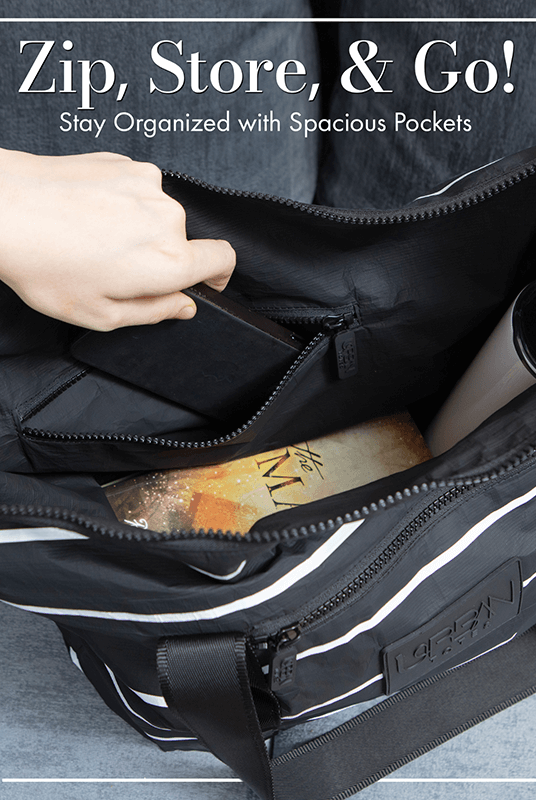
- A zippered pocket for wallet, cards, or anything you don't want floating loose
- Open slip pockets for grab-fast items such as keys, lip balm, and earbuds
- Exterior access points for what you need while moving, like a phone or transit pass
If you want a broader vocabulary for shapes and carry styles, Urban Totes' glossary of bag types from traditional to trendy is a helpful reference point before you compare interiors.
Judge layout, not pocket count
More pockets doesn't automatically mean better organization. Poorly placed compartments can split up your space in annoying ways, especially if you carry bulkier or irregular items.
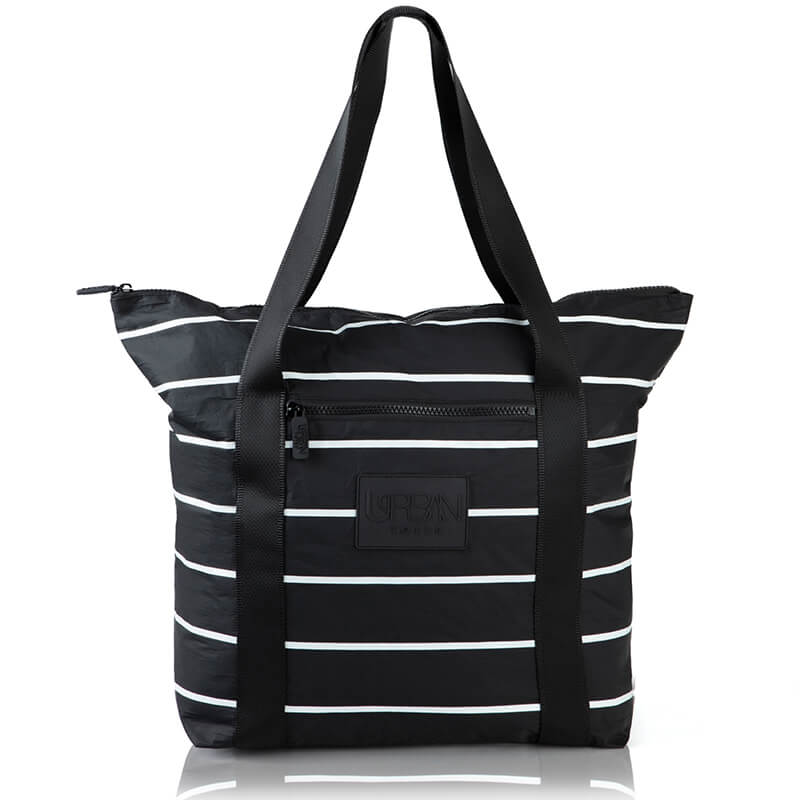
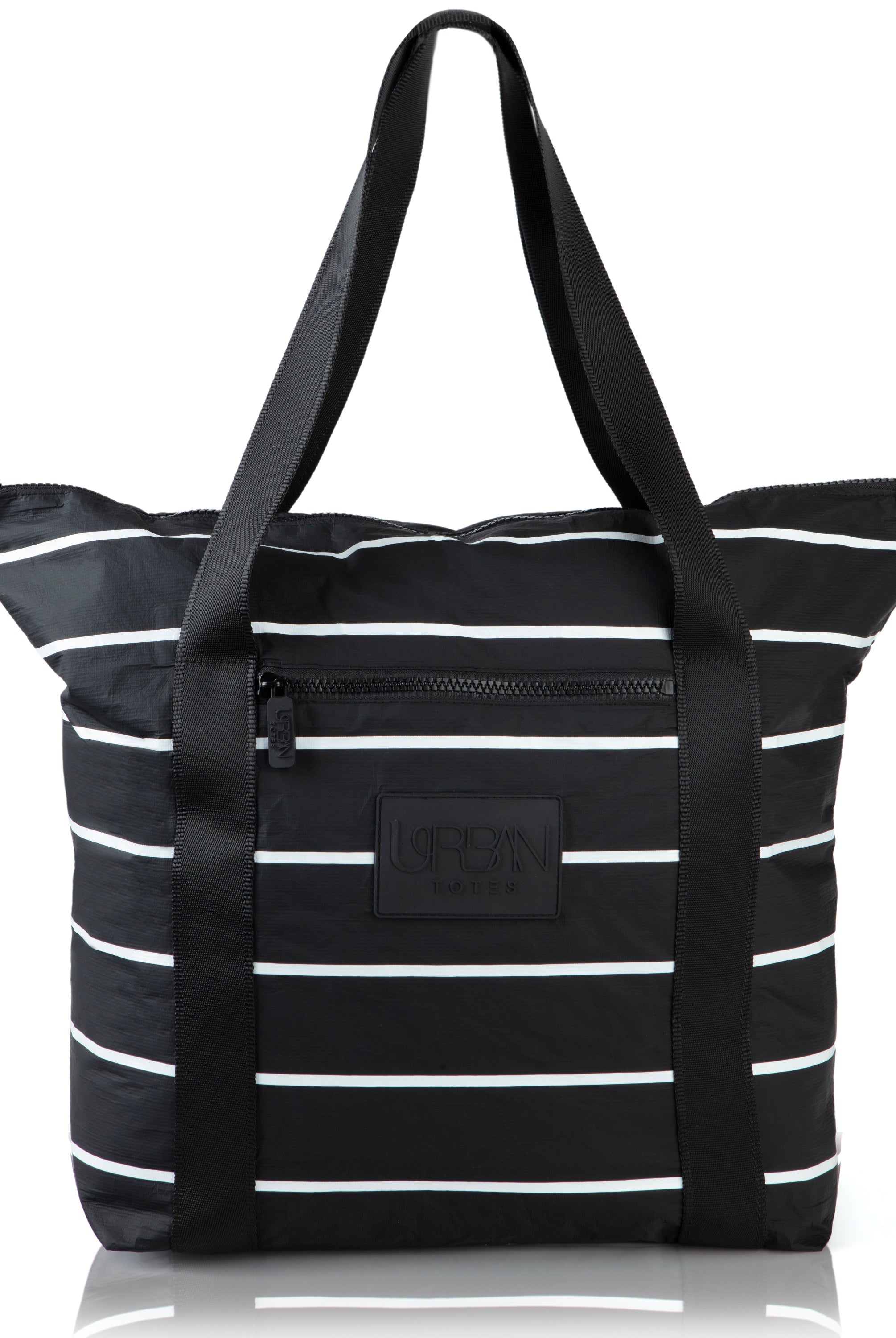
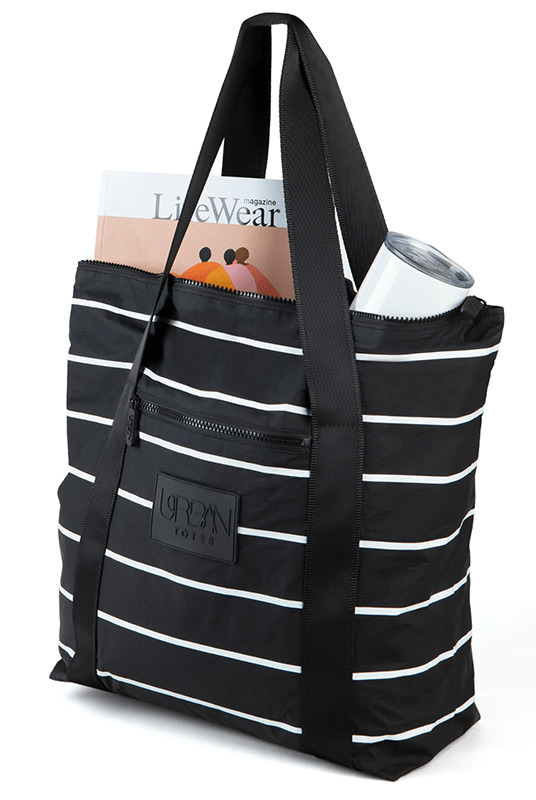
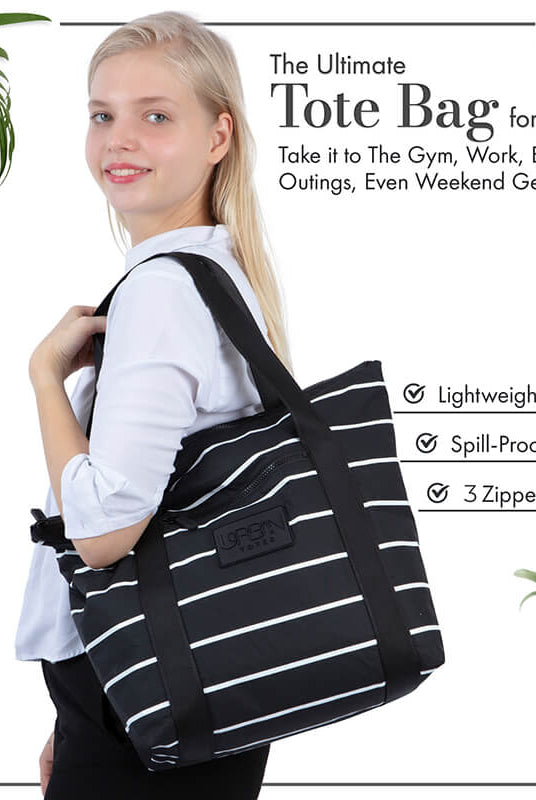
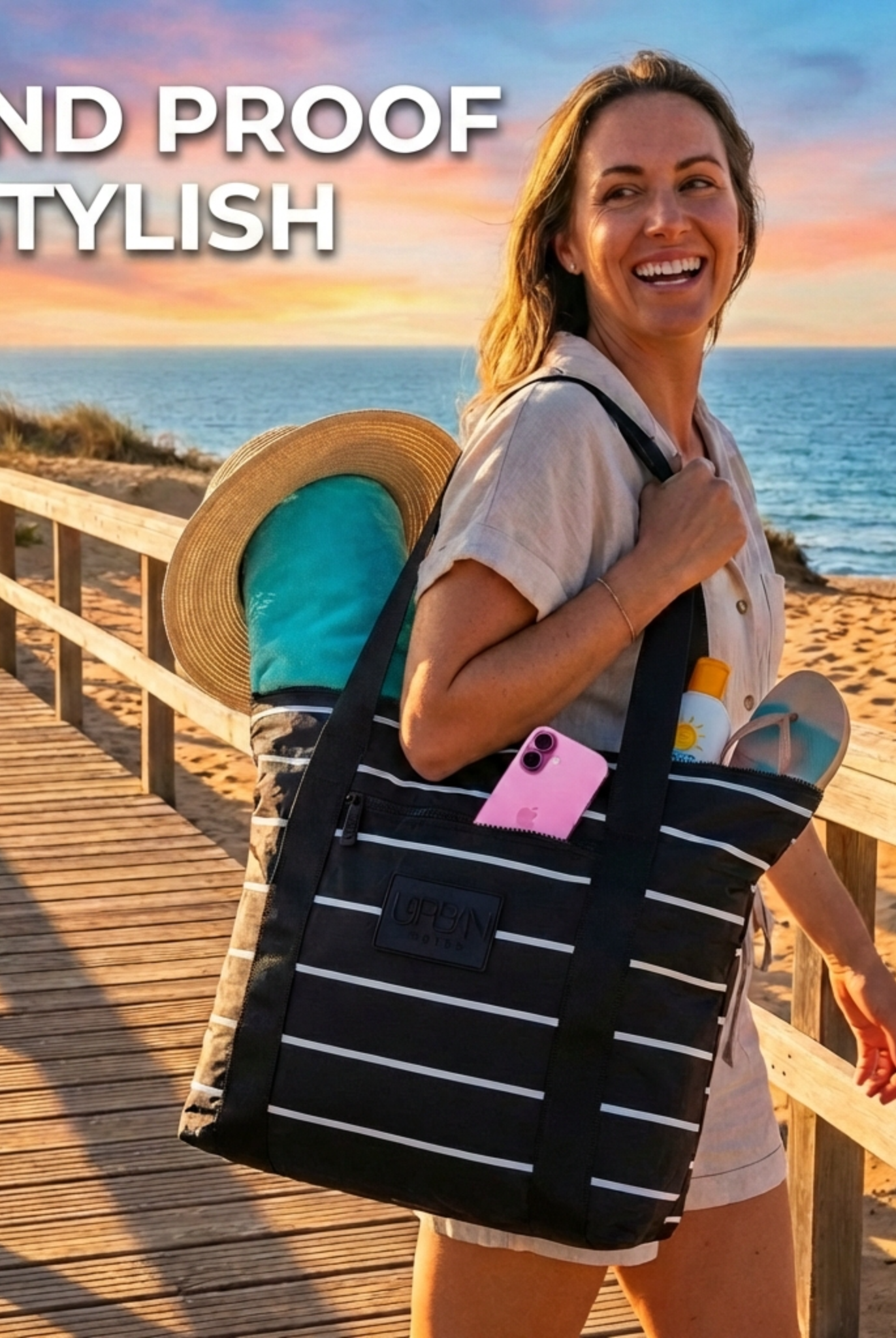
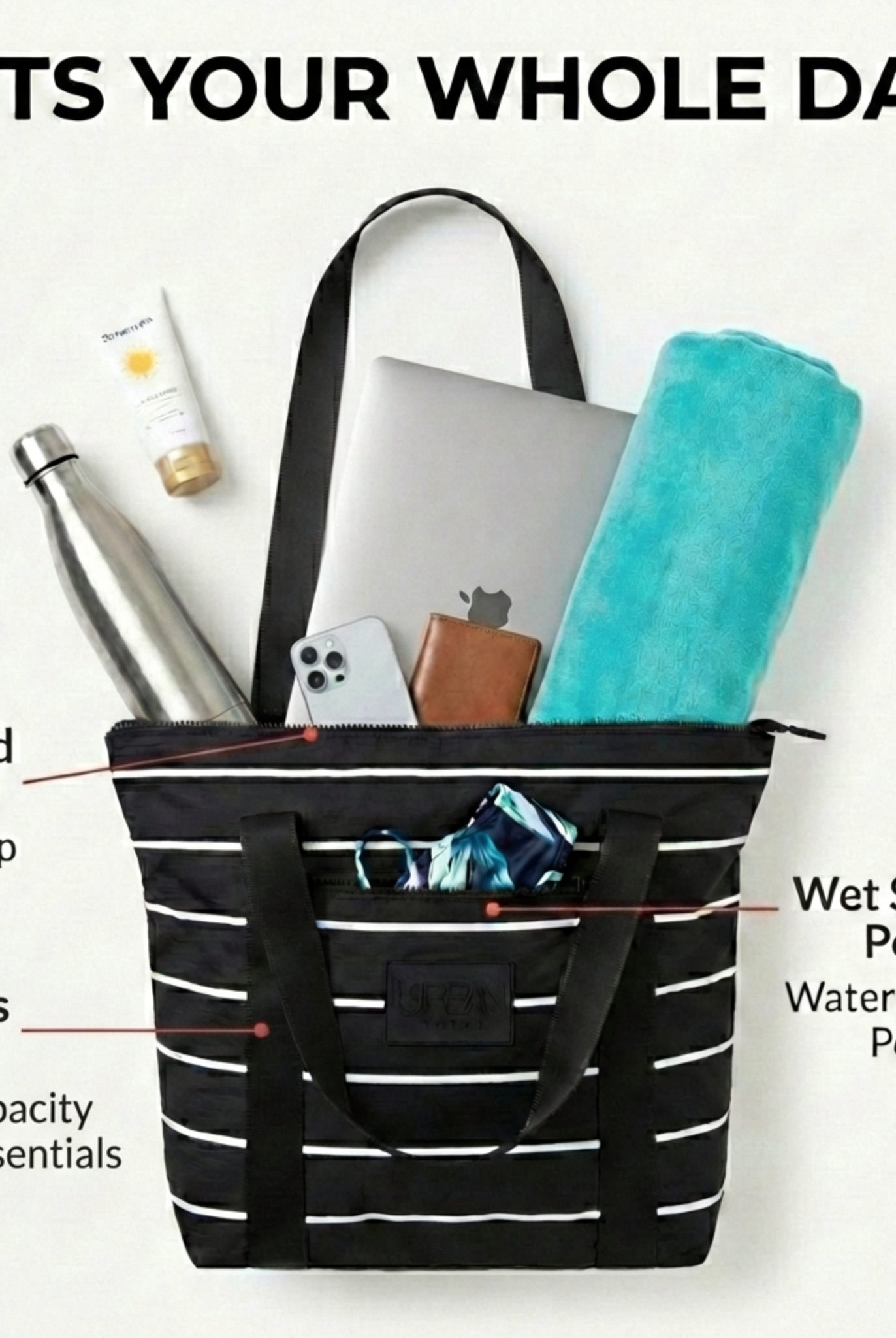
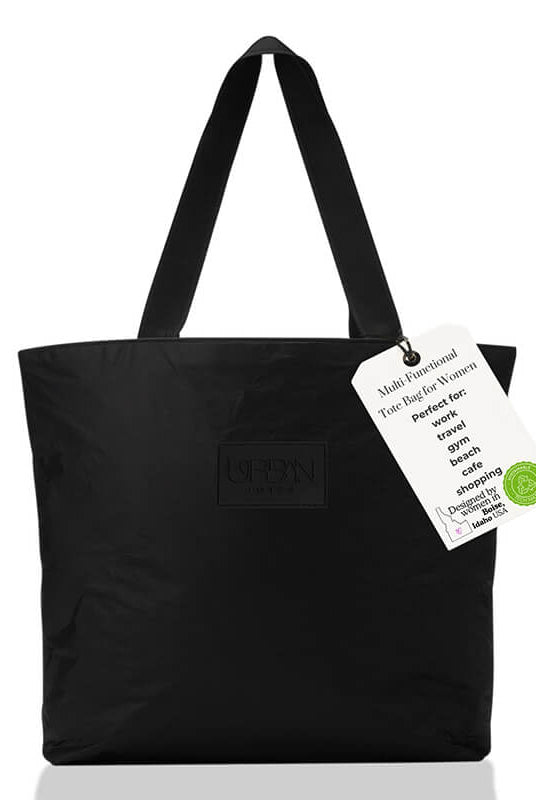
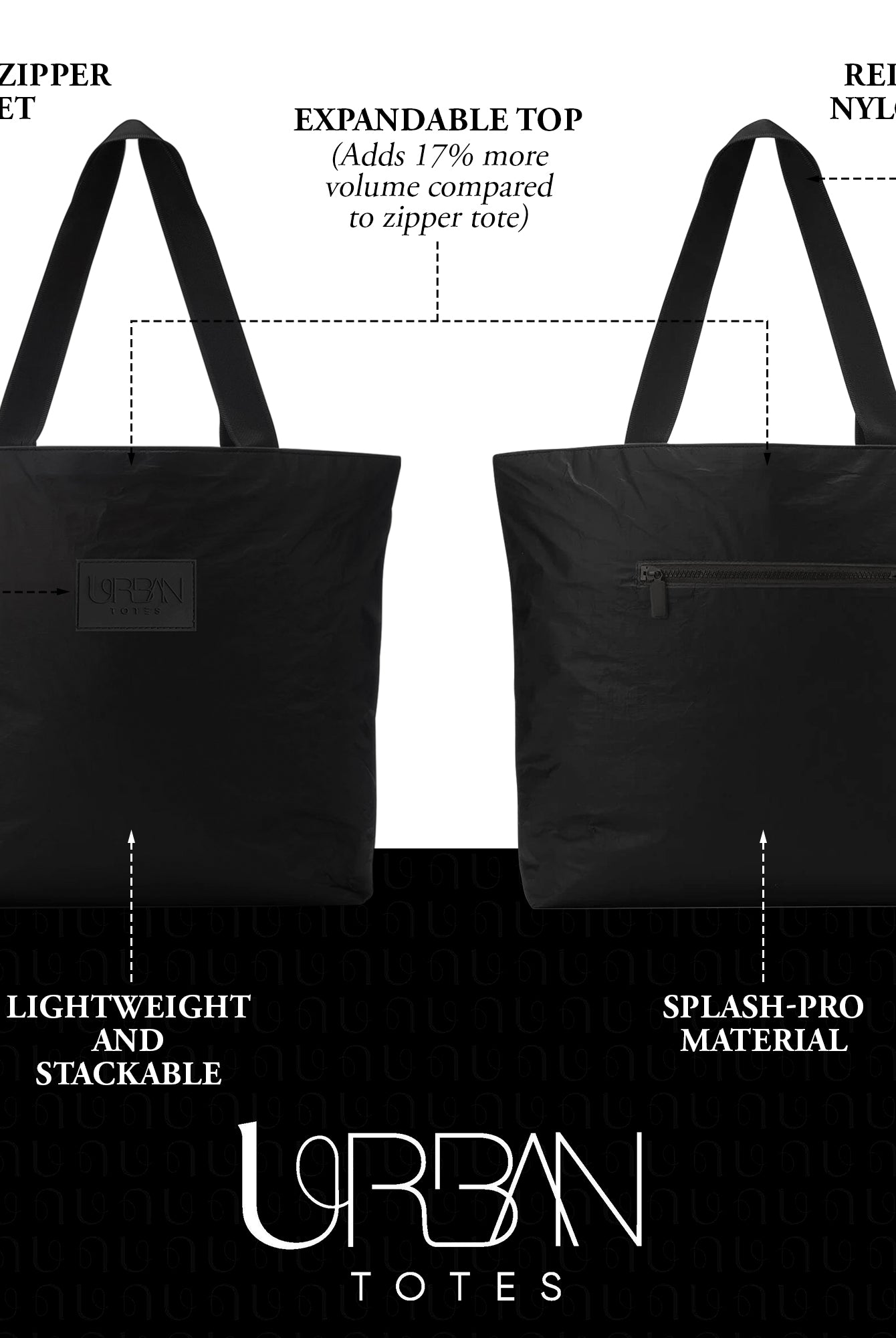
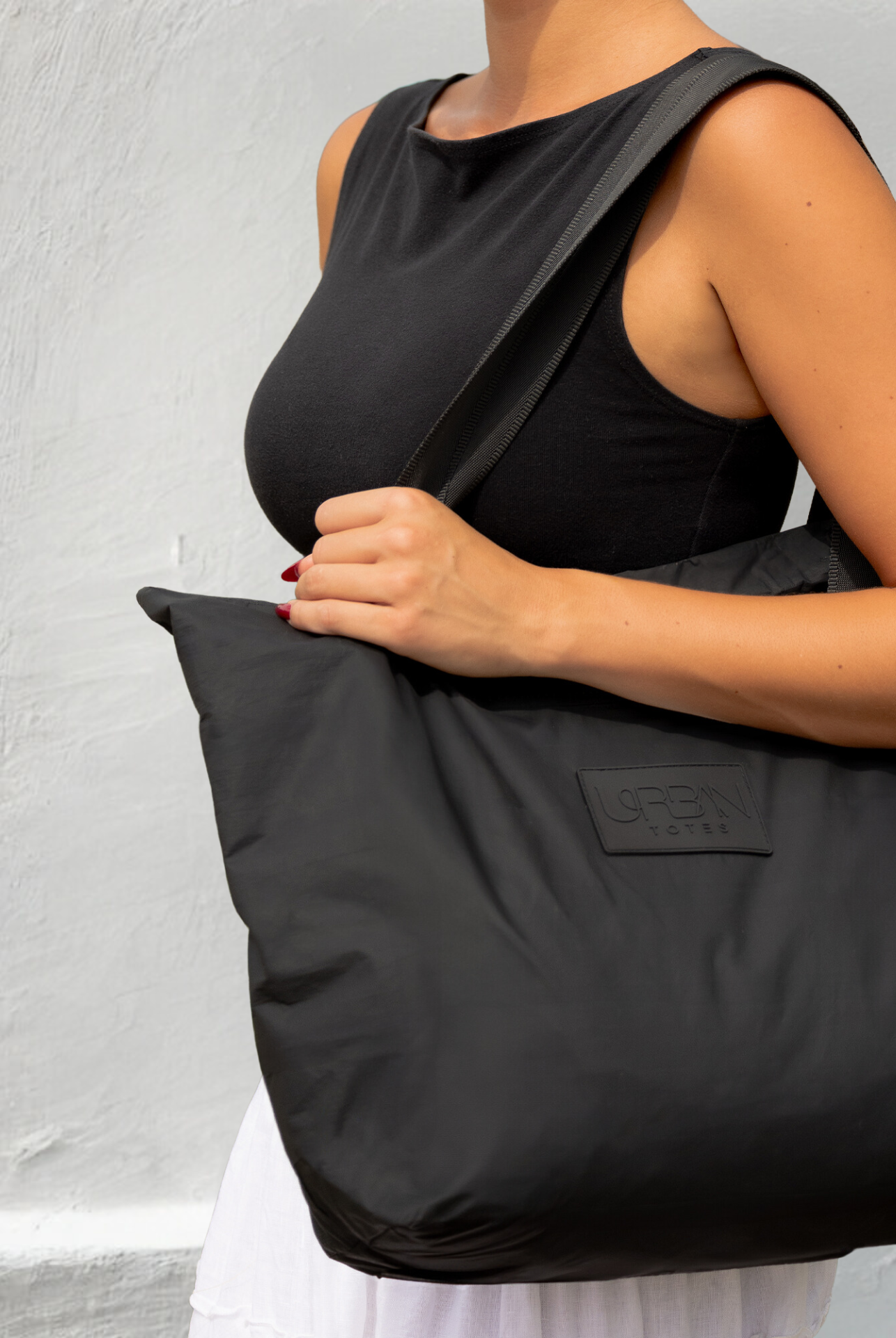
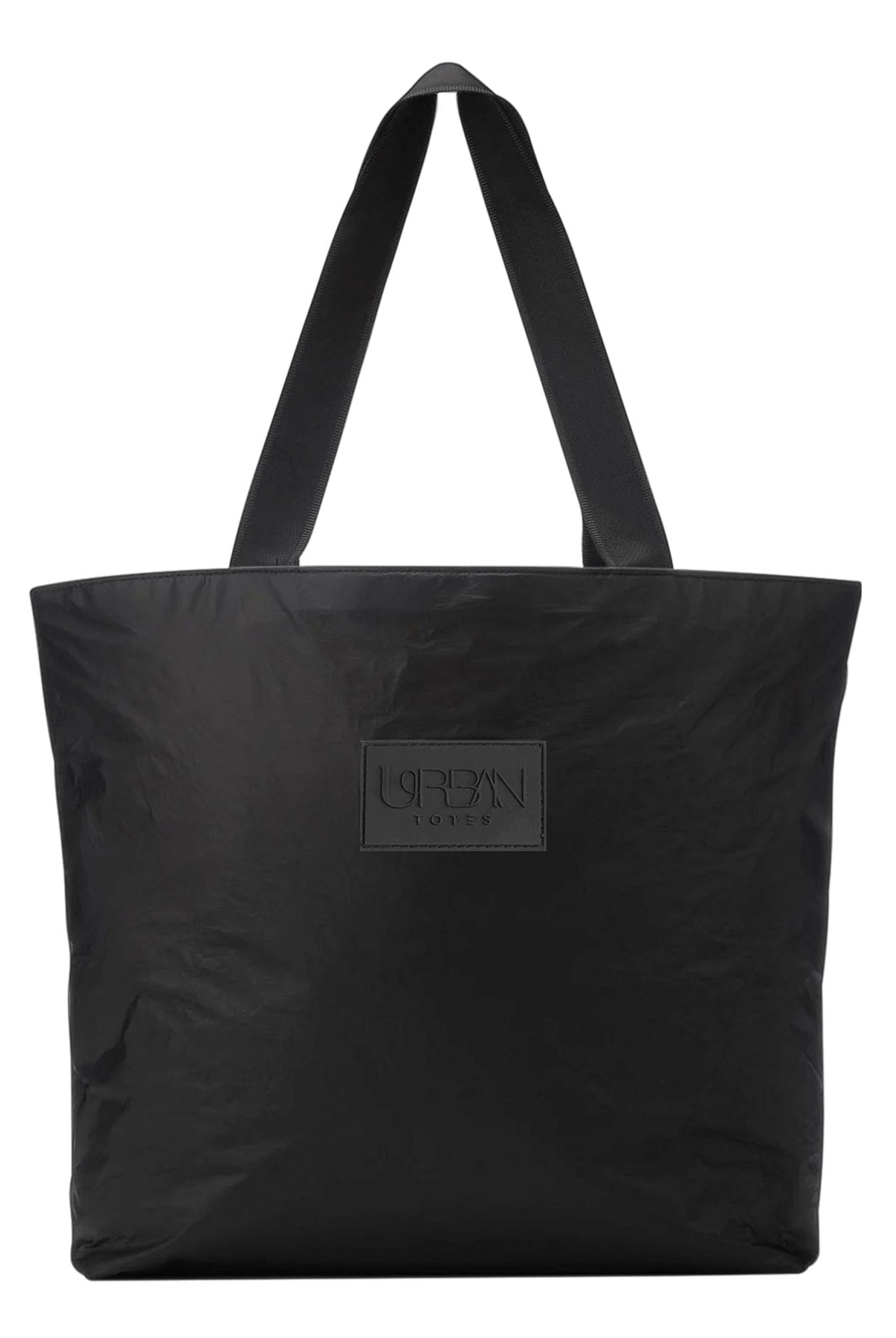
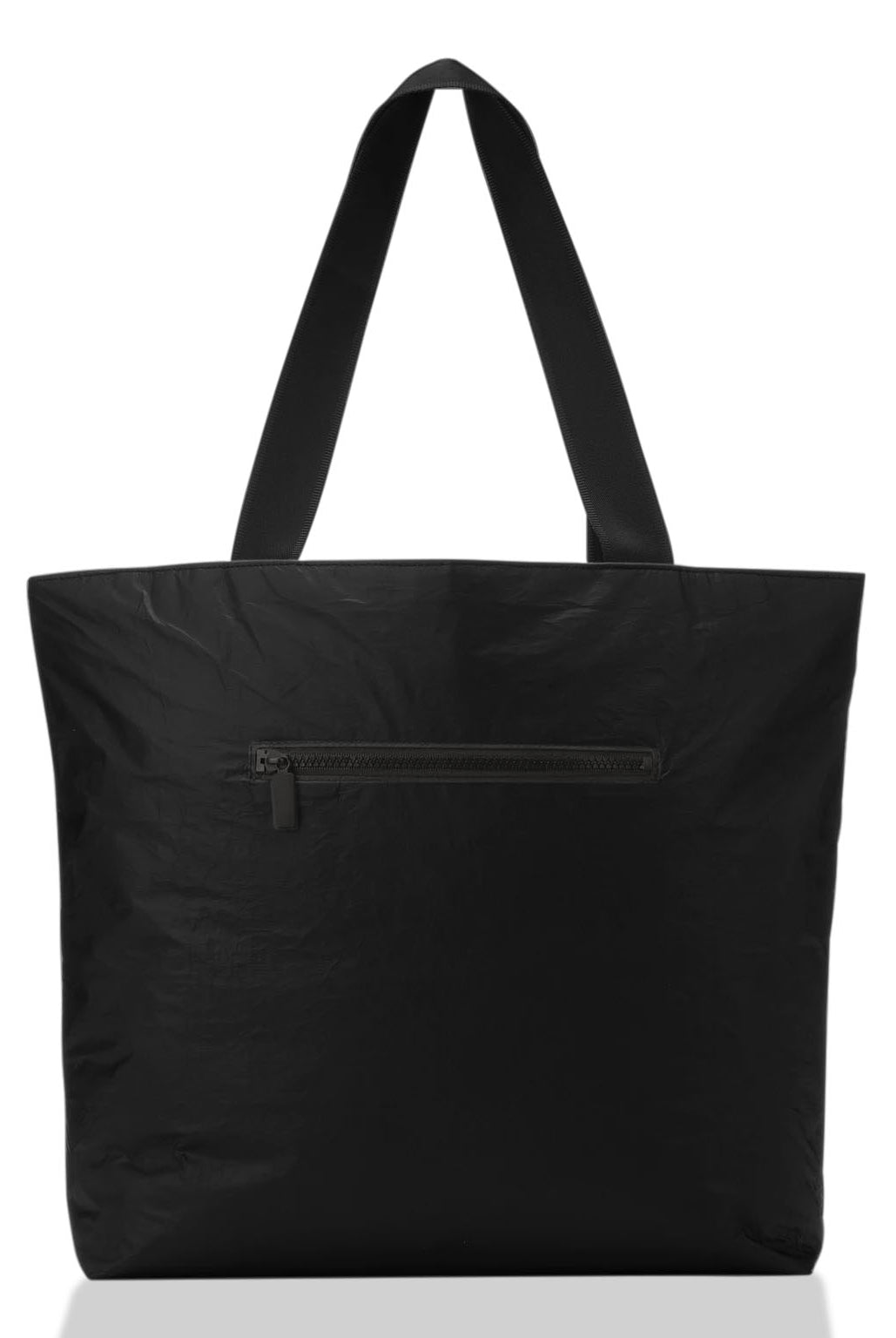
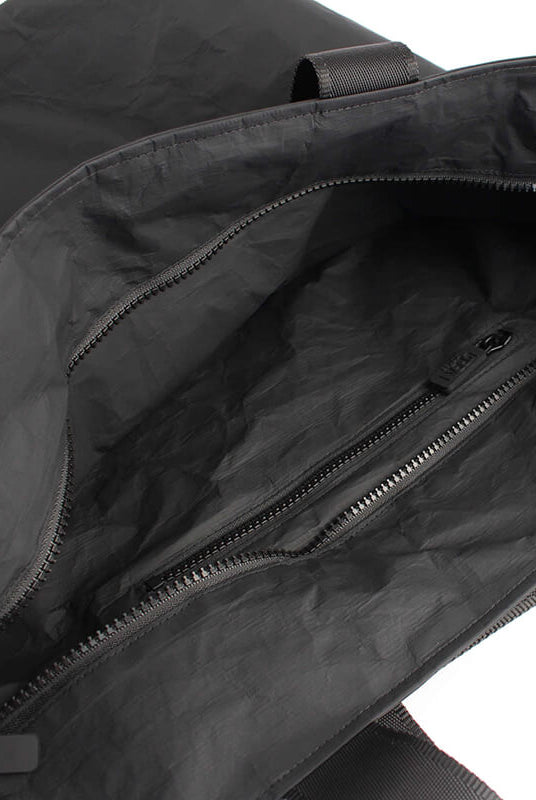
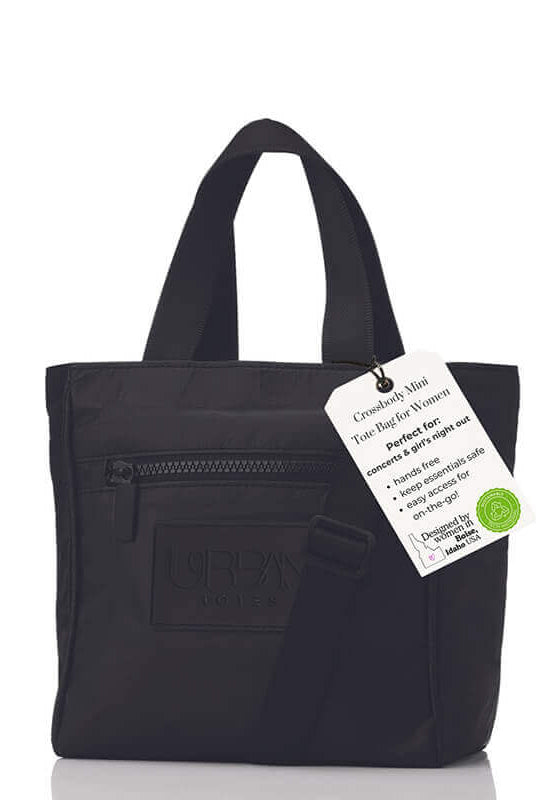
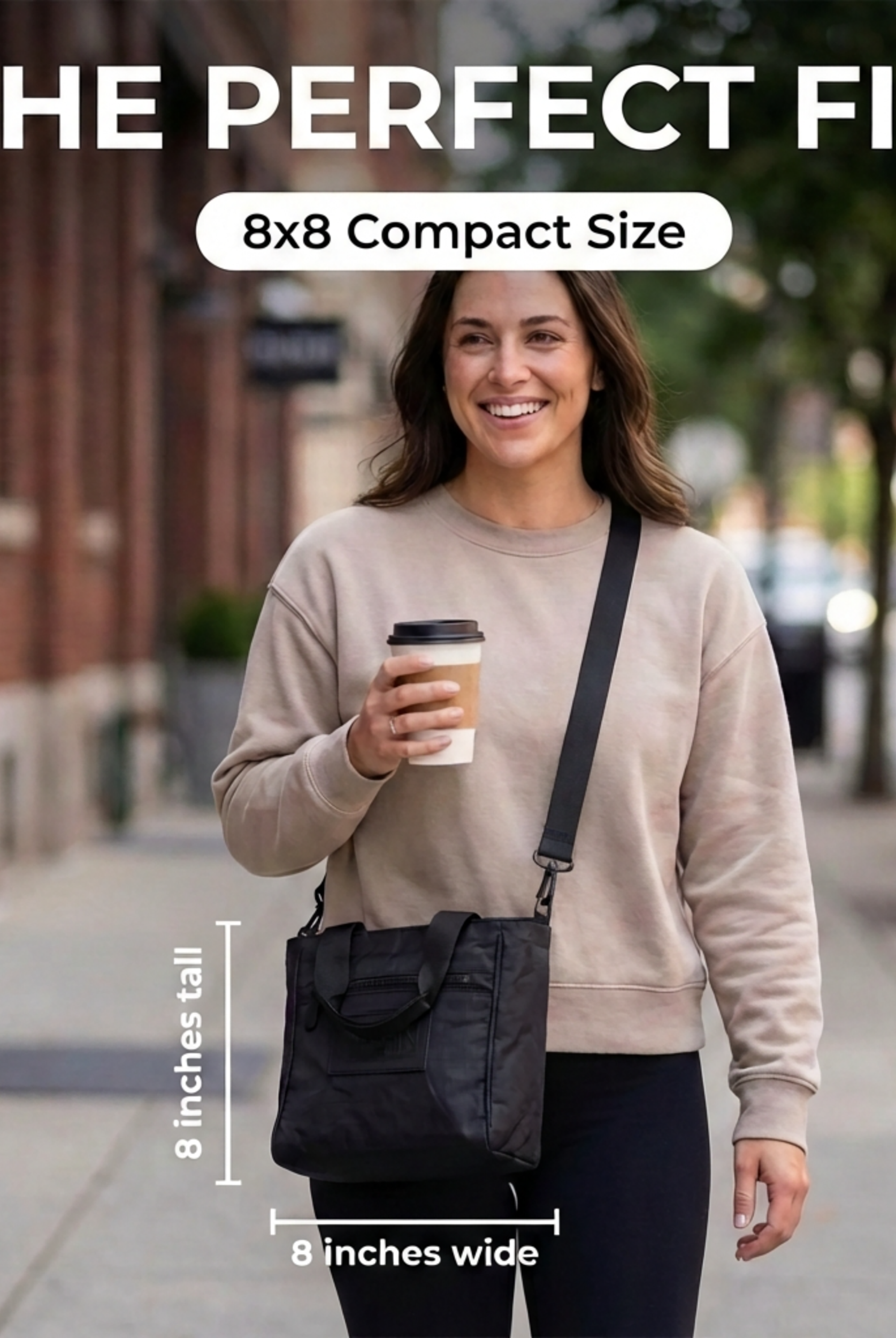
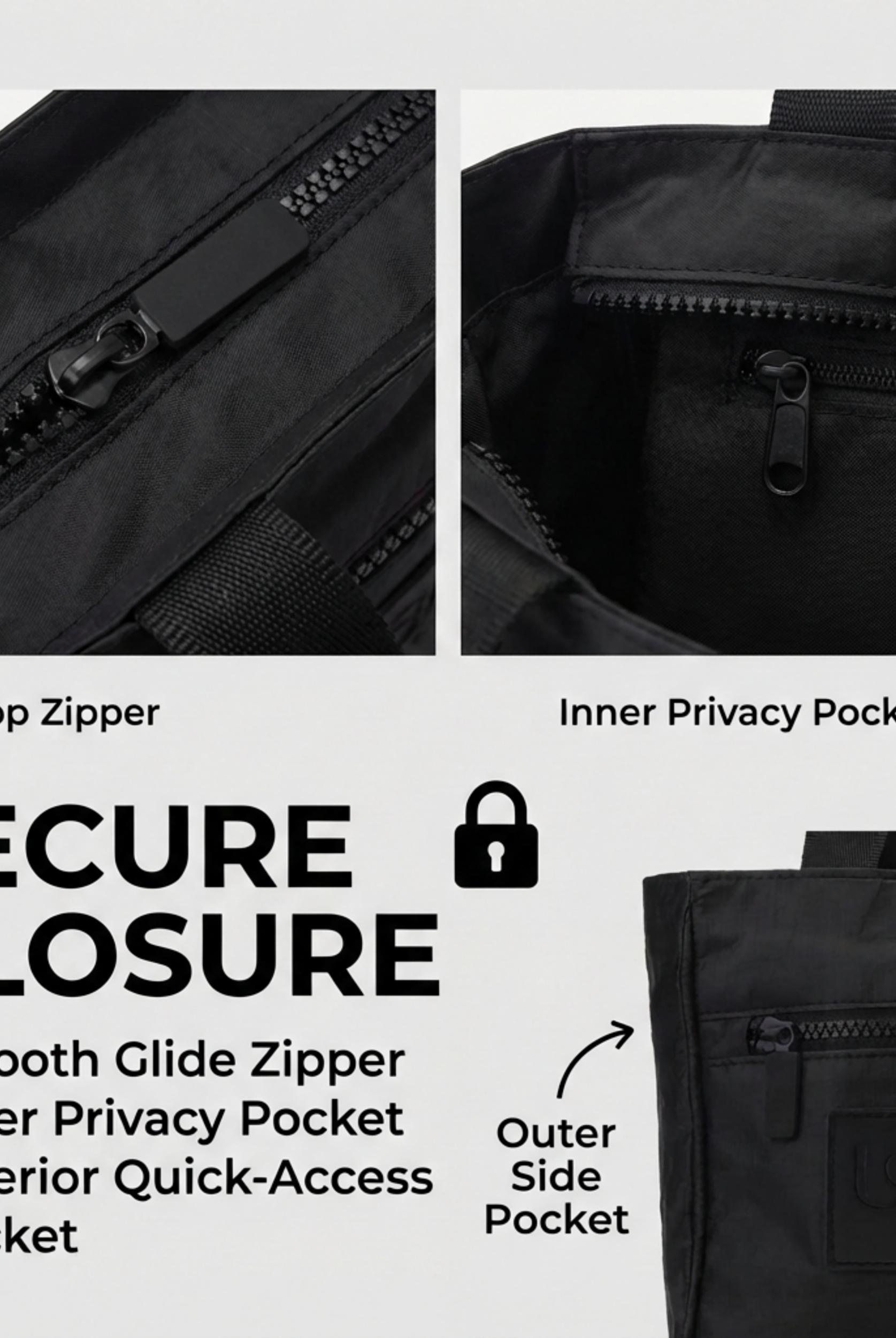
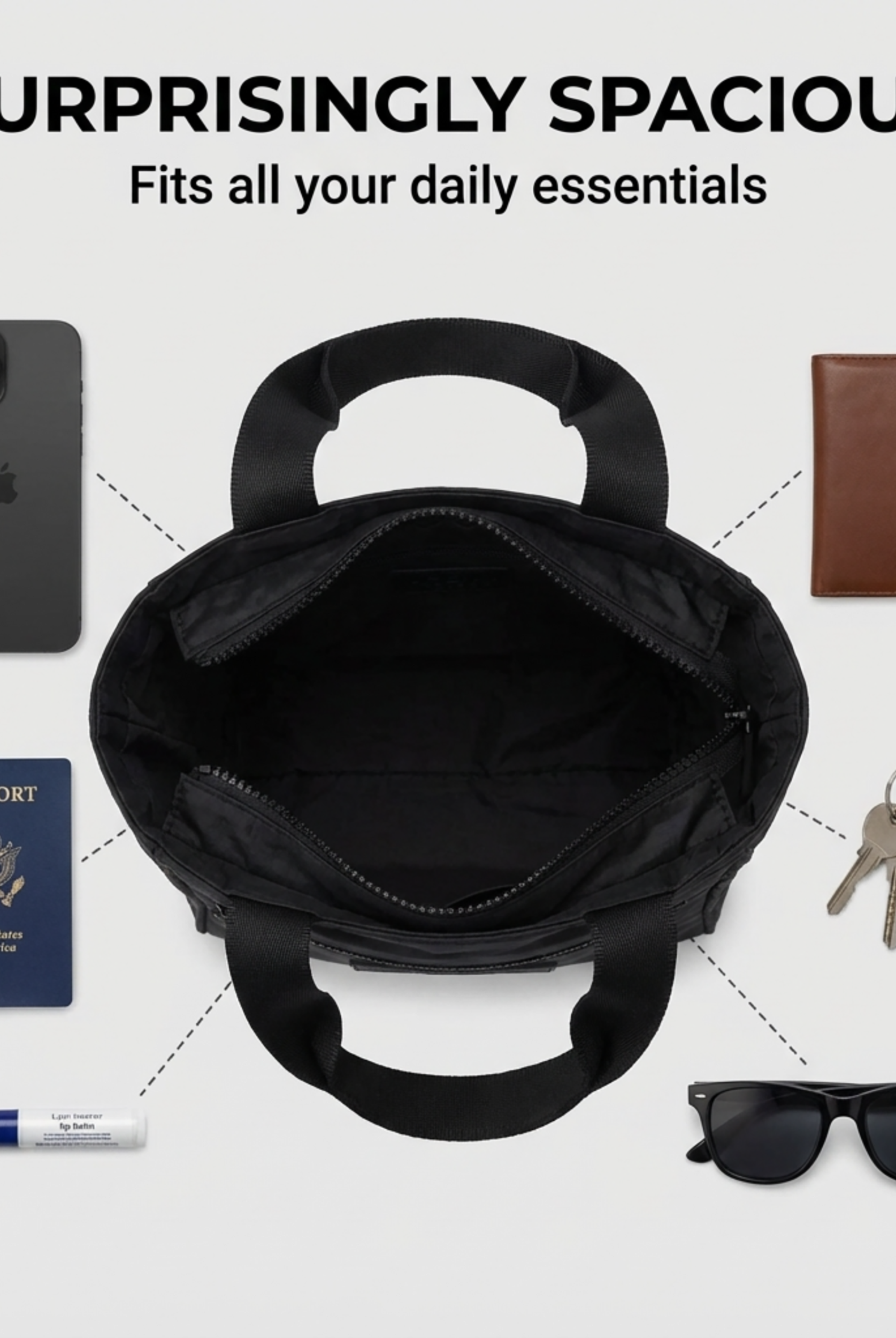
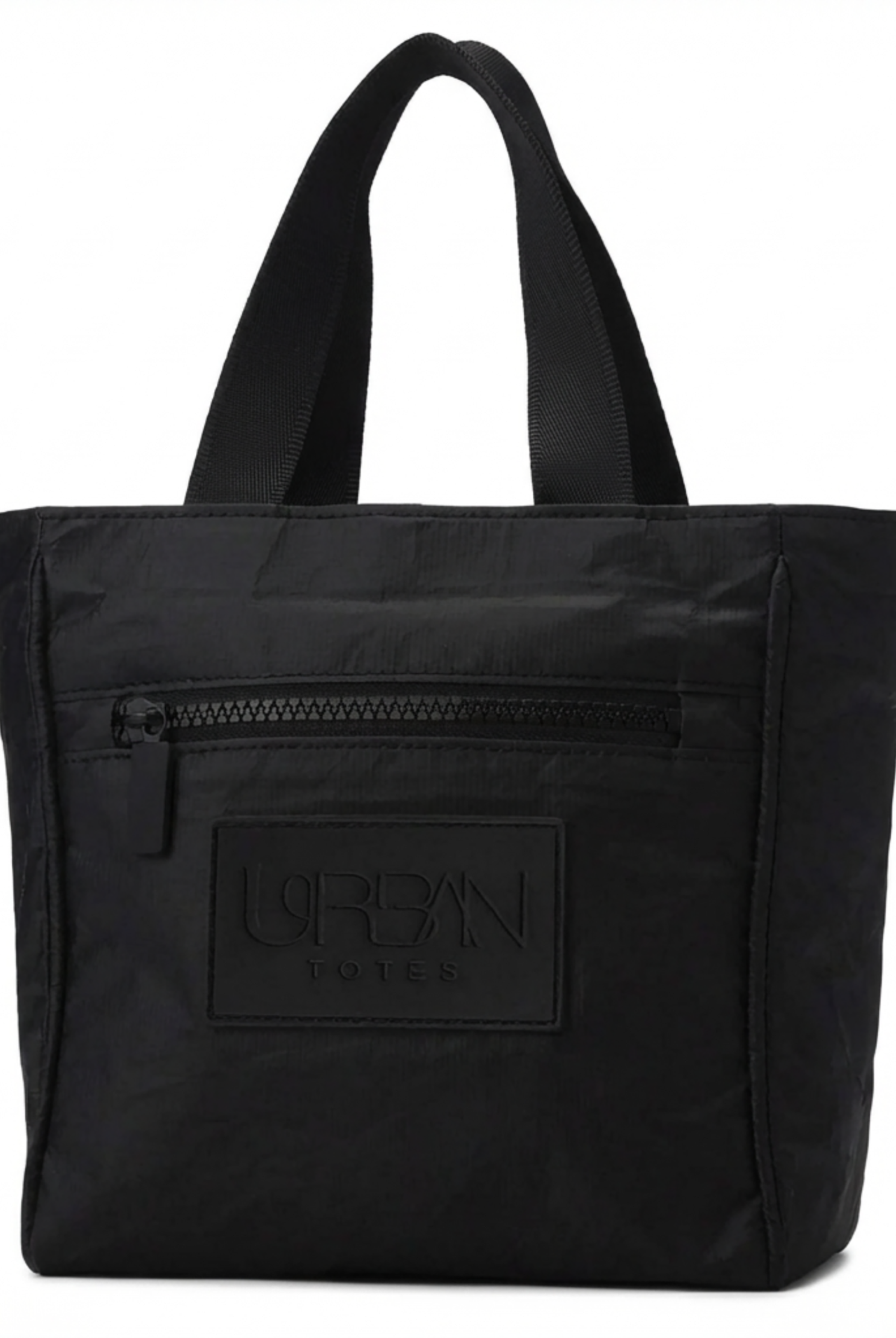
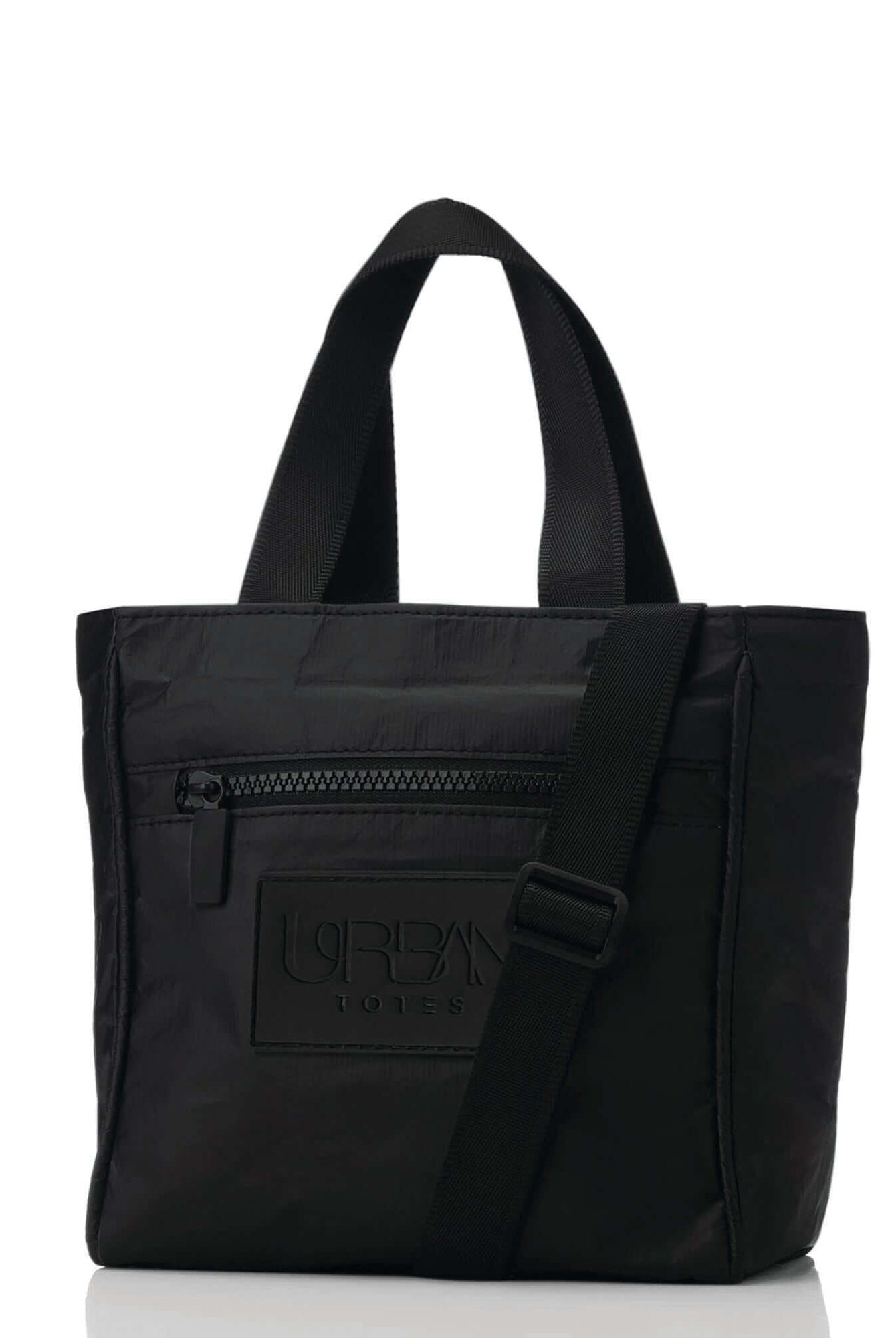
One useful real-world example is The Go Anywhere Day Trip Tote Bag by Urban Totes, which is described with three large, zippered compartments plus specific pockets for an iPhone and keys. That kind of layout suits people who want clear separation between work gear, personal essentials, and quick-grab items, while keeping everything behind zipper closures.
Practical rule: Count how many categories of items you carry every day. Then choose a tote with enough zones to separate those categories, not every single object.
A smart interior should answer simple questions fast. Where does the laptop go? Where do keys live? What pocket holds the things you need while standing in line or walking into a meeting? If the layout doesn't answer those clearly, it's not organized. It's just busy.
Key Features That Make a Difference
Compartment layout matters, but the outer build decides whether the bag still feels good after a long day. A tote can look organized online and still be awkward in motion if it's too heavy, too floppy, or annoying to carry once you've loaded it.

Weight and material change the whole experience
The biggest mistake people make is focusing only on what fits. Start with what the bag itself adds before you've packed a single thing.
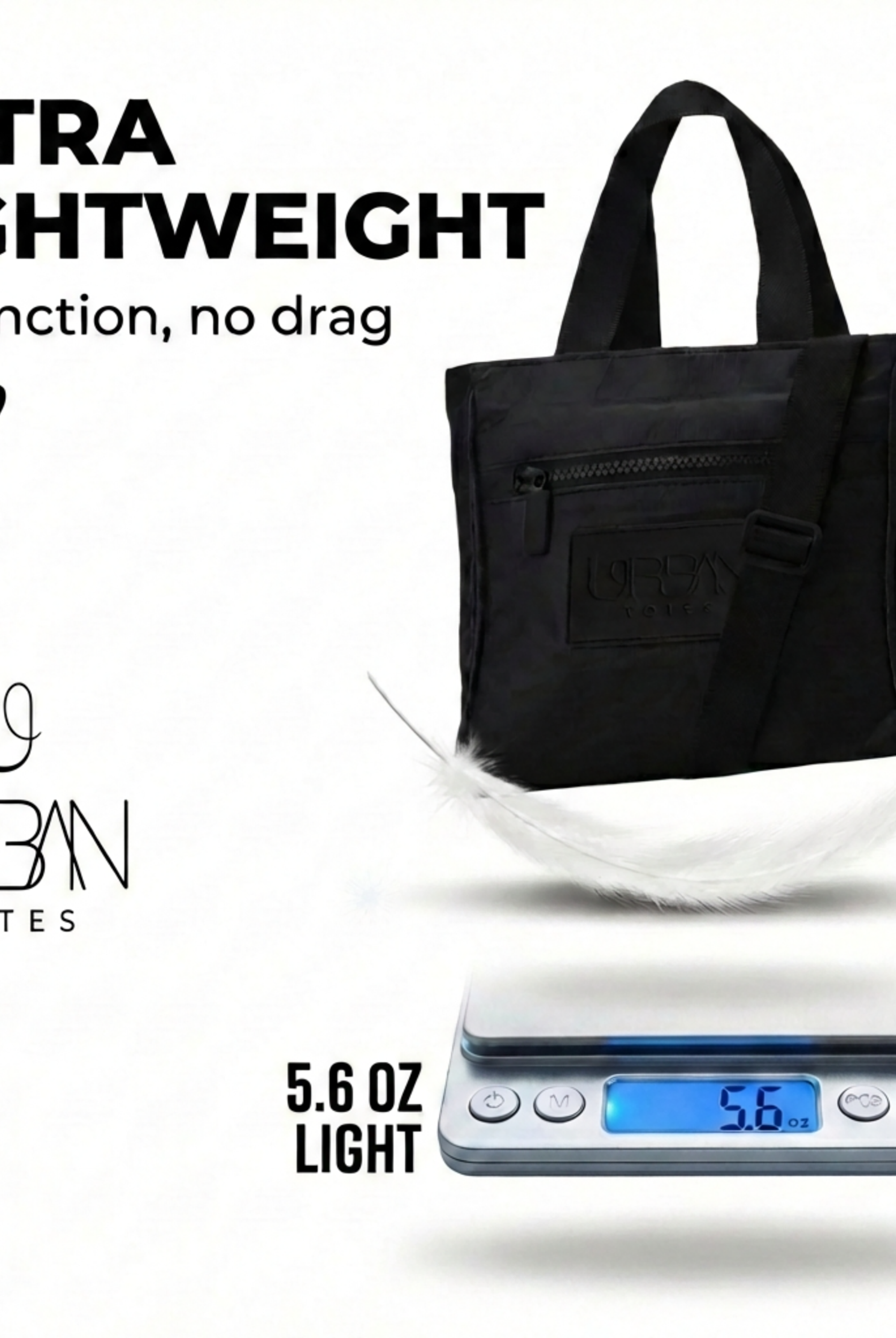
A representative listed tote shows the balance well: it weighs 1.04 lb in water-resistant crinkle nylon and includes a dedicated laptop compartment with 1 interior zip pocket plus 4 open pockets. That's a useful benchmark because it shows how a bag can stay lightweight while still offering a meaningful compartment layout for commuting and travel (representative compartmented nylon tote listing).
Material affects more than appearance:
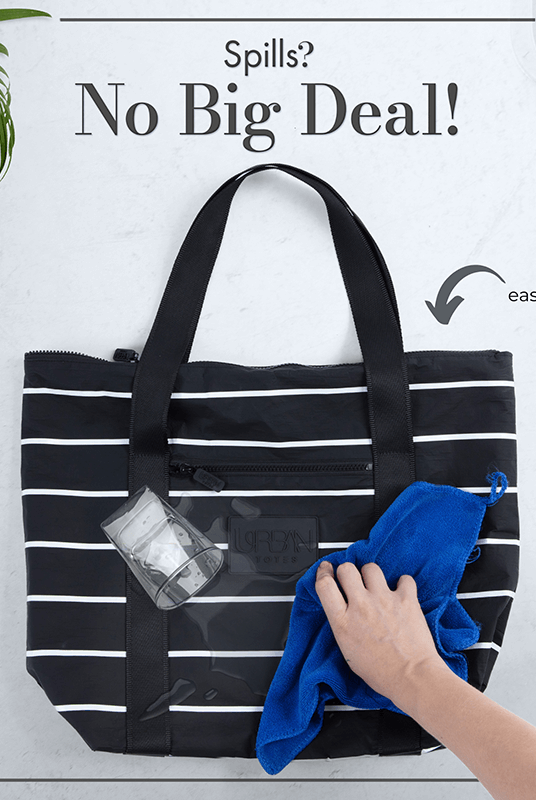
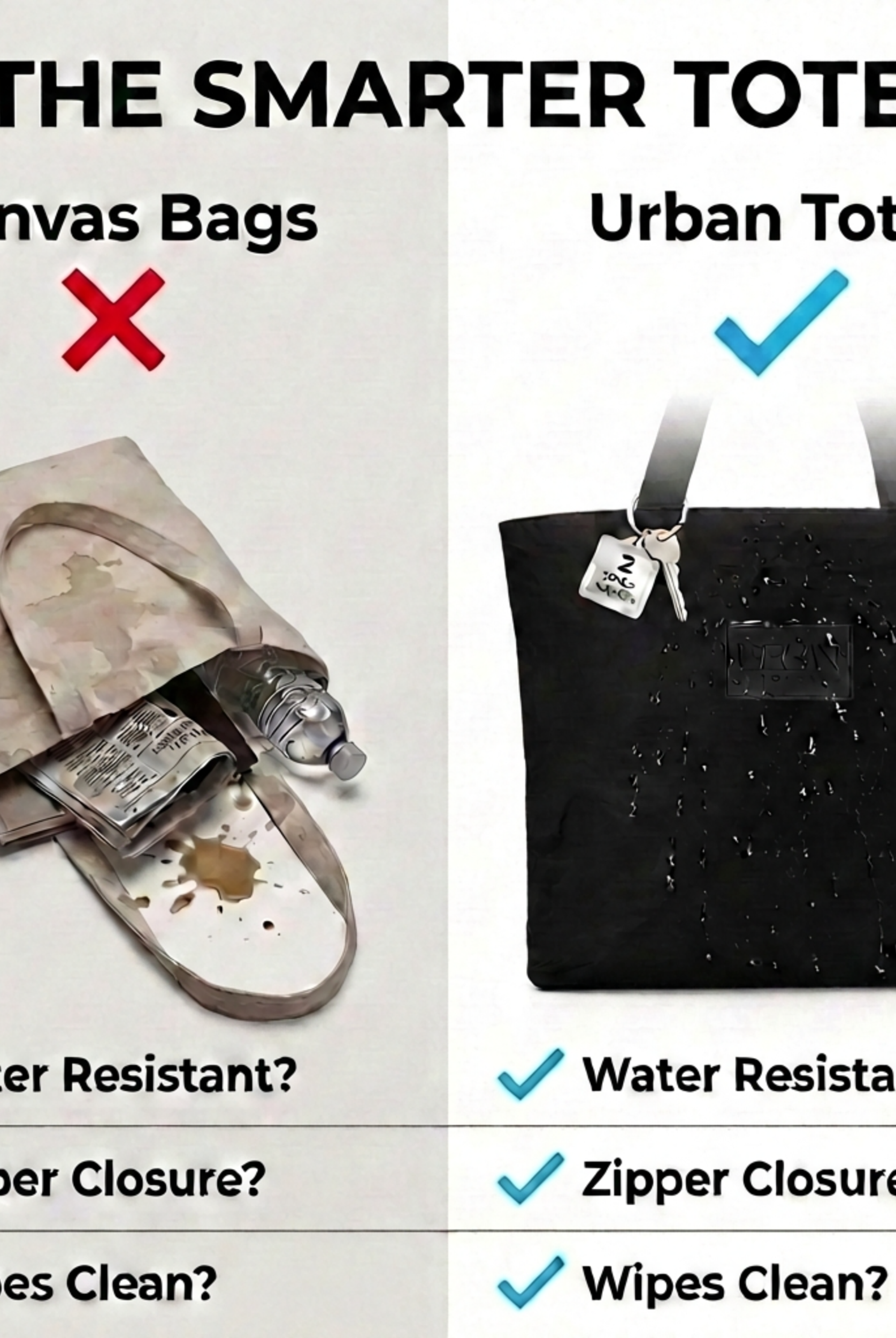
- Water-resistant fabrics make everyday messes less stressful
- Lightweight construction matters when you already carry a laptop, charger, and bottle
- Easy-clean surfaces are practical if your bag rotates between work, errands, and travel
- Soft-sided builds can be more forgiving if your load changes day to day
For readers comparing shape and support, Urban Totes' article on the structured tote bag is useful because structure changes how the bag stands, opens, and distributes your items.
Closures and straps decide whether you actually use the bag
A bag can have excellent pockets and still fail if it doesn't feel secure.
A zipper closure is often the easiest answer for crowded commutes, airport movement, and days when the tote gets set down in more than one place. Open-top bags can look clean and feel flexible, but they're often less relaxing to carry when the contents shift or become visible.
Straps deserve the same attention. If they slide off your shoulder, twist, or dig in, you'll notice it every single day. The best straps feel stable without being stiff. They should work with a coat, not just a thin blouse, and they should let the bag sit close enough to the body that it doesn't swing around awkwardly.
Good organization gets the attention. Good straps and closures are what make you keep reaching for the bag.
That's why the best work tote bags with compartments are never just about the inside. They're a full-use object. Commute, desk, car seat, airport gate, coffee run, school pickup. The details have to hold up in all of them.
Matching Your Perfect Tote to Your Lifestyle
The right tote depends less on trend and more on routine. A bag that feels perfect for a train commute can feel frustrating at a playground. A carryall that works beautifully for travel can be too open-ended for someone who needs the same items in the same place every weekday.

One of the most useful tradeoffs to understand is this: a heavily compartmentalized tote is often best for a consistent routine, while a lightly divided tote usually gives more flexibility for irregular items. That distinction matters if you're carrying a 13- to 16-inch laptop plus daily essentials for work, versus using the same bag as a more adaptable carryall for travel or caregiving (Business Insider's discussion of work bag tradeoffs).
The daily commuter
If your day has a repeatable pattern, a more structured layout usually wins.
You likely need:
- a dedicated laptop area
- a secure place for wallet and keys
- a quick-access pocket for phone, badge, or earbuds
- a closure that feels reliable in motion
For commuters, extra organization often pays off because retrieval speed matters. You're reaching into the bag while walking, scanning into a building, moving through transit, or switching locations fast.
The on-the-go mom
Frequently, many “work bags” stop being realistic. Parents and caregivers often need a professional-looking tote that can also carry irregular items without becoming a jumble.
You may be combining:
- laptop and charger
- wipes or snacks
- a small pouch for personal items
- papers, receipts, or kid-related extras that appear without warning
A lightly structured bag with a few strong zones often works better here than an overly segmented one. You want enough separation to keep your essentials from disappearing, but not so many built-in dividers that a snack container or spare shirt becomes hard to fit.
The weekend traveler
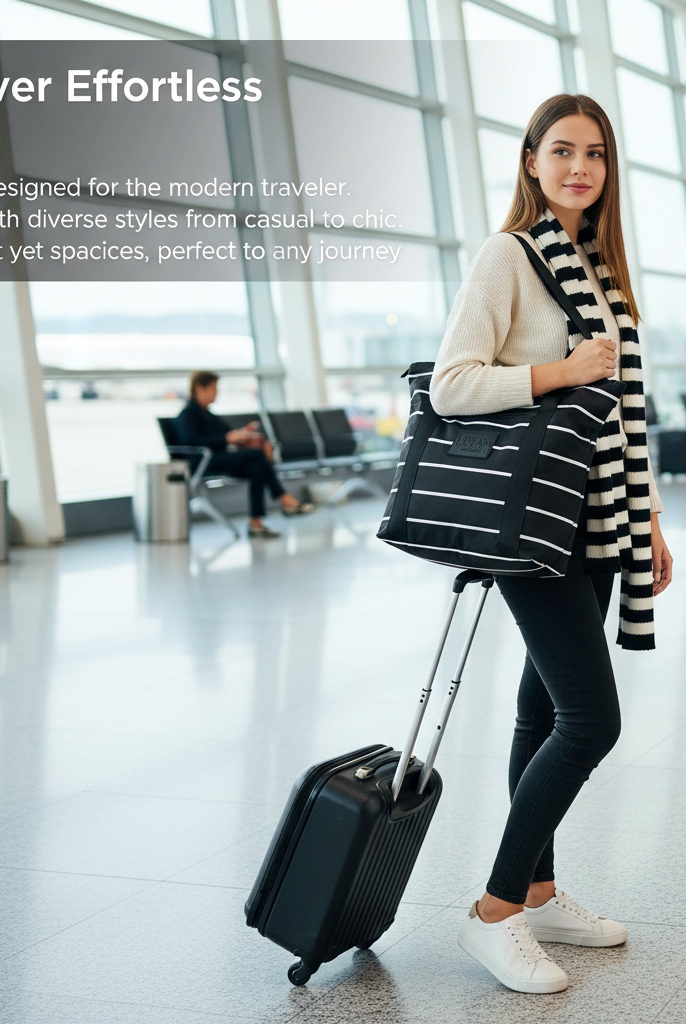
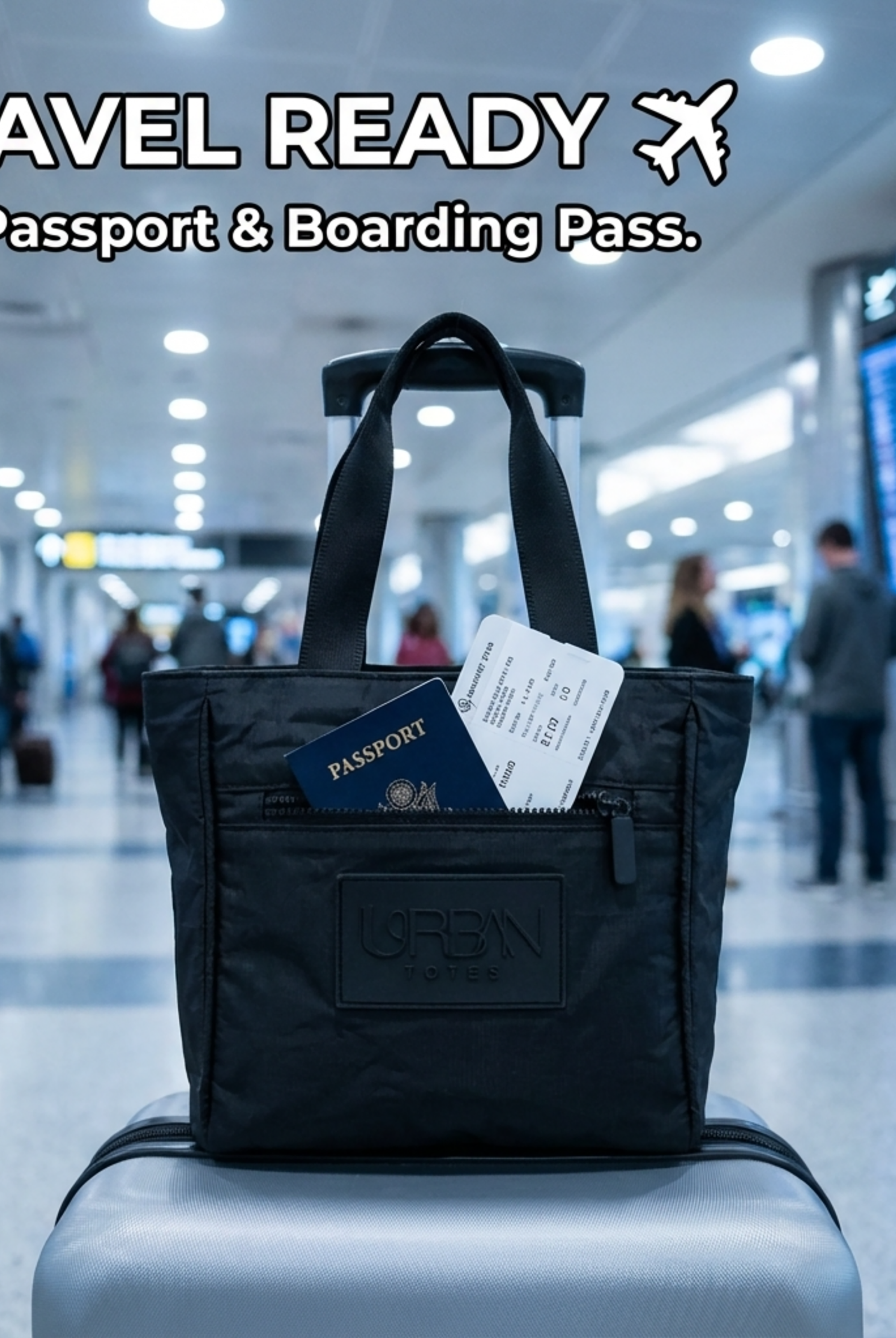
Travel changes the equation. You want security, light weight, and adaptability.
A travel-ready tote tends to work best when it has:
- one clear compartment for tech
- one secure section for valuables
- enough open room for a scarf, snacks, documents, or an extra layer
- a build that's easy to wipe down and simple to pack
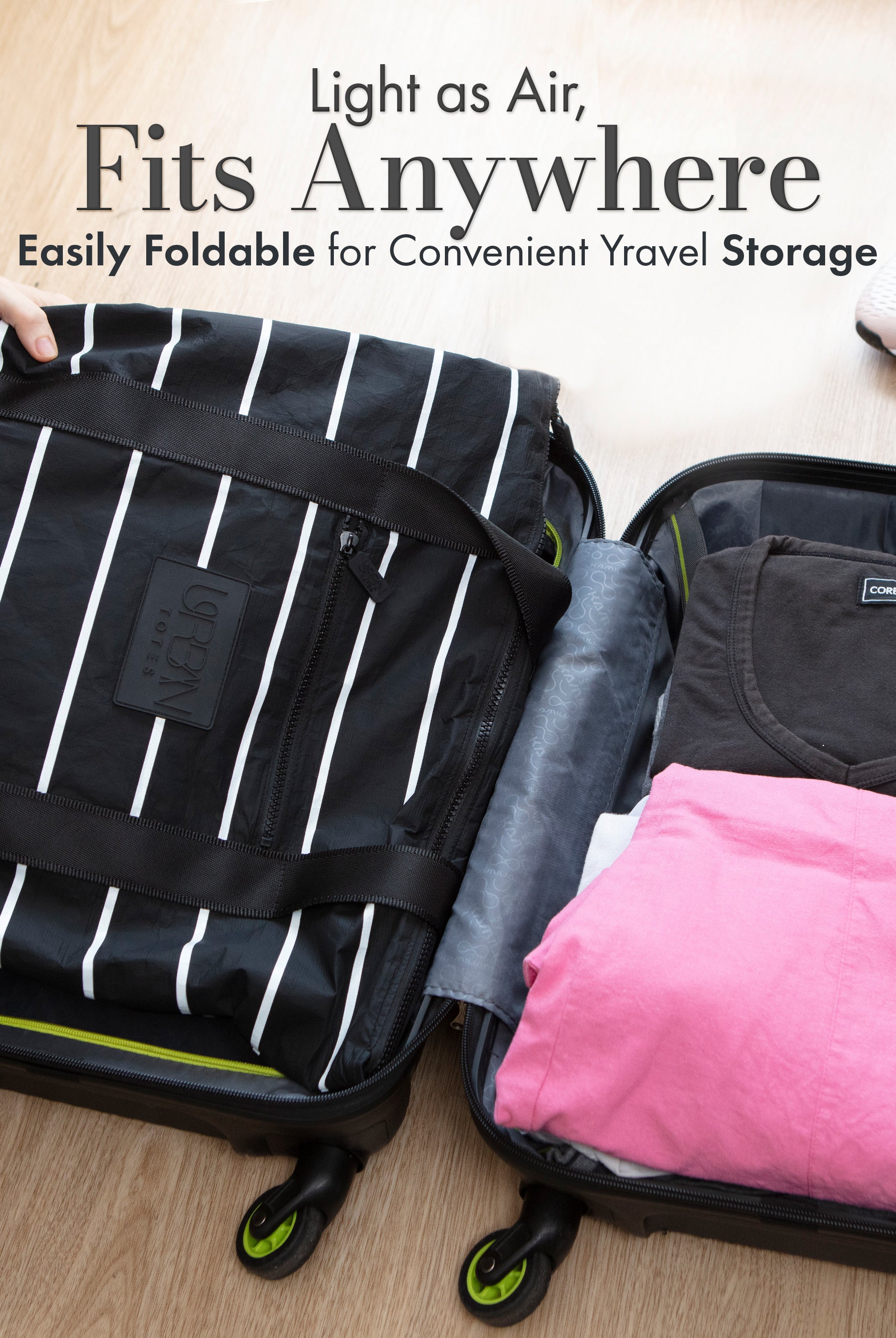
Foldable, packable bags become especially useful. They're easier to store, easier to bring along, and easier to repurpose once you arrive.
Here's a quick side-by-side view.
Tote Features by Lifestyle
| Feature | Daily Commuter | On-the-Go Mom | Weekend Traveler |
|---|---|---|---|
| Laptop area | Dedicated padded sleeve | Helpful if work gear comes along | Useful for mixed travel and work days |
| Pocket style | More defined pockets | Fewer but roomier pockets | A blend of secure and flexible storage |
| Closure | Full zipper is ideal | Zipper helps contain shifting items | Secure closure matters in transit |
| Material feel | Lightweight and polished | Easy-clean and durable | Packable and travel-ready |
| Best layout | Consistent, repeatable zones | Adaptable space with essentials separated | Flexible main area with security pockets |
If your life changes by the hour, versatility matters more than perfection on paper. That's why many women end up wanting a bag that can move between roles instead of being locked into one narrow use case. Urban Totes' perspective on the business tote bag is helpful here because the most useful work bag often needs to function beyond work.
The best tote isn't the one with the most compartments. It's the one whose compartments match the way your real day unfolds.
How to Pack Your Work Tote for Maximum Efficiency
Even the right bag can feel messy if you pack it without a system. Most bag chaos comes from loose small items, bad weight placement, and putting frequent-use things in the hardest place to reach.

Build zones inside the bag
Think in categories, not single objects.
Create these internal zones:
- Tech zone for laptop, charger, mouse, and headphones
- Daily-access zone for phone, keys, wallet, transit card
- Personal-care zone for lip balm, hand cream, medication, or makeup
- Overflow zone for snacks, papers, receipts, or one-off extras
If your cords tend to tangle, small pouches make a huge difference. I also like using dedicated solutions for cable organization so charging gear stays compact instead of wrapping around pens and keyrings.
Weight placement matters too. Put heavier items close to the center of the bag and as upright as possible. A laptop sleeve against one side and a water bottle standing in its own spot usually carries better than everything stacked in one deep pile.
For another helpful organizing approach, Urban Totes' guide to the multiple compartment purse shows how small-item separation can make everyday carry far easier.
Sample packing setups that work
For the commuter
- Laptop in the padded sleeve
- Charger and mouse in a slim tech pouch
- Keys in a dedicated pocket
- Phone in the easiest-access slip pocket
- Notebook flat against the main wall of the bag
For the hybrid mom-and-worker
- Laptop or planner in the back section
- Snack pouch in the roomiest compartment
- Wipes and tissues together in a washable zip pouch
- Wallet and personal items in a zip pocket
- Sunglasses and kid extras in the remaining open section
For the traveler
- Passport and wallet in the most secure internal zip area
- Headphones and charger grouped together
- Water bottle upright if the tote allows
- Scarf or cardigan at the top for easy grab access
- Empty space left intentionally for in-transit additions
Don't pack to fill every compartment. Leave one zone open. That spare space is what keeps a bag useful after lunch, after errands, or after a surprise stop.
That single habit prevents the tote from becoming a stuffed catchall by noon.
Keeping Your Go-Anywhere Bag Ready for Action
A bag that gets used daily doesn't need precious treatment. It needs simple care done regularly. The women who get the most out of their tote usually aren't babying it. They're just staying ahead of grime, clutter, and wear.
Simple care that preserves the bag
For water-resistant, easy-clean materials, quick maintenance goes a long way.
Use a routine like this:
- Empty it weekly so crumbs, receipts, and loose items don't build up
- Wipe spills quickly before they settle into seams or corners
- Shake out the lining if the interior collects dust or snack debris
- Check zipper tracks for lint or grit if the zipper starts feeling rough
If your tote is machine washable, follow the brand's guidance. If it's wipe-clean only, a soft cloth and mild cleaner are often enough for everyday marks.
Urban Totes has a useful guide on how to care for your tote bag with maintenance tips and tricks if you want a simple upkeep routine that fits into real life.
What durability looks like in real life
Durability is less about dramatic claims and more about repeat stress points. Look at the strap attachment, the stitching near the top opening, the feel of the zipper, and whether the interior pockets hold shape after use.
A practical bag should handle being set on a passenger seat, tucked under a desk, carried through an airport, and wiped down after a spill. Lightweight, packable, foldable totes are especially convenient when they still keep their organization after being stored or packed flat.
That's one reason thoughtfully designed bags from a woman-owned brand resonate with busy users. They tend to reflect lived routines, not just showroom styling. When a tote is built around actual daily friction points, maintenance feels easy because the bag was made to be used.
Your Tote Questions Answered
Do I really need a laptop sleeve in a work tote?
If you carry a laptop regularly, yes. A dedicated padded sleeve helps protect the device and keeps it from sliding into harder items. It also makes the bag easier to pack because the computer has a fixed home.
Are more compartments always better?
No. More compartments help when your daily routine is consistent and you want fast retrieval. Fewer, roomier sections often work better if your carry changes a lot from day to day.
Is a zipper closure worth it?
Usually, yes. A zipper is especially useful for commuting, travel, and busy family schedules because it keeps items contained and covered while you move.
What material is most practical for daily use?
For many people, lightweight, water-resistant, easy-clean materials are the easiest to live with. They suit work, errands, and travel without asking for much maintenance.
Can one tote really work for both work and personal life?
It can, if the layout is flexible enough. The sweet spot is a tote with a protected tech area, at least one secure pocket, and enough open space for the irregular things real life adds.
How do I keep my tote from turning into a catchall?
Use pouches for categories, give keys and wallet a fixed spot, and leave one compartment partly open for the unexpected. That one change usually keeps the whole bag calmer.
Urban Totes designs stylish, organized bags for real life in motion, with lightweight, water-resistant, packable details that make daily carry feel less chaotic and more intentional. Find your perfect go-anywhere bag at Urban Totes.