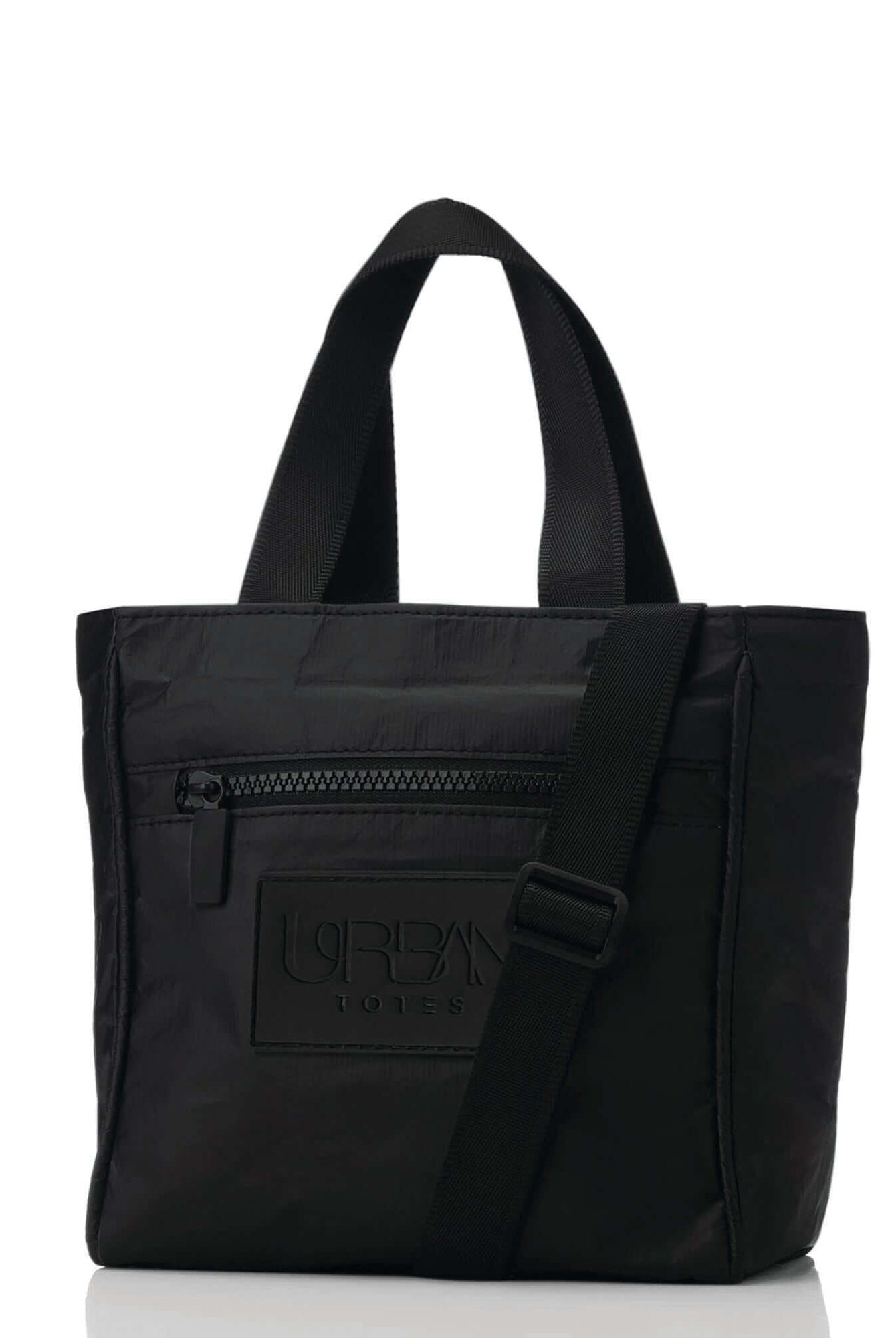
You're probably here because your current travel setup is annoying in a very specific way. One bag is never quite enough, but a full luggage collection feels excessive. You need something that works for a quick weekend, a longer trip, and the kind of real life that happens before and after the airport: school drop-off, work, errands, a hotel lobby, a rainy parking lot.
That's why a 2 piece luggage set appeals to so many travelers. It sounds simple, but the smart choice isn't always the prettiest matching pair. The right setup has to fit how you move through a trip, how much you carry, and whether that second piece helps once you land.
Table of Contents
- What Exactly Is a 2 Piece Luggage Set
- Choosing the Right Luggage Sizes for Your Trip
- Essential Features for a Durable Luggage Set
- How to Pack Your Two Piece Set for Any Getaway
- Beyond the Matched Set A Tote and Carry-On System
- Travel Smarter Not Harder
What Exactly Is a 2 Piece Luggage Set
A 2 piece luggage set is any coordinated two-bag travel setup sold or used as a pair. Most shoppers picture two matching rolling suitcases, and that's still the most familiar version. But in practice, the term covers more than that.
The classic format is a carry-on plus a larger checked suitcase. That pairing works because each piece handles a different job. One stays with you in the cabin for immediate access. The other carries bulkier clothes, extra shoes, toiletries, and the things you don't want crammed into an overhead-bin-sized case.
Here's a visual breakdown of the most common forms:

The most common set people mean
For many travelers, a two-piece set means one bag for short trips and one for longer ones. On Friday, you use the carry-on. For a bigger vacation, you bring both. That kind of flexibility is what makes the category popular.
A technically clear example comes from a Samsonite 2-piece set with a carry-on sized at 21.75" x 13.75" x 9.75" and 7.2 lb, paired with a large spinner at 30.75" x 21.0" x 13.25" and 10.5 lb in its product listing for a 2-piece carry-on and large spinner set/149045XXXX.html). That size split reflects two different travel jobs, overhead-bin use for the smaller case and checked-bag capacity for the larger one.
Other versions worth knowing
Not every 2 piece luggage set is two rollers.
Some are built around different habits:
- Two cabin-friendly pieces: useful for travelers who want to avoid checking bags.
- A suitcase plus a cosmetic or beauty case: better for someone who likes a dedicated place for skincare, makeup, or chargers.
- A suitcase plus a duffel or tote: often the most useful option for women who want one piece for the plane and one piece for everyday use at the destination.
Practical rule: Don't buy a set because the pieces match. Buy it because each piece solves a different problem.
That's the part shoppers often miss. A matching set can look polished in a product photo and still be awkward in real life. If the second bag duplicates the first instead of complementing it, you're paying for visual consistency more than actual utility.
If you want a quick primer on how totes, duffels, satchels, and other bag styles differ, Urban Totes has a helpful glossary of bag types from traditional to trendy.
What matters more than the label
The smartest way to think about a 2 piece luggage set is as a system, not a product category. Ask one question first: what do these two pieces let you do that one bag can't?
A good pair should cover two different moments in your travel life. Airport and destination. Short trip and longer trip. Flight day and everyday carry.
If both pieces only do one thing, it's not much of a system.
Choosing the Right Luggage Sizes for Your Trip
Size is where most luggage decisions go right or wrong. A set can look perfect online and still be frustrating if the smaller piece is too bulky for cabin use or the larger piece is more suitcase than you ever need.
The good news is that the carry-on plus checked-bag pairing exists for a reason. It mirrors how many people travel. A 2026 market summary reports that about 19% of travelers check two pieces of luggage on personal international trips, while only 4% check three pieces, according to this luggage market summary. That makes the two-piece format feel less like overpacking and more like the practical upper edge of common travel behavior.

Match the bag to the trip, not the marketing
A smaller rolling case usually handles short travel well. Think a quick girls' getaway, a work trip, or a long weekend where you're packing intentionally. A larger checked suitcase makes more sense once your packing list includes multiple outfits, extra shoes, outer layers, or items for another family member.
Many shoppers find this particular point confusing. Product pages often say a set works for “long or short trip” use, but that phrase doesn't tell you whether the sizes make sense for your habits. A useful set should create separation between light travel and full-trip packing.
A simple way to think about sizing
Use this quick framework when choosing a 2 piece luggage set:
| Trip type | What usually works |
|---|---|
| Weekend getaway | Carry-on plus a compact personal item |
| One-week trip | Carry-on or checked bag, depending on how you pack |
| Longer vacation or family-heavy packing | Carry-on plus larger checked suitcase |
If your trips vary a lot, the second piece should increase options, not add storage you'll never use.
Don't forget the personal item layer
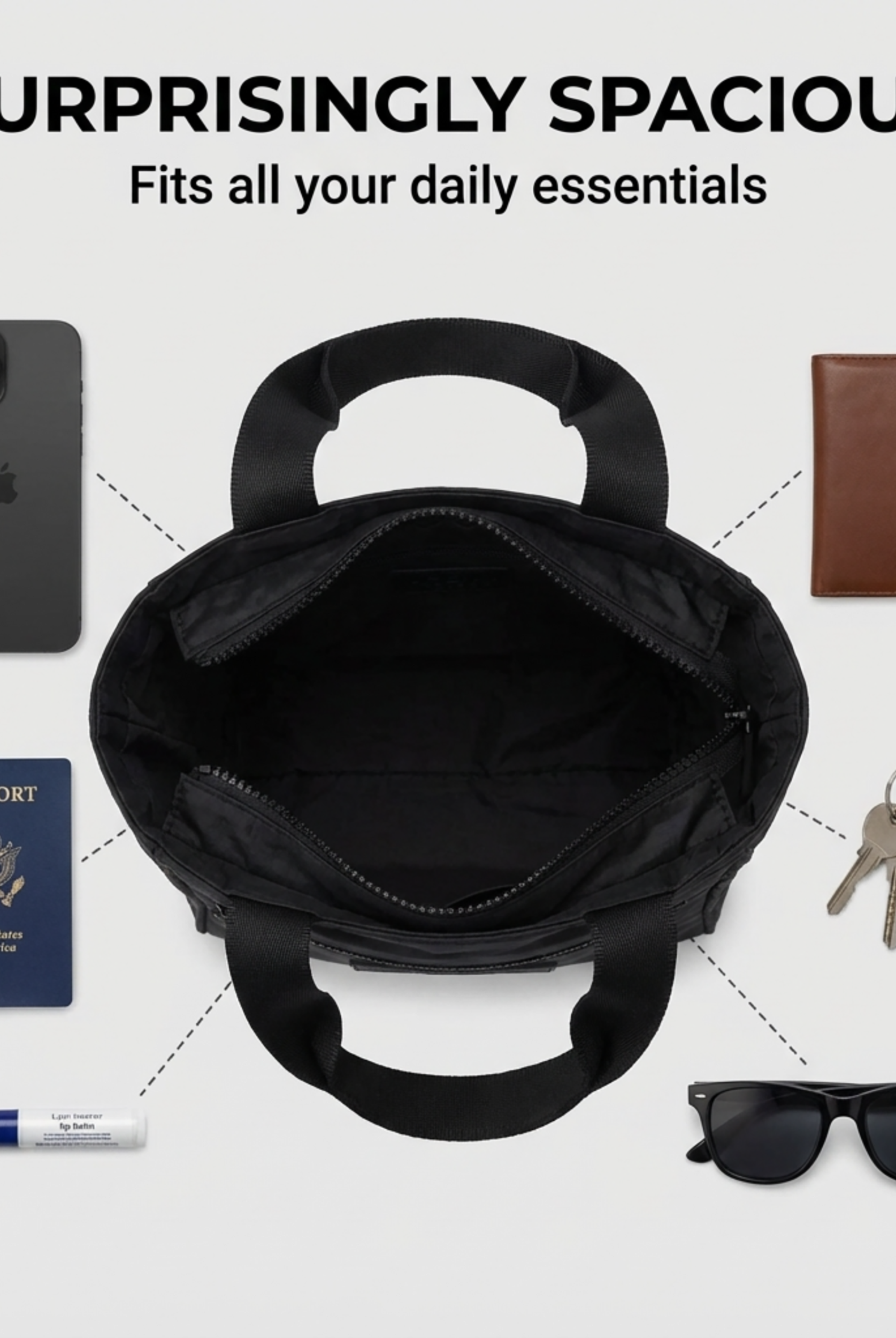
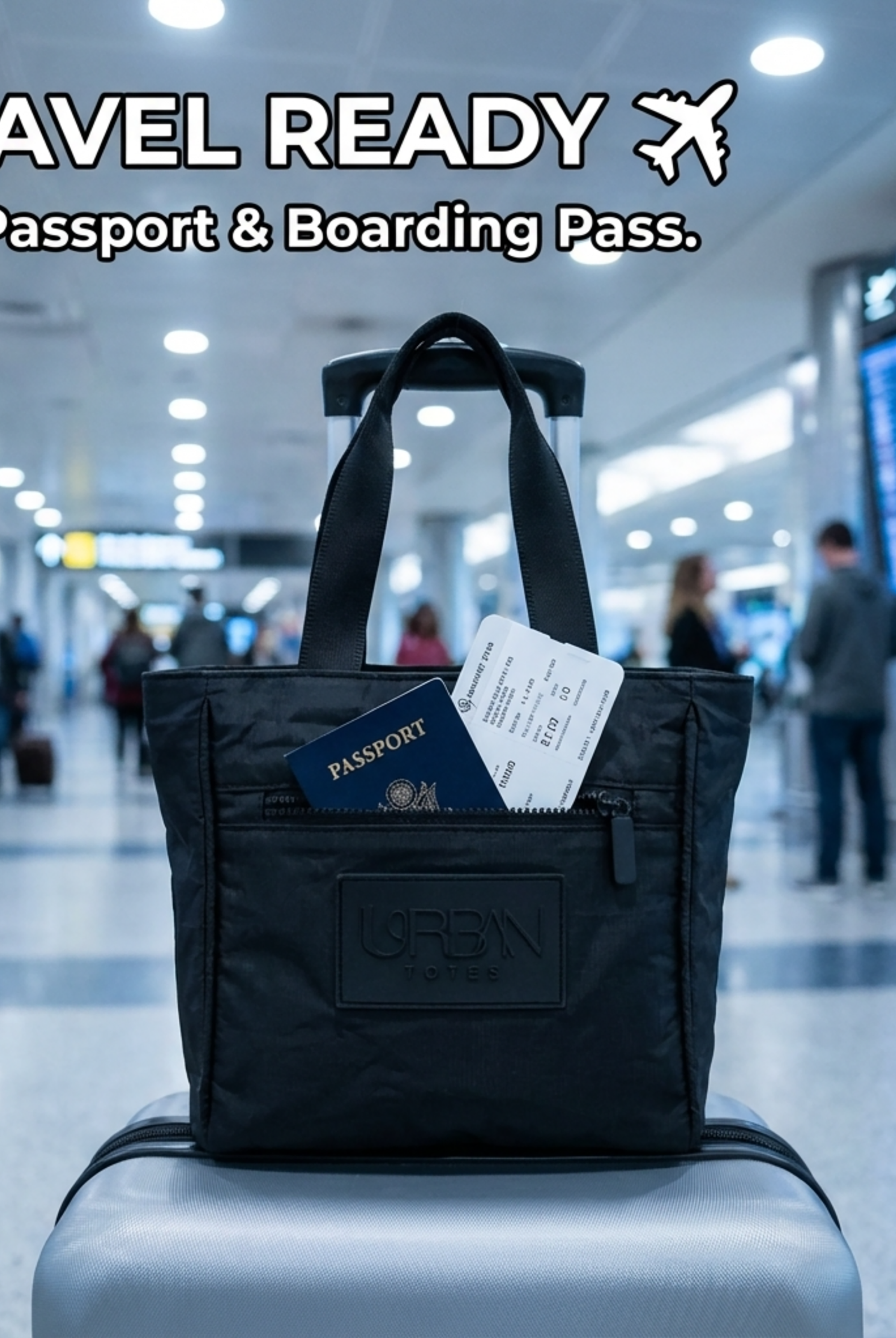
Even with a two-bag set, most women still need a smaller everyday piece for the airport itself. Phone, ID, chargers, lip balm, snacks, medications, and boarding essentials shouldn't disappear into the main suitcase.
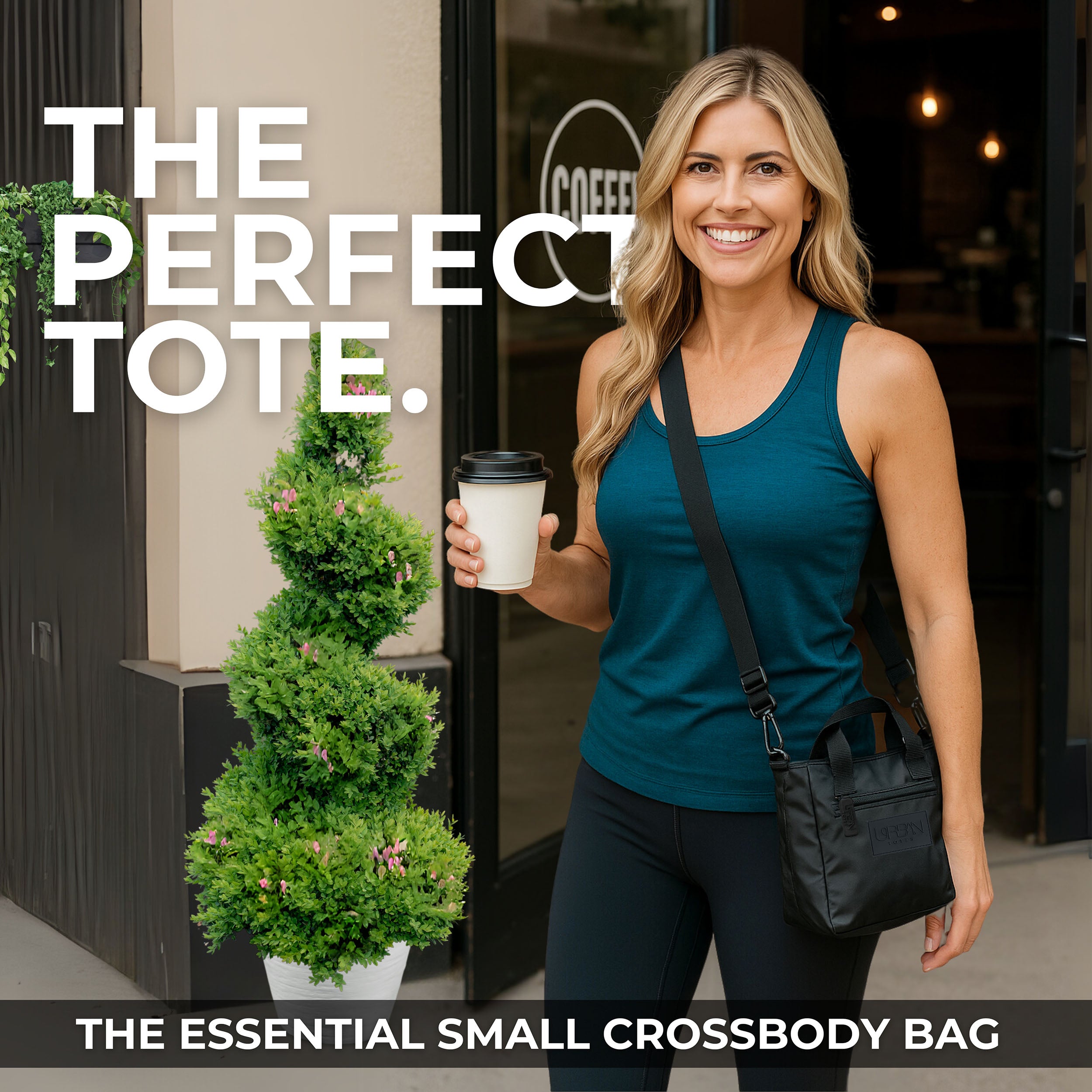
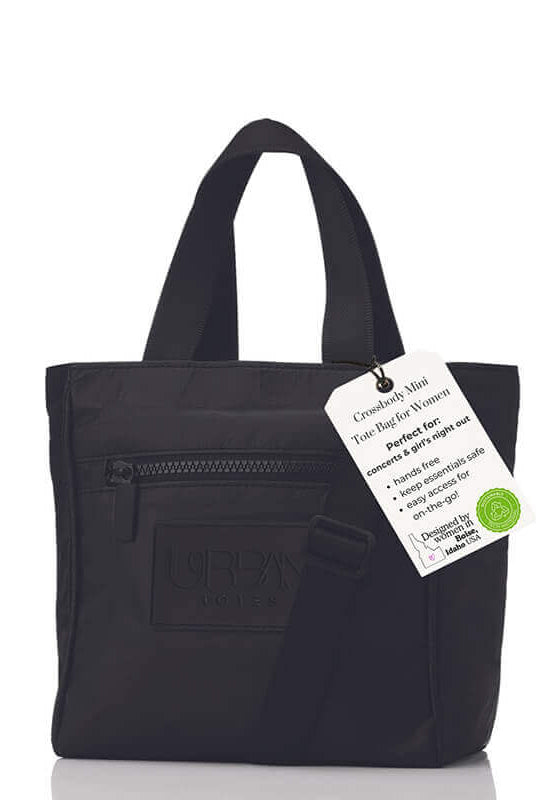
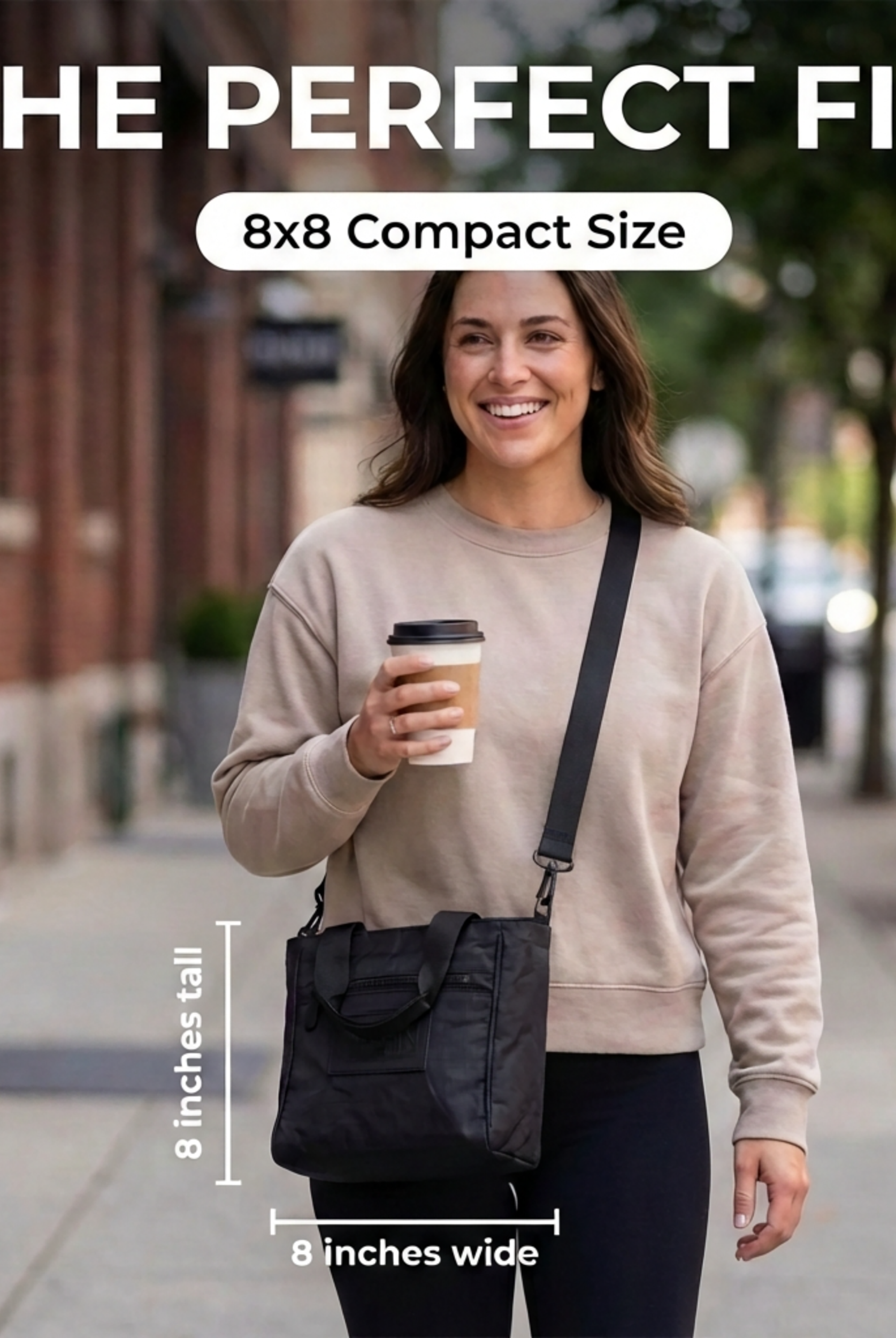
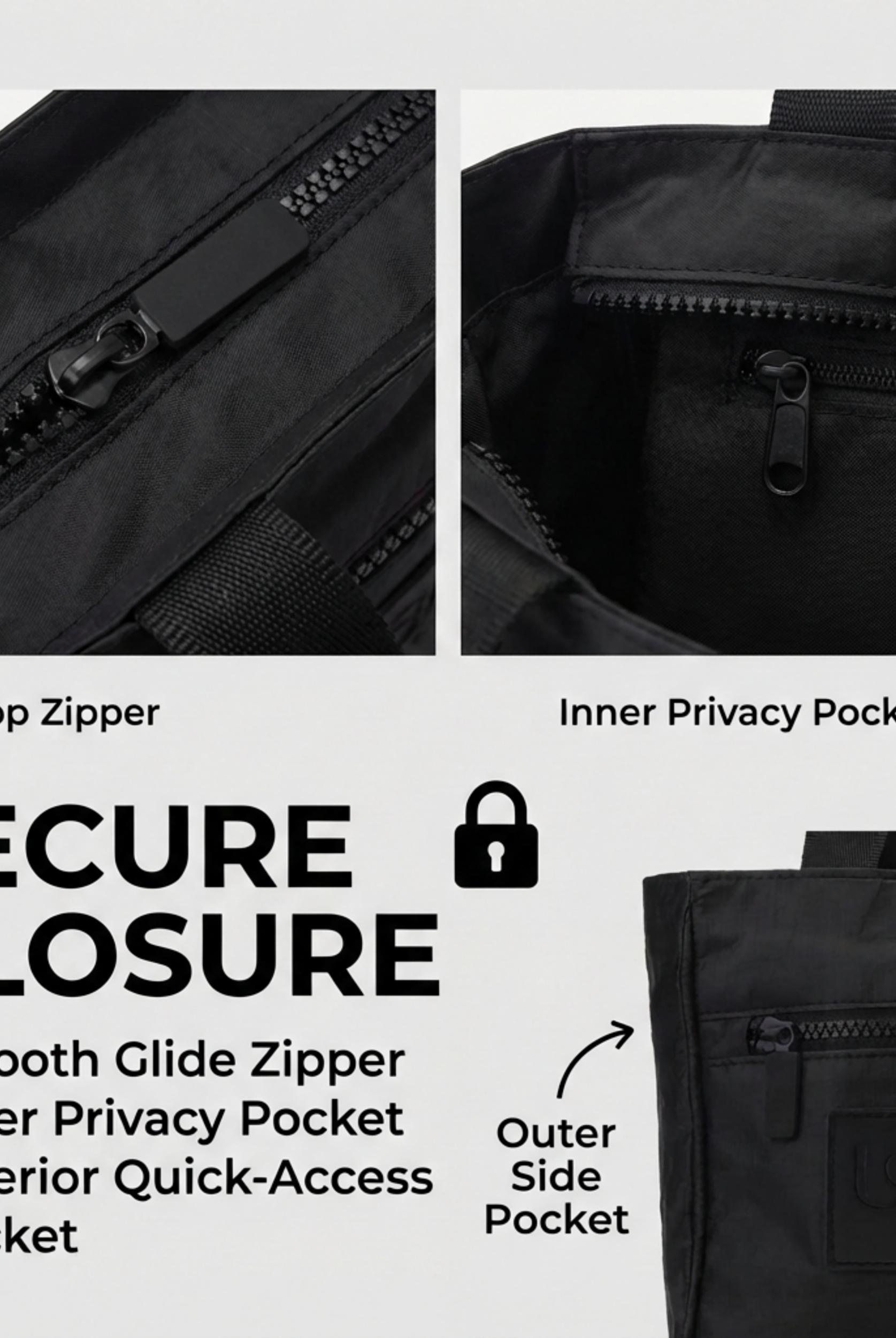
That's where something compact can help. The Crossbody Tote Bag Mini Purse measures 7.5 x 4 x 7.75 inches, includes a zip-top closure, an outside zipper pocket, an inside zipper pocket, and an easy-access outer pocket. In practical terms, it fits the role of a hands-free essentials bag better than treating your rolling carry-on like a purse.
If you're taking a shorter trip, the rolling bag should hold your clothes. Your personal item should hold the things you need without unzipping your whole travel life at the gate.
For readers planning shorter escapes, Urban Totes also shares ideas in this guide to best weekend travel bags.
What usually doesn't work
The least useful sets tend to fall into two extremes. One gives you two bags that are too similar in capacity. The other pairs a giant checked case with a tiny extra piece that doesn't function well beyond looking coordinated.
The right size pairing feels balanced. One piece should cover movement through the airport. The other should handle volume.
Essential Features for a Durable Luggage Set
A pretty suitcase can survive one trip. A durable one survives baggage belts, crowded hotel elevators, rough car trunks, and the moments when you packed in a hurry and zipped it anyway.
That's why features matter less as a checklist and more as a test of long-term use. Product pages often spotlight hard shells, TSA locks, and interior straps, but the more overlooked issue is how the set holds up over time. Product pages also show a growing focus on details like dedicated wet pockets and metal corner guards, which points to stronger demand for resilience and function, as reflected in this Heys Luxe 2 Piece Luggage Set product page.

Hard side or soft side
This decision changes how the bag behaves.
Hard side luggage usually makes sense if you want more structure and a cleaner silhouette. It's a good fit for travelers who like their bag to keep its shape and offer more exterior protection for packed items.
Soft side luggage can feel more forgiving. Exterior pockets are useful. The bag may flex more easily into car trunks or tight storage spaces. If you like quick-access compartments, soft side can be the easier everyday option.
Neither is automatically better. The better choice is the one that matches what frustrates you less.
The features worth checking closely
Some details are worth slowing down for before you buy:
- Spinner wheels: Four smooth wheels make a big difference in airports, especially when you're moving one rolling bag and carrying a second item.
- Telescoping handle: It should extend and retract cleanly without wobbling.
- Zippers: This is a common failure point. If they feel flimsy, the rest of the bag won't matter much.
- Corner protection: Reinforced corners or metal corner guards can help with repeated impact.
- Interior layout: Compression straps, wet pockets, or divided compartments matter if you want to separate shoes, damp items, or laundry.
- Locking system: TSA-style locks are convenient, but they shouldn't distract you from the construction basics.
A luggage set earns its value after the honeymoon phase. Not when it's brand new on the bedroom floor.
Signs a set is built for real use
Look for evidence that the bag was designed for repeated handling, not just shelf appeal.
A durable set often has:
| Feature area | What to notice |
|---|---|
| Wheels | Smooth roll, secure housing, no rattling |
| Handle | Stable extension and comfortable grip |
| Shell or fabric | Feels structured, not brittle or flimsy |
| Corners and trim | Reinforced stress points |
| Interior | Lining and compartments that won't sag or tear easily |
A good test is simple. Ask yourself what would happen if the bag were full, lifted quickly into a trunk, rolled across uneven pavement, and checked on a crowded route. If the design looks good only when handled gently, keep shopping.
For soft goods and everyday bags, care habits matter too. Urban Totes shares practical upkeep ideas in this guide on how to care for your tote bag and keep it looking good longer.
What I'd never treat as optional
Wheels and handles.
Those two parts shape the entire experience of using luggage. If the wheels drag or the handle flexes under pressure, every airport feels longer. People often focus on shell material first because it's visible. I'd argue the moving parts deserve equal attention.
Because once a bag stops moving well, you stop loving it fast.
How to Pack Your Two Piece Set for Any Getaway
Packing a 2 piece luggage set well is less about folding tricks and more about assigning roles. When each bag has a clear job, travel gets calmer. You're not opening everything at once, and you're not stuck at the gate trying to find one cable buried under shoes.
The larger piece should carry the bulk of the trip. The smaller piece should protect the parts of the trip you can't afford to lose access to.
What goes in the checked bag
Use the larger suitcase for the items you won't need mid-transit:
- Clothing bulk: dresses, jeans, sweaters, sleepwear, workout sets
- Shoes: packed in separate bags if possible
- Toiletries: especially full-size items that don't belong in cabin baggage
- Trip-specific extras: beach gear, backup layers, gifts, or kids' items
- Laundry separation: a pouch or section for worn clothes helps on the return trip
If you want your clothes to arrive looking less rumpled, this guide on how to pack clothes without wrinkles is a useful reference.
What stays with you
Your carry-on should hold the things that matter if your checked bag is delayed or you want control over your essentials.
Keep these close:
- One backup outfit in case plans shift.
- Documents and wallet items you'll reach for repeatedly.
- Electronics and chargers that shouldn't be tossed into checked baggage.
- Medications and daily essentials you need without delay.
- A light layer because airports and airplanes rarely match the weather outside.
Pack for the first day of the trip in your carry-on. Pack for the rest of the trip in the larger bag.
That one shift fixes a lot of common travel stress.
A packing flow that works well
I like a simple sequence. Clothes first in the larger case. Then shoes around the edges. Toiletries last, where they're easy to pull if needed. The carry-on gets packed afterward, once you know what absolutely needs to stay with you.
Compression tools help if you tend to overpack or want cleaner separation by category. Urban Totes has a practical guide to compression packing cubes for travel that's worth reading before your next trip.
The mistake that makes two bags feel harder
Difficulties often arise when items are split randomly instead of strategically. Half the clothes go in one bag, half in the other, and suddenly both bags are equally inconvenient.
A two-piece system works best when each piece serves a purpose:
| Bag | Main role |
|---|---|
| Larger suitcase | Storage and bulk |
| Carry-on | Access and protection |
That division keeps airport movement simpler and unpacking easier once you arrive. It also makes the return trip less chaotic, because you already know where things belong.
Beyond the Matched Set A Tote and Carry-On System
Here's the contrarian take. The smartest 2 piece luggage set isn't always two matching suitcases.
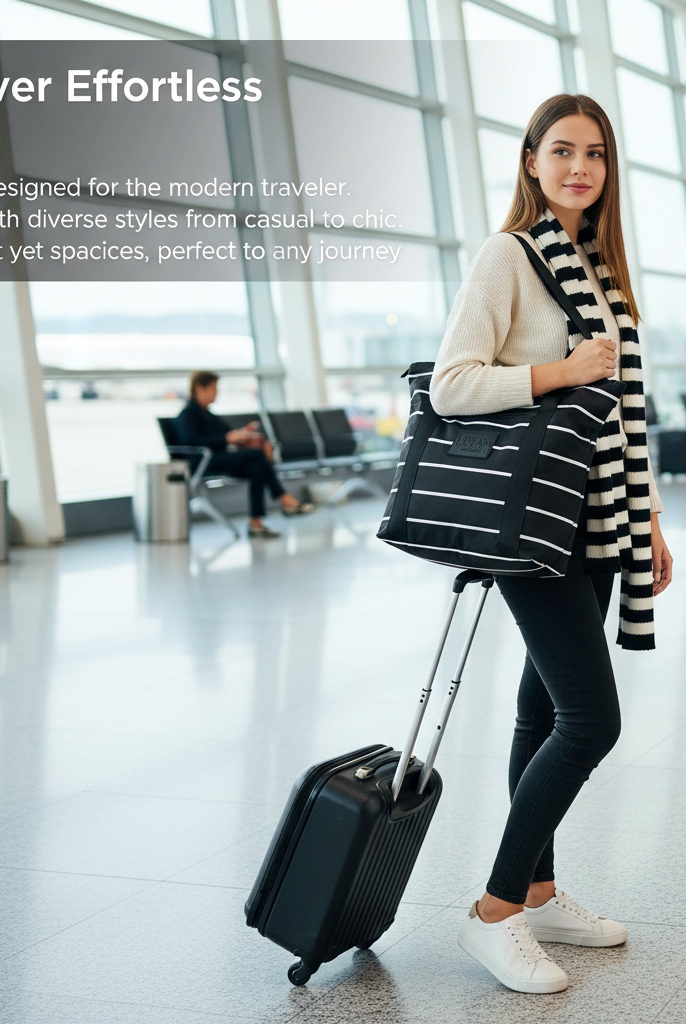
Sometimes the better system is a carry-on roller plus a highly functional tote. That setup gives you more flexibility on actual travel days and far more usefulness once the trip is over. It also reflects a real gap in how sets are marketed. Configurations vary widely, but shoppers still have to figure out whether a set properly fits trip length and lifestyle, and some options lean more toward matching aesthetics than practical utility, as noted on this 2-piece luggage product listing.

Why a tote often makes the better second piece
A smaller suitcase can be useful. But a tote often adapts better.
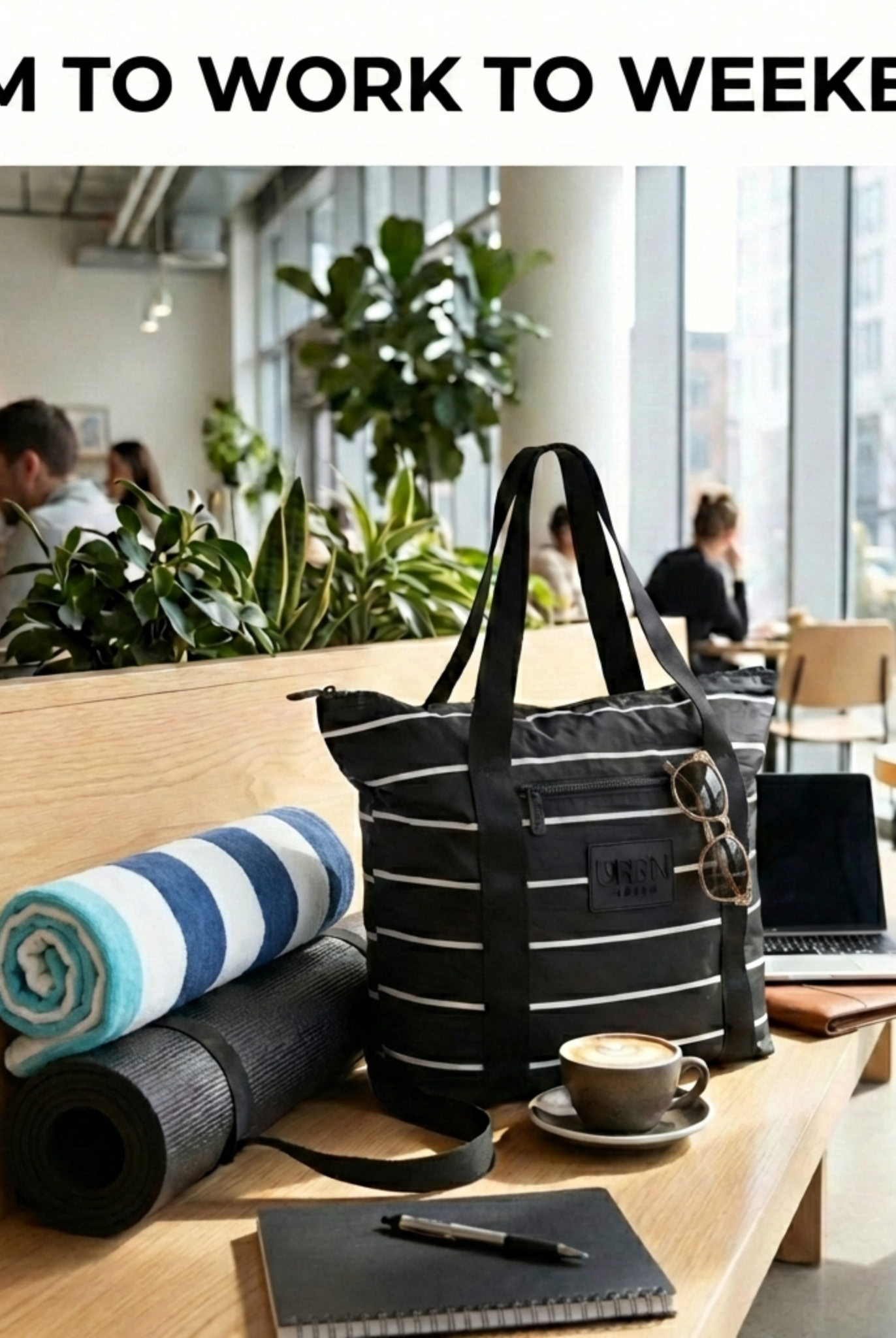
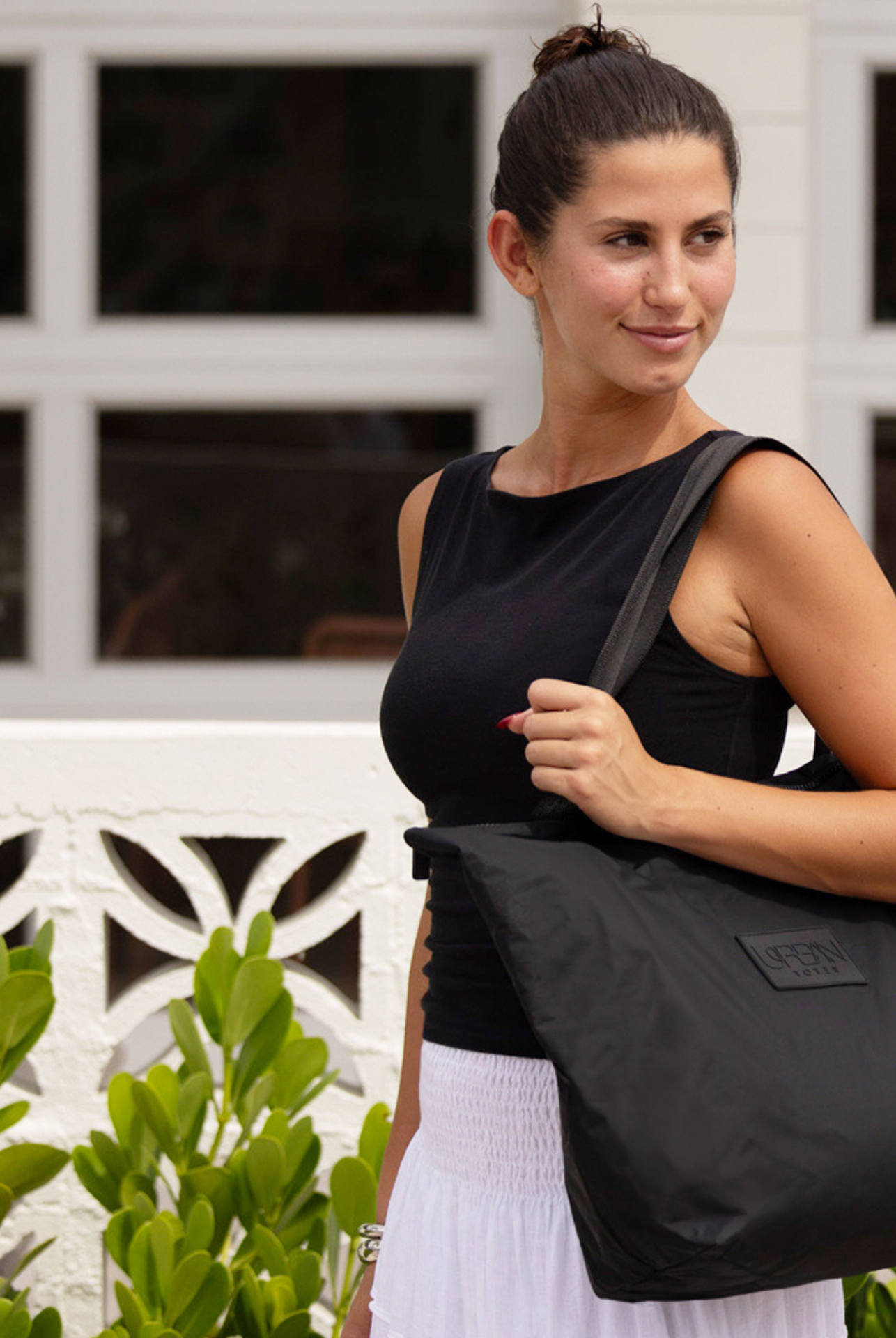
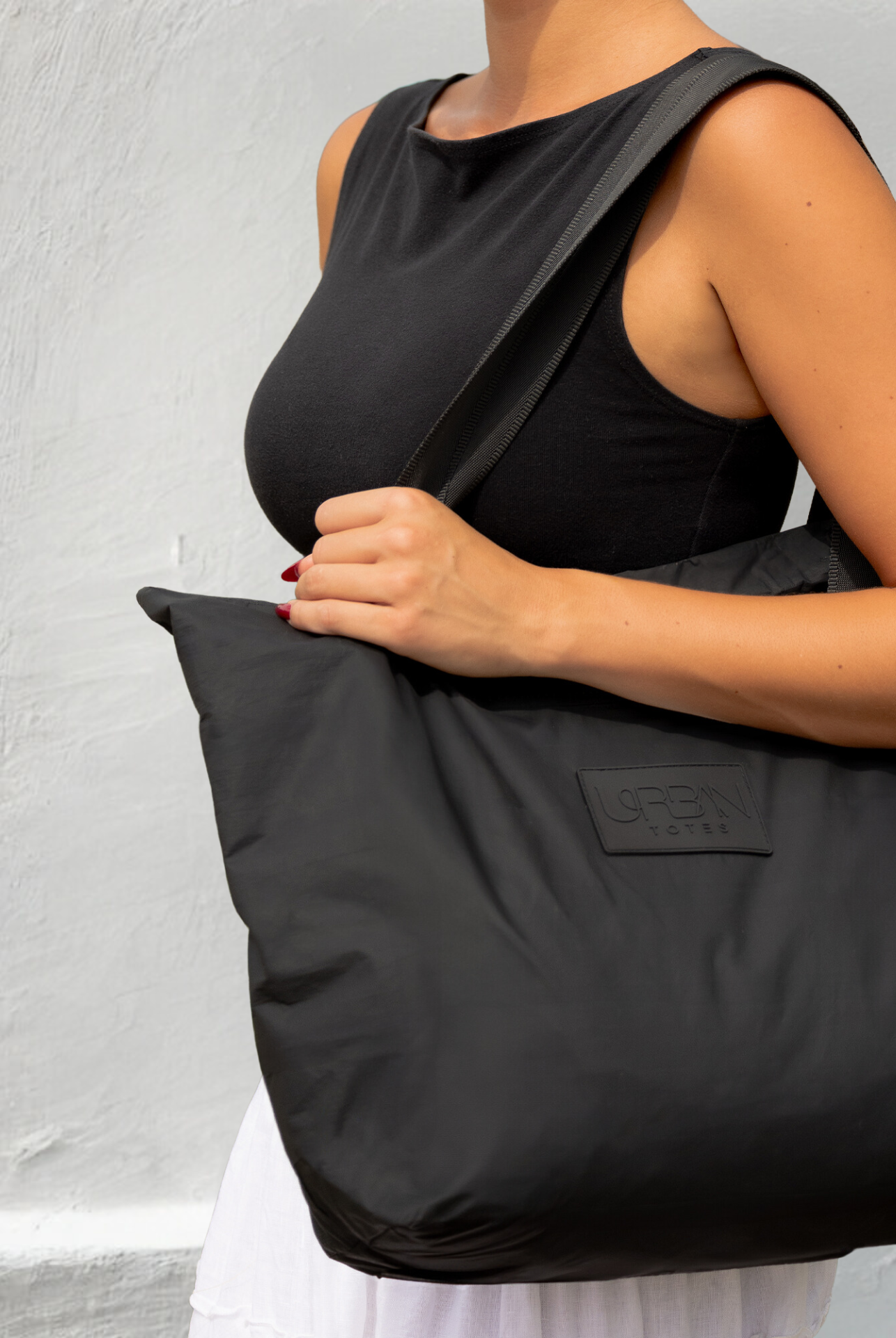
A well-designed tote can move from airport to hotel to beach chair to errands without becoming dead weight. It works as your personal item in transit, then keeps working at your destination. That's hard for a mini spinner or small rigid case to match.
This matters even more for women whose travel style overlaps with real life. You may need one bag that handles snacks, chargers, a sweater, a water bottle, documents, and the random things a busy day always seems to add.
What this system looks like in real life
Think of the combo this way:
- Carry-on roller: clothing, shoes, structured packing, trip core
- Tote: in-flight essentials, everyday carry, destination bag
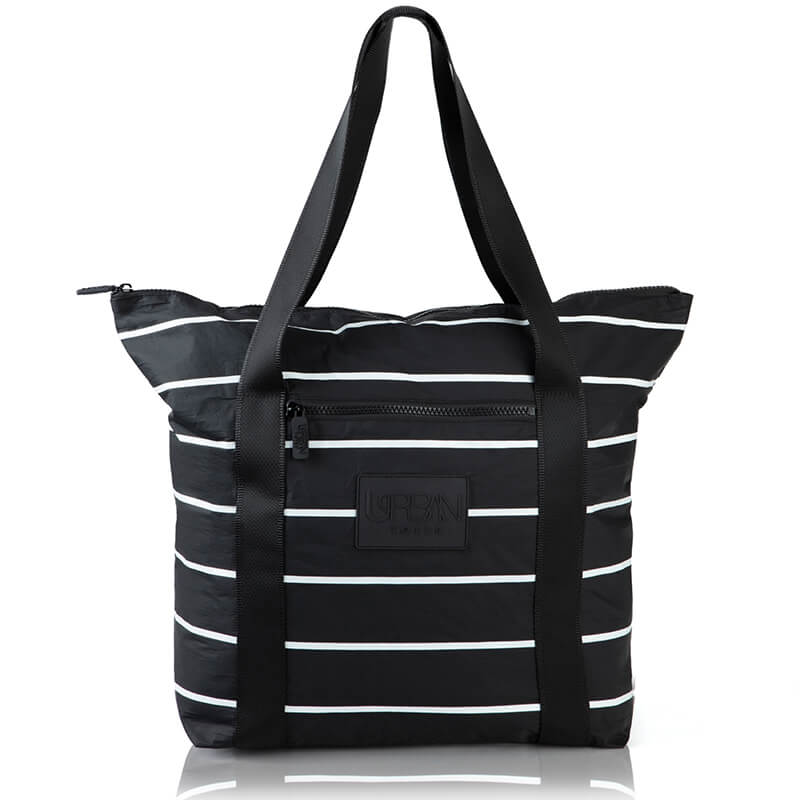
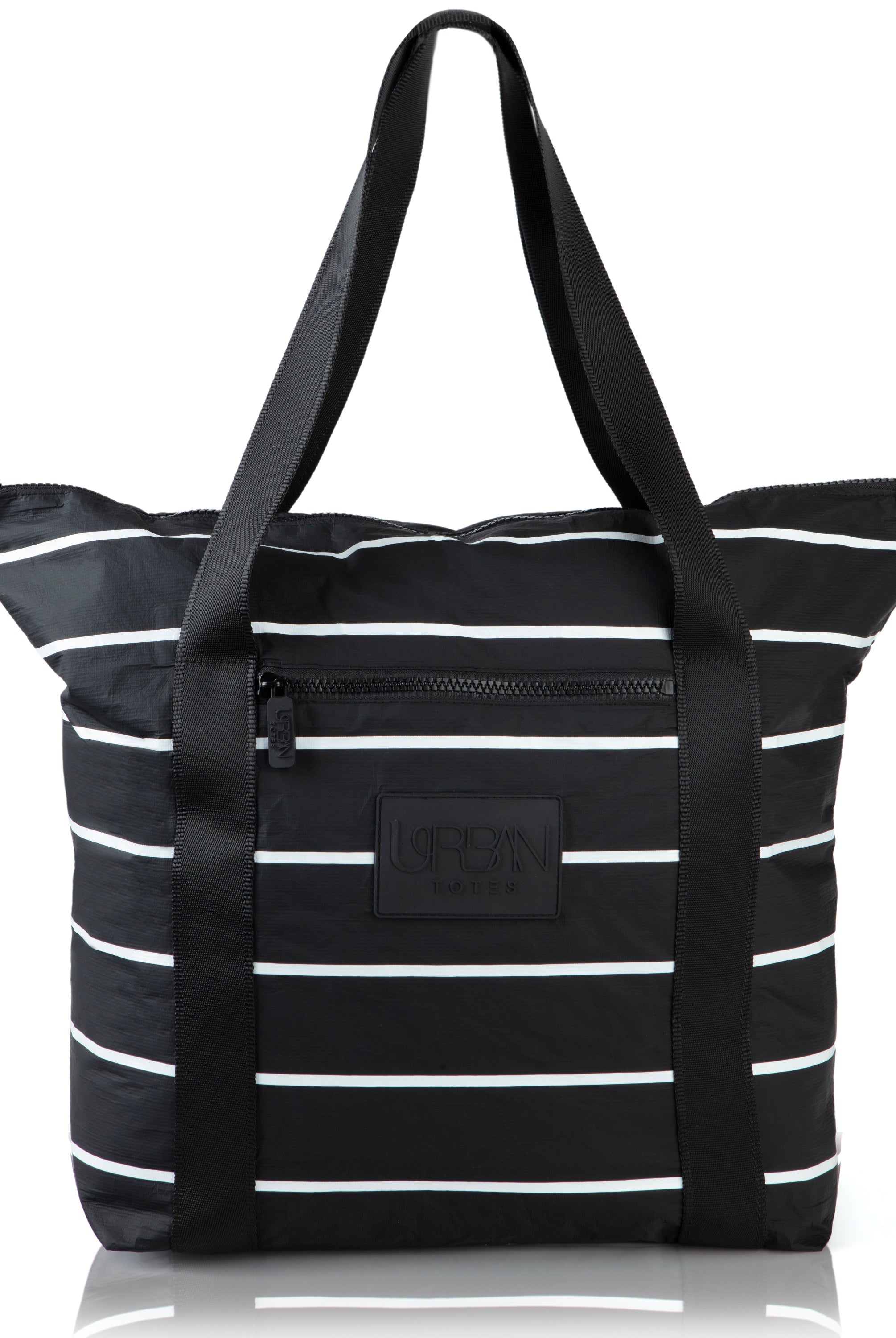
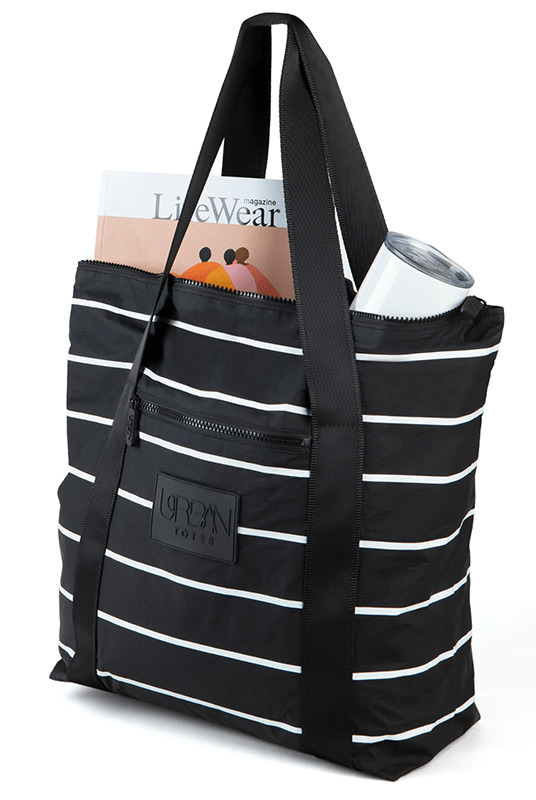
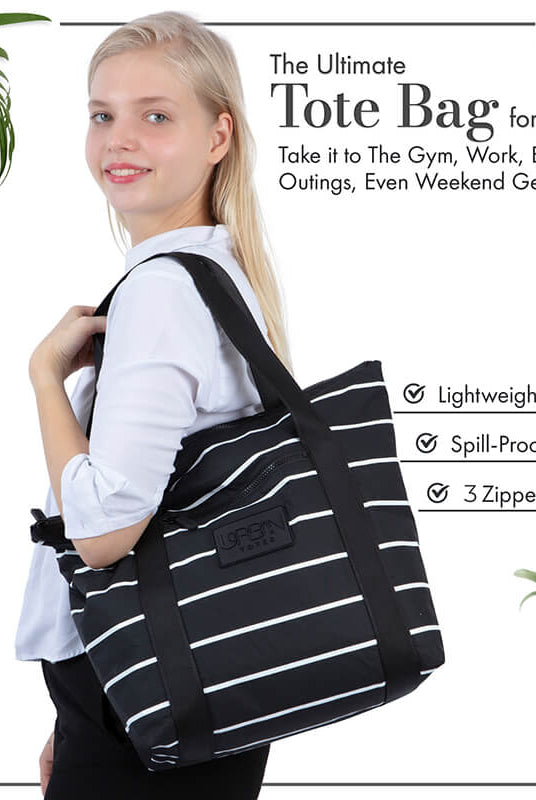
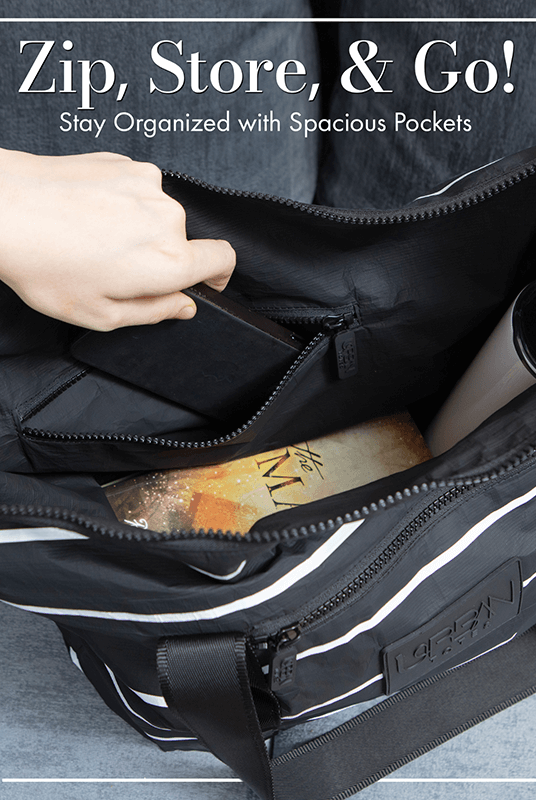
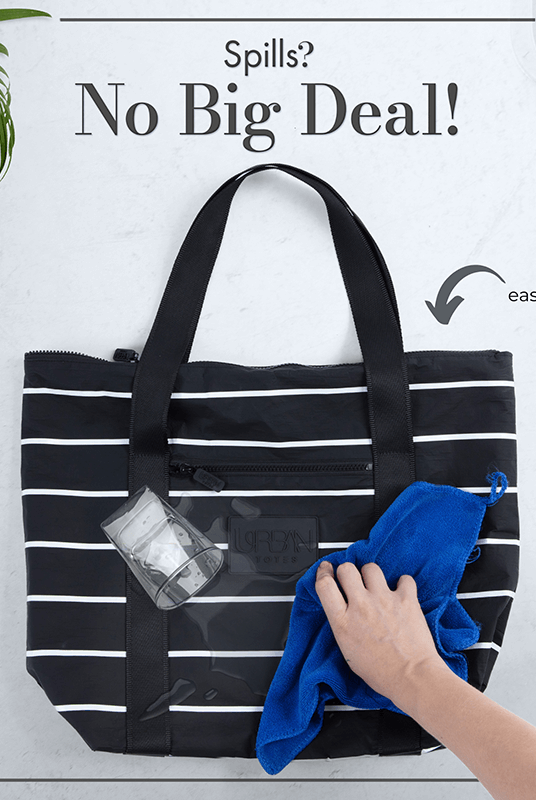
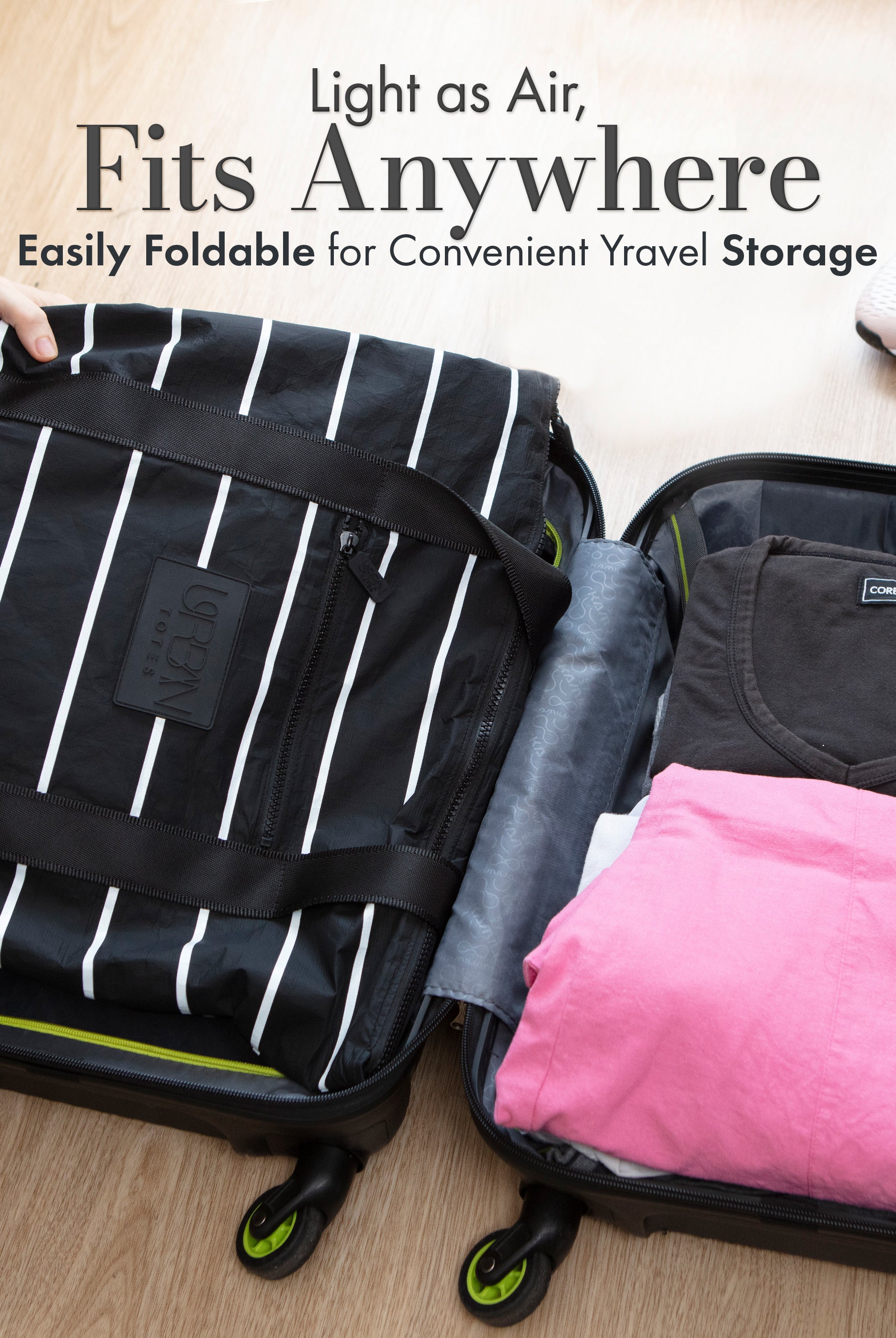
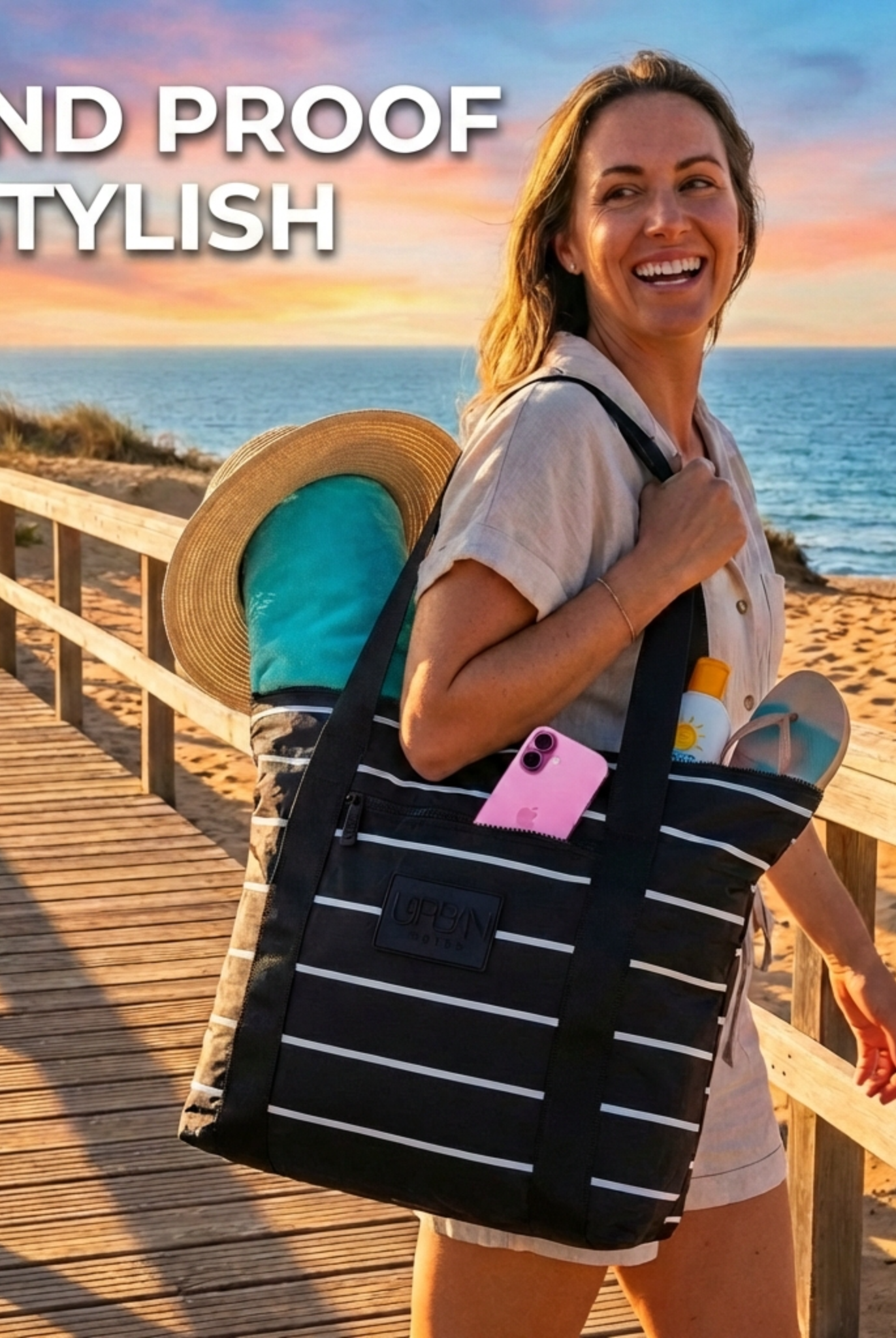
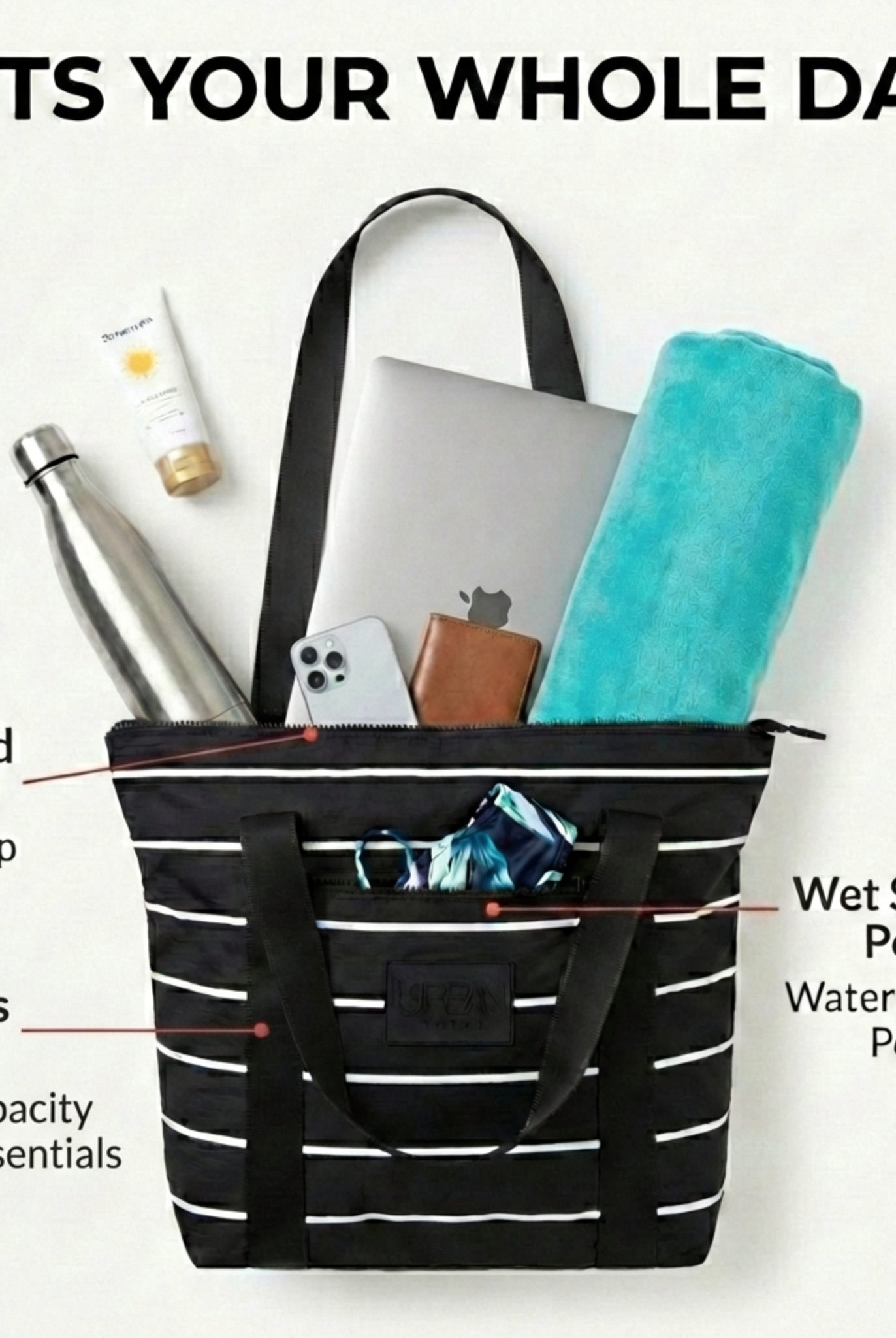
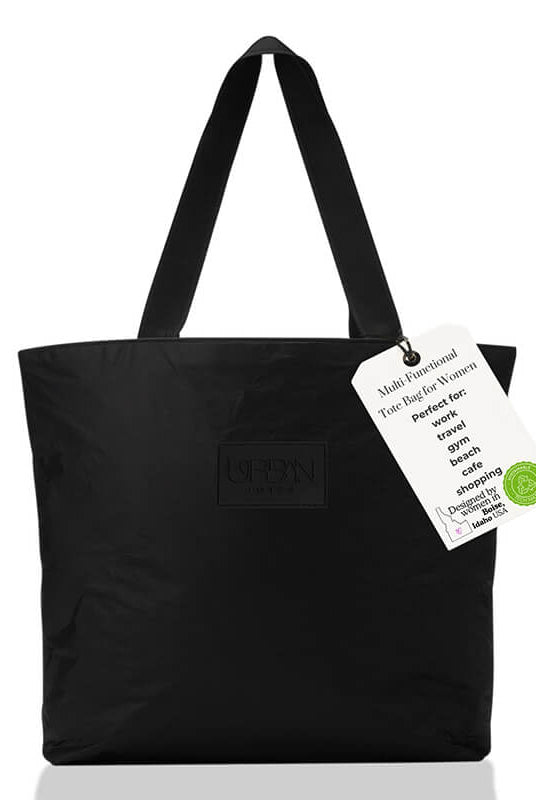
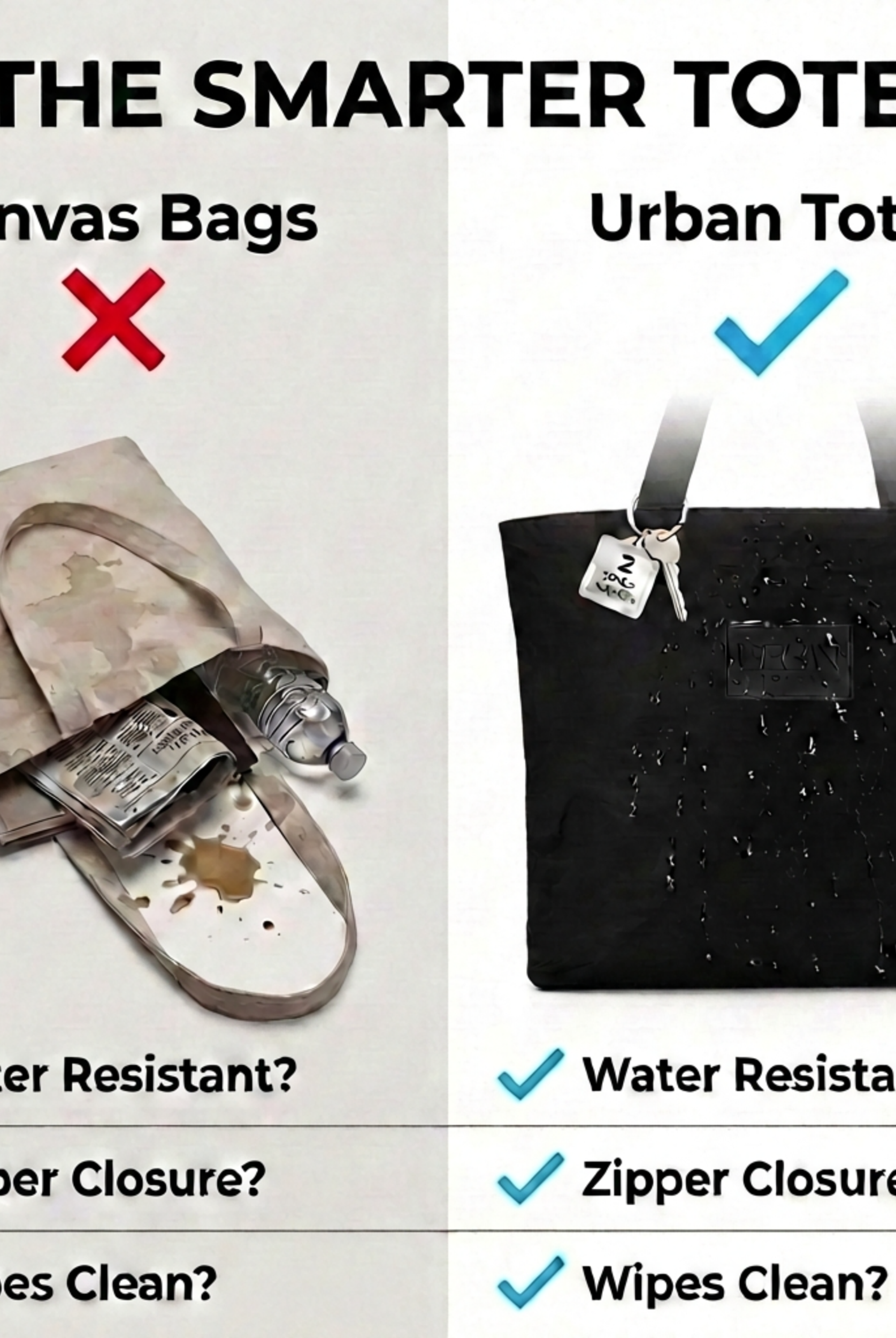
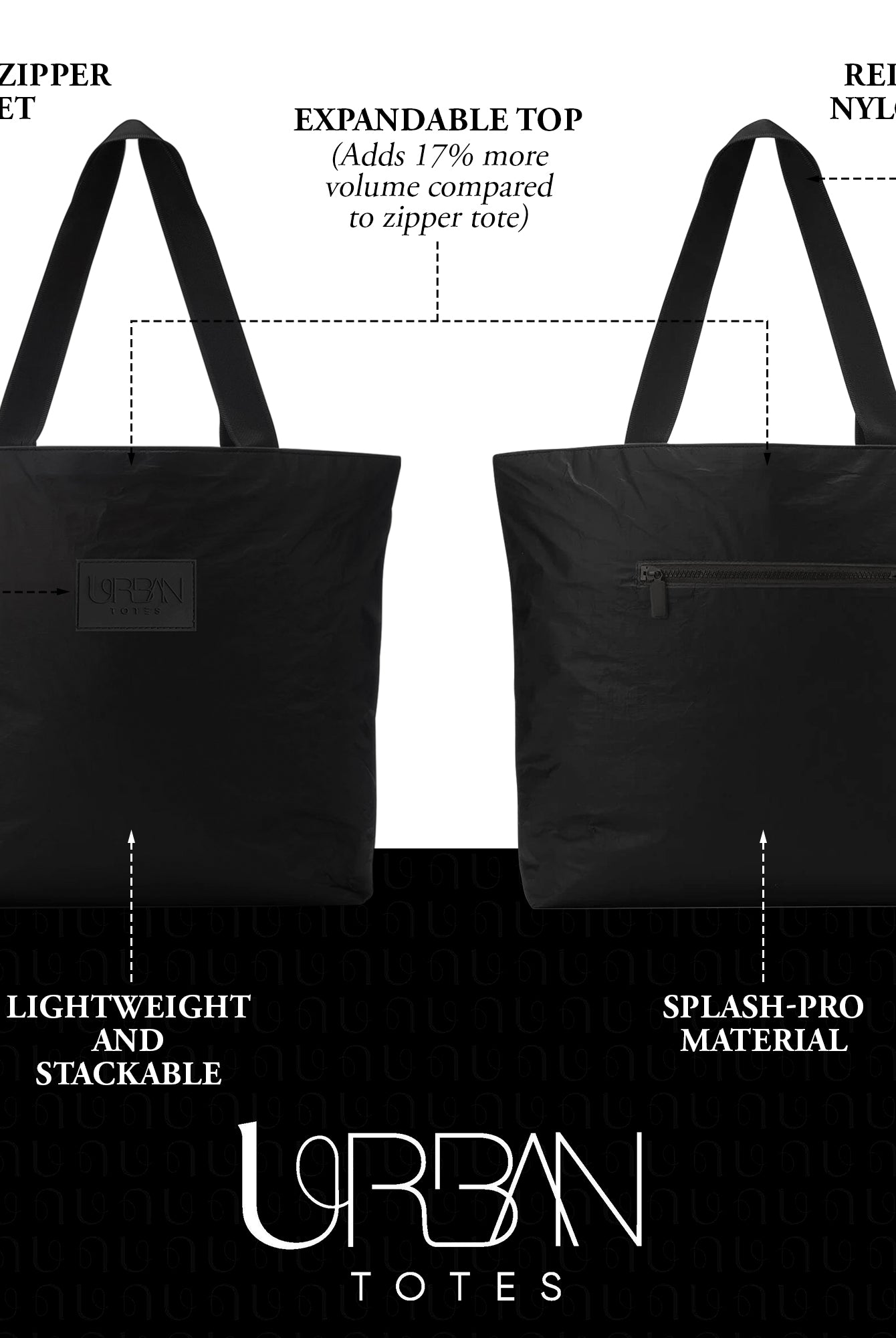
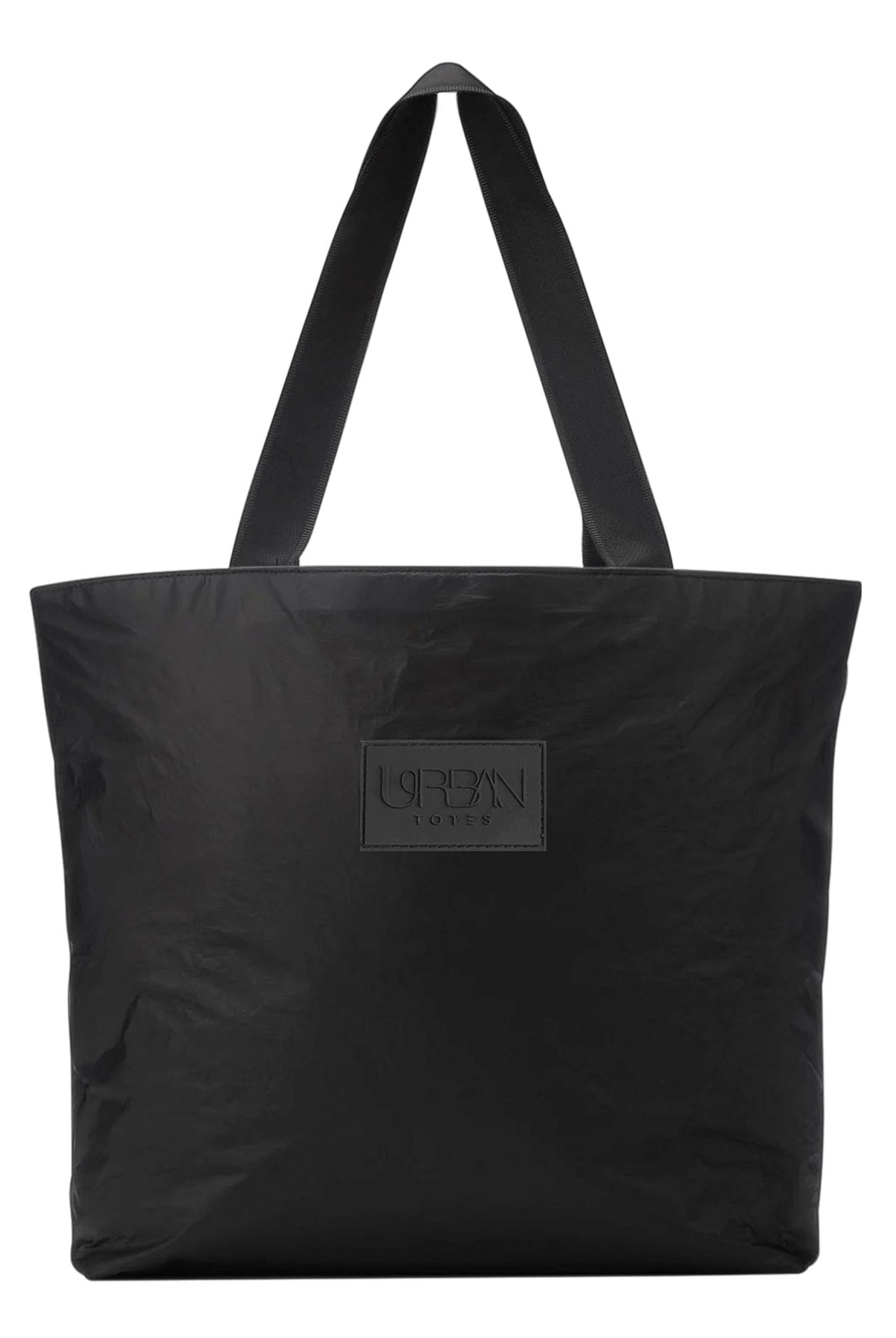
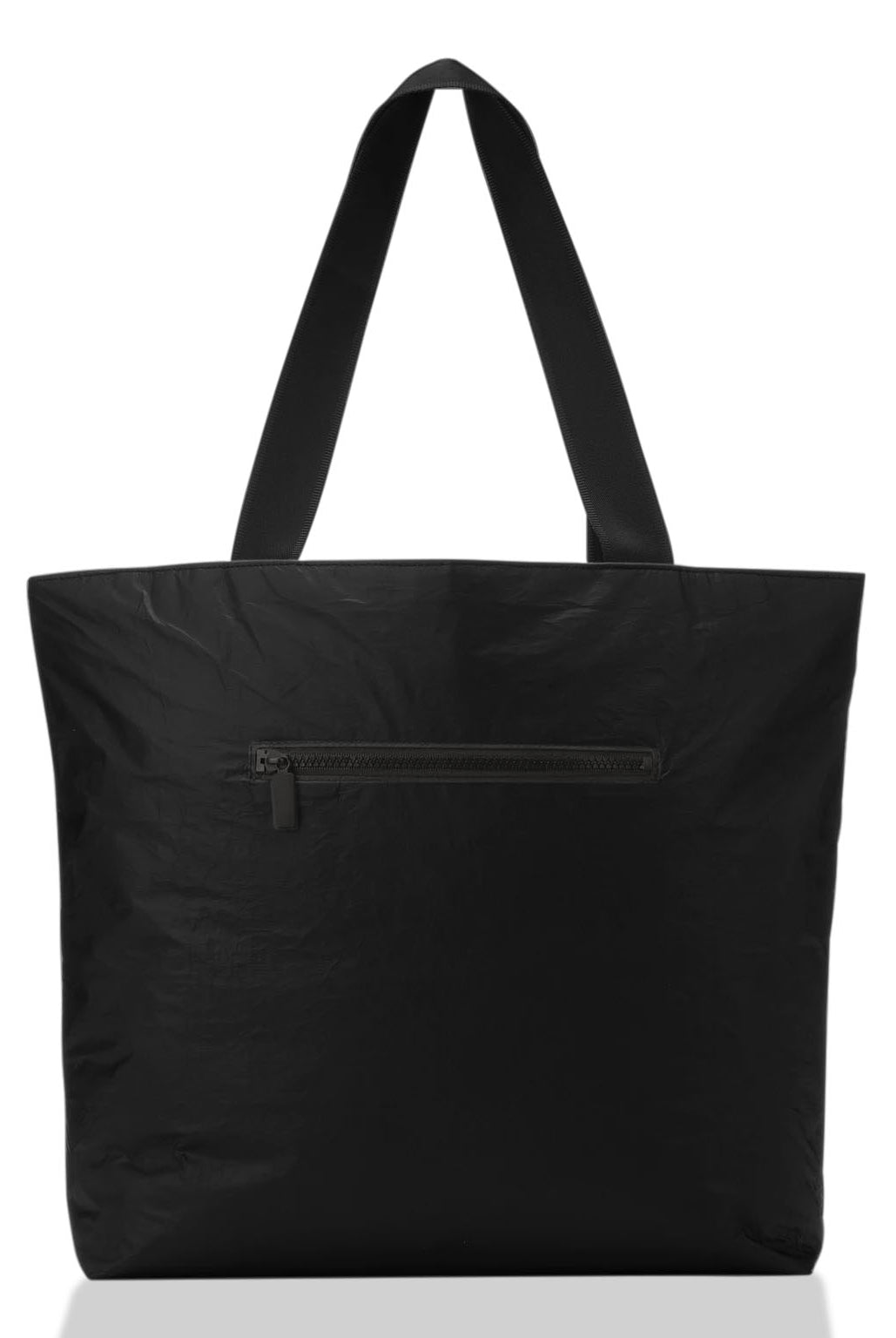
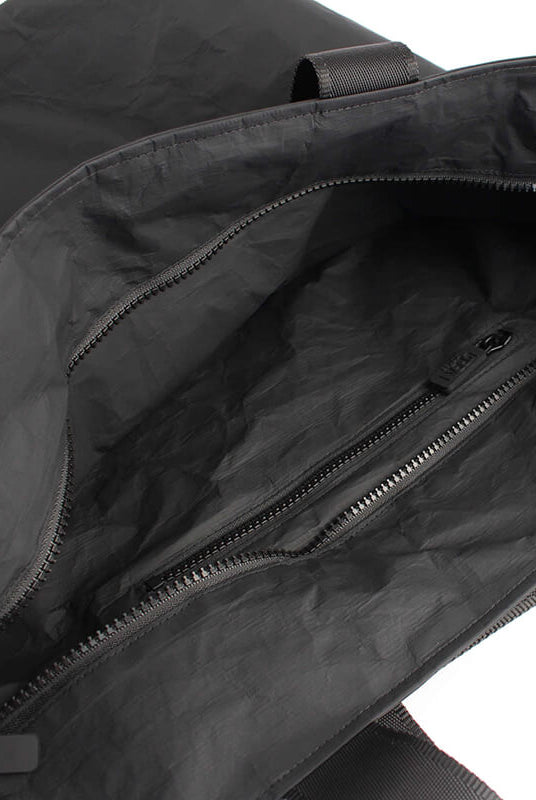
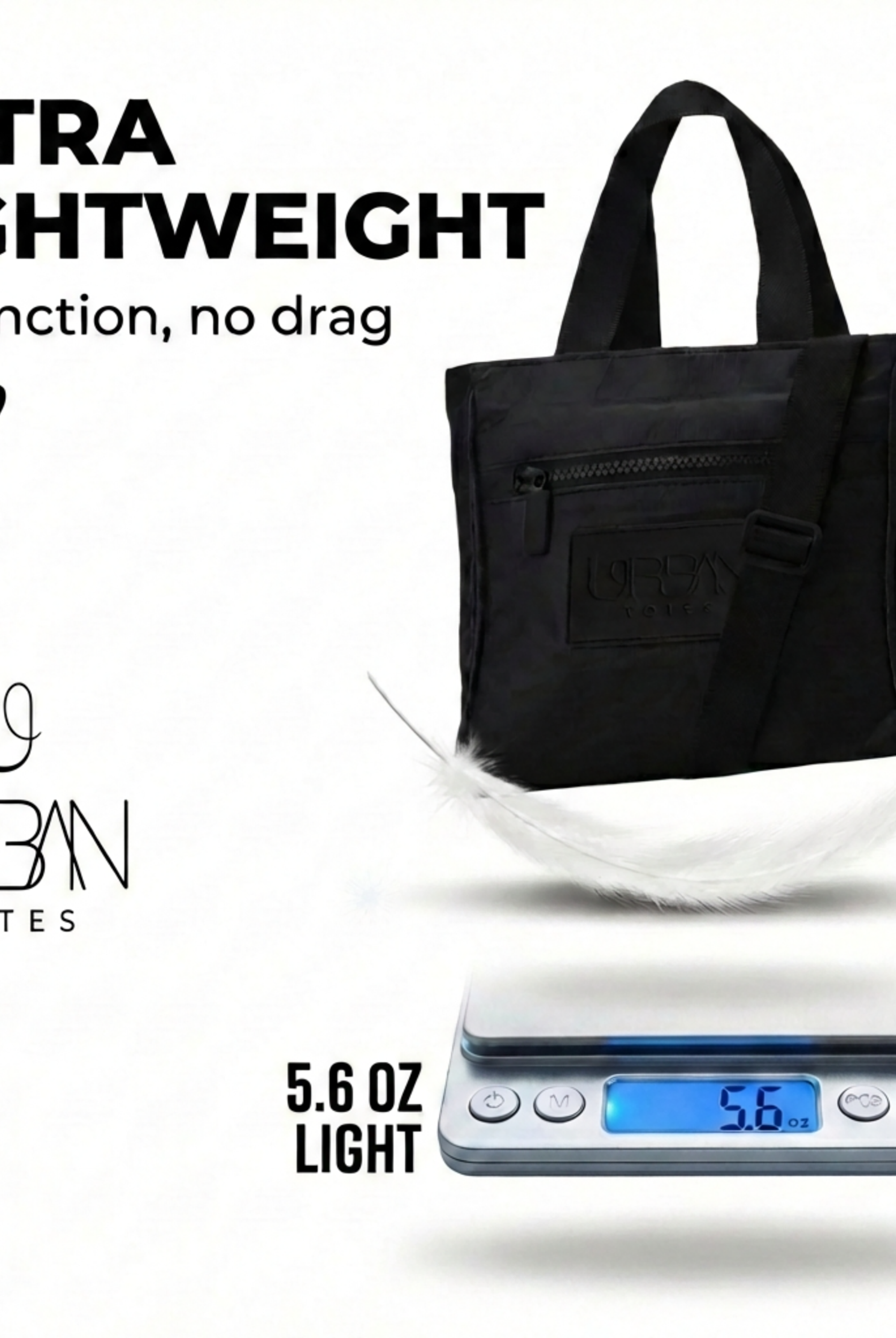
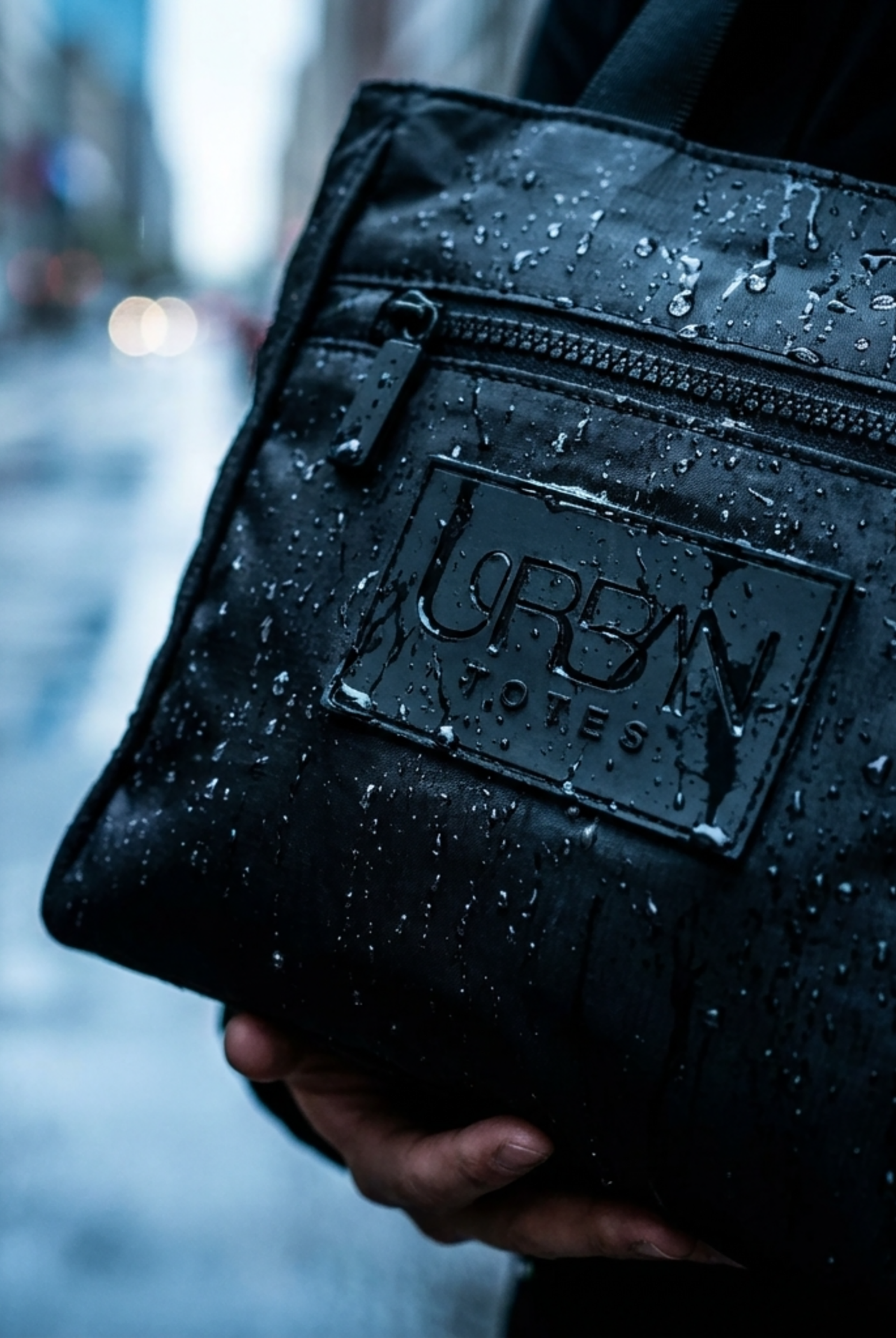
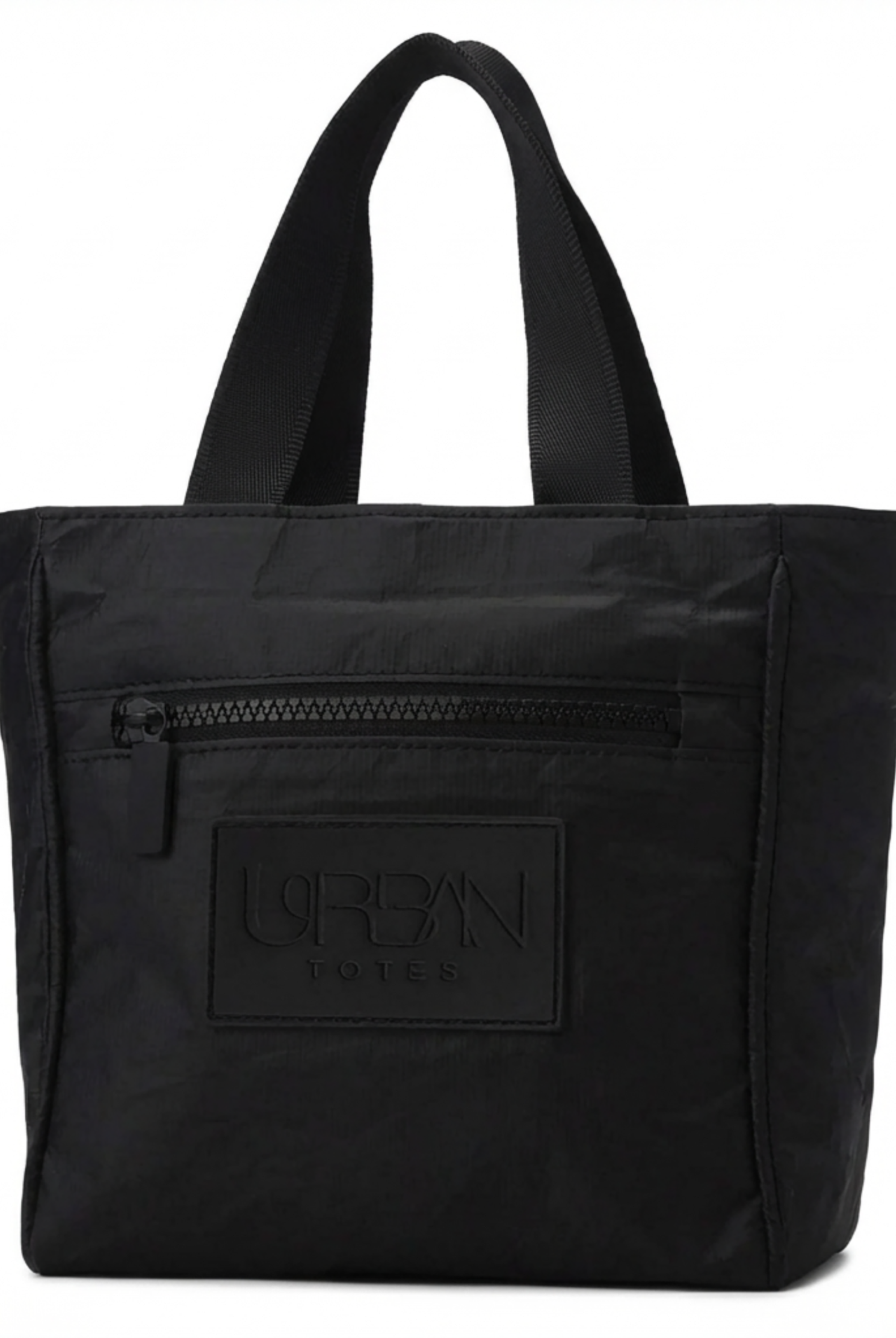
That second piece becomes more useful if it's lightweight, organized, and easy to clean. The first mention that fits this role naturally is the Go Anywhere Day Trip Tote Bag, which includes three large zippered compartments, dedicated pockets for an iPhone and keys, zipper closures, and a lightweight, packable, foldable design in water-resistant material. Those are functional traits, not decorative ones, and they make sense for airport use as well as daily carry after arrival.
Matching matters less than having one bag you'll still want to use after you check in.
When this setup beats a traditional set
A tote-and-carry-on system is often the stronger choice if you:
- Take short trips often: you don't need a second roller every time
- Want one bag for travel and everyday life: commuting, errands, gym, or day outings
- Need better access in transit: pockets and zipper compartments are easier than digging through a hard case
- Prefer lighter carry: especially if you're managing kids, coffee, phones, and boarding passes at the same time
If you're choosing a tote for travel, pocket layout matters a lot more than people think. Urban Totes has a good breakdown of what to look for in a travel tote bag with pockets.
What doesn't work as well
This system falls apart if the tote is floppy, open at the top, or missing organization. A second piece should reduce friction, not create it. If everything ends up in one deep compartment, you've basically traded a small suitcase for a fabric black hole.
That's why the idea matters more than the label. A 2 piece luggage set should help you move better. It doesn't have to come as a boxed, matching pair to do that.
Travel Smarter Not Harder
A good 2 piece luggage set should make travel feel lighter, not more complicated. The right setup gives you range. One piece handles structure and packing volume. The other supports access, movement, and the messy reality of a full day in motion.
For some women, that means two matching suitcases. For others, the more useful answer is a carry-on paired with a tote that keeps working long after the flight lands. That's often the difference between buying luggage and building a travel system.
The goal isn't to own more bags. It's to carry the right ones, stay organized, and leave room for the kind of trip you want to have.
Urban Totes is a woman-owned brand from Boise, Idaho, built for real life on the move. If you want a travel-ready bag that feels organized, lightweight, stylish, and easy to use beyond the airport, explore the collection at Urban Totes.