You know that moment the night before a trip when your bed is covered in outfits, chargers, a swimsuit you still need to rinse, and the tote or weekender that looked roomy five minutes ago suddenly feels impossible? That's usually where travel stress starts. Not at the airport. Not in the security line. Right there at home, with a half-zipped bag and a growing sense that you're already behind.
Compression packing cubes for travel change that whole mood. Yes, they help reduce bulk. But the magic is how they turn a soft, flexible bag into a modular system that works effectively with your life. In a tote, a weekender, or a carry-on, they create shape, order, and easy grab-and-go access. Instead of one big pile, you get neat sections that behave like portable drawers.
For busy women, especially moms, that matters more than people admit. A non-structured bag can be stylish, lightweight, packable, and perfect for real life, but it needs a little internal framework to keep things from sliding into chaos. Compression cubes provide that structure without adding rigid weight or fuss.
Table of Contents
- The End of Overstuffed Suitcases
- What Are Compression Cubes and How Do They Work
- The True Travel Benefits of Using Compression Cubes
- How to Choose Your Perfect Set of Cubes
- Packing Strategies for Every Type of Trip
- A Step-by-Step Guide to Perfect Packing
- Keeping Your Compression Cubes Travel-Ready
The End of Overstuffed Suitcases
A lot of women don't have a packing problem. They have a container problem.
You can have a great outfit plan, a realistic trip length, and a perfectly reasonable bag, then still end up kneeling over it trying to force the zipper closed. Soft sweaters puff up. Kids' extras sneak in. Shoes take over a corner. Suddenly the whole thing feels messy, even when you packed thoughtfully.
That's why compression cubes feel less like an accessory and more like a reset. They take loose clothing and turn it into contained, stackable units. Instead of one overstuffed mass, you get clearly defined sections that fit together with intention. For travel, that means less rummaging and fewer mid-trip explosions in the hotel room.
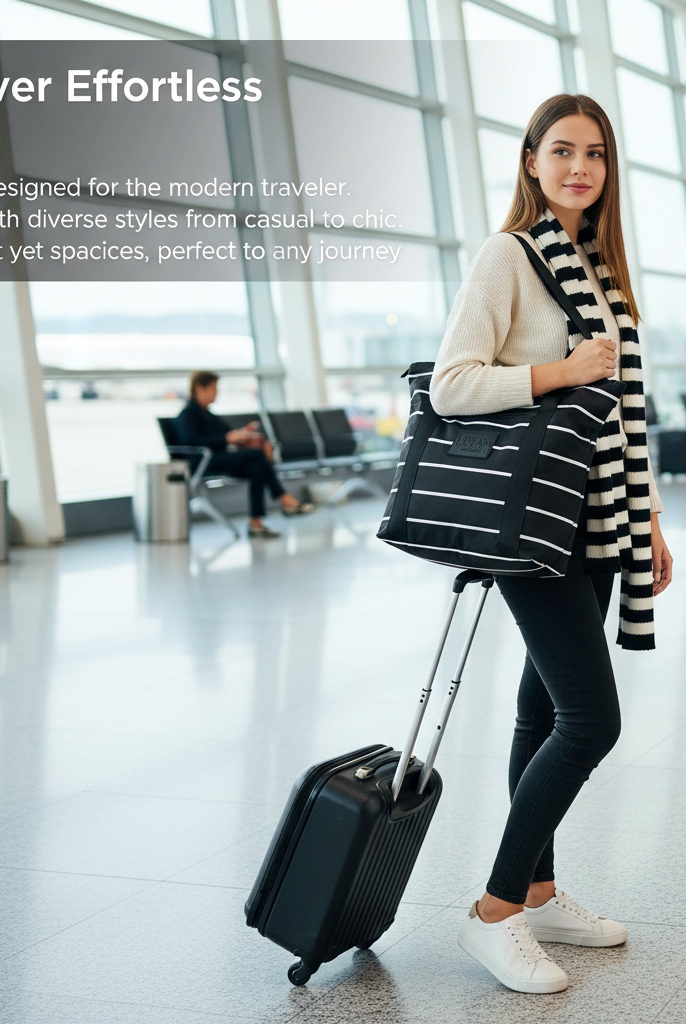
They're especially helpful if you love the easy elegance of a tote or weekender. Those bags are often lightweight, versatile, and much nicer to carry through a terminal or toss in the car, but they don't always give you built-in structure. Compression cubes solve that beautifully. They help your bag hold its shape from the inside out.
If you're deciding whether a soft travel bag is the right fit for your routine, this guide to what a weekender bag is is a helpful place to start. Once you understand the bag style, cubes become the simple system that makes it work harder.
Soft bags feel chic and easy to carry. Compression cubes give them the internal order that keeps them practical.
Packing stops feeling like a wrestling match. It starts feeling like setting up a calm, organized travel closet you can zip and take with you.
What Are Compression Cubes and How Do They Work
Compression cubes are zippered fabric containers for clothing, but with one extra feature that changes how they behave in your bag. They use two zippers. The first zipper closes the cube. The second zipper compresses what's inside and reduces the cube's depth.
The basic idea
Think of them as a gentler, reusable version of a space-saving bag. You pack the clothes, close the main zipper, then zip the outer compression track to flatten the contents. You're not vacuum-sealing anything. You're just pushing out trapped air and consolidating soft fabric into a tidier block.

That design is why compression packing cubes for travel work best with clothing that has some loft to it. Sweaters, jeans, tees, pajamas, base layers, socks, and underwear respond well. The zipper system squeezes out excess air and brings the pieces together into a flatter shape.
Some commercial cubes can shrink from 4 inches to 1 inch thick, which is a 75% reduction in height for that cube profile, according to Eagle Creek's compression cube example. That kind of change is most useful with soft, bulky items.
What compression actually changes
What it doesn't do is make your clothes weigh less. Compression changes volume, not weight. That distinction matters, especially if you're carrying your bag through a train station, lifting it into an overhead bin, or trying to avoid turning a quick getaway into an overpacked one.
It also doesn't fix every packing problem. Rigid items don't compress well. Shoes, hard toiletry bottles, and angular accessories can fight the shape of the cube and make the zipper harder to close. Compression cubes are at their best when they're used for soft goods and let the rest of your travel essentials sit around them in a more organized layout.
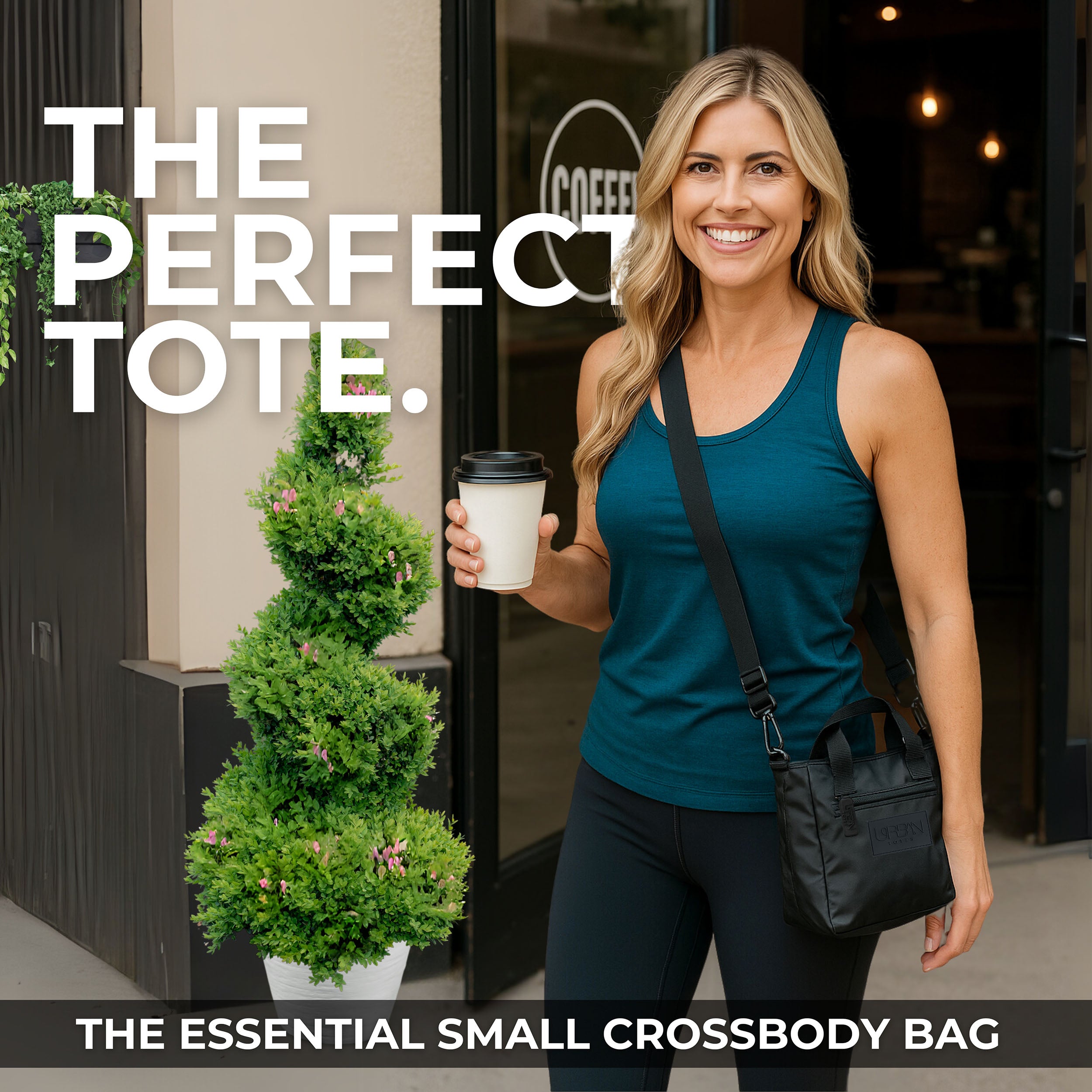
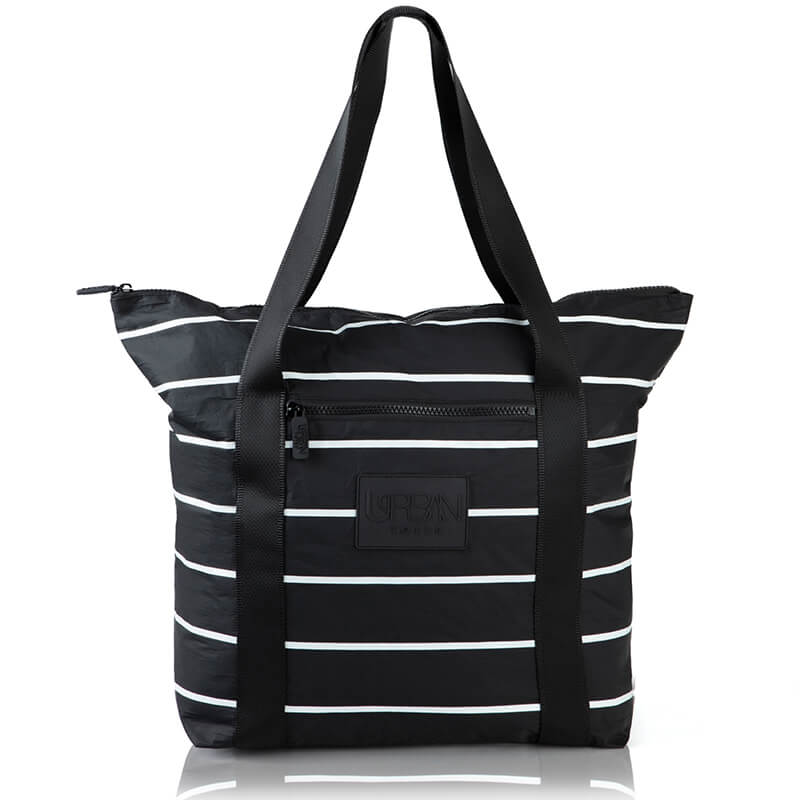
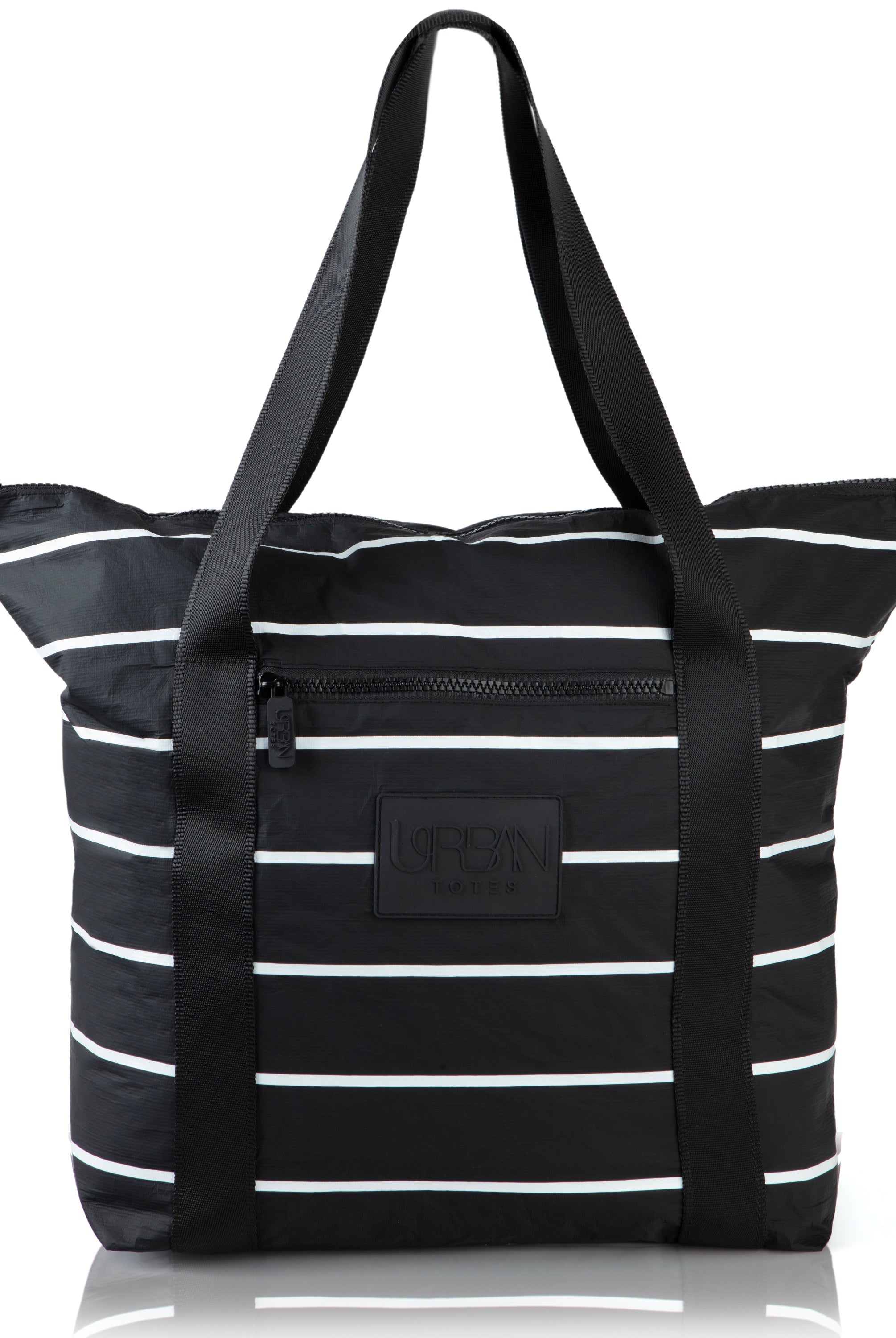
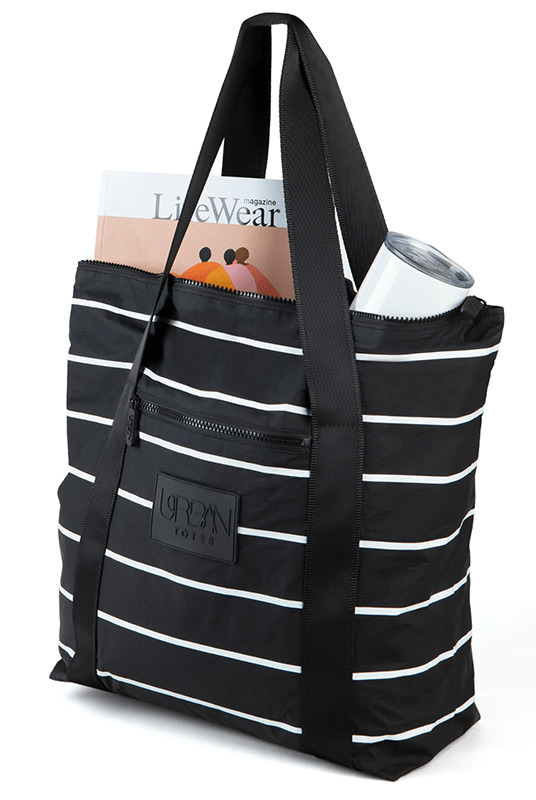
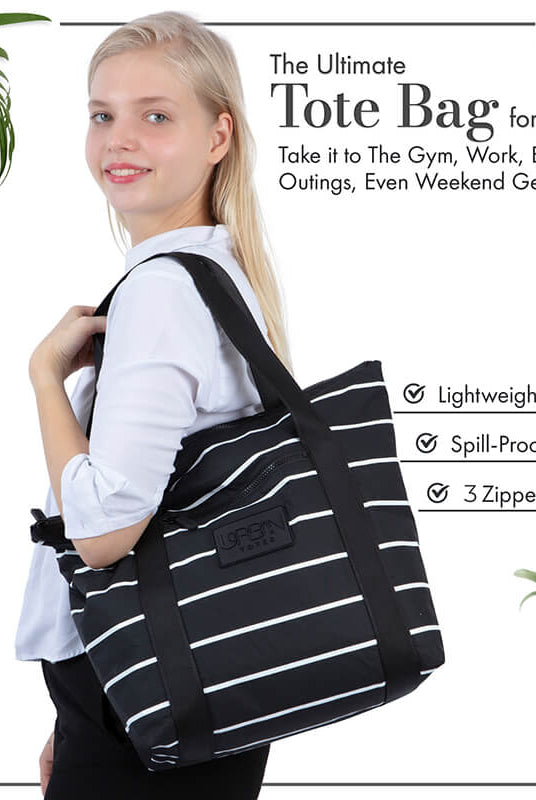
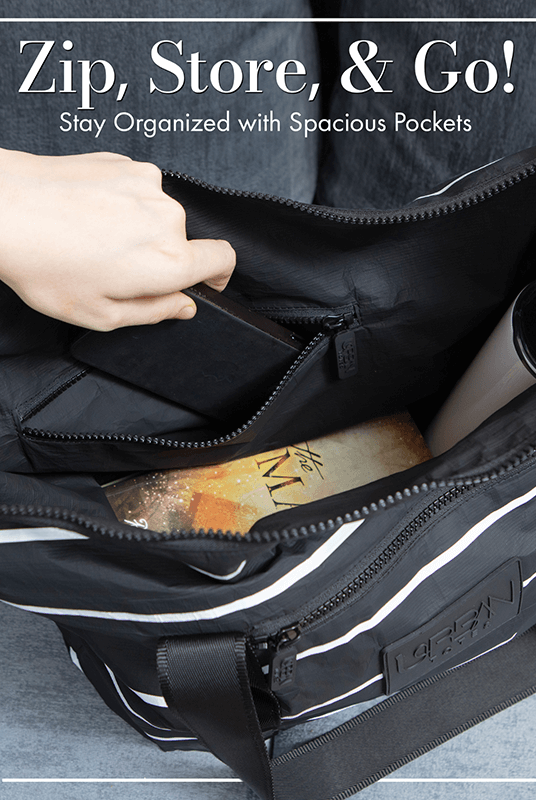
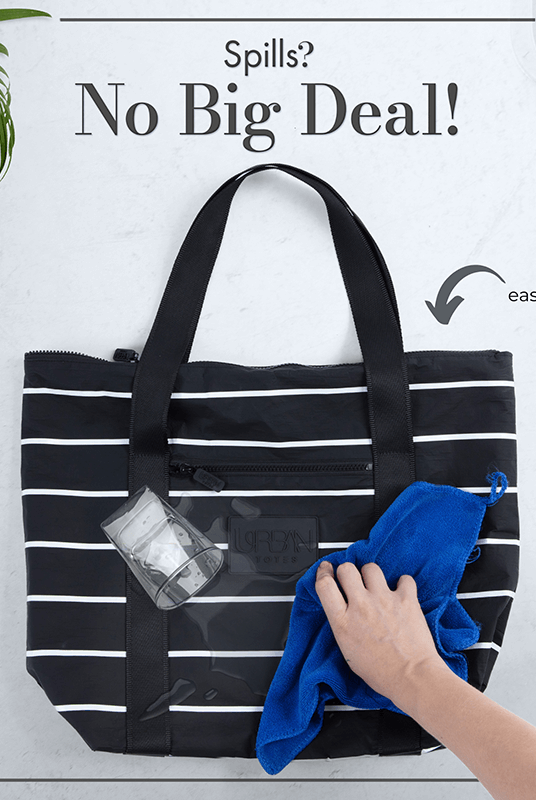
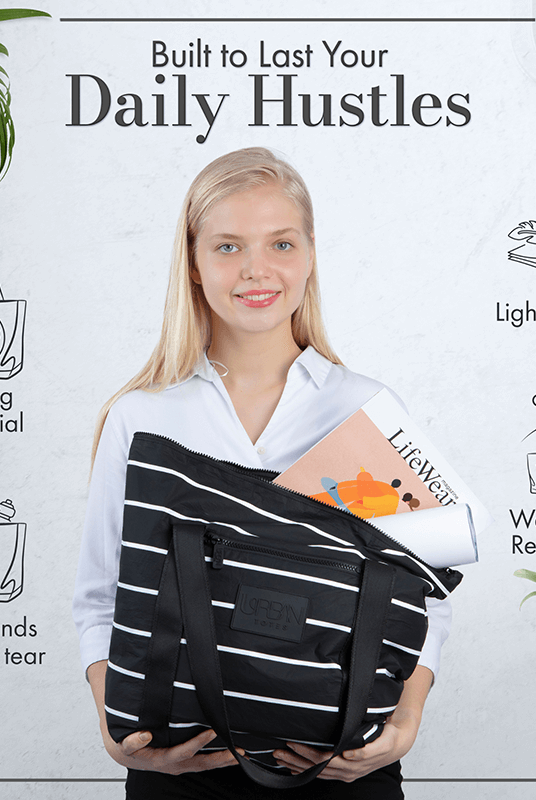
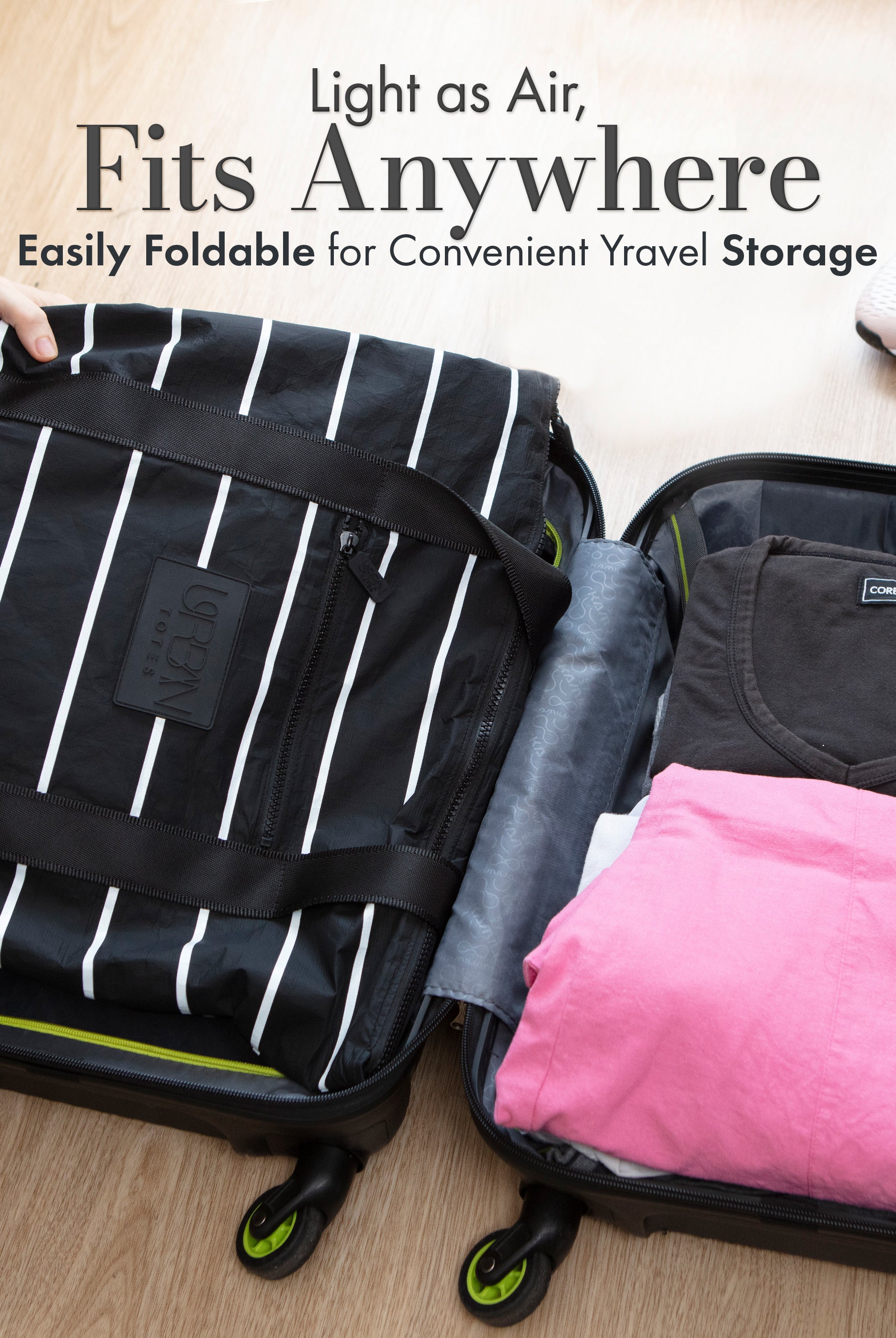
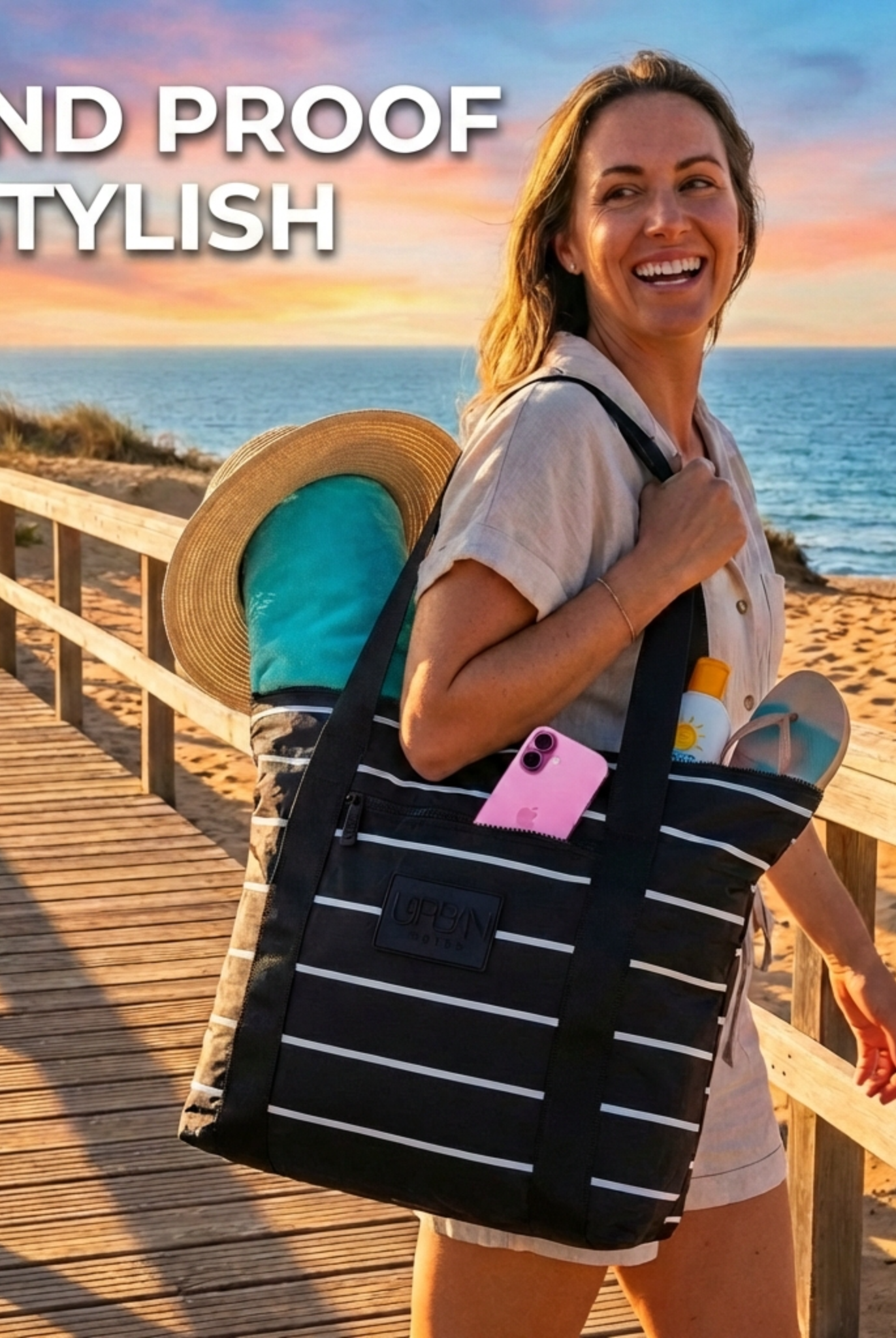
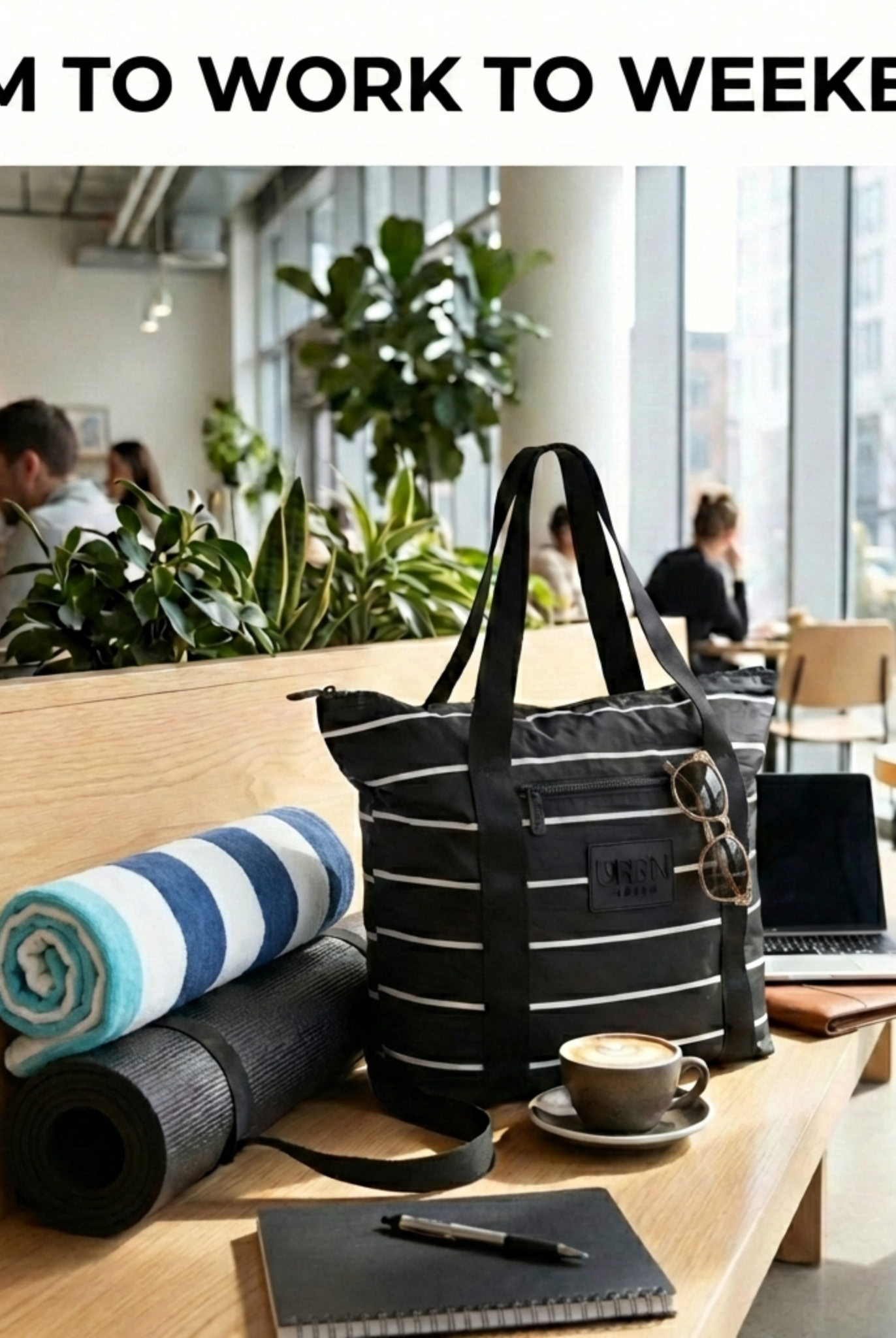
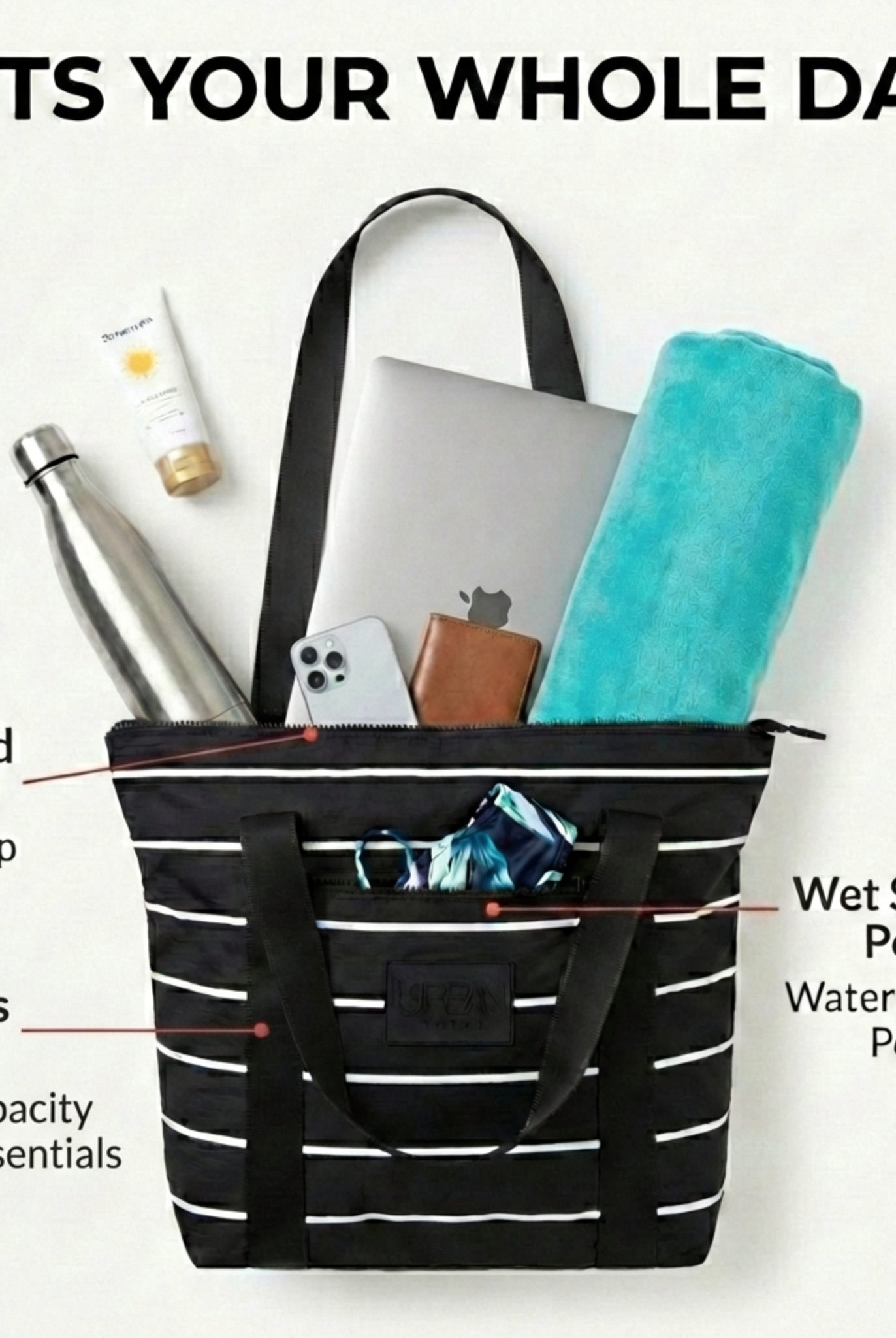
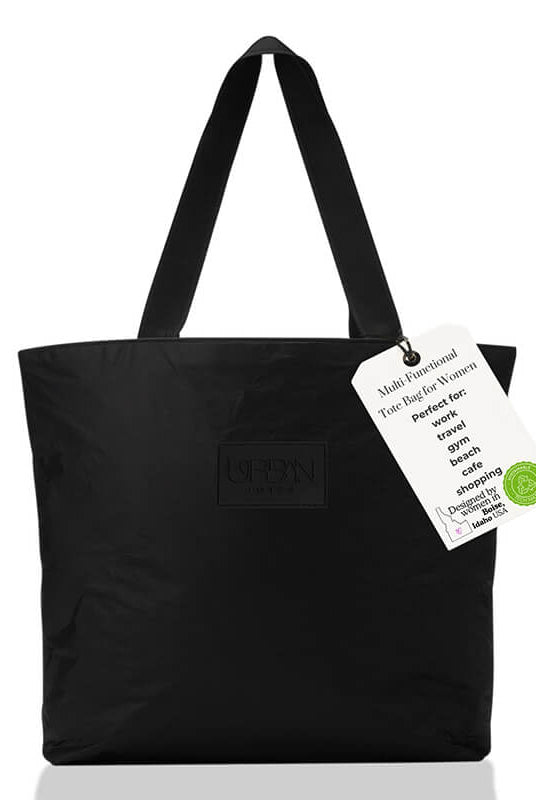
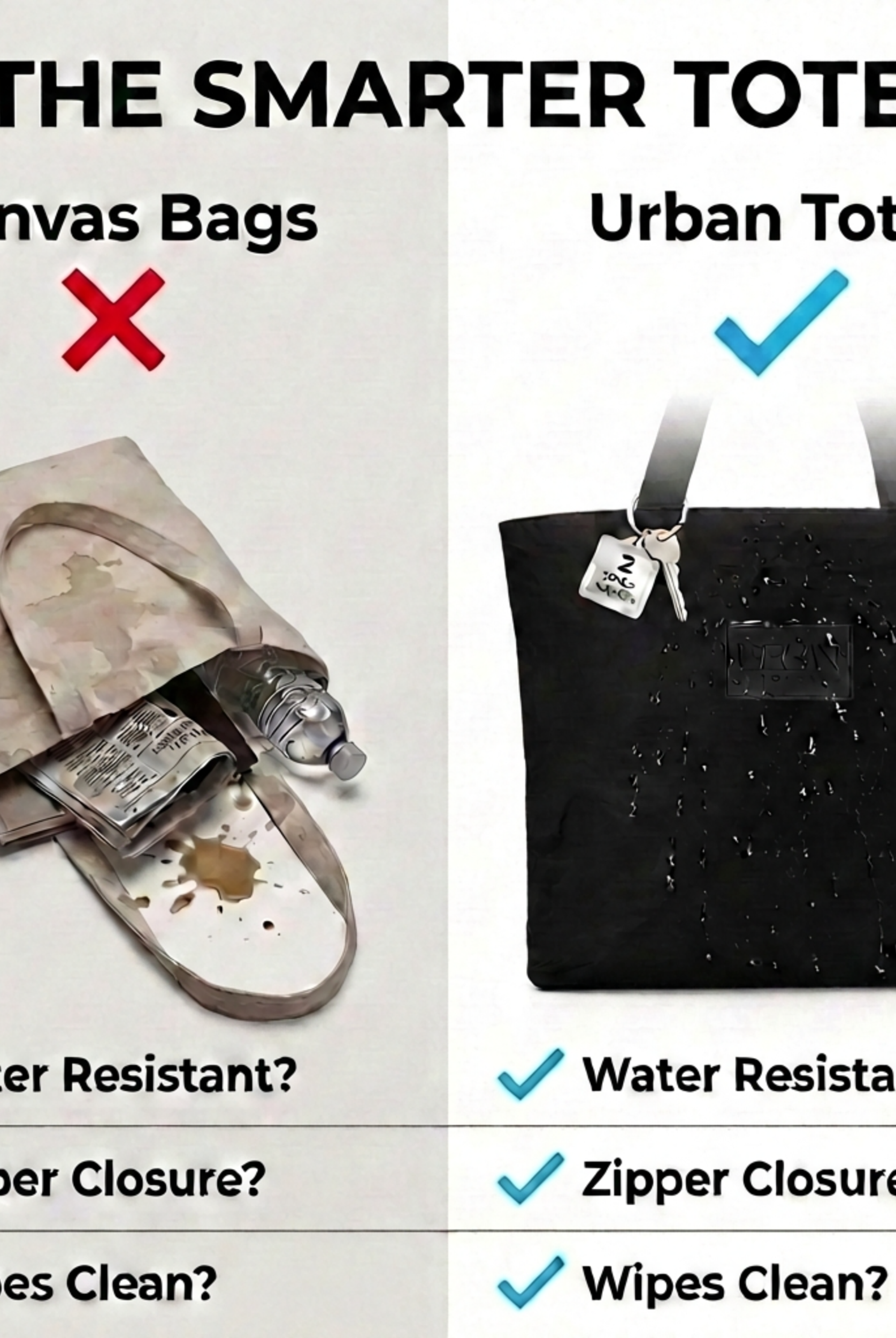
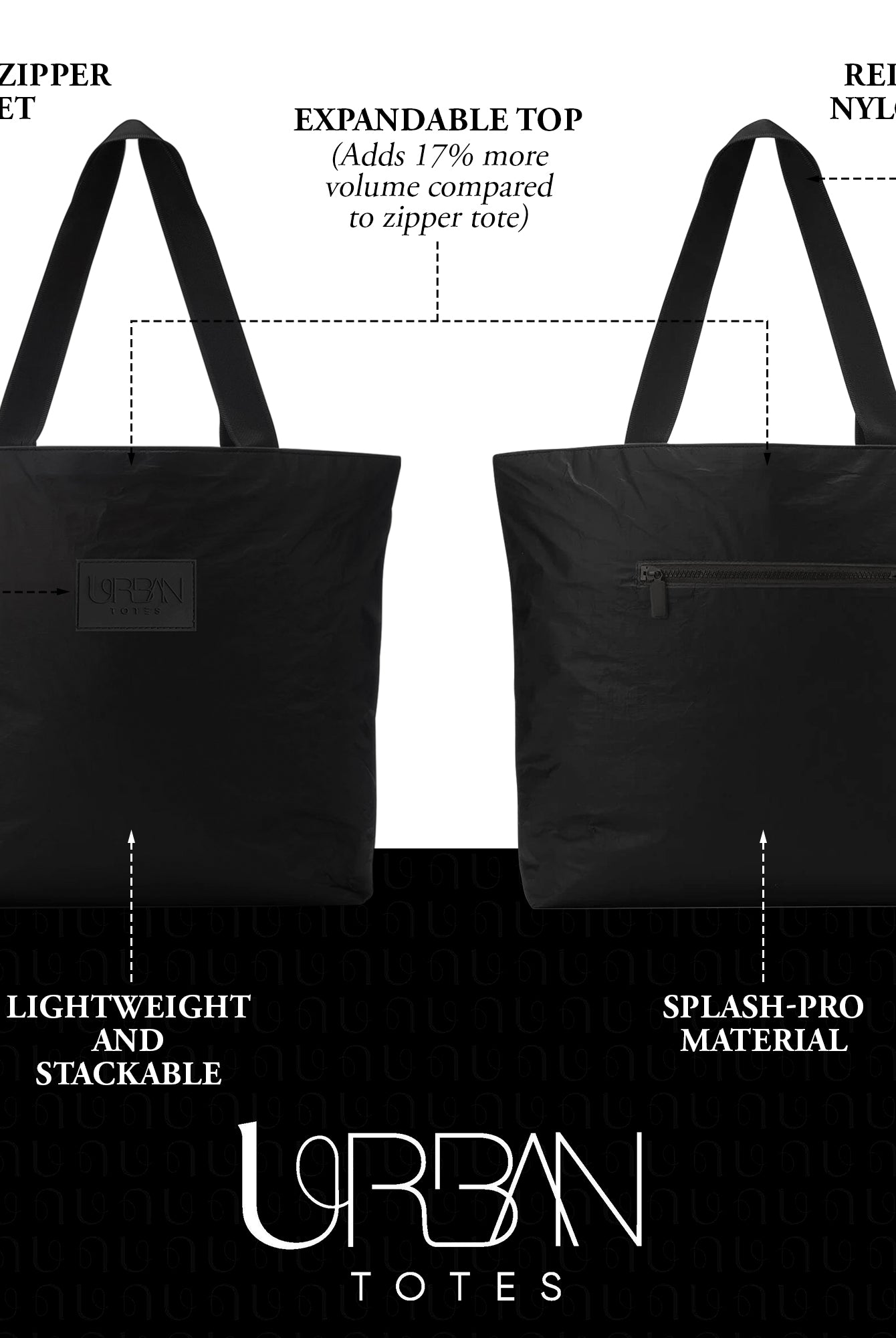
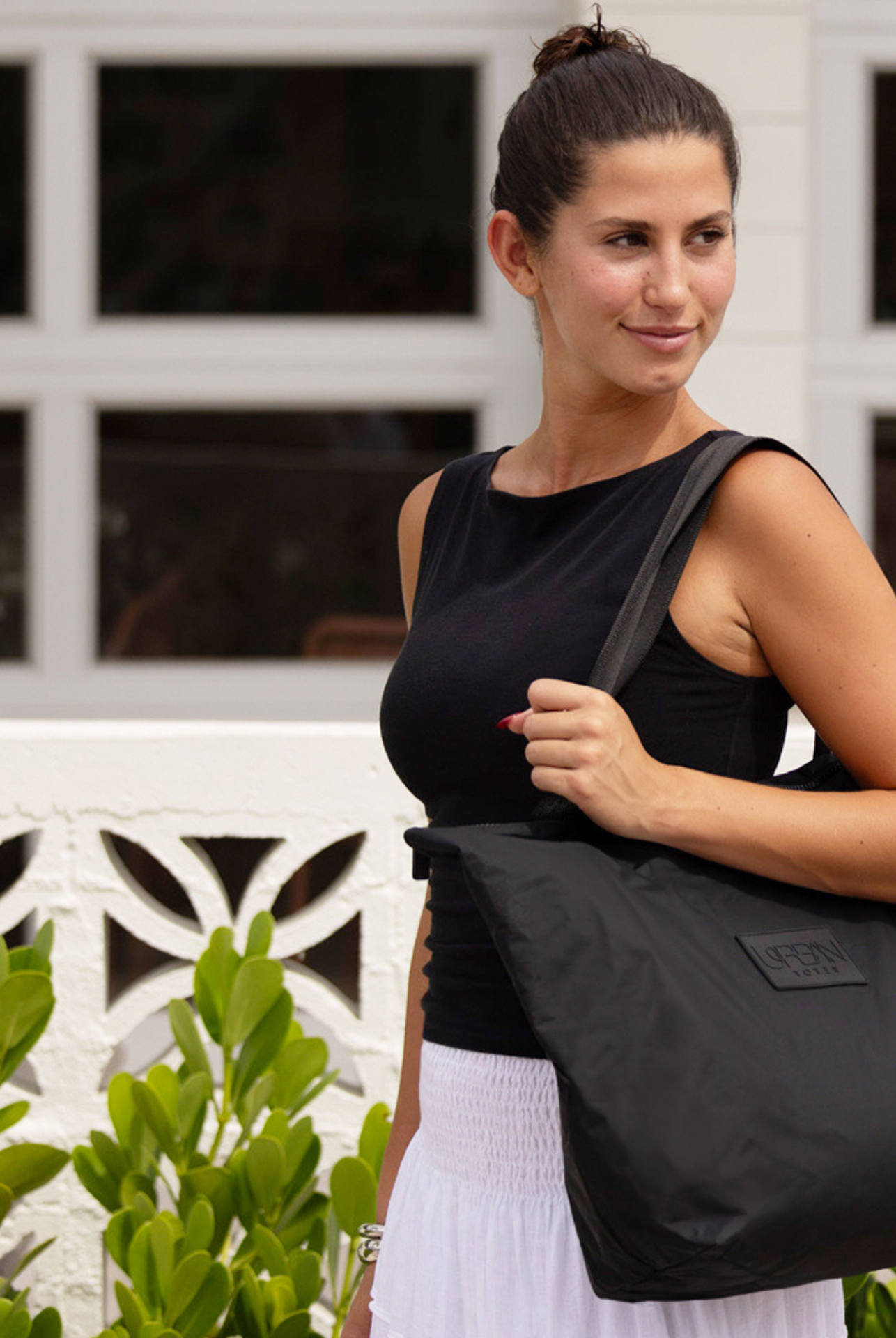
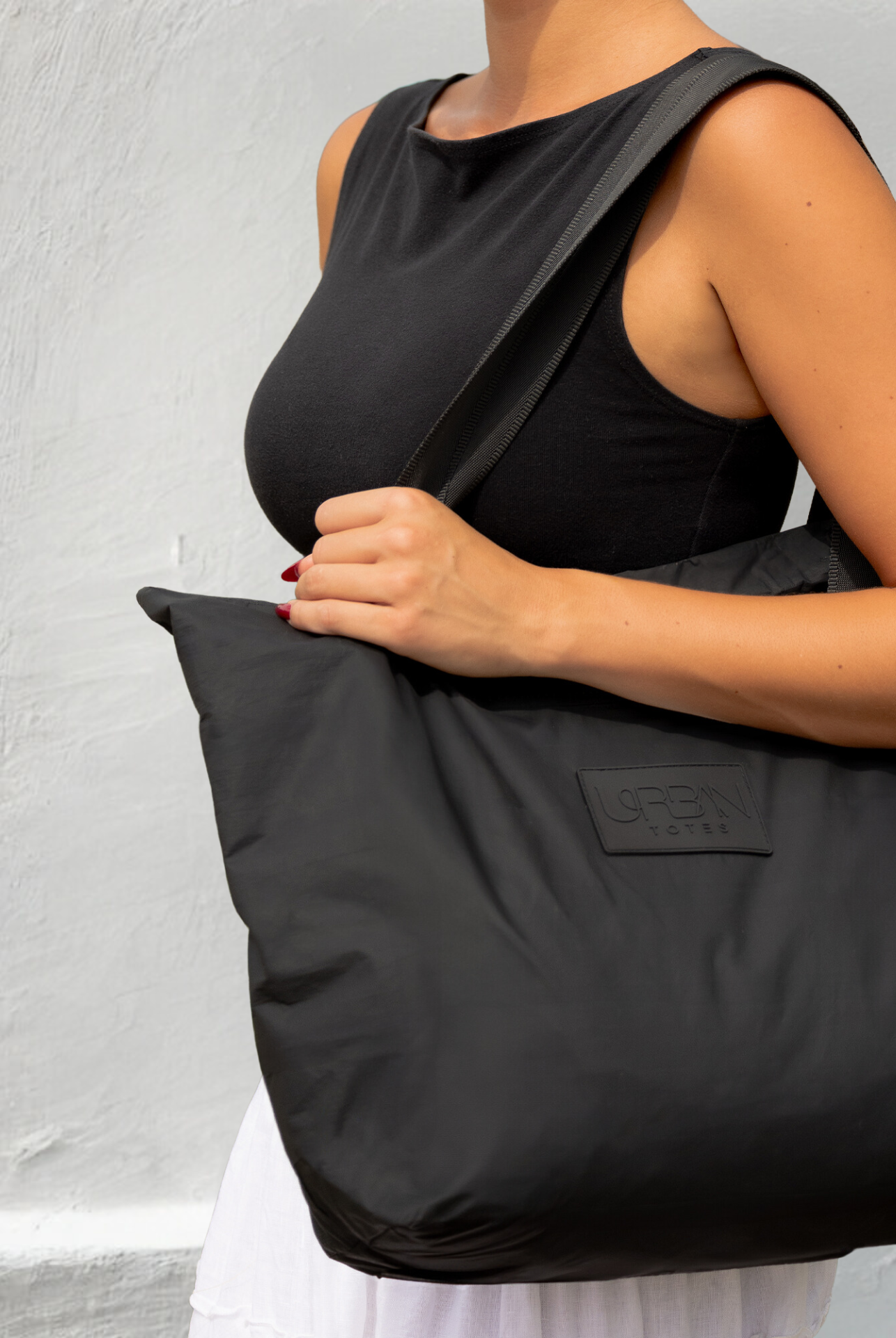
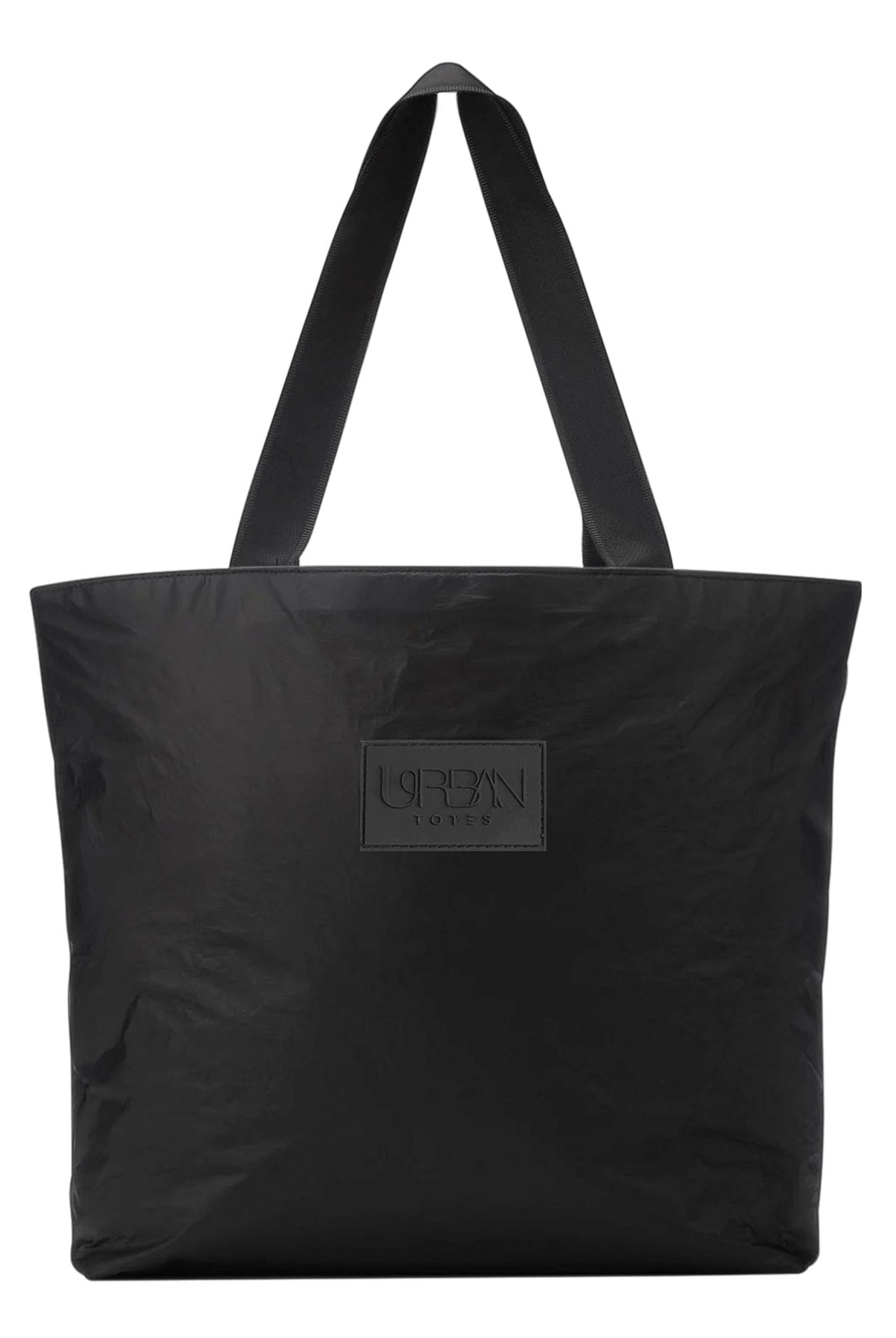
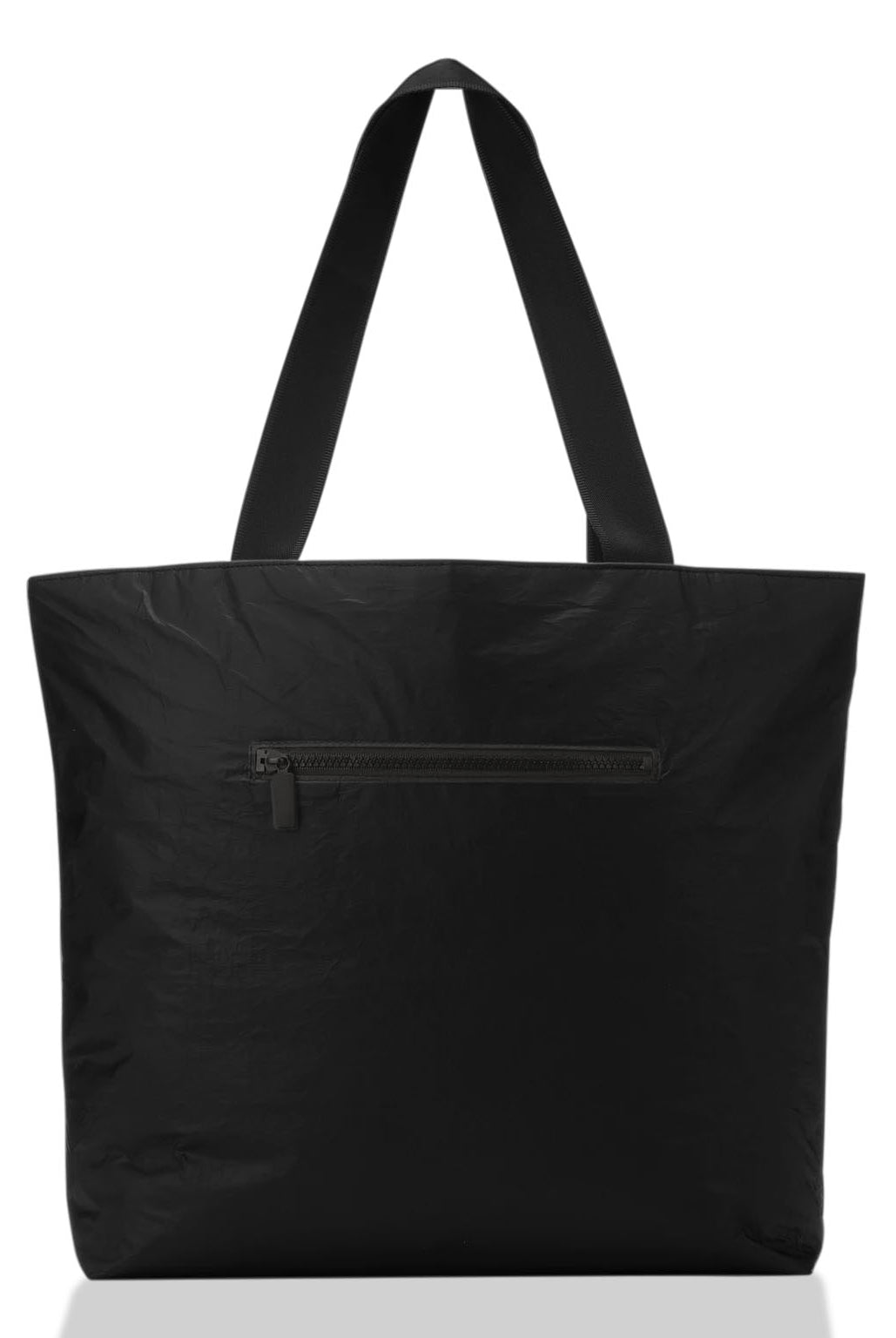
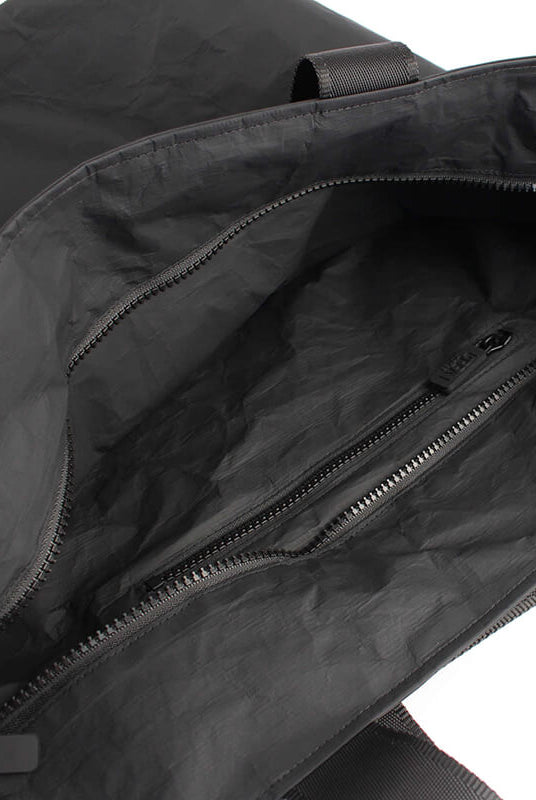
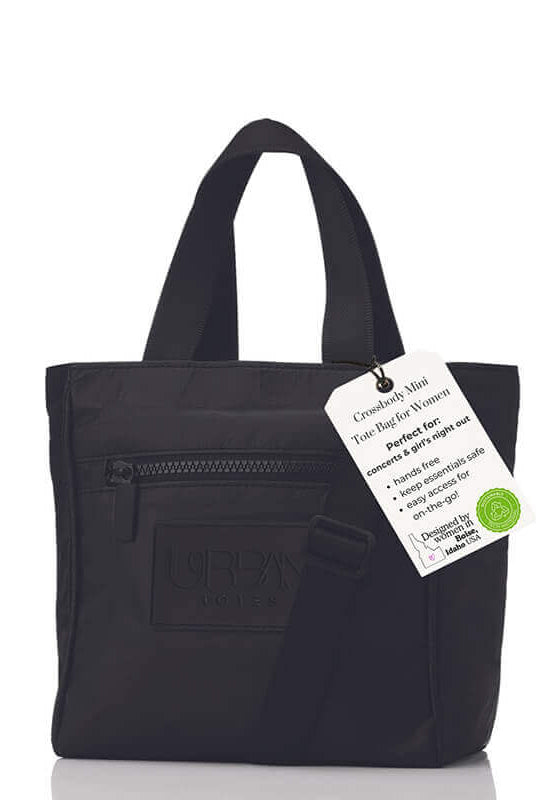
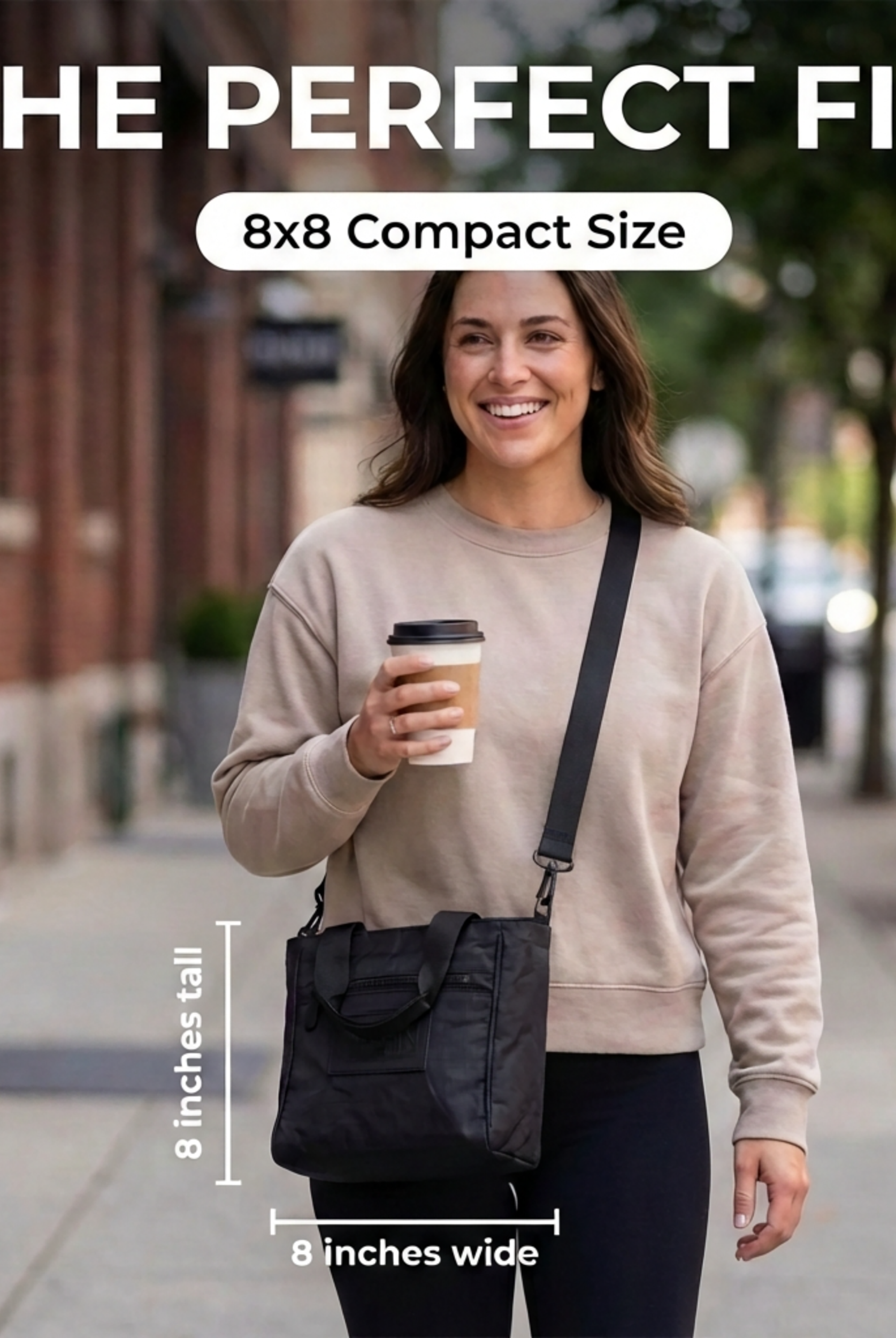
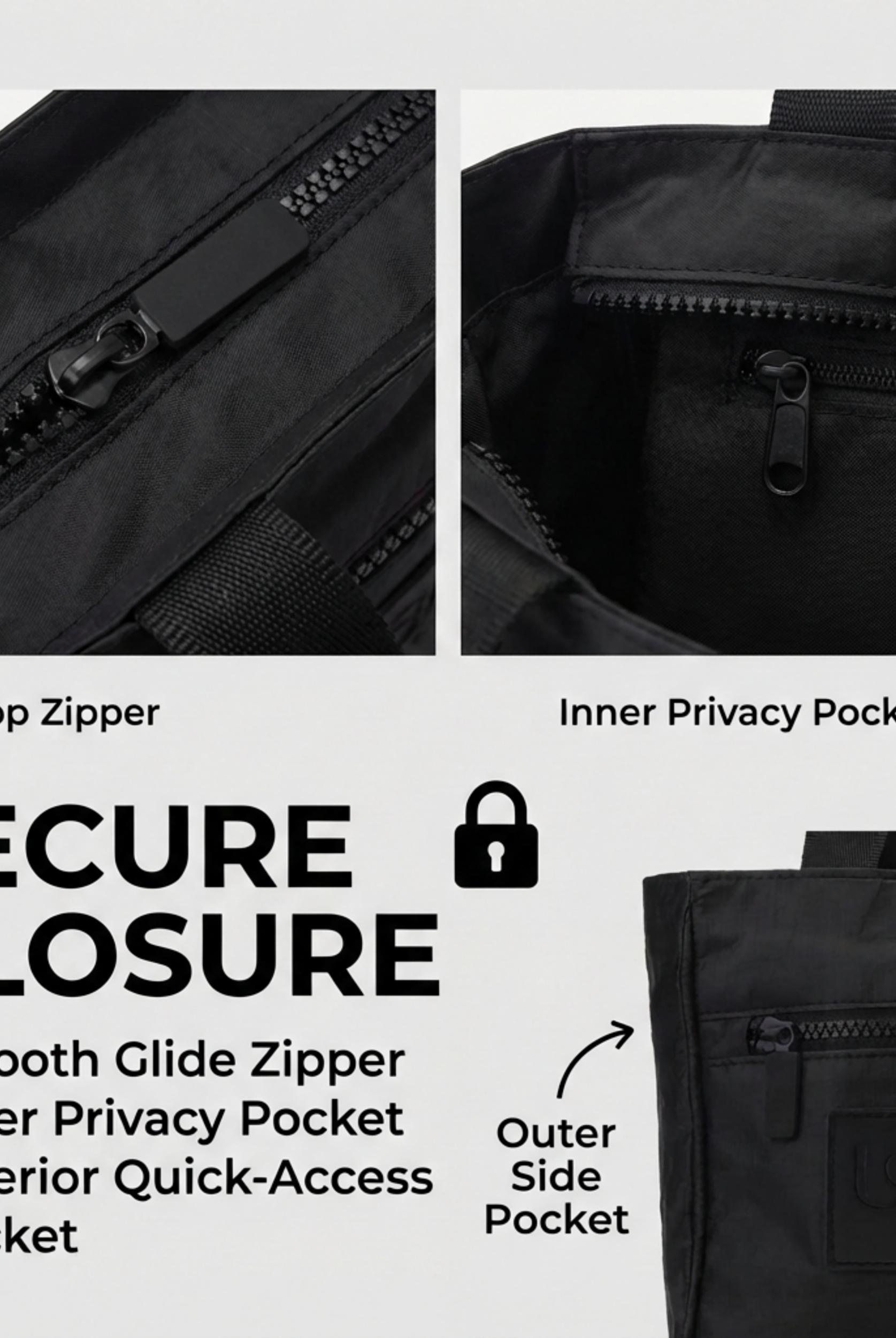
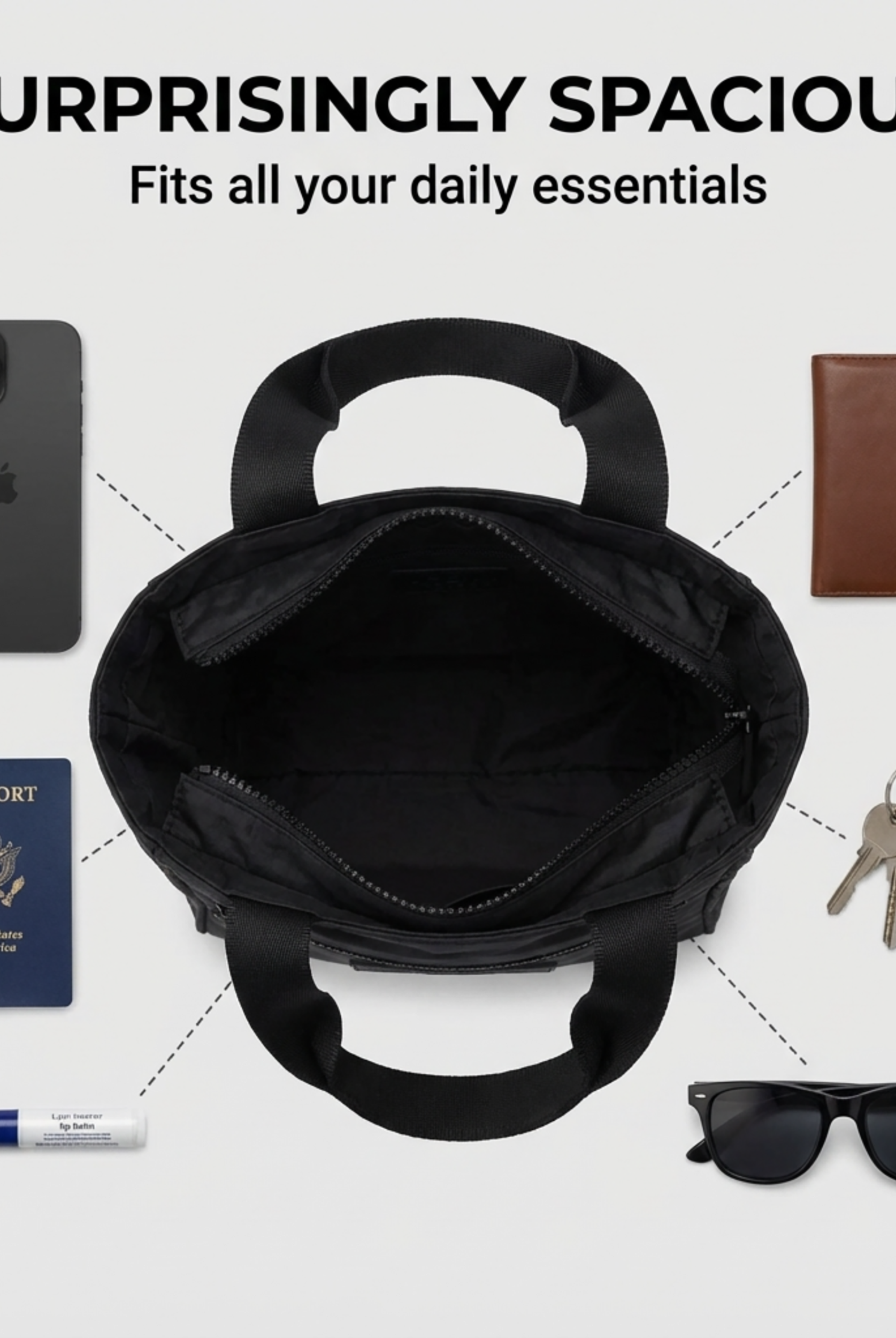
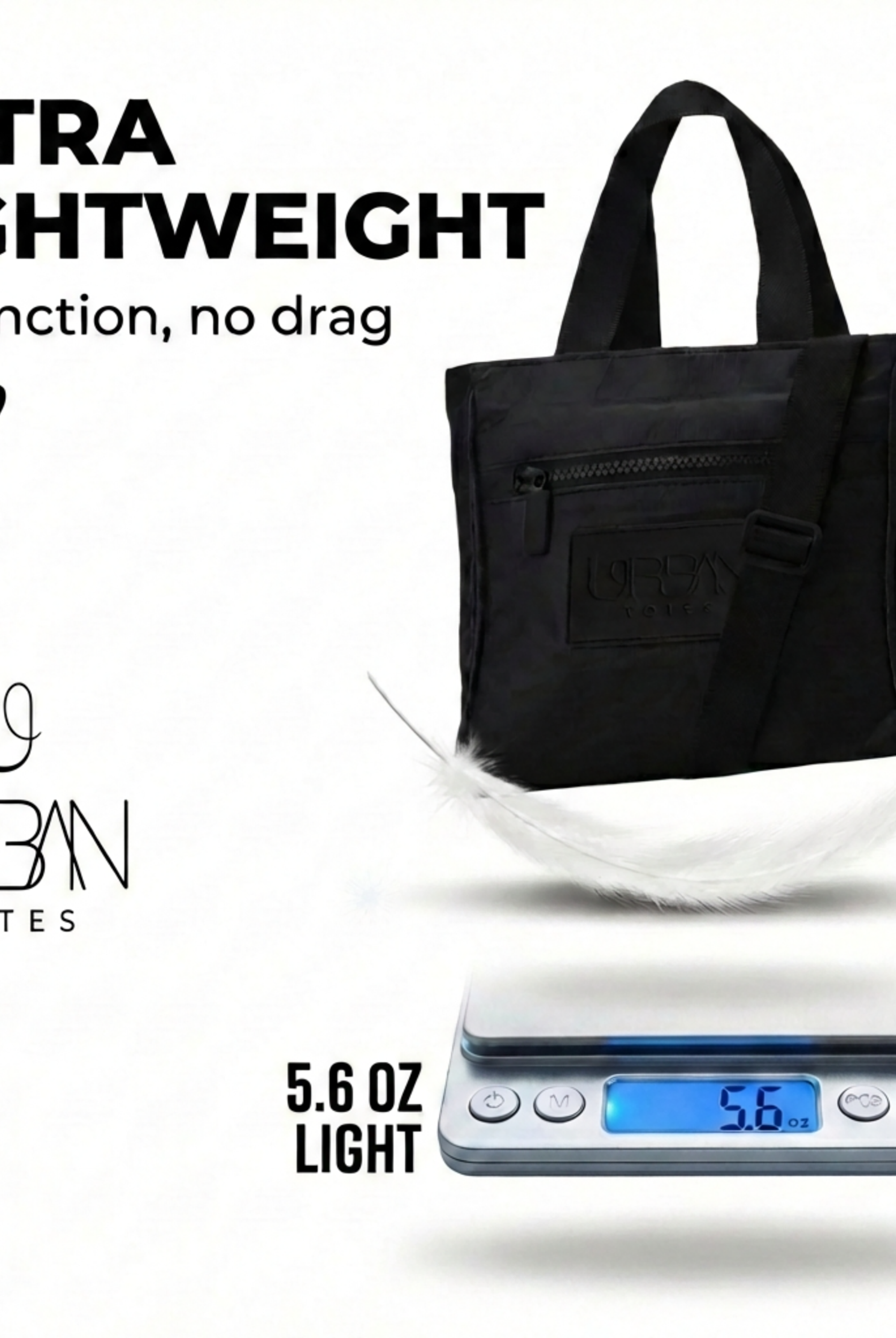
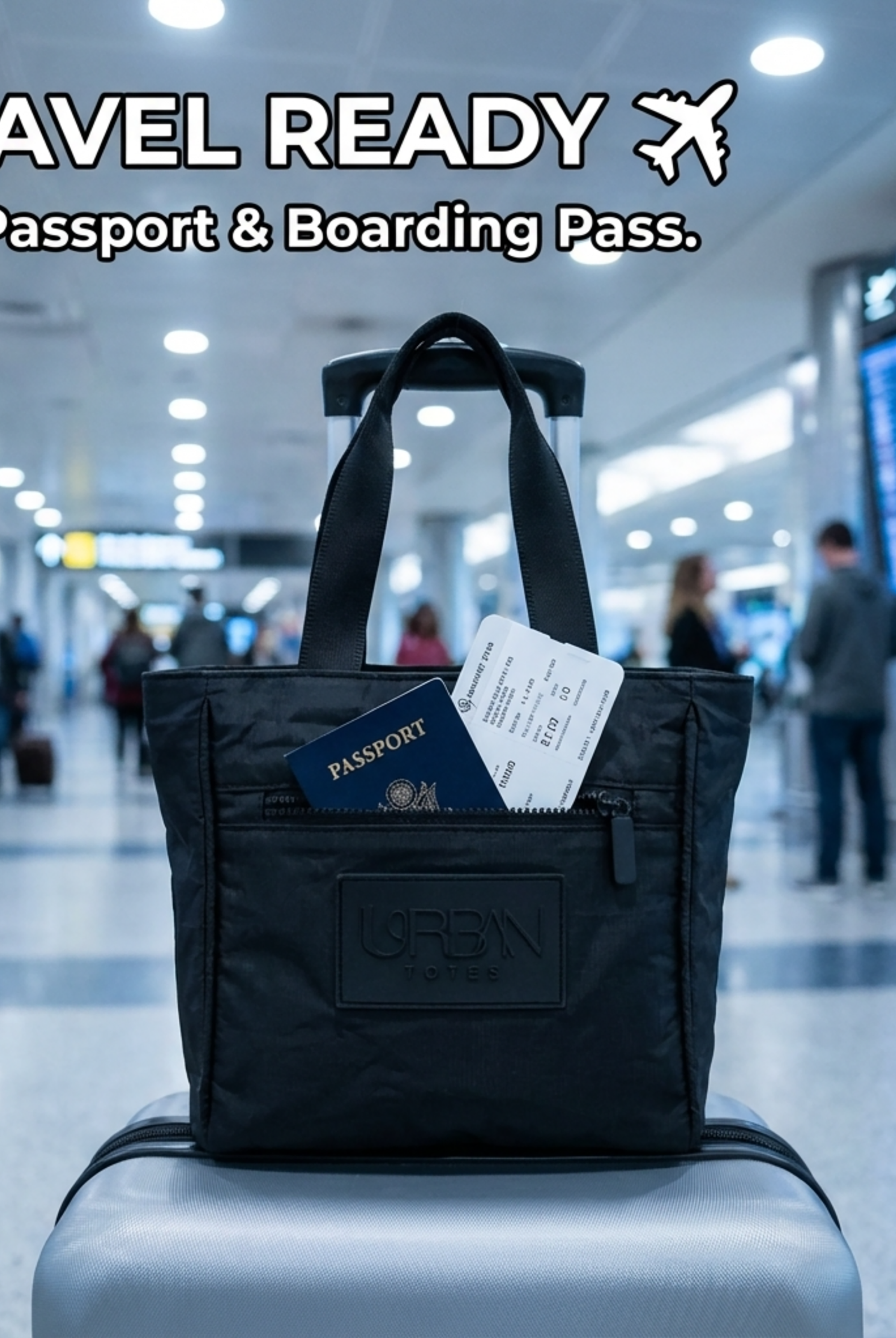
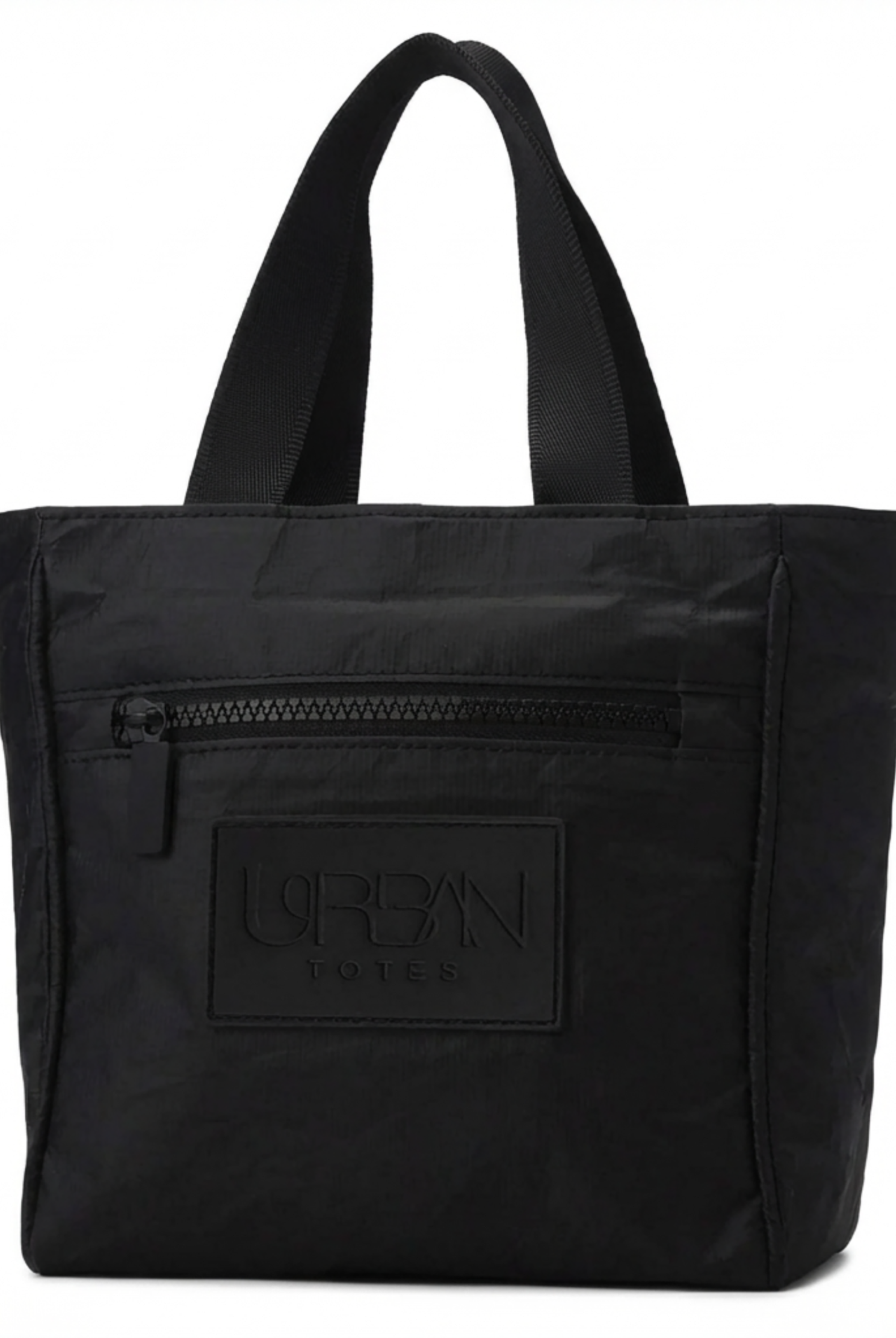
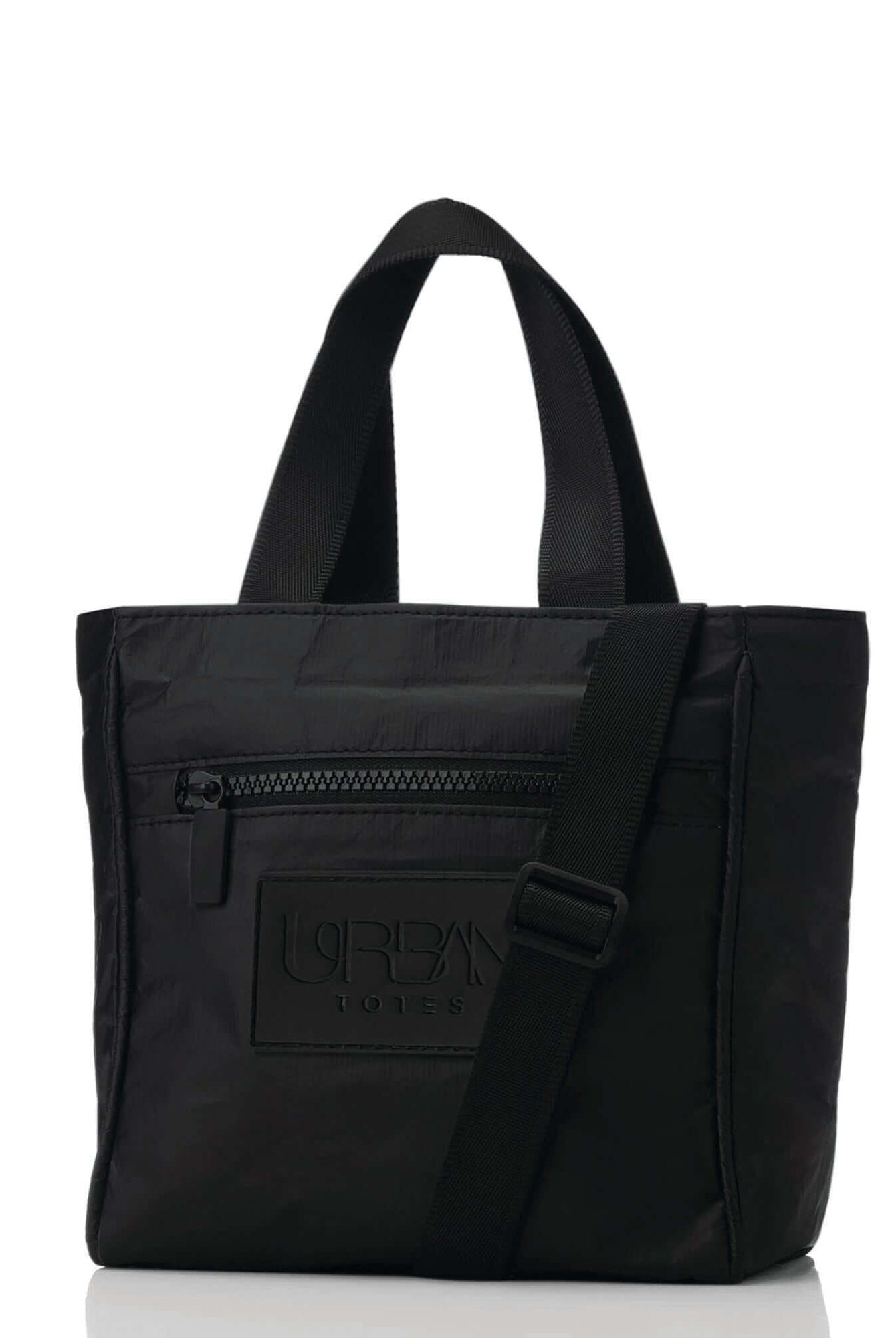
That's part of why they pair so well with flexible bags. In a tote with open interior space, a few compact clothing blocks instantly create zones. The first mention that comes to mind here is Elevate Every Adventure with The OG Zipper Tote Bag by Urban Totes, because its lightweight, packable design, zipper closure, and multiple pockets lend themselves naturally to a cube-based setup for quick city breaks or family travel.
Practical rule: Use compression cubes to control bulk and create shape. Don't expect them to lighten your load.
Once you understand that one principle, the rest of your packing decisions get easier.
The True Travel Benefits of Using Compression Cubes
Travelers often buy compression cubes because they want more space. Fair enough. But the better reason to use them is that they make your bag behave.
They create structure inside soft bags
In a structured suitcase, clothing can sit in a relatively predictable stack. In a tote or weekender, things shift. A cardigan slides under a sandal. Pajamas wrap themselves around your charger. Clean clothes start mingling with whatever you tossed in last minute at school pickup.
Compression cubes fix that by acting like portable drawers.
One cube can hold sleepwear and lounge clothes. Another can hold daytime outfits. A small one can take undergarments or workout pieces. If you're carrying a soft-sided travel bag, that kind of modular setup gives the interior shape without making the bag feel stiff or heavy.
That's also why they're useful beyond the plane. At your destination, you don't need to fully unpack if you don't want to. You can lift one cube out, place it in a drawer, and keep the rest in your bag. The system stays intact.
They make living out of your bag easier
The biggest quality-of-life upgrade is access. You stop digging and start choosing.
A few practical wins stand out:
- Outfits stay grouped: Keep tops in one cube and bottoms in another, or pack by day if you like a very edited travel wardrobe.
- Clean and worn items stay separate: An extra cube can hold laundry so it doesn't drift into everything else.
- Delicate pieces stay protected: A silk blouse or knit layer has a better shot at arriving neatly when it isn't floating loose beside sandals and cords.
- Unpacking takes minutes: Move the cubes straight into a hotel drawer, guest room dresser, or cruise cabin shelf.
There's one trade-off worth being honest about. Compression cubes can create extra usable room, but they aren't automatically “worth it” if you treat that room like an invitation to bring more. Travel discussion around packing often makes this point clearly: they're most helpful when you preserve a little extra space for bulky clothing or souvenirs, not when you use them to justify overpacking. That perspective comes through well in this conversation about whether compression packing cubes are worth it.
If you're choosing a carry option built for this kind of system, a thoughtfully organized tote for travel makes the whole setup feel even smoother.
Compression doesn't create discipline for you. It rewards the discipline you already have.
How to Choose Your Perfect Set of Cubes
A good set of cubes should make packing simpler, not fussier. If the zippers snag, the fabric feels flimsy, or the sizes don't fit the way you travel, they'll end up at the back of a closet with your old neck pillow and that travel steamer you swore you'd use.
Start with durability
Compression creates stress. That's the whole point. You're asking the fabric panels, seams, and zipper track to pull inward under tension, then do it again next trip.

That's why material matters more than branding. Pack Hacker's guidance on compression cubes highlights the importance of high-tenacity fabrics such as ripstop or twill nylon and quality hardware like YKK-style zippers, since repeated compression puts real stress on seams and zipper paths.
When you shop, look for:
- Tough fabric: Ripstop, twill nylon, or similarly sturdy textiles hold shape better and stand up to repeated use.
- Reliable zipper hardware: The second zipper does a lot of work. A smooth, strong zip matters.
- Clean stitching: If the seams already look strained when empty, they won't improve when packed.
Buy cubes the way you buy a good travel bag. Choose for repeated use, not for one weekend.
Pick sizes with a system in mind
The smartest set isn't always the biggest set. It's the one that matches how you pack.
Here's a simple way to think about sizing:
| Cube size | Best use | Why it works |
|---|---|---|
| Large | Sweaters, pants, bulkier layers | These items benefit most from volume control |
| Medium | Tops, dresses, activewear | Easy to stack and easy to grab |
| Small | Socks, underwear, swimwear, accessories | Keeps tiny essentials from drifting everywhere |
If you tend to travel with a tote or a slimmer weekender, too many oversized cubes can create awkward bulk. A balanced mix usually fits more elegantly than several large pieces fighting for space.
Small design details matter
After durability and size, the little things make daily use nicer.
Some travelers prefer a top panel that lets them identify contents quickly. Others want a softer cube that molds easily into the corners of a bag. If you use a tote with several compartments, flatter cubes often slide in more cleanly than boxy ones.
Think about your bag too. If you often pack into a multi-pocket carry option, pairing cubes with built-in organization gives you a layered system. Clothing lives in the cubes. Quick-access items live in the bag pockets. If that's your style, a travel tote bag with pockets pairs especially well with compression cubes because each part of the setup has a clear job.
The best set is the one that makes you faster on travel mornings, not the one with the longest feature list.
Packing Strategies for Every Type of Trip
Compression cubes shine when you stop thinking of them as generic organizers and start assigning them roles. Different trips need different systems. The trick is to match the cube layout to the pace and purpose of the trip.

If you like reading a broader mix of lightweight packing solutions, it helps to see cubes as one tool inside a larger packing routine, not the entire strategy.
Weekend getaway
Cubes feel especially satisfying. A soft tote or weekender can look polished and effortless, but inside it can become a black hole fast. Two or three cubes solve that.
Try this setup:
- Medium cube for outfits: Two days of tops, one extra layer, sleepwear.
- Small cube for undergarments and socks: Easy to pull out without disturbing anything else.
- One loose pouch or toiletry bag: Keep it separate from clothing.
For a quick trip, the goal isn't maximum compression. It's clean structure. Your bag opens, and everything is visible at a glance.
Business trip
Work travel needs a calmer system. You want polished clothes, but you also want fast access when you land late and need to get ready quickly the next morning.
Use one cube strictly for clothing that needs to stay relatively tidy, like blouses, trousers, knit dresses, or office layers. Put smaller accessories in a separate cube or pouch so belts, chargers, and jewelry don't interfere with your wardrobe pieces.
A good rule here is to compress gently. The point is to streamline the bag, not crush every fabric.
Keep your workwear in one dedicated block so you're not unpacking half your bag to find tomorrow's blouse.
Family vacation
For moms, compression cubes go from nice to indispensable.
Each child can get a cube by category or by outfit grouping. Pajamas in one. Day outfits in another. Swim items in a separate section. When someone needs a clean set of clothes in a hurry, you're not tearing apart the whole bag in a hotel parking lot or rest stop bathroom.
If you're packing a shared weekender, cubes also help with fairness and visibility. Everyone's things have a place. That alone cuts down on stress.
Carry-on-only travel
This is the most strategic use case. You're working with limited space, and every soft item has to earn its spot.
Bulky clothing gets priority for compression. Smaller essentials go into flatter cubes that can slip around the edges of your bag. Leave a little space unclaimed if you can. That margin makes room for the sweatshirt you peel off mid-trip, a market find, or the items that never seem to fit quite the same way on the return home.
If you want more ideas for building a soft-bag system, these ways to pack your weekender tote bag for travel offer a useful companion approach.
A Step-by-Step Guide to Perfect Packing
A compression cube works best when you pack it with a little restraint. Most zipper frustration comes from trying to turn it into a second suitcase.
How to pack a cube without fighting the zipper
The sweet spot is to fill the cube to about 70–85% of its capacity, according to Cube Packer's guidance on compression packing. When you overstuff it, the compression zipper becomes harder to close and the space-saving effect drops off.

That's why rolling soft garments usually works better than stacking thick folds. Rolled pieces sit more evenly, create fewer odd lumps, and give the zipper an easier path.
A simple packing sequence that works
Use this order every time and packing becomes much more predictable:
-
Match the cube to the category
Put similar items together. Tops with tops, sleepwear with sleepwear, undergarments in a small cube. -
Roll soft garments
T-shirts, leggings, pajamas, and sweaters usually nest well when rolled. Keep the rolls snug but not stiff. -
Lay the rolls side by side
Build a tidy row or grid so the surface stays relatively even. Don't let one bulky item sit awkwardly on top. -
Close the main zipper first
This holds the contents in place before you ask the cube to compress. -
Use the second zipper slowly
Go around the cube with steady pressure. If fabric starts pushing into the track, stop and adjust before continuing. -
Place the finished cube flat in your bag
In a tote or weekender, flatter placement usually keeps the whole bag more balanced.
A small pause during step five saves a lot of wear. If the zipper feels strained, the cube is too full. Take something out rather than forcing it.
Keeping Your Compression Cubes Travel-Ready
The nicest thing about compression cubes is that they don't require much maintenance. A few simple habits keep them in good shape and make every future trip easier.
Simple habits that help them last
First, empty them fully after a trip. Shake out lint, receipts, and the one stray sock that somehow always hides in a corner. If the fabric needs cleaning, follow the care instructions from the maker. Many travel accessories do well with gentle washing or a simple wipe-down, but it's worth checking rather than assuming.
Second, store them uncompressed. Let the zipper tracks rest in their natural shape instead of keeping the cubes cinched flat between trips.
Third, watch the zipper line when compressing. Fabric caught in the track is one of the fastest ways to create damage or unnecessary stress. Slow, smooth zipping always beats brute force.
The same mindset applies to the bag you carry them in. A thoughtfully designed tote lasts longer when you clean it well and store it properly, and these tote bag maintenance tips and tricks are a good reminder that travel gear holds up best when you treat it like part of your routine, not something disposable.
Compression cubes are a small upgrade, but they change the feel of travel in a big way. Your bag becomes easier to pack, easier to carry, and easier to live out of. That's the kind of system that keeps busy days from tipping into chaos.
If you're ready for a travel setup that feels stylish, organized, and easy to use, explore Urban Totes. A thoughtfully designed, go-anywhere bag paired with a smart cube system can make every trip feel lighter, calmer, and much more joyful.