You're probably reading this with a trip half-packed in your head already. Maybe it's a quick flight, a long weekend with kids, a beach day tacked onto a family visit, or a work trip that somehow also includes snacks, wipes, headphones, and a spare shirt. The bag you grab for all of that matters more than is often appreciated.
A bad tote turns every transition into friction. You dig for your passport while the line moves. Your water bottle tips into your sweater. Your phone disappears into the bottom. By the time you reach the gate, your shoulder is annoyed and your mood is right behind it.
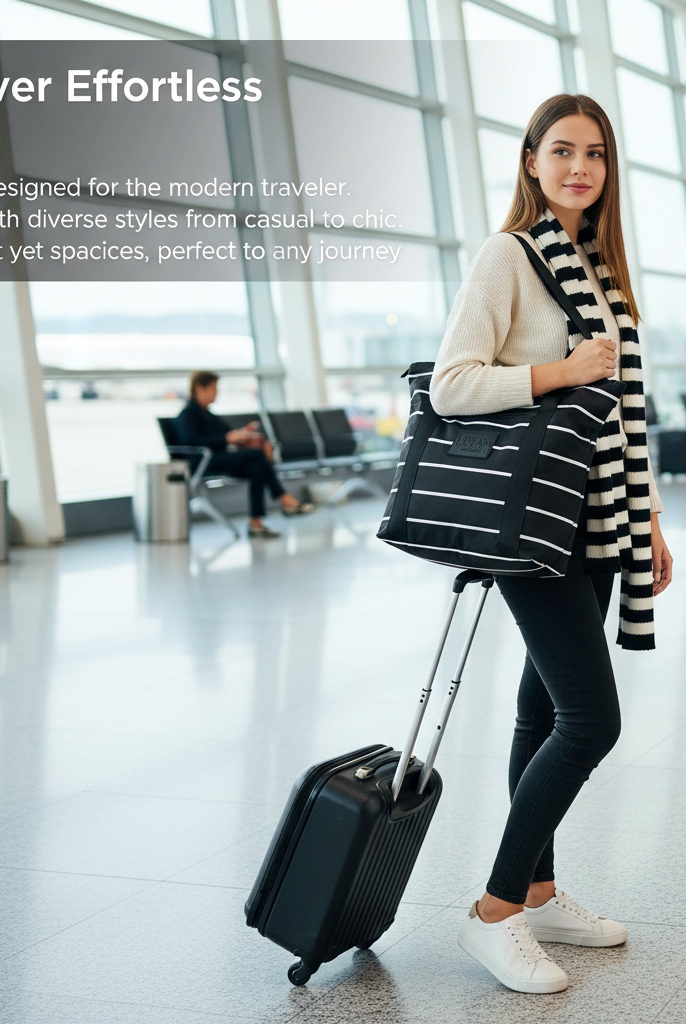
The best tote for travel doesn't just hold things. It keeps your day moving. It fits under the seat, stays light when it's empty, handles real-life messes, and gives your essentials an actual place to live. For women juggling travel, family, errands, and everyday carry, that kind of bag is less of a style extra and more of a sanity tool.
Here's the short version before we get into the details.
| Travel tote factor | What works | What usually doesn't |
|---|---|---|
| Airline fit | A tote sized to work as a personal item | An oversized tote that only works when half empty |
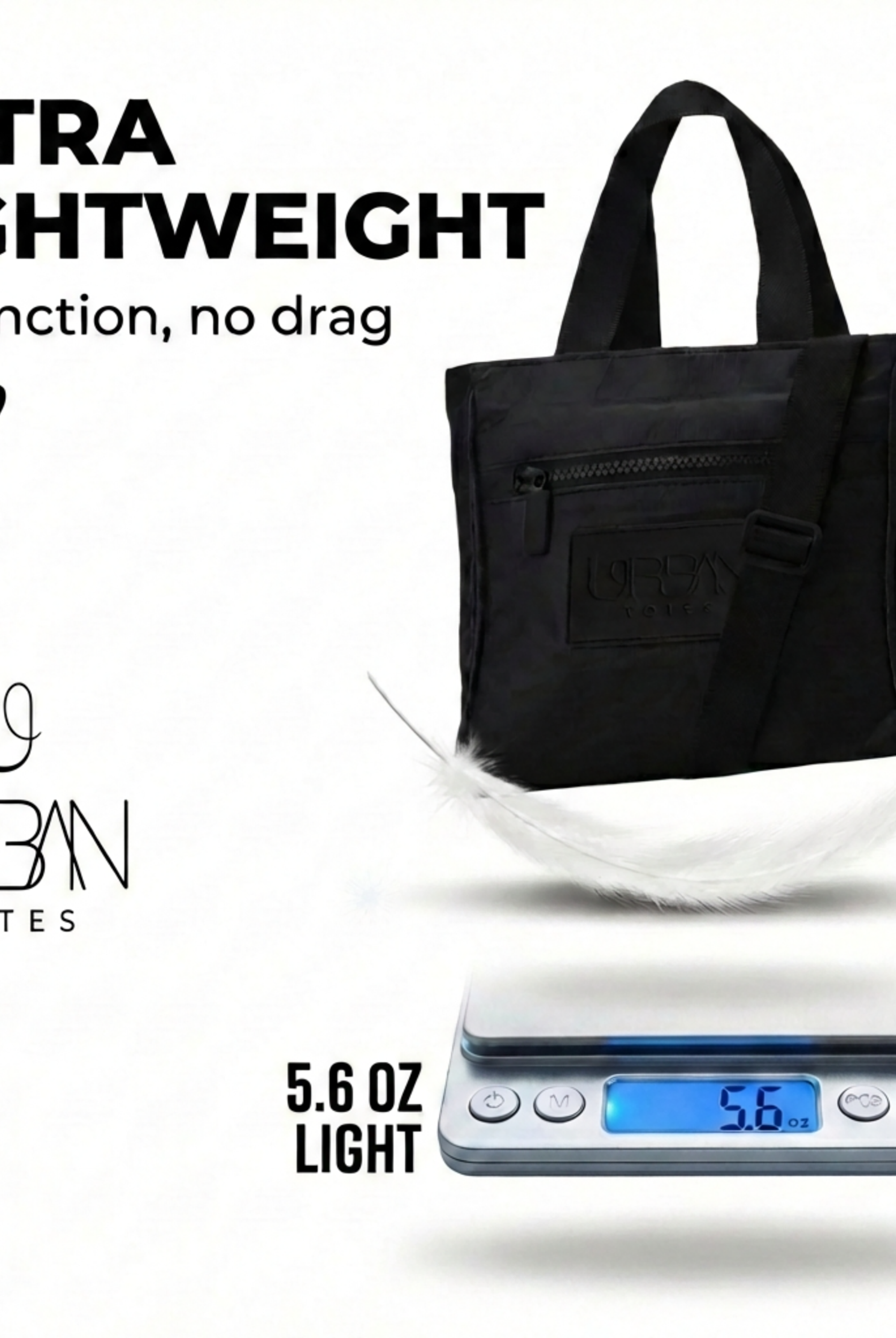
| Weight | Lightweight material that doesn't eat into your load | Heavy canvas that feels substantial before you pack anything |
| Access | Dedicated spots for passport, phone, charger, and snacks | One giant compartment that turns into a catch-all |
| Security | Full zipper closure for airports and crowded spaces | Open-top designs when you need hands-free peace of mind |
| Versatility | A bag that moves from airport to errands to beach day | A laptop-first tote that ignores non-tech essentials |
| Cleanup | Water-resistant, easy-care fabric | High-maintenance fabric that shows every spill |
Table of Contents
- That Familiar Pre-Trip Travel Scramble
- Anatomy of the Perfect Travel Tote
- Decoding Travel Tote Feature Trade-Offs
- The Right Tote for Every Type of Trip
- How to Pack Your Travel Tote Like a Pro
- Caring for Your Go-Anywhere Bag
- Find Your Perfect Travel Companion
That Familiar Pre-Trip Travel Scramble
The worst travel bag problems show up right when you're trying to leave the house. One hand is on the coffee, one kid needs a snack, your ride is outside, and suddenly your tote has swallowed your ID. You know it's in there. You just can't get to it without unloading half the bag onto the front seat.
That's usually the moment people realize they don't need a prettier bag. They need a smarter one.
I've seen this play out with every type of travel day. The airport version is the most obvious, but it happens on road trips too. It happens on family outings, train commutes, beach afternoons, and farmers market mornings when your bag starts as “just toss it all in” and ends as a heavy black hole.
The bag isn't neutral
A tote can either remove stress or add to it. There's rarely much middle ground.
If the straps slide, the opening gapes, and the inside has no logic, you spend the whole day managing the bag instead of moving through the day. You start putting your phone in one place, your keys in another, and your receipts in a side pocket just to compensate for a design that never thought about real use.
A travel tote should make transitions easier: car to gate, gate to hotel, hotel to street, school drop-off to grocery stop.
What a better tote changes
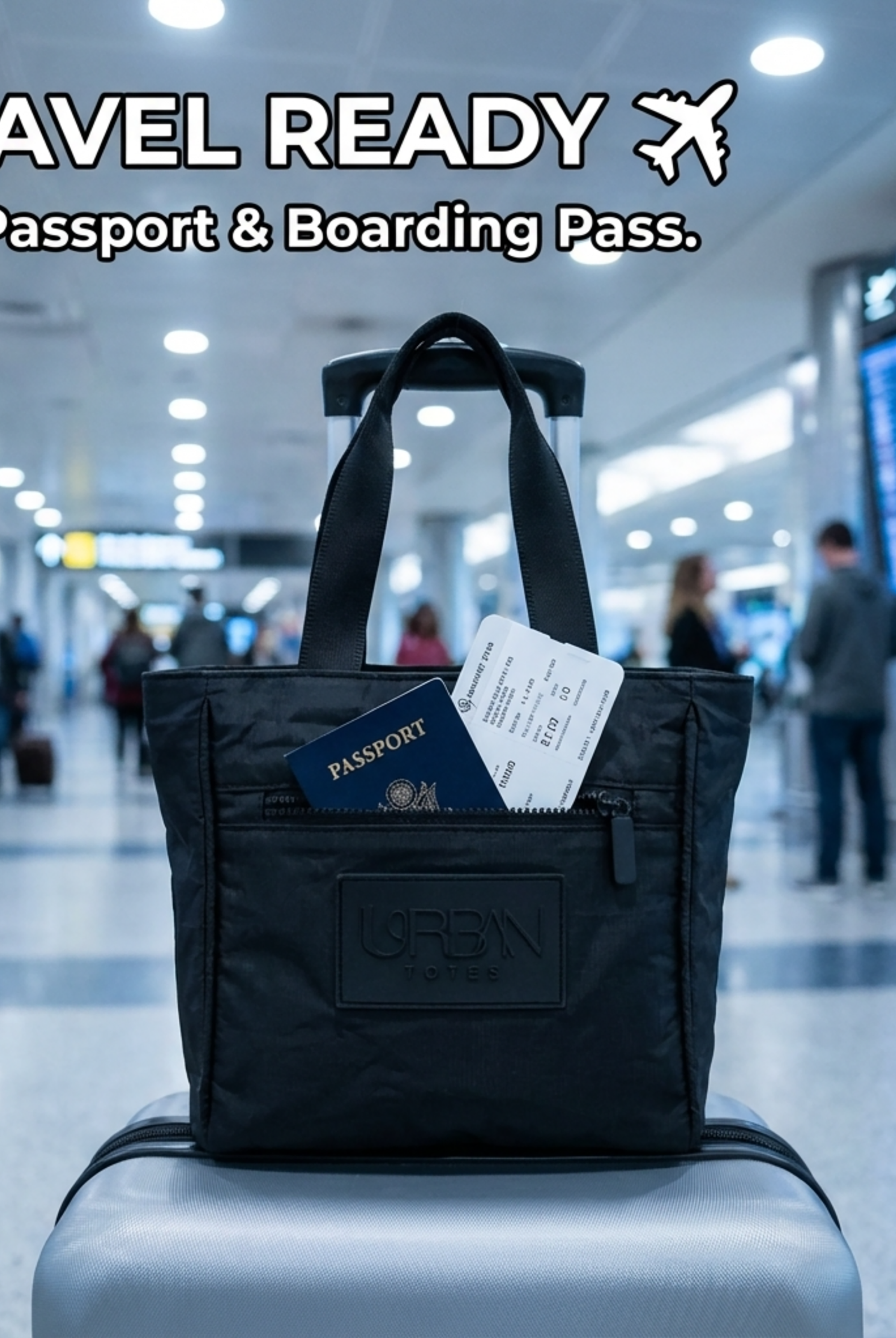
The right tote gives you a reliable rhythm. Passport in one spot. Charger in another. Snacks where you can reach them without looking. Jacket on top. Water bottle upright. Main compartment zipped when you need to move quickly.
That's why the best tote for travel isn't just about how much it holds. It's about how calmly it lets you carry a busy life.
A good one feels almost invisible in use. You're not thinking about the bag because it's doing its job.
Anatomy of the Perfect Travel Tote
A travel tote proves itself in the middle of a messy day. You grab it for a flight, keep using it at the hotel, then bring it to the beach the next morning and the farmers market after lunch. If it only works for one version of your life, it is not the right tote.

Size comes first
Size decides whether a tote feels helpful or annoying.
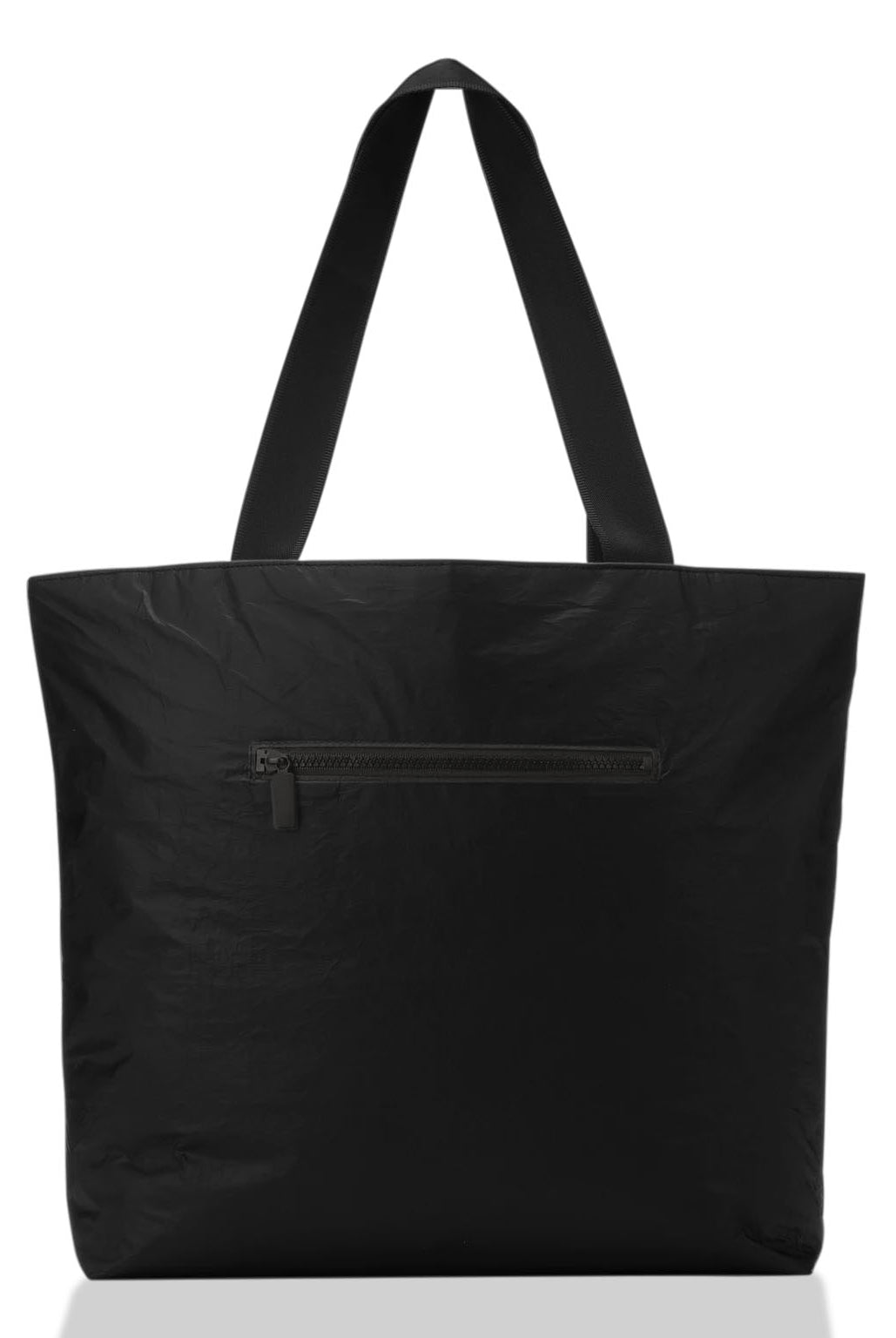
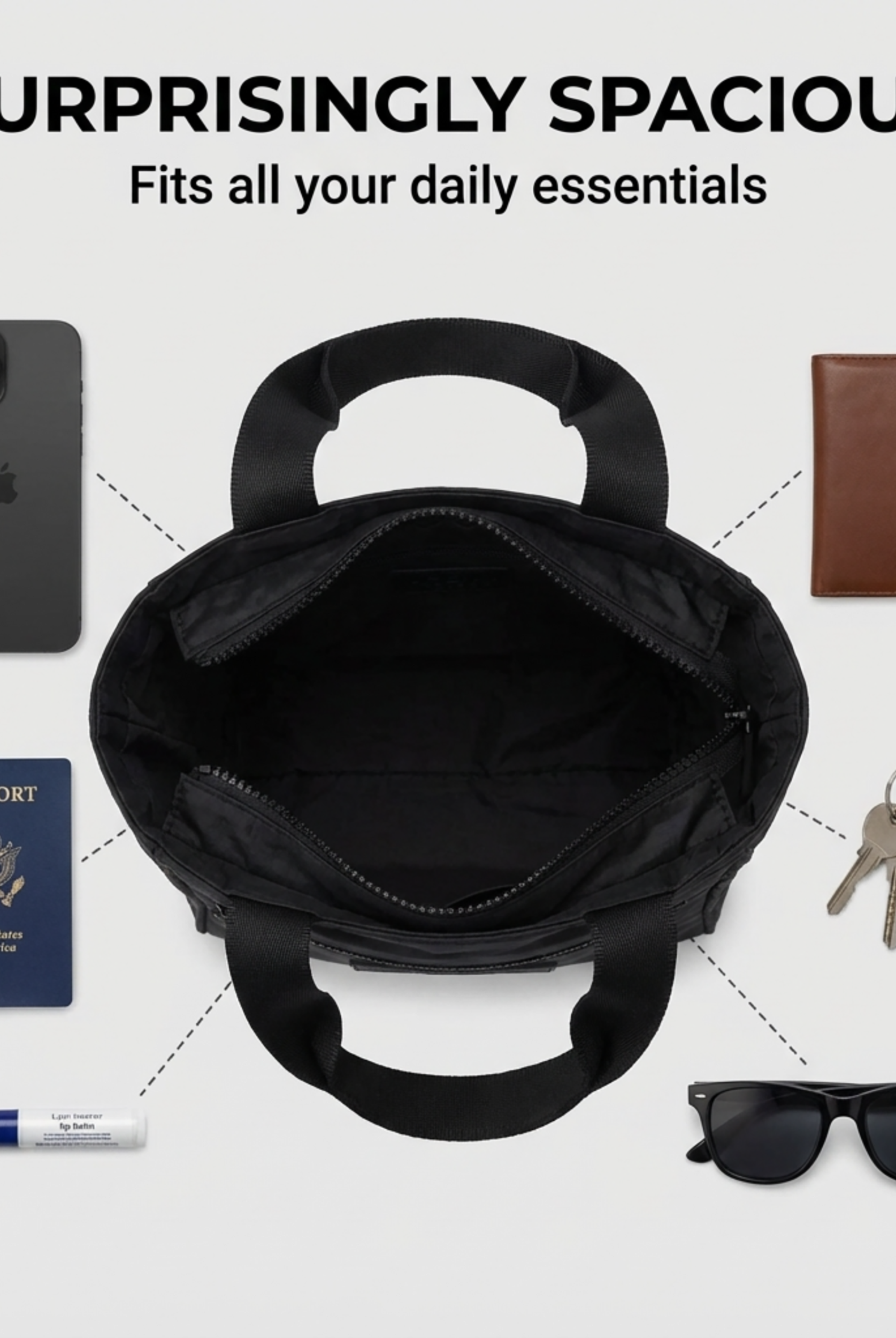
For air travel, a good tote needs to fit under the seat without turning into a crumpled block you have to wrestle with using your foot. For everyday use, it also needs enough depth for the things women carry on the move: a water bottle, sunscreen, snacks, a cardigan, documents, wipes, sunglasses, and the little extras that appear when you are traveling with kids or running a full day of errands.
The sweet spot is roomy without being oversized. Bags that are too small force constant editing. Bags that are too big invite overpacking, then punish your shoulder by noon. Shape matters too. A tote with a useful base and a clean opening is easier to load and easier to live with than one that looks large but collapses around everything inside.
Material changes the whole experience
Fabric is not a style detail. It affects weight, cleanup, and how the bag handles a real day out.
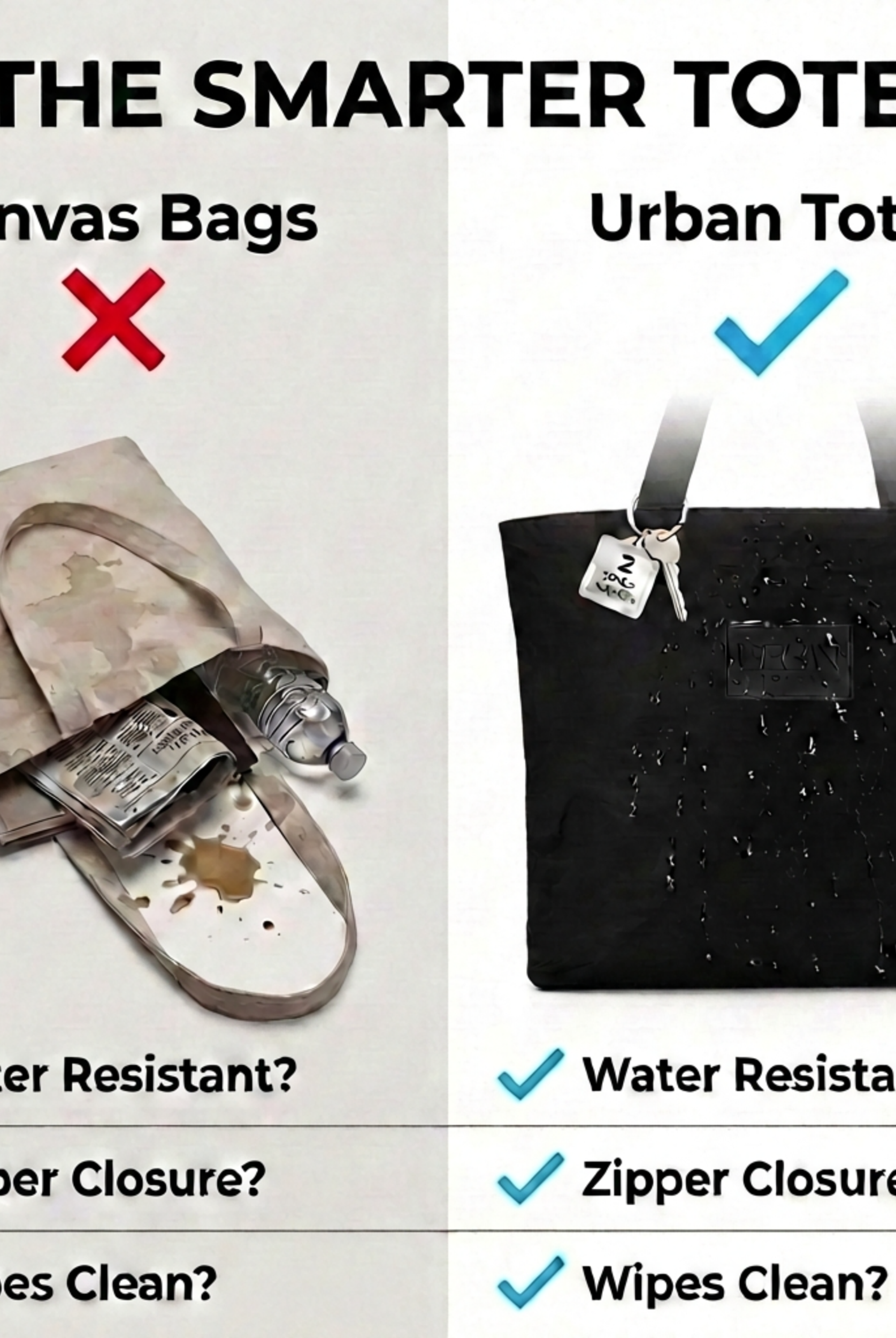
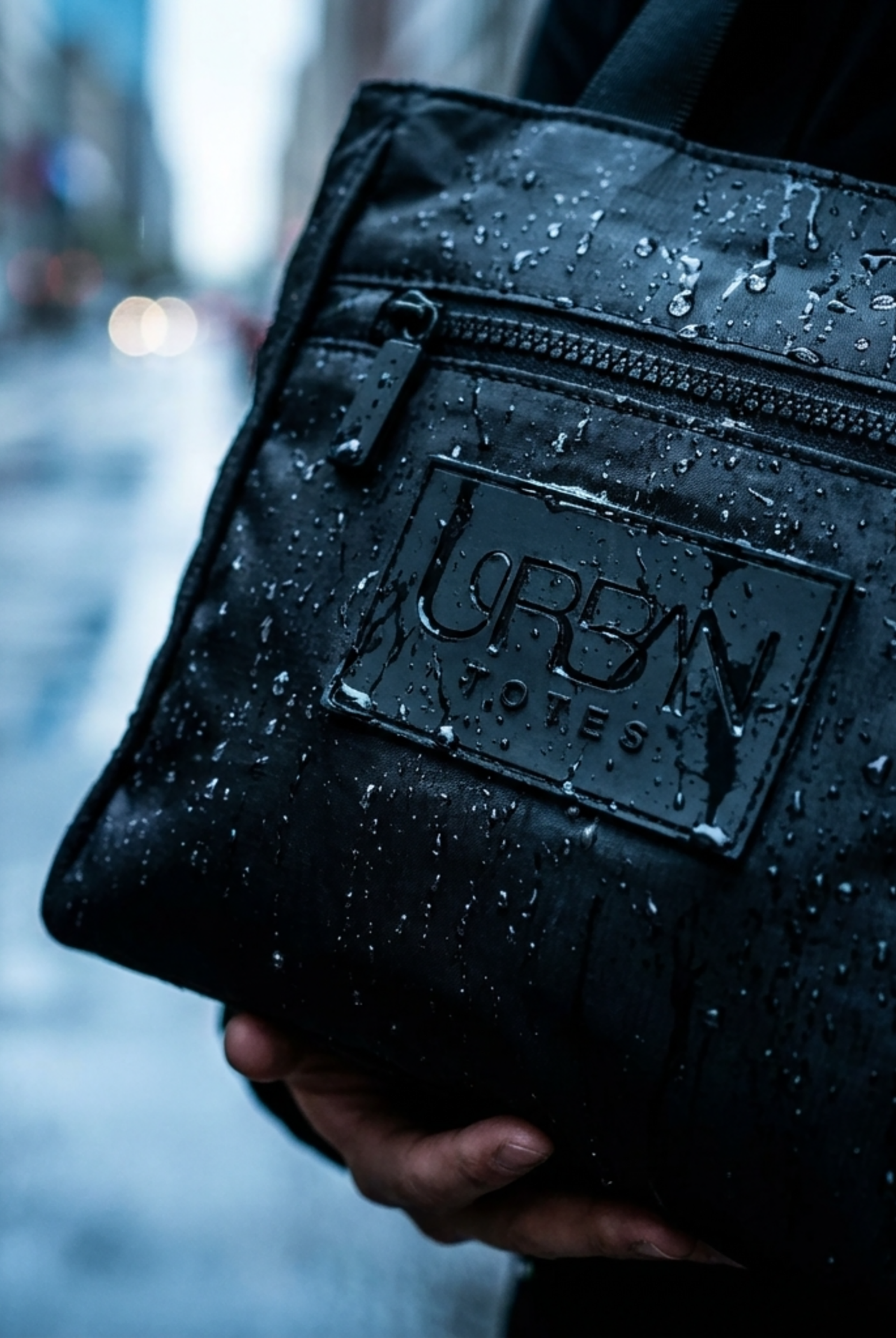
Lightweight, water-resistant technical fabrics earn their place because they keep the bag easier to carry and easier to wipe down after airport floors, juice box leaks, beach sand, or a damp umbrella. Canvas can look great and wear beautifully, but it often feels heavier and can be less forgiving when spills happen. Leather gives polish and structure, though it usually adds weight and asks for more care.
Practical rule: If a tote feels heavy before you pack it, it will feel worse after three hours in transit.
Bag categories can also blur together fast, especially if you are comparing a tote with a crossbody, satchel, or weekender. A helpful reference is this glossary of bag types from traditional to trendy, which breaks down what each style is built to do.
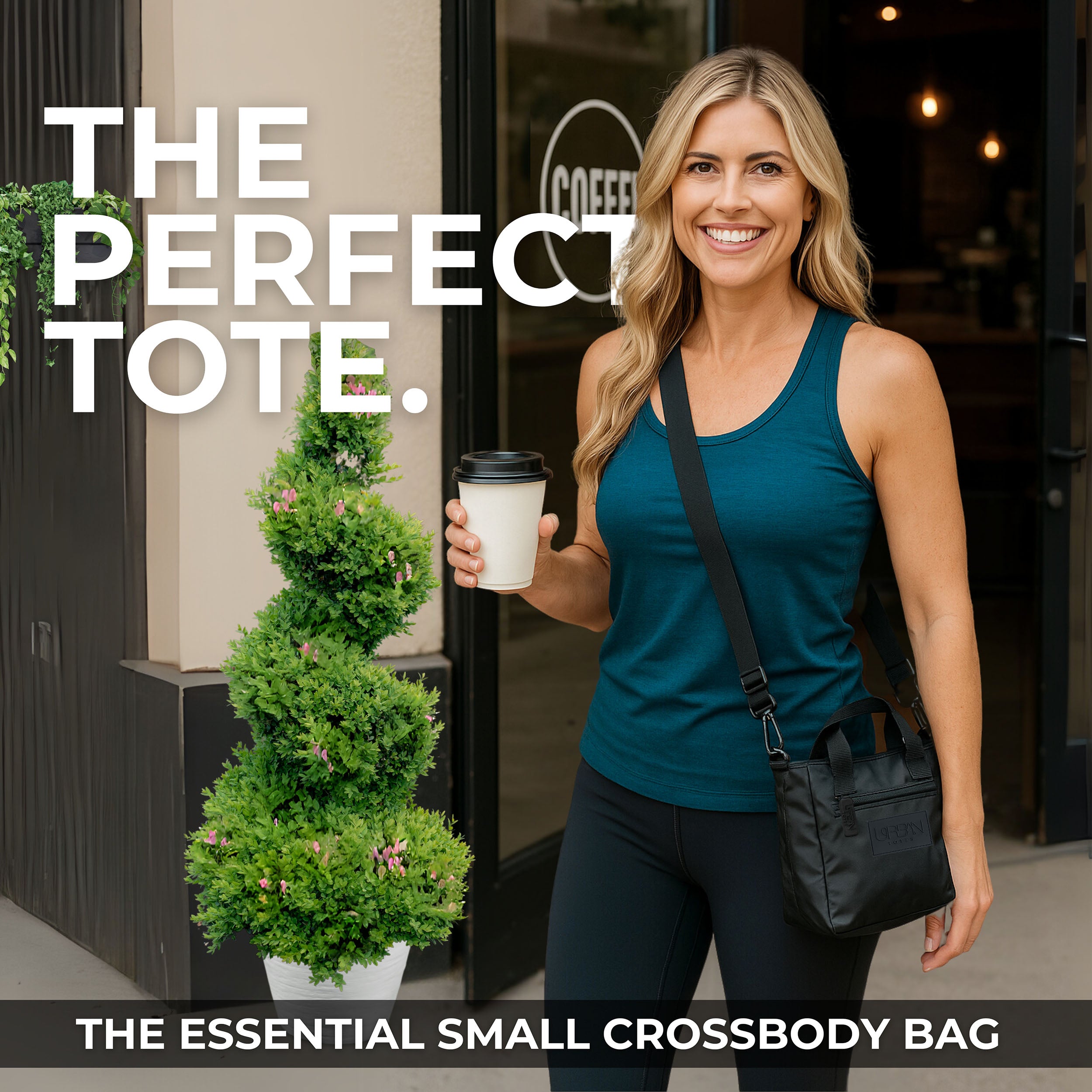
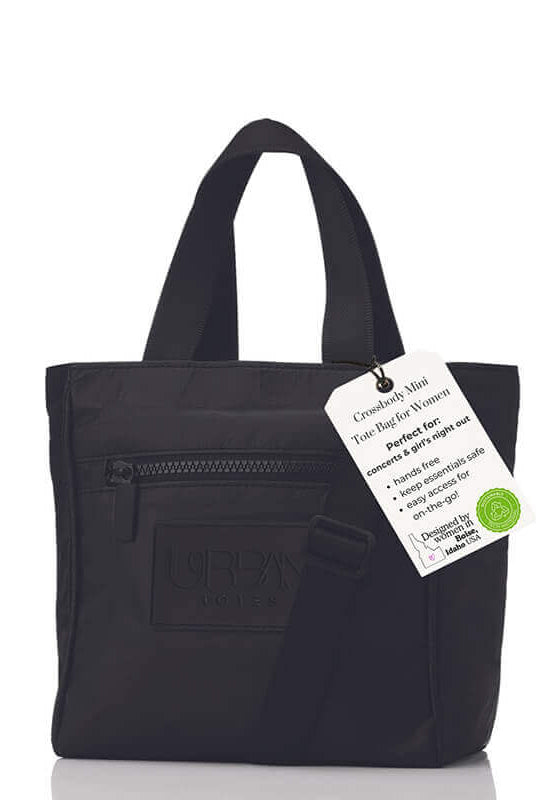
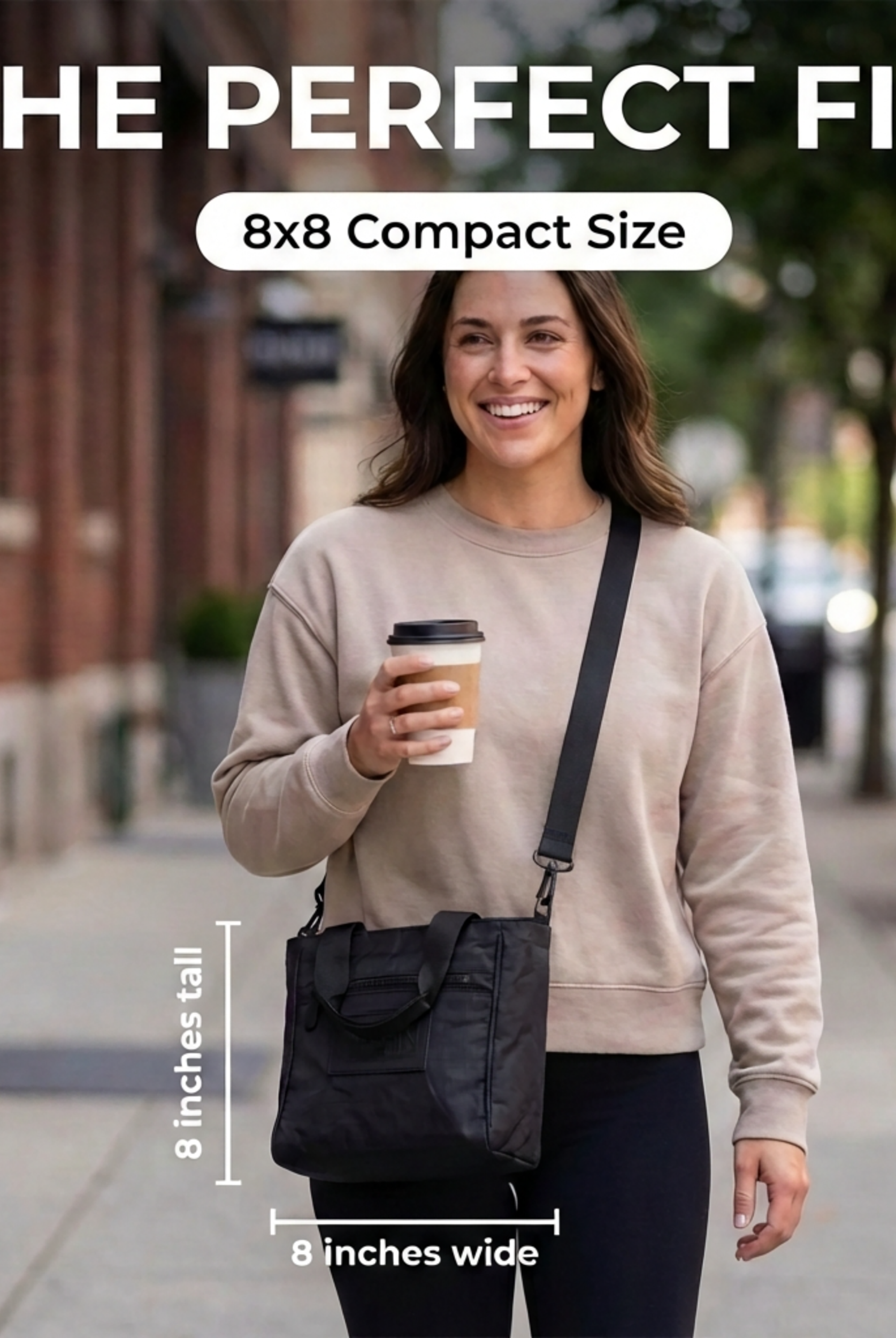
A smaller second bag can be useful if you like to leave the main tote in the stroller basket, car, or hotel room and keep your must-haves with you. The Crossbody Tote Bag Mini Purse is a good example of that setup, with a zip-top closure and separate pockets for the phone, keys, and small items you want close at hand.
Organization has to match real life
The best travel tote is organized enough to keep you sane, but not so compartment-heavy that every item needs its own assigned address.
A lot of bags in this category are built around laptop storage first. That works for business travel. It is less useful for the woman who needs her tote to move from airport to playground to café patio without feeling like an office bag in disguise. Real-life travel organization looks different. It means wipes do not end up with receipts, snacks stay easy to grab, and your passport or wallet is still easy to find when someone is asking for it right now.
A smart layout usually includes:
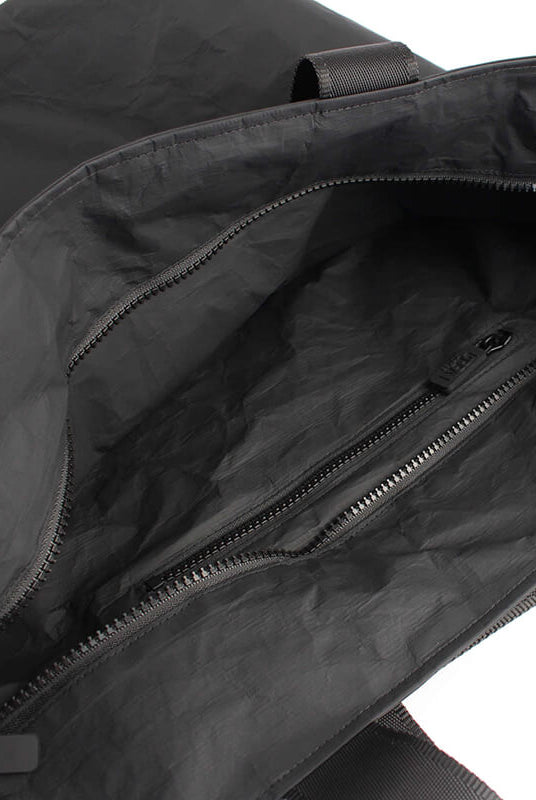
- A secure main compartment that closes fully when you are in transit
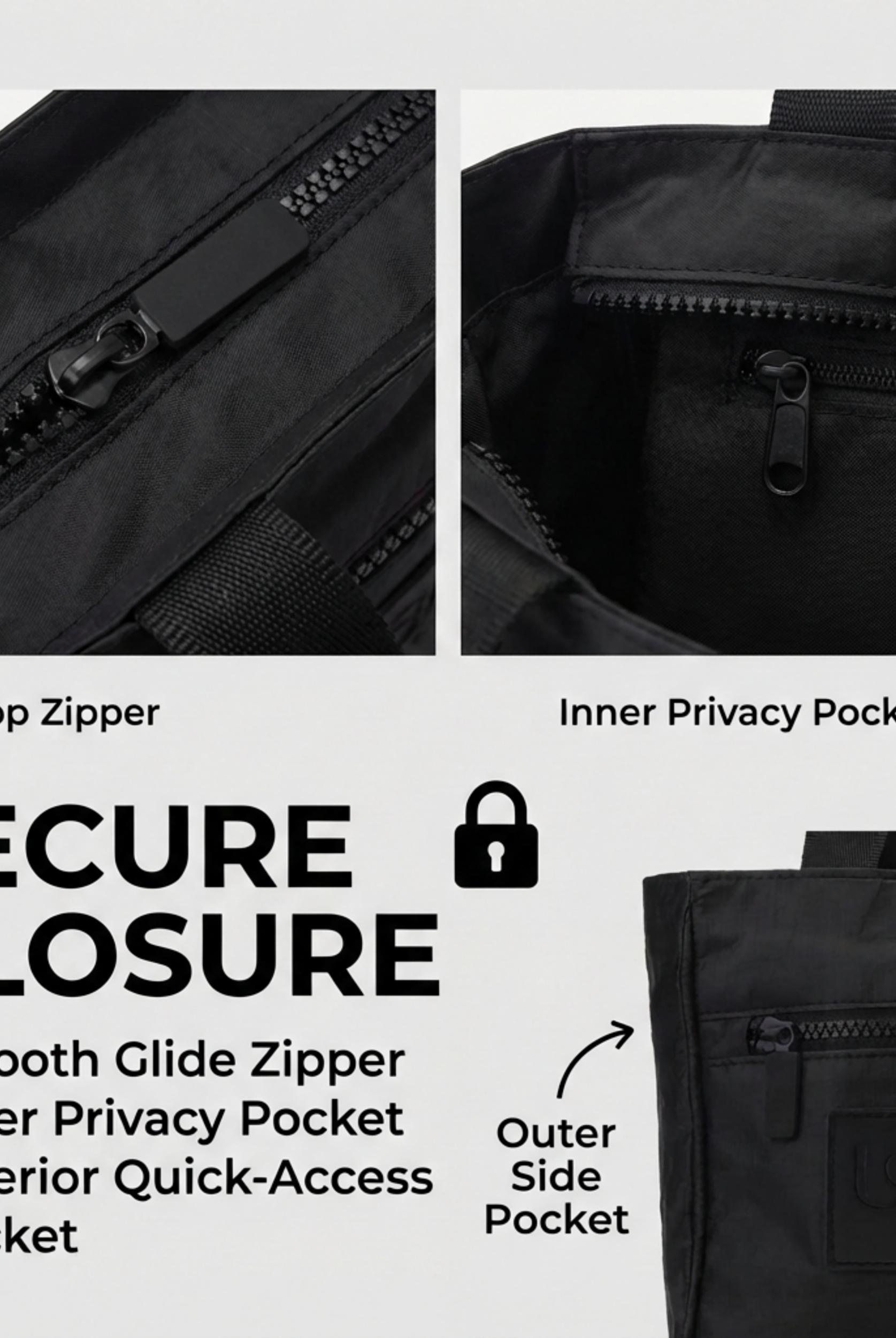
- One or two quick-access outside pockets for the things you reach for constantly
- A few interior sections to separate small essentials without overcomplicating the bag
- Enough structure to stand up on its own instead of collapsing into a fabric pile
That balance matters.
The right tote should work just as well for a boarding line as it does for a roadside stop, a museum afternoon, or a produce run on the way back from the beach. That is what makes a travel tote worth carrying. It fits into real life, not just a packing list.
Decoding Travel Tote Feature Trade-Offs
Every travel tote involves compromise. That's not bad design. That's design being honest. The trick is choosing the trade-offs that fit the way you move through the world.
This side-by-side view helps clarify what you're really choosing.

Easy access versus real security
Open-top totes feel breezy and convenient. They're easy for quick errands, and they work fine when you're walking from the car to a café with just a few items inside.
Airports are different. Crowded terminals, security lines, boarding, and under-seat storage all reward a bag that closes fully. A zipper closure keeps contents contained when the tote tips sideways, gets set down in a hurry, or slides under the seat in front of you.
If your trips involve transit, kids, or a lot of stop-and-start movement, security usually wins. If you want more flexibility in how you carry it, bags with alternate carry options can help. This guide to tote bags with a crossbody strap is useful if you're trying to decide whether shoulder-only carry is enough for your routine.
Capacity versus comfort
A bigger tote sounds smarter until it's full.
Large capacity helps on day trips, family outings, and flights when you want one bag to cover everything. But extra room can invite overpacking, and overpacking changes how a tote rides on your shoulder. The bag swings more. The straps feel narrower. You start switching sides every few minutes.
Compact totes solve some of that. They're easier to manage, easier to stow, and usually more pleasant for daily carry. The trade-off is obvious. You have less room for extras, and you need to pack with more intention.
A useful test is this: if you tend to carry “just in case” items, choose a tote with enough structure and organization to prevent bulk from turning into clutter. If you're a minimalist, a smaller silhouette may keep you from carrying things you never use.
Don't shop for your fantasy trip. Shop for the version where you're tired, running late, and carrying one extra thing.
Minimalism versus useful organization
Some totes look beautifully clean because they have almost nothing going on inside. That can work if you use pouches and don't mind building your own system.
But for many travelers, especially moms and multitaskers, total minimalism creates delay. You spend more time searching, repacking, and mentally tracking where things ended up.
On the other hand, too many compartments can make a tote feel busy and slightly bulky. Internal dividers take space. Extra zippers add weight. Overdesigned layouts can be irritating if the pockets are too narrow or oddly placed.
A balanced tote usually lands in the middle:
| Feature choice | Best for | Watch out for |
|---|---|---|
| Open interior with few pockets | Minimalists and pouch users | Loose small items collect at the bottom |
| Multi-pocket layout | Busy days with many categories of essentials | Too many sections can reduce usable open space |
| Structured body | Easier loading and finding items | Can feel less packable |
| Soft packable body | Flexible for travel and storage | Needs better pocket logic to stay organized |
The best tote for travel is rarely the one with the longest feature list. It's the one whose compromises match your habits.
The Right Tote for Every Type of Trip
You're halfway through the airport with a boarding pass in one hand, a snack request coming from your kid, and sunglasses you need right now, not after two minutes of digging. That's the moment a travel tote proves itself.
The right tote changes with the trip, but the job stays the same. It needs to carry the mix of daily life and travel life: wallet, water bottle, wipes, snacks, a paperback, a swimsuit cover-up, market flowers, or the random extra layer that appears by noon. Tech matters for some women, but it is rarely the whole story. Even broader roundups, like this travel tote roundup from Business Insider, show how much value comes from capacity, organization, and day-to-day usability.

For the weekend traveler
A weekend tote has to work hard without looking overstuffed. It should hold travel-day basics, fit under a seat, and still feel appropriate when you carry it to breakfast or out for a quick walk after check-in.
Size matters, but so does shape. A tote with a little structure is easier to load and easier to live out of for two or three days. If you are deciding between a tote and something roomier, this guide on what a weekender bag is and when to choose one helps draw that line.
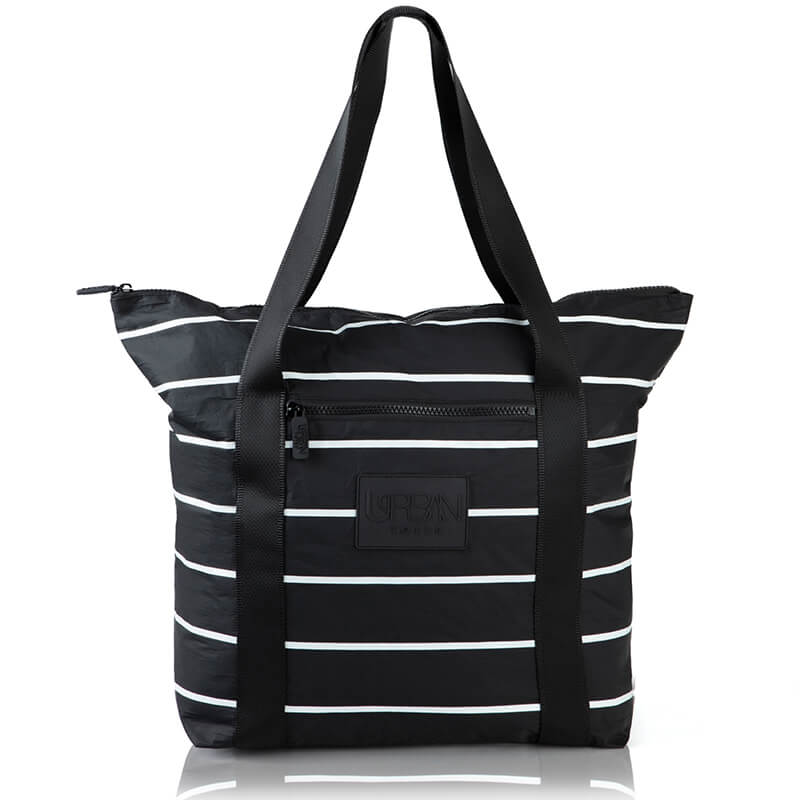
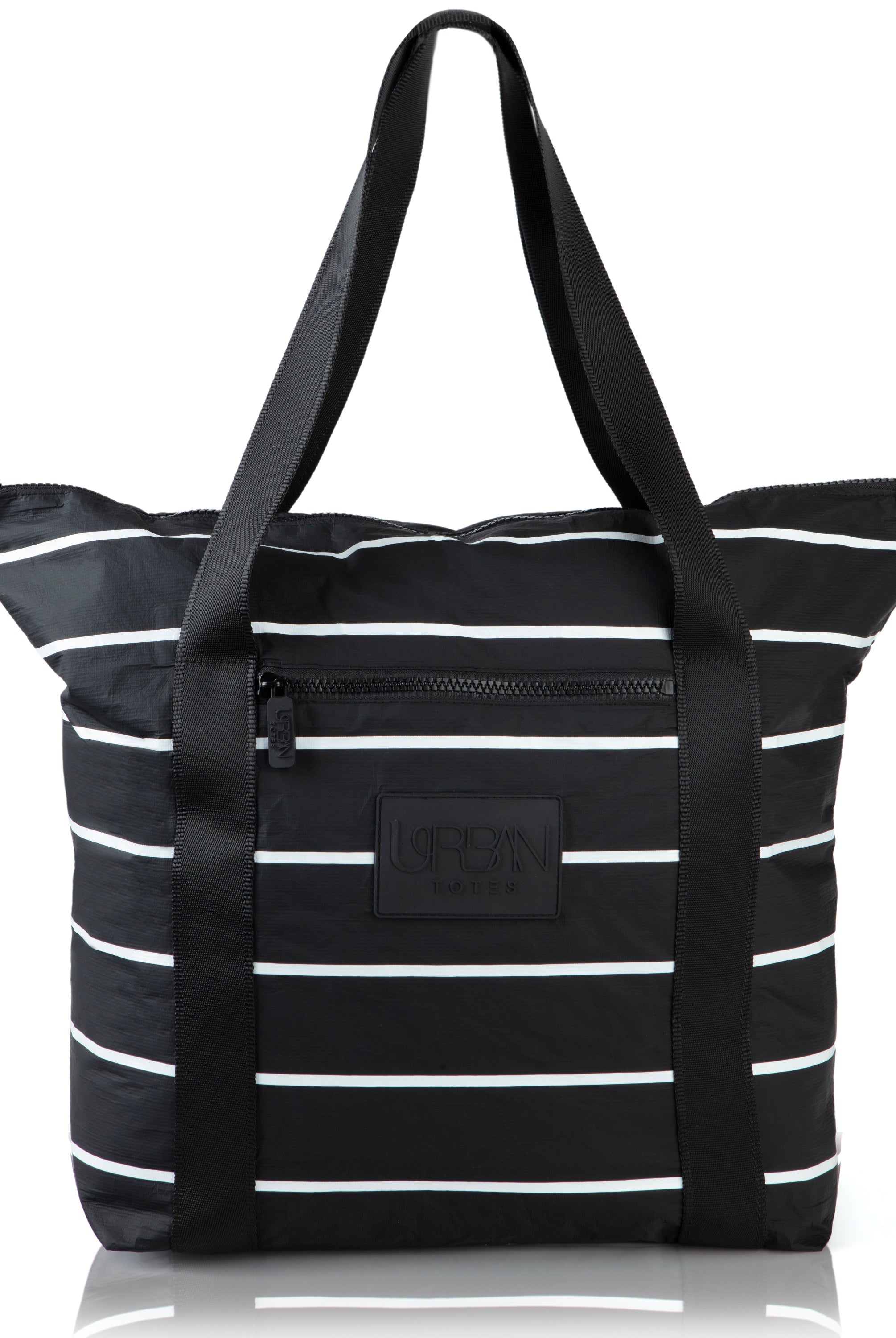
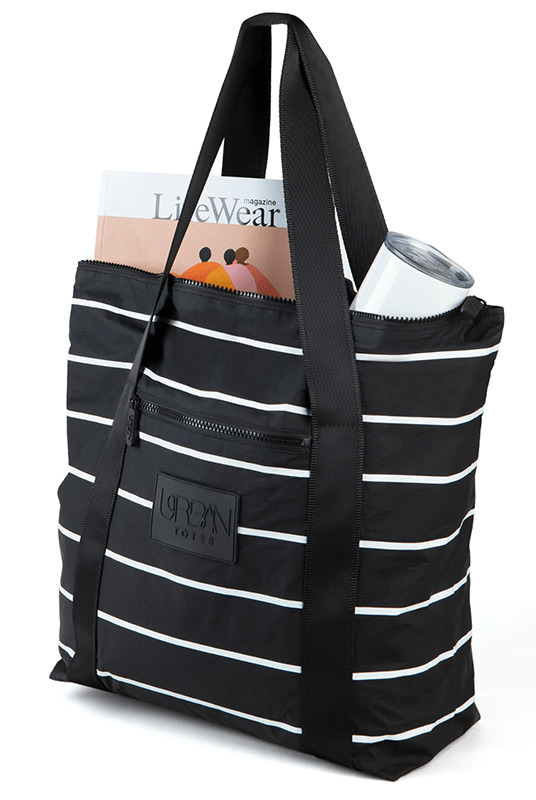
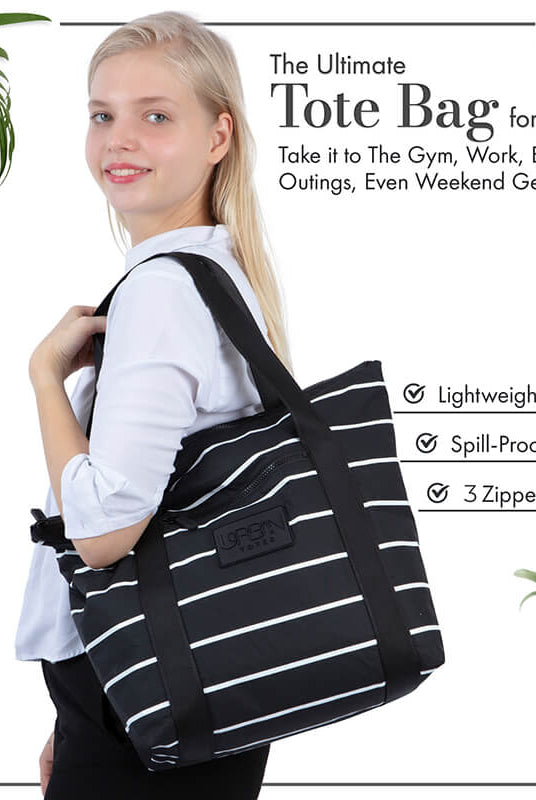
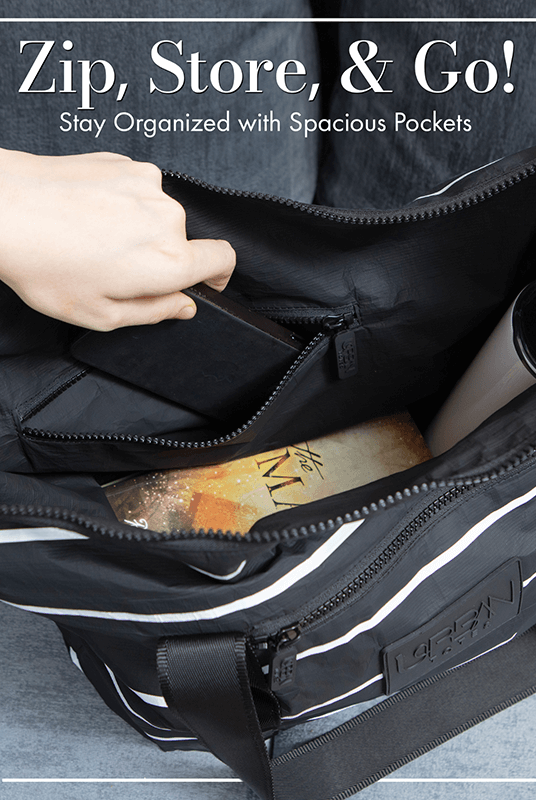
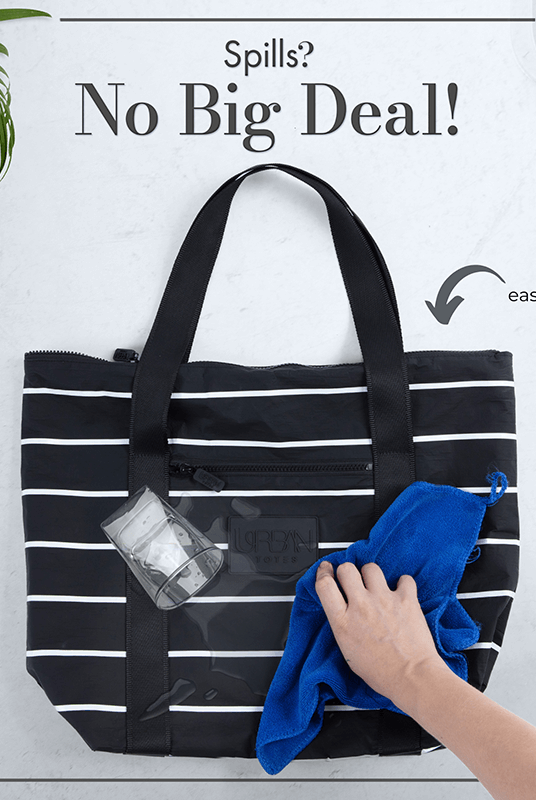
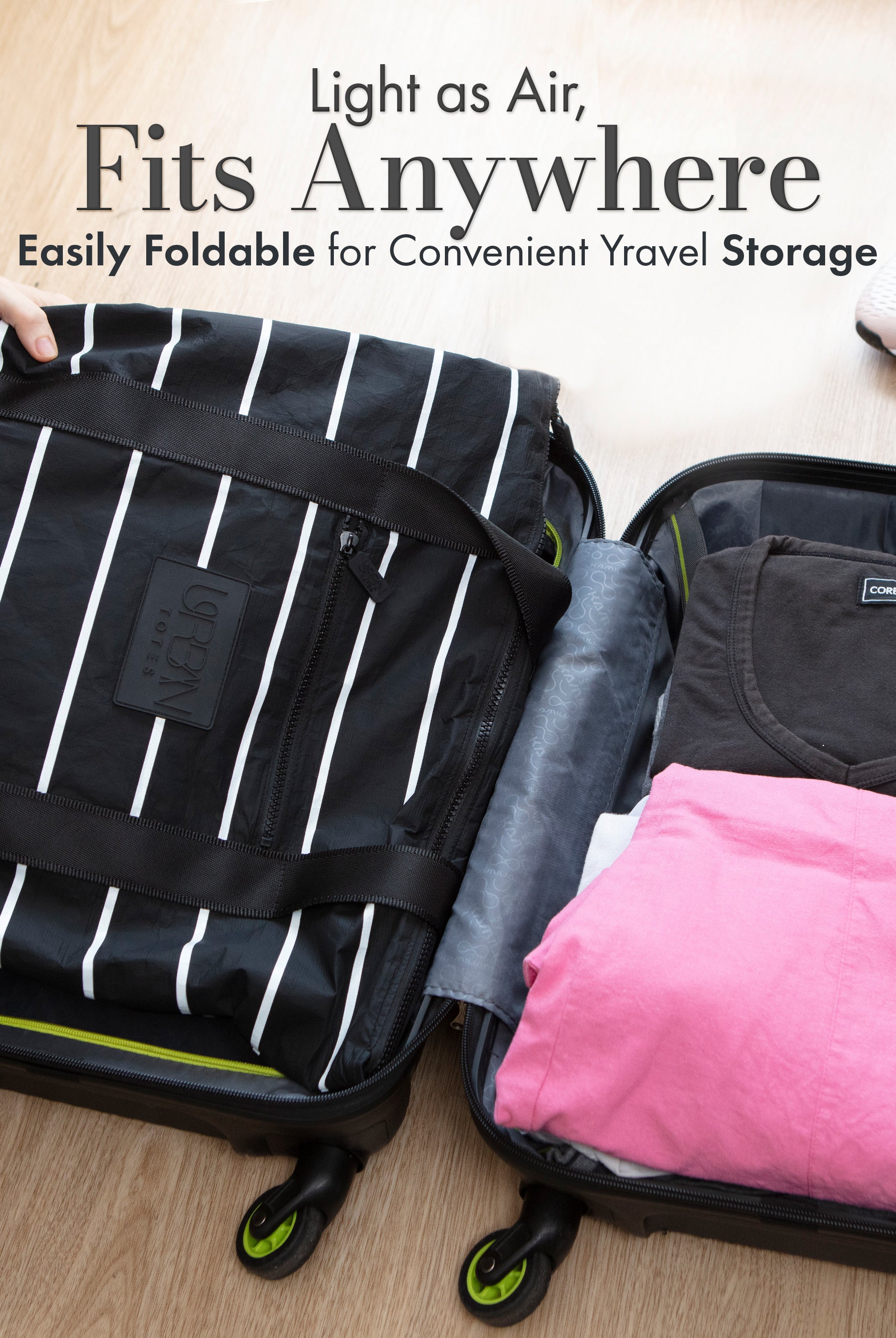
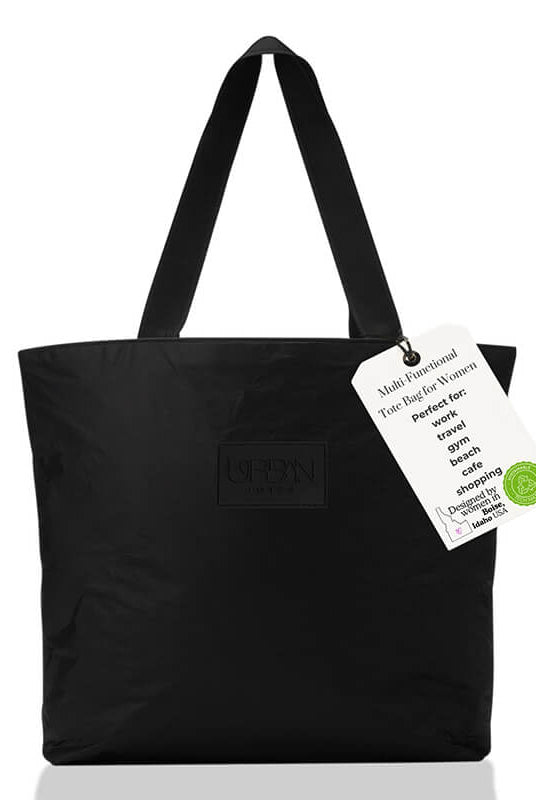
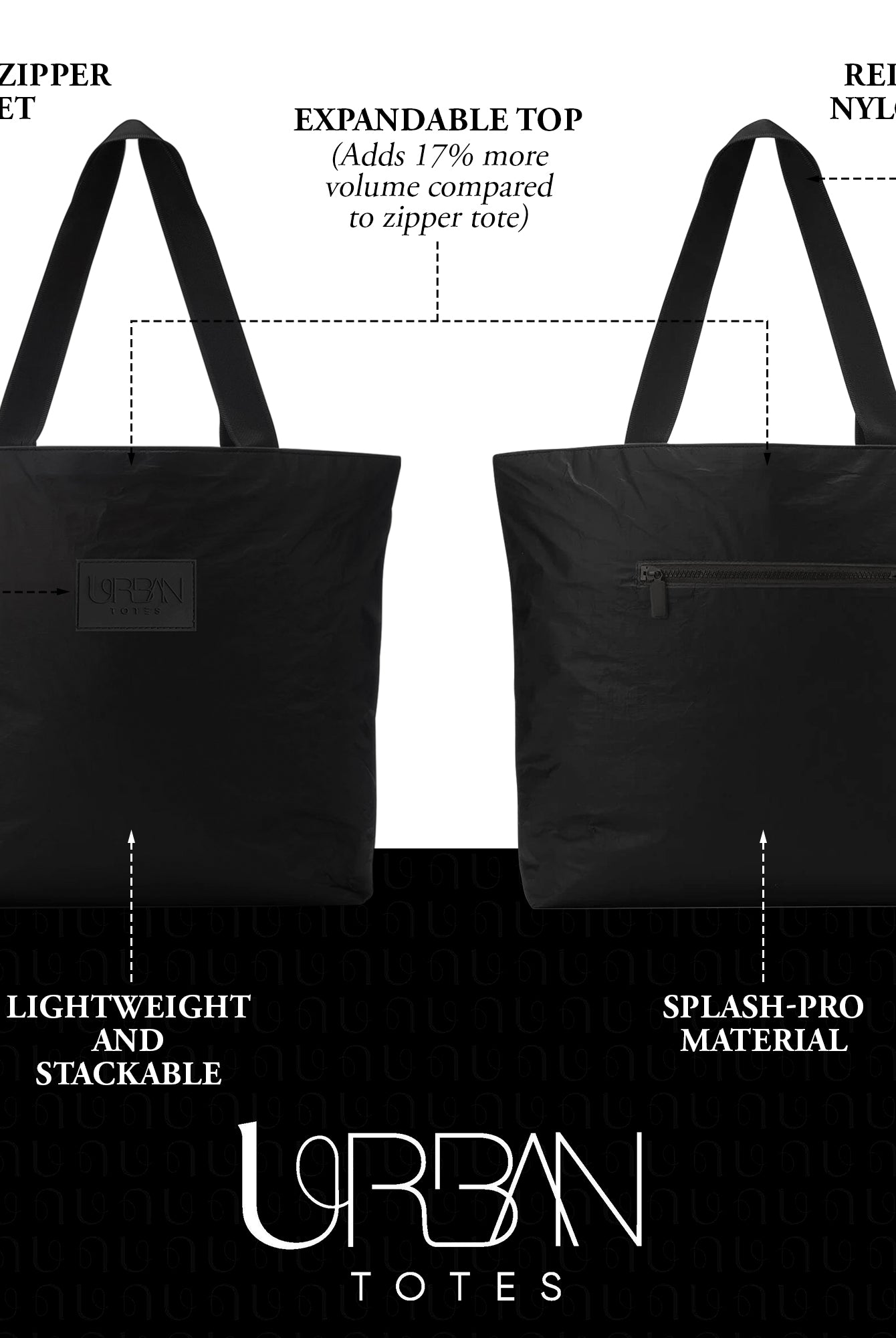
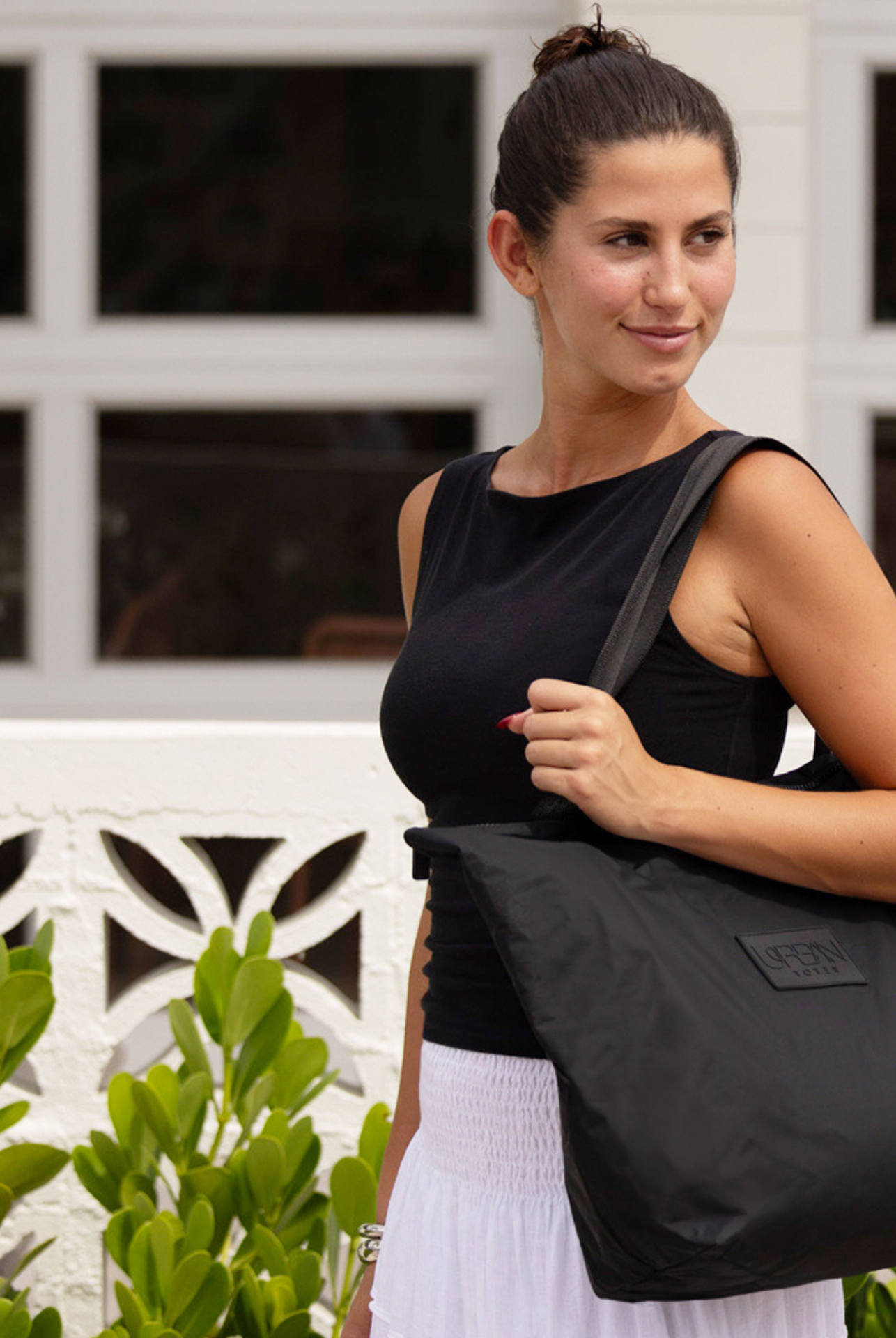
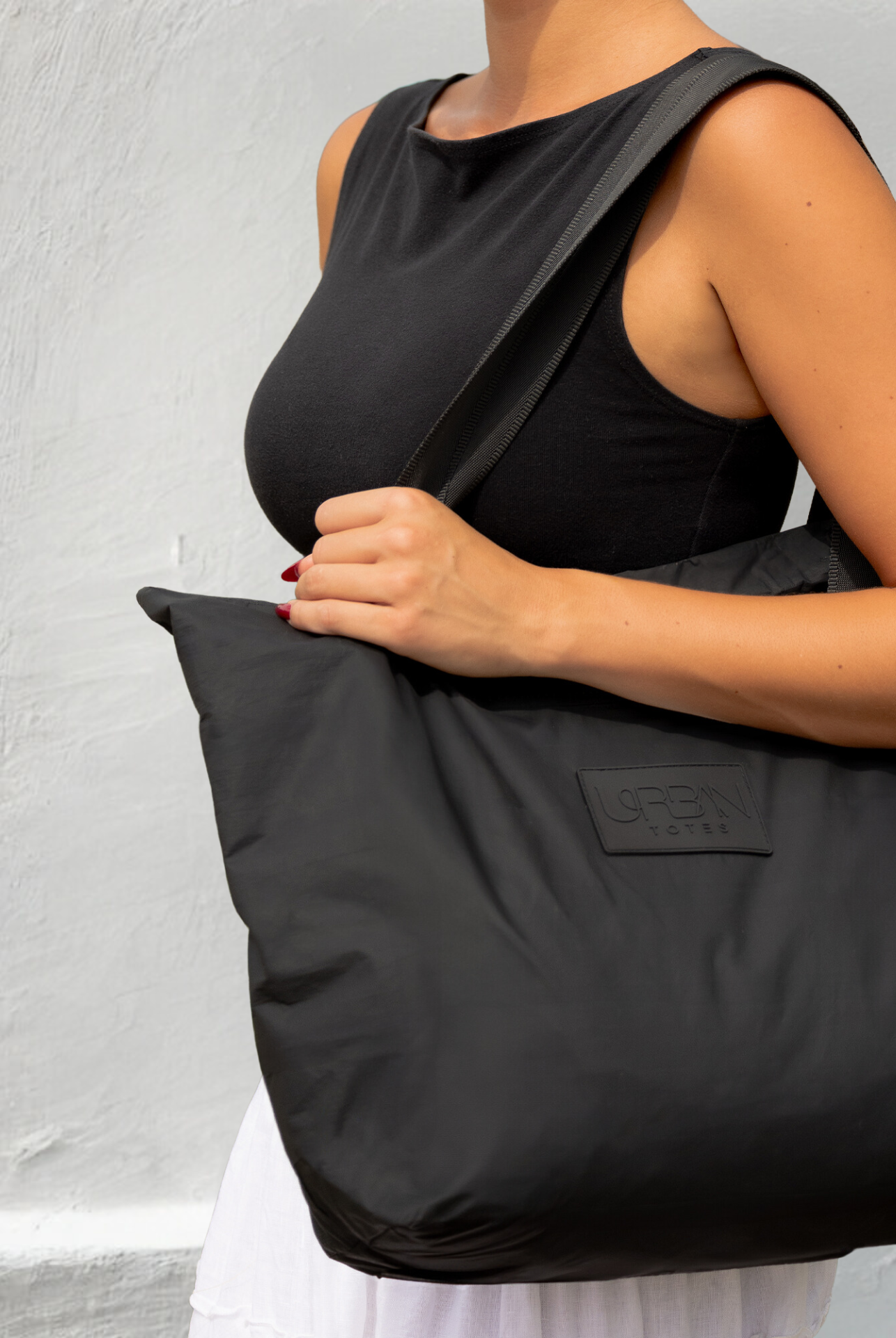
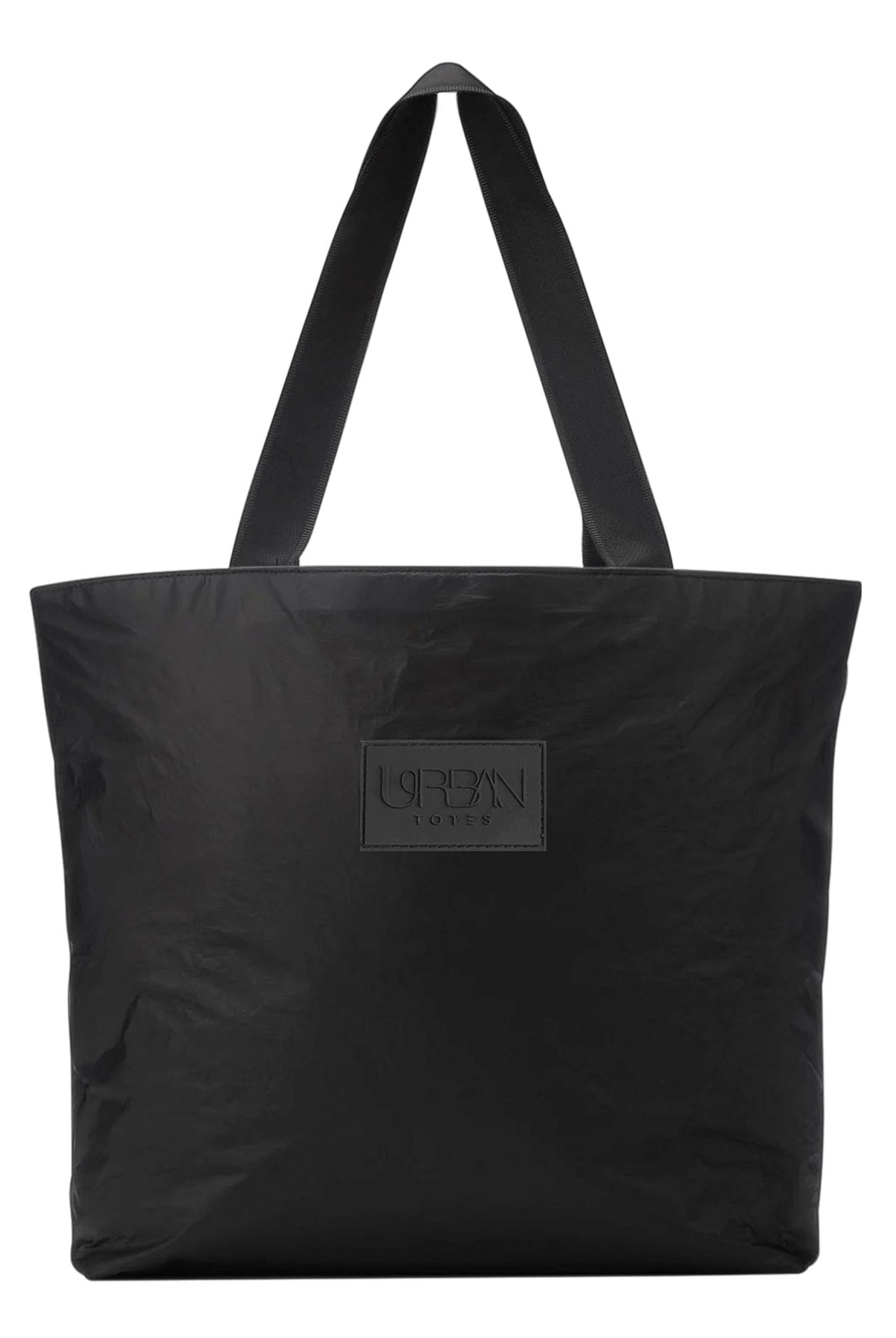
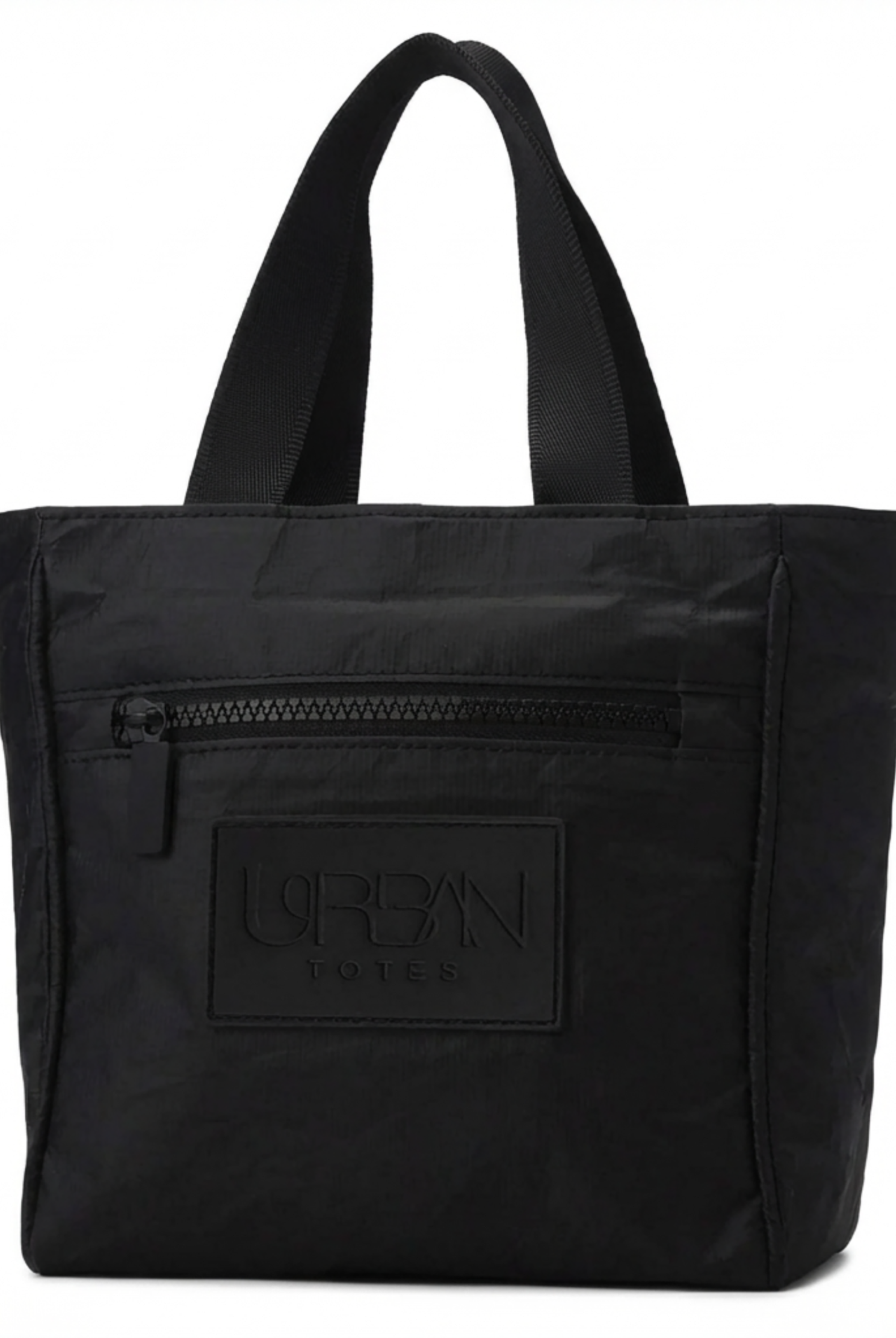
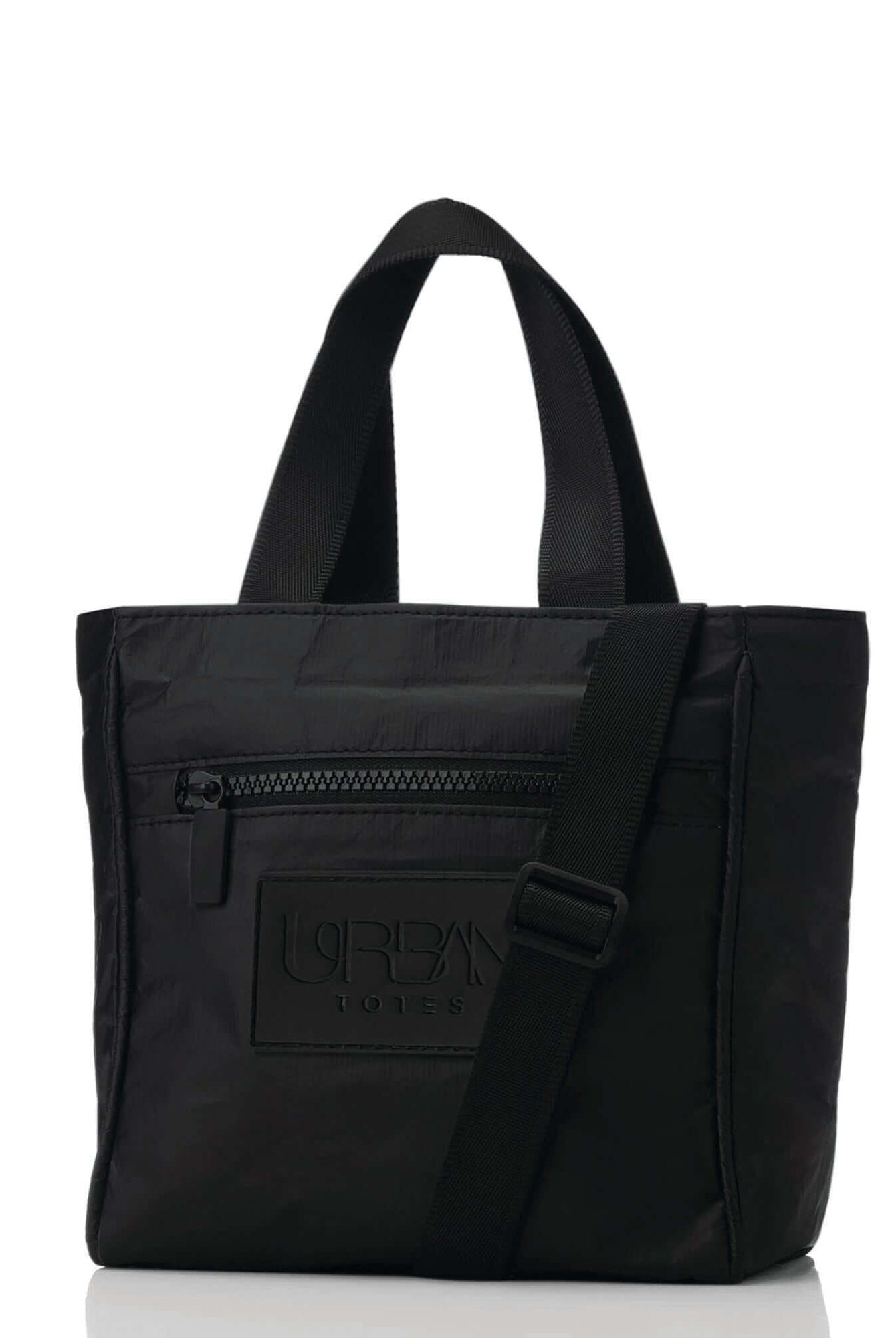
One factual example from the Urban Totes catalog is the OG Zipper Tote Bag, which is listed at 19" W x 14.5" H and includes inside and outside zipper pockets, a foldable design, and machine-washable care. For a woman who wants one bag that can handle a quick trip, errands, and family logistics, that setup makes sense.
For the beach-day mom
Beach days expose bad bag design fast.
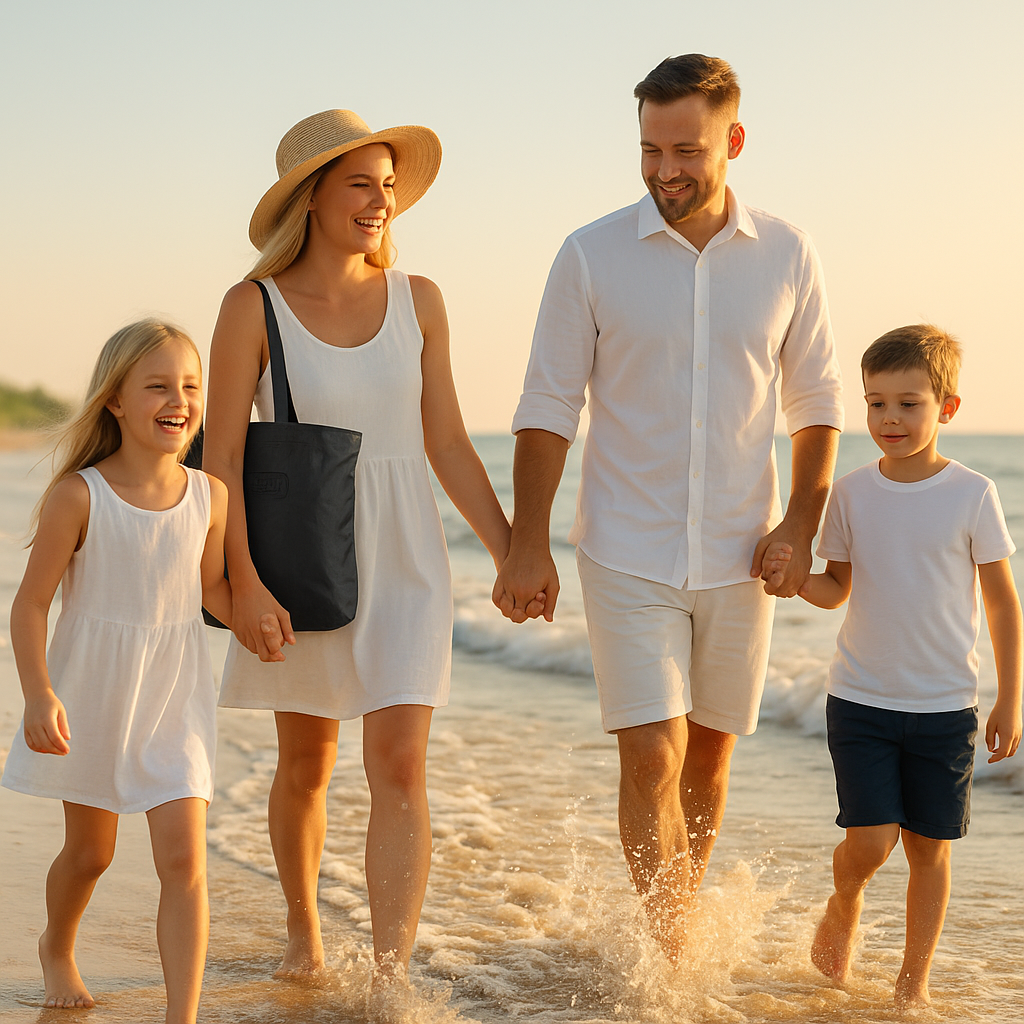
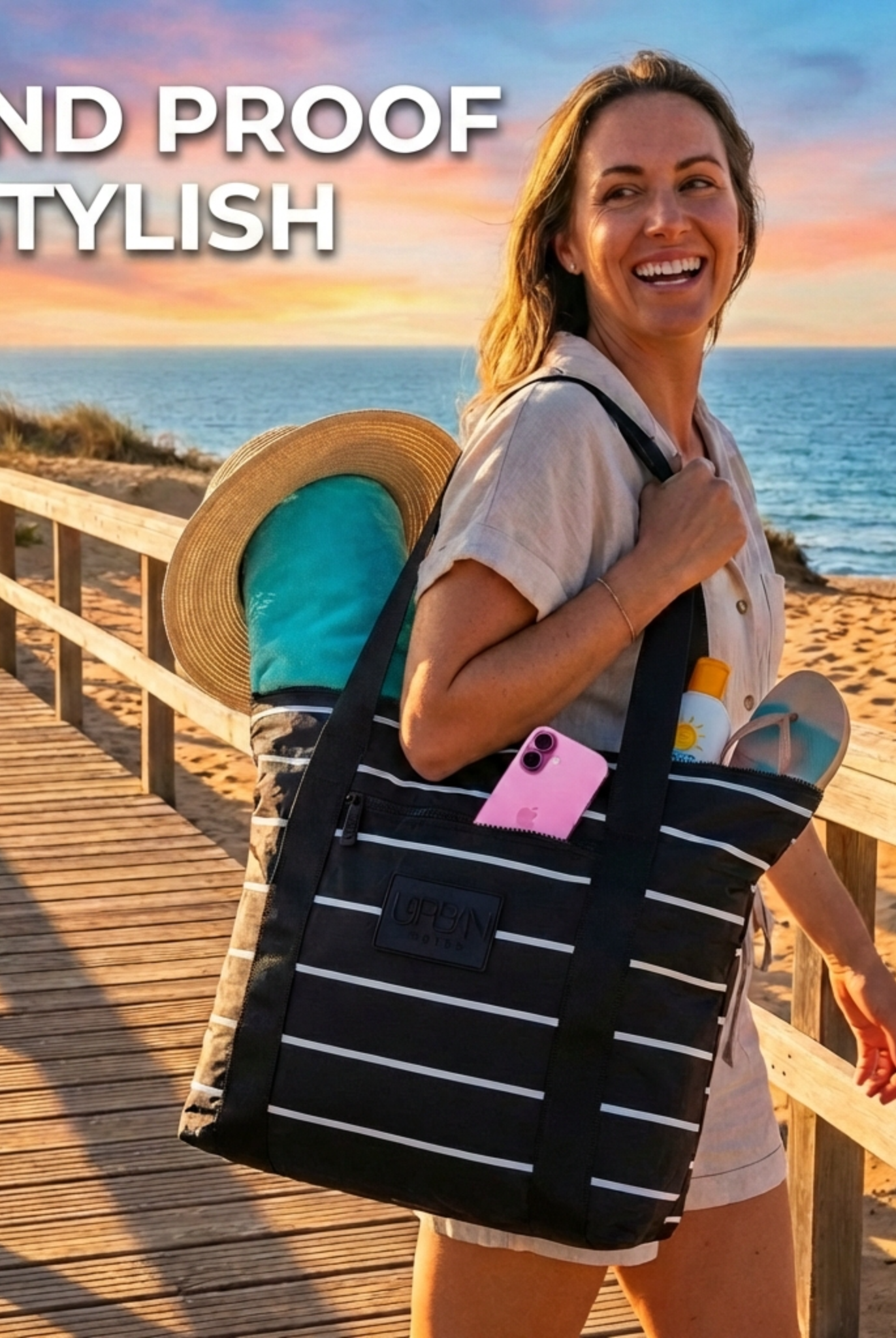
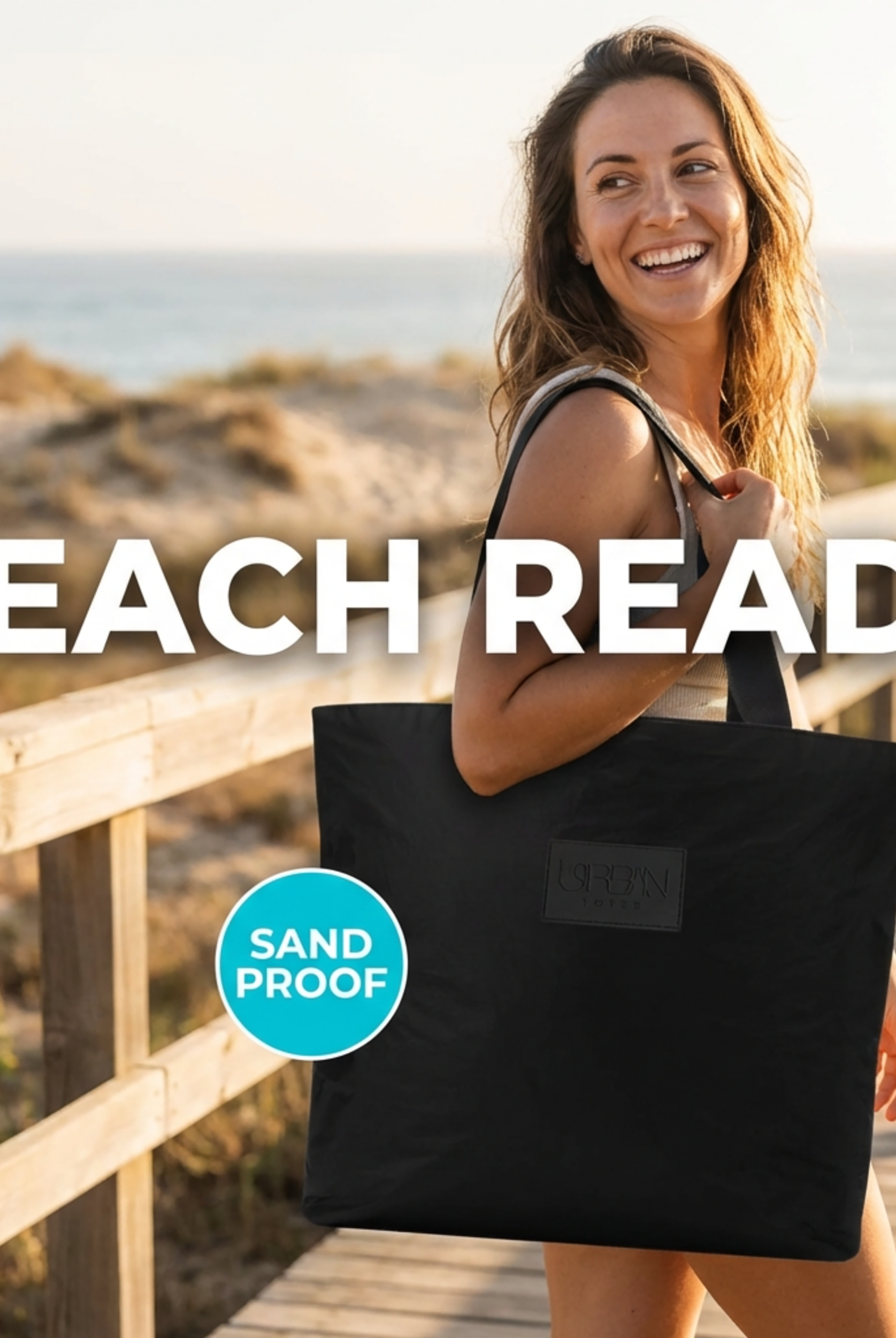
A good beach-friendly tote needs enough space for bulky items, but it also needs some order. Wet suits, sandy toys, sunscreen, snacks, and your own essentials should not all end up in one big pile. A zip-top helps keep things contained in the car or under a stroller, and lighter materials are easier to shake out and clean later.
I always look for a tote that can carry the messy stuff without turning my phone, keys, and card case into a rescue mission. Separate pockets do more for beach sanity than extra capacity ever will.
For the daily commuter and city multitasker
Some totes earn their place long before a trip is booked. Those are usually the ones worth traveling with.
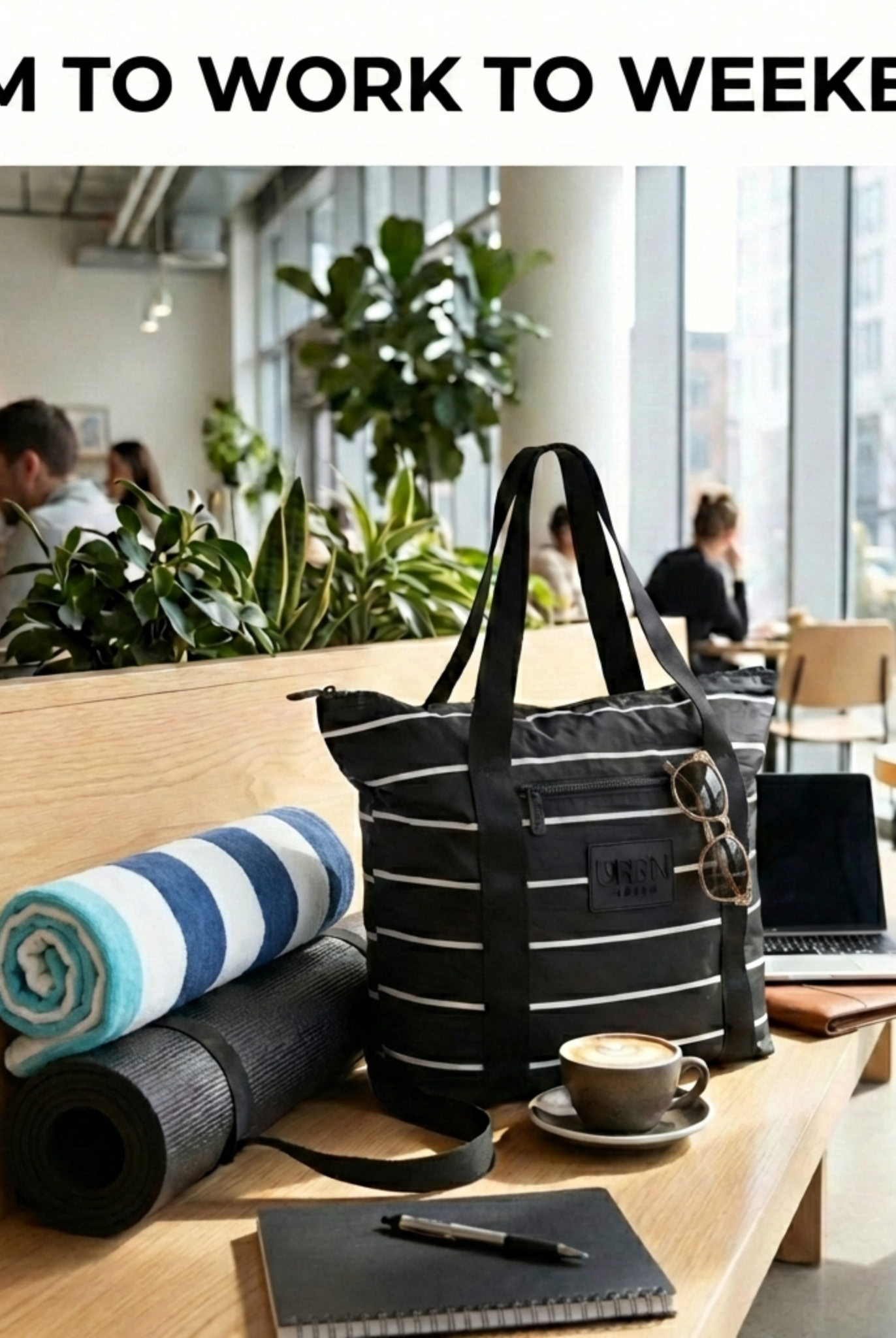
If a bag can handle a train ride, school pickup, a grocery stop, and an afternoon coffee run, it already has the versatility that makes travel easier. For women who are not building every day around a laptop, the better priority list is usually simpler: secure closure, comfortable straps, space for a water bottle, and enough organization for the small things that slow you down when they disappear.
The most convincing travel tote is often the one that already works in regular life.
Style matters here too. A tote you enjoy carrying gets used more often, which means you learn its pockets, its limits, and the packing rhythm that makes busy days feel lighter.
How to Pack Your Travel Tote Like a Pro
Even the best tote for travel can turn chaotic if you pack it randomly. The difference between a bag that feels effortless and one that feels unruly often comes down to packing order.
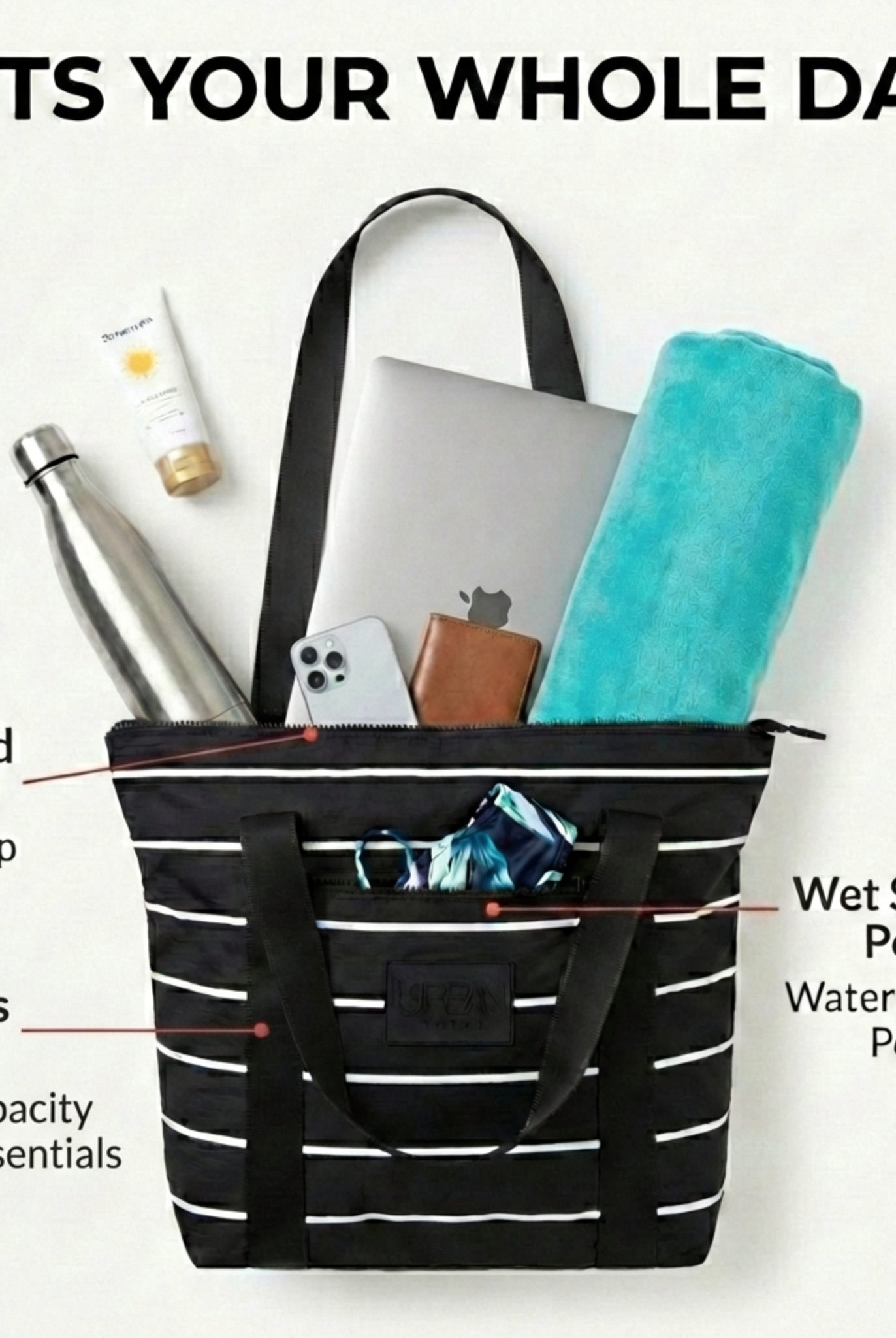
This simple packing visual gets the logic right.

Build zones inside the bag
Think in categories, not items. That one shift changes everything.
Instead of tossing in your charger, lip balm, pen, and headphones separately, group them by function. Travel documents stay together. Refresh items stay together. Tech stays together. Kid needs stay together. If your tote has multiple pockets, assign them jobs and keep those jobs consistent from trip to trip.
A few packing habits work especially well:
- Use slim pouches for loose items like cords, medicine, and small toiletries
- Reserve one quick-access pocket for your phone, boarding items, or sunglasses
- Stand heavier items at the base so the tote doesn't collapse into itself
- Keep one section intentionally open for the thing you'll add last, like a sweater or snack
If you want more ideas for using a tote efficiently on short trips, this guide on five convenient ways to pack your weekender tote bag for travel is a helpful companion read.
Pack for the moment you need things
A common packing approach is by ownership, with individuals packing what belongs in the bag. Experienced travelers, however, pack by timing, organizing what they'll need first, what they'll need mid-trip, and what can stay buried until later.
That means your passport, wallet, and phone charger shouldn't be under your cardigan and paperback. Your backup shirt doesn't need premium real estate. Your water bottle should be reachable without opening every compartment.
Here's a practical order that works well for tote packing:
- Bottom layer for bulkier items you won't need right away, like a light wrap or folded change of clothes
- Middle layer for pouches and medium-use essentials
- Top layer for in-transit items, including snacks, tissues, and anything you'll grab while seated
- Exterior or zip pocket for the true quick-reach pieces
A packed tote should make sense without thinking. If you have to remember where something is, the system needs work.
Leave a little breathing room too. An overstuffed tote gets harder to zip, harder to carry, and harder to search.
Caring for Your Go-Anywhere Bag
A travel tote lives a rougher life than most accessories. It gets set on terminal floors, shoved under seats, loaded with snacks, and dragged through weather changes in a single day. Good care keeps it looking sharp, but it keeps the bag ready for the next trip without drama.
Keep cleanup simple
Low-maintenance materials win in real life. Water-resistant fabrics are especially helpful because many messes can be handled before they become permanent. A quick wipe after a spill, a sandy outing, or a grimy airport day does a lot.
Some bags are also machine-washable, which makes a difference if your tote does regular duty for family travel, workouts, or beach days. The key is not waiting until the bag looks exhausted. Light, regular cleanup is easier than trying to rescue it later.
For broader upkeep habits, this article on how to care for your tote bag with maintenance tips and tricks is worth bookmarking.
Store it ready for the next trip
Don't cram your tote into a closet corner with receipts still inside and the straps twisted. Empty it completely, shake out debris, and let it dry fully if it's been around moisture.
If your tote is foldable or packable, fold it neatly rather than crushing it. If it has structure, store it upright so the shape stays clean. A bag that's easy to grab in good condition is far more likely to become your default travel companion.
Find Your Perfect Travel Companion
The best tote for travel isn't the flashiest one, and it isn't always the most technical one. It's the one that supports your actual routine. It fits the plane, the car, the beach chair, the train seat, and the grocery stop on the way home. It keeps essentials close, closes securely, and doesn't punish you with extra weight before the day even starts.
Choose for your real routine
If you mostly fly short-haul and like to keep everything under the seat, start with dimensions and weight. If your trips are family-heavy, prioritize organization and a zipper closure. If you want one bag for travel and everyday carry, look hard at versatility instead of shopping only from laptop-focused lists.
The right choice usually feels obvious once you stop thinking about what sounds impressive and start thinking about what you reach for constantly.
A good tote should help with things like:
- Fast transitions between home, airport, and destination
- Better access to non-tech essentials you use all day
- Lighter carry that doesn't add bulk for no reason
- Cleaner style that still works in everyday life
Style matters because you'll use it more
Women tend to know this instinctively. If a bag is practical but doesn't feel like you, it sits in the closet until the next trip. If it's stylish, functional, and easy to live with, it becomes part of your weekly rhythm.
That's where thoughtful design really earns its keep. A woman-owned brand built around real movement, real mess, and real multitasking understands that a tote has to do more than hold things. It has to keep pace.
If you've been living with a bag that makes travel harder than it needs to be, this is a good moment to replace friction with function.
Find your next go-anywhere bag at Urban Totes. Shop the full collection and choose a lightweight, organized, stylish tote that's ready for airport days, beach mornings, market runs, and everything in between.