You're probably carrying more than one bag right now. A work tote that looks polished but gets heavy fast. A grocery bag that lives in the trunk. A beach bag that's too big for everyday errands. A small purse that somehow never fits the one extra thing your day throws at you.
That's usually the moment the search starts. Not for another bag, but for the bag. Something stylish enough for coffee runs and school pickup, practical enough for the airport or farmers market, and thoughtful enough to align with how you want to shop now.
That shift is real. More people are moving away from single-use carry options, and the tote bag market reflects it. One market forecast projects growth from USD 2.75 billion in 2025 to USD 4.09 billion by 2034, tied to demand for reusable alternatives. The same analysis notes that reusable bags are often used 50 to 150 times on average, which is why durability matters so much in the sustainability conversation (Market Data Forecast tote bags market analysis).
Table of Contents
- The Search for the Perfect Do-It-All Tote
- What Actually Makes a Tote Bag Sustainable
- Comparing Popular Eco-Friendly Tote Materials
- How to Choose Your Perfect Go-Anywhere Tote
- Make It Last How to Care for Your Sustainable Tote
- Your Sustainable Tote Questions Answered
The Search for the Perfect Do-It-All Tote
A lot of women don't want a collection of “almost right” bags anymore. They want one reliable tote that can move from the carpool line to the office, then hold a cardigan, a water bottle, a snack pouch, and whatever paper came home folded in half from school.

That's part of why sustainable tote bags have become such a practical category instead of a niche one. This isn't only about swapping plastic for canvas and calling it done. It's about finding a bag you'll keep reaching for because it works in real life. If it's awkward, too heavy, impossible to clean, or always sliding off your shoulder, it won't become your everyday carry. It'll end up in the closet with the others.
A tote becomes the lower-impact choice when it earns a permanent place in your routine.
If you're trying to cut down on disposables, it helps to look beyond grocery checkout habits. HYDAWAY's guide to plastic bag alternatives is a useful reminder that reusable carry options now cover errands, travel, lunch, and everyday organization, not just shopping.
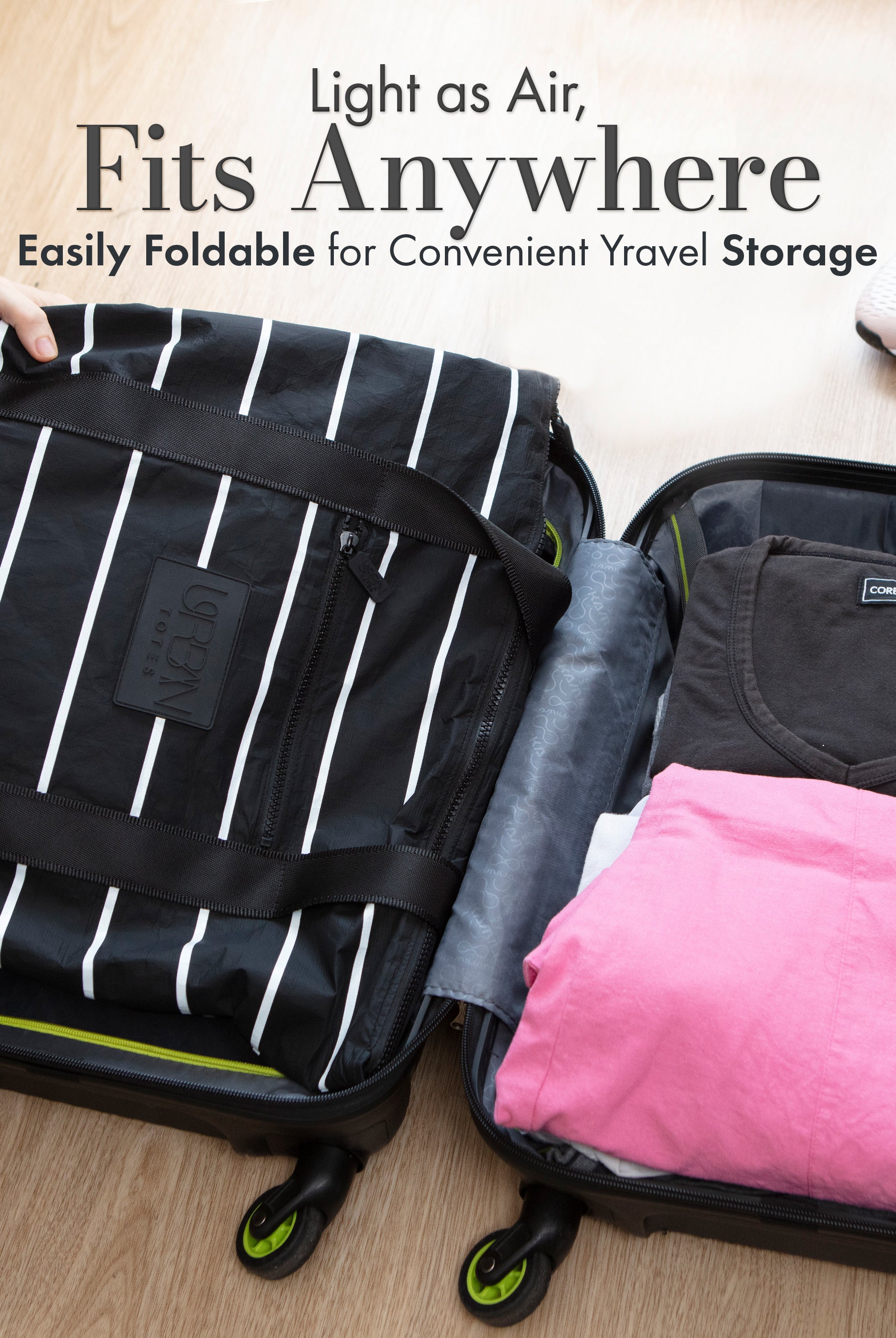
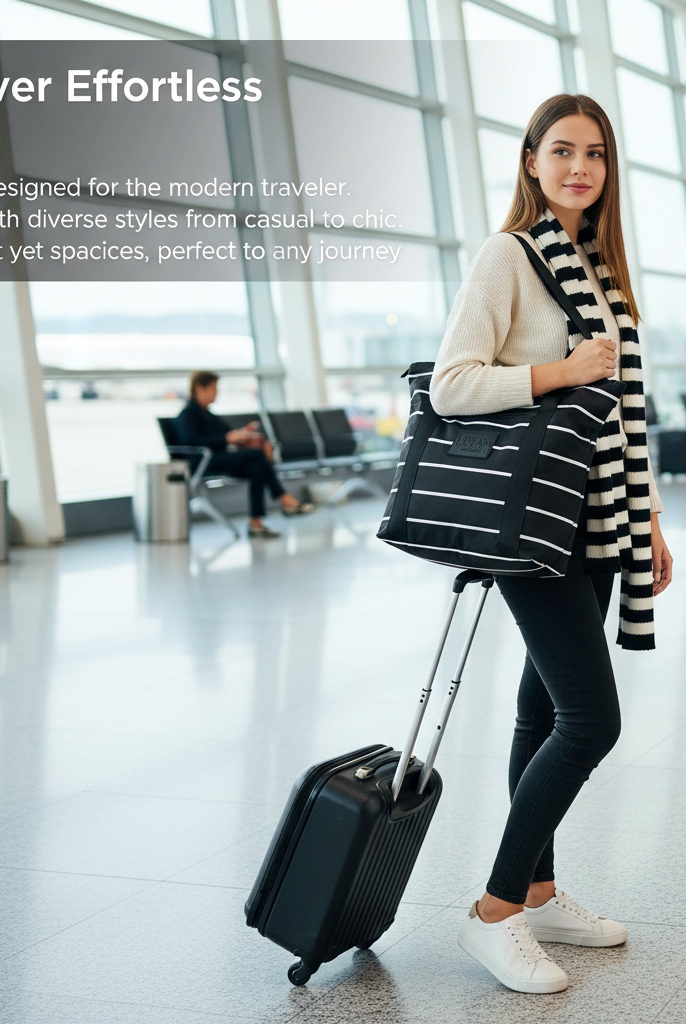
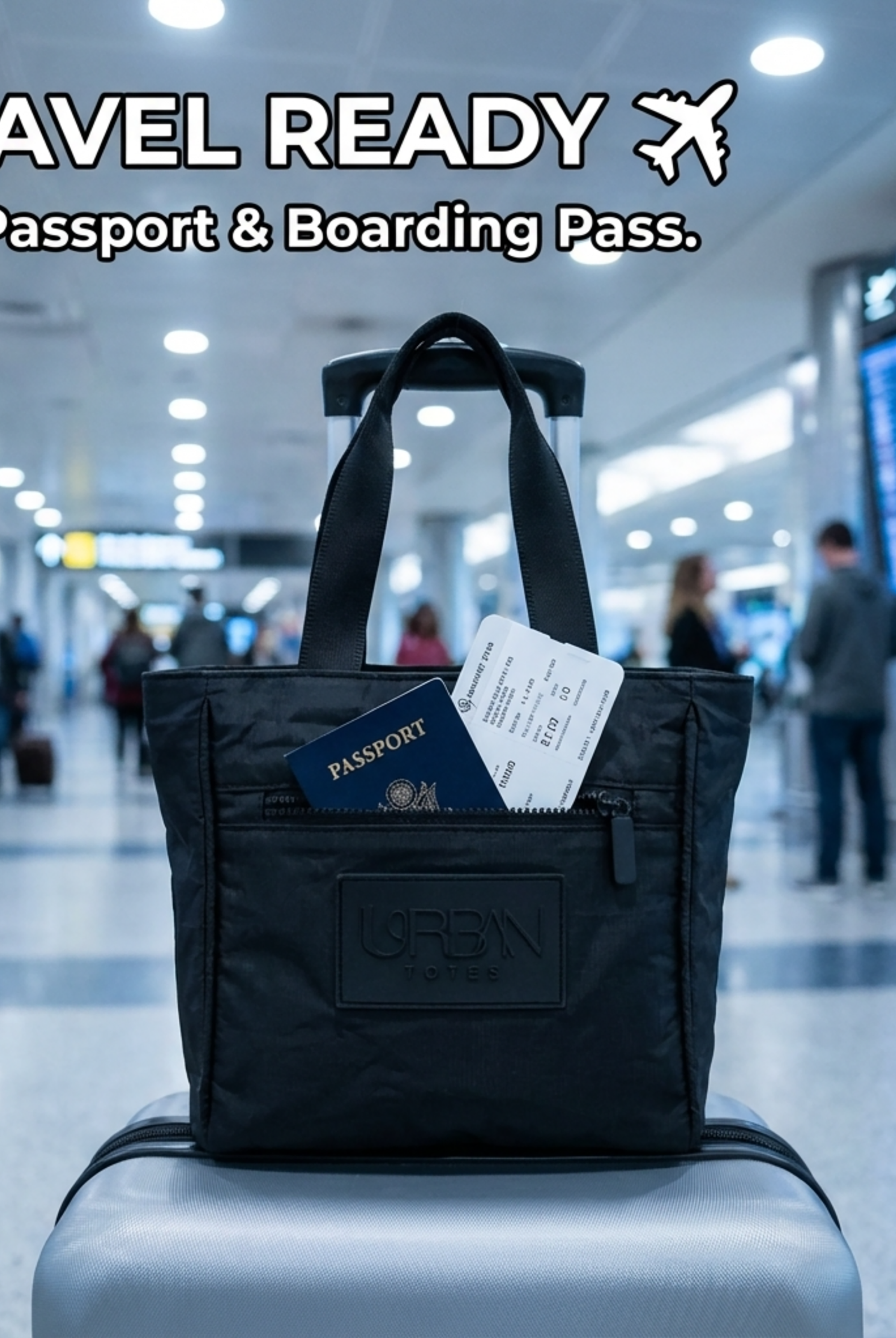
The same thinking applies when you're choosing a bag for flights or weekend trips. A tote that packs flat, closes securely, and handles long days tends to get reused far more often than one that's only “for special occasions.” If travel is part of your routine, this look at the best tote for travel helps narrow down what matters.
What Actually Makes a Tote Bag Sustainable
The word gets used loosely, which is why tote bags deserve a more grounded test. A sustainable bag isn't defined by one nice-sounding material label. It's a full lifecycle question.
Start with materials, but don't stop there
Material still matters. The push toward reusable options comes from a real waste problem. One sustainability-focused analysis cites that nearly 5 trillion plastic bags are used globally each year, with less than 1% recycled. The same source notes that a conventional cotton bag may need to be used 131 to 173 times to offset its production impact compared with a single-use plastic bag (SaveMoneyCutCarbon on plastic vs cotton bags).
That's the part many shoppers don't hear enough. Cotton can be a good choice. Recycled fibers can be a good choice. Jute can be a good choice. But none of those labels rescue a bag that tears early, stains instantly, or gets replaced every season.

The four checks worth making
I like to think about tote bags in four practical layers.
- Material choice: Look for lower-impact fibers or recycled inputs when you can. That's the starting point, not the finish line.
- How it's made: Brand transparency matters. If you want a simple example of what that can look like, InchBug's environmental responsibility statement shows how companies can talk clearly about packaging, materials, and operating choices.
- Usefulness: The bag has to fit your real routine. If it only works for one narrow use, you probably won't carry it enough to justify its footprint.
- End-of-life: Some materials are easier to recycle, repurpose, or dispose of responsibly than others. That's worth checking before you buy.
Practical rule: If a bag is hard to clean, uncomfortable to carry, or too flimsy for daily use, it usually won't be the sustainable choice for long.
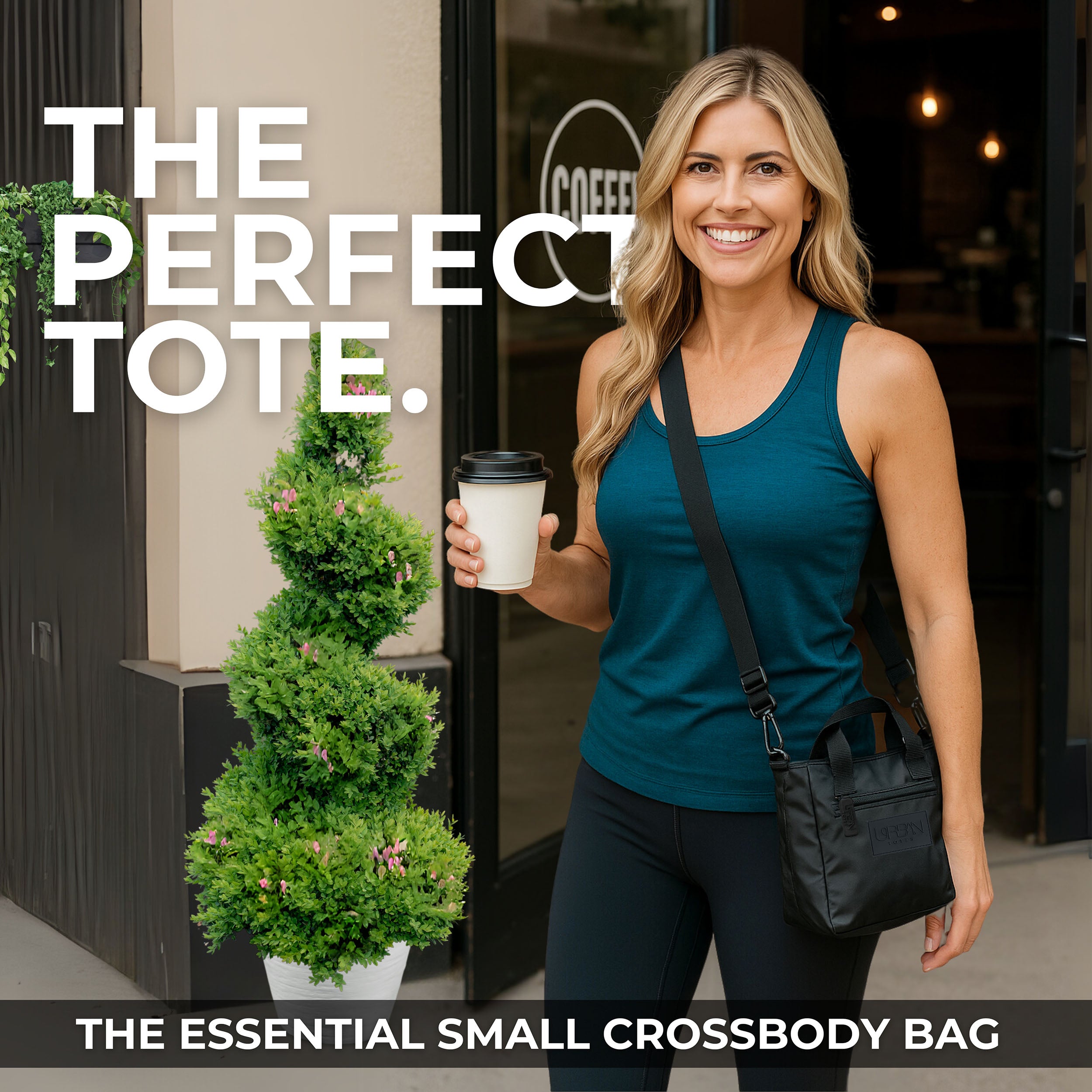
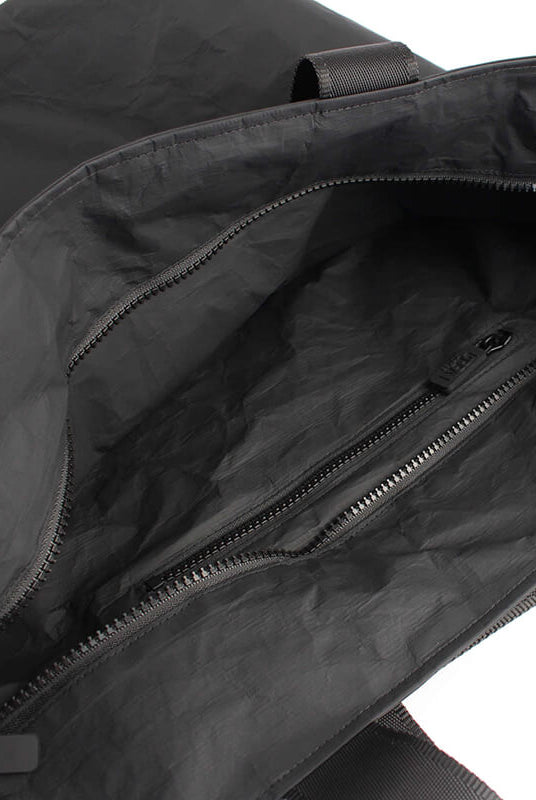
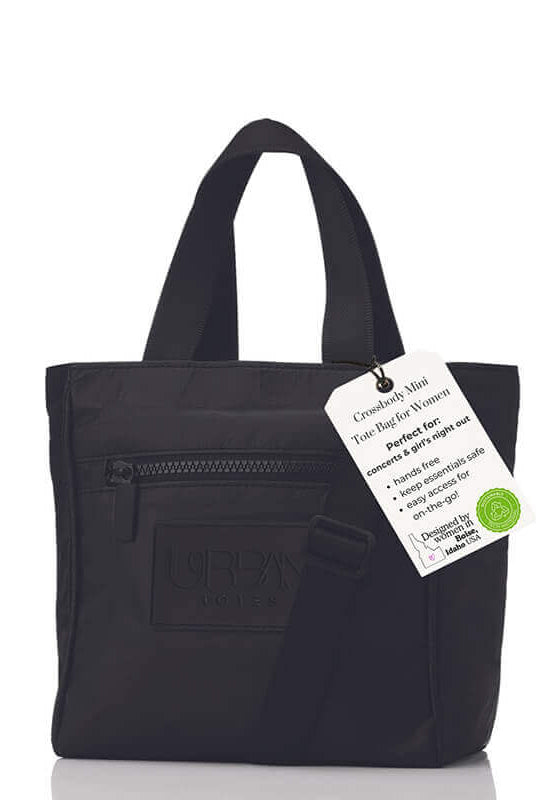
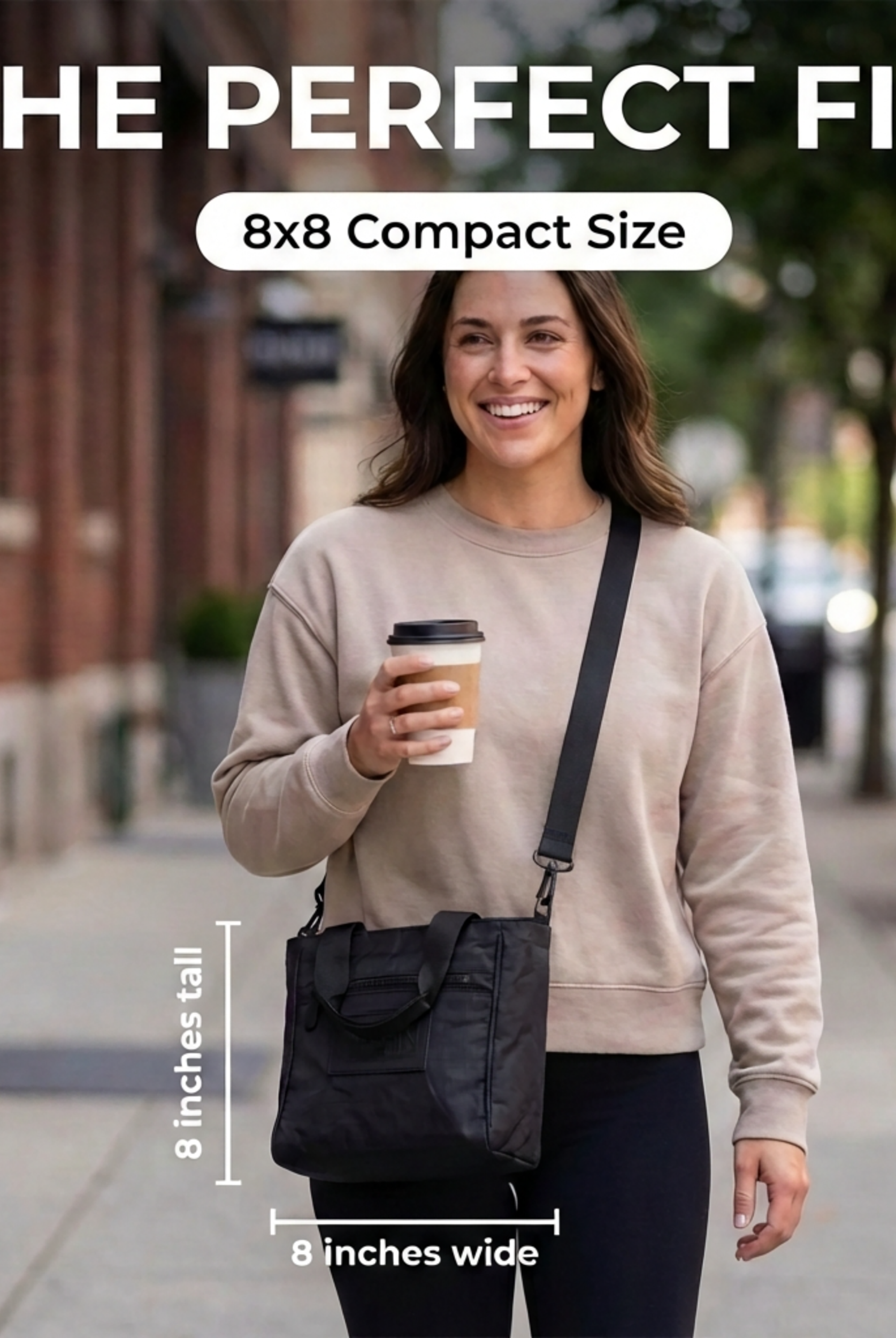
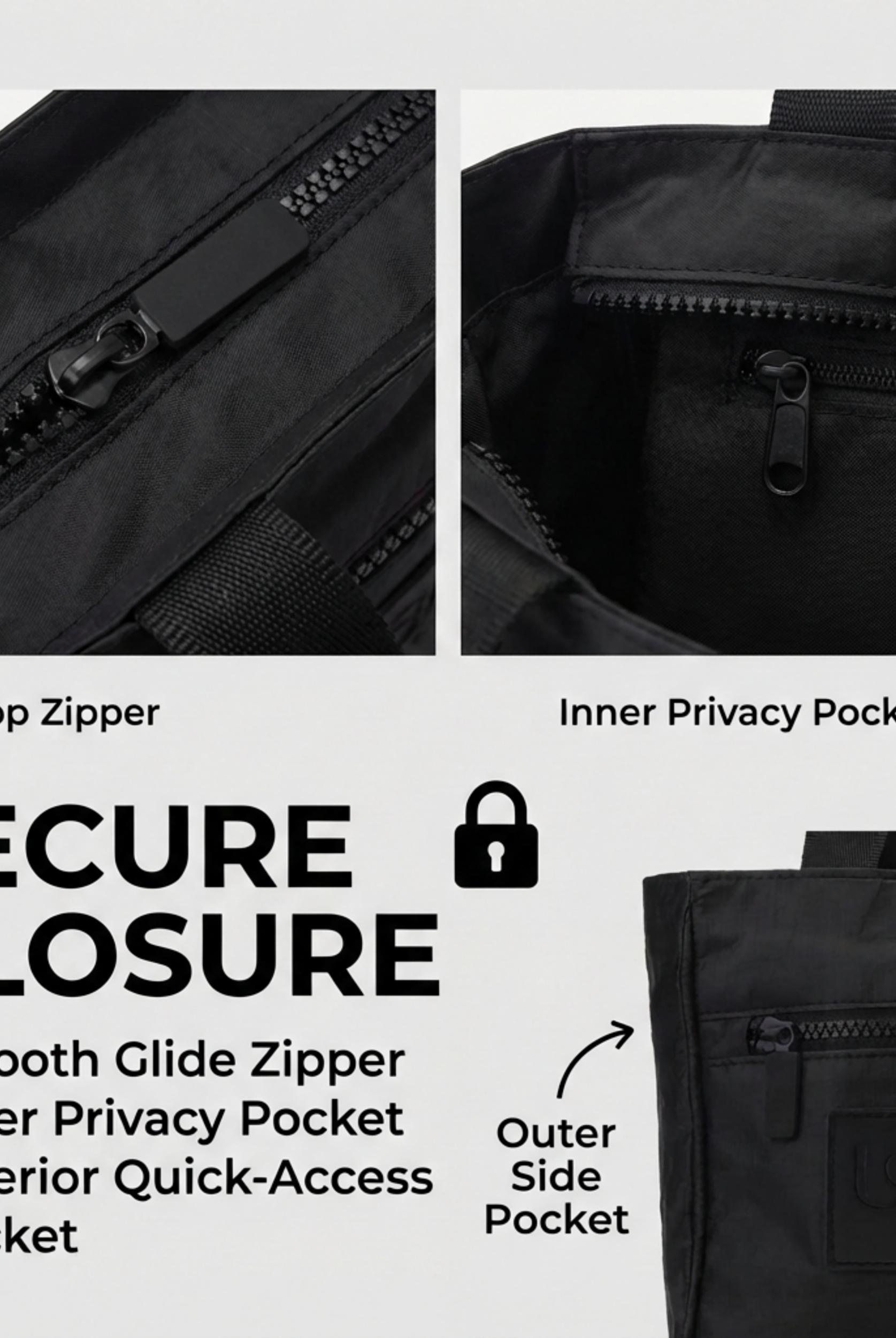
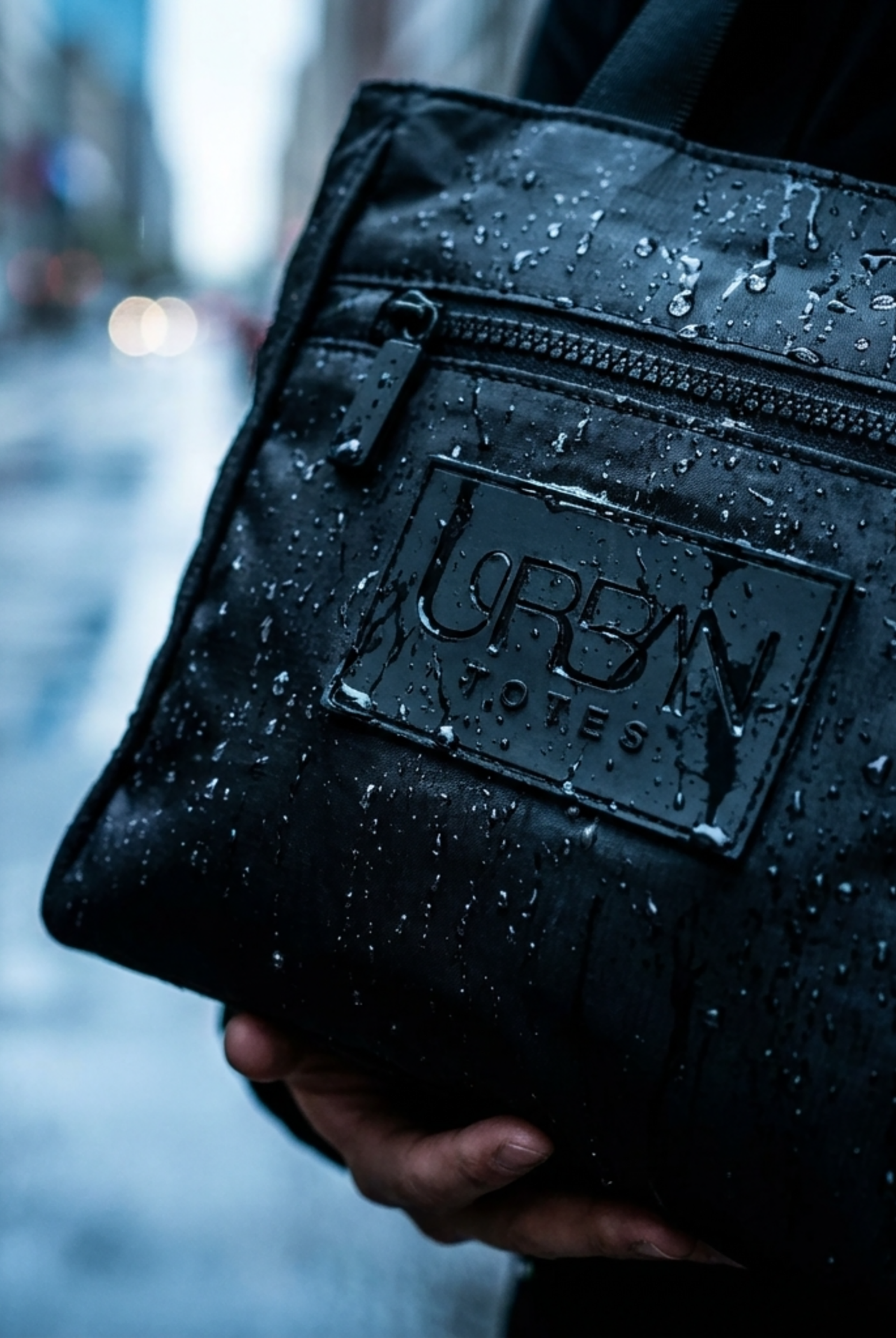
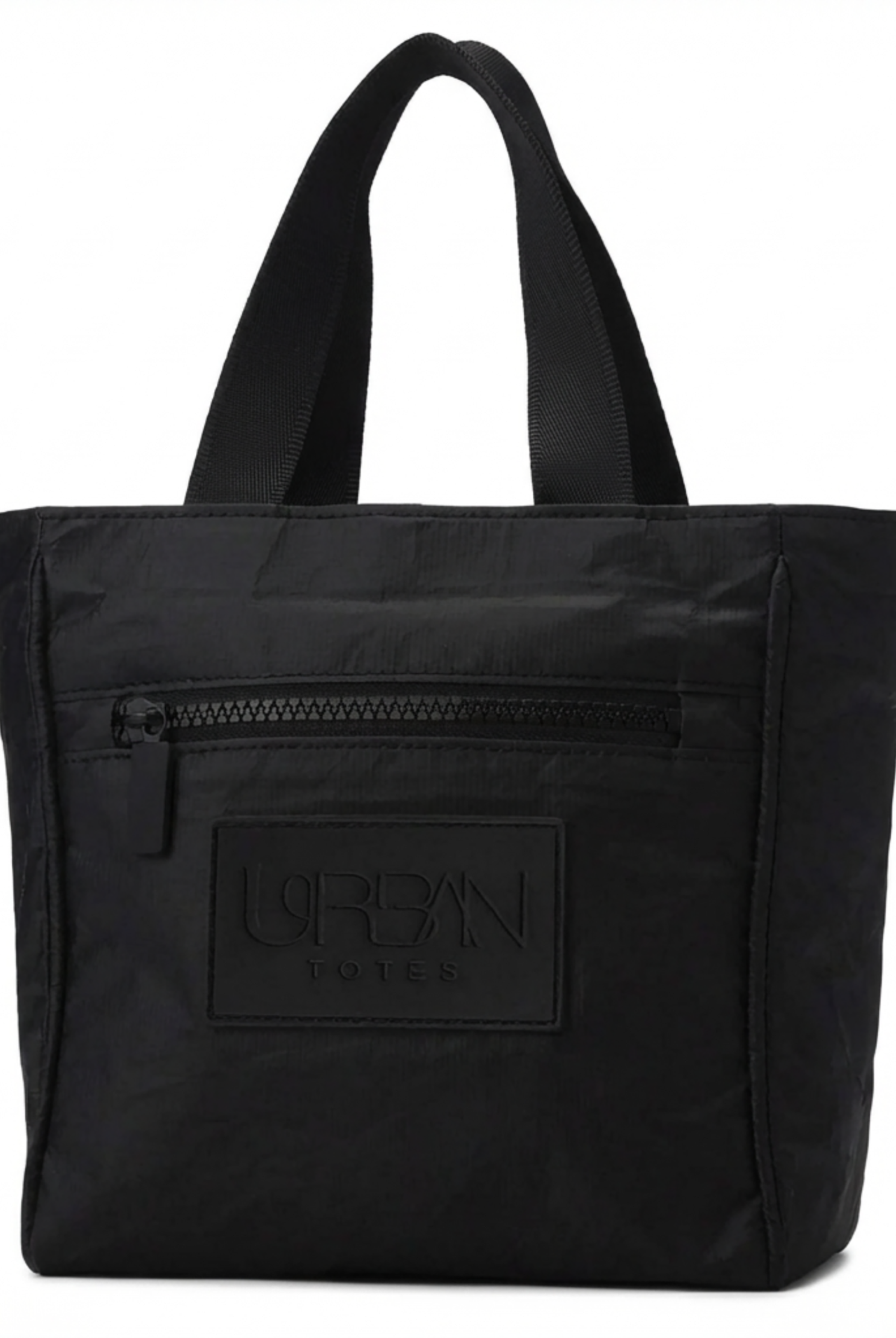
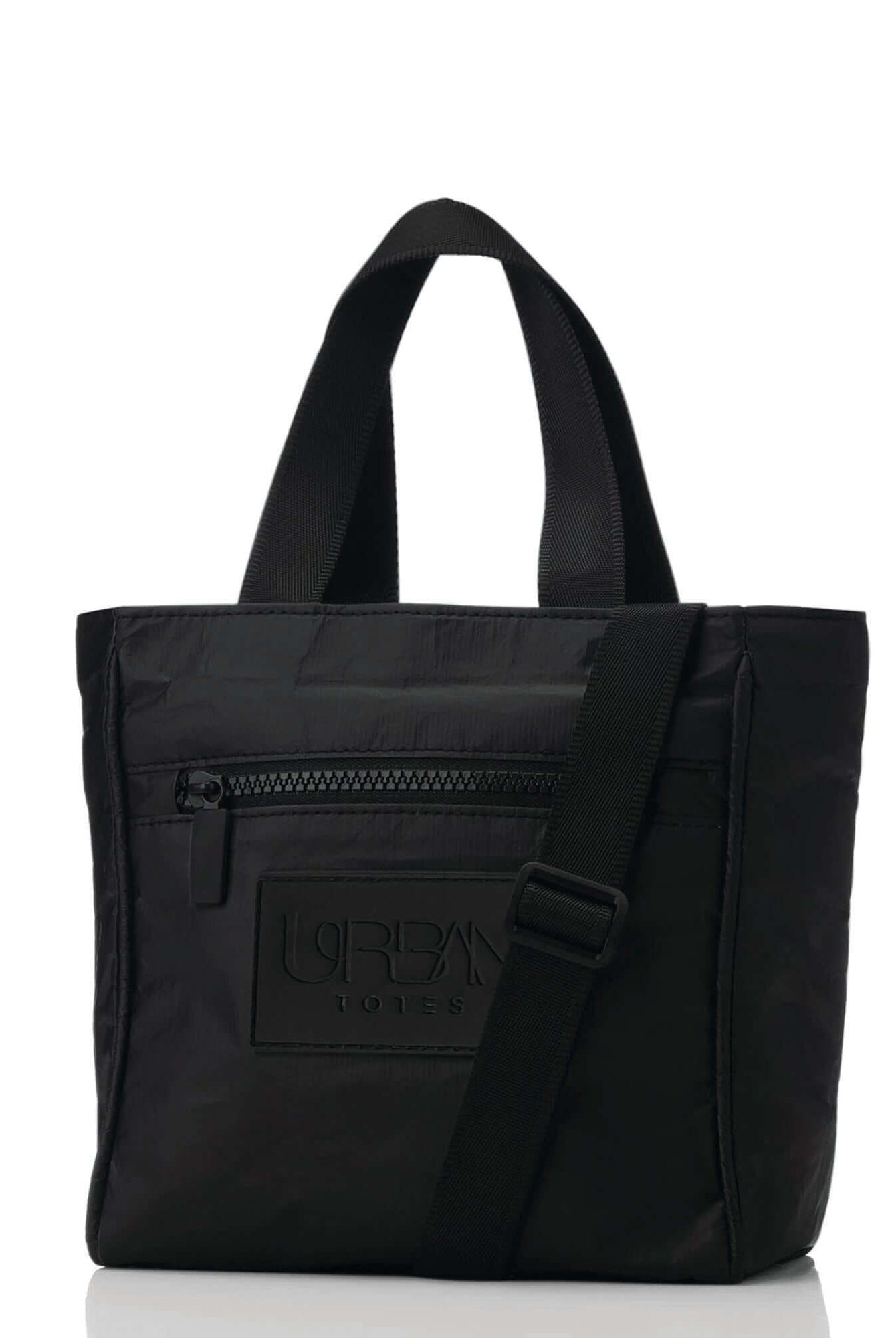
Shape and use case matter too. A compact option like the Crossbody Tote Bag Mini Purse has a zip-top closure, multiple pockets, water-resistant material, and a foldable build. That kind of design can make sense for someone who needs a small, repeat-use everyday bag rather than a large market tote.
If you ever get lost in the language around totes, satchels, shoppers, and crossbody styles, this glossary of bag types is a handy way to decode what you're buying.
Comparing Popular Eco-Friendly Tote Materials
Some materials sound perfect on paper and feel annoying by week two. Others aren't romantic at all, but they handle rain, snacks, receipts, and airport floors without drama. That's why comparing materials through daily use is more helpful than comparing them through marketing language.
How the common materials behave in real life
Industry sources regularly point to organic cotton, jute, hemp, and recycled PET (rPET) as common lower-impact choices. The same material overview notes that jute and hemp require less water and fewer pesticides than conventional cotton, which lowers some of the upstream burden before the tote is even made (Cottsbury on organic cotton tote bag materials).
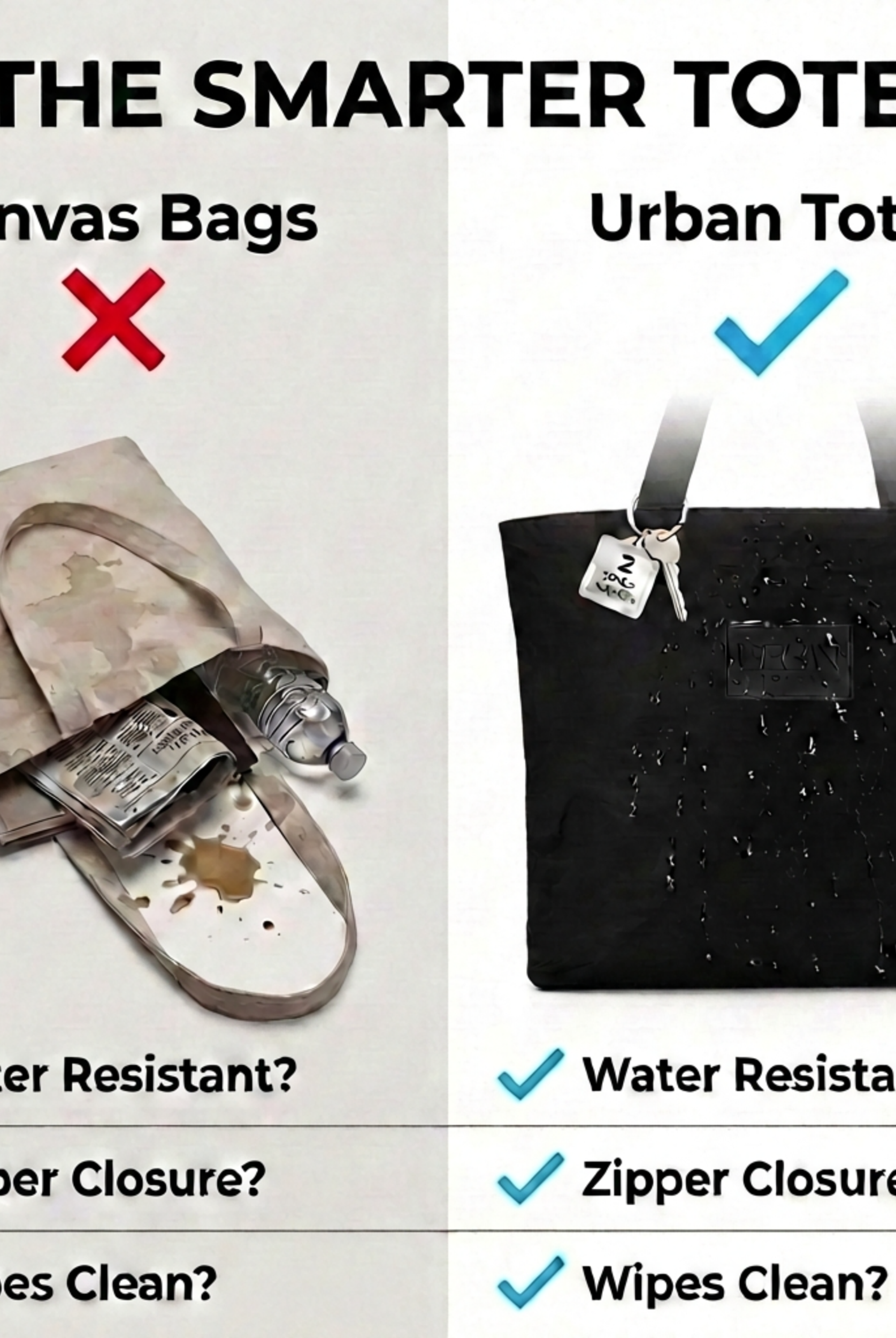
Organic cotton feels familiar. It's soft, classic, and easy to style. The trade-off is that many cotton totes absorb moisture, show dirt, and can feel bulky once they're loaded up. They work well for library runs, dry goods, and casual daily carry, but they aren't always the easiest option for a wet swimsuit, a leaky bottle, or a quick wipe-down after travel.
Jute and hemp usually appeal to people who like texture and structure. They can feel more rugged and grounded than soft cotton. They're often great for market trips or heavier items, but they're not always the material people want under an airplane seat or folded into a suitcase.
Recycled synthetics, including rPET, solve a different set of problems. They're often lightweight, easier to wipe clean, and more practical when you need a packable bag that can handle weather or mess. They can be especially useful for commuters and travelers who care less about a natural-fiber look and more about function. If that's your lane, this guide to a water-resistant crossbody bag is relevant because material performance changes the whole user experience.
Sustainable Tote Bag Material Comparison
| Material | Best For | Pros | Cons |
|---|---|---|---|
| Organic cotton | Everyday errands, casual styling, bookstore or market runs | Familiar feel, easy to pair with daily outfits, washable in many cases | Can absorb water, may stain more easily, often heavier than technical fabrics |
| Jute | Farmers market trips, structured carry, rustic look | Firm feel, sturdy shape, lower-input crop compared with conventional cotton | Less packable, rougher hand feel, not ideal if you want a soft flexible bag |
| Hemp | Daily carry with a natural-fiber preference | Strong feel, lower-input crop compared with conventional cotton, often durable | Less common, can feel stiff depending on weave and finish |
| Recycled PET (rPET) | Travel, commuting, beach days, easy-clean use | Lightweight, often water-resistant, packable, practical for repeated messier use | Synthetic feel isn't for everyone, requires thoughtful washing and disposal |
No material wins every category. The right choice depends on what your bag has to survive.
How to Choose Your Perfect Go-Anywhere Tote
A good tote should make your day easier before it ever makes a statement. If you're constantly switching bags because one is cute, one is practical, and one is only for travel, the problem usually isn't you. It's that the bag isn't built around your actual life.

Match the bag to your actual day
The beach-day mom needs different things than the daily commuter. So does the woman who packs for a weekend away twice a month.
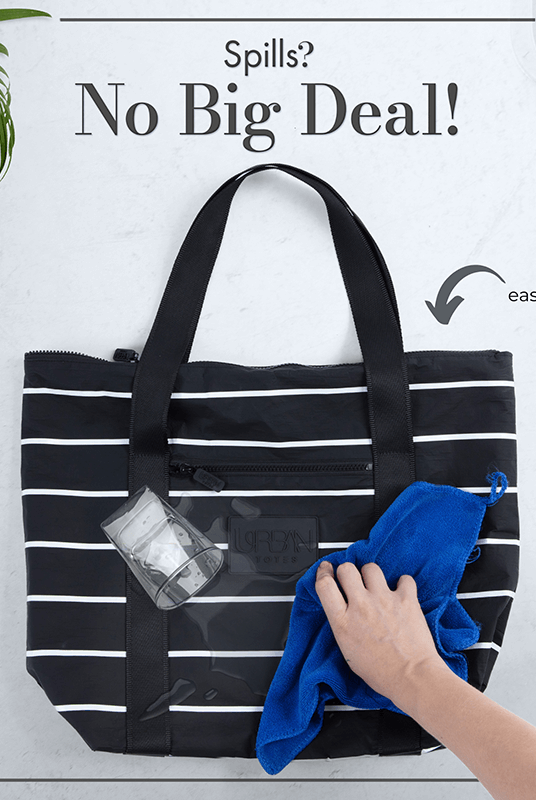
- For school runs and parenting logistics: Prioritize a zipper closure, wipeable surfaces, and enough compartments to separate snacks, wipes, cords, and your own essentials.
- For commuting: Look for a shape that sits comfortably under your arm, doesn't collapse into chaos, and has pockets that keep keys and a phone easy to grab.
- For travel: Go lighter than you think. A foldable, packable tote earns its place when you need a personal item, an overflow bag, or a second carry option on the return trip.
- For errands and all-day outings: Choose something that looks polished enough for lunch but functional enough for a grocery stop and a park bench in the same afternoon.
The most useful tote is the one that still feels manageable when it's full.
Details that make a tote easier to live with
Practical design beats trend language every time.
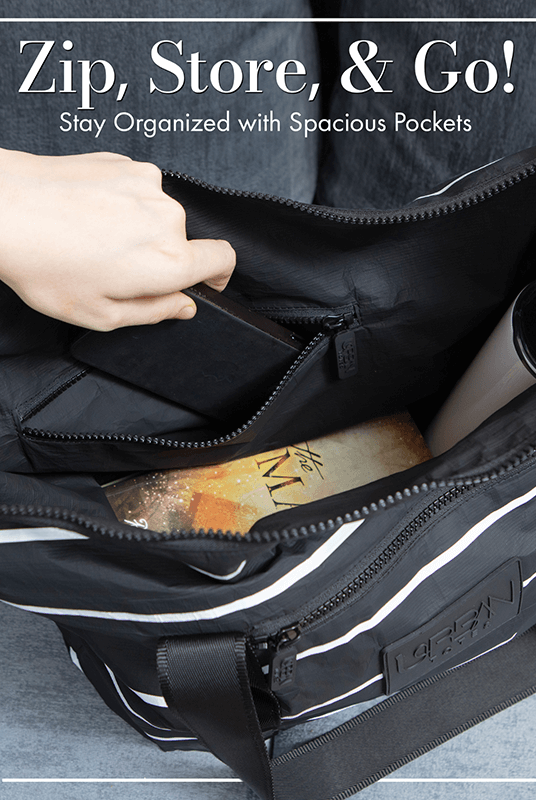
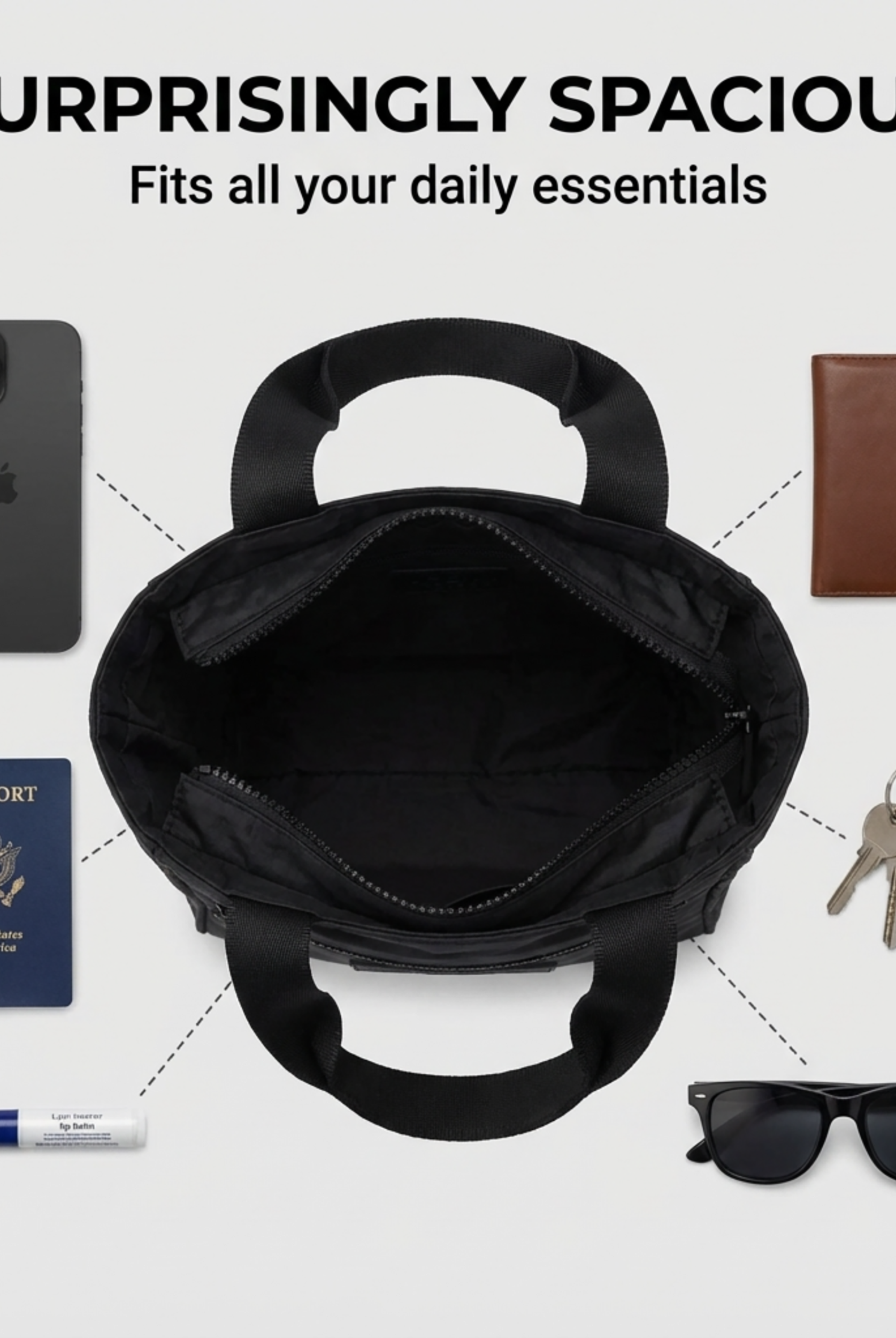
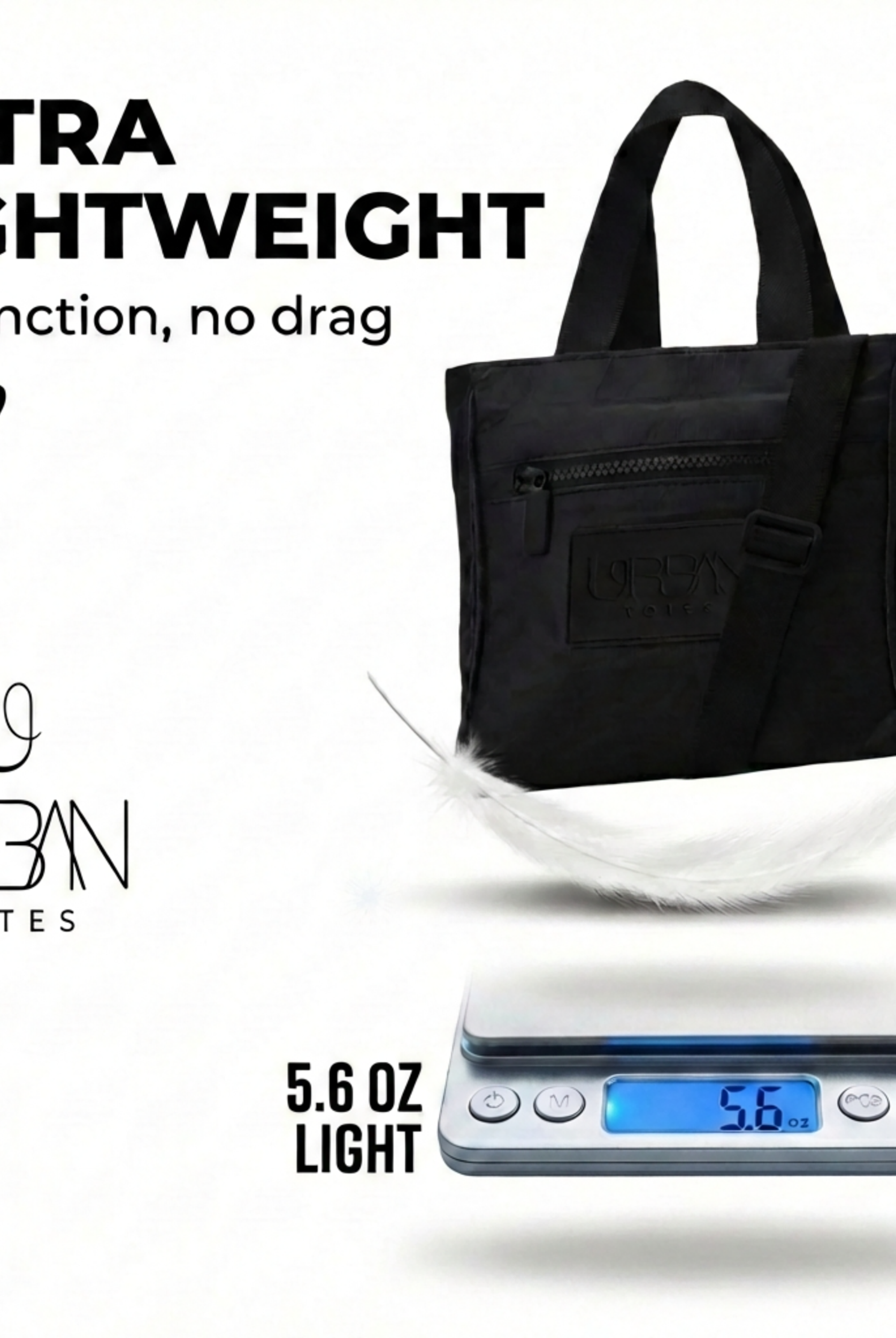
A secure top closure matters if your bag ends up in a car footwell, under a stroller, or under an airplane seat. Multiple compartments matter when you don't want your sunglasses case rolling into a charger and a granola bar. Lightweight construction matters because heavy bags become shoulder-fatigue bags fast.
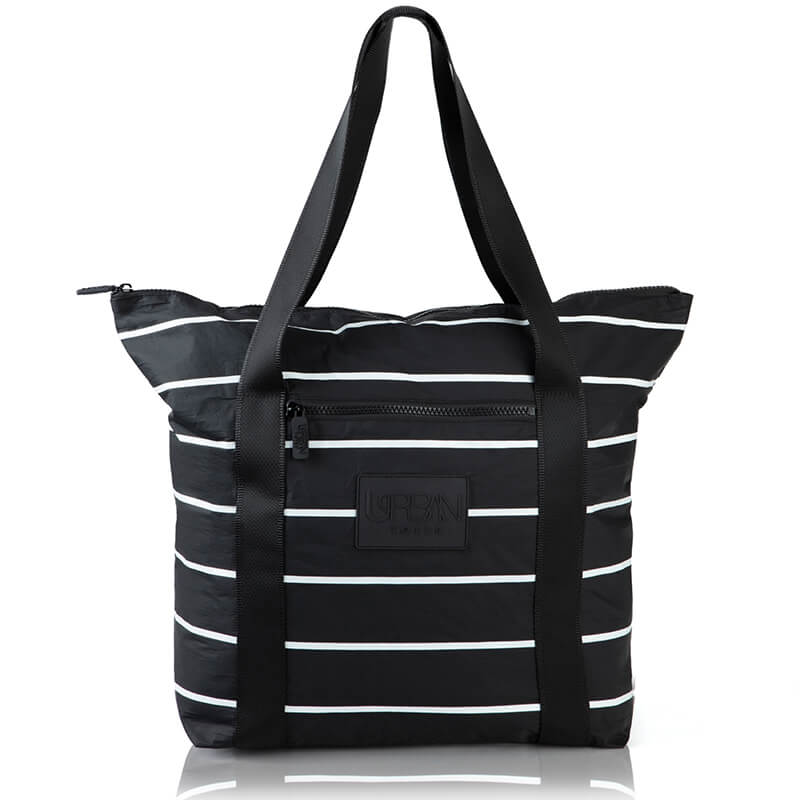
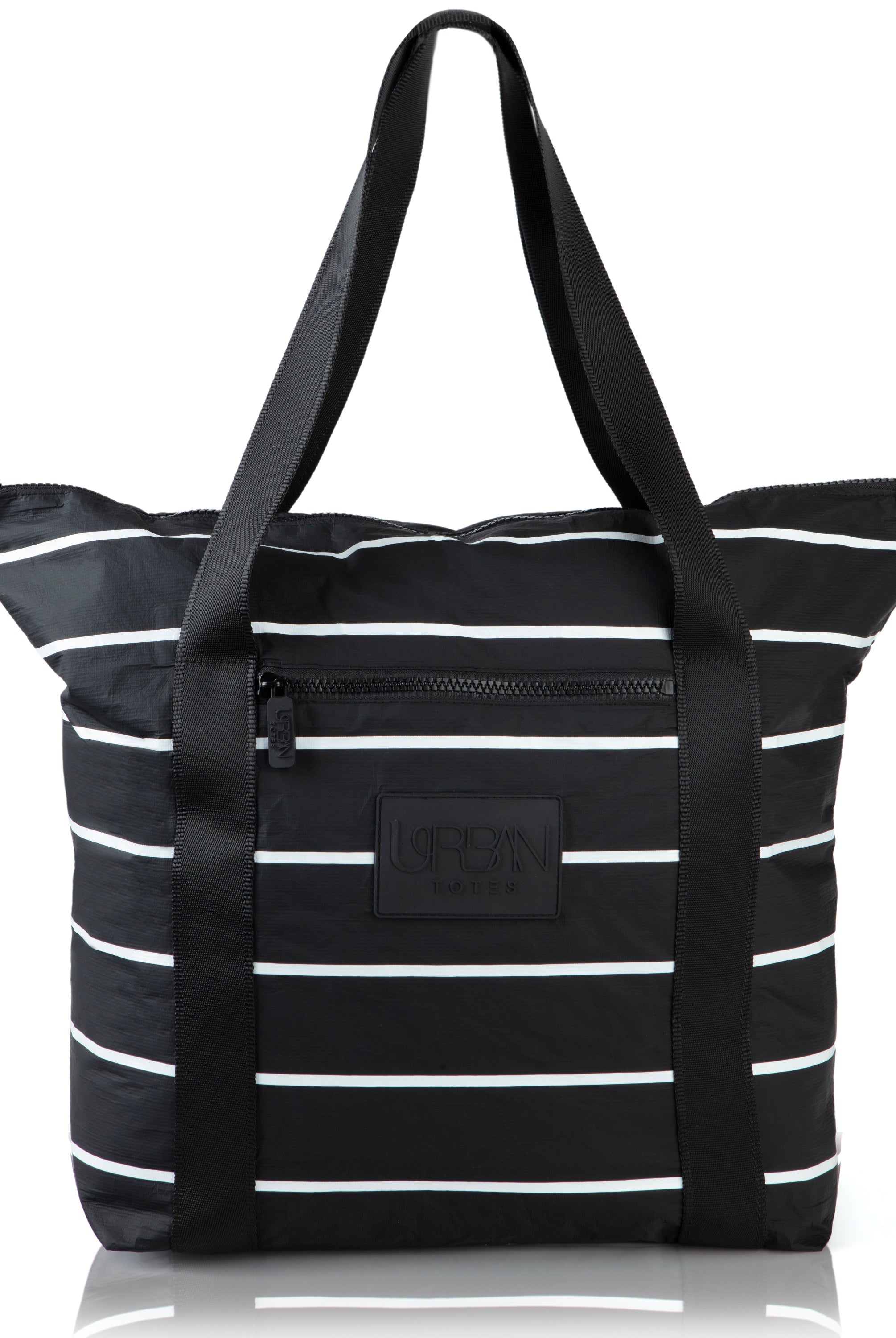
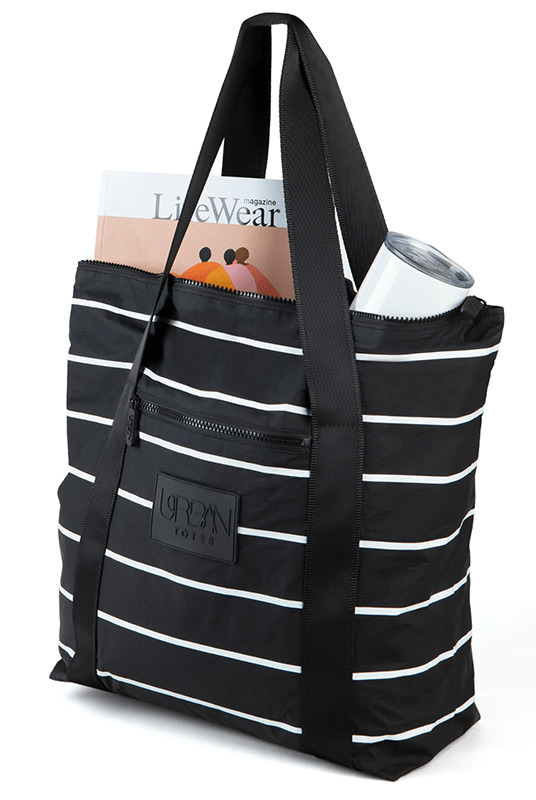
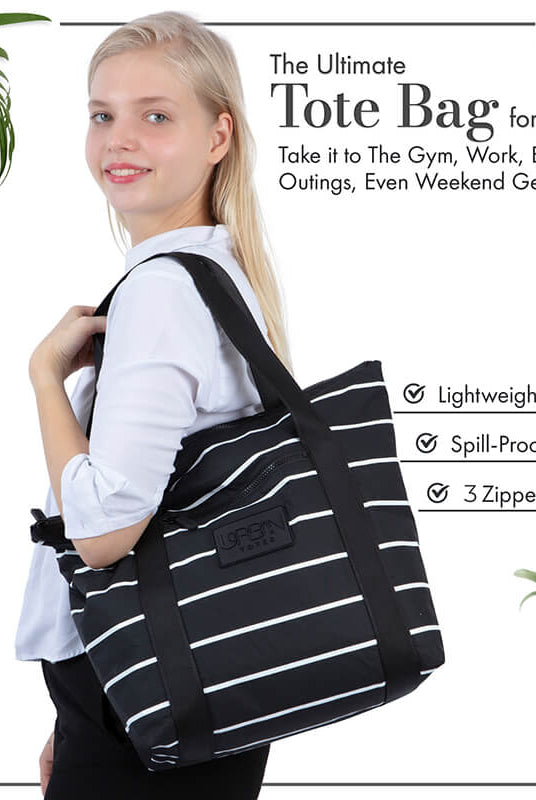
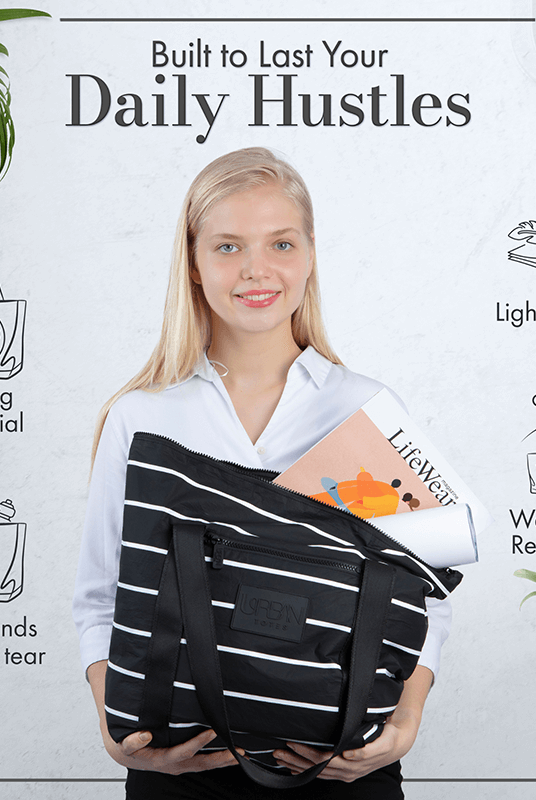
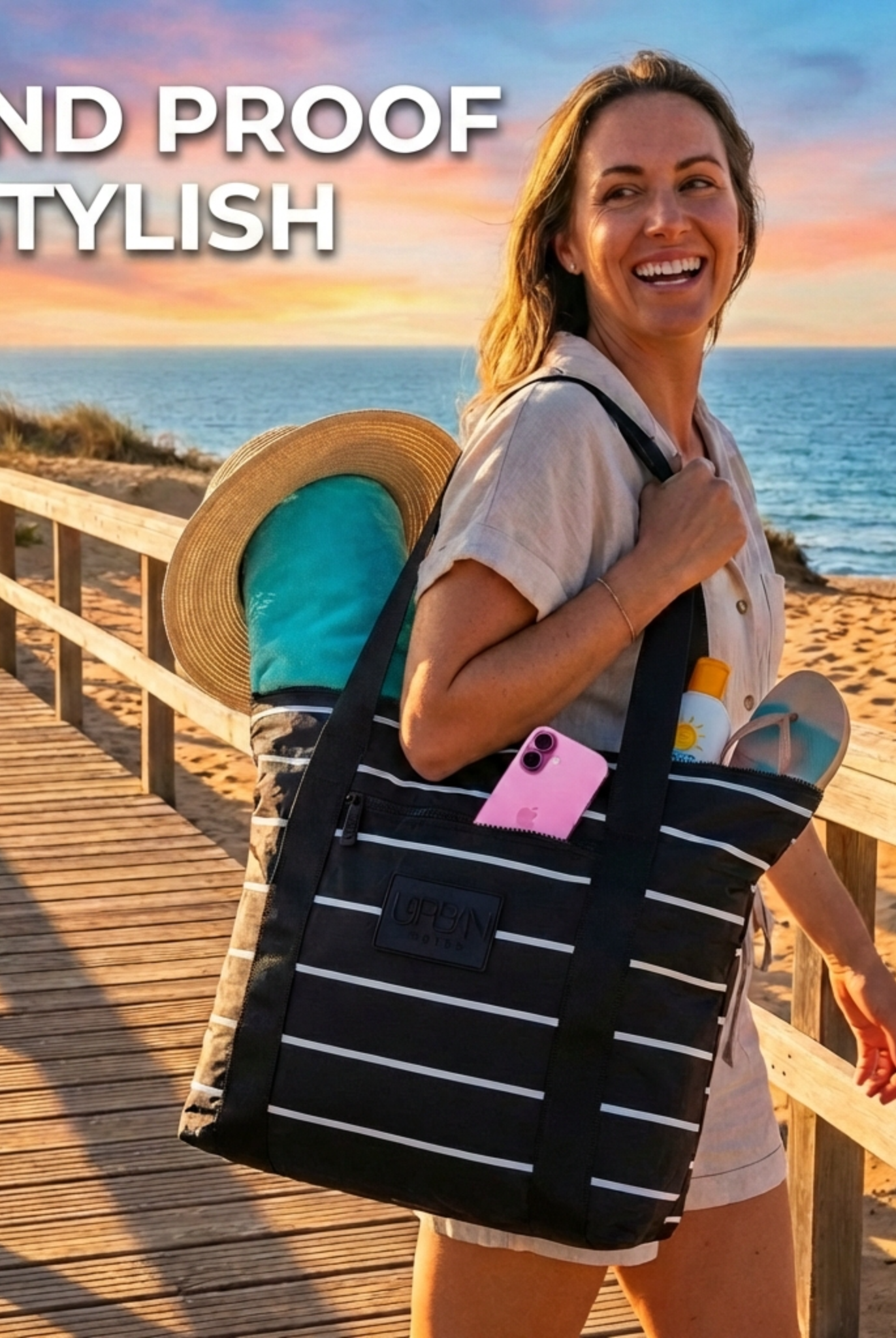
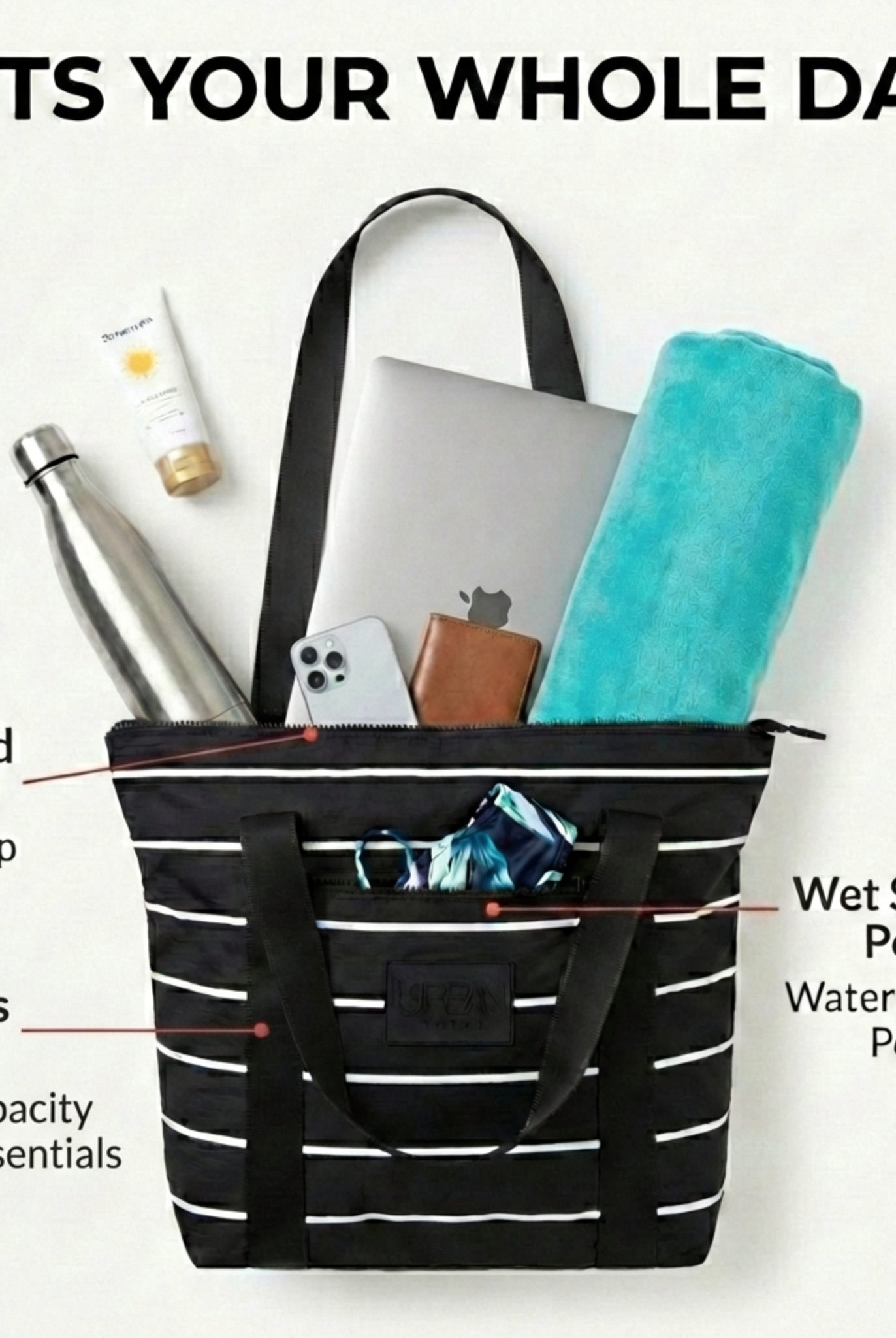
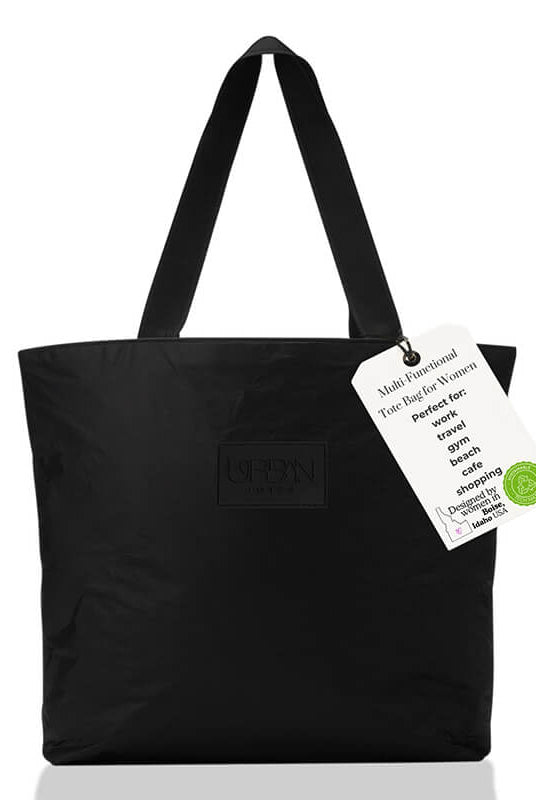
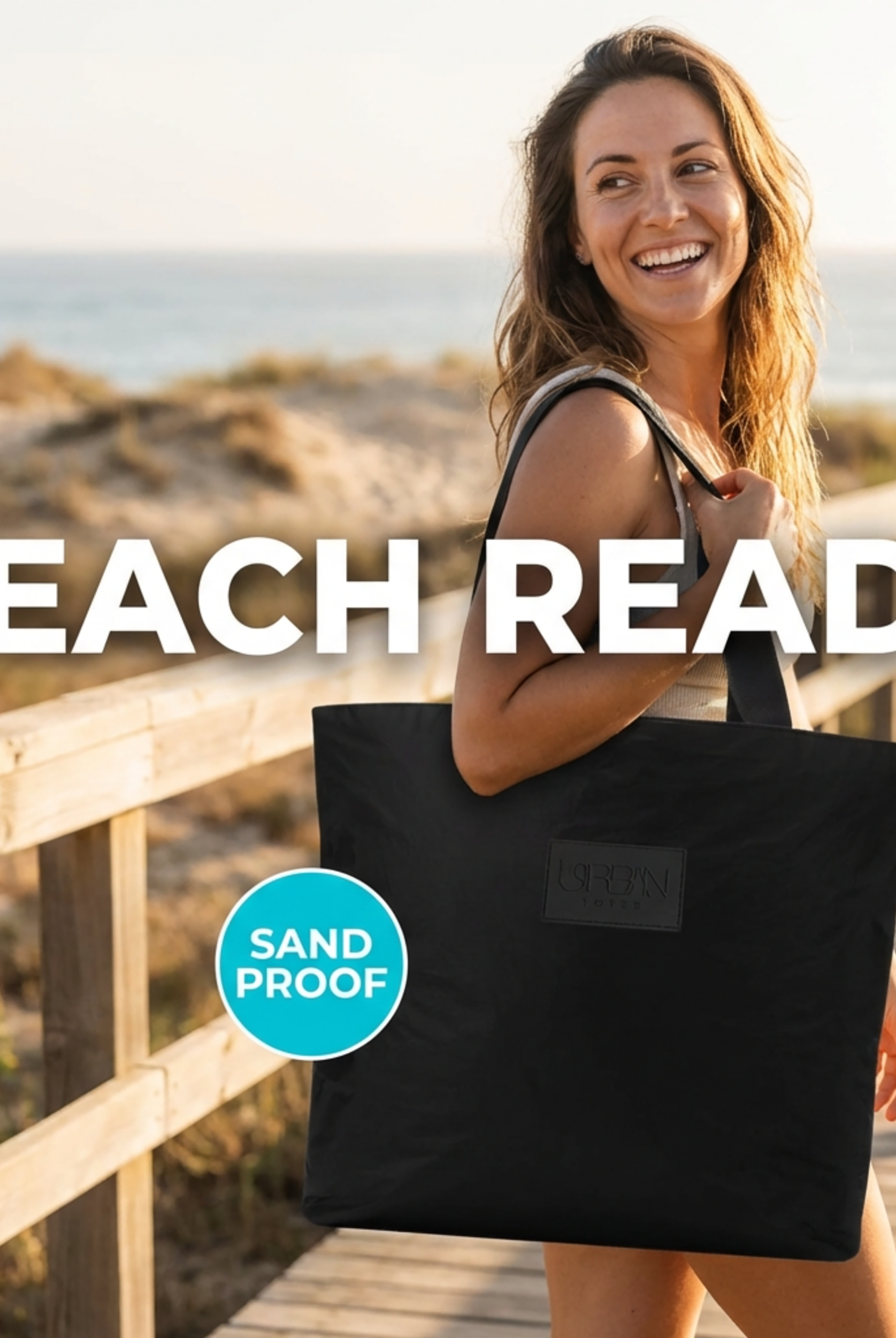
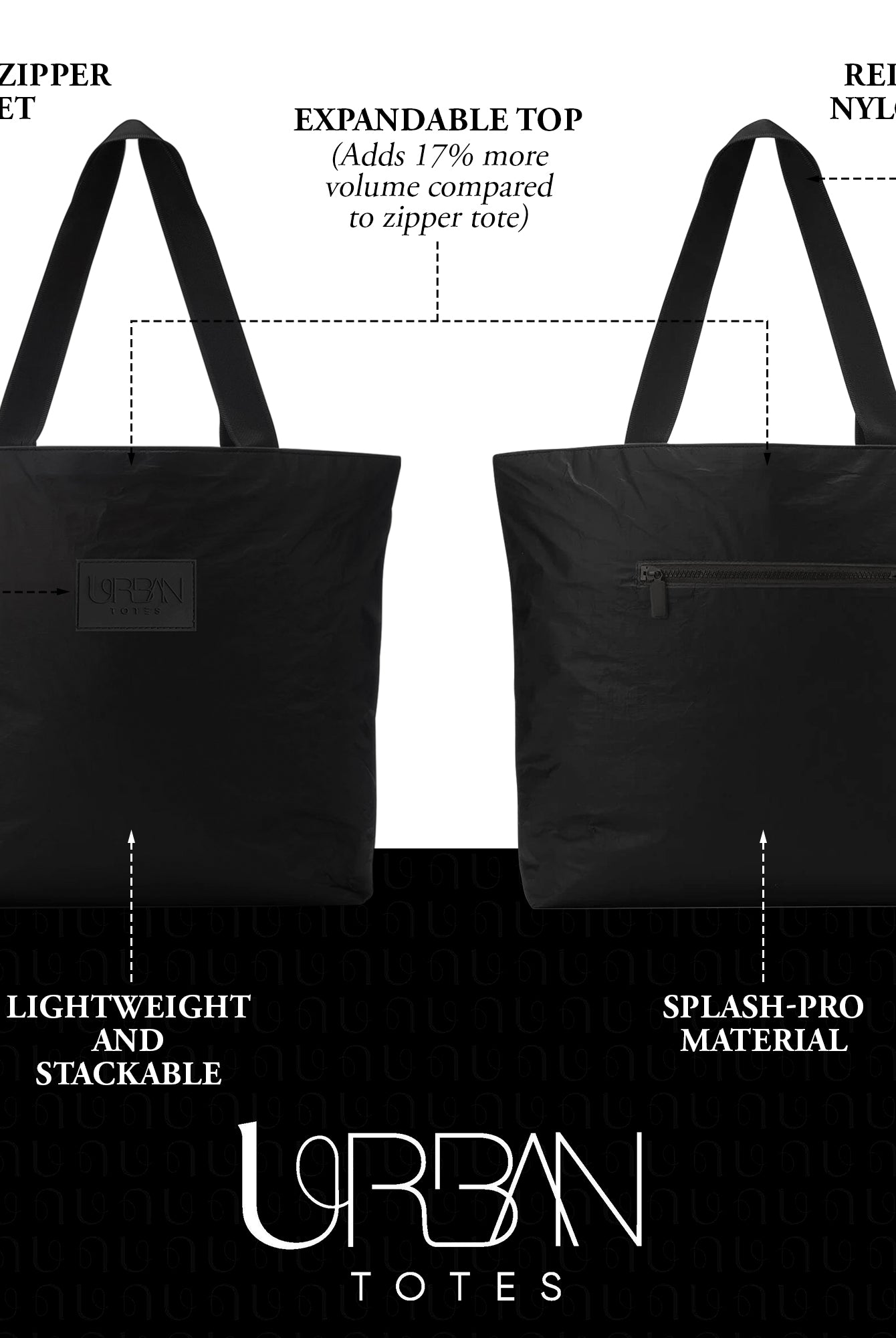
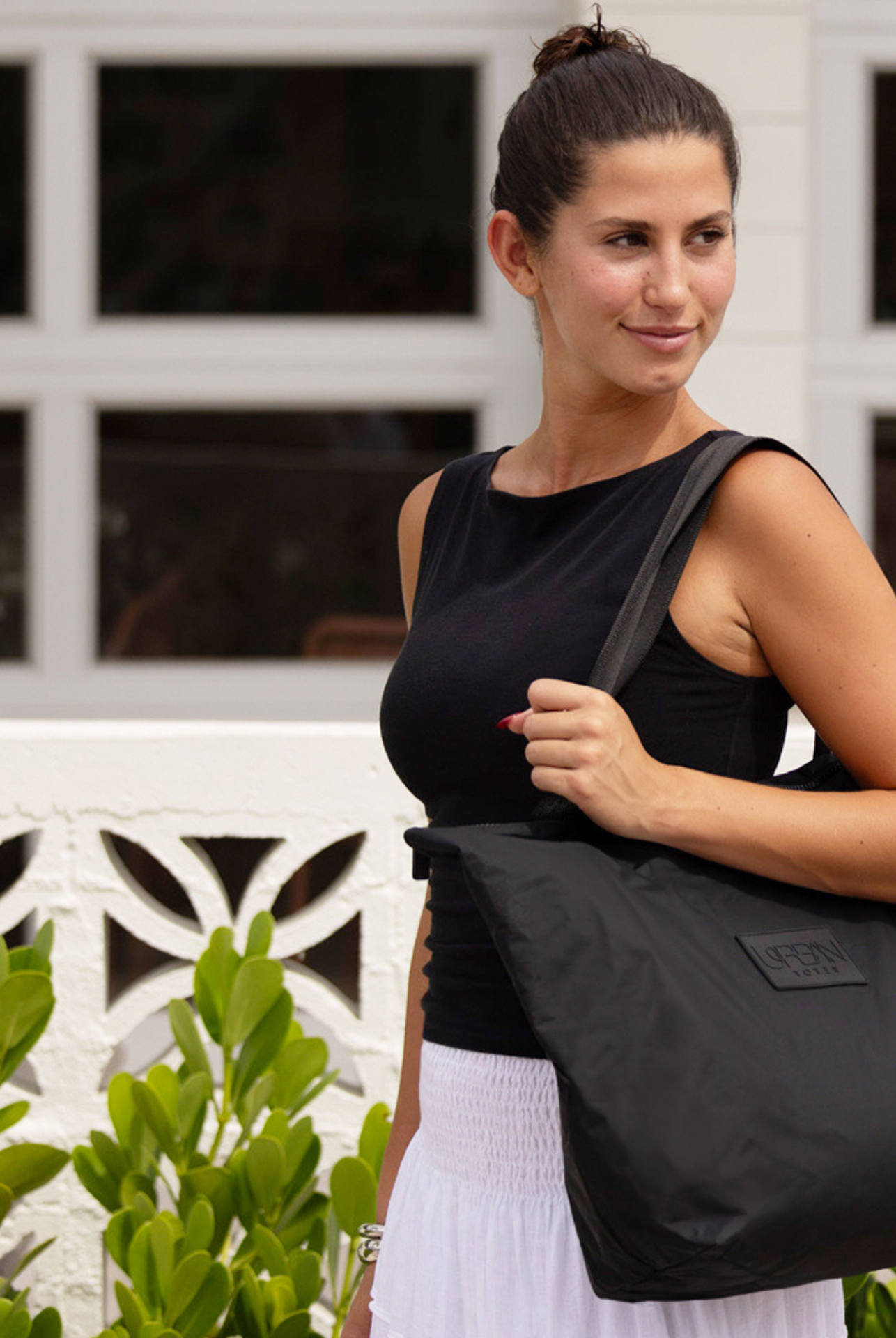
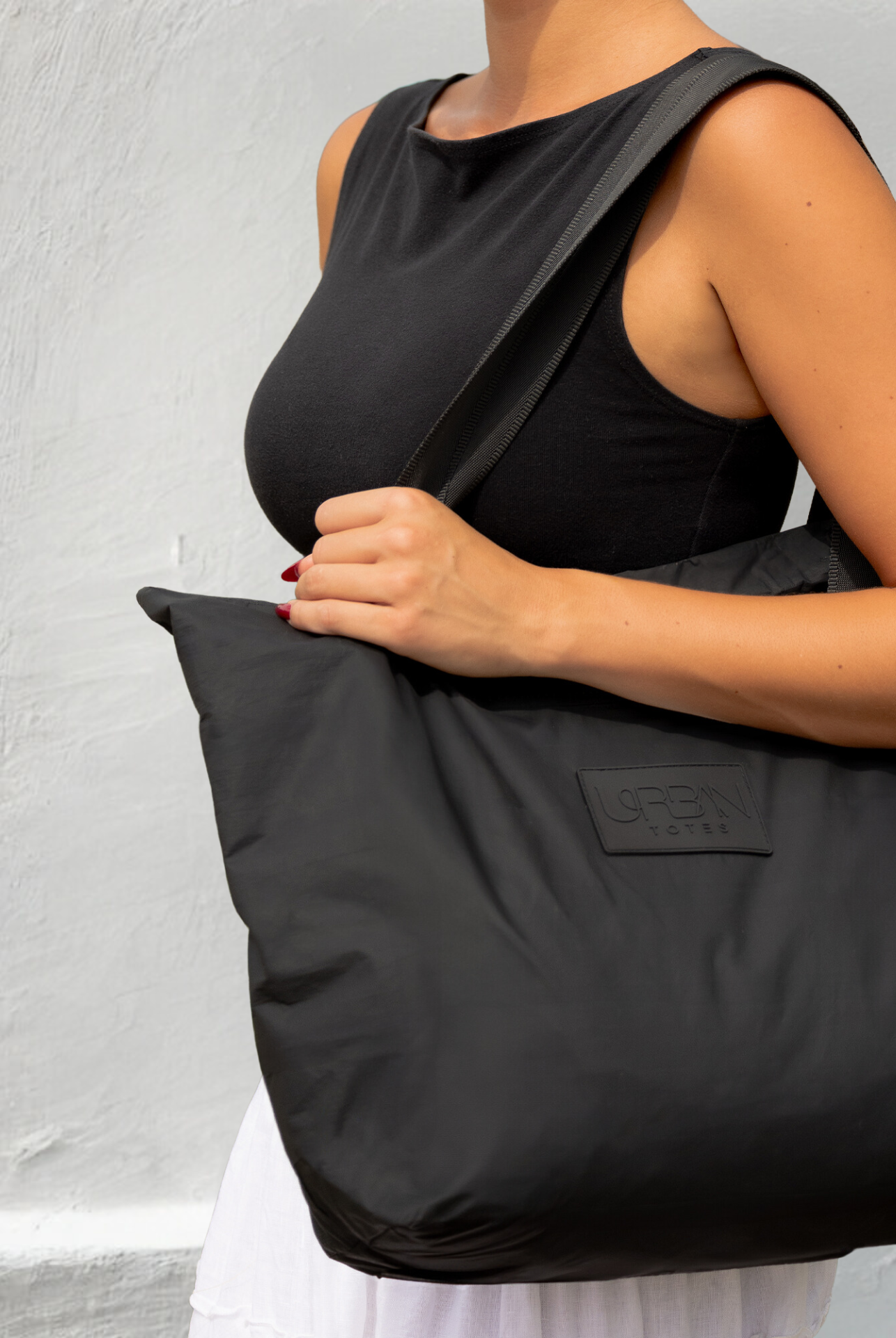
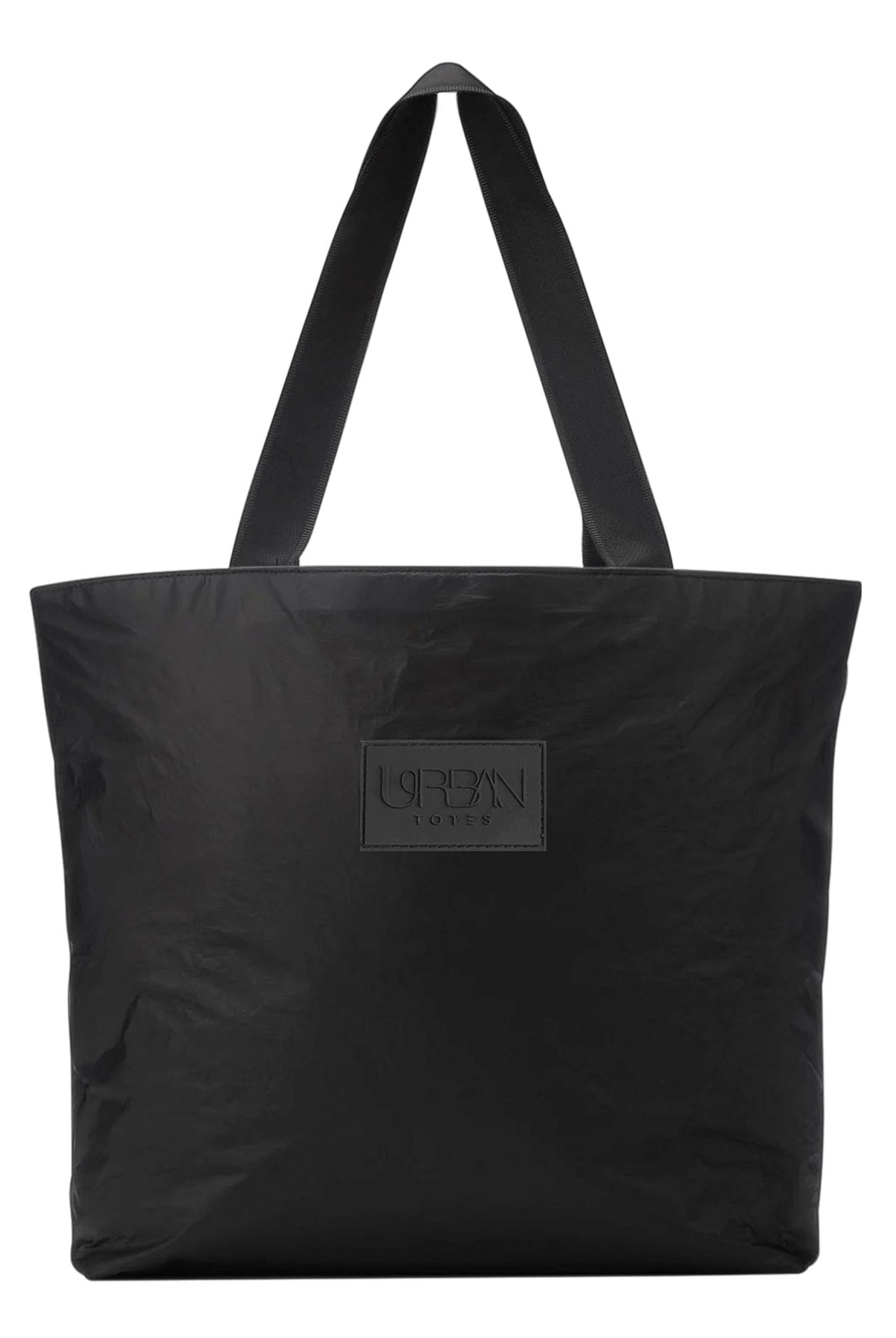
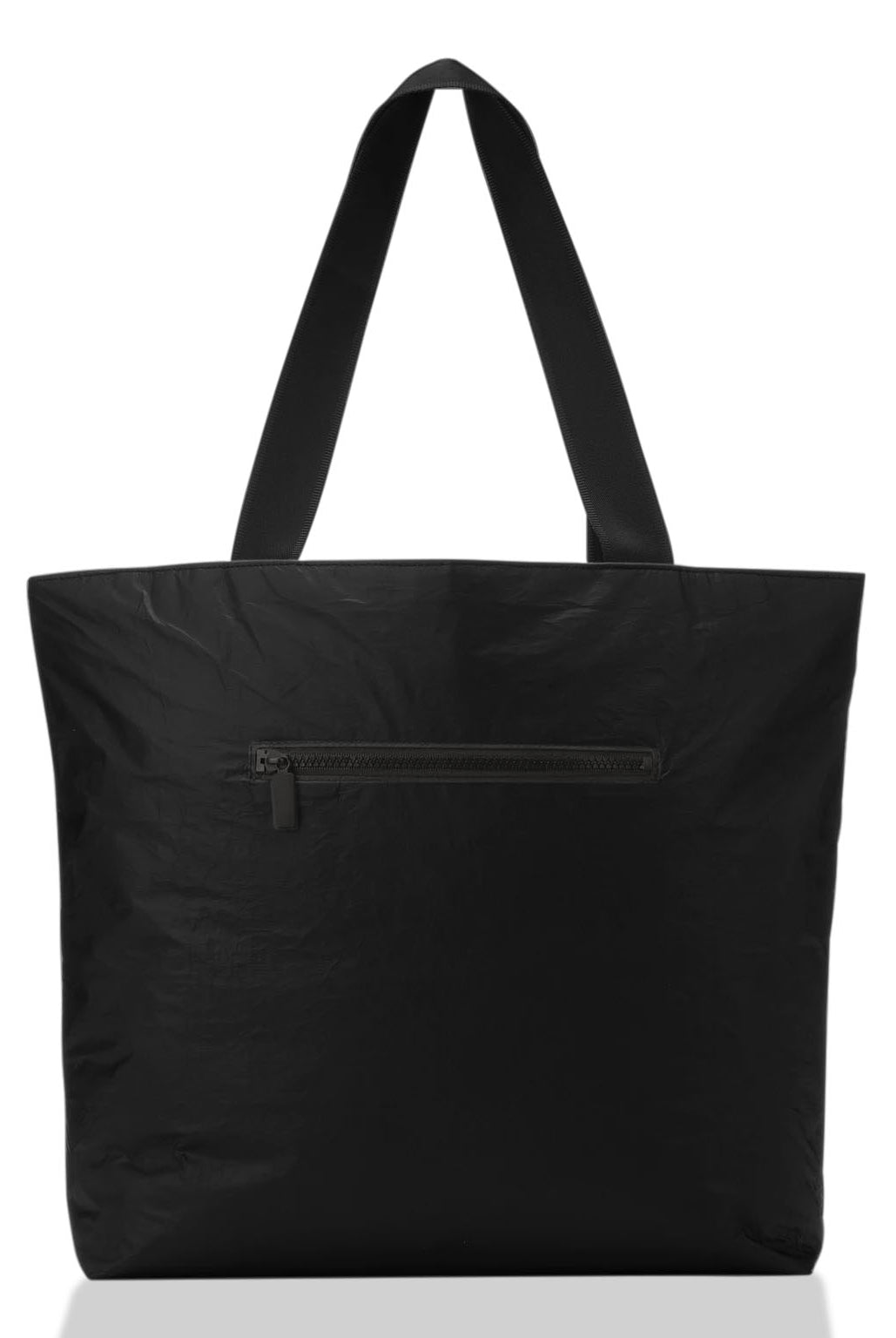
If you want one factual example of that design approach, Urban Totes is a woman-owned Boise brand that makes styles with zipper closures, multiple pockets, water-resistant materials, and packable builds for errands, commuting, beach days, and travel. The OG Zipper Tote Bag is described with three large pockets, a foldable design, and machine-washable care, which is the kind of feature set that supports long-term, repeat use.
The stylish choice and the responsible choice don't have to live in separate closets. For most busy women, the right bag is the one that keeps up.
Make It Last How to Care for Your Sustainable Tote
Longevity is where a tote proves itself. One manufacturer example helps explain the standard: high-quality canvas totes can be built to hold over 50 pounds and be reused more than 125 times, showing why reinforced stitching and sturdy fabric matter so much for per-use impact (Enviro-Tote reusable tote details).
That same logic applies across materials. If you want a bag to stay in rotation for years, care has to be part of the plan.
Simple habits that extend a bag's life
Most tote damage doesn't start with one dramatic failure. It starts with small habits.
- Empty it fully once a week: Crumbs, receipts, pens, and loose cosmetics add weight and cause unnecessary wear on the lining and seams.
- Clean on schedule, not only in emergencies: Spot-clean marks early. Set-in stains are harder on both natural fibers and technical fabrics.
- Store it upright or flat: Don't keep a loaded tote hanging from one strap for long stretches if you want the shape to last.
- Rotate by use, not by mood alone: If one bag handles heavy grocery hauls and another handles office days, each one wears more appropriately.
For more detailed upkeep, Urban Totes has a practical guide on how to care for your tote bag with maintenance tips that apply to everyday use.
When wear shows up
Don't retire a bag too early.
Loose threads can often be trimmed before they become pulls. Interior grime can often be wiped or washed before it becomes permanent. If a tote is washable, use gentler cycles and avoid over-washing. Frequent cleaning can add its own wear, especially on coated or synthetic materials.
Buy for durability, then protect that durability with boring habits. That's what makes a tote last.
A well-used tote doesn't need to look untouched. It needs to stay functional, comfortable, and worth carrying again tomorrow.
Your Sustainable Tote Questions Answered
Is a recycled plastic tote better than a cotton one
Not automatically. The honest answer depends on how long you use it, how well it holds up, and what kind of bag it replaces in your life. Material matters, but repeated use is what makes the math improve. A bag that fits your commute, gym run, or travel routine and keeps getting reused is usually the smarter choice than one with a nicer label that spends most of its life on a hook.
Do recycled polyester bags shed microplastics
They can. That's one of the more overlooked trade-offs in this category. Coverage around tote bags often presents recycled synthetics as a simple win, but washing synthetic textiles is a known microplastic release pathway, which is why cleaning habits and end-of-life choices matter. If you carry a recycled-fiber bag, wash it only when needed, use gentler care, and keep it in use as long as possible instead of treating it as disposable.
What do bag certifications actually tell you
They can tell you something useful, but not everything. A certification may speak to fiber sourcing, chemical standards, or parts of manufacturing. It usually won't tell you whether the bag is comfortable, repairable, easy to clean, or likely to stay in your routine for years. Read certifications as one signal, not the whole story.
If you want to browse more bag styles and use cases before choosing, Urban Totes keeps its tote bag articles and guides here.
If you want a bag that fits real life and gets used again and again, explore Urban Totes. Find your go-anywhere carry for errands, travel, beach days, and everything in between.