Back-to-school shopping always sounds simple until you're standing in the aisle with a girl who wants the cute backpack, and you're testing zippers, straps, and whether the thing will still look decent by October. This is the core tension. She wants style. You want a backpack that won't slide off one shoulder, turn into a black hole for permission slips, or come home with a broken pull tab halfway through the year.
A good backpack for a school girl has to do both jobs. It has to feel like hers, not like a compromise she was forced into. And it has to work for the person packing lunches, signing folders, and hearing “Mom, I can't find my homework” at 7:42 a.m.
I've learned that the best picks aren't always the flashiest or the most feature-loaded. They're the bags that fit her body, match her school routine, and hold up to real life. If your mornings already feel full, it also helps to pair the bag decision with digital tools to organize kids' schedules so the backpack isn't carrying the whole family system on its own. And if you want a quick refresher on shapes and carry styles before you shop, Urban Totes has a helpful glossary of bag types from traditional to trendy.
Table of Contents
- The Search for the Perfect School Backpack
- Choosing the Right Fit for Health and Comfort
- Smart Organization for a Stress-Free Day
- Durable Materials for a Go-Anywhere Bag
- Backpack Needs at Different Ages and Grades
- Your Final Checklist and Smart Packing Tips
The Search for the Perfect School Backpack
The school backpack search usually starts with one image in your daughter's head and one checklist in yours. She's picturing color, print, maybe a sporty look or something soft and minimal. You're thinking about shoulder straps, weight, pockets, and whether the fabric can survive juice boxes, sidewalk drops, and the mystery goo at the bottom of every school bag.
That disconnect is where a lot of shopping goes wrong. Parents lean too hard into practicality and end up with a bag the child resists using well. Kids pick only for looks and end up with a floppy, overloaded bag that's hard to carry and harder to keep organized.
A backpack works best when it feels like a partnership, not a battle.
The sweet spot is a bag she's excited to wear and you feel good about sending out the door. That usually means choosing style elements she cares about, then holding firm on the things that affect daily use. A clean silhouette. A color she loves. Then the essential features: good fit, durable construction, and enough organization to keep papers from getting crushed under snack wrappers.
A lot of parents also underestimate how much a bad backpack shows up in the day. It's not just a shopping mistake. It becomes the bag she drags, overfills, leaves unzipped, or refuses to use both straps with because it never felt comfortable to begin with.
If you're shopping for a backpack for a school girl, don't think of it as choosing between cute and practical. Think of it as editing. Keep the style. Remove the features that create hassle. What's left is usually the right bag.
Choosing the Right Fit for Health and Comfort
She picks up the cutest bag in the store. You put it on her back, and it drops low, pulls away from her shoulders, and already looks heavy before a single folder goes in. That's usually the moment the decision gets clearer. Style still matters, but fit decides whether she'll carry it well all year.
A school backpack should match her body first, then her taste. That balance matters even more for girls, who often end up carrying loads that are too heavy for their frame. A study of schoolchildren found that 85.7% of females in that sample carried backpacks weighing more than 10% of their body weight, and the authors linked heavier loads with strain on the neck and back muscles, fatigue, and possible skeletal effects (Cureus study PDF). A separate review found that students carrying the heaviest loads had a 50% higher risk of back pain lasting more than 15 days than students in the lowest-load group (backpack-load review).
That's the parent side of the decision. The kid side matters too. If the bag feels awkward, bulky, or stiff, plenty of girls start carrying it on one shoulder, dragging it by the top handle, or stuffing everything wherever it fits.

How to check fit before you buy
Skip age labels as your main guide. Two third graders can need very different backpack sizes.
I look for a bag that sits neatly on the torso, not one that covers most of her back. The bottom should stay above the hips, and the width should not stick out past her shoulders by much. Then test it with real weight inside. An empty backpack can seem fine and still carry badly once you add a lunch box, library book, and full water bottle.
A quick store check helps:
- Put some weight in the bag before judging the fit
- Adjust both shoulder straps so the pack sits close to her back
- Check the bottom edge so it doesn't sag onto the hips or seat
- Look at the width to make sure it stays proportional to her frame
- Watch her walk for a minute to see if the bag shifts, bounces, or pulls her backward
General school guidance often puts a child's backpack load at about 10% to 15% of body weight. Once the bag creeps past that range, comfort usually drops fast and posture tends to get sloppy. You don't need to weigh it every morning forever, but it's smart to check during the first few weeks of school, especially once take-home folders and extras start piling up.
Features that actually help
Some design details are worth paying for because they improve comfort every single day.
Look for:
- Wide, padded shoulder straps that spread weight better than thin straps
- A padded back panel so hard corners from books do not press into her spine
- A lightweight bag body so the backpack itself does not use up too much of the load limit
- A structured shape that stays close to the back instead of slouching away from it
- A chest strap or waist strap, if she carries more gear or walks farther to class
The American Academy of Pediatrics guidance shared through Operation School Bell also recommends lightweight packs, wearing both shoulder straps, and keeping the load in a reasonable range for the child's size. If you've noticed uneven shoulders, complaints that come up again and again, or a posture shift during growth spurts, it also helps to review the key indicators of adolescent scoliosis.
One more practical trade-off. A highly structured backpack can support books better, but too much hardware and padding can make the bag heavy before school supplies even go in. For most girls, the sweet spot is light structure, enough padding to protect pressure points, and a shape that stays tidy without feeling stiff.
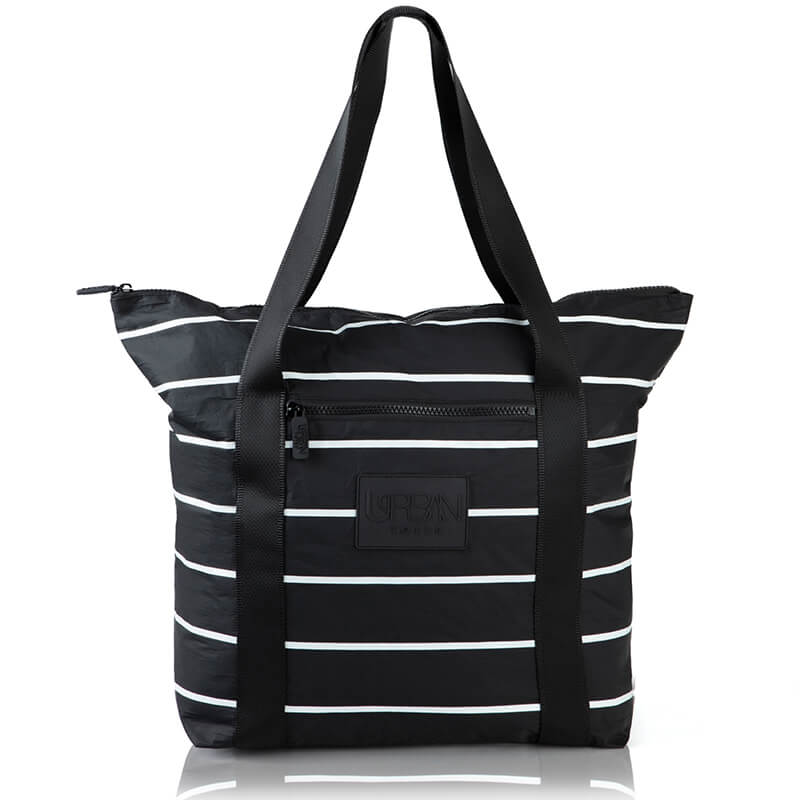
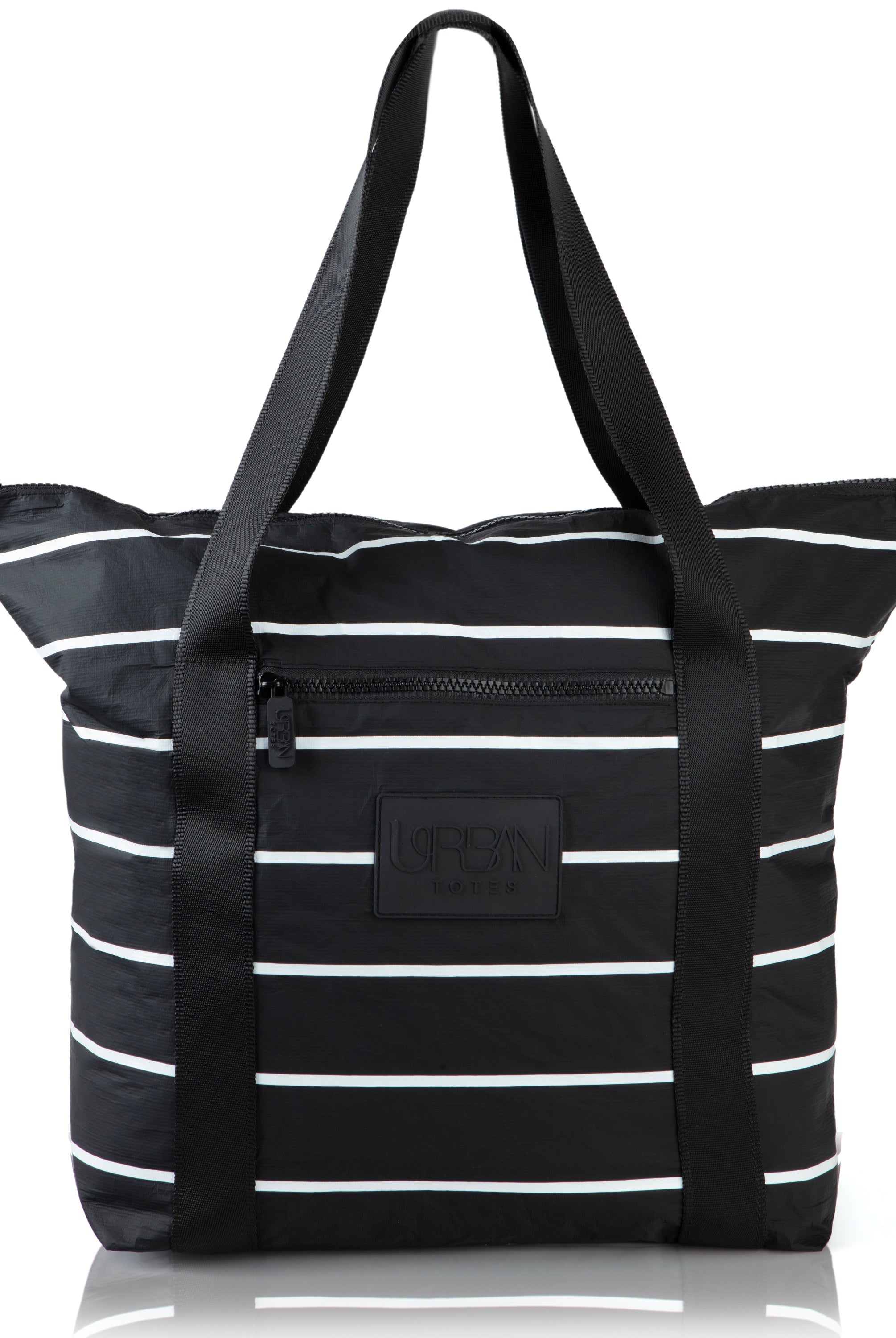
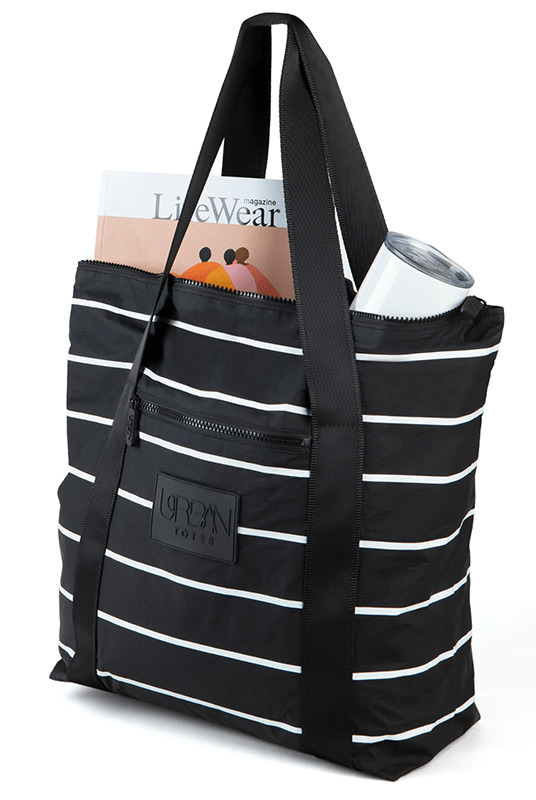
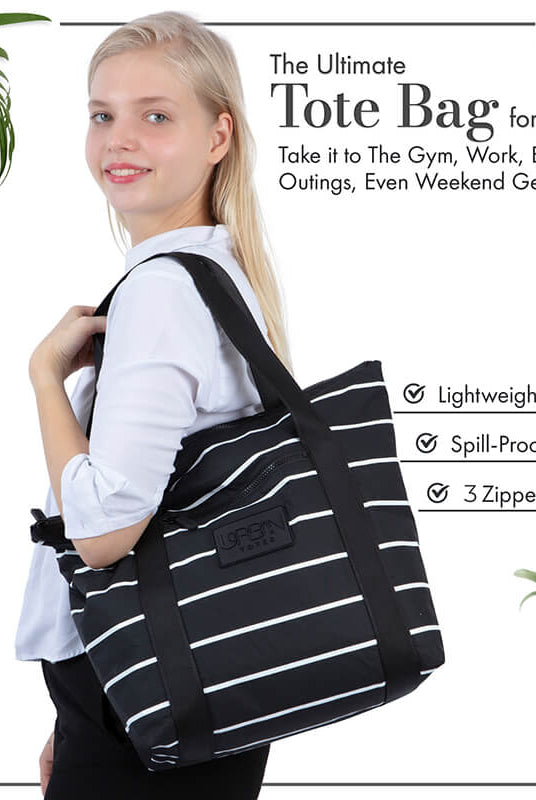
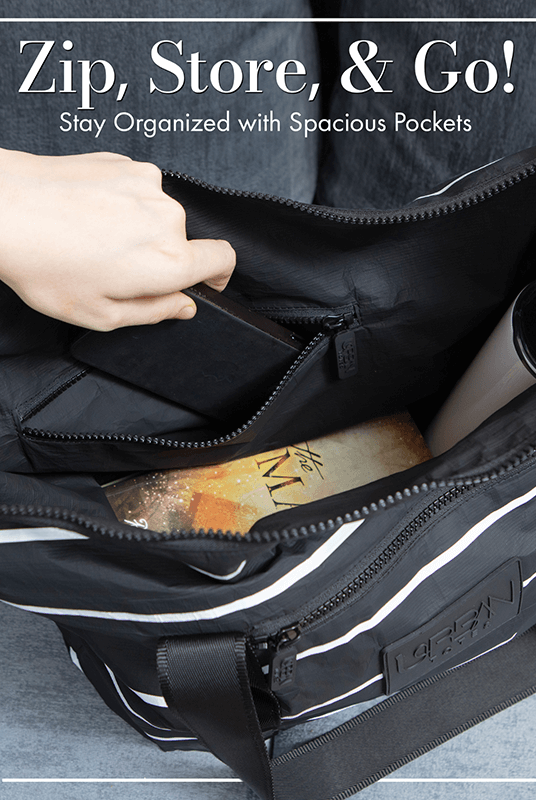
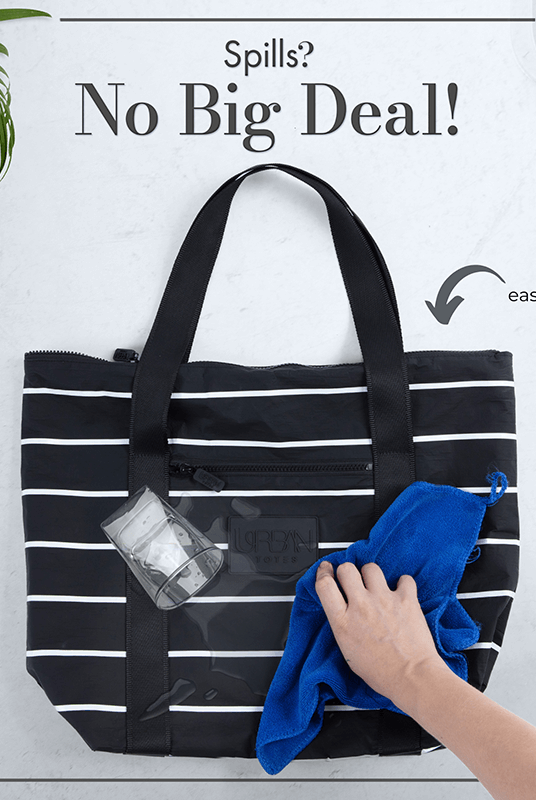
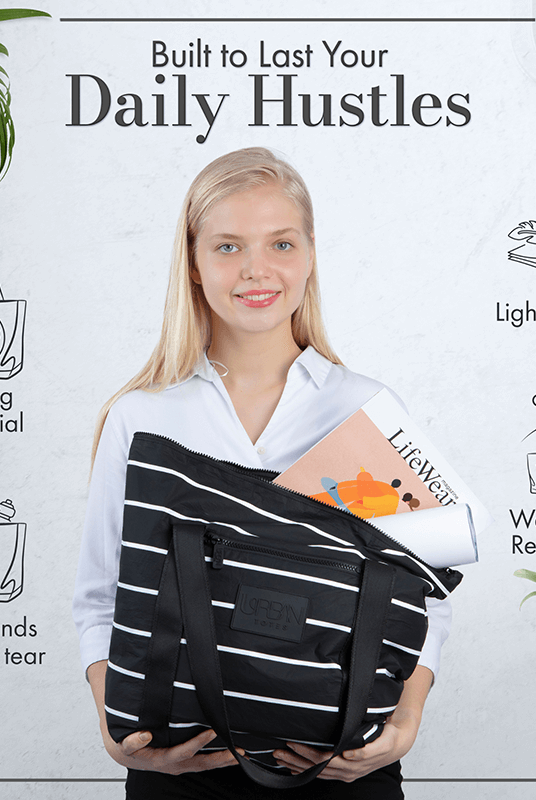
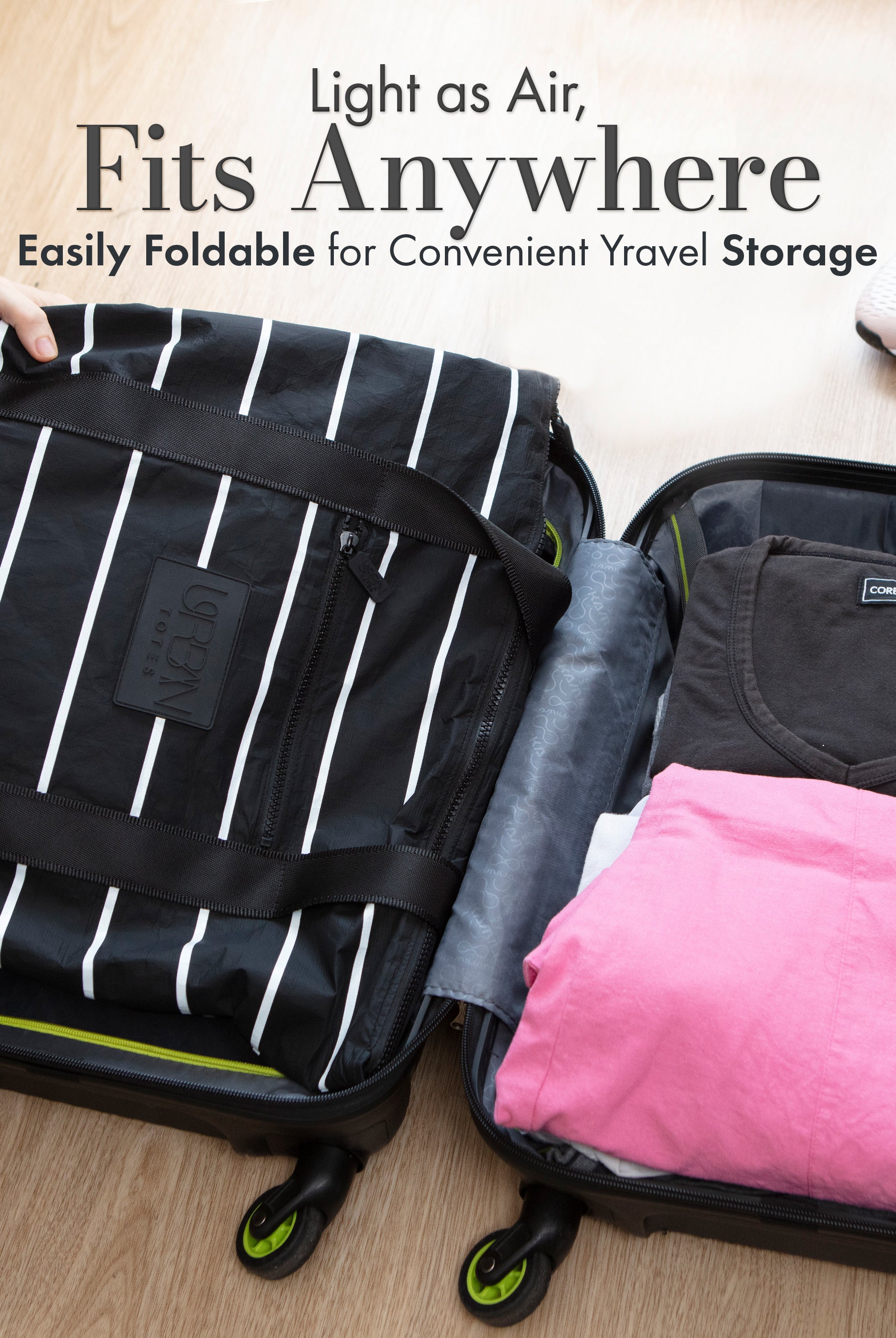
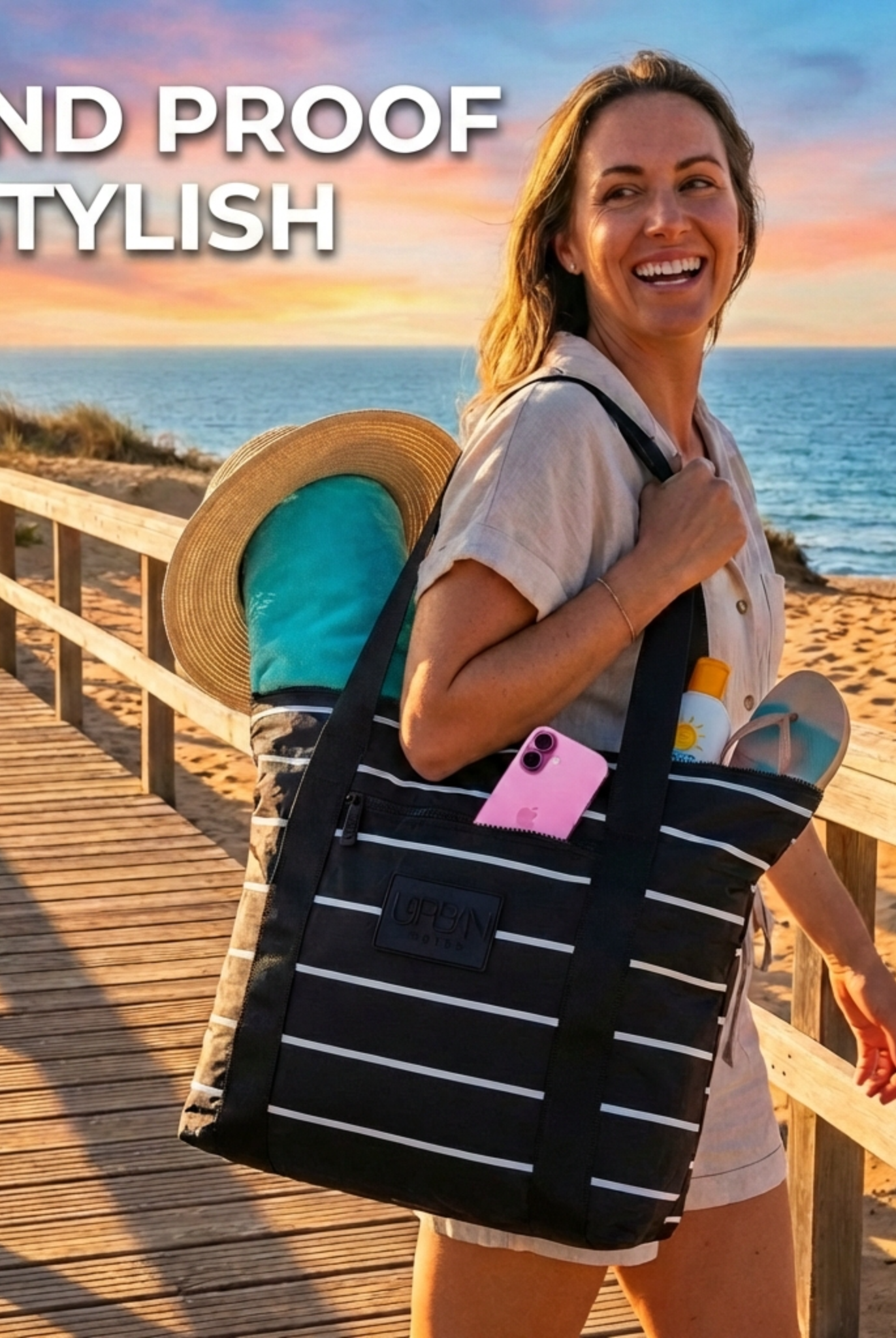
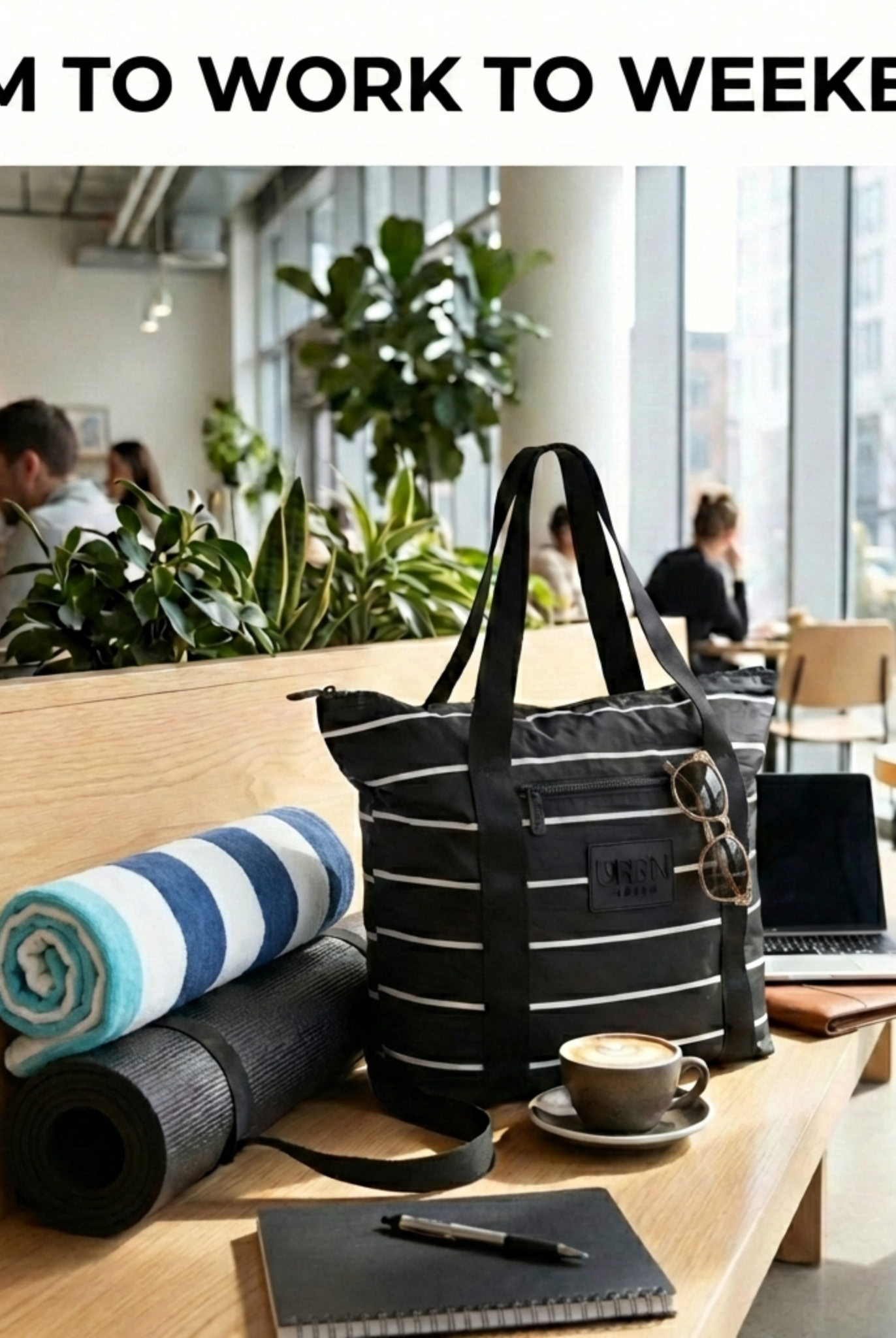
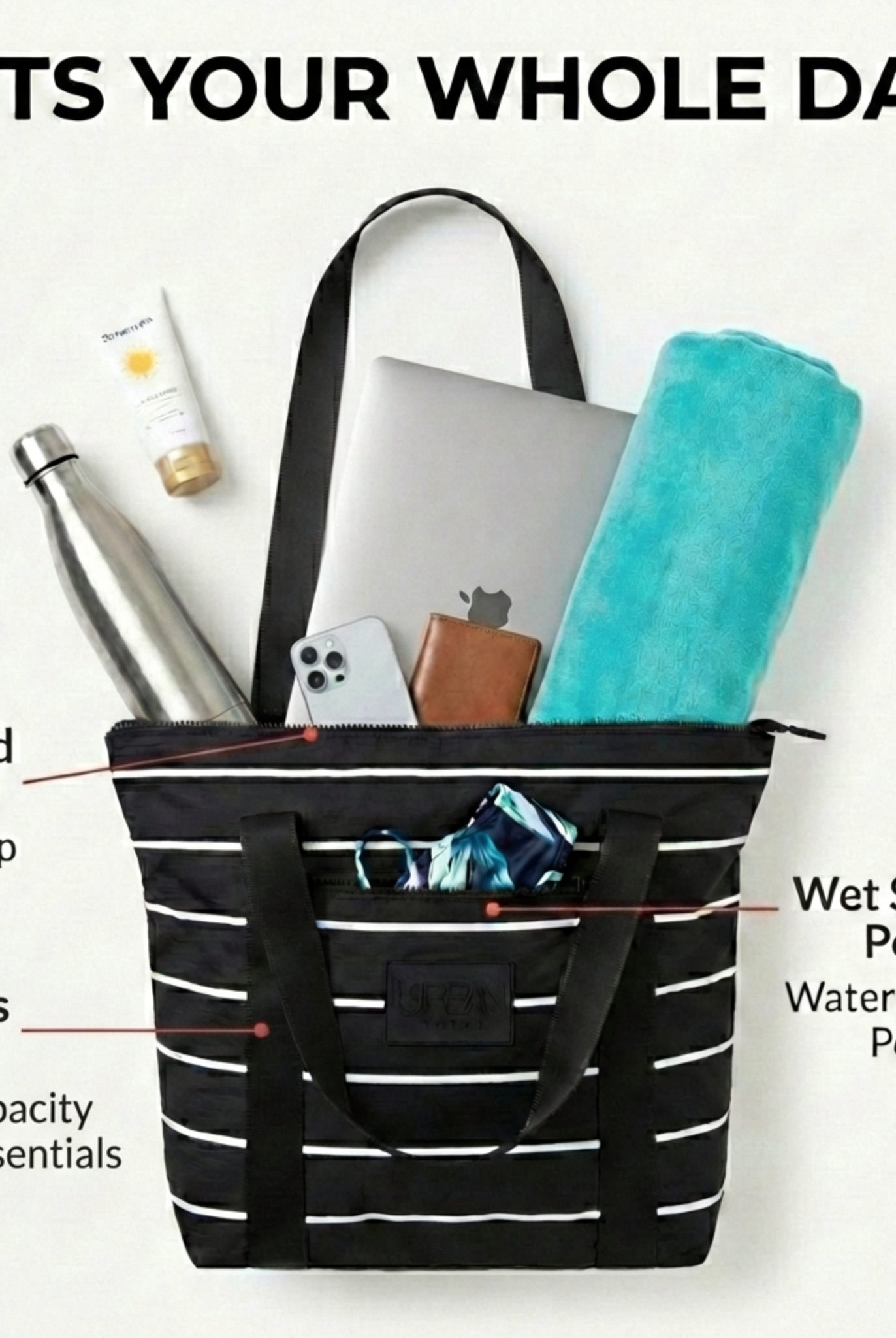
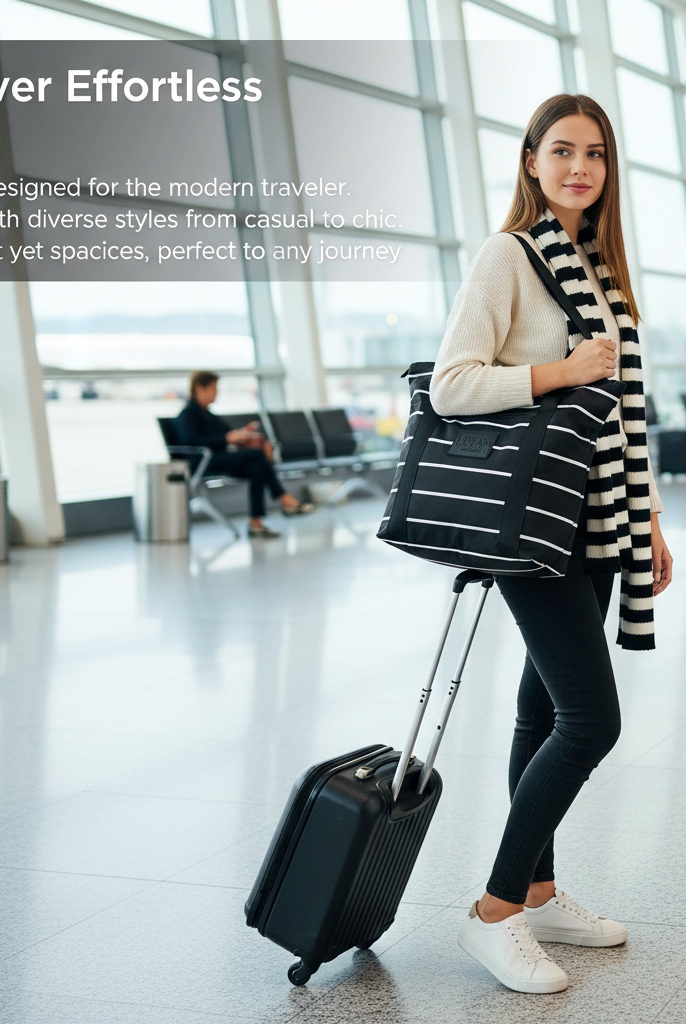
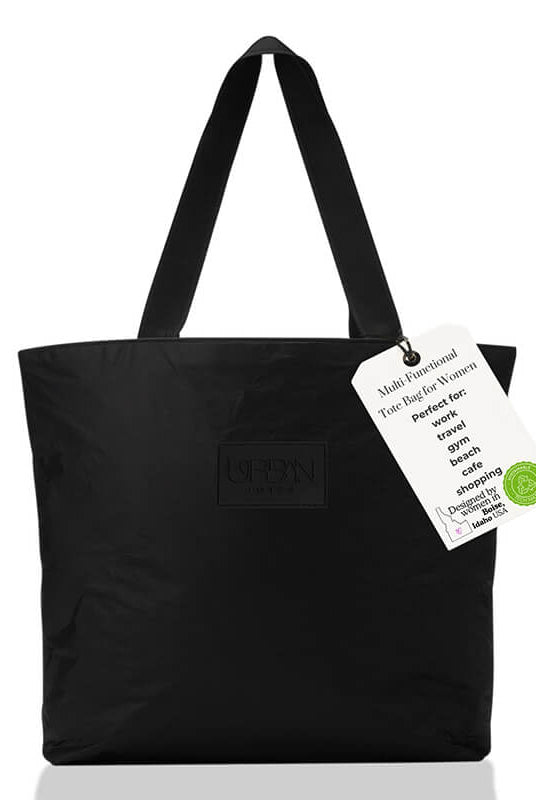
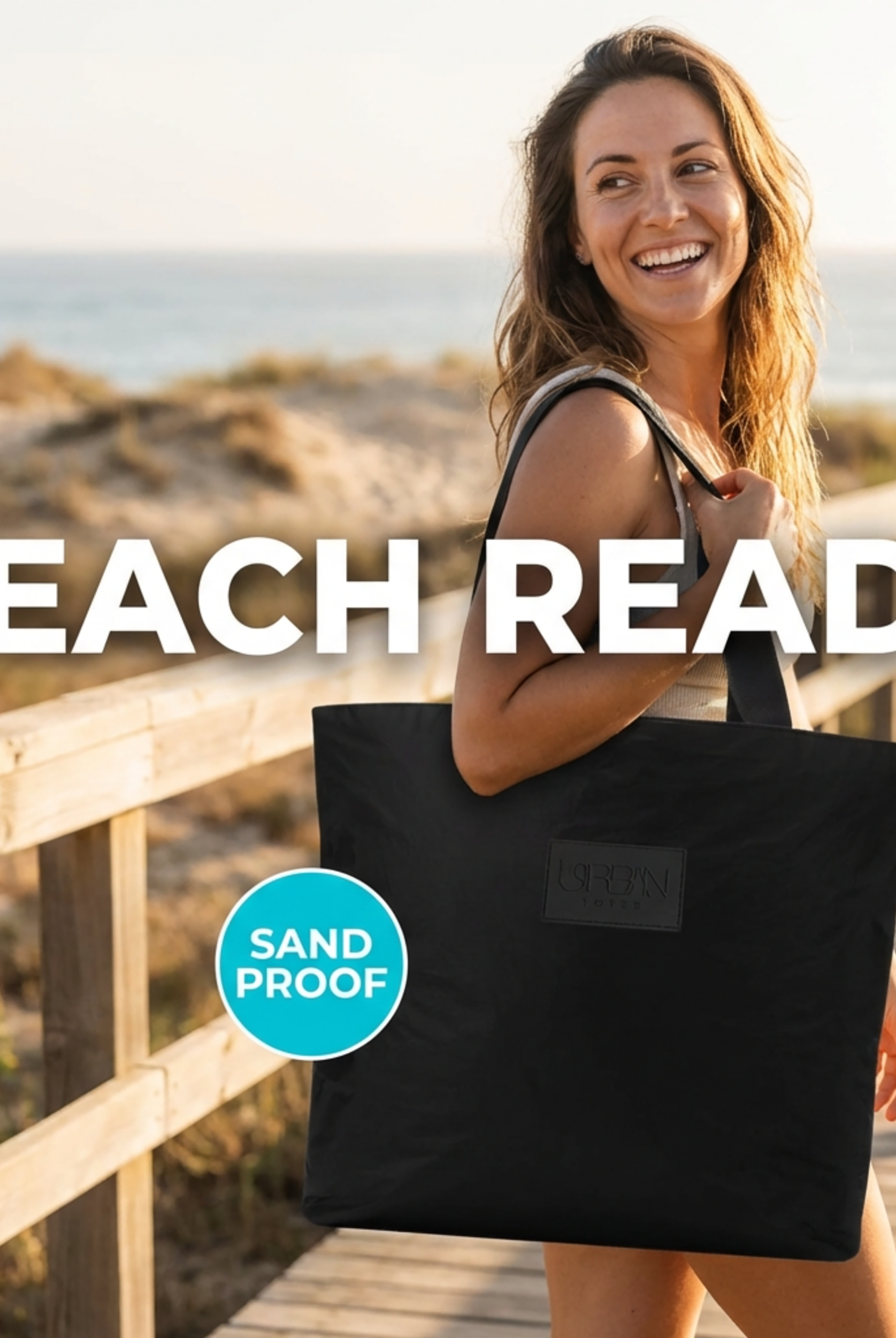
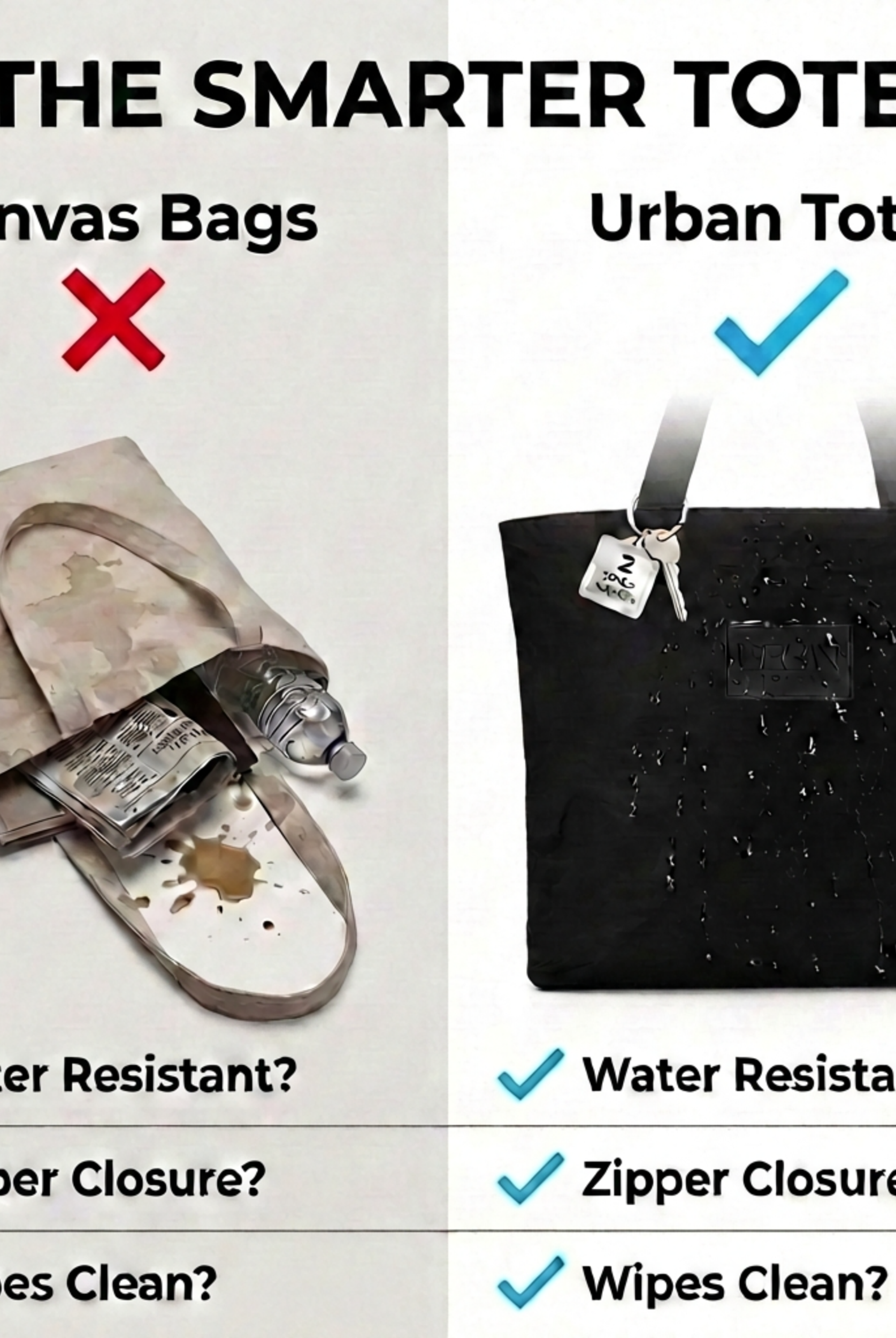
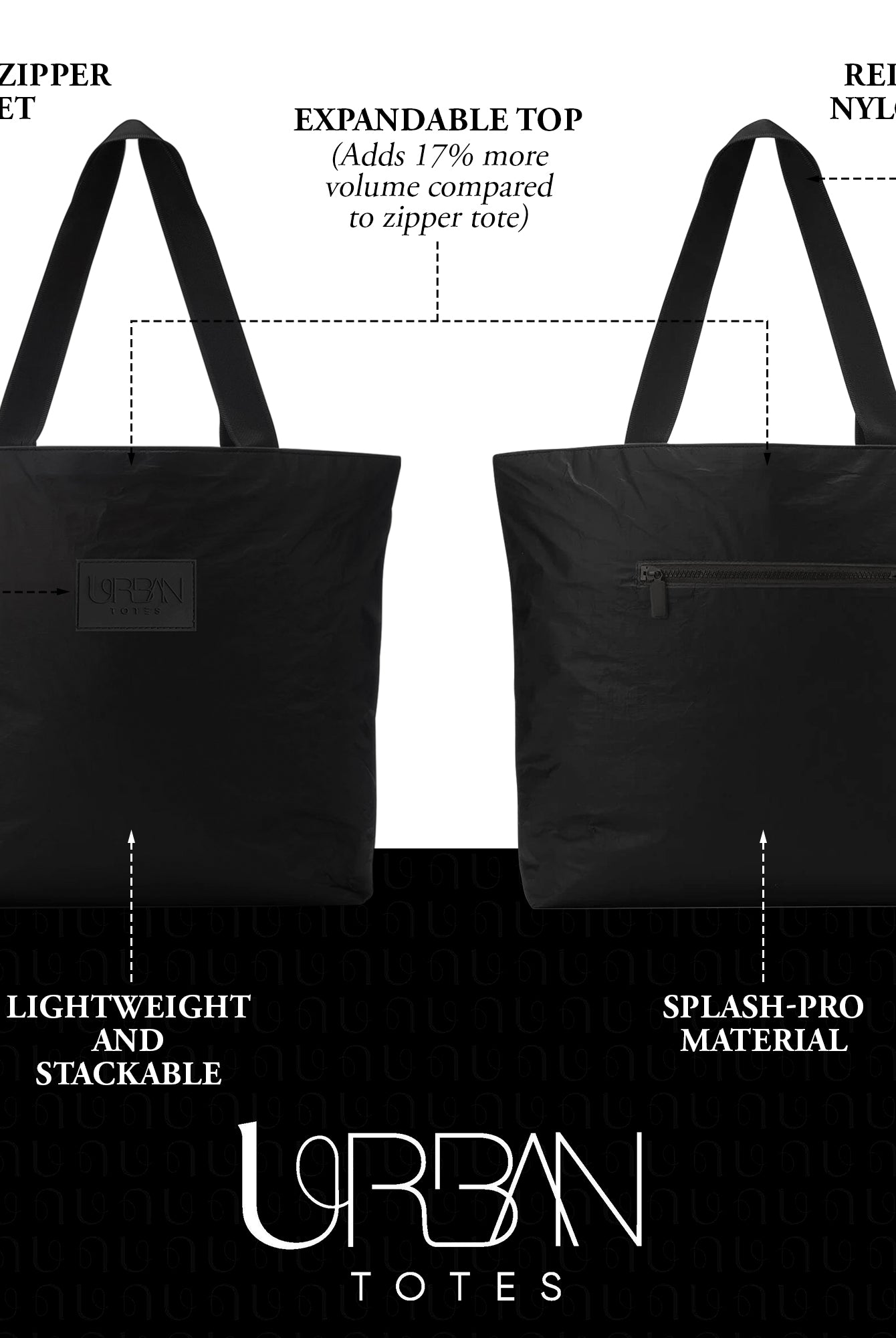
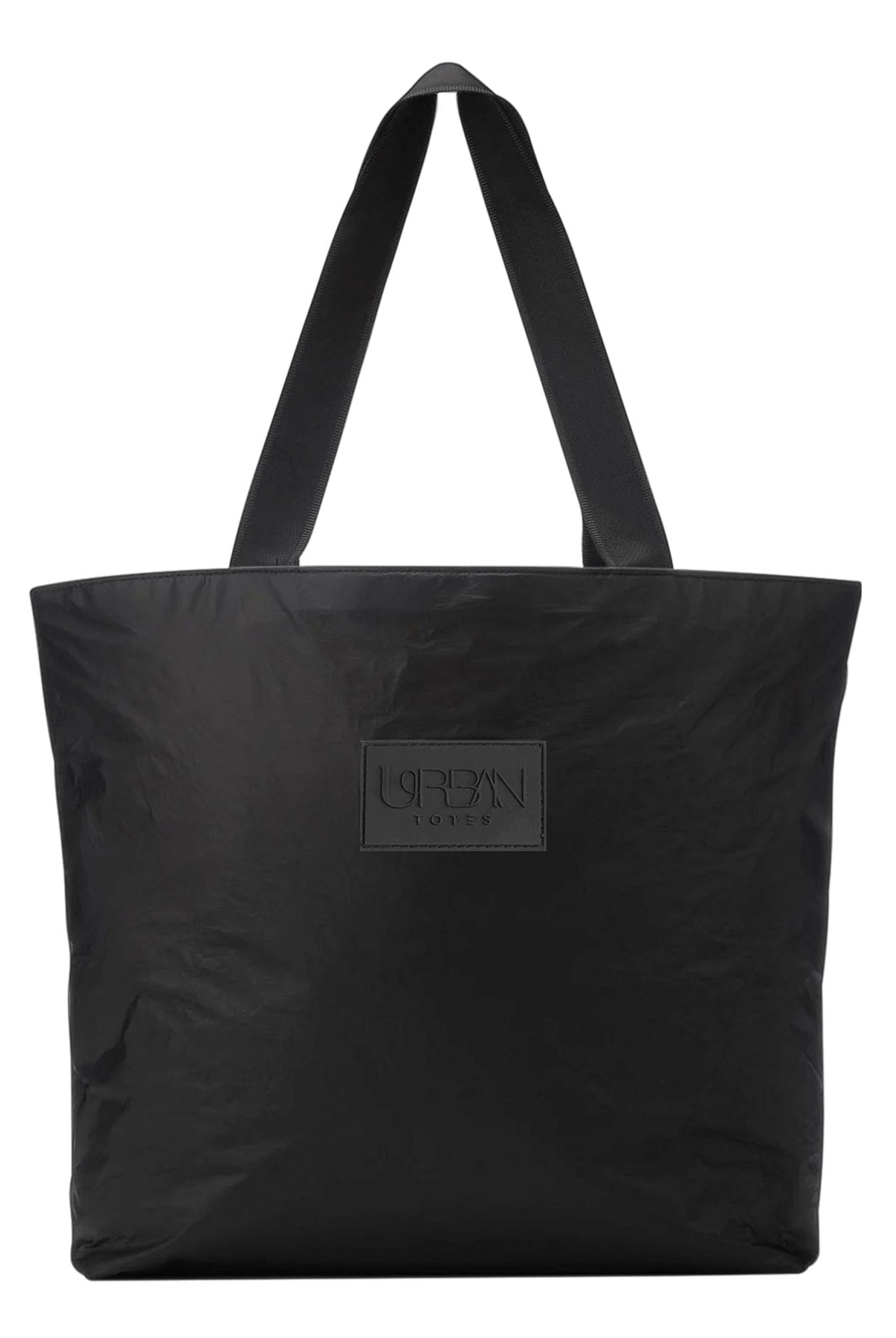
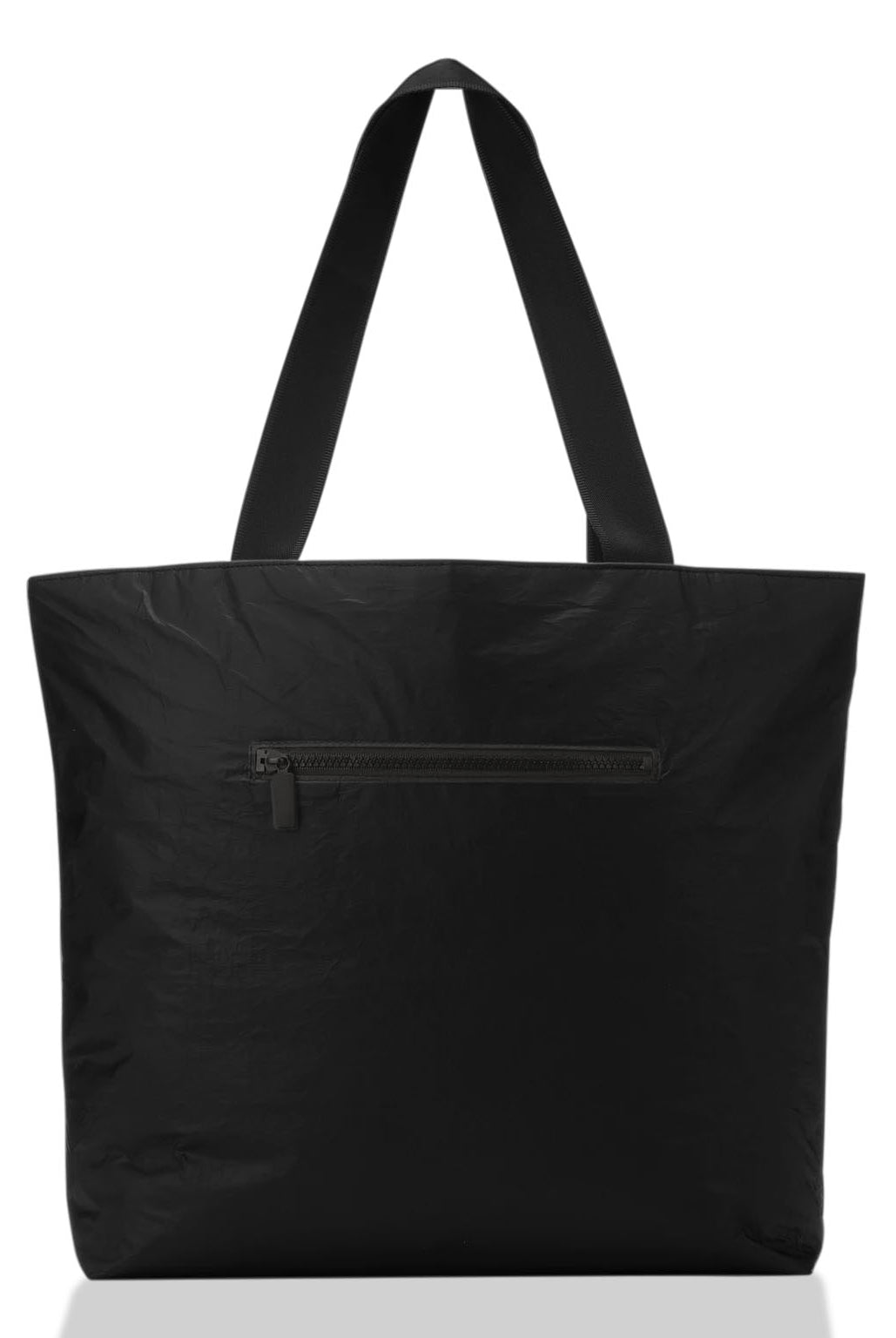
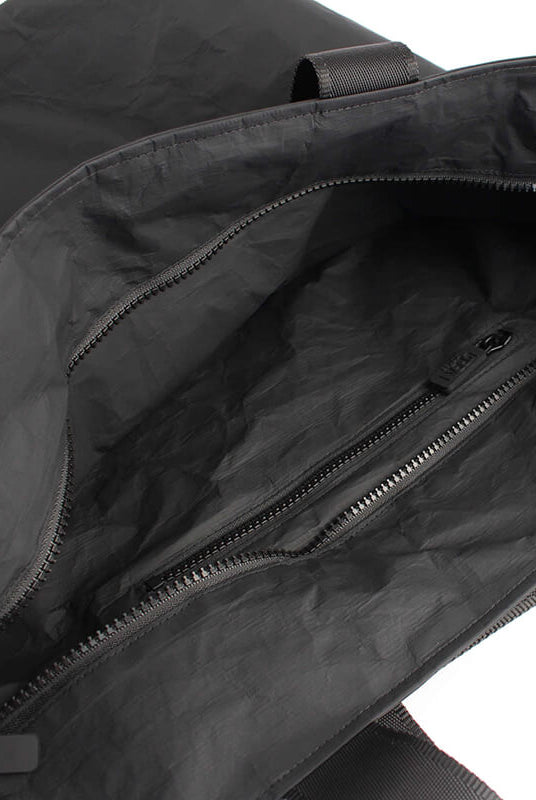
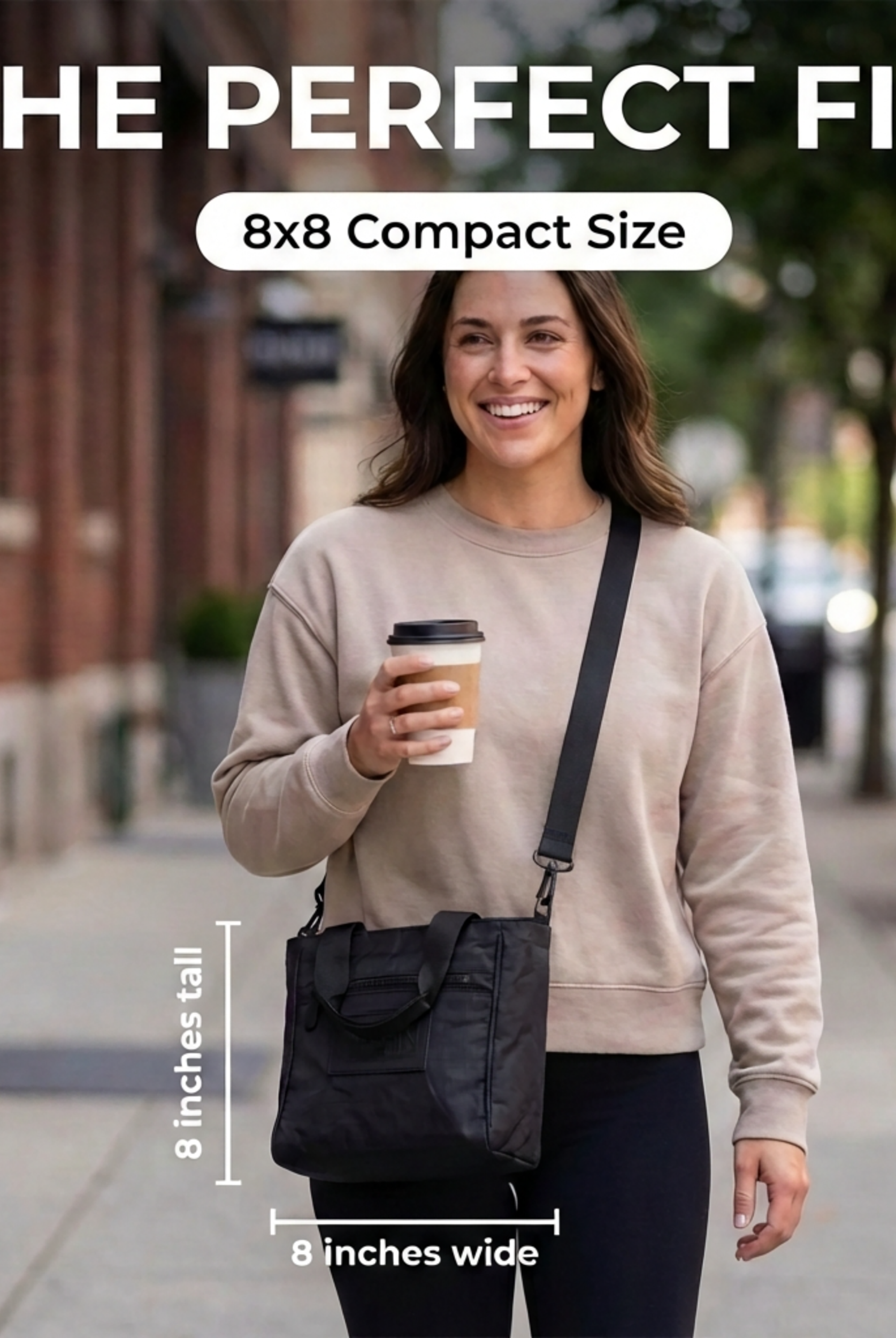
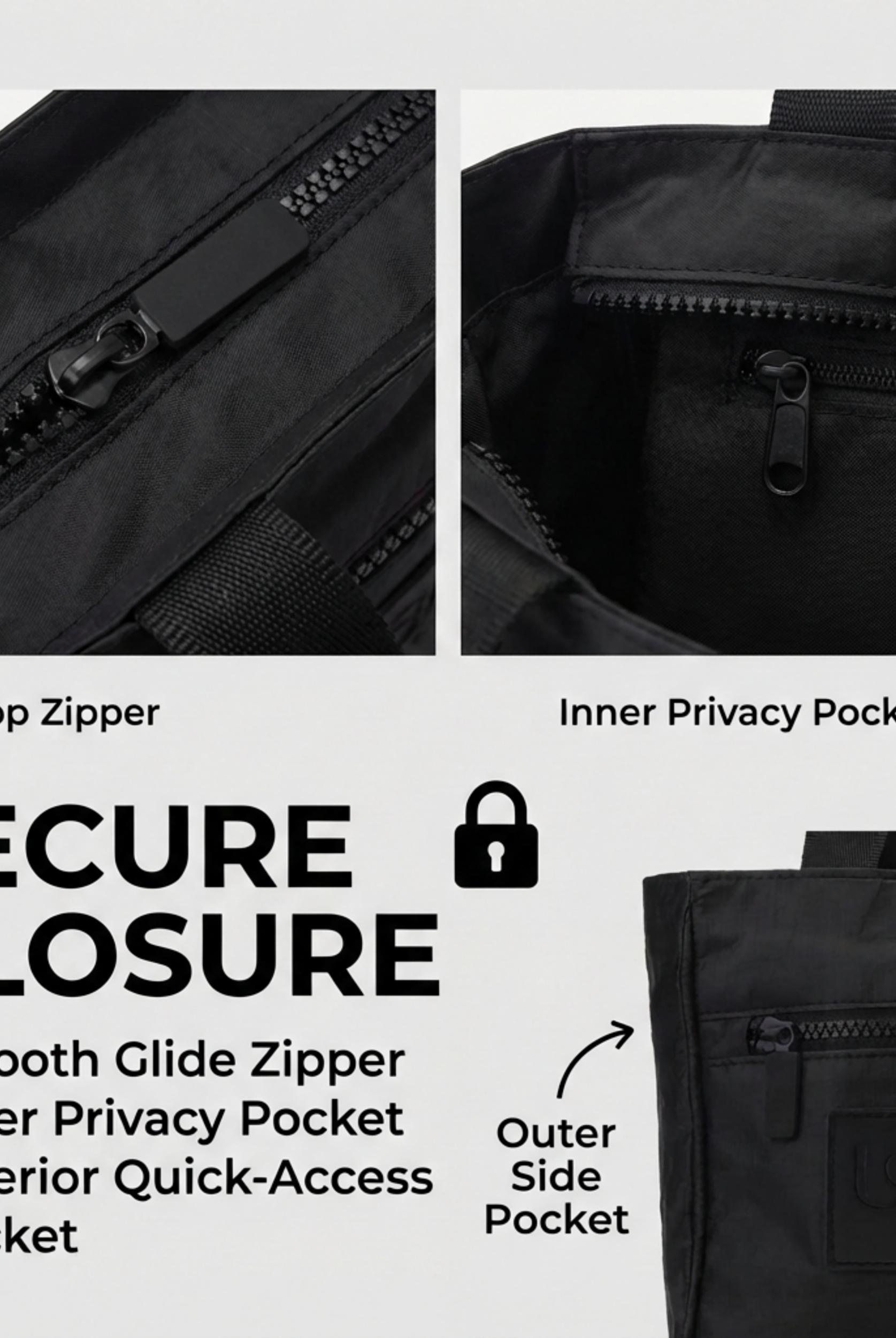
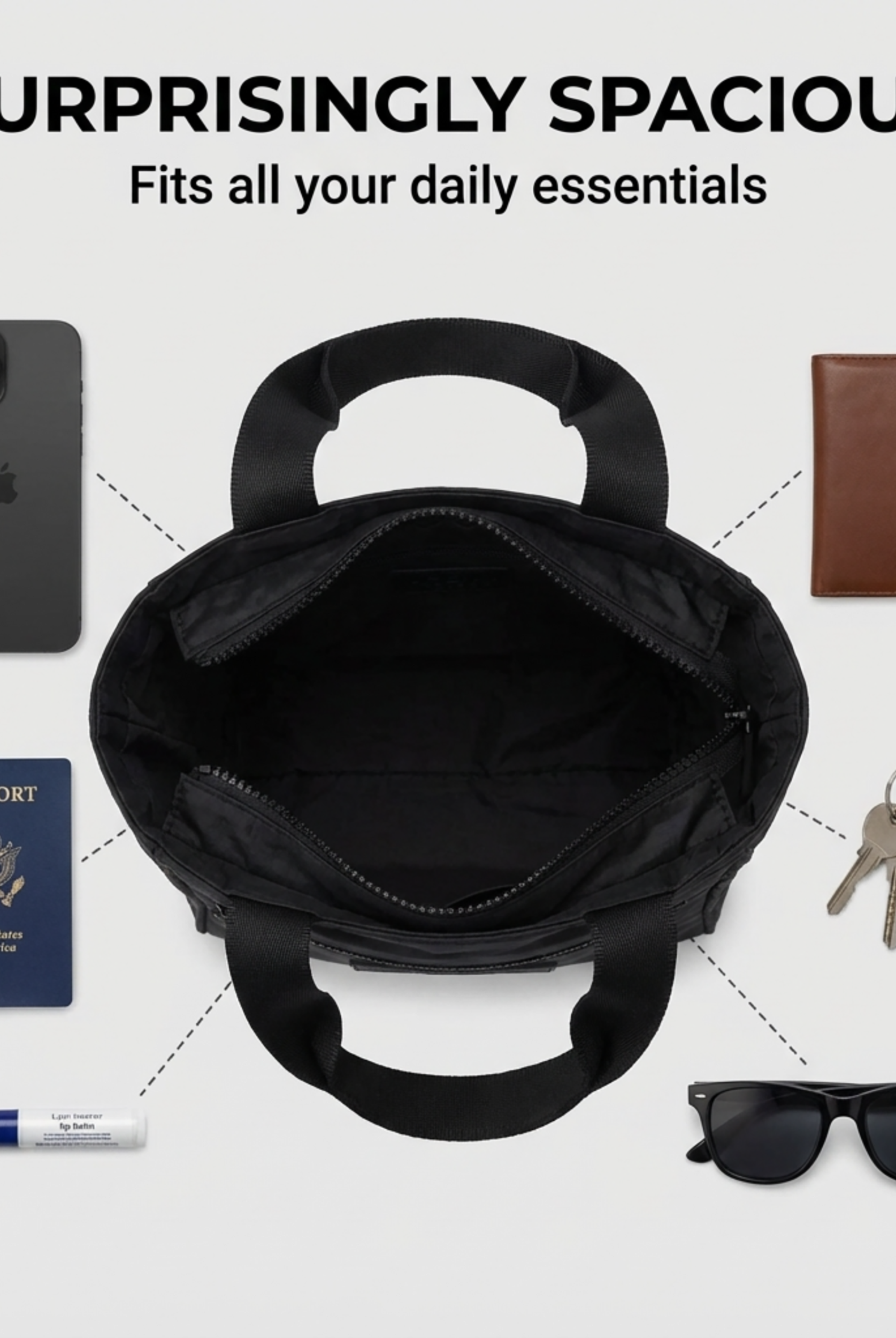
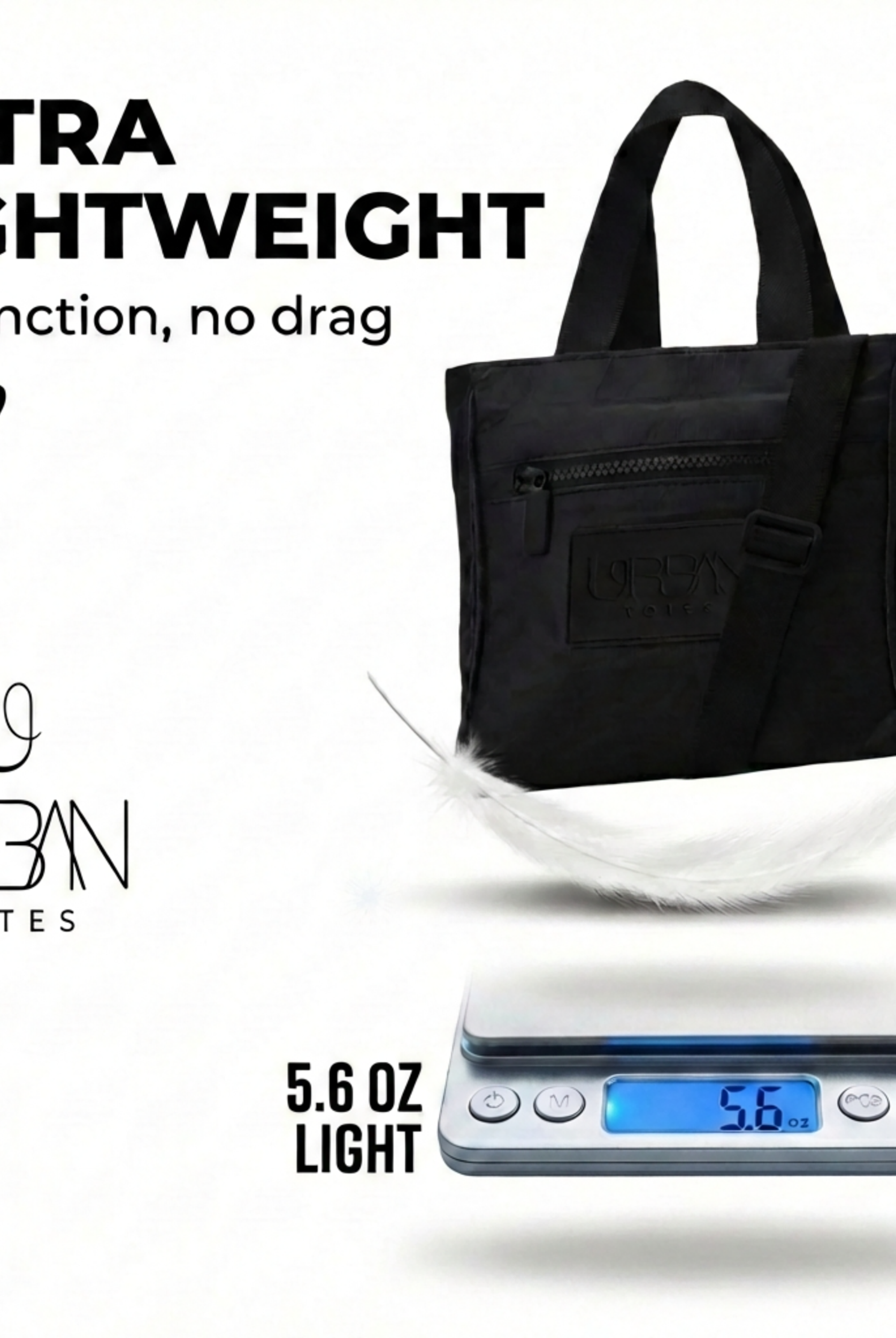
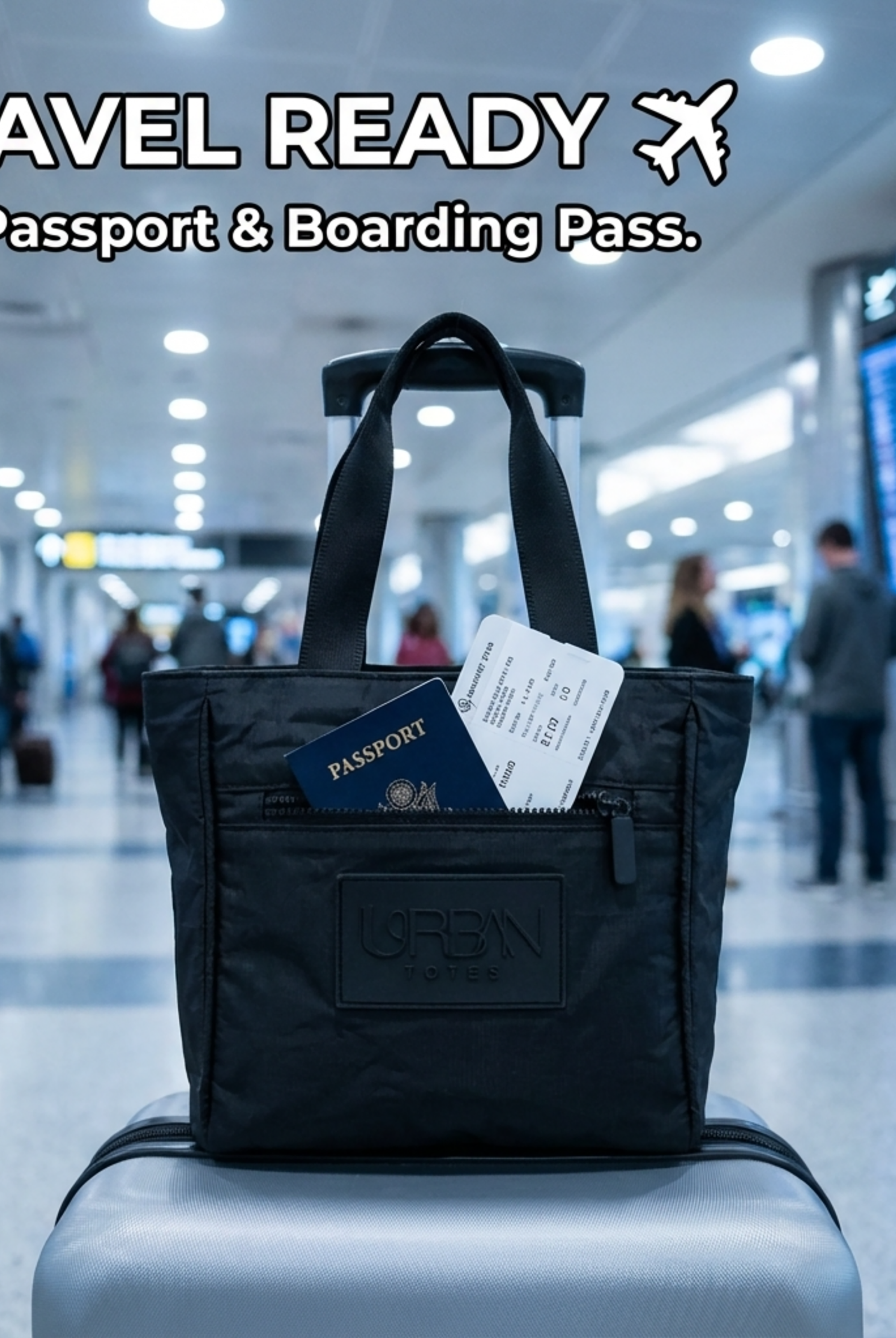
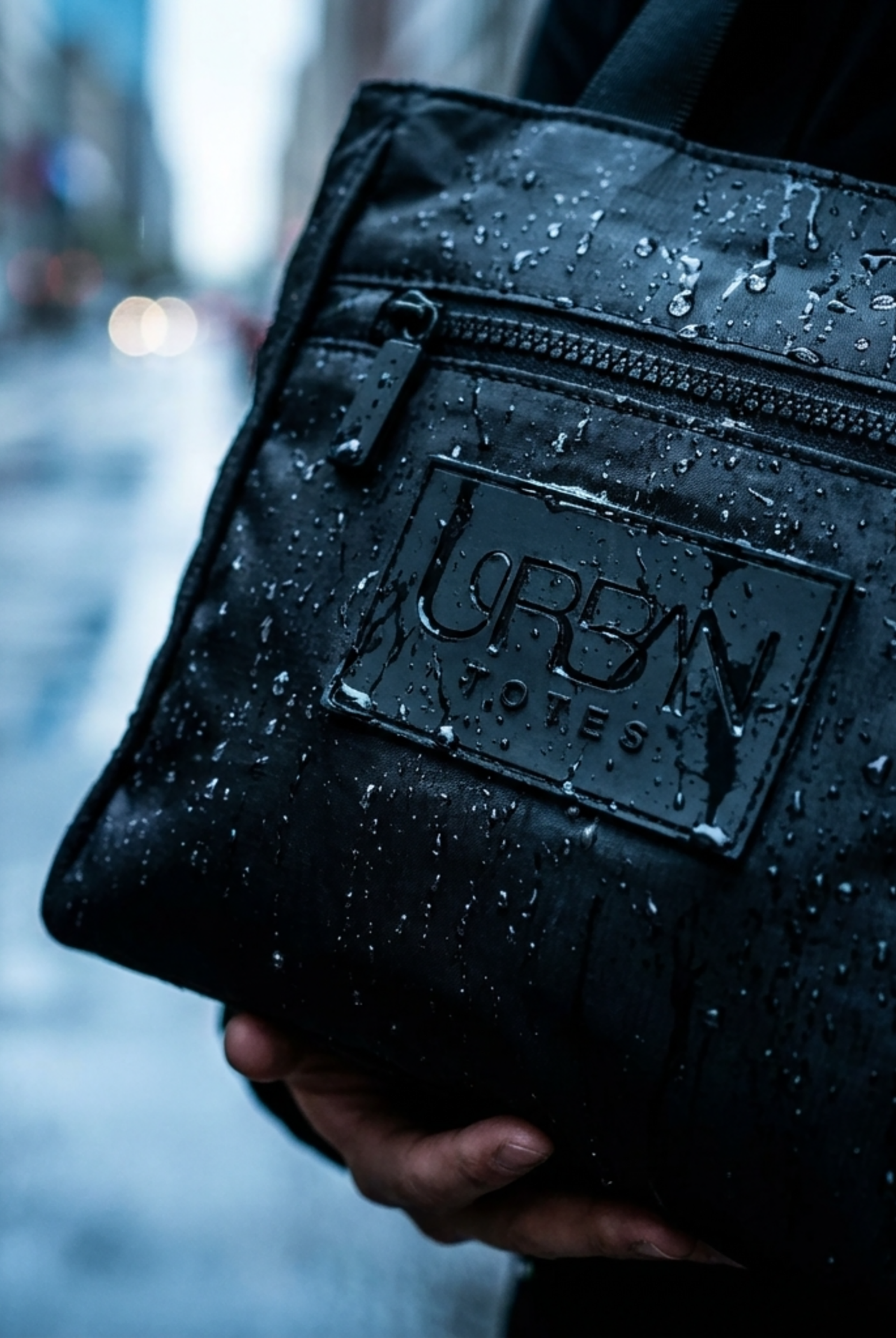
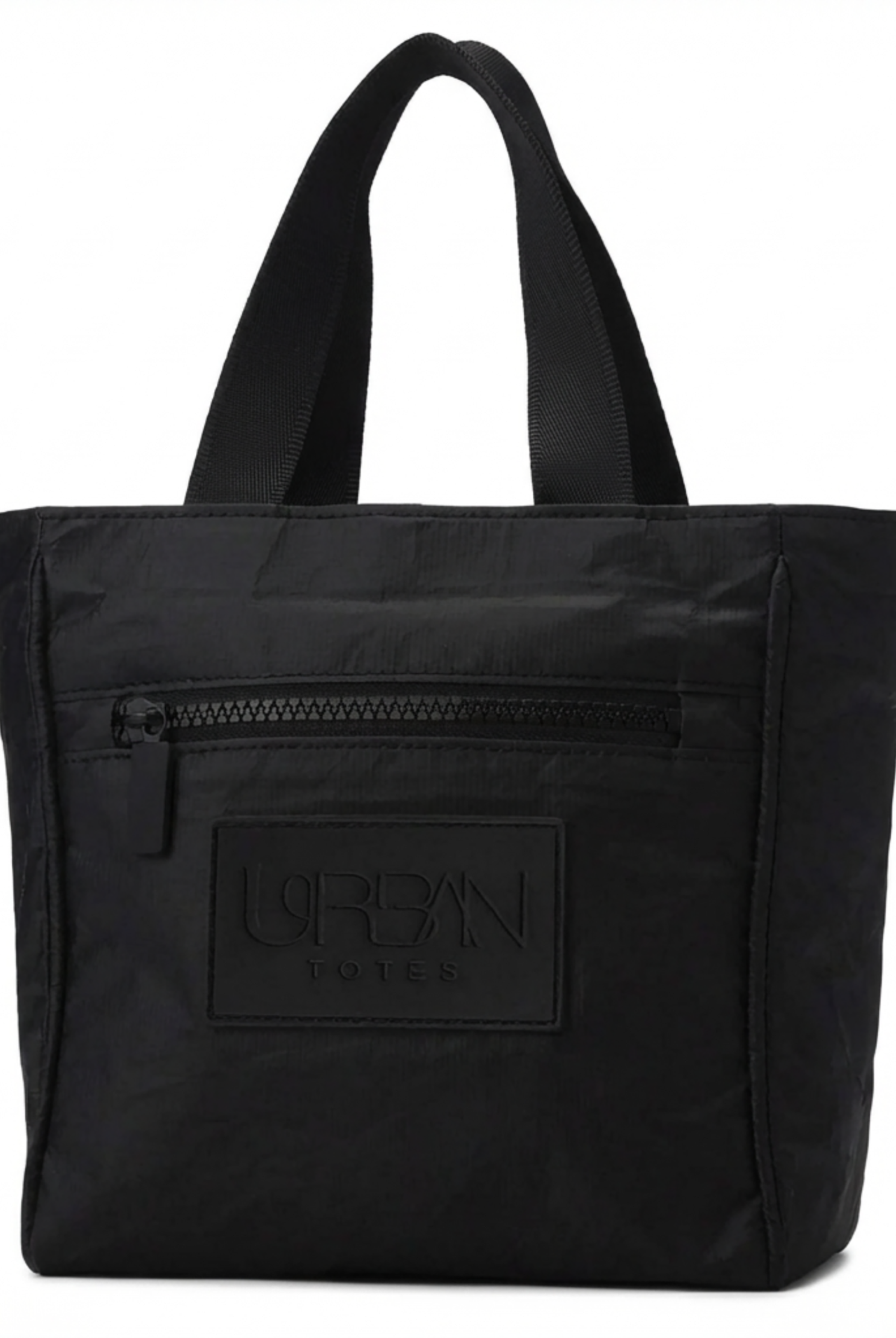
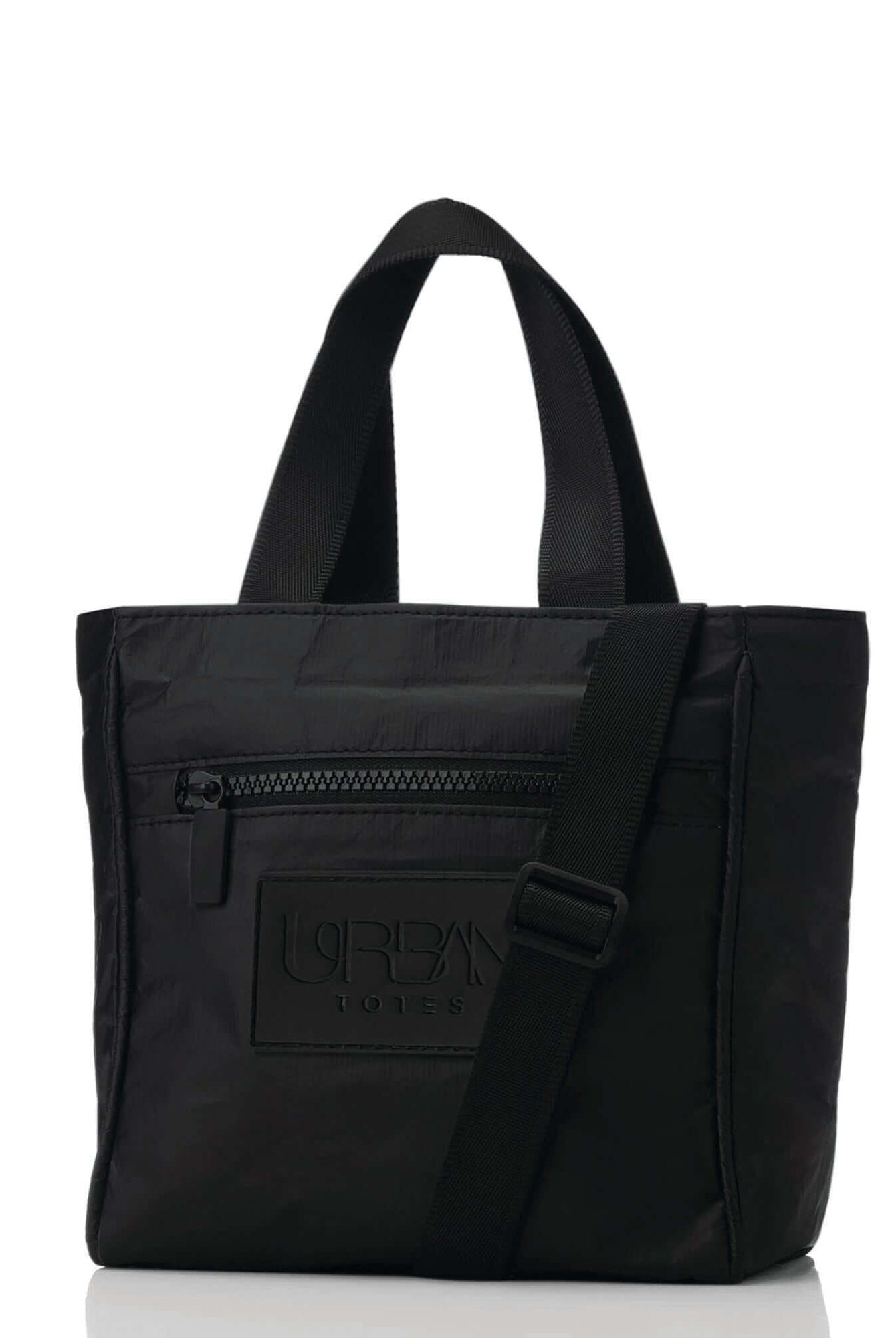
For the adult carrying the overflow, a separate bag often saves everyone's back. The Go Anywhere Day Trip Tote Bag by Urban Totes, priced at $24.95, has three large zippered compartments, dedicated phone and key pockets, and a lightweight, water-resistant, easy-to-clean build. That keeps library returns, forms, snacks, and the random extras out of her school backpack. If you're also trying to cut down strain on your own shoulder, Urban Totes has a useful guide to lightweight tote bags for work.
Smart Organization for a Stress-Free Day
Monday morning usually makes the problem obvious. She wants the backpack that looks cute with her outfit. You want the one that keeps papers flat, the water bottle upright, and the permission slip from disappearing into the bottom. A good layout solves both. The bag still feels like hers, but it works hard enough to make the school day easier.

What younger students actually need
Younger girls usually do better with a simple setup. If a bag has too many little pockets, small items get “organized” right out of sight. In real life, that often means a snack tucked next to crayons, a note crumpled at the bottom, and a rushed search at pickup.
For early elementary, I'd look for:
- One roomy main compartment for a folder, lunch, and a light layer
- One front pocket for the items she reaches for often
- An easy-access water bottle pocket on the outside
- Zippers and pulls small hands can open without help
As noted earlier, capacity should match her age and school load. The bigger point is to avoid buying extra space she does not need. An oversized backpack tends to collect clutter, and clutter gets heavy fast.
How needs change in later grades
By upper elementary and middle school, organization starts affecting mornings, homework, and even how the backpack carries. A place for everything keeps bulk distributed better and cuts down on the habit of stuffing all the heaviest items into one section.
A middle-grade student usually benefits from this kind of layout:
| Need | What helps |
|---|---|
| Papers that stay neat | A structured main compartment |
| Small items that vanish | A zip pocket for keys, ID, or lip balm |
| Tech and school supplies | A second section for headphones, chargers, or a device sleeve |
| Quick routines | The same item stored in the same spot every day |
The best organization system is the one she will use. That is the trade-off parents sometimes miss. More compartments can be helpful for an older girl, but only if the layout feels obvious. If she has to empty the whole backpack to find one pencil pouch, the design is working against her.
Home setup matters too. A child who has a clear place for homework supplies is usually better at keeping her backpack in order. These effective desk organization for students ideas can help reinforce the same habits after school that you want during the school day.
For adults, the same principle applies. Bags with clear zones save time and cut down on rummaging. Urban Totes explains that well in its guide to choosing a multiple compartment purse. It is a useful reminder that smart compartment design is not about adding more pockets for the sake of it. It is about giving everyday items a consistent home.
Durable Materials for a Go-Anywhere Bag
A school backpack gets treated more like sports equipment than an accessory. It gets dropped on pavement, shoved into cubbies, scraped against bus seats, and exposed to lunch leaks. That's why material choice matters.
What each material does well
Polyester is common because it's usually lightweight, easy to wipe down, and practical for everyday school use. It's often a good choice when you want a balance of low fuss and decent structure.
Nylon tends to feel smoother and can be a strong option when you want a lighter bag that still handles frequent use well. Many parents like nylon for older girls because it often looks a little cleaner and less bulky.
Canvas can look classic and sturdy, but it may feel heavier and can be harder to clean after spills. For some families, that trade-off is worth it for the look. For others, it becomes annoying by week three.
The key isn't picking the fanciest fabric. It's choosing one that keeps the bag lightweight, cleans up without drama, and doesn't start looking tired too early.
Construction details that matter
A durable backpack usually shows its quality in the small stuff:
- Reinforced stitching where straps meet the body of the bag
- Smooth zippers that don't snag every other use
- A base with enough structure to handle repeated setting down
- Easy-clean surfaces for routine messes
- Water-resistant fabric for rainy walks and accidental bottle leaks
If your daughter walks to school, carries lunch inside the bag, or tends to toss it onto the car floor after pickup, water-resistant material is especially helpful. It doesn't make the bag invincible. It just makes real life easier.
When a bag is easy to wipe clean, you're much more likely to keep using it happily instead of replacing it out of frustration.
It's also smart to check the pull tabs with your own hands. If they already feel flimsy in the store, they won't improve once a child starts using them daily.
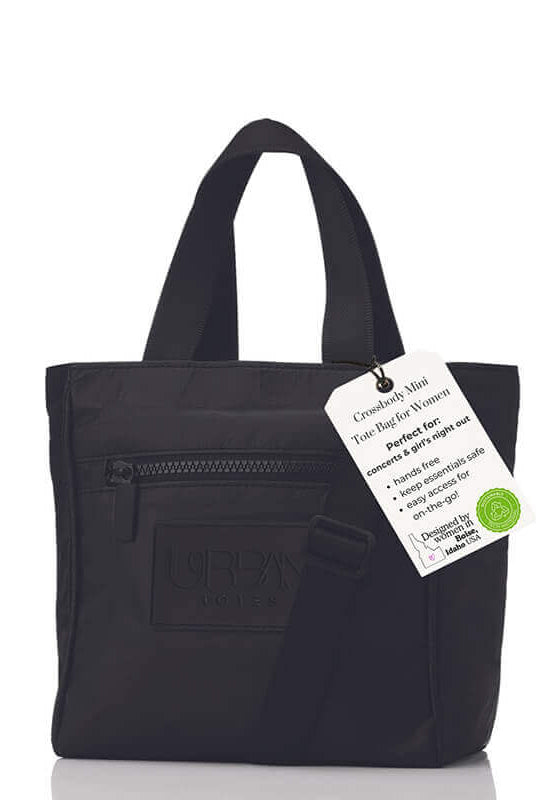
For parents who like lightweight, easy-clean accessories in their own routine, Urban Totes has a useful example of this category in their overview of the water-resistant crossbody bag. The same principles apply to school shopping. Favor practical materials over precious ones.
Backpack Needs at Different Ages and Grades
You can see the shift happen fast. One year she wants sparkles and a cat face on the front. A little later, she wants something cleaner, bigger, and “not babyish.” Meanwhile, you are looking at shoulder strain, broken zippers, and whether the bag will still look decent by October. The best choice usually meets both needs.

Kindergarten through second grade
In the early grades, independence matters as much as size. A young child should be able to open the backpack, close it, and spot it quickly on a crowded hook or classroom floor.
The bag also needs to handle real school papers without forcing everything to bend or stick out. A very small novelty backpack often looks adorable in the store and becomes frustrating the first time a folder has to fit inside flat.
I look for a few basics here:
- Light overall weight
- A simple main compartment
- Zipper pulls small hands can grip
- Enough height for folders and school papers
- A design she is excited to carry
That last point matters. If she loves how it looks, she is more likely to use it confidently and keep track of it.
Third through fifth grade
This is usually the turning point. School supplies get bulkier, but kids still care strongly about style. That is why upper elementary is often the hardest age to shop for.
A good bag in these years needs more structure than a beginner backpack, but it still should not feel oversized on her frame. Bigger is not automatically better. A huge bag gives her more room to overpack, and then you are right back to a load that feels awkward and heavy.
Here is what tends to work well:
| Priority | Why it matters |
|---|---|
| Medium capacity | Holds daily gear without turning into a catch-all |
| Clear pocket layout | Keeps papers, lunch items, and small essentials from mixing together |
| Comfortable shoulder straps | Carrying gets more noticeable in these grades |
| Stronger construction | Daily wear starts showing faster now |
If your daughter suddenly seems to need “more room,” check the inside layout before you size up. Sometimes one well-placed compartment solves the problem better than a larger bag. The same logic shows up in travel gear too. Smart sections and compression use space better, much like compression packing cubes for travel help organize a suitcase without making it bulky.
Middle school and beyond
Older girls usually want a backpack that feels more polished and less themed. That preference makes sense. Their day often includes more classes, more movement, and more items they want to keep separate.
At this stage, I would prioritize these features:
- Room for larger books or binders
- A padded laptop or tablet sleeve if school uses devices
- Straps and back padding that stay comfortable during longer days
- A classic style she will not tire of quickly
This is also the age where the parent-child partnership matters most. Let her choose the color, silhouette, or finish. You choose the fit, the padding, and the build quality. That split keeps the process practical and usually leads to a bag she will carry, use well, and keep in good shape.
Your Final Checklist and Smart Packing Tips
Shopping gets simpler when you stop asking whether a backpack is cute and start asking whether it's useful in the life your daughter has. The right one should fit her torso, carry only what she needs, stay organized during a rushed day, and survive the messiness of school.
Before you buy, run through this short list:
- Fit first. The bag should suit her body, not just her age group.
- Keep weight in mind. A lightweight bag leaves more room for what school requires.
- Check the inside. Good pockets reduce daily chaos.
- Test the zippers and seams. These fail first.
- Choose practical fabric. Water-resistant and easy-clean usually win in real life.
- Let her help choose the style. Buy-in matters.

Packing matters too. Even a well-designed backpack won't feel good if it's loaded carelessly.
- Put heavier items closest to the back so the load sits more evenly.
- Use every compartment with purpose instead of letting everything pile into one section.
- Remove extras daily so old papers and random clutter don't keep adding bulk.
- Adjust both straps and encourage wearing the backpack on both shoulders.
If your family already uses packing systems for travel, some of those same habits can help with school routines too. Urban Totes shares practical ideas in this guide to compression packing cubes for travel, and the bigger lesson applies here as well: organization reduces stress.
A great school bag should make mornings easier, not harder. If you love lightweight, organized, go-anywhere designs for the rest of your busy life too, explore Urban Totes and find a bag that keeps up with whatever the day brings.