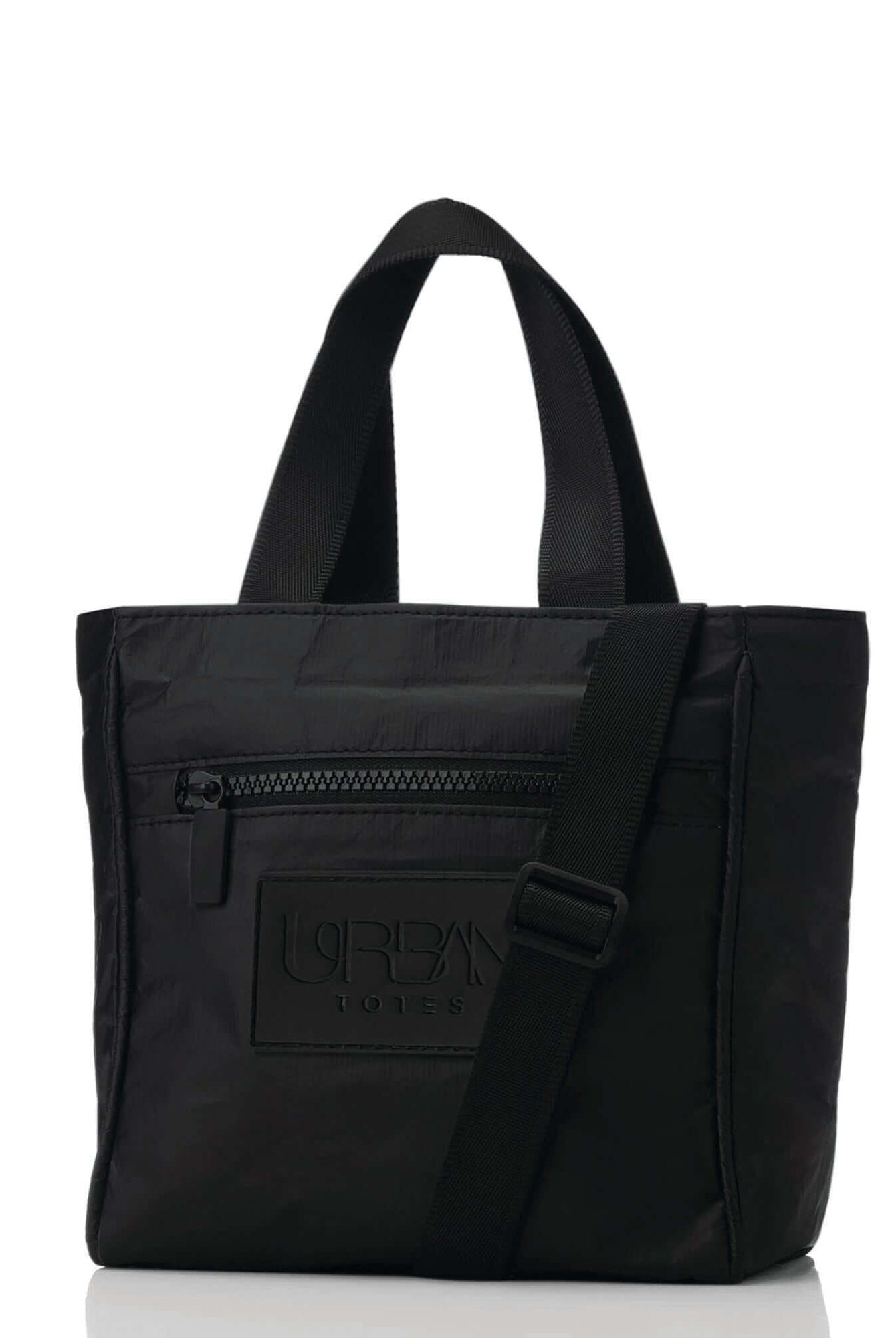
A crossbody bag is a bag with a long strap worn diagonally across the torso so it rests near the hip, giving you a hands-free way to carry your essentials. It's also a major handbag category, with one 2024 industry estimate valuing the global crossbody bag market at about USD 10.5 billion and projecting it to reach roughly USD 15.2 billion by 2033.
You usually notice the value of a crossbody bag in the middle of real life, not while standing in front of a mirror. You're balancing coffee, your phone, car keys, and maybe a snack for a child in the back seat. A bag that stays put and keeps your hands free starts to feel less like an accessory and more like a quiet daily advantage.
That's why the question what is a crossbody bag matters more than it sounds. Yes, it's a style. But for busy women, it's also a practical tool that can make school drop-off, travel days, errands, and crowded weekends feel more organized and less chaotic.
Table of Contents
- The End of the Juggle Is Here
- The Crossbody Bag Defined by Design
- Anatomy of a Go-Anywhere Crossbody Bag
- Crossbody vs Other Bags A Friendly Showdown
- Your Crossbody Your Life Styling for Every Moment
- Keep Your Companion Ready for Adventure
The End of the Juggle Is Here
The farmer's market is where a lot of bag truths get exposed. One hand is holding iced coffee, the other is accessing your phone to pay, and your shoulder bag keeps sliding down your arm right when you need it to stay put. By the time you've grabbed flowers, wrangled your keys, and answered a text, your bag has turned into one more thing to manage.
That's the moment a crossbody starts to make sense.
A crossbody bag doesn't ask for constant adjustment. It stays close, leaves your hands free, and lets you move through the day without that small but exhausting sense that something is always slipping, swinging, or getting in the way. For a commuter, that means holding a train rail and a coffee without pinning a purse to your side. For a mom, it means wiping a face, opening a car door, or reaching for wipes without setting everything down first.
Why this style became a staple
Crossbody bags aren't a niche preference anymore. A 2024 industry report valued the global crossbody bag market at about USD 10.5 billion, and another 2024 research summary said crossbody bags accounted for 34% of all handbag purchases, making them the most popular handbag style in that dataset, according to crossbody bag market research from Data Horizzon Research.
That popularity tracks with what women need from a bag. Not drama. Not bulk. Just function that looks polished.
Practical rule: The best everyday bag is the one you stop thinking about once you put it on.
If you're sorting through options for daily life, travel, or a more organized everyday carry, this guide to the best everyday bags for women is a helpful next read. The right choice depends less on trends and more on how your day unfolds.
What it changes in real life
A good crossbody often solves three everyday annoyances at once:
- It frees your hands: You can carry groceries, hold a child's hand, or pull out your boarding pass without juggling your bag.
- It stays closer to your body: That usually feels more stable than a bag hanging off one shoulder.
- It keeps essentials in reach: Phone, cards, keys, lip balm. The items you grab constantly are easier to access when the bag sits in front of or beside you.
That combination is why the crossbody bag has become such a go-anywhere staple. It doesn't just carry your things. It gives you a little more calm while you move.
The Crossbody Bag Defined by Design
A crossbody bag is defined by one feature more than any other. The strap is long enough to cross the body diagonally, so the bag rests near the opposite hip instead of hanging from a single shoulder. That one design decision changes how the bag feels, how it moves, and how you interact with it all day.
This visual sums up the idea well.

Why the strap matters
With a shoulder bag, the strap usually sits on one shoulder and the bag hangs at your side. That can work beautifully for short outings or dressier moments, but it often needs more adjusting. A crossbody bag anchors the load across the torso, which usually feels more secure when you're walking fast, boarding a flight, or moving through a crowded sidewalk.
Historically, that practicality is part of the design's DNA. The form traces back through older utility bags and more directly to railway-era mail carriers who needed both mobility and free hands. Research on bag-carrying mechanics also found that cross-body carrying produced less upper trapezius and erector spinae muscle activity than same-sided shoulder carrying, as noted in the Journal of the Korean Ergonomics Society article on carrying methods.
Form follows daily life
The diagonal strap isn't only about comfort. It also helps with access and control.
- Security: The bag sits close to the body rather than drifting behind you.
- Mobility: It tends to swing less than a loose shoulder bag during errands or travel.
- Convenience: You can often rotate it forward to reach what you need without fully removing it.
That's why the crossbody keeps showing up in practical bag lineups, not just fashion roundups. If you like understanding where each silhouette fits, this glossary of bag types from traditional to trendy is useful for comparing shapes without the guesswork.
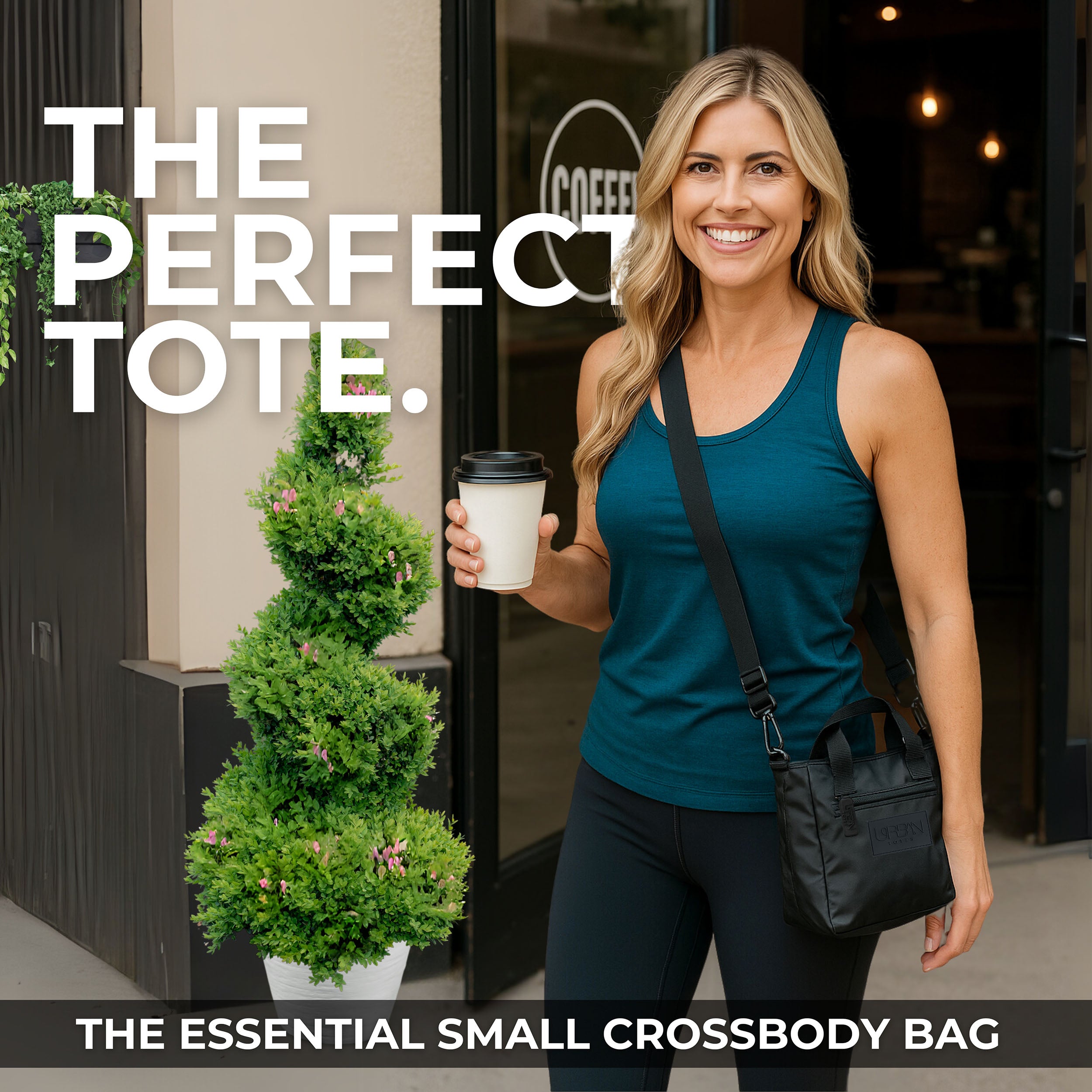
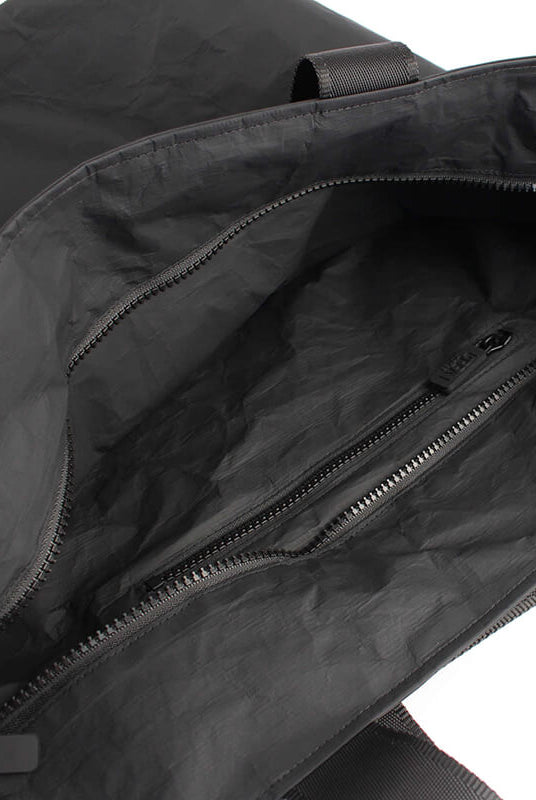
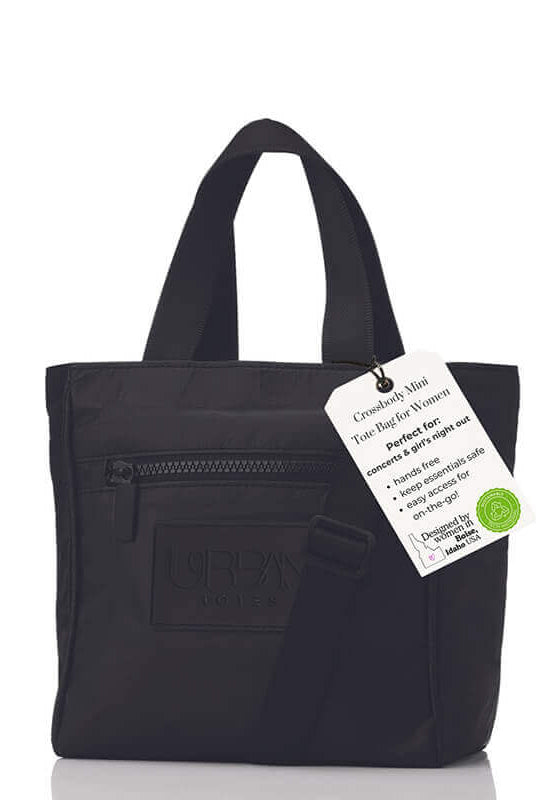
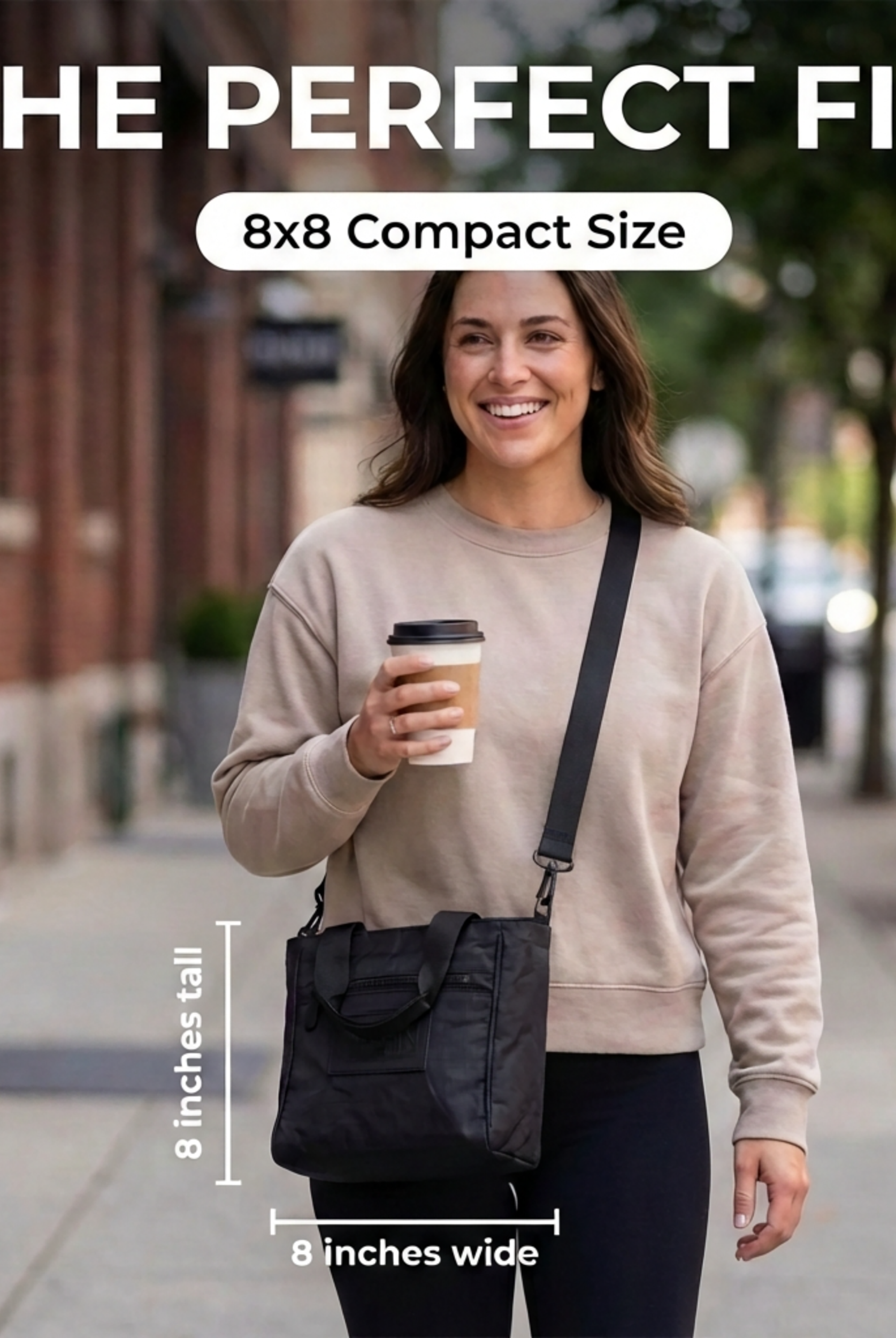
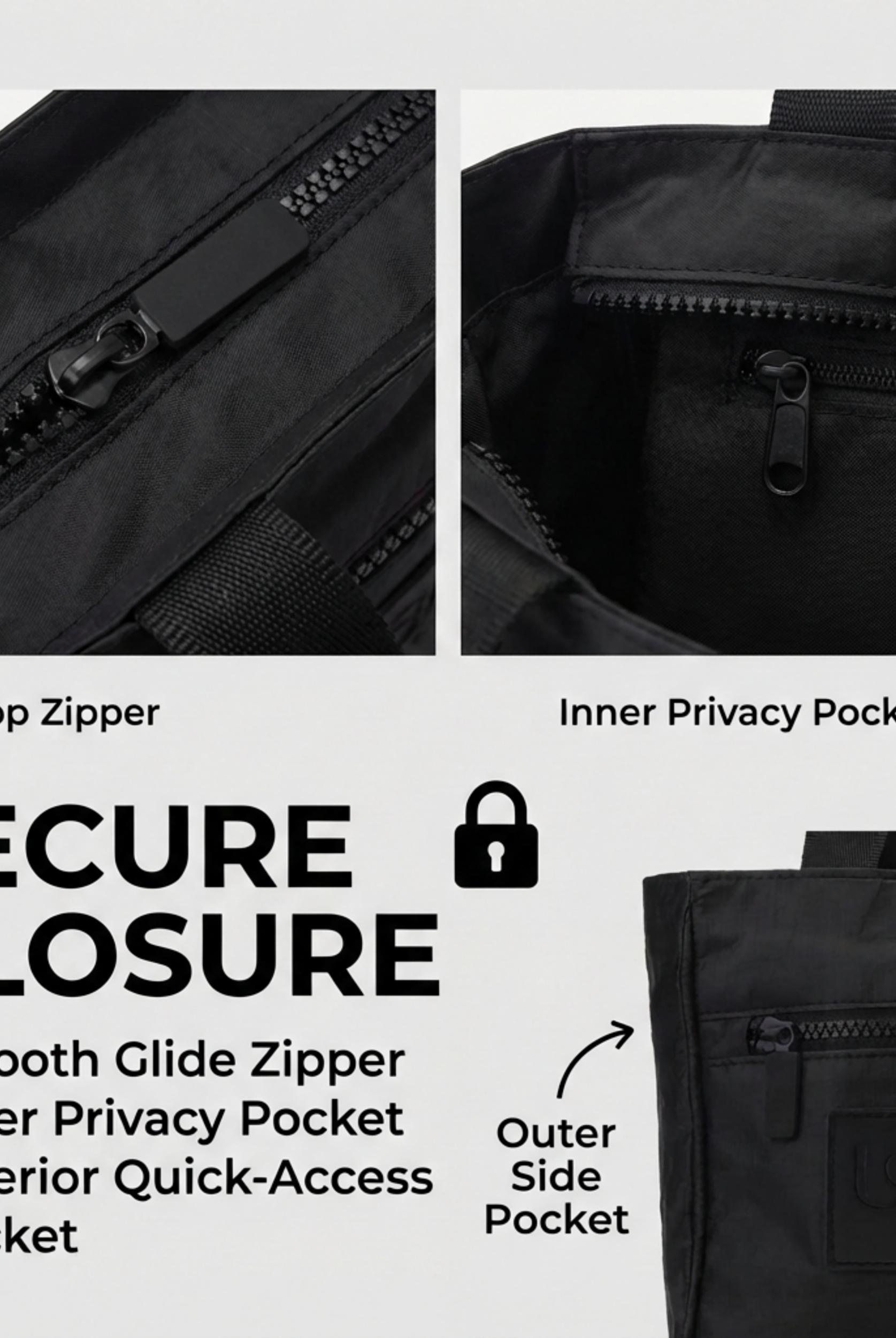
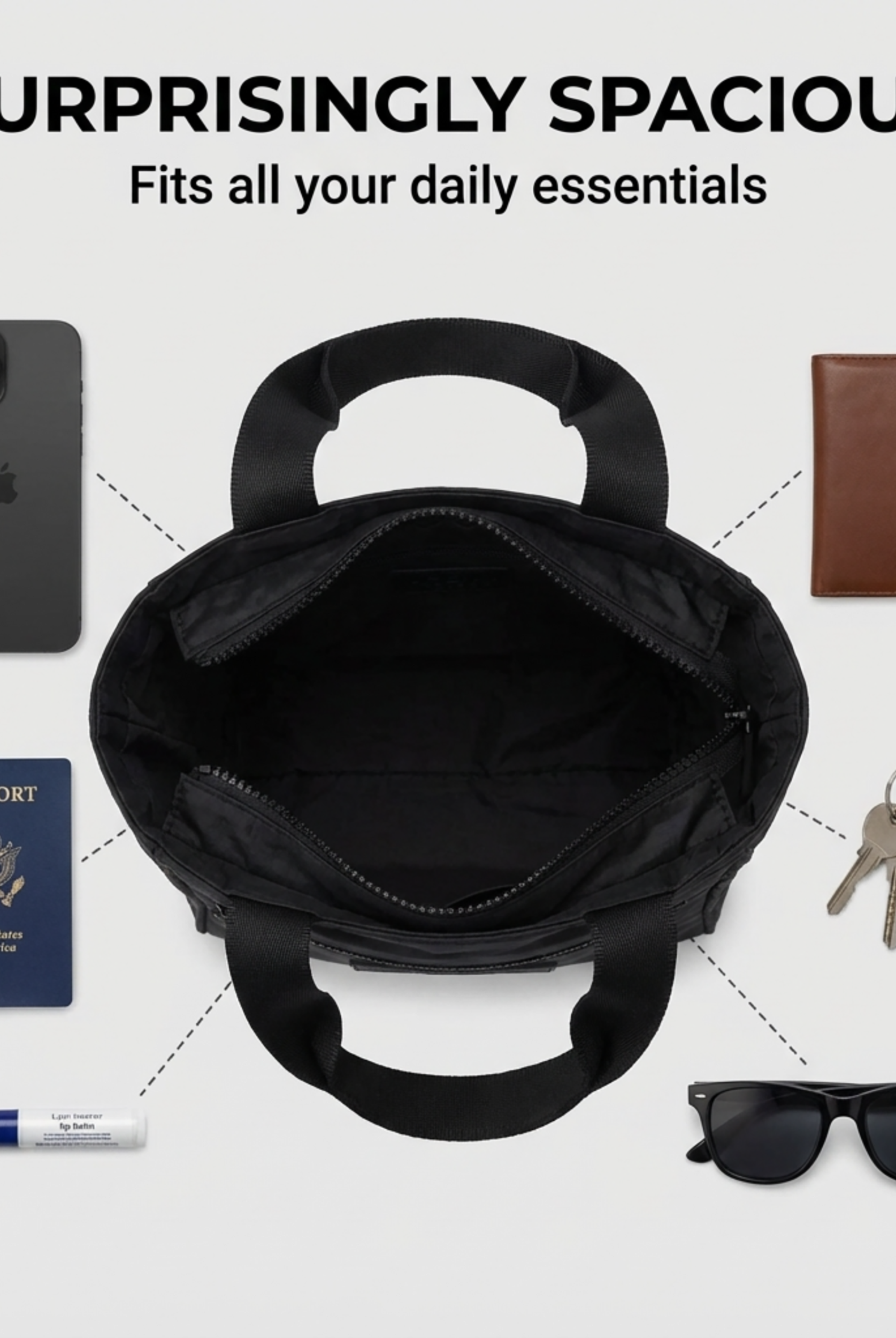
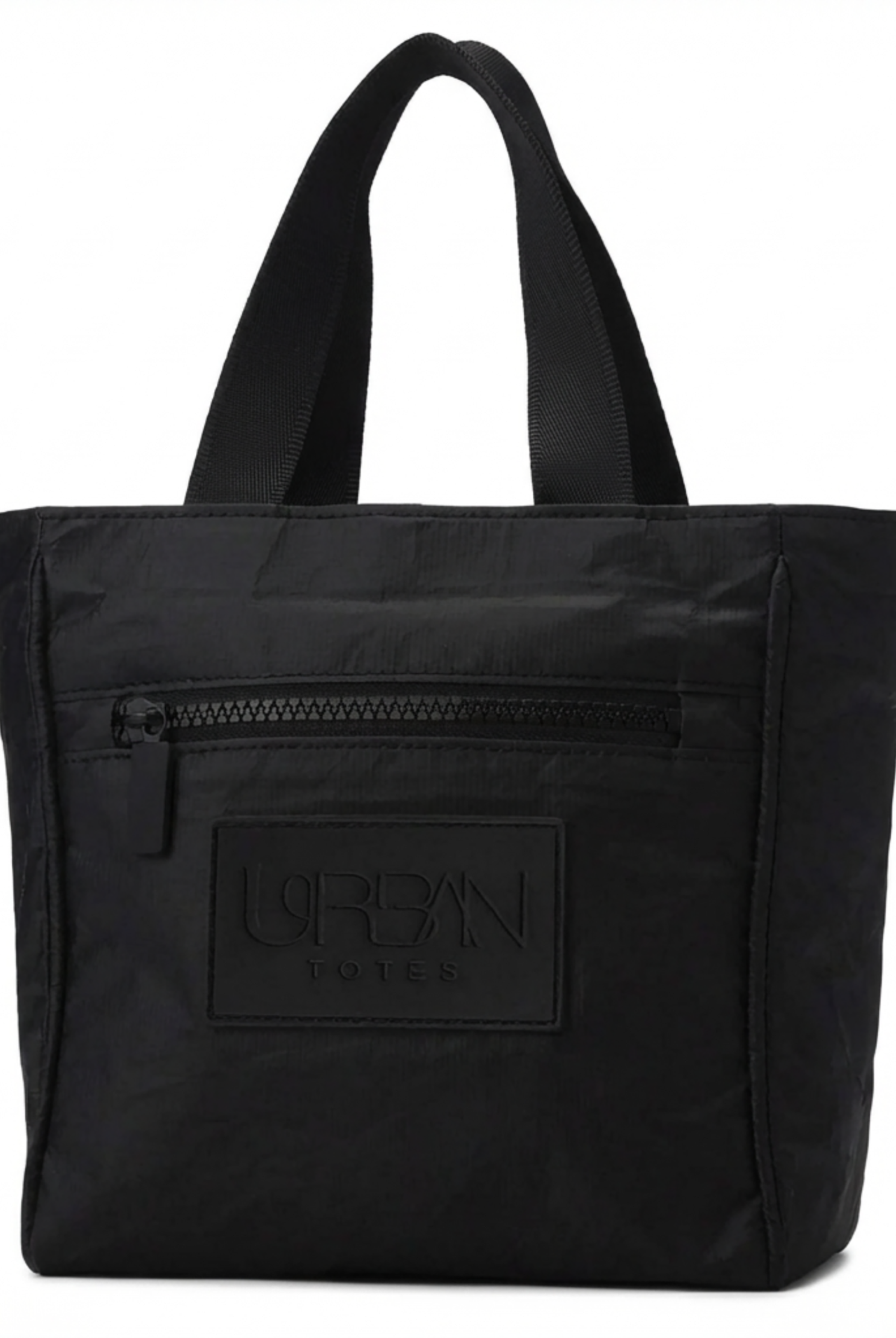
One current example is the Crossbody Tote Bag Mini Purse, which uses a zip-top closure, an outside zipper pocket, an easy-access outer pocket, and a removable strap that extends to 53 inches. Its listed dimensions are 7.5 x 4 x 7.75 inches, with 1-inch wide nylon straps. Those details show what defines many modern crossbody bags in practice: compact shape, organized storage, and a strap built for hands-free wear.
A crossbody works best when the design supports movement, not when it only imitates the look.
That's the answer to what is a crossbody bag. It's a bag shaped by motion.
Anatomy of a Go-Anywhere Crossbody Bag
You notice good crossbody design at the exact moment life gets noisy. One hand is on the car door, the other is holding a coffee, your phone is buzzing, and you still need your keys without stopping the whole day. A bag either helps in that moment or becomes one more thing to manage.

Materials that actually work
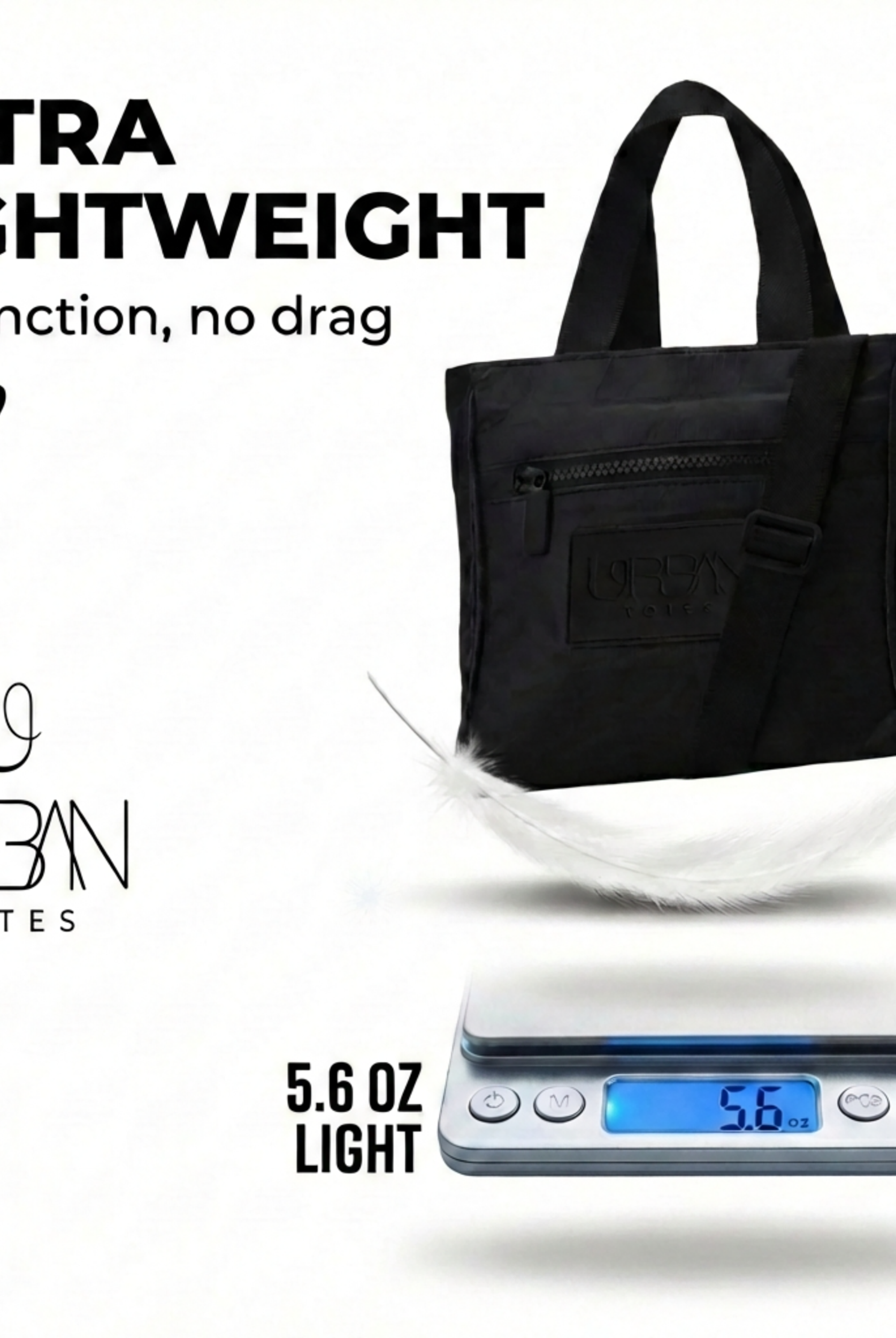
The best go-anywhere crossbody feels light before you even put anything in it. That matters more than many shoppers expect. A heavy bag strains your shoulder faster, shifts more as you walk, and usually encourages overpacking.
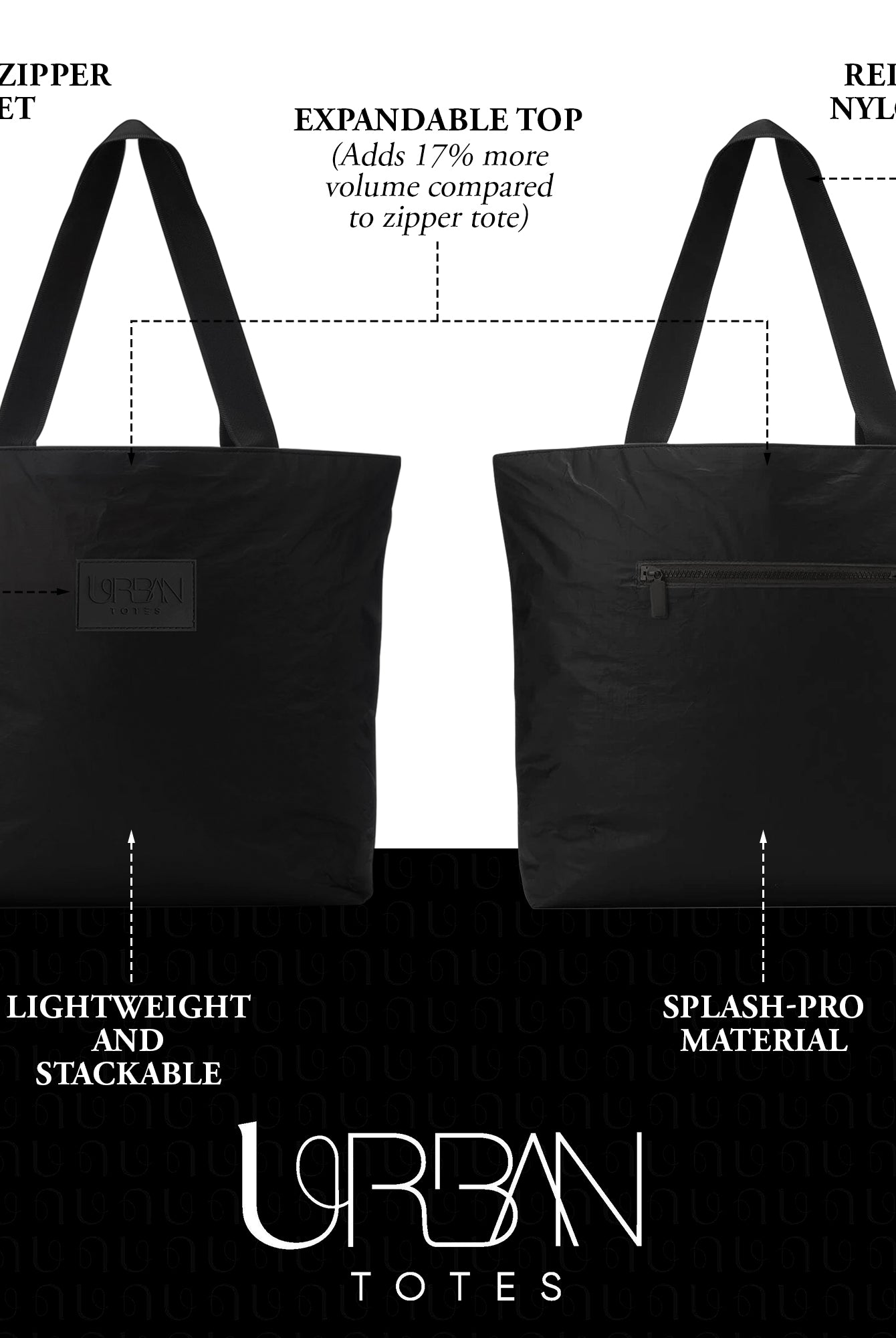
Material choice shapes that daily experience. Lightweight, water-repellent fabrics keep the bag practical in real weather and long wear, while leather or thicker coated materials can give more structure and polish but usually add weight. Some brands also build in padded device sleeves, slash-resistant straps, or RFID-blocking pockets, as shown in WaterField's crossbody bag collection examples.
The trade-off is simple. Softer materials feel easier on casual days. More structured builds often look sharper and hold their shape better.
Features worth checking before you buy
A strong crossbody gets the small details right because small details decide whether the bag feels freeing or fussy.
- Secure closure: A zipper gives better control for commuting, travel, and daily movement than an open top.
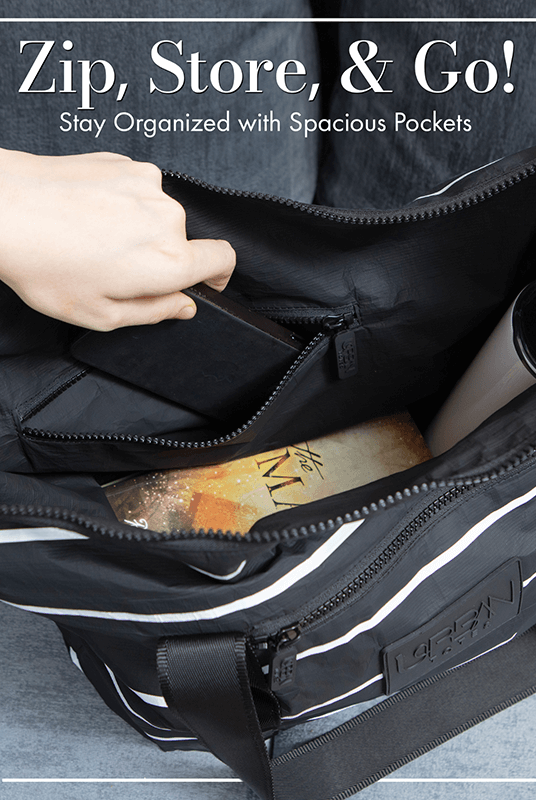
- Useful pocket layout: The right number of compartments keeps your phone, keys, and wallet easy to reach without turning the bag into a scavenger hunt.
- Shape that holds up: A little structure helps everything stay visible instead of sinking into one corner.
- Adjustable strap: Fit changes everything. The bag should sit close enough to feel stable, but not so high that access feels awkward.
- Comfort at contact points: Strap width, edge finish, and hardware placement all affect how the bag feels after a full day out.
Security features can matter too, especially for travel, public transit, or crowded spaces. If that is part of your routine, this guide to choosing an anti-theft crossbody bag for daily carry and travel breaks down which details are useful.
What works and what doesn't
A go-anywhere crossbody is rarely the biggest bag or the dressiest one. Its job is to stay out of your way while keeping the right things close.
| Feature | Works well when | Doesn't work well when |
|---|---|---|
| Compact size | You carry daily essentials and want easy movement | You need space for bulky extras or all-day backup items |
| Multiple compartments | You want quick access and clear organization | The layout is so segmented that every item has to be hunted down |
| Lightweight fabric | You plan to wear it for hours | The material is so soft that the bag collapses and hides everything |
| Protective add-ons | You commute, travel, or spend time in crowds | They add bulk for simple, low-risk outings |
A good crossbody gives you freedom without asking for attention. You wear it, reach what you need, and stay present with the day in front of you. If the bag keeps slipping, digging, sagging, or slowing you down, the design is working against the whole point.
Crossbody vs Other Bags A Friendly Showdown
A crossbody bag is useful because it knows its job. It isn't trying to replace every other bag in your closet. It sits in the sweet spot between capacity and freedom, which is exactly why so many women keep reaching for one.
This side-by-side view helps clarify where it fits.

The right tool for the right day
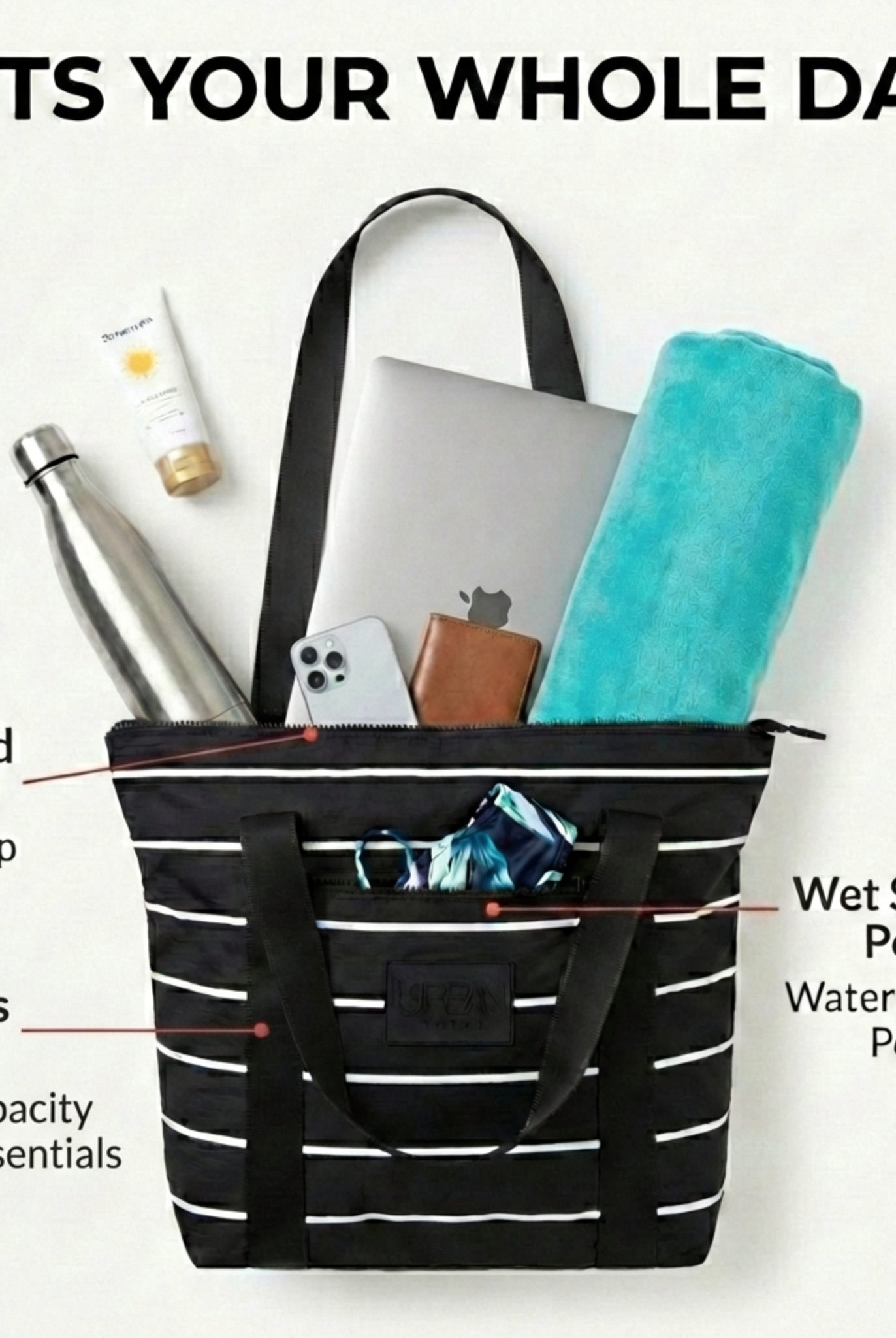
A tote is the bag you grab when you need to carry more. Laptop, snacks, notebook, water bottle, cardigan, maybe a toy or two. It's generous and practical, but it's not always the bag you want when you're weaving through a crowd or heading out for a lighter day.
A shoulder bag often feels polished and easy to access. For dinners, meetings, and shorter outings, that classic shape still works. The trade-off is that one-shoulder carry can shift more, especially if the bag is smooth, heavy, or overfilled.
A belt bag is the minimalist choice. It's great when you want to carry the absolute basics and keep things close. The downside is capacity. Once you add sunglasses, a small wallet, and a few extras, you may run out of room fast.
The crossbody sits in the middle. It gives you more carrying room than a belt bag, more security and stability than many shoulder bags, and less bulk than a full tote.
Comfort is more nuanced than people say
A lot of bag advice oversimplifies comfort. The diagonal strap of a crossbody is often considered ergonomically superior for all-day wear because it distributes weight across the torso. But that comfort depends on strap width and a design that keeps the bag stable against the body, as noted on Coach's crossbody bag page.
Worth remembering: A crossbody feels better when you carry the right amount in it. Even a smart design gets uncomfortable if you turn it into a tiny suitcase.
If your daily carry includes a computer or heavier work gear, a bag with more structure may make more sense. This guide to finding a work bag with a laptop compartment is more useful for that kind of load than trying to force a small crossbody to do a tote's job.
A simple comparison
- Choose a tote when you need volume.
- Choose a shoulder bag when access and a classic profile matter most.
- Choose a belt bag when you want to carry as little as possible.
- Choose a crossbody when you want a balanced mix of hands-free convenience, security, and everyday versatility.
That's why crossbodies work so well for commuting, travel, concerts, errands, and city days. They don't ask you to carry everything. They help you carry the right things better.
Your Crossbody Your Life Styling for Every Moment
A crossbody bag earns its place when it moves with your day instead of locking you into one version of yourself. The same bag can work at an airport in the morning, at a coffee shop in the afternoon, and on a walk to dinner later on. That's a big part of the appeal. It feels easy without looking careless.

How women actually wear it
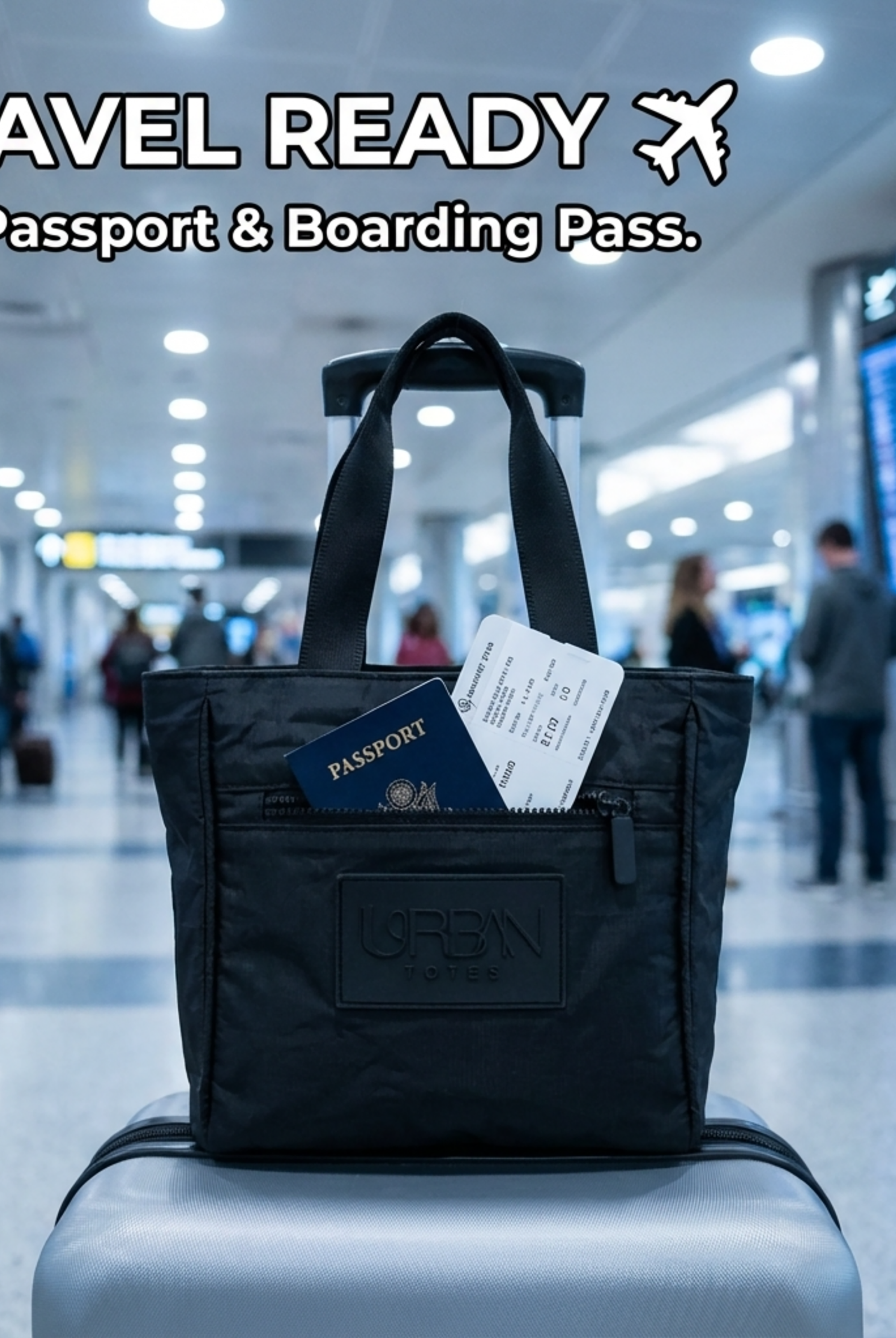
At the airport, a crossbody usually sits best a little higher and closer to the body. That makes it easier to keep your phone, cards, and passport in reach while you're scanning a boarding pass or pulling a suitcase behind you.
At the park or during school pickup, a slightly roomier crossbody can hold wipes, snacks, keys, and your wallet without forcing you into a giant tote. You still have a free hand for a stroller, a backpack, or the child who suddenly wants to sprint toward the swings.
For commuters, wearing the bag toward the front of the body often feels more secure on a train or sidewalk. That's one of those small styling choices that's really a function choice.
Easy outfit pairings
Crossbody bags also work because they don't demand much from the rest of your outfit.
- With denim and sneakers: You get an everyday carry that feels polished, not overdone.
- With leggings and a long coat: The diagonal line of the strap adds shape and keeps the look intentional.
- With a dress or matching set: A compact crossbody can make the outfit feel practical enough for real life.
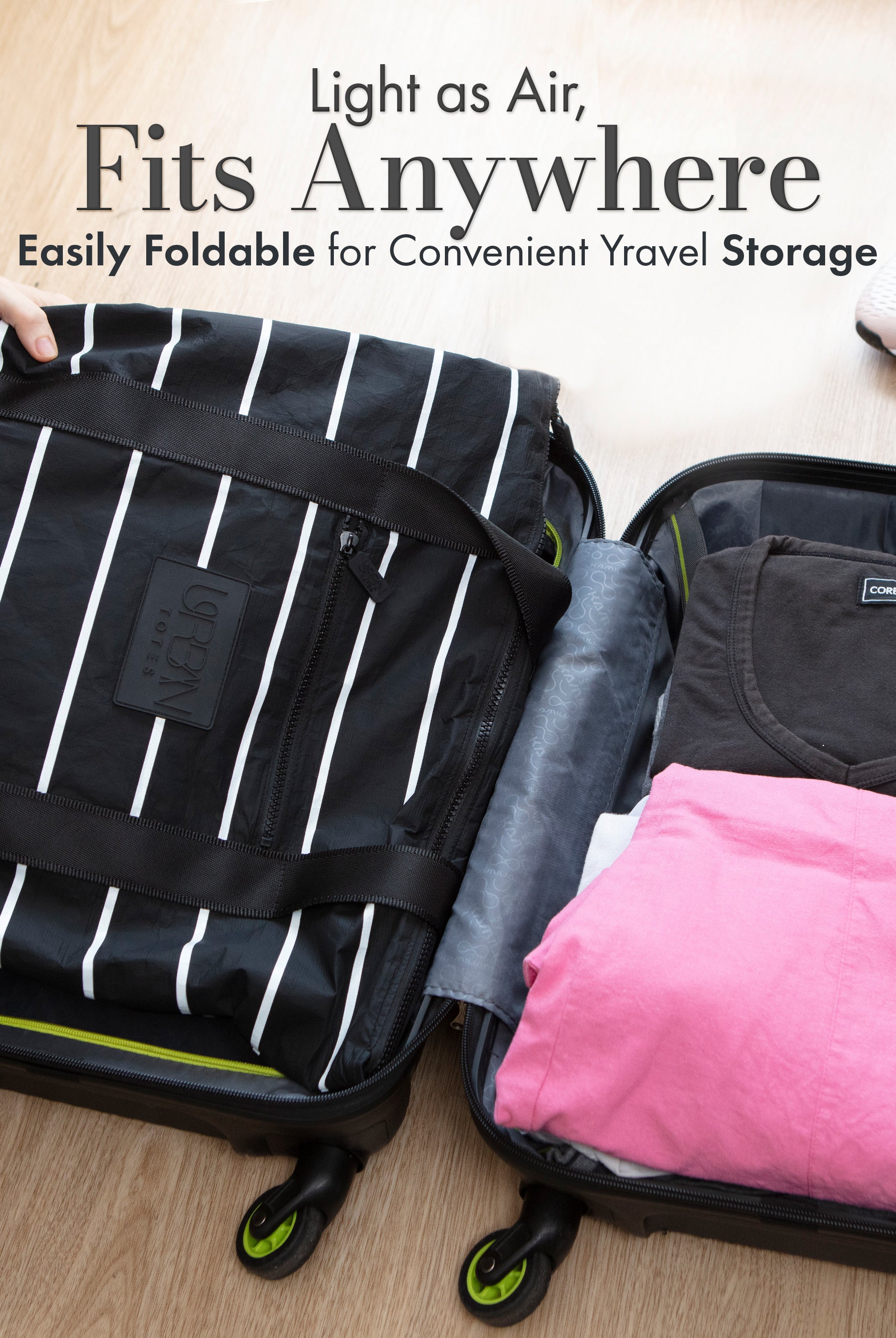
- With travel layers: It keeps essentials on your body while the rest of your gear goes in an overhead bin or trunk.
Wear the bag where it feels natural on your frame. A crossbody should support movement, not interrupt it.
The emotional part people don't always say out loud
The best thing about a crossbody bag isn't only what it carries. It's what it removes.
It removes the need to keep tucking a strap back onto your shoulder. It removes that little wave of panic when your phone isn't instantly findable. It removes one layer of friction from days that already ask a lot of you.
That's why this style feels liberating. Not in a dramatic way. In a real-life way. You move more freely, stay more present, and feel more like yourself because your bag is finally doing its job.
Keep Your Companion Ready for Adventure
A good crossbody earns its place by making busy days easier. Treat it like a piece of daily gear, and it will stay comfortable, organized, and ready to go.
Most crossbody bags are built for the items you use often, not for carrying half your day on one strap. Keeping the load light protects the bag's shape, reduces strain on the strap, and preserves the easy, hands-free feel that makes this style so useful in the first place. That trade-off matters. If you need to carry a water bottle, notebook, and extra layers, a tote or backpack usually makes more sense.
A little maintenance goes a long way.
Simple care habits that help
- Empty it out every few days: Receipts, wrappers, and loose small items build up fast and make the bag harder to use.
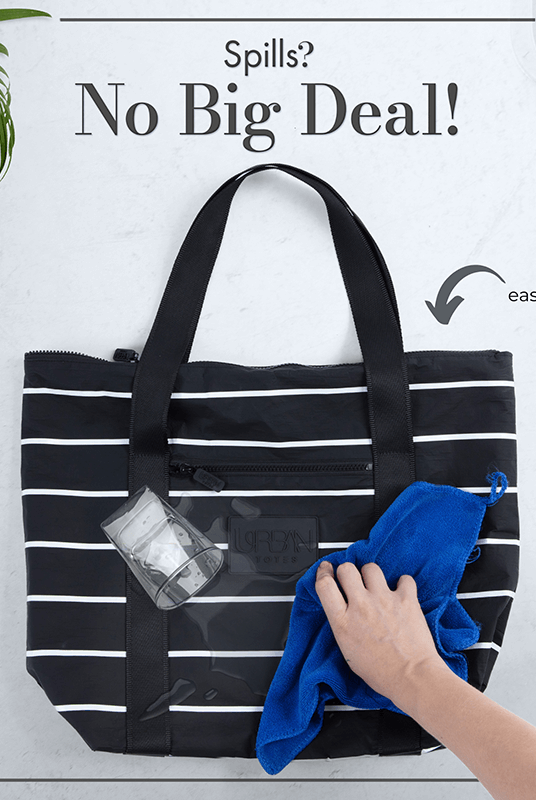
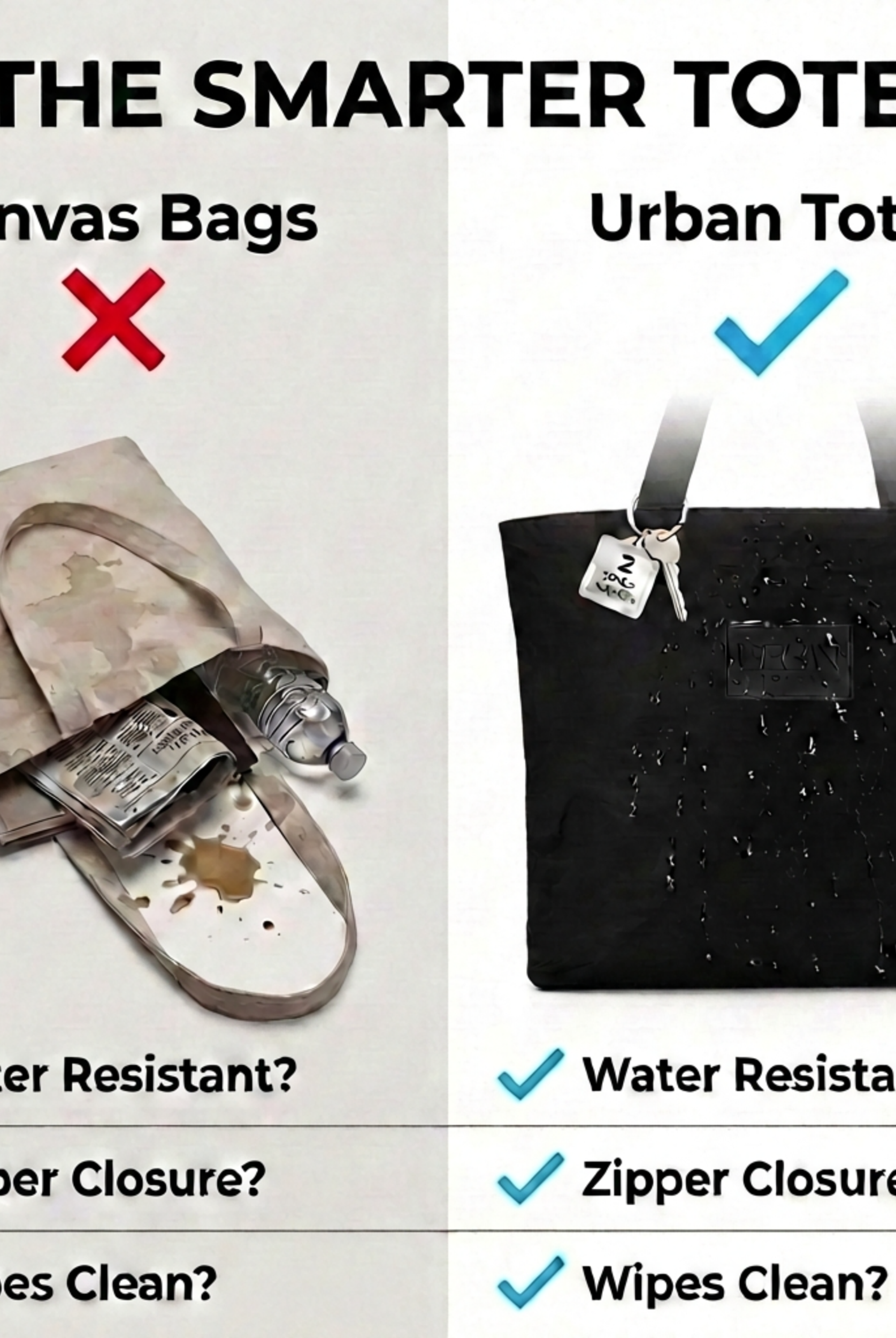
- Wipe the outside before grime sets in: This is especially helpful for nylon, coated canvas, and other everyday materials that pick up life on the go.
- Check the strap, clips, and zipper pulls: These parts take the most friction and usually show wear first.
- Store it upright or lightly stuffed: That helps the body keep its shape instead of collapsing under heavier bags.
If you want a simple cleaning routine that works for everyday carry, these tote bag maintenance tips and tricks are a useful reference.
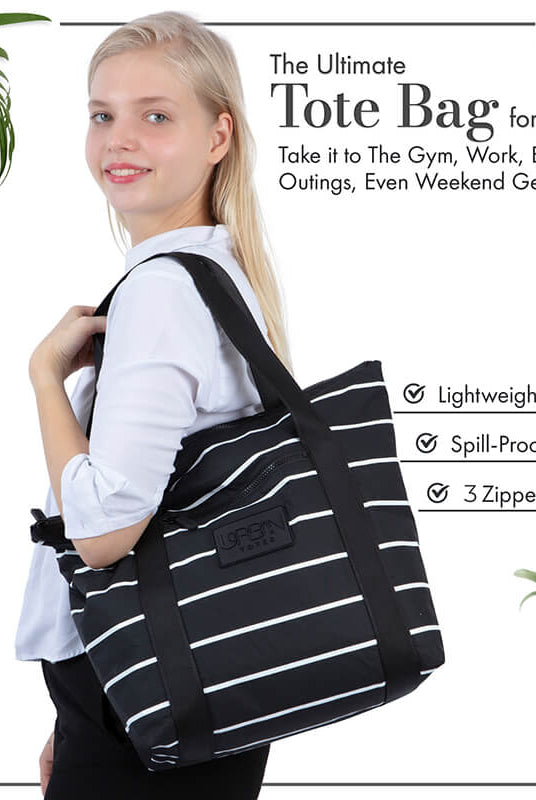
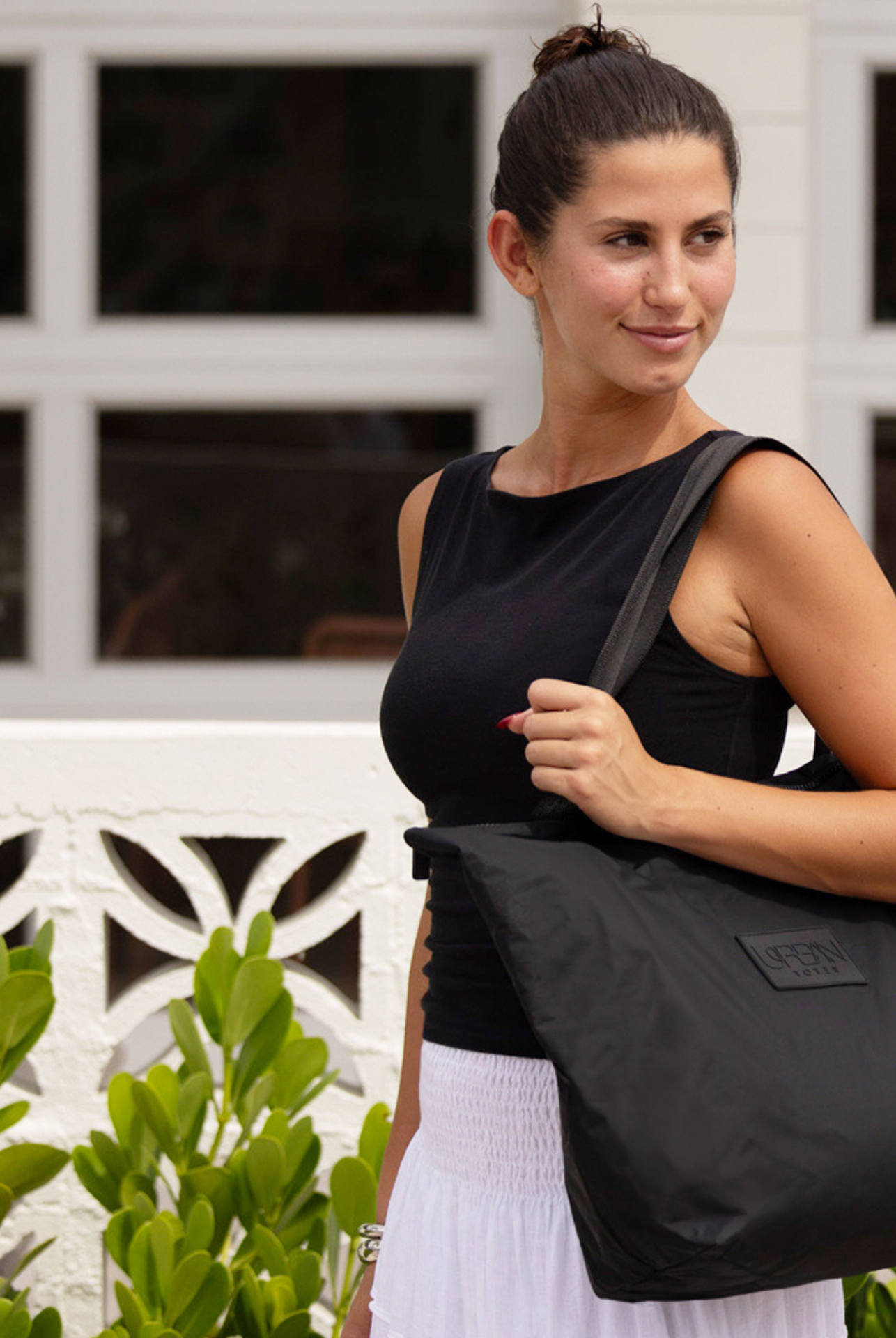
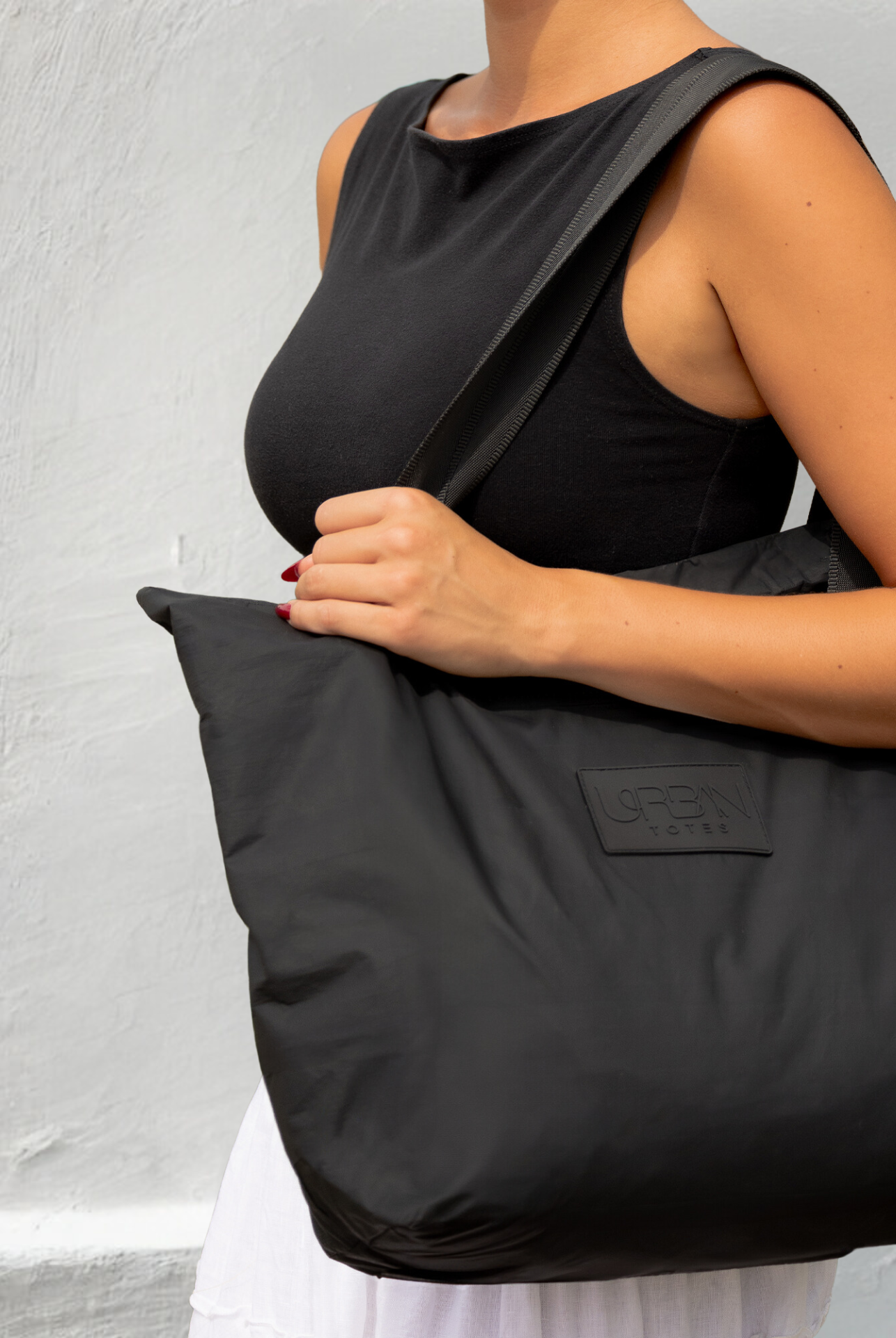
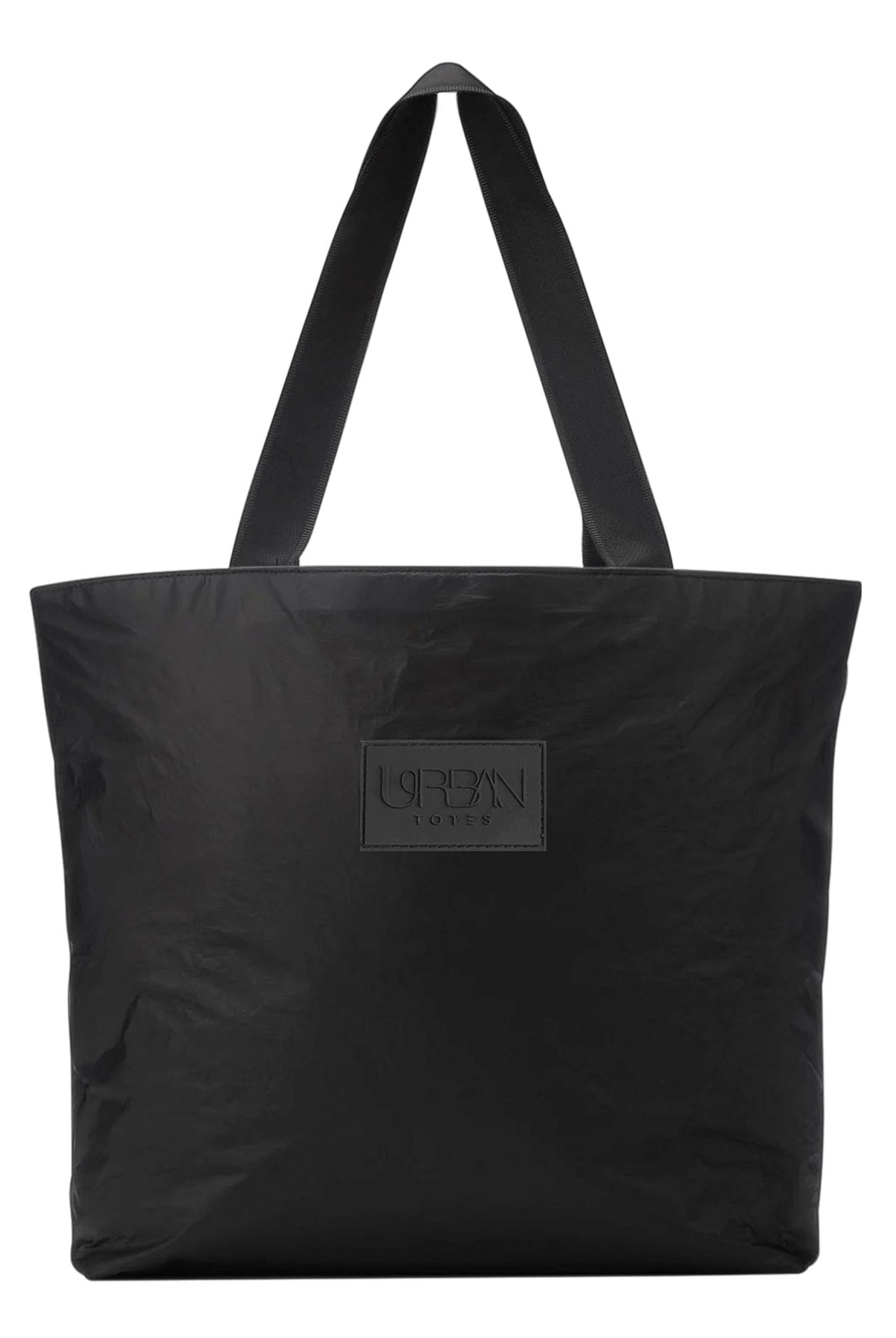
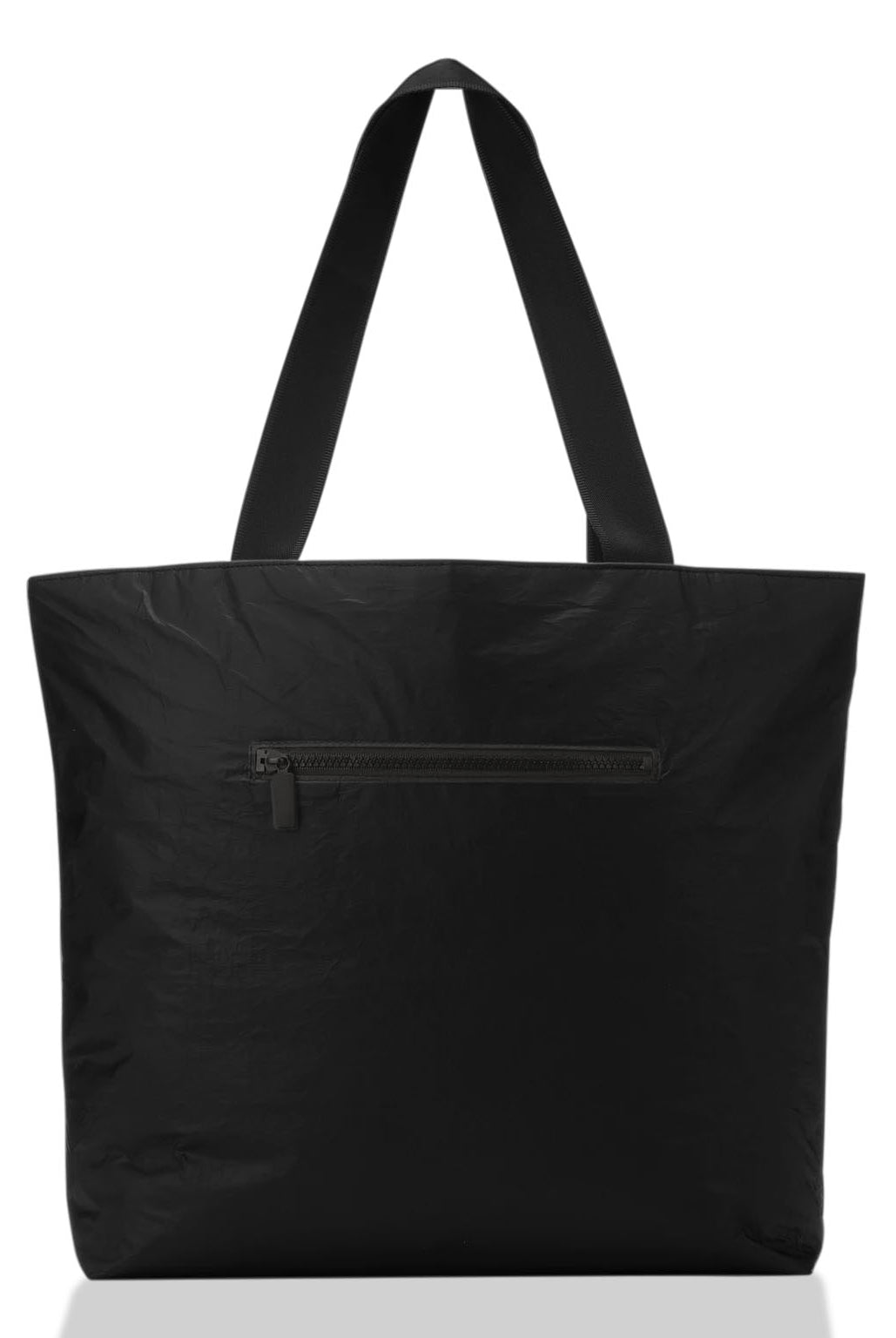
Some Urban Totes bags are also designed to be easy to clean and machine washable, which makes a real difference when your bag ends up on a car floor, in an airport bin, or next to a leaking snack pouch.
The bigger point is freedom. A crossbody works best when it stays ready, light, and reliable, so you can leave the house knowing your bag will support your day instead of asking for attention.
If you're ready for a bag that feels organized, lightweight, and easy to live with, explore the go-anywhere styles from Urban Totes. Shop the full collection and find the bag that keeps pace with whatever your day brings.