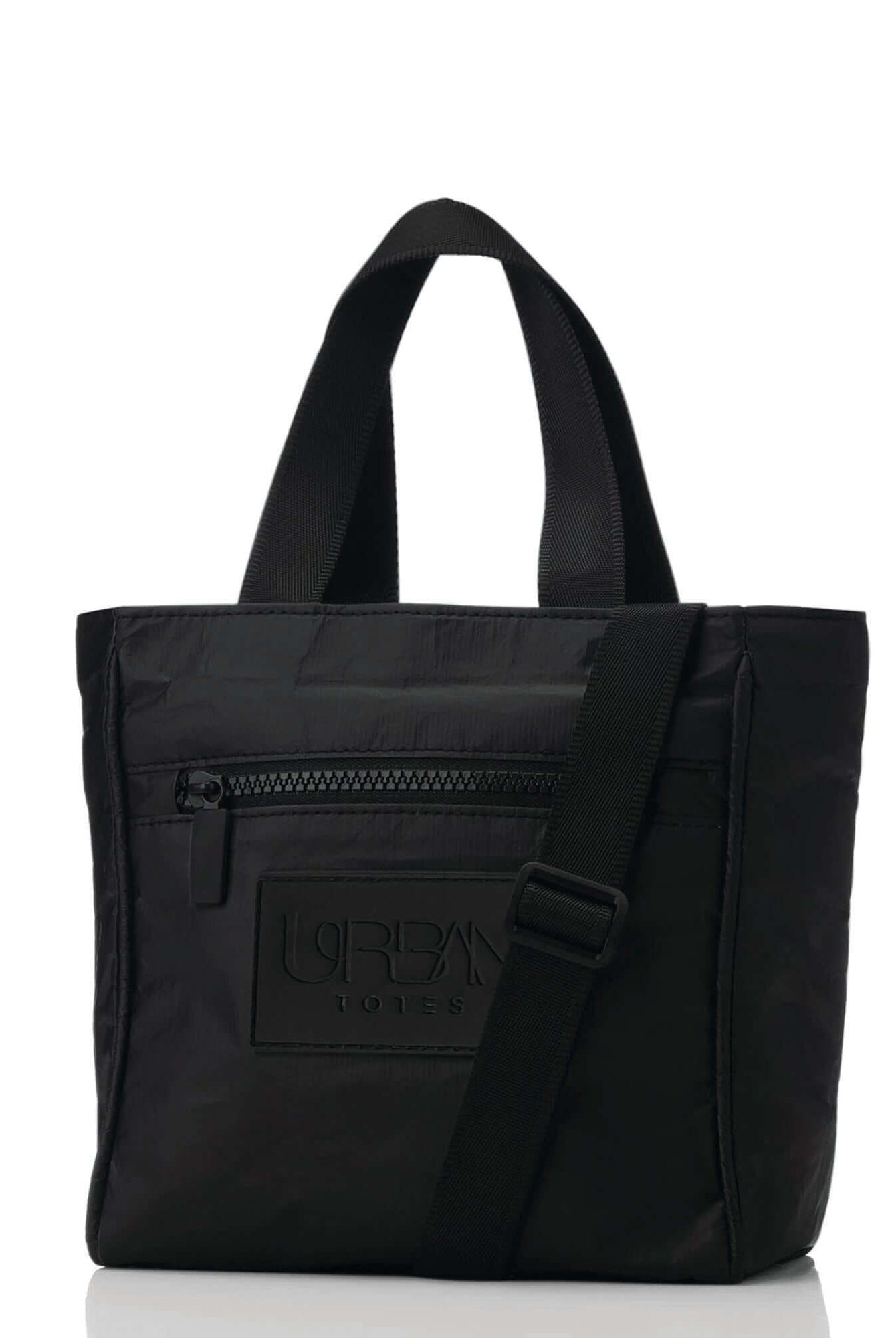
You're halfway through the day, already carrying too much, and your bag has decided to become one more problem. The strap slides off your shoulder while you're reaching for your coffee. You shorten it, and now it pulls into your neck. You lengthen it for comfort, and the bag starts bumping your hip with every step.
That's why the adjustable shoulder strap matters so much. It isn't just a convenience feature. It's the difference between a bag that works with your body and one that wears you down. For women moving through real life, school drop-off, airport security, farmers market runs, beach days, commutes, an adjustable strap changes how a bag feels, how it moves, and even how polished it looks.
At Urban Totes, a woman-owned brand based in Boise, we care about these small details because they're never small in everyday use. If your bag carries the pieces of your day, the strap has to carry the bag well. If you're also choosing a work bag, this guide to lightweight tote bags for work pairs nicely with what you'll learn here.
Table of Contents
- The Simple Secret to All-Day Bag Comfort
- Anatomy of an Adjustable Shoulder Strap
- How to Find Your Perfect Fit for All-Day Comfort
- From Shoulder to Crossbody Styling Your Carry
- What Makes an Adjustable Strap Durable and Reliable
- Choosing and Caring For Your Perfect Bag
The Simple Secret to All-Day Bag Comfort
The moment most women notice a bad strap isn't when they first put the bag on. It's later. It's in line at the bakery, weaving through a terminal, or walking back to the car with one hand full and no patience left for readjusting a slipping tote.

A fixed strap asks your body to adapt to the bag. An adjustable shoulder strap does the opposite. It lets you shift the bag higher when you want it tucked in and secure. It lets you drop it lower when you need a hands-free crossbody fit over a jacket or sweater. That sounds simple, but it changes everything about daily comfort.
Why small fit changes feel big
A bag doesn't have to be heavy to feel wrong. If the strap sits too close to the neck, the carry gets tiring fast. If the bag hangs too low, it swings. If it sits too far out from the body, you compensate without realizing it. Your shoulder tenses, your arm braces, and your posture changes.
The bag that feels “fine” for five minutes can feel awful by hour three if the strap is fighting your natural movement.
This is why thoughtful bags feel different even before you can explain why. They move better. They stay put better. They let you focus on your day instead of your shoulder.
Comfort is also a style detail
Good fit looks polished. A strap set at the right length makes a bag sit where it belongs instead of dragging the whole outfit down. That matters whether you're in leggings and sneakers or headed to lunch in a linen set and slides.
A well-set strap gives a bag that effortless, go-anywhere look women want. Not fussy. Not overbuilt. Just easy.
Anatomy of an Adjustable Shoulder Strap
A strap can be adjustable and still feel terrible by lunchtime. The reason usually is not the slider alone. It is the way the whole strap system interacts with your shoulder shape, the bag's weight, and the angle of pull.

The parts that matter most
Start with the slider. It changes strap length, but its real job is to hold tension without creeping. A well-made slider grips the strap firmly enough to stay put under load, yet still adjusts without a fight. If it slips, the bag gradually drops lower, which changes where the weight lands and makes your shoulder work harder to stabilize it.
The strap material matters just as much. Webbing, leather, and synthetic blends all create different friction against both the hardware and your clothing. Slippery materials can look clean and refined, but they often travel more on the shoulder, especially over smoother fabrics. Textured materials usually stay put better, though they can feel stiffer at first.
Attachment points decide how the bag pulls on the body. D-rings, sewn loops, and swivel clasps are small details with a big effect on comfort. If the connection cannot rotate cleanly, the strap twists. Once that twist forms, pressure stops spreading across the strap and starts concentrating along one edge. That is when a bag begins to dig in.
This matters even more with a crossbody bag shape and carry style, because the strap is working across the torso instead of sitting in one straight line over the shoulder.
Why construction changes the feel
Comfort comes from pressure distribution. A strap that lies flat spreads load across more surface area. A strap that rolls, twists, or narrows under tension creates a hot spot. On a level shoulder that may feel mildly annoying. On a sloped shoulder, it often slides inward toward the neck or outward toward the arm, and both positions tend to create fatigue faster.
I pay close attention to where the strap hardware sits once the bag is loaded. Hardware placed too close to the top of the shoulder can create a hard point right where the body is already managing downward force. Hardware placed farther away usually feels better because the pressure is carried by the strap, not by a lump of metal or a bulky fold.
If you sew bags or like seeing the raw hardware options, black metal strap adjusters are a useful example of the kind of component people look for when they want a more durable, structured finish.
Practical rule: The best hardware disappears during wear. If you keep readjusting, untwisting, or noticing pressure from one small spot, the design is asking your body to compensate.
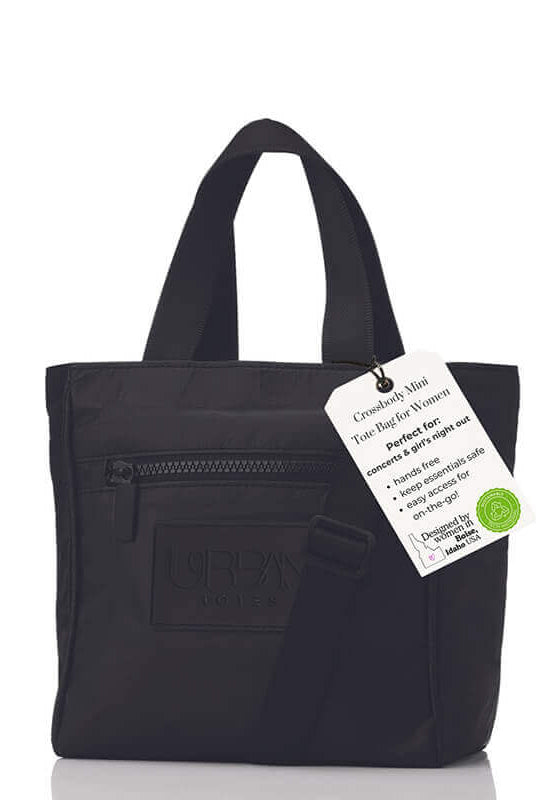
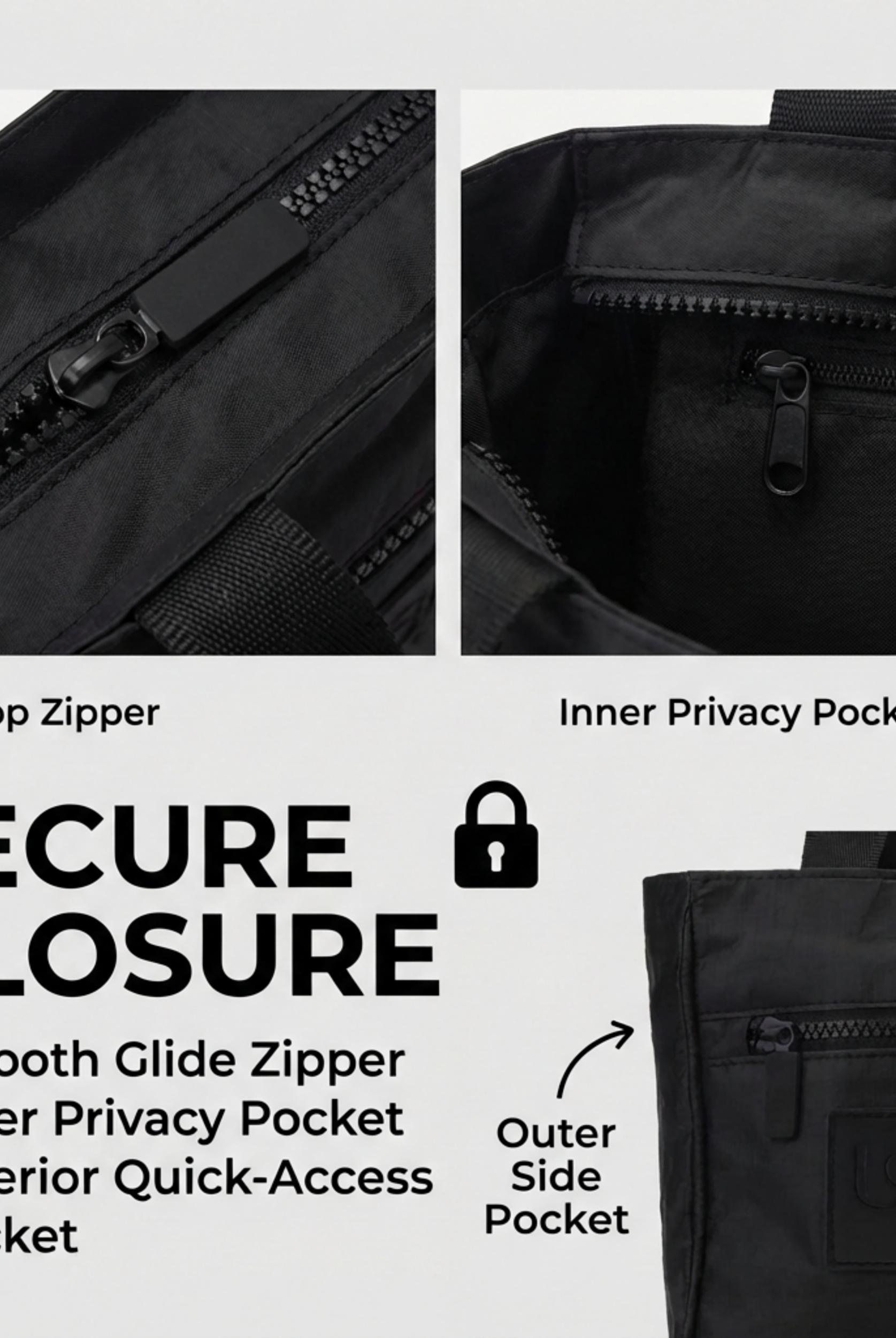
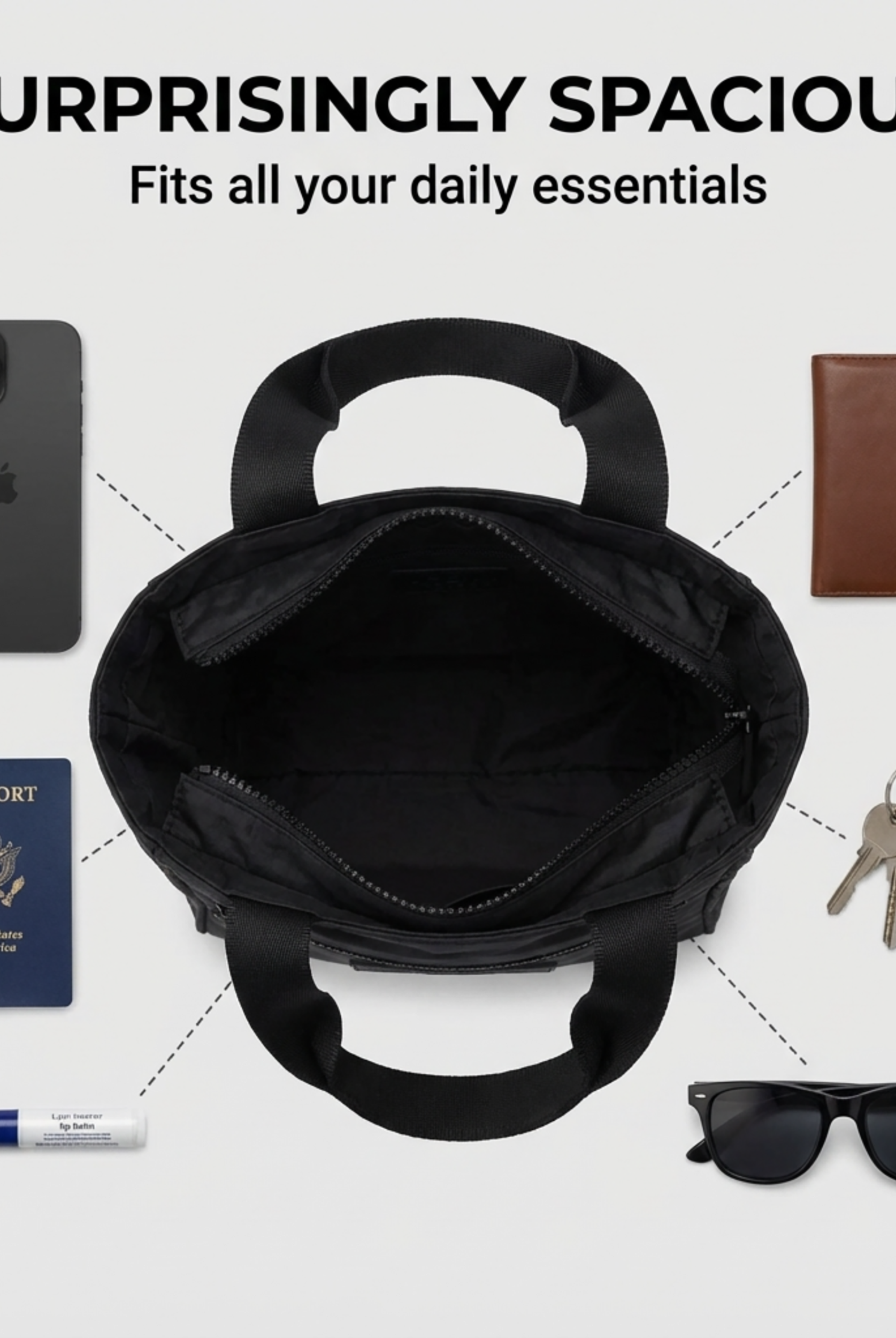
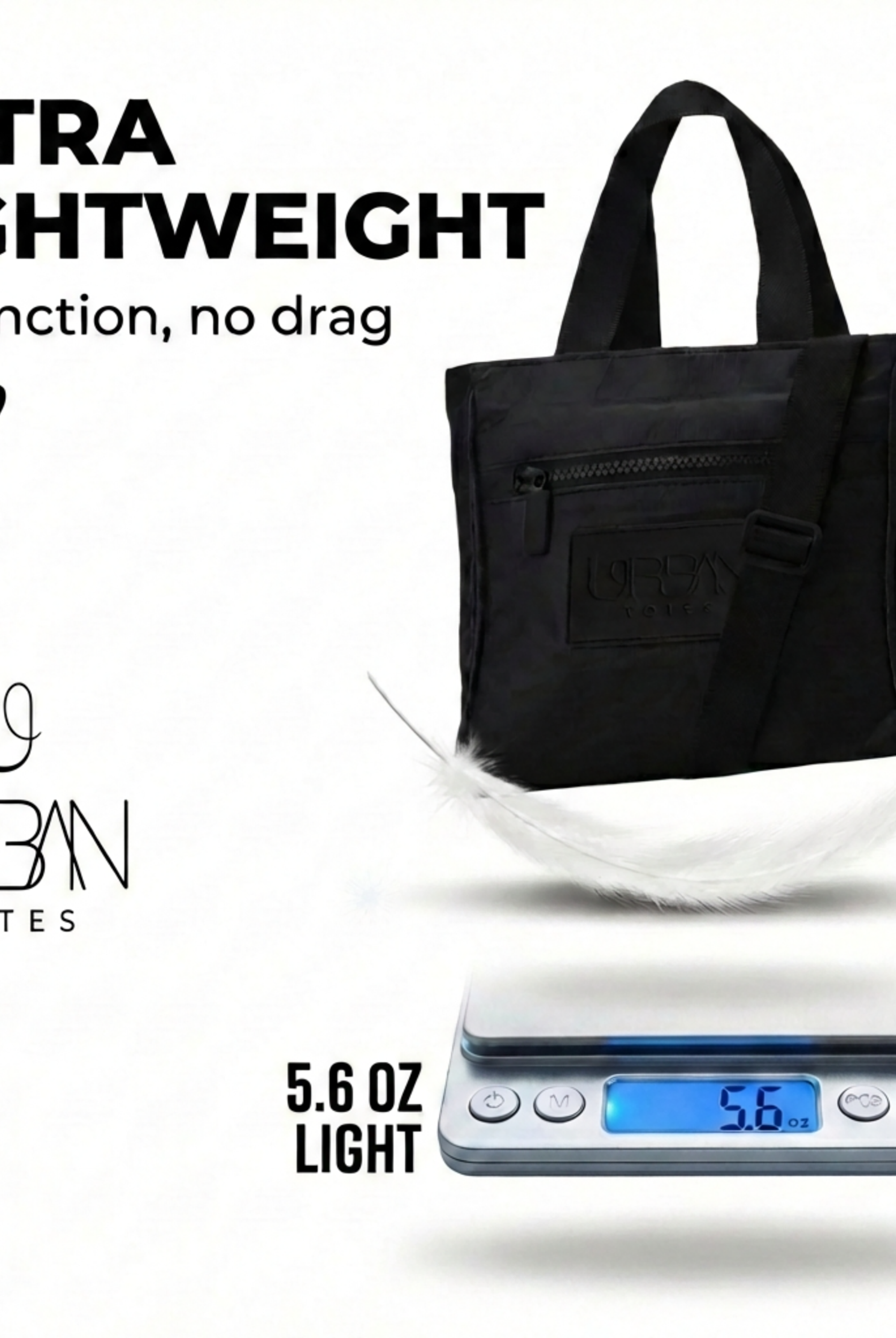
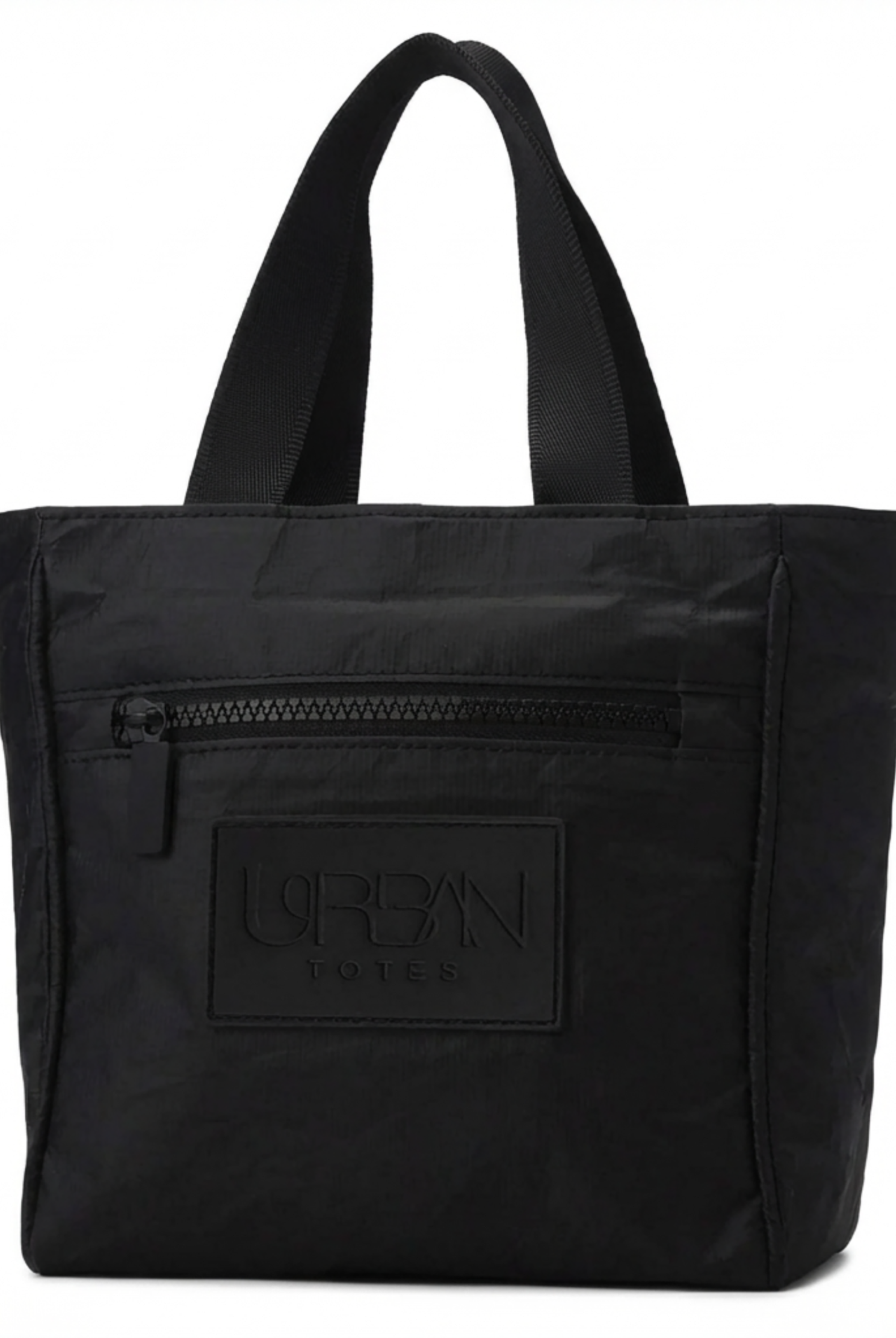
A compact example of these details in a real bag is the Crossbody Tote Bag Mini Purse, which includes a removable crossbody strap. That matters because removability gives you more control over how the bag carries day to day, especially if you switch between shoulder and hands-free wear.
What to check before you buy
| Part | What to look for | What usually goes wrong |
|---|---|---|
| Slider | Holds its position and adjusts without jerking | Slips lower during wear or feels flimsy |
| Strap material | Enough grip and structure for daily carry | Twists, creases, slides, or chafes |
| Swivel clasp | Rotates freely under movement | Catches, squeaks, or creates strap twist |
| Attachment point | Pulls in a clean line from bag to body | Forces an awkward angle and creates pressure spots |
How to Find Your Perfect Fit for All-Day Comfort
Most strap advice stops at length. That's only part of the story. A bag can be adjusted to what seems like the right drop and still leave you sore by dinner.

A common but critical issue is poor fit geometry. Shoulder straps can cause soreness and even nerve damage when the angle is wrong. Most guides focus on length, but how the strap angle, attachment point, and your body shape interact is the key to all-day comfort for commuters, travelers, and anyone carrying a bag for hours, as discussed in this fit geometry conversation. If you wear crossbody bags often, this roundup of the best everyday crossbody bags can help you compare shapes and carry styles.
Start with where the strap sits
The best position is usually the one that places the strap on the meatier part of the shoulder, not right up against the neck. That reduces the sharp, pinched feeling many women blame on “heavy bags” when the actual issue is angle.
For crossbody wear, you want the bag close enough to the body that it doesn't swing wildly, but not so high that it crowds the ribcage or underarm. For one-shoulder wear, the strap should be short enough that the bag feels secure under the arm instead of sliding off every few steps.
Use this fitting sequence
-
Stand naturally
Don't fit a bag while shrugging, twisting, or holding tension in your shoulders. Relax first. -
Set the bag where you want it to land
A practical starting point is around the hip area for crossbody wear. Then walk, reach, and sit before deciding it's right. -
Notice the strap angle
If it cuts inward toward your neck, length alone won't fix it. The bag may be hanging from the wrong attachment point for your frame. - Dress for the day A tank top fit and a winter coat fit are not the same fit. Layer thickness changes both strap tension and bag position.
If the bag feels good standing still but bad in motion, the issue is usually movement and angle, not just length.
Your body shape matters more than “universal” settings
Shoulder slope changes everything. Some women have straighter shoulders that hold a bag in place easily. Others have a steeper slope, and the exact same strap will slide no matter how often it's adjusted. Bust, torso length, and coat bulk also change the path a strap takes across the body.
That's why “one perfect length” doesn't exist. The right setting is personal, and the primary goal is to make the bag feel stable without making your shoulder work overtime.
From Shoulder to Crossbody Styling Your Carry
You leave home with a light bag on one shoulder. Two errands later, you have a water bottle, a receipt you need to keep, and a phone in hand, and suddenly that same carry feels completely different. Styling matters, but comfort usually comes down to mechanics. The way the strap crosses your body changes how the load pulls on your neck, shoulder, and ribcage.
The shoulder carry for quick access
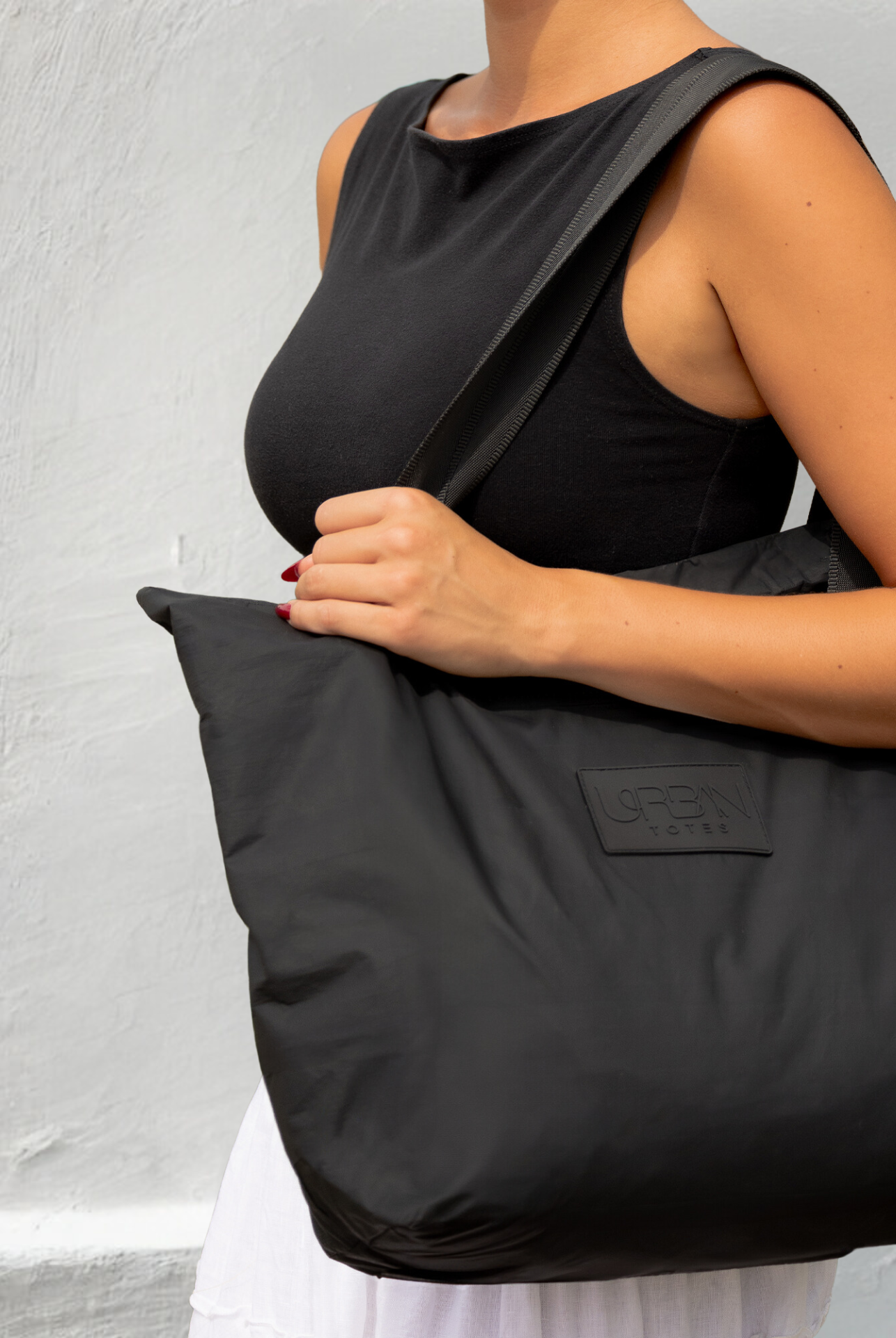
A shorter shoulder carry works well when you need speed. The bag stays close, the opening is easy to reach, and the profile looks tidy under a blazer, knit, or simple tee.
It also asks more from one shoulder. If your shoulders slope or the bag is even a little slick against your clothing, the strap tends to migrate outward. That constant micro-gripping with the upper trapezius is what makes a light bag feel annoying by midday. For short trips, that trade-off is usually fine. For long wear, it catches up fast.
The crossbody carry for stability
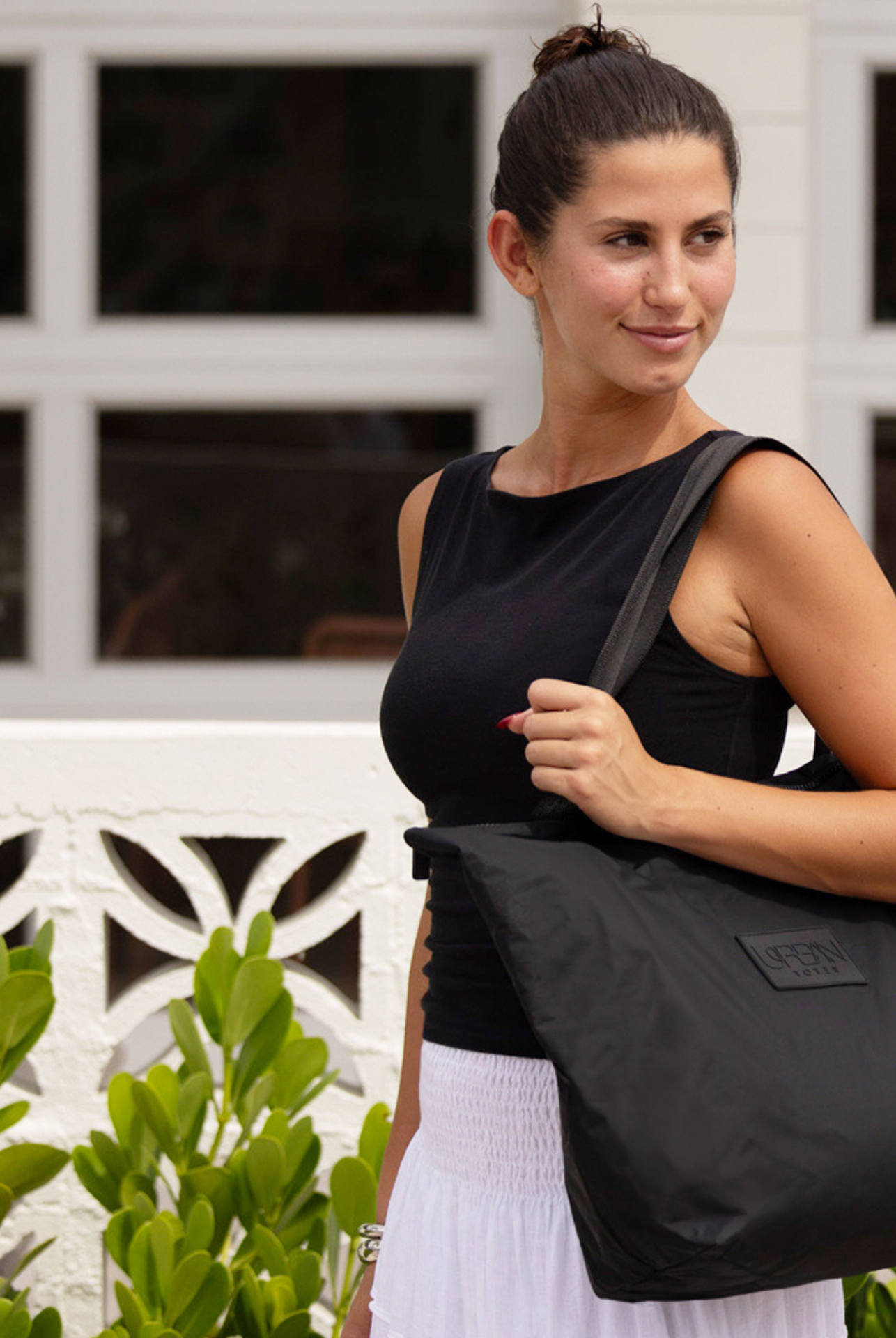
Crossbody wear shifts the job. Instead of asking one shoulder to pin the bag in place, the strap creates a diagonal line across the torso and spreads some of that force through the opposite side of the body. That is why a bag often feels lighter crossbody even when the actual weight has not changed.
A good crossbody bag setup is especially useful on crowded days, city walks, travel days, and any time your hands are full. It usually gives better security too, because the bag stays closer to your center of movement instead of swinging off one side.
Length matters here, but so does landing point. Too low, and the bag starts to pendulum with every step. Too high, and it presses into the ribs or chest and can feel bulky under the arm. The best crossbody setting lets the bag rest close to the body with enough clearance to move naturally.
The middle setting often feels best in real life
Many women end up using a slightly lowered shoulder carry or a short crossbody more than either extreme.
That makes sense biomechanically. You get easier access than a long crossbody, but more clearance and less shoulder strain than a tight under-arm carry. It is often the most wearable option for markets, commutes, and long afternoons out, especially if your bag carries everyday extras instead of just keys and a card case.
A few practical styling and comfort cues help:
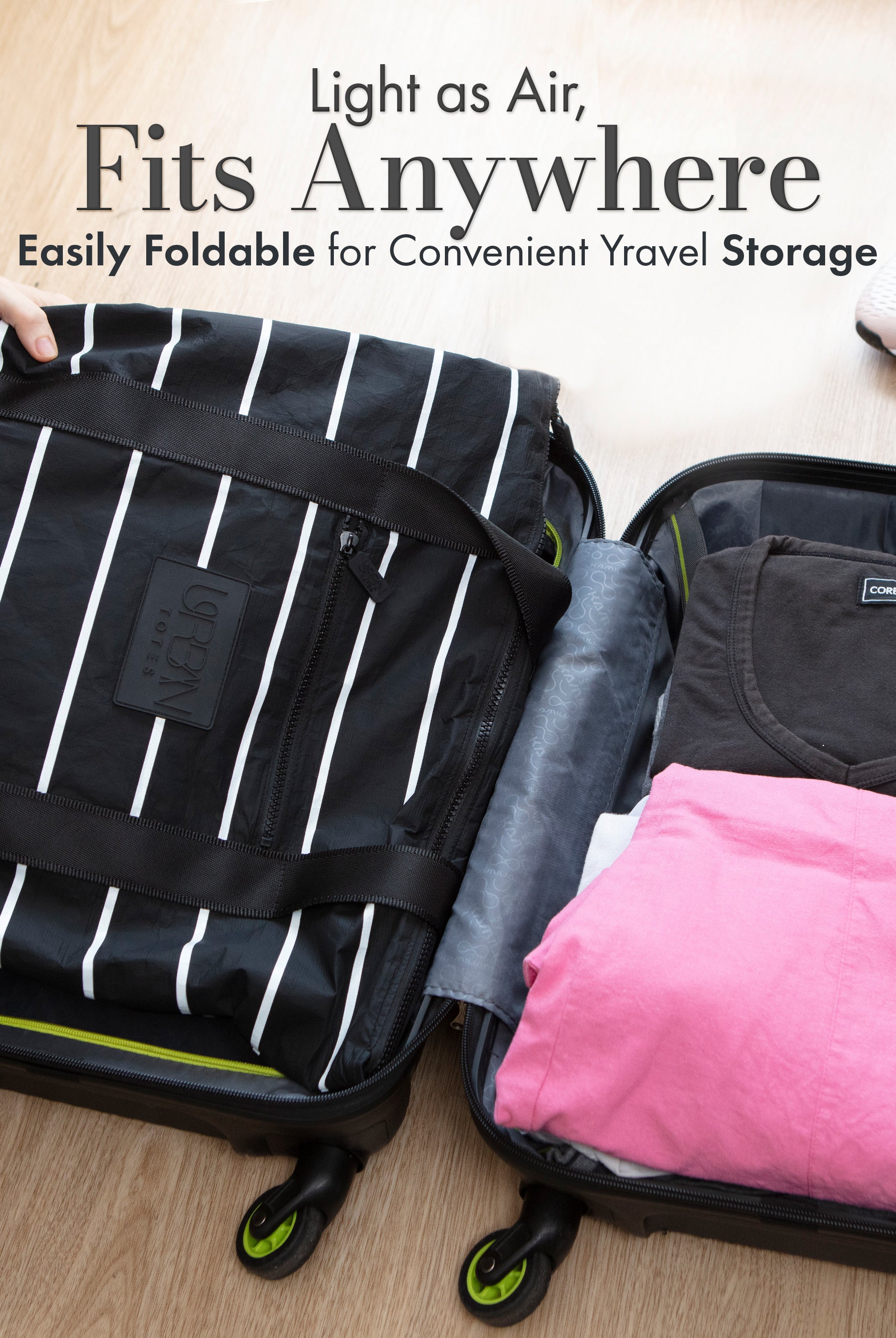
- For airports: Lengthen enough to free your hands, but keep the bag high enough that it does not bang into your hip while rolling luggage.
- For city walking: Wear it closer to the body to reduce swing and stop the strap from sawing into one spot on the shoulder.
- For weekend outfits: A shorter drop looks sharper with structured layers. A longer drop feels easier with denim, knits, and softer silhouettes.
- After the gym: If you are carrying a change of clothes or toiletries, switch to crossbody before the bag gets heavy on one side, then clean up with these post-gym grooming tips.
A well-designed adjustable strap changes more than the look of a bag. It changes how your body carries the day.
What Makes an Adjustable Strap Durable and Reliable
Comfort gets the attention. Reliability is what keeps a bag usable. If the slider slips, the webbing frays, or the clasp feels questionable, the strap stops being a feature and starts being a risk.
Hardware is the real stress point
The durability of an adjustable strap often comes down to its hardware. Tutorials explain how to make a strap, but they rarely address load limits or how much abrasion a mechanism can handle before slipping or failing, which is a real issue for a bag you depend on every day, as raised in this hardware durability discussion.
That matters because adjustment hardware deals with repeated friction. Every time you shorten, lengthen, swing, set down, and pick up the bag again, that hardware takes a little more wear.
The strap needs enough extra length to work properly
This is one of those details people don't think about until a strap won't stay adjusted. Sewing guidance for bag straps recommends adding about 8 inches (20 cm) beyond the measured span for the hardware path, while a common DIY rule is to cut the strap to at least the target carry length plus roughly 50% extra so the slider has enough travel without stealing too much usable minimum length, according to this adjustable strap tutorial.
If there isn't enough length routed through the slider, the adjustment range becomes awkward and the hold can be less secure. Too much extra bulk, though, can leave you with dangling strap tail and unnecessary clutter.
What holds up in daily life
When I look at straps from a practitioner's point of view, I'm checking friction, stitch quality, and how cleanly the webbing feeds through the hardware. Those three things tell you more than a marketing phrase ever will.
A practical checklist:
- Webbing texture: Slightly grippy material tends to behave better in friction-based sliders.
- Clean stitching: Uneven stitching near stress points is an early warning sign.
- Solid clasps: The clasp should open and close cleanly without feeling loose.
- Balanced complexity: More clips, pads, and moving parts can add versatility, but they also add more places for wear.
If you like understanding the building blocks behind bag construction, this essential guide to sewing notions is a useful reference for the hardware and supplies that show up again and again in strap assembly. And if material care is part of your shopping checklist, Urban Totes also has a piece on sustainable tote bags that touches on thoughtful material choices from a lifestyle angle.
Choosing and Caring For Your Perfect Bag
A bag can look right in the mirror and still feel wrong by lunchtime. That usually comes back to body mechanics. If the strap slips toward the edge of your shoulder, digs into one pressure point, or lets the bag swing with every step, your neck and upper back end up doing extra work the bag should be handling.
Good shopping gets easier once you know what your body is reacting to. A useful test is to picture where the load will sit during a real day, not a quick try-on. People with sloped shoulders often do better with a strap material that has a bit of grip and hardware that stays put. People carrying heavier daily items usually need a bag that keeps weight close to the body instead of hanging far off the hip, where it creates more pull and bounce.
A smart shopping checklist
Start with the connection points. The strap should attach cleanly and feel stable where it meets the bag body, because that area takes repeated stress every time you lift, swing, or set the bag down.
Then check the strap itself in motion. Adjust it, put some weight in the bag, and walk a few steps if you can. The best adjustable strap moves smoothly when you want to change the length, then holds its position once the load is on. Material matters here too. Very slick straps can slide more than expected, while very stiff ones may resist adjustment and sit awkwardly against the shoulder.
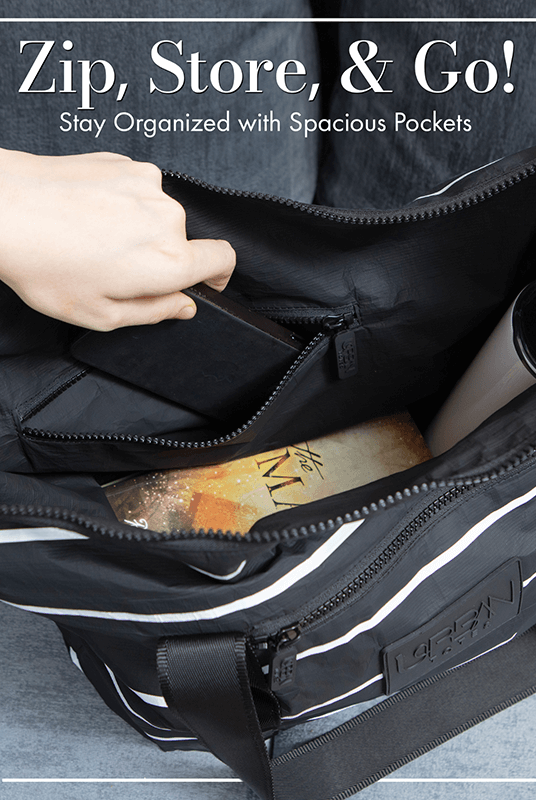
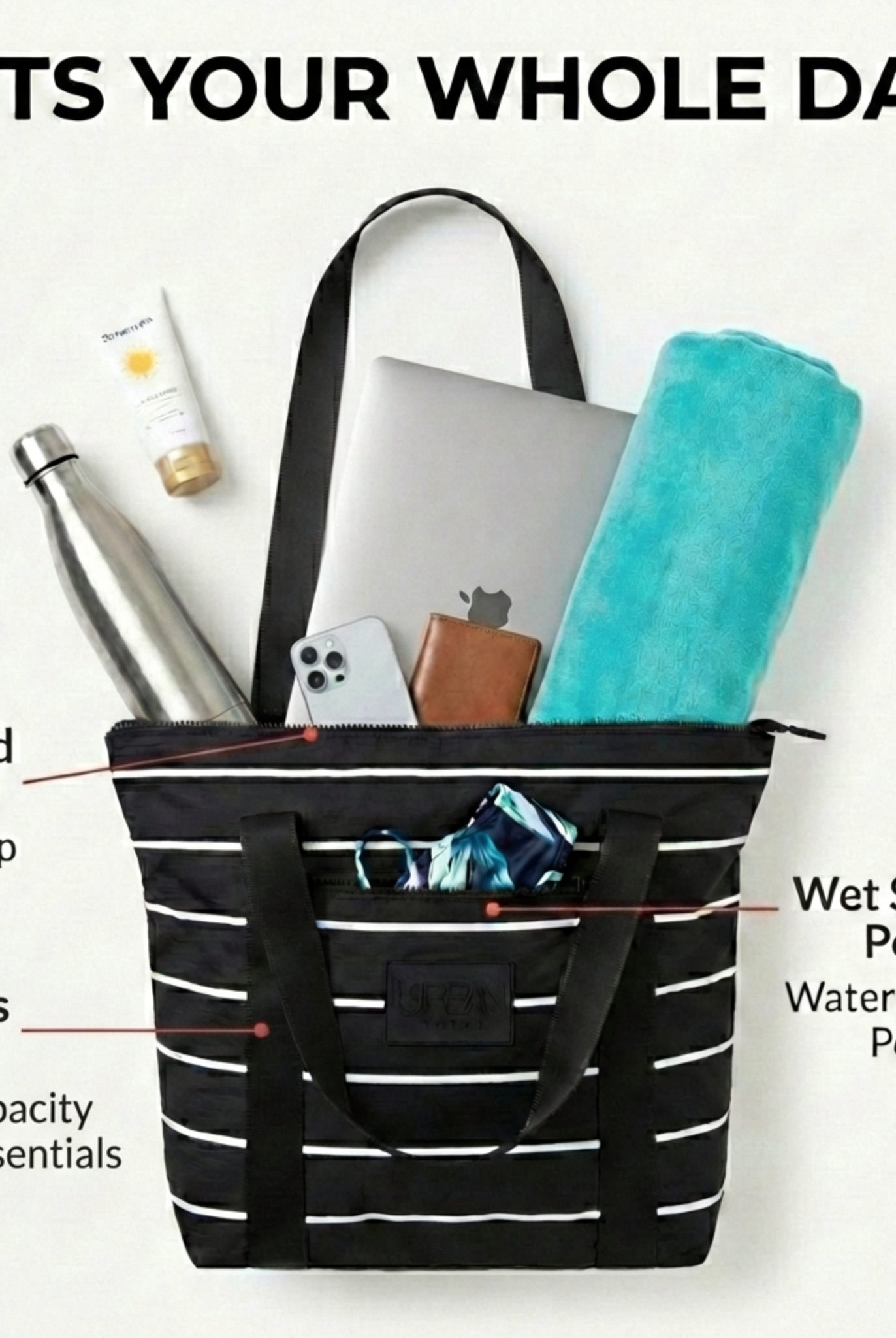
If the bag needs to handle errands, commuting, and travel, practical design still counts. A secure closure, useful organization, and a shape that does not collapse into a jumble all make the bag easier to live with day after day.

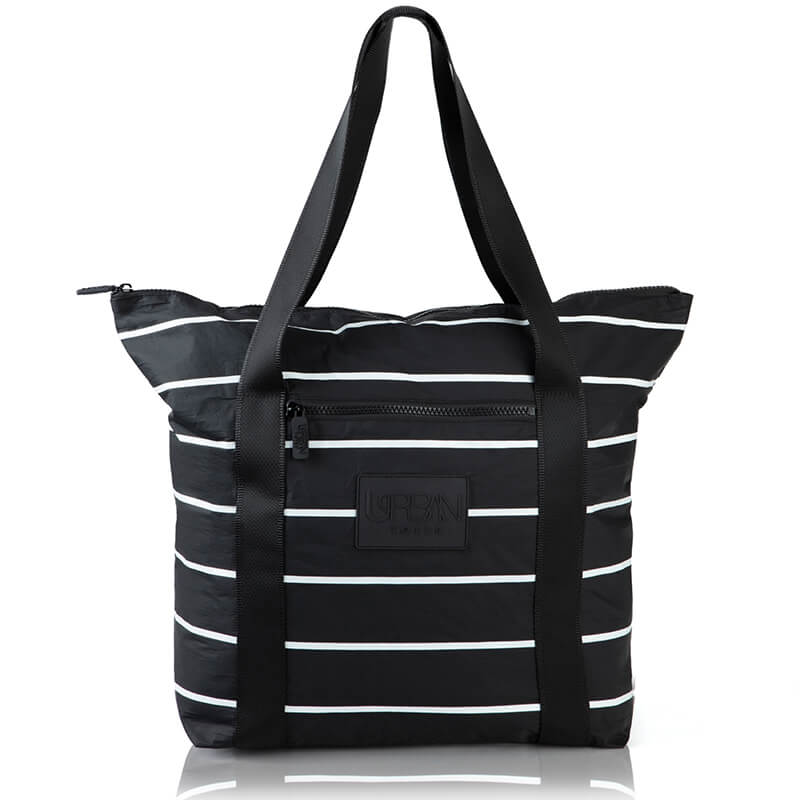
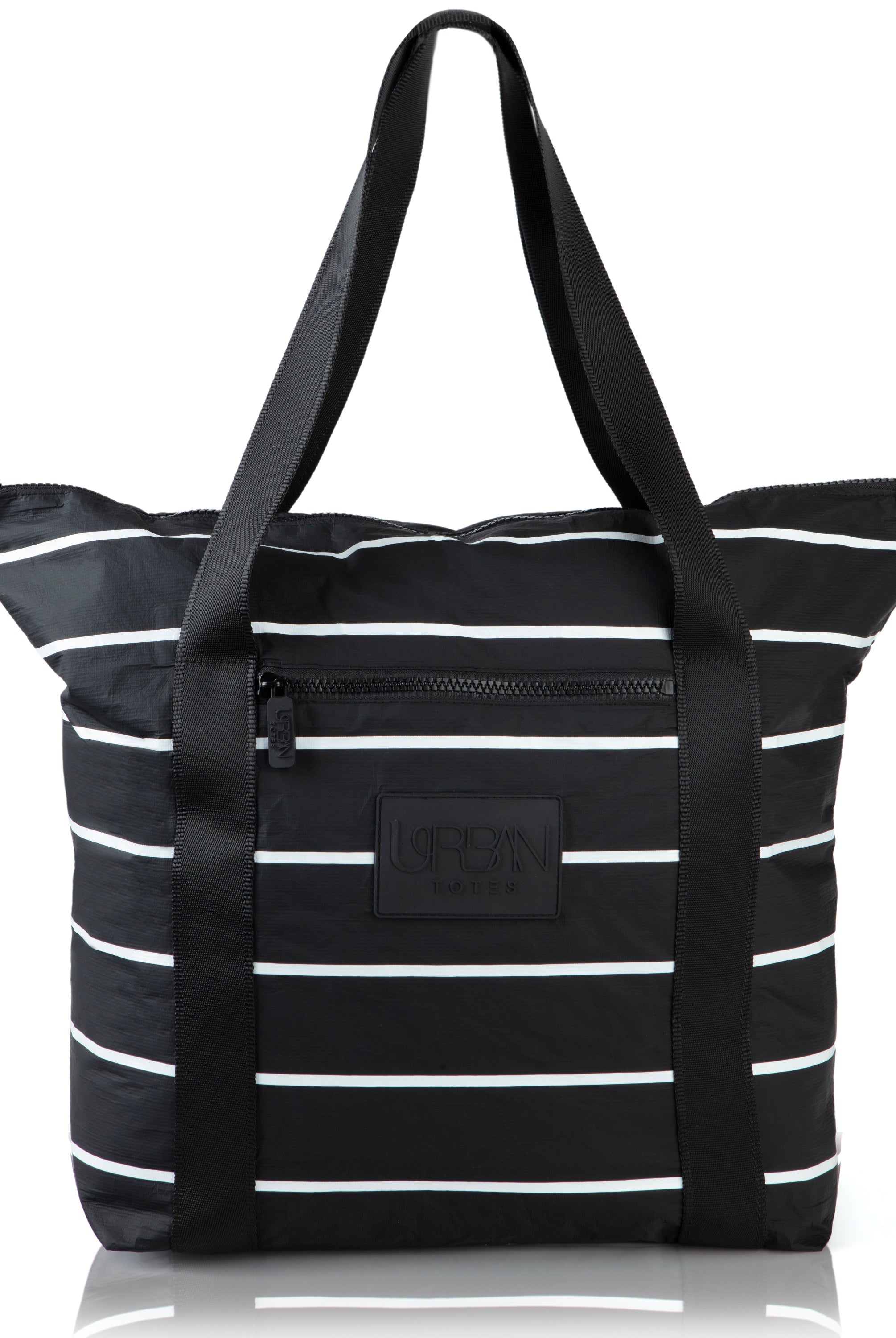
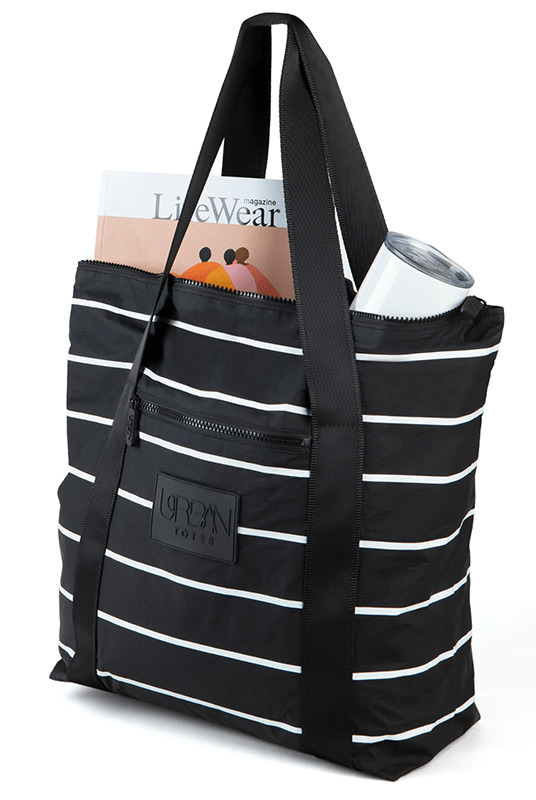
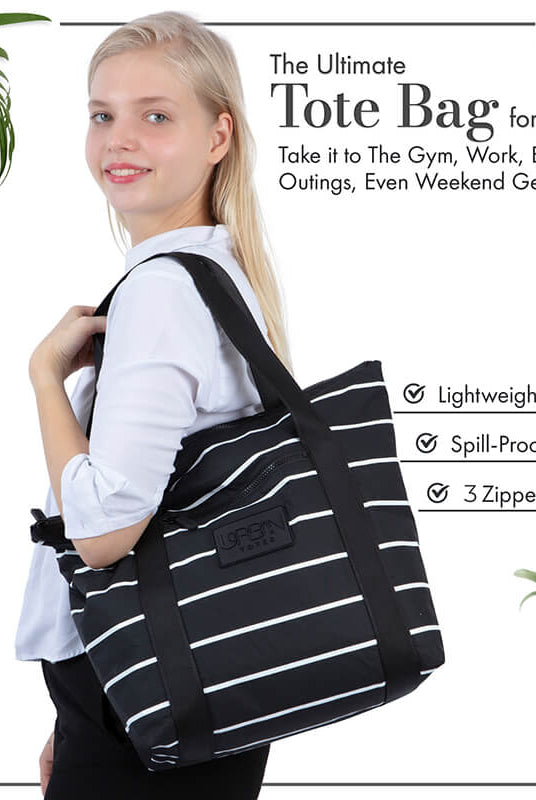
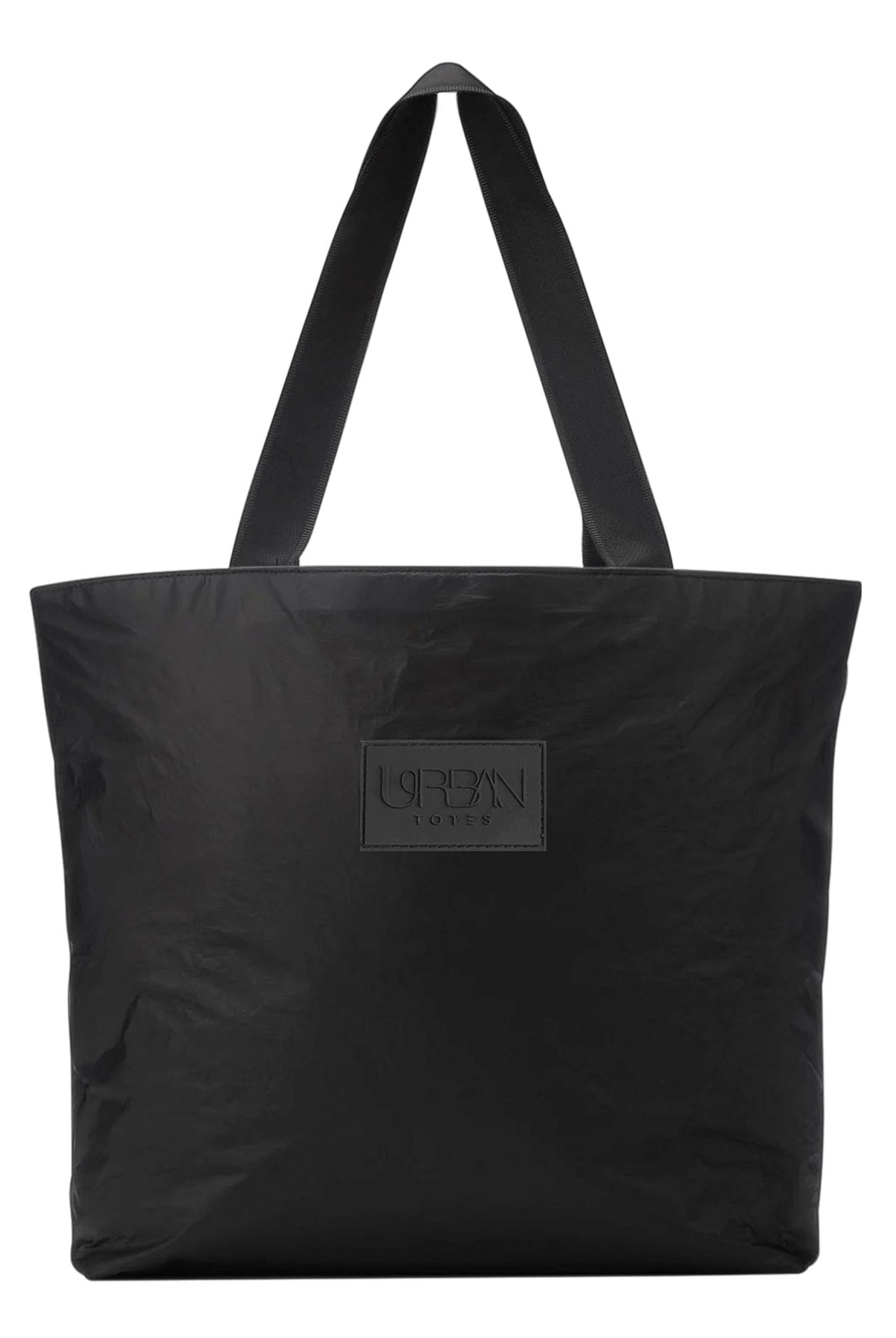
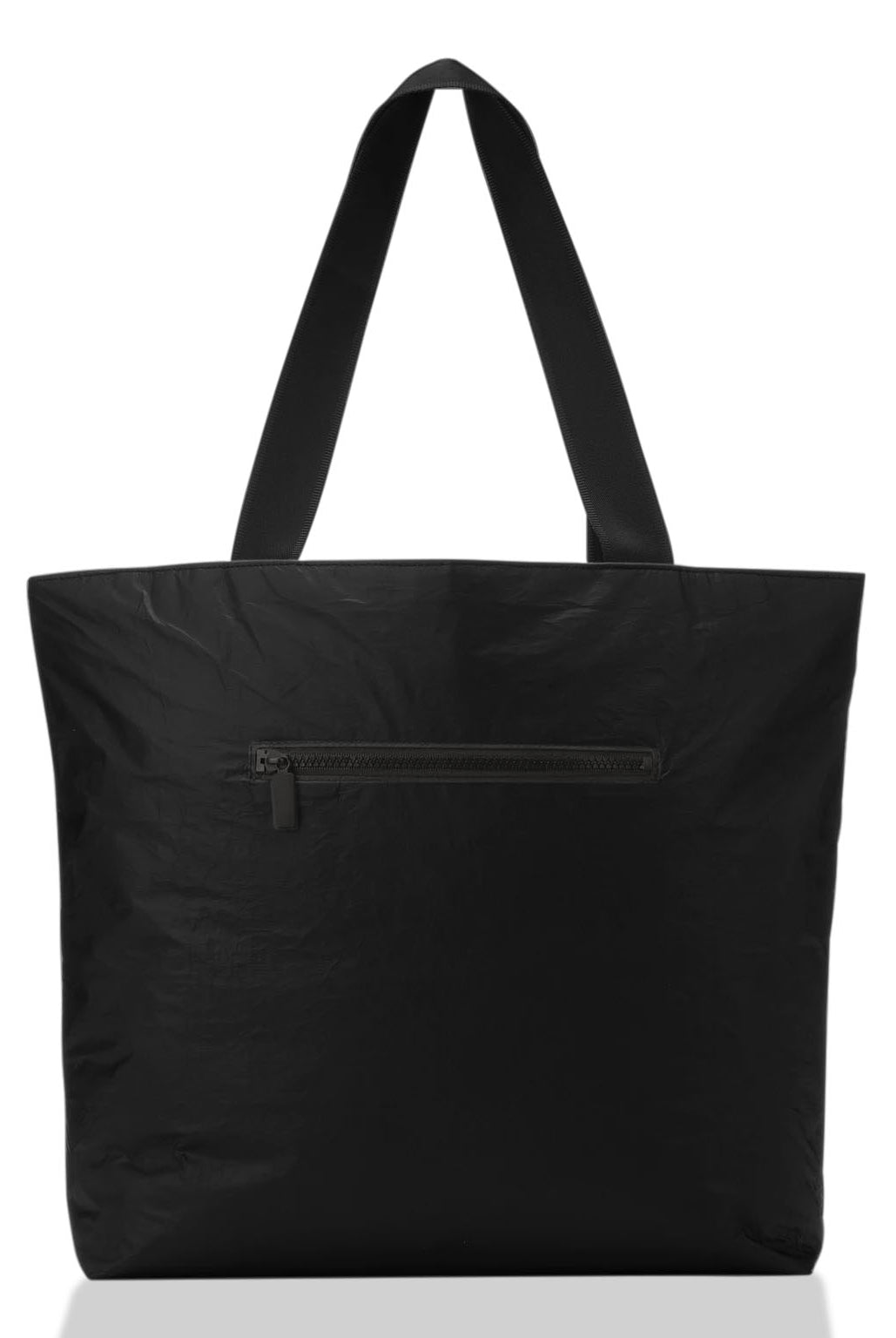
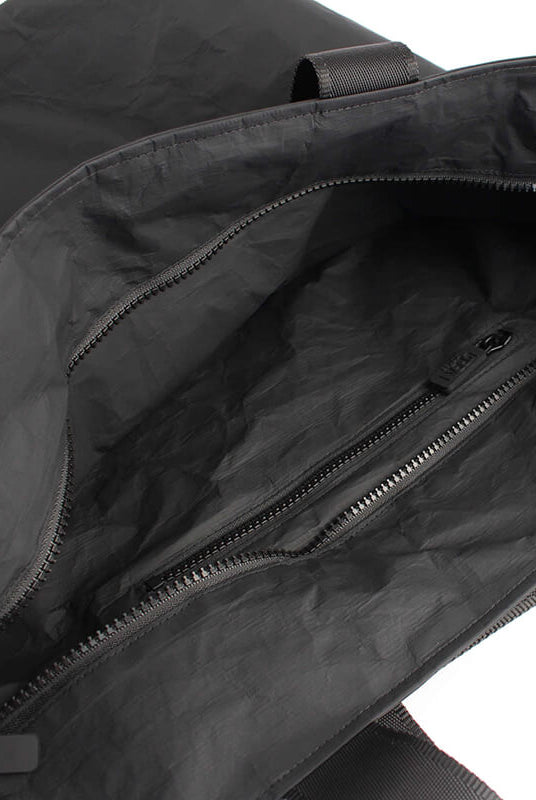
One current example is The Go Anywhere Day Trip Tote Bag by Urban Totes. What matters in a bag like this is not a long list of marketing features. It is whether the overall design supports steady carry, easy access, and dependable adjustment in real daily use.
Simple care keeps a strap usable longer
Straps age fastest where friction lives. Skin oils soften some materials over time. Dust and grit collect around sliders and clasps, which can make adjustment feel rough and wear down the finish. Once hardware stops moving cleanly, people tend to tug harder, and that puts more strain on the webbing and stitching.
A few habits make a real difference:
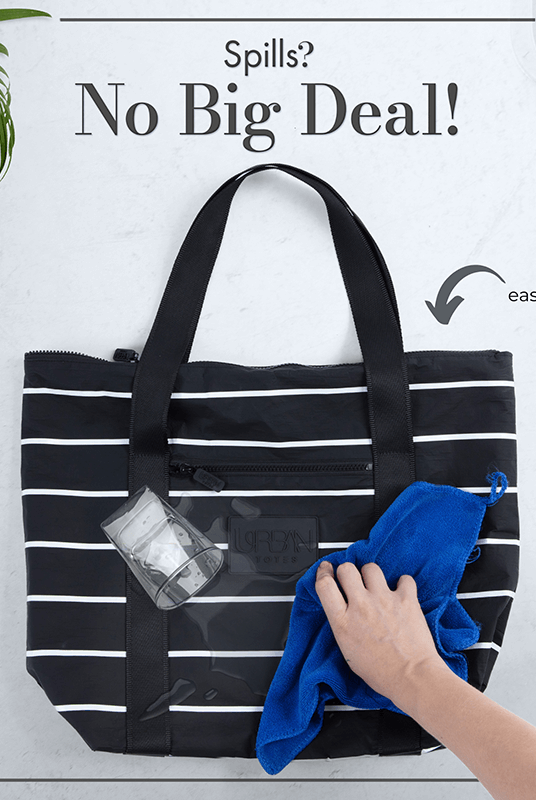
- Wipe the strap regularly: A soft damp cloth clears surface buildup before it settles in.
- Clean around hardware: Grit near sliders and clasps creates drag and extra wear.
- Check high-contact areas: The spots near attachment points usually show fatigue first.
- Store with the strap relaxed: Sharp folds can leave creases that affect how the strap sits and adjusts.
For more practical upkeep, Urban Totes shares helpful tote bag maintenance tips and tricks. And if your bag also pulls gym duty, these post-gym grooming tips are a useful reminder that damp clothes, toiletries, and daily carry items all affect how fresh your bag stays.
The right bag supports your day, fits your body, and still looks like you.
The best choice is a bag you do not have to keep readjusting. It stays where you set it, carries weight in a way your shoulder can tolerate, and keeps doing that after months of real use.
Find your perfect go-anywhere bag at Urban Totes.