The first really cold run of the season always asks the same question. Are you going out, or are you going to stand in the kitchen with your coffee, look at the dark window, and decide tomorrow sounds better?
Most runners know that moment. Your shoes are by the door, your watch is charged, and your motivation is there in theory. What usually derails the plan isn't the run itself. It's the thought of being cold, then sweaty, then colder on the way home.
That's where thermal running tights earn their place. A good pair doesn't just make winter running possible. It makes it feel normal again. You stop negotiating with the weather and start dressing for it.
For a lot of women, that matters beyond the run. Cold months already shrink outdoor time, and many people also start thinking more seriously about addressing winter vitamin D deficiency as daylight drops and routines move indoors. Staying active through winter often comes down to removing friction, and the right tights do exactly that.
Table of Contents
- Embrace the Chill Your Guide to Winter Running
- What Makes Running Tights Thermal
- Decoding Fabrics and Warmth Levels
- Essential Features Beyond Just Warmth
- How to Choose Tights for Your Activity
- Finding the Perfect Fit and Care Advice
- Quick Fixes for Common Cold Weather Running Issues
Embrace the Chill Your Guide to Winter Running
Cold-weather running gets easier when you stop trying to dress for standing still. That's the trap. You open the door, feel the air, and assume you need your heaviest layers everywhere. Then ten minutes later, you're overheating, tugging at sleeves, and wondering why the run feels harder than it should.
Thermal running tights help because they solve a very specific problem. They warm you up enough to get moving, but they're built for effort, not lounging. That difference matters. Winter gear works when it supports motion.
I've found that runners usually fall into one of two camps in late fall and winter. One group underdresses and spends the first mile miserable. The other piles on too much and ends up damp and chilled once pace changes or the wind picks up. The right thermal tights sit in the middle. They remove the guesswork from the most exposed part of your kit.
Winter running feels better with one reliable anchor piece
When your lower half is comfortable, the rest of your layering gets simpler. You can adjust a vest, swap gloves, or unzip a top. Bad leg coverage is harder to fix once you're already outside.
That's why many experienced runners build from the bottom up on cold mornings:
- Start with your tights: Choose the pair that matches the day's effort, not just the forecast.
- Add lighter upper layers first: It's easier to vent heat from your core than from your legs.
- Think about the whole outing: Warm-up, workout, cooldown, and the walk back to the car all count.
- Dress for your real life: If you're also doing school drop-off, errands, or a quick coffee stop, comfort and storage matter just as much as fabric tech.
Winter running gets a lot more enjoyable when your gear feels like part of your routine instead of a special survival setup.
There's also something satisfying about having one dependable pair of tights ready by the door. On dark mornings, small decisions matter. If your gear is comfortable, predictable, and easy to live in, you'll use it more often.
What Makes Running Tights Thermal
A thermal tight earns its place on cold runs by staying warm once you leave the driveway, settle into pace, and start producing heat. The job is not just insulation. It is controlled warmth that still lets sweat escape, so you do not finish the run damp and cold.
The biggest difference is usually inside the fabric. Many true thermal running tights use a brushed-back interior, which creates a soft loft against the skin and holds a thin layer of warm air close to the body. REI's Swiftland Thermal Running Tights details describe that kind of construction well. In practice, it feels warmer than a standard tight without the stiff, bulky feel of heavier winter gear.

Thermal means warmth plus moisture control
This is the part shoppers miss. Plenty of tights feel cozy for five minutes indoors. Good thermal tights still feel good twenty minutes into a run, after your body temperature rises and sweat starts to build.
That balance comes from a few fabric behaviors working together:
- Light insulation: Enough warmth for the first cold stretch, especially before your legs fully wake up.
- Moisture movement: Sweat gets pulled off the skin instead of sitting there and turning clammy.
- Breathability: Heat can escape during hills, tempo work, or a sunny patch in the middle of a winter run.
- Recovery in motion: The fabric keeps its shape and does not go baggy once it gets damp.
Stretch matters too. If thermal fabric is warm but restrictive, it will feel tiring on longer runs and awkward during faster sessions.
What actually separates thermal tights from regular leggings
A lot of cold-weather bottoms get labeled for winter, but the useful details are usually easy to spot once you know what to check.
Look for:
- A brushed or fleece-like inner face
- A denser knit that blocks a bit more air
- Flat seams or clean seam placement
- A stay-put waistband that does not slide once pockets are loaded
- Secure storage for a key, card, or phone
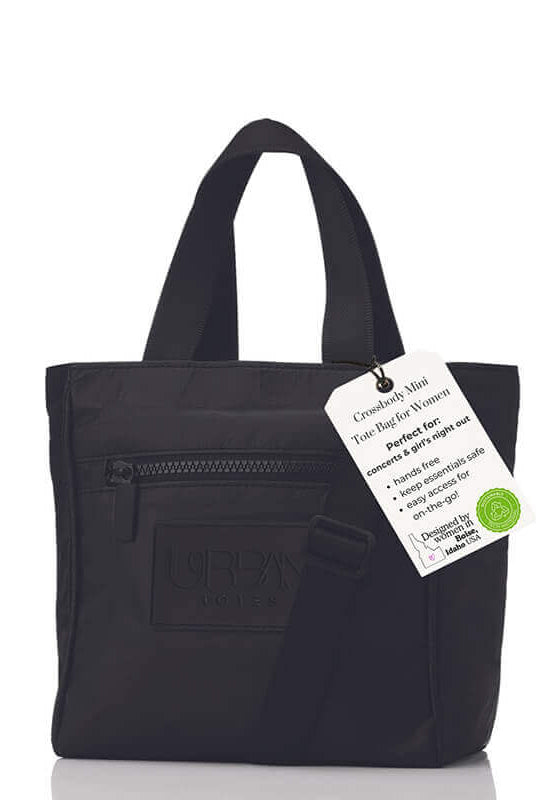
That last point matters more than brands like to admit. Everyday runners are often heading out before work, stopping for coffee, or walking the dog after a run. Thermal tights that can carry the basics save you from adding another layer or grabbing a separate bag. If you do need extra carry space for errands or commuting, a water-resistant crossbody bag for daily essentials pairs well with winter run gear without feeling like overkill.
What to ignore when shopping
Ignore vague words like “winter-ready” if the product details stay thin. Check the inside finish, fabric weight, pocket setup, and how the tights are meant to be used.
A pair built for easy cold miles may feel excellent at steady pace but too warm for hard intervals. Another pair may have lighter thermal treatment and work better for runners who heat up fast. That is the true measure. Thermal tights should match your run style and your actual routine, not just sound warm on a product page.
Practical rule: The best thermal tights keep your legs comfortably stable across the whole outing, from the cold first minute to the slower walk home.
Decoding Fabrics and Warmth Levels
A pair of thermal tights can feel great in the first cold minute, then turn swampy by mile four if the fabric is wrong for your pace and body temperature. That is why fabric matters more in use than on the tag.
Some runners do best in synthetic knits that dry fast and keep the overall feel light. Others are happier in wool blends that feel less slick and stay comfortable through stop-and-start days. The better pick depends on what your winter running looks like. Short predawn runs, long easy weekend miles, school drop-offs, dog walks, and errands all ask for slightly different kinds of warmth.

How the main fabric types feel in real use
Performance polyester is still the default for good reason. It usually feels light, dries quickly, and handles frequent washing well. For runners who train several days a week, that easy-care side matters. You can rinse, dry, and wear them again without much fuss.
Merino wool blends feel warmer in a quieter, steadier way. They often suit easy runs, walk-run sessions, and cold mornings when the outing includes more than just running. The trade-off is maintenance. Wool blends usually need gentler washing and can cost more.
Nylon and spandex blends tend to feel smoother and more supportive. I usually point runners toward this type when they want a more held-in fit for steady miles or when they dislike tights that loosen as the run goes on. Warmth varies a lot here, so the inner finish matters as much as the fiber mix.
A quick comparison helps:
| Fabric type | What it does well | Trade-off to watch |
|---|---|---|
| Performance polyester | Dries quickly, often lighter, easy to wash | Can feel less natural against skin |
| Merino wool blend | Soft warmth, good temperature feel | May need gentler care |
| Nylon-spandex blend | Supportive stretch, sleek fit | Warmth depends heavily on interior finish |
Fabric choice also affects how well tights fit into the rest of your day. If you run before work or head straight into errands, it helps to have a simple carry setup for gloves, a hat, or dry layers. A water-resistant crossbody bag for daily essentials makes that routine easier without adding much bulk.
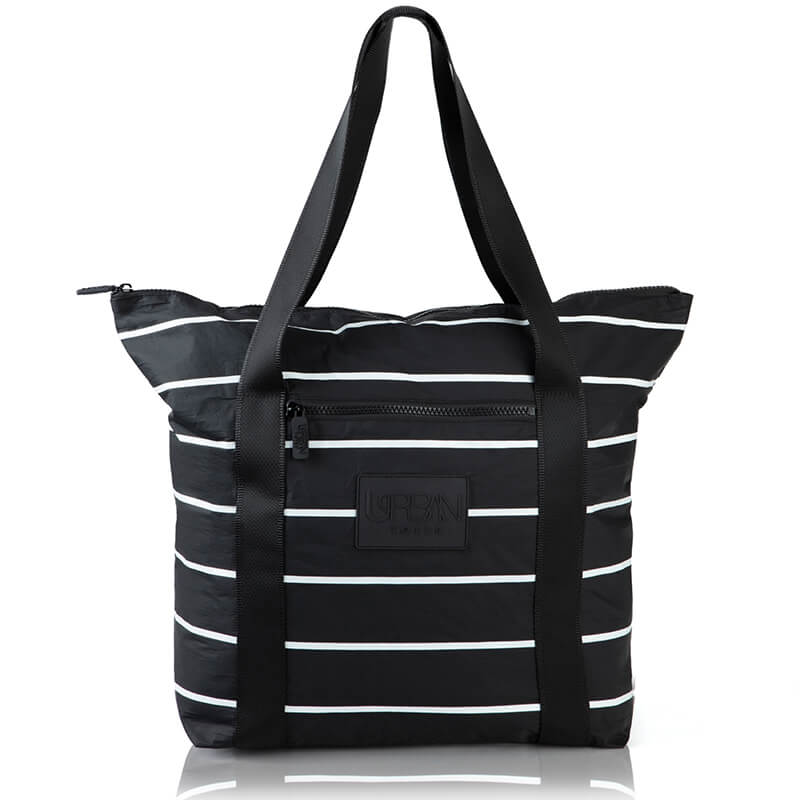
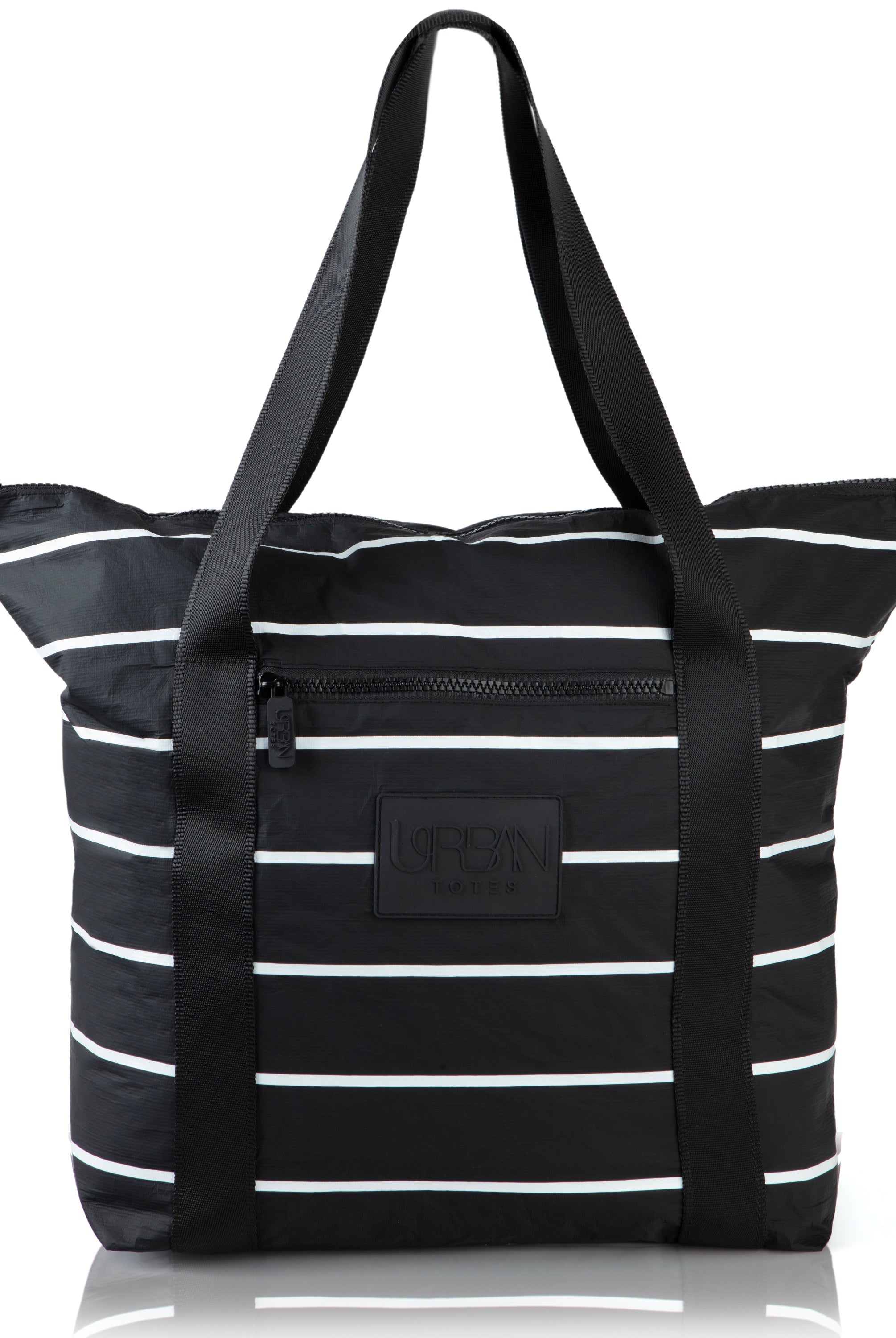
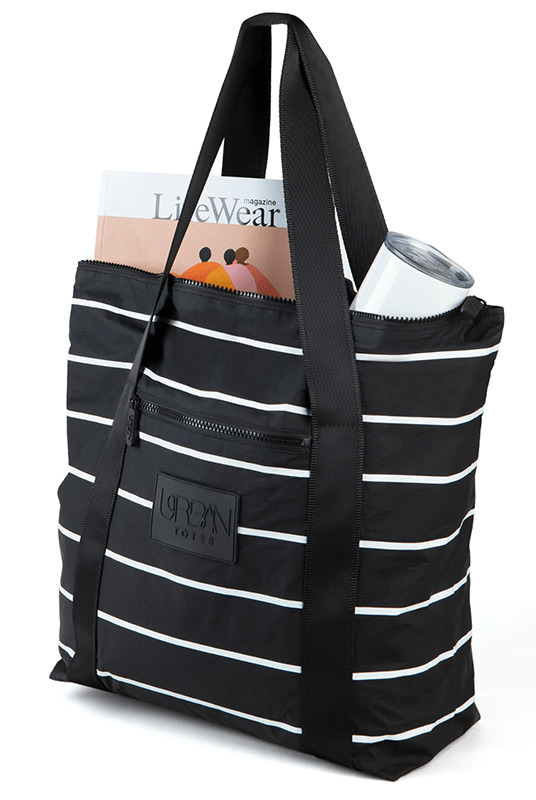
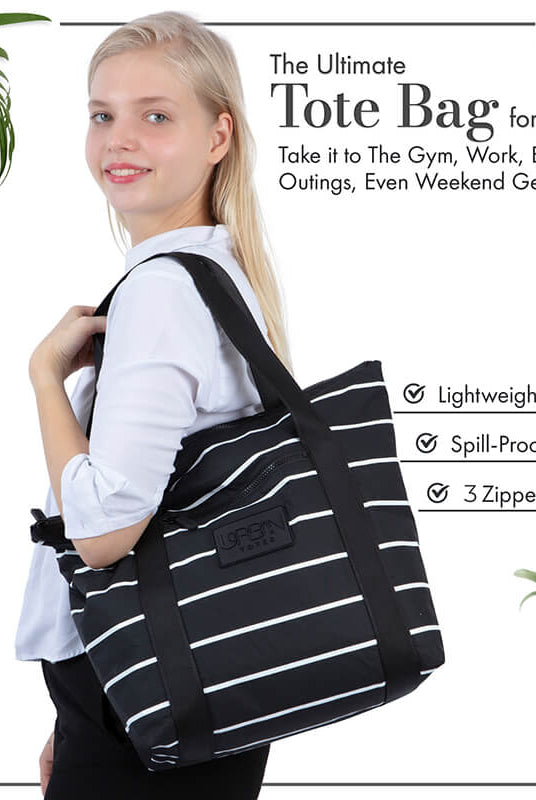
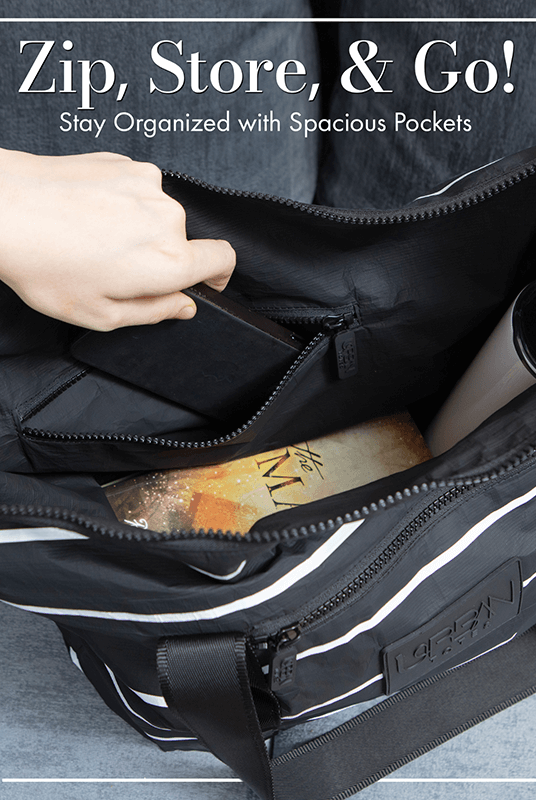
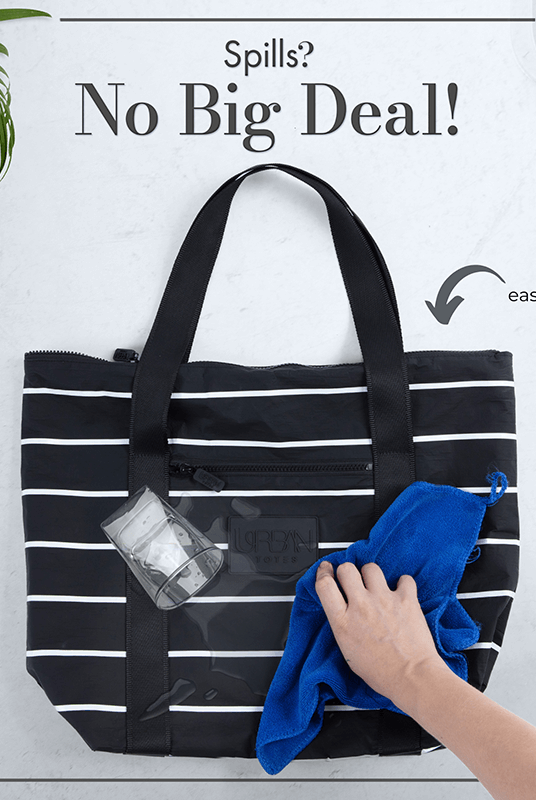
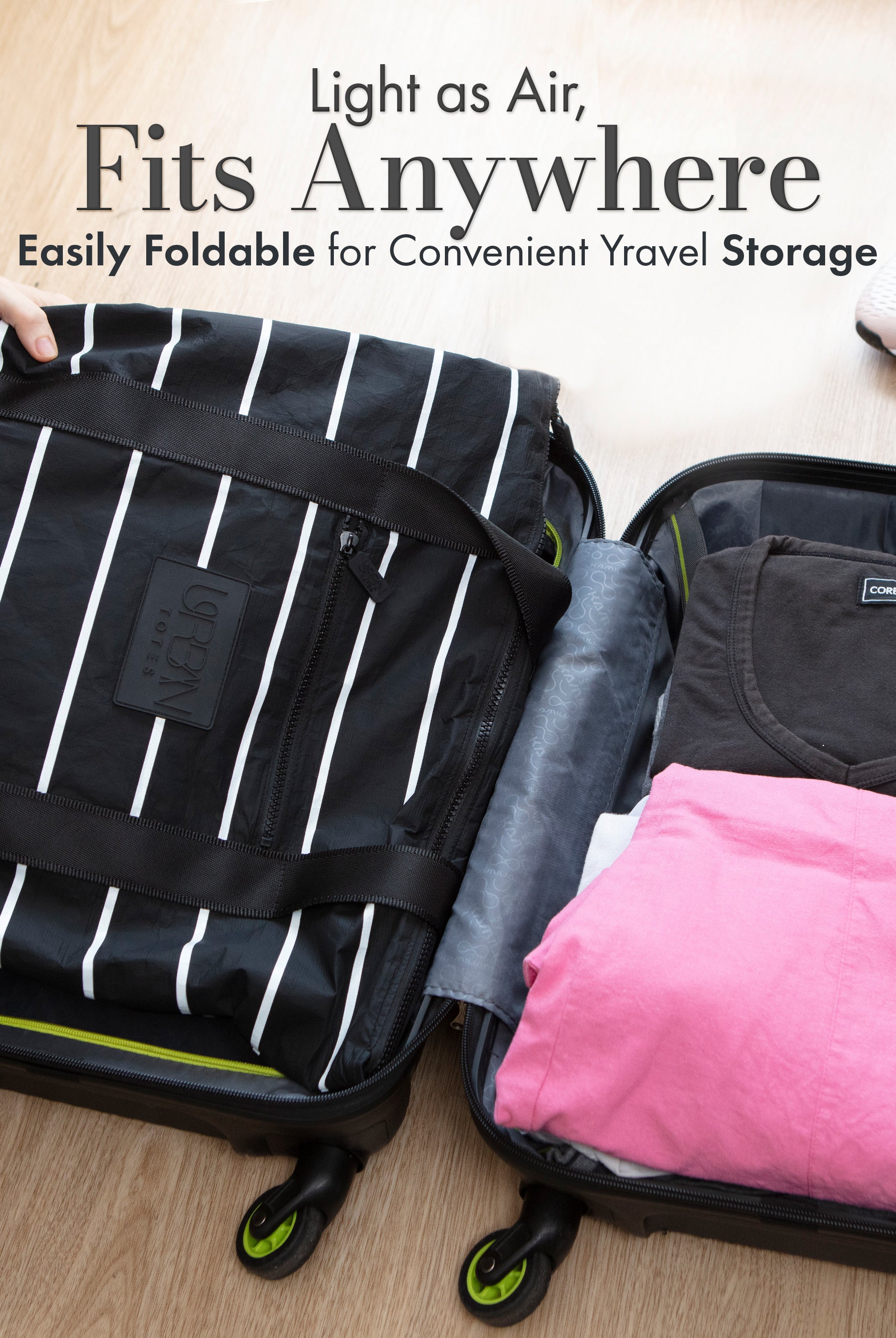
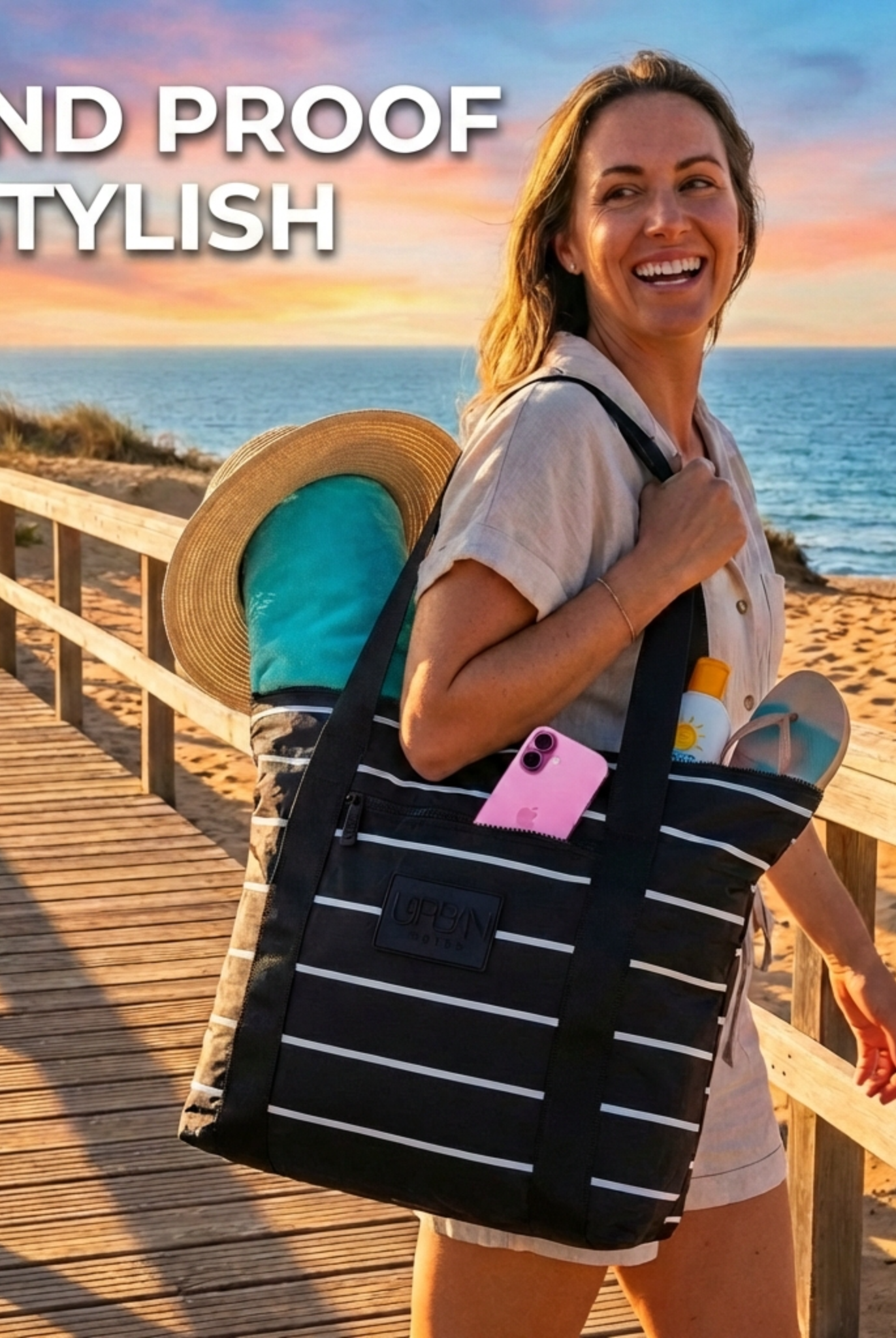
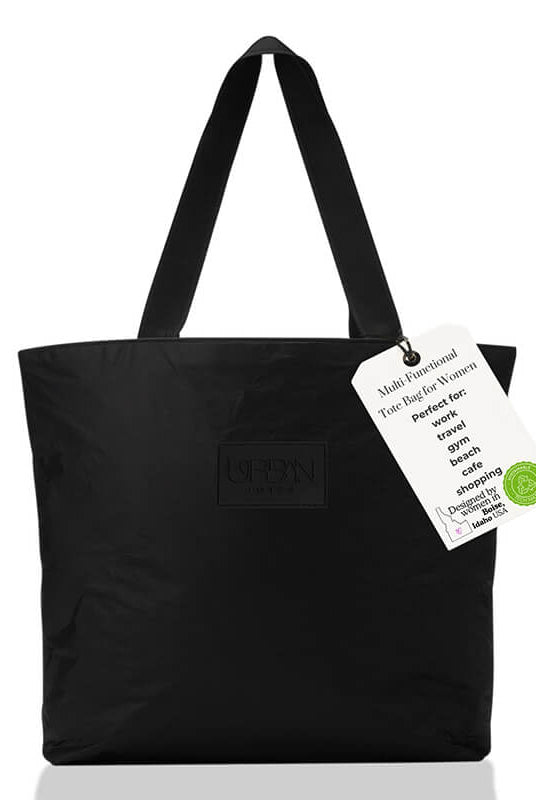
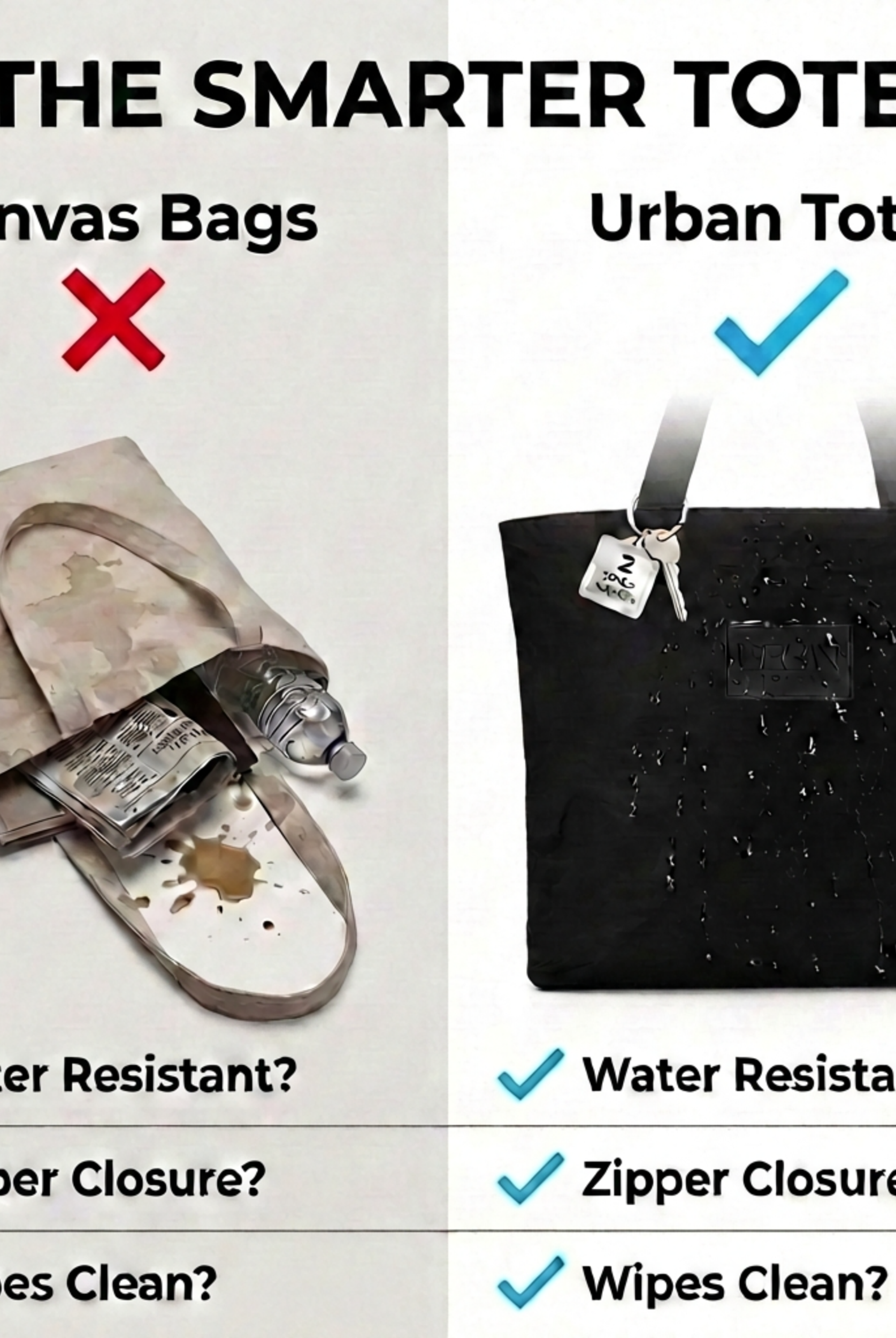
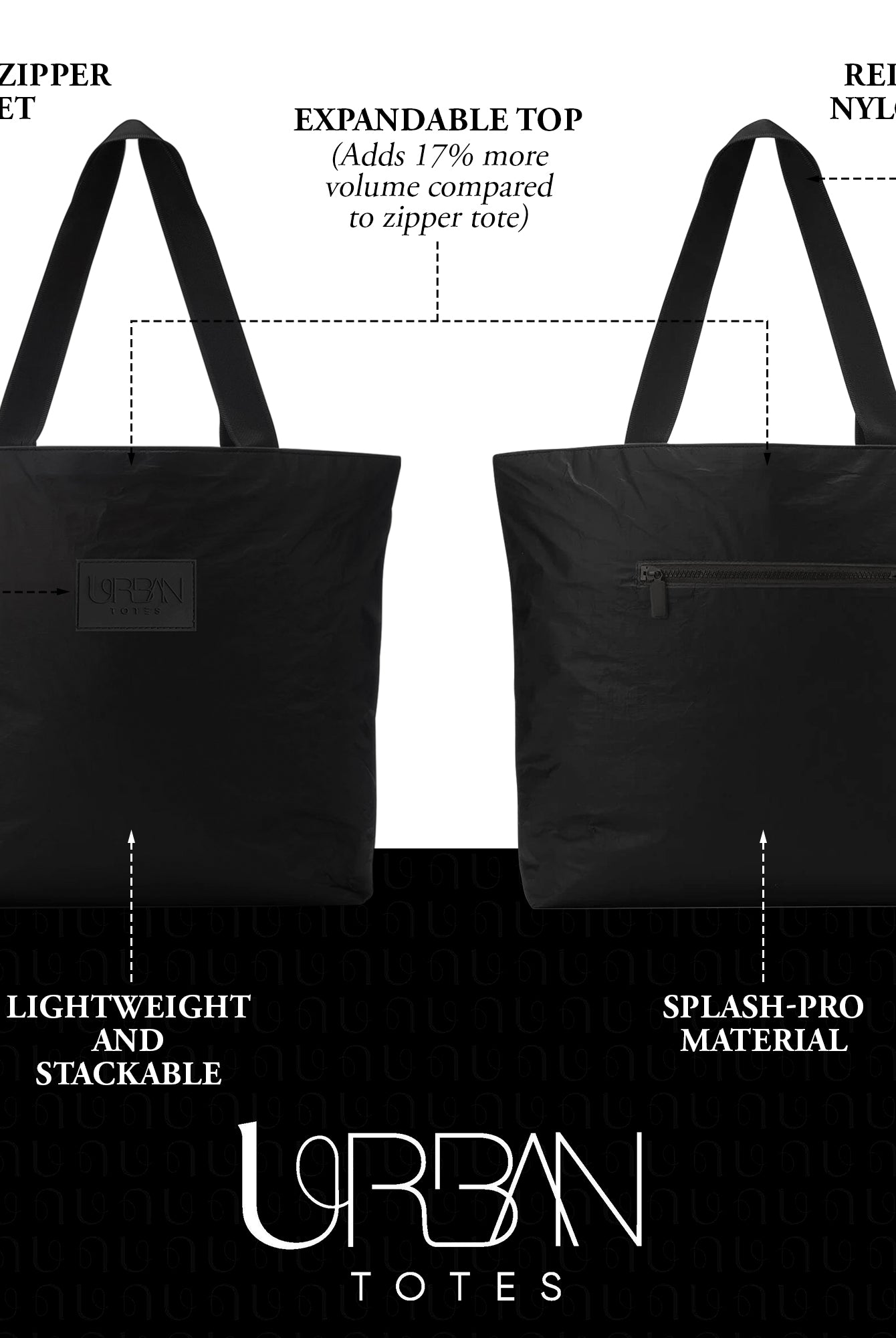
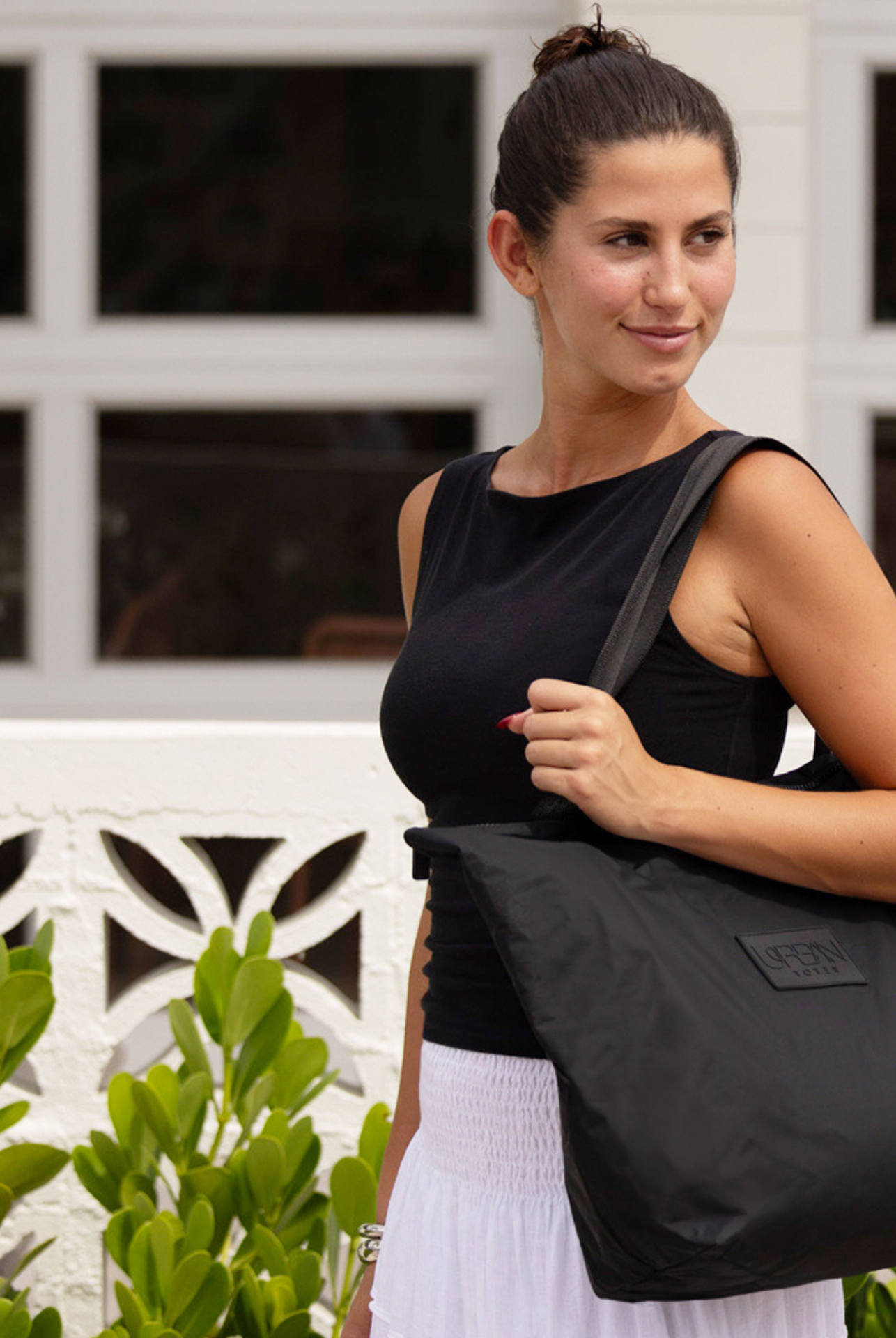
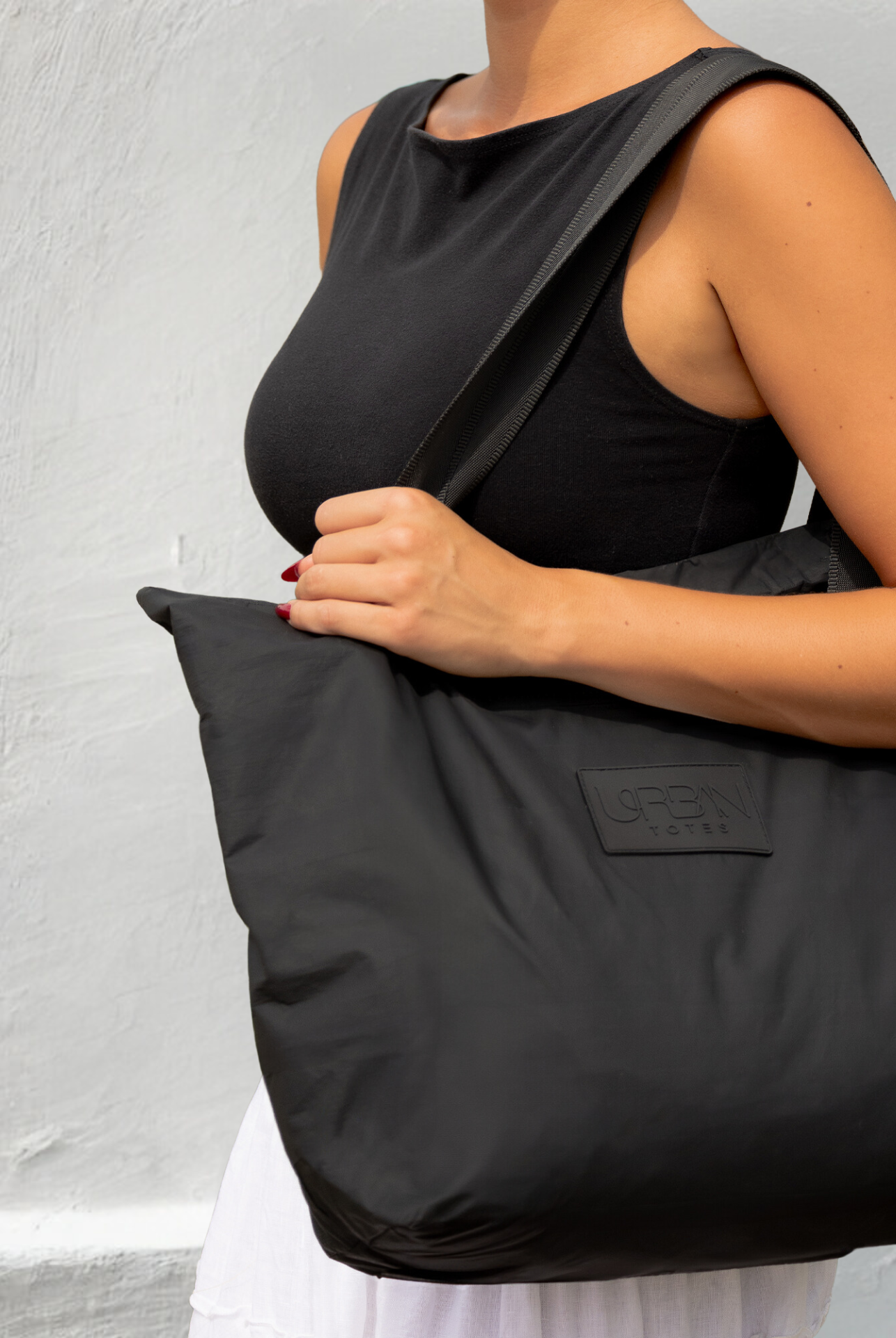
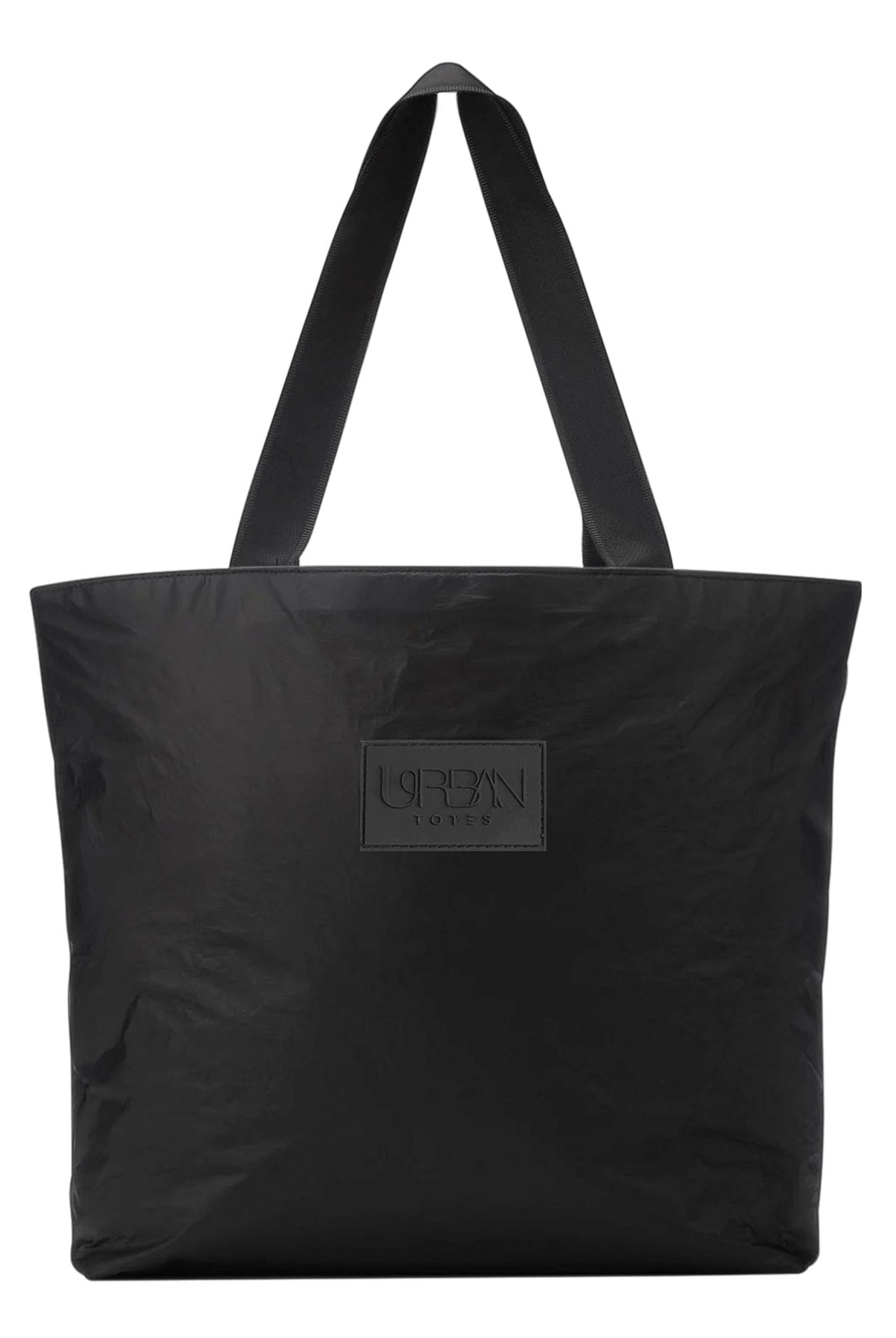
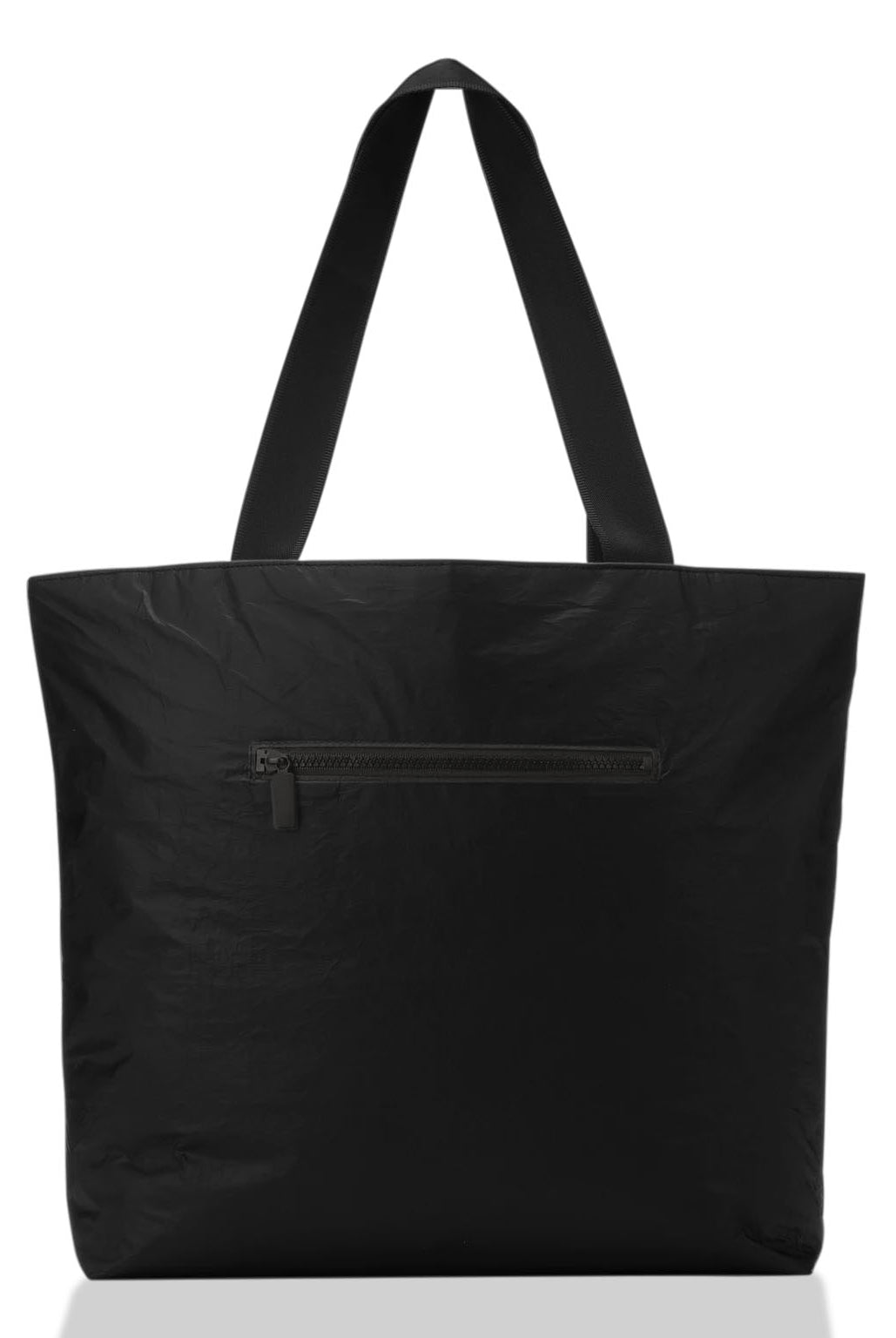
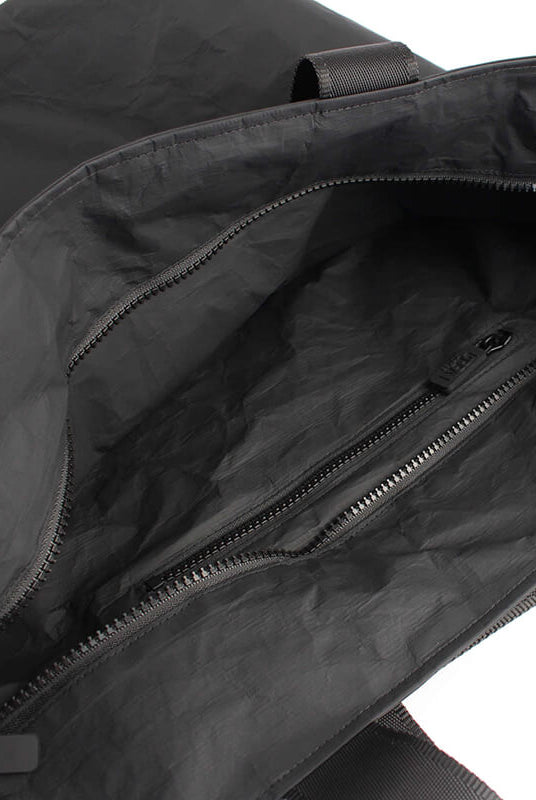
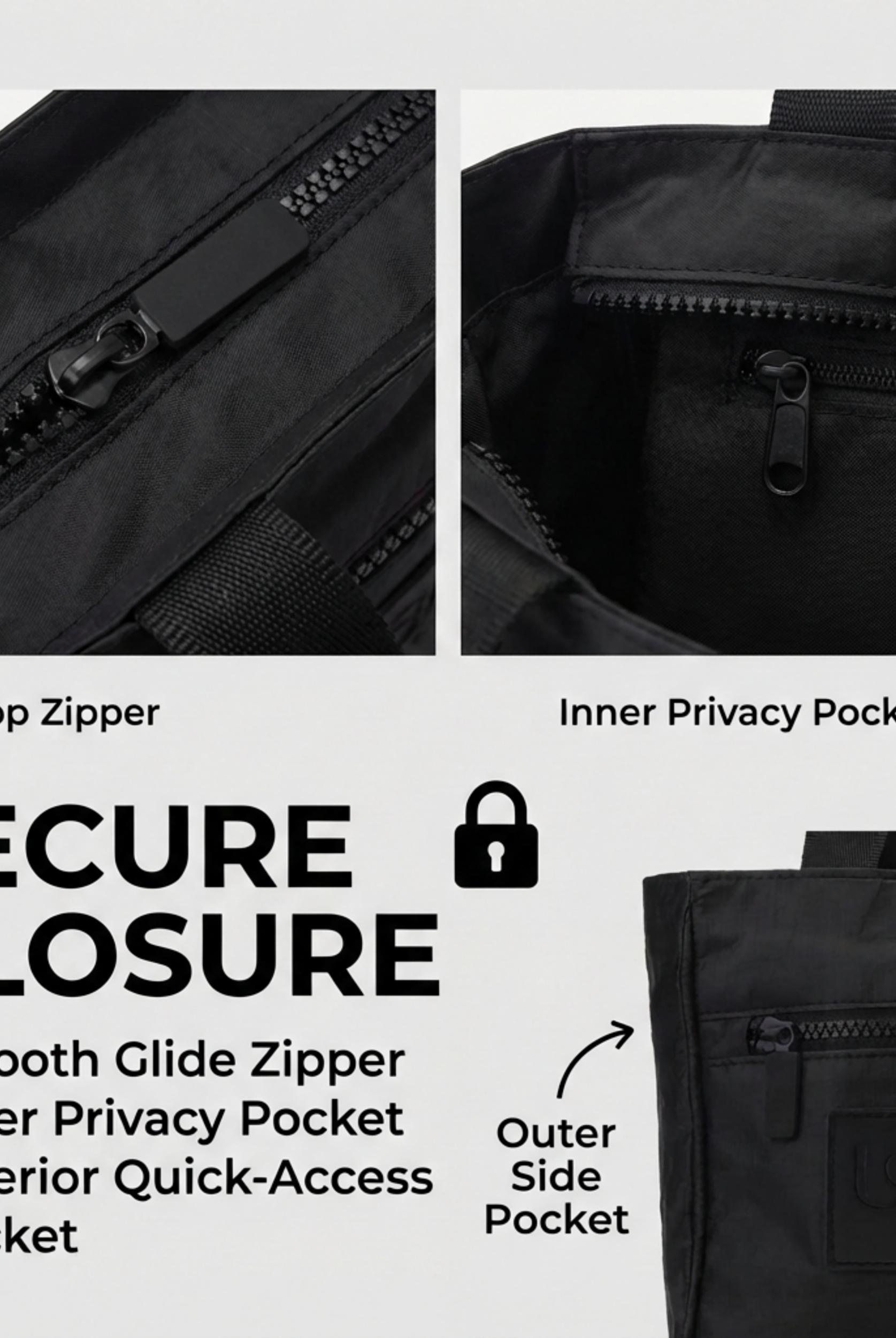
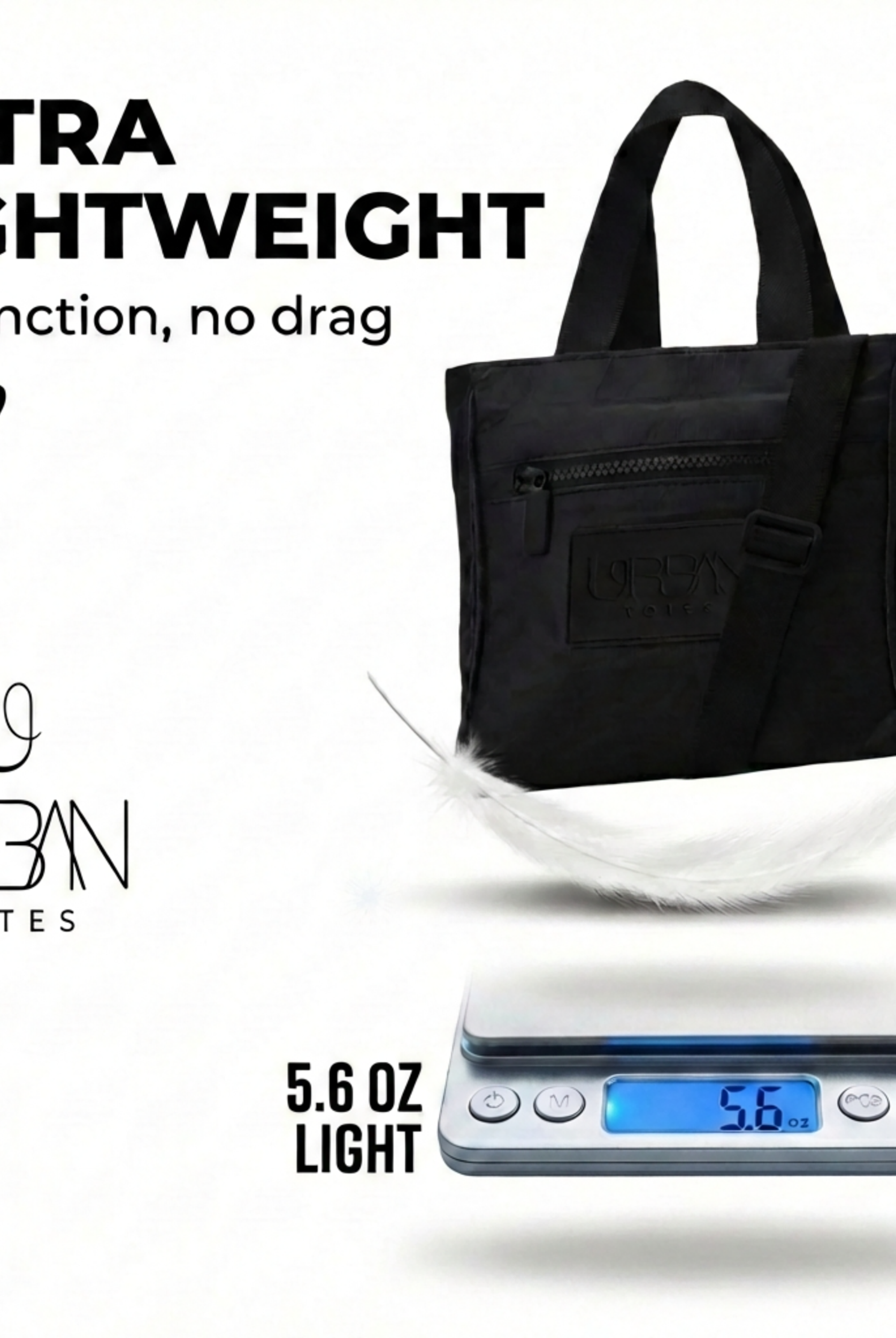
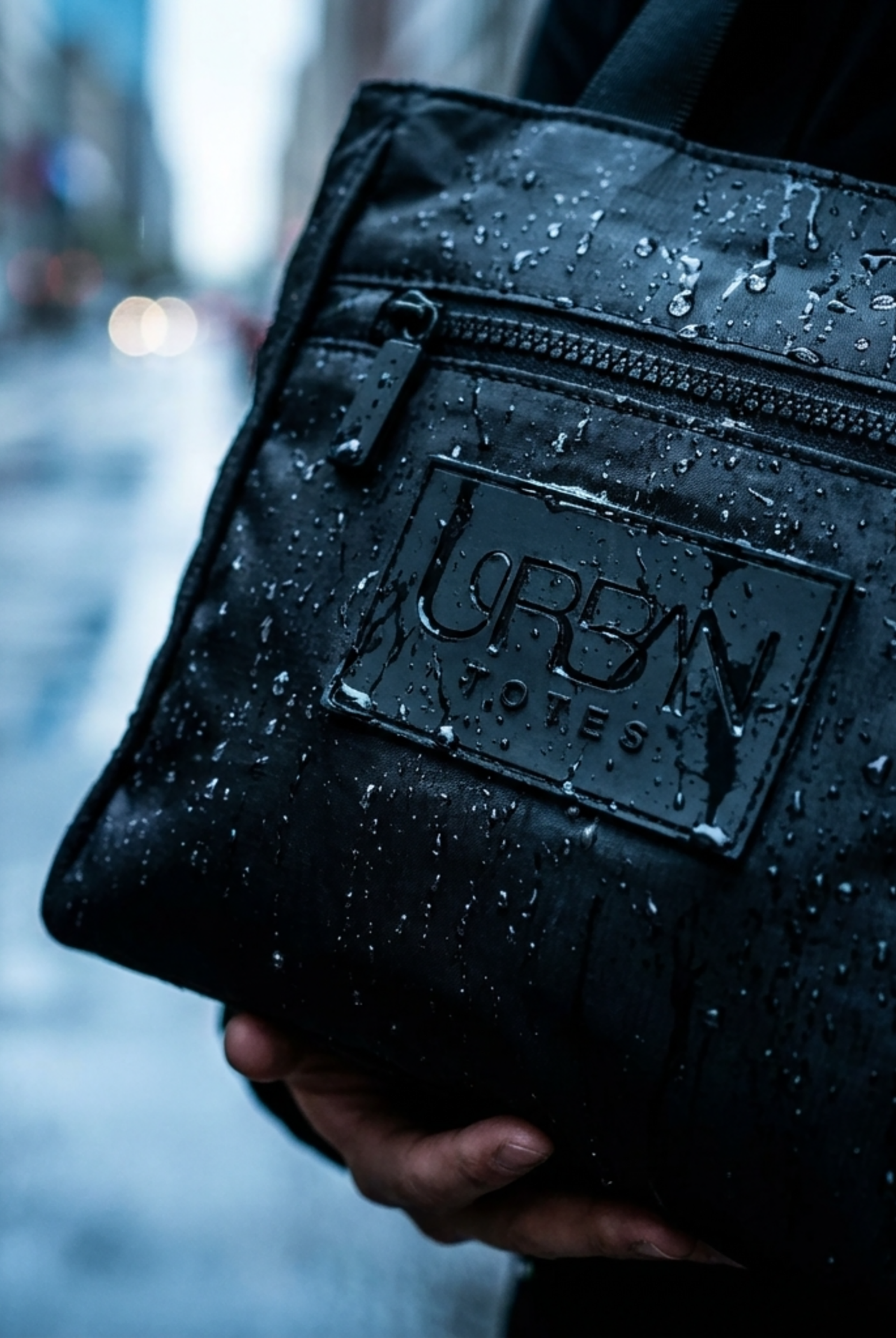
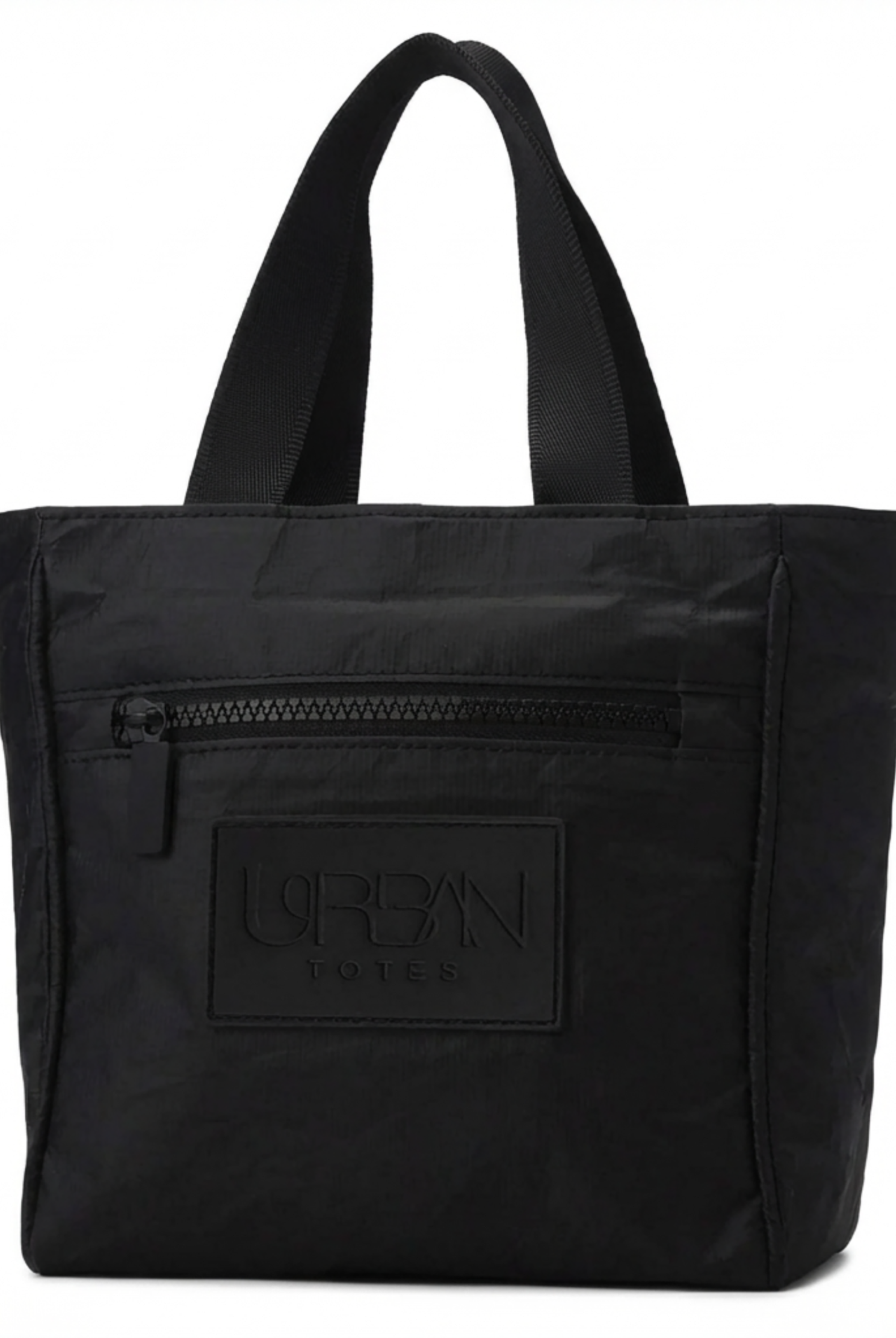
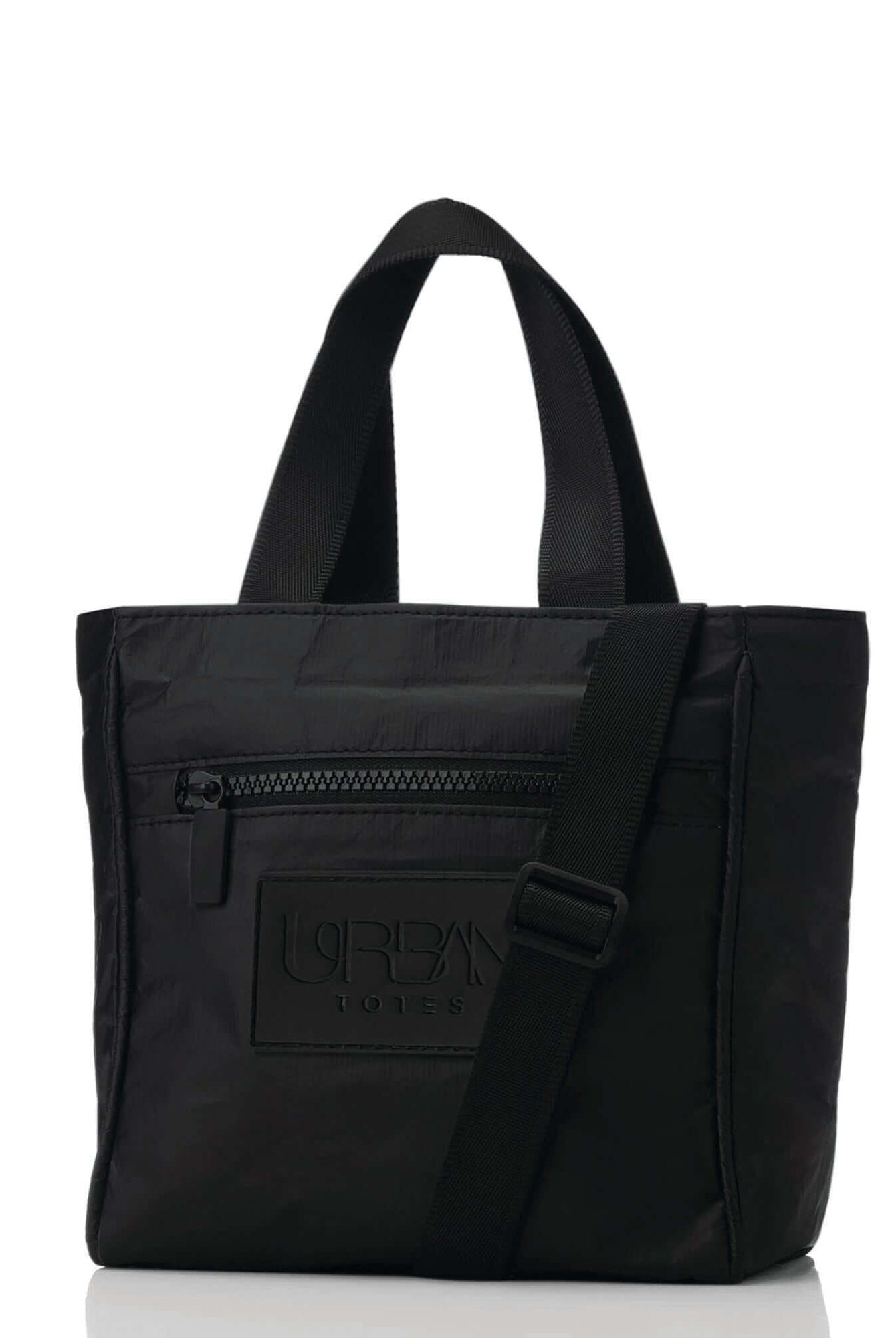
For bigger load-outs, The OG Zipper Tote Bag by Urban Totes fits naturally into that routine. Based on the catalog details, it is lightweight, packable, water-resistant, and has zip pockets plus side pockets that can keep damp gear away from the rest of your items.
A simple warmth guide that works
The easiest way to judge warmth is by matching the tight to your effort level, not just the forecast.
- Cool day tights: Best for crisp weather, faster sessions, or runners who heat up quickly. These usually use lighter thermal fabric and breathe better once you settle into pace.
- Cold run tights: The sweet spot for a lot of runners. A brushed interior and moderate fabric density usually work well for everyday winter miles.
- Deep winter tights: Better for very cold easy runs, long warm-ups, walking breaks, or anyone who tends to feel cold from the start.
A common buying mistake is choosing the heaviest pair on the rack. In real running, too much insulation can feel worse than too little because trapped heat and sweat make the whole run uncomfortable.
The best thermal tights keep you warm enough while moving, not overheated by the halfway mark. That is the standard to use.
Essential Features Beyond Just Warmth
Warmth gets the headline, but everyday usefulness decides whether thermal running tights become a favorite or stay in the laundry basket because you're avoiding them. Most runners don't need more fabric jargon. They need tights that hold what matters, stay in place, and feel good for the whole outing.
Many reviews miss that basic reality. The most common practical question is whether a pair can hold a phone, keys, and cards securely without bounce or discomfort during a run and daily activity, a point highlighted in this roundup of running tights.

Pockets are not a bonus feature
A pocket that technically exists isn't enough. If your phone slaps against your leg every step, that pocket failed. If your key presses into your hip bone, same result.
The best storage setups usually come down to placement:
- Side thigh pockets: Great for phones when the fabric is firm enough to reduce bounce.
- Rear zip pockets: Better for keys, cards, or a small gel.
- Waistband stash pockets: Good for minimal carry, less ideal for bulkier items.
- Multiple pocket layouts: Helpful if your run blends into errands and you want separation between essentials.
Busy women often need gear that can stretch across several hours, not just one workout. That's why the same person looking for bounce-free tights is often also looking for an organized gym tote bag setup for daily transitions. If your morning includes a run, a school drop-off, and a stop at the store, storage stops being a small detail.
The small design details that change everything
Waistbands matter more than people think. A soft but secure waistband can rescue an average pair of tights. A flimsy one can ruin an otherwise good pair because you keep tugging it up once your phone goes into the pocket.
Look closely at these features before buying:
- Drawcord waist: Useful when pocket load changes from one day to the next.
- Reflective details: Especially helpful for dim mornings and dusky evenings.
- Flat seams: Less irritation on longer outings.
- Cuff shape and ankle finish: A cleaner ankle fit usually layers better with socks and helps the tights stay neat.
Good winter gear should work for the run you planned and the life that happens around it.
That's the key benchmark. Thermal running tights should move well, hold essentials securely, and still feel appropriate when you're grabbing coffee after the run without changing immediately.
How to Choose Tights for Your Activity
The right pair for a slow Sunday jog often isn't the right pair for hill repeats, a walking commute, or a day with both indoor and outdoor time. In these situations, many buyers get frustrated. They shop by temperature alone and ignore intensity.
That's a mistake because thermal tights can become too warm, especially during harder efforts or in milder cold weather. Matching fabric weight to workout type, not just the forecast, is essential for comfort, as explained in this cold-weather tights overview.

Easy runs and long runs
Easy effort gives fabric more time to matter. You're producing less heat, and you'll notice cold wind or dampness more quickly.
For those days, prioritize:
- Steadier warmth: A brushed interior usually feels better than a slick, thin tight.
- Comfort over aggression: You don't need the most compressive fit if you're cruising.
- Useful storage: Long runs and walking warm-ups usually mean you're carrying more.
- A waistband you trust: The farther you go, the more annoying slippage becomes.
If you want another perspective on layering choices and workout-specific features, Swift Running's recommendations are worth browsing before you buy.
Faster workouts and mixed-use days
Tempo runs, intervals, and hill work change the equation. You warm up faster and overheat sooner. On those days, lighter thermal construction often beats maximum coziness.
A few practical matches:
- For speed sessions: Choose lower bulk, stronger breathability, and a locked-in fit.
- For trail running or variable surfaces: Look for durability and secure zip storage.
- For walking commutes: A softer hand feel and slightly warmer build usually pay off.
- For indoor-outdoor crossover days: Avoid over-insulated tights unless you know you run cold.
There's also a lifestyle piece here. If you're carrying only the basics before or after your run, a compact option like a crossbody phone bag for hands-free essentials can make those transitions easier without overpacking.
The best thermal tights for you are the pair that matches your pace, your weather, and what happens before and after the workout.
Finding the Perfect Fit and Care Advice
A great fabric won't save a bad fit. Thermal running tights should feel close, supportive, and secure, but not restrictive. If you're fighting the waistband, pulling fabric from the knees, or noticing sheerness when you bend, move on.
How the right fit should feel
Use a mirror and a little honesty. The fit test starts before the first run.
Check these points:
- Waist: Snug enough to stay put when pockets are loaded.
- Seat and thighs: Smooth, with no sagging fabric.
- Knees: No bunching when you walk or jog in place.
- Opacity: Do a squat test in natural light.
- Length: Full-length tights should sit cleanly at the ankle without excess pooling.
If you're shopping online, compare your likely use case, not just your measurements. A pair for easy winter walks may feel better slightly less compressive than one you'd use for speed work.
How to wash them without ruining them
Thermal fabrics last longer when you treat them like technical gear, not regular cotton leggings.
A simple care routine works well:
- Wash cold and gentle: It's easier on stretch fibers and interior finishes.
- Skip heavy fabric softener: It can interfere with the fabric feel many runners like to preserve.
- Air dry when possible: High heat is rarely your friend with performance tights.
- Store dry and clean: Don't leave damp tights crumpled in a gym bag all day.
The same logic applies to the rest of your gear system. If you also carry workout clothes and accessories in a daily bag, these tote bag maintenance tips and tricks are useful for keeping everything in good shape between workouts.
Quick Fixes for Common Cold Weather Running Issues
Even with the right pair, a few cold-weather problems show up again and again. Most of them are fixable.
If your legs still feel cold
If your legs stay cold after you've been moving for a while, the issue usually isn't just “not enough fabric.” It may be the wrong fabric for your effort level, or moisture sitting against your skin.
Advanced options can help here. Some thermal tights use heat-generating fabric technology. Mizuno's Breath Thermo is designed to convert escaping body vapor into heat while still offering features like stretch, flatlock seams, moisture wicking, and reflectivity, according to Mizuno's Breath Thermo running tight details.
Try this before piling on layers:
- Upgrade the fabric type: Heat-retaining or heat-generating materials can feel more stable.
- Check for dampness: Sweat can make “cold” feel worse than low temperature itself.
- Use smarter layering: A wind-blocking outer layer may help more than doubling tights.
- Warm up indoors first: Starting cold often makes the whole run feel colder.
If you overheat or your stuff bounces
Overheating usually means your tights are too heavy for the workout. Save warmer pairs for easy efforts and choose lighter thermal construction for harder sessions.
For bounce, be ruthless about storage. A bad pocket turns every run into an irritation. If your tights can't carry what you need comfortably, let them do the running job and move the rest into an organized carry system like a bag with a water bottle holder for active days.
If calf tightness or post-run soreness is part of your cold-weather routine, it's also worth reviewing MEDISTIK's prevention for runners alongside your clothing choices. Sometimes the problem isn't just warmth. It's how your body responds when cold muscles meet rushed starts.
A lot of winter running discomfort gets blamed on motivation. More often, it's a gear mismatch.
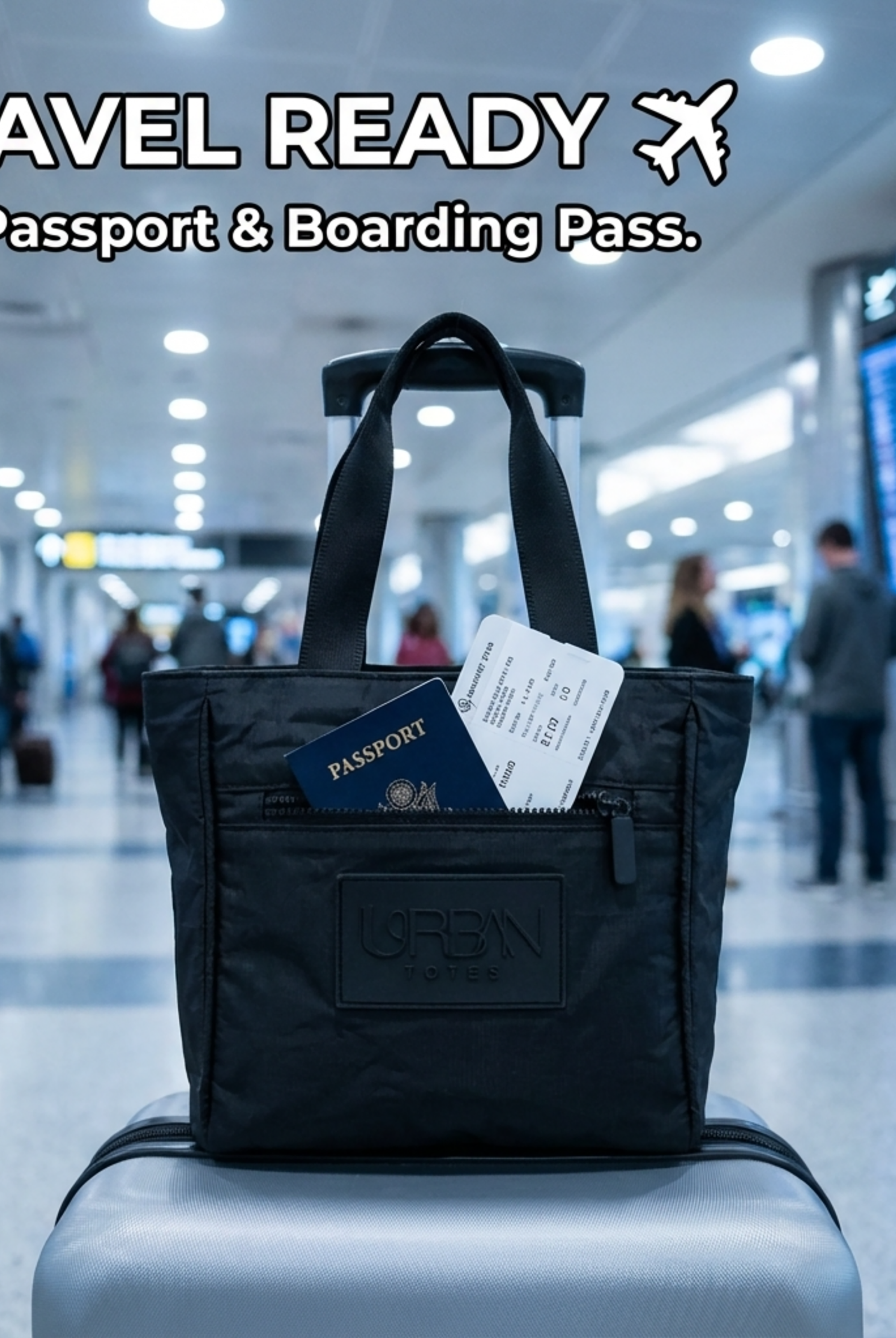
If your day moves from workouts to errands to travel, a bag that keeps up matters too. Urban Totes offers lightweight, water-resistant, organized options designed for real life in motion. Find your perfect go-anywhere bag at Urban Totes.