A sunny afternoon opens up, and suddenly a day trip sounds like the best idea you've had all week. Then the scramble starts. Keys vanish, sunglasses hide, your charger is somehow never where you left it, and the bag you grab turns into a deep fabric mystery the second you toss everything in.
That tiny pre-adventure spiral is exactly why a smart day trip packing list matters. A 2024 travel survey found that 72.9% of people make a packing list for each trip, and 77.1% say using a list makes them less likely to forget items. If you're craving more ease and less rummaging, this is your shortcut. Even if your outing is casual, the packing mindset still matters, whether you're headed downtown, to the beach, or borrowing ideas from this guide for coffee-loving adventurers.
Table of Contents
- 1. The Core Four Your Non-Negotiable Day Trip Essentials
- 1. The Core Four Your Non-Negotiable Day Trip Essentials
- 2. Packing Perfection How to Organize Your Day Trip Tote
- 3. The City Explorer Checklist For Navigating the Urban Jungle
- 4. The Beach Day Blueprint For Sun, Sand, and Sanity
- 5. The Trailblazer's Pack For a Day Hike in Nature
- 6. The Family Outing Add-Ons For Toting for Everyone
- Day Trip Packing: 6-Item Comparison
- Go Anywhere, Tote Everything Your Adventure Awaits
1. The Core Four Your Non-Negotiable Day Trip Essentials
A strong day trip setup starts with four things that solve the problems that show up on almost every outing. You get thirsty. Your phone drops to 12%. Hunger hits at the wrong time. Something spills, gets sticky, or needs a quick wipe.
That pattern is common enough to plan around. A 2024 travel survey found that 72.9% of people make a packing list for each trip, and 77.1% say using a list makes them less likely to forget items.
Hydration, power, food, and cleanup
These four items are the foundation module. They belong in your tote whether the plan is museums, a beach blanket, a trailhead, or a long lunch that turns into an all-day wander.
The key is not tossing them in and hoping for the best. It is choosing versions that pack neatly and stay easy to grab. A bottle that stands upright beats one that rolls around. A slim charger with the right cable beats a bulky one you hate carrying. Snacks should handle heat and movement without turning into crumbs or mush. Cleanup items need to be compact enough that you'll keep them stocked.
If you want a bag built for that kind of repeat use, a travel tote with smart organization makes a noticeable difference. The bag stops acting like one big drop zone and starts working like a system.
What earns a spot in the bag
- Reusable water bottle: Pick one that seals well and can stand upright in a side or interior pocket. Easy access matters more than capacity on a day trip.
- Portable charger: Bring a compact power bank plus the one cable your phone needs. I skip mystery cords every time.
- Snacks: Choose one protein option and one quick-energy option. For ideas that travel well, I like Gym Snack's protein snack recommendations.
- Cleanup kit: Pack hand sanitizer, a few wipes, and one tissue pack or napkin bundle. Small items fix a surprising number of annoying moments fast.
Travel editors often recommend keeping the daily-use layer focused on practical repeats like water, snacks, medication, sunglasses, tickets, and a charger, as outlined in this day trip essentials packing guide. That approach works because it cuts friction. It also leaves room to add the right module for the day instead of overpacking from the start.
1. The Core Four Your Non-Negotiable Day Trip Essentials
A good day trip packing list starts with the same small kit every time. Not because every day looks the same, but because the most annoying problems are always the same. You're thirsty, your phone dips low, someone gets hungry, or your hands need cleaning right now.
This is the base layer that keeps a spontaneous plan from getting high-maintenance.

Hydration, power, food, and cleanup
A practical day bag should prioritize the items you'll reach for repeatedly. Travel editors and packing checklists consistently center a small daily kit around a water bottle, snacks, maps or tickets, sunglasses, a light layer, a mini first-aid kit, an empty bottle, a portable charger, and essential medication in the easy-access layer, as outlined in this day trip essentials packing guide.
That lineup works because it solves real day-trip friction. It doesn't romanticize packing. It just covers the little things that derail your mood fastest.
What earns a spot in the bag
- Reusable water bottle: If it fits in an exterior or upright interior spot, you'll use it. If it rolls around loose, it becomes annoying fast.
- Portable charger and cable: Keep both together. A charger without the right cord is just dead weight.
- Smart snack: Pick something that won't melt, crumble everywhere, or require a whole cleanup situation. For ideas, I like browsing practical roundups like Gym Snack's protein snack recommendations.
- Hygiene duo: Hand sanitizer and wipes don't feel glamorous, but they're the kind of boring heroes that save the day.
Practical rule: If an item solves a problem you run into on an ordinary Tuesday, it probably belongs in your core module.
One more thing matters here. The same 2024 survey found that people forget an average of two essential items per packing session. That's why a ready-to-grab essentials pouch works better than rebuilding your bag from scratch every single time.
If you're also choosing the bag itself, this breakdown of the best tote for travel is useful because it focuses on access, weight, and real carry comfort instead of just looks.
2. Packing Perfection How to Organize Your Day Trip Tote
Most tote frustration isn't about capacity. It's about retrieval. A tote can be roomy and still be significantly inconvenient if every small item slides to the bottom and mixes with the rest.
The fix is simple. Pack by zone, not by category alone.

Build your tote in layers
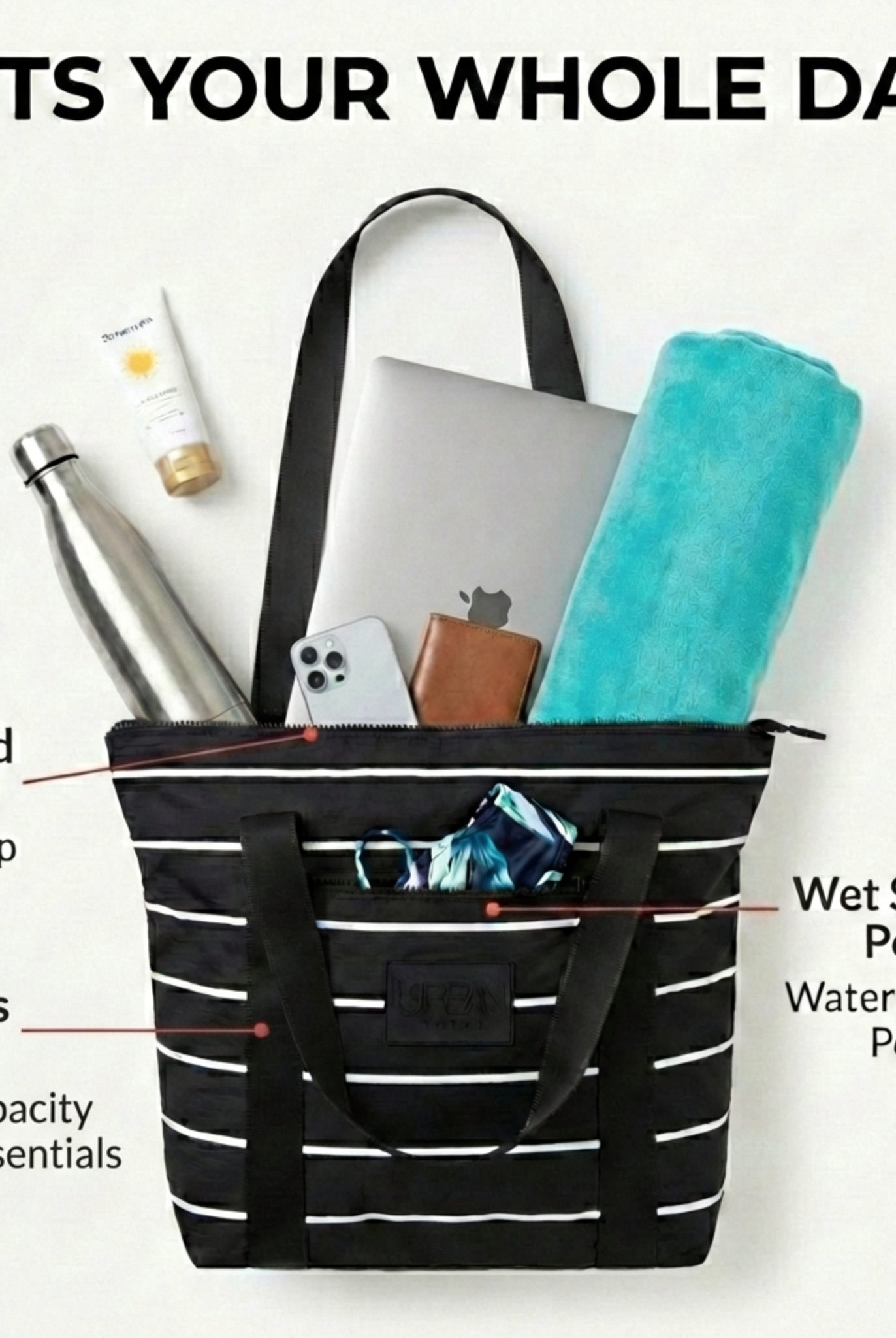
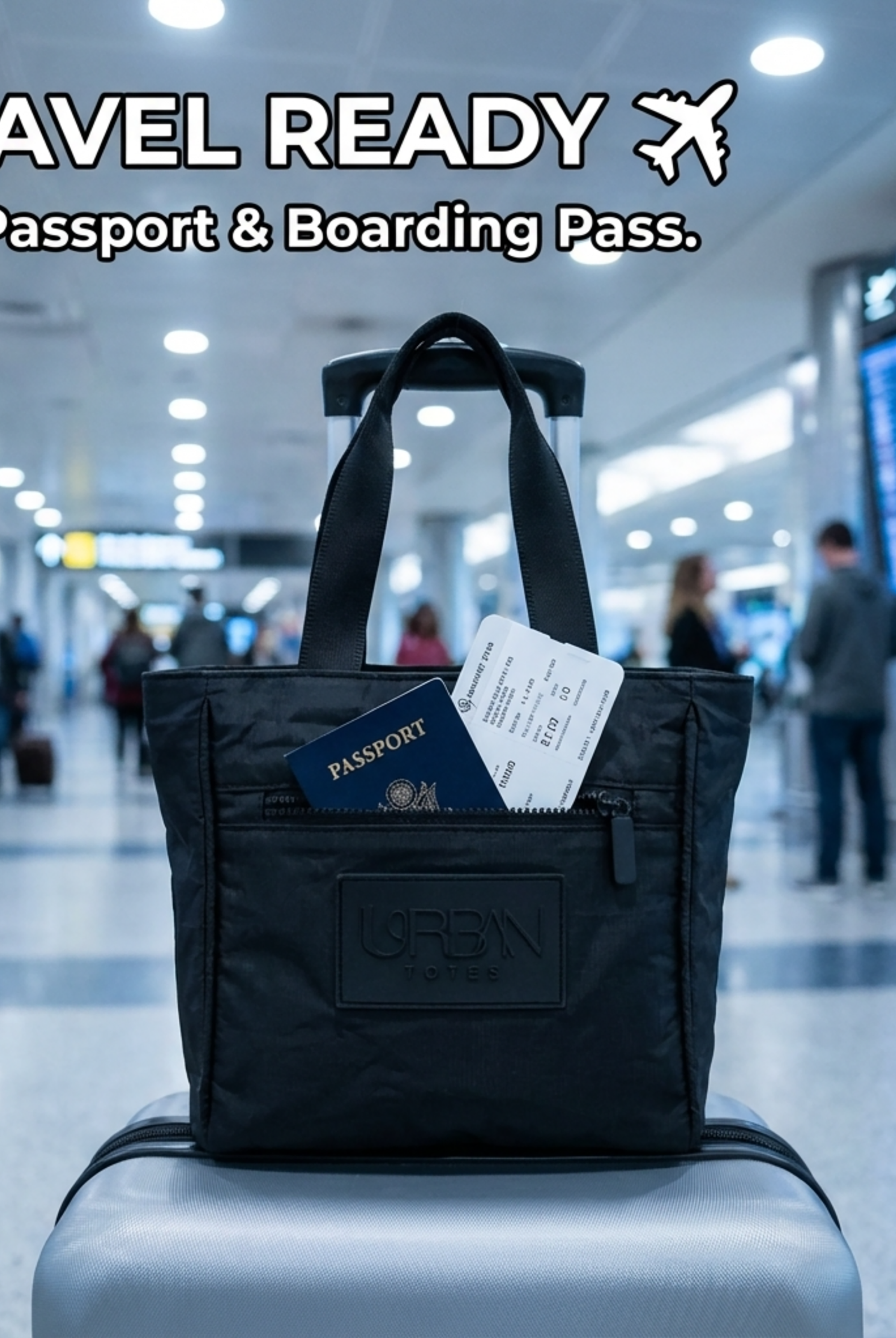
The top-access layer is for items you reach for while standing, walking, or waiting in line. That means phone, keys, sunglasses, card holder, lip balm, tickets, and your charger cable.
The middle layer holds your activity module. Beach pieces go together. City extras go together. Hike supplies go together. If you use pouches, each one should answer a single need instead of becoming a miscellaneous drawer.
The bottom layer is where bulkier pieces belong, like a light sweater, rolled towel, or spare clothes for kids. They cushion the rest and stay out of the way until you need them.
A tote feels lighter when the heaviest items sit close to your body and the most-used items stay near the top.
Why the bag itself matters
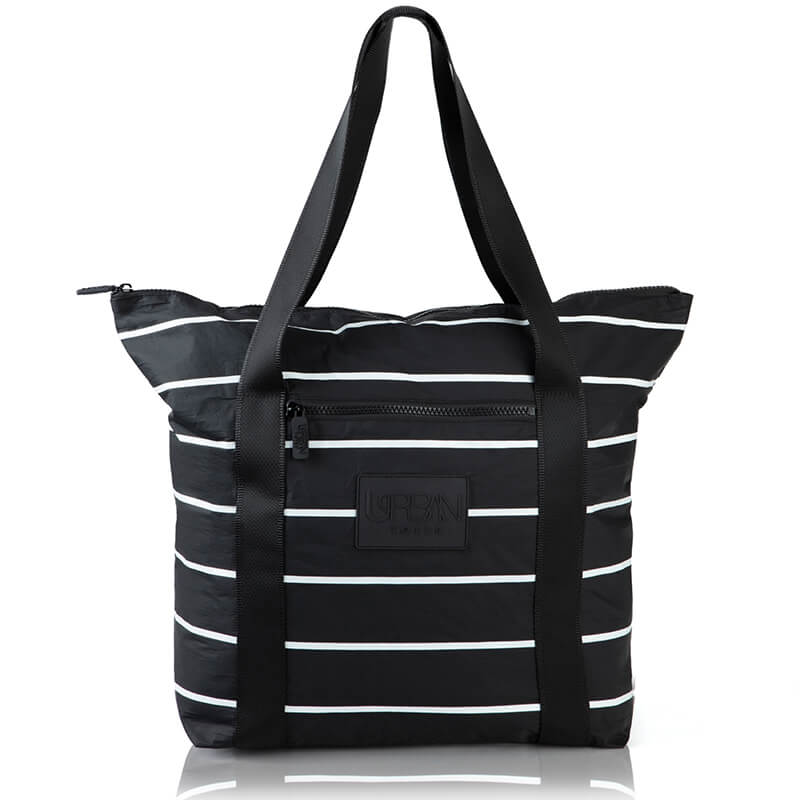
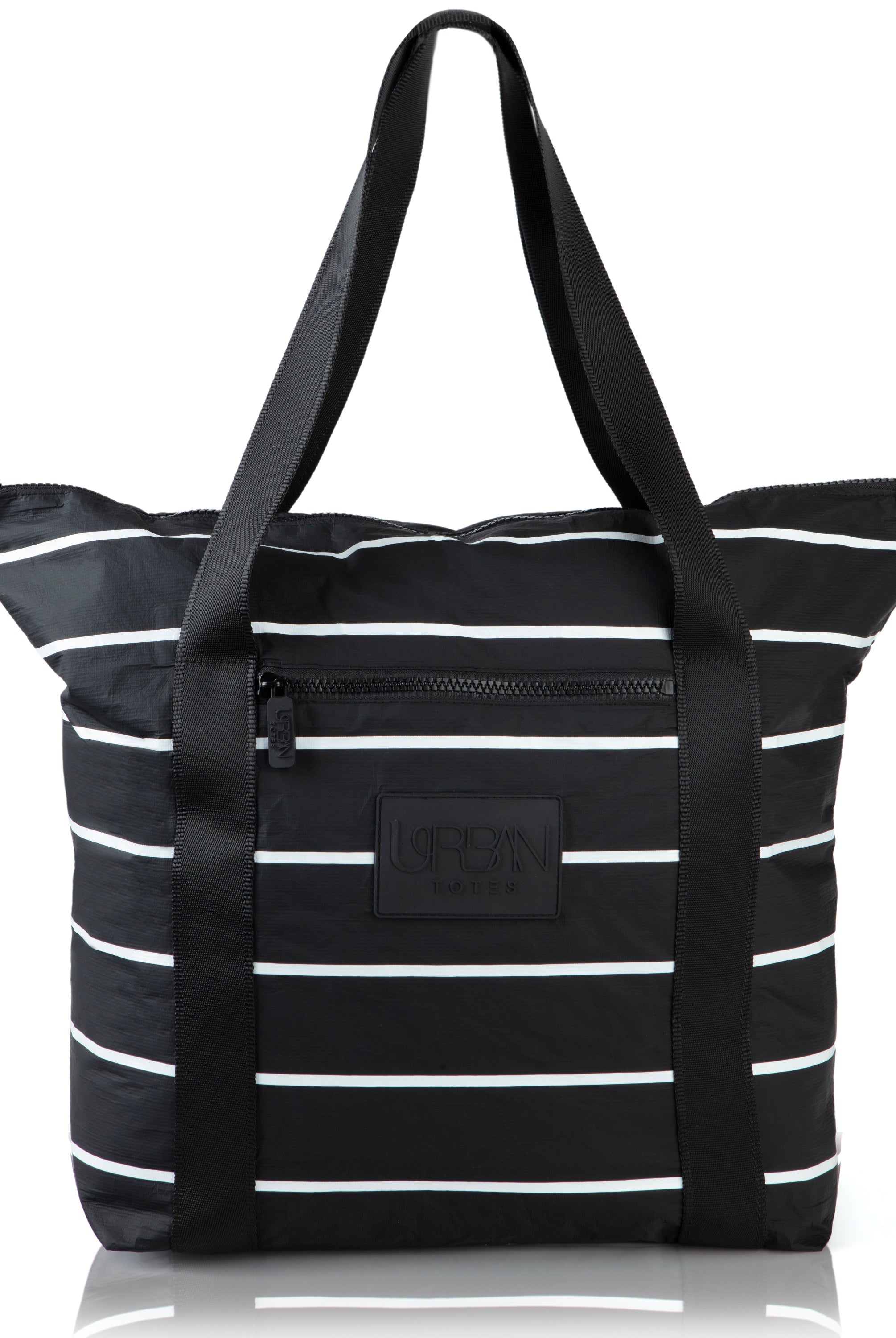
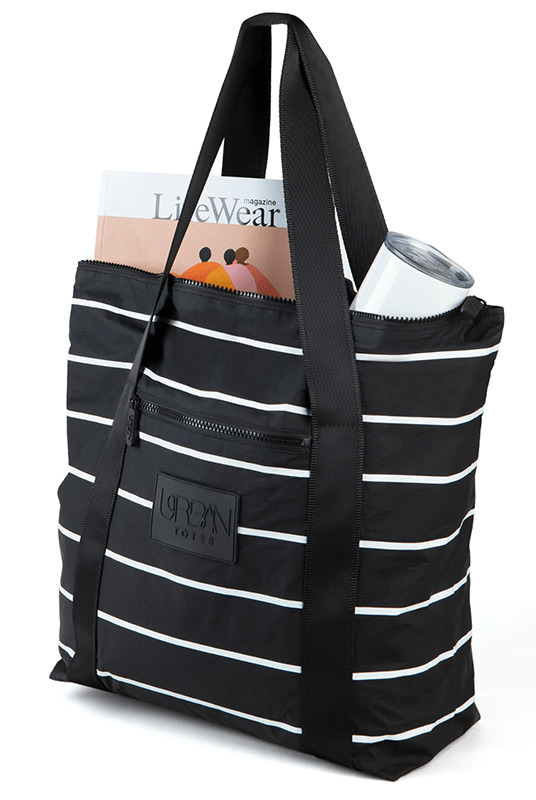
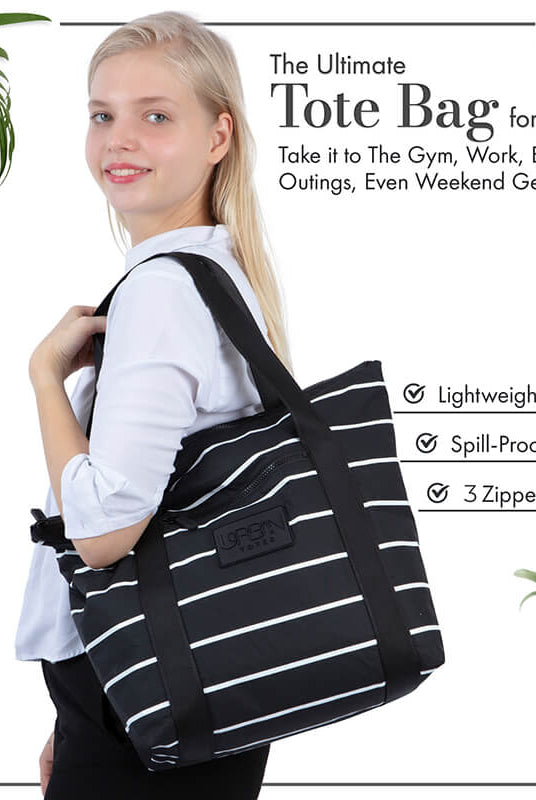
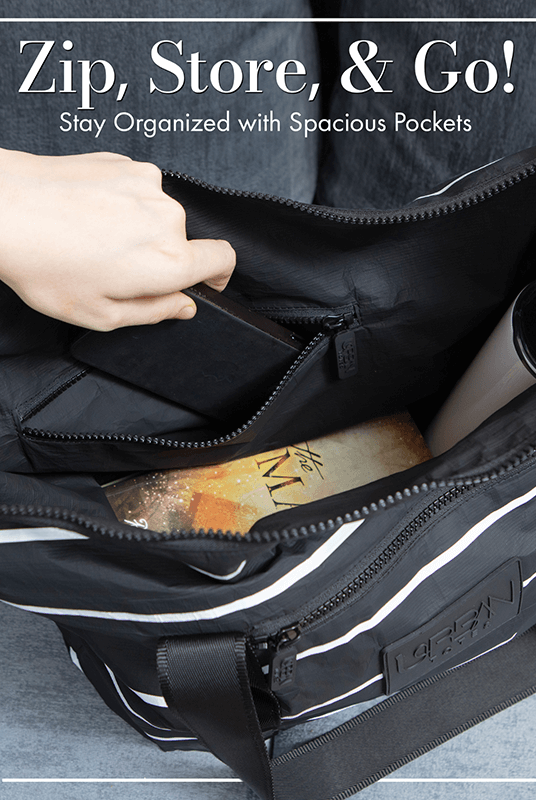
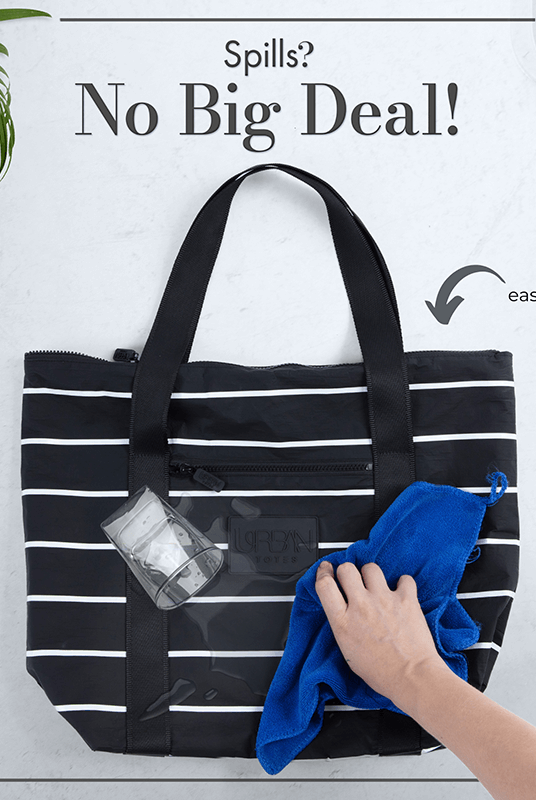
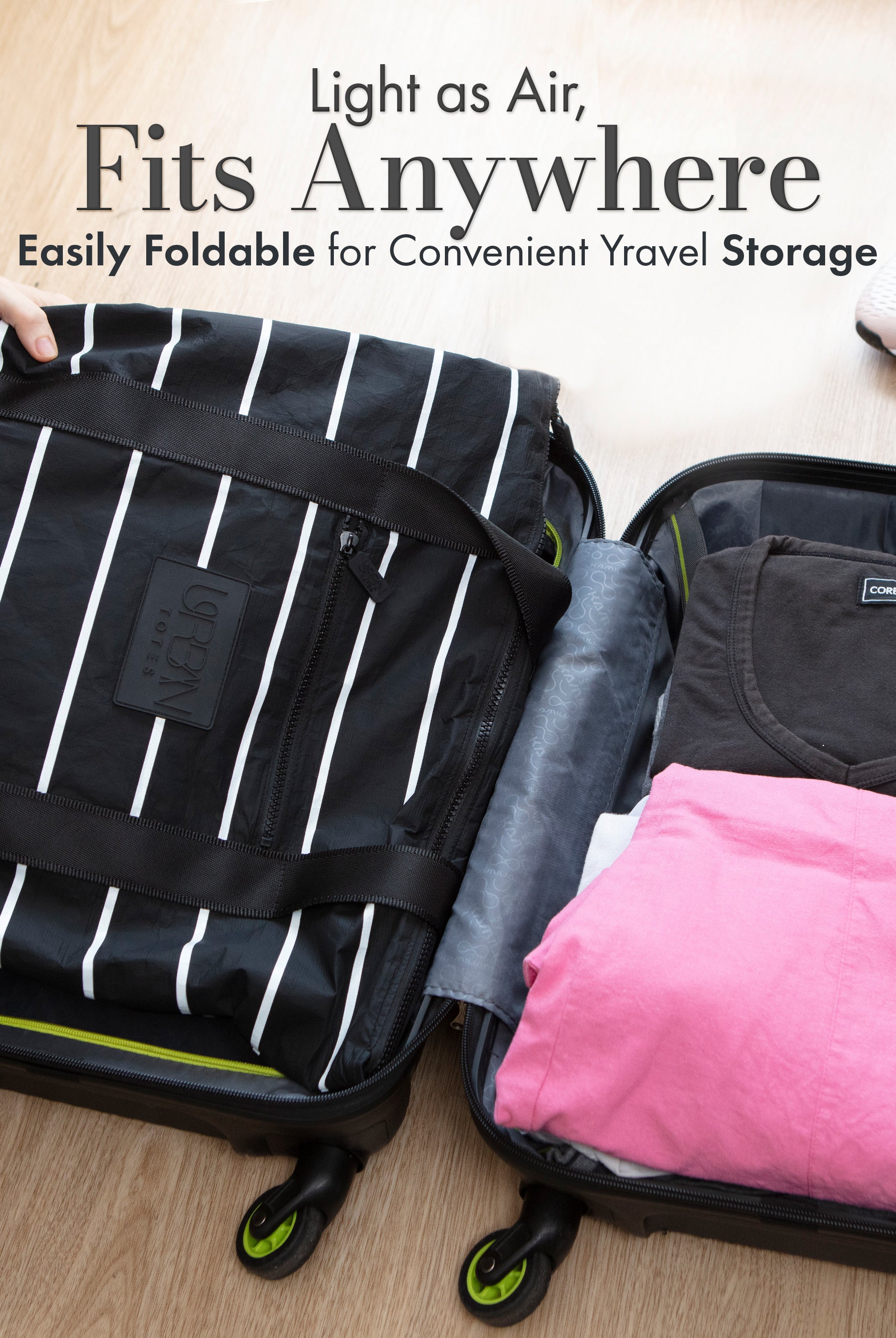
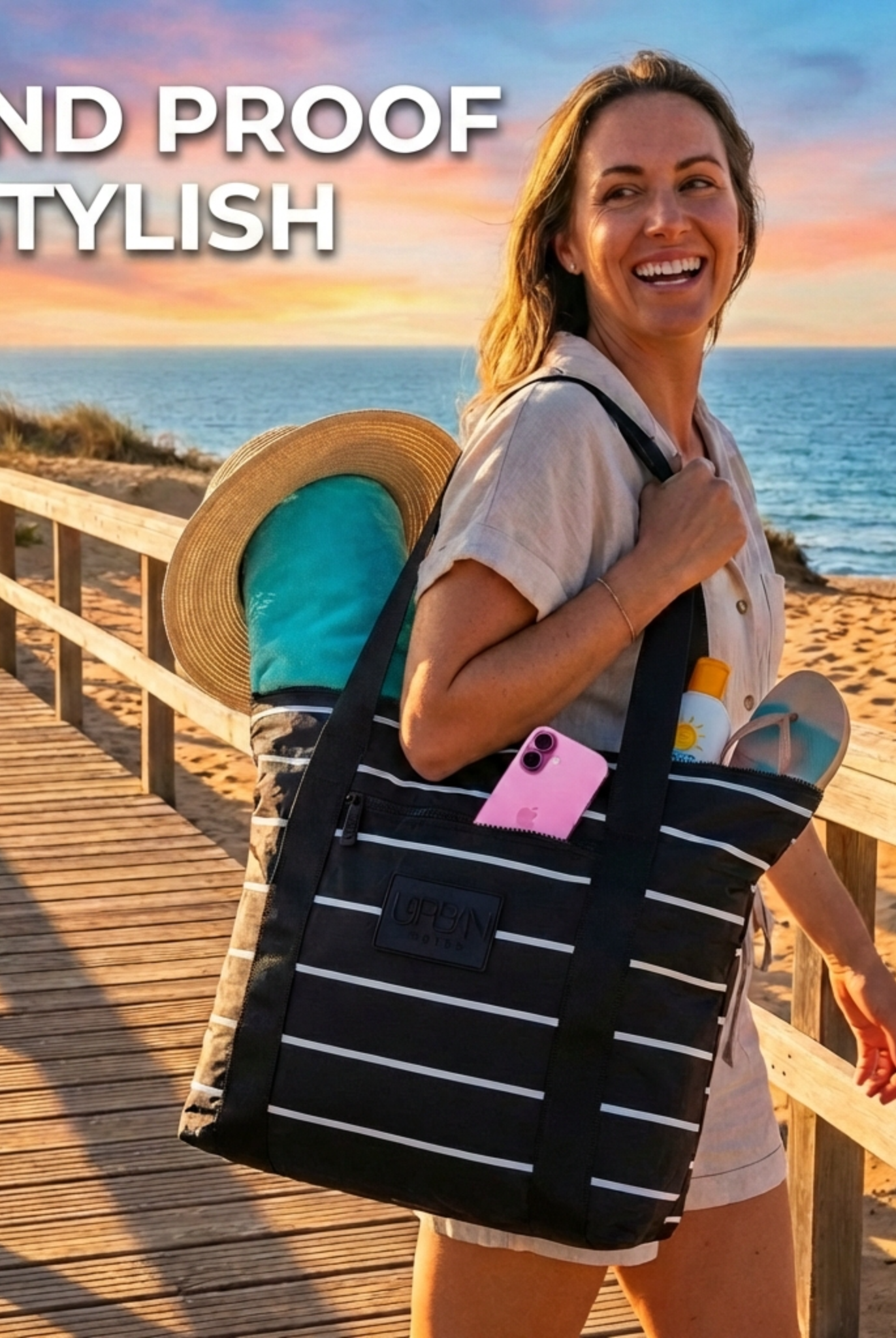
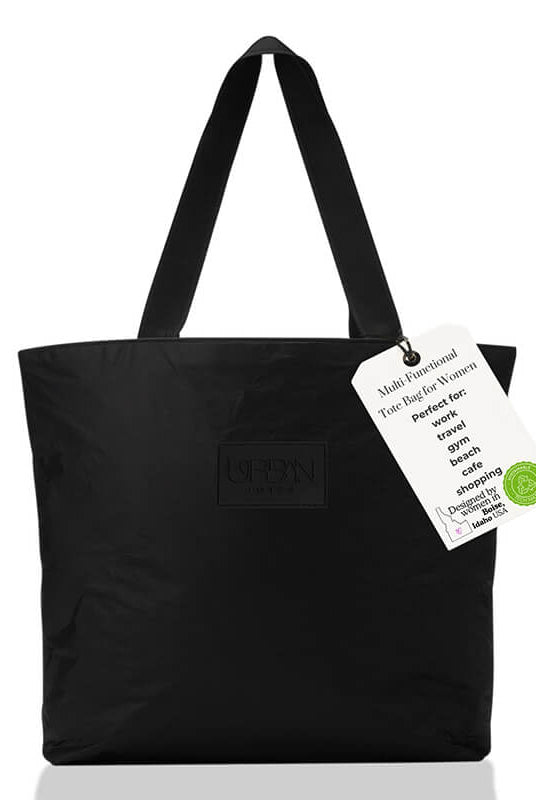
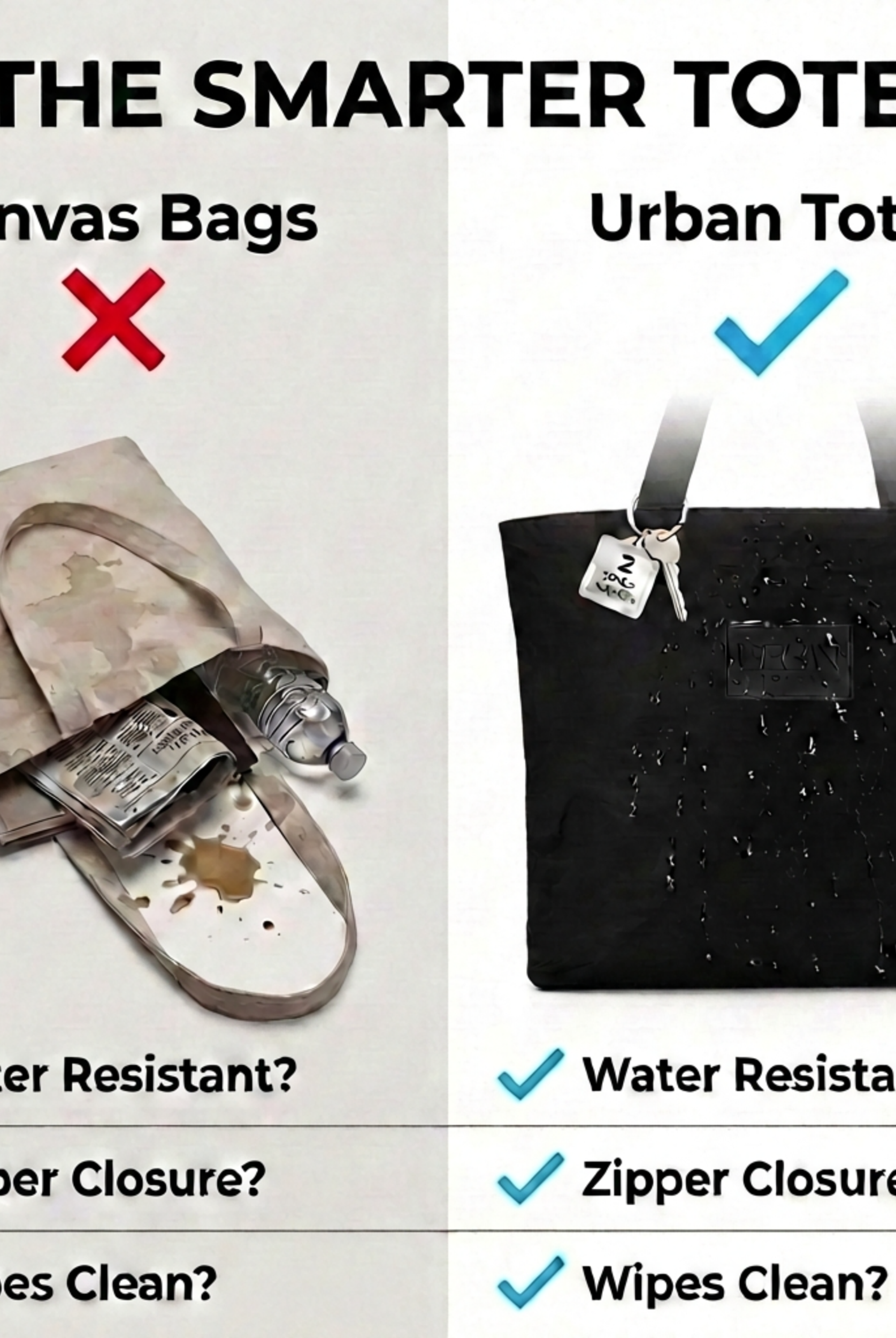
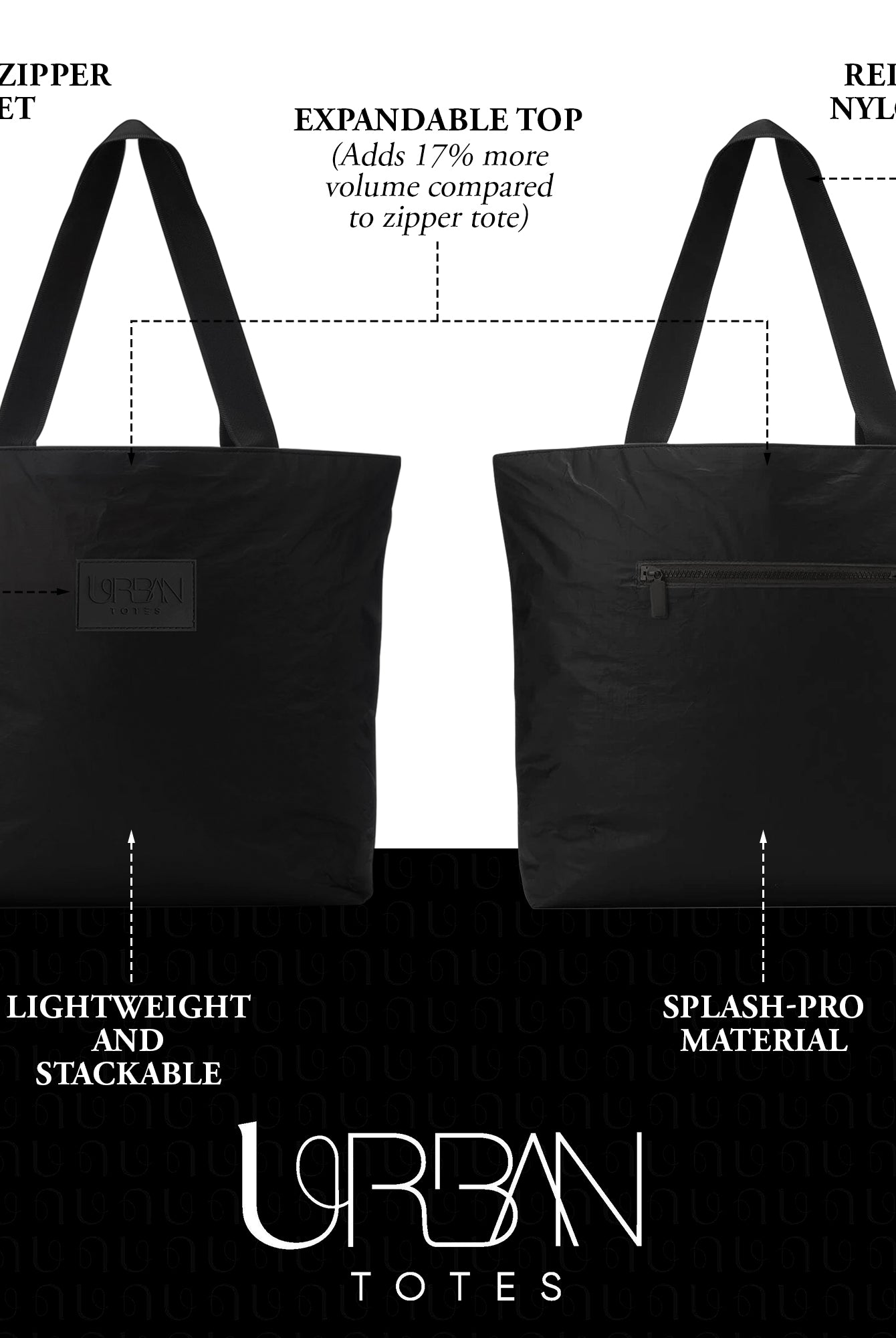
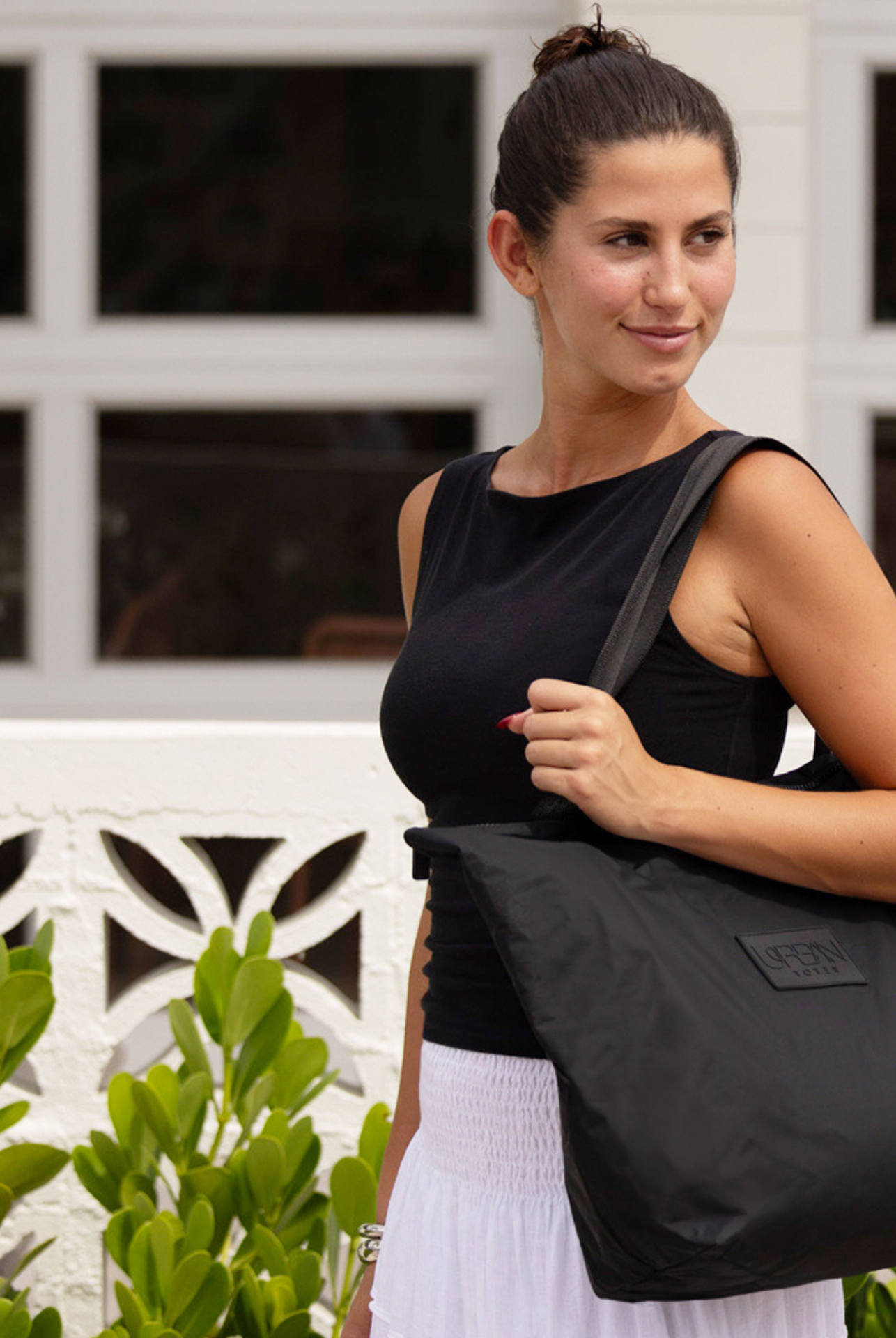
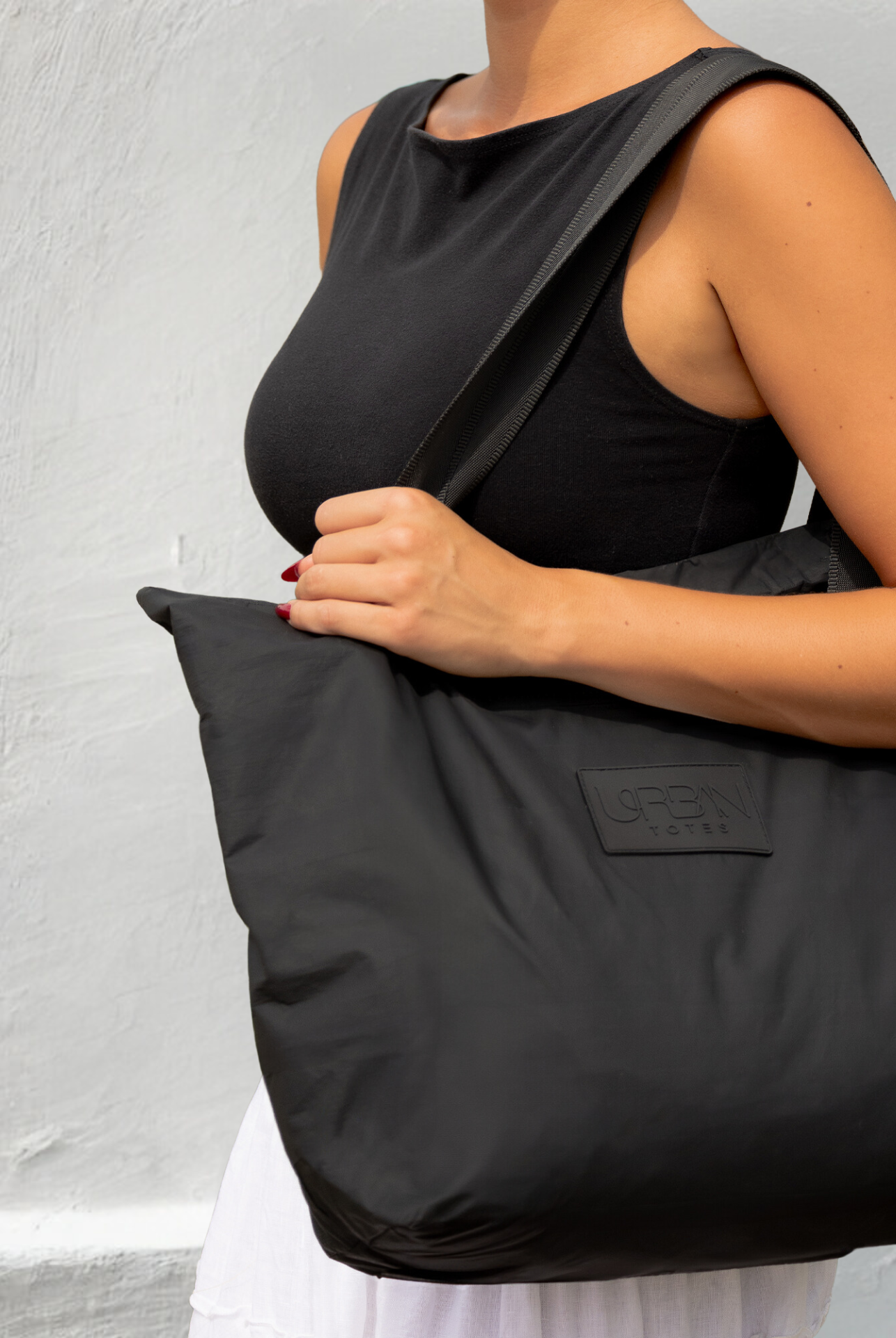
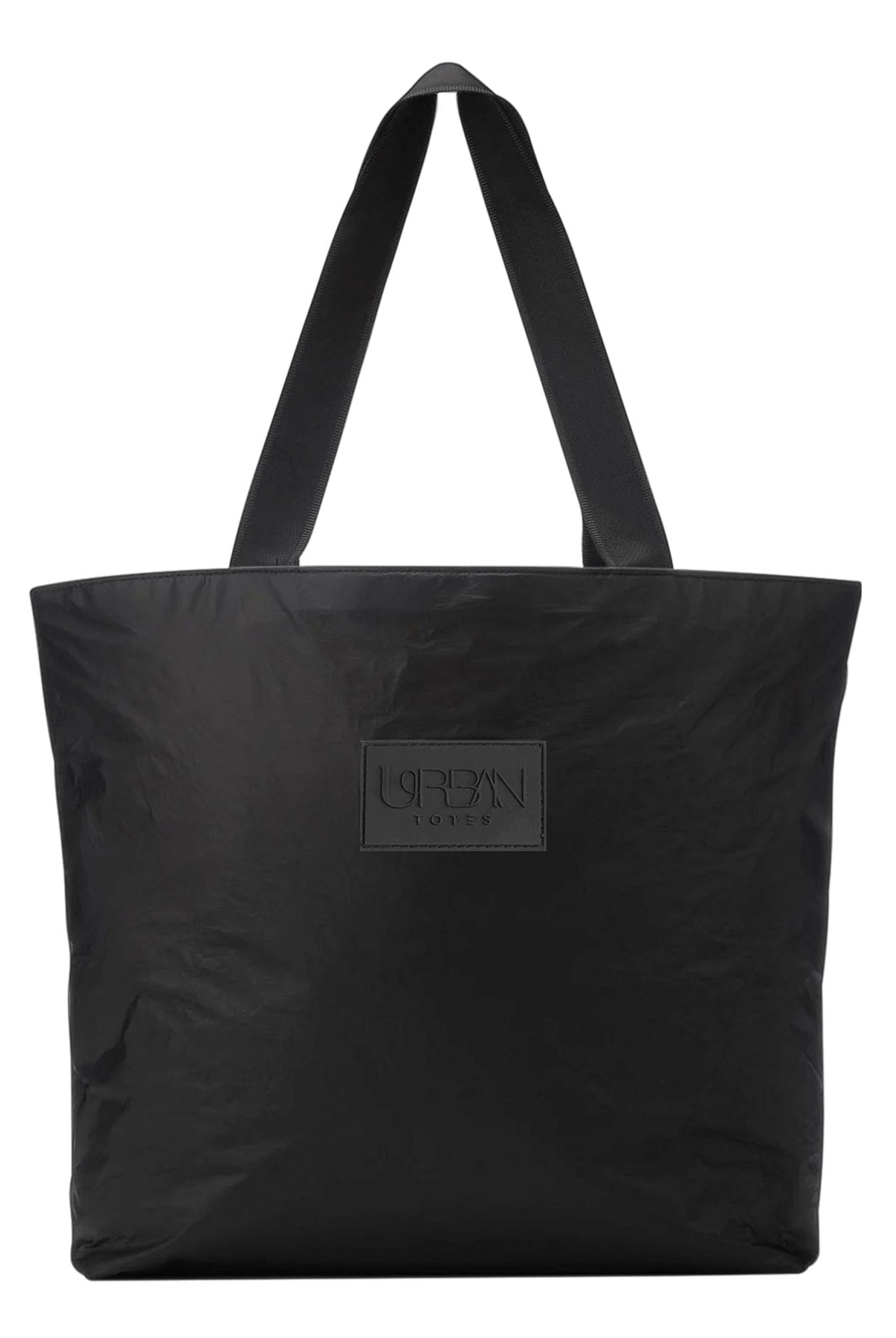
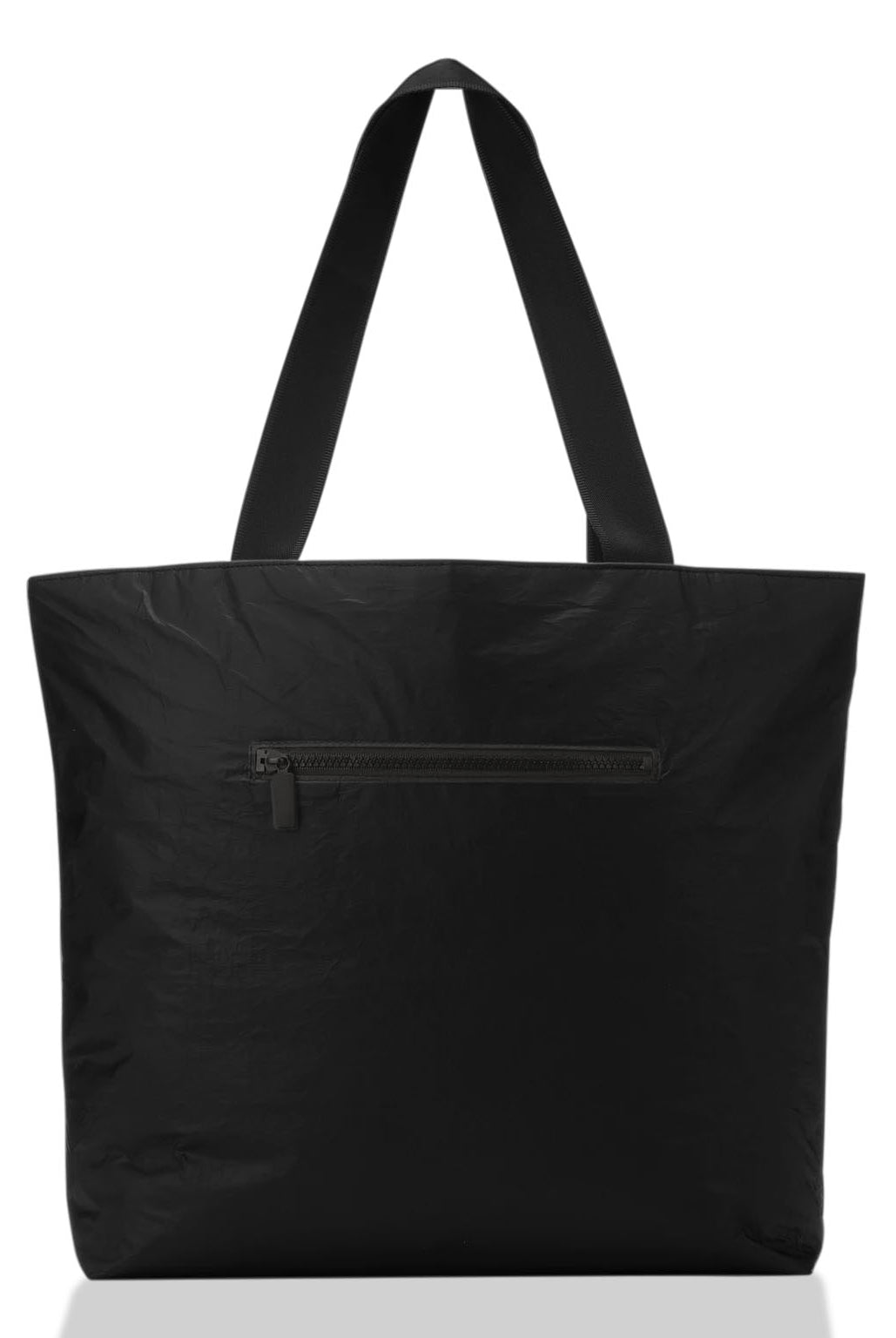
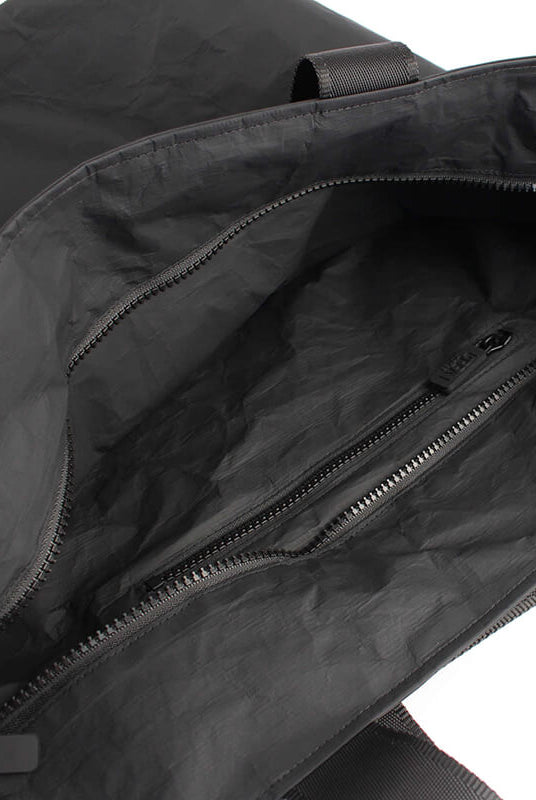
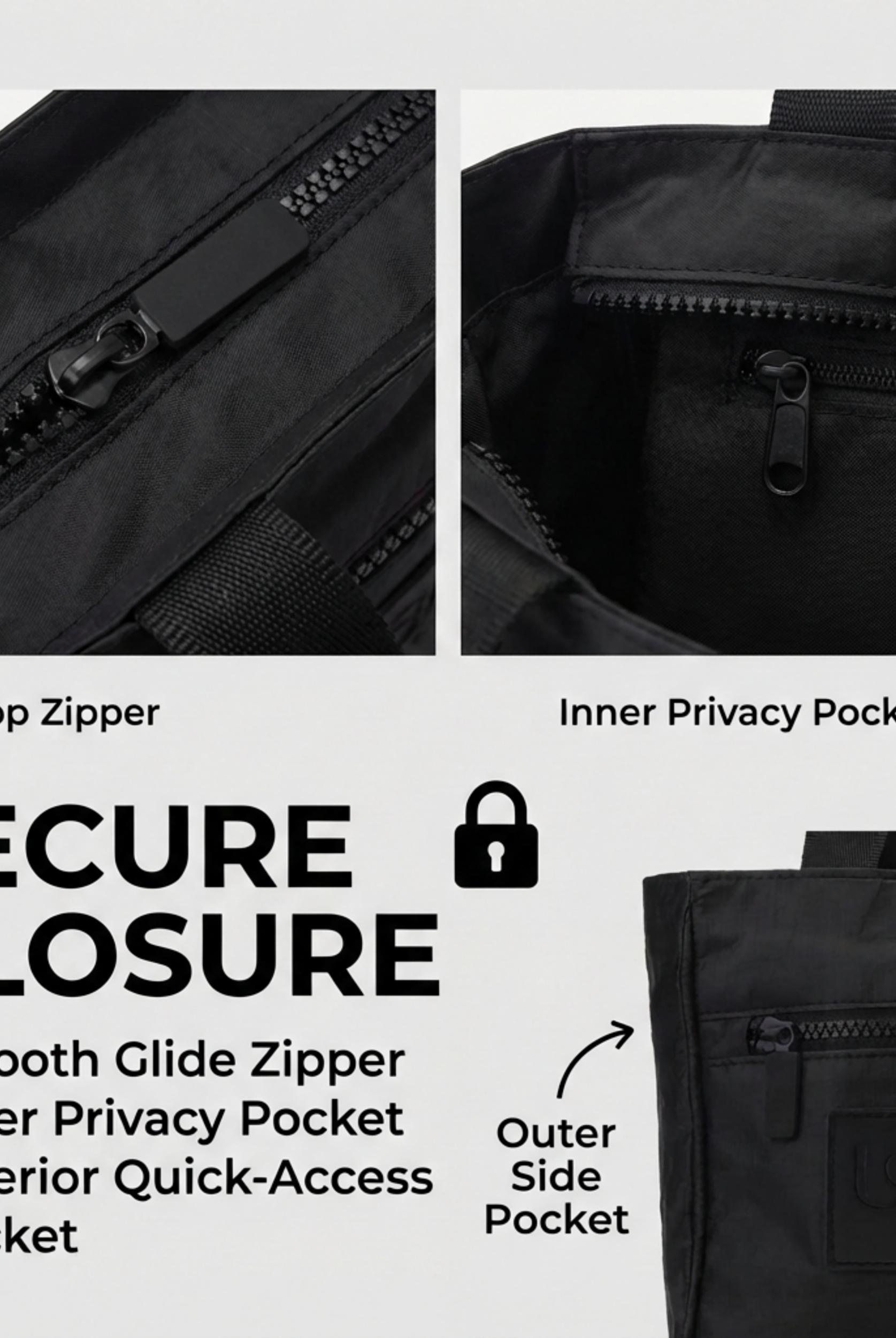
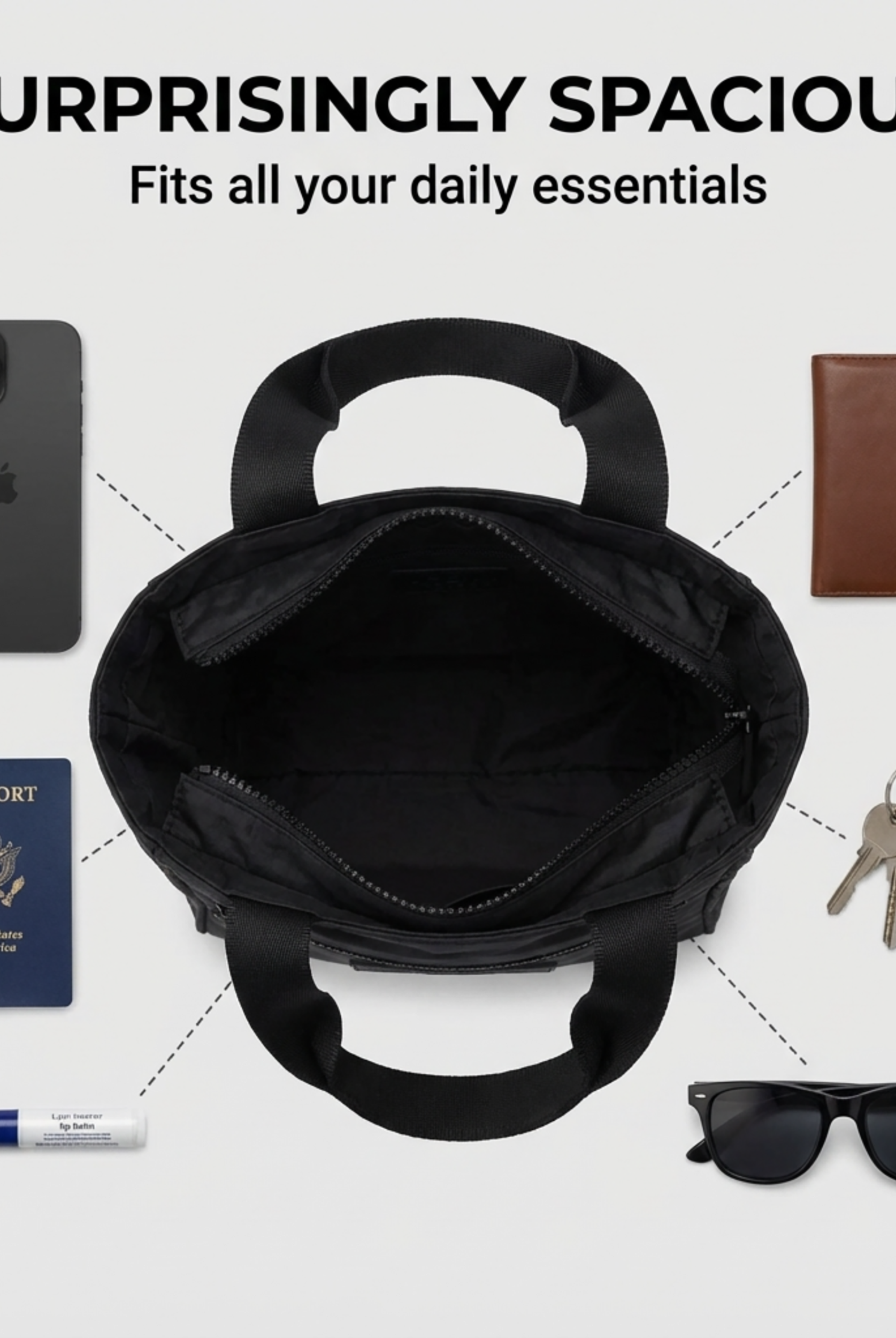
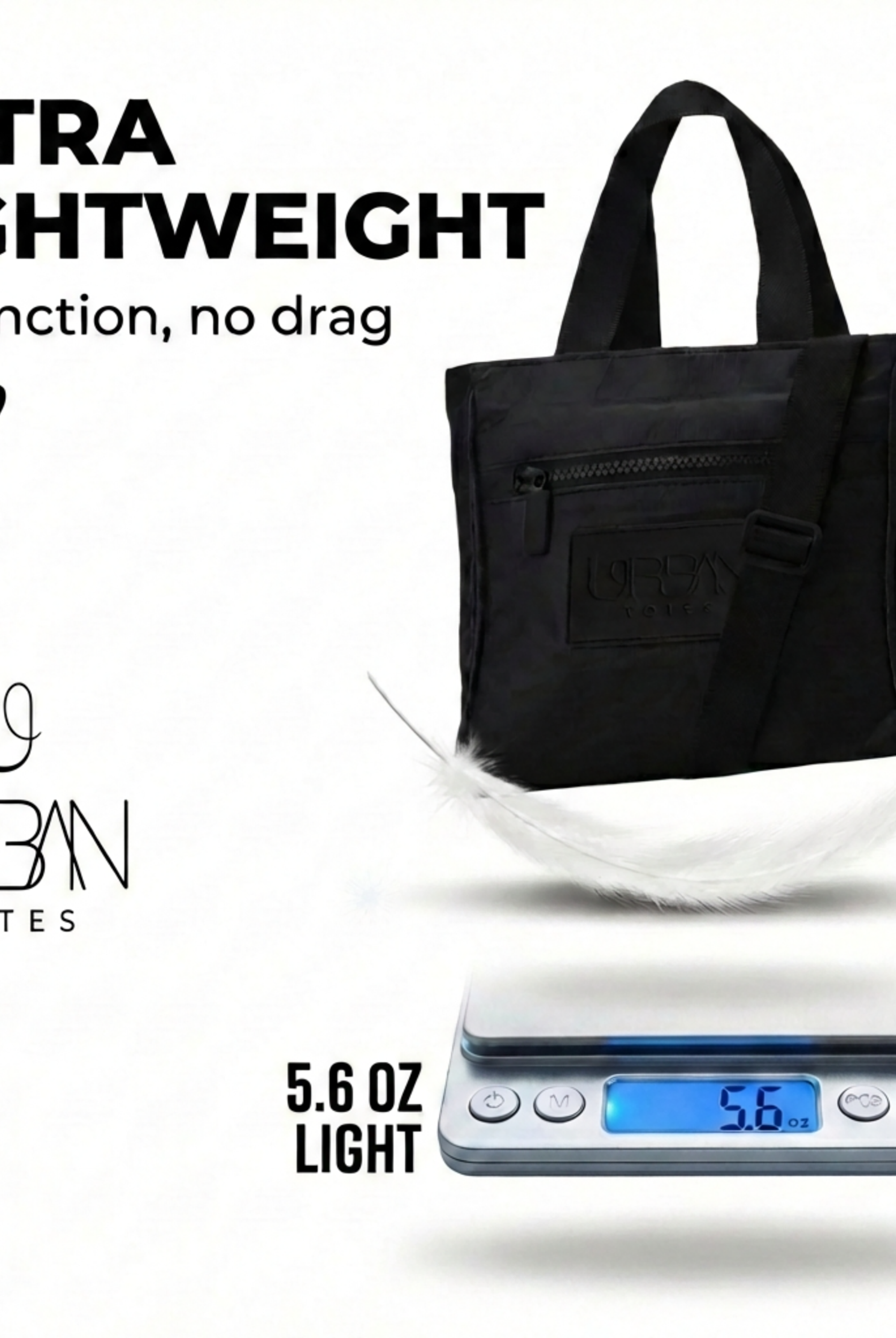
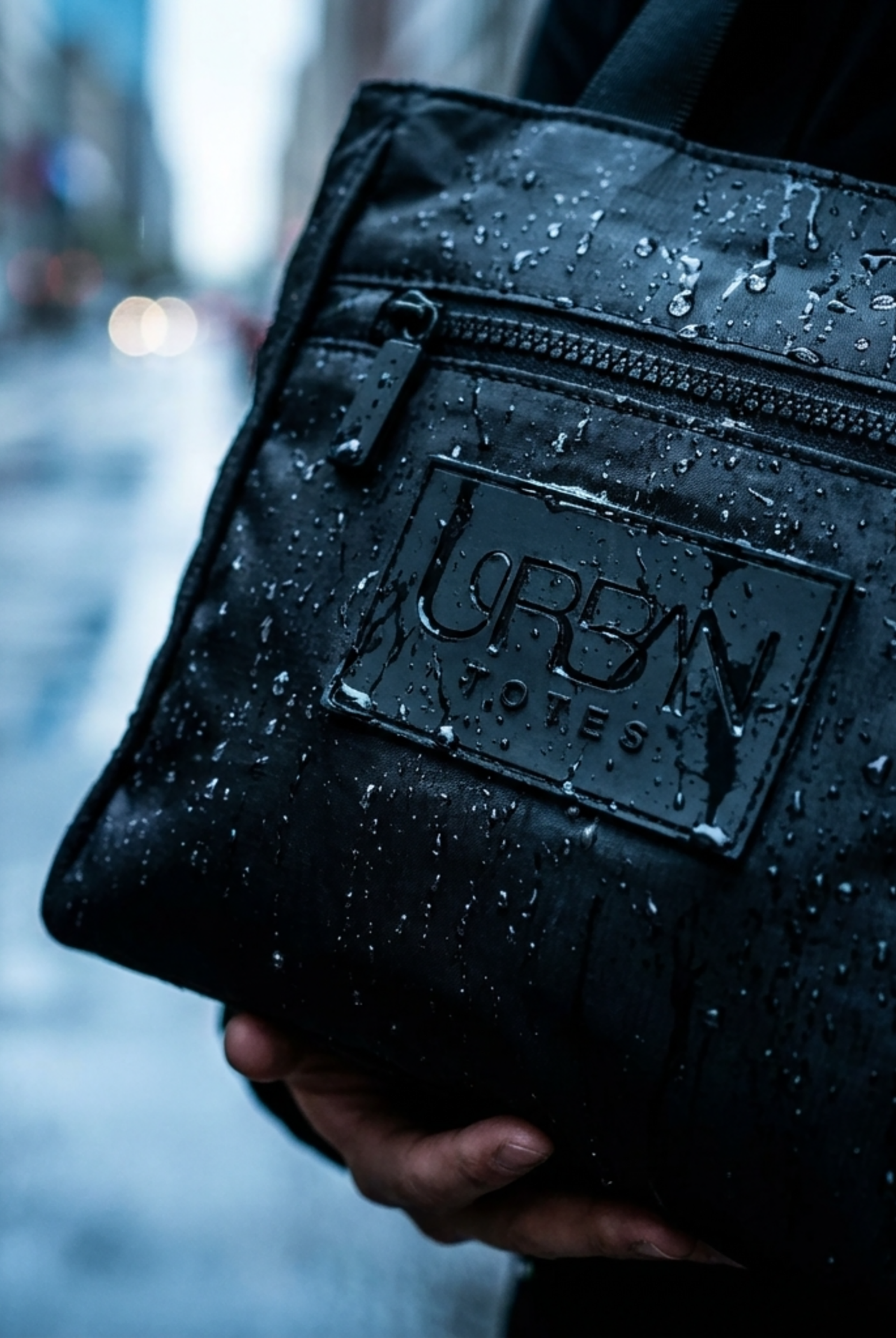
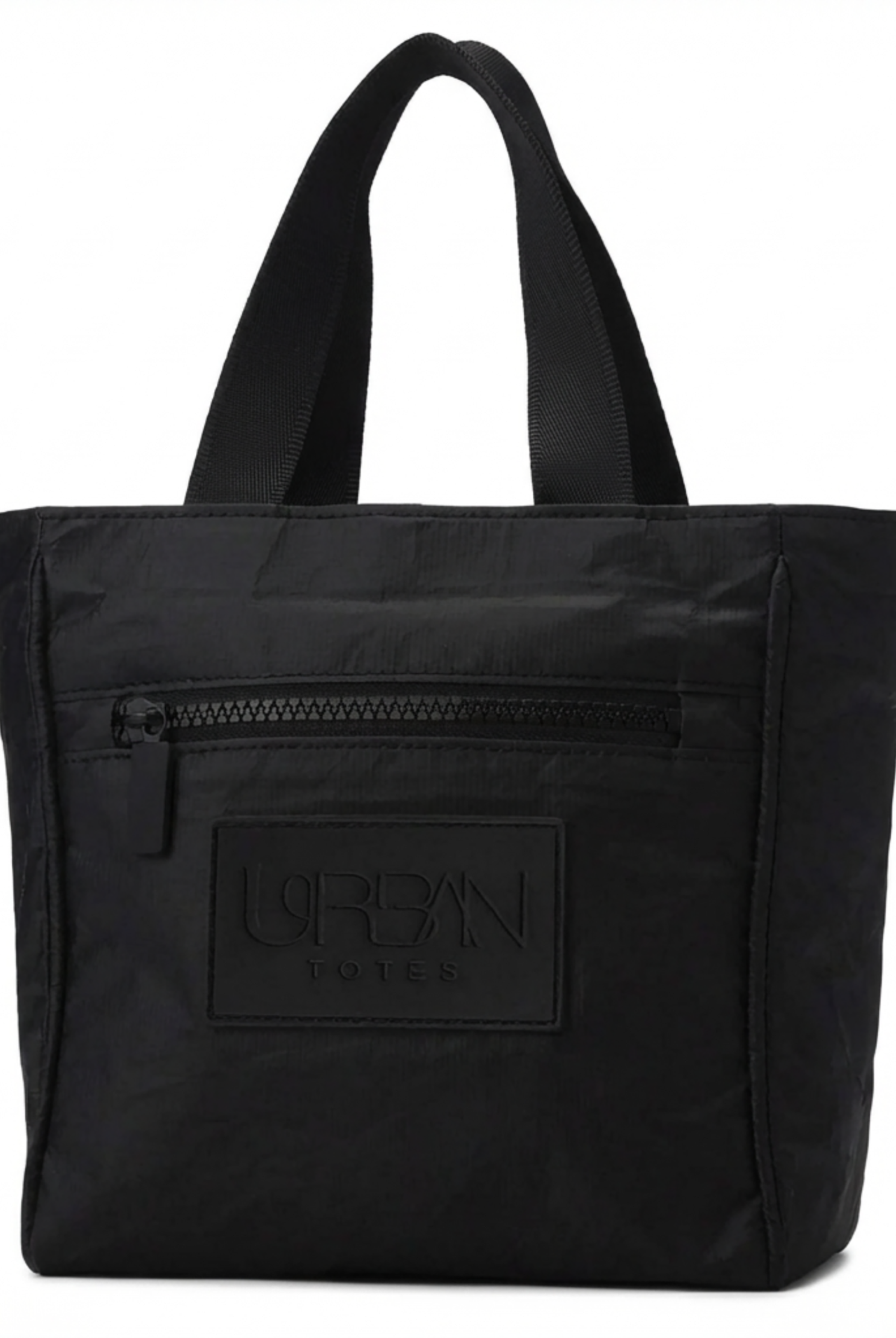
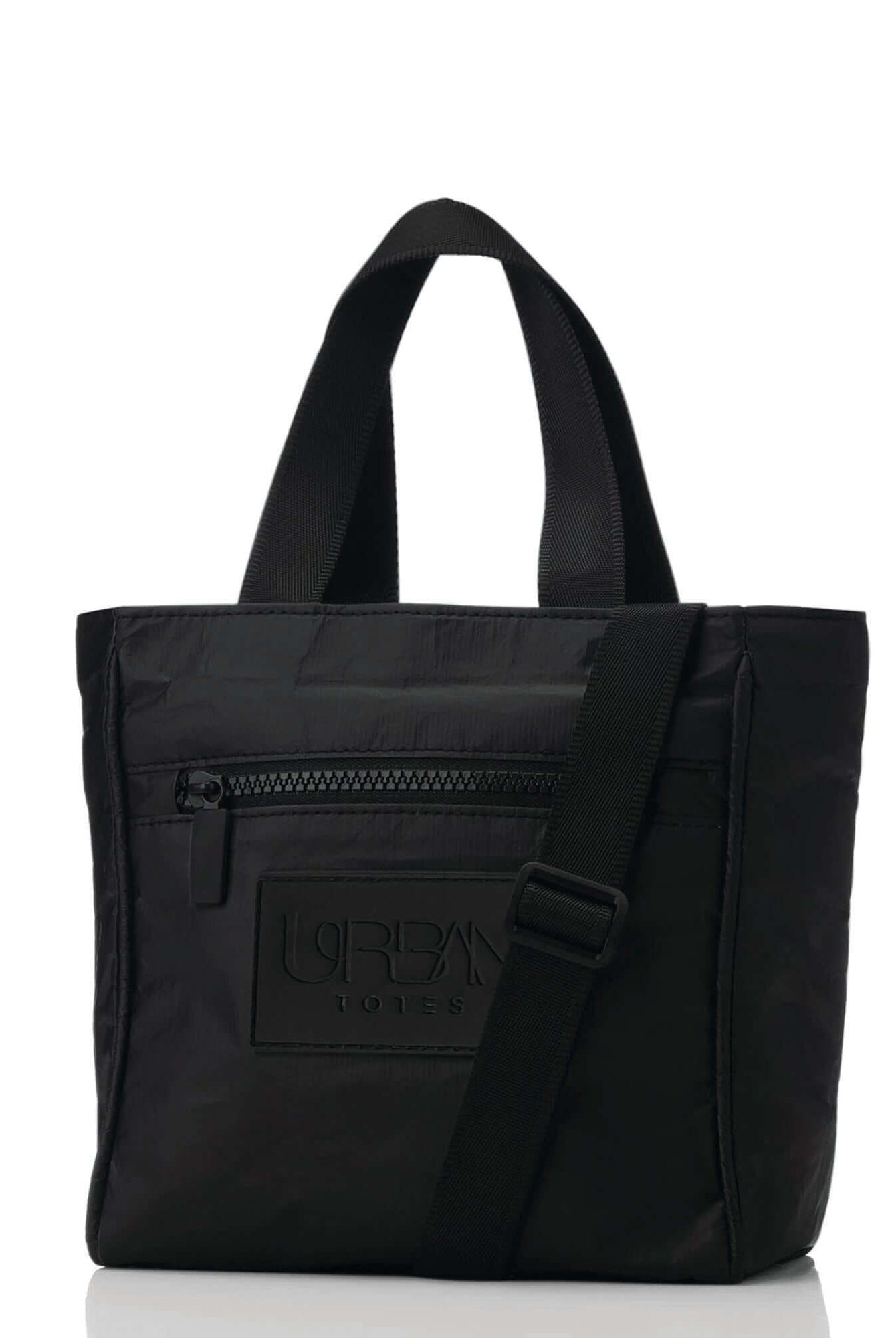
A thoughtfully organized tote does half the packing work for you. The Go Anywhere Day Trip Tote Bag by Urban Totes includes three large zippered compartments plus dedicated pockets for an iPhone and keys, which is exactly the kind of built-in structure that prevents the black-hole effect. It is also described by the brand as lightweight, water-resistant, packable, foldable, and finished with zipper closures, which fits the practical needs of an everyday carry bag.
That matters even more when you're mixing functions in one day, like coffee run, playground, errand stop, and late lunch. A tote with clear compartments lets your day trip packing list stay compact because organization replaces duplication.
If you love a pouch system, this guide to compression packing cubes for travel can help you adapt that same logic to a tote without overcomplicating it.
A stylish bag is lovely. A stylish bag that lets you find your keys in seconds is better.
3. The City Explorer Checklist For Navigating the Urban Jungle
City days are sneaky. They sound light, then suddenly you're walking blocks between stops, weaving through crowds, stepping into one store after another, and carrying the extras you swore you wouldn't buy.
The best city module keeps your silhouette clean and your load edited.
Pack for movement, not just style
On top of your core essentials, add a few city-specific pieces that earn their keep:
- Compact umbrella or packable rain layer: Weather shifts fast, especially when you're out all day.
- Slim card holder: A smaller wallet takes up less room and is easier to grab at checkout.
- Foldable shopping bag: Perfect for market finds, bookstore stops, or a spontaneous bakery haul.
- Lip balm with sun protection: Wind, sun, and air conditioning can be surprisingly rough over a full day.
This setup works because every piece is slim, useful, and easy to reach. Nothing in it feels like an overnight-trip item pretending to belong in a tote.
What stays out of a city tote
Minimalist packing advice keeps circling back to one truth. People often regret what they overpacked more than what they left behind. This short trip packing article from CabinZero highlights that modern carry systems are shifting toward fewer, more intentional items and away from bloated just-in-case lists.
For a city tote, that means leaving out the things that expand your bag without improving your day much:
- Extra shoes: They eat space immediately.
- Full toiletries bag: You almost never need the whole setup for a single day out.
- Books plus tablet plus journal: Pick one entertainment format.
- Camera extras you won't use: If your phone can do the job, let it.
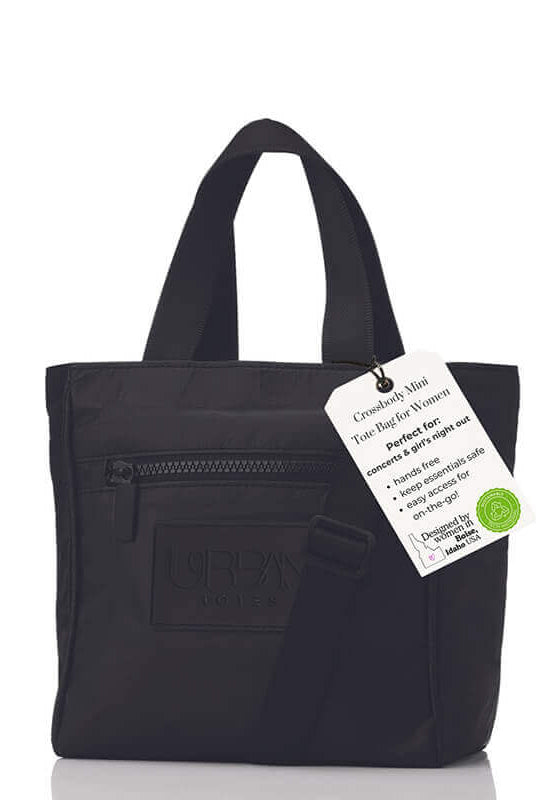
If you want a smaller companion for certain city outings, especially when you want to go hands-free for a stretch, this article on an anti-theft crossbody is a helpful contrast to full-size tote carry.
City packing should feel polished, not prepared for every possible plot twist.
4. The Beach Day Blueprint For Sun, Sand, and Sanity
Beach packing isn't hard because the items are complicated. It's hard because sand, damp clothes, sunscreen, snacks, and electronics all want opposite conditions. The only way to keep it cute is to separate wet from dry and frequently used from buried.
A beach module is particularly effective.
The beach module that keeps things clean
Start with your core four, then add the pieces that make a beach day feel easy instead of gritty and overstuffed.
- Microfiber towel: It packs smaller than a bulky cotton towel and is easier to shake out.
- Sunscreen and after-sun lotion: Keep both in a pouch so any residue stays contained.
- Book or downloaded podcast: Entertainment should be simple and low-maintenance.
- Wet-dry pouch: This one changes everything. Swimsuit, damp cover-up, or sandy odds and ends all stay contained.
The best beach bags aren't just roomy. They're easy to wipe down, easy to shake out, and easy to reorganize when the day is over.
How to pack so sand stays manageable
Use one pouch for skin and sun products, one for valuables, and one for wet items. Don't drop loose sunscreen, lip balm, earbuds, and snacks into the main compartment together unless you enjoy excavating through a sticky mess later.
Pack the beach in containment zones. Sand is far less annoying when it only gets one section of the bag.
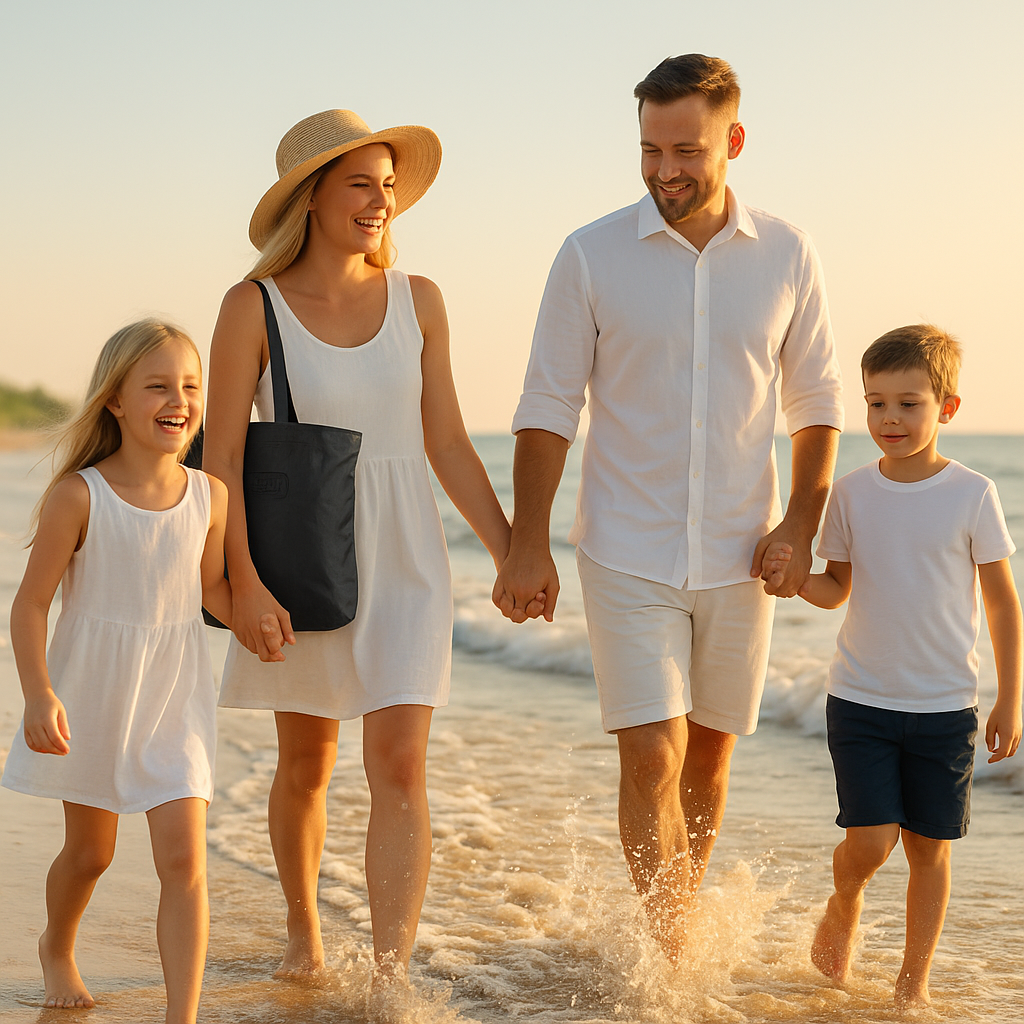
A water-resistant, foldable tote is especially useful here because beach days tend to include a little spill, a little moisture, and more loose debris than almost any other outing. If you're deciding what kind of carry works best by the water, this guide to a tote bag for the beach breaks down the features that matter in real use.
One stylish trick I always come back to is this. Keep your post-beach item on top. That might be a dry dress, a clean tee, or a lightweight layer for the drive home. It gives the bag an aftercare plan, not just a sun plan.
5. The Trailblazer's Pack For a Day Hike in Nature
A hiking day trip packing list has a different standard. In the city, convenience leads. On the trail, function does. You still want your bag to feel lightweight and organized, but every extra item needs a reason.
That doesn't mean you need a bag stuffed with gear. It means the pieces you bring should solve actual trail problems.
The hike module that earns its space
Add these on top of your everyday essentials:
- Small first-aid kit: Think basics, not a full medicine cabinet.
- Bug repellent: Especially useful when stops last longer than expected.
- Trail map or offline navigation option: Cell service isn't reliable everywhere.
- Hat and sunglasses: Shade matters more than people think once you're fully exposed.
Notice what's happening here. Nothing is decorative. Every piece supports comfort, navigation, or minor issue management.
A tote for a gentle nature day can work beautifully when it keeps gear sorted and accessible. If hydration access is high on your list, a bag with a dedicated bottle spot is especially helpful. This guide to a bag with water bottle holder gets into why that detail matters on active days.
Trail packing mistakes that add weight fast
The fastest way to ruin a hiking bag is to overcompensate. Too many backup layers, too many snacks, too many random tools, and suddenly your relaxed day outside feels like a training exercise.
Keep the hike module focused:
- Bring one weather layer, not three
- Choose compact snacks over bulky packaging
- Skip duplicate tech
- Carry only the first-aid basics you know how to use
"Prepared" and "overpacked" are not the same thing.
That distinction matters more on a trail than anywhere else, because you feel every unnecessary item with each step.
6. The Family Outing Add-Ons For Toting for Everyone
Packing for yourself is editing. Packing for kids is prediction. You aren't just preparing for the plan. You're preparing for hunger, spills, boredom, weather swings, and the mysterious moment when someone urgently needs a completely dry shirt.
The trick is keeping family extras from swallowing your own essentials.
Pack for the group without losing your own essentials
Build family packing in rings. Your personal essentials stay in your usual spots first. Then kid and group items get their own pouch or compartment.
For most family day trips, these add-ons do the heavy lifting:
- Extra wipes: One set for hands, one for surfaces.
- Snack variety: Different textures and easy-open options help more than one giant snack bag.
- Tiny activity or toy: Best used for waiting periods, not as an entire entertainment system.
- Change of clothes: Rolled tightly in a pouch so it doesn't take over the tote.
This kind of setup feels calmer because each item has a category. You aren't carrying everything loosely. You're carrying mini kits.
The family tote setup that works
One section should be adult essentials only. Protect that space. It keeps your keys, wallet, phone, and medicine from getting buried under crackers and toy cars.
Then give the rest of the tote jobs:
- Front or quick-access pocket: wipes, sanitizer, tissues
- Main compartment: snacks, layers, activity items
- Zippered section: valuables and anything spill-sensitive
- Bottom area: rolled spare clothes
If your family outings include a dog too, this guide to essential dog travel accessories can help you build a separate pet mini-kit instead of tossing leash items in with everything else.
A good family bag doesn't need to feel giant. It needs to feel intentional. That's the difference between carrying for everyone and carrying everything.
Day Trip Packing: 6-Item Comparison
| Item | Implementation complexity | Resource requirements | Expected outcomes | Ideal use cases | Key advantages |
|---|---|---|---|---|---|
| The Core Four: Your Non-Negotiable Day Trip Essentials | Very low, basic items to assemble | Reusable bottle, 10,000 mAh power bank, snacks, hand sanitizer/wipes | Hydration, power, steady energy, basic hygiene | Any day trip or everyday carry | Versatile foundation kit, waste reduction, reliability |
| Packing Perfection: How to Organize Your Day Trip Tote | Moderate, requires intentional packing and a structured bag | Multi-pocket tote or organizer, lightweight water-resistant material | Fast access to items, less digging, balanced load | Commuting, multi-stop days, busy schedules | Improves efficiency, secure pockets, reduces stress |
| The City Explorer Checklist: For Navigating the Urban Jungle | Low, add a few compact, urban-focused items | Compact umbrella, RFID card holder, foldable shopping bag, SPF lip balm | Weather protection, secure payments, shopping-ready, sun care | Urban sightseeing, cafes, shopping, museums | Compact, stylish, practical for city conditions |
| The Beach Day Blueprint: For Sun, Sand, and Sanity | Low, pack beach-specific, lightweight gear | Microfiber towel, reef-safe sunscreen, wet/dry pouch, reading/podcast | Quick-dry gear, sun protection, sand-free storage, relaxation | Beach or pool days, seaside picnics | Water-resistant compatibility, easy cleanup, space-saving |
| The Trailblazer's Pack: For a Day Hike in Nature | Moderate, balance safety with lightness | Small first-aid kit, bug repellent, map/offline GPS, hat/sunglasses | Improved safety, insect protection, reliable navigation | Day hikes, nature trails, outdoor excursions | Safety-focused, lightweight, durable for outdoors |
| The Family Outing Add-Ons: For Toting for Everyone | Moderate–high, pack for multiple people and scenarios | Extra wipes, varied snacks, small toys/activities, spare clothes, larger tote | Fewer meltdowns, readiness for kids/pets, smoother outings | Family days, caregiving trips, group outings | High capacity, multi-person provisions, peace of mind |
Go Anywhere, Tote Everything Your Adventure Awaits
A strong day trip packing list isn't about cramming more into a bag. It's about creating a system that lets you leave the house feeling ready, not rushed. When your tote is organized in modules, essentials, city, beach, hike, or family, you stop repacking from zero every time and start moving through the day with a lot more ease.
That's what makes a tote feel like more than a bag. It becomes your working layout for real life. Your charger is where it should be. Snacks are easy to reach. Wet items stay away from dry ones. Keys aren't floating at the bottom like a personal challenge from the universe.
The smartest packing also has restraint. Not every outing needs every item. In fact, some of the best modern packing advice points toward carrying less, but carrying it more intentionally. A day trip tote should support the plan you have, not the five backup scenarios you're unlikely to face.
That matters whether you're heading to a museum, the beach, a farmer's market, a playground, or a scenic trail. The right mix is usually simple: your core daily kit, one activity module, and a bag with enough structure that everything stays where you put it. That's where features like multiple compartments, zipper closures, lightweight construction, and water-resistant materials really pull their weight in everyday use.
Urban Totes is one relevant option for this style of packing because the brand's bags are designed around organization, portability, and real day-to-day carry. For busy women balancing errands, family life, travel, and last-minute plans, that combination makes practical sense.
Your next outing doesn't need a dramatic prep session. It just needs a better bag strategy and a little editing.
Find your perfect go-anywhere bag at urbantotes.com and take on whatever the day brings.
A CTA for Urban Totes. Shop the full collection and find a lightweight, organized, go-anywhere bag that fits the way you move through your day.