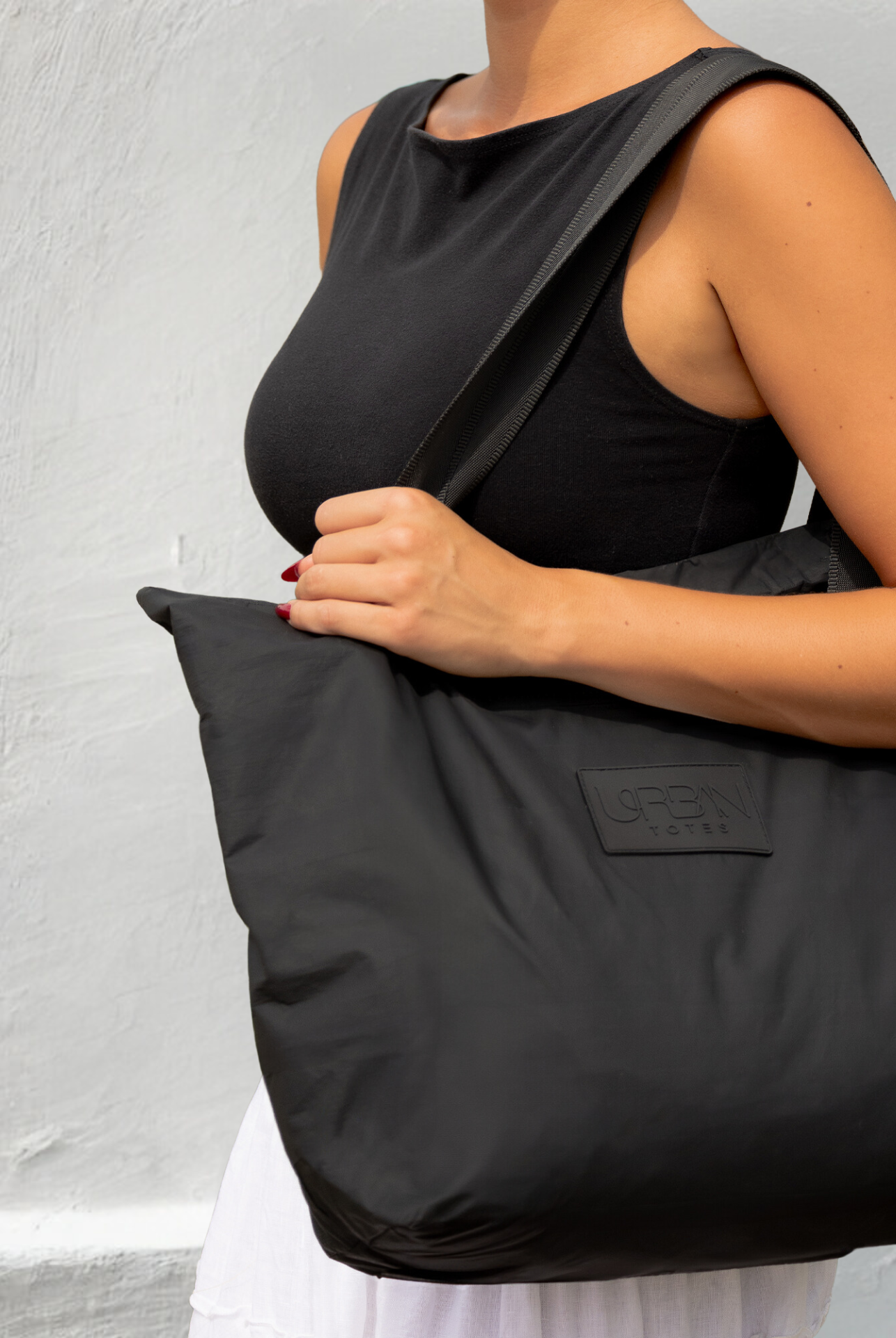
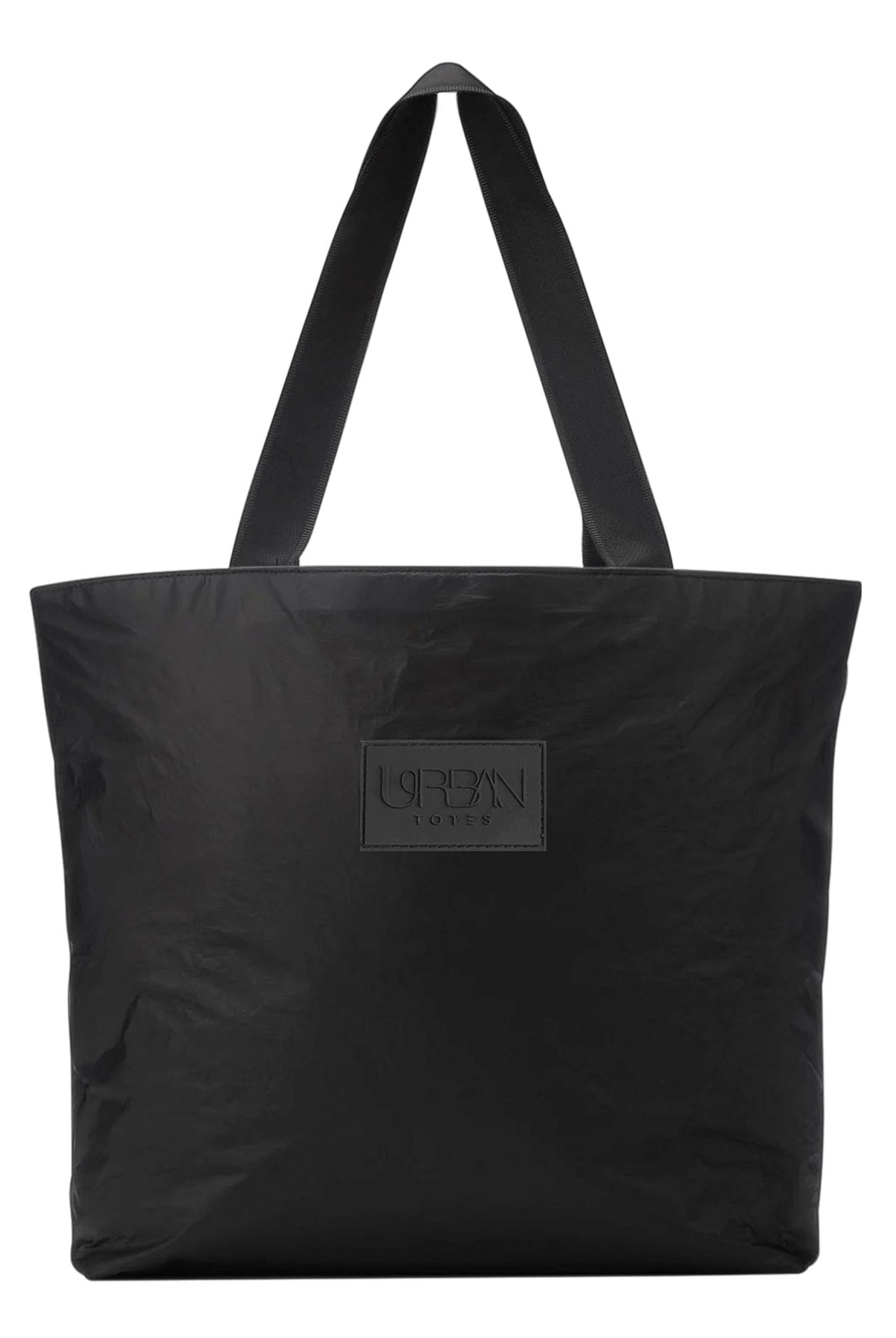
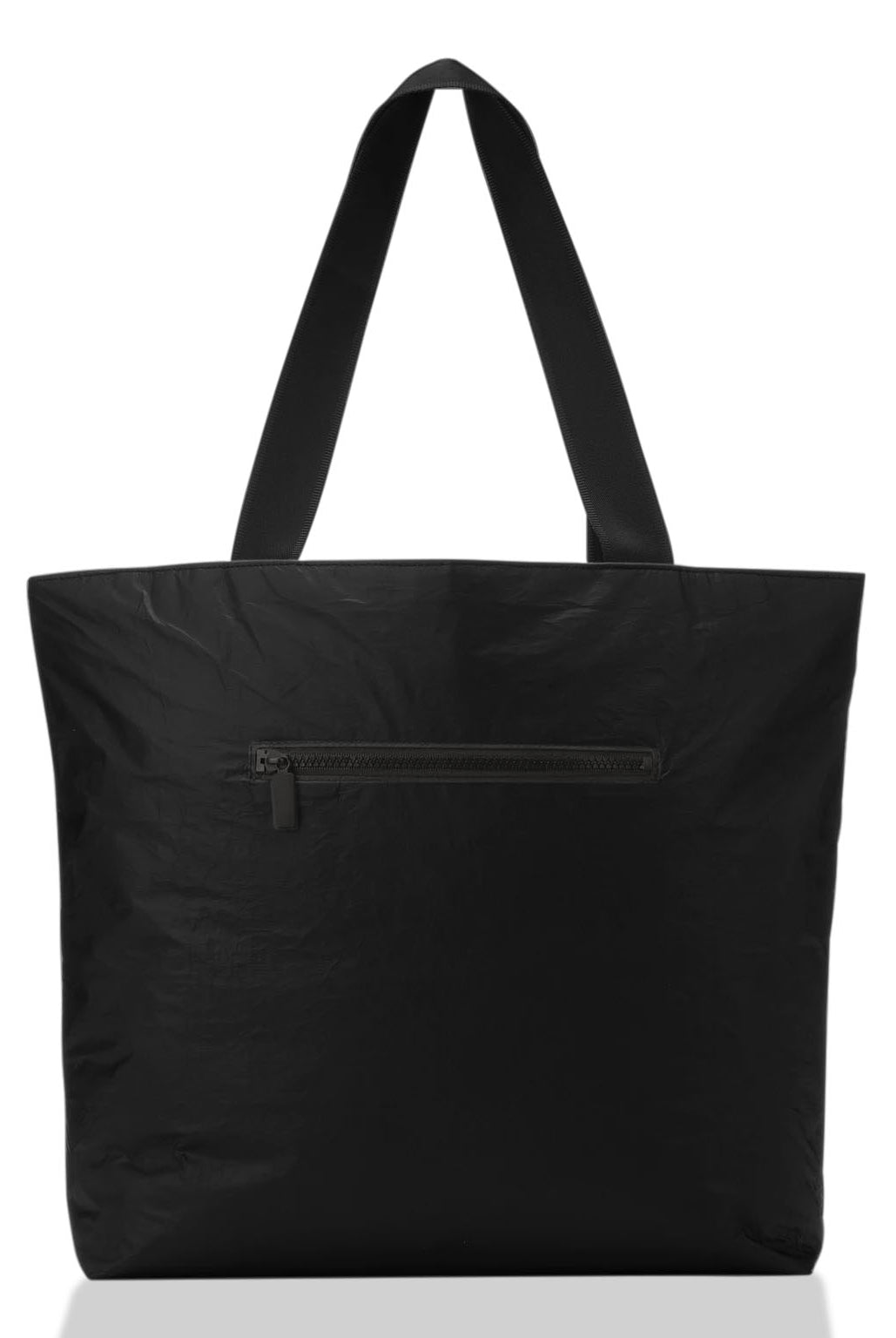
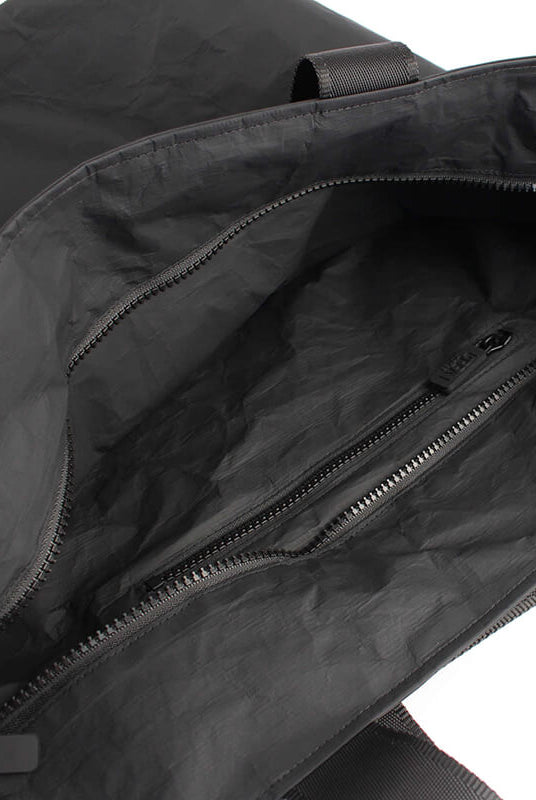
You're standing in the bag aisle or scrolling late at night, comparing tabs. One bag says recycled. Another says conscious. Another says made from recovered materials. You want something stylish, organized, lightweight, and ready for real life. School drop-off, airport security, the beach, the farmers market, Monday meetings. You also want to feel good about what you're buying.
That's where a lot of women get stuck.
The label sounds simple, but the decision isn't. A recycled bag can be smart and practical. It can also be vague, flimsy, or poorly designed. The good news is you don't need to find a perfect bag. You just need to know what questions to ask so you can choose one that fits your day and your values.
As a founder-minded, real-life shopper myself, I think the best choices come from clarity, not guilt. If you already care about buying with more intention, you're closer than you think. If you also enjoy seeing how other businesses approach lower-waste decisions in everyday operations and travel, how Kona Honu Divers promotes eco-tourism is a useful example of values showing up in practical ways. And if your bigger goal is finding something that works hard every day, this guide to the best everyday bags for women pairs well with what you'll read here.
Table of Contents
- The Search for a Bag That Does It All and Does Some Good
- What Are Recycled Material Bags Really
- A Guide to Common Recycled Bag Materials
- Recycled Versus Virgin Performance and Quality
- How to Be a Savvy Shopper and Spot Greenwashing
- Your Go-Anywhere Recycled Bag Checklist
The Search for a Bag That Does It All and Does Some Good
A lot of bag shopping starts with a small frustration. Your current tote slips off your shoulder. Your old carryall has no zipper closure. The cute one you bought on impulse somehow fits nothing you need. Then you see a recycled option and think, maybe this is the smarter pick.
That moment is real, and so is the confusion that follows.
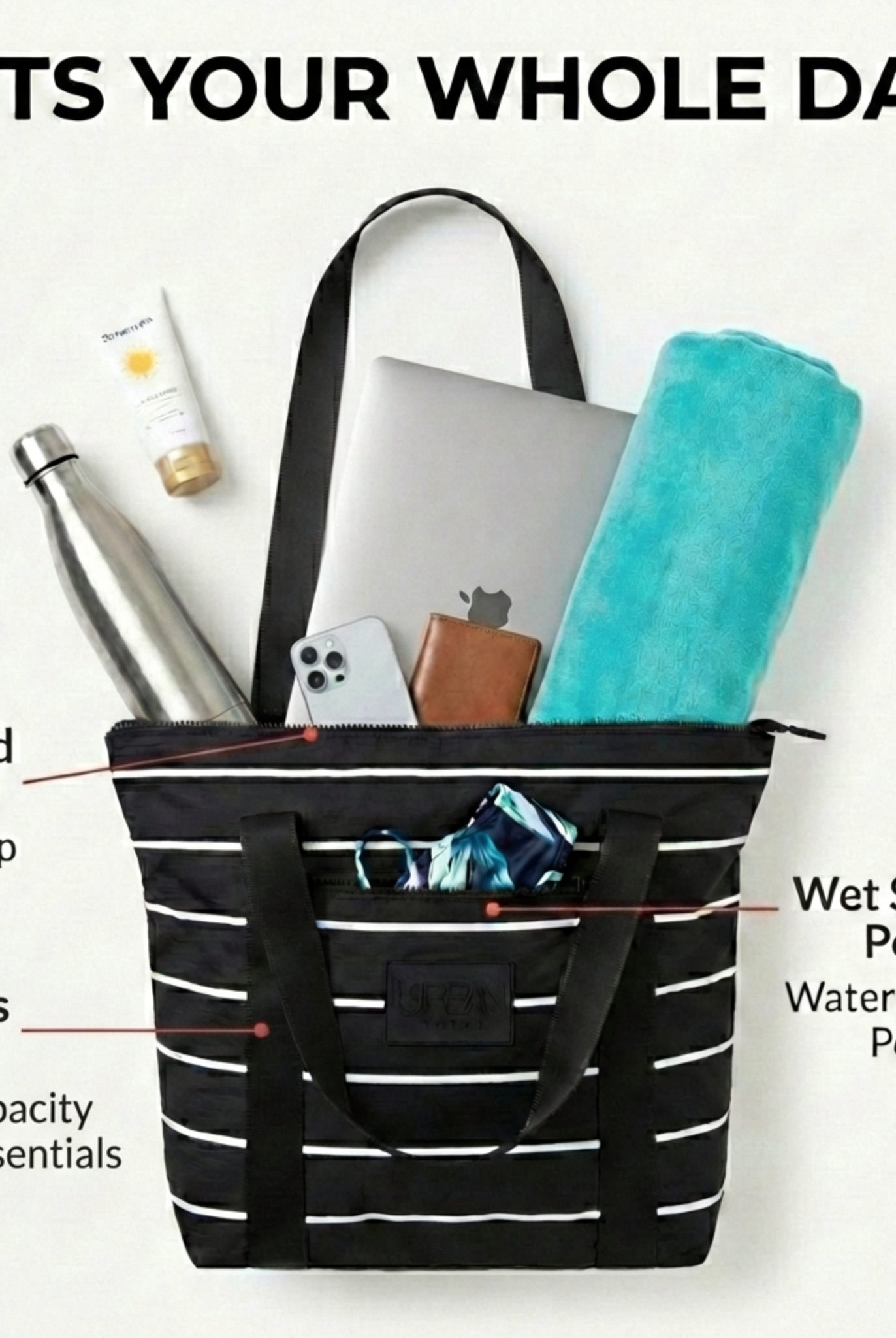
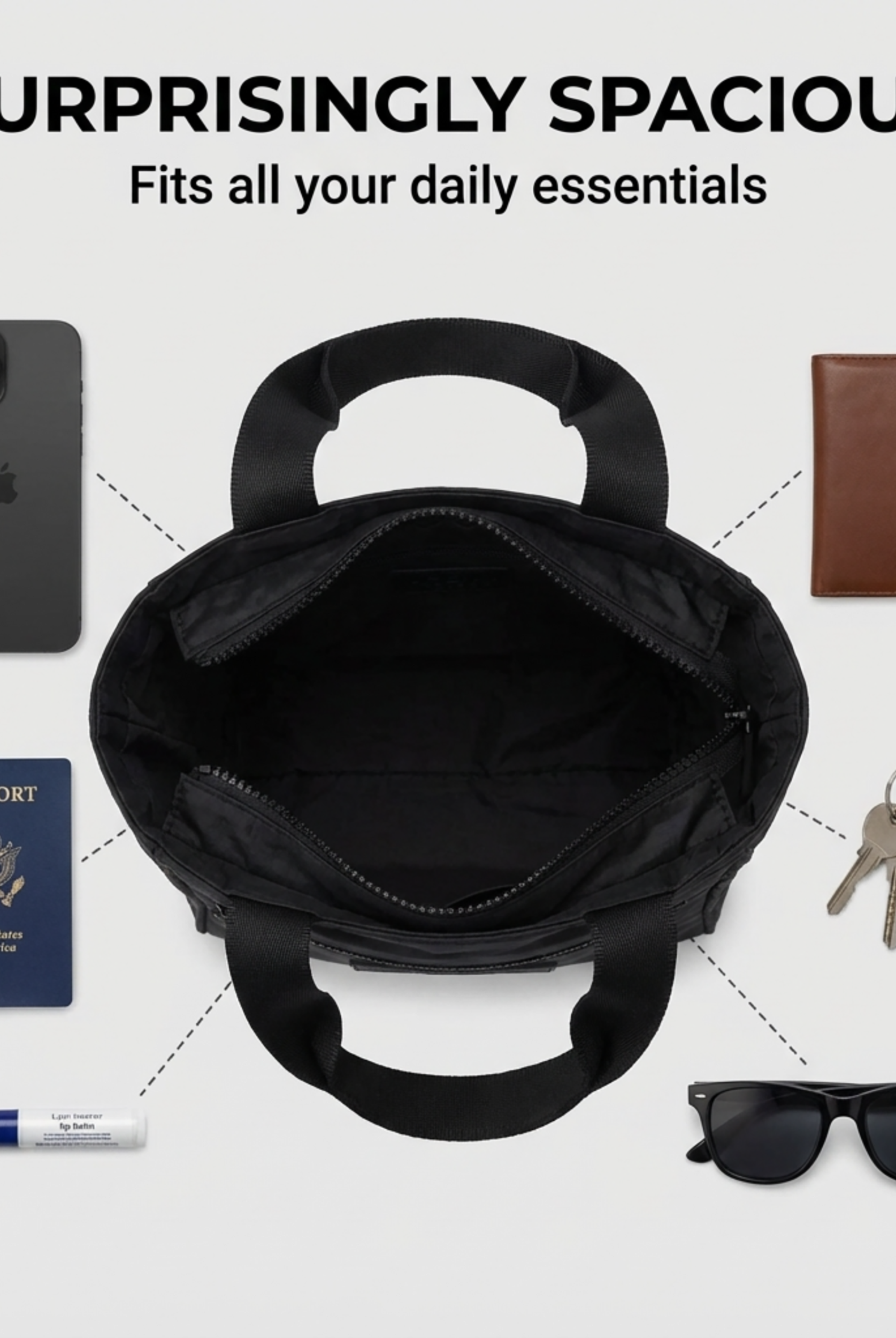
Most women aren't looking for a lecture on materials science. They want a bag that holds snacks, sunglasses, a charger, a wet swimsuit, a notebook, or a passport without turning into a black hole. They want something stylish enough for everyday carry and practical enough for the messy middle of life.
Why the label alone doesn't settle it
“Recycled” sounds like an instant green light, but it's only one part of the story. The actual experience of using the bag still matters most.
Ask yourself:
- Will I reach for it often because it's lightweight and easy to carry?
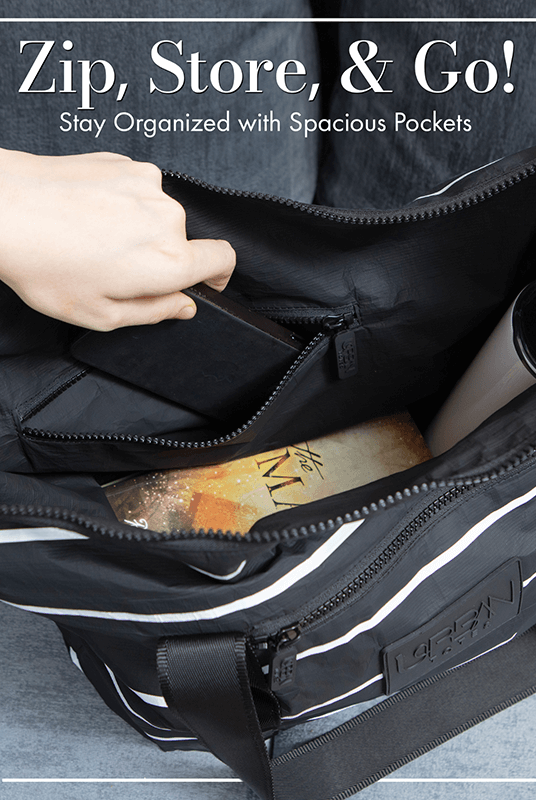
- Will it keep me organized with compartments that make sense for my routine?
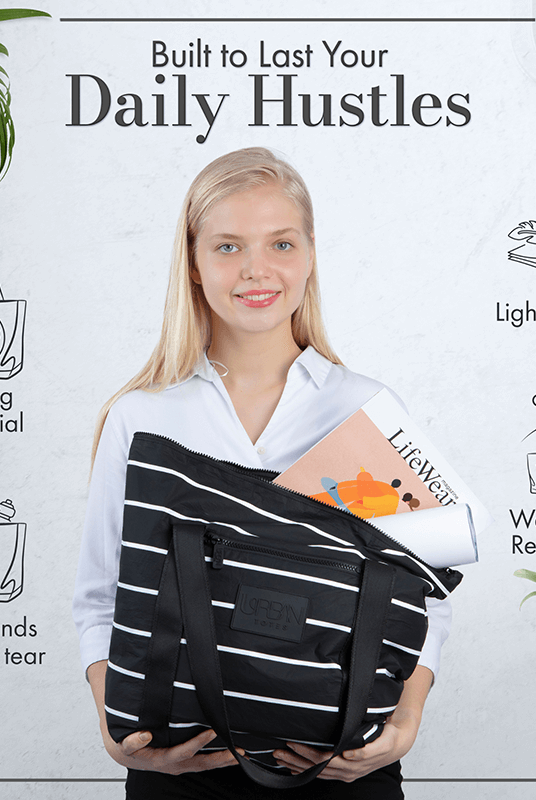
- Will it hold up through errands, commuting, and travel days?
- Will I still like it later instead of replacing it quickly?
A bag that gets used again and again usually does more good than one with a nice label that stays in the closet.
The better way to shop
A smart purchase isn't about chasing a guilt-free fantasy. It's about matching material, design, and daily use.
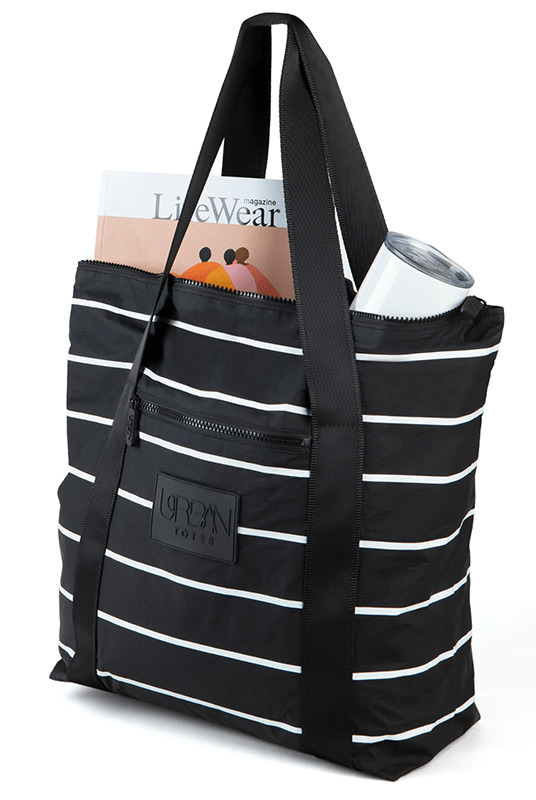
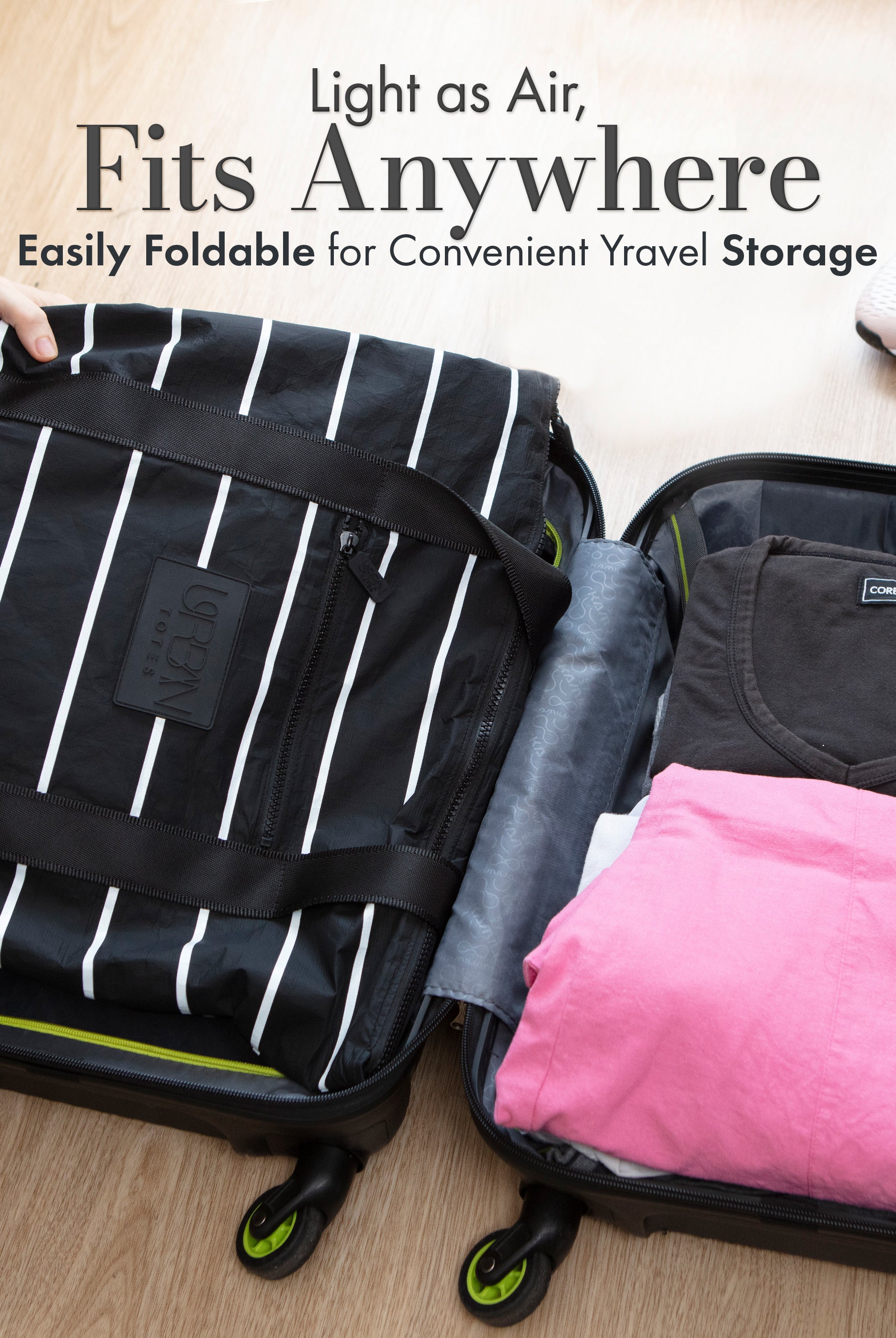
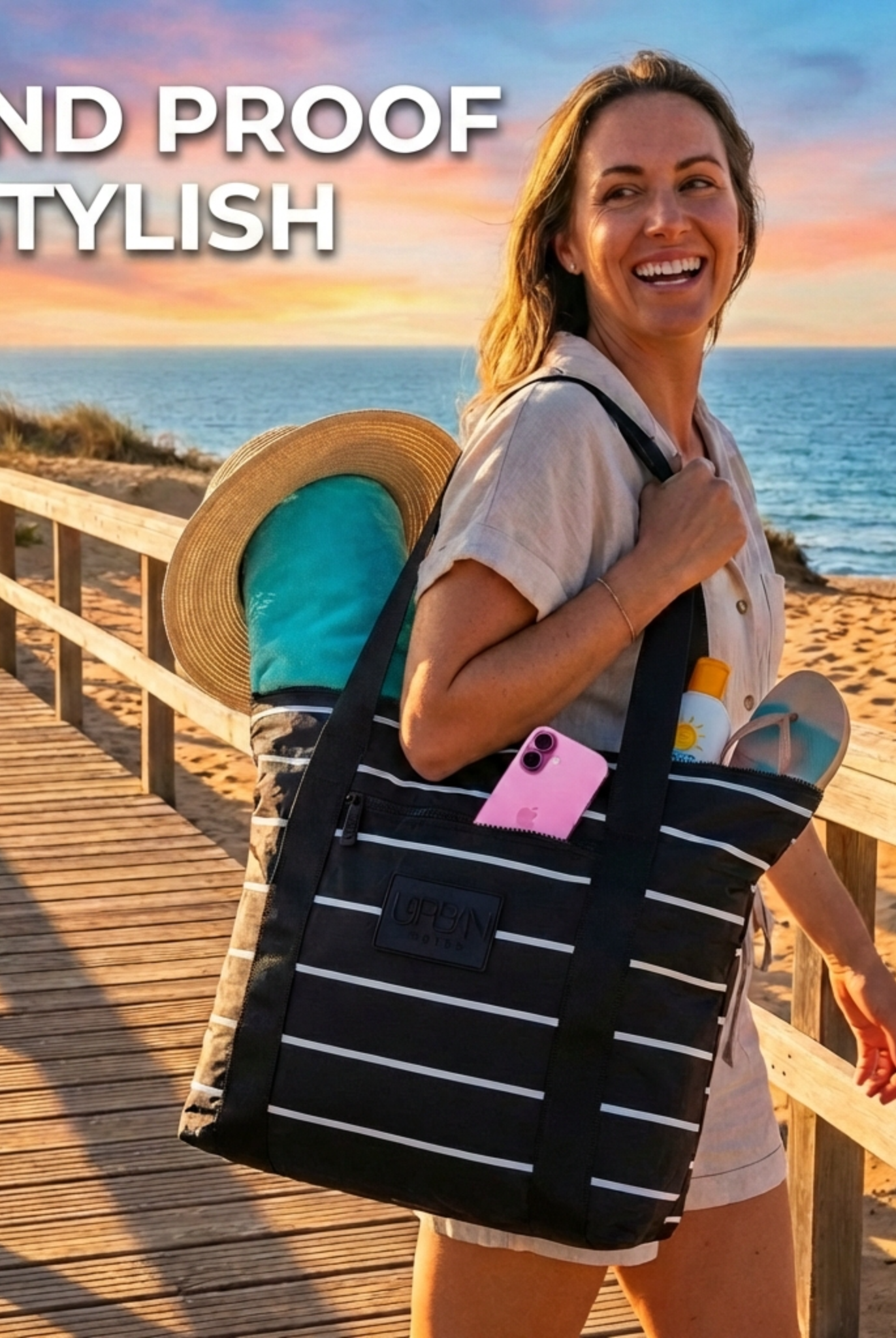
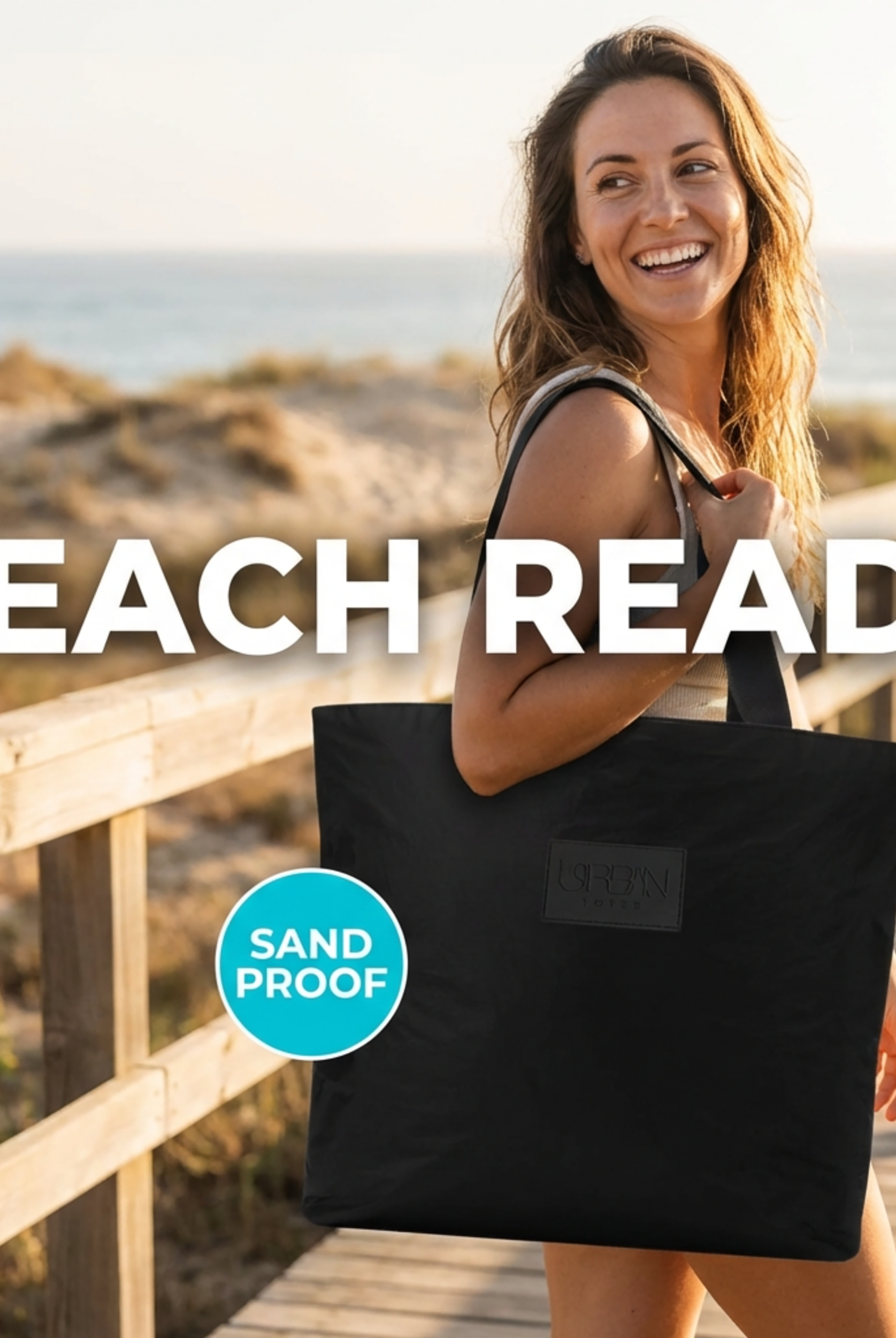
For a beach-day mom, that might mean a water-resistant tote with a zipper and easy-clean lining. For a commuter, it may mean a foldable, multi-pocket bag that tucks into a suitcase and works all weekend. For a minimalist, it could mean one versatile shape that looks polished and handles more than one setting.
That's the lens worth using. Not “Is this bag perfect?” but “Is this bag thoughtfully made for the life I live?”
What Are Recycled Material Bags Really
You grab a bag on the way out the door, and the label says recycled. That sounds promising, but it still leaves a practical question hanging. Recycled from what, and will that choice make the bag better for the kind of day you have ahead?
At the simplest level, recycled material bags use materials that already existed in another form. That might be plastic bottles remade into polyester fabric, factory offcuts turned back into fiber, or older textiles cut down and sewn into a new bag. The idea is simple. Use what is already in circulation instead of starting every component from virgin raw material.
A kitchen leftover works as a useful comparison. Good cooks do not just save food to feel responsible. They turn it into something you will want to eat. Recycled bag materials work the same way. The question is not only whether the input was reused. It is whether the finished bag is well designed, durable, and pleasant to carry.

Why this shift matters
Waste has to go somewhere. According to the EPA, millions of tons of plastic bags, sacks, and wraps were generated in the United States in 2018, while only a small share was recycled. Much larger amounts were landfilled or combusted with energy recovery, as explained in the EPA's materials facts and questions.
That context helps explain why recycled-content bags matter. They create demand for recovered materials, which gives those materials a better chance of being collected, processed, and used again instead of treated like waste.
Still, a recycled input is only the starting point.
What “recycled” doesn't automatically mean
A recycled bag is not automatically more durable. It is not automatically recyclable again at the end of its life. It also does not tell you much about how the bag will feel at 7:40 a.m. when you are juggling keys, coffee, and a phone that keeps sliding to the bottom.
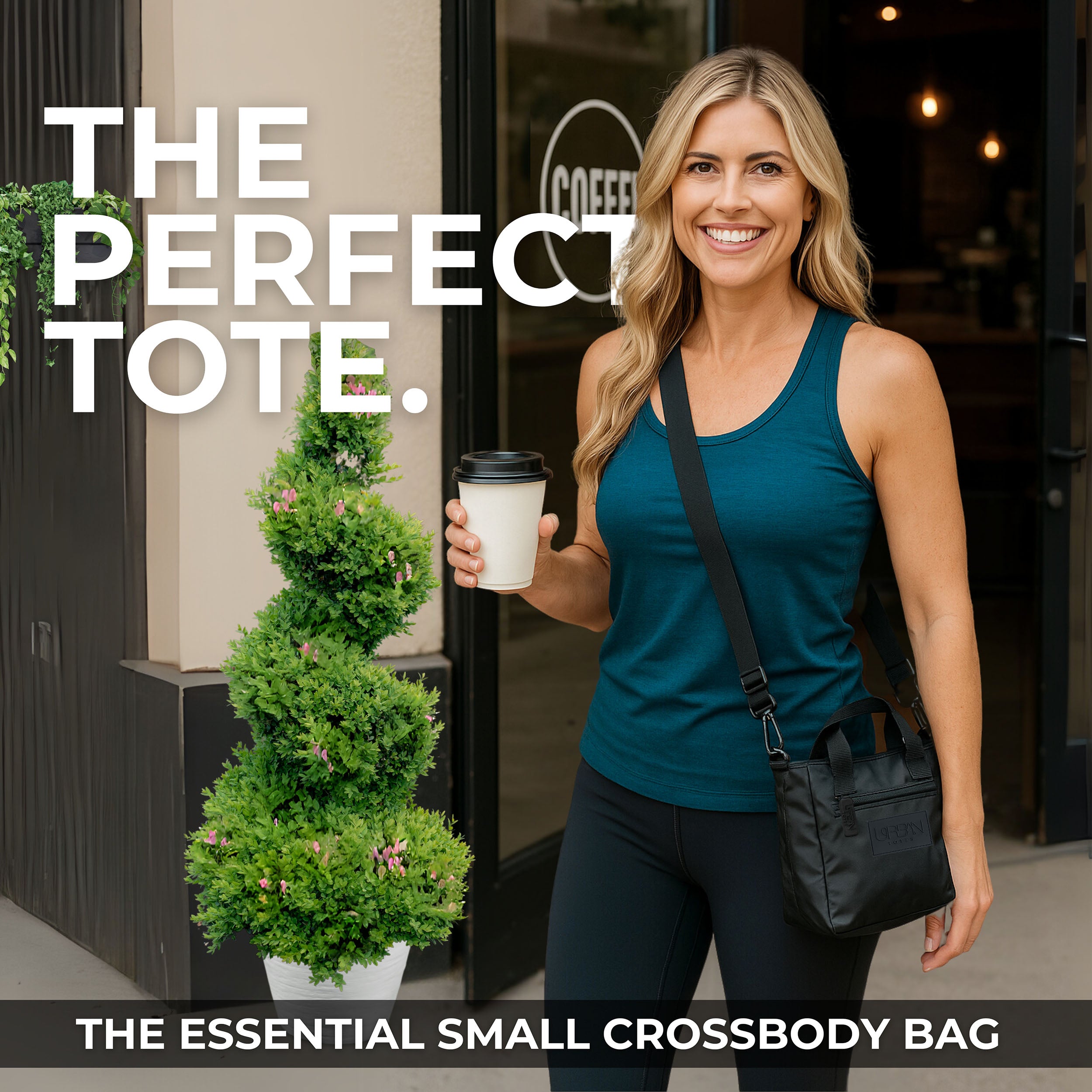
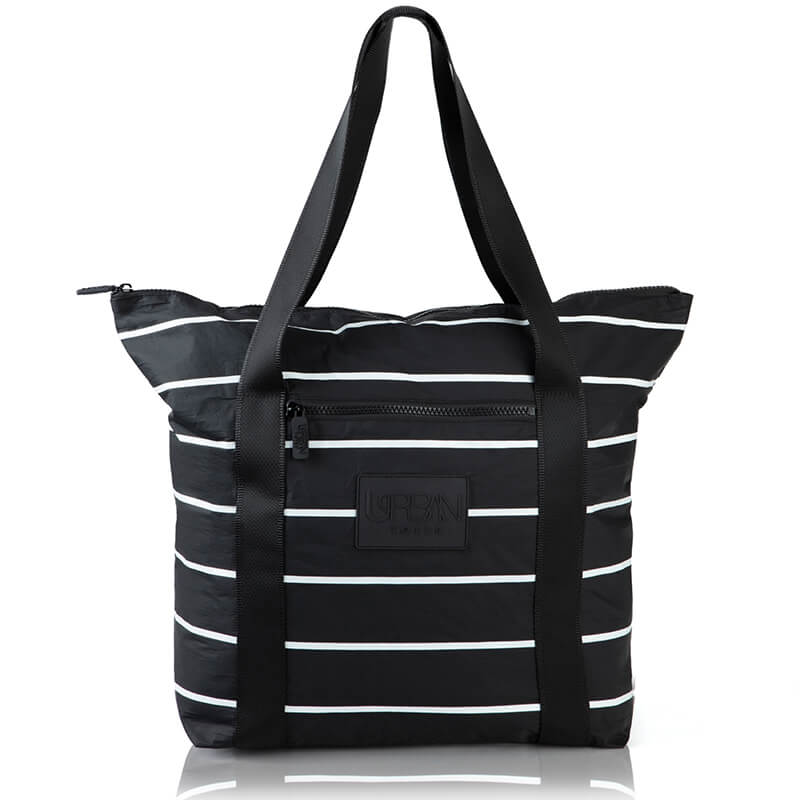
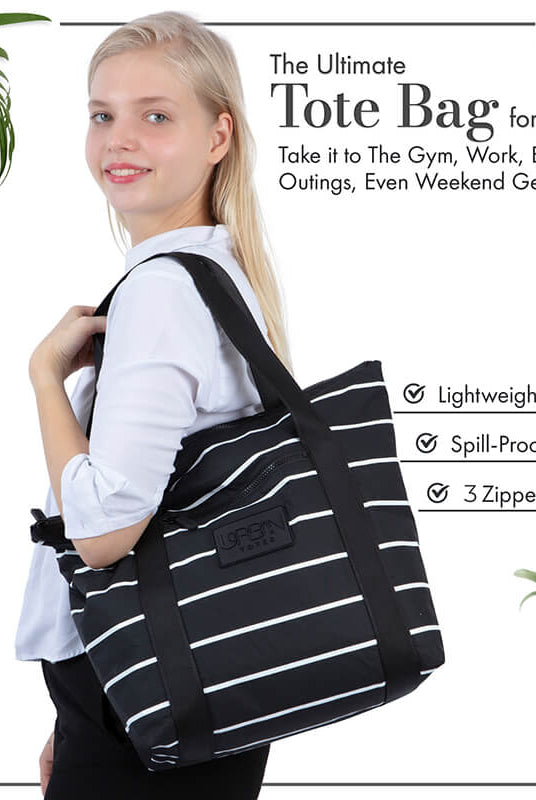
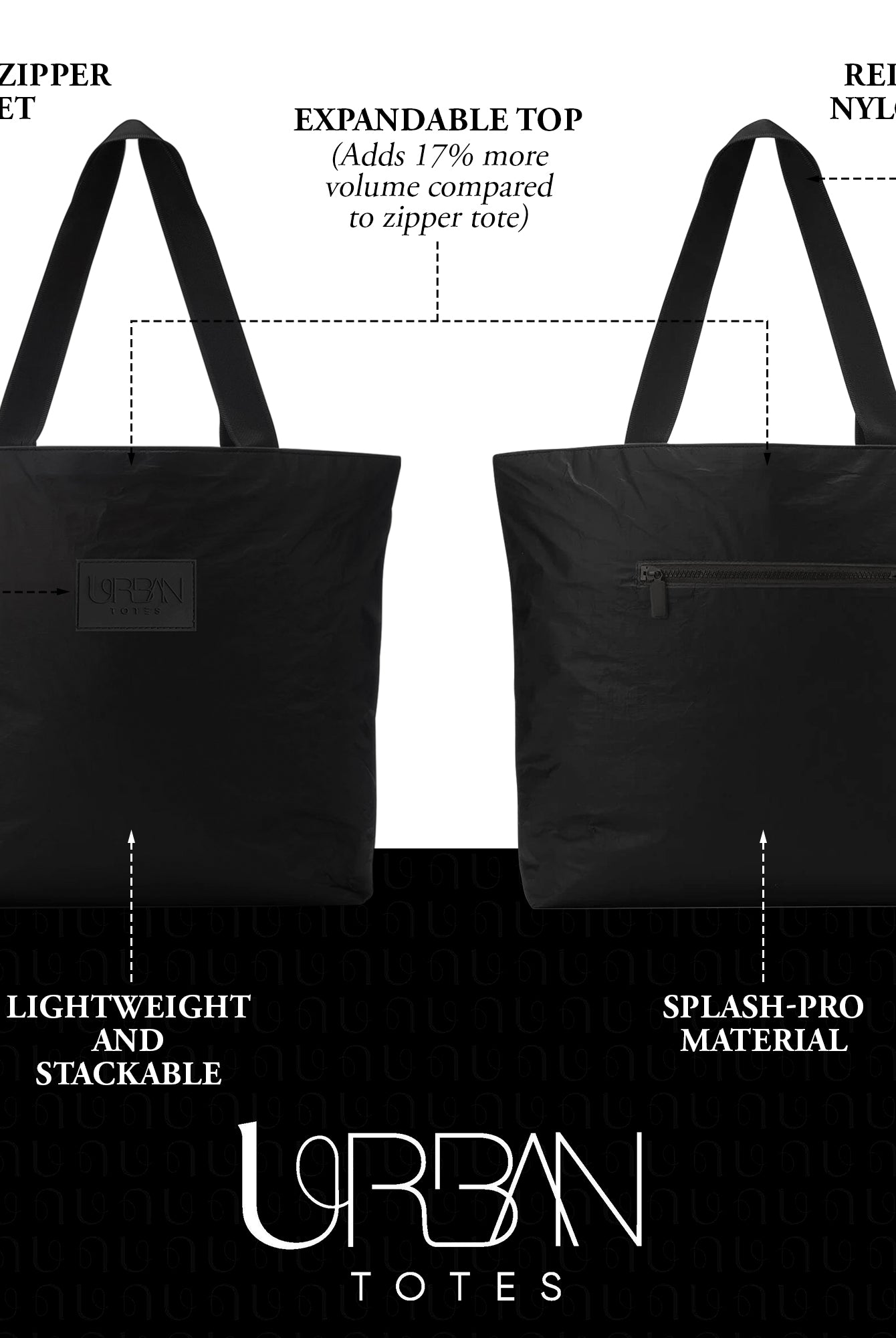
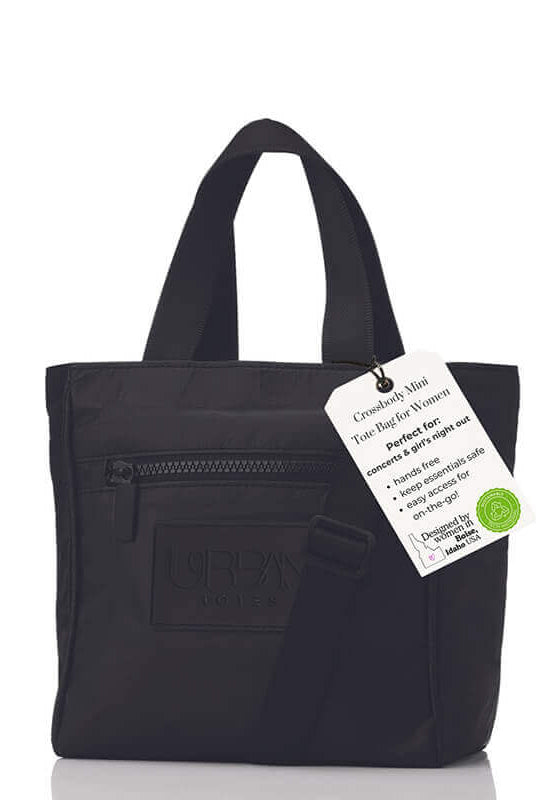
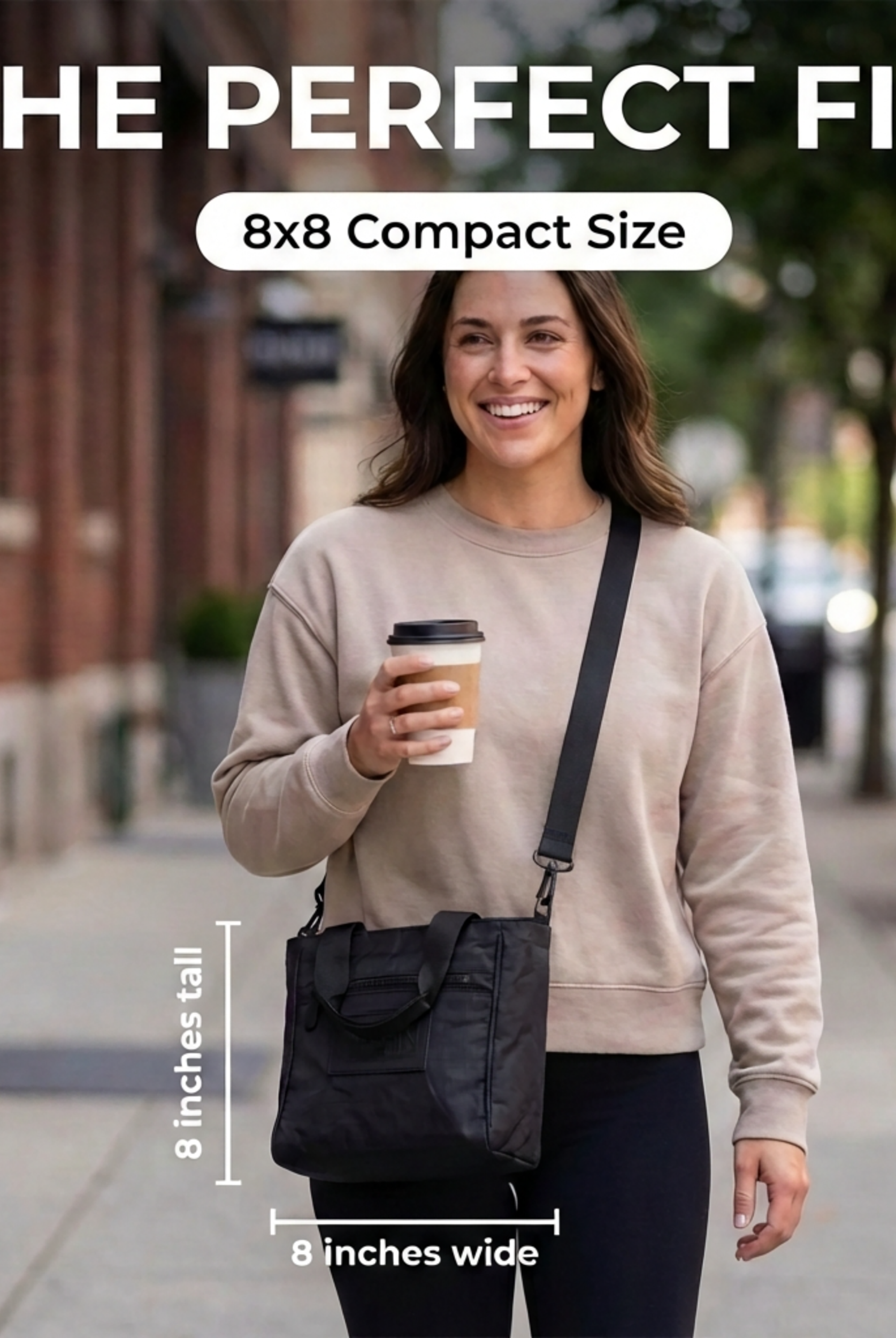
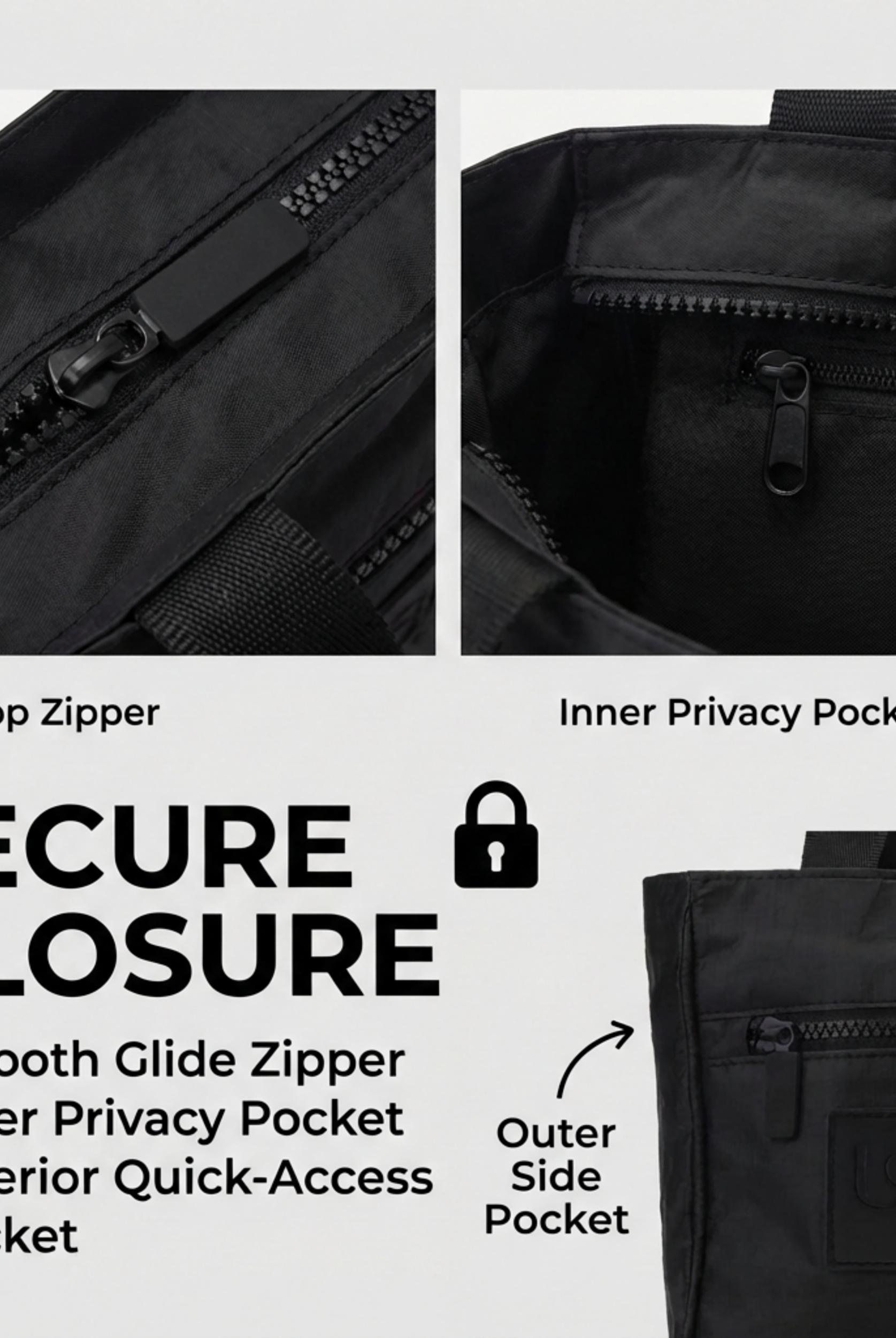
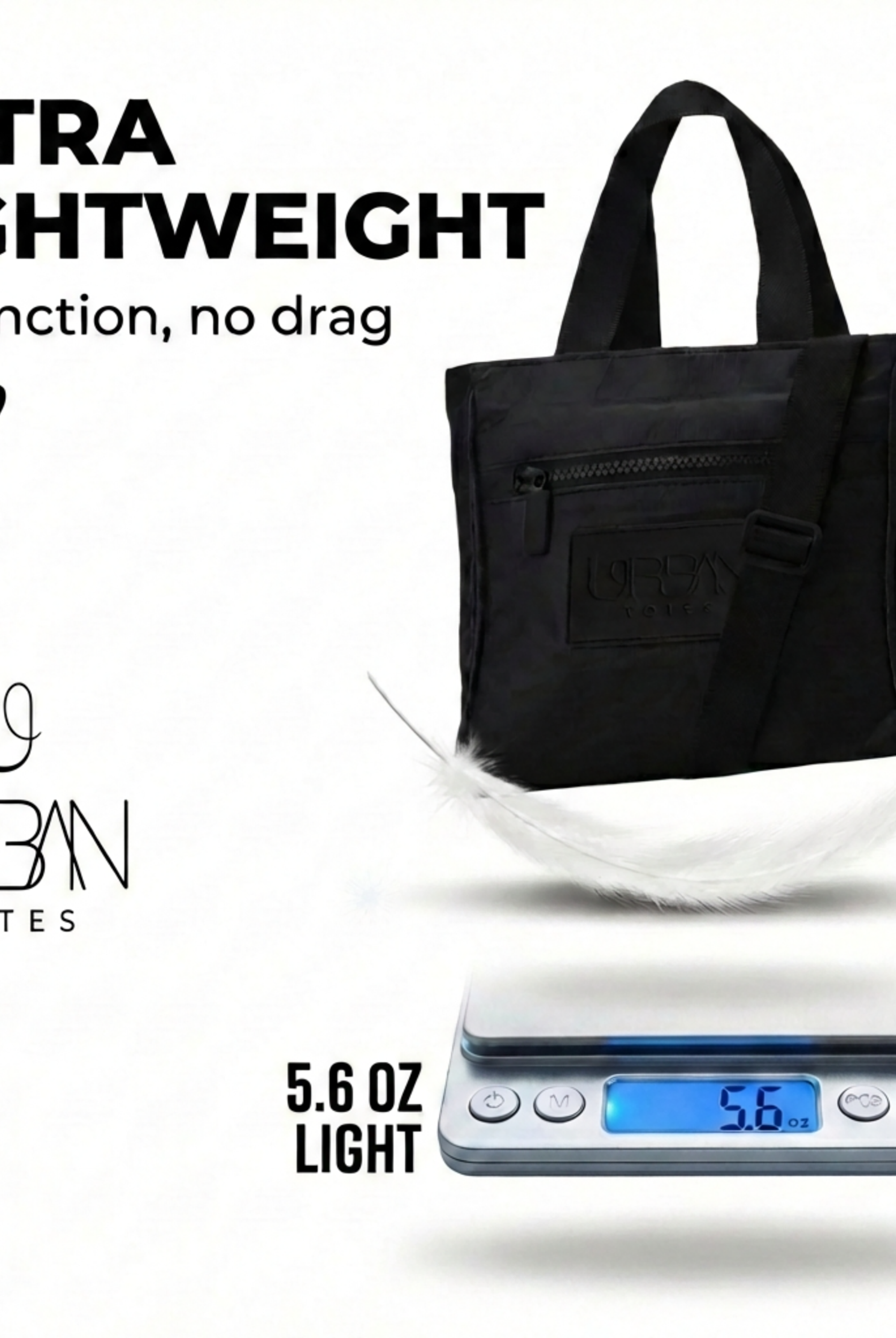
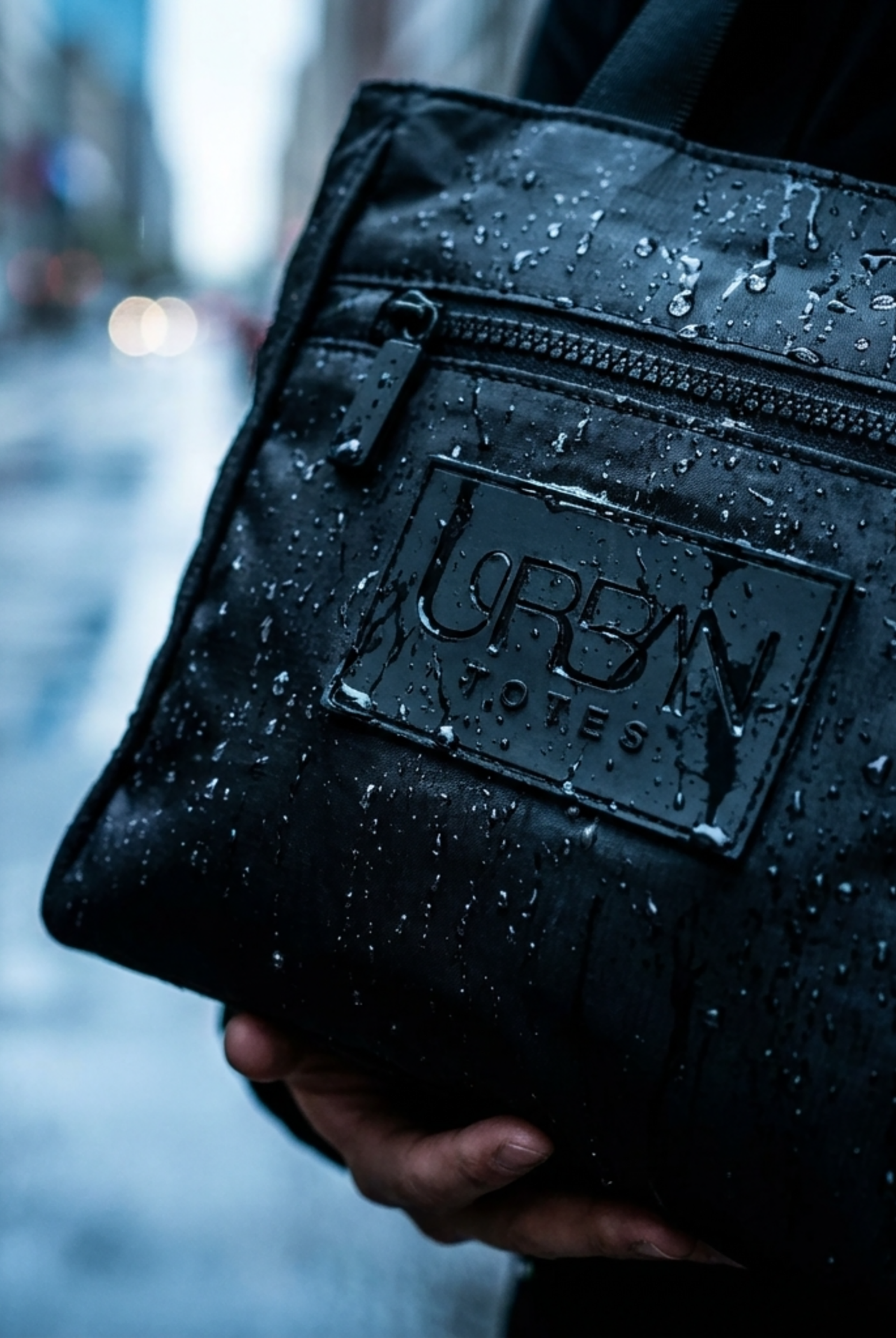
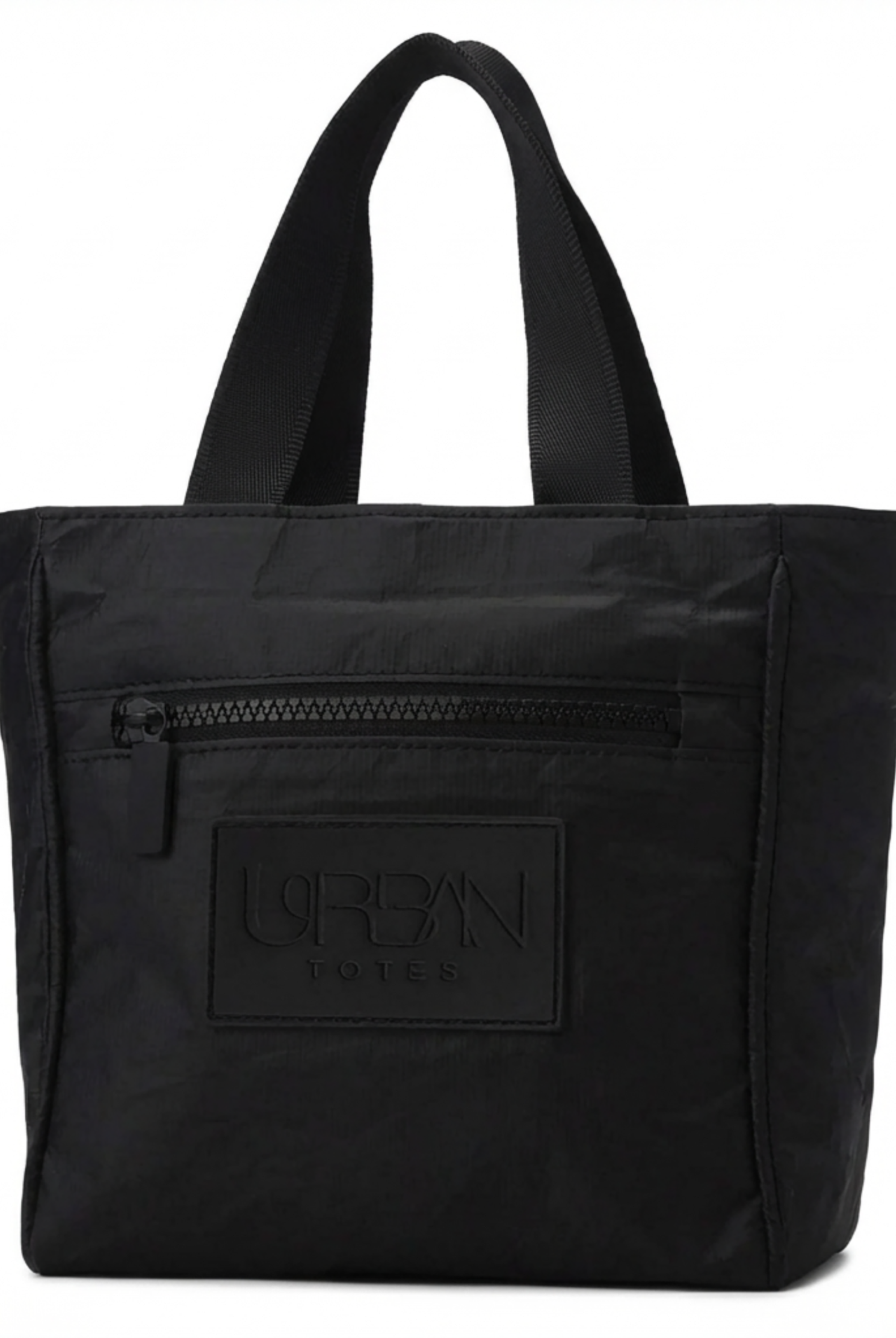
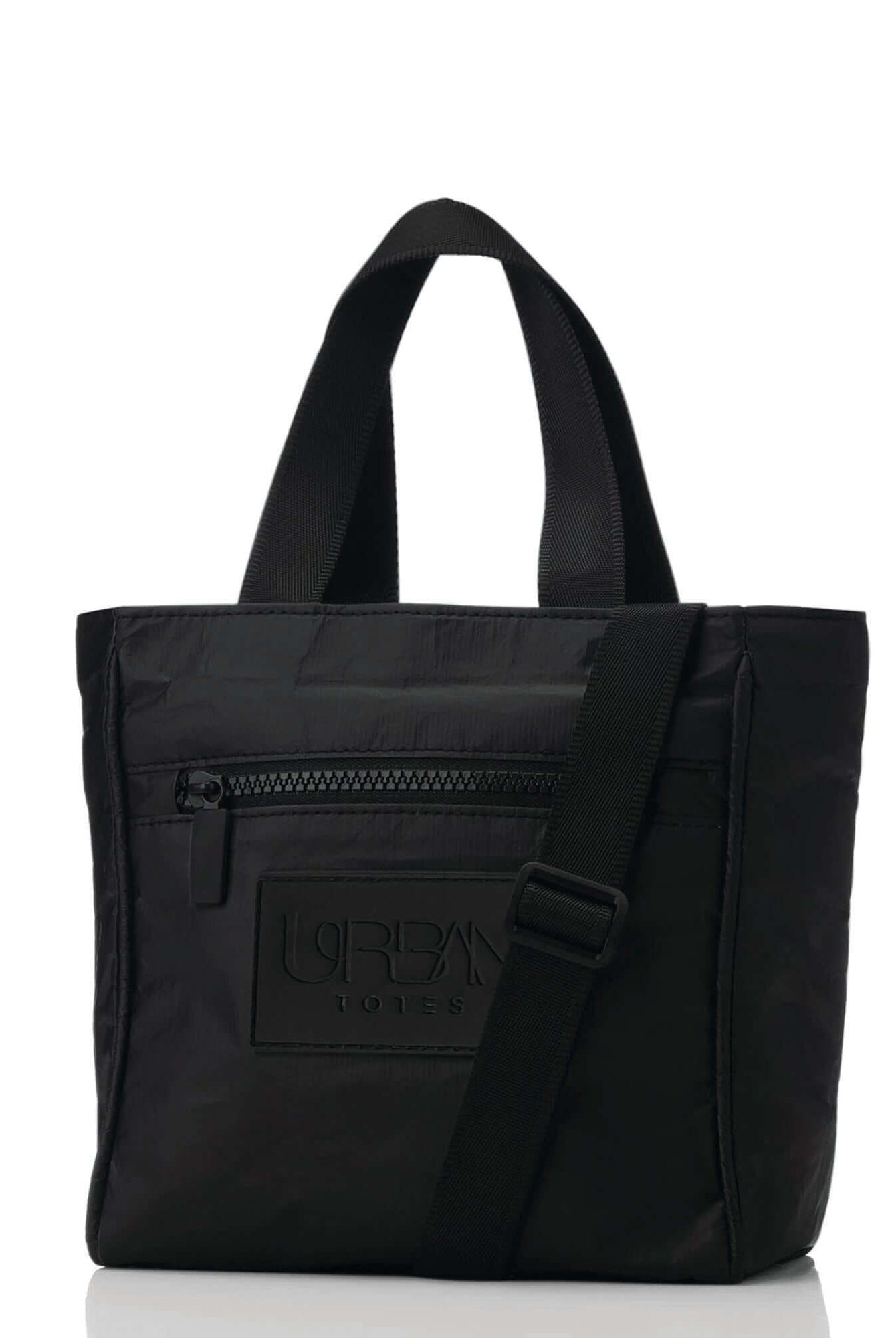
That is why product details matter more than the label alone. A small crossbody made from recycled or water-resistant material may sound good on paper, but daily usefulness comes from the build. The Crossbody Tote Bag Mini Purse is a good example of the kind of specifics to look for: zip-top closure, inside and outside zipper pockets, an easy-access outer pocket, water-resistant materials, foldable construction, dimensions of 7.5 x 4 x 7.75 inches, and a price of $24.95.
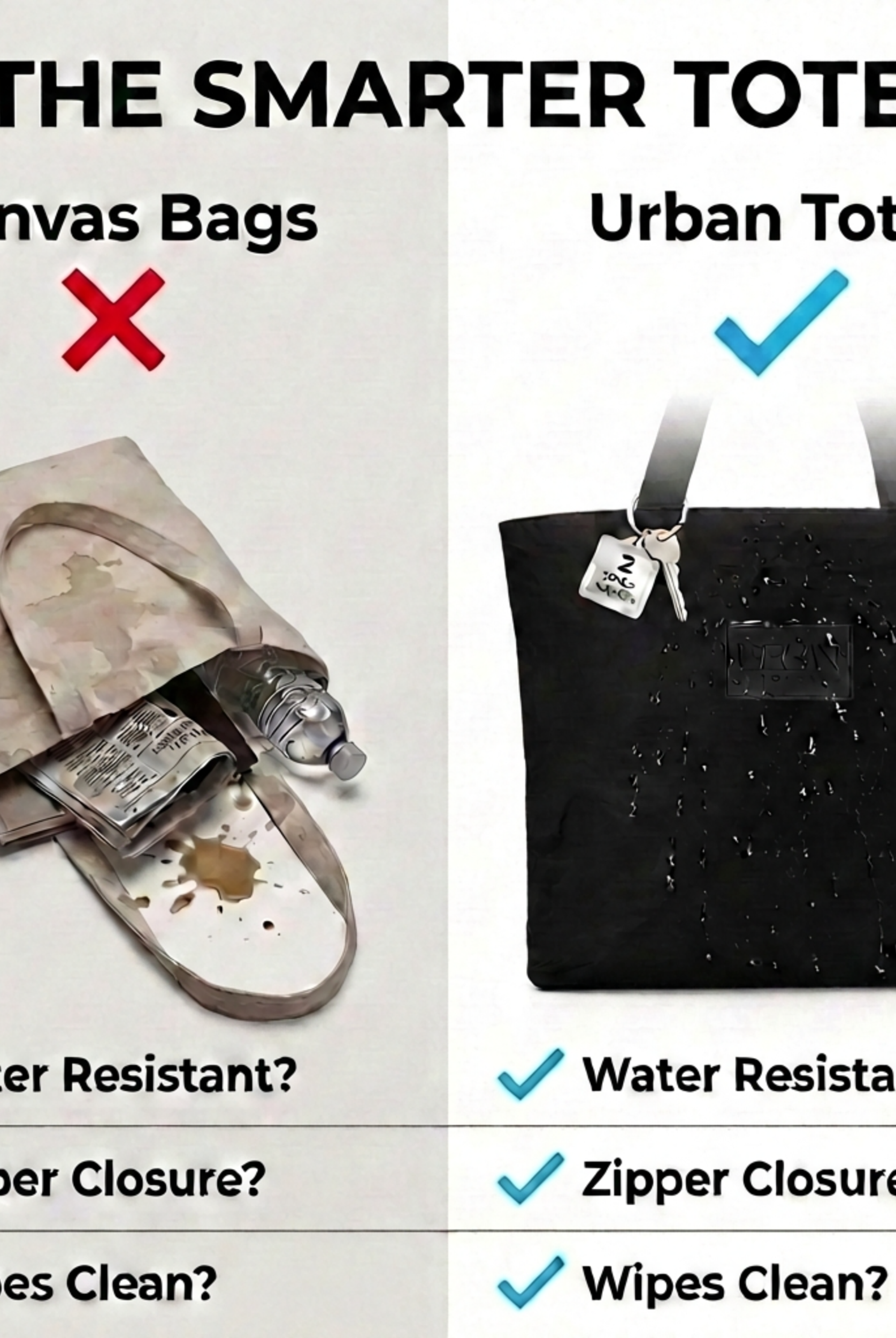
Those details tell you how the bag may perform in real life. A zip top helps on crowded errands. Exterior pockets matter when you need your phone fast. Foldable construction helps on travel days when you want a backup bag that does not take over your suitcase. If you want to compare that kind of practical design feature more closely, this guide to choosing a water-resistant crossbody bag for everyday use gives a useful frame.
Material matters. Design decides whether the bag earns a place in your routine.
A Guide to Common Recycled Bag Materials
A recycled bag can sound perfect until real life gets involved. You set it on a damp pool chair, stuff it with groceries after work, or fold it into a suitcase and pull it out three days later. The material decides a lot in those moments.
So instead of sorting fabrics into "good" and "bad," it helps to ask a more useful question. What kind of day is this bag built for?

rPET for busy, wipe-down, grab-and-go days
rPET is recycled polyester, often made from PET waste such as plastic bottles. In a bag, it usually feels smooth, slightly structured, and less absorbent than cotton-based options.
That makes it a practical fit for days that ask more from your bag. A commute with coffee in one hand and keys in the other. A beach afternoon where sunscreen, damp towels, and sand all end up in the same place. A travel day when your tote gets shoved under a seat, wiped off, and used again.
rPET often works well if you want a bag that:
- Keeps its shape better than softer fabric
- Feels lighter for its size
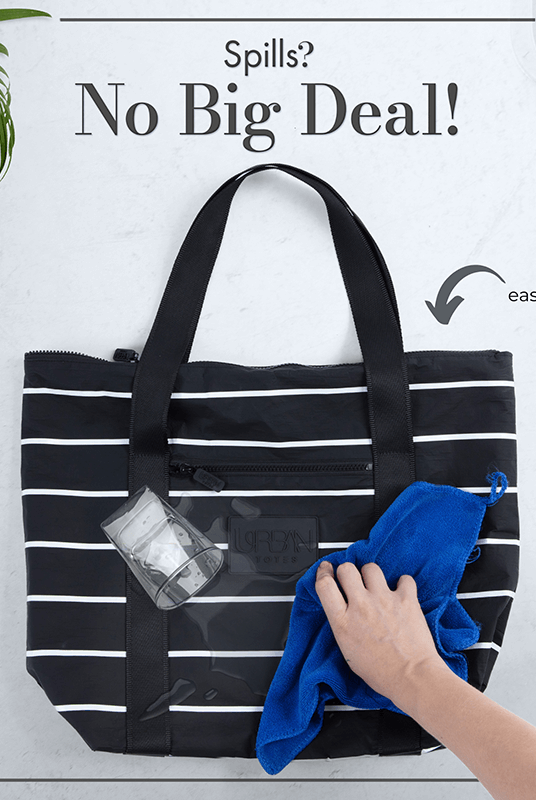
- Handles splashes and wipe-downs more easily
- Looks a bit more polished or technical
If you are comparing smaller everyday bags in this category, a guide to choosing a water-resistant crossbody bag for daily use can help you connect the fabric to your existing routine.
Recycled nylon for packable strength
Recycled nylon usually has a slightly crisp, lightweight feel. It works like a windbreaker compared with a sweatshirt. Less cozy, more ready for motion.
This material often makes sense when weight and packability matter. It folds down well, resists abrasion reasonably well, and tends to feel easy to carry for long stretches. If you want a backup tote in your suitcase or a bag for a full day of errands, recycled nylon is often a smart choice.
It tends to shine in situations like these:
- Weekend trips when you want an extra bag without adding bulk
- Outdoor errands where the bag may hit pavement, grass, or a car floor
- Long family days when every extra ounce starts to matter
The trade-off is feel. Recycled nylon is often chosen for performance, not softness.
Recycled cotton and upcycled textiles for softer, slower use
Recycled cotton and upcycled fabrics bring a different experience. They usually feel more familiar in the hand, more relaxed on the shoulder, and less technical overall.
These are often lovely choices for a market tote, library bag, casual work-from-cafe carryall, or simple everyday errands. If your bag mostly holds produce, a notebook, a wallet, and maybe a cardigan, a softer fabric can feel pleasant and easy to live with.
Upcycled textiles add another layer. Because they reuse existing fabric remnants or pre-owned textiles, they can have more character and variation. That can be a real plus if you like a bag that feels less uniform and more individual.
The trade-off is practical. Softer fabrics may absorb moisture more easily, show wear differently, and feel less structured under heavier loads.
| Material | Often feels like | Usually fits best |
|---|---|---|
| rPET | Smooth, structured, modern | Travel-ready totes, everyday workhorses |
| Recycled nylon | Light, crisp, flexible | Packable bags, active days, outdoor use |
| Recycled cotton or upcycled textile | Soft, casual, relaxed | Market totes, casual carryalls, simple errands |
A simple way to read this table is to match the fabric to friction. More weather, more spills, and more movement usually point toward rPET or recycled nylon. More comfort, texture, and low-key daily use often point toward recycled cotton or upcycled fabric.
That is the part many "recycled bag" guides skip. The recycled input matters, but the better choice usually comes from matching the material to your actual routine.
Recycled Versus Virgin Performance and Quality
A lot of shoppers still worry that recycled means second-rate. That made sense years ago when recycled products often felt rough, inconsistent, or obviously compromised. Today, that assumption doesn't hold up nearly as well.
The better question is not whether the material is recycled or virgin. It's whether the bag is well designed.
What to look at instead of the myth
Performance comes from a mix of factors:
- Fabric weight
- Construction
- Seams
- Closures
- How the bag is meant to be used
For reusable bags made from recycled PET or polypropylene, New York State's procurement standard requires a minimum fabric weight of 80 GSM and at least 50% total recycled content, with a preferred target of 100 GSM or higher (New York State reusable bag standards). That matters because fabric weight gives you a measurable clue about structure and durability.
Why GSM helps
GSM means grams per square meter. You don't need to memorize textile terminology to use it well.
A simple way to read it:
- Lower GSM can feel lighter and more flexible
- Higher GSM often feels sturdier and better able to hold shape
- The right GSM depends on the bag's job
A foldable travel tote may benefit from staying lighter. A grocery or commuter bag that carries more weight may need more body. That's why context matters. A bag isn't better just because it's thicker. It's better when the material suits the use.
Practical rule: Don't treat recycled as a warning sign. Treat it as one detail in a larger quality check.
Quality lives in the whole design
This is where founder-level practicality matters. A recycled fabric with weak handles, poor stitching, or no organization won't suddenly become a smart buy because the hangtag sounds good. On the other hand, a thoughtfully built recycled bag can feel polished, organized, and durable in daily use.
Care matters too. If you want a bag to stay in rotation longer, simple maintenance makes a difference. These tote bag maintenance tips and tricks are worth keeping handy once you find a bag you love.
How to Be a Savvy Shopper and Spot Greenwashing
Some bag marketing leans on mood more than meaning. Words like “earth-friendly,” “conscious,” or “better for the planet” can sound reassuring without telling you much at all.
That's where greenwashing starts. Not always with an outright lie, but with language that stays fuzzy enough to avoid real scrutiny.

Questions that cut through the fog
When you're evaluating recycled material bags, look for specifics.
- What is recycled. The fabric, the lining, the trim, or just one small part?
- How much is recycled. Some standards do give clear thresholds, and specifics are more useful than buzzwords.
- What is the bag made to do. Daily carry, travel, groceries, beach use, commuting?
- How is it constructed. Zipper closure, compartments, reinforced shape, easy-clean surface?
If a product page gives no real details, that's useful information too.
The hidden trade-off shoppers miss
A bag can contain recycled materials and still be hard to recycle again. Mixed materials, coatings, and added trims can complicate recovery. That's why the word recycled doesn't tell the whole story by itself. The more useful question is whether the design supports reuse, long life, and a sensible end-of-life path. EcoEnclose explains this clearly in its guide to sustainable inner packaging and material tradeoffs.
That's also why durability matters so much. If a bag becomes your regular go-anywhere option and stays in use, that usually counts for more than a vague claim printed on a tag.
A recycled label is a starting point. It isn't a full verdict.
What a thoughtful brand usually shares
Brands that have done the work tend to be more concrete. They often share the material type, intended use, and practical features that shape your experience.
You can use this quick filter:
| If you see this | Read it this way |
|---|---|
| “Eco-conscious design” | Nice phrase, but ask what that means |
| “Made with recycled materials” | Ask which materials and how the bag is built |
| Detailed fabric and feature notes | Usually a better sign than broad lifestyle wording |
If you want a broader lens on this topic, this guide to sustainable tote bags is a helpful companion read.
Your Go-Anywhere Recycled Bag Checklist
When you're ready to buy, don't overcomplicate it. Use a short checklist that connects the material story to your actual life.

Five things worth checking
-
Material fit
Choose a fabric that matches your routine. rPET and recycled nylon often make sense for lightweight, water-resistant, travel-ready bags. Softer recycled textiles may suit casual errands better. - Daily function Look for the features you'll use. A zipper closure, comfortable straps, and a foldable shape matter more than trend language.
-
Organization
If you're always digging for keys, prioritize pockets. Multi-pocket design isn't extra. It changes how a bag feels in real life. -
Style range
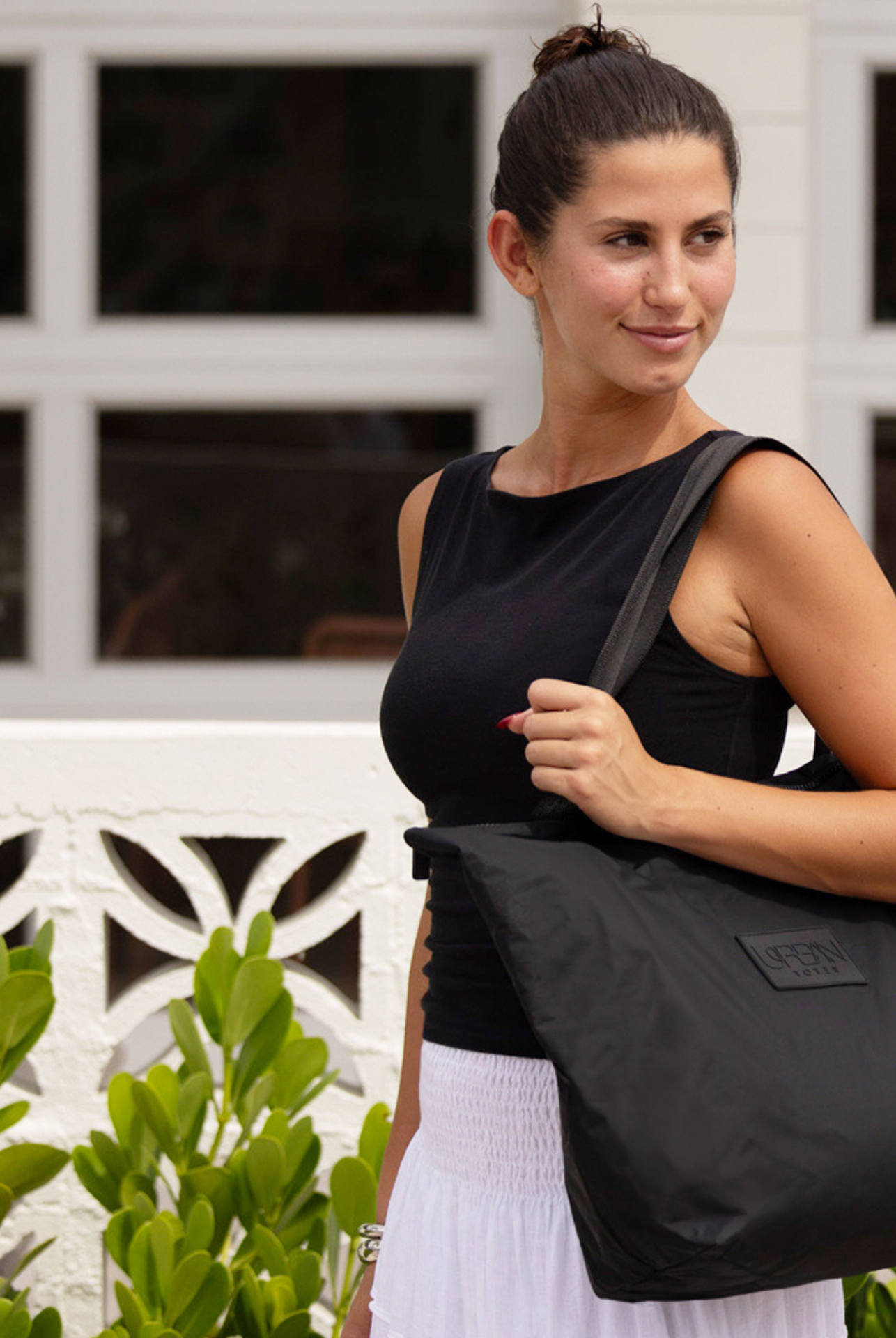
The best everyday carry bags don't force you into one setting. They work at school pickup, on a road trip, in an airport terminal, or during a quick grocery stop. -
Build quality
Check how the bag holds shape, how the handles attach, and whether it seems made for repeat use instead of occasional wear.
A quick reality check before you click buy
If you travel often, it can help to compare bag formats across brands and categories. For example, the CoolCabanas travel bag is a useful reference for how some shoppers prioritize packability and travel function first, then compare those features with their everyday tote needs. The same logic works for your own purchase. Start with your routine, not the marketing headline.
And if your next bag needs to handle day trips, errands, or spontaneous overpacking, keeping a practical day trip packing list nearby can make it easier to judge what size and pocket layout you really need.
Buy the bag you'll use often, clean easily, carry comfortably, and still like six months from now.
That's usually the intentional choice.
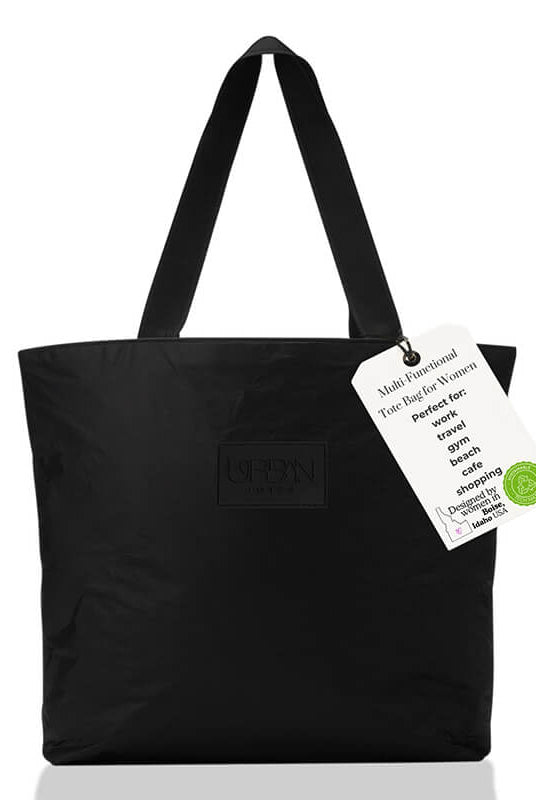
If you're looking for a lightweight, organized, go-anywhere bag that fits real life, explore the collection at Urban Totes. Shop the full lineup and find the one that keeps up with wherever the day takes you.