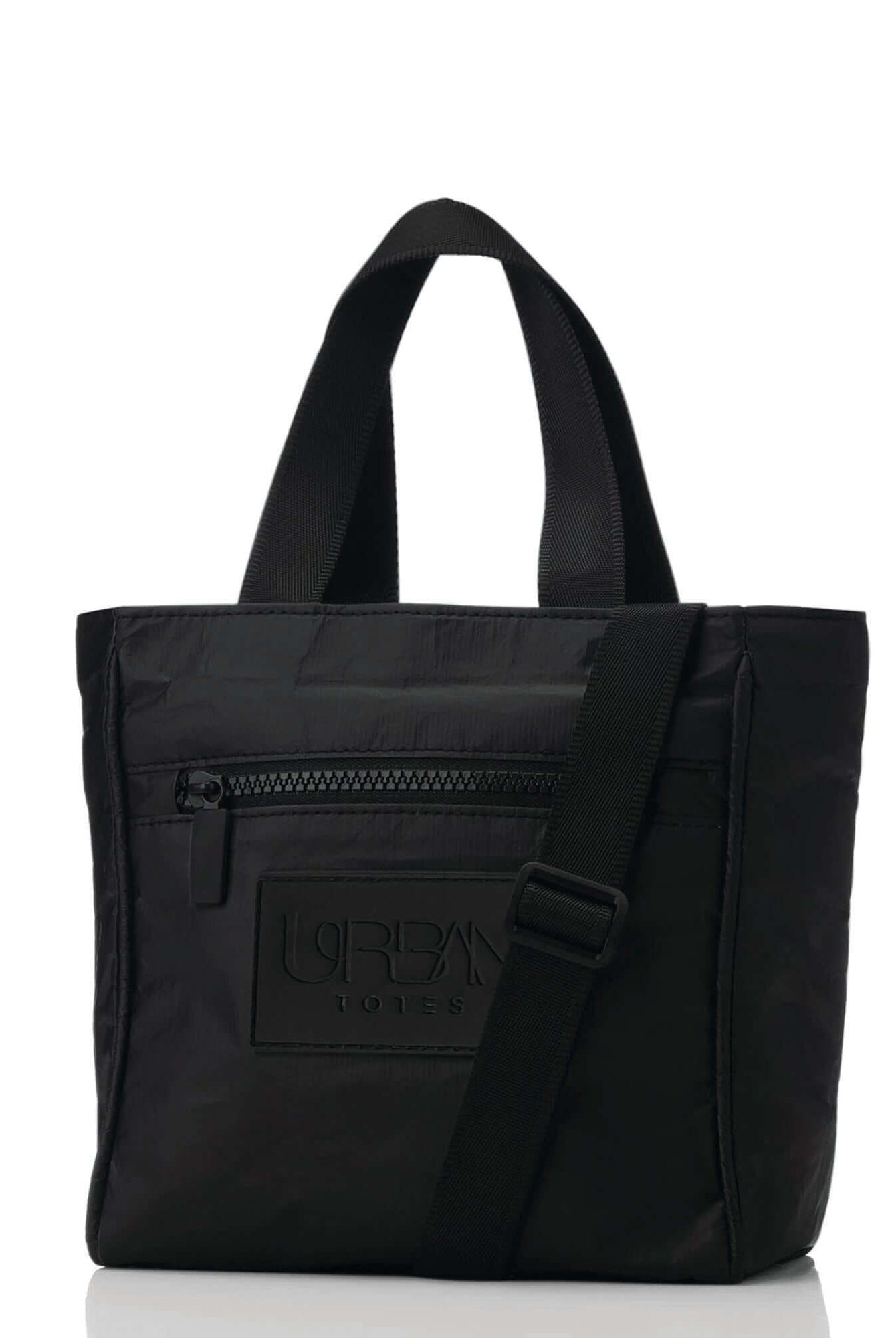
You've got the mat. You've got the class. Then the rest of the morning starts crowding in, school drop-off, a grocery stop, maybe a quick coffee, and suddenly that rolled yoga mat is the awkward thing you're trying to keep from sliding out of your tote. A yoga mat holder solves that everyday problem in a way that feels calmer, cleaner, and easier to live with, especially when you're moving from one stop to the next with both hands full.
For women who live in motion, the main issue isn't whether the mat works. It's where it goes when the session ends, how it dries, and how it travels without turning into one more thing to manage. The right holder keeps your mat organized at home, ready at the door, and easier to carry on days that already feel packed.
Table of Contents
- Understanding Why You Need a Yoga Mat Holder
- Understanding Yoga Mat Holder Types
- Key Features to Look For
- Choosing the Right Holder for Your Mat and Lifestyle
- Carrying and Attachment Tips for Daily Use
- Care Maintenance and Ventilation-Friendly Storage
- Simple DIY and Alternate Storage Solutions
- Conclusion and Call to Action
Understanding Why You Need a Yoga Mat Holder
The problem shows up fast when life is busy. A mat gets shoved into a tote, leans against the wall by the front door, or lands in a closet after class, and each version creates a different kind of clutter. A yoga mat holder gives the mat one clear home, so you are not hunting for it before a workout or stepping around it every time you walk through the entryway. It also helps if your routine includes an Urban Totes bag, since a holder can make it easier to keep the mat and the bag organized without turning your hallway into a pile of gear.
The daily friction it removes
A holder matters most when your routine changes by the hour. One morning, the mat heads to class. That evening, it comes back from a sweaty flow and still needs to air out before it goes anywhere enclosed. Independent storage guidance says you should not put a damp mat in a closed bag, airtight bin, closed basket, or cabinet, and storage should allow both sides to dry before final placement storage guidance for dry, roll, and carry care. A holder with open airflow gives the mat a better resting spot while it dries, especially if you are coming home from class and need to set your bag down, grab water, and leave again.
Practical rule: if the mat still feels cool or damp after class, it needs airflow before it needs a closet.
There is also the home-space factor. A rolled mat on the floor always looks temporary, even when it has been there for days. A wall or freestanding holder turns that same mat into something organized and ready, which is a small change that can make your home feel less crowded. For the woman balancing work, errands, and exercise, that kind of simplicity matters because it cuts one more decision from the day.
Understanding Yoga Mat Holder Types
A yoga mat holder seems simple until you try to fit it into a real day. The right type depends on where the mat lives between classes, how often you carry it, and whether it needs room to dry before it goes back into a bag or closet. For anyone using an Urban Totes bag on the way to class, that last part matters because a holder can help keep the mat organized without crowding the rest of your gear. For a wider look at how carry systems connect, the bag with water bottle holder guide is a useful comparison point.

Wall racks and freestanding stands
A wall rack works well when you want the mat in one fixed spot and off the floor. It can make a hallway, laundry room, or bedroom corner feel more orderly, almost like giving the mat its own parking space instead of leaving it wherever you last set it down. A freestanding stand fits better if your storage needs change from week to week, since it can move with you and does not depend on wall space in the same way.
The build details matter because they show how the holder handles weight and movement. Some commercial steel designs use a curved hanging pole to help limit slipping, a mid-crossbar for added support, and 4 locking casters to keep the stand steady when needed commercial steel rack details. In plain terms, a holder is not just decoration, it is a small storage tool that needs to keep its shape under everyday use.
Straps, hooks, and attach-on styles
Straps are the lightest option, and they make sense if you want to carry a mat without adding another bulky item to the trip. They can keep a mat bundled neatly inside a tote, or secure it outside the bag when you are moving from home to studio and back again.
Hooks and attach-on styles serve a similar purpose, but they are more about keeping the mat easy to grab and easy to put away. If your routine changes fast, these styles can feel like a shortcut that keeps the mat from taking over your hands or your bag space. A quick guide to incense holder safety and care can also be helpful here, because the same habit applies, storage works best when the item is supported, easy to remove, and not left in a cramped spot that could create wear.
A note on capacity and fit
The part that confuses people most is slot count. A holder can look roomy and still feel tight once the mat is in place, because fit depends on thickness and spacing. One adjustable rack holds 15 mats at 1 cm thickness, 10 mats at 1.5 cm thickness, and 20 mats at 0.5 cm thickness, with 30 to 50 cm spacing capacity and spacing details. That is why it helps to think about the mat itself first, then the holder, the same way you would check whether a bag pocket can fit a water bottle before you leave the house.
A little extra breathing room also matters if the mat comes home slightly damp. Open spacing gives it a better chance to dry before it gets rolled away or tucked into enclosed storage, which is a much calmer setup for a busy routine.
Key Features to Look For
The smartest way to shop is to focus on how the holder handles your mat, not just how it looks on a product page. A pretty rack that pinches the mat edges or makes it hard to slide in and out gets old fast. The right features make storage feel smooth from the first use.

What matters most in daily use
Adjustability is the first thing to look for. Mats are not all the same thickness, and thicker mats need more room to slide in without getting squeezed. One buying guide notes that thick or eco-friendly mats require reinforced supports and cushioned arms, and you should measure the mat's widest point before you buy holder compatibility guidance.
Grip matters too. A holder that helps keep the mat steady prevents the annoying sideways slip that happens when a rack is too smooth or too narrow. That's especially relevant if your mat travels often and gets handled several times a day.
A good holder should make the mat easier to use, not harder to return.
Materials, capacity, and ventilation
If your routine includes hot yoga or sweaty commuting, look closely at airflow. A holder with an open design helps the mat dry more naturally, which matters more than people think after class. For readers who like practical home organization content, the guide to incense holder safety and care is a useful reminder that storage pieces work best when air movement and stable placement are part of the design, not an afterthought.
The other feature that gets overlooked is space-saving design. Foldable arms or a slim profile can matter just as much as capacity if you're working with a small apartment or a shared entryway. If you're deciding between decorative and functional, choose the version that fits how you move through your day, not the version that looks nicest in a staged photo.
Choosing the Right Holder for Your Mat and Lifestyle
The best choice depends on three things, your mat, your space, and how often you carry it. A woman who practices at home twice a week and stores a standard mat near the wall has different needs from someone who takes a thicker mat to class before work and leaves it in a tight apartment entryway. That's where the decision gets practical fast.

Match the holder to the mat first
If your mat is standard and rolls tightly, a simple rack or strap may be enough. If it's thicker or more cushioned, the holder needs more clearance and gentler contact points. That's the part many shoppers miss, because the mat looks compact when it's rolled, but the diameter still changes the fit.
A steel rack with locking casters works well when you want the unit to move, but that same style can feel bulky in a narrow apartment. A wall-mounted option stays out of the way, yet it makes more sense only if you're comfortable with a more permanent placement.
Think through your routine, not just your storage
If you commute with your mat, the holder should be easy to grab from and easy to return to. If you mostly practice at home, the priority shifts toward organization and drying space. If you're often leaving class with a slightly damp mat, ventilation becomes the deciding factor.
For broader carry planning, the gym tote bag guide is a good companion read because it helps you think about what else travels with the mat, like a towel, phone, or keys. That's useful if you're trying to keep everything in one place instead of making multiple trips to the car or front door.
Compare storage styles in plain terms
| Holder style | Works well for | Main tradeoff |
|---|---|---|
| Wall rack | Dedicated home spot | Needs installation or stable mounting |
| Freestanding stand | Flexible placement | Takes floor space |
| Strap system | Travel and minimal carry | Less structured storage |
| Bag attachment | Daily commuting | Depends on bag design |
If you already use a structured carry bag, the Urban Totes approach fits this thinking well, because a tote with compartments can keep your mat, phone, and keys from tangling into one pile. That's not about hype, it's about making the handoff from class to car to home feel smoother.
Carrying and Attachment Tips for Daily Use
The easiest mat-carry system is the one you can manage on a rushed morning. If the attachment takes too long, it gets skipped. If it feels loose, the mat slides around before you even reach the car. The goal is a setup that stays steady without adding another task to your routine.

Simple ways to keep the mat with you
Start by rolling the mat evenly so it holds its shape. Then match the attachment point to the way you carry. If you use a tote with handles, a strap can loop around the rolled mat and rest against the bag body. If you want your hands free while crossing a parking lot or moving through an airport terminal, a clip or crossbody setup usually feels easier to manage.
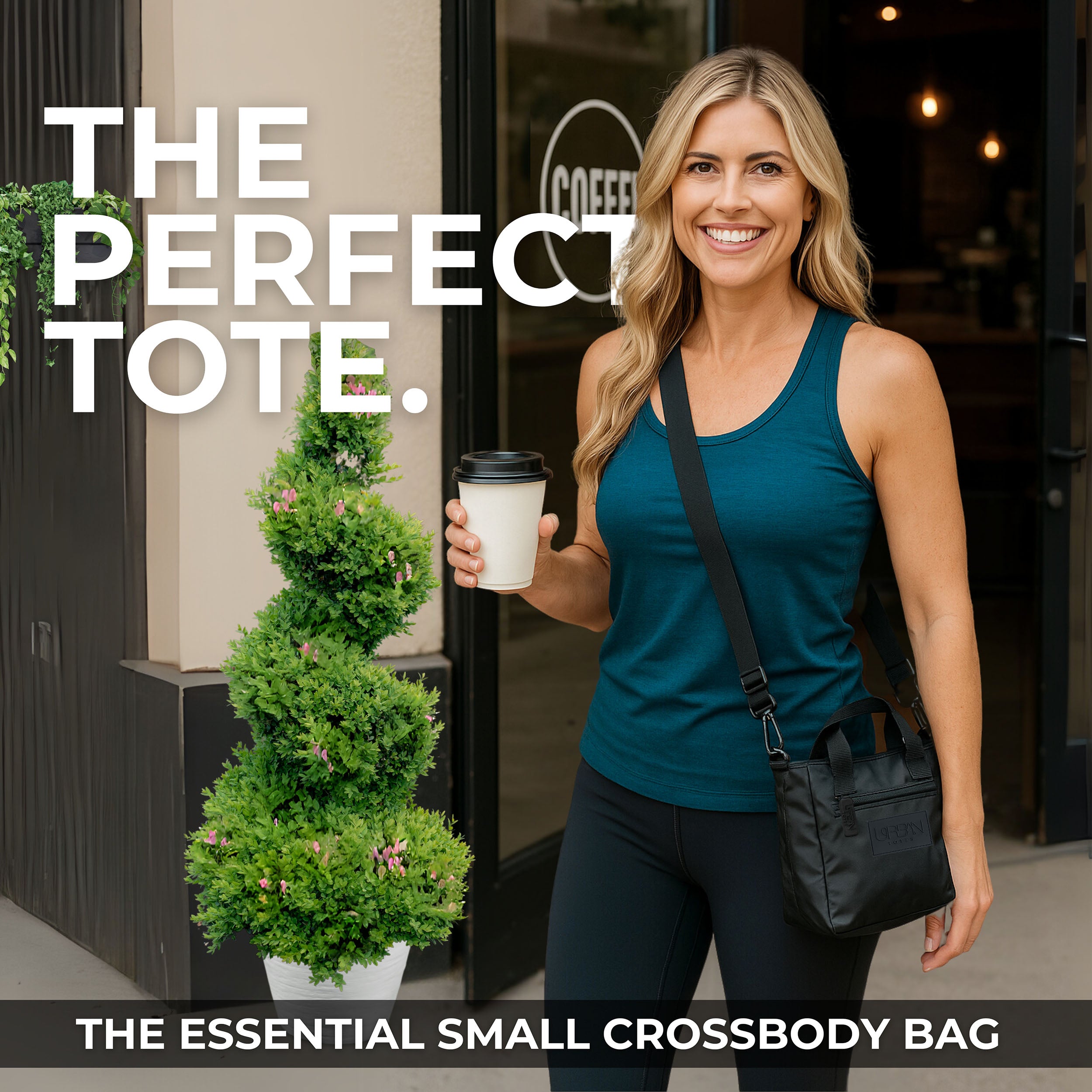
The tote bags with crossbody strap guide is useful if your day shifts between shoulder carry and hands-free carry. That kind of flexibility matters when one hand is on coffee, another on your phone, and your mat is still part of the load.
Why structure helps on busy days
Structure keeps a mat from wobbling or drifting out of place. A holder that has a clear shape gives the mat a fixed home, which is easier to manage than letting it slide against soft bag walls. That same idea applies to tote use, where a more organized bag shape helps separate the mat from everything else you're carrying.
The Lucidoura recommendations for yoga can help you plan around the classes you attend, so the carry system matches your week instead of sitting unused at home. If you know whether you're heading to studio sessions, home practice, or mixed days, it becomes easier to choose a holder that fits the way you move.
One product reference that fits naturally
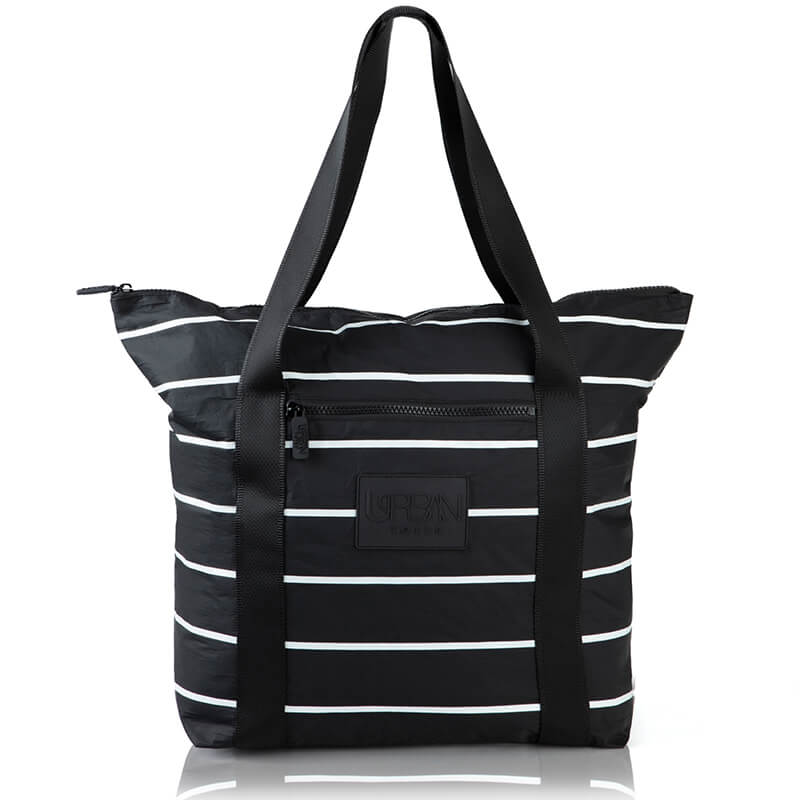
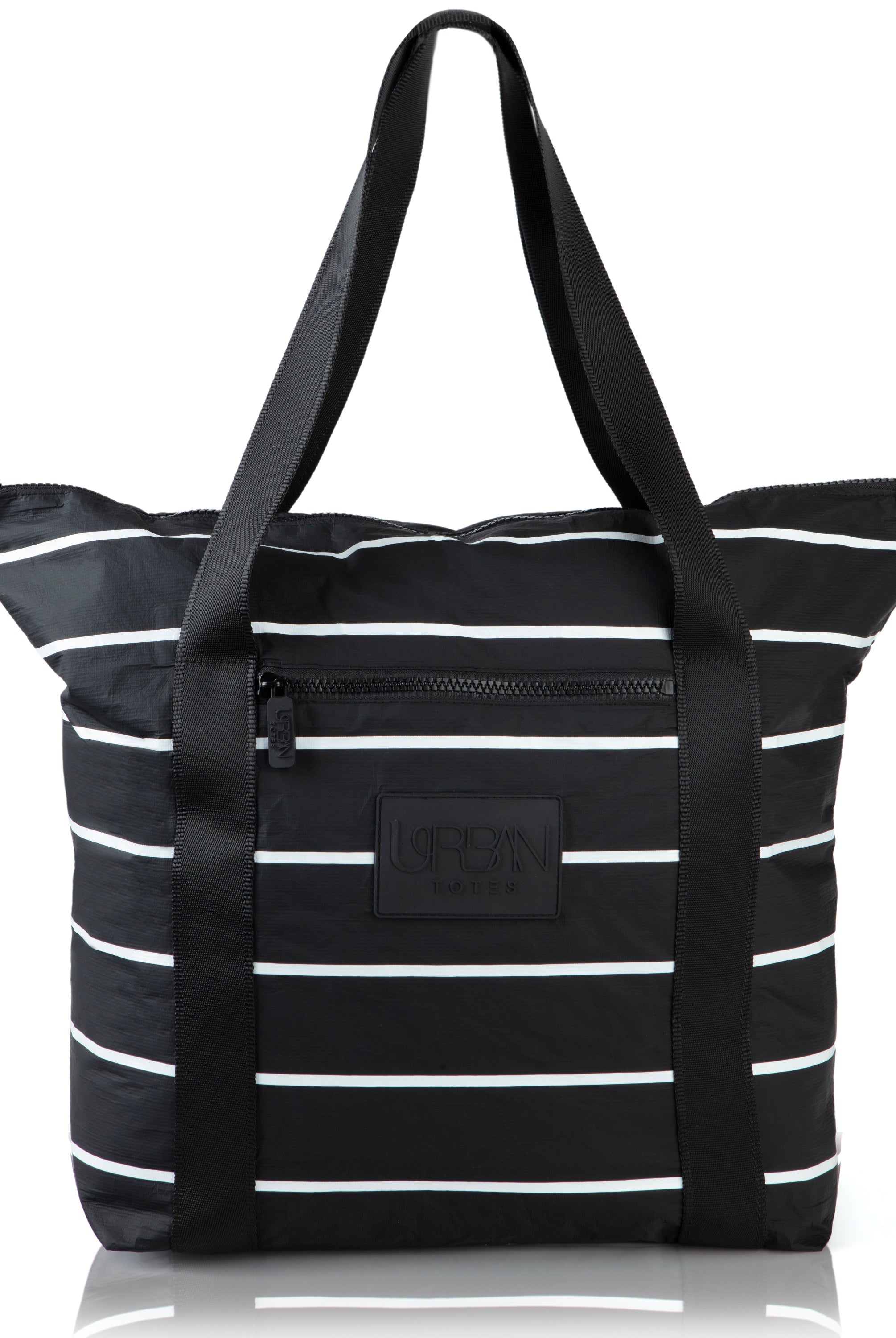
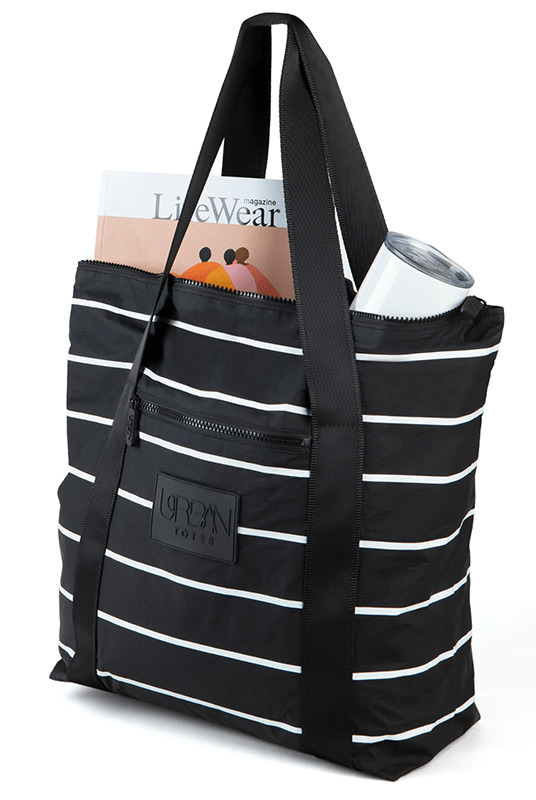
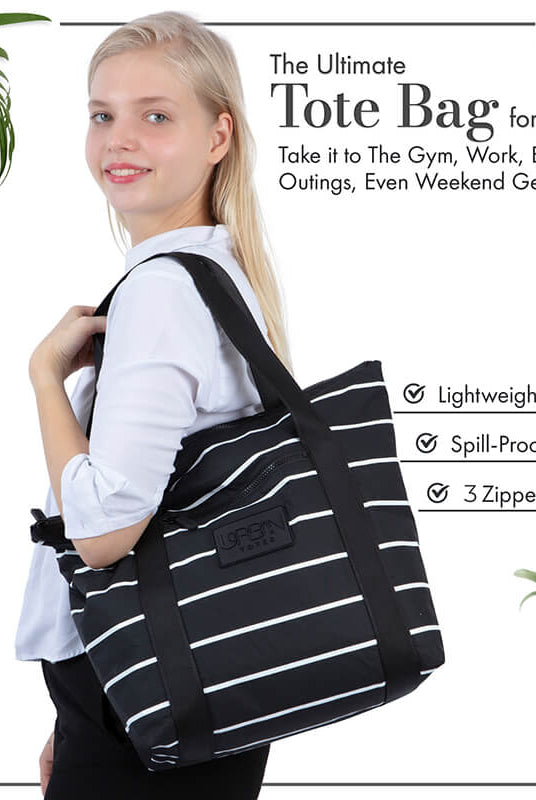
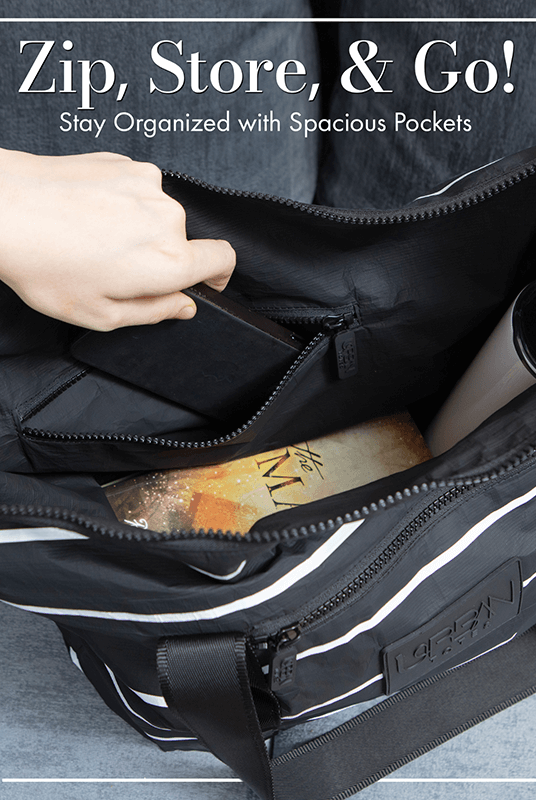
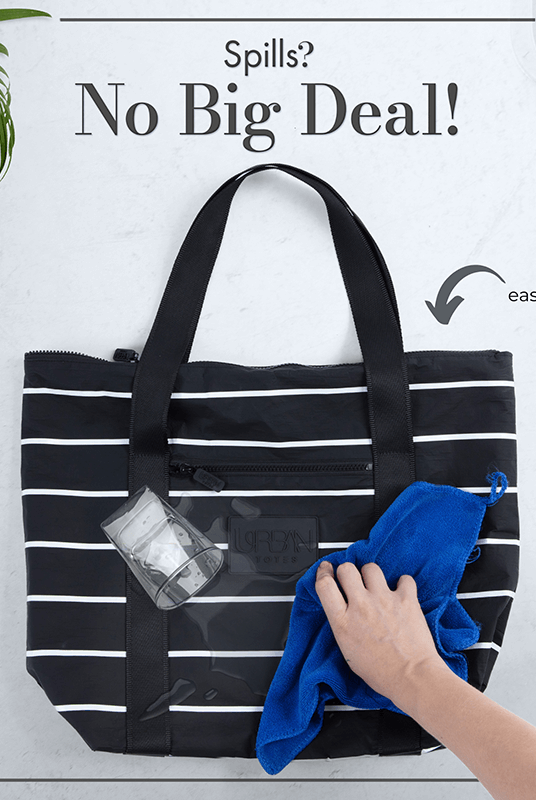
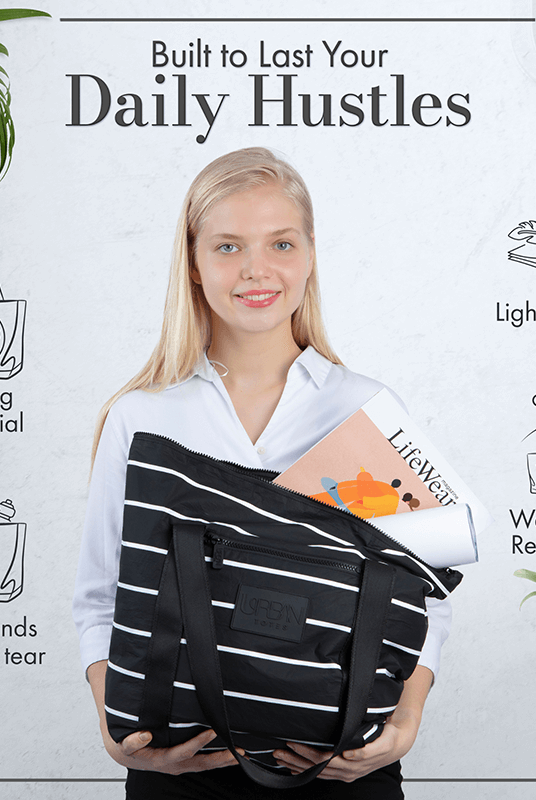
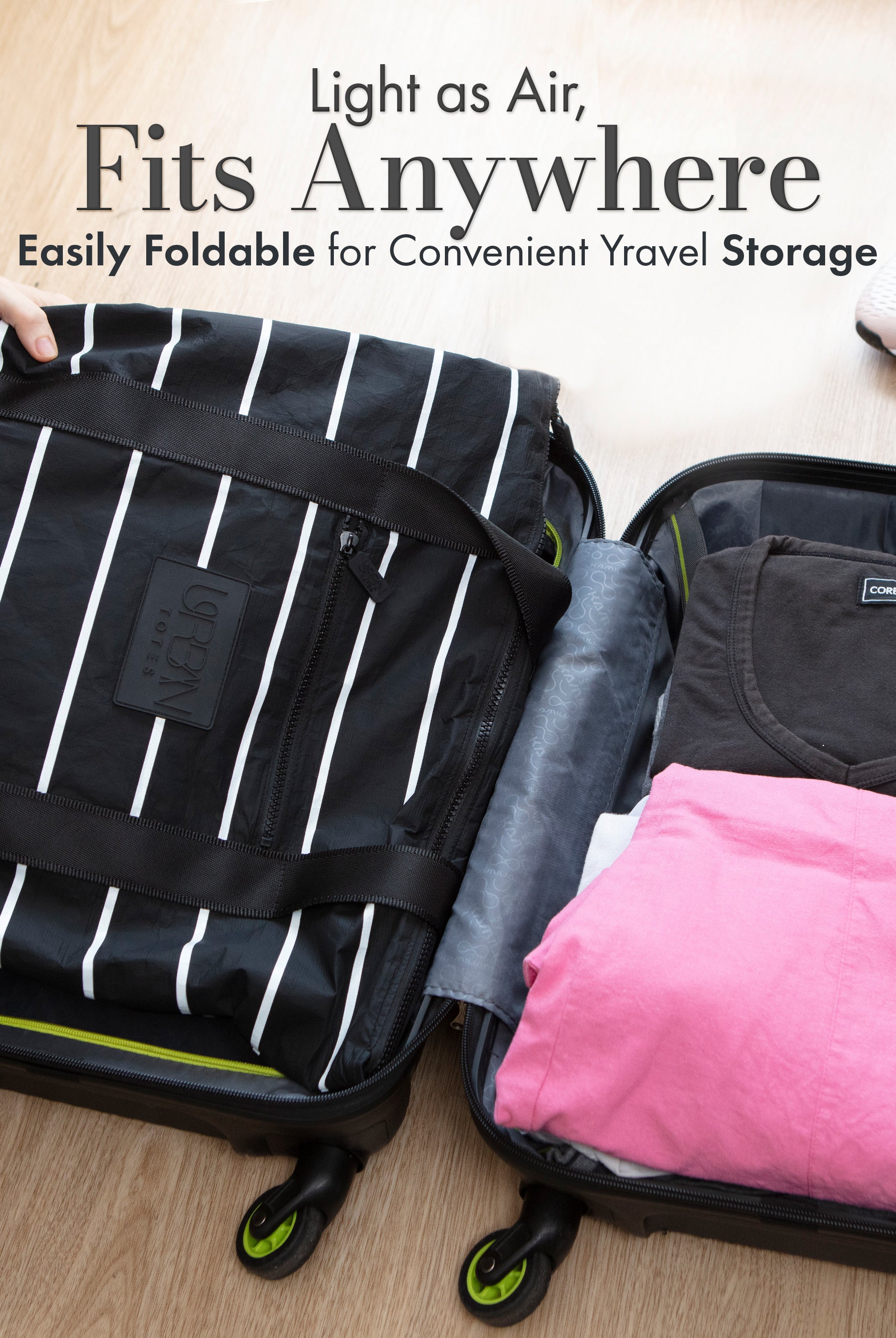
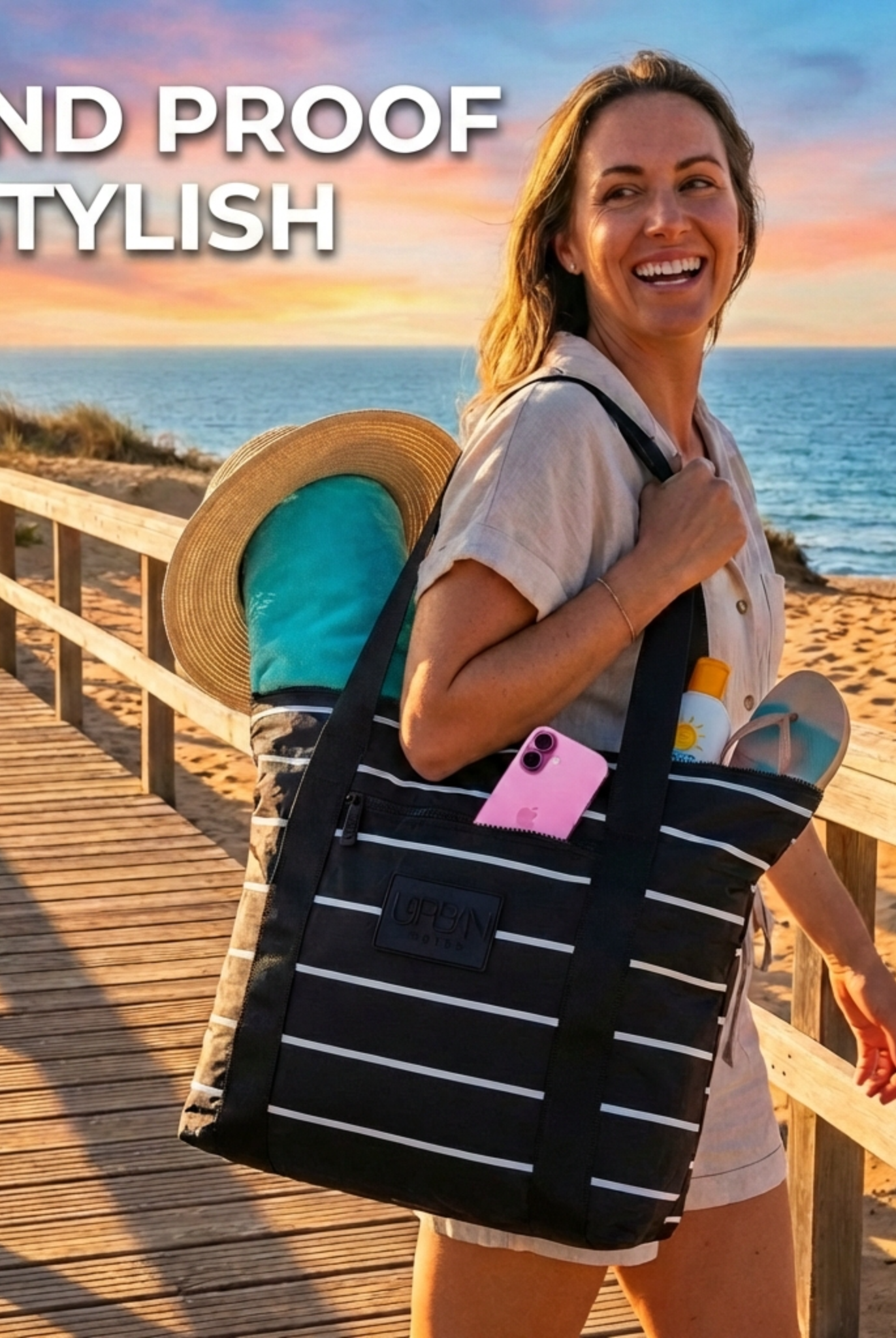
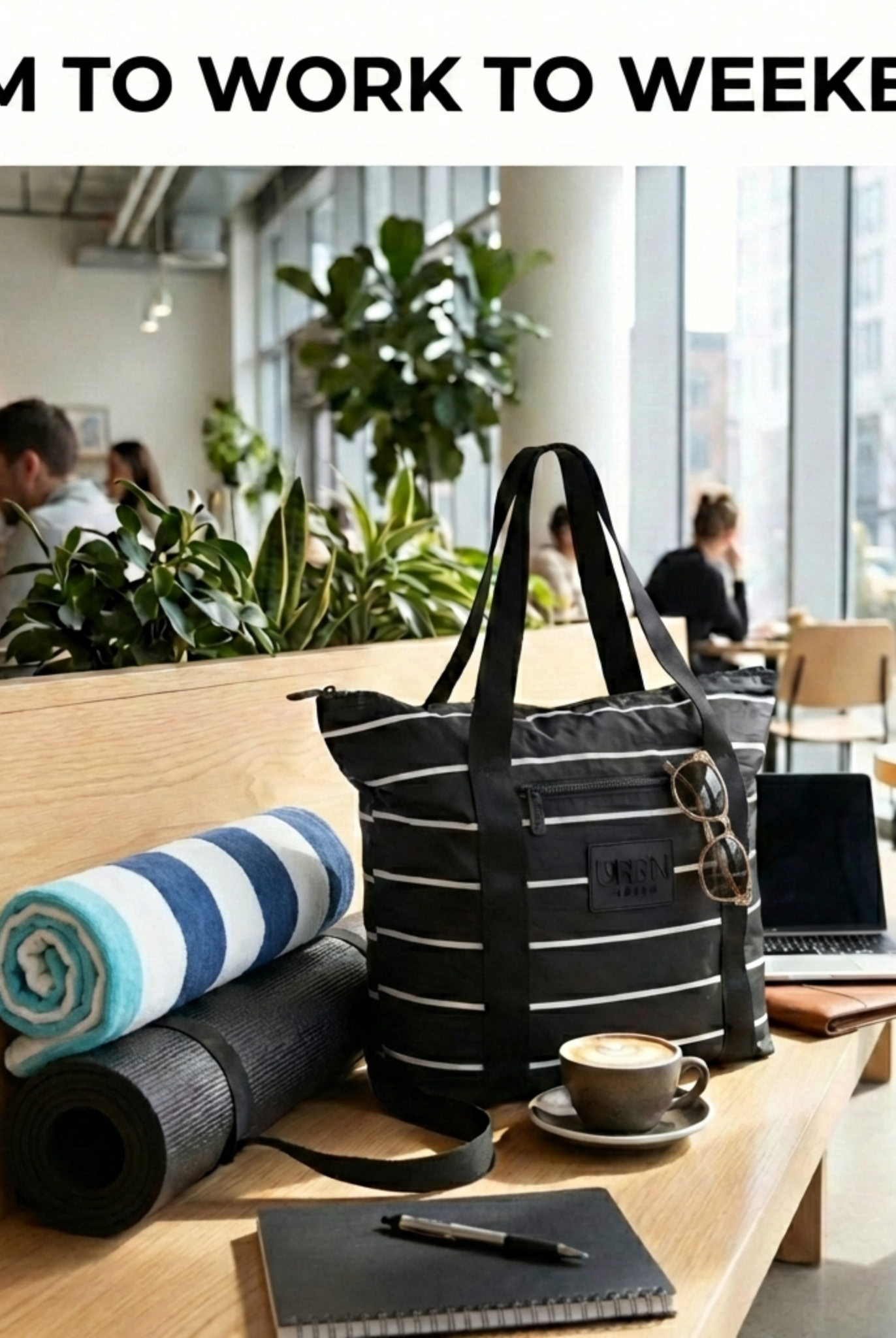
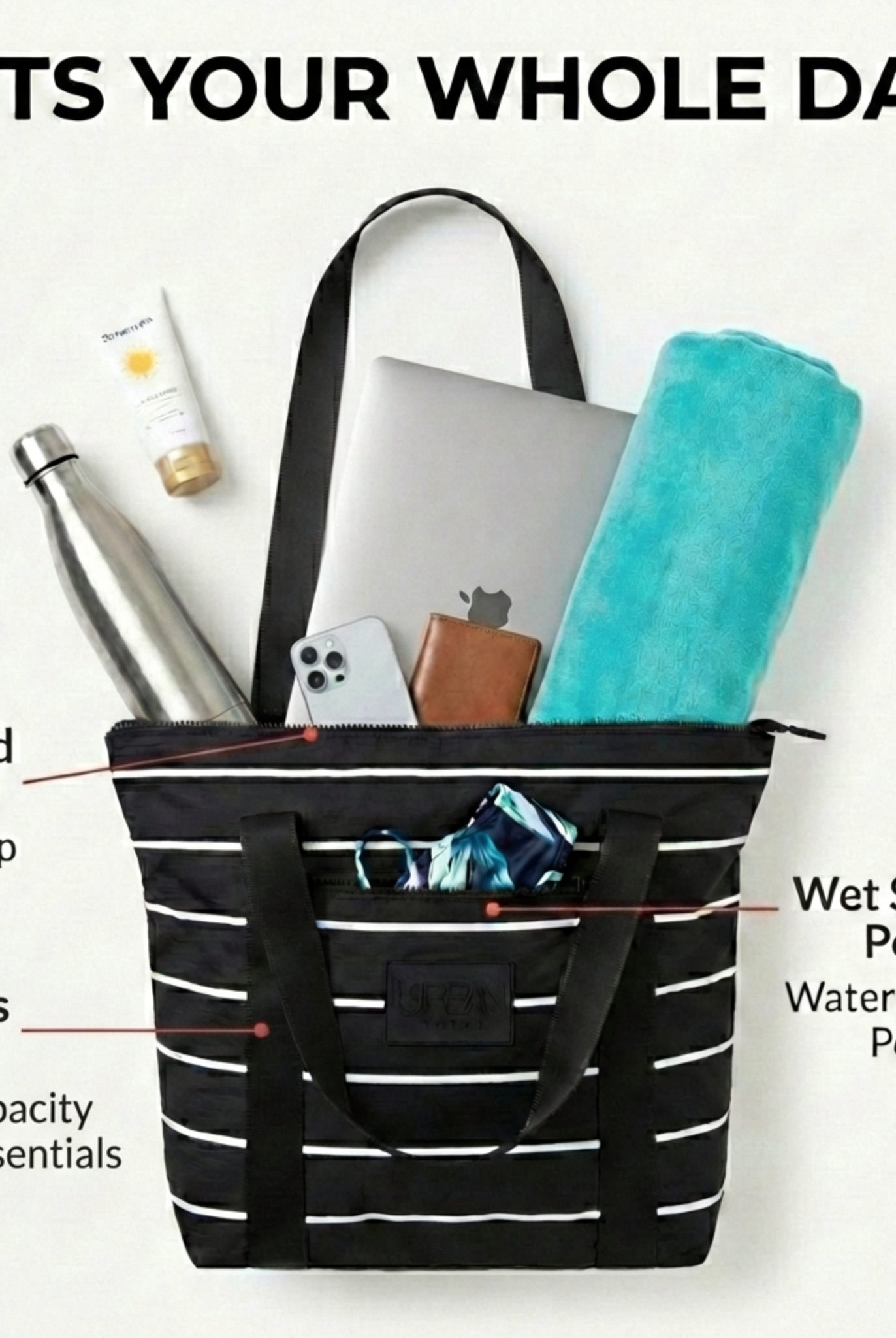
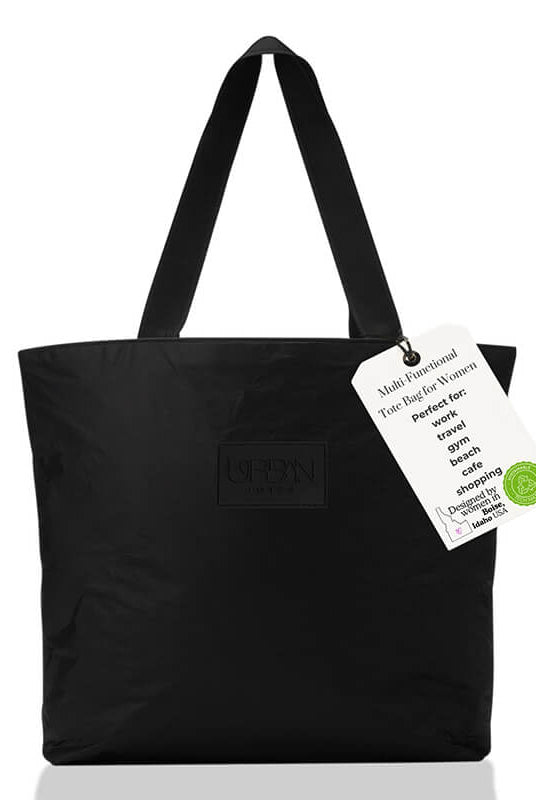
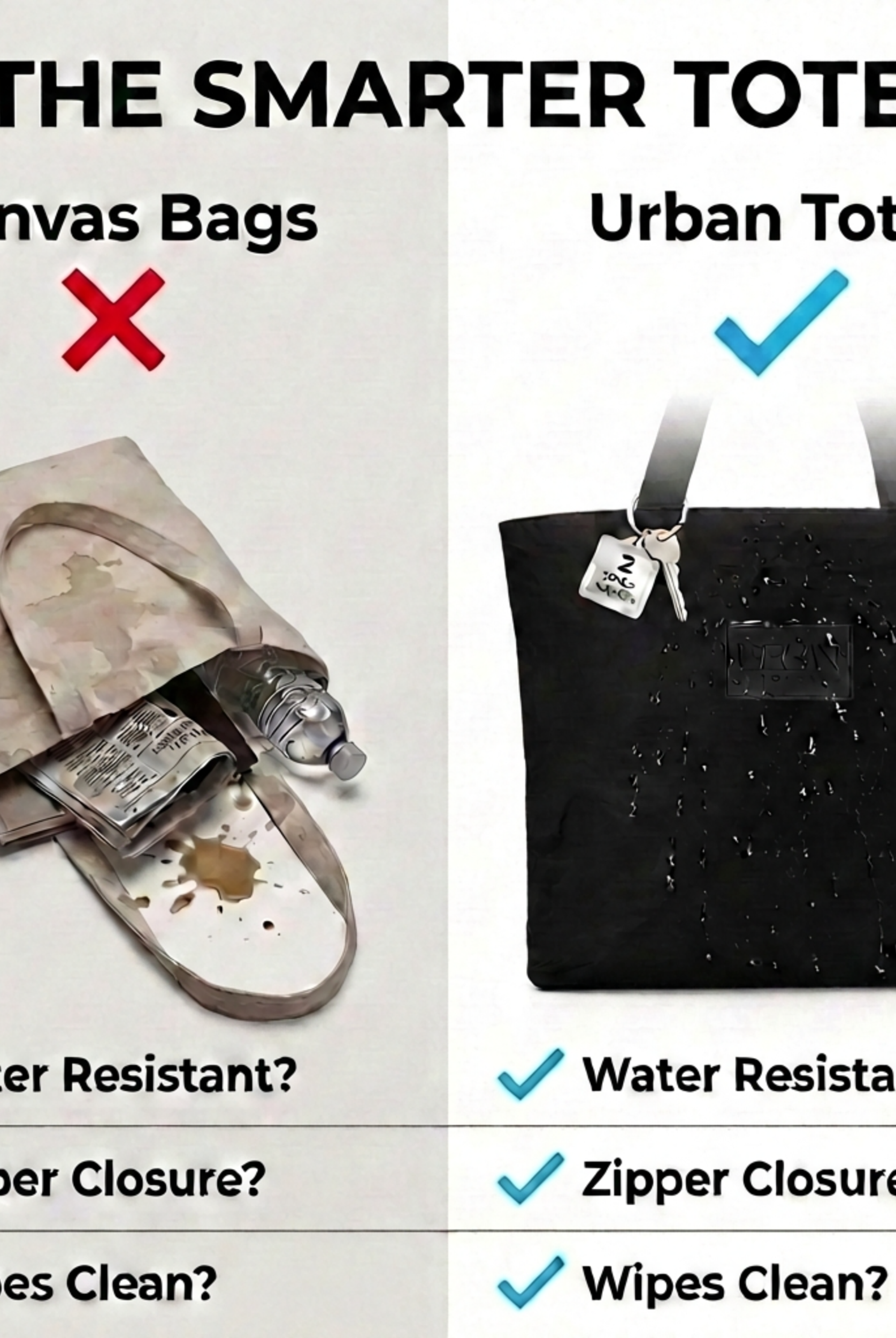
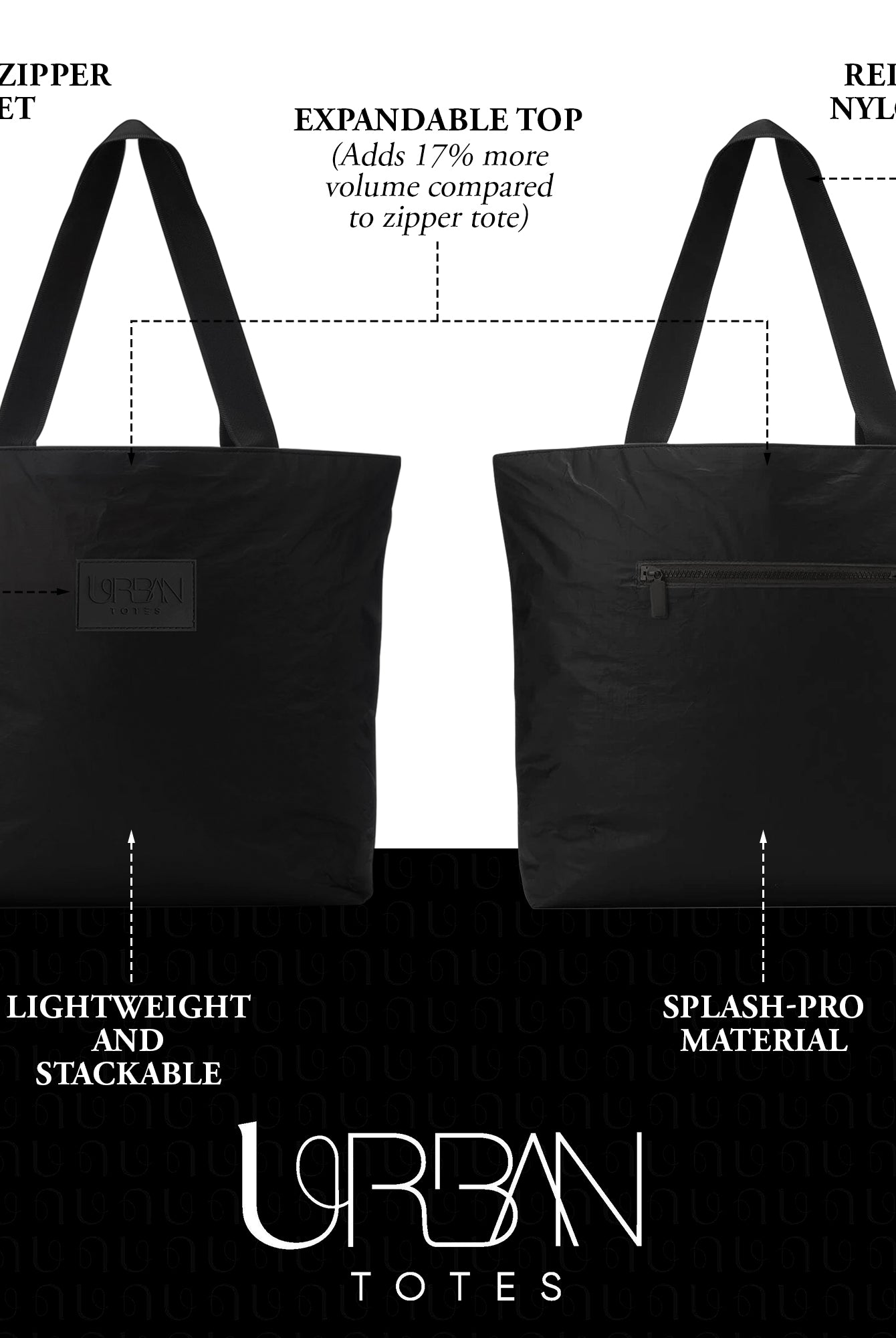
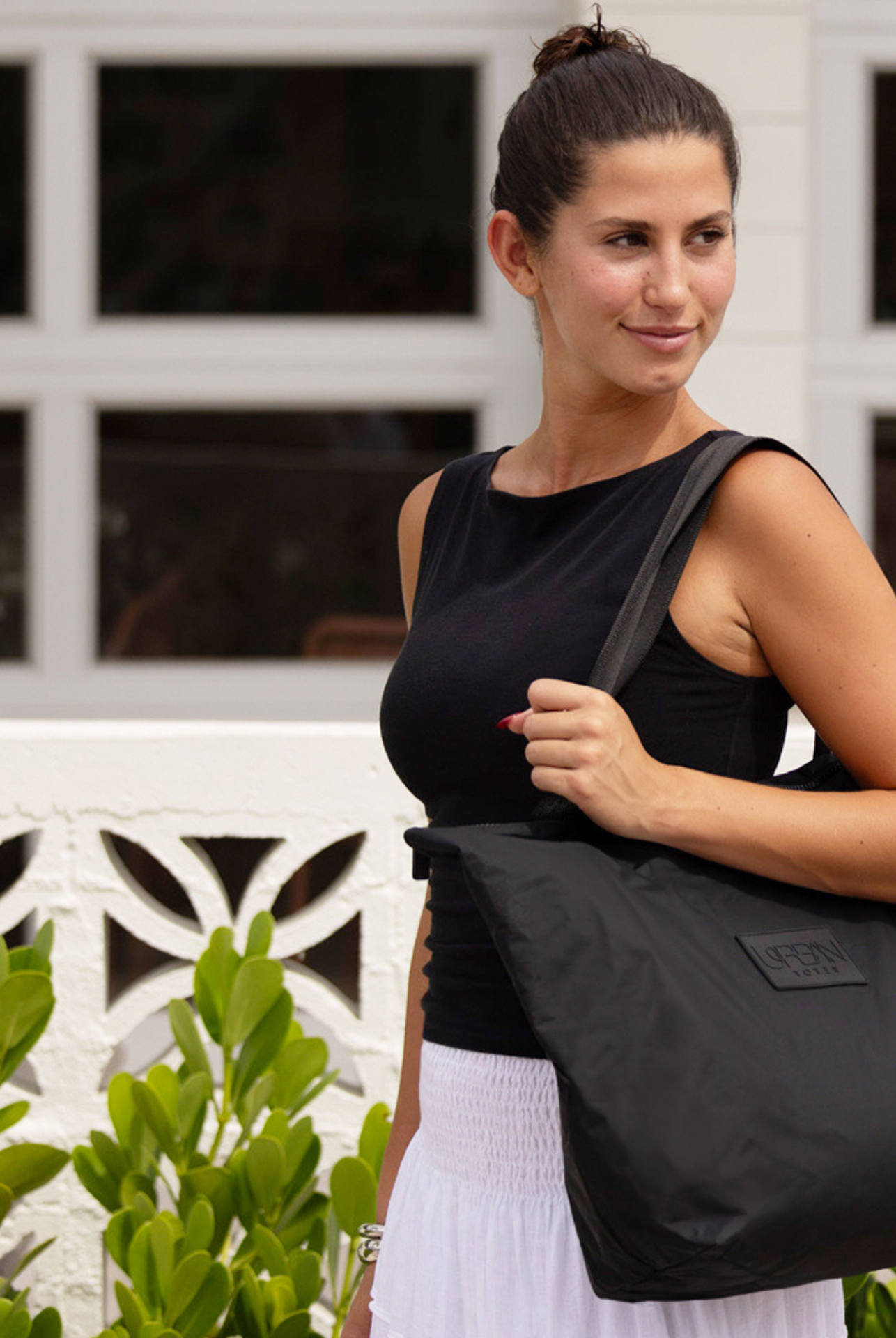
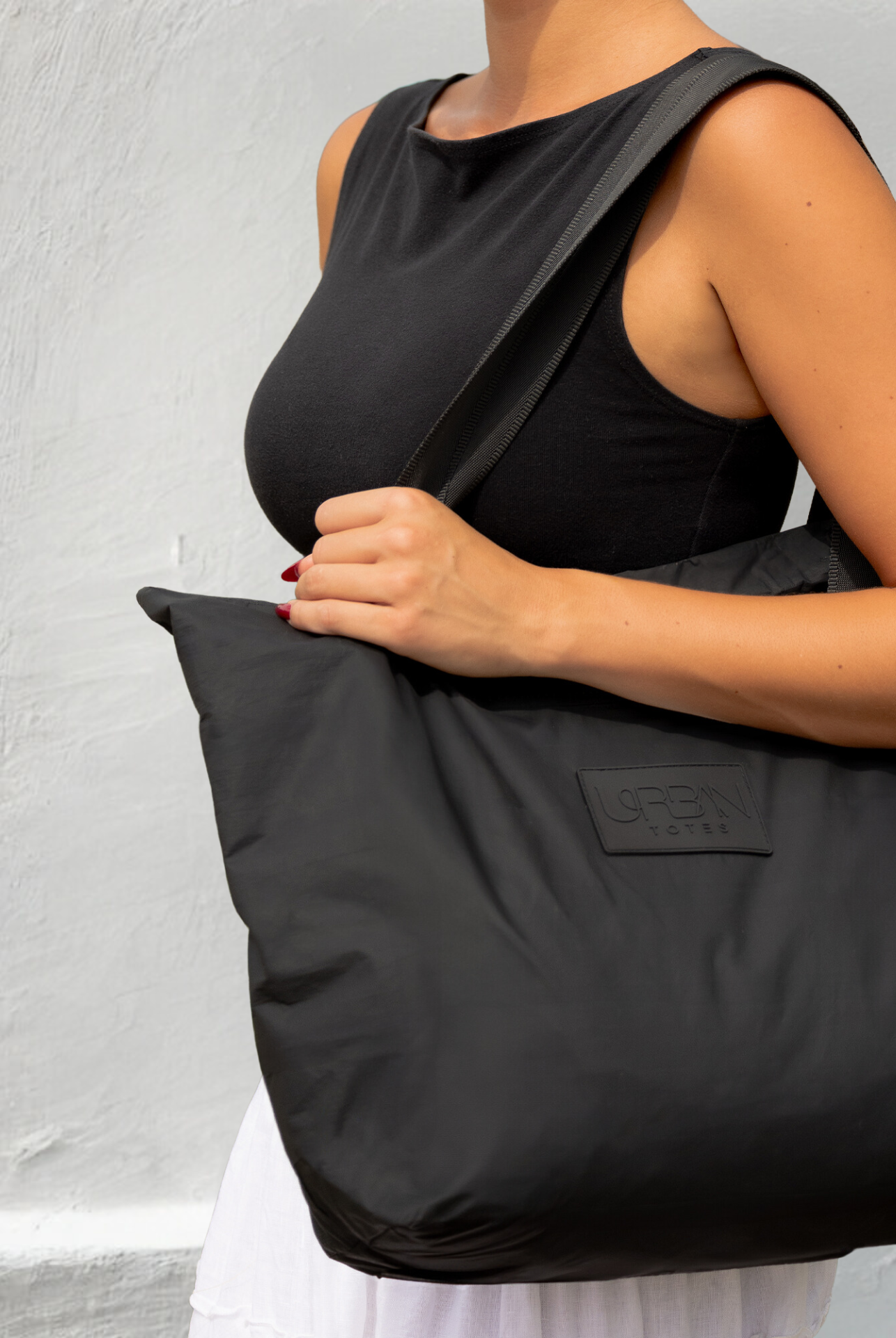
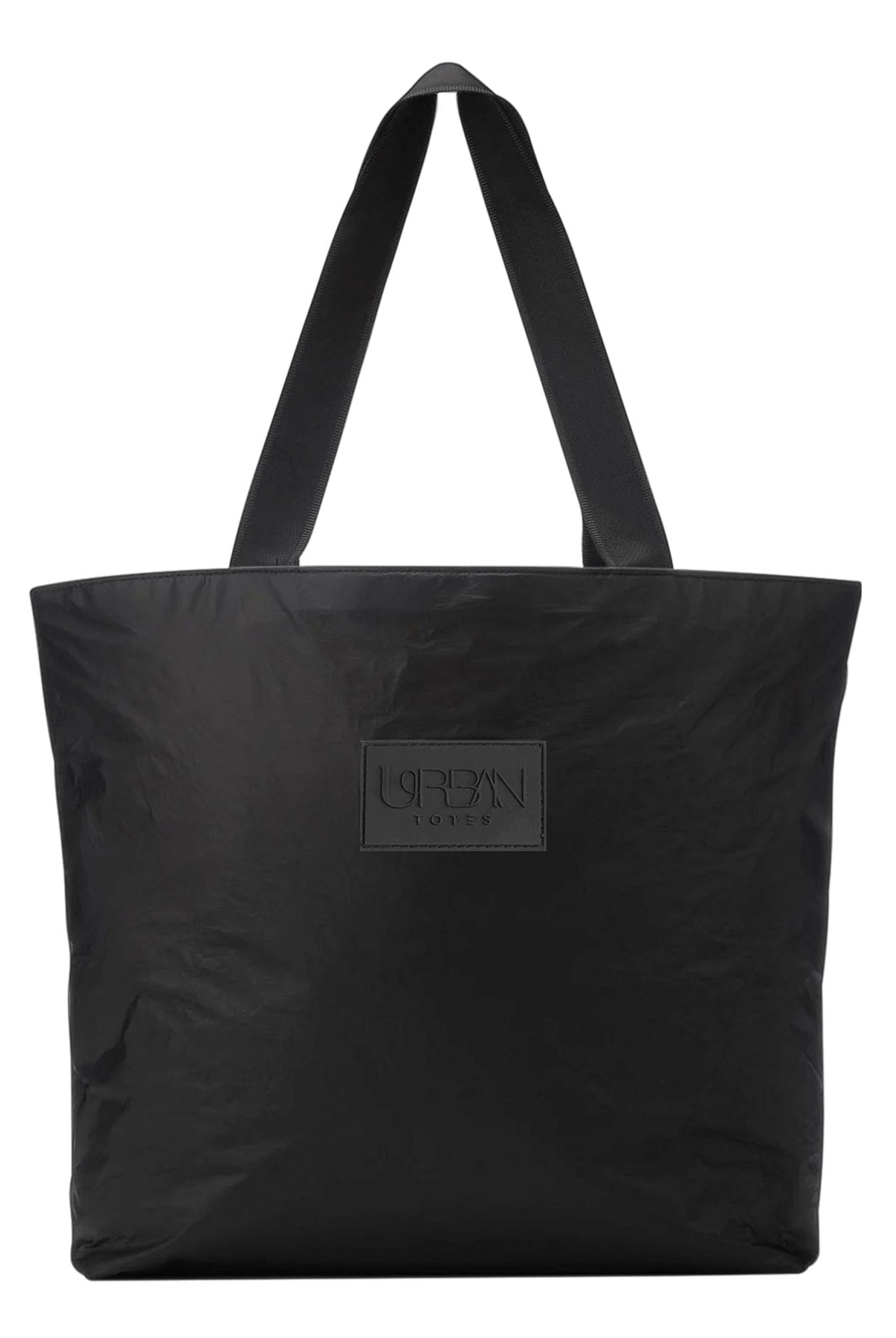
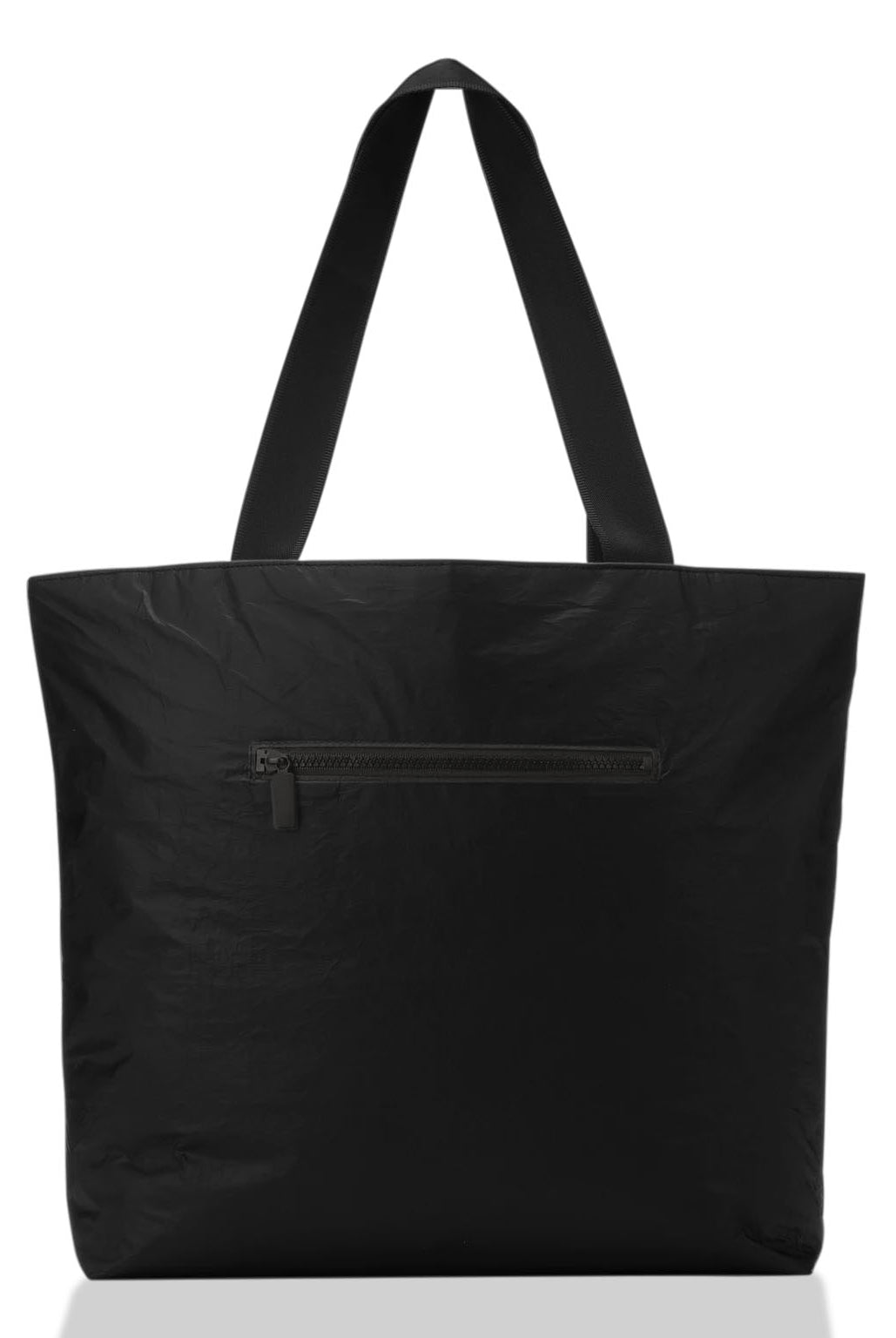
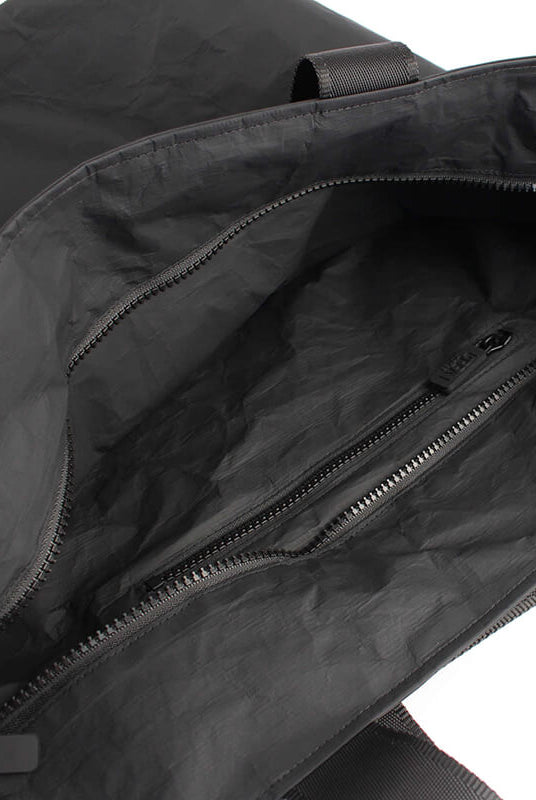
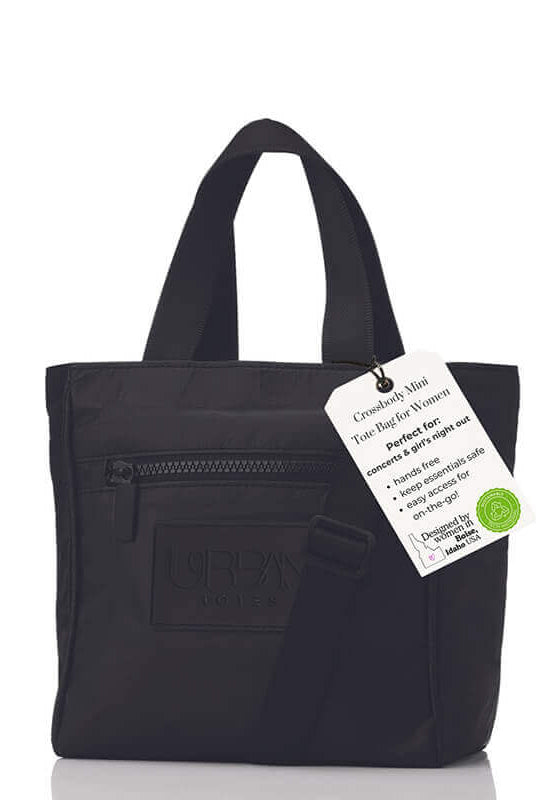
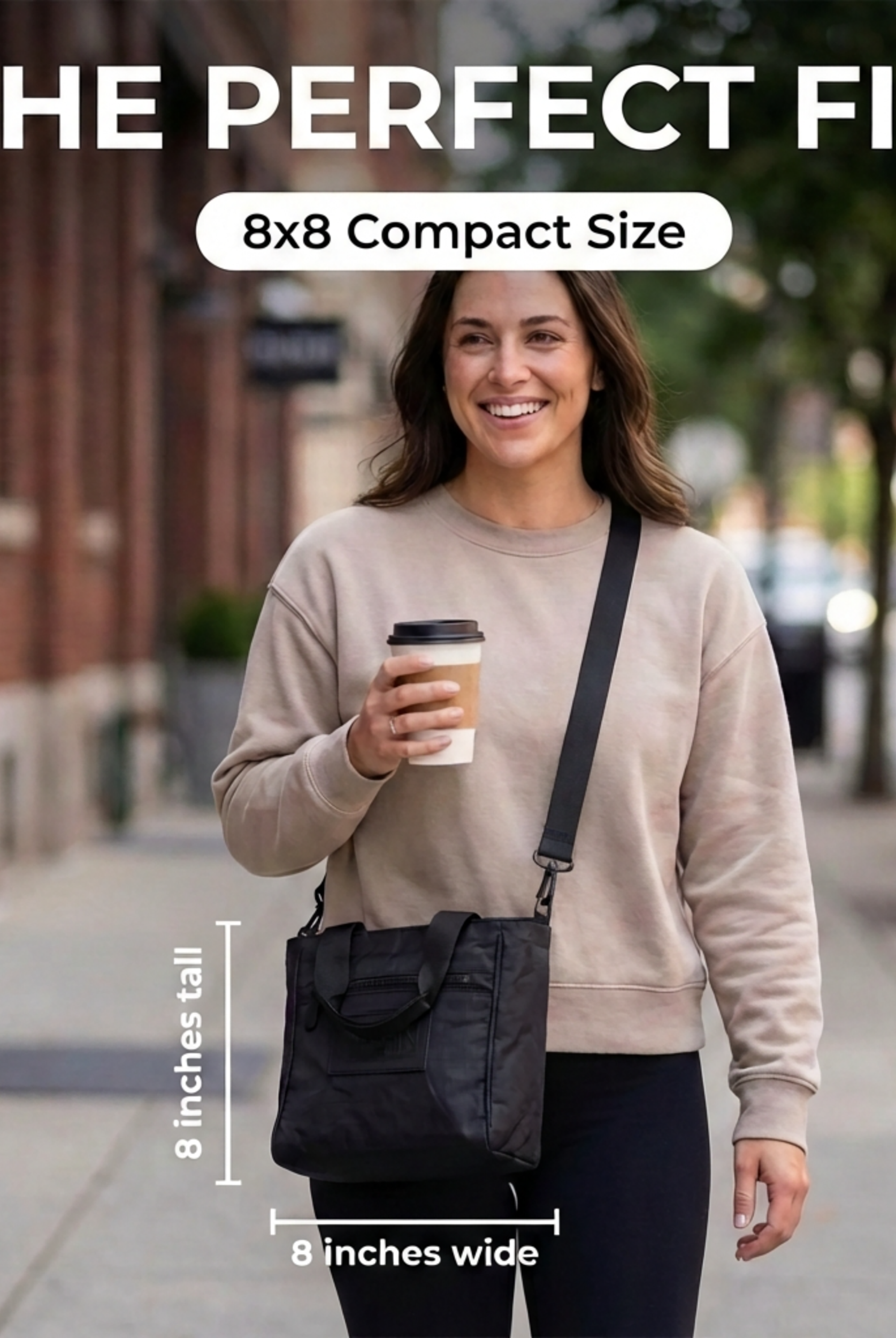
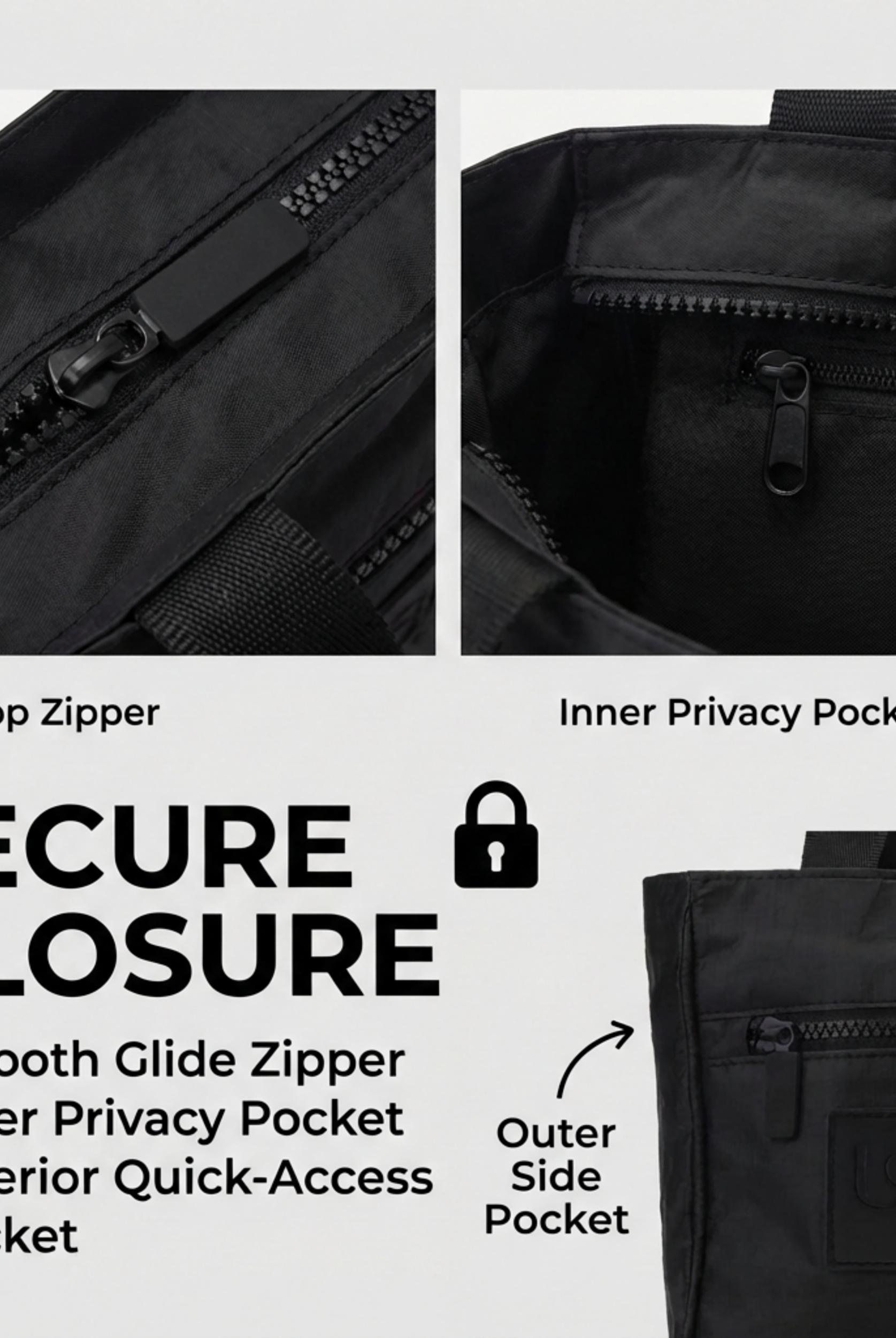
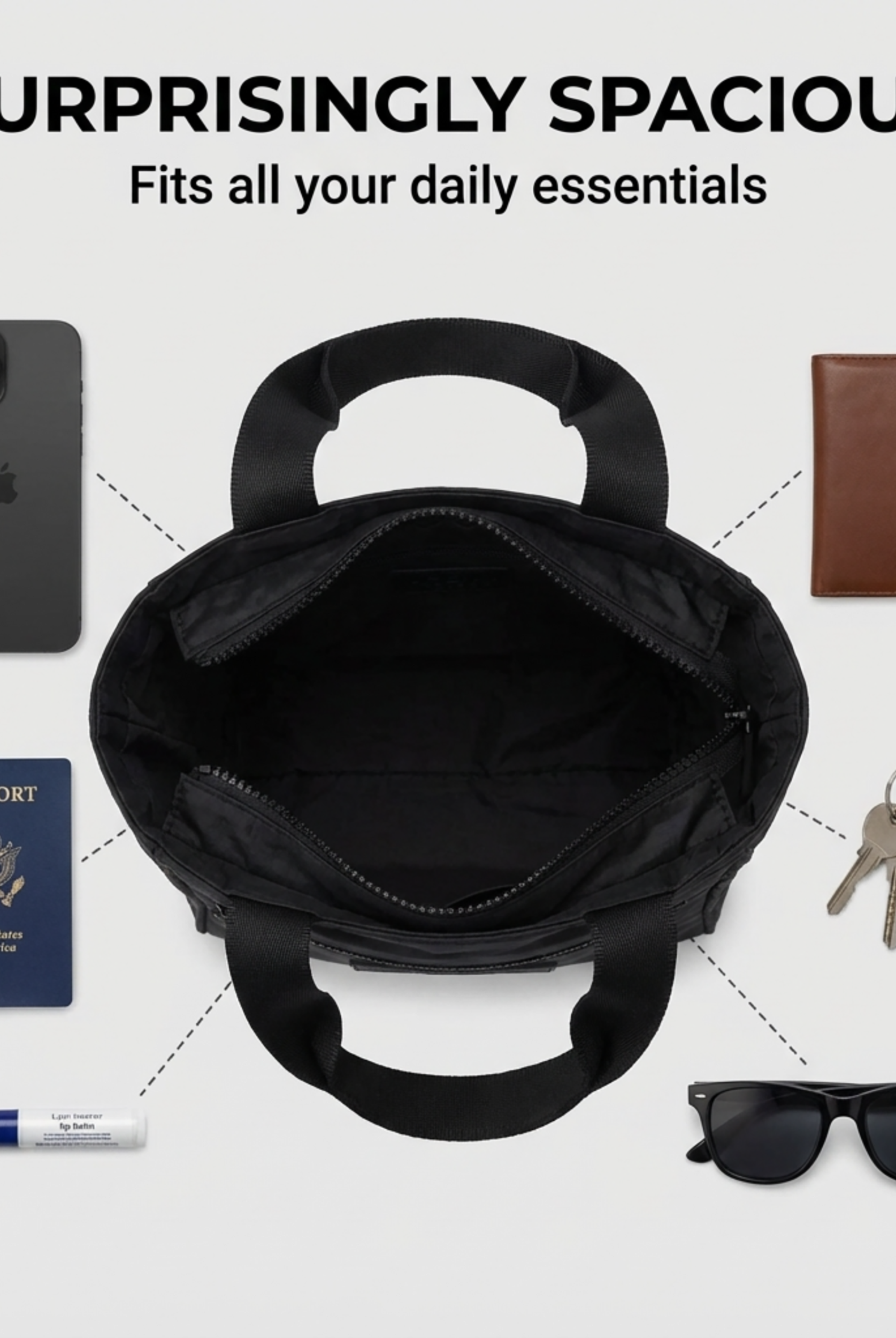
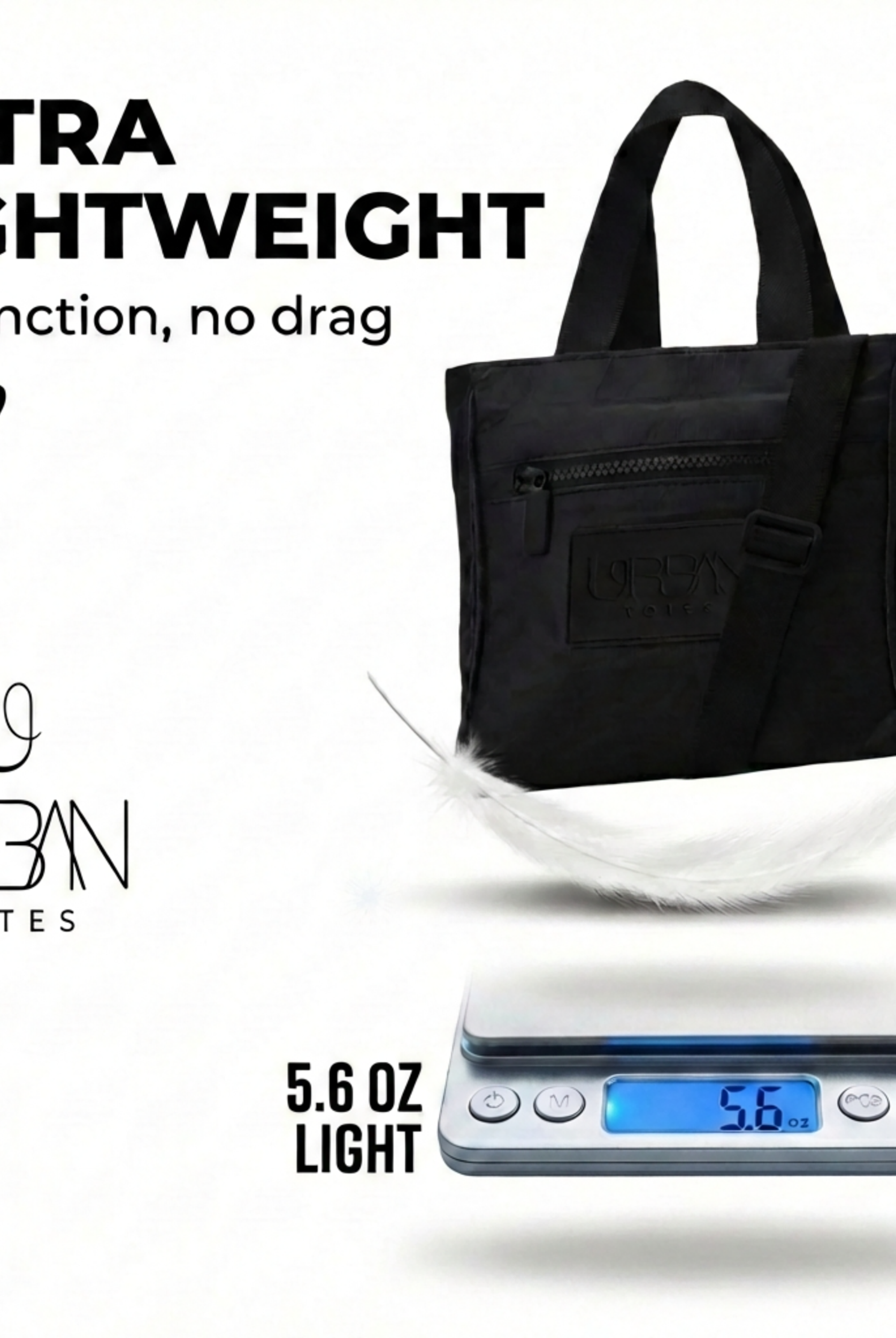
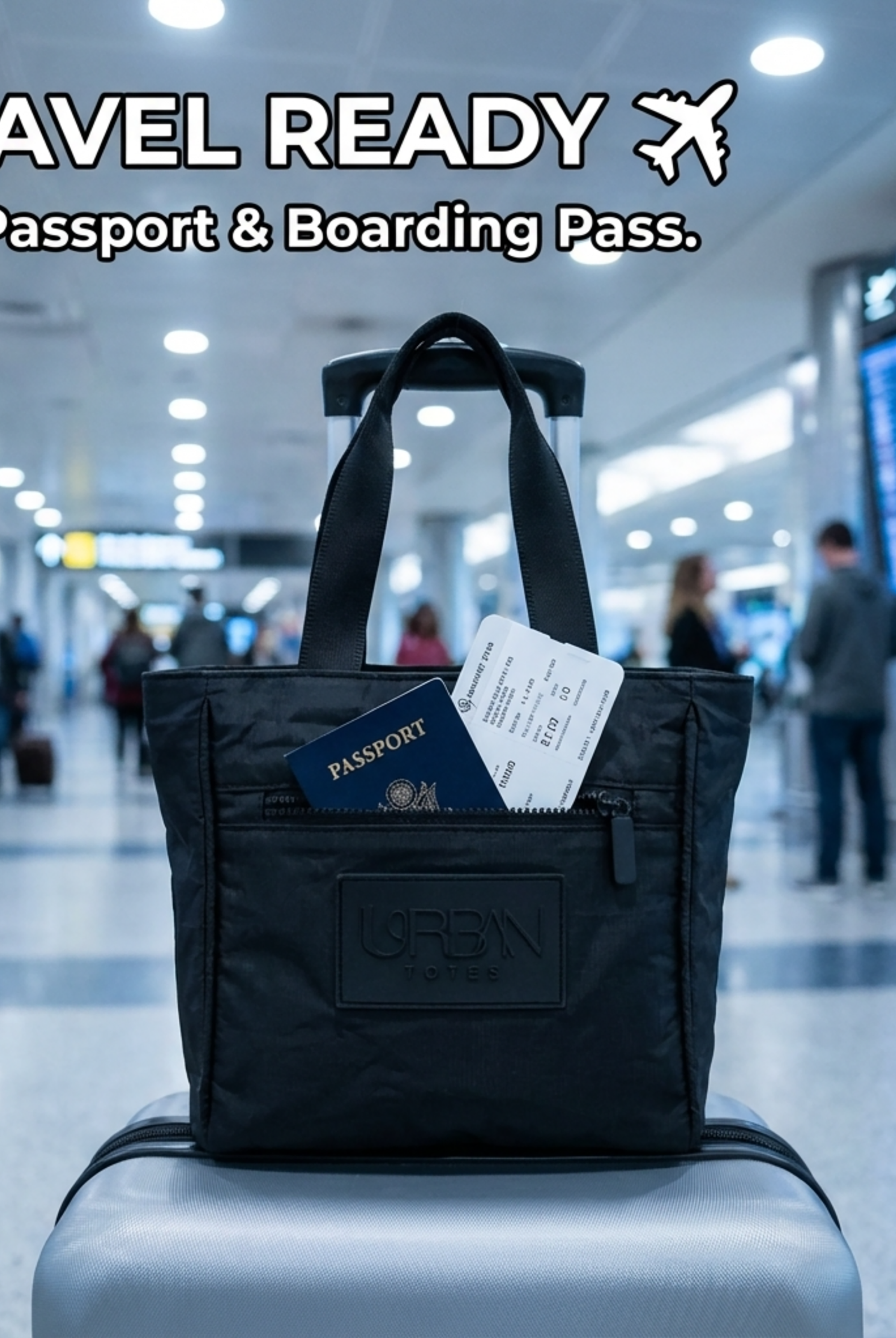
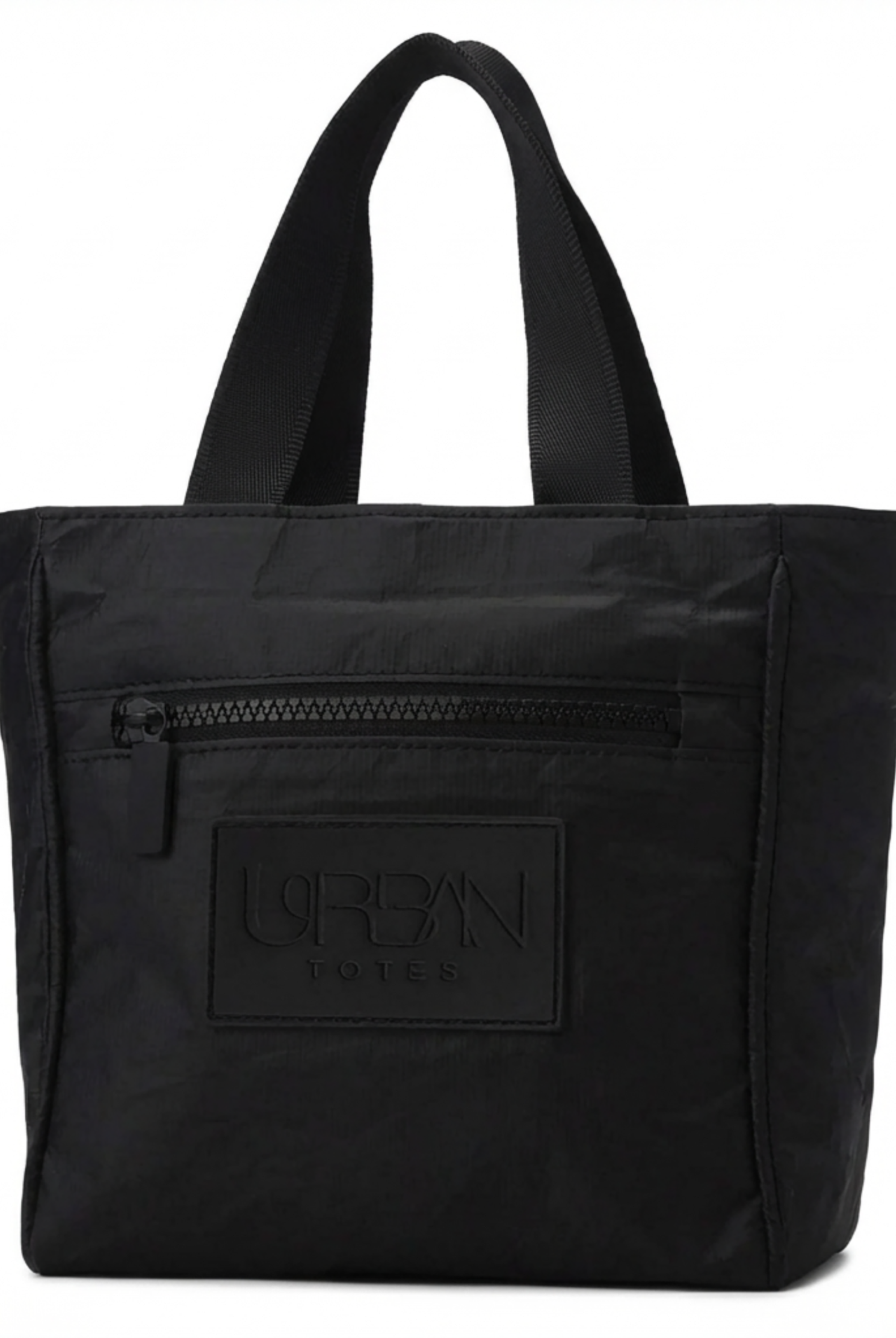
The Go Anywhere Day Trip Tote Bag by Urban Totes includes three large zippered compartments, specific pockets for an iPhone and keys, water-resistant materials, and a packable, foldable build. That setup works well for days when the mat is only one part of what you're carrying, especially if you want a bag that keeps the rest of your items separated and easy to reach.
Care Maintenance and Ventilation-Friendly Storage
A damp mat needs the same kind of attention you'd give a wet swimsuit or a sandy beach towel. Put it into a closed bag too soon, and moisture lingers where you cannot see it. Let it breathe first, and the whole routine stays cleaner from the start.

Build a drying habit that takes almost no time
After class, wipe the mat, unroll it for a moment, and let both sides air out before final storage. The point is simple, keep it out of a sealed space until it is dry enough to put away without trapping moisture. That habit works like a quick reset, the kind you can do before changing shoes or checking your phone.
A ventilated holder helps because it gives the mat a place to rest without holding in dampness. In a small apartment, even a slim open rack near the door can work better than a closed cabinet. If you want a practical comparison for regular upkeep, Gym Membership Tips' maintenance advice is a useful reminder that steady care usually matters more than elaborate routines.
Keep the setup clutter-light
A tidy storage spot makes the habit easier to keep. A mat hanging cleanly by the wall or resting in a ventilated stand is harder to ignore than one that disappears under a stack of bags and laundry. That matters on mornings when your space already feels busy, because the mat has one clear place to go.
This is also where compatibility with an Urban Totes bag setup matters. If your tote already carries your wallet, water bottle, and keys in a clear layout, you do not want a damp mat pressed against everything else. For the same reason, Urban Totes' how to care for your tote bag maintenance tips and tricks pairs well with this approach, clean the bag, dry it, and store it so it keeps its shape. When your mat holder and tote both have a simple care routine, your day starts with less friction.
Simple DIY and Alternate Storage Solutions
You don't need a fancy rack to get organized. A few simple materials can solve the same problem if you're working with a budget, a rental, or a weekend project mindset. The best DIY option is the one you'll finish and keep using.
Three easy ideas that work in real homes
A wooden dowel wall hook is the cleanest visual option. Two dowels, secure wall anchors, and a level can create a simple resting place for a rolled mat. A leather strap clip works well when you want something minimal and flexible, especially near a closet or inside a mudroom.
A repurposed broom holder rack can also do the job if the spacing fits your mat. It's a practical reuse solution, not a decor statement, and it can help keep the mat off the floor without buying a specialized unit.
Use the wall you already walk past every day. Convenience beats perfect placement.
Small tools, small win
If you're the kind of person who likes a weekend project, the materials stay simple. You can use common hardware, basic mounting tools, and a mat strap or clip system that keeps the roll from opening. For a pattern-based carry idea that can inspire a DIY strap build, the crossbody tote bag pattern guide is a handy creative reference because it shows how a compact carry solution can be built around everyday movement.
The last trick is to think in terms of access. If the mat is hard to reach, it gets left out. If the holder lives where your routine naturally passes, you'll use it without having to think about it.
Conclusion and Call to Action
A good yoga mat holder does more than store a rolled mat. It keeps your space calmer, your mat easier to carry, and your post-class routine more practical, especially when you need ventilation-friendly storage after sweaty sessions. For busy women, that means less clutter at the door and fewer little annoyances in the middle of an already full day.
The clearest choice comes down to fit, airflow, and how you move. Some women need a wall rack. Some need a strap. Some need a tote that keeps the rest of the day from taking over the mat. When those pieces work together, the whole routine feels lighter.
Urban Totes is built for days that don't sit still. If you want a water-resistant, lightweight, packable bag that works alongside your mat routine, visit Urban Totes and find a tote that helps you leave the house more organized and come home with less mess.