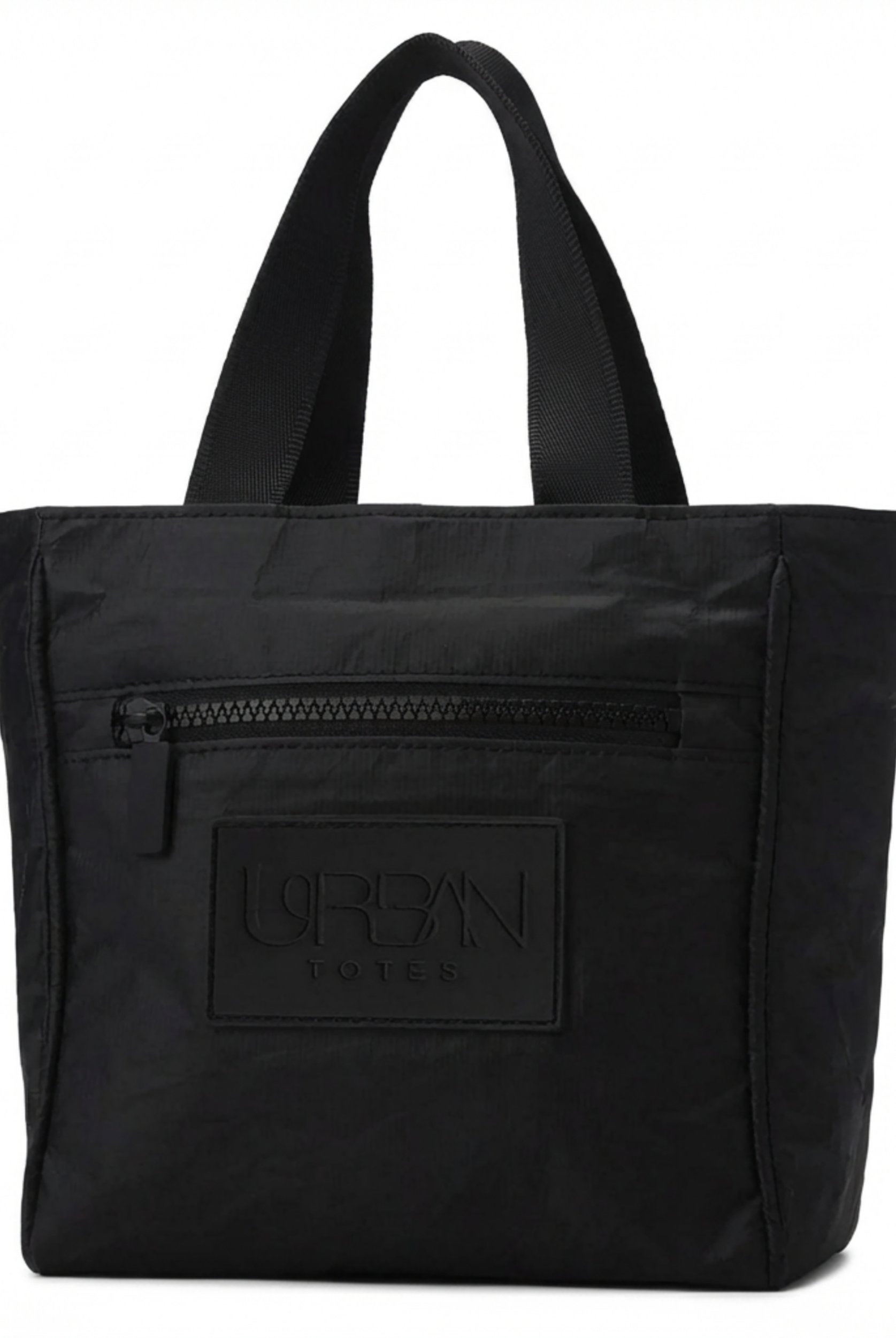
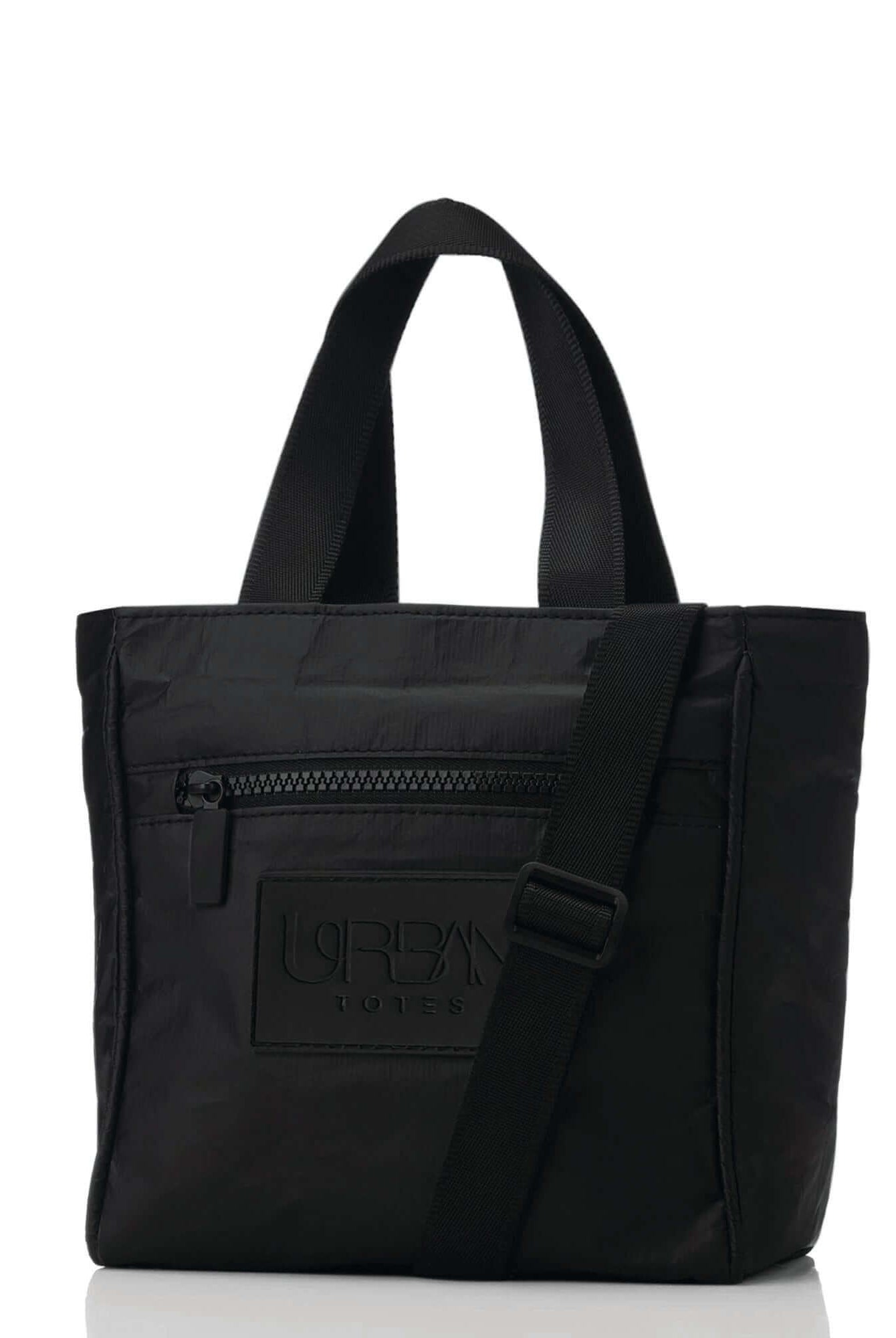
You know the moment. You're through security with twelve minutes to spare, your boarding pass is somewhere inside a tote that felt immaculately organized at 5 a.m., and the zipper you trusted has split open behind the slider. A water bottle rolls the length of the terminal floor. A stranger in running shoes catches it for you. You thank him, sit down, and decide that the next bag gets judged on the closure before the color.
That's the standard I hold totes to now. They're the workhorse of the bag shelf, and the JOOR handbag market analysis found totes represented 41% of the handbag category in 2024, so there's no shortage of options. What's in short supply is useful information. Most roundups count pockets and never tell you whether the slider will still run smoothly in March.
A zipper is a performance part, and it deserves to be graded like one. It has an operability question, a strength question, a water question and a repair question, and each one has its own answer. Then there's the number almost nobody publishes, which is what the bag weighs once it's packed.
Table of Contents
- Quick Picks for Every Kind of Day
- Zipper Types and What Each One Does Best
- Fabric, Water Resistance, Size and Organization Compared
- The Loaded Carry Test Most Guides Skip
- A Five-Minute Check Before You Buy
- Keeping the Zipper Smooth for Years
- Choosing the Urban Totes Model That Fits Your Day
Quick Picks for Every Kind of Day
Tuesday, 8:12 a.m. Coffee in one hand, a small person's hand in the other, tote clamped under your elbow because everything inside is one good bump away from escaping. Between the car and the classroom door, a snack bag slides out and a granola bar ends up under somebody's sneaker.
The fix starts with a closure you trust, then a layout that matches the day. Sunteam Bag reports that 68% of tote-bag users surveyed said they preferred bags that balance style with everyday functionality. That is the standard: pulled-together on the outside, contents still inside after a busy commute, and a zipper that still works when the bag is loaded.
Quick picks by carry style
| If your day looks like | Prioritize | One detail to check | Start with |
|---|---|---|---|
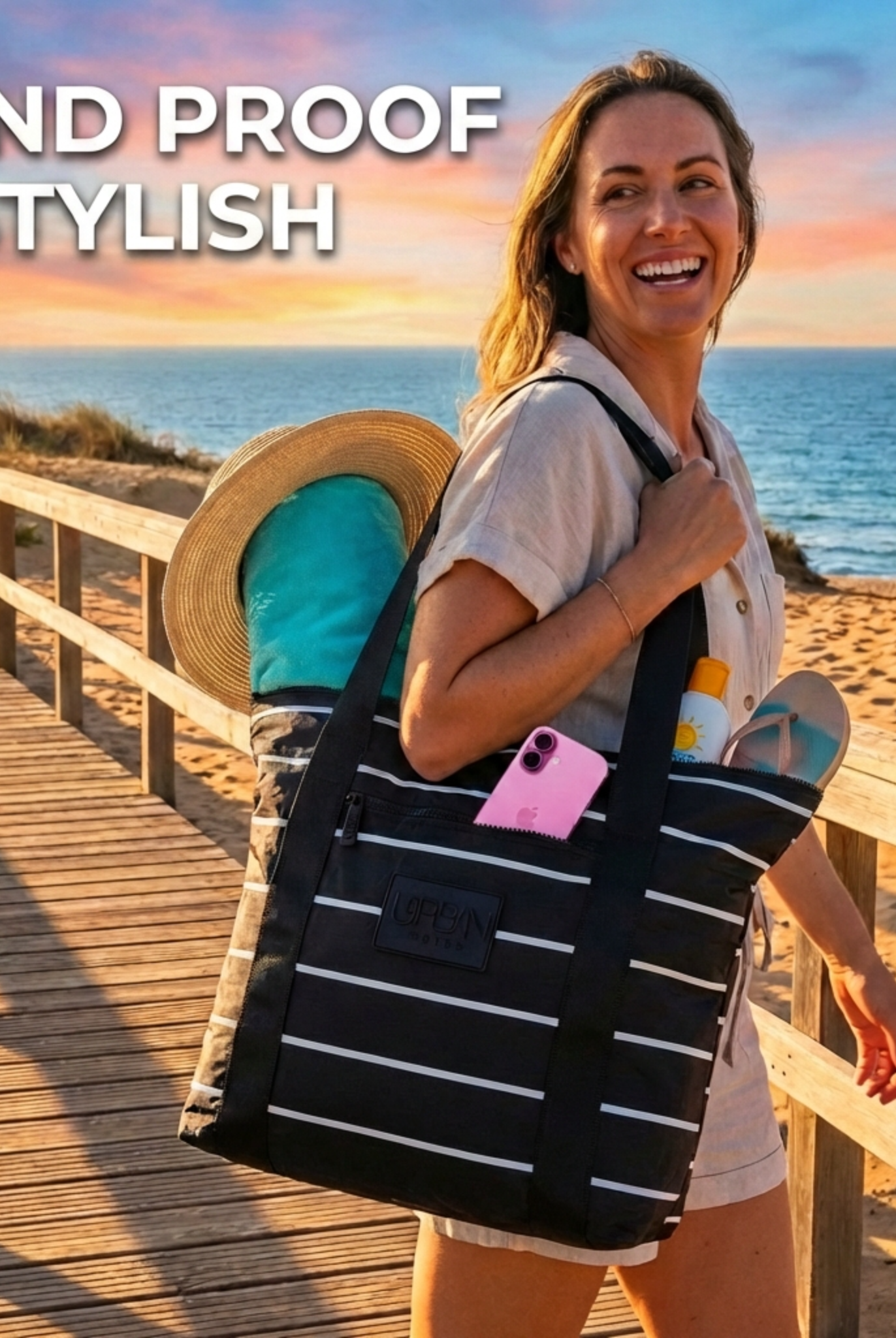
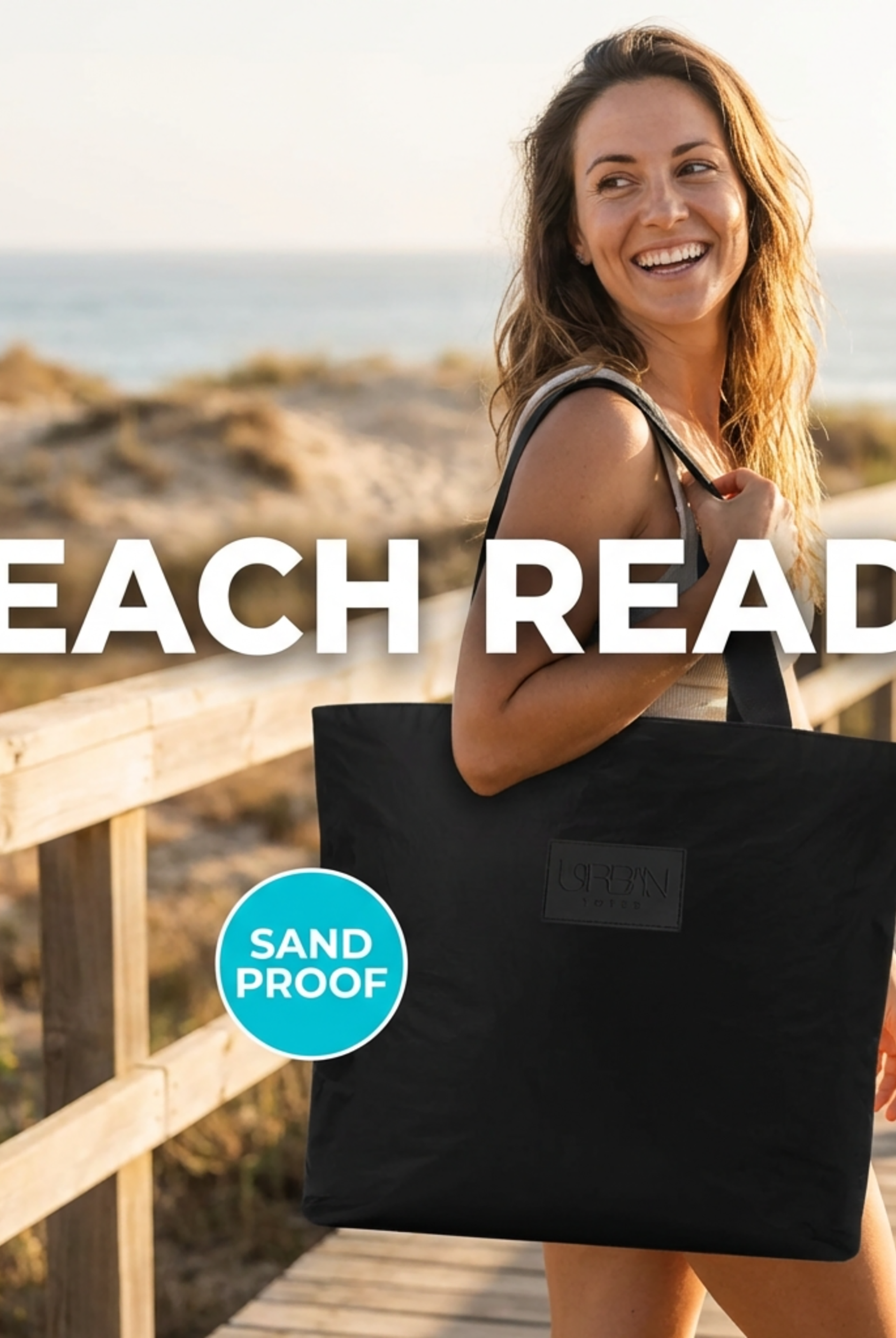
| Beach day with kids | A water-resistant main zip plus side pockets | Whether wet swimsuits have their own pocket | OG Zipper Tote |
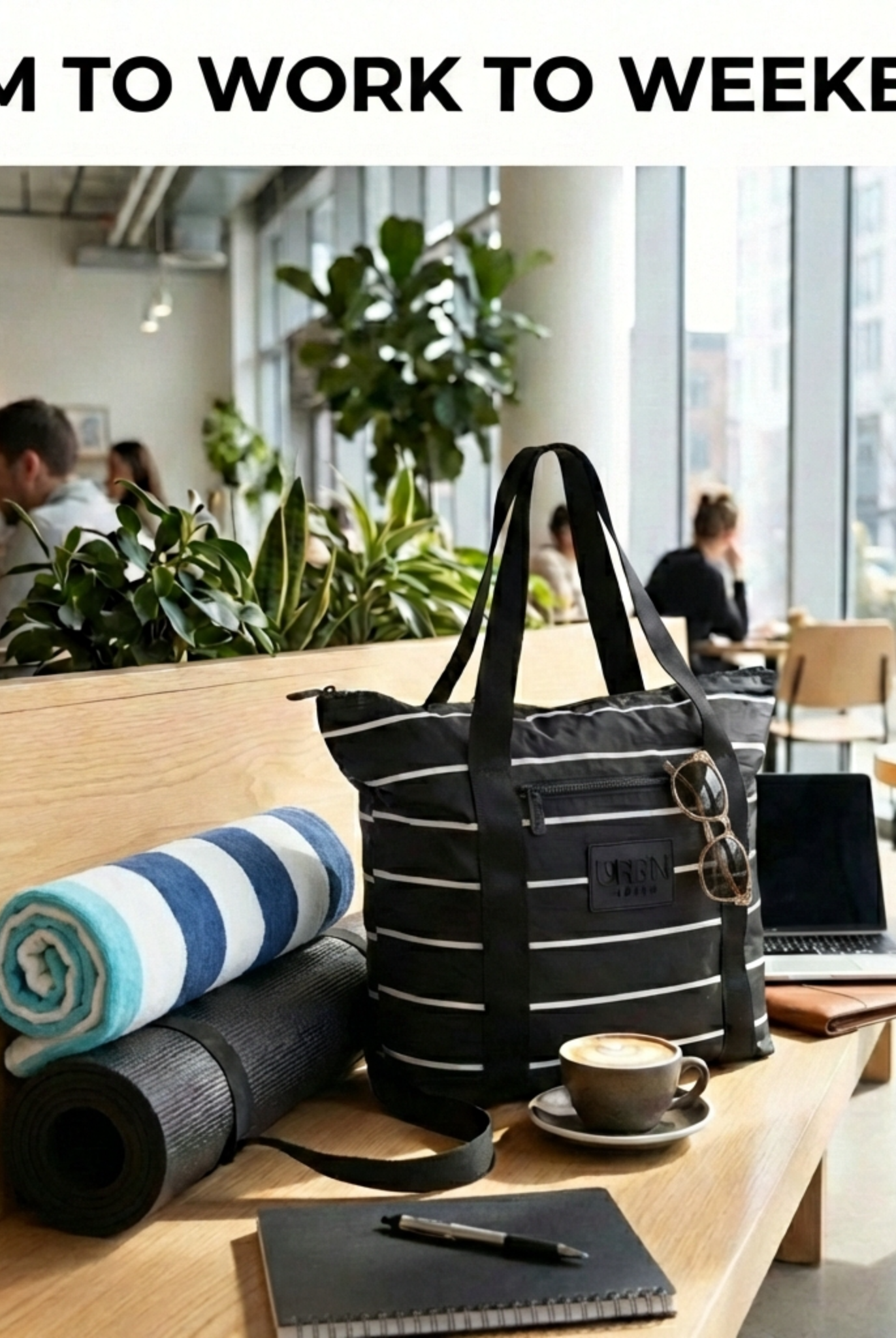
| Daily commute with a laptop | Full-length top zip that opens wide when loaded | Interior zip pocket for a wallet and a phone slip pocket | Go Anywhere Day Trip Tote |
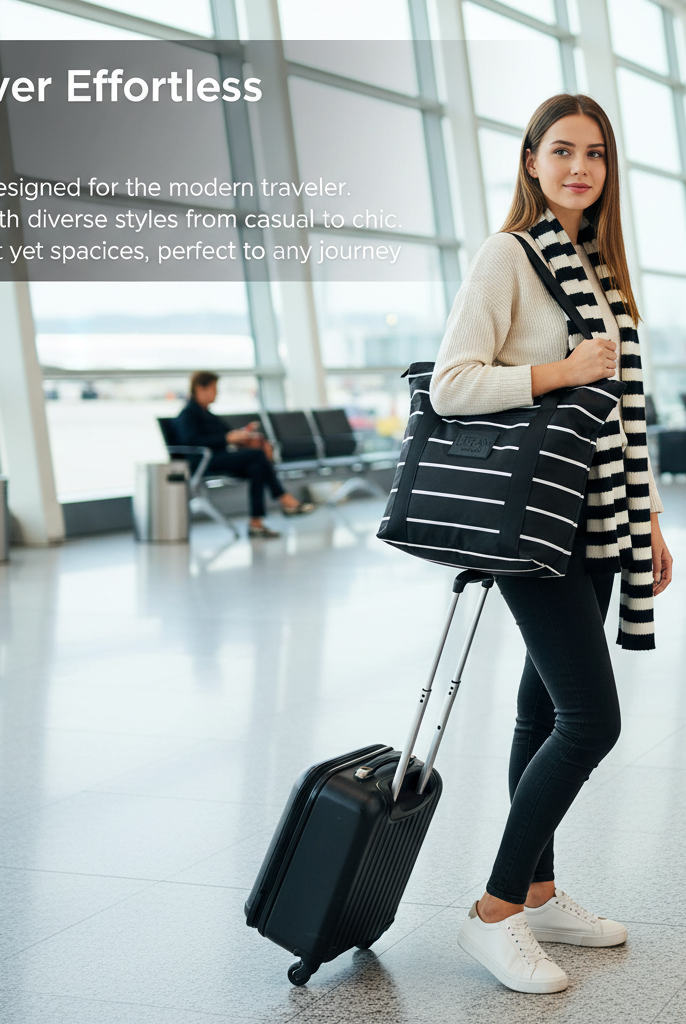
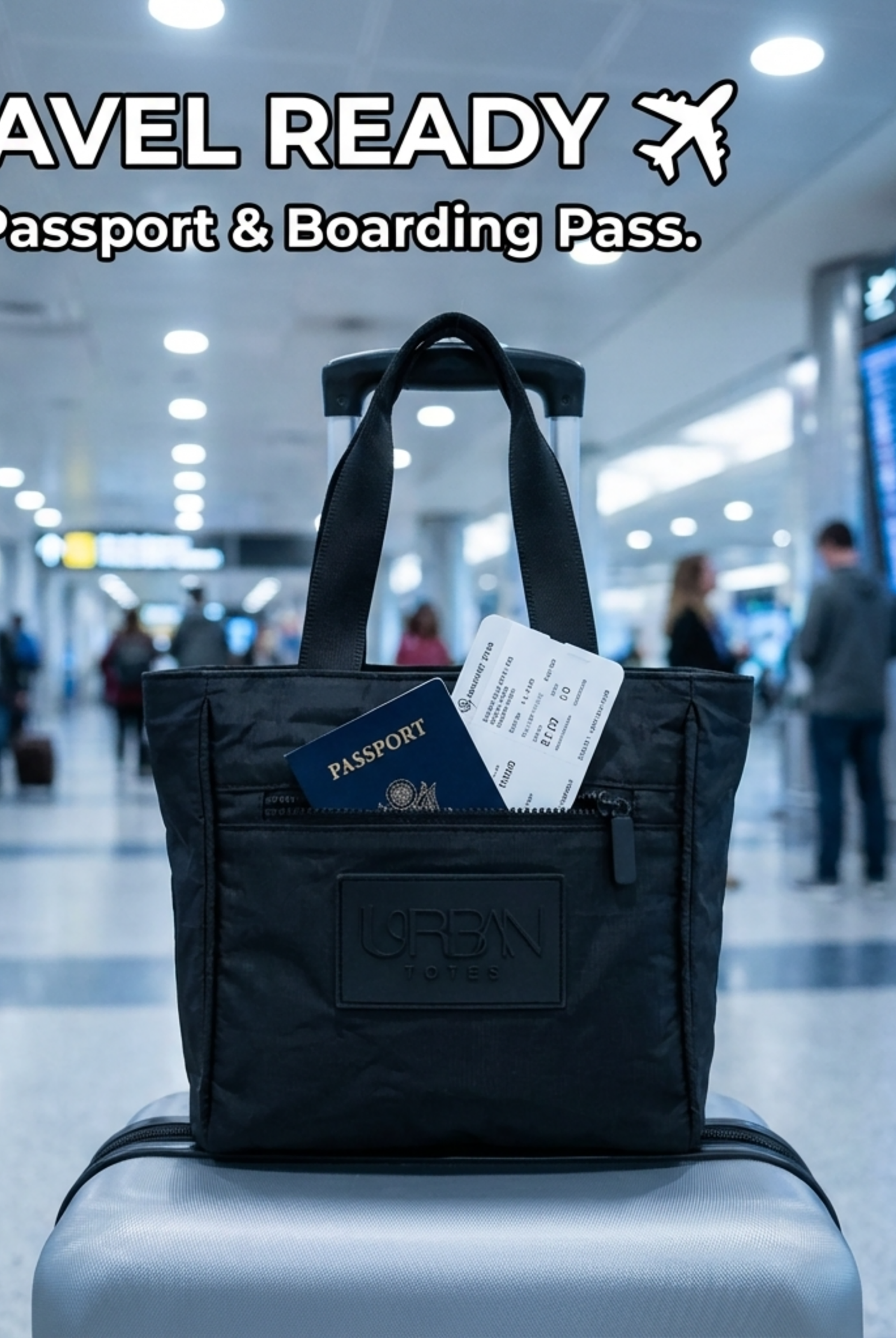
| Airport weekends | Main zip plus an exterior zip pocket for documents | Packed dimensions against your airline's carry-on limit | OG Zipper Tote or Day Trip Tote |
| Gym and yoga | Side pocket for damp gear, main zip that closes over shoes | Smooth coil that clears sand and grit | OG Zipper Tote |
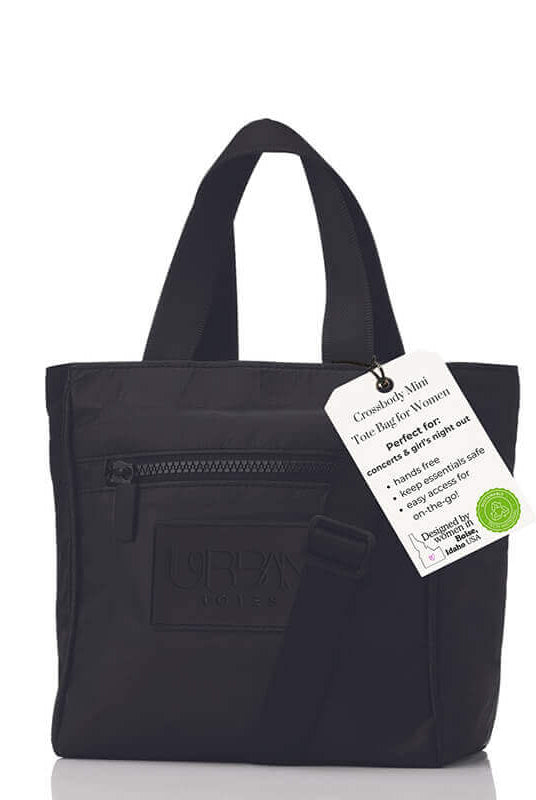
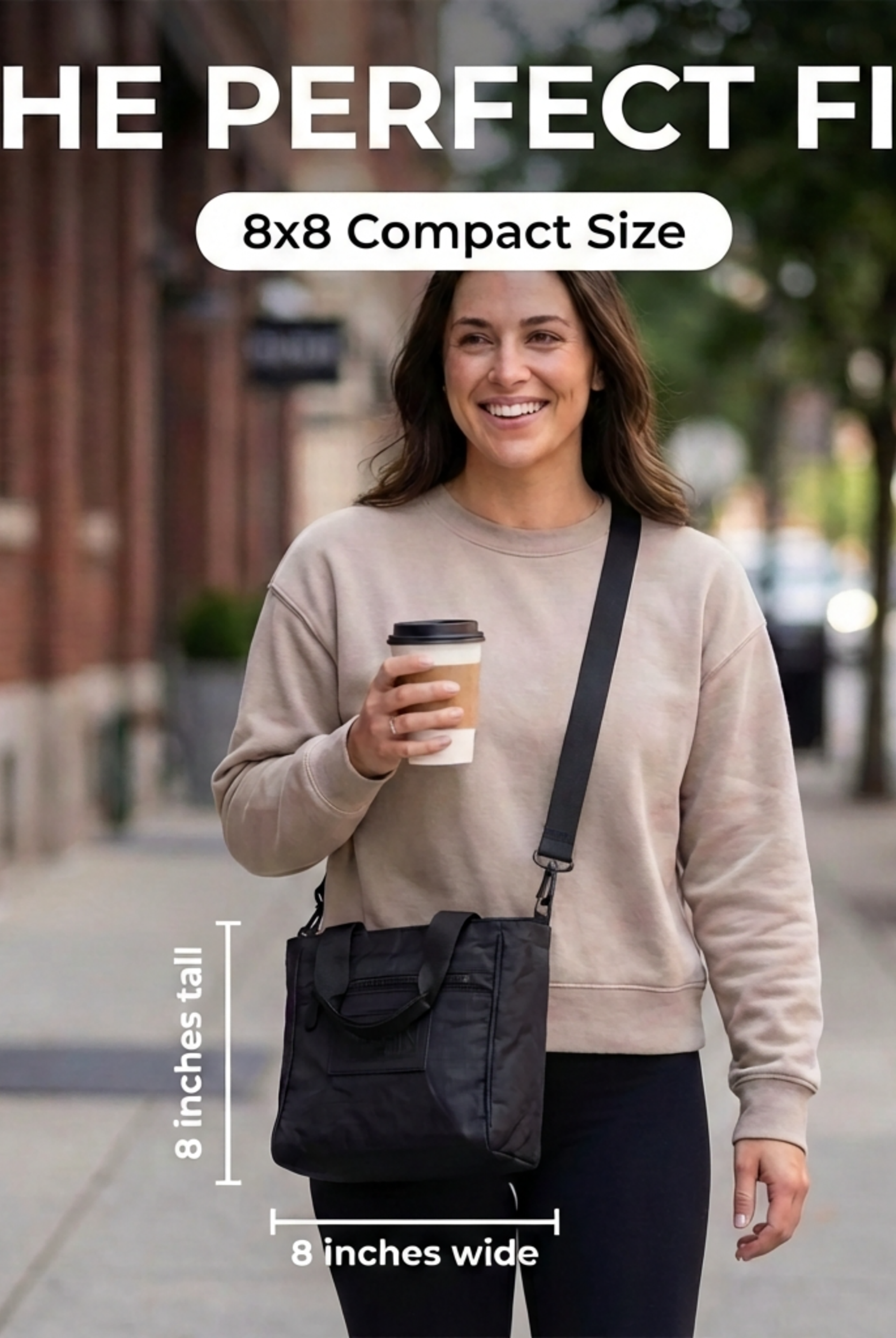
| School run and errands | Zip top plus a quick-access outside pocket | One-handed opening while holding a child's hand | Crossbody Tote Bag Mini Purse |
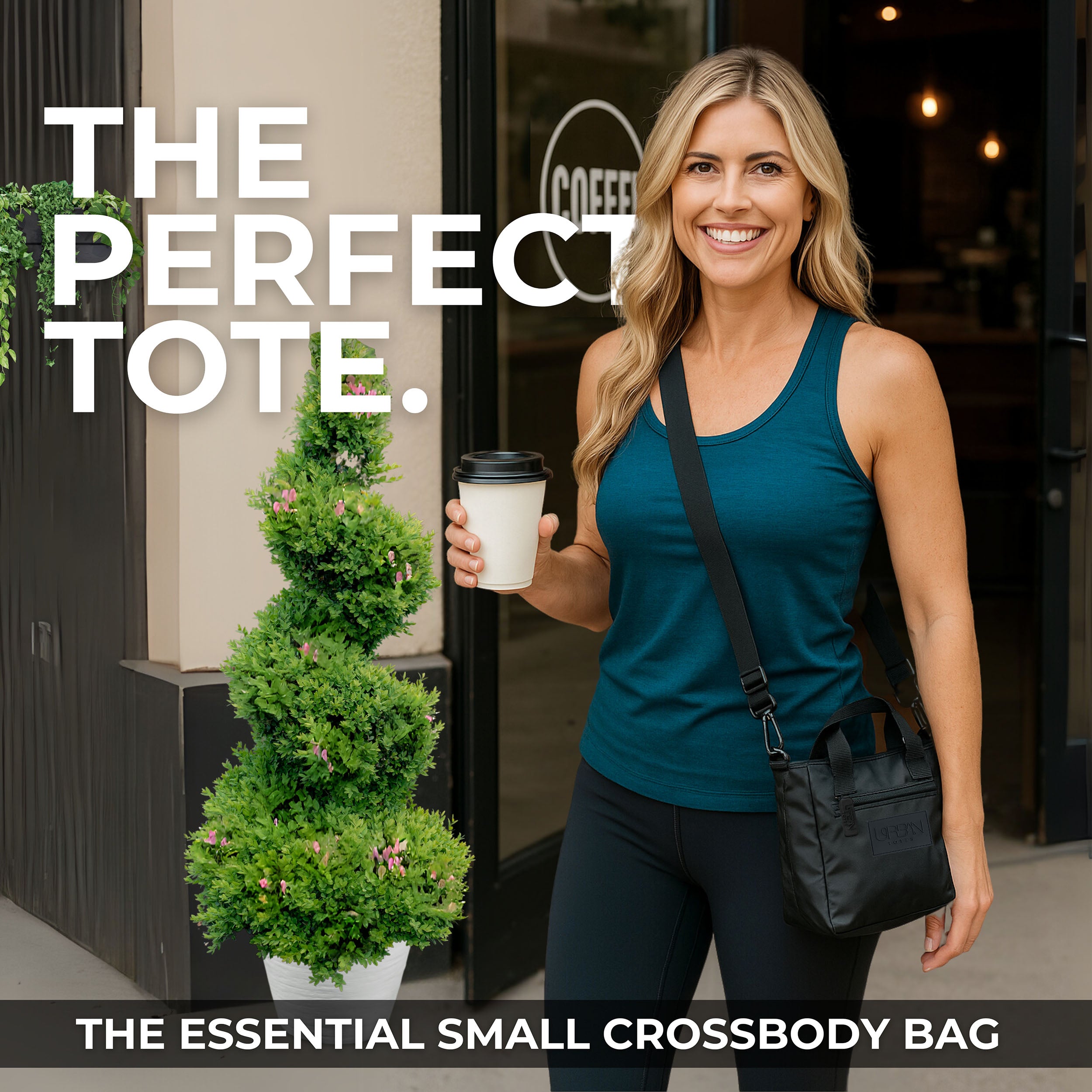
| Minimalist day to night | Small zip top, no dangling hardware | Outside pocket sized for a phone and keys | Crossbody Tote Bag Mini Purse |
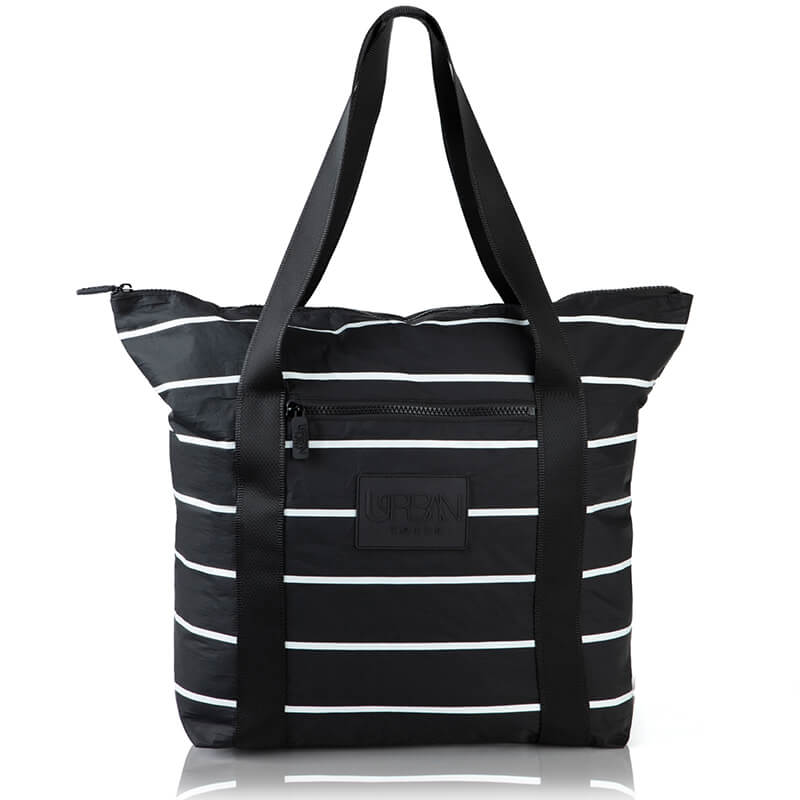
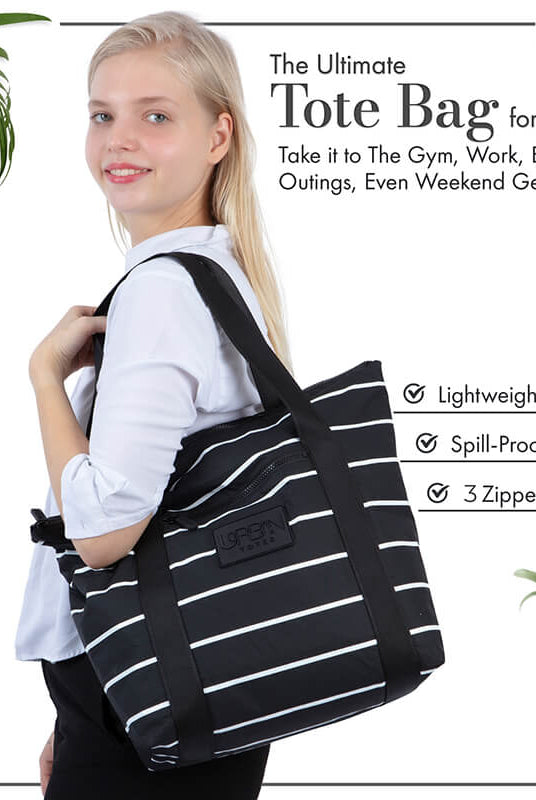
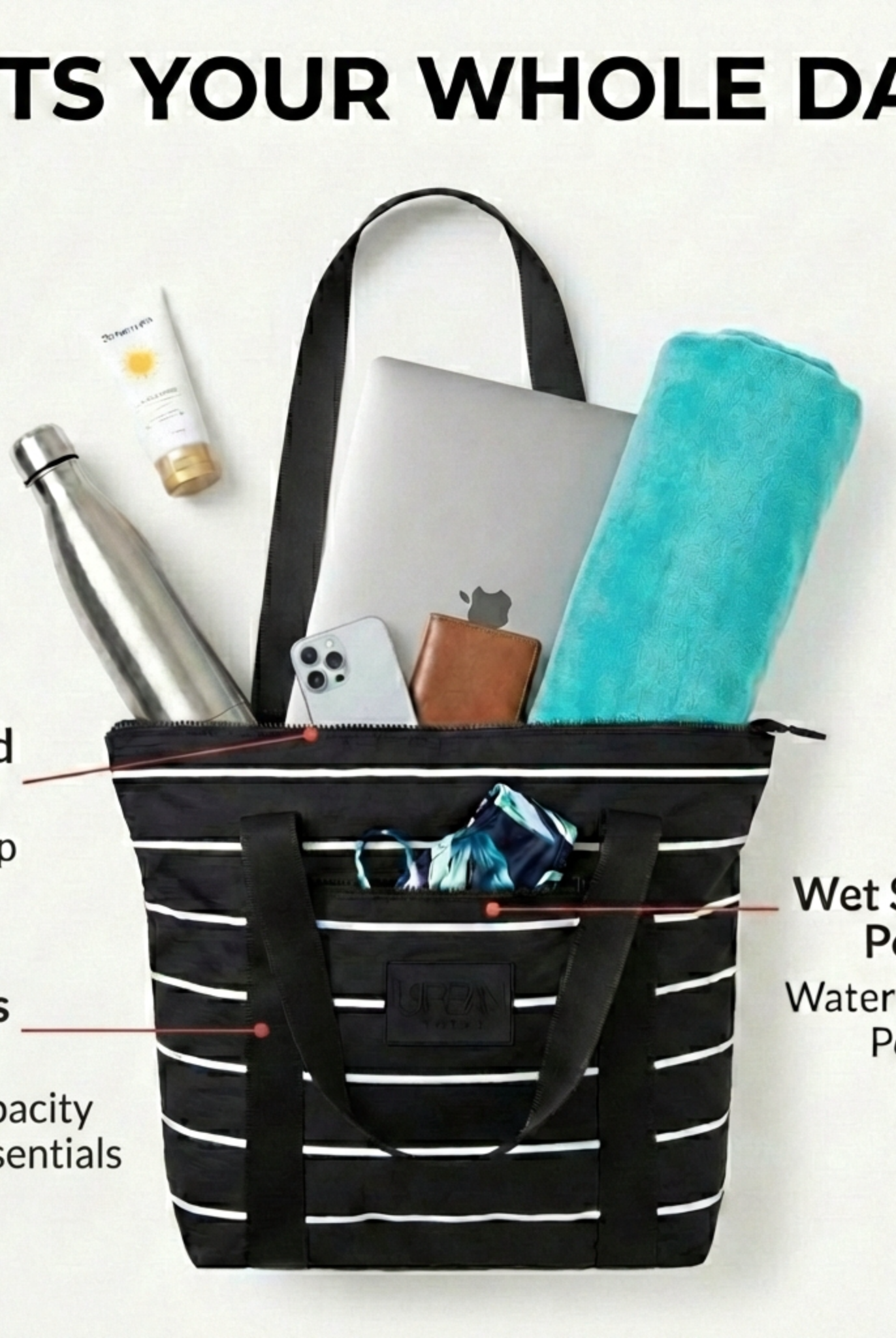
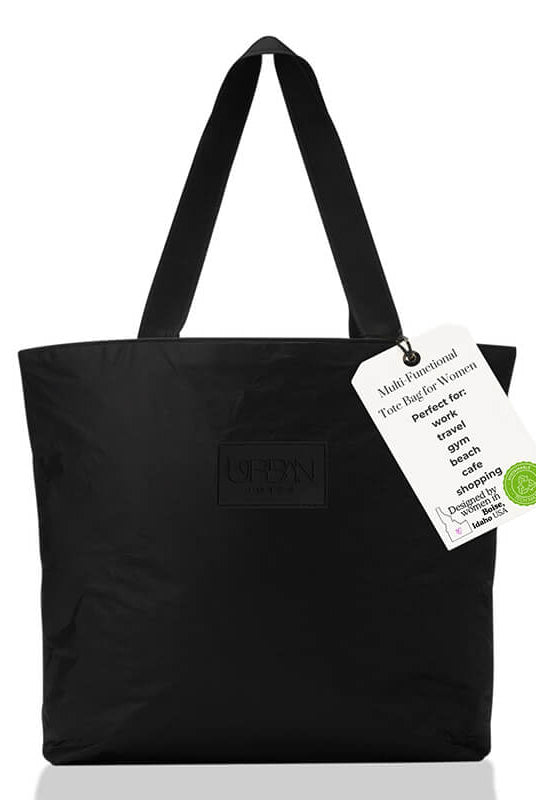
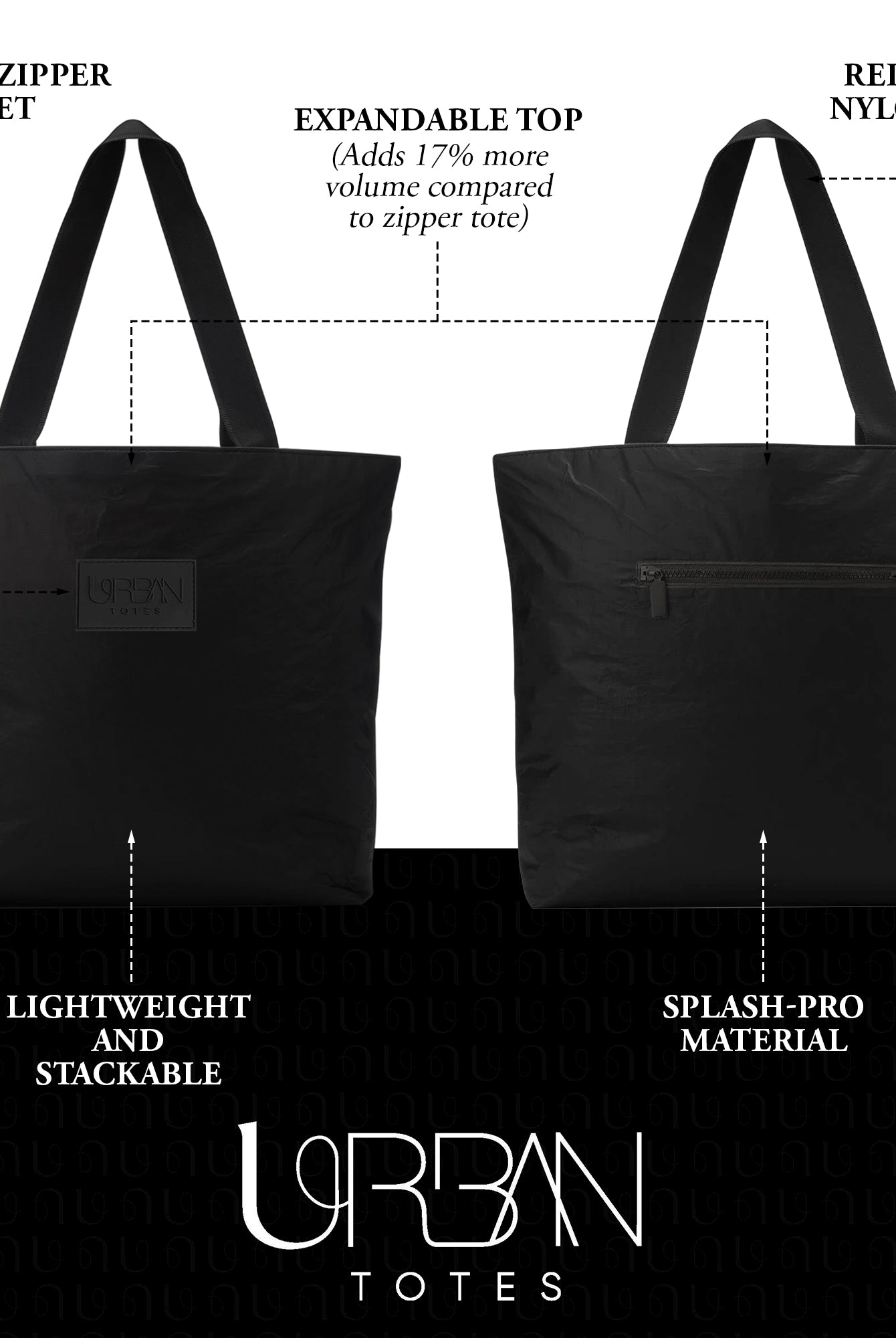
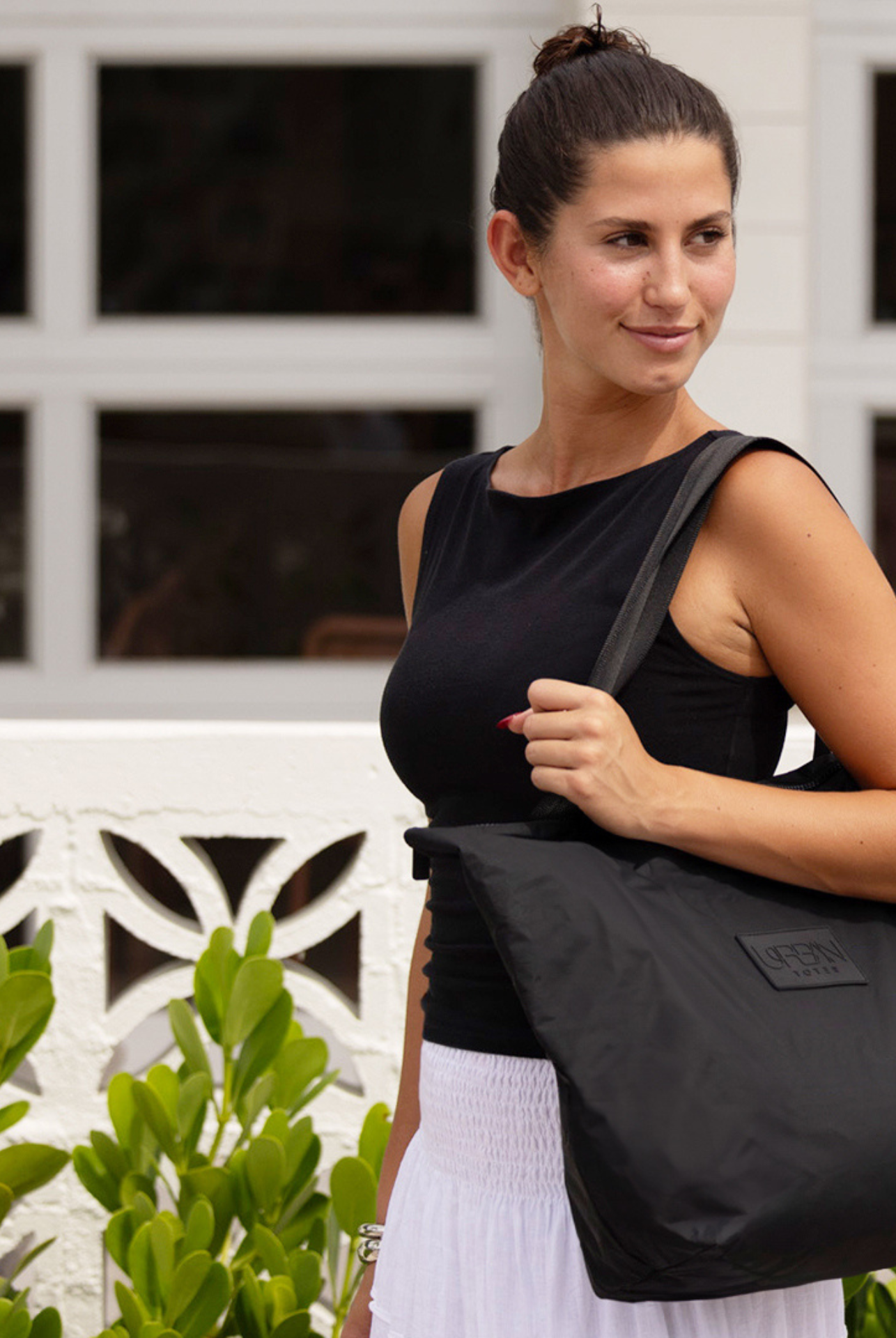
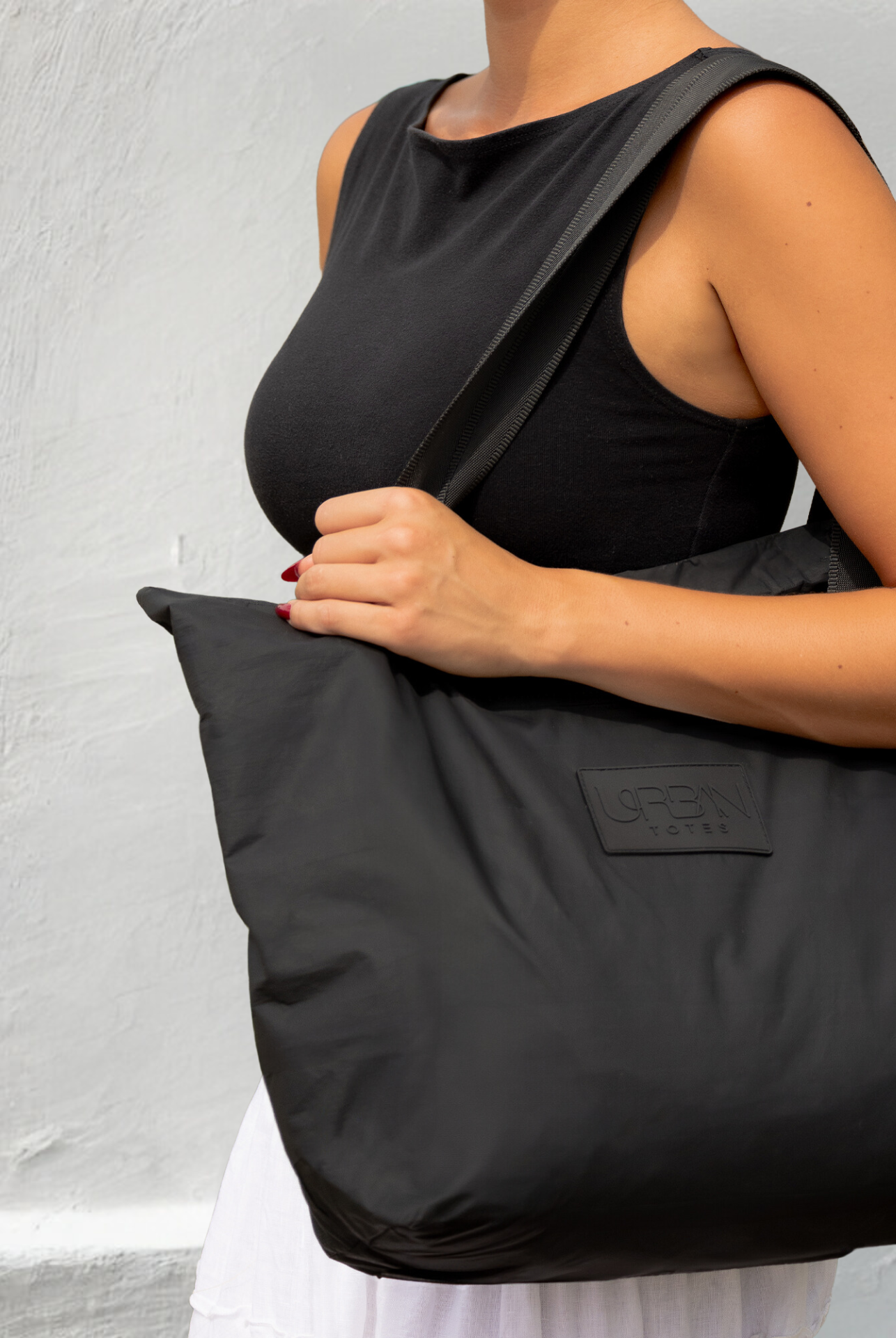
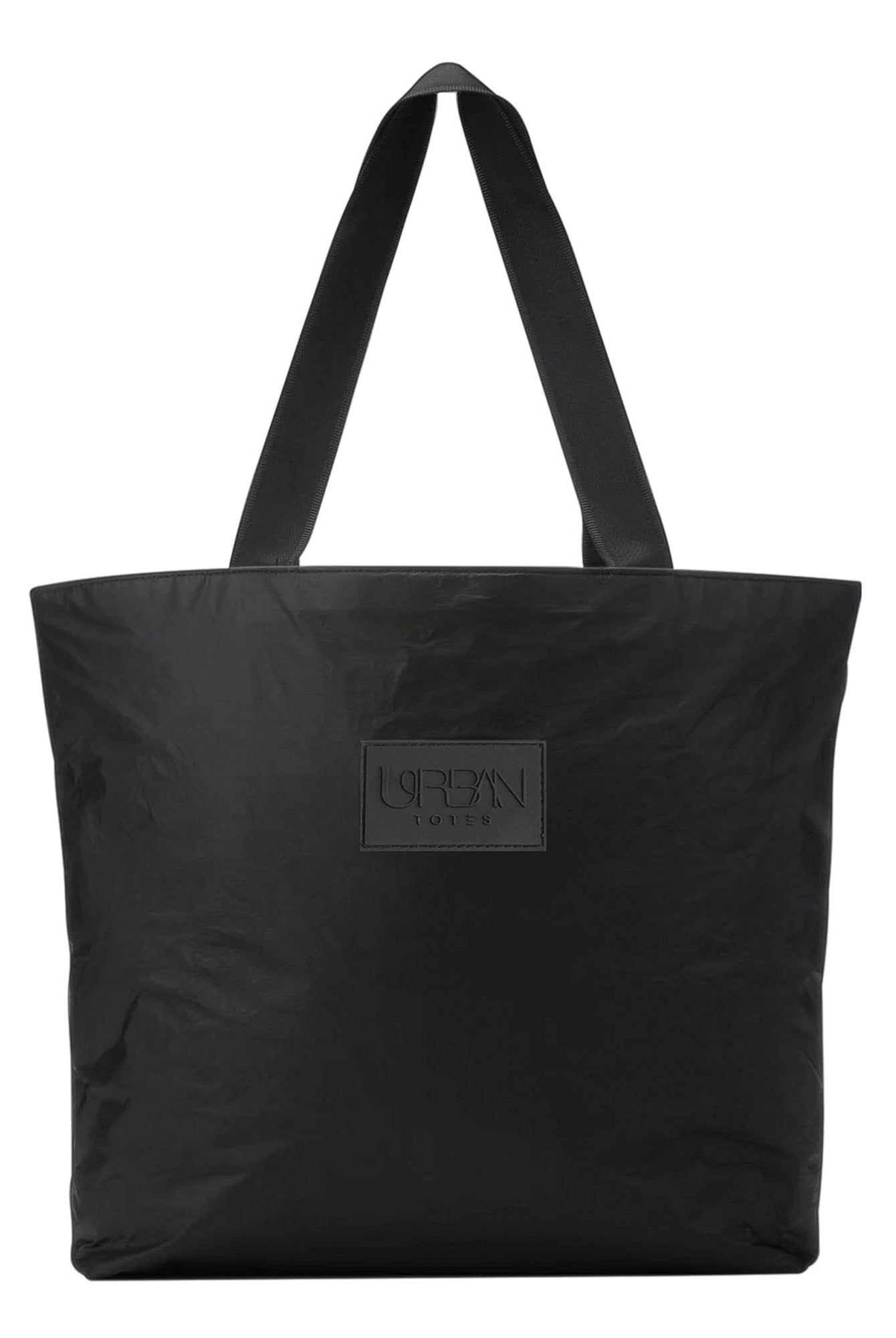
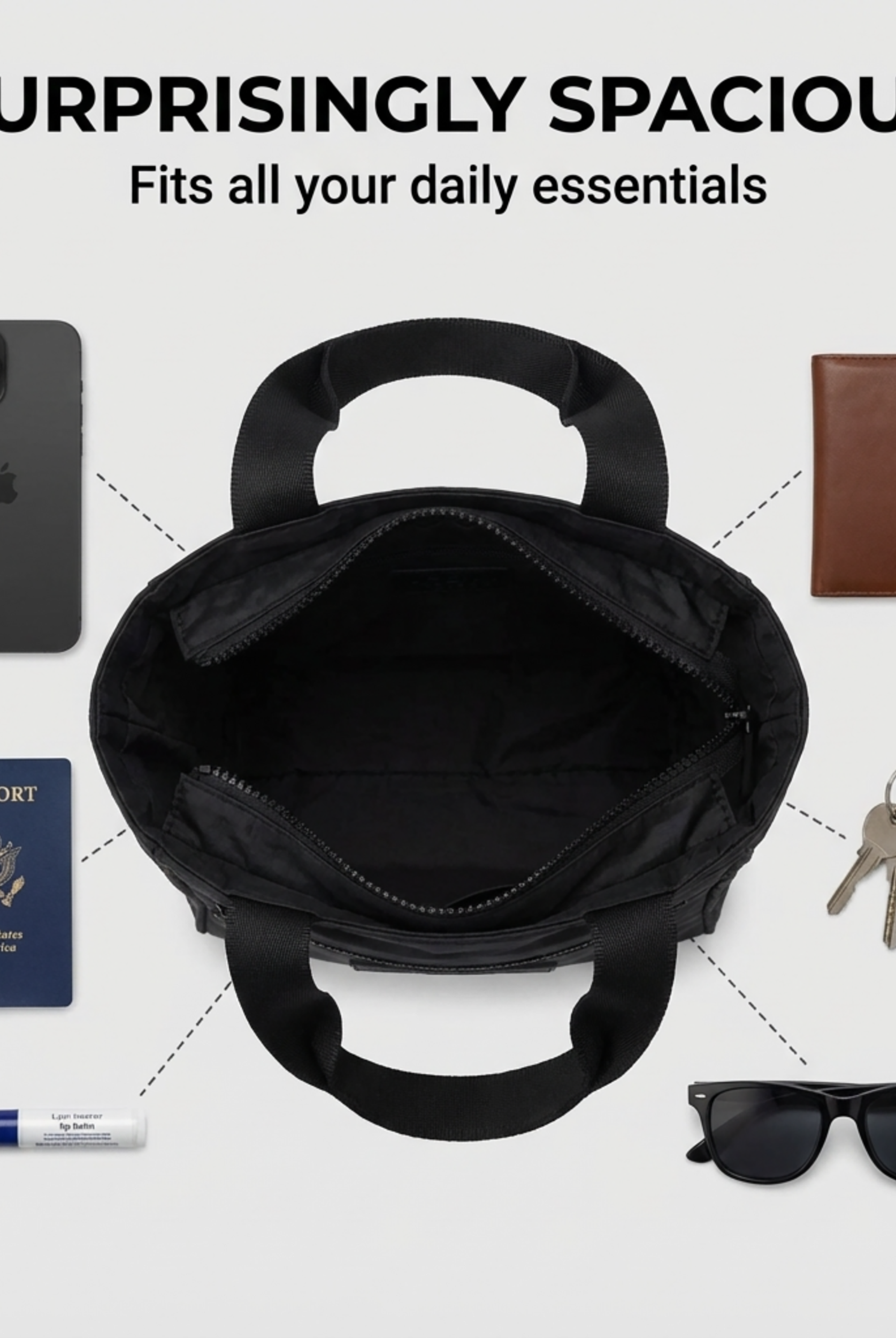
Find the row that sounds most like your Tuesday and start there. Nothing here is ranked first to last, because a beach bag and a commuter bag are solving different problems. The third column is where the decision lives. The OG Zipper Tote measures 19 inches wide by 14.5 inches high, with a white interior, side pockets for wet swimsuits or sweaty workout gear, and three large pockets for an iPhone and a slim wallet. That makes it the carry-everything answer for beach days and school weeks. The Go Anywhere Day Trip Tote has zipper closures on all compartments and comfortable silky straps, which suits anyone walking to a train with a laptop.
A few edge cases matter before you commit:
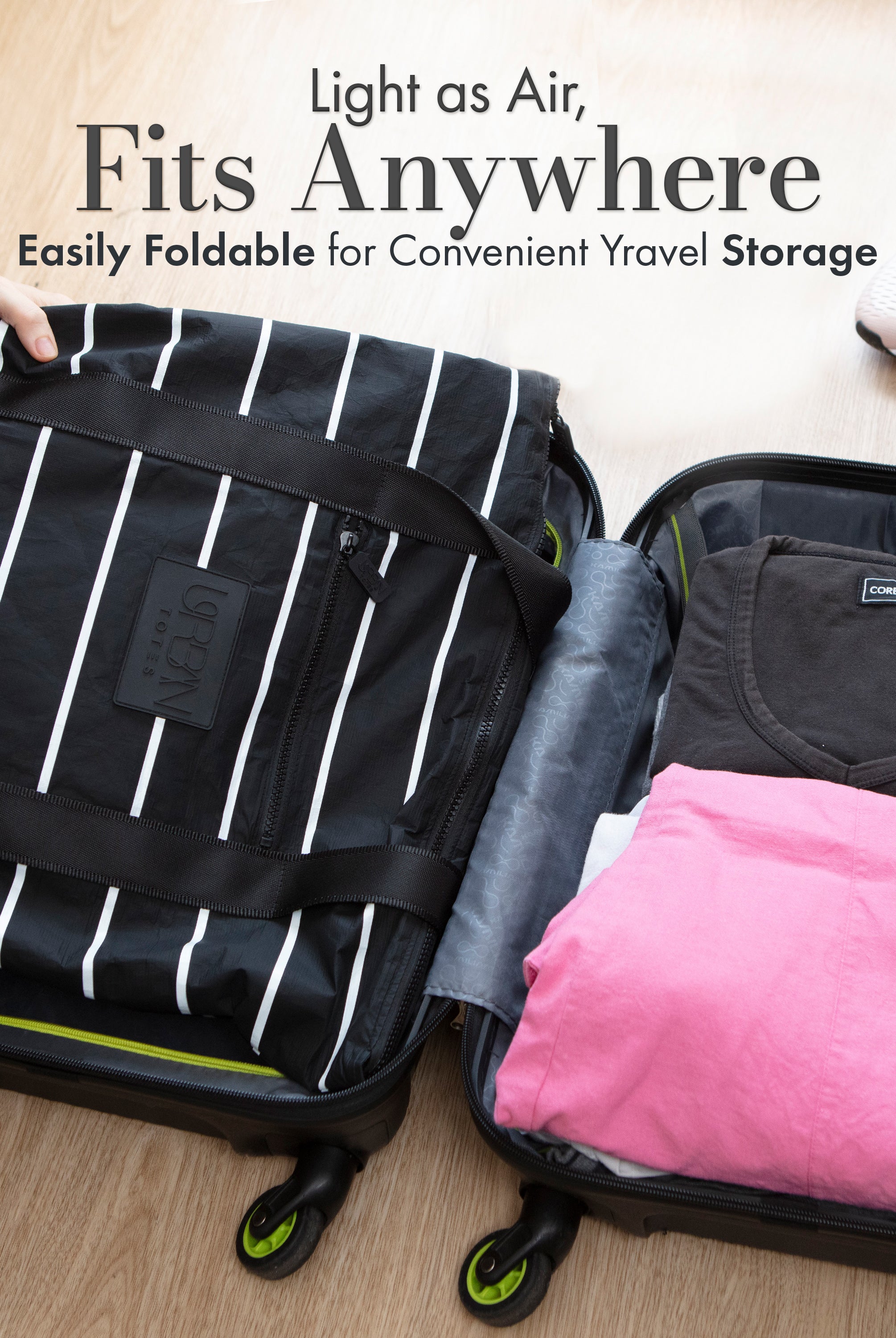
- The beach bag that has to fly home inside a suitcase. Folding flat beats structure here, so use the OG Zipper Tote, which is lightweight, foldable and packable, and water-resistant.
- The commuter tote that doubles as a personal item. It needs to squash under a seat and still zip shut with your laptop inside.
- The gym tote that goes straight to brunch. Damp gear needs a separate pocket, or the whole bag smells like a yoga studio by 11 a.m.
Half the battle is knowing which day needs which bag. A family schedule can turn one errand into three stops, and the MyPerfectStay calendar app picks help keep those moving parts organized before you grab the door. Then choose the tote by closure, pocket access and loaded comfort, not by how cute it looks on the hook.
Zipper Types and What Each One Does Best
A zipper buys a tote four things: a main compartment that stays shut under an airplane seat, controlled access to a boarding pass, a barrier between a leaking bottle and a laptop, and compartments that stay separate instead of merging into one pit.
The fastener earned that job slowly. Elias Howe took out a U.S. patent for an early continuous garment fastening in 1851, Whitcomb Judson patented an improved version in 1892, and Gideon Sundback's more durable design went on sale in 1913. By 1917, about 24,000 zippers had been sold, and annual sales reached 60 million by 1934, a rise of roughly 250,000% in 17 years, according to the Encyclopedia.com history of the zipper. This is a part engineered for repeatable opening and closing. Judge it after a month of daily use.
Nylon coil is the everyday workhorse. Light, quiet, forgiving of a rough stuffing, and cheap to replace. It splits behind the slider when you overstuff a bag, the single most common zipper failure on a daily tote. Coated water-resistant coil wipes clean and sheds drizzle, and the trade-off is a coating that cracks where the zip folds back on itself, usually at the corner you bend open every morning.
Molded plastic is chunky and easy to grab with cold hands, though teeth chip and the hardware adds weight to an otherwise light bag. Metal looks crisp and closes with a satisfying click, then corrodes or stiffens if you never touch it with lubricant. Reverse coil turns the teeth inward for a clean exterior, at the cost of a track that holds sand like a grater.
Opening formats matter just as much. A full-length top zip opens the bag flat for packing and leaves you a long track to maintain. A double slider adds convenience and a second failure point. A hidden exterior pocket zip keeps a phone and passport out of view, unless the slider snags on a thick fabric edge every time you pull it.
Score every zip on four things: one-handed operability, tooth strength under a packed load, water resistance at the track, and whether a repair shop can swap the slider. A zip that fails any one of those will fail you by winter.
The tell: zip the bag empty, then zip it with your laptop and a full bottle inside. If the slider behaves like a different animal between the two, the closure is undersized for the bag.
If you fly often, where your documents live matters as much as the closure itself, and this guide to a safe travel purse covers what to keep within reach and what to bury.
Fabric, Water Resistance, Size and Organization Compared
The zipper gets the attention, but fabric decides whether a tote still looks composed after weeks of airport floors, gym lockers and grocery runs. Tight-weave recycled polyester, nylon and coated canvas handle daily abrasion and repeated folding better than loose cotton canvas, which softens into a sloppy shape. Leather lasts, then charges you in shoulder strain. For a zipper tote, start with fabric that resists abrasion, holds its shape and still lets the slider move cleanly.
Recycled content tells you about inputs, not performance. Global polyester production reached roughly 78 million metric tons in 2024, and recycled polyester was about 12% of that output, around 9.3 million metric tons, per WWD's reporting on Textile Exchange data. About 97% of recycled polyester came from plastic bottles, and textile-to-textile recycling across all fibers accounted for less than 1% of total fiber production, according to the same WWD's reporting on Textile Exchange data. Ask for the stated percentage, then judge the fabric on durability, because the label will not do that work for you.
End of life is a separate question. The EPA's textile waste data puts 17 million tons of textiles into the U.S. municipal solid waste stream in 2018, with only 14.7% recycled. A bag built from recycled fiber addresses material inputs and says nothing about where the bag itself lands.
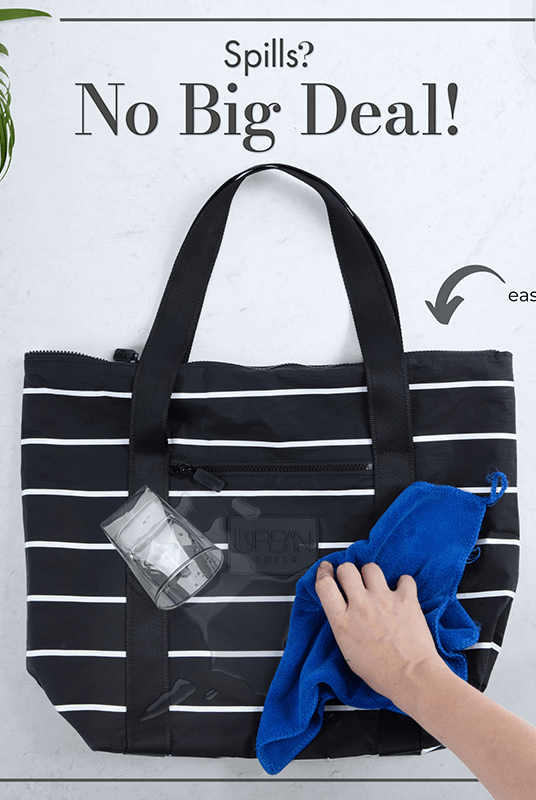
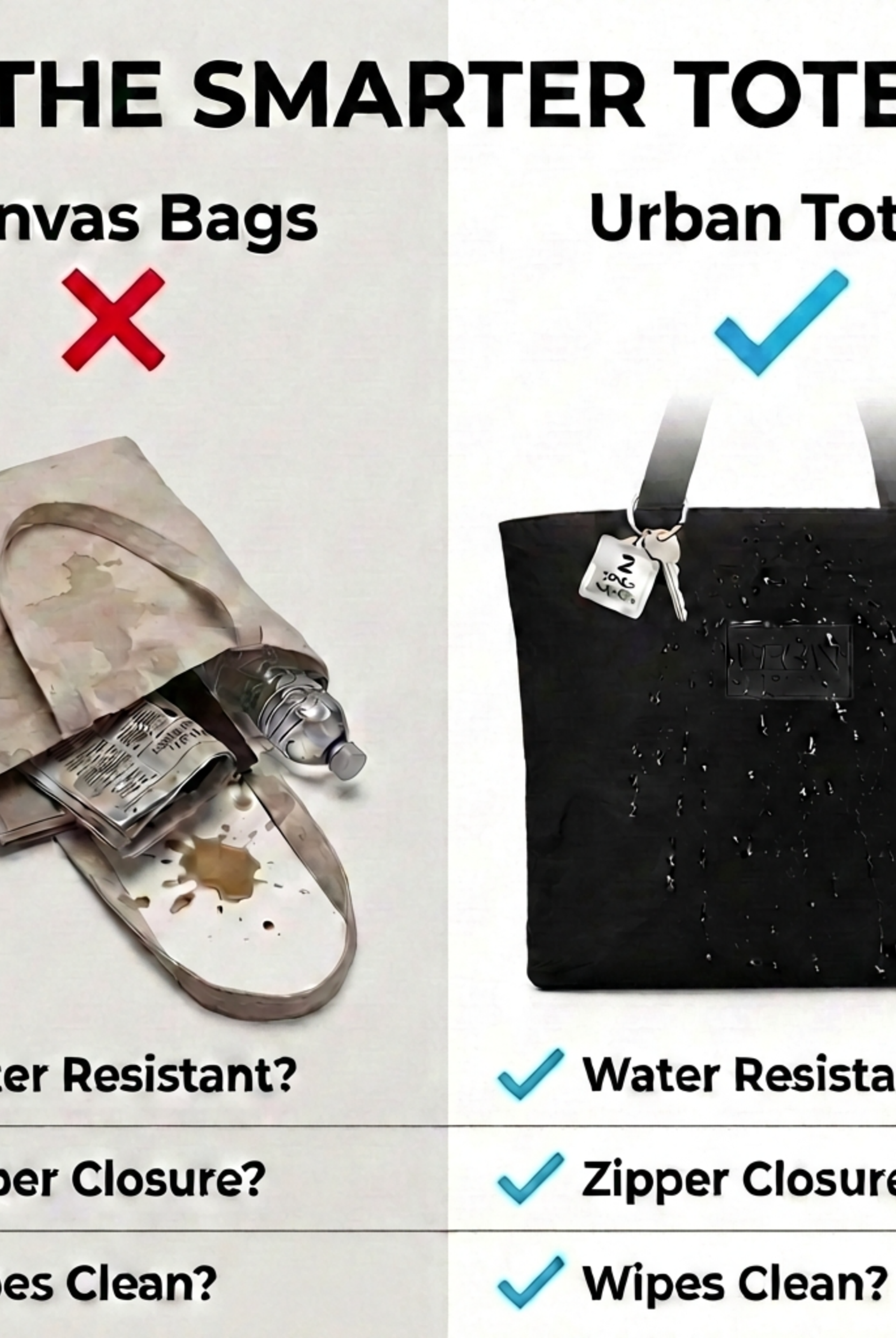
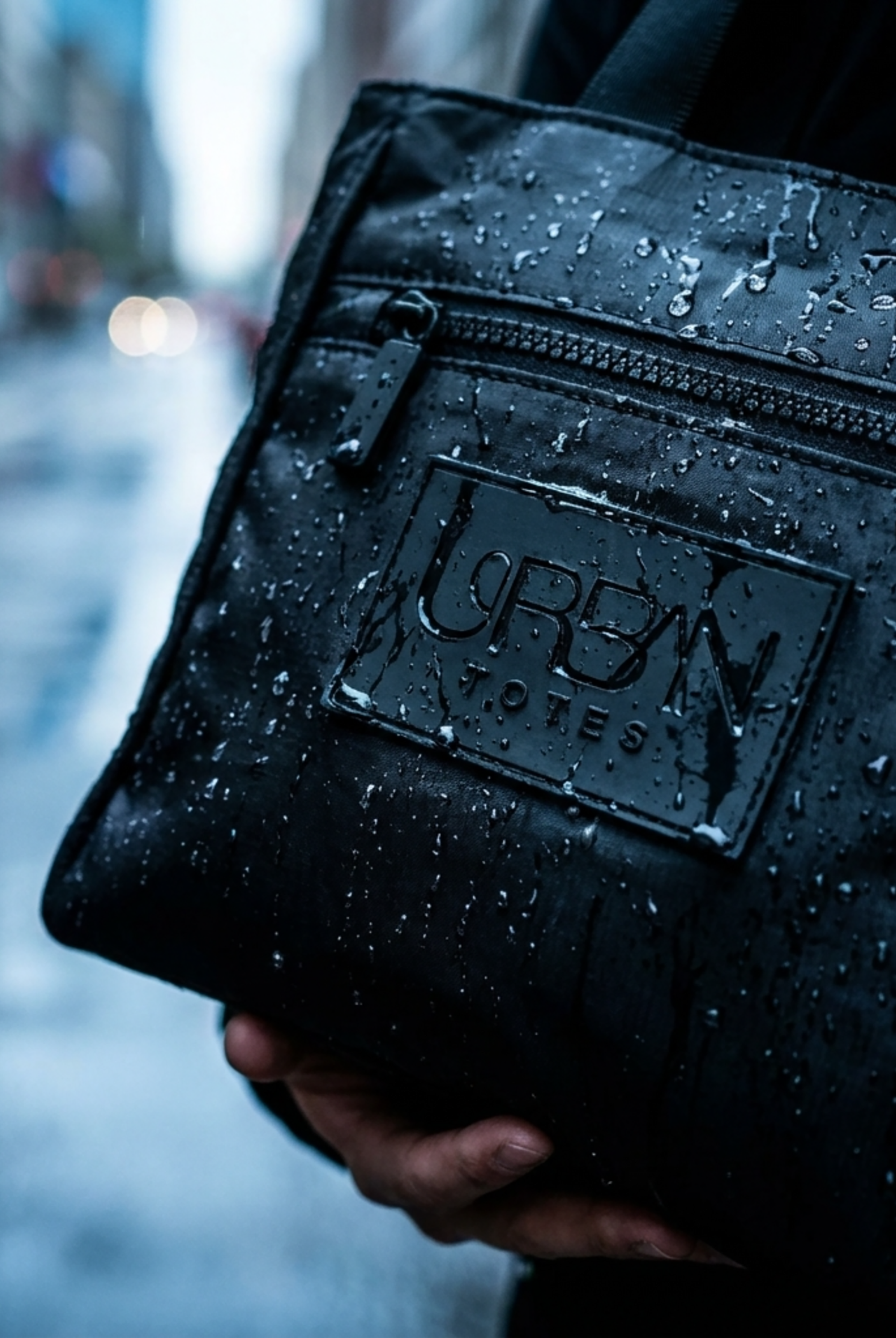
Water resistance is where product copy gets slippery. What keeps a laptop dry is a coated shell, bound seams and a flap or welt sitting over the zip track. A spray test such as AATCC TM22, which AATCC describes as a quick, low-cost way to screen surface wetting, grades how droplets bead on taut fabric. It does not test seams, a zip track, pressure from a wet bench or steady rain. Read the difference between water-resistant and waterproof before you trust a tote with a passport. Urban Totes bags use spill-proof materials, and the OG Zipper Tote Bag is water-resistant, lightweight, foldable and packable. That makes it a smart pick for drizzle, pool days and commuting, though water resistance still is not the same thing as full waterproof protection.
| Feature | What to look for | Why it matters | Trade-off |
|---|---|---|---|
| Fabric | Tight-weave recycled polyester, nylon or coated canvas | Handles daily abrasion and repeated folding without cracking | Thicker weaves add empty weight before you pack anything |
| Water resistance | Coated shell, bound seams and a flap or welt over the zipper track | Keeps a laptop, paperwork and snacks dry in drizzle and splashes | Coated zips feel stiffer and need more care |
| Recycled content | A stated percentage rather than a green label alone | Shows how much virgin material was displaced | The percentage says nothing about durability or end-of-life |
| Organization | Two or three zip compartments plus a phone pocket and key clip | Ends the daily dig for keys, wallet and phone | Every extra zip adds weight and another failure point |
| Size | Packed dimensions rather than flat measurements | Decides laptop fit, grocery runs and carry-on status | A bigger tote invites you to overpack it |
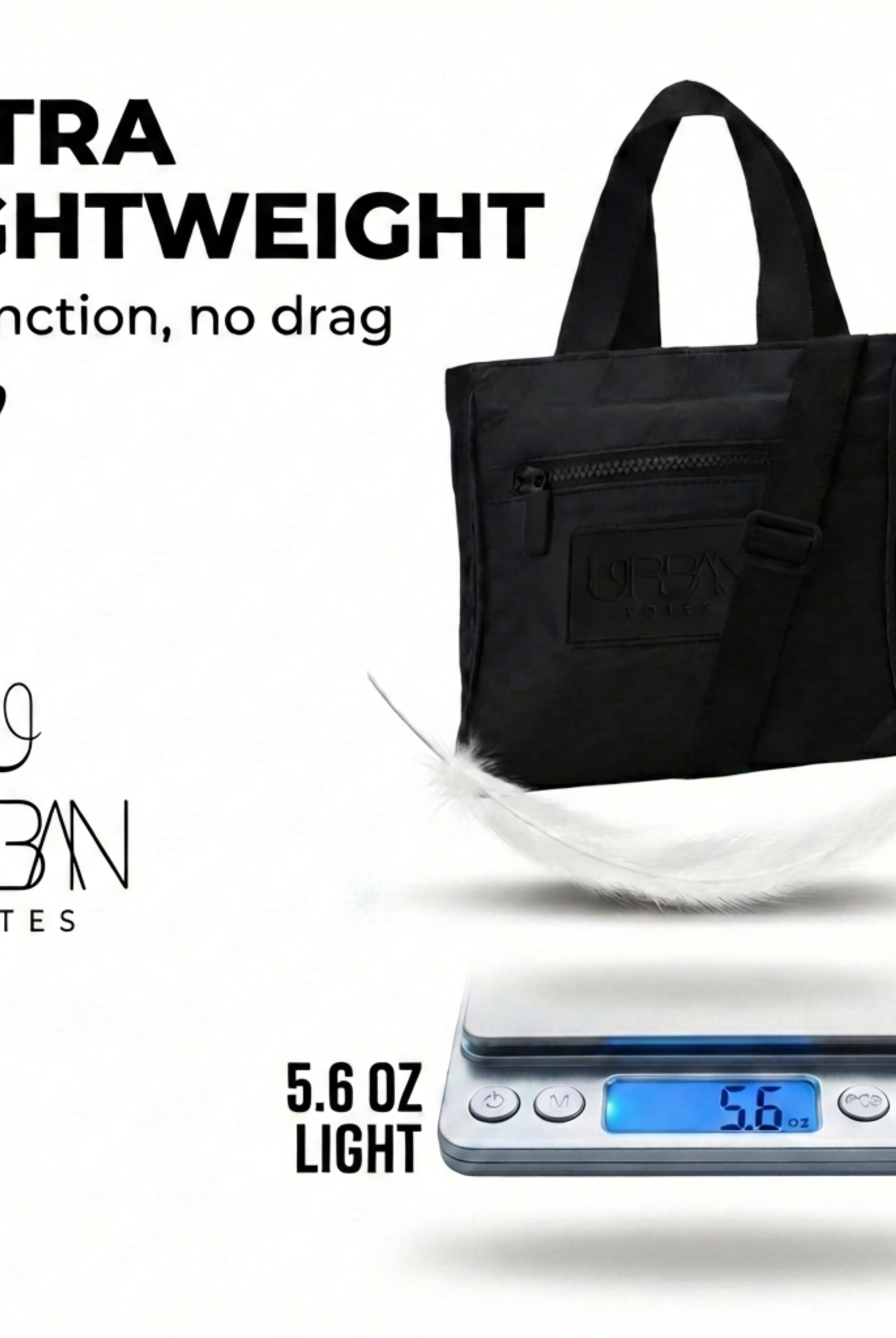
| Empty weight | Light enough to carry all day, structured enough to stand up | Saves your shoulder once the bag is full | The lightest fabrics slouch when half empty |
| Packability | Folds flat into a suitcase, glovebox or beach bag | One bag covers the flight out and the beach day after | Repeated folds crease coated zips over time |
| Straps | Wide, smooth straps with a drop long enough to clear a coat | Spreads pressure and keeps the bag on your shoulder | Long straps sit the load lower and swing more |
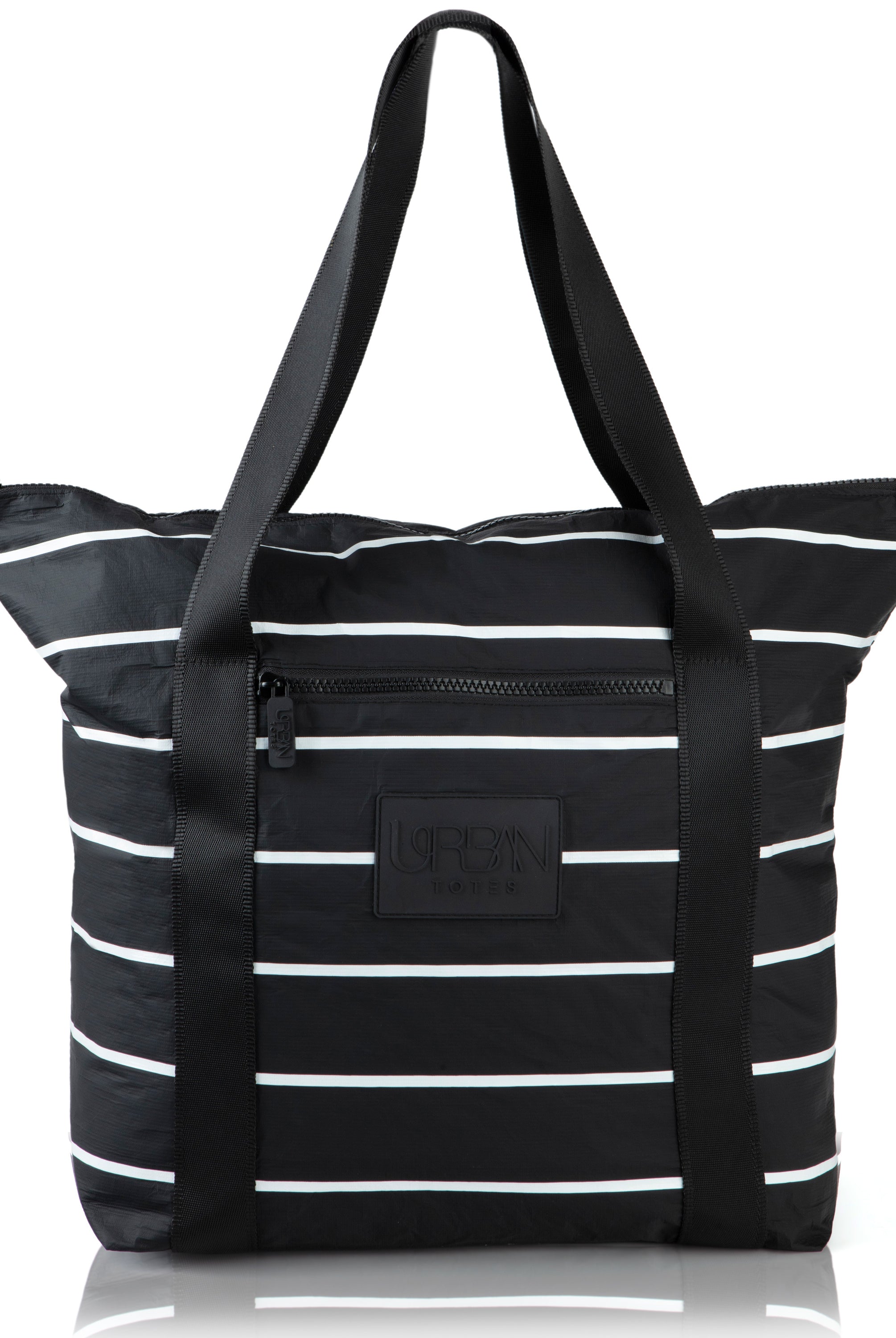
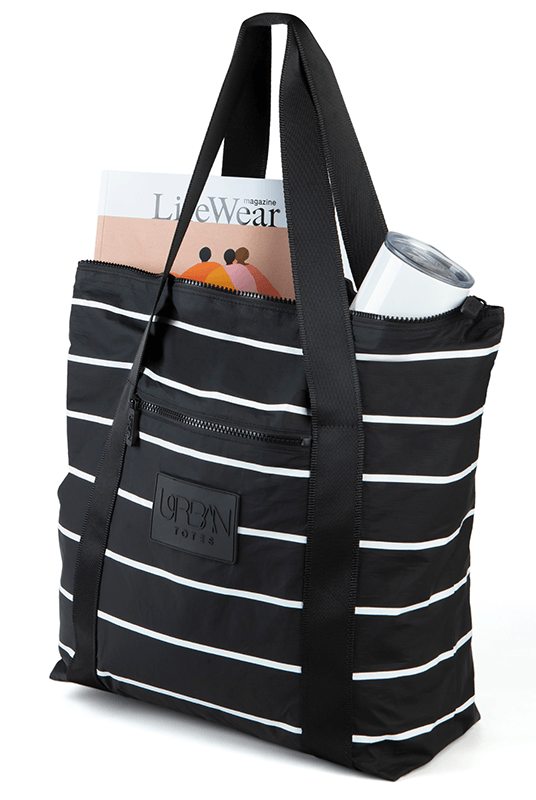
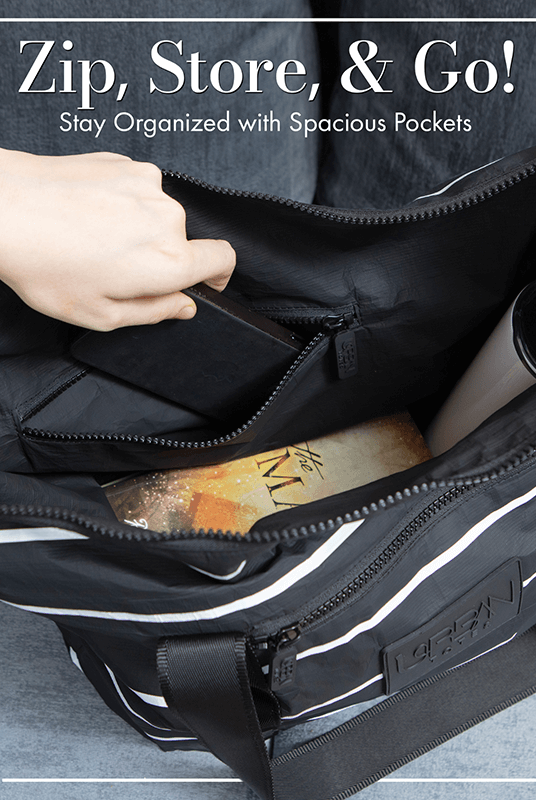
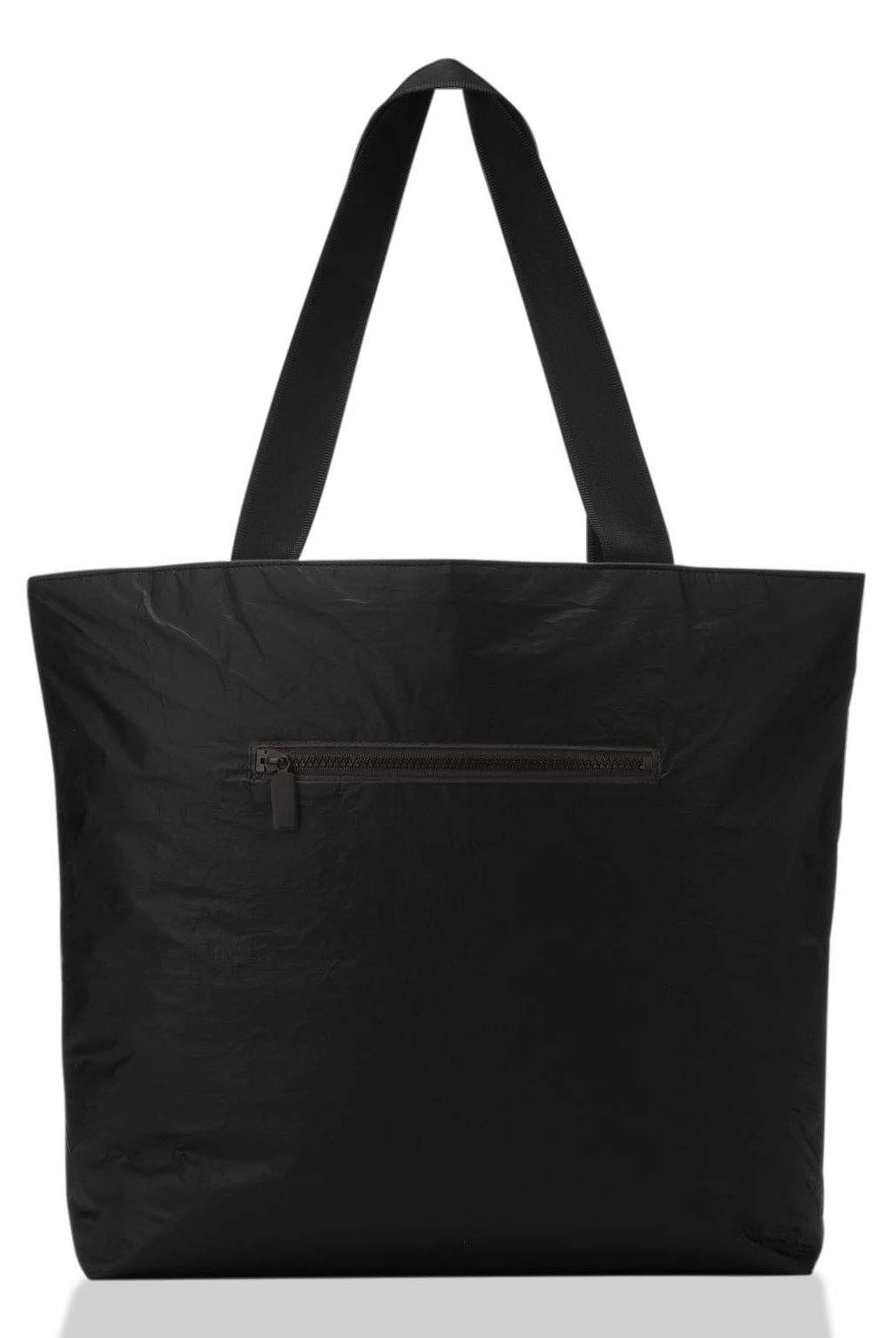
Organization is a budget, not a wish list. The OG Zipper Tote Bag gets that balance right with inside and outside zipper pockets, plus three large pockets for items such as an iPhone and a slim wallet. Side pockets, a white interior and a classic Pinstripes design make it easier to see and sort small things, and the side pockets work for wet swimsuits or sweaty workout gear. That is more useful than five tiny pockets you will never touch.
Size needs the same honesty. The OG Zipper Tote measures 19 inches wide by 14.5 inches high, a roomy shape for work, travel and gym days. The Day Trip Tote publishes an 11.5 inch handle length, a spec worth hunting for because handle length decides whether a bag rides on your shoulder or swings from your hand. If you carry a laptop and want real structure, a TSA-ready laptop travel backpack handles that job better than any tote, so keep the tote for the days the laptop stays home.
The Loaded Carry Test Most Guides Skip
A tote's spec sheet ends where your shoulder's problem begins. Many listings lead with the empty weight and stop there, skipping the only number that matters: what the bag weighs with a laptop, a one-liter bottle and lunch inside. The packed weight is also where a weak zip shows itself, since a slider under real tension works harder than it ever does on an empty bag.
Research on shoulder bags found that women carrying heavier bags reported more shoulder pain, with pain tied to bag weight. In one study the bag averaged about 4% of body weight, and the authors recommended staying at or below that level, per this study of shoulder-bag load and shoulder pain. For a 140 pound woman, 4% is 5.6 pounds, and a laptop, bottle and lunch clear that before you add keys.
How you carry matters just as much as what you carry. A load riding on one shoulder throws posture off balance, while splitting it across two straps spreads the work evenly. That's the entire argument for keeping a crossbody option in the rotation.
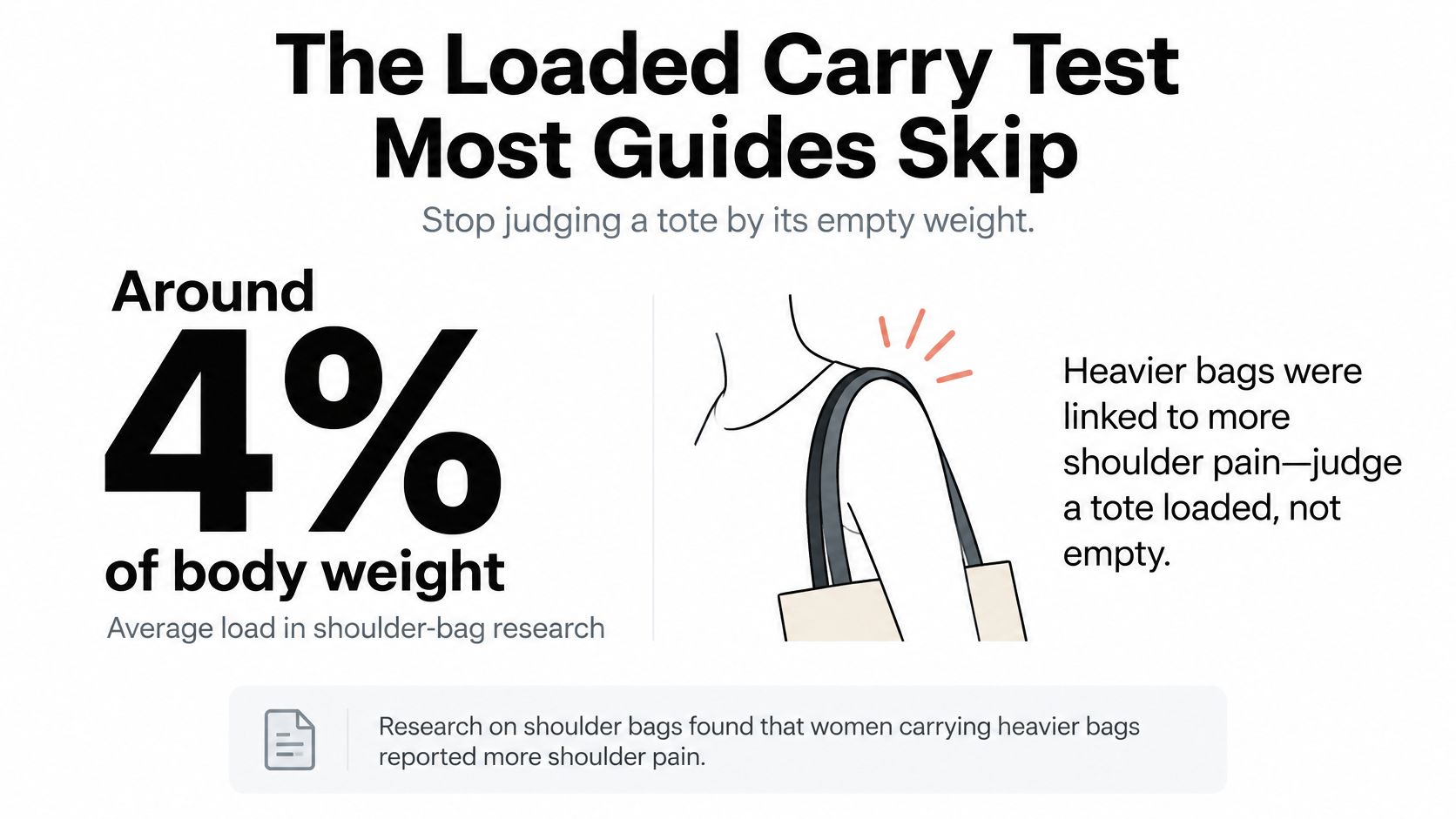
Run the test in your kitchen. Weigh the packed bag on a scale, compare that number with 4% of your body weight, then check strap width, drop length and whether the load can move to a different carry.
| Body weight | 4% limit | What to check when packing |
|---|---|---|
| 140 lb | 5.6 lb | Laptop, bottle and lunch just fit |
| 160 lb | 6.4 lb | A laptop plus a full bottle already tests the limit |
| A light day | Well under the limit | Phone, wallet and keys only |
| A laptop day | Usually right at it | Move the charger to a pocket you can leave home |
| A travel day | Often over it | Switch to a crossbody or two-strap carry |
For air travel, the FAA's baggage guidance puts the maximum carry-on size for most airlines at 45 linear inches, the sum of height, width and depth, and notes that each airline sets its own item limits. Budget carriers run tighter still, and these notes on backpack size rules for budget airlines are a useful reality check before you overpack a soft bag. If you want the tape-measure technique, this guide to how to measure a tote bag shows exactly where to run it.
Structure finishes the job. OSHA's ergonomics guidance points out that the NIOSH lifting equation assumes a two-handed, smooth lift in front of the body, with a moderate-width load and weight split evenly between the hands, and that non-rigid bags sag in the middle. A stable base and balanced packing keep a loaded tote closer to that ideal than any padding claim.
A Five-Minute Check Before You Buy
Use your own kit for this. Bring the laptop, bottle, wallet and layer you carry, then test the closure with the bag in the same state you use it. A zip that only works when the bag is half empty fails the test.
- Zip it empty. Pull the slider from end to end without forcing it. Smooth travel is the pass. A slider that catches, or needs two hands to start, tells you the opening is already fighting you.
- Zip it loaded. Fill the bag with your real daily carry, then close it again. If the teeth separate or the tape puckers at the corners, the zip is undersized for the way you pack.
- Open your most-used pocket one-handed. Do it while standing, then again while walking. Thumb and forefinger should reach the pull without a pause. If you have to set the bag down, that pocket will lose its job by week two.
- Repeat with gloves on. A slider tab you can grip in February is the difference between a usable bag and a decorative one. Thin cord pulls and hidden tabs fail here.
- Name the job of every pocket before you count them. tote bag compartments and what each one is for helps, because a layout only works when each compartment has a purpose. A phone, keys, wallet and notebook should have clear homes. Extra zip pockets with no job add weight and failure points you do not need.
Operability and strength are separate questions, which is why the ASTM standards for zipper testing list D2062 for operability and D2061 for strength. Ask a brand for test reports covering both, and treat a supplier who cannot produce them as a supplier who has not tested.
Water resistance belongs in this same five-minute check. Run a damp hand over the fabric and look at how the surface behaves. Urban Totes bags use spill-proof materials, and the OG Zipper Tote is water-resistant, lightweight, foldable and packable. That combination matters when the bag lives through drizzle, gym floors and airport chaos.
Finish with care and access. Check that the care label is clear, because the OG Zipper Tote can be wiped clean or put in the washing machine. Ask whether the slider can be replaced, since that is a better repair path than a sealed decorative zip. These checks take minutes, then tell you whether the bag can handle real days.
Keeping the Zipper Smooth for Years
The return window is where most tote advice stops. The closure has years of work ahead of it.
A neutral zipper guide from Mondani distinguishes coil, molded-plastic and metal constructions and maps their failure modes: coil zips split behind the slider, molded teeth chip or drop, metal corrodes and stiffens, and coated water-resistant coils crack where they fold. That last one is why you don't fold a coated zip along the same crease every day and leave it there for a season.
The two-minute weekly reset. Empty the bag, shake out crumbs and sand, run a vacuum brush attachment along the track, and wipe coils or teeth with a damp cloth. Metal zips get a light pass of paraffin or zipper lubricant, worked in with the slider. Coated coils need nothing that leaves residue in the fold.
For a real clean, close every zip, empty every pocket, wash cold on a gentle cycle or wipe by hand, and air dry fully open so the track never sits wet. The OG Zipper Tote is built for exactly that, since it can be wiped clean or put in the washing machine. Rinse sunscreen, salt water, pen marks and beach sand out rather than forcing them through the teeth with the slider.
Repair rule: replace the slider before you replace the bag. Sliders are cheap, reinforced end stops buy years, and a bag with an accessible track outlives one with a sealed decorative zip.
Stop repairing when the fabric around the track tears or the tape itself gives way. That's structural, not cosmetic. Everything before that point is a ten-minute fix, and this guide to tote bag care and maintenance walks through the rest of the routine.
Choosing the Urban Totes Model That Fits Your Day
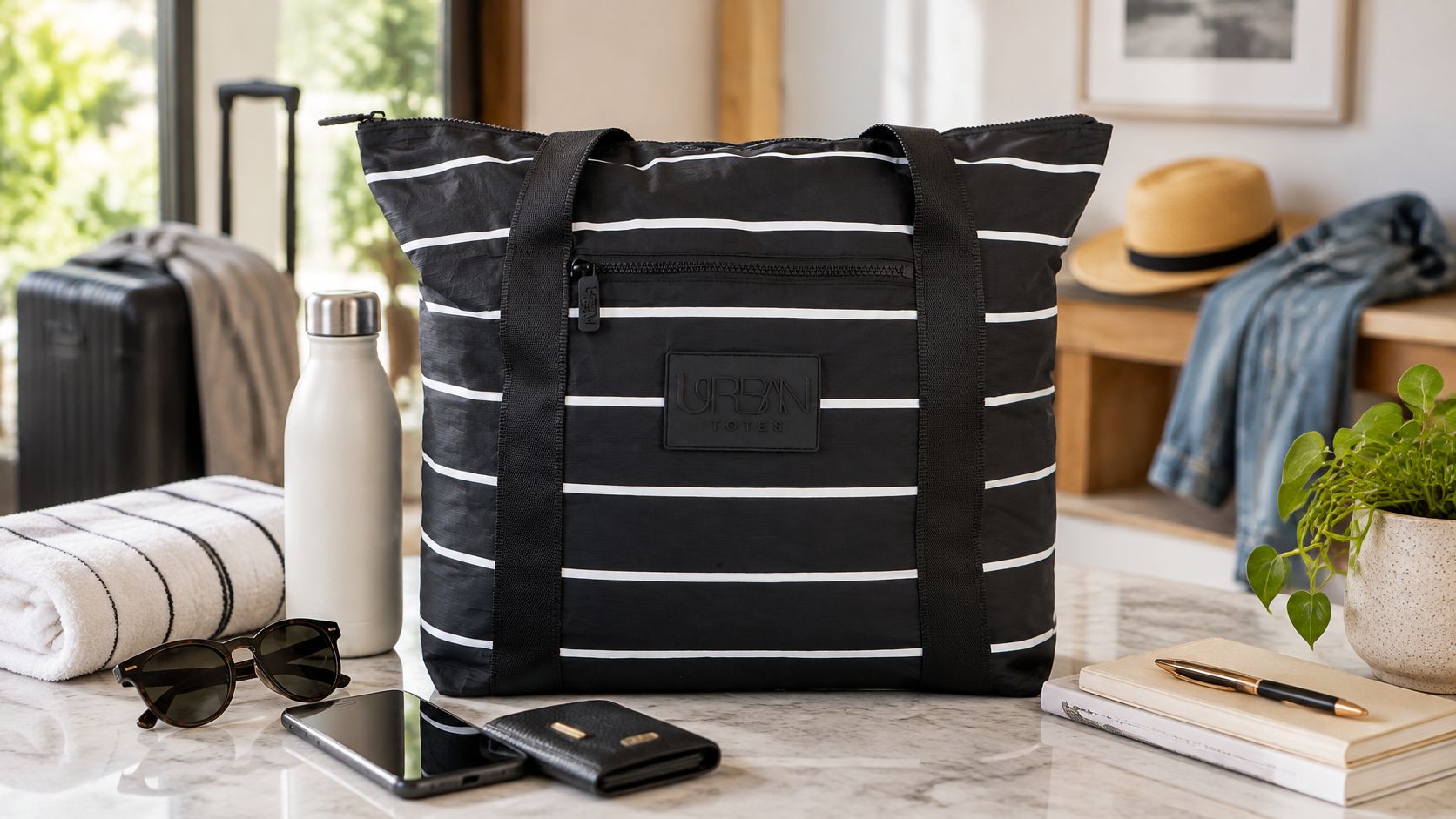
Choose for the load you carry. A beach towel and wet swimsuit call for different pockets than a phone, keys and slim wallet.
For beach days, gym visits and school runs, choose the OG. The Enjoy Every Adventure with The OG Zipper Tote Bag by Urban Totes measures 19 inches wide by 14.5 inches high, costs $29.95, down from $78.50, which is 62% off, and has a 5.0 out of 5 rating from 4 reviews on its product page. Inside and outside zipper pockets, plus three large pockets, give small belongings dedicated places. Side pockets accommodate wet swimsuits or sweaty workout gear, while the white interior makes up the main storage space. The bag is water-resistant, lightweight, foldable and packable. Water resistance does not make a zipper waterproof.
For commuting, start with the Go Anywhere Day Trip Tote. Its compartments all have zipper closures, and its comfortable silky straps make it worth considering for walks between stops. Closures keep compartments shut; they do not prevent contents from shifting. If you carry a laptop, check its fit rather than assuming a tote will accommodate it.
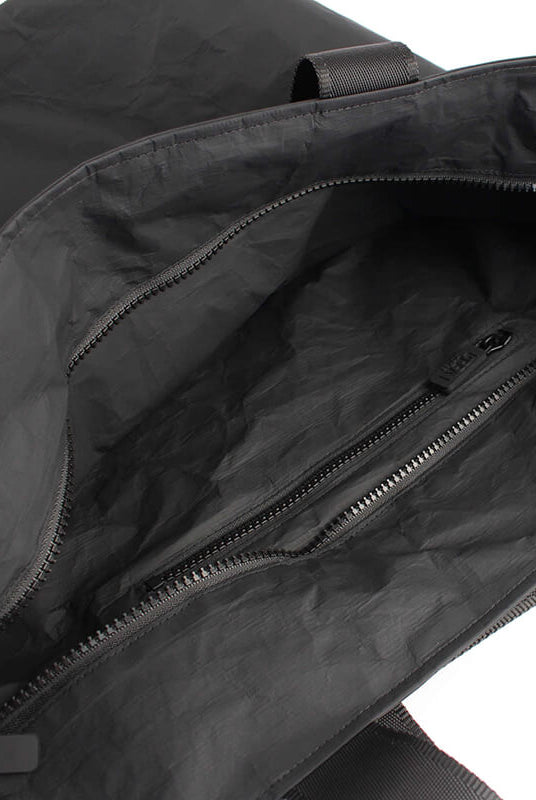
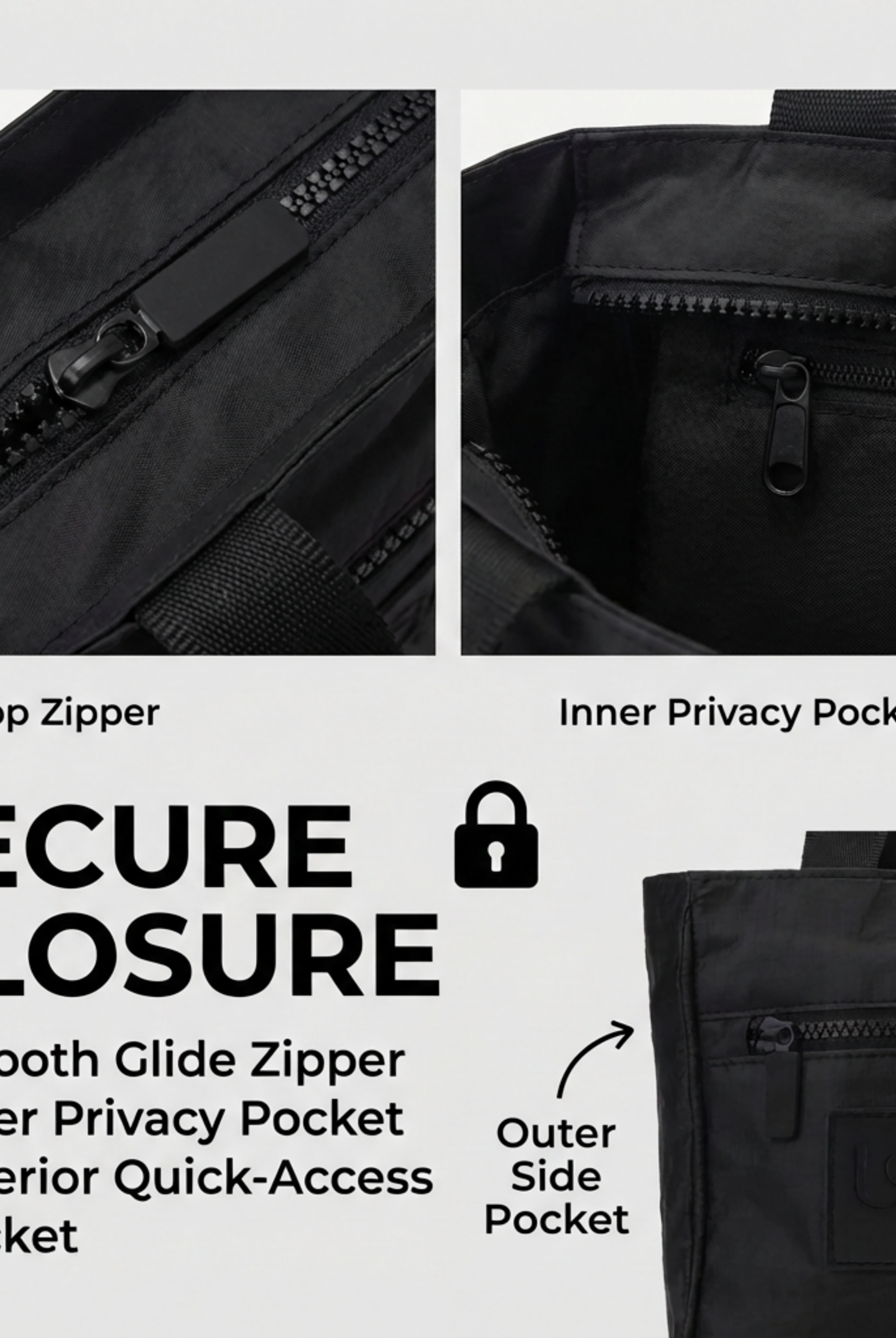
For lighter days, choose the Crossbody Tote Bag Mini Purse. It has a zipper top, a single outside zipper pocket, an inside zipper pocket and a large easy-access outside pocket for phone and keys. Use the zippered storage when security matters more than quick access.
Urban Totes is woman-owned and designs in Boise, Idaho. Choose by pocket layout and carrying needs, then assess the zipper as a working part: smooth operation under load, secure teeth, water protection and access for repair.
Before committing, load your usual belongings and carry the bag. Comfortable straps empty tell you little about a packed commute. Find your preferred style at Urban Totes.