A wet tote test usually happens at the worst possible moment. You're halfway through school pickup, your coffee is in one hand, your keys are somewhere in the bag, and rain starts coming down fast enough that you stop wondering about your hair and start worrying about your phone.
That's when the question gets very real. Is water resistant waterproof? For most bags, the answer is simple. No. Water-resistant is not the same as waterproof. But that doesn't mean water-resistant is useless. In everyday life, it's often exactly what you need, as long as you know where it works, where it fails, and how to take care of it.
For women juggling errands, travel, beach days, commutes, and everything in between, that distinction matters. A thoughtfully designed, lightweight, packable tote can handle a lot. It just shouldn't be mistaken for a fully sealed rain shell.
Table of Contents
- That Sudden Downpour Moment We All Know
- Water-Resistant vs. Waterproof: What's the Difference?
- Decoding the Labels What Ratings Really Mean
- Why Water Resistance Is Perfect for Everyday Adventures
- Keeping Your Go-Anywhere Bag Ready for Anything
- Your Stylish and Smart Choice for Real Life
That Sudden Downpour Moment We All Know
You know the moment. You've just left the farmers market with flowers, bread, and one bag that somehow got heavier between the checkout line and the car. Then the sky opens up.
Now the mental checklist starts. Phone. Wallet. Snacks. Sunglasses. Maybe a library book. Maybe a backup shirt for your kid. You look down at your tote and think, “It says water-resistant. Is that enough?”
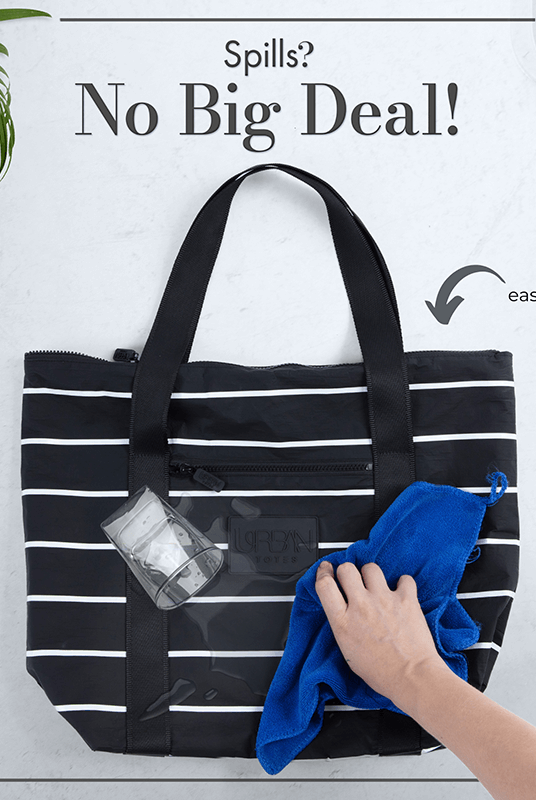
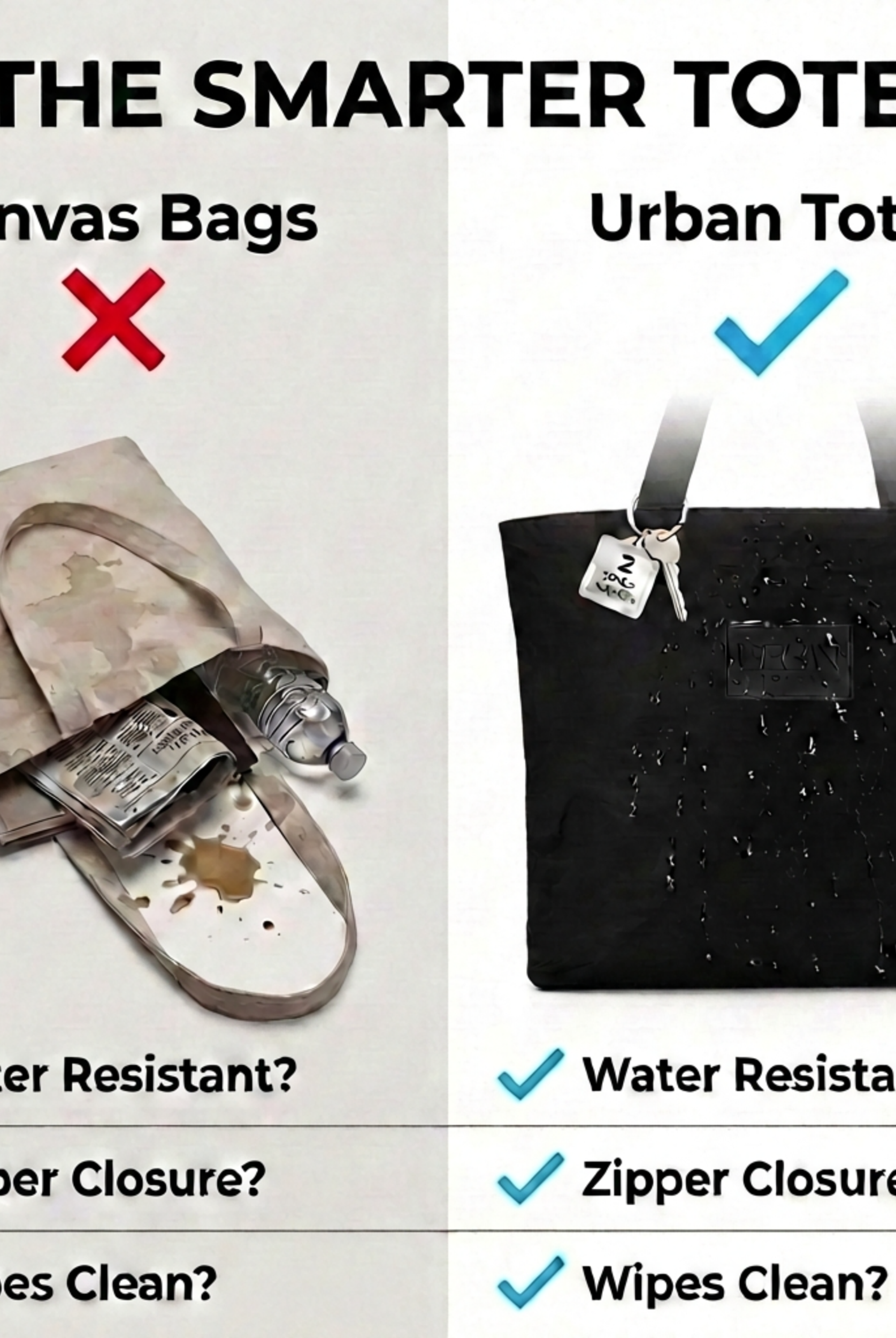
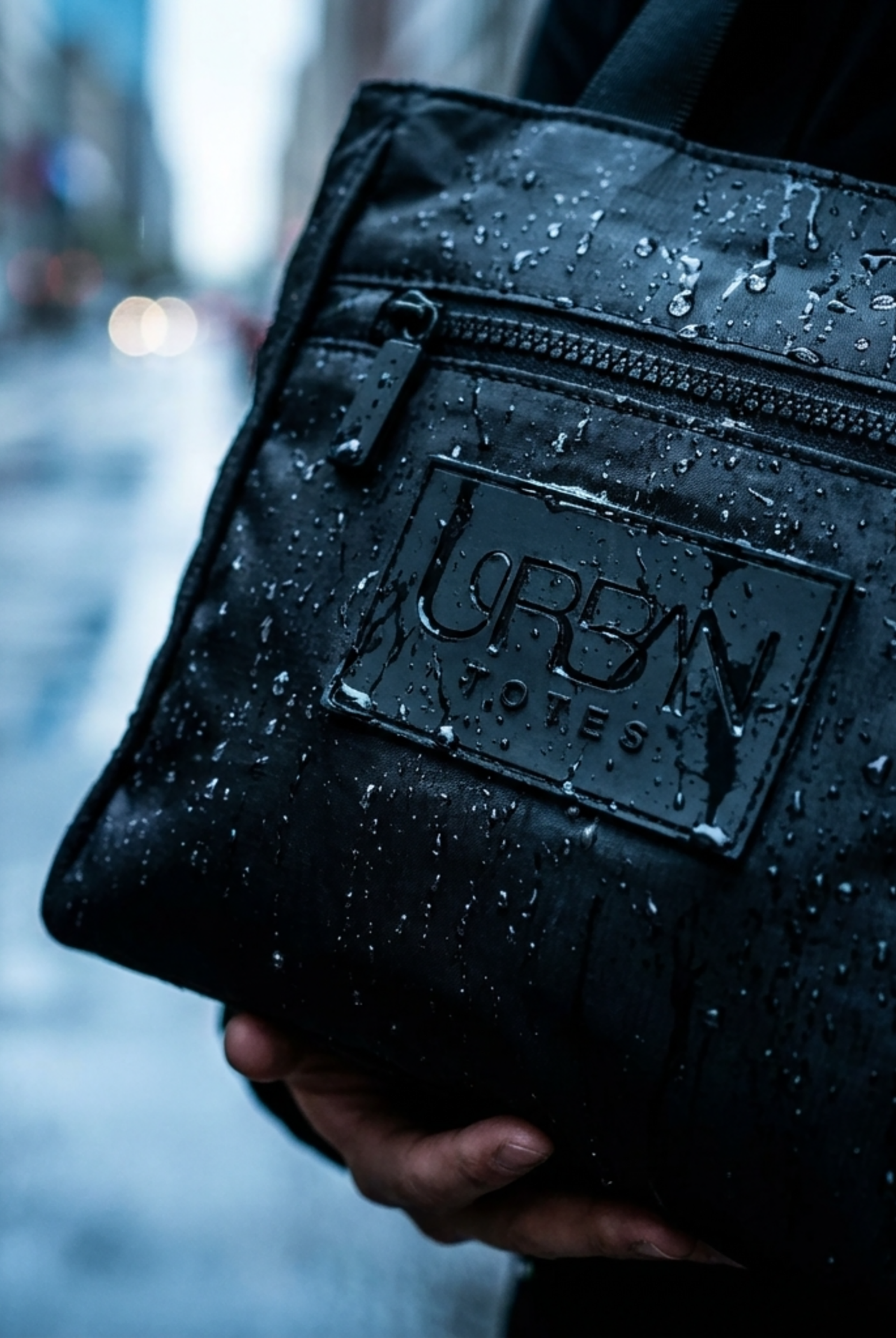
For most daily situations, it often is enough. A quick run from the parking lot, a few raindrops during drop-off, a damp bench at the park, a spilled latte on the passenger seat. Those are normal-life messes, not extreme conditions. A water-resistant bag is made for that kind of everyday carry.
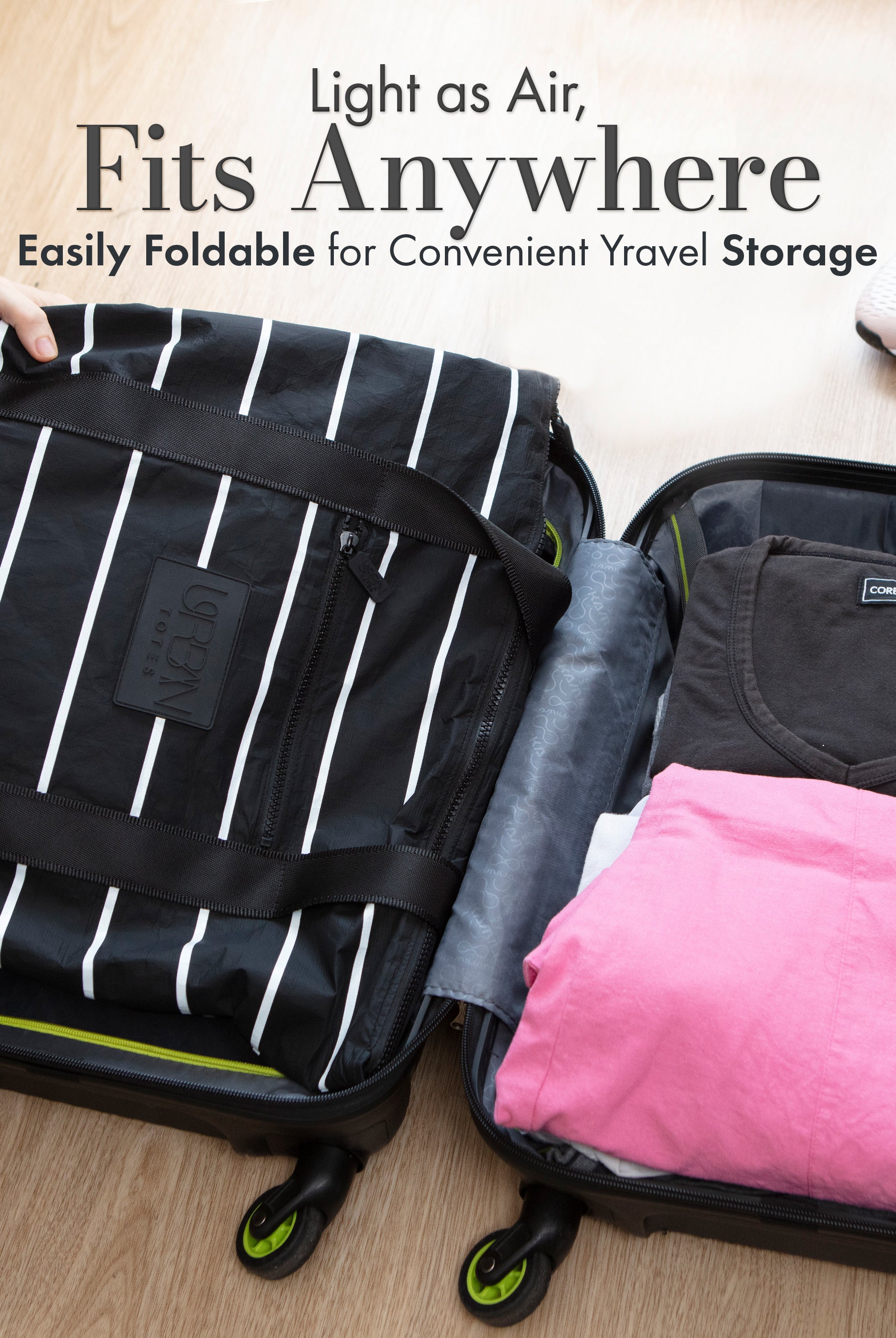
That's part of why so many women gravitate toward lightweight, foldable, organized bags instead of bulky outdoor gear. You want something stylish and functional, not something that feels like it belongs on a rafting trip when you're just heading to brunch and then soccer practice. If you're packing for a casual outing, this day trip packing list gives a good sense of the kind of real-world essentials most of us carry.
Water protection sounds straightforward on a product tag. It feels a lot less straightforward when your tote is sitting in the rain with your whole day inside it.
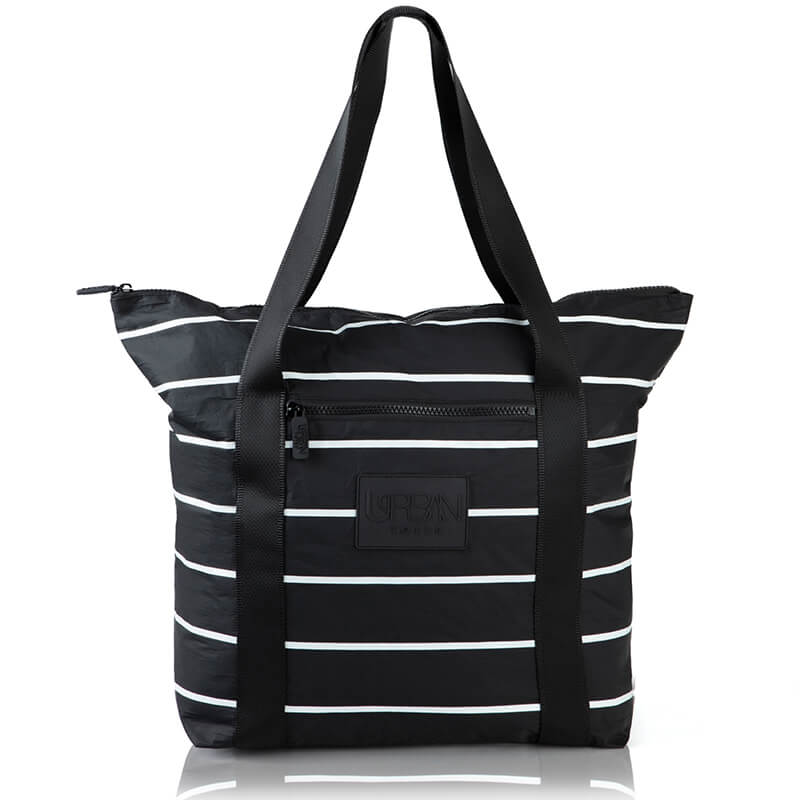
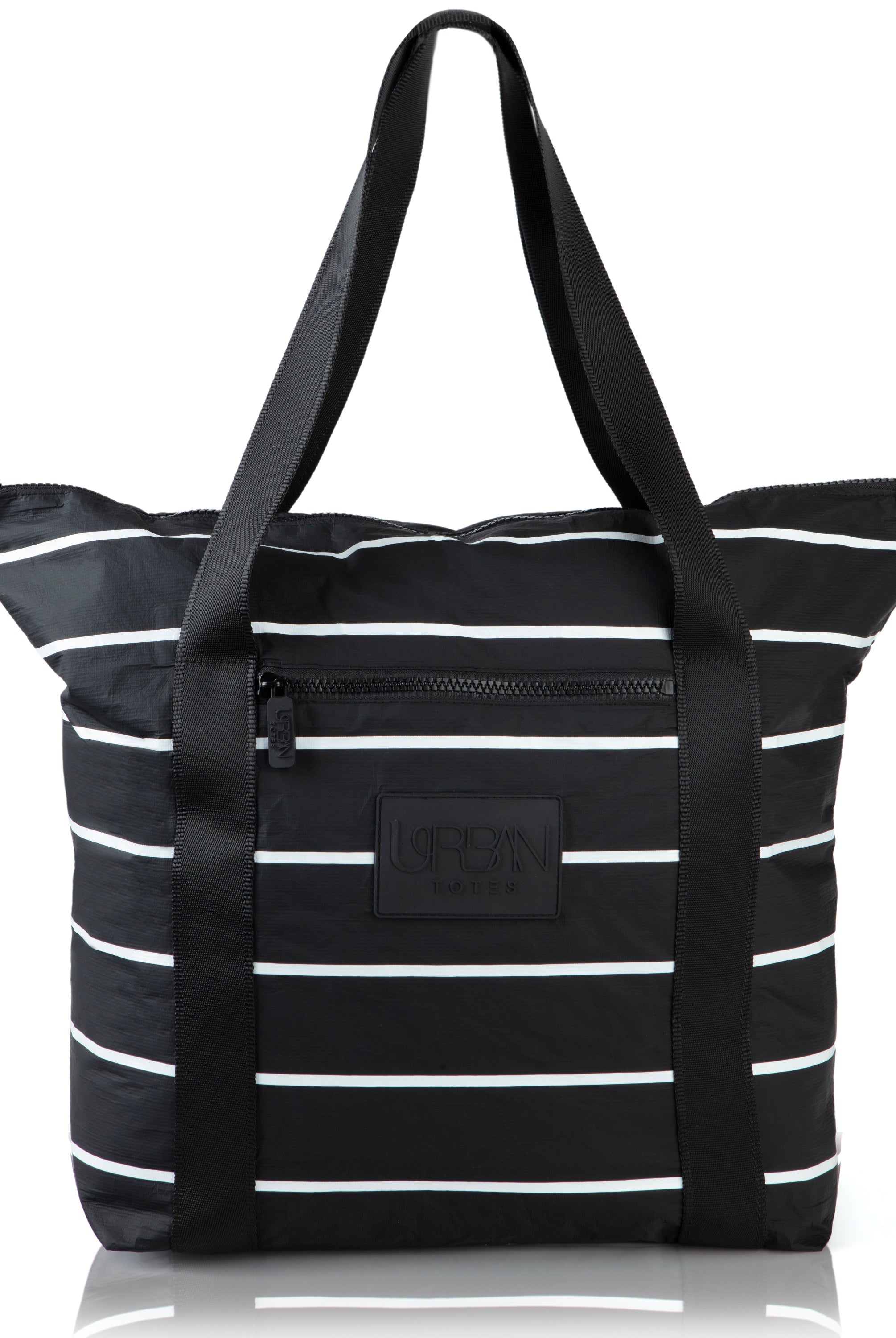
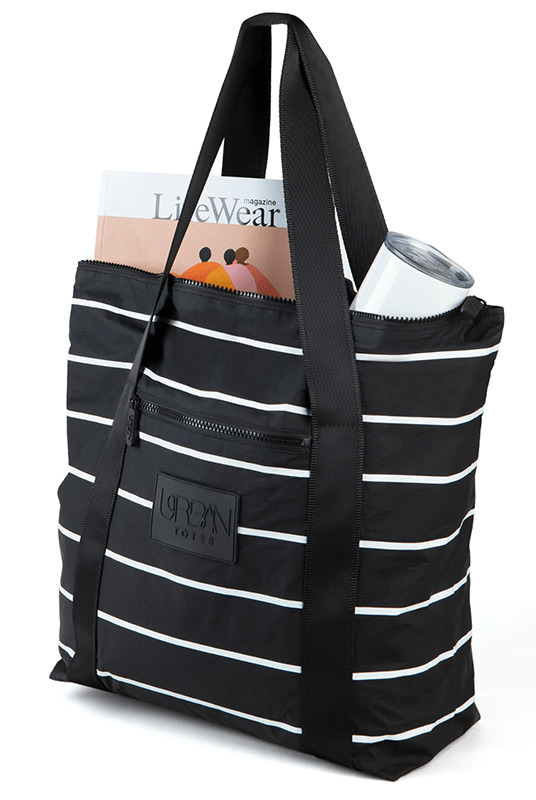
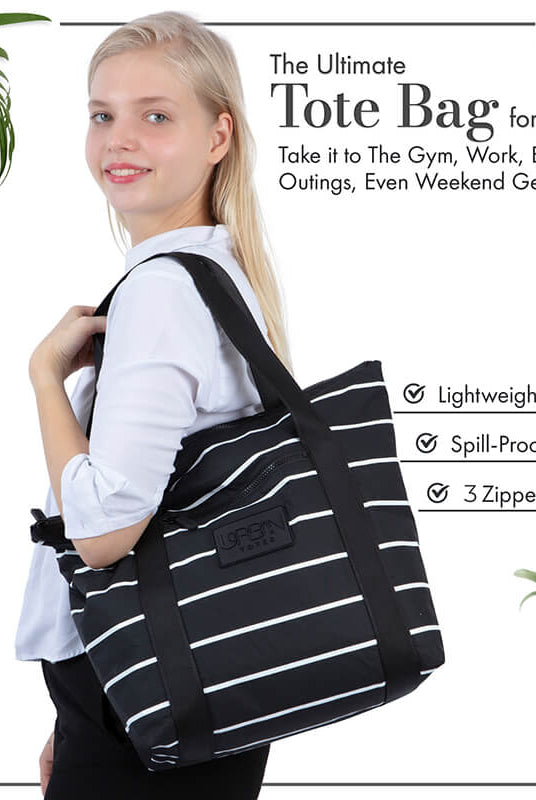
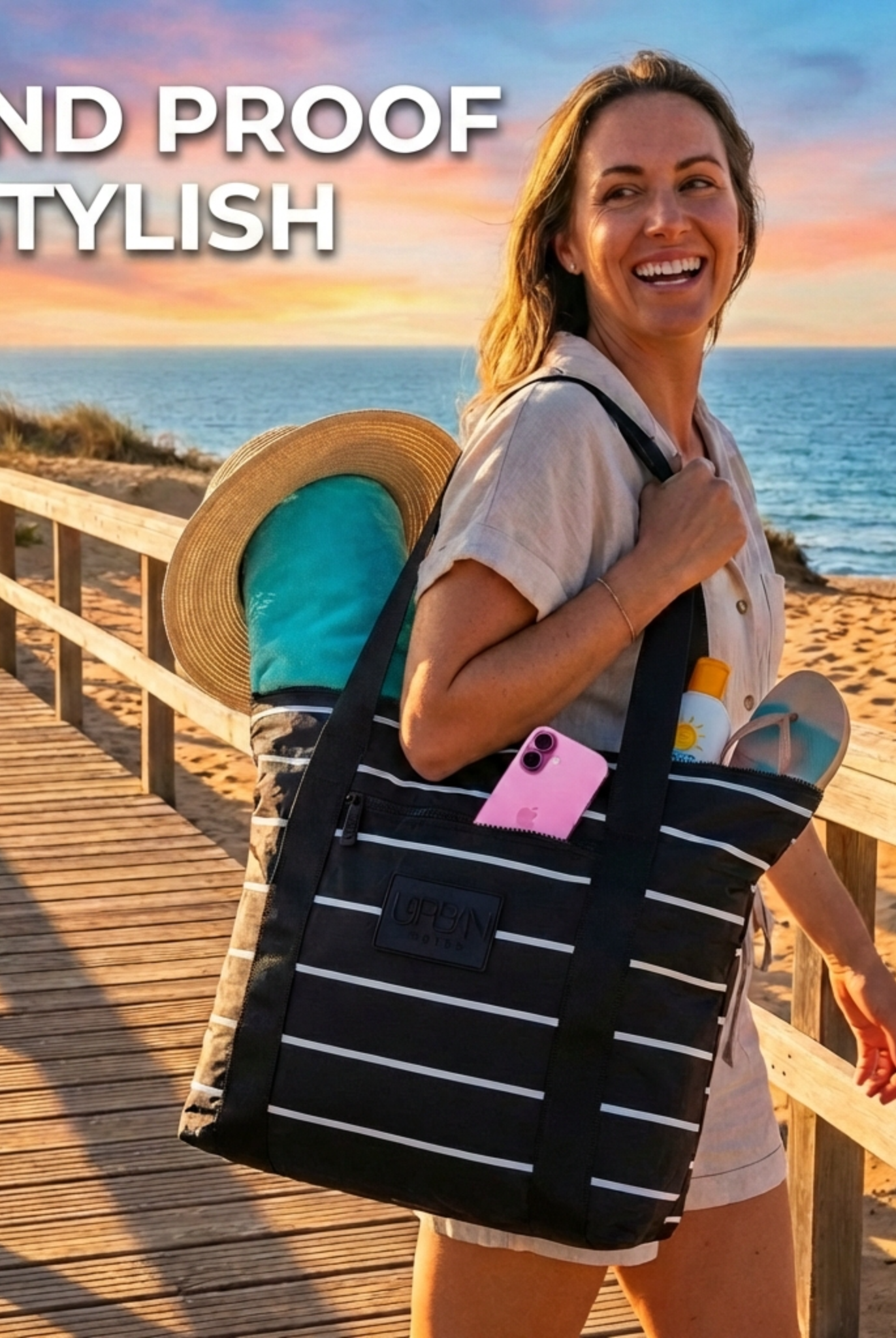
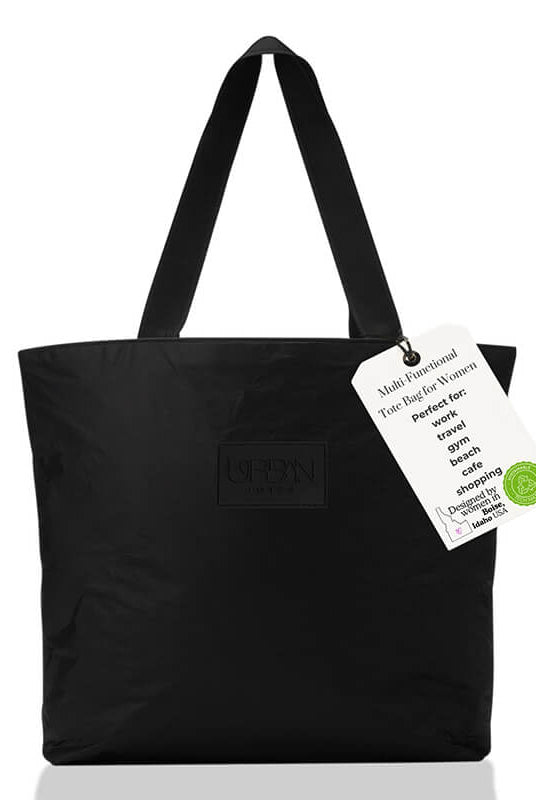
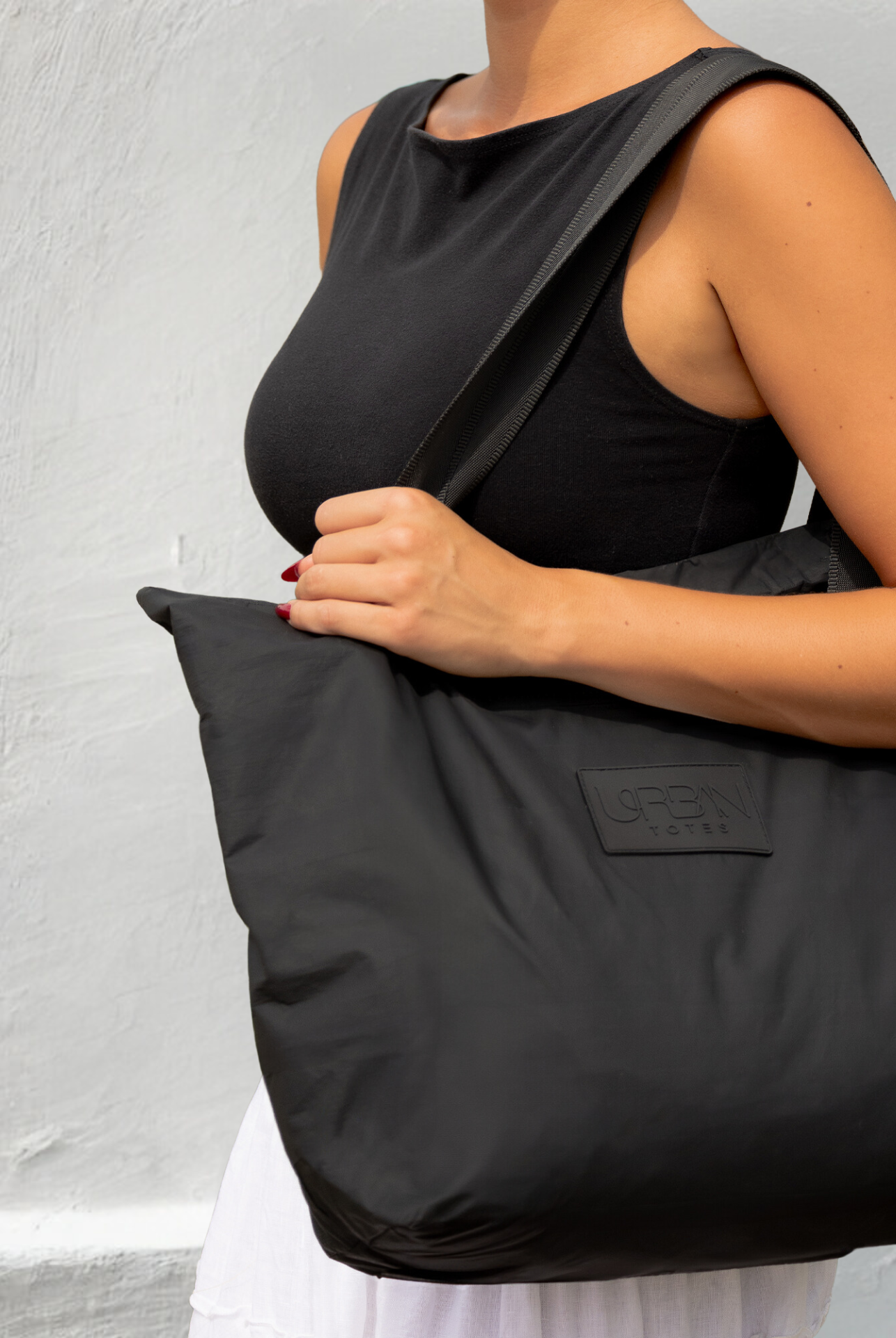
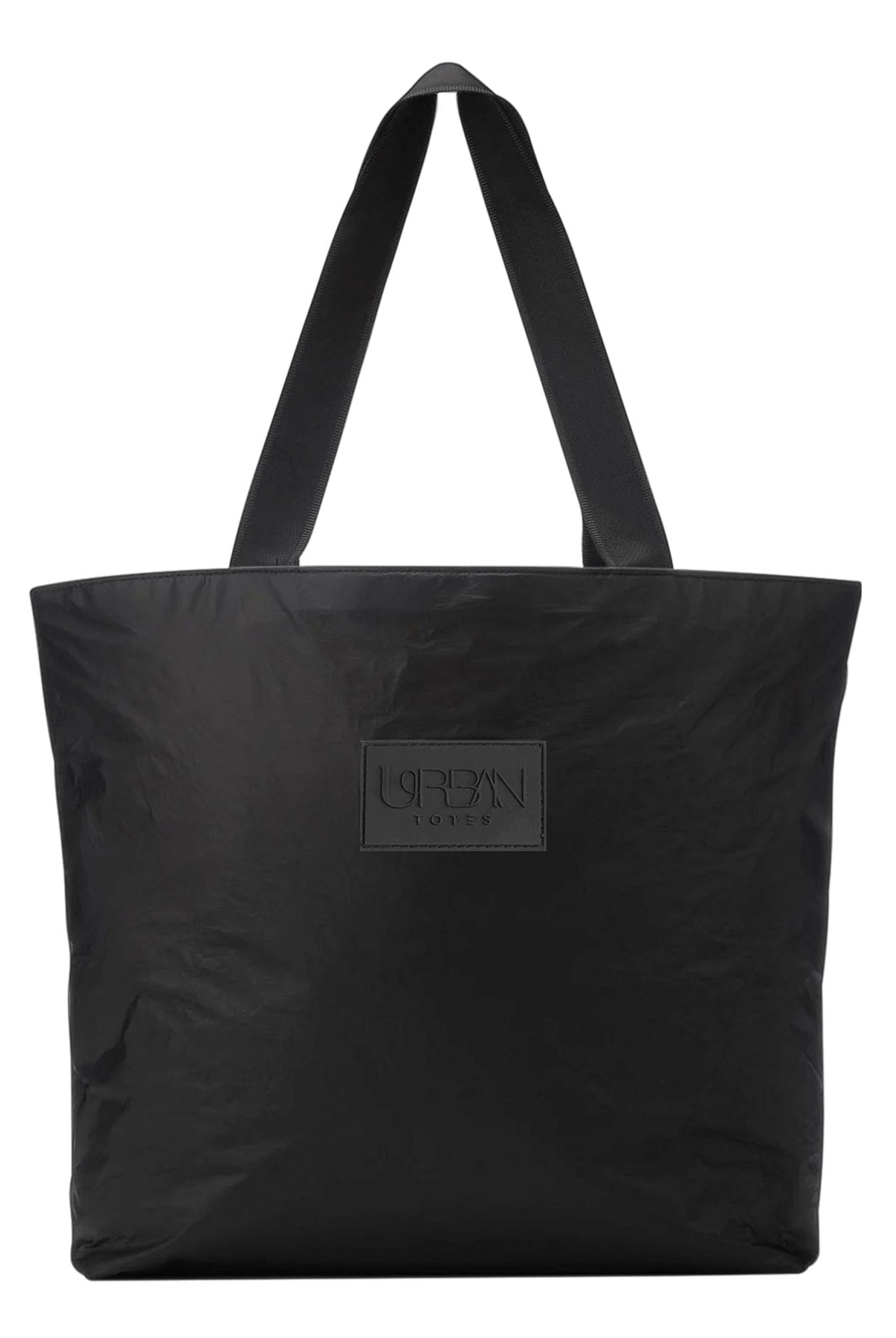
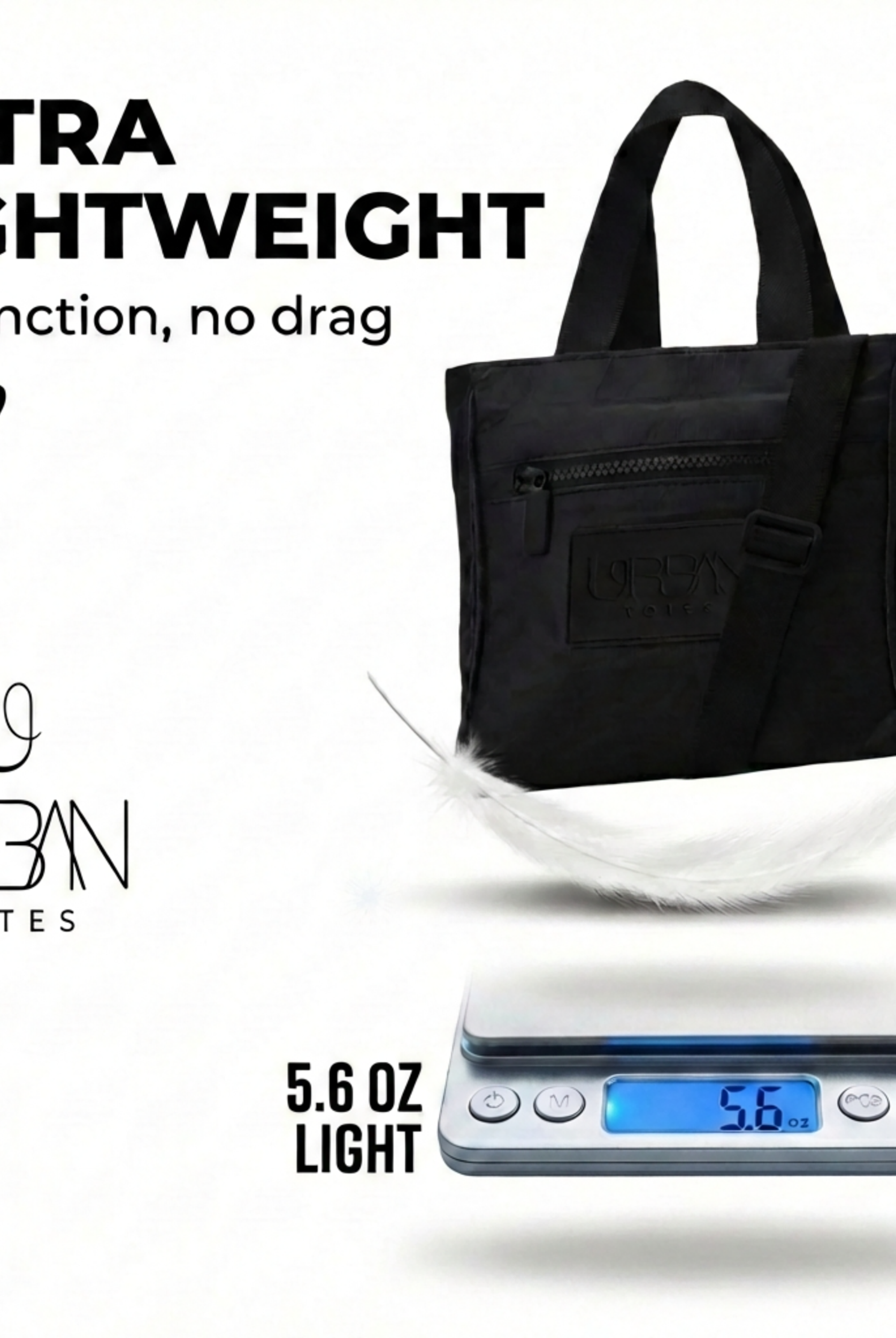
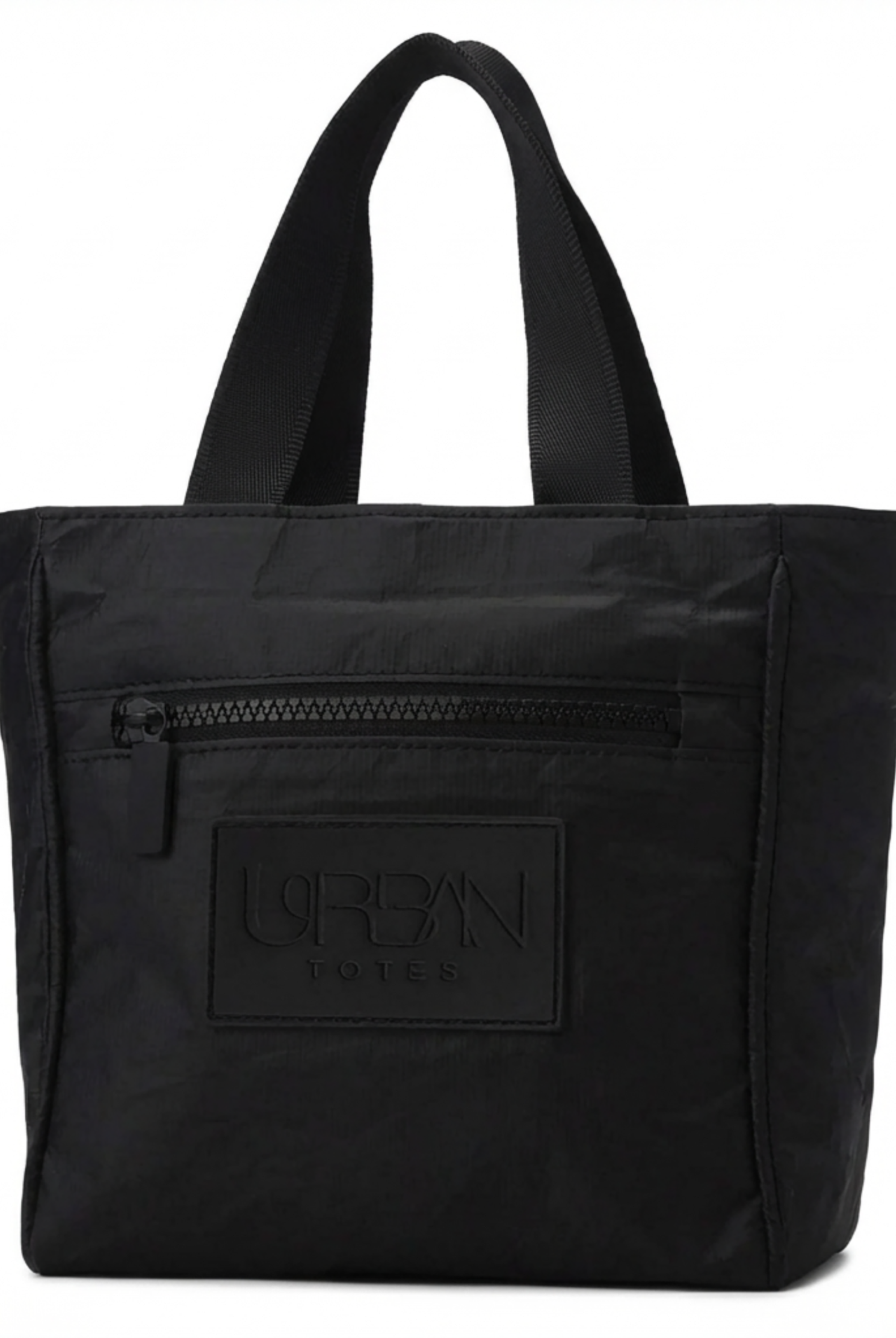
Urban Totes, a woman-owned Boise-made brand, lives in that real-life middle ground. Go Anywhere. Tote Everything. That energy makes sense because most days don't require extreme waterproof gear. They require a bag that keeps up with a busy life, stays organized, and handles the small wet surprises that come with being out in the world.
Water-Resistant vs. Waterproof: What's the Difference?
A simple way to answer is water resistant waterproof is this: water-resistant buys you time. Waterproof is built to keep water out even when conditions get rougher.
What water-resistant means
Water-resistant fabric is usually treated so light moisture beads on the surface instead of soaking in right away. That works well for the kind of wet moments that show up in normal life. Rain on the walk into work, a coffee splash in the car, a damp counter at the gym, or a stroller handle rubbing against a wet sleeve.
What matters most is where this protection starts to fail. Pressure changes the equation. A bag can handle drizzle from above, then let moisture through where it is pinned against your side, set on a wet bench, or packed so tightly that water gets pushed through the fabric. Wear matters too. Repeated folding, abrasion on corners, and years of use can weaken coatings that once made water bead nicely.
That is why a water-resistant bag is a smart everyday choice, but not a promise that the contents stay dry through every storm. If you are comparing silhouettes for daily carry, this guide to a water-resistant crossbody bag is a helpful place to start.
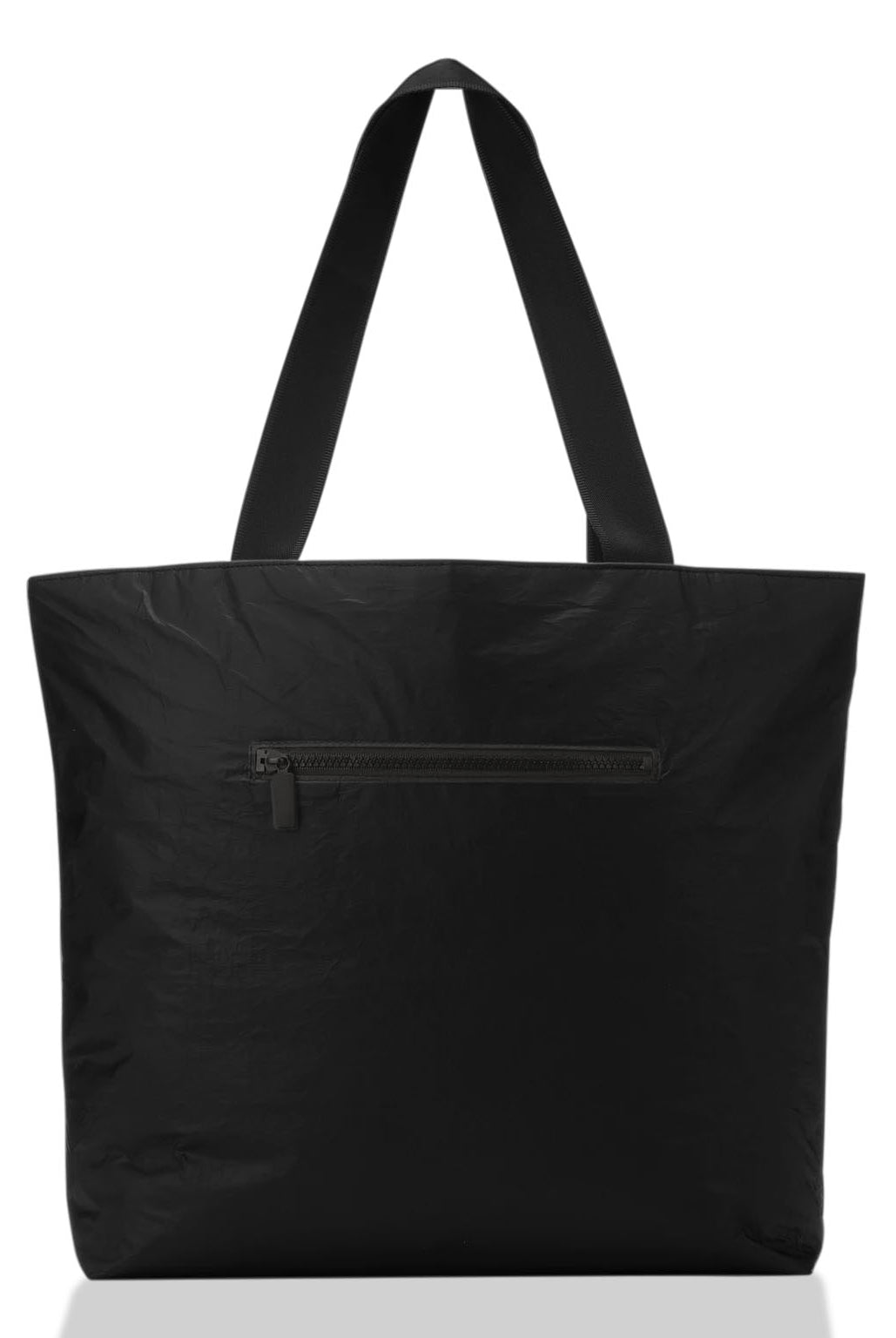
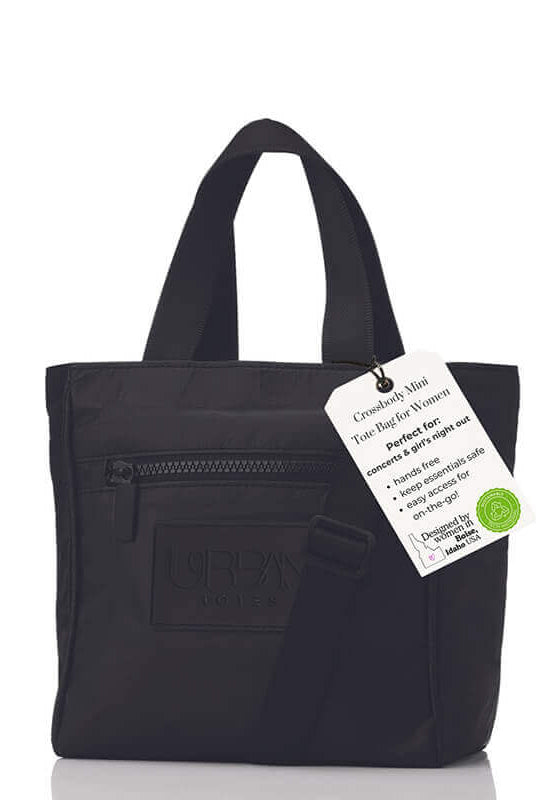
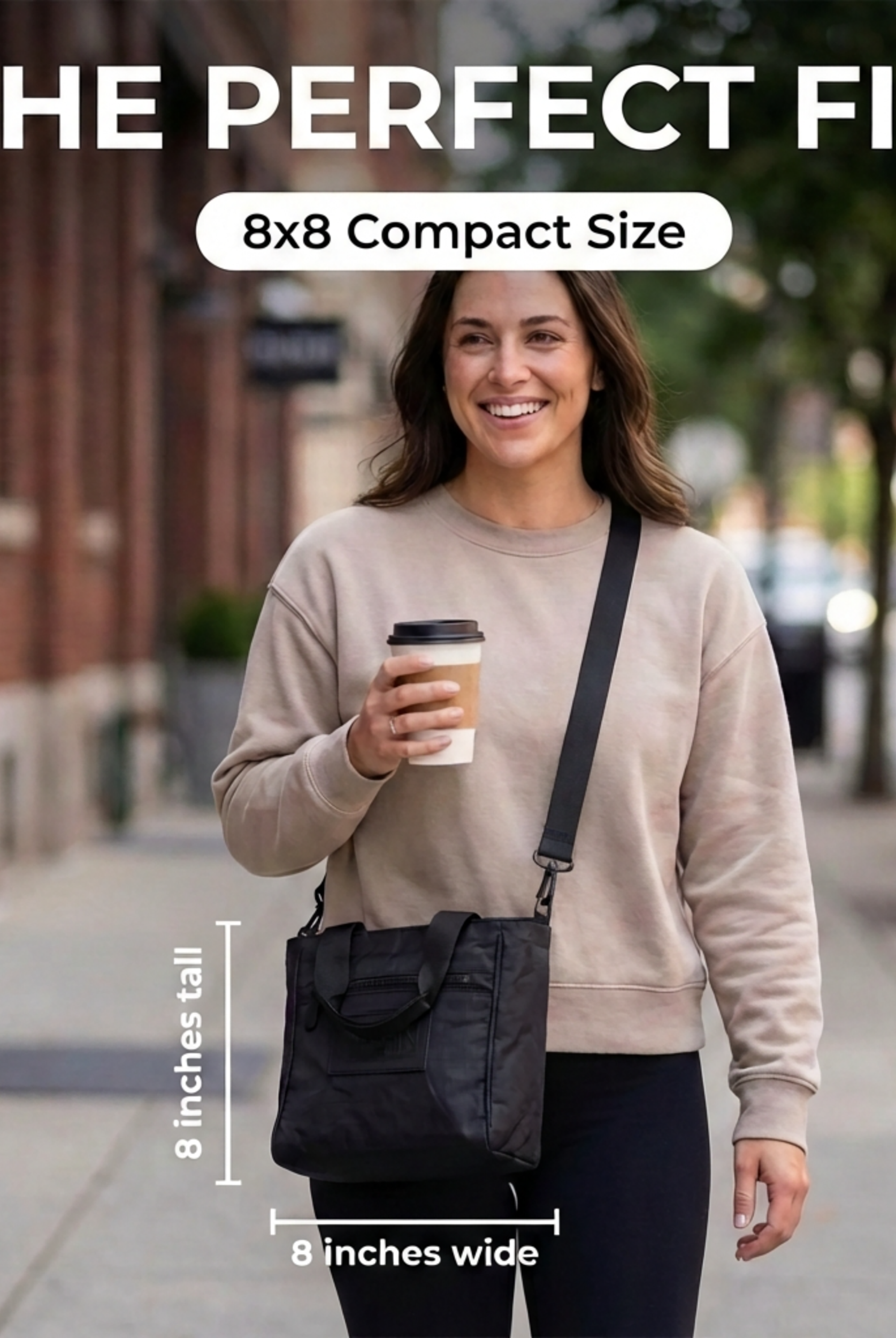
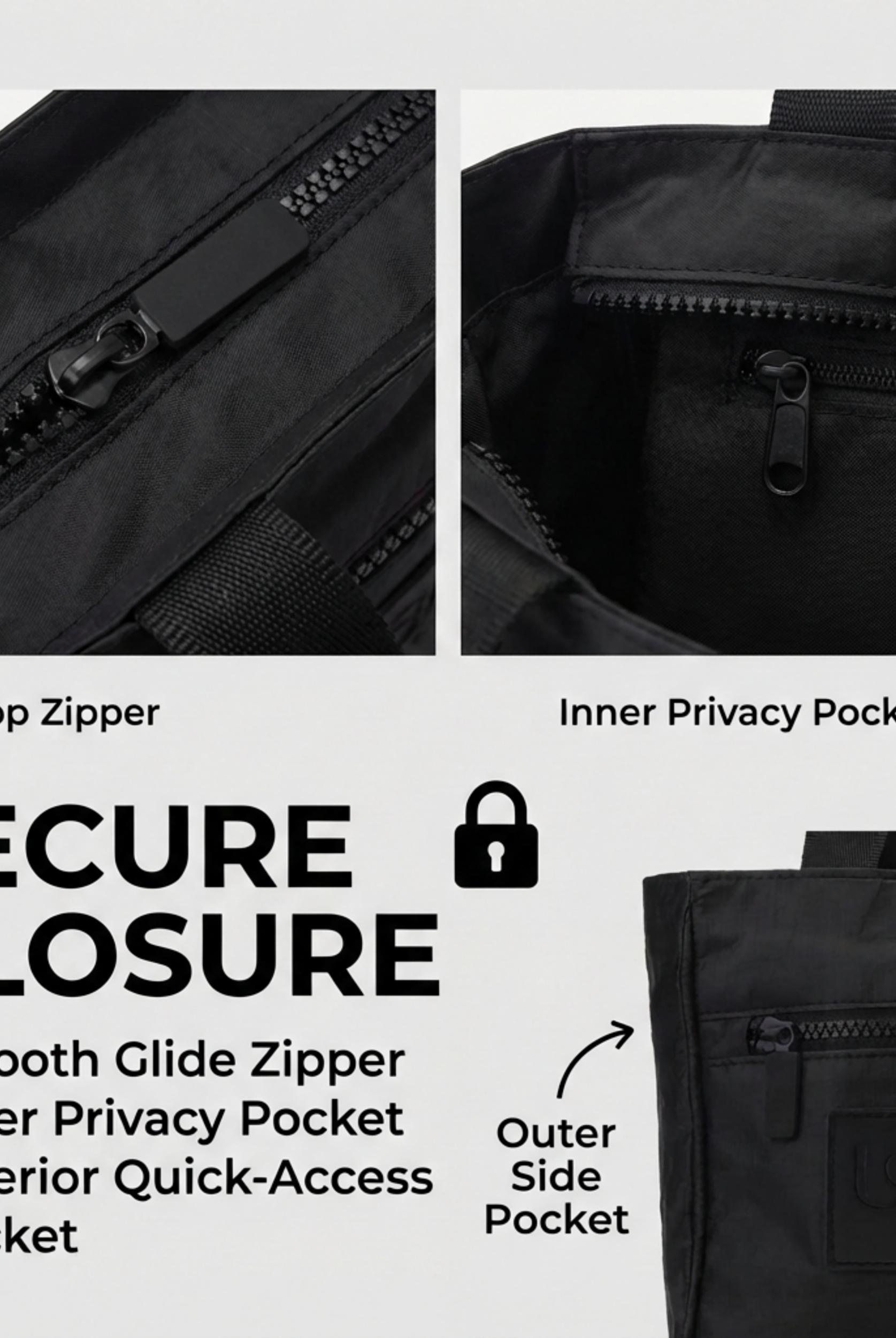
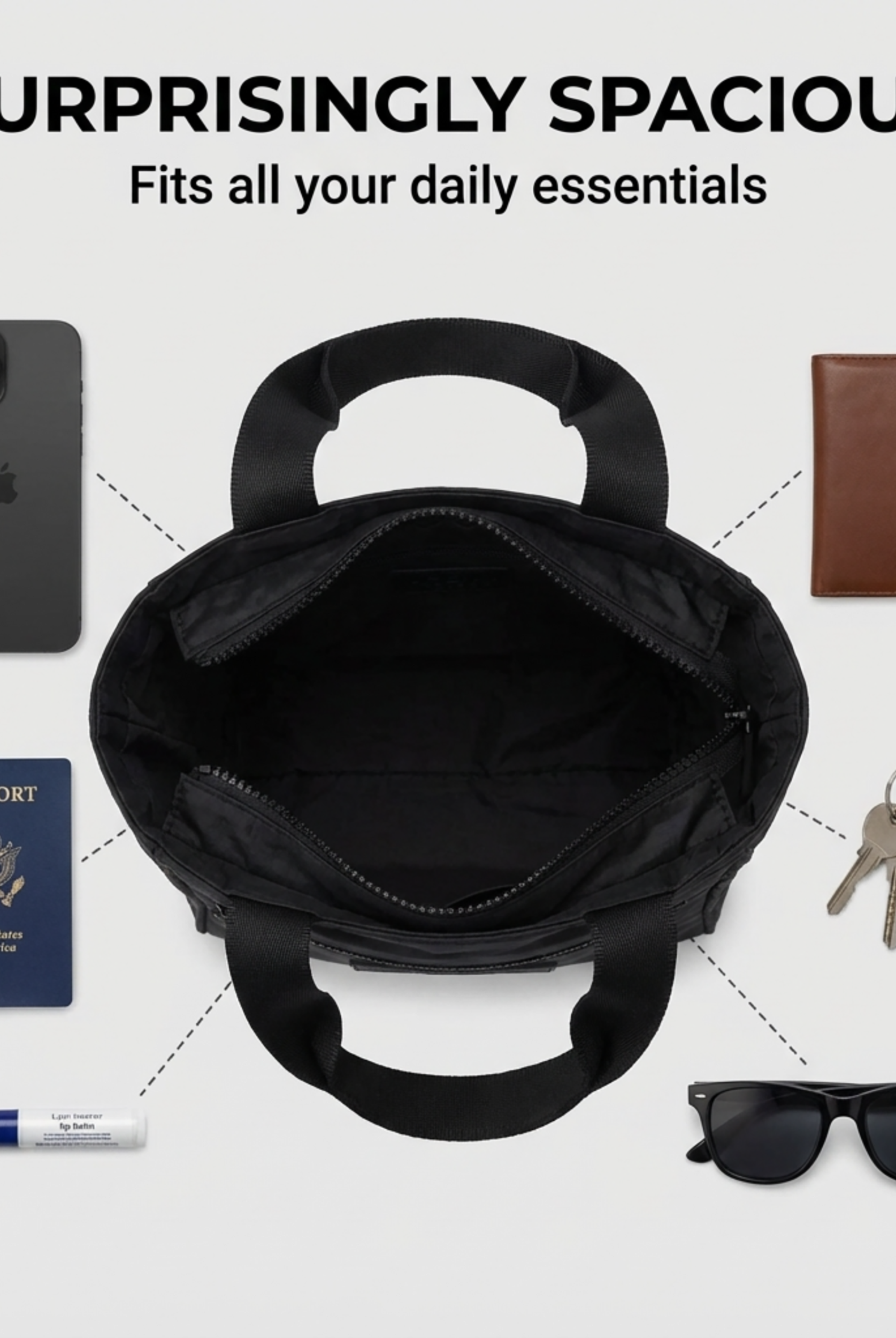
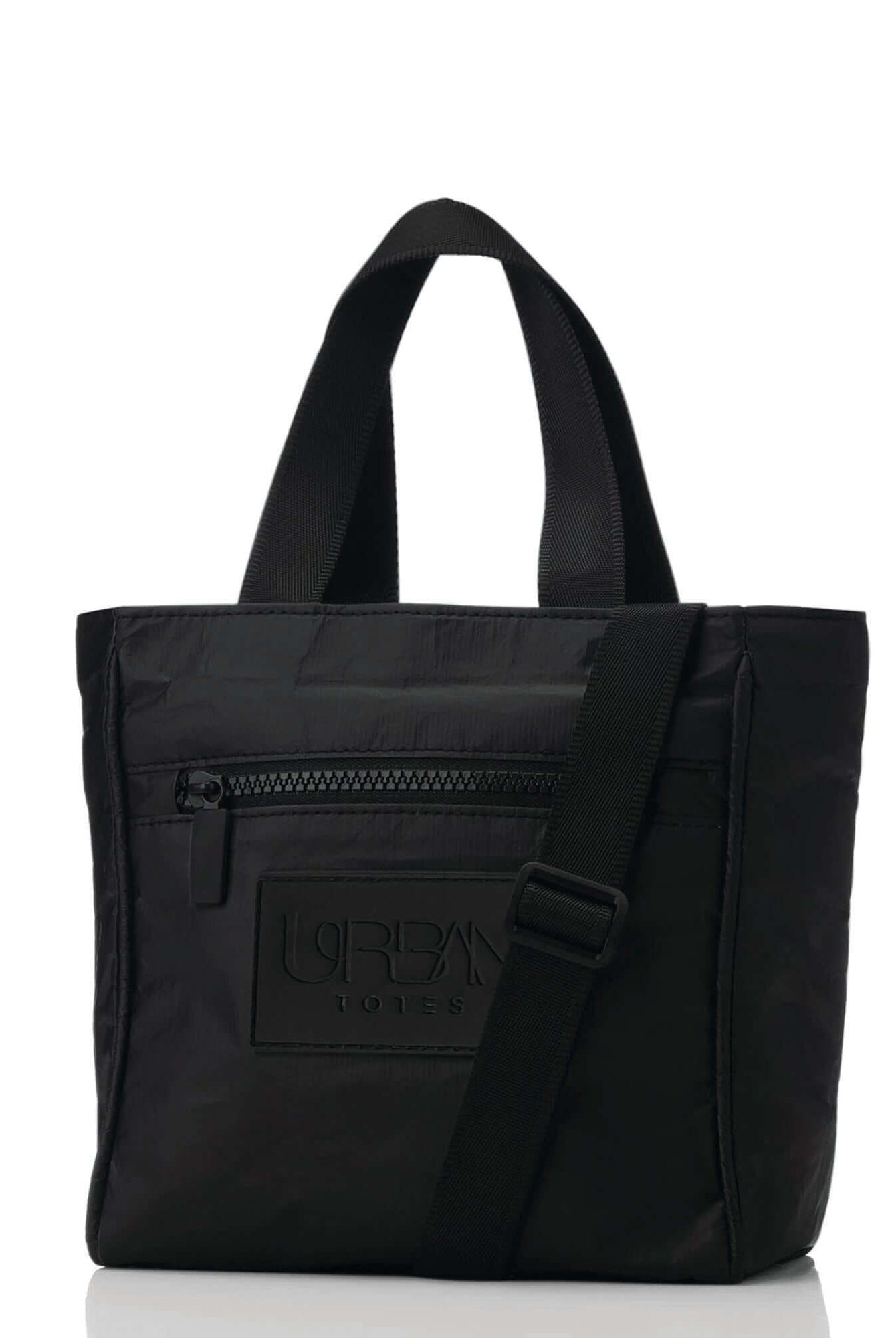
A good example of this category is the Crossbody Tote Bag Mini Purse, which is described with water-resistant materials, a zip-top closure, an outside zipper pocket, and an easy-access pocket. That kind of design makes sense for hands-free errands and quick commutes, where you want light protection without the stiffness or bulk of heavy rain gear.

What waterproof means
Waterproof gear uses materials and construction meant to stop water from passing through, not just delay it. That usually involves an impermeable layer and sealed seams, because stitch holes are one of the first places water sneaks in.
Even then, there are trade-offs. Waterproof gear tends to feel heavier, stiffer, or less flexible for everyday use. It can also be more than you need if your bag spends most of its life going from house to car to office to sidelines.
If you are heading into sustained rain, boating, beach days with gear left on wet sand, or any situation where a soaked bag would be a major problem, a true waterproof option makes more sense. A dry bag for adventure is built for that job. It is a different tool from a stylish daily tote, and that distinction matters.
| Type | How it works | Good for | Where it often fails |
|---|---|---|---|
| Water-resistant | Surface treatment helps moisture bead and roll off | Drizzle, spills, light spray, daily errands | Long exposure, pressure against wet surfaces, worn fabric or seams |
| Waterproof | Impermeable materials and sealed construction block water entry | Heavy rain, prolonged wet conditions, high-exposure outings | Everyday situations where the extra weight or structure feels unnecessary |
One last practical point that labels rarely mention. Protection drops if you do not care for the bag. Dirt, body oils, sunscreen, and friction can wear down water-resistant finishes faster than people expect. Wipe the fabric down, let it dry fully before storage, and do not assume last year's performance is still there after months of use.
Decoding the Labels What Ratings Really Mean
Labels get confusing fast because brands often use the same words for very different levels of protection. The useful question is simpler. What happens in rain, under pressure, and after months of real use?
How hydrostatic head works
For bags and fabric gear, the rating to watch is hydrostatic head, usually shown in mm. It measures how much water pressure a fabric can resist before moisture starts pushing through. Snow+Rock's guide to waterproof ratings explains that 10,000mm means the fabric can resist a 10-meter column of water, 1,500mm is the minimum required for “waterproof” status under British standards, and 20,000mm and above is aimed at heavy rain or harsher conditions.

On paper, a higher number sounds straightforward. In practice, pressure changes the result.
A tote brushing through a quick shower may stay dry with a modest rating. The same bag can start to wet through sooner if it is pinned against a soaked coat, wedged onto a damp bleacher, or carrying enough weight that the fabric is pulled tight. That is one of the failure points shoppers miss. The label reflects lab testing on new material, not a tired bag that has been scuffed, creased, and rubbed against zippers, car seats, and countertops for a year.
What IP ratings mean for everyday items
IP ratings are different. They are used more often for electronics, cases, speakers, and accessories than for handbags or totes. The code tells you how well an item resists dust and water entry under a specific test method, so it should not be compared directly with a fabric mm rating.
That distinction matters if you carry both soft goods and tech. A bag might resist rain well enough for a school run, while the earbuds or tracker inside rely on their own separate water testing. If you have ever looked at durable labeling for kids' bottles, camp gear, or lunch kits, water bottle labels waterproof is a good example of how waterproof claims can make sense in one product category and mean something different in another.
Here is the plain-English version:
- Lower mm ratings are generally fine for light rain, splashes, and short exposure.
- Higher mm ratings hold up better in sustained wet weather and when pressure pushes water into the fabric.
- IP ratings apply to hard goods and devices, not to how a tote or backpack fabric performs in daily wear.
Care affects performance too. Dirt, sunscreen, body oil, and abrasion slowly wear down coatings, so a bag may stop performing like it did when it was new even if the original rating sounded strong. If daily carry matters more than expedition-level weather protection, a lightweight nylon backpack for everyday use often strikes the balance better than gear built for full immersion.
Why Water Resistance Is Perfect for Everyday Adventures
Daily life usually asks for a bag that can handle splashes, light rain, and the mess that comes with being out the door on time. It also needs to stay comfortable to carry and polished enough for work, errands, or school pickup.

Where it shines in real life
A water-resistant bag earns its keep in the ordinary moments that ruin unprotected fabric fast. A coffee splash on the train. Damp playground benches. A quick dash from the car to the office in steady rain. Condensation from a reusable bottle rolling around inside your tote.
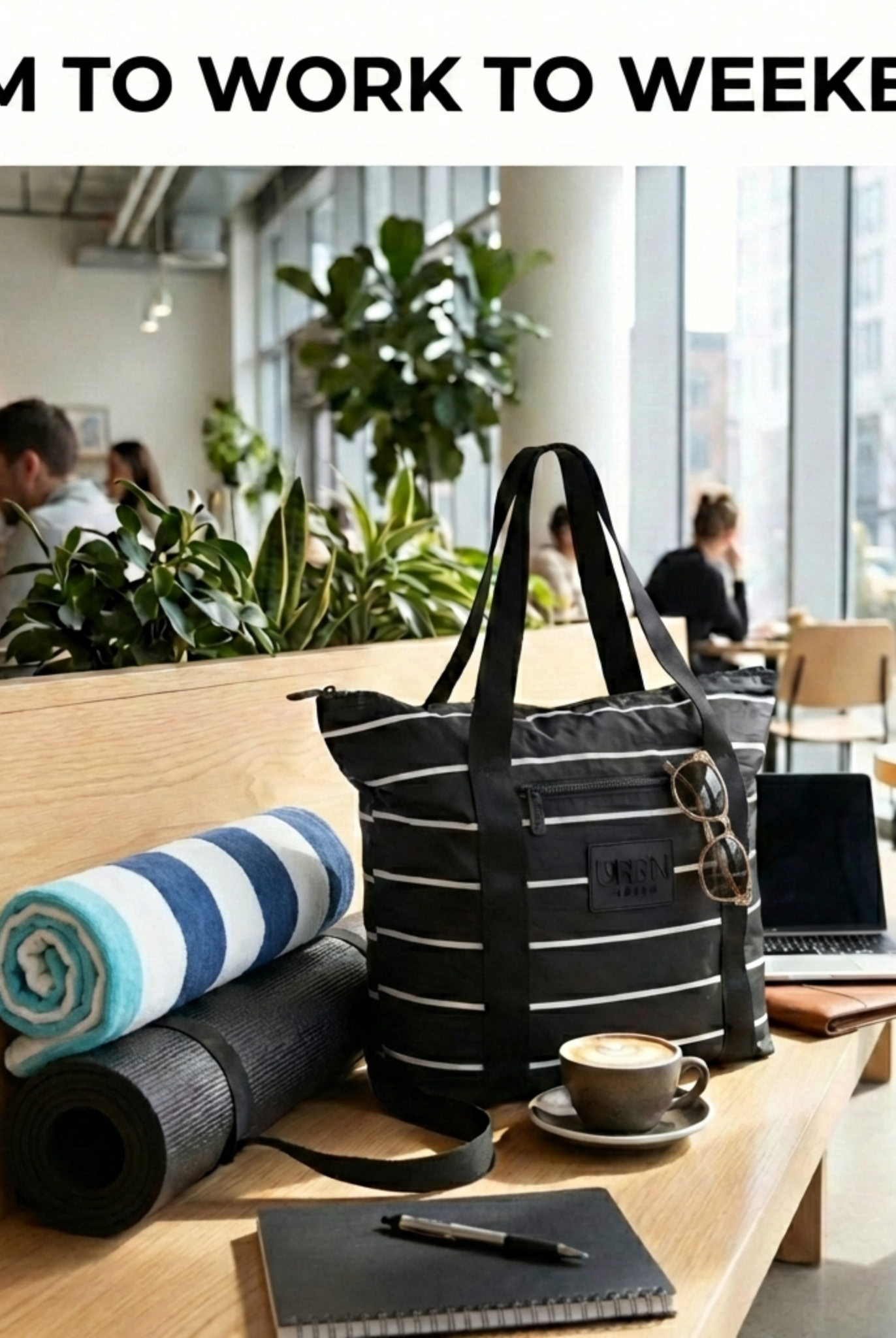
That is why this level of protection works so well for everyday carry. You get a lighter, more flexible bag than you often get with fully waterproof construction, which can feel stiffer, heavier, and more technical than many women want for daily use. If your bag rotates between errands, work, and workouts, a gym tote bag often sits right in that practical middle ground.
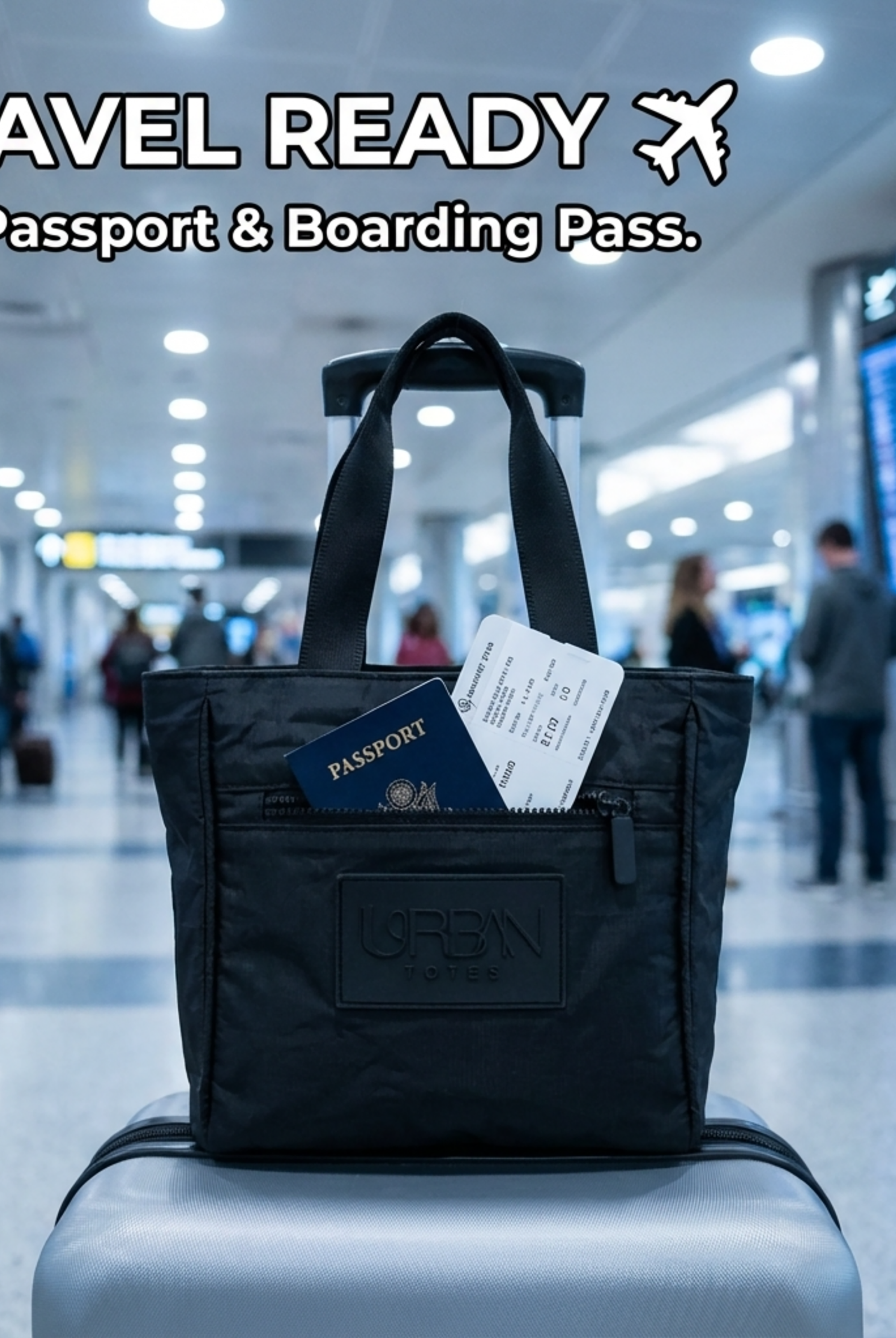
Travel is a good example. For a carry-on, commuter tote, or mom bag, water resistance usually covers the actual risks. Drips, brief rain, wet counters, and minor spills. If your plans involve boats, heavy storms, or gear sitting in soaked conditions for hours, the advantages of waterproof travel bags make more sense.
Where everyday bags actually fail
The weak spot is not always falling rain. It is pressure and wear.
A water-resistant bag can perform well while water is hitting the surface, then let moisture through when the fabric gets pressed into a wet car seat, stroller basket, concrete step, or bleacher. The same thing happens over time as the coating gets rubbed down at corners, base panels, straps, and zipper areas. Those are the places I check first, because they usually show age before the rest of the bag does.
Use matters as much as the label. A tote that is perfect for commuting can still struggle if it spends the afternoon sitting on a soaked pool deck or the bottom of a muddy soccer sideline chair.
The practical takeaway is simple. Water resistance is a strong match for real life if you treat it like everyday protection, not full submersion gear. Keep the base of the bag off pooling water. Wipe spills before they sit. Use pouches for electronics or paper items on bad-weather days. Small habits like that make a noticeable difference in how well a bag holds up.
Keeping Your Go-Anywhere Bag Ready for Anything
Water resistance changes with use. A tote that handled rainy commutes last year can start soaking through faster after months of friction, sunscreen smudges, stuffed pockets, and time in the trunk.

Why water resistance fades
The finish on many water-resistant bags sits on the surface, so everyday wear matters. The first trouble spots are usually the base corners, zipper area, handles, and any panel that gets pressed against wet surfaces. That is why a bag may still shrug off a light drizzle, then let moisture in after sitting on a damp bleacher or a wet car floor mat.
Mountain Warehouse's guide to waterproof and water-resistant materials notes that many shoppers assume DWR finishes last indefinitely, but those coatings do wear down with washing and repeated use. That tracks with what I see in real life. Water stops beading cleanly, the fabric darkens faster, and the bag feels less forgiving on messy days.
Pressure is the part many guides skip. Rain hitting the outside is one thing. A loaded bag pressed into a wet stroller basket or concrete step is a different test, and that is often where water-resistant gear starts to show its limits.
If your routine includes harder exposure, frequent travel, or gear sitting in soaked conditions for hours, the advantages of waterproof travel bags are worth comparing against an everyday tote.
Simple care that helps
A little maintenance goes a long way.
- Wipe off grime regularly: Dirt, body oil, and sunscreen can keep the surface from shedding water well.
- Clean gently: Follow the care instructions and skip unnecessary washing, since repeated wash cycles can wear down the finish.
- Dry it completely: Don't stash a damp bag in a closet, car, or gym locker.
- Check the high-wear zones: Look at the bottom panel, corners, seams, and zipper tape first.
- Reapply protection if the fabric allows it: If water no longer beads and the brand recommends a treatment spray, refresh the finish before the next stormy week.
For a practical routine, this guide on how to care for your tote bag and keep it looking its best is a helpful reference. The goal is simple. Keep the bag clean, keep it dry between uses, and pay attention before a small loss of protection turns into a soaked notebook or damp change of clothes.
Your Stylish and Smart Choice for Real Life
So, is water resistant waterproof? No. But that doesn't make water-resistant the wrong choice. For most women, it makes it the more practical choice for daily life.
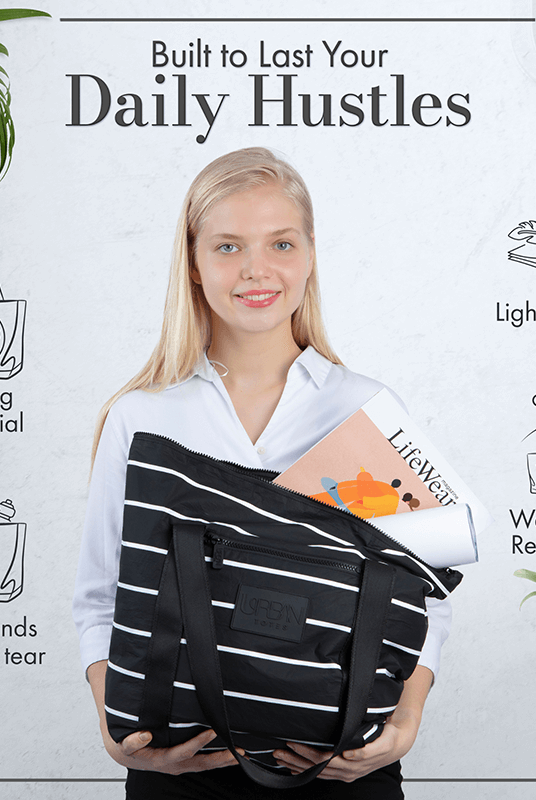
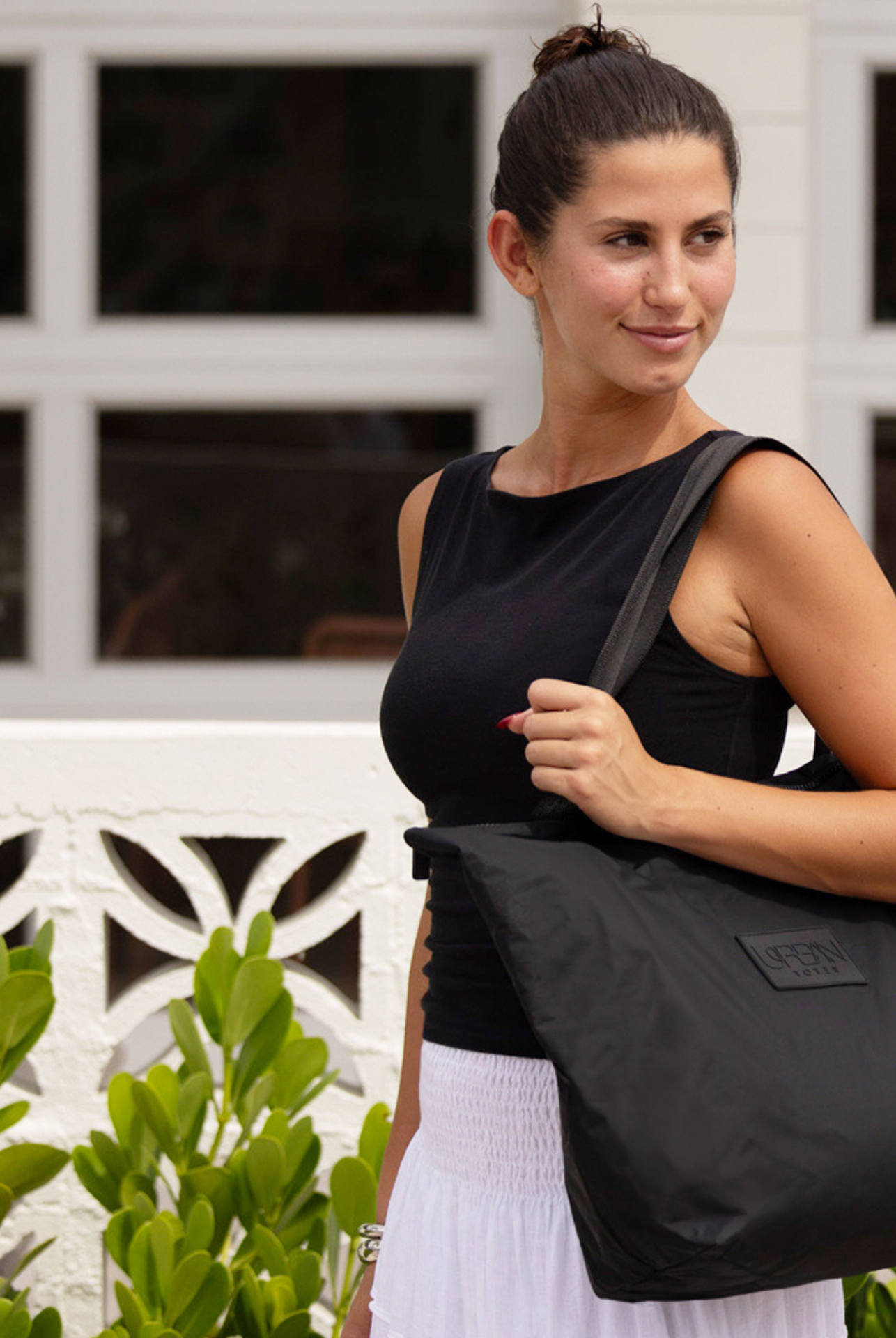
A water-resistant bag fits the way real days unfold. It handles drizzles, spills, damp surfaces, and the kind of on-the-go mess that comes with commuting, travel, errands, and family life. It stays lightweight, packable, and easy to carry. It doesn't ask you to haul around a technical dry sack when all you need is an organized, stylish, go-anywhere everyday carry.
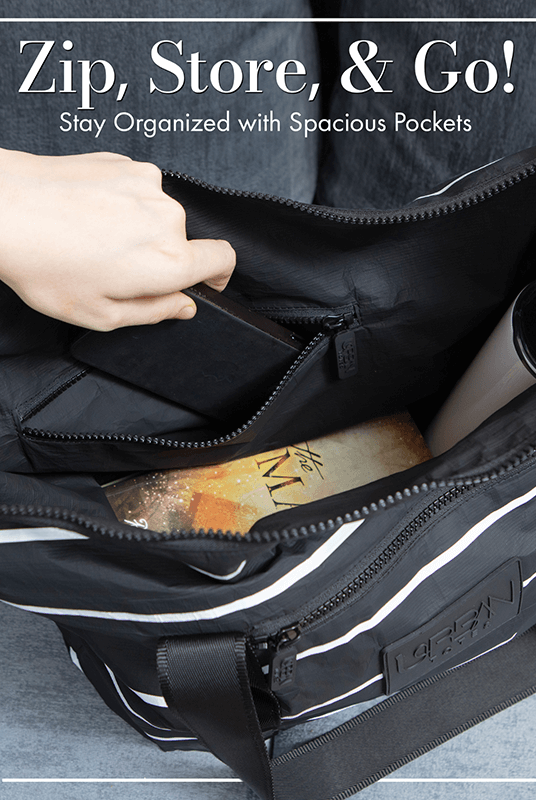
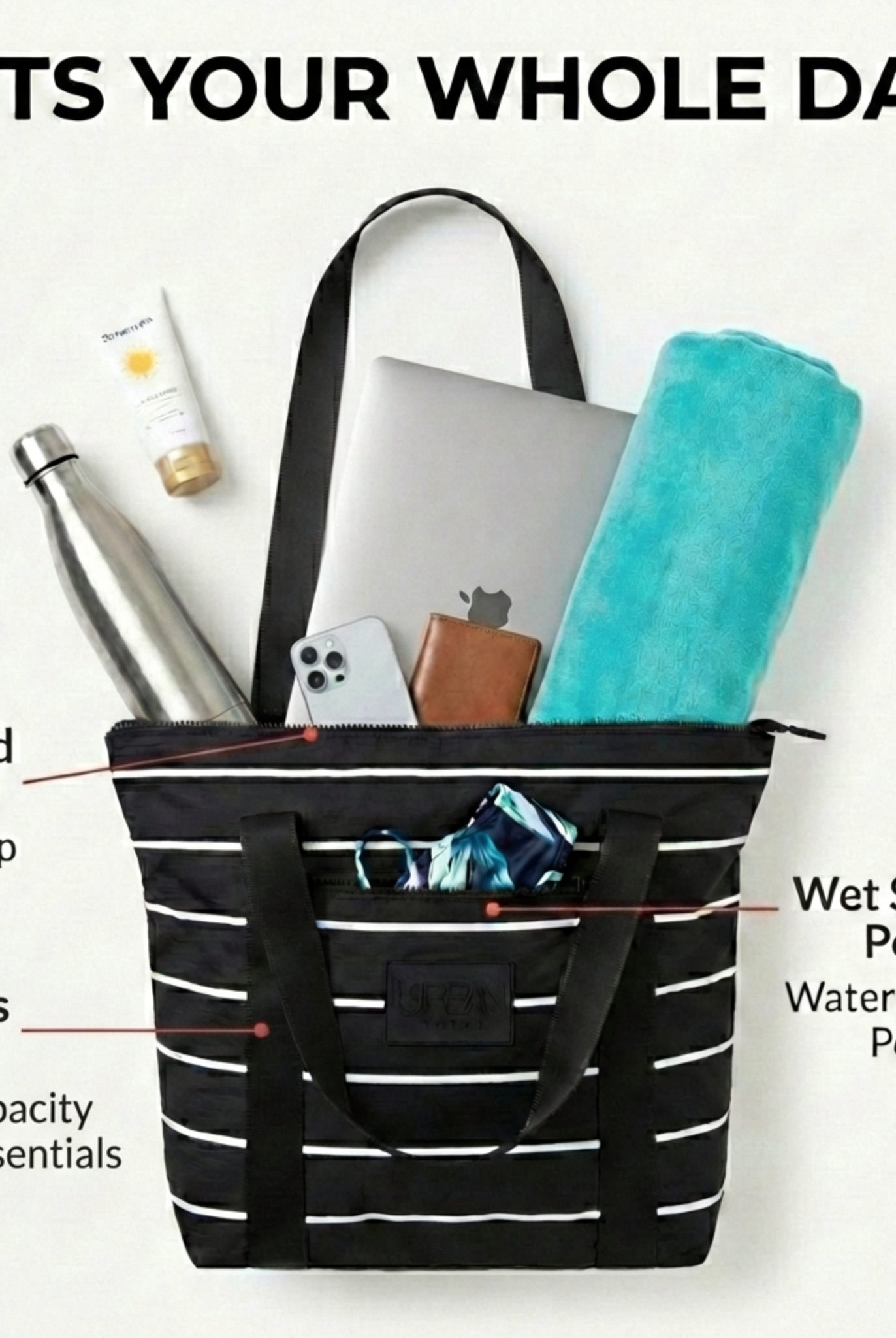
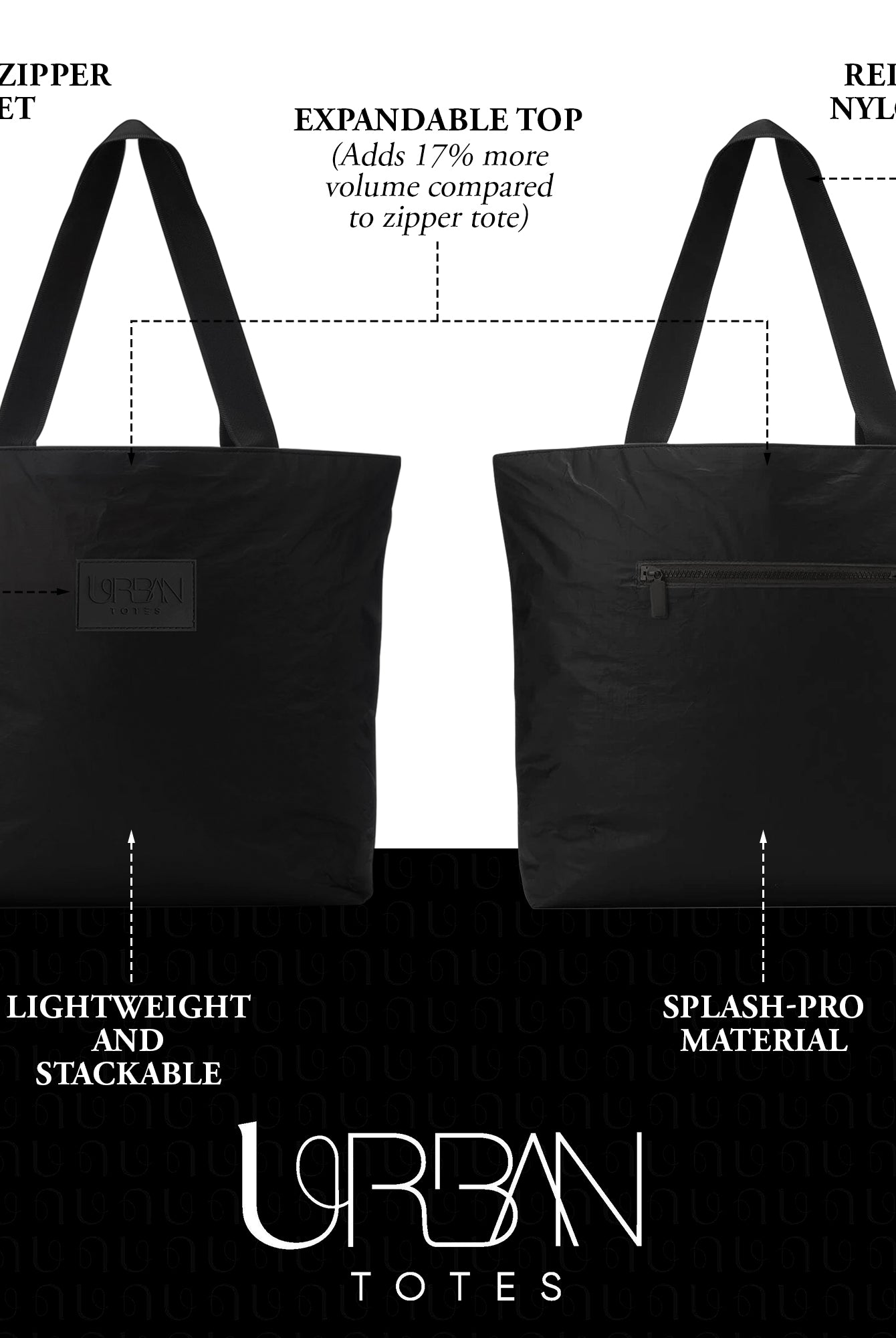
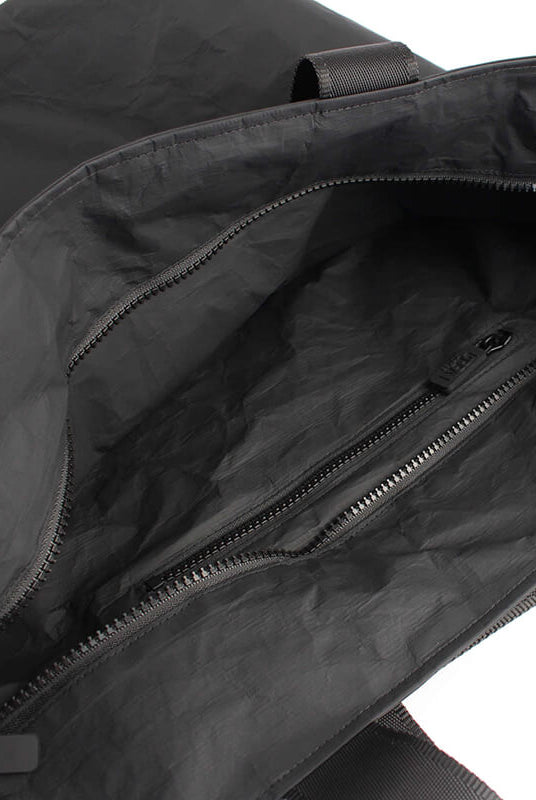
That balance is exactly why so many women reach for fashion-meets-function bags in the first place. A woman-owned Boise-made brand like Urban Totes understands that your tote has to work at the airport, the park, the coffee shop, and the school line. It needs zipper closure, organized compartments, durable materials, and enough weather resistance for normal life.
Choose waterproof gear for extreme exposure. Choose water-resistant when you want something versatile, functional, and made for how you move through the day.
Find your perfect go-anywhere bag at Urban Totes. Shop the full collection and take on whatever the day brings.