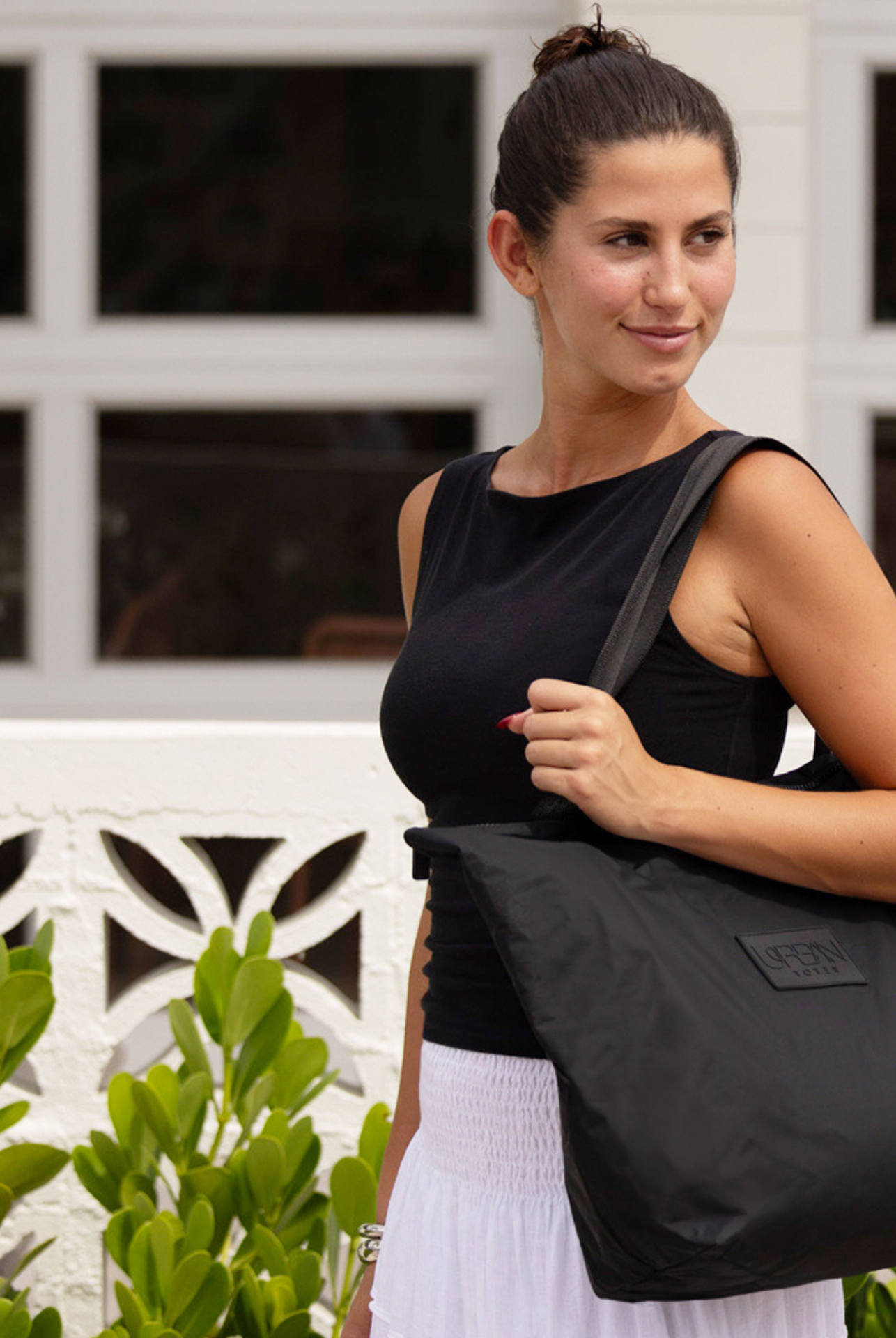
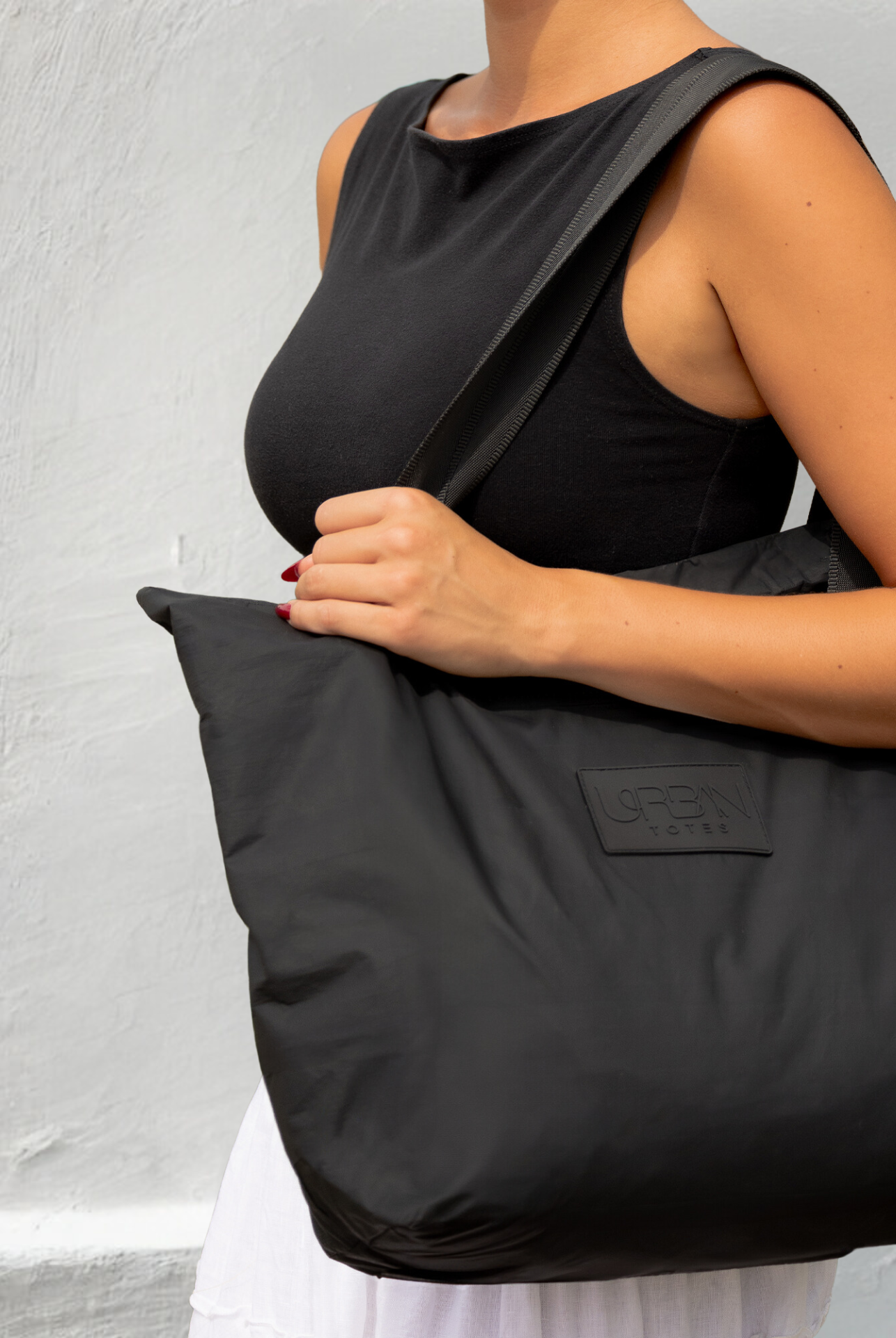
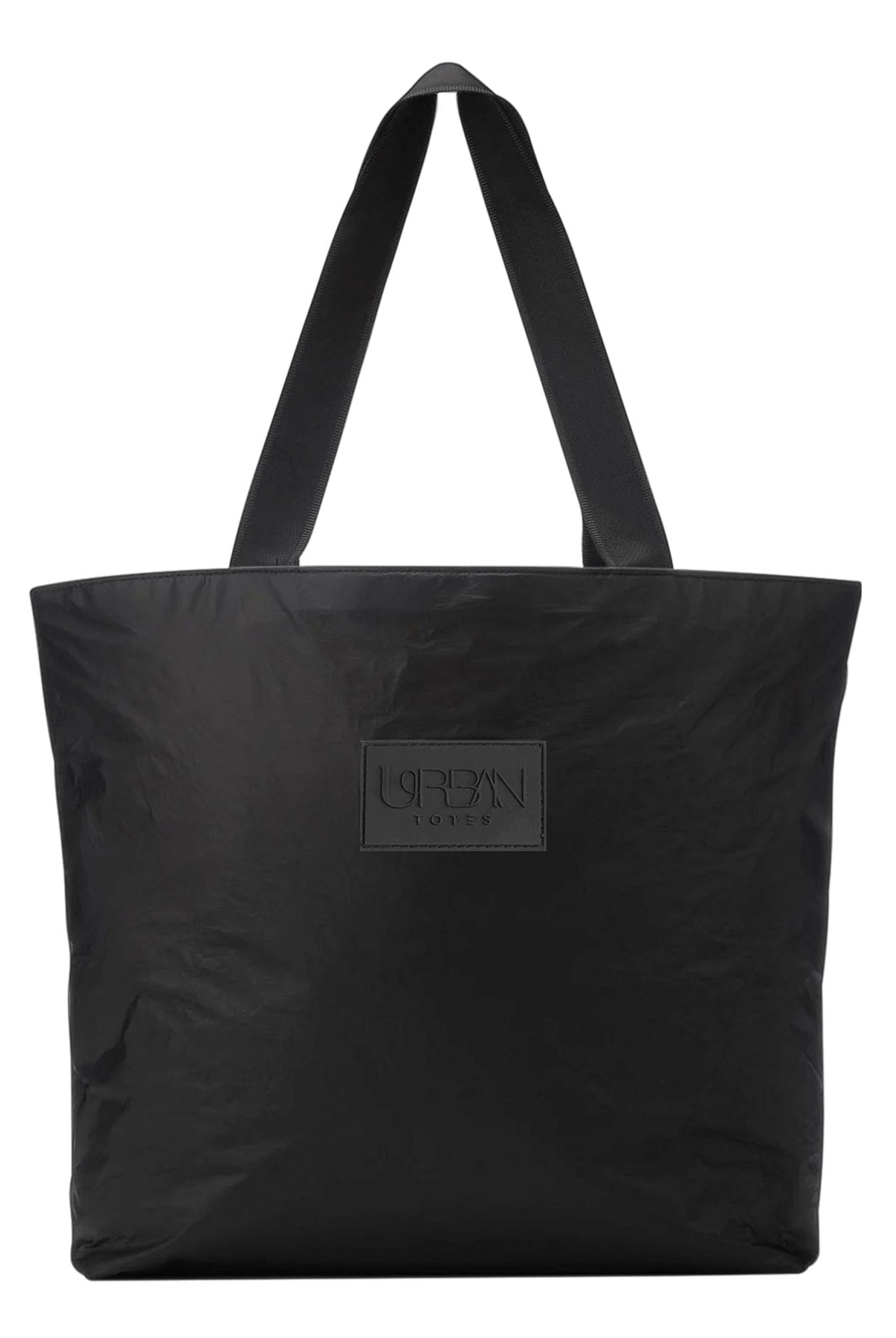
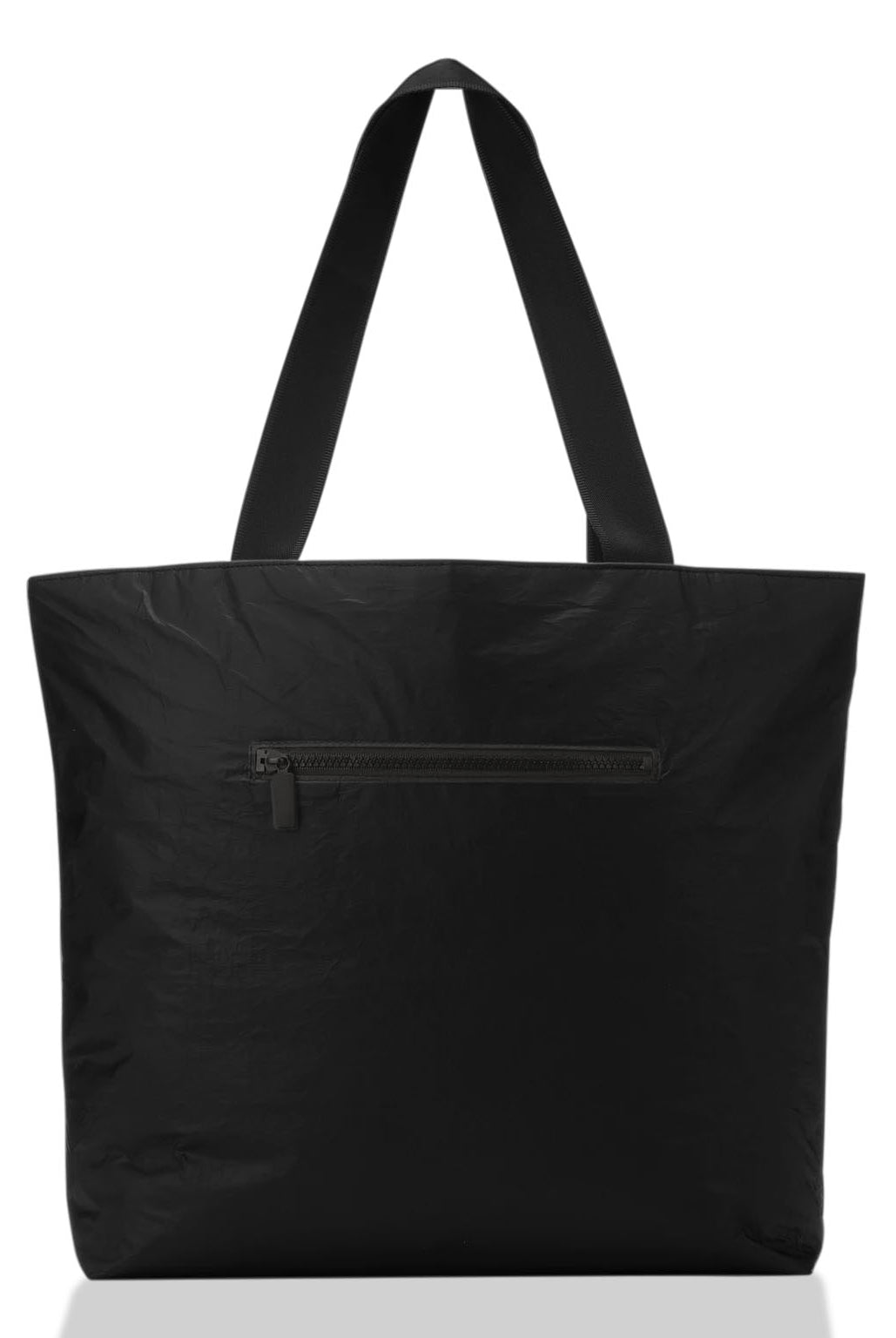
You're probably reading this while carrying too much. A laptop that somehow feels heavier by noon. A water bottle rolling sideways into your wallet. Keys buried at the bottom. A bag that looked polished online, then turned into a black hole the first time real life hit it.
That's why the lightweight nylon backpack keeps winning people over. Not because nylon sounds technical, and not because “lightweight” is a trend word. It wins because it supports the way busy women move through a day. School drop-off, train platform, office elevator, coffee run, grocery stop, soccer field, airport gate. One bag. Multiple roles. No drama.
The sweet spot is simple: a bag that feels easy to carry, stays organized, handles a little weather, and still looks good with the rest of your life.
Table of Contents
- The End of the Overstuffed Bag
- Decoding the Lightweight Nylon Backpack
- The Myth of Heavy Duty Why Light Is the New Strong
- Beyond the Fabric Essential Features for Your Day
- Finding Your Perfect Match For Every Part of Life
- Caring for Your Go-Anywhere Bag
The End of the Overstuffed Bag
A lot of bag frustration has nothing to do with how much you carry. It comes from how badly the bag carries it.
The typical scenario is painfully familiar. You leave the house with the essentials only, then life adds a few extras. A charger. A snack. A cardigan. A permission slip. Suddenly your shoulder bag is sliding off, your tote is tipping sideways, and you're digging for your phone with one hand while holding coffee in the other. The bag isn't helping. It's asking for attention all day.

A lightweight nylon backpack changes that rhythm. The shift is practical, not precious. Weight sits more evenly. Your hands are free. The bag stops acting like a loose pile of belongings and starts acting like a system.
Why the old setup stops working
Some bags are too soft, so everything collapses into one corner. Some are too heavy before you've even packed them. Some look sleek but give you one giant compartment and call it organization.
That's why women who travel often, commute often, or just move through full days tend to become ruthless about what works. They stop chasing a bag for one cute outfit and start looking for one that can survive actual use. If you're planning a city trip and want a sharper sense of what practical carrying looks like on the ground, this guide to smart packing for Paris tours is a useful companion read.
The right bag doesn't ask you to reorganize your life around it. It quietly keeps up.
What a better bag changes
A well-chosen lightweight nylon backpack gives you a little more margin in the day. You're not fighting straps. You're not fishing for keys in a deep corner. You're not treating a drizzle like an emergency.
That's also why so many packing lists now start with the bag itself, not just what goes inside it. A thoughtful day trip packing list makes a lot more sense when your bag has room, structure, and easy access built in from the start.
The appeal isn't just comfort. It's momentum. You move faster, cleaner, lighter, and with less clutter hanging off your body.
Decoding the Lightweight Nylon Backpack
A backpack earns its place in a real wardrobe when it can handle a laptop at 9 a.m., a grocery stop at 5, and an unplanned overnight by Friday without feeling bulky or looking purely utilitarian. That is the main appeal of lightweight nylon. It supports a full day with less drag on your shoulder and less fuss in your routine.

Why nylon keeps showing up
Nylon remains a go-to backpack fabric for a practical reason. It keeps weight down while still holding up to repeated use, which is exactly what a daily bag needs.
That balance matters more than trend language. A bag gets dragged across passenger seats, slid under café tables, packed in overhead bins, and carried through weather that does not care about your schedule. A good nylon backpack handles that kind of life without asking you to baby it.
Shoppers also keep choosing nylon because it fits the way modern bags are used. One bag often has to cover commuting, errands, parenting logistics, and short travel. The material works because it stays light enough for everyday carry and polished enough to wear across all of those settings.
Denier without the jargon
Denier refers to the weight and thickness of the yarn used in the fabric. In practice, it gives you a rough sense of how airy, structured, or abrasion-resistant a bag may feel.
Here's the useful version:
| Fabric range | What it usually means in real life |
|---|---|
| Below 100D | Very light, often seen in packable or emergency bags |
| Mid-range nylon | A balanced feel for daily use, with some structure but not too much bulk |
| 800D to 1680D | Thick, abrasion-focused fabric often used on harder-wearing gear |
For everyday use, more fabric weight is not automatically better. A bag made from very heavy nylon can feel stiff, weigh more before you pack a single thing, and look more technical than many women want for work or daily wear. The smarter choice is usually balanced construction. Lighter fabric where flexibility helps, stronger fabric where friction hits hardest.
Practical rule: Judge the whole build, not just the fabric number. A well-designed bag should feel easy to carry and ready for repeated use.
Ripstop and coatings matter too
Fabric alone does not decide whether a backpack works. Weave, finish, and panel design all affect how the bag behaves once real life starts happening to it.
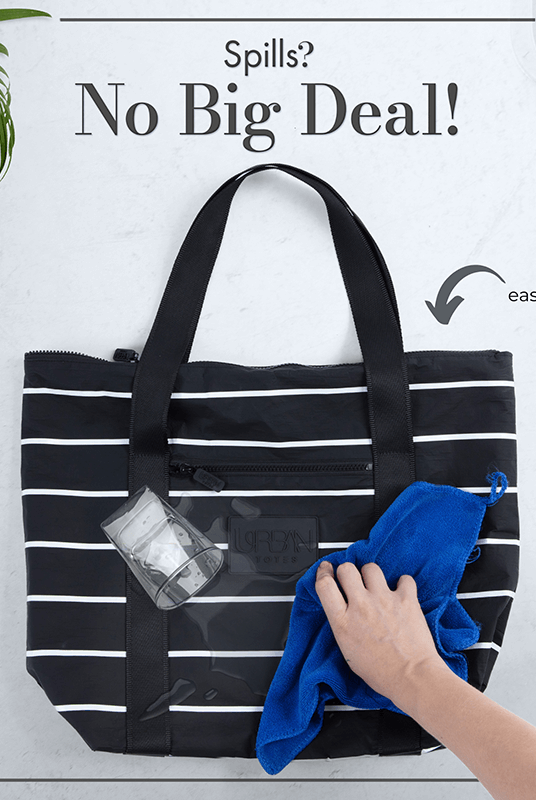
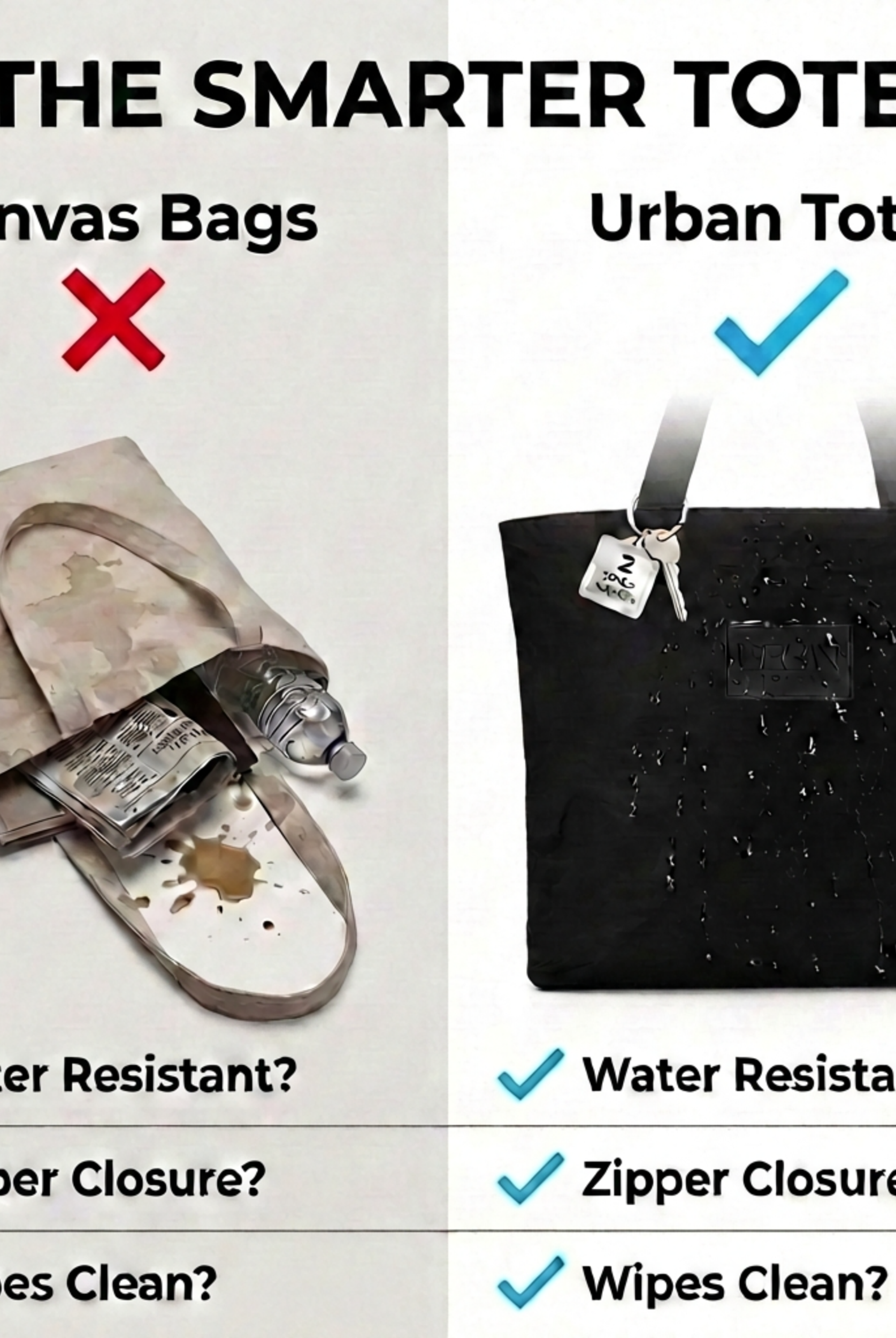
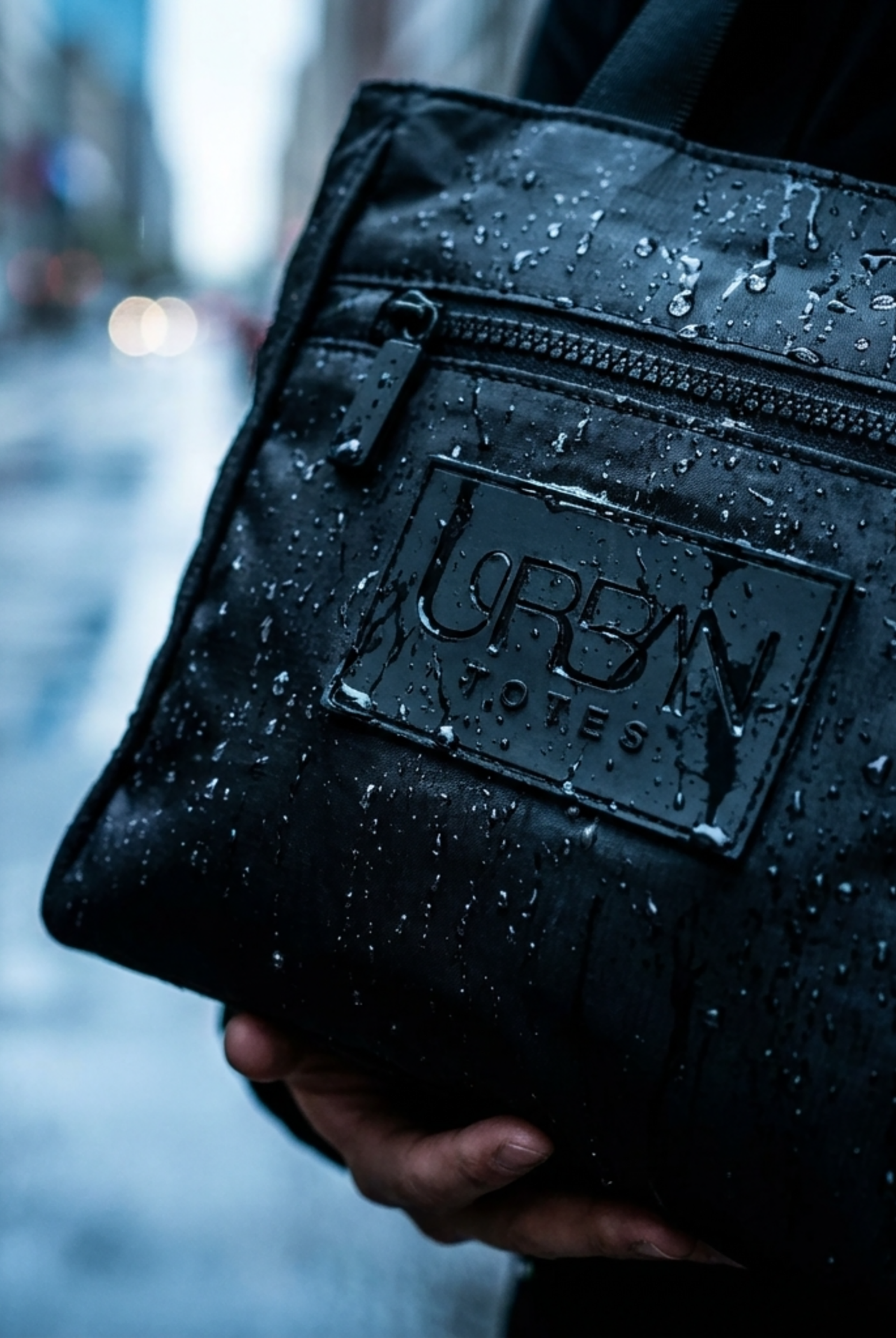
Ripstop nylon uses a reinforcing pattern that helps control small tears before they spread. Coatings and finishes can also help the surface shed light rain and deal better with spills, which matters if your bag moves from playground bench to office floor to airport gate in the same week.
Material choices also shape how sustainable or thoughtfully made a bag feels. If you want a broader look at how brands approach fabric selection, this guide to recycled material bags is a useful companion read.
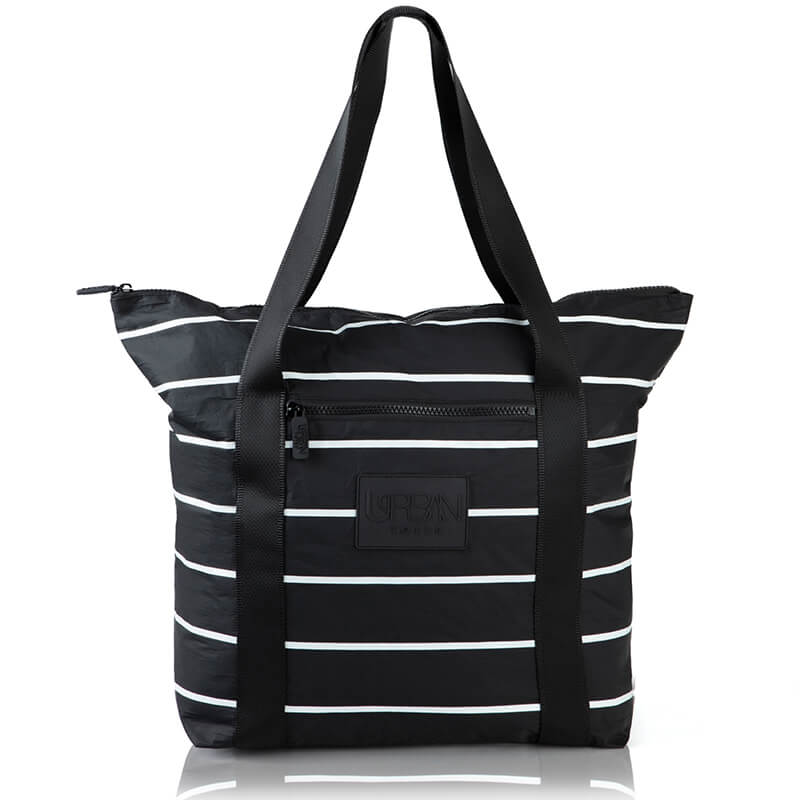
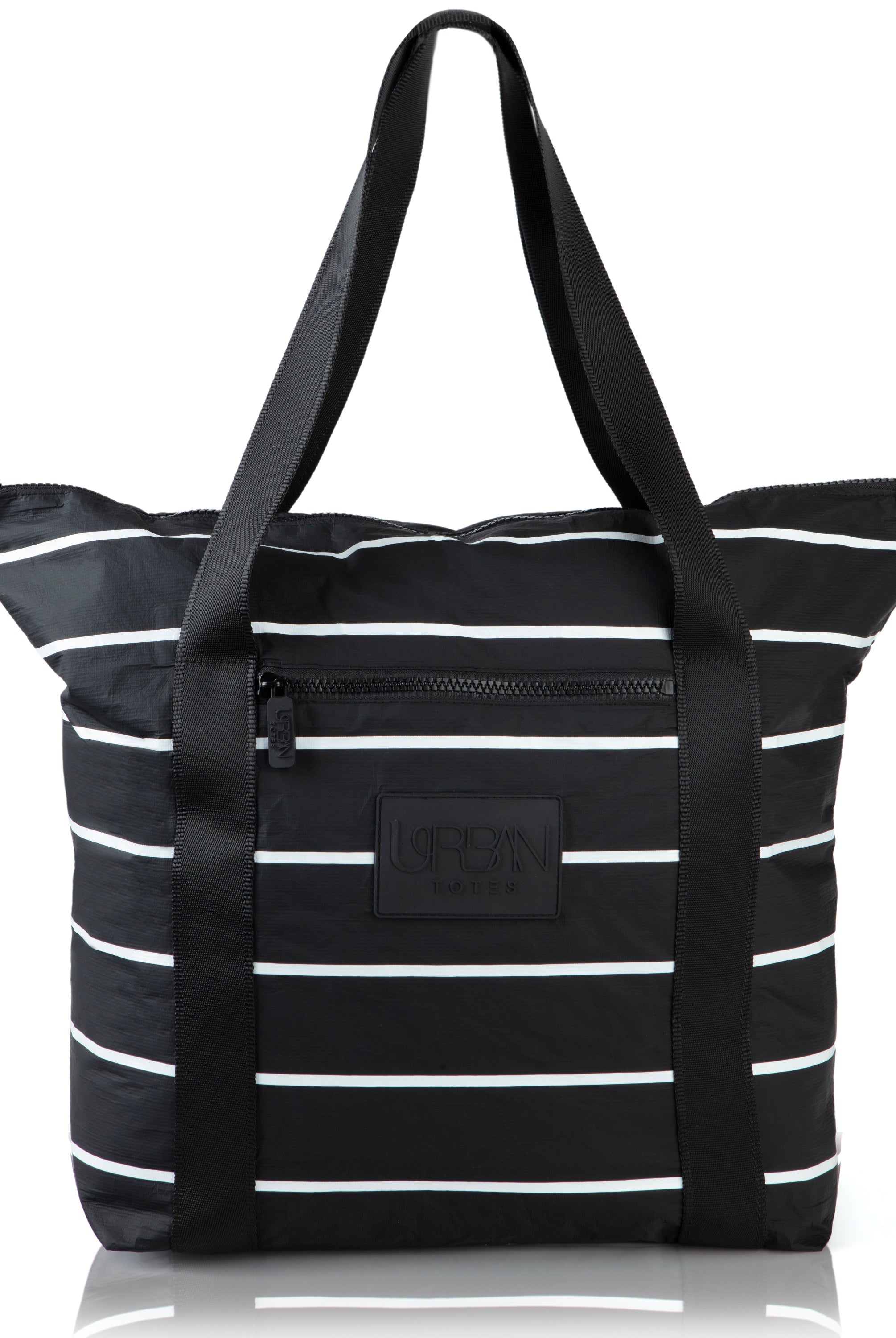
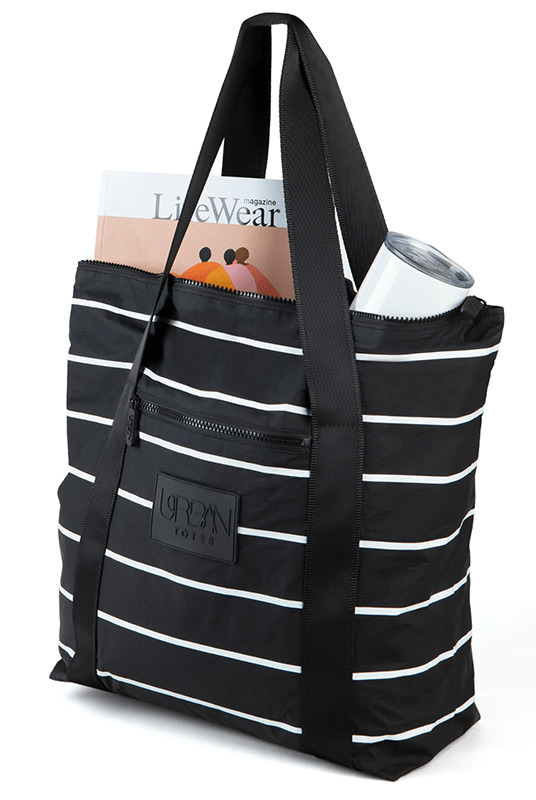
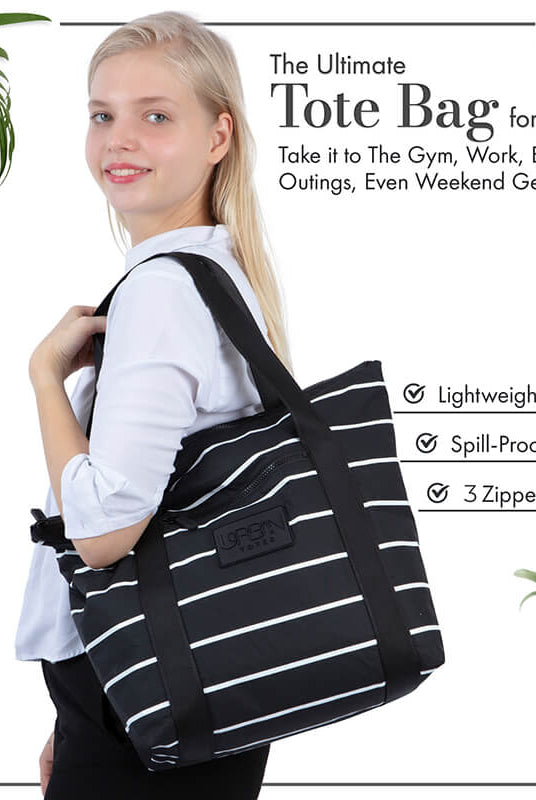
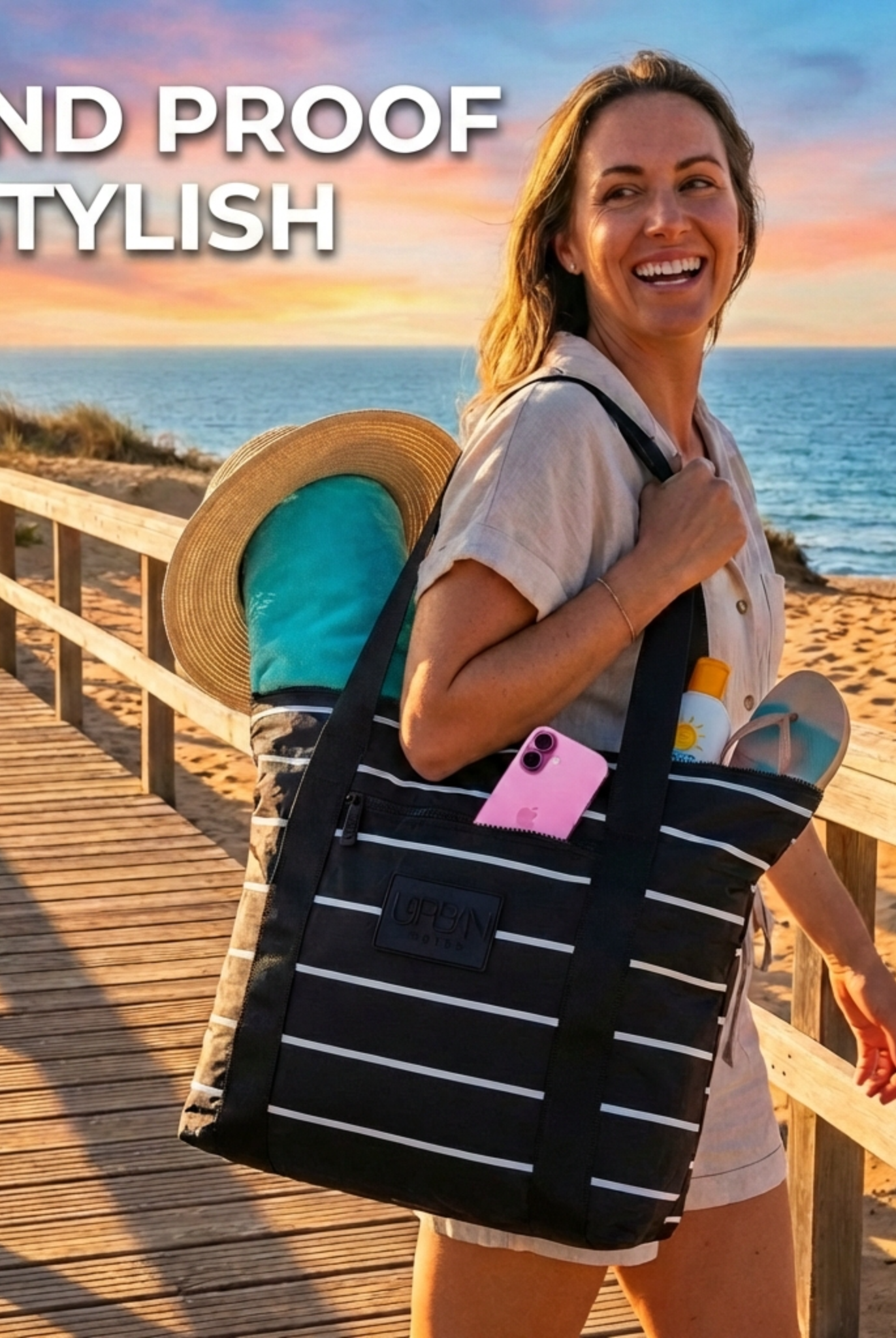
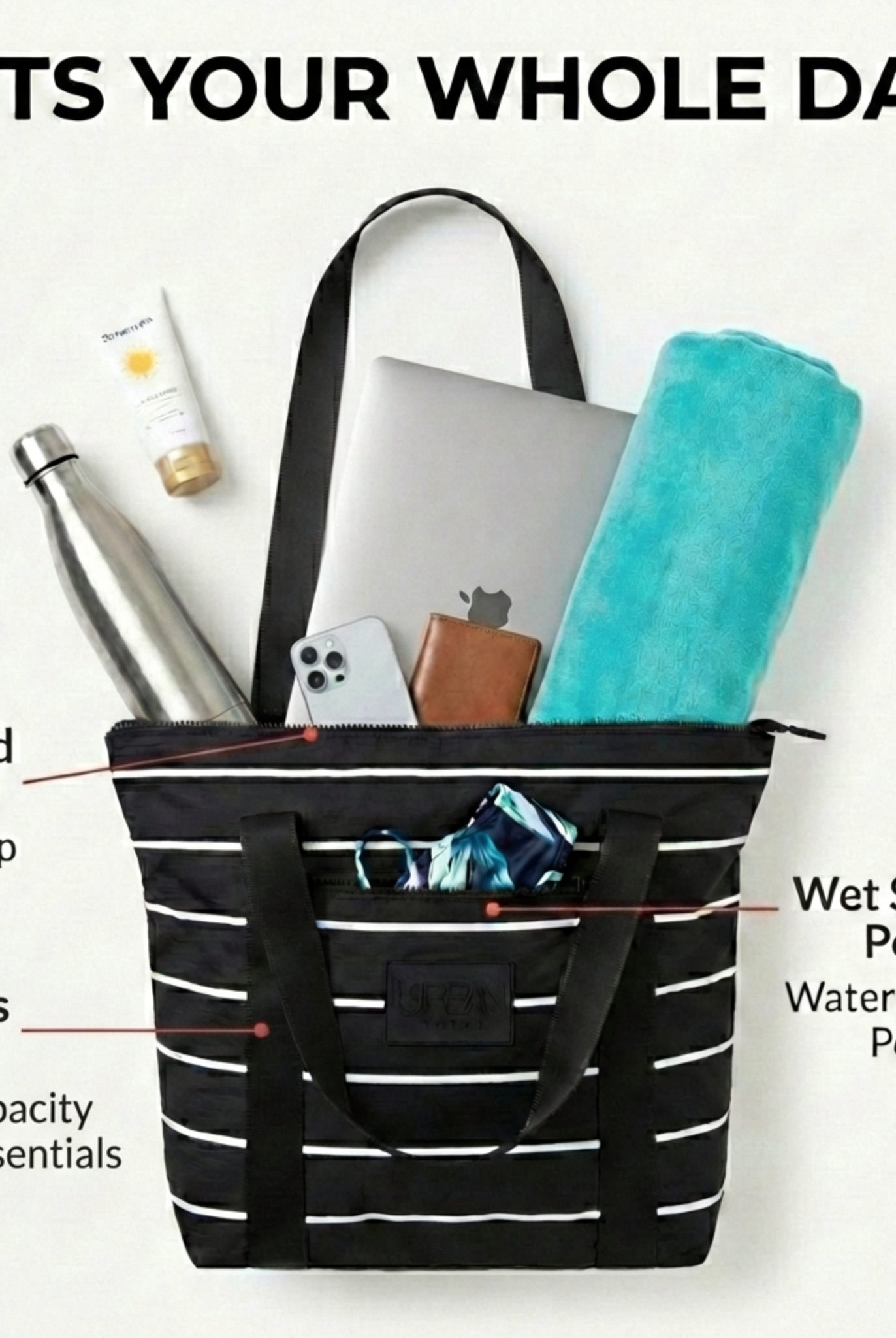
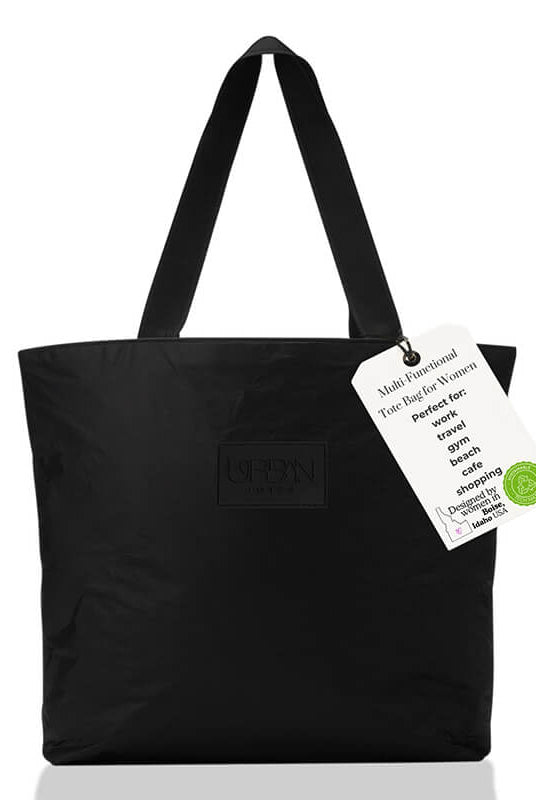
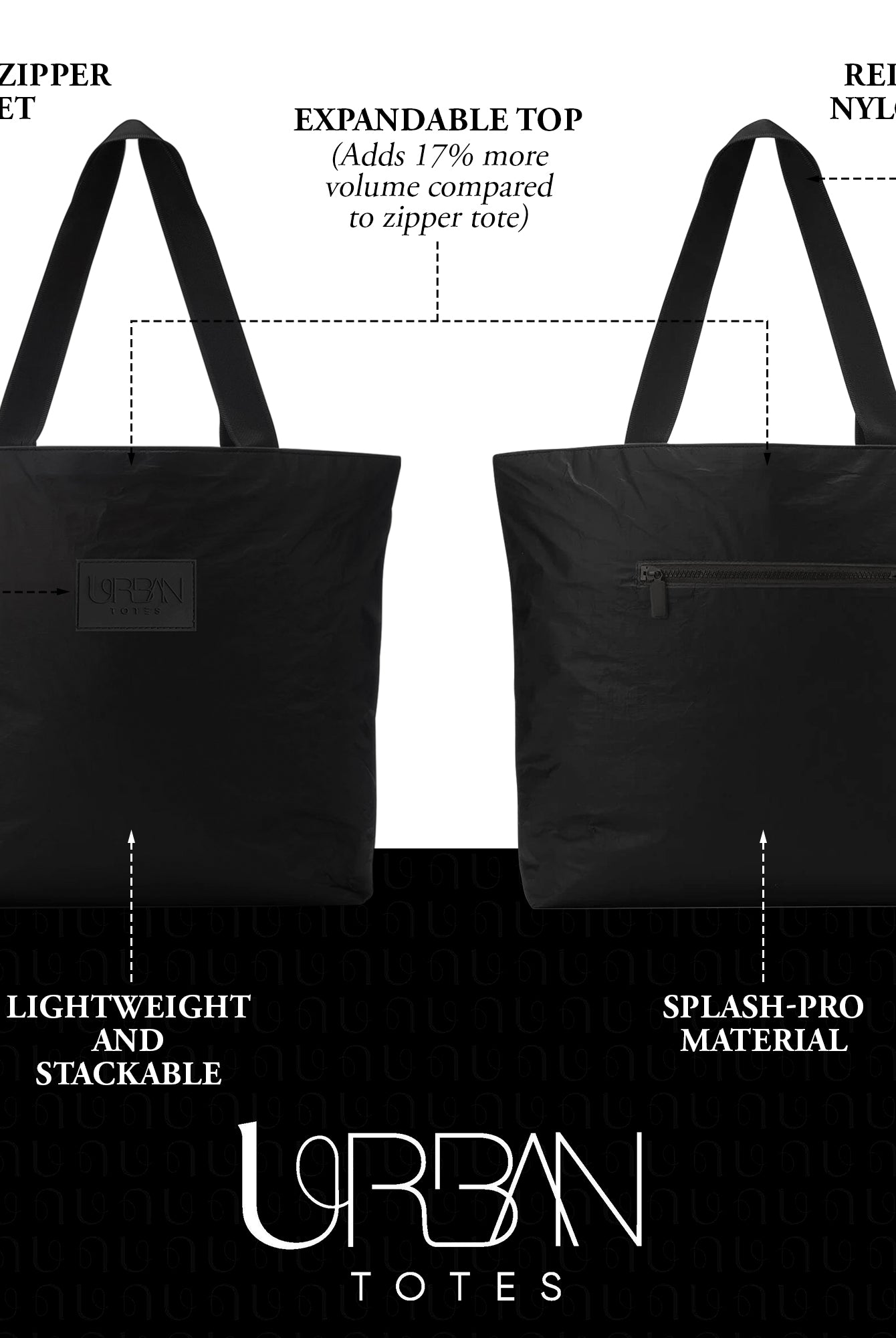
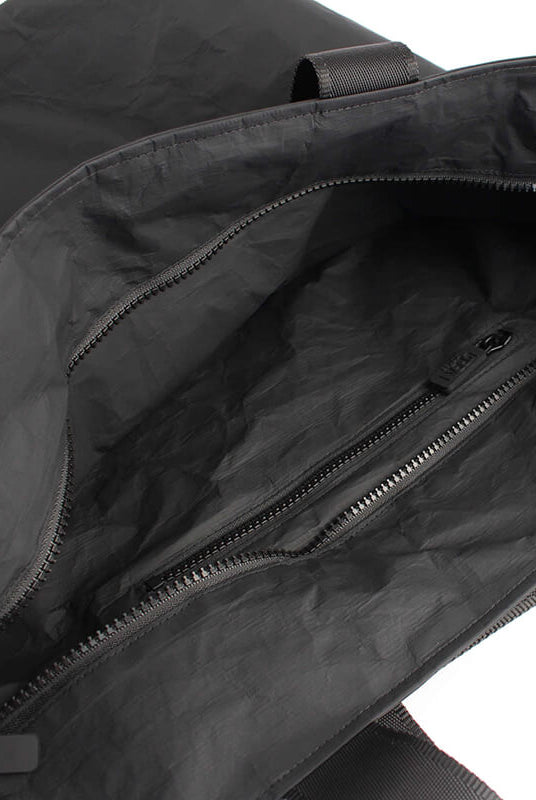
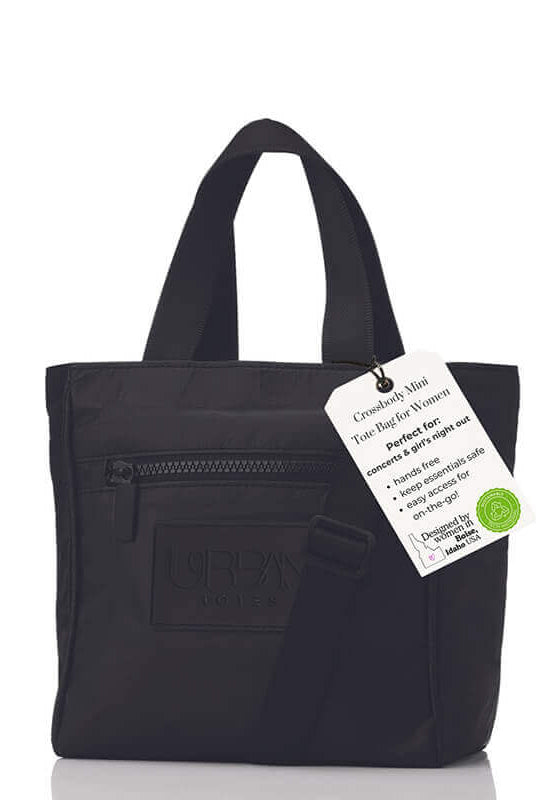
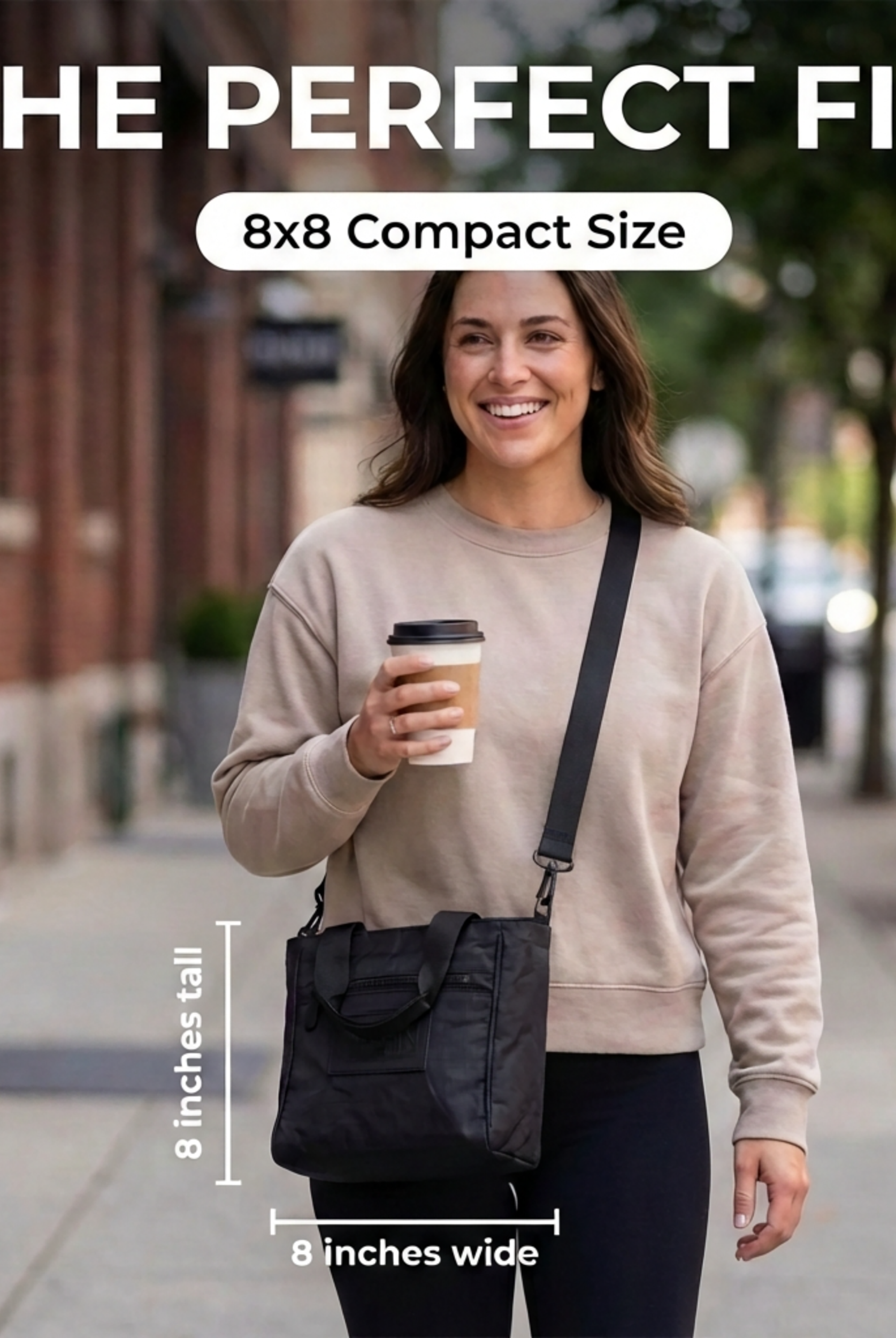
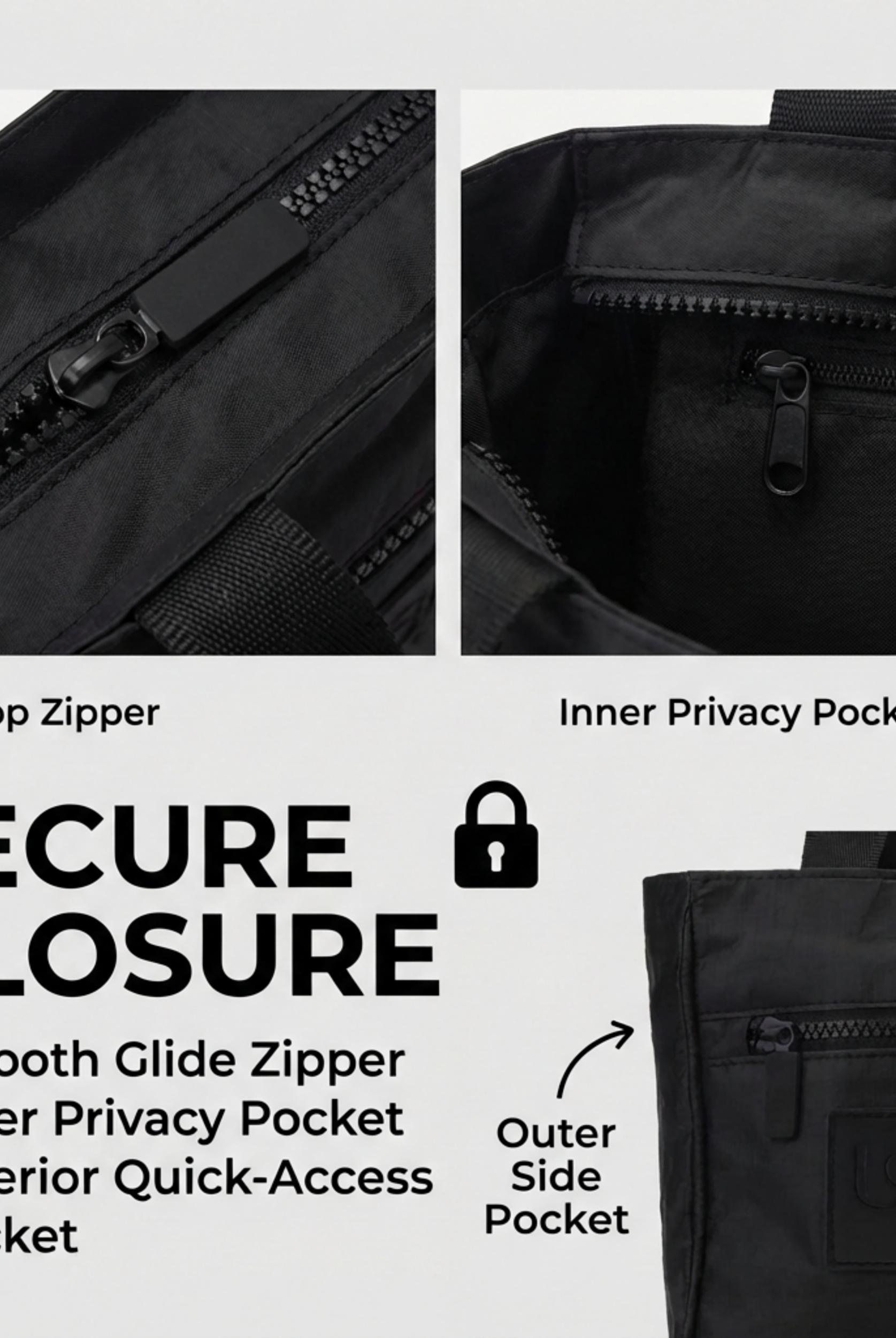
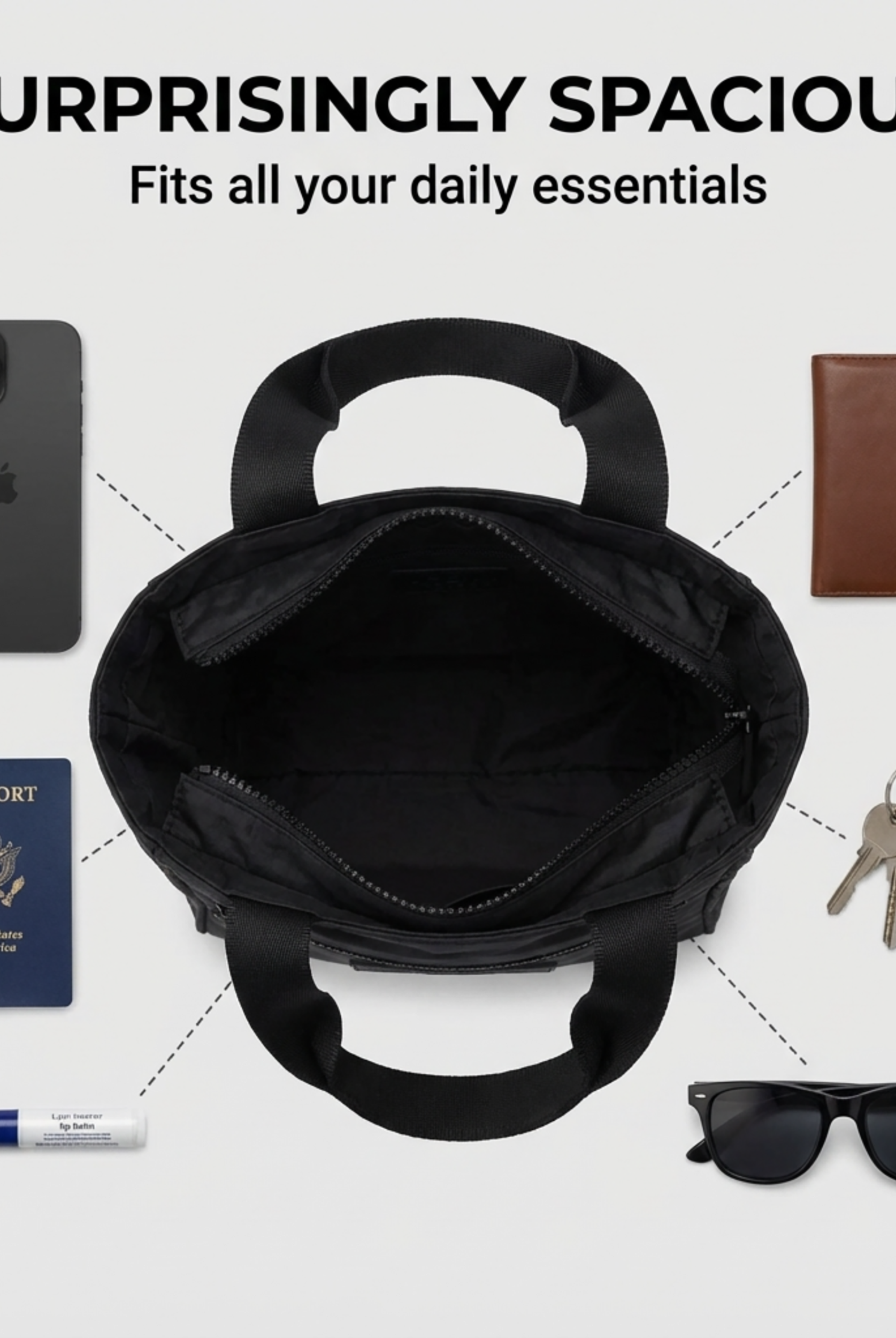
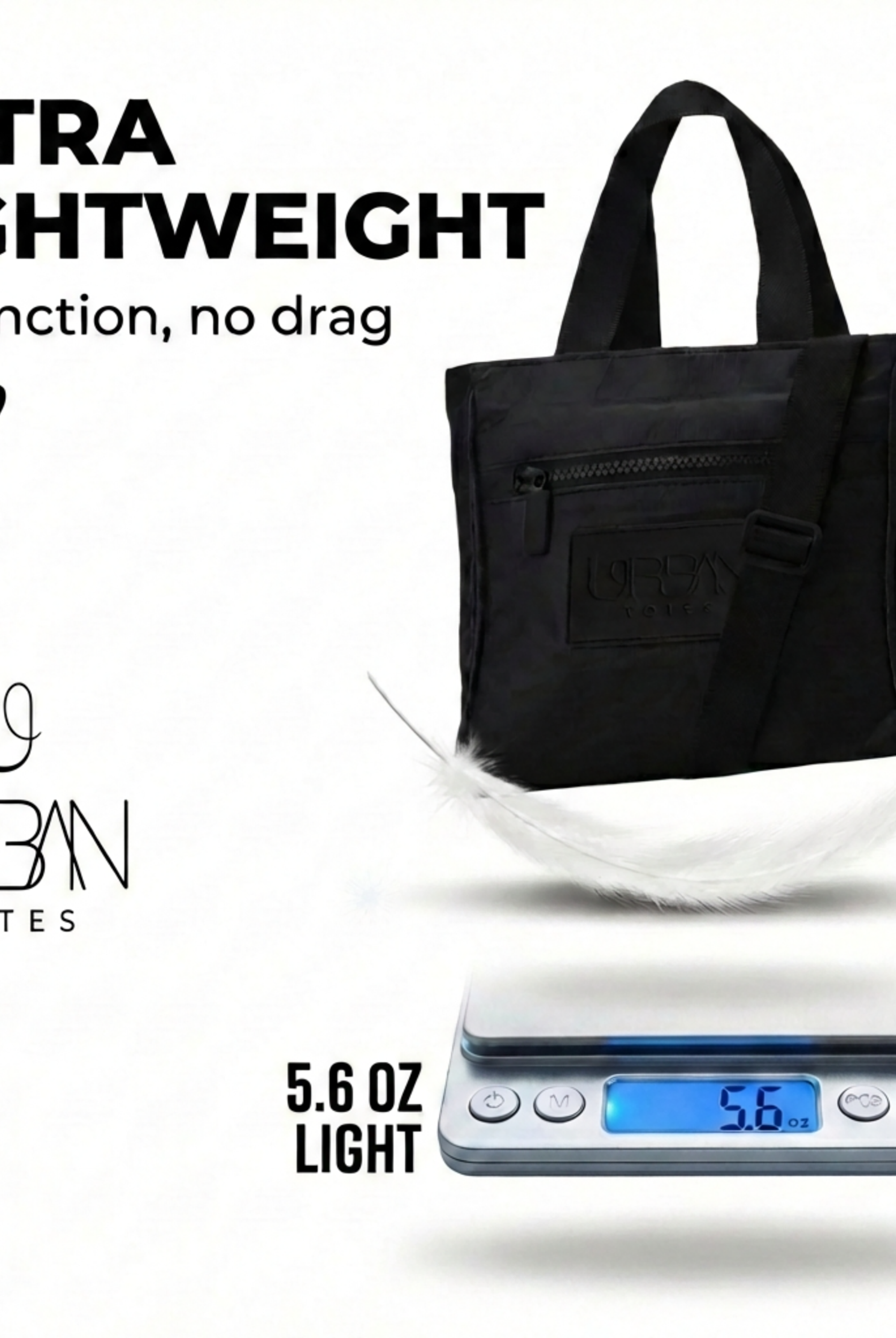
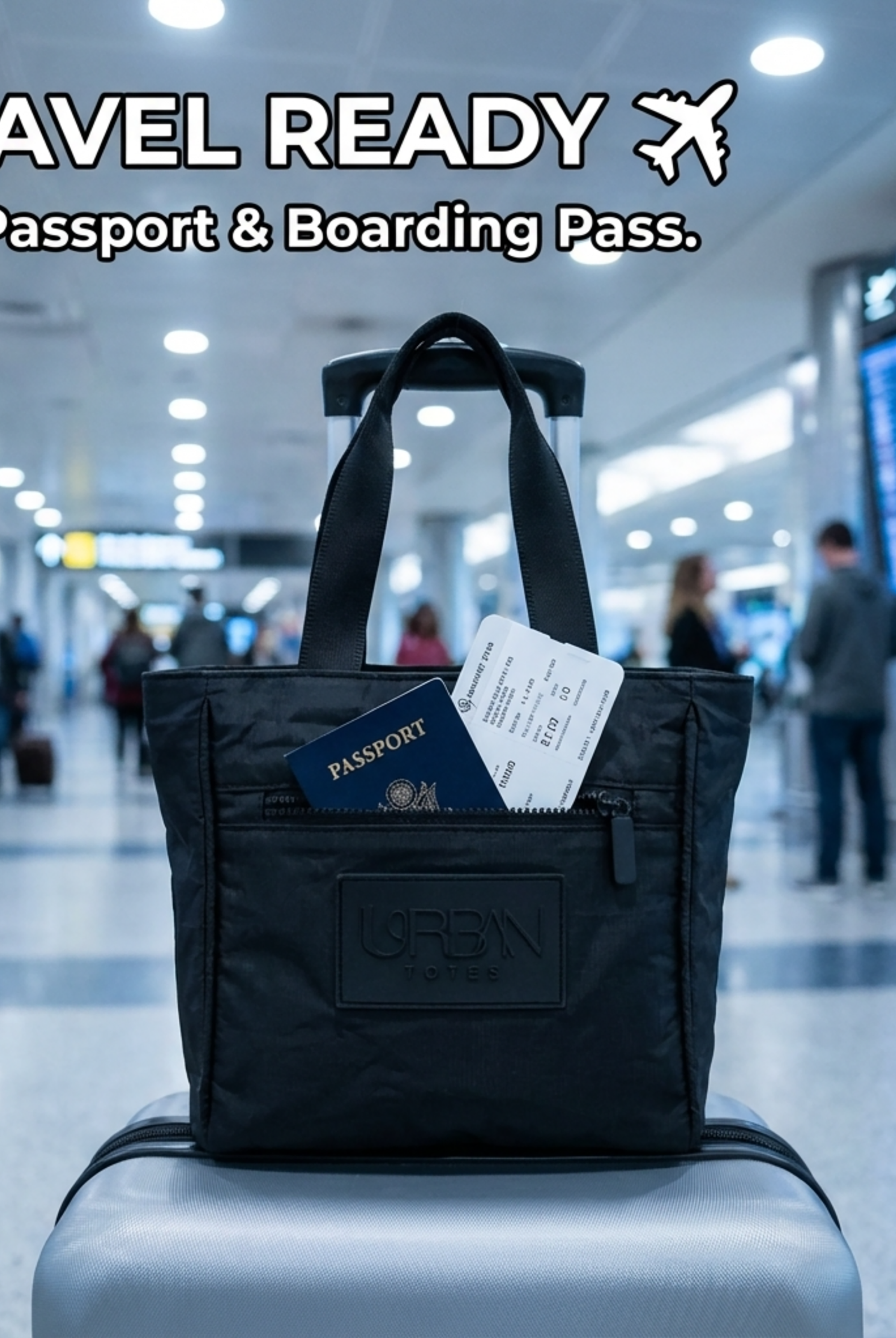
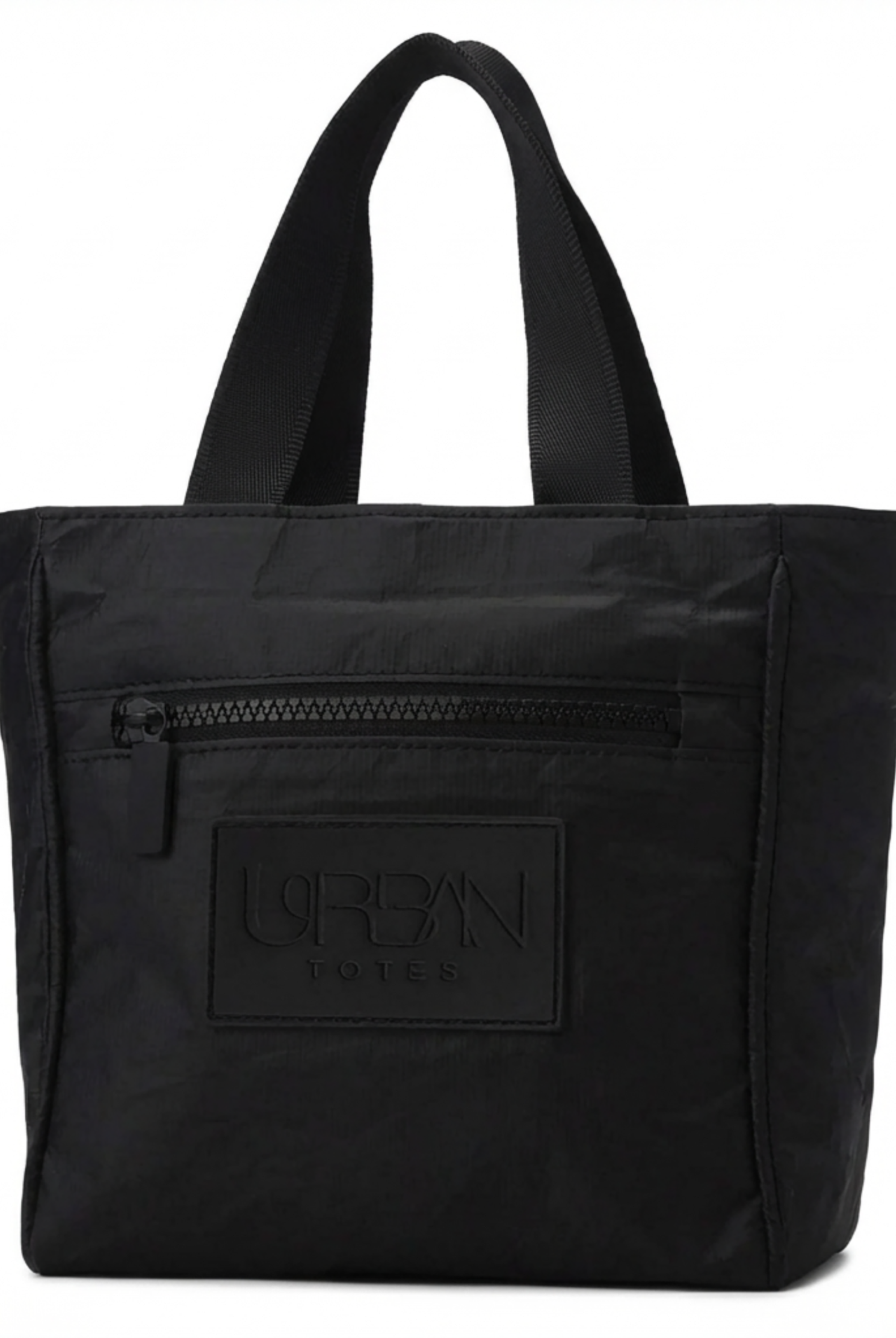
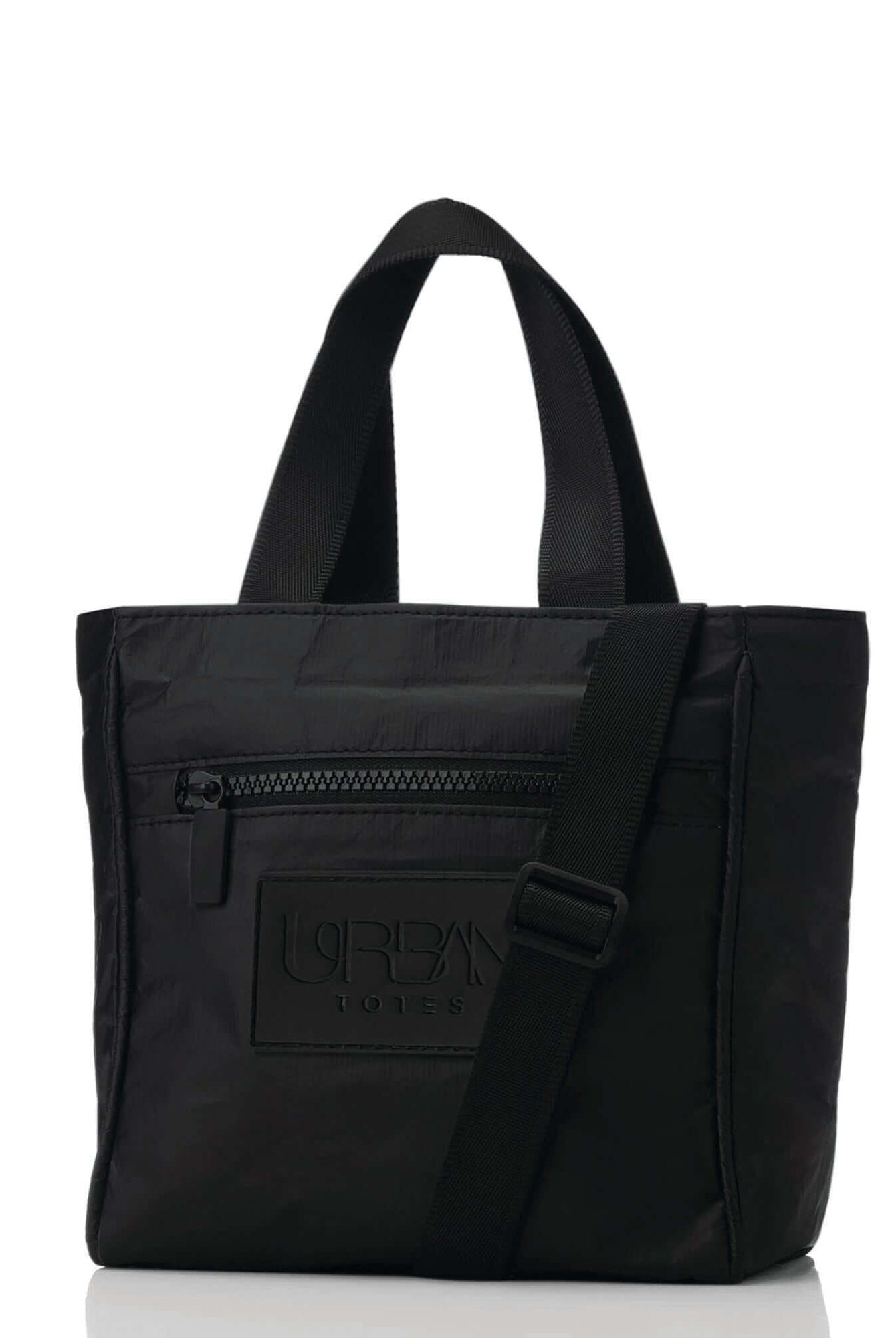
And the same logic applies beyond backpacks. A compact option like the Crossbody Tote Bag Mini Purse uses water-resistant materials, a zip-top closure, an outside zipper pocket, and a large easy-access outer pocket. The point is not size. The point is that light materials work best when they are paired with smart organization, so the bag keeps up with your day instead of becoming another thing to manage.
The Myth of Heavy Duty Why Light Is the New Strong
By 8:15 a.m., a bag can already be doing three jobs. It has handled school drop-off, carried your laptop and charger, and picked up a water bottle, snacks, and the cardigan you may need later. In that kind of day, an empty bag that already feels heavy is not proof of quality. It is just more weight to haul.
That old “heavier means stronger” instinct came from a time when bulk often stood in for durability. Modern backpacks are judged differently. The better question is whether the bag keeps its shape, protects what matters, and still feels good on your shoulders after a full day of transitions.
Lightweight nylon has a practical track record
Lightweight nylon earned trust long before it showed up in polished city bags. Early backpack makers used it because it cut weight without giving up everyday toughness. A useful overview in this history of the backpack traces how backpack design moved away from heavier canvas-and-frame builds as lighter synthetic options proved more practical.
That history matters for one reason. Lightweight was never just a style choice. It was a performance choice first.
For a busy woman, that shift translates beautifully into real life. The same quality that helped outdoor packs feel less punishing on the trail now helps a daily bag move from car seat to office chair to train rack without adding drag to the day.
Durable bags are built with intention
Strength comes from design choices you can feel in use. A bag can be featherlight and still handle regular wear if the high-stress areas are supported, the fabric recovers well from daily friction, and the structure matches the kind of load you carry.
As noted earlier, technical backpack guidance points to the same idea. Good bags balance materials instead of relying on thickness everywhere. That is why some lightweight nylon backpacks hold up so well in real routines. They are built for repeated use, not just for a nice first impression on a store shelf.
A heavy bag often hides weak design. A lighter one has less room to fake it.
What strong looks like in daily life
Use this checklist instead of judging by heft alone:
- Reinforcement where wear happens: bottom panels, corners, strap attachments, and zipper ends take the most abuse
- Weather-friendly finishes: coated nylon helps with light rain, coffee drips, and the damp floor of a gym or airport bathroom
- Enough structure to stay usable: the bag should stand up to daily packing without turning stiff or bulky
- Comfort under a normal load: if it only feels good empty, it is not doing its job
- A look that travels well across settings: school run, office, appointments, dinner, and a quick weekend away all ask for the same bag to feel appropriate
That last point gets ignored in technical discussions, but it matters. A lifestyle-proof backpack has to survive more than abrasion. It has to survive context changes. If a bag is durable but looks overly sporty for work, or polished but too delicate for travel, it still creates friction.
The smartest lightweight nylon backpacks solve both sides of the problem. They reduce strain on your body and reduce mental clutter because you do not have to keep switching bags to keep up with your schedule.
The same carry logic shows up in other work bags too. This guide to lightweight tote bags for work is a useful comparison if you want a bag that feels polished without becoming another heavy thing to manage.
Good design carries the load. The bag should not become part of it.
That is why light now reads as strong. Not because less material is always better, but because the right material in the right build makes daily life easier.
Beyond the Fabric Essential Features for Your Day
Material gets the conversation started. Features decide whether the bag earns a permanent place in your routine.
A lightweight nylon backpack can be beautifully made and still fail your day if it doesn't hold shape, distribute weight well, or give you access to the things you reach for constantly. That's where lifestyle-proof design comes in.

The real test is a real load
Retail copy often celebrates water resistance, light weight, and adjustable straps. Those details matter. But the practical question is whether the bag still feels good with a laptop, water bottle, and daily essentials inside. That's the gap many buyers care about most, as noted in this discussion of nylon lightweight backpack use under commuting loads.
That's the difference between a bag that looks organized and one that keeps you organized.
Five features that change the experience
- Comfortable straps: Thin straps can ruin an otherwise smart bag. Adjustable straps help, but shape and padding matter too, especially once you add tech, snacks, and a full bottle.
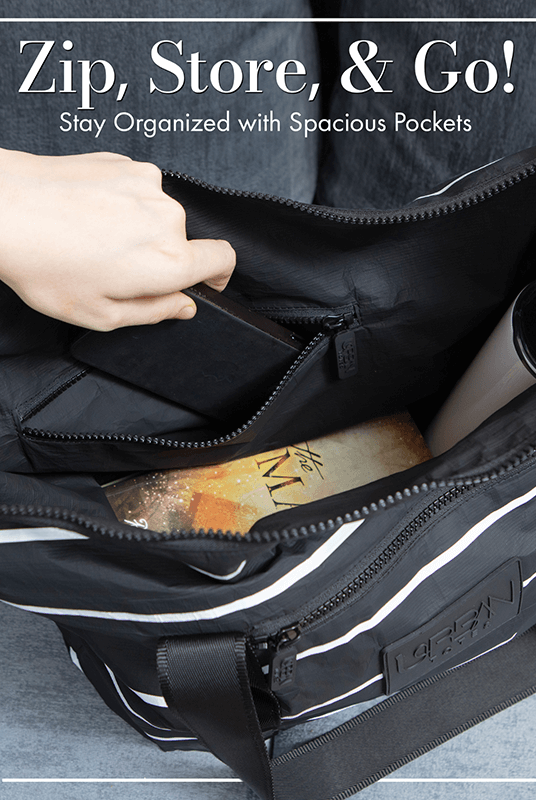
- Multiple compartments: A separate space for flatter items prevents the whole interior from becoming one bulky pile.
- External pockets: These are your speed features. Phone, keys, transit pass, lip balm. If you reach for it often, it shouldn't live at the bottom.
- Reliable zippers: A zipper closure adds structure and security. It also changes how confidently you can toss the bag into a car, under a stroller, or into an overhead bin.
- An integrated sleeve: If you carry a laptop or tablet, a dedicated sleeve keeps the load more stable and makes the bag feel more intentional.
Organization is emotional
This sounds dramatic until you've lived it. Good organization changes your mood.
When every item has a home, you stop doing that frantic public search through receipts, hand sanitizer, headphones, and snack wrappers. You look calmer because you are calmer. That's one reason so many women end up caring less about “fashion bag” categories and more about functional layouts with polish.
A breakdown of tote bag compartments makes the same point from another direction. Compartments don't just hold stuff. They reduce friction.
A bag feels stylish longer when it performs well. Constant rummaging makes even a beautiful bag feel sloppy.
Structure versus squish
The best lightweight nylon backpack usually lands in the middle. Too floppy, and your things migrate into one heap. Too rigid, and the bag becomes awkward when your load changes during the day.
That middle ground is what makes a bag feel adaptable. It can handle a laptop in the morning, groceries in the afternoon, and a sweatshirt stuffed on top by evening without losing all sense of order.
Finding Your Perfect Match For Every Part of Life
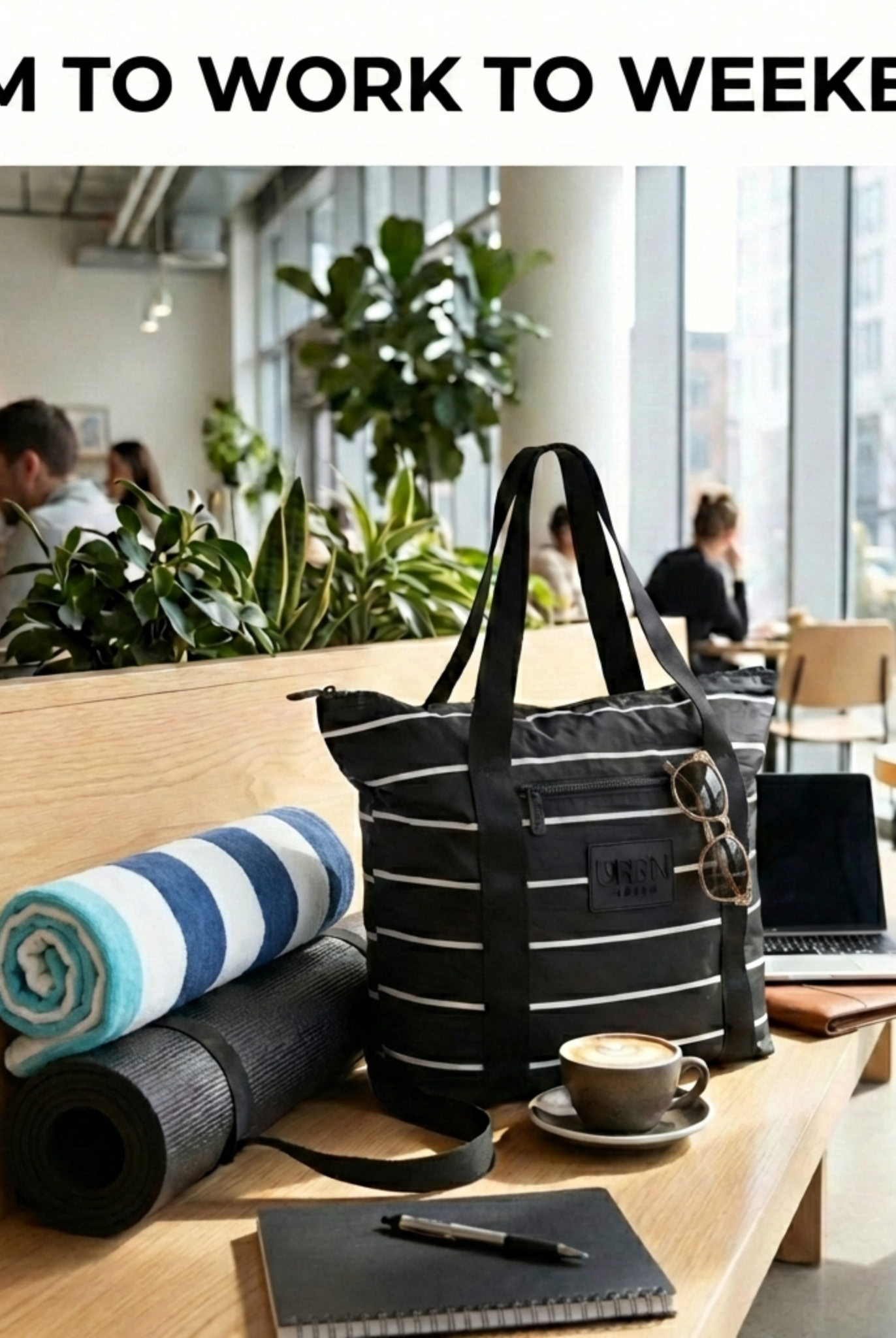
A good backpack has to survive real transitions. School drop-off at 8, meetings by 10, groceries at 5, a soccer field or dinner reservation by 7. The right lightweight nylon backpack keeps up without asking you to switch bags halfway through the day.
As noted earlier, nylon continues to dominate this category for a reason. Women keep reaching for it because it handles daily friction well, stays comfortable to carry, and usually looks more polished than its weight suggests.

The commuter
A commuter bag has a hard job. It needs to look pulled together in an office, feel comfortable on a platform or in a parking lot, and hold its shape after a long day.
What matters most is how the bag carries a normal weekday load. A laptop, charger, notebook, water bottle, keys, and lunch add up quickly. If the backpack swings, sags, or turns into a lump by noon, it will feel irritating fast.
Look for:
- A shape that stays balanced when partly full or fully loaded
- A padded sleeve or divider for tech
- An outside pocket that saves you from digging for your phone or transit card
- Straps that stay comfortable after hours, not just for the first ten minutes
I always judge work bags by their performance after use, not their initial appearance. That is when weak design shows up.
The busy mom or caregiver
In these situations, lifestyle-proof really matters.
A bag for this stage of life has to handle your things and everybody else's spillover. Snacks, wipes, a cardigan, medicine, sunscreen, a toy, a receipt, and something sticky you will find later. Huge capacity sounds appealing, but giant empty space usually creates more mess.
A better choice is a lightweight nylon backpack with useful separation and a surface you can clean without much fuss. It should tuck under a stroller, sit on a passenger seat, and come back into a restaurant or appointment without looking like you carried camping gear inside.
That balance is rare, and it makes a difference.
The weekend traveler
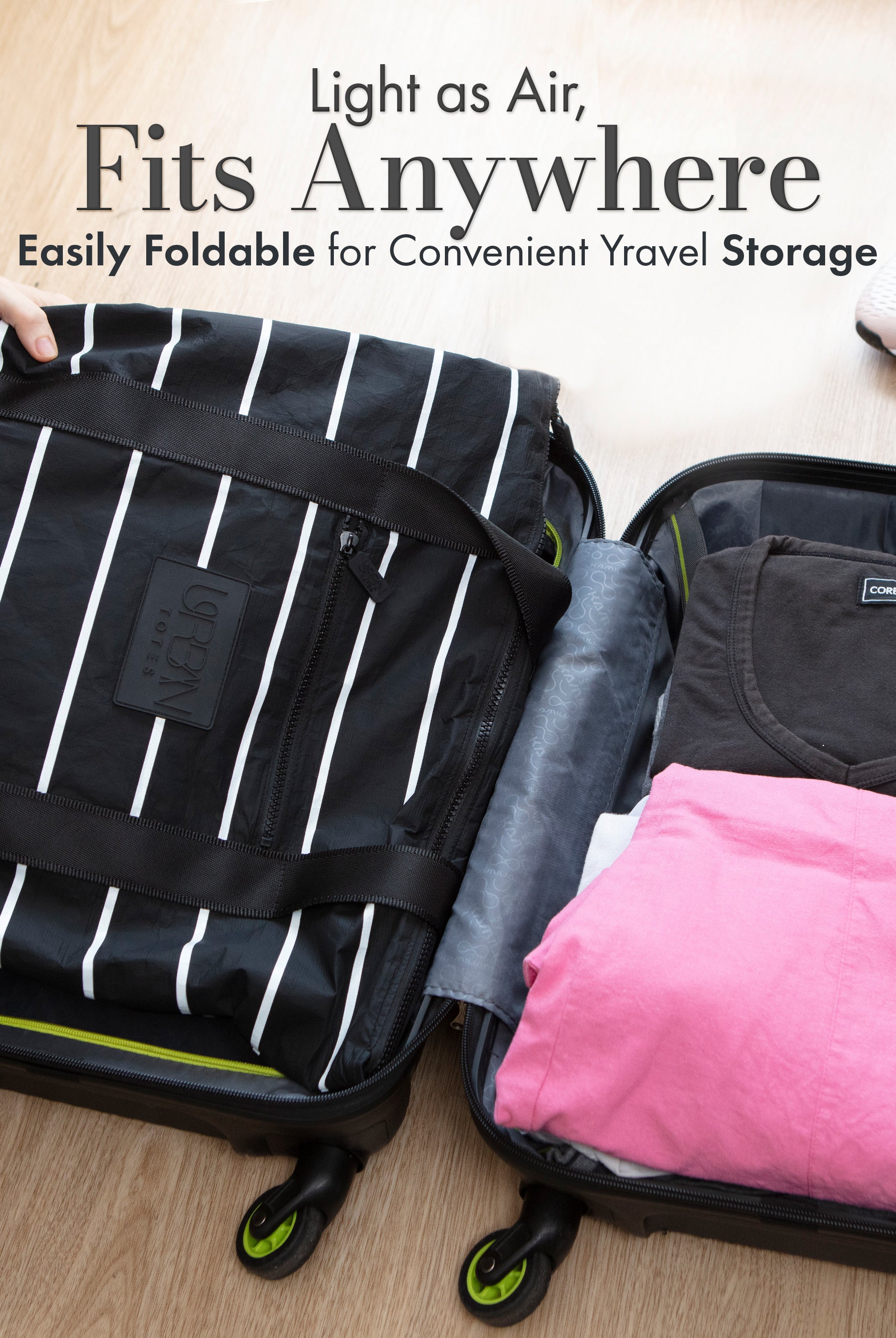
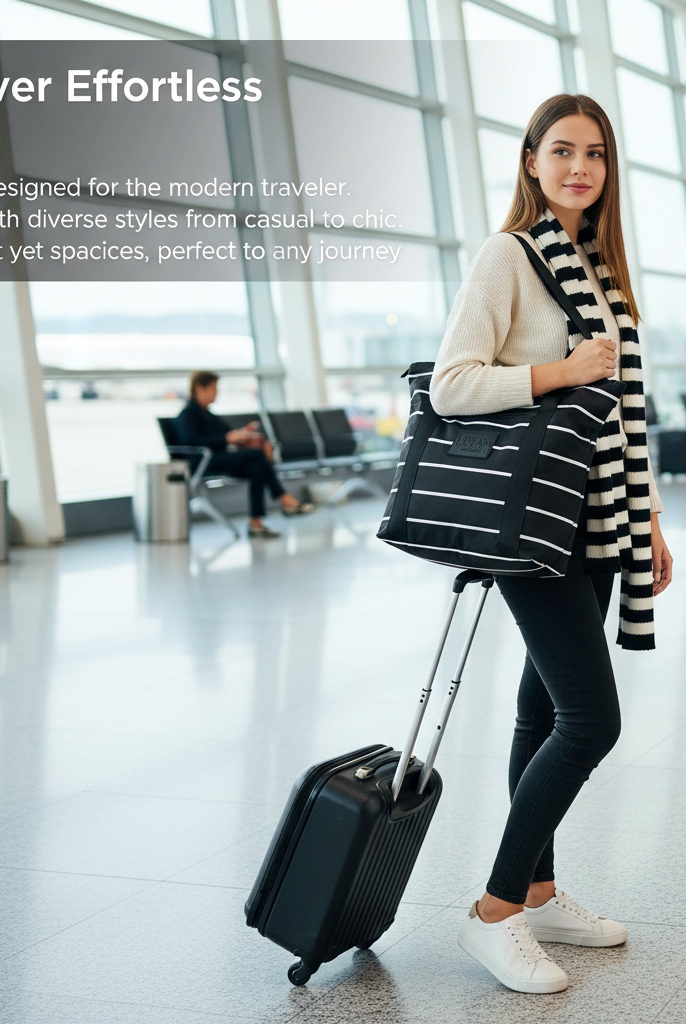
For short trips, the best bag feels easy the whole time. It slides under a seat, works with one extra layer stuffed inside, and does not become precious the second the weather turns.
A clean nylon backpack often wins here because it works with real clothes. Leggings, denim, loafers, a trench, white sneakers, a knit set. It does not need travel-specific styling to look right. It just needs a tidy silhouette, dependable pockets, and enough structure that packing it takes two minutes instead of ten.
The best travel bag is the one you stop thinking about.
The style-conscious minimalist
Some women want utility without the outdoorsy look. Fair enough. Extra loops, busy straps, and too many visible compartments can make a backpack feel more technical than chic.
Lightweight nylon is strong in this lane because it can look pared back while still handling a full, messy day. That matters if your schedule moves between polished and chaotic spaces. Coffee meeting in the morning. Errands at lunch. Pickup line in the afternoon. Dinner later. One bag can cover all of it if the design stays clean and the hardware stays understated.
Choose for your actual day
The perfect match usually comes from honesty. Not fantasy.
Choose the bag that fits your real routine, your real load, and the version of your life that happens most often. If you want something that moves between roles with less upkeep, these everyday bag care habits help any well-made carryall stay presentable longer. A lifestyle-proof backpack should make you feel lighter, more organized, and ready for whatever the day turns into.
Caring for Your Go-Anywhere Bag
A lightweight nylon backpack doesn't need fussy maintenance, but it does benefit from simple habits.
Start with the obvious rule. Empty it often. Crumbs, receipts, pens without caps, and loose makeup create most of the mess people blame on the bag itself. A quick weekly reset keeps the interior from turning into a permanent catch-all.
Easy habits that help
- Wipe spills early: Nylon is easier to keep looking fresh when you handle marks before they set.
- Clean the pockets too: The outside may look fine while the inside pockets are collecting most of the grime.
- Air it out: If you've used the bag for travel, gym gear, or a wet-weather day, unzip it and let it fully dry before storing.
- Don't overload it on repeat: Even a durable bag will age faster if every zipper and seam is under constant strain.
Keep the finish working
If your bag has a coated surface for better weather handling, harsh washing can wear that finish down faster. Gentle cleaning is the safer move unless the care instructions say otherwise. Skip aggressive heat when drying. Letting the bag air dry helps preserve shape and surface performance.
If you want a fuller care routine for everyday bags, this guide on how to care for your tote bag offers practical maintenance habits that translate well across categories.
A good bag should make life easier. Caring for it should too.
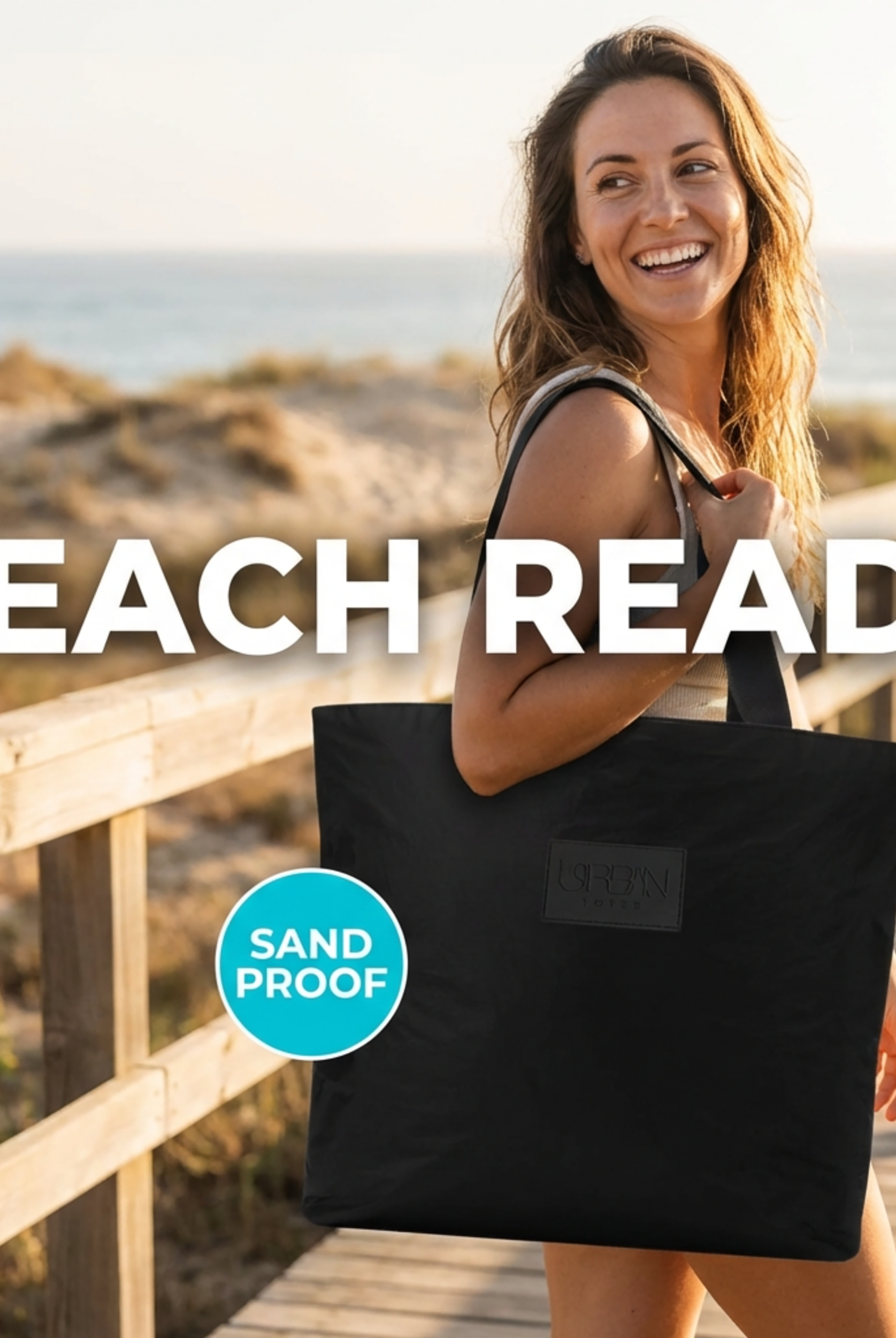
Urban Totes is a woman-owned Boise-based brand focused on lightweight, water-resistant, organized bags for real life in motion. If you want a go-anywhere carry solution that fits errands, travel, work, and everything in between, explore Urban Totes.