You're probably here with a bag open on the bed, a half-packed pile of clothes nearby, and the same question almost everyone asks before a short trip. Is this weekender the right size, or am I about to regret it?
That uncertainty usually shows up at the worst moment. You've picked the outfits, you know you need toiletries, chargers, maybe a second pair of shoes, and suddenly the bag feels either too ambitious or too small. A bag that's oversized becomes a heavy, awkward haul through parking lots, train platforms, and airport terminals. A bag that's too compact turns packing into a negotiation.
The good news is that weekender bag dimensions are much easier to understand once you stop thinking only in inches and start thinking in real travel use. A good weekender should make life simpler. It should feel grab-and-go, not like a suitcase in disguise. If you want a few more ideas on styles that work well for short trips, this guide to best weekend travel bags is a helpful companion read.
Table of Contents
- Finding Your Perfect Travel Partner
- What Exactly Is a Weekender Bag
- A Quick Reference Guide to Weekender Sizes
- How to Measure Your Bag Correctly
- Navigating Airline Carry On Rules
- What Really Fits A Packing Guide by Size
- Choosing the Right Size for Your Lifestyle
- Your Weekender Bag Questions Answered
Finding Your Perfect Travel Partner
A weekender earns its place by removing friction from a short trip. You want one bag that slides into the car, sits neatly beside you on a train, or goes through the airport without turning into a wrestling match. The right dimensions are what make that happen.
Packing for a weekend often doesn't require a larger bag. The true need is for better proportion. A bag can look sleek online and still carry badly once it's full. Another can look modest but hold exactly what you need because the shape works for folded clothes, a pouch of toiletries, and the small essentials you reach for constantly.
Where the wrong size goes wrong
A too-large bag creates a chain reaction. You fill the extra room, the bag gets heavy, the shoulder carry gets annoying, and the whole thing stops feeling like a short-trip bag.
A too-small bag creates a different problem. You start making irritating cuts. The extra layer stays home. The shoes get swapped. Your toiletries get squeezed into corners. That kind of packing feels efficient until the weather changes or dinner plans do.
Practical rule: The best weekender feels generous when you pack it, but still easy when you lift it.
What a good fit feels like
The sweet spot is confidence. You can pack for a quick escape without second-guessing every item. The bag still looks tidy, carries comfortably, and doesn't make you feel overcommitted before the trip even starts.
That's why dimensions matter so much. They aren't just product specs. They shape how the bag behaves in real life, from school-drop-off-to-road-trip weekends to a quick flight with no desire to check luggage.
What Exactly Is a Weekender Bag
A weekender sits in the middle ground between an everyday tote and full-size luggage. It's built for a short trip, not a long haul, and that middle category matters more than people realize.

The most practical size guidance puts weekenders at 30 to 50 liters, with REI noting that bags at about 50 liters or less are generally sufficient for a weekend trip. That same guidance often places weekender-style bags around 20 to 24 inches long and roughly 30 to 40 liters, which matches the goal of packing clothing and toiletries for 2 to 3 days while keeping the bag compact enough to carry easily (REI luggage and pack guidance).
What makes it a true weekender
A real weekender isn't trying to replace checked luggage. It's trying to cover the most common short-trip scenario with less hassle. That usually means a soft-sided tote or duffel shape, easy handles, flexible packing, and enough room for the basics without tipping into bulky.
That balance is the whole point. You need room for outfits, toiletries, and a few extras, but you also want the bag to move well through daily life. If you like a deeper category breakdown, this explainer on what is a weekender bag is useful.
What it is not
It's not a giant gym duffel. Those often swallow gear but can feel sloppy and oversized for travel.
It's also not a tiny everyday purse or commuter bag. You shouldn't have to play luggage Tetris just to fit a sweater and a charger.
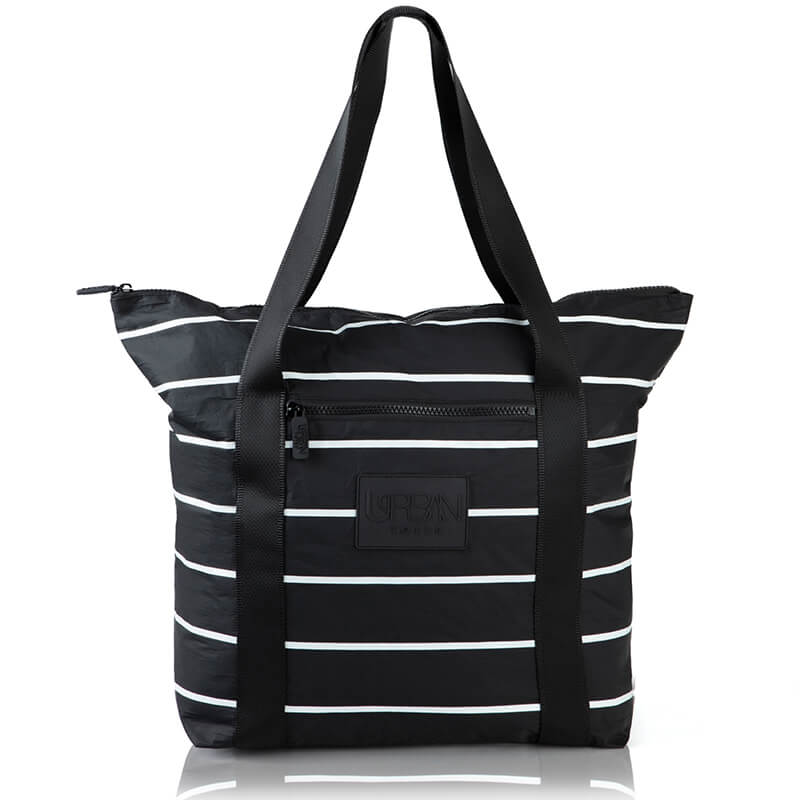
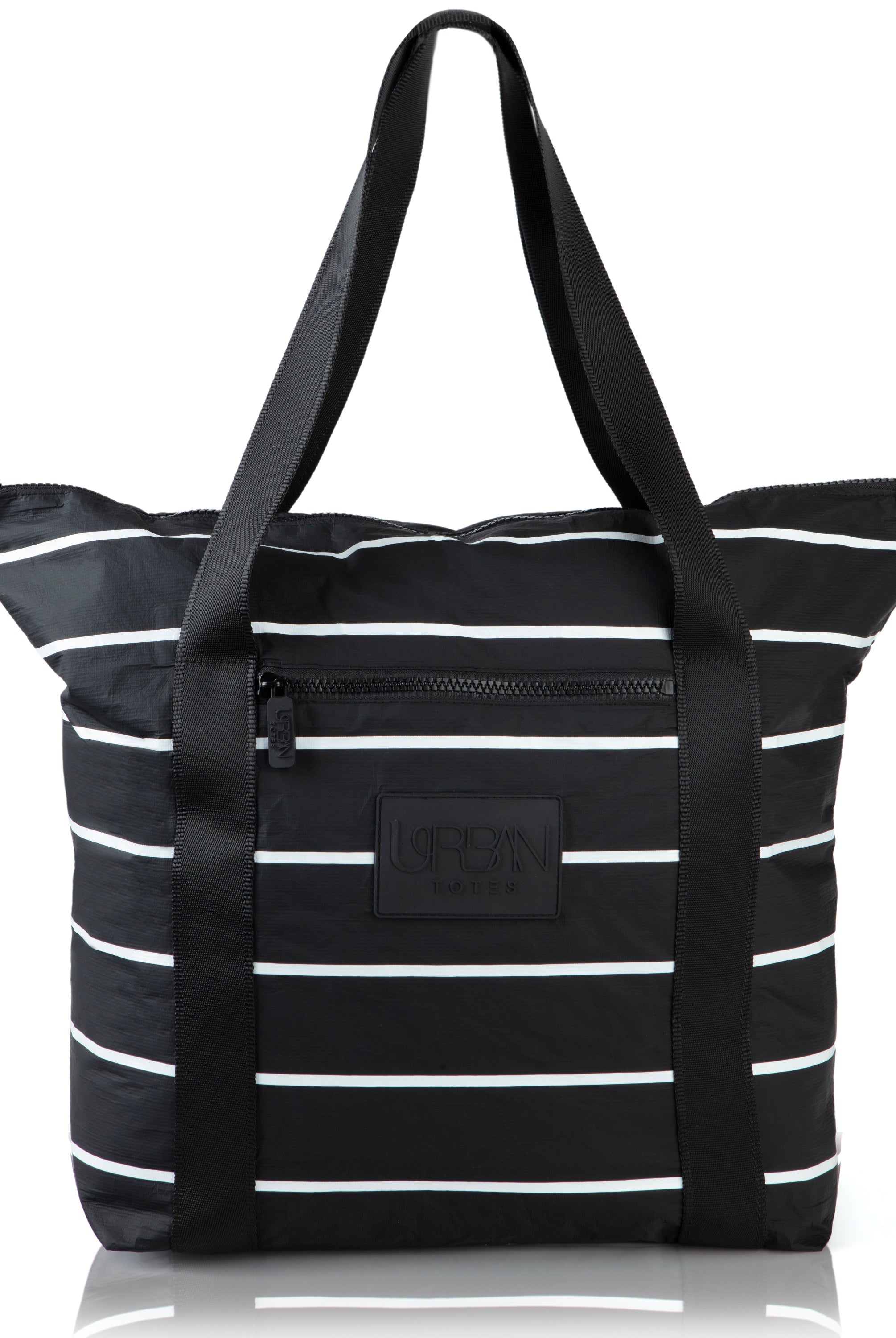
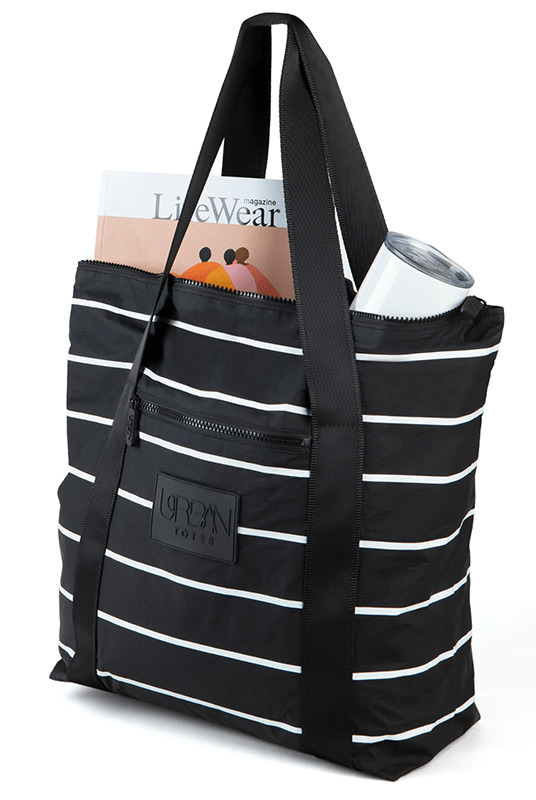
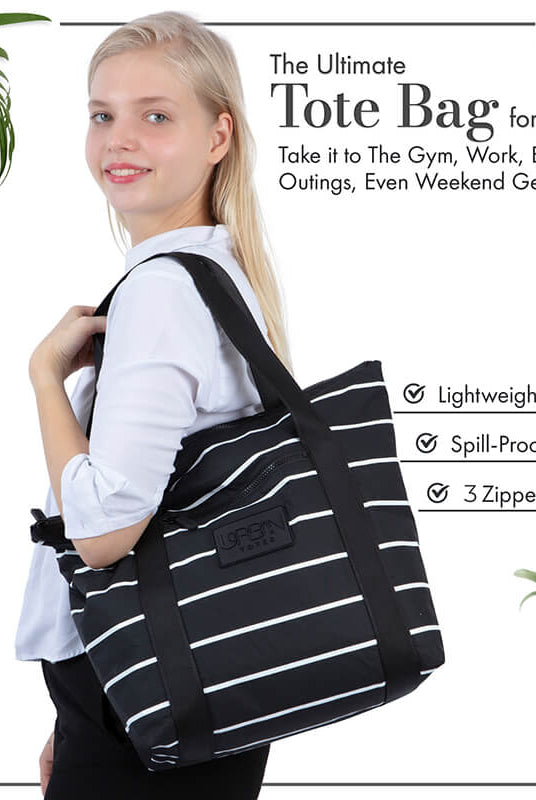
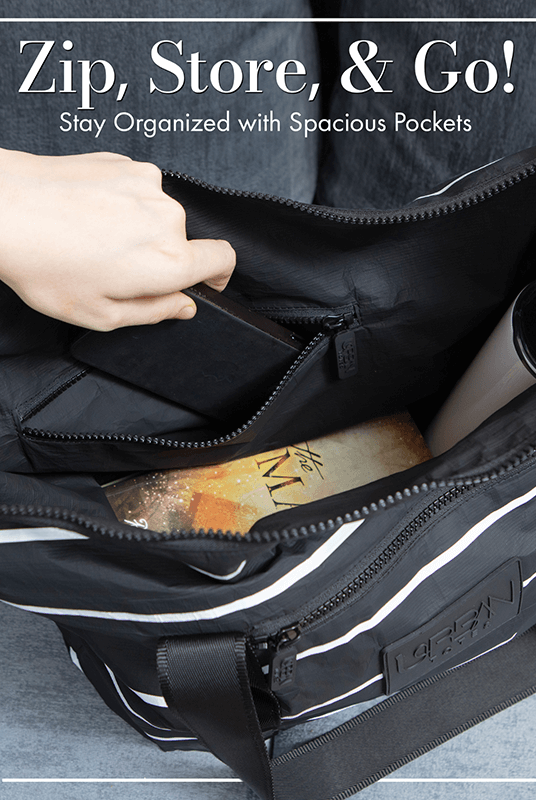
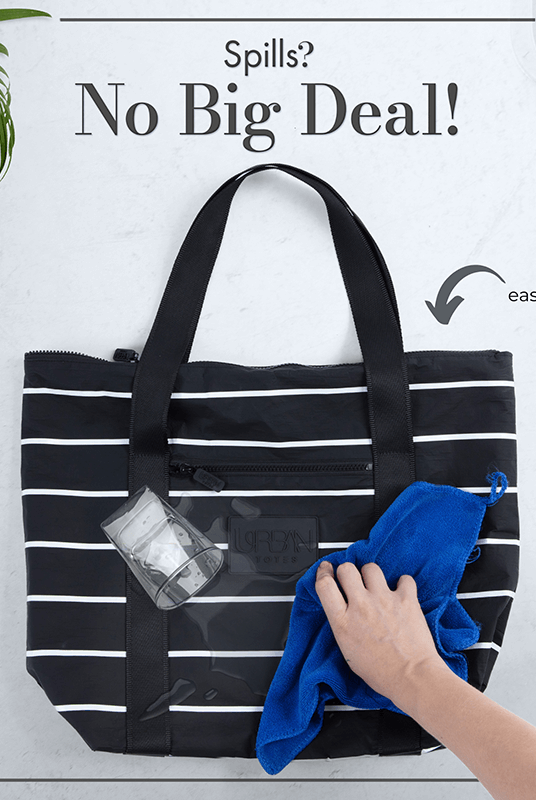
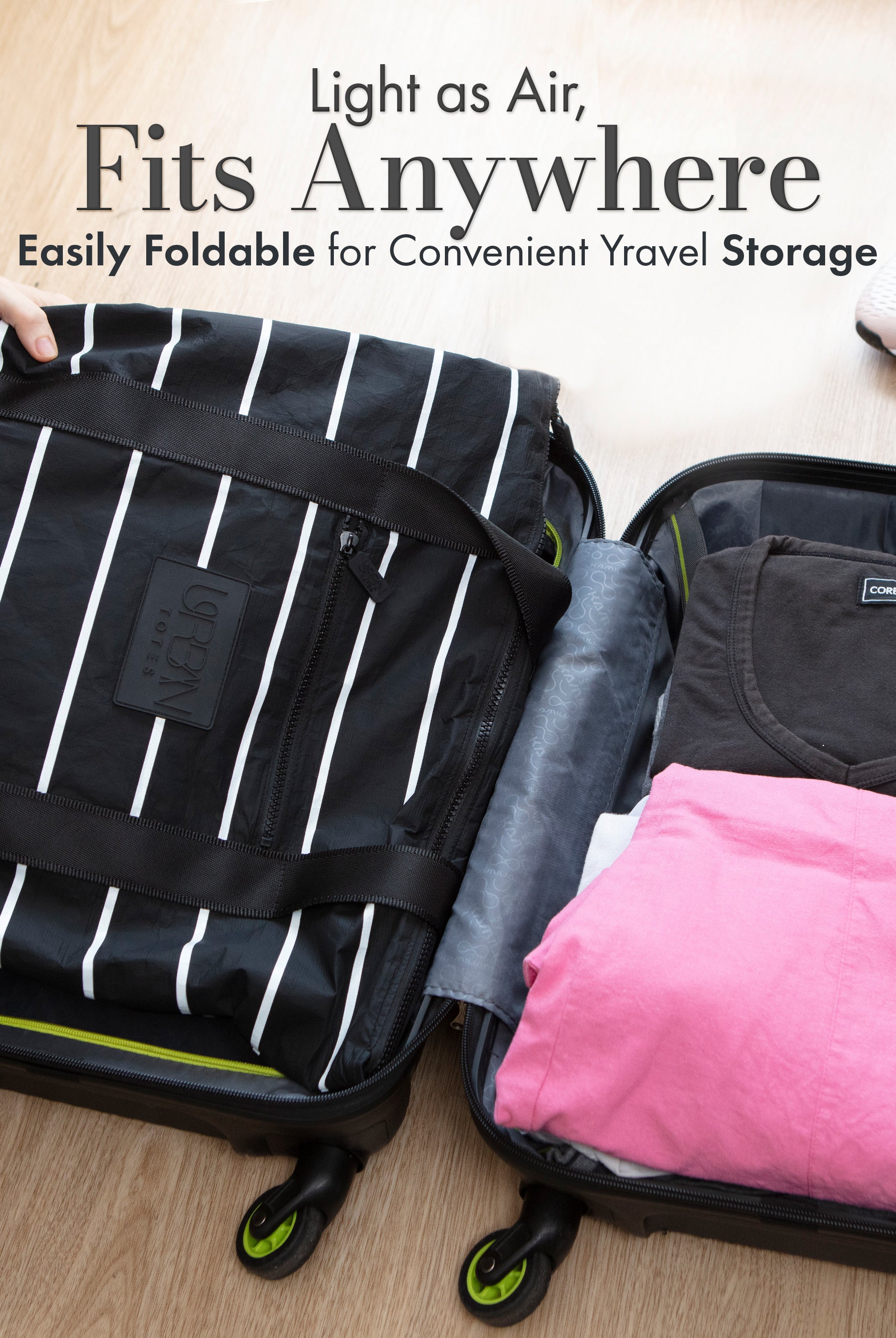
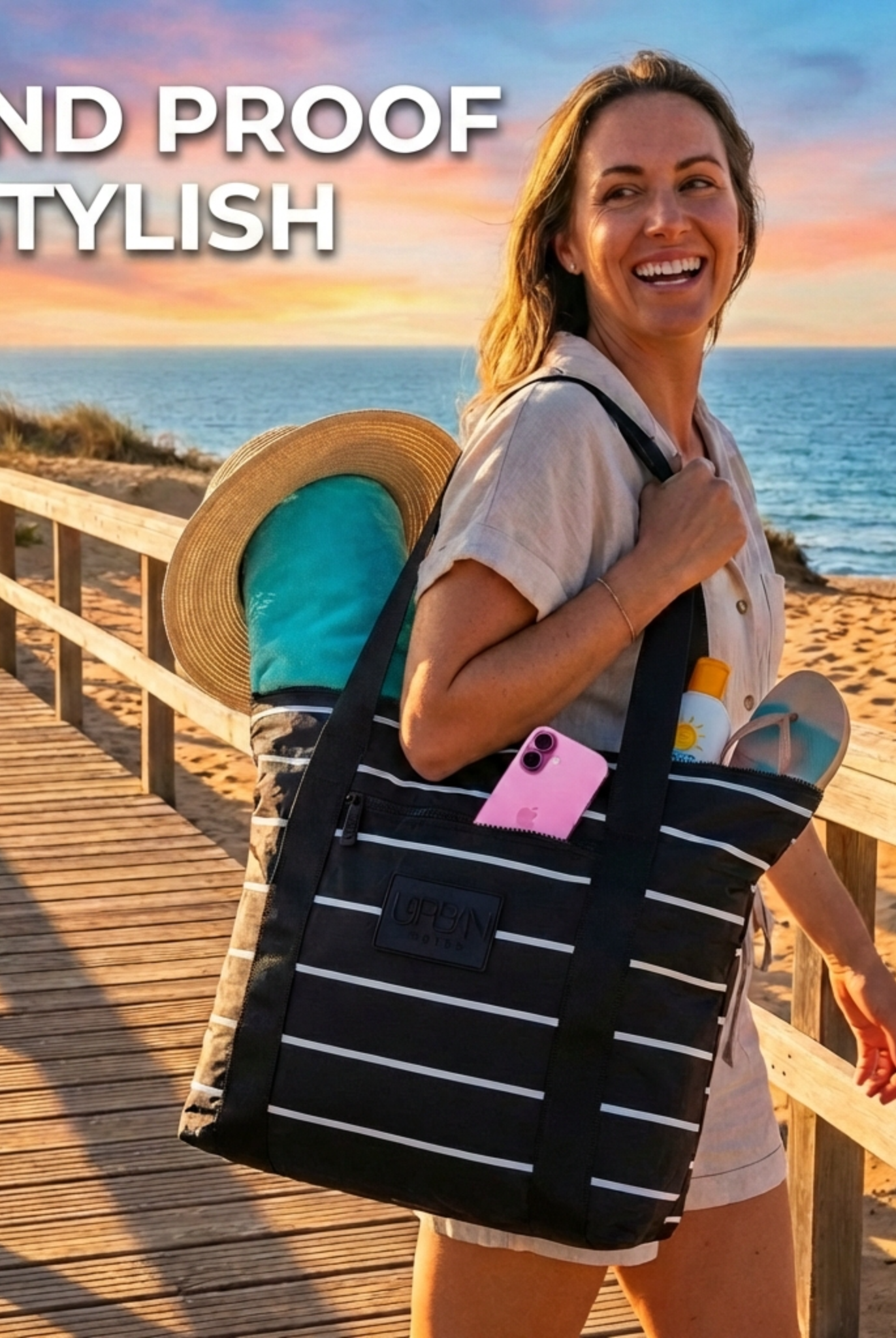
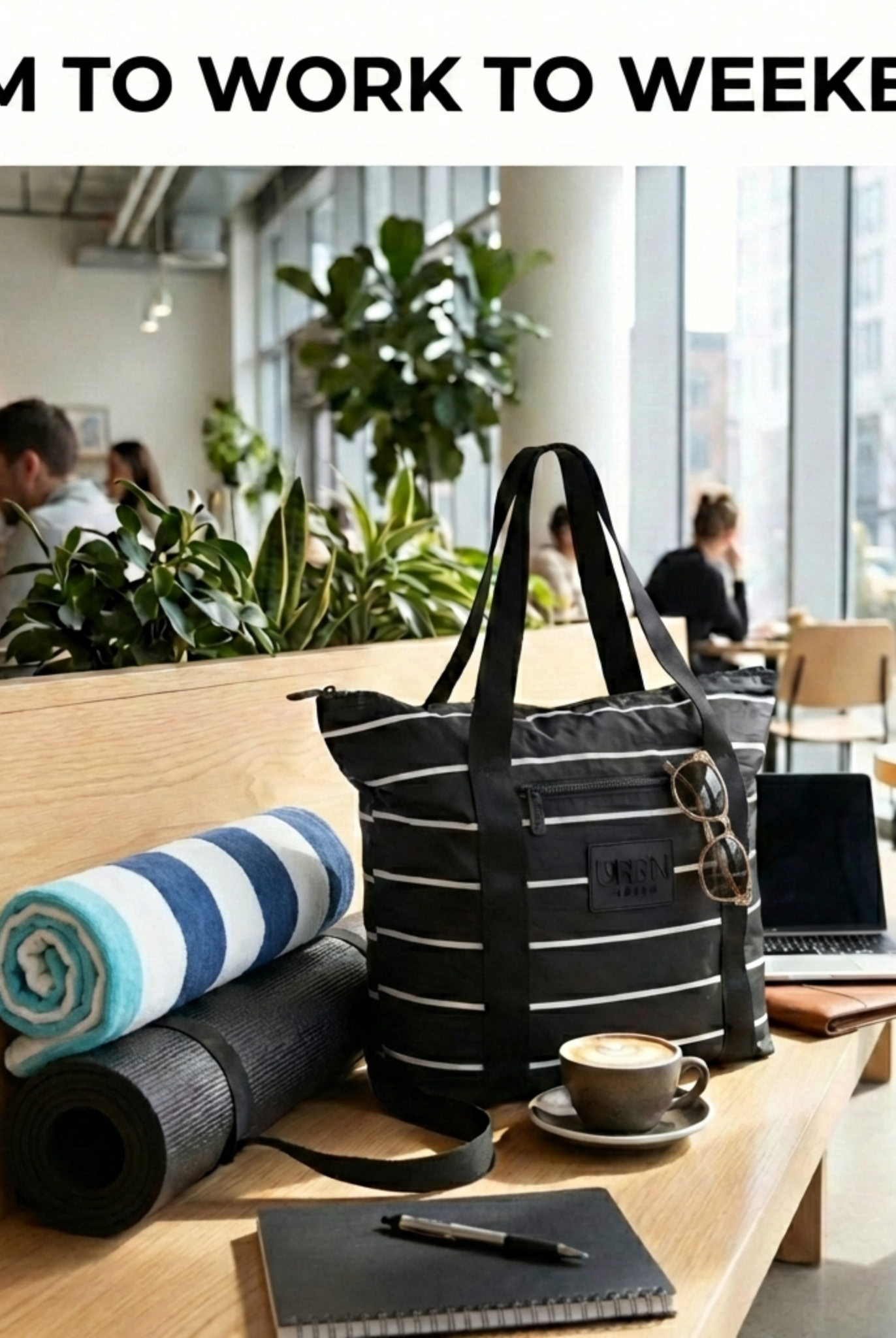
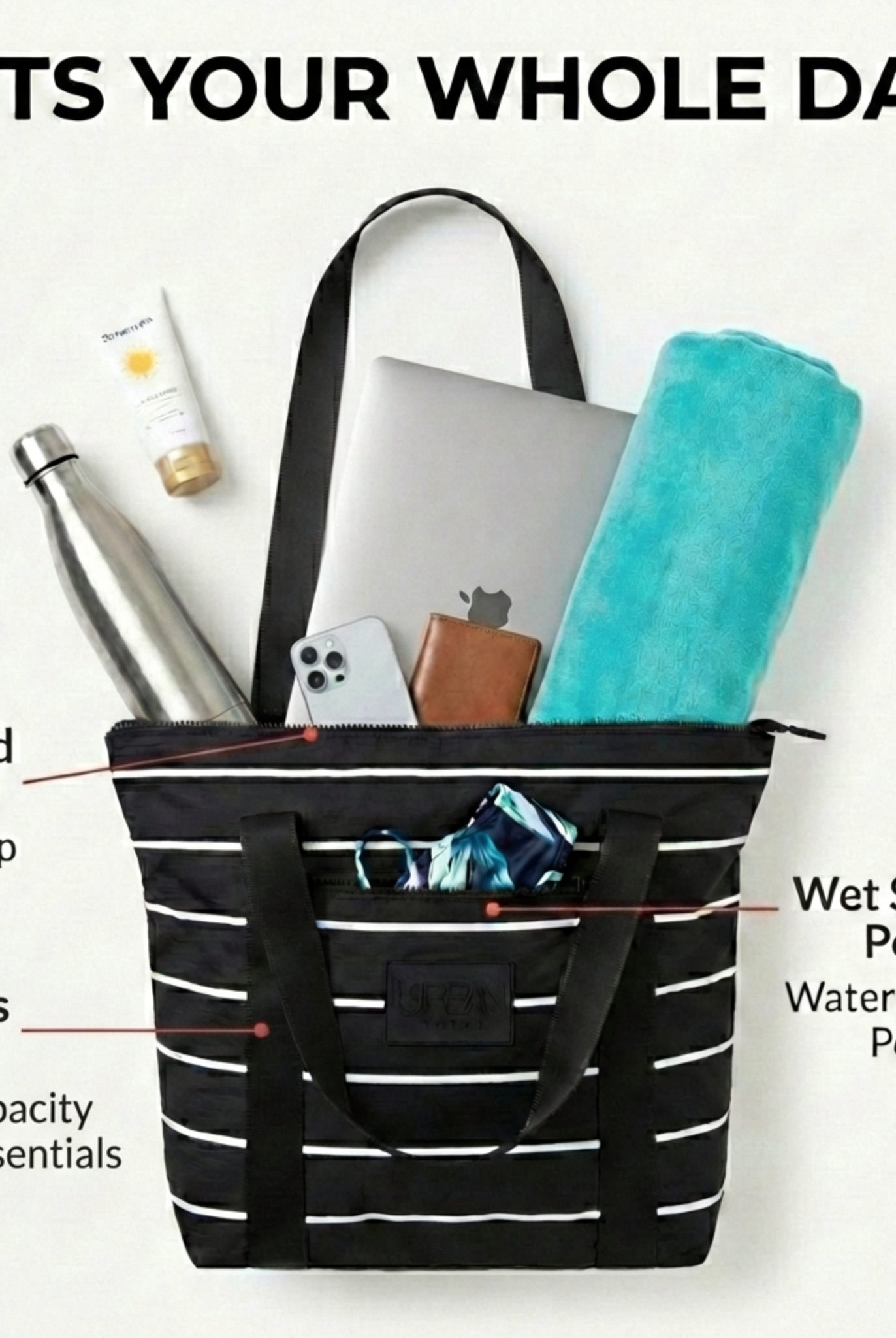
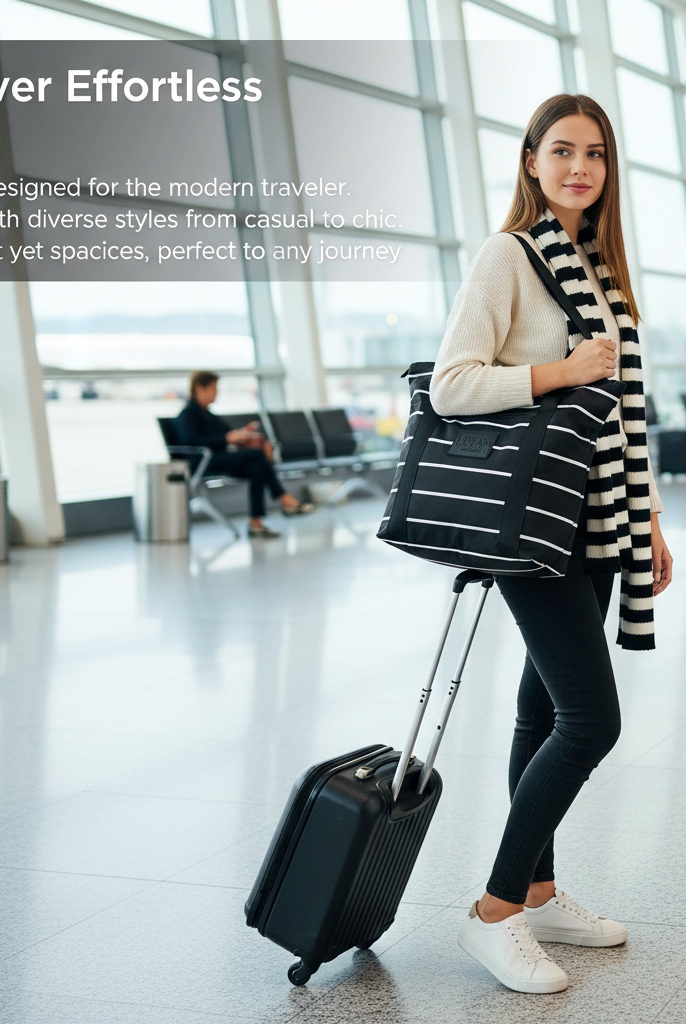
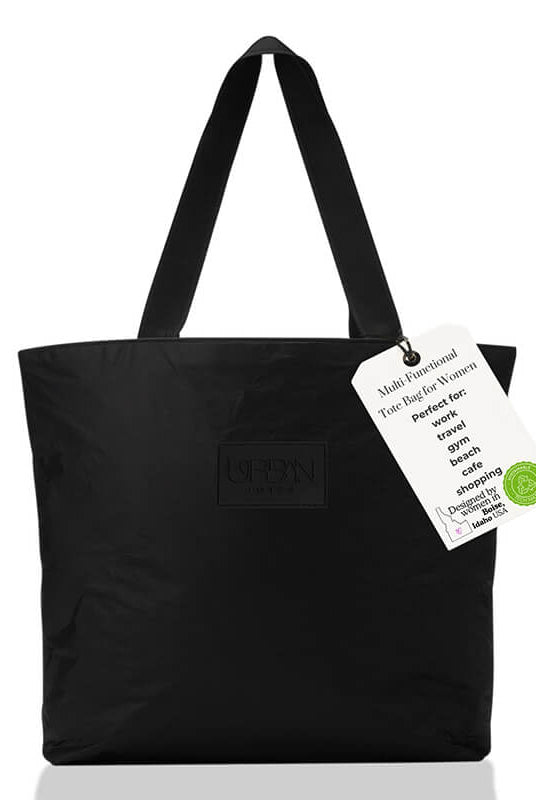
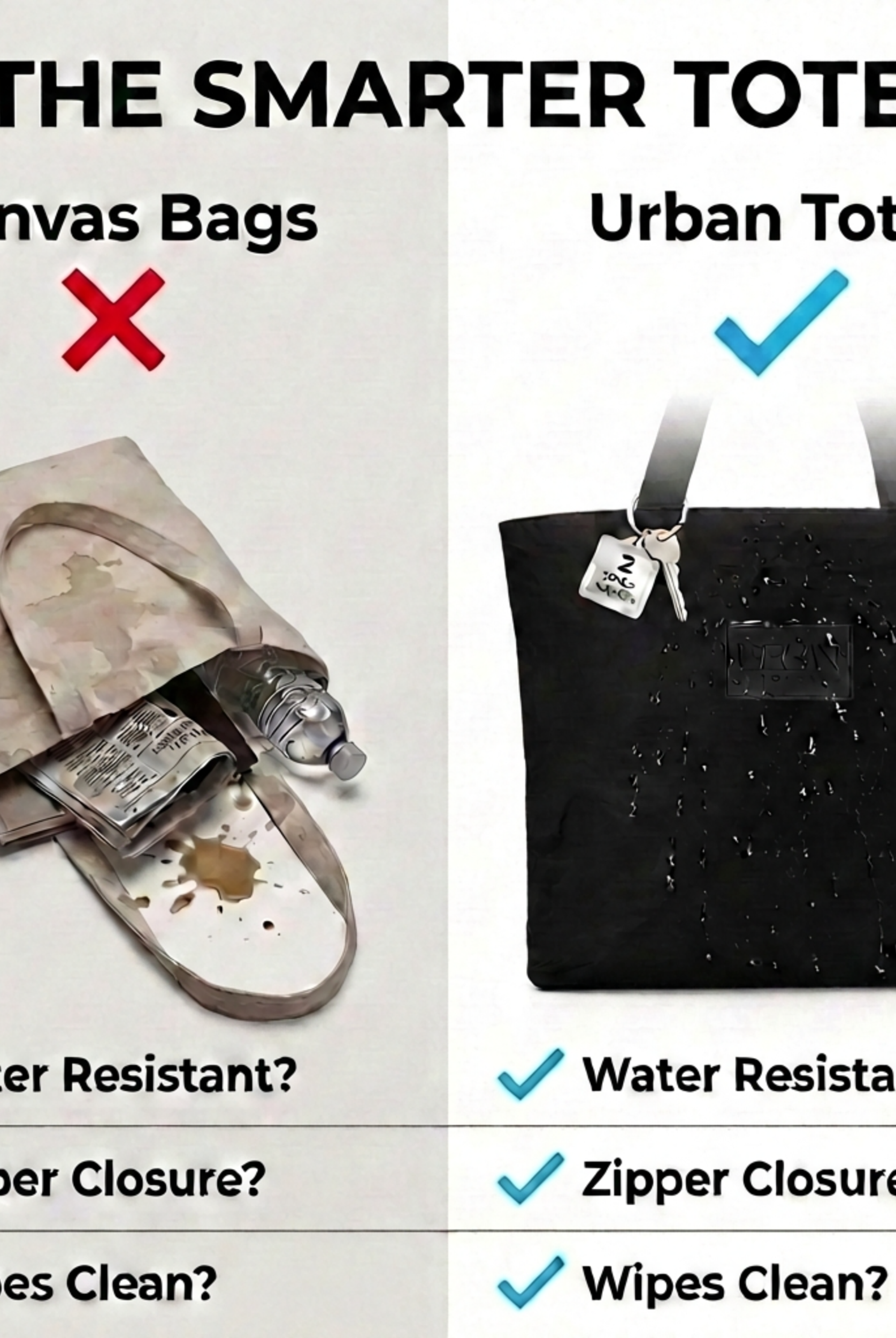
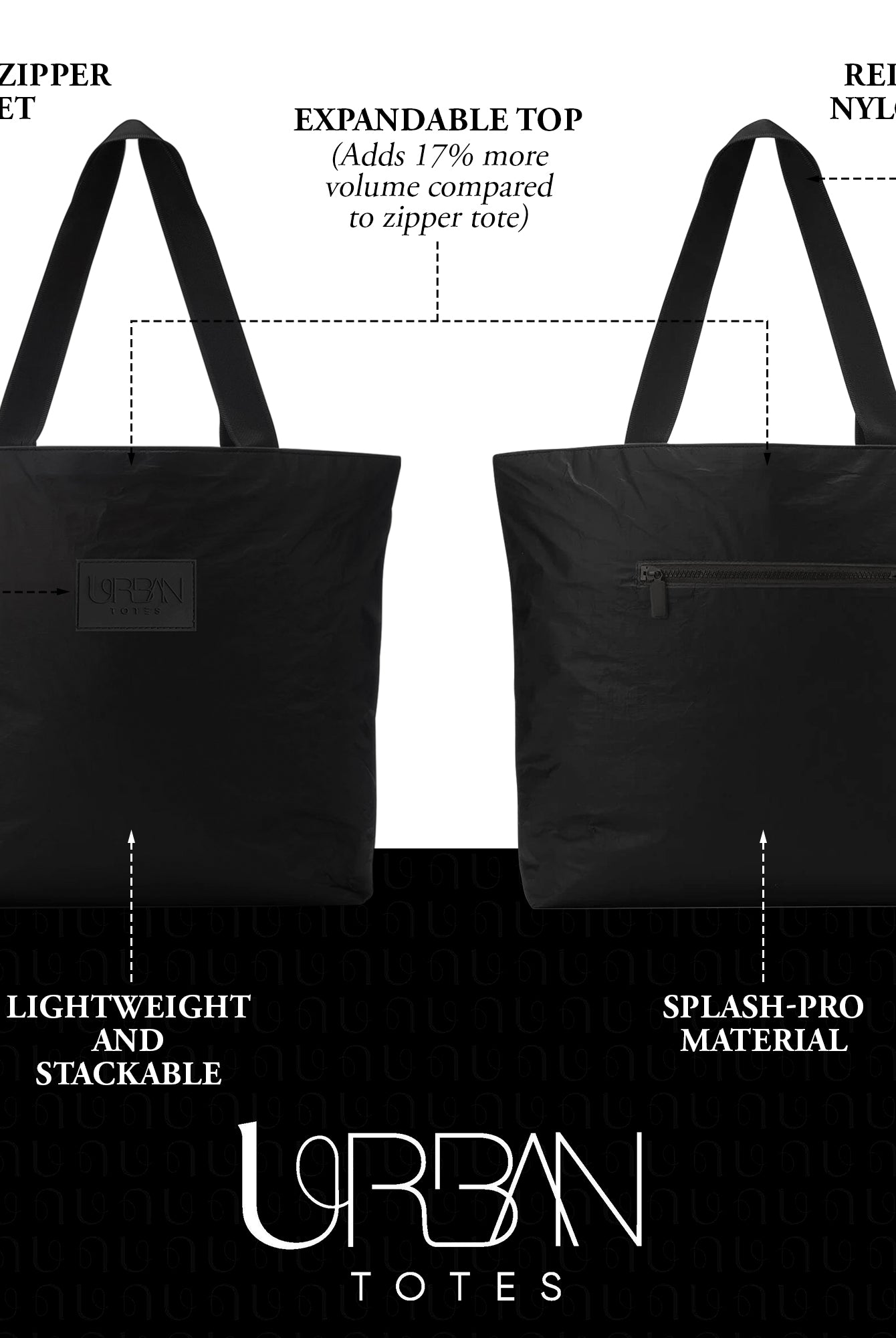
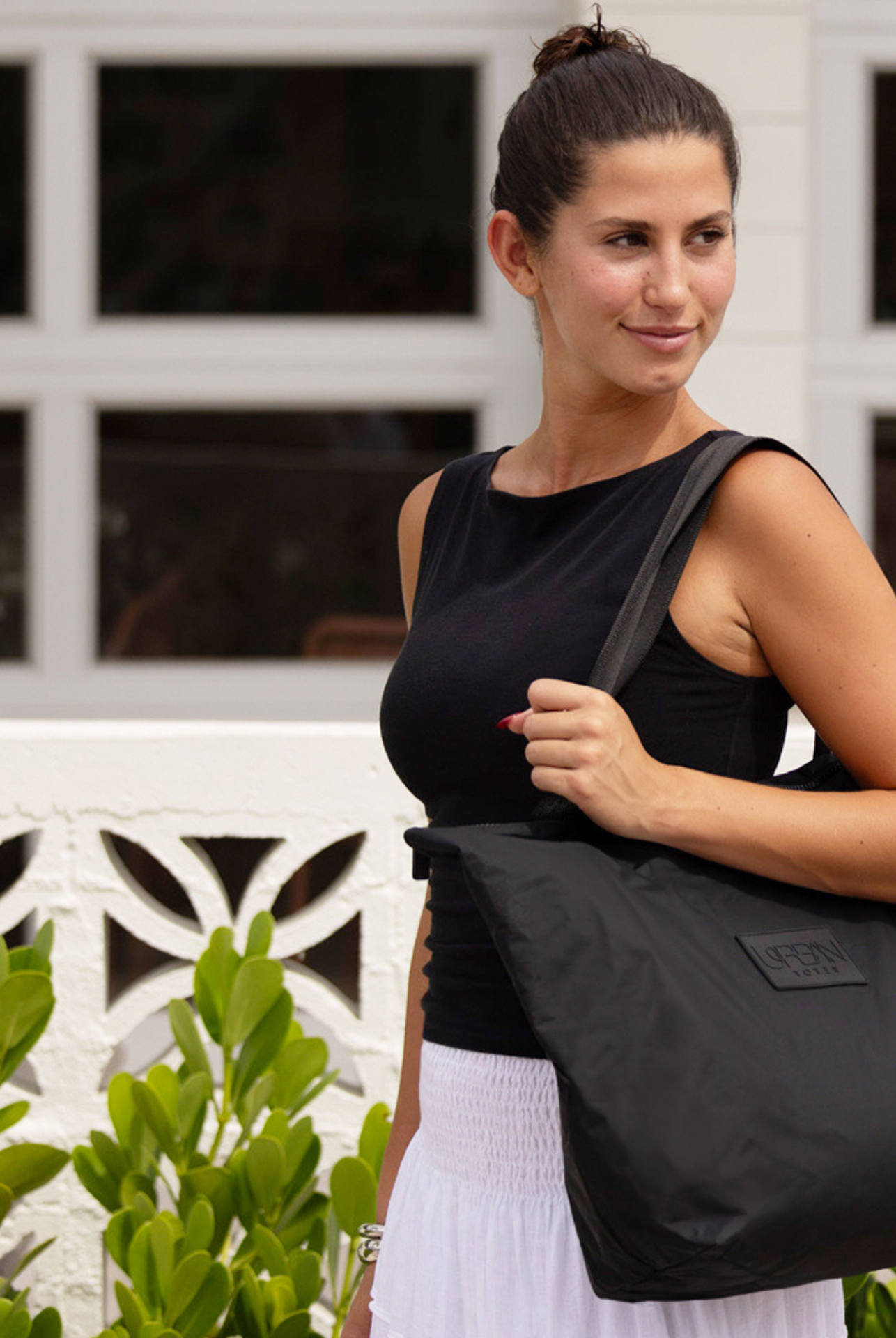
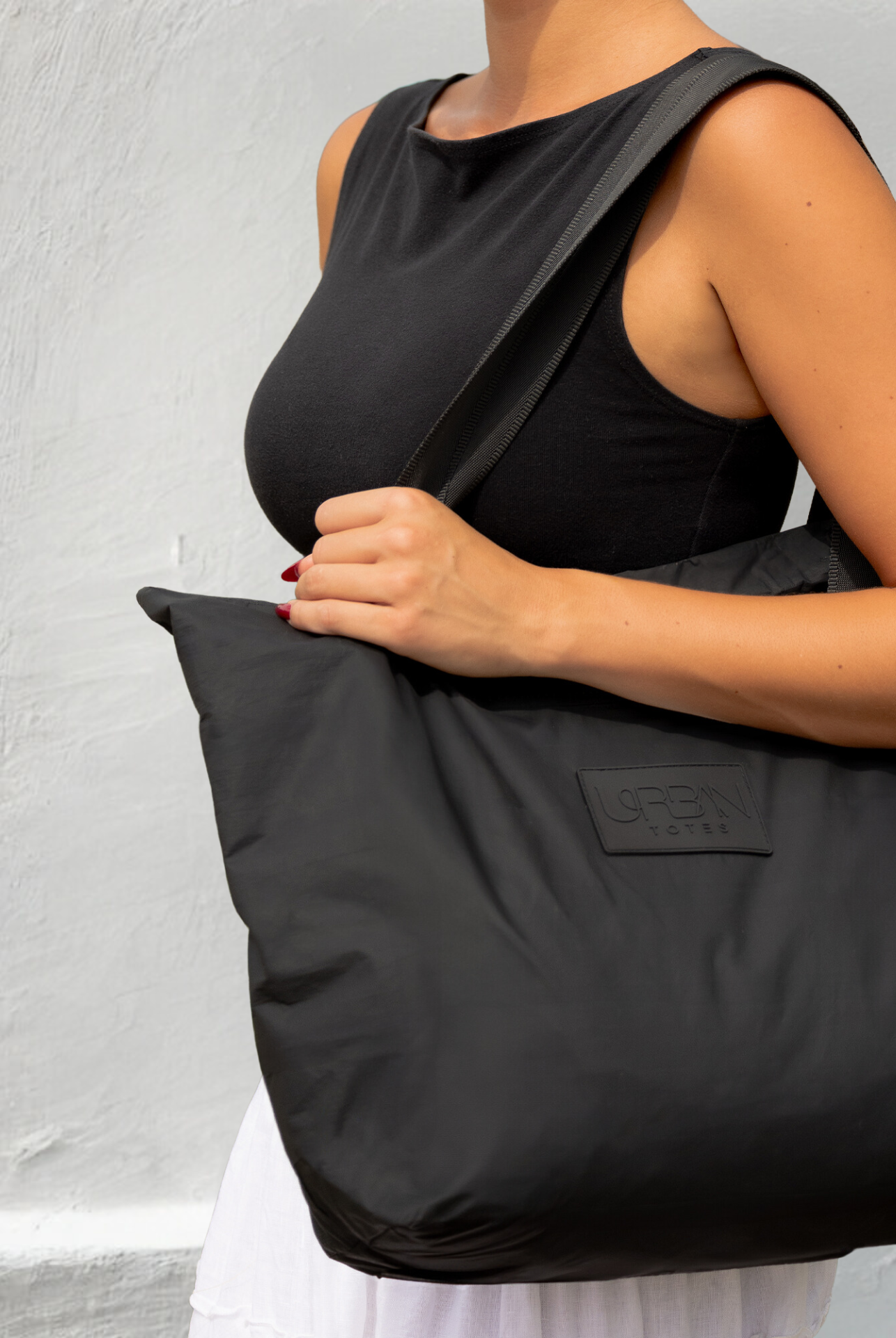
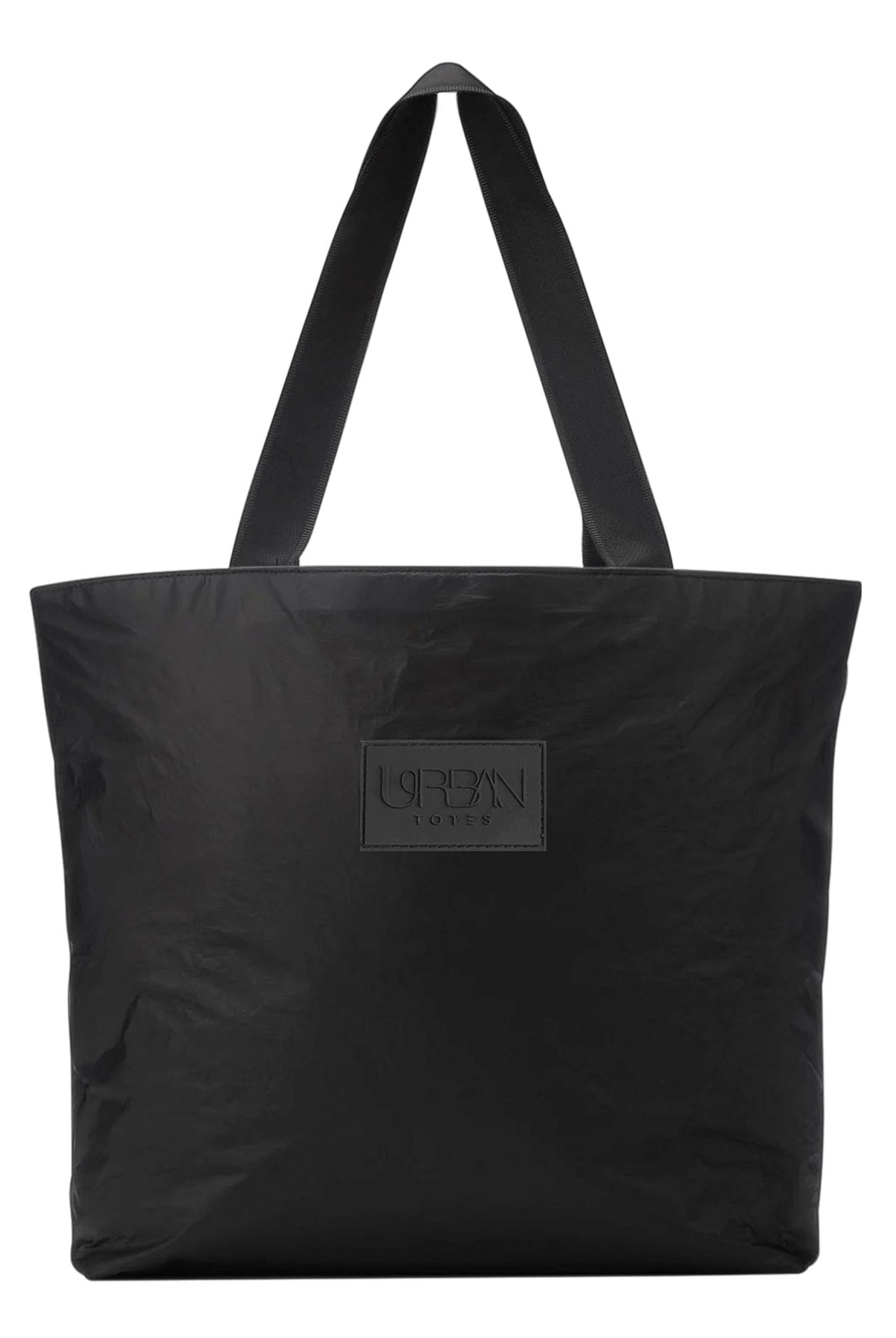
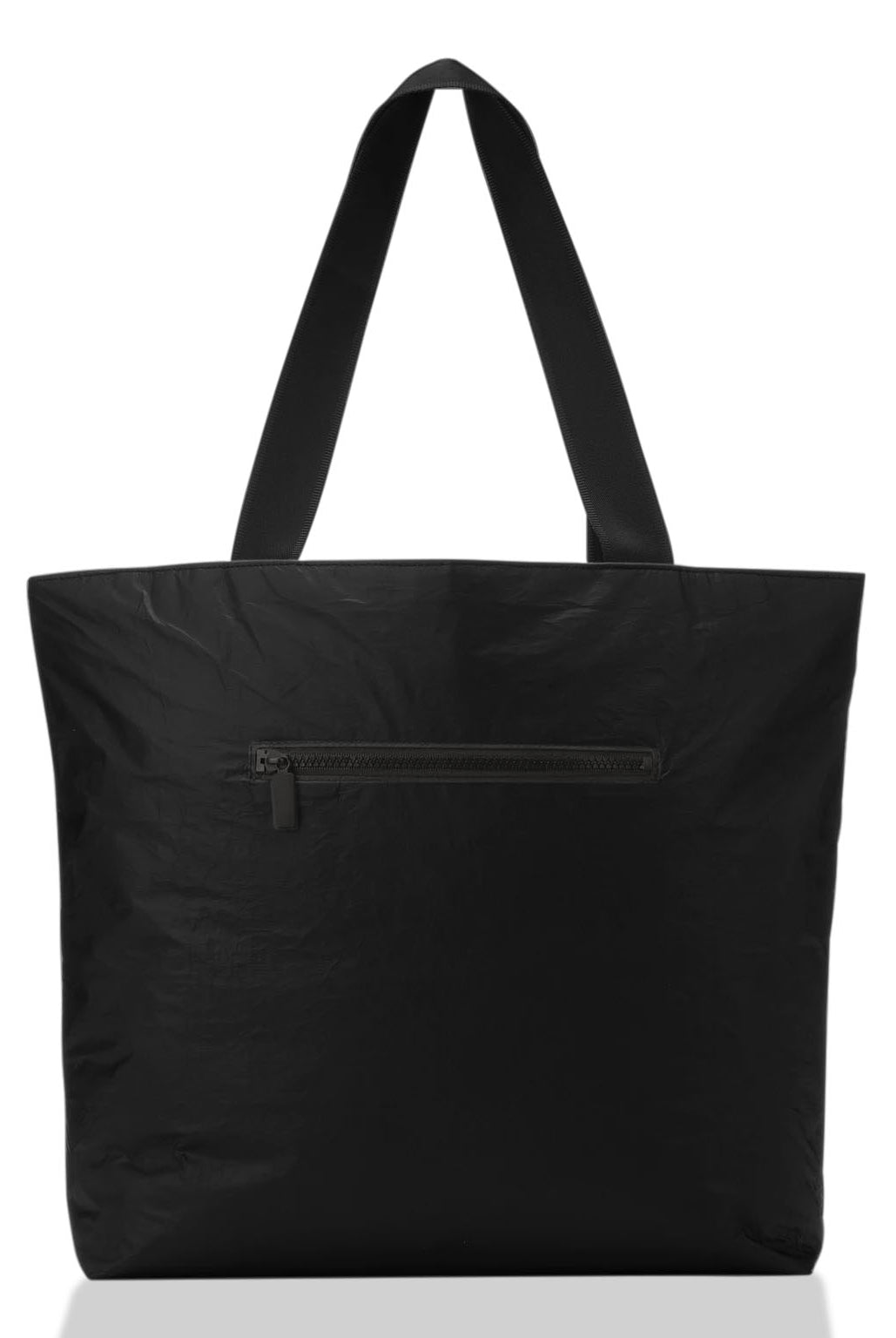
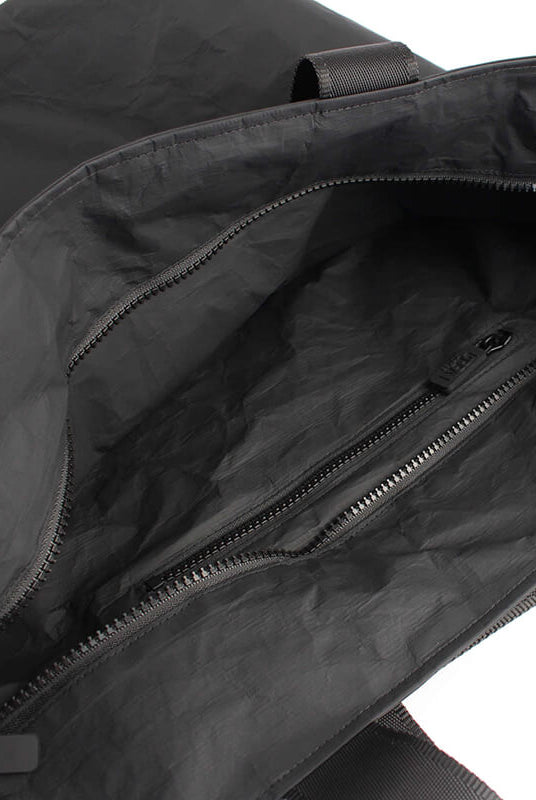
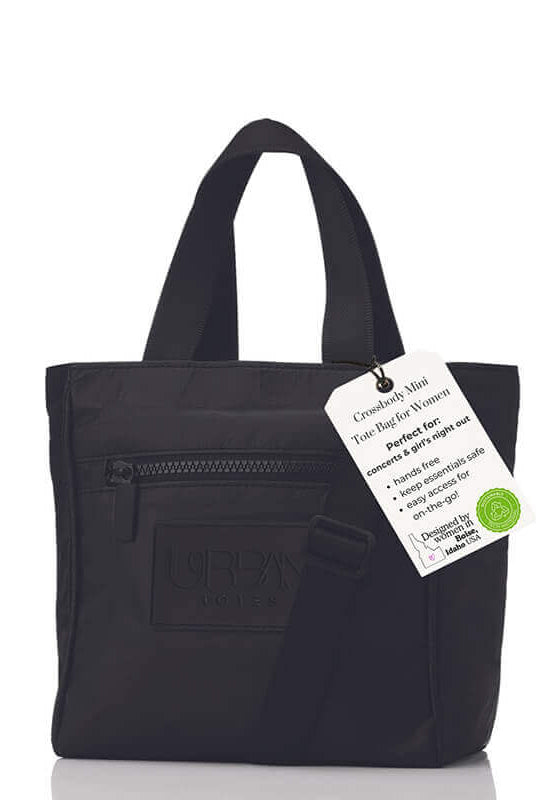
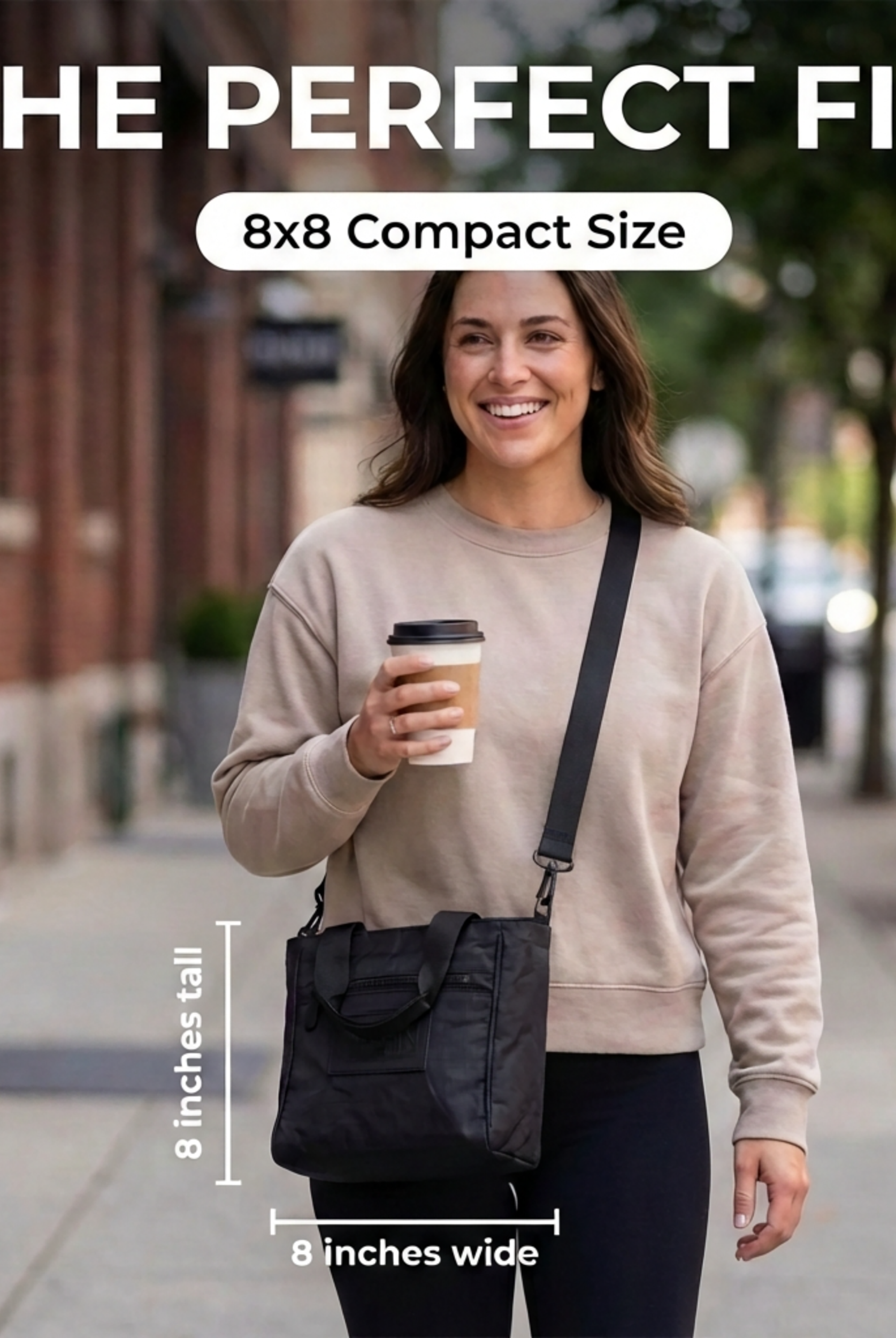
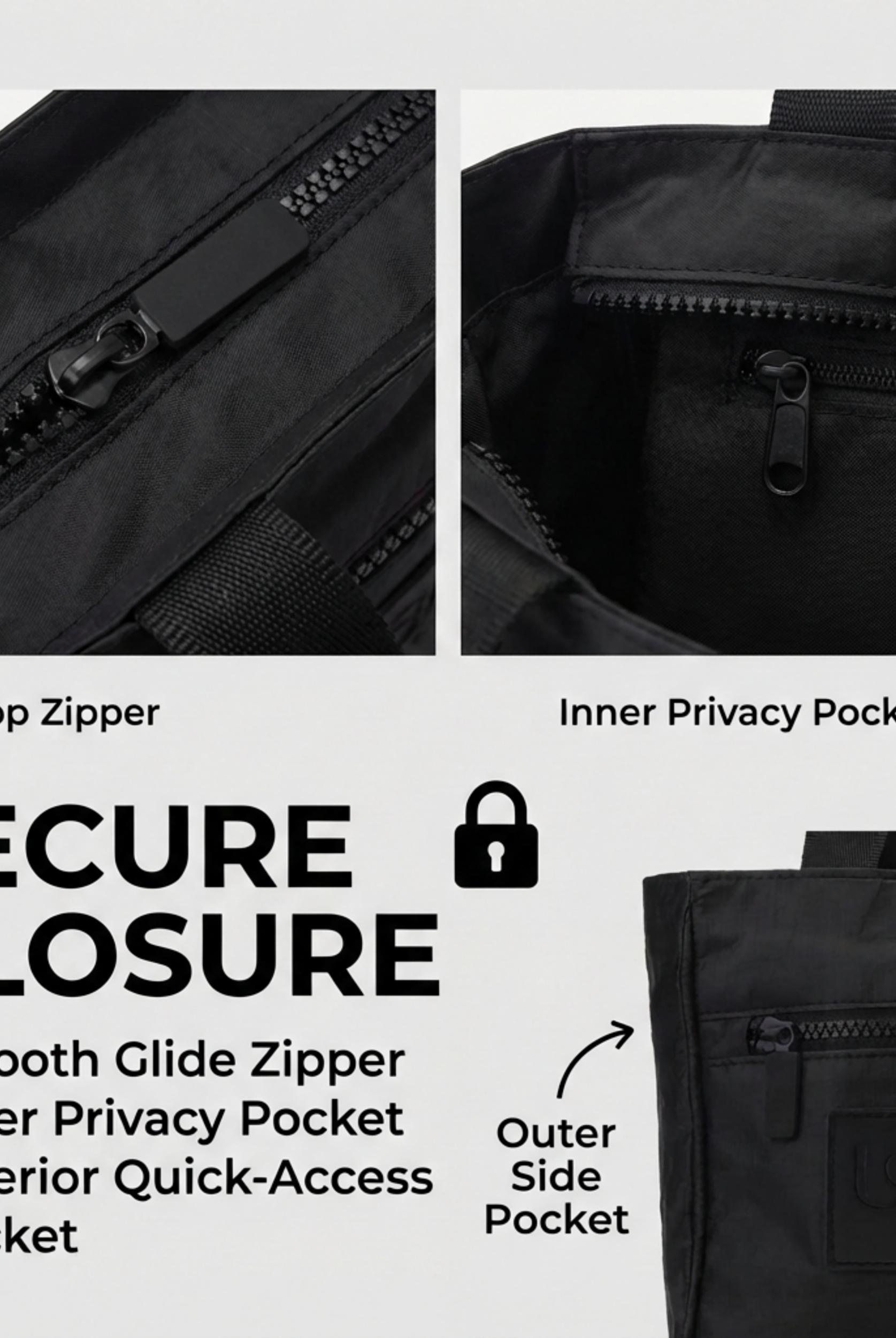
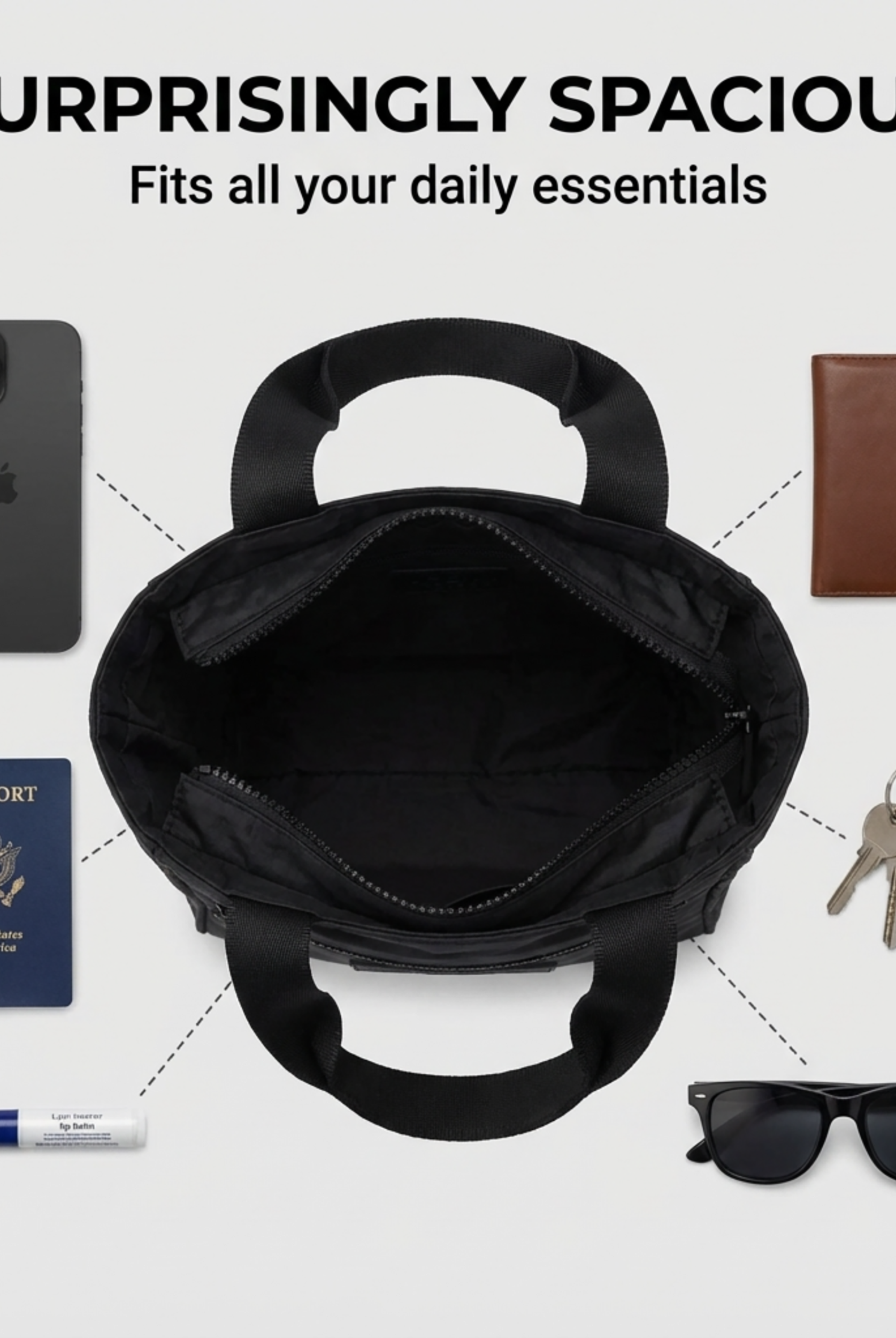
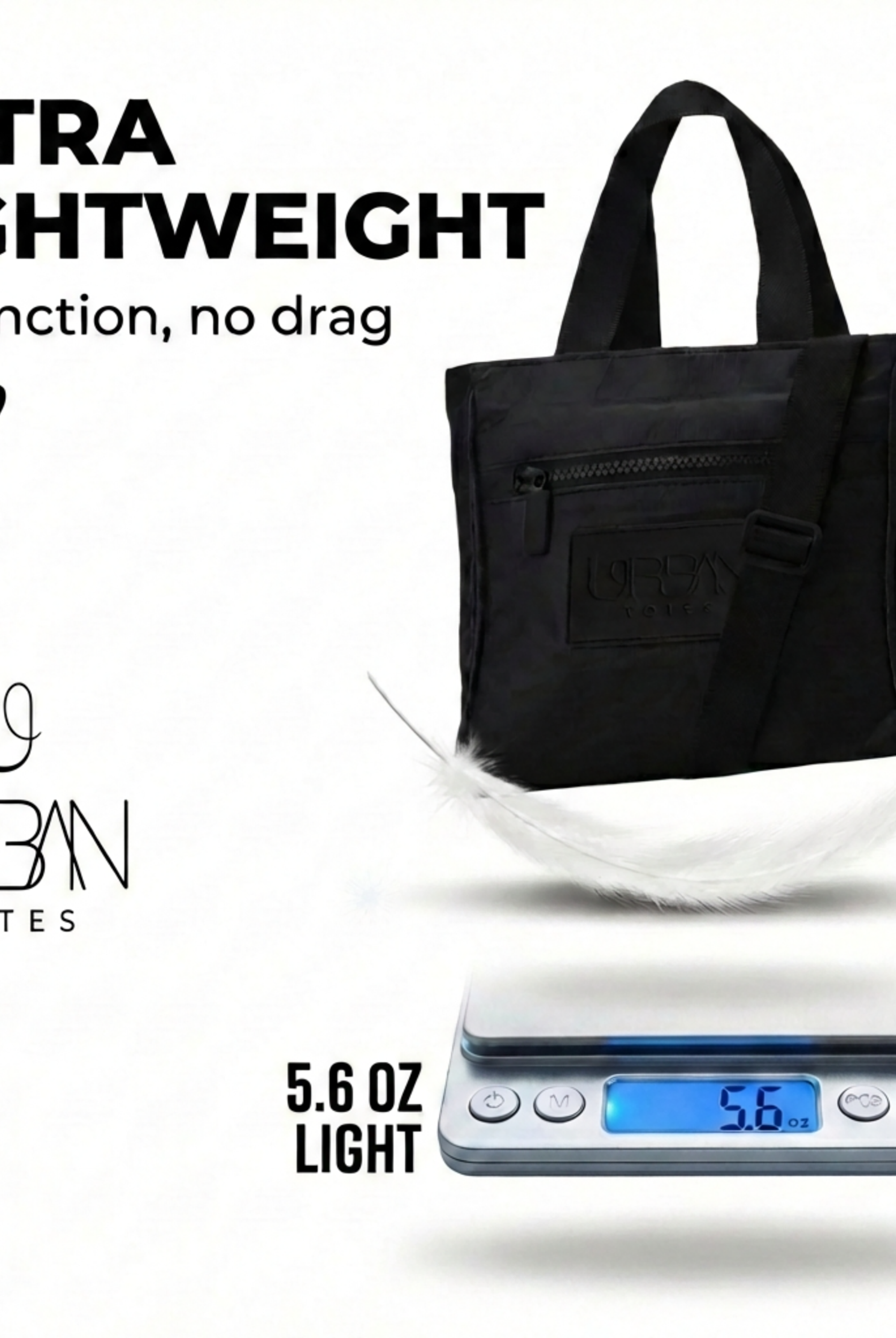
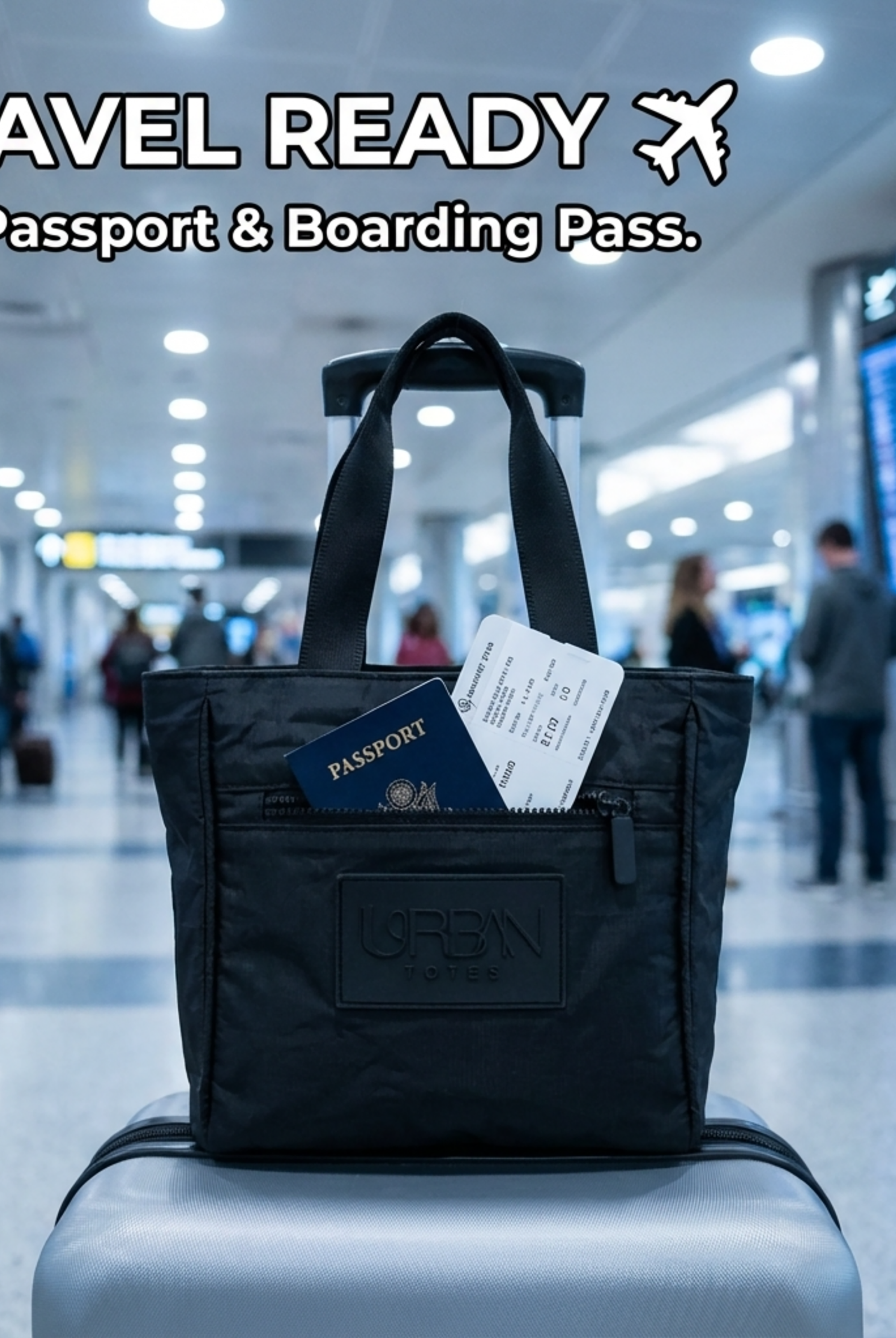
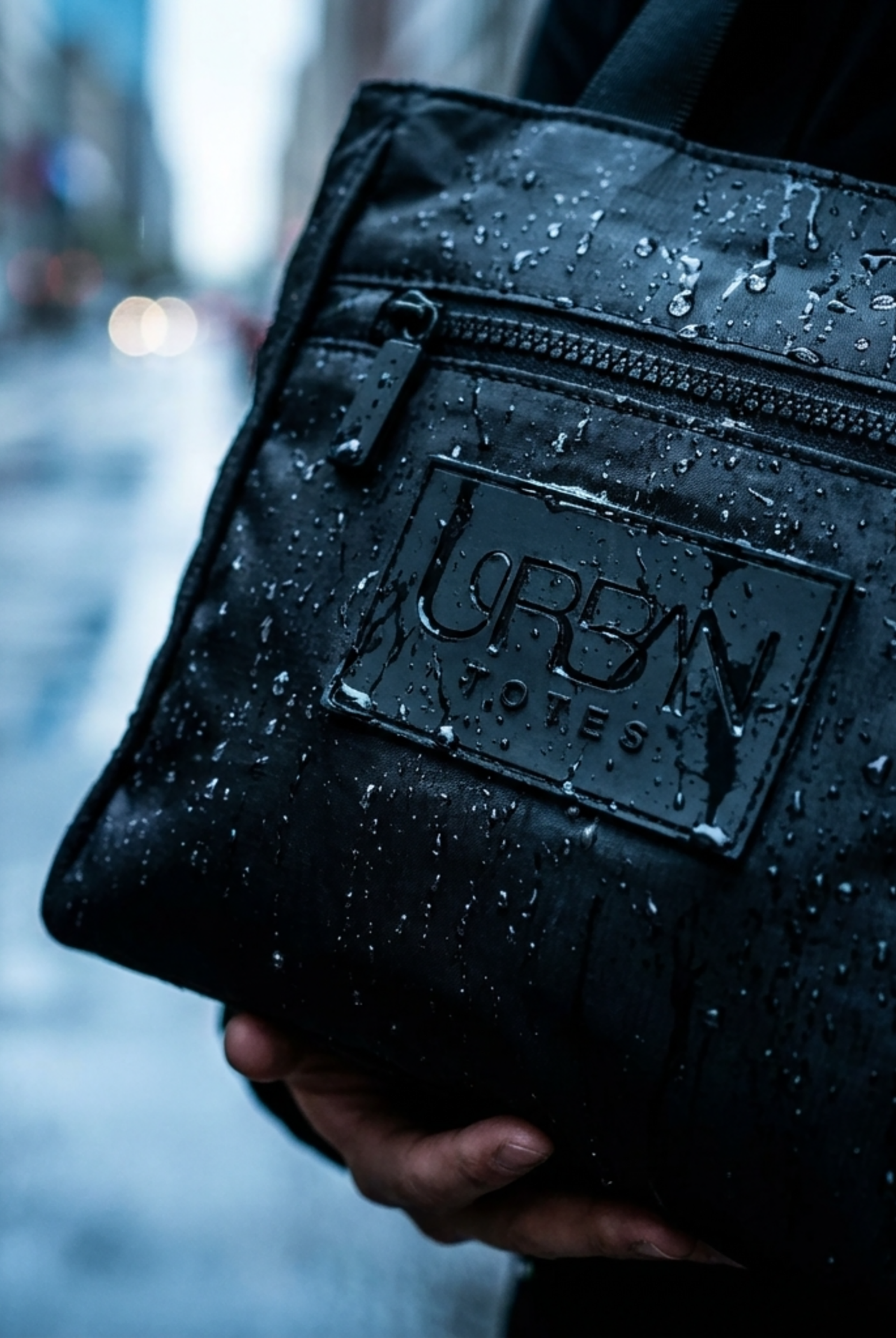
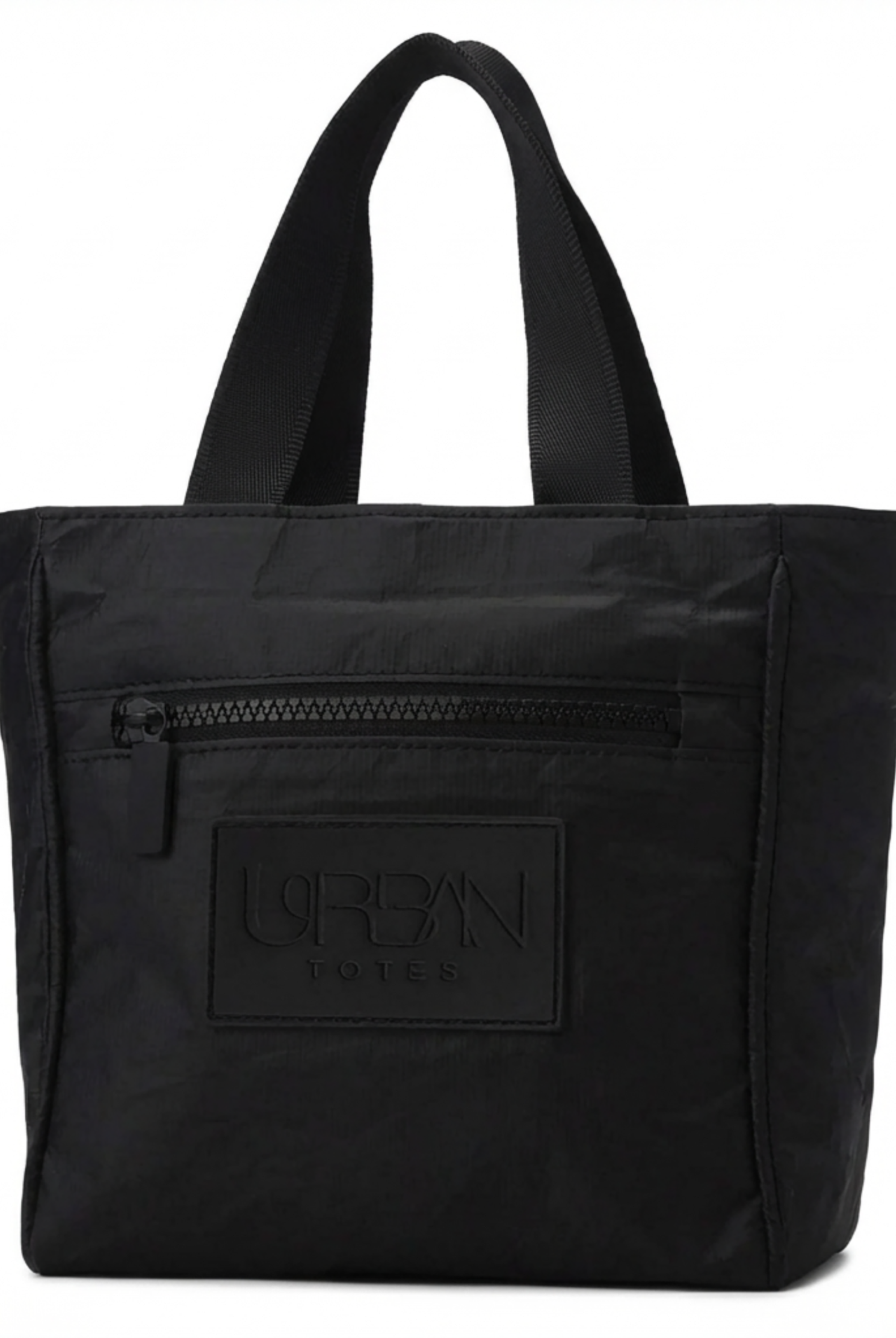
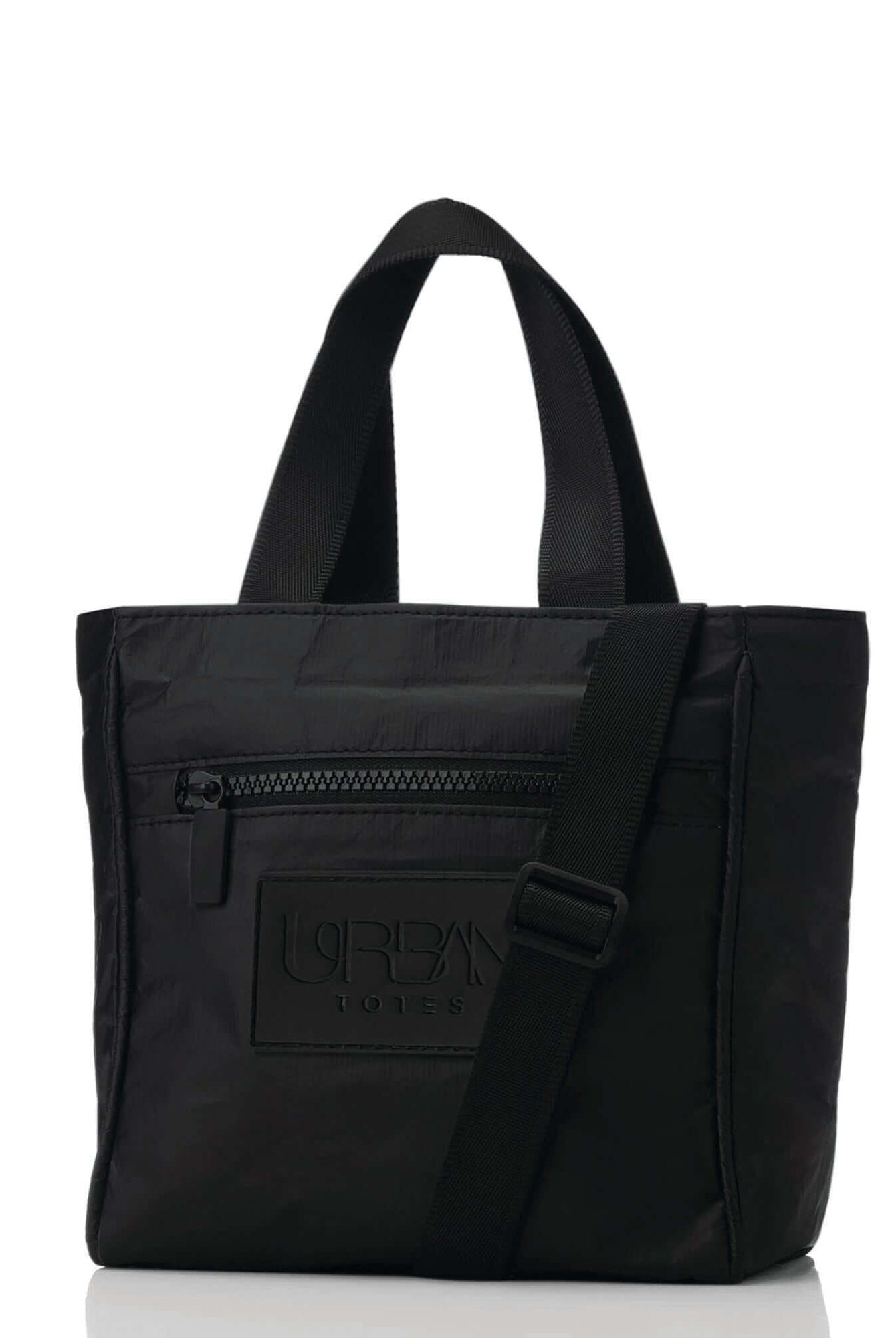
One example of a bag that overlaps with this short-trip lifestyle category is The Go Anywhere Day Trip Tote Bag by Urban Totes. Its factual feature set is straightforward: three large zippered compartments, pockets for an iPhone and keys, zipper closures, water-resistant materials, and a lightweight, packable, foldable design with 11.5-inch handles. That kind of organization matters because a bag can feel larger in use when the layout is efficient, even before you get into raw dimensions.
A Quick Reference Guide to Weekender Sizes
Numbers get easier once you see how real bags cluster. Market examples show that successful weekender bags tend to land around 17 to 21 inches in length and 8.5 to 12 inches in height or depth. Examples cited in product analysis include a 25L bag at 12.6 x 18.5 x 8.86 inches, a 38L model at 20.9 x 11.8 x 9.4 inches, and another overnight-style format at 16 x 19 x 10 inches (Pack Hacker weekender dimensions review).

Weekender Bag Dimension and Capacity Chart
| Size Category | Typical Dimensions (L x H x W) | Volume Range (Liters) | Ideal For |
|---|---|---|---|
| Small Weekender | Around 17 to 19 inches long with a compact height and depth | 25 to 35L | Overnight trips or minimalist packing |
| Medium Weekender | Around 18 to 21 inches long with moderate depth | 35 to 50L | Most 2 to 3 day trips |
| Large Weekender | Longer or deeper profiles that feel closer to small luggage | 50 to 65L | Longer weekends or heavier packers |
How to read the chart in real life
The jump from small to medium usually feels manageable. The jump from medium to large changes how the bag carries.
Depth is the dimension that sneaks up on you. A deeper bag gains useful volume fast, but it also becomes harder to tuck under or around your body when you're walking with it. Length often packs clothing more cleanly. Depth often decides whether the bag feels elegant or unwieldy.
Two bags can look similar in product photos and behave completely differently once they're packed. Proportion matters as much as total capacity.
How to Measure Your Bag Correctly
If you only measure a soft bag when it's empty and lying flat, you're not measuring the bag you travel with. You're measuring a best-case version that won't exist once you add clothes, shoes, and a toiletry pouch.

A better approach is simple. Pack the bag as you normally would for a short trip, then measure the actual outside shape. If you're trying to make space work harder, these compression packing cubes for travel can help you test a more realistic packed setup.
The right way to measure
Use a flexible tape measure and place the bag on a flat surface.
- Measure the length from end to end at the bag's longest outside point.
- Measure the height from the base to the top of the main body. Exclude the handles unless the travel policy specifically counts every protruding part.
- Measure the depth from front to back at the widest packed point.
- Include pockets and bulges if they push past the main body. Airlines and real-world fit don't care whether that extra inch came from the core compartment or an overstuffed pocket.
Why packed measurements matter more
Soft-sided weekenders can change shape quickly. Add shoes to one side, a laptop sleeve to the other, and the bag may push outward in places the product tag never hinted at.
That's why measuring a packed bag is more honest. It tells you what you'll carry through the terminal, slide into an overhead bin, or try to fit under a seat.
At-home check: If the bag only fits the required space when it's empty, it doesn't really fit.
A few common measuring mistakes
- Ignoring exterior pockets because they seem minor. They count in practice.
- Measuring from seams instead of the widest point and ending up with a number that's too forgiving.
- Packing beyond the shape the bag is designed to hold. A soft tote can expand, but there's a point where the silhouette stops working.
That last one matters most. The right bag should still look and feel composed when full, not like it's one zipper pull away from chaos.
Navigating Airline Carry On Rules
At the airport, weekender bag dimensions stop being theoretical; outside measurements matter more than marketing language.

For a weekender that's meant to work as a real short-trip carry-on, the cleanest benchmark is the widely used U.S. carry-on limit of 22 x 14 x 9 inches, including handles and wheels. That size is a practical ceiling because it gives enough room for 2 to 3 days while still fitting overhead bins on most flights (Nomad Lane carry-on sizing guide).
Carry-on versus personal item
These two categories get mixed up all the time.
A carry-on goes in the overhead bin.
A personal item goes under the seat in front of you.
Many weekenders work well as carry-ons. Far fewer work as true personal items, especially once packed. If you travel often and want one bag to do both jobs, this guide to the best tote for travel helps frame what to look for.
Why the same bag can pass on one trip and fail on another
Airline use isn't just about the listed dimensions on a product page. Structure changes the result. A soft bag with slim walls may compress a little. A bag with stiff trim, heavy pockets, or a framed bottom can hit the dimension limit faster than its stated capacity suggests.
That's also why a shallow, long weekender often feels easier for flights than a short, deep one. Deep bags tend to become blocky when full.
The safest way to shop for air travel
Look for three things on the spec sheet:
- Published exterior dimensions in full, not just capacity
- A shape that stays controlled when packed
- A realistic use case, meaning overhead-bin carry-on rather than assuming under-seat fit
A weekender can be travel-ready and still not be a personal item. Those are different jobs.
If smooth airport movement is your priority, treat the carry-on benchmark like a ceiling, not a target to press against. A little breathing room makes everything easier, from boarding to lifting the bag into the bin.
What Really Fits A Packing Guide by Size
Liters sound useful until you're standing over your bed deciding between sneakers and a second sweater. The crucial question is simpler. What can I bring without the bag feeling stuffed?
For a typical short trip, a medium weekender usually covers the essentials if you pack with a little intention. Think in categories instead of exact counts. You want a few clothing changes, one pair of shoes if needed, a toiletries pouch, chargers, and the daily items that make travel feel less chaotic.
What small, medium, and large feel like in practice
A small weekender works best when you pack lightly. It's a good match for an overnight stay, a quick road trip, or a one-outfit-plus-backup kind of plan.
A medium weekender is often considered comfortable for a weekend away. This is the size range that tends to handle a couple of outfits, sleepwear, toiletries, and a layer without becoming annoying to carry.
A large weekender gives you more freedom, but it asks more of your shoulder and your travel setup. It makes more sense for car travel or for someone who likes options and doesn't mind a fuller bag.
What smart organization changes
An organized interior doesn't magically increase volume, but it does improve usable space. That's a real difference. A bag with multiple compartments keeps your phone, keys, charger, and small essentials from floating around the main compartment with your clothes.
That's also why packing technique matters as much as bag size. Rolling softer items, grouping toiletries, and separating shoes can keep a weekender from turning into one big black hole. If you want a simple system, these five convenient ways to pack your weekender tote bag for travel are practical.
The bag feels bigger when you can reach what you need without unpacking half of it.
Match the bag to the destination
Packing for a city break looks different from packing for sandals and swimwear. If you're heading somewhere warm, a destination-specific list can help you avoid overpacking. This Tulum vacation checklist for travelers is a good example of how a setting changes what deserves space in your bag.
That's the practical meaning of dimensions. Not abstract volume. A clear sense of whether the bag supports the trip you're taking.
Choosing the Right Size for Your Lifestyle
The right weekender isn't just the right size for one getaway. It's the one that keeps fitting into your life after the trip is over.

That matters because listed dimensions don't tell the whole story. Product pages often skip the question shoppers care about most: how much the bag changes once it's packed. Soft-sided weekenders can expand, slump, or protrude beyond their stated footprint, so the primary question becomes how much you can pack for 2 to 3 days without the bag becoming too bulky to carry, fit overhead, or sit under a seat (Away weekender product discussion).
If you fly often
Choose restraint over maximum volume. A more controlled silhouette is usually easier to live with in airports than a bag that technically holds more but turns awkward when full.
Look closely at depth. That's the dimension most likely to make a bag feel cumbersome on your shoulder and harder to place under or around tight spaces.
If you mostly drive or take trains
You can be a little more relaxed about strict airline fit, but comfort still matters. A bag that opens wide, stays organized, and doesn't collapse into a heap is much easier to use when you're in and out of the car, hotel, or rental house.
If you want one bag to do several jobs
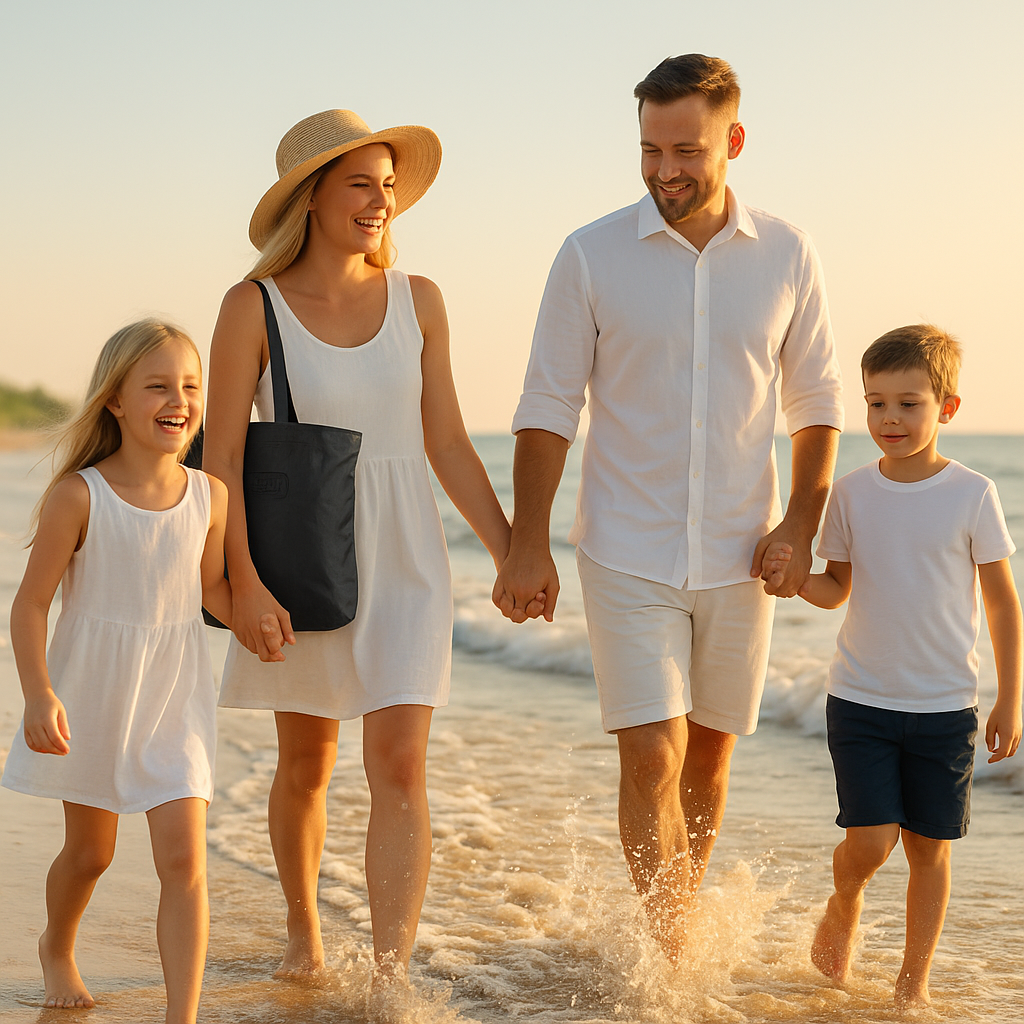
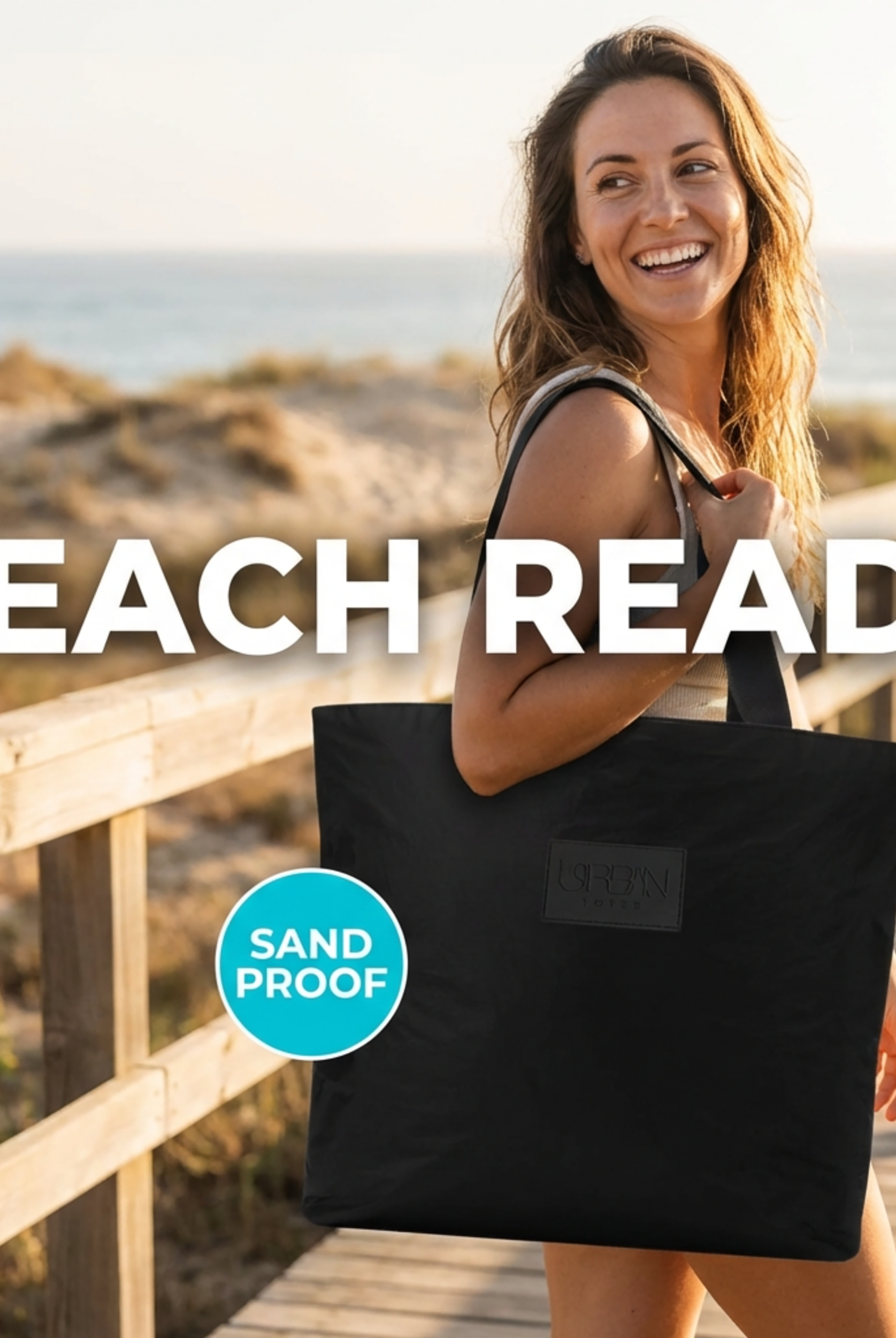
Lightweight, packable, foldable design proves valuable. A bag that works for a weekend can also work for a beach day, a sports sideline, a workday with extras, or a day trip with kids in tow.
For many women, versatility matters more than chasing the largest possible capacity. A stylish, organized tote with zipper closure and multi-pocket structure often gets used more often than a bigger bag that only comes out for travel.
- Minimalist packer: Lean smaller and cleaner.
- Option-packer: Stay in the medium range so the bag still carries well.
- Daily multitasker: Choose a shape you'd carry beyond travel.
The smartest choice is the one that still feels easy once it's loaded. That's what makes a bag go-anywhere in real life.
Your Weekender Bag Questions Answered
The last layer of confusion usually comes down to one issue. Will this bag count as a personal item, or is it really a carry-on?
The answer depends on the airline and the actual packed size of the bag, not just the category name on a retail page. Major carriers vary. Southwest lists a personal item maximum of 18.5 x 8.5 x 13.5 inches, while Delta, American, and United state that a personal item must fit under the seat. At the same time, weekender dimensions on the market range from 16 x 19 x 10 inches to 24.5 x 14.5 x 12 inches, so many bags sold as weekenders aren't directly comparable and may not qualify as personal items (weekender and airline limit comparison).
Common questions that matter
Can a weekender be a personal item?
Sometimes, but not automatically. A compact bag may work. A fuller, deeper one may not, especially after packing.
Do shoe compartments affect fit?
Yes. Any built-in compartment can change the outside profile or reduce flexible packing room in the main compartment.
Should you trust empty measurements?
Not on their own. Soft bags often change shape once filled.
A practical way to decide before you travel
Check the airline policy, then compare it to the bag's packed dimensions, not the flat ones. If your trip includes an activity with limited storage beyond the flight itself, that same thinking applies. For example, this guide to snorkel tour baggage considerations is a useful reminder that luggage size can matter well beyond the airport.
If you need under-seat certainty, shop for that use case specifically. Don't assume every weekender is built for it.
A good weekender should make a short trip feel lighter, simpler, and more organized. The right dimensions are the reason it does.
Find your perfect go-anywhere bag at Urban Totes. Shop the full collection and choose a stylish, functional carry that keeps up with real life, from airport terminals to beach days to everyday errands.