You're halfway out the door. Coffee in one hand, keys tangled in the other, phone sliding out of a jacket pocket that suddenly feels too shallow for real life. Then the school text comes in, your map is open, and you still need one free hand to lock the door.
That's the exact moment a cell phone bag stops feeling like a cute extra and starts feeling like the smart part of your daily routine.
For busy women, the right small bag does one thing beautifully. It keeps the essentials close, secure, and easy to reach without turning your outfit into a utility project. You stay hands-free, your phone has a proper place, and your day feels a little less chaotic. That's why so many women building a practical wardrobe now treat compact bags the same way they treat good sneakers or a reliable trench. They're part of the system. If you're refining your everyday pieces, this guide to building a lasting closet is a useful companion read.
Table of Contents
- Why Your Next Small Bag Should Be a Cell Phone Bag
- More Than a Pocket What Is a Cell Phone Bag
- Key Features to Look for in a Cell Phone Bag
- How to Choose the Right Size Cell Phone Bag
- How to Style Your Cell Phone Bag
- Caring for and Maintaining Your Cell Phone Bag
- Embrace the Freedom of Hands-Free Living
Why Your Next Small Bag Should Be a Cell Phone Bag
A good cell phone bag solves a very specific problem. Most women don't need to carry everything all the time. They need the few things that matter most to stay put, stay organized, and stay accessible while life moves fast.

On a school-drop-off morning, that might mean your phone, house key, driver's license, and one card. At the airport, it might mean boarding pass access, quick phone checks, and no digging through a tote while the line moves. At a farmers market, it means paying quickly, answering a call, and keeping both hands free for produce, a stroller, or a dog leash.
Small bag, big payoff
The appeal isn't just size. It's focus.
A large tote is useful when you need layers, snacks, chargers, and a water bottle. A cell phone bag is different. It trims your carry down to what you use on repeat. That shift changes how you move through the day. You stop patting every pocket. You stop wondering where your phone landed. You stop balancing too much.
A well-designed small bag gives you less to manage, not less function.
That's also why many women pair a compact phone-first bag with a larger carryall depending on the day. If you like that setup, this look at everyday crossbody bag options is a helpful next read.
When it works best
A cell phone bag earns its place when your day includes movement. Think:
- Commuting: You need your phone for transit, messages, and quick payment access.
- Errands: You're in and out of the car and don't want to haul a full handbag.
- Travel days: You want essentials close to your body, not buried in a larger bag.
- Events and outings: You need a clean, stylish bag that doesn't compete with your outfit.
The right one feels intentional. Not fussy. Not bulky. Just ready.
More Than a Pocket What Is a Cell Phone Bag
A cell phone bag is a small, phone-first bag built around quick access and light organization. That sounds simple, but it's different from a wristlet, different from a wallet-on-a-string, and very different from a standard crossbody that happens to be small.

What makes it distinct
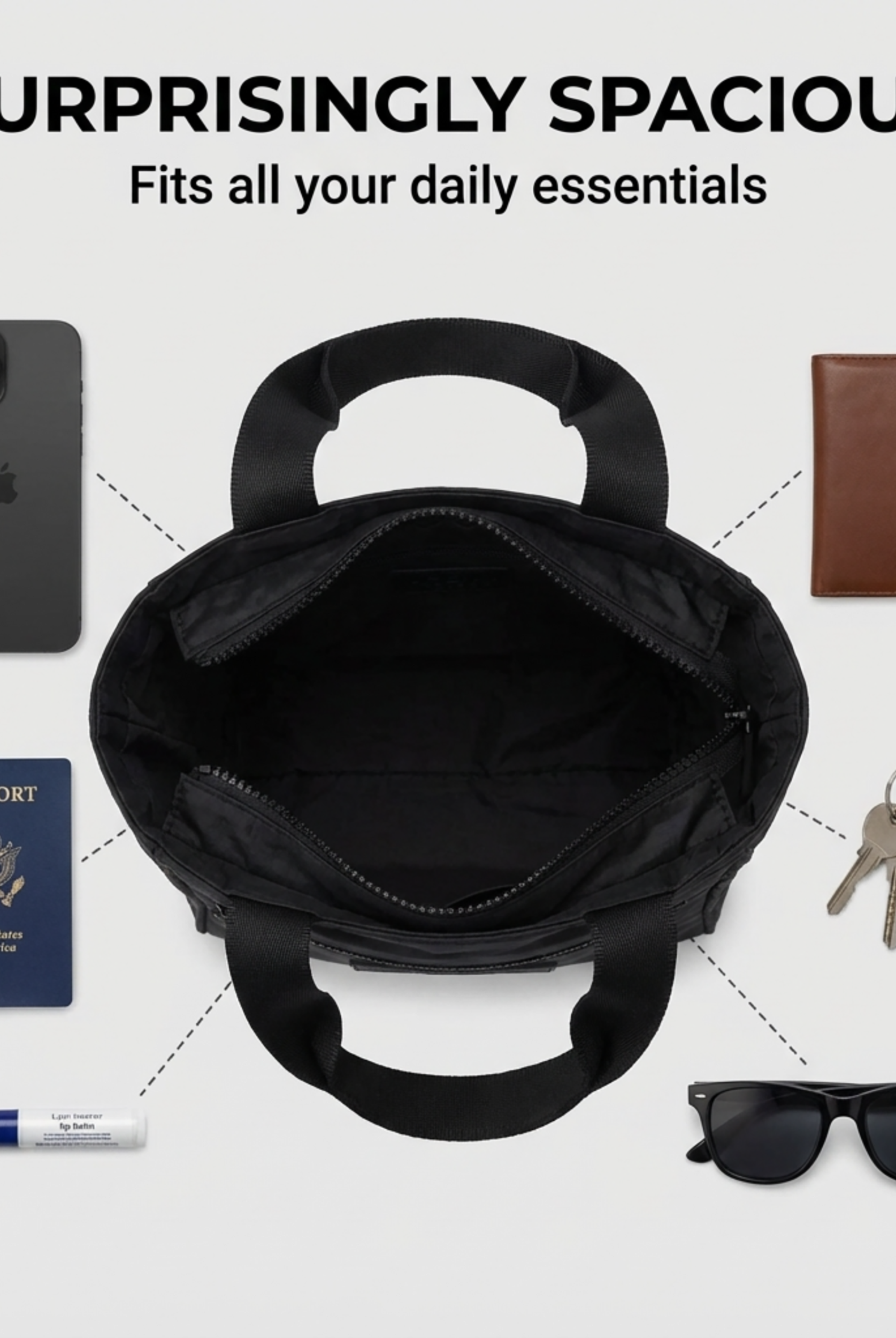
At its best, a cell phone bag acts like a compact command center. Your phone gets the priority space. Then there's room for the few extras that support real life, usually cards, keys, lip balm, and maybe earbuds.
That purpose matters. In a wristlet, the phone often competes with everything else. In a wallet-style bag, card storage usually comes first and phone fit can feel like an afterthought. In a bulky crossbody, access slows down because the bag is doing too many jobs at once.
A proper cell phone bag is built for three things:
- Fast reach: You can grab your phone without rummaging.
- Simple organization: Essentials have their own place.
- Hands-free wear: The bag stays with you while you move.
If you want a broader definition of how these silhouettes overlap, this overview of what a crossbody bag is gives useful context.
Why this category keeps growing
This isn't a tiny niche. It sits inside a large phone-accessory market shaped by the widespread daily use of smartphones. One market report values the global cell phone cases market at USD 11.8 billion in 2025 and projects it to reach USD 16.43 billion by 2035, reflecting demand for products that combine protection, convenience, and personalization, according to Business Research Insights' cell phone cases market report.
That matters because a cell phone bag isn't only about style. It's part of a broader shift toward accessories that support how people use their phones all day.
The best versions don't feel like mini handbags. They feel like edited daily tools.
A practical example
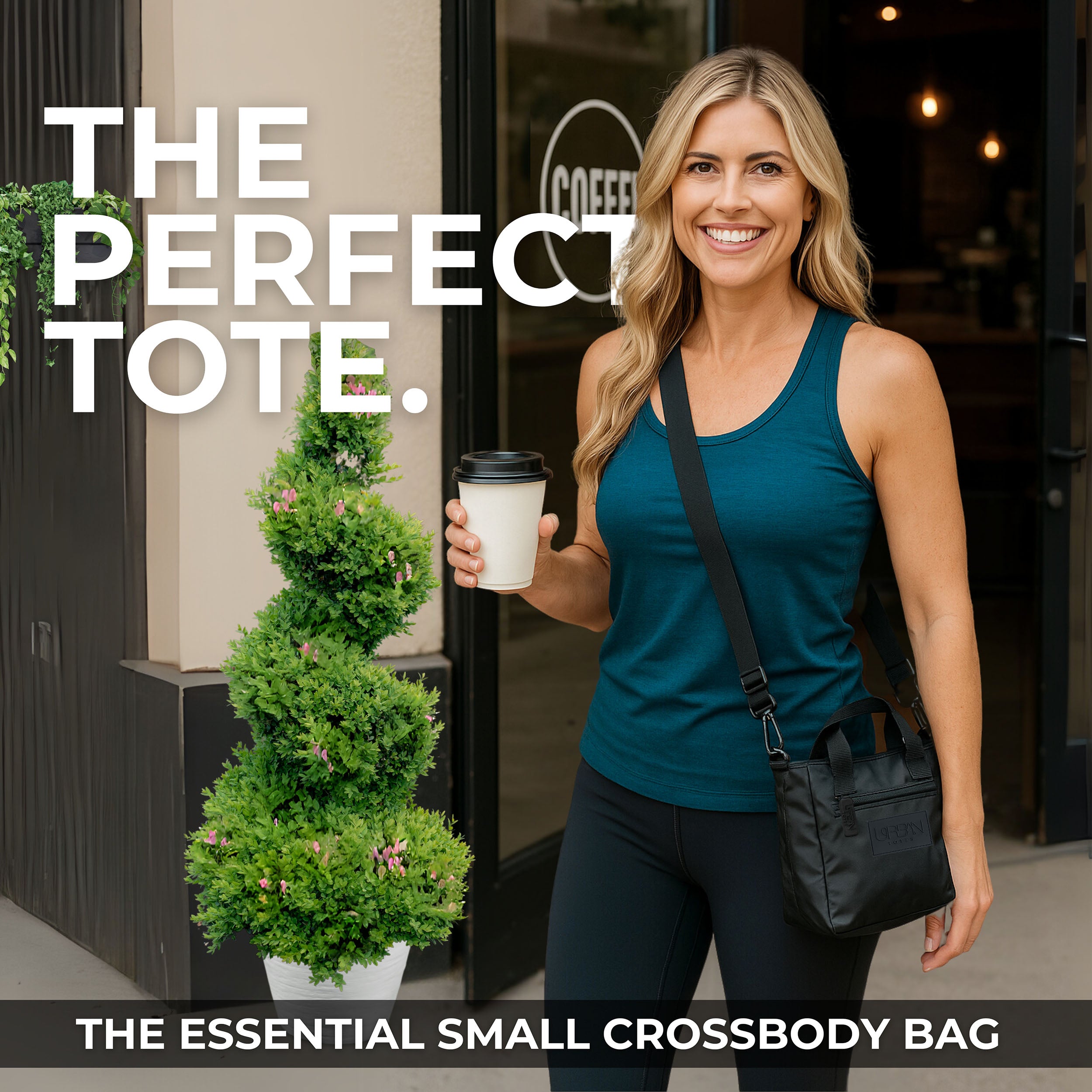
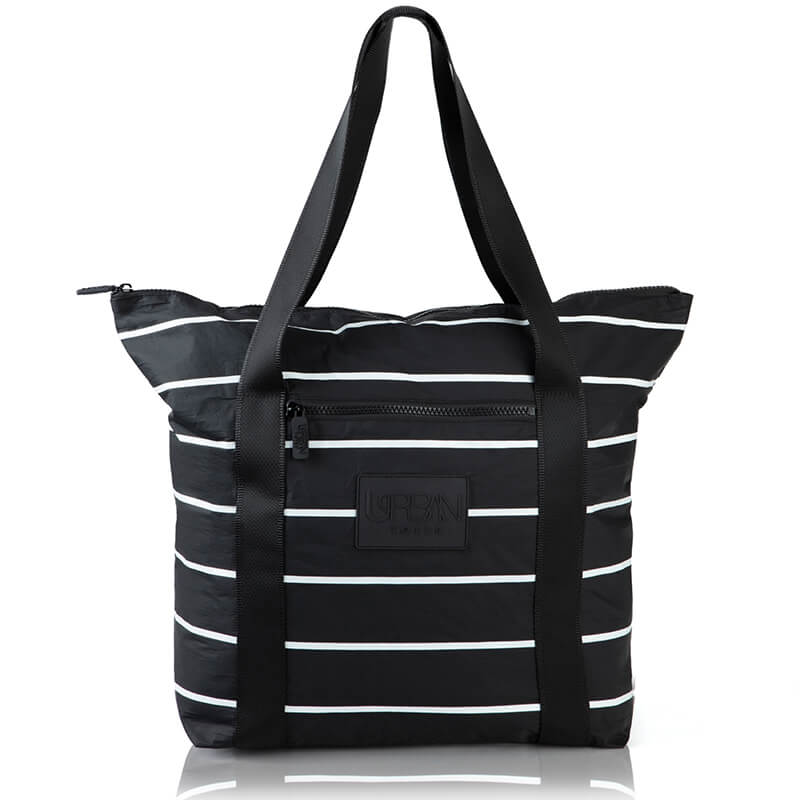
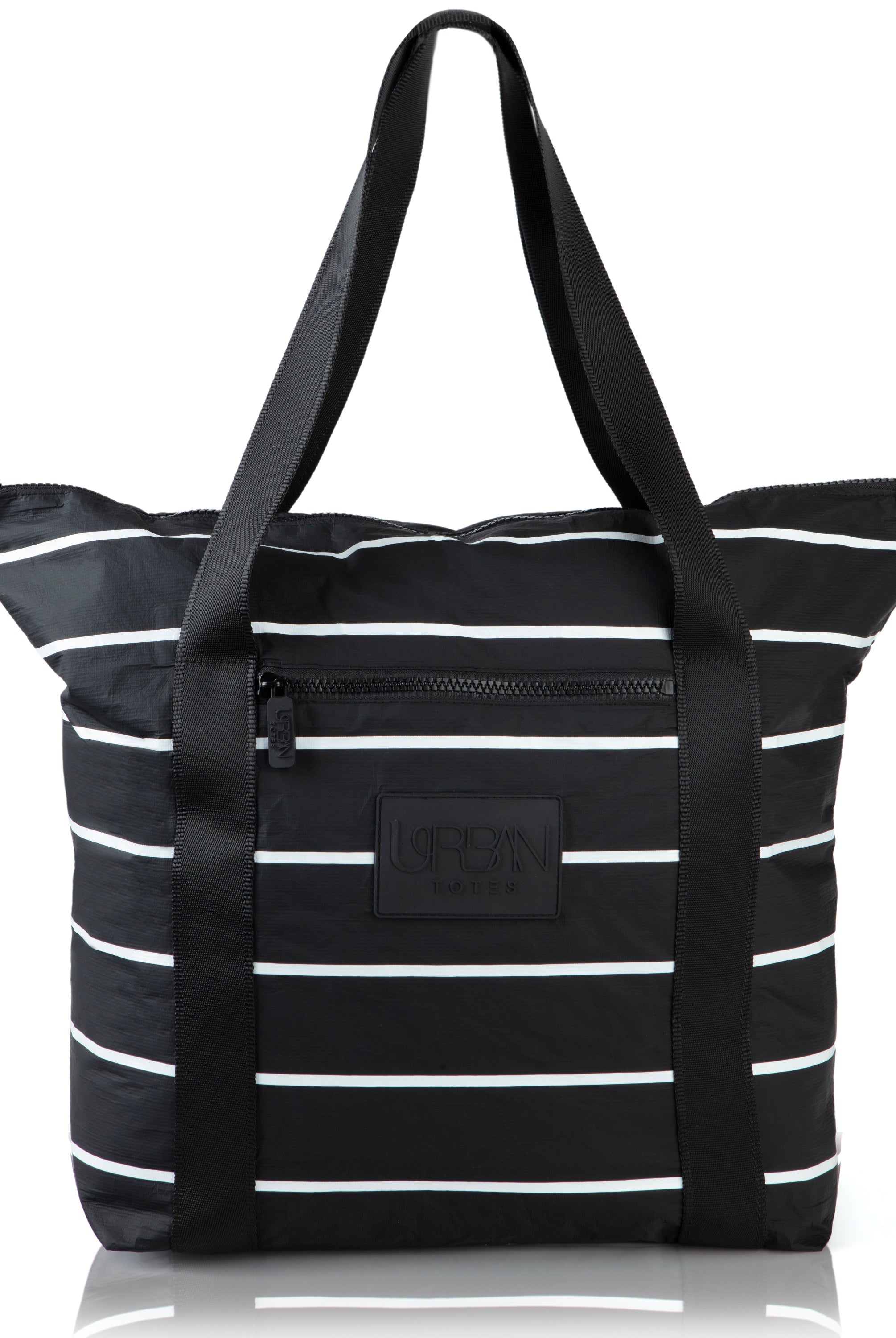
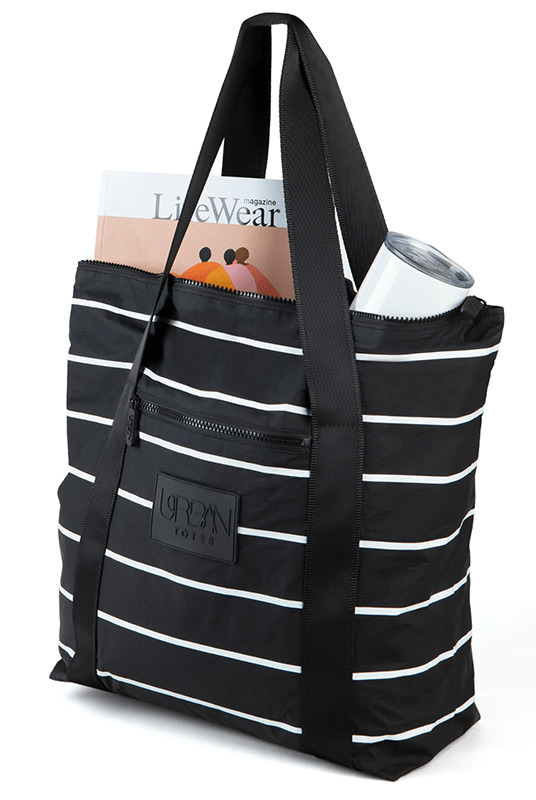
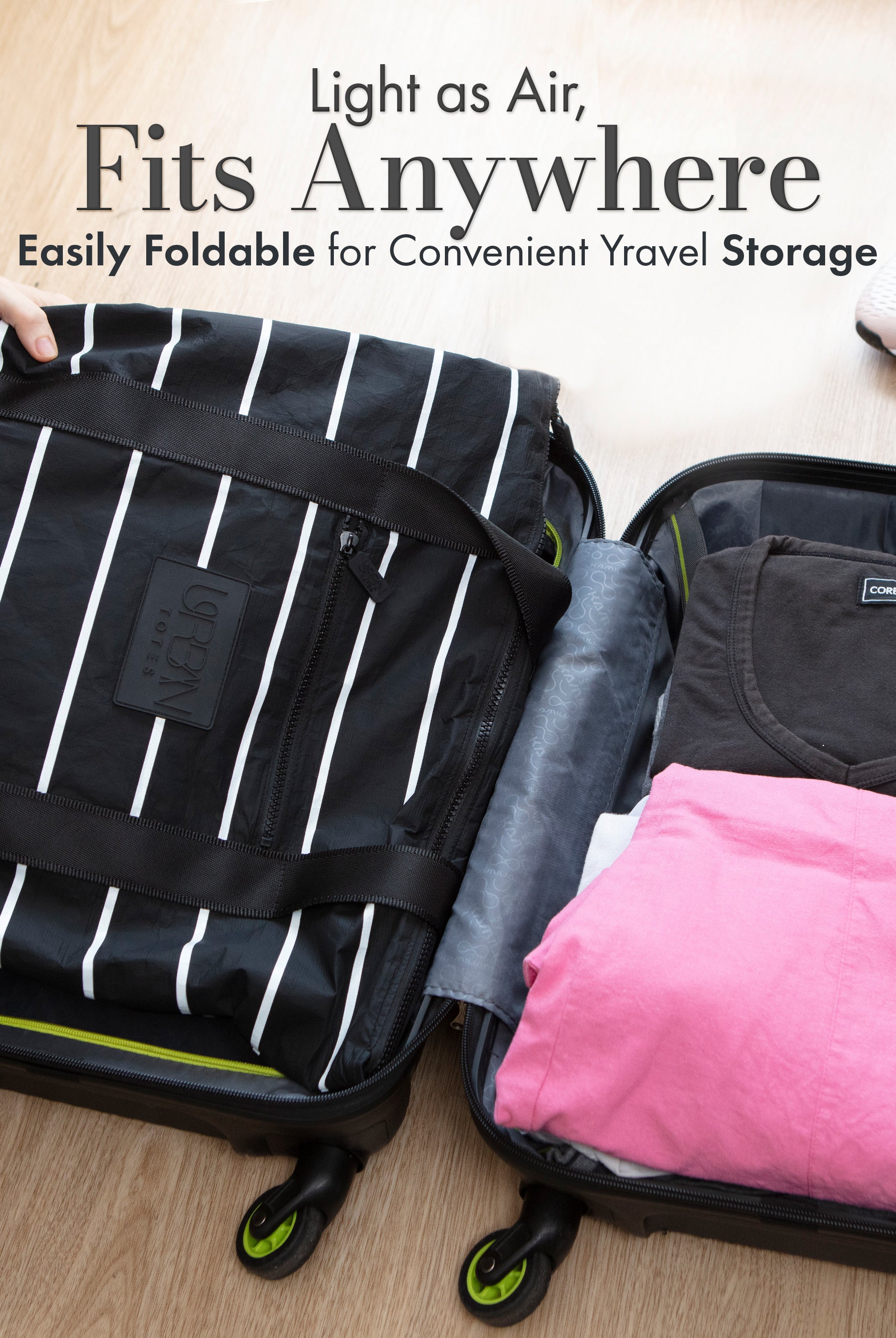
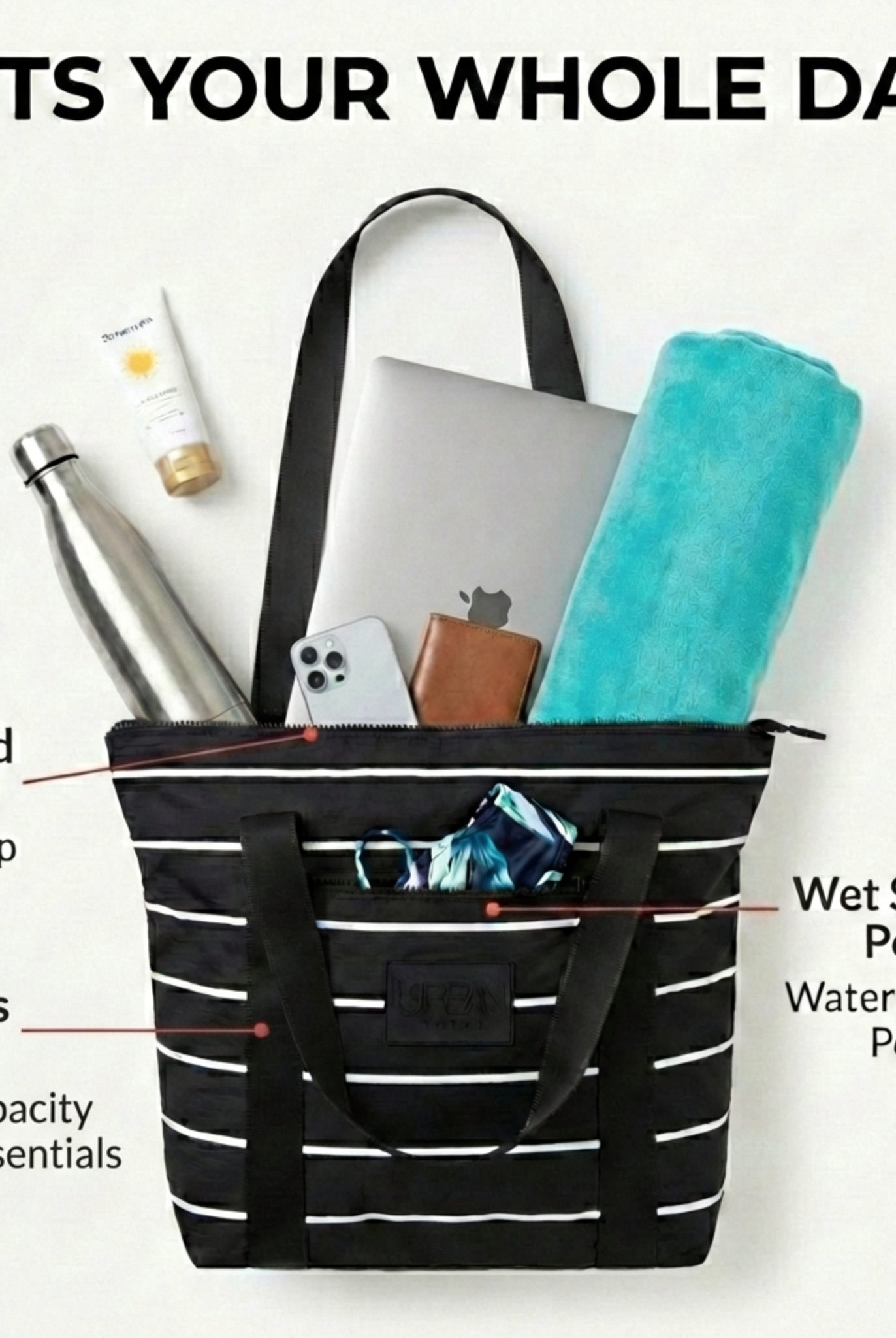
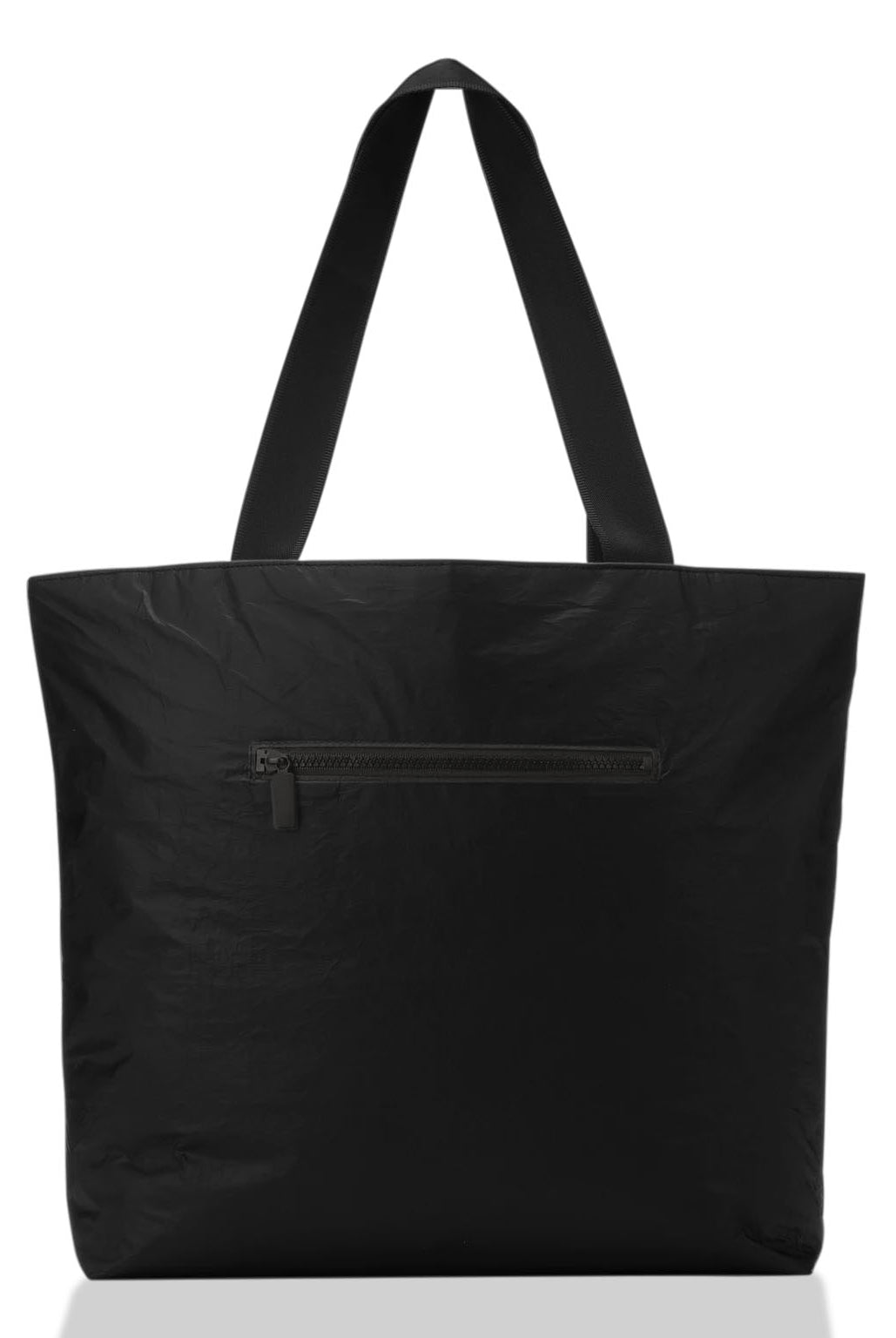
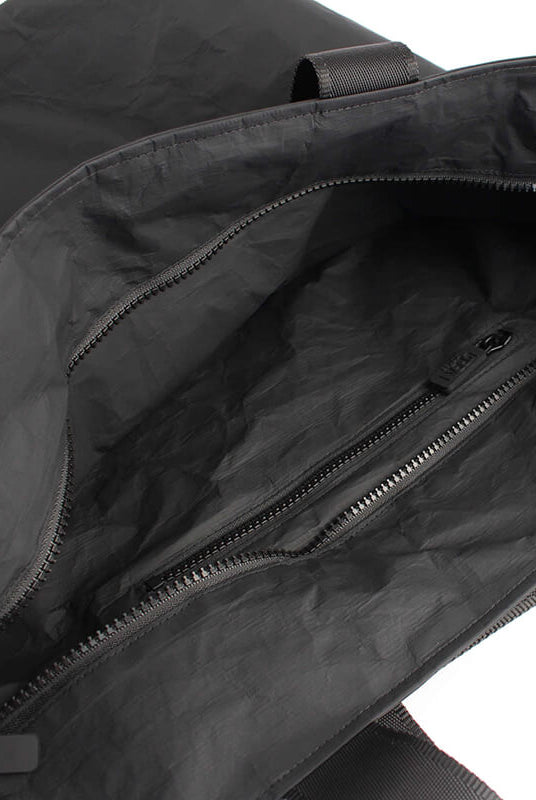
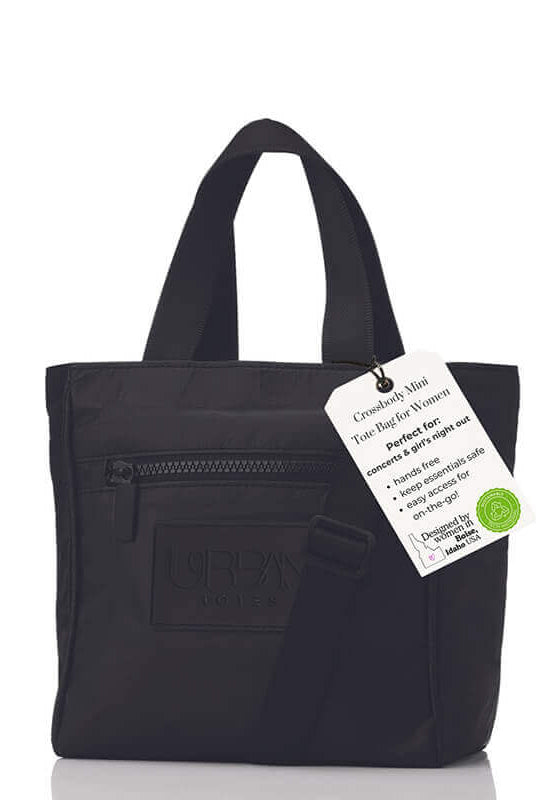
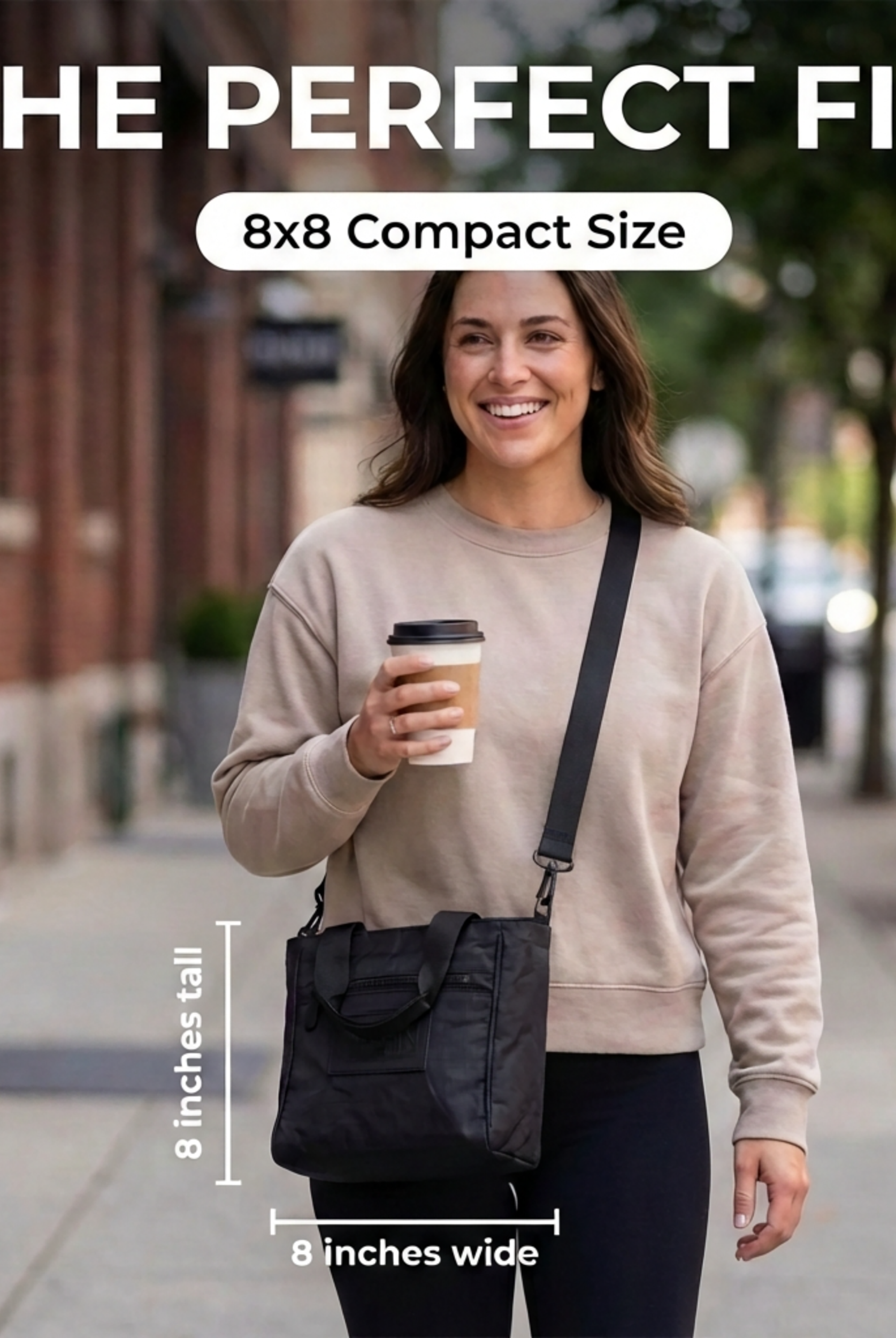
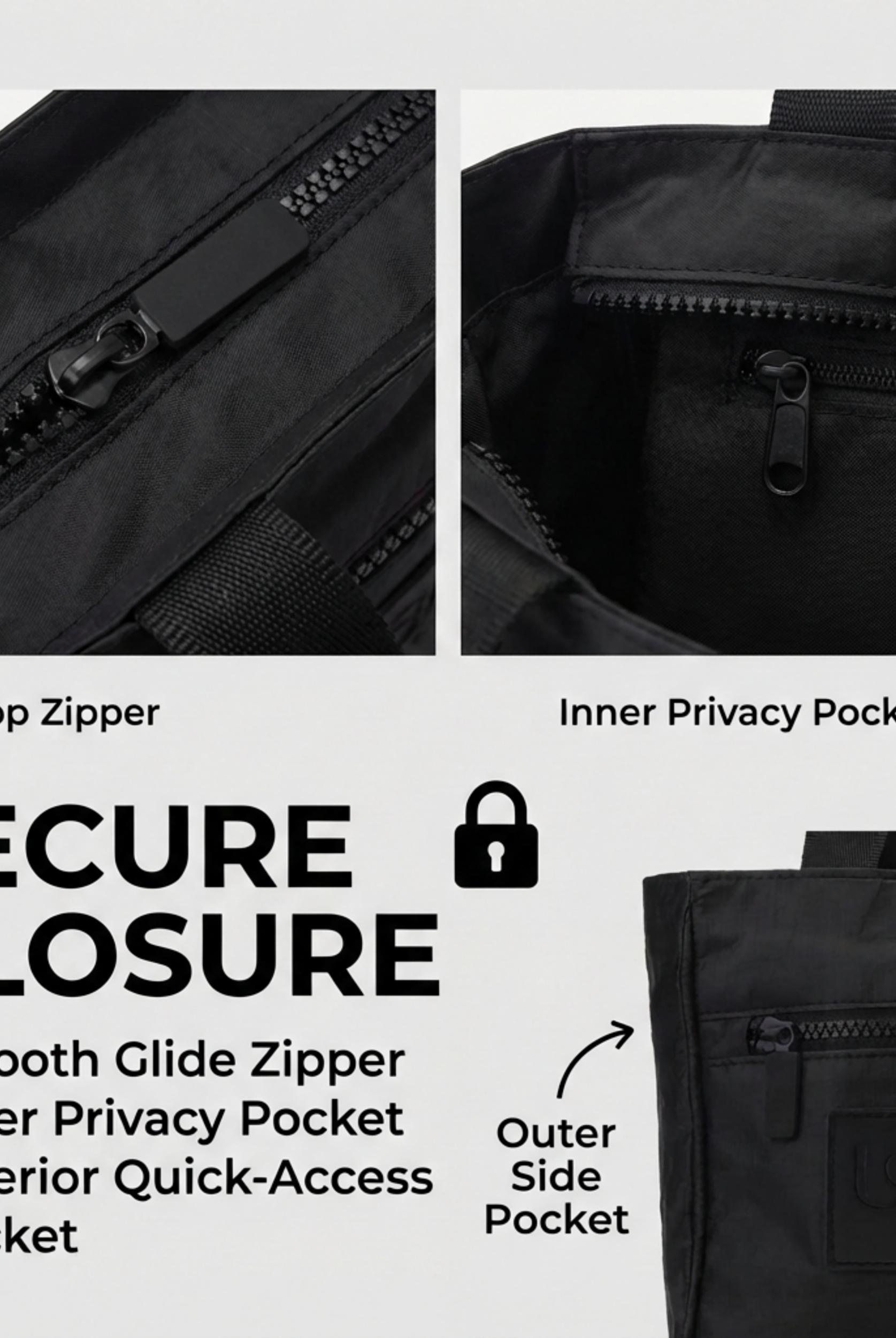
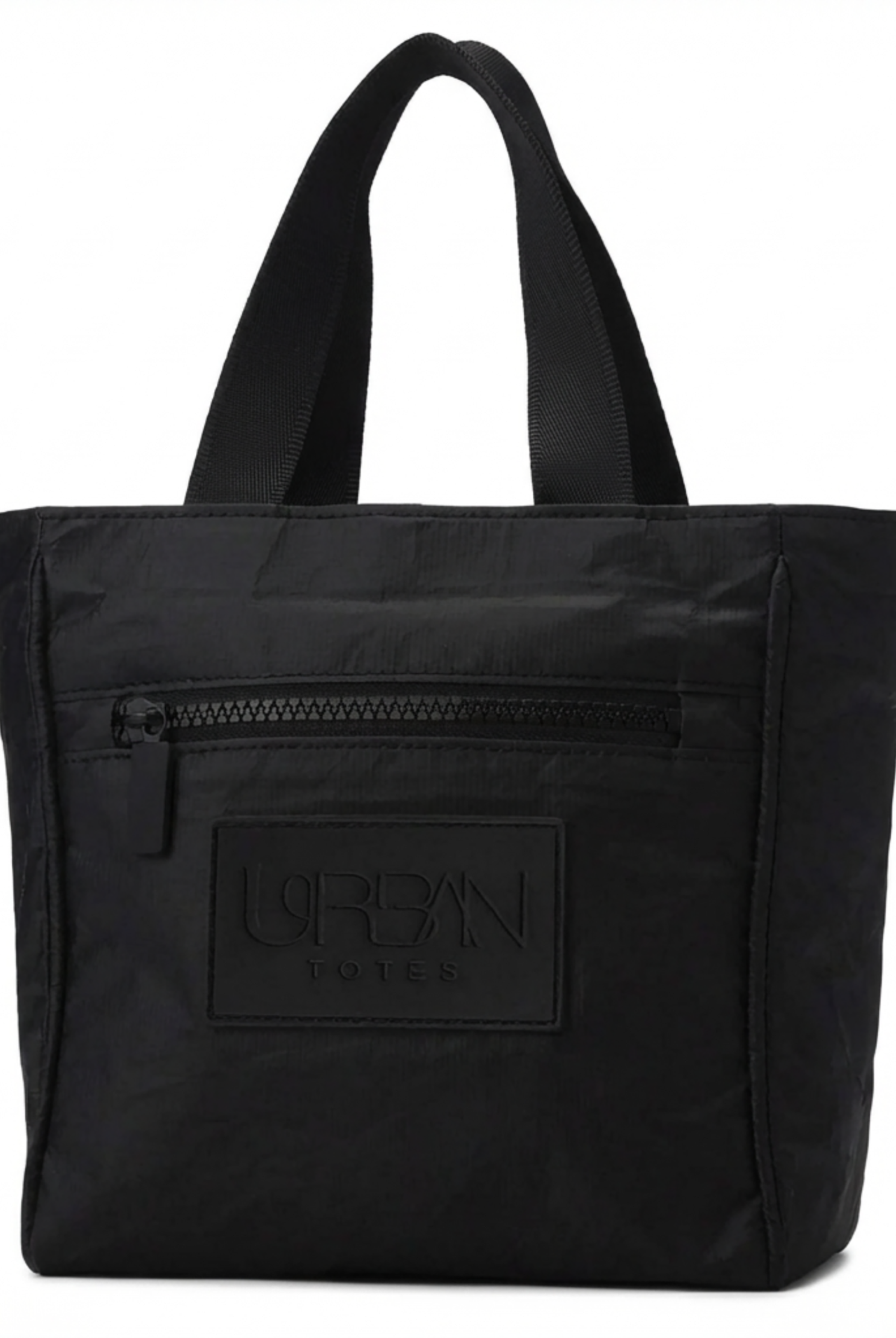
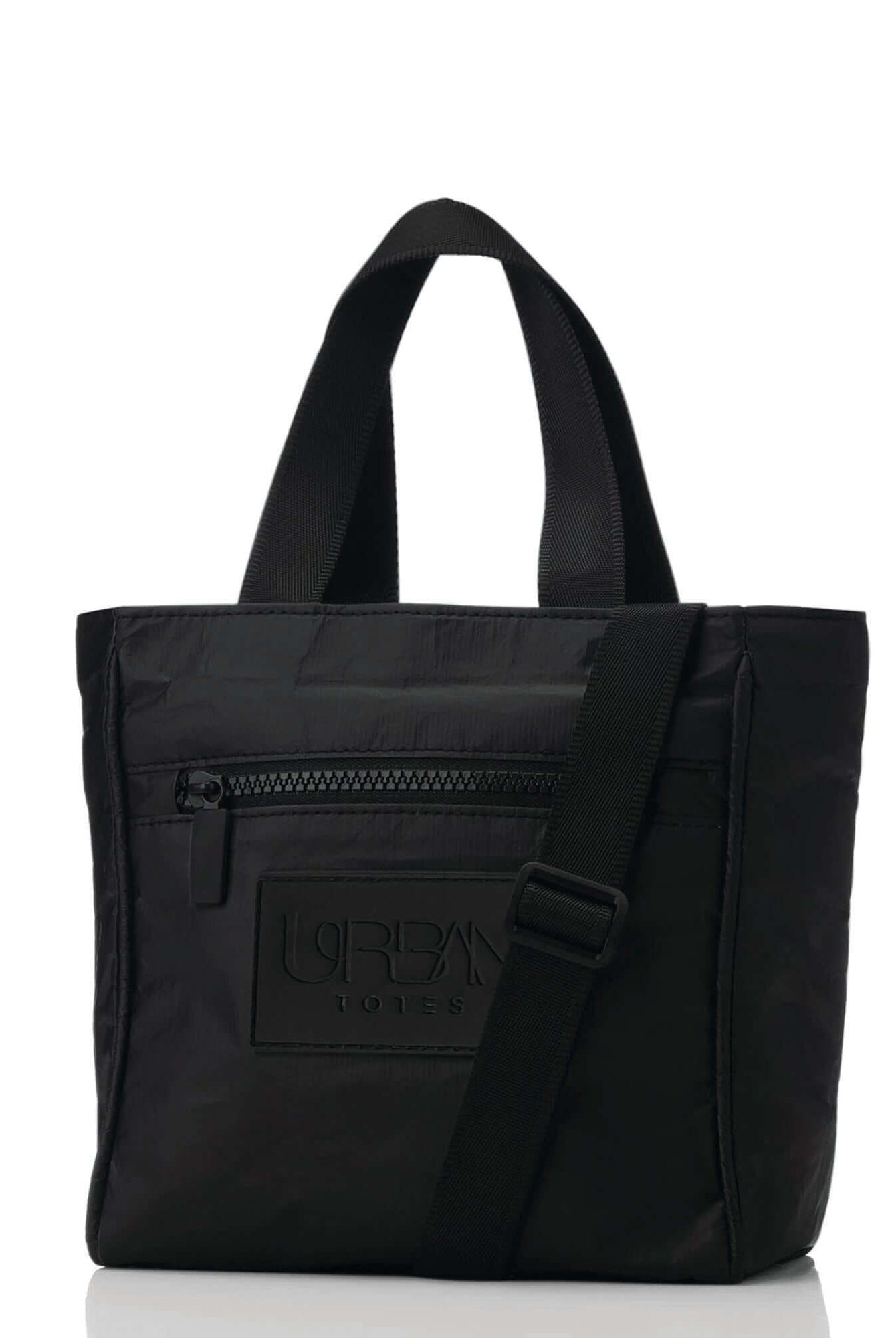
One factual example of this format is the Crossbody Tote Bag Mini Purse. Its listed features include a zip-top closure, an outside zipper pocket, an easy-access outer pocket sized for essentials like a phone and keys, and dimensions of 7.5 x 4 x 7.75 inches. That combination lands in the sweet spot between a pouch and a compact crossbody, which is exactly where many women want a cell phone bag to live.
Key Features to Look for in a Cell Phone Bag
Some cell phone bags look right online and disappoint the second you use them. Usually the problem comes down to fit, closure, structure, or strap design. These details decide whether the bag feels effortless or irritating.

Closures that match real life
A flap can look polished, but not every closure performs the same way once you're moving through a crowded day. If you commute, travel, or chase kids through a parking lot, zipper closure matters.
Expert sewing guidance for cell phone bags recommends an outer fabric plus lining with fusible interfacing to help the bag retain shape, while zipper construction adds retention security and reduces drop-out risk during movement. That same guidance also notes that a phone bag isn't a substitute for a protective case for impact absorption, as explained in this cell phone bag construction guide from Heather Handmade.
In practical terms, that means a zip top usually works better than an open pocket or a loose magnetic flap when your day includes motion.
Strap design changes everything
A cell phone bag can be beautifully made and still annoy you if the strap is wrong. The most useful strap is one that lets you wear the bag close enough to feel secure but low enough to access easily.
What to look for:
- Adjustability: You want flexibility for coats, summer dresses, and different heights.
- Comfort: A strap that twists, digs, or slides will get abandoned fast.
- Versatility: Detachable or convertible straps give the bag more than one life.
For women thinking specifically about crowded places, this guide to an anti-theft crossbody is worth reading because it frames strap and closure choices through everyday security, not just style.
Organization should stay simple
Too many compartments can make a small bag feel cramped. Too few, and everything collides. The sweet spot is a layout that separates your phone from hard items like keys and gives you one fast-access zone.
A useful setup often includes:
- A dedicated phone area: So your screen isn't scraping against loose items.
- One secure pocket: Good for cards, cash, or anything you don't want shifting around.
- One quick-access spot: Handy for keys, earbuds, or lip balm.
Practical rule: In a small bag, every pocket should earn its space.
Material matters more than trend
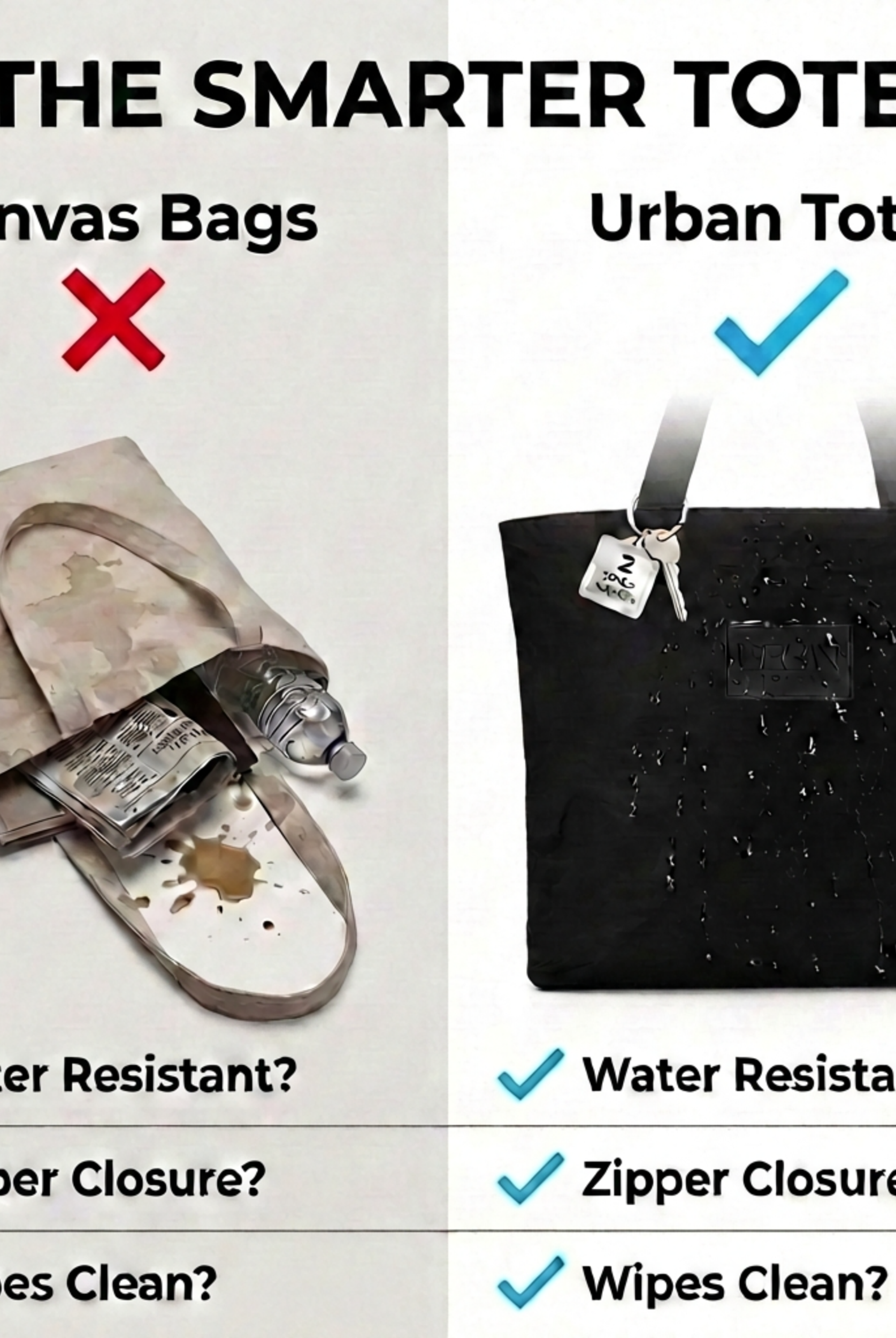
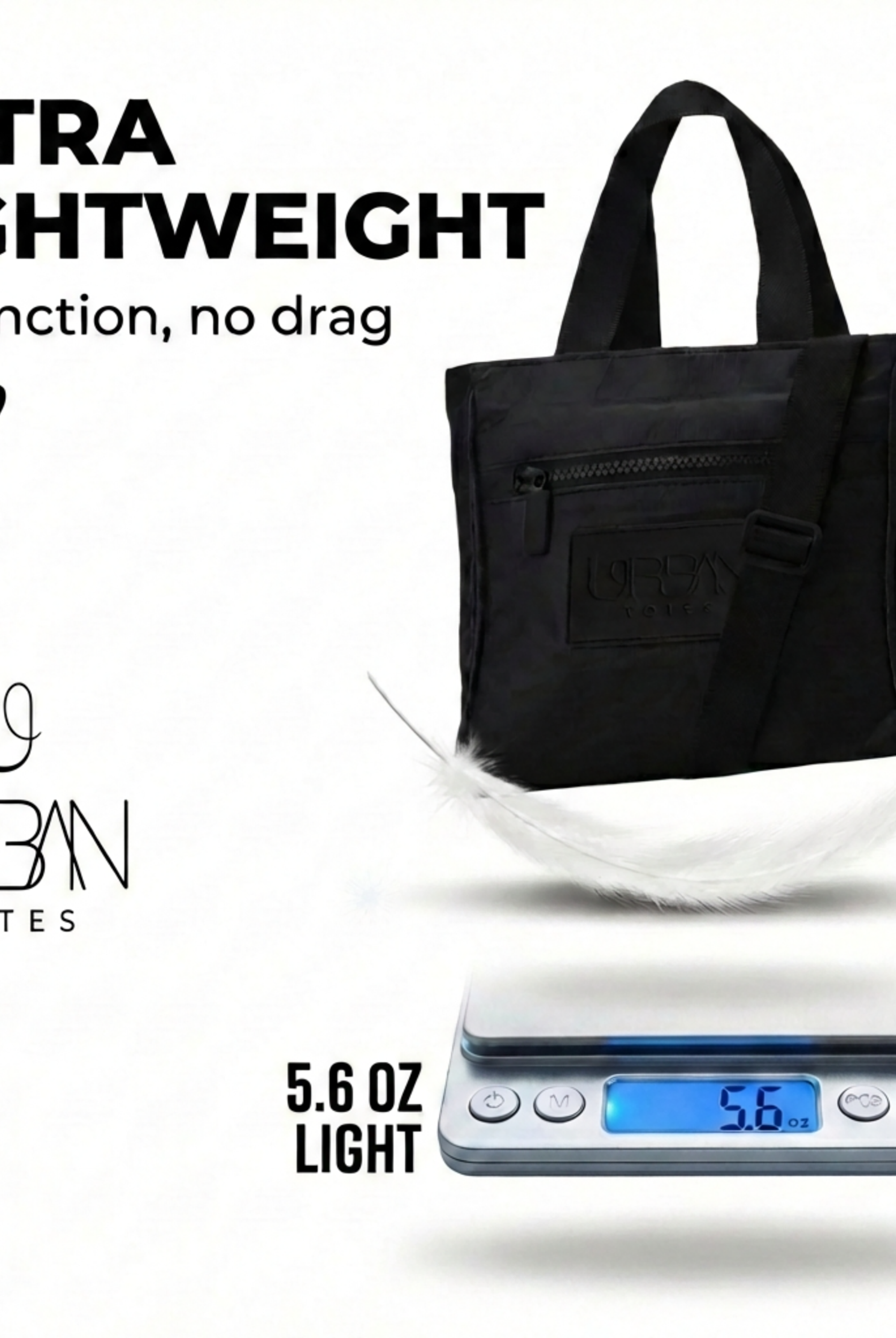
A cell phone bag should feel light before you even put anything inside it. Heavy hardware and stiff materials can make a compact bag oddly tiring to wear. For everyday carry, lightweight, water-resistant materials usually make the most sense because they handle surprise drizzles, coffee line chaos, and the bottom of a travel tote better than delicate finishes.
Structure matters, too. A totally floppy bag can collapse around the phone and slow you down. A little body helps the opening stay usable, keeps contents from bunching, and makes one-handed access easier.
How to Choose the Right Size Cell Phone Bag
Sizing is where a lot of shoppers get tripped up. They buy for the idea of a small bag, then realize their phone barely fits once the case is on. Or they buy a bag that's too roomy, and everything slides around inside.
Start with your actual daily carry
Put your must-haves on a table. Not your aspirational essentials. Your real ones.
For most women, that falls into one of these patterns:
| Carry style | What usually goes inside | What to avoid |
|---|---|---|
| The Minimalist | Phone, one card, key | Extra cosmetic items you never use |
| The Errand-Runner | Phone, slim wallet, lip balm, keys | A full wallet that eats the whole bag |
| The Day-Tripper | Phone, cards, sunglasses, a few small extras | Packing it like a mini tote |
This is also where multi-compartment layouts can help. If you carry a few small categories every day, an organized purse with multiple compartments can make more sense than one open pouch.
Measure your phone with the case on
This part matters more than people think. A technically sound cell phone bag should be dimensioned around current smartphone geometry. Mainstream devices are roughly 146 to 160 mm in height, and an opening that stretches at least 15% beyond the phone's width reduces seam stress and improves one-handed access, based on this mobile phone bag sizing guide from Alibaba's electronics resource.
Use that guidance in a practical way:
- Measure your phone with its case on. Cases change the fit.
- Check the bag's internal space, not just exterior dimensions.
- Aim for snug, not tight. Too much extra room creates wobble. Too little makes access annoying.
Think about movement, not just storage
If you'll be pulling your phone out often, a slightly easier opening is worth more than squeezing in one extra item. If you mostly want secure carry while walking, a closer fit feels better. The right size depends on how often your hand is going in and out of the bag.
A good cell phone bag should hold what you need and then stop. That boundary is part of the appeal.
How to Style Your Cell Phone Bag
The easiest way to style a cell phone bag is to treat it like a functional accent, not an afterthought. It works best when it supports the rhythm of your day and doesn't ask for too much attention.

For the airport morning
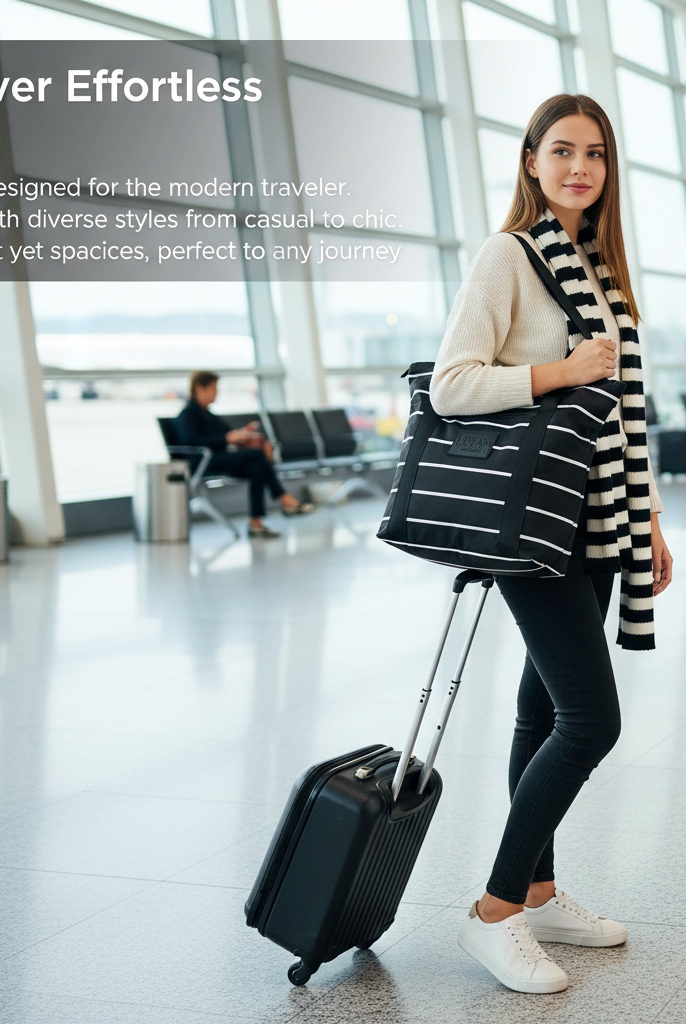
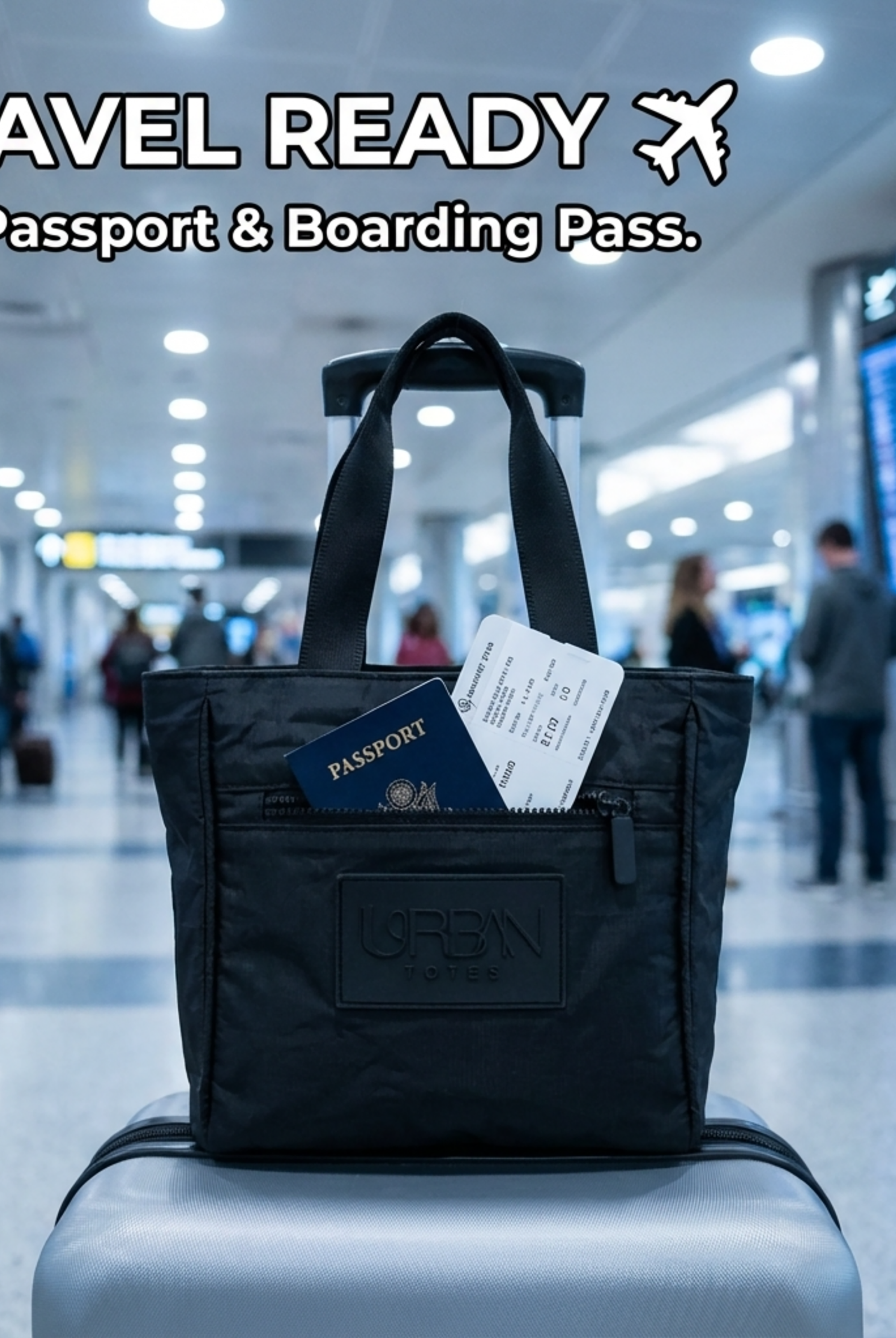
A compact crossbody-style phone bag makes sense at the airport because your essentials need to stay close while your bigger tote handles the rest. Phone, ID, card, and earbuds all stay in one predictable place. You're not opening your main bag every five minutes at security, at the gate, and again while boarding.
Clean lines and a zipper top prove their utility. The bag looks polished, yet it reduces fumbling.
For school drop-off and errands
This is one of the strongest use cases. You need your hands. You need your phone quickly. You don't need a giant bag swinging around while you buckle a car seat, sign a form, or grab groceries on the way home.
A cell phone bag worn crossbody with jeans, sneakers, and a light jacket feels current without trying too hard. It also saves your pockets from doing a job they were never designed to do.
When a bag fits your life well, you stop noticing the bag and start noticing how much easier the day feels.
For a market run or city afternoon
A small phone bag also works beautifully with easy weekend dressing. Linen shirt, straight-leg denim, sandals, sunglasses. The bag adds structure without heaviness. If you're paying, texting, checking directions, and carrying a bouquet, that quick-access setup is what makes the outfit feel practical instead of precious.
For this kind of use, a bag with a little shape and a little organization tends to look sharper than a soft pouch.
For low-key evenings
A cell phone bag can slide into dinner, outdoor concerts, or casual date nights without looking overly sporty. Choose one in a simple silhouette and let it work like a minimal finishing piece. You keep the hands-free ease, but the overall look still feels styled.
This is why the category has real staying power. It doesn't belong to one age group or one routine. It fits the woman who's boarding a flight, the mom at the playground, and the commuter picking up flowers on the way home.
Caring for and Maintaining Your Cell Phone Bag
A cell phone bag usually sees a lot of repetition. You grab it with lotion on your hands, set it on counters, wear it in light rain, toss it into a larger tote, and expect it to stay presentable. A little maintenance goes a long way.
Simple habits that keep it looking good
- Wipe surface marks early: Fresh smudges are easier to lift than set-in grime.
- Empty it out weekly: Crumbs, receipts, and loose bobby pins create unnecessary wear.
- Check the corners and seams: Small bags take frequent handling, so these areas deserve a quick look.
- Store it with shape in mind: Don't crush it under heavier bags if you want it to keep its structure.
If your collection includes leather styles too, this guide with tips for preserving leather goods is useful for material-specific care.
Clean according to the material
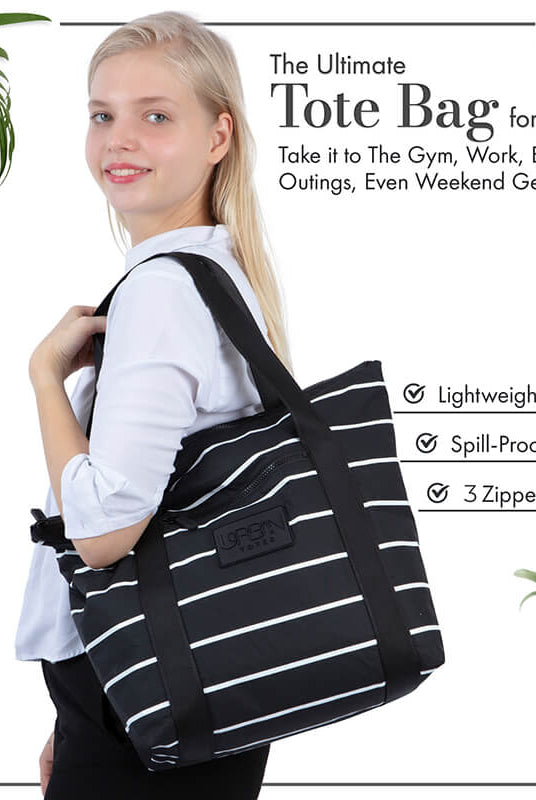
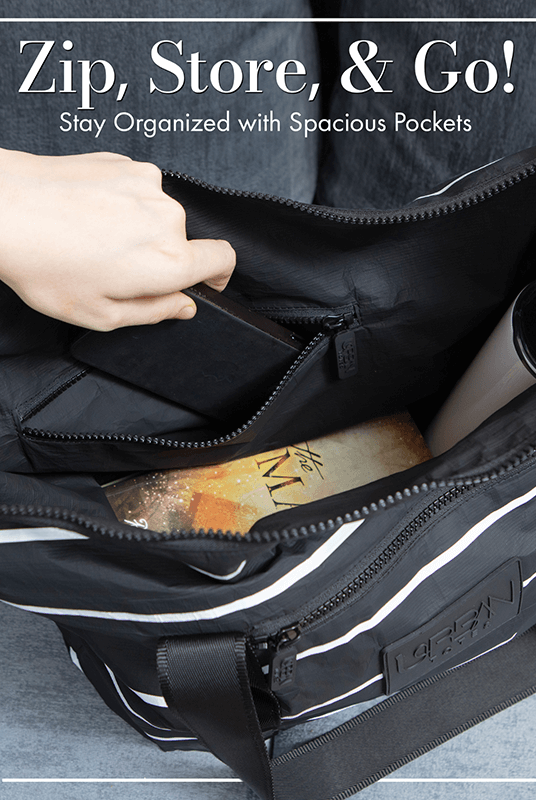
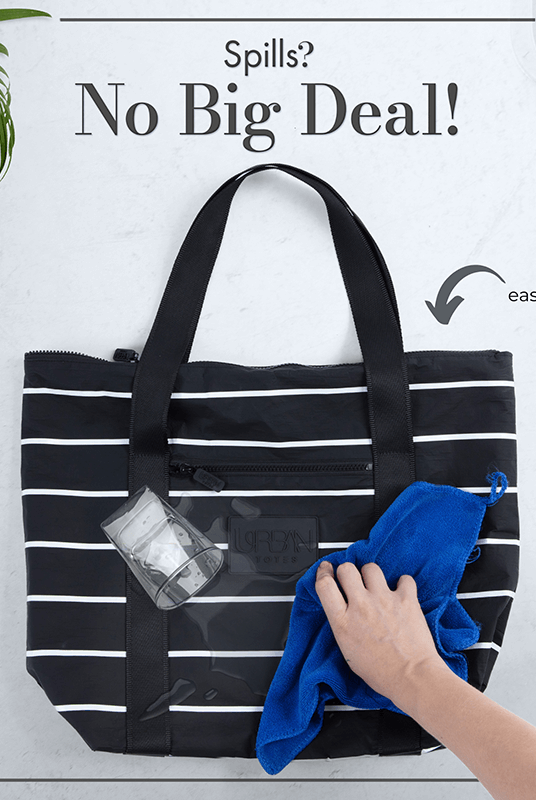
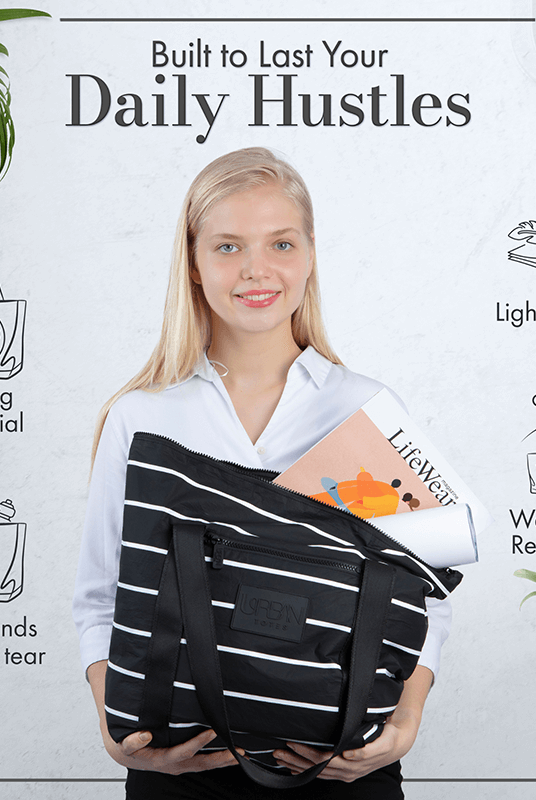
For lightweight, water-resistant bags, a gentle wipe-down is often enough for daily upkeep. For more detailed care routines, Urban Totes has a practical guide on how to care for your tote bag with simple maintenance habits that translate well to compact bags too.
A few smart moves:
- After a spill: Blot first. Don't grind the mess deeper by scrubbing immediately.
- After travel: Empty every pocket and shake out debris before storing.
- Between seasons: Keep the strap flat and the bag supported so the shape doesn't collapse.
A bag lasts longer when you treat maintenance as part of the routine, not a rescue mission.
Embrace the Freedom of Hands-Free Living
A cell phone bag earns its place because it solves the exact friction points that slow women down. Not the dramatic ones. The constant little ones. Where's my phone. Which pocket has my card. Why am I carrying a whole handbag for one quick stop.
When a bag handles those moments cleanly, your day opens up. You move faster. You feel more organized. Your outfit still looks pulled together, but the bigger win is mental. Less searching. Less shifting things around. Less clutter in your hands.
That practical shift lines up with a broader global habit around phone-first accessories. The demand for phone-centric accessories is widespread, and Asia-Pacific accounted for over 43% of revenue in one market view, reflecting how common smartphone-led accessory use has become across daily life, according to Business Research Insights' phone case market report.
Why this works for real women
The beauty of a cell phone bag is that it fits messy, ordinary, stylish life. It works for:
- The commuter who wants easy reach on the train
- The traveler who keeps essentials close in crowded terminals
- The mom who needs both hands available
- The minimalist who's tired of carrying more than she uses
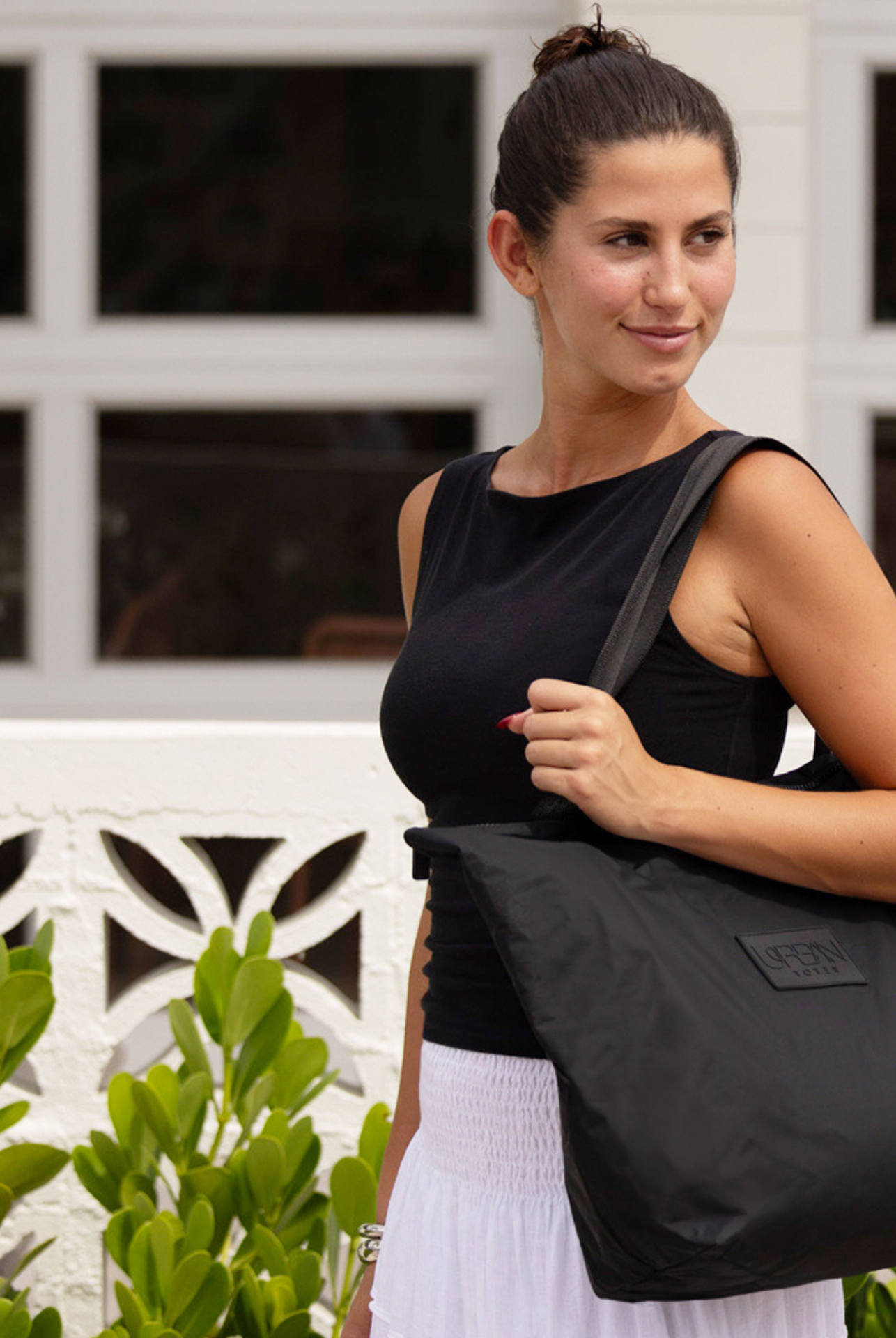
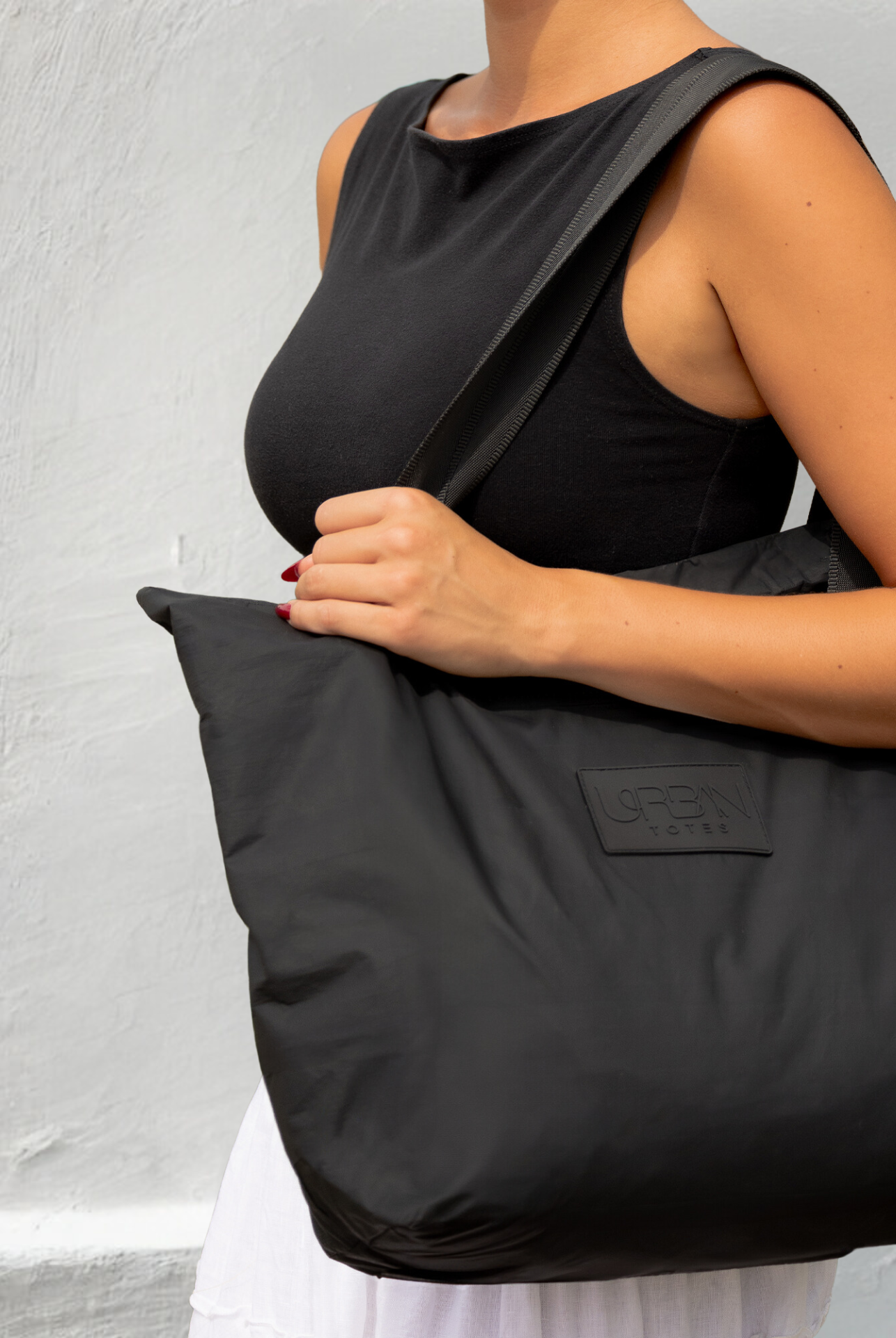
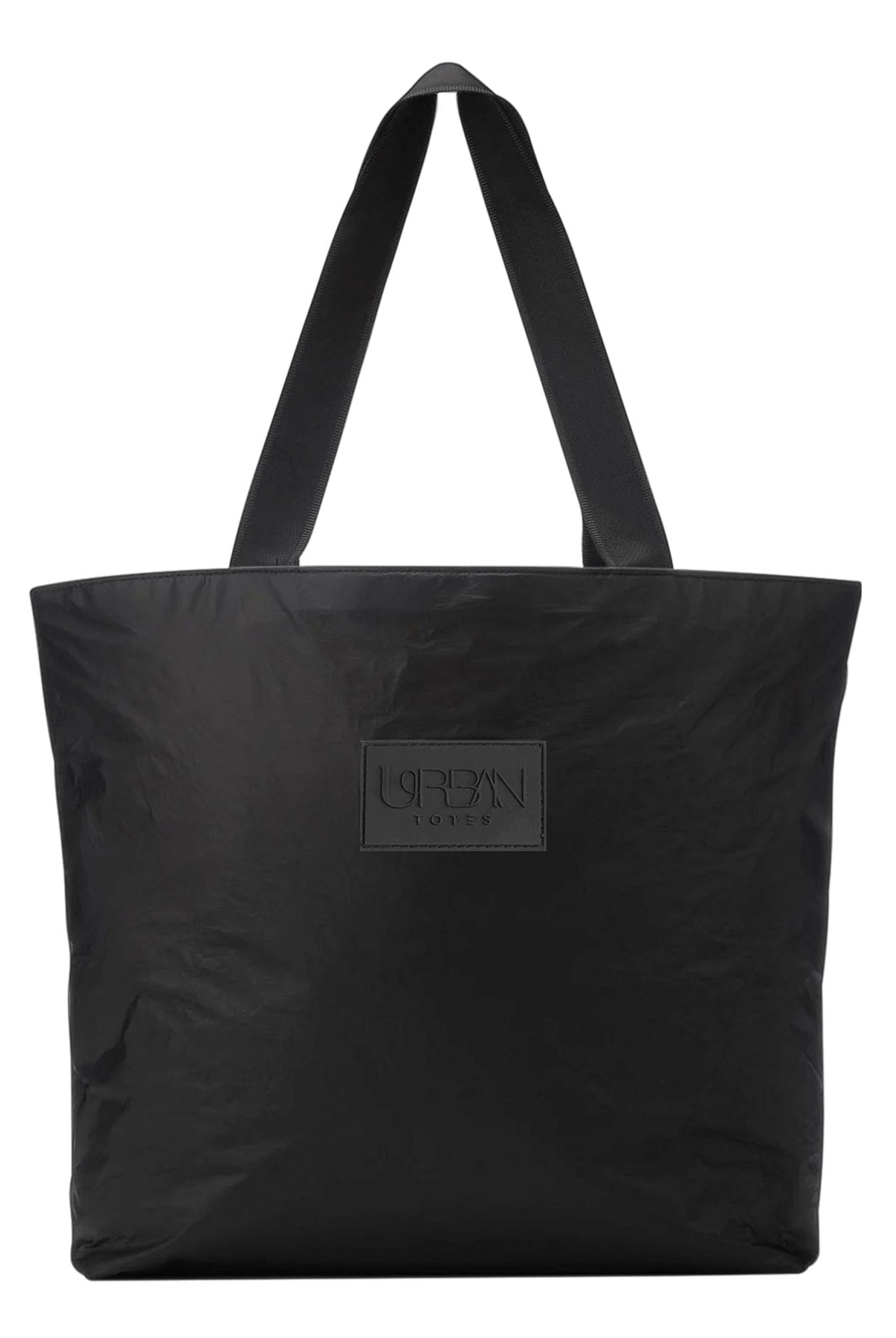
Urban Totes approaches that kind of problem from a grounded place. It's a woman-owned brand based in Boise, Idaho, and that perspective shows in bags designed around everyday movement, organization, and easy wear rather than novelty.
If you're also pulling together a broader packing setup, this roundup of smart travel essentials for women offers good ideas for building a kit that travels well.
The right cell phone bag isn't about carrying less for the sake of it. It's about carrying smarter. It gives your phone a proper place, keeps your essentials close, and lets you get on with your life without the constant shuffle.
Find your perfect go-anywhere bag at Urban Totes. Shop the full collection and take on whatever the day brings.