You know the moment. You're at school pickup, the line is moving, your phone is buzzing, and your keys have somehow vanished inside your tote again. You find a snack wrapper, a receipt, one rogue lip balm, and the charger you forgot you packed. The keys are still missing.
That daily rummage is why tote bag compartments matter so much. A tote is supposed to make life easier. It should carry the extras, keep pace with a commute, and still look polished on the way to coffee, the office, or a weekend away. But when the interior turns into one giant drop zone, even a stylish bag can feel like work.
That tension is built into the tote itself. Totes are roomy by design, and that's exactly what makes them useful. It's also what makes small essentials migrate to the bottom unless the layout gives them a home. The smartest tote bag compartments don't just add pockets for the sake of it. They create the right kind of order for the way you move through a day.
Table of Contents
- Ending the Endless Search in Your Tote Bag
- The Anatomy of an Organized Tote
- Choosing Your Layout Open Concept vs Multi-Compartment
- Matching Compartments to Your Lifestyle
- Pro Tips for Total Tote Organization
- The Urban Totes Difference Thoughtful Design in Action
Ending the Endless Search in Your Tote Bag
The classic tote problem isn't that it holds too little. It's that it holds everything at once.
You toss in your wallet before leaving the house. Then come sunglasses, a water bottle, hand cream, a notebook, maybe a sweater, maybe a snack for later. By noon, the bag has shifted into a jumble. At the checkout line, your card is easy to find. At the parking lot, your keys disappear. At the exact second you need your phone, it slips beneath everything else.

That's not a personal failure. It's a layout issue. A tote without any internal logic turns simple errands into repeated micro-searches. Over time, that kind of friction adds up. If you're already trying to manage your household items more intentionally at home, your everyday bag deserves the same treatment.
Why the black-hole effect happens
A tote is built around one large cavity. That open volume is useful, but it also lets small objects slide, stack, and bury themselves under bulkier items. If the bag doesn't separate categories, everything competes for the same space.
Small-item chaos usually starts with one missing “landing spot.” Keys, cards, earbuds, and lip balm don't need more room. They need a fixed home.
This is why thoughtful compartments feel so relieving in real life. They reduce decision fatigue. You stop wondering where something might be, because there's already a designated place for it.
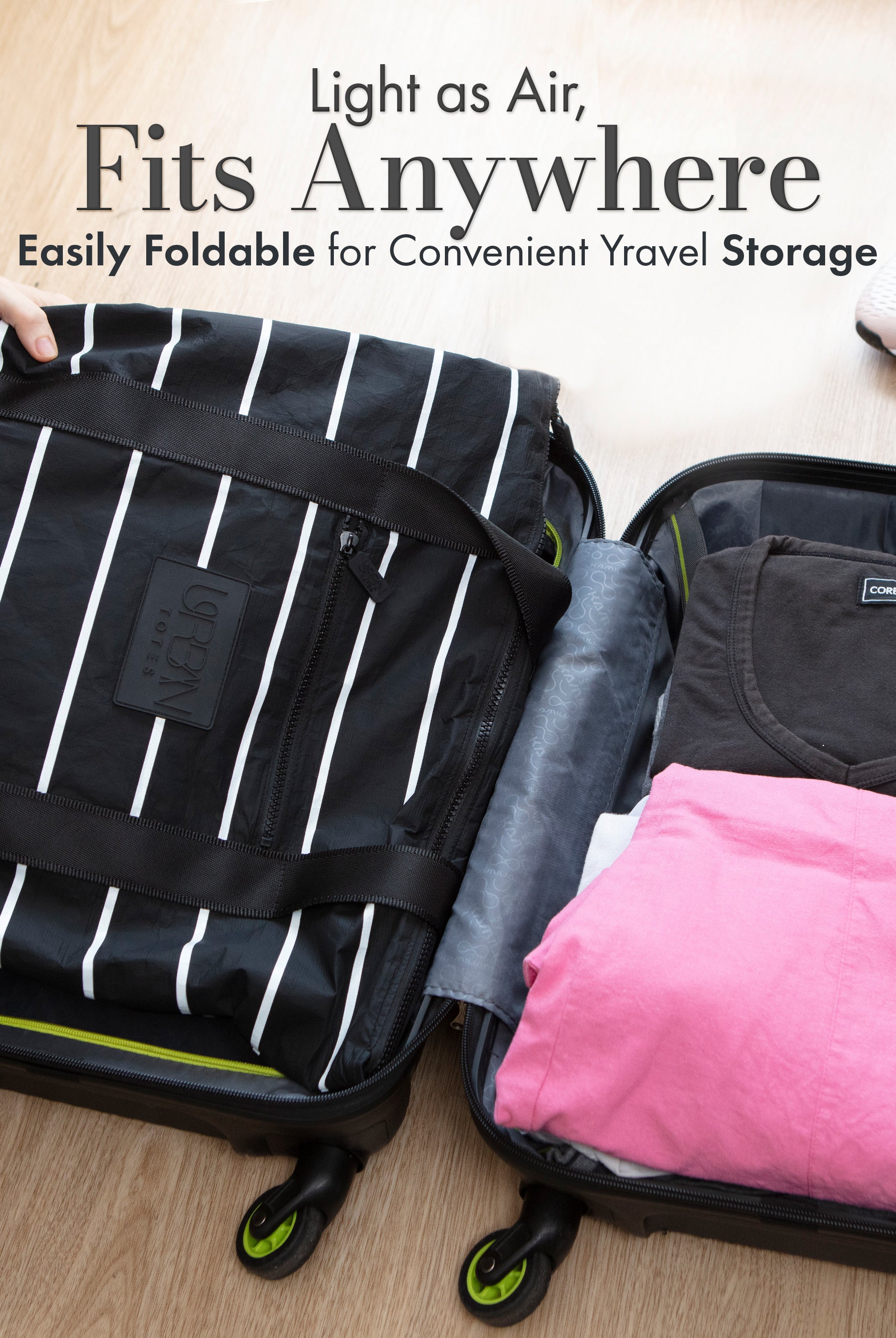
A good travel tote shows this especially well. If you've ever packed for a quick trip, you know the difference between tossing everything together and using a bag that supports your system. Urban Totes shares practical ideas in this guide to pack your weekender tote bag for travel, and the same principle applies to everyday carry. The goal isn't a perfect bag. It's a bag that stops working against you.
The Anatomy of an Organized Tote
Not all tote bag compartments do the same job. The easiest way to evaluate a tote is to stop counting pockets and start reading the layout like a floor plan.
Modern tote designs increasingly use multi-zone layouts such as laptop sleeves, zipper pockets, key clips, and divider compartments to reduce item migration while keeping the bag's open carry space useful, as noted in Leatherology's overview of what makes a leather tote functional. That matters because the tote's basic shape is still one large cavity. The best interiors work with that reality instead of pretending it doesn't exist.

Secure zones that calm the chaos
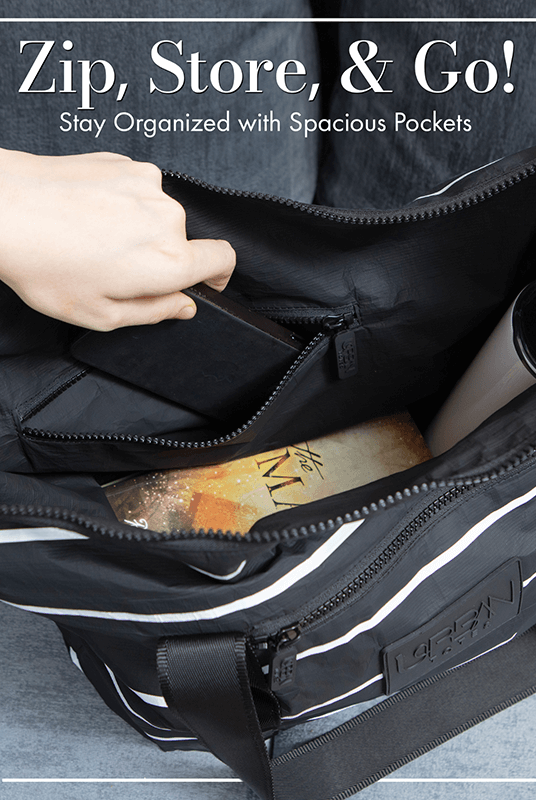
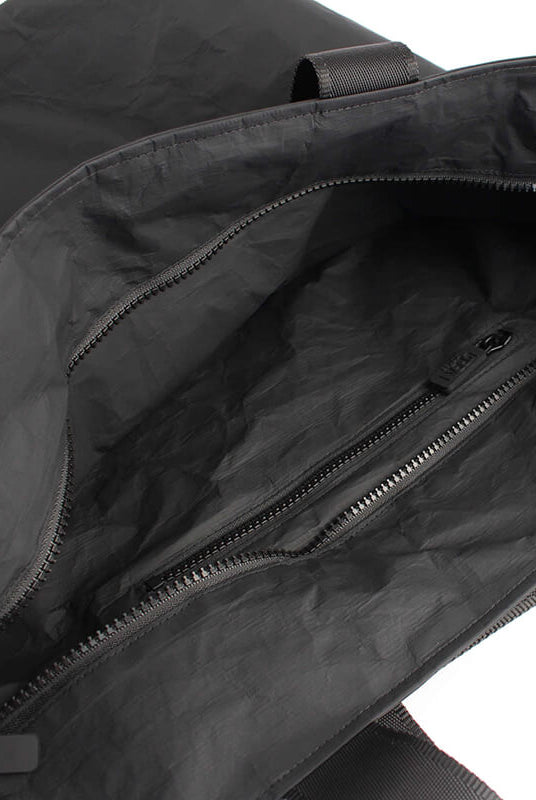
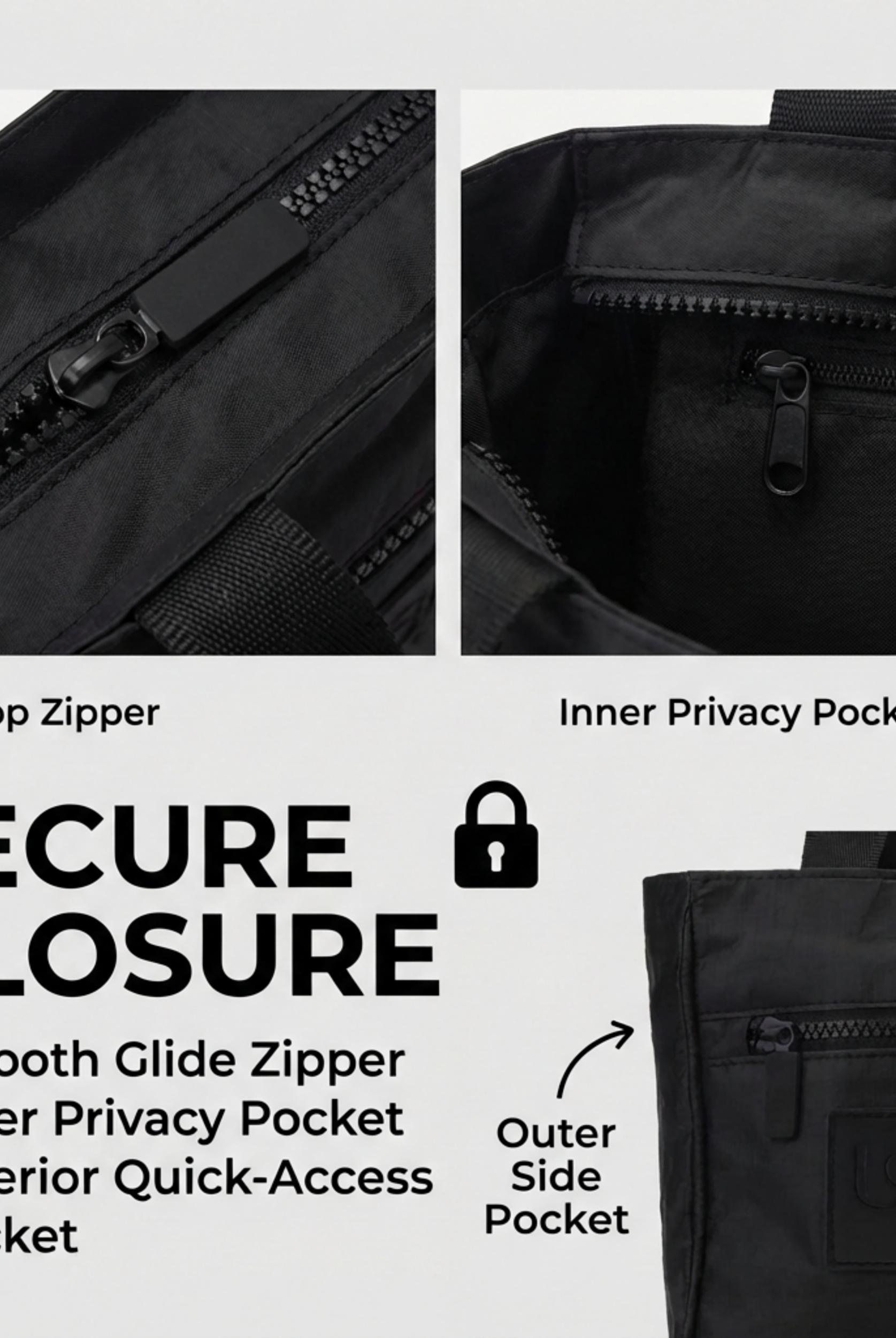
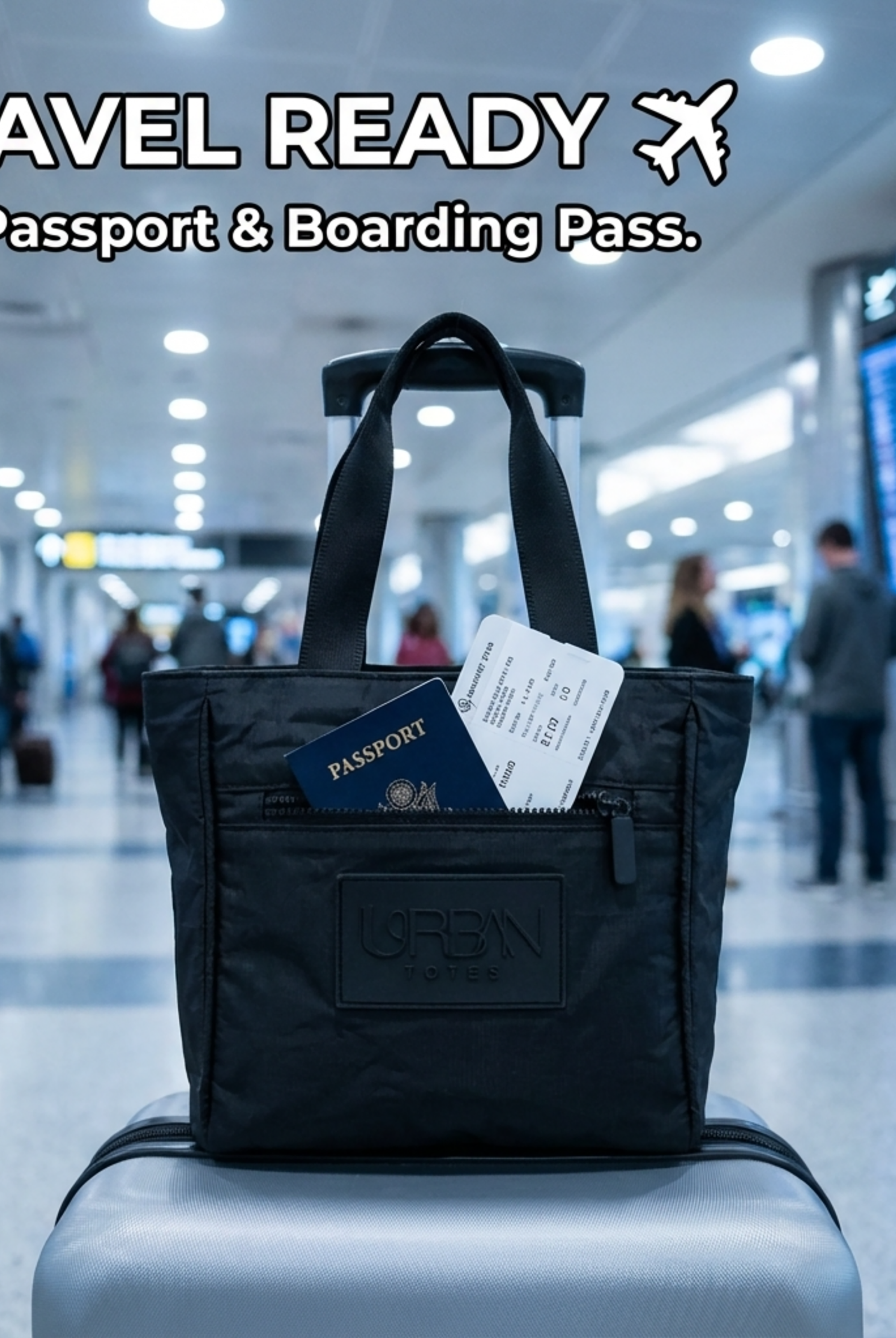
Start with the secure zone. This is usually an interior zipper pocket. It's where you stash the things you don't want floating around, like cards, cash, jewelry, or a passport while traveling.
A zippered compartment earns its keep when the bag tips sideways in the car or gets set down under an airplane seat. If an item would stress you out to lose track of, it shouldn't live loose in the main compartment.
Then there's the divider. Some totes use a full zippered center section. Others use smaller internal pockets along the wall. A divider can be useful when you want to separate categories, like tech on one side and personal items on the other. But if it's too rigid or too wide, it starts eating into usable space.
Quick-access and specialty zones
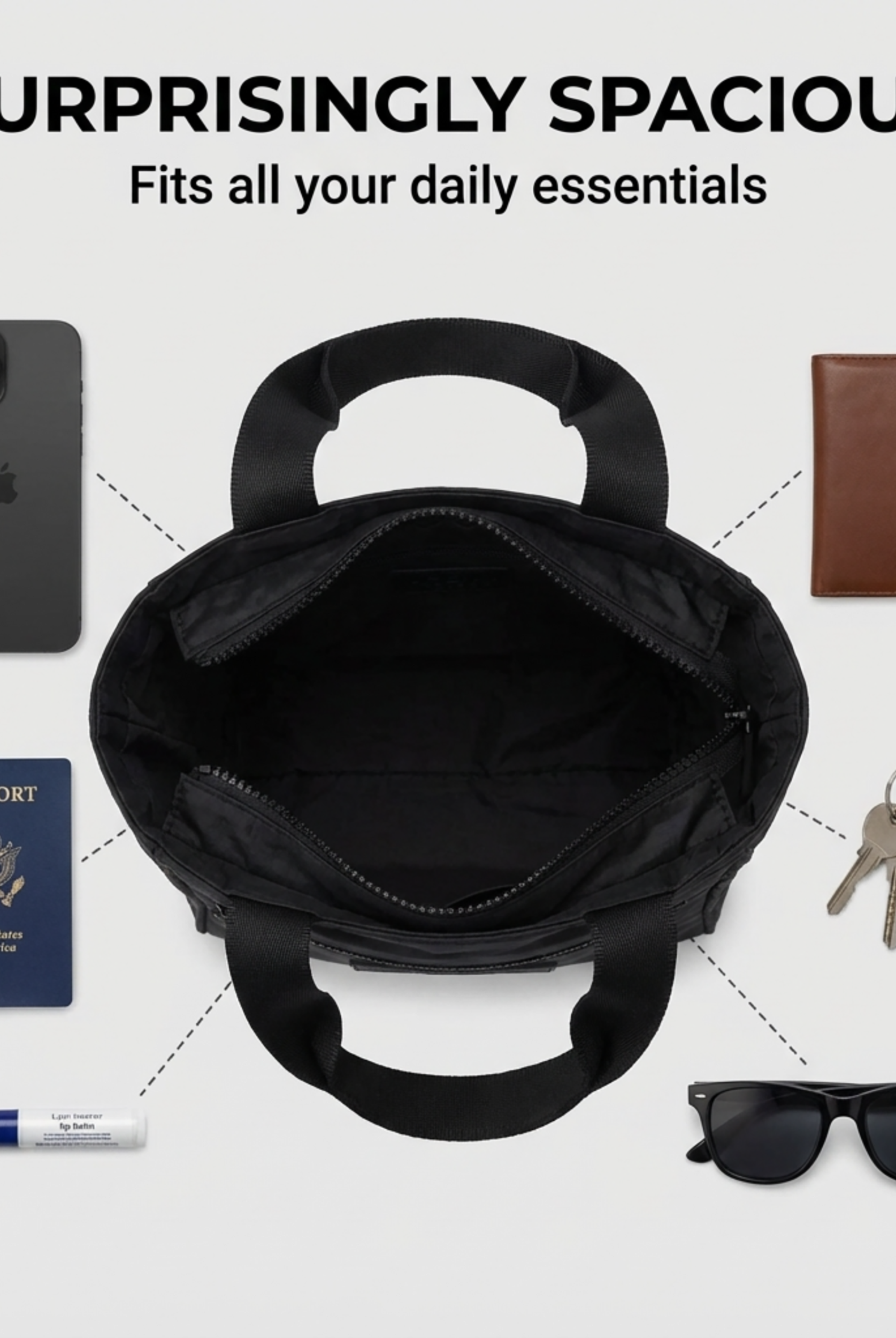
The quick-access zone belongs to the things you reach for constantly. Phone. transit card. lip balm. sunglasses. Exterior slip pockets or shallow internal slip pockets work well here because they cut down on rummaging.
The specialty zone is where function gets more personal. This could mean a bottle holder, padded tablet sleeve, key leash, pen loop, or card slot. None of those features matter in isolation. They matter when they fit your routine.
For example, pet parents often look for layouts that separate treats, wipes, and essentials from the rest of the bag. Even outside the fashion world, a premium pet travel tote shows how dedicated zones can make a carryall feel calmer and more intentional.
A structured tote can help these zones hold their shape over time. If you like a bag that doesn't collapse in on itself, this article on the structured tote bag is worth a read.
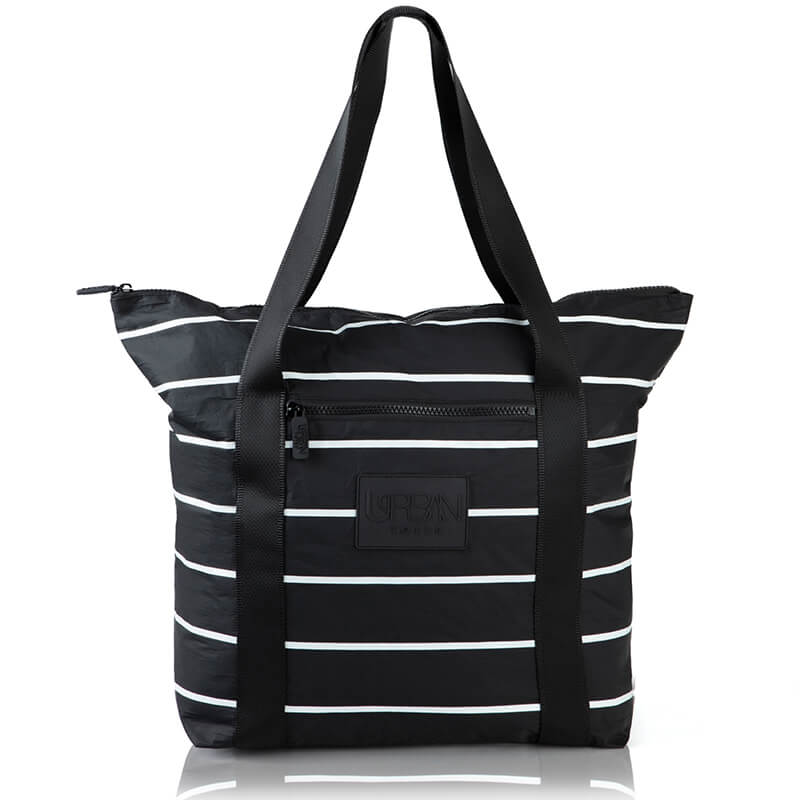
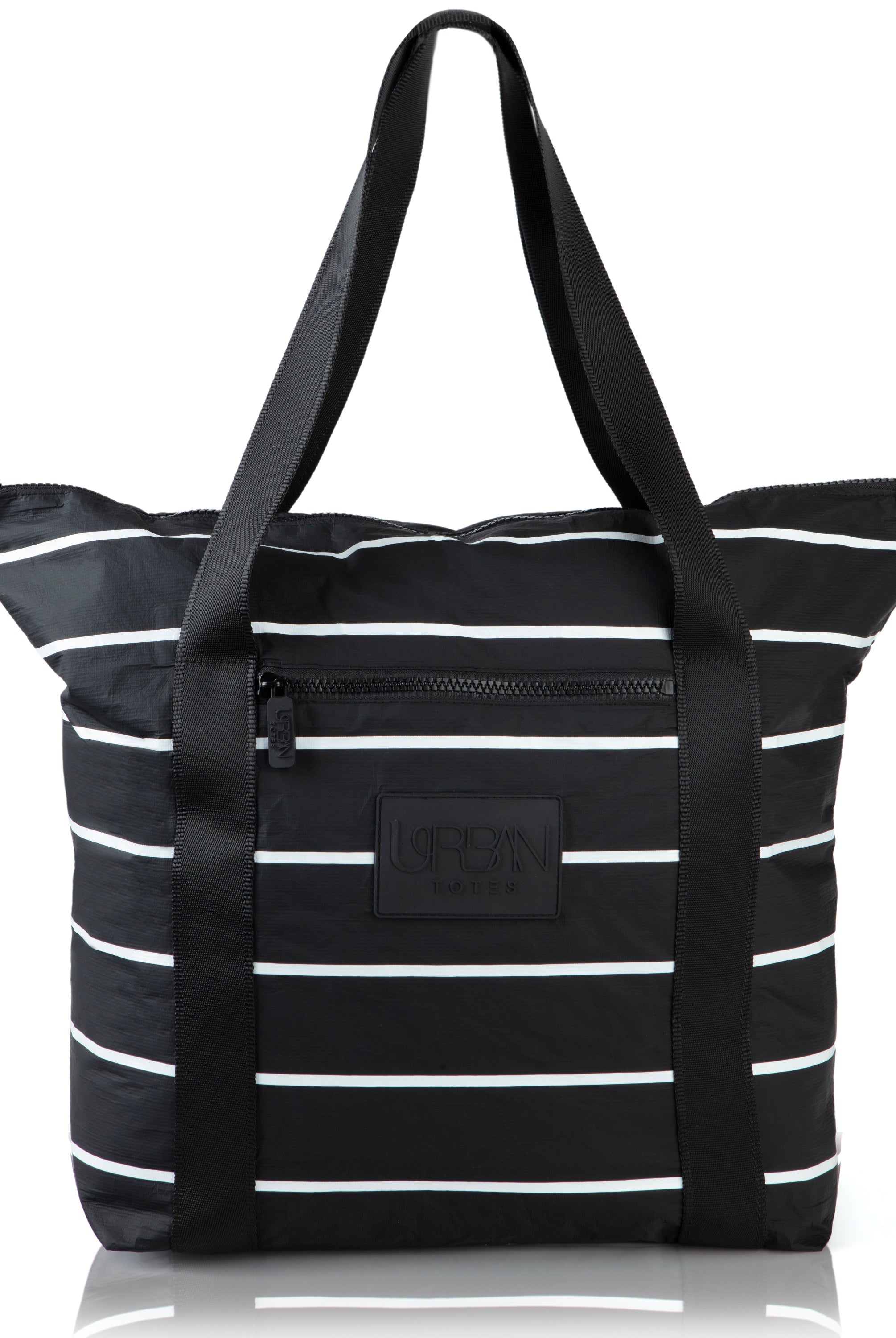
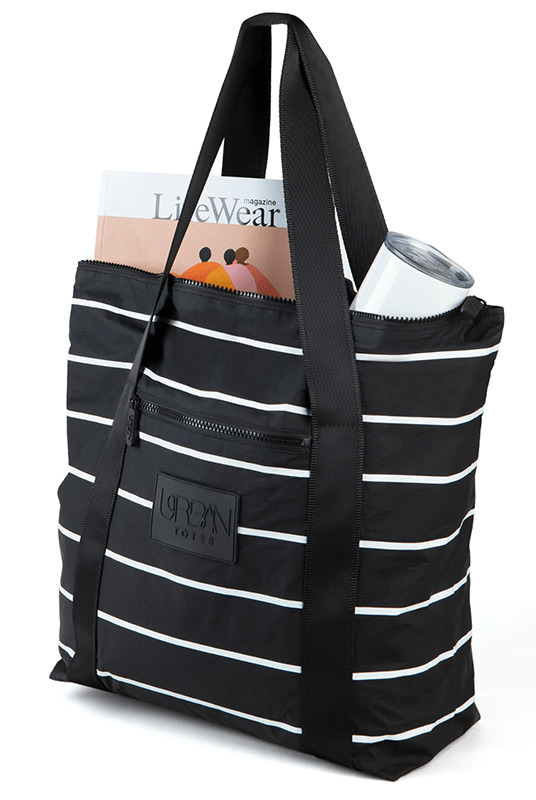
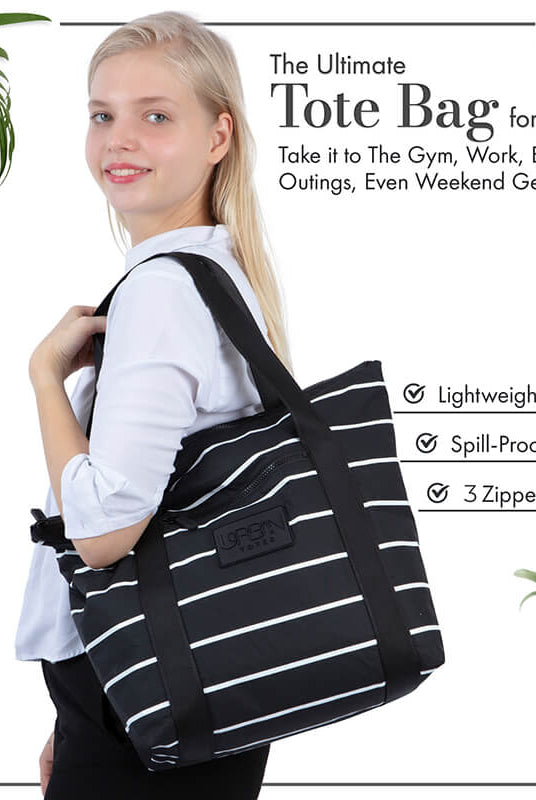
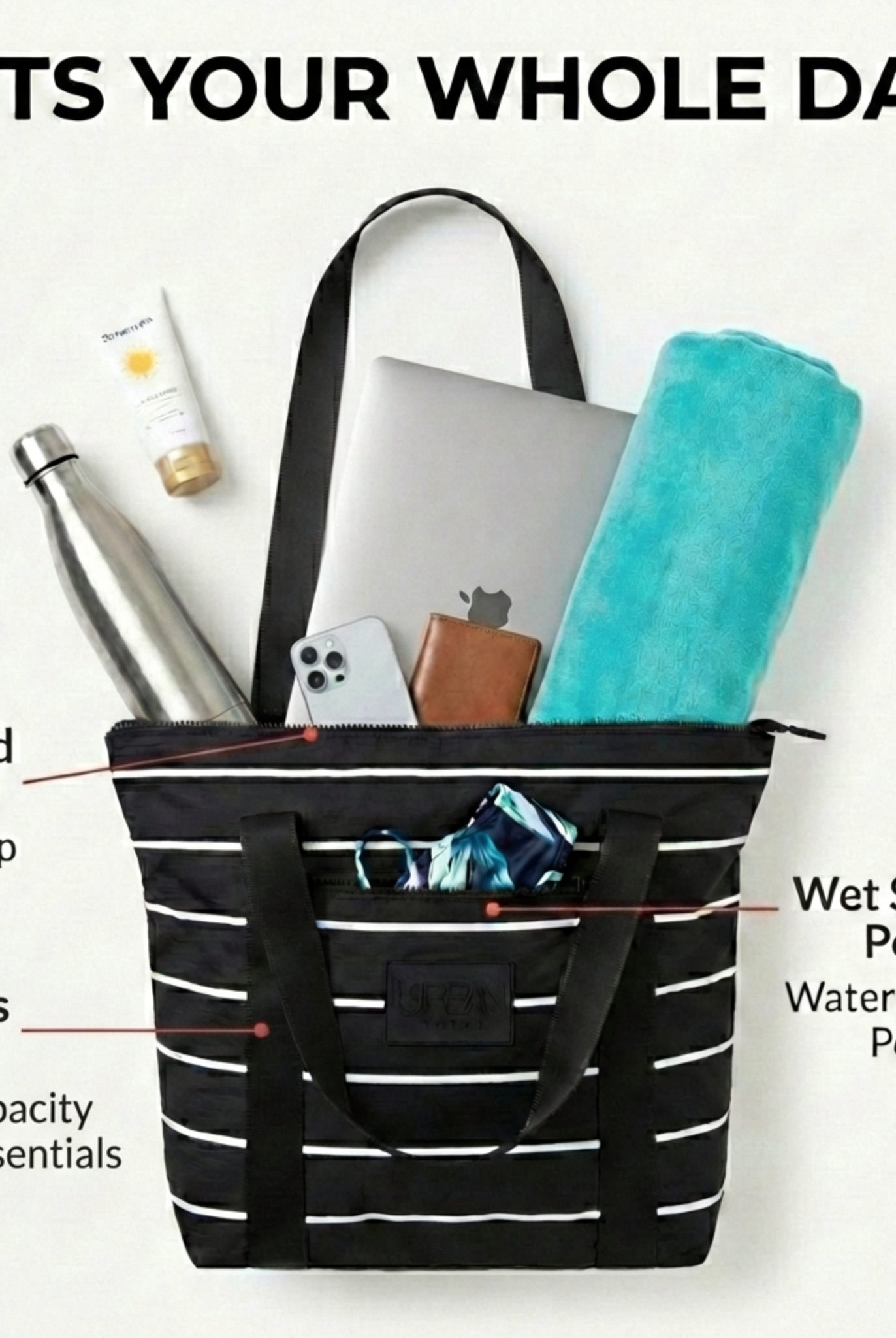
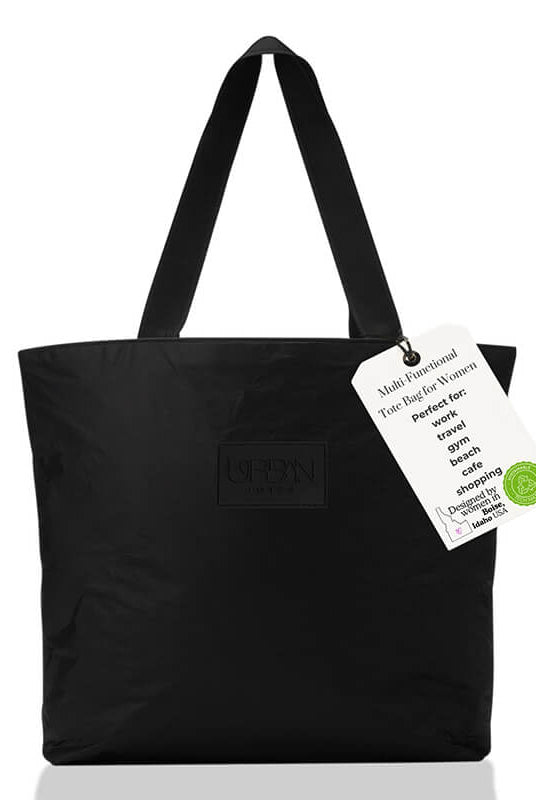
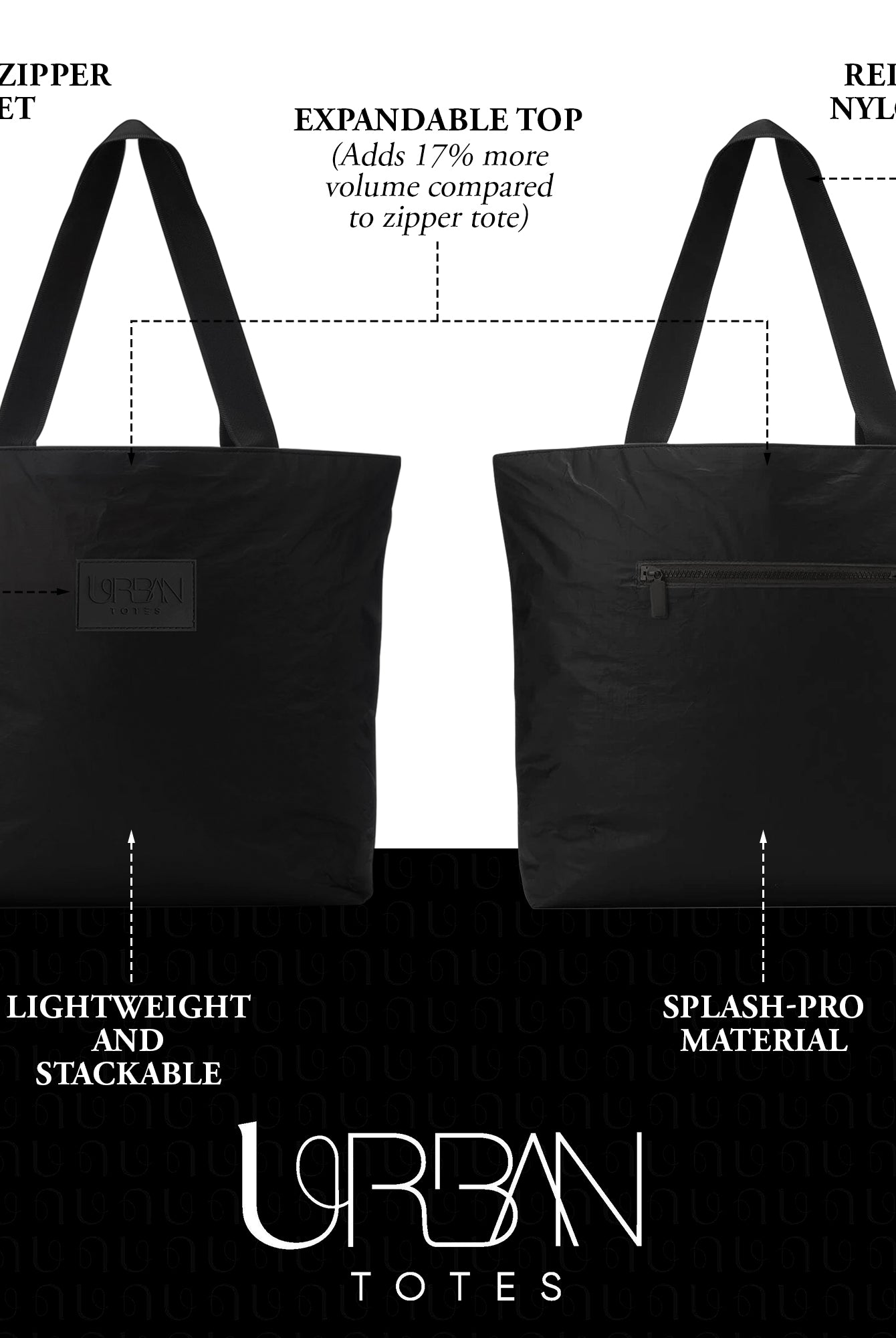
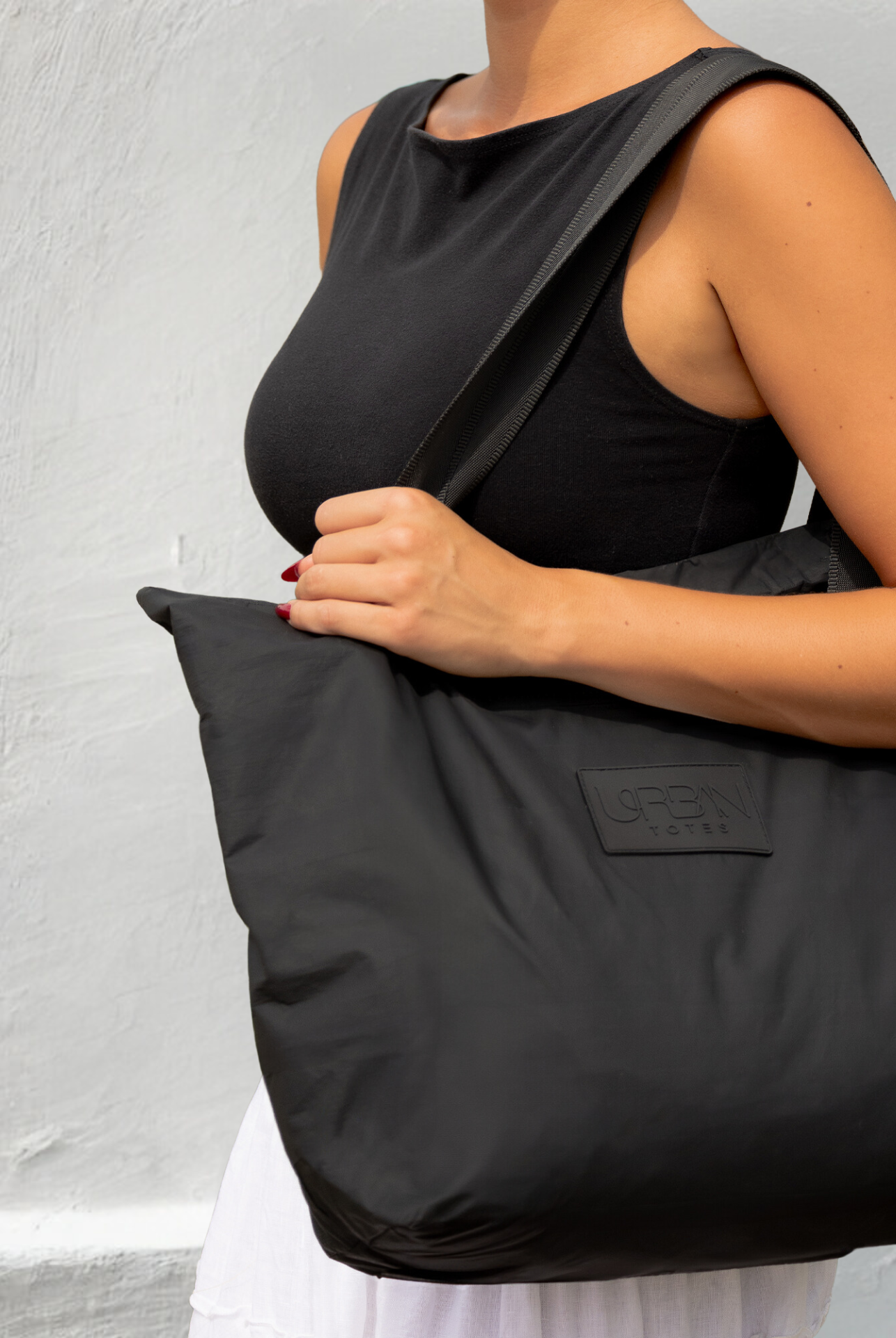
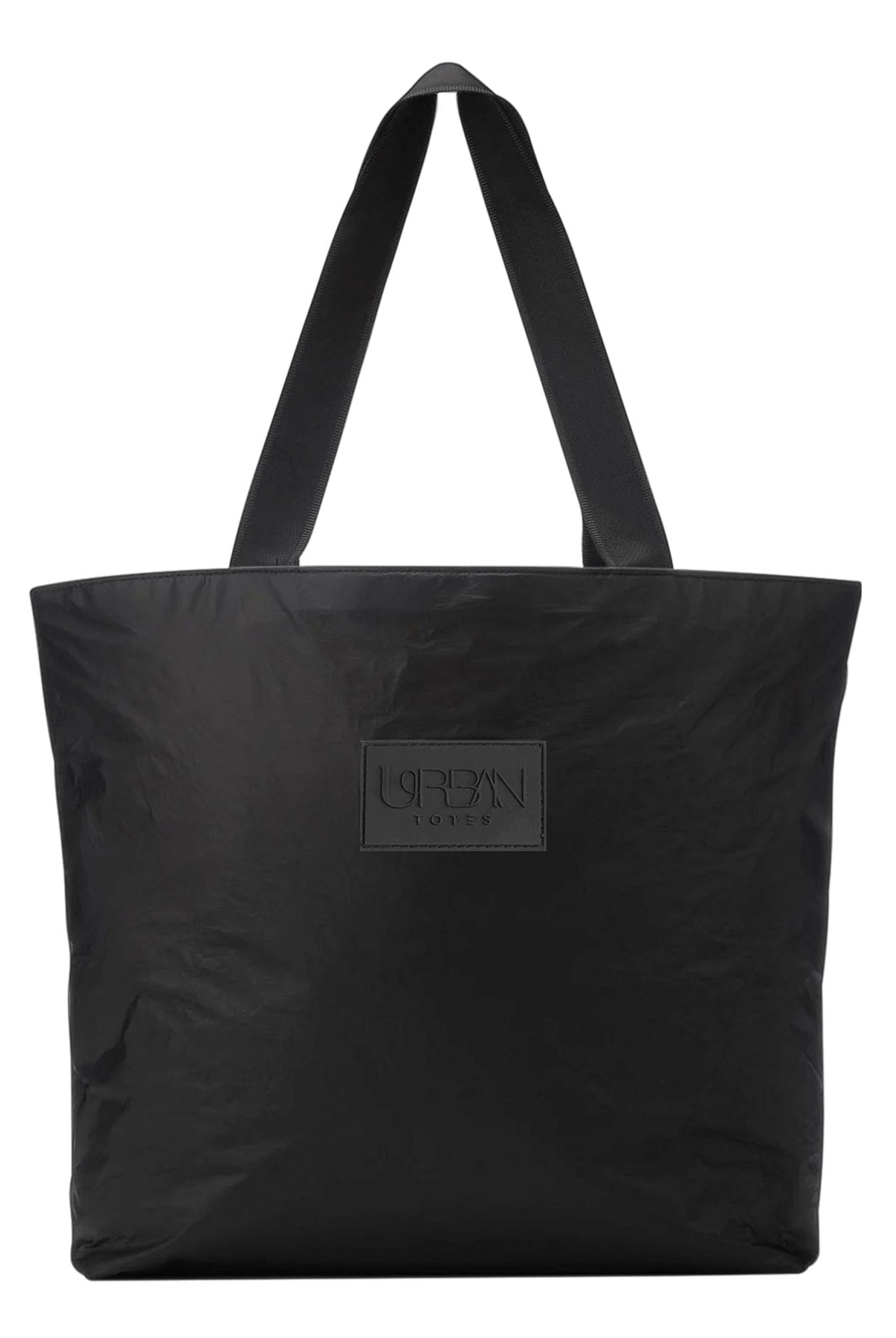
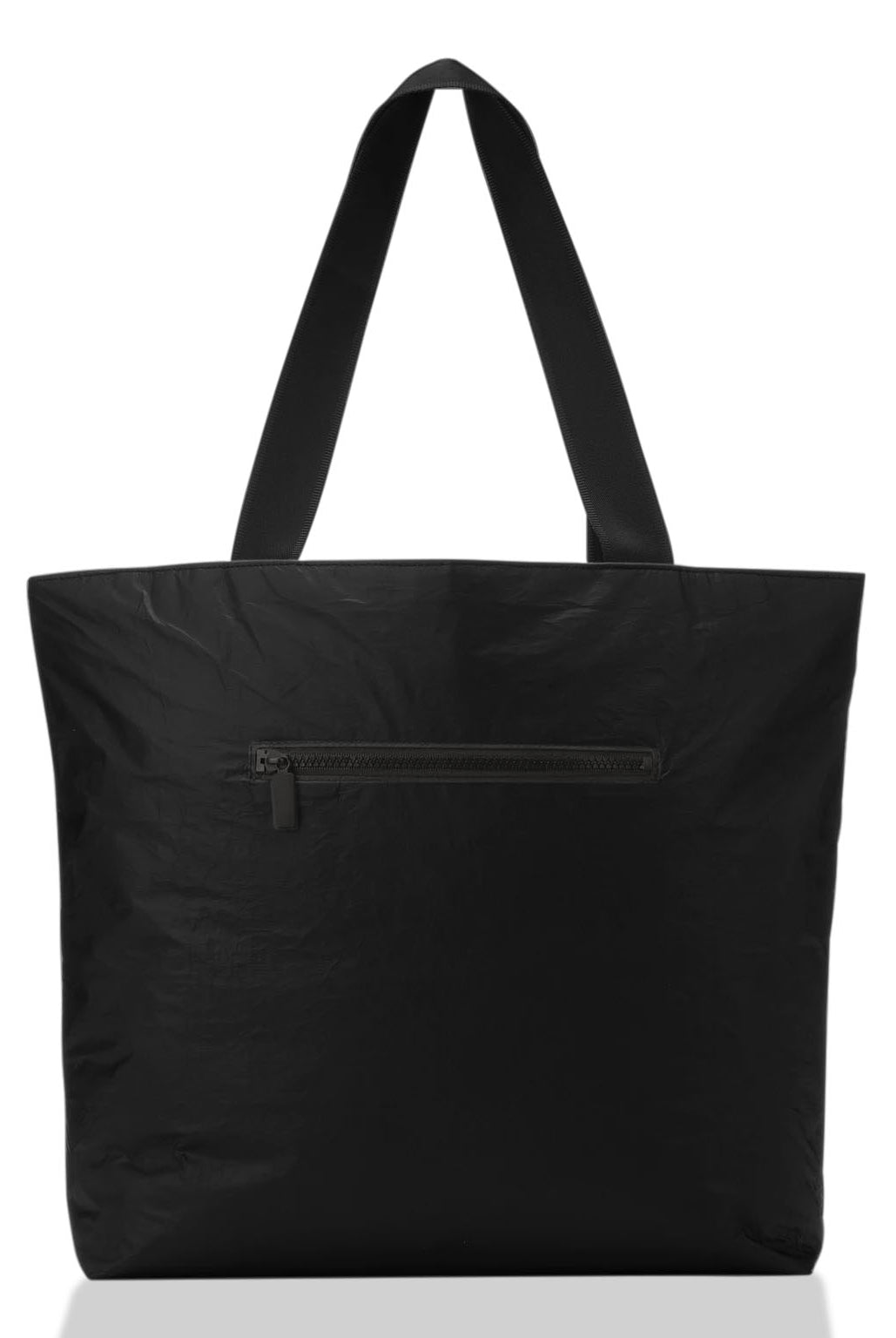
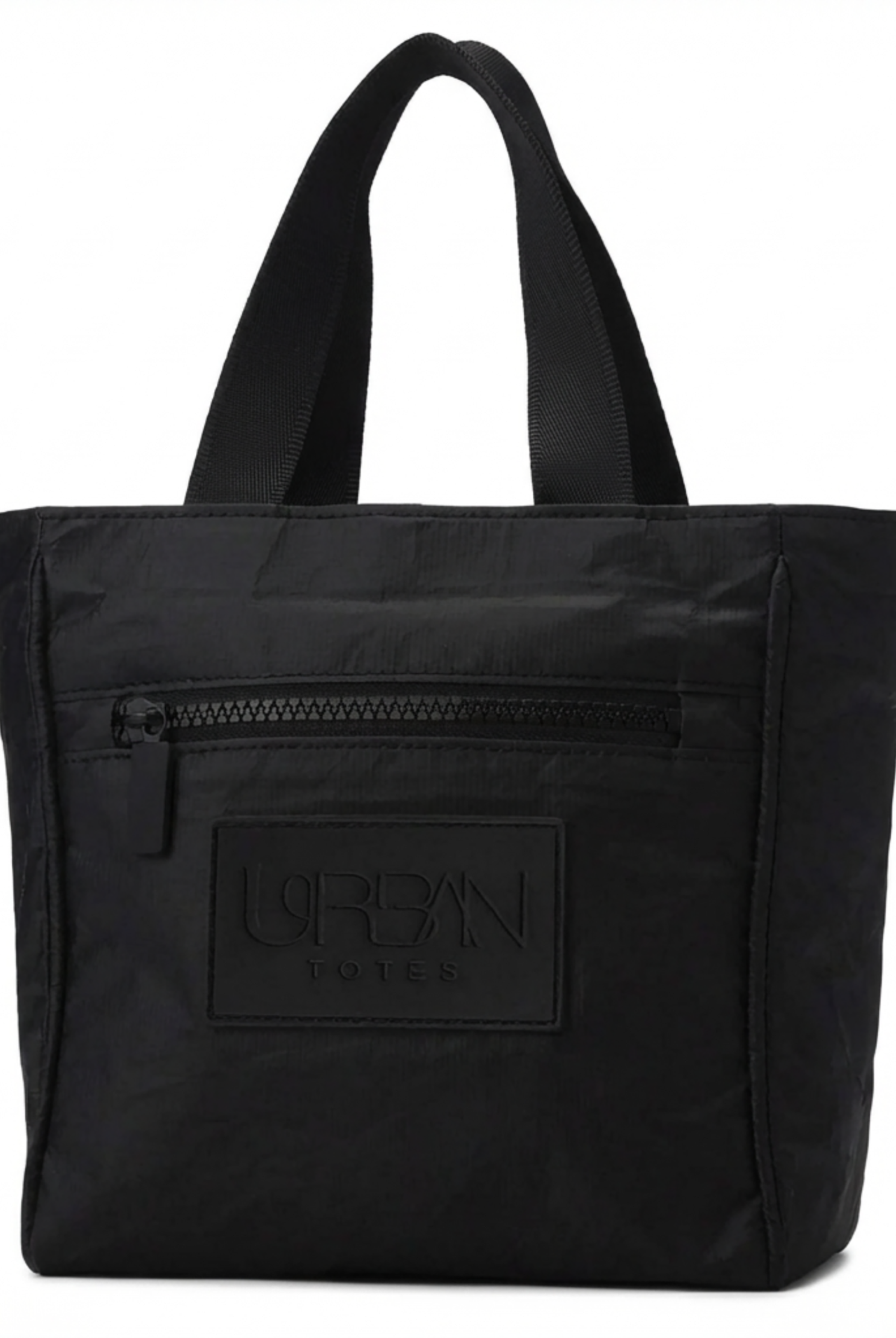
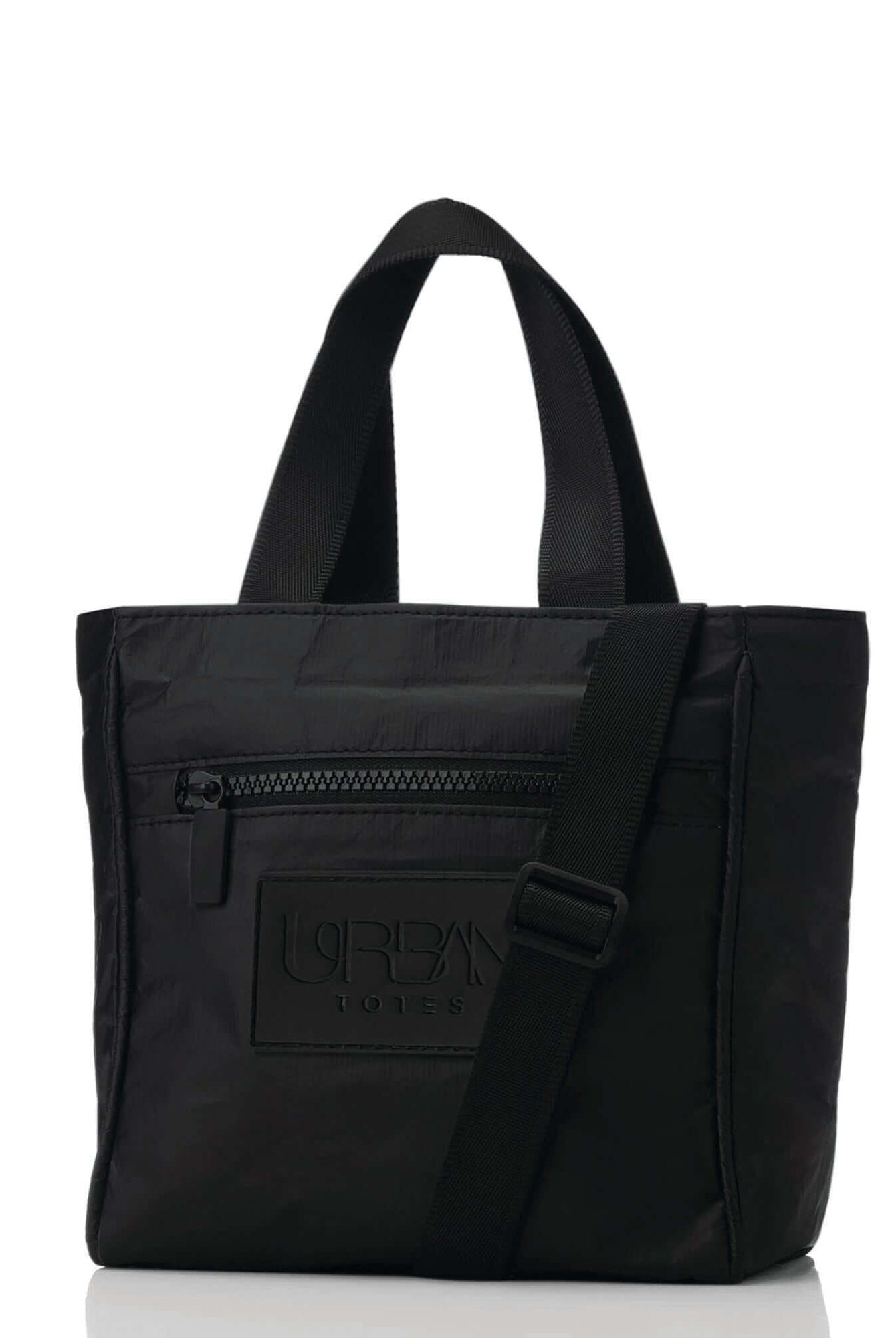
One practical example is Elevate Every Adventure with The OG Zipper Tote Bag by Urban Totes, which is described with three large pockets, side pockets, and both inside and outside zipper pockets. That kind of setup makes sense for a woman who moves between errands, tech gear, and beach or gym items in the same day.
Choosing Your Layout Open Concept vs Multi-Compartment
This is the choice that matters more than pocket count. Do you need open space that adapts on the fly, or do you need built-in structure that tells every item where to go?
A lot of tote content skips this question, even though it's often the deciding factor. The issue isn't whether compartments sound useful. It's whether they improve organization without shrinking practical packing space or making the bag harder to load. That trade-off shows up clearly in this discussion of open space versus compartment-heavy layouts.

When open space works better
An open-concept tote is often better than people give it credit for. It's flexible. It handles awkward shapes well. You can drop in a cardigan, lunch container, farmers market produce, or an extra pair of shoes without negotiating around fixed walls.
That flexibility matters if your day changes often. A bag that starts as a work tote might become a grocery tote by dinner. In those situations, fewer built-in compartments can feel more spacious and more forgiving.
Here's where open layouts usually win:
- Bulky carry days: Sweaters, lunch boxes, sandals, and kid extras fit more easily.
- Errand runs: You can load and unload fast without packing around dividers.
- Travel overflow: Open space works well as a secondary bag for in-transit layers and impulse items.
The downside is obvious. Small things migrate. If the tote has no zipper pockets, no leash, and no pouches, you'll spend more time searching.
When structure earns its place
A multi-compartment tote works best when your carry list stays fairly consistent. Same laptop. Same charger. Same wallet. Same keys. Same water bottle. In that kind of routine, built-in organization saves time every day because your essentials always return to the same places.
Decision rule: If you carry many small essentials and hate searching, choose more structure. If you carry fewer but bulkier items, choose more open volume.
There is a middle ground, too. Some bags use a large center space with a few strategic compartments around the perimeter. That's often the sweet spot. You keep the roomy feel of a tote while still giving your essentials a reliable home.
If you're comparing layouts for everyday use, this guide to a multiple compartment purse can help you think through the trade-off with more precision.
Matching Compartments to Your Lifestyle
The right compartment layout depends less on trend and more on what your day asks you to carry. The same tote that feels perfect for commuting can feel annoying at the beach. The trick is matching the interior to the job.

The commuter
A commuter tote needs one thing above all else. Predictability.
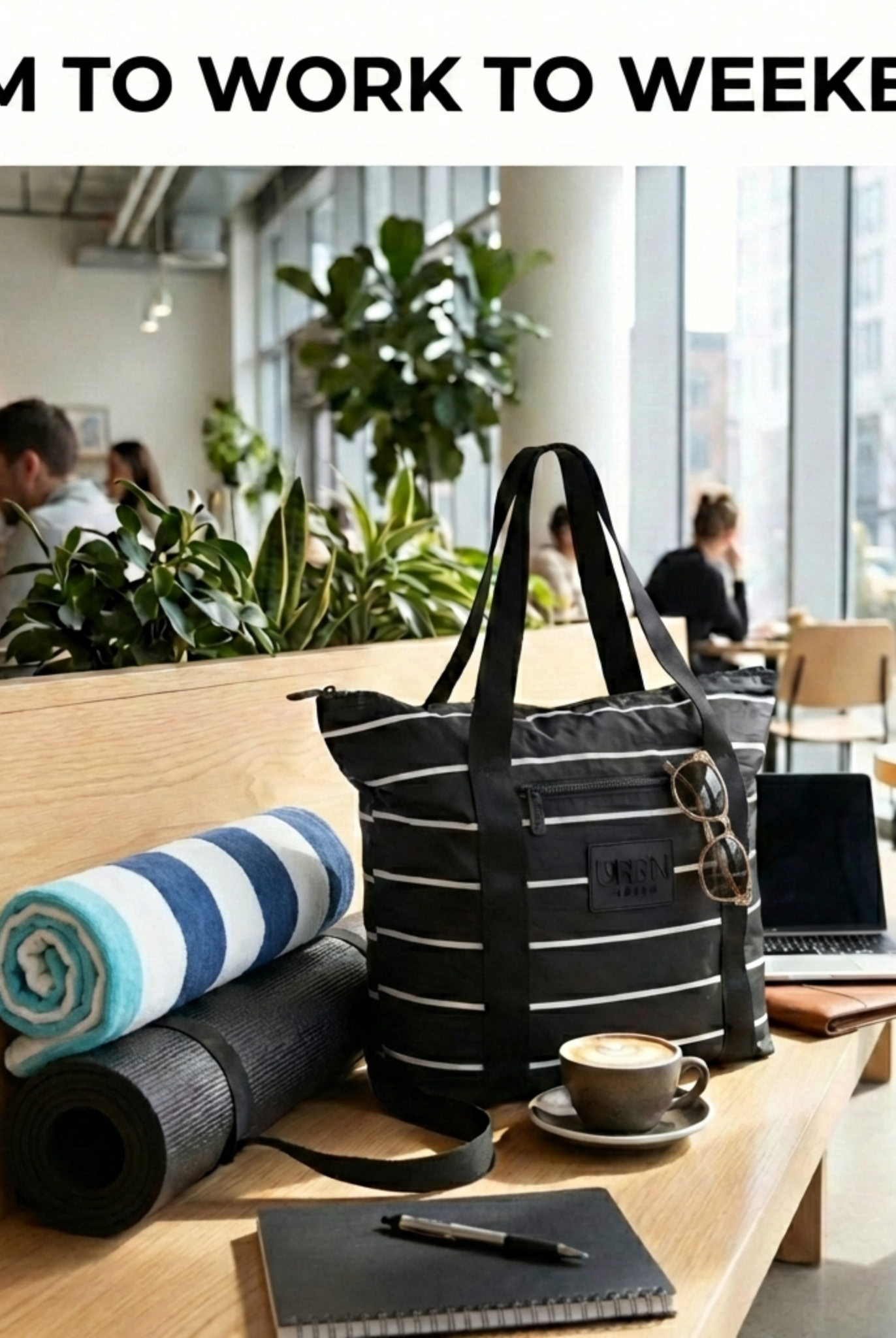
If you carry a laptop to work, a dedicated compartment is often essential. Many work-oriented totes are built around 13- to 17-inch laptops, and the compartment has to match not just the screen size but the actual body dimensions to avoid pressure on corners, zippers, or padding, as explained in this guide to choosing a tote with a laptop compartment.
For commuting, the most useful setup usually includes:
- A padded laptop area: This keeps your device from knocking into chargers, water bottles, or cosmetic cases.
- One easy phone pocket: You shouldn't have to dig while walking into the office.
- A zippered valuables pocket: Perfect for cards, earbuds, and small items that disappear fast.
If your daily bag doubles as your office bag, this article on a work bag with laptop compartment is a practical next read.
The traveler and the busy mom
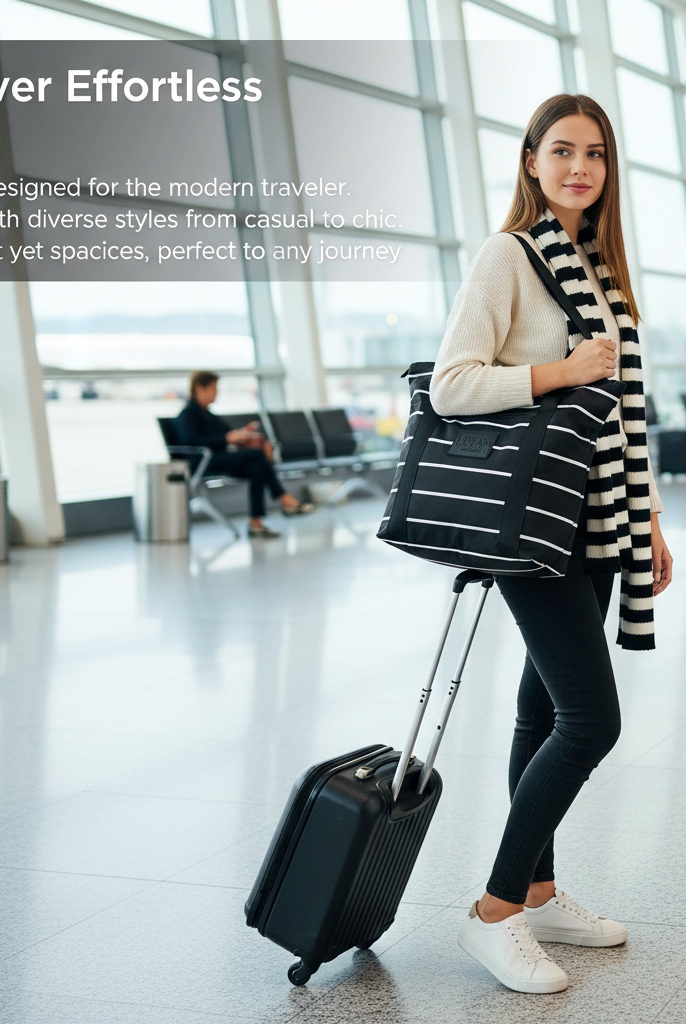
A weekend traveler needs a different rhythm. She usually benefits from a larger central compartment with a few secure zones, not a maze of tiny pockets. Clothes, a book, a toiletry pouch, and a light layer all need room to stack. A couple of zip pockets for travel documents and cords are usually enough.
A busy mom often needs the opposite. Her tote works better with visible, separate spaces for wipes, snacks, a bottle, and her own essentials. Exterior pockets help because they reduce the need to fully unzip or unpack the bag in the middle of a chaotic moment.
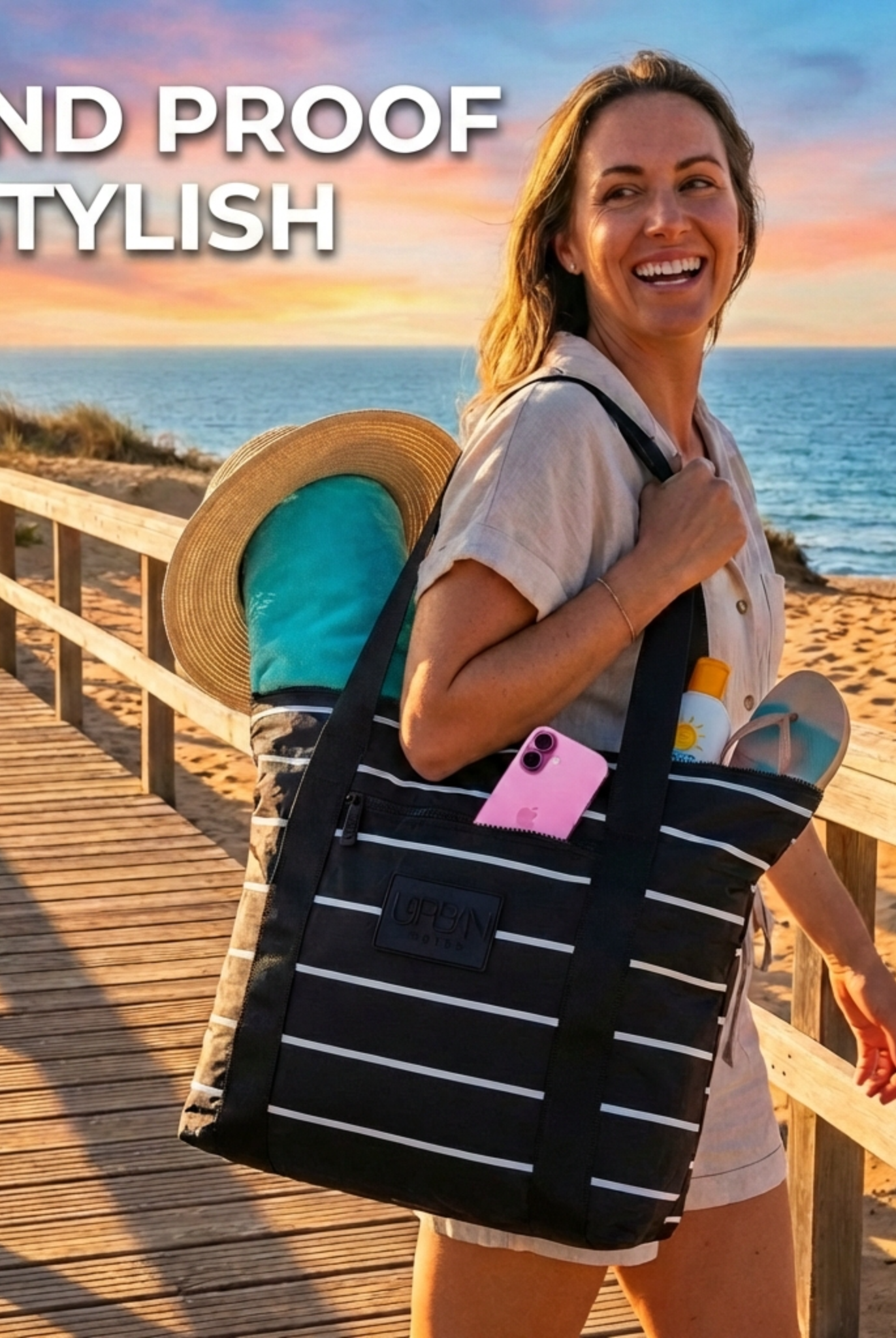
The beach-day version is its own category. Too many fixed compartments can trap sand, limit space for towels, and make cleanup annoying. For that use case, a lightweight, water-resistant tote with a zipper closure and a few larger pockets is often more practical than a heavily segmented interior.
The best tote bag compartments aren't the ones with the most features. They're the ones that support the version of your day you live most often.
Pro Tips for Total Tote Organization
Even the smartest tote layout benefits from a better system. A well-designed bag helps, but habits keep it functional.
Recent social content shows shoppers asking for insertable compartments, removable pouches, insulated linings, laptop sleeves, bottle pockets, and key clips, which points to a growing interest in modular organization rather than fixed interiors alone, as seen in this roundup of tote organization preferences on social. That makes sense. Most women don't live the same day over and over. The bag has to shift with the schedule.
Build small kits instead of relying on loose items
Loose items create clutter faster than almost anything else. Instead of letting every object live on its own, group them.
Try a simple kit system:
- A tech kit: Charger, earbuds, adapter, cable.
- A personal kit: Lip balm, hand cream, hair tie, compact mirror.
- A snack kit: Bars, wipes, gum, napkins.
- A kid kit: Bandages, tissues, small distraction toys.
If you pack for children regularly, some of the logic in this Hiccapop diaper bag advice applies beautifully to any tote. Grouping by function cuts down on frantic searching and makes restocking easier.
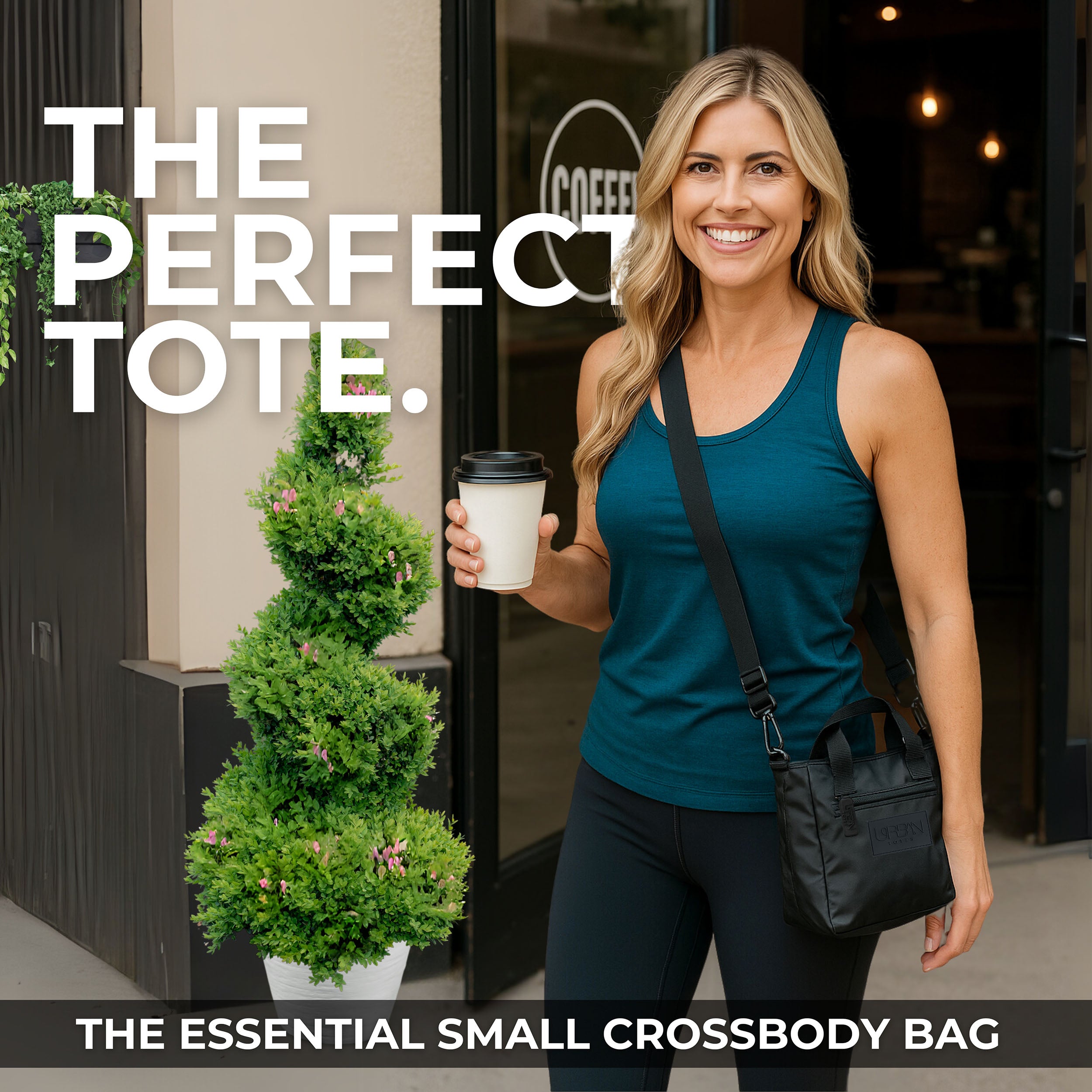
A crossbody can also help on days when you want your essentials separated from the rest of your carry. If you like the idea of splitting “must reach now” items from everything else, a tote bag with crossbody strap setup is useful to compare.
Reset the bag before it resets you
A tote reset takes a couple of minutes and saves you from carrying yesterday's chaos into tomorrow.
Here's a routine that works:
- Empty the receipts: Paper clutter multiplies fast.
- Re-home the strays: Put pens, gloss, coins, and cords back in their designated spots.
- Check the bottom corners: That's where random debris collects.
- Restock only what belongs: Don't let the tote become storage for things you might need someday.
Treat your tote like a mini entryway. Everything inside should either belong there daily or be there for a clear reason.
The Urban Totes Difference Thoughtful Design in Action
Tote bags have always been more than handbags. In a U.S. Customs ruling, tote-style bags were classified as travel bags designed to carry “various personal effects” beyond what a normal handbag holds, which reflects their long-standing role as multipurpose carryalls in daily life and travel, as shown in this historical customs classification. That history explains why interior organization matters so much now. The tote was never meant to carry just one kind of thing.
That multipurpose role is exactly why thoughtful design matters. A woman-owned brand based in Boise doesn't need to invent a fantasy lifestyle to understand what women carry. School extras, work tech, wet swimsuits, chargers, snacks, travel documents, and the little essentials that somehow become urgent at the worst possible moment all end up in the same bag.
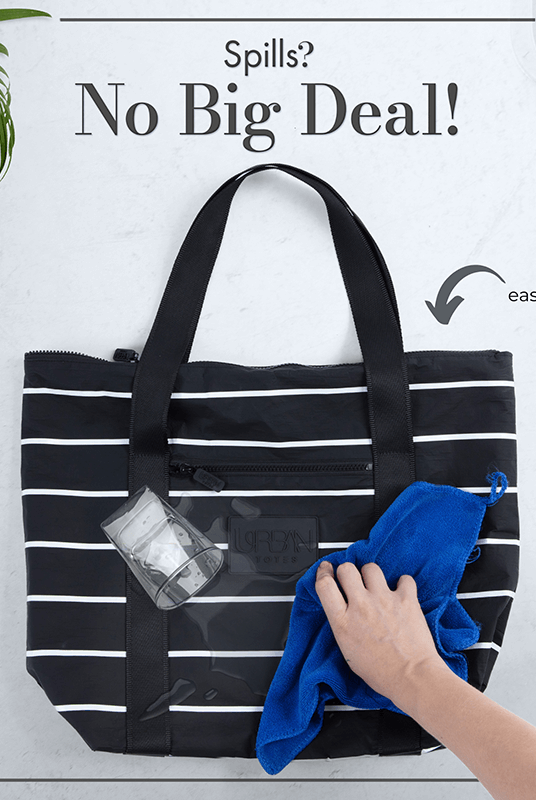
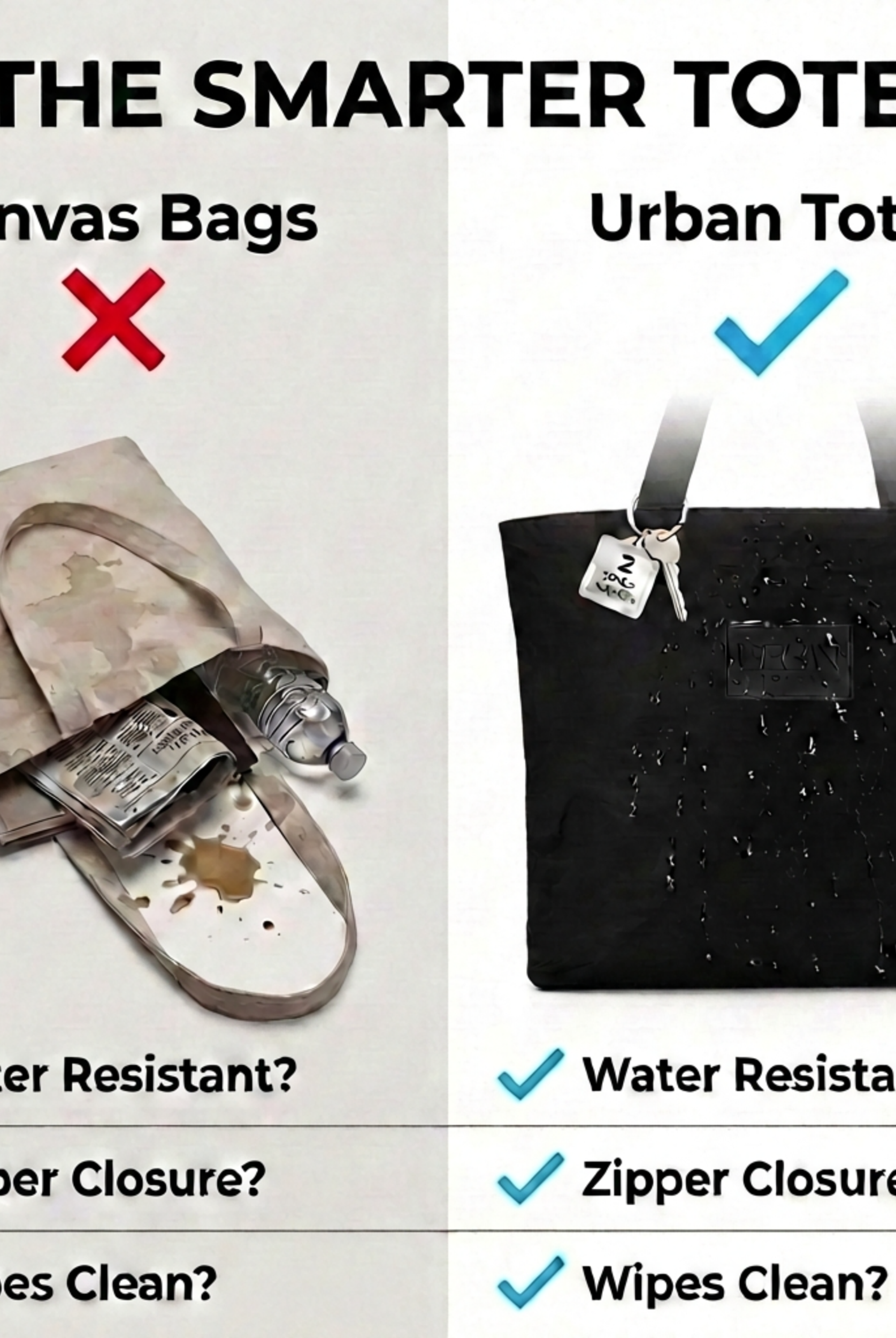
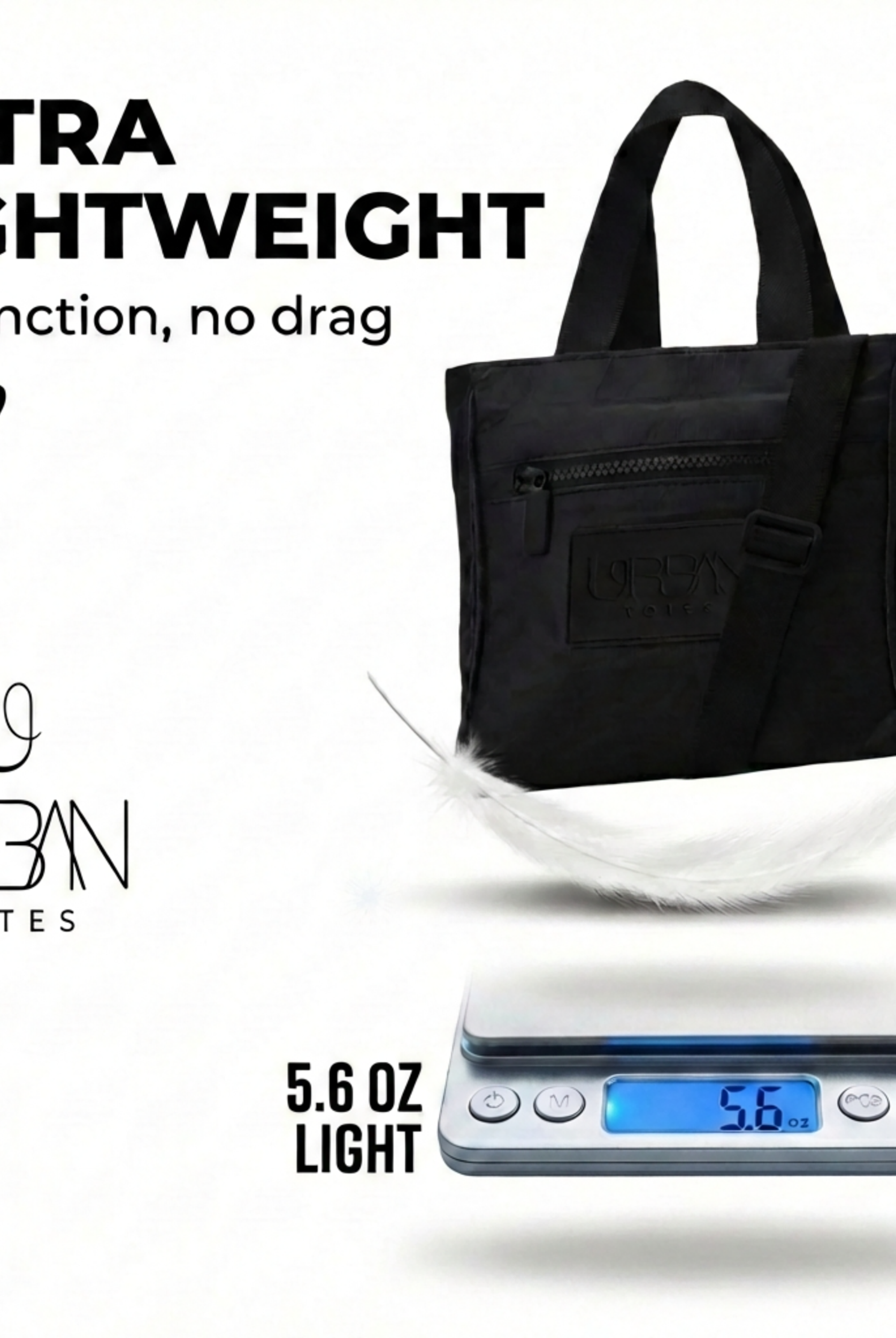
The difference is in how the bag handles real-life overlap. Lightweight materials matter because no one wants a tote that feels heavy before anything goes inside. Water-resistant fabric matters when the bag moves from errands to travel to poolside. Zipper closures and multiple compartments matter because they help you separate what needs quick access from what needs to stay contained.
The best tote design doesn't shout about features. It quietly makes the day run smoother. It gives your phone a place, your keys a place, your bottle a place, and still leaves room for the unexpected. That balance is what makes a tote feel stylish and useful at once.
For women who need one bag to move through commutes, errands, beach days, and quick getaways, that kind of intentional design isn't extra. It's the whole point.
Find your perfect go-anywhere bag at Urban Totes.