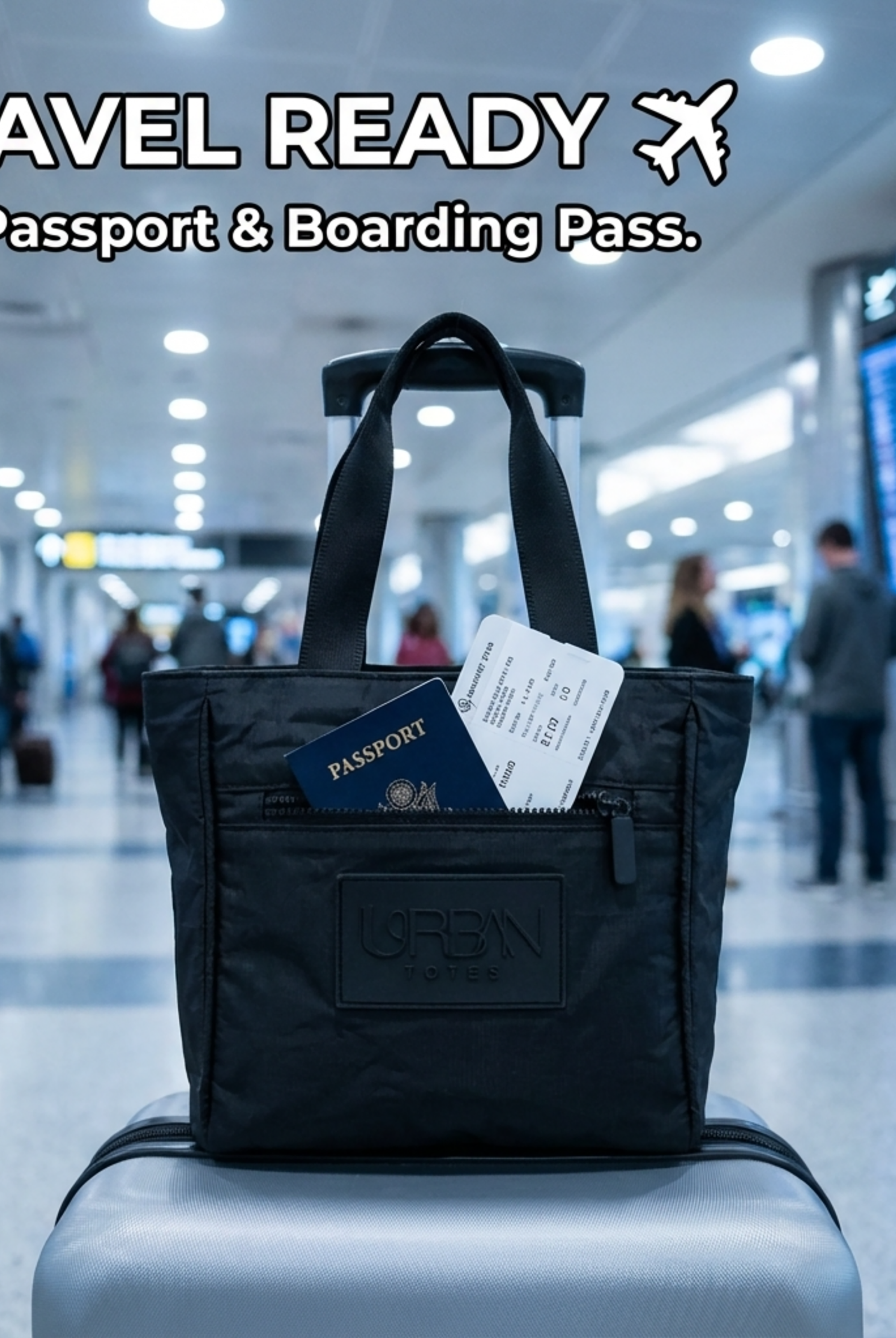
You're standing in a crowded terminal with a boarding pass in one hand and a coffee in the other. Your phone buzzes, your tote shifts off your shoulder, and for a second you wonder where your wallet is. That small spike of stress is exactly why travel bags security matters.
Most women don't want a bag that looks tactical or feels like work. They want something stylish, lightweight, organized, and easy to live with. They also want to stop thinking about whether a zipper is open, whether a pocket is exposed, or whether they've made themselves an easy target while rushing through a train station, school pickup, or a weekend flight.
That's where smart bag security comes in. Not fear. Not bulky gear. Just better design, better habits, and a setup that helps you stay present.
Table of Contents
- Travel with Confidence Not Anxiety
- The Real Threats to Your Travel Bag
- Your Bag's First Line of Defense
- How Thoughtful Design Creates Confidence
- Smart Habits for Secure Travels
- Go Anywhere Tote Everything Securely
Travel with Confidence Not Anxiety
A crowded farmers market. A packed subway platform. An airport gate where everyone seems to stand too close. These are normal moments, but they can make any woman instinctively pull her bag in tighter.
That reaction isn't overthinking. It's practical. You're carrying the things that keep your day moving, like your phone, cards, keys, passport, chargers, snacks, and maybe someone else's essentials too.
Travelers are clearly paying more attention to bag security. The global anti-theft travel bag market was valued at $1.2 billion in 2024 and is forecast to reach $2.7 billion by 2033, according to anti-theft travel bag market data from Market Intelo. That tells you this isn't a niche concern. It's a normal part of how people now choose travel gear.
Security should feel calm
The most useful shift is mental. Security isn't about acting like something bad is always about to happen. It's about removing easy opportunities.
A secure bag does a few quiet things well. It closes fully. It keeps essentials separated. It makes quick grabbing harder. It helps you reach what you need without exposing everything else.
Practical rule: The right bag should lower your stress, not add a new system to manage.
That's also why everyday carry matters more than theory. A bag that feels natural to use usually gets worn correctly, zipped consistently, and kept closer to your body. A bag that feels fussy often ends up hanging open, dropped on a chair, or carried in a way that defeats its own security features.
If you want a good starting point for choosing a travel-ready tote that still works for real life, Urban Totes shares useful guidance on how to choose the best tote for travel.
Some women also like adding personal safety tools that don't call attention to themselves. If that approach appeals to you, Safety that runs along. No noise, no control, just Safe. offers one example of a quieter, lifestyle-friendly safety layer that can sit alongside smarter bag habits.
The Real Threats to Your Travel Bag
Most travel theft isn't dramatic. It's fast, opportunistic, and aimed at whatever looks easiest to access. Once you understand the pattern, travel bags security becomes much less mysterious.

The demand for anti-theft luggage reflects that reality. The market grew from $2.44 billion in 2016 to $6.38 billion in 2022, with a projection of $8.8 billion by 2024, based on luggage industry statistics from Market.us. Growth like that suggests travelers are looking for practical defenses such as lockable zippers, slash-resistant materials, and RFID-blocking pockets.
What actually happens in real life
The most common threat is opportunistic access. Someone spots an open tote, an exterior pocket with a phone peeking out, or a wallet sitting near the top of a bag. They don't need much time.
Then there's snatch-and-go theft. This often happens when a bag is set on a chair, hung loosely on a stroller, or placed at your feet while you're distracted.
A third category is bag tampering. A basic zipper or closure can be manipulated quickly if a thief has easy access to it in a crowd.
The digital version is RFID skimming, which targets cards and certain identity documents. It's more specific than physical theft, but it's still part of the bigger security picture.
What deserves the most attention
If you only focus on one risk, make it physical access. That's the threat most likely to affect your phone, wallet, passport, and keys all at once.
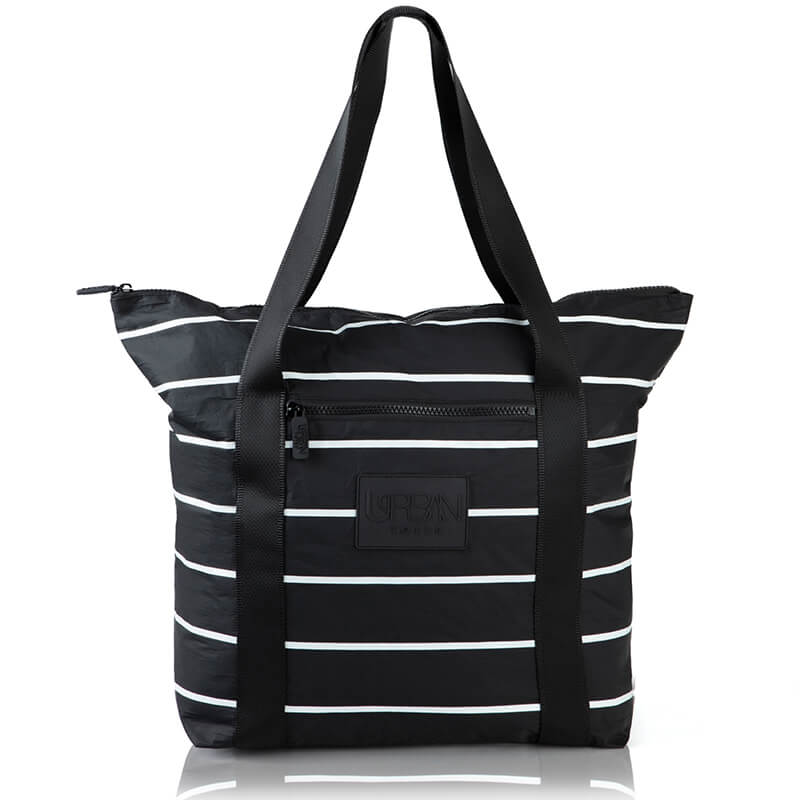
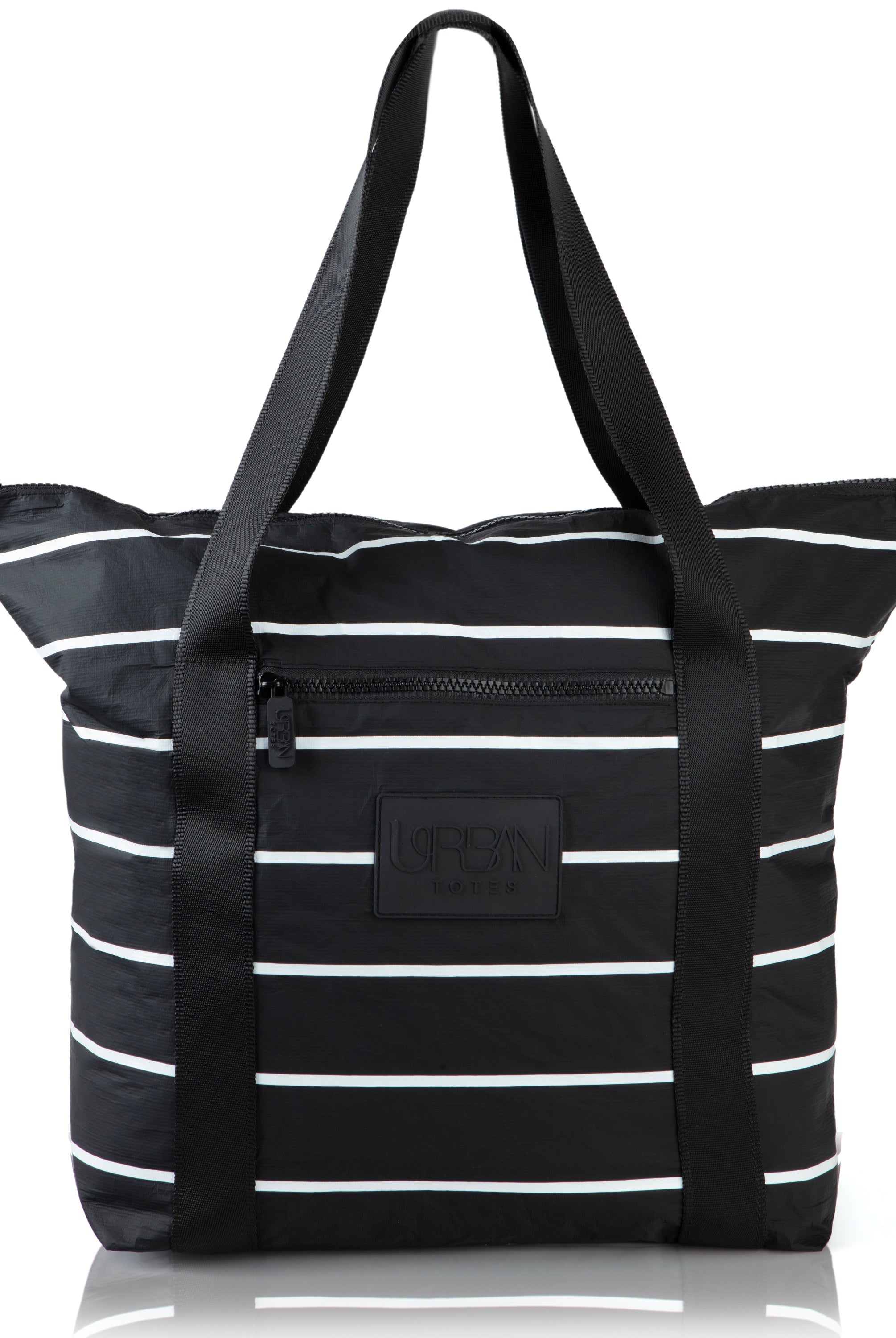
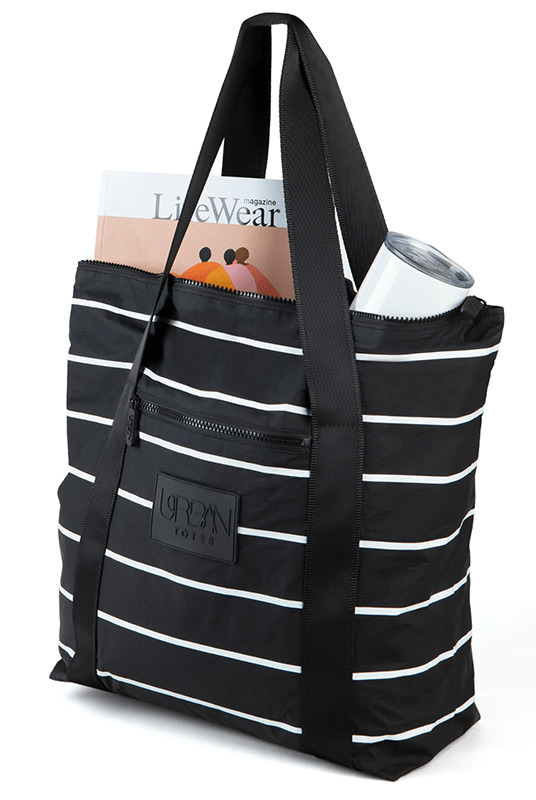
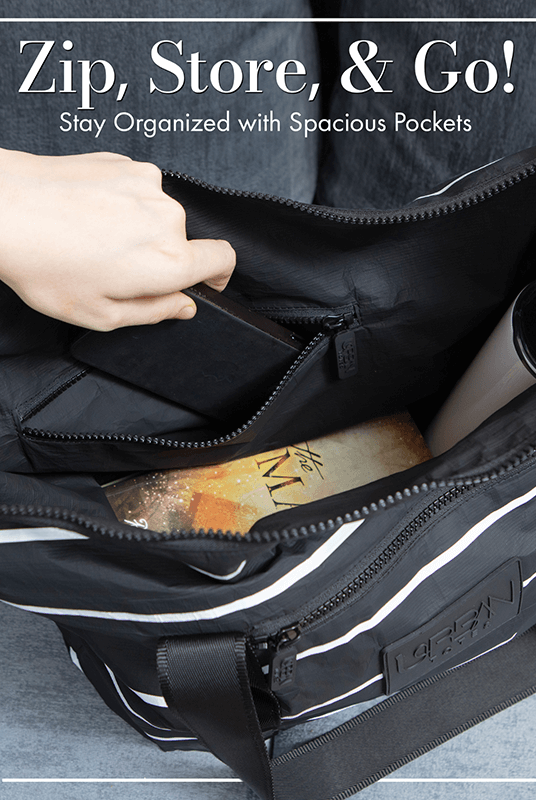
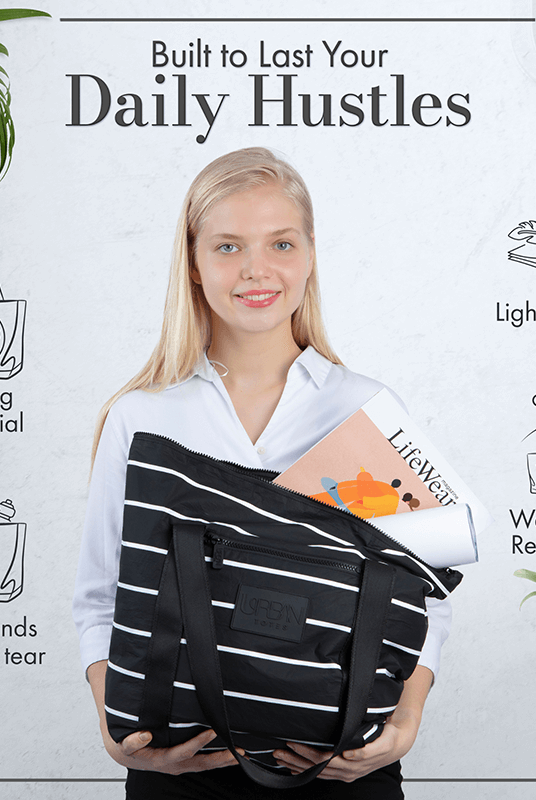
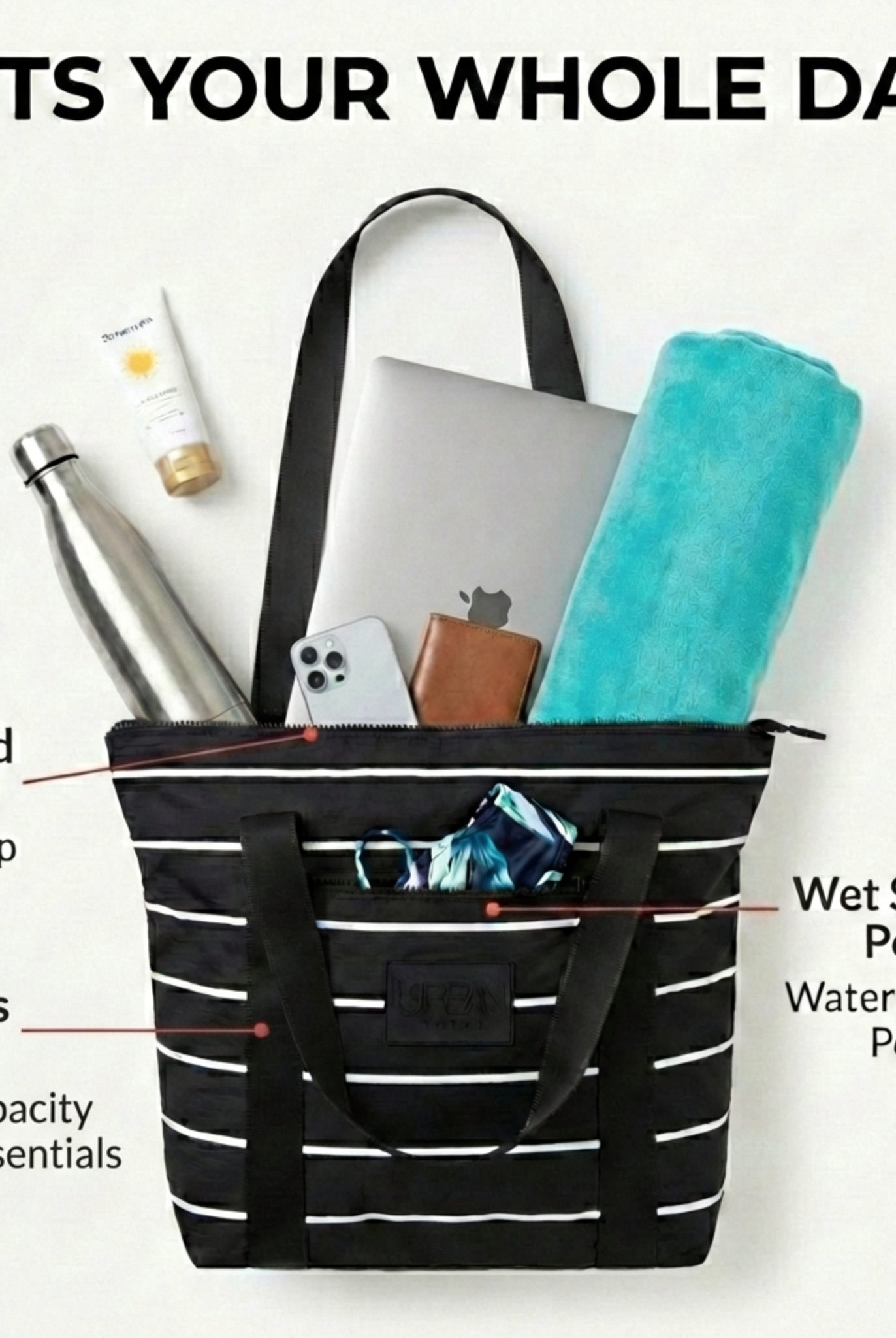
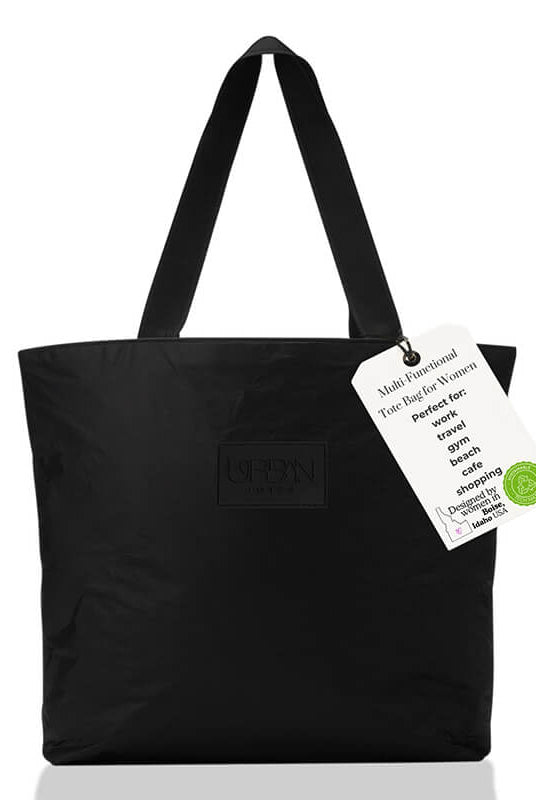
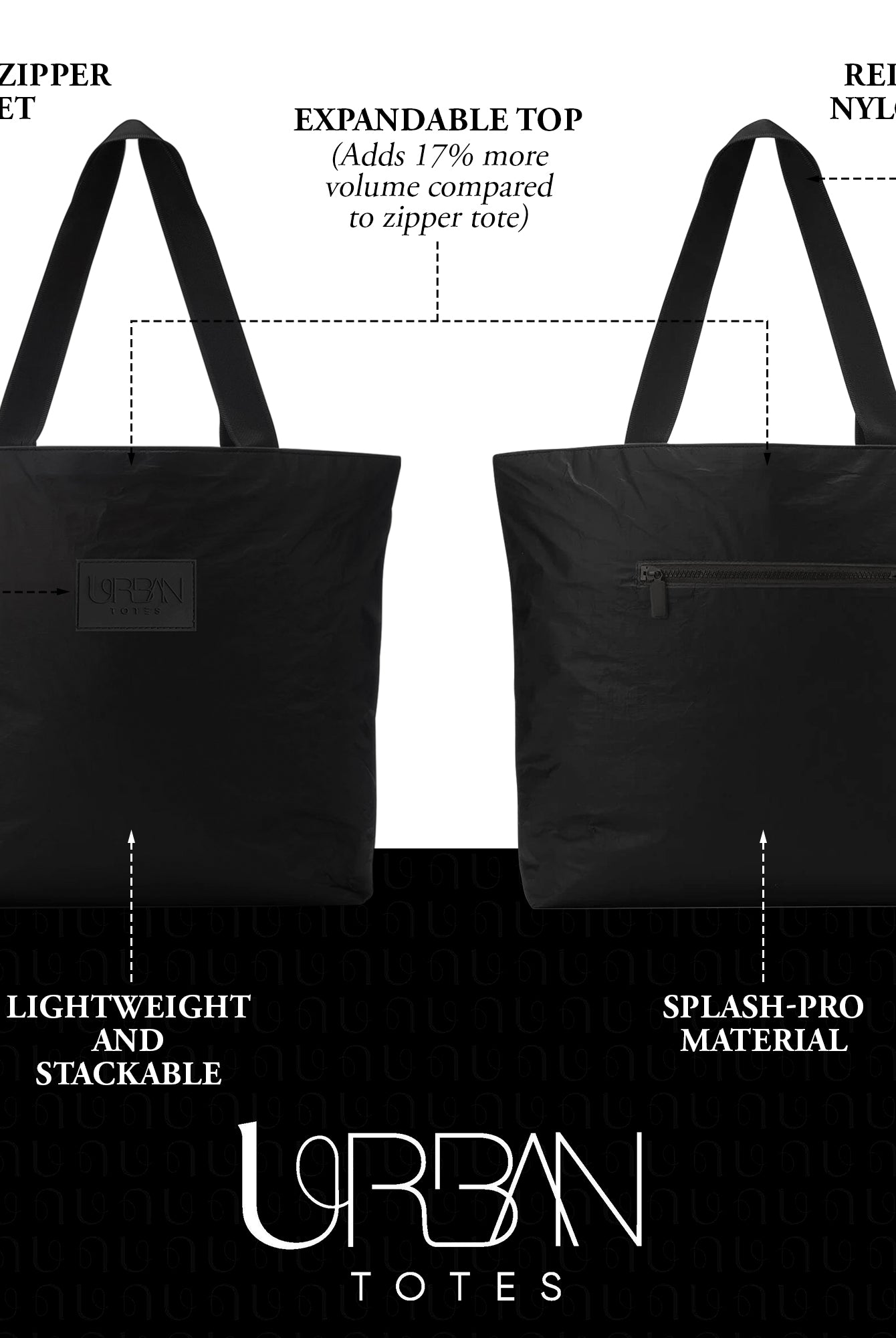
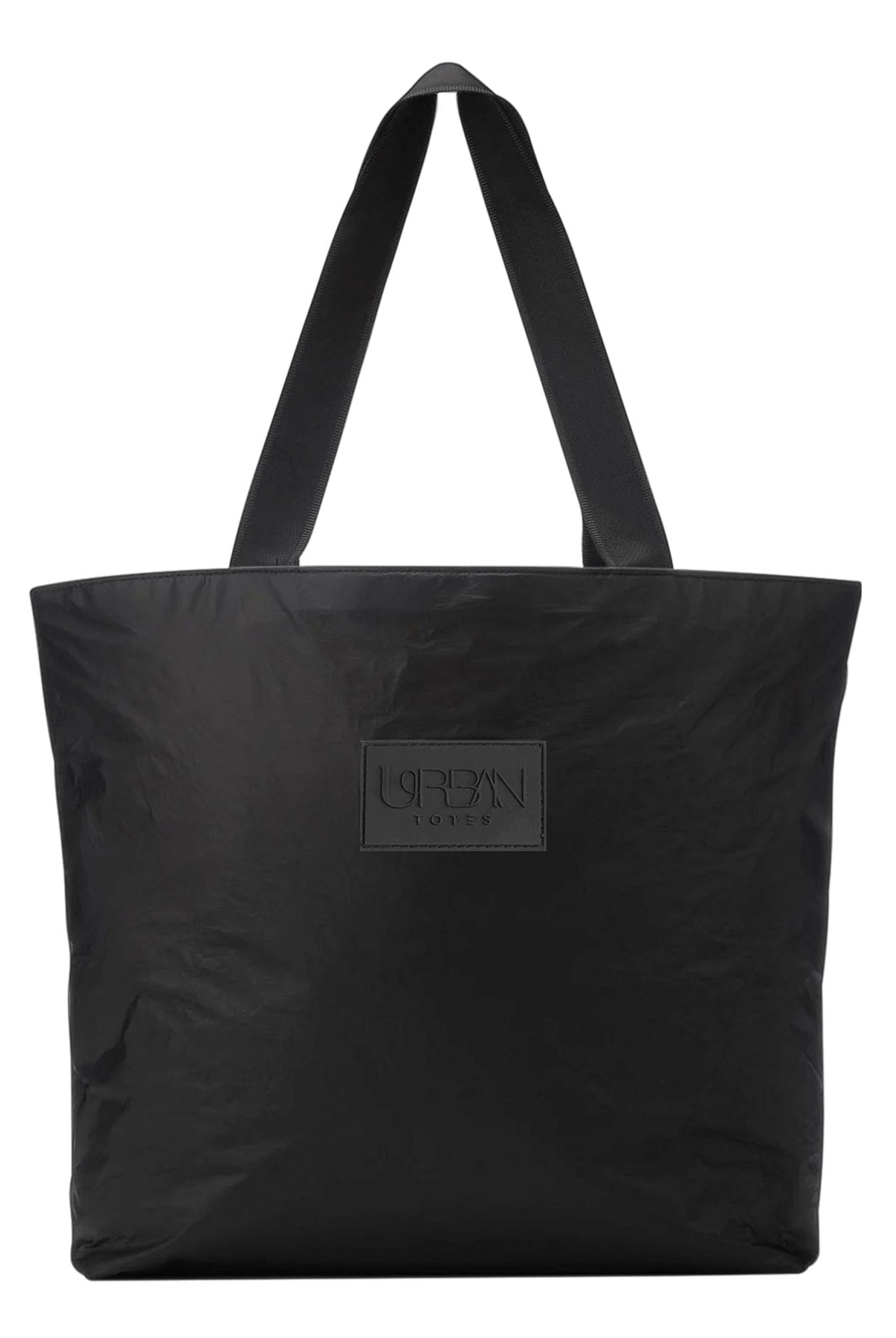
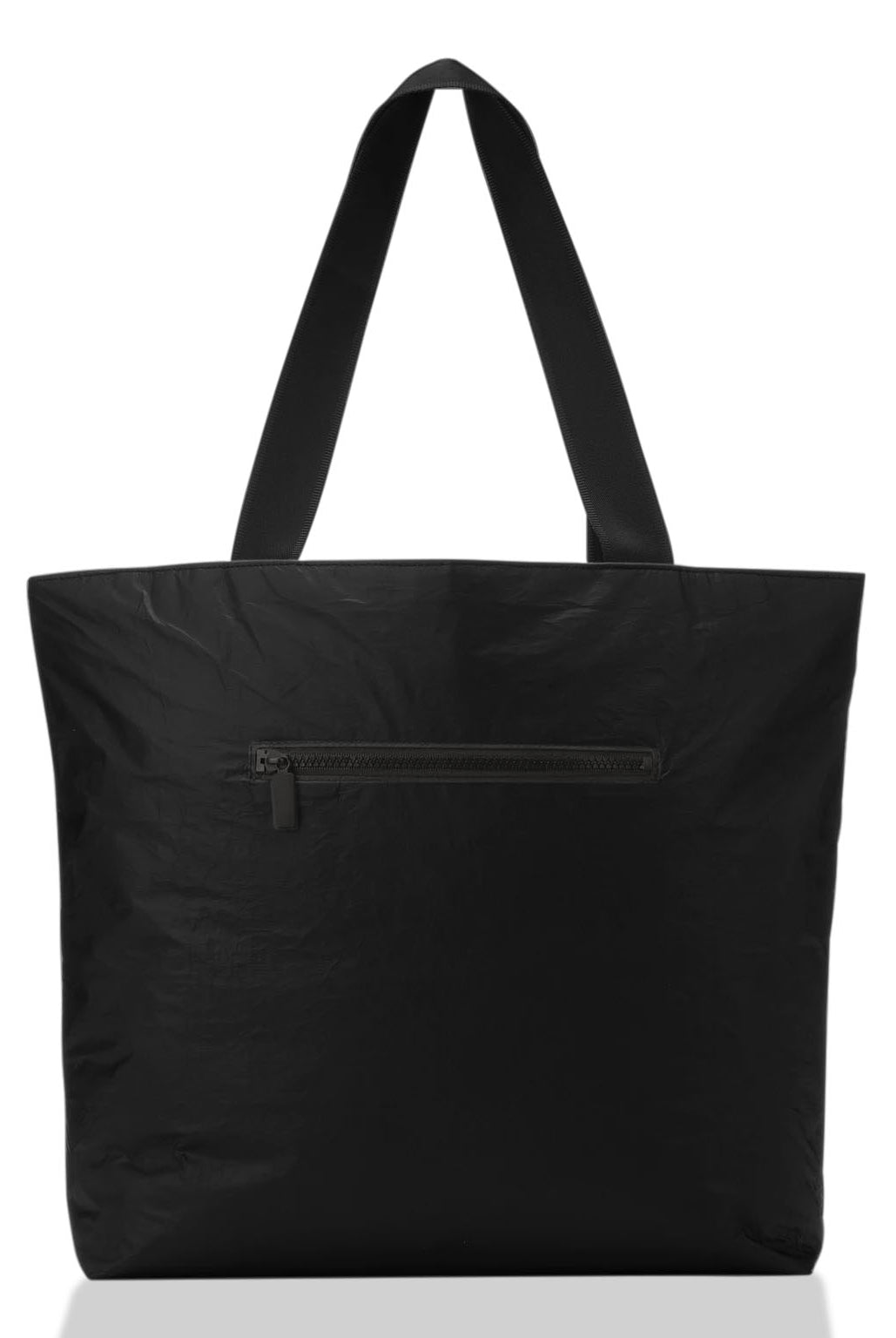
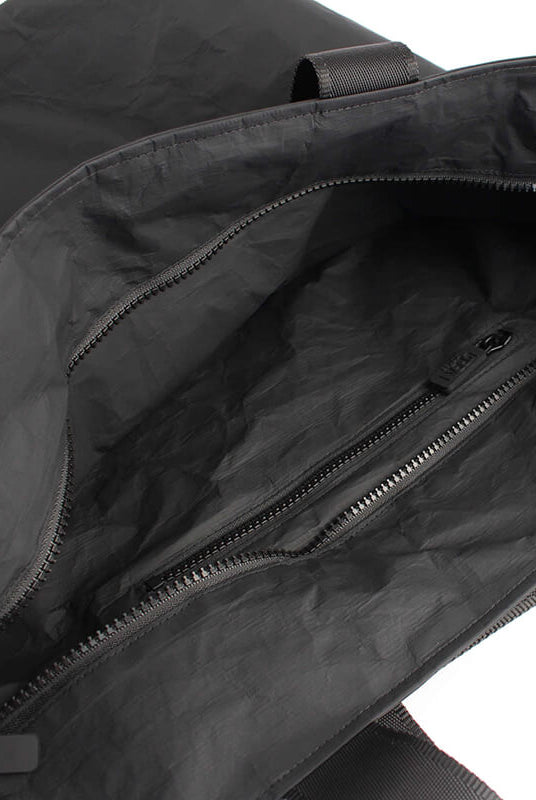
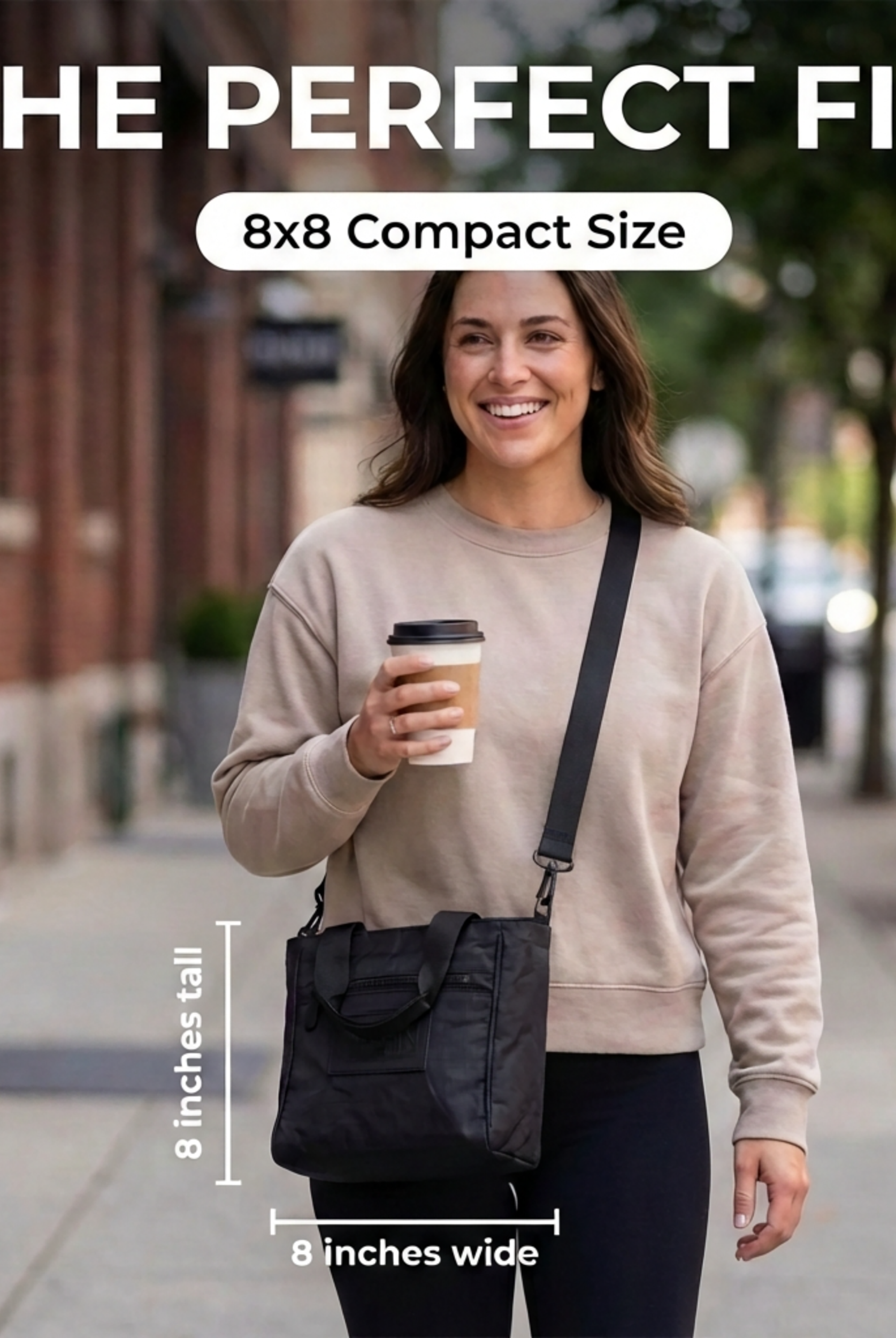
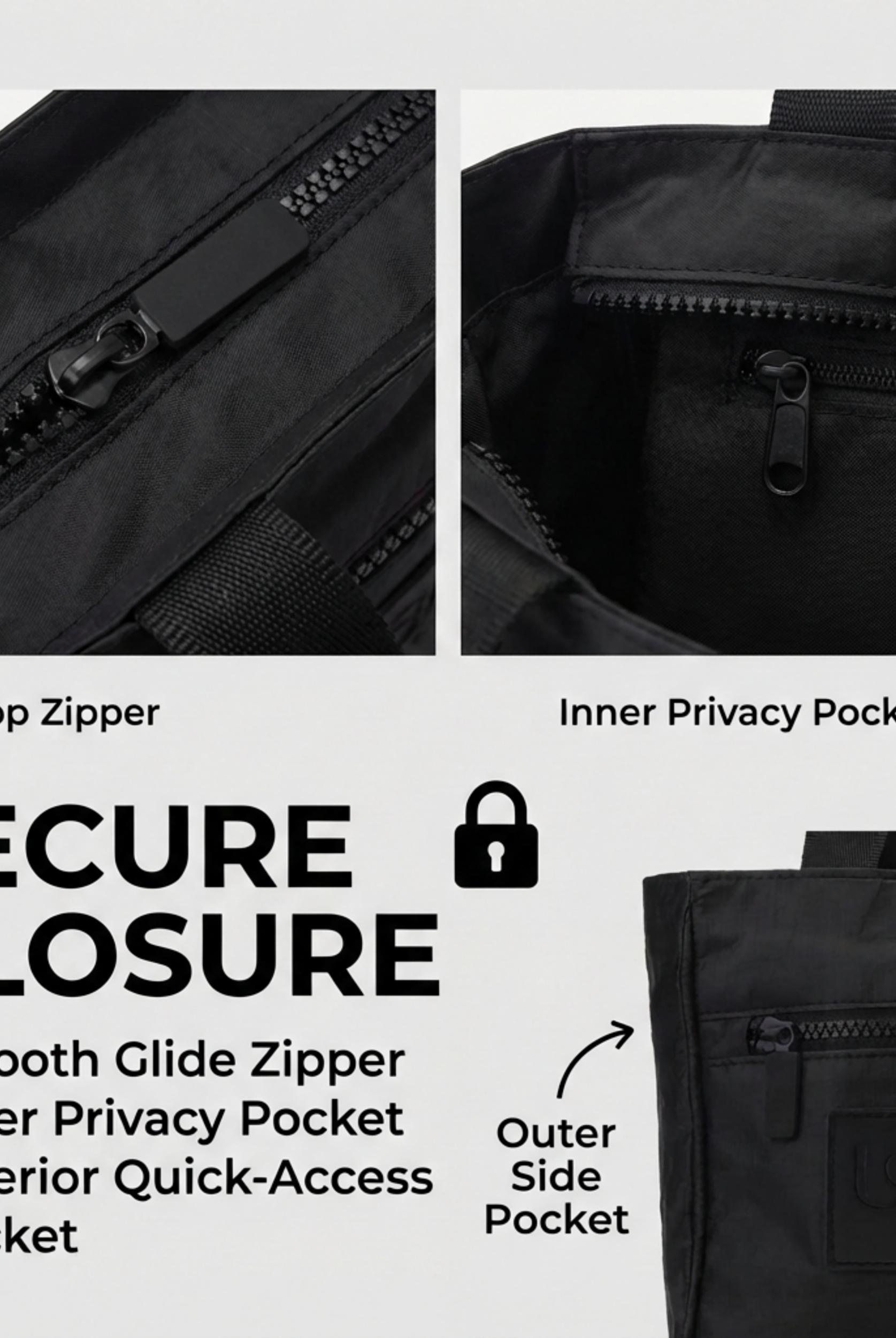
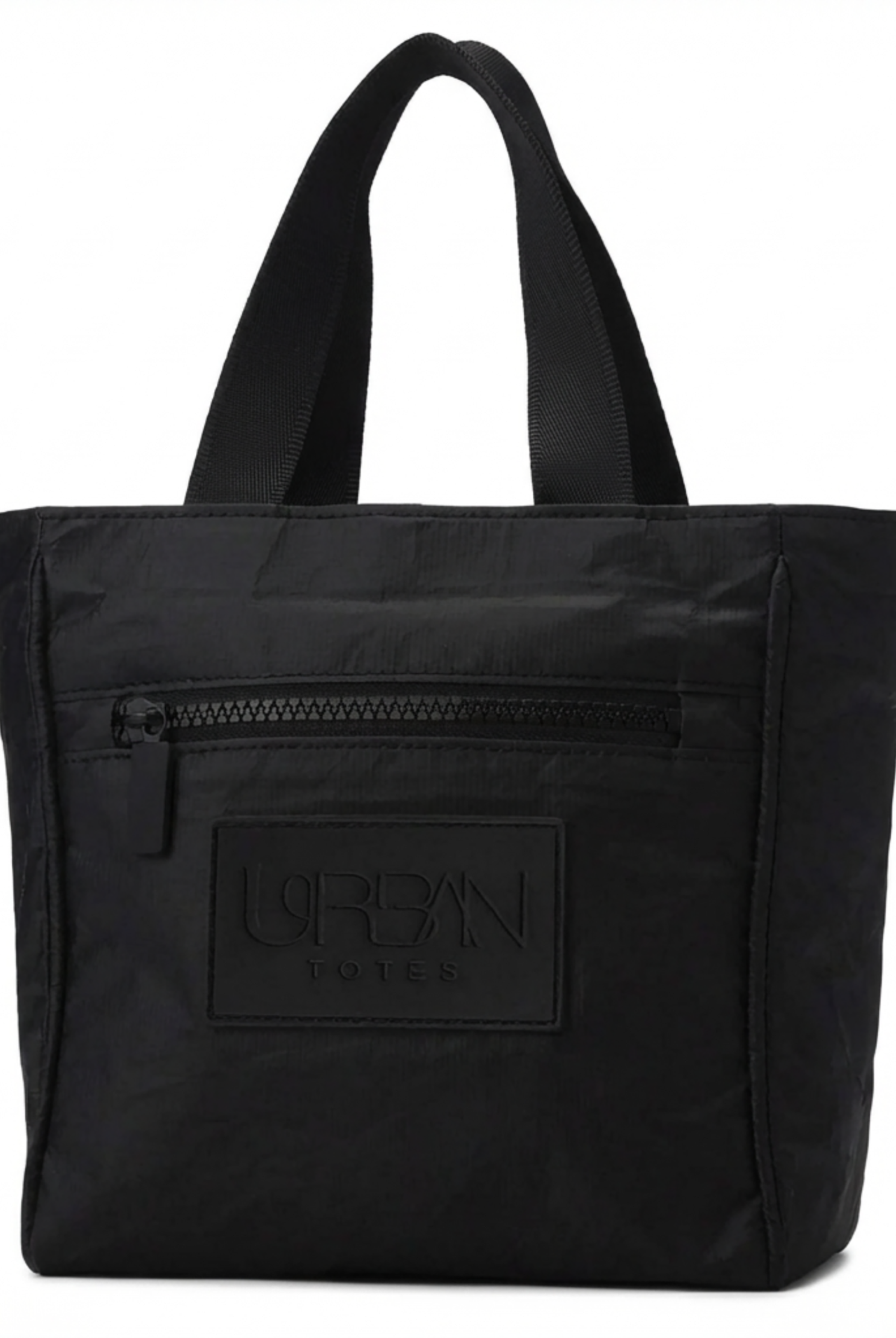
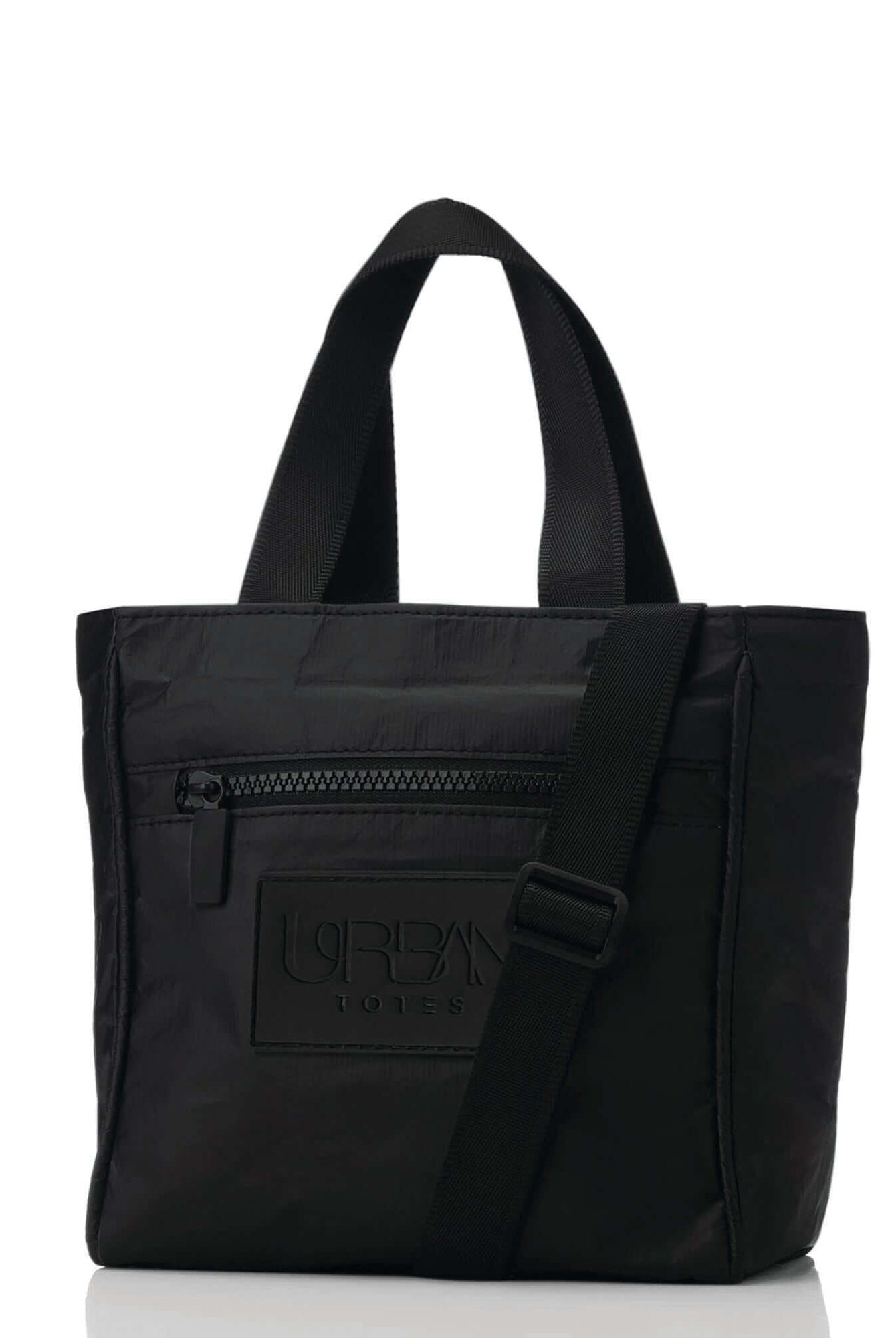
A bag like Elevate Every Adventure with The OG Zipper Tote Bag by Urban Totes fits this conversation because it includes a zipper closure, inside and outside zipper pockets, and three large pockets for keeping essentials more organized and easier to reach without leaving the whole bag open.
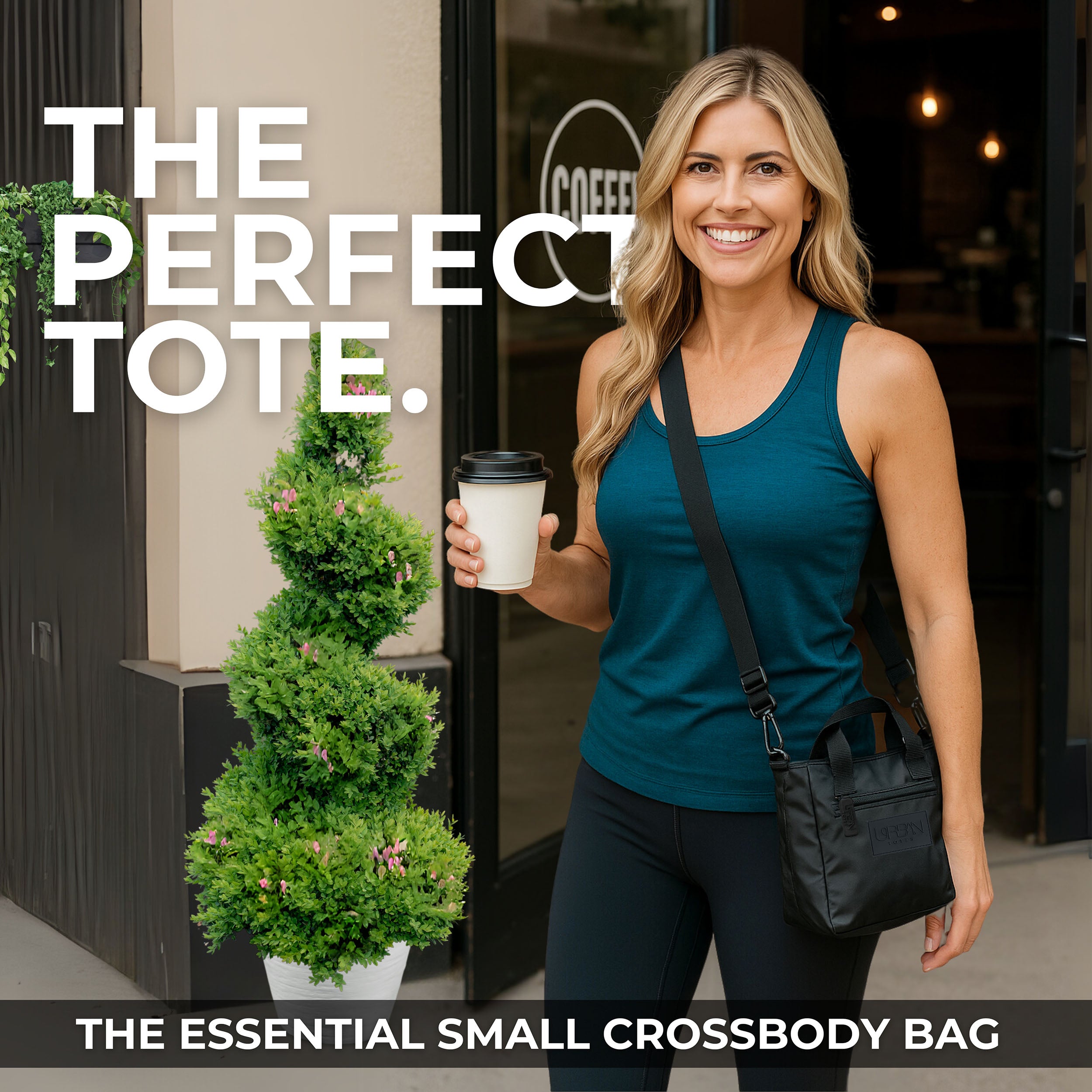
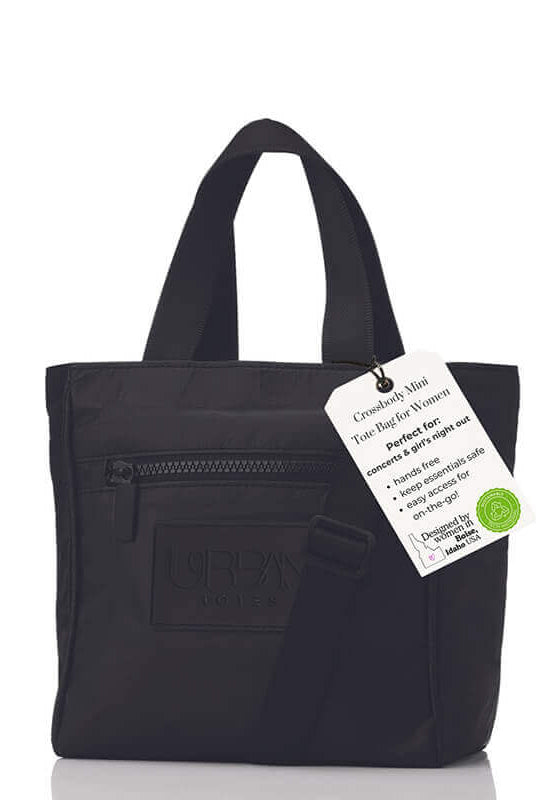
For women who prefer a smaller, closer-to-body option in crowded places, this guide to an anti-theft crossbody for daily travel and errands is worth a read.
Awareness changes your odds. The more obvious and accessible your valuables are, the less work someone has to do.
Your Bag's First Line of Defense
Bag security works best as a layered system. One feature rarely does enough on its own. The goal is to make theft slower, noisier, and less appealing.

Pack Hacker describes effective anti-theft design as extending time-to-compromise, meaning slash-resistant fabrics and lockable zippers force a thief to spend more time and make more noise. The same guidance notes that dedicated RFID sleeves and internal zip pockets help because they reduce how often you need to open the main compartment in crowded environments, as explained in Pack Hacker's anti-theft bag analysis.
Start with zipper control
An open-top bag is easy to love and easy to access. That's also the problem. If your bag doesn't close, your attention has to do all the work.
A zipper closure is the simplest upgrade you can make. It won't make a bag theft-proof, but it creates friction. That matters. A thief looking for speed usually goes after what can be reached in one quick motion.
Lockable zippers go a step further. They're most useful in transit zones, long queues, and places where your bag may be behind you for a few moments. They don't need to be complicated to help.
Fabric matters more than people think
Soft fabric can be cut quickly. A bag built with slash-resistant or puncture-resistant structure buys time and creates resistance at the bag's biggest weak points.
This doesn't mean every woman needs heavy-duty travel gear. It means the materials and construction should match how and where you carry the bag. If you travel through dense urban areas or spend time in busy stations, stronger fabric and reinforced straps become more relevant.
Here's the simplest way to think about it:
| Feature | What it helps with | What it does not solve |
|---|---|---|
| Zipper closure | Casual reaching into the bag | Strap cutting or digital skimming |
| Lockable zipper | Unauthorized opening | Full physical bag theft on its own |
| Slash-resistant material | Quick cut-and-grab attempts | Poor organization inside the bag |
| RFID-blocking pocket | Card and document skimming | Loss of phone, cash, or keys |
| Hidden pocket | Concealing valuables | Open main compartment habits |
RFID is useful, but it's not the headline
RFID-blocking gets a lot of attention because it sounds advanced. In practice, it's a specific tool for a specific problem.
It helps protect cards and some identity items from unauthorized wireless reading. It does not protect your phone, paper cash, or the rest of your bag from physical theft. That's why it works best as a supporting feature, not the reason to choose a bag.
A secure bag should protect the items you touch most often without forcing you to expose everything else.
Organization is a security feature
This is the piece people underestimate. Internal organization reduces the number of times you have to unzip the main compartment in public.
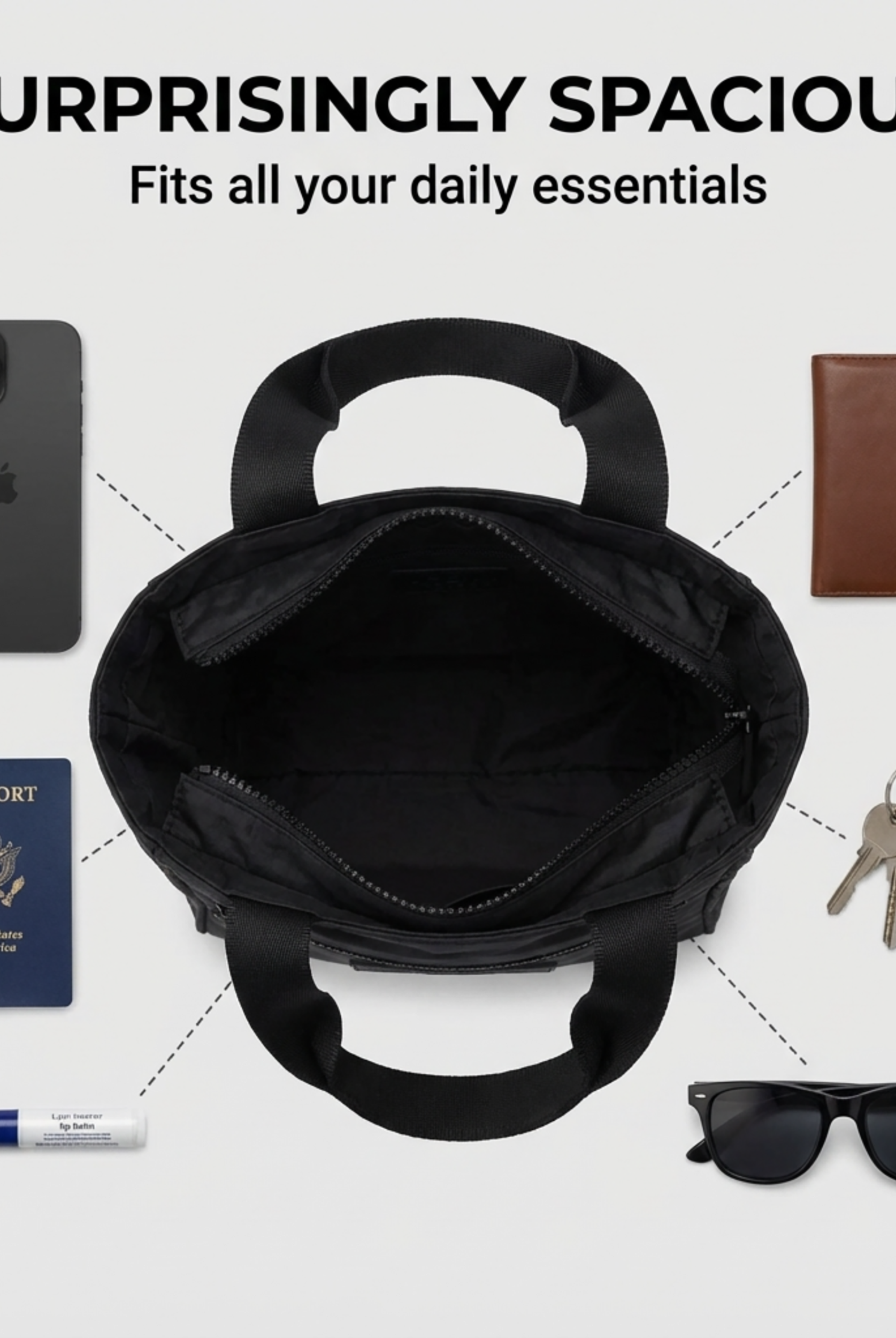
If your phone, transit card, lip balm, and keys each have a logical home, you stop doing the public rummage. That's good for convenience, but it's also good for security.
For women comparing layouts, this guide to tote bag compartments is especially helpful because it frames organization as daily function, not just storage.
How Thoughtful Design Creates Confidence
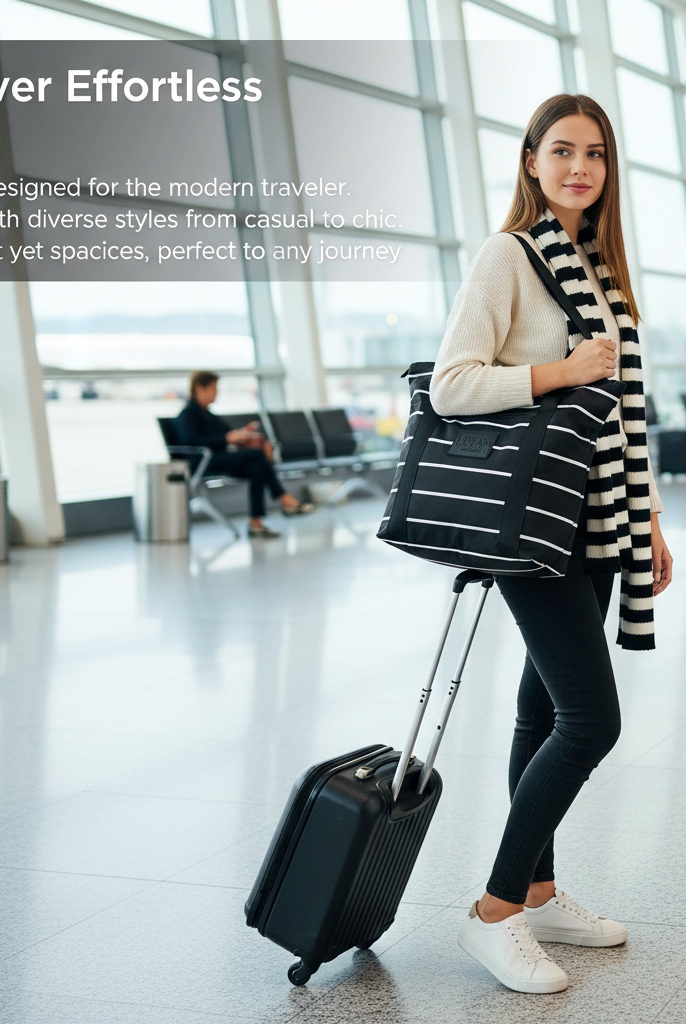
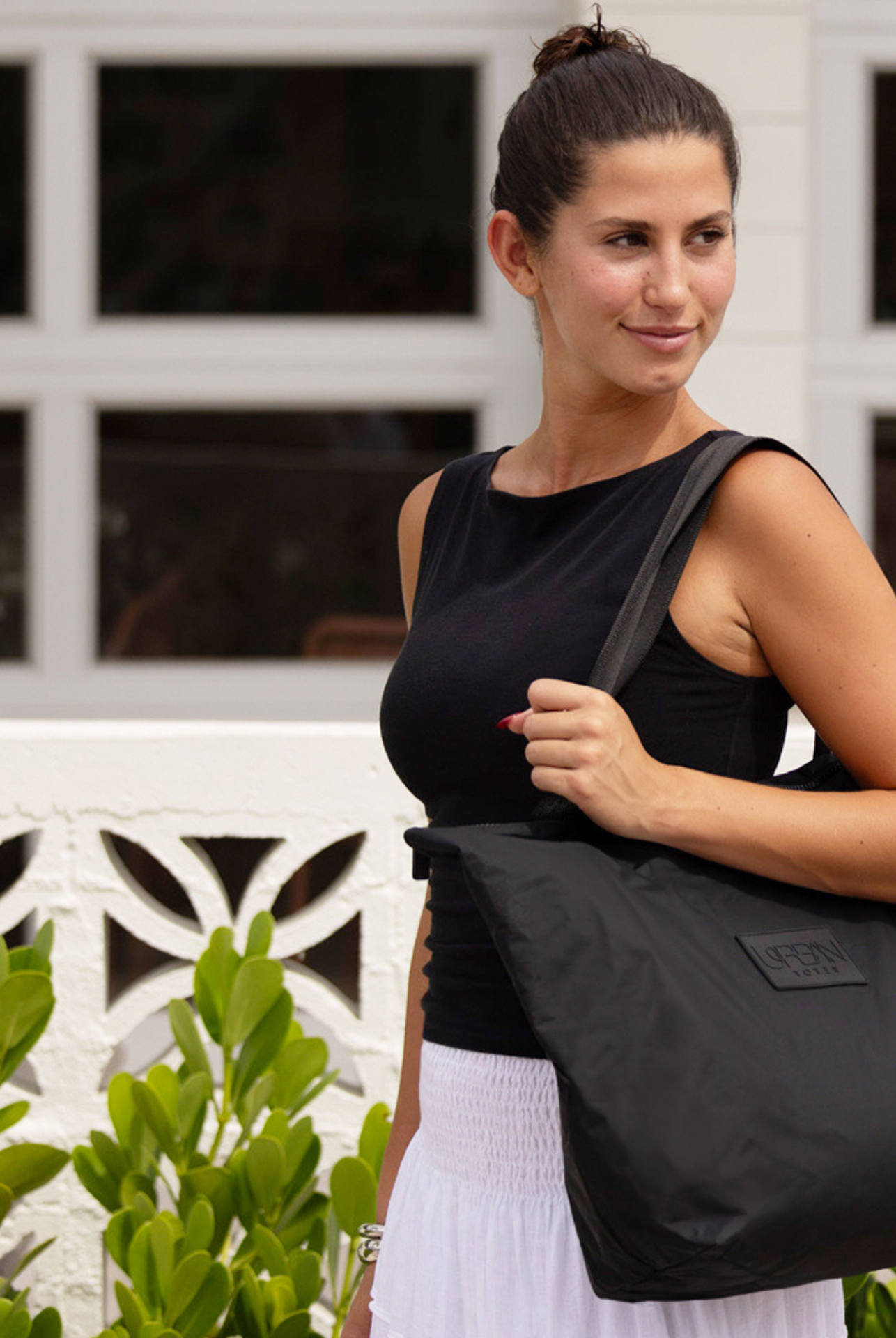
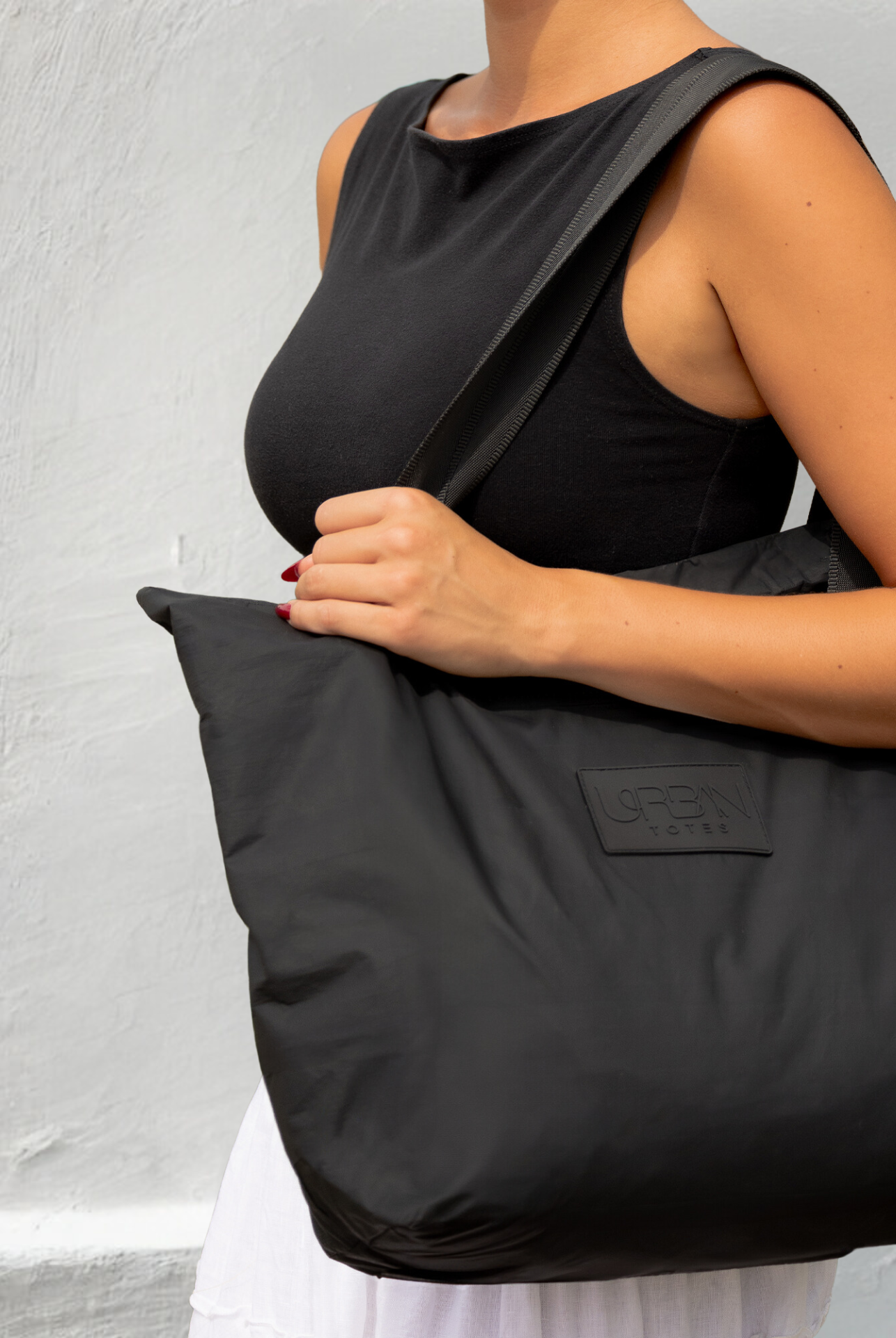
A secure bag shouldn't look like you borrowed it from a security team. It should look like your style, fit your routine, and still help you move through the day with less worry.

That balance matters because usability drives consistency. Travel guidance increasingly stresses that anti-theft bags are only effective if they're comfortable and convenient enough for daily use, as noted in this overview of choosing the right anti-theft bag for your travel needs.
Real security often looks understated
The women who get the most from their bags usually aren't carrying the most technical-looking option. They're carrying something they are keen to use every day.
That means the bag is more likely to stay zipped. It stays on the body instead of on the floor. It doesn't get abandoned because it's heavy, stiff, or annoying to access.
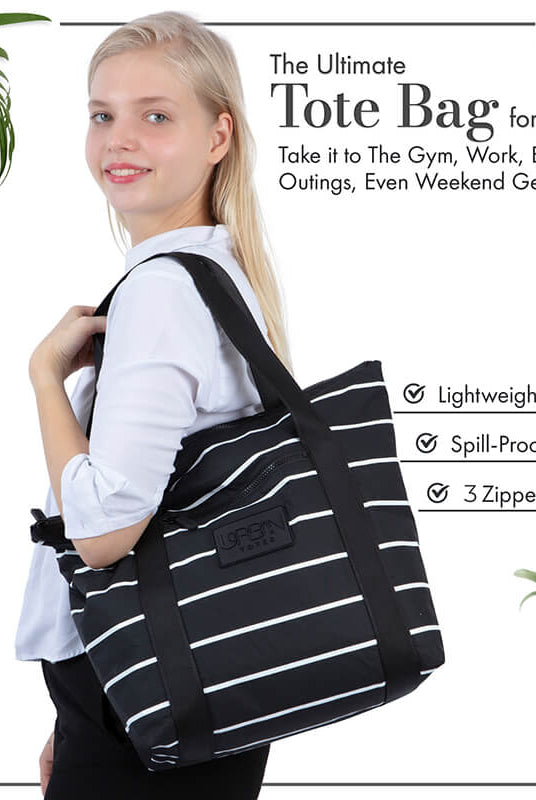
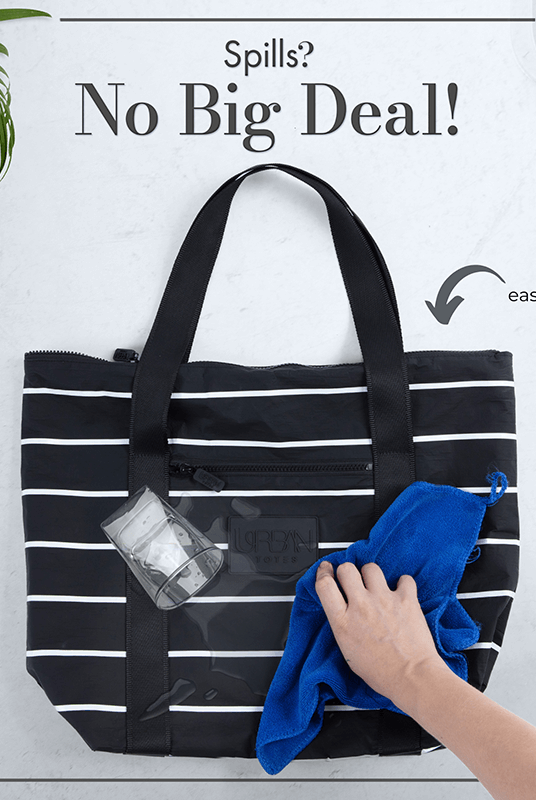
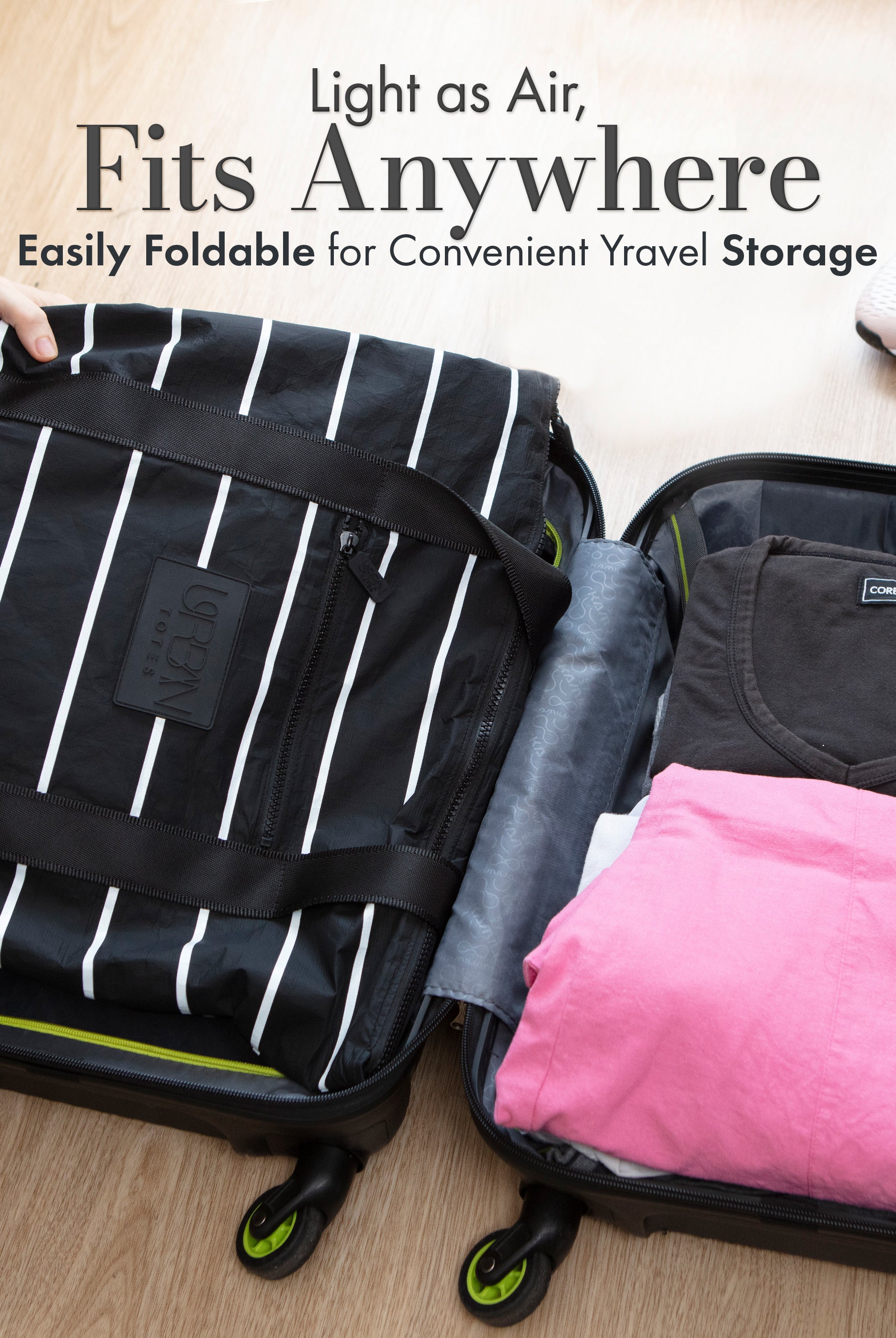
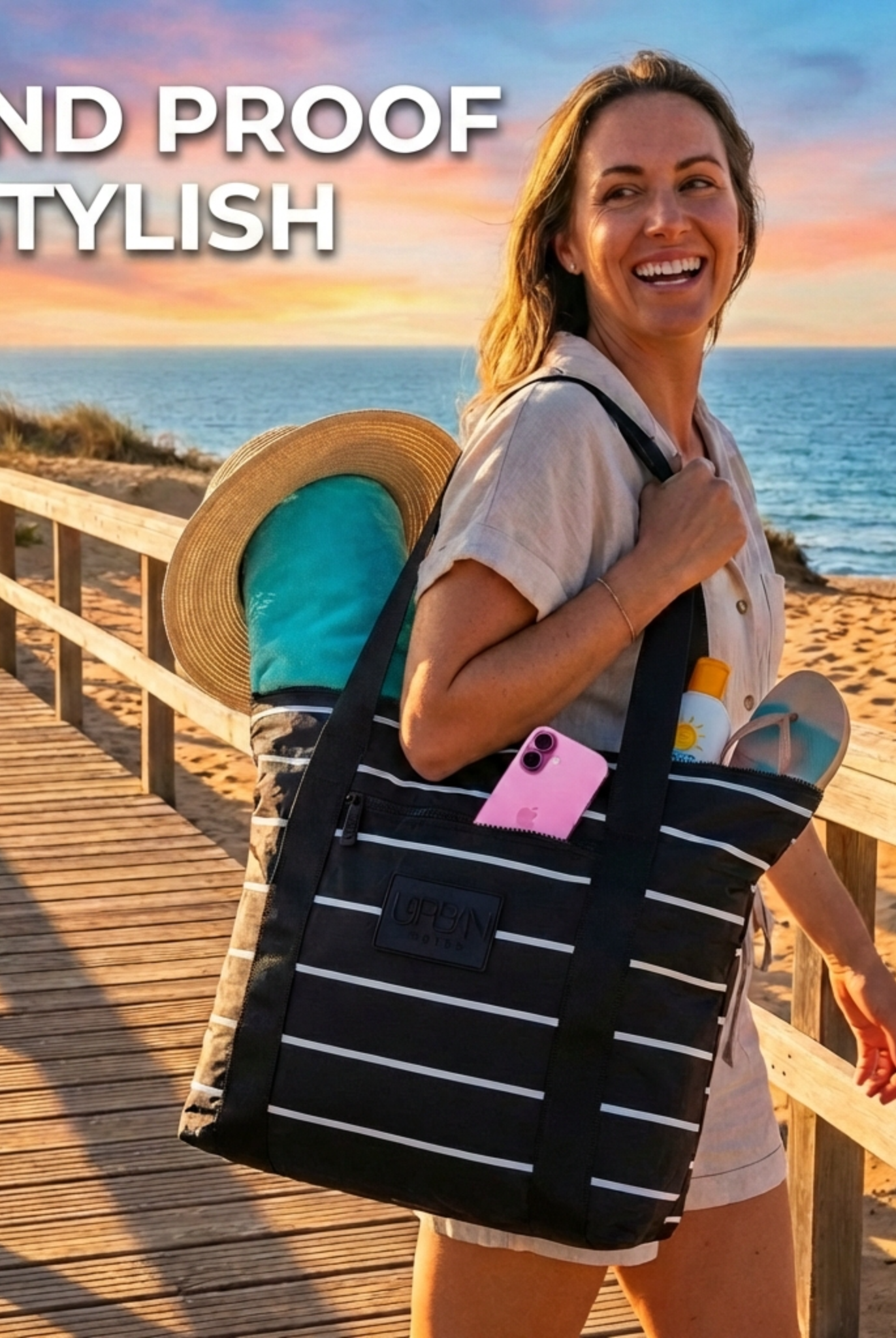
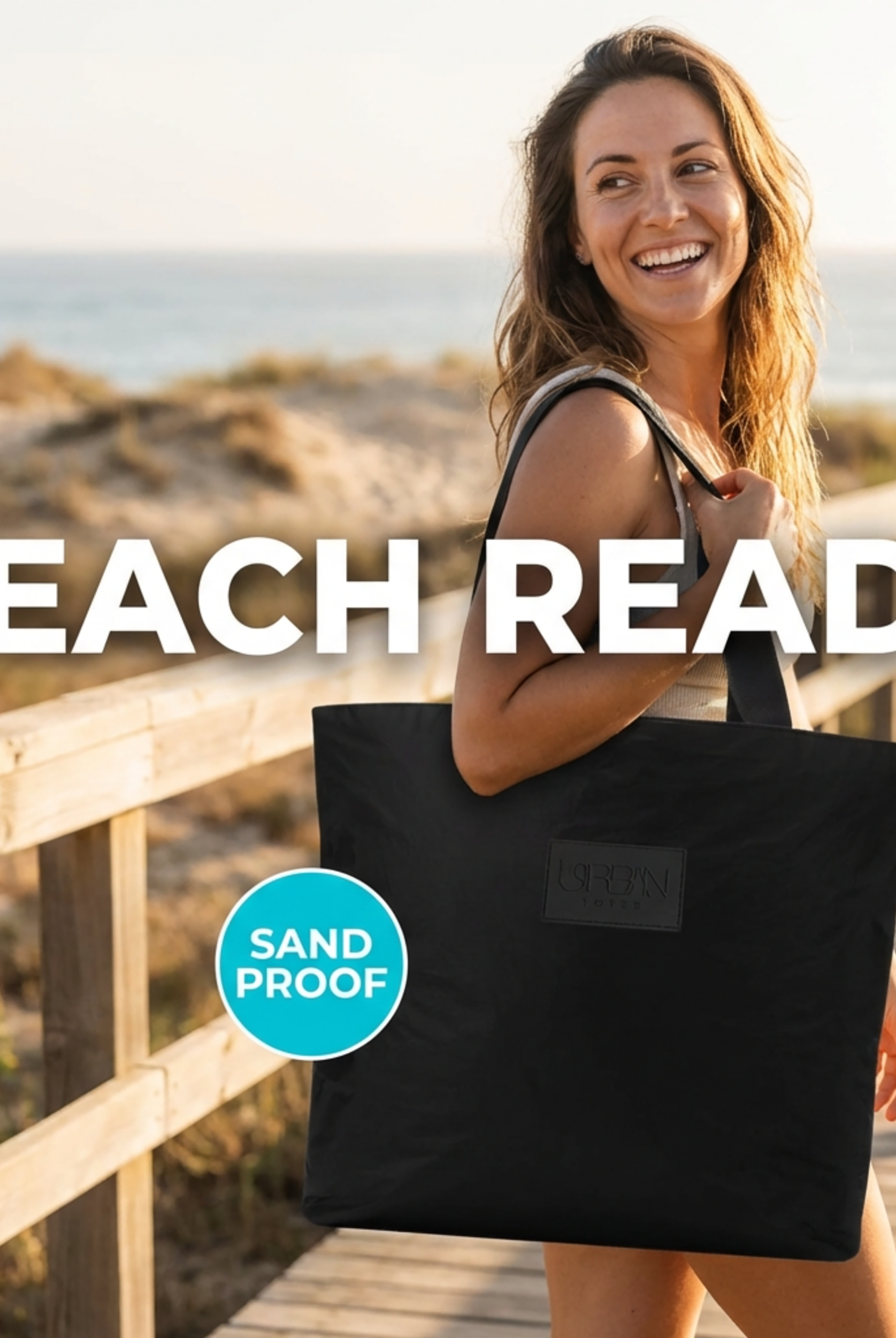
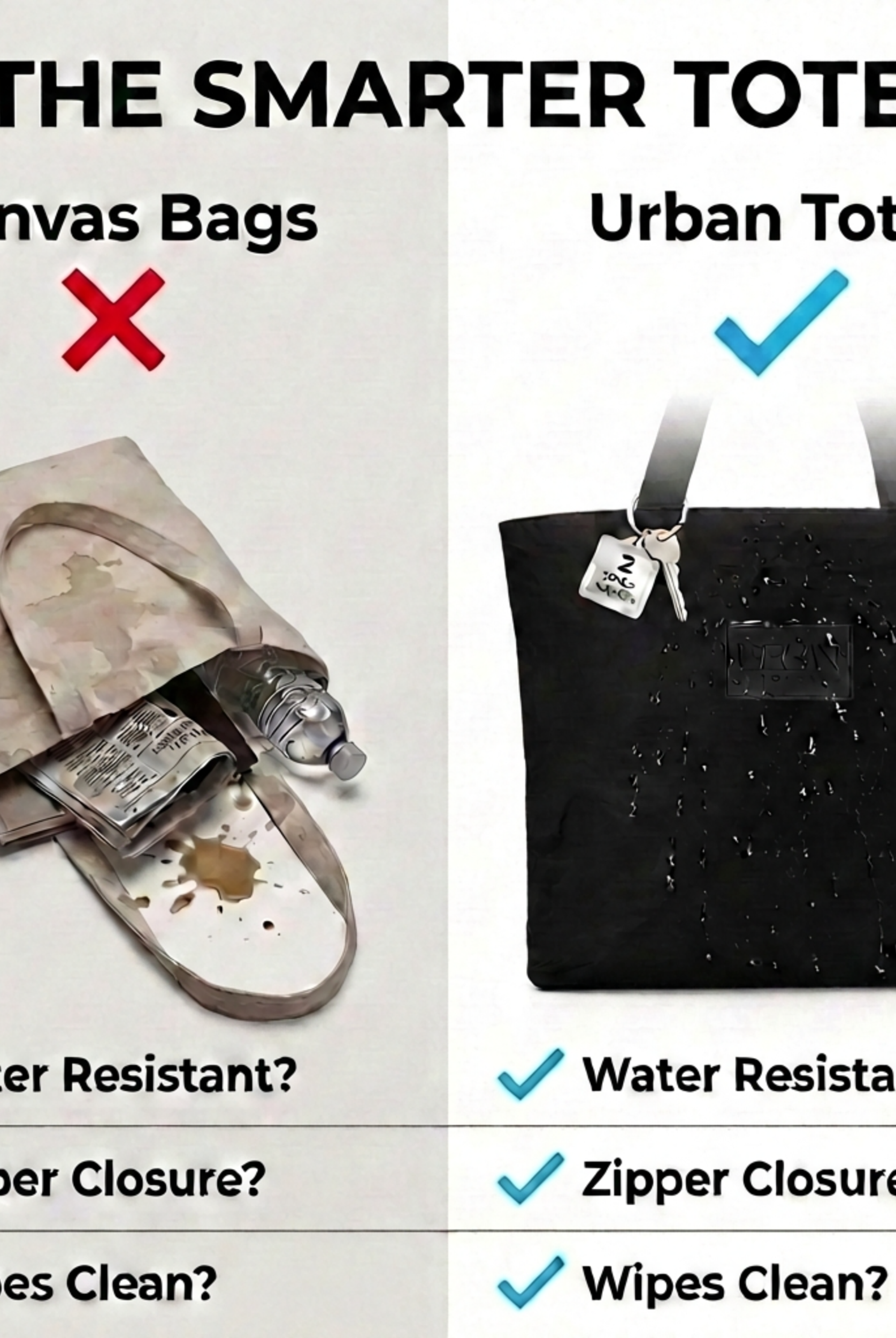
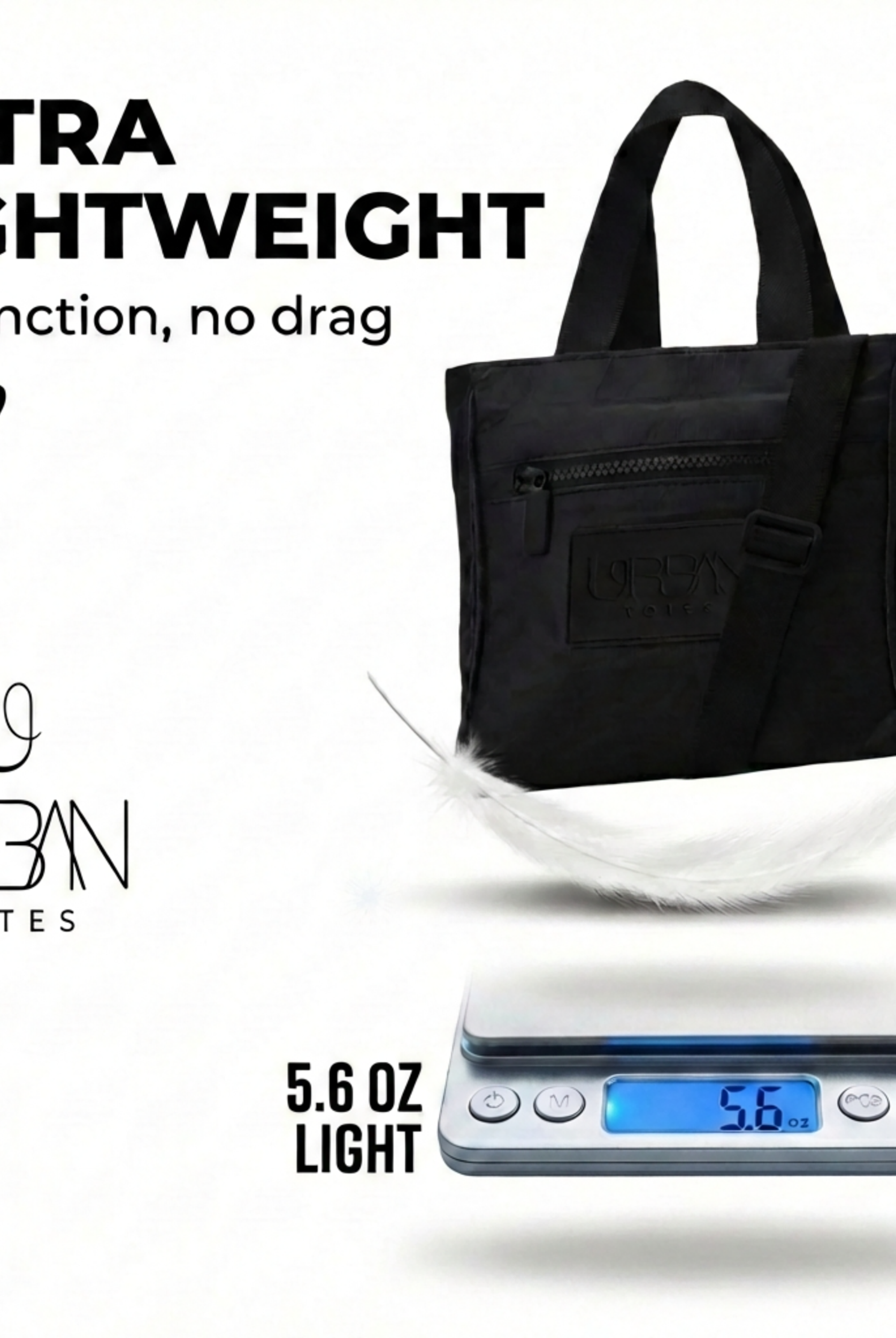
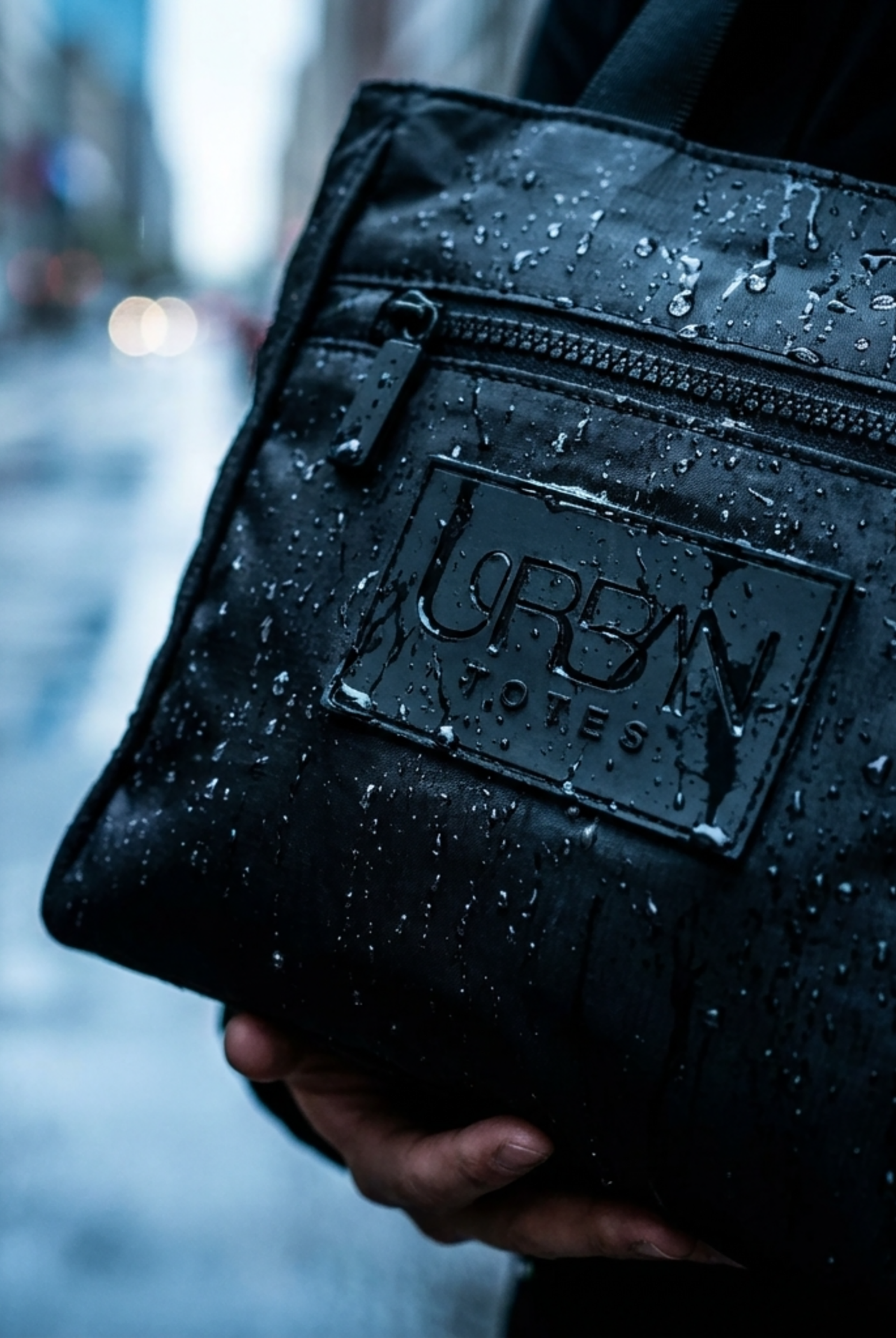
Thoughtful design earns its keep. A lightweight, water-resistant, organized bag with secure closures and sensible pockets supports better habits without making you feel over-equipped.
Why organization changes behavior
When a bag has a place for your phone, keys, wallet, and travel documents, you move differently. You stop fishing around at the checkout line. You stop exposing the full contents of your bag while standing in a crowd.
That's one reason a travel tote with multiple compartments can feel calmer to use than a single-cavity bag. If you want to compare what that setup looks like in daily life, Urban Totes has a practical take on a travel tote bag with pockets.
I've always found that the most reassuring bag is the one that blends in. It doesn't shout “valuables inside.” It just does its job discreetly, from the boarding line to errands after landing.
Smart Habits for Secure Travels
A good bag gives you structure. Good habits make that structure work.

The most reliable travel bags security routine is simple enough to repeat when you're tired, distracted, or carrying too many things at once.
Habits that make the biggest difference
- Keep essentials in the same place: Put your wallet, passport, and primary card in the same pocket every trip. Consistency lets you notice quickly if something feels off.
- Use the secure pocket first: Your most valuable items should go in the hardest-to-reach compartment, not the easiest one.
- Limit public bag opening: Step aside before opening the main compartment. If you can grab your phone or keys from a dedicated pocket, do that instead.
- Carry according to the setting: In crowded transit spaces, wear a smaller bag across the front of your body or keep your tote tucked under your arm with the zipper facing inward.
- Split your valuables: Don't keep every card, all your cash, and your ID in one place. If one pocket is compromised, your whole trip doesn't go with it.
- Don't set your bag down casually: Café floors, stroller handles, and empty chairs create easy moments for theft or simple forgetfulness.
Small routines matter more than dramatic gear. Security is mostly about reducing easy opportunities.
Pack for faster decisions
One of the smartest things you can do is pack so you don't have to think under pressure. Keep travel documents together. Keep chargers in one pouch. Keep snacks and kid items separate from valuables.
That kind of organization helps in airports, but it also helps on regular days. This day trip packing list is a useful model for setting up a bag so your essentials stay visible to you, not everyone else.
Go Anywhere Tote Everything Securely
Travel bags security doesn't need to feel intense to be effective. The strongest approach is usually the most livable one. Choose a bag that closes well, keeps you organized, and fits how you move through the world.
What works is rarely flashy. A secure zipper. Smarter compartments. Materials that add resistance. Habits that keep your bag close and your valuables out of sight. That combination does more for peace of mind than any single feature on its own.
Style and security can absolutely live in the same bag. In fact, they should. If a bag feels like you, you'll carry it more naturally, use it more consistently, and trust it more when your day gets busy.
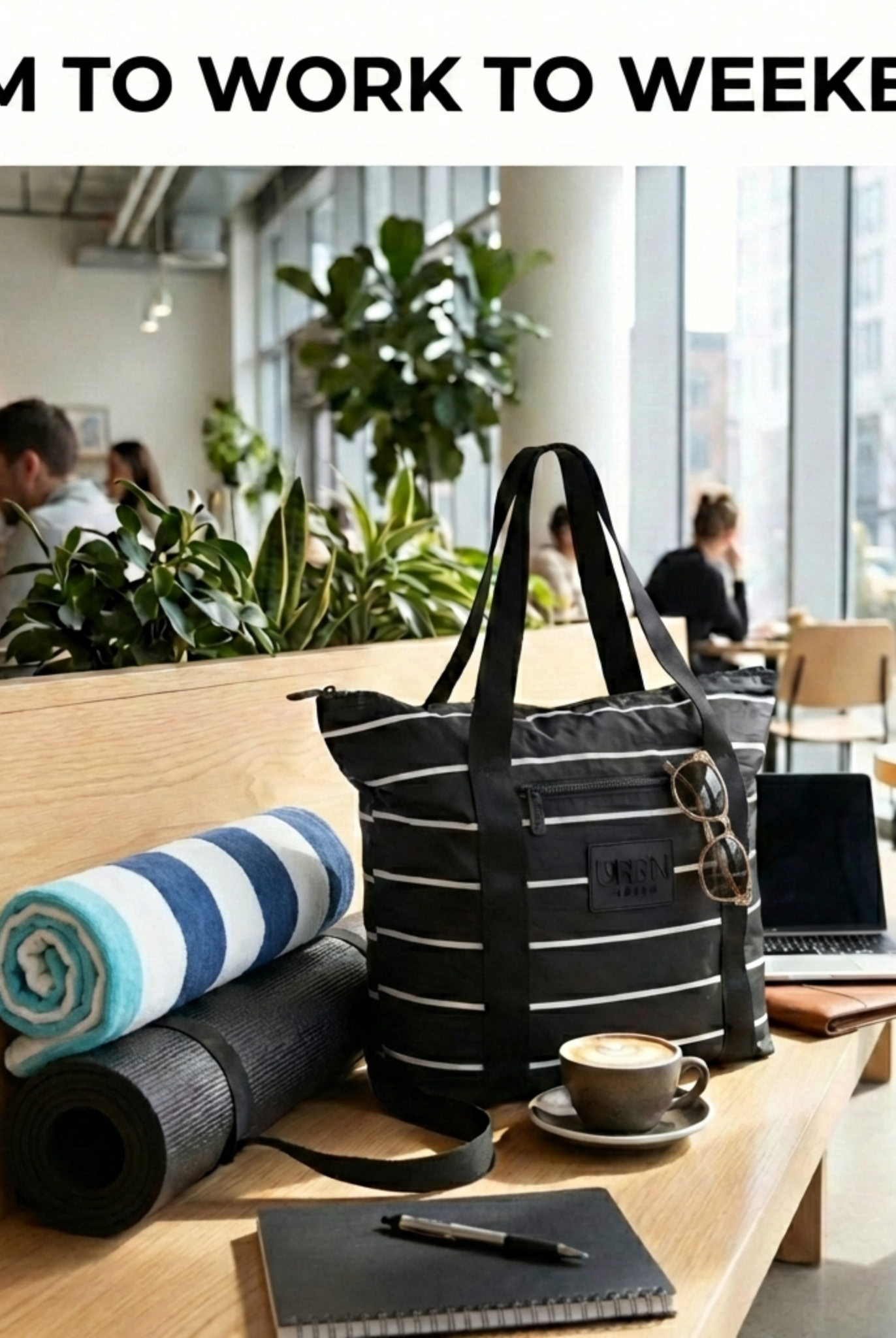
That's the sweet spot for women who need one bag to move from the office to the airport, from school pickup to a weekend away. Not overbuilt. Not careless. Just thoughtfully designed and easy to rely on.
When your bag supports your routine instead of interrupting it, you stop clutching it in every crowd. You check less. You relax more. And that's the whole point. Go anywhere. Tote everything. Securely.
Urban Totes is built for real life in motion, with lightweight, water-resistant, packable designs and thoughtful organization that helps keep daily essentials close at hand. If you're looking for a stylish go-anywhere bag that fits travel, errands, and everyday carry, explore the collection at Urban Totes.