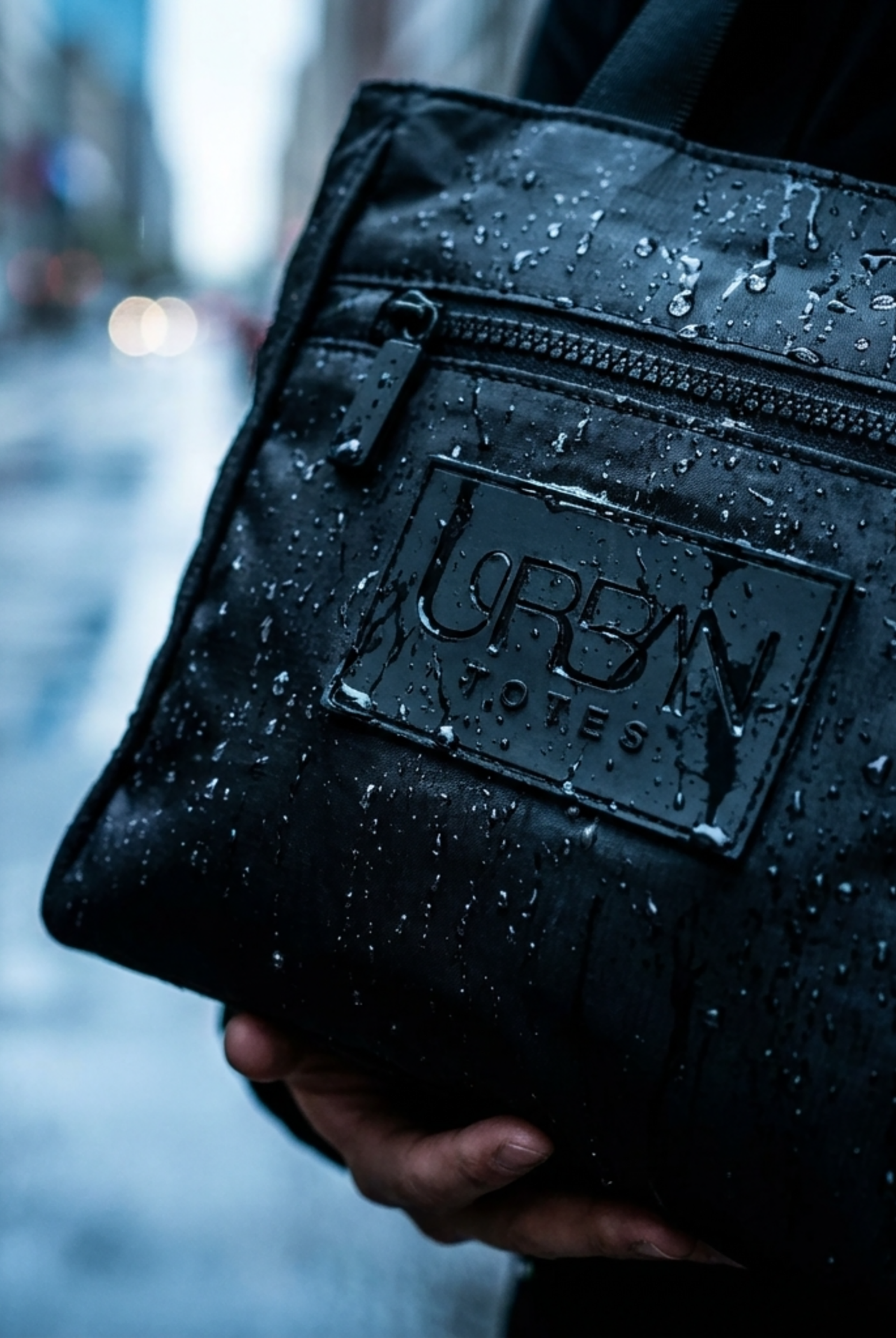
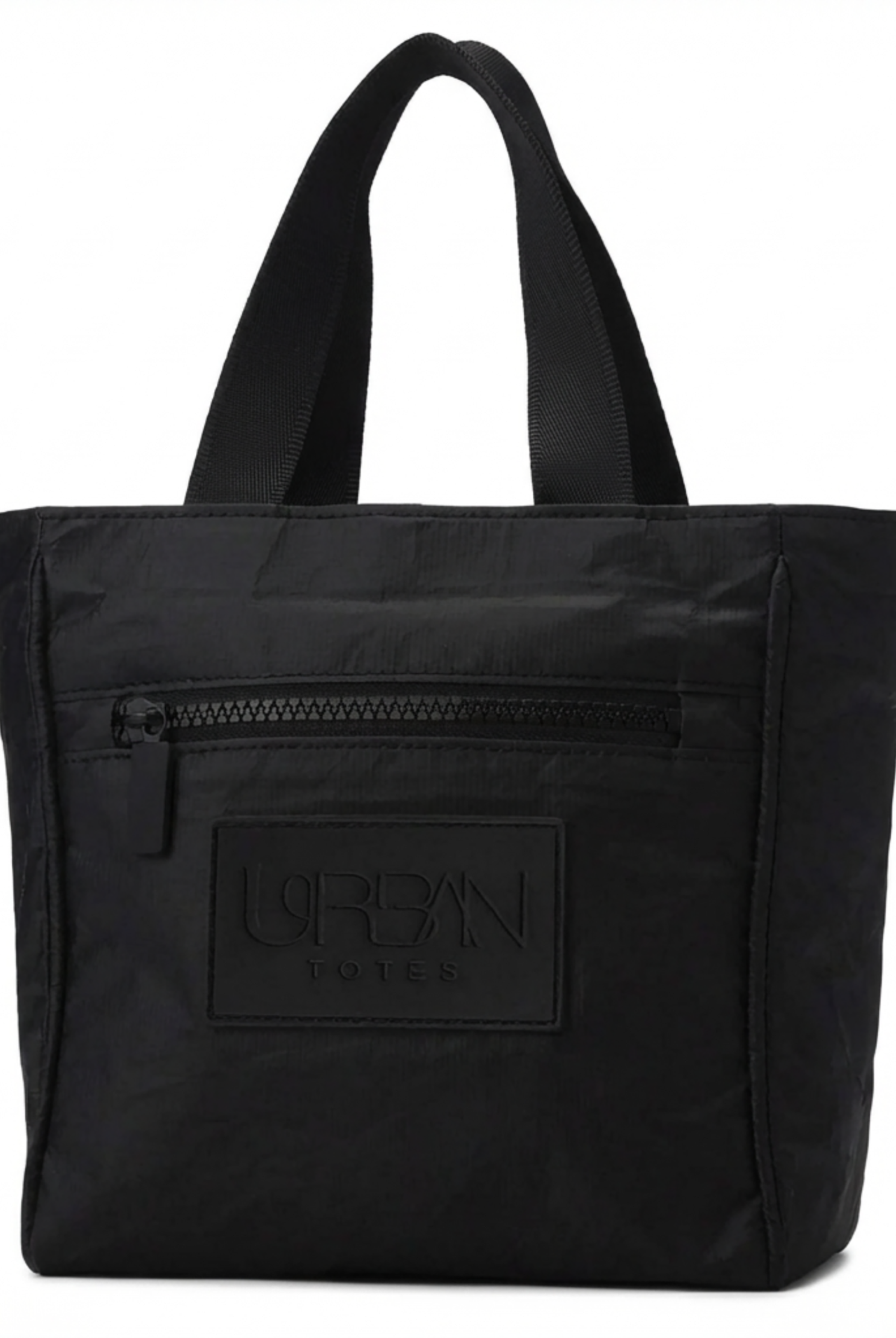
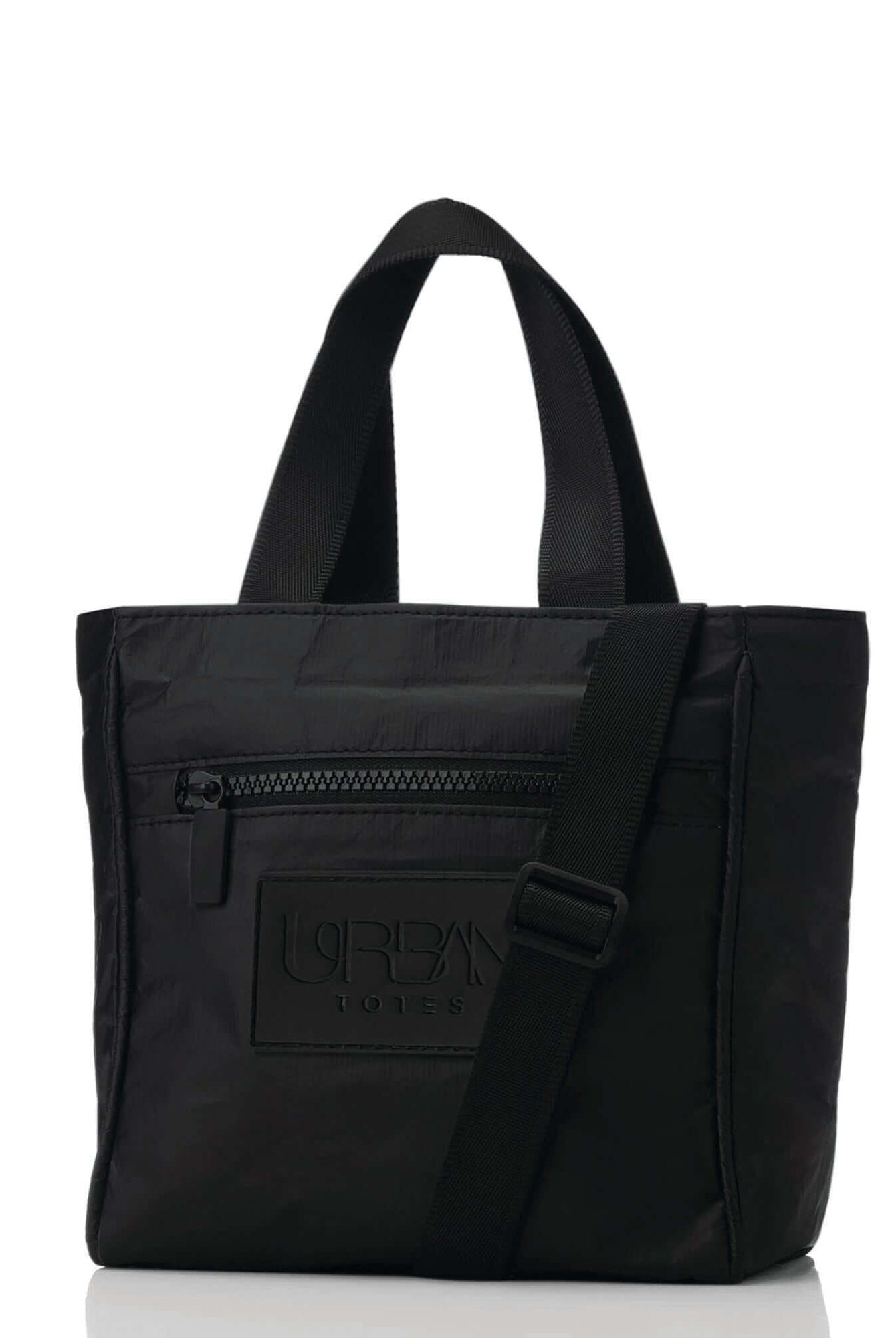
You know that moment when you're standing in a parking lot, airport line, or school pickup lane with one hand on your coffee, one eye on your phone, and the other hand digging through a tote that suddenly feels bottomless. Your lip balm is gone. Your charger has disappeared. The hand sanitizer you know you packed has slipped into some mysterious corner.
That kind of bag chaos doesn't happen because you're disorganized. It happens because most women carry for multiple roles at once. Work, errands, travel, parenting, gym, and the little in-between tasks all land in the same bag.
A good women's travel pouch fixes that faster than one might expect. Not because it's fancy, but because it creates a system. It turns one large bag into an organized, movable setup you can shift from commute to weekend trip without starting from scratch every time.
Table of Contents
- From Bag Chaos to Go-Anywhere Calm
- The Modern Womans Secret Weapon for Organization
- Choosing Your Perfect Womens Travel Pouch
- How to Use a Travel Pouch for Every Scenario
- Mastering the Art of Pouch Packing and Organization
- Keeping Your Go-To Pouch Ready for Anything
From Bag Chaos to Go-Anywhere Calm
The classic tote-bag failure usually happens at the worst time. You're trying to tap into the train, answer a text, find your keys, and keep a receipt from floating away. Everything you need is technically with you. None of it is where you need it.
That's why a women's travel pouch earns its keep long before a vacation starts. It isn't just for shampoo bottles and mini skincare. It's the piece that separates the things you reach for all the time from the things that can stay buried until later. If your main bag feels like one big catch-all, adding structure matters more than adding space.
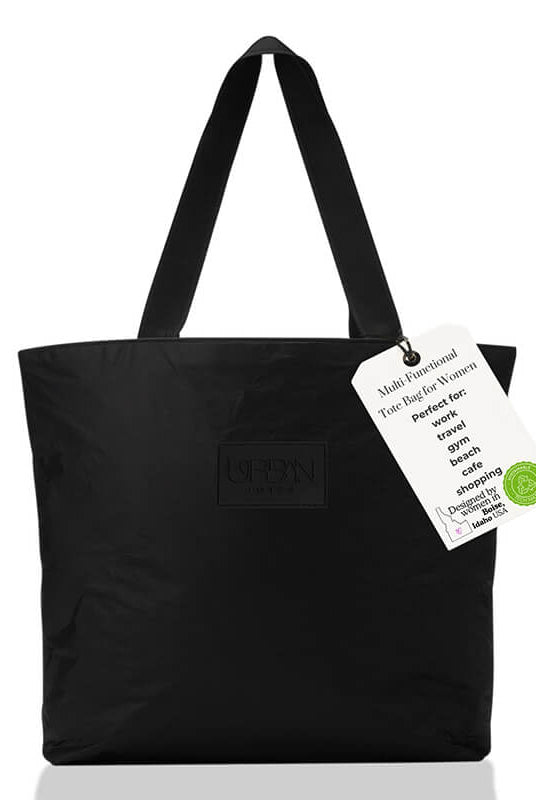
Urban Totes has a helpful guide on tote bag compartments and why they matter, and the same principle applies inside your tote. A pouch gives small essentials a home, so your larger bag doesn't have to do all the organizational work by itself.
For travel days, the difference gets even more obvious. Receipts, chargers, lip products, medications, backup hair ties, and boarding-day extras create clutter quickly. If you also track spending while you move, tools that automate travel and expense reporting can help with the paperwork side while a pouch system handles the physical side.
A bag feels lighter when you're not mentally carrying the task of remembering where everything is.
The shift is simple. Instead of asking one tote to solve every storage problem, you let it carry a few smaller systems inside it. That's how you go from rummaging to reaching.
The Modern Womans Secret Weapon for Organization
You leave the house with a work tote. By noon, you need deodorant for the gym, a charger before your battery dies, and a lip color that is not rolling loose at the bottom of your bag. By evening, you are digging past receipts and snacks to find one small thing you know you packed.
A women's travel pouch solves that problem because it is not just a toiletry case anymore. It is a repeatable system for daily life. One pouch handles tech. Another covers touch-ups. A third stays stocked for the small problems that show up when you are commuting, parenting, traveling, or trying to stretch one bag through a full day.

That shift matters because the true goal is not owning a cute zip pouch. It is reducing friction between different parts of your day. A good pouch system lets you swap one bag for another, or add one pouch to a larger tote, without rebuilding your routine from scratch.
What a pouch can hold besides toiletries
The most useful setups give each pouch one job and keep that job consistent. That is what makes the system work.
- Tech pouch: charger, cord, earbuds, power bank, adapter
- Touch-up pouch: lip color, compact, hair ties, blotting papers, travel brush
- Care pouch: bandages, wipes, tissues, medications, hand cream
- Snack pouch: gum, mints, protein bar, tea bags, utensils
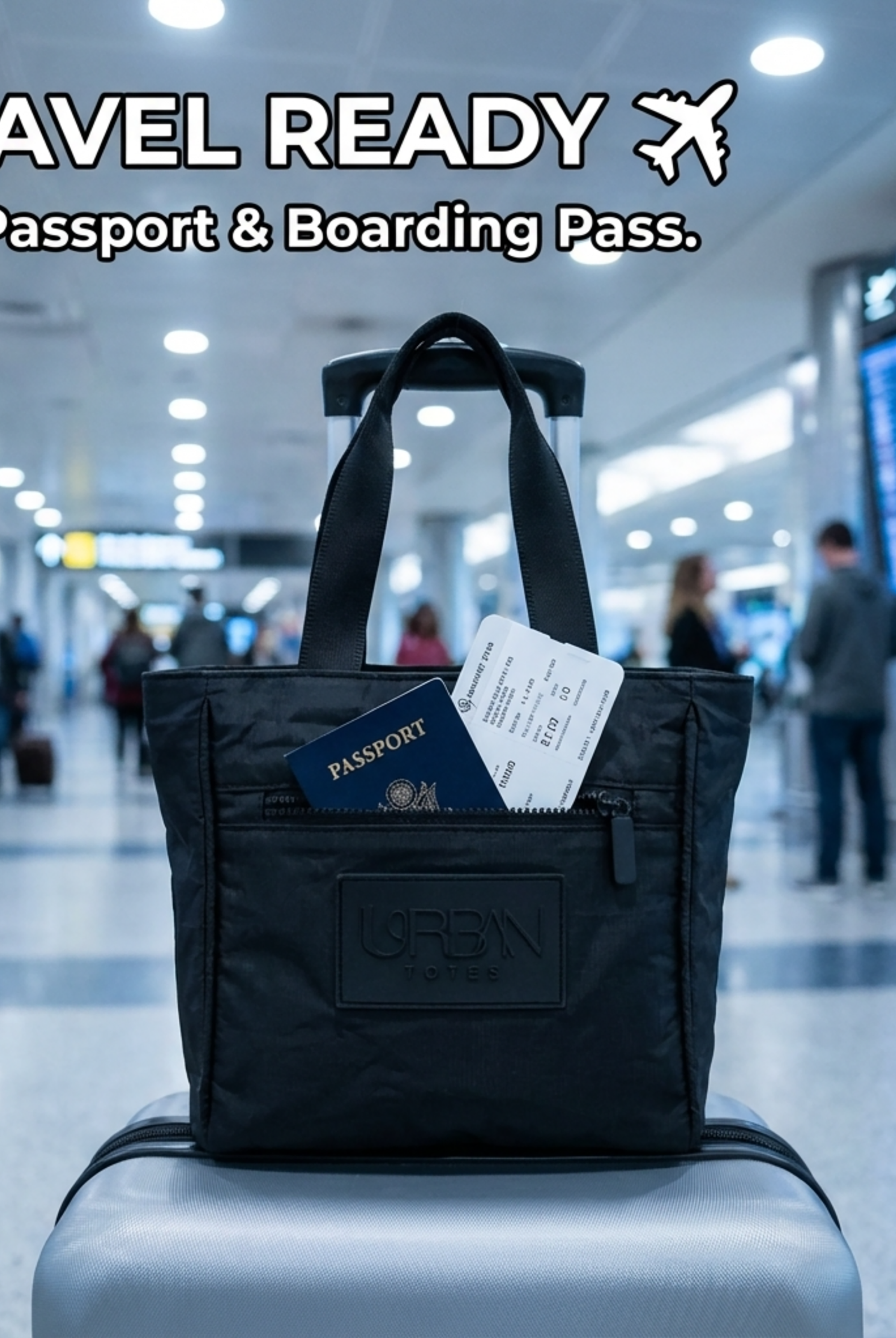
- Transit pouch: passport, pen, receipts, luggage tag, backup cash
This is also why pouches work well beyond vacations. A commuting pouch saves you from rebuying basics you forgot in yesterday's bag. A gym pouch keeps the locker-room extras separate from work items. A parenting pouch can hold wipes, bandages, a spare snack, and one tiny distraction item for waits and delays. For short trips, the same logic applies to the broader list of travel essentials for women, especially the small items that tend to disappear first.
If you already use cubes, the logic will feel familiar. Compression packing cubes for travel manage clothing volume. Pouches handle the smaller categories that need faster access and tighter boundaries.
Why the system matters more than the pouch itself
The pouch itself is only half the story. Placement matters too. A well-organized tote gives your pouches a clear home, which keeps them from collapsing into one pile.
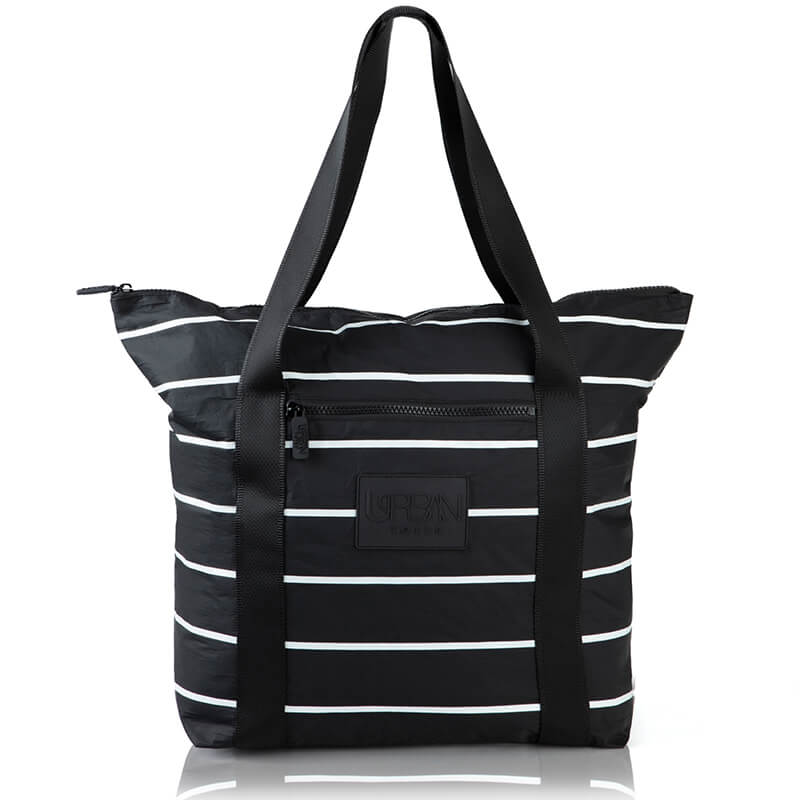
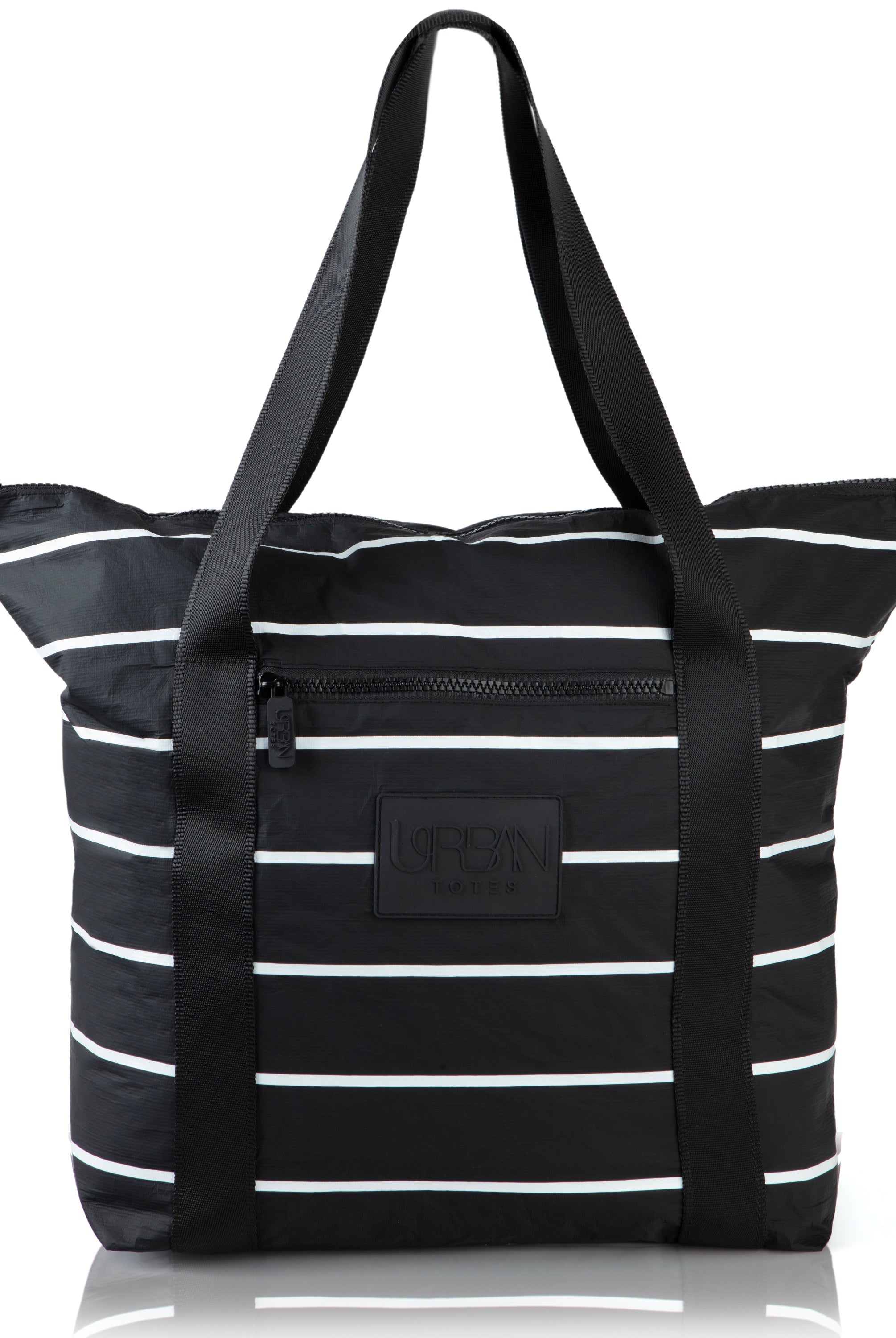
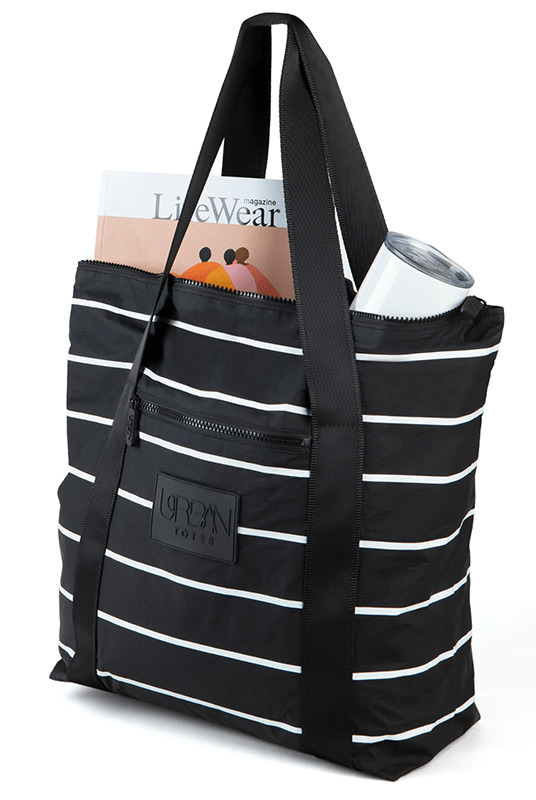
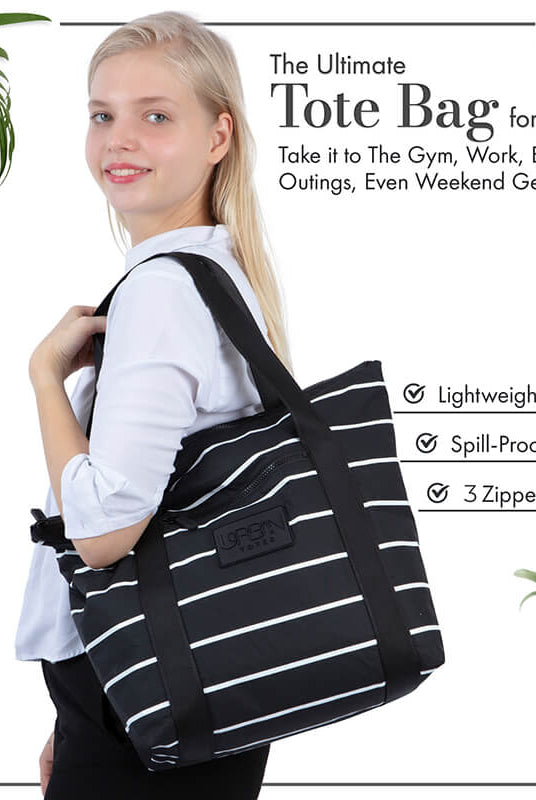
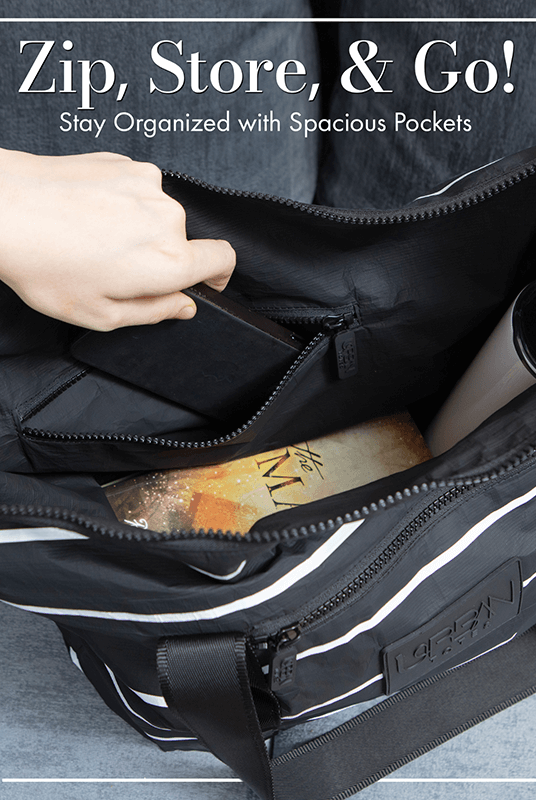
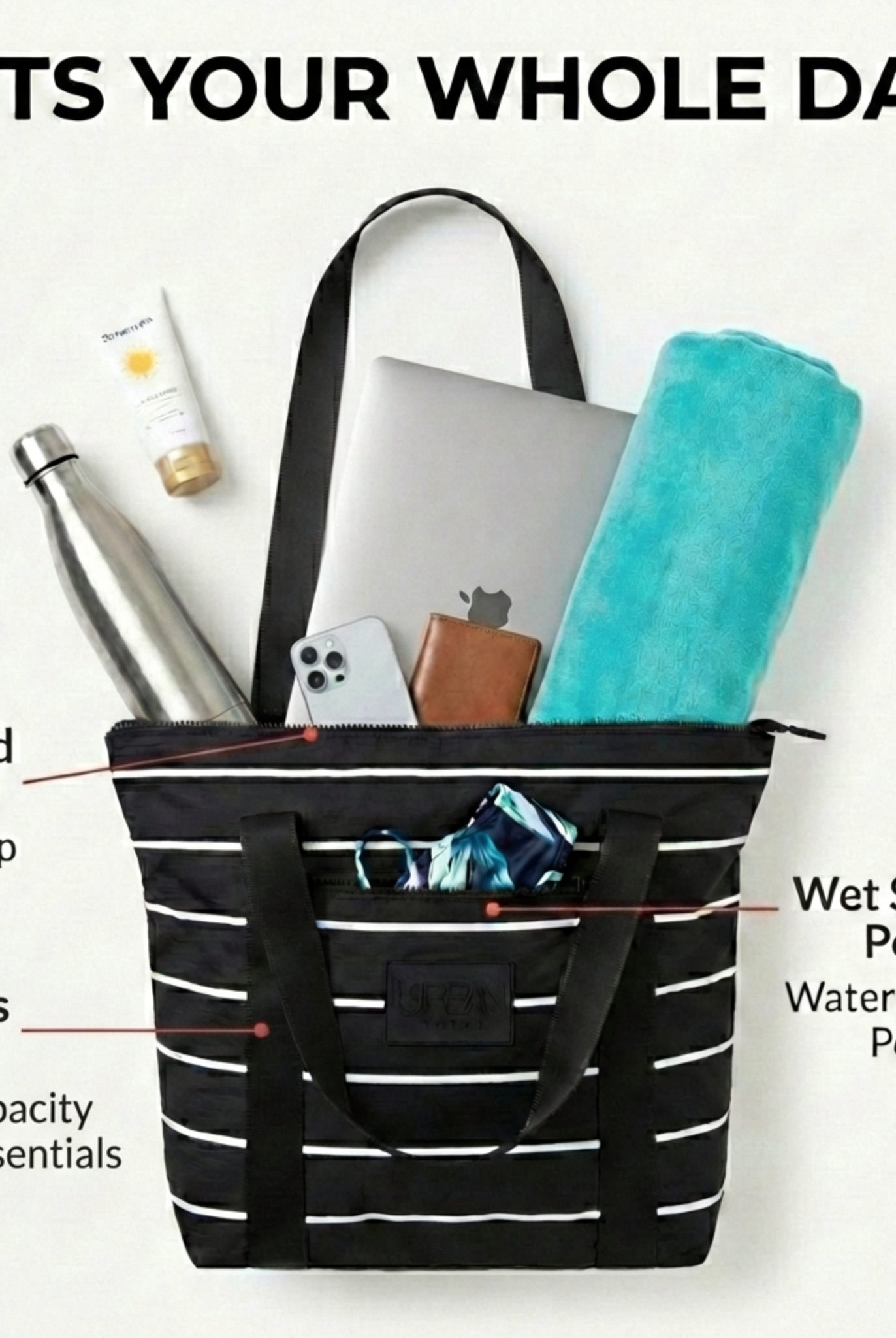
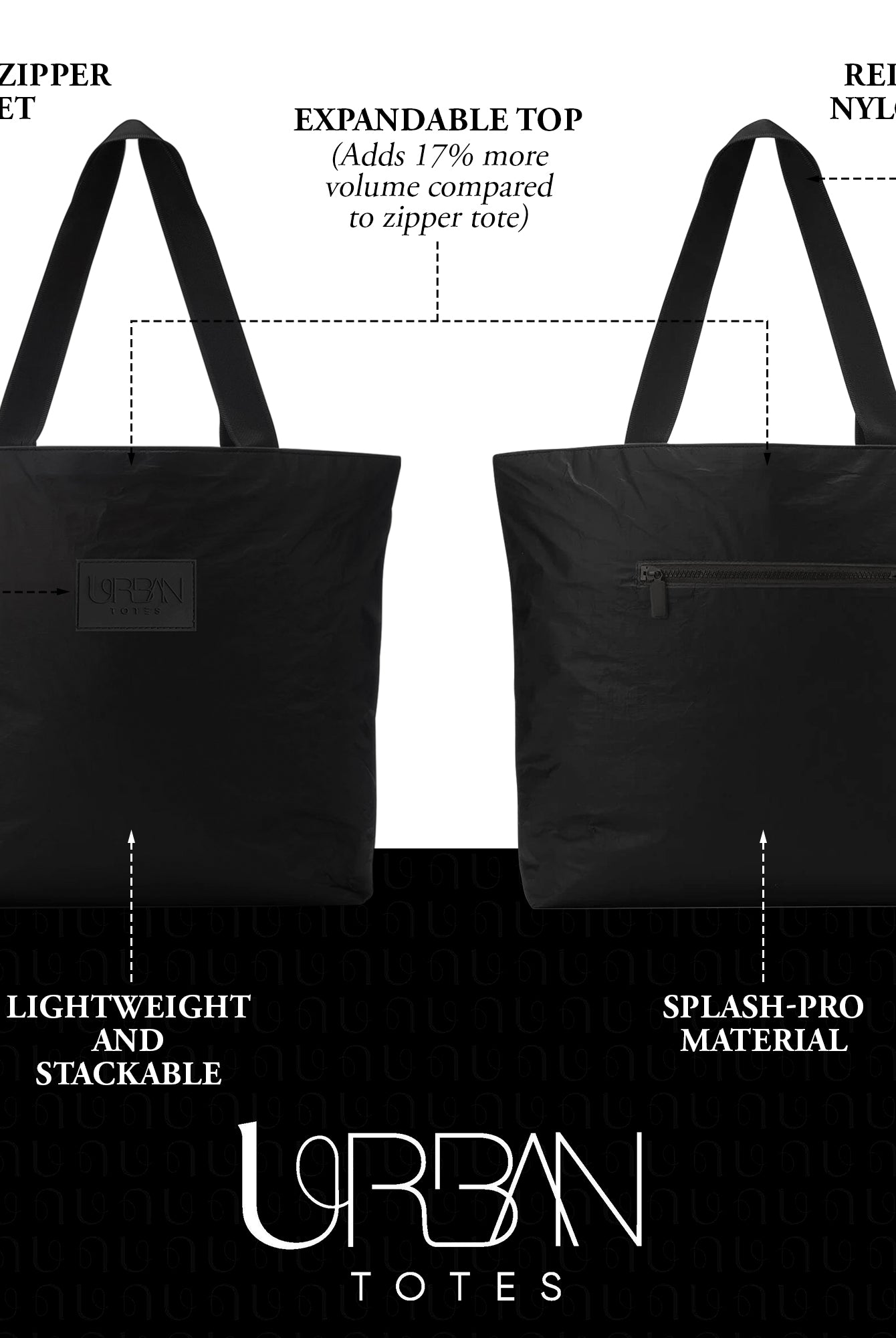
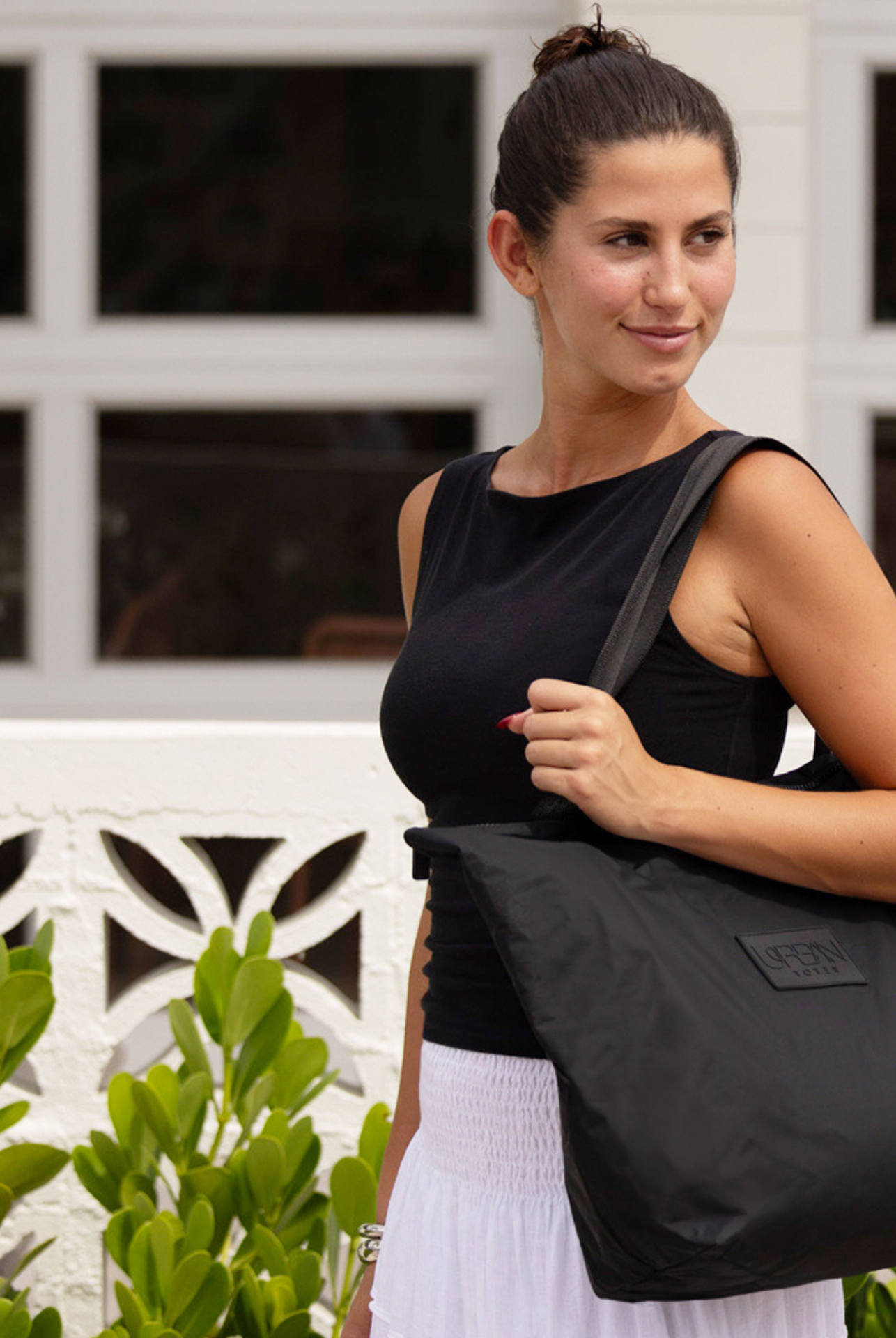
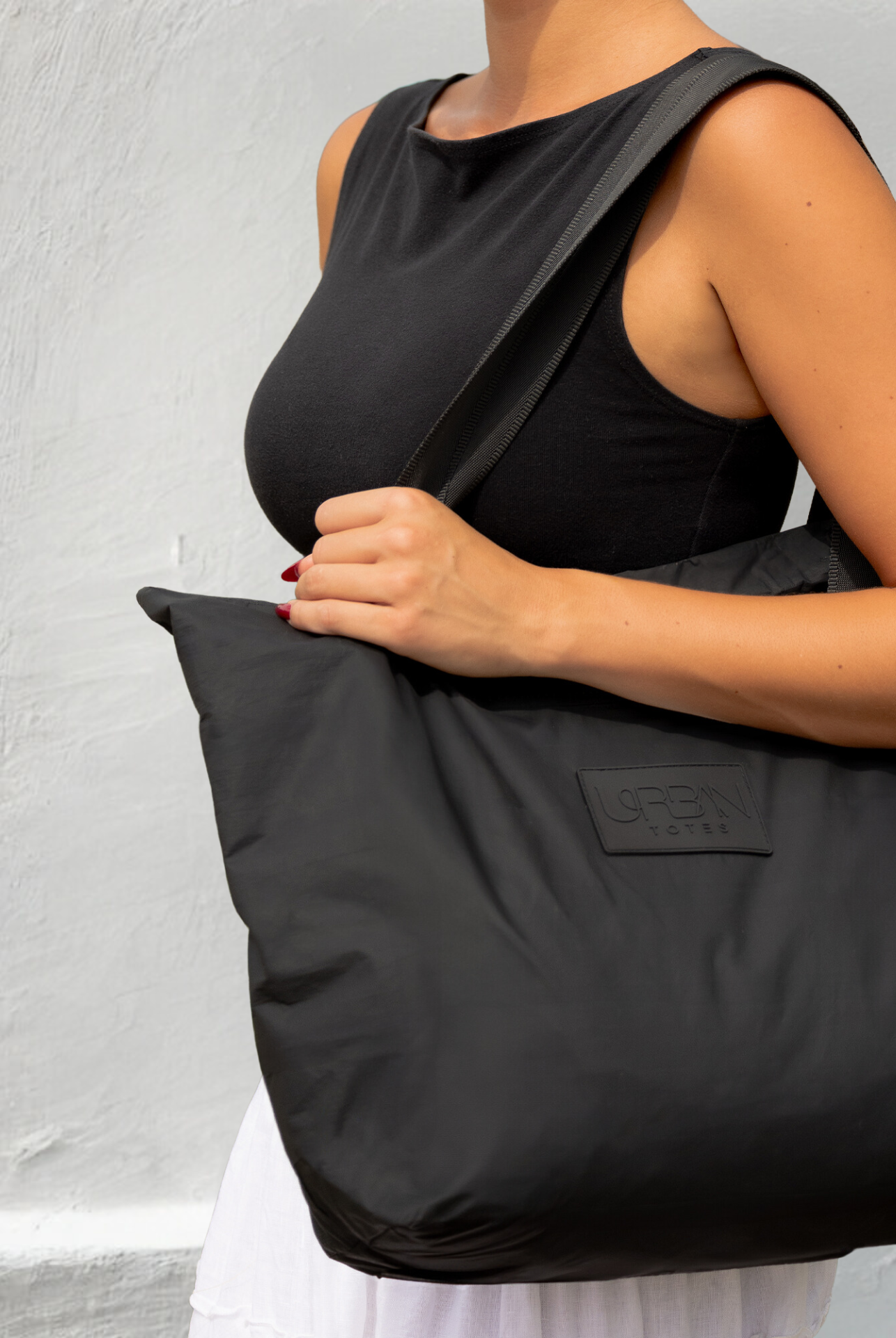
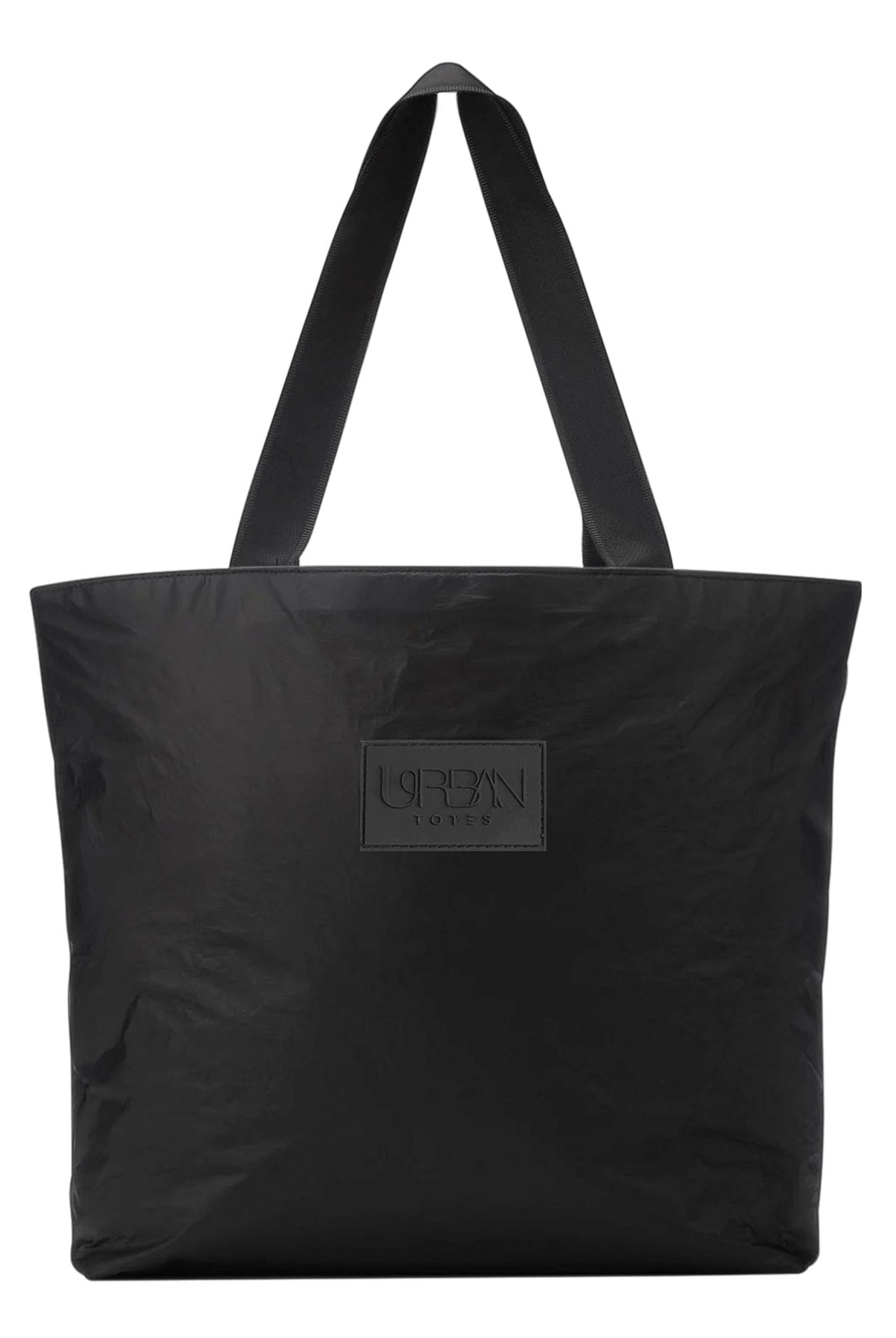
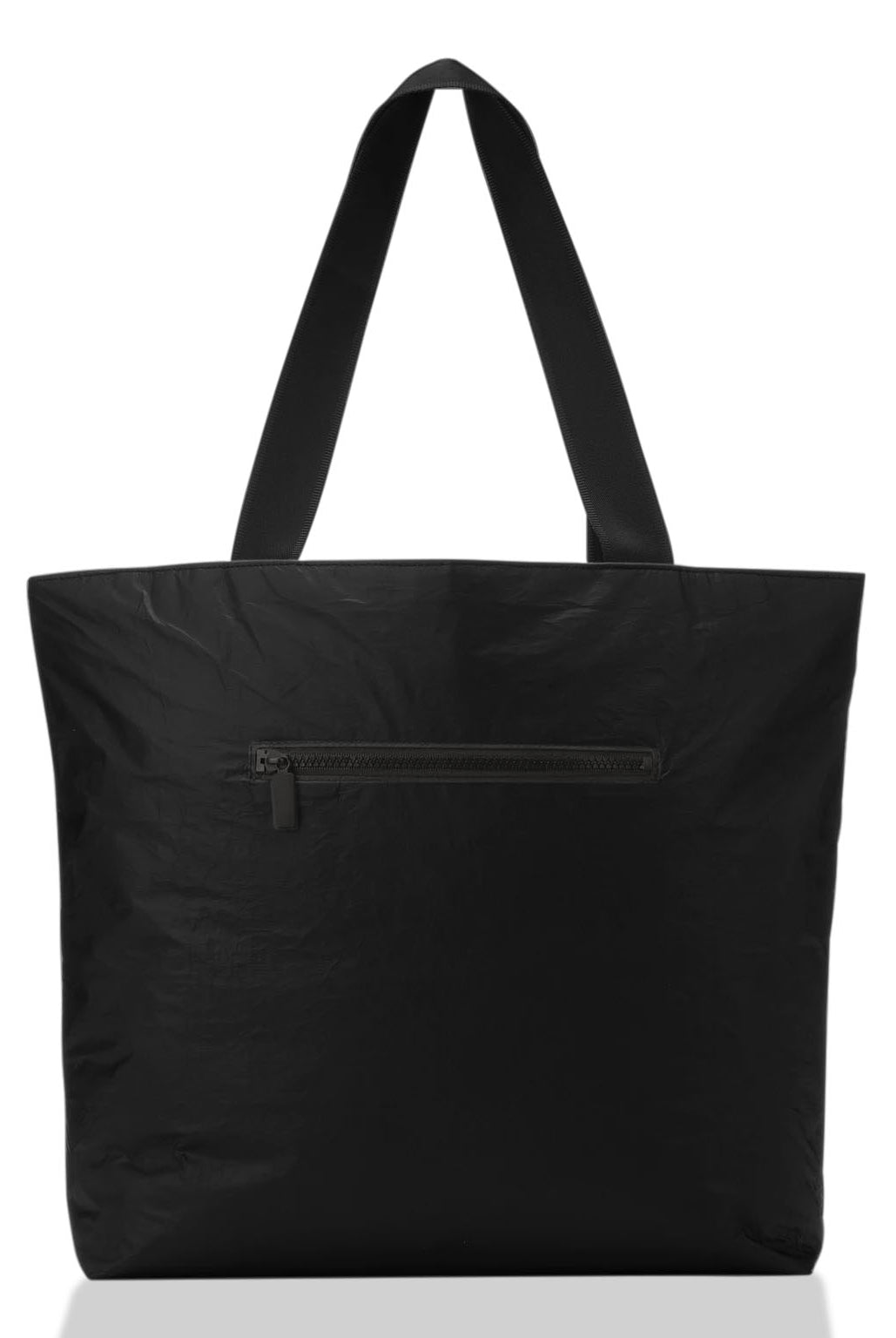
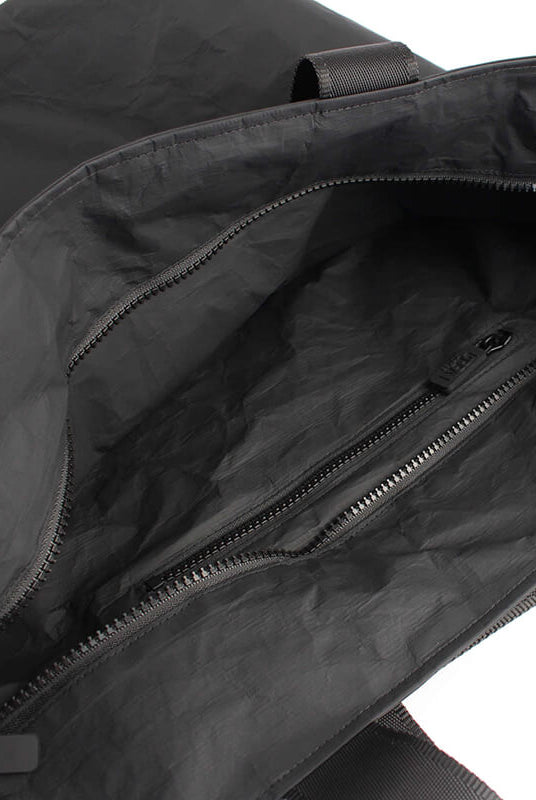
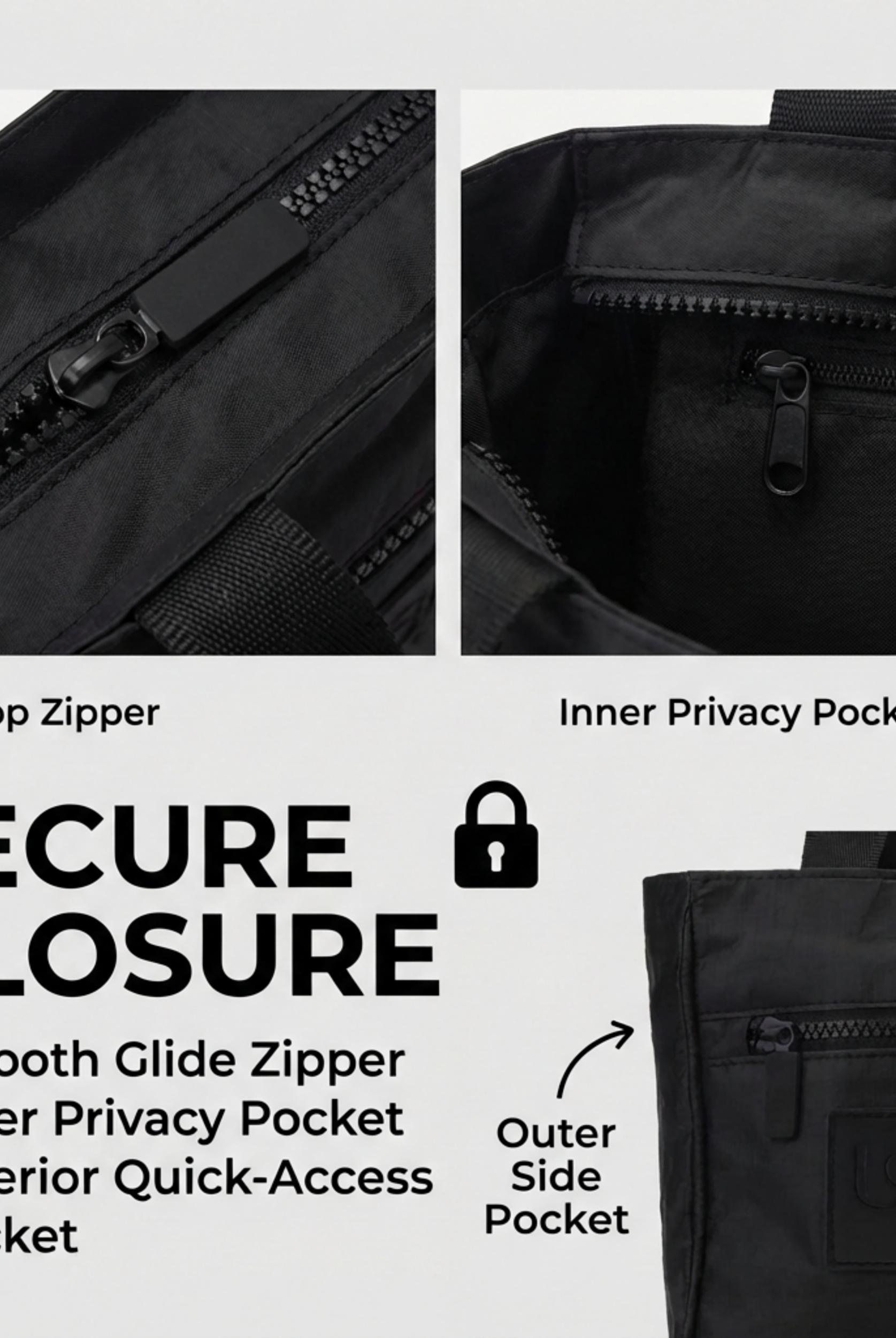
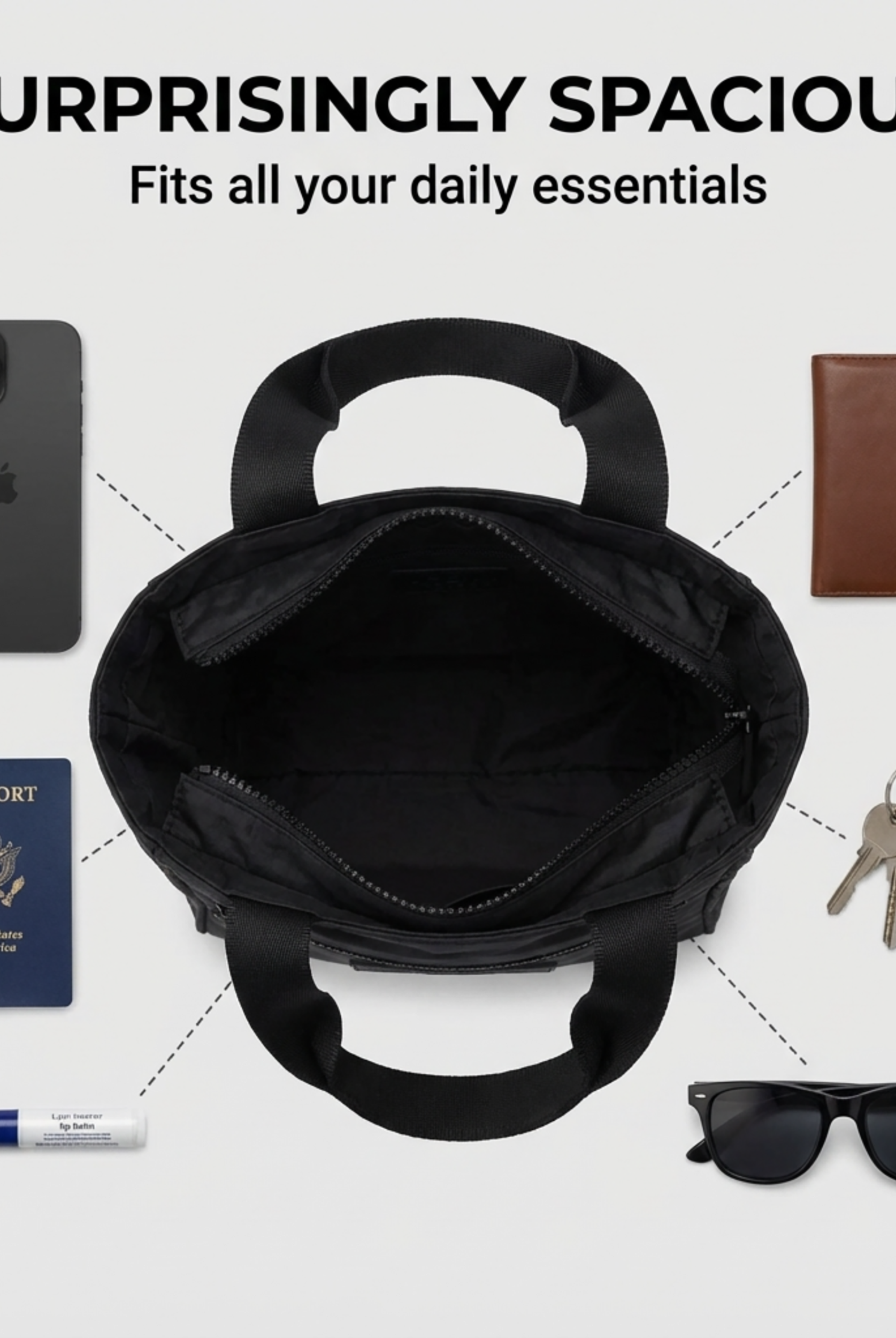
For example, The Go Anywhere Day Trip Tote Bag by Urban Totes includes three large zippered compartments plus pockets for an iPhone and keys. That layout supports a modular setup instead of forcing everything into one open space. In practice, that means a tech pouch can stay in one section, a care pouch in another, and the items you need most often do not get buried under everything else.
Practical rule: If you use an item in more than one setting, it belongs in a dedicated pouch, not loose in one specific bag.
That is why a pouch becomes a secret weapon. It cuts down on transferring, forgetting, and digging around when your day changes shape.
Choosing Your Perfect Womens Travel Pouch
The wrong pouch creates almost as much frustration as no pouch at all. Too floppy and things bunch together. Too stiff and it wastes space. Too tiny and it becomes decorative clutter. Too big and it turns into another junk drawer.
A better way to choose is to look at four things in order: material, size, interior layout, and outside appearance.

Start with fabric that can handle real life
Technically well-constructed travel pouches are often built from lightweight woven synthetics like nylon or polyester for their strength-to-weight ratio and durability, and features like reinforced stitching and ripstop weaving can improve service life while multiple compartments and secure zipper closures help prevent item migration and spills, as outlined in this bag sourcing guide focused on material and construction choices.
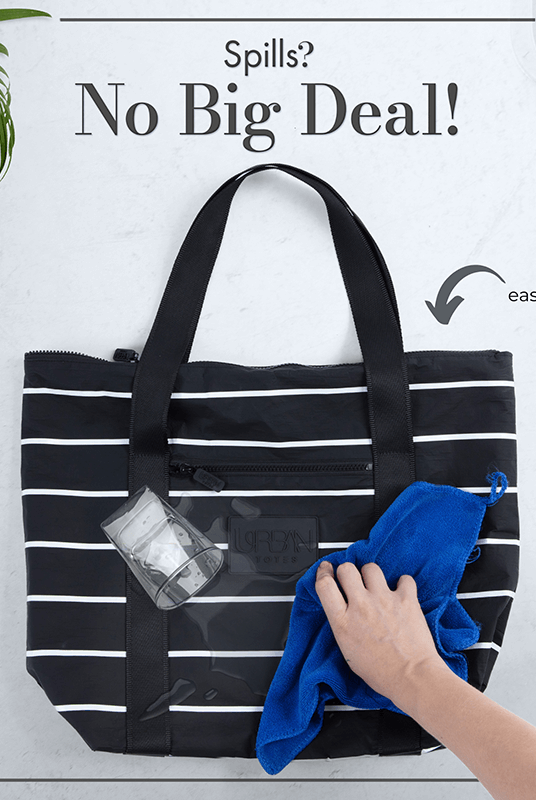
That sounds technical, but the everyday takeaway is straightforward. A pouch should survive friction inside a tote, repeated stuffing into a carry-on, and the occasional spill without becoming heavy or fussy.
What usually works well:
| Use case | Better material choice | Why it helps |
|---|---|---|
| Daily commute | Nylon or polyester | Light, flexible, easy to wipe down |
| Busy travel days | Ripstop nylon | Handles abrasion and repeated stuffing well |
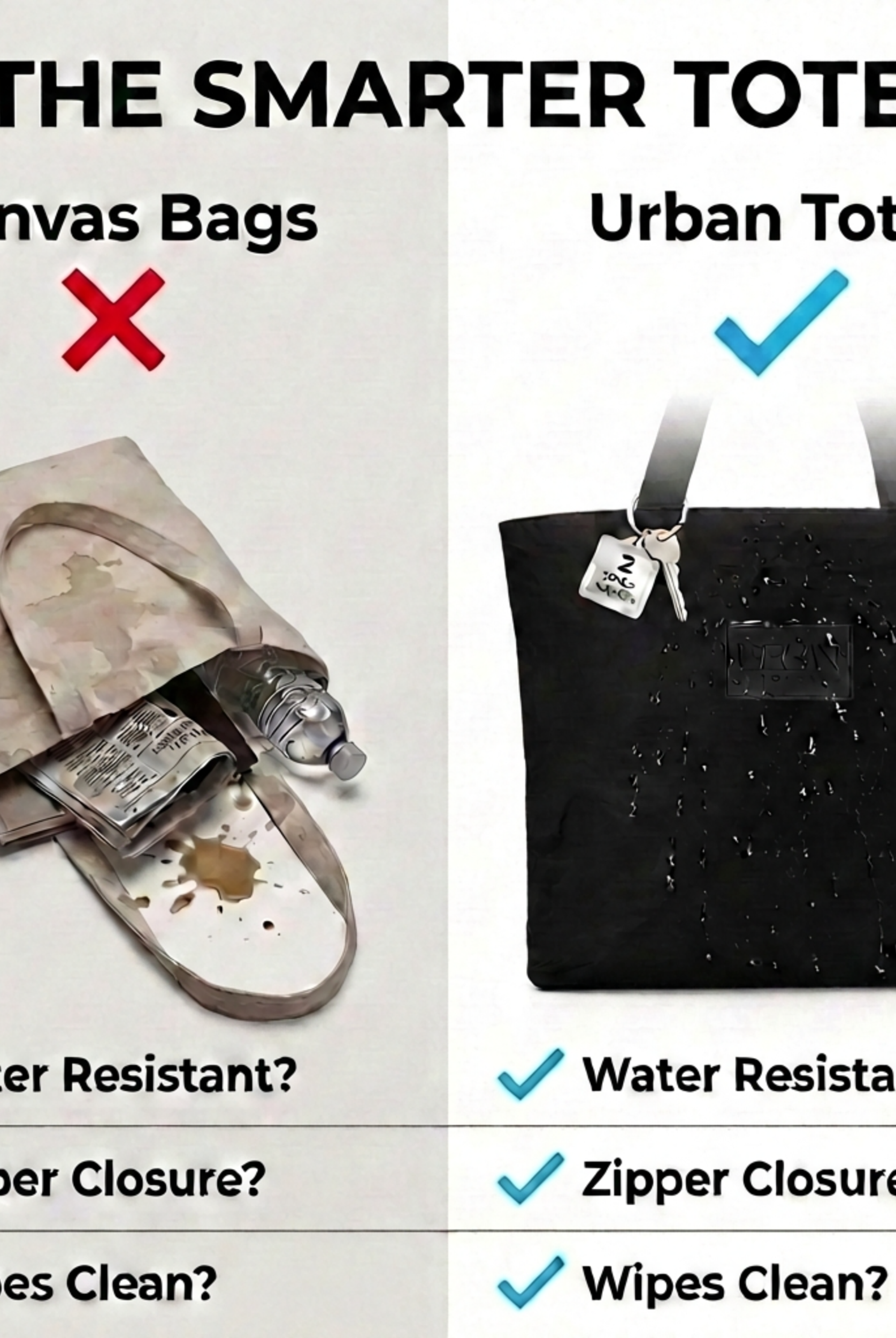
| Cosmetic or toiletry use | Water-resistant synthetic shell | Helps contain minor messes and damp items |
Match the size to the job
One of the biggest gaps in travel-pouch advice is sizing. Many guides tell women to use a smaller pouch for short trips and a bigger one for longer ones, but that still leaves the actual decision unclear.
A more useful test is this:
- Choose a slim pouch if the contents need quick access in a larger tote.
- Choose a medium pouch if you want one category together, like tech or beauty.
- Choose a larger pouch only when the category itself is bulky, like shower items or parent essentials.
- Avoid overfilling because a swollen pouch is harder to stack, zip, and move.
If you're also refining the rest of your carry setup, a compact bag such as a crossbody phone bag for quick-access essentials can complement a tote-and-pouch system well.
Pay attention to the inside
Internal architecture matters more than many shoppers realize. Practical travel-kit guidance highlights multi-compartment layouts and back open pockets because they make it easier to separate wet and dry items, clean and used items, or fragile and bulky items, according to this overview of travel kits for women and how compartmentalized layouts improve access.
A plain zip pouch can work, but once you carry more than a few items, pockets start saving time.
Look for:
- Multiple compartments: Better for skincare, makeup, cables, or mixed categories
- Secure zipper closure: Helps keep things from spilling into your tote
- Some structure: Enough shape to keep items visible, not pancaked together
- Easy-open design: Especially important in transit, bathrooms, and car seats
Keep the outside quiet and functional
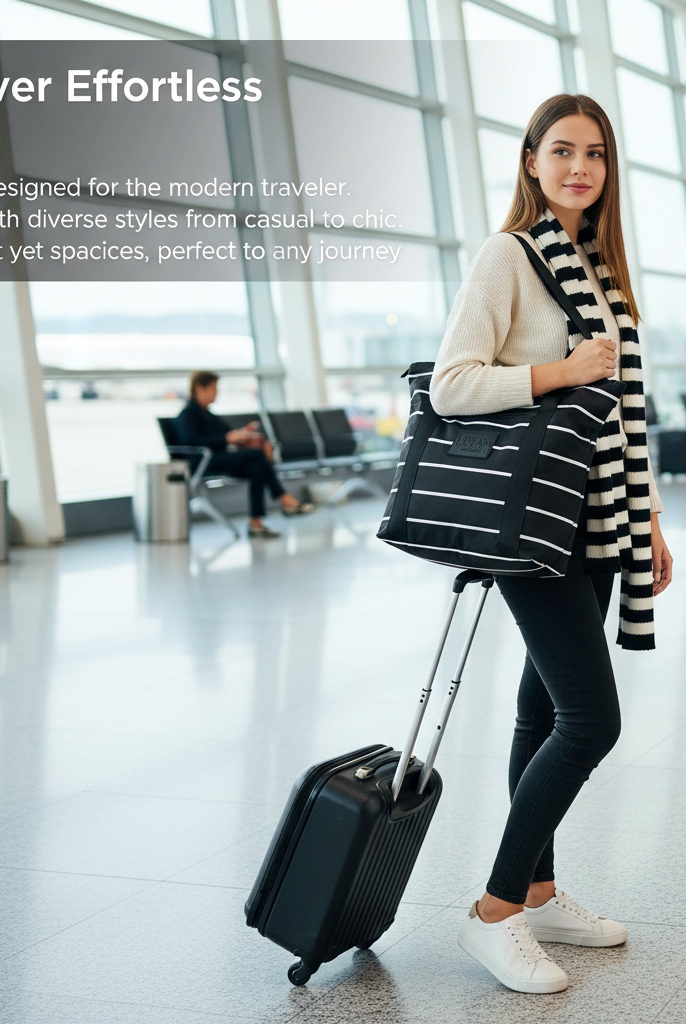
Many women want a pouch that doesn't scream “travel gear.” Low-profile design matters, especially if the pouch may move between airport, office, café, and errands in the same day.
One useful perspective from broader travel-bag advice is the trade-off between visible security features and discretion. This roundup on travel essentials for women is a good companion read because it helps you think about what needs to stay close and accessible. In practice, many women don't need every security feature on every outing. They usually need a secure closure, organized contents, and a design that doesn't attract unnecessary attention.
The best pouch often looks boring in the store and brilliant in real life.
How to Use a Travel Pouch for Every Scenario
You are halfway out the door, your phone is at 12%, your lip balm has disappeared again, and the one thing you need is buried at the bottom of your bag. A pouch system fixes that because it assigns a job to each pouch before the day starts.
As noted earlier, women often end up coordinating the details of travel and daily logistics. That is why a travel pouch earns its place when it handles repeat problems fast, whether you are commuting, heading to the gym, packing for a short trip, or carrying backup supplies for a child.

The daily commute kit
Your commute pouch should solve the small annoyances that can throw off a whole morning. Mine usually includes earbuds, a compact charger, hand sanitizer, lip balm, a stain wipe, one pen, and whatever transit item I need that day.
Keep this pouch flat and easy to grab. If it turns into a catch-all for receipts, snacks, and random beauty products, it stops doing its job. The goal is speed at a train gate, in a rideshare, or while standing in line for coffee.
The weekend getaway pouch
Short trips usually need two pouches, not one. The first is your access pouch for the first stretch of the trip. Charger, tissues, medication, gum, travel documents, and one touch-up item belong there. The second is your destination pouch for the things you will use after you arrive.
That split saves time in airports, gas stations, and hotel lobbies because you are not opening one overstuffed pouch every time you need something small. If you are planning a short break, this day trip packing list that keeps essentials visible helps clarify what should stay within reach and what can wait until check-in. For longer or more complex trips, this guide to travel preparation for global adventurers is a useful companion.
The gym and reset bag
A gym pouch works best when it supports the transition back into the rest of your day. That usually means separating freshen-up items from post-workout cleanup.
A practical setup can include:
- Freshen-up basics: deodorant, hair tie, small brush, face wipes
- Cleanup items: body wipes, microfiber cloth, a small waterproof sleeve for damp pieces
- Return-to-work extras: touch-up makeup, dry socks, compact fragrance
This pouch does not need to be pretty. It needs to prevent your used items from mixing with chargers, notebooks, or anything else you do not want smelling like the locker room.
The everyday parent pouch
Parent outings reward restraint. A good parent pouch covers the next hour or two, not every possible emergency.
Pack wipes, a diaper or pull-up, a snack, tissues, bandages, and one item for the adult carrying the bag, such as lip balm, hand cream, or pain relief. I have found that once a parent pouch gets too ambitious, it becomes heavy, hard to scan, and annoying to move between bags.
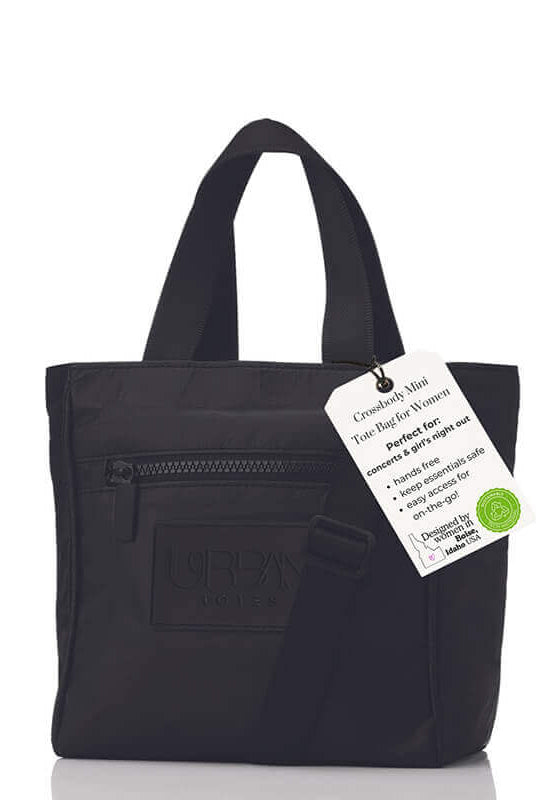
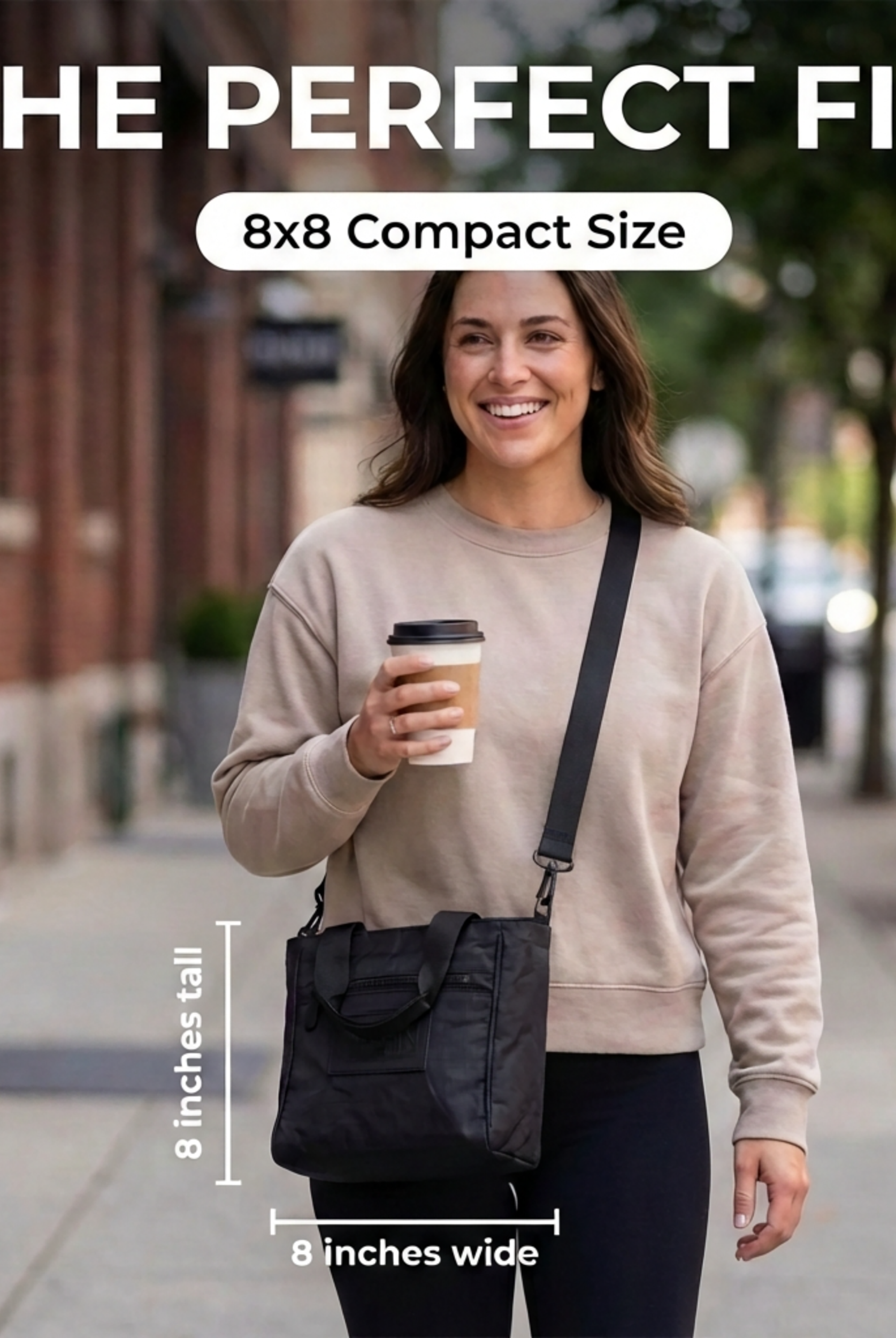
There is also a place for a compact bag that does pouch duty when you need a little more structure. The Crossbody Tote Bag Mini Purse has a zip-top closure, an outside zipper pocket, an inside zipper pocket, and an easy-access outside pocket for a phone or keys. In the right setup, a bag like this can do a similar job to a pouch while keeping everyday items sorted and close at hand.
The best pouch system lets you swap one small kit from work tote to stroller bag to weekender without repacking from scratch.
Mastering the Art of Pouch Packing and Organization
A pouch helps, but its greatest advantage is how you pack it. Many travelers don't need more storage. They need less visual noise inside the storage they already have.
That matters because forgetting small essentials is common. Travelers forget an average of two essential items per trip, 22% say they have forgotten a toothbrush or toothpaste at least once, 19.1% have left behind chargers, and people spend an average of $53 replacing forgotten items. The same research found that 72.9% of travelers make a packing list and 77.1% say it makes them less likely to forget items, according to Radical Storage's travel packing statistics and most-forgotten items roundup. A pouch system works like a physical checklist you can hold.

Build themed kits you can swap in seconds
The easiest system to maintain is one based on roles, not random objects. A pouch should answer one question clearly: what problem does this solve when I grab it?
Try organizing by these kits:
- Tech kit: cords, charger, adapter, earbuds, power bank
- Beauty touch-up kit: mirror, lip product, concealer, blotting papers, hair ties
- Care kit: tissues, wipes, bandages, medications, hand cream
- Transit kit: passport, pen, receipts, sanitizer, gum
- Parent quick kit: wipes, snack, bandage, spare item, small distraction toy
The reason this works is simple. Categories reduce hesitation. You don't stand in front of a bag deciding what to move. You move the whole kit.
Pack so you can see everything fast
Good pouch packing is about visibility before capacity.
A few rules make a big difference:
- Put small loose items in mini sleeves or inner pockets. Hair ties and lip balm disappear first.
- Roll cords instead of stuffing them. Tangled cables waste space and patience.
- Keep flat items against the back. Think wipes, notes, or travel papers.
- Place bulky items low or at one end. That keeps the pouch from becoming lumpy.
- Leave a little empty space. If the zipper strains, access gets worse.
Packing habit: If you can't identify every item in a pouch within a quick glance after opening it, it's packed too tightly.
For bigger trip prep, I also like pairing a pouch system with broader checklists such as these five convenient ways to pack your weekender tote bag for travel. The tote handles the macro categories. The pouch handles the high-frequency items.
Use your pouch as a physical packing list
Packing lists are helpful, but a pouch system turns the list into muscle memory. Once your tech pouch always contains the same basics, you stop rewriting the same reminder in your head before every outing.
This gets even more useful for international or multi-stop travel, where details multiply. If you're preparing for a bigger trip, this guide to travel preparation for global adventurers is a useful companion for the broader planning side while your pouches handle the practical day-of organization.
What usually doesn't work:
- Mixing unrelated categories just because there's room
- Using one oversized pouch for every small item
- Leaving half-used items loose at the bottom of a tote
- Changing the pouch contents constantly with no fixed baseline
What works better is a stable core. Build the kit once, edit lightly, and let repetition do the rest.
Keeping Your Go-To Pouch Ready for Anything
A travel pouch lasts longer when you treat it like a working tool instead of an afterthought. Empty it out regularly. Wipe the interior if a product leaks. Shake out crumbs, receipts, and broken hair ties before they become part of the lining.
For lightweight synthetic materials like nylon and polyester, simple care usually goes a long way. Spot-clean minor messes quickly, let the pouch air out after damp use, and don't leave heavy or sharp items grinding against the same corners for weeks. If a pouch is carrying toiletries, give it a reset before the next trip instead of sealing in residue and hoping for the best.
A good women's travel pouch doesn't just organize objects. It reduces daily friction. It saves those annoying little minutes spent searching, repacking, and second-guessing yourself before you head out the door.
That's why the best pouch system feels calm, not complicated. One pouch for what you reach for all the time. Another for a specific role. A larger bag that supports the system instead of fighting it. Stylish, functional, and ready for real life.
If you're ready for a more organized, go-anywhere routine, explore the thoughtfully designed collection from Urban Totes. Find the bag that fits your life, pack your pouch system once, and head out with less chaos and more ease.