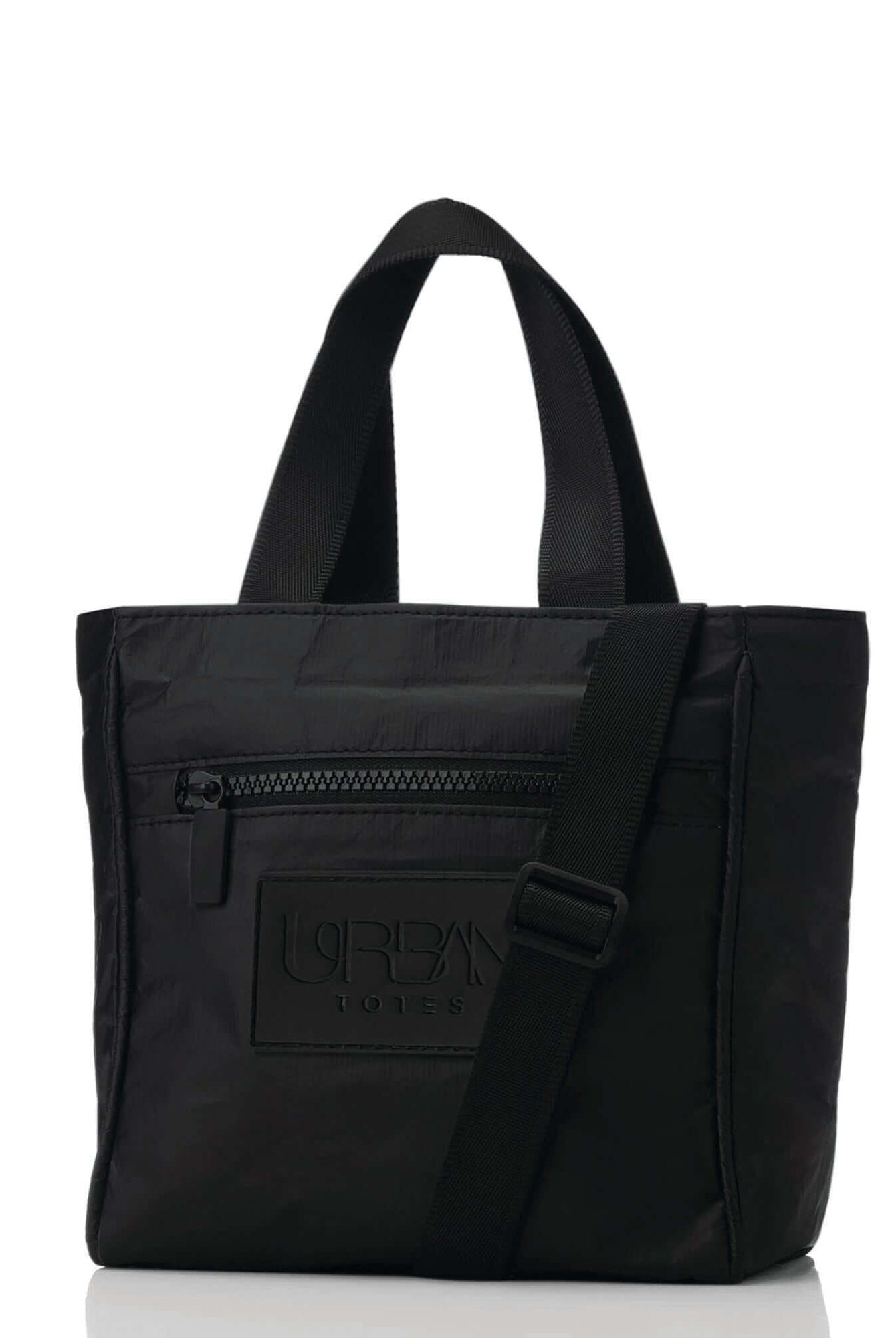
Some mornings, your bag tells you how the day is going to feel before you even leave the house.
You're balancing coffee, keys, your phone, maybe a lunch container, maybe a permission slip, and somewhere in that soft bottomless tote your charger has disappeared again. Your laptop is tilting sideways. Your lipstick is loose. Your notebook corners are bent. By the time you get to the car, train, or office elevator, you already feel behind.
That's why a structured tote bag for work matters more than people give it credit for. A good one doesn't just carry things. It creates order. It keeps the day from starting in a scramble and ending with shoulder strain, wrinkled papers, and that low-level irritation that comes from digging for essentials five times before noon. The category is also growing well beyond trend status. The global tote bag market was valued at USD 17.1 billion in 2023 and is projected to reach USD 29.8 billion by 2032, a sign that shoppers are investing in durable, versatile bags that solve real everyday problems for busy lives, according to Rawshot's tote bag industry statistic roundup.
Table of Contents
- The End of the Endless Bag Search
- What Makes a Tote Bag Structured
- The Anatomy of a Perfect Work Tote
- From Morning Commute to Evening Errands
- How to Pack and Care For Your Go-Anywhere Bag
- Find the Tote That Keeps Up With You
The End of the Endless Bag Search
The bag search usually starts with good intentions. You want something polished enough for work, roomy enough for your laptop, and easy enough for real life. Then you try one that looks sharp online but collapses when you set it down. Another fits your computer but cuts into your shoulder. Another has one giant cavity inside, which means everything ends up piled together like a junk drawer with handles.
Most women don't need more bag options. They need one bag that behaves better.
A structured tote changes the experience because it removes friction from ordinary moments. You can reach for your badge without pulling out your sunglasses. You can set the bag beside your desk and it stays upright. You can move from office to pickup line to grocery stop without feeling like you're hauling a suitcase or babysitting a floppy sack.
A work bag should support your routine, not add one more thing to manage.
That's the key shift. The right tote doesn't feel like an accessory choice. It feels like a small systems upgrade for your day.
Why the wrong bag keeps failing
Soft unstructured bags have a place. They're easy, casual, and sometimes perfect for light loads. But workdays ask more of a bag than a quick coffee run does. They ask it to protect tech, hold shape under weight, and keep essentials visible when you're moving fast.
Common problems show up quickly:
- Collapsed shape: Your laptop tilts, papers curl, and the bag slumps against your leg.
- No internal logic: Small items slide to the bottom, then vanish under larger ones.
- Uncomfortable carry: Thin straps and poor balance make a full bag feel heavier.
- Messy transitions: What worked for the office feels chaotic by the time errands start.
What a better day looks like
A structured tote bag for work creates a cleaner rhythm. You know where your charger goes. You know your keys are in the same pocket every day. You know the bag can sit on the passenger seat or under a conference table without spilling into itself.
That doesn't sound glamorous. It is useful. And useful is what makes a bag become your daily default.
What Makes a Tote Bag Structured
A structured tote is the difference between a tidy desk and a junk drawer. Both can hold the same items. Only one lets you find them without frustration.
At the most practical level, independent work-bag guidance defines a structured work tote by its firm base and rigid panels that help the bag stand upright and keep its shape, as explained in Le Marvelle's guide to what actually matters in a work tote bag. That shape is what keeps a bag from folding in on itself the minute you add a laptop, charger, wallet, and water bottle.

The features that create structure
A tote feels structured when a few design decisions work together:
- A firm base keeps the bottom flat instead of sagging in the middle.
- Reinforced sides help the silhouette stay upright, even when the bag isn't full.
- Stable handles keep the opening accessible instead of twisting shut.
- Intentional pockets stop the interior from becoming one large drop zone.
- A secure top helps the bag feel polished and contained in transit.
If you like understanding silhouettes before you shop, this glossary of bag types from traditional to trendy is a helpful reference point because not every tote is built for the same kind of day.
Structure is about behavior, not stiffness
Some women hear “structured” and picture a bag that feels rigid or formal. That's not the goal. A good structured tote should hold its shape without becoming fussy. It should feel composed, not hard. It should look clean on your shoulder and still work when your day gets messy.
Practical rule: If a bag only looks good when it's half empty, it probably isn't structured enough for real work carry.
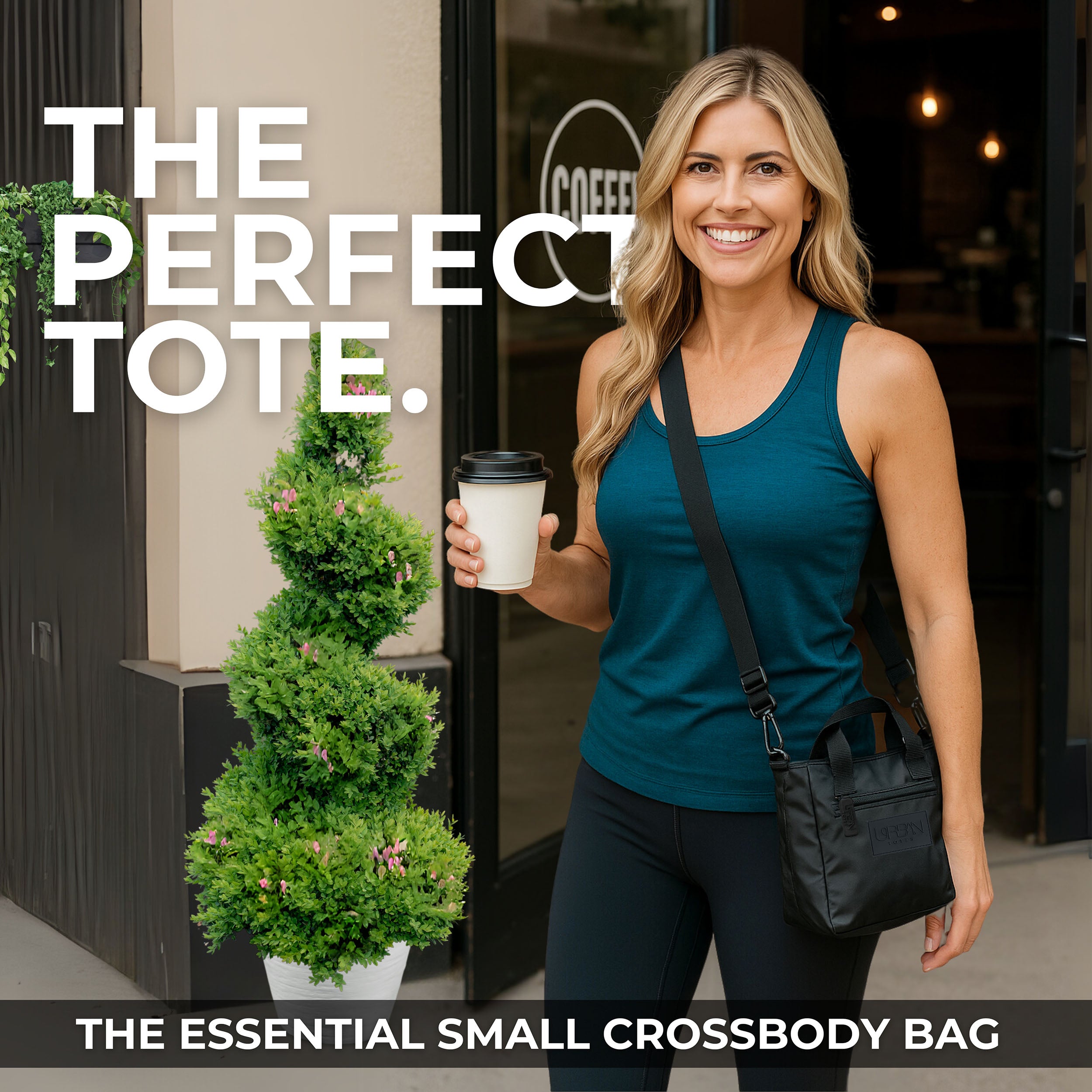
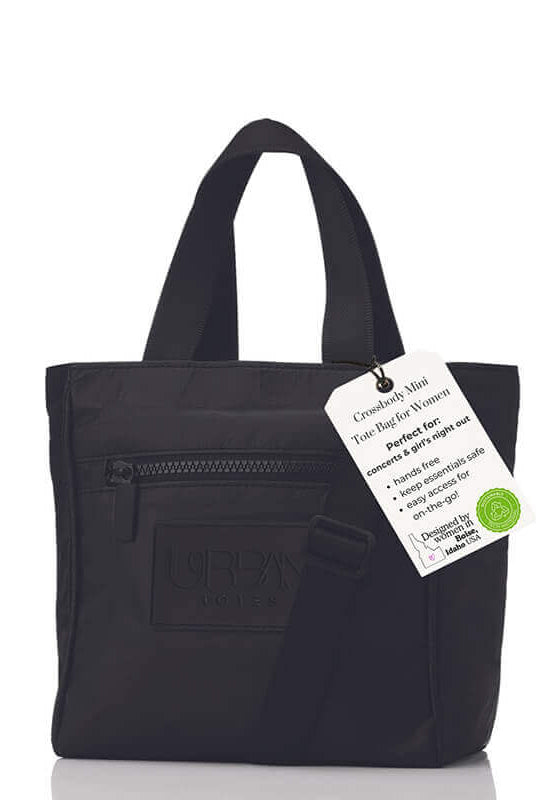
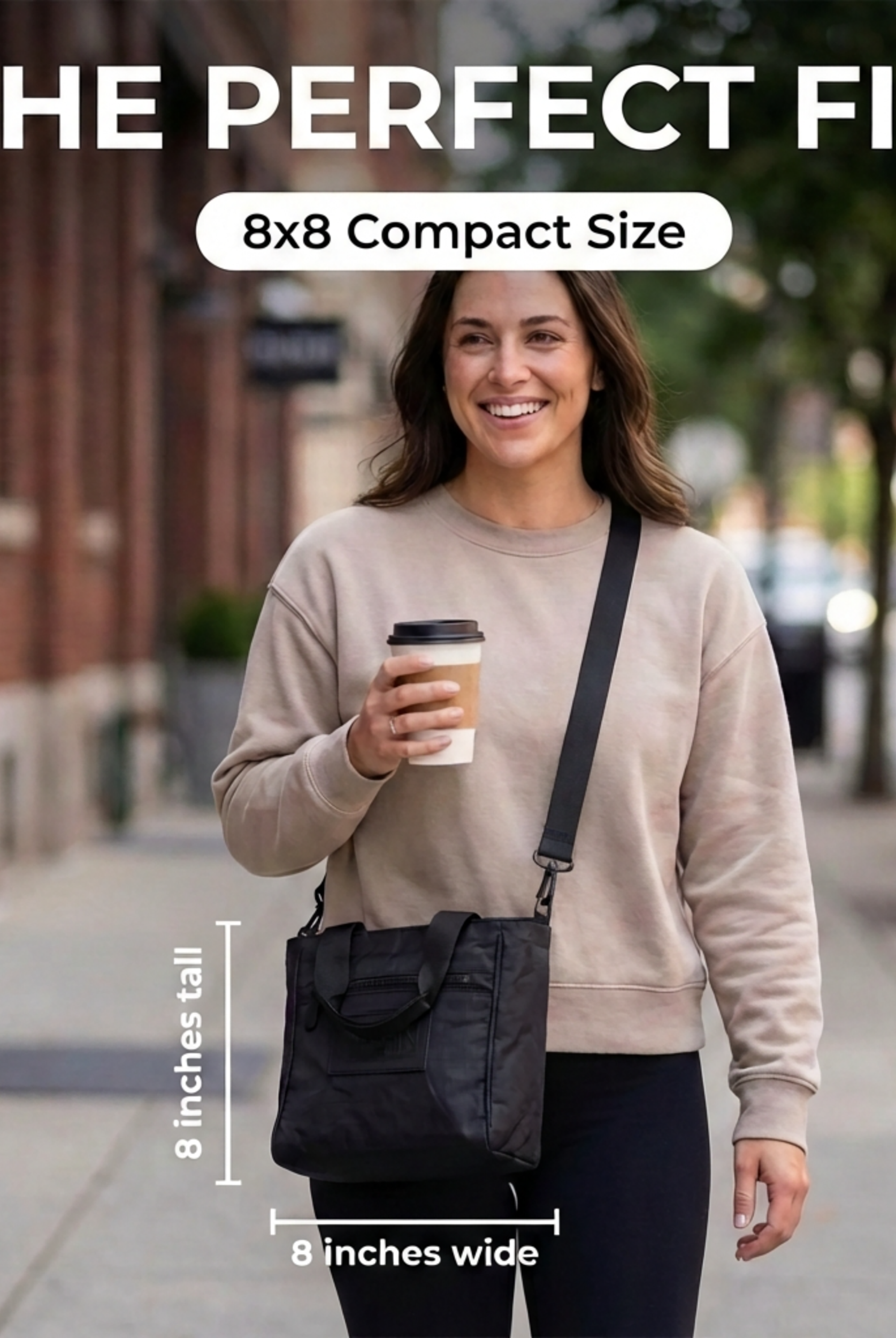
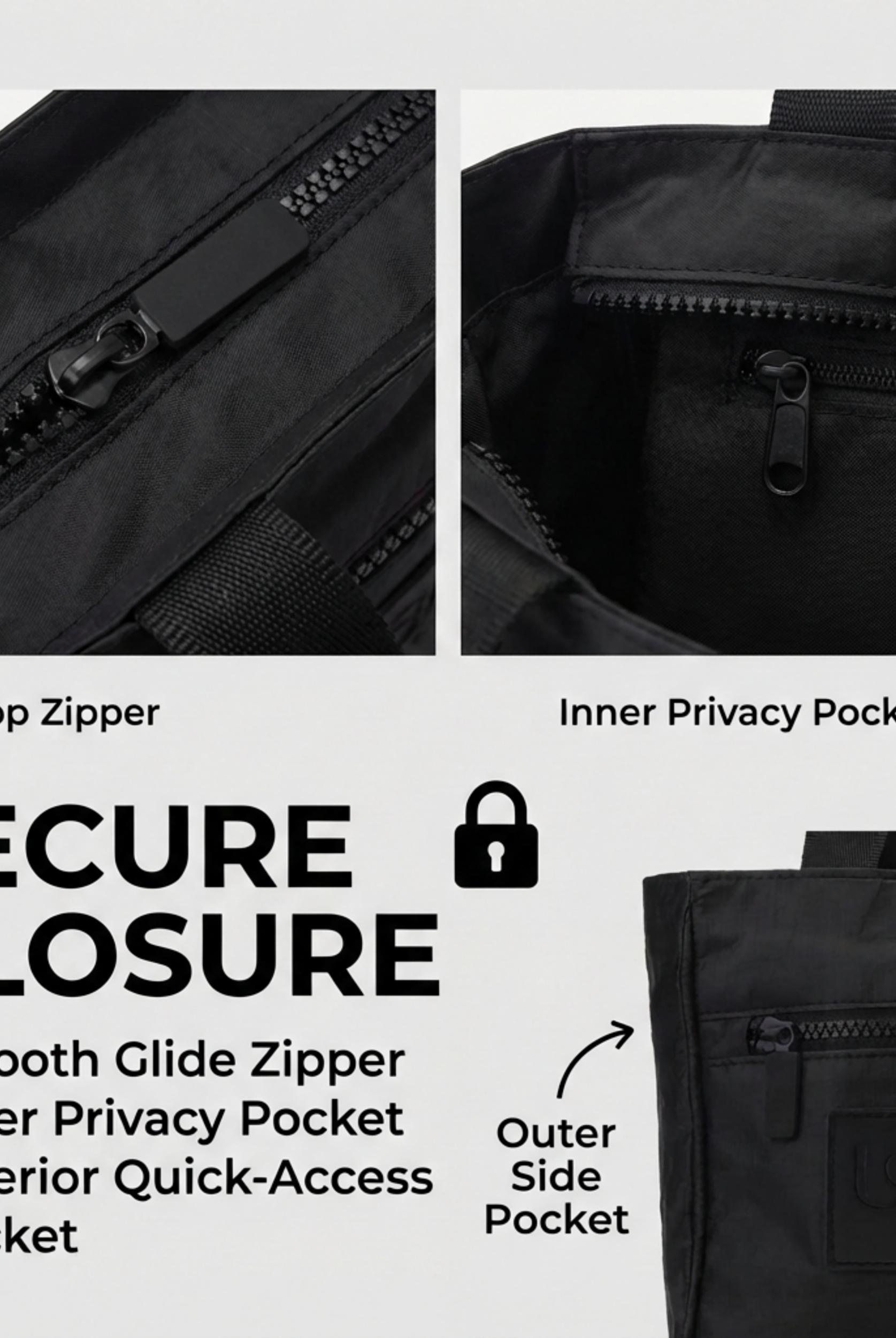
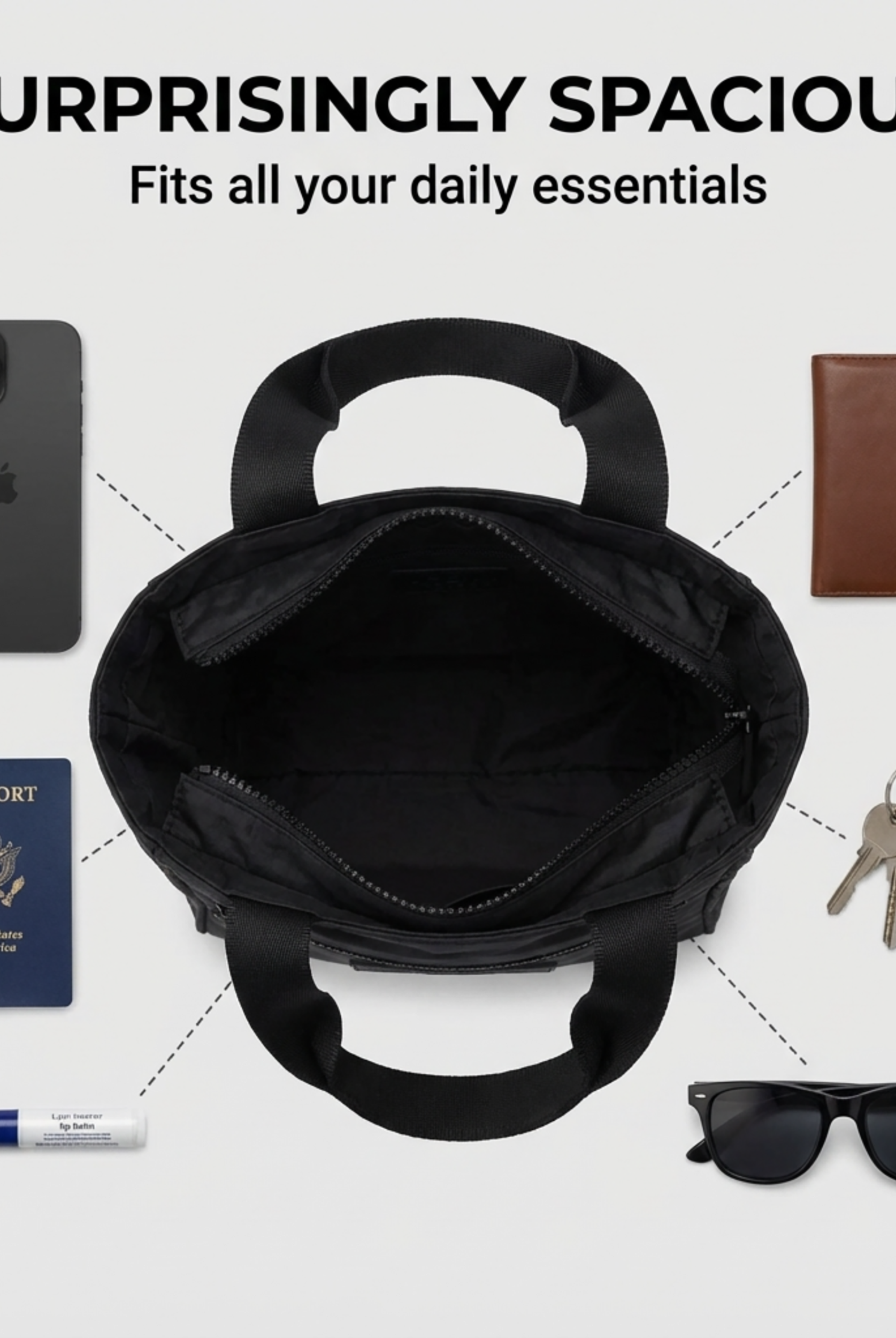
That's also why smaller bags can borrow structured details without trying to become work totes. The Crossbody Tote Bag Mini Purse, for example, includes structured piping to help it hold its shape, along with a zip-top closure and organized pockets. Different scale, same idea. Shape should make a bag easier to use.
A structured tote bag for work earns its place because it keeps order visible. You're not just carrying more. You're carrying better.
The Anatomy of a Perfect Work Tote
A work tote earns its spot when it helps you switch modes without repacking in a parking lot, office bathroom, or school pickup line. The best ones keep your workday polished while still leaving room for the rest of your life.
A good starting range for a structured tote bag for work is 10 to 15 inches in height, 12 to 18 inches in width, and 4 to 8 inches in depth. Details like a reinforced base, shaped sides, and a zip closure help the bag carry weight without slumping or tipping, according to Leatherology's tote bag sizing and construction guide. That size range usually fits the real mix most women carry: laptop, charger, notebook, wallet, keys, water bottle, and one or two life extras.
Start with shape and size
Choose size based on your repeat items, not the occasional overload day.
If your tote needs to handle a laptop, notebook, charger, and personal basics, medium-to-large usually works best. Guidance from Le Marvelle's work tote checklist recommends at least 38 cm wide for a standard laptop and daily essentials, with a strap drop of 20 to 28 cm for comfortable shoulder carry. The same guide notes that shorter drops can sit too high under the arm, while longer ones tend to swing more as you walk.
The fit test is simple. Your main items should slide in flat, and you should still have enough visible space for the things that appear later in the day, like a snack, a small cosmetics pouch, or kids' paperwork.
That extra margin matters. A work tote that is packed to capacity by 8 a.m. has no room left to switch into errand mode.
Straps decide comfort
Straps are where many beautiful bags lose me.
A full tote with thin handles gets heavy fast. Charles & Keith's work tote guide points to thicker or padded straps for better weight distribution, along with organization features like gusseted sections, detachable pouches, and interior pockets that make daily carry easier. In practice, that means less shoulder strain and less time fishing for small items when you're in transit.
What works well:
- Wider straps: They spread weight better than narrow ones.
- Enough drop for layers: The bag should fit over a blazer, knit, or coat without catching.
- Balanced handle placement: A loaded bag should hang close to the body instead of tipping outward.
A tote can look refined and still be tiring to carry. Comfort is part of the design, not a bonus feature.
Organization should support fast switching
The inside of the bag should separate roles. Work on one side. Life on the other. The goal is to keep your laptop and notebook from mixing with receipts, snacks, lip balm, or a spare pair of socks for the gym.
That usually means one zip pocket for valuables, a couple of slip pockets for quick-grab items, and enough open space for larger pieces to sit flat. If you want to compare layouts, this guide to work tote bags with compartments shows the kind of interior setup that makes a tote easier to live with every day.
| Feature | What to Look For |
|---|---|
| Shape | Firm base and structured sides that stay upright |
| Size | Room for your actual daily carry, plus a little overflow |
| Straps | Comfortable shoulder drop and enough width for longer wear |
| Interior | Zipped and open pockets that keep work items separate from personal ones |
| Closure | A top closure that keeps contents contained in transit |
| Base | Reinforced bottom so the bag doesn't sag under weight |
Security should feel easy to live with
Security matters most on crowded days, but it should not slow you down every time you reach for your phone or badge.
A zippered top, a concealed pocket for valuables, and a clean interior layout usually strike the right balance. Reviews in Business Insider's roundup of the best work bags for women regularly favor bags that feel secure without becoming bulky or overbuilt.
The polished tote is usually the one that keeps order under pressure. It stands up beside your desk, tucks under your arm on the train, and still has space for whatever the second half of the day asks you to carry.
From Morning Commute to Evening Errands
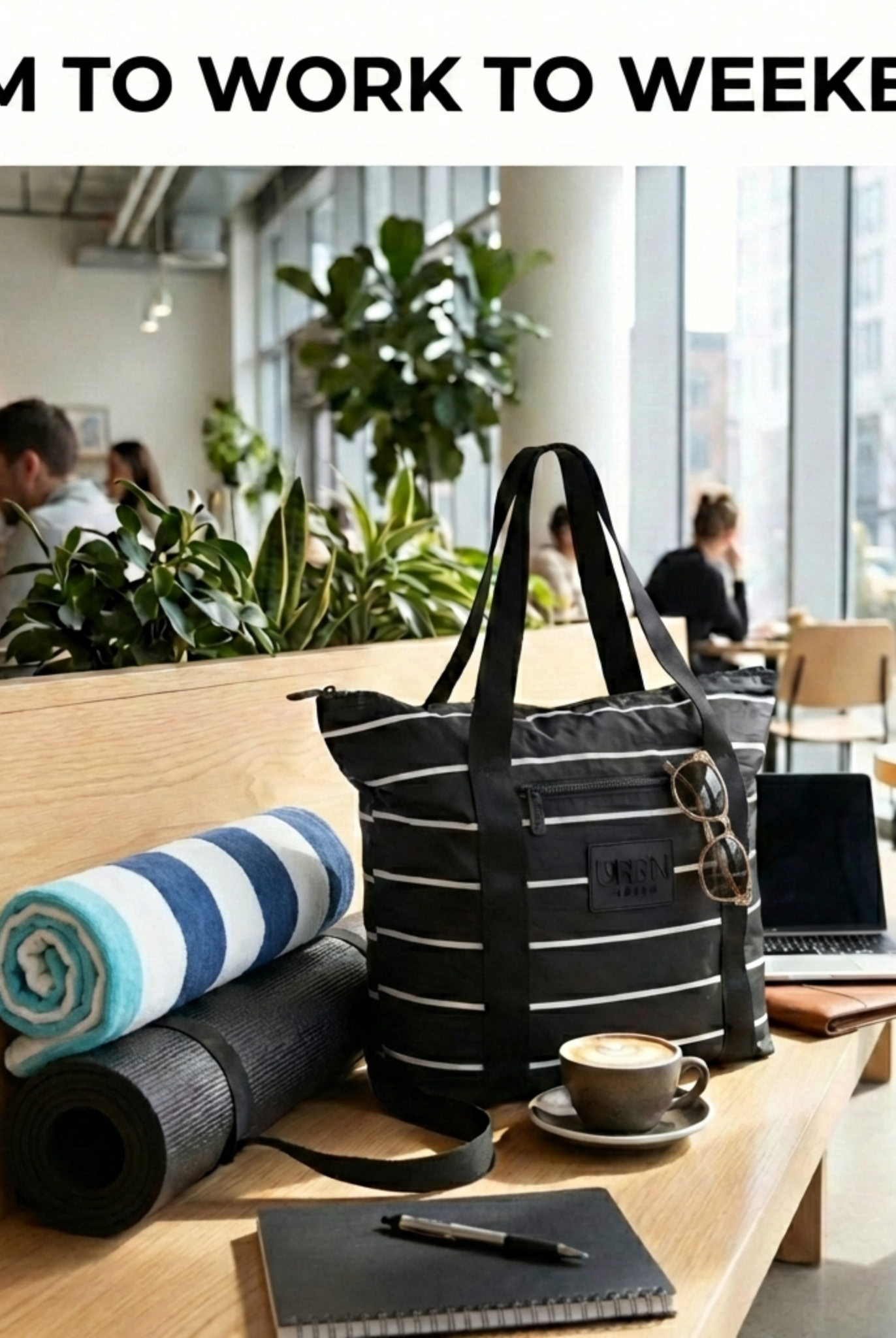
A structured tote proves itself in the hours between the first coffee and the last stop of the day. That's where mode switching matters.

Recent editorial testing has highlighted how modern work totes now support transitions beyond the office, with features like separate sections for chargers, hidden shoe compartments, detachable pouches, and elastic water bottle holders helping one bag handle multiple roles through the day, as described in this video on work totes designed for mode switching.
The commuter
She leaves home with a laptop, charger, notebook, wallet, and lunch. On the train, she wants the bag zipped. In the office, she wants it to stand beside her chair without collapsing. At the coffee stop, she wants her phone easy to grab with one hand.
A structured tote works here because it keeps the load stable. Nothing dramatic. Just less fumbling, less leaning, less shifting.
The working mom
Her day rarely stays in one category. There's work, then pickup, then a grocery stop, then maybe a quick change of shoes before one more errand. The bag has to hold professional items and life items without making the whole thing feel cluttered.
That's where segmented storage changes everything. A snack doesn't need to share space with a charger. A tablet shouldn't scrape against keys. Your work notebook should still look like a work notebook by the time dinner happens.
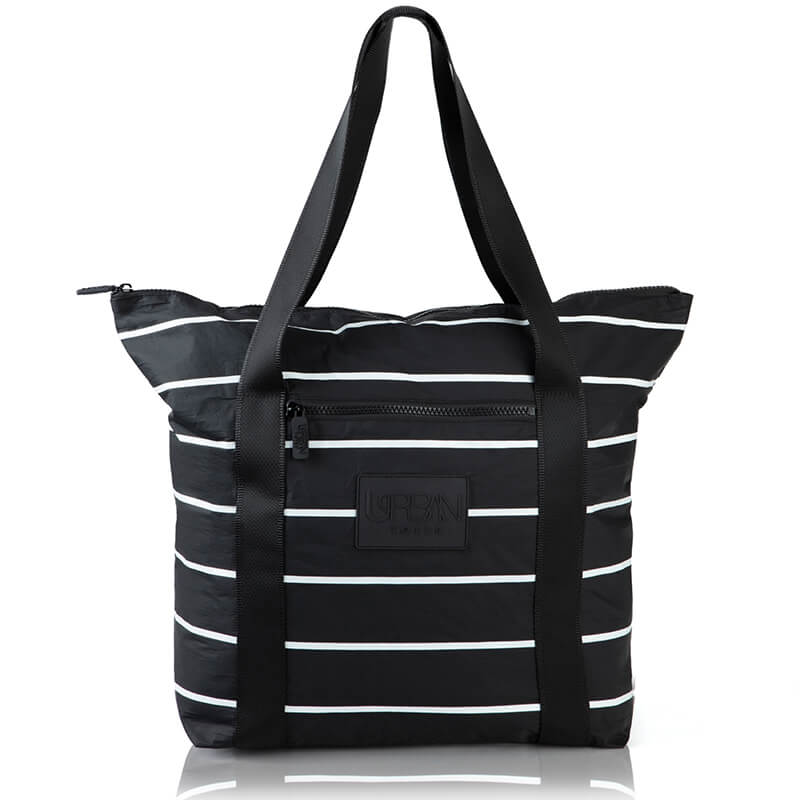
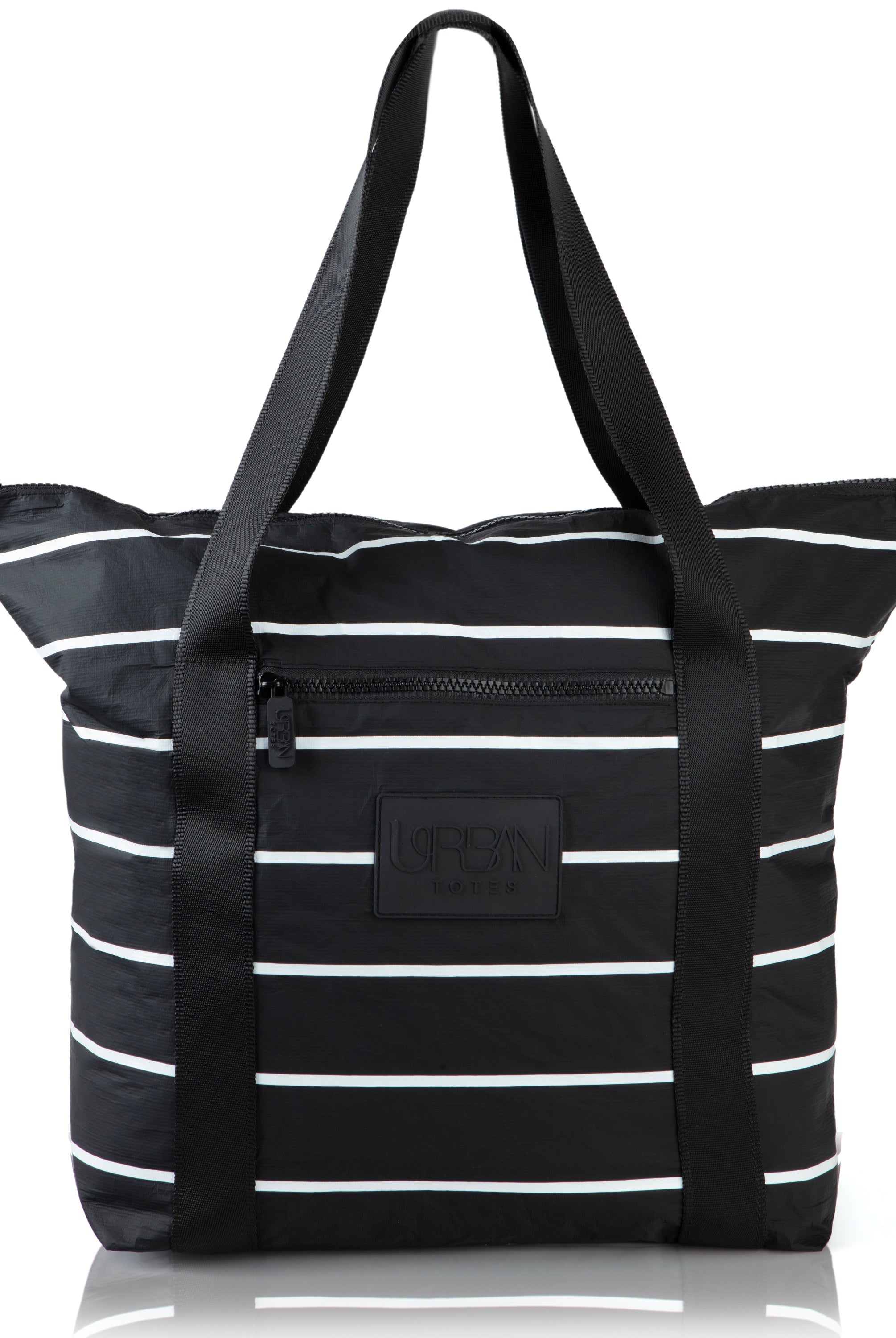
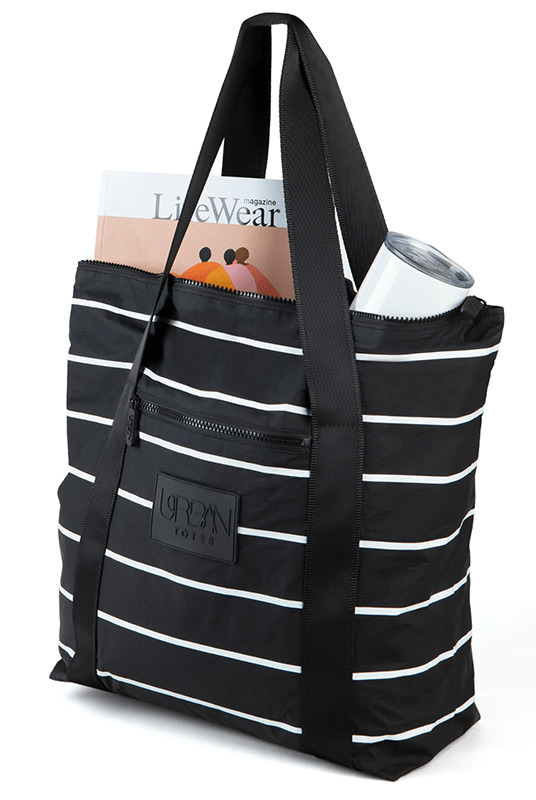
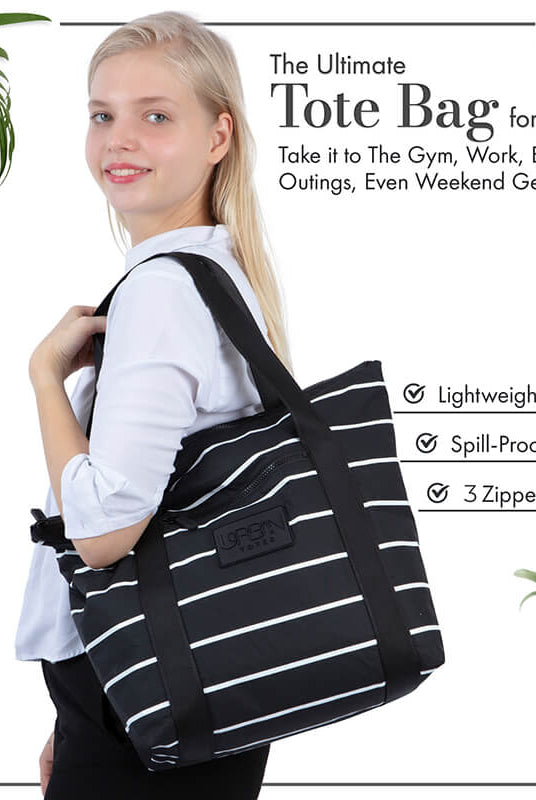
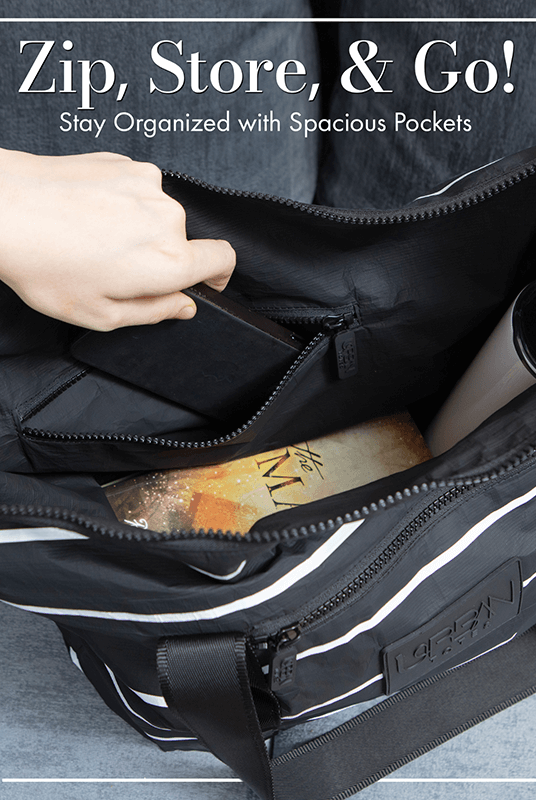
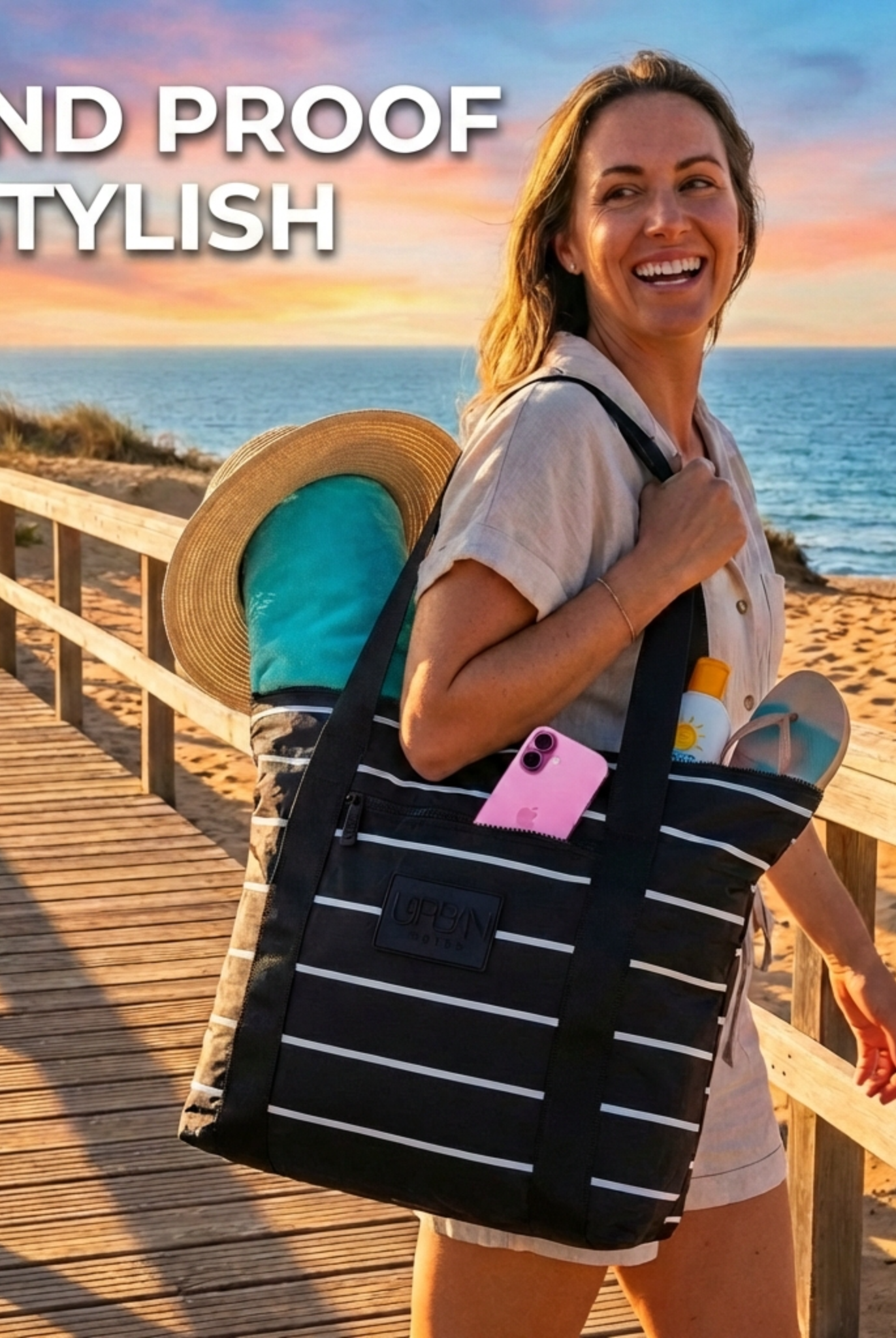
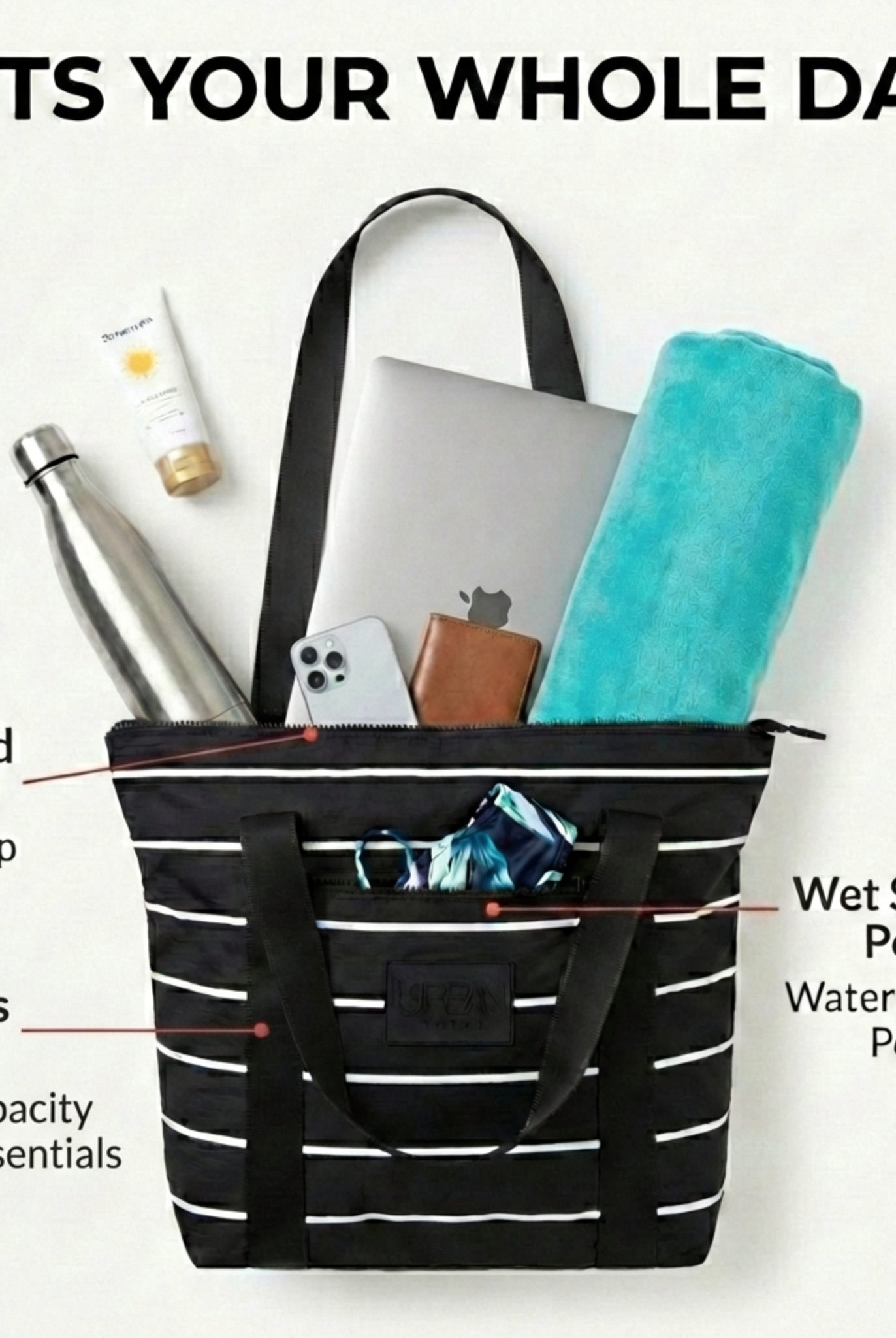
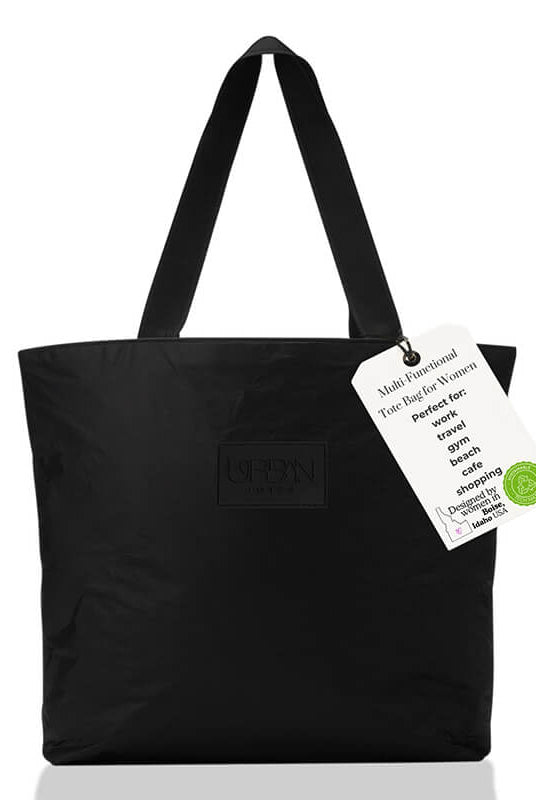
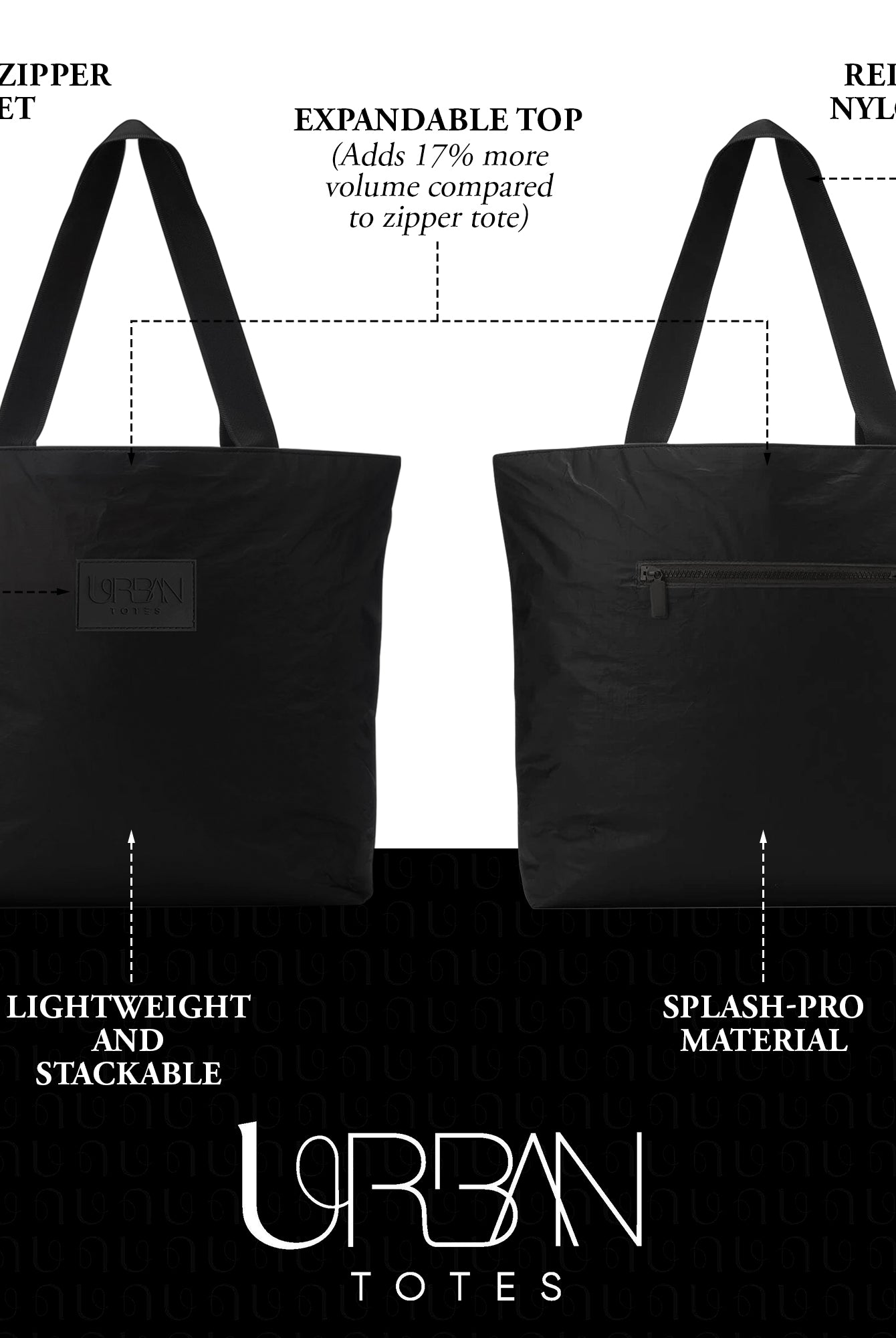
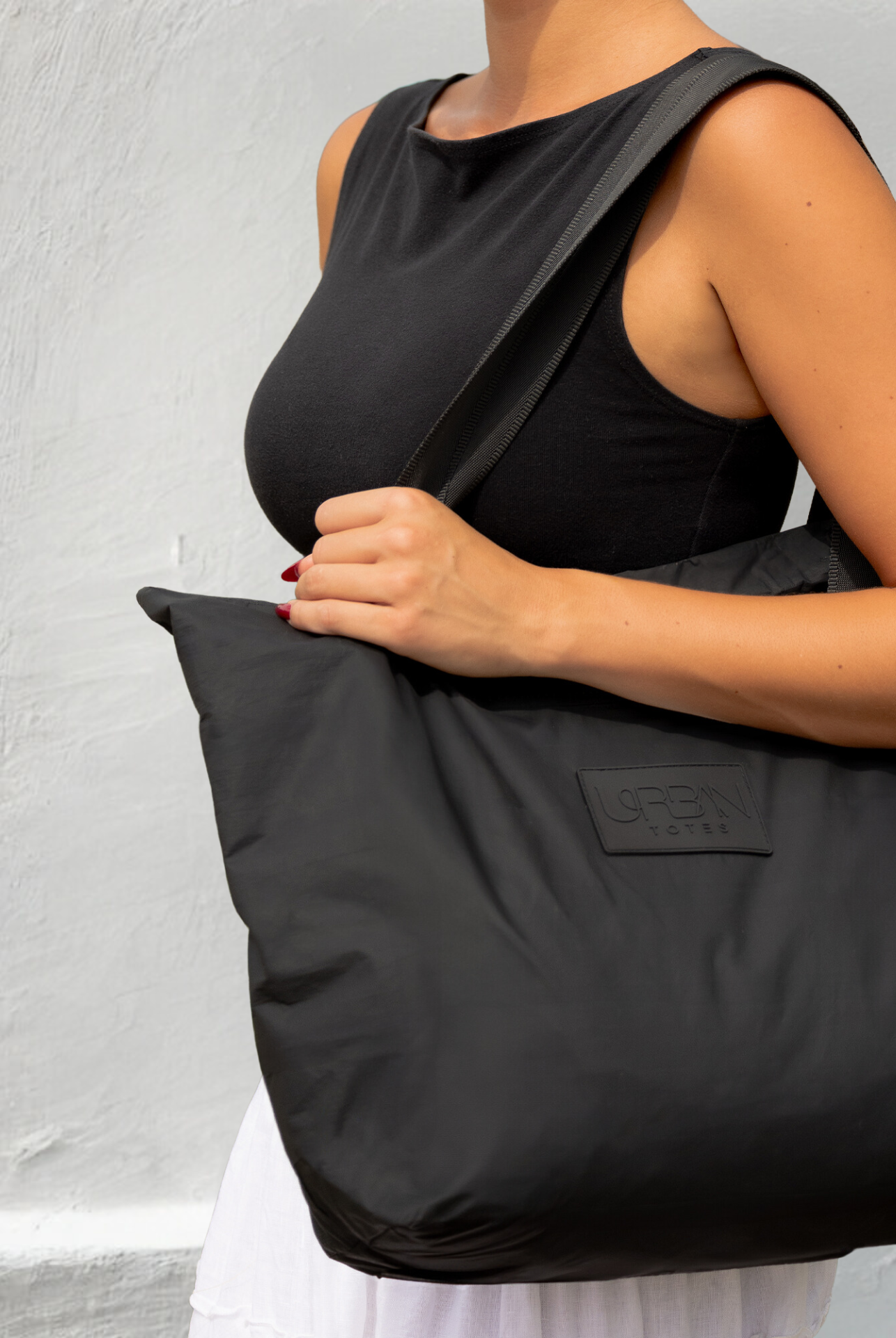
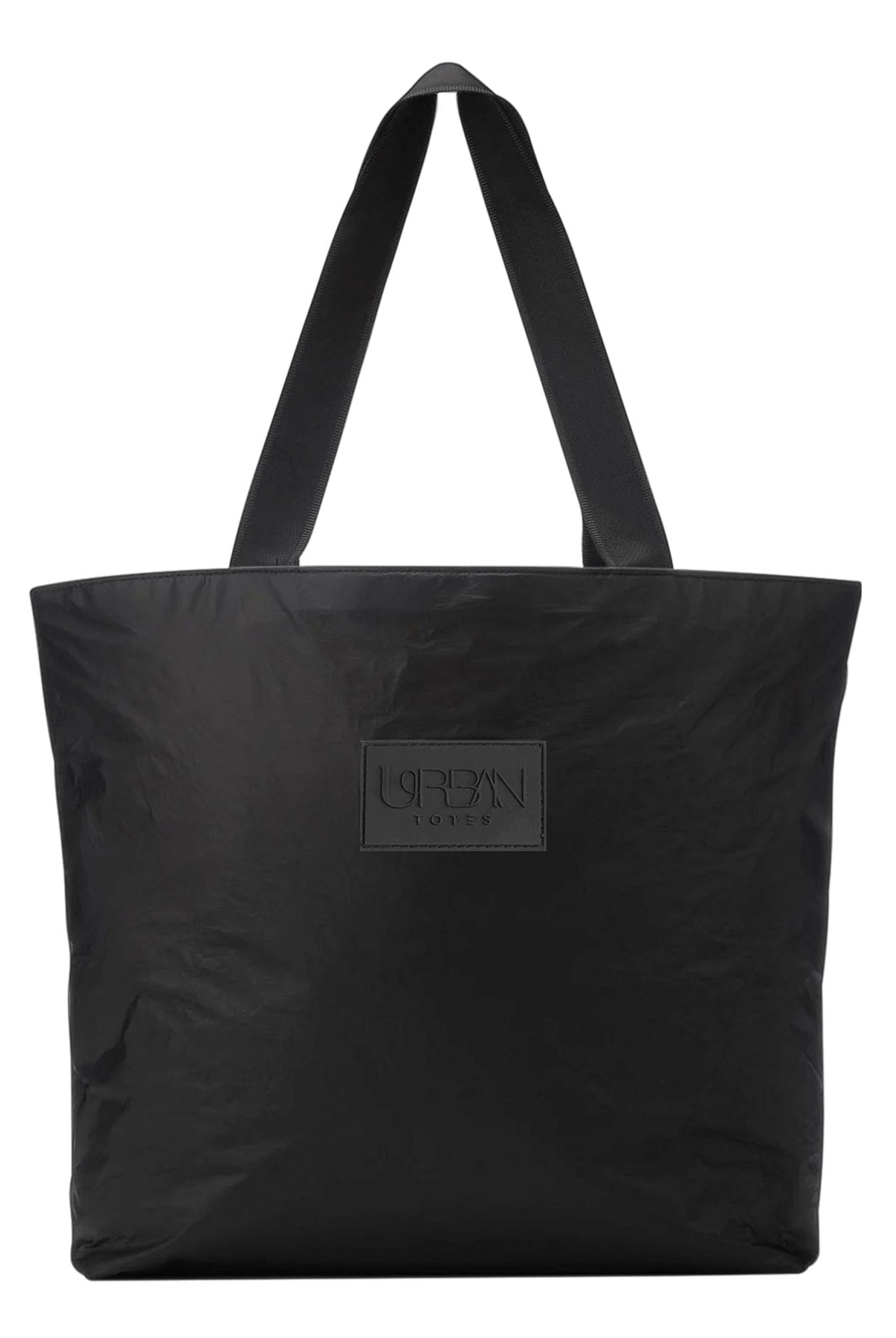
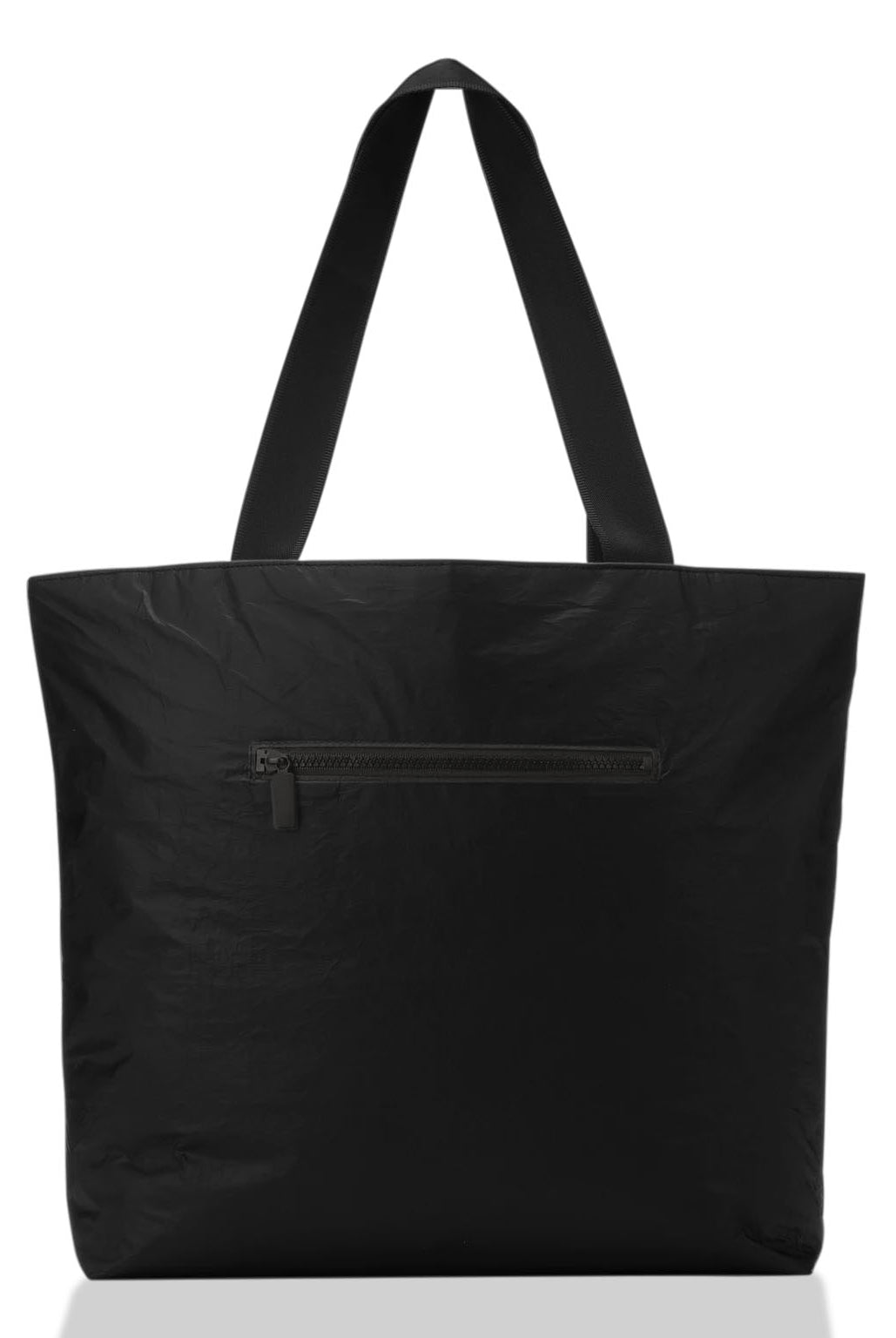
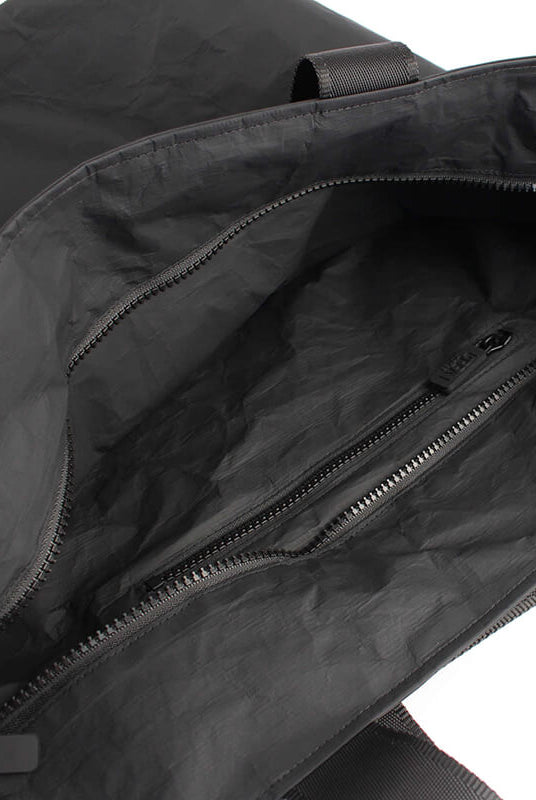
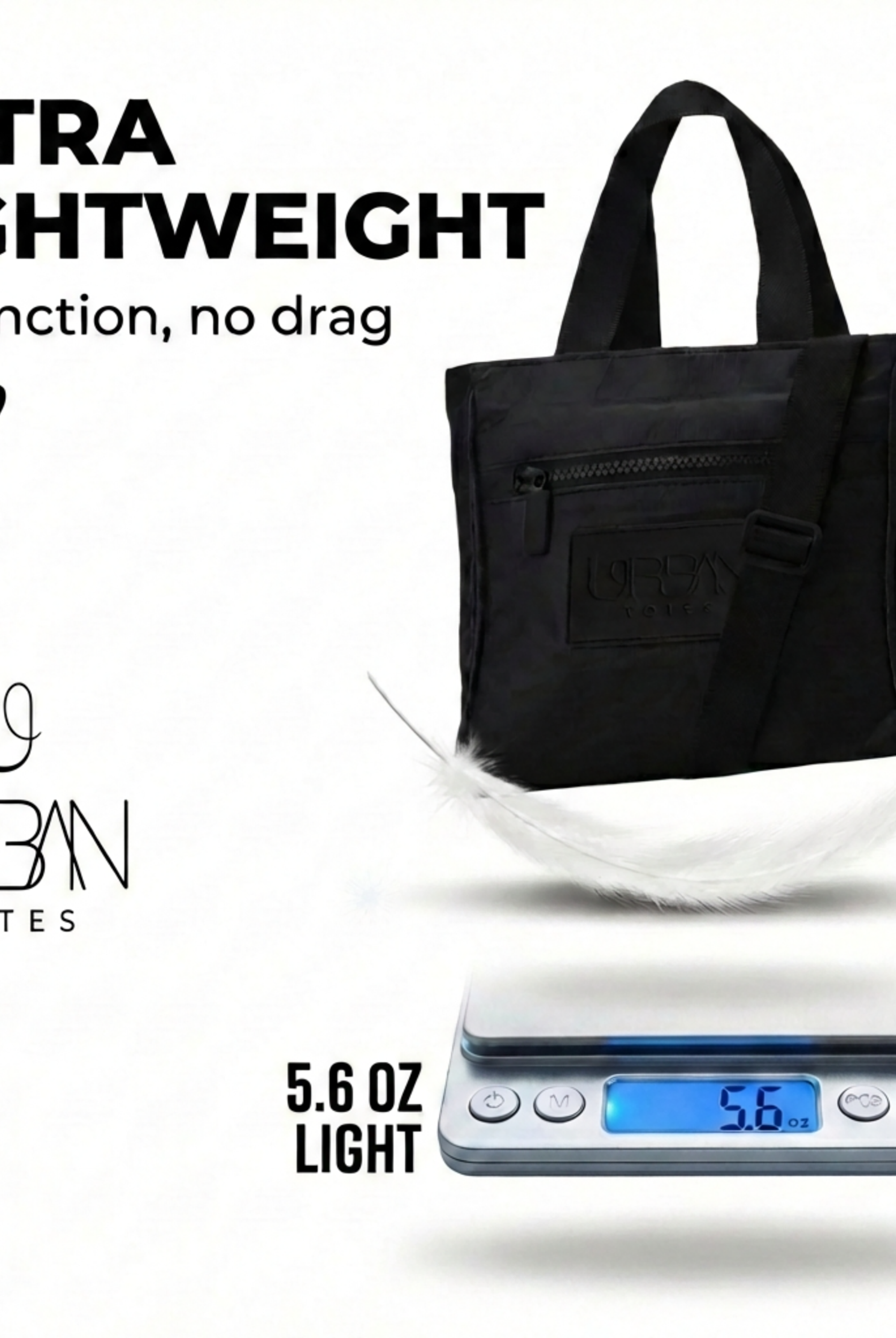
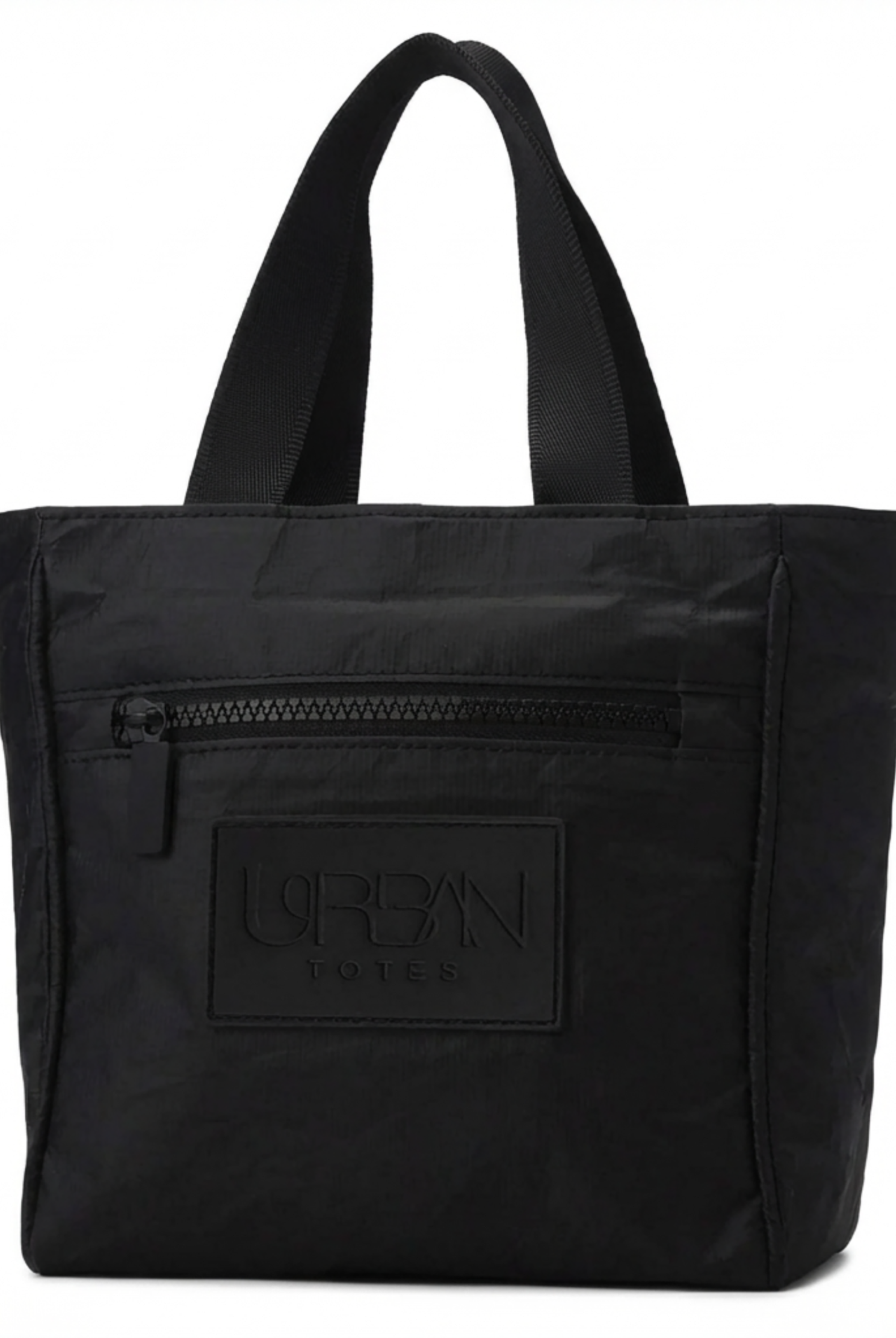
One practical option in this lane is the Urban Totes Day Trip Tote Bag. Based on the brand's catalog, it includes three large zippered compartments plus dedicated pockets for a phone and keys, which is useful for women who need a cleaner separation between work gear and daily extras.
The traveler
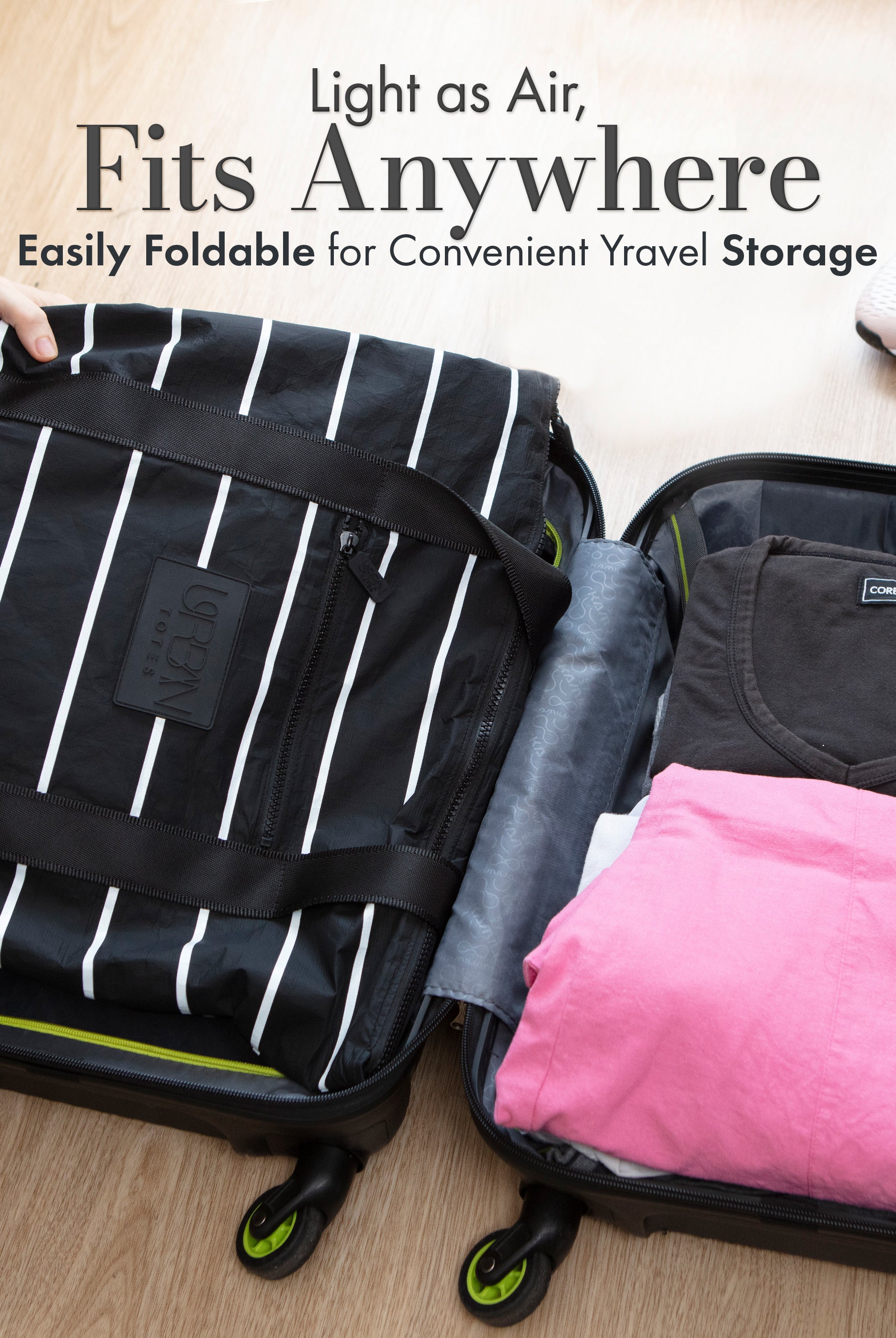
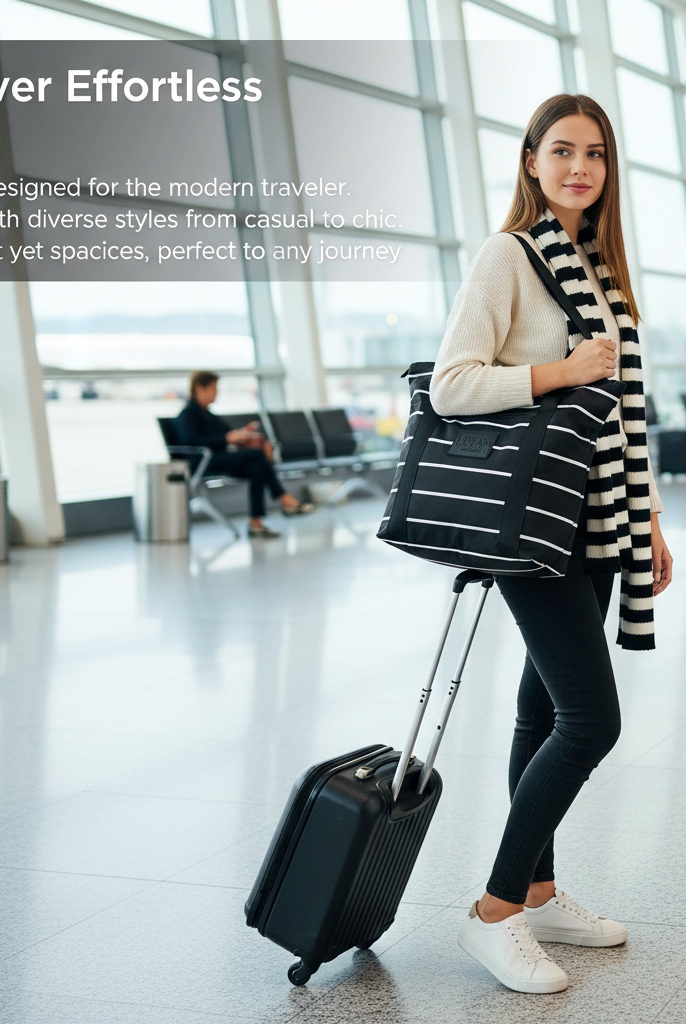
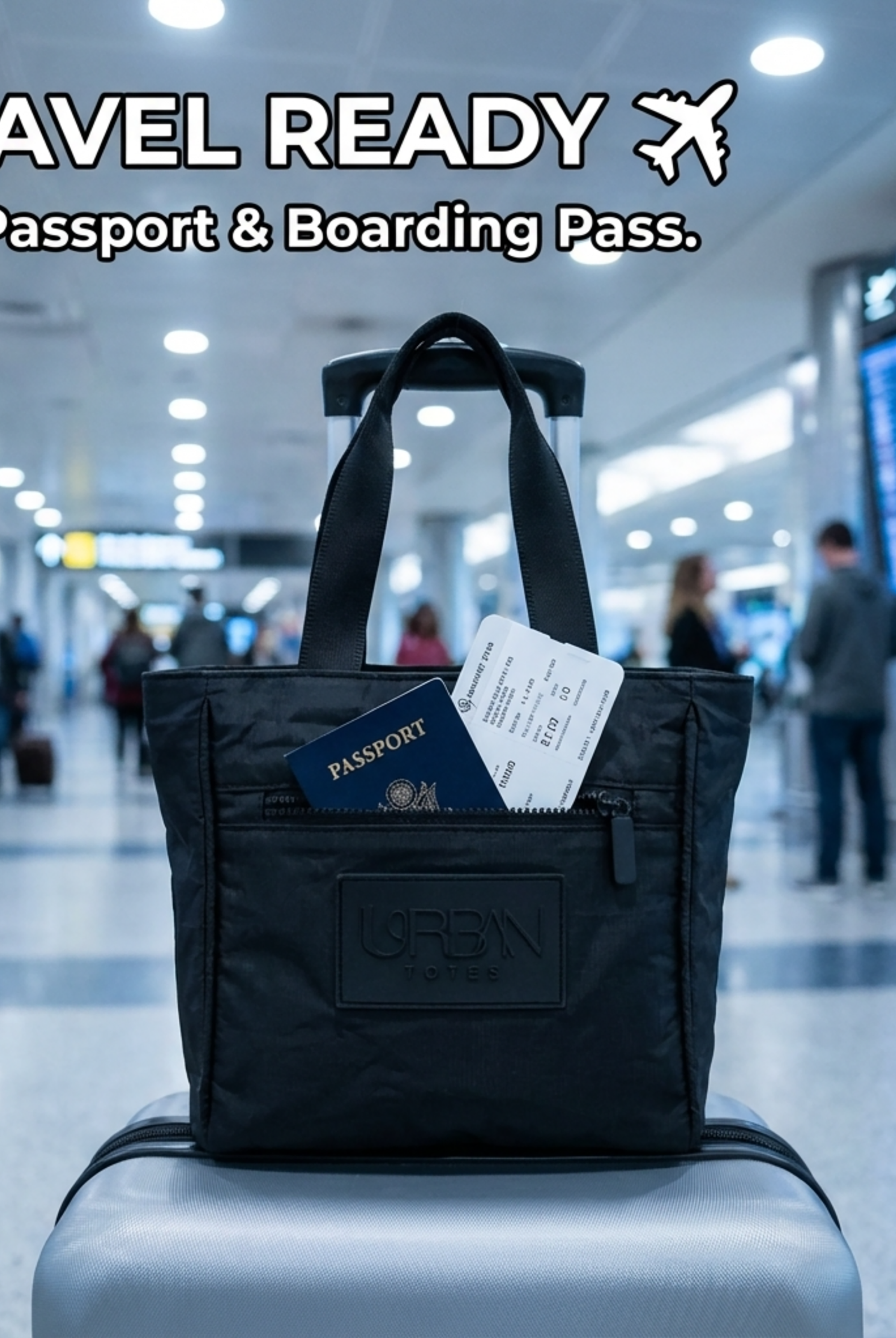
A work tote often becomes a personal item by default. It sits under the seat, rides on a suitcase handle, holds documents, tech, a sweater, and whatever you need accessible in motion.
For that kind of day, versatility matters as much as polish. Some women also like having a secondary bag option for lighter carry once they arrive. If that's part of your routine, this roundup of tote bags with a crossbody strap can help you think through when a second carry style earns its spot.
One bag won't make your schedule smaller. It can make the transitions feel smoother.
That's the promise of a structured tote bag for work. It keeps up when the day stops being just about work.
How to Pack and Care For Your Go-Anywhere Bag
A good tote gets even better when you pack it with a little intention. Most bag frustration comes from mixed zones, not lack of space.

Pack by zone, not by habit
Don't load the bag in the order you touch things while rushing out the door. Pack by category.
Try this approach:
- Work zone: Laptop, charger, notebook, pen case, badge.
- Personal zone: Wallet, keys, sunglasses, lip balm, hand cream.
- Transit zone: Water bottle, snack, earbuds, tissues.
- Flex zone: The one extra thing your day needs, like gym socks, a small pouch, or pickup paperwork.
Put heavier items low and close to the center so the bag doesn't pull awkwardly. Keep your most-used small items in the same pocket every day. That repeatability is what makes the bag feel organized, not just full of compartments.
Care that fits real life
A work tote doesn't need precious treatment, but it does need basic upkeep.
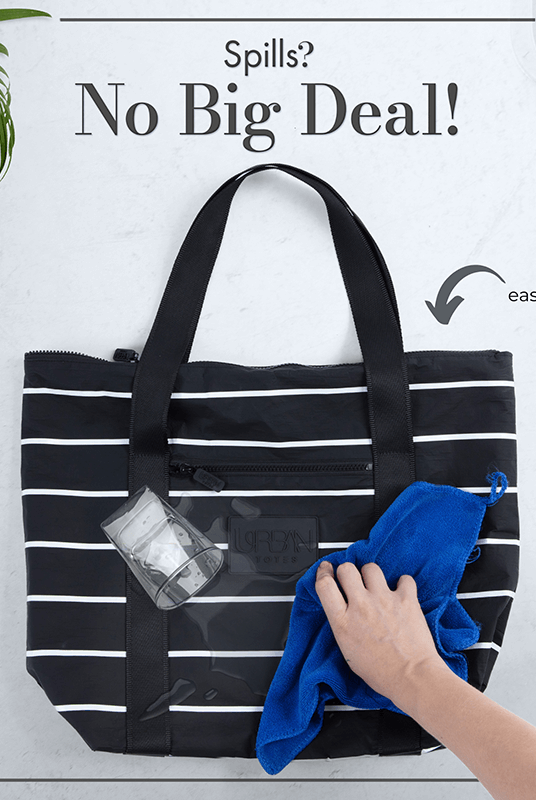
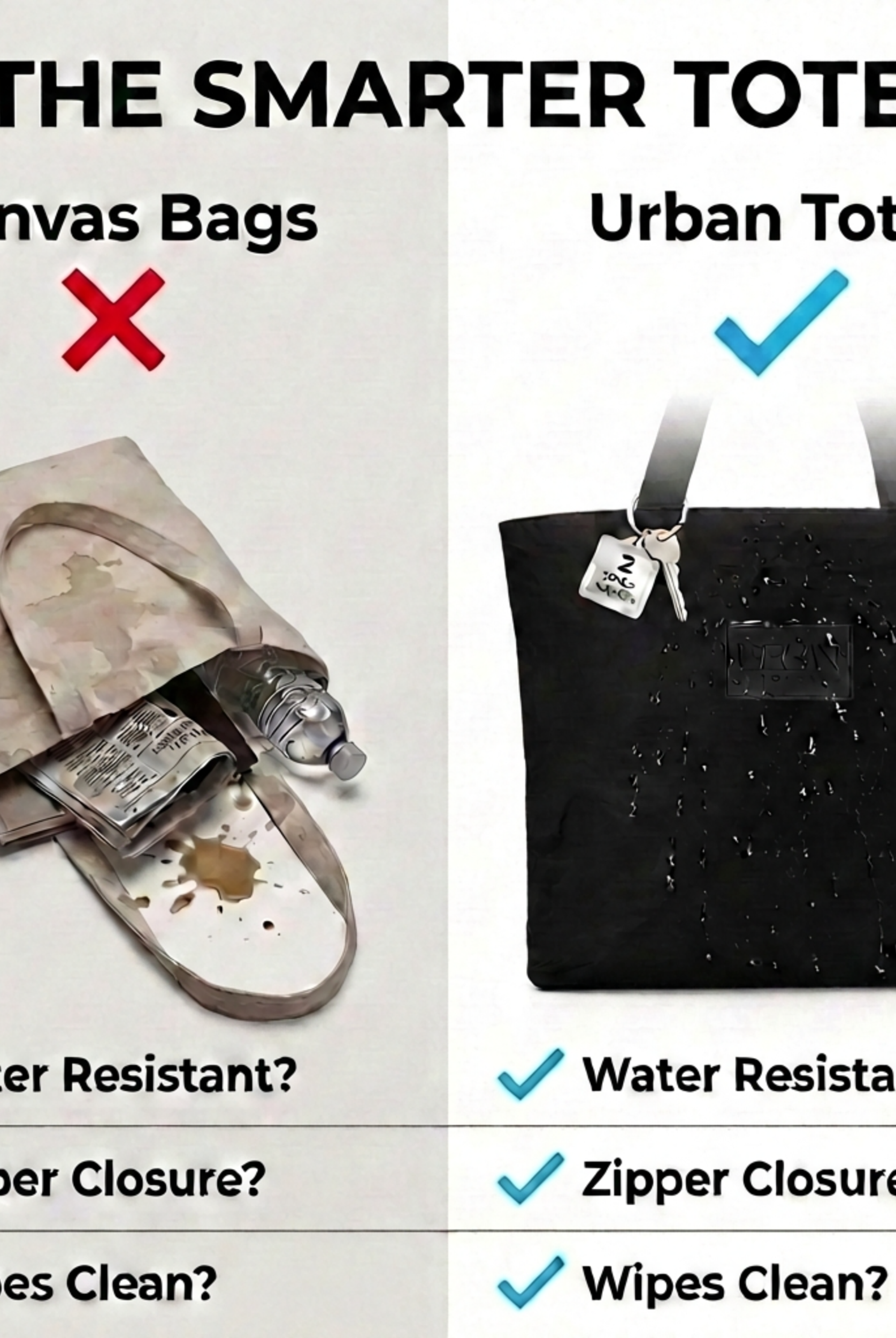
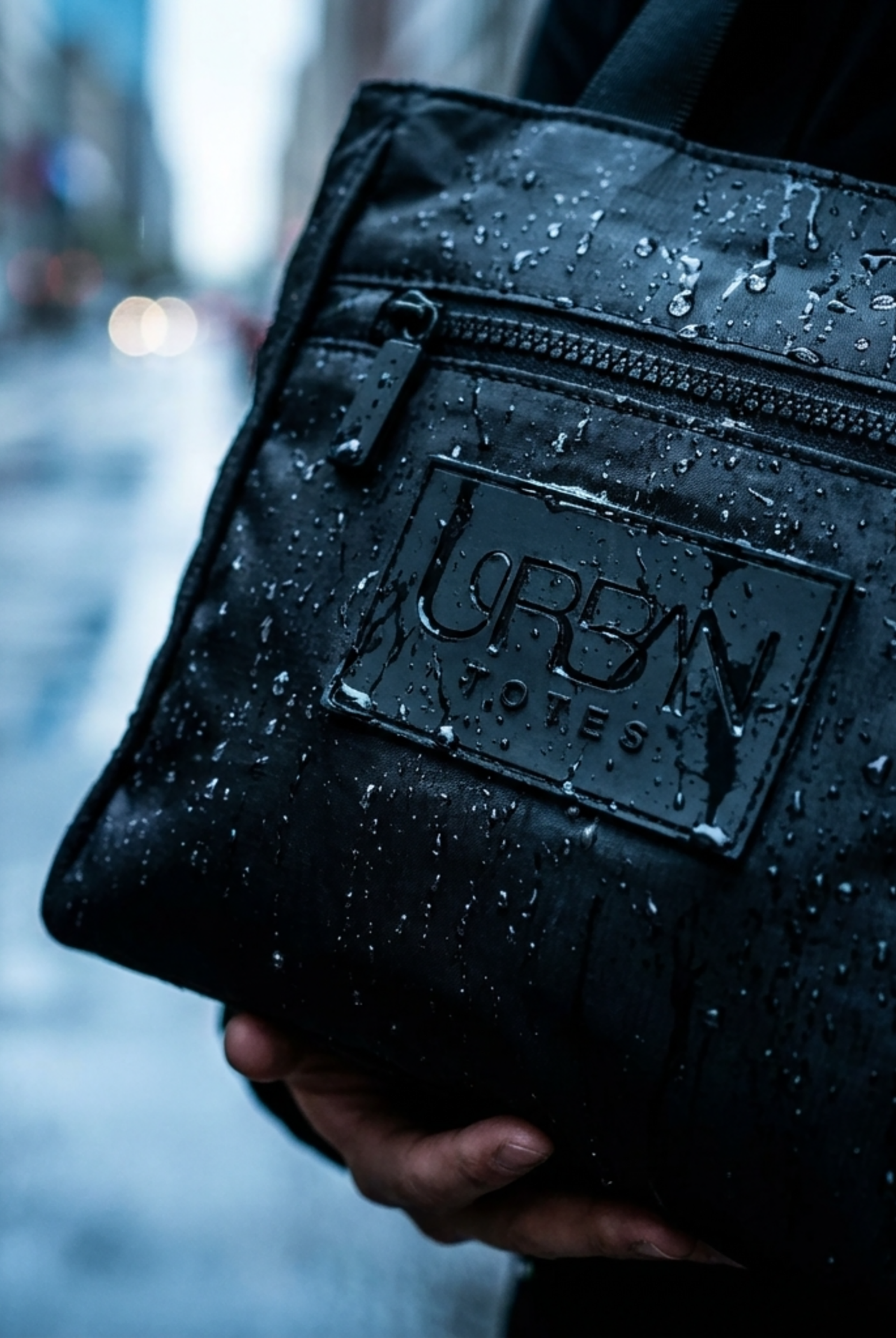
If your bag is made from water-resistant, easy-clean materials, deal with spills quickly instead of letting them sit. Empty out loose crumbs, receipts, and wrappers before they settle into corners. Store the bag upright when possible so the structure stays cleaner between uses.
A few habits go a long way:
- Wipe early: Fresh marks are easier to remove than old ones.
- Empty weekly: Small clutter creates most of the interior mess.
- Don't overstuff: Structure helps, but constant strain still shows.
- Store with shape in mind: Let the base stay flat instead of folded under other items.
For more material-specific guidance, Urban Totes has a useful article on how to care for your tote bag with simple maintenance tips.
A structured tote bag for work should make your life easier. Packing and care should follow the same rule.
Find the Tote That Keeps Up With You
The right work bag doesn't ask you to choose between polished and practical. It gives you both.
A structured tote earns its place because it brings shape to the day. It keeps your laptop stable, your essentials visible, and your routine a little less frantic. It also handles the fact that most women aren't dressing for one setting anymore. We're moving between work, errands, caregiving, travel, and everything in between. The bag has to move with us.
That's why it's worth being selective. Look for a firm base, useful pockets, comfortable straps, and a layout that fits the way you live. Skip anything that only works when packed perfectly or carried lightly.
If you're ready to narrow your options, browse the Urban Totes tote bag collection and look for the one that matches your real day, not an idealized one.
If you want a bag that can handle work, errands, travel, and all the in-between moments with more ease, explore Urban Totes and find your go-anywhere carry.