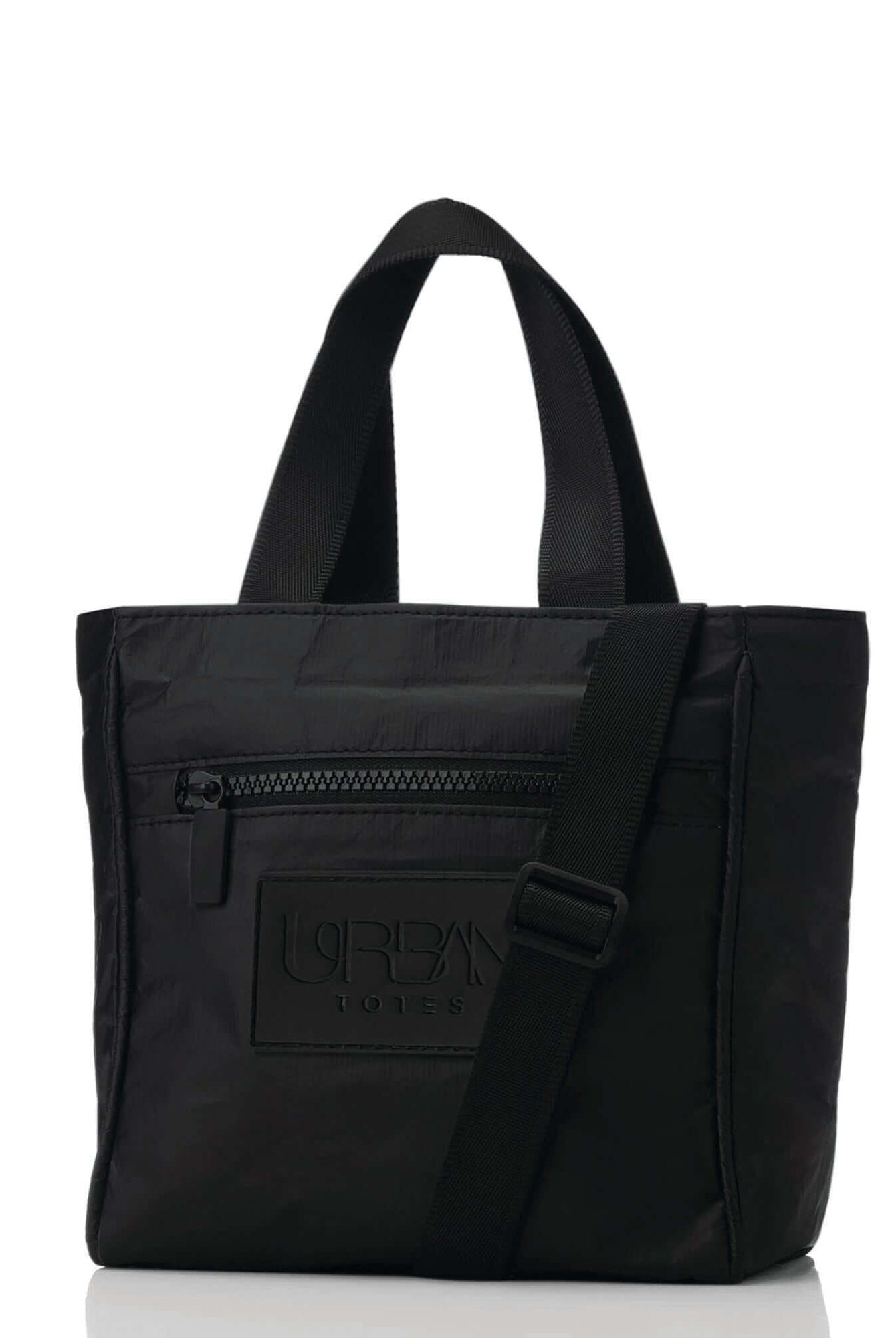
You're probably reading this because your tote has turned on you.
It looked chic when you packed it. Then real life happened. Your phone started ringing at checkout, your keys slipped under a notebook, a lip balm disappeared into the lining, and somehow the one thing you need right now is always at the very bottom. An open tote can carry a lot, but without structure, it becomes a soft-sided junk drawer you haul on your shoulder.
That's why a tote bag organizer with zipper changes the entire experience. It doesn't just add pockets. It gives your bag a system. Small items stop drifting. Personal items stay contained. The inside of your tote starts working like a real everyday carry setup instead of a catch-all.
For women balancing commutes, errands, flights, pickup lines, and quick weekend getaways, that difference is huge. A well-designed organizer gives you quicker access, less digging, and more confidence that your essentials are where you left them. It's one of those practical upgrades that feels small until you use it every day.
Table of Contents
- The End of the Black Hole Tote Bag
- Why a Zippered Organizer Is a Game Changer
- Key Features of a High-Quality Organizer
- How to Measure Your Tote for a Perfect Fit
- Smart Packing Strategies for Every Lifestyle
- Easy Installation and Long-Term Care
- Common Questions About Tote Organizers
The End of the Black Hole Tote Bag
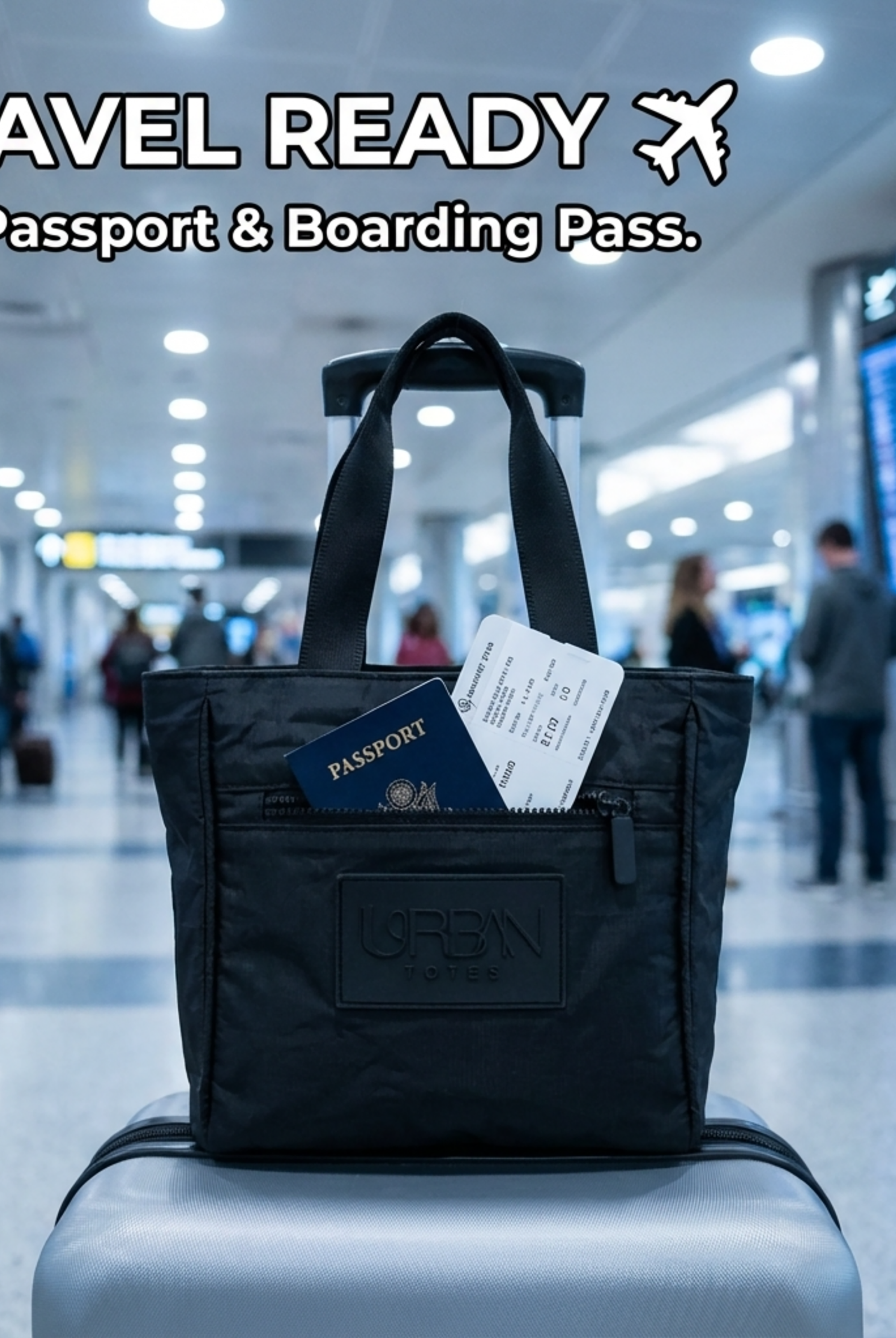
The black hole tote shows up in real life, not in a product description. It shows up when your phone disappears under receipts at school pickup, when your passport slips sideways in the airport line, or when a snack pouch opens and leaves crumbs across everything you packed that morning. One open tote can hold a lot. It can also waste a lot of time.
What fixes the problem is not just more pockets. It is contained structure. A tote organizer with a zipper gives loose items a place to live, then closes the system so your essentials stay put when the bag tips, gets set down hard, or rides on a crowded train seat.
That shift matters more than people expect.
In daily use, the zipper changes the feel of the bag from catchall to controlled carry. Keys stop drifting to the bottom. Lip balm, pens, chargers, and cards stop mixing with snacks and sunglasses. For commuters, that means less rummaging in public. For moms, it means fewer spills reaching the things that need to stay clean. For travelers, it means one less moment of exposure when the tote opens wider than you intended.
I see the same pattern with customers who love an open tote but need more security. They do not want to give up the roomy silhouette. They want the inside to behave better. A zippered organizer solves that without changing the bag they already use, and it pairs naturally with other security-minded choices, like an anti-theft crossbody for crowded commutes and travel days.
The construction matters too. A zipper is only useful if the organizer keeps its shape well enough to guide items back to the same spot. That is why simple pouches help, but they rarely solve the whole problem inside a large tote. If you have ever sewn a pouch or looked closely at how one works, Famcut's zipper pouch tutorial shows the basic idea clearly. Closure changes function. The same principle applies inside a tote.
An organized tote saves more than space. It protects your time, your essentials, and your peace of mind.
That marks the end of the black hole tote. The bag can stay soft, stylish, and generous on the outside. Inside, it finally has boundaries.
Why a Zippered Organizer Is a Game Changer
Pockets help. The zipper is what finishes the job.
A tote organizer without a zipper can sort your things, but it still leaves them exposed when your bag tips, gets jostled, or ends up under an airplane seat. The zipper changes the function of the organizer from simple divider to contained system. That's why so many shoppers want it for peace of mind, especially in crowded transit and travel settings, as noted in this Travel + Leisure guide to handbag organizers.

Why the zipper matters in real life
On a commute, your tote gets bumped, set down, picked up fast, and squeezed beside you on a seat. In that kind of movement, loose contents shift constantly. A zipper gives you one more barrier between your essentials and the outside world.
For travel, it matters even more. Overhead bins, under-seat storage, security trays, hotel lobbies, gate changes. All of that creates moments where your bag is tilted or briefly out of your direct control. A zippered organizer helps contain the items you'd rather not spill or display.
For moms and caregivers, the benefit is simpler and more immediate. Crumbs stay corralled. Receipts don't drift. Small personal items aren't instantly visible when your child reaches into the tote for wipes or snacks.
Security is only half the story
The zipper also gives shape to your routine. You start packing differently because your bag has clear zones. One area for valuables. One for quick-grab items. One for the little loose things that normally disappear.
If you like modular organization, sewing a simple pouch can also help you group categories inside a larger system. Famcut's zipper pouch tutorial is a useful resource for creating a small add-on pouch for cords, beauty items, or receipts.
A similar mindset shows up in anti-theft bag planning. This Urban Totes anti-theft crossbody article is worth reading if you think a lot about what should stay closest to your body versus what can live inside a larger carry-all.
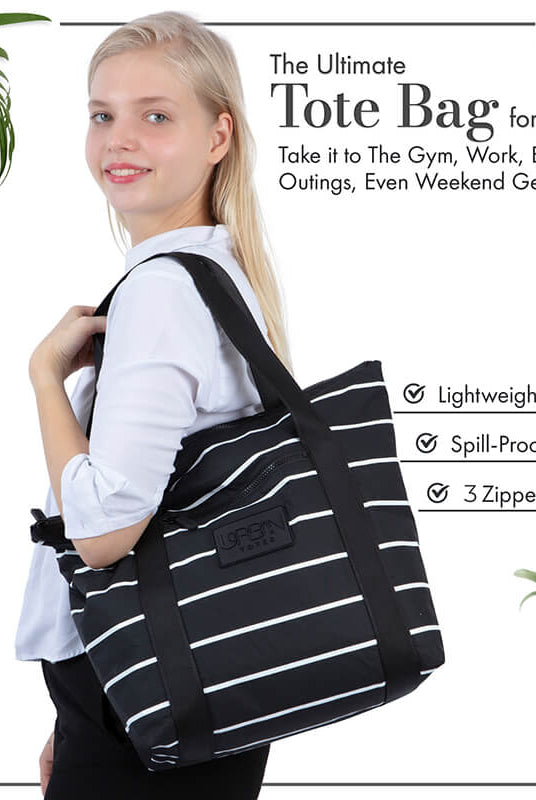
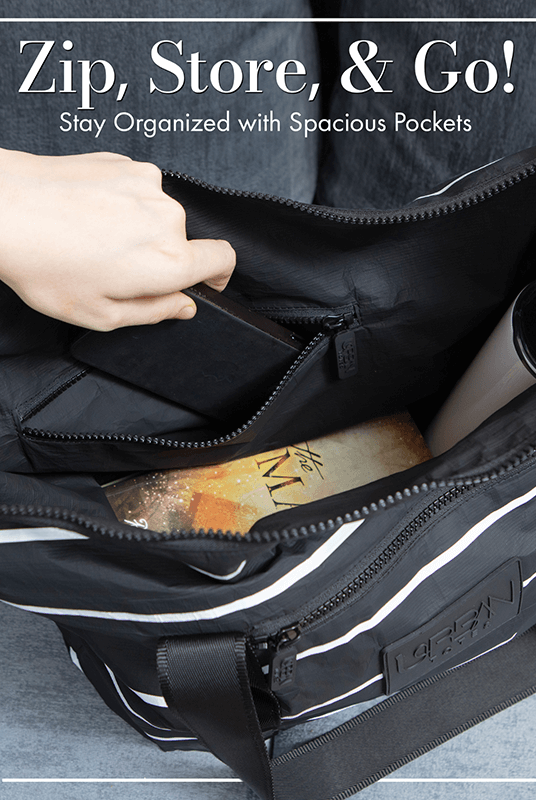
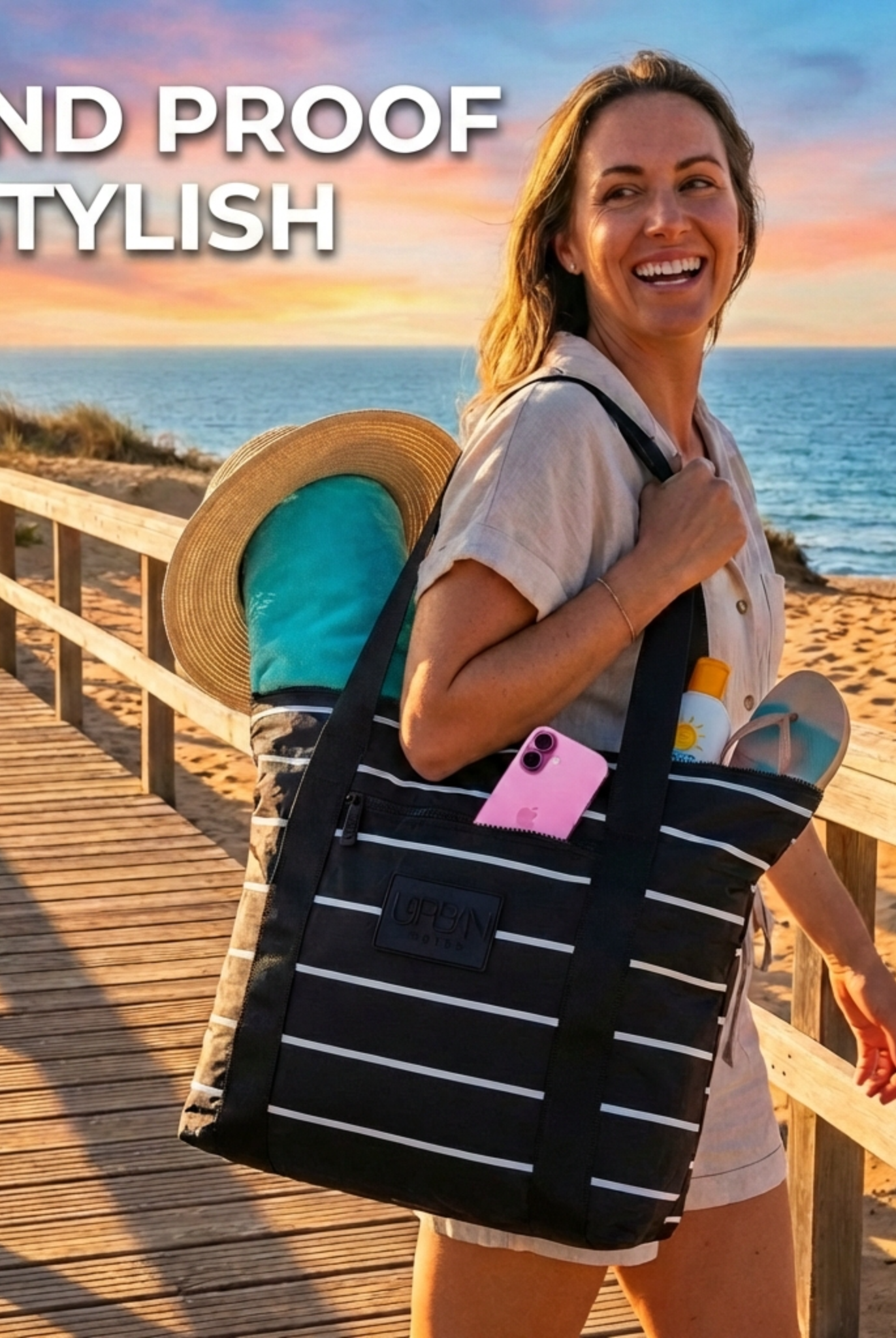
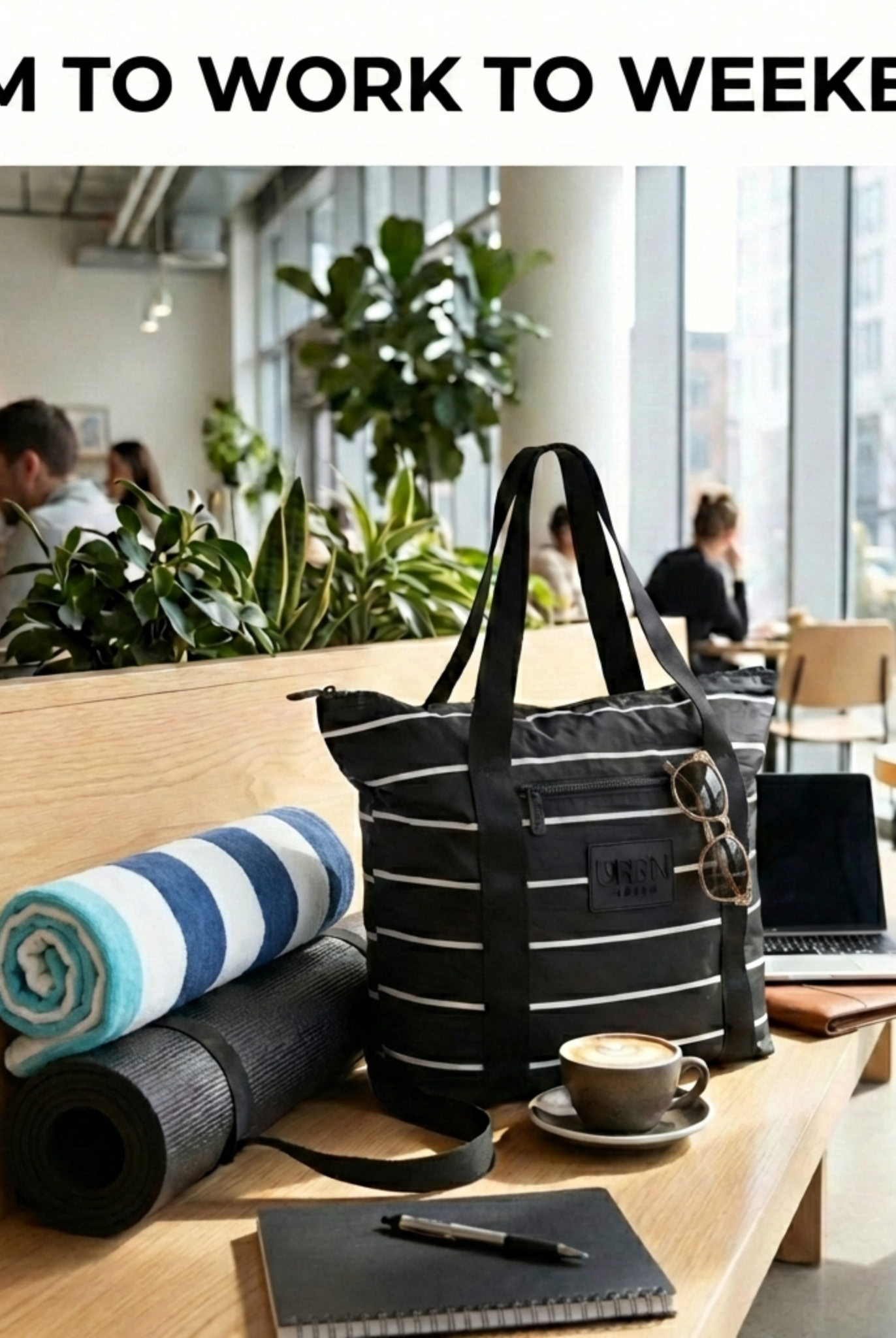
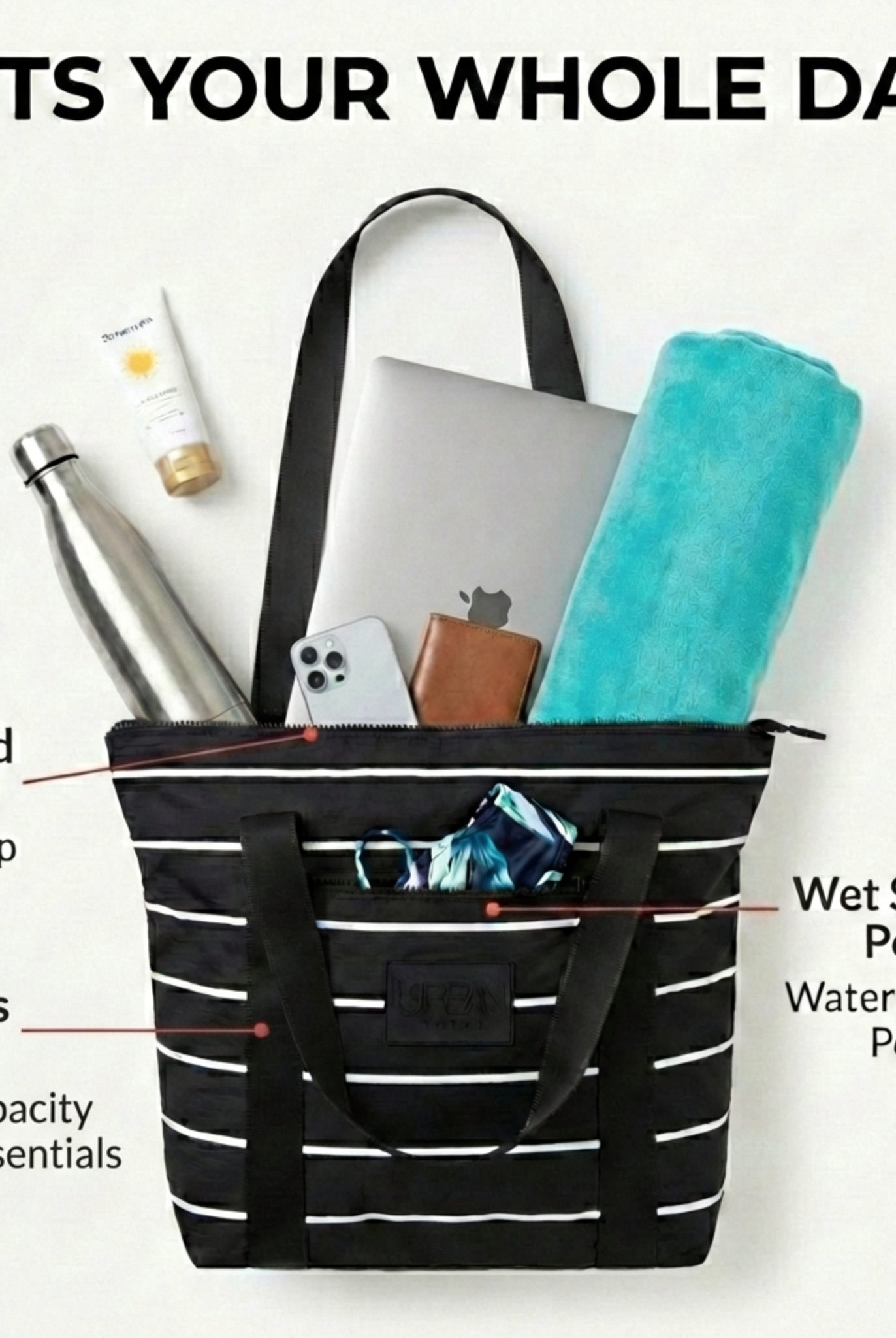
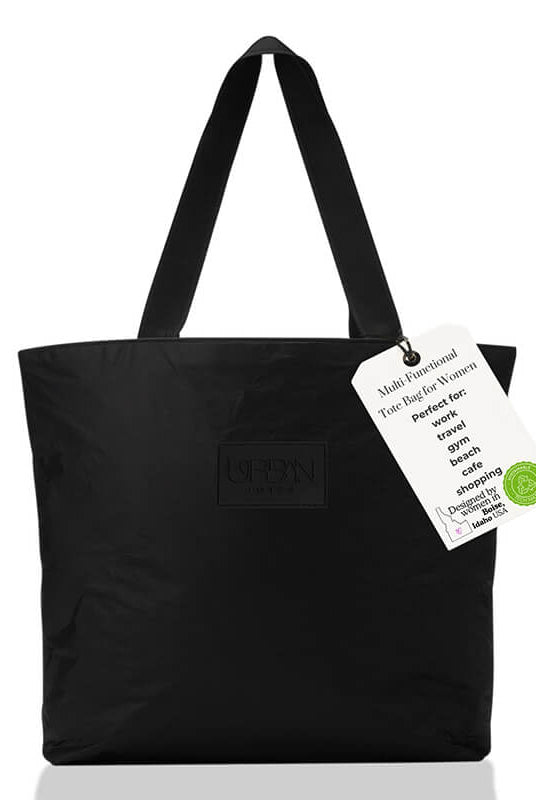
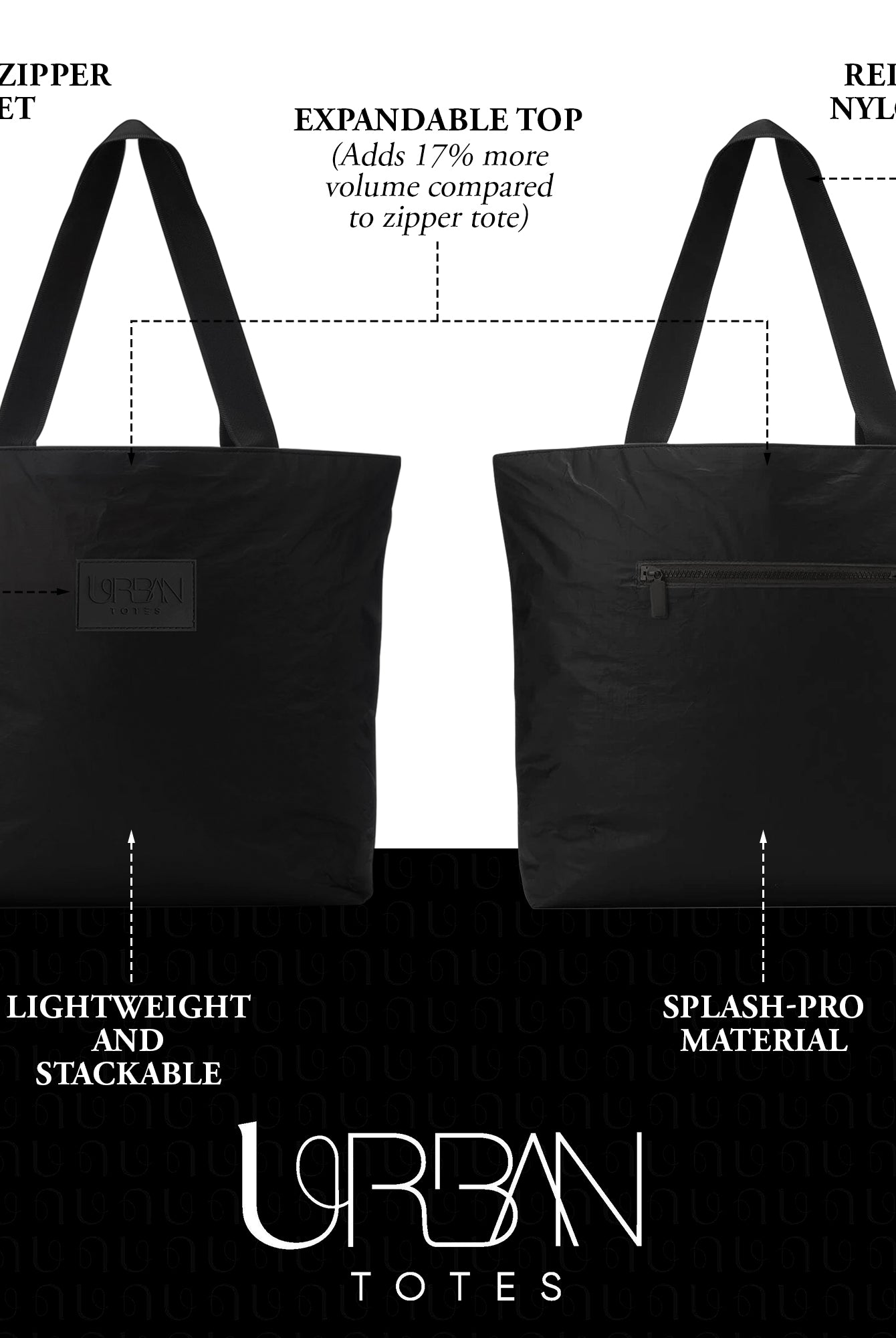
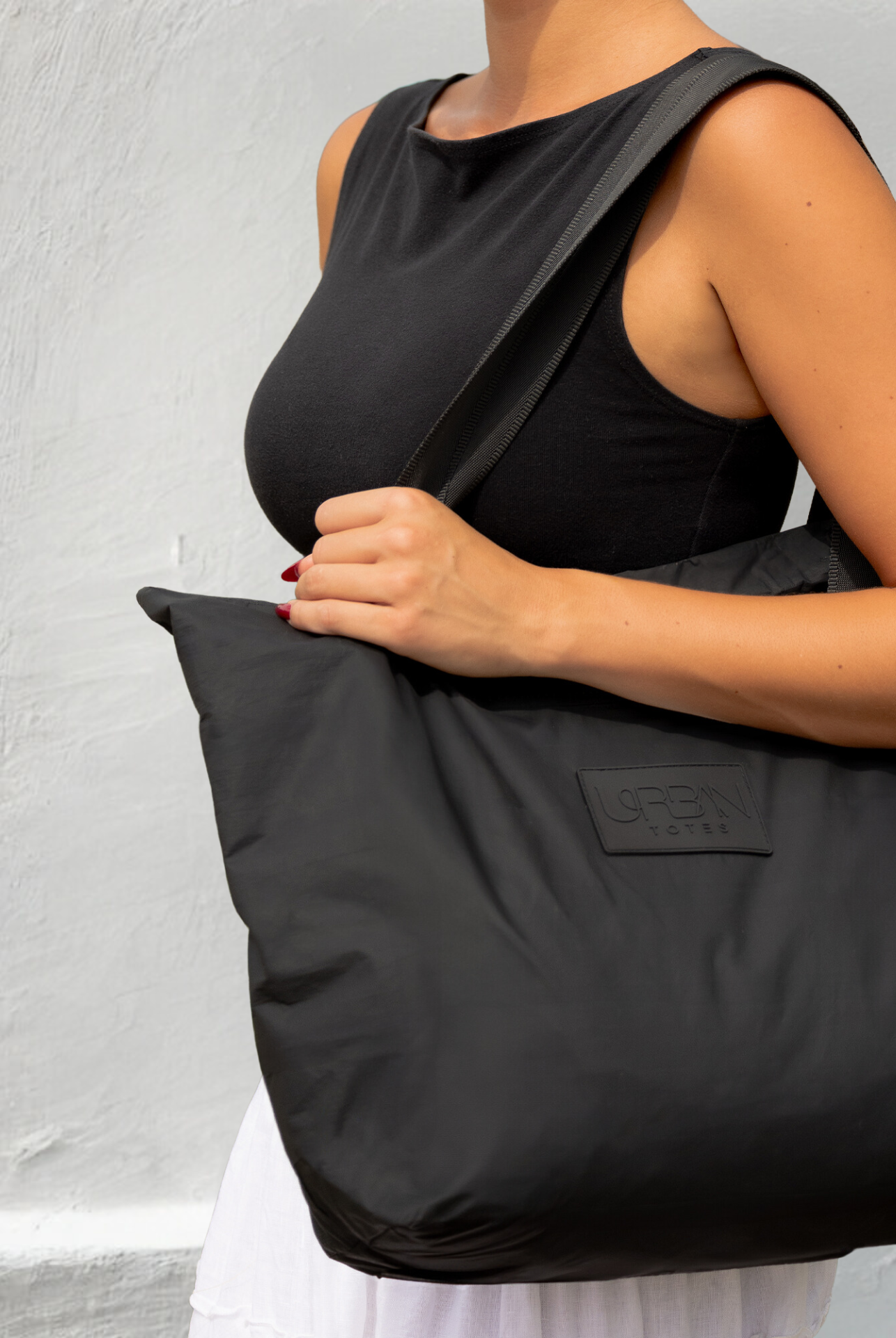
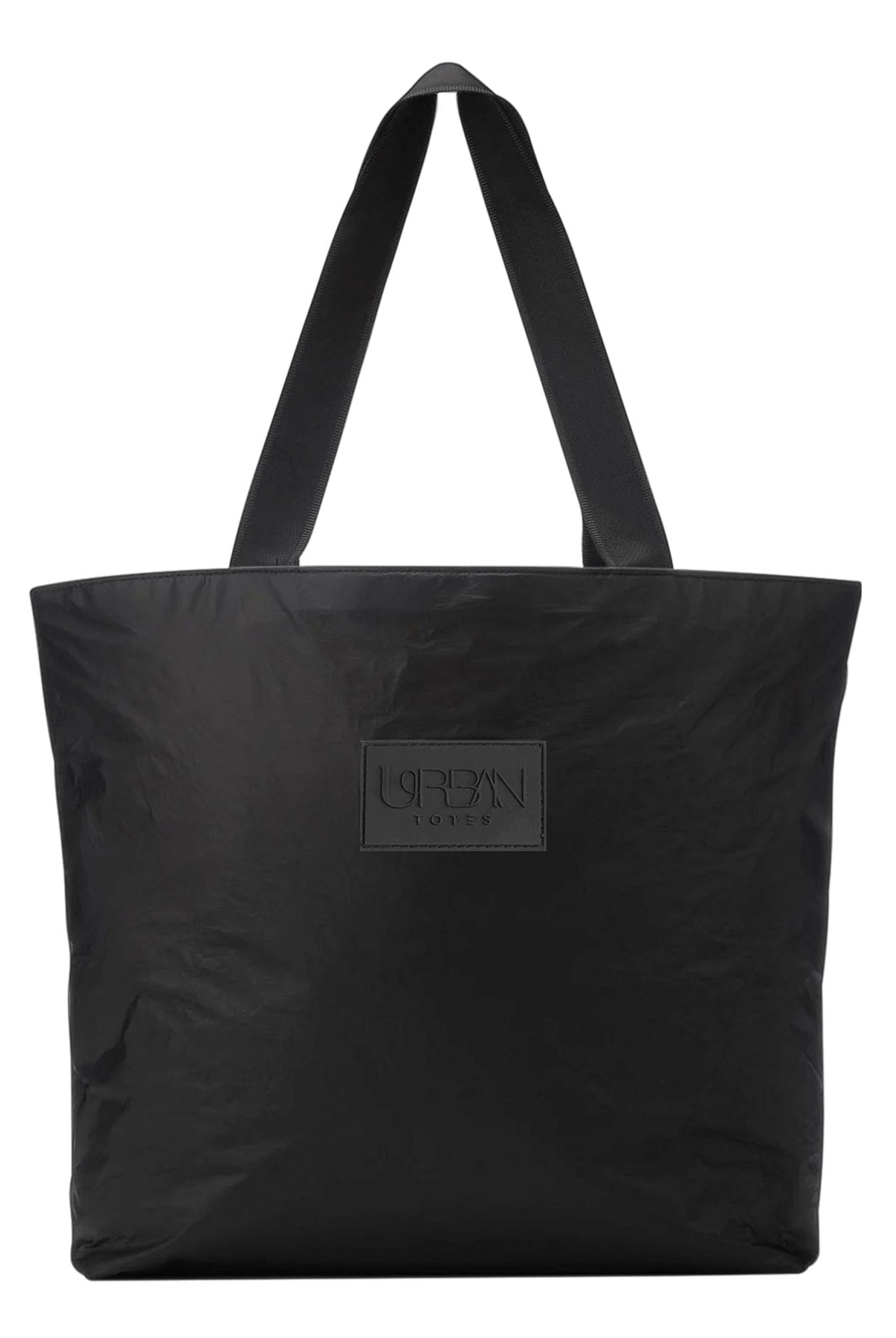
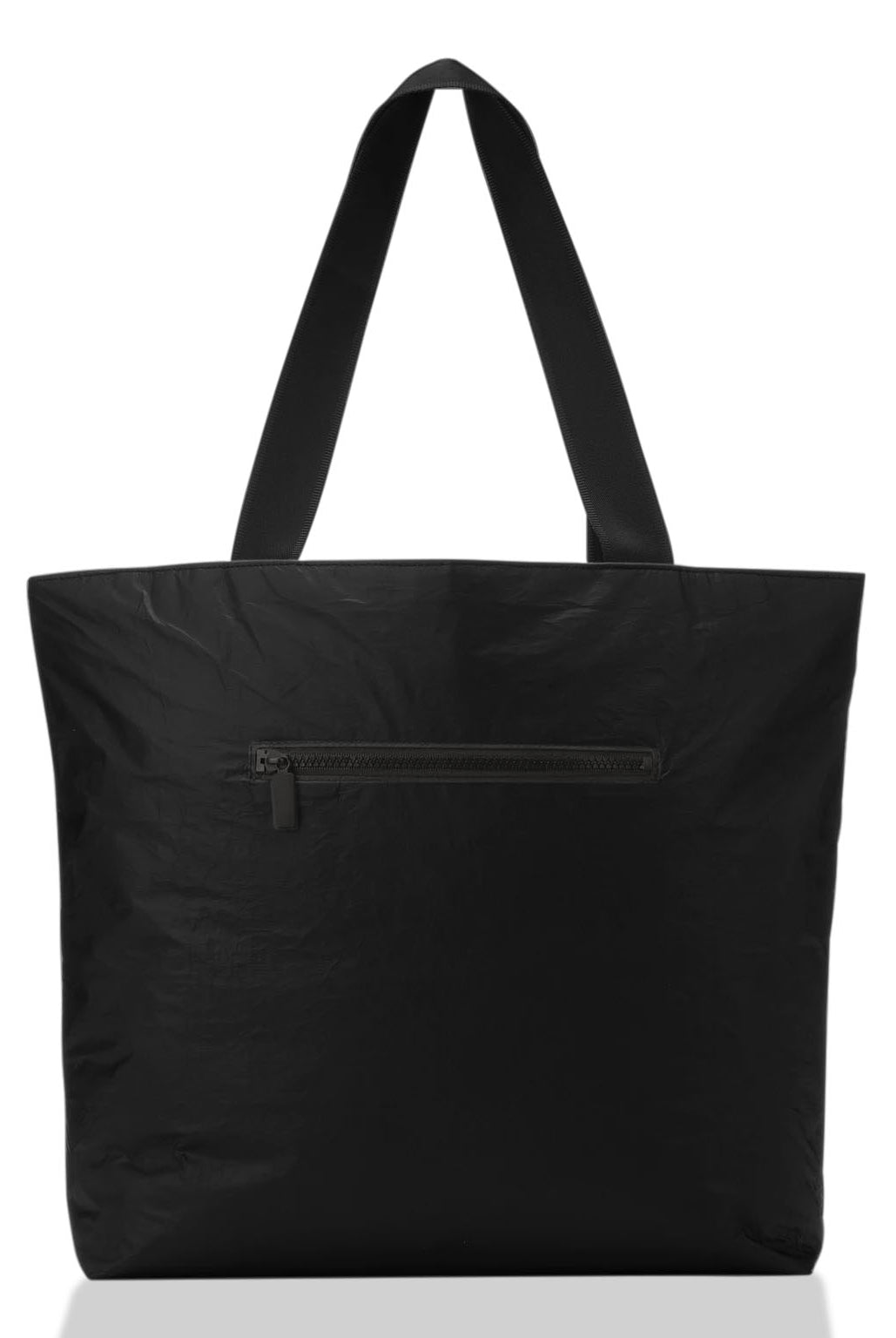
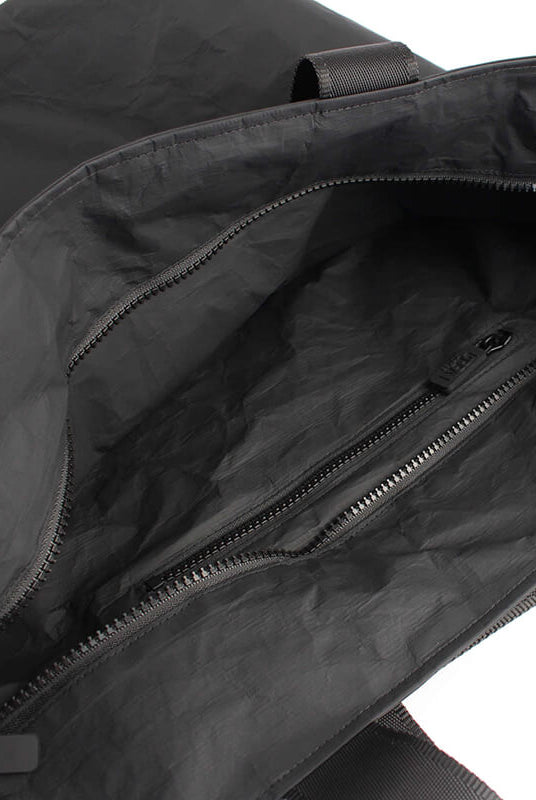
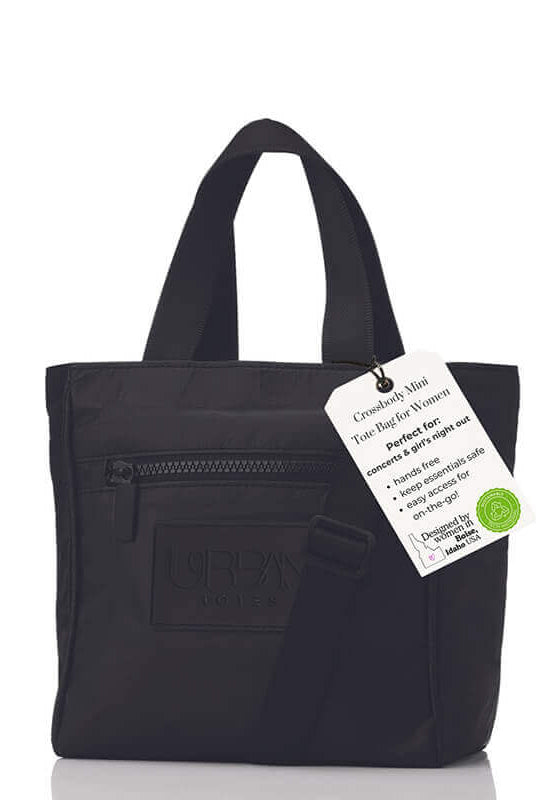
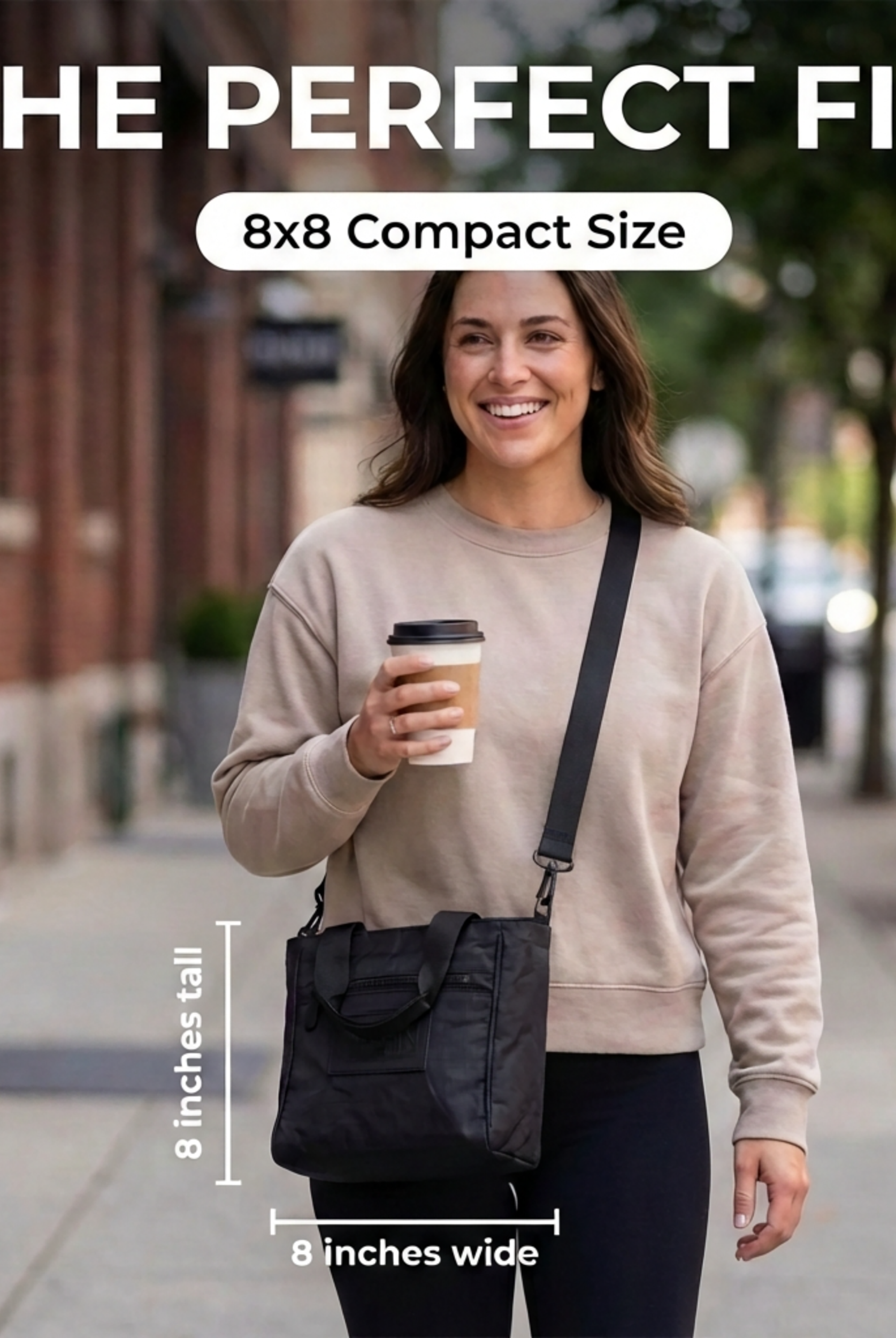
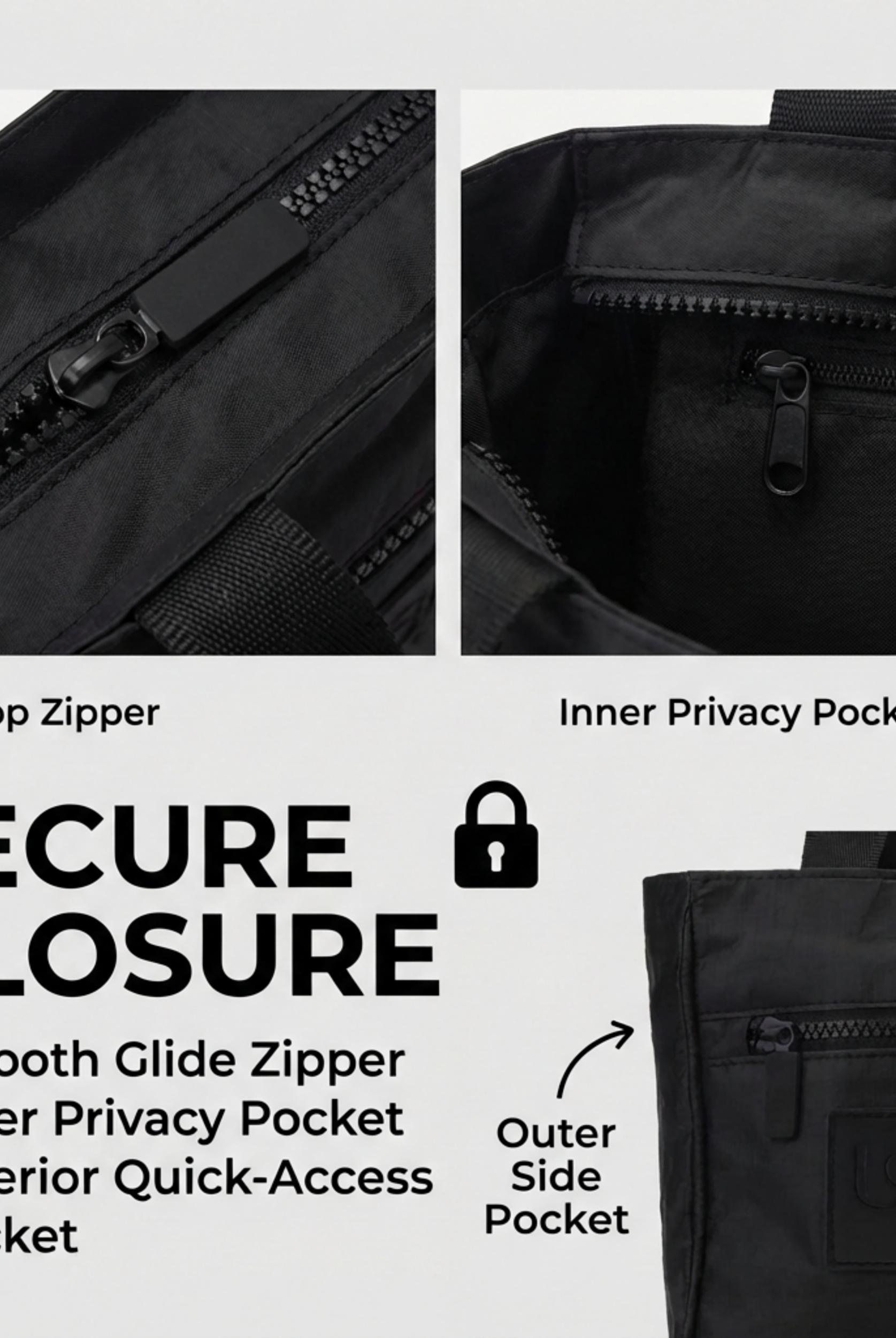
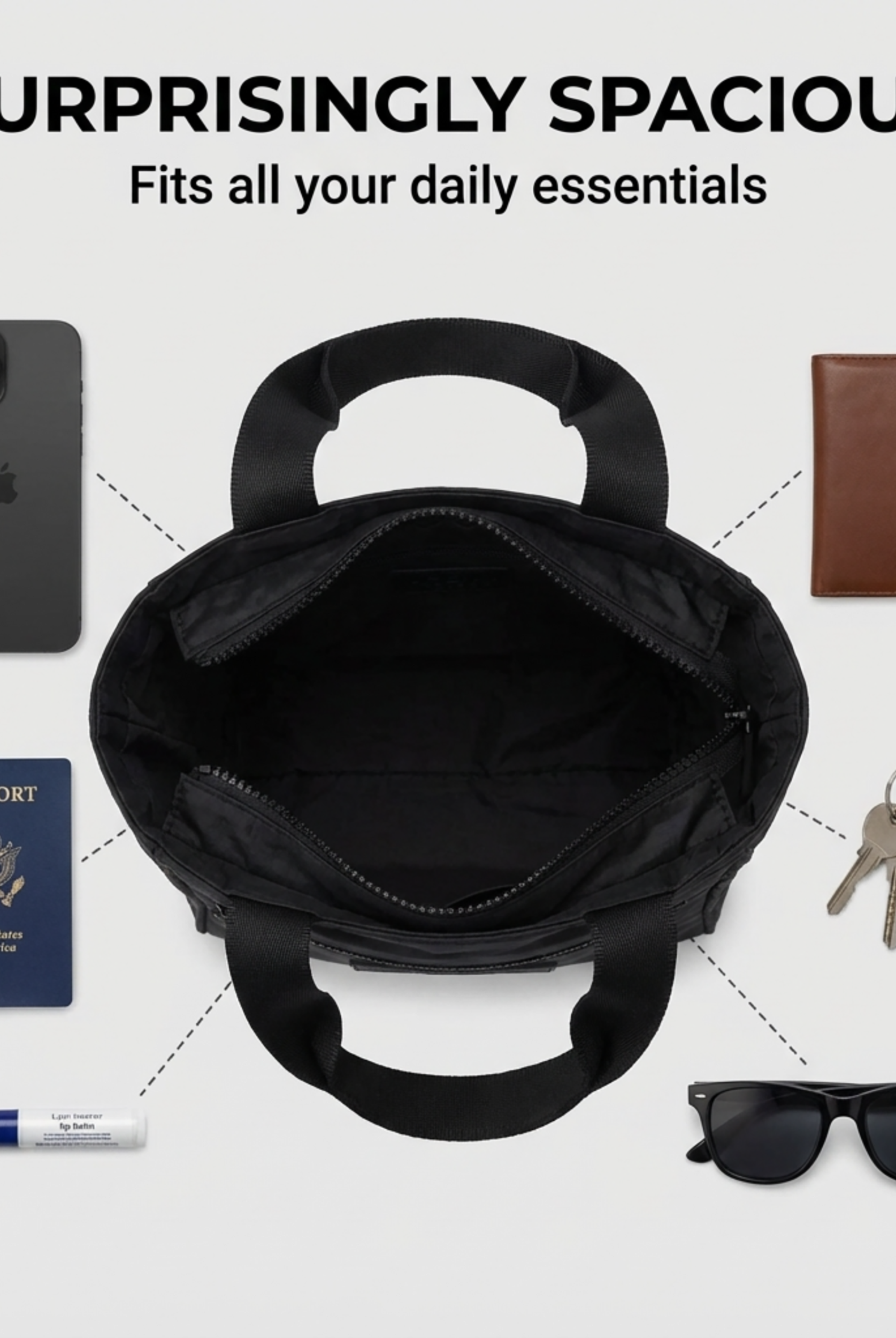
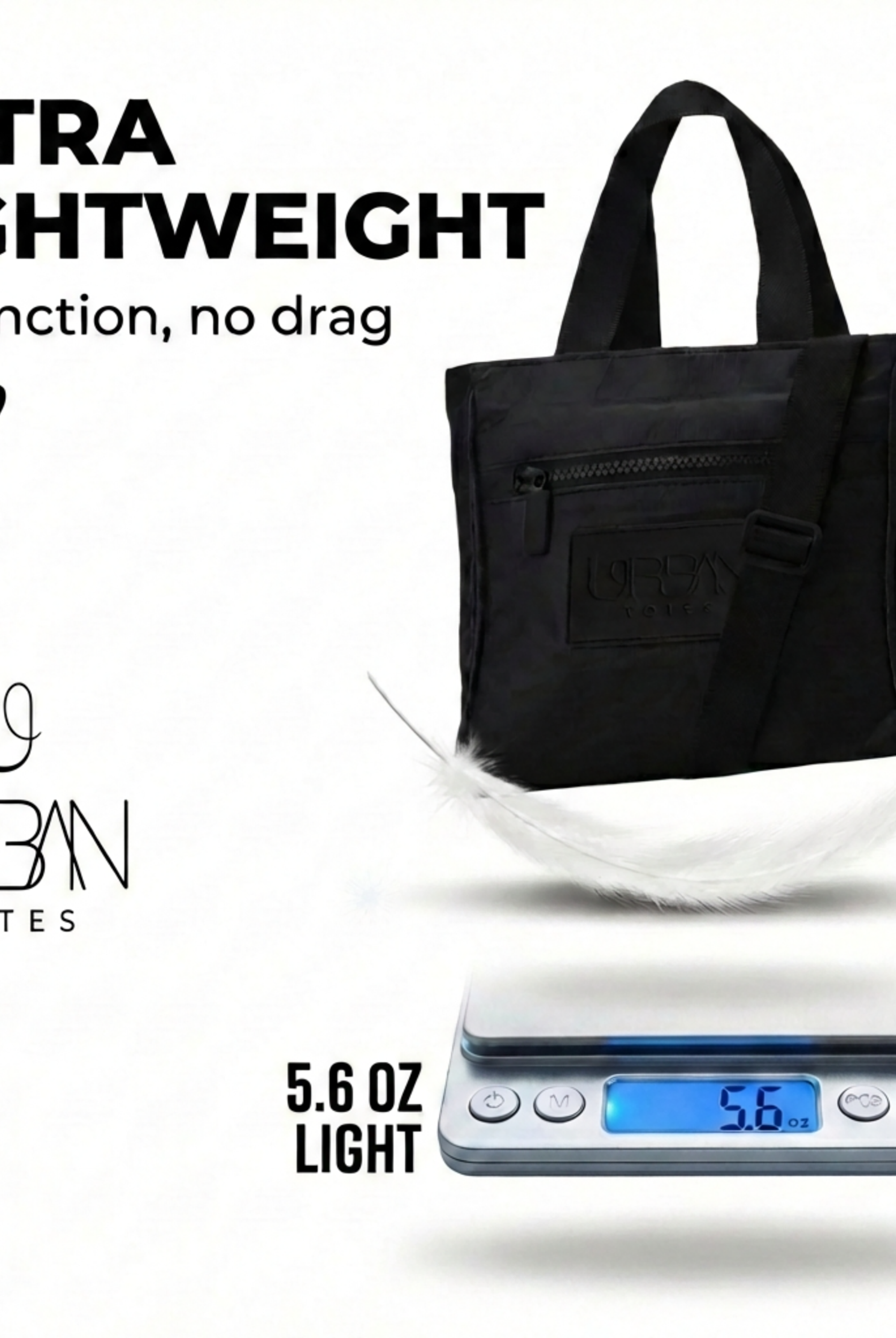
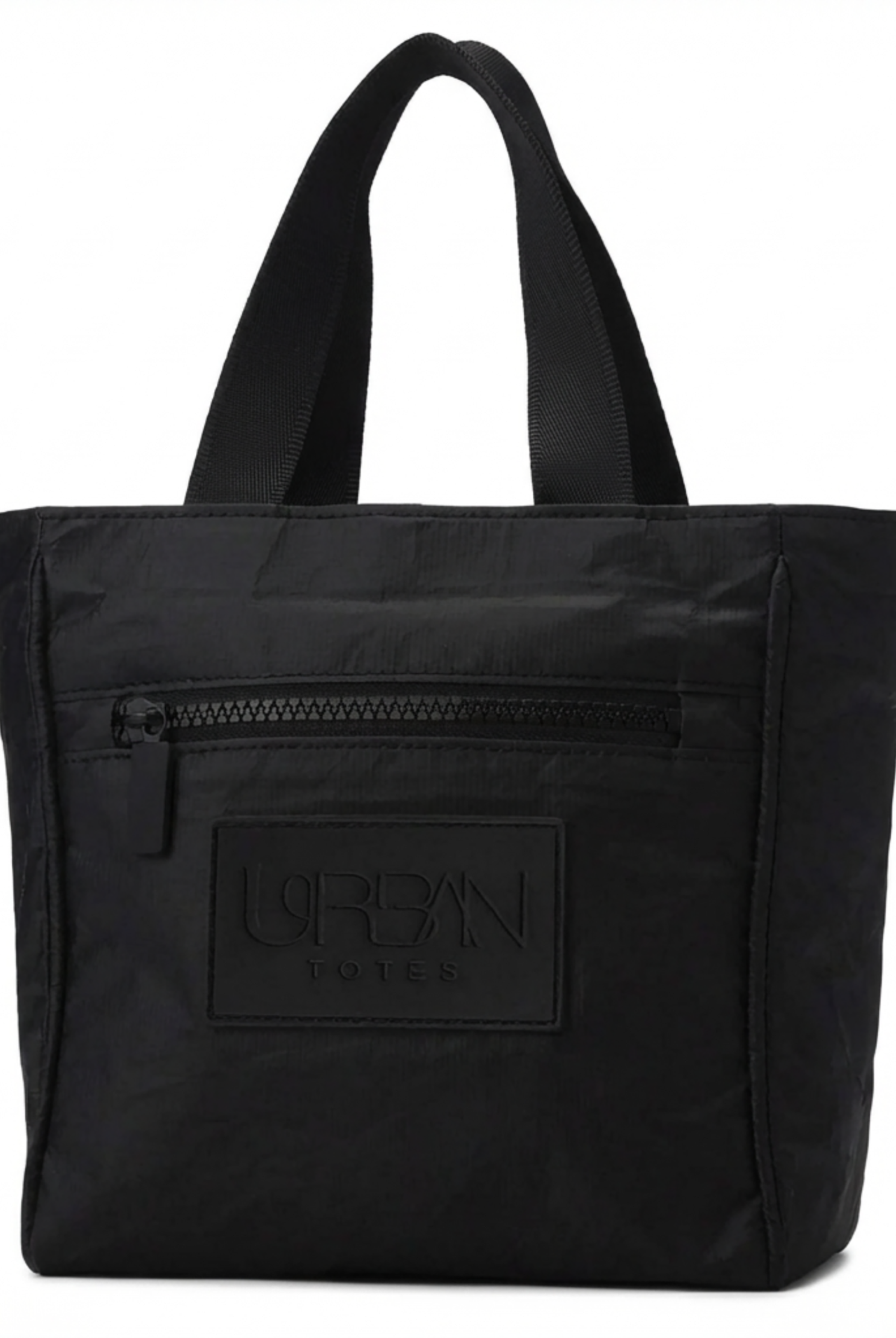
One good example of built-in zip organization is The Go Anywhere Day Trip Tote Bag by Urban Totes, which includes three large zippered compartments plus dedicated pockets for an iPhone and keys. That kind of layout supports the same core idea as a zippered insert. Separate what matters, then close it up.
A zipper doesn't make a tote invincible. It makes your daily carry more controlled.
Key Features of a High-Quality Organizer
Not every organizer works well once it's loaded. Some look tidy when empty, then collapse as soon as you add a bottle, charger, wallet, and sunglasses. A strong organizer needs the right material, a usable pocket layout, and enough structure to stay upright inside the tote.

Material affects how the organizer behaves
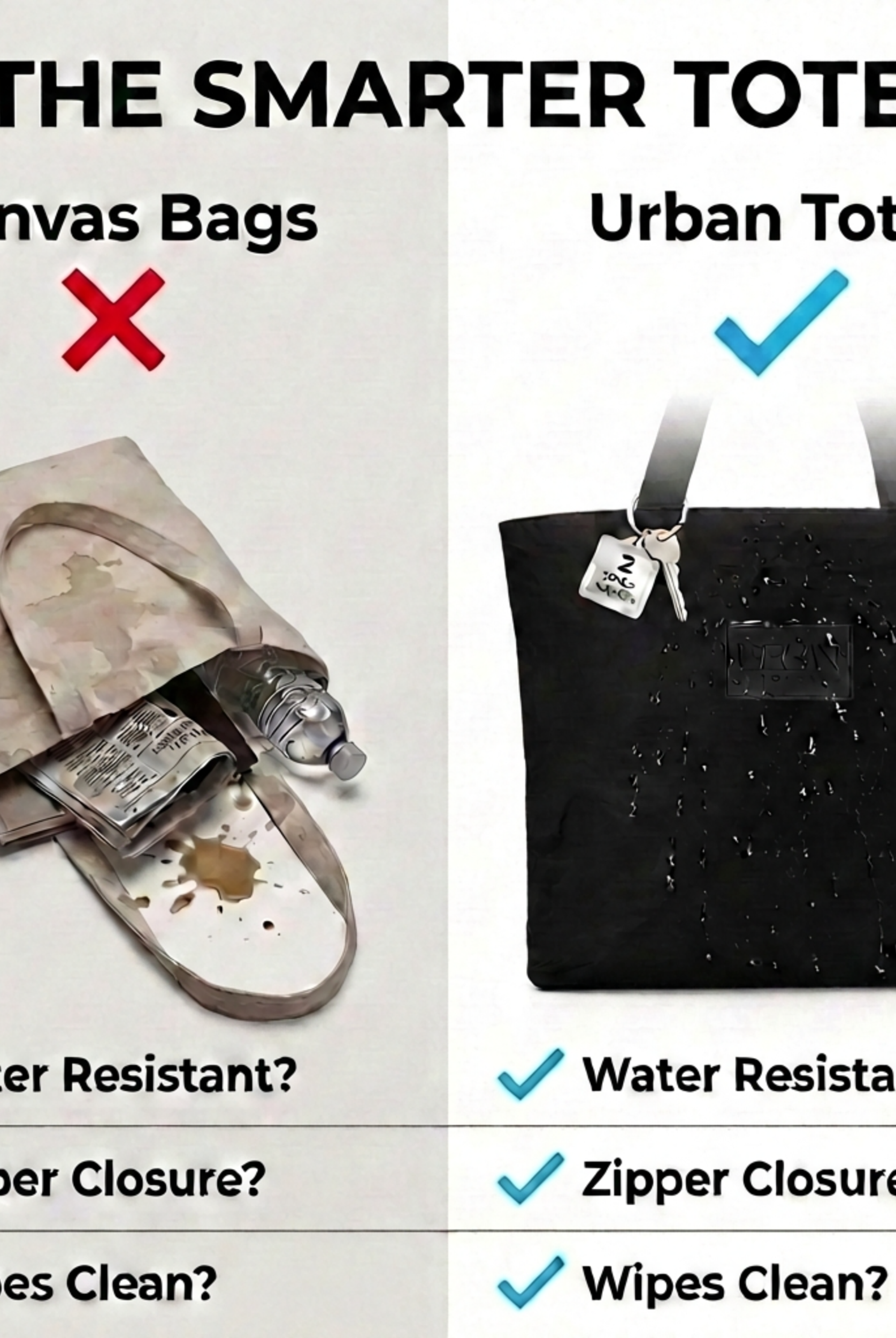
Material choice is not just about appearance. It changes the whole performance of the insert. A product listing focused on zippered felt organizers describes felt as useful for maintaining shape and protecting the bag lining, while another organizer uses waterproof nylon and positions it for sturdy support and interior protection in this felt versus nylon organizer overview from Joy in Bag.
This is the most straightforward explanation:
| Material | Best use | Trade-off |
|---|---|---|
| Felt | Shape retention, lining protection, added structure | Not the first choice when moisture resistance is your priority |
| Nylon | Wipe-clean performance, easier spill management, lightweight carry | Usually gives a different feel than a more structured felt insert |
If your tote is soft and slouchy, felt can help it hold its silhouette. If your daily life includes water bottles, kid snacks, gym gear, or weather surprises, nylon often makes more sense.
Pocket layout should match your real carry
A long list of pockets isn't helpful if they're all the same size. What works is a mix. You want places for small loose items, a spot for tech, and enough flexibility for bulkier essentials.
A helpful mindset comes from nursery and family organization. The KeaBabies article on the key to perfect organization reinforces a principle that carries over beautifully to totes: categories matter more than just “more storage.”
Look for an organizer that supports these zones:
- Tiny-item control for keys, lip balm, hair ties, and cards
- Mid-size pockets for a phone, charger, wallet, or sunglasses case
- One larger section for items that don't fit neatly into narrow slots
- A top zipper closure so the organized layout stays contained
If you want more ideas on interior layouts, this Urban Totes article about tote bag compartments has a useful breakdown of how different compartment styles support different routines.
Structure matters more than people expect
A floppy organizer creates the same frustration as no organizer at all. The insert needs enough firmness in the base and side walls to avoid sagging inward. When it stands upright on its own, packing feels faster and cleaner.
Practical rule: If the organizer collapses when you set it down empty, it probably won't stay orderly when your day gets busy.
How to Measure Your Tote for a Perfect Fit
Fit is the difference between “this changed my bag” and “this is annoying.” If the organizer is too large, it bunches, catches on the sides, or lifts the top of the tote awkwardly. If it's too small, it slides around and leaves dead space in the corners.

Start with the inside, not the outside
Measure the interior base of the tote, not the outer silhouette. Soft bags can look roomy from the outside but taper inward once opened.
Use this quick method:
- Measure the interior length across the bottom from side to side.
- Measure the interior width from front to back at the base.
- Measure the usable height from the base to just below where you want the organizer to sit.
Then compare those dimensions to the organizer, not the bag's marketing description.
Leave a little room
A close fit performs better than a loose one, but the organizer still needs to go in and out without a wrestling match. One example from Etsy is designed for a tote measuring 17.7 × 11.5 × 5 inches and uses 2 mm-thick felt, which helps it stand upright and reduces item migration into the corners during transit, according to this structured felt tote shaper listing on Etsy. That's a good reminder that dimensions and material thickness work together.
If you're between sizes, choose the option that respects the inner shape of your tote instead of forcing the tote to adapt to the organizer.
If you sew or customize bags, reviewing a construction walkthrough can also help you understand how base shape affects interior capacity. This make a tote bag guide from High Country Quilts gives useful context for how tote proportions come together.
For travel totes and larger carryalls, this Urban Totes guide to weekender bag dimensions can help you think through scale before you buy an insert.
Check the zipper height before you commit
One detail shoppers often overlook is whether the zipper still closes once taller items are packed. In one review, a tote organizer's zipper was described as not closing when the water bottle was too tall in this YouTube review about organizer capacity. Pocket count won't save you if your daily essentials sit above the zipper line.
So when you measure, think about your tallest regular item too. Not just the empty space.
Smart Packing Strategies for Every Lifestyle
Monday morning on a crowded train, a tote gets tipped sideways and everything shifts at once. The difference between a useful bag and a stressful one is often the zipper. It keeps your categories contained, protects the items you do not want exposed, and lets you reach for what you need without spilling the rest of your day across the seat.

A good setup changes with your routine, but one rule stays the same. Pack by action, not by item type. Put the things you reach for under pressure in the fastest spots, and zip away the items that create clutter, leaks, or privacy concerns.
The daily commuter
Commuters need speed and security at the same time. You may be tapping a transit card with one hand while holding coffee in the other, and you do not want your wallet or earbuds sliding loose every time the tote tilts.
A practical layout looks like this:
- Quick-access pocket for keys or transit card
- Slim slot for a notebook or planner
- Small pouch or pocket for chargers and earbuds
- Zipped center compartment for wallet, medication, and other personal items
The zipper matters most here because commuting involves motion. Bags get set on car floors, brushed against turnstiles, and tucked under desks. Closing your organizer keeps small items from drifting to the bottom and gives you more confidence if your tote falls open in public.
The go-anywhere mom
Parents usually carry a mix of personal items, kid gear, and at least one thing that can leak, melt, or crumble. An open tote makes that harder than it needs to be.
Keep clear zones:
- Parent side for phone, card holder, sunglasses
- Kid side for wipes, snacks, and a small toy
- Zipped section for creams, medicine, or anything messy
- One-handed pocket for the item you grab constantly
The zipper changes the function of the tote here. It turns a catch-all bag into a contained system. If a snack pouch opens or a lotion cap loosens, the mess is more likely to stay in one area instead of spreading across everything else.
The weekend traveler and gym regular
These routines look different, but the packing logic is similar. You are carrying mixed categories in one bag, and some of them should stay separate for hygiene, privacy, or convenience.
| Lifestyle | What belongs in easy reach | What should stay zipped |
|---|---|---|
| Weekend traveler | ID, lip balm, earbuds, pen | Cords, receipts, toiletries |
| Gym-goer | Water bottle, hair tie, locker key | Post-workout products, smaller loose items |
For travel, I like pairing a zippered tote organizer with compression packing cubes for travel. Cubes handle clothing volume. The organizer handles the small, high-use items that usually get lost first.
The best packing strategy is the one that still works when you are tired, late, or carrying too many things at once. A zipper helps because it removes one common failure point. Your tote can tip, shift, or get packed fast, and your system still holds.
Easy Installation and Long-Term Care
Installing a tote bag organizer with zipper takes a minute, but doing it in the right order makes a big difference. Start with a completely empty tote. Shake out receipts, wrappers, and all the small items hiding in the corners. Then place the organizer inside and press it down so the base sits flat before you reload anything.
Load by weight first
Put heavier items in their intended spots before you add the tiny loose things. That usually means your bottle, pouch, wallet, or notebook goes in first. Once the organizer has its shape, add the quick-access pieces like keys, lip balm, and earbuds.
If your tote feels unbalanced after loading, don't keep adjusting the straps and hoping it improves. Rework the internal weight placement instead.
Care depends on the material
Nylon and felt need different care habits. Nylon is generally the easier choice when wipe-clean performance matters in everyday use. Felt usually benefits from gentler spot cleaning and a lighter hand so it keeps its structure.
A few practical habits help any organizer last longer:
- Empty it weekly to clear crumbs, receipts, and loose debris
- Spot clean quickly when you notice a mark instead of letting it set
- Don't overload the zipper with tall or bulky items that push upward
- Air it out after travel, beach days, or high-use weeks
For tote care beyond the insert itself, this Urban Totes maintenance guide is a useful reference for keeping your everyday carry in good shape.
Common Questions About Tote Organizers
A few questions come up again and again when someone is deciding whether a tote organizer will help or just become one more thing to manage. Most of the answers come down to fit, material, and how you pack.
Will an organizer make my lightweight tote feel heavy
It can, depending on the material and how much you load into it. A structured felt insert usually adds more form, while nylon often feels lighter and easier to manage for everyday carry. The actual weight problem usually isn't the organizer itself. It's the habit of treating a newly organized tote like permission to carry more.
Can I machine wash my organizer
Sometimes, but only if the material and maker instructions allow it. Nylon organizers tend to be easier to wipe down and may be simpler to clean after everyday messes. Felt organizers usually do better with more careful spot cleaning so they keep their shape.
What if the organizer is a little too small for my bag
A slightly small organizer is usually easier to live with than one that's too large. You can use the extra room around it for a scarf, a flat pouch, or items you don't need to reach often. If the gap is so large that the organizer shifts constantly, the fit is too loose to be useful.
Can I use one organizer across multiple tote bags
Yes, if the bags are fairly close in interior shape and scale. This works best when your totes have similar base dimensions and similar side structure. If one bag is tall and narrow and the other is wide and slouchy, the same organizer may feel stable in one and awkward in the other.
A good organizer should make your routine simpler. If it creates constant adjustment, it's the wrong fit, the wrong material, or the wrong pocket layout for your life.
Does the zipper always close once the tote is packed
Not always. That depends on the height of the contents, especially bottles or tall items. This is one of the most overlooked details when people shop for an insert. Check the usable zipped height, not just the total dimensions or number of pockets.
Urban Totes is a woman-owned brand built for real life in motion, with thoughtfully designed bags that keep everyday essentials organized, contained, and ready to go. If you want a stylish, functional carry solution that fits commuting, errands, travel, and everything in between, find your perfect go-anywhere bag at Urban Totes.