You know the moment. You're in the checkout line, one hand on your coffee, the other elbow-deep in your tote, digging past a tangled charging cable, a crumpled receipt, two lip balms, and a mystery snack wrapper just to find your keys. The bag that was supposed to make life easier somehow became one more tiny source of stress.
That's why learning how to organize tote bags isn't about making your life look prettier from the outside. It's about making your day move better. A well-set tote saves time, protects the things you need, and gives you that calm feeling of knowing exactly where everything is when life speeds up.
The category itself reflects how central tote bags have become to daily life. The global tote bag market was valued at USD 17.1 billion in 2023 and is projected to reach USD 29.8 billion by 2032, according to Rawshot's tote bag industry overview. That kind of scale makes sense when you think about how often one bag has to carry you through commuting, errands, travel, and everything in between.
The trick isn't one dramatic clean-out. It's a repeatable system. If you love the idea of thoughtful everyday carry, this guide pairs nicely with Urban Totes' take on sustainable tote bags for real life.
Table of Contents
- From Chaos to Calm Finding Your Tote-Carrying Philosophy
- The Bag Audit Your First Step to Tote Zen
- Creating Your Pouch and Pocket System
- Smart Layouts for Every Occasion
- Storing Your Collection of Go-Anywhere Totes
- The Five-Minute Daily Reset Routine
- Tote Everything with Confidence and Ease
From Chaos to Calm Finding Your Tote-Carrying Philosophy
A tote becomes chaotic for a simple reason. Most women use one bag for several versions of their day. Morning drop-off turns into a work meeting. A quick grocery stop becomes a playground run. A normal Tuesday suddenly needs a charger, snacks, receipts, sunglasses, and a cardigan.
That's where most tote organization advice falls apart. It treats the problem like clutter is the issue, when the actual issue is friction. If it takes too long to find your phone, untangle your keys, or separate clean items from messy ones, your bag isn't working.
Retrieval matters more than perfection
A useful tote system favors speed over aesthetics. Organizing guides consistently recommend dividing bags by size and use, and keeping the most-used ones visible and easy to grab while storing the rest folded or stacked to reduce clutter, as noted in the earlier industry snapshot from Rawshot. That same logic applies inside the bag too. Your everyday carry should support fast retrieval, not turn into a deep storage bin.
Practical rule: If you touch an item several times a day, it should live in the easiest pocket to reach.
Choose a philosophy you can maintain
The women who stay organized aren't always carrying less. They're carrying with intention. Their tote has a role. It might be a commuter bag, a parent bag, a day-trip bag, or a flexible all-rounder. But it isn't an everything bag in the chaotic sense.
Think of your tote as a working wardrobe for your essentials. The right system gives each item a home, makes transitions easier, and keeps your shoulders from hauling things you don't need. That's the essence behind Go Anywhere. Tote Everything. Not carrying every possible object. Carrying what supports the life you're living.
The Bag Audit Your First Step to Tote Zen
Tuesday at 4:40 p.m., you reach into your tote for your phone, hit a loose receipt, a lipstick cap, last week's snack wrapper, and the charger you forgot to take out after work. That moment is the reason to audit your bag. A good tote should help you move faster, not make every errand feel like a scavenger hunt.
Start by emptying the whole bag onto a clear surface. Then check the lining, side pockets, and zipper compartments so nothing stays tucked in a corner. The goal is not a dramatic purge. The goal is to see what your real daily carry looks like, so you can build a system you can reset in minutes.

Sort without overthinking it
Set everything into four groups so decisions get easier fast:
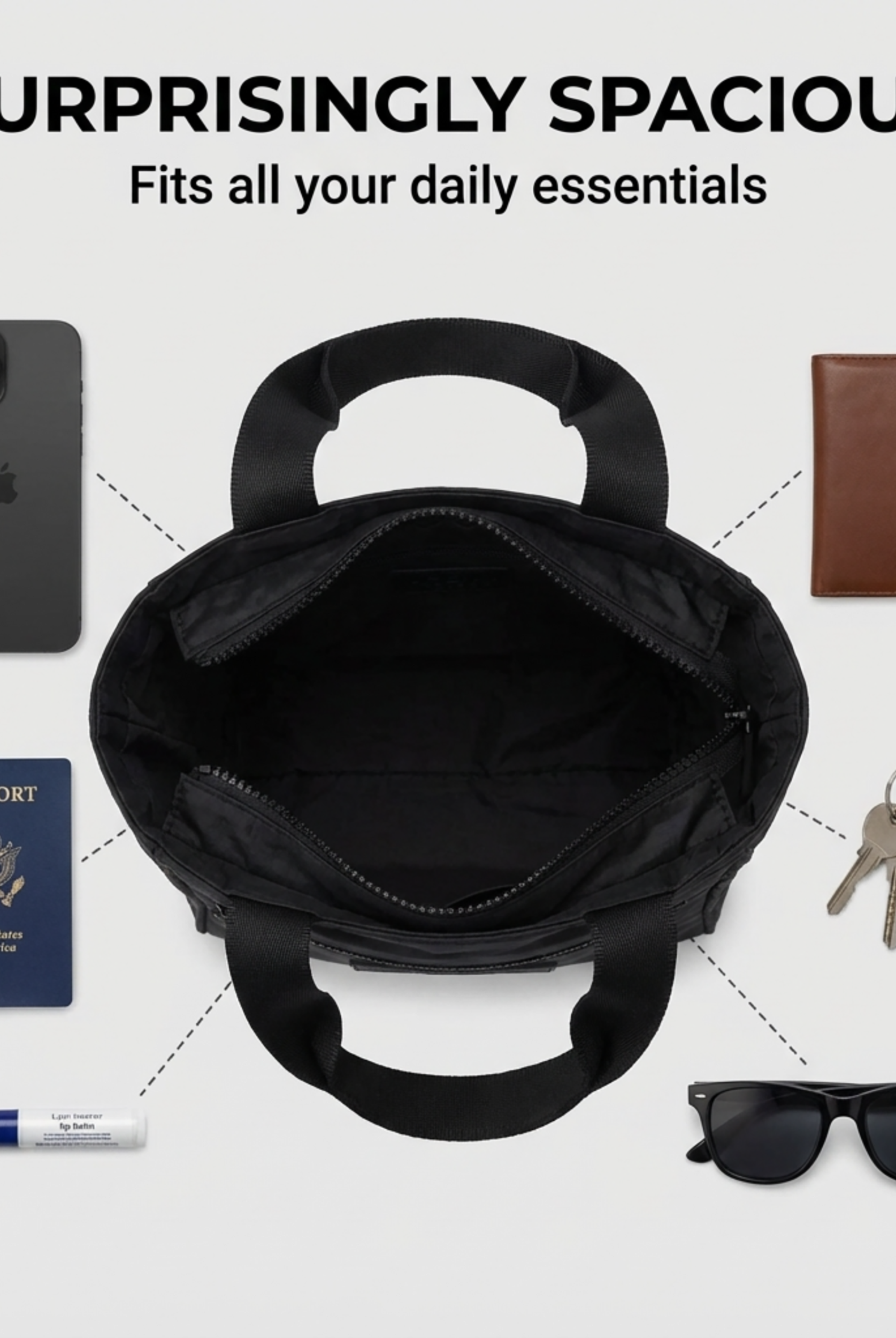
- Daily drivers like your wallet, keys, phone, sunglasses, and anything you reach for on repeat
- Backup items such as tissues, hand sanitizer, a stain pen, or a small snack
- Day-specific gear like a laptop, charger, gym clothes, kids' extras, or travel paperwork
- Dead weight including receipts, wrappers, loose change, expired coupons, dried-out pens, and random paper scraps
This step tells you what your tote is doing for you. If you carry different bags for different roles, Urban Totes' glossary of bag types from traditional to trendy can help you choose a shape that suits the way you move through the day.
I use one simple test here. If an item has not helped me in the last week and is not tied to today's plan, it does not stay in the bag.
Decide what earns its place
Most tote clutter comes from delayed decisions. You tossed in the spare cardigan, the meeting notes, the toddler socks, or the extra charger because you were in a rush, then never reset the bag. A bag audit fixes that pattern before it becomes your default.
Keep what supports today and your normal routine. Remove what belongs in your car, your desk, your gym locker, or your home entryway. That trade-off matters. Carrying every possible just-in-case item sounds prepared, but it usually creates weight, friction, and slower retrieval.
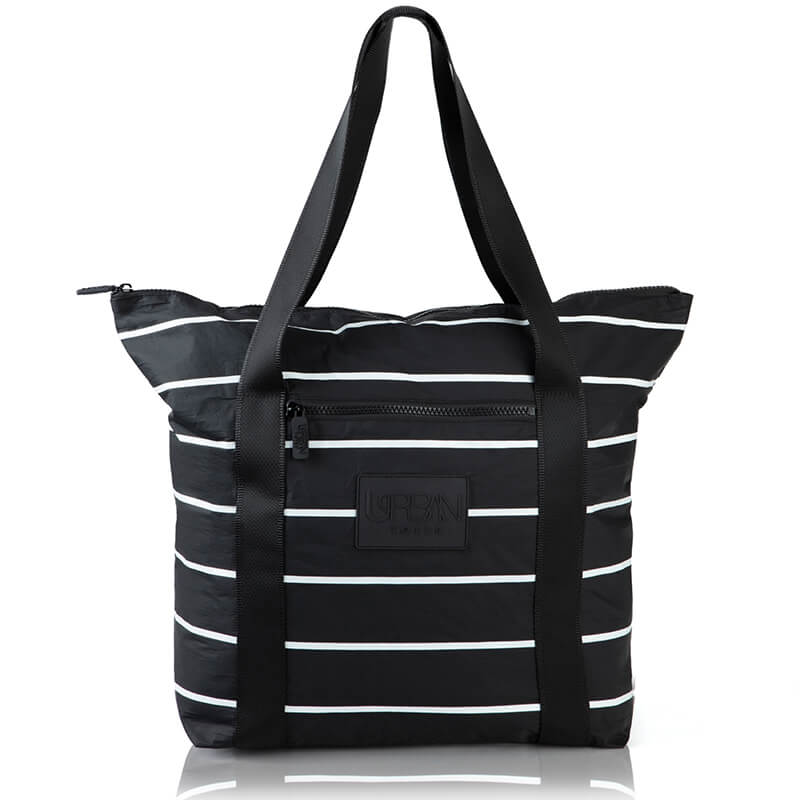
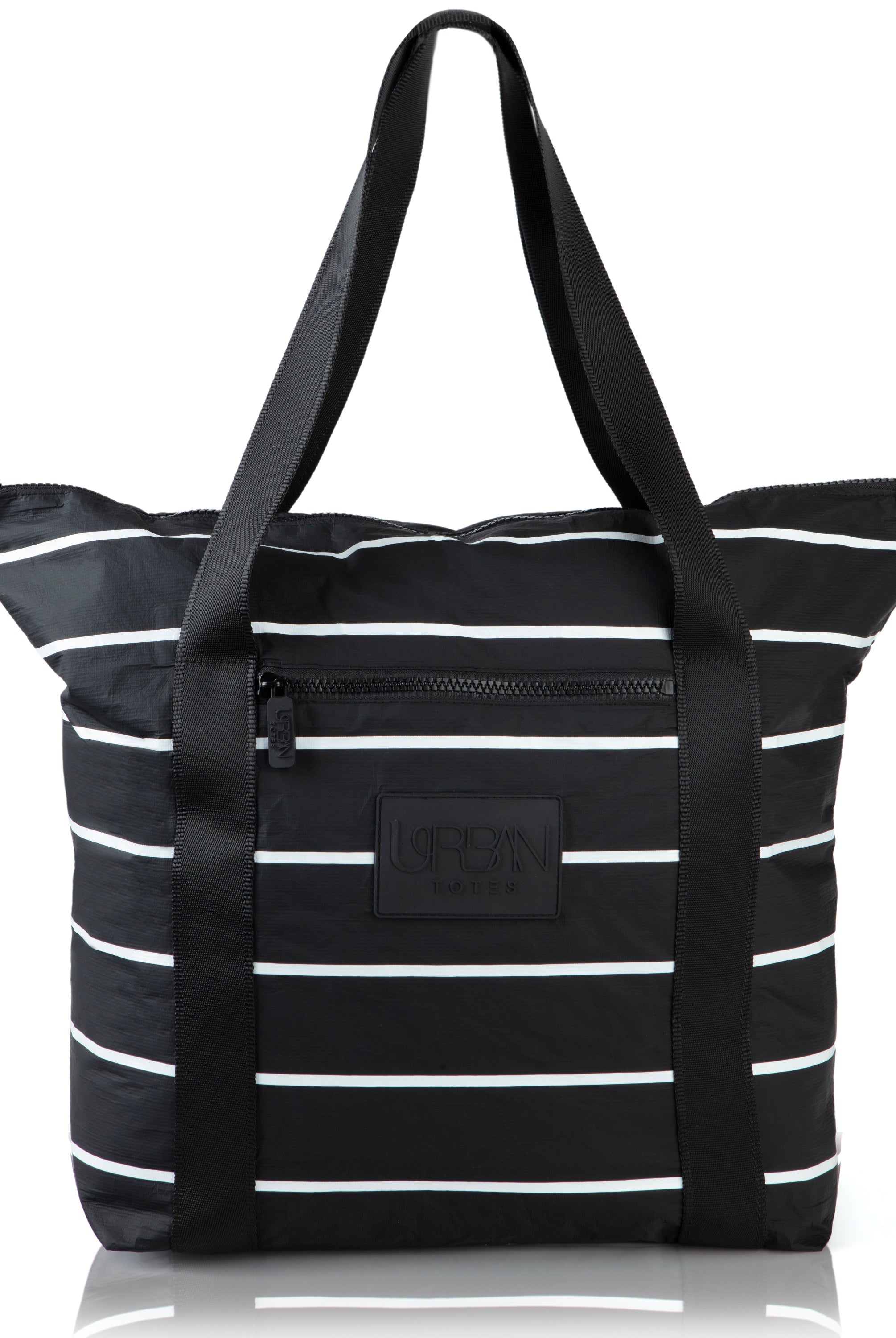
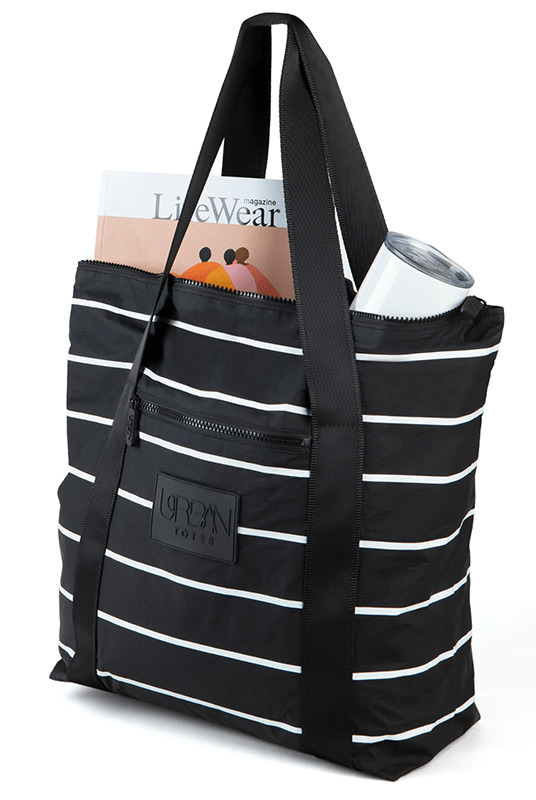
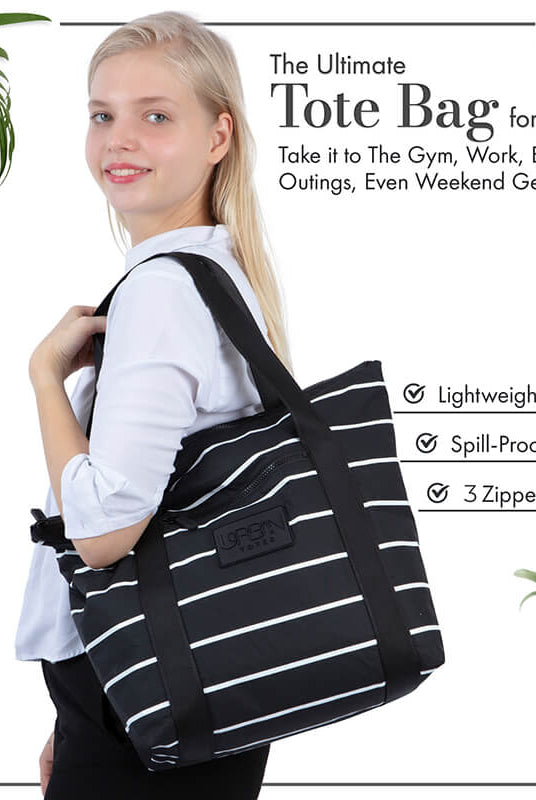
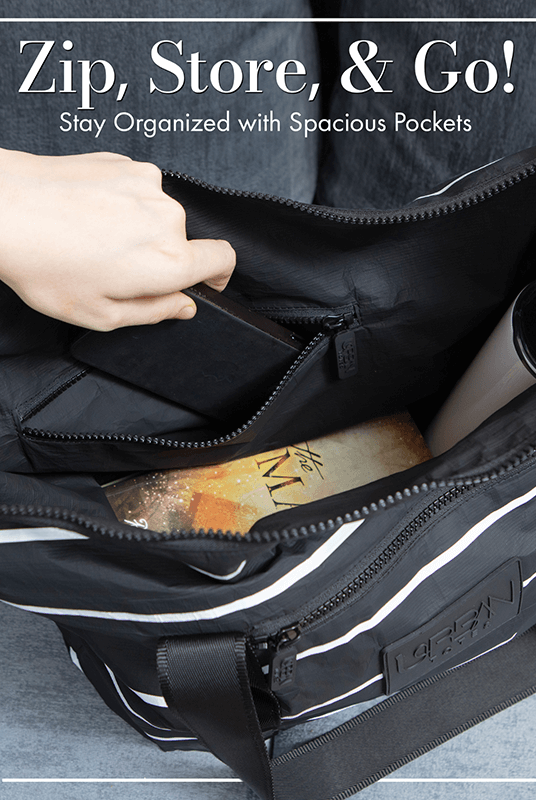
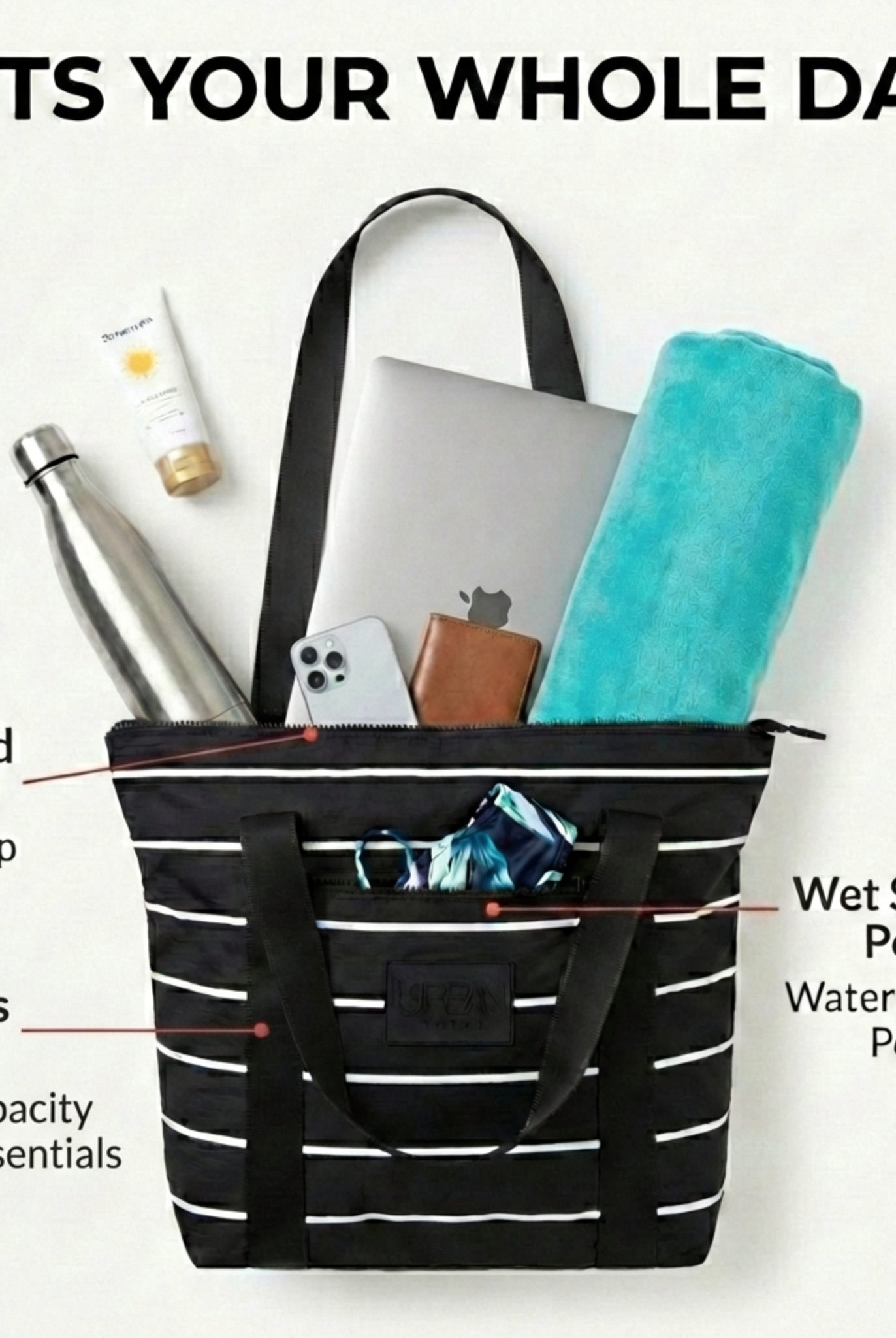
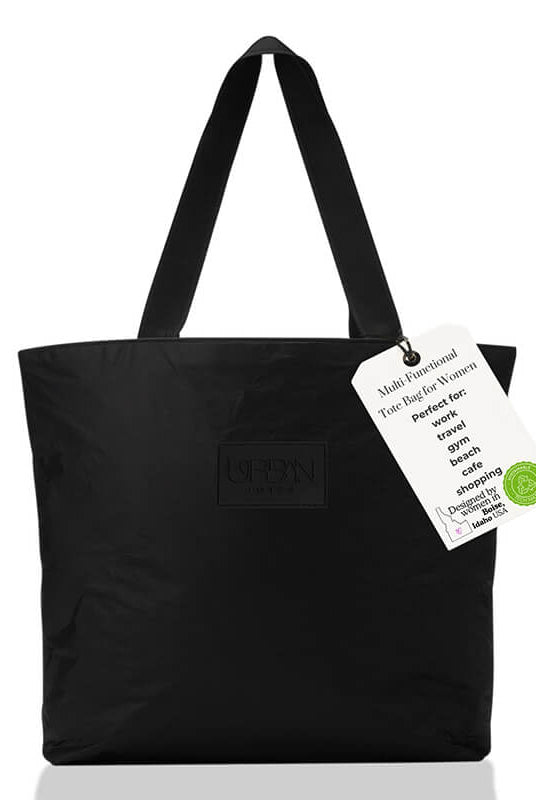
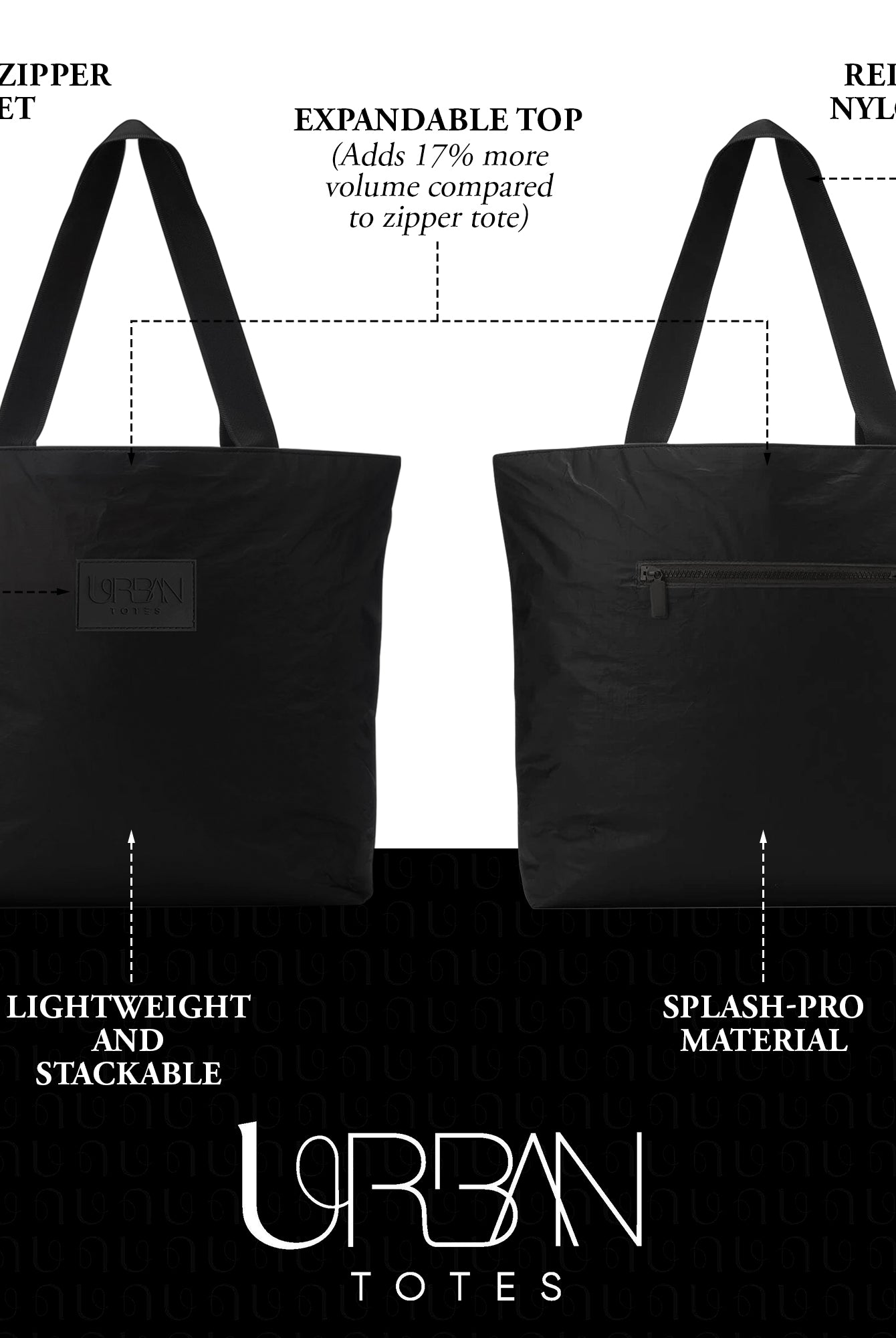
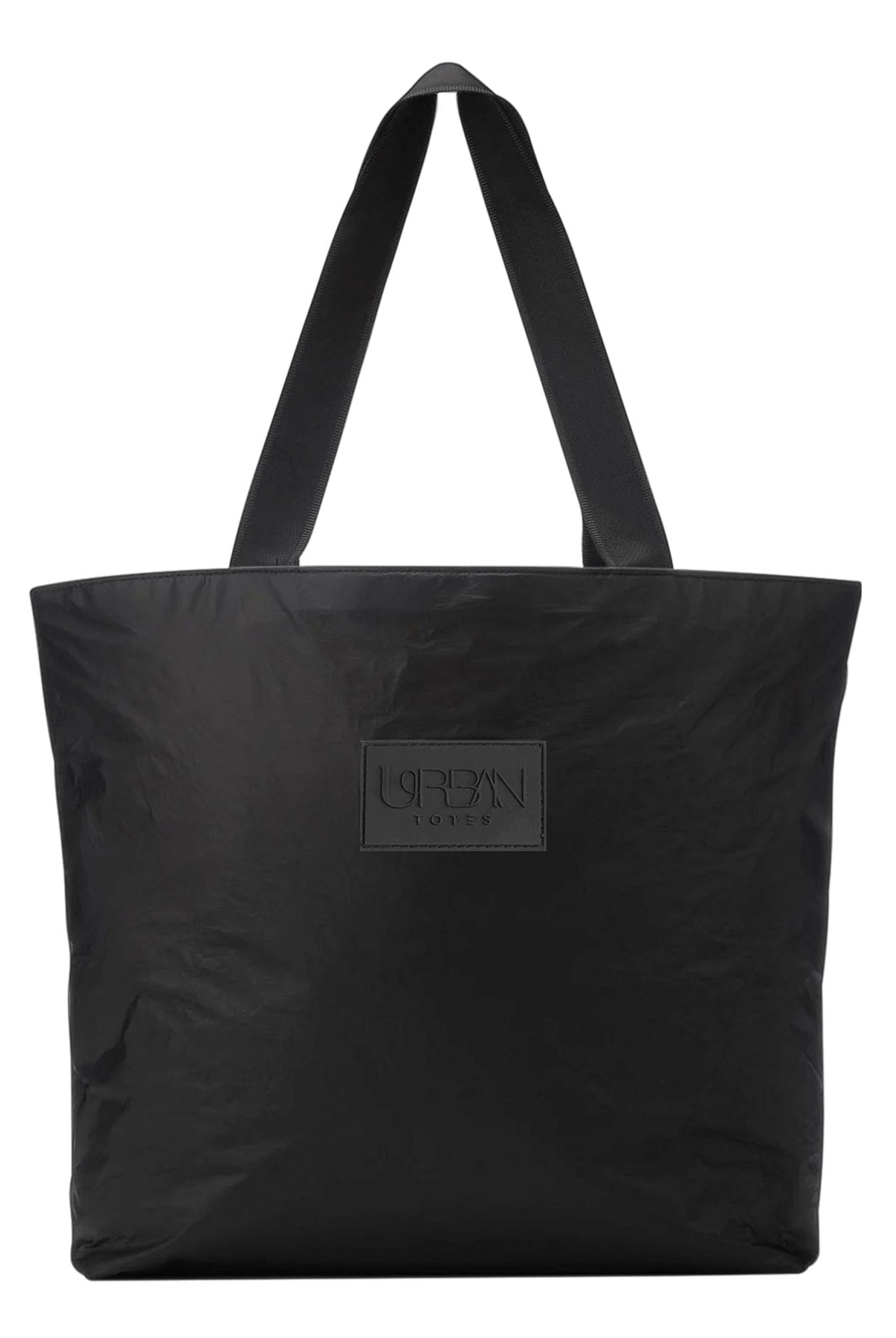
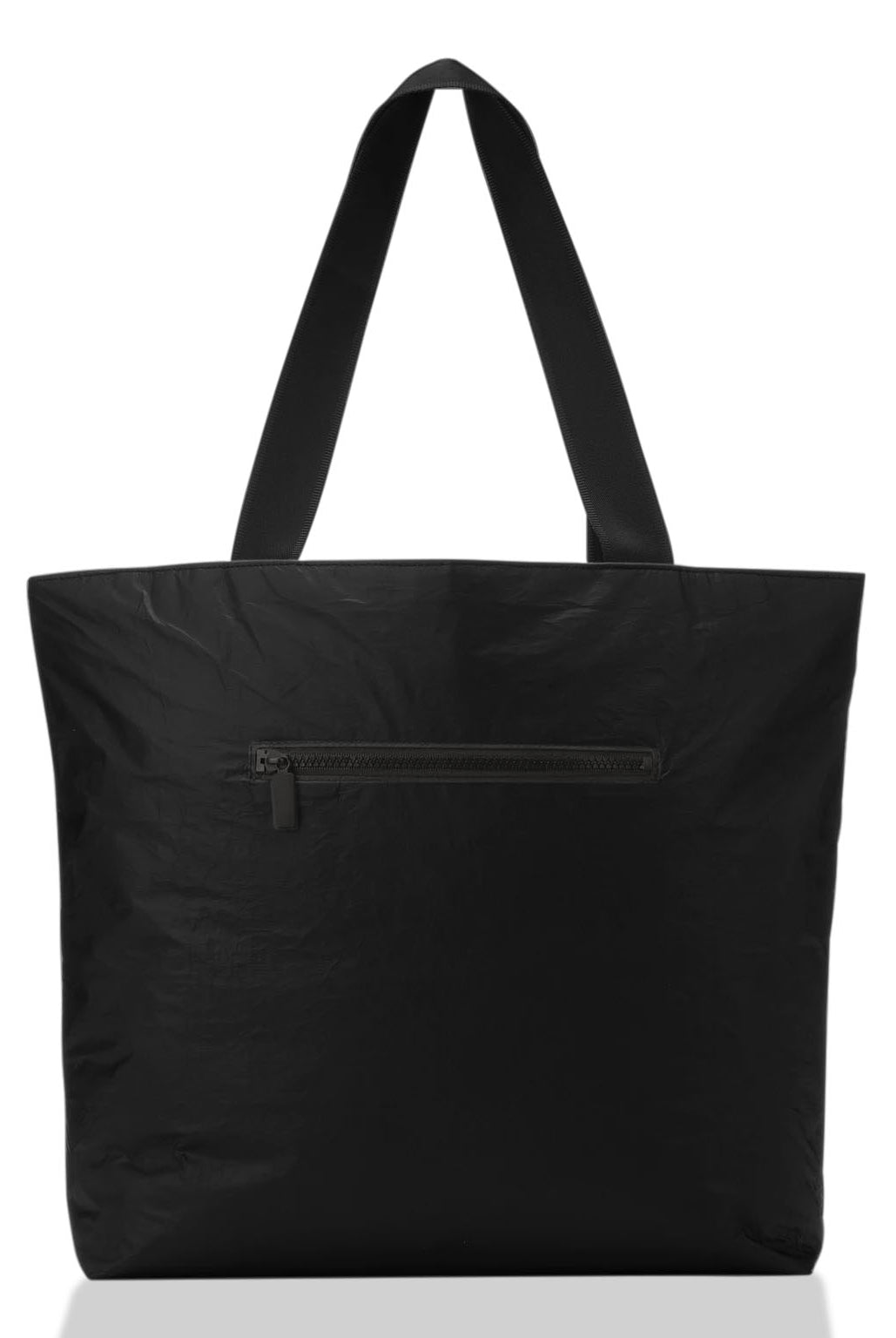
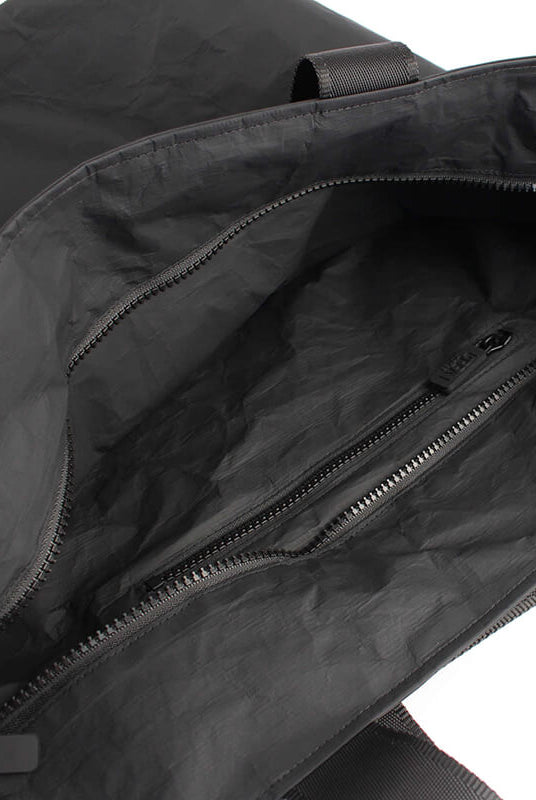
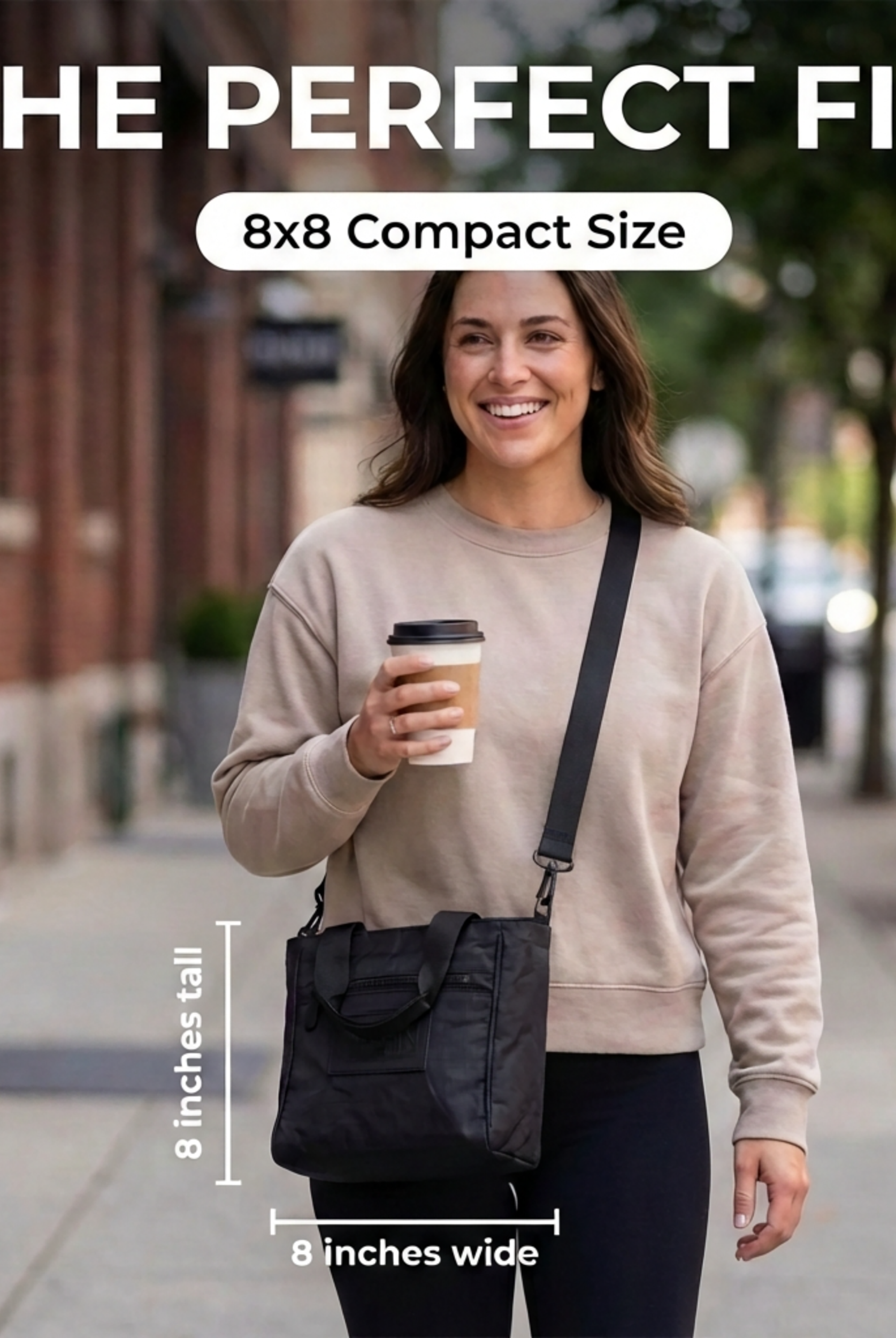
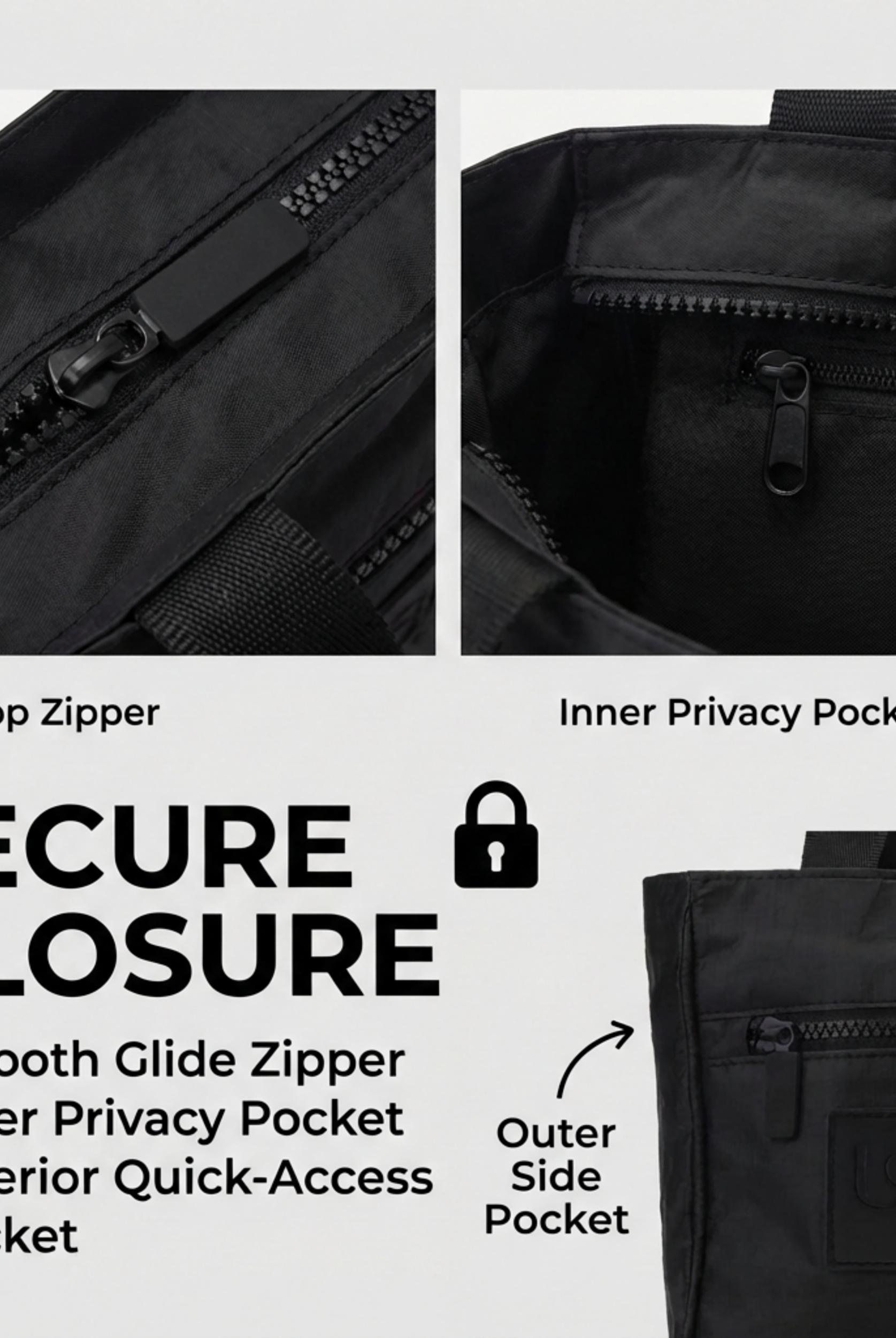
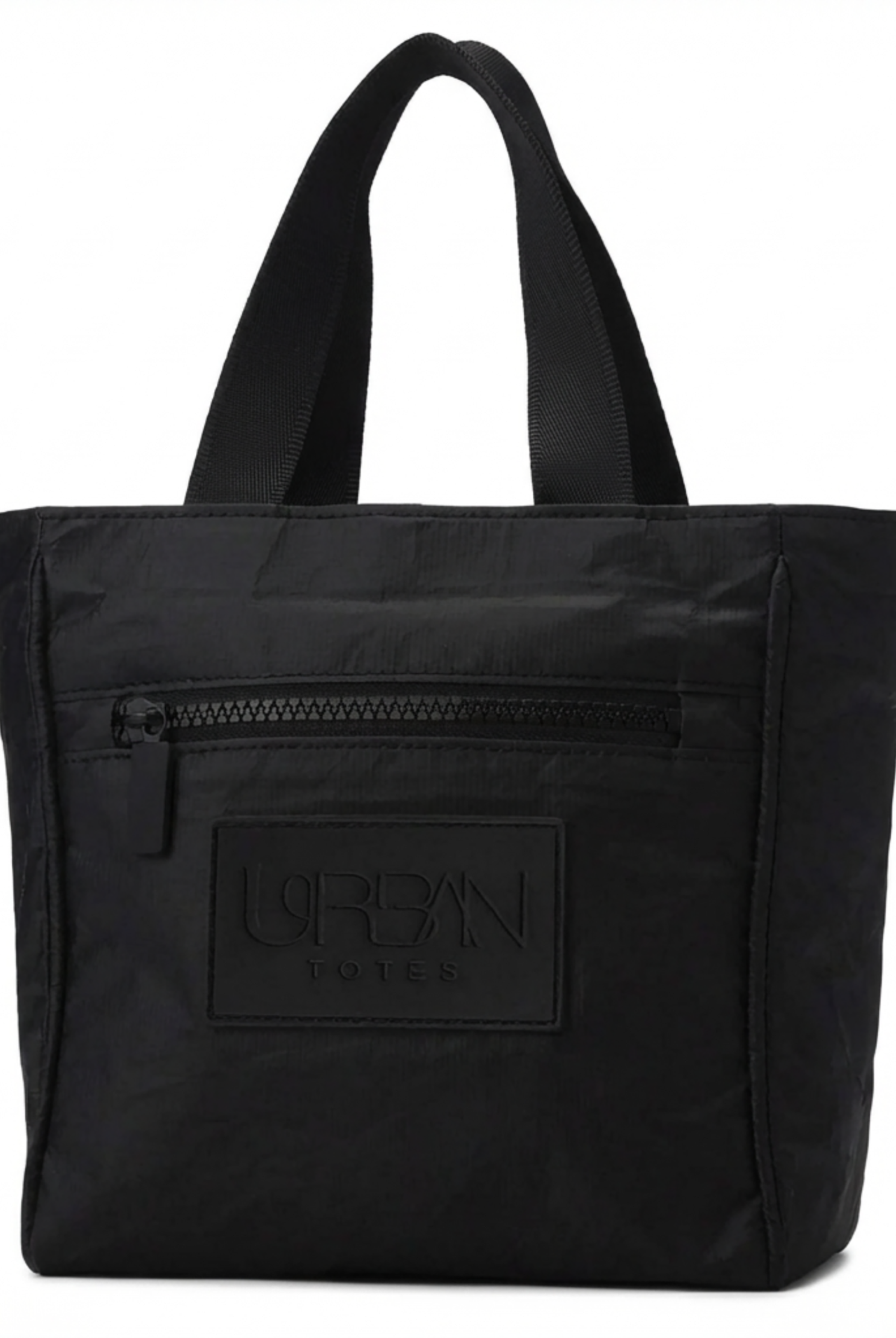
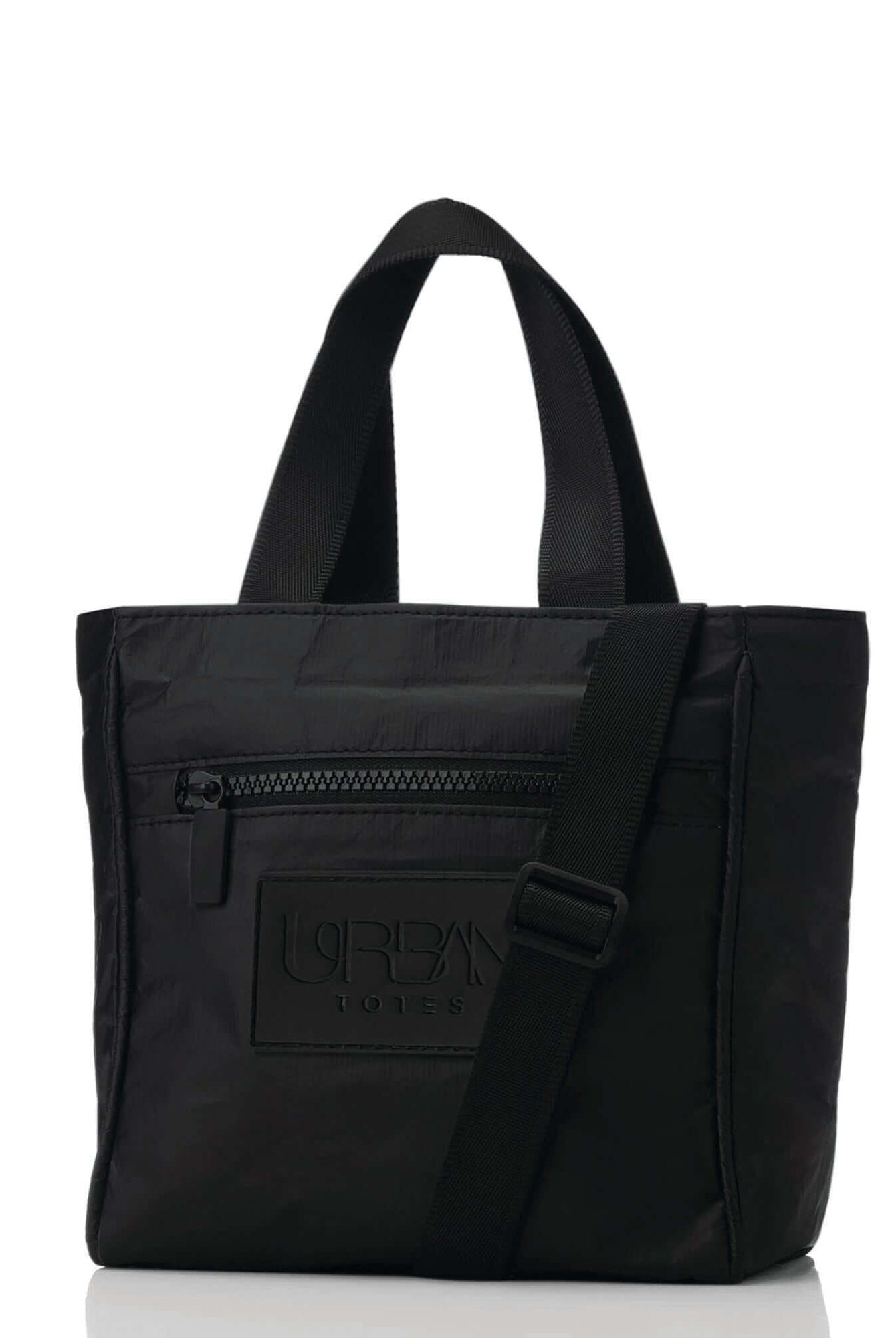
A tote with built-in structure makes this much easier to maintain. The OG Zipper Tote Bag by Urban Totes includes inside and outside zipper pockets plus three large pockets, which gives high-use items a fixed home instead of letting them drift to the bottom. Features like zippered compartments and phone pockets support a real daily reset routine, but only if you edit the contents first.
If you already use small category bags for hobbies or family logistics, the same logic applies here. Good craft supply organization works because every item category has a place, and your tote should follow that same rule.
A strong bag audit leaves you with less to carry, less to search through, and a tote that is ready for tomorrow before tomorrow starts.
Creating Your Pouch and Pocket System
You reach into your tote at a red light, in a school pickup line, or outside the gym, and your hand should land on the right thing fast. That speed does not come from one big clean-out. It comes from a repeatable system.
Loose items create drag. A good pouch and pocket setup cuts that drag by giving every category a home you can reset in minutes daily.

Build kits that match real life
The goal is not to pack for every possible scenario. The goal is to carry what you reach for together, together. That lowers visual clutter, keeps small items from disappearing, and makes your daily reset almost automatic.
A practical setup looks like this:
- Tech pouch for a charger, earbuds, and a power bank
- Essentials pouch for cards, keys, lip balm, and other small daily items
- Beauty or wellness pouch for tissues, hand cream, and pain relievers
- Snack pouch for sealed, non-perishable grab-and-go food
- Flex pouch for what changes that day, like wipes, a book, or workout extras
The flex pouch matters more than people realize. It keeps your core system stable while letting your tote adapt to a long workday, a kid-heavy afternoon, or an evening class without turning the whole bag inside out.
If you have ever sorted supplies by category at home, the same principle applies here. Good craft supply organization works because similar items stay contained, visible, and easy to return.
Assign pockets by speed, not by chance
Pouches handle categories. Pockets handle access.
Use your tote's built-in features for the items you need in seconds, not minutes. Phone in the phone pocket. Keys in the same zippered compartment every day. Transit card, badge, or lip balm in the easiest small-access spot. Everything else can live inside its pouch until you need it.
Urban Totes bags earn their keep in a real routine. Zippered compartments create separation between work items and personal items. A dedicated phone pocket keeps your screen from getting scratched by keys or tangled in cords. If you want a closer look at how that layout works in practice, Urban Totes breaks it down in this guide to a tote bag organizer with zipper.
Keep the assignments boring and consistent. That is what makes the system fast on rushed mornings.
Put your highest-use items in the same pocket every day, and your tote starts working on instinct.
Common mistakes that make a tote harder to use
A pouch system should reduce decisions, not add more of them. I have found that the setups that fail usually look tidy for a day or two, then become annoying to maintain.
| Approach | Why it fails |
|---|---|
| Tossing everything directly into the tote | Small items sink, tangle, and disappear at the bottom |
| Using too many tiny pouches | You spend more time opening bags than finding what you need |
| Keeping duplicate “just in case” items in every category | The tote gets heavy fast and useful space shrinks |
| Reassigning pockets based on mood or outfit | You lose the memory that makes retrieval quick |
A strong system feels easy to maintain because it asks very little of you. Carry categories in pouches. Reserve pockets for fast access. Reset both the same way each evening. That is how a tidy tote stops being a project and becomes part of your day.
Smart Layouts for Every Occasion
The beauty of a pouch system is that it adapts. You don't need a completely different method for every kind of day. You just swap what belongs in the flex zone, then let the rest of the structure stay the same.

The daily commuter setup
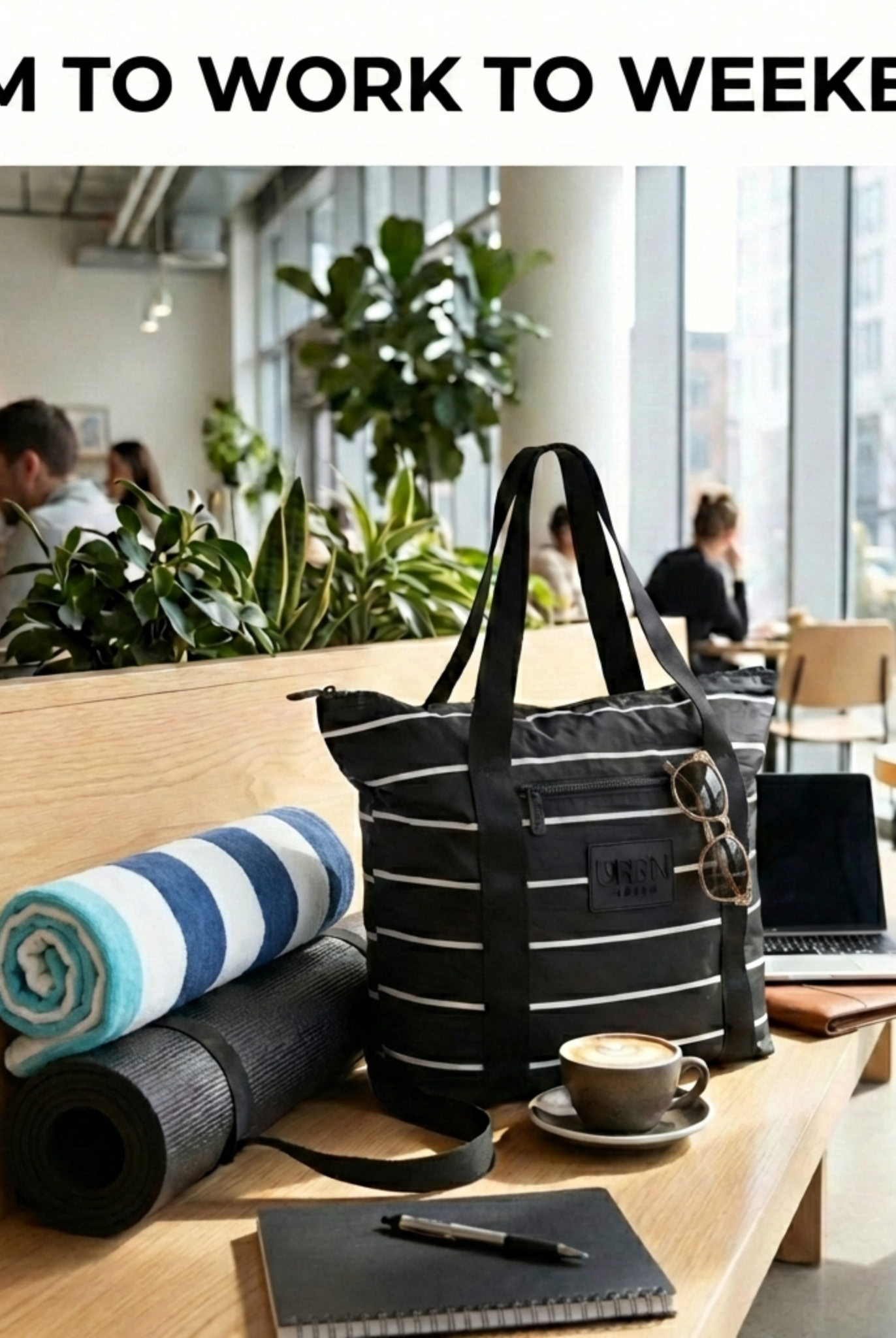
For workdays, the cleanest layout separates professional gear from personal essentials. A laptop or notebook sits flat against one side or in its own protected area. Your tech pouch stays nearby so cords and earbuds don't scatter. Wallet, keys, and phone stay in the fastest-access pocket.
A commuter tote works best when it isn't also trying to carry the remains of last weekend. If your bag has multi-pocket interiors and a zipper closure, use them to create clear boundaries. Coffee tumbler in one spot. Work papers in another. Personal pouch zipped and contained.
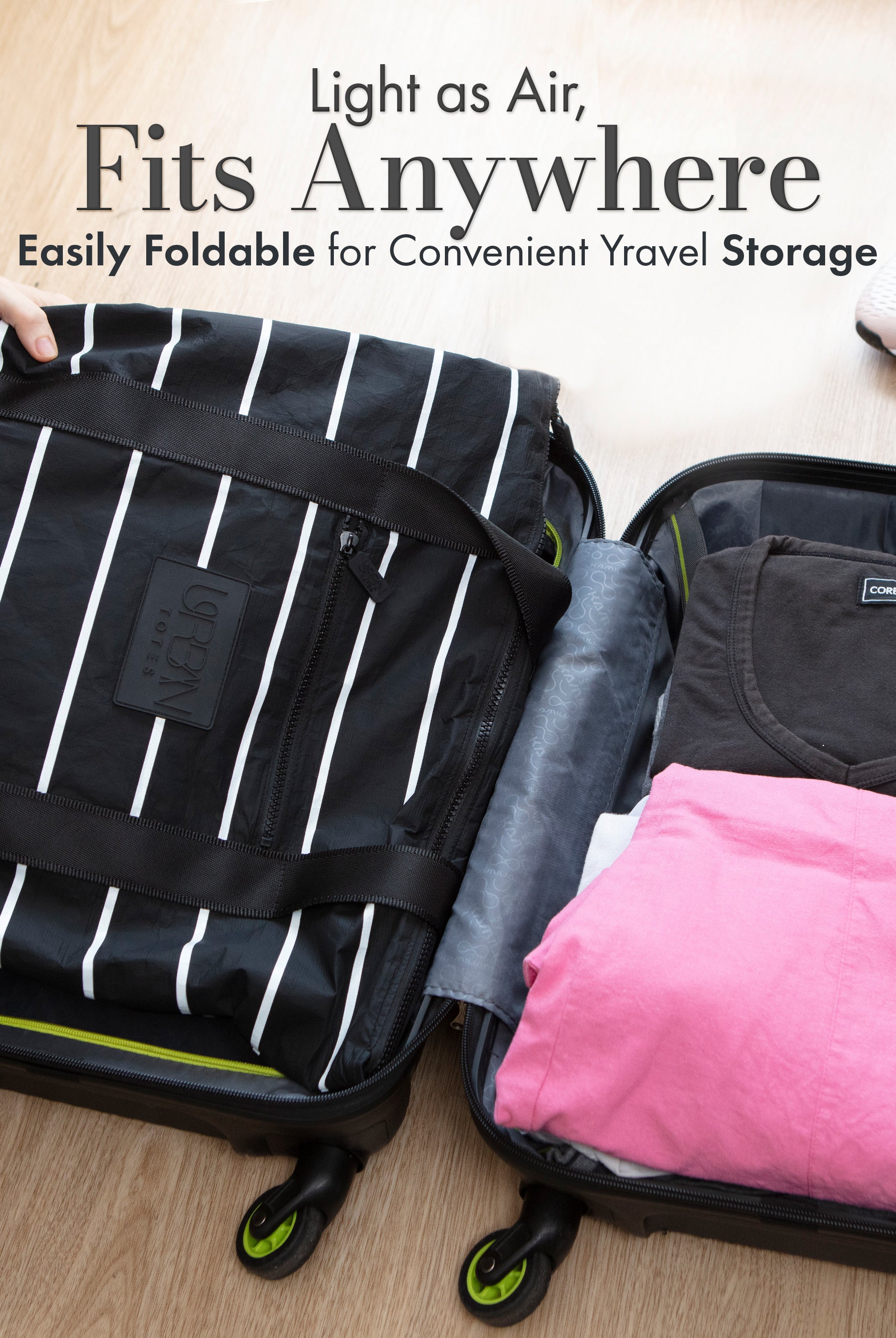
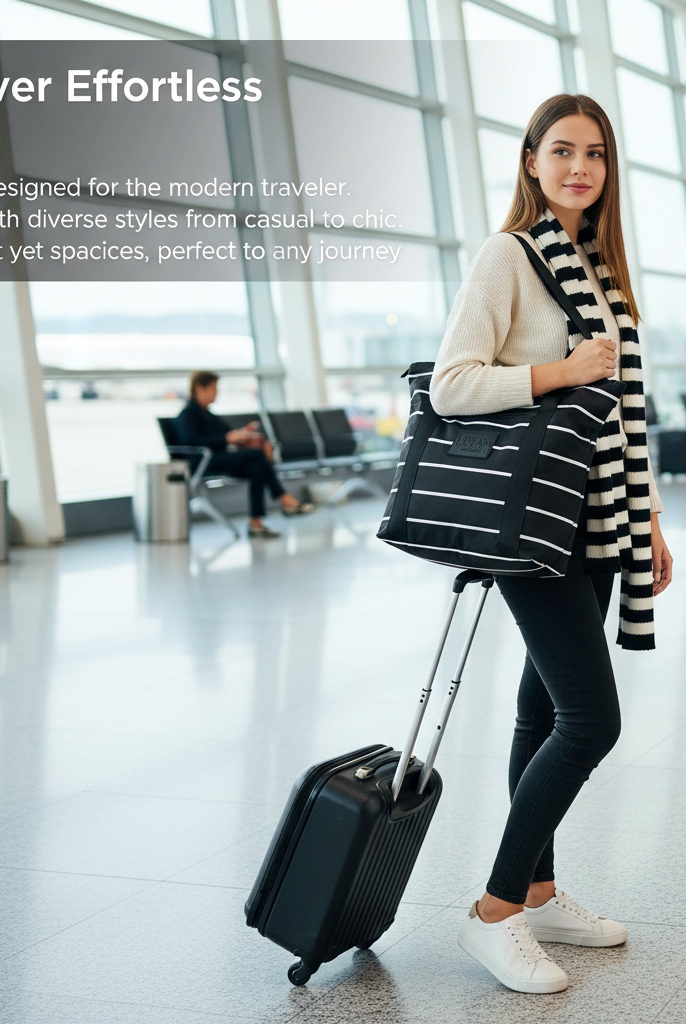
For travel-heavy routines, Urban Totes' article on packing your weekender tote bag for travel offers a helpful mindset for balancing easy access with tidy packing.
The gym or fitness setup
A gym tote needs separation more than anything else. Clean items and post-workout items should never mingle casually.
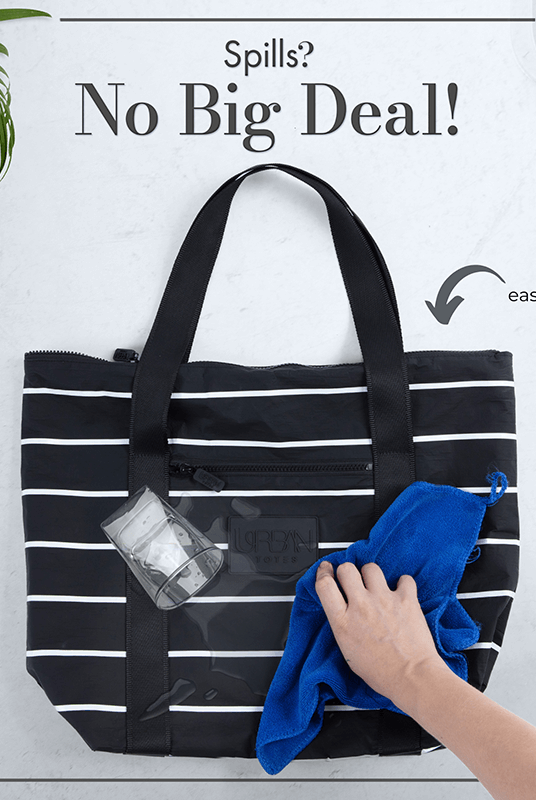
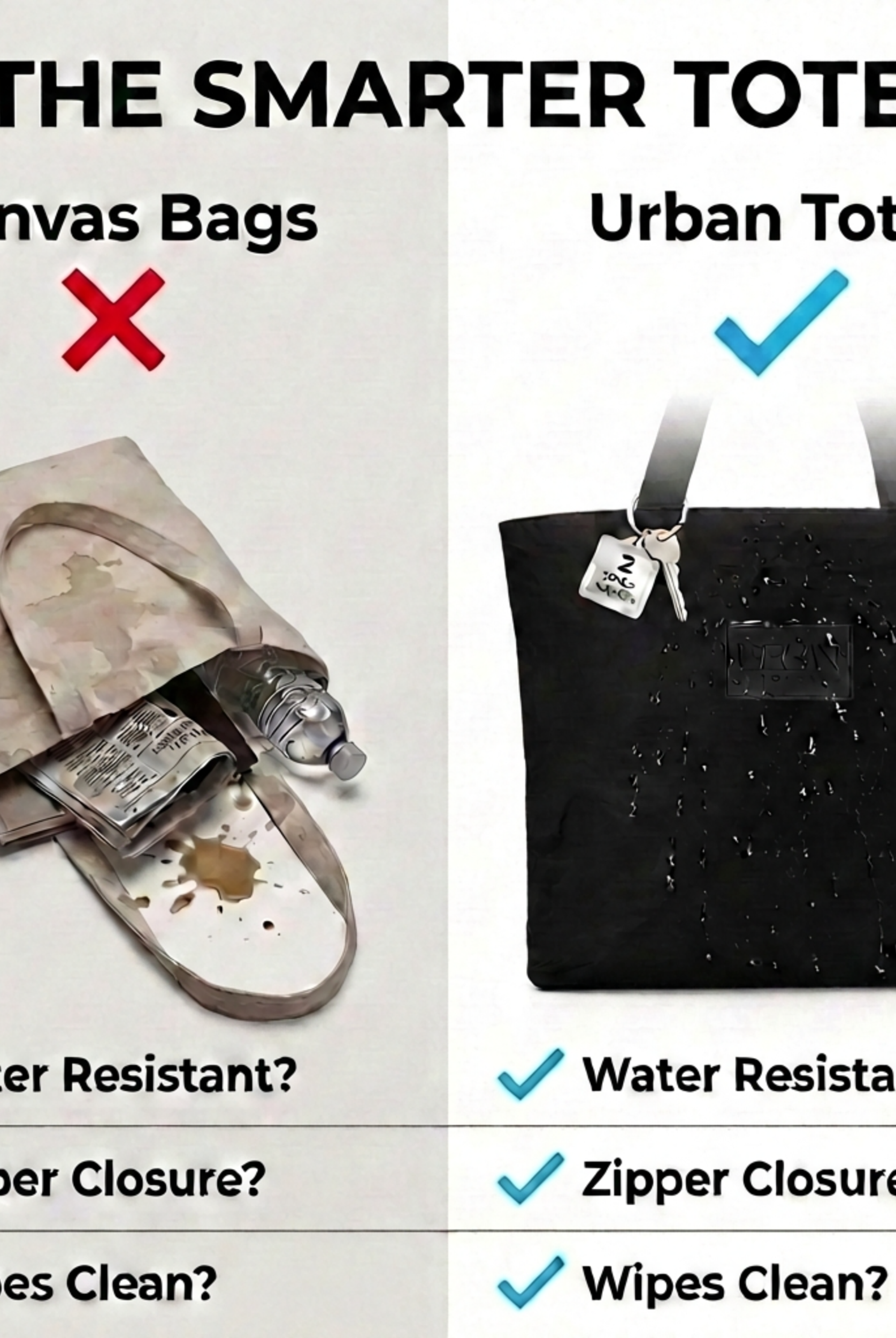
Use one area for clothing, one pouch for toiletries, and one easy-access pocket for your headphones, phone, and locker essentials. If your tote is water-resistant and easy to wipe down, it handles this role far better than a delicate everyday bag. The key is keeping damp or messy items contained so they don't affect everything else you're carrying that day.
If a bag is headed to the studio, gym, or pool, pack with containment in mind first and convenience second.
The parent-on-the-go setup
This one has the highest chaos potential because the bag often belongs to more than one person.
In practice, the smoothest parent setup uses a clear divide between your essentials and kid support items. Snacks go in one pouch. Wipes, a diaper, or a change item go in another. Your own wallet, phone, and keys stay in a separate pocket that no one else needs to access.
That separation matters because the parent bag is where clutter multiplies fastest. One stray cracker bag, a leaky marker, or a sticky toy can turn the whole interior into cleanup mode.
The weekend errand or day-trip setup
In these situations, a go-anywhere tote shines. The flex pouch changes. Everything else can stay familiar.
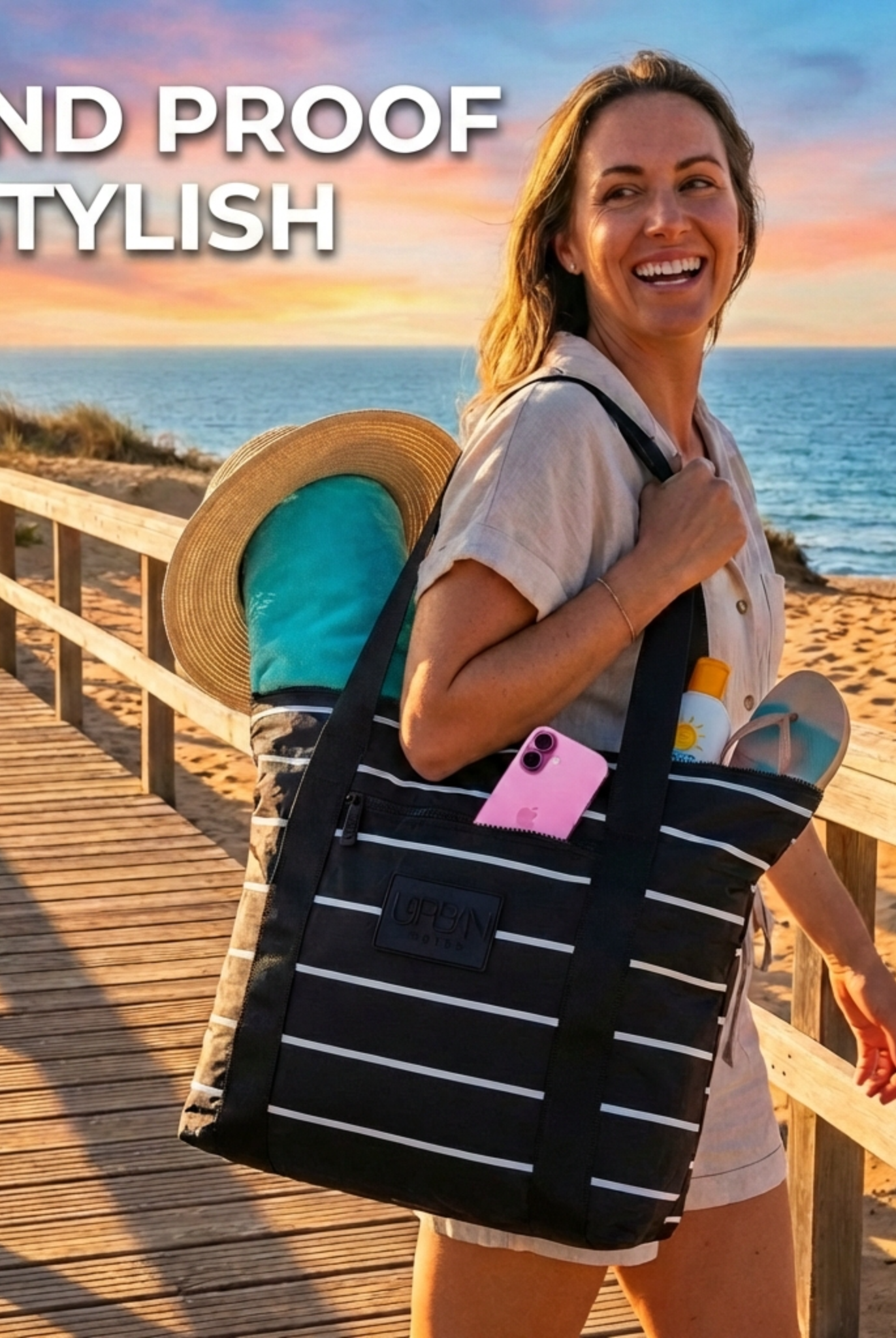
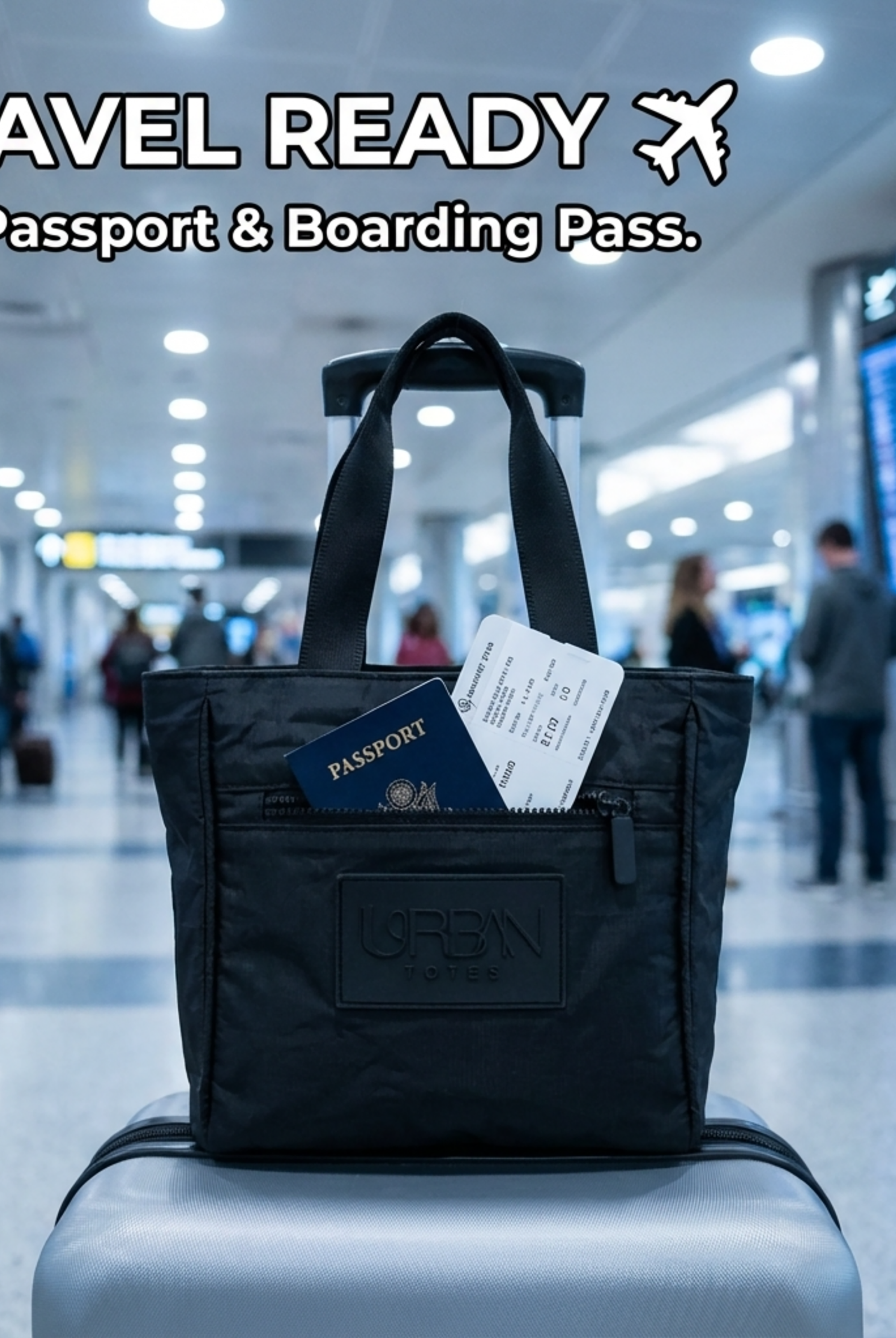
For a farmers market morning, that pouch might hold hand wipes and a foldable reusable bag. For an airport terminal, it might hold travel documents and chargers. For a beach afternoon, it might shift to sunscreen and a dry pouch for personal items. The system works because the foundation stays stable even when the outing changes.
Storing Your Collection of Go-Anywhere Totes
The fastest way to lose a good bag system is bad storage. If your totes are slumped in a closet corner, straps knotted together, you will keep reaching for the same overstuffed bag and calling it convenience.
Store your collection by frequency first, then by function. Daily bags should stay visible and upright. Occasion bags can be folded or nested, but only if they come back out without a full closet dig. Storage experts at The Container Store recommend giving handbags structure and breathing room so they keep their shape and stay easy to access, whether that means shelf dividers, hooks, or bins suited to the space you have, as outlined in The Container Store's handbag storage ideas.
Build a real grab zone
Set aside one home for the totes you use every week. A hook by the door works. A closet rod with bag hooks works. A top shelf does not, unless you enjoy climbing for your work bag before coffee.
I like to keep this zone limited to two or three bags at most. One daily carry, one alternate, one purpose bag. That limit keeps the choice easy and protects your system from turning into storage for every canvas bag you have ever brought home.
If you carry an Urban Totes style with zippered compartments and phone pockets, store it ready for tomorrow. Zip it closed. Keep the straps straight. Make sure the interior pouches are still in place. That way your bag is not just stored. It is staged.
Fold backup totes the right way
Packable or occasional totes do not need prime real estate, but they do need boundaries. Fold them flat, group them by use, and give them a container that stops drift. A basket for market totes, a drawer section for travel extras, or a labeled bin for seasonal bags keeps the collection from blending into one soft pile.
A few practical rules keep this simple:
- Hang the bags you rotate through weekly
- Fold lightweight backups flat in a basket or drawer
- Group similar bags together such as work, travel, beach, or errands
- Store straps tucked in so handles do not snag and tangle
- Avoid overstacking structured totes so the base and corners stay clean
Maintenance matters here too. A tote that gets wiped down and aired out before storage lasts longer and looks better in rotation. Urban Totes shares smart upkeep habits in this guide on how to care for your tote bag and keep it looking polished.
One more trick helps this stick. Put storage on a repeat schedule instead of waiting for closet chaos. If recurring home systems are hard to keep up with, Recurrr's guide to task automation offers a useful way to set reminders for small resets that keep your bag collection easy to manage.
The Five-Minute Daily Reset Routine
You walk in, set your tote down, and by morning it is already harder to use. A receipt slips under your keys. Lip balm rolls to the bottom. The charger you need for work never made it back in. Organization usually breaks down in these small moments, not in one dramatic mess.
The fix is a reset you can finish in five minutes. The goal is not a perfect bag. The goal is a bag that is ready again tomorrow.

Your nightly reset
Do it when you get home or while you are setting up for the next day. Tie it to something that already happens, like plugging in your phone or clearing the kitchen counter.
-
Clear out the dead weight
Toss receipts, wrappers, used tissues, and random paper. If it does not need to leave the house again, it does not stay in the tote. -
Return every item to its zone
Put loose essentials back where they belong. Keys go to the zippered compartment. Your phone slides into the phone pocket. Small items go back into their pouch instead of floating to the bottom. - Refill what you use Replace tissues, snacks, or hand sanitizer if you've used the last of them. Skip the fantasy packing. Only restock the items that earn their spot every day.
-
Check for quick cleanup
Shake out crumbs, wipe a pen mark, or clean up a minor spill before it sets in. One minute now saves a much bigger cleanup later. -
Pack tomorrow on purpose
Add only the flex items the next day needs. A charger for a long meeting, a notebook for appointments, a water bottle for errands, or a permission slip that cannot be forgotten.
This routine works because it uses the bag's built-in structure instead of asking you to invent a new system every night. Urban Totes designs with zippered compartments and phone pockets that make this reset faster. You are not deciding where things should go each time. You are returning them to the same home.
Make the habit stick
A good tote system should survive busy weeks, school pickup, travel days, and late nights. That means the reset has to be small enough to repeat even when you are tired.
I like routines that remove decision-making. Set a recurring reminder, keep your refill items in one drawer, and reset the bag before you sit down for the evening. If consistency is the hard part, Recurrr's guide to task automation offers a practical way to turn small resets into a repeatable habit.
An organized tote stays useful because five quiet minutes at night make tomorrow easier.
Tote Everything with Confidence and Ease
Once your tote has a system, it stops feeling like dead weight and starts acting like support. You're not rummaging at the register. You're not discovering spilled snacks on top of your notebook. You're not dragging around three days of random extras “just in case.”
That's the true payoff in learning how to organize tote bags. A quick audit, a smart pouch-and-pocket layout, better storage at home, and a nightly reset create something far more useful than a tidy bag. They create ease.
And ease matters. It gives you room to move through work, errands, travel, school pickup, and spontaneous plans with a little more confidence and a lot less friction. Your tote should help you go farther, carry smarter, and feel ready for the day that's in front of you.
Find your perfect go-anywhere bag at Urban Totes.