You know the moment. You're halfway through your day, your shoulder is already tired, your phone is ringing somewhere in the bottom of your bag, and the one thing you need right now is the one thing you can't find. Or worse, your open-top tote tips in the car, at the gate, or next to the stroller, and suddenly your whole life is on display.
That's usually when a tote stops feeling cute and starts feeling like work.
The best lightweight tote bags don't just carry your stuff. They reduce friction. They make the school drop-off, coffee run, airport line, beach day, and last-minute grocery stop feel more manageable. A good bag lowers your life load a little. It keeps the basics in reach, stays comfortable when the day stretches long, and doesn't ask you to choose between looking put together and being prepared.
Table of Contents
- The Search for the Perfect Go-Anywhere Bag
- What Truly Makes a Tote Bag Lightweight
- Beyond the Scale The Features That Count
- The Material Matrix Matching Fabric to Your Lifestyle
- Your Decision Checklist for the Perfect Lightweight Tote
- Go Anywhere Tote Everything With Confidence
The Search for the Perfect Go-Anywhere Bag
The search usually starts on a day when your bag makes an already full schedule feel harder. You are heading out with the usual life load. Water bottle, wallet, charger, sunglasses, maybe snacks, maybe a cardigan, maybe paperwork you cannot forget. Then the strap slips, your keys vanish to the bottom, and the bag feels heavy before the day has even properly started.
That is the main problem many people are trying to solve.
A good lightweight tote is not only about shaving ounces off the bag itself. It is about reducing friction in the hours you carry it. Weight matters, but so do access, balance, and whether the bag keeps your things contained without turning into a black hole. The wrong tote adds a low-grade mental tax all day. The right one lets you stop thinking about your bag altogether.
I see this pattern often. Shoppers say they want something lightweight, but they are usually asking for something that feels manageable in real life. That includes a tote that does not punish your shoulder on a long walk, does not require two hands to find your phone, and does not need constant repacking as your day shifts from work to errands to dinner.
A tote earns its place when it helps you feel prepared without feeling burdened.
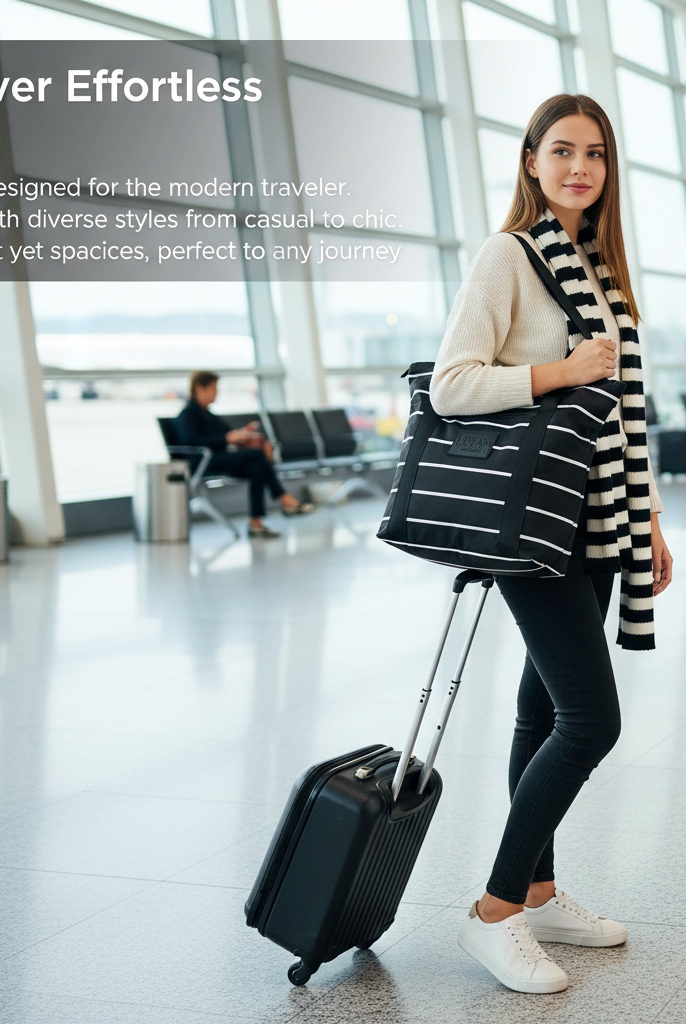
Totes have become a daily default because one bag now has to cover more situations. Commute. Grocery stop. Gym clothes. Laptop. Kid snacks. A quick flight. The bag that works is the one that carries all of that without making you feel overloaded. If travel is part of your routine, this guide to the best tote for travel is a useful reference for spotting features that hold up beyond basic everyday carry.
The bag should lighten your mental load
The best lightweight tote creates calm through small practical wins.
- Less searching: Pockets and a sensible layout keep the essentials easy to grab.
- Less shoulder strain: A lighter empty bag leaves more of your energy for what you need to carry.
- Less checking and readjusting: A secure closure and stable straps let you keep moving.
- Less repacking: One well-designed tote can handle several parts of the day without forcing a reset.
Those details sound minor until you live with them. Then they decide whether a tote feels like help or one more thing to manage.
That is why the perfect go-anywhere bag is rarely the biggest, trendiest, or most structured option on the shelf. It is the one that quietly supports your day, holds what you need, and keeps your life load from feeling heavier than it already is.
What Truly Makes a Tote Bag Lightweight
“Lightweight” gets tossed around so casually that it can lose meaning. In practice, a lightweight tote isn't just a bag with a low number on a product page. It's the result of material choice, fabric density, and construction decisions that keep bulk down without making the bag flimsy.

Lightweight starts with fabric, not marketing
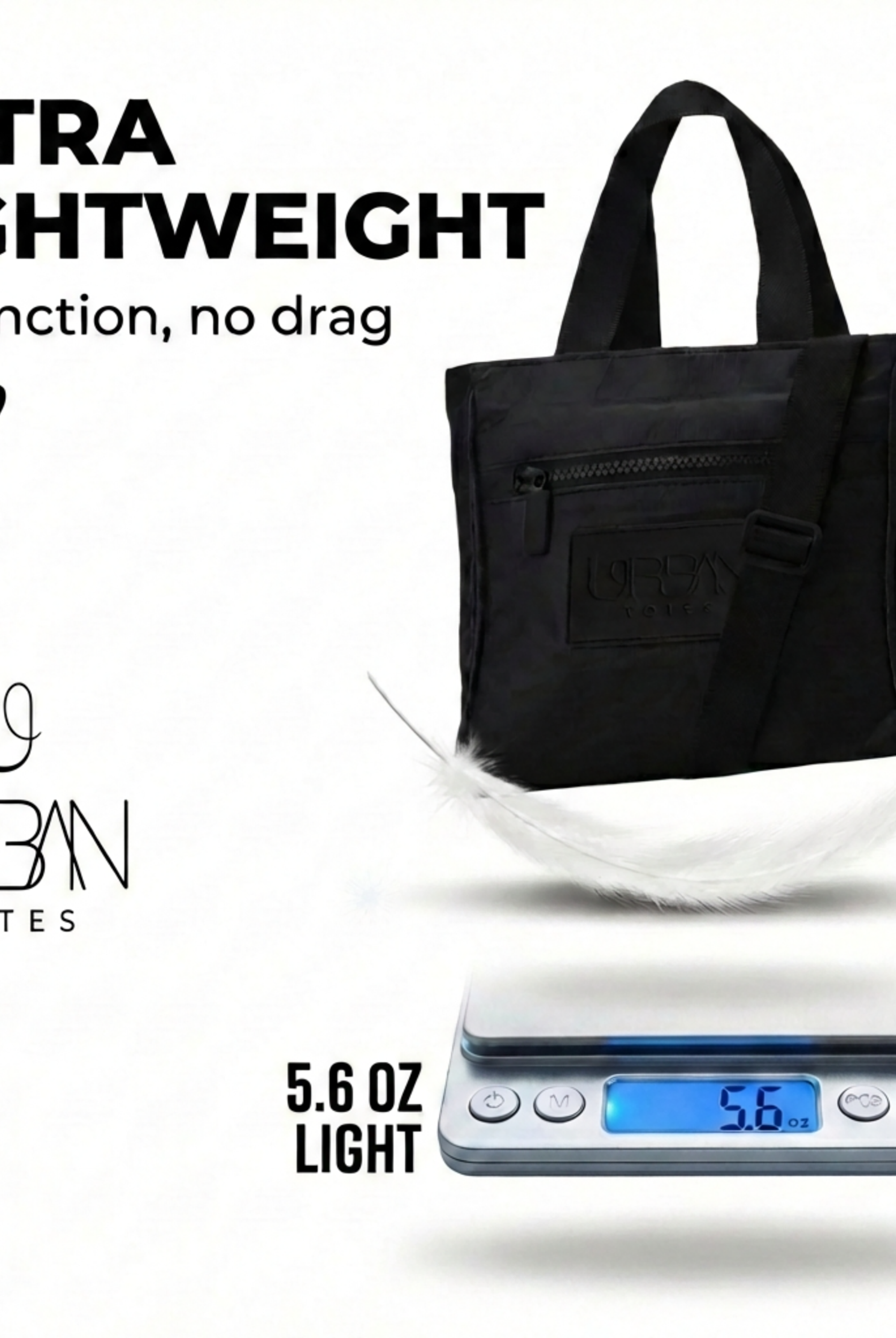
Material density directly affects weight efficiency. Nylon 210-denier ripstop or 600-denier recycled polyester consistently helps achieve finished totes weighing between 0.4 and 0.7 lbs, while canvas options typically range from 1.5 to 2 lbs. Totes under 1 lb empty are also important for carry-on compliance on many airlines. That's the practical reason technical fabrics show up again and again in lightweight travel bags.
If “denier” sounds technical, think of it as a clue to how the fabric is built. It helps explain why one tote feels almost weightless and another feels substantial before you've even added a water bottle. A heavier traditional canvas can look beautiful and hold its shape well, but it often brings a real weight penalty. A ripstop nylon or technical polyester tote usually feels easier from the first lift.
For women who are constantly carrying the extras, snacks, chargers, receipts, lip balm, cardigan, tablet, half the family's loose items, that starting weight matters more than commonly realized.
Practical rule: If a tote feels heavy when it's empty, it usually won't get kinder after a full day.
This is also why lightweight backpack materials can be a helpful comparison point. If you want to understand why technical fabrics perform so well in daily carry, this overview of a lightweight nylon backpack gives useful context.
Construction changes how light a bag feels
A bag can be technically light and still feel annoying to use. Structure matters.
Some totes stay light because they avoid stiff panels, heavy hardware, and overly bulky trim. Others add so much reinforcement that they cross the line from supportive to cumbersome. The best lightweight tote bags usually land in the middle. They have enough shape to keep the bag usable, but not so much structure that the bag starts carrying like luggage.
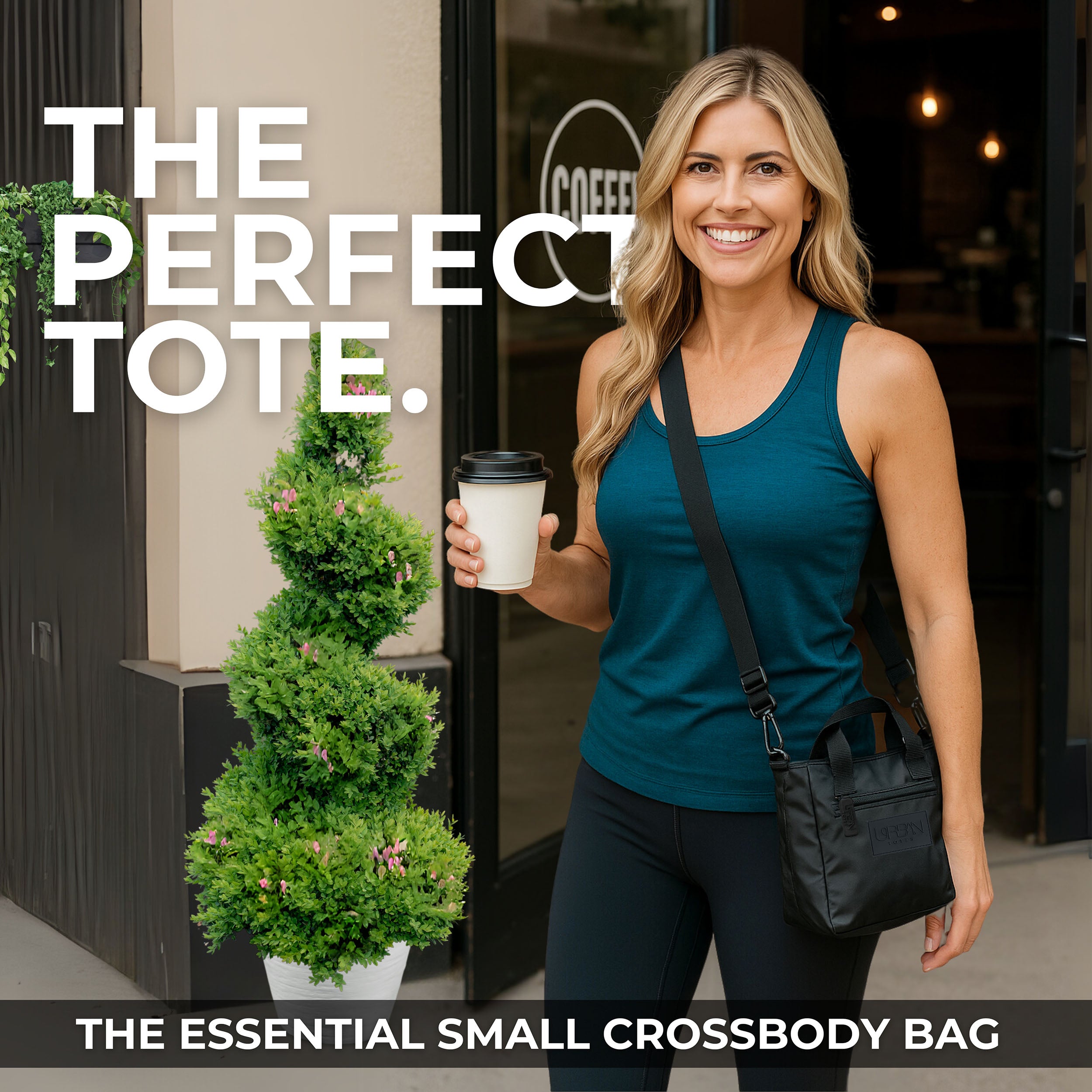
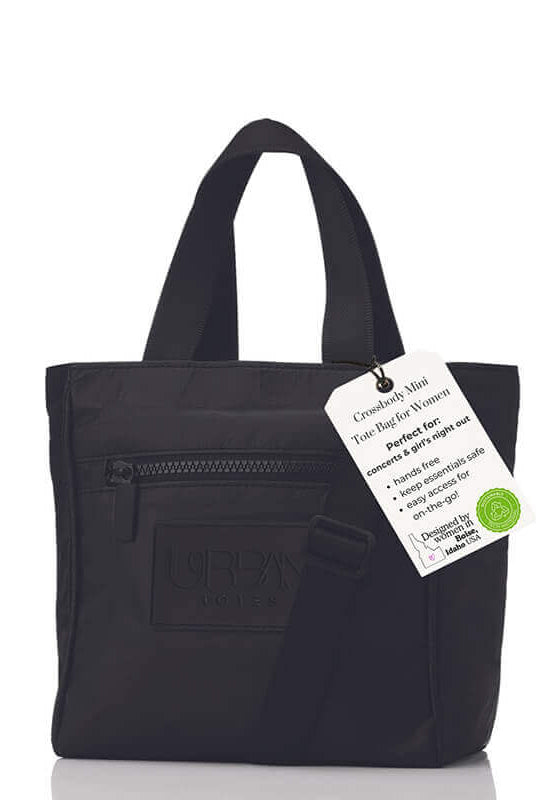
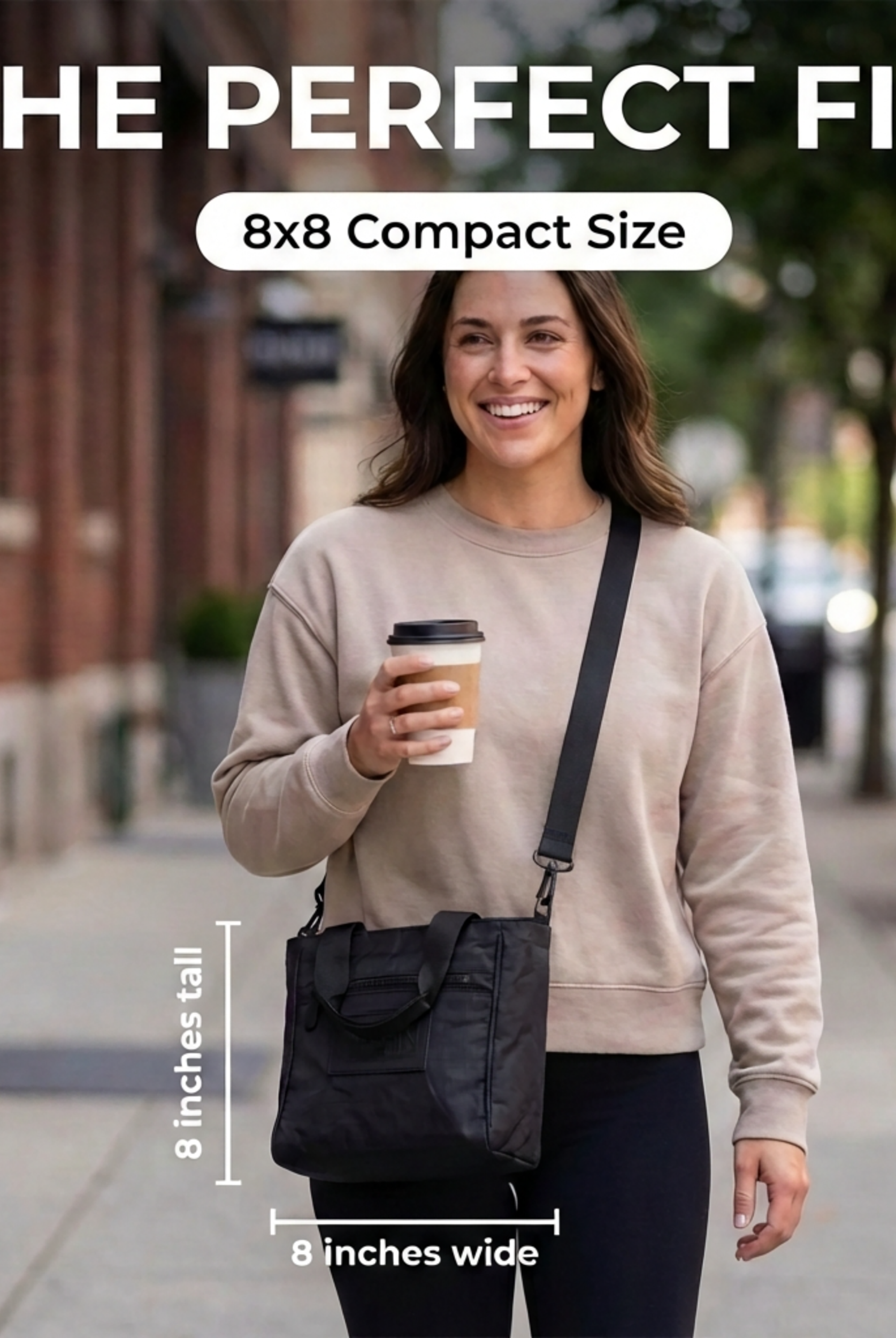
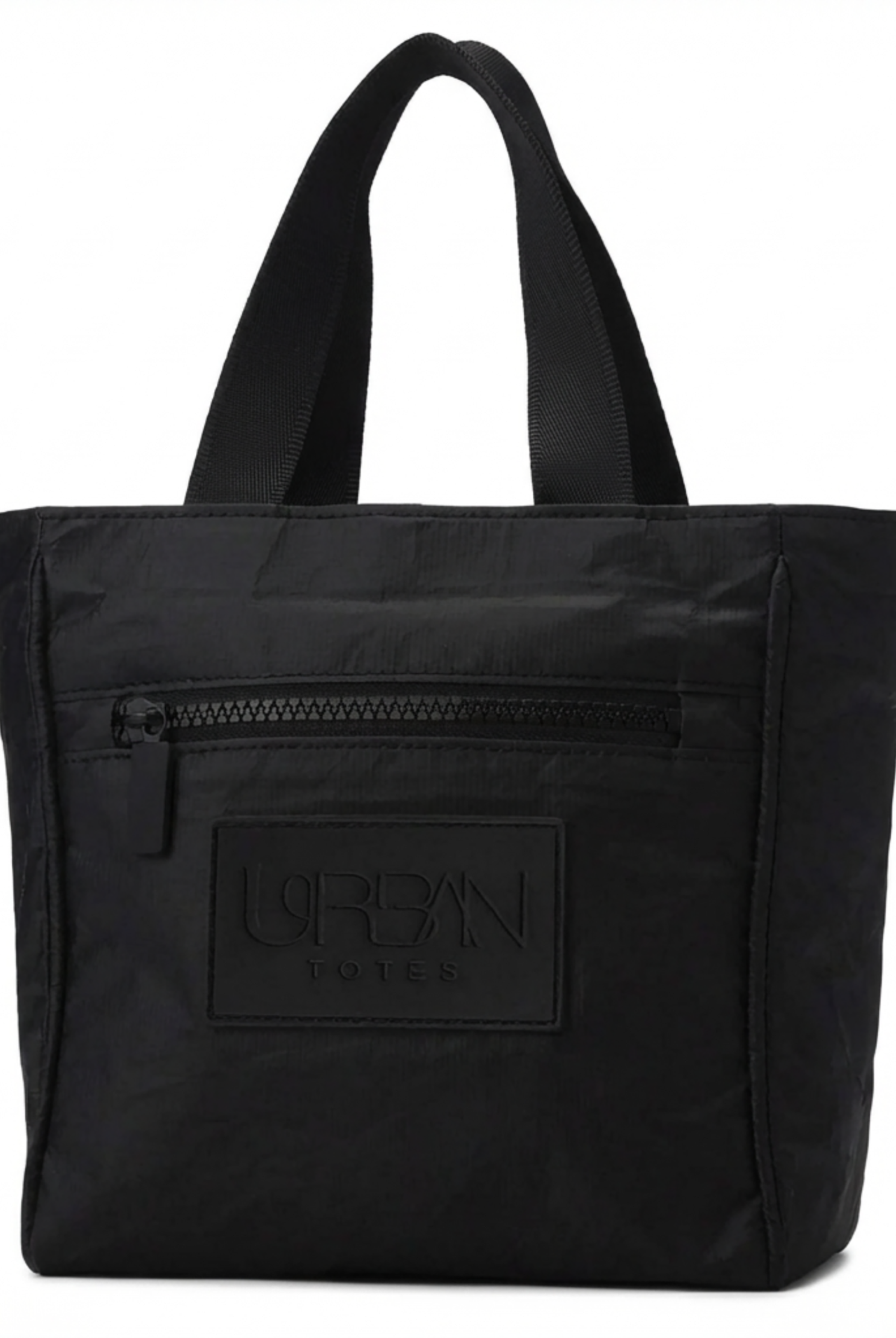
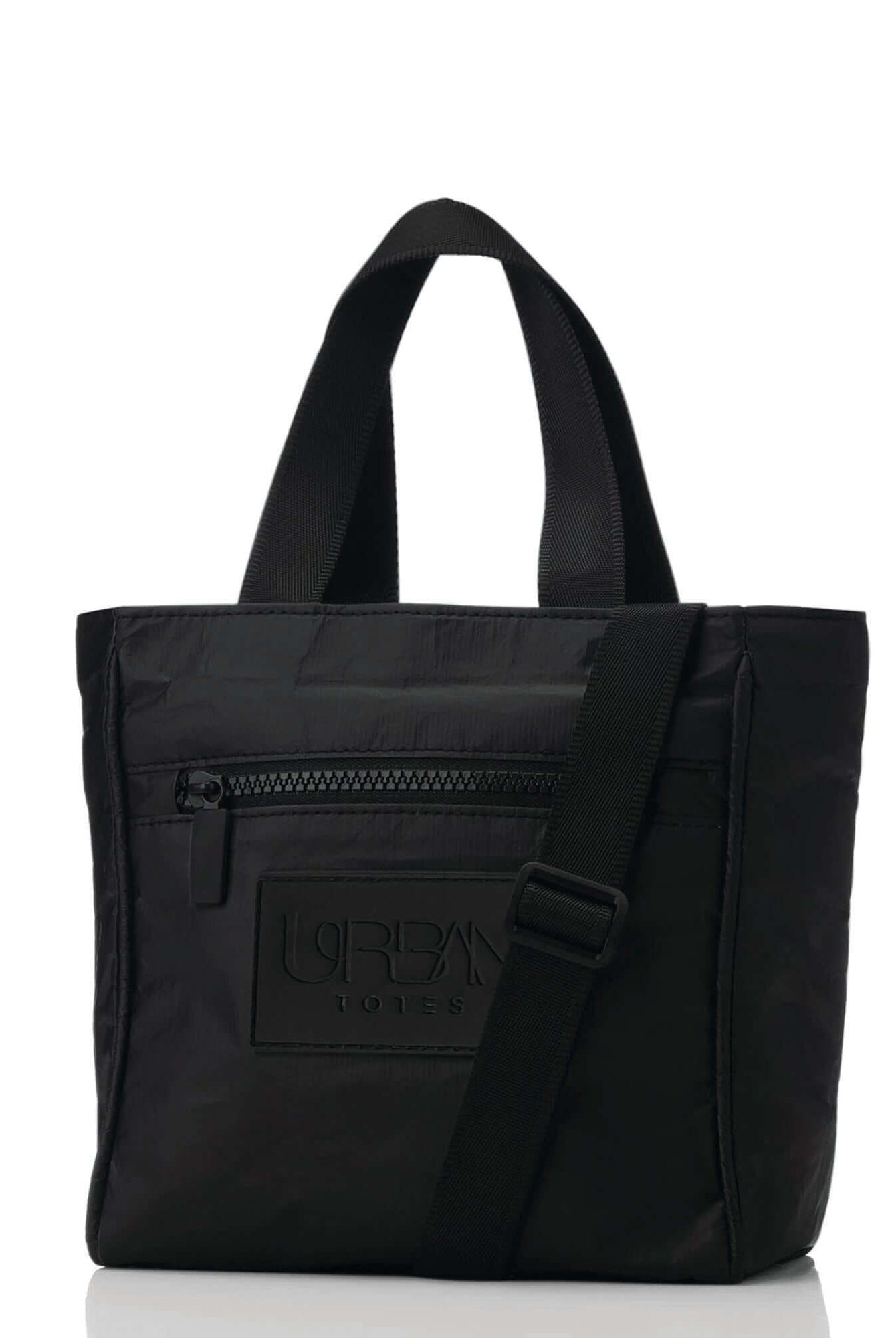
A small-scale example is the Crossbody Tote Bag Mini Purse, which uses a zip-top closure, an outside zipper pocket, an easy-access outer pocket, nylon straps, and a compact 7.5 x 4 x 7.75 inch format. That kind of design shows how lightweight carry often comes from restraint. Enough organization to be functional, not so much added bulk that the bag loses its easy, grab-and-go feel.
Here's what usually works well in a lightweight tote:
- Technical fabric shells: They cut down base weight.
- Simple but useful pockets: Helpful without turning the interior rigid.
- Moderate structure: Enough to keep the shape usable.
- Foldable or packable design: Better for travel and backup carry.
What doesn't work as well is the bag that tries to be everything at once. Thick walls, too many built-in dividers, heavy decorative hardware, and dense materials can turn a tote into a shoulder workout.
Beyond the Scale The Features That Count
Weight matters. But once a tote is in the right range, the difference lies in how it behaves in motion. A bag can be light and still feel stressful if it's insecure, disorganized, or awkward to access.

Security changes how you move
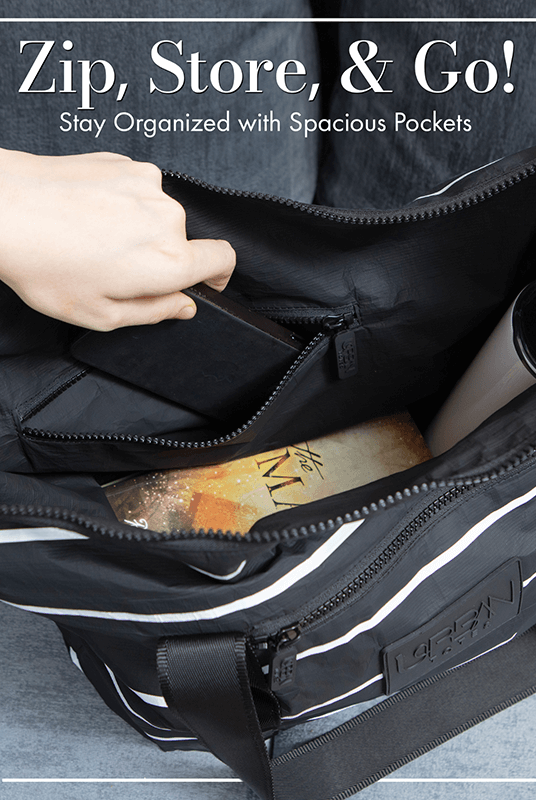
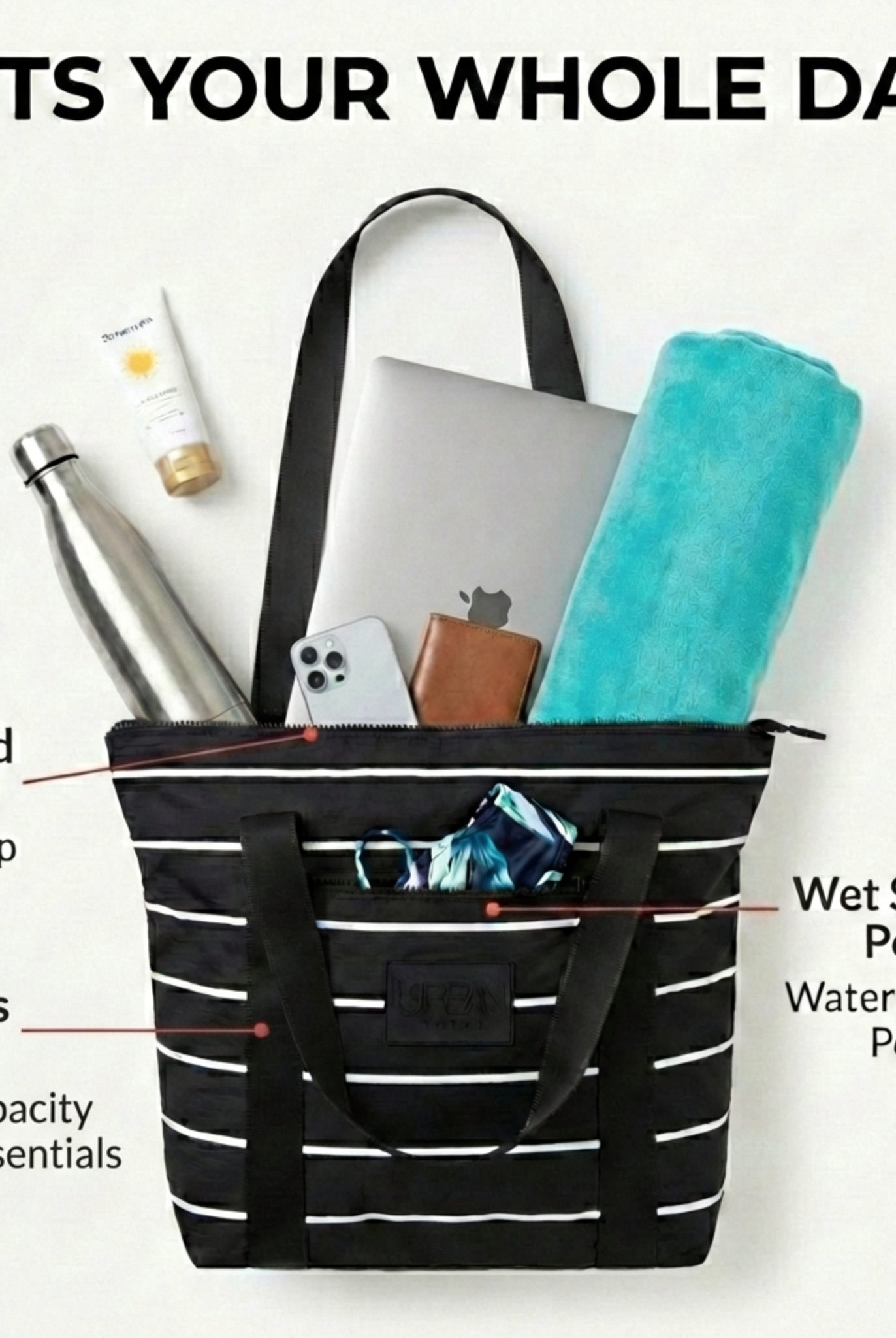
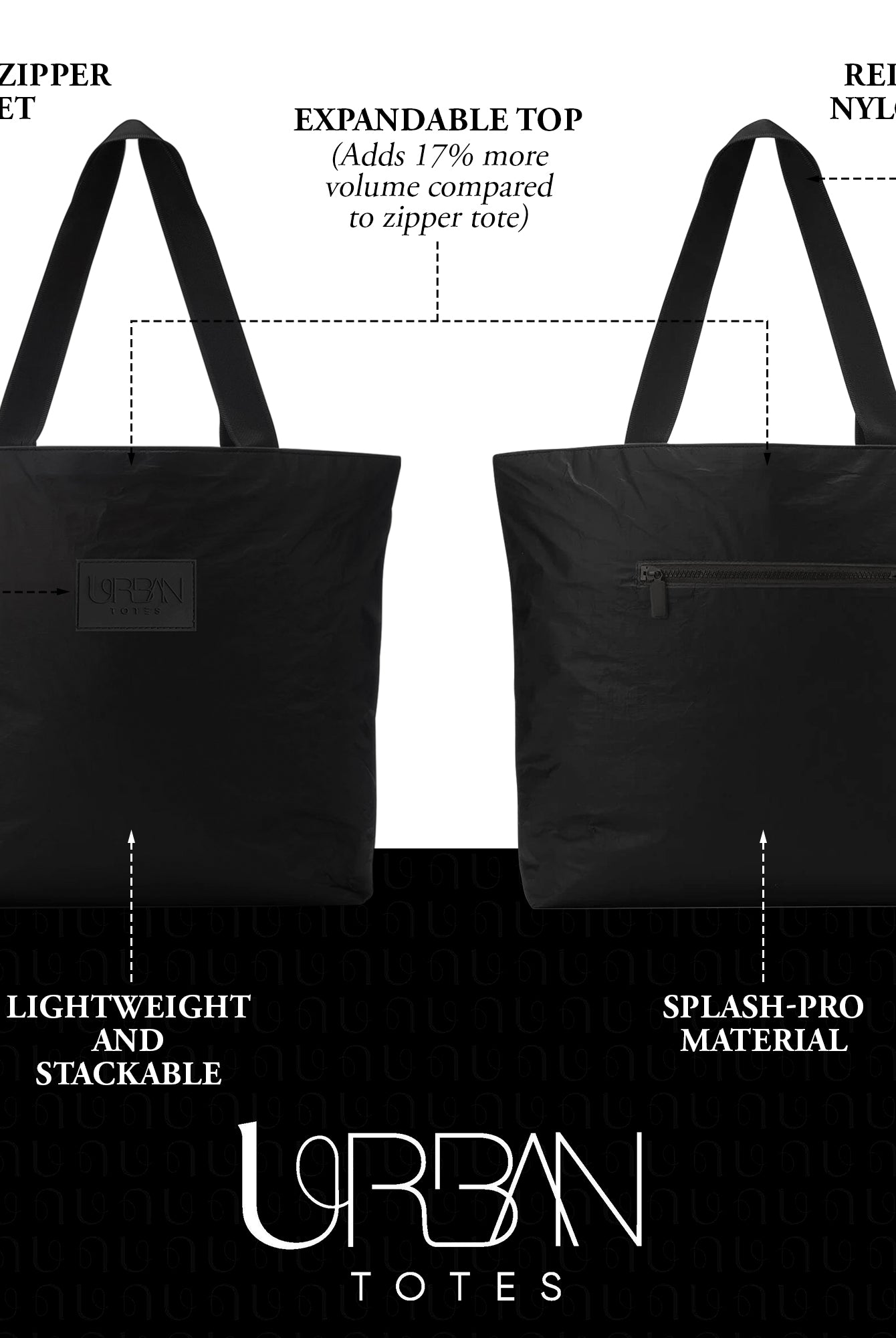
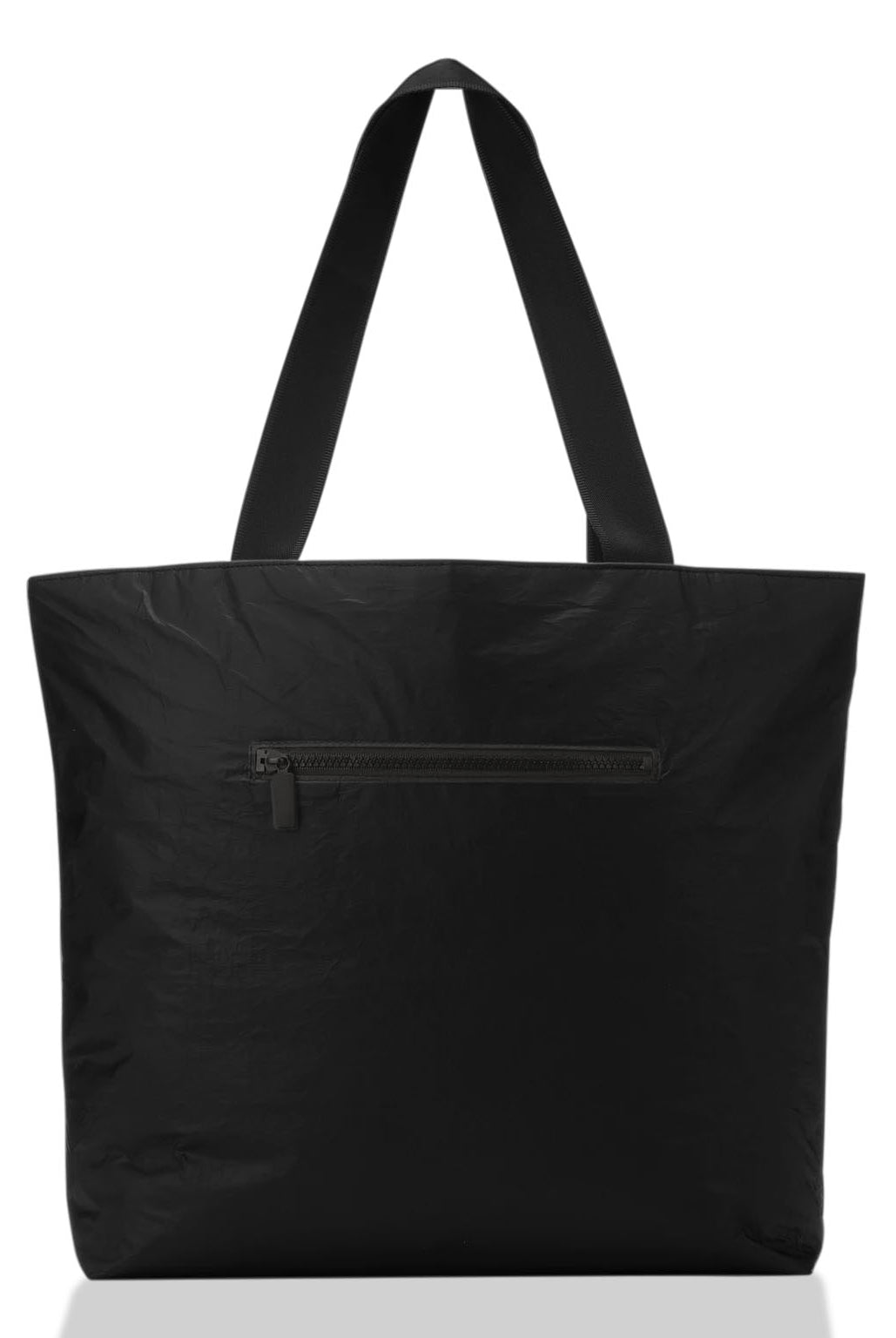
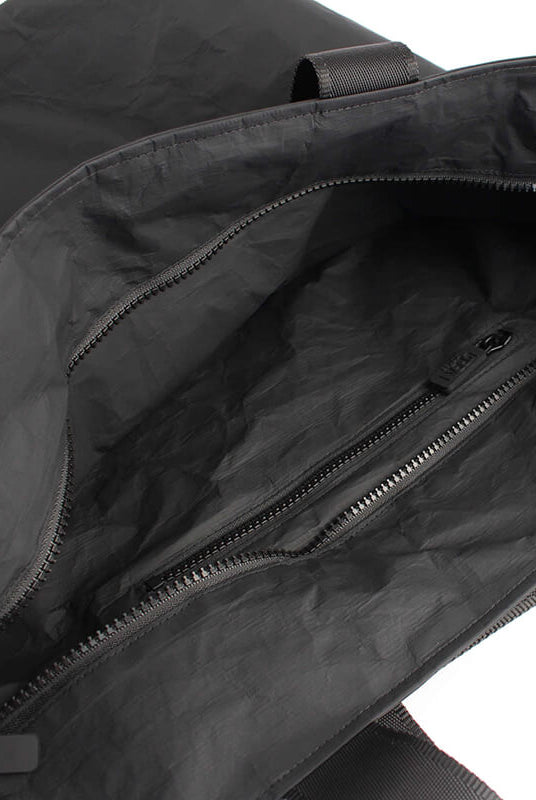
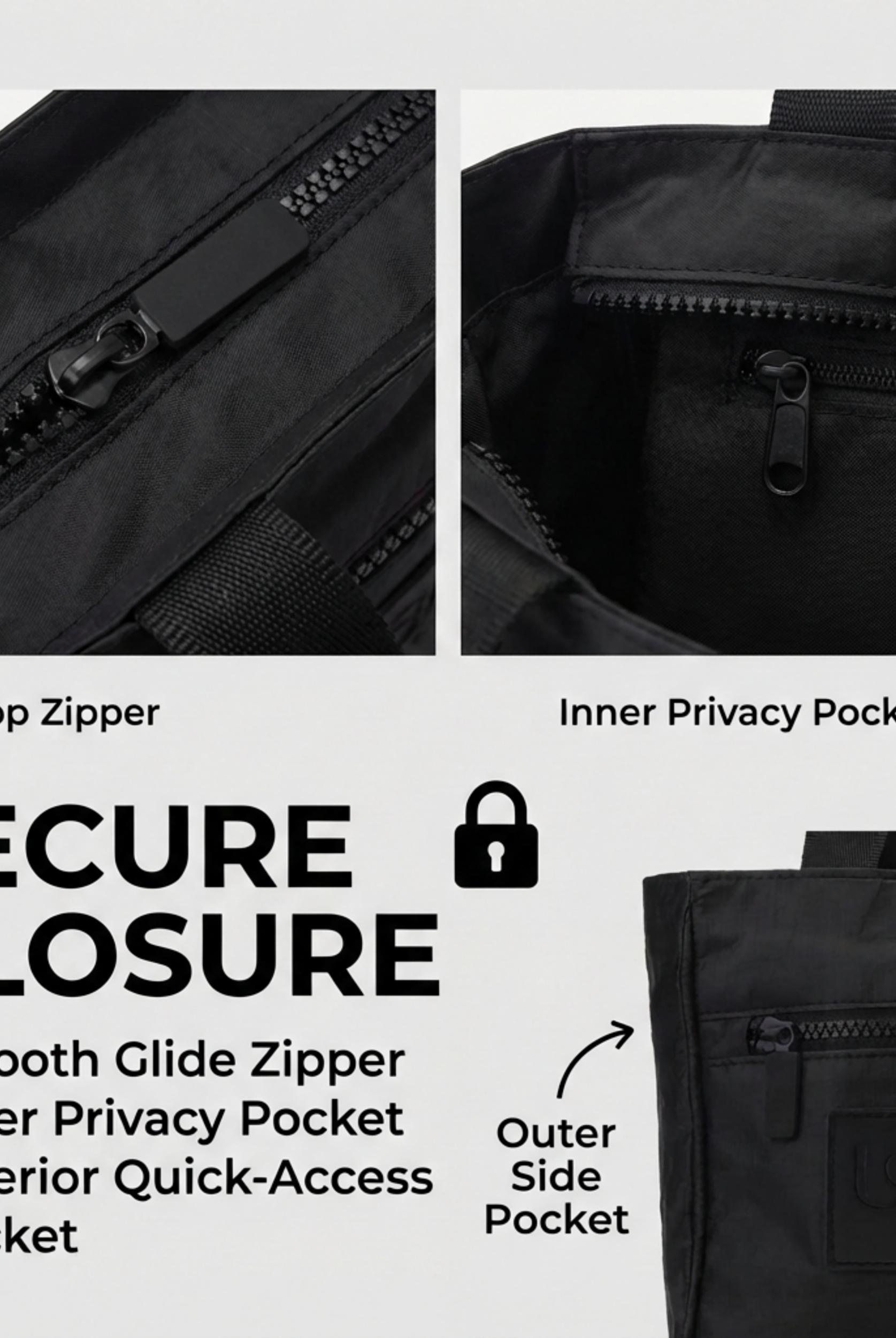
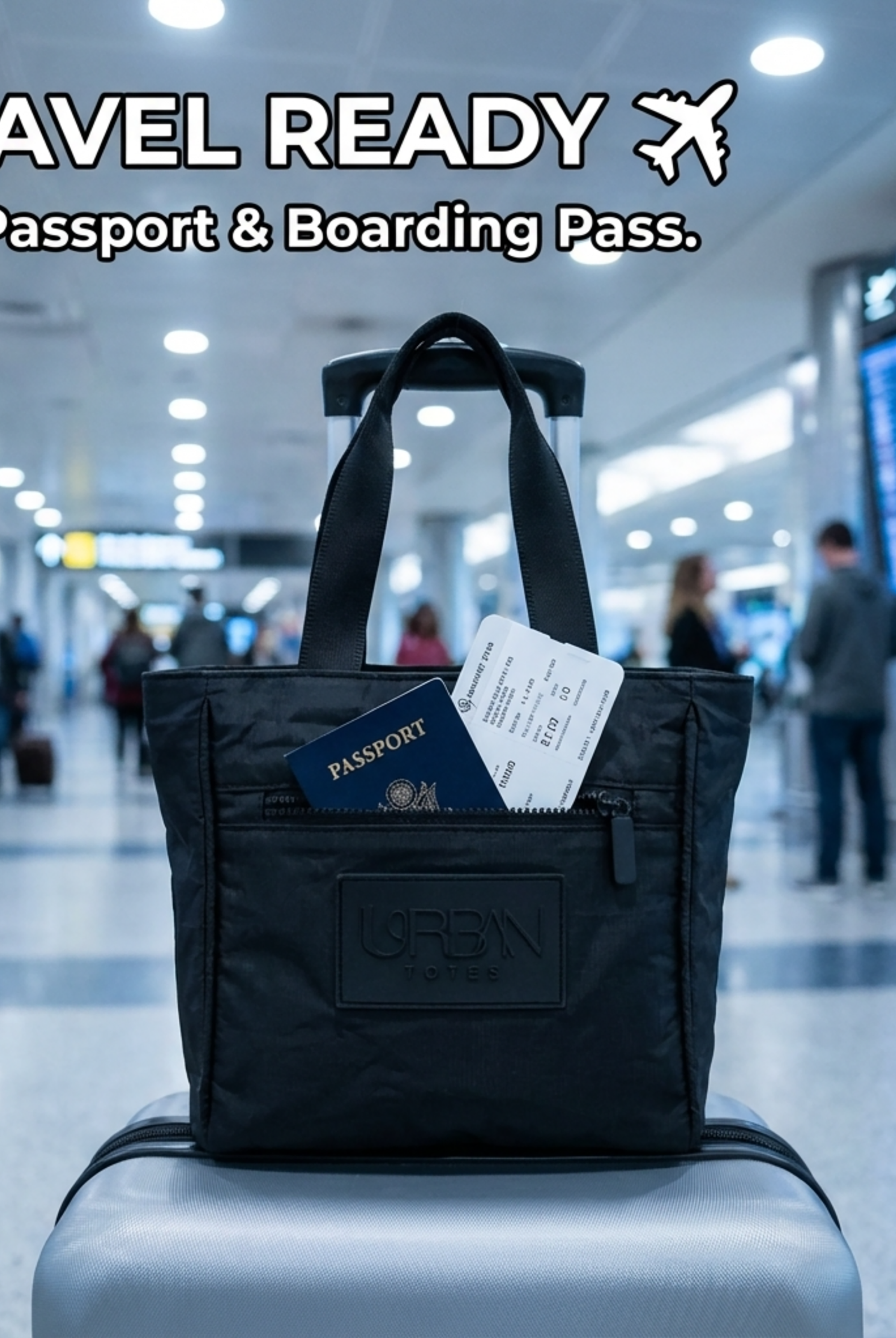
The structural design of a tote affects daily use more than most shoppers expect. Zipper closures and internal pocket organization play a major role in functional utility. A zippered exterior pocket is especially useful for boarding passes and phones, while 2 to 3 internal pockets can organize essentials without turning the bag into a maze. Open-top designs also create a clear risk of item loss in crowded areas, while zipper closures help prevent that problem.
That's not just an airport issue. It matters in grocery lines, on bleachers, in rideshares, and during family outings when your bag gets set down, shifted around, or opened one-handed.
A secure top changes your posture and pace. You stop babysitting the bag.
In a crowded place, an open tote asks for your attention. A zippered tote gives some of that attention back.
If you're comparing layouts, this guide to tote bag compartments is a useful way to think through where pockets help and where they just add clutter.
Organization should help, not boss you around
The best organization feels obvious. You reach in and your hand lands where it should.
That usually means a few thoughtfully placed zones:
| Feature | What it solves | Where it matters most |
|---|---|---|
| Exterior zip pocket | Fast access to high-priority items | Airport, school pickup, transit |
| Interior slip or zip pockets | Separates essentials from the main compartment | Workdays, errands |
| Laptop sleeve sized for common devices | Keeps electronics from shifting around | Commute, coffee shop, travel |
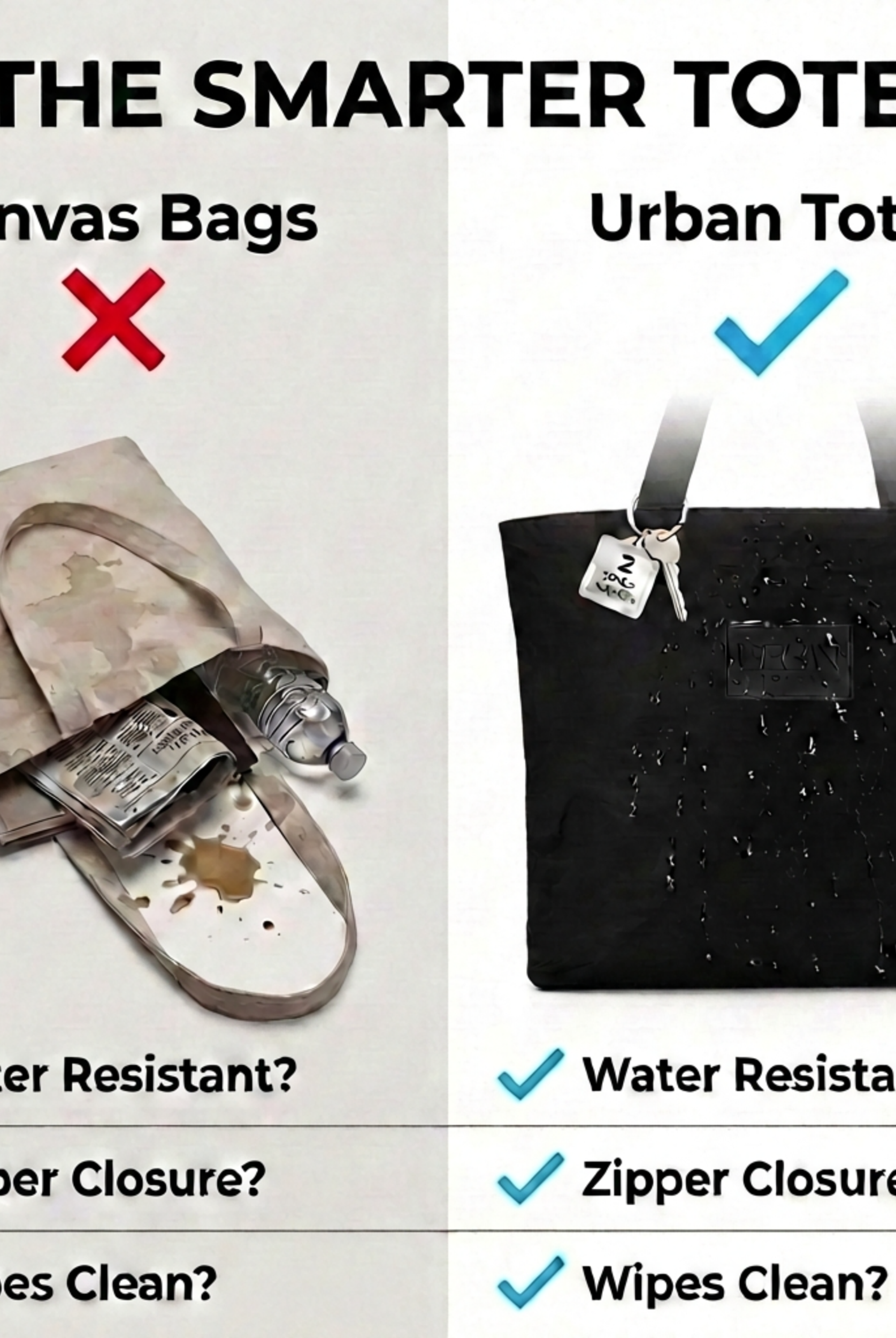
| Water-resistant material | Adds protection for everyday messes | Weather, gym, family use |
The bags that miss the mark are often too extreme in one direction. Either they're one giant bucket with no guidance, or they're so subdivided that every object has to fit the designer's idea of your life.
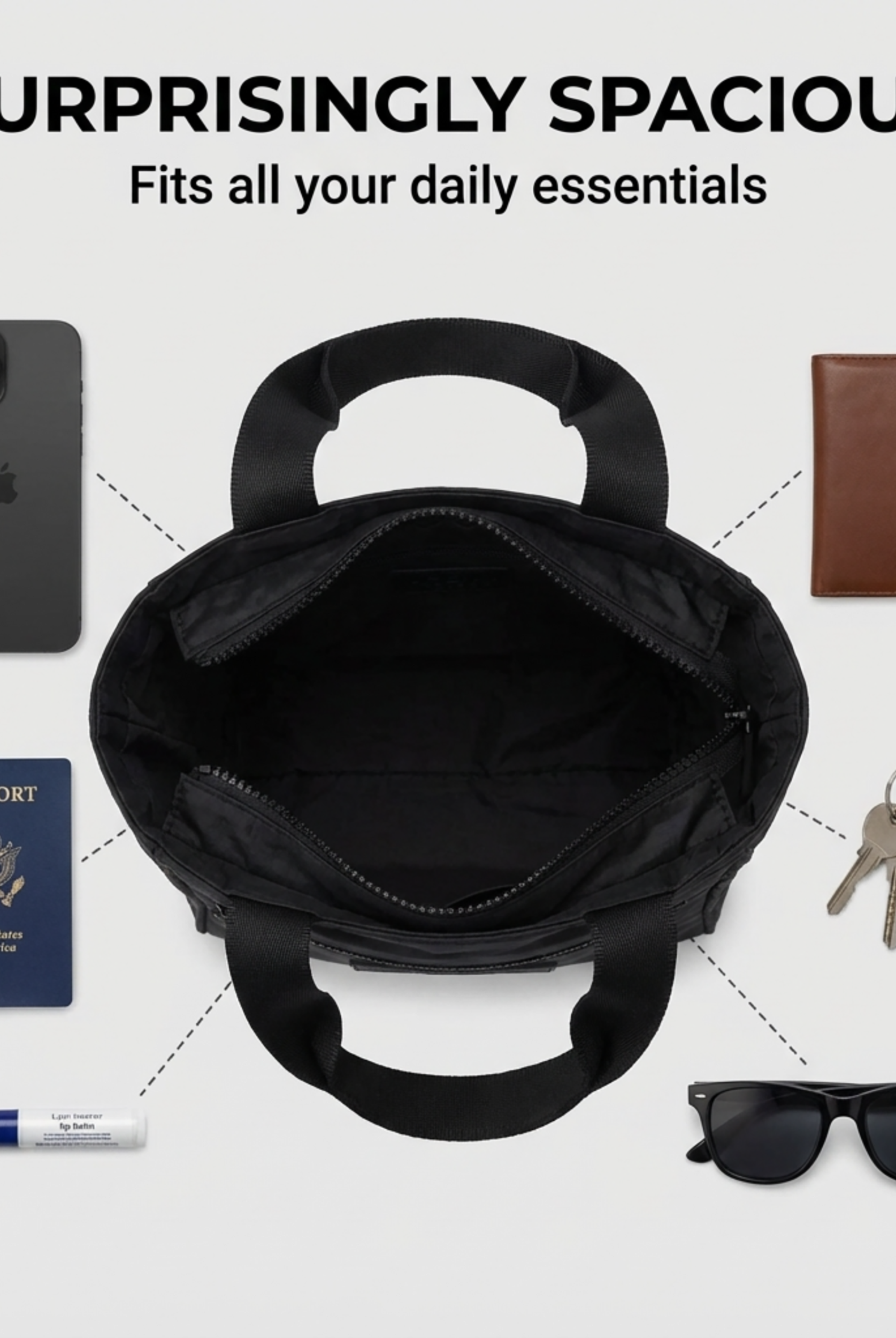
What works better is practical organization with a little flexibility. You want enough structure to end the frantic search for your keys, but enough open space to toss in a cardigan, a snack pouch, or a last-minute purchase without playing tote Tetris.
The Material Matrix Matching Fabric to Your Lifestyle
A tote can look light on paper and still feel like a burden by 3 p.m. Fabric plays a big part in that. It affects the bag's base weight, how much structure it adds, how easily it cleans up, and whether you feel prepared or mildly annoyed every time you reach inside.

A quick material comparison
Several tote materials can work well. The better question is which one makes your regular load feel easier to carry and easier to manage.
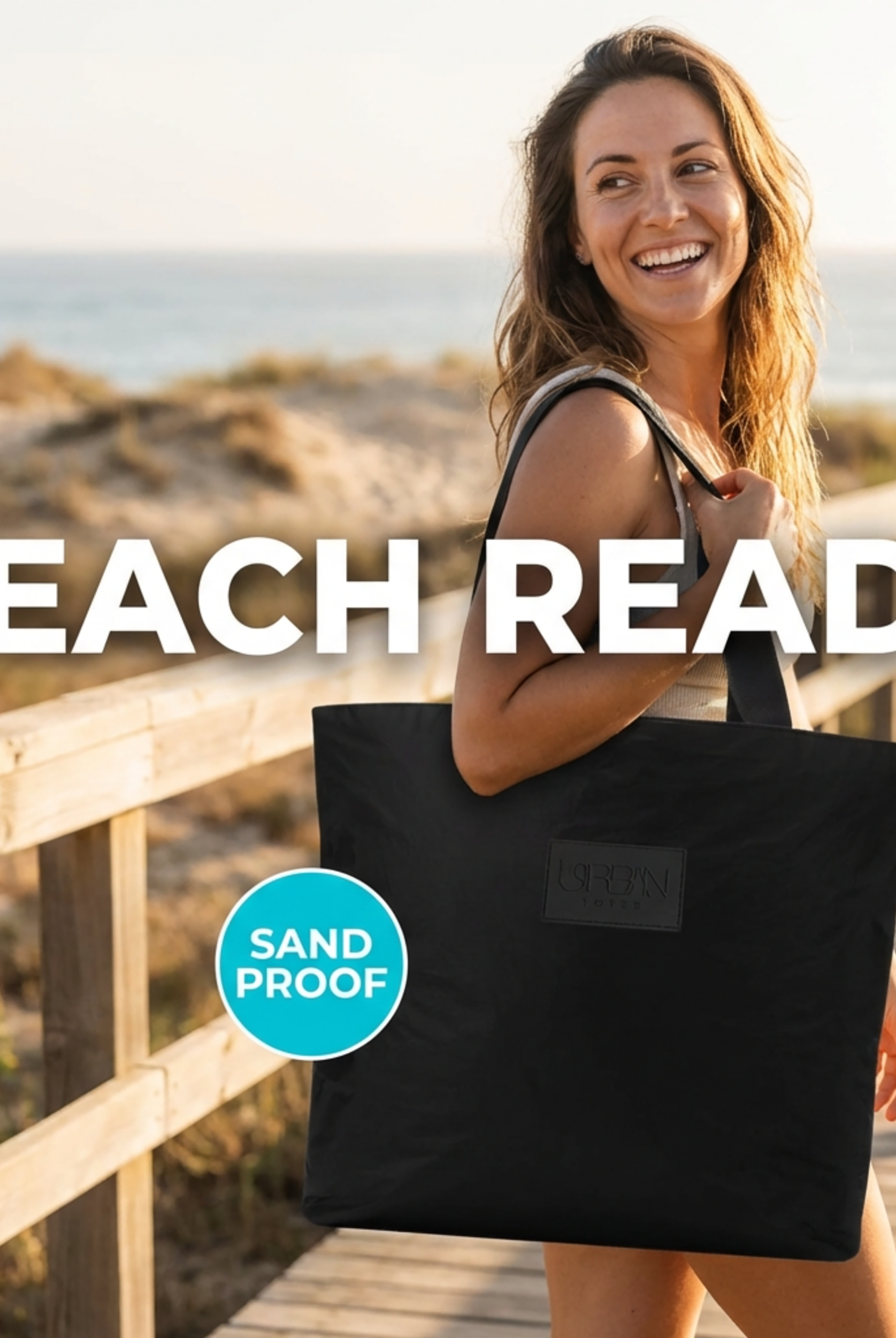
A travel-focused comparison of tote materials points to mesh, canvas, and ripstop nylon serving different jobs. Mesh helps with airflow and sandy gear. Ripstop nylon keeps weight down while adding reinforcement. Canvas brings a sturdier, more classic feel, but you usually notice that extra heft after a long walk or a full day out, as discussed in this travel tote material comparison.
Here's the practical breakdown:
| Material | Best fit | What works well | Trade-off |
|---|---|---|---|
| Ripstop nylon | Travel, daily carry, packable backup bag | Light, easy to fold, resists wear well for its weight | Can feel less polished or structured |
| Canvas | Market runs, casual everyday style | Durable feel, classic appearance, stands up on its own better | Heavier empty, slower to dry |
| Mesh | Beach, pool, sandy outings | Breathable, easy to shake out, good for damp items | Small items can get lost, less weather protection |
| Technical polyester | Commute, multitasking days, family use | Good mix of low weight, shape, and easy cleanup | The look varies a lot by finish |
Choose the fabric for your real life
Pick the fabric for the day you have, not the version of life that looks good in a product photo.
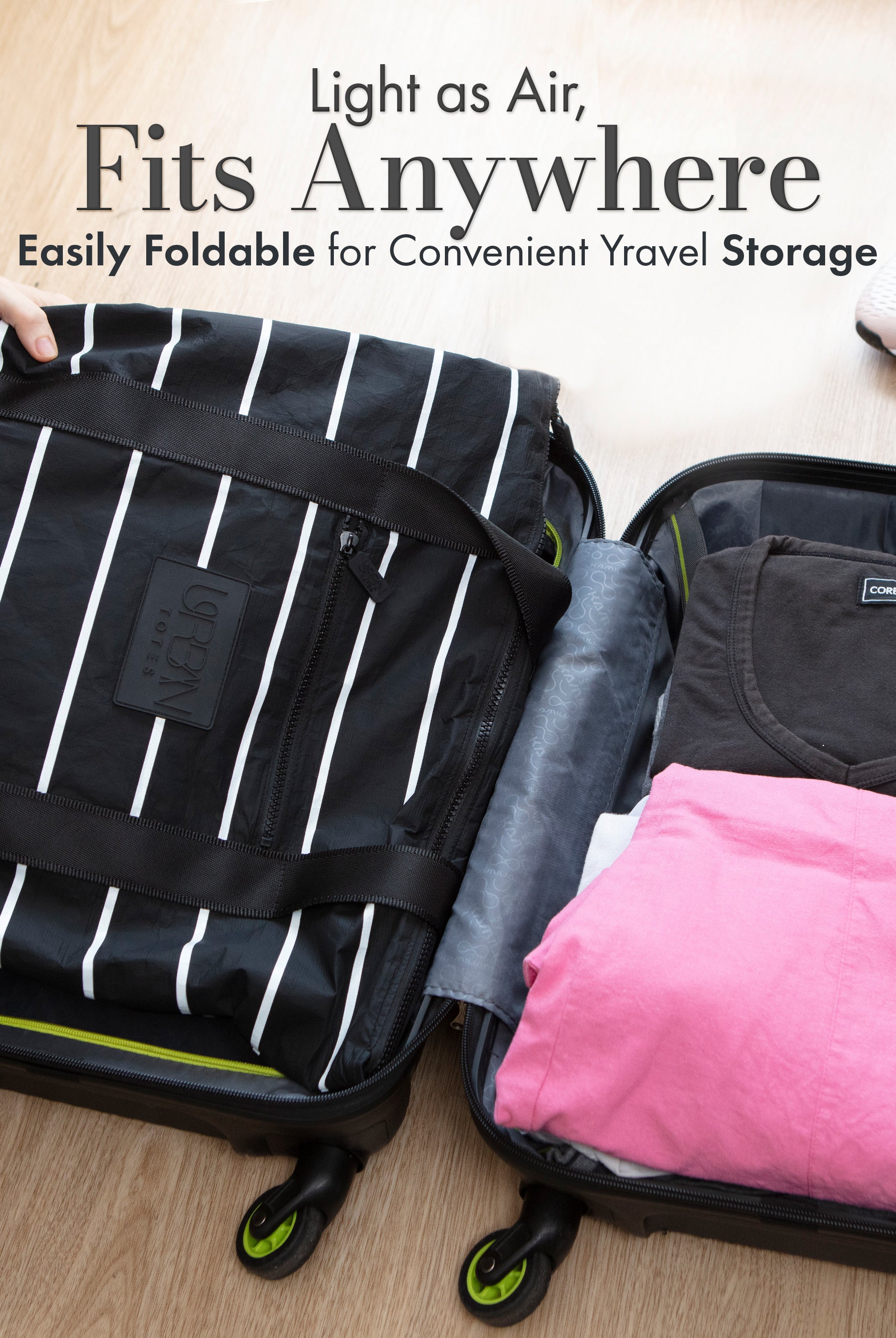
For frequent travel, light and packable usually wins. A tote that folds flat or tucks into a suitcase pocket reduces one more thing to manage, especially when your bag needs to shift from airport carry-on to daily errand bag in the same trip.
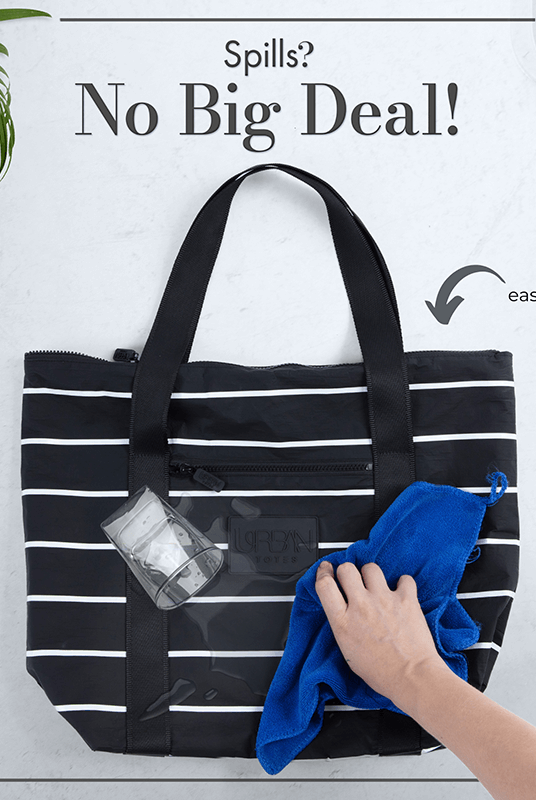
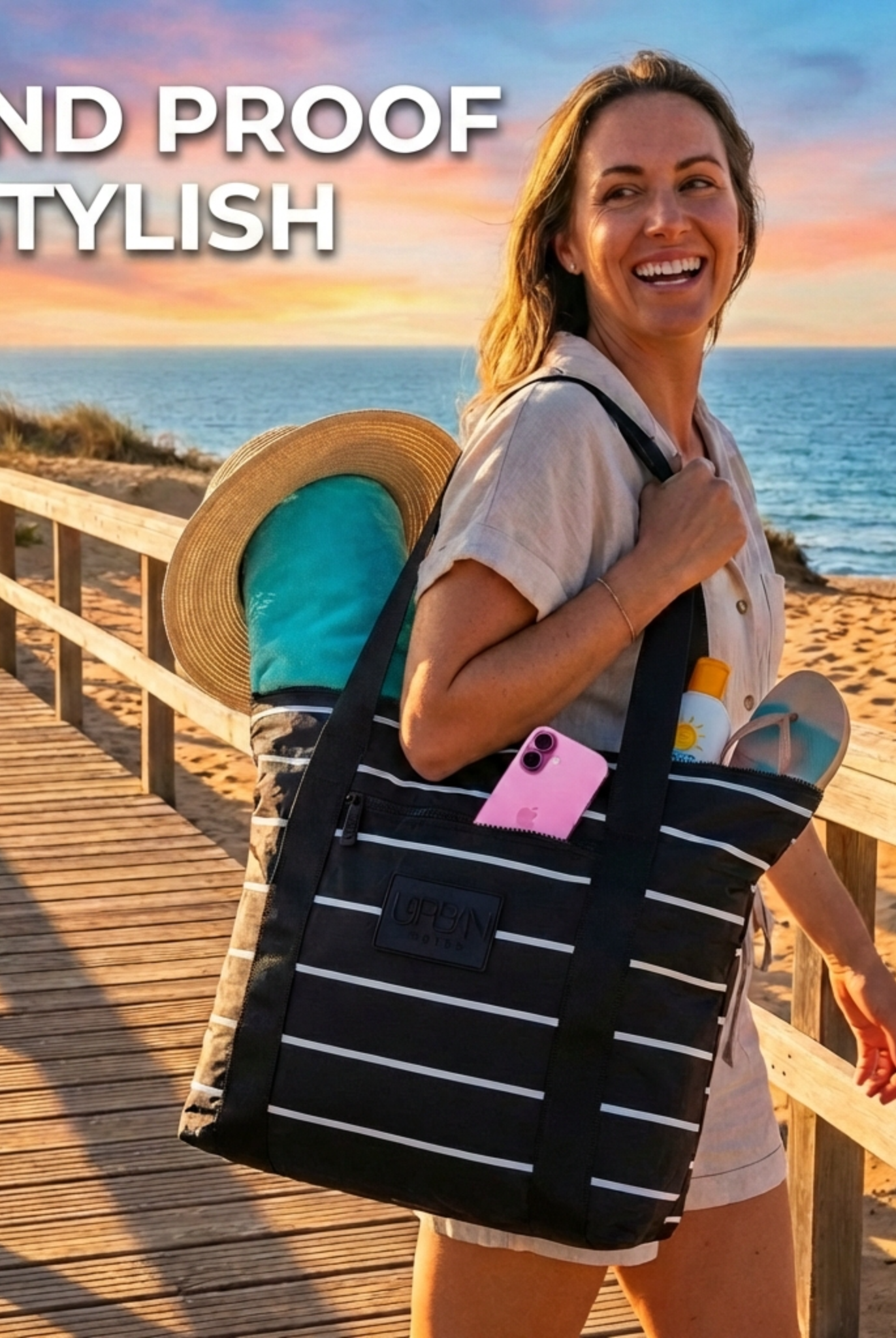
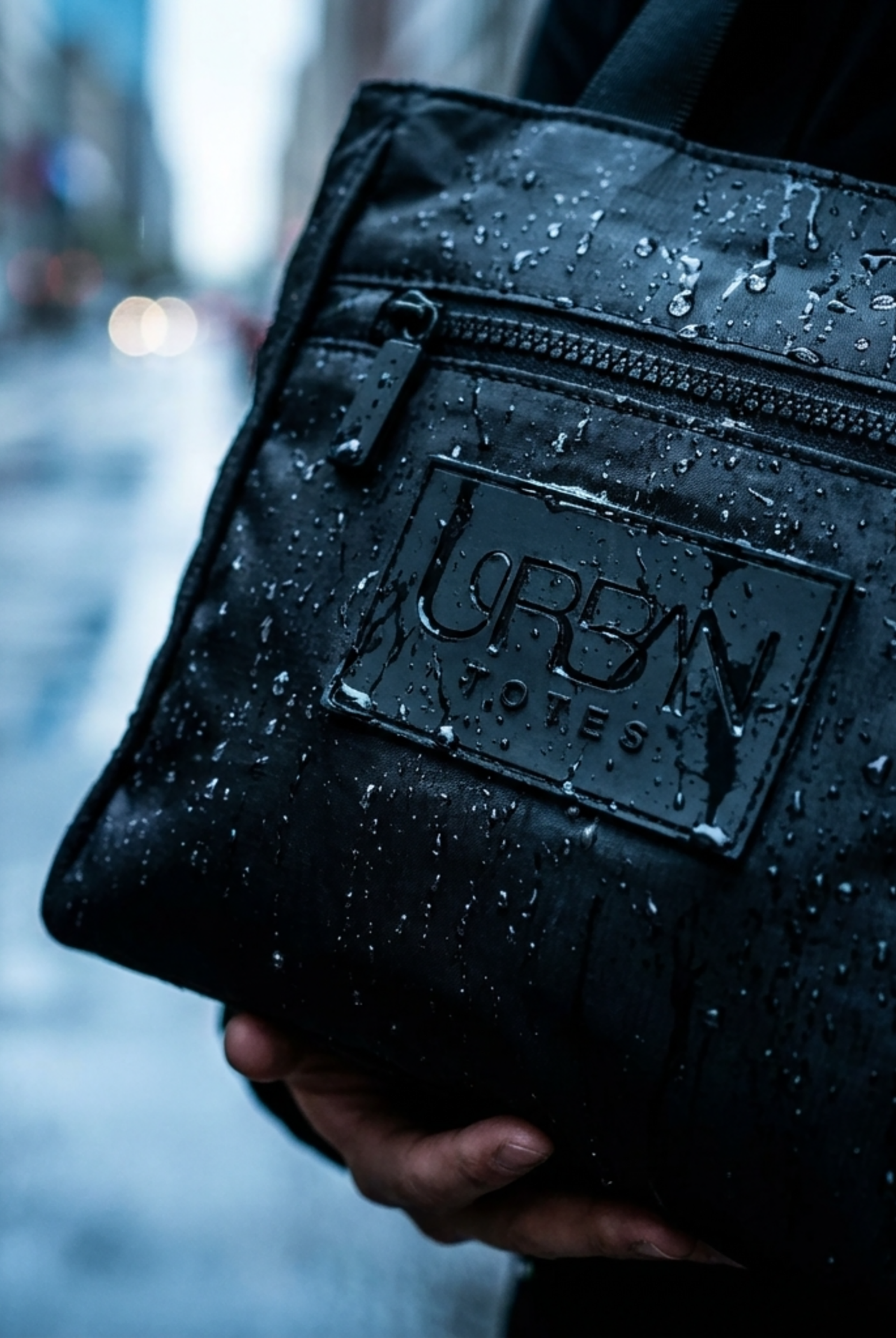
For family days, messy days, and weather days, easy-clean materials lower the mental load fast. Water-resistant synthetics tend to be the least fussy option when you are carrying snacks, a water bottle, sunscreen, receipts, and one damp surprise.
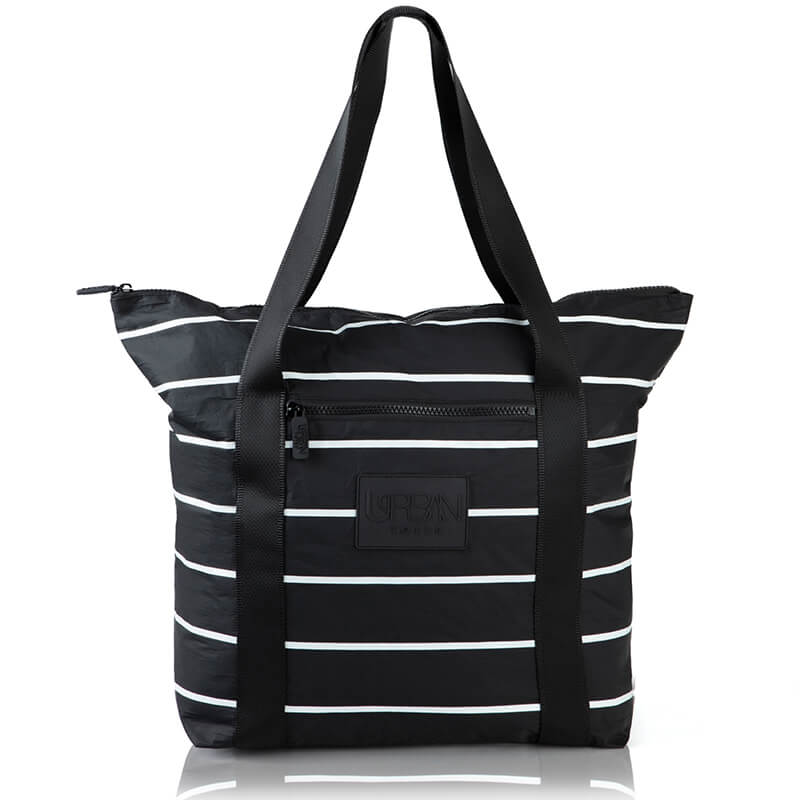
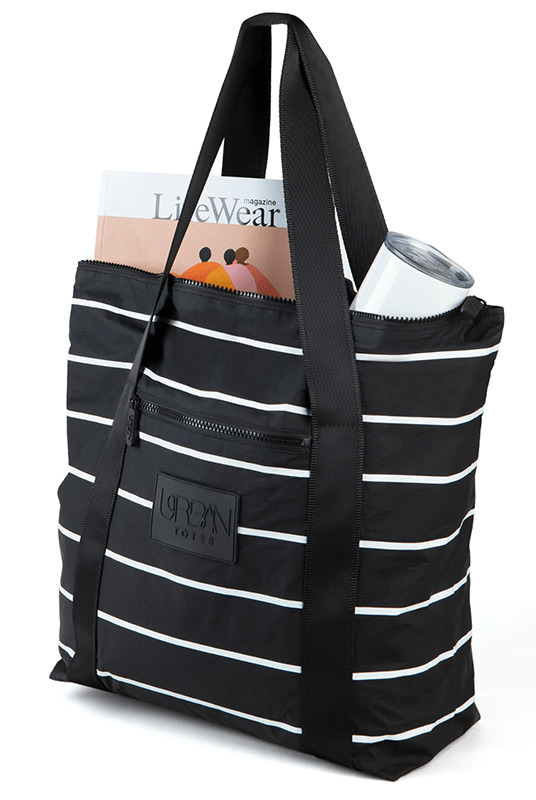
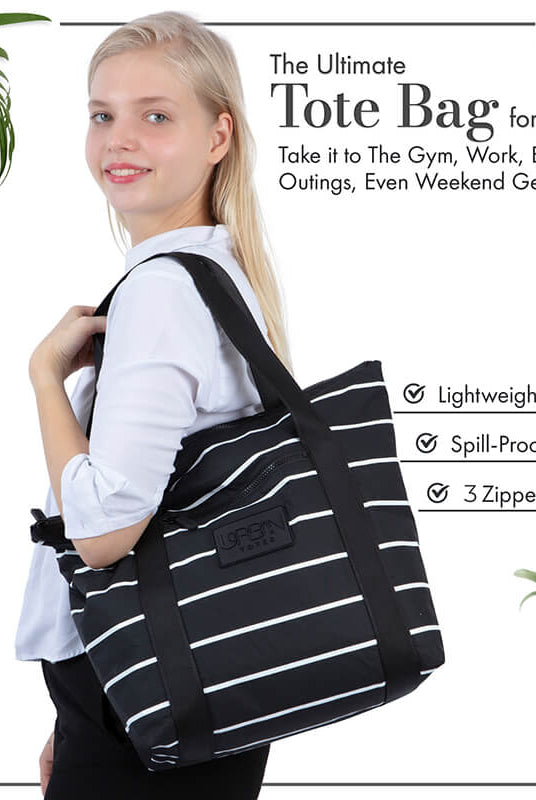
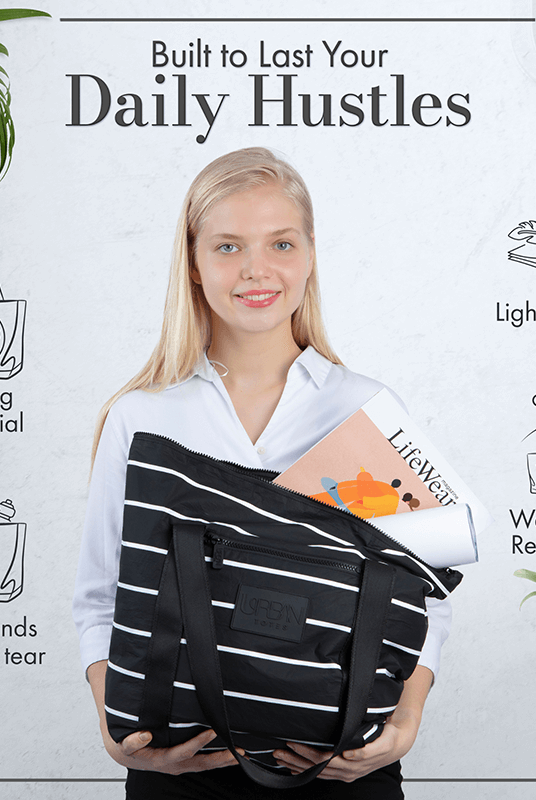
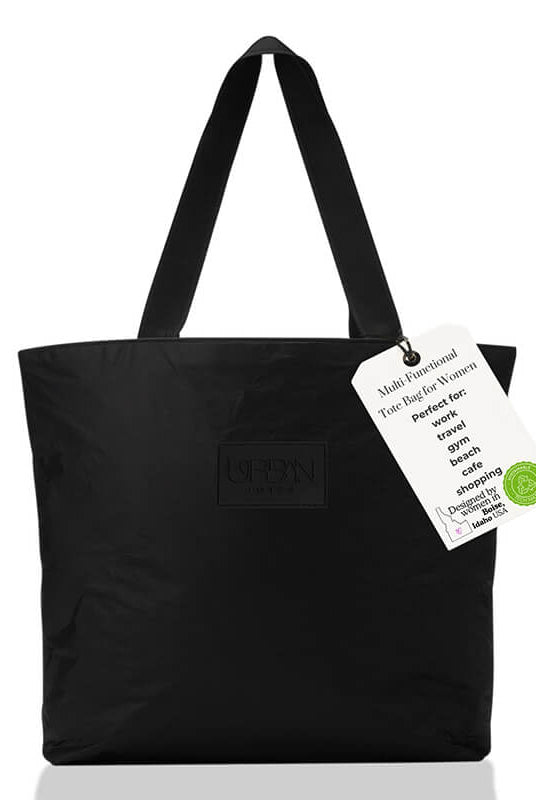
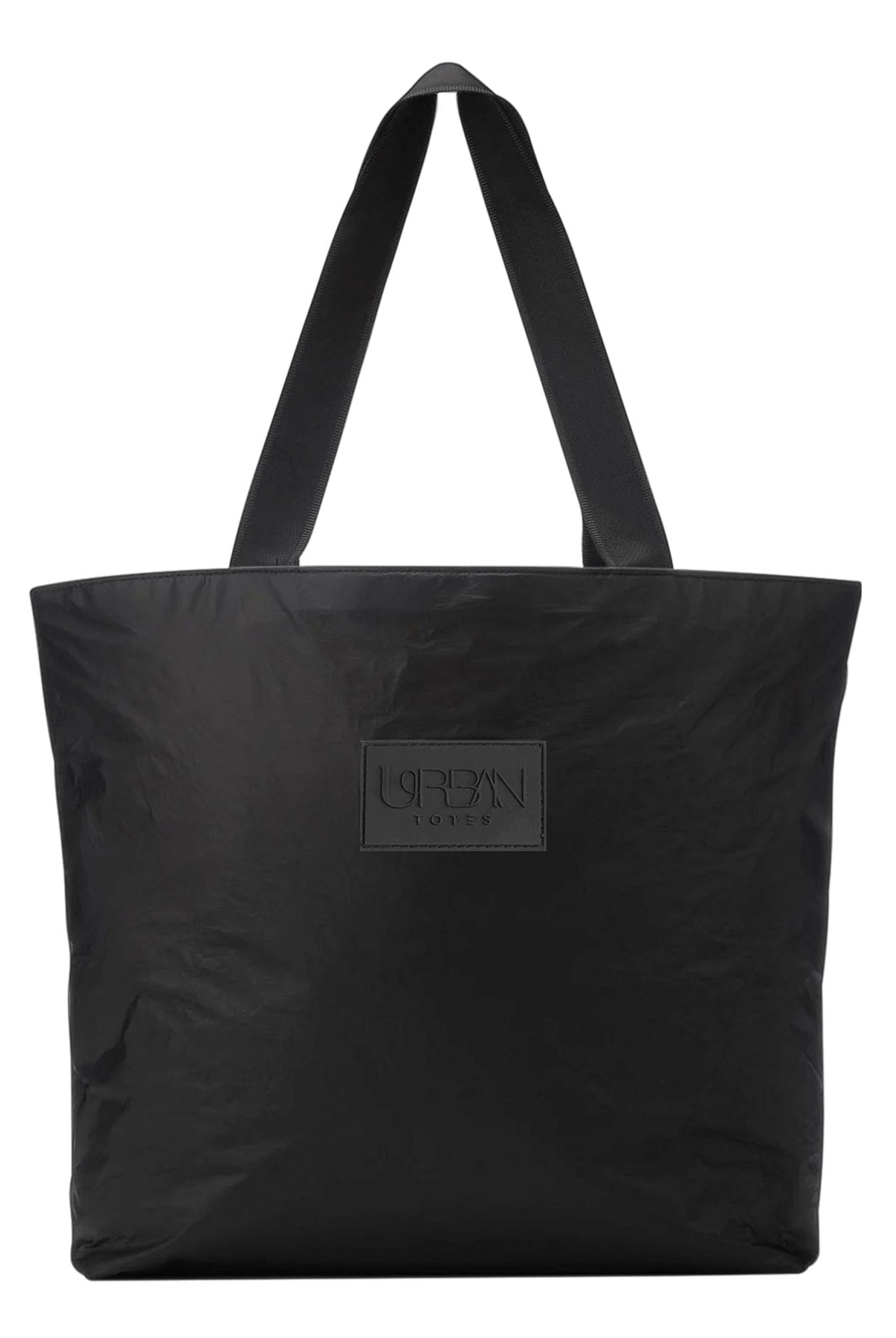
For workdays, the right answer is often balance. You want a fabric that looks put together enough for an office or meeting, but does not ask for special treatment in the car, on the train, or at school pickup. That is why many women end up happiest with technical fabrics that keep weight reasonable and still hold their shape. Urban Totes, a woman-owned Boise-based brand, makes lightweight, water-resistant, packable totes with zipper closures and multiple compartments, which suits people who need one bag to cover several parts of the day.
Material choice also matters if sustainability is part of your buying process. This guide to recycled material bags and their tradeoffs is useful if you want to compare newer fabric options without losing sight of durability and daily use.
Your Decision Checklist for the Perfect Lightweight Tote
A good tote choice usually comes down to asking better questions. Not “Is this cute?” first, even though style matters. Ask whether the bag matches the way your day unfolds.
The questions worth asking before you buy
Start with the basics, but don't stop there.
- How heavy is it empty? This is the foundation. If the bag already feels substantial before you load it, your shoulder will notice.
- What is the fabric? Look for clues about whether it's likely to be packable, wipe-clean, or better suited to dry, casual carry.
- Does it close securely? A zipper closure matters more in real life than many people think.
- Do the pockets match your habits? If you reach for your phone constantly, an exterior easy-access pocket can matter more than a padded sleeve you'll rarely use.
- Can you carry it comfortably for more than ten minutes? A tote has to work in motion, not just on a hook.
Then ask the more honest question. What do you carry on your busiest normal day?
The right tote should fit your routine as it exists, not the fantasy version of your routine.
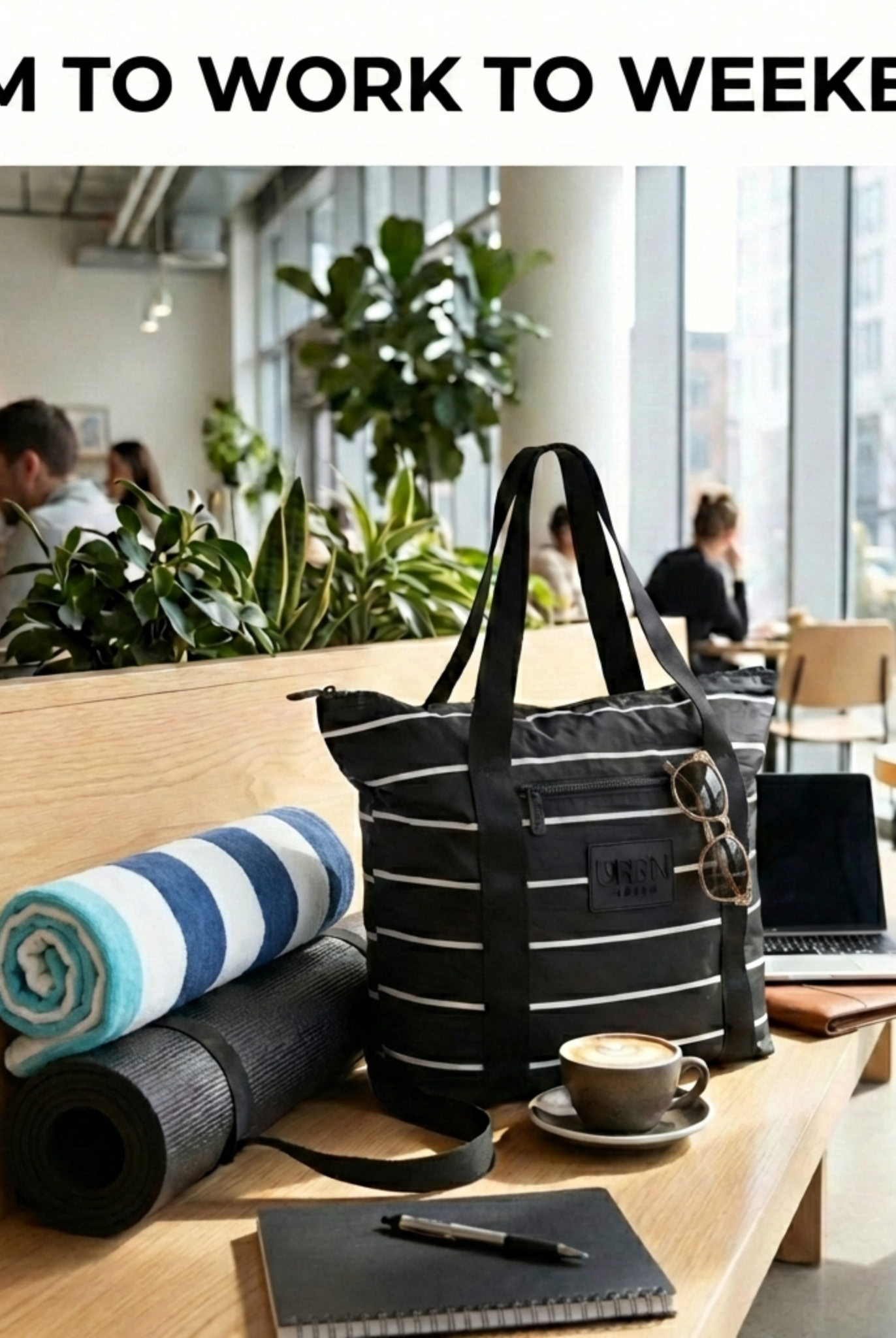
If you work from your bag, a laptop sleeve and a couple of internal pockets might be worth the extra structure. If you mostly need a stylish catch-all for errands, a simpler layout may feel lighter, easier, and more forgiving.
The sweet spot between ready and overloaded
One of the most overlooked trade-offs in tote design is the tension between organization and weight. Independent reviews regularly praise features like padded laptop sleeves, key clips, water-bottle pockets, and luggage pass-throughs, but they also note that these extras can reduce flexibility and add bulk, as discussed in this travel tote review roundup.
That's why there isn't one universal “best” layout.
A highly structured tote can feel amazing for commuting and frustrating for beach days. A soft packable tote can be perfect for travel backup and annoying for work if your things slide together. The smart move is to find your own middle ground.
Try this quick filter when shopping:
- Name your primary use. Work, travel, beach, gym, errands.
- List your must-have features. Maybe that's a zipper, water resistance, or room for a tablet.
- Cut one “nice-to-have.” This helps prevent feature overload.
- Check access points. Fast access often matters more than maximum compartments.
- Think about cleanup. Real life includes spills, crumbs, damp towels, and receipts.
If you want help making your current bag work better, this guide on how to organize tote bags is a practical next step.
Go Anywhere Tote Everything With Confidence
A lightweight tote can seem like a small upgrade until you use the right one for a week. Then you notice what changed. Your shoulder feels better after carrying it all day. Your essentials are where you expect them to be. You're less distracted by your bag, which means you have more attention for your actual life.
That's the main difference.
The best lightweight tote bags support the person carrying them. They account for the life load. The physical weight, yes, but also the mental weight of remembering, sorting, searching, and managing. A well-designed tote can't erase a packed schedule, but it can remove some unnecessary friction from it.
For travel days, that kind of simplicity matters even more. If you're planning a trip soon, it helps to prepare your travel packing list before you choose which bag gets the job. Packing is easier when you know whether your tote is carrying electronics, snacks, kid gear, a spare layer, or all of the above.
Urban Totes was built around that real-life practicality. A woman-owned brand from Boise, Idaho, it speaks to a need many women know well. You want a bag that looks polished, carries comfortably, stays organized, and keeps up without demanding constant effort from you.
A tote should help you feel capable, not crowded.
Choose the fabric that matches your routine. Choose the structure that fits your habits. Choose the level of organization that supports you without weighing you down. That's how you find a go-anywhere bag you'll reach for.
Find your perfect go-anywhere bag at Urban Totes. Shop the full collection and choose a lightweight, organized, travel-ready tote that fits the life you're already living.