The night before a trip always tells the truth about your packing habits. Some women have their suitcase zipped, outfit for the airport set aside, and charger already tucked into an easy-to-reach pocket. The rest of us are sitting on a half-closed bag, negotiating with a second pair of sandals we absolutely do not need.
Packing stress usually isn't about the trip itself. It's about a suitcase with no system. Clothes get tossed in without a plan, toiletries take up more room than they should, and the things you need first somehow end up at the very bottom. That's when travel starts feeling harder than it needs to.
Smart packing fixes that. AAA recommends starting with a list, building a mix-and-match wardrobe, using packing cubes, and planning to do laundry on longer trips so you don't overpack in the first place AAA packing guidance. That shift matters. Good packing isn't just folding neatly. It's managing space, weight, access, and real-life travel friction.
As a founder who's always moving between work, errands, flights, and weekend escapes, I've learned that the best packing suitcases tips aren't flashy. They're simple, repeatable, and stylish enough to fit real life. If your goal is to travel lighter, stay organized, and still feel pulled together when you arrive, start here.
Table of Contents
- 1. Roll Your Clothes Instead of Folding
- 2. Use Packing Cubes and Compartment Organization
- 3. Pack Heavier Items at the Bottom, Lighter on Top
- 4. Keep Essential Items in Easily Accessible Pockets
- 5. Use Compression Bags for Maximum Space Efficiency
- 6. Pack a Day's Worth of Essentials in a Separate Accessible Bag
- 7. Wear Your Bulkiest Items During Travel
- 8. Organize by Outfit Rather Than by Item Type
- 9. Utilize Vertical Space and Side Pockets Effectively
- 10. Pack Shoes Strategically and Use Shoe Bags or Compartments
- Top 10 Suitcase Packing Tips Comparison
- Ready to Go? Your Persona-Based Packing Checklists
1. Roll Your Clothes Instead of Folding
Rolling works best when you want visibility and flexibility. Instead of stacking flat layers that have to be lifted one by one, rolled pieces create rows you can scan fast. That matters on a weekend trip when you're dressing out of your bag, not unpacking into drawers.
Casual fabrics usually handle rolling well. Tees, leggings, knit dresses, pajamas, and soft tops become compact cylinders that slide neatly into corners and side spaces. If I'm packing a short trip, I roll the bulk of my clothing first, then use flatter folded pieces only for items that crease easily.

How to make rolling work
Start by folding each piece into a clean rectangle, then roll tightly from one end. Loose rolling wastes space and creates lumps that don't stack well.
A few ways to use it in real life:
- Weekend travel: Roll complete casual pieces and line them side by side so you can grab one outfit without disturbing the rest.
- Gym-to-office days: Roll activewear and tuck it into one contained section so it stays separate from work clothes.
- Gap filling: Use smaller rolled items like tanks, sleepwear, or socks to fill awkward spaces around cubes or shoes.
Practical rule: Roll for soft, everyday clothes. Fold for linen, structured blouses, and anything that wrinkles when you look at it.
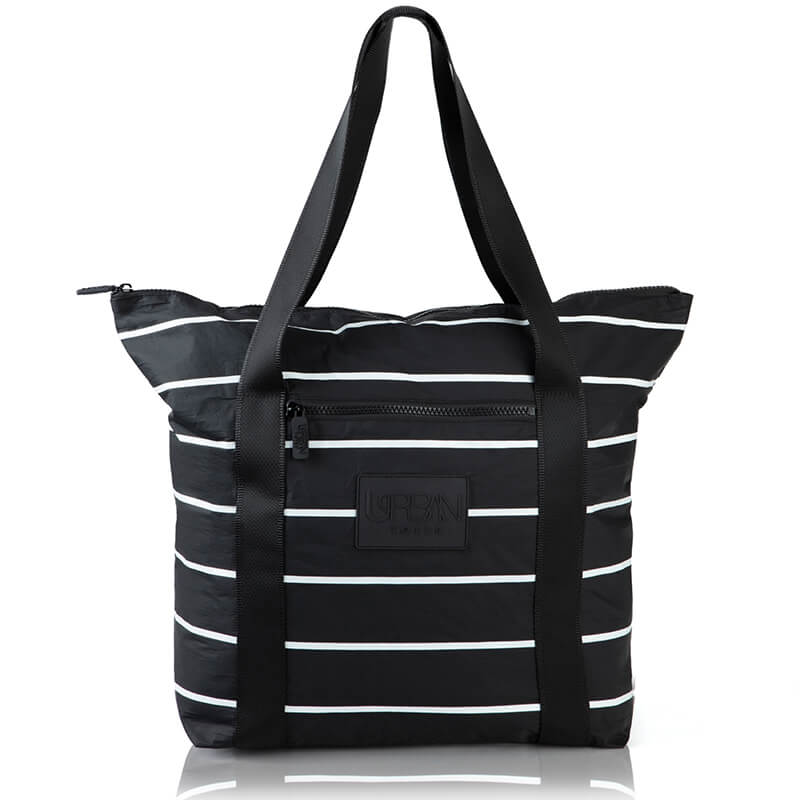
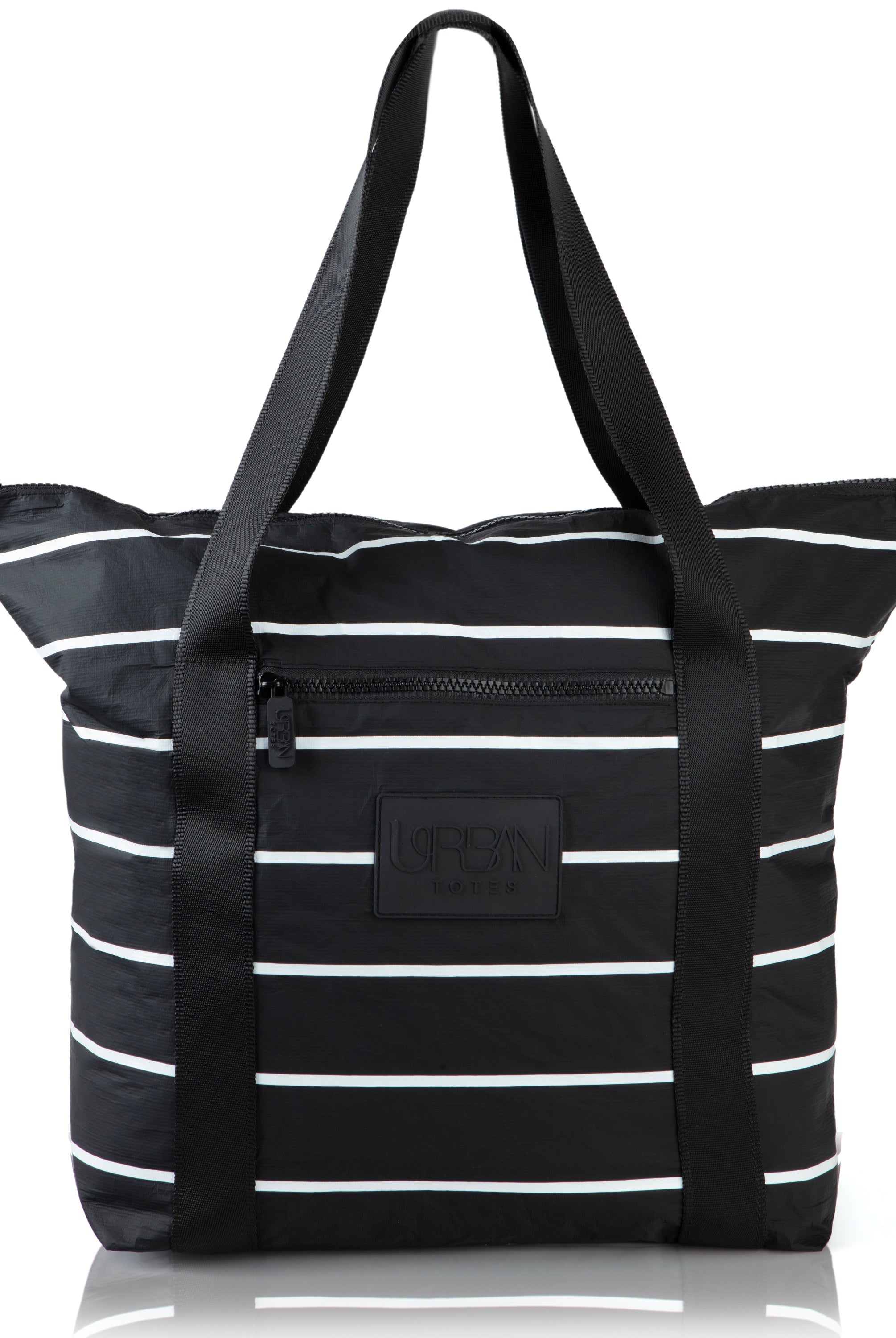
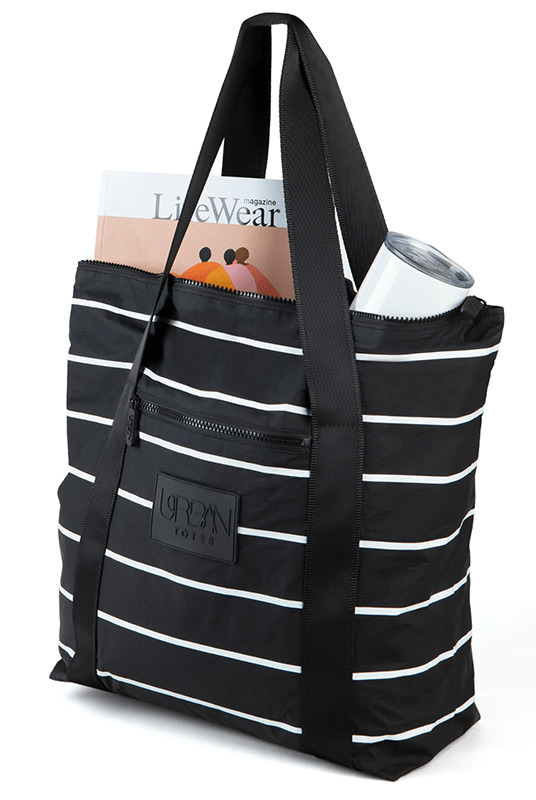
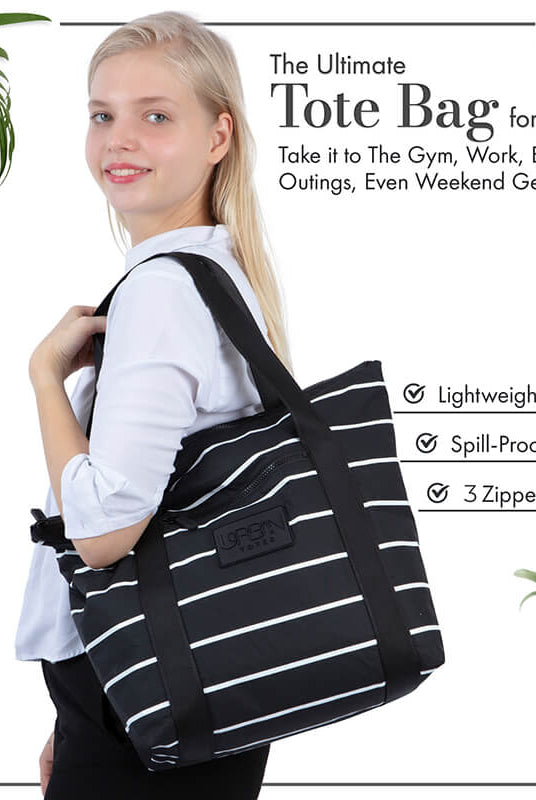
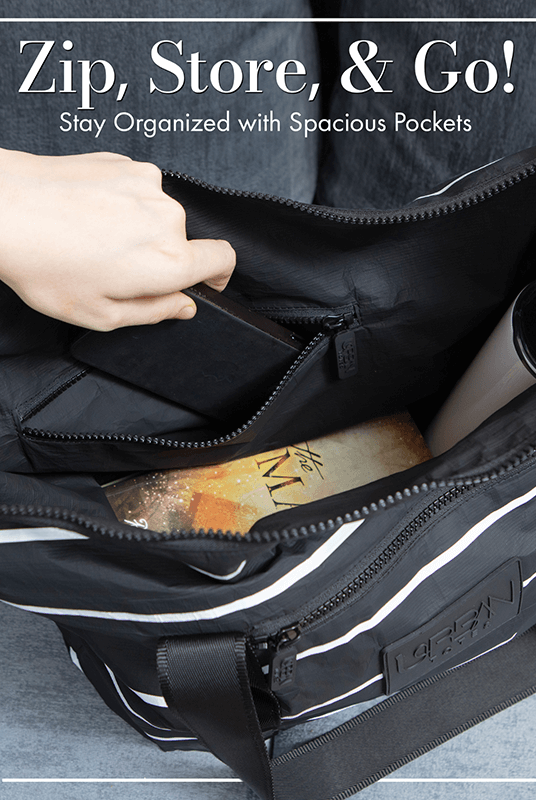
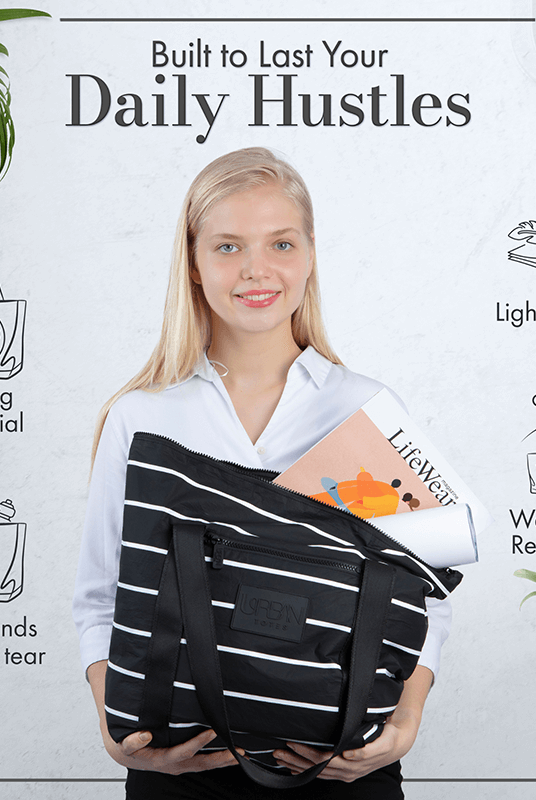
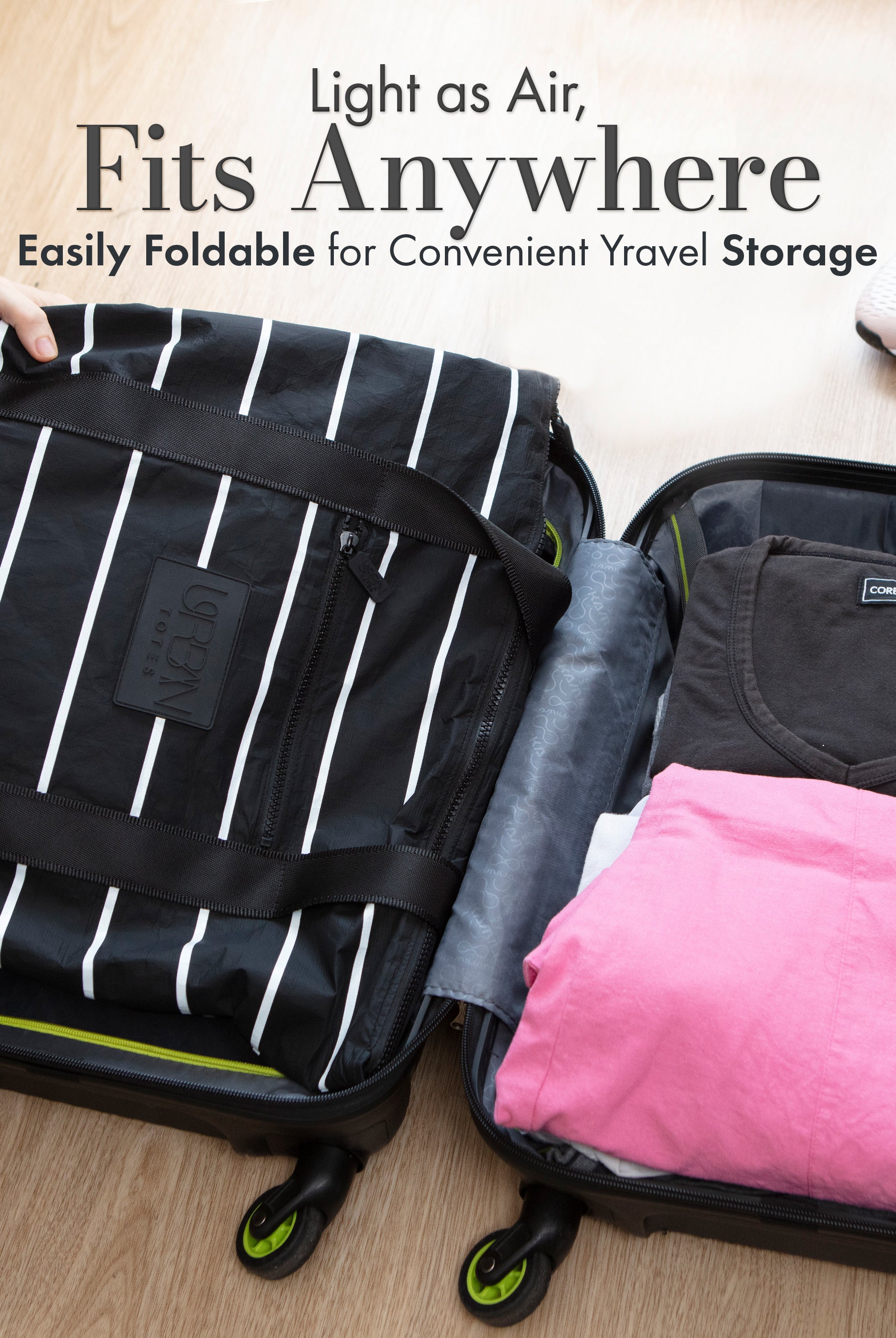
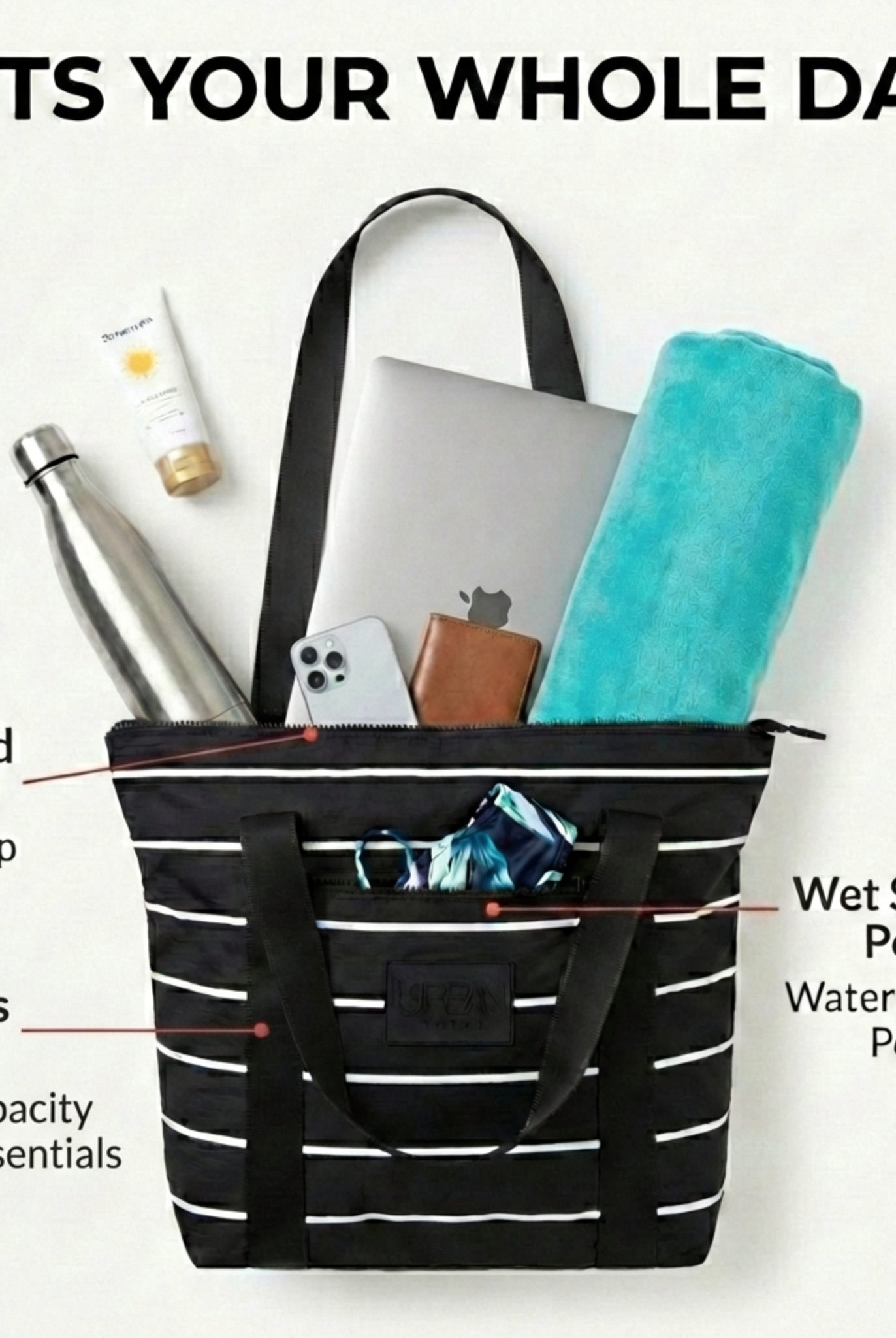
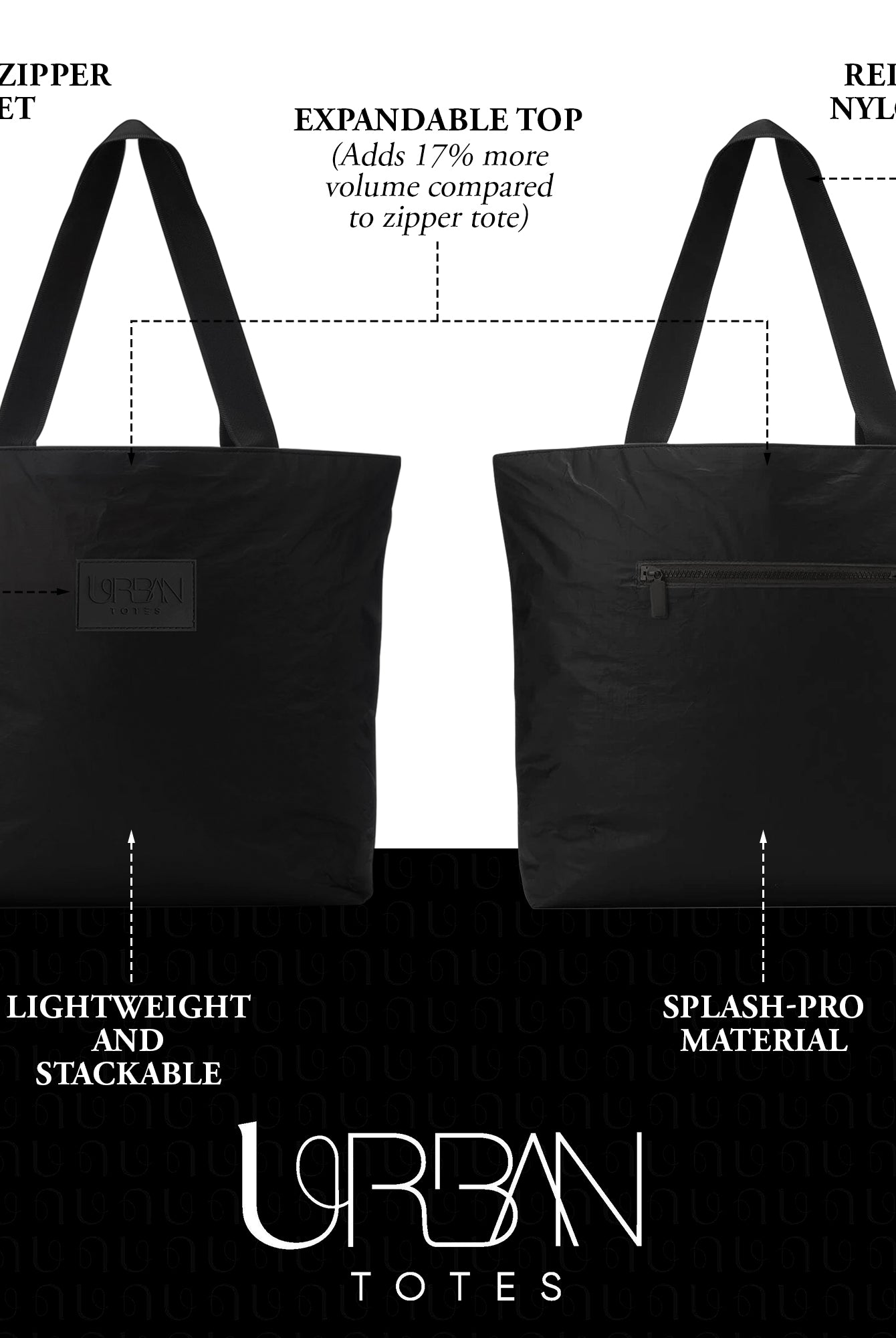
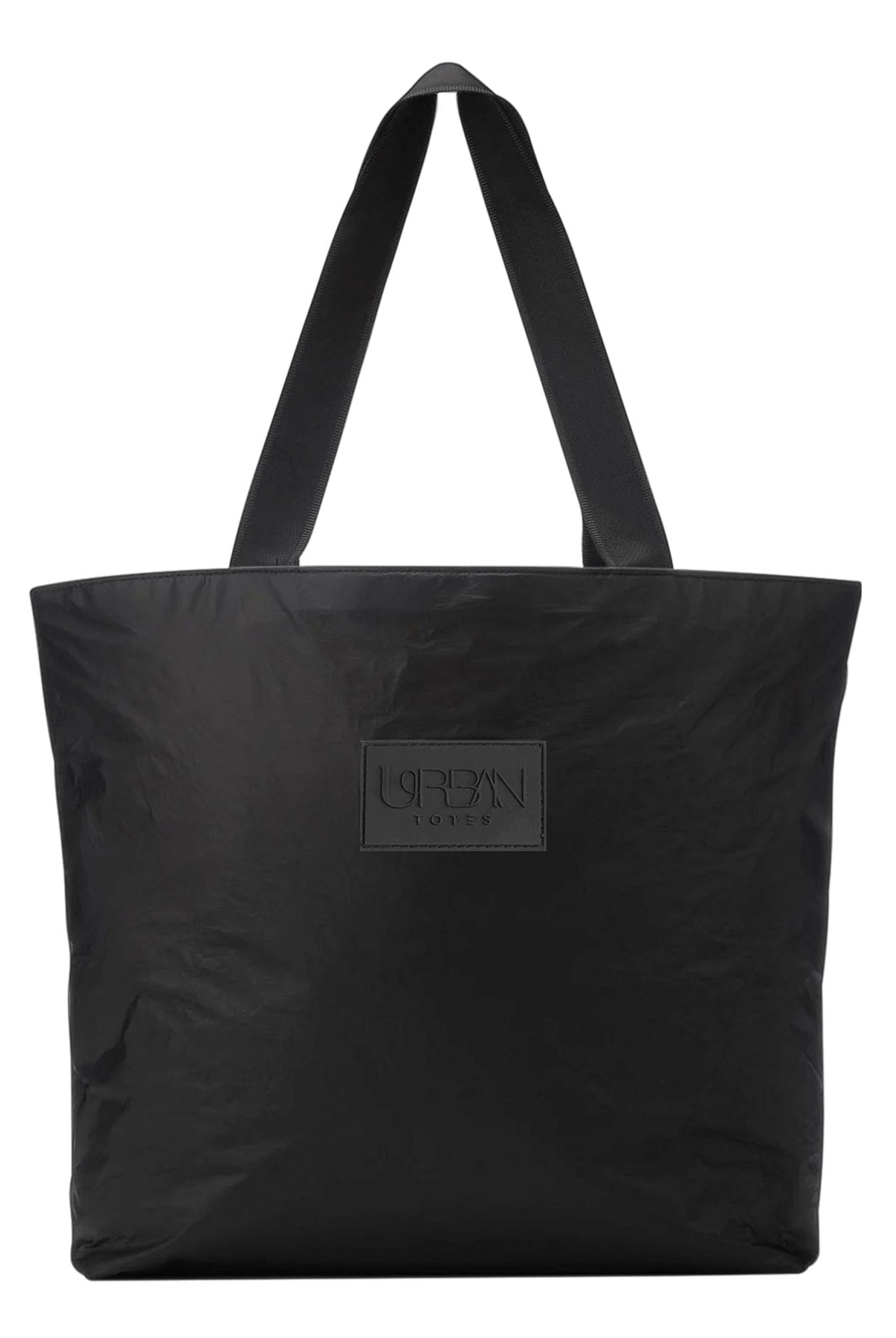
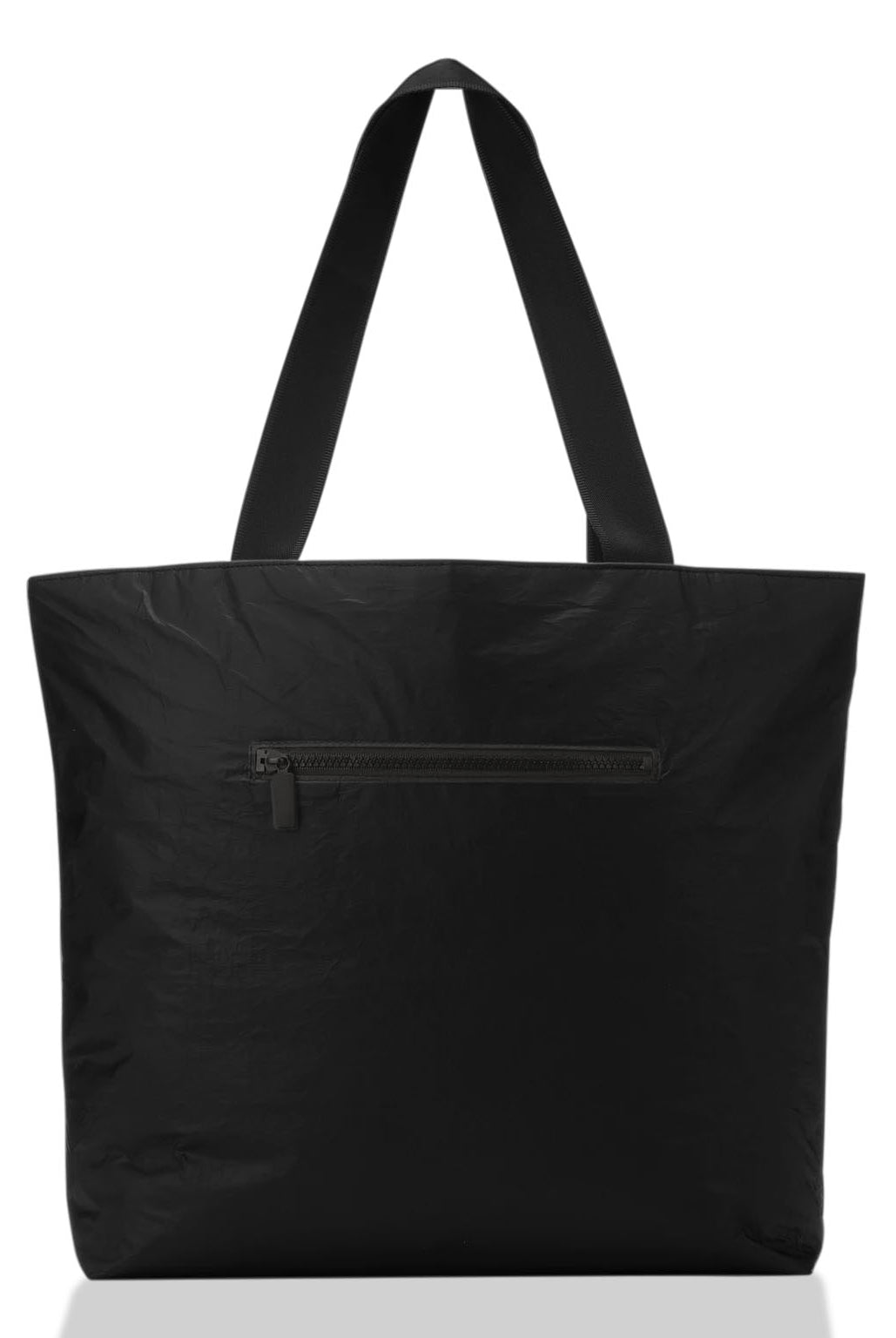
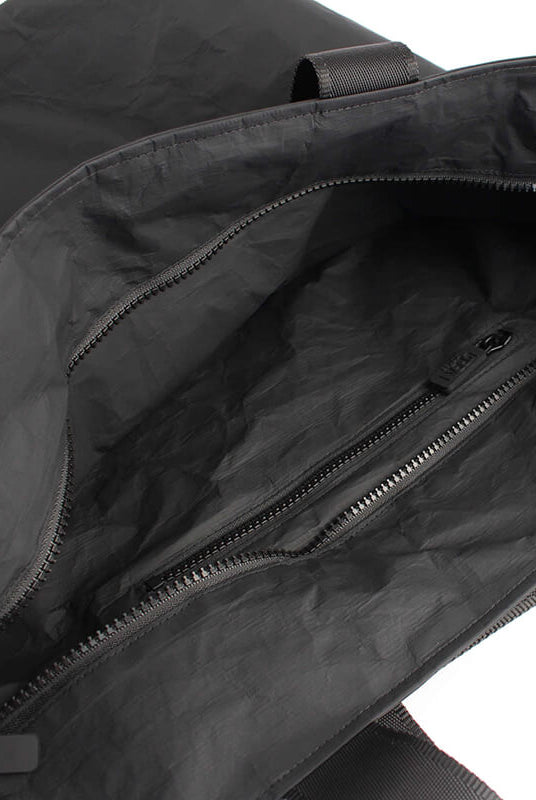
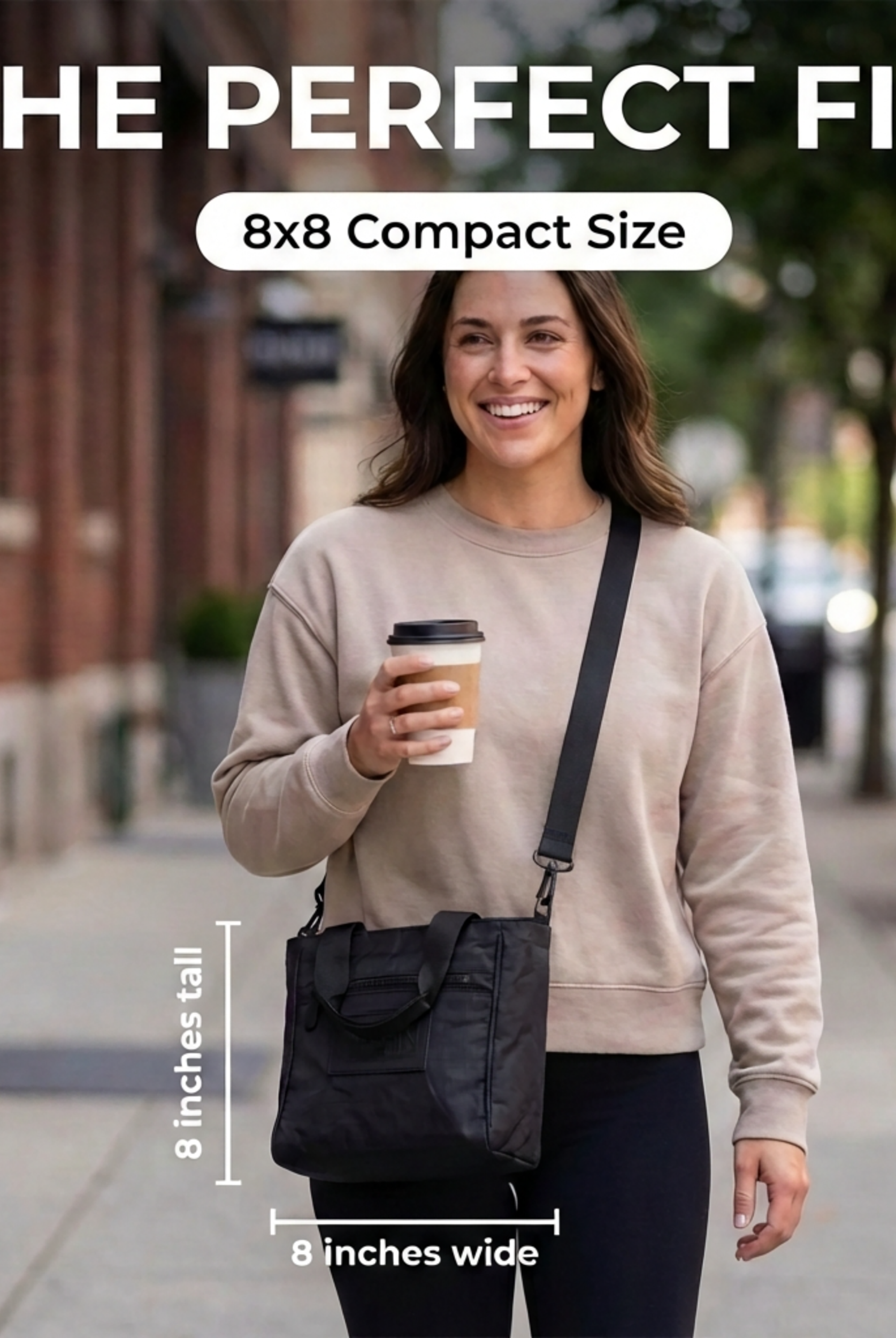
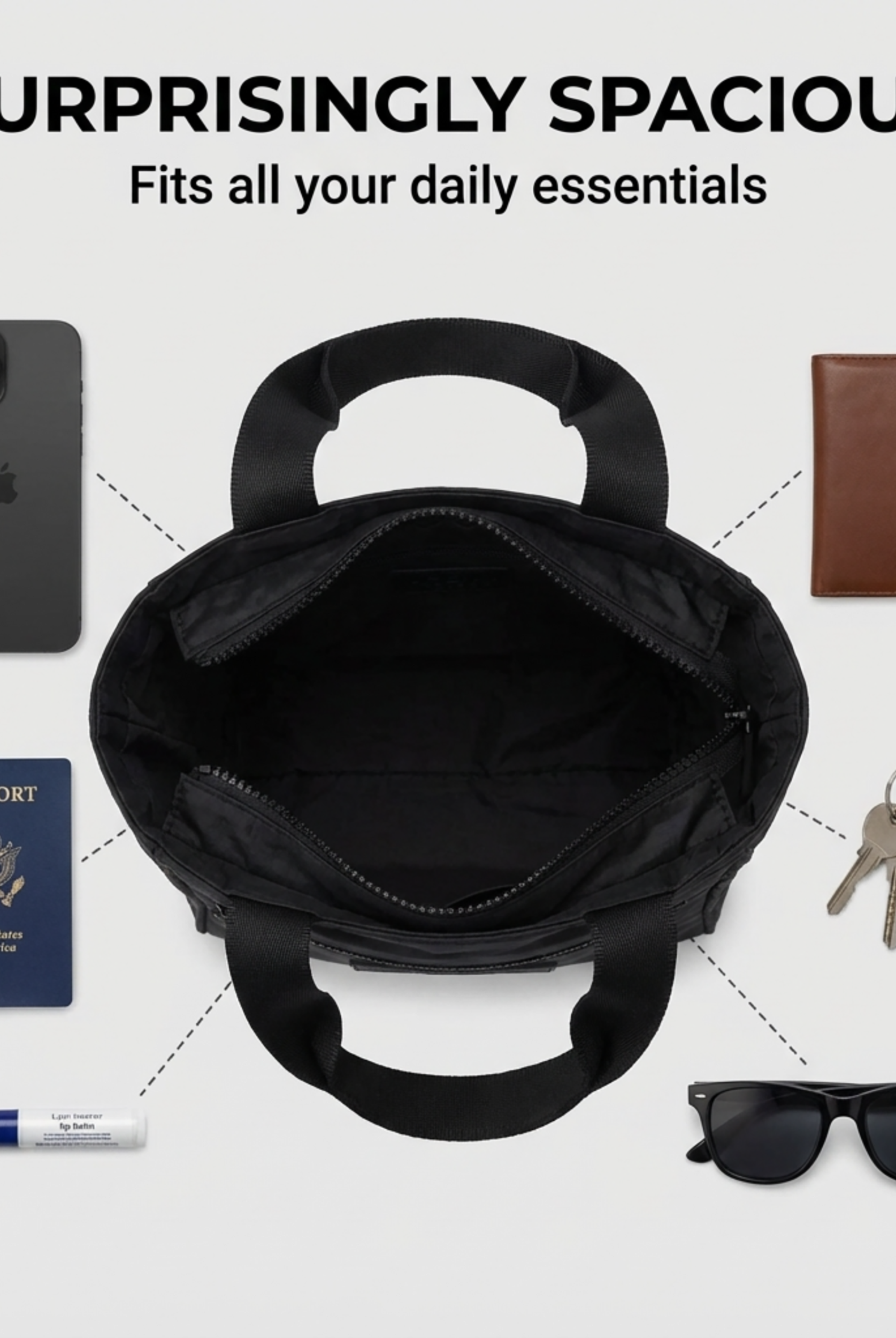
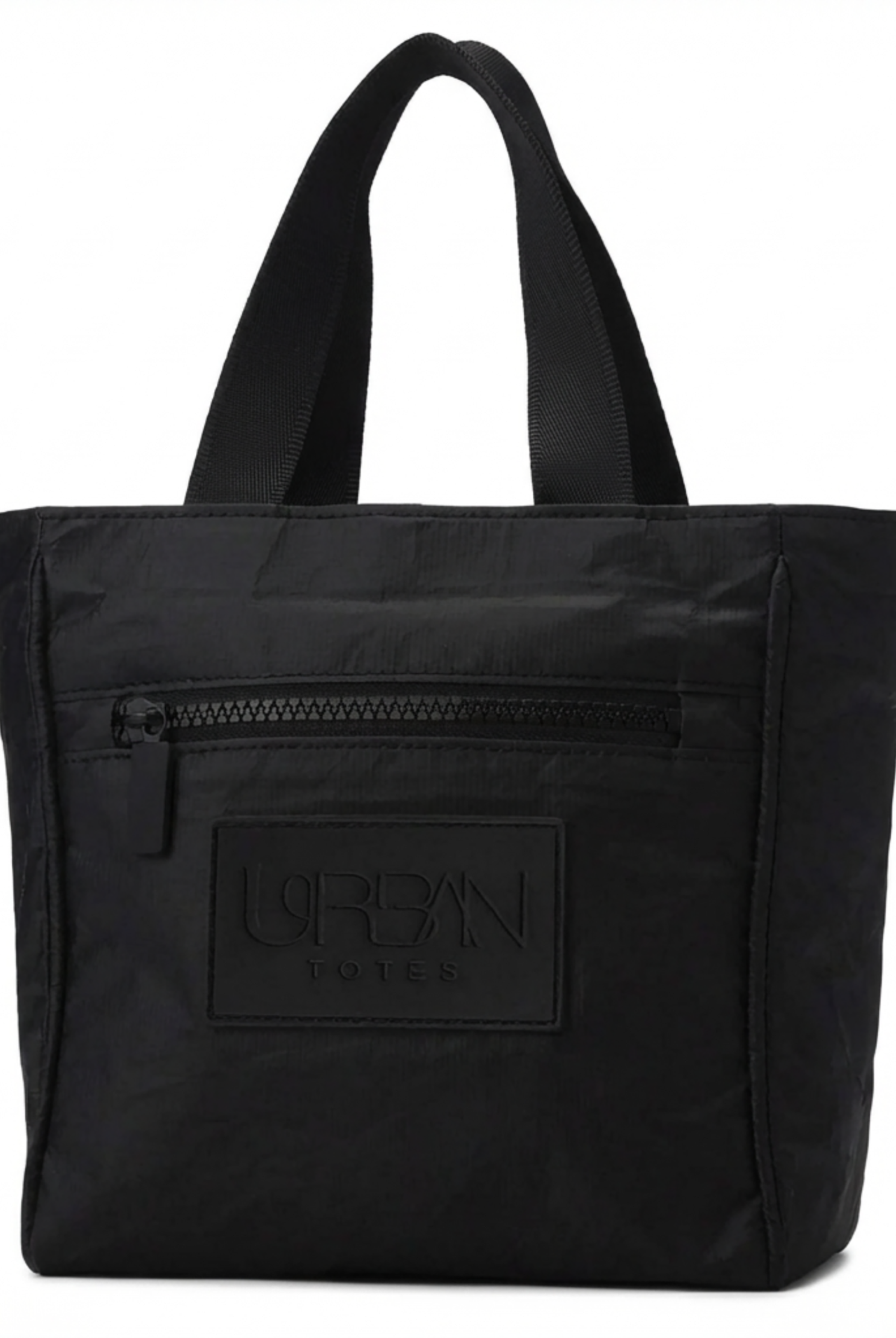
This method pairs especially well with organized carry pieces. If you like a flexible personal item, these expandable tote bag ideas from Urban Totes show why adaptable structure matters when you're fitting in one more layer. For short trips, the Go Anywhere Day Trip Tote Bag by Urban Totes can fit naturally into this system because it has three large zippered compartments plus dedicated pockets for a phone and keys, which makes rolled categories easier to separate.
2. Use Packing Cubes and Compartment Organization
You reach the hotel late, unzip your suitcase, and still know exactly where your sleep set, charger pouch, and clean top are. That is what packing cubes do well. They turn a single open suitcase into a system you can keep intact for the whole trip.
The key benefit is consistency. Cubes cut down on rummaging, keep clean clothes away from worn ones, and make repacking faster on the way home. They also help if your trip has more than one mode, like work meetings, workouts, and dinners, because each category already has a place.

Build categories you can actually keep up with
Packing cubes only work if the categories are simple enough to maintain mid-trip. Over-sort, and you waste time. Under-sort, and everything blends back together by day two.
A practical setup looks like this:
- Tops cube: Tees, blouses, and knit tops you reach for often
- Bottoms cube: Pants, skirts, or leggings, especially heavier pieces
- Intimates cube: Underwear, bras, socks, and sleepwear in one grab-and-go spot
- Laundry cube: Dirty clothes from the first worn item onward
Compression cubes have a different job. Standard cubes organize. Compression cubes organize and reduce bulk, which makes them better for sweaters, activewear, or winter layers. I use regular cubes when I want quick visibility and compression cubes when I know space will be tight.
A useful cube answers one question fast: what goes back in here tonight?
This same logic matters in your personal item. If you tuck cubes or pouches inside a tote, structure keeps them upright instead of sliding into each other. That is why a tote with defined sections works so well for airport days, and this guide to choosing a tote bag organizer with zipper sections is a smart reference if you want your everyday carry organized with the same clarity as your suitcase.
3. Pack Heavier Items at the Bottom, Lighter on Top
You feel this packing mistake the minute you lift your suitcase off the bed. If the bag pulls forward, wobbles on its wheels, or leaves your blouses crushed under a pair of shoes, the weight is sitting in the wrong place.
Pack dense items low and close to the wheel end of the suitcase. That keeps the case balanced in motion and reduces pressure on lighter fabrics. In practice, this means your jeans, shoes, toiletry bag, and heavier knits should form the foundation. Softer, lighter pieces can cushion the top.
Build the suitcase in layers
A smart load order keeps the bag easier to roll and easier to unpack at the hotel.
- Bottom layer: Shoes in dust bags, denim, toiletry pouch, sweaters
- Middle layer: Packing cubes with everyday outfits, workout wear, sleepwear
- Top layer: Blouses, wrinkle-prone fabrics, accessories, next-day look
The trade-off is access. Heavy items are not always the things you want first, but they still belong lower in the case. A suitcase packed for balance handles better through airports, train platforms, and hotel lobbies. That matters more than shaving a few seconds off unpacking.
The same principle helps in your personal item. A structured tote or weekender keeps its shape better when the weight sits at the base instead of hanging from the top. If you carry backup shoes, a water bottle, or a full cosmetics pouch, anchor those pieces low and keep delicate items above them. A slim women's travel pouch for cords, cosmetics, or small valuables also helps separate dense essentials from anything that can snag, spill, or crease.

One quick test works every time. Stand the packed suitcase upright before you zip it. If it feels top-heavy in your hands now, it will feel worse halfway through the terminal. Adjust the weight before you leave.
4. Keep Essential Items in Easily Accessible Pockets
You feel the difference in the first five minutes of a travel day. Security wants your ID, your phone is in your hand, your charger is missing, and suddenly a well-packed suitcase does not matter if your personal item is a jumble.
Fast access is its own packing skill.
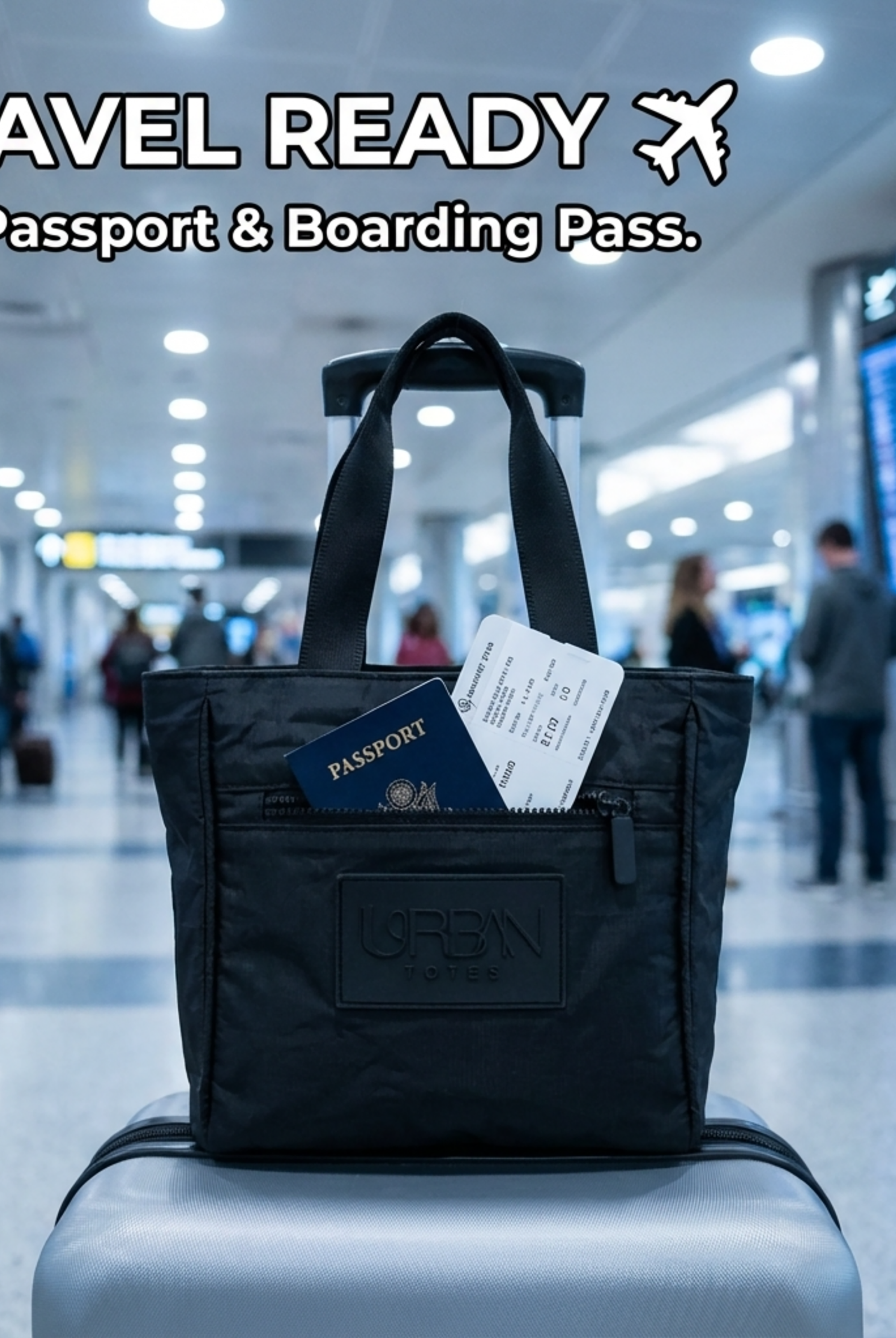
I separate essentials by how often I reach for them, not just by how important they are. Passport, wallet, medication, and primary card need protection. Phone, earbuds, lip balm, sunglasses, and boarding pass need speed. Put both groups in the same pocket and you create friction every time you open the bag.
A repeatable pocket system fixes that:
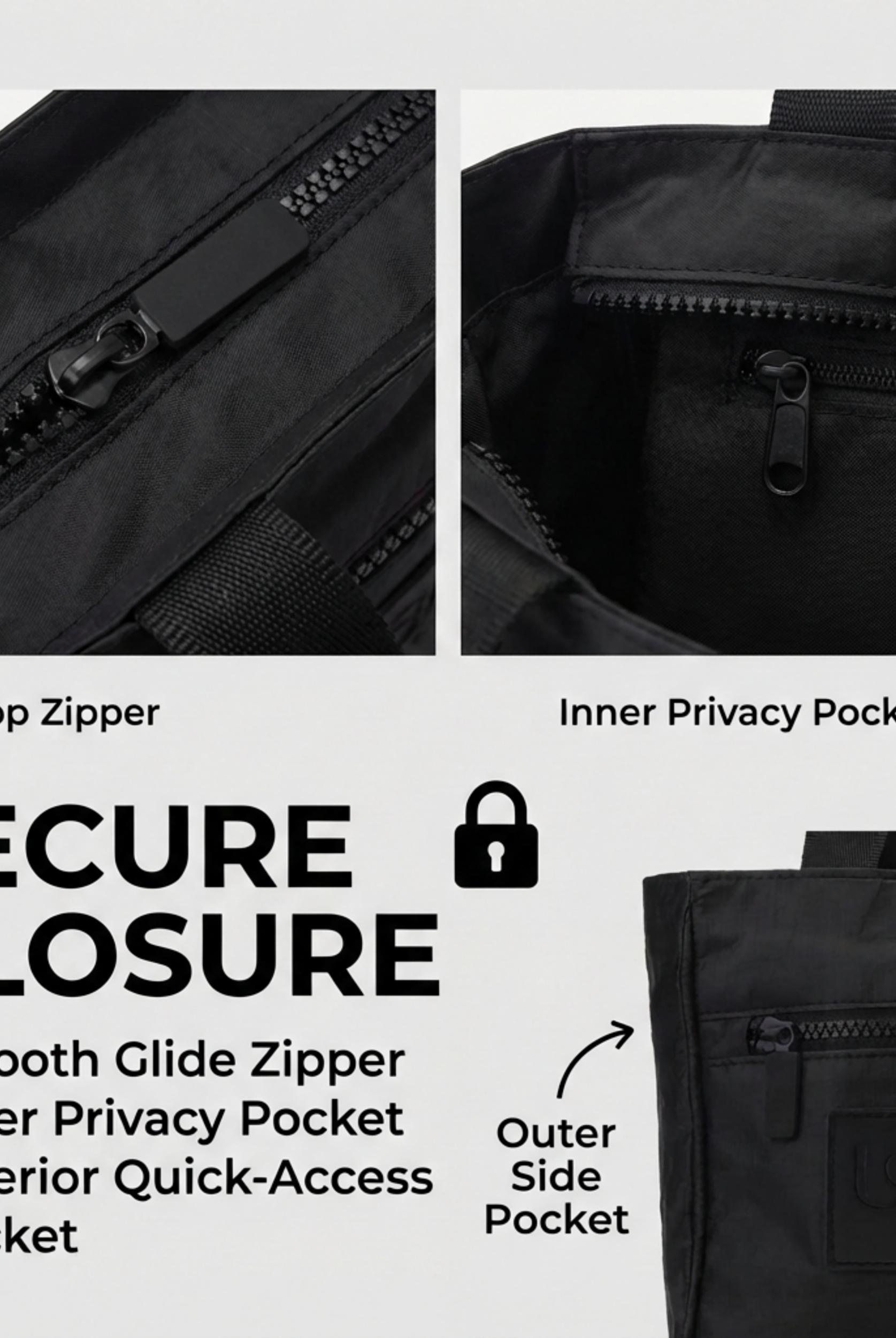
- Inner zip pocket: Passport, ID, wallet, medication, and anything private or expensive
- Exterior quick-access pocket: Phone, keys, boarding pass, transit card
- Top interior slip pockets: Sunglasses, hand cream, tissues, pen, snack
- Small zip pouch: Cords, adapters, and compact tech that always ends up tangled
Bag design proves its worth in a very practical way. A structured tote with dedicated pockets keeps high-frequency items visible and upright instead of letting them sink to the bottom under a sweater or cosmetics case. If you also use organizers inside your suitcase, compression packing cubes for travel work best when your carry essentials stay separate in your tote or personal item, not buried inside the main case.
One rule saves time every trip: anything you will need while standing still in a line gets its own easy-to-reach pocket. Anything you only need after arrival can go deeper.
If you have to unzip three compartments to find your ID, your bag isn't organized. It's just full.
For women who like a little structure inside the bigger bag, a dedicated pouch can save the day. This travel pouch guide from Urban Totes is helpful if you want your essentials grouped in a way that transfers easily from work bag to weekender to carry-on.
5. Use Compression Bags for Maximum Space Efficiency
You zip your suitcase easily at home, then struggle to close it again after one hotel change and a rushed repack. Compression solves that problem well, but only when you use it on the right items.
The smartest use of compression is reducing bulk, not cramming in more stuff. Soft pieces respond well because trapped air is what makes them bulky in the first place. Sweaters, workout sets, puffers, pajamas, and kids' clothes are good candidates. Blazers, linen, and anything you want ready to wear usually are not.
There are two common options. Compression cubes press clothing down with a second zipper, which keeps things organized and relatively easy to reopen. Vacuum bags shrink items more aggressively, but they can turn a flexible packing plan into a brick and often make access annoying once you arrive.
When compression helps and when it backfires
Compression earns its place when your suitcase is full of light, fluffy items that waste space. It causes problems when the bag gets too heavy, too stiff, or too hard to live out of during the trip.
Allianz advises travelers to check that a packed carry-on is still comfortable to handle, and that is the right test for any compression setup Allianz guidance on carry-on enforcement and usability. A bag that technically closes but feels miserable to lift into an overhead bin is poorly packed.
Use this quick filter:
- Best for: Bulky knits, extra layers, gym clothes, family overflow, cold-weather accessories
- Skip or limit: Structured outfits, wrinkle-prone fabrics, clothing you need on the first night
- Always test: Weight, flexibility, and how fast you can get to what you packed
I use compression most on return flights, not outbound ones. Dirty laundry is softer, less precious, and easier to press down without caring how it looks. That one adjustment frees up space for souvenirs or an extra pair of shoes without wrecking the pieces I planned to wear.
If you want the middle ground between organization and space savings, compression packing cubes for travel are often the better choice for busy women who want a neater suitcase, not just a tighter one.
6. Pack a Day's Worth of Essentials in a Separate Accessible Bag
This is one of the most practical packing suitcases tips for anyone who has ever arrived late, had luggage delayed, or needed to freshen up before check-in. Keep one complete day of life outside your main packed section.
That means one outfit, basic toiletries, medications, chargers, and any can't-lose documents. If you're traveling with children, add one kid outfit and a few true emergency items, not half the nursery. The goal is to bridge a delay, not recreate your whole suitcase.
What belongs in the backup bag
A separate essentials bag works best when it's compact and specific.
- Clothing: One top, one bottom or dress, undergarments, sleepwear if needed
- Toiletries: Toothbrush, face wash, deodorant, minimal makeup
- Must-haves: Medications, phone charger, ID, wallet
- Comfort items: Light scarf, snack, wipes, anything that makes transit easier
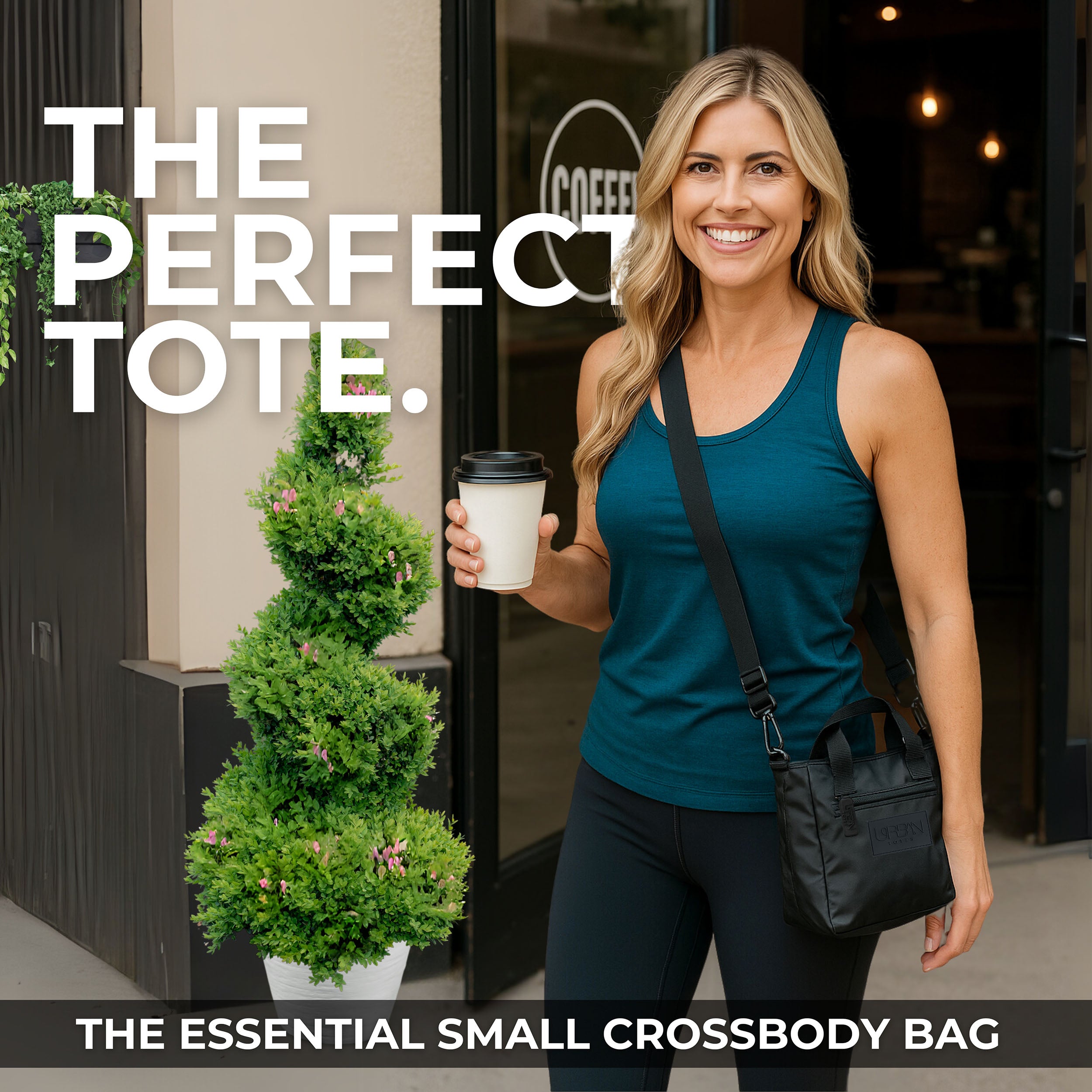
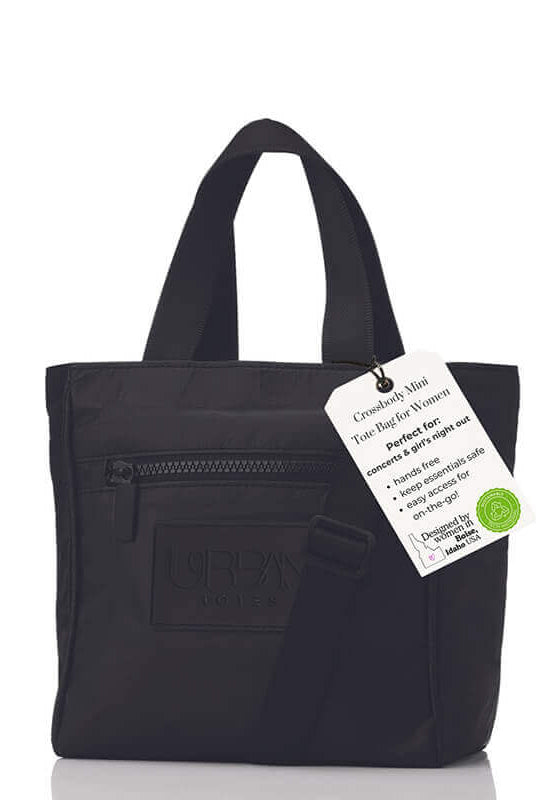
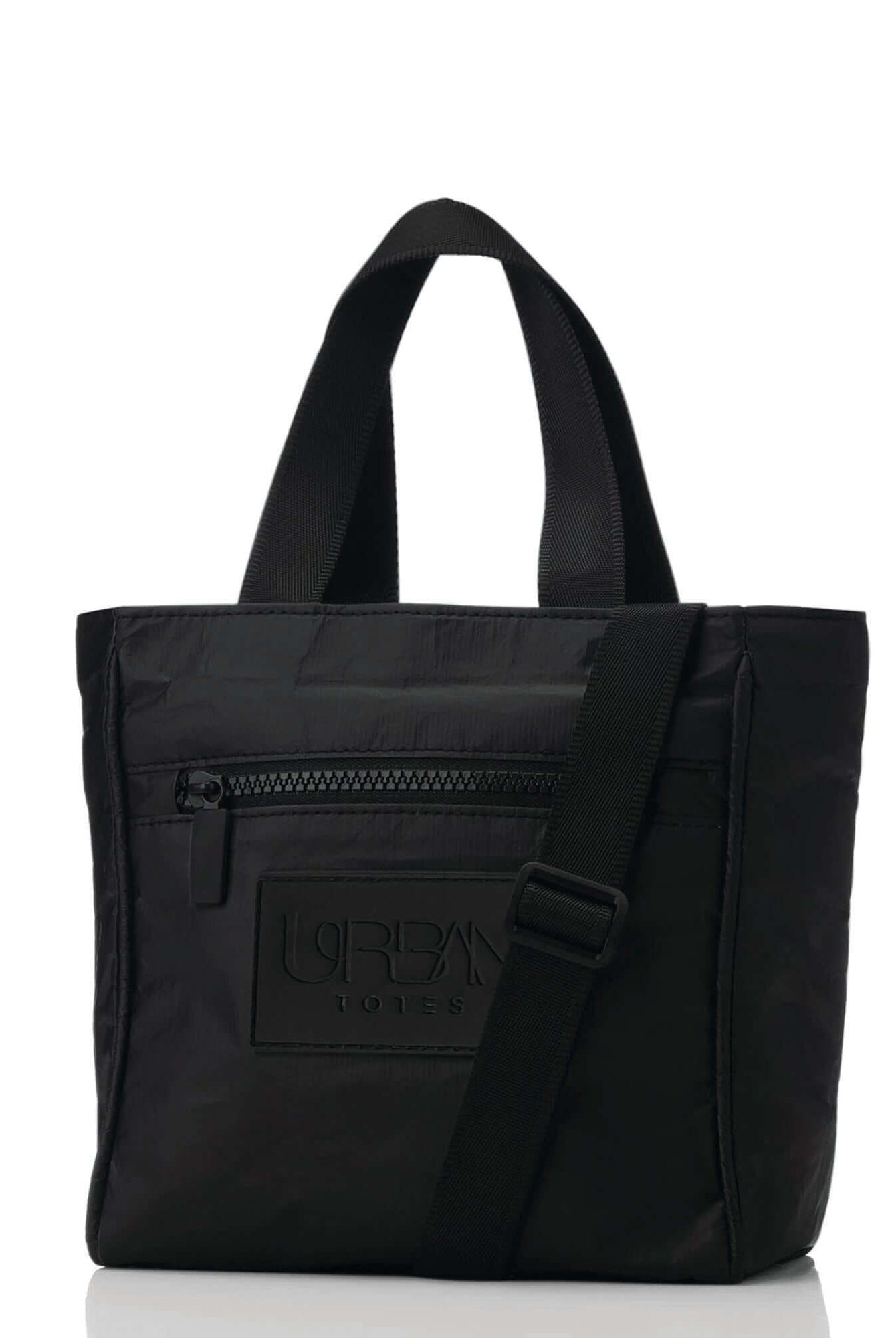
A small crossbody or compact tote earns its keep. Urban Totes' Crossbody Tote Bag Mini Purse has a zip-top closure, an outside zipper pocket, an inside zipper pocket, and an easy-access outside pocket sized for essentials like your phone and keys, so it's well suited to holding the things you want on your body rather than in the overhead bin.
A working mom on a short trip might carry this setup through the airport while her larger tote handles bulkier items. A business traveler can use the same system to keep a fresh top, charger, and toiletries handy between meetings and hotel check-in. A little separation creates a lot of calm.
7. Wear Your Bulkiest Items During Travel
The biggest space savers are often already in your closet. They're your coat, your boots, your heaviest sweater, and the blazer you'd otherwise try to flatten into a suitcase.
Wearing bulky items in transit frees up valuable room and keeps your packed bag more balanced. It also helps if you're trying to stay within carry-on limits or avoid turning your tote into a brick. Boots at the airport may not be glamorous, but they beat sacrificing half your bag to one pair of shoes.
Make the outfit work for the journey
The trick is dressing strategically, not just heavily.
Layer so you can adjust once you're on the move. A tank, long-sleeve top, blazer, and coat are easier to manage than one giant sweater you're stuck wearing the entire day. If you're heading somewhere cold, the plane is one of the best places to wear your warmest pieces because you're seated and stationary for long stretches anyway.
Wear the item that's hardest to pack, not the one that's hardest to style.
This works beautifully for city weekends, winter travel, and even everyday commuting. A woman heading from school drop-off to a flight can wear her heaviest sneakers and jacket, then keep her tote lighter and easier to carry. That's the kind of small decision that makes the whole travel day feel more polished.
8. Organize by Outfit Rather Than by Item Type
You reach the hotel, open your suitcase, and suddenly getting dressed feels harder than it should. Your blouse is in one cube, trousers in another, and the earrings that pull the look together are buried in a side pocket. Packing by outfit solves that.
Group each look before it goes into the bag. Top, bottom, underwear, bra, and accessories stay together, so you can get dressed in minutes instead of digging through layers and second-guessing what works with what. It also cuts down on random extras, because every piece needs a job.
Color discipline helps here. Choose a small palette that mixes well, then build complete looks around your actual plans. I usually start with one anchor layer, such as a blazer, cardigan, or denim jacket, and make sure it works with nearly everything else in the suitcase. That gives you variety without the usual pile of "maybe" pieces.
A better way to build outfits
Plan outfits by purpose, then pack each one as a set.
- Travel day outfit: Comfortable layers, supportive shoes, one outer layer that works on the plane and on arrival
- Daytime look: Easy top, repeat-wear bottom, practical accessories
- Dinner look: One polished piece that can share shoes or layers with your daytime outfit
- Backup outfit: A simple extra set for spills, weather changes, or an unexpected plan
This method works especially well for busy women juggling different roles on one trip. A weekend traveler can pack three finished looks and stop there. A mom can place her outfit and her child's backup set in the same cube for faster mornings. A work traveler can repeat one blazer across several outfits and still look pulled together in every photo and meeting.
If you want that system to carry over into your personal item, this guide on how to organize tote bags shows how to keep each outfit's extras, like jewelry, chargers, beauty items, and receipts, from getting mixed together.
9. Utilize Vertical Space and Side Pockets Effectively
Many individuals pack flat. Smart packers pack in three dimensions.
That means using the full height of the suitcase, not just the floor of it. It also means assigning side pockets, outer compartments, and slim sections to items that would otherwise drift around the main cavity. In a tote or weekender, this matters even more because the shape is softer and every section needs a purpose.
Think like a space manager
Vertical packing works when each zone has a role.
Stand rolled items upright if your bag shape allows it. Slide thin layers or pouches along the sides. Reserve exterior or top-access areas for things you need often, not random overflow.
A practical setup looks like this:
- Main compartment base: Dense clothing, shoe bags, toiletry kit
- Middle vertical space: Upright rolled items or cubes you can identify at a glance
- Side sections: Chargers, snacks, baby wipes, folded flats, small beauty items
- Outer pockets: Transit cards, sunglasses, hand cream, tissues
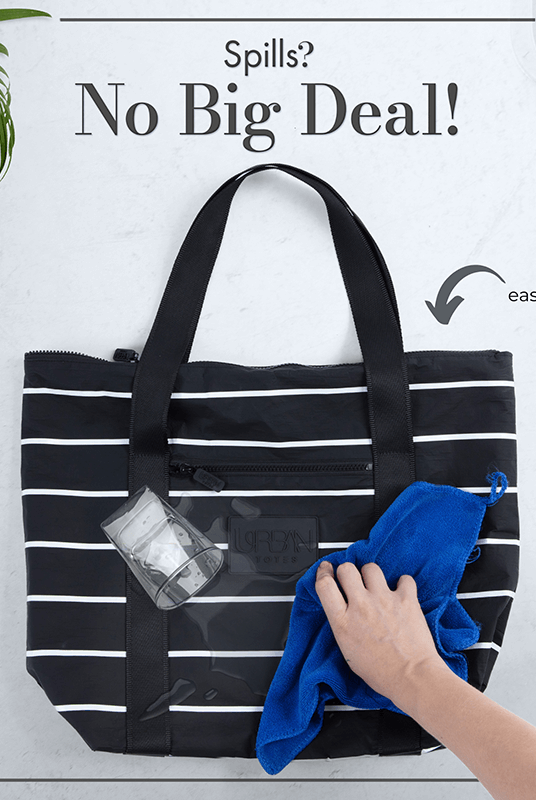
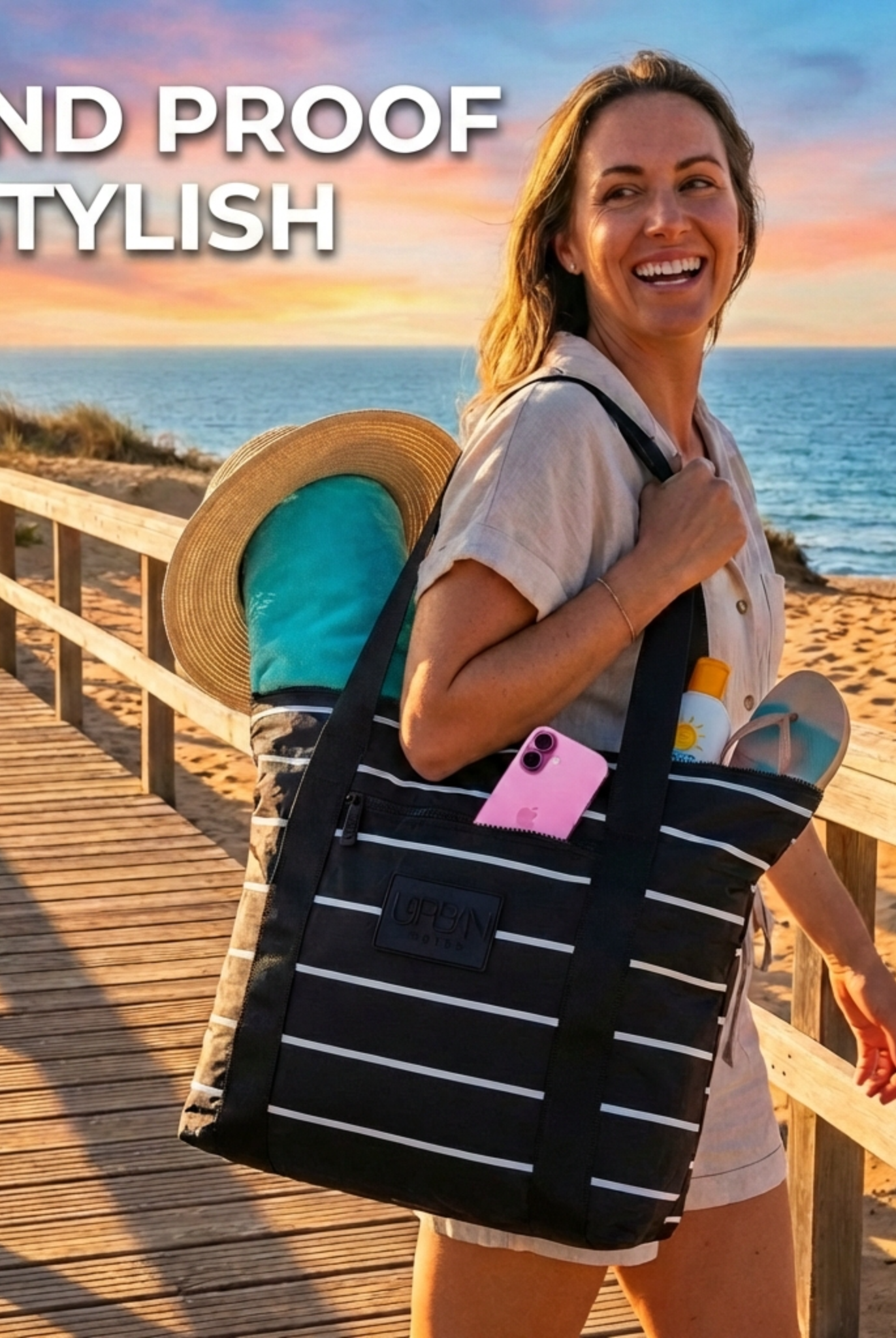
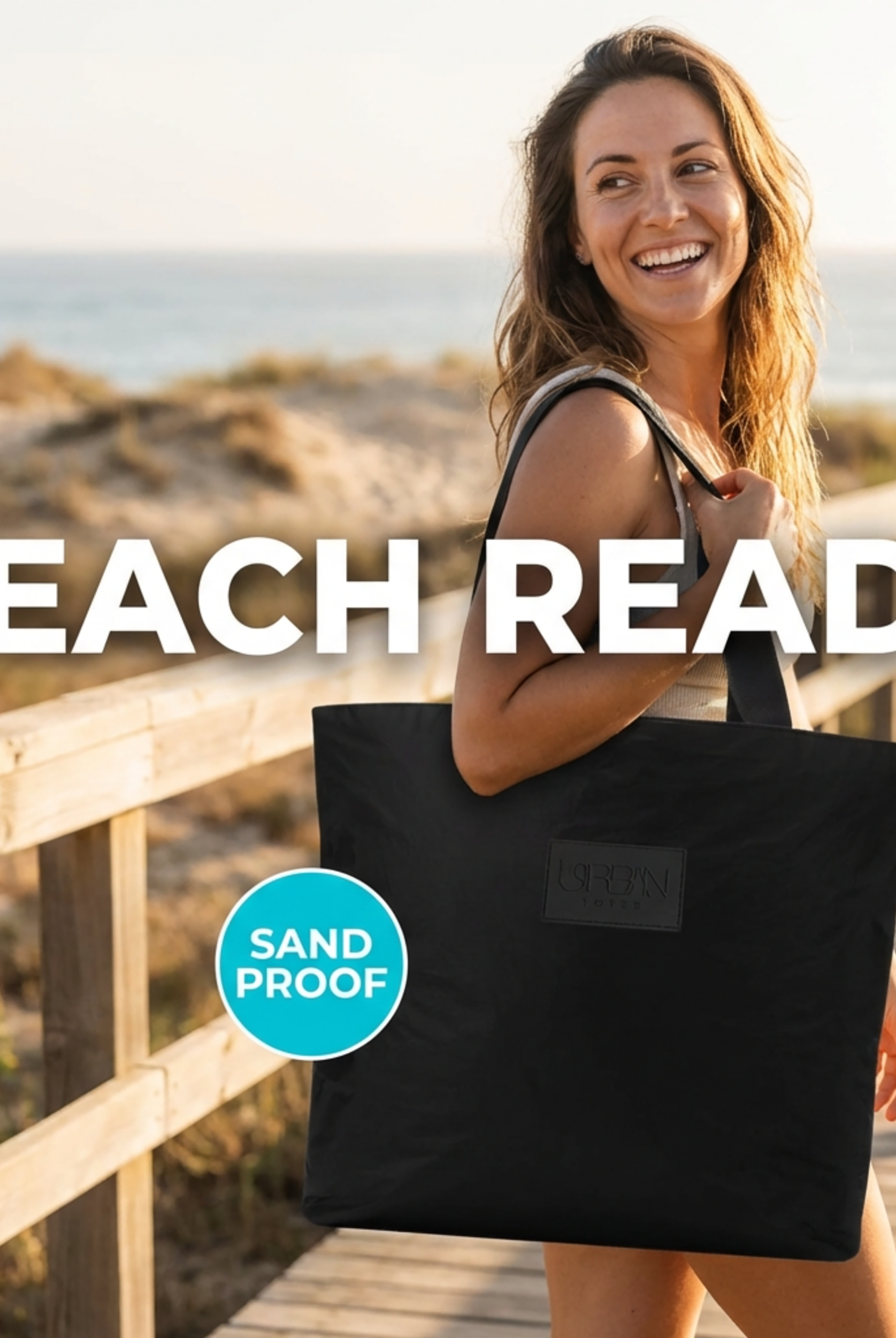
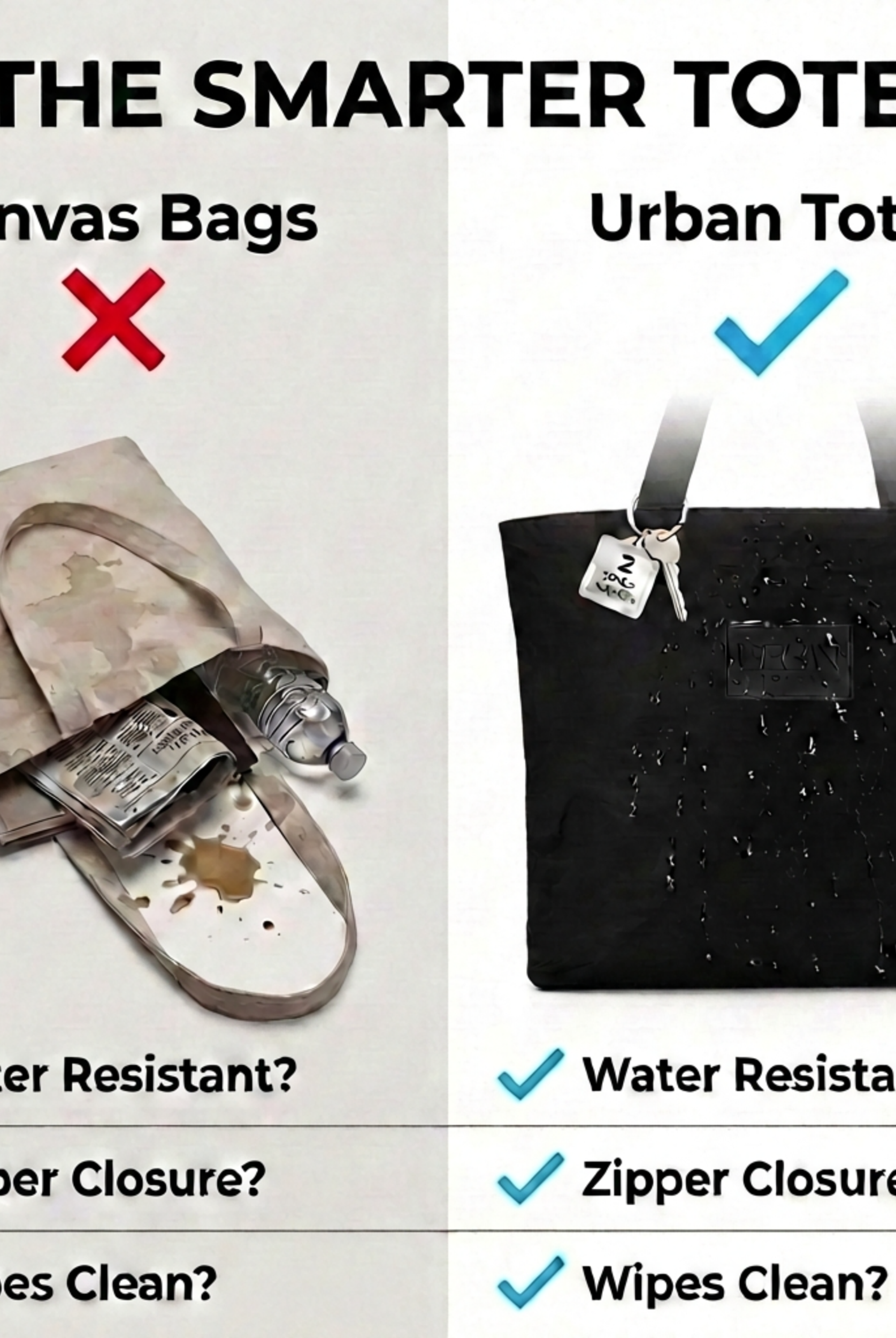
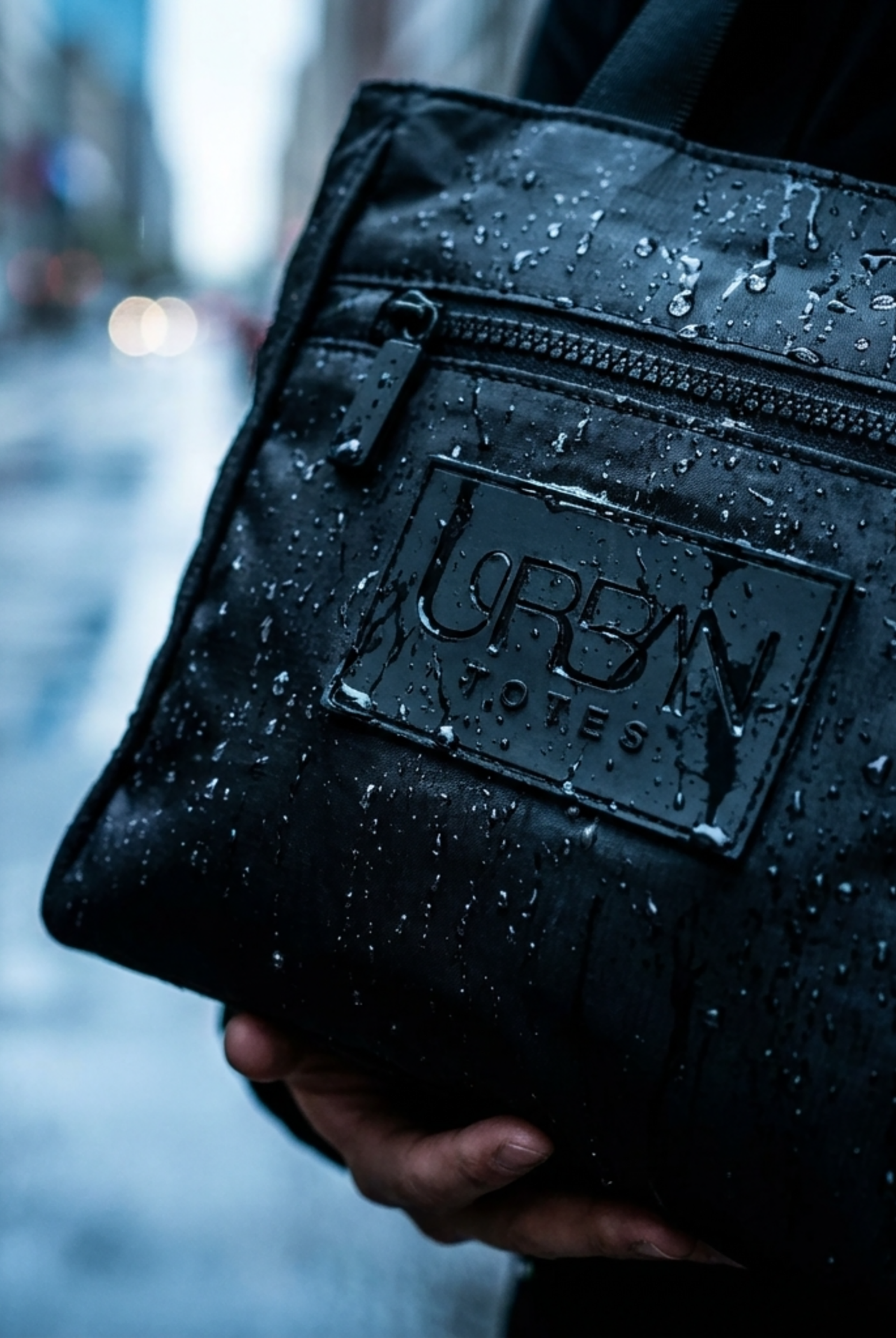
A well-designed tote makes a big difference. Multiple zippered compartments keep categories from collapsing into one another. Water-resistant material is also useful in real life, whether you're setting your bag down at the gate, carrying it on a rainy commute, or tossing in a damp swimsuit after a pool stop. The point isn't to cram every pocket. It's to use every pocket intentionally.
10. Pack Shoes Strategically and Use Shoe Bags or Compartments
Shoes are the fastest way to lose space and create mess. They're bulky, oddly shaped, and rarely clean enough to toss in next to your clothing without a barrier.
The first decision is how many pairs you need. The second is where they'll live. Shoes should almost always go at the bottom of the suitcase or tote, with some kind of separation from clothing. Radical Storage also reports that 75.6% of women pack their partner's suitcase, compared with 58.8% of men who pack their partner's suitcase, which says a lot about how often packing is a shared task and why simple, structured systems matter in busy households Radical Storage travel packing statistics.
Pack shoes like they belong there
A clean system keeps shoes from taking over the whole bag.
- Bag them first: Use shoe bags or any dedicated washable barrier.
- Place them low: Keep them at the base so they support the bag rather than crush clothing.
- Use the empty interior: Stuff shoes with socks, underwear, or small soft items.
- Match weight wisely: Pack heavier shoes before lighter ones.
Shoes should carry part of the load, not sabotage the rest of the bag.
This is especially useful for commuters and weekend travelers who need one practical pair and one nicer pair. A woman heading from a conference to dinner might pack flats in a shoe bag and wear her heavier loafers in transit. A mom packing for a family overnight can assign each person's shoes to a separate bag so there isn't a jumble at bedtime. Small systems save a lot of friction.
Top 10 Suitcase Packing Tips Comparison
| Method | Implementation complexity | Resource requirements | Expected outcomes | Ideal use cases | Key advantages |
|---|---|---|---|---|---|
| Roll Your Clothes Instead of Folding | Low (easy technique; some practice) | None (optional packing cubes) | Saves ~30% volume; fewer wrinkles on casual wear; better visibility | Weekend trips, gym commutes, casual travel | Significant space saving; quicker item location; less ironing |
| Use Packing Cubes and Compartment Organization | Low | Packing cubes (various sizes, color-coding) | Compressed, category-based organization; reduced wrinkles; faster unpacking | Organized professionals, families, minimalist packers | Clear separation by category; easy access and visibility |
| Pack Heavier Items at the Bottom, Lighter on Top | Low | None (optional shoe bags/compartments) | Balanced bag, protected delicate items, improved carry comfort | Commuters, travelers using structured totes, weekenders | Protects clothing; maintains bag structure and comfort |
| Keep Essential Items in Easily Accessible Pockets | Low | Bag with dedicated pockets (e.g., Urban Totes) | Faster access to essentials; reduced rummaging; increased security | Business commuters, travelers, busy parents | Time-saving; secure separation of valuables; easier security checks |
| Use Compression Bags for Maximum Space Efficiency | Medium (requires technique or vacuum) | Compression or vacuum bags (hand-roll or pump) | Dramatic space reduction (50–75%); moisture protection; possible wrinkles | Travelers with bulky items (coats, blankets), limited-space trips | Maximize capacity; waterproof protection; reusable solution |
| Pack a Day's Worth of Essentials in a Separate Accessible Bag | Low | Small accessible bag or crossbody | Immediate access to essentials; backup for lost luggage; reduced stress | Frequent flyers, parents, business travelers | Peace of mind; ready-to-use essentials without unpacking |
| Wear Your Bulkiest Items During Travel | Low | None | Frees ~20–30% luggage space; reduces carried weight; provides warmth | Winter travelers, commuters, ski trips | Instant space and weight savings; protects bulky outerwear |
| Organize by Outfit Rather Than by Item Type | Medium (requires pre-planning) | Packing cubes or labeled sections (optional) | Faster dressing; cohesive outfits; reduced decision fatigue | Business travelers, busy parents, planned itineraries | Streamlines routines; prevents overpacking; ensures coordination |
| Utilize Vertical Space and Side Pockets Effectively | Medium | Knowledge of bag layout; use of compartments | Increased usable capacity; logical placement of items; easier retrieval | Organized commuters, professionals with many items | Maximizes bag utility; keeps frequently used items accessible |
| Pack Shoes Strategically and Use Shoe Bags or Compartments | Low–Medium | Shoe bags or dedicated compartments | Protects clothing from dirt; maintains shoe shape; controls odors | Business travelers, gym users, families | Hygiene and protection; preserves shoes; organized placement |
Ready to Go? Your Persona-Based Packing Checklists
The best packing system is the one you can repeat when life is busy. Not when you have an entire afternoon and a spotless bedroom. Real travel happens between work emails, school pickup, laundry, and the little rush of getting out the door on time. That's why a good suitcase setup should feel supportive, not precious.
If you tend to overpack, start with outfits and work backward. If you lose things in your bag, focus on access and pocket placement. If your suitcase always feels too full, the answer usually isn't a bigger bag. It's fewer duplicates, more mix-and-match pieces, and better use of cubes, compartments, and heavy-item placement. Those are the habits that make travel feel lighter.
Here are a few quick-start packing checklists you can use:
The weekend traveler
- Clothing: Two to three planned outfits, one sleep set, one backup top
- Shoes: Wear the bulkiest pair, pack one versatile extra
- Organization: One cube for outfits, one for underthings, one pouch for toiletries
- Access items: Charger, wallet, ID, sunglasses, lip balm in quick-reach pockets
The beach-day mom
- Clothing: Swimsuit, cover-up, easy change of clothes, light layer
- Kid essentials: One backup outfit per child, wipes, snacks, sunscreen
- Containment: Wet items and shoes in separate bags
- Carry strategy: Keep high-frequency items in outer pockets so you're not digging one-handed
The working professional
- Clothing: Travel outfit, one polished work look, one off-duty outfit
- Tech: Charger, cords, earbuds, laptop accessories in one pouch
- Toiletries: Travel-size only, sealed together
- Bag logic: Keep documents, phone, and keys in the same assigned pockets every trip
The style-conscious minimalist
- Palette: One color story with interchangeable pieces
- Shoes: Limit to what serves multiple outfits
- Structure: Pack by outfit, not by category
- Finishing touch: Leave a little room so the return trip isn't a struggle
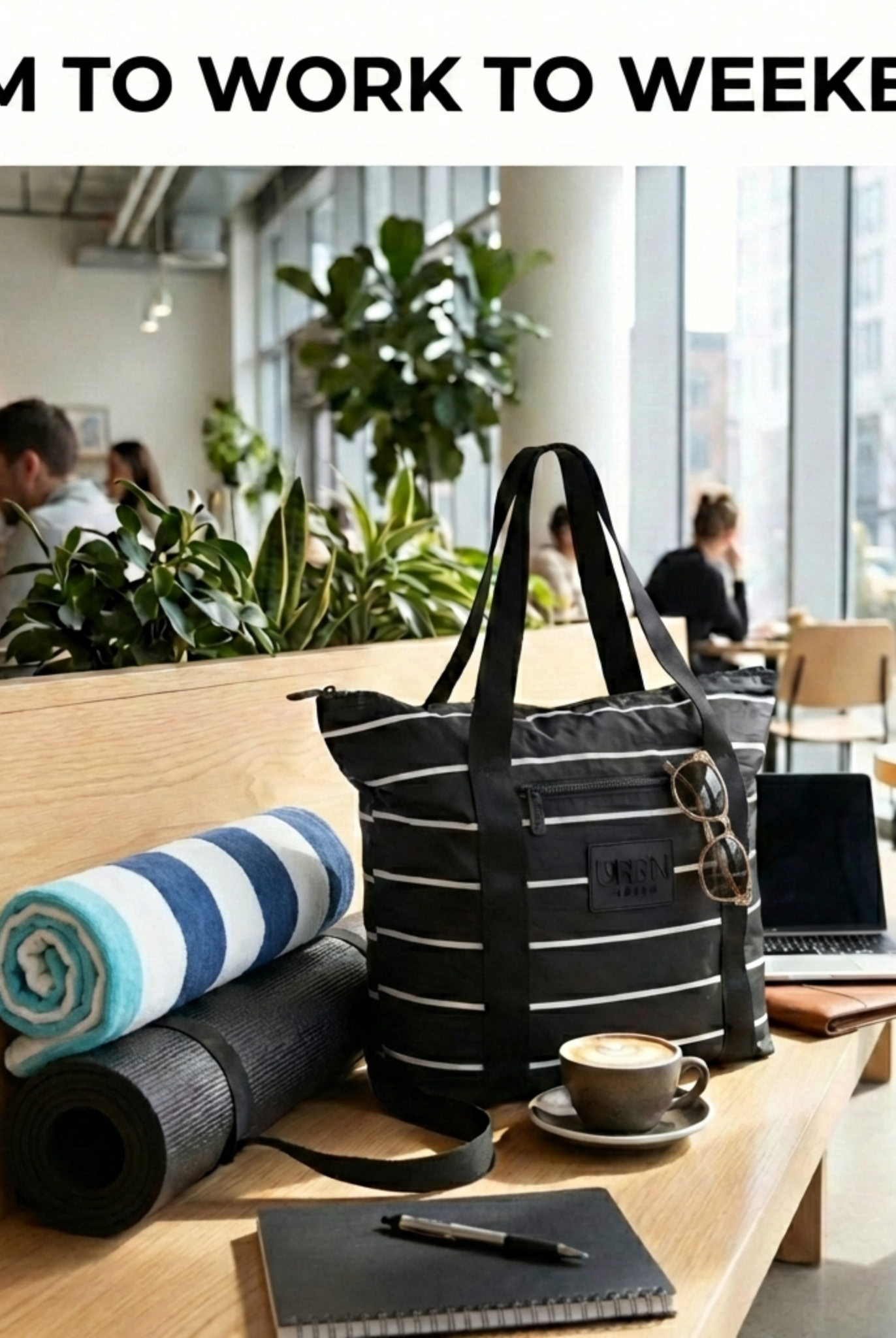
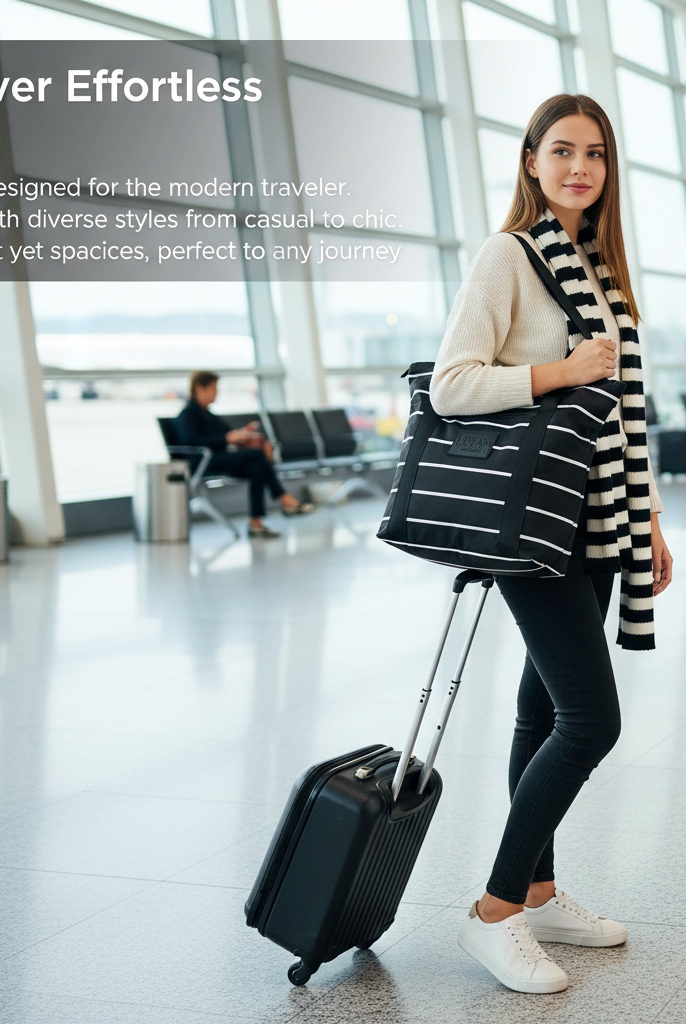
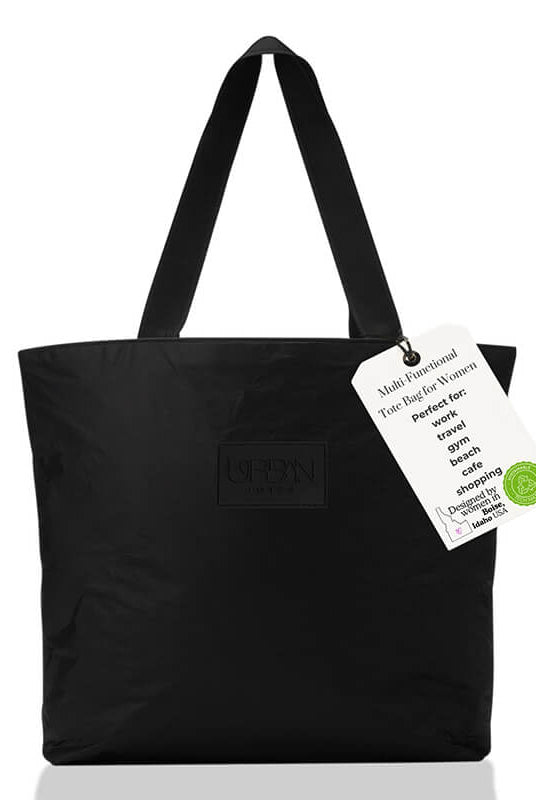
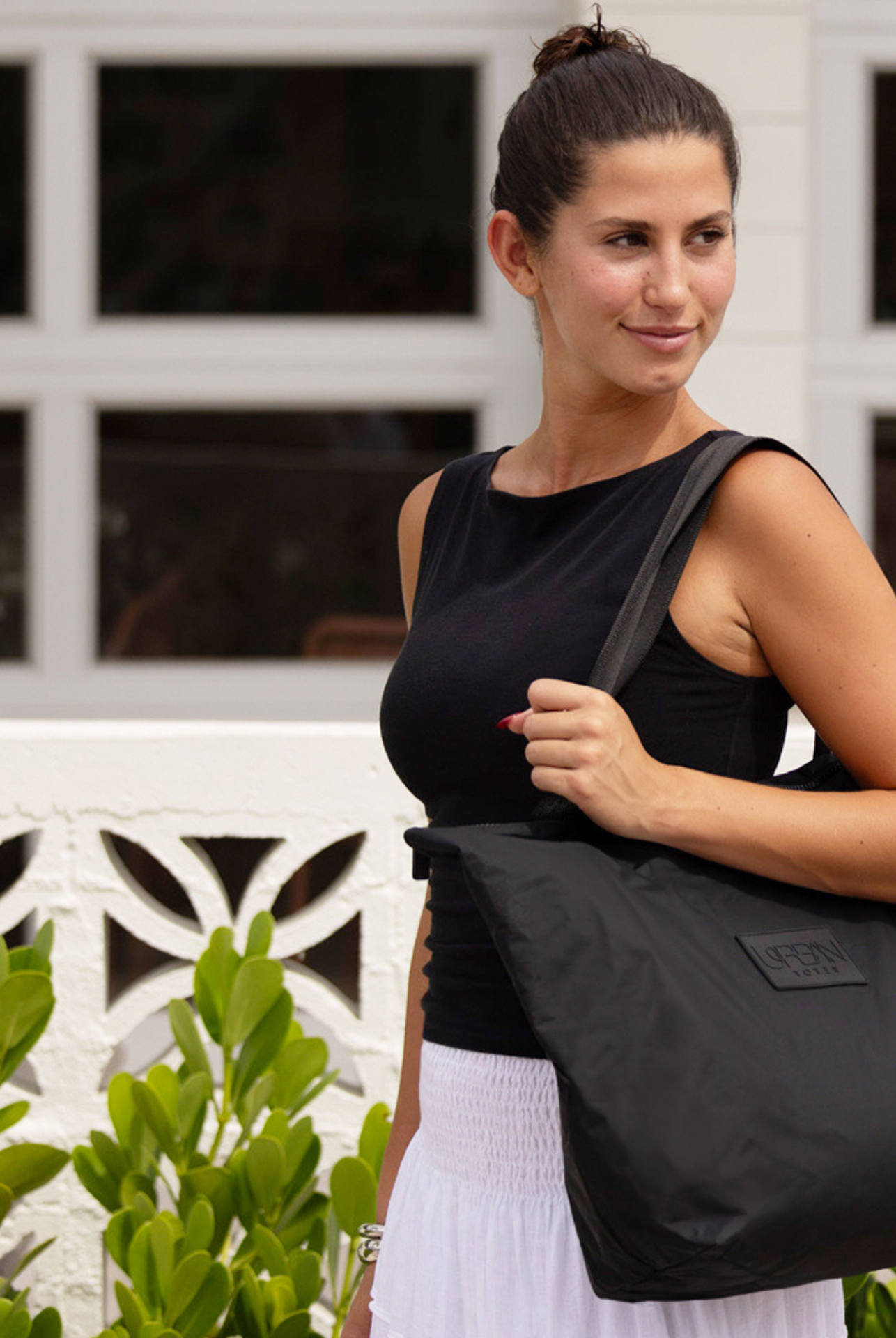
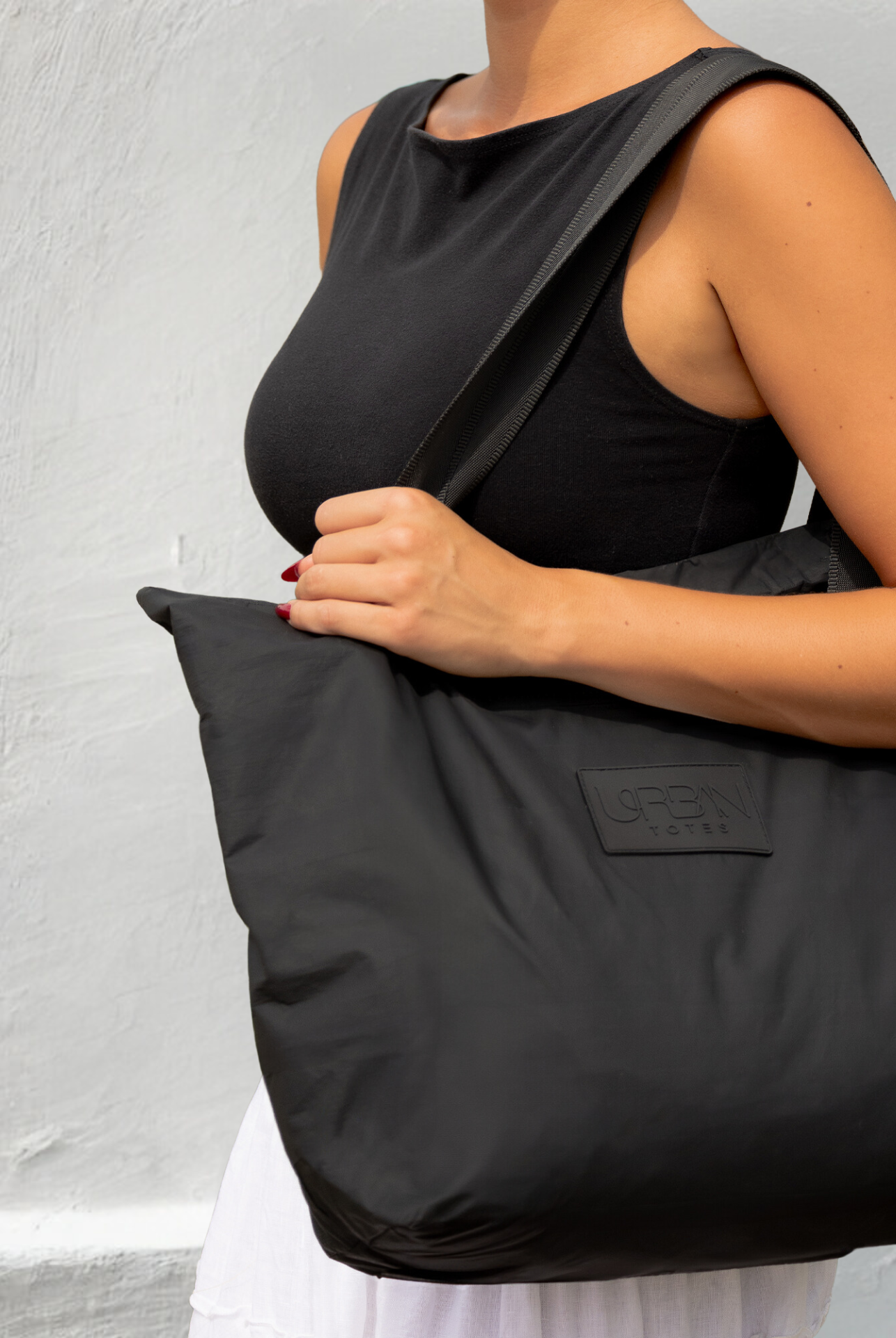
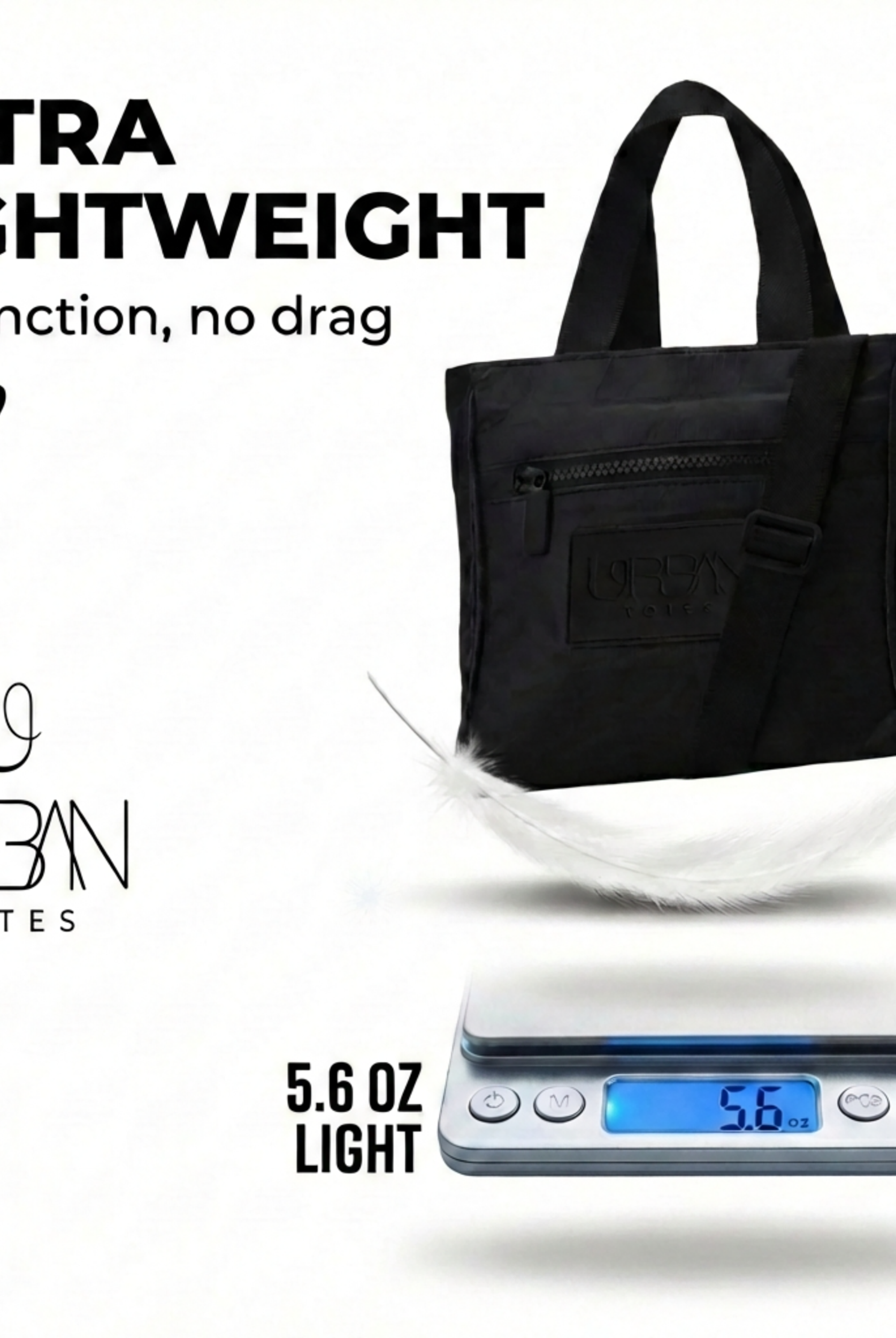
Urban Totes fits naturally into this kind of routine because the collection is built around lightweight, packable, organized carry with zippered compartments and easy-access pockets. For women juggling daily life and travel, that kind of thoughtful design makes a real difference.
Packing isn't just about getting things from one place to another. It's about giving yourself a smoother start, a calmer middle, and an easier arrival. Find your perfect go-anywhere bag at urbantotes.com and take on whatever the day brings.
Urban Totes is a woman-owned brand built for busy, stylish life on the go. Explore Urban Totes to find lightweight, water-resistant, packable tote and crossbody bags designed to keep essentials organized from airport terminals to beach days to everyday errands.