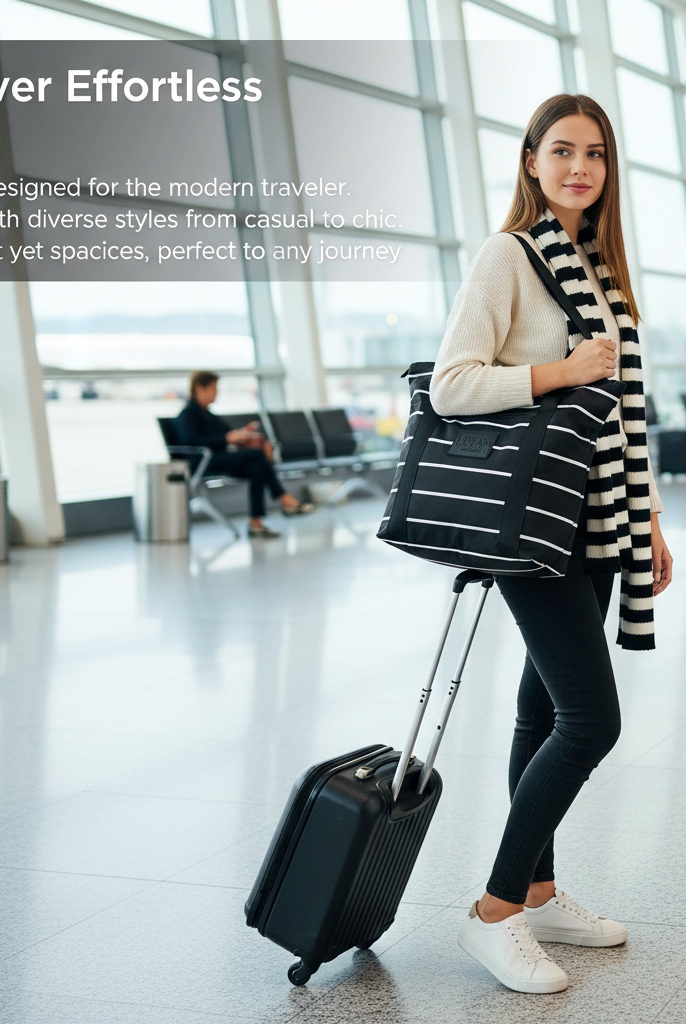
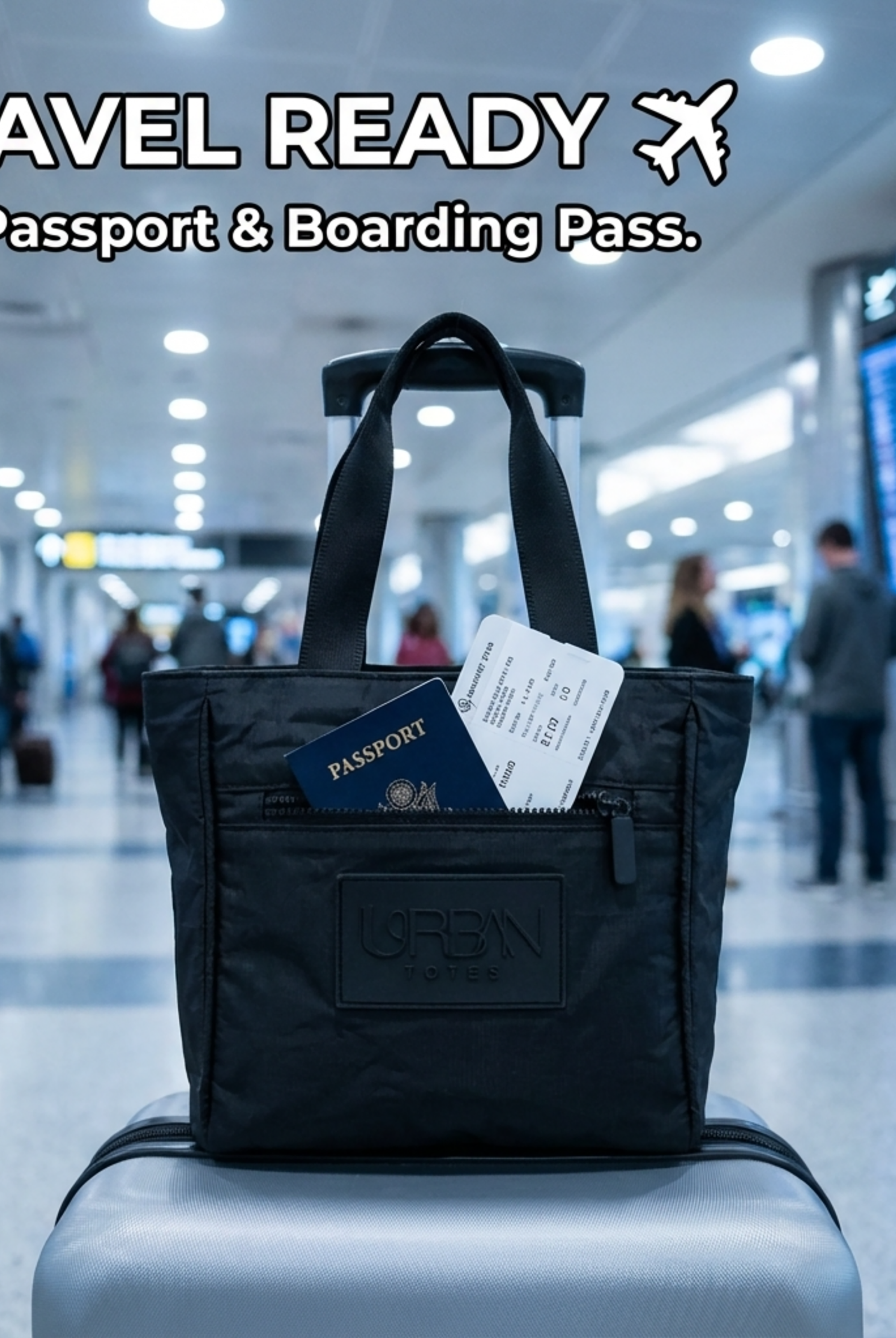
You're probably here because you've had one of those airport moments. Coffee in one hand, phone in the other, boarding pass tucked somewhere unsafe, and the one thing you need right now, your passport, has disappeared into the dark fabric abyss of the wrong bag.
That's usually the moment a carry-on tote stops being a style decision and starts feeling like a travel decision. The best carry on tote bags don't just hold your stuff. They help you move faster, stay calmer, and stop doing that frantic shoulder-dig at the gate while everyone behind you watches.
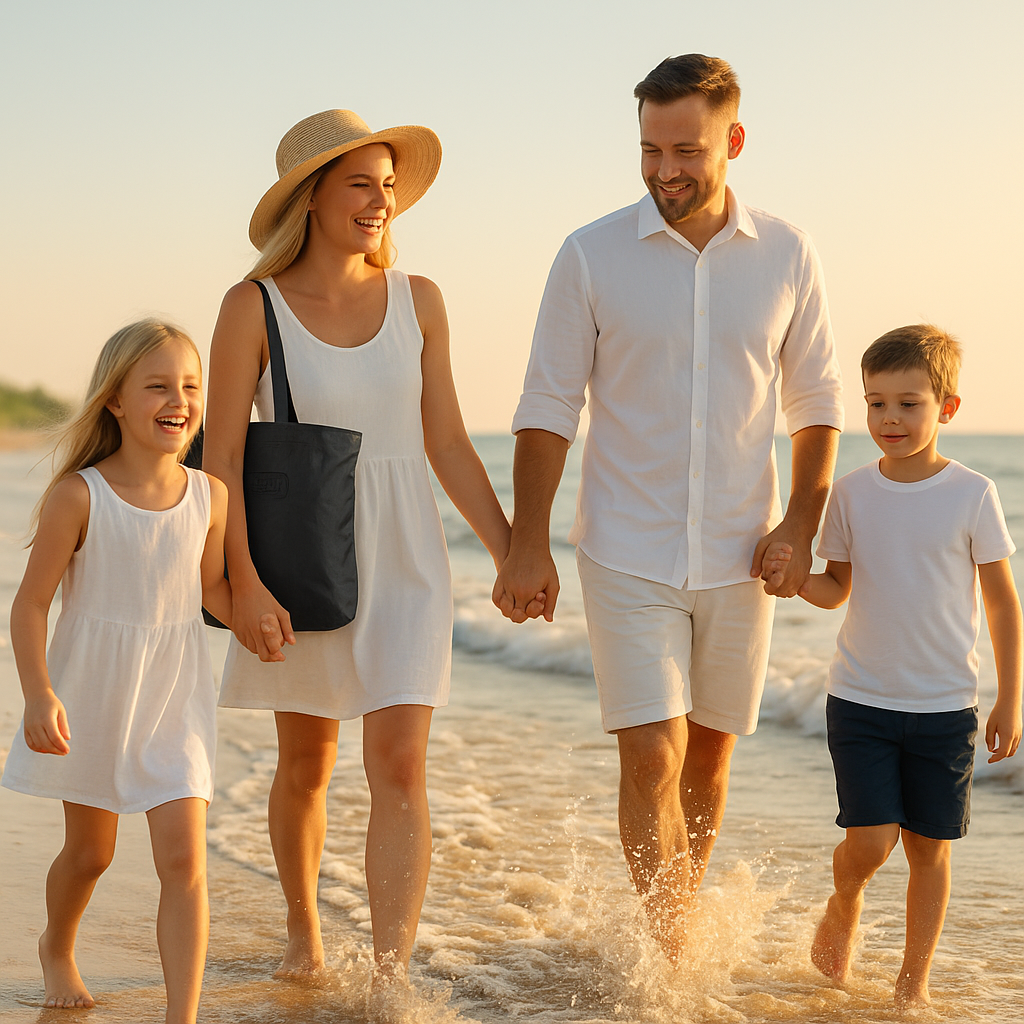
A good tote also earns its keep long after landing. It goes from airport seat to rental car, from coffee run to beach chair, from school drop-off to quick overnight trip. That's why this choice matters so much for women who are carrying real life, not just a cute wallet and lip balm.
Table of Contents
- Finding Your Perfect Travel Partner
- The Anatomy of a Great Carry-On Tote
- Navigating Airlines and Airports With Your Tote
- The Best Tote For Your On-The-Go Lifestyle
- Tote vs Backpack vs Rolling Luggage
- How Urban Totes Solves Common Carry-On Pains
- Go Anywhere and Tote Everything With Confidence
Finding Your Perfect Travel Partner
A carry-on tote has one job. It needs to make your day easier when everything around you gets hectic.

The wrong tote turns every transition into a scramble. You set it on the airport floor and it tips. You reach in for your earbuds and come up with snack wrappers, a charger, and a receipt from last week. You sling it over your shoulder and feel it slide off while you're trying to scan a boarding pass with one hand and hold onto a kid with the other.
What travel stress usually looks like
For most women, the pain point isn't that a bag lacks features. It's that the features don't help in the moments that count. A giant open tote sounds roomy until your passport sinks to the bottom. A structured work bag can look polished until it feels too heavy before you even reach security.
That's why the best carry on tote bags need to pass real-life tests, not just product-page tests. Can you grab what you need without unpacking half the bag. Can you set it down on a sticky airport floor and wipe it off later. Can you carry it from the parking garage to the gate without switching shoulders every two minutes.
The right tote doesn't just carry more. It reduces the number of small, annoying problems that pile up during a travel day.
Families feel this even more. If you're packing for kids as well as yourself, the tote becomes command central. Extra wipes, chargers, snacks, medications, backup clothes, and the little comfort item someone suddenly can't live without all need a place. If that's your season of life, these packing tips for family Disney trips are worth bookmarking because they pair well with choosing a bag that can keep those categories separated.
Calm beats cute every time
Style matters. No one wants to carry a bag that feels clunky or overly tactical. But in practice, a travel-ready tote should create calm first and look polished second. The sweet spot is a bag that does both.
If you want a deeper look at what makes a travel tote practical day to day, Urban Totes has a useful guide on the best tote for travel. The biggest takeaway is simple. A tote becomes your travel partner when it helps you stay organized under pressure, not when it merely looks good in the terminal.
The Anatomy of a Great Carry-On Tote
The tote market is large for a reason. One industry source says the global tote bag market was valued at USD 6.602 billion in 2024 and is projected to reach USD 11.46 billion by 2035, with canvas carry-on totes projected to capture 32.18% of market share by 2025. The same guide also points to 18 x 14 x 8 inches as a useful carry-on rule of thumb for airline-friendly use, which helps explain why tote-style bags remain a practical travel category, not just a fashion one, according to Voyage Luggage's travel tote guide.

Start with weight, not looks
A bag can be beautiful and still be the wrong call for travel. Weight is where problems begin.
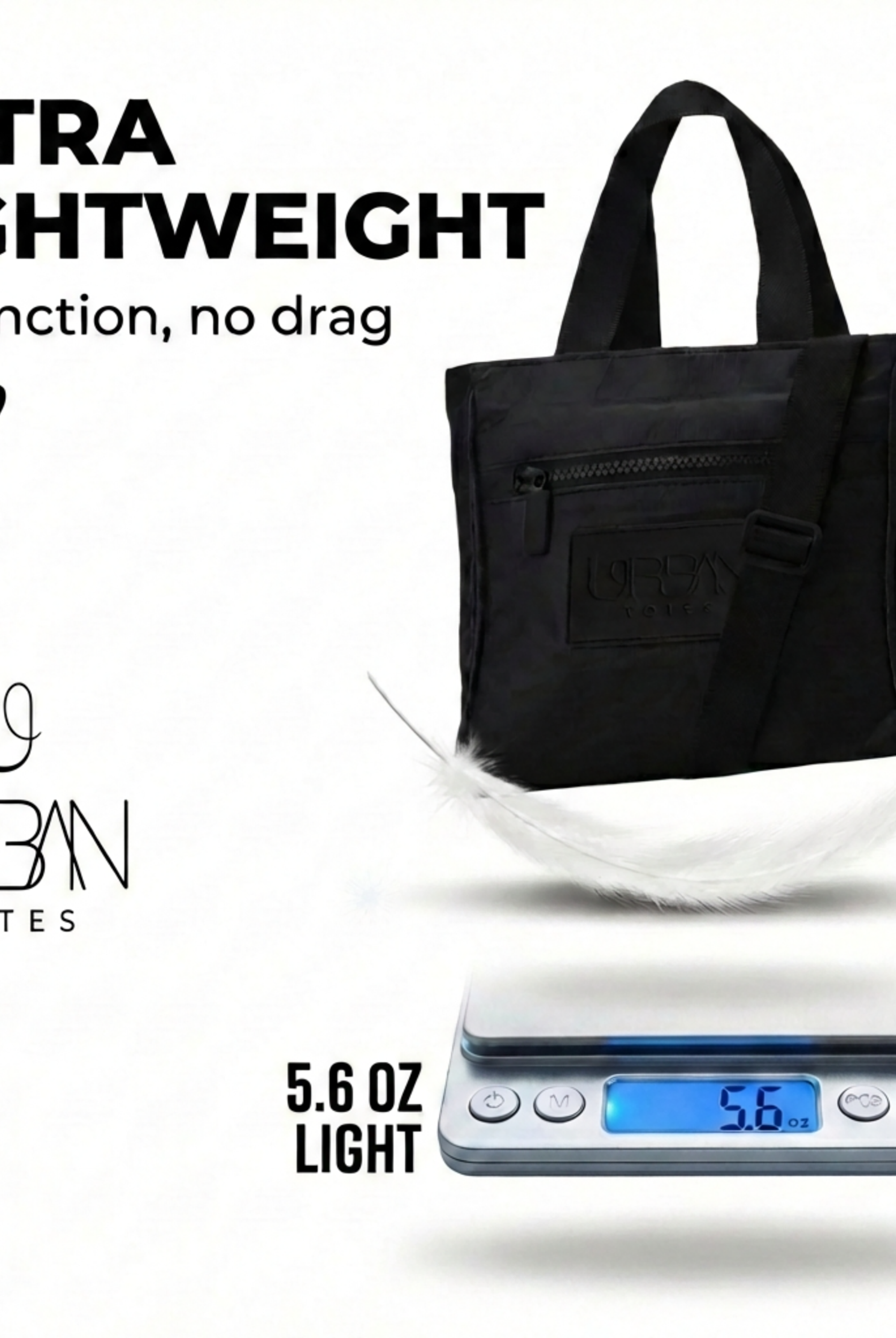
A travel-tote guide reports that a quality nylon tote can come in under 1 lb empty, while nylon options commonly weigh 0.4 to 0.7 lbs. By comparison, canvas totes typically run 1.5 to 2 lbs. The same guide gives a practical sizing window of 15 to 18 inches tall and 12 to 14 inches wide for most trips, and notes that nylon is easier to clean and more water-resistant while canvas is durable but not waterproof by default, according to Tote Bag Mart's travel tote article.
That difference matters more than people think. If you start your day with a heavier bag, every laptop, snack pouch, water bottle, and cardigan stacks on top of that base weight. By the time you're walking to a far gate, your shoulder knows the difference.
Organization should work without effort
A tote doesn't need endless compartments. It needs the right ones.
The most useful layout usually includes:
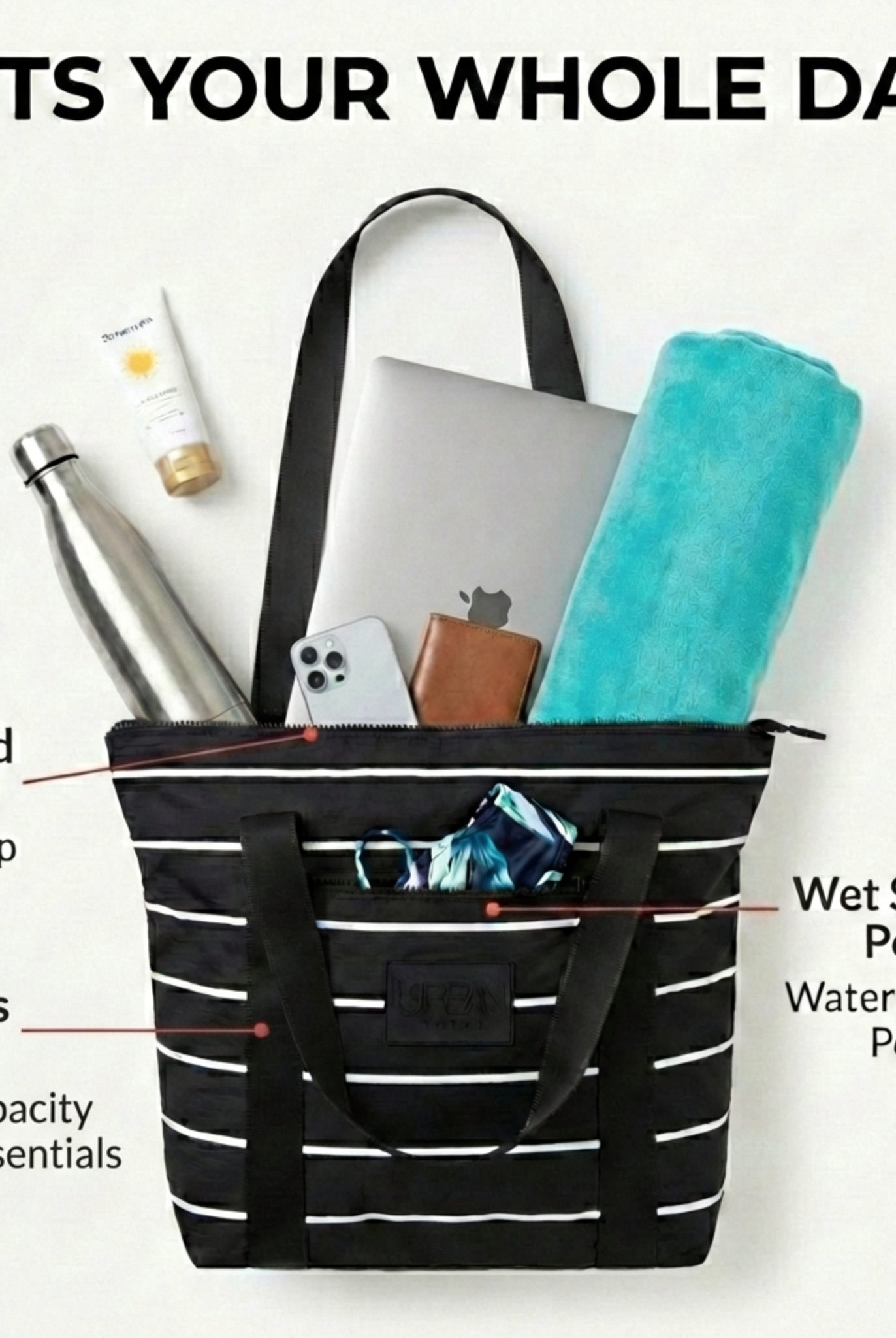
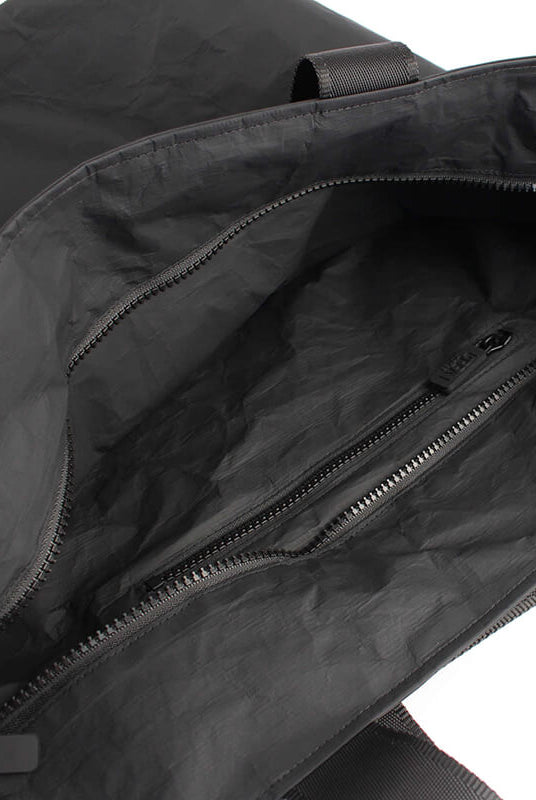
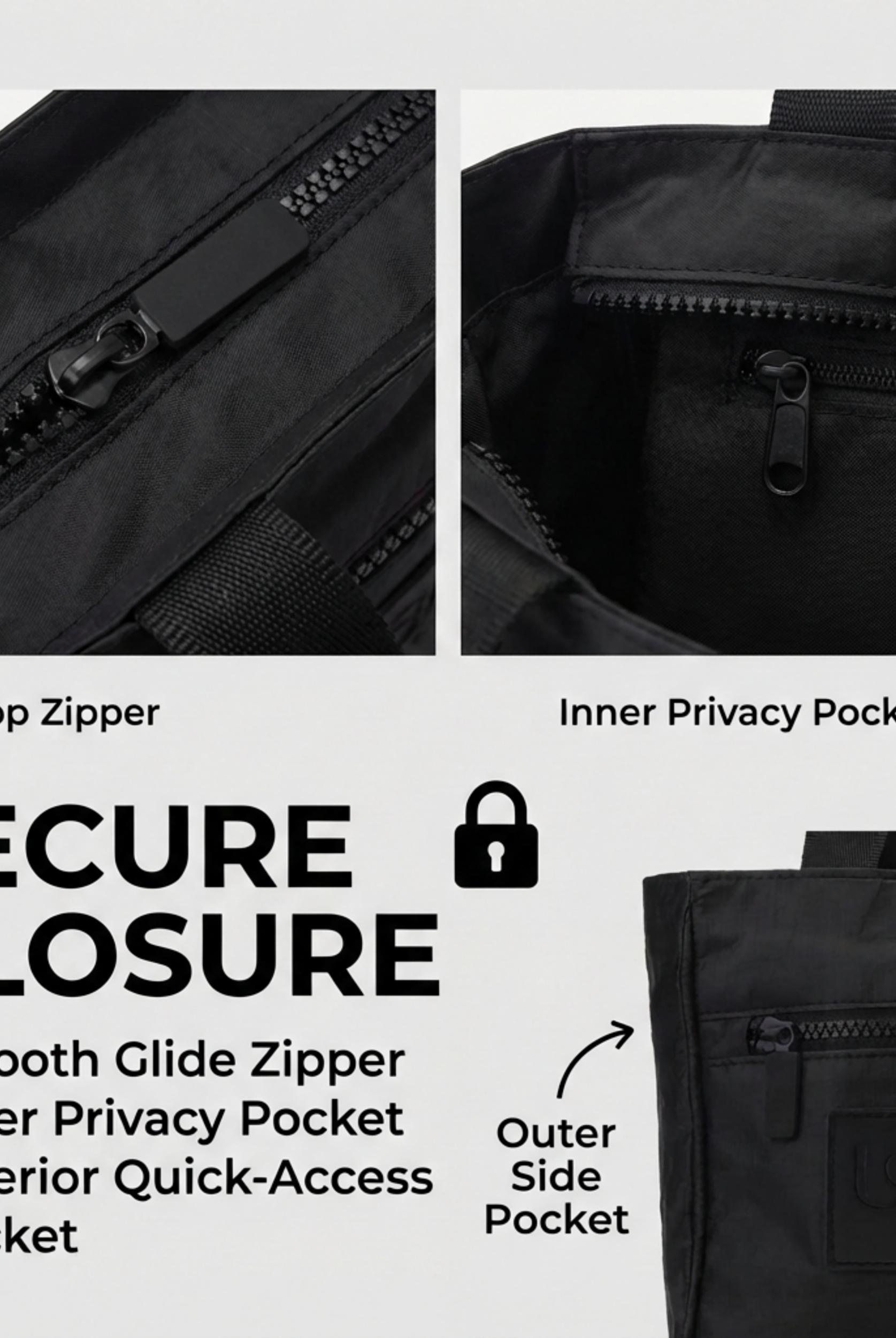
- A secure main compartment with a zipper closure so nothing spills out when the bag tips.
- A quick-grab pocket for passport, phone, or keys.
- A dedicated sleeve or section for a laptop or tablet so hard edges don't poke everything else.
- A separate zone for messy or damp items, like a water bottle, snack container, or wet swimsuit.
If you like a more organized setup, this overview of tote bag compartments helps narrow down which pocket layouts are useful and which ones just add bulk.
Practical rule: If you can't find your boarding pass by touch alone, the bag isn't organized enough for travel.
Real comfort shows up under load
Straps are easy to ignore until the tote is full. Then they become the whole story.
Thin handles look sleek, but they can dig in when you've packed a laptop, charger, pouch, sweater, and all the little extras that come with family or work travel. A tote works better when the straps sit securely on your shoulder, don't twist, and don't force you to keep readjusting while walking.
This is also where structure matters. A bag that collapses into itself may look relaxed, but it often slows you down at security and at the gate because you have to pry it open to see anything.
Versatility matters more than trendiness
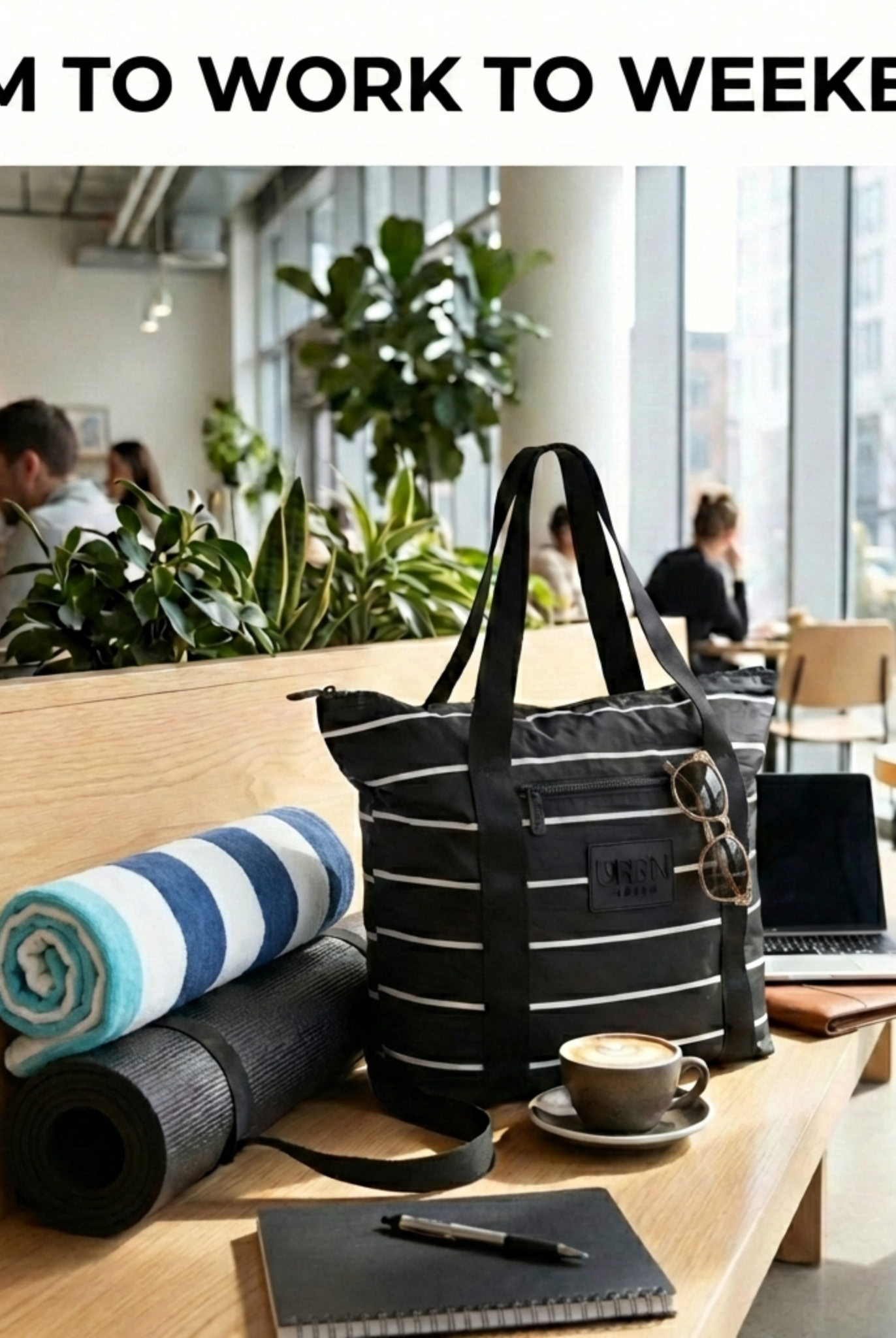
The best carry on tote bags don't live one life. They move between airport, office, errands, beach days, and overnight trips.
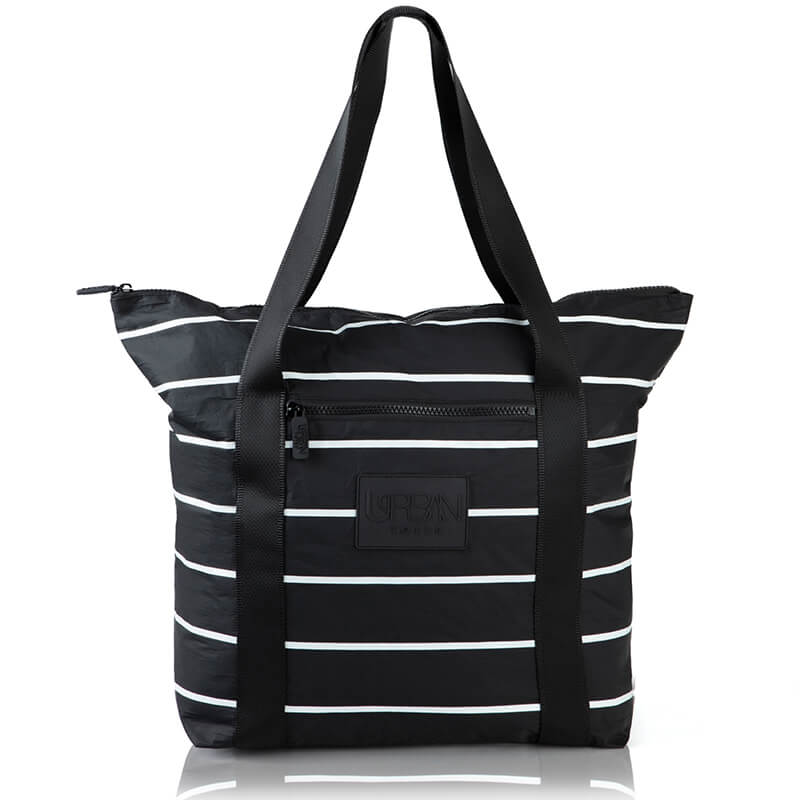
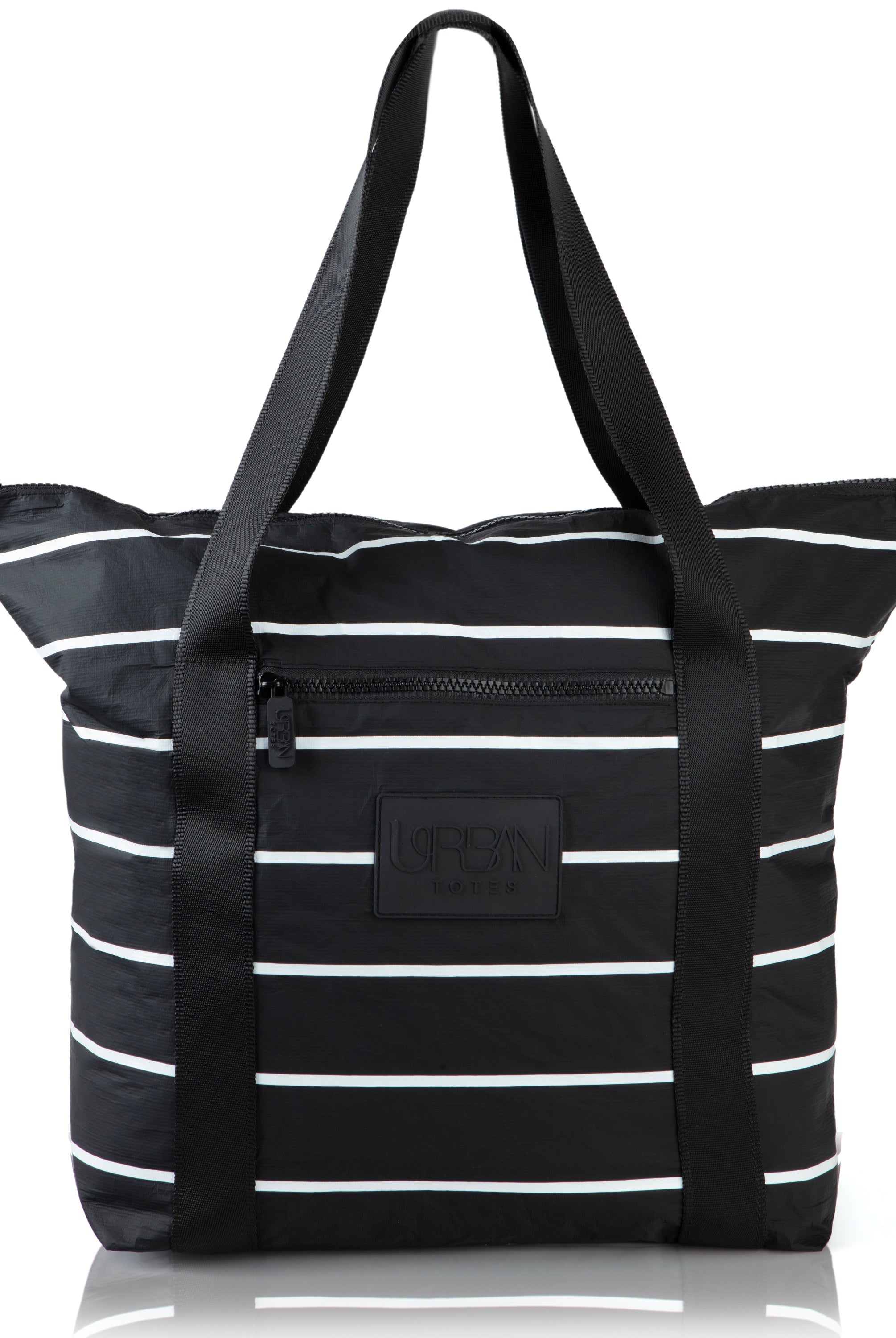
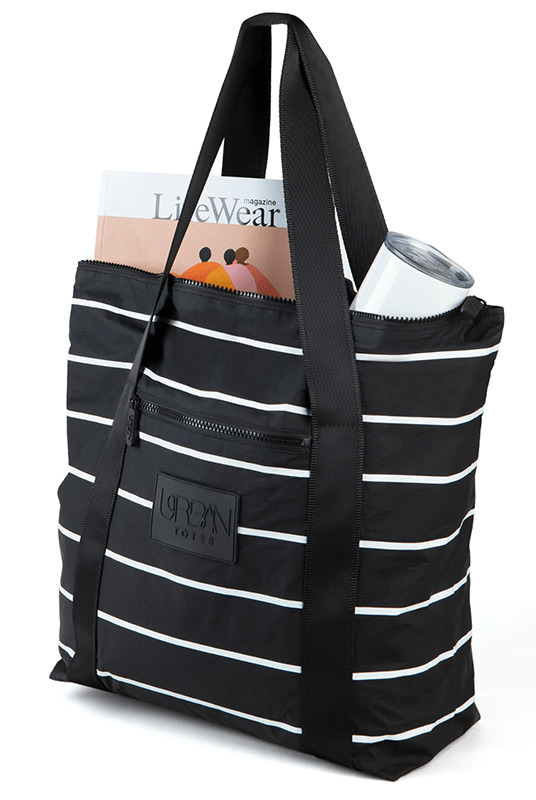
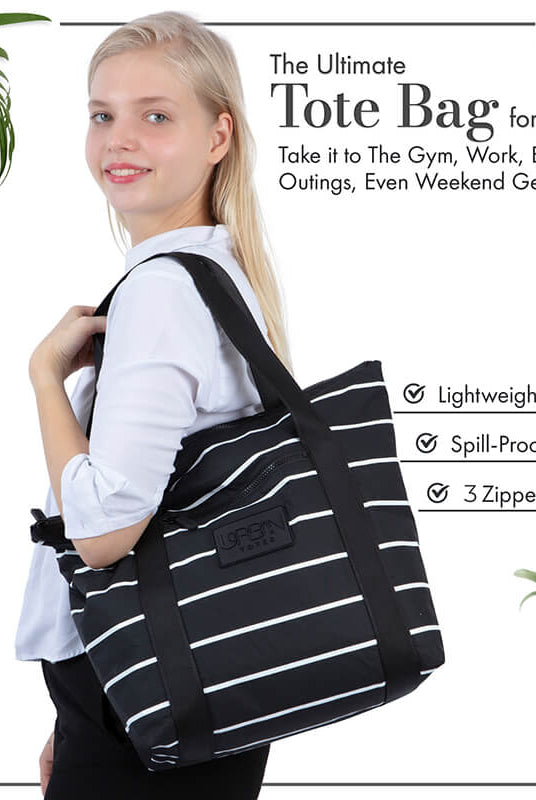
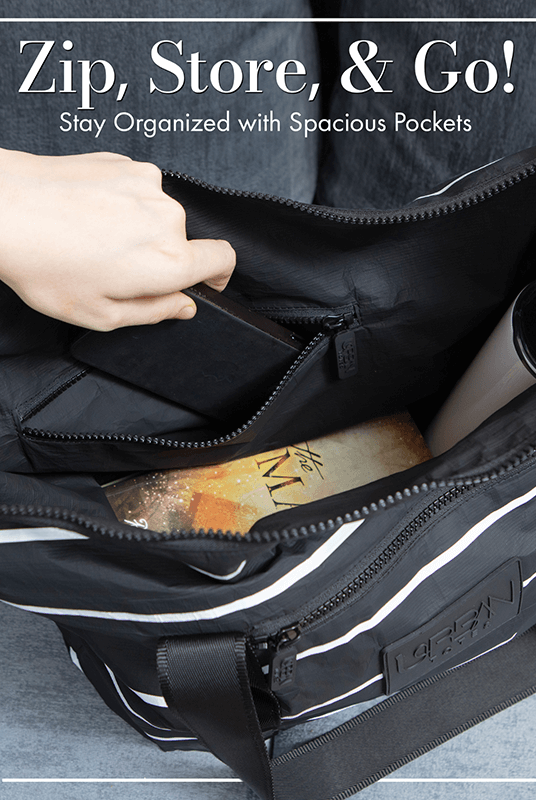
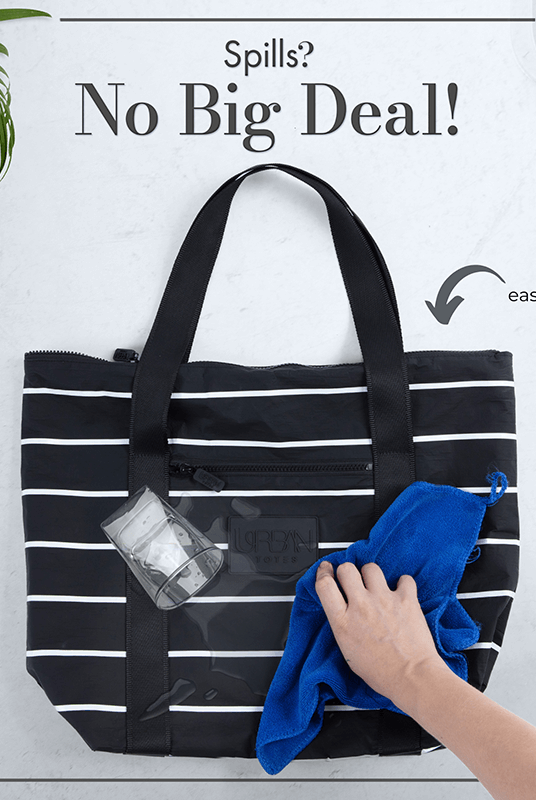
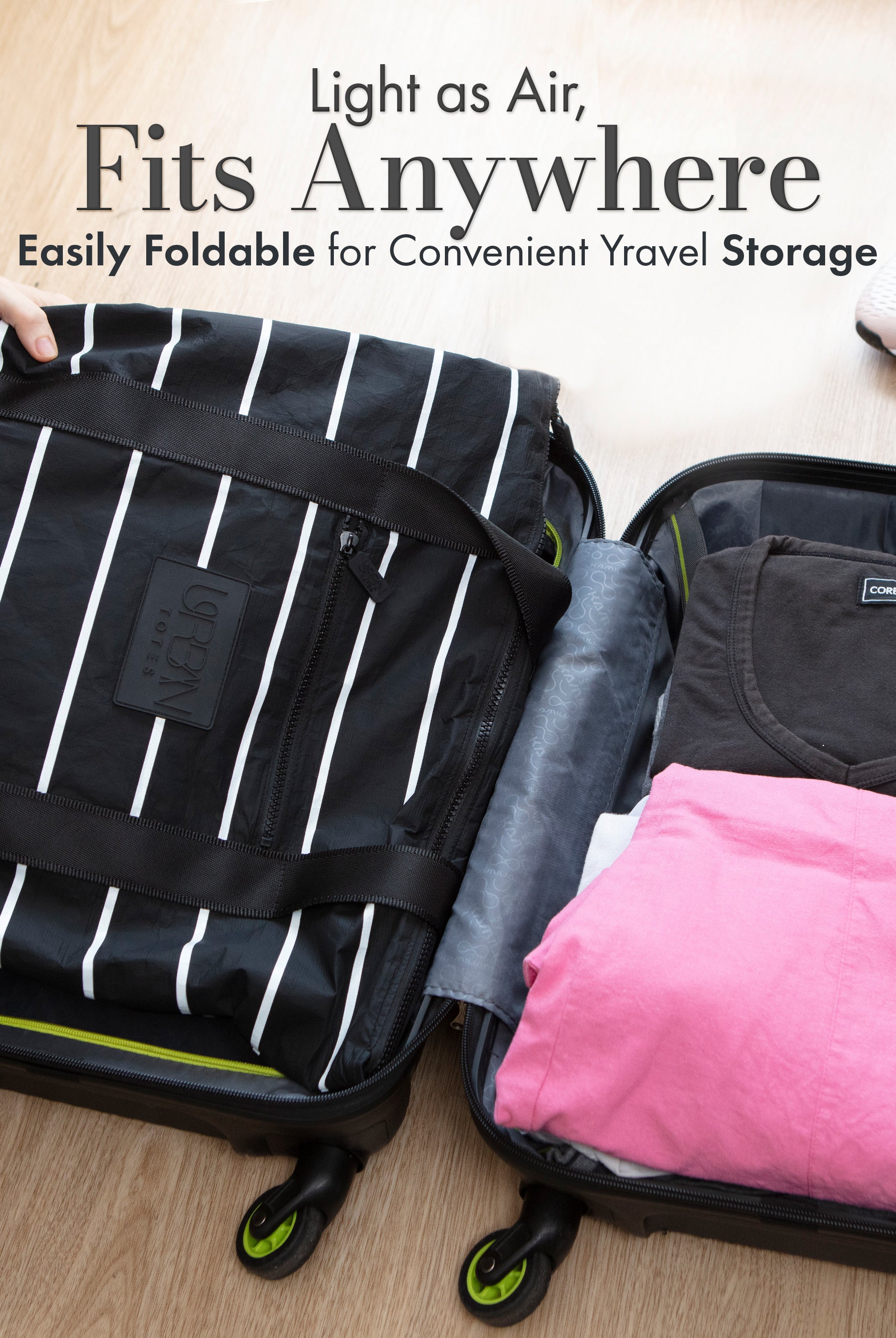
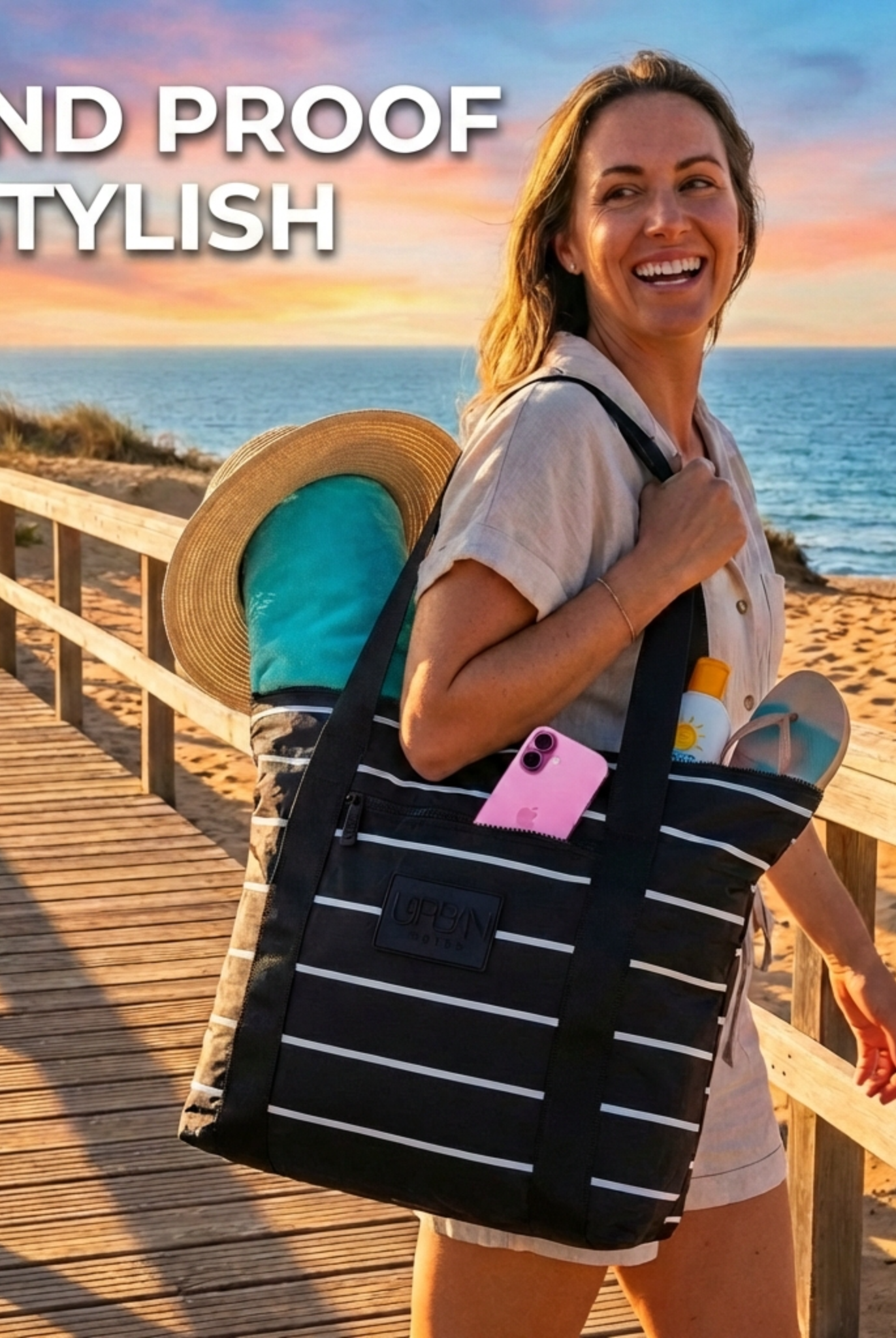
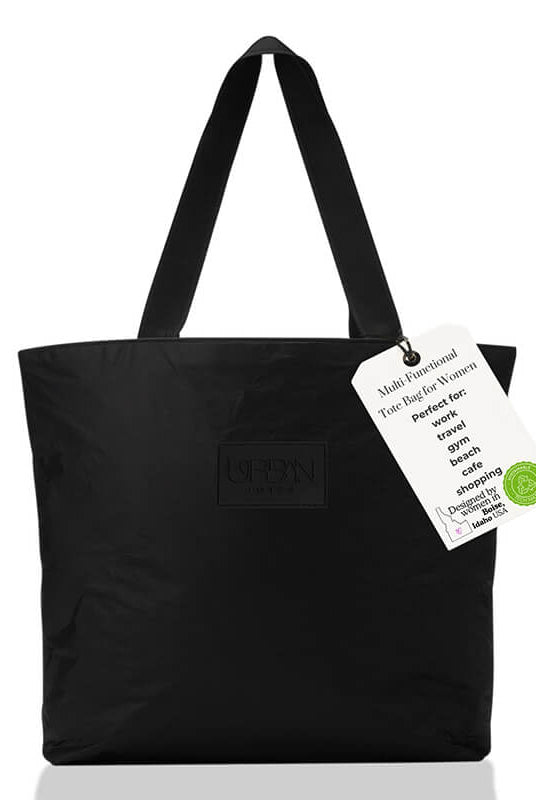
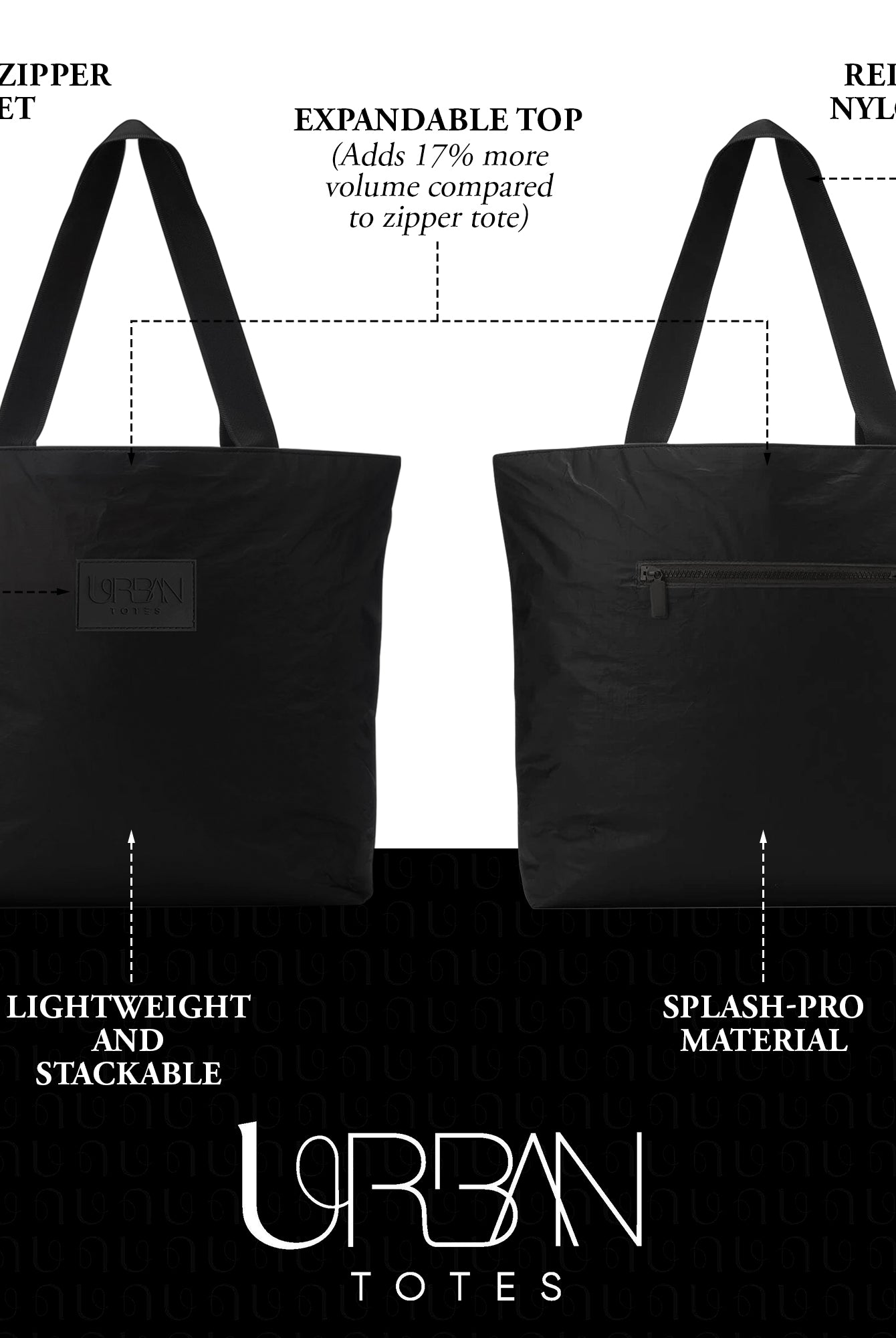
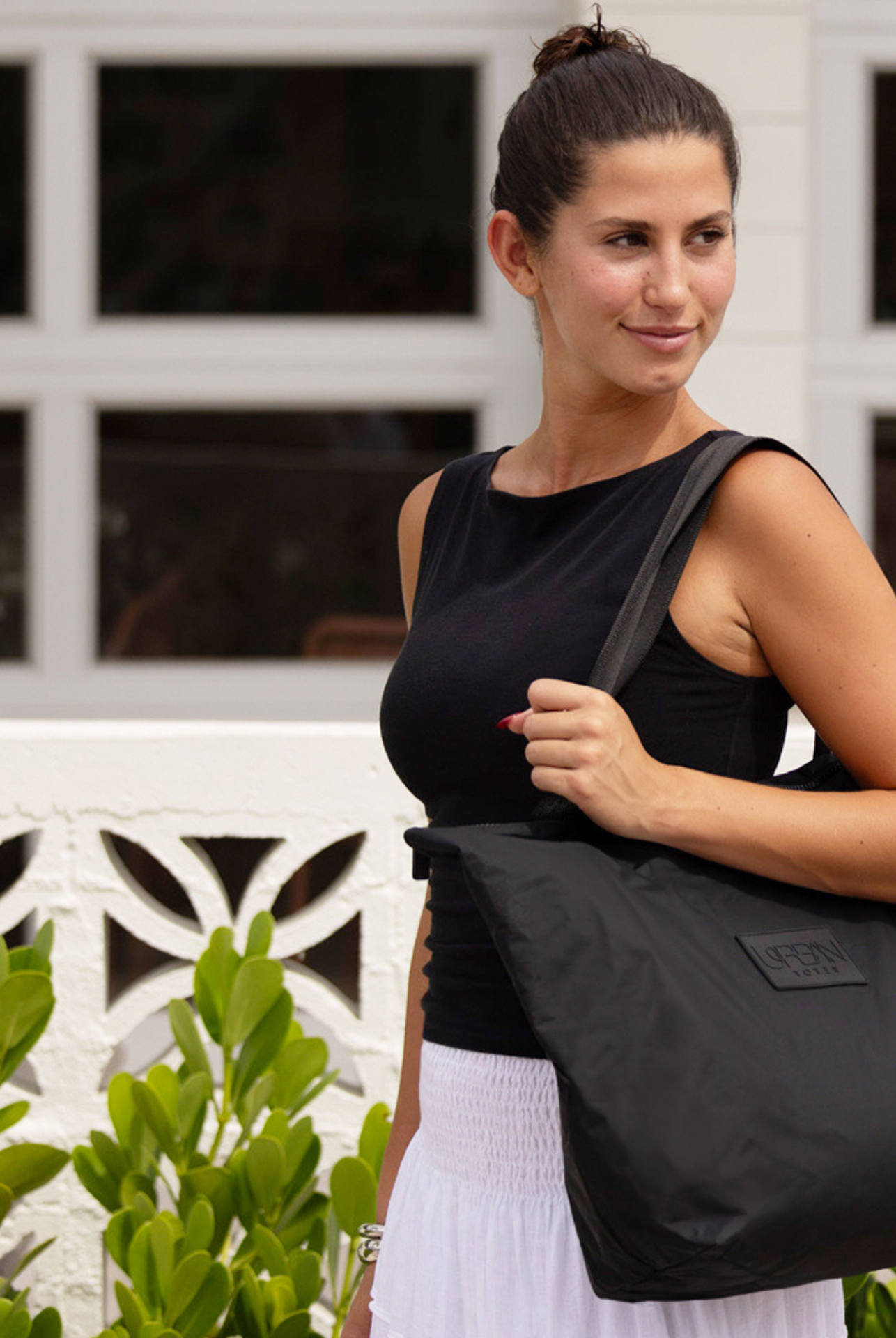
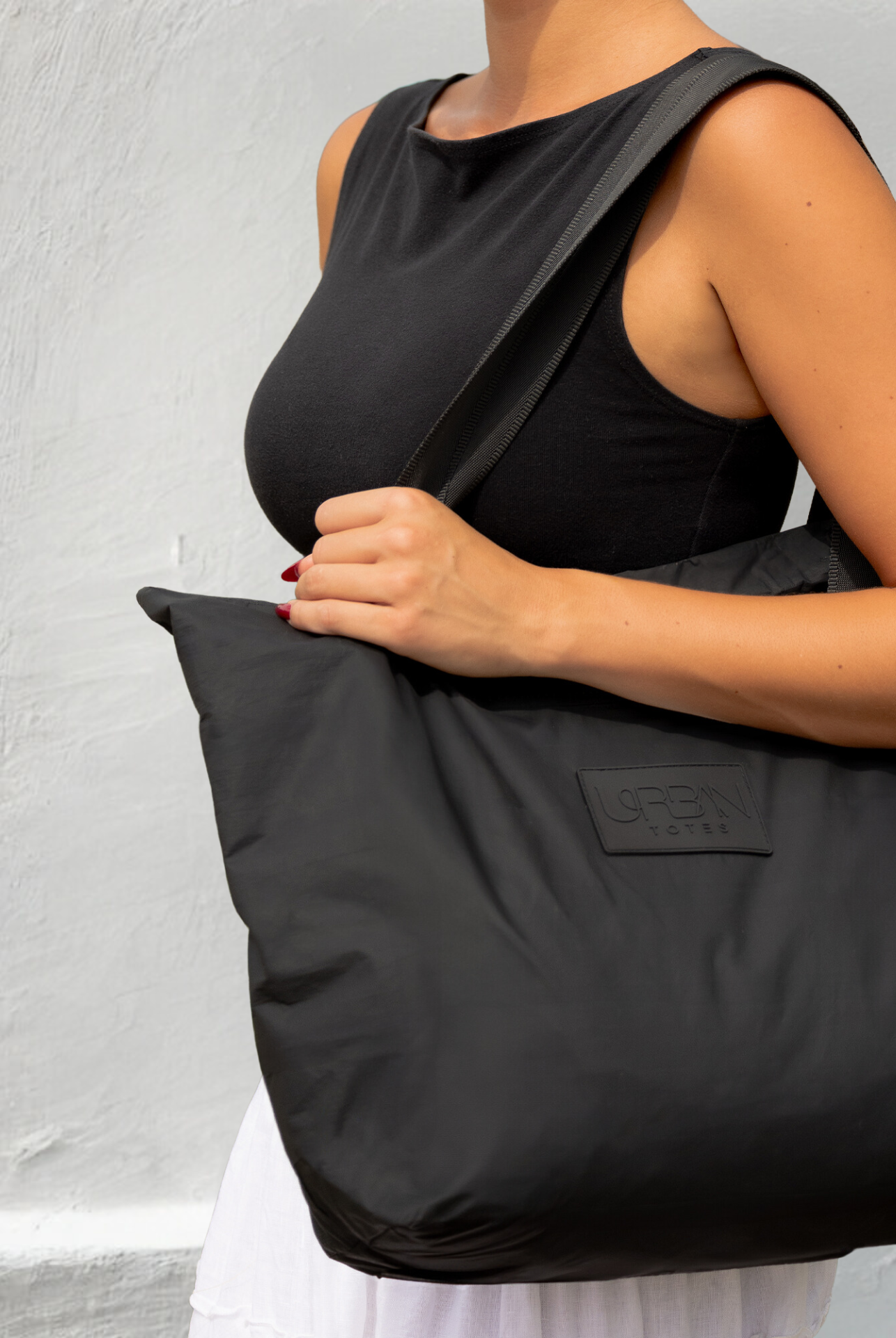
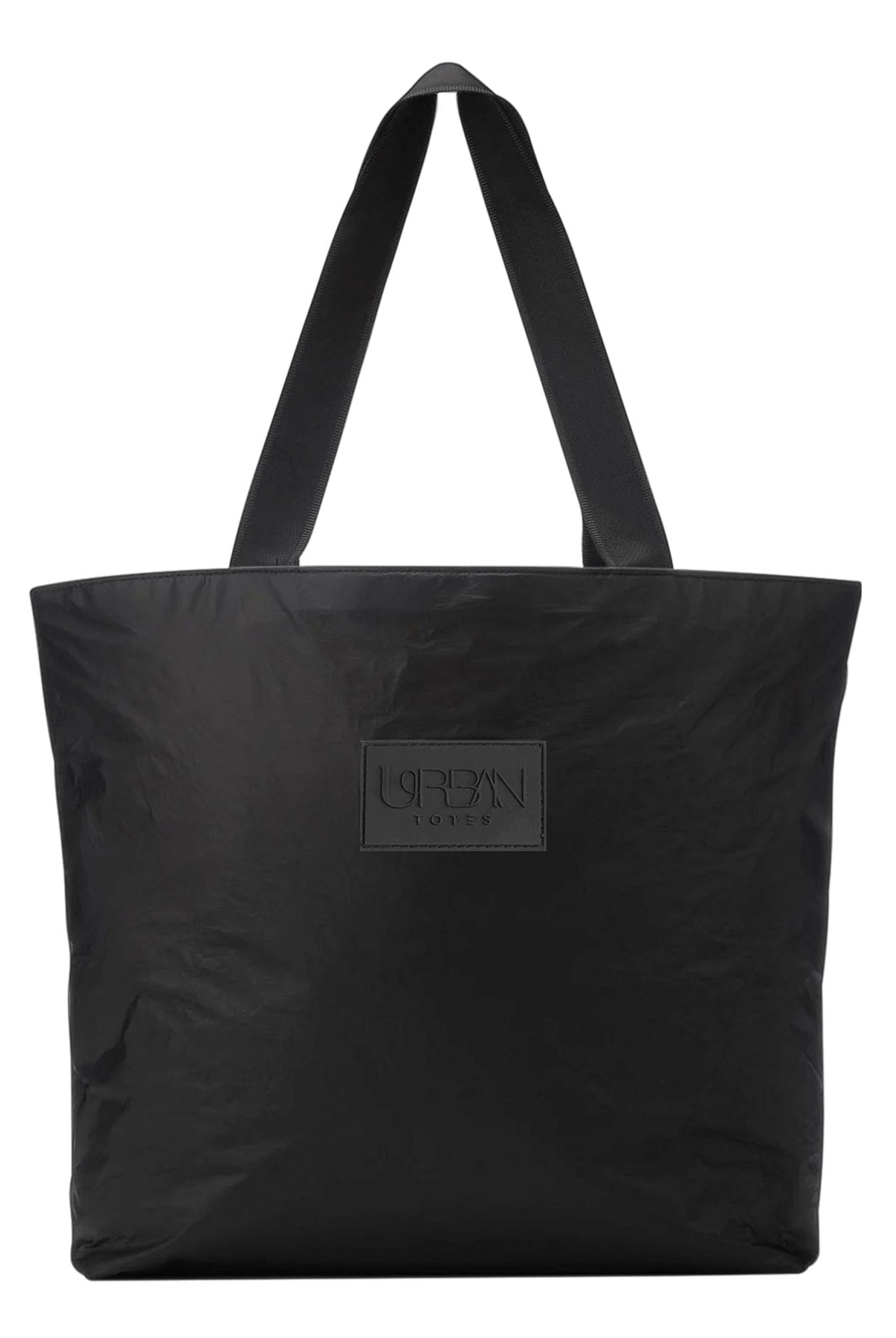
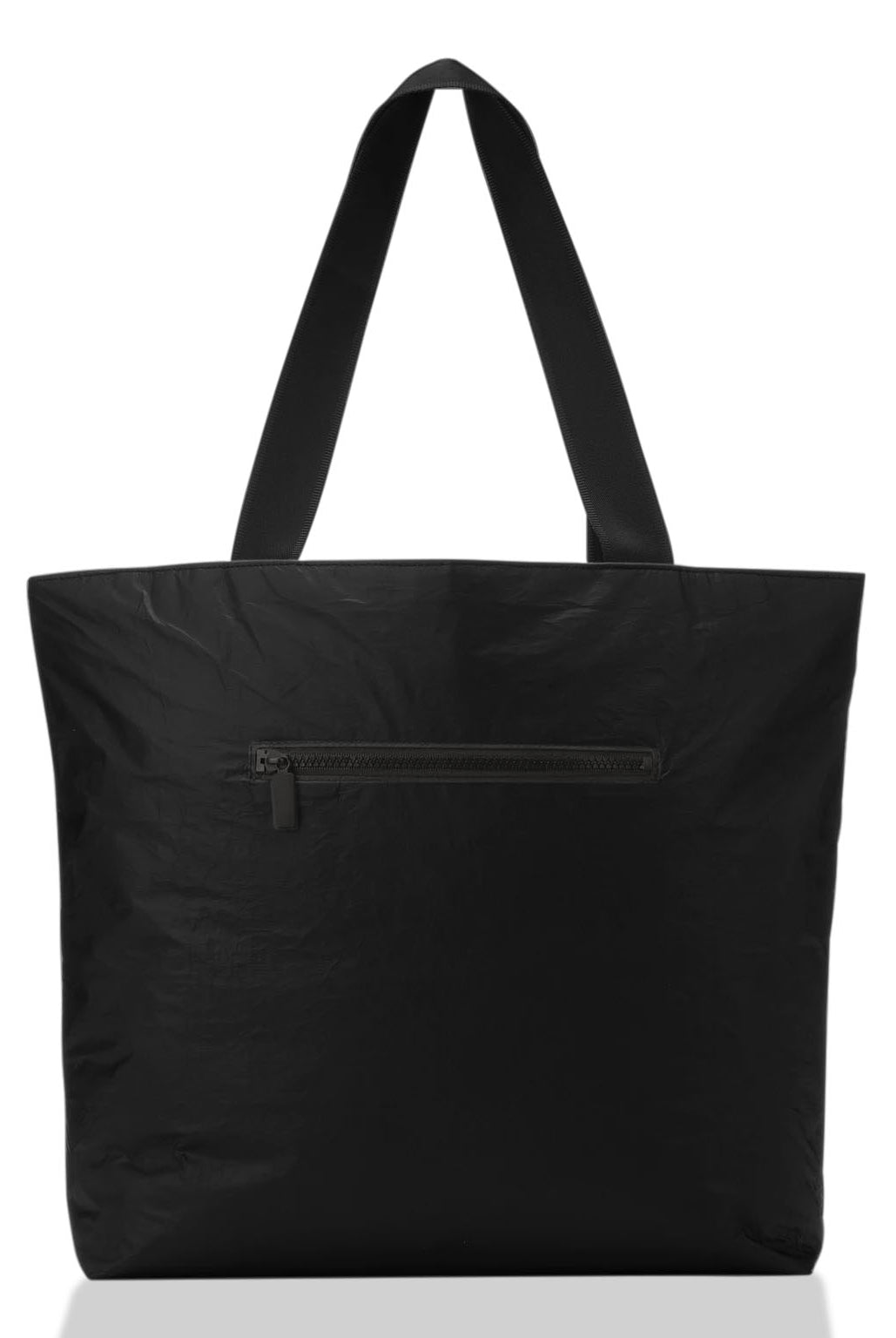
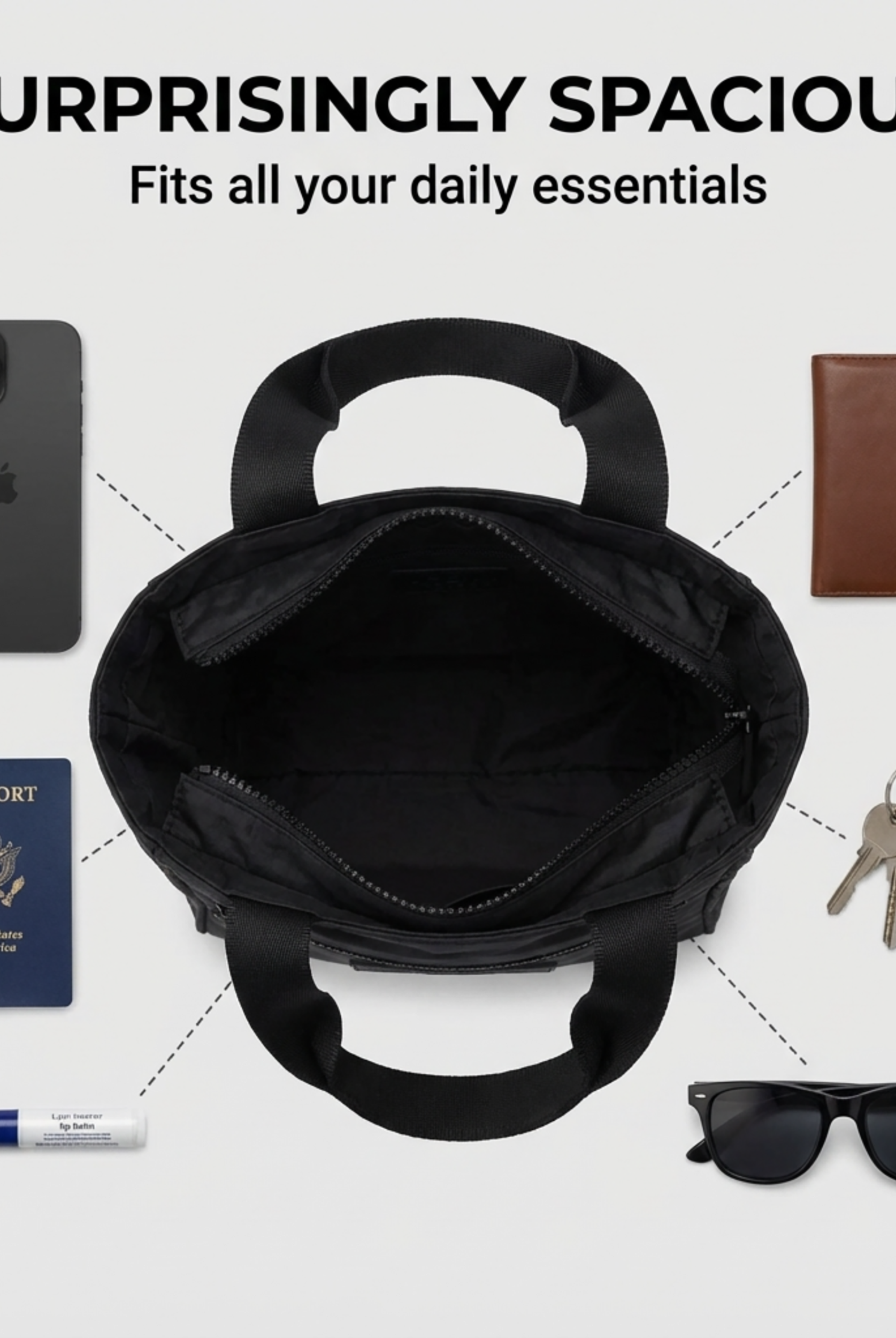
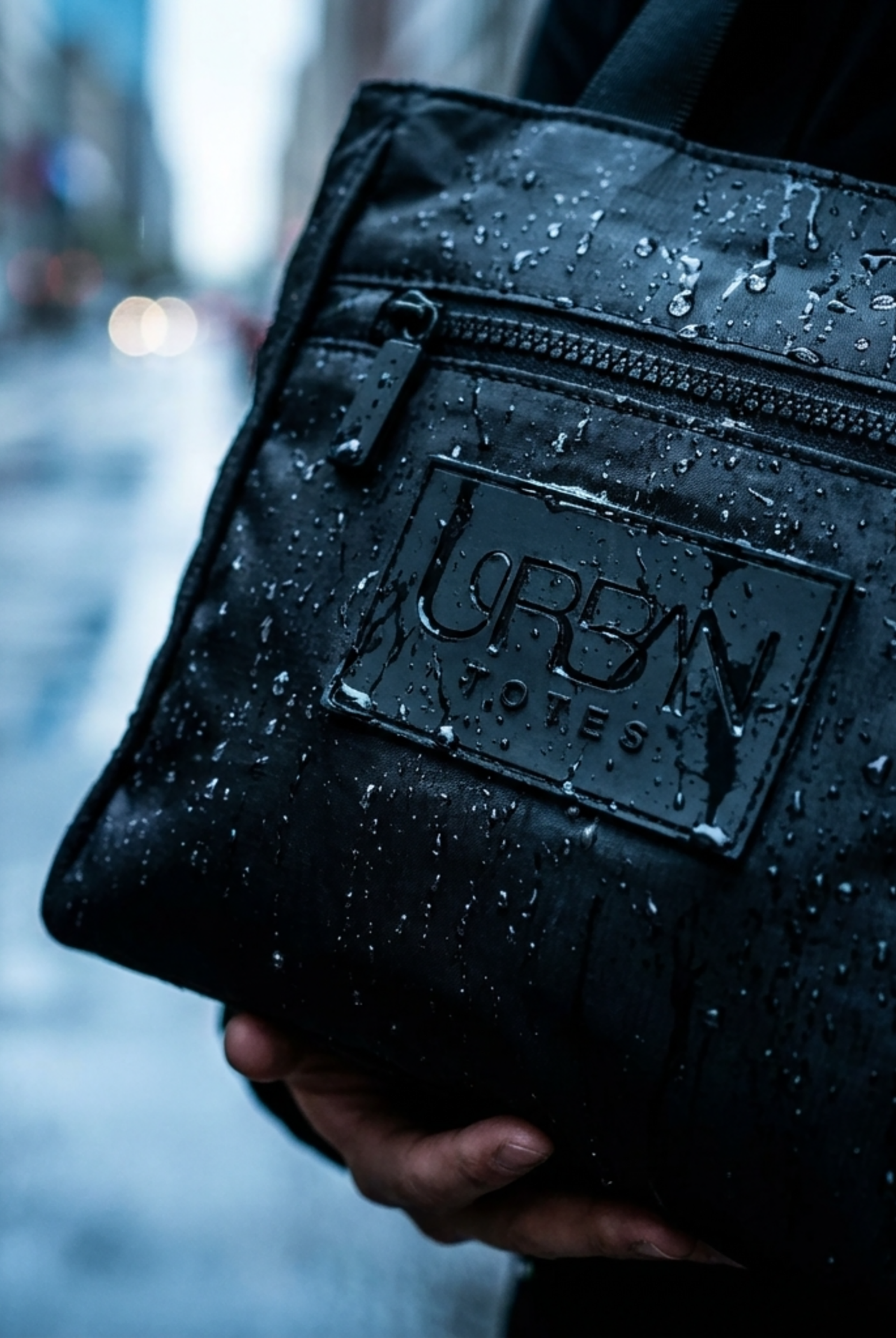
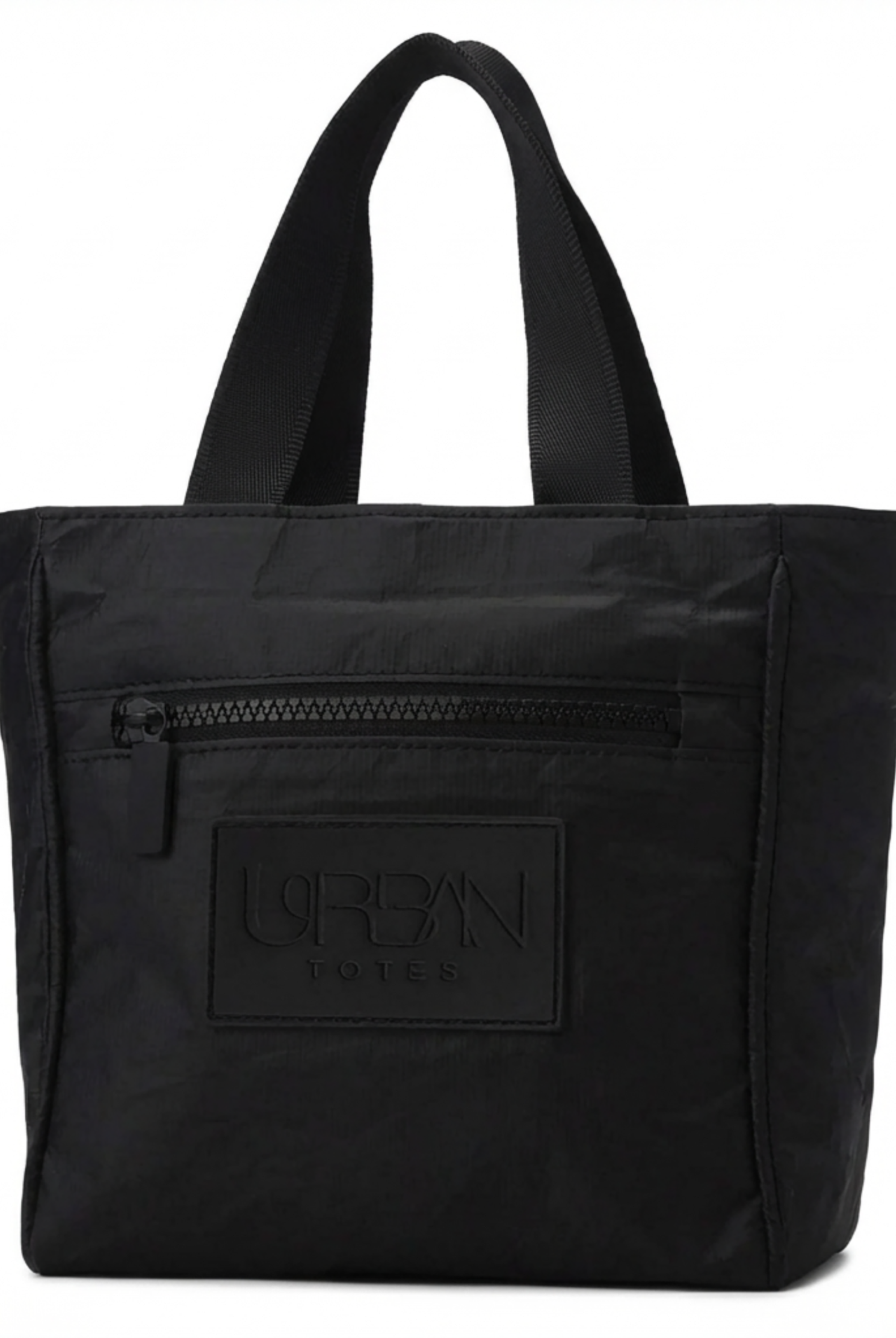
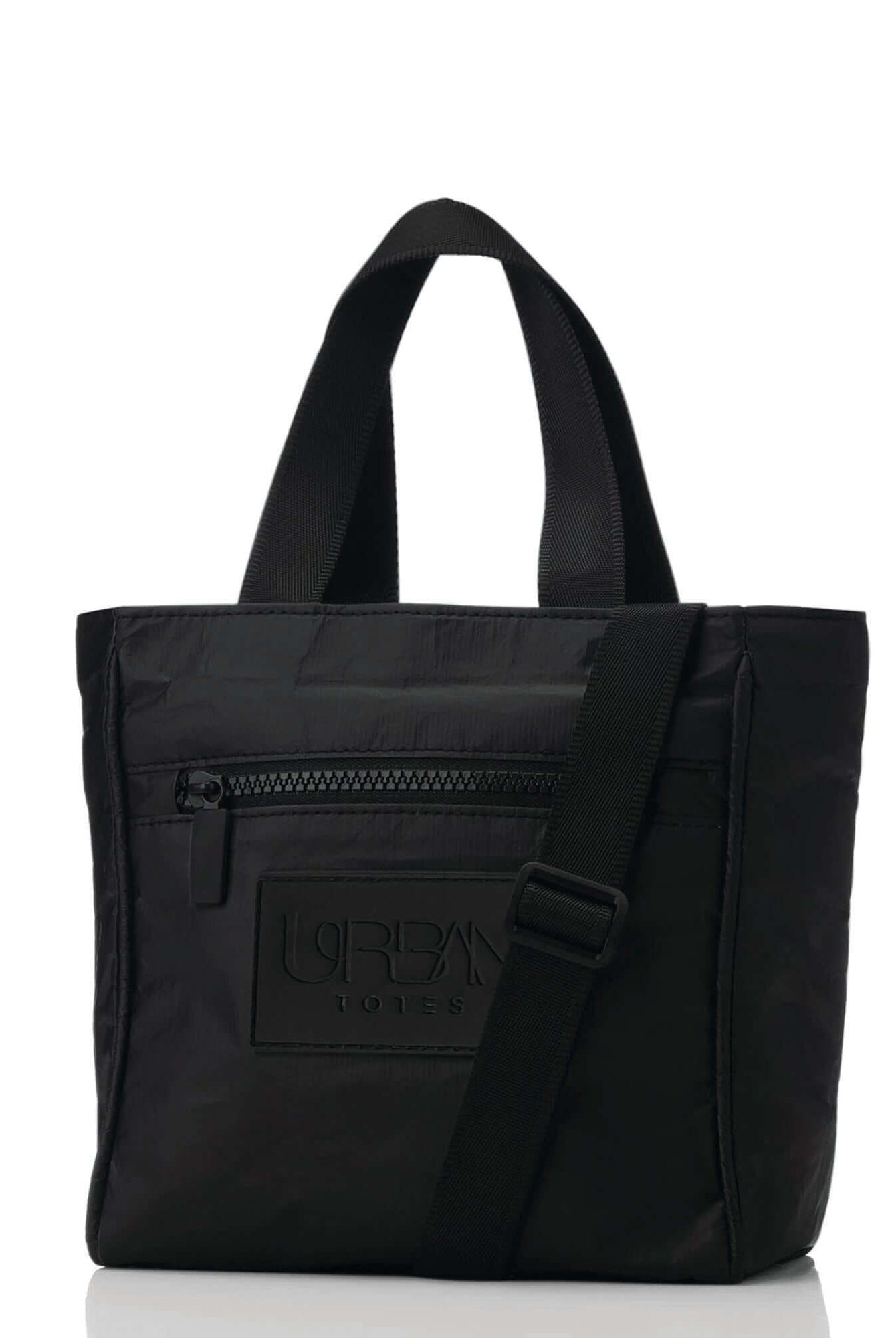
One example is Elevate Every Adventure with The OG Zipper Tote Bag by Urban Totes. Based on the product details, it's designed with inside and outside zipper pockets, three large pockets, a zipper closure, water-resistant material, and a packable, lightweight build. Its listed dimensions are 19" W x 14.5" H, which makes it a roomy option for women balancing daily errands, quick city breaks, or beach gear in one bag.
Navigating Airlines and Airports With Your Tote
Airports reward bags that are easy to manage in motion. That's different from being roomy on your bedroom floor.
The first question to ask is whether your tote is acting as a personal item or as your main carry-on. A tote often works best as the personal item because it can slide under the seat, keep essentials close, and save you from opening an overhead bin every time you need headphones or a snack. If the bag is soft-sided and not overstuffed, it usually behaves better in tight spaces than a rigid shape does.
Pack for security, not just capacity
Most airport frustration comes from poor access, not lack of space. Pack your tote so the items you'll need first are nearest the top or in outside compartments.
A simple packing order works well:
- Top-access essentials: passport, wallet, phone, boarding pass.
- Security items: laptop or tablet where you can remove it quickly if needed.
- In-flight comfort: headphones, charger, lip balm, tissues, snacks.
- Backup layer: cardigan or scarf near the top, not buried under everything else.
If you're trying to judge whether a bag is too large for airport use, this guide to weekender bag dimensions is a helpful reference point for understanding how soft travel bags compare in real use.
Use the airport floor test
Before you travel, pack the tote the way you would and set it down on the floor. Then pick out three things quickly: your ID, charger, and a snack. If that process feels clumsy at home, it'll feel worse in a boarding lane.
The same goes for terminal navigation. If you're connecting through a large airport, knowing the layout ahead of time can spare you some stress. A resource like this Calgary Airport map is useful when you want a clearer sense of how far you may be walking and how efficiently your bag needs to carry.
A tote is airport-friendly when it stays easy to access after you've packed it full, not just when it looks compact while empty.
Small details that help in transit
A trolley pass-through can be useful if you often pair your tote with rolling luggage. Secure closures matter when you're bending down, boarding quickly, or sliding the bag under a seat. And if you carry drinks often, a water-resistant exterior is less about weather and more about surviving the effects of coffee lids and bottle condensation.
That's the difference between a bag that photographs well and one that proves useful on a travel day.
The Best Tote For Your On-The-Go Lifestyle
The best tote isn't the same for every woman. It depends on what your day asks from you.
The weekend traveler
She books short trips without much lead time. Her bag has to pull double duty. It needs to work for the flight out, then shift into a day bag once she arrives.
For her, a packable tote with a zipper closure and enough structure to keep things visible is usually the sweet spot. She doesn't want to carry a huge bag through a café or museum, but she does need room for a paperback, water bottle, charger, toiletries pouch, and one extra layer. A tote that folds easily is useful here because it can adapt when plans change.
The daily commuter
She's carrying a laptop, lunch, maybe flats, maybe gym clothes, and definitely all the small things that make a workday run. Her tote needs to feel polished without acting precious.
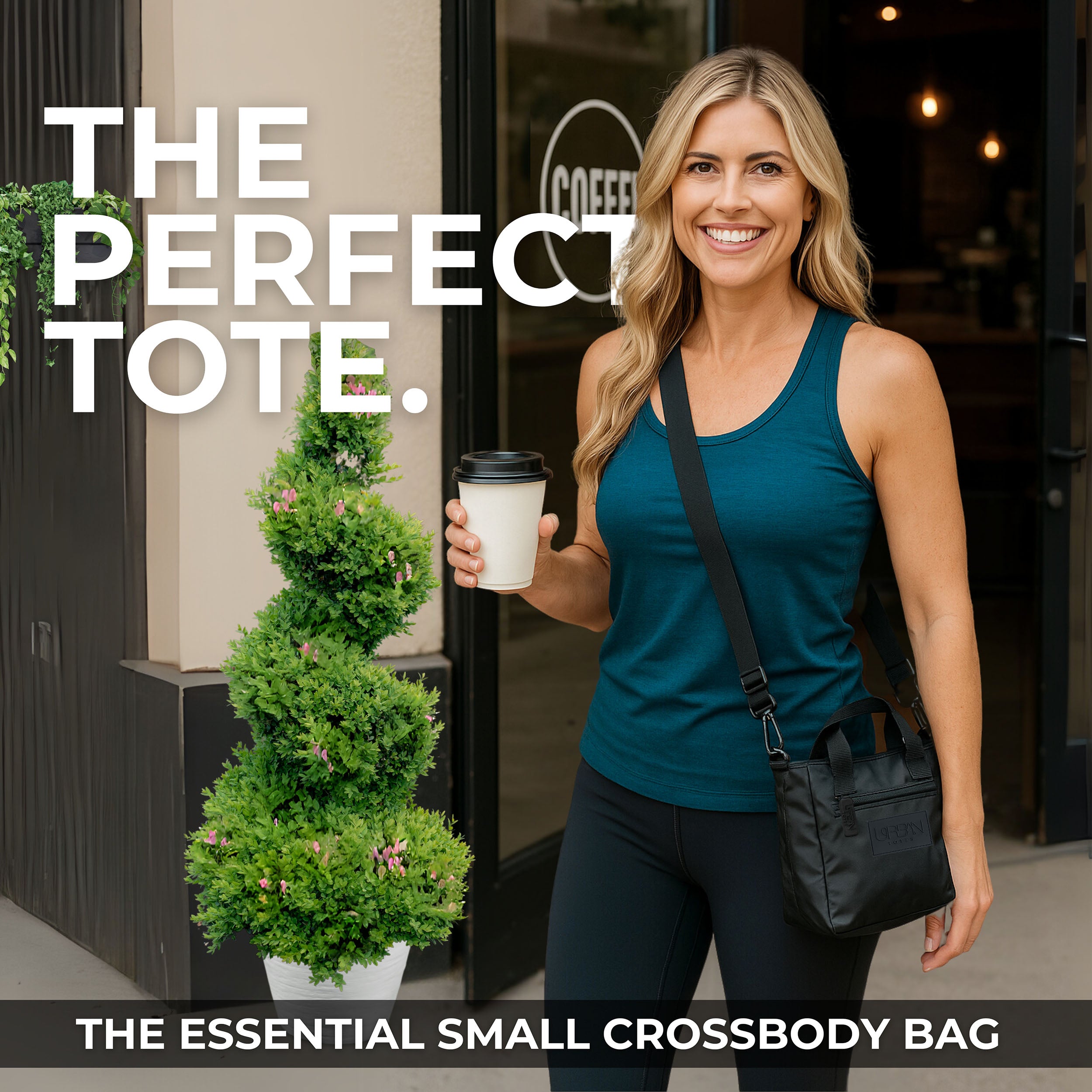
This is where the one-handed grab test matters. Can she open the bag while holding coffee. Can she pull out her badge or keys without setting everything down. Can the tote handle a train seat, office floor, and grocery stop on the way home.
A commuter usually benefits most from:
- A stable base so the tote doesn't collapse at her desk
- Separate compartments for tech and personal items
- A zipper top for peace of mind in crowded spaces
- Comfortable shoulder straps that provide lasting comfort
If that sounds like your routine, this roundup of best everyday bags for women can help you think beyond travel and choose a bag you'll actually use all week.
The beach-day mom
She isn't packing light, even when she tries. There are snacks, sunscreen, goggles, wipes, an extra cover-up, and something damp by the end of the day.
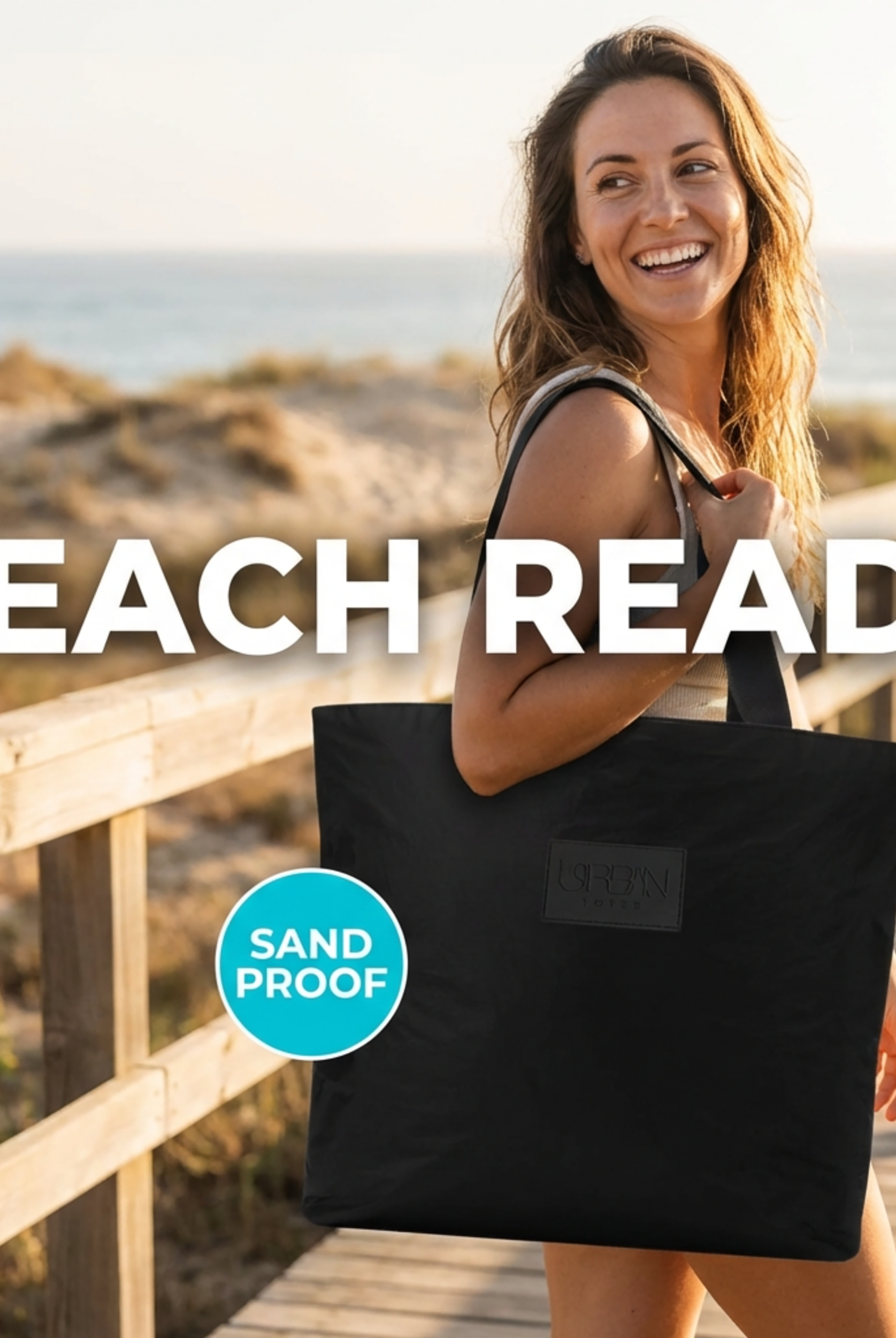
For her, the spilled coffee test and the wet stuff test matter more than sleek lines. She needs material that wipes clean, a layout that separates dry items from messy ones, and enough room for last-minute additions. She also needs a bag that won't feel precious if it ends up next to sandy flip-flops or a half-open juice box.
The right tote for a mom on the move isn't the one with the most features. It's the one that still works when the day gets messy.
The minimalist who still needs range
She wants one bag, not five. It needs to look clean enough for lunch, practical enough for travel, and roomy enough for errands.
Her mistake is often choosing too small a bag because she wants a neat silhouette. Then the tote fails the minute she adds a water bottle or a cardigan. A better choice is a lightly structured, lightweight tote with a zipper closure and a few smart compartments. It still looks sleek, but it gives her some breathing room.
That's usually how women end up finding their best carry on tote bags. Not by chasing trend categories, but by matching the bag to the life they live.
Tote vs Backpack vs Rolling Luggage
No single bag wins every trip. The smartest choice depends on distance, terrain, load, and how often you need access while moving.

Where a tote shines
A tote is strongest when you need quick access. Airports, train stations, school pickup, coffee stops, and short trips all reward a bag that lets you reach in fast without unzipping layers or laying the bag flat.
It also tends to look more versatile than a technical backpack. If you're going from flight to lunch, or from work to a hotel, a tote usually blends in better with the rest of your day.
When a backpack makes more sense
If you're carrying a heavy load for a long stretch, a backpack often wins on comfort. Weight distribution matters. Cobblestones, public transit stairs, and long walks can make shoulder carry feel old very fast.
That's especially true if you're packing lots of tech or traveling with kids and need both hands free. In those cases, a lightweight backpack can be the better tool. Urban Totes has a useful comparison point in this look at the lightweight nylon backpack, which helps frame when shoulder carry stops being the practical choice.
When rolling luggage is the better call
Rolling luggage is ideal when the load is too bulky for shoulder carry. If you're on a longer trip, carrying multiple pairs of shoes, or moving through smooth airport floors and hotel lobbies, wheels save energy.
But rolling luggage has limits too. It's slower in cramped boarding lines, less convenient when you need something mid-transit, and annoying on stairs, old sidewalks, or tight regional aircraft.
| Bag type | Best for | Main drawback |
|---|---|---|
| Carry-on tote | Easy access, short trips, everyday versatility | Can feel heavy if overpacked |
| Backpack | Hands-free movement, heavier loads, walking longer distances | Less polished for some work or social settings |
| Rolling luggage | Bigger loads, longer trips, smooth surfaces | Less nimble in tight spaces |
For complex travel days, especially international arrivals with ground transport afterward, the best setup is often a small roller plus a tote. If you're planning onward transit, practical logistics guides like how to transfer from Jamaica to JFK can help you think through how much walking, waiting, and bag handling your route will involve.
How Urban Totes Solves Common Carry-On Pains
Most travel tote advice focuses on checklists. Expandable zipper. Laptop sleeve. Trolley strap. That's useful, but it skips the main question. What happens when the bag is completely full and you're moving through a crowded airport.
Editor-tested coverage has highlighted that many travel totes lean on features like expandable zippers, trolley pass-throughs, and laptop sleeves, but rarely address fit, weight, and access under real airport conditions, according to InStyle's coverage of expandable travel totes. That gap matters because a bag can sound good on paper and still be frustrating in transit.

The pain usually starts with overload
A tote becomes difficult when it's too heavy, too open, or too chaotic. The bottomless-pit problem is real. So is the problem of bags that look roomy until you add a laptop and suddenly lose all usable space.
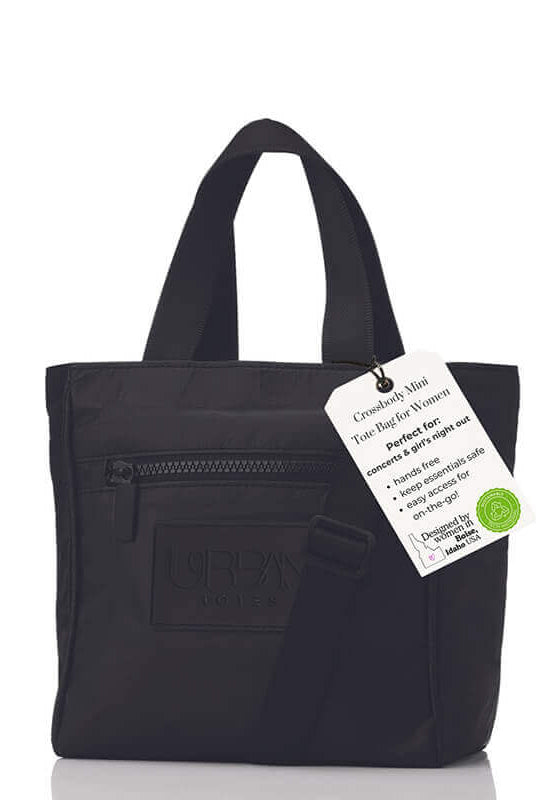
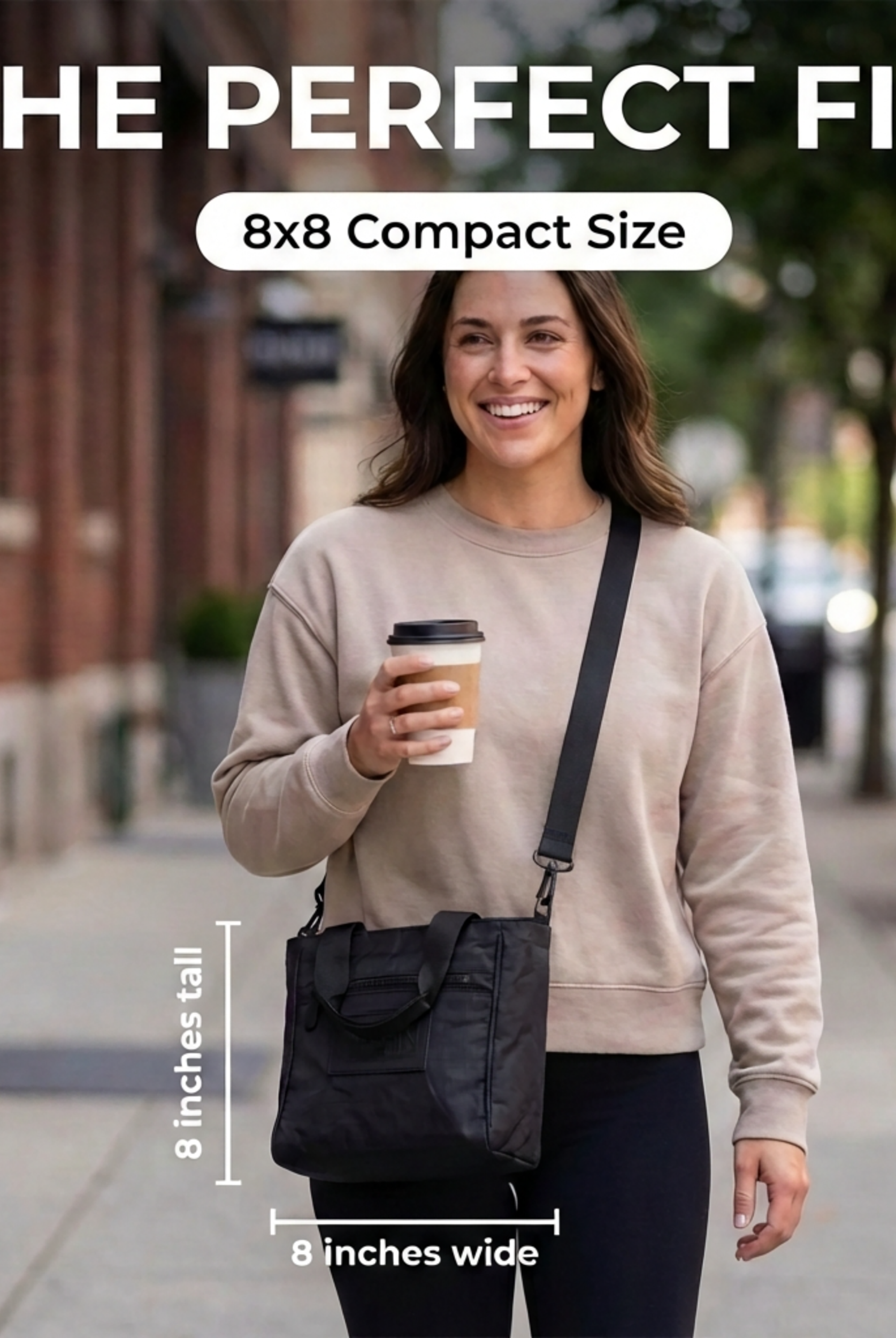
Urban Totes approaches that problem from a practical angle. The brand is woman-owned, based in Boise, and focused on lightweight, water-resistant, packable, foldable bags with multi-pocket organization and zipper closures. Those are not flashy features. They are everyday-use features. They matter when you're juggling childcare, a gate change, a commute, or a rushed errand run.
What works in daily life and travel
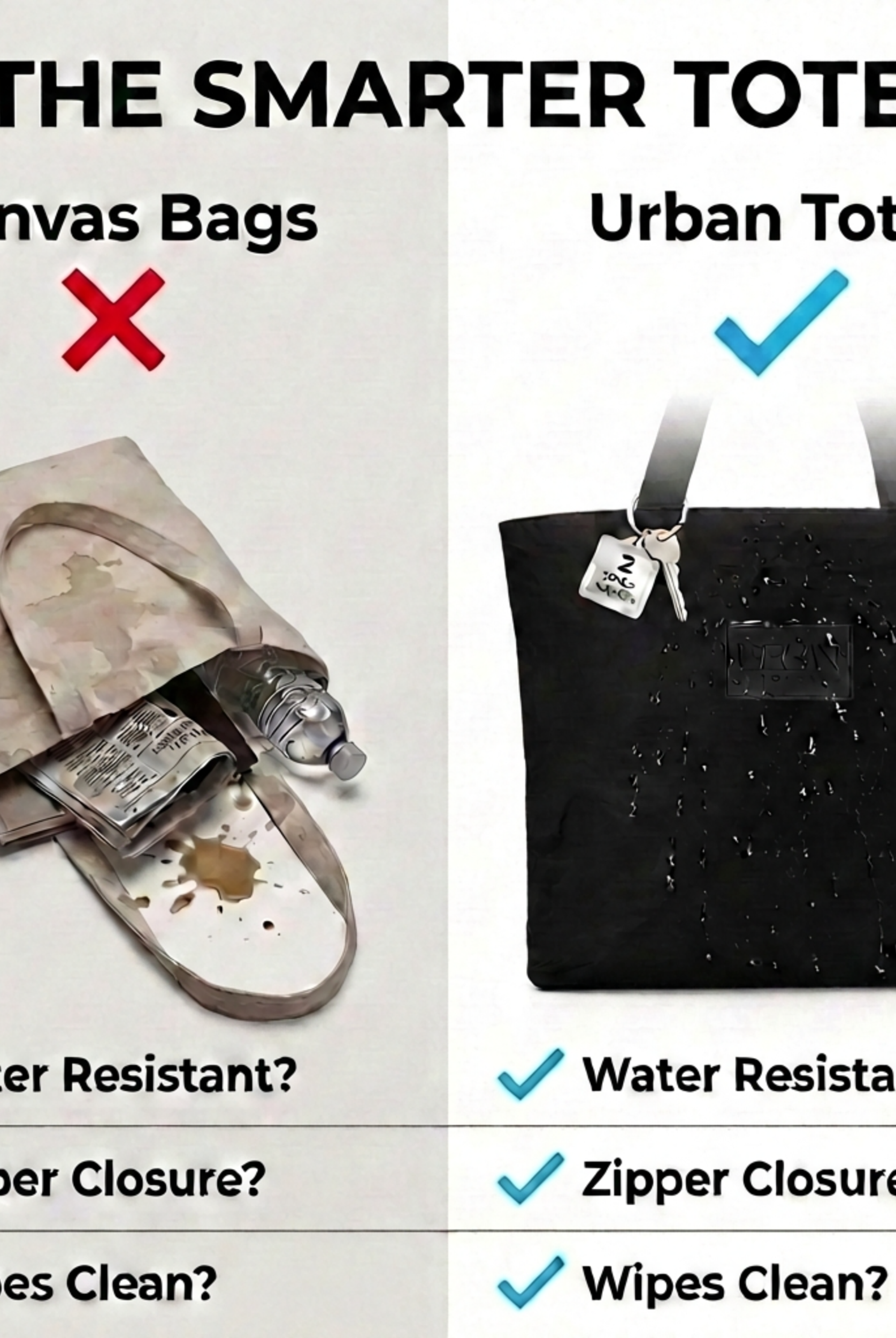
A useful carry-on tote has to survive ordinary messes and ordinary pressure. That means it should be easy to wipe down after a coffee drip, easy to carry when loaded with mixed items, and easy to organize without requiring a dozen pouches.
The design choices that help most are straightforward:
- Lightweight construction so the bag doesn't start the day working against you
- Water-resistant material that handles drizzles, spills, and damp surfaces better
- Multi-pocket layouts that stop everything from sinking into one main compartment
- Zipper closures that add security in transit and keep contents contained
- Packable structure so the tote can travel easily even when it's not your primary bag
A good carry-on tote should feel boring in the best way. No drama, no digging, no balancing act.
Why this matters for women with full days
Busy moms, caregivers, commuters, and short-trip travelers don't need a bag that only works in one setting. They need one that can shift with them. Airport in the morning. Carpool in the afternoon. Grocery stop on the way home. Maybe a weekend getaway two days later.
That's where a thoughtfully designed tote earns trust. It doesn't need to do everything perfectly. It needs to solve the problems you hit most often. Lost keys. Shoulder strain. Damp swimwear near dry clothes. Open-top anxiety. Airport fumbling. The women who carry a lot already know that convenience is not a bonus. It's the whole point.
Go Anywhere and Tote Everything With Confidence
The best carry on tote bags aren't just the ones with the longest feature lists. They're the ones that still work when your hands are full, your schedule is tight, and your day stops being neat and predictable.
That usually means choosing lighter materials over heavier ones, a zipper closure over an open top, and smart organization over one big empty space. It also means being honest about your routine. A weekend traveler needs something different from a commuter. A beach-day mom needs something different from a minimalist who wants one polished everyday carry.
The right tote should help you move with less friction. Less digging. Less shoulder strain. Less stress at security, in the terminal, and on the way home.
That's what makes a bag feel worth carrying again and again. It fits your real life, not an idealized one.
Urban Totes designs for exactly that kind of life in motion. If you want a lightweight, organized, go-anywhere bag that can keep up with travel days, errands, and everything in between, explore the collection at Urban Totes.