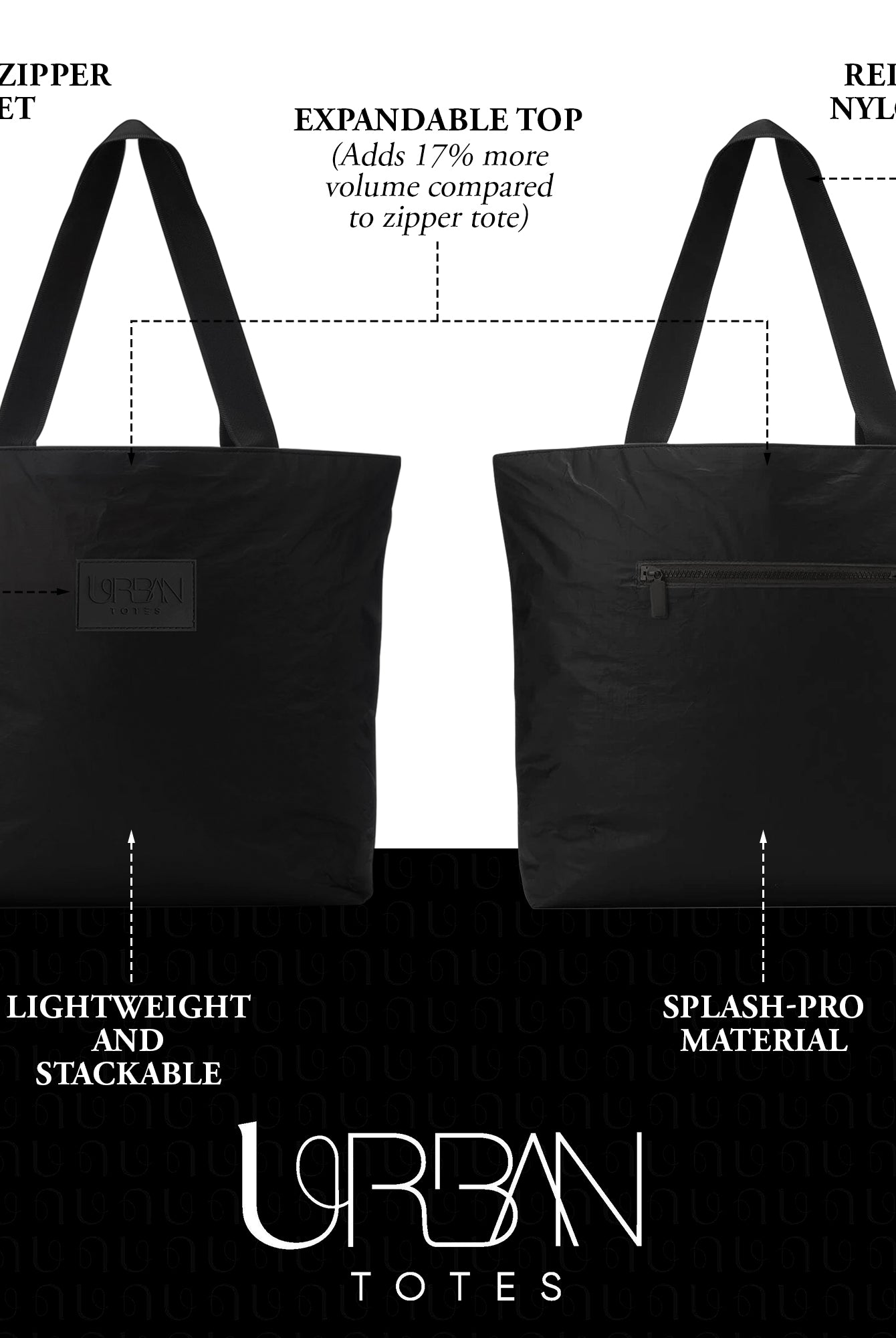
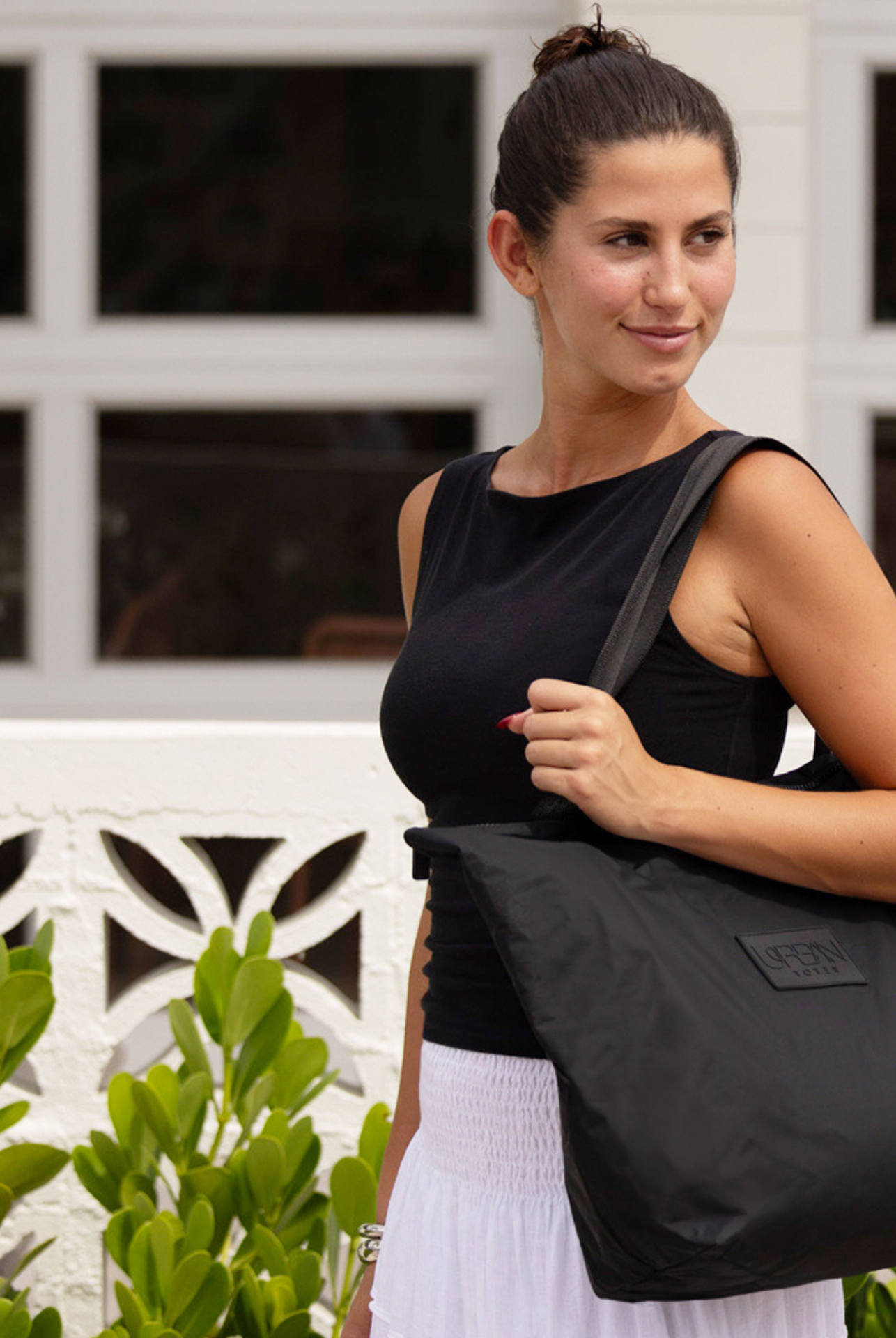
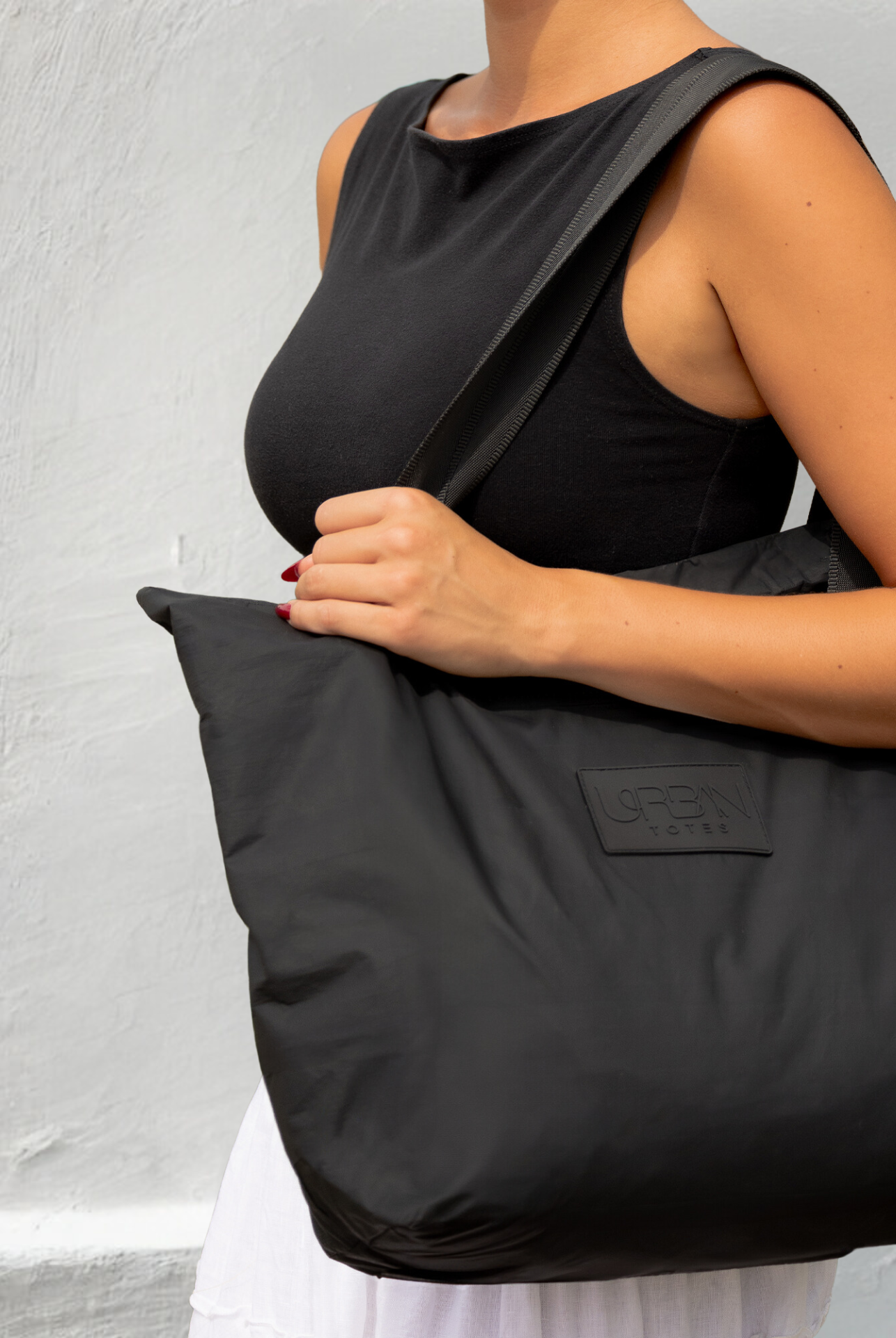
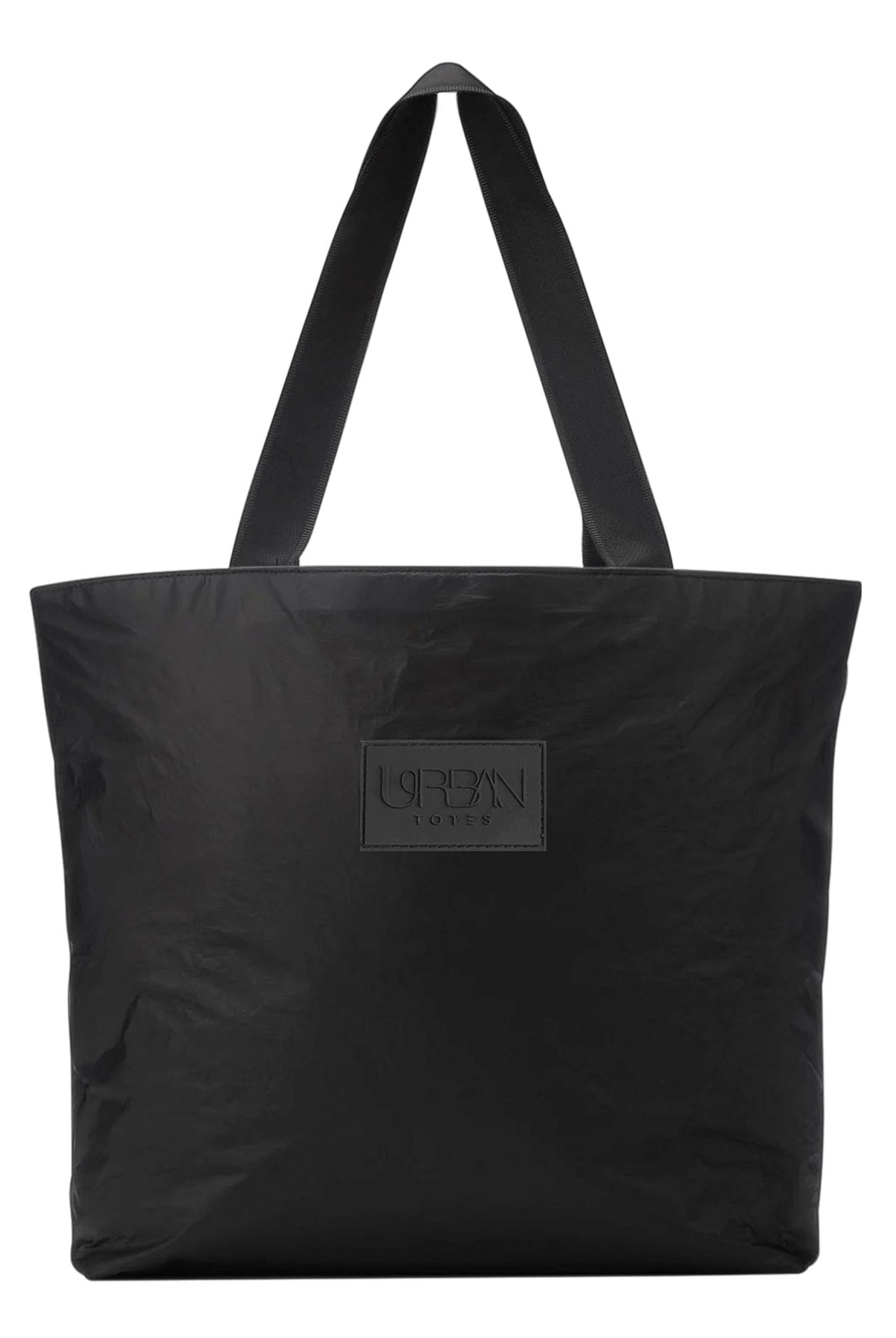
You're halfway out the door, coffee in one hand, phone in the other, and your tote is already testing your patience. The strap twists. Your keys disappear into the bottomless interior. A water bottle tips over next to a notebook, and suddenly the bag that looked cute online feels like one more thing working against you.
That's usually the moment people stop caring about labels and start caring about life. A tote doesn't earn a permanent place by sounding good on a product page. It earns it during school drop-off, airport security, grocery runs, beach days, long commutes, and those random in-between hours when you need your bag to carry more than expected without becoming a burden.
That's why recycled material tote bags are worth talking about in a more honest way. Yes, the material matters. But the bigger question is whether the bag is built well enough, organized enough, and easy enough to carry that you'll use it again tomorrow. And the day after that.
Table of Contents
- The Search for a Tote That Actually Keeps Up
- Understanding Recycled Tote Bag Materials
- Why Durability Is the Key to Sustainability
- Must-Have Features for a Go-Anywhere Tote
- Find Your Match for Every Lifestyle
- How to Care for Your Recycled Tote Bag
The Search for a Tote That Actually Keeps Up
Most women don't need another bag. They need one that won't quit at the worst possible time.
A flimsy tote can make a normal day feel messy fast. It sags when you add a laptop, lunch, and a cardigan. The handles bite into your shoulder on the walk from the parking lot. The open top leaves everything exposed in the back seat, on the train, or under an airplane seat. By noon, you're digging for lip balm under receipts and snack wrappers.
That's the gap a good tote is supposed to close. It should feel light before you fill it. It should stay organized after you do. It should move from errands to travel to daily carry without looking like an afterthought.
What failure usually looks like
The bags that disappoint tend to have the same problems:
- Weak structure: They collapse into a heap the second you put in anything heavier than a wallet.
- Poor carry comfort: Narrow straps concentrate weight in one spot and make the load feel heavier than it is.
- No real organization: Everything lands in one open compartment, which turns every stop into a search party.
- Short lifespan: Corners wear out first, stitching loosens, and zippers become the first thing you stop trusting.
A tote only feels simple when the design work has already been done for you.
That's why the conversation around recycled material tote bags needs more nuance. The recycled label can catch your attention, but it won't make a bag useful. Real usefulness comes from choices you can see and feel. Fabric that's substantial enough for repeat use. Handles that distribute weight better. Compartments that keep your day from spilling into one giant pile.
What a reliable tote does differently
A go-anywhere tote works because it solves friction you deal with every day. It doesn't ask you to baby it. It doesn't force you to choose between style and function. It gives you one organized place for the things you carry all the time, plus enough flexibility for the extras that show up without warning.
That's where recycled material tote bags can shine. When the materials are chosen thoughtfully and the construction supports repeated use, the bag stops being a feel-good purchase and starts being a practical one.
Understanding Recycled Tote Bag Materials
Material choice shapes how a tote feels on day one and how often you reach for it six months later. The recycled label matters, but daily performance matters more. A bag that survives groceries, commutes, weather, and overpacking will do more good than one that spends most of its life in a closet.

Recycled cotton and canvas
Recycled cotton and recycled canvas appeal to women who want a tote that feels soft, familiar, and easy to wear with everyday clothes. They usually have more body than thin promo totes, and they tend to age in a way that looks relaxed rather than overly technical.
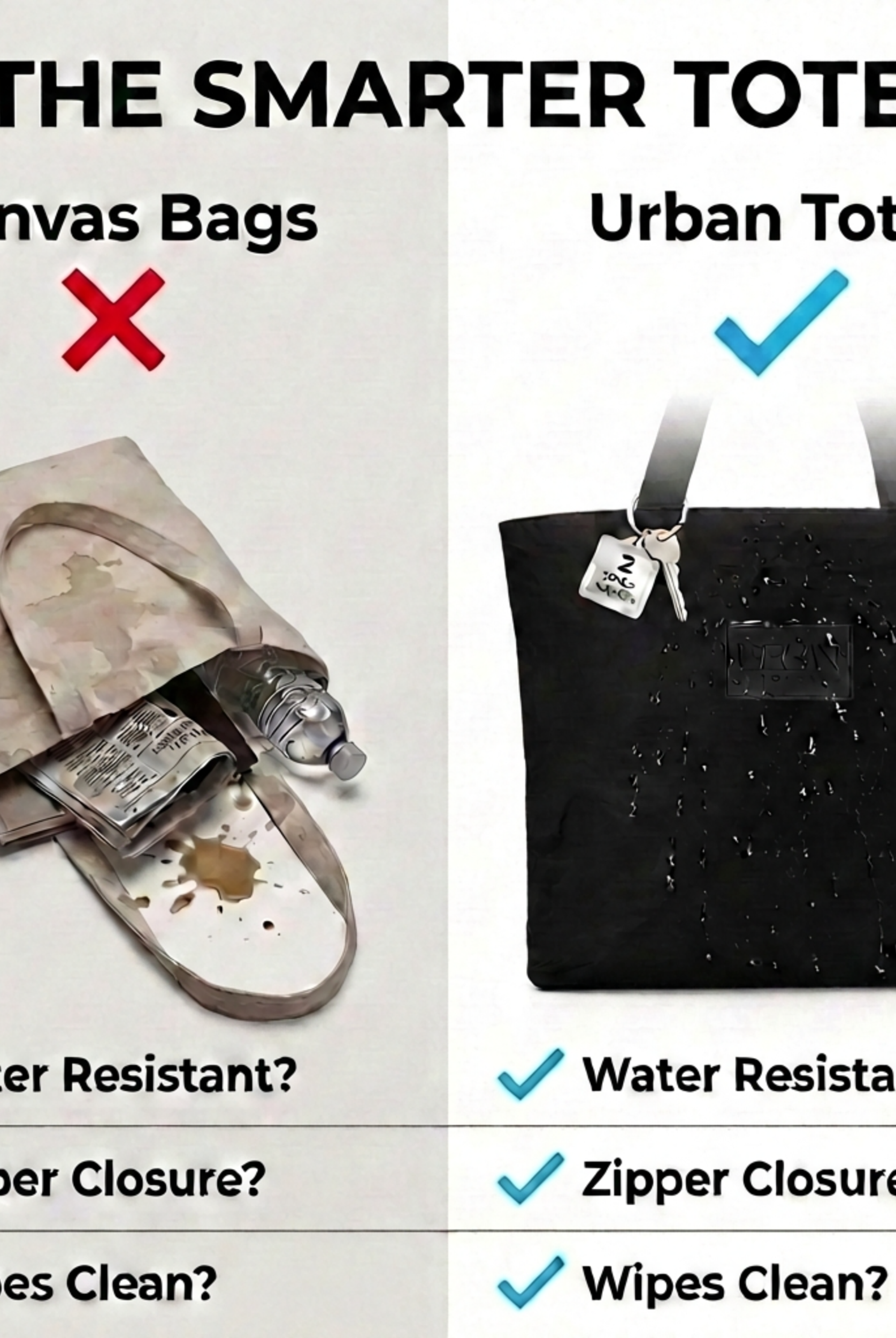
The trade-off is straightforward. Cotton-based fabrics are comfortable and approachable, but they can absorb water, pick up stains faster, and lose structure sooner if the weave is loose or the bag carries heavy loads often. Fabric weight and construction matter more than a clean-sounding material story.
I usually look at recycled cotton totes as good everyday options for errands, light work carry, and casual use, especially when the handles are wide enough to spread weight comfortably. If you want to compare how different recycled fabrics are positioned across styles, Urban Totes has a helpful guide to recycled material bags.
Blends can be the smarter long-wear choice
Pure-fiber marketing can sound appealing, but blends often hold up better in real life.
According to this explanation of recycled tote fabric blends, many recycled totes use a mix of recycled cotton and recycled polyester so the fabric keeps some softness while gaining better resilience. That balance matters for women who need one bag to handle commuting, gym clothes, lunch, and the extras that collect over a full day.
This is the part shoppers often miss. The more sustainable choice is usually the bag you keep using, and blends often earn that repeat use because they resist wear better than softer, flimsier options.
Technical recycled fabrics
Technical recycled fabrics tend to be lighter, easier to pack, and simpler to wipe clean. They make sense for travel, rainy days, workouts, and any routine where the bag needs to handle mess without a lot of maintenance.
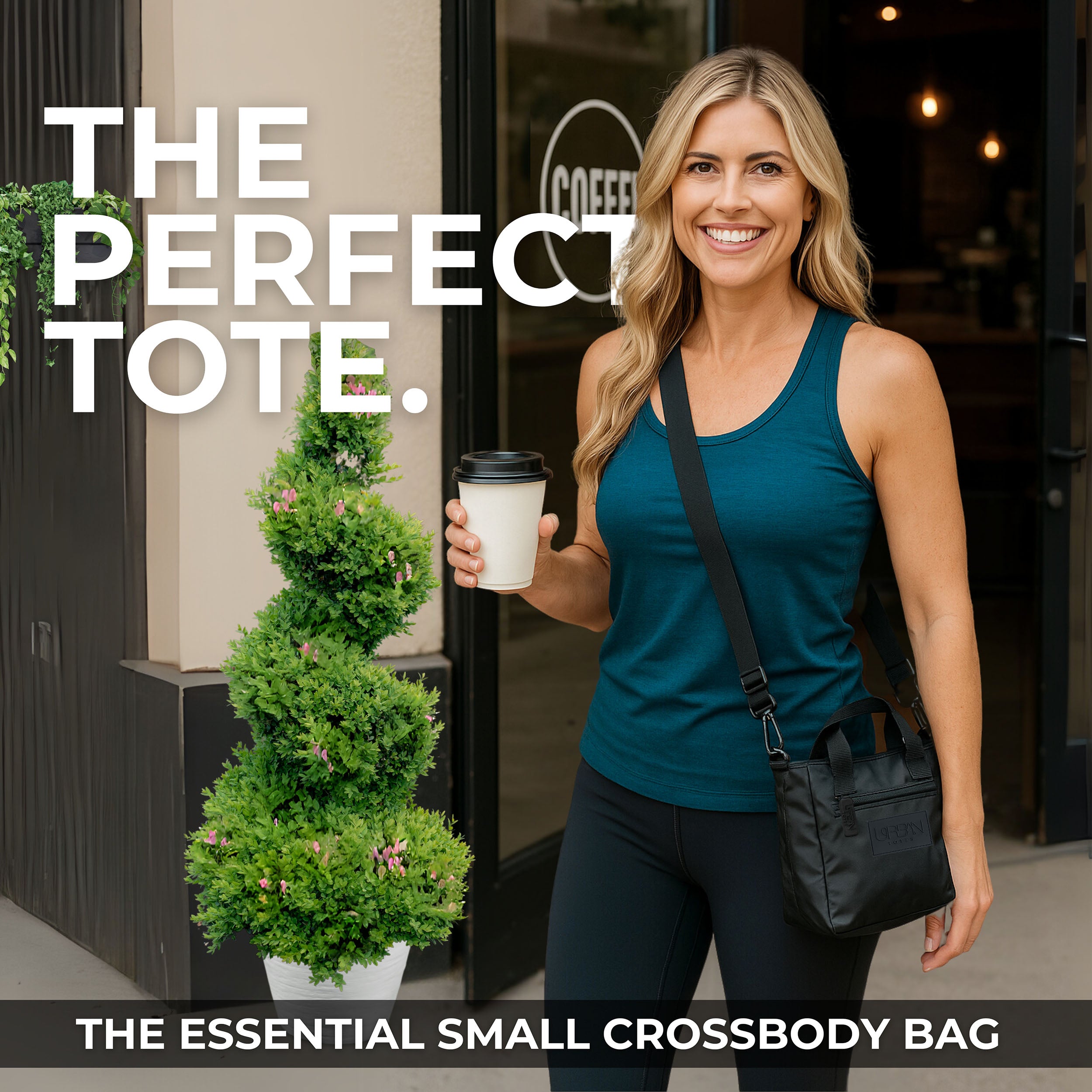
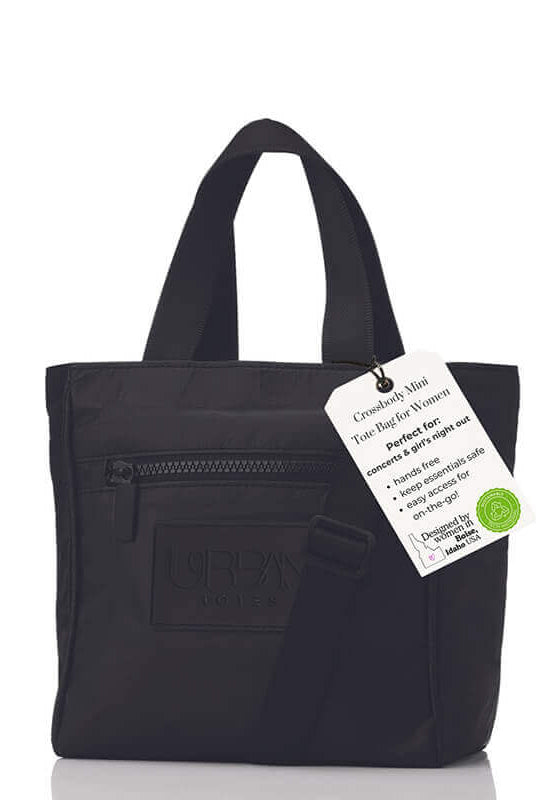
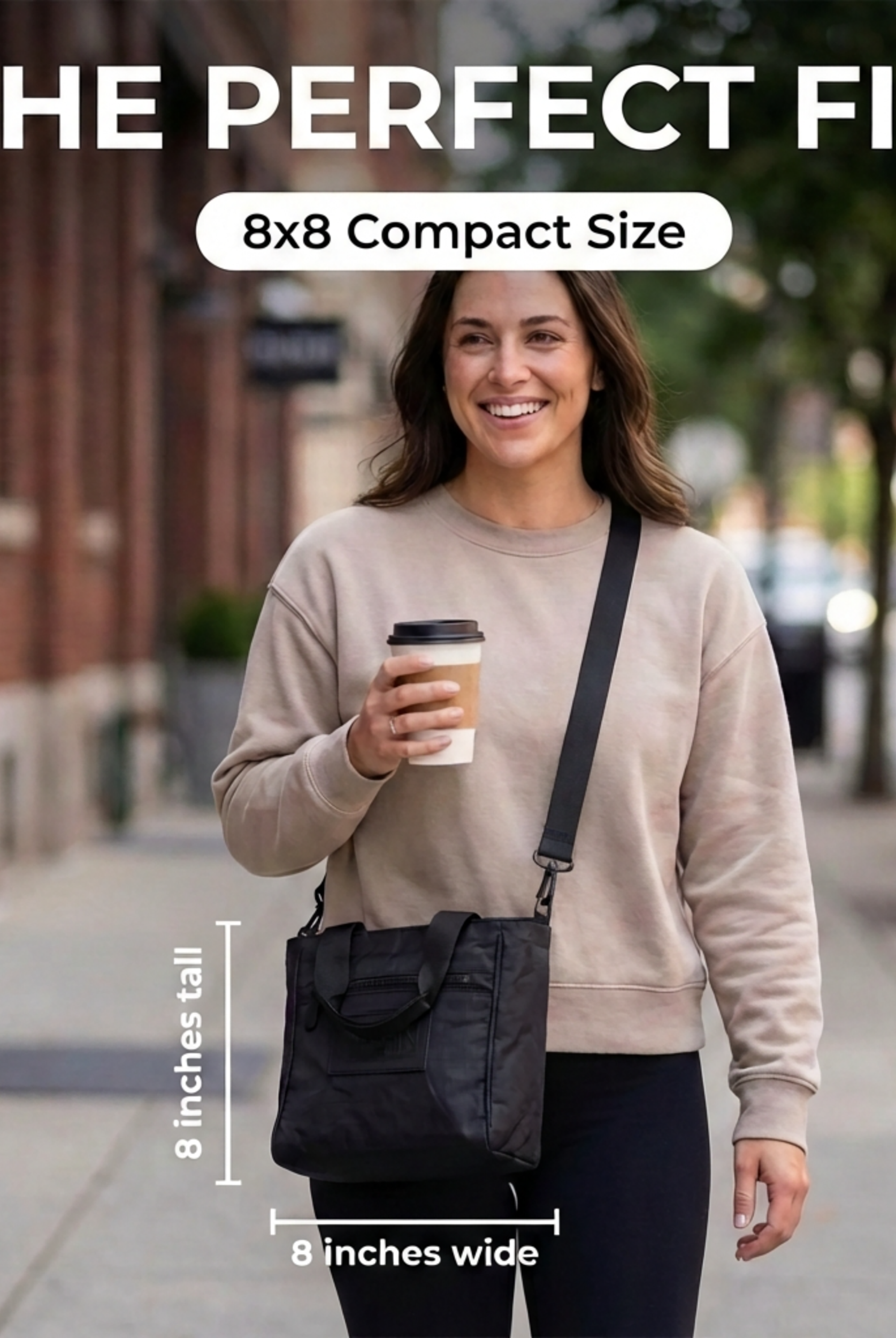
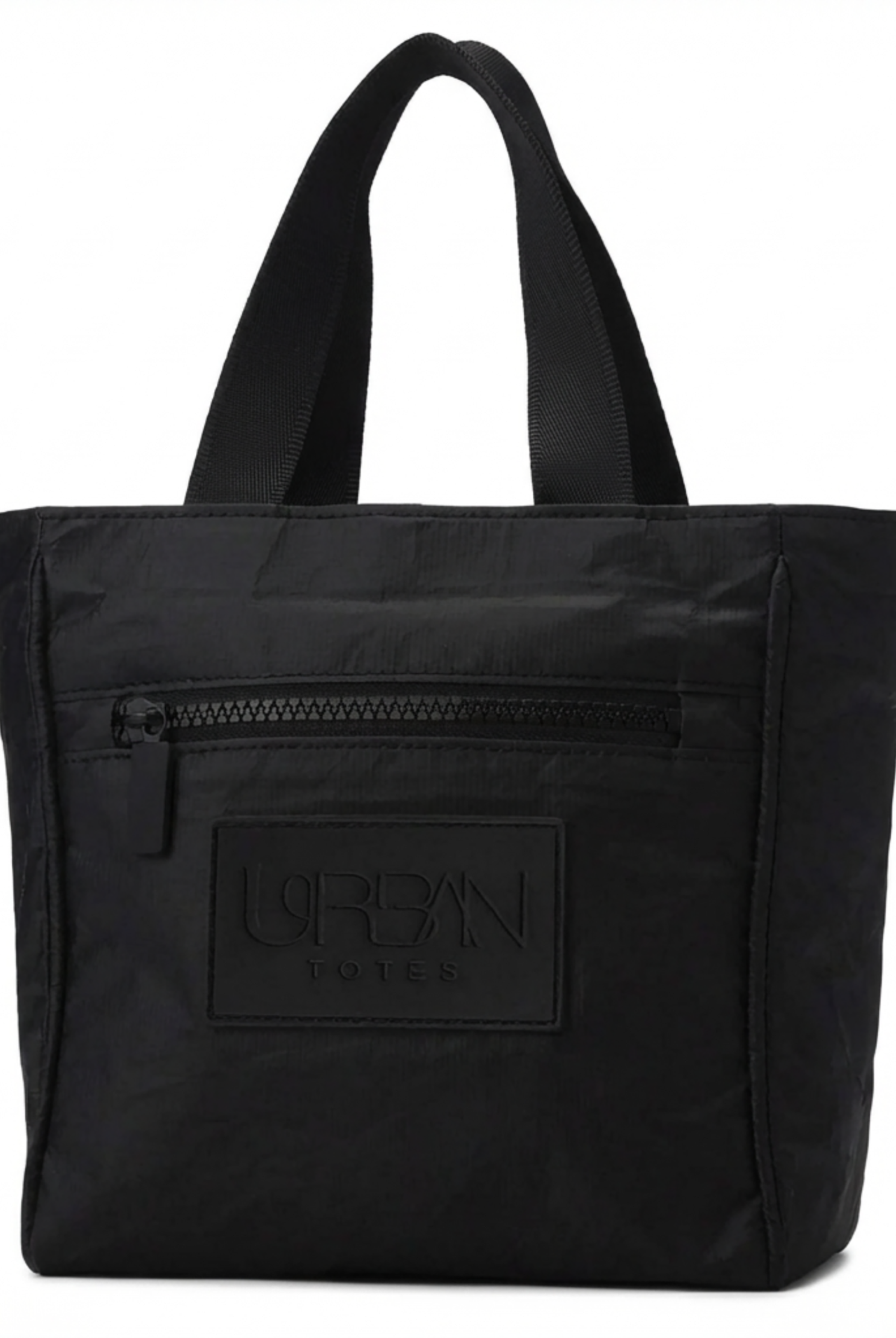
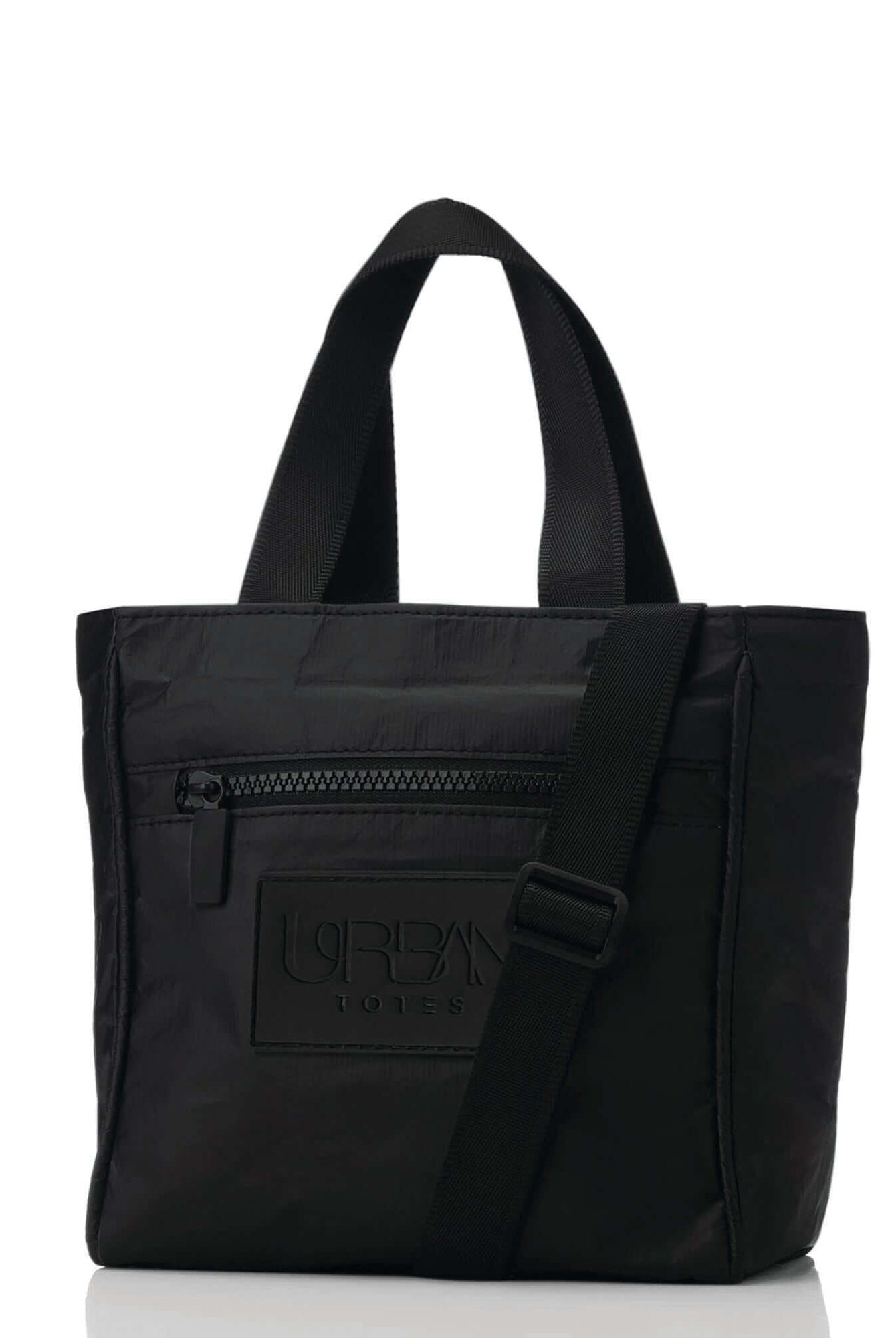
If you want a small-format example, the Crossbody Tote Bag Mini Purse uses water-resistant materials, a zip-top closure, outside and inside zipper pockets, and a compact shape designed for hands-free carry. That combination works well when organization and mobility matter more than the broken-in feel of canvas.
Material decisions follow the same logic behind other waste-reduction efforts, including improving e-waste programs. Better systems last longer, get used more, and reduce replacement cycles. Tote materials should be judged the same way.
Why Durability Is the Key to Sustainability
You buy a tote with good intentions, then real life gets involved. A laptop pulls at the straps, a water bottle tips inside, the bottom sags over time, and a bag that looked sustainable on day one ends up shoved in a closet by month three.
That is the durability test that matters.
According to Market Data Forecast's tote bag market analysis, reusable tote bags sit inside a market valued at USD 2.75 billion in 2025 and projected to reach USD 4.09 billion by 2034. The same analysis notes that canvas-style reusable bags are typically reused 50 to 150 times on average. Reuse at that level is what gives a tote its environmental value over time.
A recycled label helps. Long-term use is what makes the purchase count.
I have found that the bags women keep reaching for share a few traits. They hold their shape without feeling stiff, carry enough without straining the handles, and recover well after being folded, packed, or dropped on the floor of a car. If a bag is irritating to carry or starts looking tired too quickly, it does not stay in rotation long enough to reduce much of anything.
That same logic applies across materials. A well-made recycled canvas tote may outlast a cheaper synthetic one, but a lighter technical fabric can still be the better sustainability choice if it fits your routine and gets used constantly. The right question is not only what the fabric used to be. It is how well the finished bag handles years of errands, commuting, travel, and daily mess.
What to inspect before you buy
I look at recycled totes the same way I look at product samples in development. Marketing copy matters far less than failure points.
- Handle attachment: Check where the straps meet the bag body. Dense stitching and reinforcement matter more than soft hand-feel.
- Bottom structure: A tote should sit reasonably well and carry weight without collapsing into itself.
- Closure durability: Zippers, snaps, and magnetic closures take repeated stress. Cheap hardware is often the first thing to go.
- Fabric surface: Rub the material between your fingers. If it feels thin, overly stiff, or prone to snagging, wear will usually show early.
- Care requirements: Bags that are difficult to spot-clean or wash often get replaced sooner than they should.
The sustainability claim lives in that wear cycle. A bag that survives hundreds of ordinary uses usually does more good than one with a better-sounding material story and a short life.
That mindset shows up beyond textiles too. If you care about keeping useful materials in circulation, resources on improving e-waste programs are worth reading because the principle is the same. Products that stay useful longer create less waste.
If you want another material comparison before buying, Urban Totes has a useful piece on how to evaluate a hemp tote bag for daily use. It is a good companion read if you are weighing durability, structure, and long-term wear instead of stopping at the recycled label.
Must-Have Features for a Go-Anywhere Tote
By midday, a tote has already proven itself or failed. You have added a water bottle, charger, notebook, snacks, receipts, and probably one item that does not belong there but had to come along. A recycled tote earns repeat use when it carries that mix without sagging, digging into your shoulder, or turning every errand into a search for your keys.
That is the lens I use for any everyday bag. Recycled content matters. Long-term use matters more. The bag women keep reaching for is the one that cuts friction during a full day and still looks good after months of wear.
Start with comfort and carry
Comfort decides whether a tote becomes part of your routine. Strap width, drop length, and empty bag weight all show up fast once the bag is loaded.
Handles should sit flat on the shoulder and stay put as you walk. A little structure helps the bag hold its shape, but too much stiffness makes it feel boxy and harder to live with. If a tote already feels heavy before you put anything in it, it usually becomes the bag you stop choosing.

The features that earn their space
A good go-anywhere tote solves repeat problems. For busy days, I would prioritize these details:
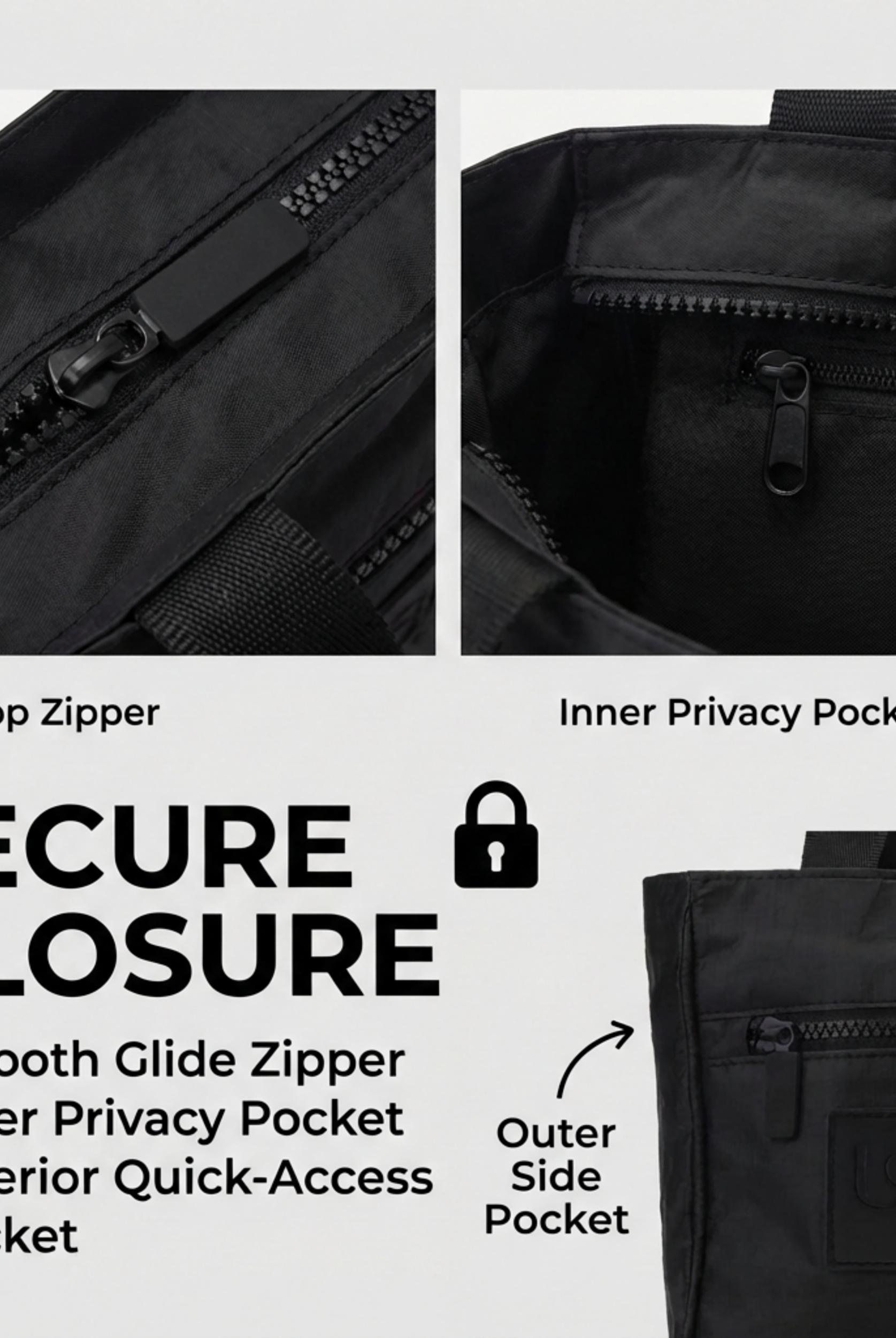
- Zipper closure: Useful for commuting, travel, and crowded places where the bag gets tipped or set down.
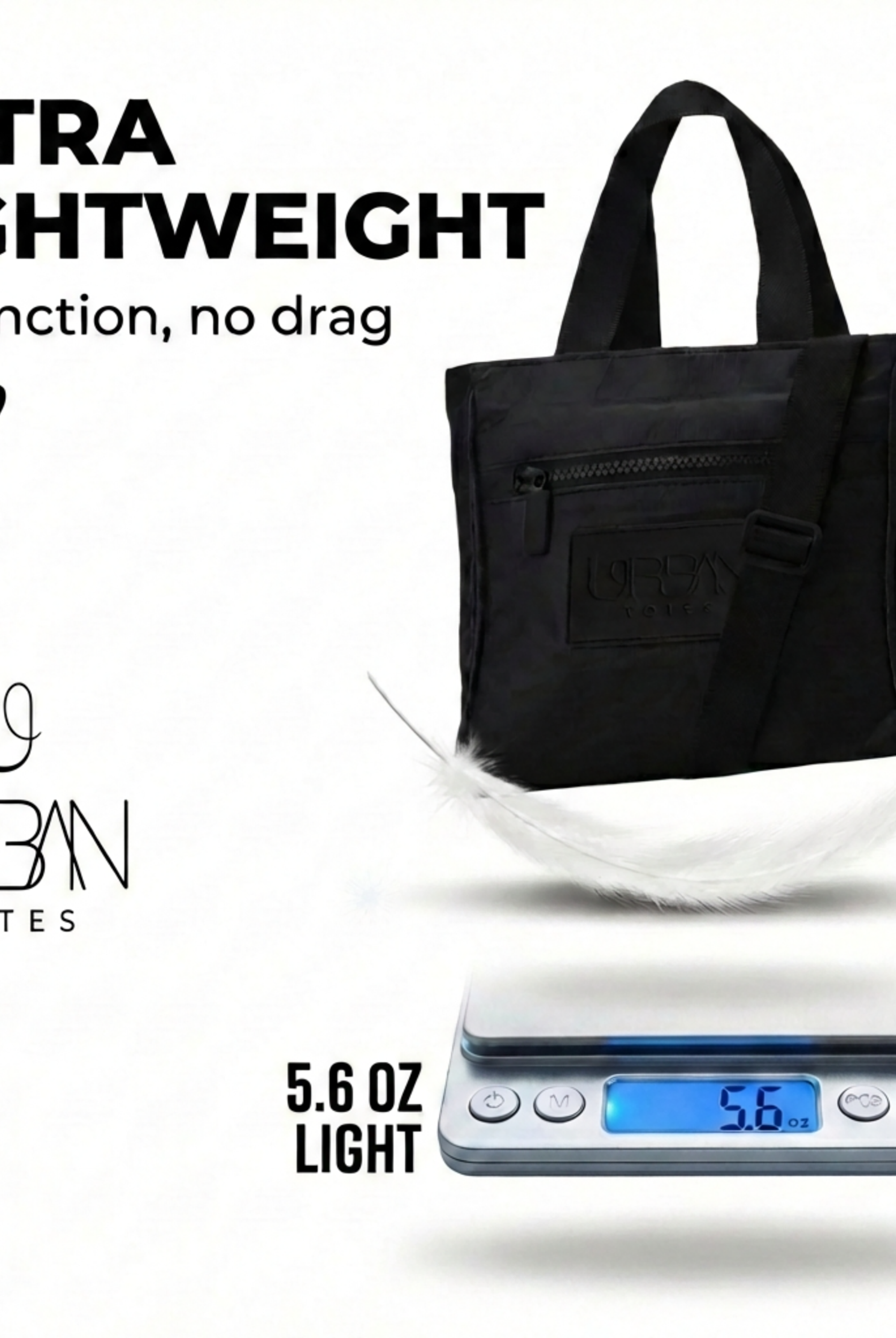
- Lightweight build: Extra bag weight wears on you by the end of the day, especially with tech, a water bottle, or kids' extras inside.
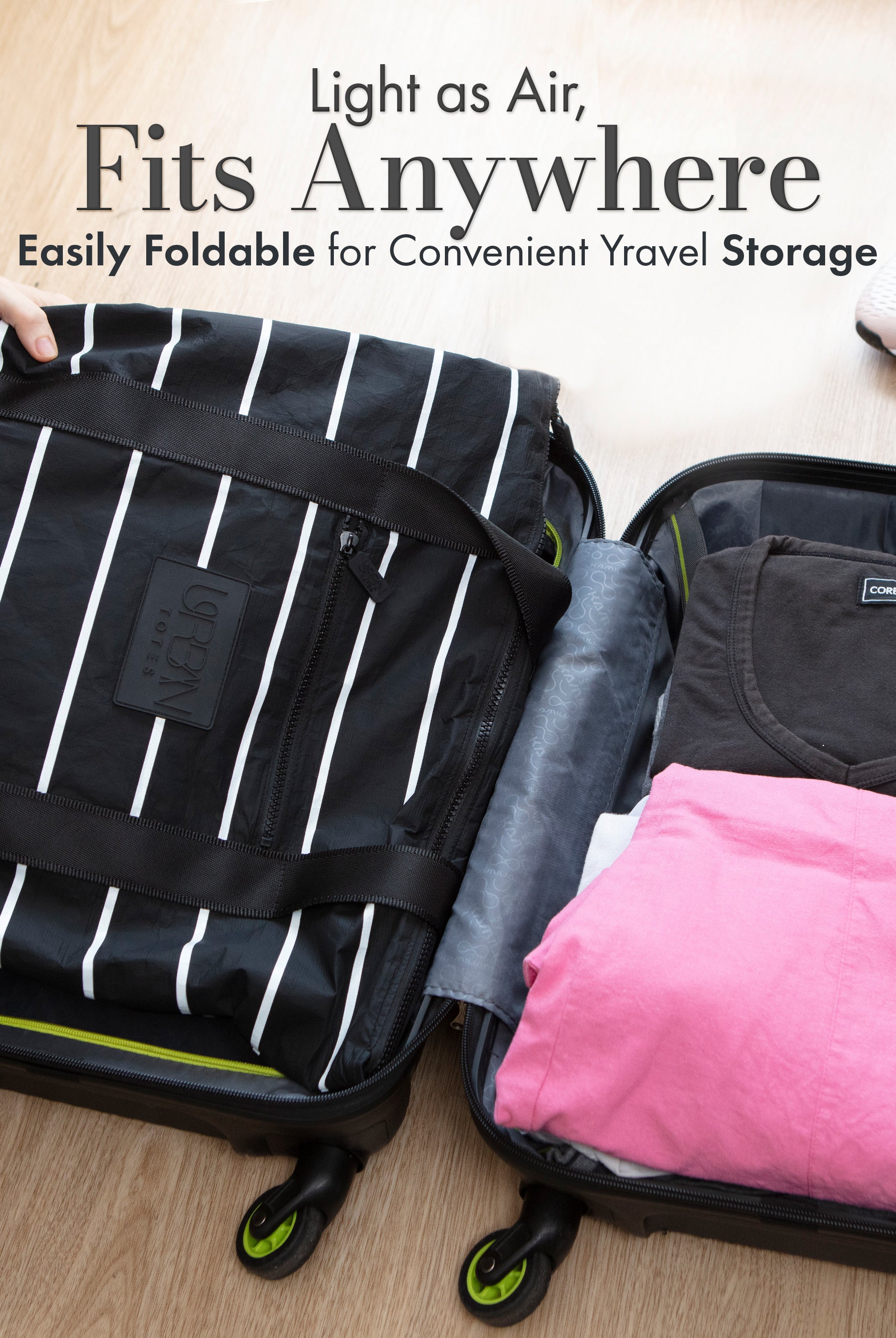
- Packable shape: A tote that folds down neatly is easier to keep in the car, stash in luggage, or carry as a backup.
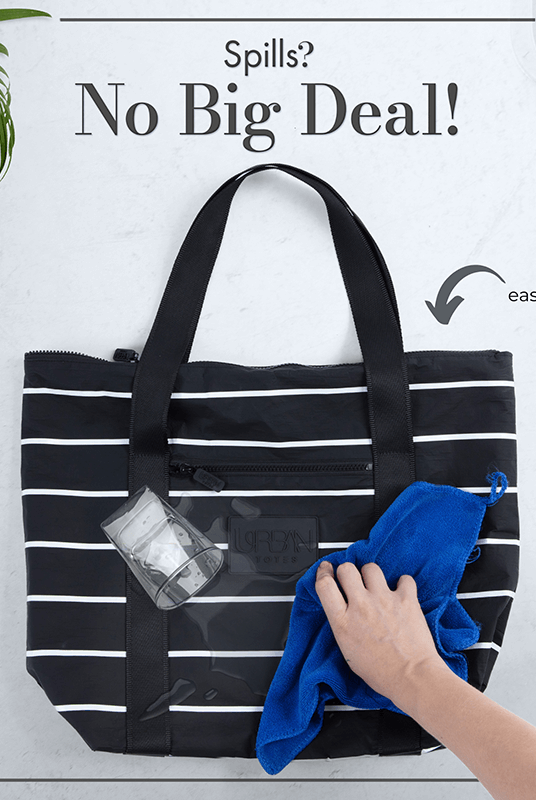
- Water-resistant exterior: Helpful for light rain, damp towels, gym clothes, and the small spills that happen in regular use.
- Easy-clean lining or interior: Bags that wipe clean stay in service longer.
- Stable base: Even a soft tote should keep contents from sliding into one corner.
For readers comparing options for sand, surf, and wet gear, this 2026 waterproof beach bag guide is a useful companion read because it frames carry features around outing conditions, not just style.
Organization is what keeps a tote usable
A big interior sounds appealing until everything drops to the bottom. Space helps, but layout is what makes a tote easy to use on a rushed morning or during a long day out.
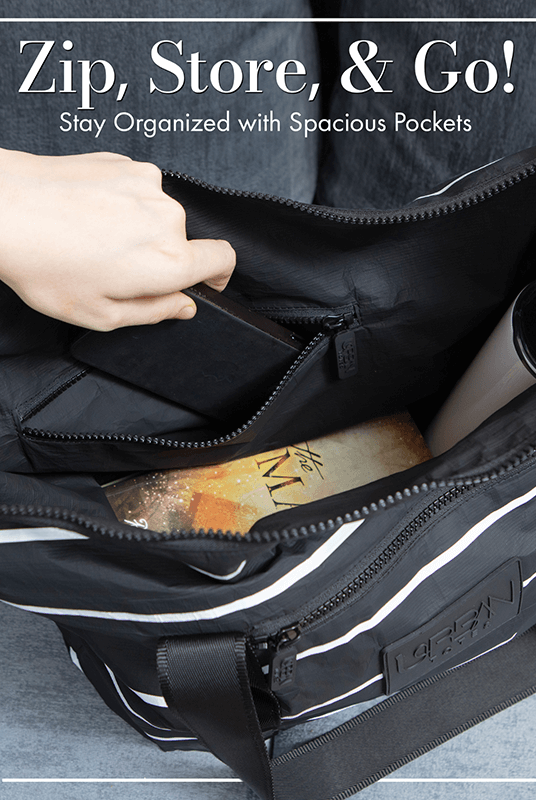
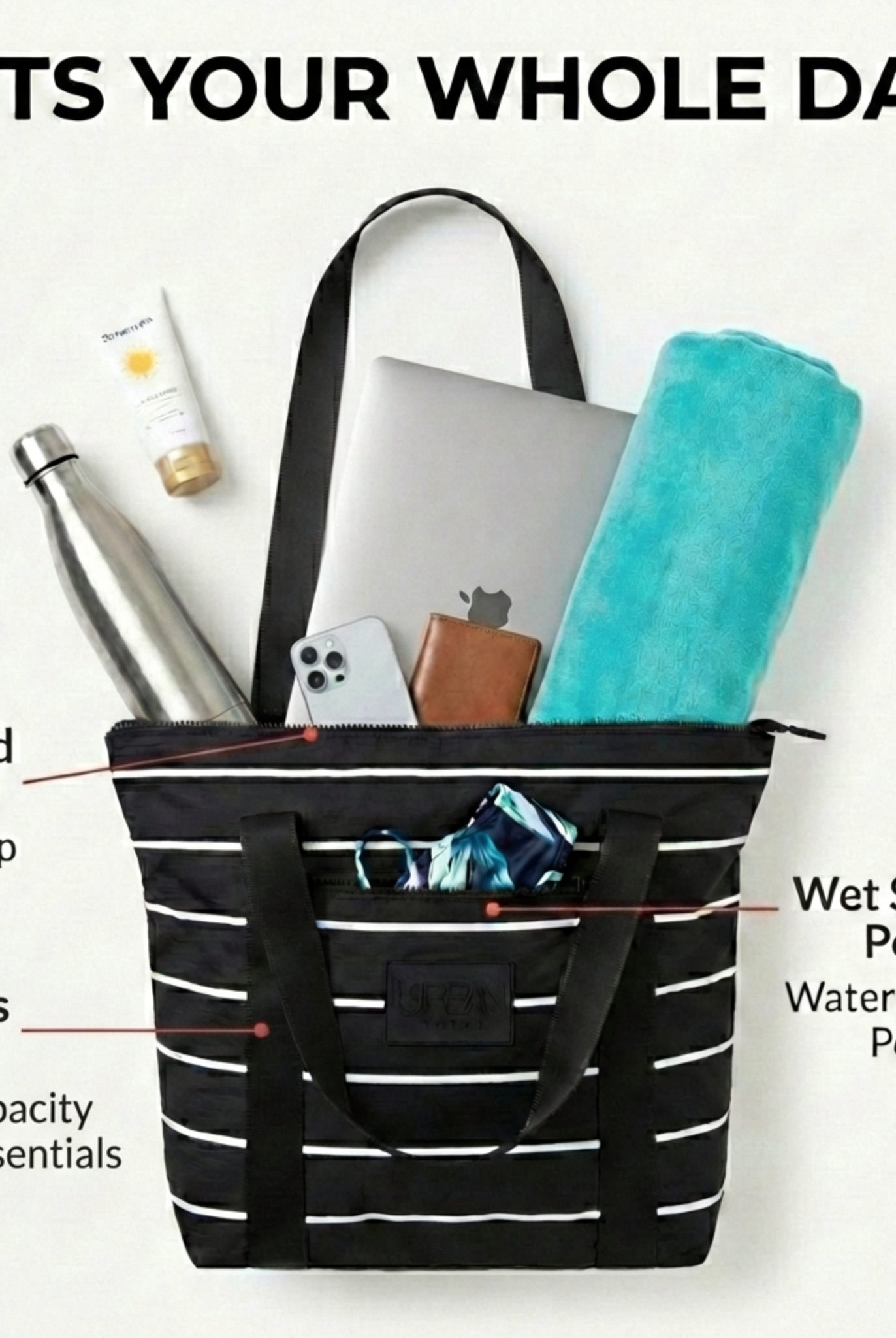
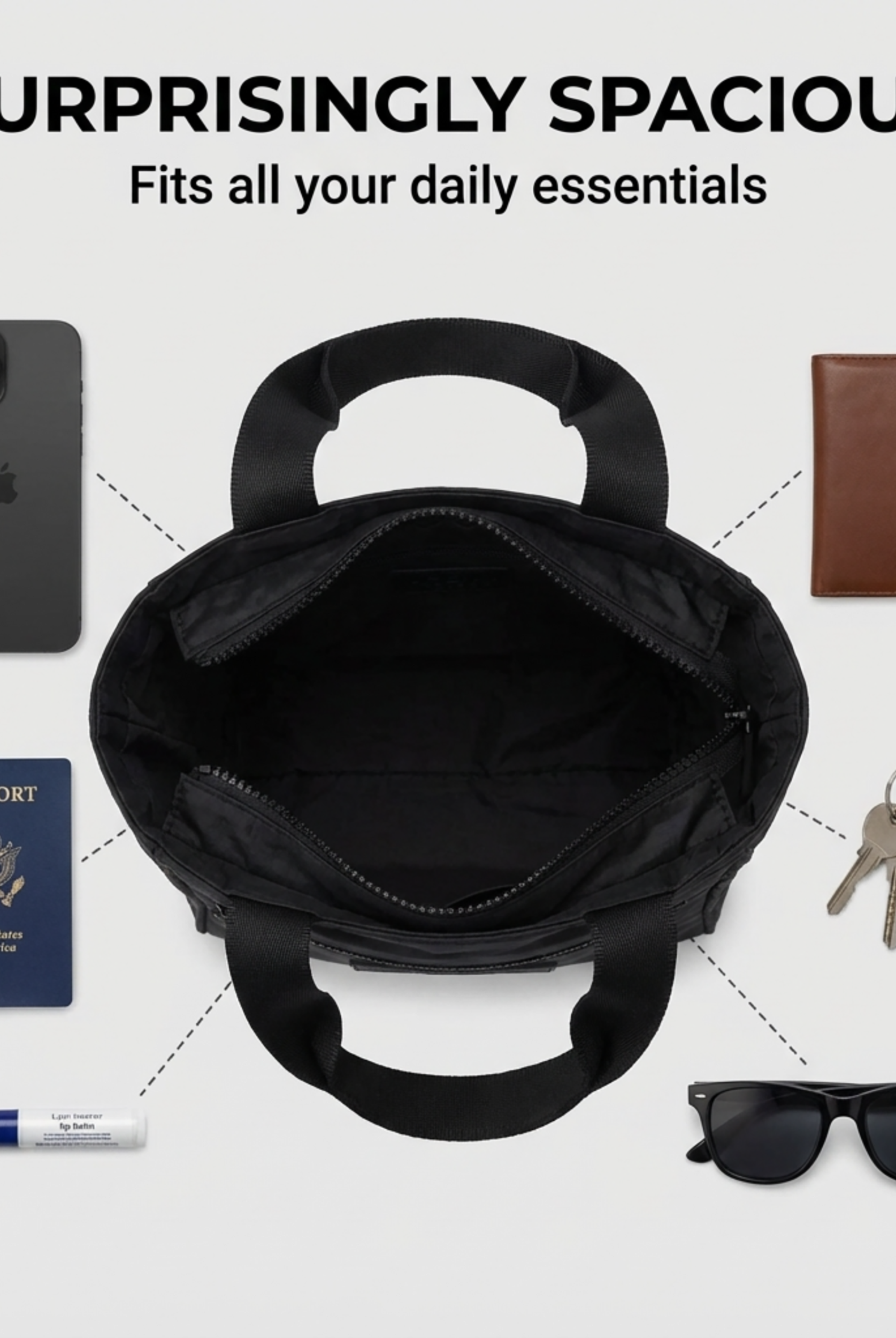
Keys, sunglasses, lip balm, chargers, and snacks all need a home if you want the bag to stay useful past week one. One open compartment can work for quick errands. For workdays, school pickup, or travel, a few well-placed pockets save time and cut down on clutter.
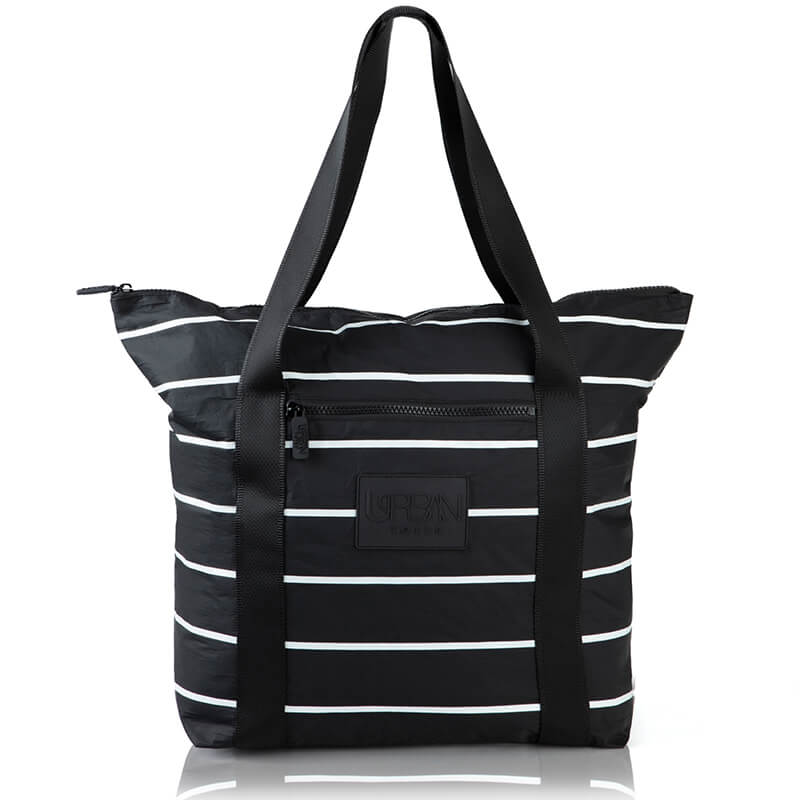
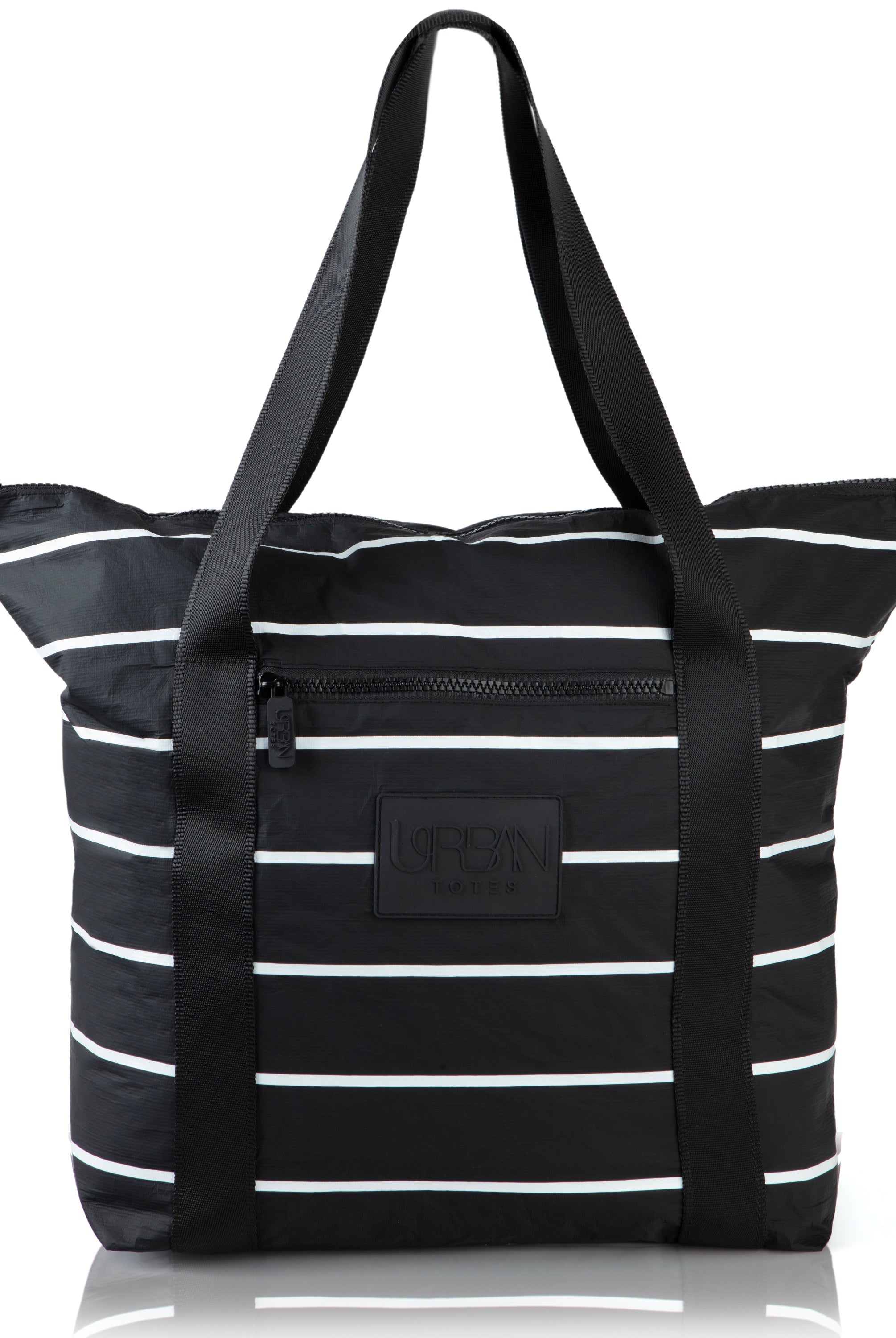
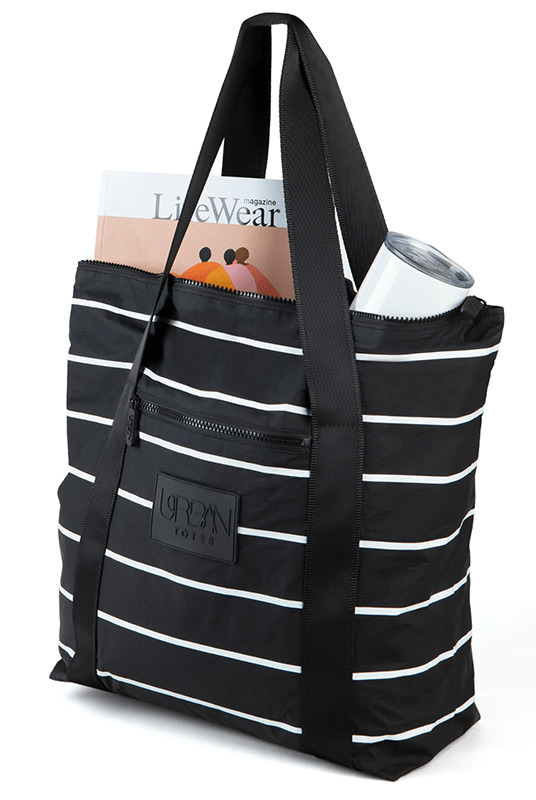
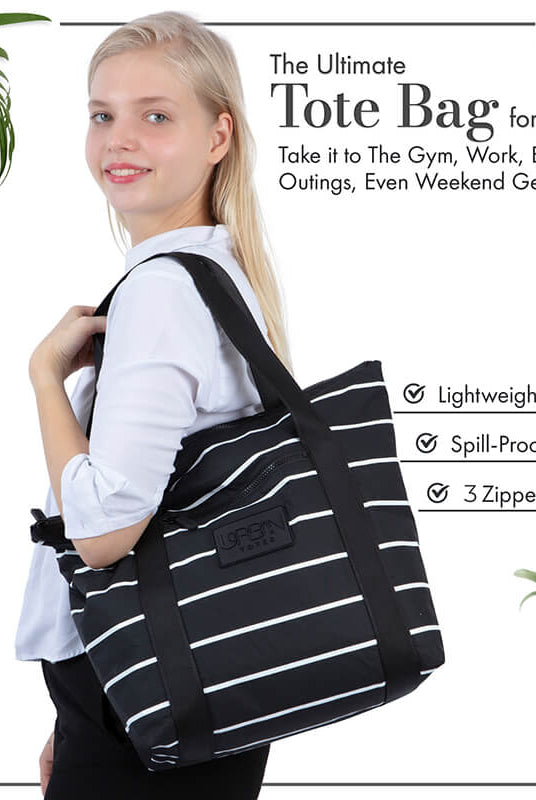
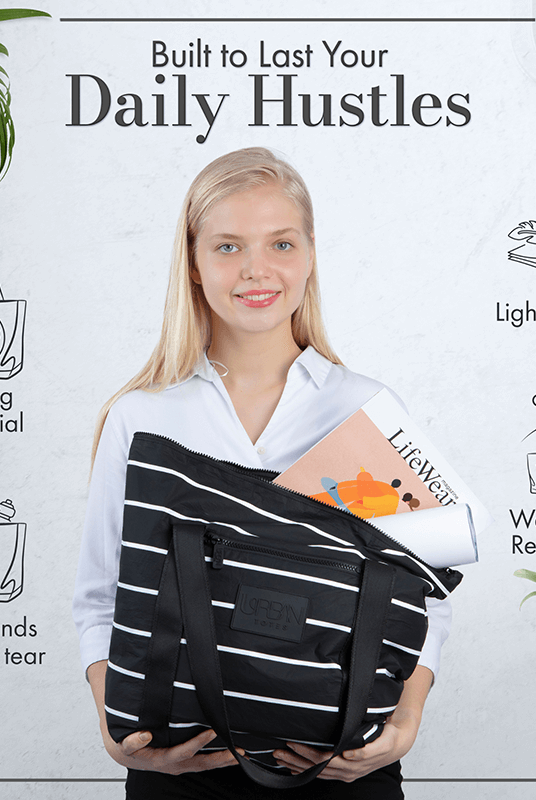
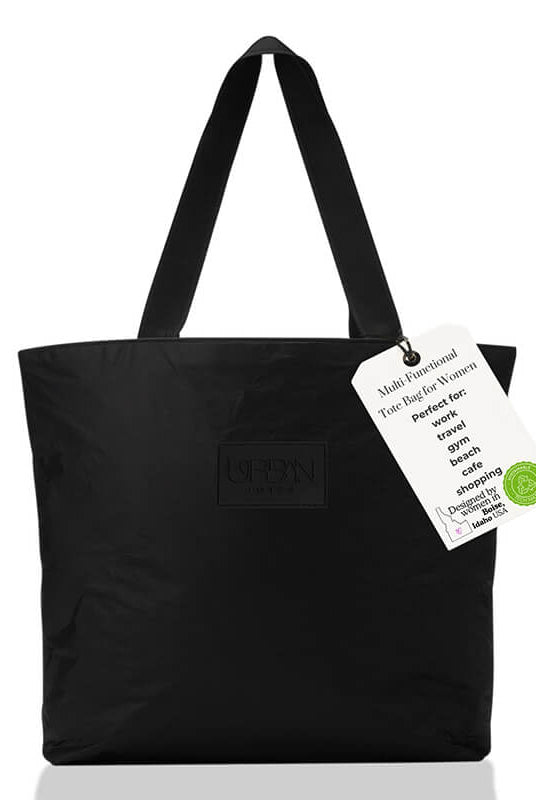
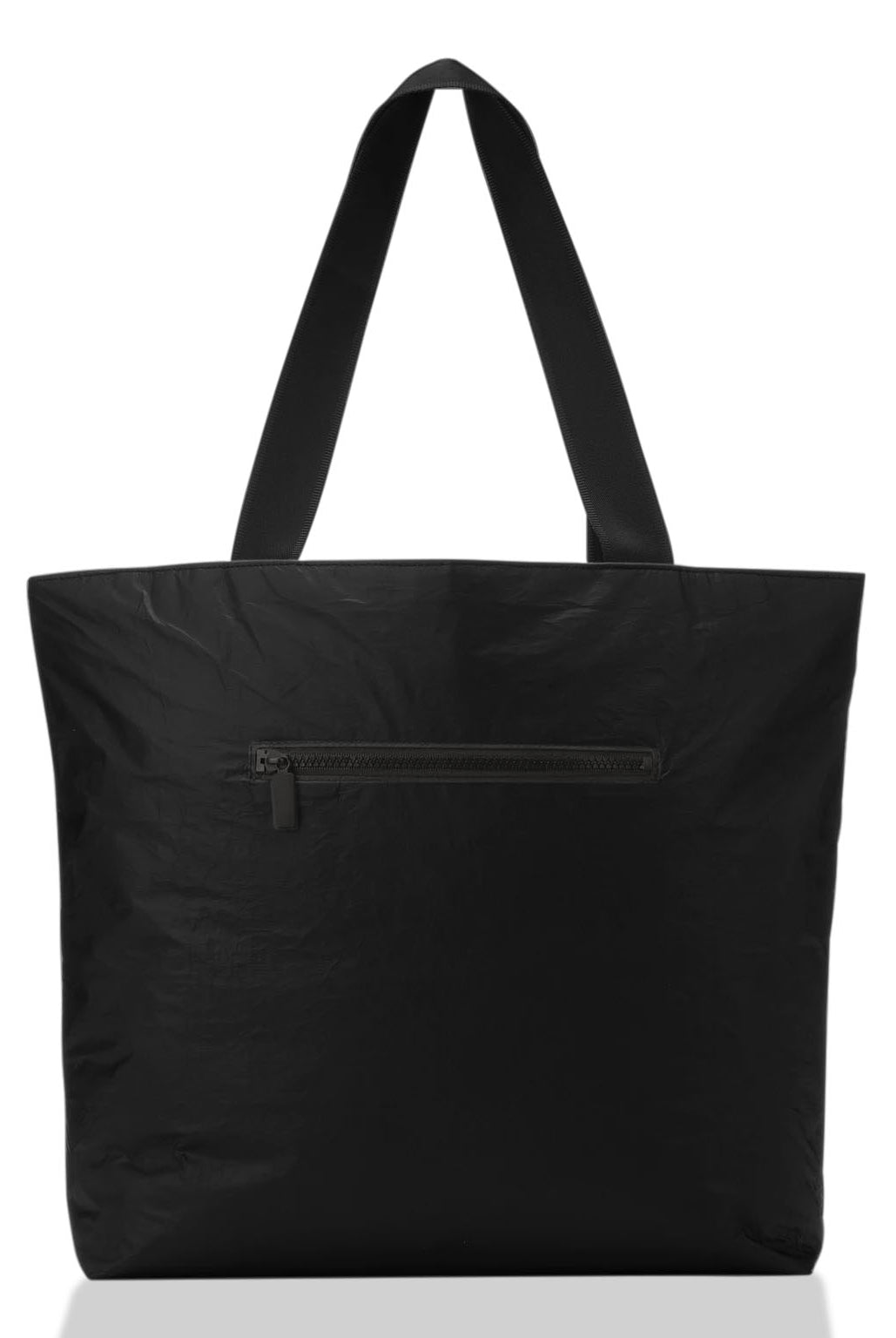
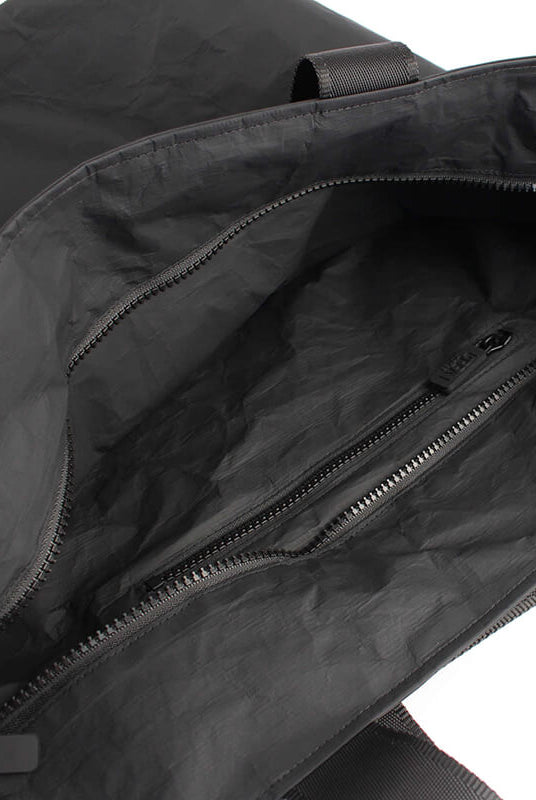
The first mention here should be the Urban Totes Day Trip Tote Bag, which includes three large zippered compartments and dedicated pockets for a phone and keys. That layout suits women who do not want to depend on extra pouches to keep daily essentials in order.
If you are comparing formats, this guide to tote bag compartments gives a clear breakdown of how different pocket setups perform. Readers sorting through the best everyday bags for women should pay close attention to that detail, because organization often determines which bag stays in rotation for years.
Find Your Match for Every Lifestyle
The best tote for a commuter isn't always the best tote for a beach day. That's why recycled material tote bags make the most sense when you shop by routine, not by trend.

The beach-day mom
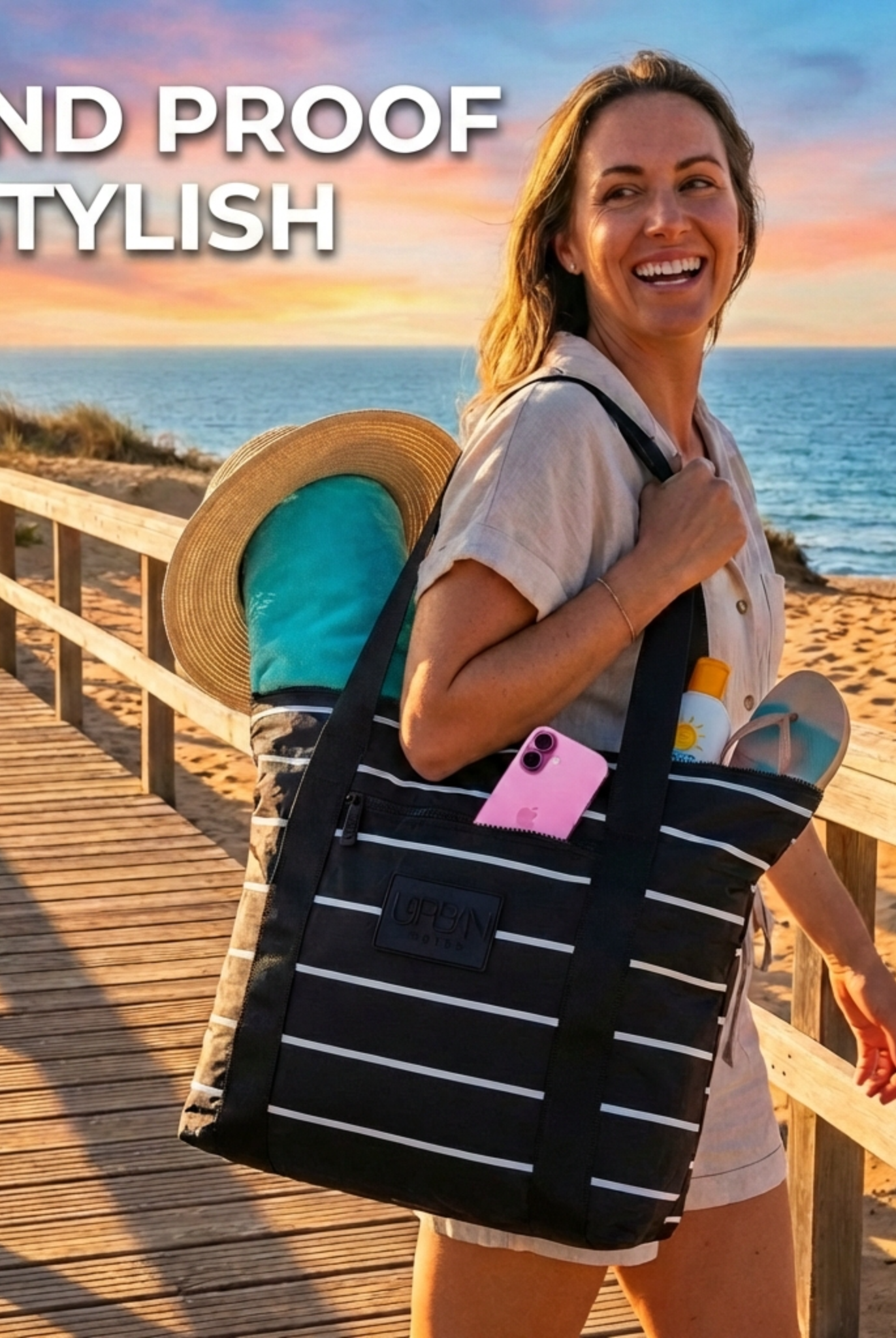
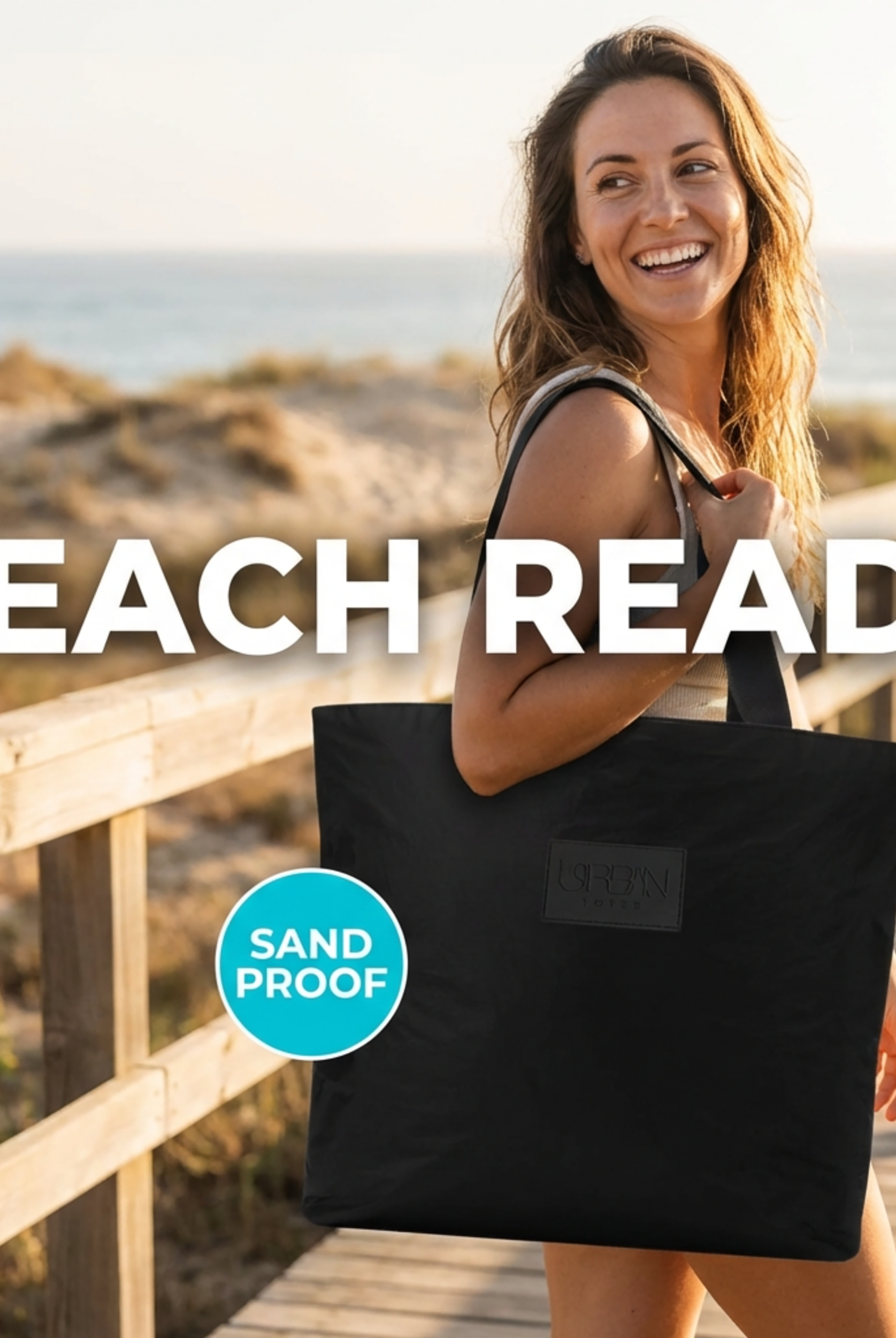
She needs a bag that can handle towels, sunscreen, snacks, a change of clothes, and all the little things that seem to multiply once kids are involved. In this case, water-resistant fabric, a roomy shape, and easy-clean surfaces matter more than a minimal silhouette.
The right tote for this job should also be simple to shake out, wipe down, and zip closed when it lands in the back of the car. It's less about looking perfect and more about staying functional through a long, sandy day.
The daily commuter
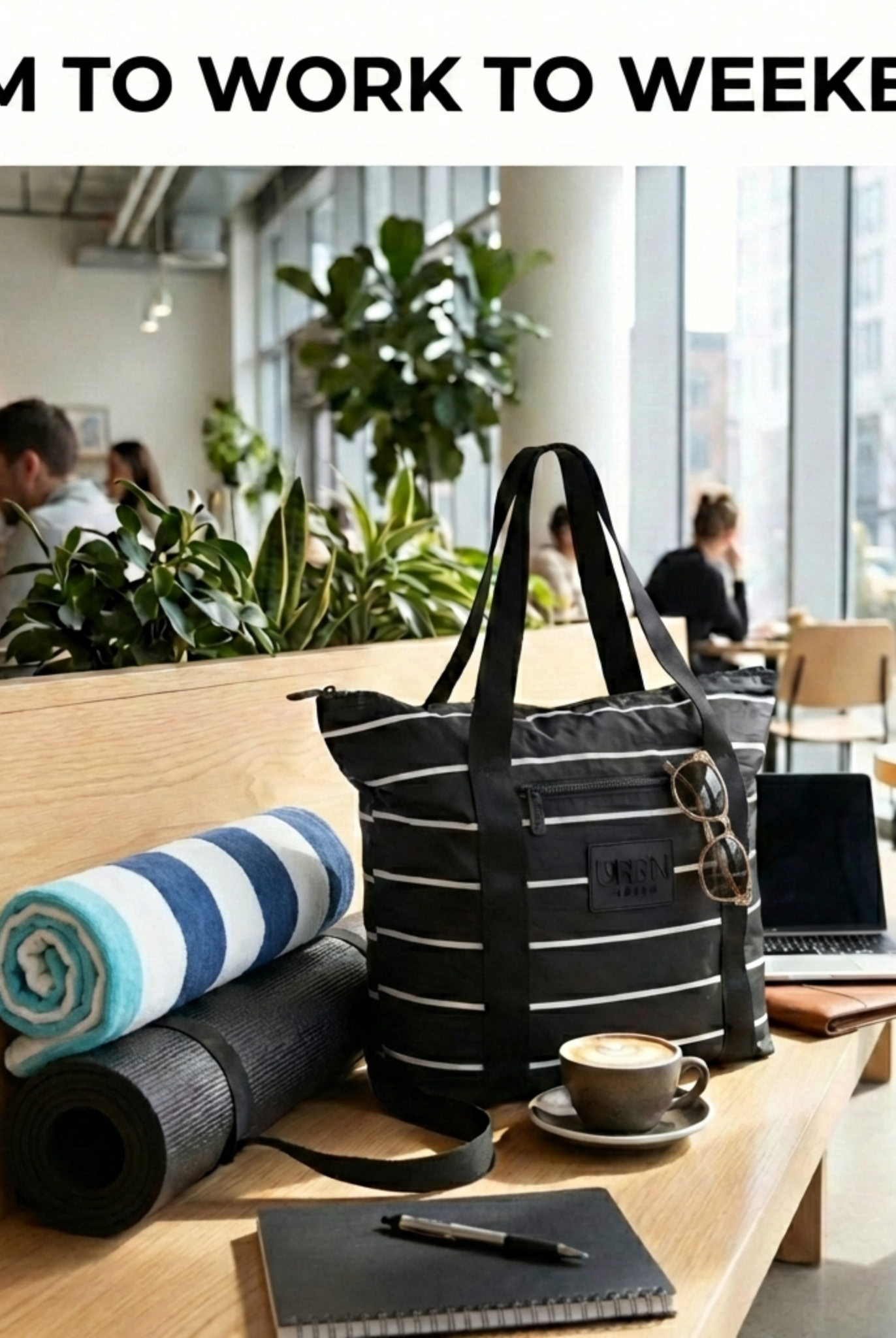
This tote has to move well. It needs enough structure for a laptop, charger, notebook, lunch, and the random extras that collect during the workday, but it can't feel bulky on the shoulder.
Comfortable straps and compartments matter most here. A commuter bag should help you avoid the awkward stop-and-search routine at the train platform, in the office lobby, or at school pickup right after work.
A good commuter tote keeps pace quietly. You notice it most when you don't have to think about it.
The weekend traveler
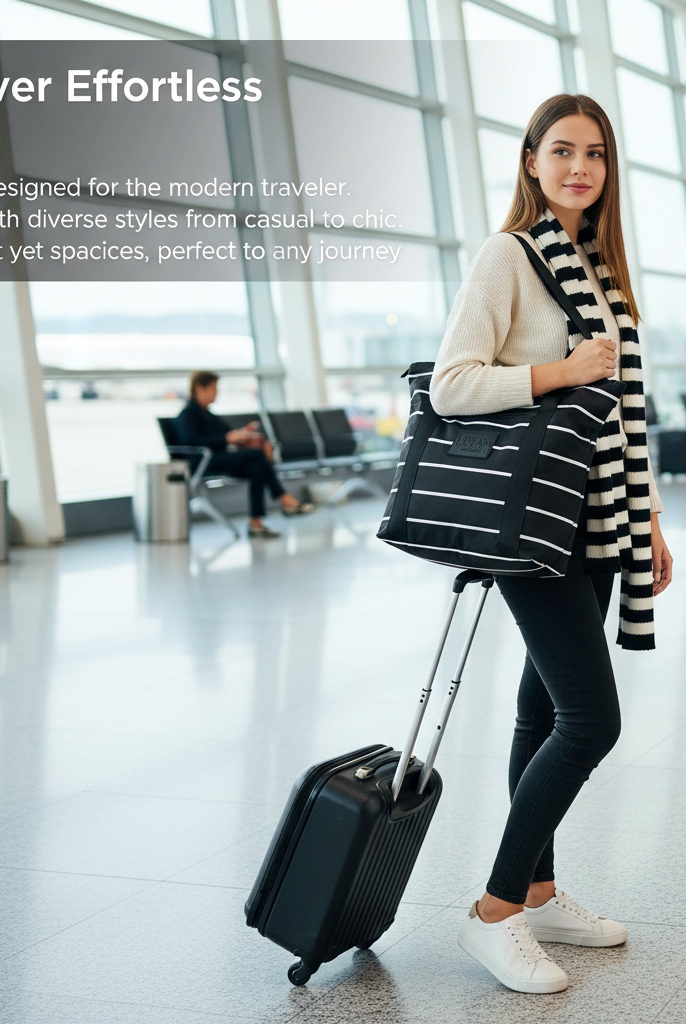
Travel days expose weak bags fast. If a tote slips off your shoulder, won't zip, or can't collapse into a suitcase when you don't need it, it becomes dead weight.
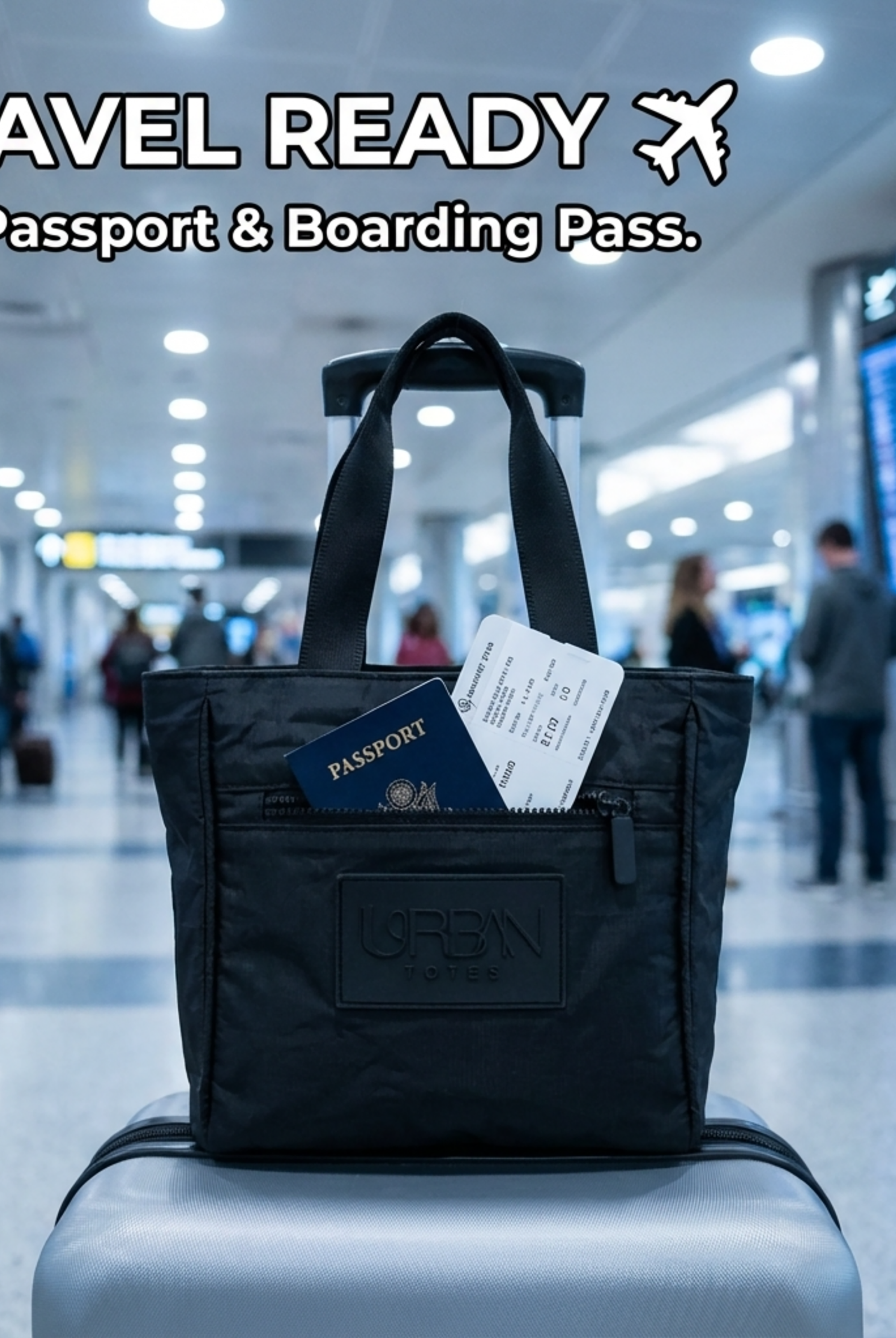
That's where lightweight, foldable, organized totes shine. They work as a personal item, a spare bag for souvenirs, or an everyday carry once you arrive. The bag should feel just as useful in an airport terminal as it does on the walk to coffee the next morning.
The minimalist who still carries a lot
Some women want fewer things, not tiny things. They still need a practical carry solution, but they want it to look clean and intentional.
For that lifestyle, the sweet spot is a tote that feels sleek on the outside and organized on the inside. No unnecessary bulk. No fussy details. Just enough pockets, a secure closure, and fabric that works across errands, casual meetings, and travel.
A reusable tote used consistently can replace about 192 plastic bags per year, according to Enviro-Tote's article on reusable tote use. That number lands differently when your tote isn't reserved for groceries only. It becomes your bag for laptops, gym clothes, baby supplies, produce, and all the ordinary trips that make up a real week.
If you're narrowing your options by routine instead of by trend, this guide to the best everyday bags for women can help you think through what you carry.
How to Care for Your Recycled Tote Bag
The easiest way to get more from a recycled tote is simple. Take care of it before it looks like it needs help.
That matters even more as the recycled fabric bag category grows. Future Market Insights projects the market will increase from USD 2 billion in 2025 to USD 3.2 billion by 2035, with a 6.5% CAGR, as shown in its recycled fabric bag market outlook. More options are coming, but longevity still comes down to how you use and maintain the one you choose.

A simple care routine
- Spot clean early: Small marks are easier to lift before they settle in.
- Use gentle washing when allowed: If the care instructions permit machine washing, choose a gentle cycle and cold water.
- Air dry fully: This helps the bag keep its shape and avoids unnecessary wear from heat.
- Skip harsh cleaners: Strong chemicals can be rough on fabric, trim, and finish.
- Store it dry and empty: Don't leave damp towels, crumbs, or spills sitting in the bottom longer than necessary.
Keep the bag in rotation
The bags that last tend to be the ones that are easy to reset. Shake them out. Wipe them down. Empty the corners. Give pockets a quick check before things build up.
For more bag-specific upkeep advice, Urban Totes shares practical tips in its guide on how to care for your tote bag.
A good recycled tote should support your life, not complicate it. Choose one with materials that fit your routine, features that solve real annoyances, and construction that makes repeated use realistic. That's the balance that turns a bag into an everyday essential.
Find your go-anywhere carry at Urban Totes and choose a bag that's made for real life, from errands and travel to beach days and everyday carry.