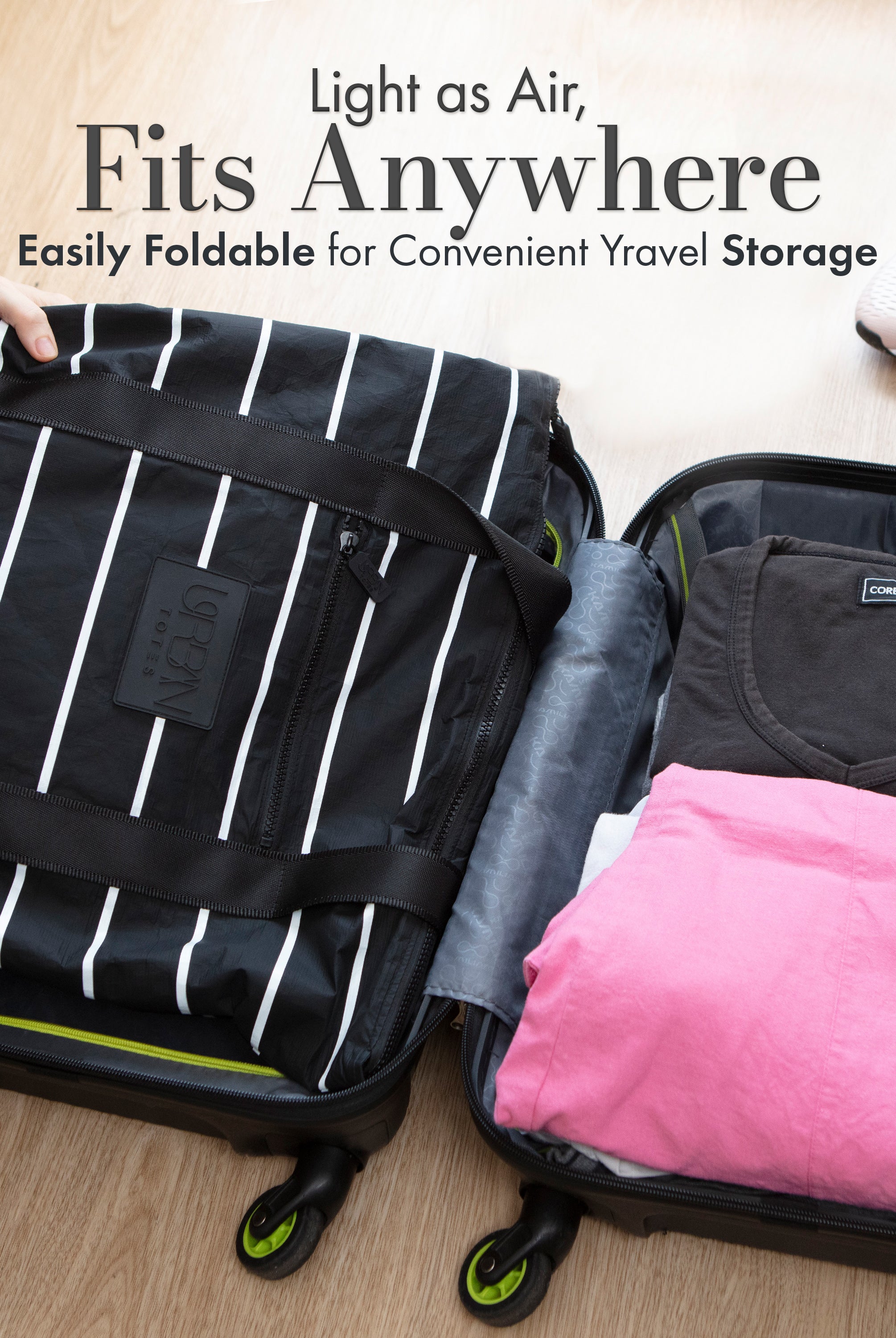
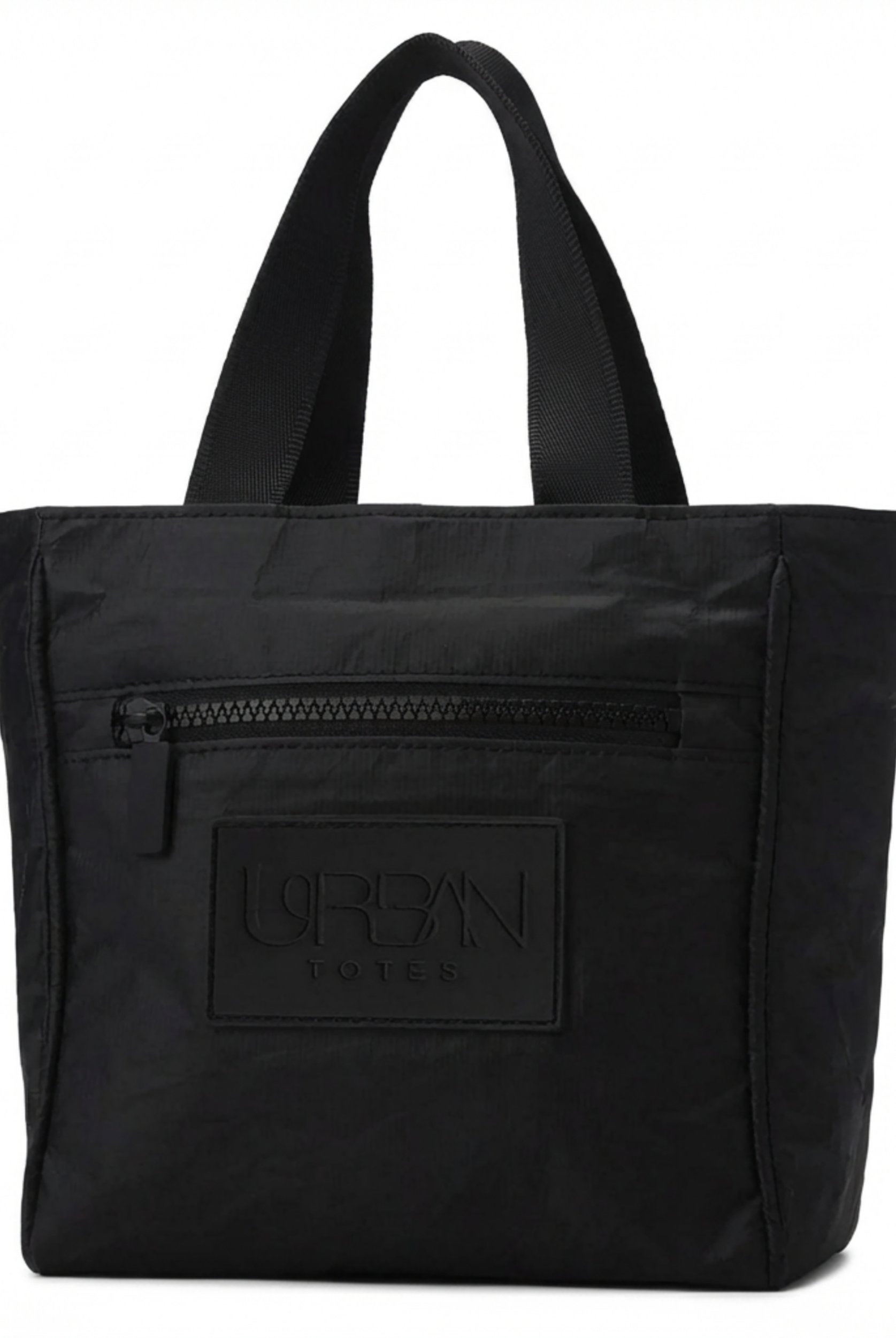
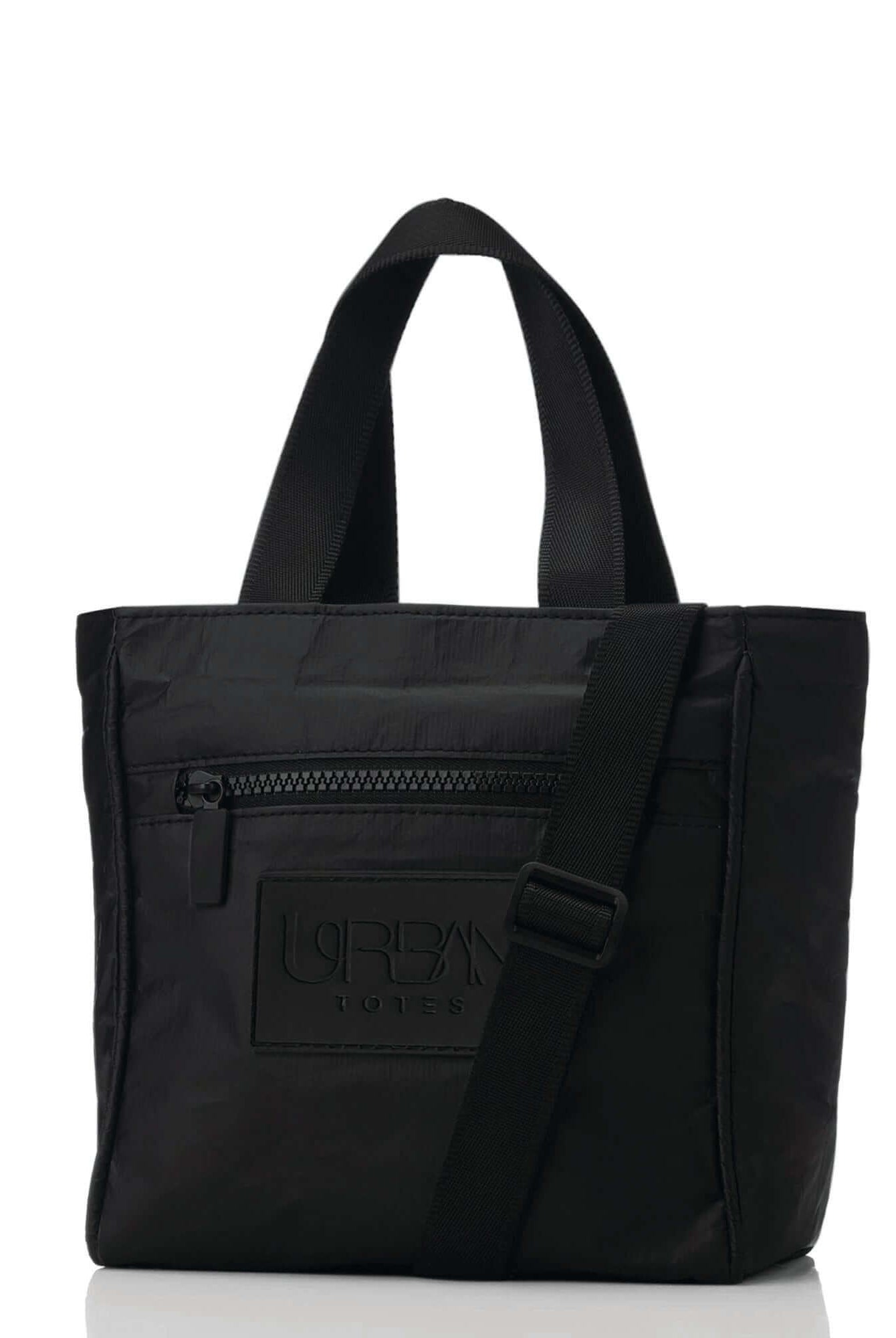
You're juggling a coffee, a boarding pass, and a child who's suddenly very interested in going the wrong way down the airport corridor. Your phone buzzes. Your bag slips off your shoulder. That's exactly when a safe travel purse earns its keep, not when you're standing calmly at home packing it.
Table of Contents
- Why a Travel Purse Has to Work Harder Than a Regular Bag
- Matching Each Theft Risk to the Right Feature
- Zippers, Straps and Fabrics Worth Checking
- Organizing Valuables Into Zones
- Wearing Styles That Keep Your Bag in Front of You
- Airport and Everyday Trade-Offs in Size and Access
- Confirm These Points Before You Buy
Why a Travel Purse Has to Work Harder Than a Regular Bag
A travel purse has one job a regular bag never faces: controlling who can reach, see, and open what's inside while your attention is somewhere else. On a metro platform you're watching the departure board. At a farmers market you're handling cash with both hands. At school drop-off your arms are already full.
A regular bag is built for looks and easy access. A safe travel purse is built for the opposite problem, keeping small valuables reachable to you and closed to everyone standing behind you in a queue.
Busier Places, Less Attention to Spare
The crowds you move through have grown. The International Air Transport Association 2024 traffic release reported that total global passenger traffic rose 10.4% in 2024 compared with 2023 and reached 3.8% above the previous 2019 pre-pandemic level. More people in cabins, stations, and tourist districts means more moments when you're handling a passport or phone in a tight, unfamiliar space with strangers at arm's length.
That pressure is what the purse has to answer. Secure closures slow a hand reaching in during the three seconds you look up at a departure board. Separate compartments keep your passport out of the pocket you open for a ticket. A shape that sits flat in front of your body stays in your sight line on a packed platform instead of swinging behind your hip where you can't see it.
Practical rule: Before any trip, ask where am I, who is close to my bag, and what must I reach without opening it fully?
Rate your current everyday carry against those three questions. If you can't answer the second one confidently in a crowd, the bag needs rethinking, no matter how stylish it is.
Matching Each Theft Risk to the Right Feature
Features aren't interchangeable. A zipper closure, a cross-body strap, and RFID protection each answer a different problem, and buying one doesn't cover the others. Start with this map, then check whether your bag matches the risk in front of you.
| Theft risk | Feature that helps | Limit of that feature |
|---|---|---|
| Opportunistic opening | Zip closure kept fully shut | A determined thief can still take the whole bag |
| Bag snatching | Cross-body strap worn at the front, no valuables in exterior pockets | A strap is not a lock; a hard pull can still take the bag |
| Distraction theft | Bag kept zipped and in front of you, never set down on seats or tables | Requires your attention; features cannot replace vigilance |
| Pocket reveal | Valuables in internal zones, no repeated patting | Does not stop theft by itself |
| Contactless card data | RFID-blocking sleeve or card holder inside the bag | Does nothing against physical theft of cards or phones |
| Overfilled bag | Compartments sized to what you actually carry | Closures fail to protect if the bag gapes open under weight |
What RFID Does and Doesn't Do
An RFID-blocking sleeve addresses contactless-card signals. It does nothing if someone lifts your actual wallet from an open tote. That distinction matters, and it's the core idea behind a thoughtful anti-theft crossbody setup, where carry position does the physical work and any card sleeve handles only the digital concern.
Destination chatter can help you prioritize, as long as you read it correctly. A 2025 review analysis in Yahoo Travel covering more than 13,000 traveler reviews found Paris accounted for 16.5% of theft-related mentions, followed by Rome at 10.7% and Barcelona at 5.3%. That's a perception and reporting signal from reviews, not a precise probability of being robbed in any of those cities.
The Same Bag, Five Different Settings
- Metro platform: Prioritize a full zip and a front-worn strap, since distraction and snatching dominate.
- Restaurant: Keep the bag closed on your lap, never on an empty chair or the table.
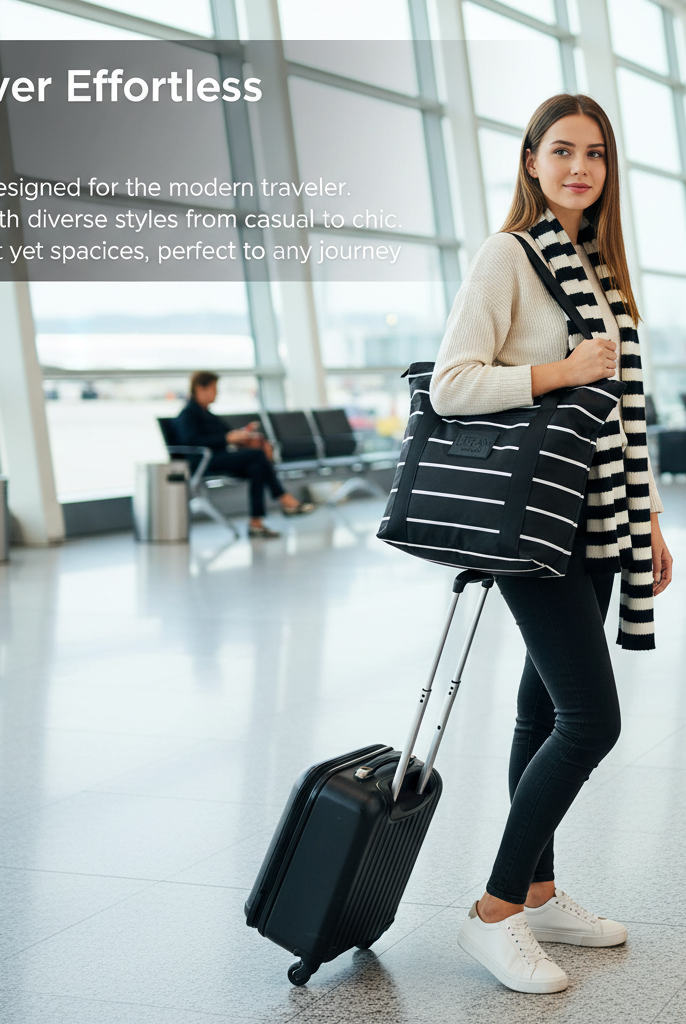
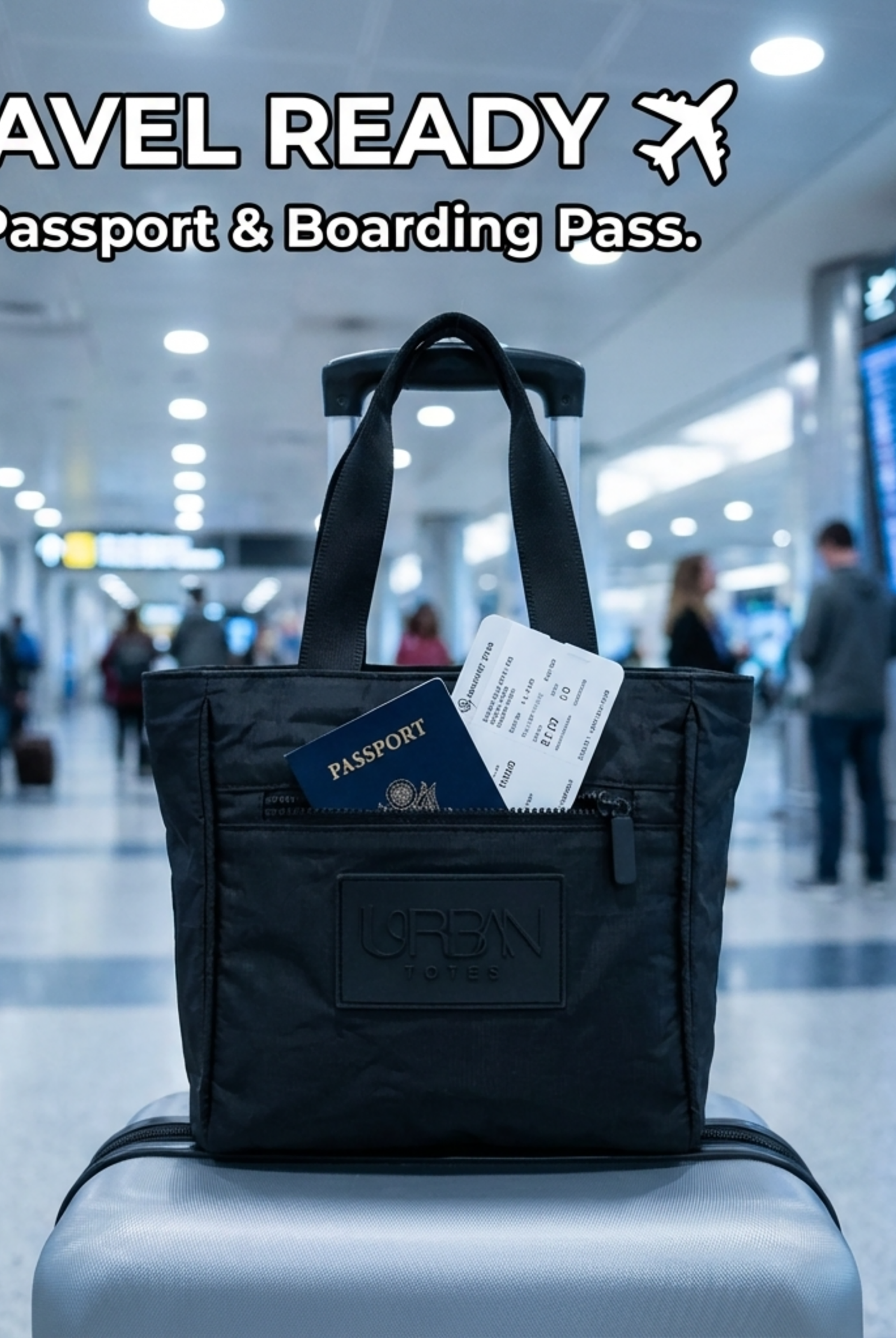
- Airport: Prioritize fast access for your boarding pass and phone, plus a compressible shape.
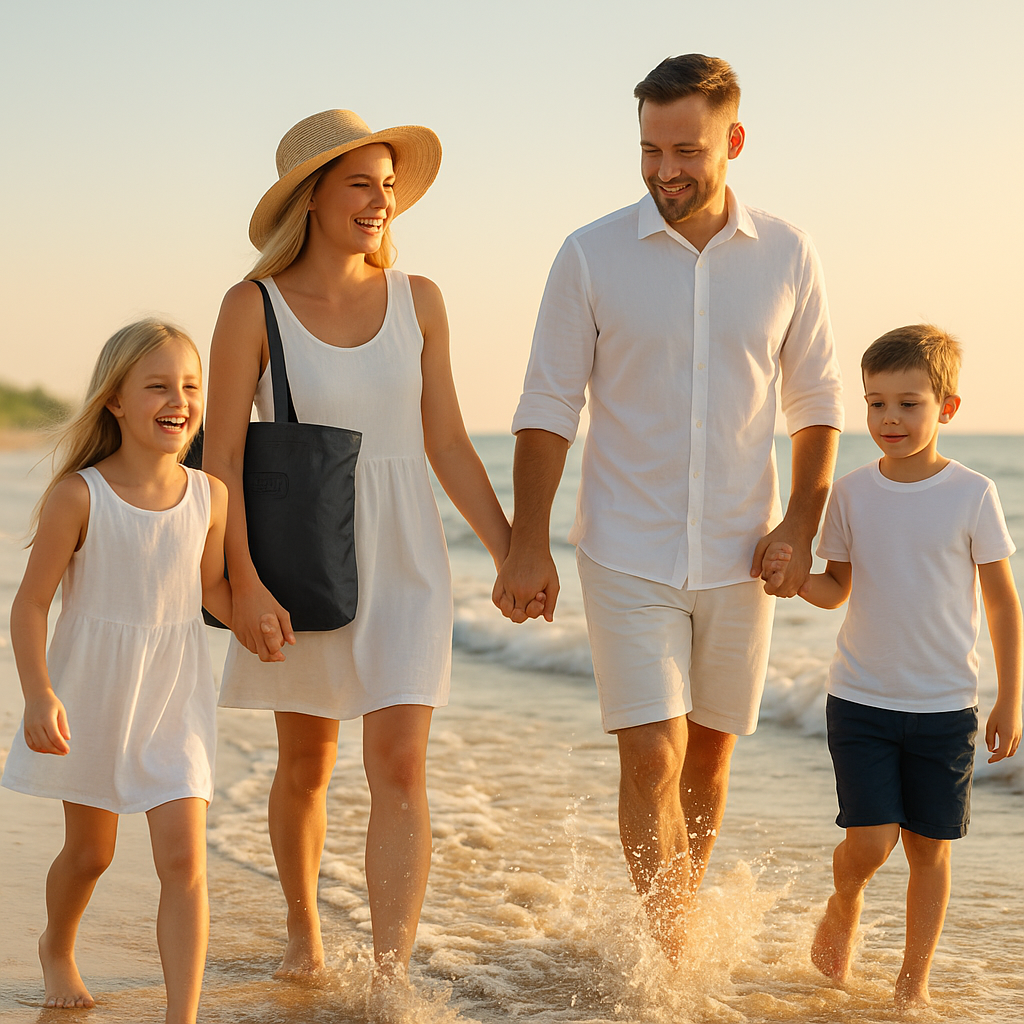
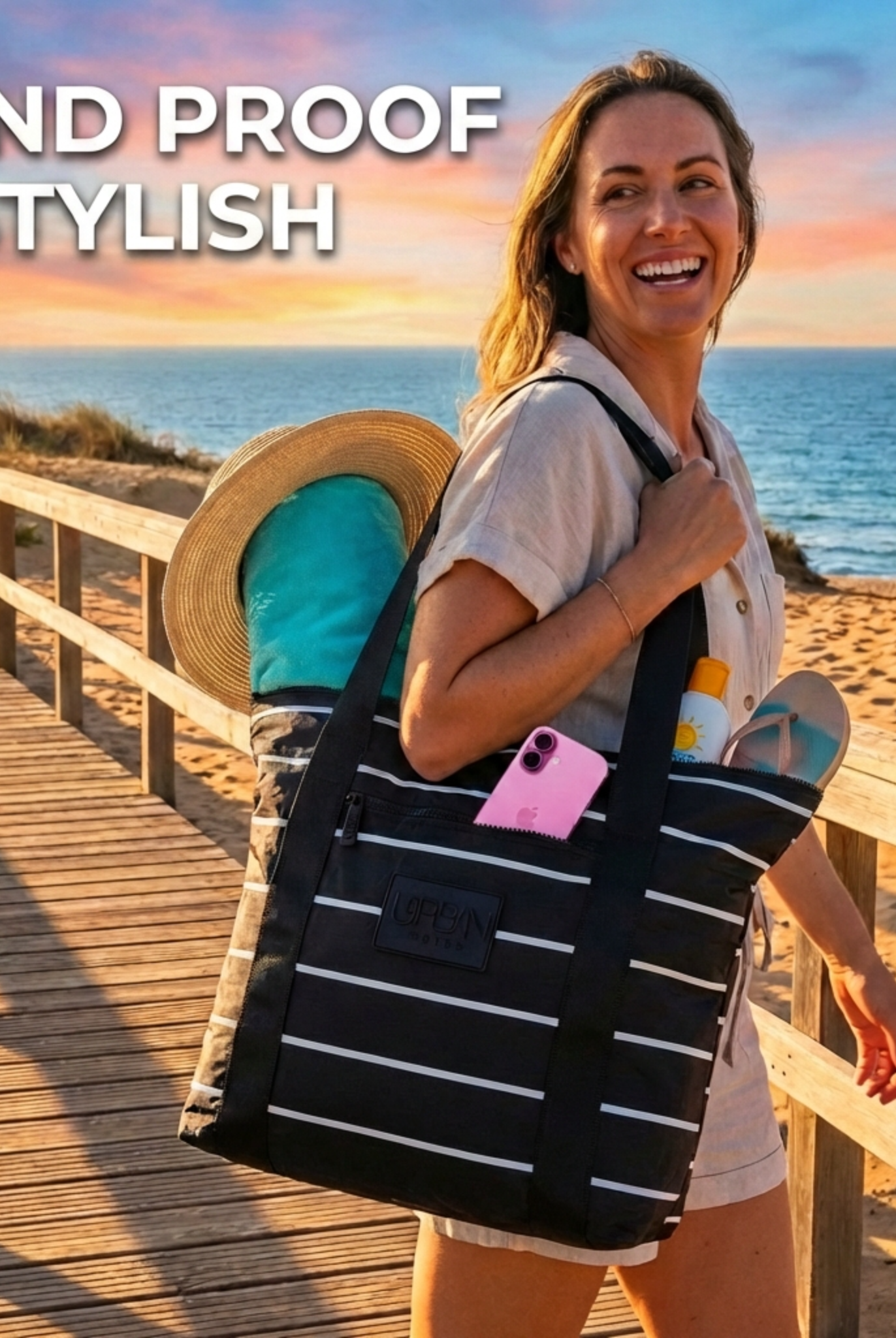
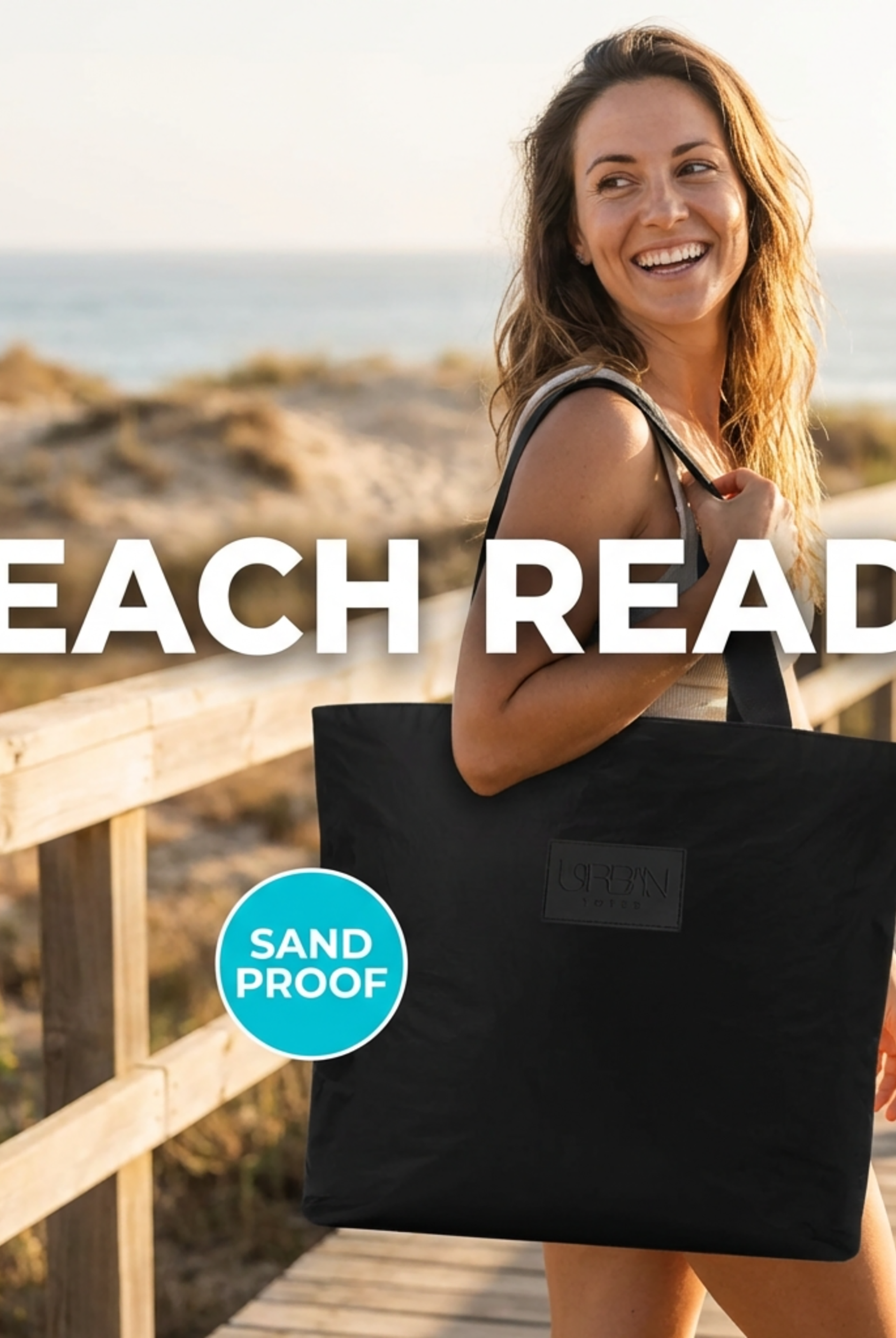
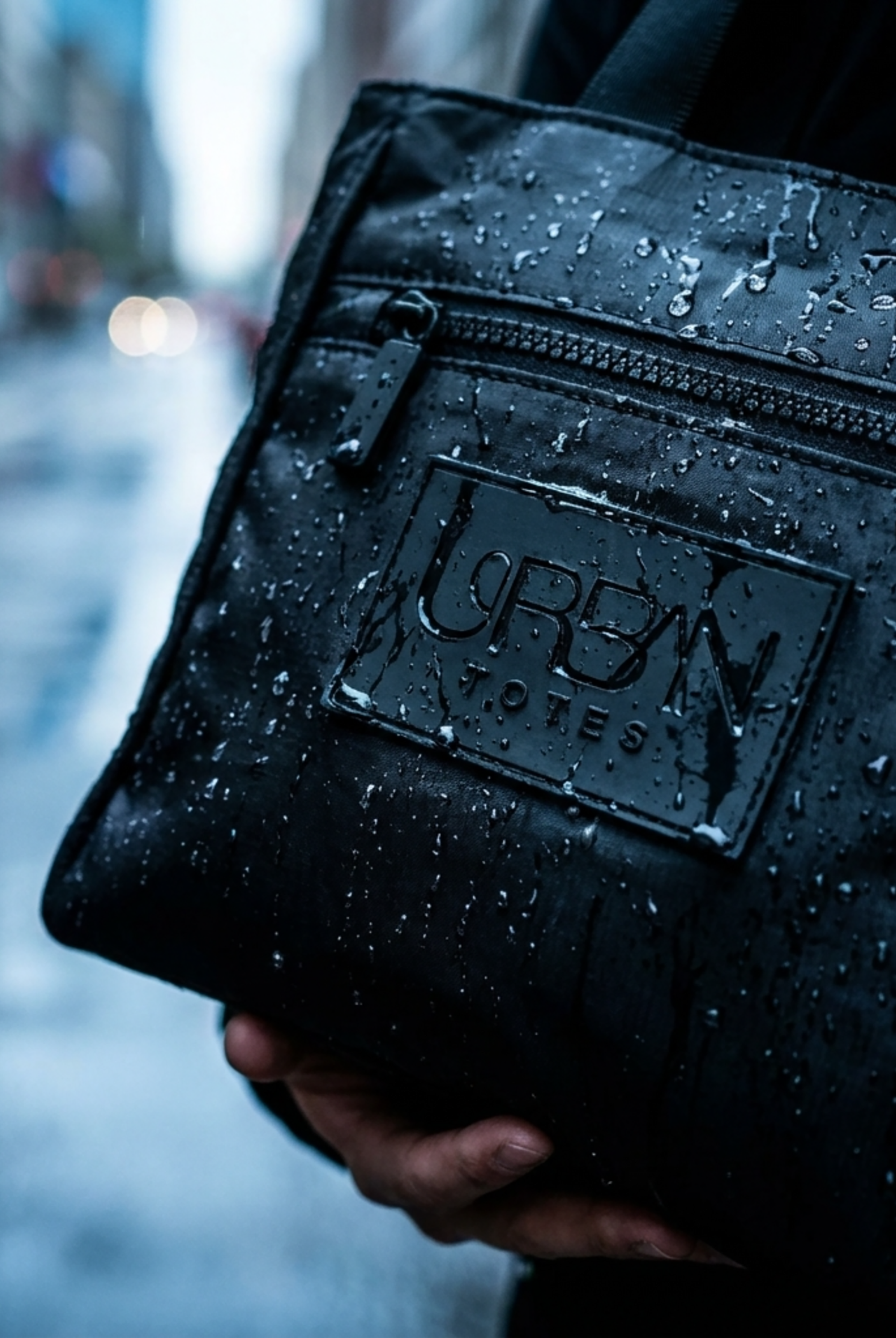
- Beach: Prioritize water-resistant fabric, a zip that stays shut around sand, and a bag that stays in sight.
- School drop-off: Prioritize a fast interior pocket for keys and phone and a strap that frees both hands.
Name the most likely risk first. Then check whether the feature you're counting on really answers it.
Zippers, Straps and Fabrics Worth Checking
Closures decide how your bag behaves in a bump, a lean, or a rushed checkout line. This comparison shows the trade-off plainly.
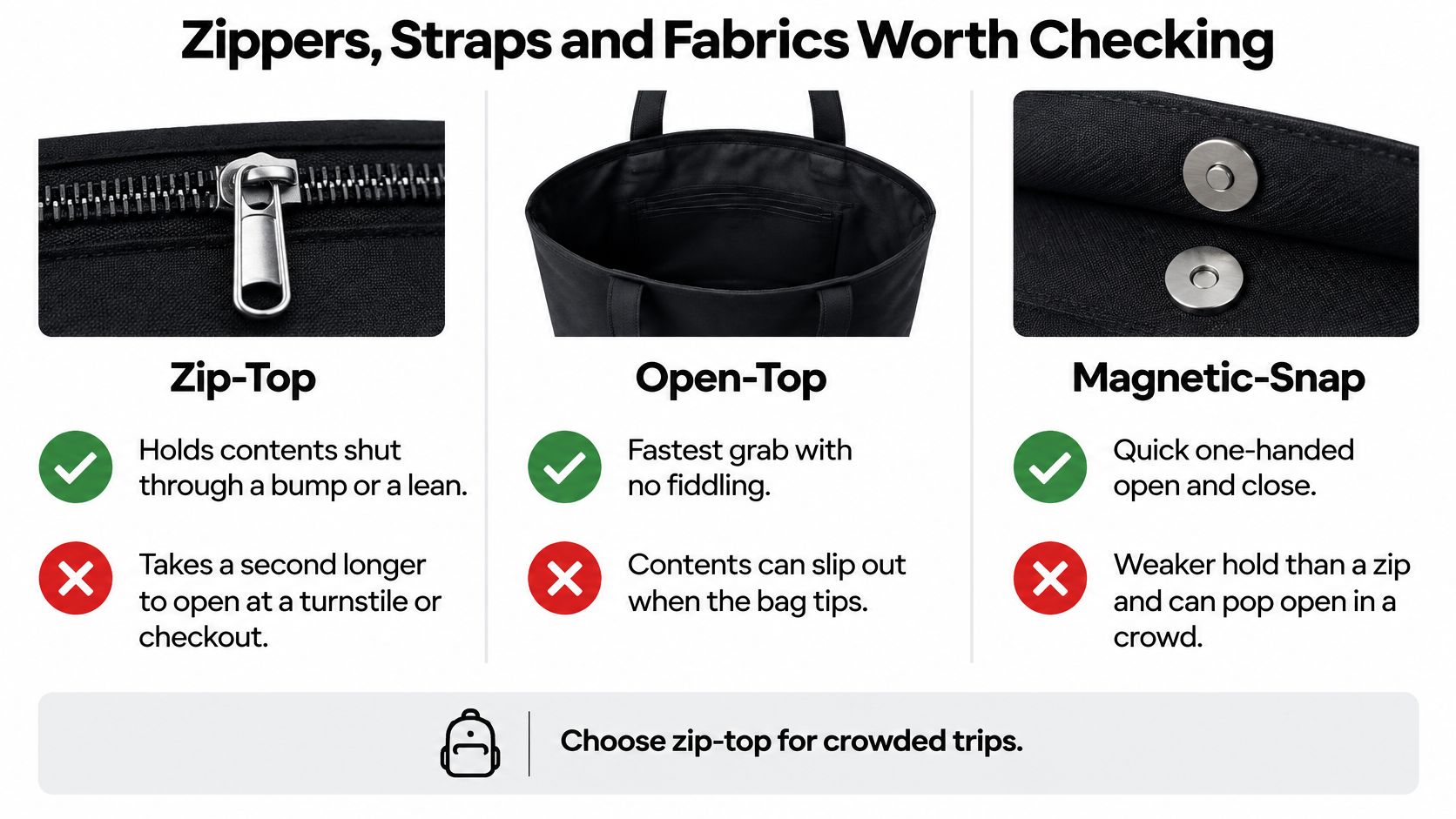
| Closure | Protection | Trade-off |
|---|---|---|
| Zip-top | Holds contents shut through a bump or lean | Slightly slower to open at a checkout line |
| Open top | Fastest reach to phone or keys | Contents exposed to a quick grab |
| Magnetic snap | Quick to open and tidy in look | Can pop under a bump; weakest hold |
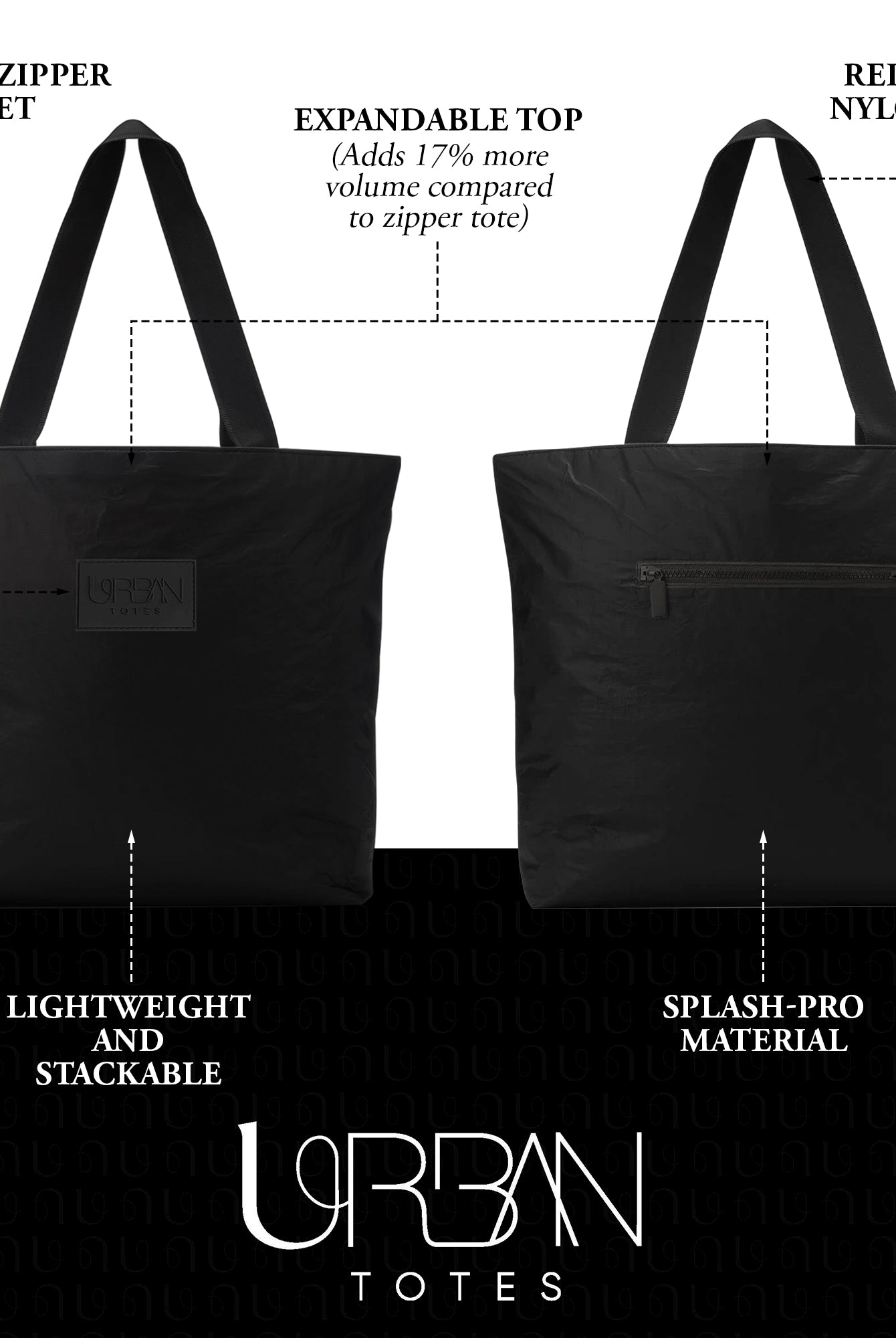
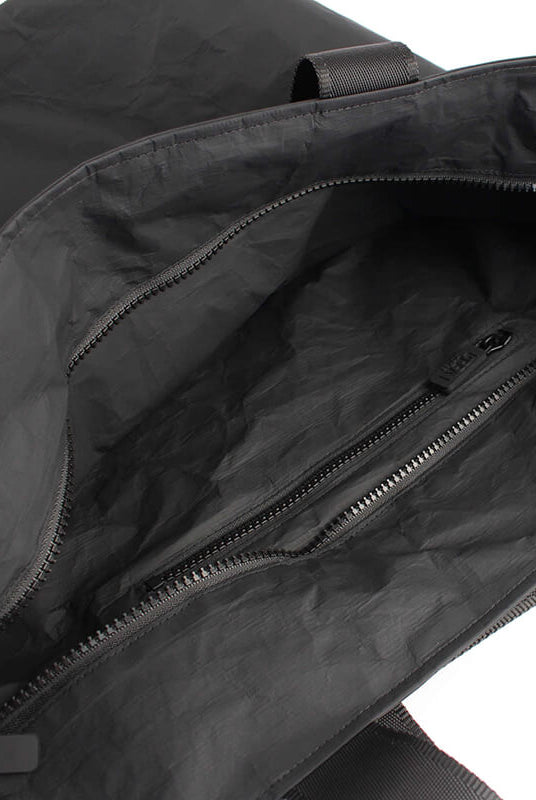
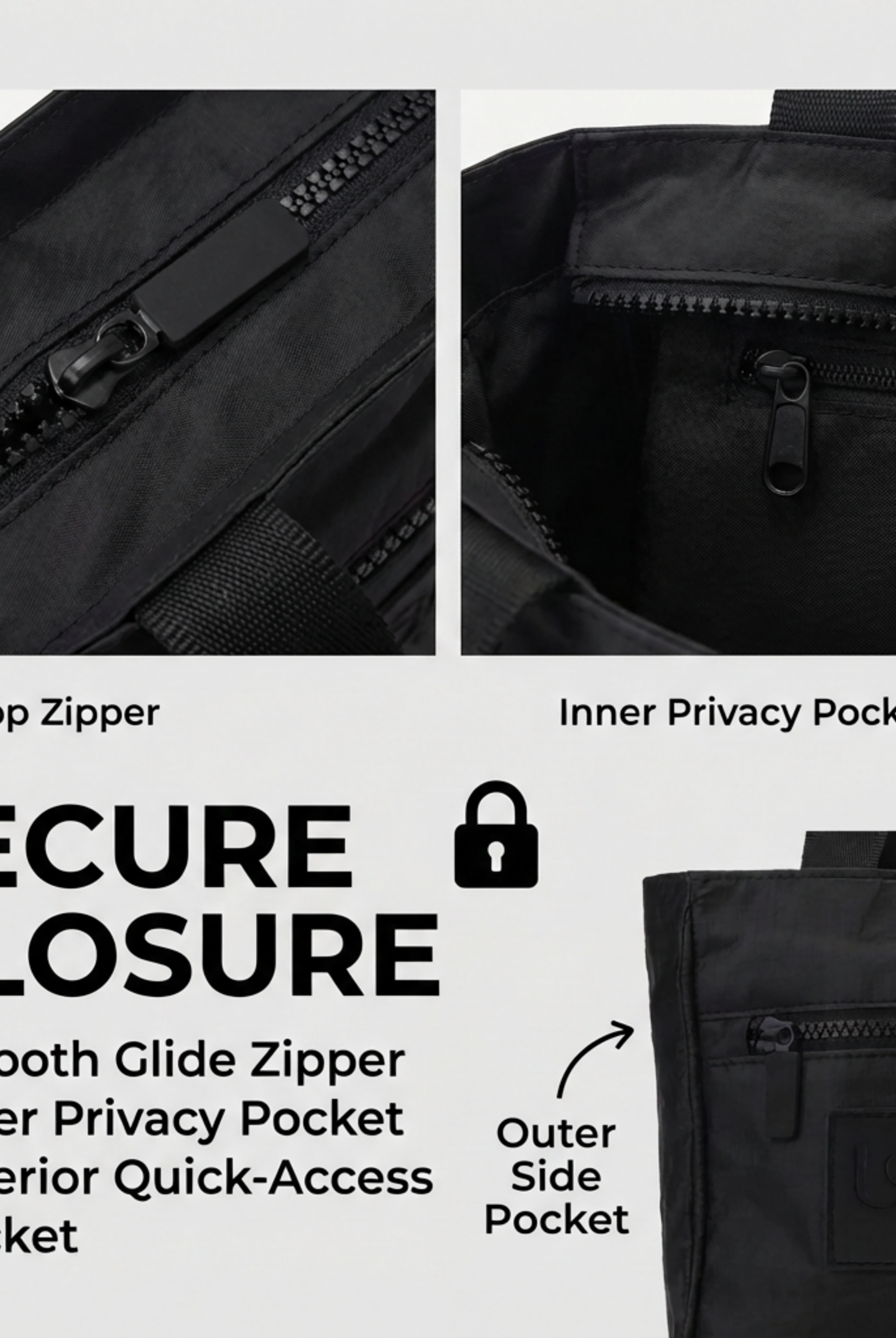
A full-length zip with pulls that accept a small lock deters casual opening in a queue. It stops a quick grab, not a determined thief, and that's an honest limit worth knowing before you pay extra for hardware. If you're comparing styles, a bag with zippers throughout gives you that shut-and-stays-shut behavior in more than one compartment.
Straps and Shells Up Close
Check strap width first. A 1-inch nylon strap is common on cross-body styles and spreads weight better than a thin cord. Look for reinforced stitching where the strap meets the bag, and adjustable length that lets the bag sit at your hip or ribcage rather than swinging at your thigh.
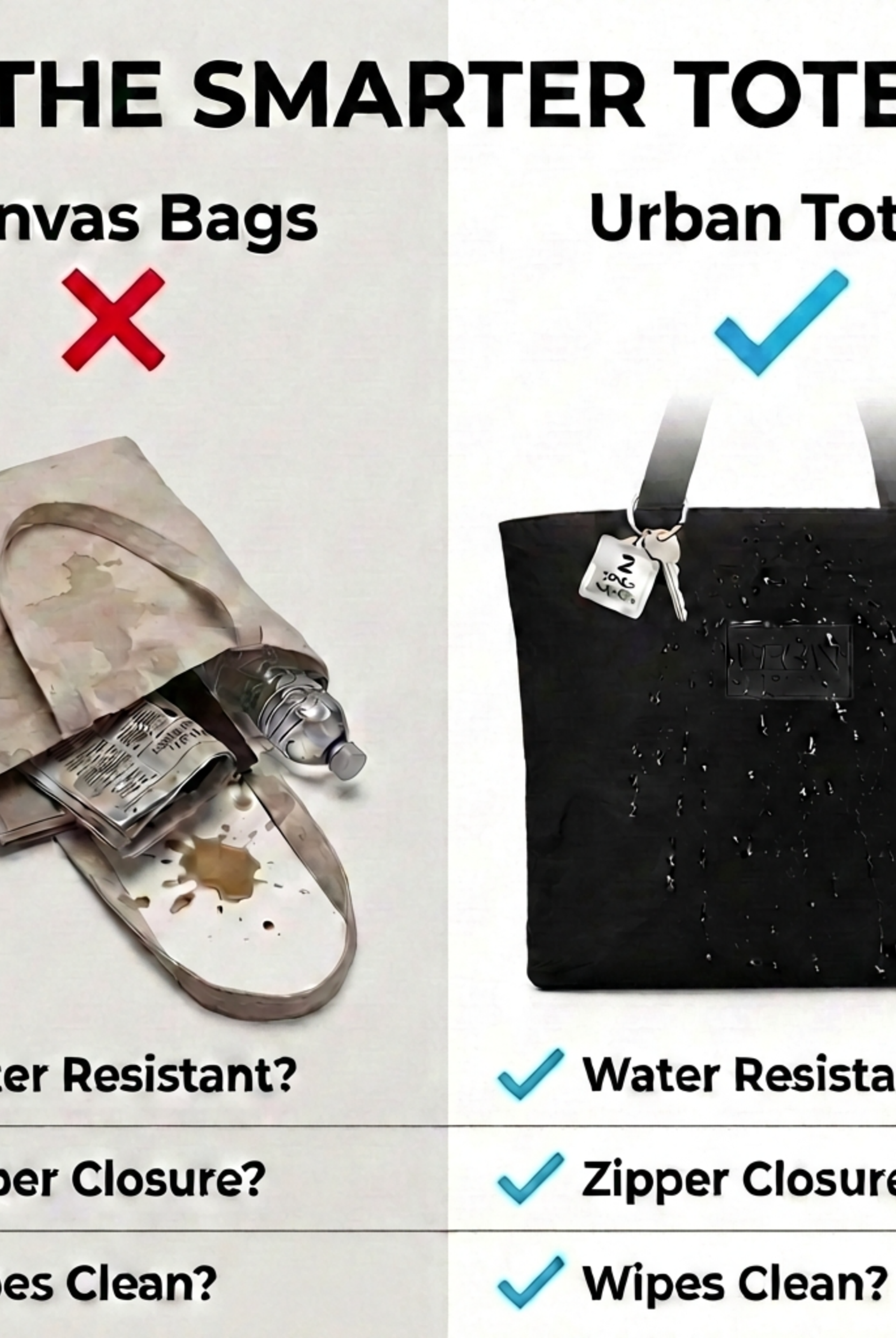
Treat claims like slash-resistant as something to inspect, not accept. There's no universal rating to lean on, so check the weave density, layered shell, and seam construction yourself. For fabric, I'd look for a water-resistant, lightweight nylon or polyester shell with tidy, sealed-looking seams that won't soak through in a drizzle or by the pool.
Tug each zip, pull each strap attachment, and flex the seams in the store. Weak points announce themselves under your hands.
For upkeep, wipe the shell with mild soap and air dry it. Check zipper teeth and pull tabs monthly, inspect strap attachments every few months, and don't overload the bag past what the zip can close without strain.
Organizing Valuables Into Zones
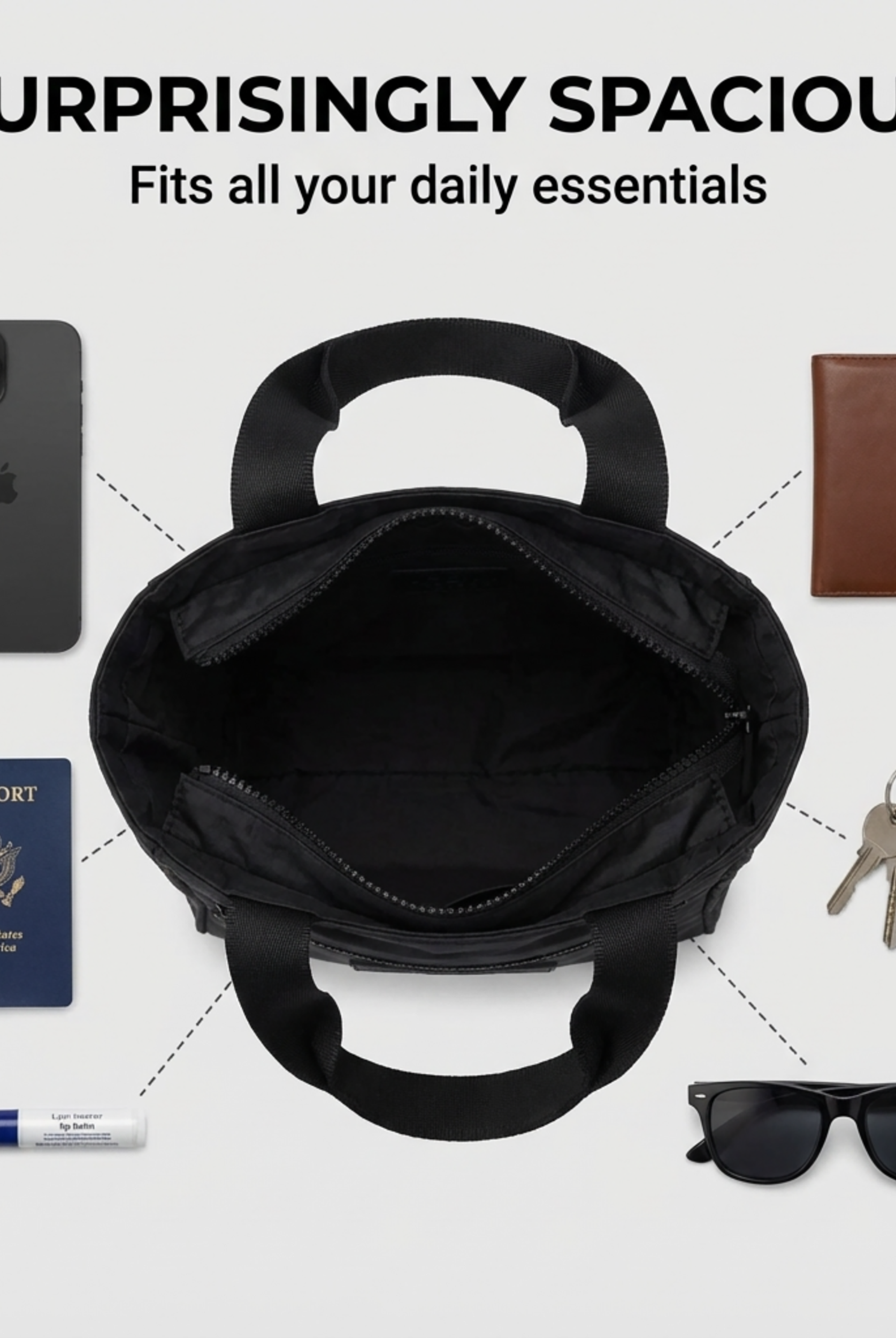
The rule is simple. Your most valuable items sit in the deepest, zipped zone closest to your body, and the least valuable sit in the outermost pocket. Everything else is just applying that rule item by item.
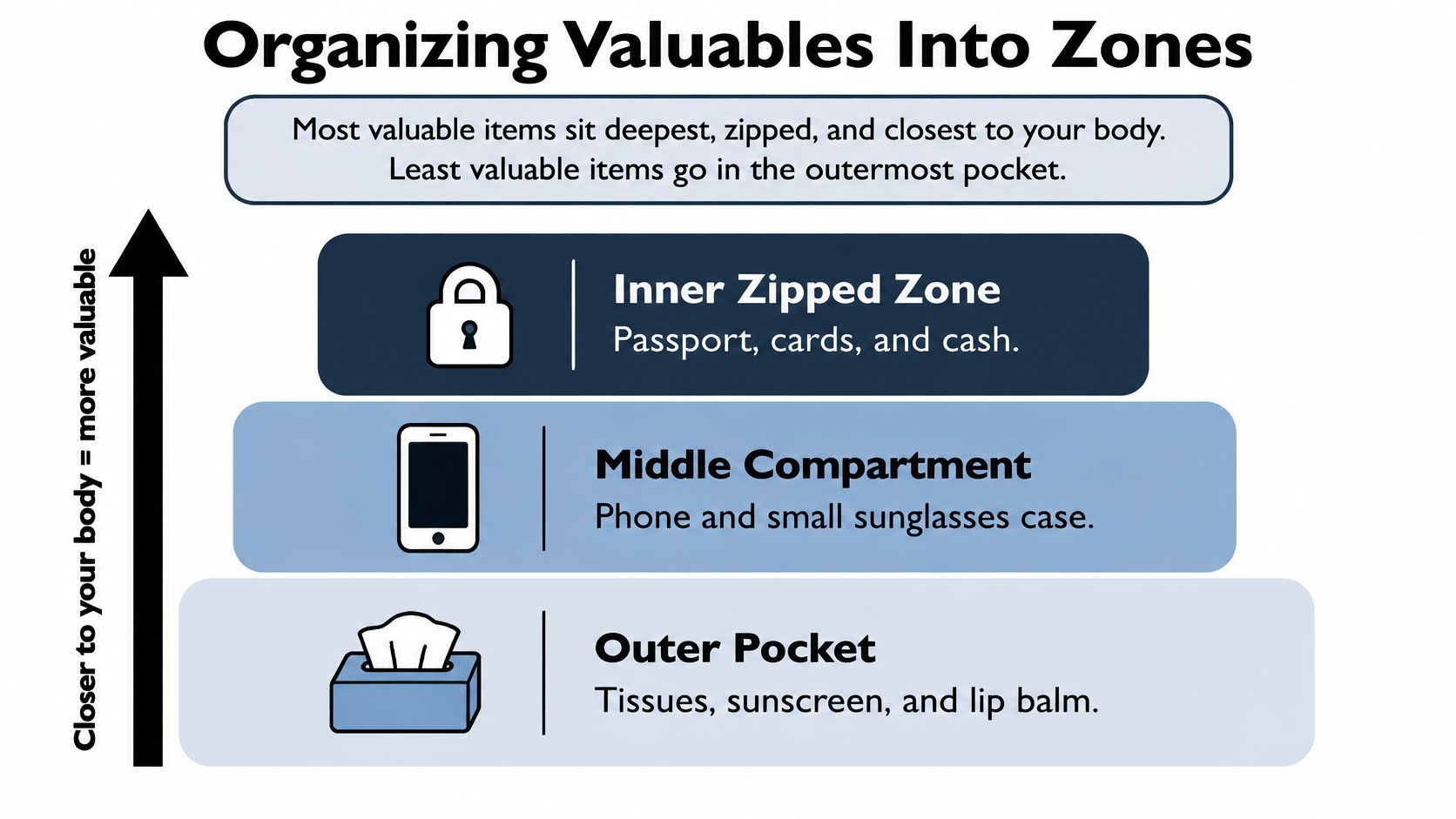
| Zone | Items to store | Access pattern |
|---|---|---|
| Inner zipped zone | Passport, ID, backup cash, spare cards | Opened only at checkpoints or payment |
| Quick-access interior pocket | Phone, transit card | Reached several times a day |
| Prescription pouch | Medication in original containers | Reached when needed; keep it easy to find |
| Keys and tissues pocket | Keys, tissues, hand sanitizer | Frequent, low value |
| Liquids pouch | Toiletries and sunscreen in 3.4 oz containers, one quart-sized bag | Removed at security, then repacked |
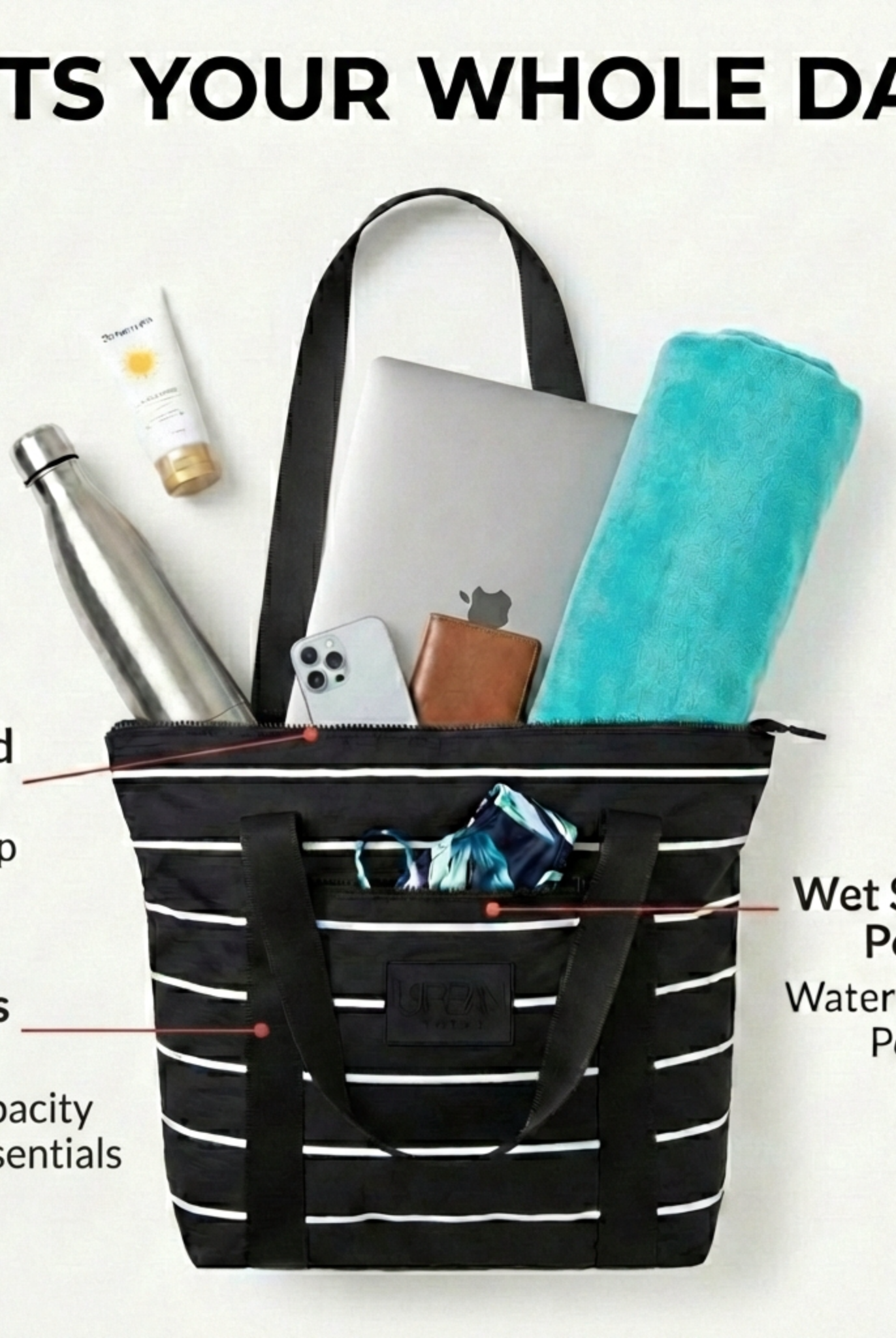
| Exterior pocket | Snacks, a small wrapper, low-value items | Open access, nothing irreplaceable |
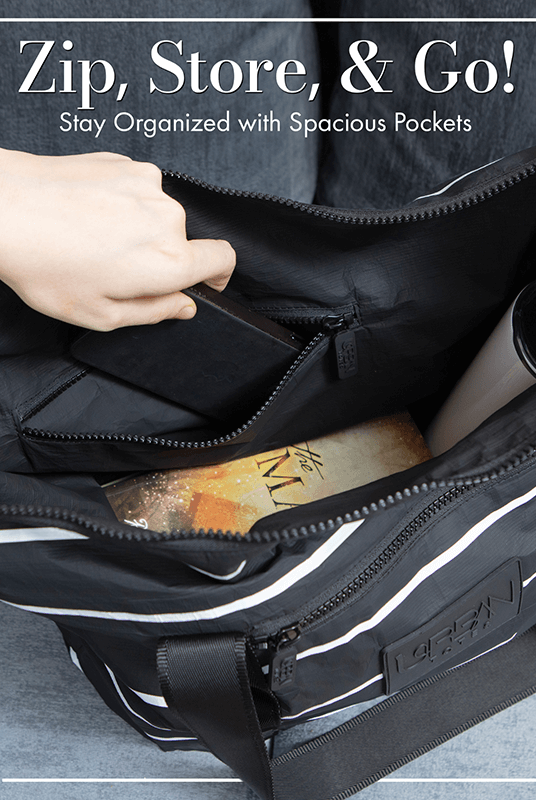
A multi-pocket layout makes this zoning possible without extra pouches everywhere, which is why a multiple compartment purse works well for both a commute and a flight. You're not digging past your passport to find a tissue, and you're not flashing your cards every time you need your keys.
The Liquids Routine
Keep toiletries in their own zone so security doesn't turn into a search. Under the Transportation Security Administration 3-1-1 liquids guidance, each container must hold no more than 3.4 ounces (100 milliliters), all containers must fit inside one clear, quart-sized, zip-top bag, and each passenger may bring one bag through the checkpoint. Sunscreen, lotion, and shampoo count, and that bag comes out separately at screening.
Run a Repacking Test
- Empty the bag: Lay everything out and rebuild it zone by zone.
- Time yourself: Reach for your passport as if you're at a checkpoint.
- Adjust outward: If it takes more than a few seconds, move that item one zone closer to your hand.
That small test finds the friction points at your kitchen table instead of in a security line with people waiting behind you.
Wearing Styles That Keep Your Bag in Front of You
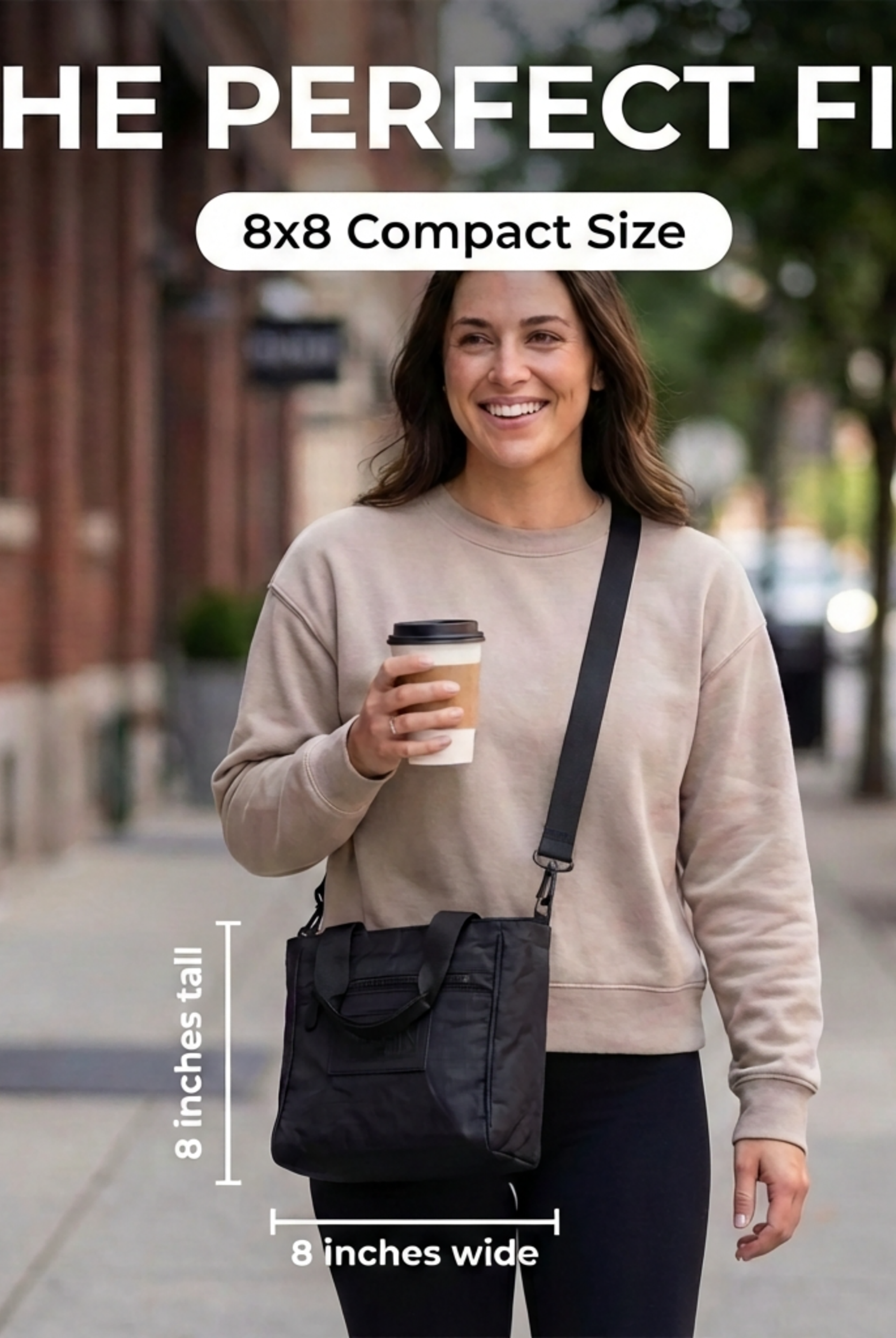
How you wear the bag matters as much as what's sewn into it. Cross-body worn at the front keeps the closure in your line of sight on a packed metro platform, where shoulders and hands brush past you at every stop. A shoulder bag drifts behind you, and a handheld bag gets set down, and a bag resting on a café chair is a bag someone else can reach first.
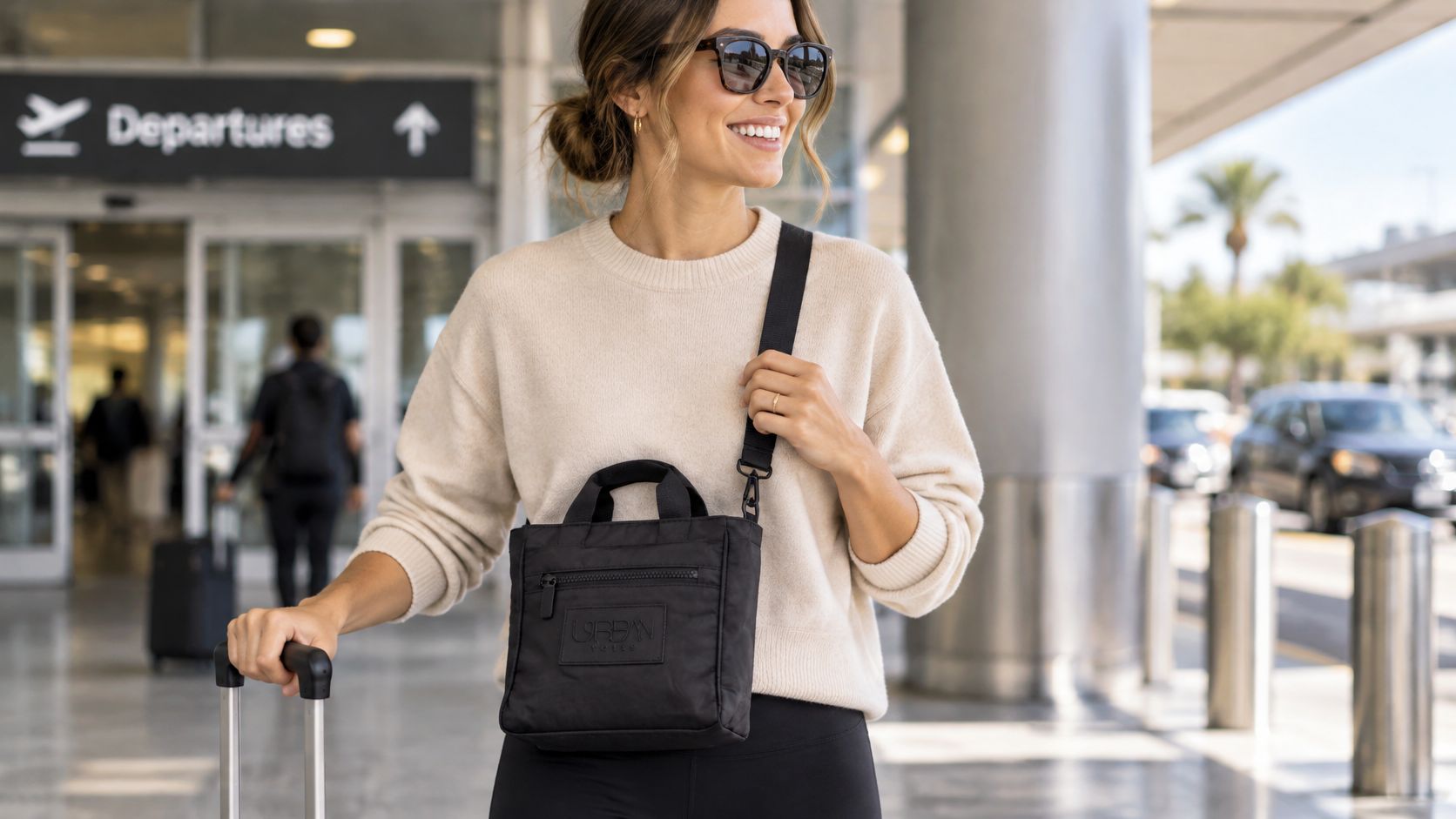
The right position shifts with the setting. On a crowded platform, the bag rides at your ribs with the zipper facing your body. At a restaurant table, keep the strap over your shoulder or looped around your knee rather than hooked on the chair back. On a beach towel, the bag sits against your side with the strap still on, ready to move when you do. On a school run, front-worn carry leaves both hands free for a child's hand.
One behavior is worth unlearning. Patting the pocket holding your valuables to check they're still there tells an observer exactly where they are. Zoned organization helps here, since you already know where everything lives.
What the Ergonomic Evidence Actually Says
In a controlled study reported in the Internet Journal of Allied Health Sciences and Practice, 20 healthy students showed significantly lower activity in the right upper trapezius and left erector spinae with cross-body carrying than with same-sided shoulder carrying. Other research on loaded bags adds a caution: both one-shoulder and diagonal cross-body carrying shifted spinal and pelvic posture once the carry got heavy.
Cross-body carrying can ease some muscle demand. It doesn't cancel out an overloaded bag.
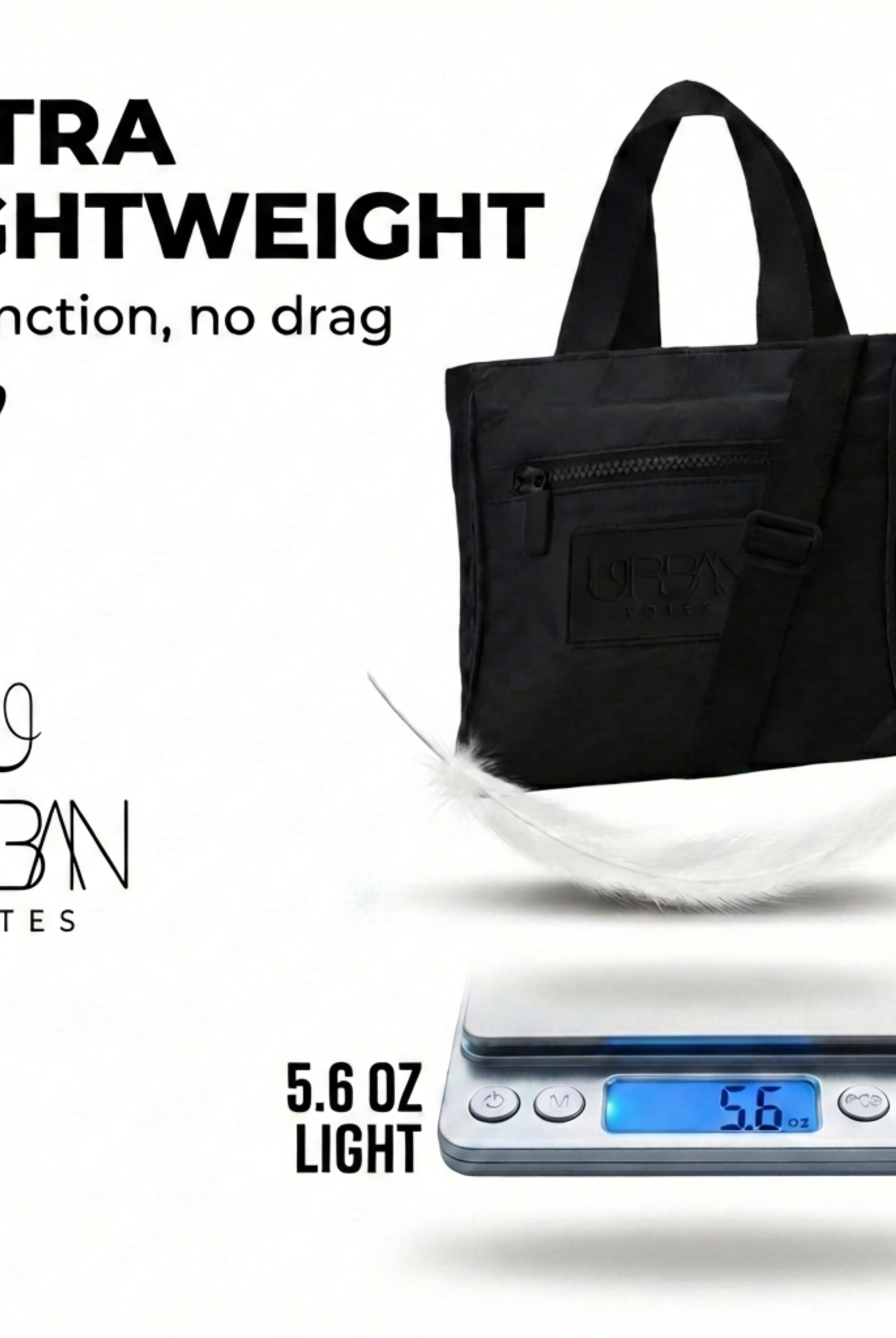
So keep the bag lightweight when empty, use a broad adjustable strap, and switch sides on long days. Load, strap geometry, body size, and duration all still matter. A long strap can snag on a seat or door, and a cross-body strap under a heavy coat gets hot in summer, so check the drop at your hip or ribcage before you buy.
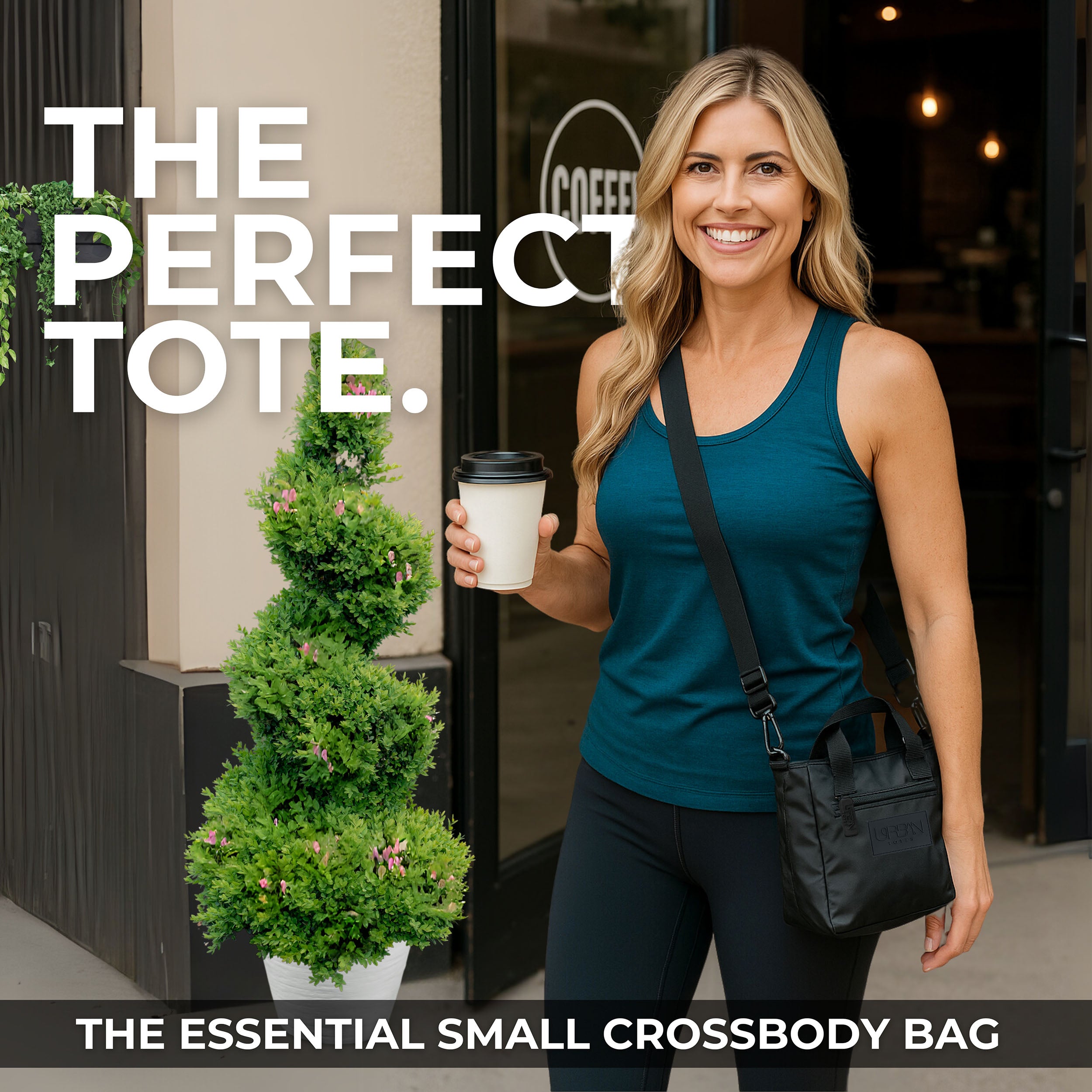
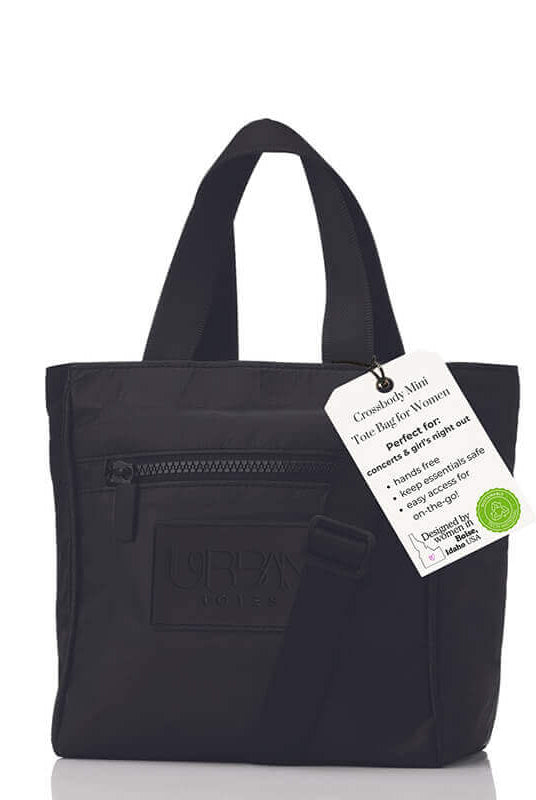
A compact option built for this front-worn style is the Crossbody Tote Bag Mini Purse, with a zip-top closure and a removable cross-body strap for days when you want to switch carry styles. If you prefer a larger carry, tote bags with a crossbody strap offer the same hands-free position with more room.
Airport and Everyday Trade-Offs in Size and Access
A purse can clear the security scanner and still fail at the gate. Your carrier's personal item policy is the stricter test, and it decides whether your valuables stay under the seat at your feet or get taken to an overhead bin.
| Carrier or policy | Personal item limit | What it means for a purse |
|---|---|---|
| American Airlines | 18 × 14 × 8 in (45 × 35 × 20 cm) | Purse must fit under the seat in front of you |
| European carriers, typical allowance | around 40 × 30 × 15 cm | Check your specific carrier's published limit before flying |
| European carriers, tighter end | as shallow as 40 × 30 × 10 cm | A flatter, softer bag clears the tight depth |
Under the American policy, a purse or small handbag carried as a personal item has to fit under the seat in front of the passenger. A soft, packable bag compresses into that space far more easily than a rigid one, and the same flexibility helps on European routes where the depth allowance runs thinner.
Measure It Packed, Not Empty
Pack the bag as you'd fly with it, zip it shut, then measure the bulge. A bag that meets the limit on paper can fail once a charger, snacks, and a paperback go in. Knowing the difference between a carry-on bag and a personal item tells you which allowance your purse is really using.
Size cuts both ways. An oversized bag is harder to keep in front of you on a crowded jet bridge, harder to slide under a seat, and more likely to be gate-checked, which puts real distance between you and your essentials. I'd take a slightly smaller purse that stays under the seat over a roomier one that gets pulled at the door. The fit test pays off past the airport too, since a bag that slides under an airplane seat also tucks under a desk or a café table.
Access speed deserves the same scrutiny as capacity. A heavily secured compartment protects a passport but slows you down when you need medication quickly mid-flight, so keep one quick-reach pocket for time-sensitive items. For the documents and preparation side of the trip, Translate AI's international travel guide is a useful companion resource.
Confirm These Points Before You Buy
Run this checklist in the store or at home before the tags come off. Each line answers a specific setting, so test it against the trips you plan to take.
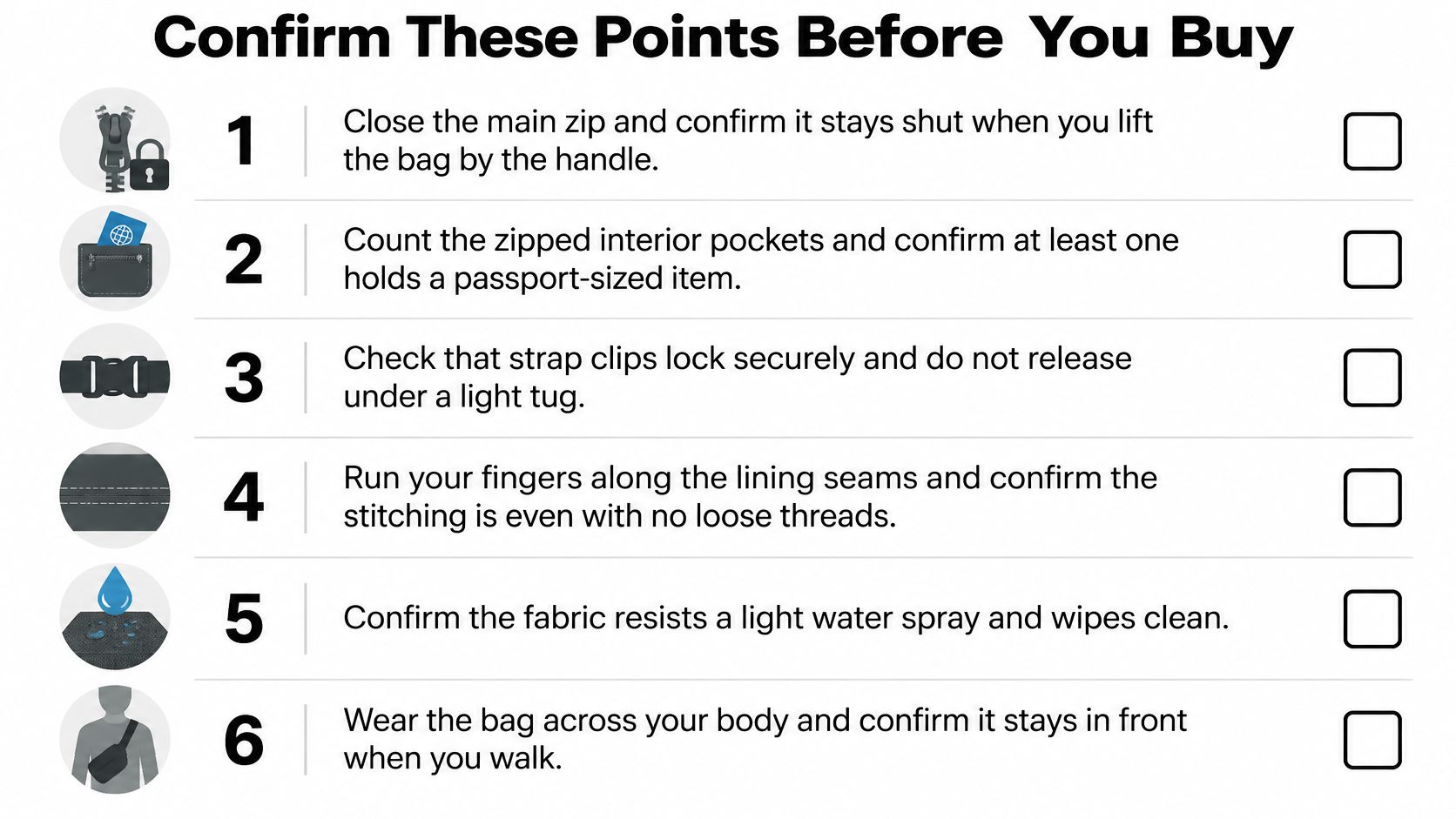
- Main zip: Close it, then lift the bag by the handle and confirm it stays shut, the same way it will hang off a chair arm at a restaurant.
- Interior zones: Count the zipped zones and confirm one can hold passport-level items for airport queues.
- Strap fit: Check it's wide, adjustable, and sits across your body without twisting; a strap that slides is the one that slips off a shoulder on a crowded metro platform.
- Exterior pocket: Confirm no valuables need to live there, since whatever your hand can reach quickly, so can someone else's.
- Packed weight: Pack it as you would for a trip, then weigh it; a bag that drags by midday ends up hung on the back of a chair.
- Airline fit: Check the packed bag against your carrier's personal item limit.
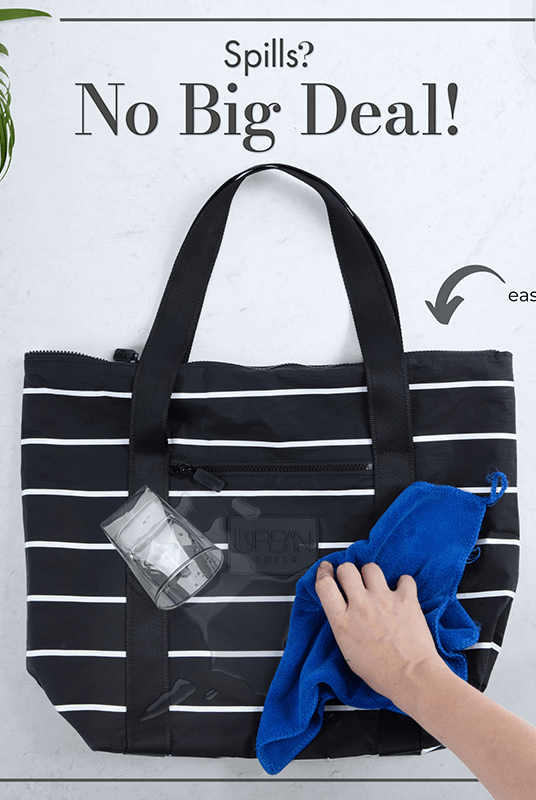
- Cleaning: Run a damp cloth over the fabric; water-resistant, easy-clean materials are built for wipe-downs after beach days rather than machine cycles.
- Your routine: Test it against your commute, a beach day, and school drop-off, the settings where a bag most often leaves your sight or your hands.
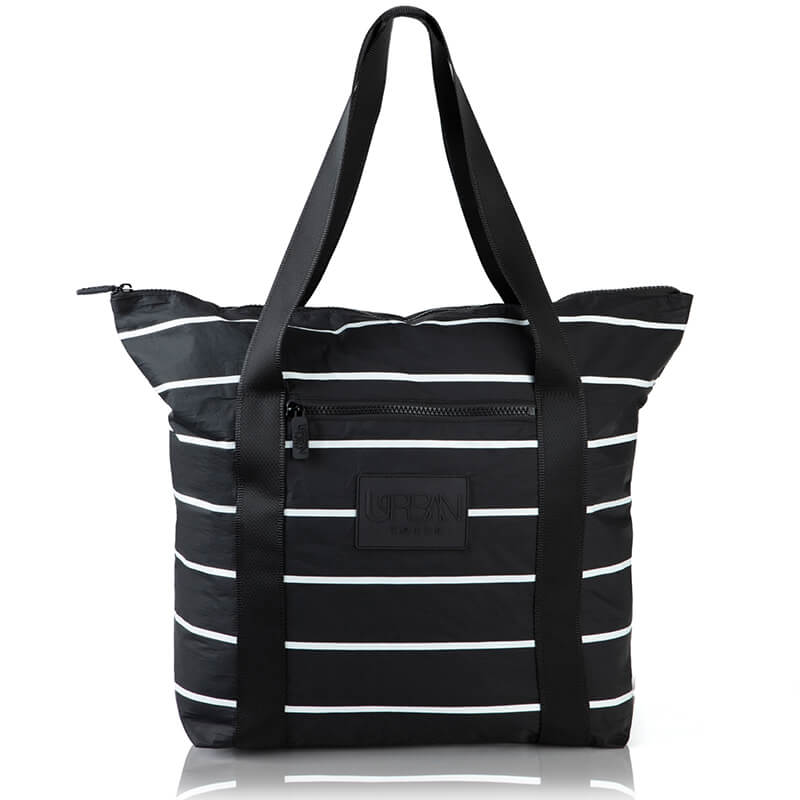
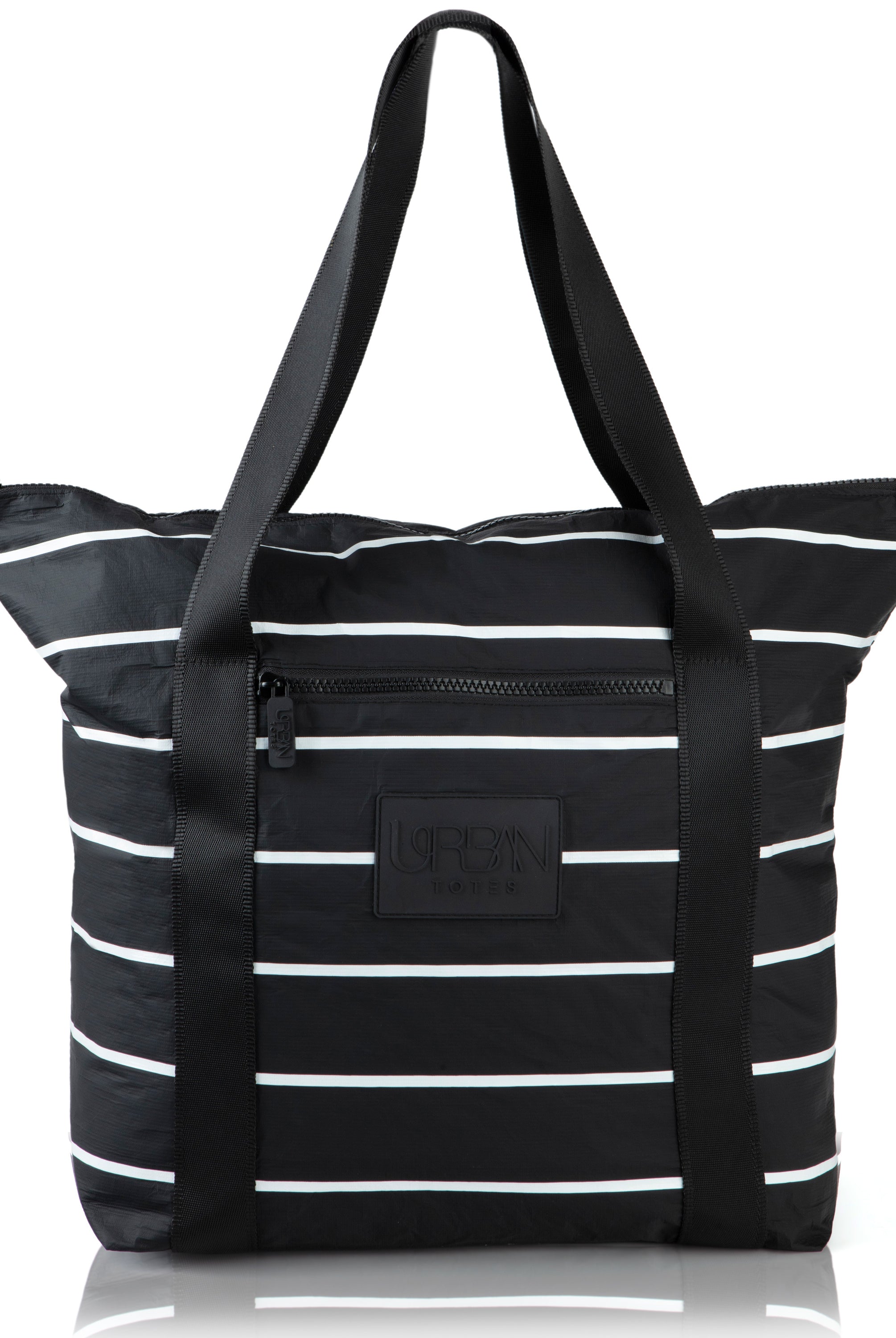
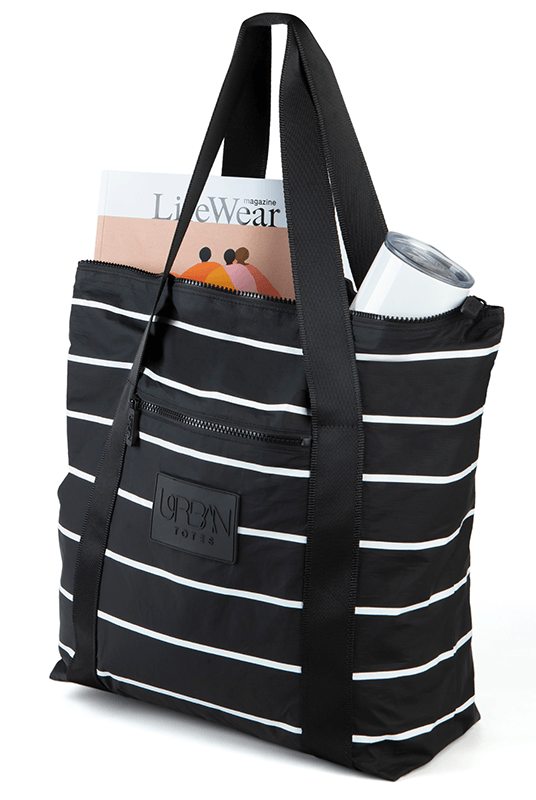
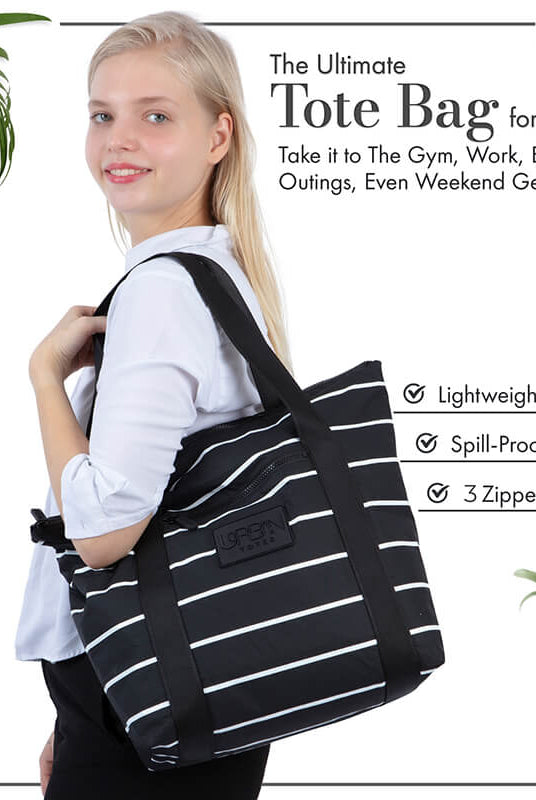
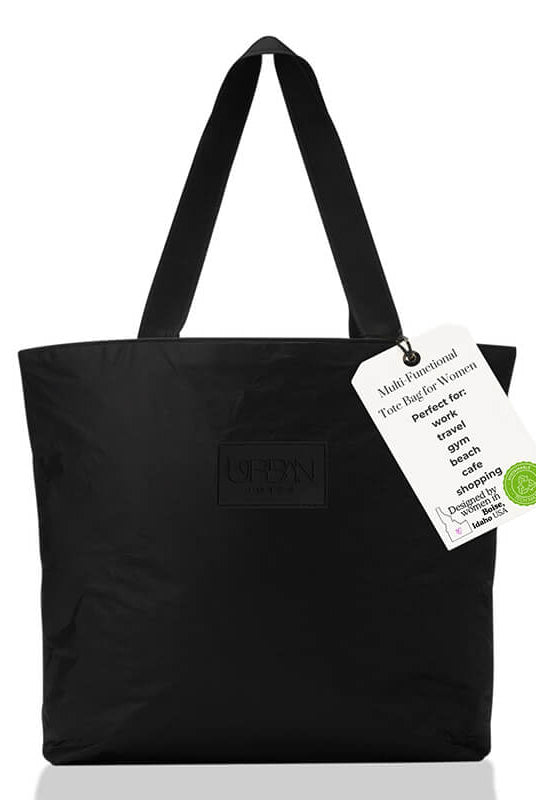
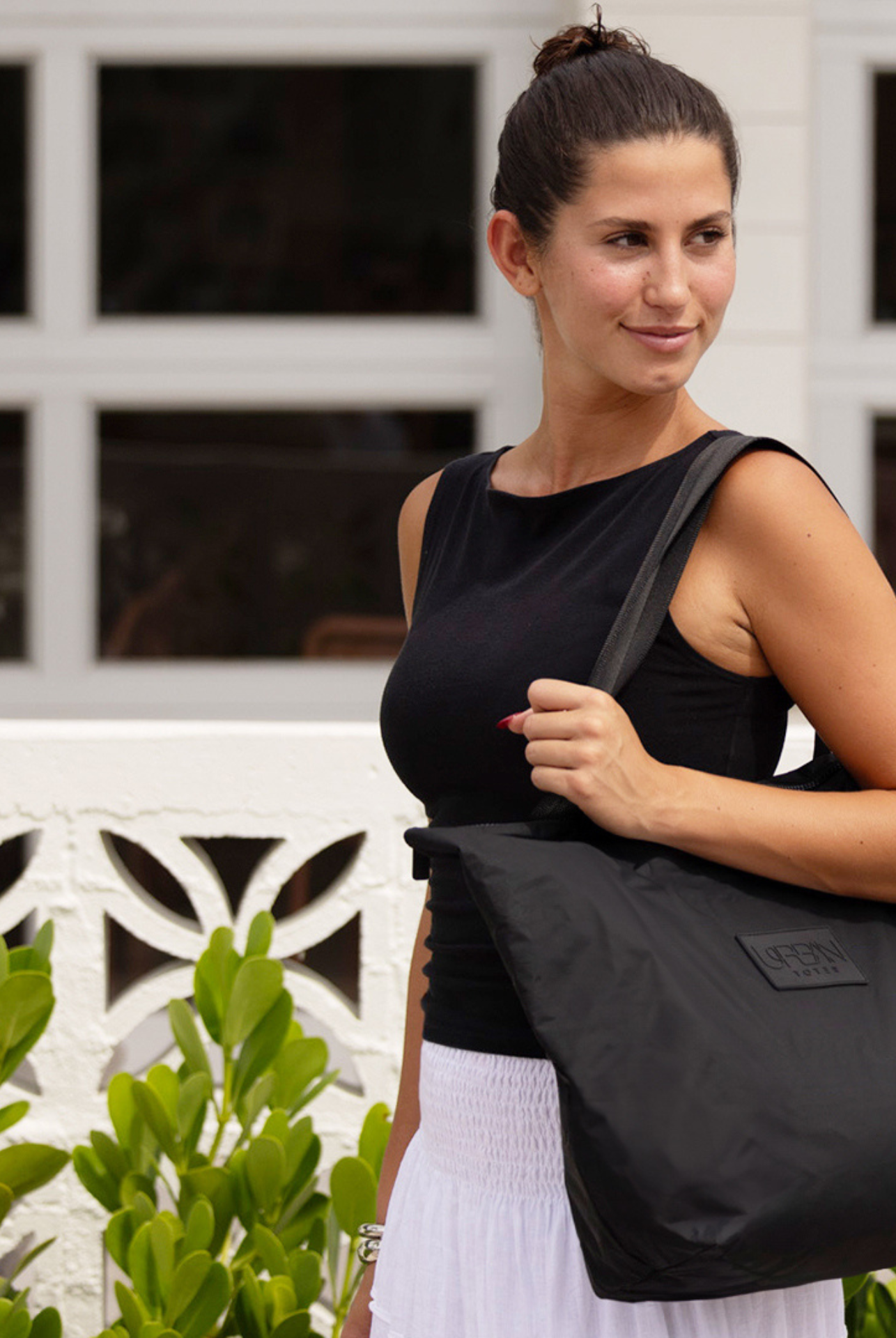
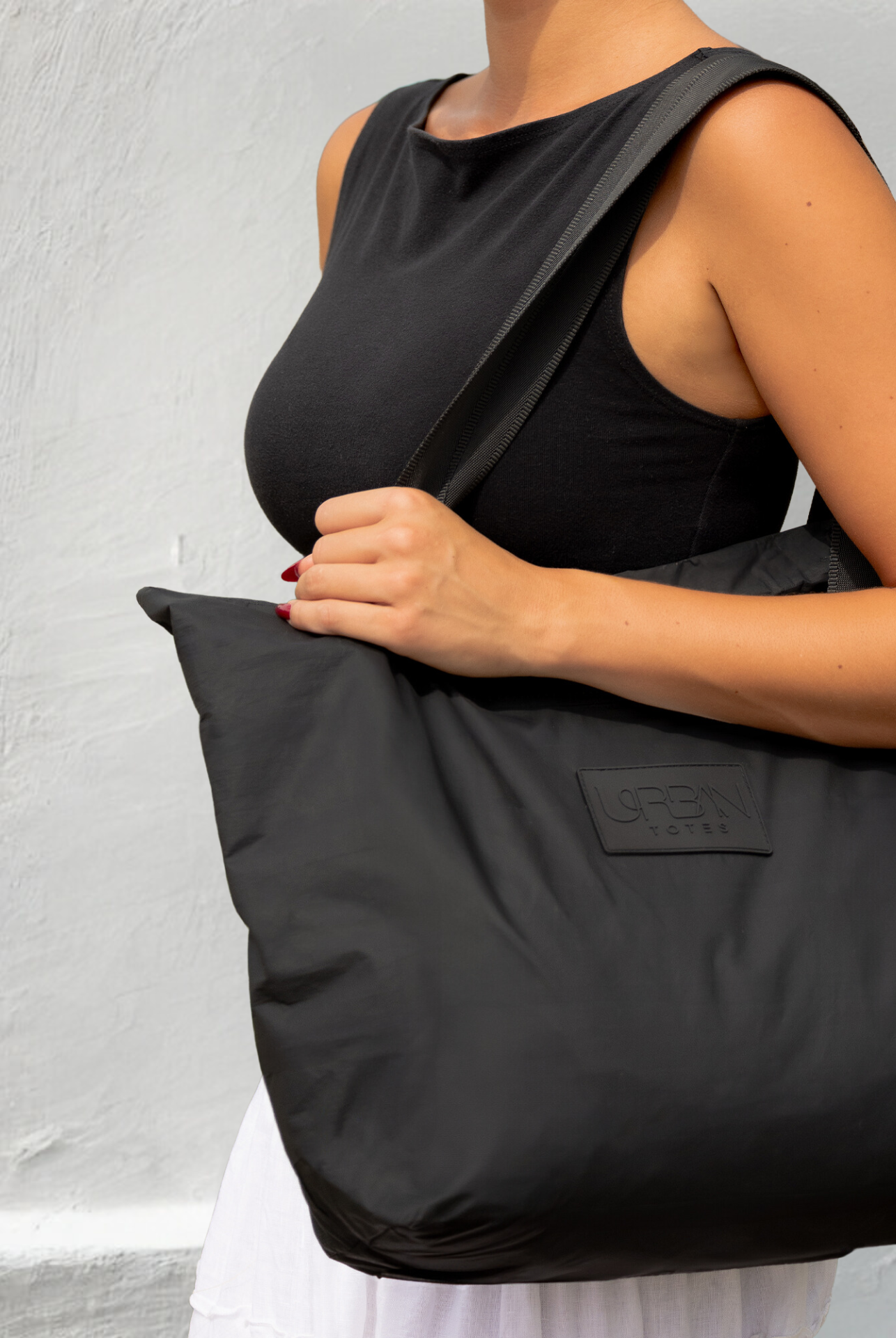
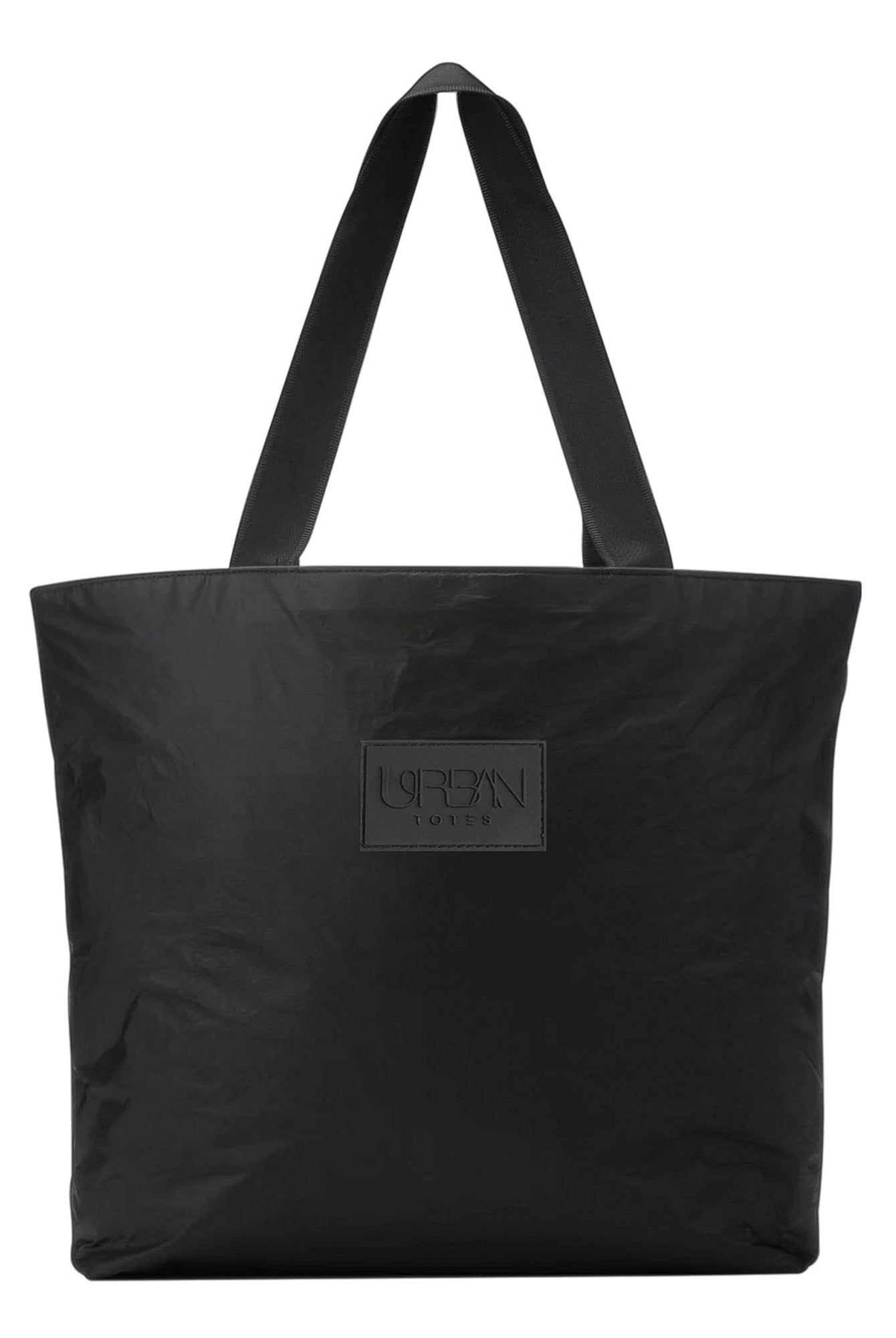
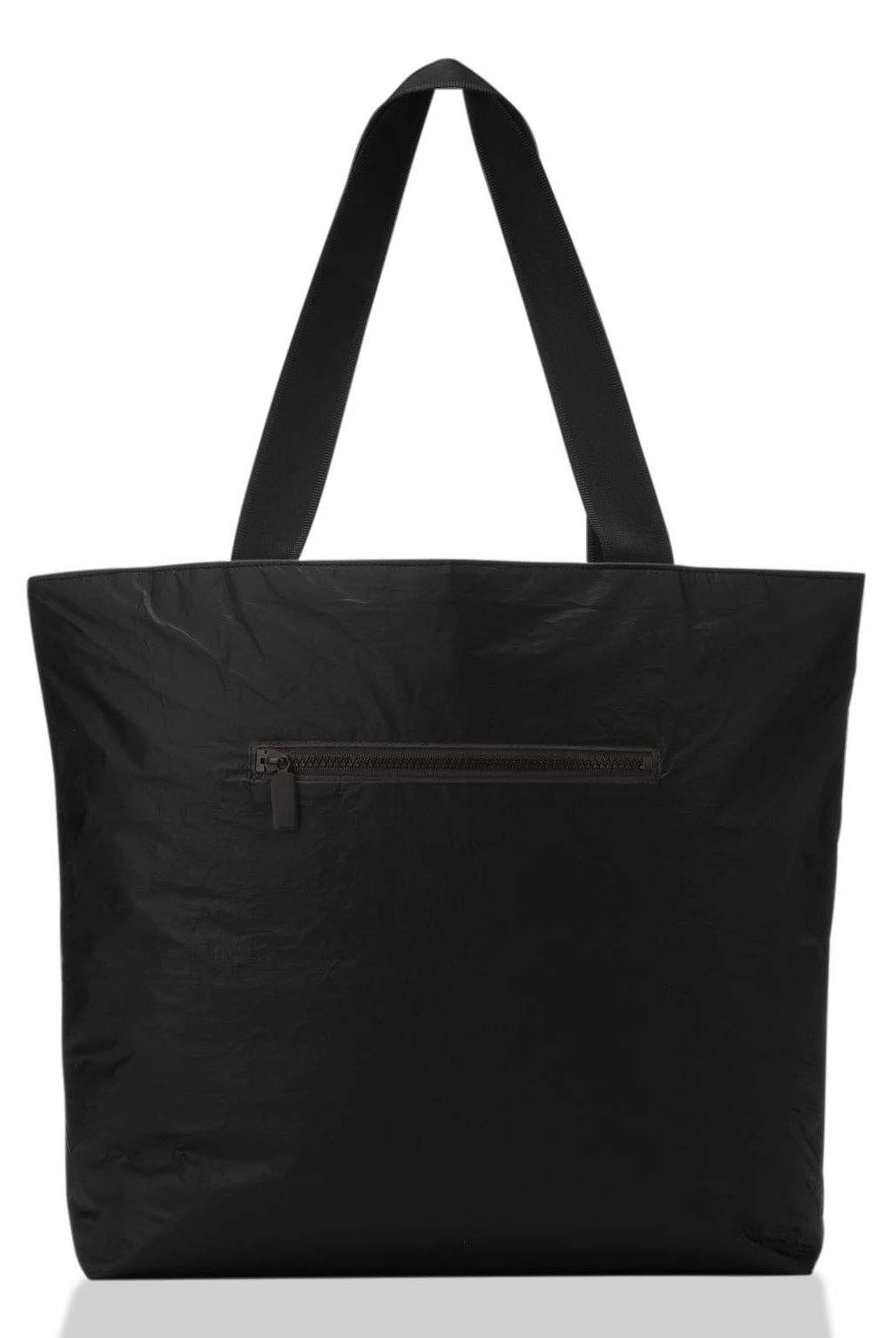
A safe travel purse only earns that name if you carry it on every trip, so a shorter feature list you use consistently beats a longer one sitting in the closet. Pieces like the Crossbody Mini Purse and the OG Zipper Tote put that checklist into practice, pairing secure zip closures with multiple zippered compartments and dedicated pockets for phones and keys.
Find your perfect go-anywhere bag at Urban Totes, where lightweight, water-resistant, foldable styles with zipper closures and multi-pocket organization are made for travel days, beach days, and everything in between. Shop the full collection and take on whatever the day brings. Go Anywhere. Tote Everything.