You're halfway through school drop-off, a grocery run, and an afternoon meeting when your keys disappear into an open tote. Then the clouds open. Your phone, notebook, and laptop are suddenly sharing space with everything else, while the bag hangs wide enough for a crowded train or curious toddler to send its contents onto the floor.
A bag with zippers fixes that particular kind of daily chaos. It keeps essentials contained, adds a useful layer between your belongings and sudden weather, and makes organization easier without turning your everyday carry into rigid luggage. The right zipper closure doesn't make a tote less stylish. It makes the bag more capable.
Table of Contents
- Why Every Woman Needs a Bag With Zippers
- Practical Benefits of Zipper Closures for Everyday Carry
- Understanding Zipper Types and Materials
- Security and Organization Features That Matter
- Choosing the Right Zippered Bag for Your Lifestyle
- Your Zippered Bag Buying Checklist
- Find Your Perfect Go-Anywhere Bag
Why Every Woman Needs a Bag With Zippers
An open-top tote looks effortless until you need something quickly. You know the routine. You set the bag beside a café chair, reach for your phone, and find receipts, sunglasses, snacks, and a tangled charging cable first. At school pickup, a water bottle tips sideways. On public transportation, a sudden stop sends smaller items toward the edge.

A zipper closure creates a simple barrier. Close the top before you move through a station, load the car, or carry the bag across a windy beach, and your essentials stay inside instead of becoming a trail behind you. It also gives the bag a more finished shape, so you can move from leggings and sneakers to a workday outfit without switching accessories.
The best everyday bags solve more than one problem at a time. They're lightweight, comfortable enough for errands, spacious enough for real life, and organized so your phone and keys don't vanish. A zip-top tote can offer that balance while remaining packable, foldable, water-resistant, and stylish.
Practical rule: If you regularly carry electronics, small children's items, or anything you can't afford to lose, choose a closed bag for your everyday carry.
A zipper isn't a guarantee against every mishap. It won't make fabric fully waterproof, and it won't stop a determined thief by itself. It does reduce accidental spills and casual access, which is exactly what most women need during a busy commute, a market trip, or a weekend away.
For a broader look at why tote design matters in daily life, explore the practical benefits of tote bags. The useful question isn't whether every tote needs the same closure. It's whether your current bag matches the way you move.
Practical Benefits of Zipper Closures for Everyday Carry
A zipper earns its place when your day includes movement, crowds, weather, or several stops. Closing the top keeps loose items contained and gives you a consistent way to reach the main compartment. Choose the closure according to the situation you handle most often, rather than treating every zippered bag as interchangeable.

Crowds and travel
At an airport gate or farmers market, a closed top makes casual access harder. Your bag stays within reach, while the zipper limits visibility into the main compartment and reduces the chance that someone can remove a small item unnoticed. This provides deterrence rather than complete theft protection, so keep the bag close in busy spaces.
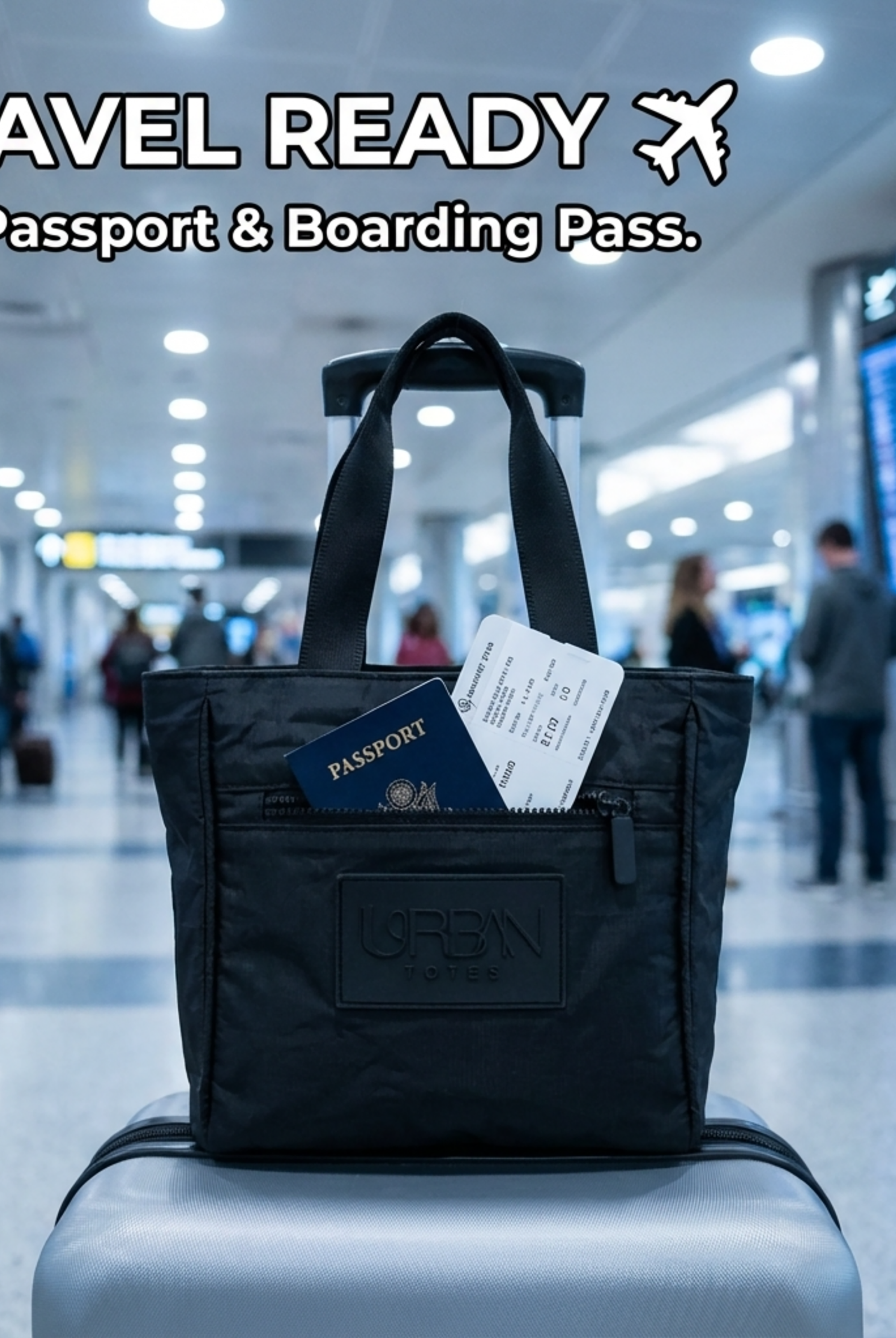
Travel rewards a zipper that opens and closes without catching. You can secure the bag before boarding, retrieve a passport or phone, and close it again without disturbing everything inside. That quick routine also suits a daily commute, especially on a crowded train where an open tote is difficult to monitor.
Weather and spills
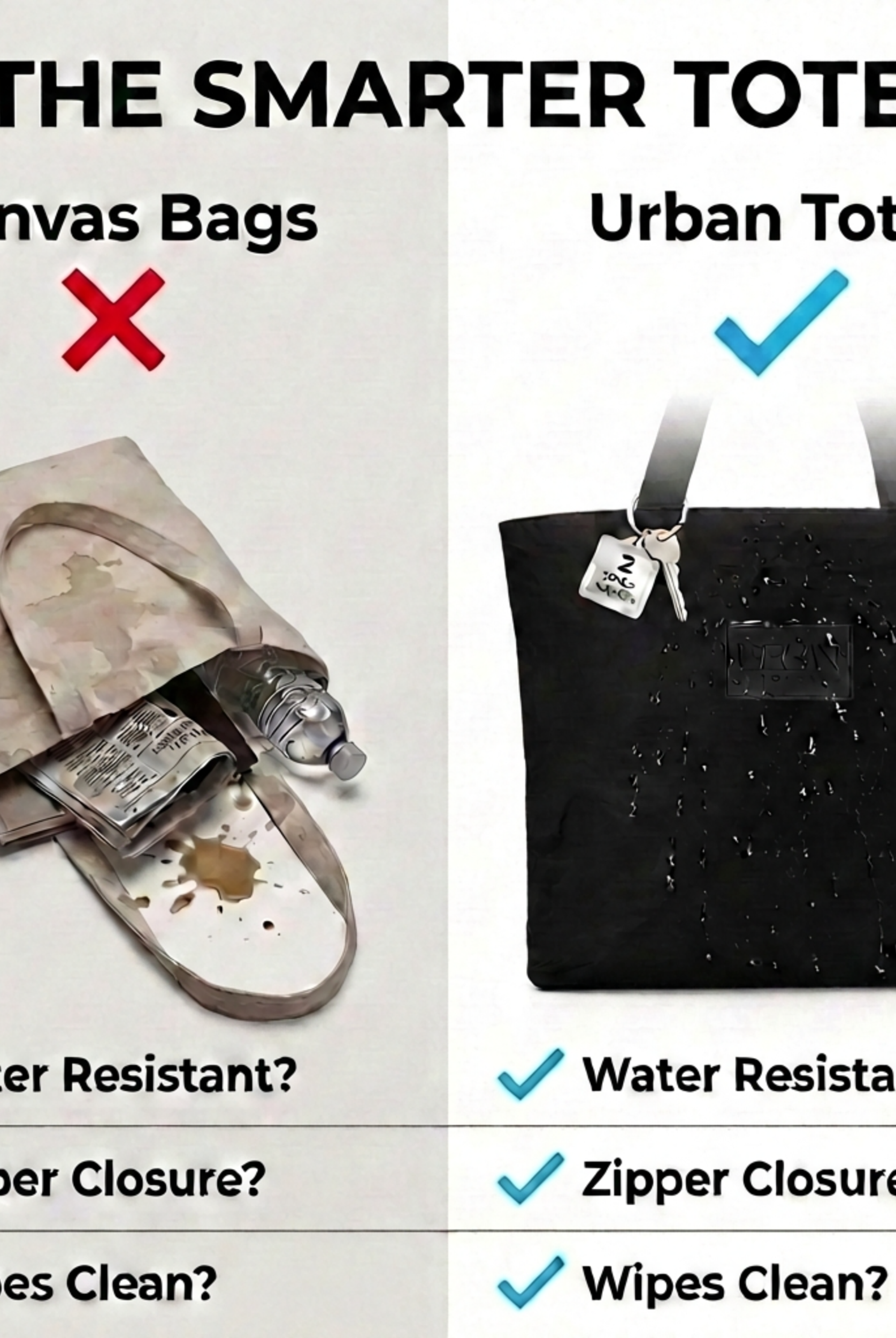
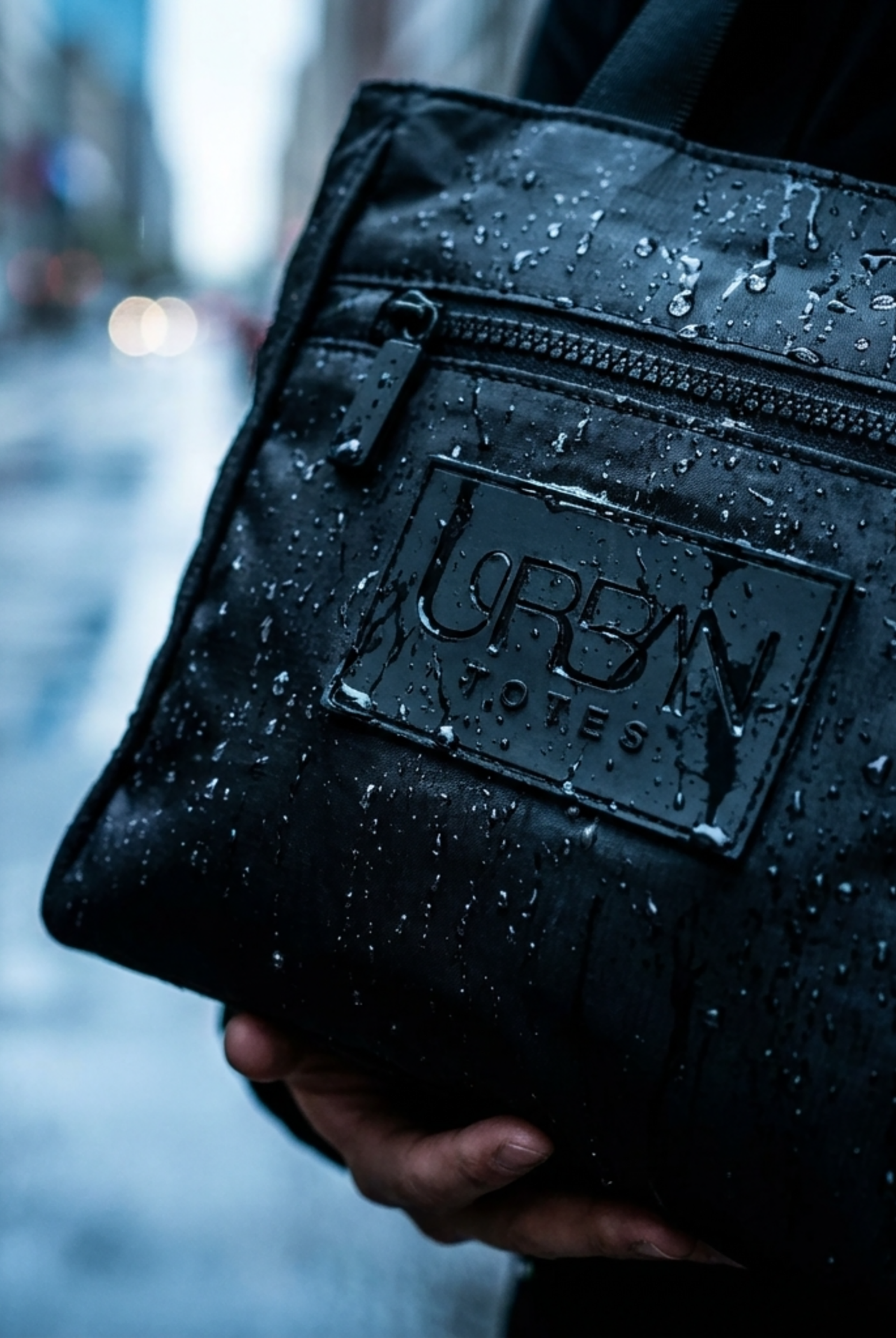
A zip closure helps limit exposure to drizzle, splashes, and accidental spills. The fabric, seams, and overall construction determine the level of protection, though. Water-resistant materials suit light weather and everyday messes, while a fully sealed dry bag is designed for more demanding exposure.
Technical closures use more specific standards. The IEC 60529 IP code system describes levels ranging from IPX4 splash resistance through IPX7 temporary immersion up to 1 meter for 30 minutes, while IPX8 depends on manufacturer-defined submersion conditions. This IPX guide explains why a regular zip-top tote should not be treated like submersible equipment.
Everyday containment
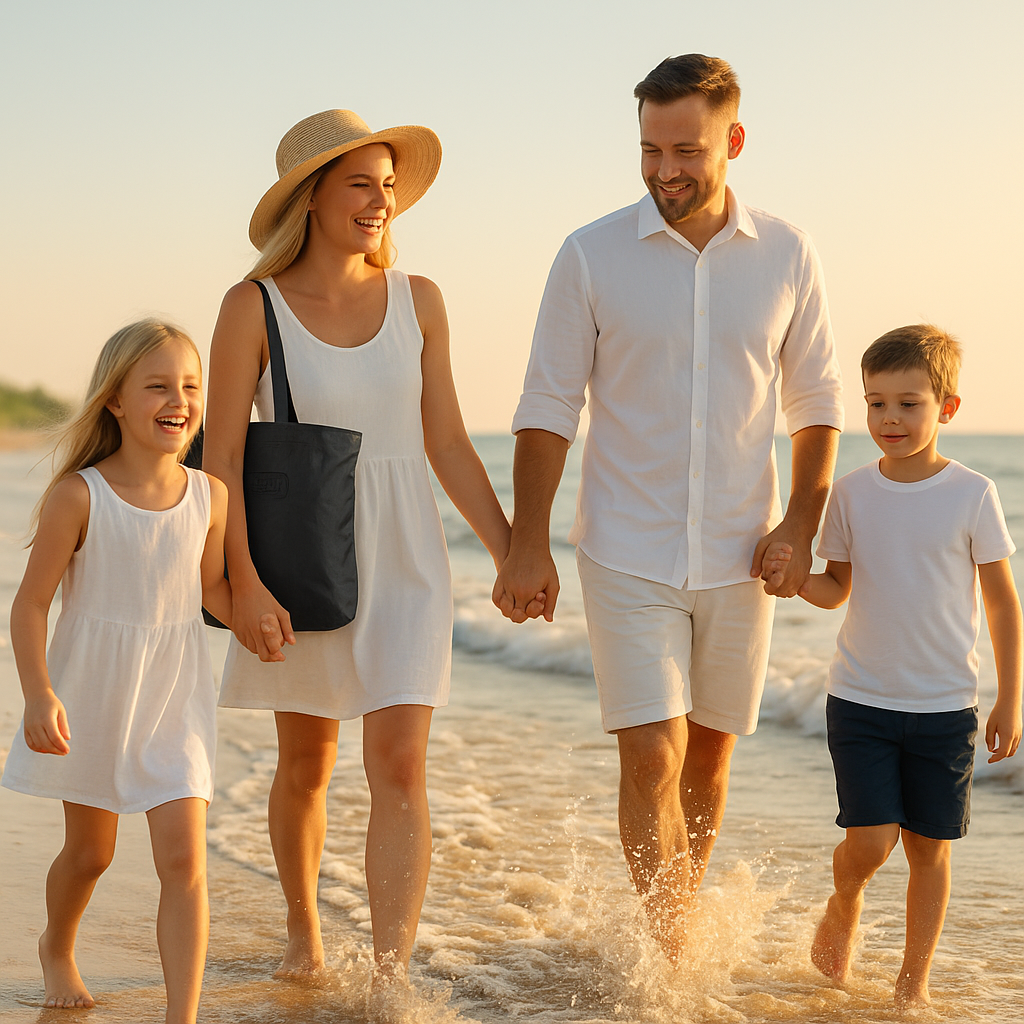
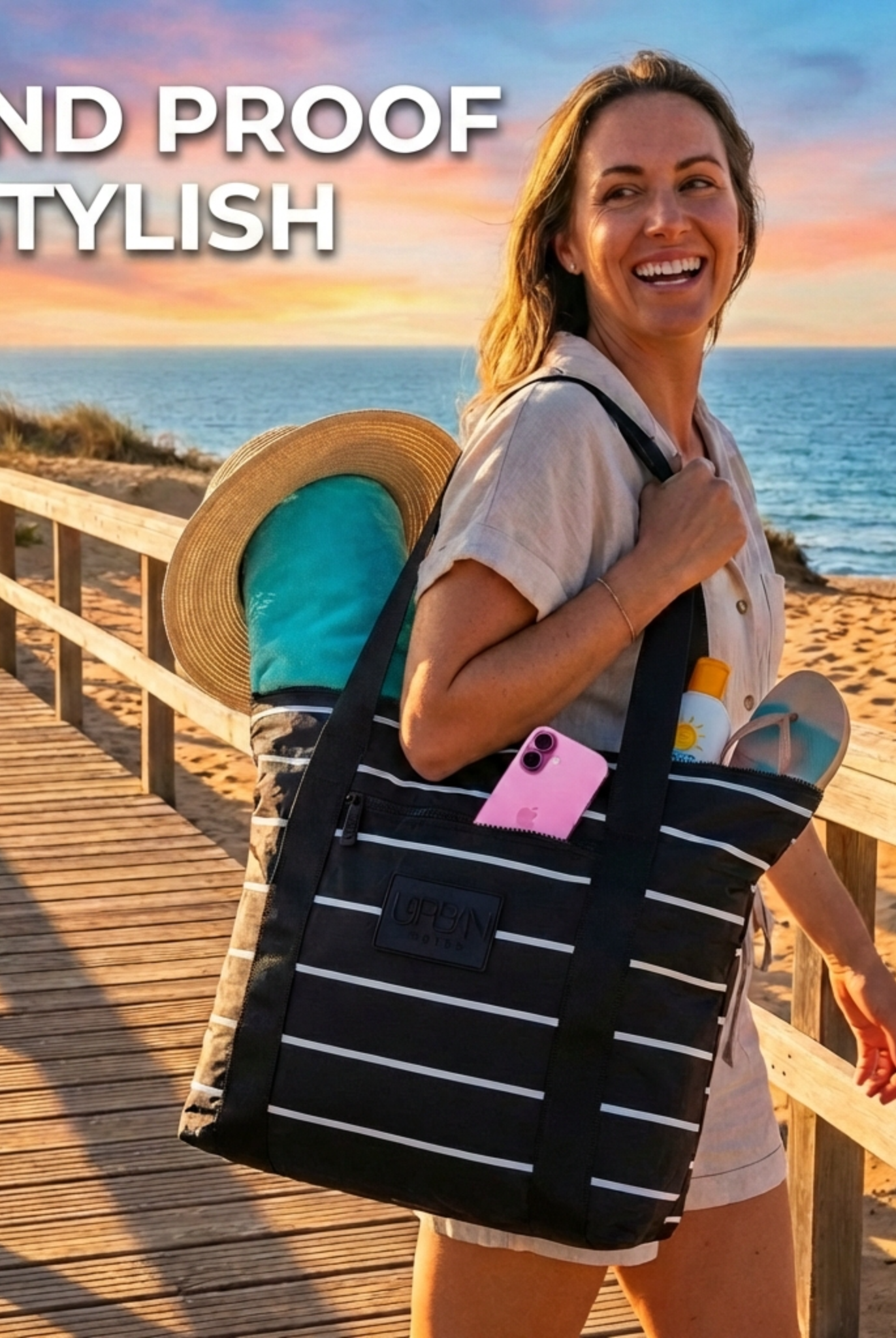
For a beach-day mom, a zipper keeps sunscreen, snacks, and small essentials from spilling when the bag tips beside a chair. A commuter gains a more stable place for a laptop sleeve and notebook while walking between meetings. A traveler can keep cables, documents, and personal items together through repeated movement.
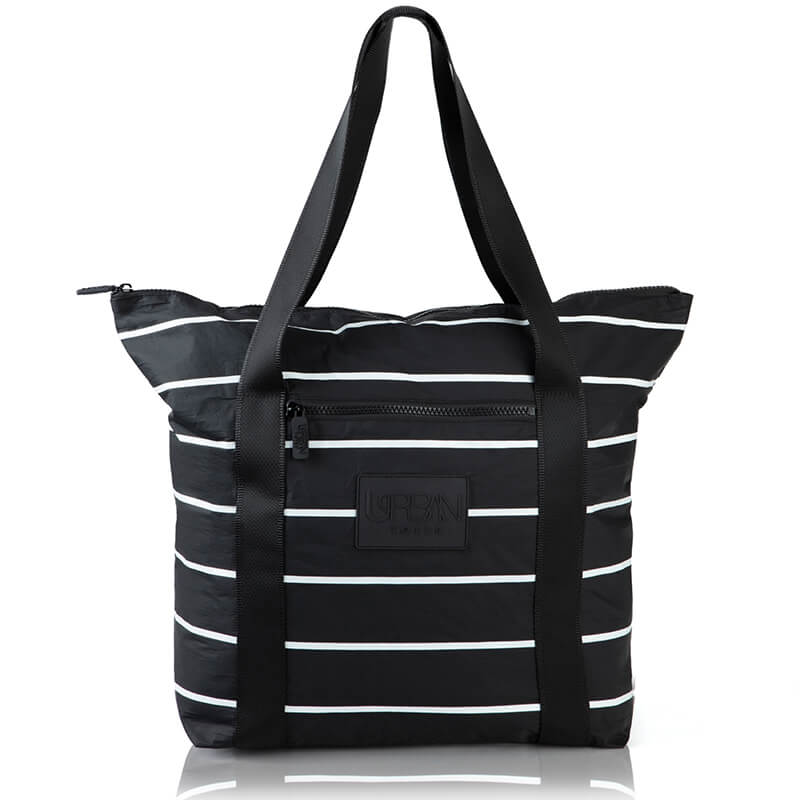
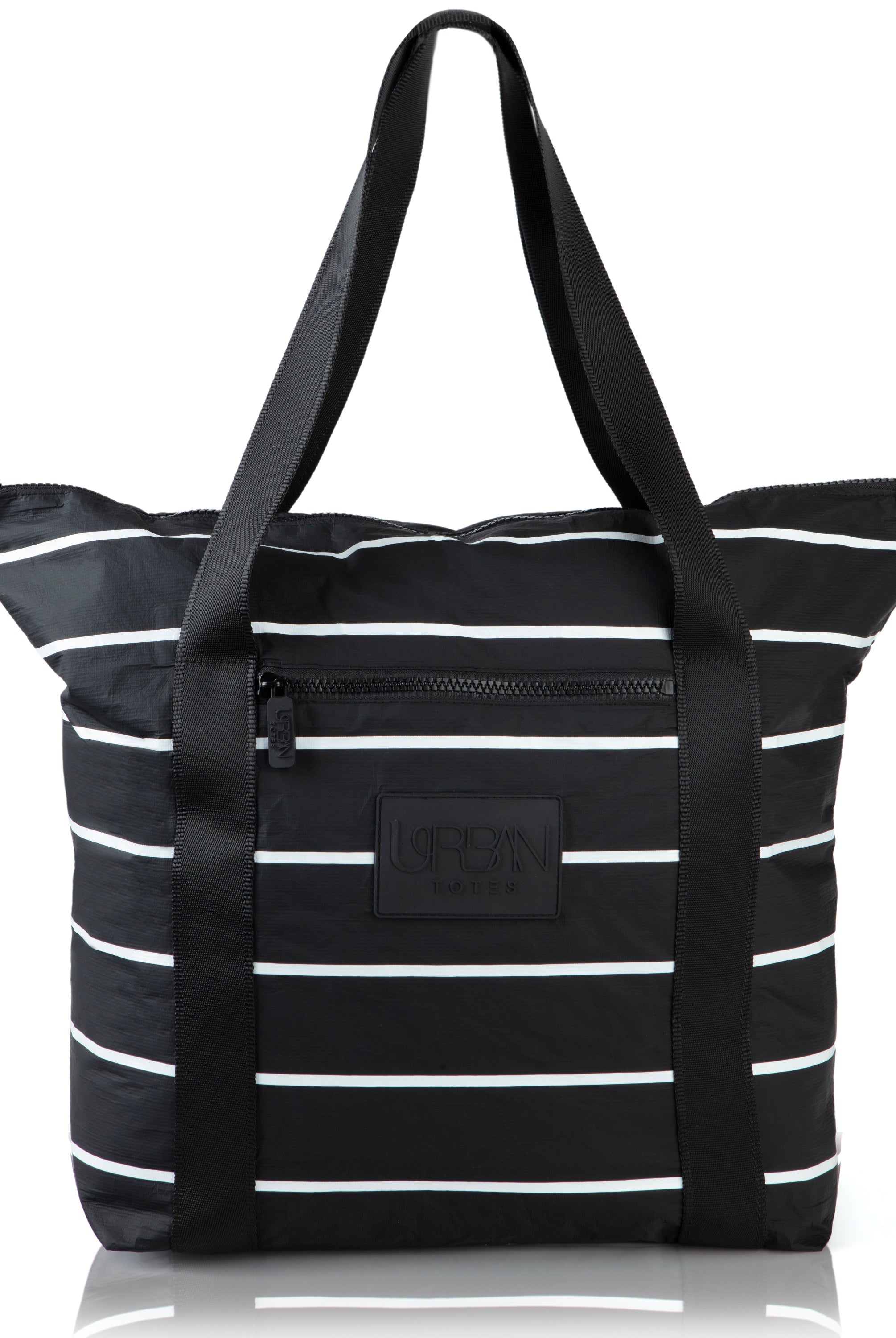
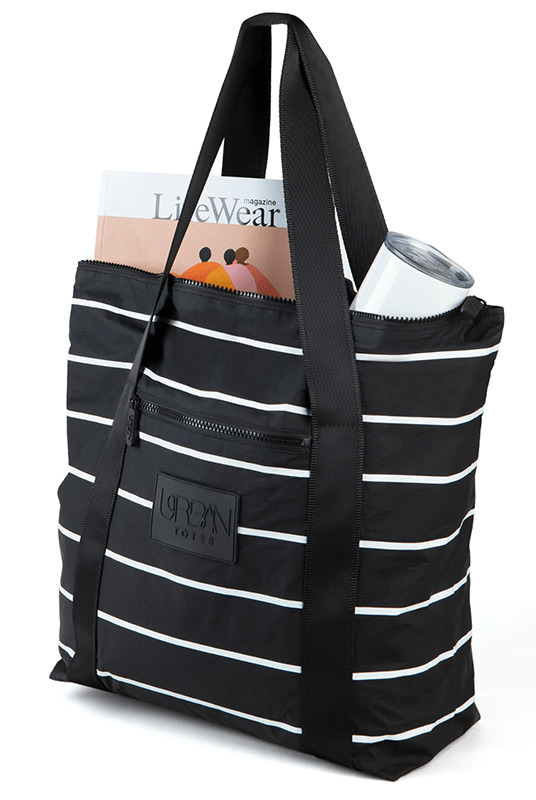
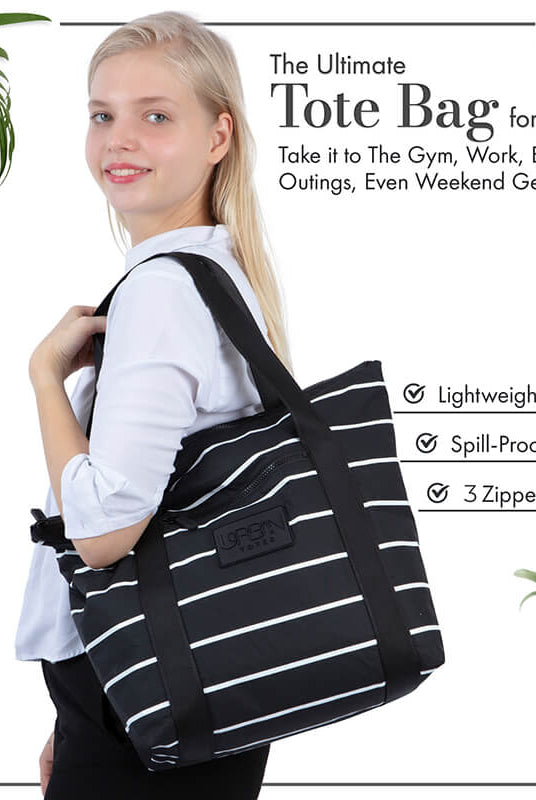
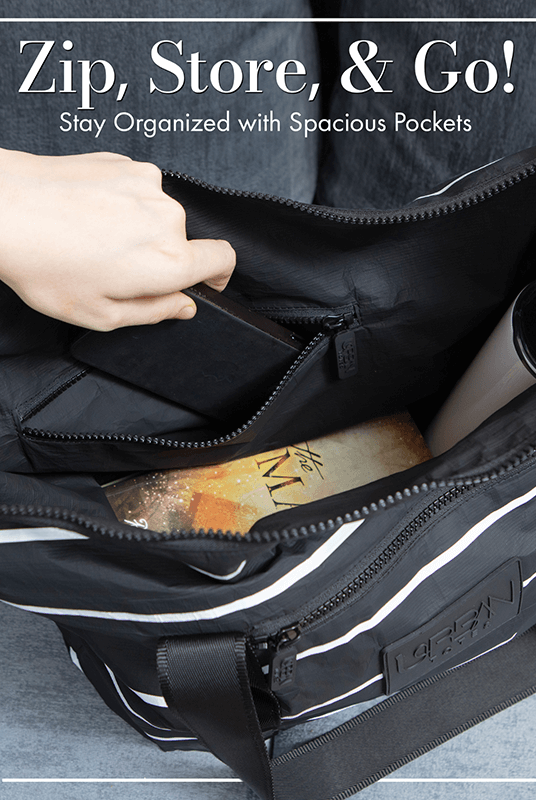
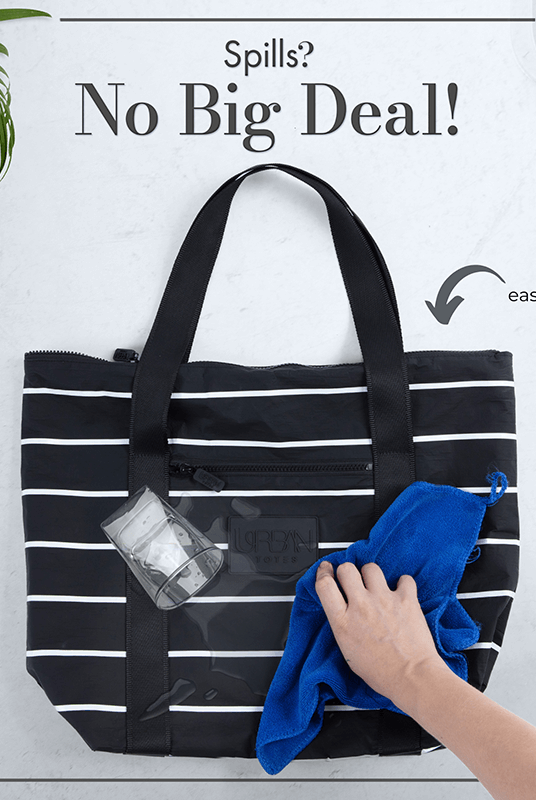
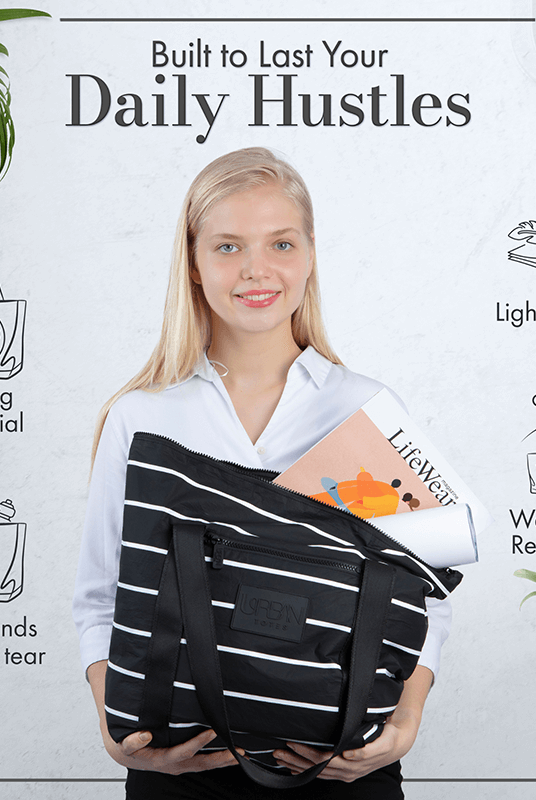
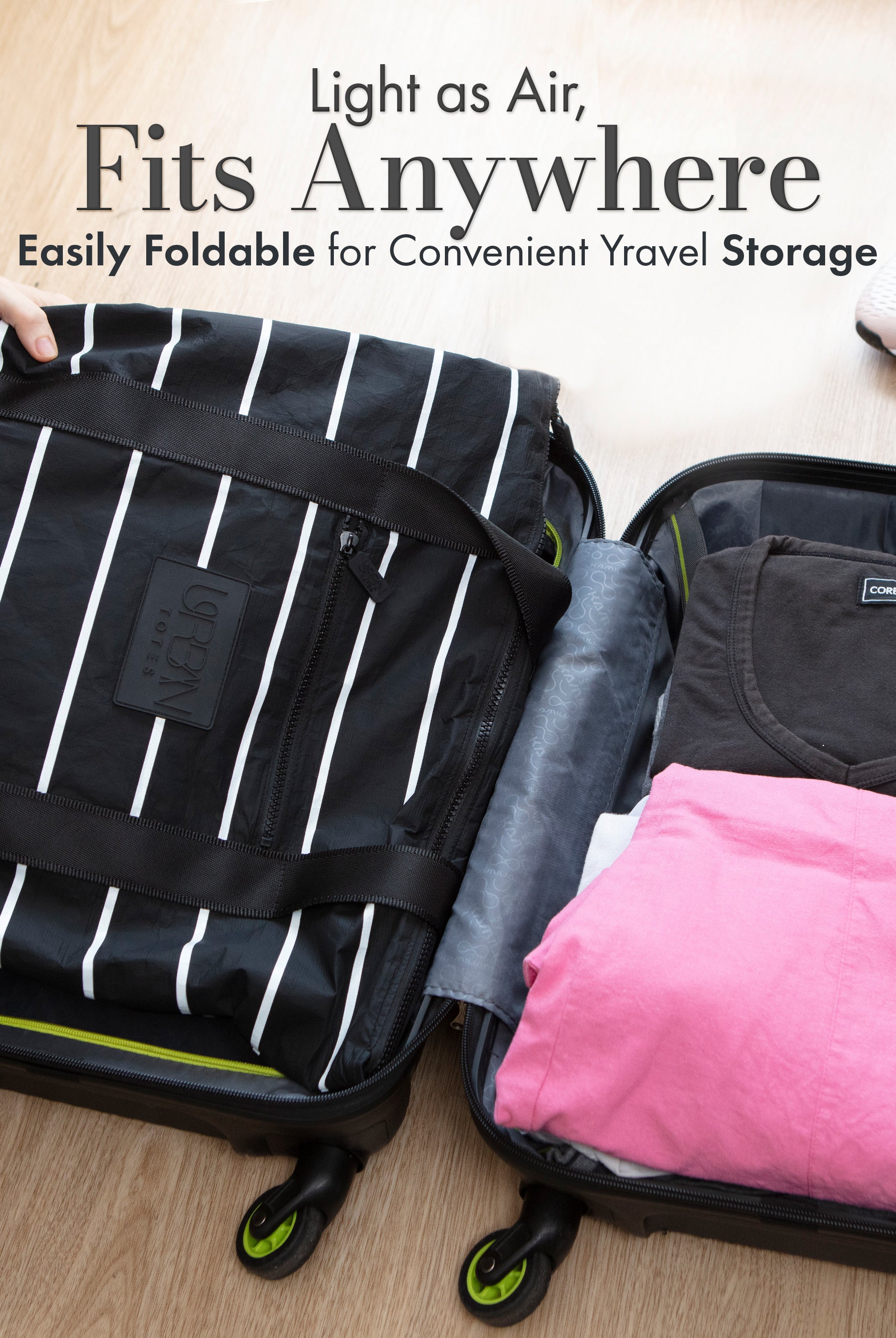
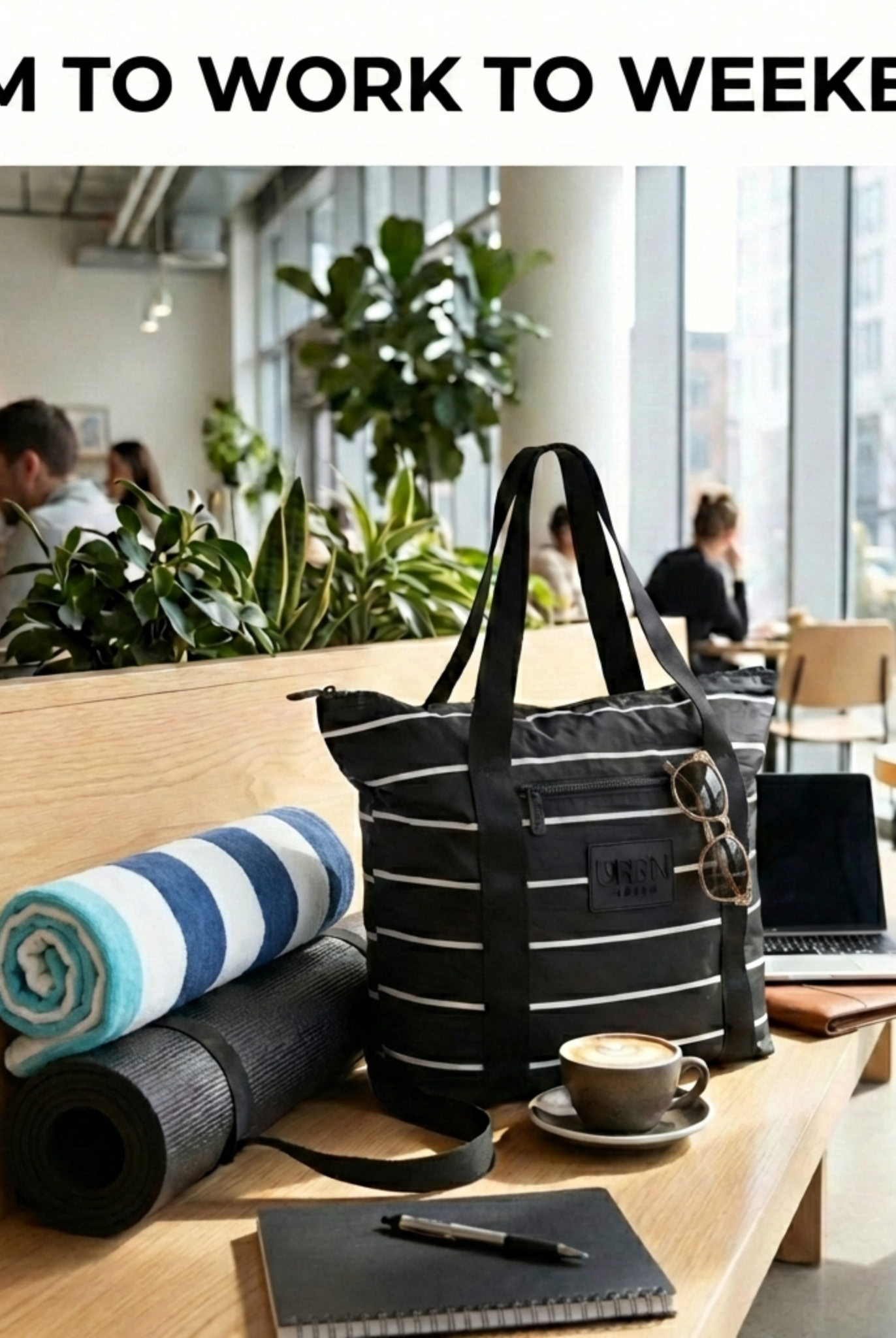
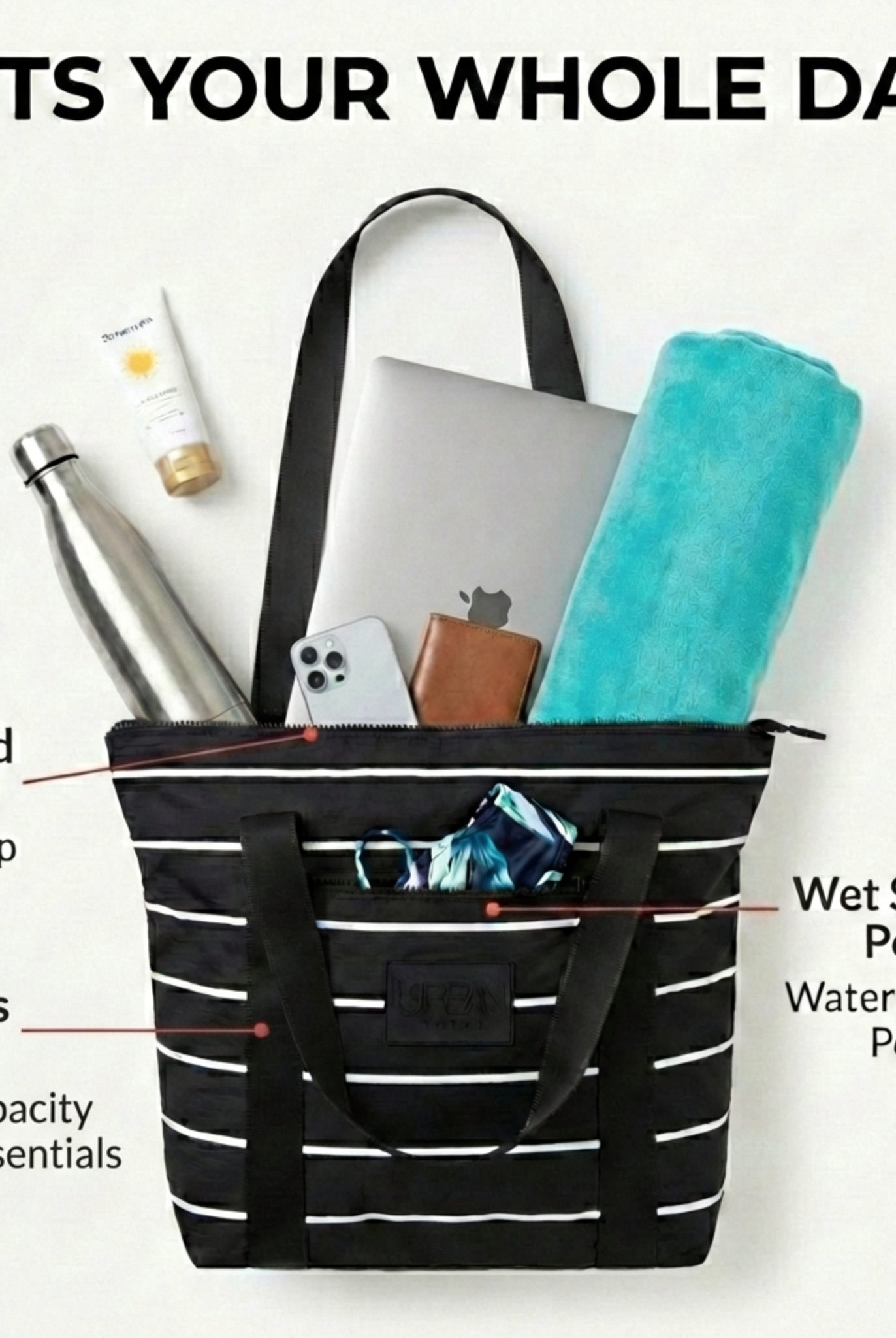
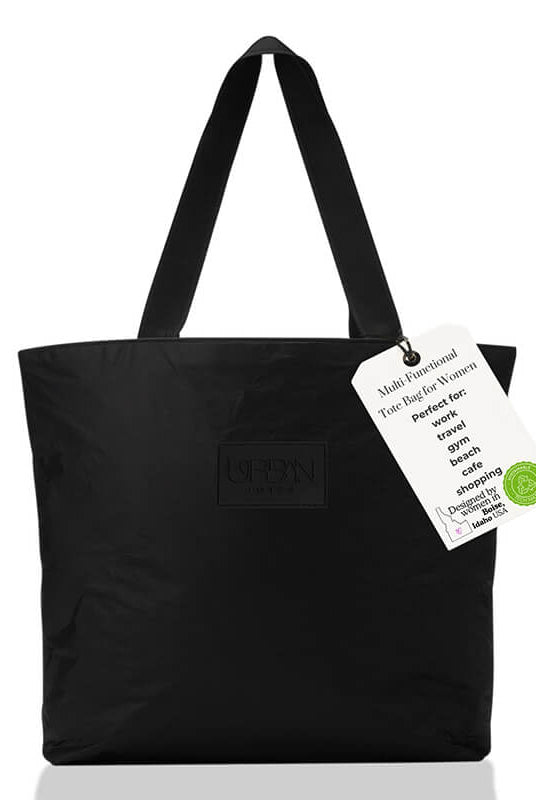
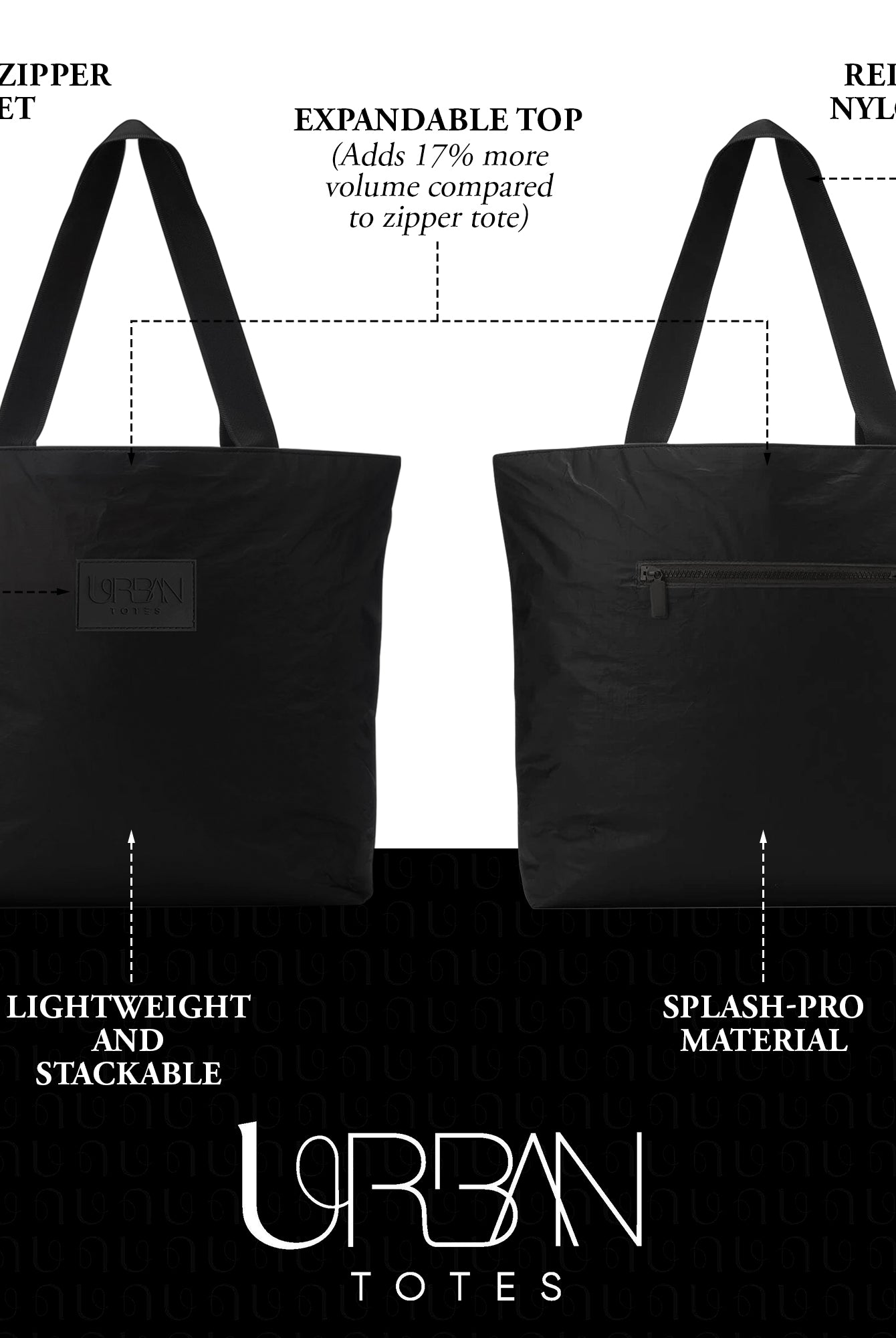
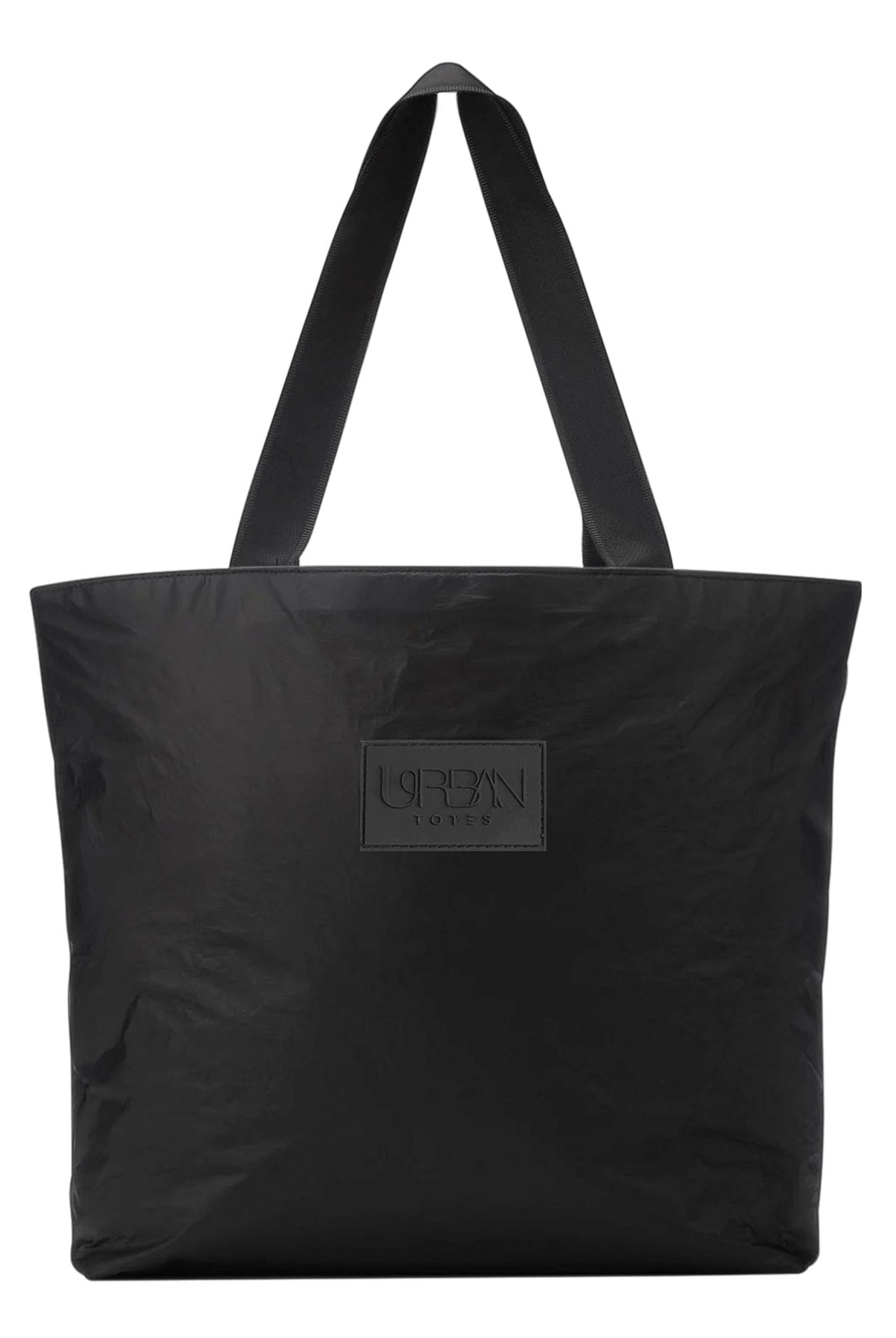
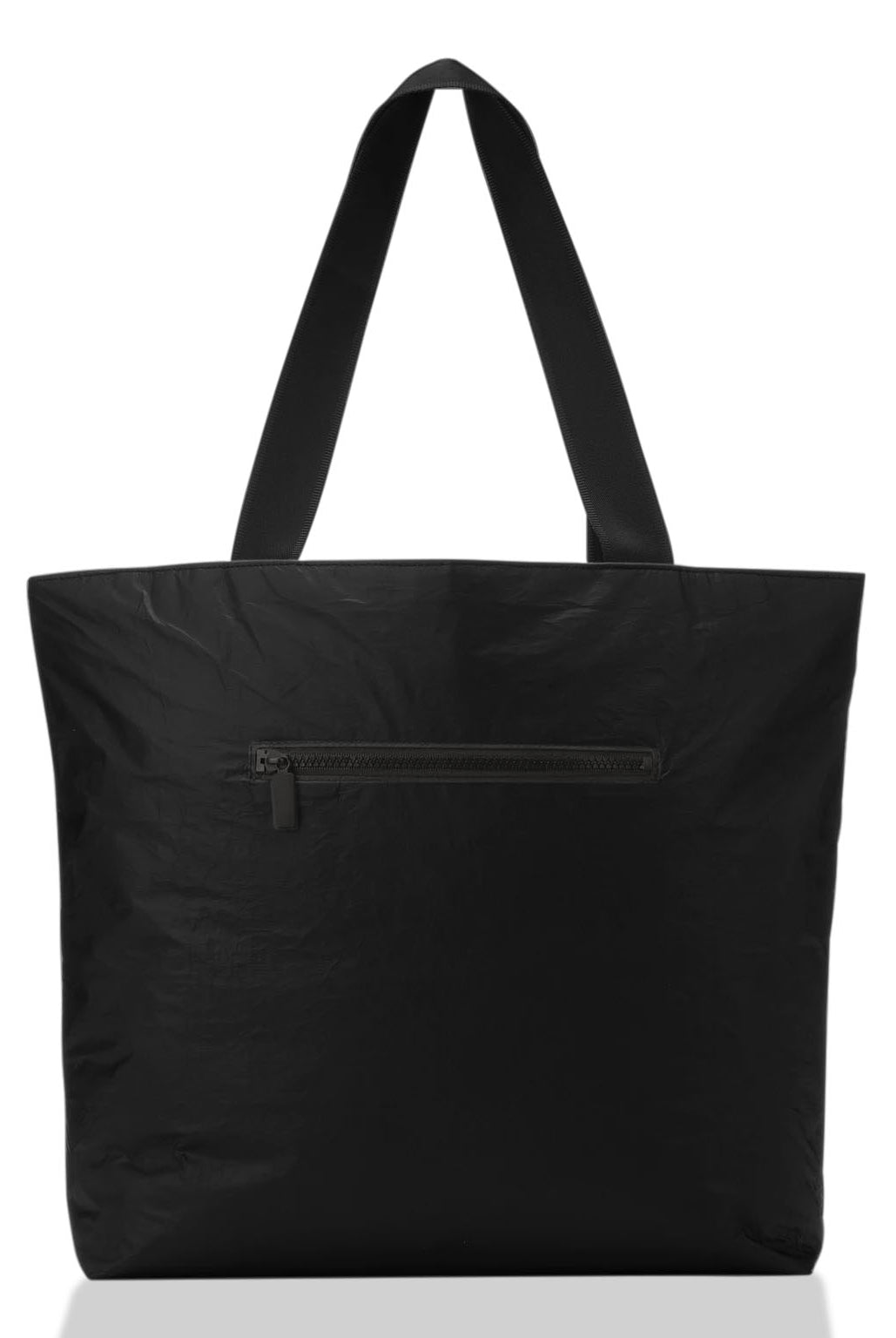
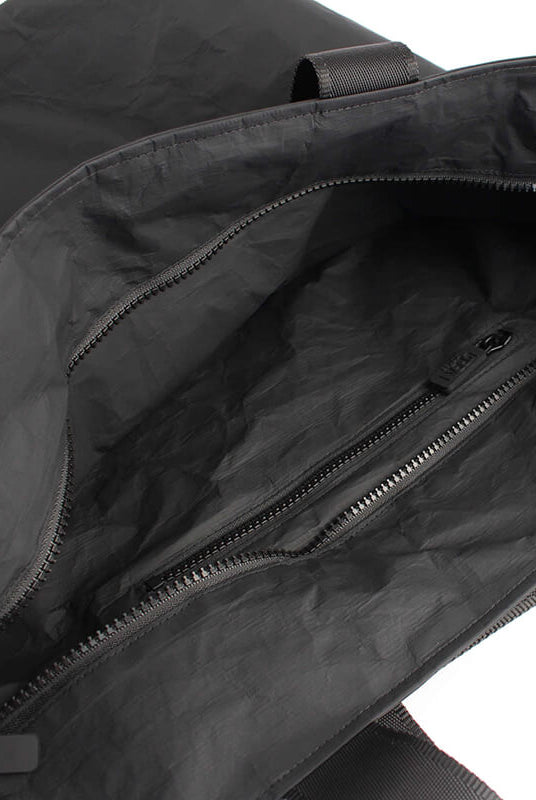
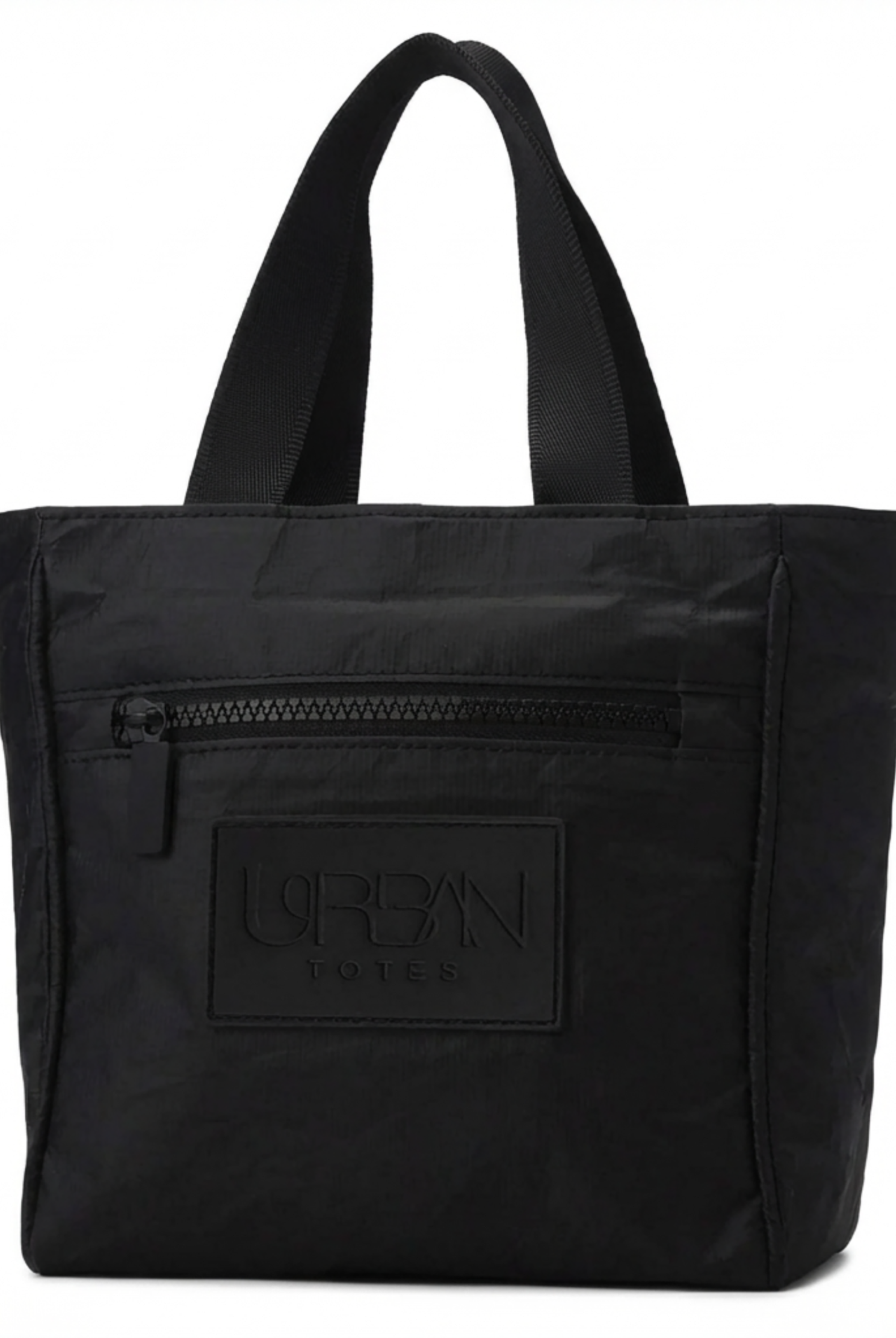
The OG Zipper Tote Bag by Urban Totes includes inside and outside zipper pockets, three large pockets for essentials and tech gear, and side pockets for wet swimwear or workout clothing. Its foldable, lightweight design measures 19 inches wide by 14.5 inches high, with water-resistant construction for poolside splashes, beach mist, and sudden drizzle. View the OG Zipper Tote details before deciding whether that layout fits your routine.
Understanding Zipper Types and Materials
Zipper choice should match the job. A flexible tote used for errands doesn't need the same hardware as a structured work bag filled with heavy equipment. Start by identifying whether the bag uses a coil zipper or a metal zipper, then inspect the slider, tape, stitching, and alignment.

Coil versus metal
Coil zippers are generally lighter and more flexible, which makes them a natural fit for packable totes, soft crossbodies, and travel bags that need to fold without adding bulk. Metal zippers feel more substantial and generally offer higher tensile strength and greater resistance to deformation under sustained tension.
Technical comparisons report coil zipper tensile strength in the range of 8 to 15 kgf, compared with 15 to 25 kgf for metal zippers. Those figures come from a metal and coil zipper comparison guide, and they're useful as a design benchmark, not a promise that every zipper will perform identically.
For a lightweight beach tote, flexibility may matter more than maximum load resistance. For a structured bag carrying dense work supplies, metal hardware can make more sense. The wrong choice isn't automatically cheap or expensive. It's mismatched to the bag's intended load and shape.
What to inspect while shopping
Run the slider from end to end. It should move without catching, scraping, or forcing the fabric into the teeth. Look for straight zipper tape, even stitching, and teeth or coils that meet cleanly when the slider passes.
The zipper's position matters too. A top closure should open naturally while you're holding or wearing the bag. Crossbody users often prefer an opening direction that moves toward the dominant hand, while double pulls can make larger travel bags easier to access from either side. If you're preparing for a water-based outing, practical packing guidance such as this manta ray adventure prep resource can help clarify when a tote is enough and when you need sealed equipment.
Water-resistant zipper tape may reduce water entry, but it works as part of a system. Fabric coating, seam construction, zipper placement, and the bag's opening design all influence performance. Learn more about how materials affect the overall feel and function of tote bag construction.
Security and Organization Features That Matter
A zipper alone does not make a bag anti-theft. It creates a closed compartment and discourages casual access, though determined thieves can still bypass ordinary zipper systems. Clips, locks, and lockable pulls mainly deter opportunistic theft, while stronger designs may combine tighter locking mechanics with slash-resistant backing or other structural layers. This guide to anti-theft zippers explains the distinction clearly.
Match the layout to what you carry
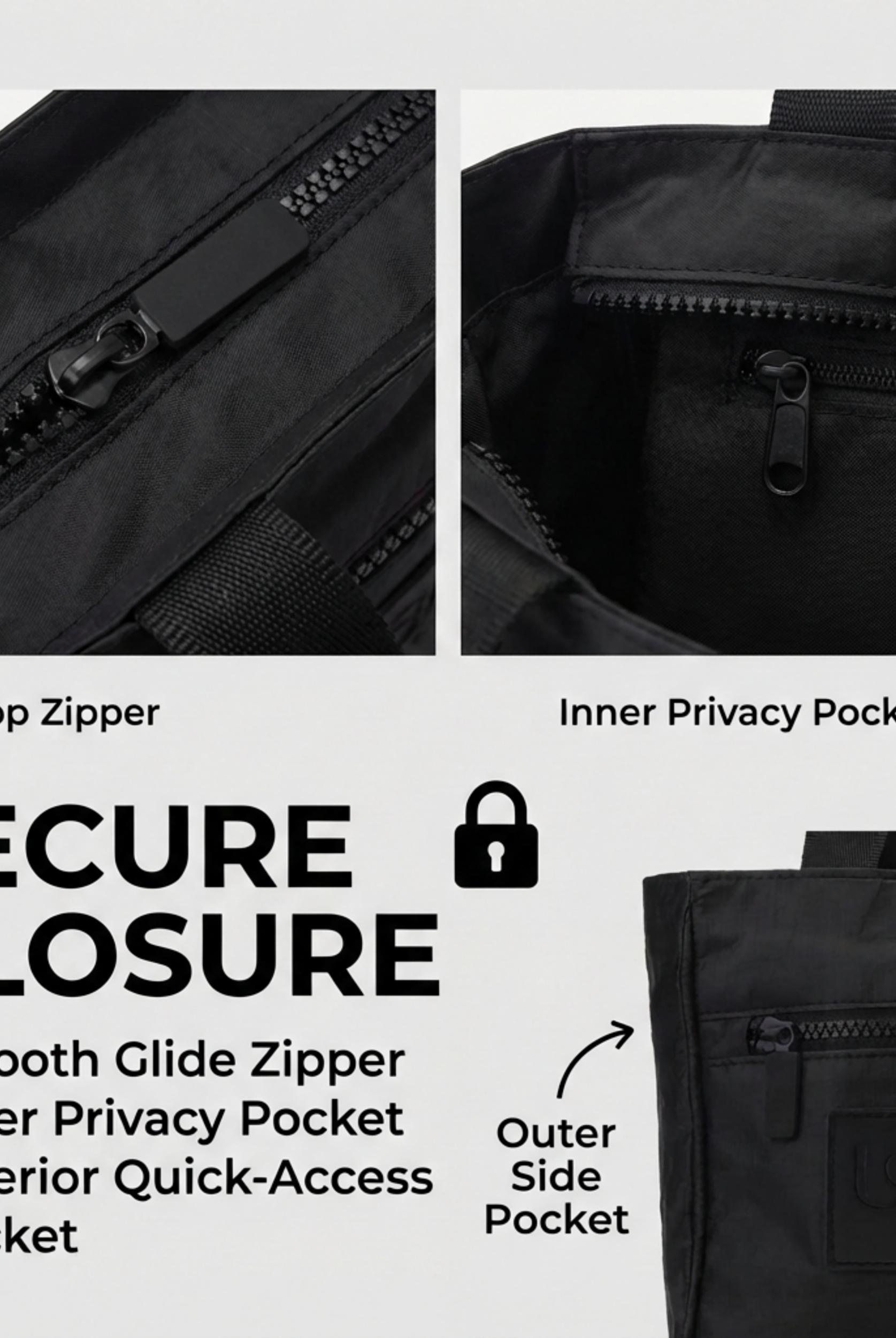
Your daily routine should determine the pocket arrangement. A commuter needs a secure main opening, an interior zipper pocket, and a quick-access place for a phone or transit card. A beach-day parent benefits from a wide compartment with separate side pockets for wet clothing, sunscreen, and snacks. A traveler should look for exterior document access and an interior layout that keeps small items from vanishing beneath larger ones.
| Use Case | Key Zipper Features | Priority Level |
|---|---|---|
| Daily commute | Secure top zipper, padded device area, interior pocket | High |
| Airport travel | Main zipper, lockable pulls if needed, quick-access exterior pocket | High |
| Beach day | Closed main compartment, separated side pockets, water-resistant fabric | Medium to high |
| Farmers market | Easy-gliding zipper, durable pulls, organized interior | Medium |
| Gym or fitness | Zippered main section, separate area for damp clothing, wipeable material | High |
| School drop-off | Wide opening, secure closure, phone and key pocket | High |
Good organization solves a repeated problem. If your keys disappear at the bottom of the bag, place them in a dedicated pocket near the opening. If you carry a phone and slim wallet, give each a separate quick-access home instead of putting both in one deep compartment.
Security features should match the setting. A crowded commute justifies a smaller, body-hugging design with added protection. Compare the design principles in this guide to anti-theft crossbody bags before accepting extra hardware, weight, or slower access. For a quiet farmers market, easy opening and durable pulls may serve you better than a lockable system. Choose the protection you will use consistently.
Choosing the Right Zippered Bag for Your Lifestyle
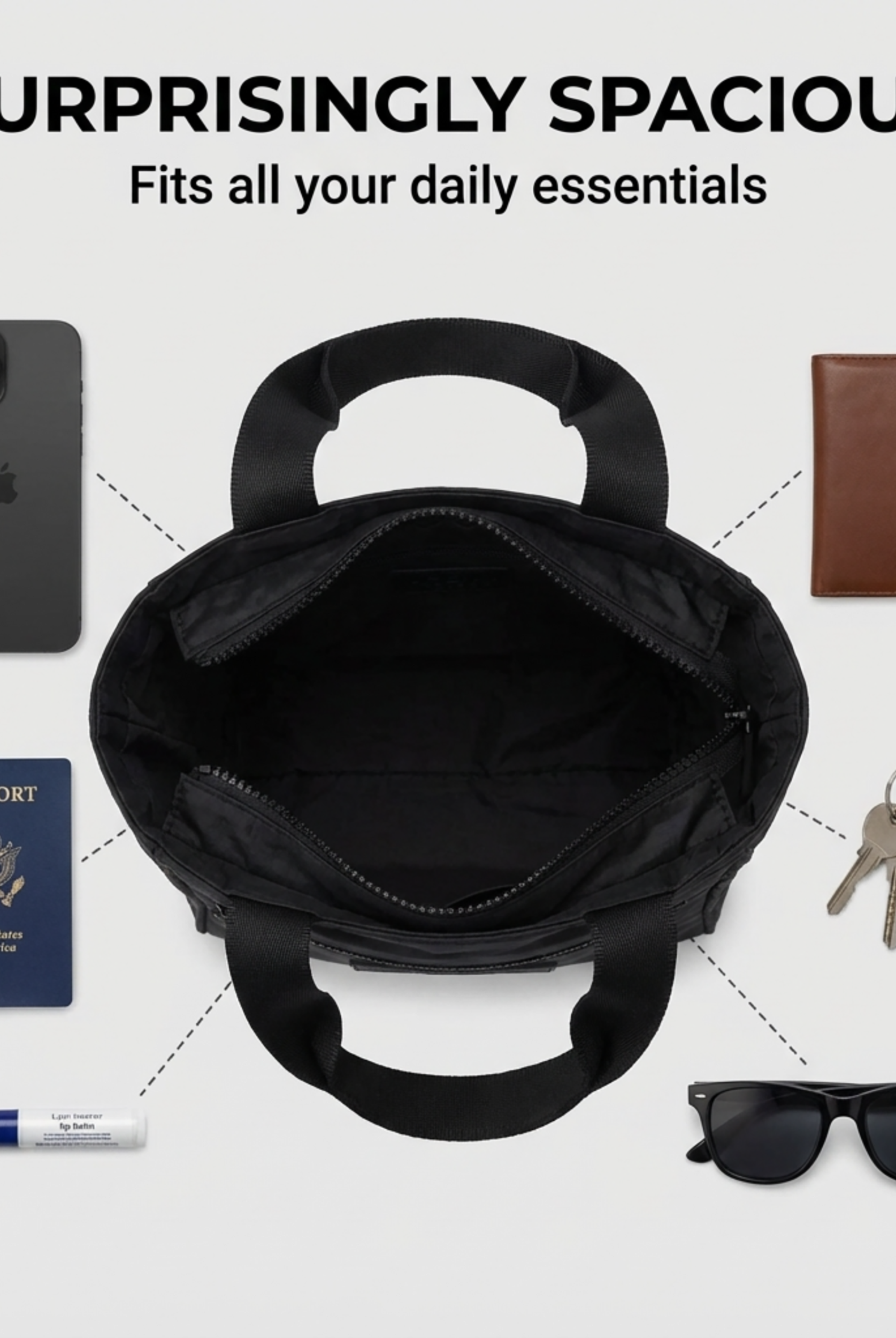
The right bag starts with your busiest recurring scenario. Don't buy a huge tote because it looks useful if you usually carry a phone, wallet, keys, and sunglasses. Don't choose a tiny crossbody if every weekday includes a laptop, water bottle, notebook, and children's extras.

The daily commuter
Choose a zip-top tote or structured shoulder bag when your day moves between home, transit, office, and errands. Look for a stable base, comfortable straps, a protected device area if you carry electronics, and at least one internal zipper pocket. Water-resistant fabric helps with light drizzle, but use a dedicated sleeve for electronics when weather is unpredictable.
The weekend traveler
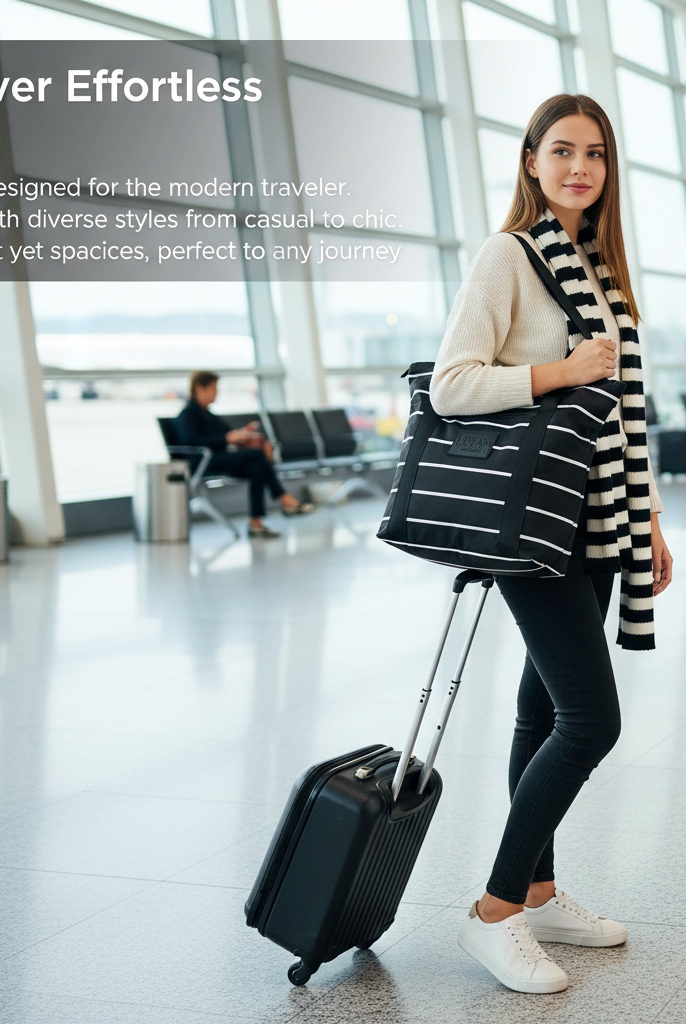
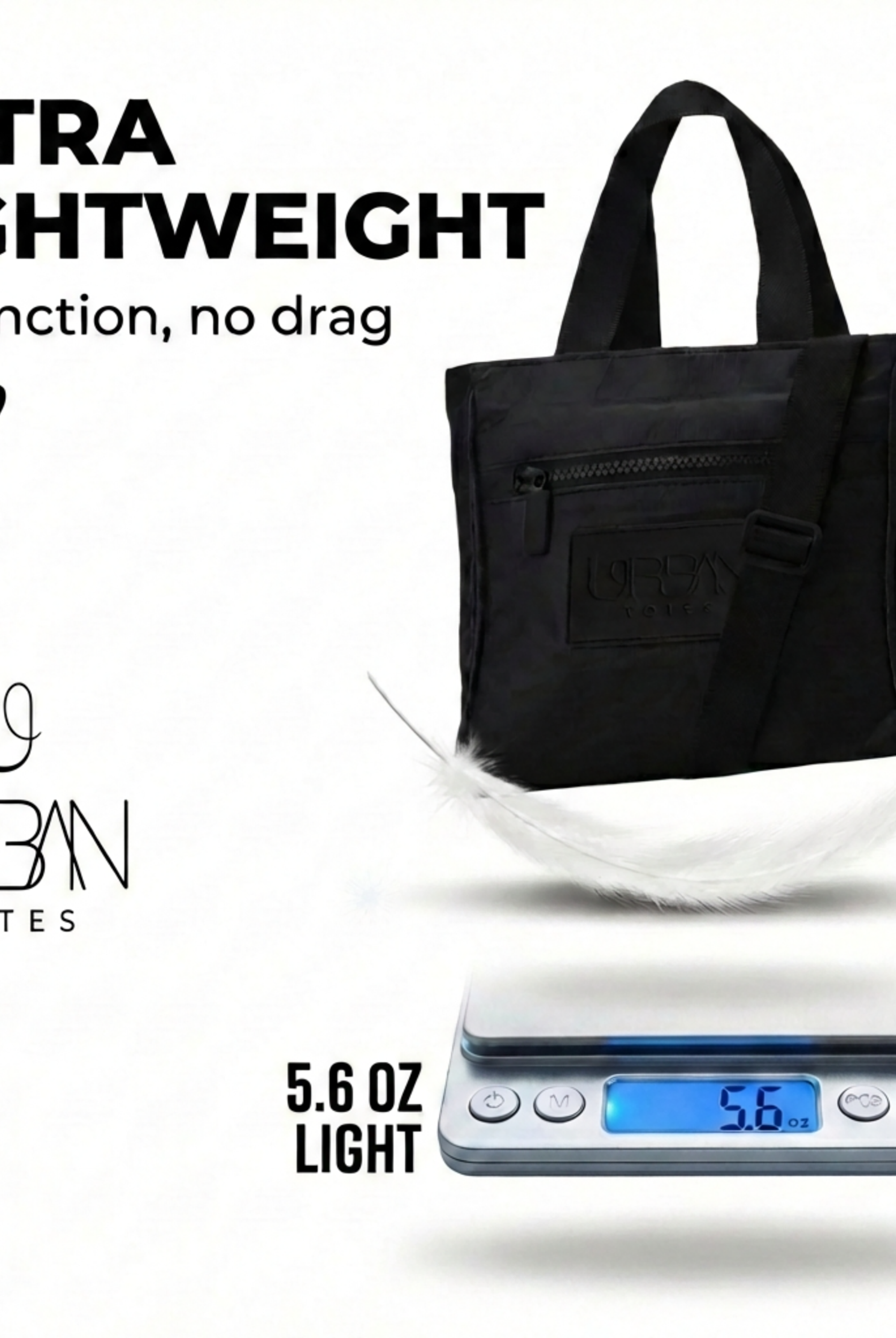
A travel-ready tote should be lightweight enough to carry through a terminal and packable enough to store inside another bag. Prioritize a secure main zipper, exterior access for documents, and an interior that keeps chargers, identification, and personal items separated. A foldable design earns its space after arrival because it can serve as a day bag without becoming another bulky piece of luggage.
The beach-day parent
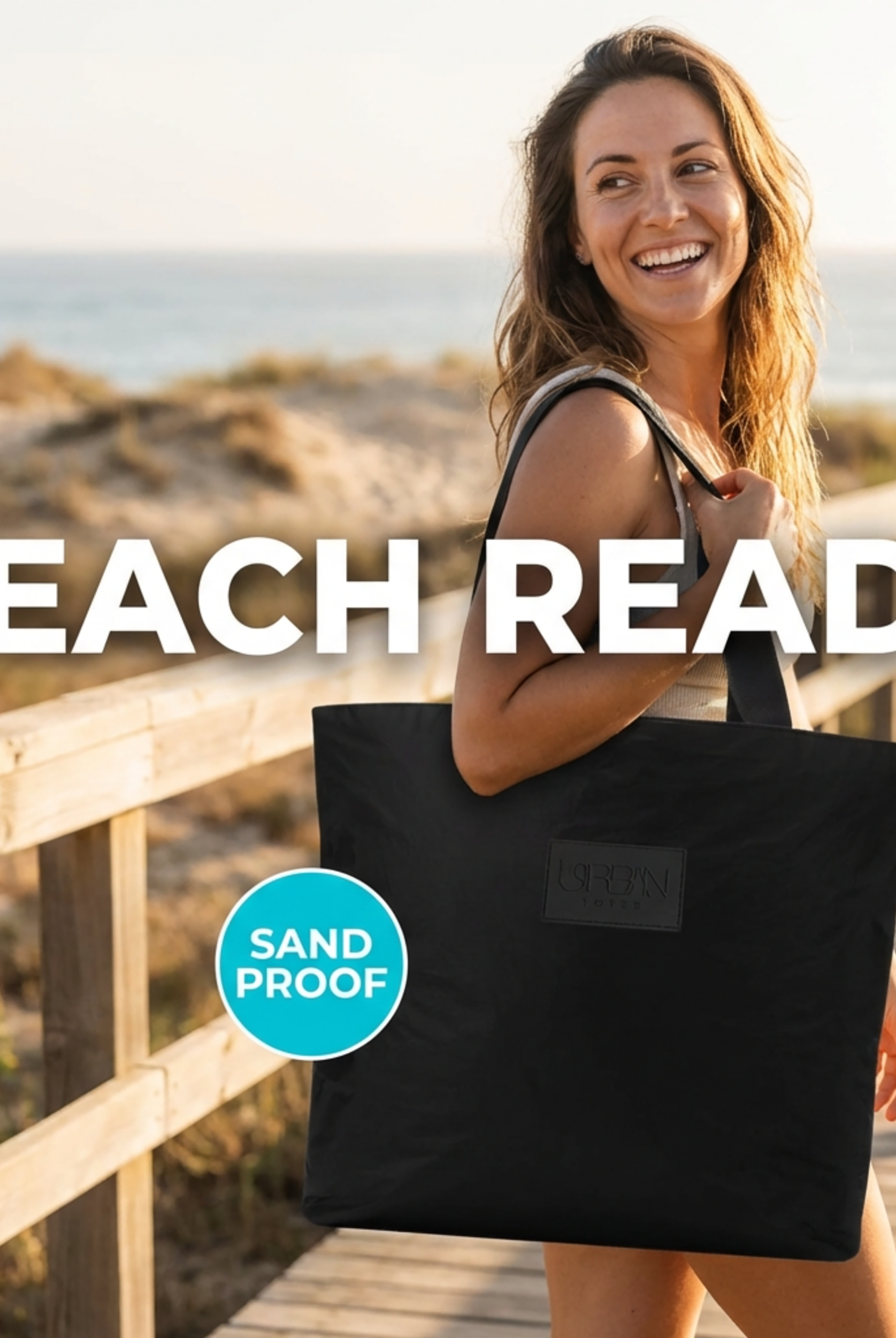
Go for capacity, washable or wipeable materials, and compartments that separate damp items from dry essentials. A zipper closure helps contain small items when the tote tips in the sand, while side pockets give wet swimsuits or towels a place away from phones and snacks. Keep the bag lightweight, because beach gear already adds enough to your load.
The multitasking errand-runner
You need a versatile carry-all with a wide opening and clear internal zones. Choose a multi-pocket design when you move from pharmacy to grocery store to school pickup and need quick access without dumping the contents onto a car seat.
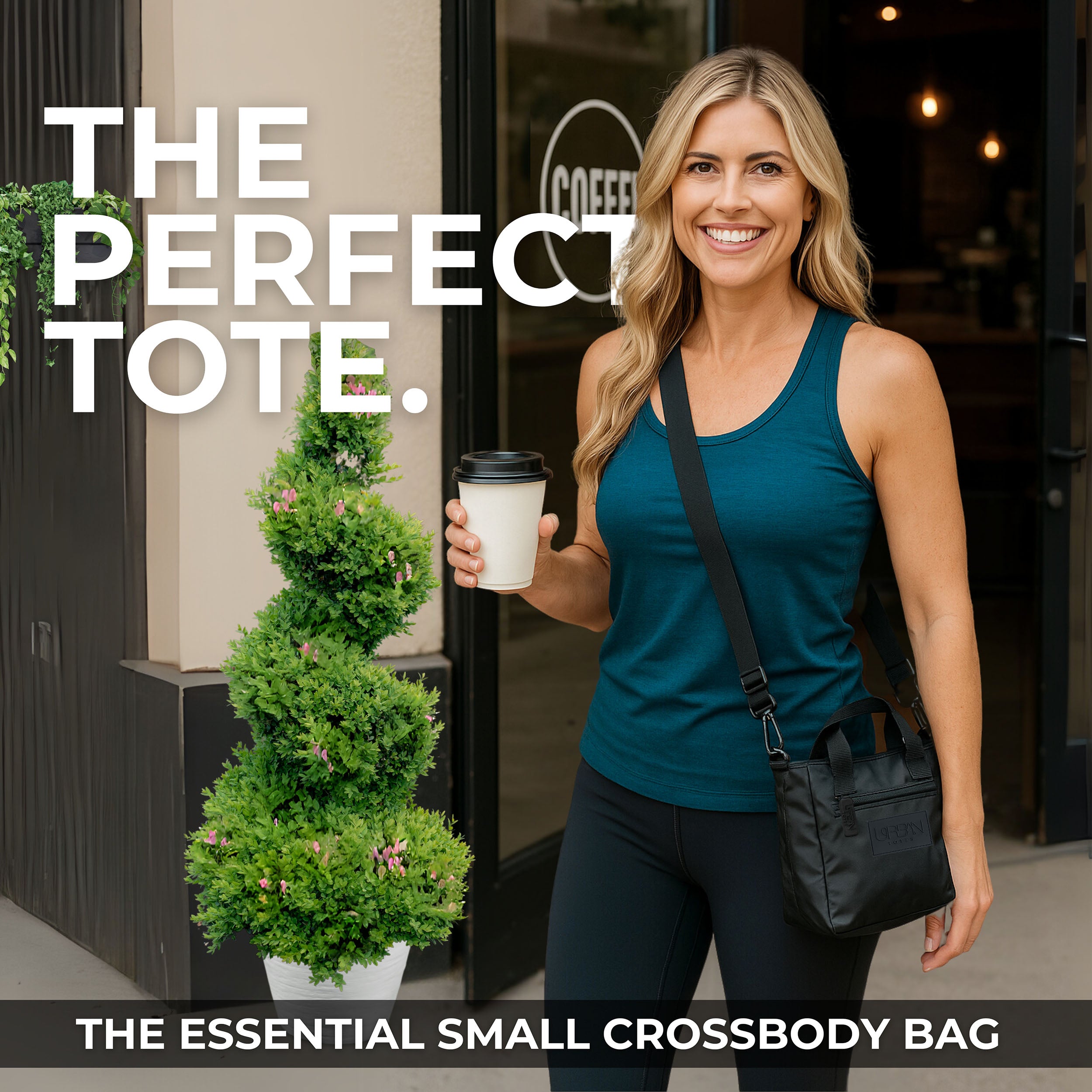
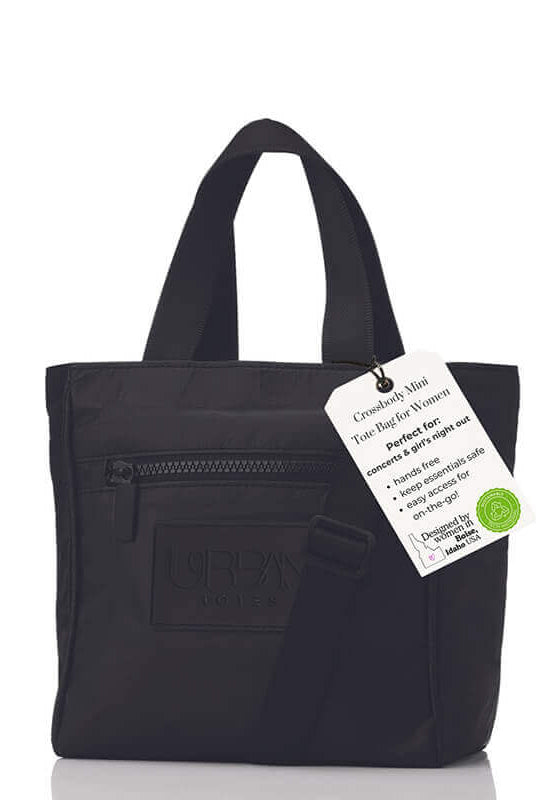
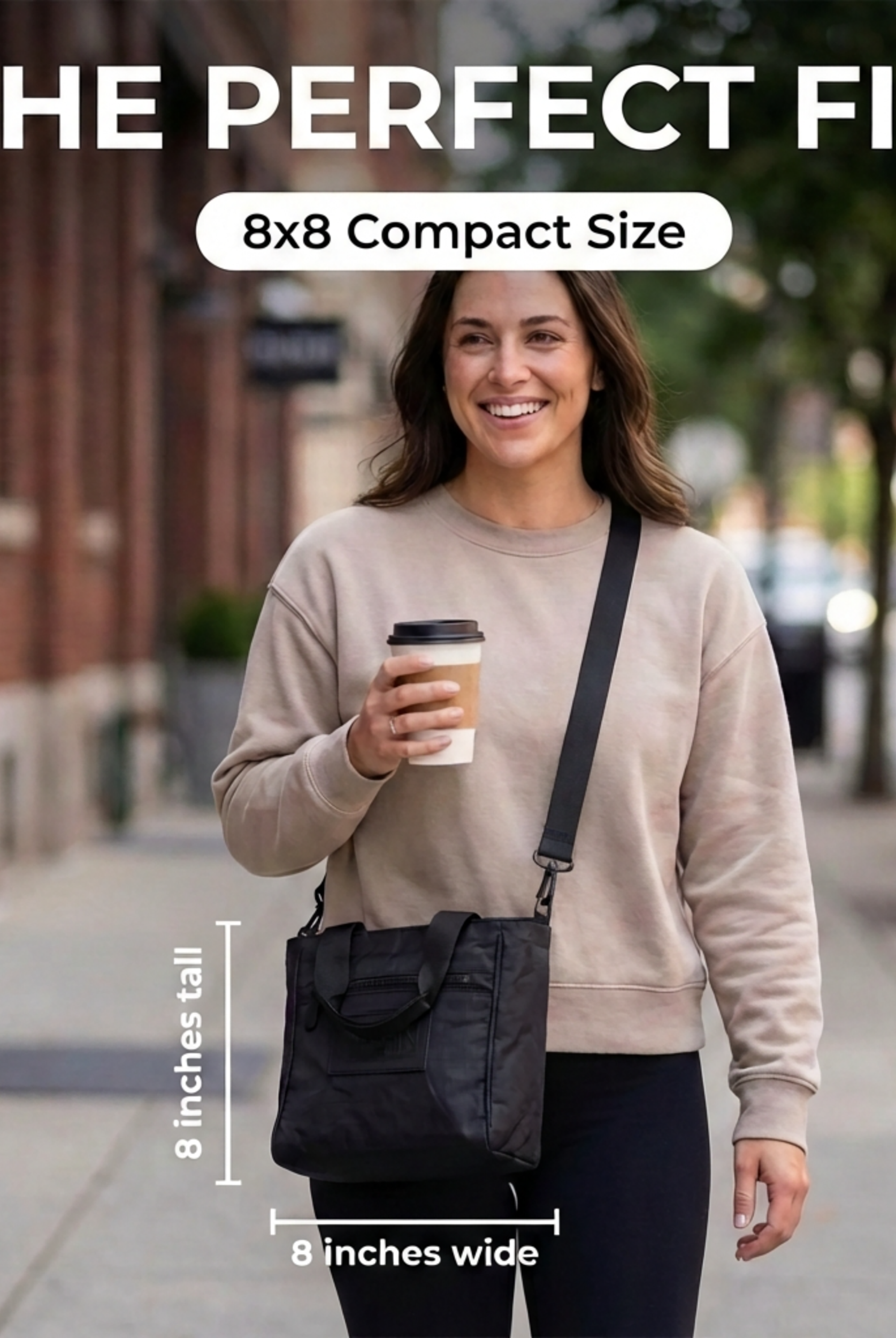
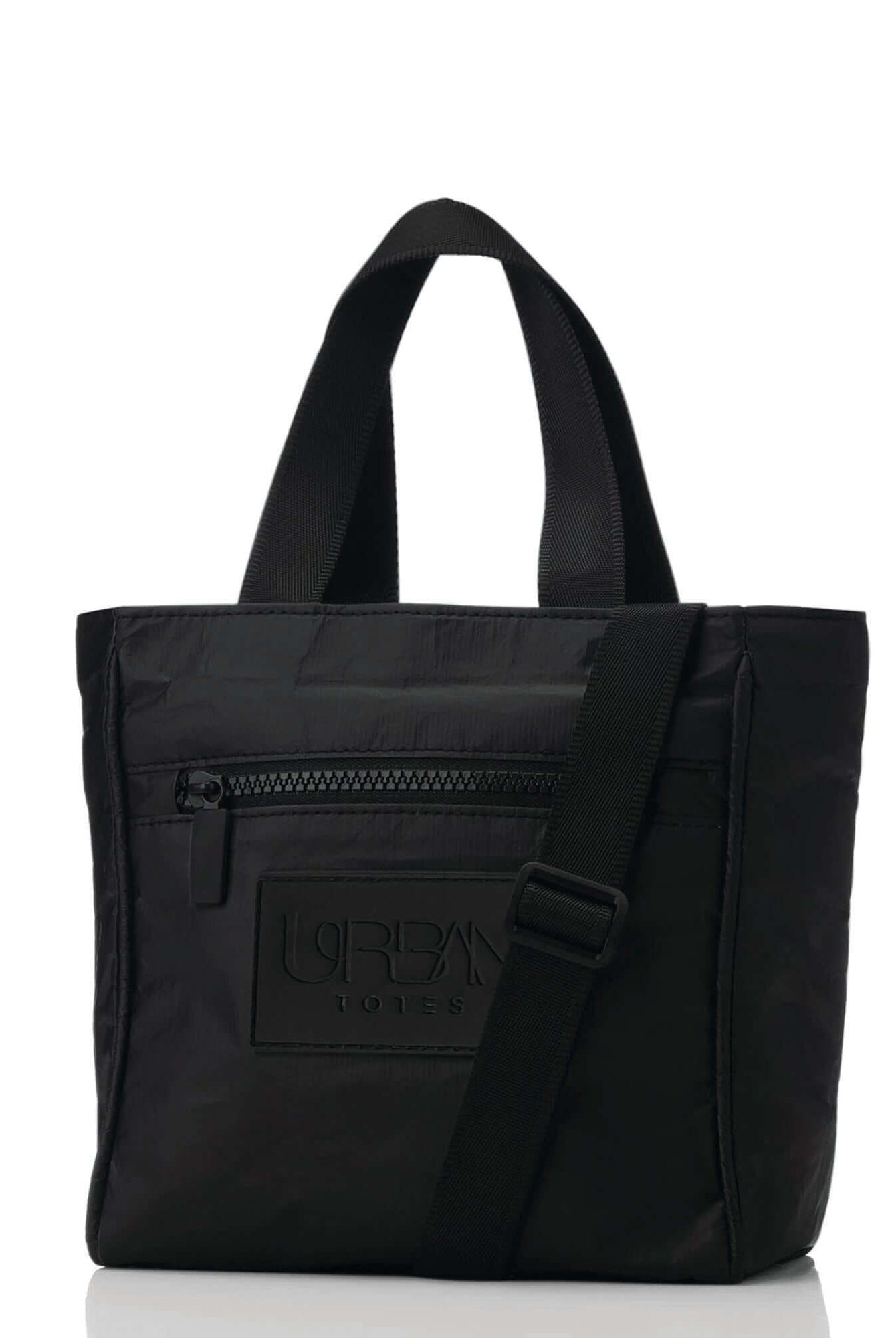
A compact crossbody serves a different purpose. Urban Totes' Crossbody Tote Bag Mini Purse is listed as 7.5 by 4 by 7.75 inches, with a zip-top closure, outside zipper pocket, easy-access pocket, foldable water-resistant construction, and a removable strap extending to 53 inches. It fits essentials and hands-free movement, not a full day's cargo. Decide based on what you'll carry, not the label on the product page.
Your Zippered Bag Buying Checklist
A good-looking bag fails quickly if its zipper catches, its straps dig in, or its interior turns into a single crowded compartment. Use this checklist in a store or while reviewing product photos online. Test the details against your commute, beach days, and travel routine, because the right trade-off depends on where the bag will work hardest.
Start with the closure
- Test the slider: It should move smoothly without catching fabric or separating the teeth behind it.
- Inspect the ends: Both sides of the opening need secure anchoring.
- Check the pull: A substantial pull is easier to operate with one hand while carrying coffee, a child's hand, or a phone.
- Consider the opening direction: The zipper should feel natural when you wear the bag. If you're left-handed, check that its orientation suits your dominant hand.
Judge the material and weather role
A water-resistant exterior handles light rain, beach mist, and everyday spills. It does not make the bag suitable for immersion. Fully sealed bags follow different criteria, and SealLine's submersible bag guidance describes a system that withstands 1 meter of submersion for 30 minutes, aligning with IP-67.
For fabric water resistance, hydrostatic pressure testing is associated with ISO 811. Coated or laminated constructions may also use AATCC 127 or ASTM D751 methods, as outlined in this guide to waterproof zipper testing. Match the material to the setting. A wipe-clean exterior suits beach and errand use, while a lighter fabric may carry better during a commute.
Evaluate the interior
- Count your real essentials: Check that your phone, wallet, keys, notebook, device, and water bottle each have a practical place. If the interior needs more structure, compare tote bag organizers with zippers before choosing a larger bag.
- Look for separation: Side pockets can keep wet clothing, shoes, or snacks away from delicate items.
- Check access: A deep pocket only helps if you can reach it without emptying the bag.
- Review the strap: It should sit comfortably when the bag is full, not only when it is empty.
Ask how the zipper was tested
ASTM D2061 measures zipper and zipper-part strength under tensile and related loads. This overview of ASTM D2061 explains why that matters for a bag opened, filled, and handled frequently.
For outdoor use, look for evidence of repeated wet-condition cycles and corrosion checks such as salt-spray testing. This testing guide explains why a closure must keep operating after exposure, rather than block water only once.
Find Your Perfect Go-Anywhere Bag
A good bag with zippers should make your day feel calmer, not more complicated. For commuting, focus on a reliable top closure and organized pockets. For travel, add packability and quick access. For beach days and fitness routines, prioritize water-resistant materials, easy cleaning, and separate storage for damp items.
Urban Totes brings those everyday priorities into a collection designed for women in motion. The woman-owned, Boise-made brand focuses on lightweight, foldable, packable, water-resistant bags with thoughtful organization for errands, travel, beach days, and daily carry. The goal is practical style that can move from a school run to an airport terminal without demanding a wardrobe change.
Small details can make the same difference outside your bag too. If you're building a more convenient travel routine, resources such as refillable home care for life on the go can help keep useful essentials compact and ready. For a broader look at choosing a capable travel tote, browse travel bag options for women.
Choose the silhouette that matches your actual day, check the zipper before you buy, and give every essential a designated home. Then you're ready to go anywhere and tote everything.
Urban Totes offers stylish, water-resistant, lightweight totes and crossbody bags with zipper closures, practical compartments, and foldable designs for real daily movement. Visit Urban Totes to find the go-anywhere bag that fits your commute, travel plans, beach days, and everything in between.