You're probably carrying your life in a tote right now. Maybe it's a laptop, a water bottle, a snack bag for the kids, receipts from a quick Target run, and the one lip balm that always disappears into the bottom corner. Then the weather turns, your shoulder starts aching, or the bag slouches so badly that everything piles into one messy heap.
That's the moment when tote bag material stops being a style detail and starts being the whole story.
A tote can look perfect on a hook and still fail you in real life. Cotton can feel classic but get heavy fast. Leather can look polished but wear on your shoulder by mid-afternoon. Cheap synthetics can be light but flimsy. If you want a bag that can handle school drop-off, the airport, the beach, and the grocery store without becoming one more thing to manage, the fabric matters more than is often considered.

The popularity of classic materials makes that choice feel simple. The global tote bags market was valued at USD 6.602 billion in 2024, with canvas holding a 30.31% market share in 2025, which tells you how much shoppers still gravitate toward traditional fabrics, even when everyday performance is a different conversation entirely (Market Research Future tote bags market data).
Table of Contents
- The Search for the Perfect Go-Anywhere Tote
- Understanding the Classic Tote Bag Materials
- The New Generation of High-Tech Tote Fabrics
- How Tote Bag Materials Compare at a Glance
- The Best Tote Material for Your Lifestyle
- Choosing a Tote Bag That Keeps Up
The Search for the Perfect Go-Anywhere Tote
A tote usually disappoints in the middle of a normal day, not during some dramatic test. You notice it when produce shifts to one side and pulls the strap crooked. You notice it when a wet towel dampens everything else in the bag. You notice it when you reach for your keys in the parking lot and have to dig through one giant open compartment.
That's why I never think about tote bag material as a trend question. I think about it as an everyday carry problem. The right material changes how a bag feels at hour one and at hour eight, when you've already done the coffee run, school pickup, grocery stop, and maybe squeezed in a workout before heading home.
What usually goes wrong
Most tote frustrations come back to a few material-driven issues:
- Too much weight: The bag feels fine empty, then gets uncomfortable the moment you load it up.
- Poor weather performance: Fabric absorbs water or shows wear quickly after real use.
- No structure: The tote collapses into itself, which makes organization harder than it should be.
- High upkeep: Beautiful materials can demand more care than busy lives allow.
A good tote should make your day easier, not ask you to baby it.
Style still matters. No one wants a bag that feels purely utilitarian. But the best bags don't force you to choose between looking pulled together and being prepared for real life.
What to look for instead
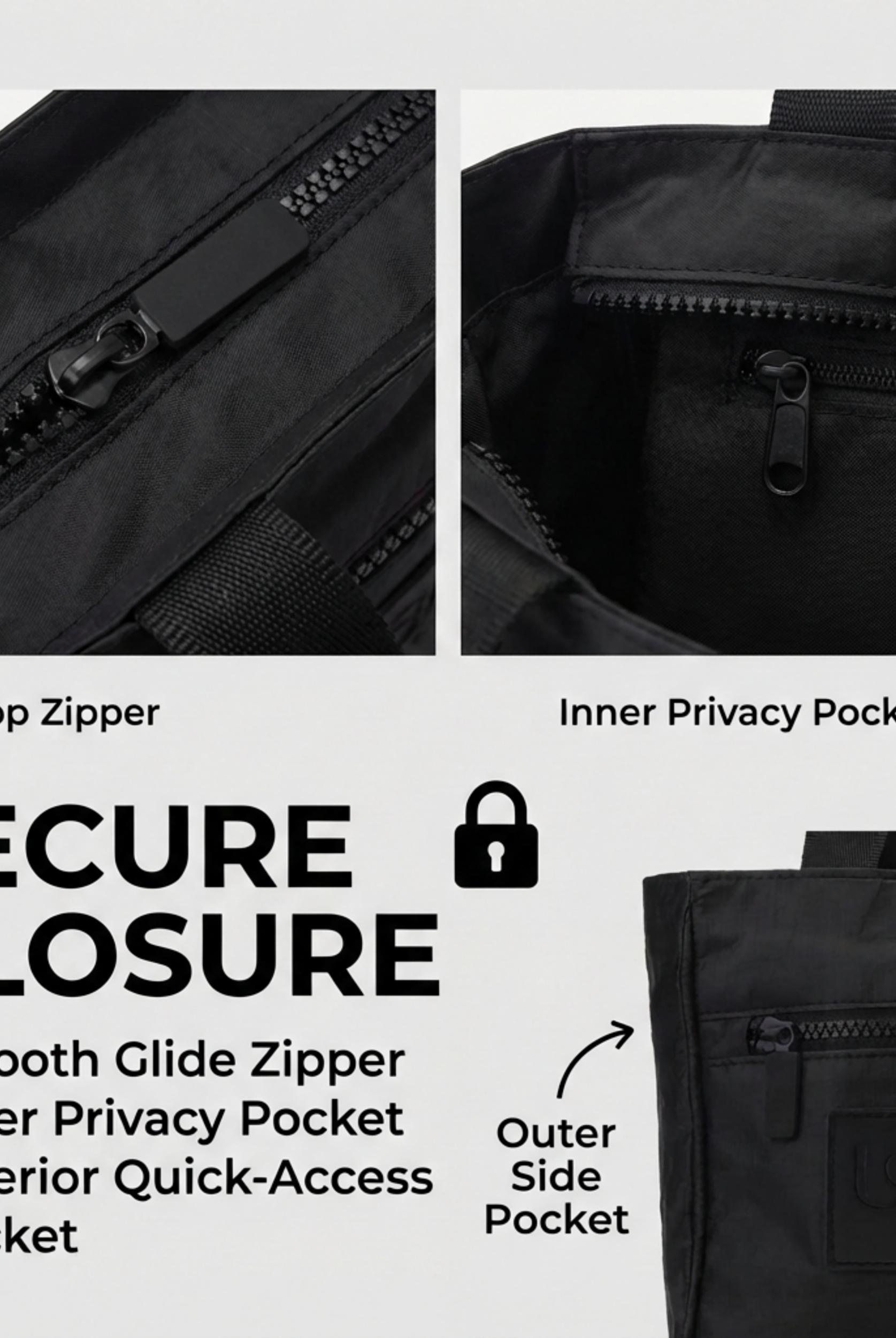
For a true go-anywhere tote, the material needs to support the whole design. That usually means looking for a fabric that's lightweight, water-resistant, durable, and easy to clean, then pairing it with details that keep the bag usable, like zipper closure options, multi-pocket storage, and enough structure to stay organized.
If you've ever owned one tote for errands, another for work, and a third for travel, you already know the problem. Most bags are designed around a look first and a life second. The right tote bag material flips that order.
Understanding the Classic Tote Bag Materials
Traditional tote fabrics are popular for a reason. They're familiar, easy to recognize, and tied to a lot of the silhouettes people already love. But when you're choosing a bag for real use, the surface story isn't enough.

Canvas has charm and a few real drawbacks
Cotton canvas is the material many people picture first. It has that easy, casual look that works with sneakers, denim, a swimsuit cover-up, or a farmer's market outfit. It also has legitimate strength. Heavier canvas weights, especially 12oz cotton canvas and above, offer more rigidity and better shape retention for heavier loads, while 16oz or higher heavy-duty cotton canvas is recognized as one of the most durable options for tote bags (fabric weight and durability guide from MFG Merch).
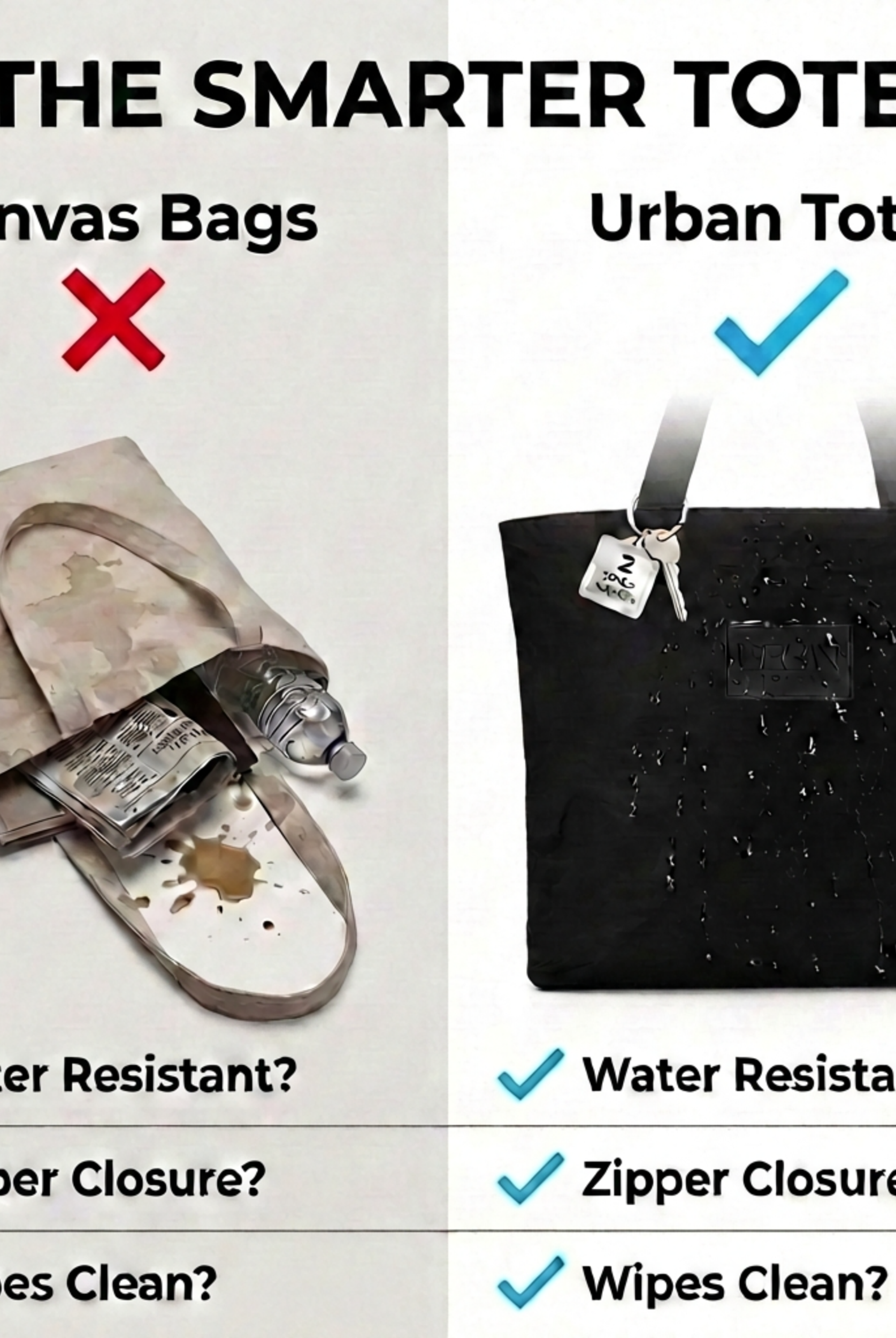
The problem is that durability isn't the only thing that matters. Canvas can feel heavier in daily use, especially once you add books, a tablet, snacks, or a sweater. It also tends to absorb water, which changes how it carries and how quickly it dries.
There's another trade-off that gets skipped in most material guides. Conventional cotton has a water cost of over 7,000 liters per kilogram, and up to 42% of fabric bags go unused, which adds textile waste to the equation instead of solving it (Zero Waste Vietnam on fabric bag overuse and cotton water cost).
If you like learning the basics of how fabrics behave before they're turned into finished products, Linda's Electric Quilters fabric guide offers a helpful overview of weave, weight, and handling. Those fundamentals matter when you're judging whether a tote will feel soft, stiff, bulky, or structured.
For shoppers drawn to plant-based fibers, hemp is another option worth understanding. It's known for remarkable strength and often surpasses cotton in resilience, which is part of why interest in this material keeps growing. Urban Totes has a useful read on the hemp tote bag if you want to compare that route.
Leather works for polish, not always for pace
Leather gives a tote instant polish. It can look elevated with workwear and ages in a way many people enjoy. For a short carry or a more dressed-up routine, that appeal is real.
But leather asks more from the owner. It's typically heavier, less forgiving in wet weather, and more maintenance-dependent than a woman on the go often wants. If your days involve school pickup, travel, groceries, or outdoor use, leather can start to feel like a bag for selective moments rather than constant use.
Practical rule: If you need one bag to move from airport terminal to playground to coffee shop, leather usually isn't the easiest answer.
Nylon changed the game, but quality varies
Nylon was the original clue that tote bags didn't have to be bulky to be useful. It brought lighter carry, better resistance to everyday mess, and much easier care than leather or untreated cotton.
Not all nylon feels the same, though. Basic versions can look thin or floppy. Better versions use denser weaves, coatings, reinforced bottoms, or structural details that help the tote hold its shape.
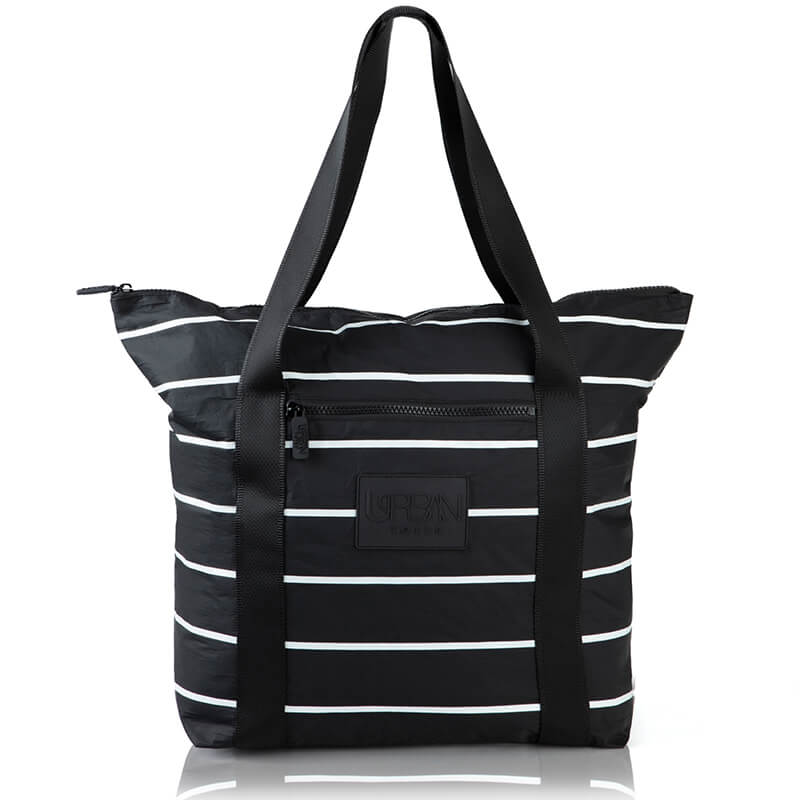
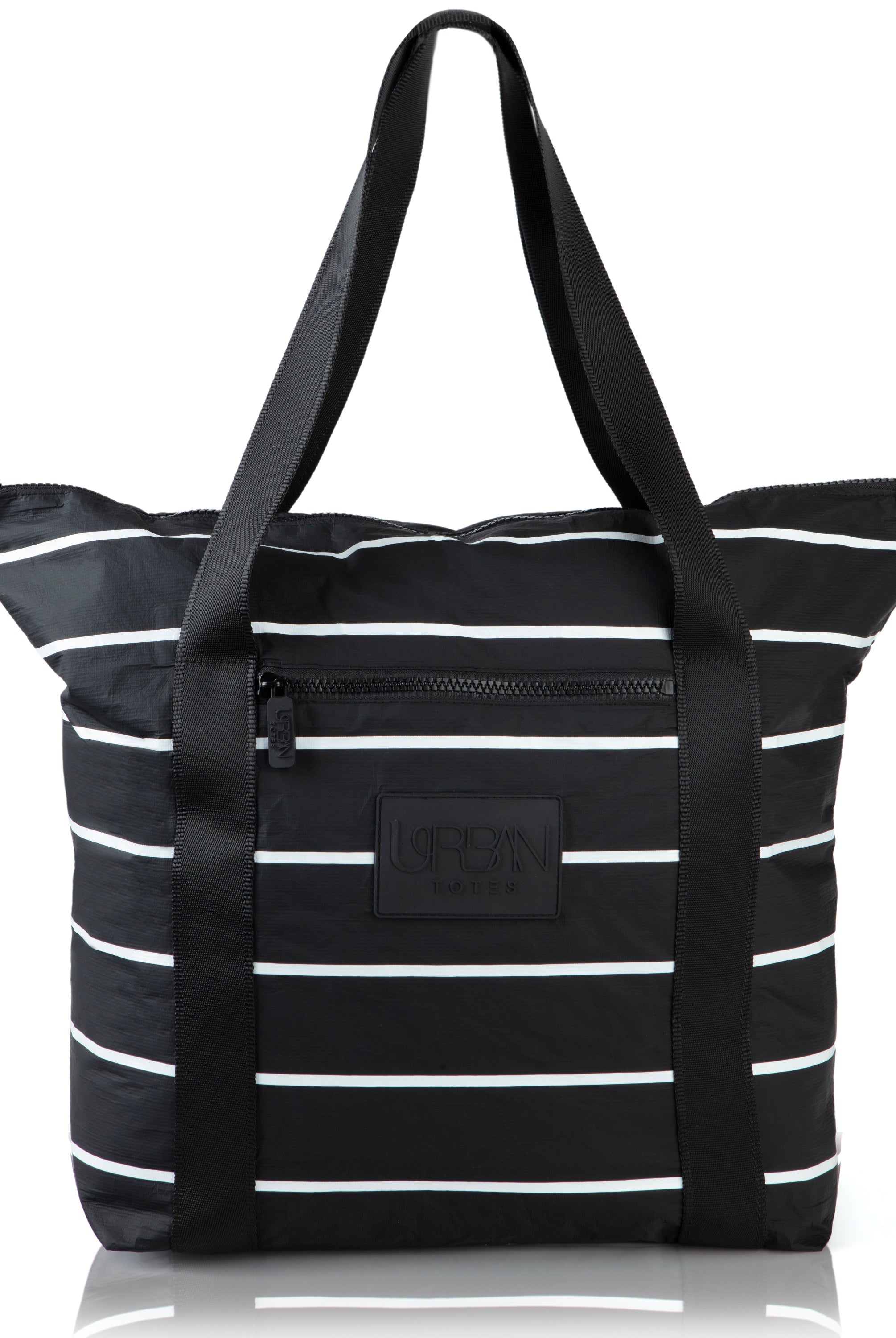
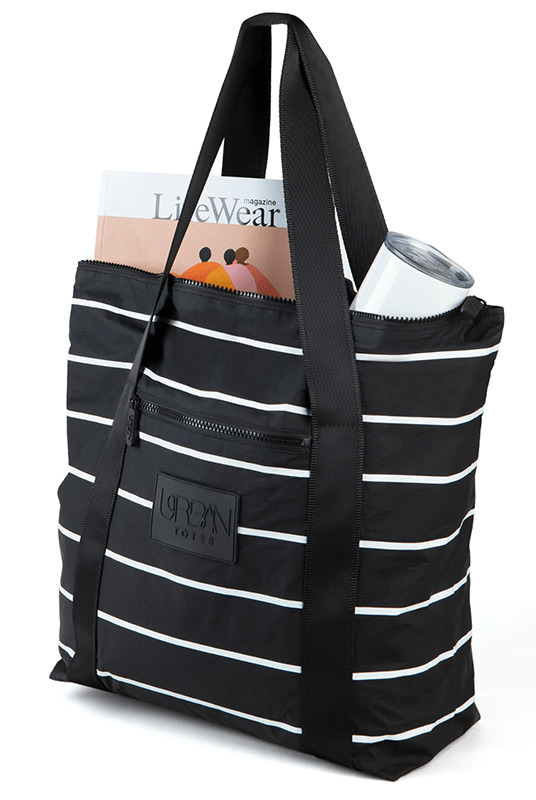
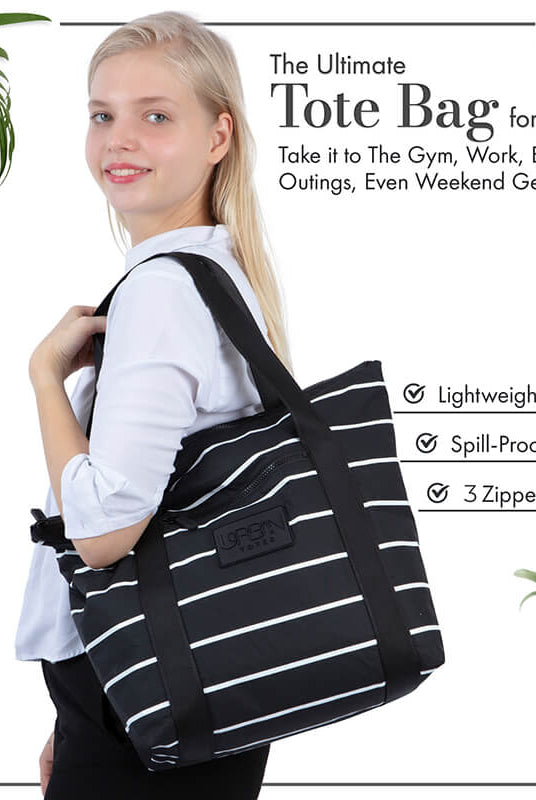
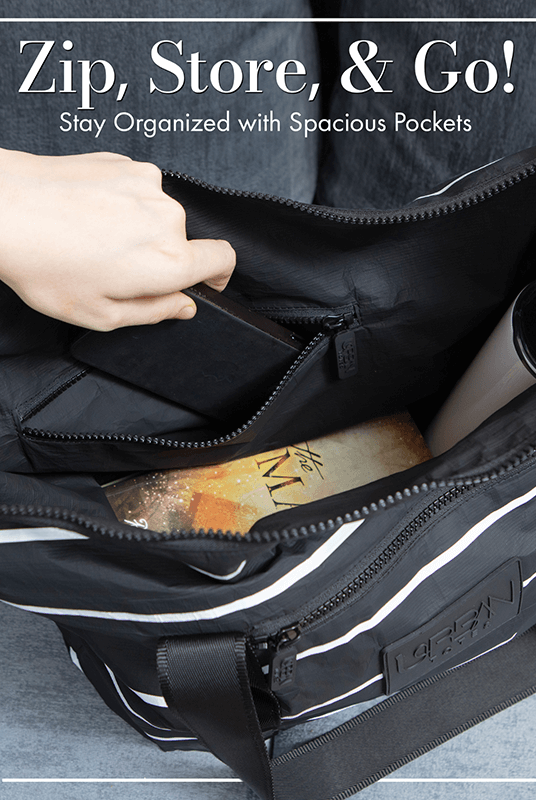
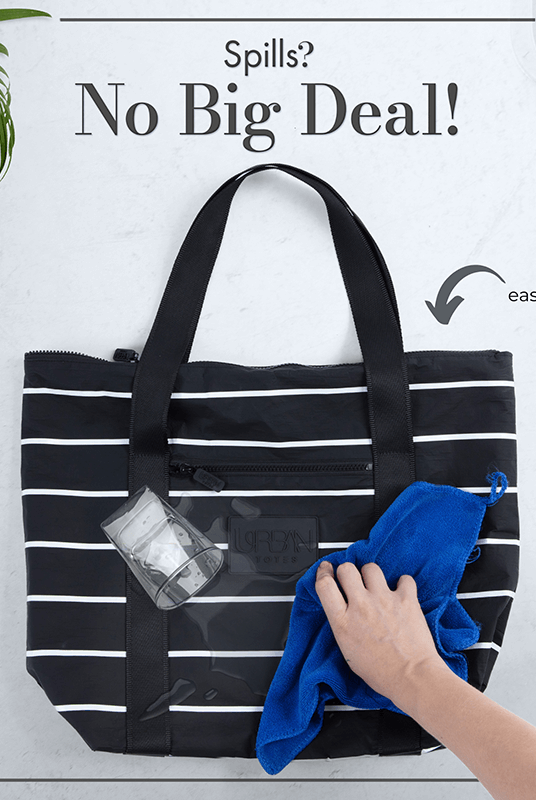
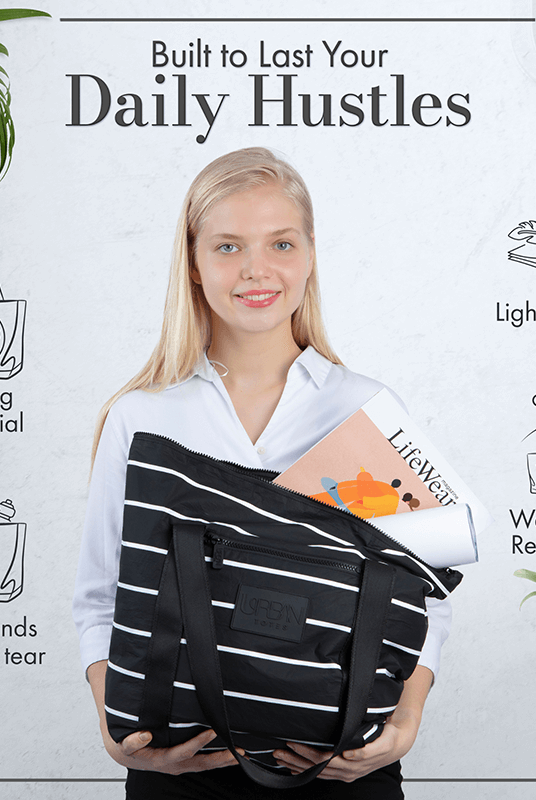
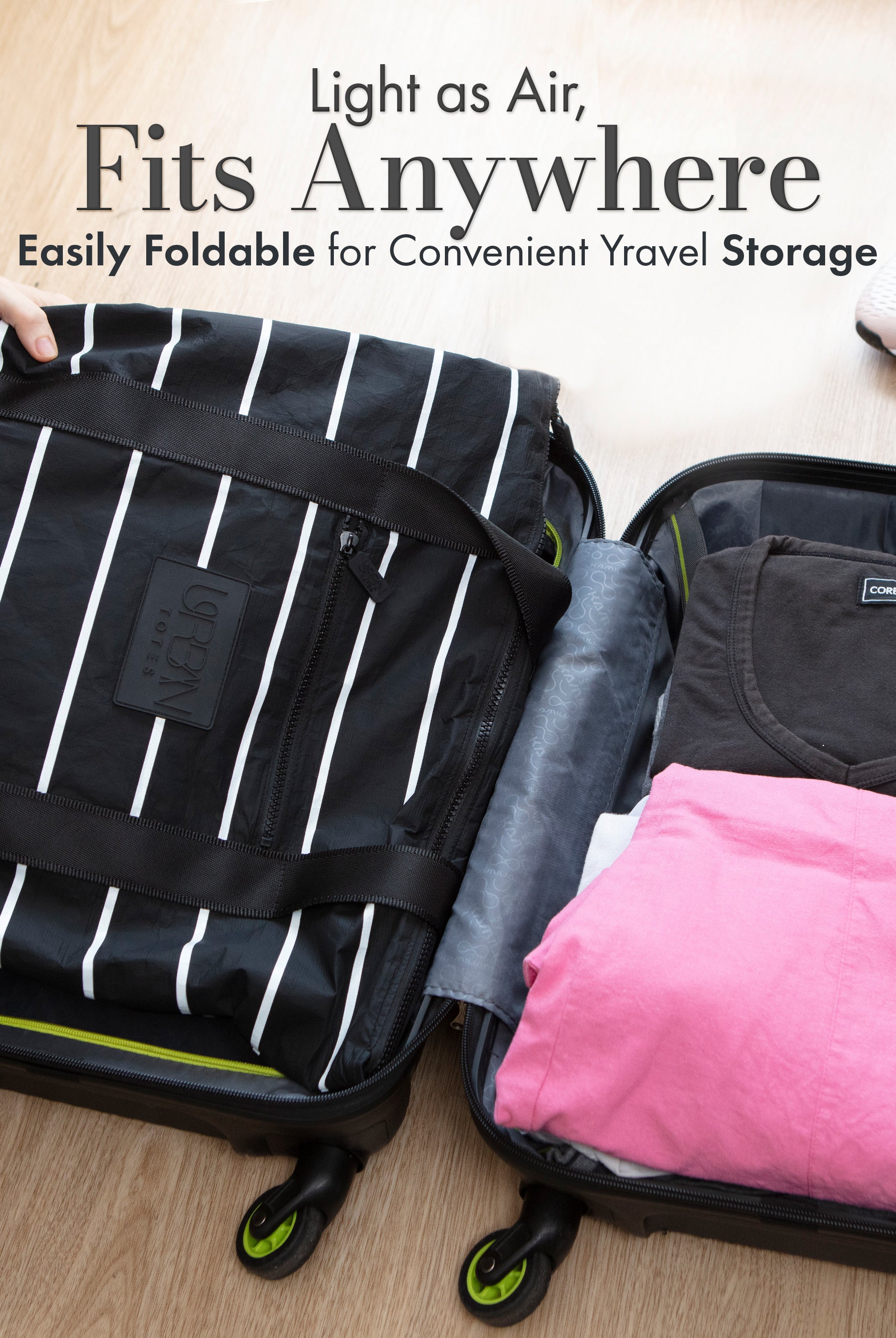
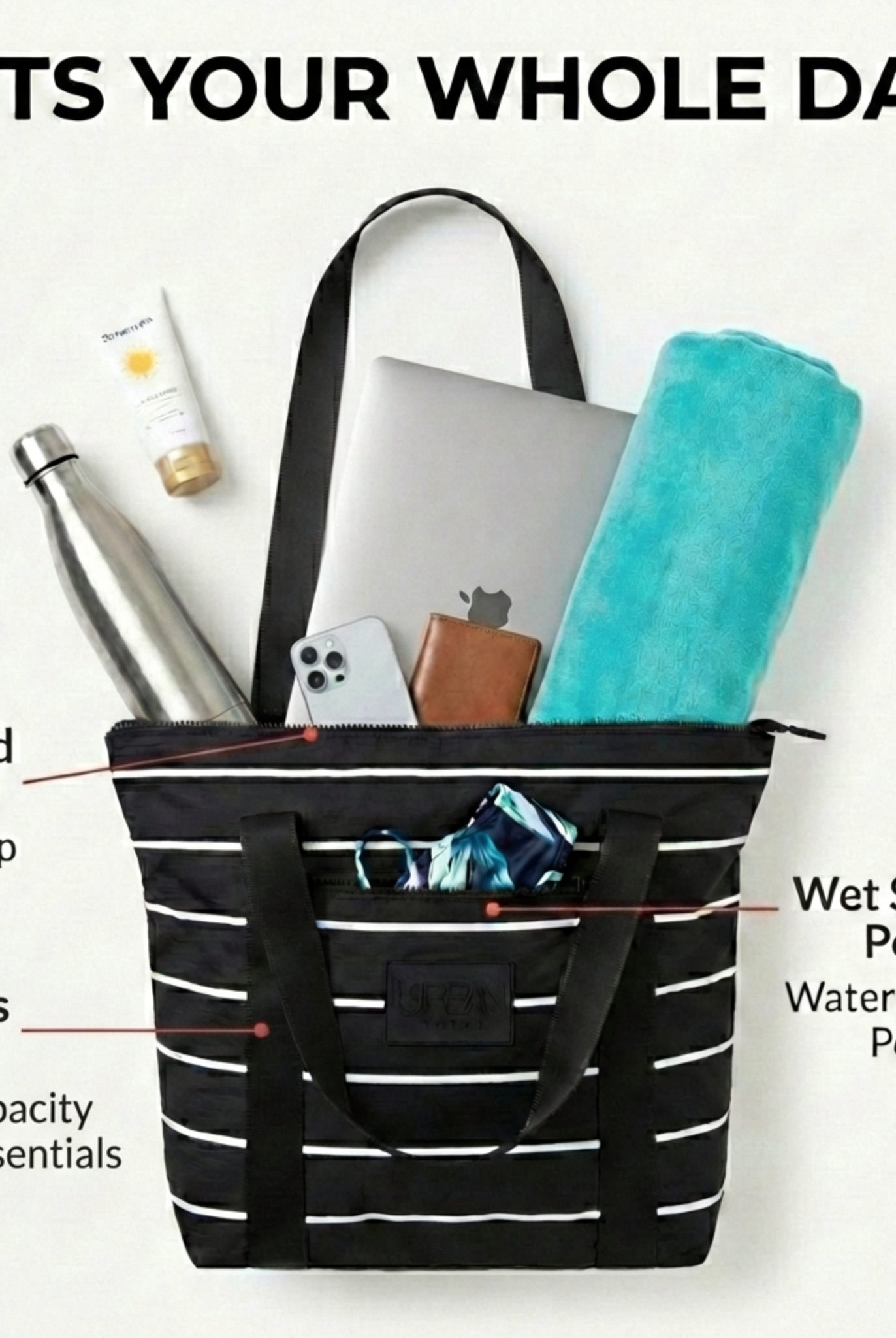
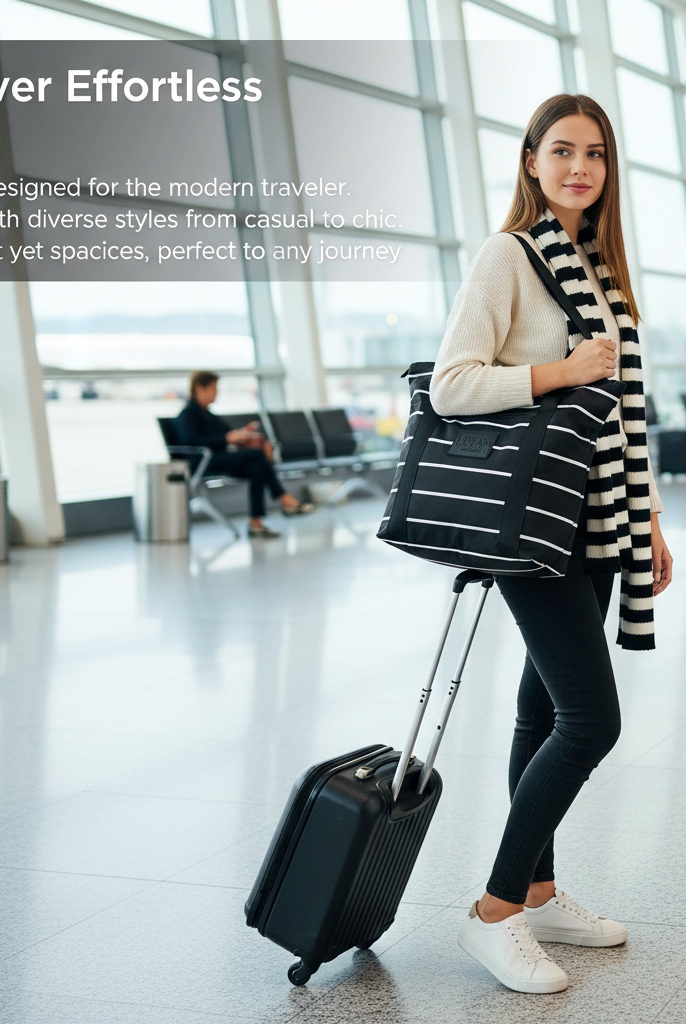
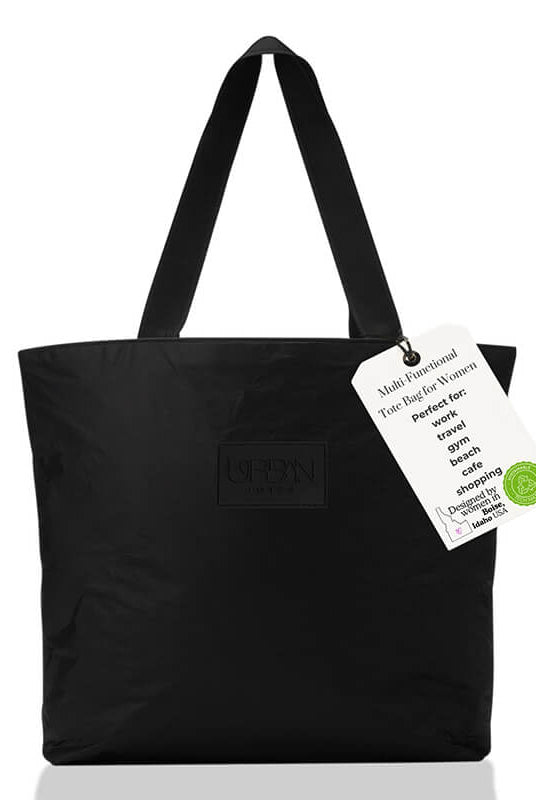
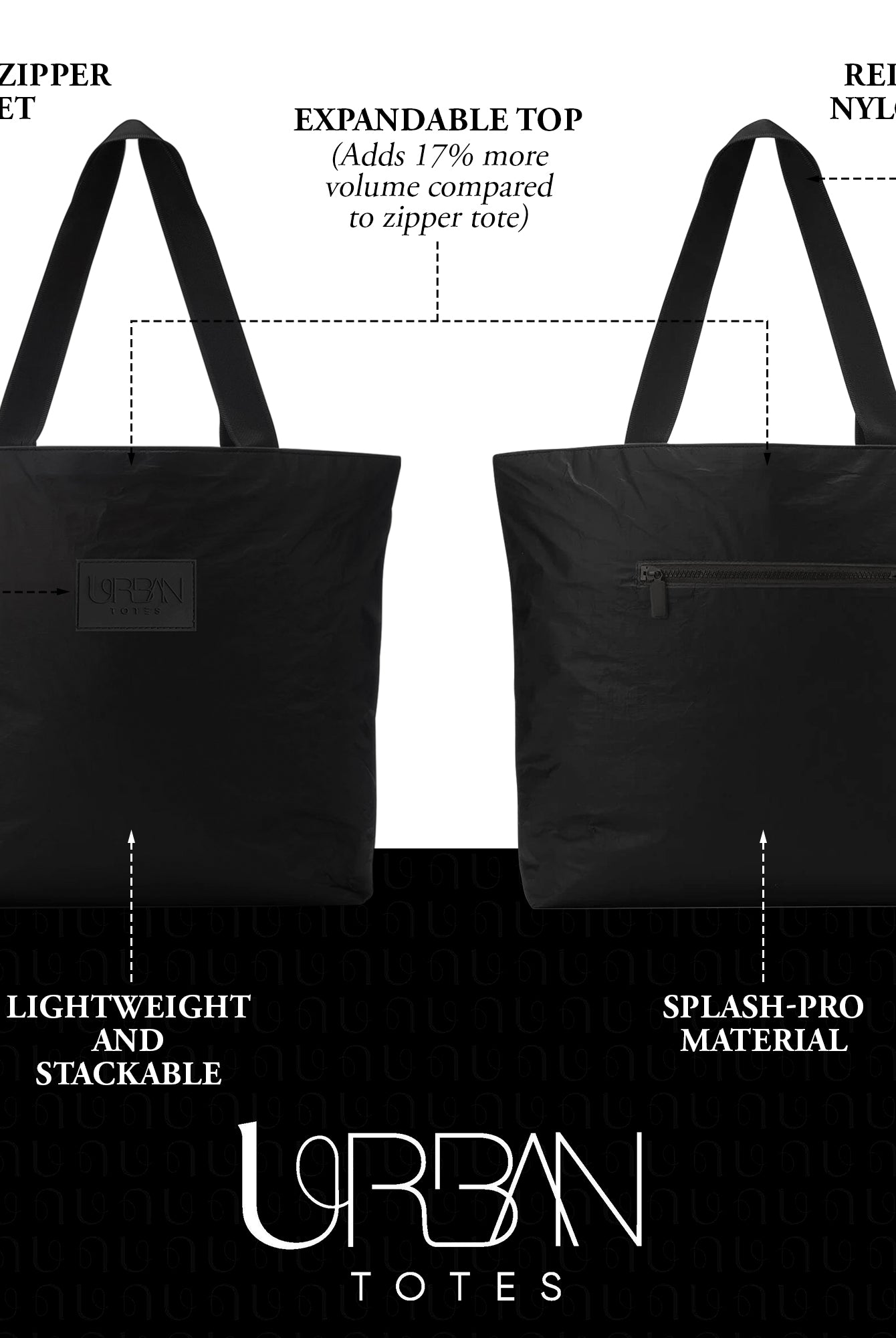
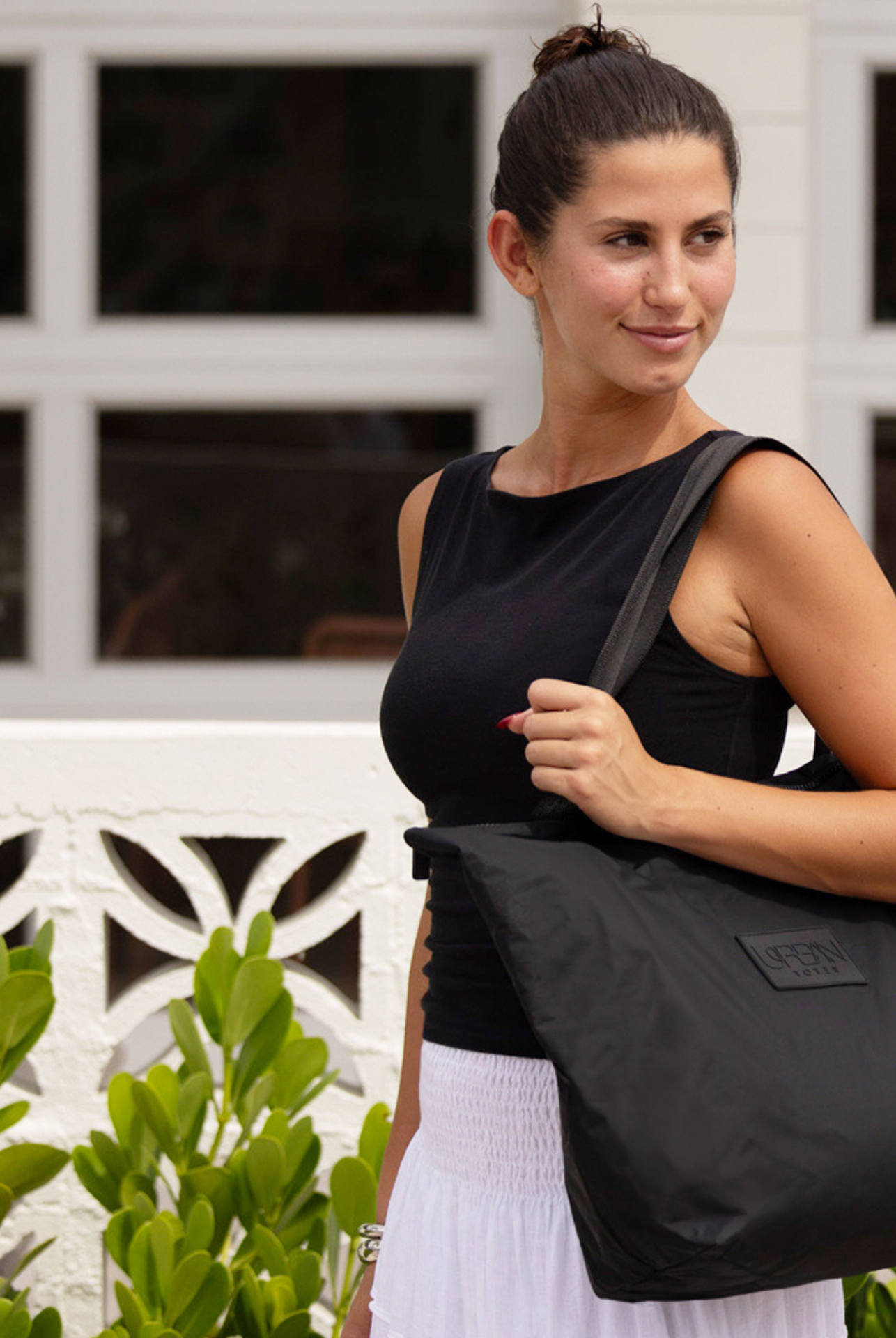
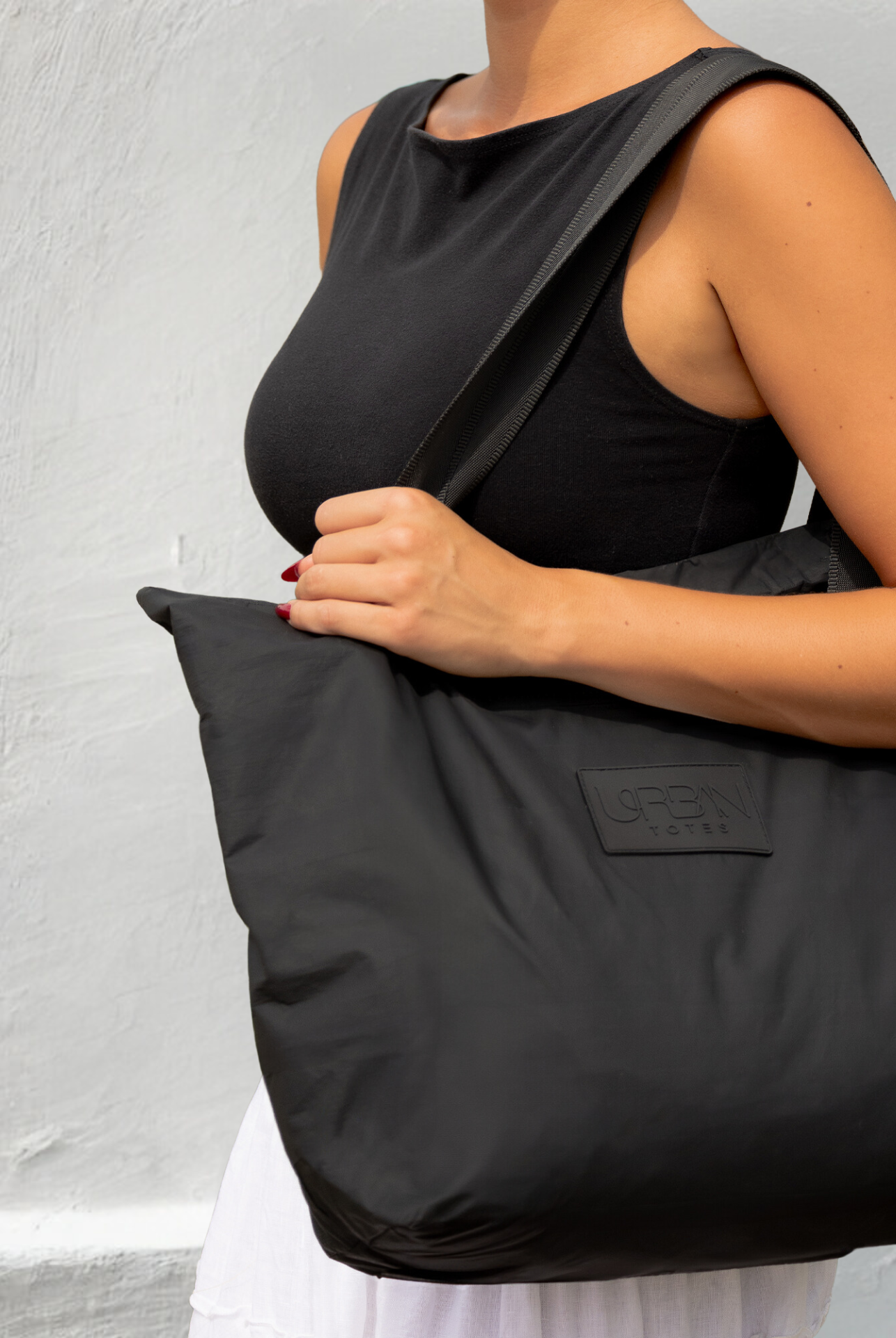
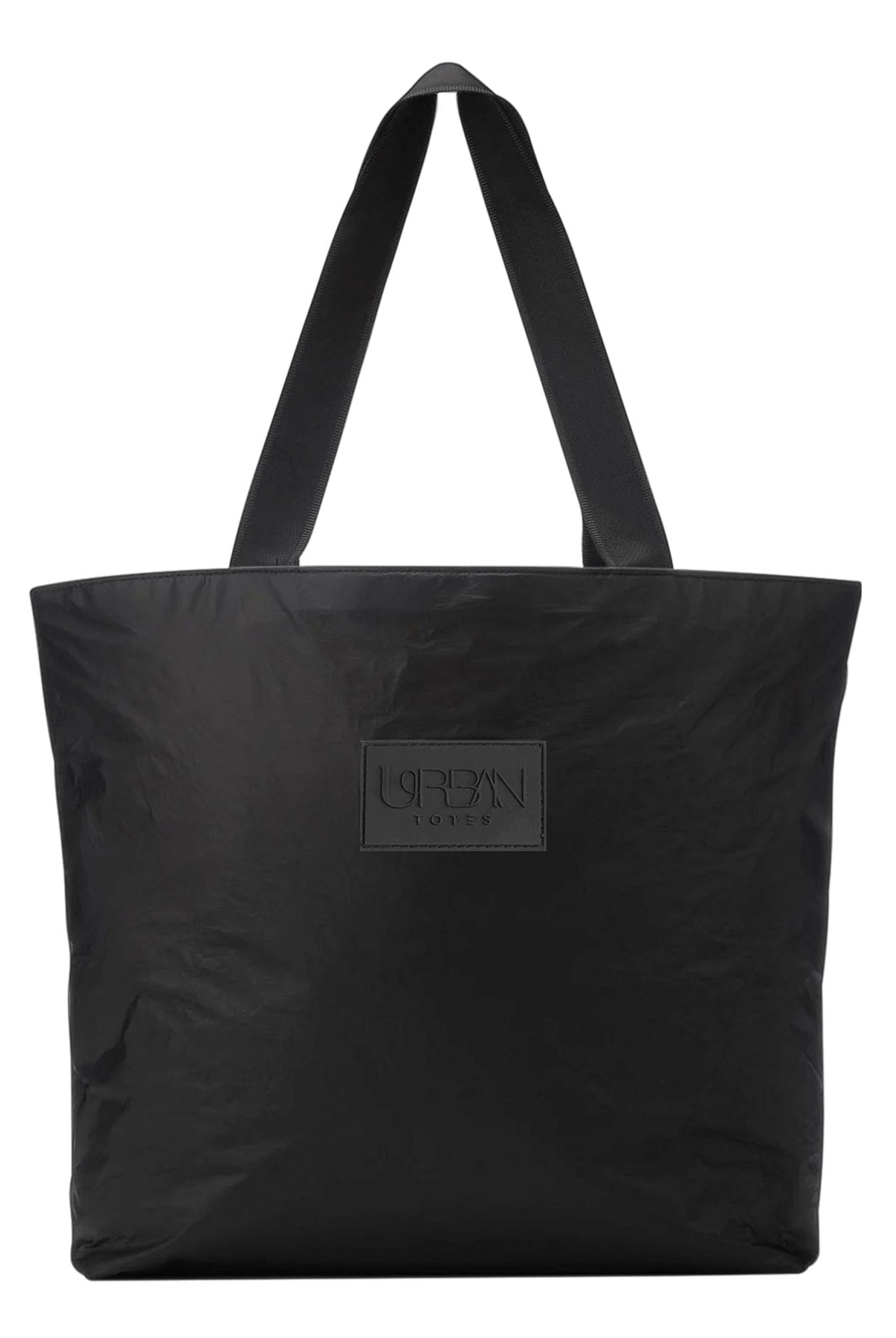
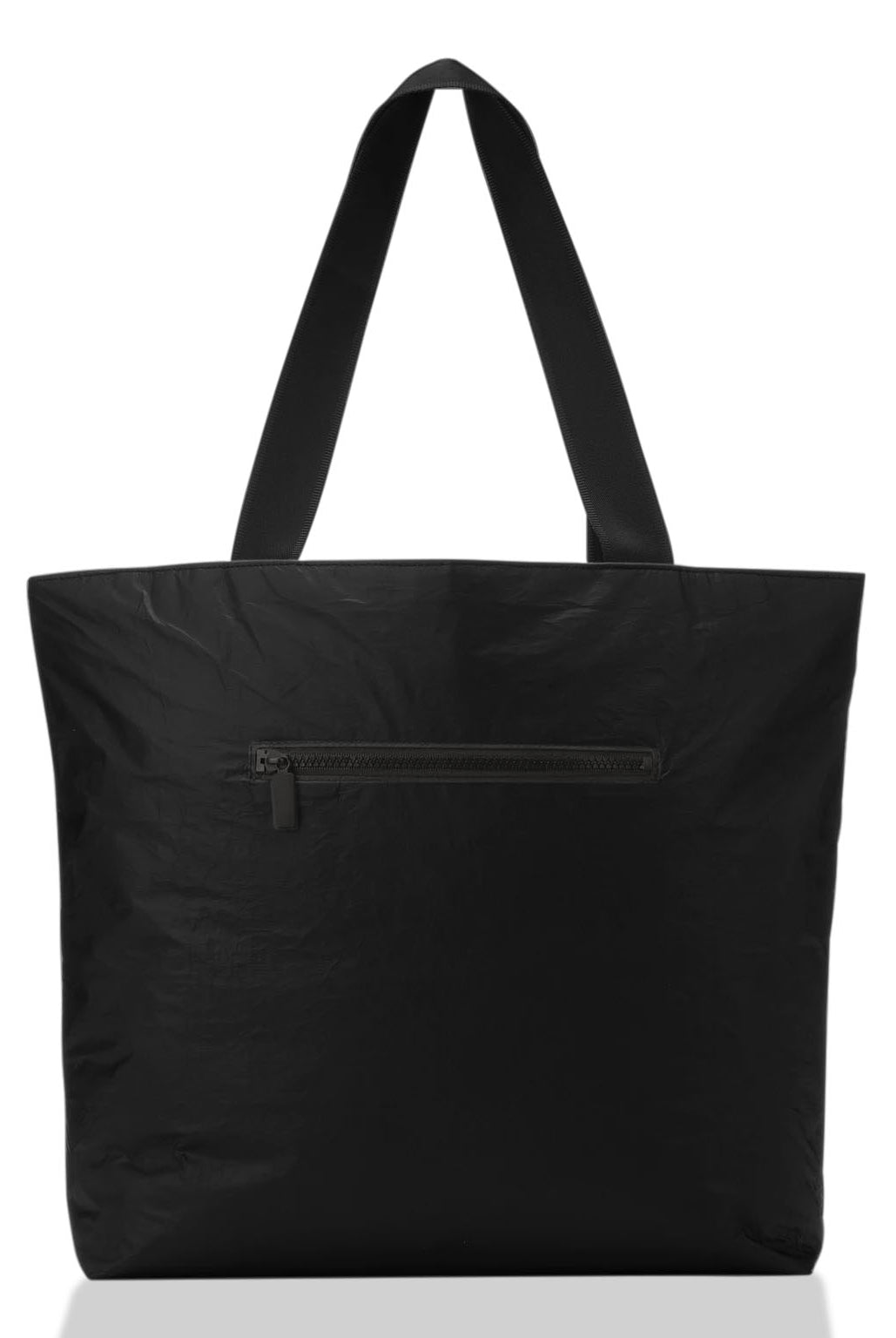
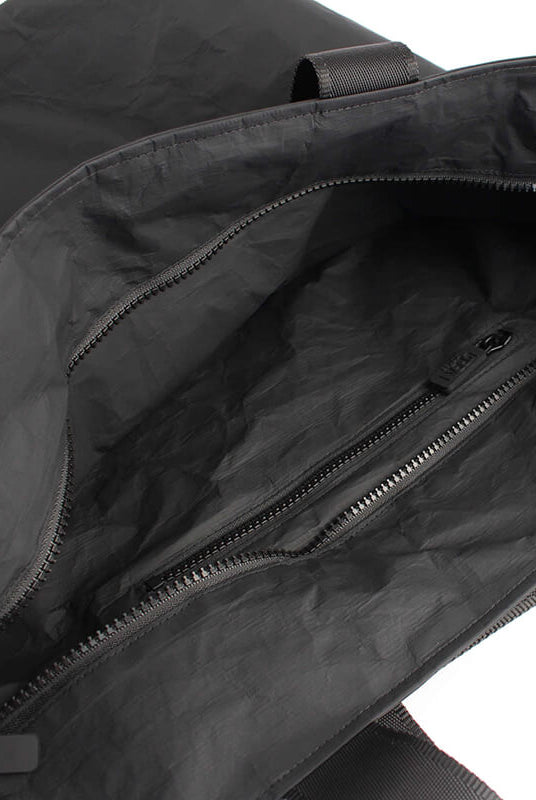
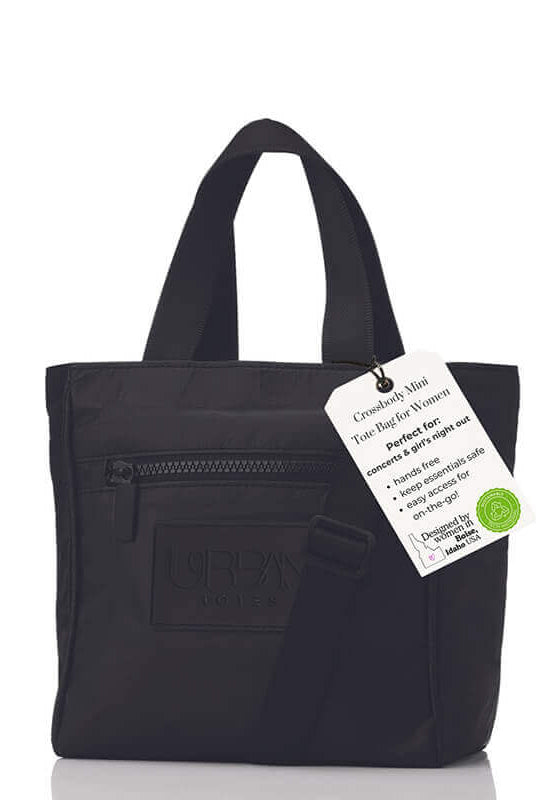
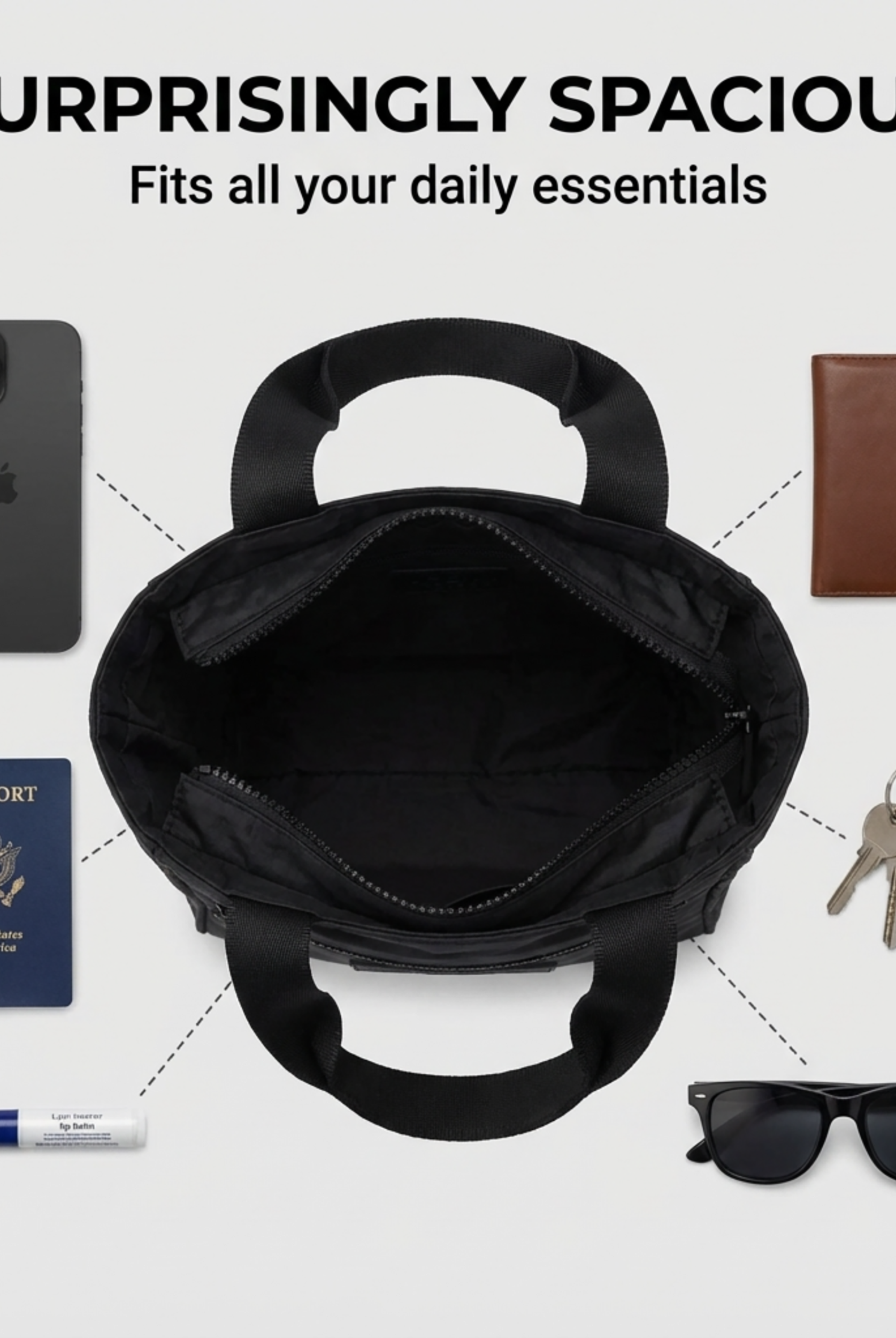
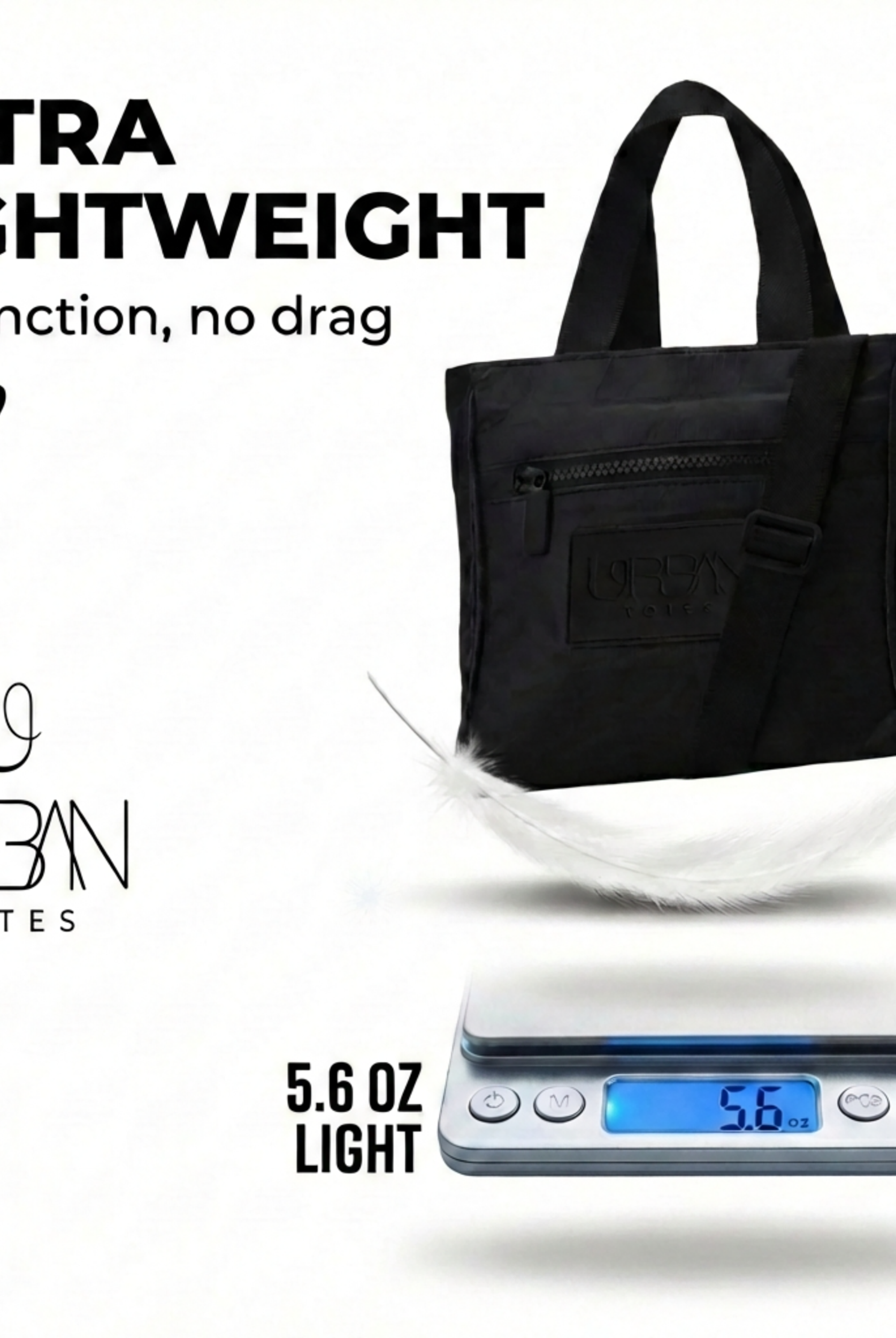
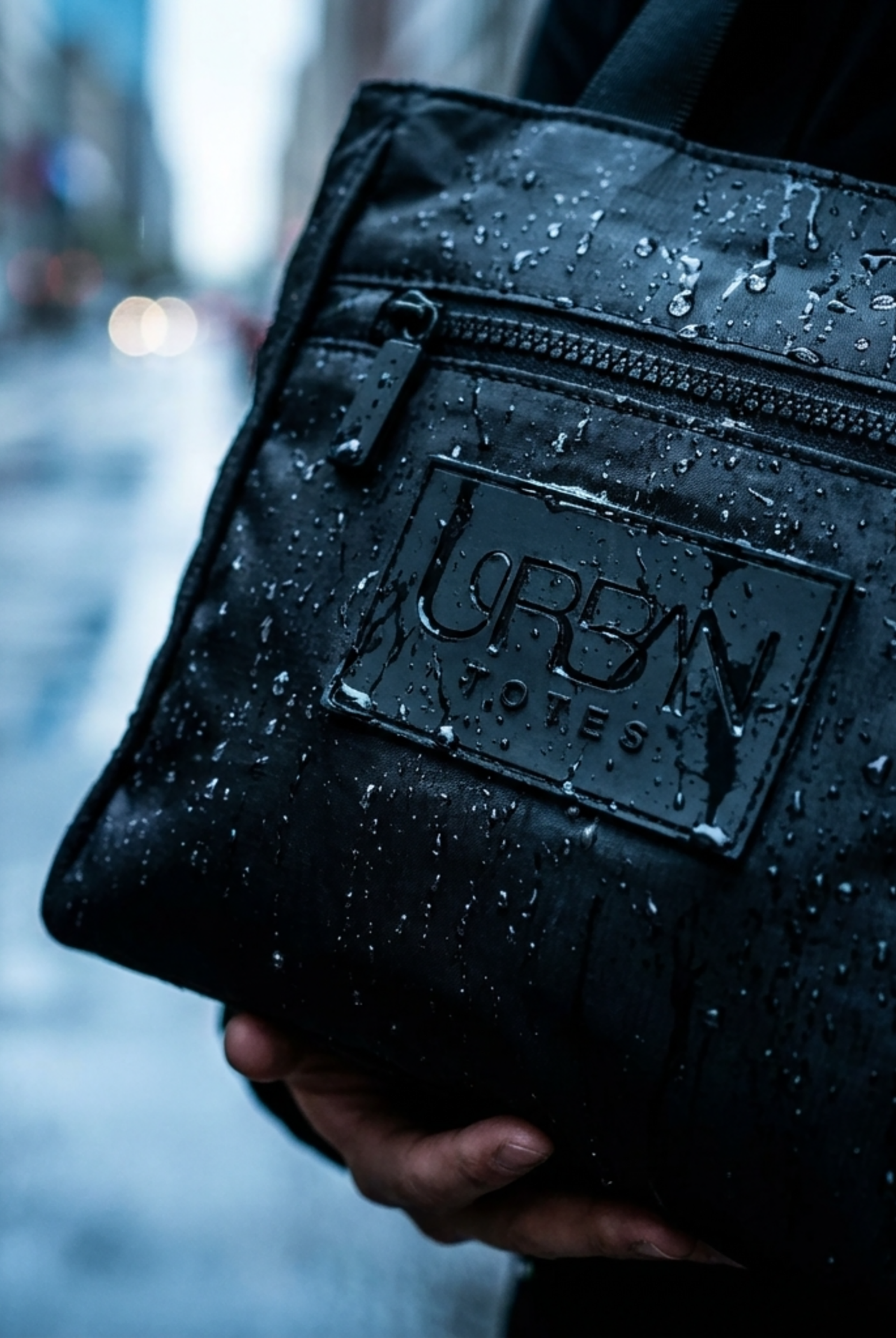
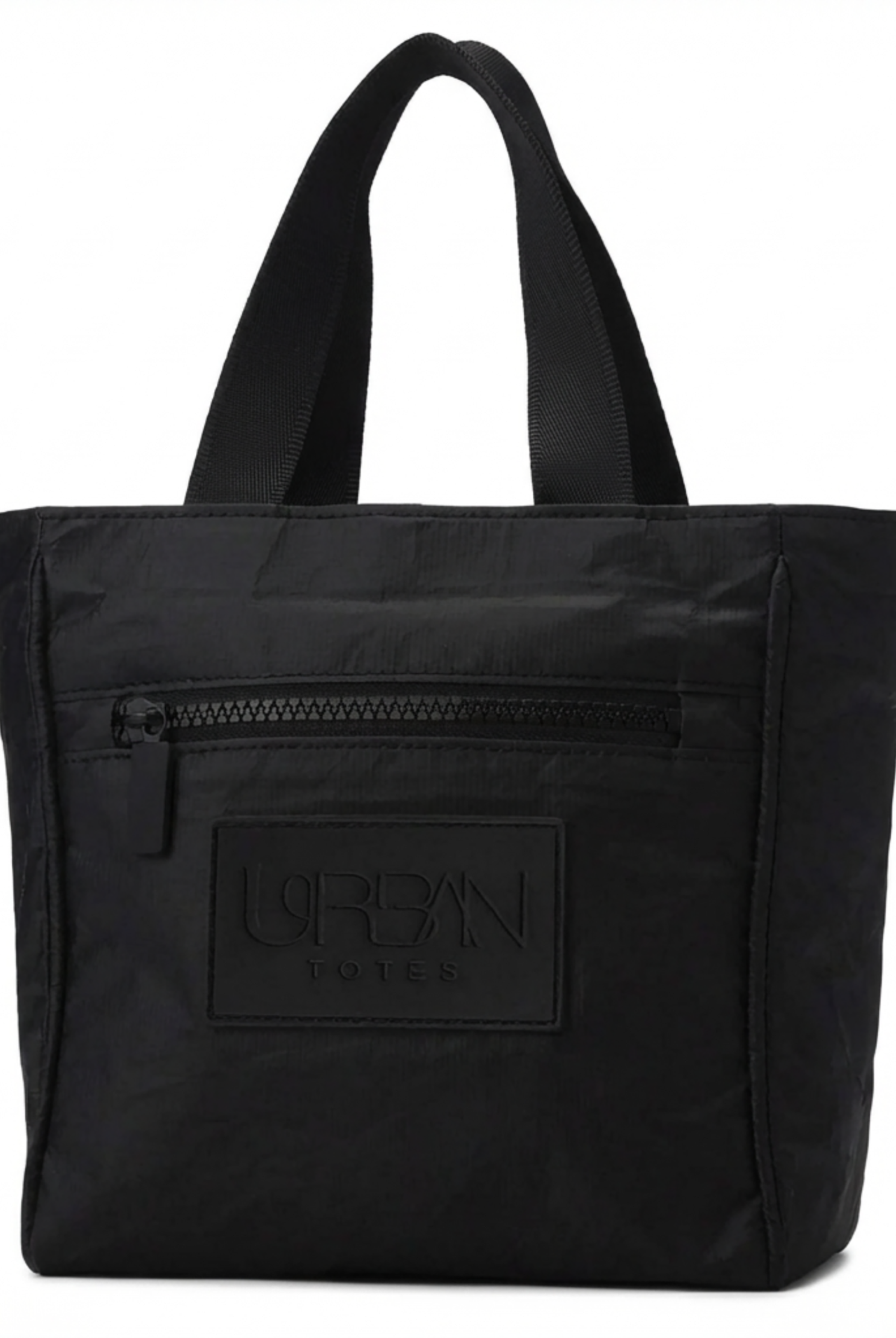
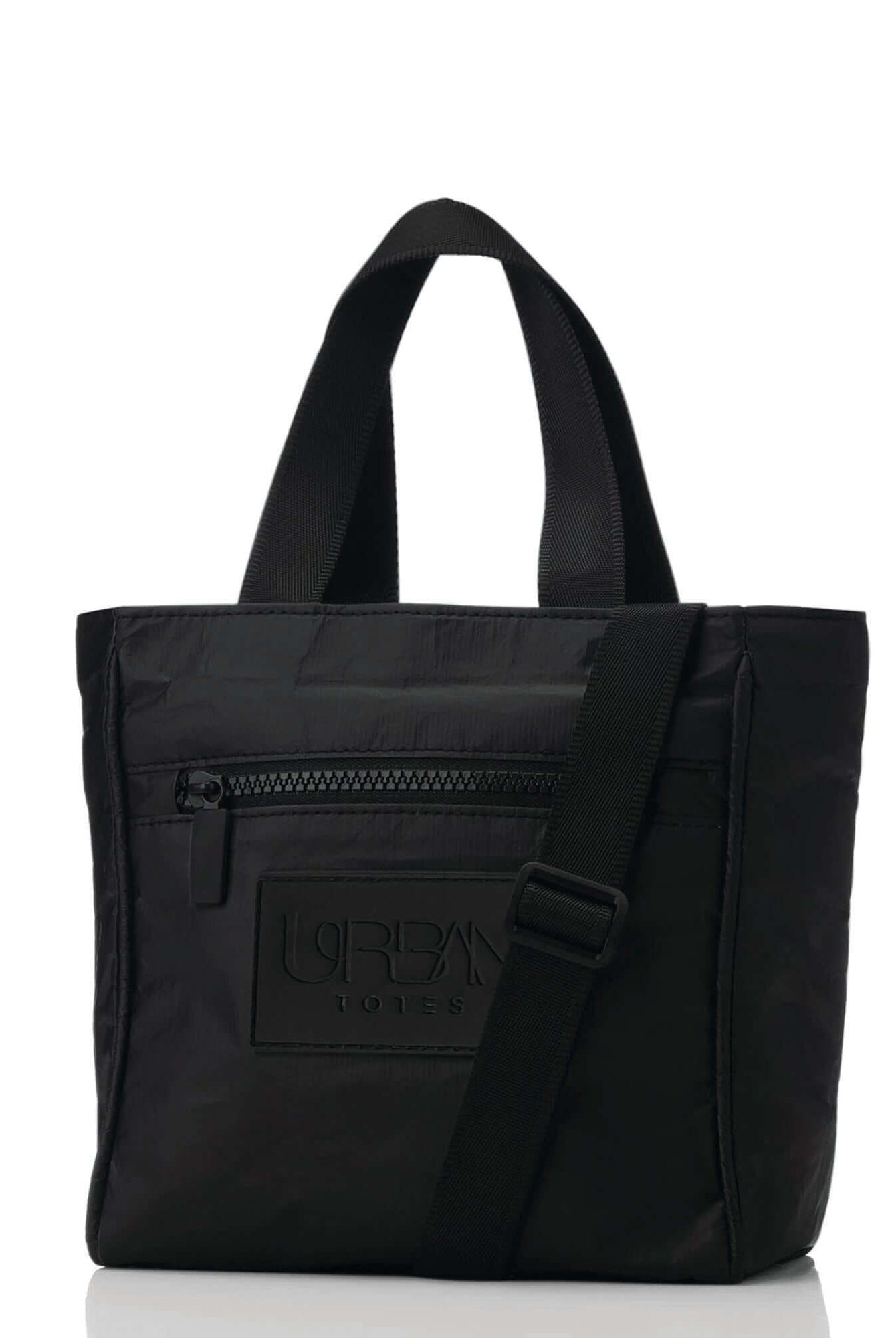
That's where design matters as much as the fabric itself. The first mention of The Go Anywhere Day Trip Tote Bag by Urban Totes is a good example of how construction changes performance. Its snapshot details include three large, zippered compartments, pockets for an iPhone and keys, lightweight construction, water-resistant materials, a packable and foldable build, and zipper closures across all compartments. Those are practical features, not decoration, and they make a fabric work harder in daily life.
The New Generation of High-Tech Tote Fabrics
The most useful shift in tote design hasn't been color or silhouette. It's been materials. Once you've carried enough bags that soak through, sag, or feel too bulky by noon, modern technical fabrics start making a lot more sense.

Why recycled technical fabrics matter
One of the most practical updates is recycled PET, often called rPET. It's produced from 100% post-consumer plastic bottles, which repurposes waste into a strong, long-lasting fabric while reducing demand for virgin petroleum-based plastics (Gentle PK on rPET fabric construction).
From a carry perspective, rPET hits a sweet spot. It's light enough for daily use, easier to clean than many natural fibers, and naturally suited to bags that need to handle weather, spills, and the stop-and-start rhythm of real life. That matters if your tote goes from car seat to office floor to soccer field bleachers in the same day.
Polyester canvas also deserves attention here. It's water-resistant and useful when you want resilience and easy cleaning. Blends can also improve color retention and wear, which is one reason more brands have moved toward technical fabrics instead of relying only on traditional cotton.
If you want a broader look at how reclaimed textiles are used in bags, Urban Totes has a straightforward explainer on what recycled fabric is.
Other modern options worth knowing
Not every high-tech tote fabric looks futuristic. Some of the best-performing materials still have a familiar aesthetic.
- Waxed canvas: This keeps some of canvas's texture and structure while improving weather handling. It's a good fit for people who like a more rugged look and don't mind a little patina.
- Coated technical fabrics: These are often the quiet workhorses in travel-ready and commuter bags. They resist moisture better and tend to wipe clean more easily.
- Blended fabrics: Polyester-cotton blends can offer a useful middle ground, combining breathability with improved durability and color retention.
Another category worth understanding is stretch performance fabric. If you've ever wondered how soft structured gear materials differ from woven tote fabric, this overview of high-performance synthetic rubber from Lewis and Sheron Textiles is a helpful side read. It won't replace a tote fabric guide, but it does show how modern bag materials are being engineered for very specific use cases.
Modern tote materials work best when they solve a real problem: less weight, less fuss, less worry about weather.
The shift toward technical fabrics isn't about novelty. It's about making a bag that can keep up without needing constant maintenance or sacrificing style.
How Tote Bag Materials Compare at a Glance
Choosing tote bag material gets easier when you stop asking which fabric is “best” in general and start asking which trade-offs you're willing to live with. The answer changes fast when you care about shoulder comfort, weather, and cleanup.

Quick comparison table
| Material | Durability | Water resistance | Weight | Ease of care | Real-world note |
|---|---|---|---|---|---|
| Canvas | Strong, especially in heavier weights | Low unless treated | Medium to heavy | Moderate | Good structure, but can feel bulky and absorb moisture |
| Cotton | Moderate | Low | Light to medium | Easy to wash | Soft and casual, but less structured for heavier daily loads |
| Leather | High | Low to moderate | Heavy | Higher maintenance | Polished look, but not ideal for all-day, all-weather carry |
| Nylon | Moderate to high | Good | Light | Easy | Great for daily use, though low-end versions can feel flimsy |
| Polyester | High practical resilience | Good | Light | Easy | Holds color well and handles regular wear well |
| Recycled PET | Strong for daily use | Good | Light | Easy | A smart fit for organized, travel-ready, go-anywhere bags |
This kind of side-by-side view matters because durability on its own can be misleading. A very heavy bag can be strong and still be wrong for the job.
Why weight changes everything
A lot of online advice still treats heavier as better. In real life, that doesn't hold up for women carrying full days on one shoulder. A 2024 Consumer Carry Survey found that 73% of busy moms and commuters prefer lightweight, rigid materials over heavy cotton that sags, while 89% of online content still ranks heavy cotton as most durable without factoring in comfort and carry weight (Consumer Carry Survey summary at Gorfia).
That gap explains why some totes look dependable but become annoying fast.
- Heavy canvas can pull downward once you add a water bottle, planner, charger, and small extras.
- Soft materials can sag even when the fabric itself is durable.
- Lighter structured fabrics often feel better because they keep shape without adding bulk.
- Water resistance changes the carry experience because wet fabric gets heavier and harder to manage.
If you're deciding between weather-focused fabrics, Urban Totes also has a useful breakdown of water-resistant versus waterproof. For most daily routines, water-resistant is the more realistic standard to shop for in a tote.
The Best Tote Material for Your Lifestyle
You load up in the morning with every intention of carrying one bag. By noon, the wrong material has already made itself known. The straps dig in, the body slouches, or one light rain leaves the fabric feeling damp and heavier than it did at breakfast.
That is why the best tote material is not one universal winner. It is the material that fits your actual routine, your load, and how much maintenance you are willing to tolerate.

For the daily commuter
A work tote has to do more than hold a laptop. It needs to stay comfortable through stairs, parking lots, coffee stops, and the walk back home with a few extra things stuffed inside.
For that kind of use, lightweight synthetic fabrics usually outperform traditional cotton canvas. They resist moisture better, wipe clean faster, and hold color well with less fuss. Recycled polyester blends are especially practical if you want structure without carrying extra dead weight on your shoulder.
Look for:
- A zipper closure: Better for trains, offices, and busy sidewalks.
- Pockets that separate the small stuff: Chargers, keys, and earbuds should not sink to the bottom.
- A fabric with some body: Enough structure to hold shape, without the stiffness and heft that make a full bag feel worse by 3 p.m.
For the beach-day mom
Beach bags get tested hard. Towels add bulk. Wet items add weight. Sand gets everywhere, and absorbent fabrics hang onto all of it.
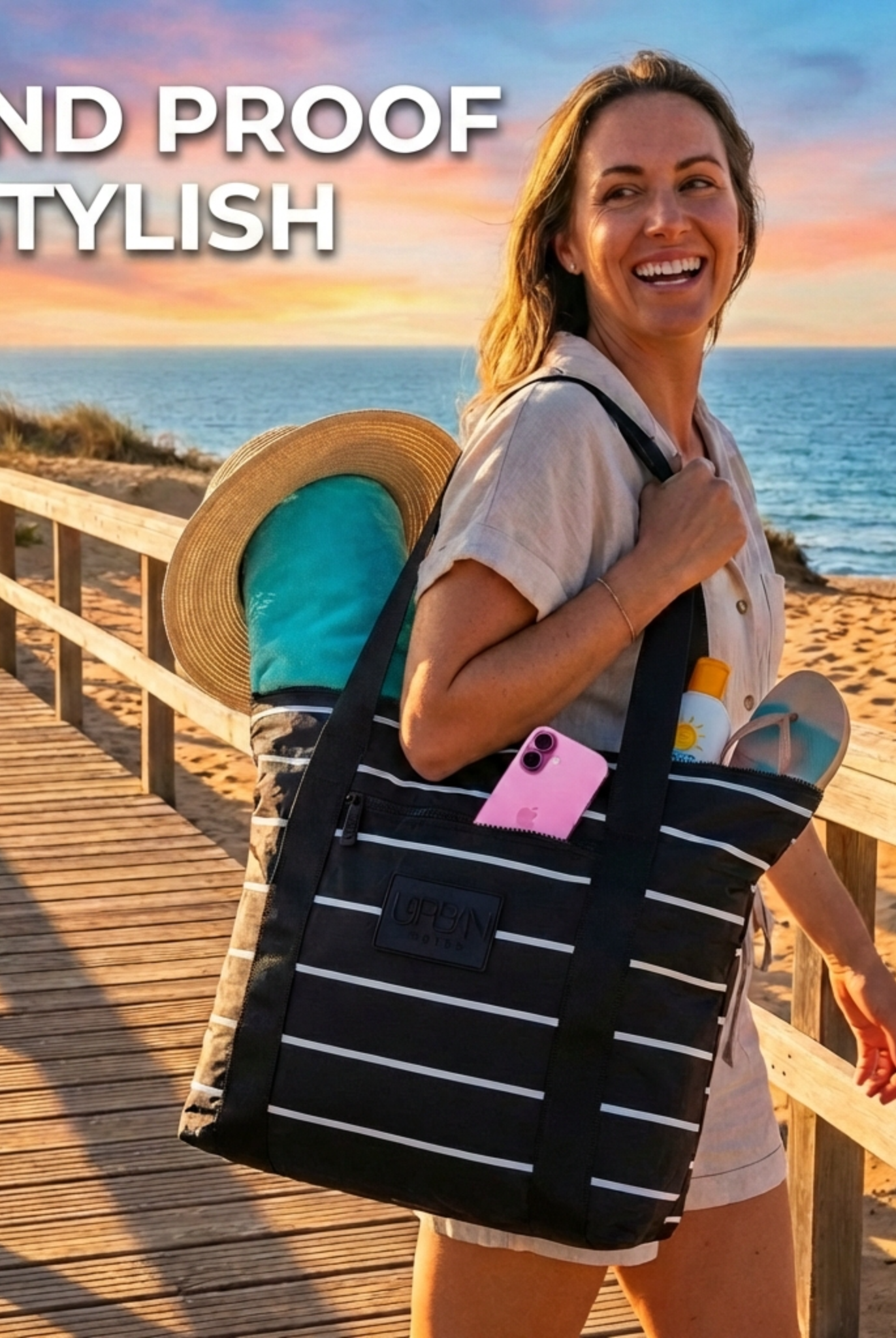
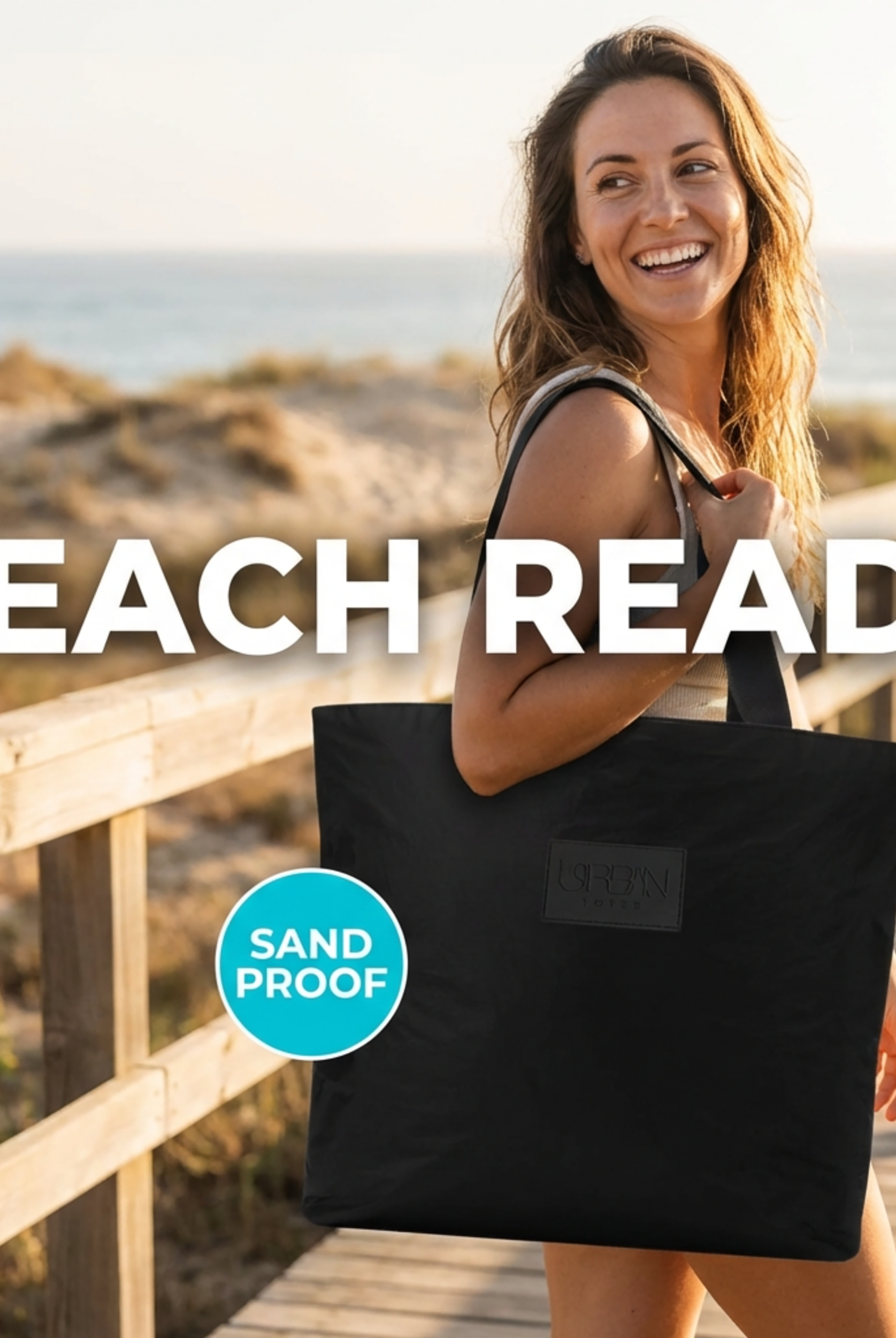
This is one of the clearest cases where classic materials lose points in real life. Cotton canvas can look great, but it soaks up water, picks up grime, and often needs more cleanup than busy days allow. A water-resistant fabric with a smooth finish is easier to shake out, wipe down, and toss in the car without a second thought.
One practical rule helps here. If the bag will spend time near water, sunscreen, or snacks, choose a material you can clean in minutes, not one you have to baby.
For the weekend traveler and everyday multitasker
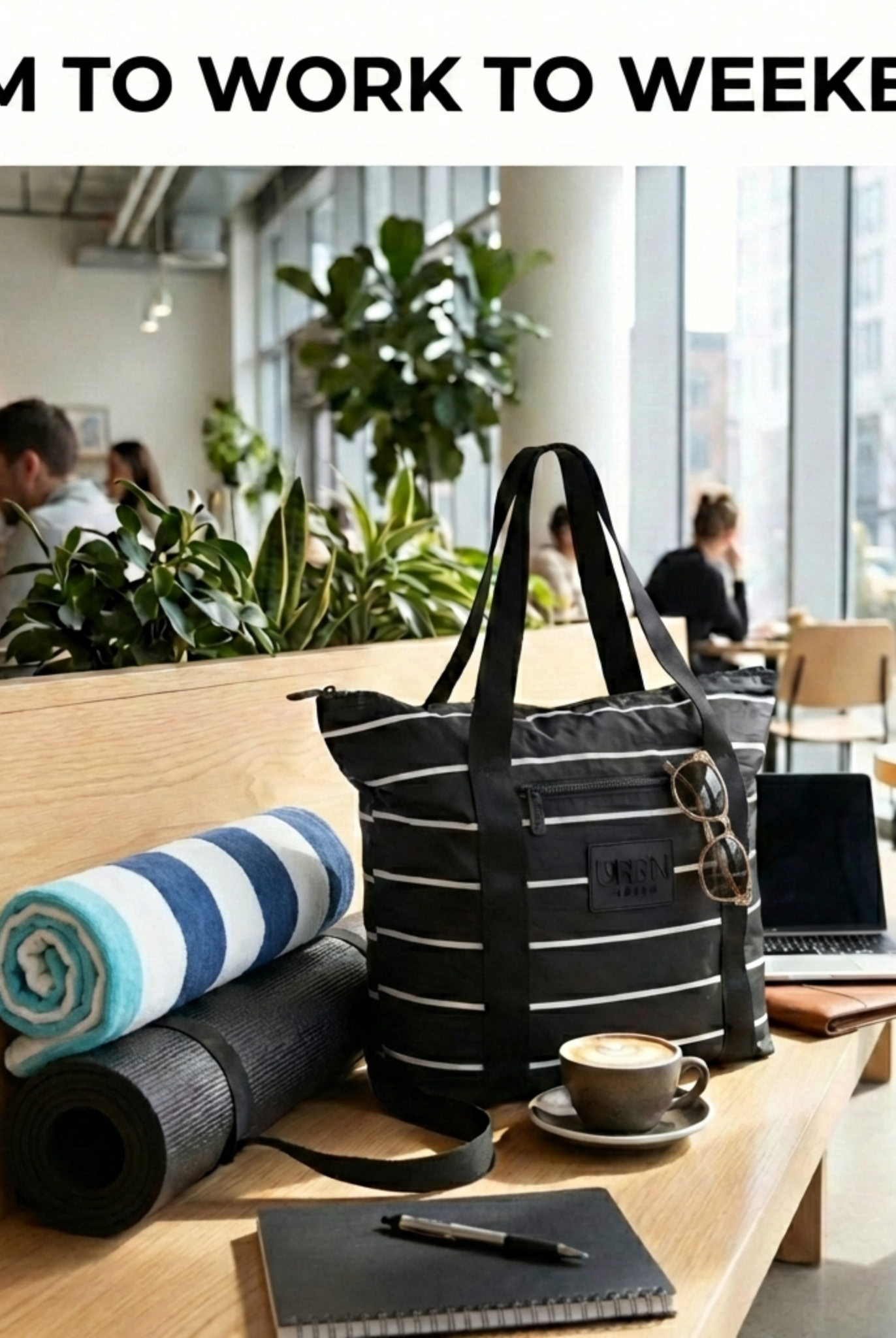
A multi-use tote has the hardest job. It needs to pack flat, open wide, carry enough, and still look pulled together when you bring it into a hotel lobby, a grocery store, or a casual lunch.
Modern technical fabrics handle that mix better than most traditional options. They tend to be lighter, more weather-friendly, and less prone to that tired, saggy look that shows up after a long day of carrying uneven loads. Recycled performance fabrics are a strong fit if you want something more thoughtful than standard synthetic material. Urban Totes explores that angle well in its guide to sustainable tote bag materials and design choices.
A simple way to match material to real life:
- Errands and school pickup: Easy-clean fabric, moderate structure, pockets that keep basics easy to grab.
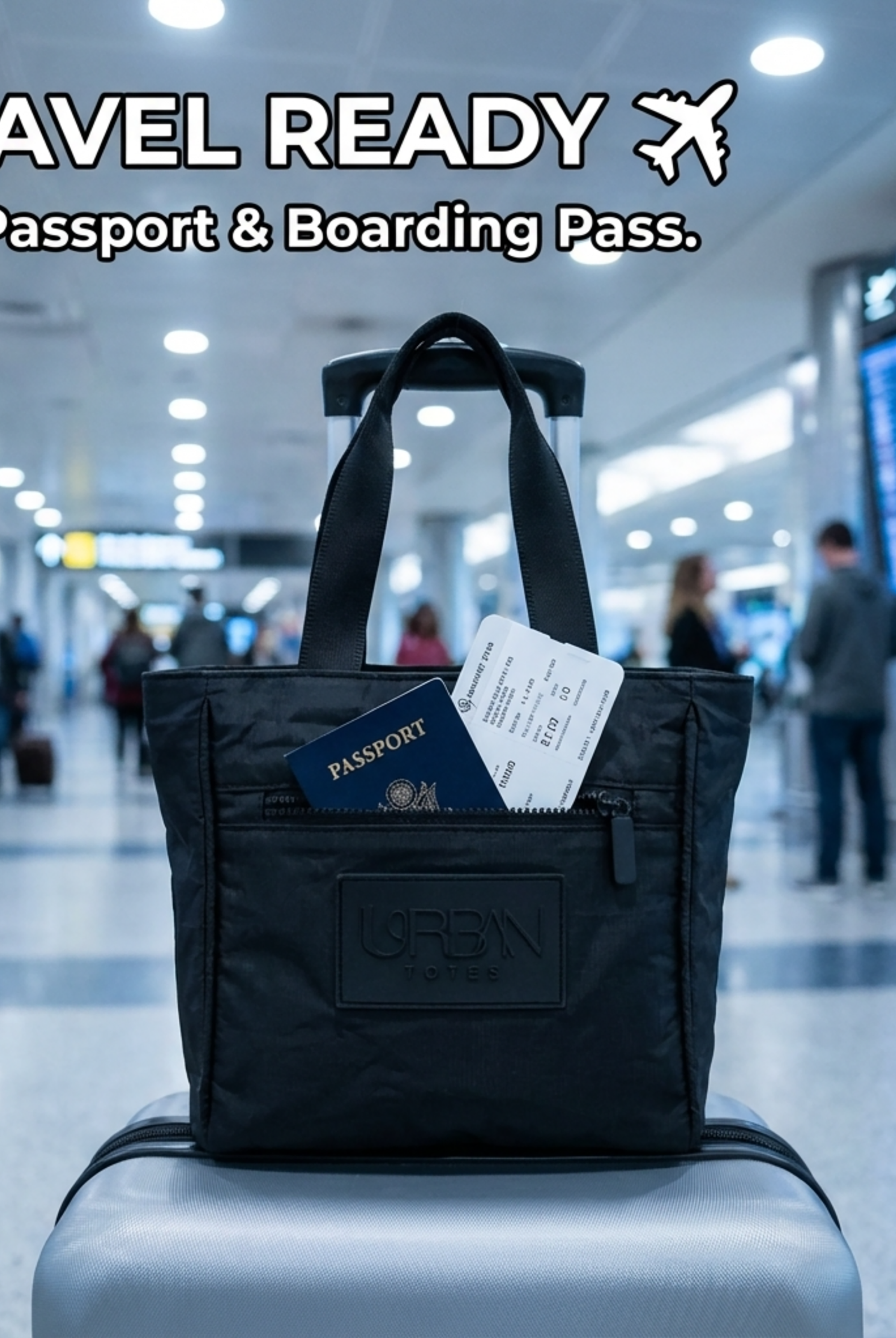
- Travel days: Lightweight material, secure closure, fabric that folds or compresses without looking crumpled.
- Daily minimalist carry: A cleaner shape with enough structure to stay neat, even with a lighter load.
- One-bag-for-everything use: Recycled technical fabric or polyester-based blends usually give the best balance of low weight, weather resistance, and durability.
The goal is not finding the most durable fabric on paper. It is choosing one that still feels good, still looks decent, and still works after a long ordinary day.
Choosing a Tote Bag That Keeps Up
You leave the house with a laptop, water bottle, charger, snacks, and the usual loose essentials. By lunch, a heavy canvas tote starts digging into your shoulder, or one light rain leaves the fabric damp and slightly misshapen. That is usually the moment bag material stops feeling like a style choice and starts feeling like a daily quality-of-life issue.
The best tote bag material is the one that disappears into your routine because it works. It stays manageable when the weather shifts. It holds its shape well enough that you are not fishing through a fabric puddle for your keys. It also needs to look pulled together without asking for special treatment.
Classic materials still earn their place. Canvas brings a familiar look, leather feels refined, and cotton keeps things casual. But each comes with trade-offs that matter in real life, especially if one tote needs to cover work, errands, travel, and everyday carry. Traditional fabrics often ask you to accept extra weight, more upkeep, or less protection from weather than you want.
That is why modern technical fabrics stand out. Good recycled performance materials give you a lighter carry, better resistance to moisture, and easier day-to-day cleaning without looking overly sporty or stiff. In practice, that balance is what busy women tend to notice most. A bag that feels good at 8 a.m. and still feels good at 6 p.m. gets used. One that needs constant babying usually ends up in the closet.
Design still matters as much as fabric. A lightweight shell, water-resistant finish, foldable structure, organized compartments, and zipper closure usually improve daily function more than a beautiful material alone ever could.
As a woman-owned, Boise-made brand, Urban Totes approaches bags from that lived reality. The focus is simple. Make a tote that handles school pickup, airport lines, grocery runs, and last-minute plan changes without becoming another thing to manage. Once you understand the trade-offs behind each material, it becomes much easier to choose a bag that fits your actual life.
For the longest life from any fabric you choose, regular care still makes a difference. Urban Totes shares practical advice in these tote bag maintenance tips and tricks.
Ready to stop settling for a tote that only works in theory?
If you want a stylish, functional bag designed for real life in motion, find your perfect go-anywhere bag at Urban Totes.