You're probably here because a tote avalanche has happened at least once this month.
One bag is by the door from school pickup. Another is still holding sunscreen and receipts from a beach day. A third is folded badly on a closet shelf, and the one you prefer, the lightweight, travel-ready one with the zipper closure, has somehow disappeared. Tote bags are useful because they work for everything. They're also notorious for multiplying faster than most home organization systems can keep up with.
That's not surprising when the tote bag market keeps growing. The global market for tote bags was valued at USD 2.75 billion in 2025 and is projected to reach USD 4.09 billion by 2034, which points to more bags entering everyday life and more households needing practical tote bag storage solutions (Market Data Forecast tote bag market report).
The fix usually isn't buying another bin. It's creating a simple system that matches real life. If your days move between errands, commuting, travel, and family logistics, your bags need to be visible, easy to grab, and easy to put back. That's where thoughtful tote bag storage changes everything. It turns a clutter problem into one less thing you have to think about before heading out the door.
If you want even more ideas for building a tidy routine around your collection, this practical guide on how to organize tote bags is a helpful companion read.
Table of Contents
- From Closet Chaos to Grab-and-Go Ready
- Prep Your Totes for Long-Term Storage
- How to Fold and File Totes to Save Space
- Finding the Perfect Home for Your Tote Collection
- Tote Storage for Travel and Everyday Errands
From Closet Chaos to Grab-and-Go Ready
The most frustrating tote clutter happens in the rushed moments. You're trying to get out the door, coffee in one hand, keys in the other, and suddenly every bag you own feels wrong. The roomy one still has snacks rolling around in the bottom. The stylish one isn't sturdy enough for a laptop. The foldable one you wanted for errands is lost in a heap under two older bags you forgot you even had.
That kind of mess doesn't mean you own too many bags. It usually means your storage system is working against you. Bags get shoved wherever there's room, then they stop being part of your daily rhythm. A great tote is supposed to make life easier. If it takes a mini excavation project to find it, the system needs help.
Why tote bag storage matters in real life
For busy women, organized storage isn't about making a shelf look pretty for five minutes. It's about making the morning run smoother. It's about knowing your beach bag is ready for towels, your commuter tote is empty and waiting, and your foldable backup is packed for the grocery stop you didn't plan.
Keep the bags you actually use in rotation. Hidden bags become forgotten bags.
A stylish, functional tote collection works best when each bag has a job and a home. That might be a hook near the kitchen, a shelf in the hall closet, or a drawer where folded bags stand upright instead of collapsing into each other.
What an effective system looks like
The best setups are simple enough to maintain on busy days.
- Daily bags stay visible: Keep the totes you reach for most where you can grab them fast.
- Occasional bags get compact storage: Travel bags, beach bags, and spare market totes can live folded and filed.
- Nothing lives in a random pile: Once bags start stacking loosely, the whole system falls apart.
That's the shift from closet chaos to grab-and-go ready. Your tote collection doesn't need a dramatic makeover. It needs a smart place to land.
Prep Your Totes for Long-Term Storage
Long-term tote bag storage starts before folding. If a bag goes away with sand in the corners, pen marks in the lining, or dampness trapped near the seams, it won't come back out looking better. Modern bags made from water-resistant, lightweight, packable materials need a little more intention than the old “toss it on a shelf” method.

Start with a clean, empty bag
Empty every pocket first. That includes the obvious main compartment and the small easy-access spots where receipts, lip balm, earbuds, and bobby pins like to hide.
Then clean based on the bag's material and structure.
- Shake out debris first: Turn the bag upside down and clear out crumbs, sand, and lint before adding any moisture.
- Spot-clean the exterior: Use a soft cloth and a gentle, alcohol-free wipe or cleaner that won't leave the fabric stiff.
- Wipe the lining and pockets: Multi-pocket interiors collect the most daily mess, especially in an everyday carry tote.
- Let it dry completely: Never fold a bag while it's even slightly damp.
For care routines designed for everyday use, this guide on tote bag maintenance tips and tricks is worth bookmarking.
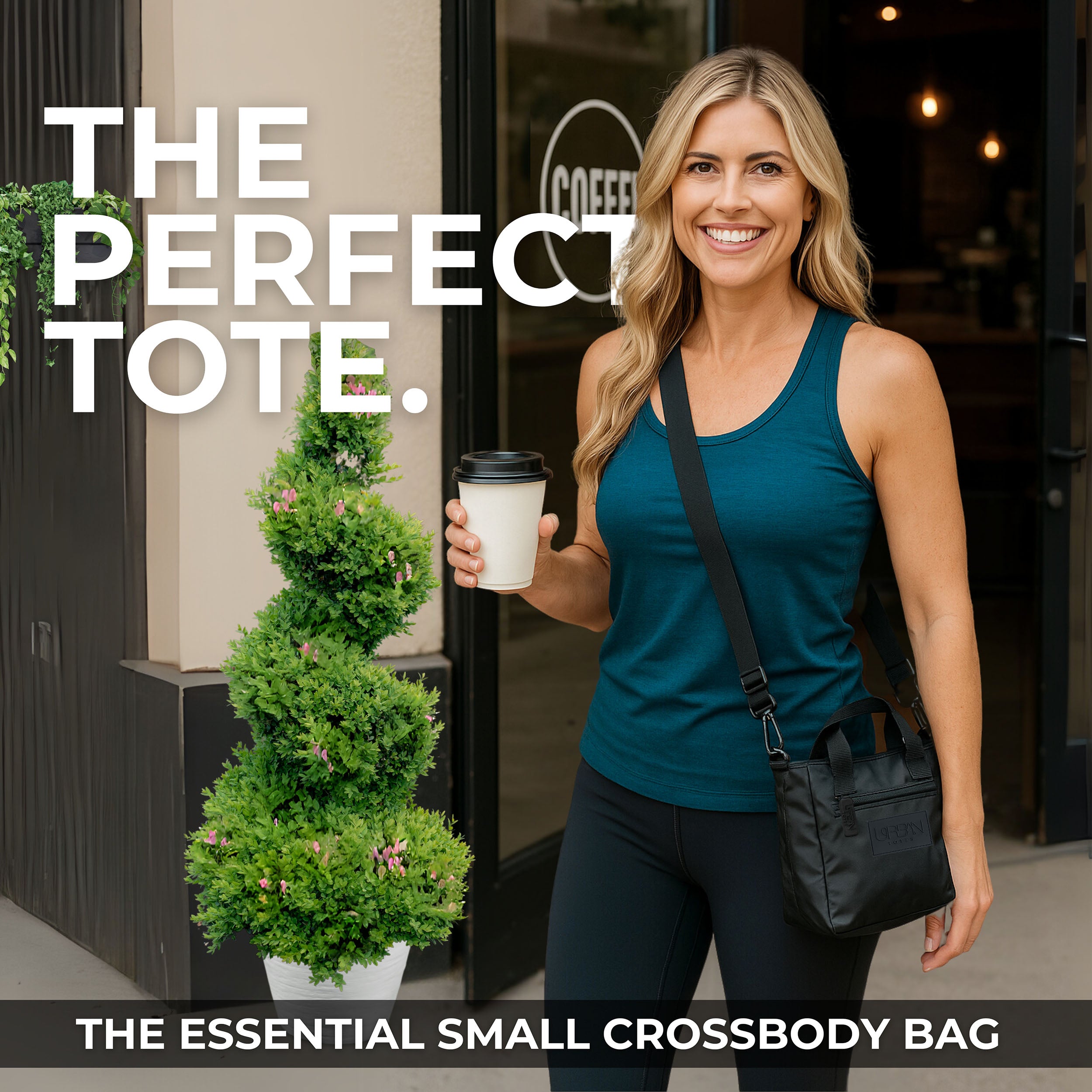
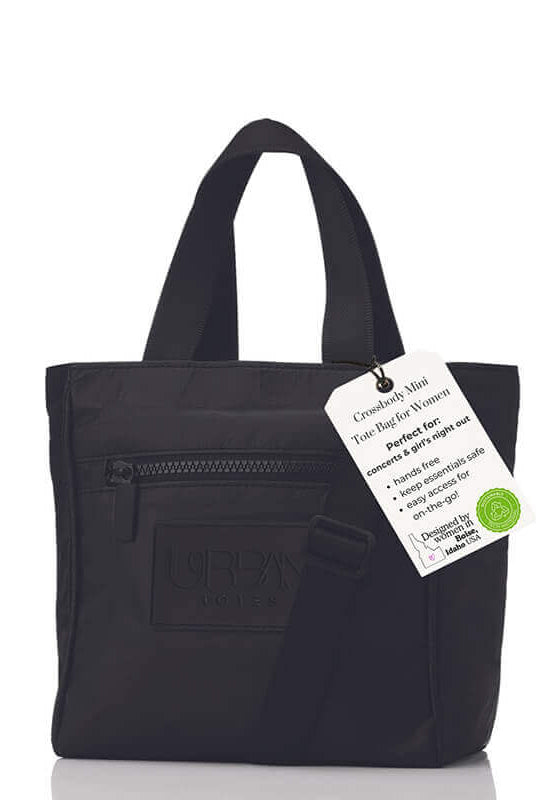
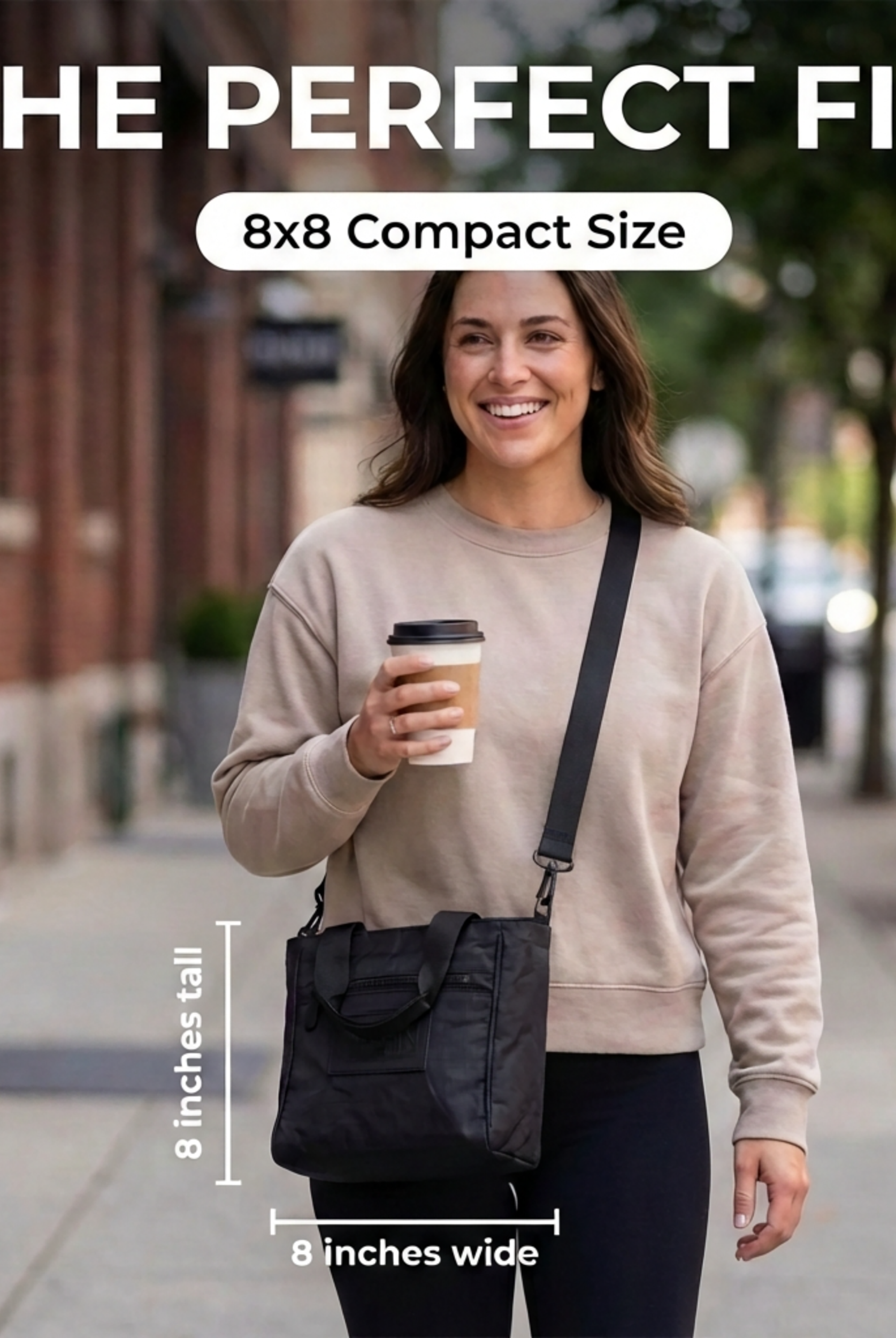
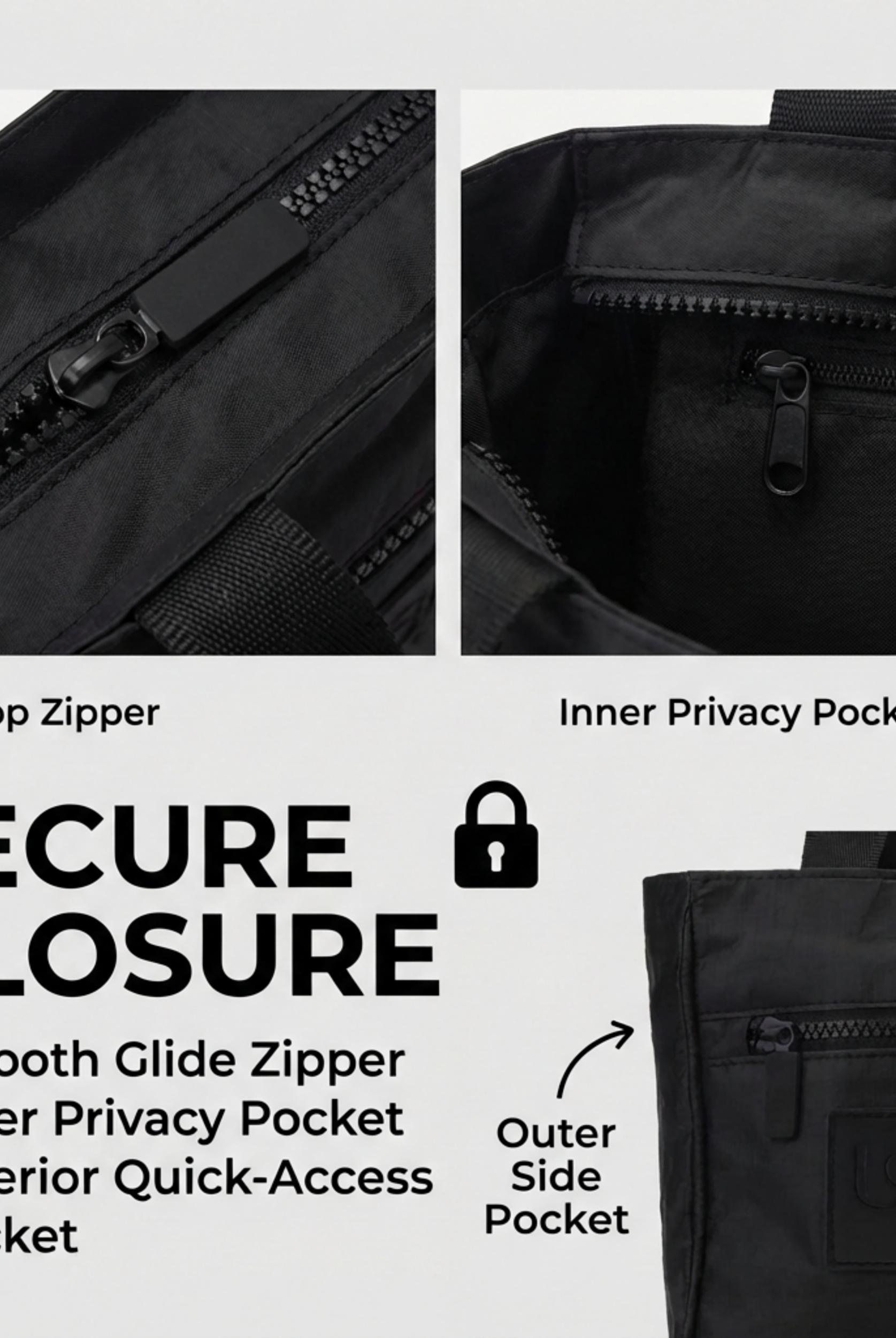
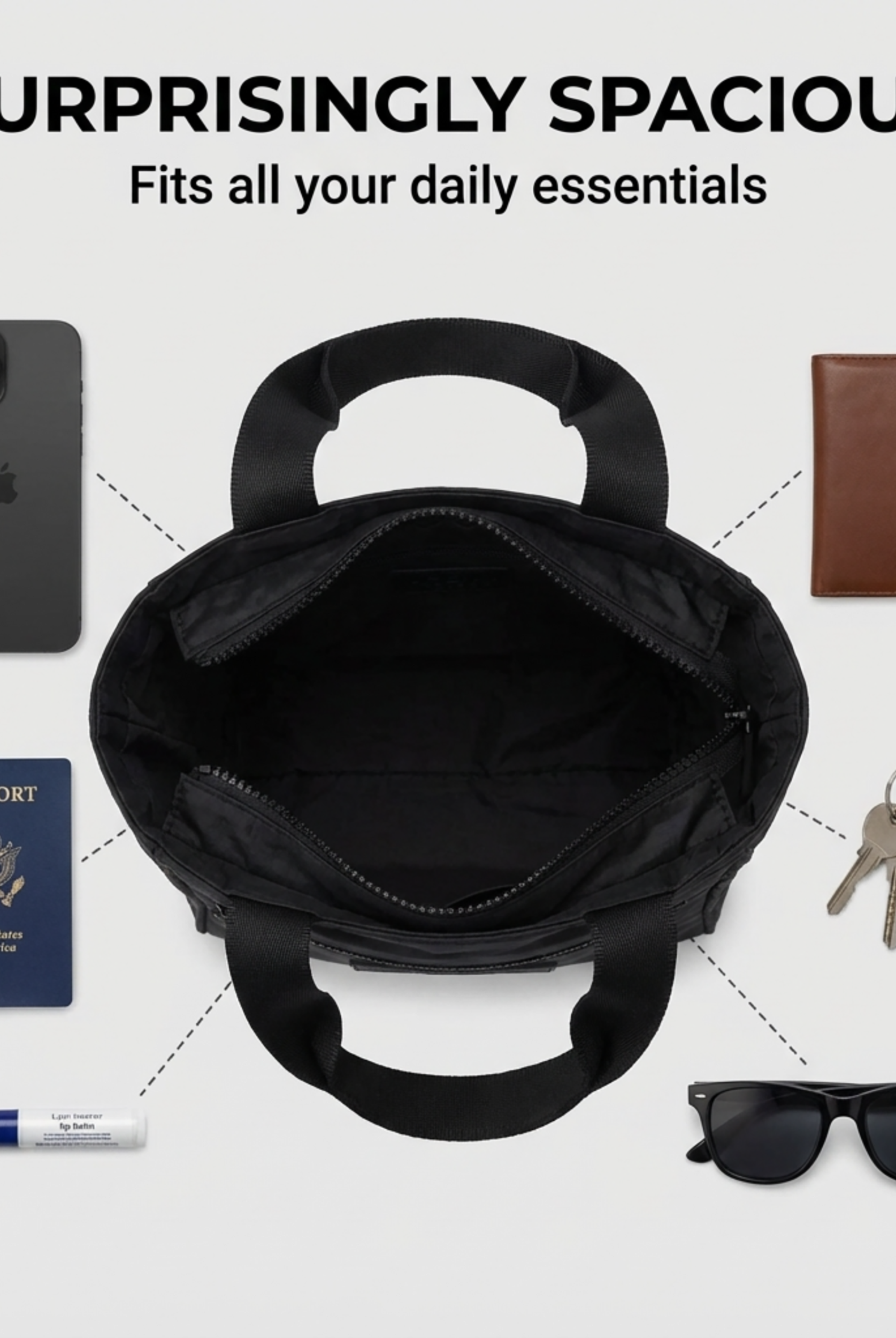
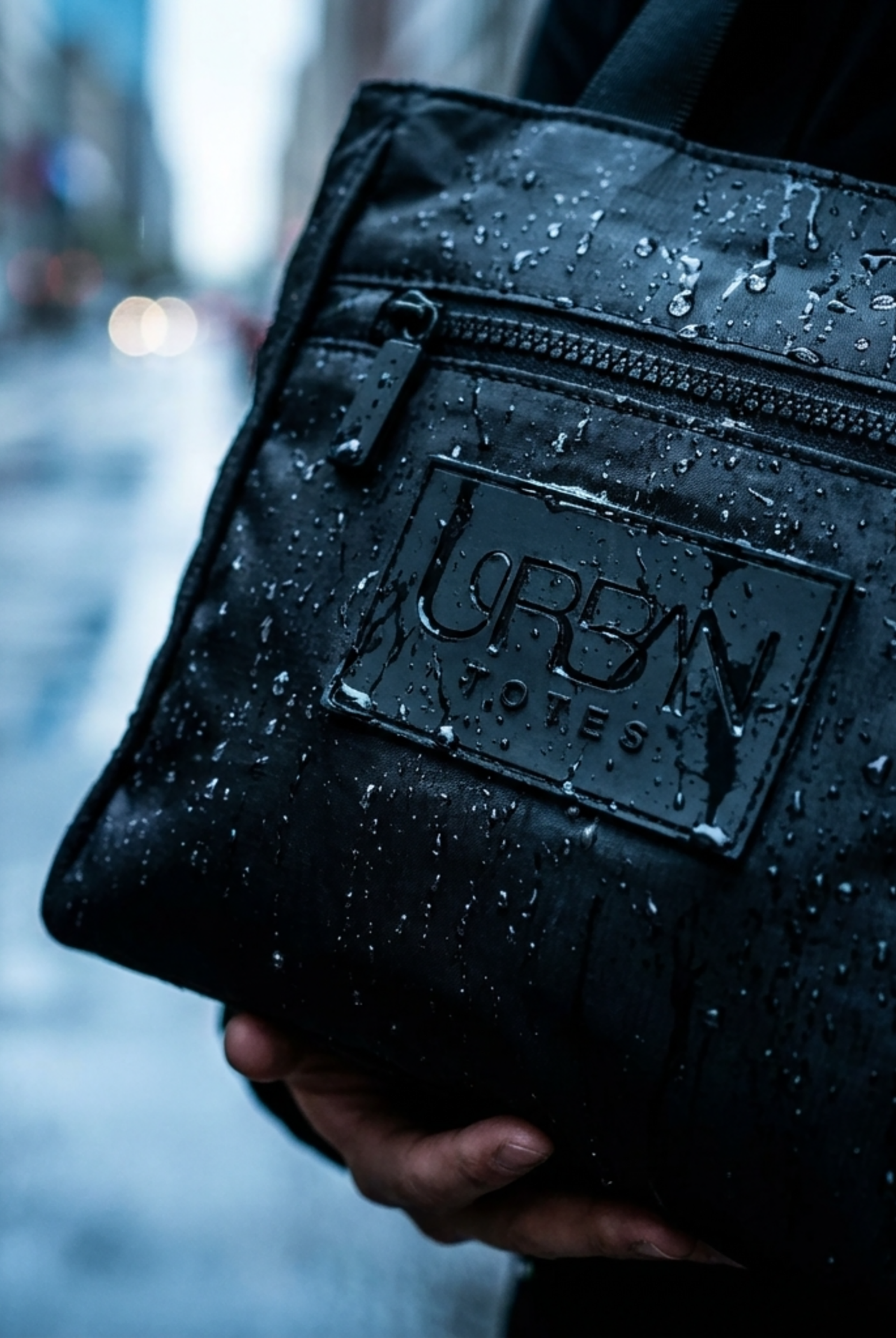
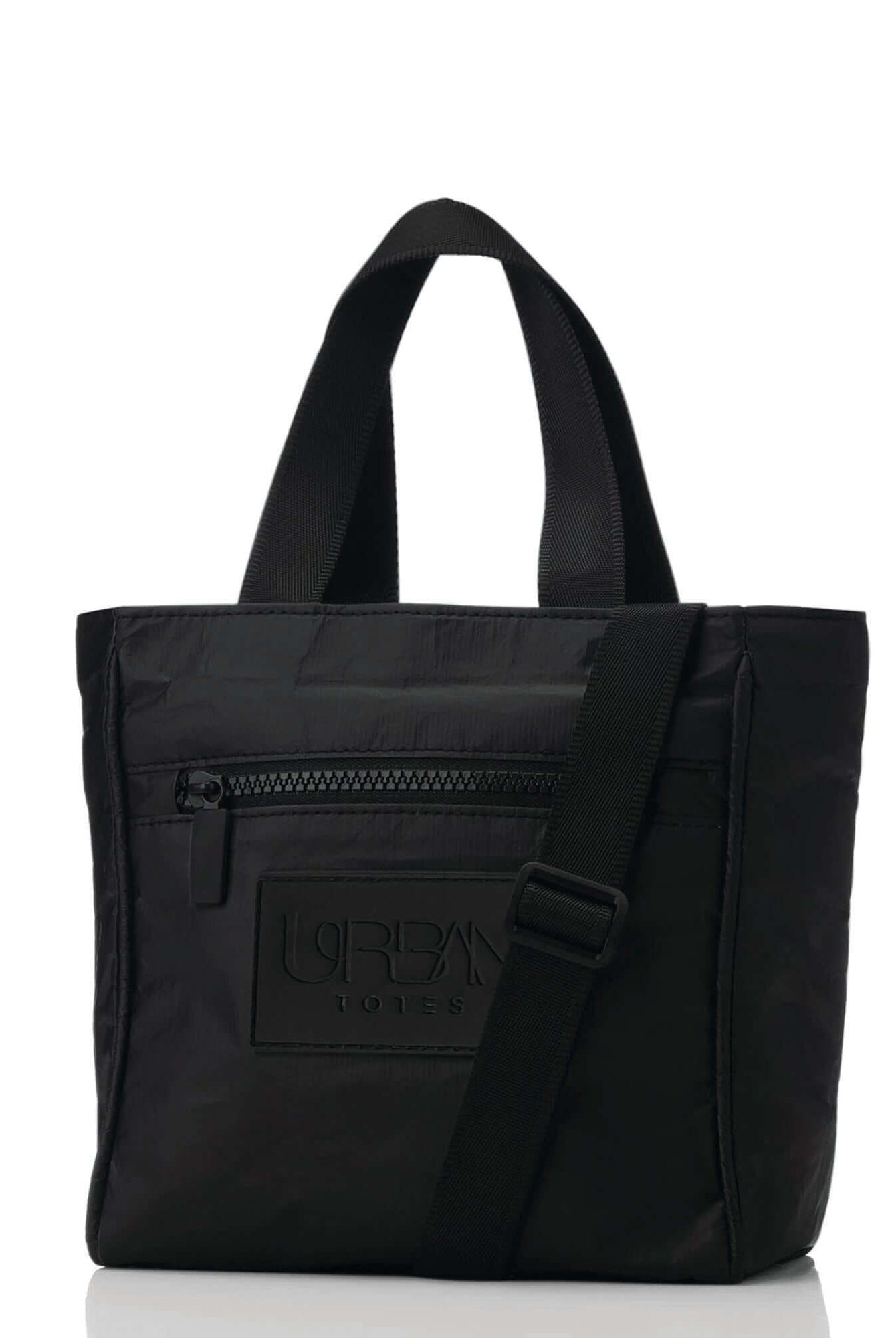
A compact style like the Crossbody Tote Bag Mini Purse is a good example of why prep matters. It has a zip-top closure, an outside zipper pocket, an easy-access outer pocket, a black interior, and structured piping to hold its shape, so it benefits from being emptied and smoothed out before storage rather than crumpled and dropped into a bin.
Practical rule: Clean after the last use, not when you need the bag again. Storage goes better when the tote is already ready.
Choose the right storage environment
Material care matters just as much as cleaning. Optimal tote bag storage requires environmental controls of 18–22°C (64–72°F) temperature and 40–50% relative humidity. Deviation beyond these ranges increases material degradation risk by 3.5x for water-resistant coatings and 2.8x for recycled polymer fibers (Tote Bag Factory storage guidance).
That's why garages, hot cars, damp basements, and steamy laundry rooms are poor choices for long-term storage, even if they seem convenient. If you're dealing with a home where temperatures swing a lot or humidity is hard to manage, a guide to Boston climate controlled storage offers useful context on why stable conditions matter for stored belongings.
A few simple choices make a difference:
- Pick breathable spaces: Closet shelves and bedroom storage usually work better than sealed containers in humid spots.
- Avoid direct heat: Don't store bags next to radiators, sunny windows, or attic access points.
- Give bags a little airflow: Especially for foldable or water-resistant materials, stale air is never ideal.
Many handbag storage guides focus on leather care. That misses what modern, thoughtfully designed bags need most, which is clean surfaces, complete drying, and a stable environment.
How to Fold and File Totes to Save Space
A lot of tote bag storage problems come from one habit. People pile bags instead of filing them. Piles look fine for a day, then they slump, slide, and hide the bag you need at the exact wrong moment.
The better move is a repeatable folding method and an upright filing system that keeps every tote visible.

Use the fold that protects the bag
For structured tote bags made of recycled high-tech materials, the standard sequence matters. Laying the bag flat, folding handles inward, folding sides to the middle, and folding the bottom up reduces storage volume by approximately 65–70% while preventing seam stress (Erin Condren tote organization guide).
That method works because it respects the shape of the bag instead of fighting it.
Try this:
- Lay it flat: Smooth the body of the bag on a bed, table, or clean floor.
- Tuck the handles inward: This keeps straps from twisting and creating awkward bulk.
- Fold the sides toward center: Bring each side in evenly so the bag forms a clean rectangle.
- Fold the bottom up: Fold until the shape feels compact but not strained.
- Stop before over-compressing: If the zipper closure, piping, or compartments are fighting back, loosen the fold.
The goal isn't to make the smallest possible square. It's to create a compact shape that opens back up easily and still looks polished.
File, don't pile
Once folded, stand bags upright like files instead of stacking them flat. This is the method that keeps your collection organized over time.
A filed tote is easy to see, easy to pull, and easy to put back.
If you use a drawer, shelf bin, or storage basket, line the folded bags up vertically. Grouping by use helps more than grouping by color. Put beach bags together, daily commuter bags together, and travel-ready extras in their own row.
Here's a quick comparison:
| Storage style | What works | What doesn't |
|---|---|---|
| Vertical filing | Keeps bags visible and organized | Requires a little folding discipline |
| Flat stacking | Fast in the moment | The bottom bags disappear |
| Loose stuffing in bins | Hides clutter at first glance | Creates a wrinkled, unusable mess |
For larger seasonal storage, these effective storage unit organization tips are useful because the same principle applies. Label categories, keep often-used items accessible, and avoid deep, unsorted piles.
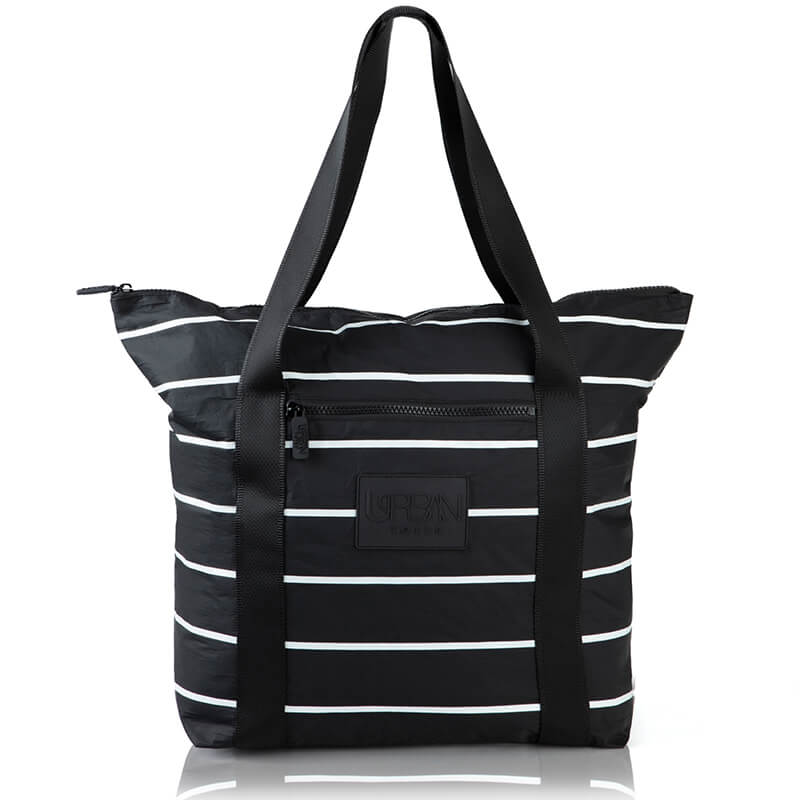
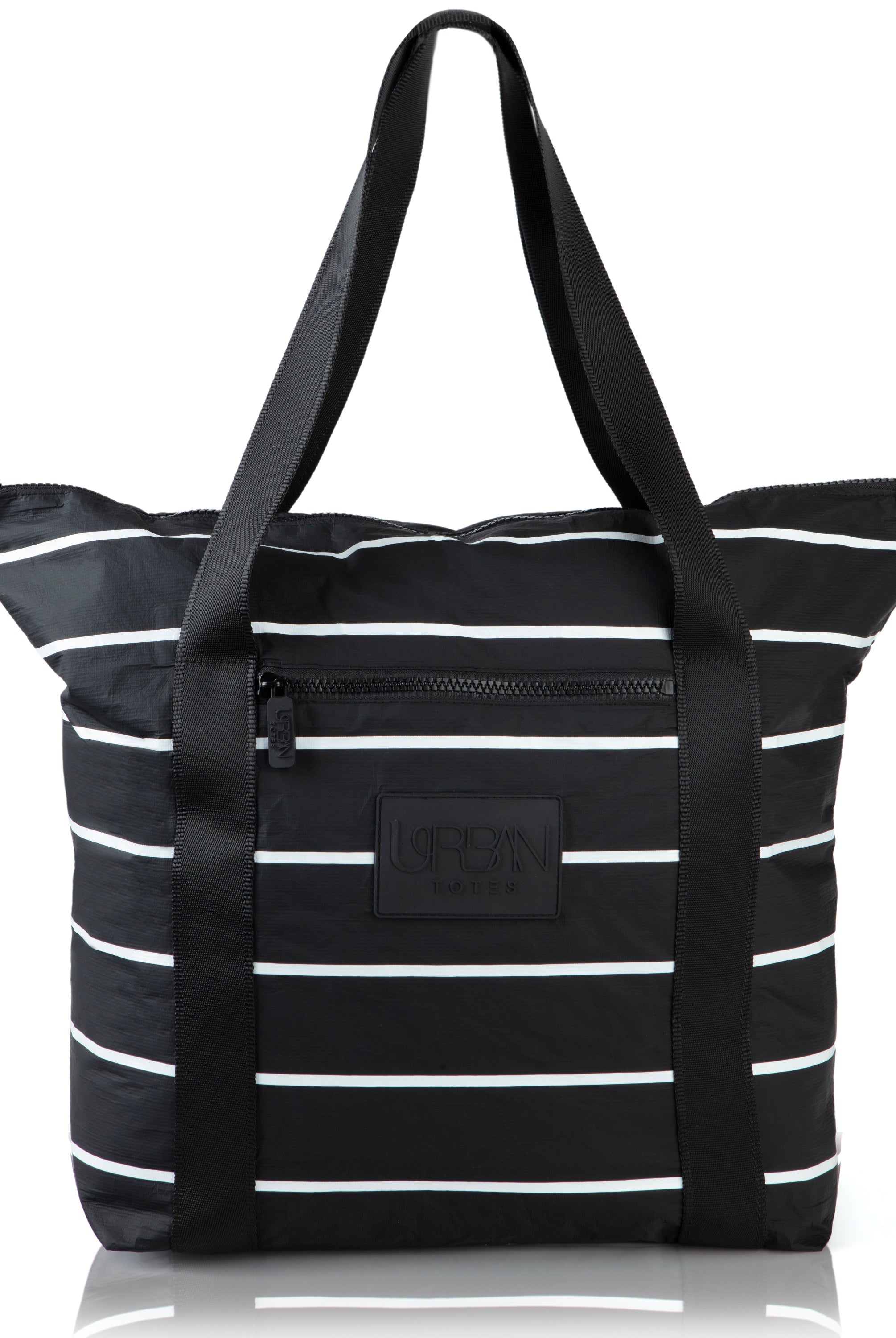
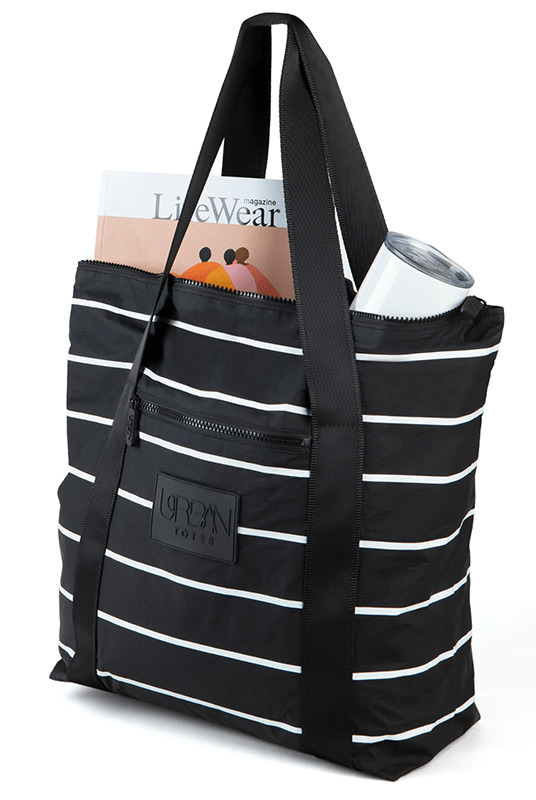
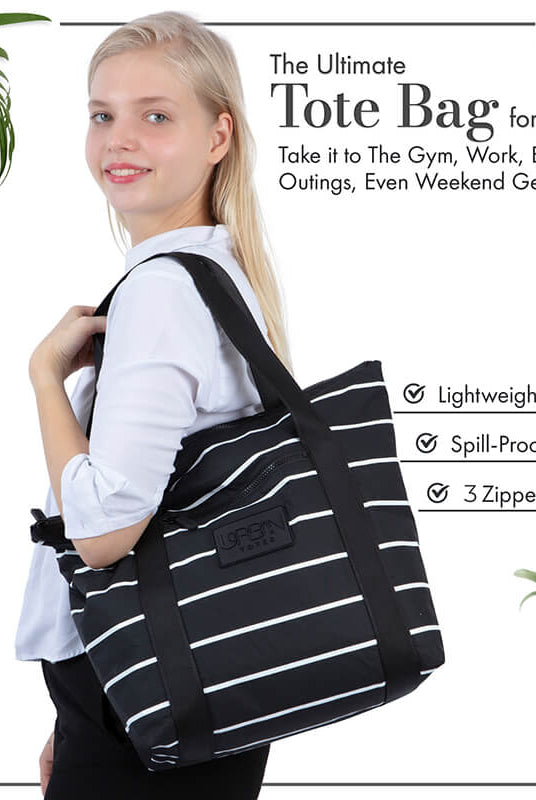
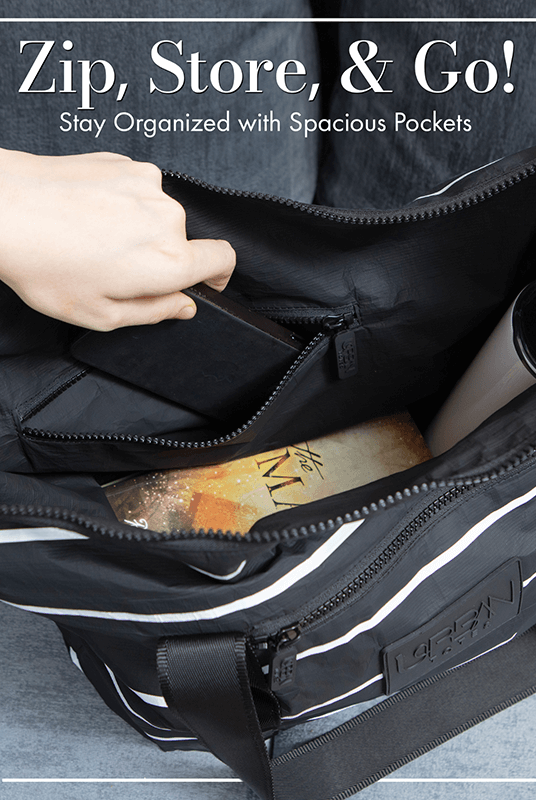
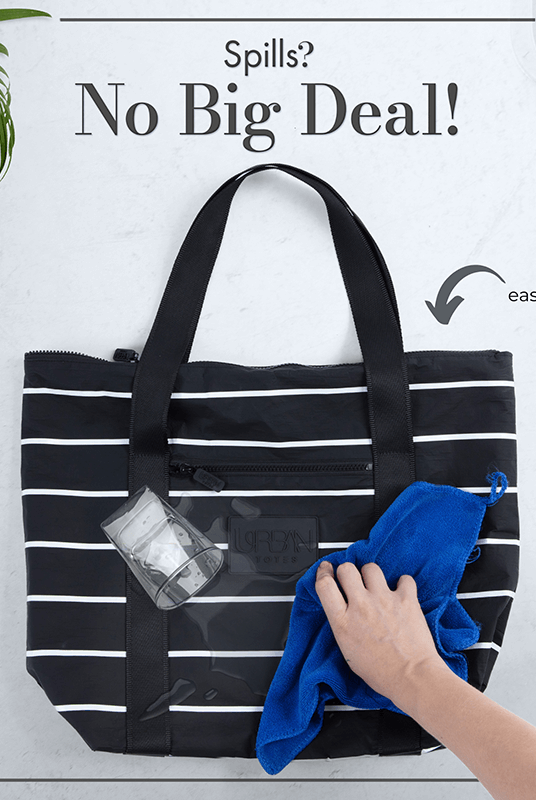
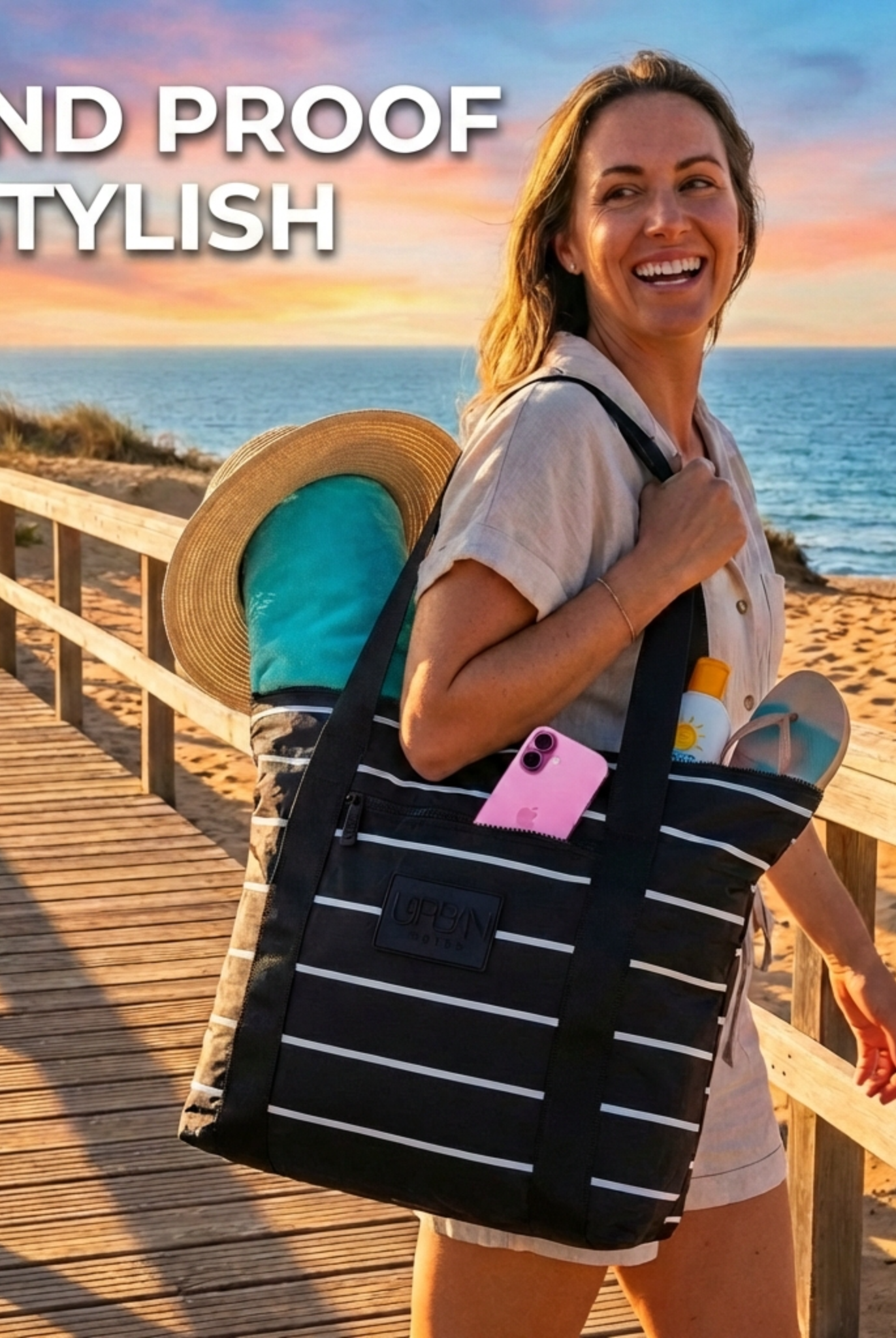
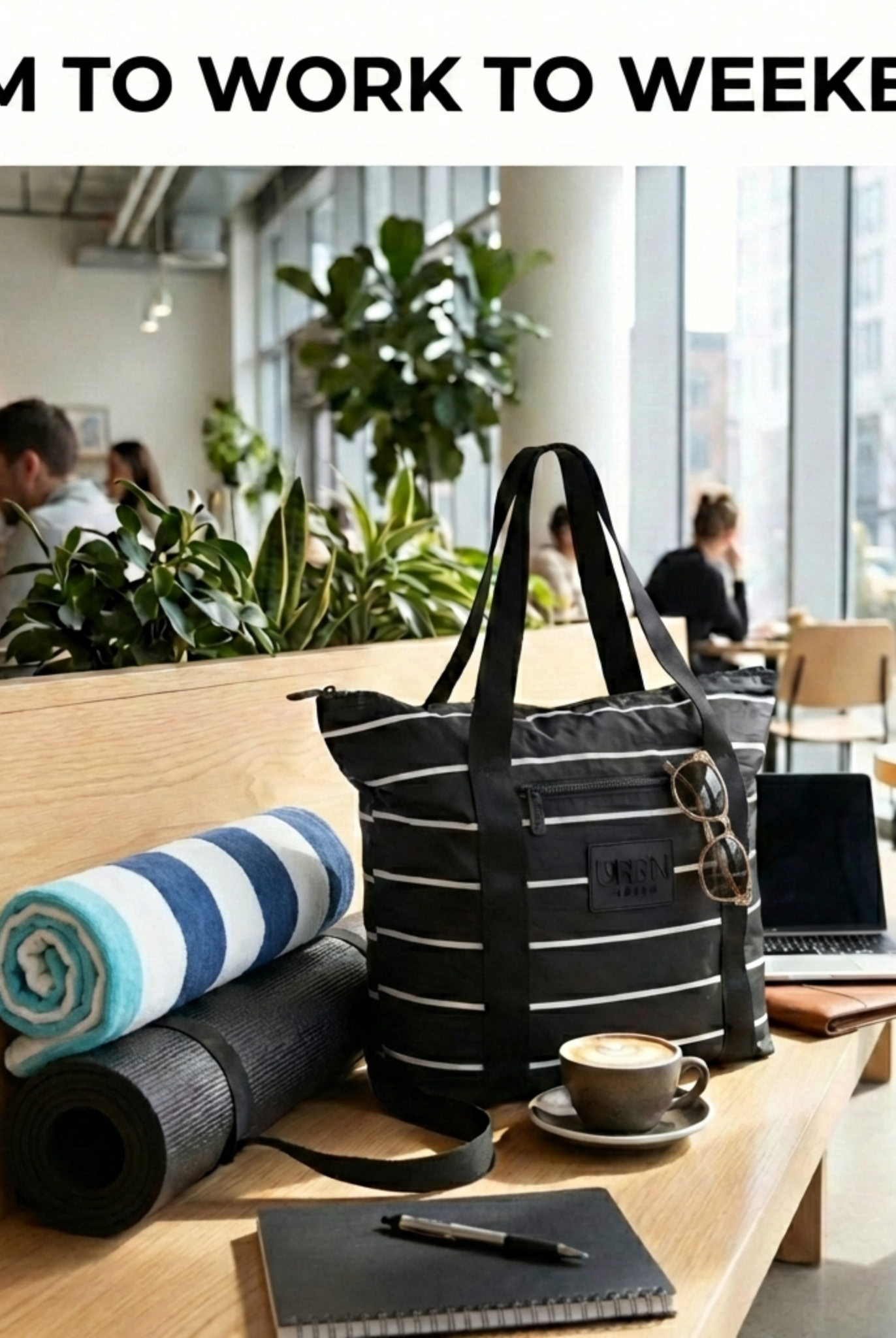
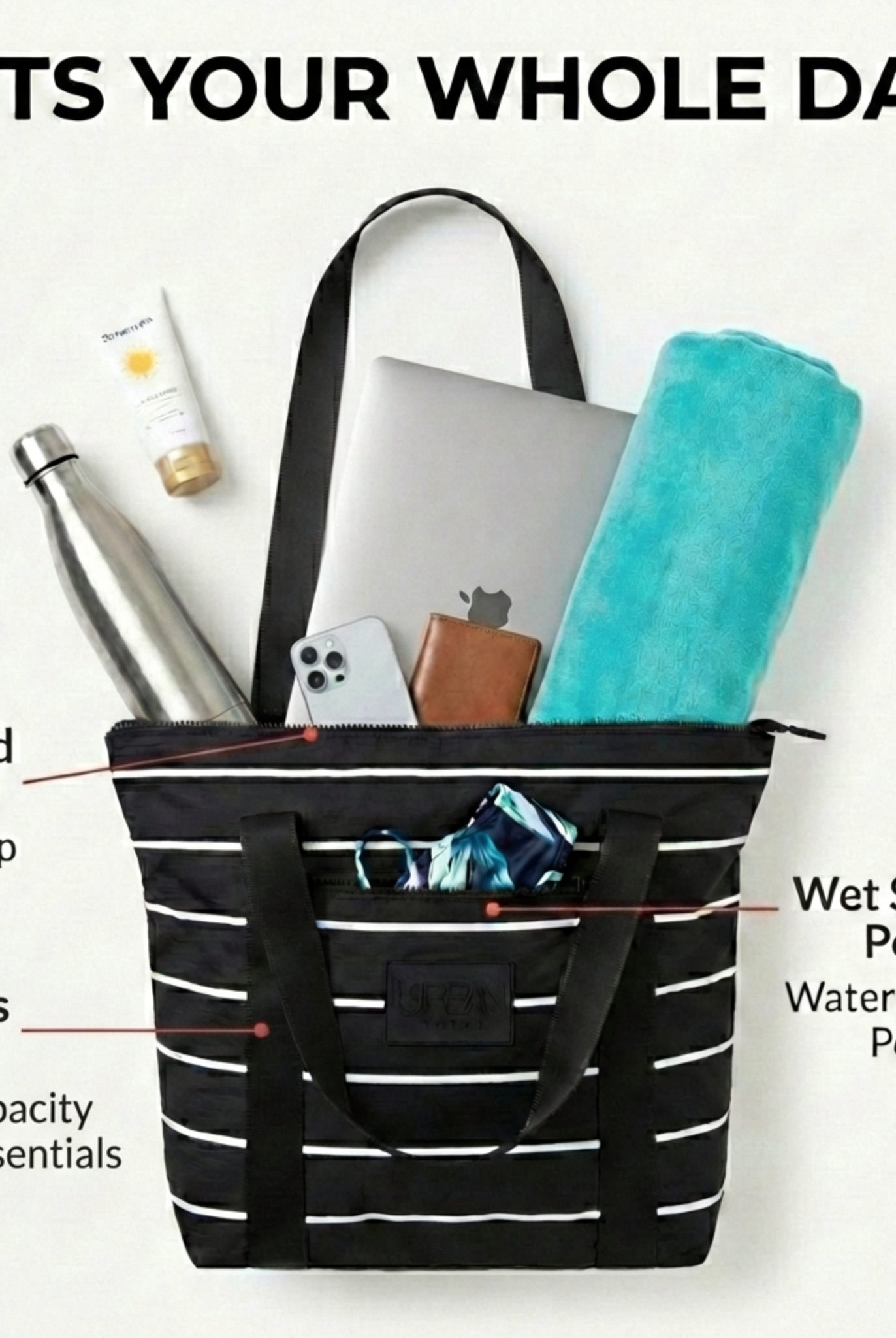
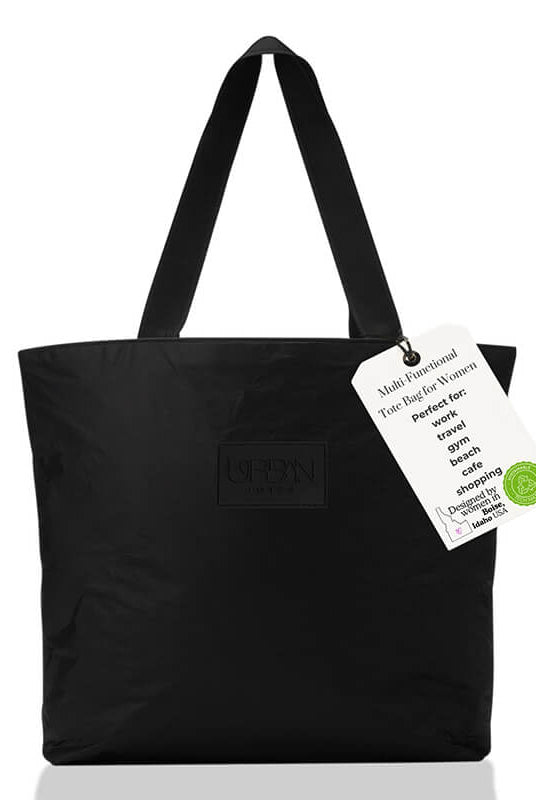
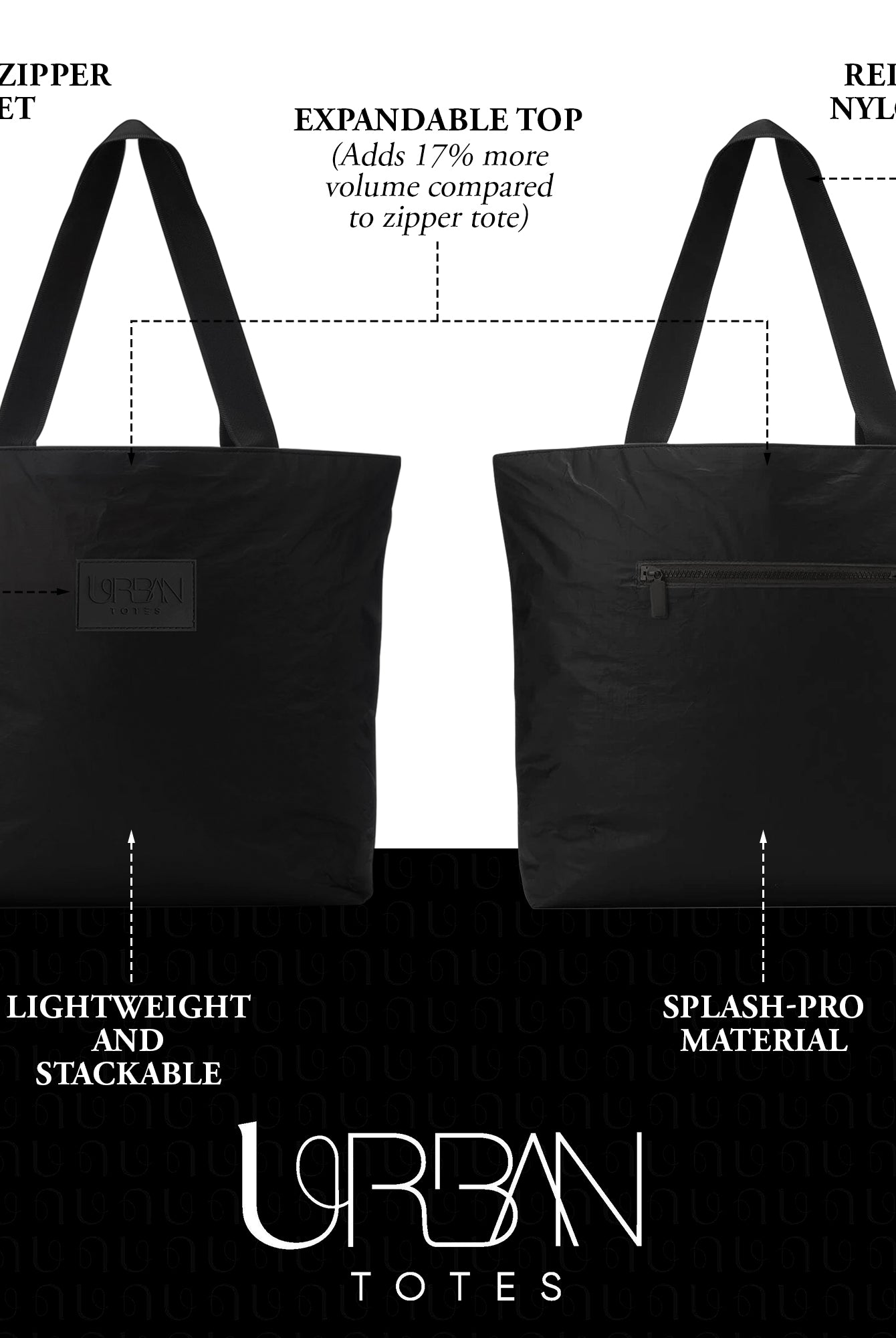
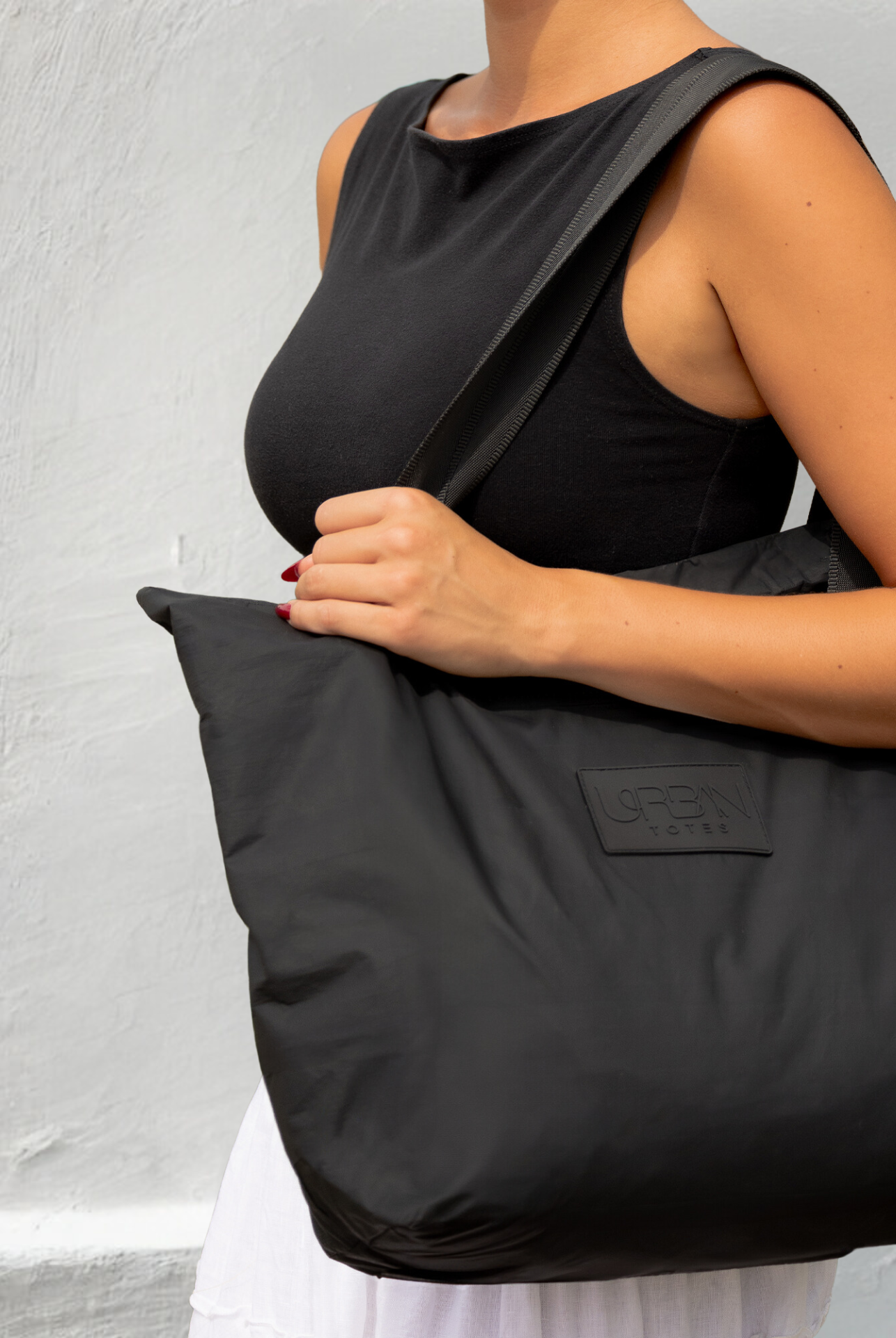
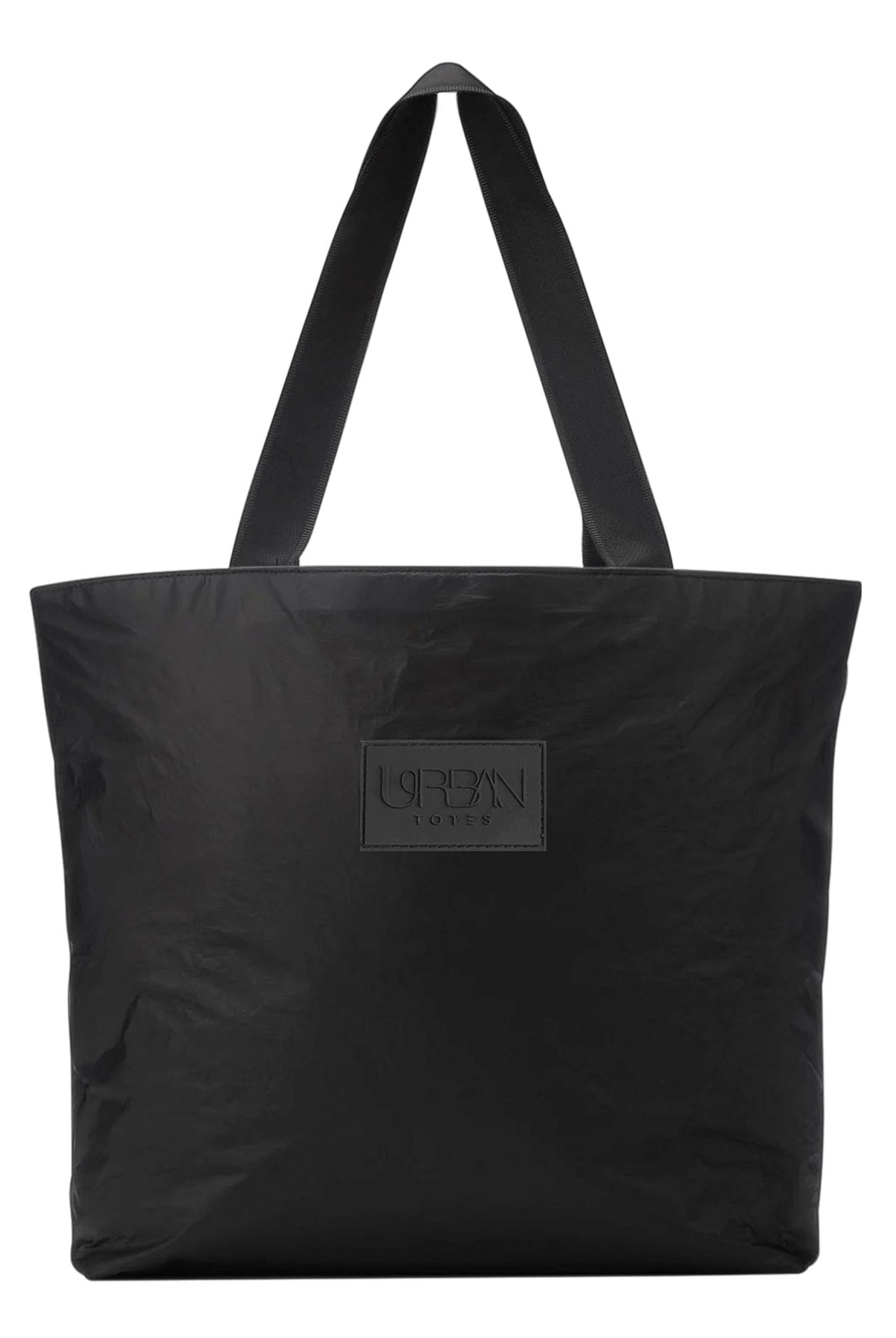
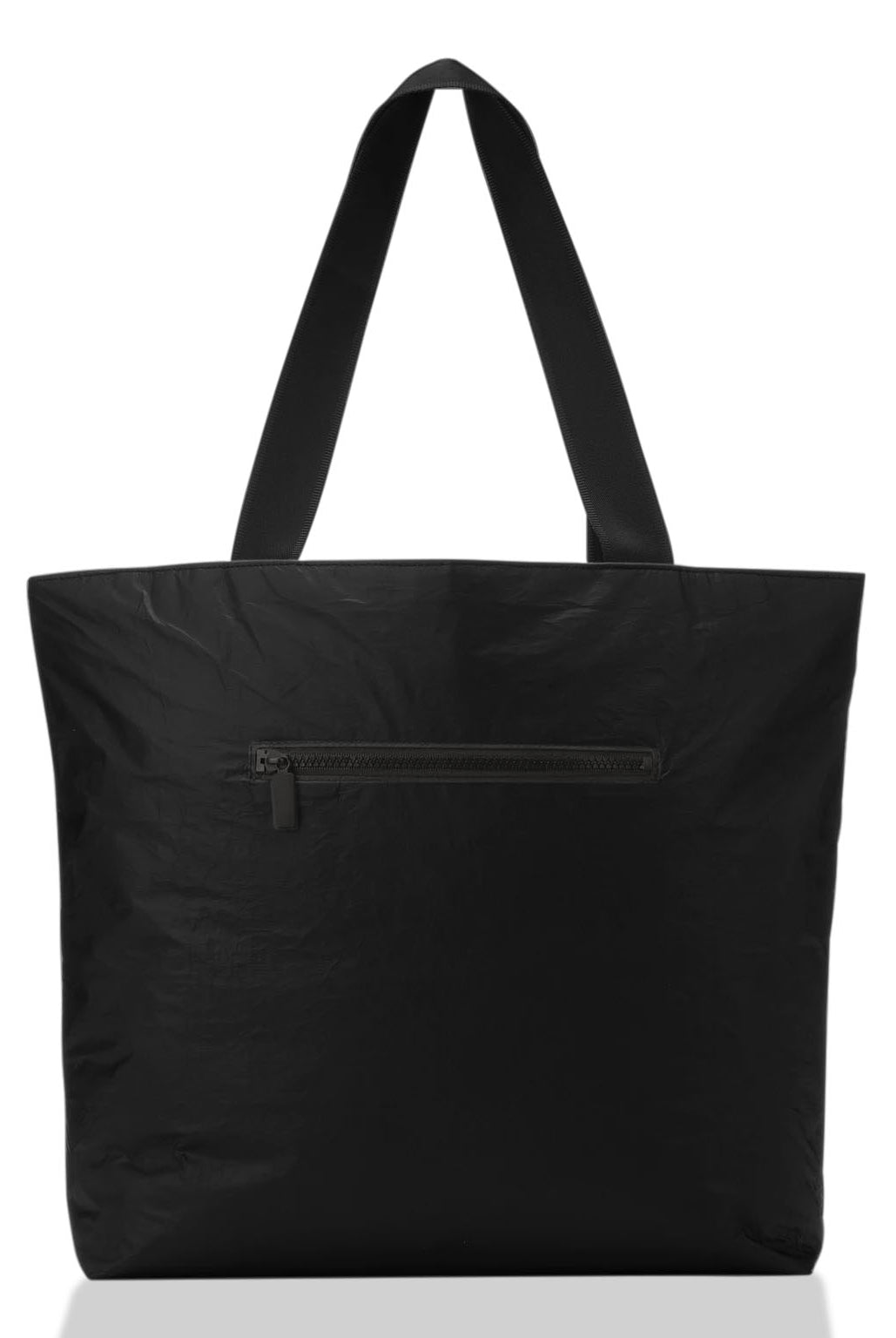
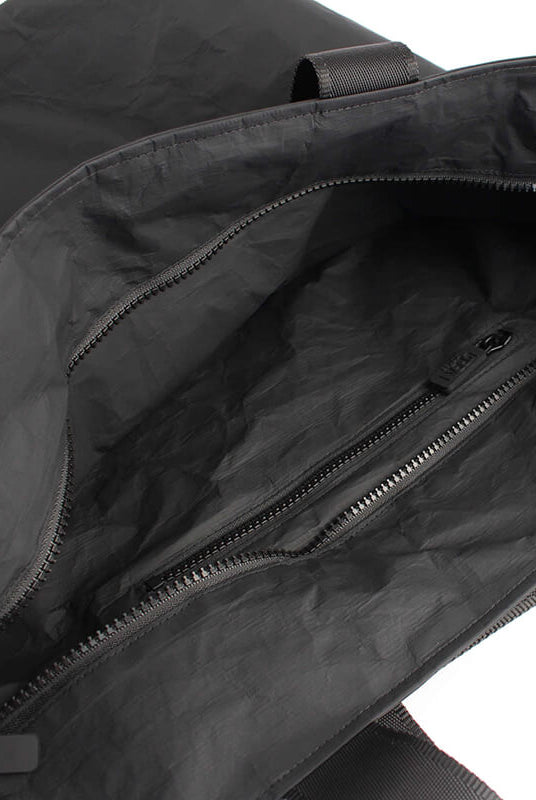
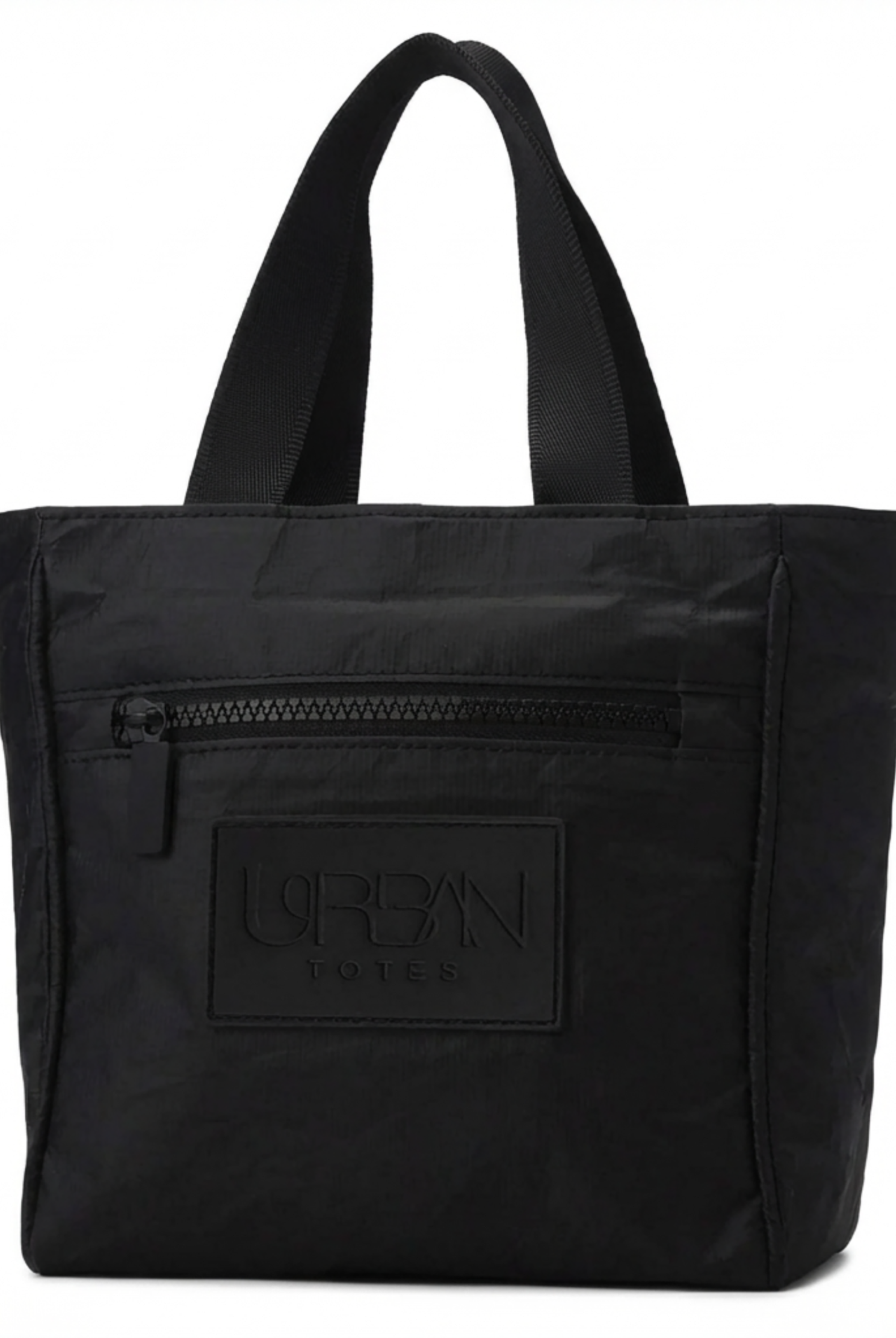
If you like structured interiors and easy-to-access compartments, a piece like Elevate Every Adventure with The OG Zipper Tote Bag by Urban Totes deserves that careful fold. It measures 19" W x 14.5" H, includes inside and outside zipper pockets, and is described as lightweight, packable, and water-resistant, so filing it properly helps preserve its shape and keeps those functional details easy to enjoy when you pull it back into rotation.
For readers trying to match storage methods with bag design, this article on a tote bag organizer with zipper adds helpful context.
Finding the Perfect Home for Your Tote Collection
Once bags are clean and folded, the next question is simple. Where should they live? The answer depends less on the size of your collection and more on how you use it.

For the daily-use bags
The most practical systems keep your favorite bags close to where life happens. The most common and effective storage strategies include hanging 2-3 favorite bags on kitchen hooks for daily use and vertical filing the rest inside a single largest tote to maximize space efficiency and prevent chaotic scattering across living areas (community tote storage discussion).
That setup works beautifully in real homes.
A busy mom might keep two go-anywhere bags on hooks near the mudroom or garage entry. One is for school papers and snacks. One is for errands. A commuter may hang her work tote near the coat closet, ready for laptop, charger, and water bottle. An apartment dweller might use a single shelf and still get the same effect by keeping only the current rotation visible.
For the rest of the collection
The smartest overflow solution is the nesting method. Store smaller folded totes inside the largest tote you own, then place that one “bag of bags” on a shelf, in a front cupboard, or in the trunk for backup.
That method is especially useful when you want order without turning your closet into a container store display.
- Use hooks for your top rotation: Great for the bags you grab multiple times a week.
- Use one large tote as a container: This keeps occasional bags together and easy to move.
- Use drawers for slim, foldable styles: Best for minimalist homes where every inch matters.
If a bag supports your daily routine, store it where your routine already happens.
Closet systems can help if your storage space is awkward. These GrifGlo closet solutions offer ideas for using shelves, vertical compartments, and overlooked closet space without overcomplicating the setup.
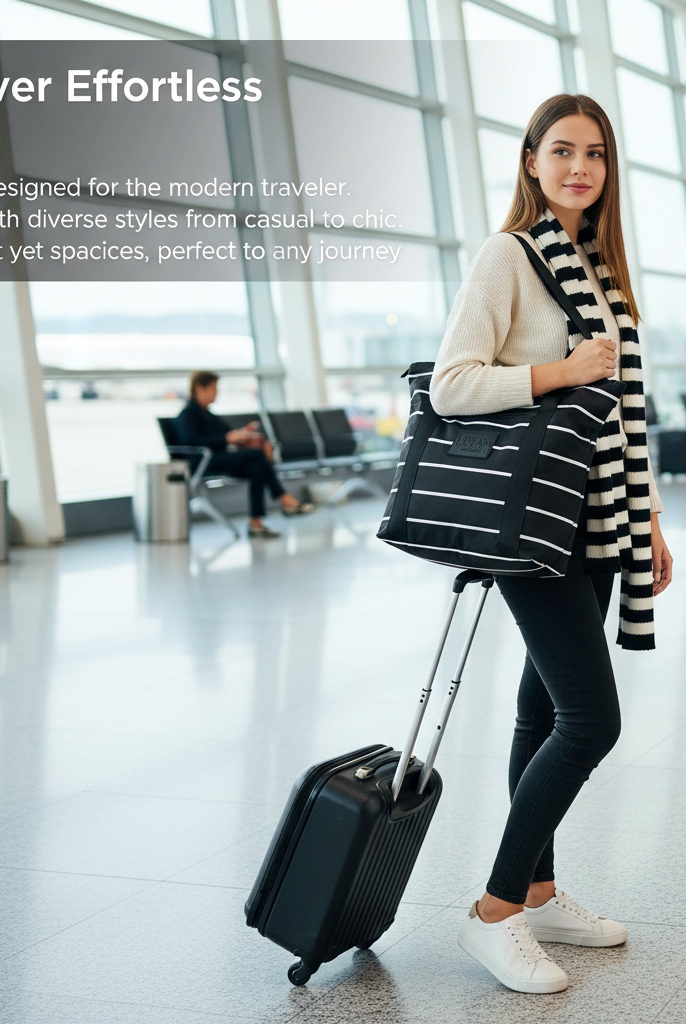
A woman-owned, Boise-made brand often designs with that kind of practical life in mind. You see it most clearly in bags built with compartments, zipper closures, and easy-access pockets, because they're meant to move from shelf to school drop-off to airport terminal without needing a total reset each time. If compartments are part of what makes a bag functional for you, this read on tote bag compartments is a smart next step.
Tote Storage for Travel and Everyday Errands
Home storage is only half the story. The best tote bag storage habits also make travel easier and daily errands less chaotic. A well-folded bag becomes a backup plan you'll use.

Packable storage that travels well
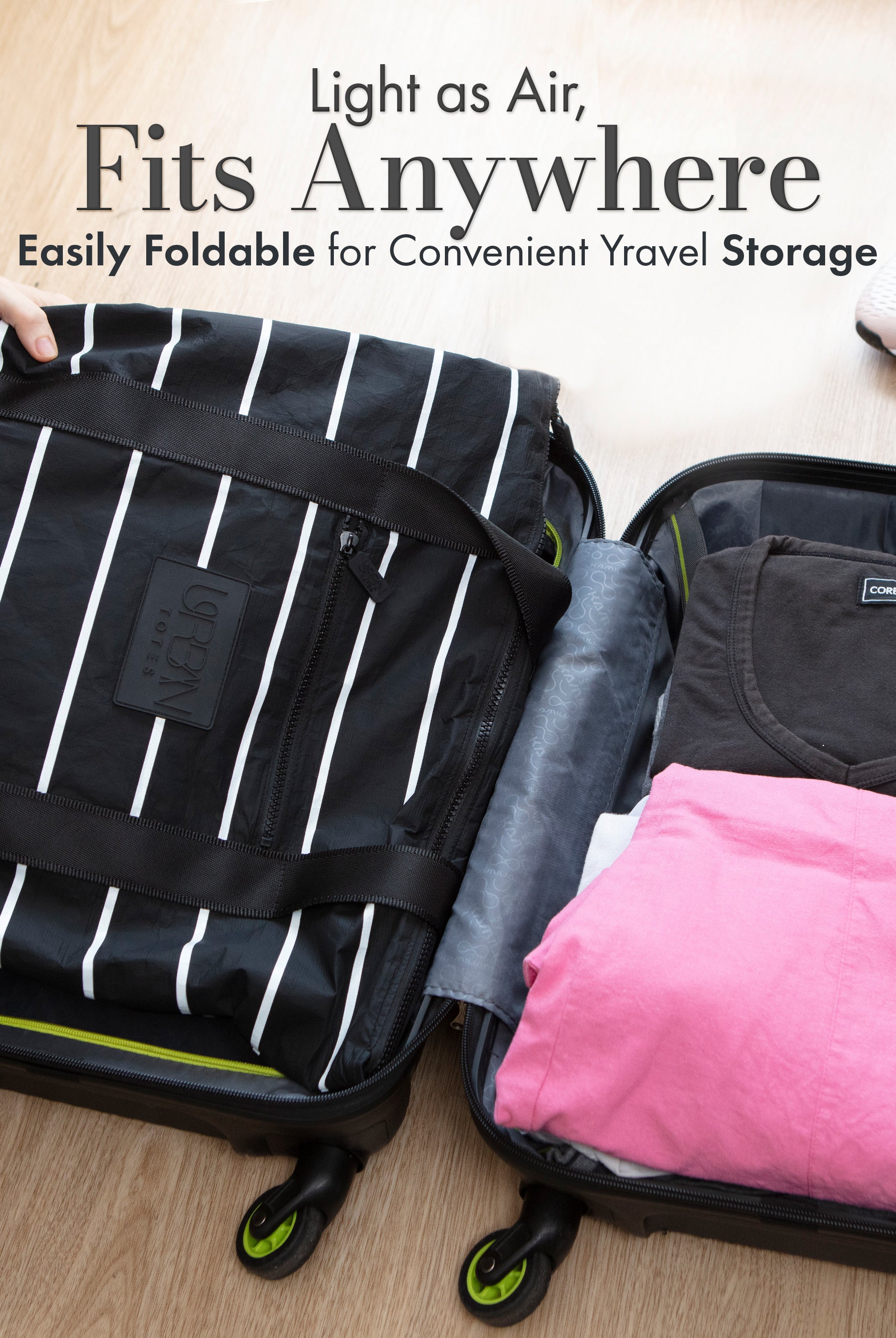
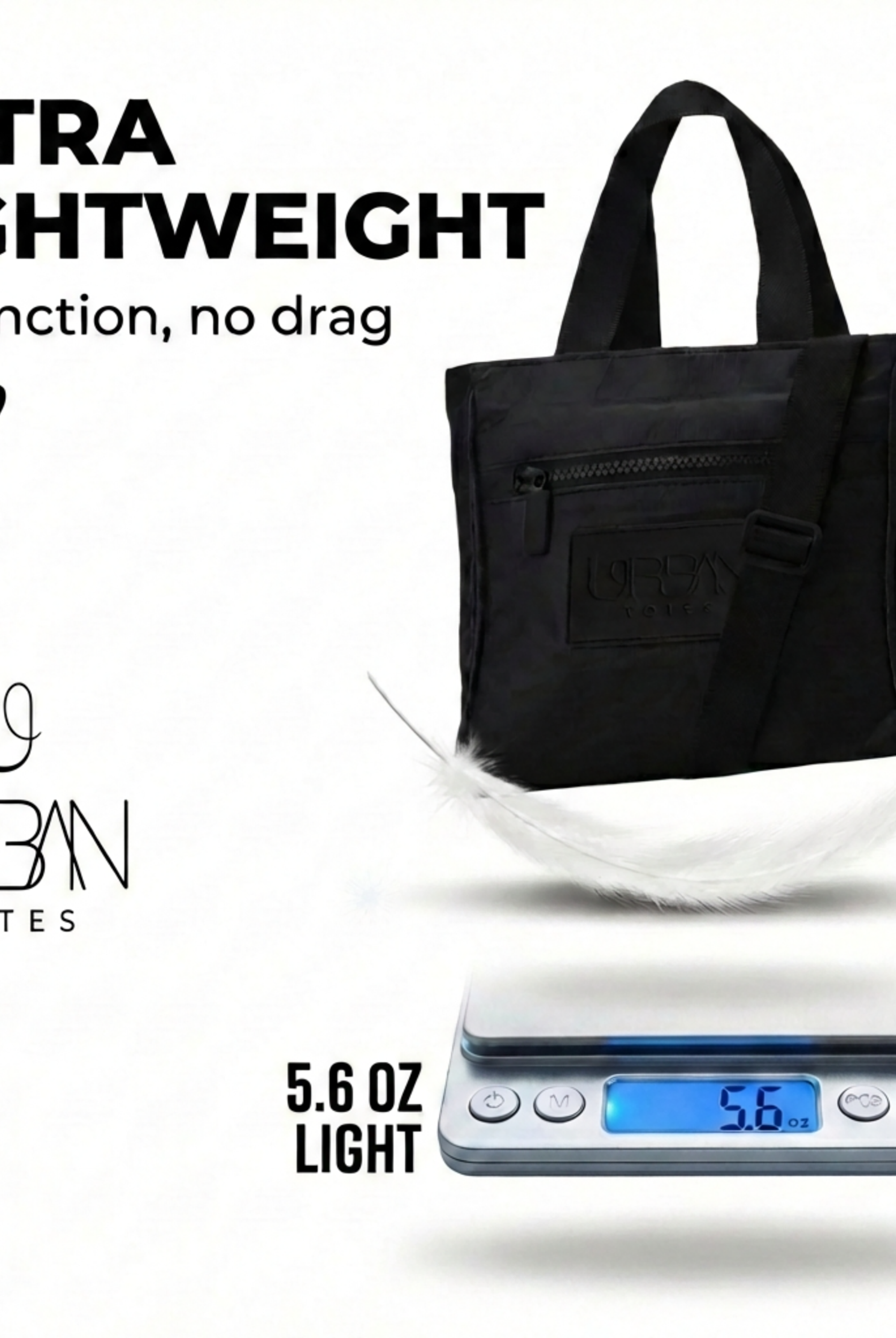
For women who travel with a carry-on, a foldable tote earns its place quickly. Bags that can be compressed to under 4 inches in thickness reduce storage volume by approximately 60% compared to rigid alternatives, allowing users to stow 3–5 bags in a single standard drawer or shelf cavity, a principle that also works well in a suitcase (Urban Totes brand background).
That means one packable tote can do several jobs on a trip:
- Beach day bag: Pack it flat, then open it up for towels, snacks, and a change of clothes.
- Souvenir overflow bag: Keep one folded in your suitcase for the trip home.
- Road trip organizer: Tuck one into the trunk for farmers market stops or unplanned shopping.
If you like efficient packing systems, these ideas pair well with compression packing cubes for travel.
Small habits that keep bags organized on the go
Daily tote storage outside the house is all about tiny resets.
Empty your everyday carry when you get home. Refold your backup bag after use instead of leaving it loose in the car. Keep one lightweight, foldable tote in your suitcase, one in the trunk, and one near the door if your routine tends to shift.
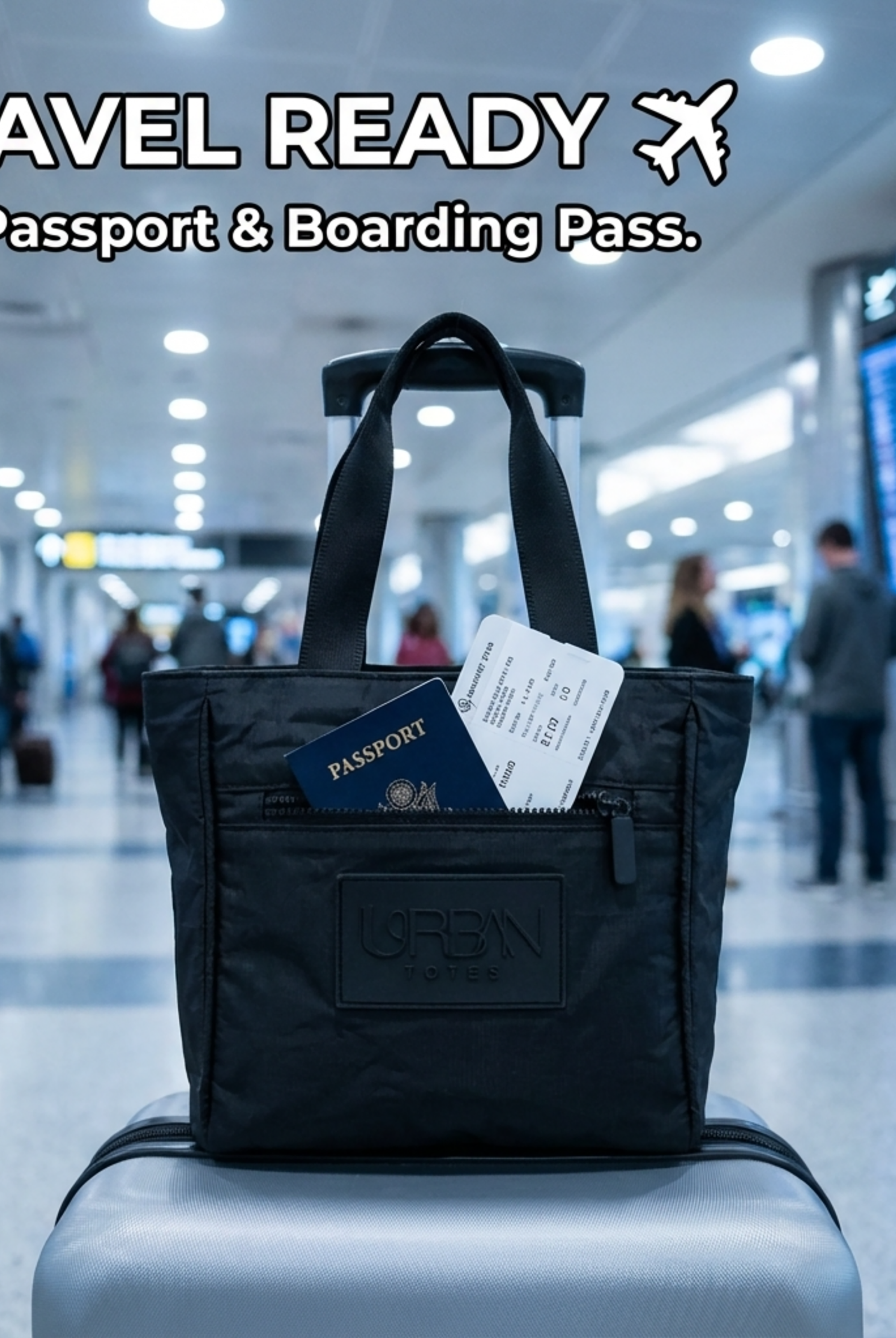
A smaller crossbody can also act as an organizer inside a larger tote when you want quick access to keys, phone, and wallet. That's especially handy for airport days, concert nights, or any errand run where you want your essentials contained without digging.
An organized tote collection doesn't just make your closet look better. It makes your whole day feel lighter, calmer, and more ready for whatever's next.
Find your perfect go-anywhere bag at Urban Totes. Shop the full collection and take on whatever the day brings.