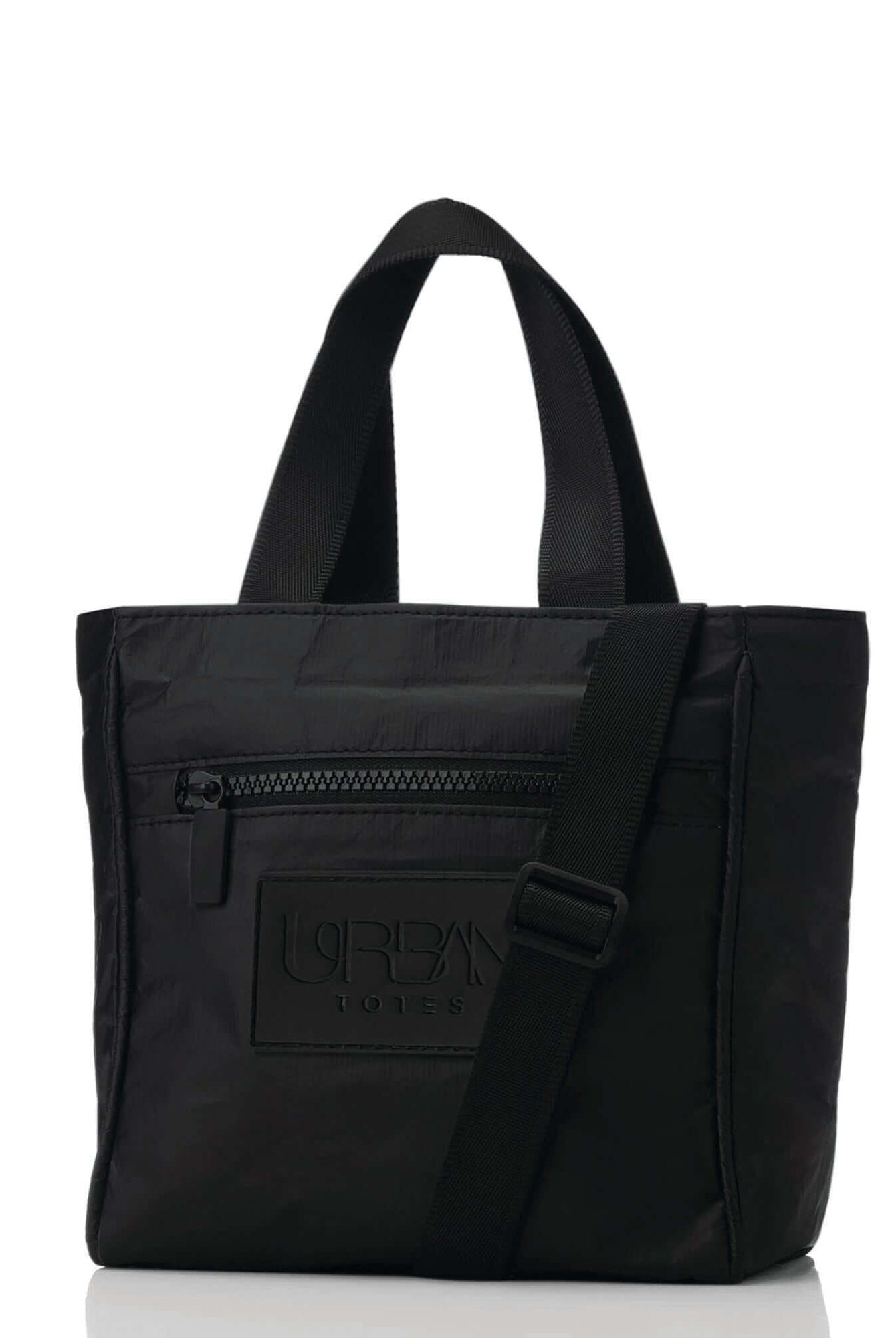
You're probably here because a “14 inch laptop bag” sounded simple until real life got involved. Your laptop is on the kitchen counter, your charger is in yesterday's tote, school drop-off is in twenty minutes, and the bag you bought because it looked polished online turns out to be awkward, heavy, or weirdly tight once you try to use it.
That's the part most buying guides skip. A laptop bag doesn't live on a product page. It lives in the front seat, under an airplane seat, beside a stroller, on a café chair, and over one shoulder while you carry three other things in the other hand. It has to fit your device, your routine, and your body. If any one of those is off, the bag becomes one more daily irritation instead of the reliable, stylish sidekick it should be.
Table of Contents
- Finding Your Go-Anywhere Companion Bag
- The Truth About 14-Inch Laptop Bag Sizing
- Essential Features That Protect Your Tech
- Choosing Materials for Durability and Style
- Staying Organized on the Go
- Your Buying Checklist and The Urban Totes Way
Finding Your Go-Anywhere Companion Bag
A lot of women have the same laptop bag story. It starts with a bag that looks great in photos. Then the first real test happens. Your 14-inch laptop barely squeezes in, the strap slips while you're walking from the parking lot, and your keys disappear into one giant compartment just when you're trying to open the car with a child asking for snacks.

That frustration is common because the category is huge. The global laptop bag market was valued at approximately USD 2.32 billion in 2025 and is projected to reach USD 3.95 billion by 2034, according to Fortune Business Insights on the laptop bag market. A lot of people are looking for the same thing you are. A bag that carries tech without looking like an afterthought.
The bag has to fit your day, not just your laptop
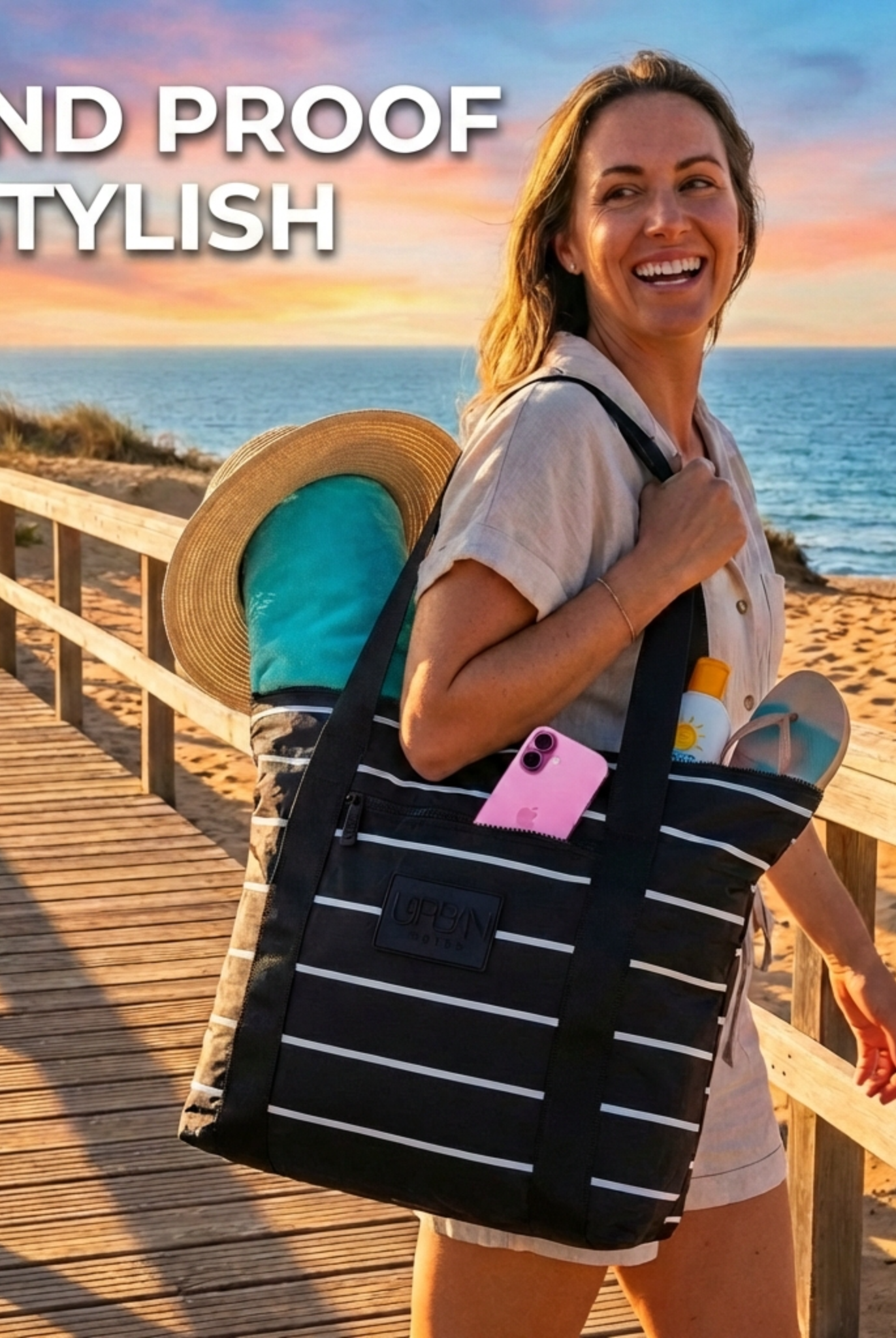
A useful 14 inch laptop bag should handle more than one setting without feeling out of place. It should work for a commuter train, a school pickup line, a coworking afternoon, and a weekend flight. That's why women usually don't need a bag that's only protective. They need one that's also lightweight, organized, versatile, and stylish enough to move through the rest of the day.
Some bags fail because they chase one goal and ignore everything else.
- Too structured: They protect the laptop but feel bulky for errands and daily carry.
- Too soft: They look relaxed, but the device shifts around and the shape collapses.
- Too minimal inside: They seem clean until your phone, charger, wallet, and keys all pile together.
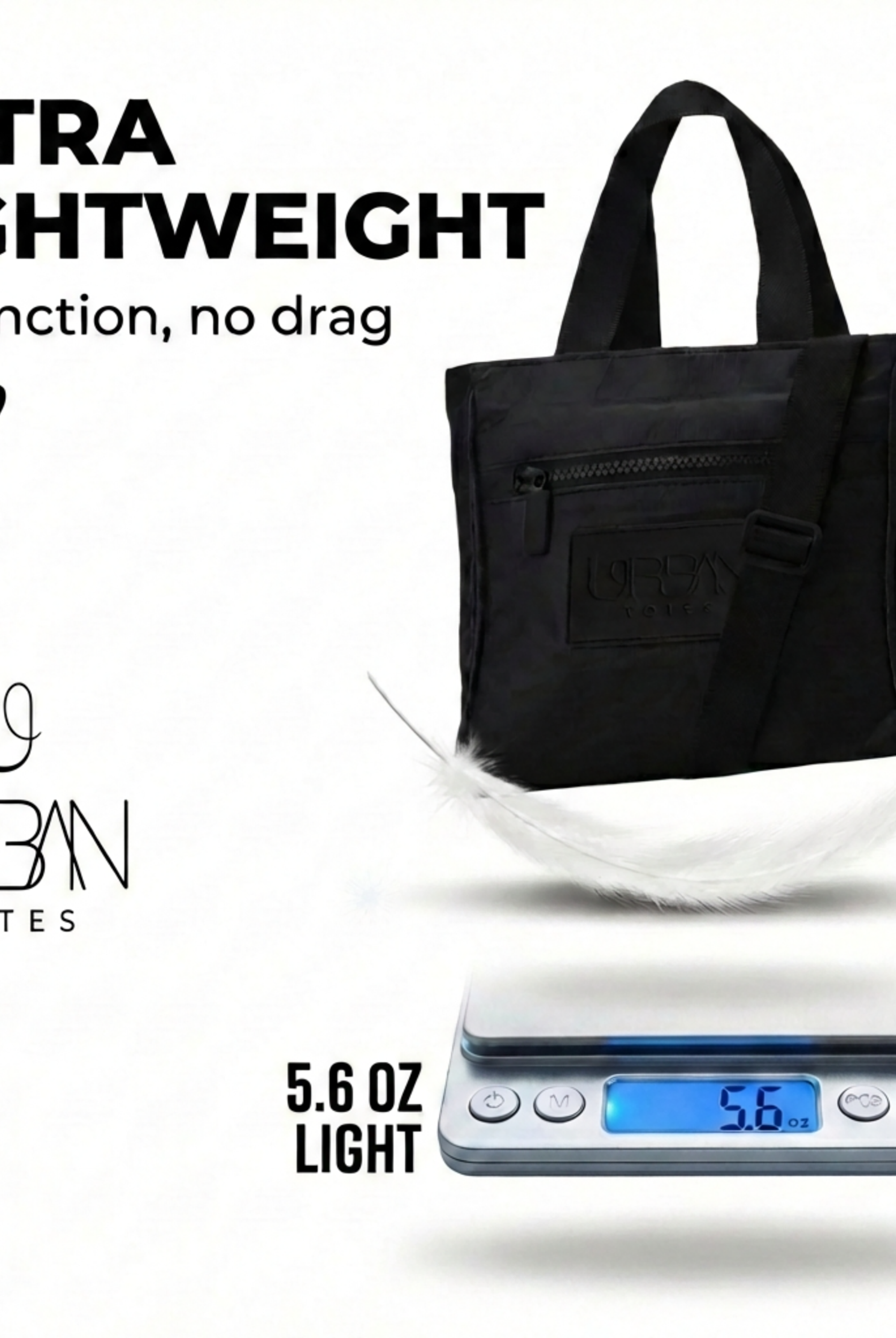
- Too heavy before you even pack it: That's a problem you feel by lunchtime.
A good bag should make your day feel smoother, not ask you to reorganize your life around it.
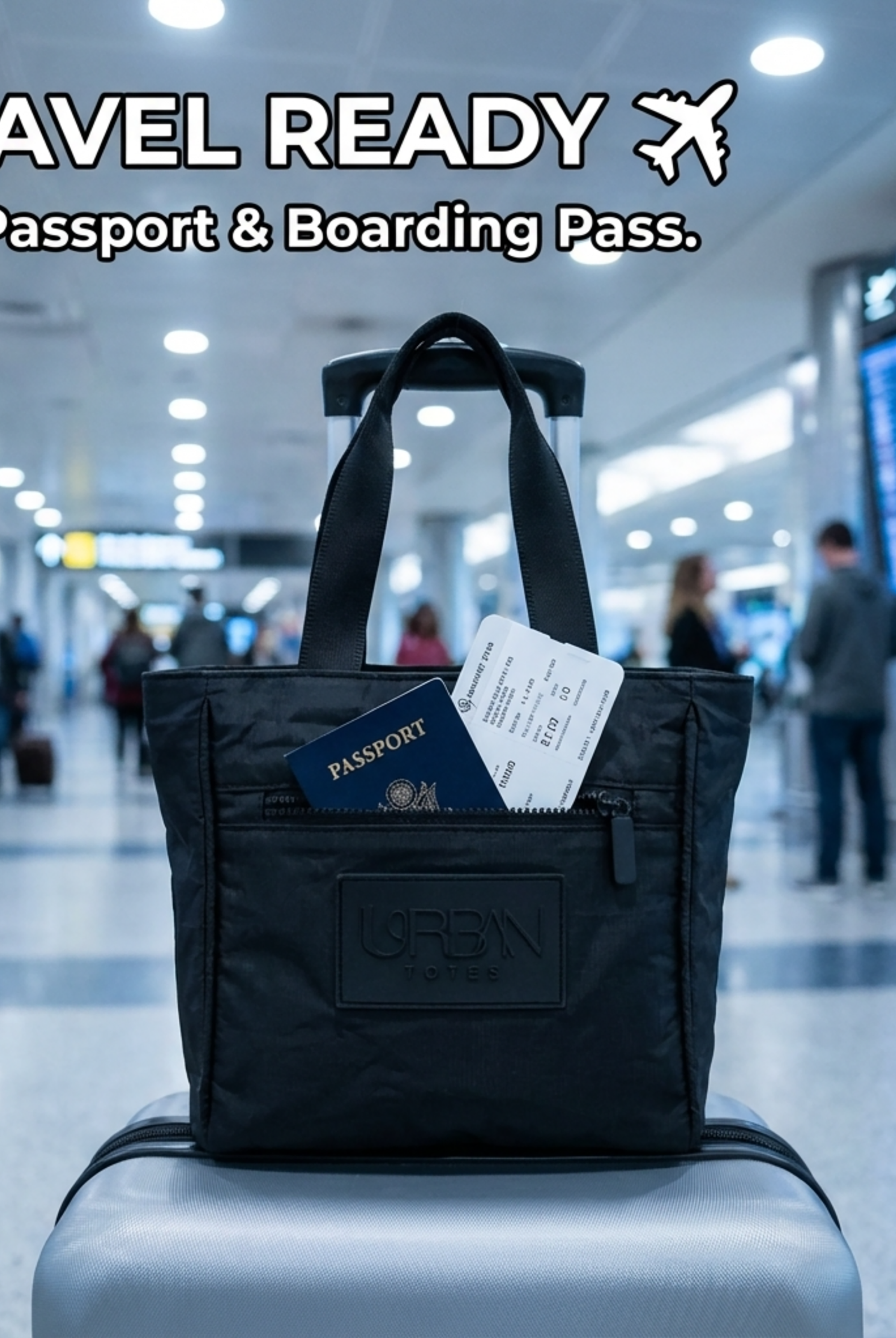
For travel, that balance matters even more. If you already think about a tote in terms of airport movement, under-seat storage, and easy access, Urban Totes has a practical read on how to choose the best tote for travel.
The Truth About 14-Inch Laptop Bag Sizing
“Fits a 14-inch laptop” sounds precise. It isn't. That label usually refers to screen class, not the exact space inside the bag. Two laptops can both be called 14-inch models and still differ in width, depth, and thickness enough to create a bad fit.

Why the label misleads people
The most expensive mistake is trusting exterior dimensions or a generic size label. CarryPro's fit guide for 14-inch laptop bags and sleeves notes that a bag with a 35 cm external size may only offer 33 cm of internal clearance due to padding, which can be too small for thicker modern devices such as the MacBook Pro 14. That same guide also warns that less than 0.5 cm clearance is a tight fit that can strain zippers and put pressure on the device.
That's why a bag can seem right on paper and still fail at home on your dining table.
A standard 14-inch laptop measures approximately 13.0 inches wide by 9.2 inches deep, and the bag should have an internal compartment of at least 13.5 inches wide and 9.5 inches deep to hold the device plus a protective sleeve, according to Grapheine's tote bag design reference.
How to measure before you buy
Start with your actual laptop, not the product marketing.
- Measure the full width and depth. Don't rely on memory or rounded retail specs.
- Check the thickness too. Many “14 inch laptop bag” purchases falter at this point.
- Account for feet and shell shape. Small design details can change the fit.
- Compare against internal padded dimensions. External dimensions don't tell you enough.
- Leave real breathing room. A bag shouldn't require pushing, forcing, or zipper tension.
Practical rule: If the laptop only fits when you angle it, press the sides, or tug the zipper around the corners, it doesn't fit.
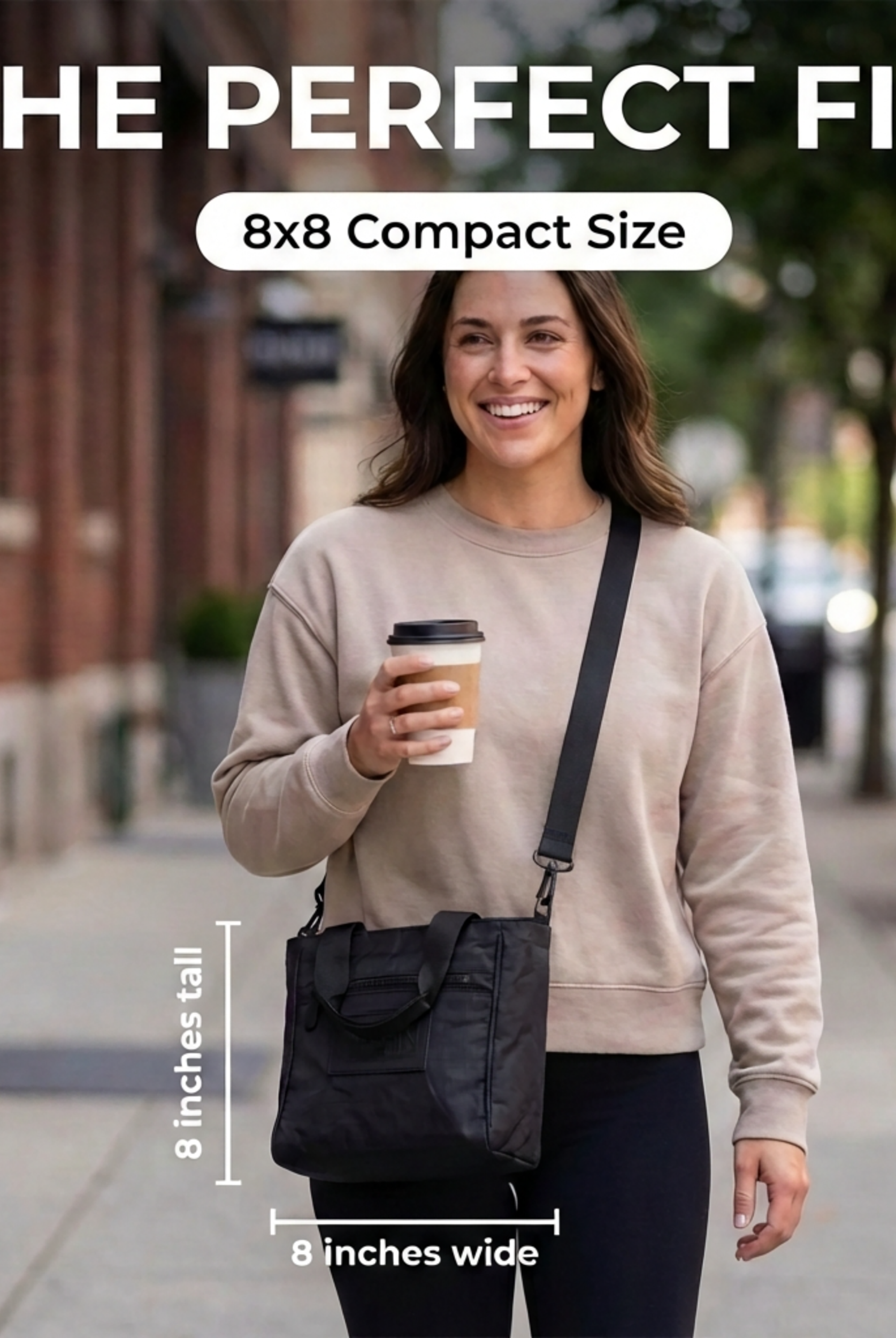
Body size matters too, and most guides barely mention it. Standard bags often hang too low or feel oversized on shorter users. One Reddit discussion from a shorter-statured user looking for a bag for a 14-inch Lenovo ThinkPad X1 Carbon described exactly that problem: the bag options felt bulky and uncomfortable for their frame, as shown in this ManyBaggers thread about finding a bag for a 14-inch laptop as a smaller person.
That's worth paying attention to if you're petite, frequently carry for longer stretches, or already know certain straps tend to dig in. A bag can fit your device and still feel wrong on your body.
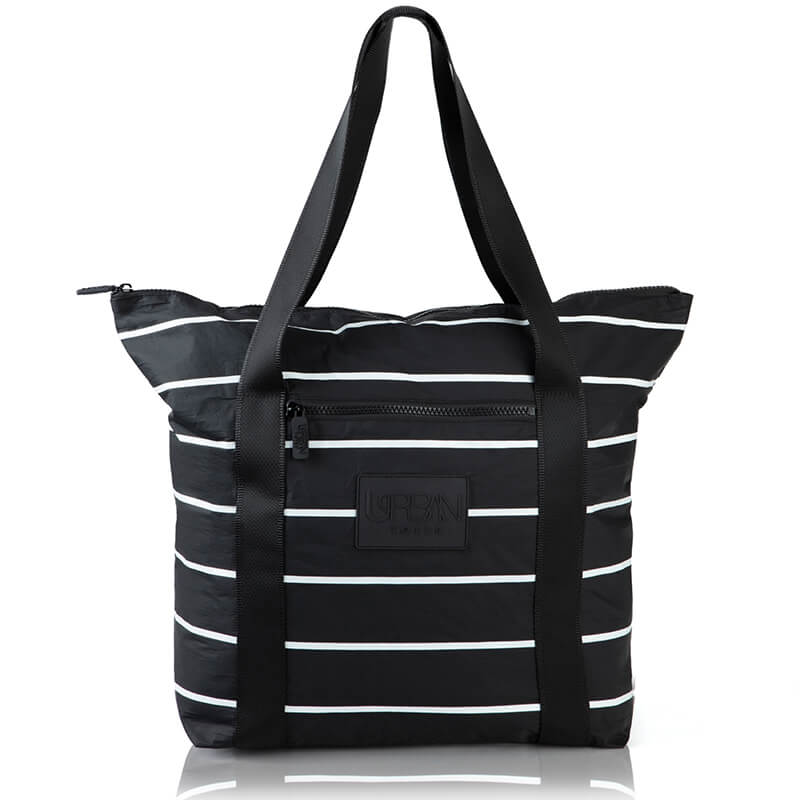
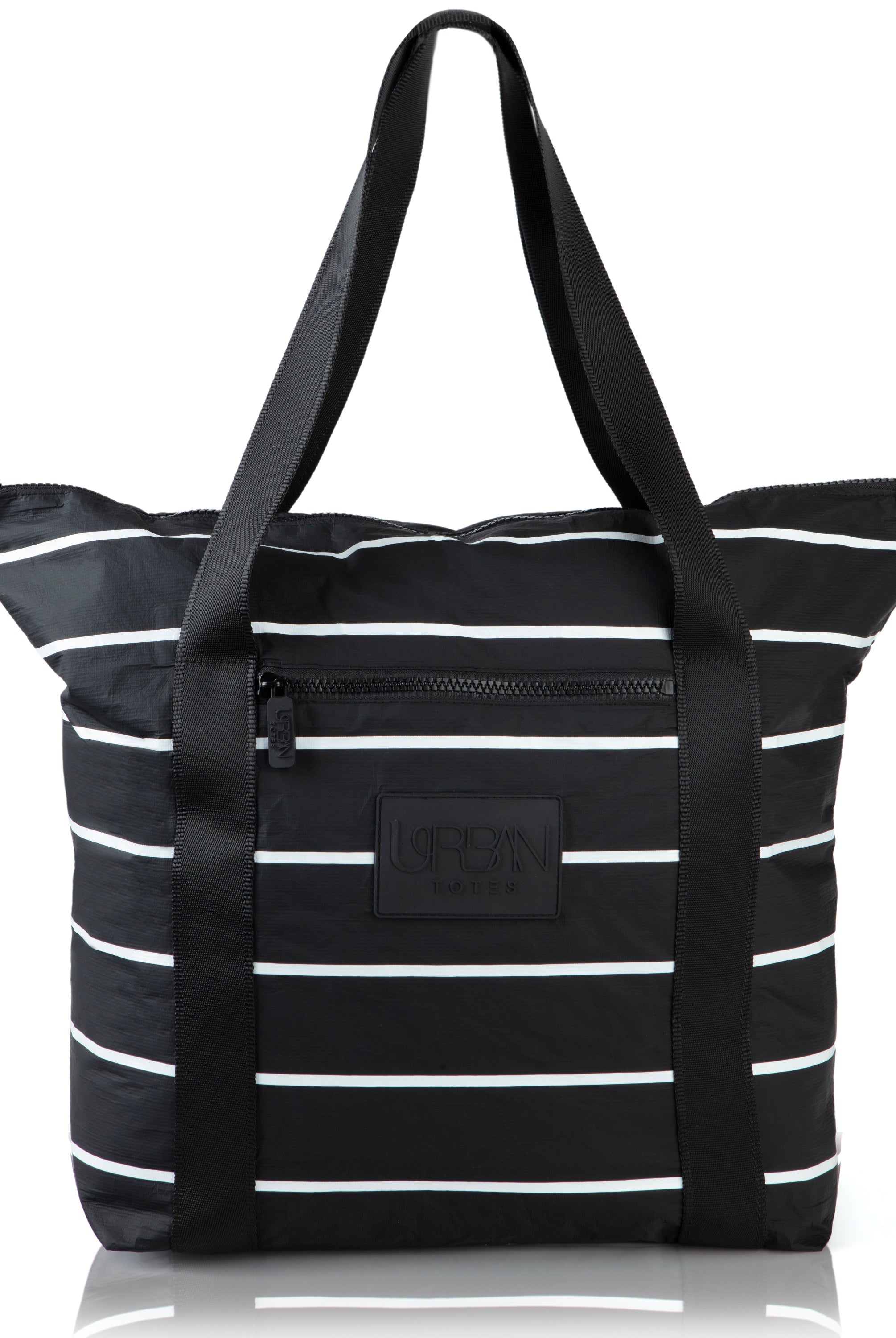
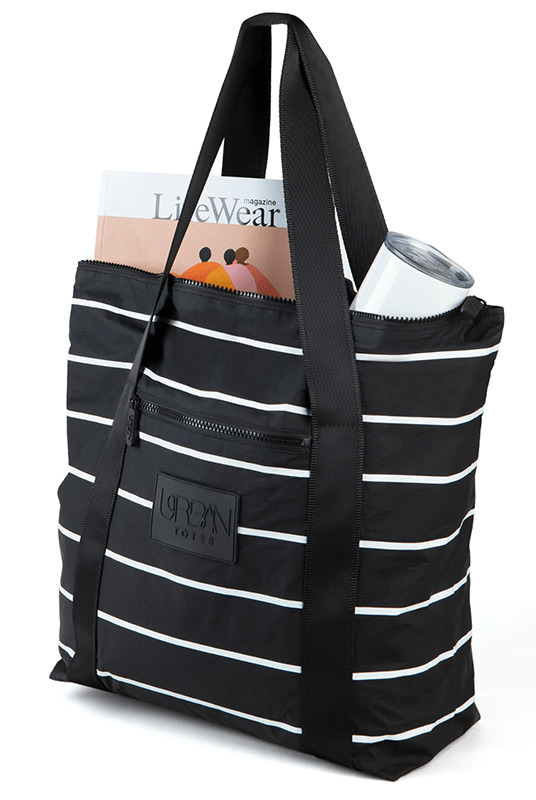
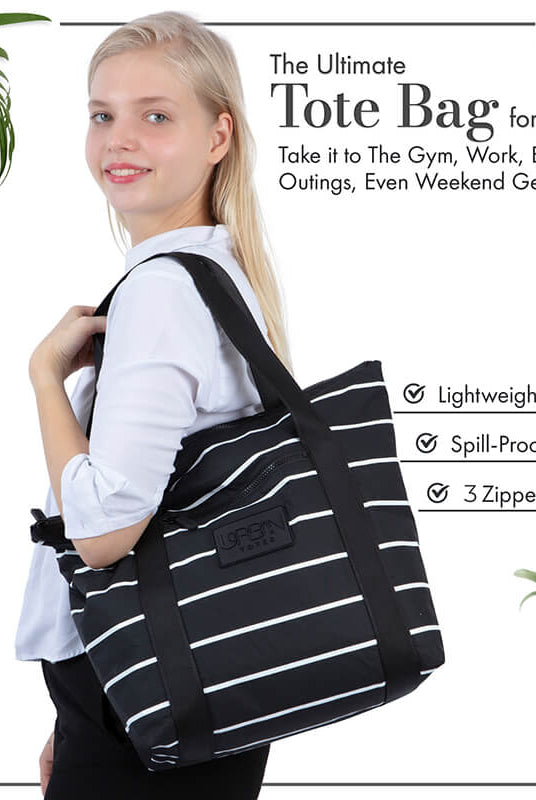
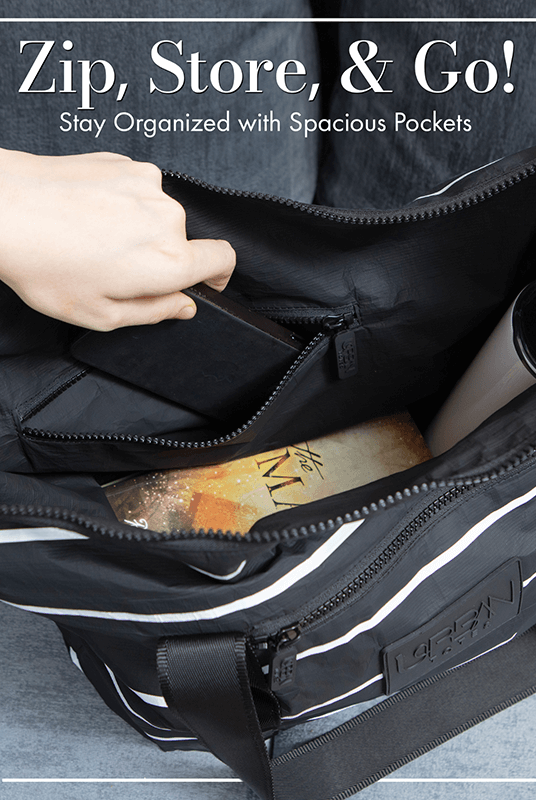
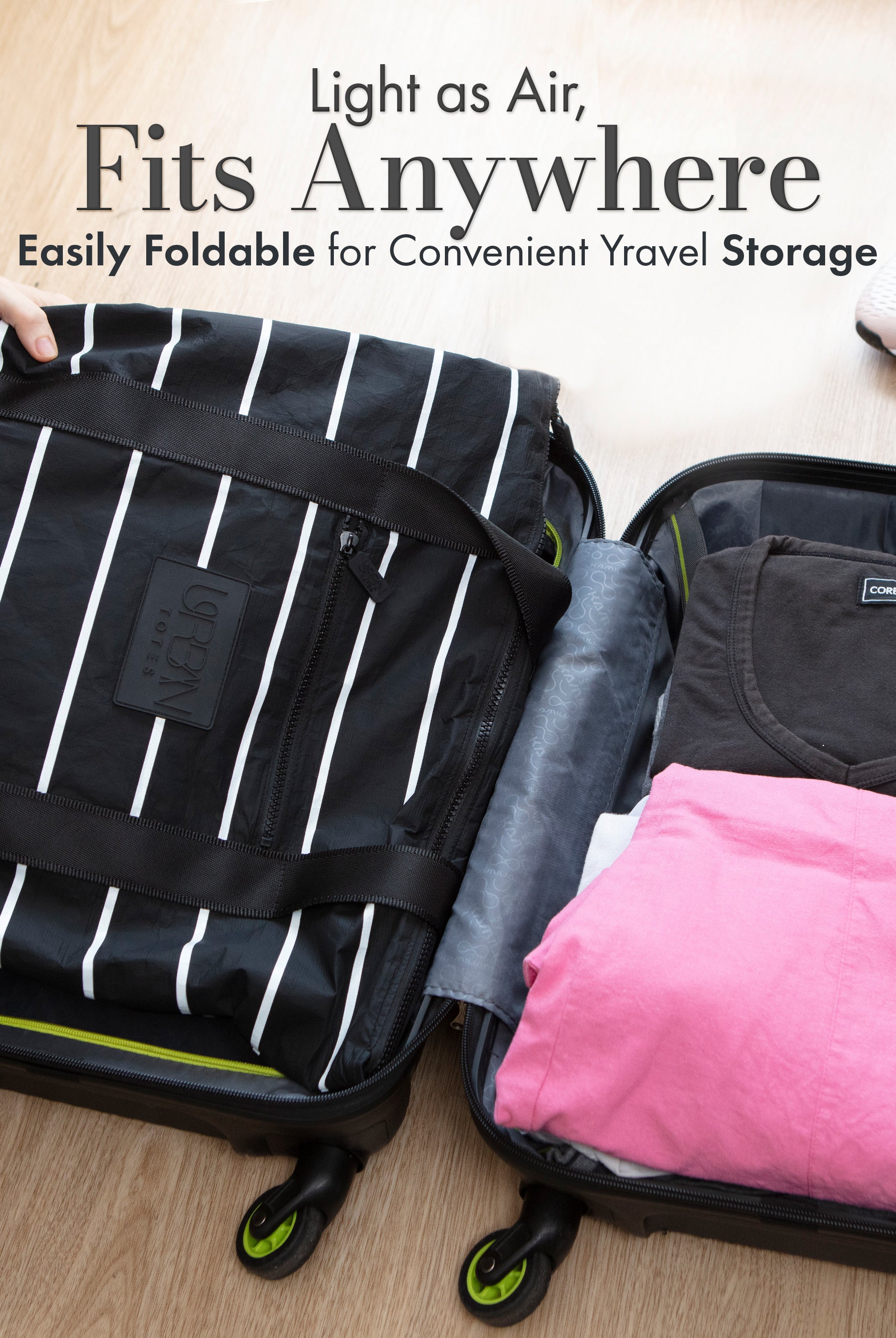
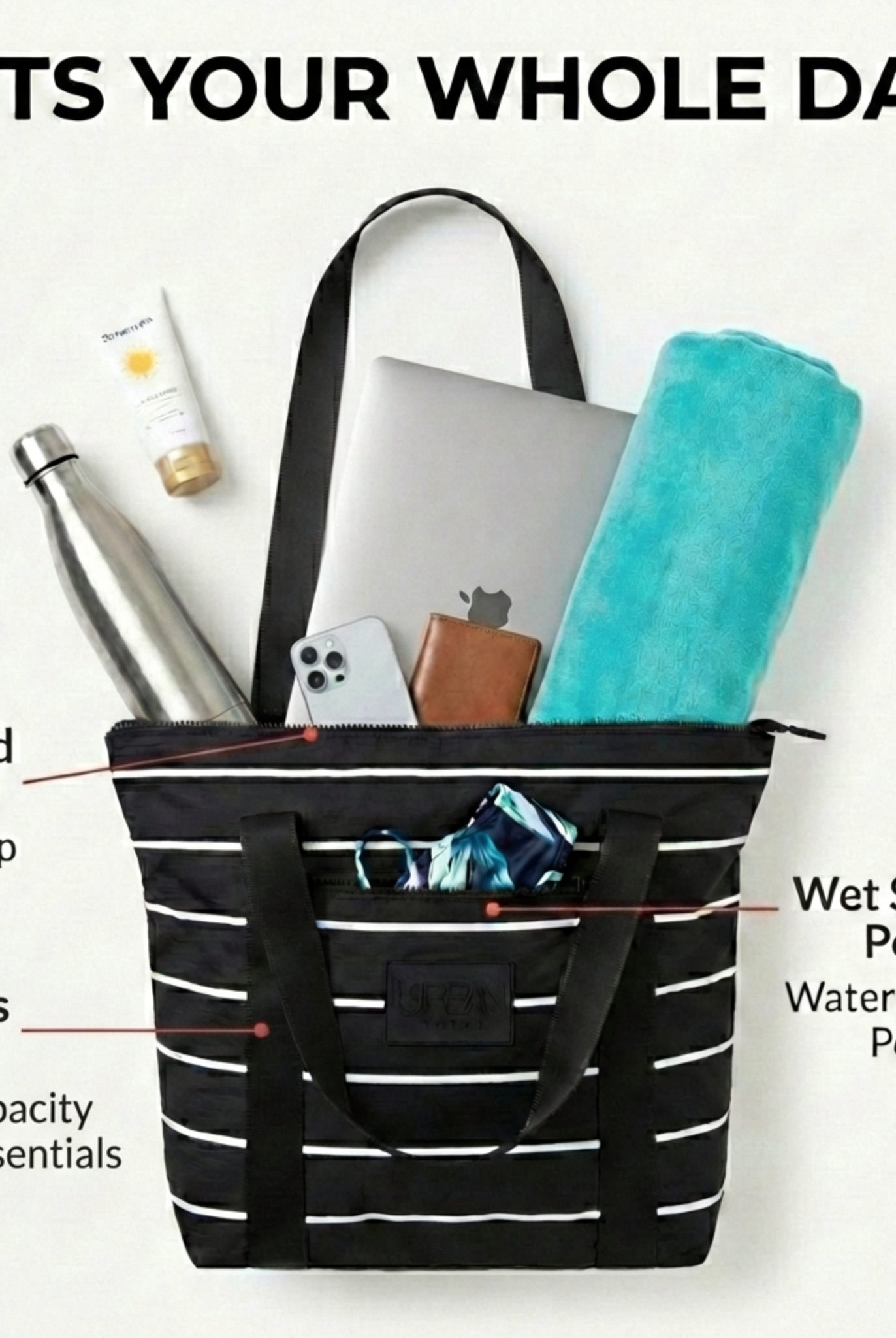
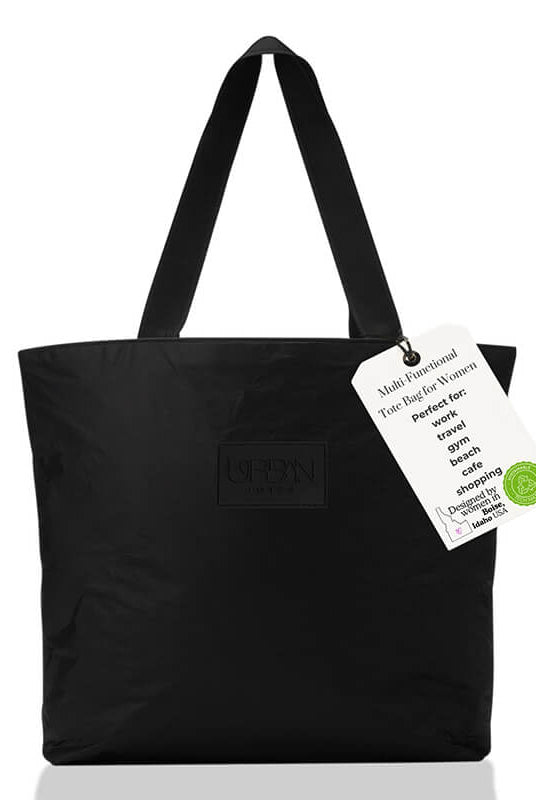
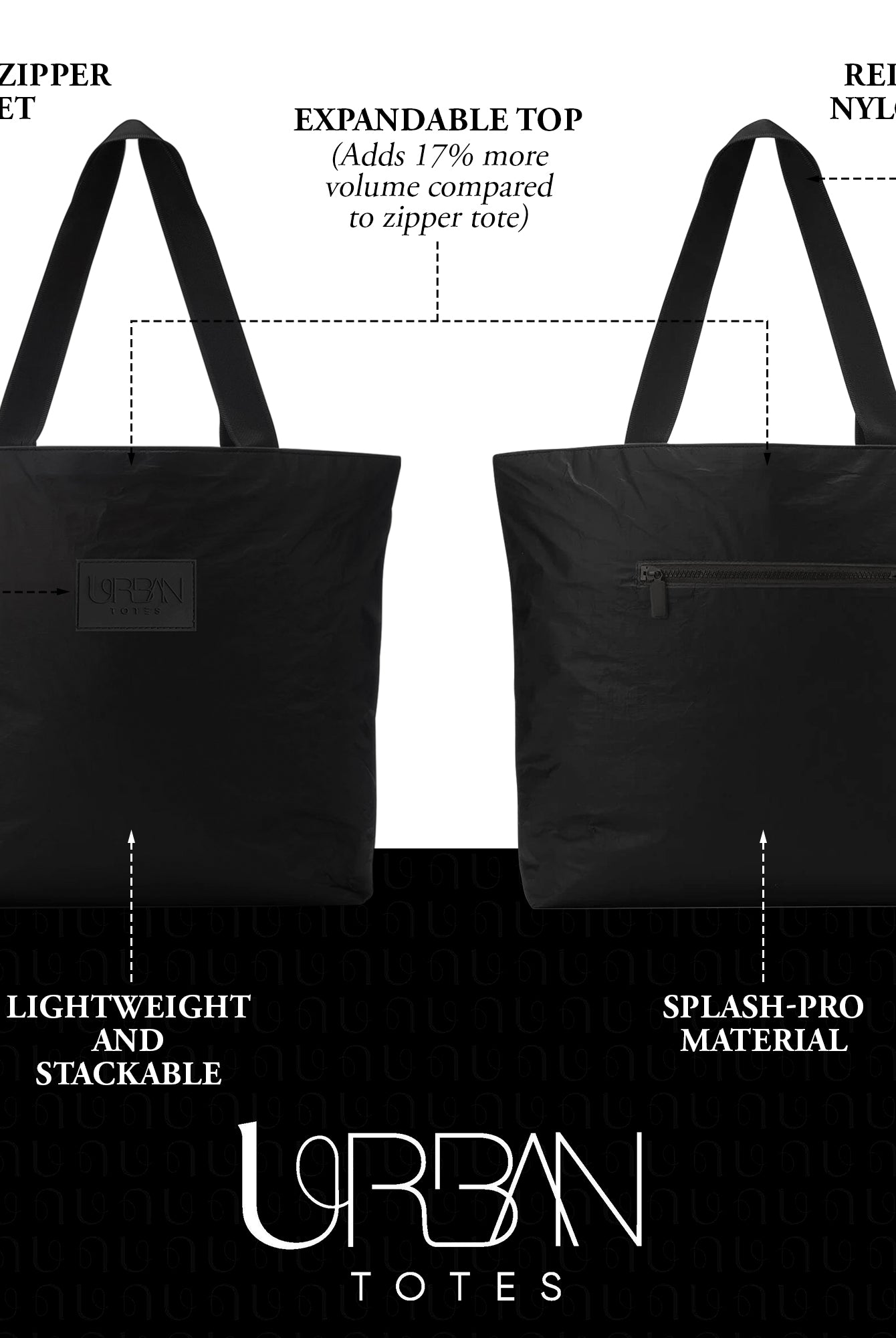
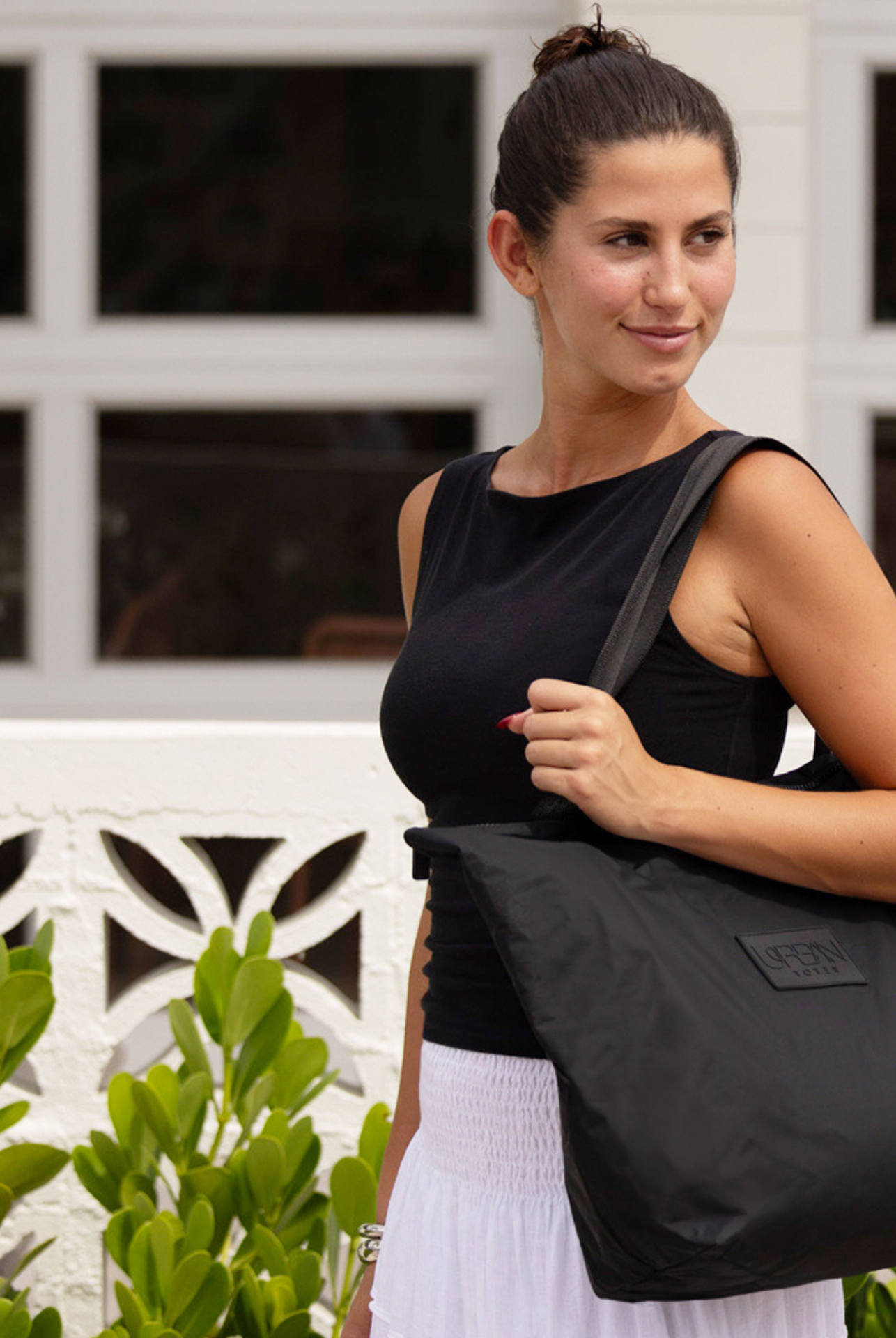
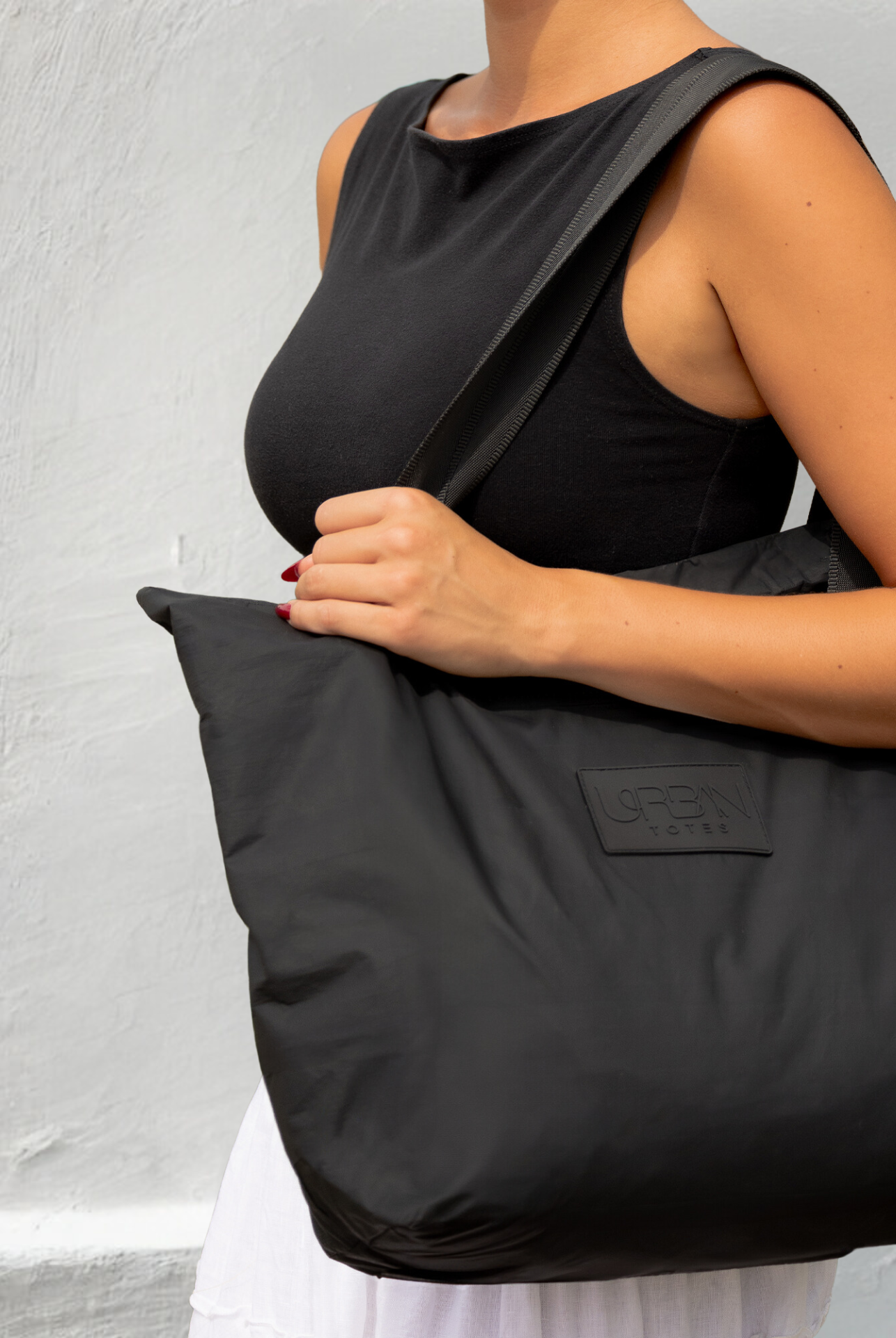
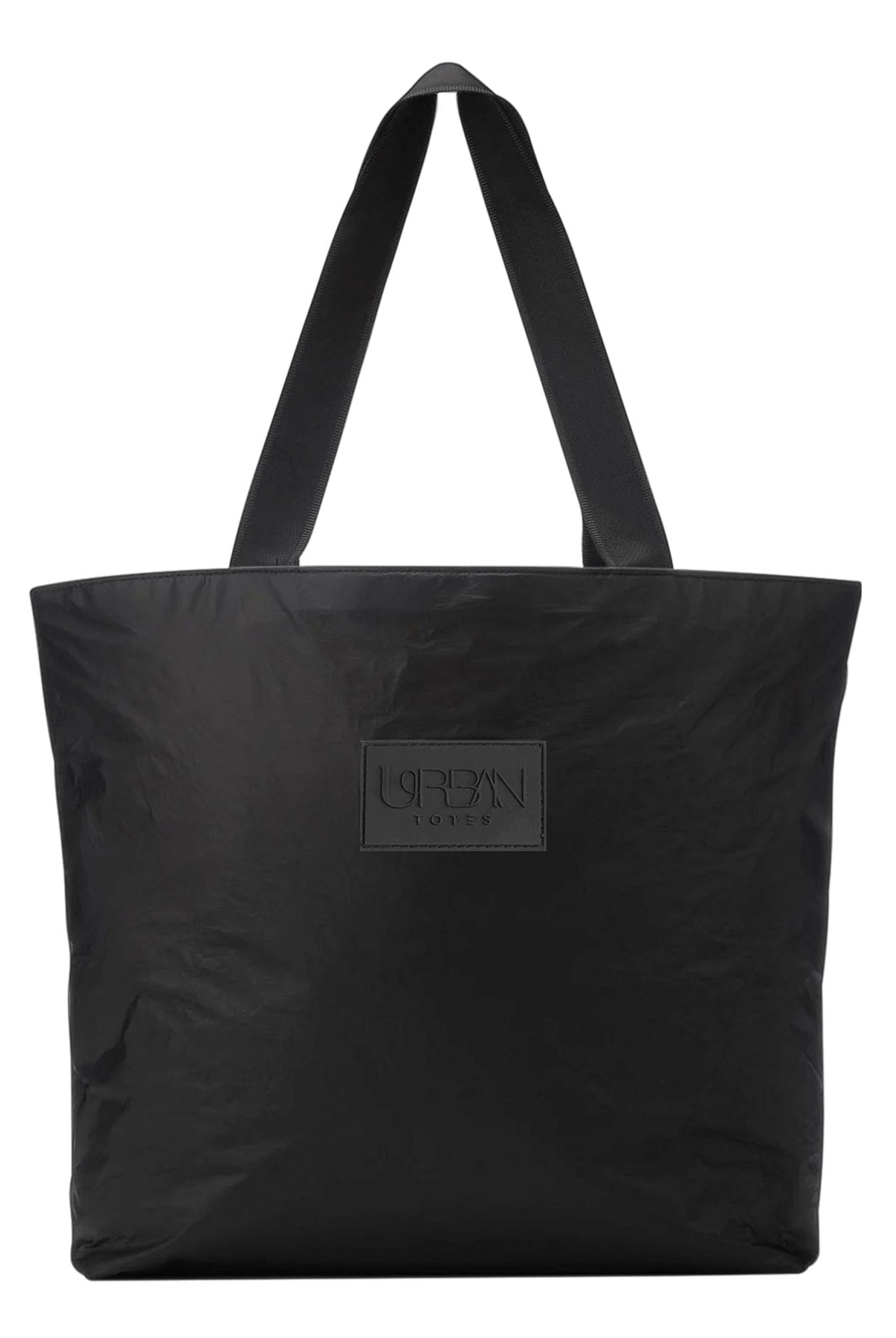
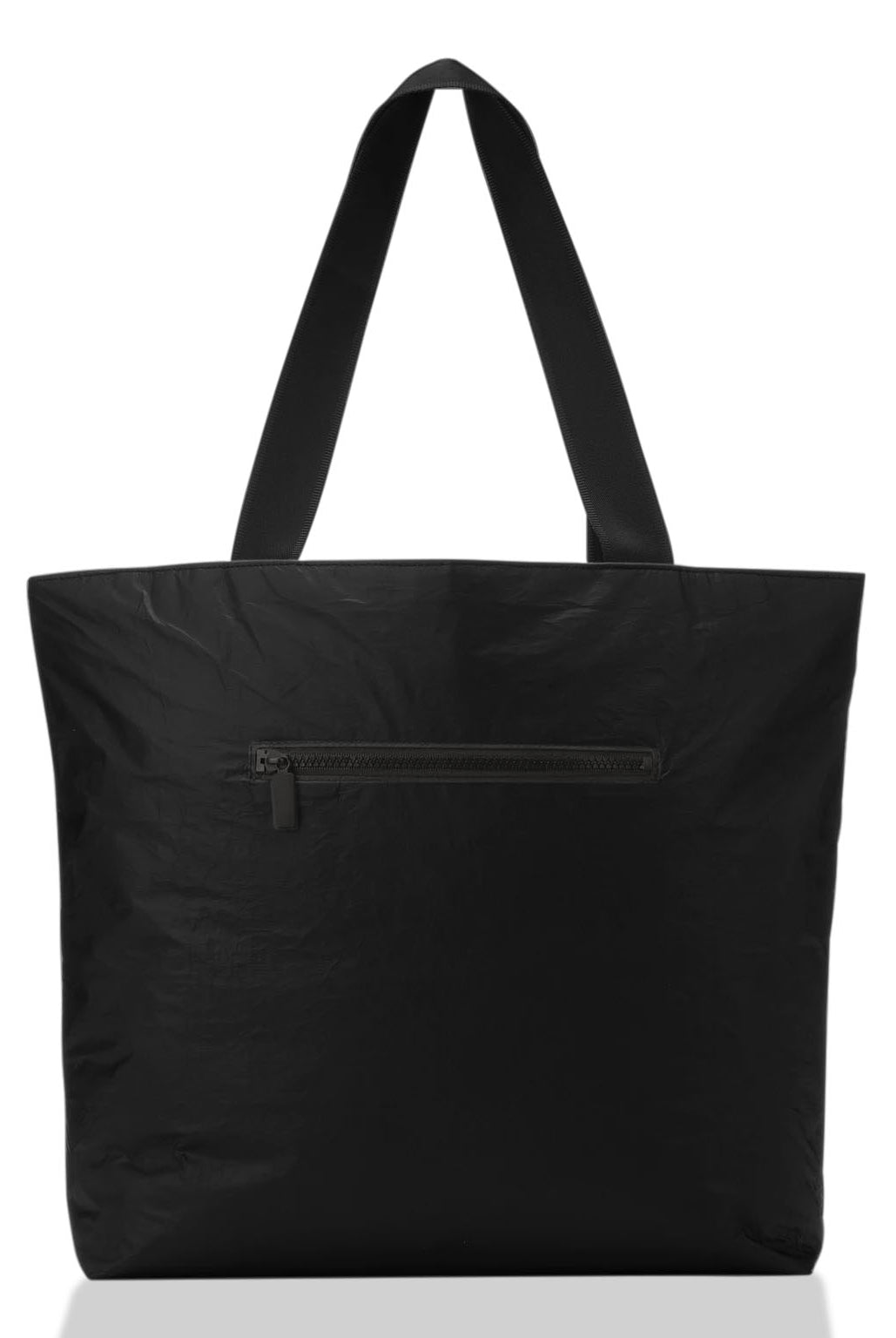
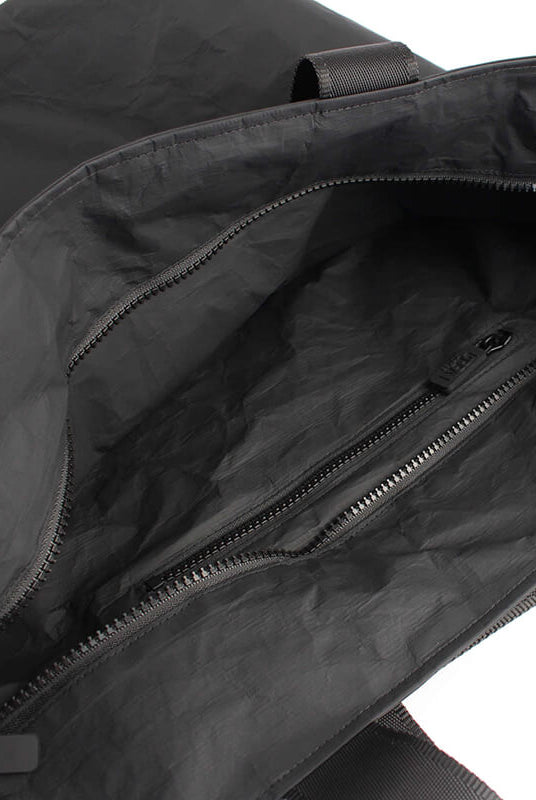
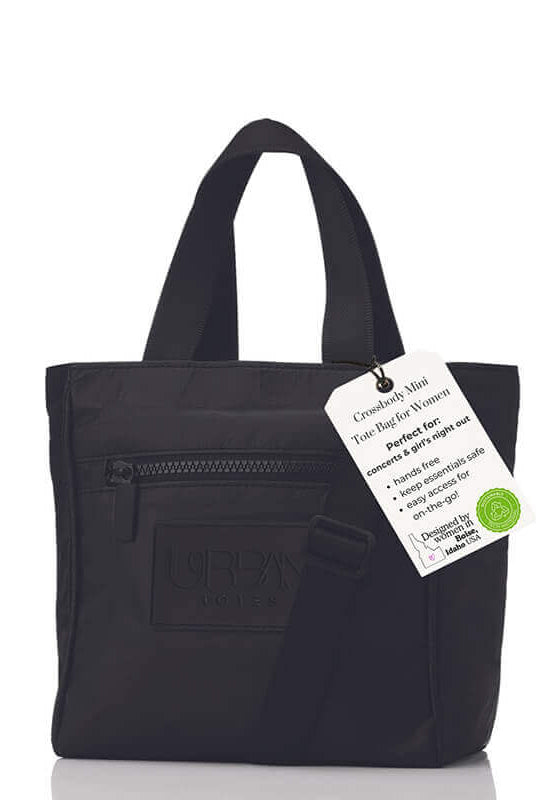
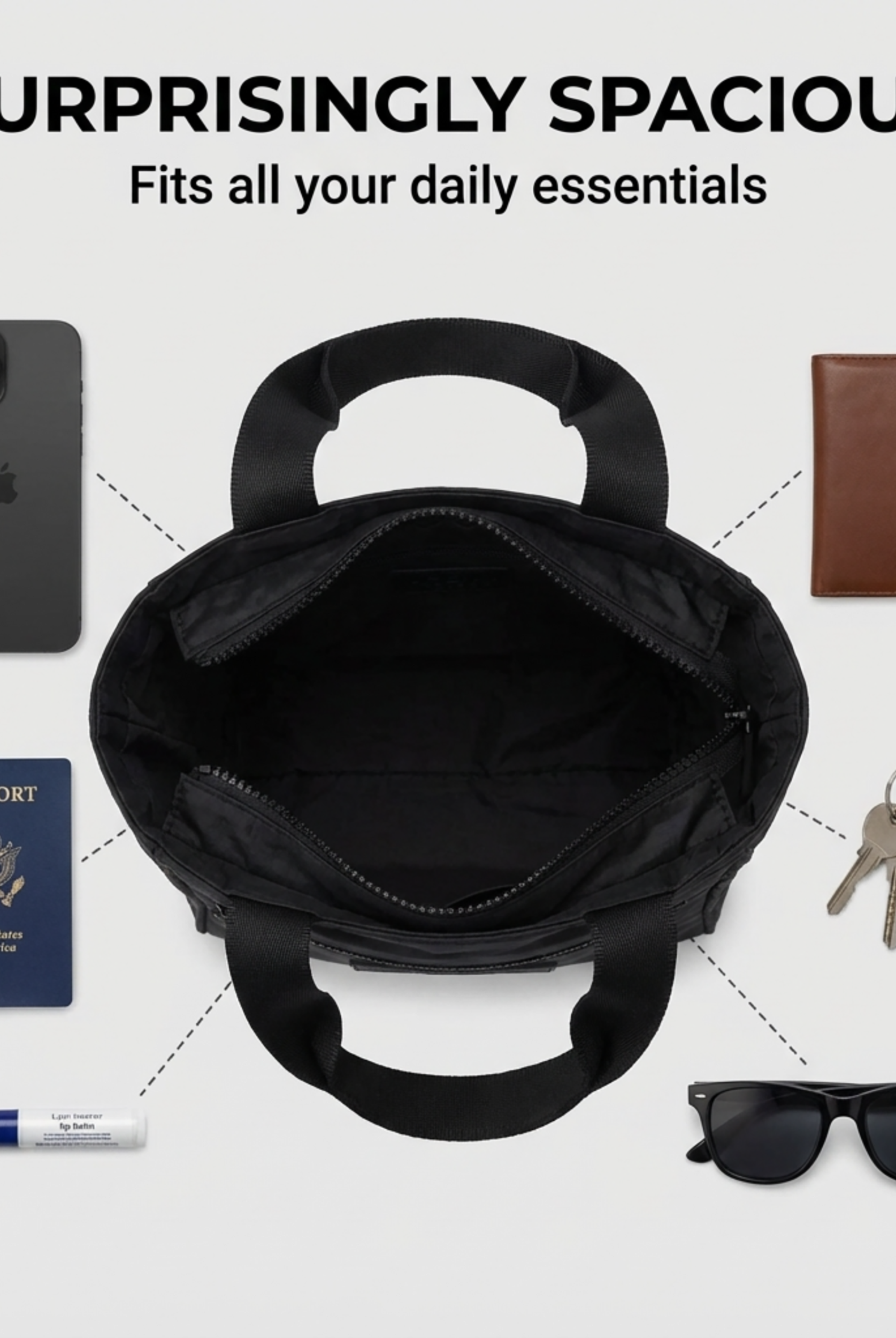
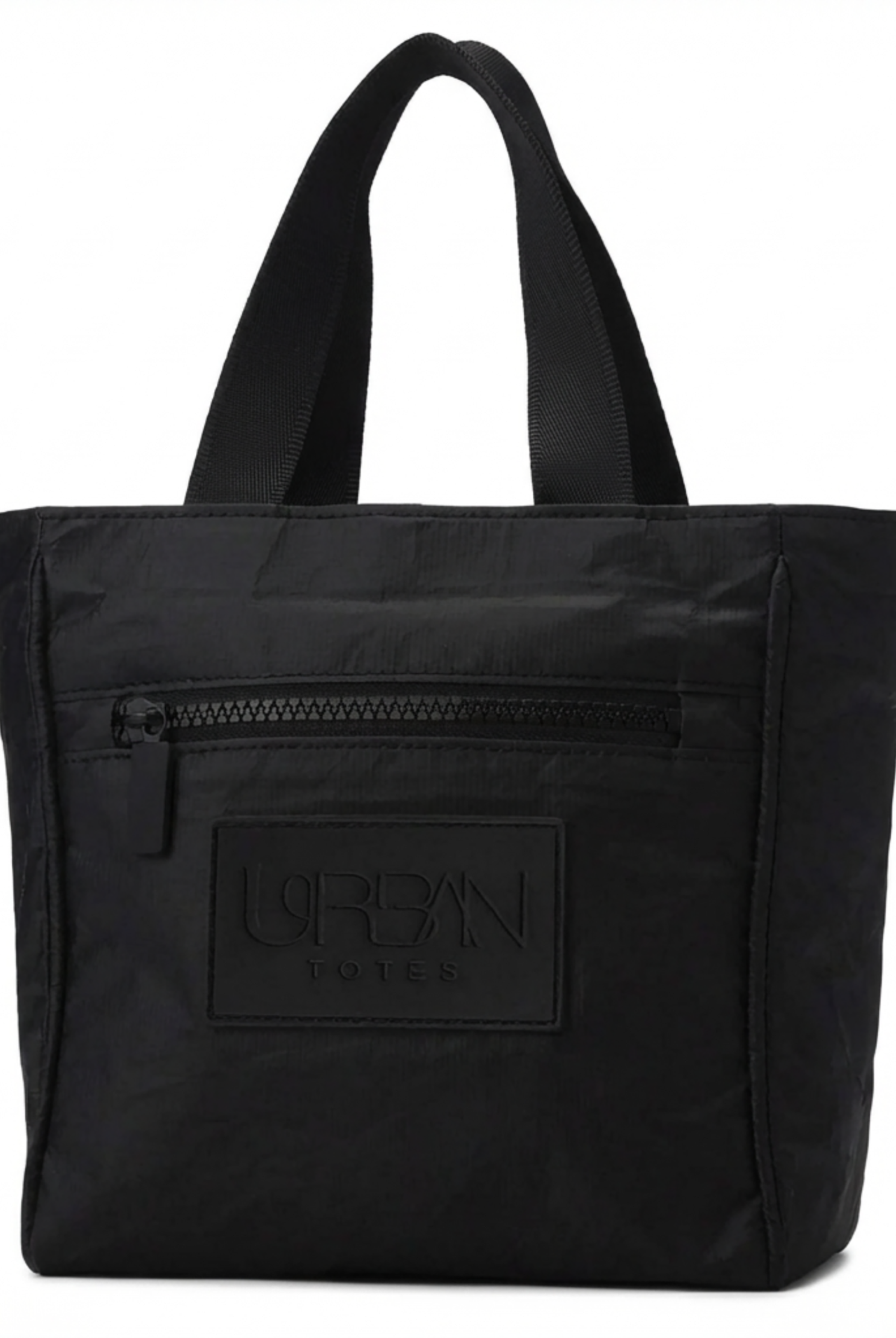
For a more compact carry profile, Urban Totes also has a useful look at the appeal of a slim laptop bag. And if you want a tote-style option with multiple zippered compartments, The Go Anywhere Day Trip Tote Bag by Urban Totes is described by the brand as lightweight, water-resistant, packable, foldable, and built with three large zippered compartments plus dedicated pockets for an iPhone and keys.
Essential Features That Protect Your Tech
Once fit is right, protection becomes the next filter. Daily laptop protection isn't about making your bag feel stiff and overbuilt. It's about absorbing the ordinary hits that happen when life moves fast. A bag gets set down harder than you meant to. It bumps a car door. It slides under a seat. It catches the edge of a desk.

Padding that works in daily life
The useful benchmark here is specific. A 14-inch laptop bag needs an internal compartment with 3–4 mm foam padding to help mitigate impact from drops up to 1 meter, according to these laptop bag design specifications on Scribd. That thickness matters because it balances meaningful cushioning with a shape that still feels portable for commuting.
In plain terms, thin padding can feel neat until the first hard bump. Overbuilt padding can make a bag bulky enough that you stop wanting to carry it.
Closures and compartment design
Protection also depends on how the bag stays closed and how the laptop sits inside it.
Look for:
- A padded internal sleeve: The laptop should have its own space, not float inside the main compartment.
- A zipper closure: A full zipper is practical when you're hustling through an airport terminal or loading the car.
- Some separation from hard accessories: Chargers, keys, and other dense items shouldn't press directly against the laptop.
- A stable base: A bag that collapses too easily lets contents shift and knock together.
If your laptop shares space with loose keys, a charger brick, and pens, the bag may carry everything, but it isn't protecting anything very well.
For women who want security in a smaller everyday carry setup, Urban Totes also covers what to look for in an anti-theft crossbody bag. The same idea applies here. Protection comes from thoughtful structure, not just thicker fabric.
Choosing Materials for Durability and Style
Material is where a lot of bags eventually reveal whether they were made for real life or just for a nice photo. The fabric affects abrasion resistance, shape retention, cleanability, and how the bag feels on your shoulder after a long day. It also affects whether the bag still looks polished after being slid under a plane seat or set on a dusty car floor.
What denier actually means
One useful benchmark comes from bag construction standards. High-density 900D to 1000D Cordura or ballistic nylon is considered an industry standard for durable laptop bags because the high denier count helps prevent micro-tears, which supports water resistance and long-term structure, according to this product-based material reference discussing 900D to 1000D Cordura and ballistic nylon.
If denier sounds technical, its everyday meaning is simple. Higher-denier fabric is better at handling friction and daily scraping.
What works for busy everyday carry
Not every woman wants a bag that looks rugged. Most want something stylish, functional, and durable enough to survive normal chaos without feeling too sporty or too formal. That's where material choice has to do two jobs at once.
A practical fabric for a 14 inch laptop bag should feel:
| What you notice in real life | What the material is doing |
|---|---|
| The corners don't wear out fast | Resisting abrasion |
| The bag keeps its shape better | Holding structure |
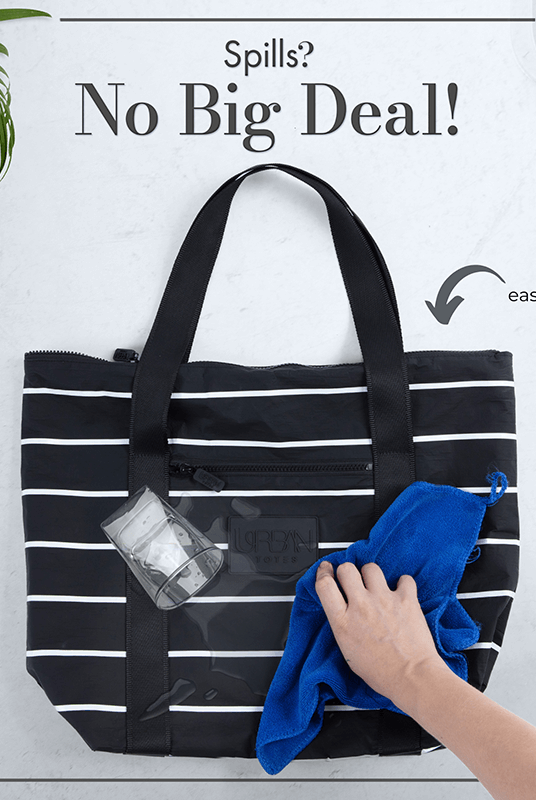
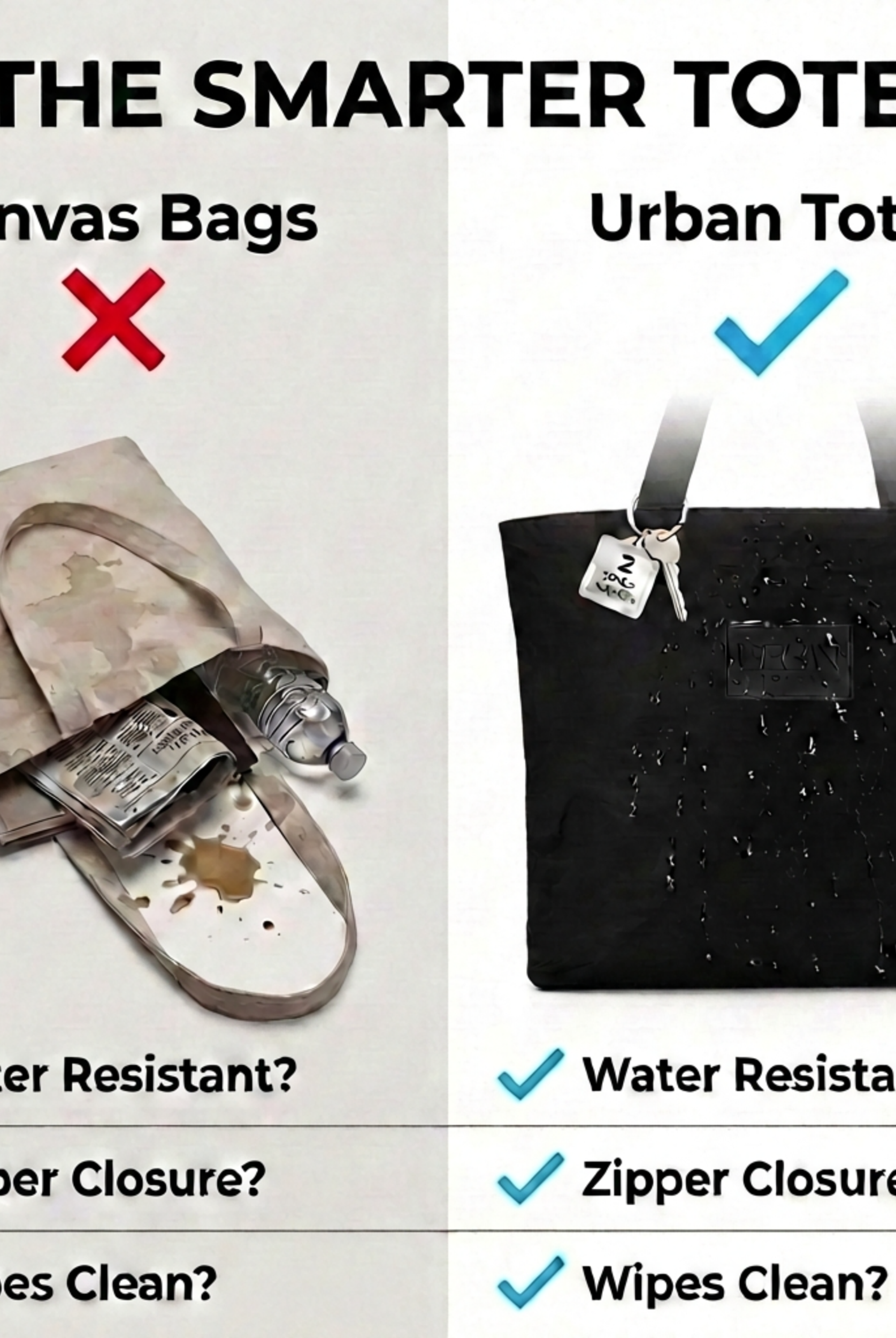
| Light rain or spills feel less stressful | Supporting water-resistant performance |
| Cleanup is manageable | Using surfaces that wipe down easily |
The sweet spot for a lot of women is a bag that feels polished but not precious. You should be able to take it to a meeting, carry it to a gate, set it beside a soccer field, and not worry that one coffee drip or one rough floor will ruin the look.
That's also why soft, floppy material can disappoint. It may look relaxed online, but if it collapses around your laptop and accessories, organization gets worse and wear gets faster.
If you want a deeper look at fabric choices in totes and everyday carry, Urban Totes has a helpful guide to tote bag material.
Staying Organized on the Go
A bag can fit your laptop perfectly and still drive you crazy if the inside is chaos. This is the problem with the classic black-hole tote. Everything technically fits. Nothing is where you need it when you need it.
You feel that most during rushed transitions. School pickup. Security lines. Walking into a meeting one minute late. You reach for your keys and find a snack wrapper. You grab for your earbuds and pull out a charging cable knot.

The black hole bag problem
Organization isn't a small extra. It shapes whether a bag feels calm or annoying to use. Market data shows that around 60% of consumers prioritize comfort, weight, and design aesthetics when purchasing laptop bags, with thoughtful organization playing into that design experience, according to ASINsight sales analytics on 14-inch laptop bags.
That makes sense. Most women don't want more compartments just for the sake of saying a bag has compartments. They want the right kind of organization.
- A dedicated phone pocket keeps your phone from vanishing under bulkier items.
- A key pocket saves those last-minute panics at the driveway or front door.
- Zippered sections create separation between tech, personal items, and daily extras.
- Multiple compartments help a bag stay organized even when the day changes halfway through.
What organized really looks like
Good organization feels invisible. You don't think about it because it keeps working.
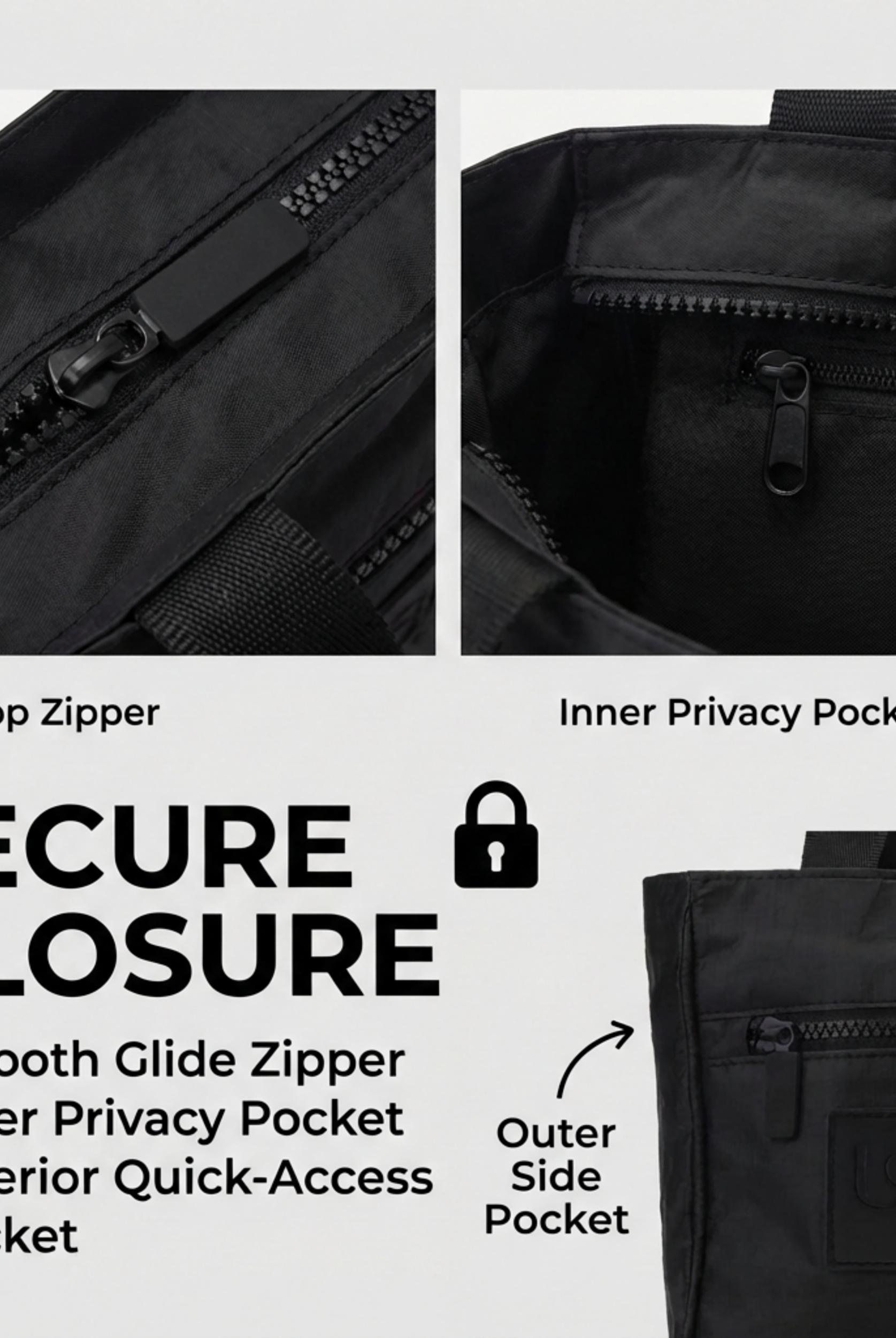
That's where a thoughtfully designed tote can make a real difference. A tote such as the Urban Totes Day Trip style uses multiple large zippered compartments and dedicated pockets so essentials stay easier to locate instead of pooling together. For women juggling work, errands, and travel-ready everyday carry, that kind of layout is often more useful than a single deep cavity.
The best organization system is the one that lets you reach in once and grab exactly what you meant to grab.
If you're comparing compartment layouts before buying, Urban Totes has a practical guide on why tote bag compartments matter.
Your Buying Checklist and The Urban Totes Way
A good 14 inch laptop bag should pass a simple test. It should fit your laptop without forcing it, protect it without becoming bulky, and support the way you move through the day. If it only does one of those well, you'll notice the compromise fast.
A simple checklist before you click buy
Use this before you buy any bag.
- Check the internal dimensions: Don't rely on the phrase “fits 14-inch laptops” by itself.
- Look at the compartment structure: Your laptop should have its own padded space.
- Think about your real carry pattern: Shoulder carry, car commuting, school runs, flights, and café work all stress a bag differently.
- Pay attention to body proportion: If you're petite or shorter-torsoed, oversized bags can feel awkward even when the tech fit is correct.
- Choose materials with a purpose: Water-resistant, lightweight fabrics with enough structure usually age better in daily use.
- Don't ignore organization: A multi-pocket, zipper-closure layout can save time every single day.
Why thoughtful design matters
Urban Totes feels grounded in real life. It's a woman-owned brand based in Boise, Idaho, and that perspective shows in the focus on practical details women use. The brand's approach isn't about making a bag for one idealized moment. It's about creating bags that are lightweight, water-resistant, packable, foldable, organized, and versatile enough for commuting, errands, travel, and everything in between.
That kind of design philosophy matters because most women aren't shopping for a separate bag for every hour of the day. They want one go-anywhere option that can handle the laptop, the extras, the mess, and the pace.
When a bag gets the basics right, you stop thinking about the bag. You just move.
Find your perfect go-anywhere bag at Urban Totes. Shop the full collection and choose a stylish, functional everyday carry that's ready for airport dashes, school drop-offs, and whatever else the day brings.