You're standing at school pickup with one hand on a juice box, a farmers market tote in the other, and a phone buried somewhere beneath a receipt, sunscreen, and yesterday's snack crumbs. Then the rain starts. The bag on your shoulder is heavy, the umbrella has disappeared, and finding your keys feels like an excavation project.
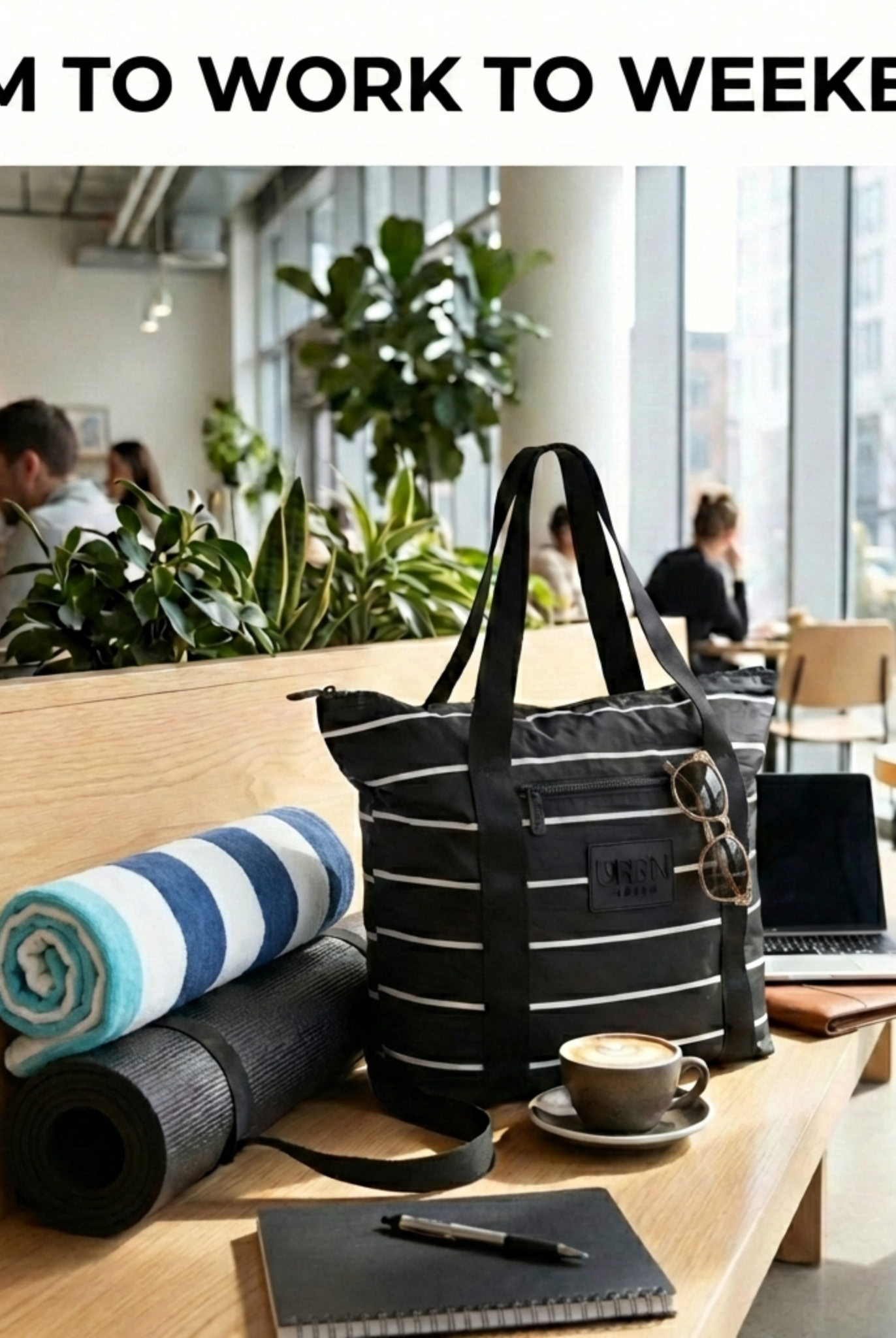
That's the difference between carrying a bag and using a well-designed tote bag. The right one becomes an everyday command center, helping you separate essentials, protect what matters, and move from preschool to the office, the beach, or the airport without changing bags. These tote bag benefits come from practical details, not a decorative label: lightweight construction, water-resistant fabric, zipper closures, comfortable straps, and compartments that give everything a place.
Table of Contents
- Why a Good Tote Bag Changes Everything
- Organization Features That Keep You On Track
- Material Benefits and Everyday Durability
- Tote Bags Versus Other Bag Types
- Comfort and Security for Active Lifestyles
- Practical Buying and Care Tips
Why a Good Tote Bag Changes Everything
A busy day rarely happens in one location. You might leave home with a laptop, sunglasses, snacks, and a water bottle, stop for groceries, collect a child from school, and finish with dinner or a casual drink. A flimsy open bag can technically carry those items, but it won't help you manage them. Everything settles at the bottom, soft food gets crushed, and small essentials vanish just when you need them.
A versatile tote bag changes the rhythm of the day. A zipper closure keeps belongings from shifting out when you set the bag beside a stroller or place it under a café chair. Separate pockets let you reach for your phone without moving a notebook, and a roomy main compartment gives groceries or a beach towel somewhere to land. The value isn't only capacity. It's the relief of knowing where things are.

From daily scramble to reliable routine
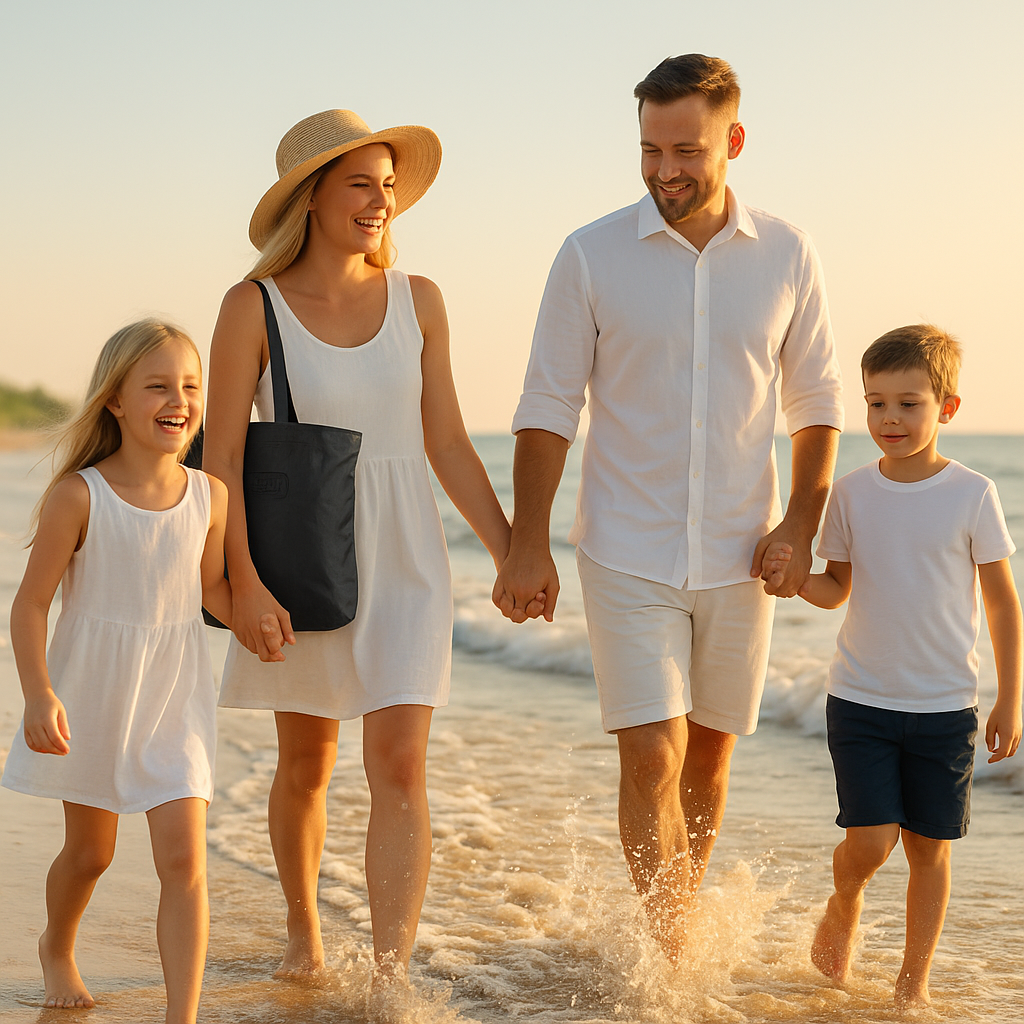
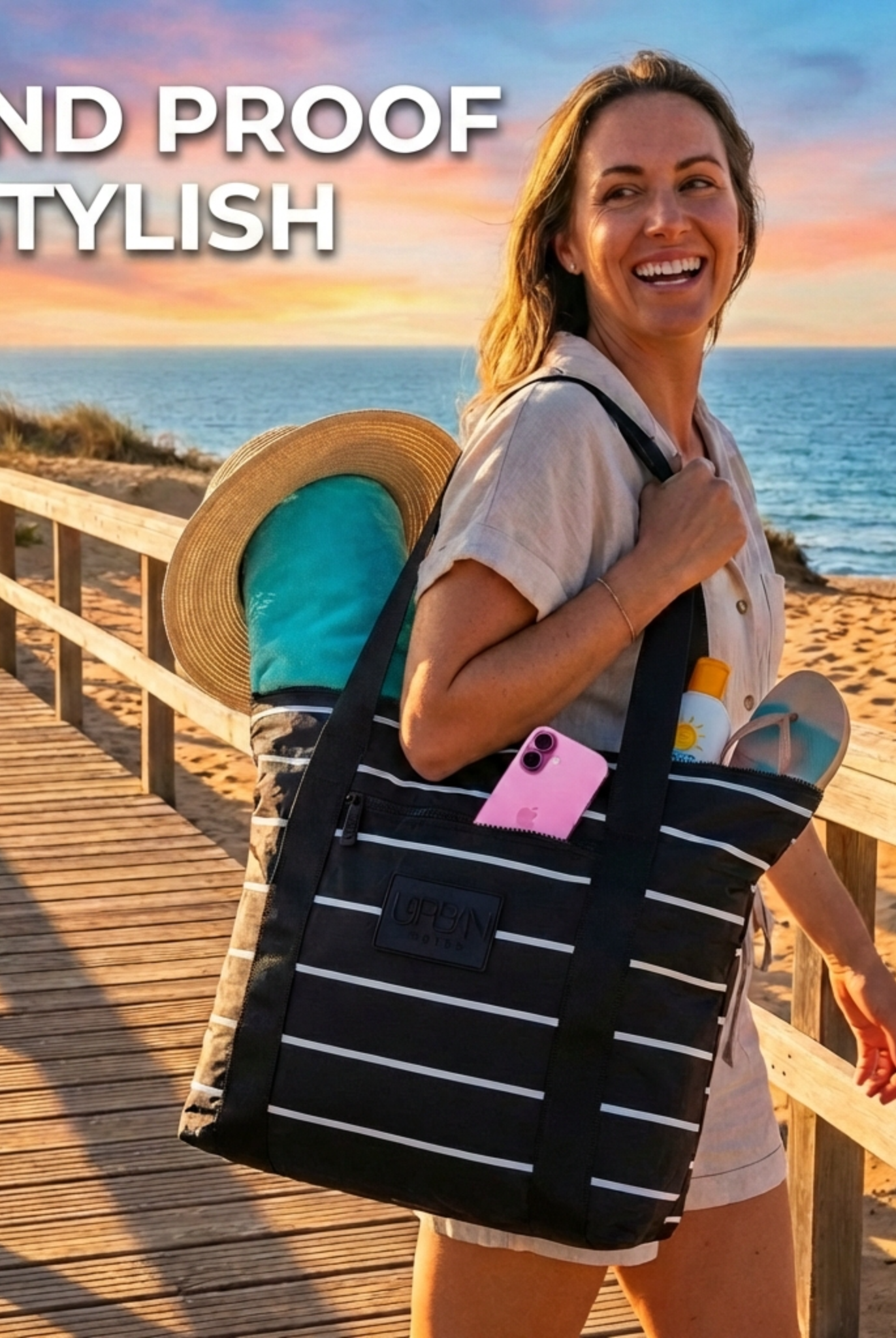
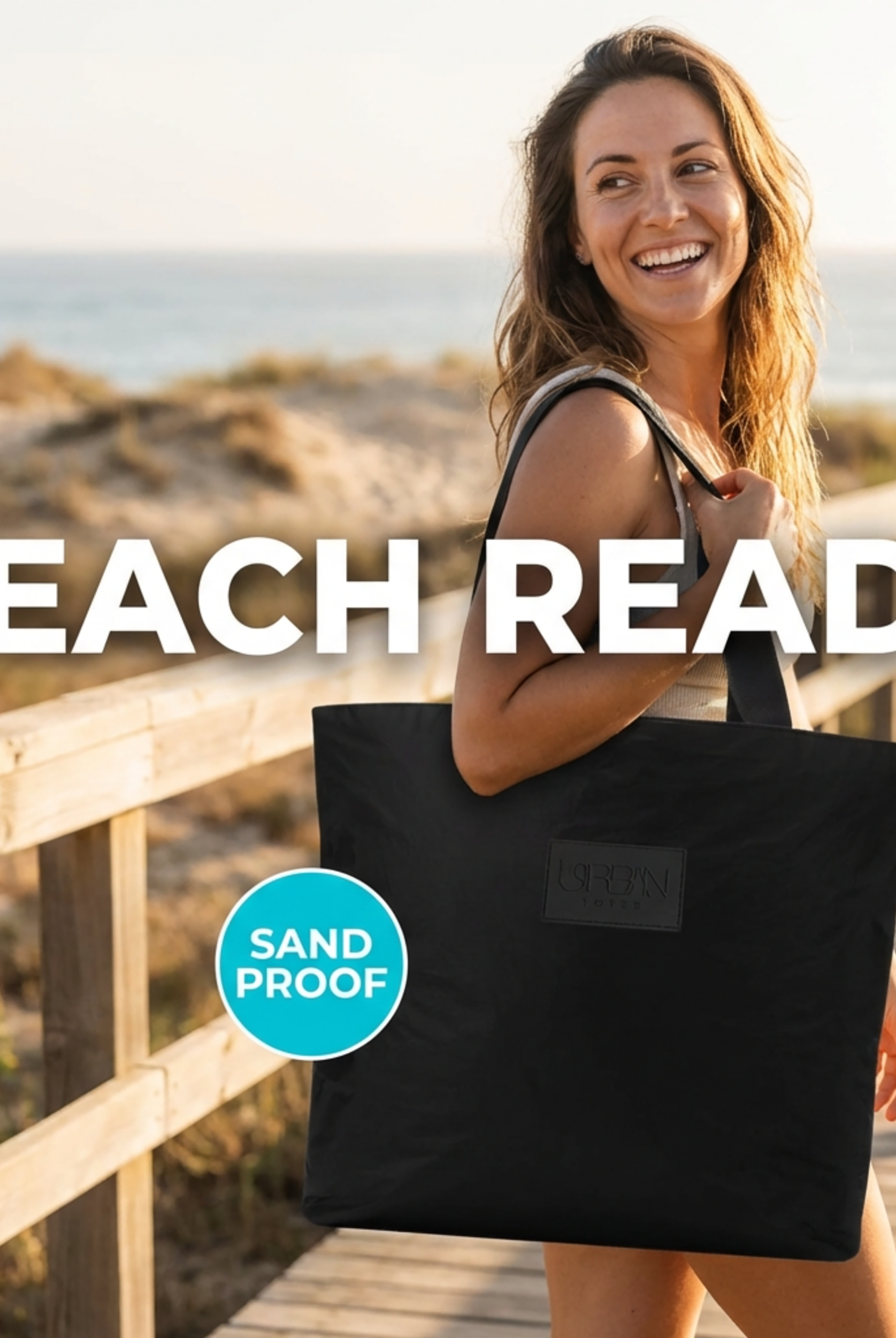
Organization becomes especially useful during transitions. At school pickup, snacks can stay away from keys. At the farmers market, produce has room without pressing against a tablet. At the beach, a towel and sunscreen can share the main compartment while smaller pockets hold cards and sunglasses.
A tote also helps reduce disposable bag consumption when you keep using it. Singapore's National Environment Agency life-cycle factsheet reported that one reusable bag used over a year could replace 125 single-use plastic or degradable bags, or 52 single-use paper bags. The point isn't to buy a tote and forget it. The practical benefit comes from carrying it repeatedly for errands, commutes, and shopping trips.
Practical rule: A tote earns its place in your routine when it's easy to carry, easy to find things in, and easy to bring along.
A well-planned everyday bag can make that routine feel calmer. For more guidance on choosing a bag that fits changing schedules, explore these everyday bag options for women. The best choice is the one that supports your actual day, not an imagined version of it.
Organization Features That Keep You On Track
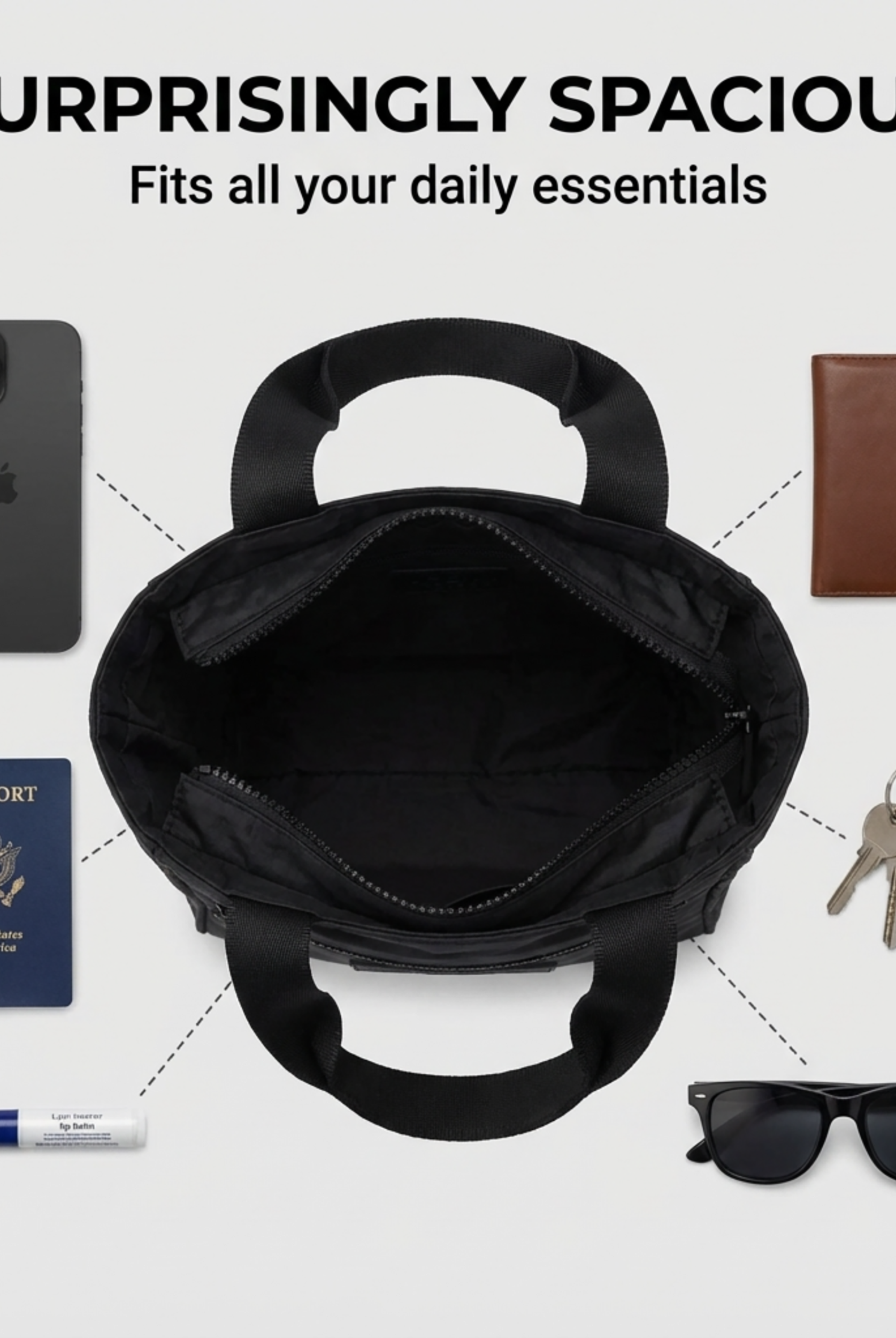
A tote becomes a life-management tool when its interior reflects the way you move through a day. Start with the main compartment, then assign homes to the items you reach for most often. This simple system prevents the bottomless-bag problem, where every object competes for the same space.
Build a repeatable pocket system
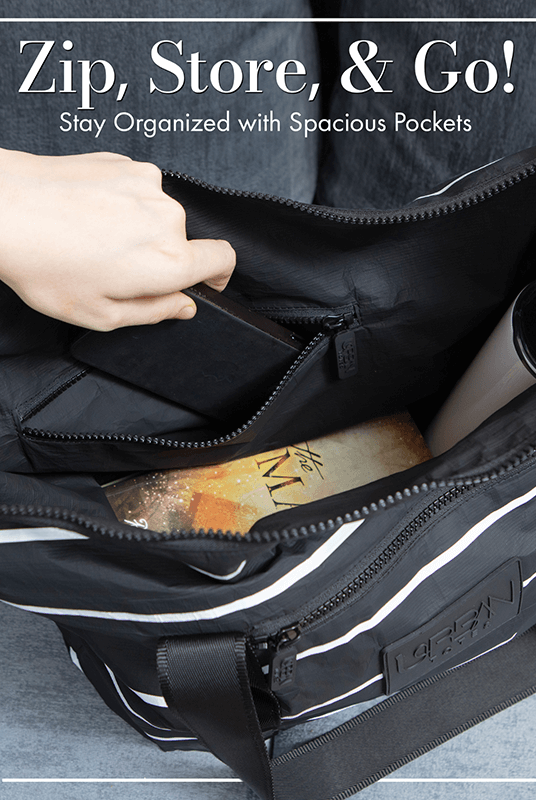
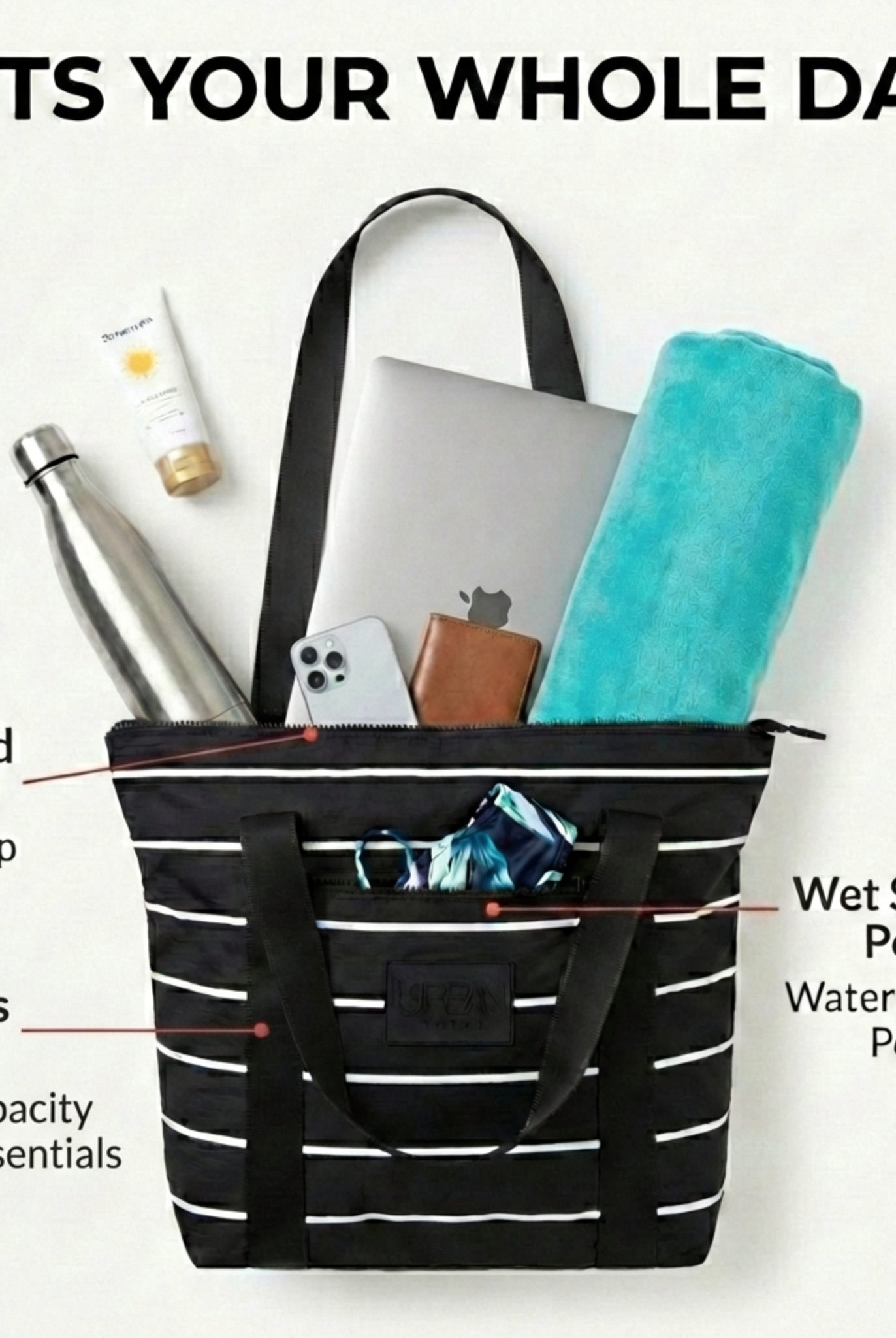
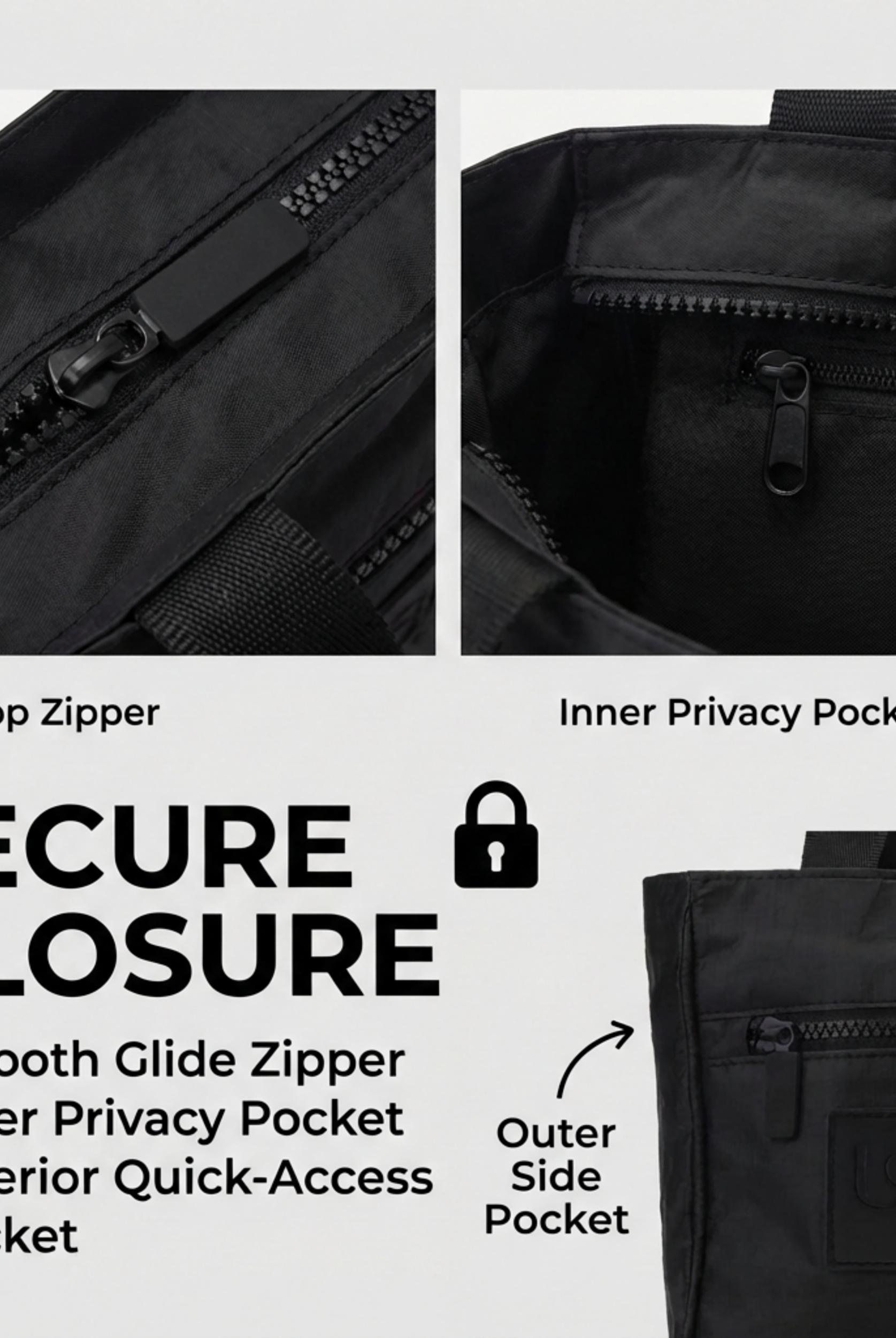
Use the largest section for flexible items such as a sweater, lunch container, diapers, or a book. Keep technology in a dedicated sleeve or protected area, and place keys and cards in a secure zippered pocket. A phone belongs in an exterior quick-access pocket if you often need it while carrying coffee, groceries, or a child's hand.
The system works because you stop making small decisions. You don't have to ask where the boarding pass is, or whether your wallet is under the gym shirt. You reach for the same location every time, which makes airport security, coffee runs, and school drop-off less frantic.

Match compartments to real routines
Think in categories rather than individual objects:
- Secure essentials: Keep your wallet, keys, and identification together in a zipper pocket so they stay contained when the bag tips.
- Technology: A dedicated sleeve separates a tablet or laptop from groceries, water bottles, and loose items.
- Quick access: Use an outside pocket for your phone, transit card, lip balm, or hand sanitizer.
- Temporary items: Reserve the main compartment for things that change throughout the day, such as market produce or a child's sweater.
This approach is more useful than filling every pocket just because it exists. Too many isolated spaces can slow you down if their purpose isn't obvious. A practical organization system should feel intuitive after a few days of use.
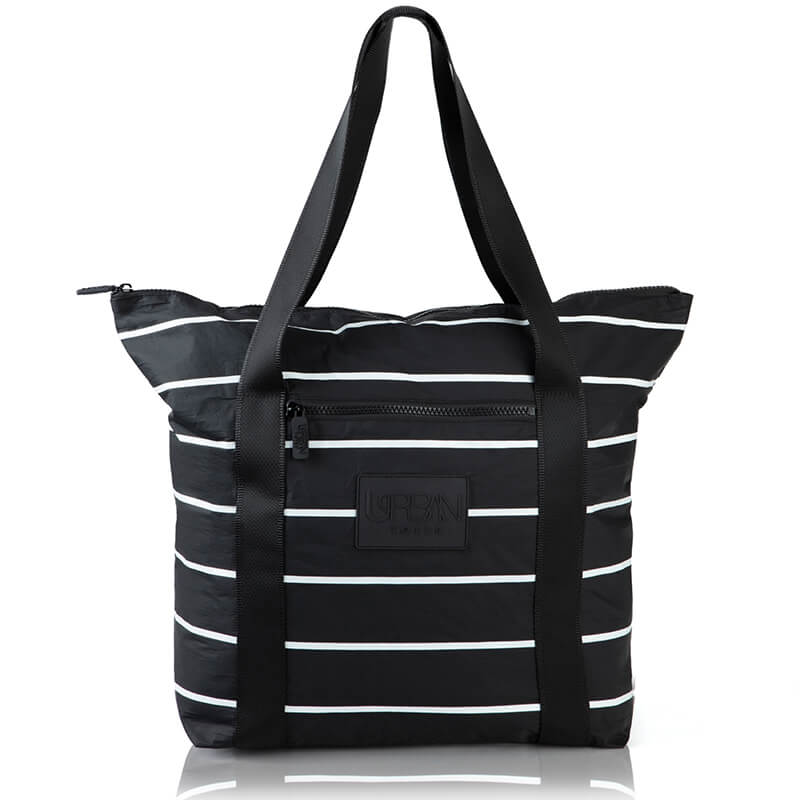
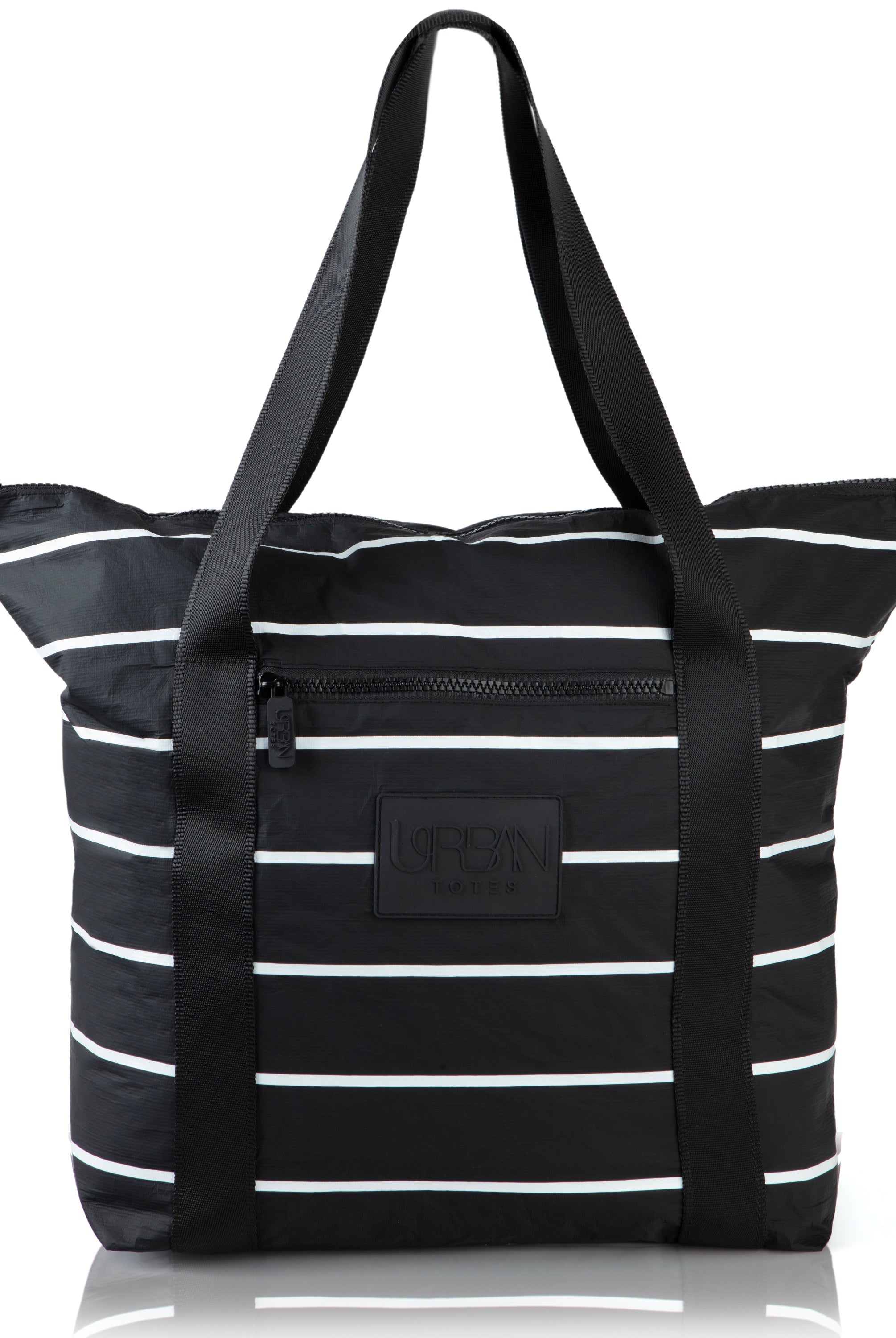
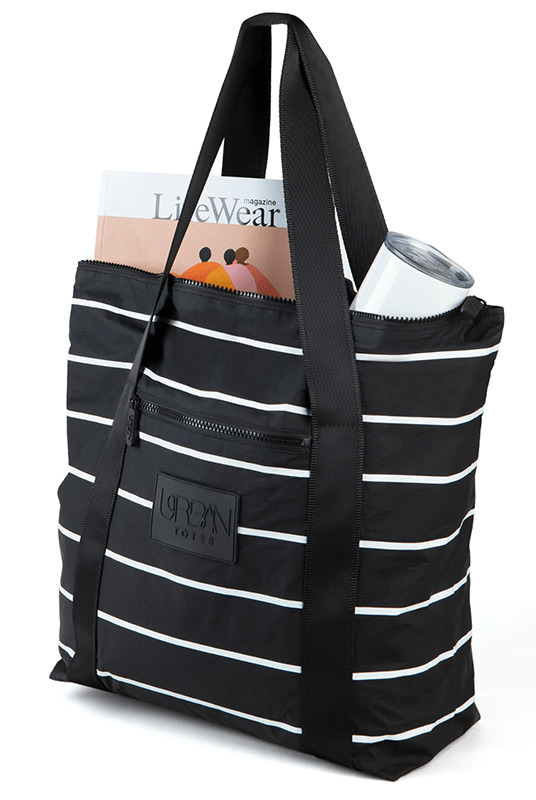
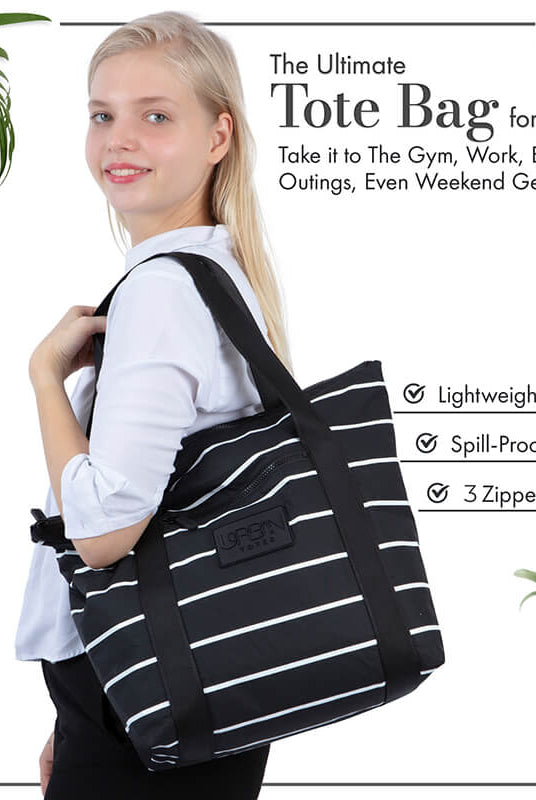
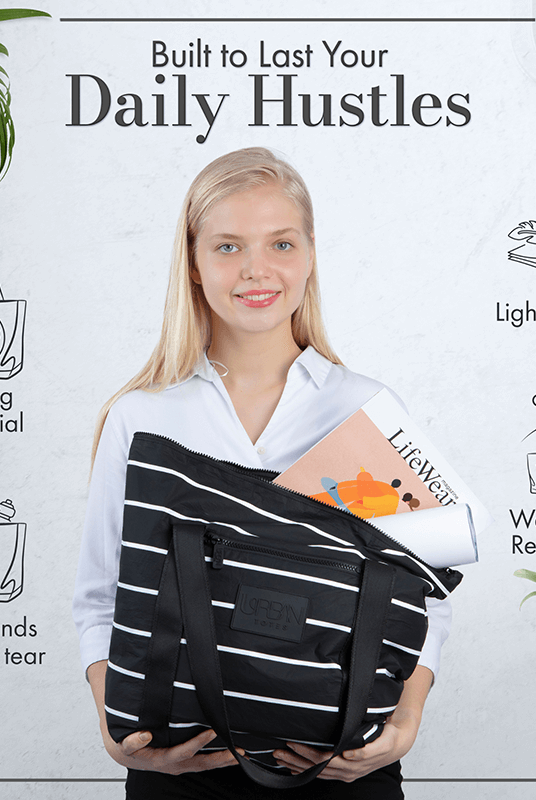
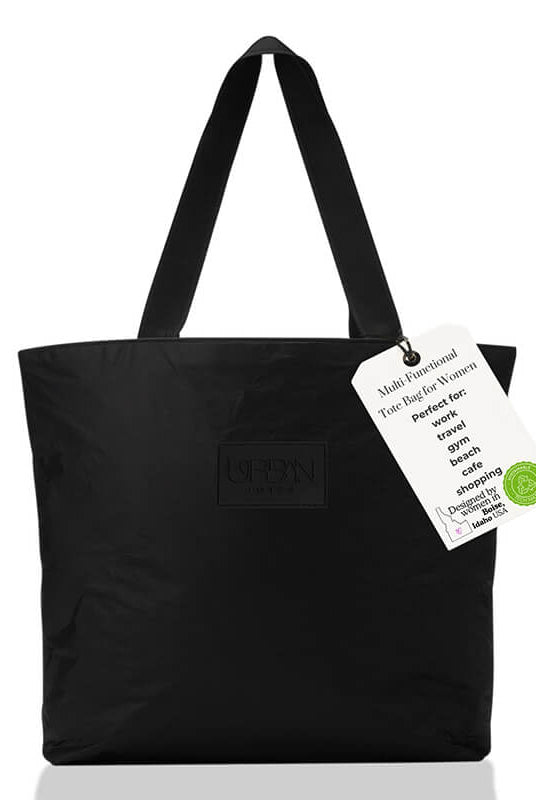
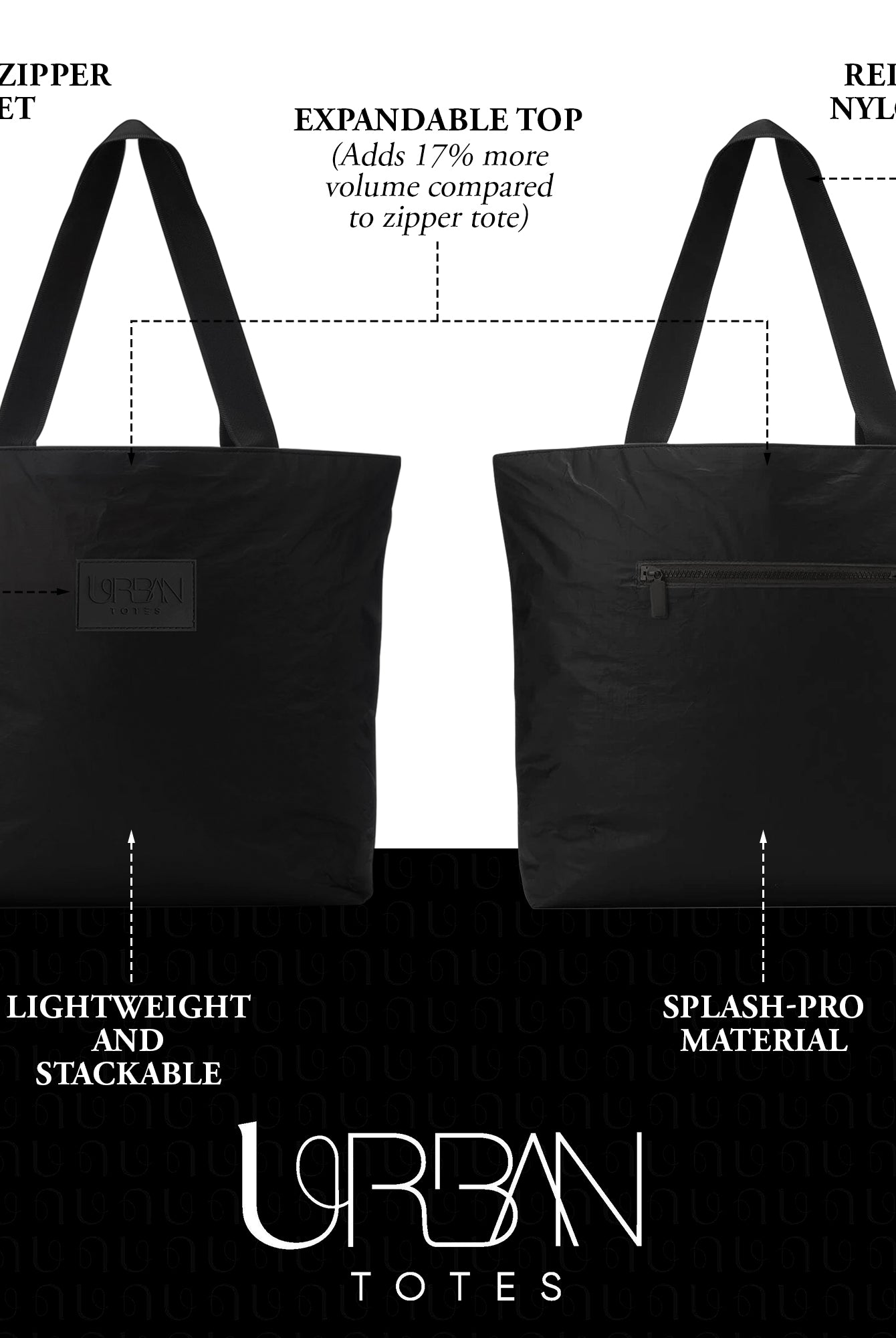
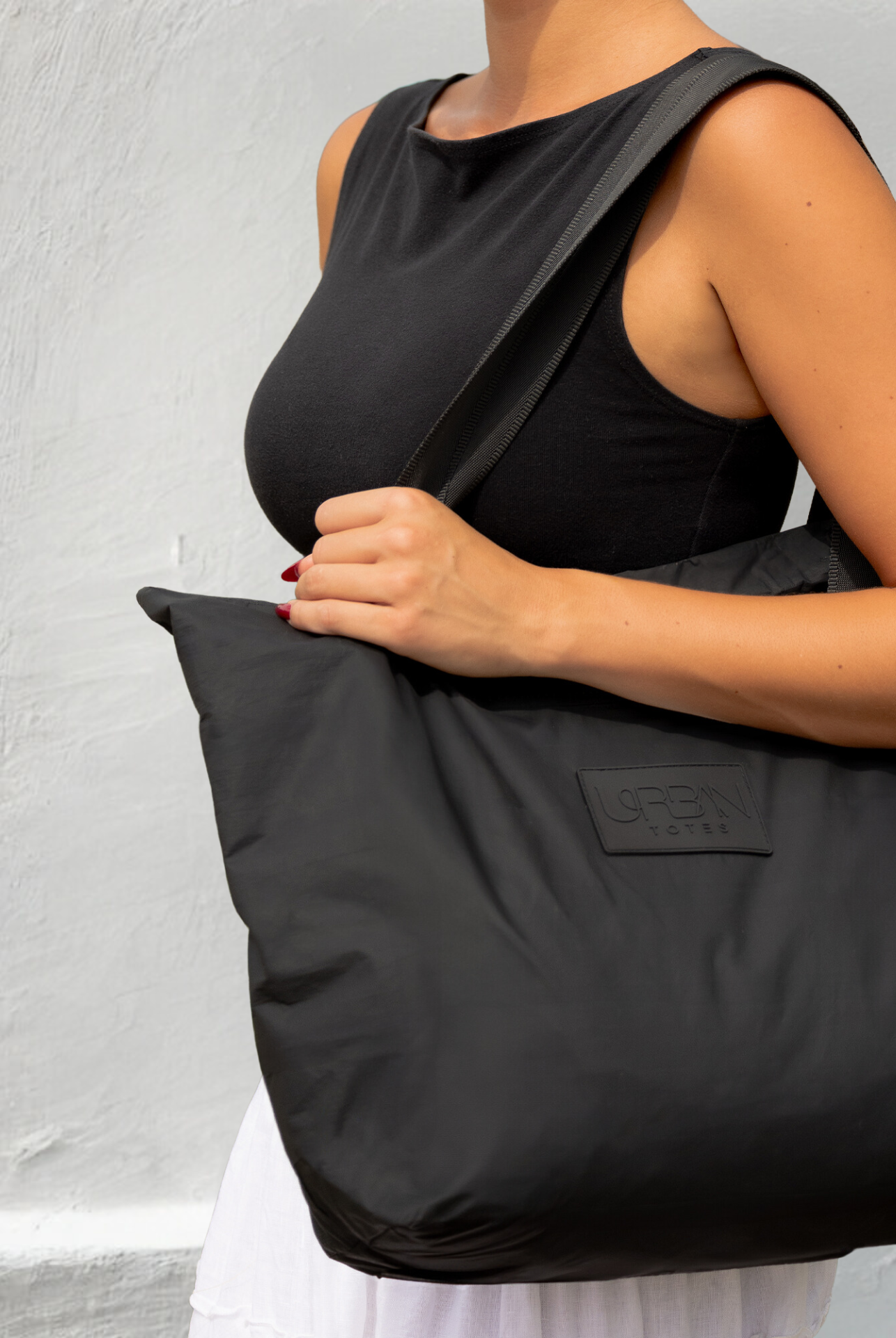
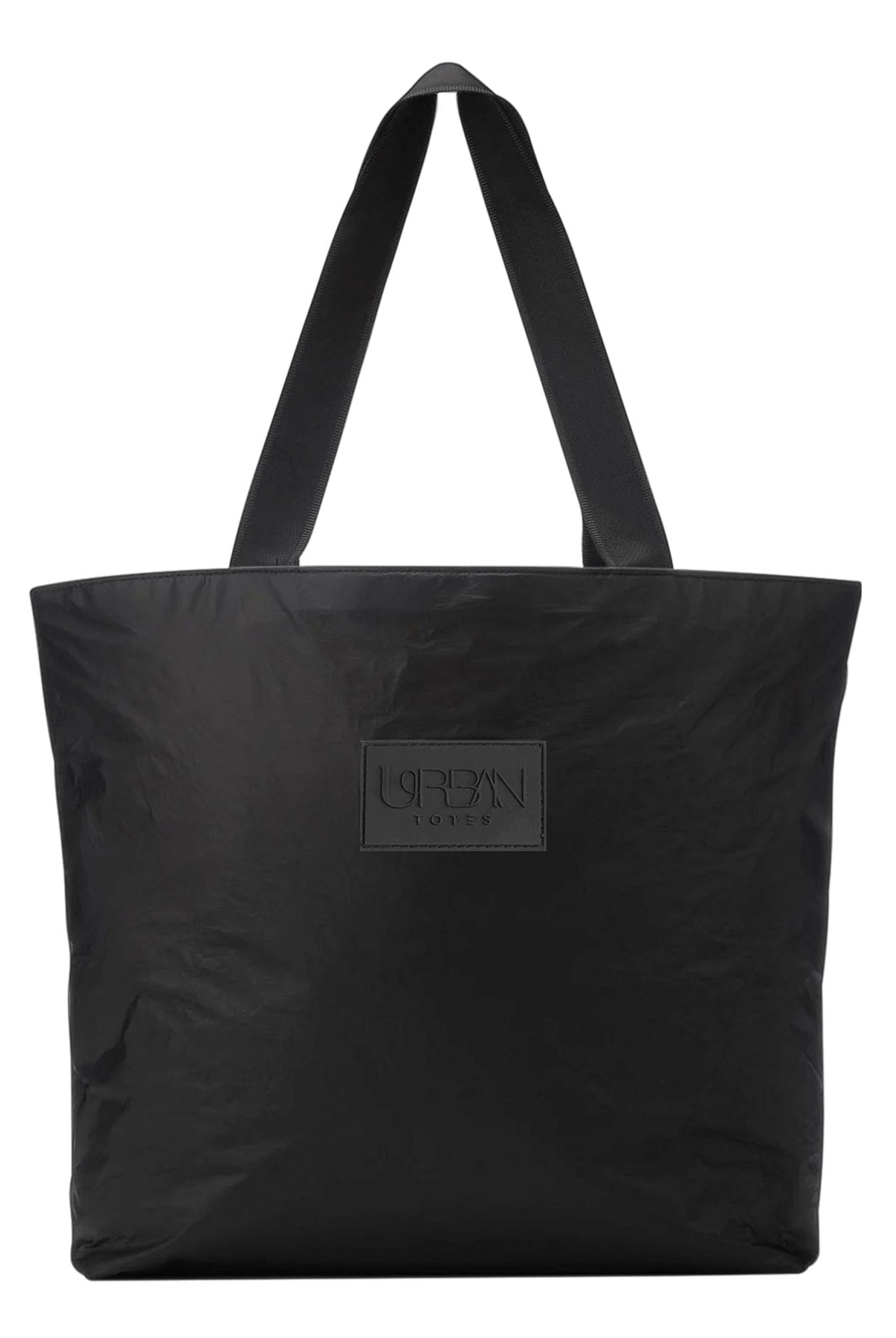
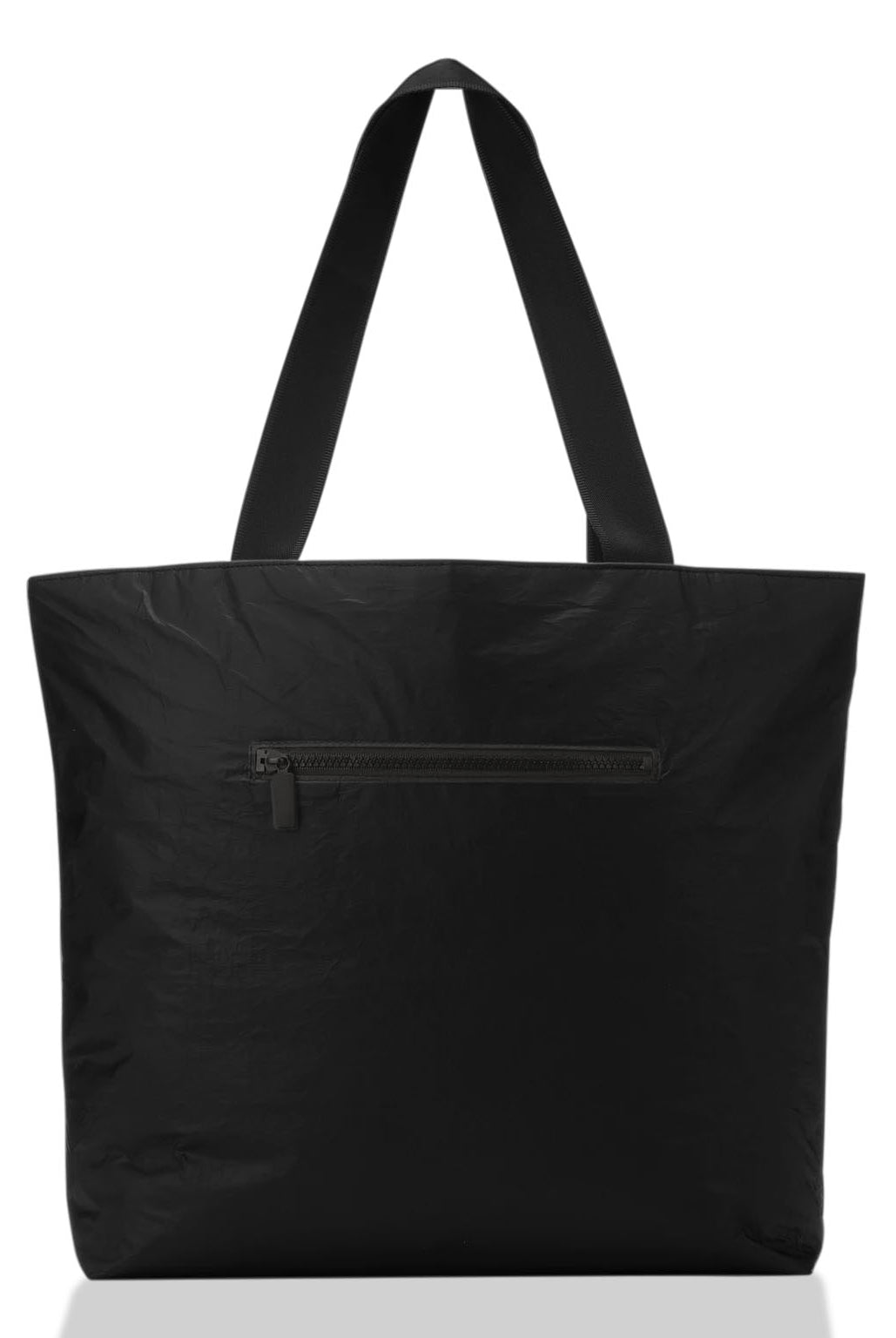
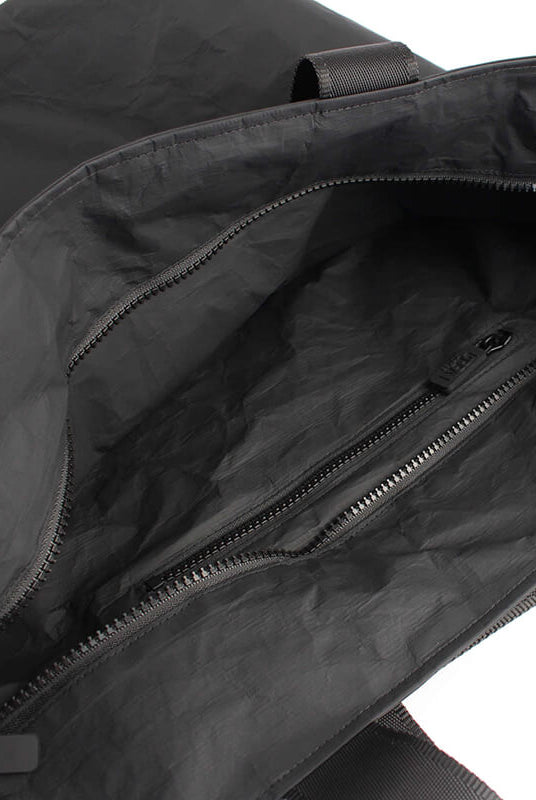
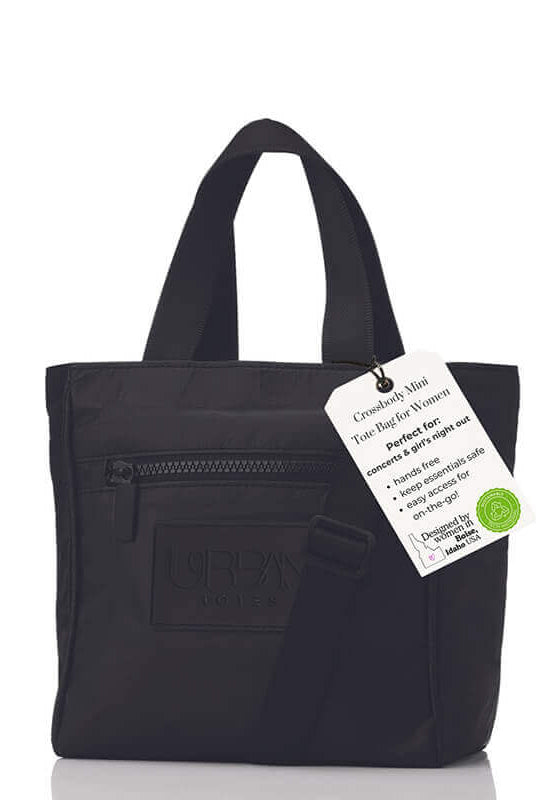
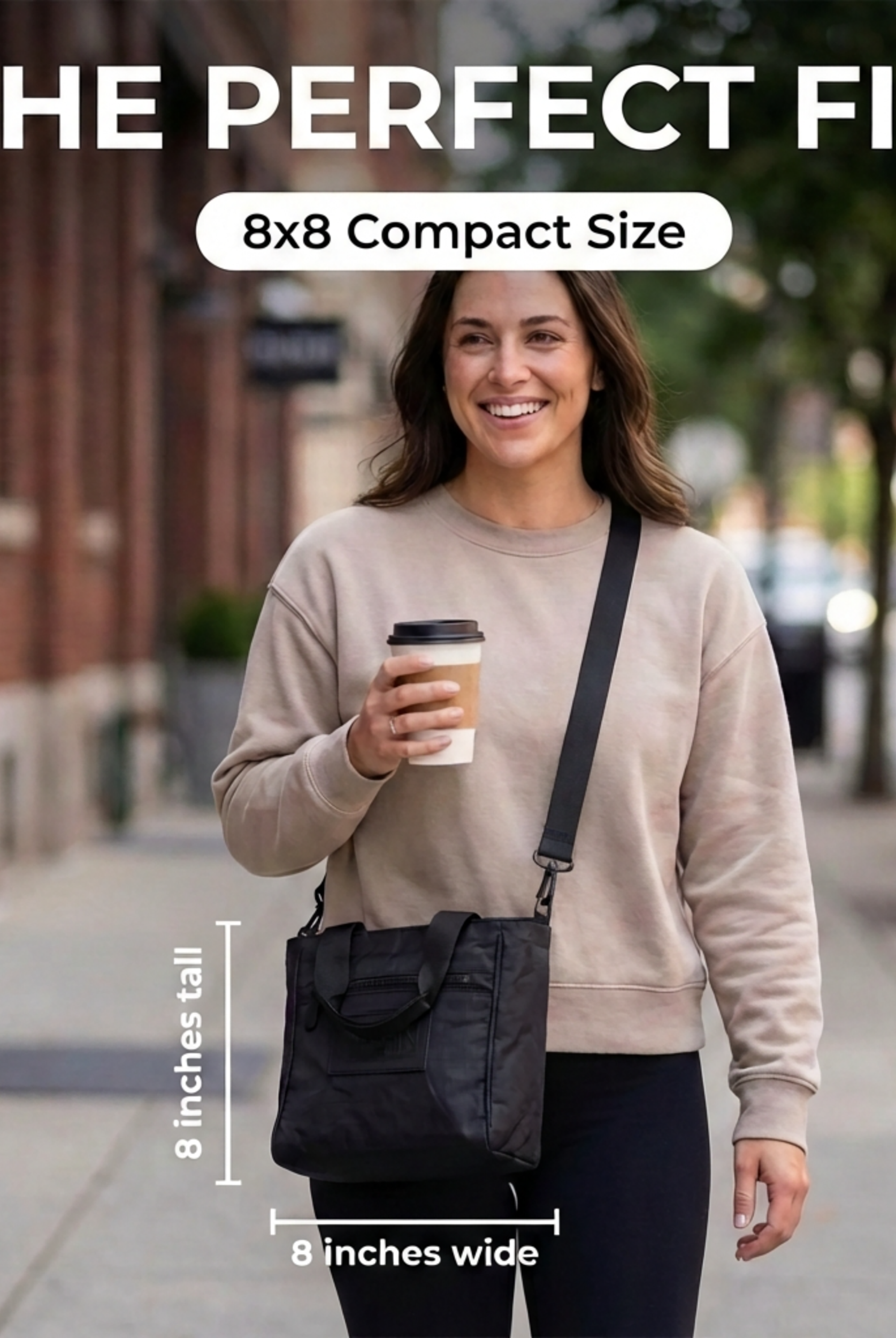
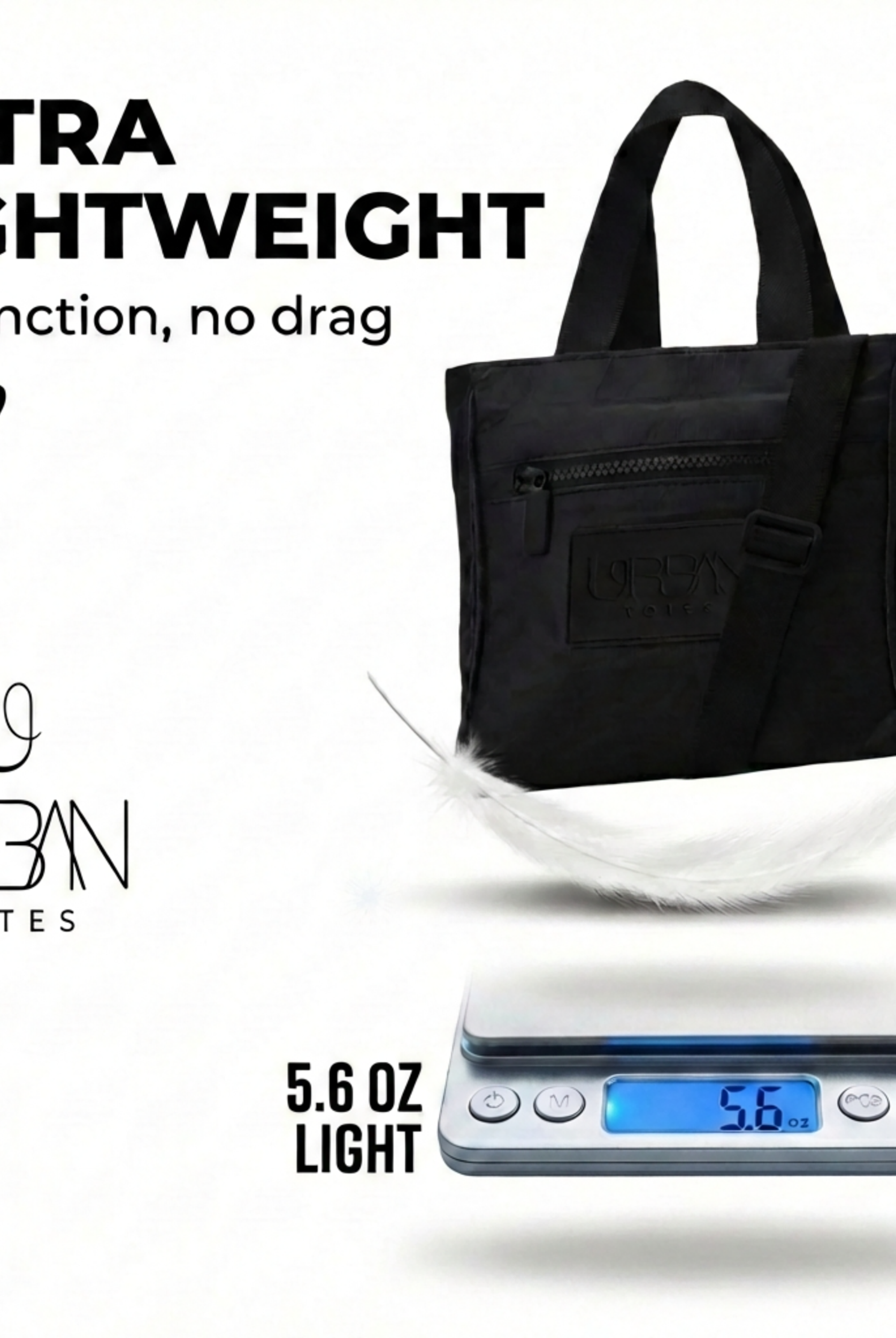
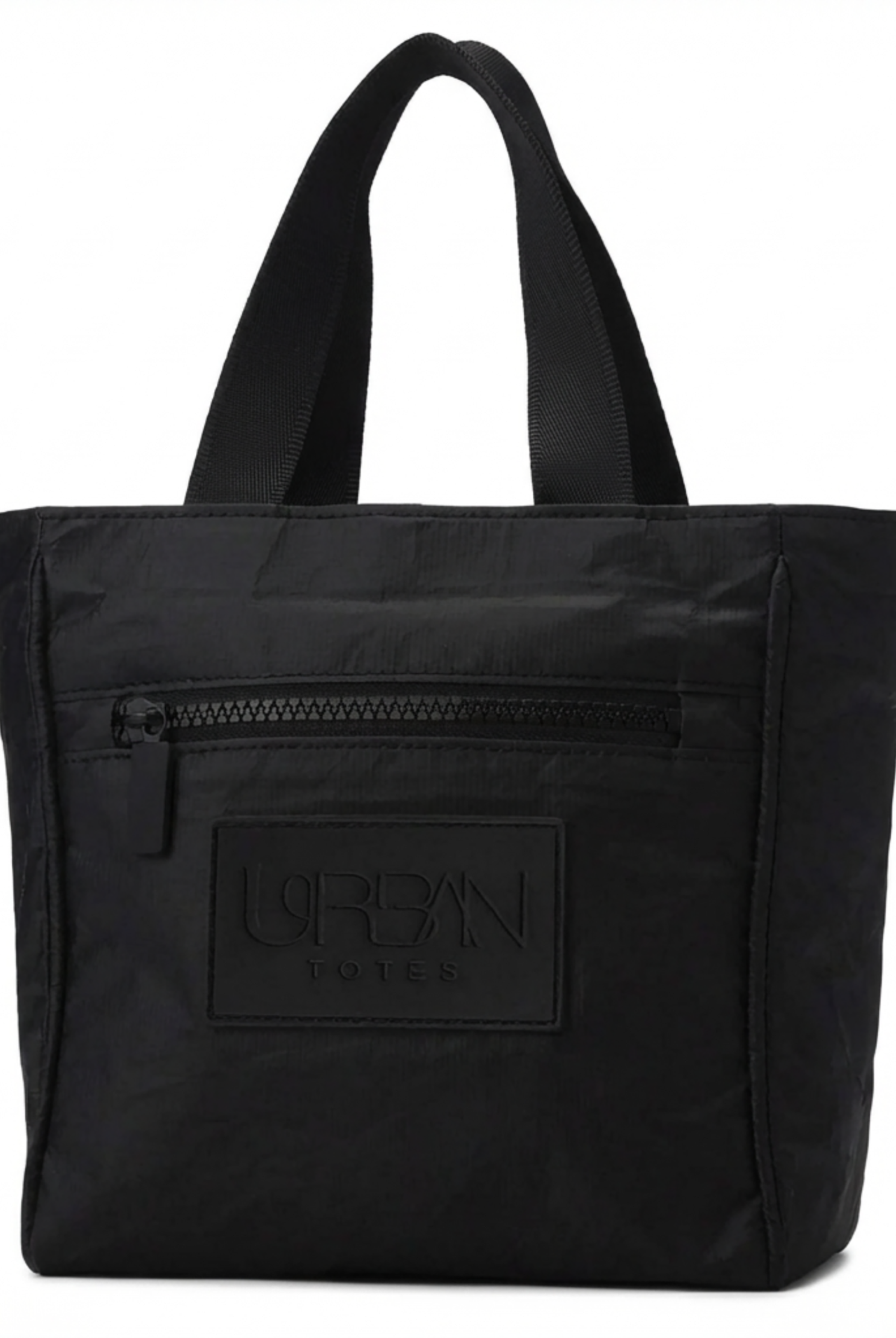
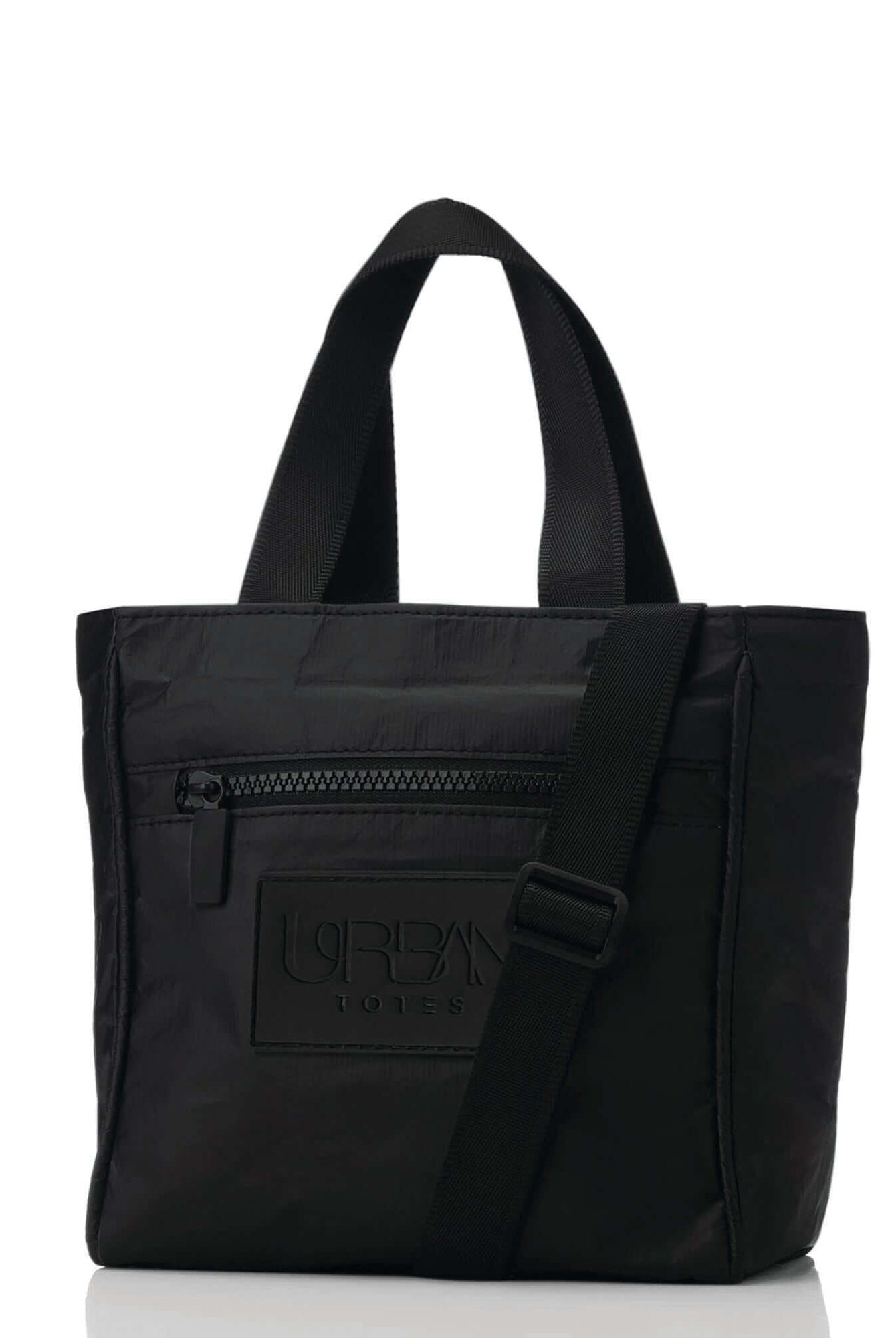
Urban Totes' tote bag compartments guide offers another way to think through pocket placement. The Elevate Every Adventure with The OG Zipper Tote Bag by Urban Totes uses three large pockets, inside and outside zipper pockets, and side pockets suited to items such as wet swimsuits or workout gear. Its listed dimensions are 19 inches wide by 14.5 inches high, and the catalog describes it as lightweight, packable, foldable, and water-resistant.
The goal isn't a perfectly styled interior. It's being able to leave the house without turning the kitchen counter into a search station.
Material Benefits and Everyday Durability
Material choice affects how a tote handles real routines. A beach bag may hold damp towels, while a commuter tote deals with rain, coffee spills, floors, and the space beneath a desk. The right fabric should suit those conditions without making the bag unnecessarily heavy or bulky. This guide to tote bag materials can help compare common options before you buy.
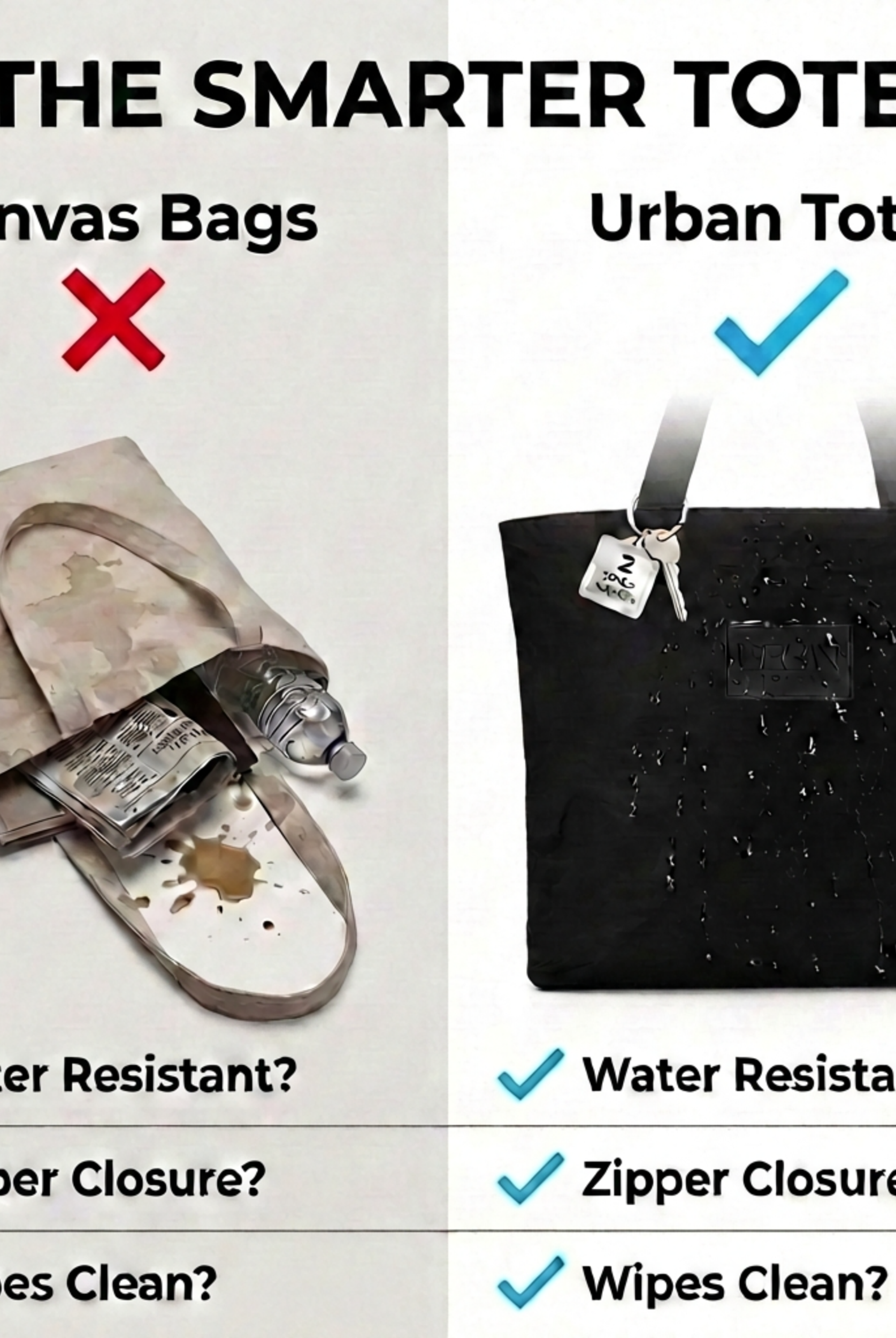
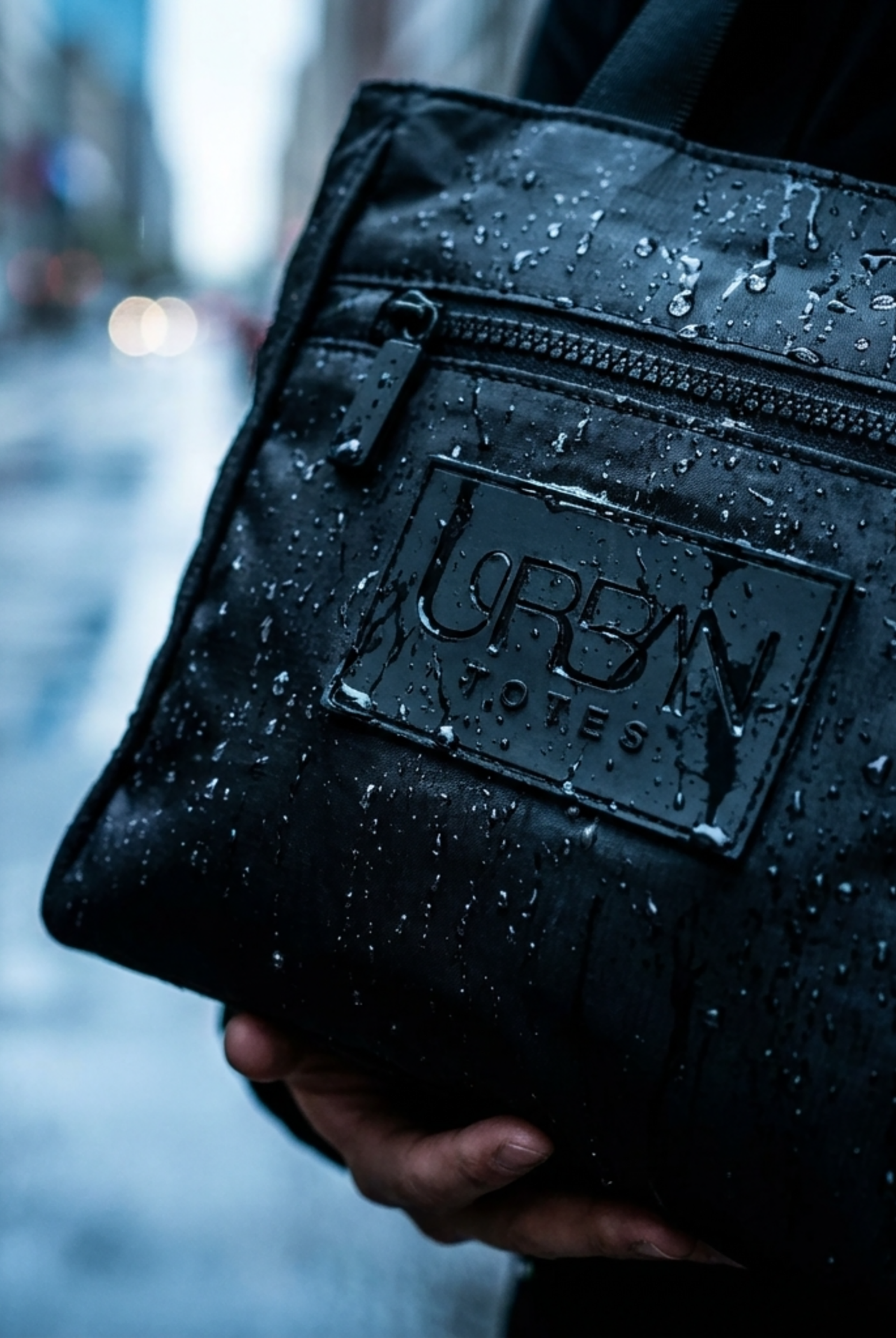
Water-resistant fabric helps with light rain, splashes, and everyday spills. It does not guarantee that the contents will stay dry in every situation. Polyester is generally more water-resistant than nylon because its hydrophobic fibers shed water more effectively. Untreated nylon can absorb more moisture and dry more slowly, according to this buyers' guide to nylon, polyester, and canvas bag materials.
Choose performance for the setting
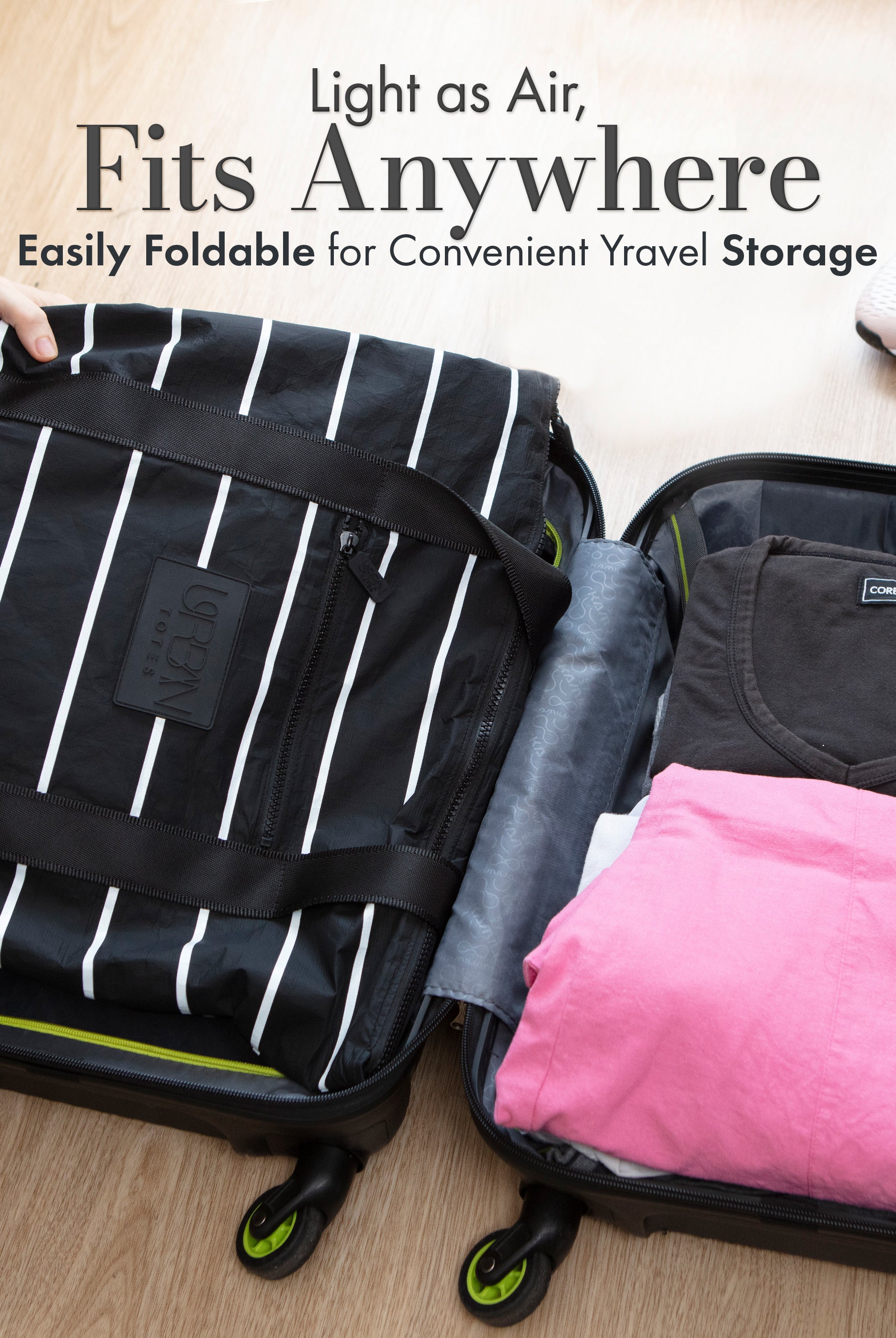
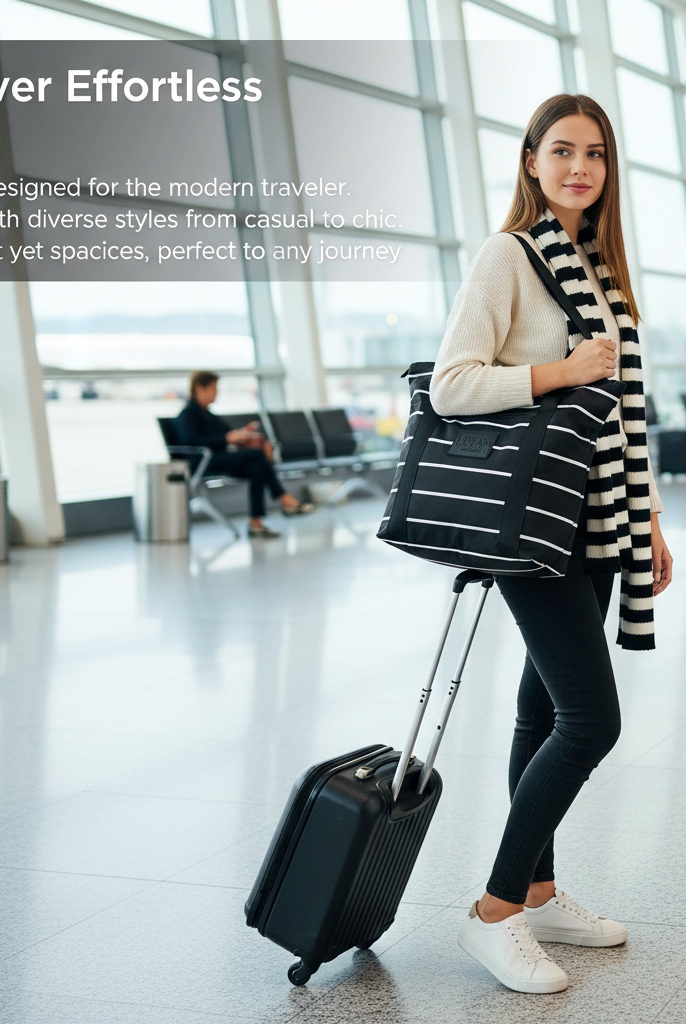
For a beach day, water resistance and wipe-clean care matter more than a rigid shape. For commuting, lightweight fabric preserves more of the bag's carrying capacity for your actual belongings. For travel, packability lets you fold the tote into another bag, then use it for groceries, souvenirs, or a day away from the hotel.
A technical fabric may suit an active schedule better than traditional canvas or leather. Canvas feels substantial and structured, while leather gives a polished appearance but often needs more careful handling. High-tech polyester or blended materials can provide a lighter, easier-care option for errands and travel.
Durability is more than thick fabric
Inspect the handle stitching, zipper movement, and base support. The base should hold its shape when the tote is partly full, and reinforced attachment points should handle regular loading and unloading. A sturdy zipper closure also keeps loose contents contained when the bag tips.
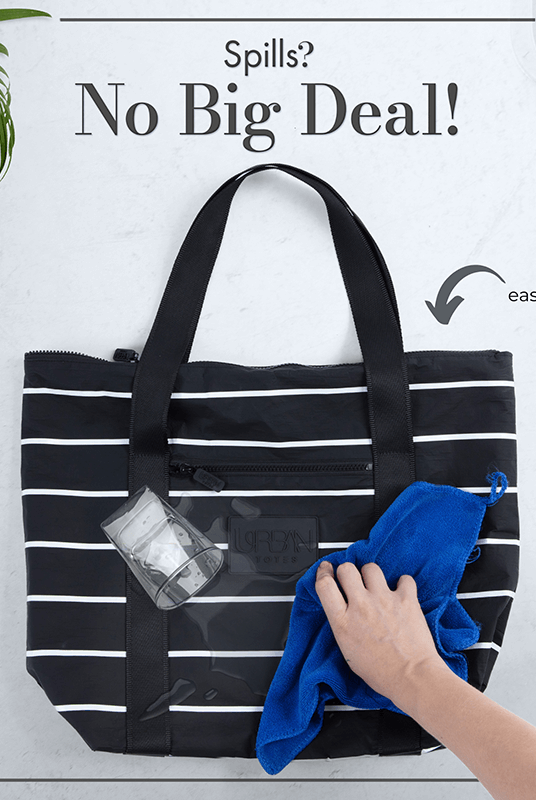
Care instructions matter just as much as construction. A tote that can be wiped clean after a spilled latte is easier to keep in daily rotation than one requiring specialized treatment. Urban Totes describes its bags as lightweight, water-resistant, easy to clean, packable, and foldable, qualities that suit routines moving between work, errands, gym sessions, and travel.
Repeated use determines whether a tote delivers an environmental benefit. A UK life-cycle assessment found that a cotton bag needed 131 uses to have lower global warming potential than a conventional HDPE bag that was not reused. A non-woven polypropylene bag needed 11 uses under that comparison. The UK carrier bag life-cycle assessment supports a practical choice: select a durable tote you will reach for often.
Tote Bags Versus Other Bag Types
No single bag handles every load perfectly. A tote is excellent for visibility, flexible storage, and quick access, but a backpack or crossbody may be more comfortable or secure in specific situations. The smart choice depends on what you're carrying, how long you'll carry it, and whether you need one hand free.

Where the tote earns its place
A tote works well when you need a wide opening and flexible capacity. You can see a lunch container, pull out a sweater, or add market purchases without working around a narrow opening. With a zipper closure and multiple compartments, it also becomes more secure than the traditional open-top tote.
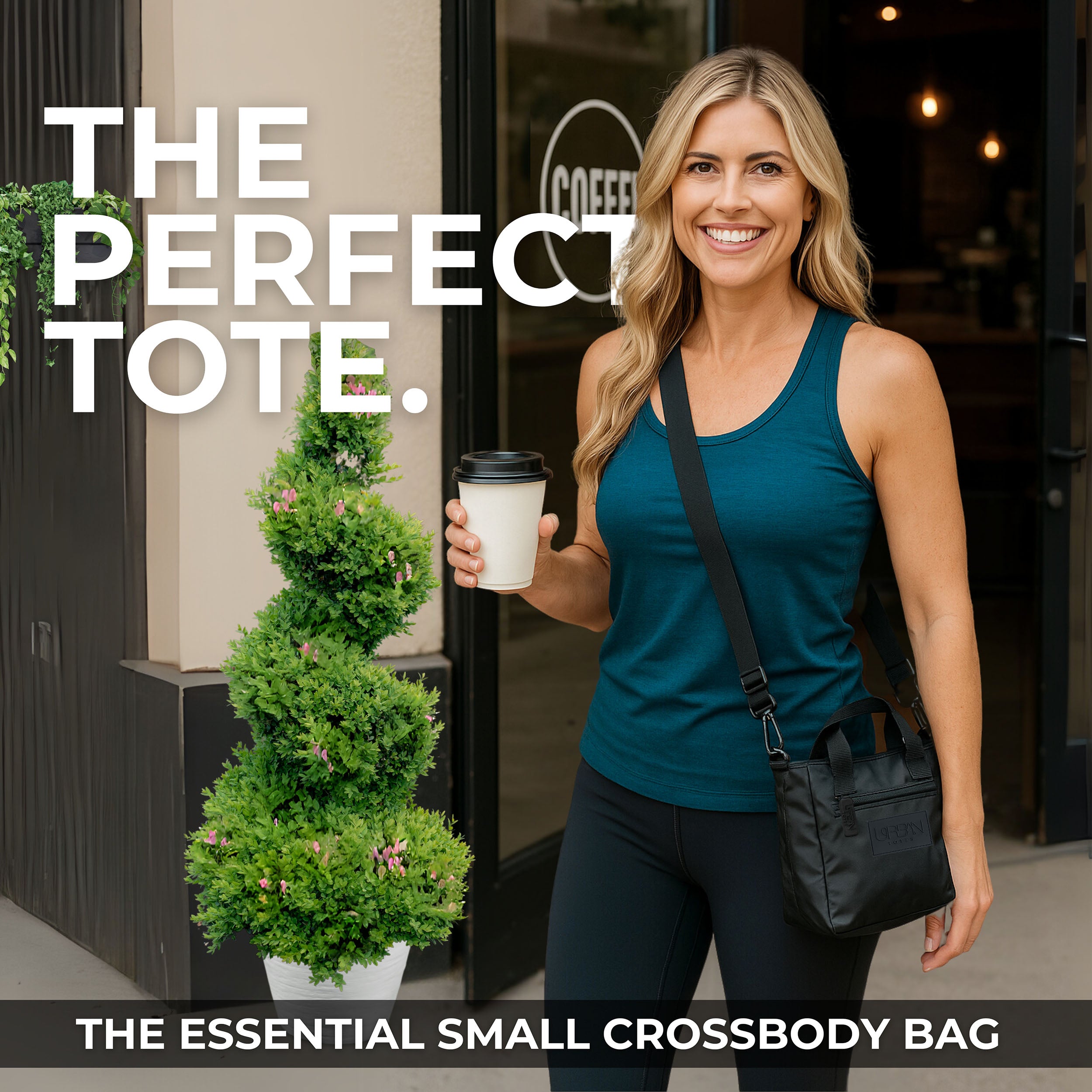
A backpack distributes weight across both shoulders and usually makes more sense for heavy technology, long walks, or cycling. A crossbody keeps your hands free and can feel more secure in a crowded place, though its smaller profile may not hold beach or family-day essentials. A clutch suits a dinner or event, but it isn't designed for the volume of everyday carry.
| Bag type | Strongest use | Main trade-off |
|---|---|---|
| Tote | Errands, commuting, beach days, flexible daily carry | Can concentrate weight on one shoulder |
| Backpack | Heavier loads and extended walking | Items may be less accessible |
| Crossbody | Hands-free movement and crowded settings | Usually offers less capacity |
| Clutch | Minimal evening essentials | Limited practical storage |
A tote can also complement a more specialized bag. Packable designs work as backup carriers during travel, while a structured tote can transition from a laptop bag to a dinner-ready accessory. If you enjoy refining accessories as carefully as your bag system, this explainer on what is a NATO watch strap is a useful example of how small design choices affect everyday wear.
For a broader vocabulary when comparing styles, use this glossary of bag types. The right question isn't whether totes are universally better. It's whether your bag matches the task.
Comfort and Security for Active Lifestyles
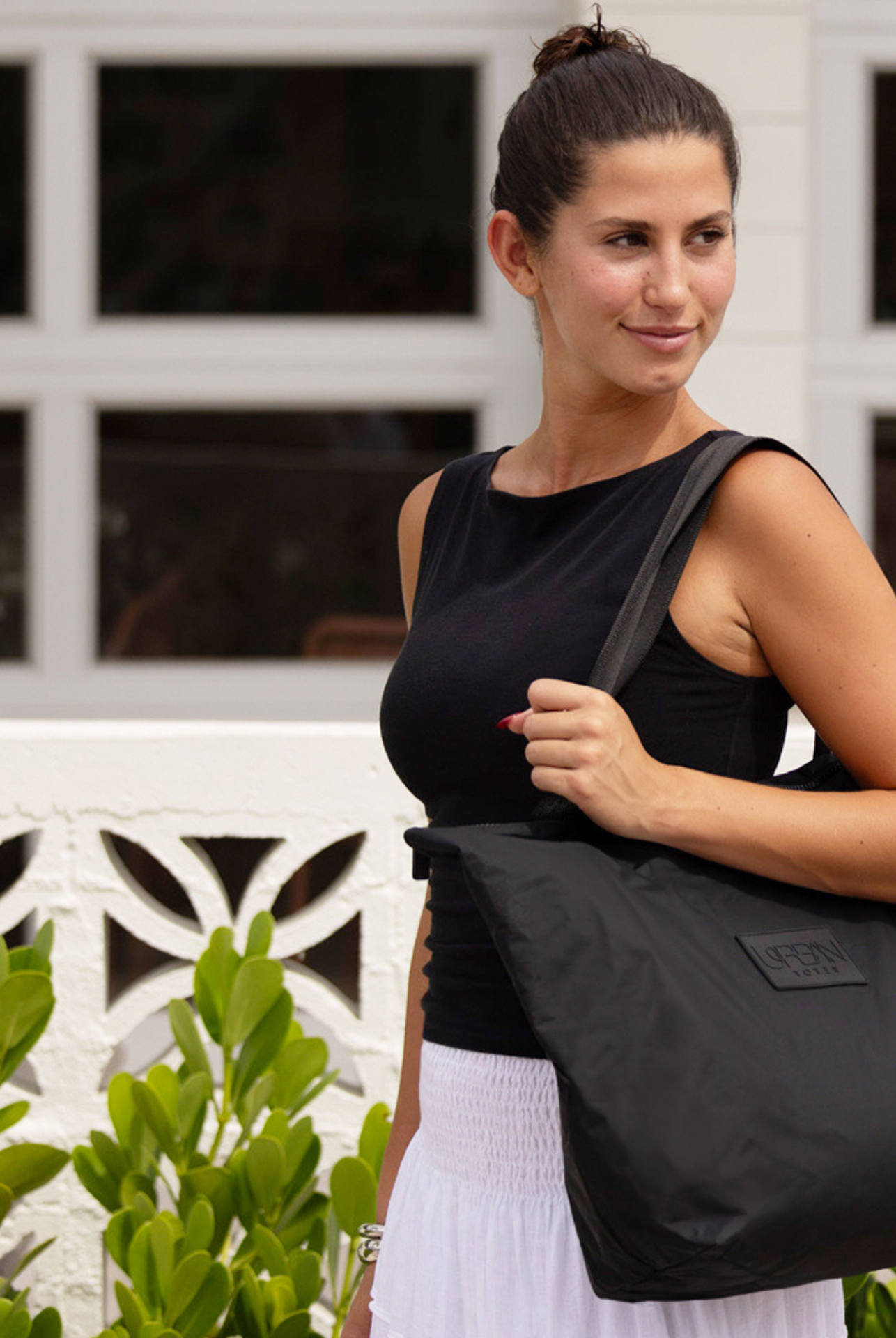
A tote can be comfortable, but only when you respect how weight sits on the body. Guidance for shoulder bags recommends keeping the load below about 10% of body weight and close to the torso, because carrying more for extended periods can increase discomfort and postural strain. Wider or padded straps and multiple compartments can distribute pressure more effectively, as described in this shoulder-bag ergonomics guidance.
That makes packing discipline part of comfort. A laptop, water bottle, charger, snacks, and camera can turn a lightweight tote into a demanding one-sided load. If the bag starts pulling your shoulder down, remove items, switch sides when practical, or choose a backpack or crossbody for longer carrying periods.

Travel size and access
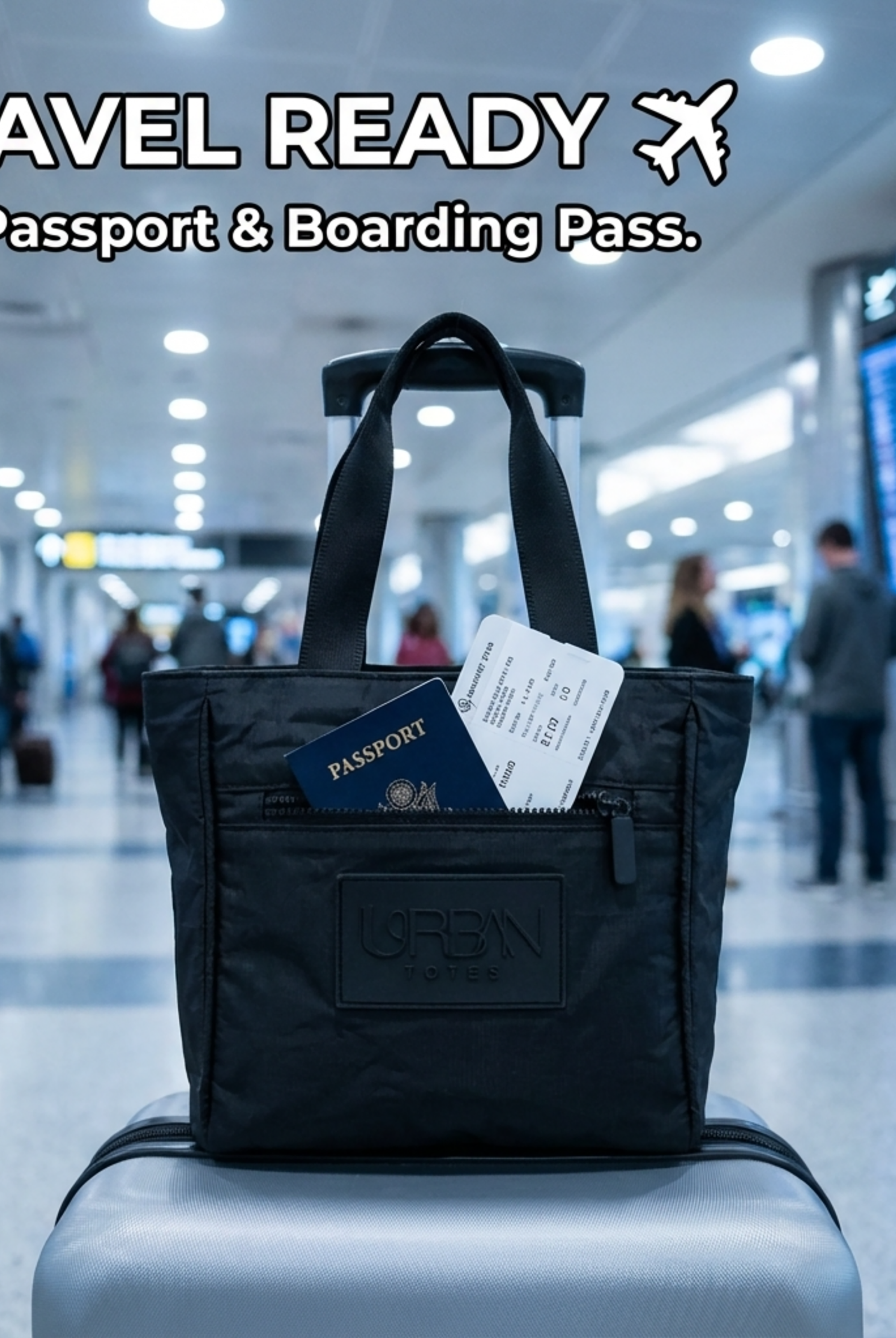
Travel creates a useful test for tote design. American Airlines says a personal item must fit under the seat and must not exceed 18 x 14 x 8 inches, while a carry-on bag must not exceed 22 x 14 x 9 inches, including handles and wheels, according to its carry-on baggage rules.
A soft-sided, structured tote can be practical because it may fit beneath a seat more easily than a rigid bag, provided you confirm the current airline rules and the bag's packed dimensions. United Airlines states that personal items must fit under the seat and gives a maximum size of 9 x 10 x 17 inches in its personal-item and carry-on guidance.
Small security details matter
A zipper closure keeps the contents together when you bend down, lift the bag into a car, or walk through a busy terminal. A dedicated phone pocket prevents repeated digging, while a secure interior pocket gives keys and cards a stable home. Organization also reduces the temptation to leave the bag open while you search.
Research on unilateral bag carriage identifies shoulder-function differences and load-related strain, so a tote shouldn't be treated as weight-neutral just because it looks lightweight. A study on unilateral bag carriage supports a practical conclusion: use the tote for the load it handles comfortably, and choose another carry style when the contents become too heavy or the journey too long.
Practical Buying and Care Tips
Start with your real routine, not the fantasy version of your life. If your day includes school drop-off, a laptop, groceries, and an evening workout, look for a multi-pocket tote with zipper closures, a flexible main compartment, and straps that sit comfortably on your shoulder. If travel is frequent, prioritize a lightweight, packable, foldable design that can serve as an everyday carry and a backup bag.
Use this buying checklist
- Check the organization: Look for separate spaces for technology, keys, cards, and quick-access items.
- Test the opening: Make sure you can reach the main compartment without wrestling with the zipper.
- Assess the fabric: Water-resistant material helps with light rain and spills, while easy-care surfaces suit active routines.
- Inspect the straps: Wider straps generally feel better than narrow ones when the bag is moderately loaded.
- Think about storage: A foldable tote is easier to keep in a suitcase, car, or entryway.
- Match the scale: Choose enough room for your essentials, but don't buy extra capacity that encourages unnecessary weight.
A useful tote should support a repeatable packing habit. Keep everyday items in their assigned pockets, place heavier objects close to your torso, and avoid carrying “just in case” items that rarely leave the bag. Empty the tote regularly so receipts, snack wrappers, and forgotten water bottles don't slowly turn useful space into clutter.
Care it according to the label
Spot-cleaning with a damp cloth is a sensible first step for many modern tote fabrics. Let the bag air dry fully before folding it, and store it in a cool, dry place when you aren't using it. Avoid machine washing unless the care label explicitly permits it, since agitation can affect zippers, stitching, or fabric coatings.
Pay attention to small problems early. Clear crumbs from compartments, wipe spills before they set, and check that zipper tracks stay free of grit. Urban Totes' tote-bag maintenance tips can help you build a care routine around the specific bag you own.
The most meaningful tote bag benefits come from consistent use. Singapore's National Environment Agency estimated that 10 reusable bags used over a year could replace 1,248 plastic or degradable bags, or 520 paper bags under its life-cycle factsheet, but that kind of result depends on carrying and reusing the bags rather than collecting them. A well-organized tote makes that habit easier because it earns a permanent place by the door.
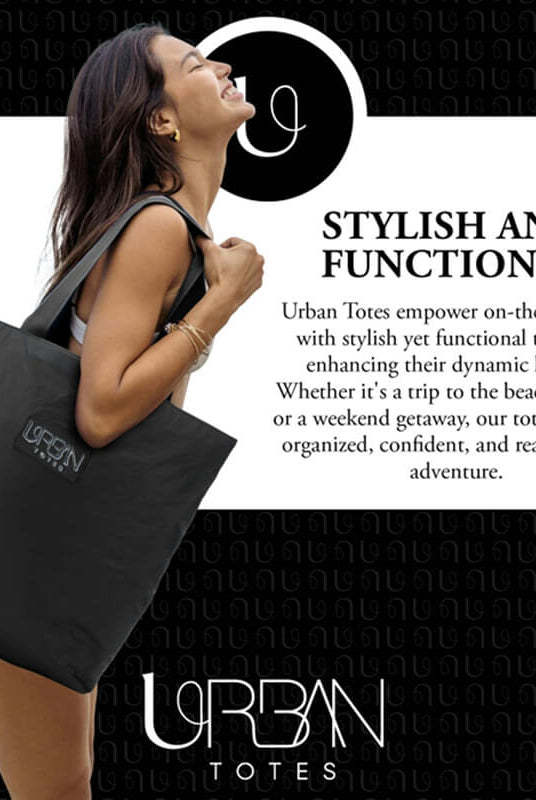
Urban Totes is a woman-owned Boise-made brand offering lightweight, water-resistant, packable, foldable tote and crossbody styles with thoughtful compartments and zipper closures for everyday carry, travel, beach days, and errands. Visit Urban Totes to choose a go-anywhere bag that keeps your essentials organized wherever the day takes you.