The school run is over, groceries are spread across the kitchen counter, and the bag that was supposed to carry everything has split at the seam. Later, you'll need that same bag for a farmers market stop, a beach towel, or a change of clothes at the airport. A useful everyday carryall has to be more than attractive. It needs strong panels, reliable straps, easy cleaning, sensible pockets, and a closure that keeps your essentials where they belong.
Learning how to make a bag out of recycled materials gives you control over those details. You can choose reclaimed canvas for structure, nylon from an old backpack for strength, or clean plastic film for a water-resistant outer layer. The best result isn't a quick craft that looks good for one outing. It's a thoughtfully built, versatile bag designed to handle real life and, ideally, be repaired or taken apart when its useful days are over.
Table of Contents
- Why Build Your Own Recycled Bag
- Sourcing Safe and Durable Recycled Materials
- Cutting Patterns and Structural Assembly
- Waterproofing and Smart Organization Features
- Long-Term Care and End-of-Life Design
- Taking Your Everyday Carry to the Next Level
Why Build Your Own Recycled Bag
A custom recycled bag starts with a practical problem. The flimsy tote disappears under a pile of produce, the open top lets keys sink beneath a water bottle, and the handles dig into your hand on the walk from school pickup. A homemade design lets you solve those frustrations before you cut the first panel. You can make the base wider, add a zipper closure, position a phone pocket where you can reach it, or build in a lining that wipes clean.

The reclaimed material also gives the bag a distinct personality. Faded tent nylon can become a bright travel-ready crossbody, while worn denim or an old curtain can form a sturdy market tote. The key is to select material for the job rather than treating every discarded textile or plastic wrapper as interchangeable. A thin, cracked film may be suitable for a decorative panel, but it shouldn't carry a laptop or a full grocery load.
This approach matters because the global plastics system still depends overwhelmingly on virgin material. A 2025 material-flow analysis reported about 400 million tonnes of plastic produced in 2022, with 38 million tonnes from mechanical recycling. Only 75 million tonnes were sorted and collected for recycling, and 9% of primary plastic production was recycled; 41% of the collected recycling stream was incinerated, with the remainder landfilled, according to the Society of Chemical Industry's plastics recycling analysis. That scarcity makes careful sourcing and traceable inputs important, especially when you're building several bags or developing a repeatable design.
Practical rule: Build around the life you actually lead. A beach-day mom needs wipeable compartments, a commuter needs secure tech storage, and a weekend traveler needs a lightweight bag that folds flat.
For more ideas about choosing and combining reclaimed inputs, browse this guide to recycled material bags. The project becomes far more satisfying when the finished piece works at school drop-off, the airport terminal, and the Saturday market, not just on the sewing table.
Sourcing Safe and Durable Recycled Materials
Start every sourcing project by screening out molded, brittle, or chemically contaminated material before cutting anything. Work with clean, stable feedstock and inspect each piece under strong light. Reject surfaces with mold, persistent odors, deep cracks, brittle patches, or residue that washing cannot remove. If the material's previous use is unknown, keep it for decoration rather than a lining or load-bearing panel.
Reliable options include reclaimed nylon, upcycled canvas, sturdy denim, and clean plastic film. Old backpacks and tents often provide tightly woven nylon with useful abrasion resistance. Curtains, workwear, and retired totes can yield broad canvas panels. Learn more about what recycled fabric is before choosing a textile, especially when fiber content and previous finishes are unclear. Recycled PET fabric follows a more industrial process. Bottles are collected, sorted by color, cleaned, shredded into flakes, melted and extruded into filaments, spun into yarn, then woven or knitted into fabric, as described in this overview of bags made from recycled plastic bottles.

Choose the material by the job
Use this comparison before cutting:
| Recycled input | Useful for | Watch carefully |
|---|---|---|
| Plastic film | Lightweight outer panels, fused accents, wipeable pockets | Cracking, heat damage, multilayer construction |
| Reclaimed nylon | Straps, gussets, linings, flexible bags | Frayed edges and worn coating |
| Upcycled canvas or denim | Main body, base, handles, structured totes | Weak areas near old seams and excessive stiffness |
| Recycled textile scraps | Pocket facings, patchwork, stuffing in enclosed projects | Loose weave, dye transfer, hidden contamination |
Plastic film needs a separate safety check. The American Chemistry Council recorded at least 1.3 billion pounds of post-consumer film recovered for recycling in the United States in 2016, including an estimated 132 million pounds from post-consumer bags and wrap, according to its 2016 national post-consumer plastic bag and film recycling report. A household bag can still be unsuitable for a sewn panel. Wash and dry compatible film, flex it repeatedly, and discard anything that turns cloudy or fractures. Do not combine layers until you know how they respond to heat.
Clean fabric before construction, testing a hidden corner first. Reclaimed canvas may shrink, dark denim may bleed, and coated nylon may lose its finish in hot water. Cut around stains and old needle holes. Put the strongest sections at the base, handle anchors, and side seams, where daily loads concentrate.
Plan the cutting layout before committing to the material. The tetra-pack bag study reported 100 grams of solid waste per 100 bags when recycled and rejected feedstock were used, compared with 60 grams per 100 bags from rejected materials alone, documented in the recycled packs environmental impact study. Nest large pieces first, reserve clean off-cuts for tabs and small pockets, and keep thread and lining scraps in a separate container.
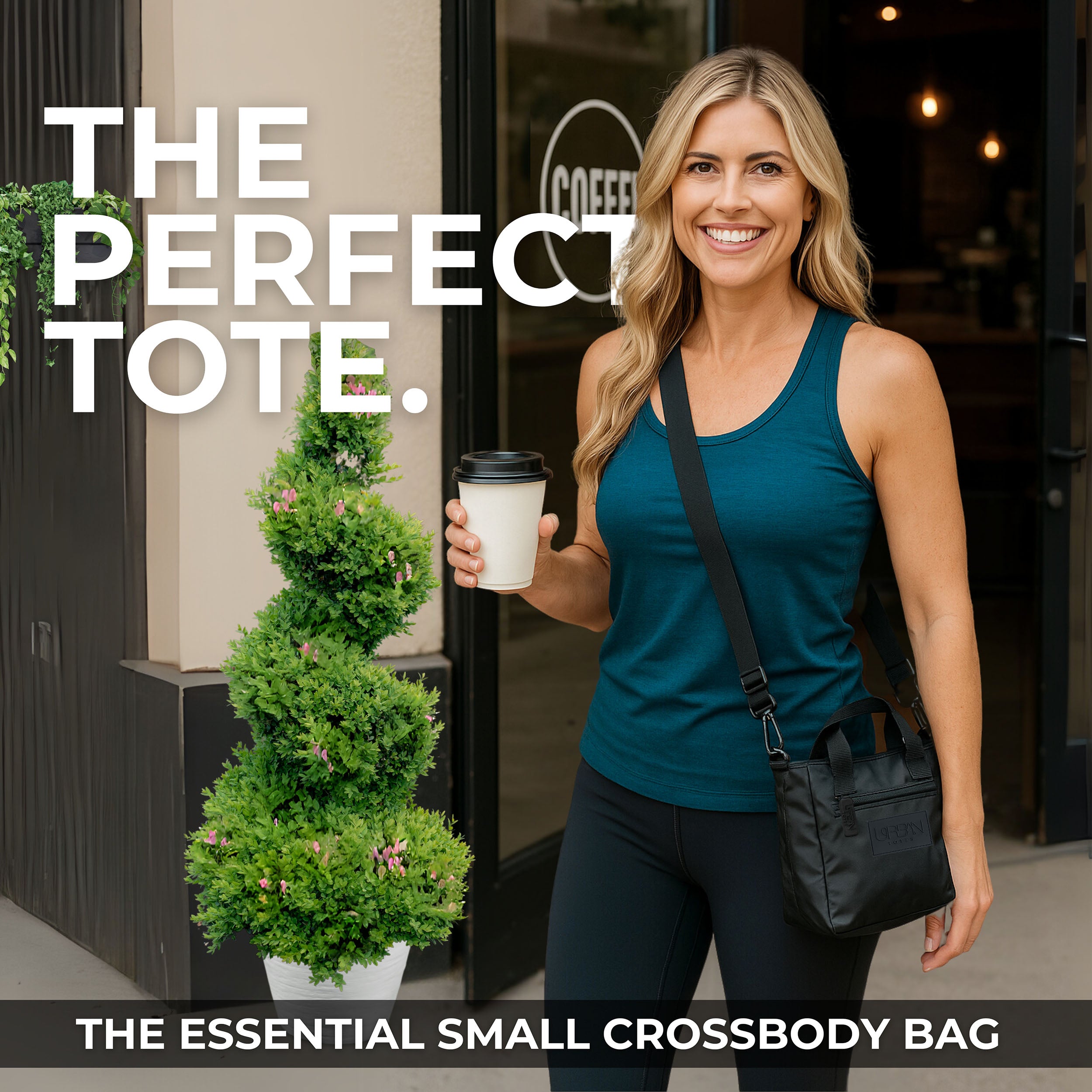
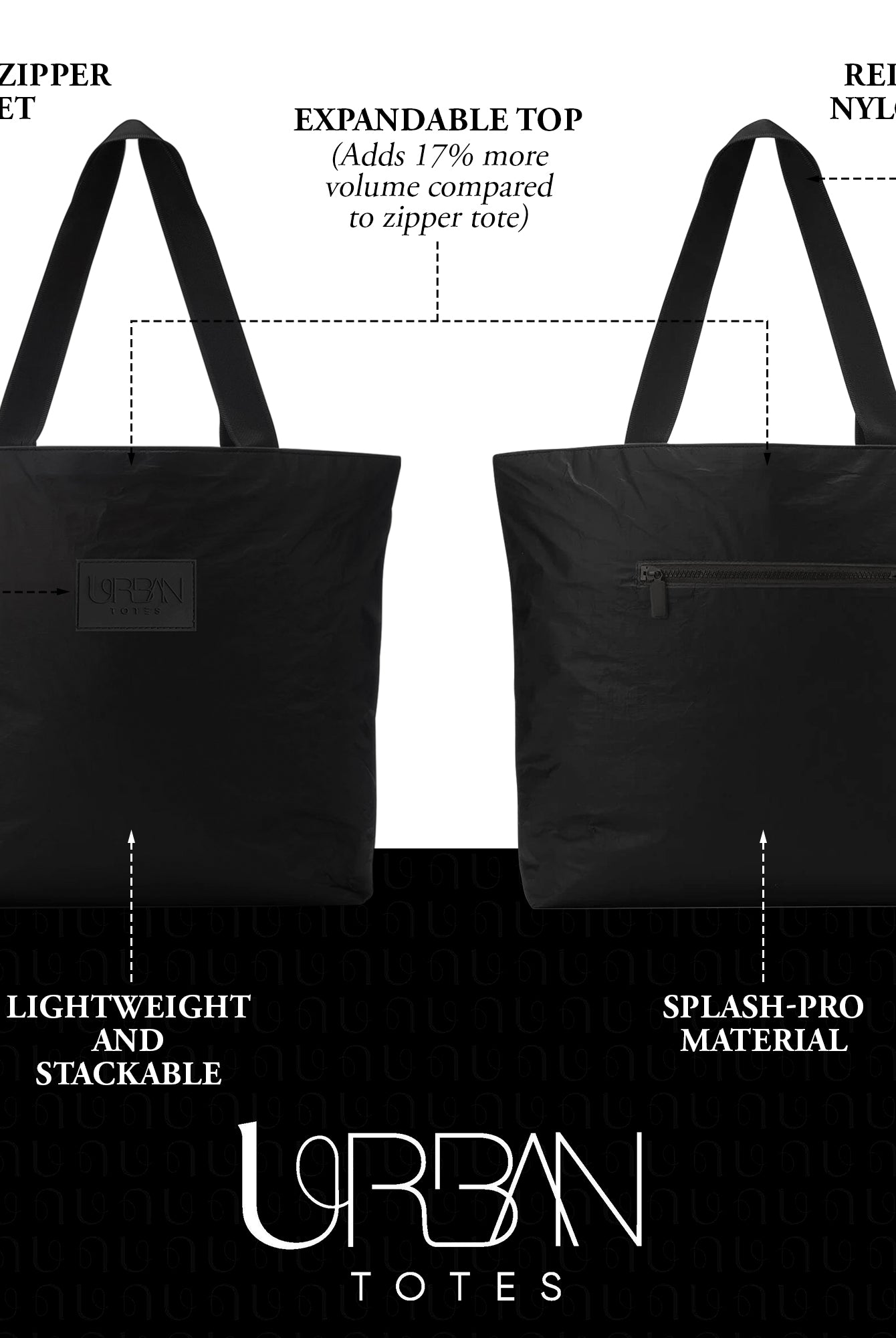
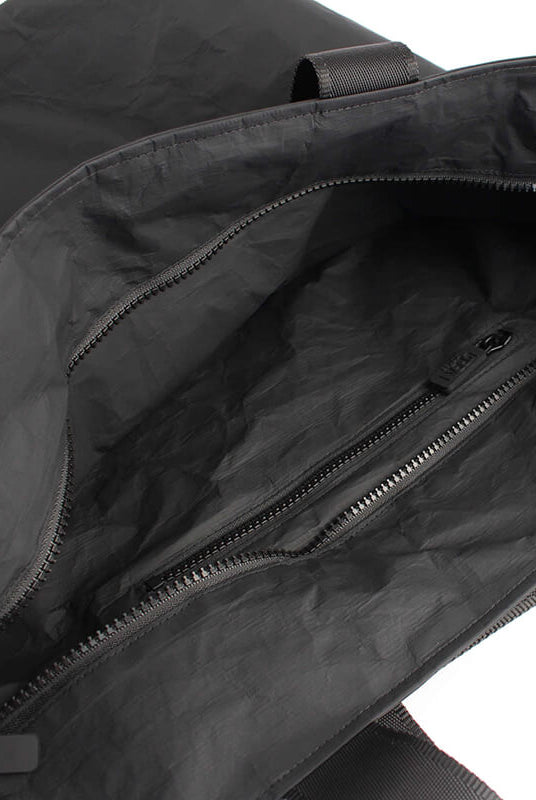
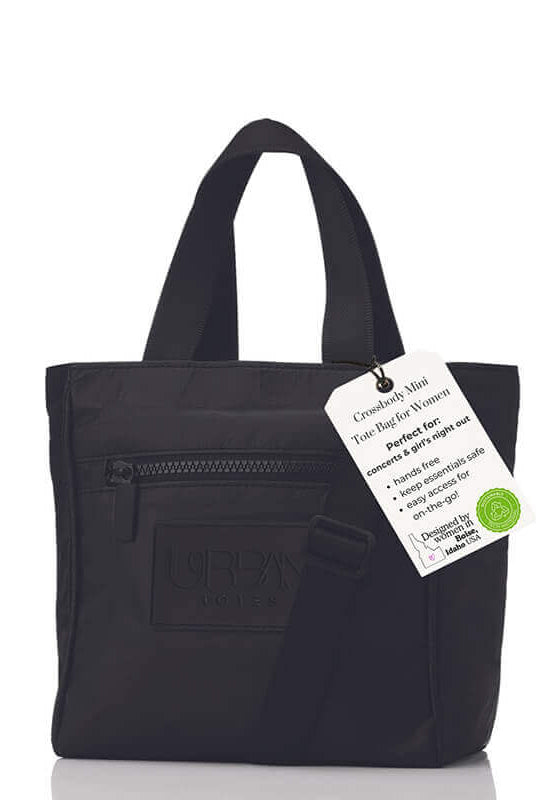
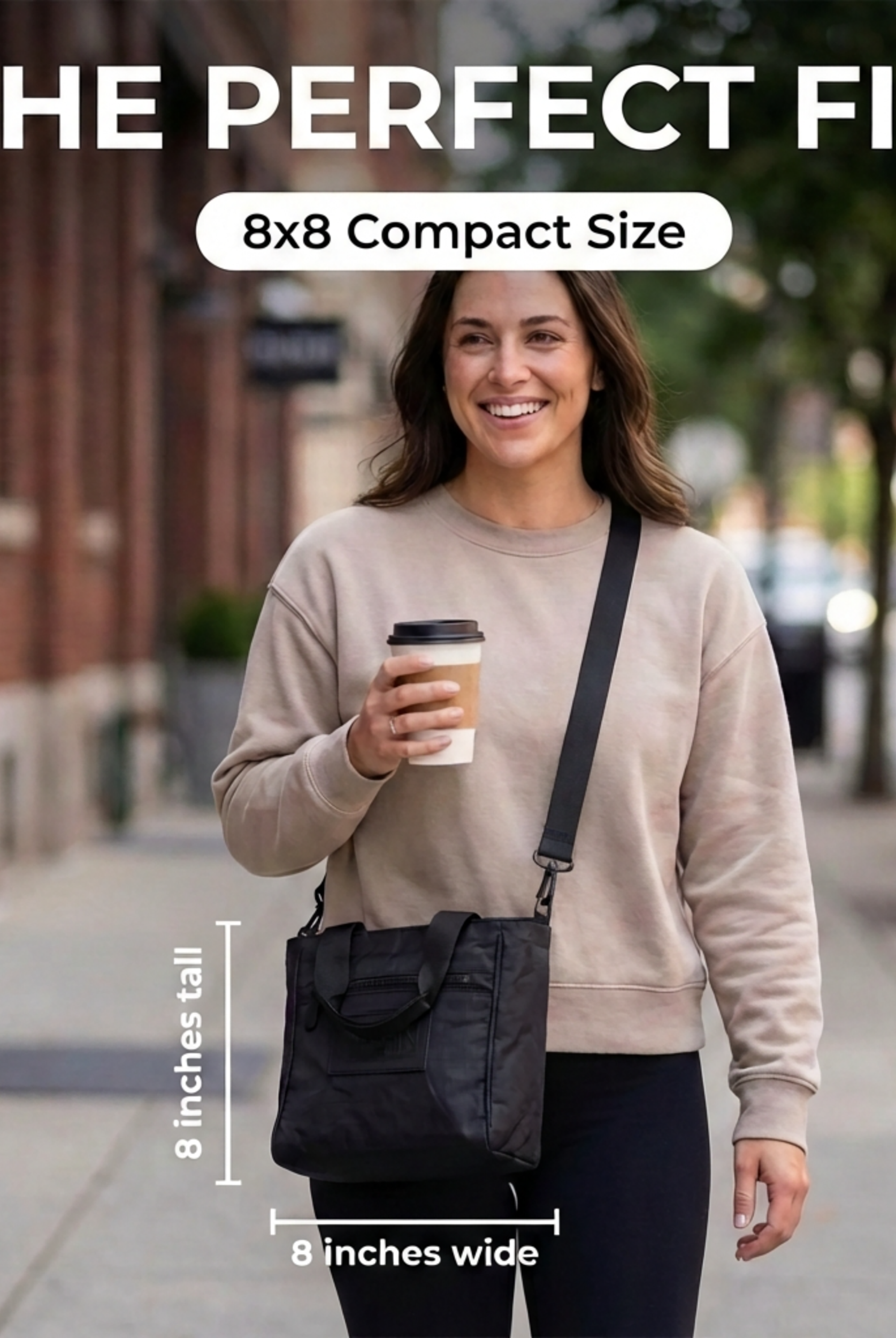
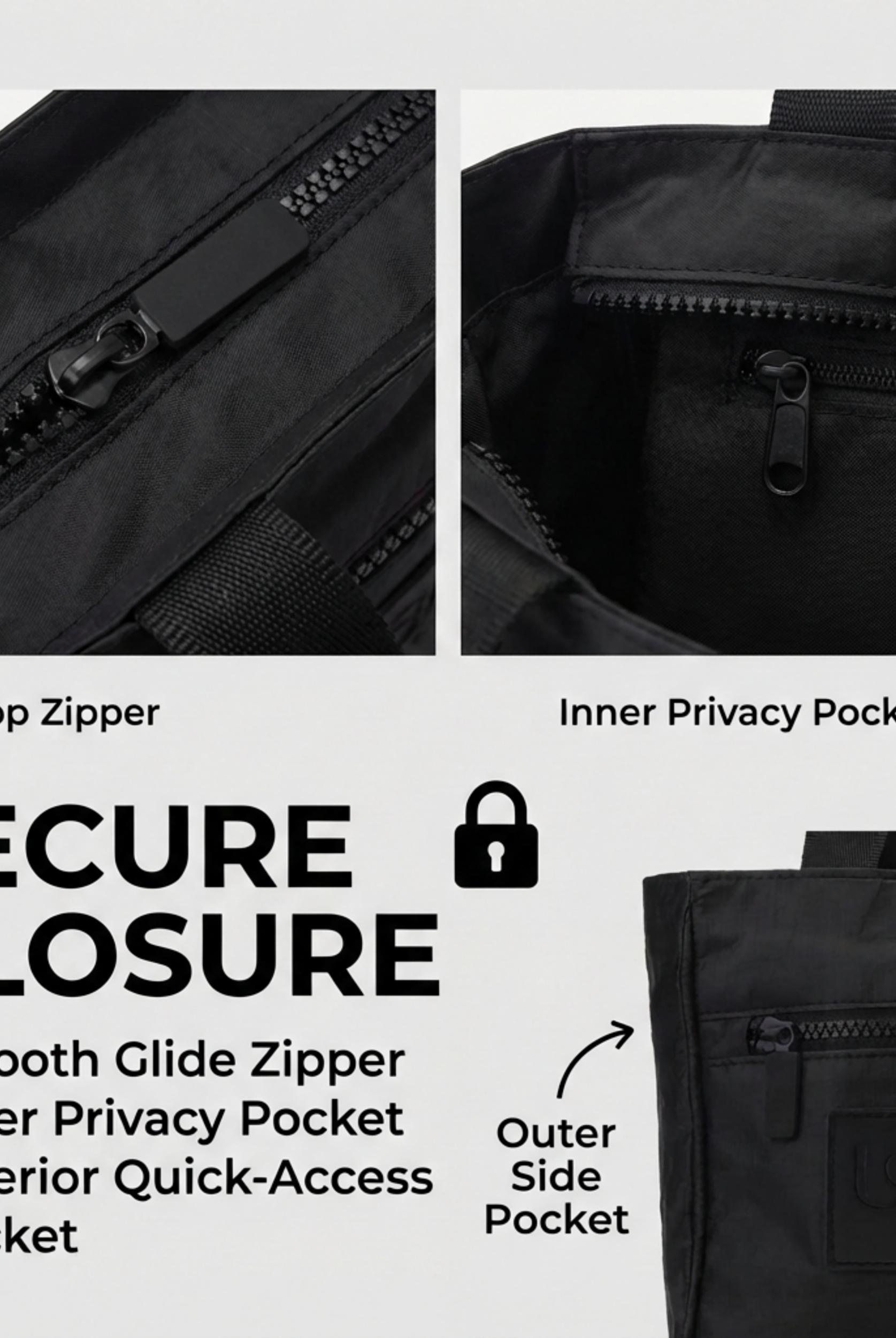
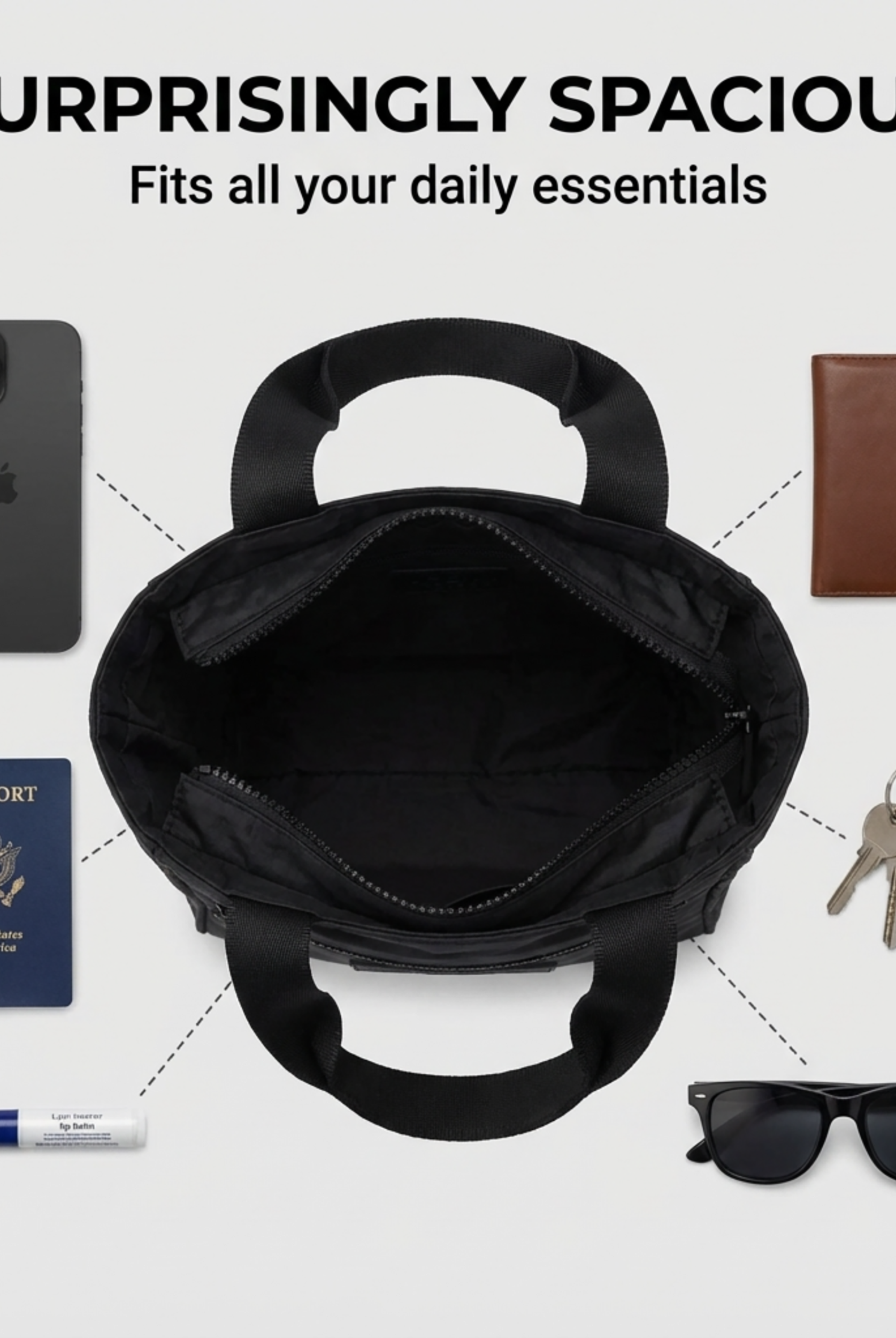
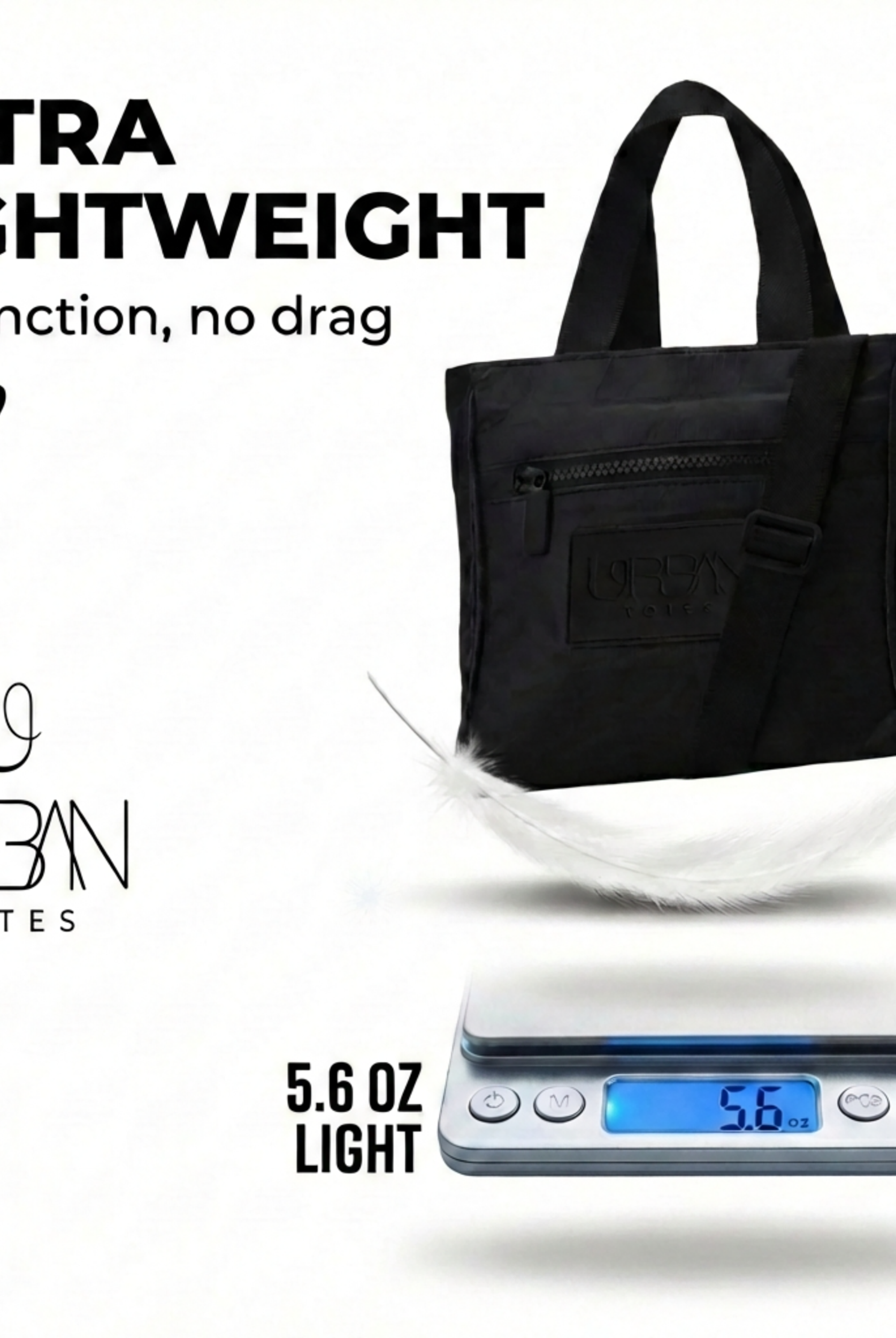
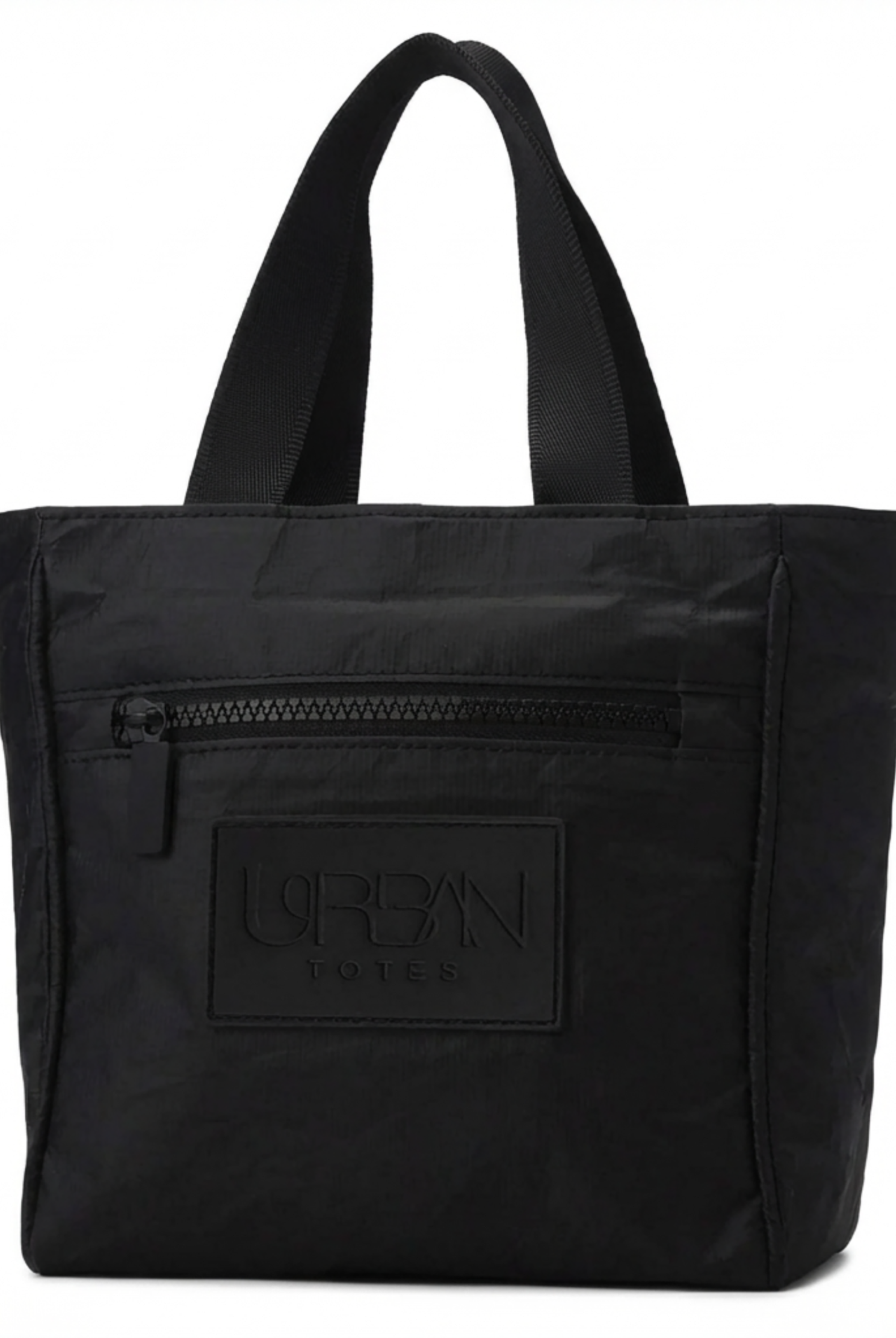
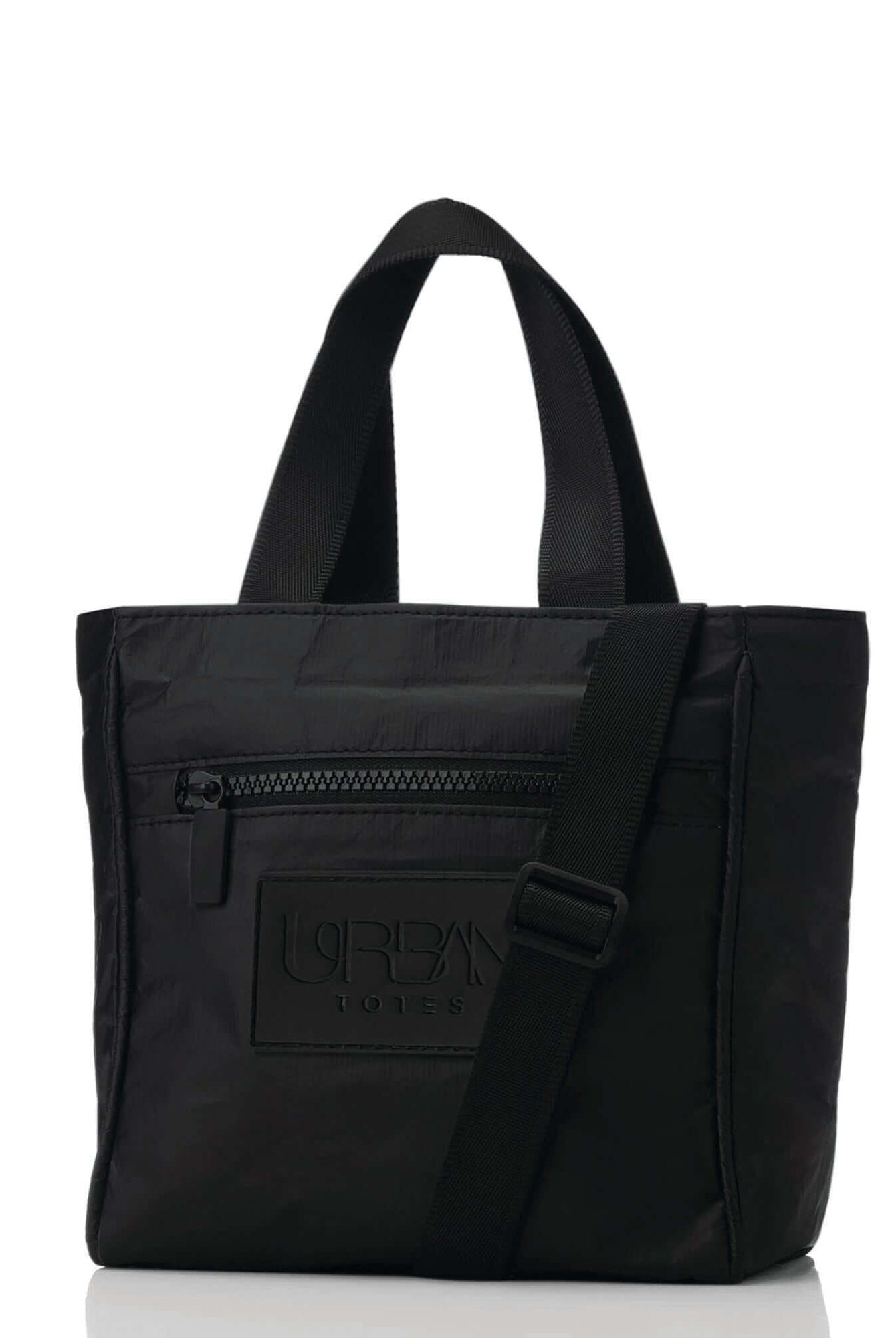
For packaging terminology and recovery considerations, see sustainable packaging UK. A compact reference format is the Crossbody Tote Bag Mini Purse, which uses a zip-top closure, an outside phone pocket, a black interior, a removable strap, and water-resistant technical material.
Cutting Patterns and Structural Assembly
A bag holds up because its pattern distributes force. Begin with a simple tote block: two main body panels, a base or boxed bottom, two side gussets, handles, and a lining. For a crossbody, reduce the body width, add a shaped gusset, and plan the strap anchors before cutting. A useful pattern should show the grain direction for woven fabric, seam allowances, fold lines, notches, and the placement of every closure and pocket.

Reclaimed fabric may not have a reliable grain, especially if it came from a worn garment or a curtain. Follow the original warp and weft when possible, and place the most stable direction vertically on the body. If the material stretches diagonally, add a lining or lightweight interfacing rather than hoping the seams will control it. For plastic film, grain isn't the issue. Panel alignment, heat exposure, and edge stability are.
Build the load-bearing bones first
Cut the body panels in pairs so their dimensions match. Cut the base with extra attention, because a slightly uneven base can twist the entire bag. Clip or notch curves and corners sparingly. Too many cuts weaken the edge, while too few force the fabric to bunch.
Join the main body to the gussets with the right sides together, then press or finger-crease the seam according to the material. Canvas tolerates a firm press with a cloth between the iron and fabric. Nylon may need low heat, and plastic film may require a controlled test rather than direct ironing. Finish raw woven edges with a zigzag stitch, overcast stitch, or binding. Don't use a finish that melts or permanently fuses materials you may want to separate later.
Straps need more than a single line of stitching. Extend each strap anchor down the body, place a reinforcement patch behind it, and stitch a rectangle with a cross through the center. The patch spreads the pull across a larger area, while the boxed stitch keeps the strap from pivoting under load. Match thread weight to the needle and material. A heavy needle can punch cleanly through canvas, but it may leave oversized holes in lighter nylon.
For a zipper closure, install it while the bag is still relatively flat. Baste first, check that both ends sit level, and sew with a zipper foot. Add a small fabric tab at each zipper end so the tape doesn't pull directly against the side seam. A guide to a crossbody tote bag pattern can help you think through proportions before adapting a shape to your reclaimed panels.
Load test before finishing: Fill the unfinished bag with the items you expect to carry, lift it by the handles, and inspect every anchor and corner. It's easier to move a reinforcement patch before the lining closes the seam.
Waterproofing and Smart Organization Features
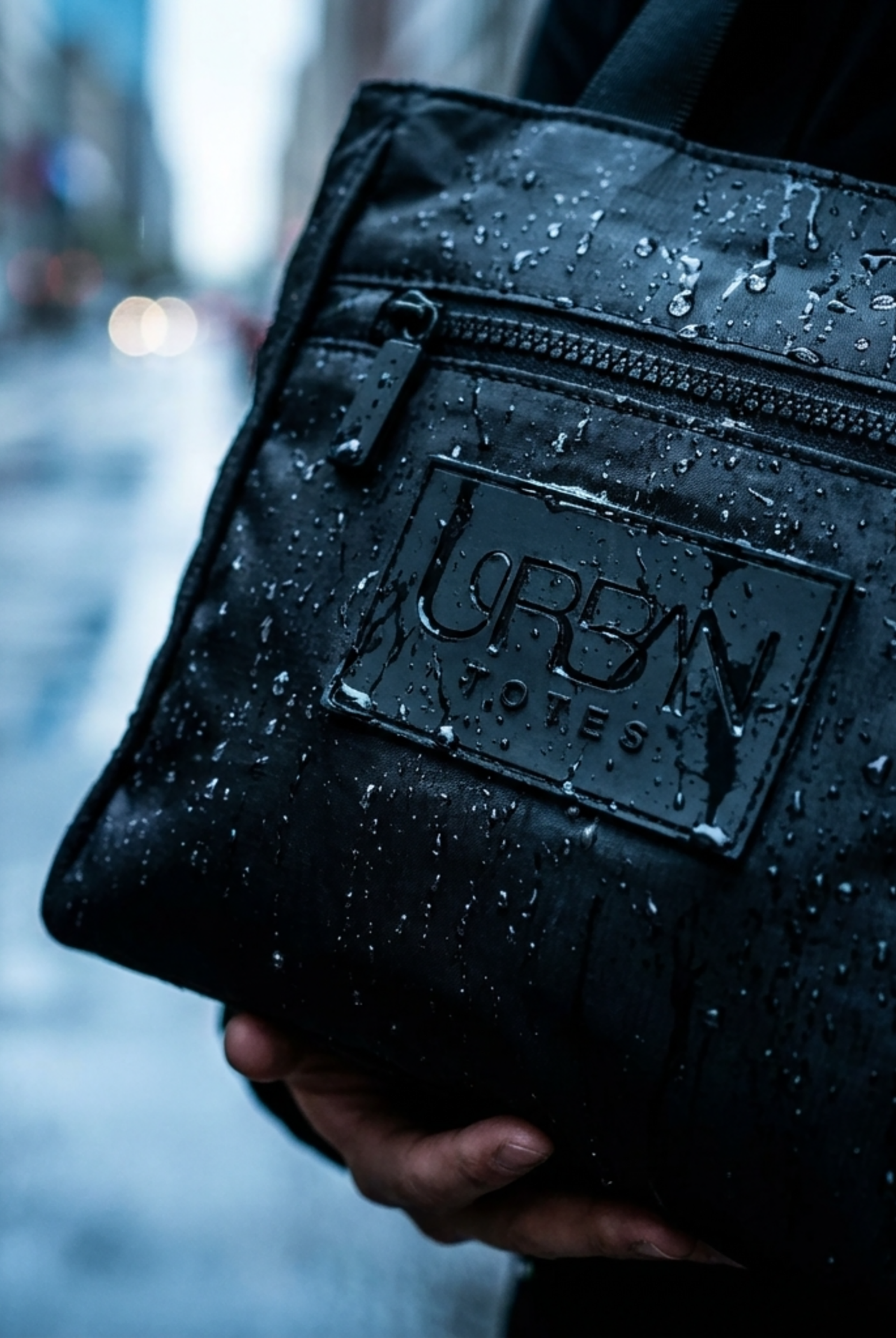
A bag can be water-resistant without being sealed against every drop. The construction determines most of the result. Choose a coated nylon or plastic film for the exterior, keep exposed seams narrow, and cover vulnerable stitching with a lining or binding. For reclaimed canvas, a fabric wax can add surface resistance, but it can also alter color, texture, and washability, so test a scrap before applying it to the finished panels.
Beeswax or fabric wax works best on tightly woven canvas that has already been cleaned and dried. Warm the wax slightly, rub on a thin layer, and distribute it evenly with gentle heat if the product instructions allow. Don't saturate the fabric. Heavy wax can make a foldable tote stiff and may transfer to clothing or upholstery. A separate waterproof lining is often more practical for a commuter bag because it can be wiped clean while the exterior stays soft.

Give every essential a home
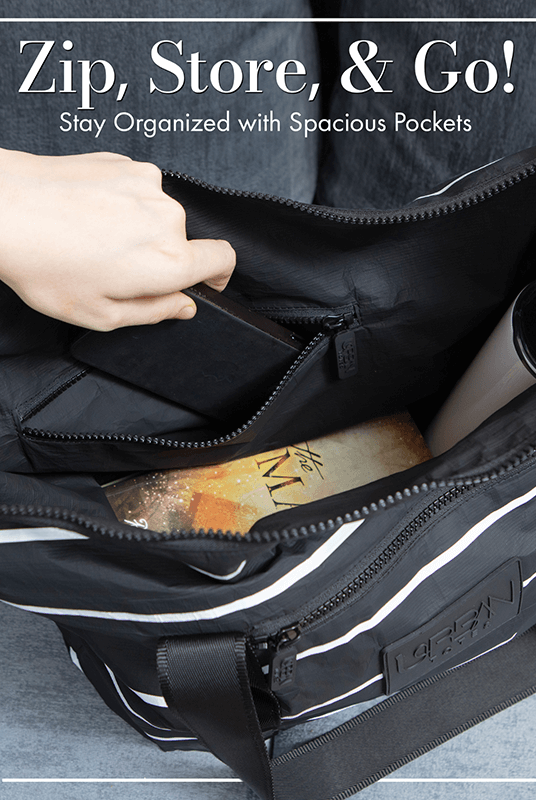
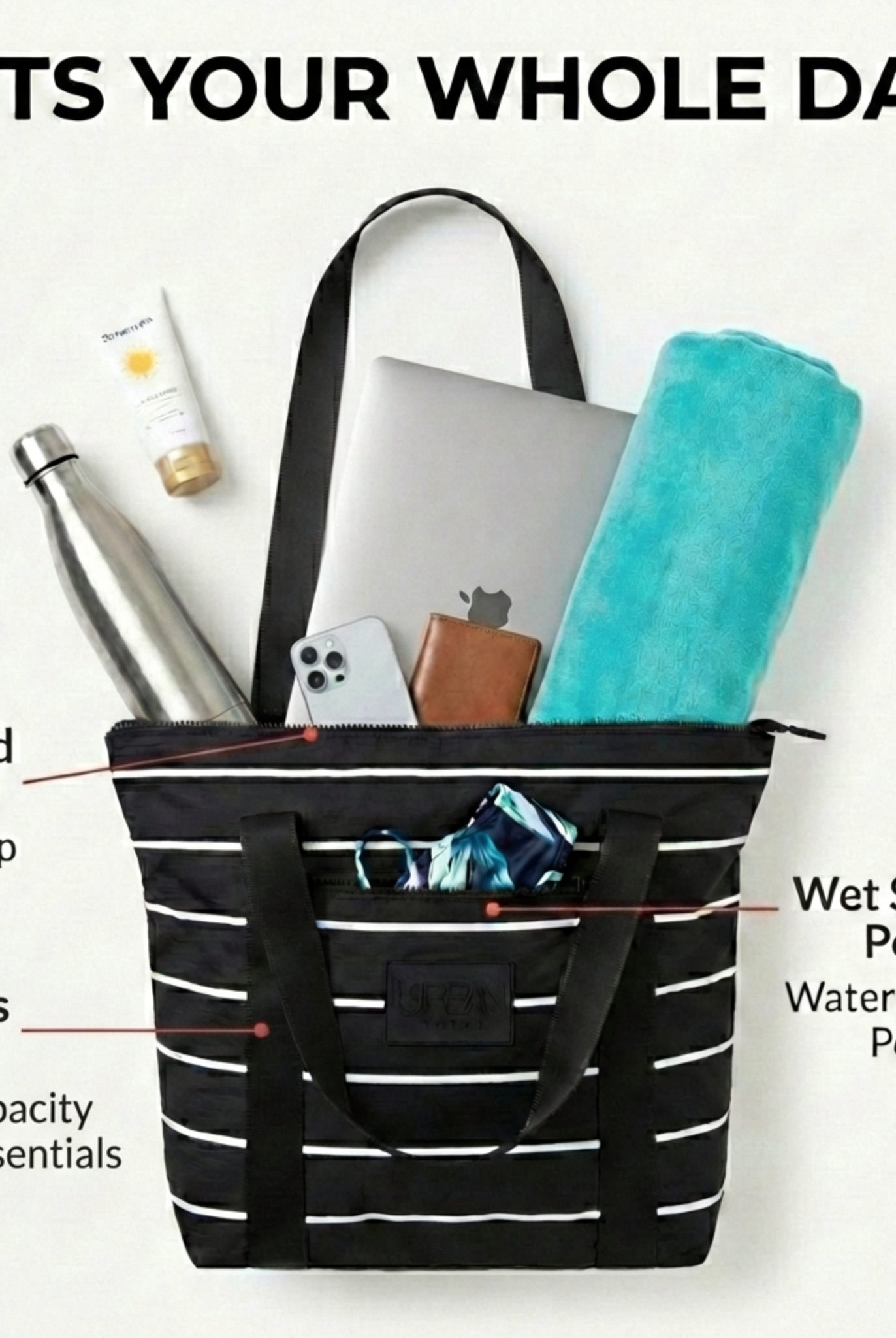
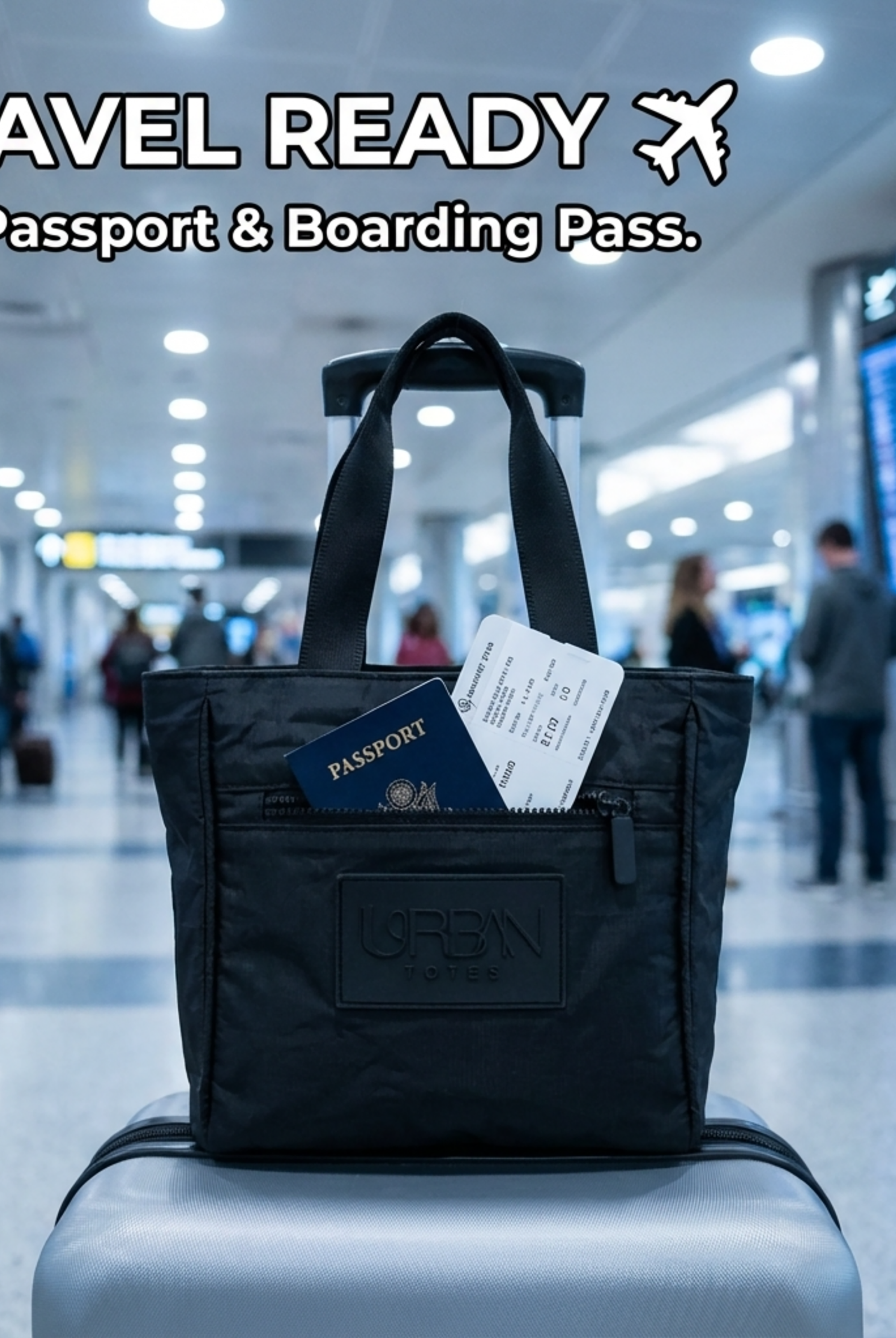
Organization should follow your routine, not a generic diagram. A parent may need a deep outer pocket for snacks, a commuter may want a padded divider for a tablet, and a traveler may prefer a passport-sized zip pocket close to the body. Keep the phone pocket high enough to reach without unpacking the tote, and place keys in a small zippered compartment so they don't disappear beneath a sweater.
Repurposed zippers work well for interior pockets when the tape is sound and the slider moves smoothly. Sew the pocket to the lining before joining the lining to the shell. For a pocket that carries a charger or compact camera, stitch the lower corners securely and reinforce the top edge. A slip pocket is faster to access, while a zipper pocket offers better containment on crowded buses and airport walks.
Use double stitching at the top edge, strap anchors, pocket corners, and the point where the side seam meets the base. If the material is slippery, lengthen the stitch slightly and use clips instead of pins that may leave permanent holes. The guide to waterproofing a canvas bag provides additional direction for choosing a finish and protecting the fabric during application.
Keep the finish compatible with daily care
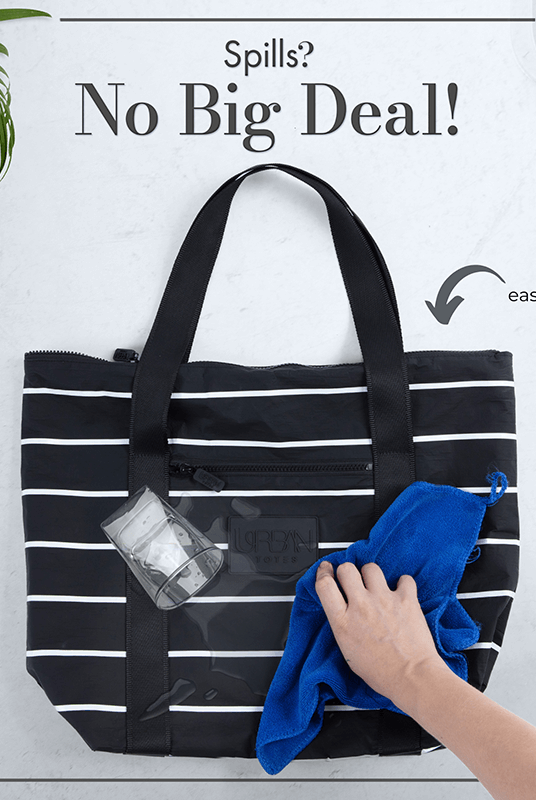
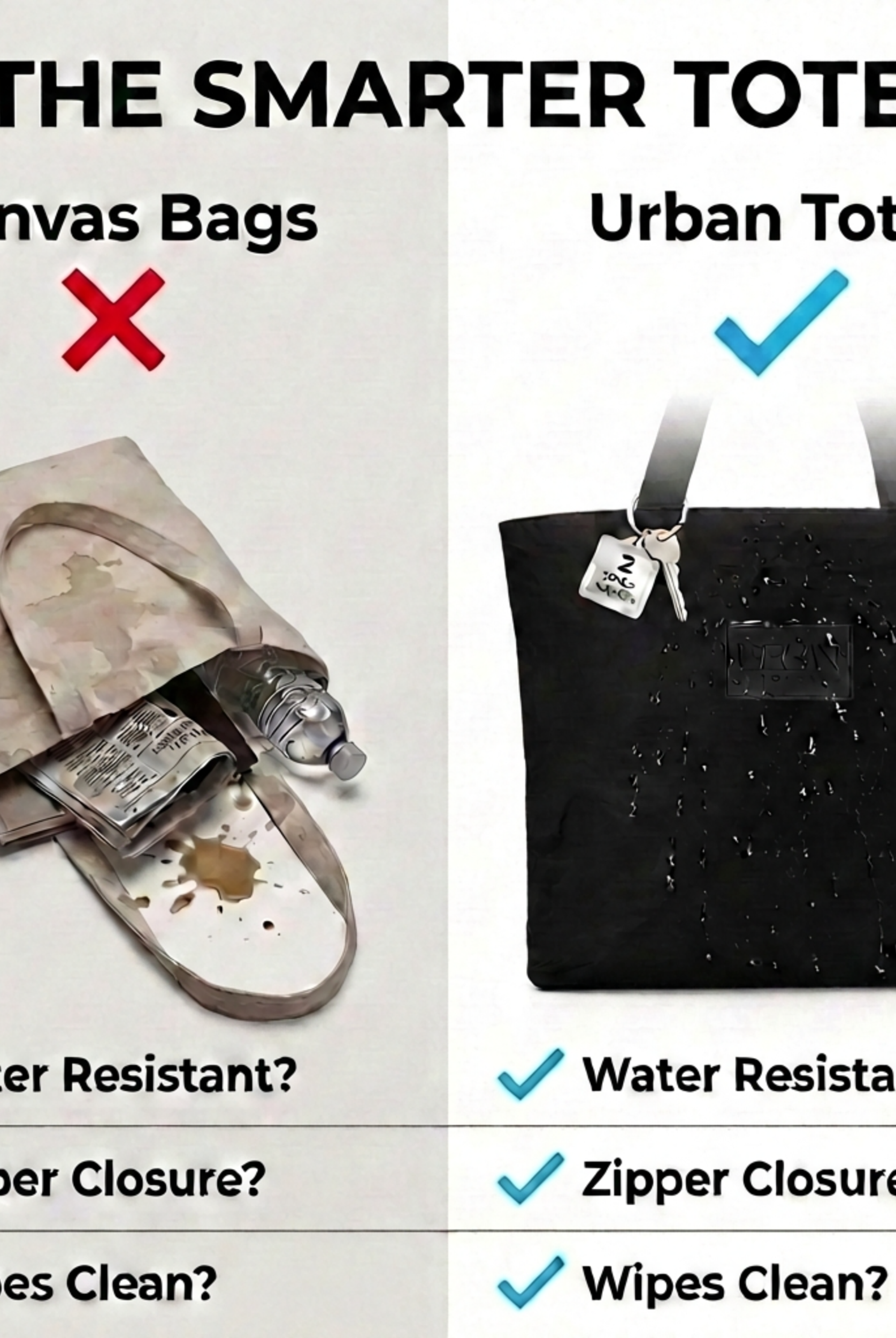
Test the completed bag with a damp cloth rather than assuming the coating worked. Check the base, zipper ends, and seam intersections, which are common entry points for moisture. A water-resistant bag still needs sensible use. It can handle light rain or a spill more comfortably than untreated fabric, but it shouldn't be described as fully waterproof unless it has been designed and tested for that purpose.
Long-Term Care and End-of-Life Design
A recycled bag becomes more useful when you plan for its second and third stage before you sew it closed. Wash reclaimed textiles according to their weakest component, not the toughest one. A cotton canvas shell may tolerate a normal wash, while a coated nylon lining, glued trim, or metal hardware may require a gentle cycle or hand cleaning. Plastic film is usually better wiped with mild soap and water, then dried completely before storage.
Keep the design repairable. Sew handles instead of permanently gluing them, use a replaceable zipper where practical, and choose thread that can be removed without destroying the panel. If you add hardware, select pieces that can be detached with ordinary tools. A bag assembled from one textile family is easier to sort than a fused stack of fabric, foam, plastic, metal, and adhesive.
The material challenge is especially visible in textiles. The U.S. textile system generated about 17 million tons of waste in 2018, while around 13% was recycled, according to the Sew Guide recycled bag overview. That makes end-of-life decisions part of the design, not an afterthought. Mechanical recycling remains the dominant process in several market reports, with a 2026 estimate placing it at about 65% of the textile recycling market, because it is commercially mature for post-industrial and post-consumer polyester and cotton streams, according to Fairfield Market Research's textile recycling market report.
Design for the next owner: A removable lining, stitched-on pocket, and detachable strap can turn one worn bag into several recoverable components.
Label the materials if you're making bags for a household or small project. Note whether the shell is cotton, nylon, polyester, or plastic film, and keep spare thread or a matching zipper with the bag. For everyday maintenance ideas, use these tote bag care and maintenance tips as a practical reference.
Taking Your Everyday Carry to the Next Level
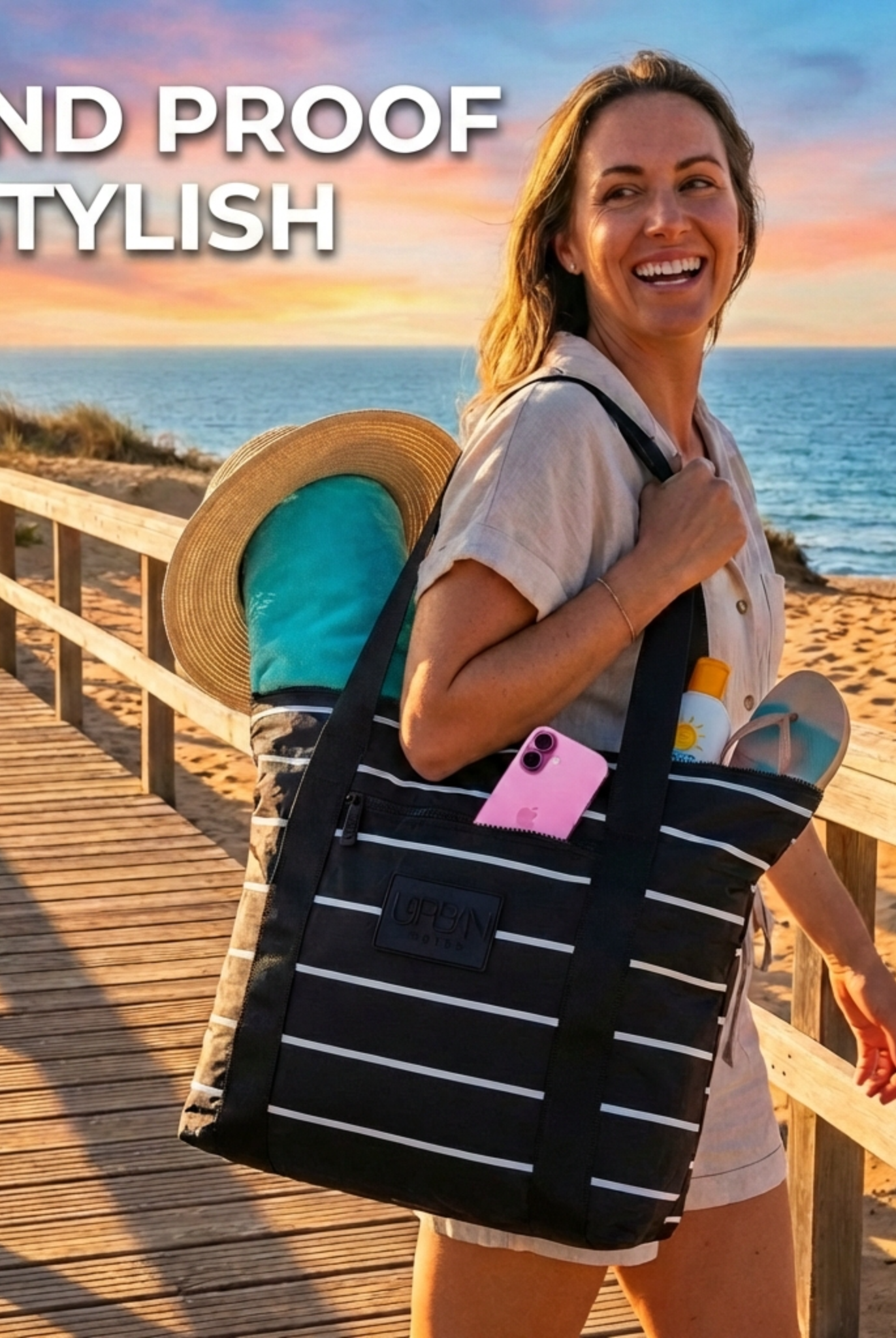
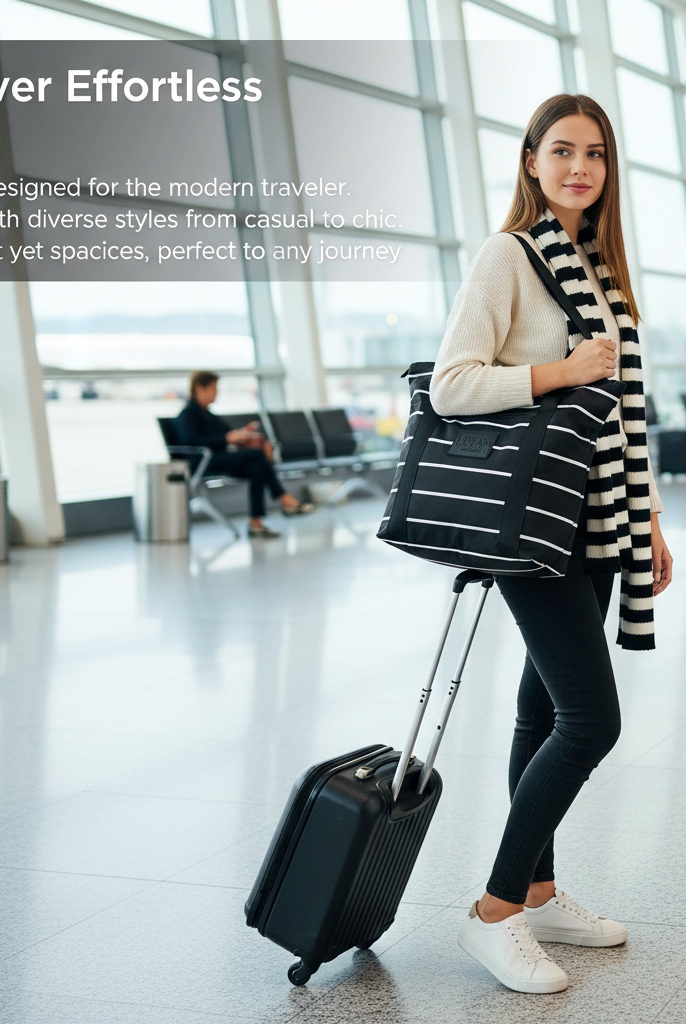
A well-made recycled bag combines material judgment, a balanced pattern, reinforced load points, useful organization, and a clear care plan. You don't need an elaborate shape to make a difference in daily life. A clean tote with a stable base, secure zipper closure, and dedicated phone and key pockets can carry groceries from the car, beach essentials from the parking lot, or travel documents through an airport without becoming a shapeless catchall.
Pay attention to the finish as well as the function. Color blocking, visible mending, contrast stitching, and a carefully chosen reclaimed fabric can make the piece feel stylish rather than improvised. For ideas on pairing finish details with a modern look, these 2026 metallic tote bag tips offer a useful styling reference.
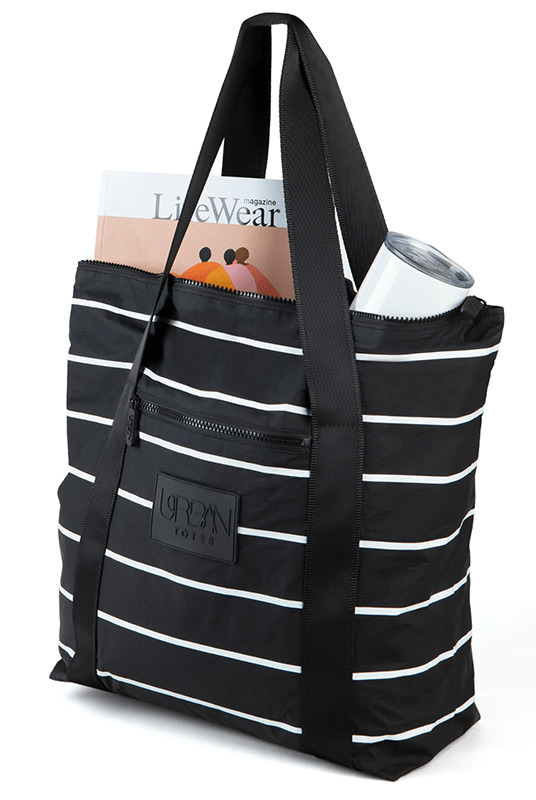
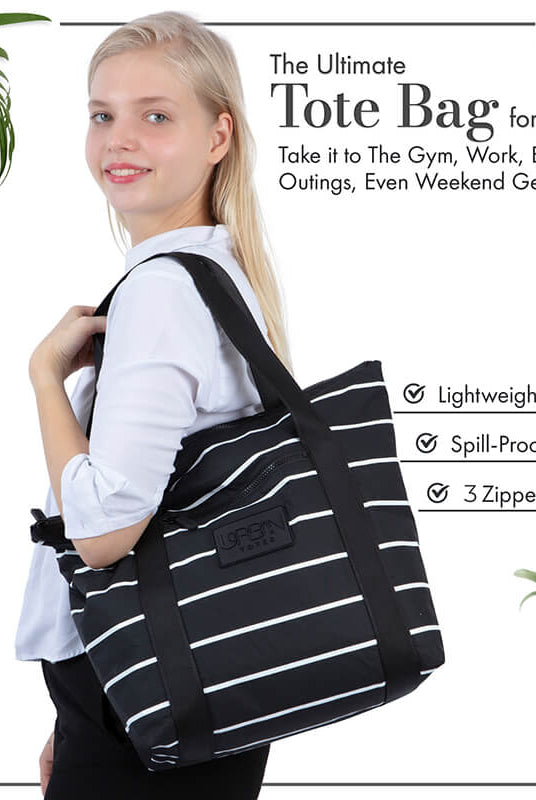
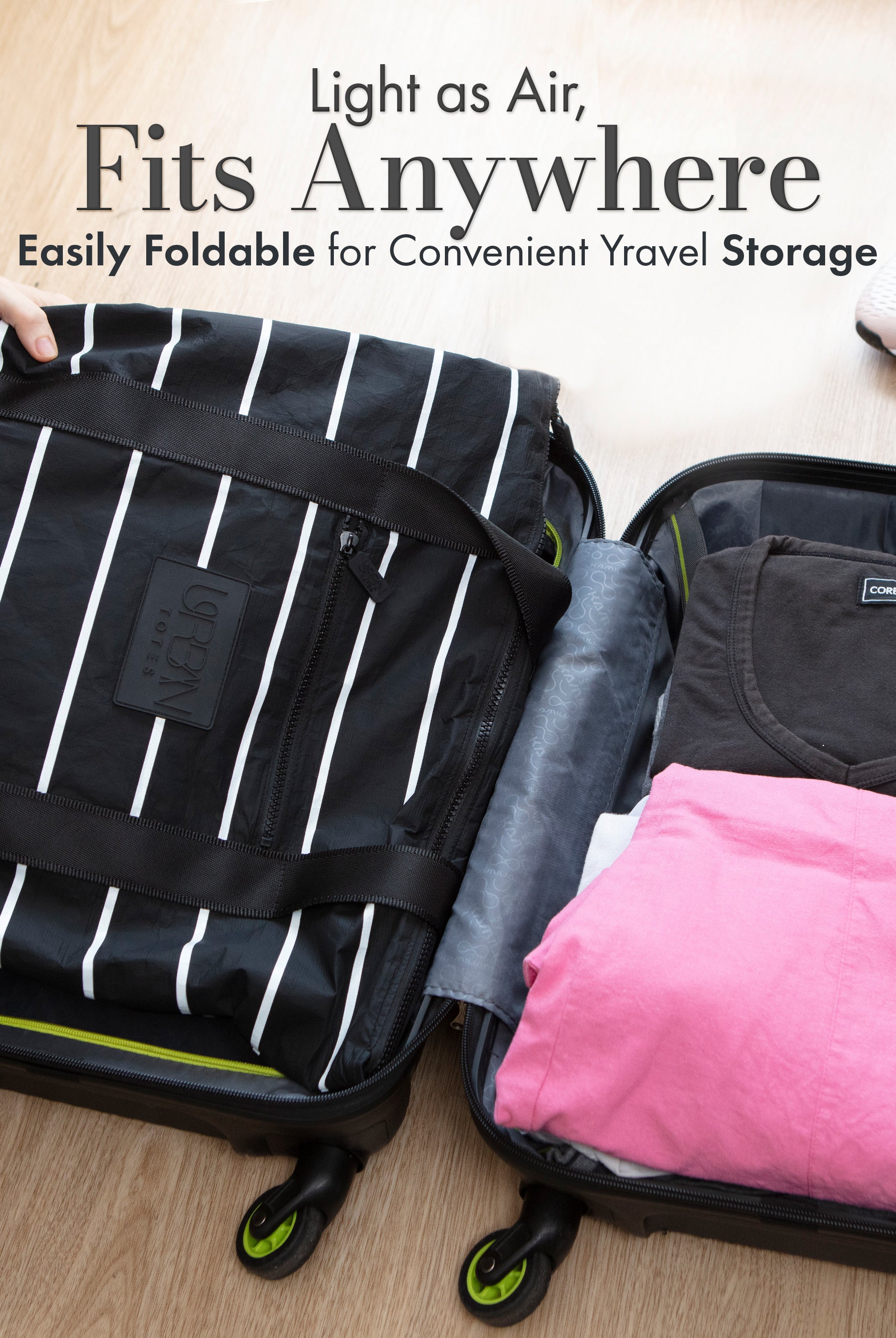
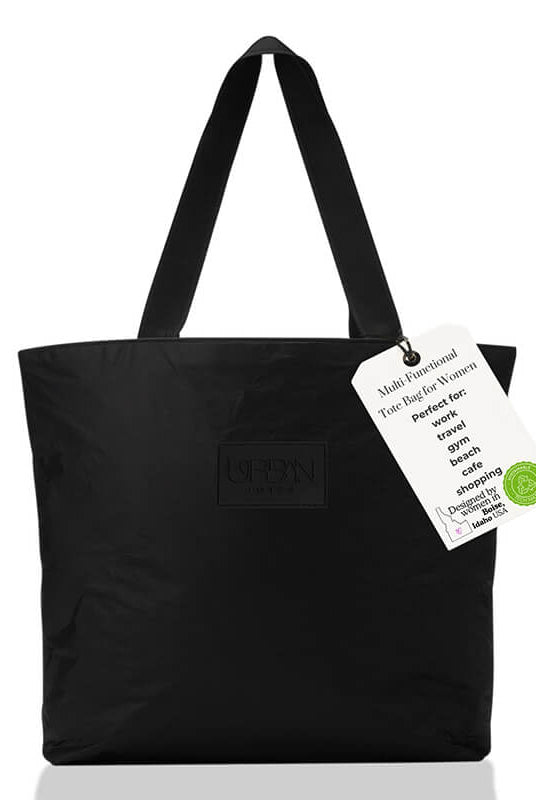
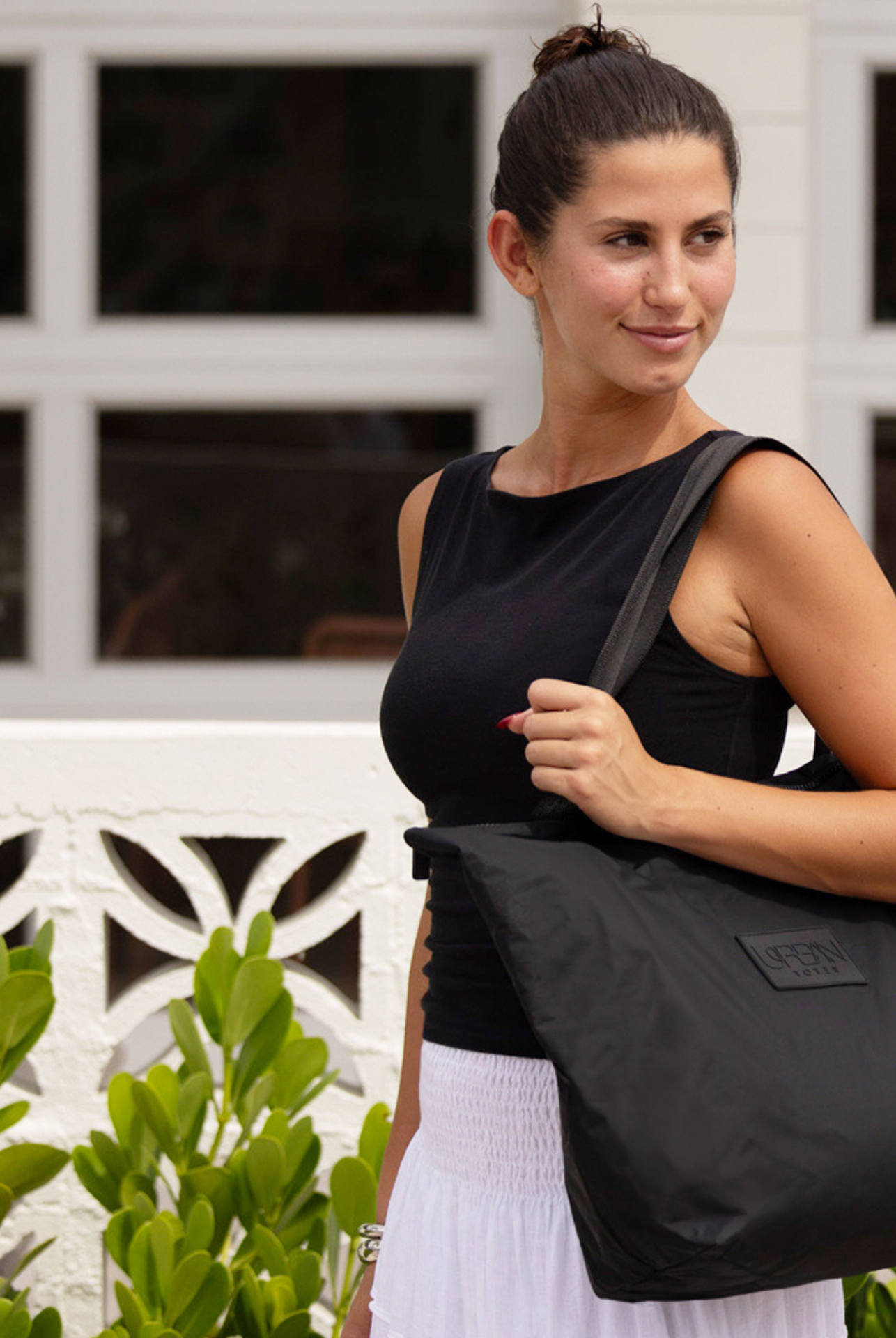
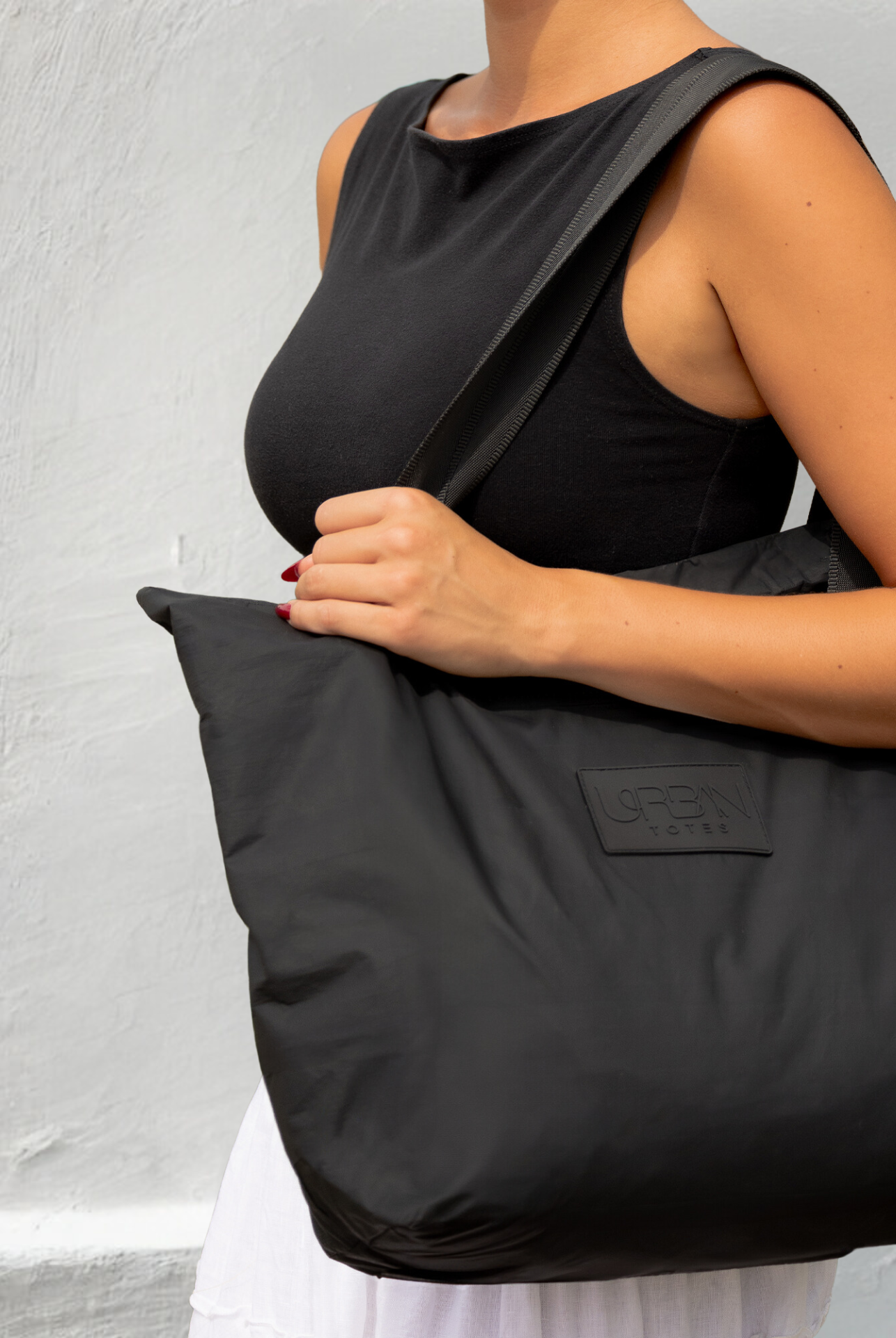
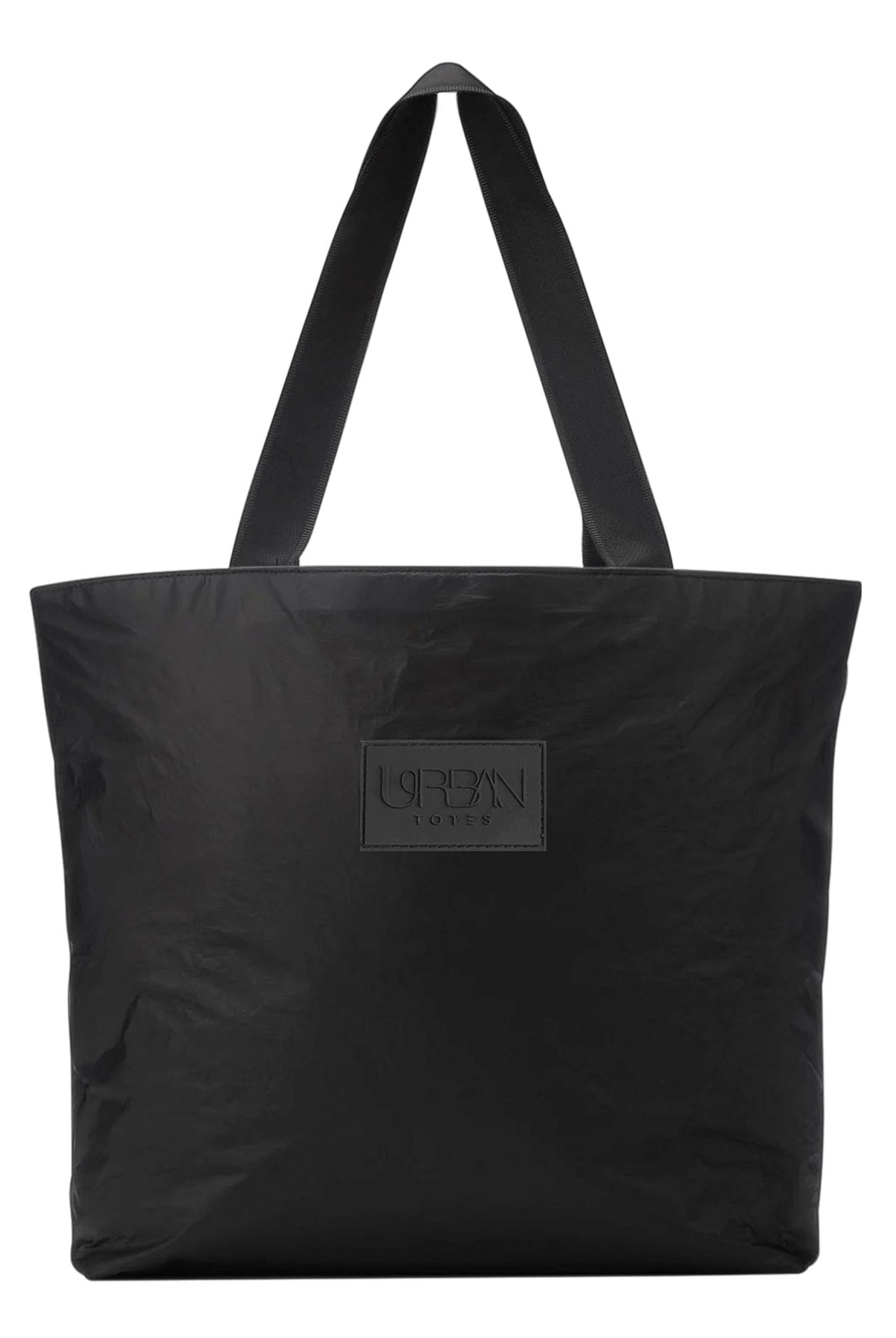
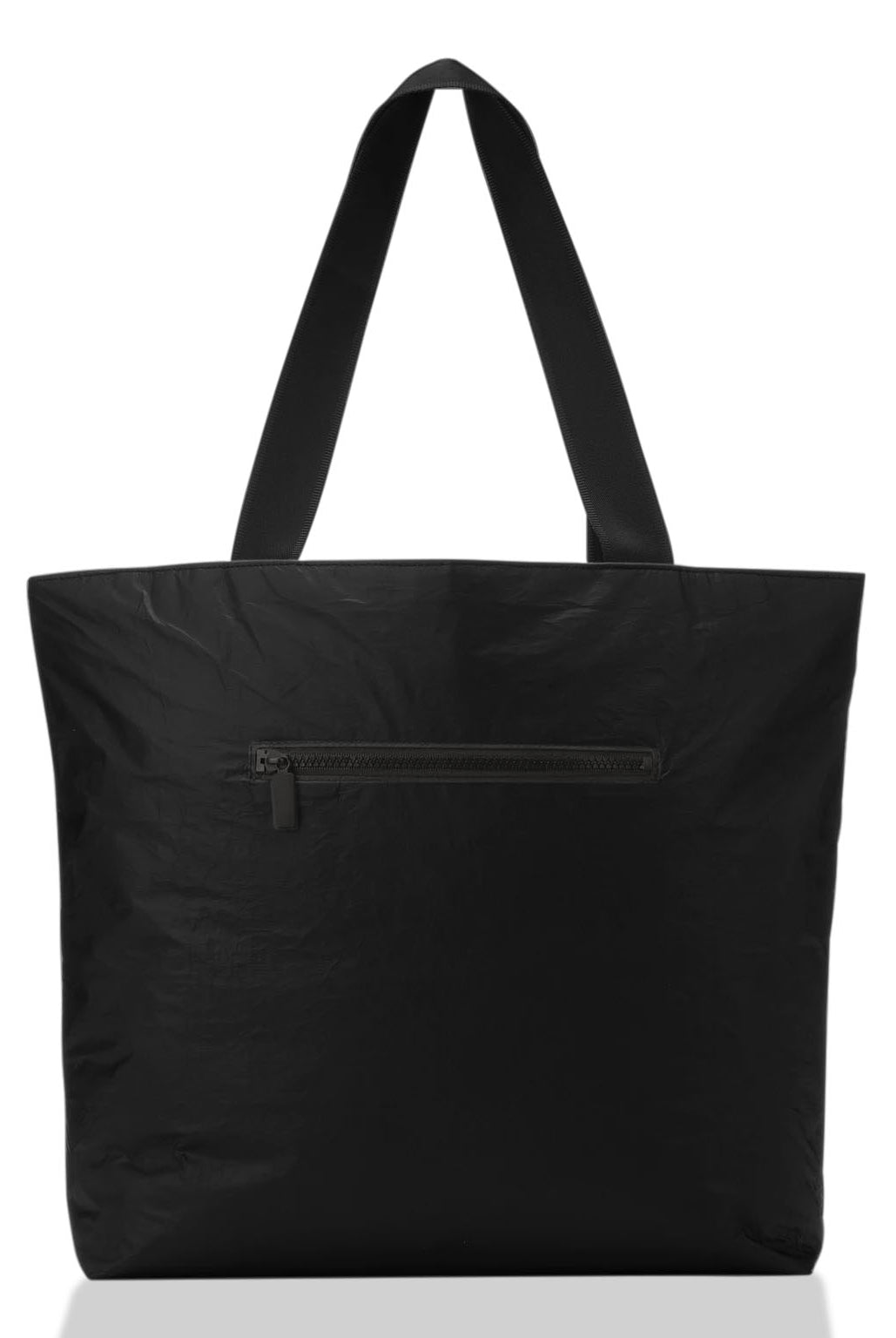
If sewing isn't the right project for this season, a professionally designed option can deliver the same practical priorities in a ready-to-use format. Urban Totes is a woman-owned, Boise-made brand with lightweight, foldable, packable, water-resistant bags that include zipper closures and multiple compartments for organized everyday carry. The point is simple: choose a bag that supports school drop-off, commuting, errands, beach days, and spontaneous travel without asking you to carry more than you need.
Explore the versatile, travel-ready collection from Urban Totes for lightweight totes and crossbody styles designed around real pockets, secure closures, and easy everyday organization. Whether you make your own recycled carryall or choose a finished go-anywhere design, find a bag that's ready to tote everything your day brings.