You're halfway through a grocery run when your toddler starts wriggling, the stroller wheel catches on a curb, and the pacifier has vanished into the bag. You need wipes, a snack, and your phone, but all three seem to be hiding beneath spare clothes and an unsealed pouch of crackers. The right brown diaper bag won't solve every chaotic outing, but it can stop your carryall from becoming another problem to manage.
Brown has moved well beyond “safe neutral.” It works with denim, cream, black, linen, athleisure, and office clothes, while feeling softer and less baby-specific than many printed diaper bags. The right shade and material can make everyday marks less distracting without asking you to sacrifice organization or easy cleaning.
This guide focuses on the practical decision behind the color. You'll learn which features deserve your money, how espresso compares with caramel, how to pack by zones, and how to care for a brown bag through daycare runs, airport terminals, beach days, and years of family use.
Table of Contents
- Why a Brown Diaper Bag Works for Real Life
- The Six Features That Actually Matter in a Diaper Bag
- How Brown Performs Against Spills, Scuffs, and Daily Wear
- A Repeatable Packing System for Any Diaper Bag
- Styling a Brown Diaper Bag With Everything You Already Own
- Cleaning and Caring for a Brown Bag So It Lasts for Years
- How Urban Totes Designs Meet Every Feature on This List
Why a Brown Diaper Bag Works for Real Life
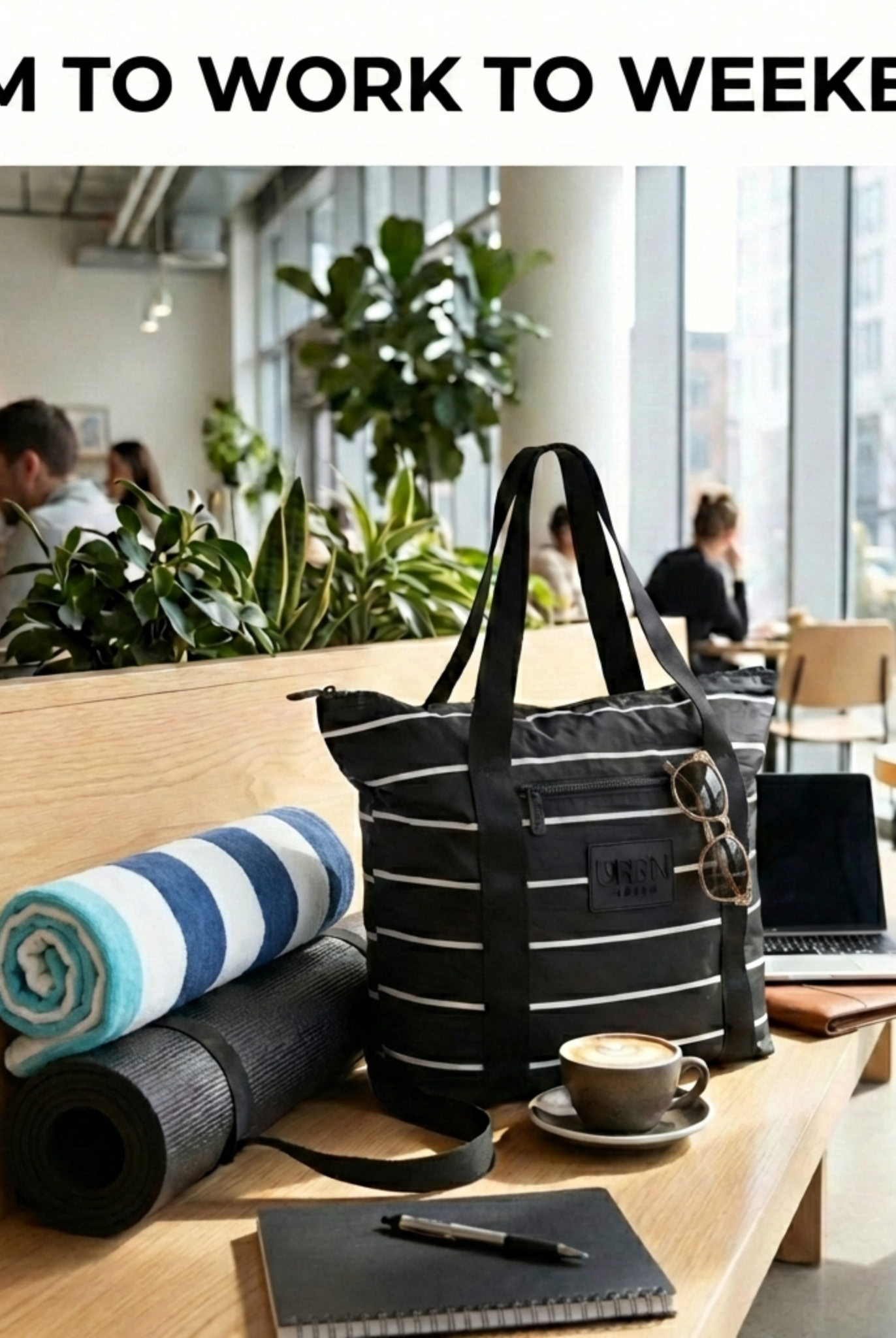
A brown diaper bag earns its place during the awkward middle of an ordinary day. You've left daycare, stopped for groceries, and agreed to meet a friend for coffee. The bag is still holding diapers and wipes, but it doesn't announce “baby gear” when you set it beside your chair. That matters when you want one versatile everyday carry instead of a separate bag for every part of your schedule.
Brown also handles the visual mess of real parenting better than many high-contrast finishes. A printed bag can look dated when your wardrobe changes, while bright fabric may make every scuff part of the design conversation. Black is dependable, but it can show pale dust, lint, and dried food residue sharply. Brown sits between those extremes, especially in a mid-tone chocolate or warm chestnut.
The color works for parents and caregivers of any style, too. A gender-neutral brown diaper bag can move between partners, grandparents, babysitters, and travel days without feeling tied to one person's wardrobe. That flexibility matches the broader shift in diaper bags from infant-only accessories to fashion-conscious, utility-driven carry bags. Research on the category connects demand with working parents seeking functional but stylish ways to carry baby essentials, while the global market remains steadily expanding. One estimate values the diaper bag market at USD 850 million in 2025 and projects USD 1.1 billion by 2034, with a 2.92% CAGR. Fortune Business Insights reports the diaper bag market forecast.
The neutral that earns its keep
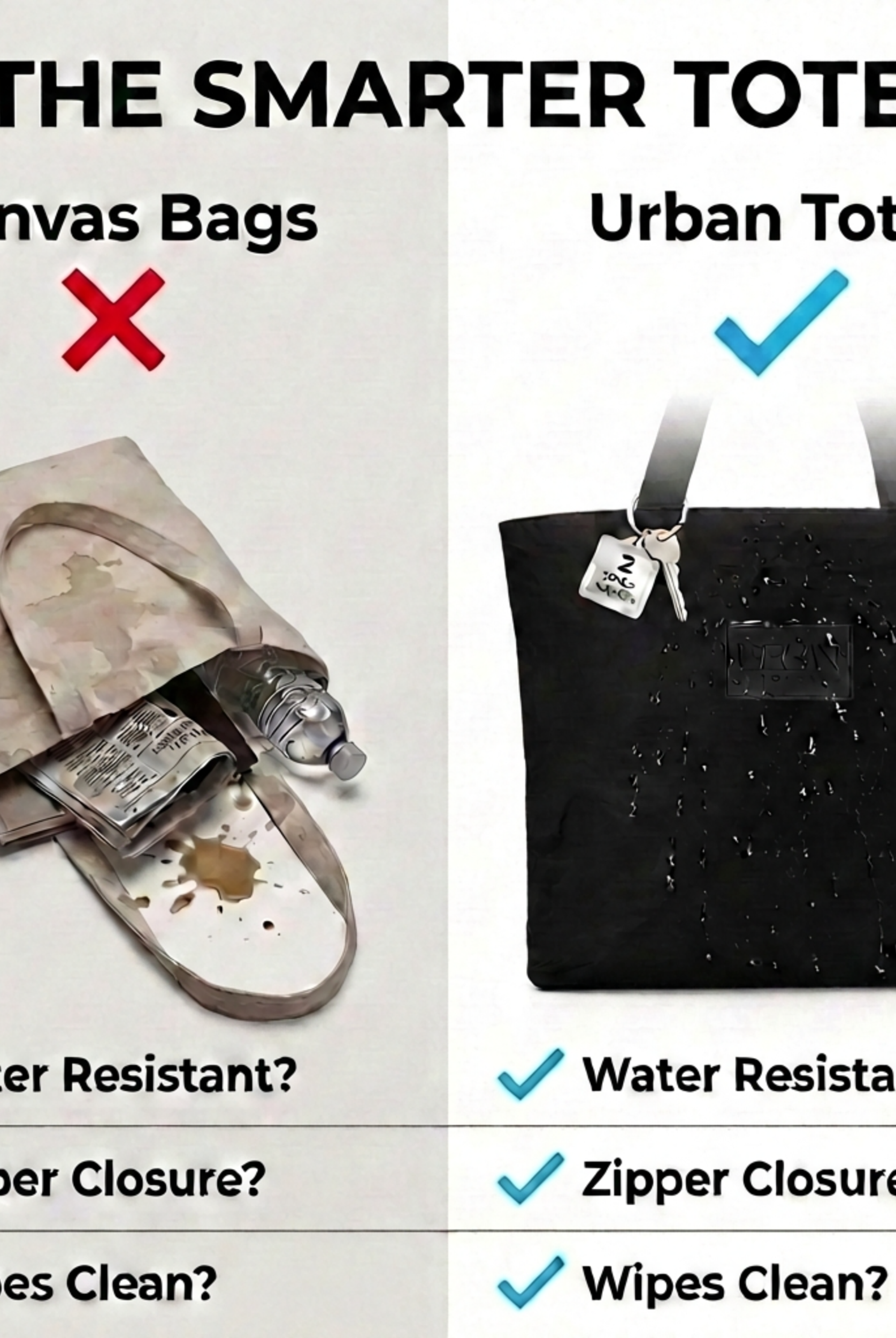
Brown isn't automatically practical. A delicate suede-like finish, pale caramel fabric, or unlined tote can still struggle with spills. The smart choice pairs the color with a water-resistant exterior, a wipeable interior, secure closures, and pockets that match the way you reach for things.
My rule: Pick brown for its flexibility, then judge the bag by its material, layout, and carry comfort.
If you're comparing formats for park days, road trips, or longer outings, this guide to adventure-ready diaper bags is useful because it keeps the focus on how a bag functions outside the nursery. The practical winner is the one that lets you find the pacifier quickly, separate damp clothes, and keep carrying comfortably after the novelty wears off.
The Six Features That Actually Matter in a Diaper Bag
A polished brown finish can draw you in, but it shouldn't make the buying decision. Test the bag against the six features below, preferably with your usual baby supplies nearby.

1. Size and capacity
Choose a bag that holds the supplies you routinely carry without leaving so much empty space that everything collapses into one deep cavity. A compact daily bag may suit a quick school run, while a larger tote makes more sense if you carry feeding supplies, backup clothes, and personal items together. Don't confuse maximum capacity with useful capacity. A bag that's difficult to close when full becomes frustrating fast.
2. Interior organization
You need functional zones, not a decorative collection of pockets. Look for an insulated bottle pocket, a wipes pocket, a dedicated space for diapers and clothes, and a secure area for your phone and keys. Independent diaper-bag reviews repeatedly emphasize these specific functions because they reduce rummaging more effectively than adding more compartments. This diaper-bag organizer review highlights practical pocket functions.
For a deeper look at why layout matters, save this guide to bags with compartments. The point is simple. You should know where the wipes live before your child needs them.
3. Strap design and carry comfort
Straps that feel fine in a product photo can dig into your shoulder during a long walk. Peer-reviewed biomechanical research found that strap construction can substantially affect shoulder strain. In the study, a stiffer 5 MPa strap produced 4× lower SCA strains and 2× lower trapezius stresses than a standard 0.5 MPa strap, while a double-layered strap reduced SCA strain by 40% and skin stress by 50% compared with the softer strap. Read the peer-reviewed strap-design study on PubMed.
The practical takeaway is broader straps, useful padding, balanced weight, and a short enough drop to keep the bag from hanging low. If you'll carry it for commuting or travel, test it with weight inside, not empty.
4. Closures and security
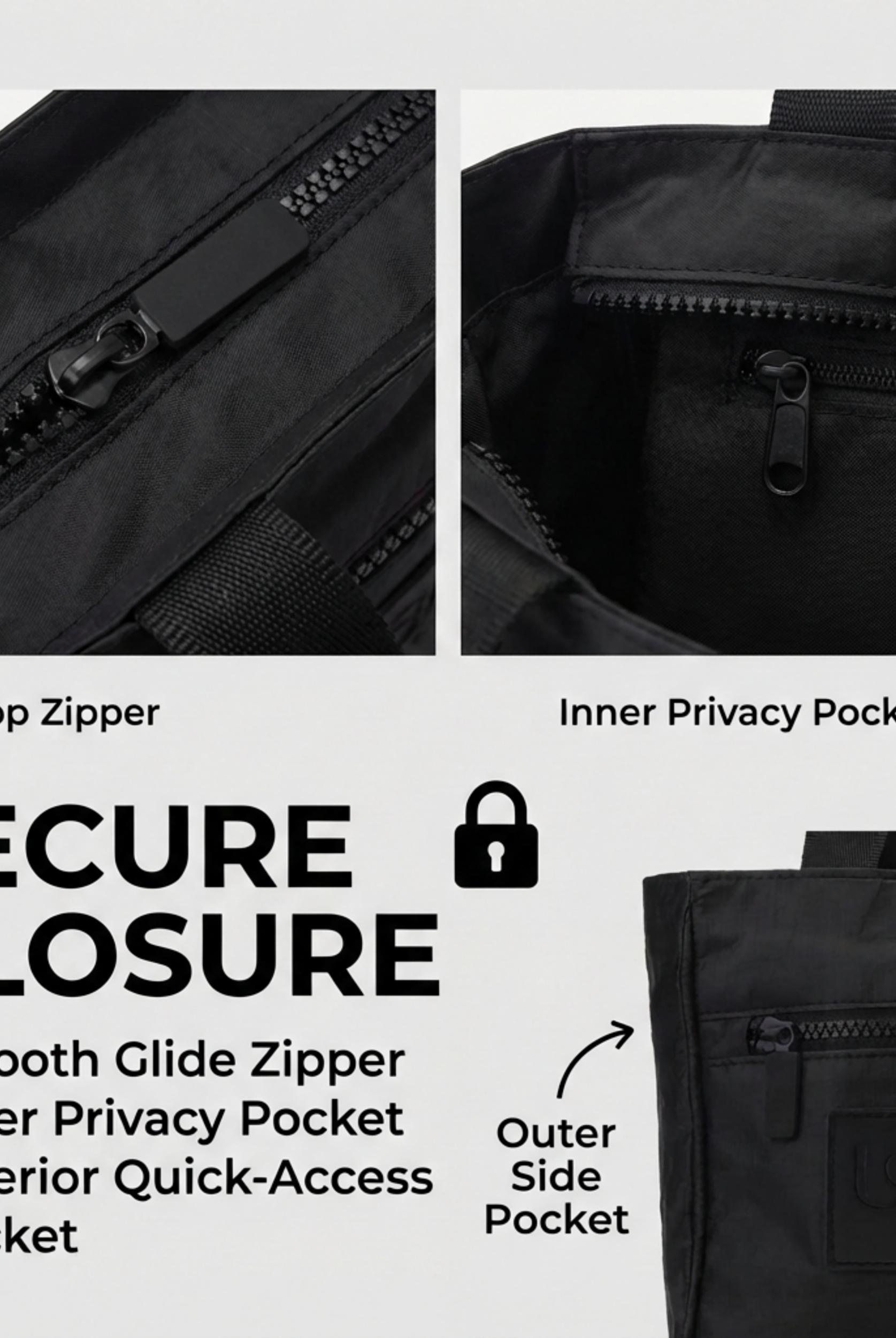
A zipper closure keeps contents contained when you bend over, lift a child, or place the bag under a seat. Open-top totes can work for quick access, but they're a poor choice if you regularly carry loose snacks, small toys, or personal items. Check that the zipper opens smoothly with one hand and doesn't catch on the lining.
5. Material choice
Look for a coated synthetic face fabric, reinforced seams, and an interior that can be wiped clean. Skip fragile embellishments and finishes that demand special treatment after every spill.
6. Water resistance
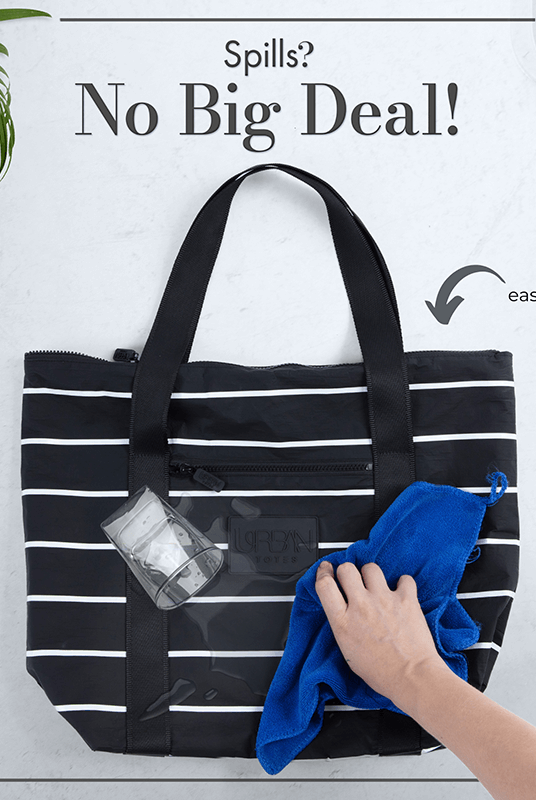
Water-resistant fabric helps protect contents from splashes, light rain, damp swimwear, wet towels, and sweaty gym clothes, but it isn't designed for submersion or freely sloshing liquid. This diaper-bag guidance explains the limits of water-resistant materials.
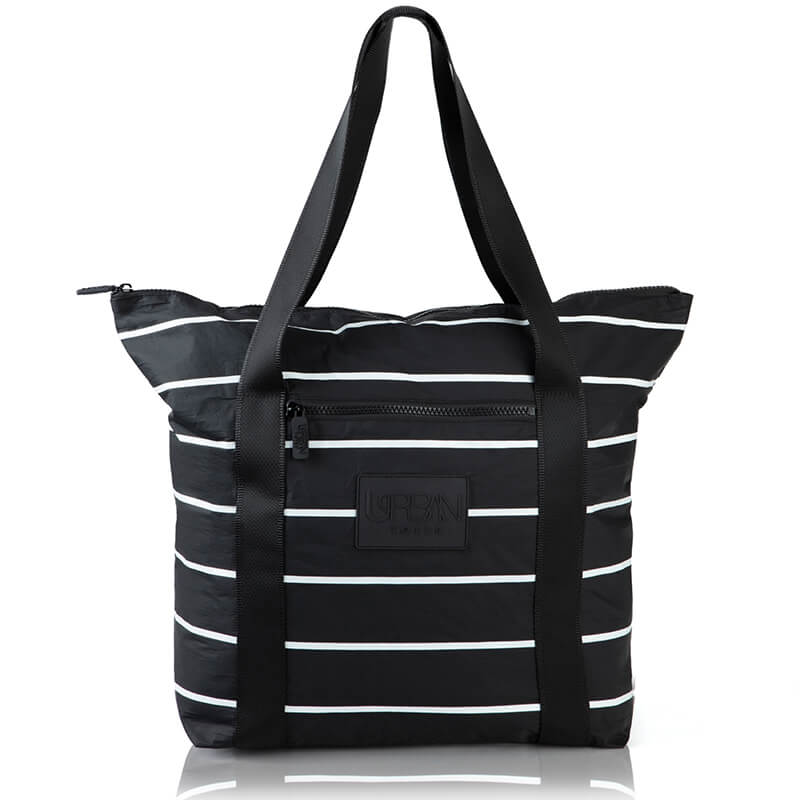
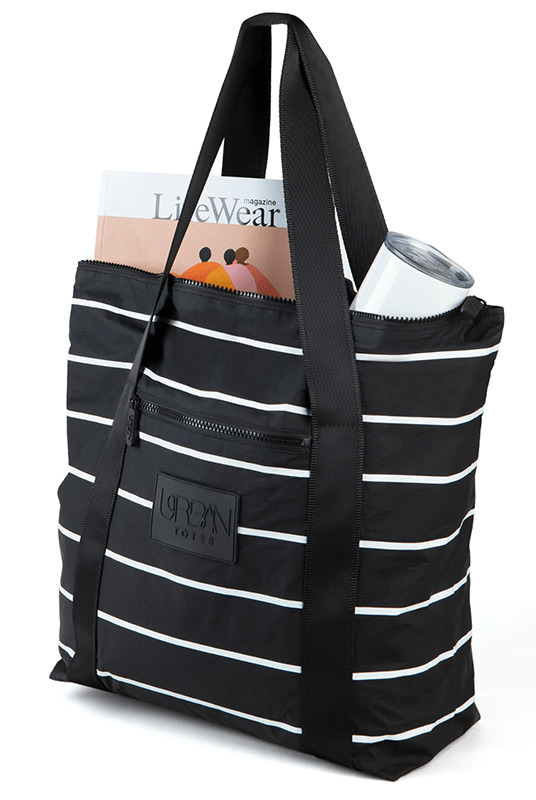
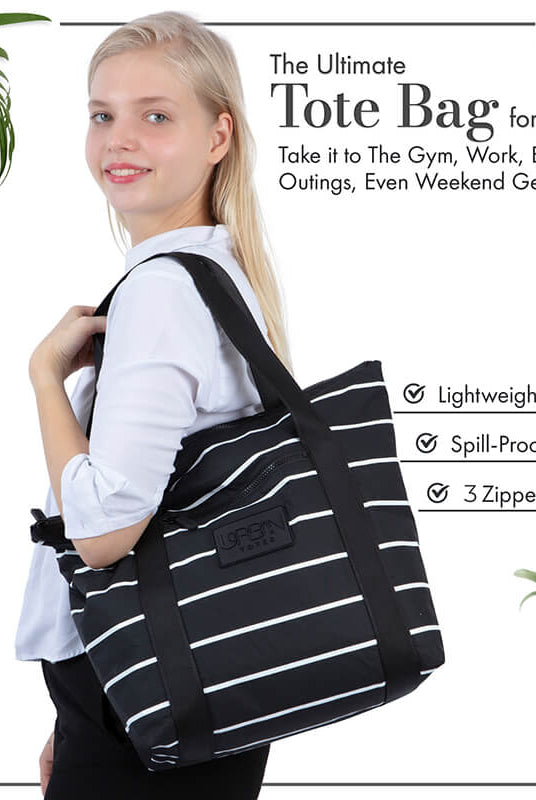
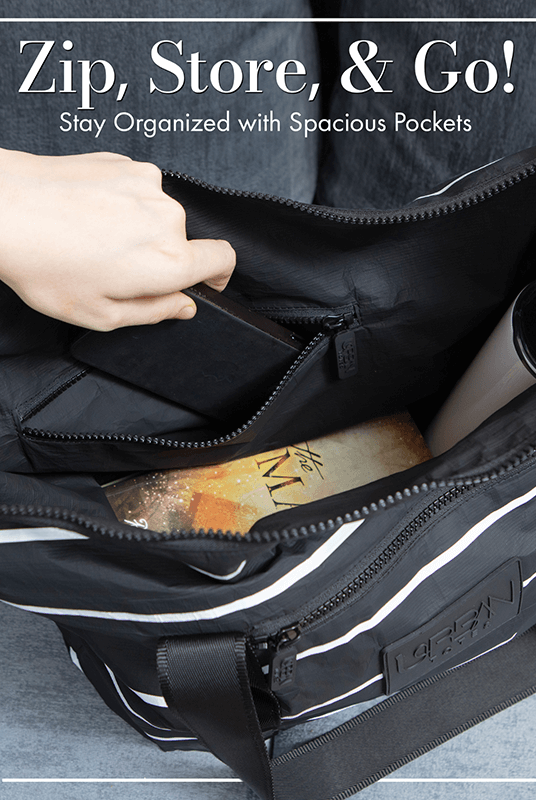
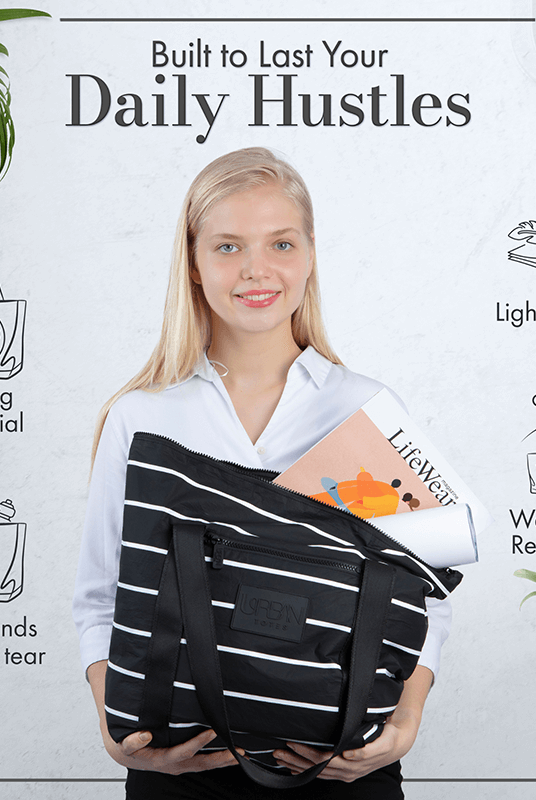
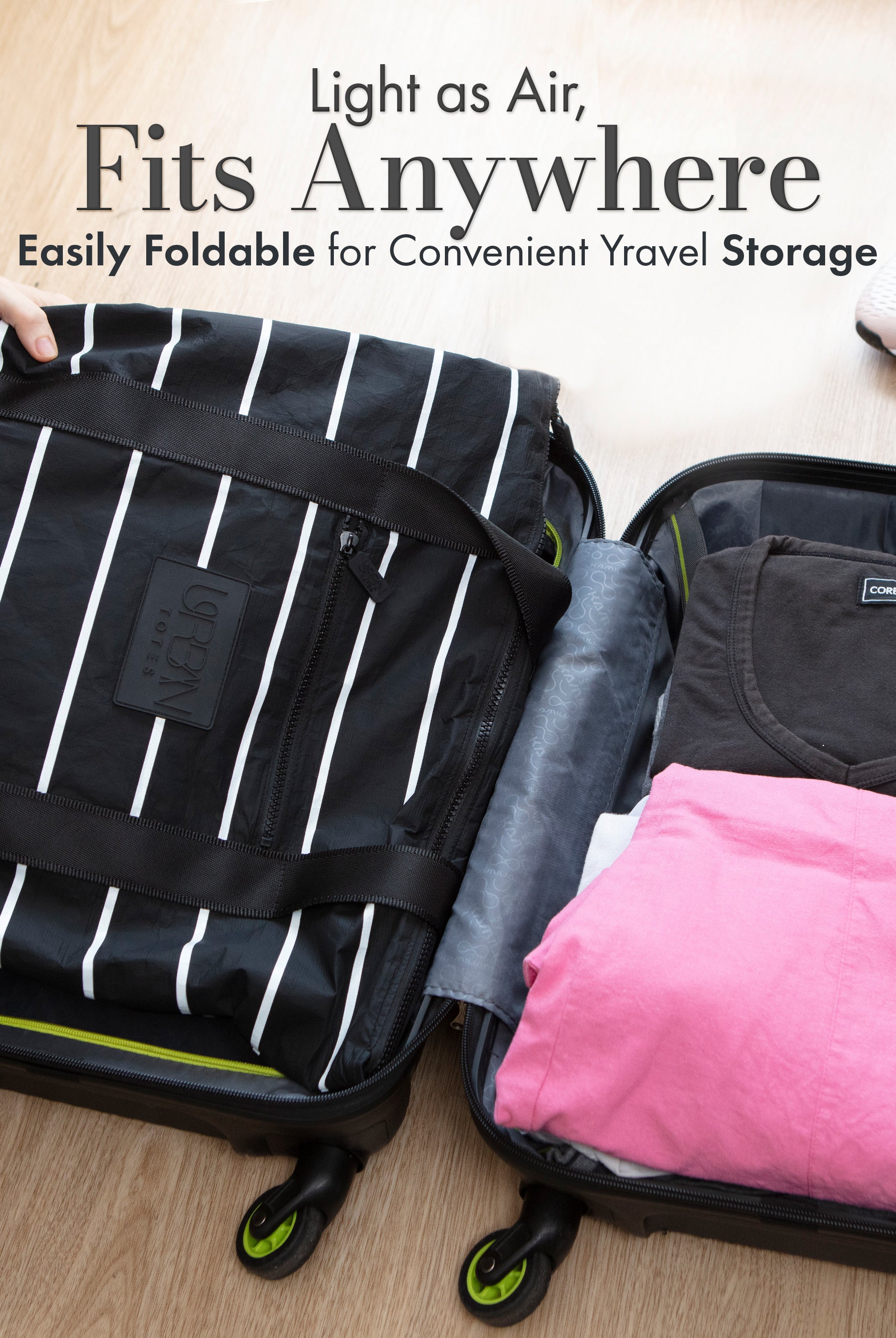
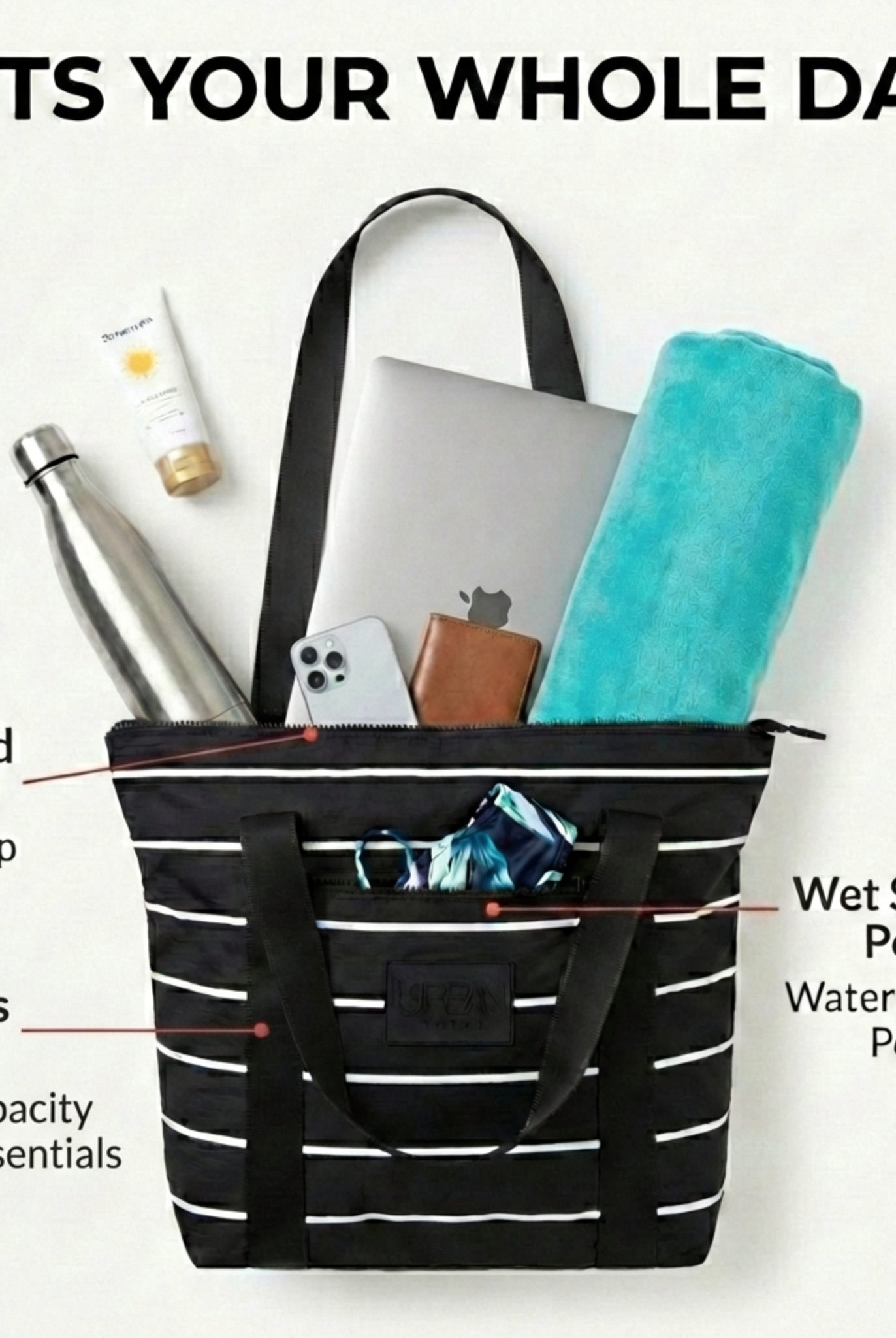
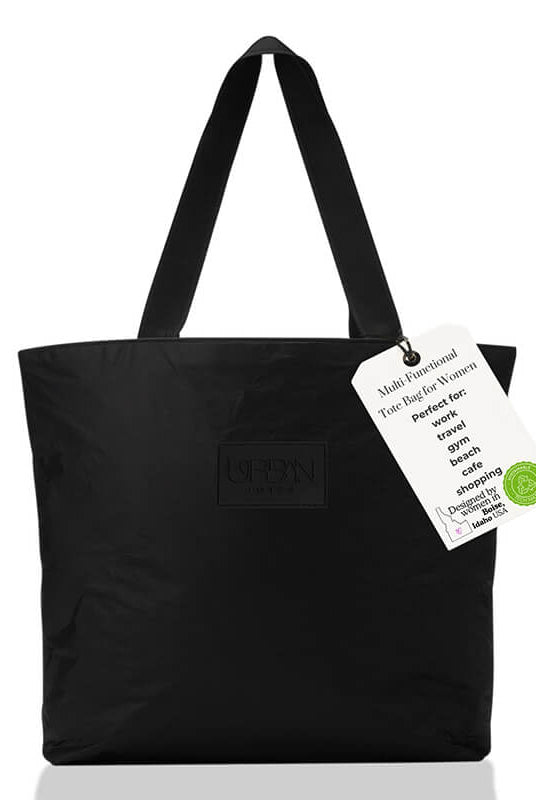
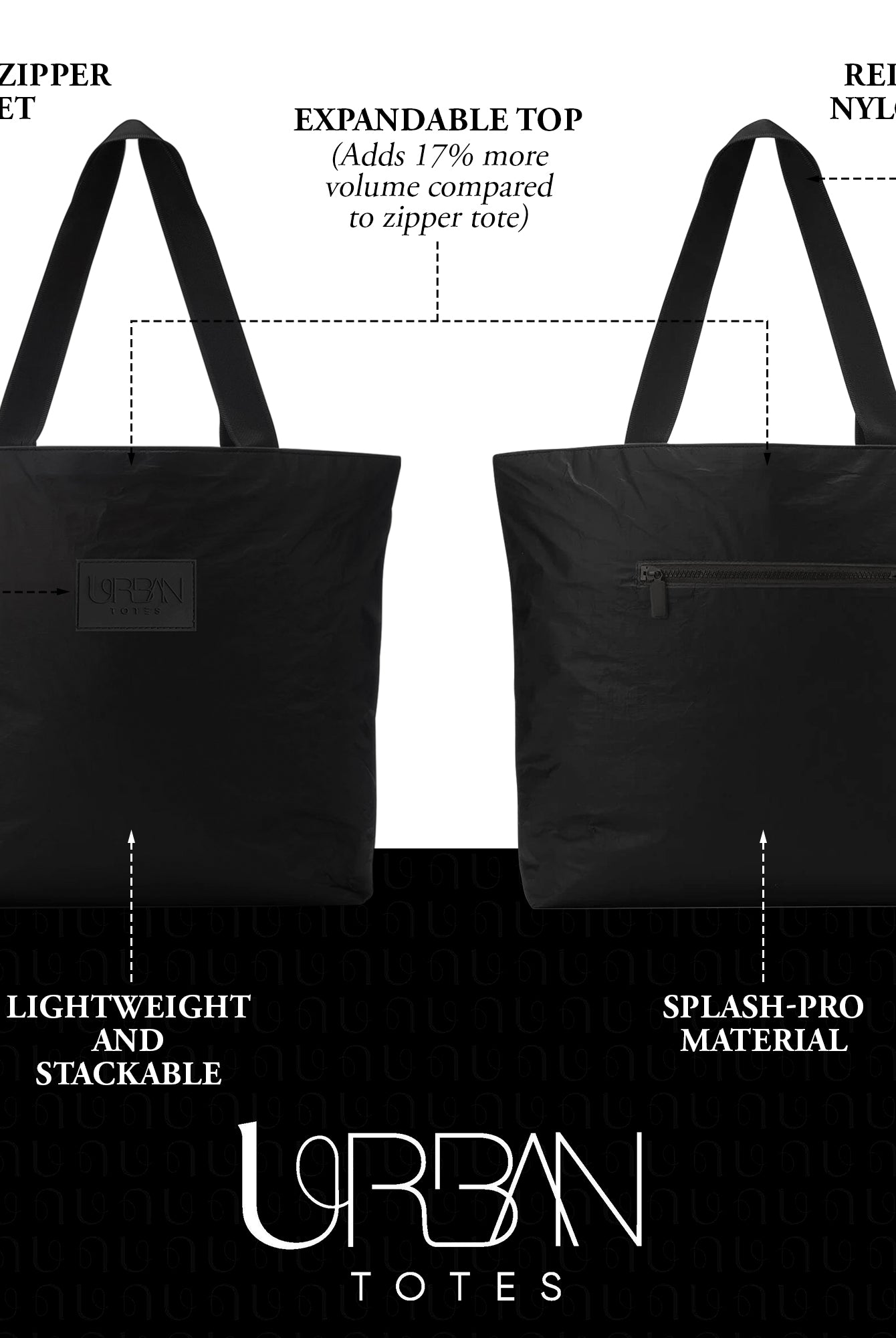
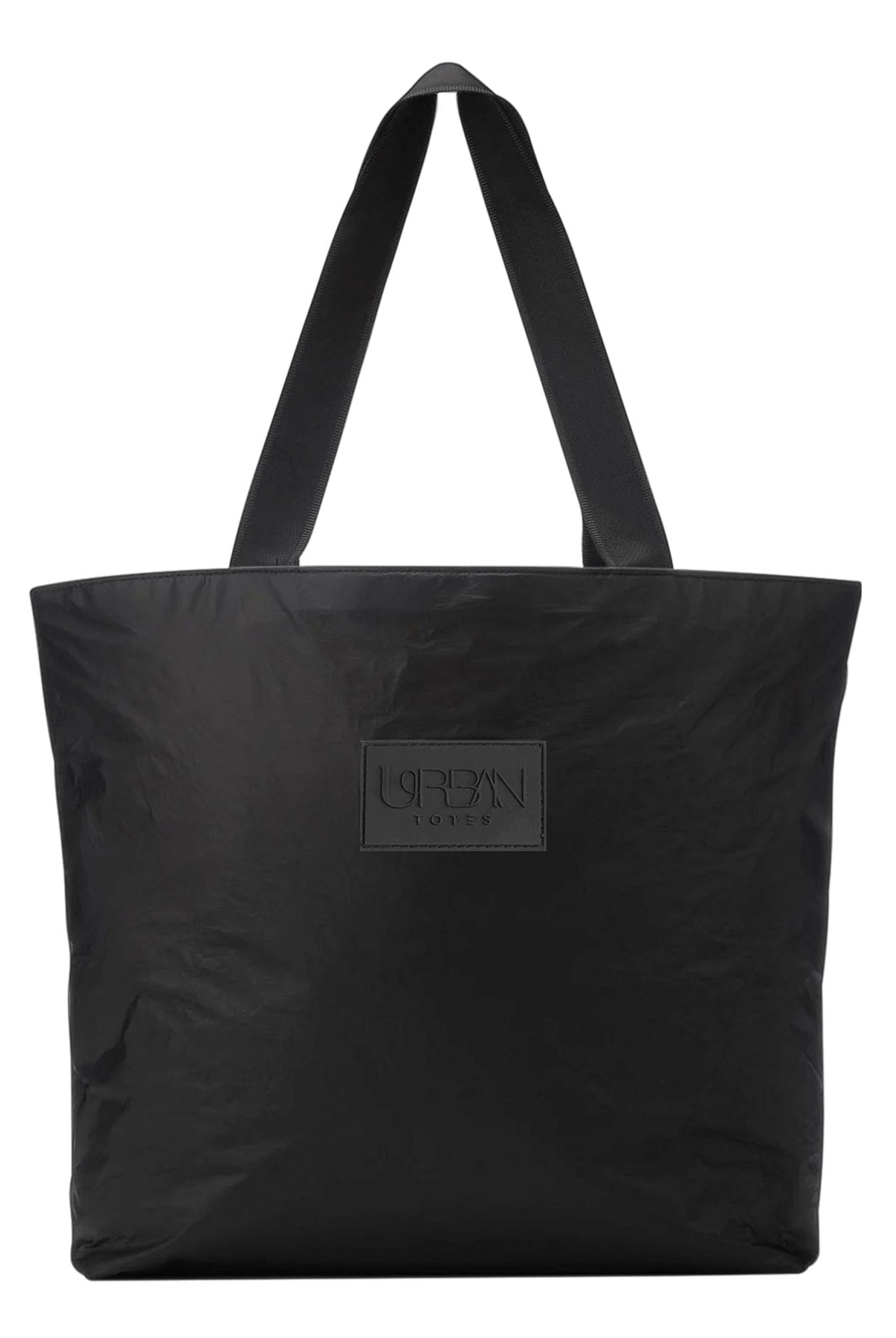
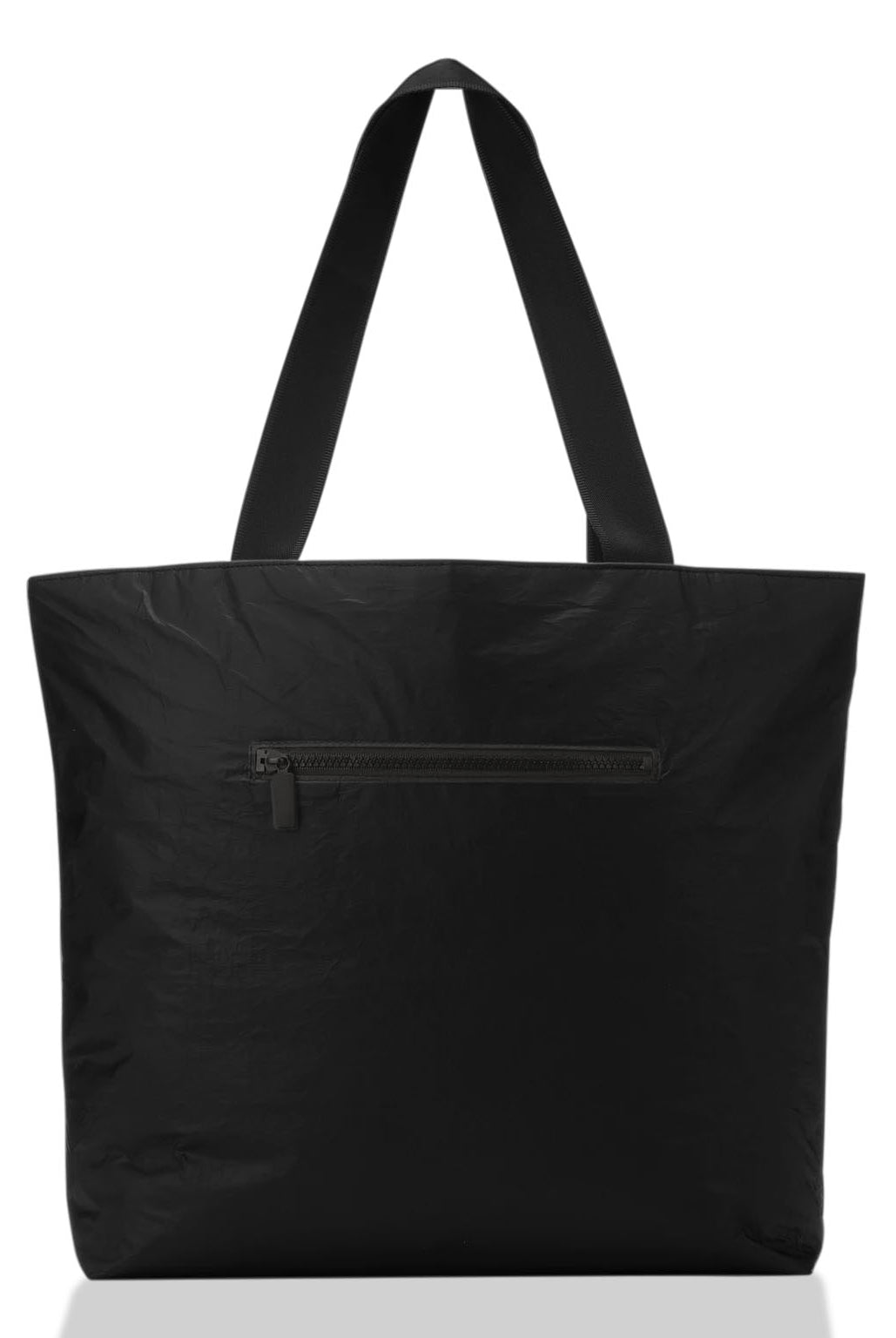
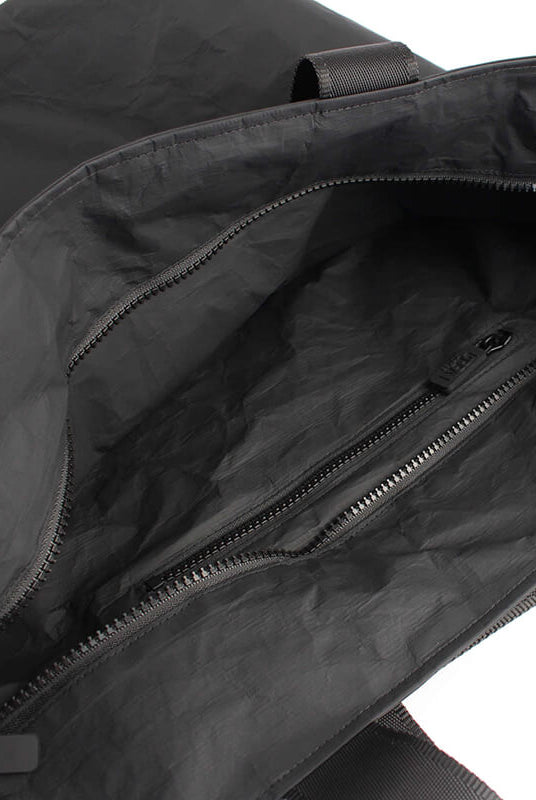
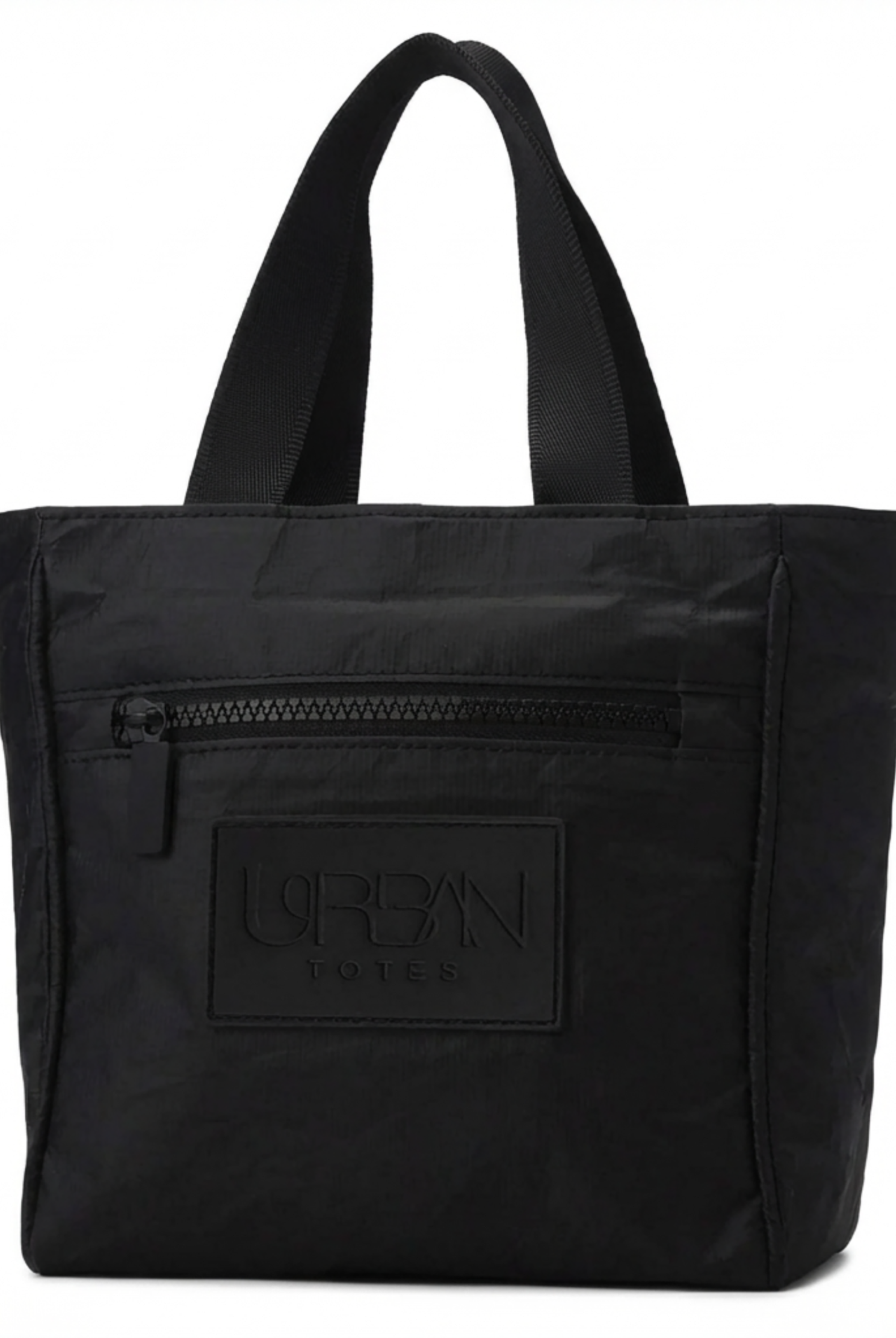
The Go Anywhere Day Trip Tote Bag by Urban Totes illustrates how these priorities can come together in a tote format, with three large zippered compartments, phone and key pockets, water-resistant material, lightweight construction, packable and foldable design, and silky straps. Its listed handle length is 11.5 inches, allowing shoulder or hand carry.
For registry planning, these criteria pair well with the practical baby shower registry tips from EasyRegistry. Add the features you'll use repeatedly, not the ones that only sound impressive.
How Brown Performs Against Spills, Scuffs, and Daily Wear
Brown's performance depends on two things working together, shade and surface material. A dark espresso bag can disguise dusty stroller-wheel marks and small scuffs better than a pale caramel finish. A mid-tone chocolate shade usually gives you the most forgiving balance, because it doesn't highlight light debris as sharply as black or make every food mark as obvious as a light neutral.
The tradeoff appears with oily residue. Lotion, sunscreen, greasy snacks, and handprints can create darker or shinier patches on a brown synthetic surface. Polyester and nylon are relatively hydrophobic compared with cotton, so water-based spills may bead or remain on the surface longer. Oil-based stains, however, can bond more aggressively and become harder to release. This stain-removal guidance for synthetic fabric explains how polyester and nylon respond to water and oil.
Match the tone to the routine
Espresso brown suits commuters and caregivers who want a polished, low-key look with strong camouflage for dust and scuffs. It pairs beautifully with black, charcoal, denim, and neutrals, but inspect it under bright light for oily marks.
Chocolate brown is my everyday recommendation. It feels warm enough for casual outfits, refined enough for dinner, and forgiving enough for playground use. It's the shade I'd choose for a single bag shared between parents.
Caramel and saddle brown look lighter and more fashion-forward. They work especially well with cream, white, denim, linen, and summer clothing, but they'll reveal darker food stains and transfer from wet or heavily dyed items more easily.
The finish matters more than the color name
Ask whether the outer fabric is coated, whether the lining is easy to wipe, and whether the bag can be cleaned according to its care label. Don't put a synthetic bag in a hot dryer just because the exterior looks sturdy. High heat can set stains permanently in thermoplastic fibers, so blot oily or colored spills promptly and avoid heat until the mark is gone.
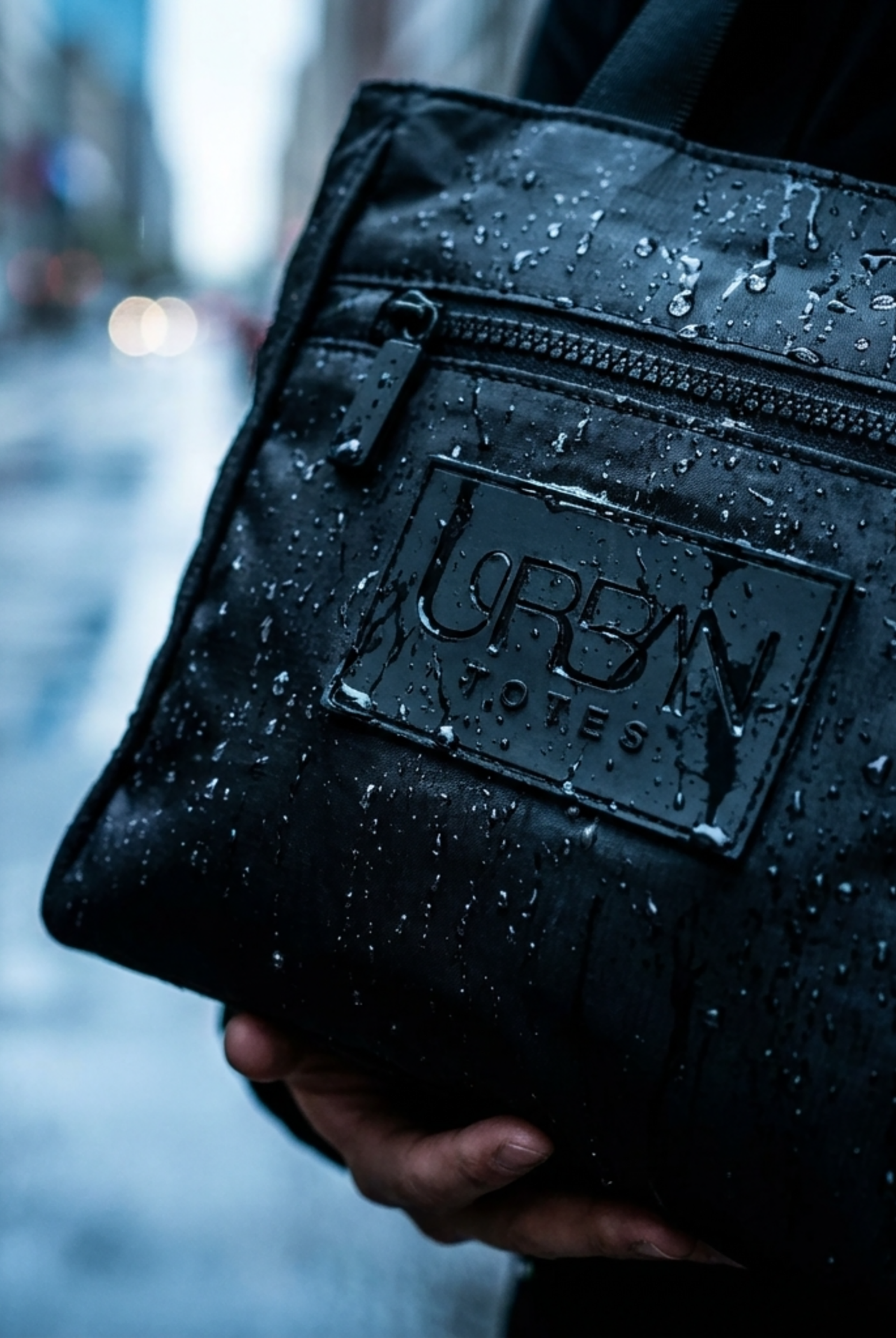
If weather resistance is central to your routine, compare the construction details in this guide to water-resistant bag materials. A practical brown diaper bag should handle a light drizzle and a snack spill without turning cleanup into a weekend project.
A Repeatable Packing System for Any Diaper Bag
The fastest way to make a diaper bag work harder is to stop packing by item and start packing by zone. Every object gets a home based on when you need it, not where it fits.
Zone one for essentials
Put keys, phone, wallet, pacifier, and hand wipes in the easiest-to-reach exterior or upper pocket. These are the items you grab while holding a child, steering a stroller, or standing in a checkout line. A key fob or dedicated phone pocket is more useful here than another deep compartment.
Zone two for feeding
Group bottles, formula, bibs, burp cloths, and snacks together. Use an insulated bottle pocket when available, and keep dry snacks in a sealed pouch so crumbs don't migrate through the bag. Feeding supplies belong high enough that you can reach them without unpacking the changing area.
Zone three for changing
Create a complete mini changing station with diapers, wipes, cream, and a change of clothes. Keep the clothes in a washable pouch and place the wipes where your fingers naturally land. If you're changing a baby in a cramped restroom, you want one grab, not a full excavation.
For outings with wet swimwear, a damp towel, or soiled clothing, reserve a separate zippered compartment. Wet-dry designs commonly use two separately zippered sections to isolate clean items from wet or soiled ones, a feature described in independent wet-bag review guidance as “true wet/dry separation.” This wet-bag review explains separate clean and wet compartments.
Add two small personal pouches
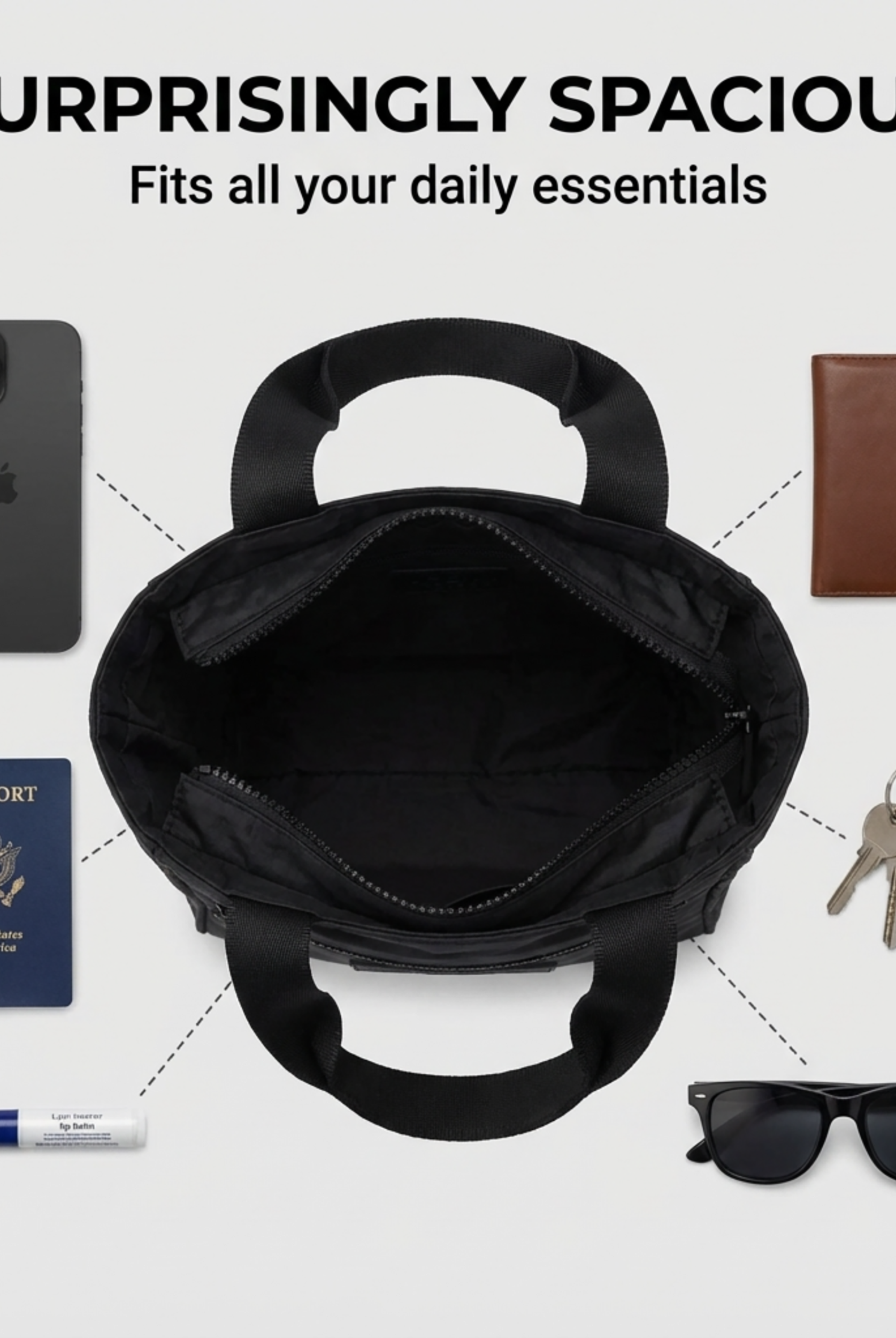
Use one pouch for parent items, one for baby extras, and leave shared items in the main zones. The parent pouch might hold lip balm, medication, sunglasses, and a snack. The baby pouch can hold spare pacifiers, teething toys, and small comfort items. This keeps each caregiver from reshuffling the entire bag to find one personal essential.
Five-minute reset: Remove trash, replace used diapers and snacks, refill wipes, check the spare outfit, and return every pouch to its assigned zone.
For a larger travel day, packing cubes can keep backup clothing and sleep items contained. This guide to packing with packing cubes offers a useful approach for separating categories without creating clutter.
Styling a Brown Diaper Bag With Everything You Already Own
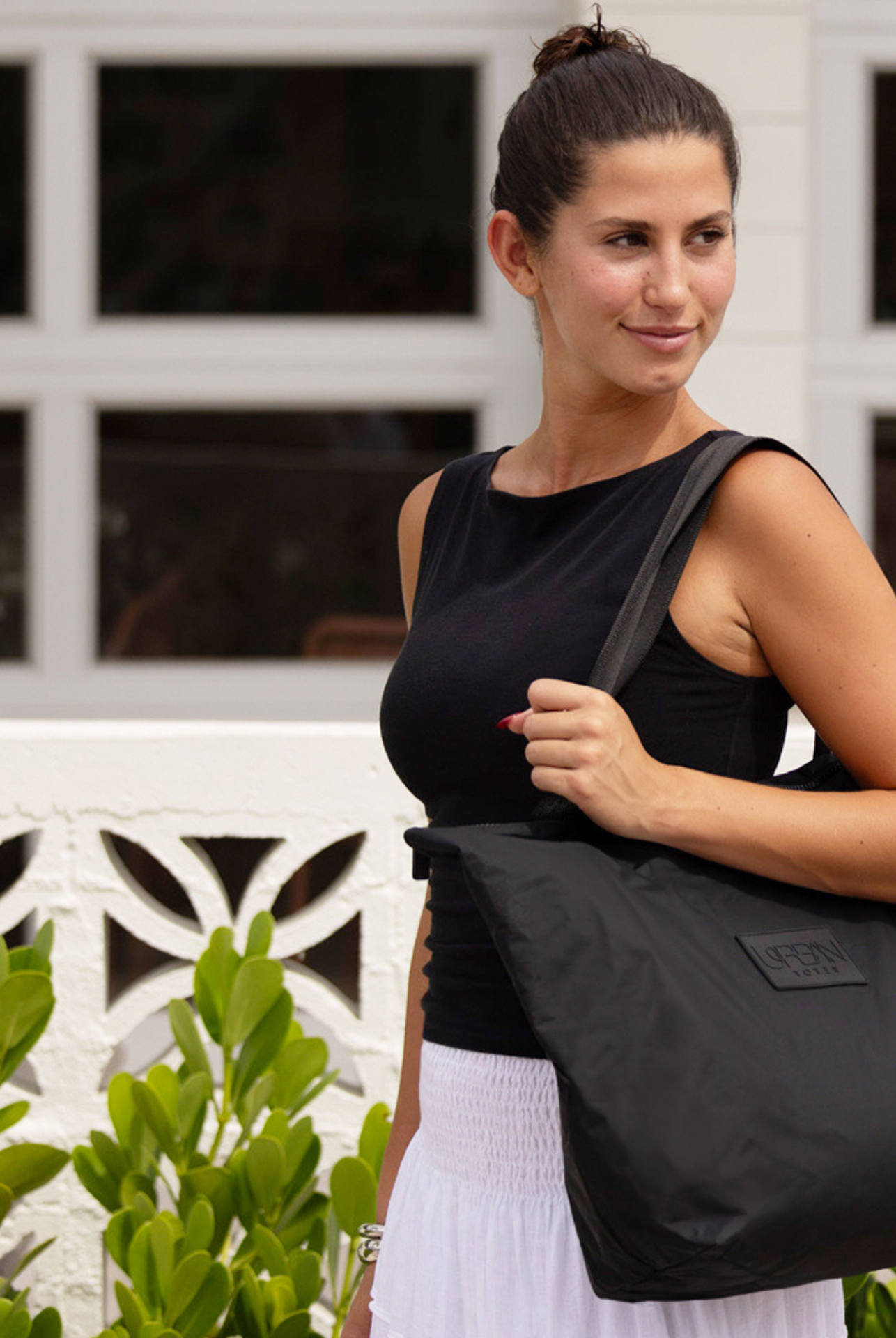
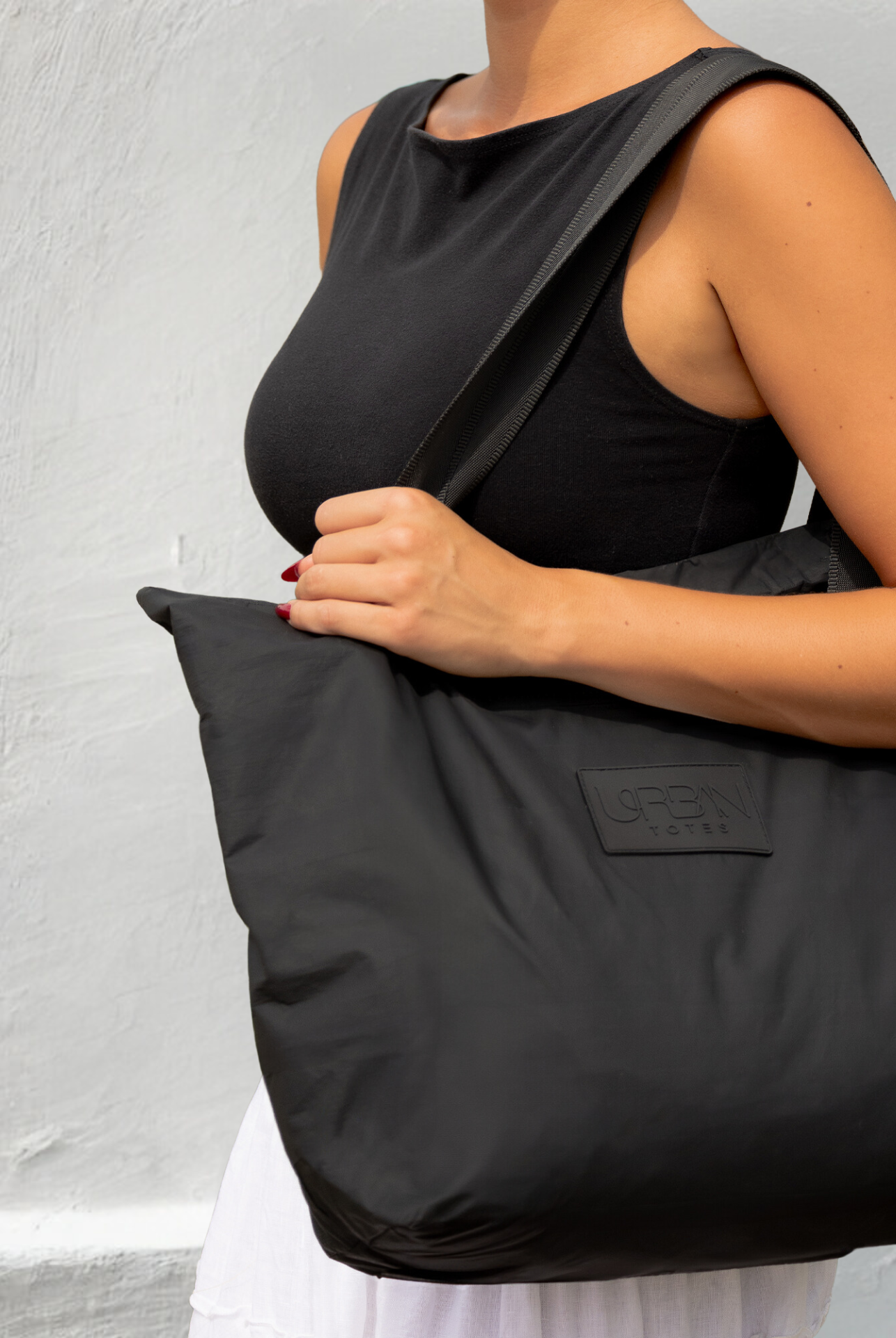
The easiest way to style a brown diaper bag is to treat it like a regular handbag, not a piece of baby equipment. Brown has enough warmth to soften practical clothes and enough restraint to work with polished outfits.
The weekday errand uniform
For school drop-off, groceries, and playground time, pair a chocolate or chestnut bag with denim, a cream sweatshirt, and neutral sneakers. Add a quilted vest or relaxed jacket when the weather changes. The combination looks intentional without requiring a matching set, and the brown keeps the outfit from feeling too stark.
A deeper espresso shade works with black leggings and a charcoal sweatshirt when you want a low-effort monochrome base. Add a camel scarf or warm-toned sneakers to connect the bag to the rest of the outfit.
Work to pickup
A brown tote looks grown-up beside trousers, a knit top, and a structured blazer. Choose espresso for the most office-ready effect, or select mid-tone chocolate if your work wardrobe leans softer and more relaxed. Keep the diaper supplies in interior pouches so the bag still reads as an organized work carryall when you're at your desk.
Your bag doesn't need to match your shoes exactly. Coordinate undertones instead. Warm brown works with cream, camel, olive, denim, and gold-toned accessories, while a cooler chocolate can sit comfortably beside gray, navy, and black.
Weekend travel and summer days
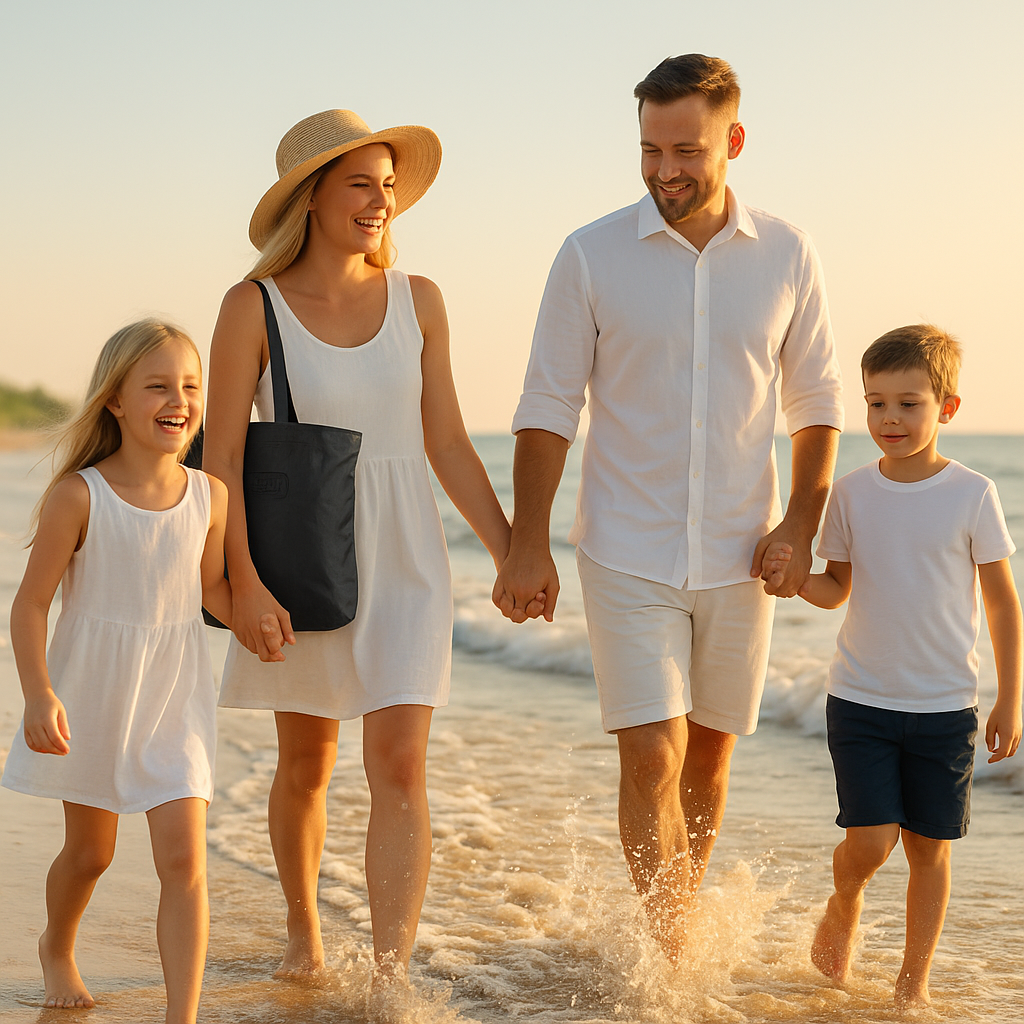
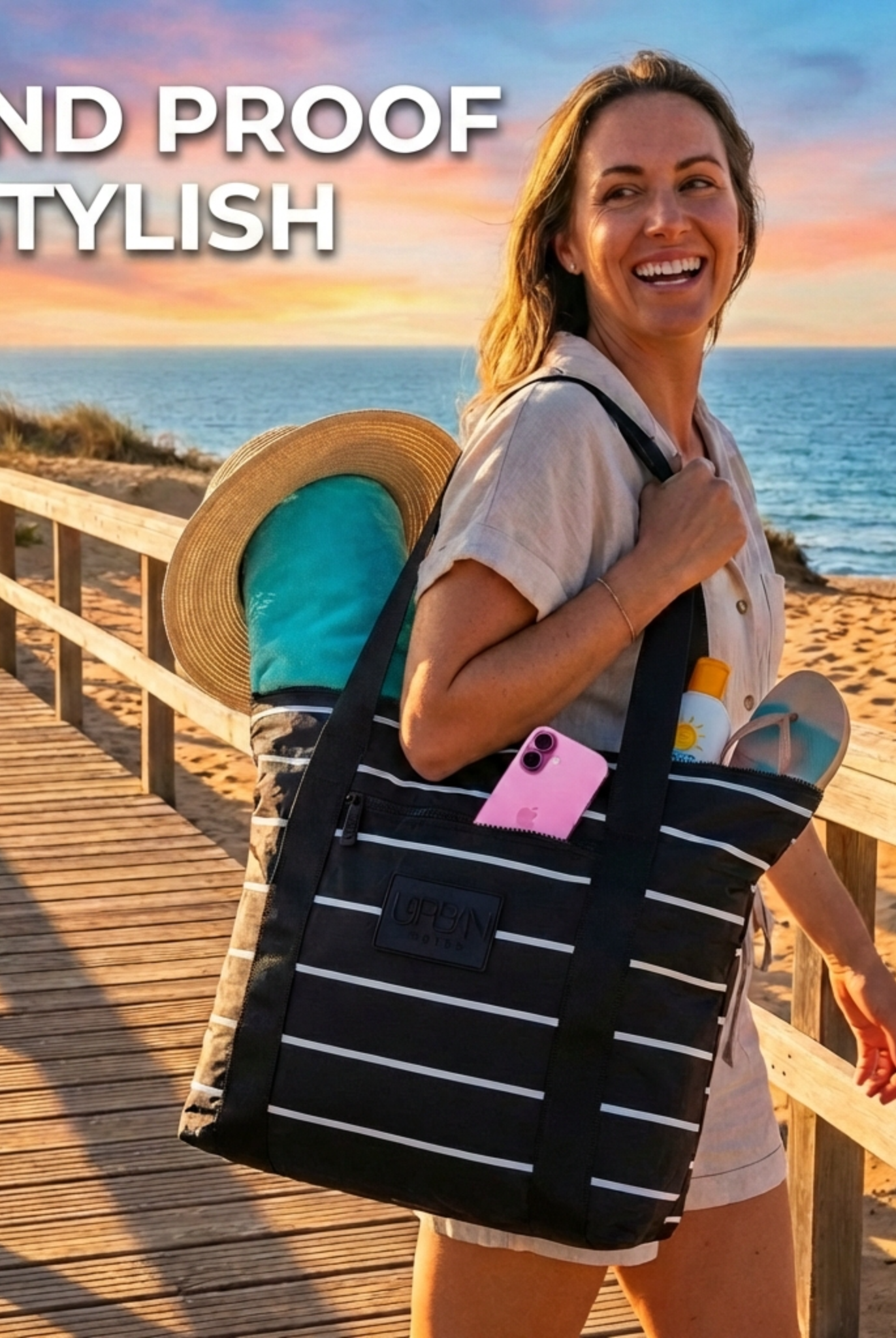
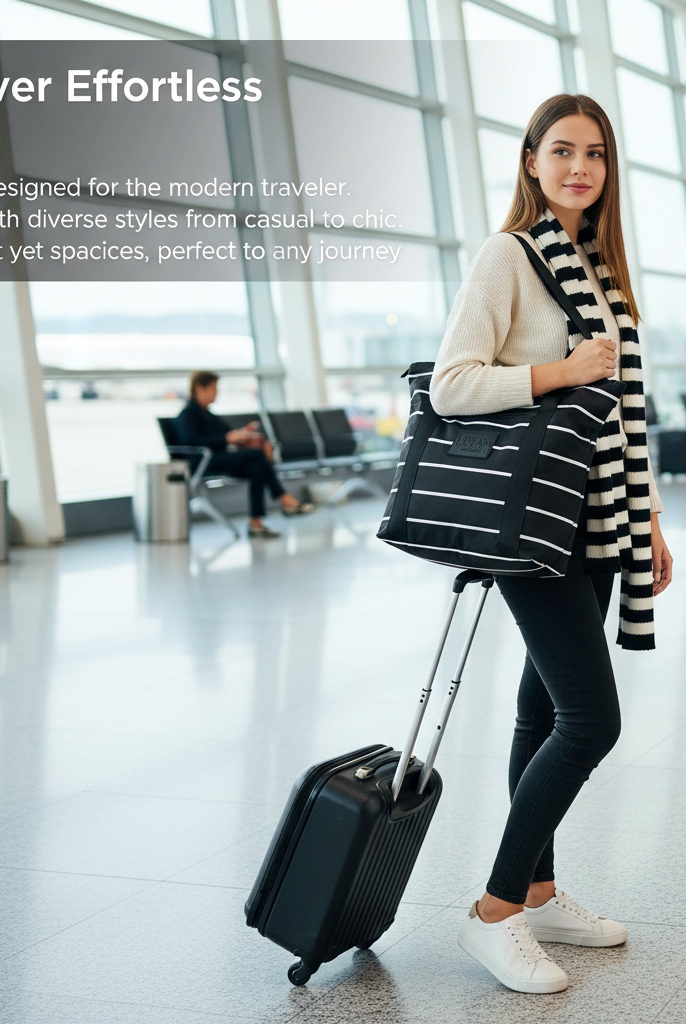
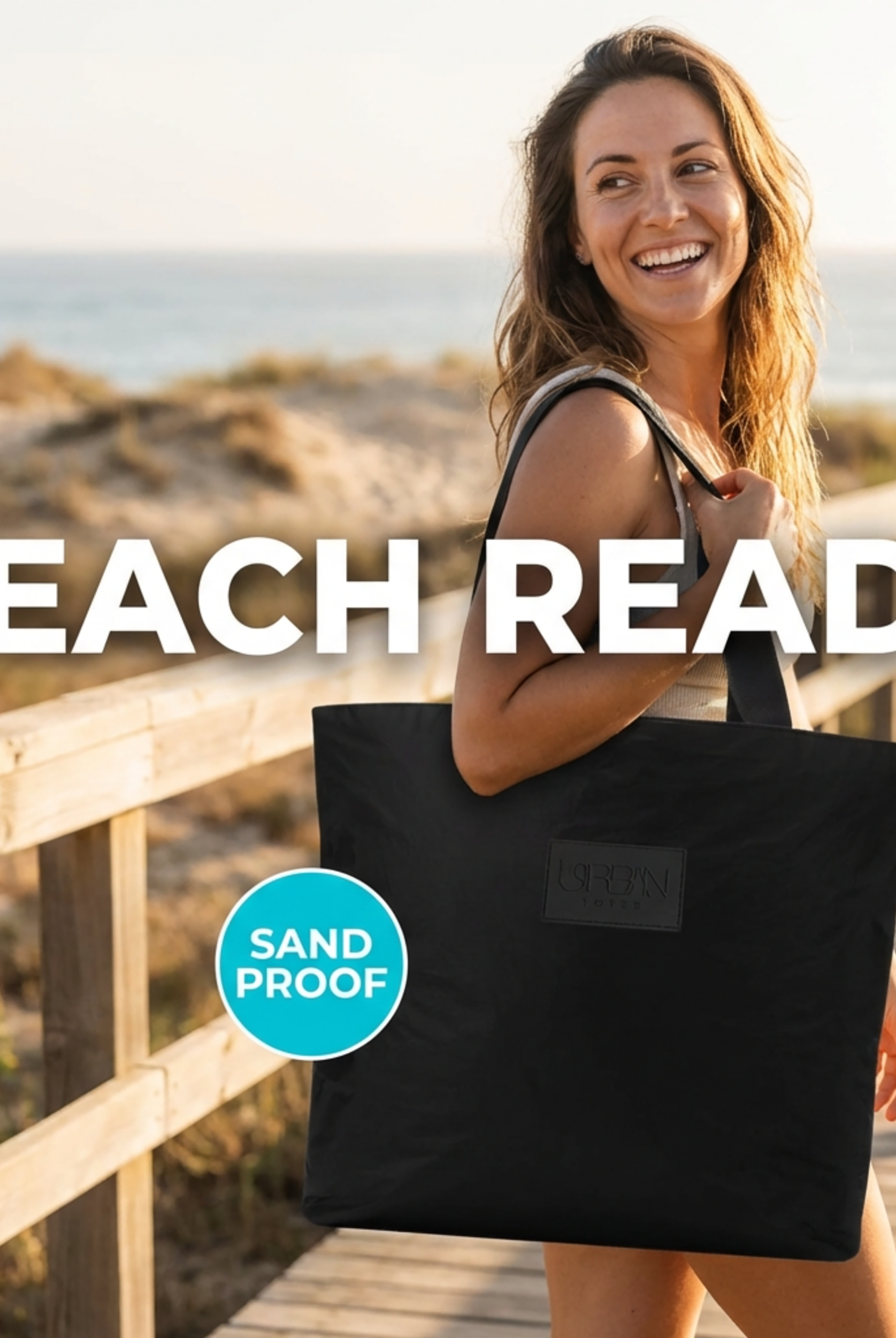
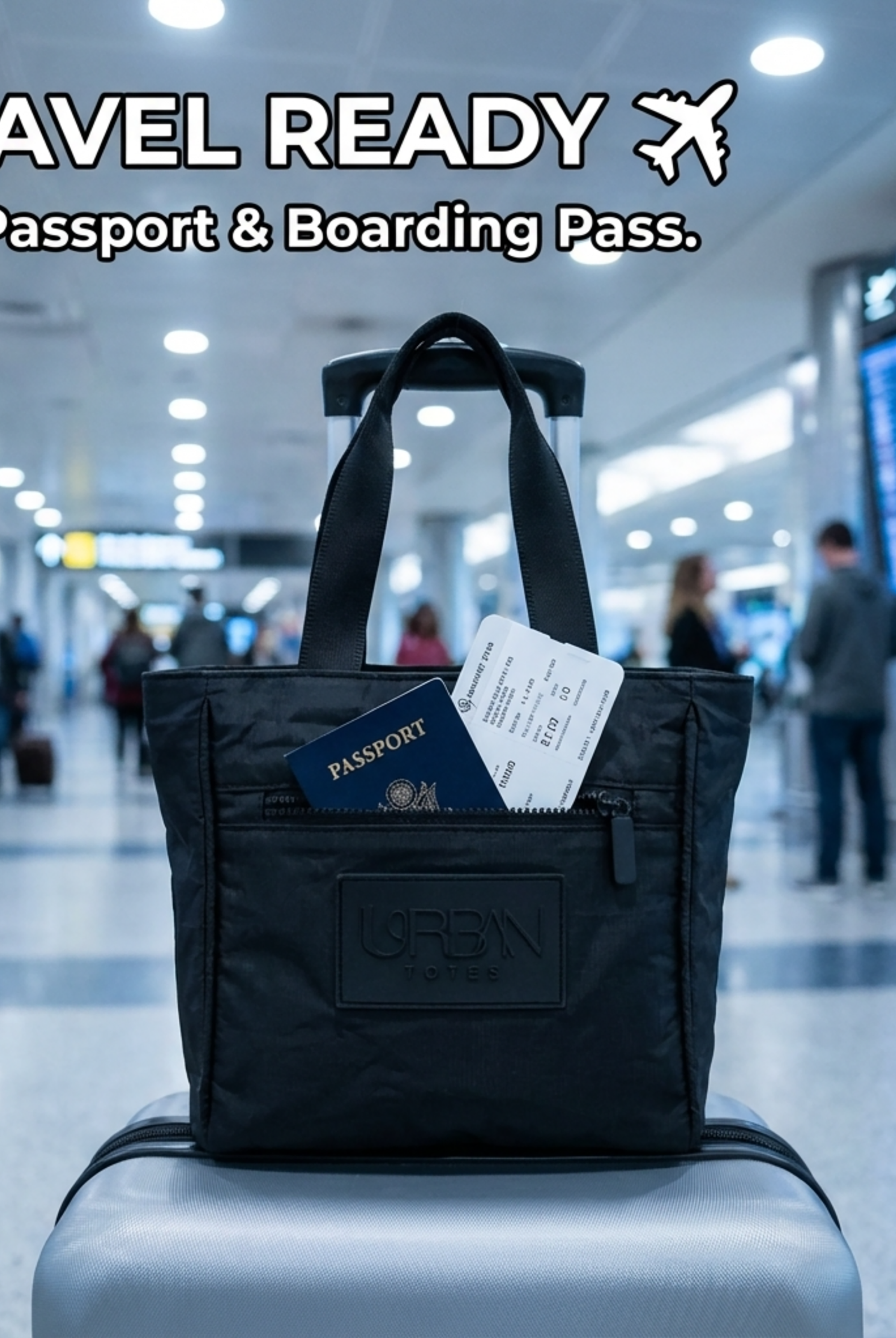
For an airport terminal or quick city break, wear the brown bag with black athleisure, a white tee, and a denim layer. A lighter saddle or caramel shade looks especially good with linen, cotton dresses, and woven sandals on a warm beach day. If the bag will carry wet towels or swimsuits, choose function over a delicate finish and use the wet-dry separation approach described earlier.
The broader tote bag aesthetic guide is helpful when you're deciding whether your bag feels casual, minimalist, or travel-ready. My advice is to choose one that complements your existing clothes rather than asking you to rebuild your wardrobe around it.
Cleaning and Caring for a Brown Bag So It Lasts for Years
A brown diaper bag needs a routine, not a complicated maintenance ritual. Most of the damage comes from letting spills sit, overloading the seams, or storing the bag damp and compressed.

Weekly wipe-down
Empty crumbs and remove every pouch. Wipe the exterior and handles with a soft cloth dampened with cool water and a small amount of mild soap. Use an alcohol-free wipe for quick spot cleaning if the care label permits it, then leave the bag open until the surface and lining are fully dry.
Blot formula, juice, and food instead of rubbing them deeper into the fabric. For sunscreen or grease, lift away excess residue first, then use mild soapy water and a clean cloth. Test any cleaner on an inconspicuous area before using it on the visible surface.
Monthly deep clean
Once a month, inspect the bottom corners, seams, zipper tracks, and interior pockets. If the care label allows machine washing, use a gentle cycle and air dry. Don't assume every diaper bag is machine washable, especially if it has leather accents, structured panels, or bonded finishes.
Avoid bleach, harsh solvents, hot dryers, and aggressive scrubbing. Synthetic fibers can hold onto oil-based stains, and heat can set remaining discoloration permanently. Cool water and patience beat a strong cleaner that damages the finish.
Seasonal reset and travel storage
Before a trip, remove old snacks, expired creams, and forgotten receipts. Inspect the zippers and stitching, then wipe the lining. If the bag is packable or foldable, empty it completely before folding and avoid placing heavy items on top of it in storage. Let it recover its shape before loading it again.
Condition leather accents only if the manufacturer's care instructions approve it. If you're unsure about a material, follow the label rather than experimenting. A few minutes of care keeps a stylish brown diaper bag presentable without turning maintenance into another chore.
How Urban Totes Designs Meet Every Feature on This List
The best bag for your routine doesn't need to look like traditional baby gear. It needs to carry the essentials, keep them organized, and move naturally through the rest of your day. Urban Totes is a woman-owned, Boise-made brand built around that kind of practical versatility, with designs intended for commuting, errands, travel, beach days, and everyday carry.
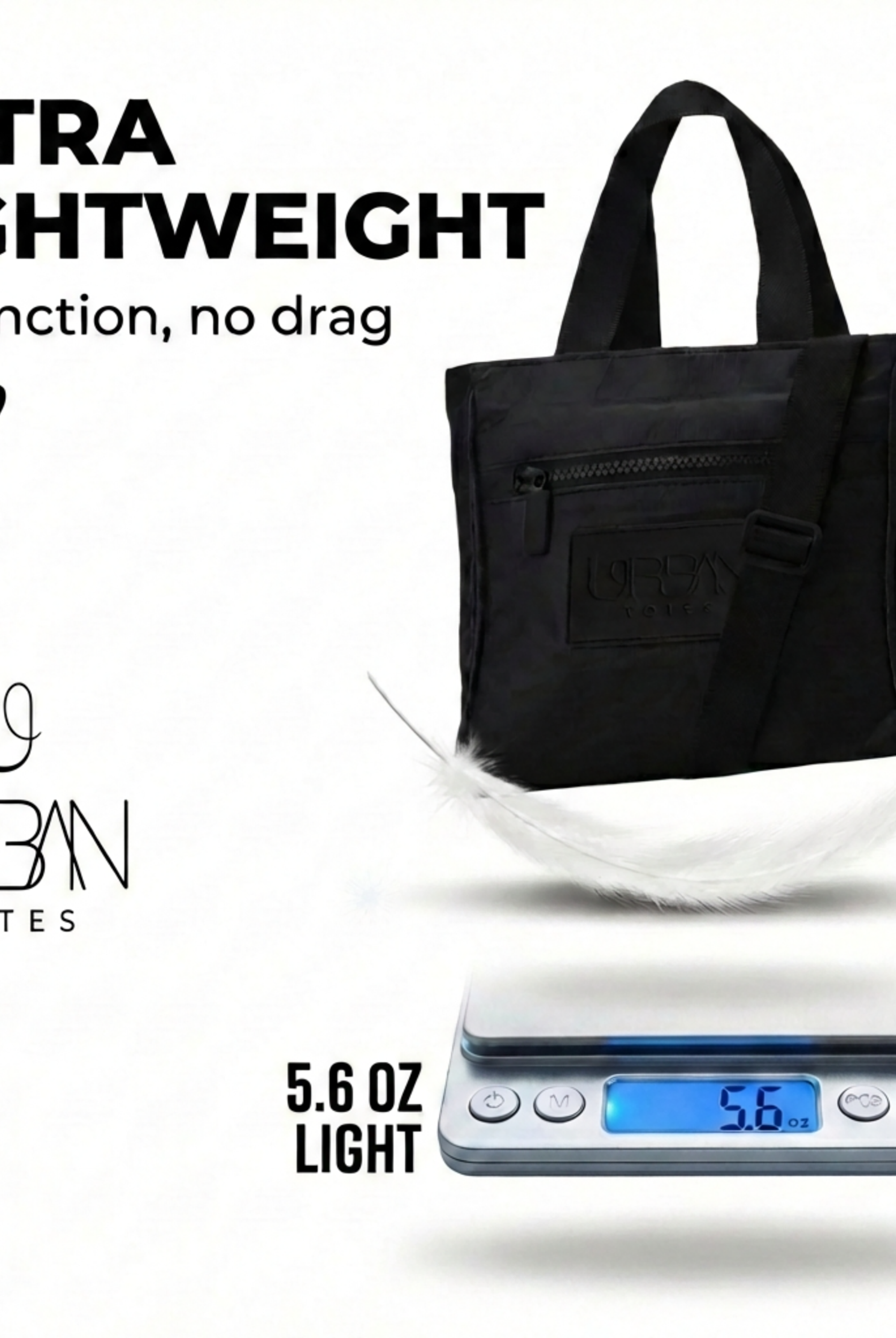
Its catalog focuses on water-resistant, lightweight, packable, and foldable construction. That combination makes sense for caregivers who may leave with a full bag and return with less inside, or who need to tuck the bag into luggage between trips. Zipper closures and multiple compartments support the organization standard outlined earlier, while phone and key pockets keep the most frequently used items from disappearing.
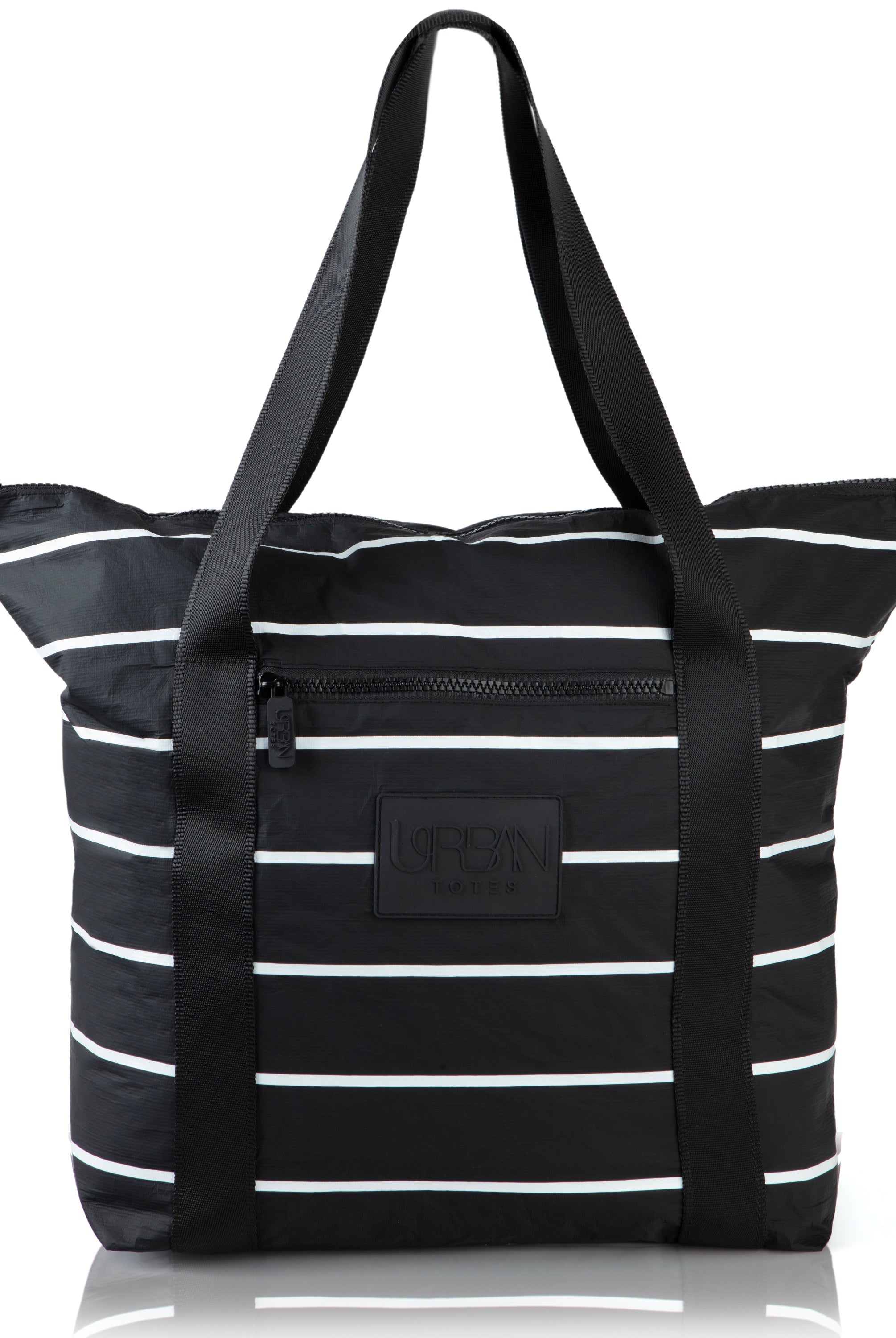
The OG Zipper Tote by Urban Totes is listed with inside and outside zipper pockets, a white interior, lightweight construction, packable and foldable design, and water-resistant material. Its listed dimensions are 19 inches wide by 14.5 inches high, giving it a carryall profile for diapers, snacks, spare clothing, and personal items. The catalog also describes side-pocket use for wet swimsuits or workout gear, which translates neatly to damp baby clothes when you keep wet items separated from clean supplies.
A bag that can leave the nursery
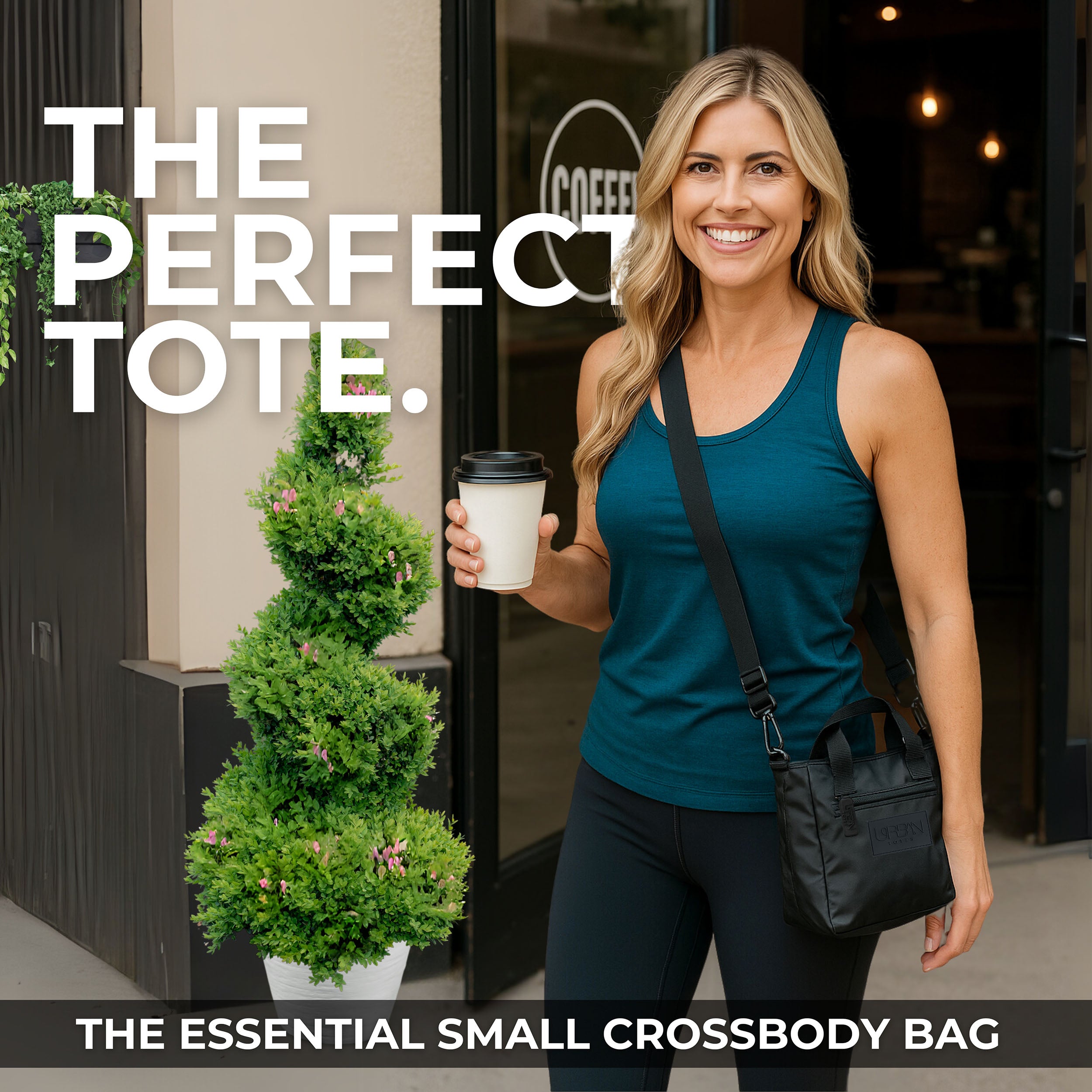
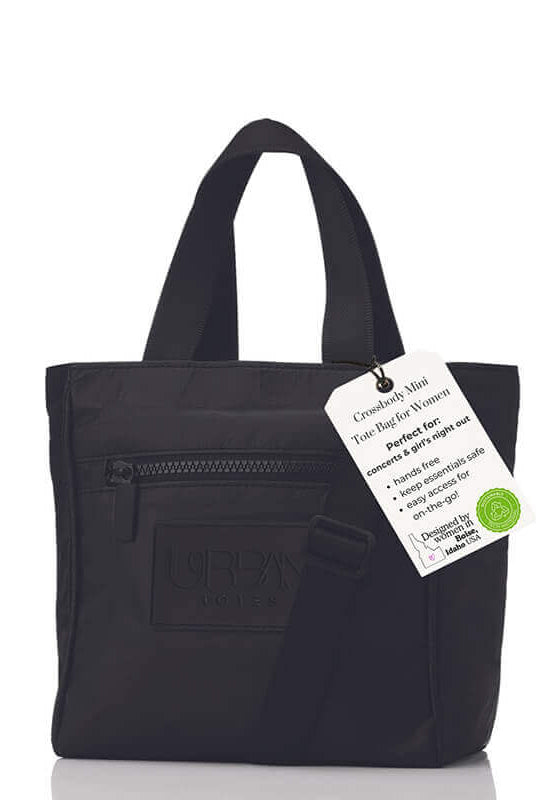
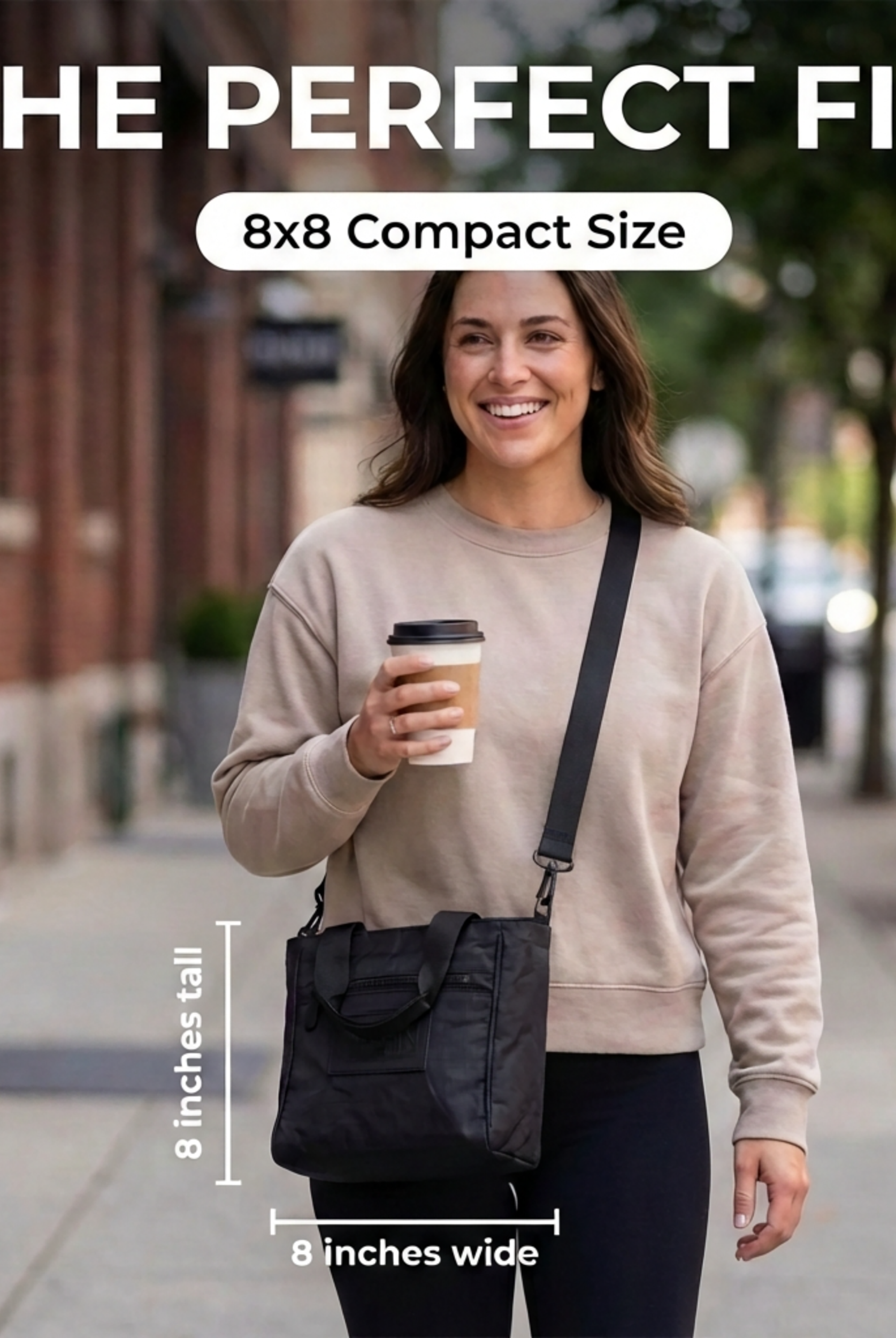
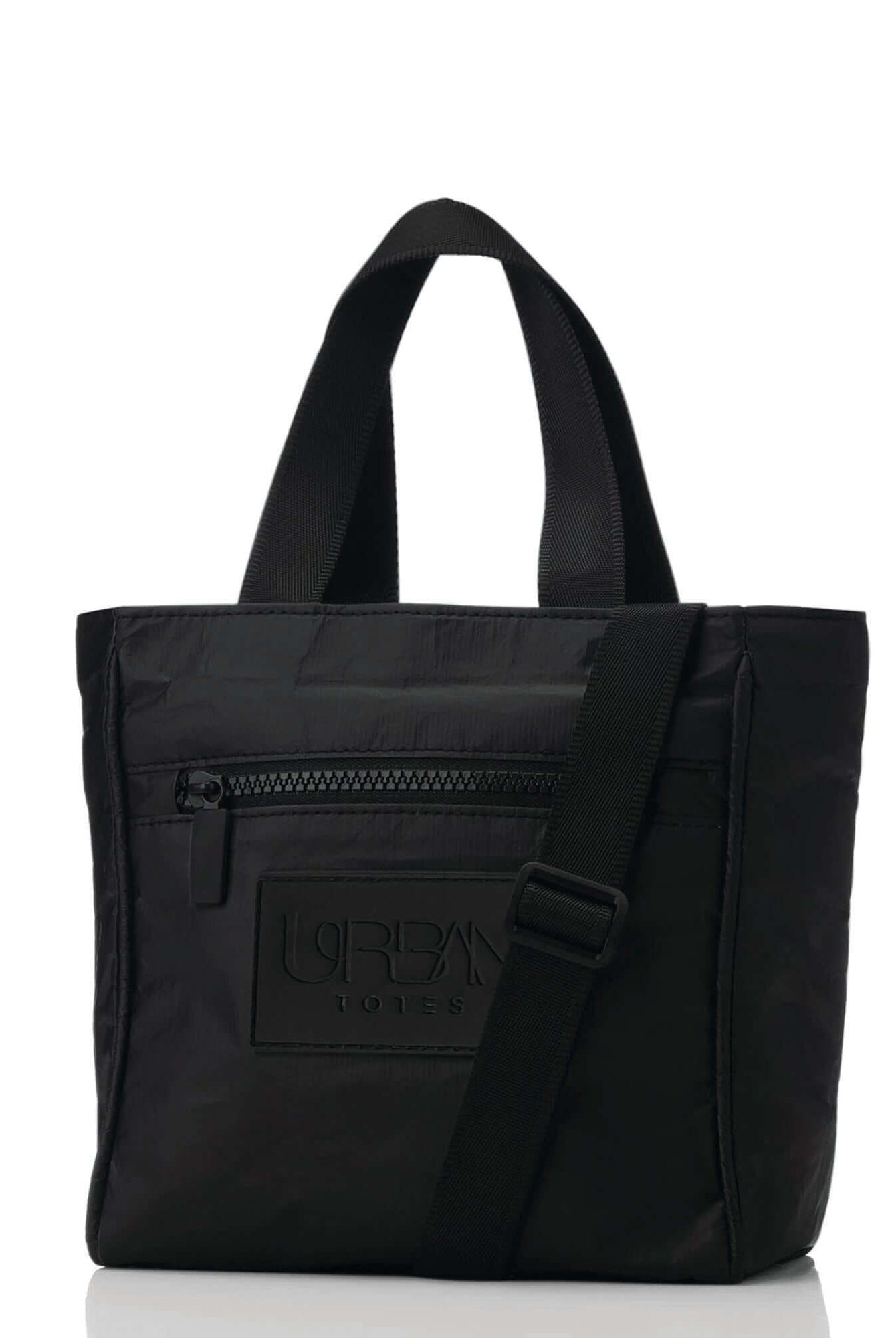
Urban Totes also offers compact crossbody options for lighter outings, so you can scale down when you're carrying only the essentials. That matters once your child needs fewer supplies, or when a partner carries the main bag and you want your own phone, keys, and wallet close by.
A brown diaper bag should feel like part of your life, not a temporary accessory you tolerate until the baby stage ends. Choose the size and color that fit your wardrobe, then insist on the closures, organization, water resistance, and carry comfort that make daily use easier.
Urban Totes offers lightweight, water-resistant, packable totes and crossbody bags with zipper closures and thoughtfully arranged compartments for the messy, mobile parts of family life. Visit Urban Totes to find a go-anywhere bag that carries your diapering essentials today and keeps serving you through errands, travel, beach days, and whatever comes next.