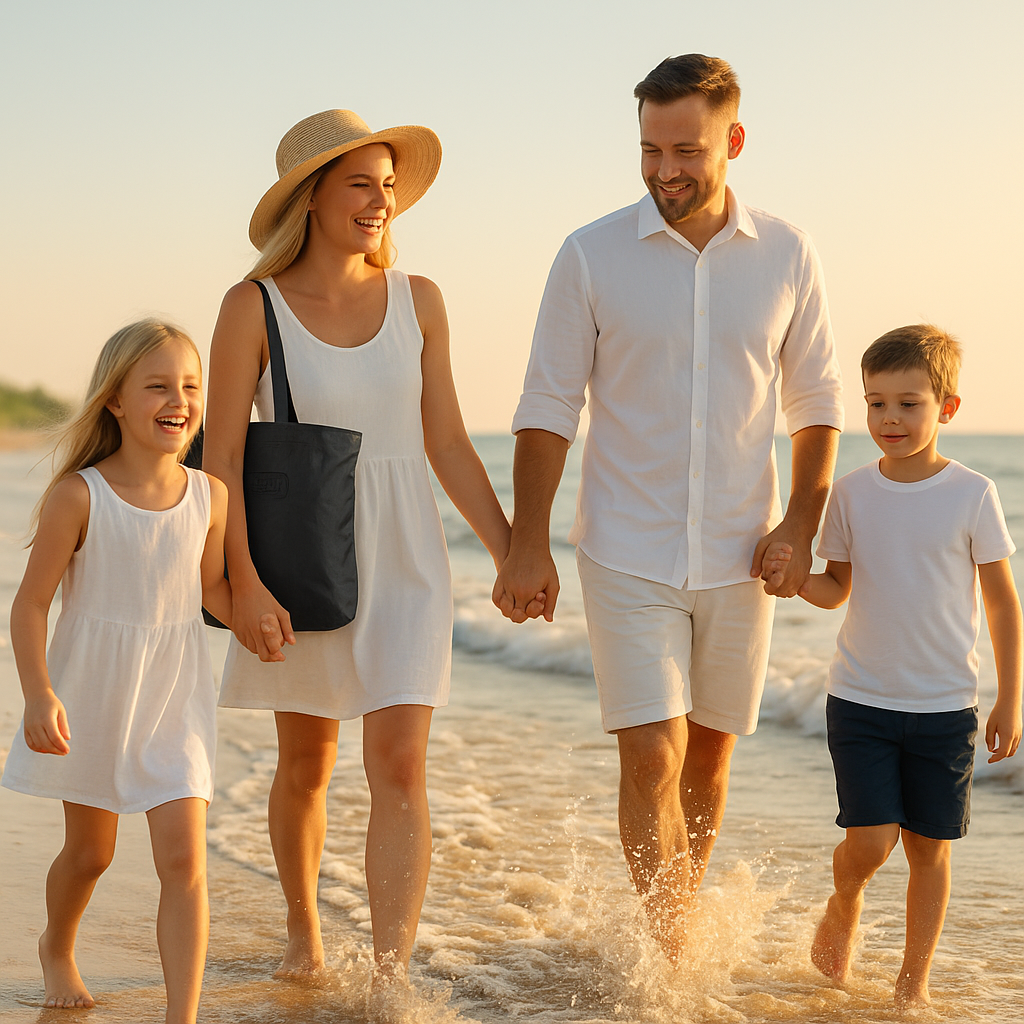
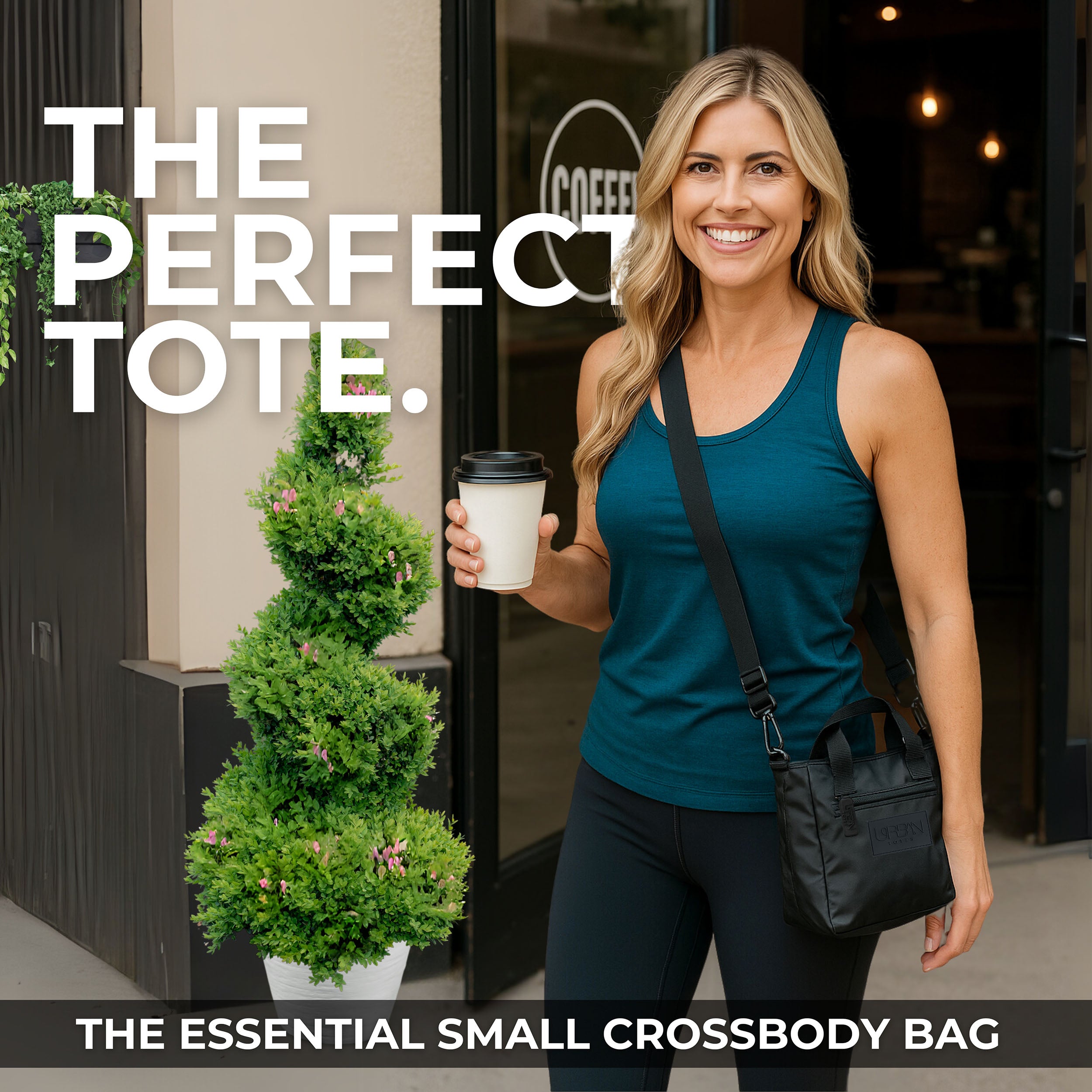
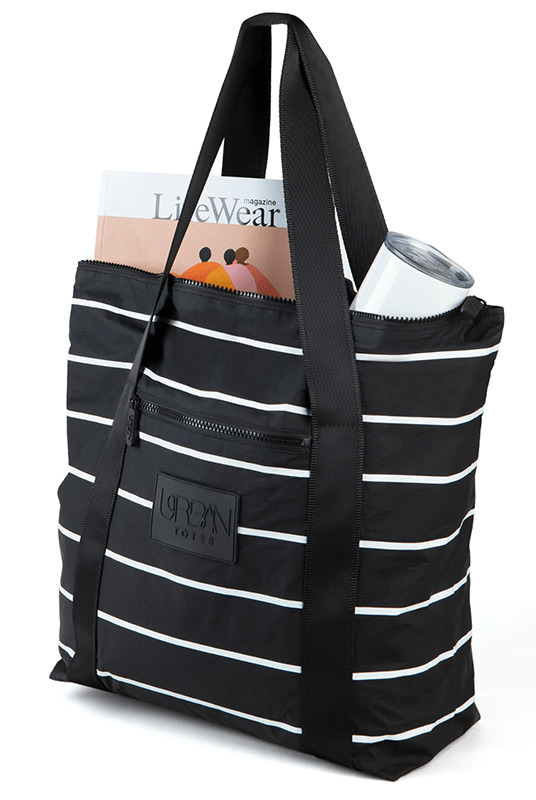
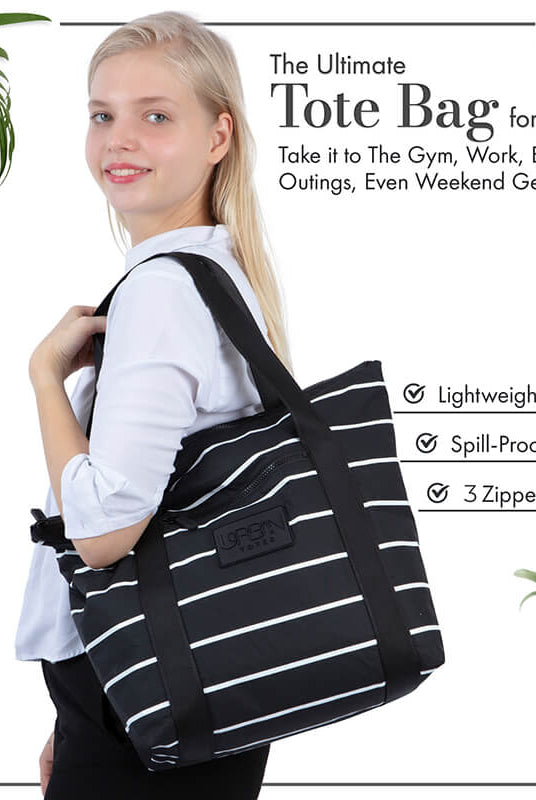
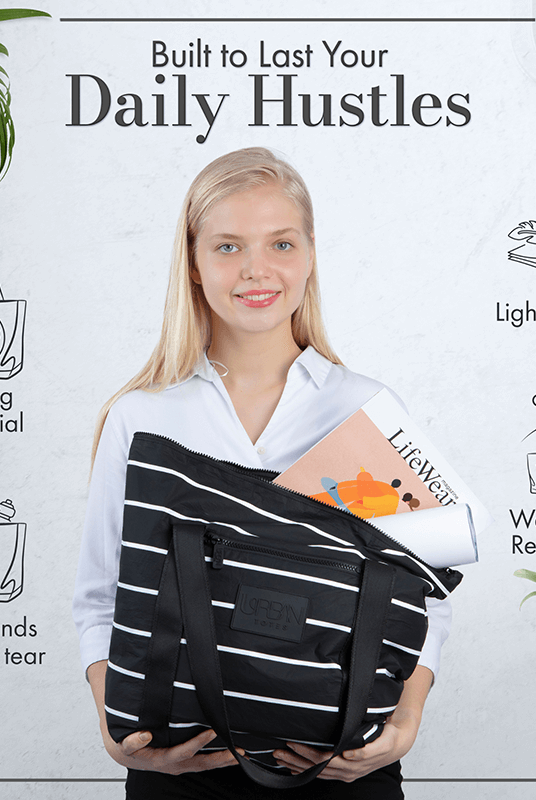
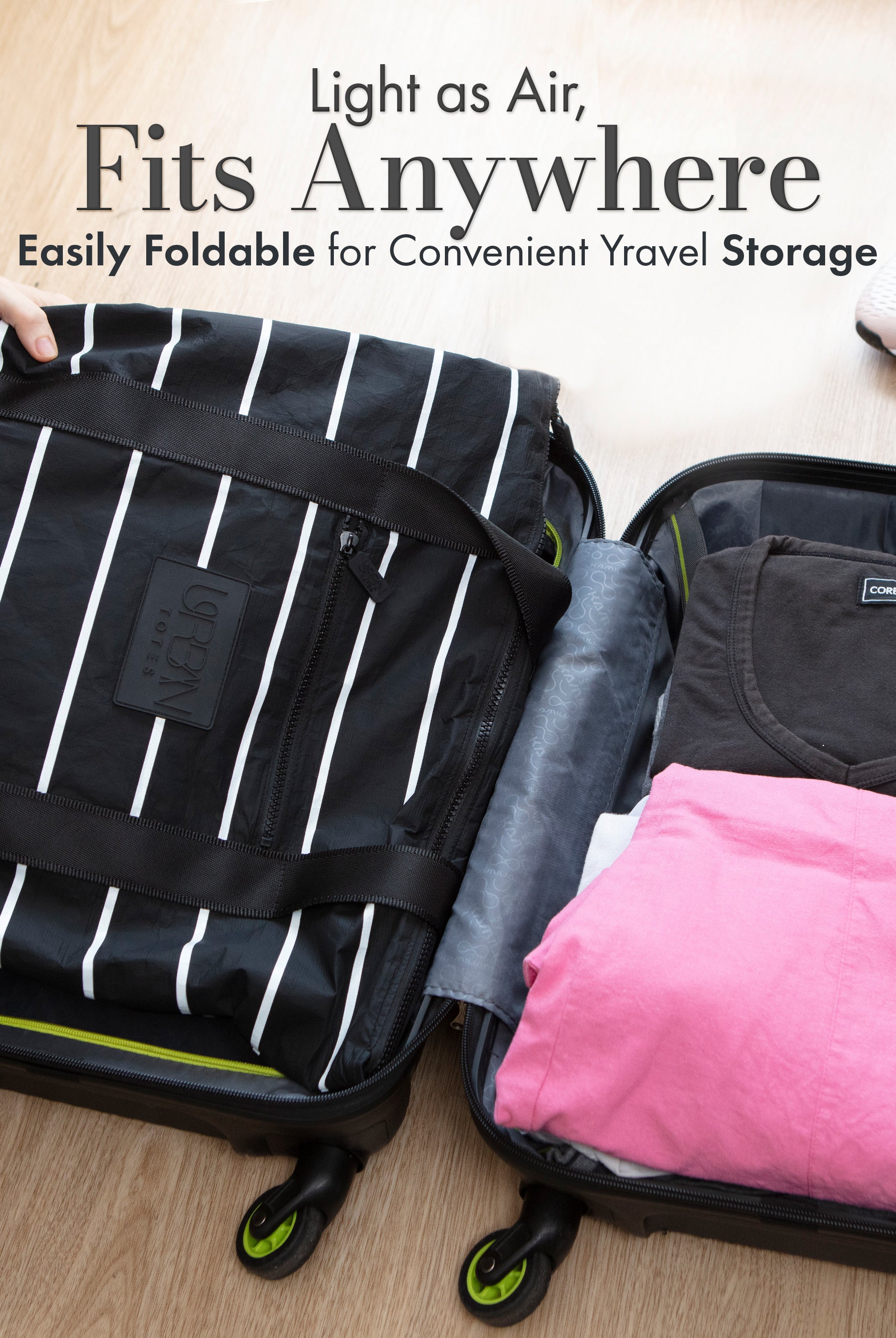
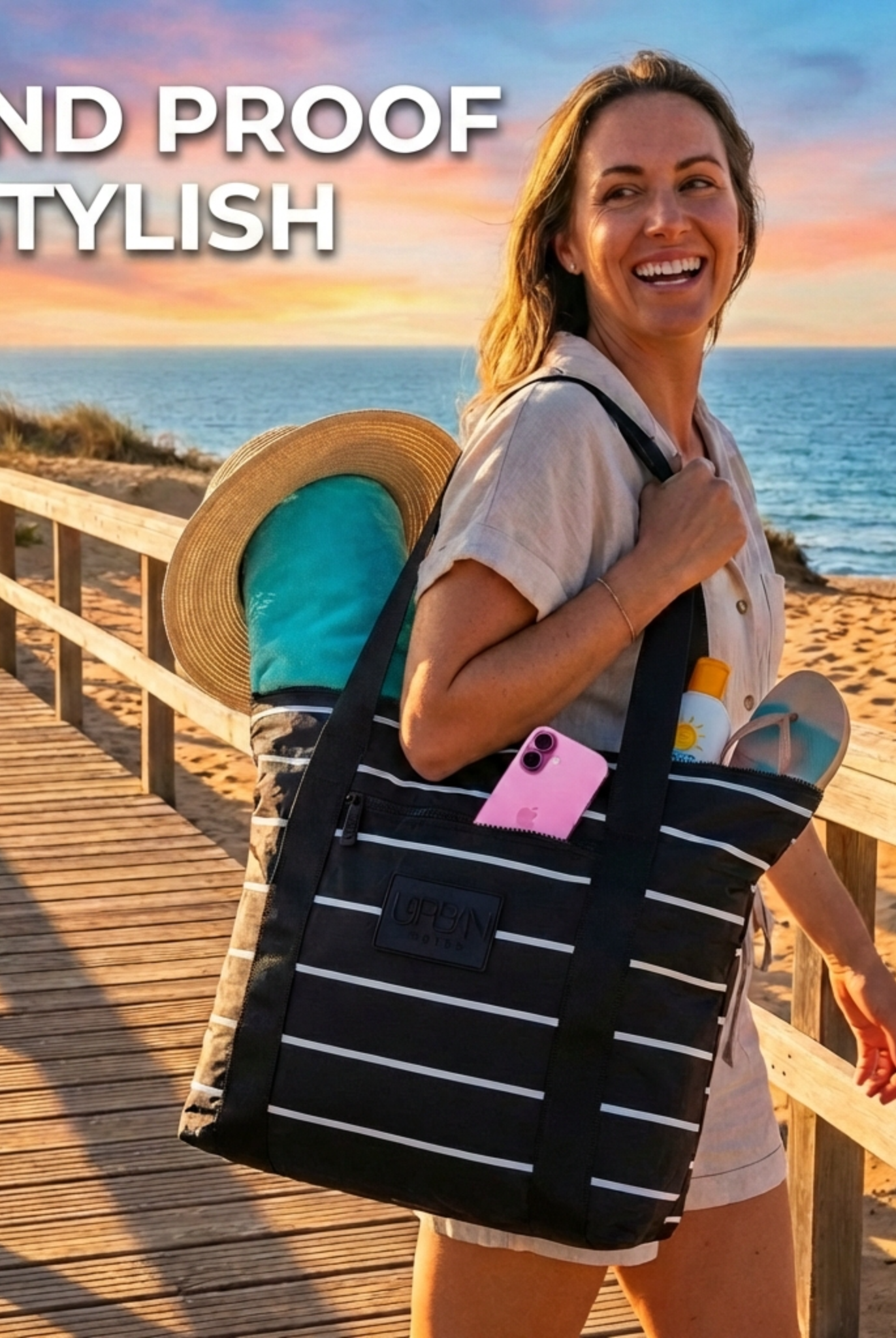
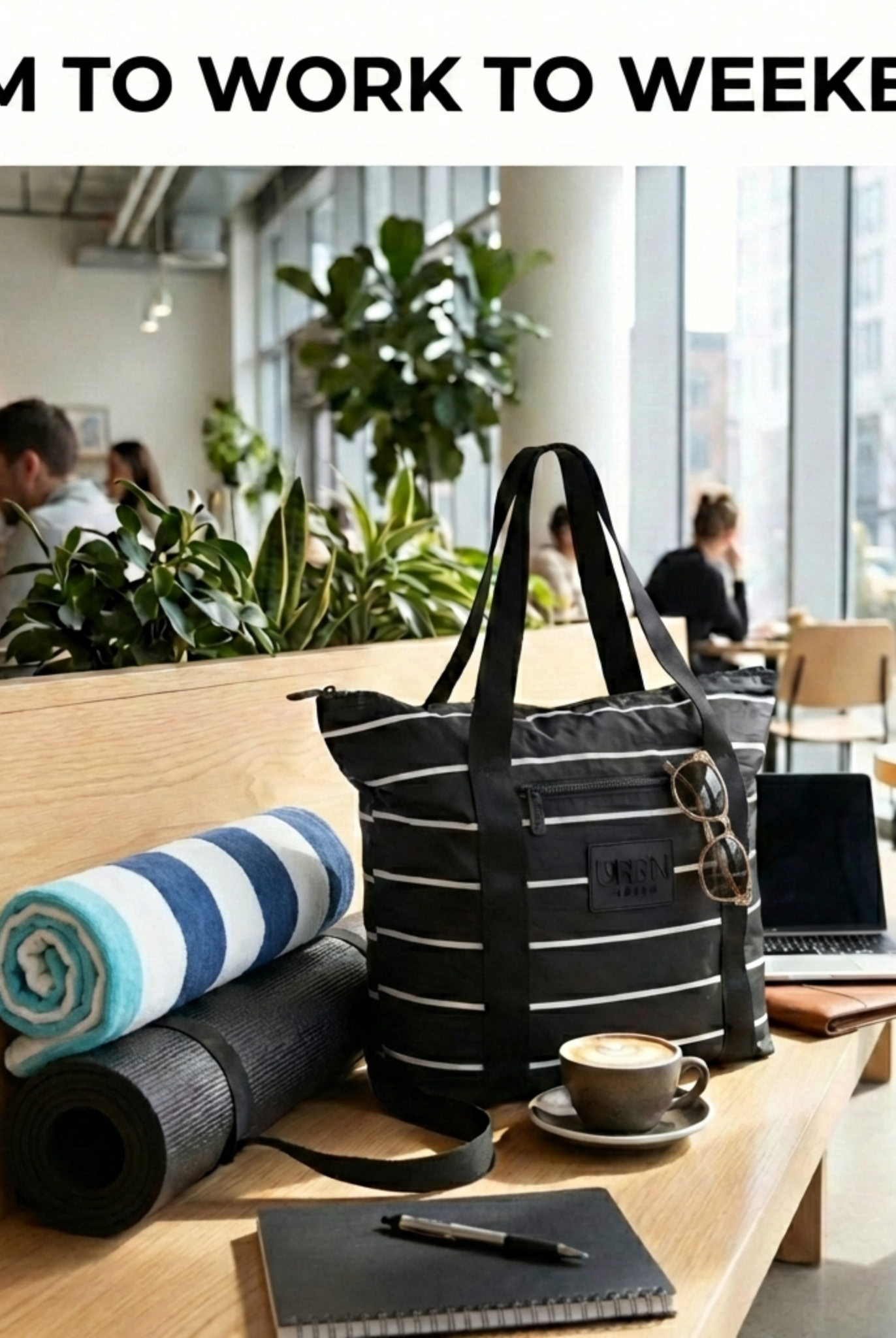
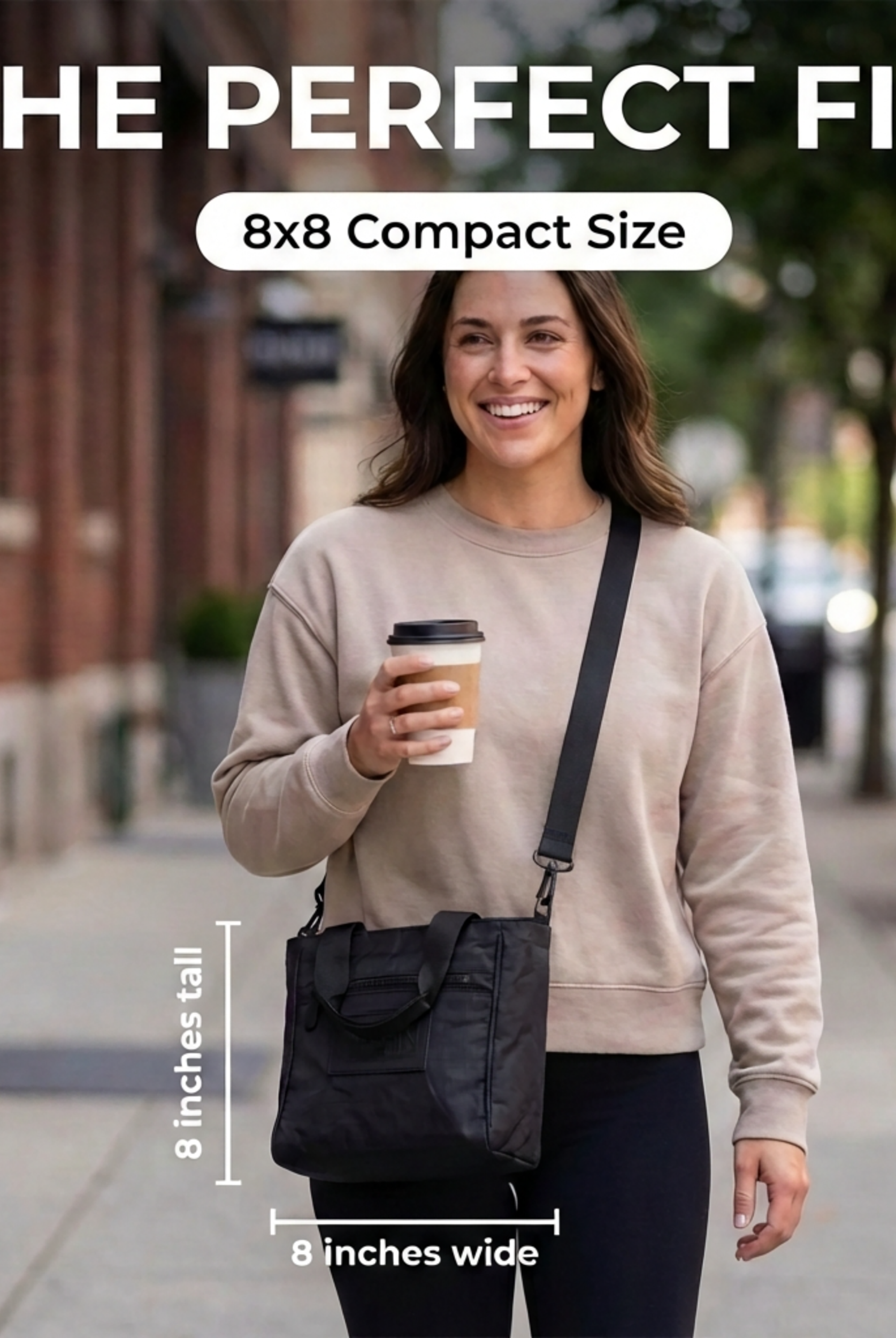
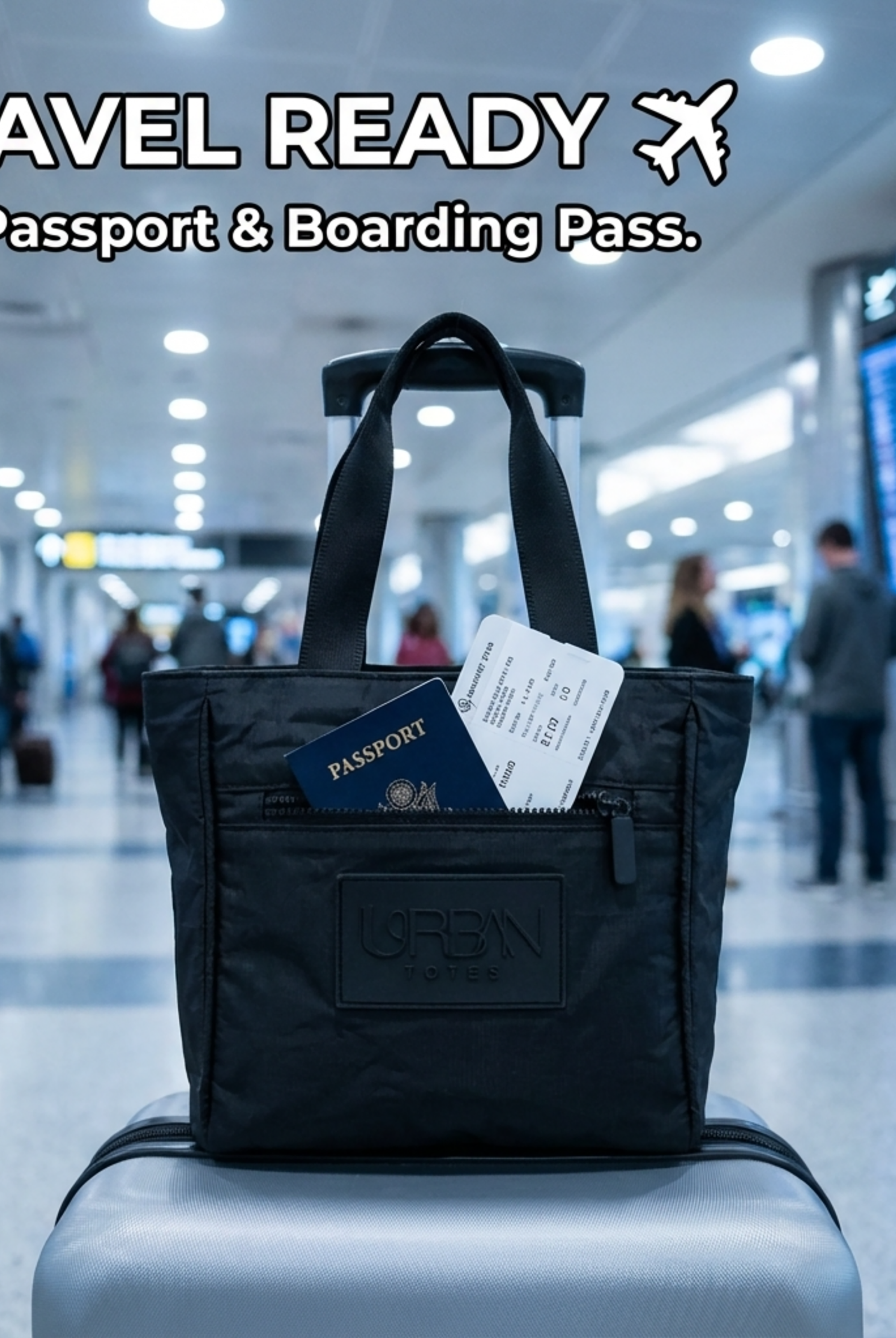
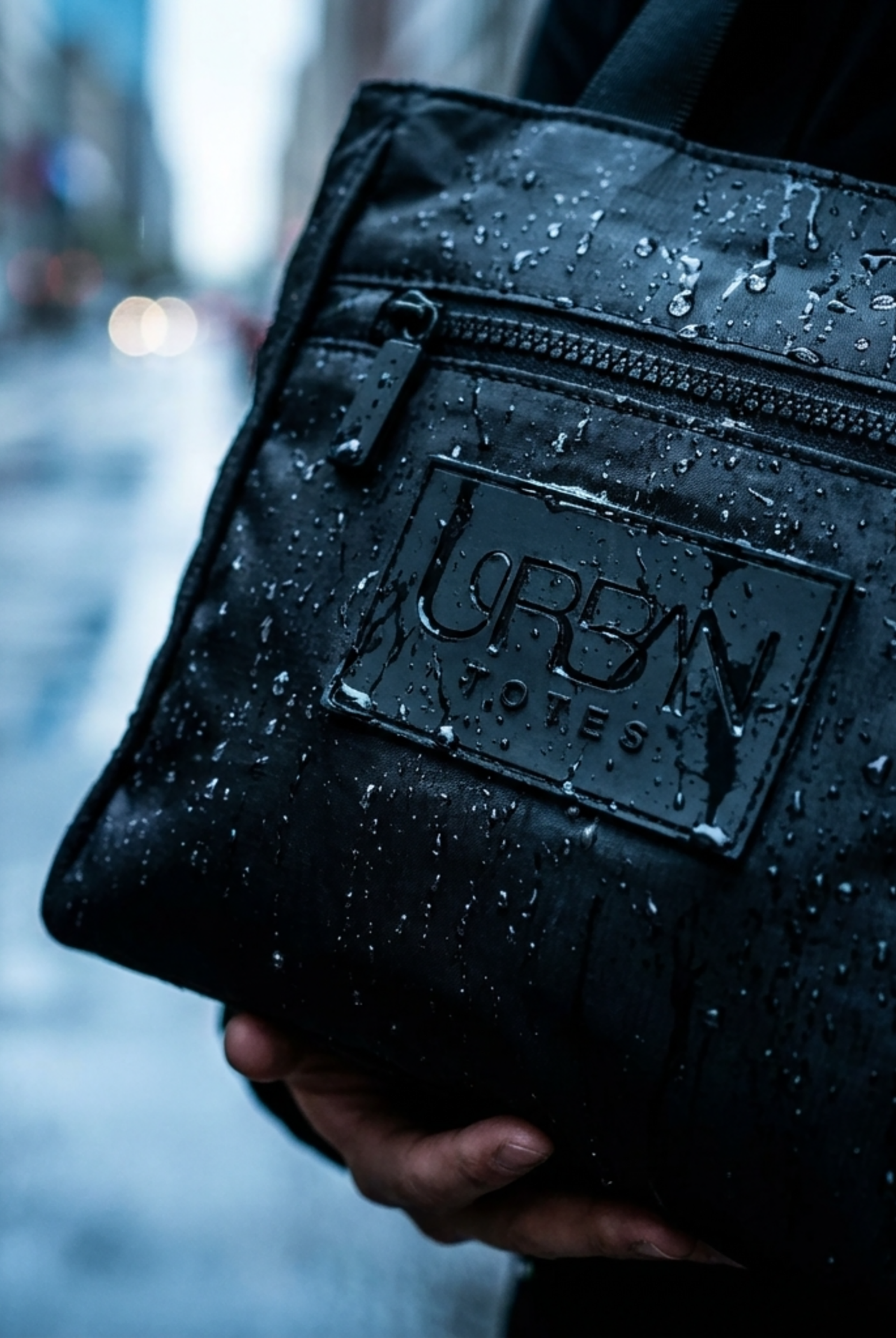
You're juggling a coffee, a phone, and a tote that has to survive school drop-off, a grocery stop, and maybe a surprise drizzle on the way back to the car. That's where water resistant material earns its keep. It doesn't promise magic, and it won't turn every bag into a storm shelter, but it can buy you time, protect the inside from the kind of everyday messes real life throws at you, and make a bag feel a lot more useful from Monday through Sunday.
Table of Contents
- What Water Resistant Material Means in Real Life
- Water Resistant vs Waterproof vs Water Repellent
- A Quick History of Water Resistant Fabric
- Common Materials and Coatings Used in Bags
- Pros and Cons of Water Resistant Bags for Daily Life
- Care Tips That Keep Water Resistance Working
- How to Choose a Water Resistant Bag That Fits Your Life
- Your Go-Anywhere Bag Starts with the Right Fabric
What Water Resistant Material Means in Real Life
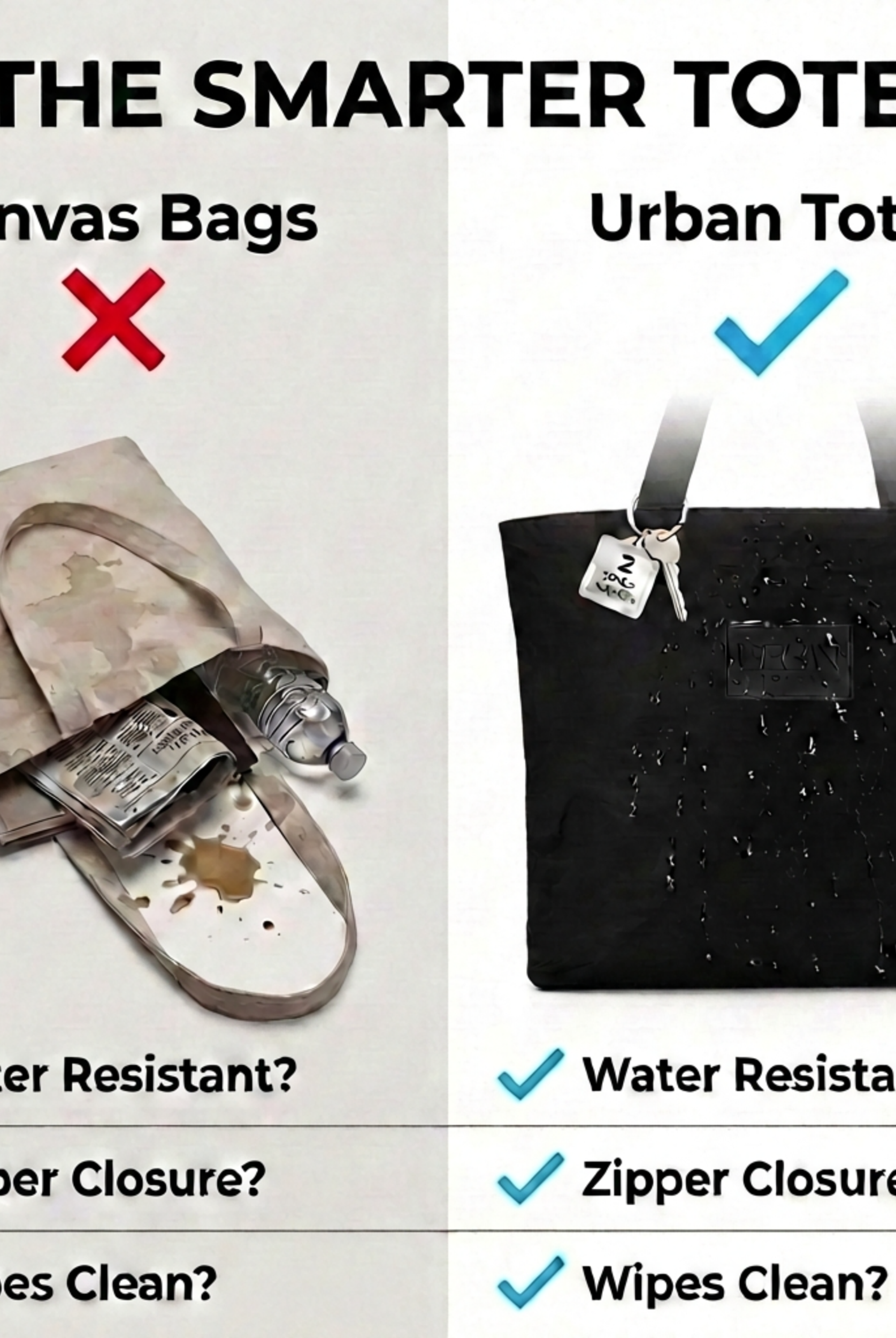
A tote doesn't need to survive a dunk in the pool to be useful. Most days, the test is smaller, a damp umbrella, a wet swimsuit in the side pocket, a coffee lid that wasn't quite sealed, or a quick dash from the parking lot to the farmers market. Water resistant material is the kind of fabric that slows water down long enough for you to wipe it off, shake it off, or keep moving.
The everyday meaning is about time
That time factor matters more than people expect. A water resistant bag can help keep your keys, charger, notebook, or dry clothes from getting immediately exposed when life gets messy. It's the difference between a bag that panics at the first splash and one that stays composed long enough for you to deal with the spill.
For a deeper look at tote construction and what tends to work in daily carry, this guide on best lightweight tote bags is a helpful companion.
Practical rule: if the fabric buys you a few extra minutes before moisture gets through, you're in water resistant territory, not full waterproof territory.
That distinction sounds small, but it changes how you shop. If you're carrying sunscreen, snacks, a phone, and maybe a backup outfit for the kids, you usually want a bag that handles splashes and light weather without feeling stiff or heavy. If you're headed into harsher conditions, you need a different level of protection, and the label should say so clearly.
Why the phrase gets used loosely
Shoppers often see water resistant, water repellent, and waterproof used as if they mean the same thing. They don't. The good news is that once you understand the words, product pages become easier to read and a lot less vague.
A bag can be stylish, organized, and functional without being a heavy-duty rain shell. That's the promise of water resistant material in everyday carry, it's built for the rhythm of errands, travel days, beach stops, and the moments in between.
Water Resistant vs Waterproof vs Water Repellent
These three terms cause most of the confusion. A fabric can look similar on the shelf and behave very differently once rain, spills, or pressure come into play. The simplest way to sort them out is to treat them as levels. Water resistant slows water down, water repellent helps water bead off, and waterproof is built to stop penetration under much tougher conditions.

The labels mean different jobs
A textile guide explains that waterproof in textile engineering can mean no water penetration below a hydrostatic pressure of 100 cm, or 10 kPa (textile finish definition). That is a stricter benchmark than everyday splash resistance. By contrast, water repellency happens when a surface's critical tension is lowered to about 24 to 30 dynes/cm, while water's surface tension sits at 72 dynes/cm. That gap is why droplets bead up instead of soaking in right away.
For bags, that usually means:
- Water resistant works for light rain, damp hands, and small spills.
- Water repellent helps liquid bead and roll away more quickly.
- Waterproof is the stronger claim, meant for tougher exposure and more complete protection.
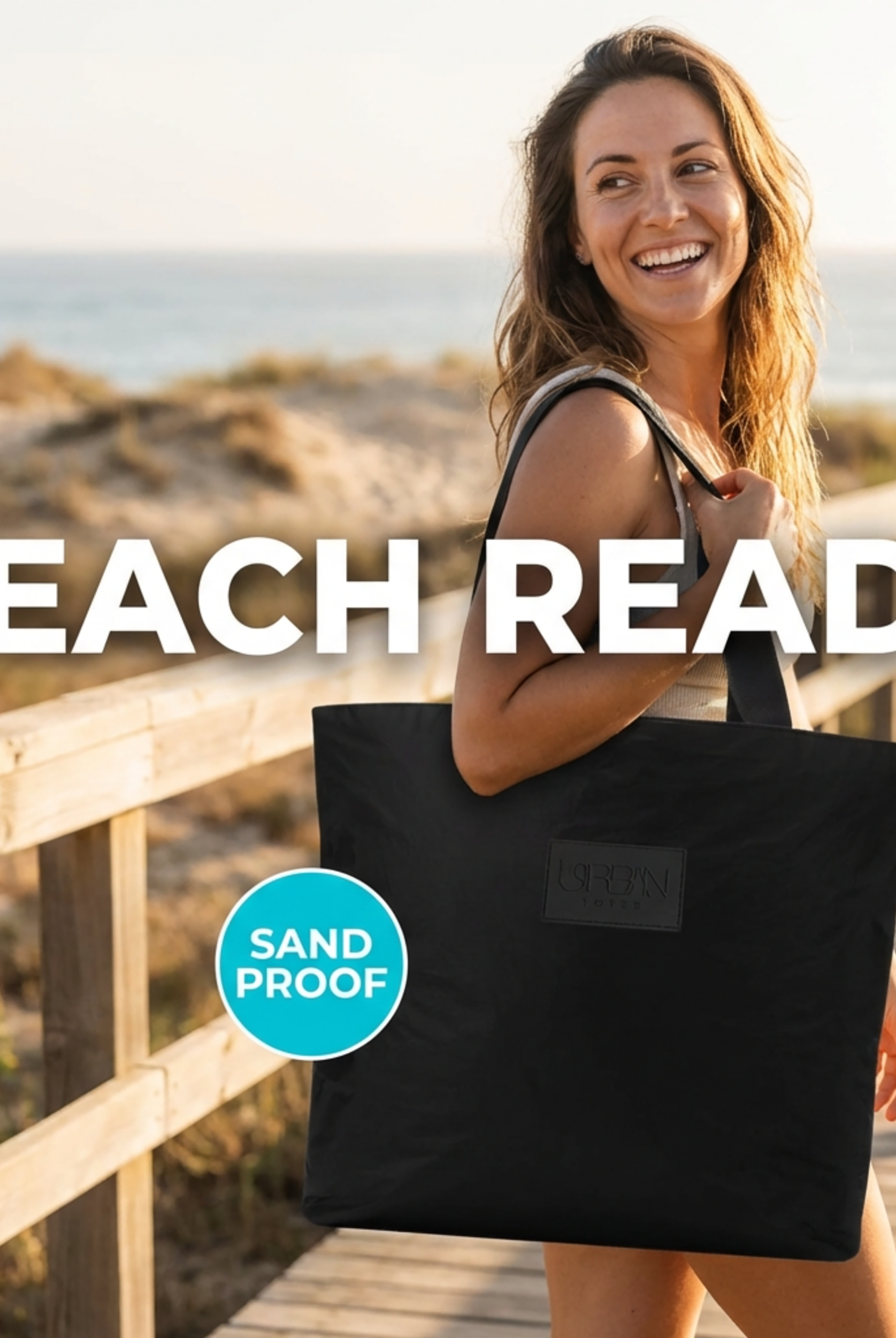
The practical difference shows up fast on a commute. A water resistant tote may handle the walk from the train to the office if the weather stays mild. A waterproof bag is the safer choice if you expect prolonged rain or more serious exposure. If you're at the beach, water resistant often covers the usual splash-and-sand chaos, while waterproof is for situations where you want a much more sealed barrier.
The same distinction matters when you read a product page. The guide on whether water resistant means waterproof helps keep the language straight, and that clarity matters when you're deciding whether a bag fits your day or not.
A real bag example helps
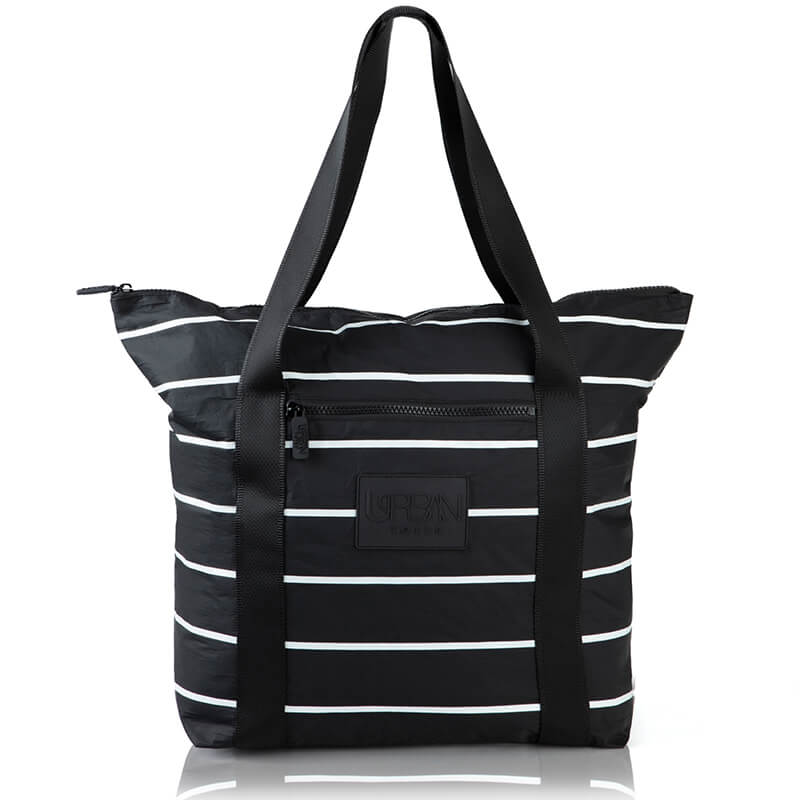
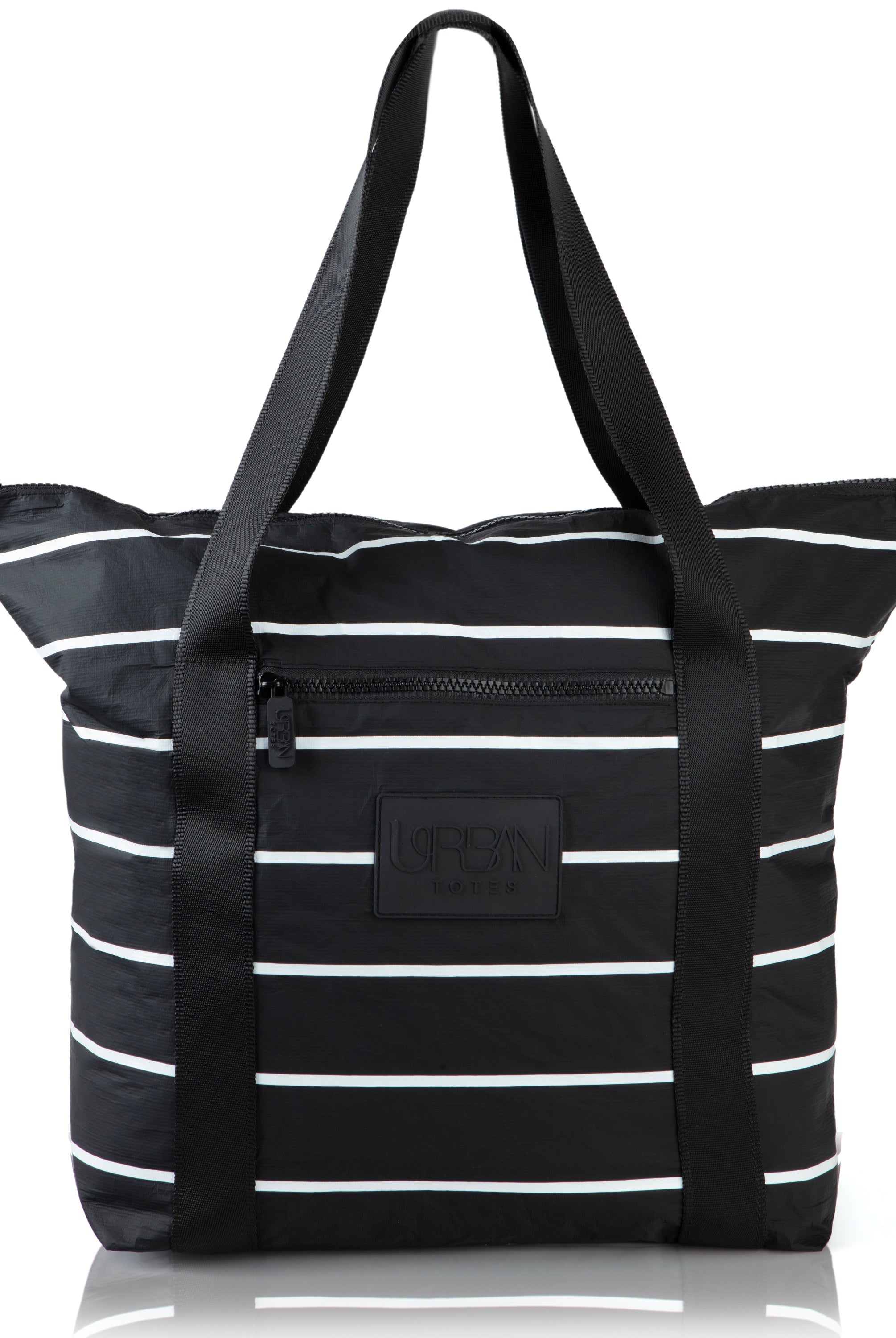
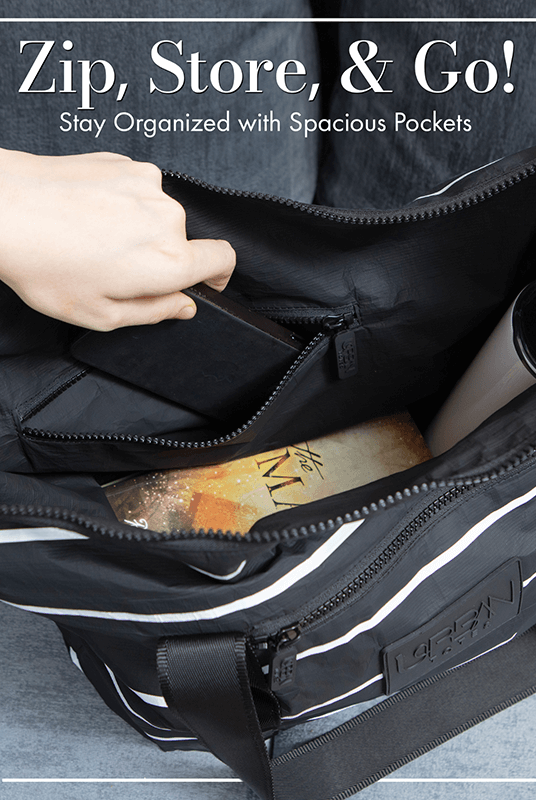
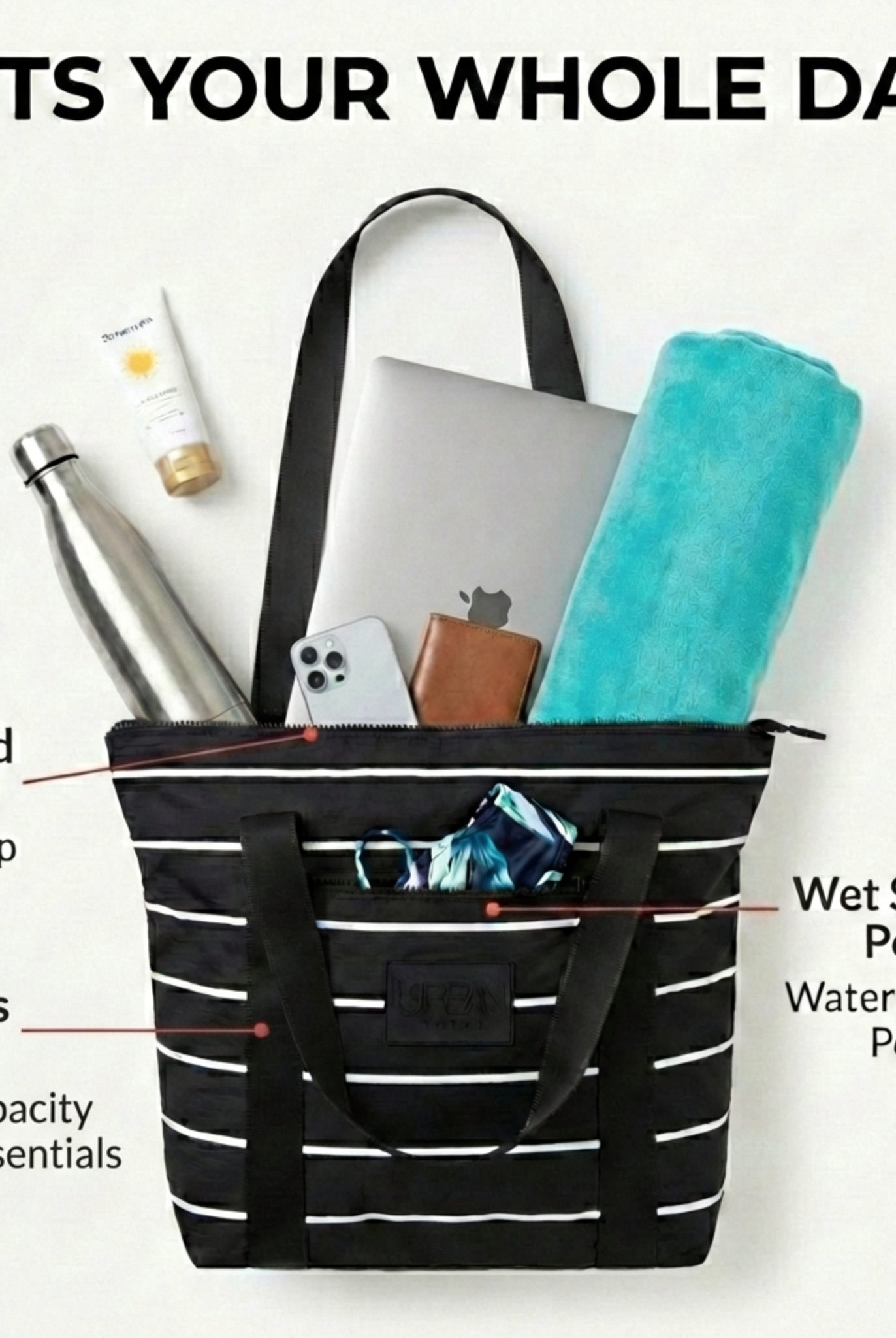
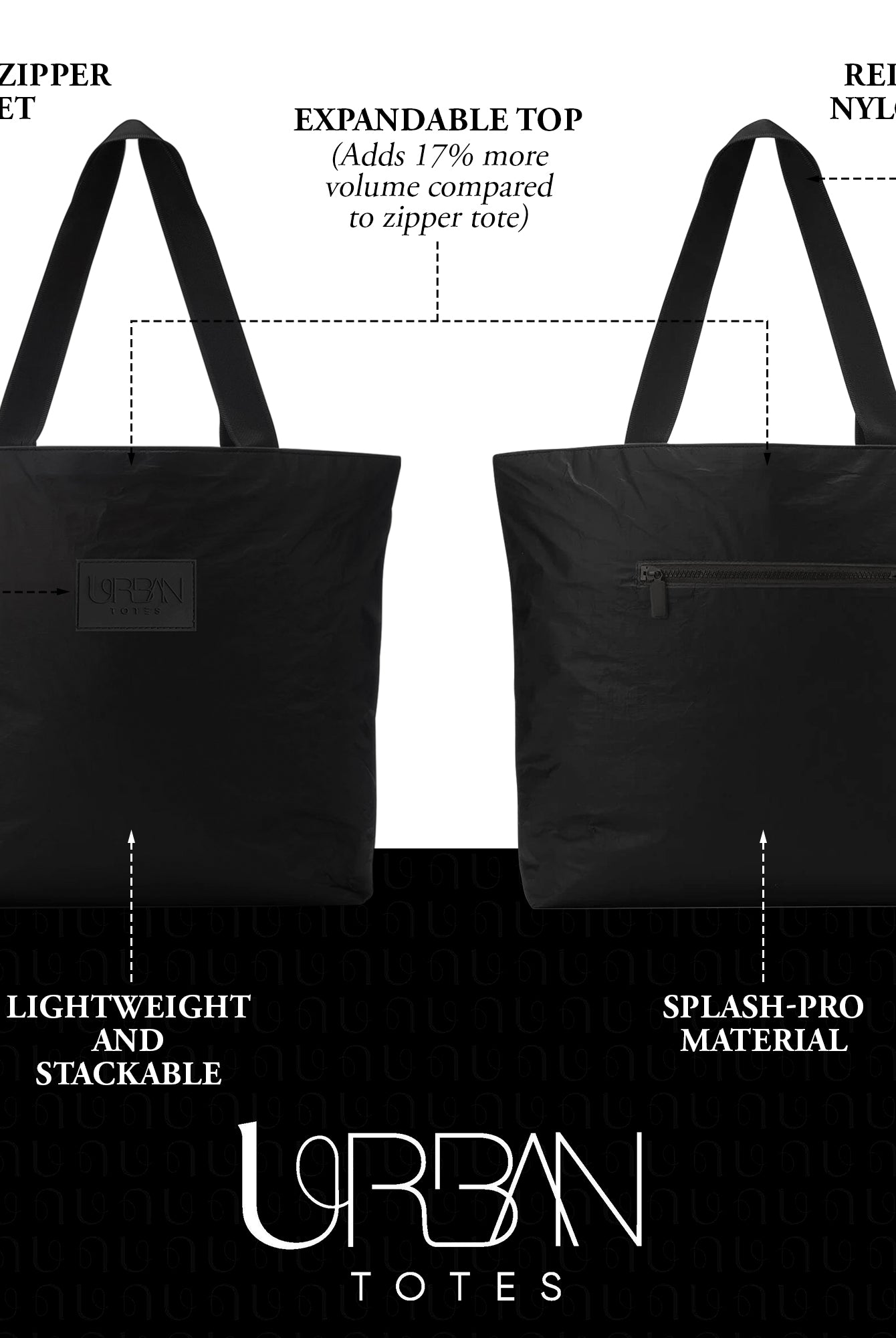
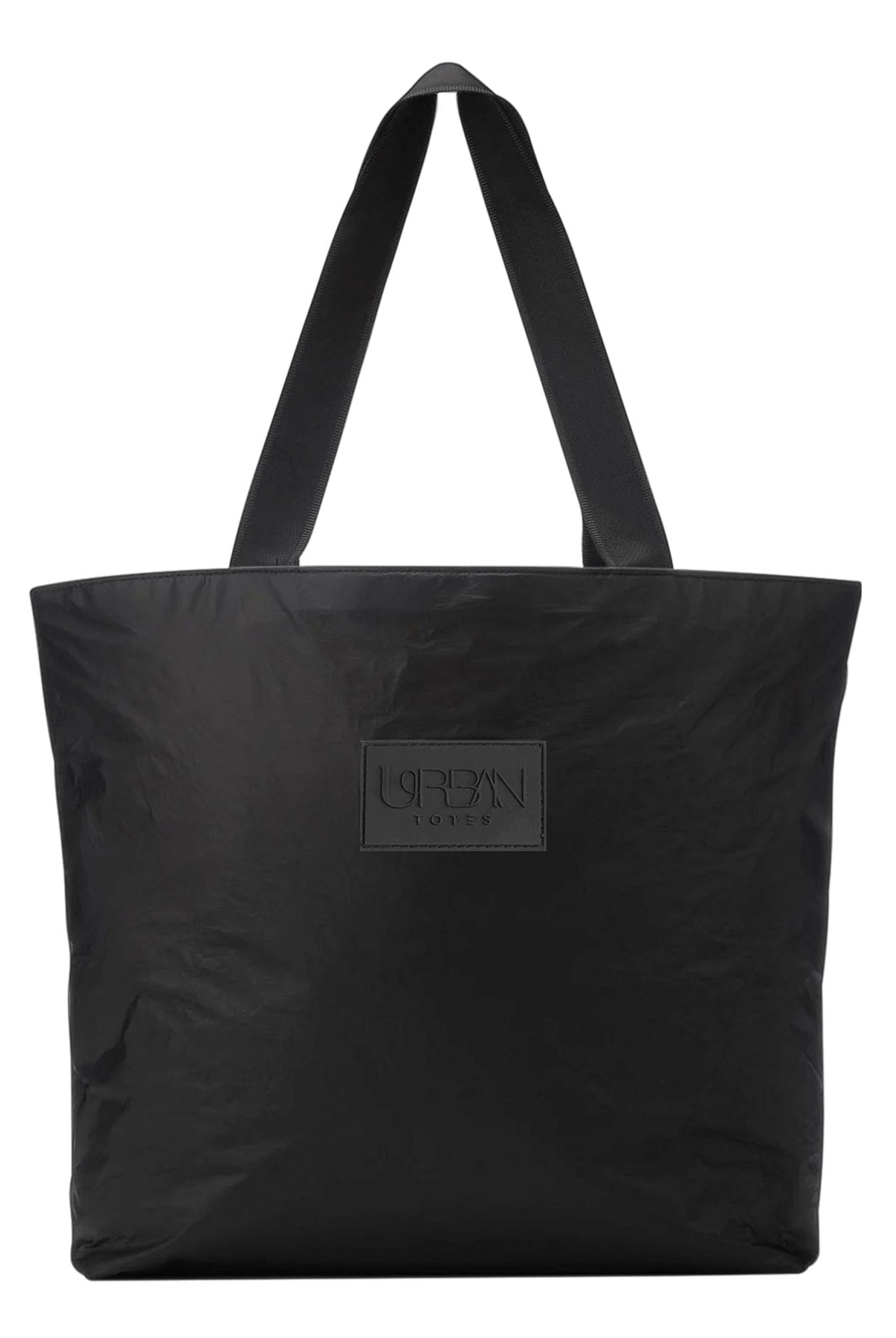
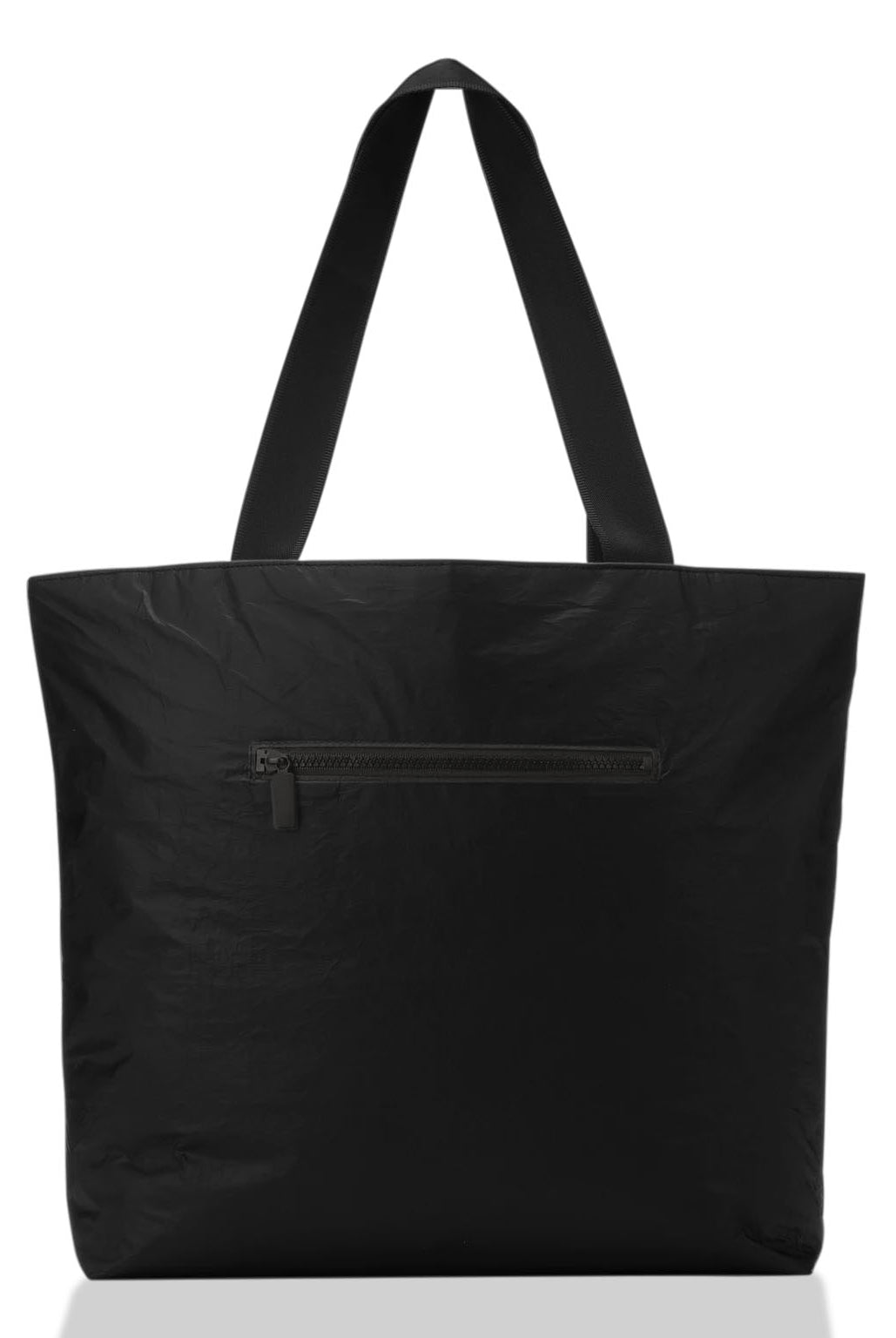
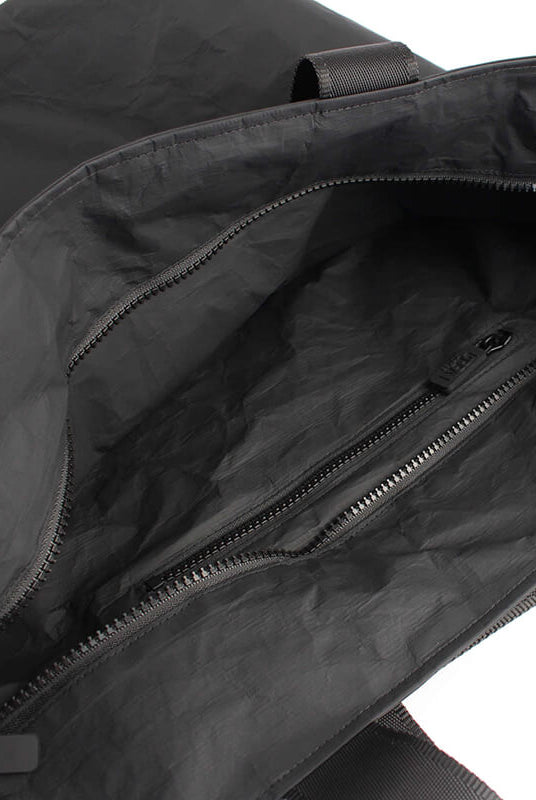
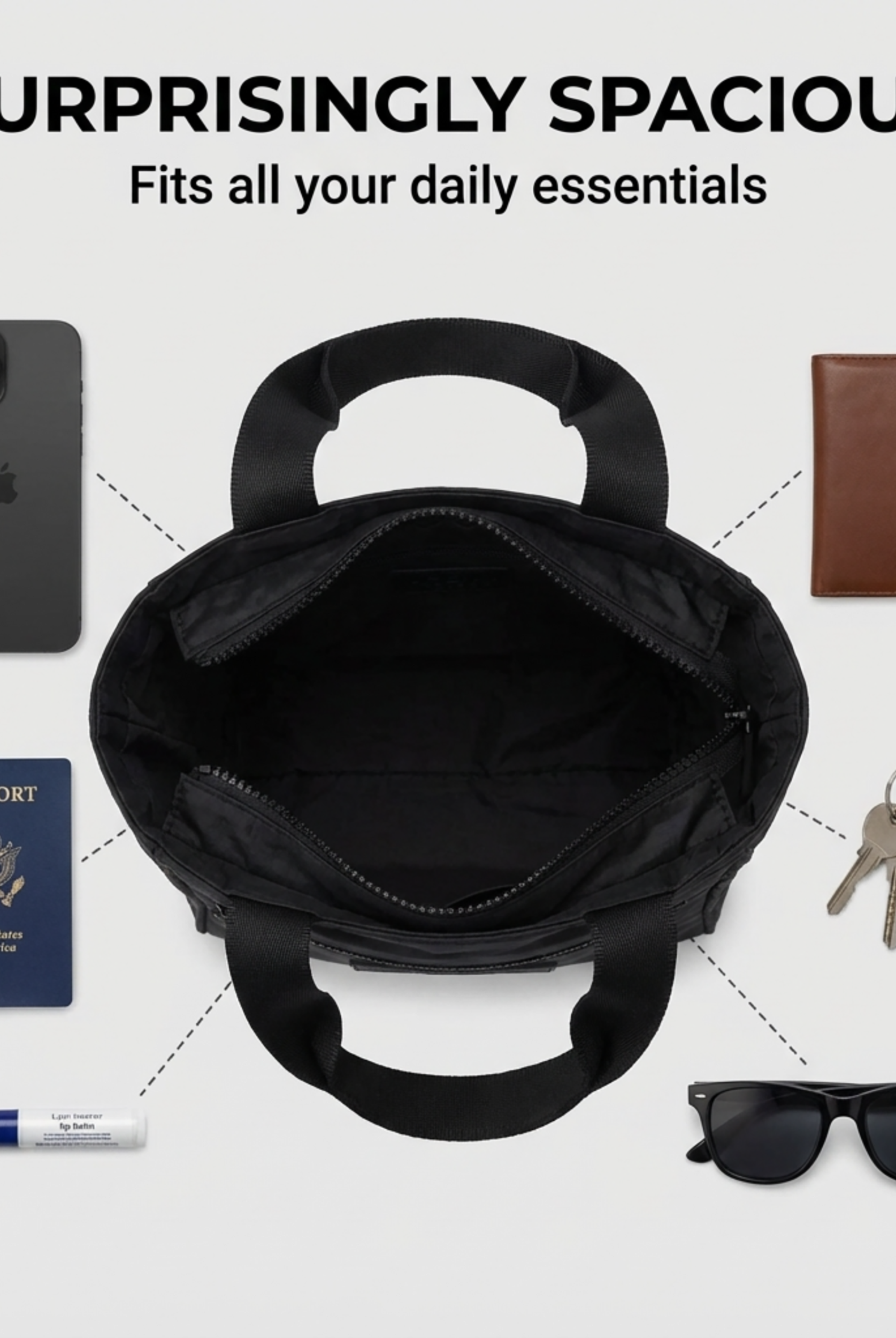
A tote described as water-resistant, easy to clean, packable, and foldable, with three large, zippered compartments and pockets for an iPhone and keys, gives a good picture of the tradeoff. Those features make sense for daily carry because they support organization and help protect what's inside from ordinary mishaps, without pretending the bag is built for submersion.
That is the heart of the decision. Water resistant is about practical protection. Waterproof is about a stricter barrier. Water repellent is about surface behavior. Once you sort them out, you can shop with a lot more confidence.
A Quick History of Water Resistant Fabric
A water resistant tote in your hand today carries a long textile history. Before commuter bags, weekenders, and crossbodies were expected to shrug off a drizzle, makers were already testing rubber, wax, and tightly woven cloth to keep moisture out. The goal changed over time. It was no longer enough for fabric to resist water in theory, it had to stay flexible, wearable, and useful for ordinary routines.

From rubber cloth to wearable fabric
The modern story is usually traced to 1823, when Charles Macintosh bonded rubber to cloth and created an early practical form of waterproof rainwear. The structure, a rubber layer between textile layers, was a major step because it moved water protection out of the lab and into something people could wear (history of waterproof clothing). Early rubber-treated fabrics still had limits. Before vulcanization became widely adopted in the 1840s, heat could make them sticky and cold could make them stiff, so they were not always pleasant for everyday use.
That detail matters for bags too. A material can block moisture and still fail in the hand if it feels brittle, heavy, or awkward to carry. The long arc of fabric development has always been about balancing protection with comfort.
In 1879, Thomas Burberry introduced gabardine, a tightly woven fabric made to resist air and water while staying more wearable than fully rubberized cloth (history of waterproof clothing). For people choosing totes or weekend bags, that milestone points to a simple idea that still guides design now. Good protection should not make a bag feel like gear from another era.
Synthetic materials changed the game
The next big shift came with synthetic polymers in the 20th century. Nylon arrived in 1938, and by 1943 one historical account notes mass production began for the first true breathable waterproof fabric in England (history source). In 1969, Robert W. Gore developed ePTFE, later commercialized as GORE-TEX, which paired water repellency with breathability.
That same historical source also points to the tradeoffs that came with older chemistry, including a water-repellent breakthrough involving PFOA and about 0.1 gram of permanent chemicals per meter of fabric in that type of system (history source). The point is not to turn bag shopping into chemistry homework. It is to show that fabric performance has always involved choices between water resistance, feel, and how the material is built.
If you want to follow that material shift into the present, a clear overview of what is recycled fabric shows how newer bag materials build on that earlier history. Water resistance did not appear all at once. It grew out of one fix after another, with each generation trying to make fabric more useful for real life.
Common Materials and Coatings Used in Bags
A tote's water resistance usually comes from a stack of decisions, not a single magic fabric. The base cloth, the coating, and the finishing treatment all shape how the bag hangs, folds, wipes clean, and deals with moisture. If two bags look similar but feel very different in your hands, this is usually the reason.
That difference matters most in everyday carry, where the bag has to work for commuting, errands, or a quick overnight stay. A fabric that feels pleasant on the shoulder can still repel light rain, while a stiffer one may hold out water better but feel less comfortable to use all day.
What shoppers usually run into
Nylon and polyester are common starting points because they are light and easy to pair with coatings. Recycled PET gives brands another path when they want synthetic performance with a different material story. Coatings such as PU and TPU add a barrier layer, which changes how the fabric handles wet exposure.
Here is the simple version:
- Nylon and polyester: flexible, familiar, and often used in lighter carry styles.
- PU and TPU coatings: add barrier behavior, which changes how the fabric handles wet exposure.
- Silicone-based DWRs: can offer hydrophobic performance with good feel and breathability.
- Hydrocarbon DWRs: generally lean more eco-conscious, but they are less suited to extreme conditions than some other options.
A useful technical reference on polymer coating development strategies can help readers who want to see how coating systems are engineered in the first place.
For a shopper, the practical question is simple. Does the bag resist a damp umbrella and a few splashes, or does it need to stand up to repeated wet use? That is where the material stack starts to matter more than the label on the hangtag.
Performance is measured, not guessed
A review of waterproof breathable membranes says these materials are often characterized by hydrostatic pressure, water contact angle, and water vapor transfer rate (membrane review). It gives examples of a composite nanofiber membrane with 50 kPa hydrostatic pressure and 10.4 kg m⁻² d⁻¹ WVTR, and another membrane with a 137° contact angle, 19.3 kg m⁻² d⁻¹ WVTR, 962 mm s⁻¹ air permeability, and 2.813 kPa water resistance. Those figures show the balancing act between keeping liquid out and letting vapor escape.
Use the feel test, too: a good everyday bag often feels structured but not rigid, light but not flimsy, and easy to fold without losing its shape completely.
That practical feel is why material choice matters even before rain enters the picture. A bag that feels too plasticky may resist water well but can be less pleasant to carry through a long day. A softer woven fabric may move better with your body, but it often relies more on the finish applied to it.
The article on tote bag material options is a useful next read if you want to compare how different fabrics affect daily use. The main idea is straightforward. Water resistance is usually a system, with the cloth and coating working together rather than one layer doing all the work.
Pros and Cons of Water Resistant Bags for Daily Life
A water resistant bag can make daily life easier in ways you notice right away. It can also disappoint you if you expect it to do a job it was never built for. That's why the best way to think about it is in terms of use, not hype.
What works well
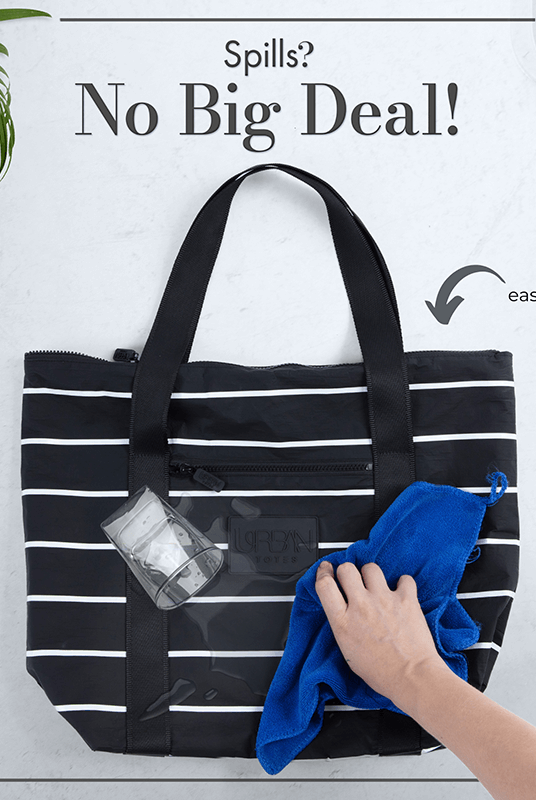
The biggest upside is simple, light protection from the everyday messes that happen to everybody. A damp umbrella, a little rain, a drink that tips over, or a wet towel after the pool is less stressful when the bag exterior can handle it. Water resistant surfaces are also easier to wipe down, which is why they work so well for commuter bags, errand totes, and beach-day carry.
Other everyday wins include:
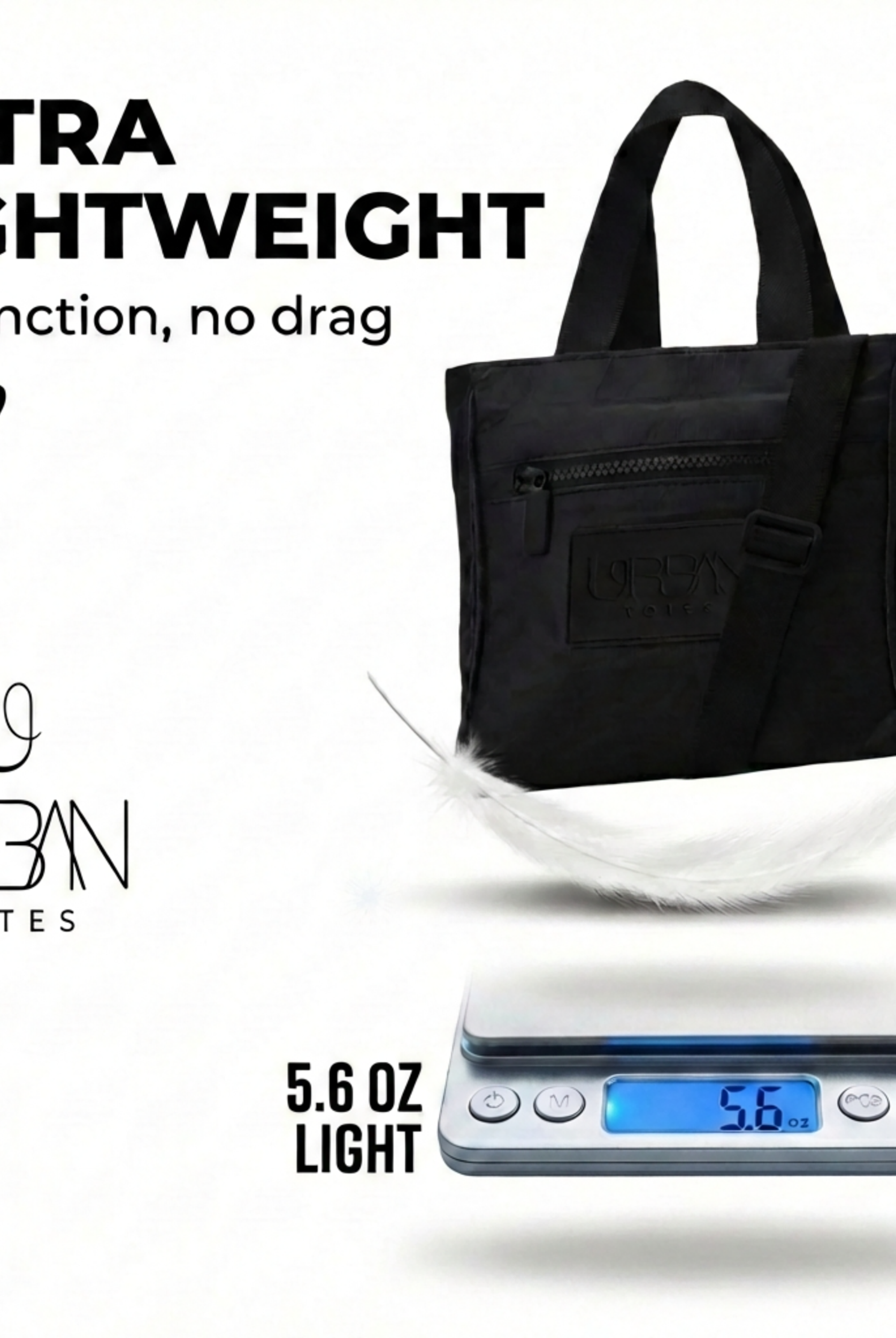
- Lightweight carry: less bulk when you're already holding snacks, a wallet, and a phone.
- Packable construction: useful for travel days and backup bag situations.
- Quick cleanup: a surface wipe is often all you need after a spill.
- Better weather confidence: you're less likely to baby the bag every time clouds roll in.
The gym tote bag use case makes this especially clear. A bag that can hold a water bottle, wet gear, and the rest of your day without turning into a soggy mess earns its place fast.
Where the tradeoffs show up
Water resistance isn't free. Some coatings reduce breathability, so a bag can feel warmer or more enclosed in hot weather. Finishes also change over time, which means a bag that performs well at first may need more care later.
The sustainability conversation is part of this too. Recent review literature says silicones can deliver hydrophobicity comparable to fluorinated chemicals with good feel, breathability, and cost-effectiveness, while hydrocarbons are more eco-friendly but less suitable for extreme conditions, and dendrimeric DWRs are durable but expensive and harder to apply (review on DWR alternatives). That's a real design tradeoff, not a marketing slogan.
A water resistant bag is great for splashes, light weather, and everyday carry. It's not the bag you trust for full immersion or long exposure to hard rain.
That line is the cleanest way to keep expectations realistic. If your day is mostly school drop-off, office time, errands, and a dash through the parking lot, a water resistant tote makes sense. If your life includes boat decks, heavy storms, or situations where the bag may be soaked through, you need a stronger barrier.
Care Tips That Keep Water Resistance Working
A lot of shoppers ask a fair question. Does water resistant material stay water resistant after washing? The honest answer is that performance can change over time, especially when the bag gets regular laundering or heavy wear. Independent lab research on hydrophobic textiles found that washing can significantly affect performance, that the drop depends on structure, finish chemistry, and wash conditions, and that PFC-free finishes were the least resistant to washing, with all tested PFC-finished materials falling below an acceptable water-repellency grade after the fifth wash (lab study).
Simple habits help the finish last longer
That doesn't mean you have to tiptoe around your bag. It does mean gentler care usually makes more sense than rough treatment. Use a mild wash cycle when the care label allows it, and skip harsh detergents or fabric softeners that can interfere with the surface treatment.
A practical routine looks like this:
- Wipe first. Remove surface dirt before it gets ground into the fabric.
- Wash gently. Use the mildest cycle that still gets the bag clean.
- Air dry. Heat can be hard on finishes, so let the bag dry naturally.
- Refresh when needed. A compatible spray-on DWR can help restore beading.
Match cleaning to the real mess
If the bag only picked up a coffee drip or sunscreen smear, a damp cloth may be enough. That's especially useful for bags built around daily carry, since over-washing can do more harm than good. If the bag has been through repeated use, pays to check whether the surface still sheds water the way you expect.
Care rule: clean the bag to remove grime, but don't scrub the finish like it's a kitchen counter.
That matters because a clean surface performs better than a dirty one, and a gentler approach helps preserve the treatment that does the actual work. If you're buying for the long haul, care becomes part of performance, not an afterthought.
The nicest thing about good maintenance is that it's boring in the best way. It takes a few simple habits to keep a bag ready for errands, trips, and all the odd moments in between where a little moisture would otherwise become a headache.
How to Choose a Water Resistant Bag That Fits Your Life
The right bag depends on your day. A traveler needs something different from a beach-day mom, and a commuter needs different details from someone who mostly wants a compact bag for coffee runs and appointments. The smartest choice is the one that matches how you move.
Start with your use case
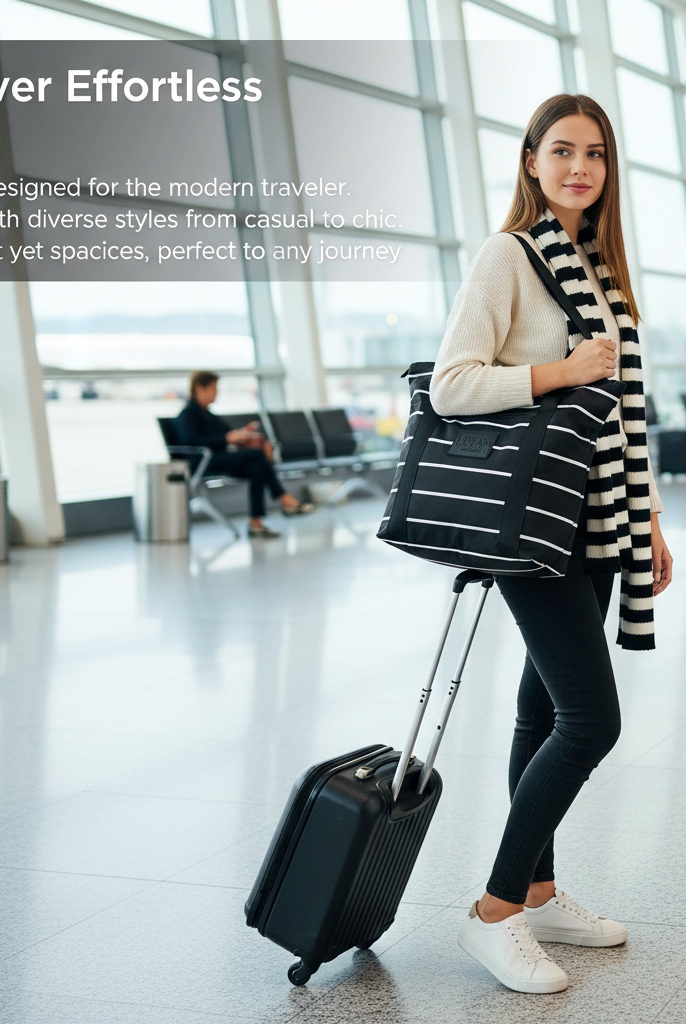
If you travel often, look for packable and foldable construction, because a bag that tucks away easily is more likely to earn a spot in your suitcase. If you're juggling snacks, wipes, and a phone, an easy-clean surface and simple interior layout matter more than a fashion statement alone. If you commute, zipper closure and multi-pocket organization should be near the top of the list.
For style-conscious minimalists, the sweet spot is a bag that looks polished but still functions like a real everyday carry. That usually means a clean silhouette, a light feel, and just enough structure to keep the bag from collapsing into a heap.
Test the details before you buy
A good in-store or at-home check doesn't need to be complicated:
- Water-bead check: if droplets sit on top instead of soaking in right away, the finish is doing useful work.
- Wipe-clean demo: test a small area with a damp cloth to see how easily the surface clears.
- Hand-feel test: hold the bag by the straps and feel whether it's sturdy without being heavy.
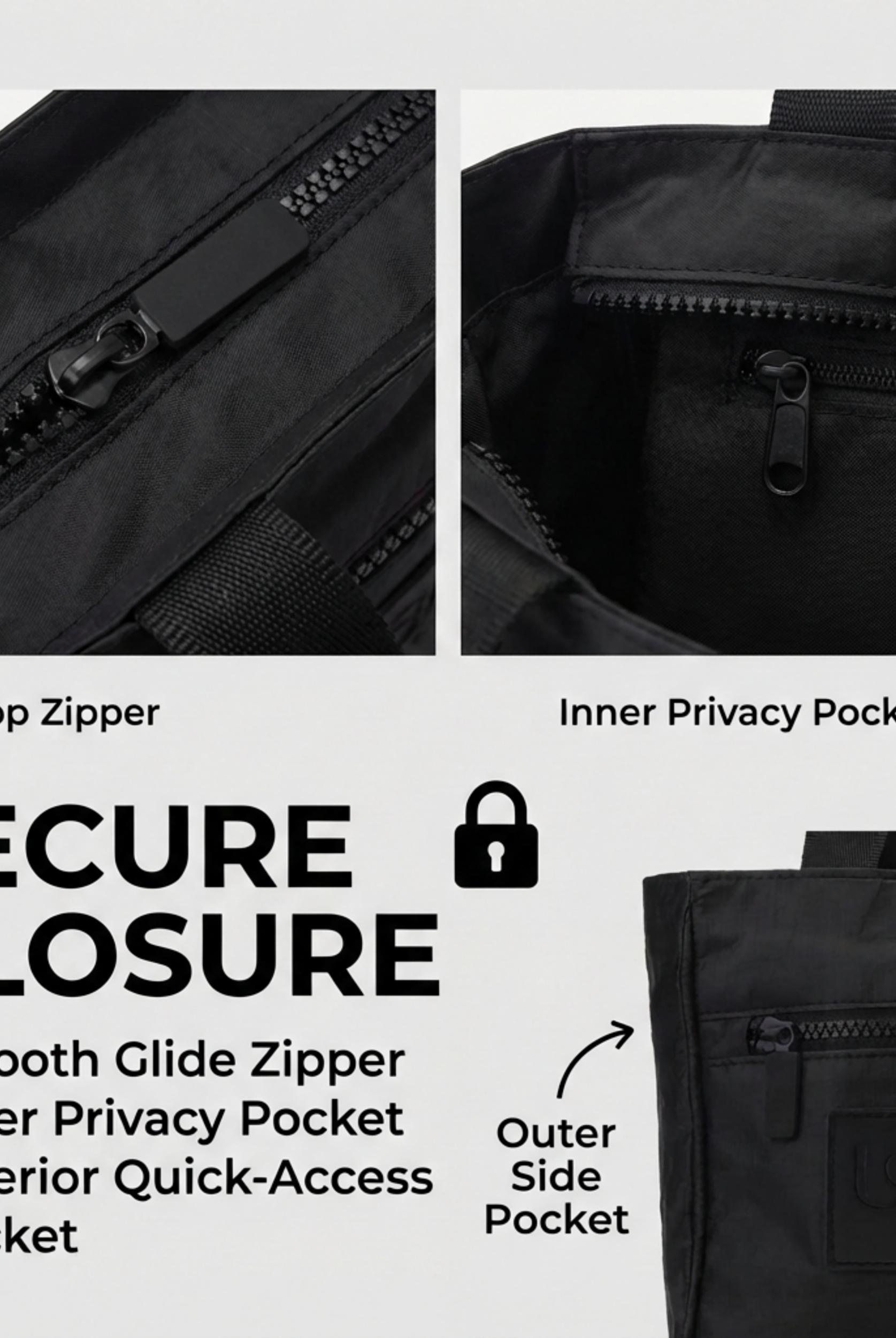
- Closure check: unzip and close it a few times, because a good closure matters as much as the fabric.
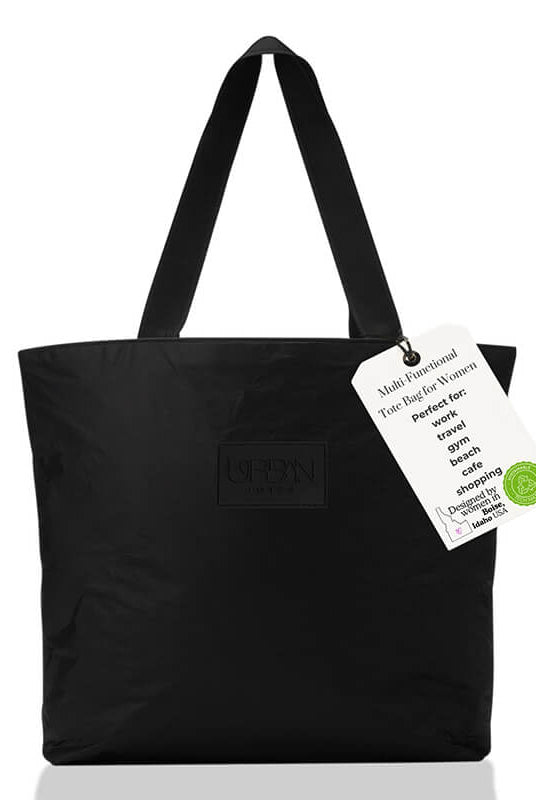
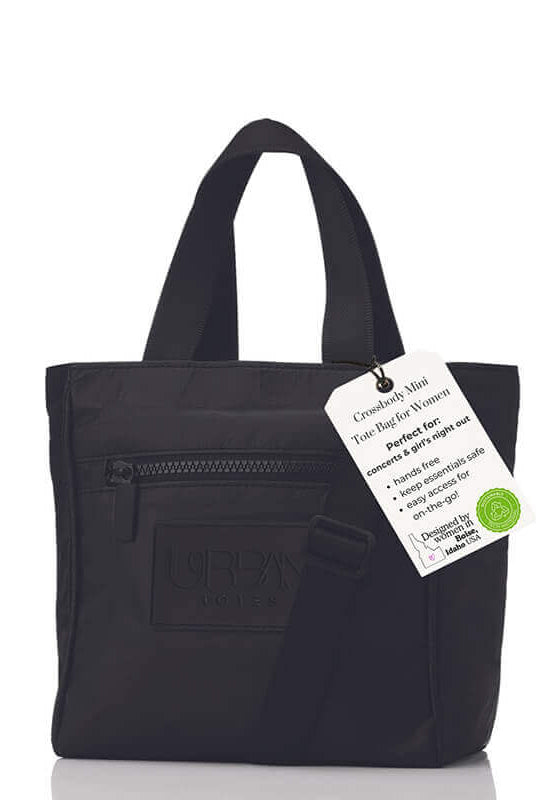
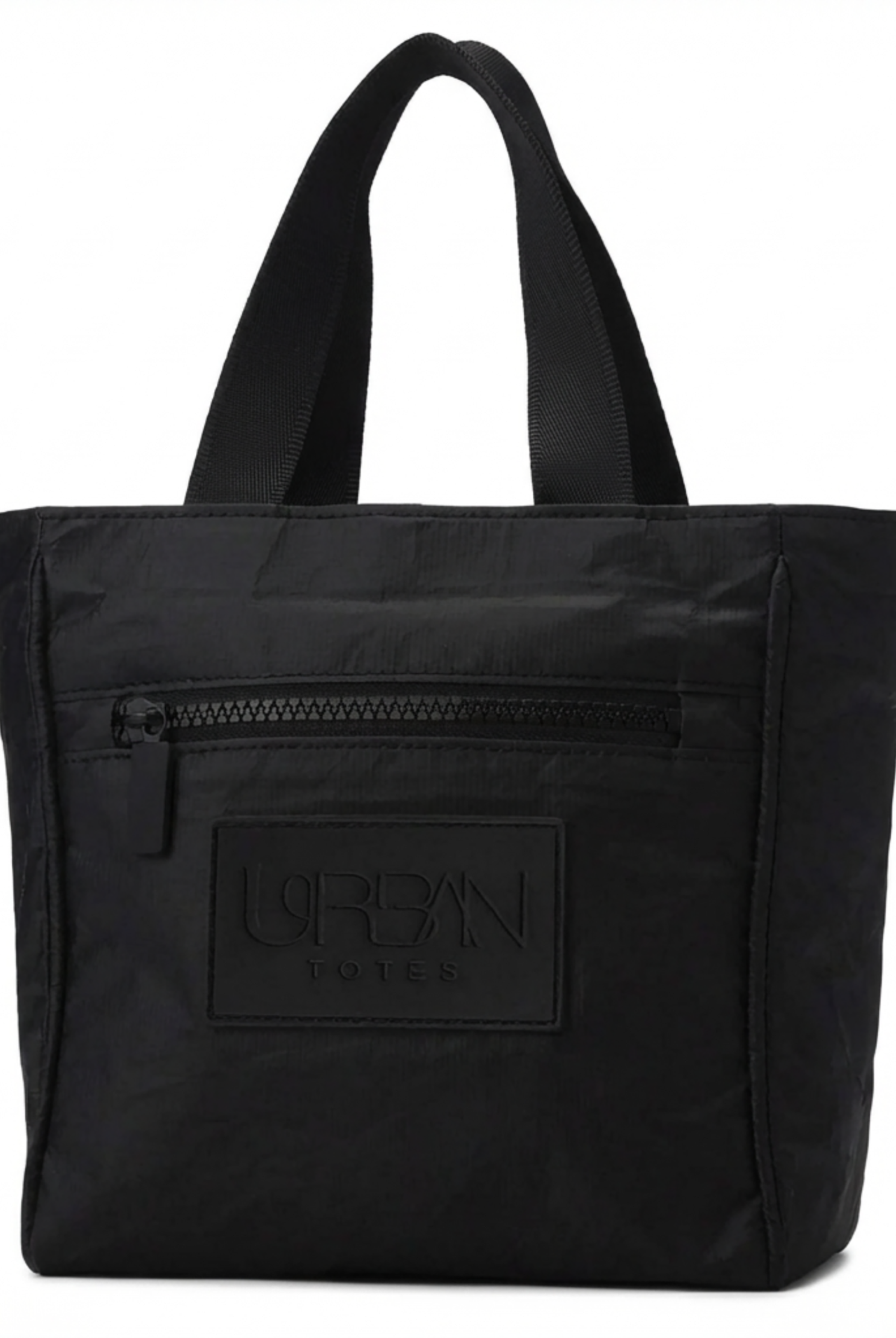
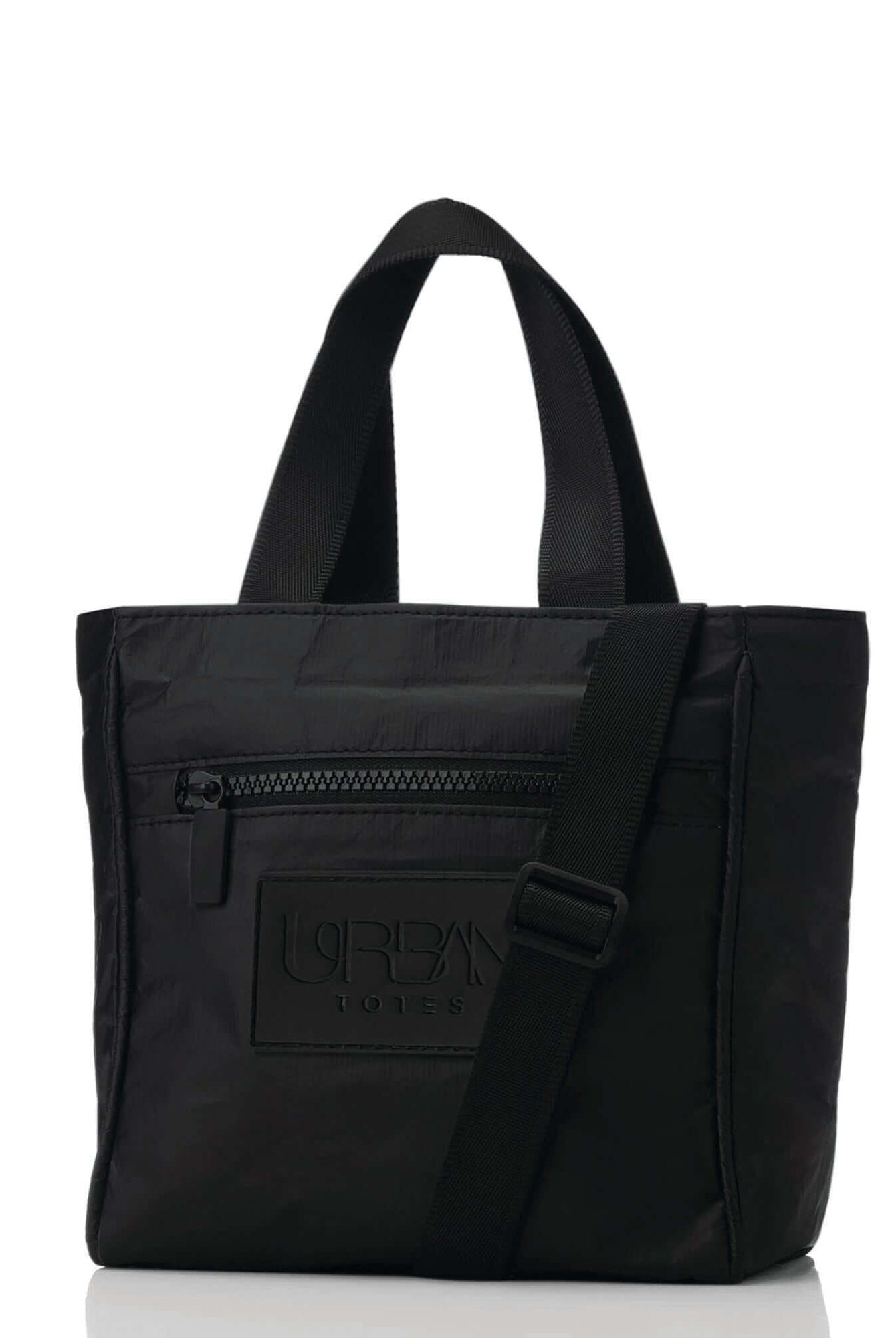
The OG Zipper Tote and the Crossbody Mini can serve as useful examples of how different silhouettes support different routines, especially when organization and light carry are priorities.
Keep the features aligned
The bag that works best is usually the one where the fabric and the features agree with each other. A water resistant surface helps with spills and light weather, but zippers, pockets, and shape determine whether the bag makes your day easier. If those parts work together, the bag feels organized instead of fussy, and that's what busy mornings need.
Your Go-Anywhere Bag Starts with the Right Fabric
Water resistant material is really about freedom. It's the fabric that helps a tote handle coffee drips, damp towels, and a sudden change in weather without asking you to baby it all day. Over time, the science moved from rubber-coated cloth to lighter technical systems, and today that gives you more choices than ever in how a bag looks, feels, and performs.
The best part is that you don't need to become a textile engineer to shop well. You just need to know the difference between resistant, repellent, and waterproof, and pay attention to how the bag is built, cared for, and used. If you want a deeper DIY angle, the weatherproof fabric options for sewists guide is a helpful read for understanding how fabric and finish work together.
For everyday carry, the right bag should move with you, not slow you down. That's true whether you're headed to school drop-off, a flight gate, the beach, or the grocery store after work.
Urban Totes designs water-resistant, lightweight, packable bags with smart organization for real life on the move. If you want a bag that fits errands, travel, and everything in between, visit Urban Totes and explore the collection built to keep up with your day.