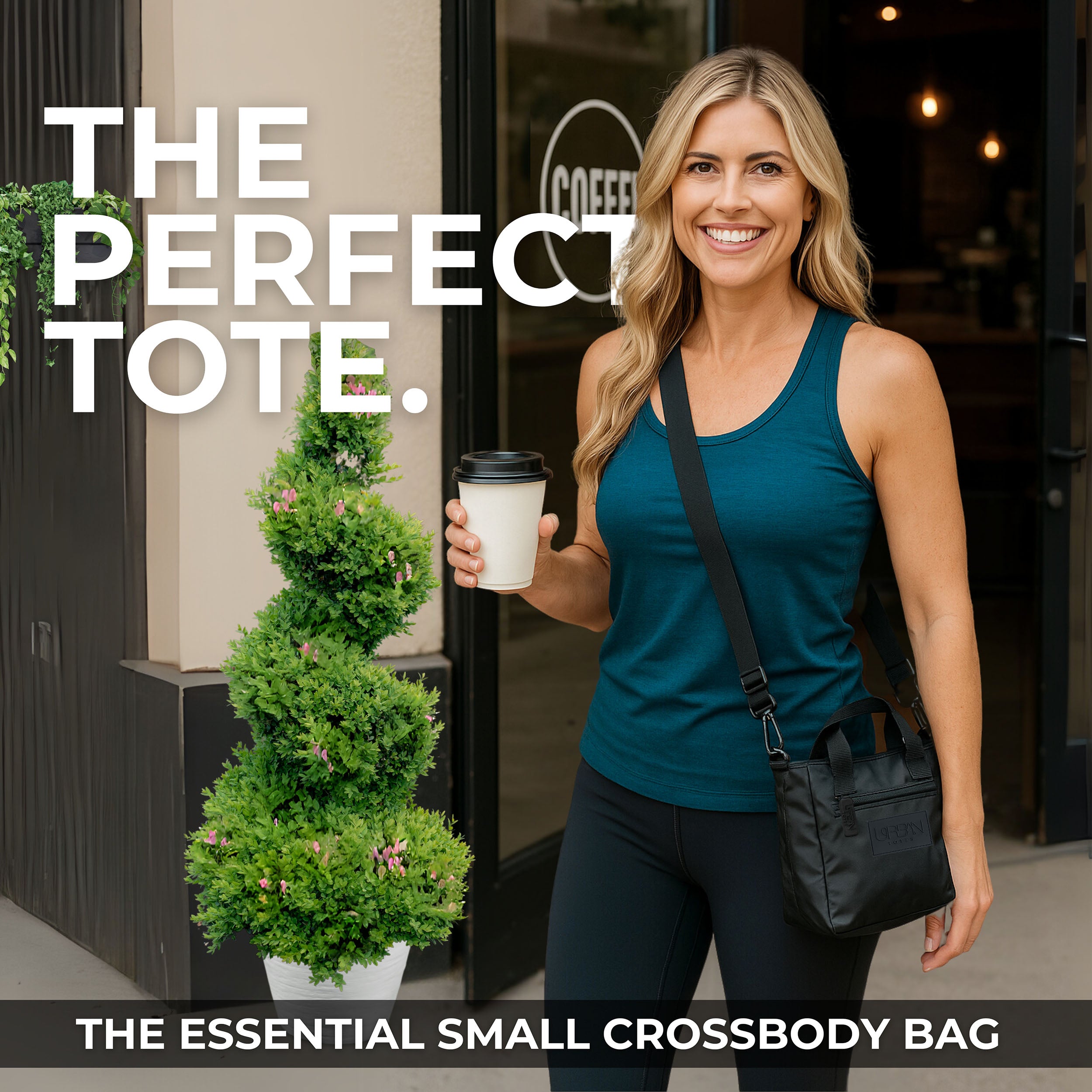
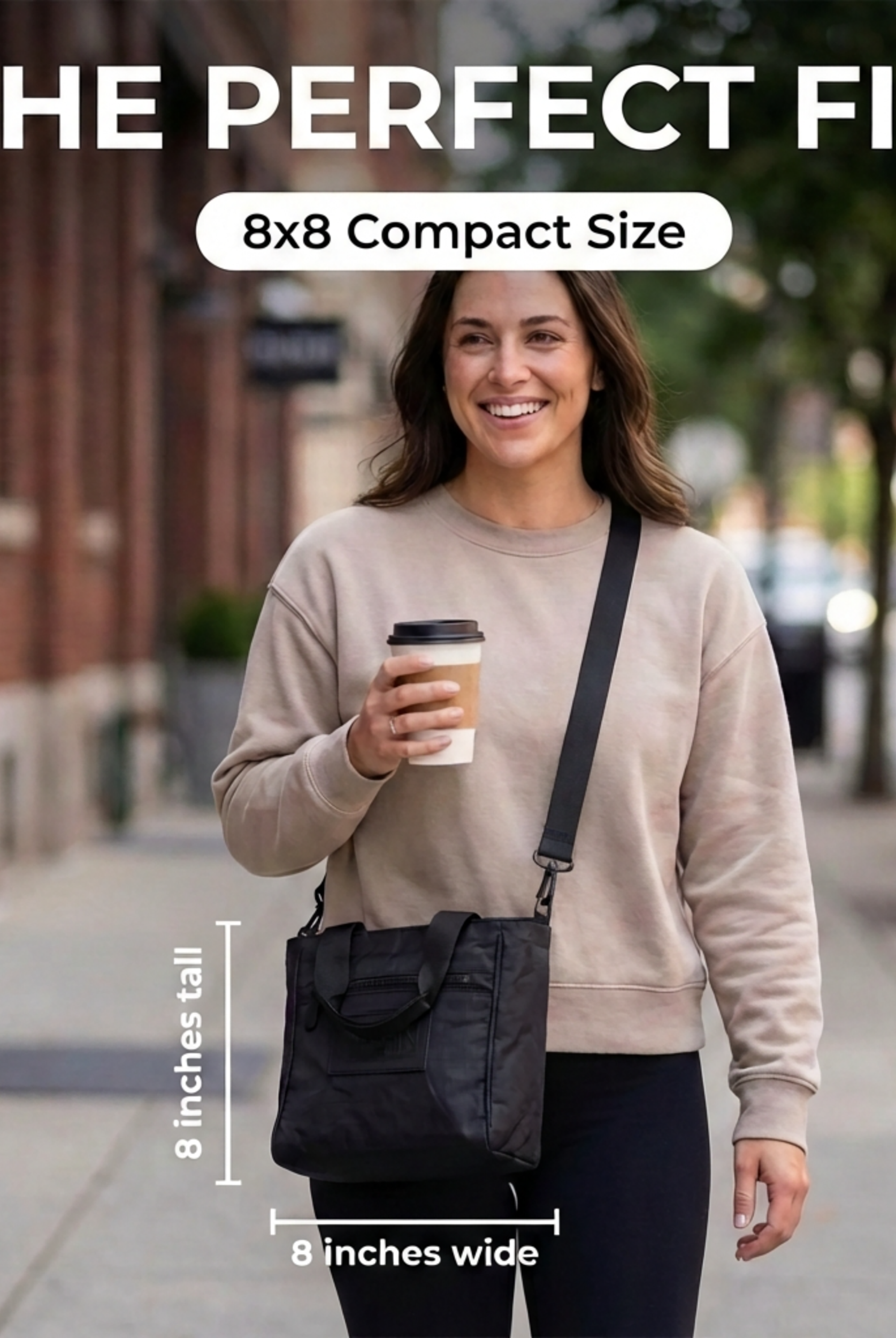
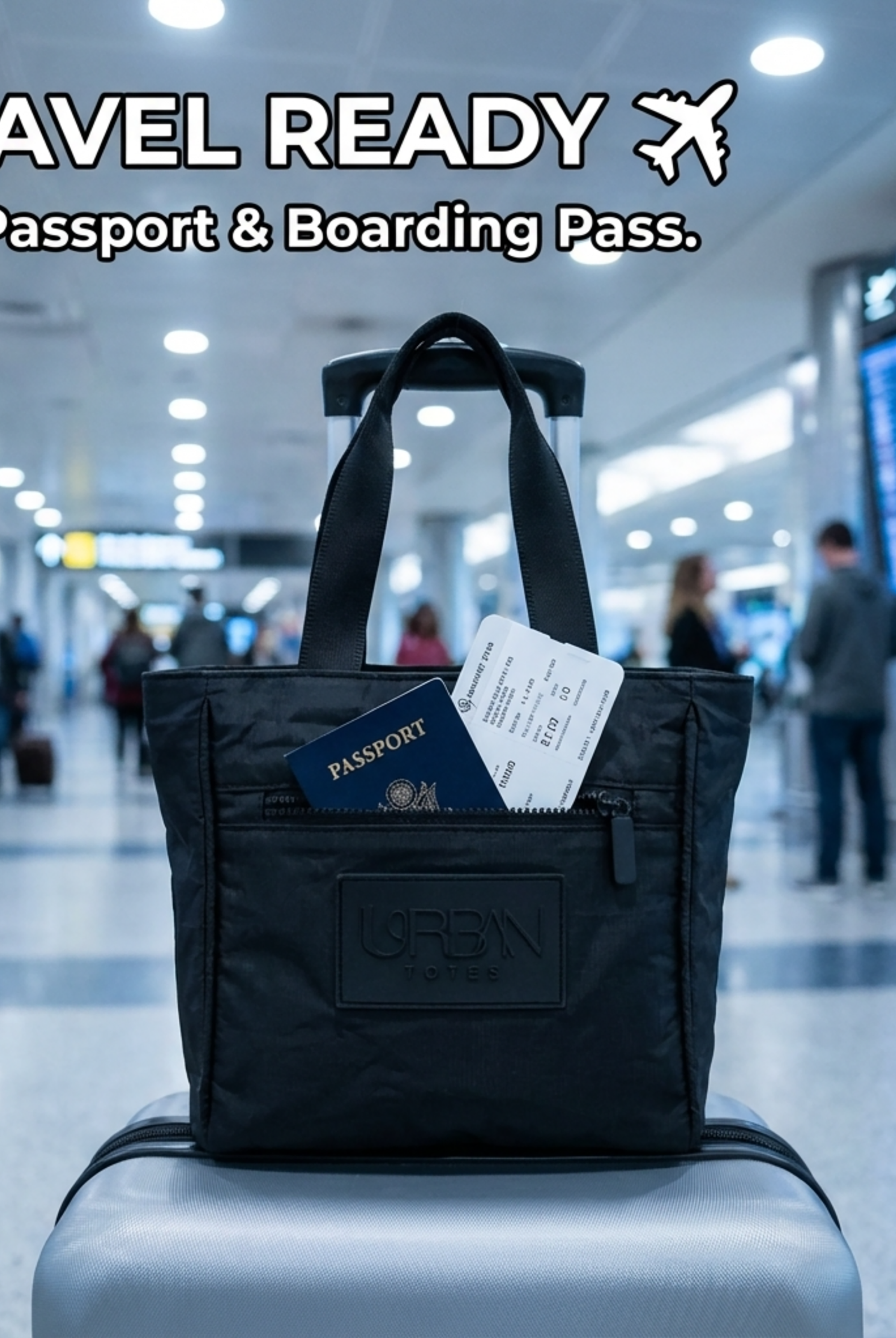
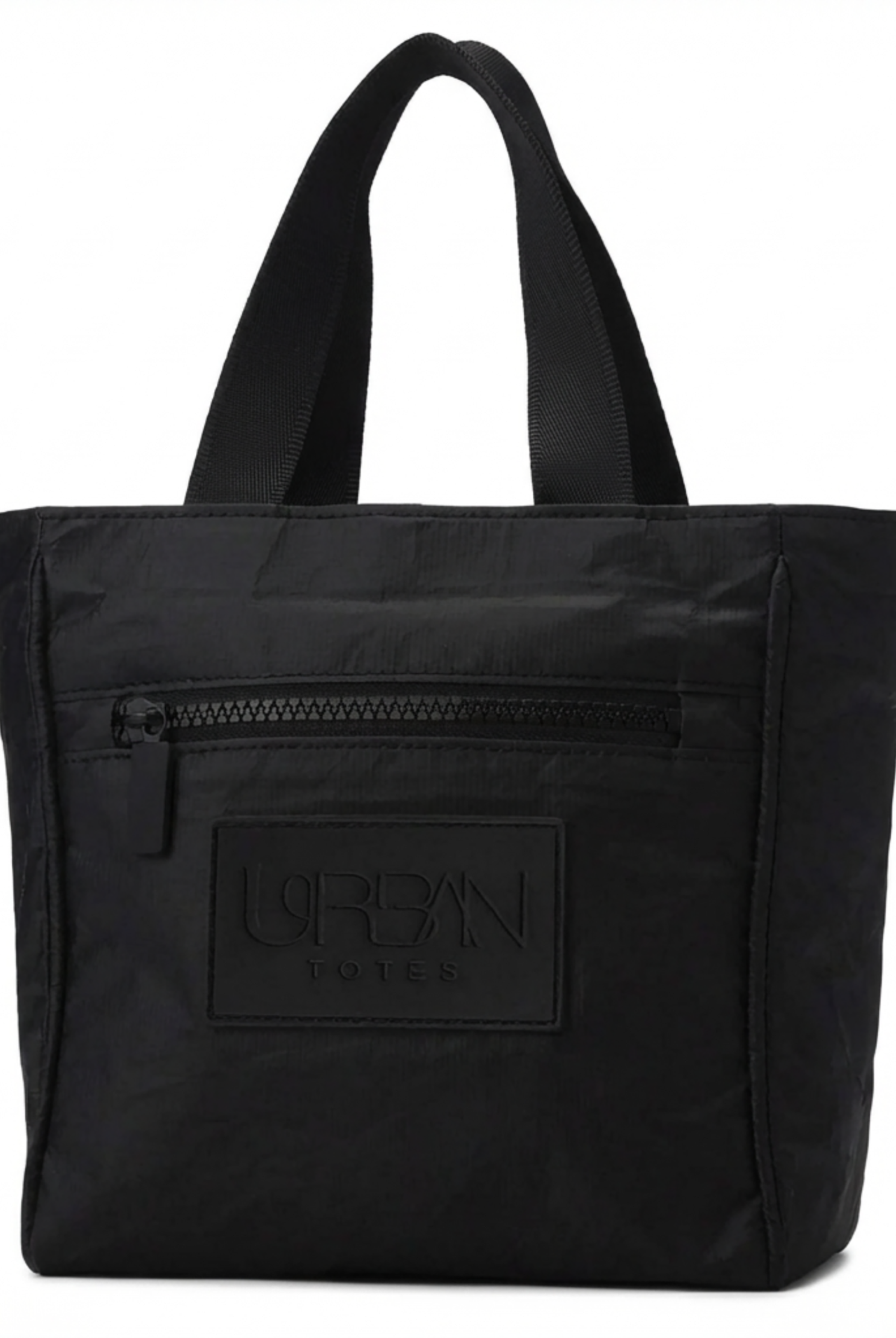
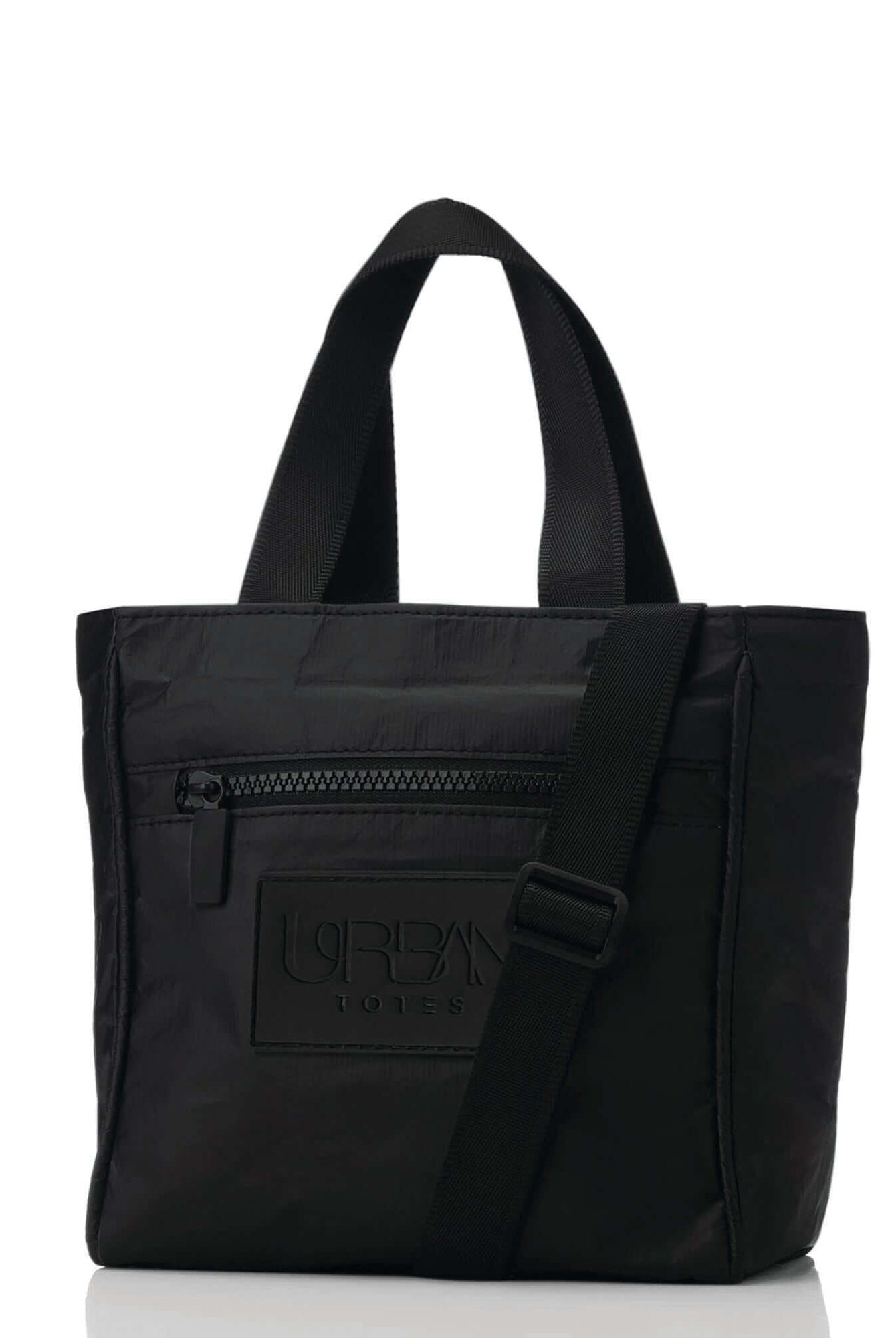
You know that moment when you're leaving the house with coffee in one hand, your phone in the other, and your shoulder bag has already slid off twice before you even hit the car? That's usually the point where a crossbody bag women makes sense, not as a cute add-on, but as the bag that stops the daily shuffle. It keeps your hands free, sits closer to your body, and lets you move through errands, school drop-off, airport lines, or a beach chair setup without constantly re-adjusting what you're carrying.
The category is bigger than people think. The global handbags market is estimated at USD 74.33 billion in 2025, with women making up 89.14% of that market, and online channels growing faster than offline retail, which tells you exactly how women are shopping now, by comparing, checking details, and buying with intent rather than impulse (Mordor Intelligence). Crossbody bags have also become a serious standalone category, with the global crossbody bag market valued at about USD 10.5 billion in 2024 and projected to reach USD 15.2 billion by 2033 (DataHorizzon Research, Verified Market Reports).
That matters because this isn't a niche accessory conversation anymore. It's a practical buying decision, and the right bag should fit your body, your routine, and your tolerance for digging around like you're excavating a purse sinkhole. If you want a broader shortlist of everyday carry options, keep this Urban Totes guide to the best everyday bags for women open in another tab.
Table of Contents
- Why a Crossbody Bag Earns a Spot in Your Daily Rotation
- What Actually Makes a Bag a Crossbody
- Popular Crossbody Styles and When Each One Makes Sense
- Materials, Hardware, and Long-Term Durability
- Smart Organization and Everyday Carry
- Fit, Comfort, and Styling Across Body Types and Outfits
- Security, Weather Resistance, Care, and Travel Packing
- Smart Buying Checklist and Final Takeaways
Why a Crossbody Bag Earns a Spot in Your Daily Rotation
The reason women keep reaching for crossbodies isn't fashion theory, it's friction. A shoulder bag that slips, a tote that turns into a black hole, or a purse you have to set down every time you pay, scan, or wrangle a kid gets old fast. The crossbody solves those annoyances in one move, because it keeps essentials close, distributes weight across the torso, and lets your hands stay free for the rest of your life.
That's why the category keeps showing up in real-world use. Circana says small crossbody bags are the most frequently carried style, and that women are choosing mobility and hands-free convenience over a purely decorative bag choice (Circana). A separate consumer survey cited in market analysis found that 68% of women ages 25 to 45 used a crossbody bag at least four days a week, which is a strong sign that this shape isn't occasional wear, it's repeat wear (Alibaba product insights).
What a crossbody fixes that other bags don't
A tote can carry more, but it usually asks for one hand and more mental management. A shoulder bag can look polished, but if the strap keeps sliding, you end up fussing with it all day. A crossbody is the rare bag that makes life easier while still looking pulled together.
Practical rule: if a bag needs constant adjustment, it's not working for your day, no matter how pretty it looks on the hook.
For moms, commuters, travelers, and anyone who's in and out of the car, crossbody carry is less about trend and more about efficiency. The bag stays with you when you're loading groceries, handling a passport, or carrying a coffee and a phone at the same time. That ease is exactly why so many women keep one in regular rotation.
What Actually Makes a Bag a Crossbody
A real crossbody bag has three things going for it. First, it has a long adjustable strap. Second, it's meant to be worn diagonally across the torso. Third, it's sized for essentials, not a full-day haul that starts behaving like luggage.
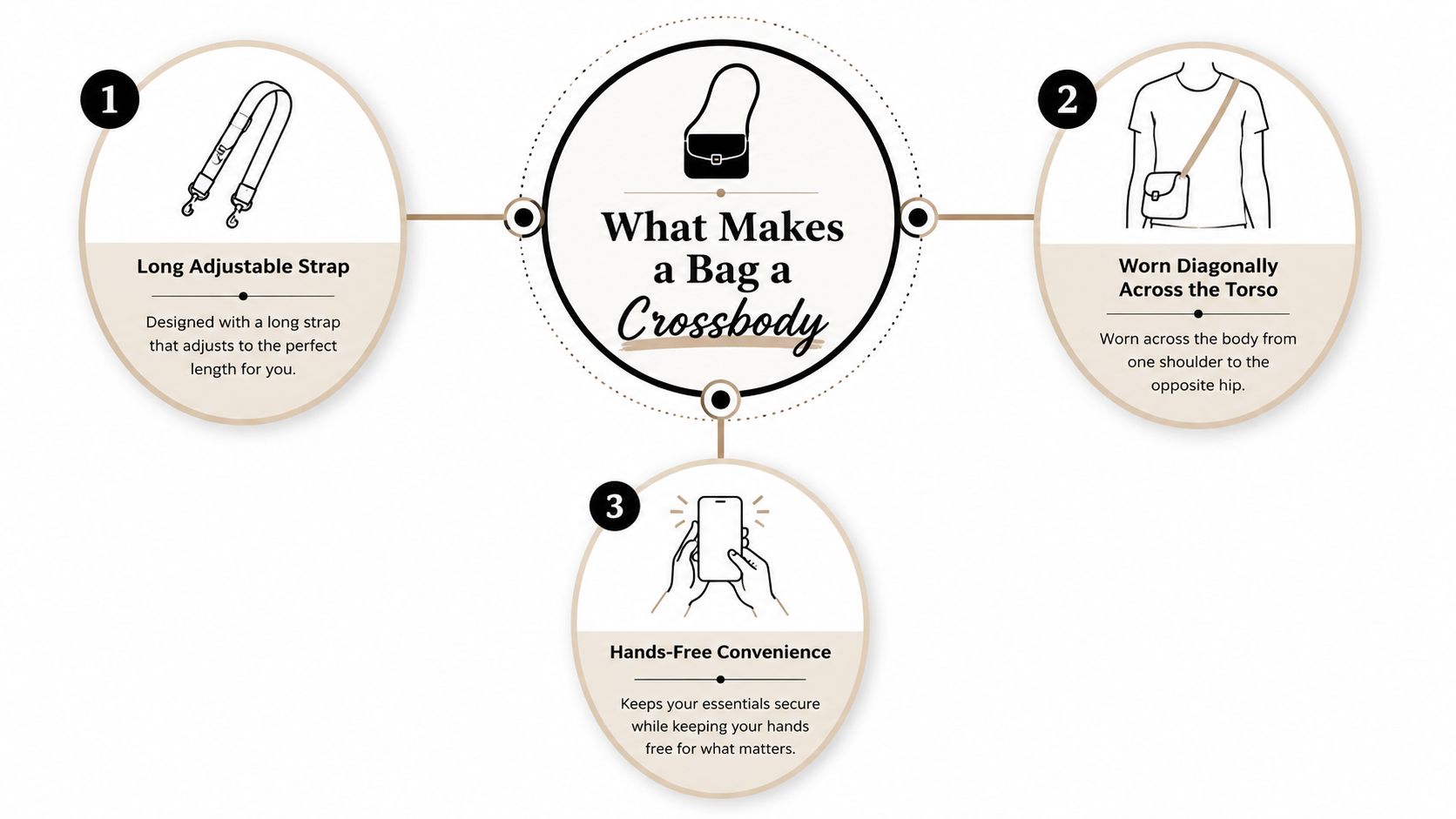
That definition sounds basic, but it matters when you're reading product pages. A shoulder bag can have a long strap and still not wear well across the body. A belt bag can free your hands, but it doesn't usually sit with the same diagonal balance. A tote can be compact, but if it doesn't ride across the torso, it's not a crossbody.
The parts worth checking before you buy
The strap is the first thing I look at. You want enough adjustability to sit comfortably at the waist to just above hip level, because that's where a crossbody tends to stay balanced and easy to access (Target product benchmark). The bag body should stay shallow enough that it doesn't slap your side every time you walk.
The hardware matters too. Look at the zipper, the strap attachment points, and the rings or clips that hold the strap in place. If those pieces feel flimsy online or in person, the bag will annoy you later. A crossbody isn't just a silhouette, it's a system.
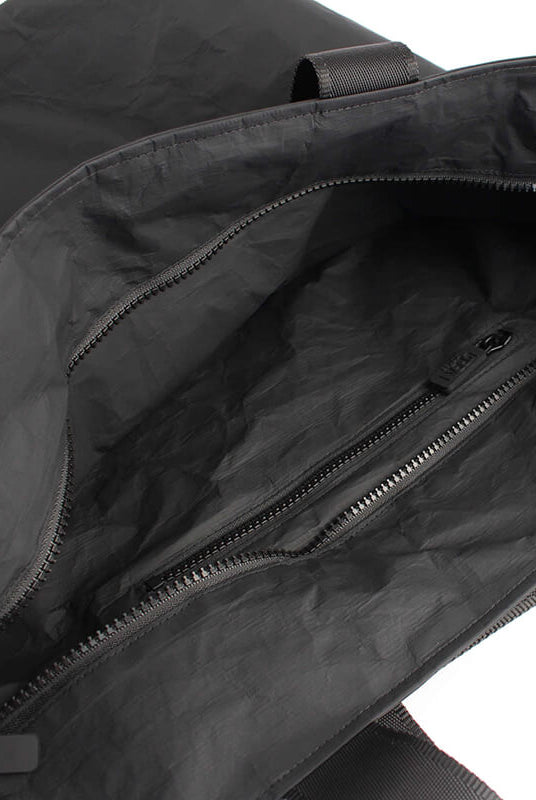
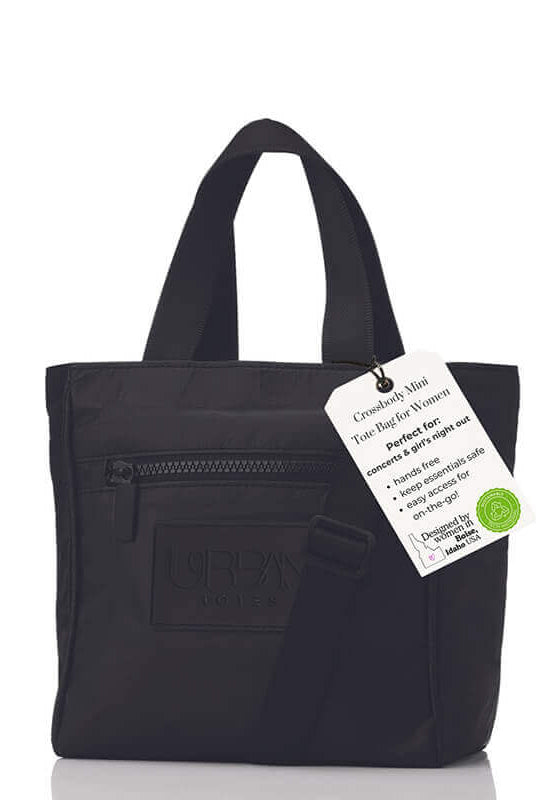
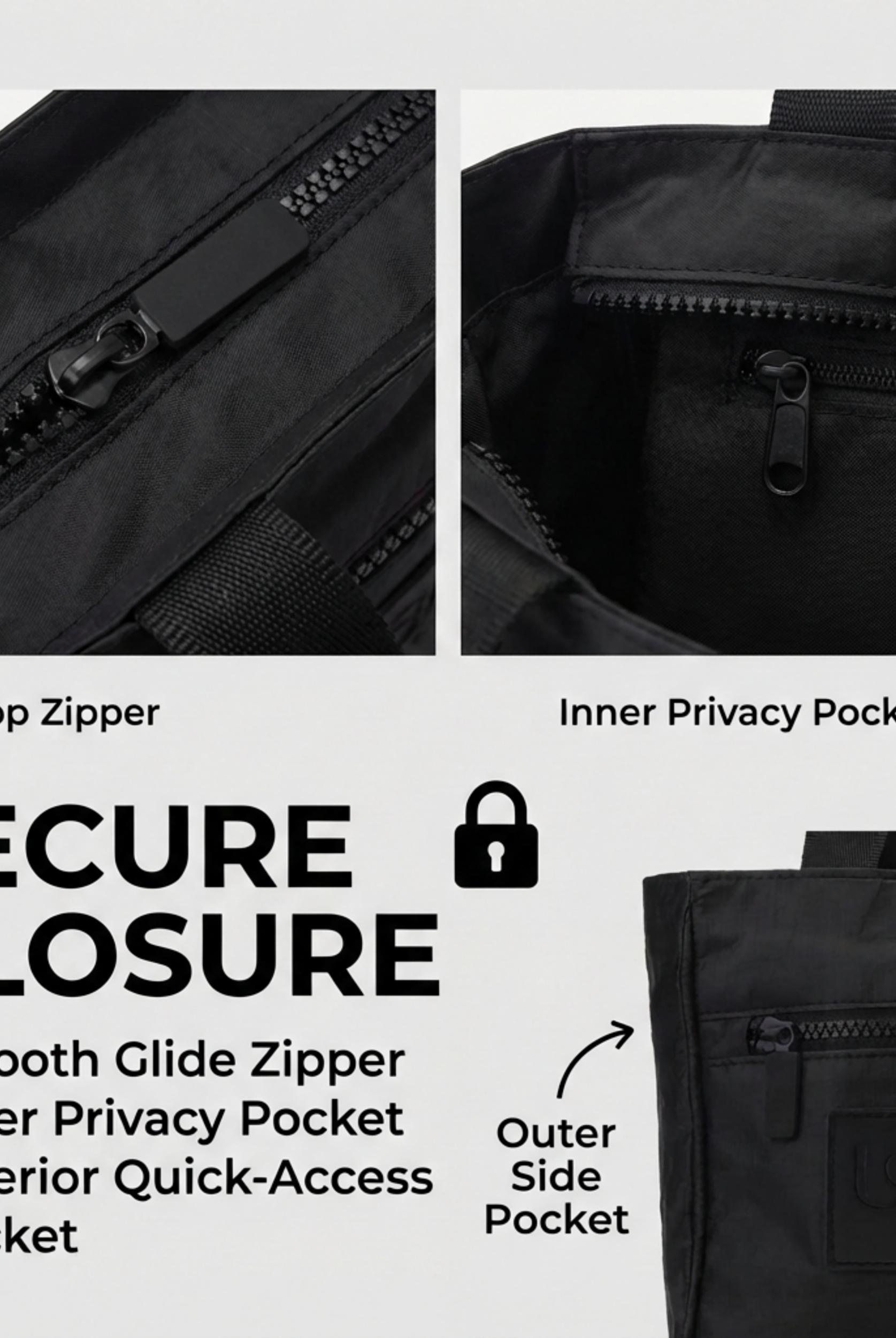
You'll also want to notice the interior layout. One open pouch and one exterior pocket is workable. Two or three clearly separated zones is better if you carry more than a key and a lipstick. For a compact example of this setup, the Crossbody Tote Bag Mini Purse uses a zip-top closure, an outside zipper pocket, and a pocket sized for phone and keys, which is the kind of layout that keeps a small bag useful without becoming cluttered.
A good crossbody should feel obvious the first time you wear it. If you have to keep experimenting with where it sits, it's not the right cut.
For a fuller primer on bag anatomy, this crossbody explanation from Urban Totes is the right place to sanity-check the basics before you shop.
Popular Crossbody Styles and When Each One Makes Sense
Not every crossbody works for every life. A bag that looks sleek for dinner can feel useless at school pickup, and a roomy everyday style can overwhelm a short frame or a dressier outfit. The trick is picking the silhouette that matches your actual habits, not the one that photographs well on a hanger.
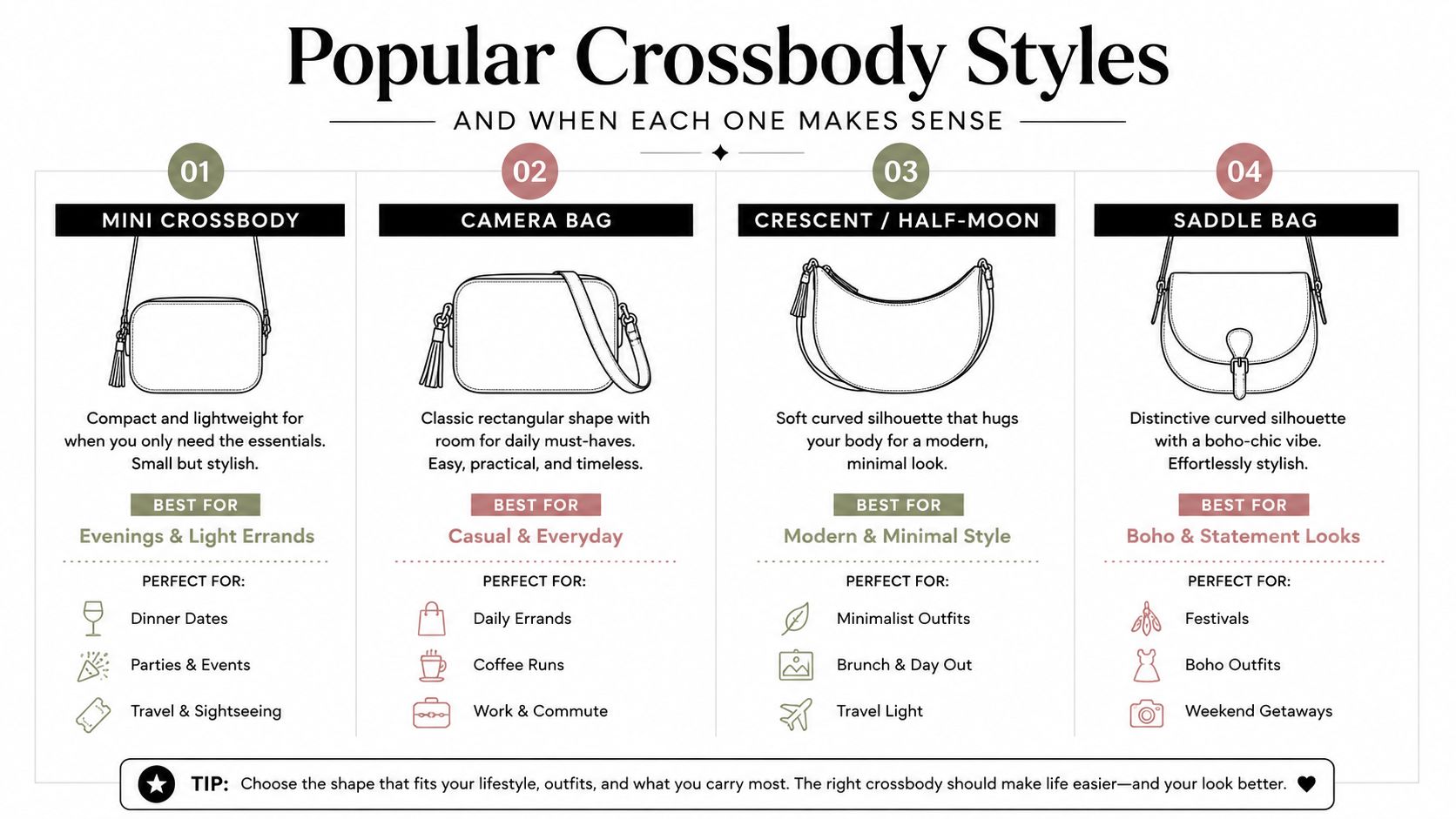
The shapes that show up most often
A mini crossbody is the cleanest choice for nights out, concerts, or errands when you only need the basics. It stays close to the body and won't drag down your outfit, but capacity is the obvious trade-off.
A camera bag is the workhorse version. It usually has a rectangular shape, a little more depth, and enough room for the stuff women carry. If you want one bag for commuting, errands, and travel days, this is usually the smartest starting point.
A crescent or half-moon crossbody feels modern and soft. It's a good fit for minimal outfits, but the curved shape can sacrifice some internal organization. A saddle bag brings a more relaxed, boho feel, and it works best when you want texture or personality rather than rigid structure.
A structured boxy crossbody gives the most polished look, especially for workwear or dinner. It tends to hold its shape better, but that can make it feel less forgiving if you stuff it full. A packable nylon crossbody is the opposite end of the spectrum, lighter, lower-maintenance, and better for travel or beach days than for a dressy outfit.
The market data backs up the idea that function drives style selection. Accio's trend summary points to rising interest in vegan leather, lightweight materials, and multifunctional designs, especially for women using crossbodies for beach and gym use cases (Accio). That's the clue. Start with how you live, then choose the shape.
For a more texture-specific take, Urban Totes' quilted crossbody guide is useful if you're comparing softer, more casual finishes.
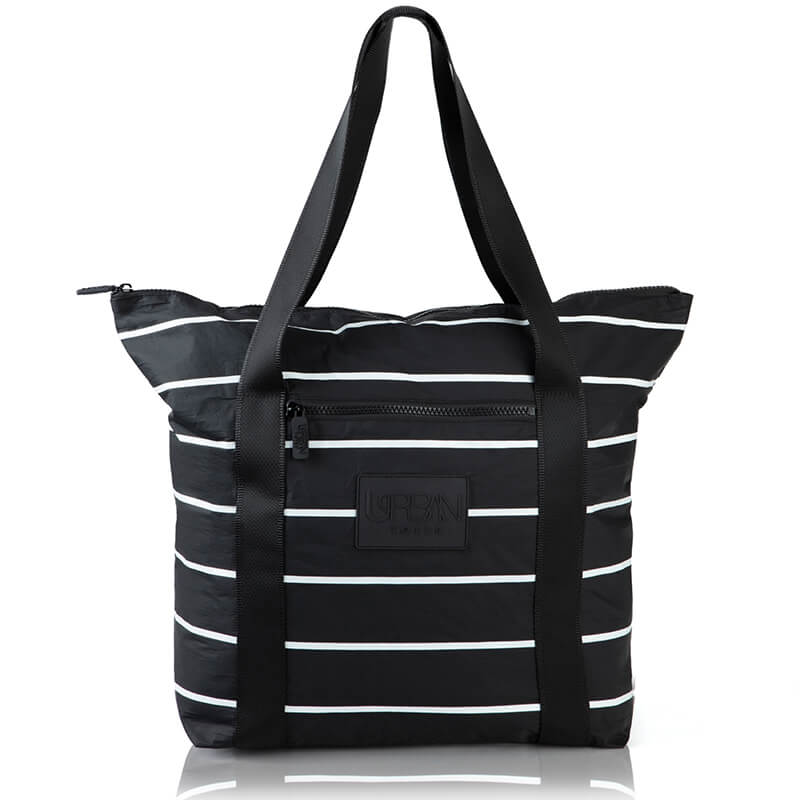
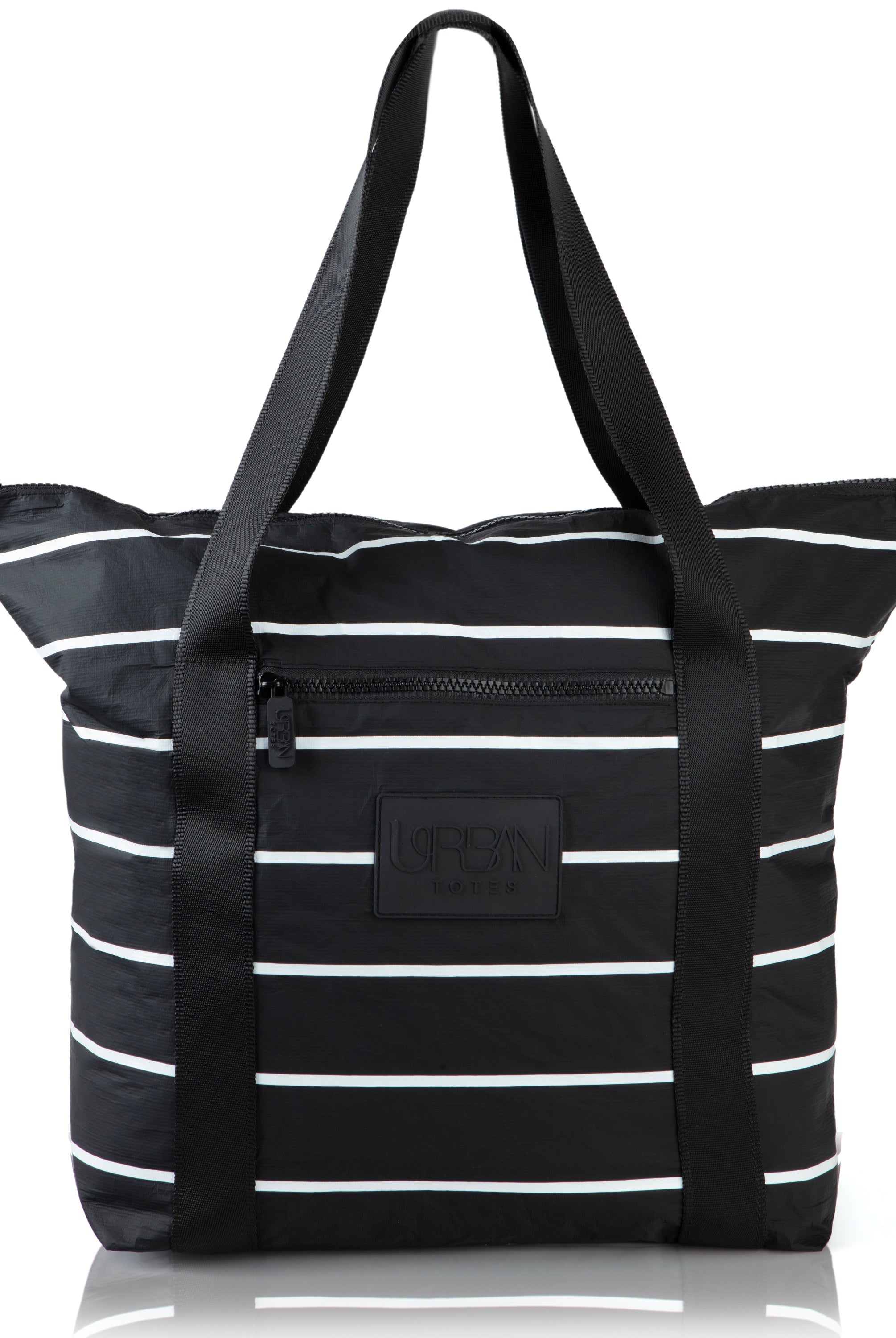
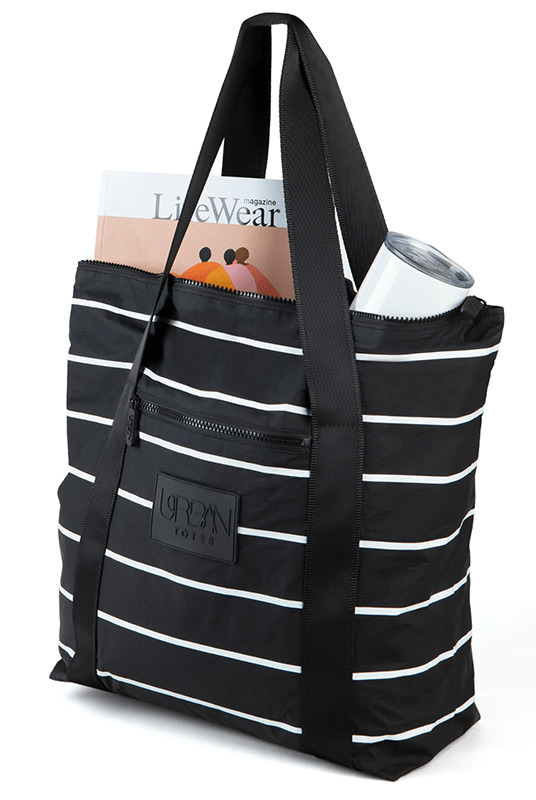
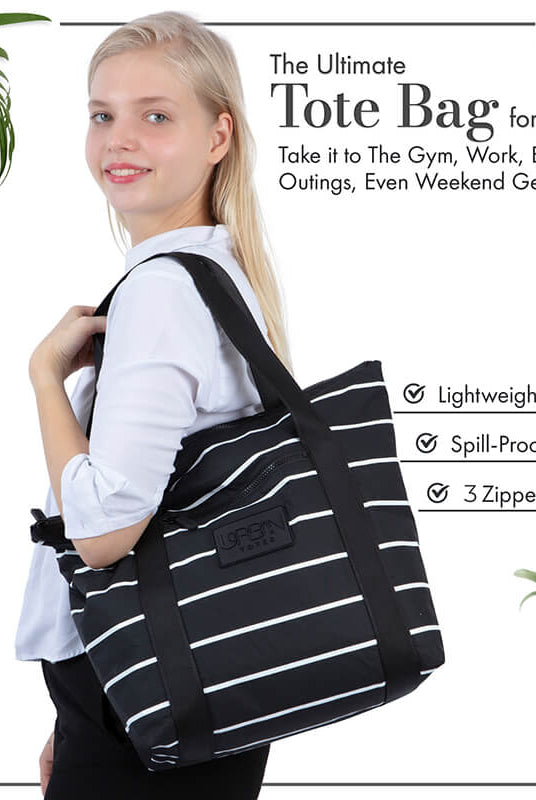
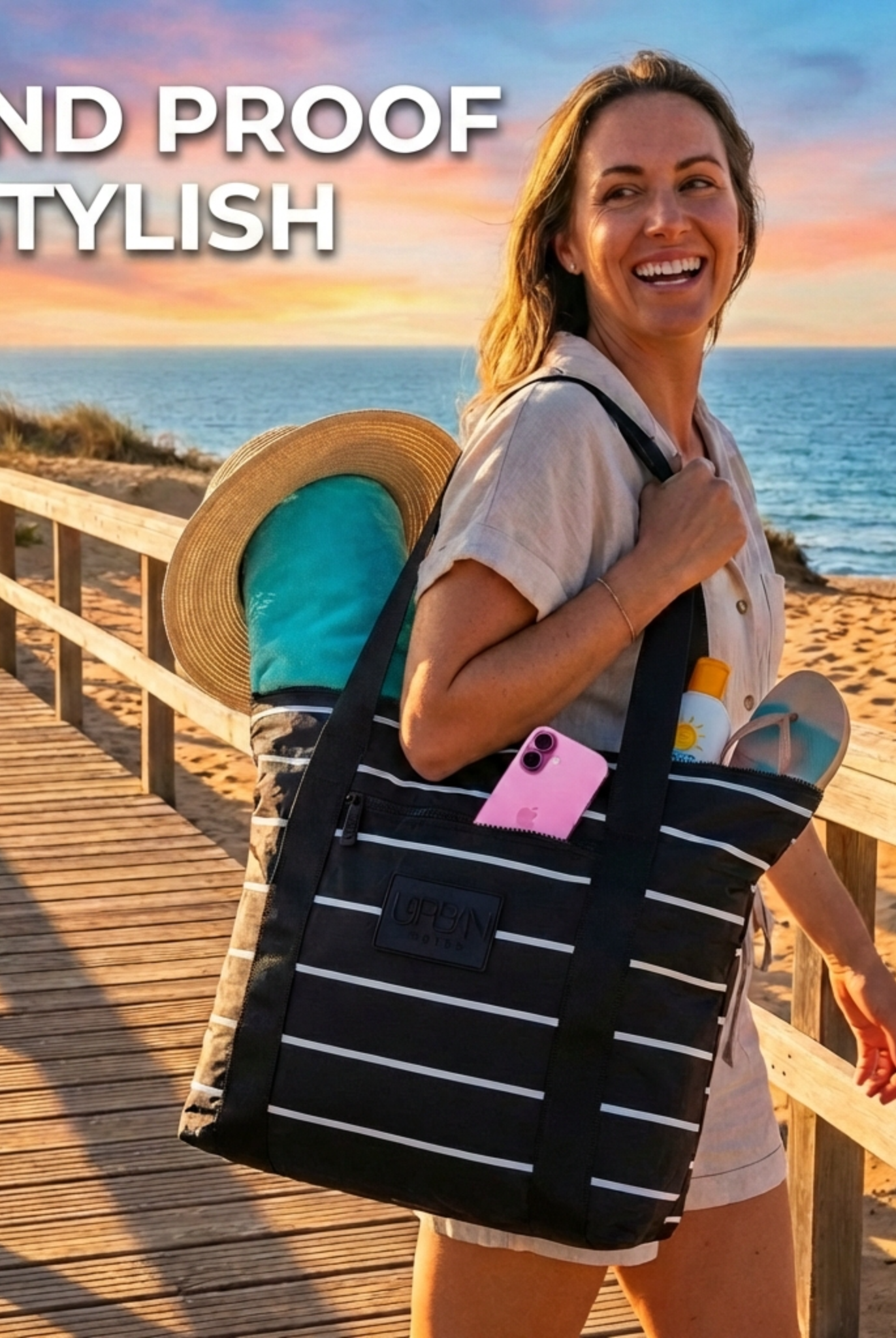
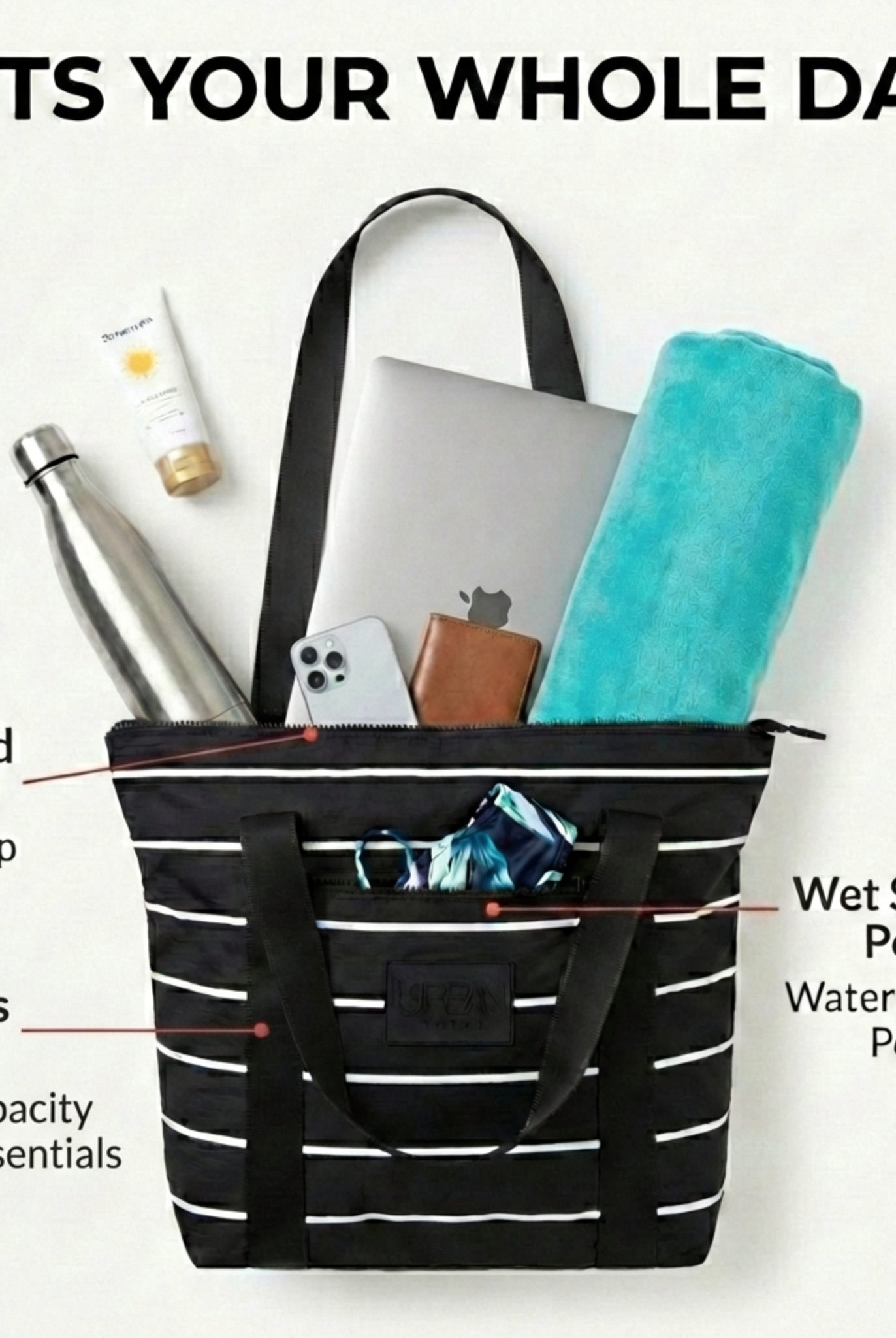
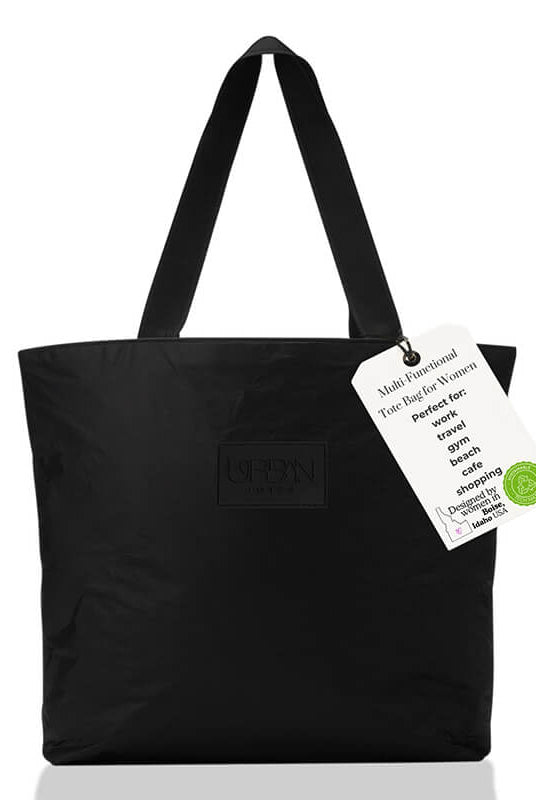
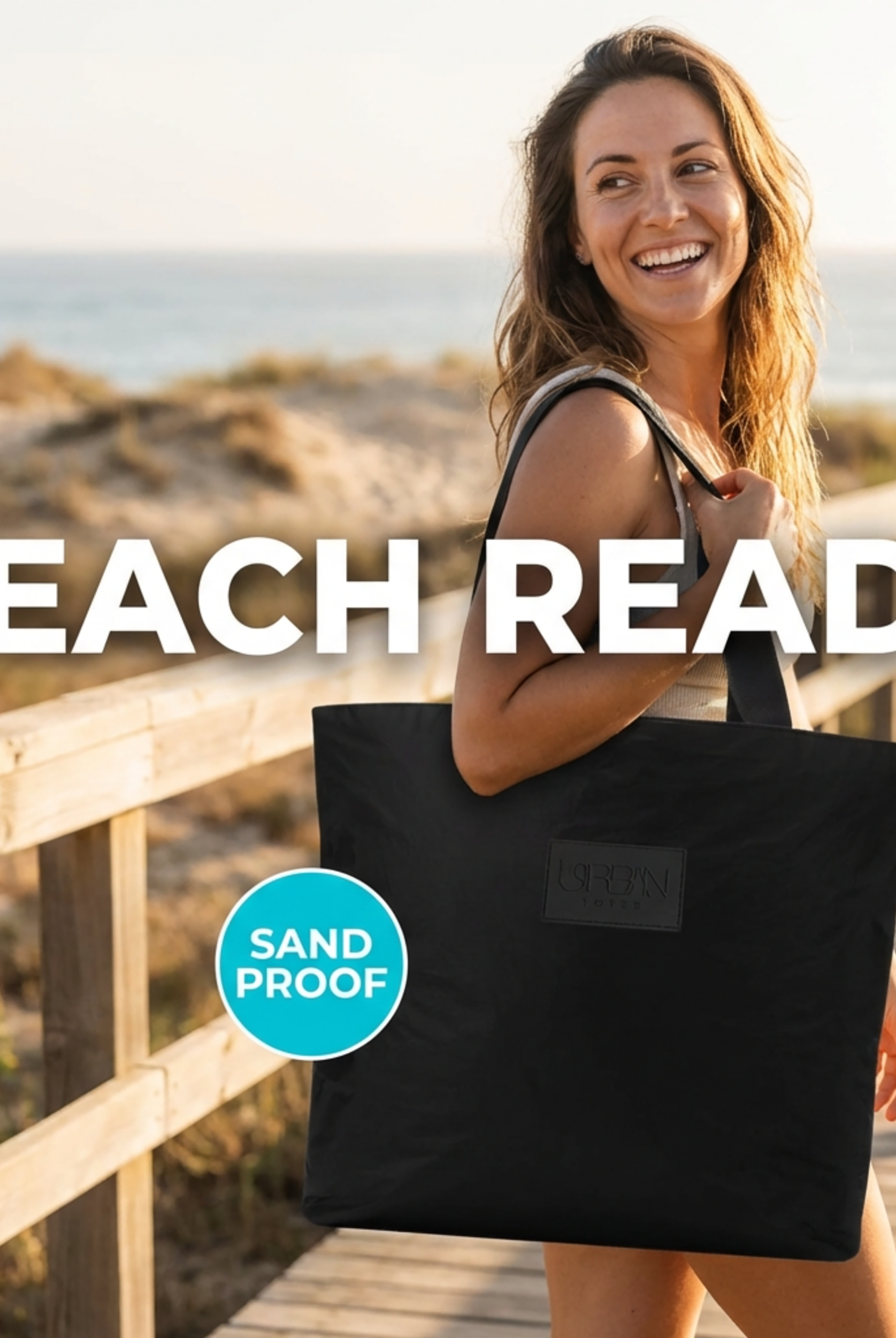
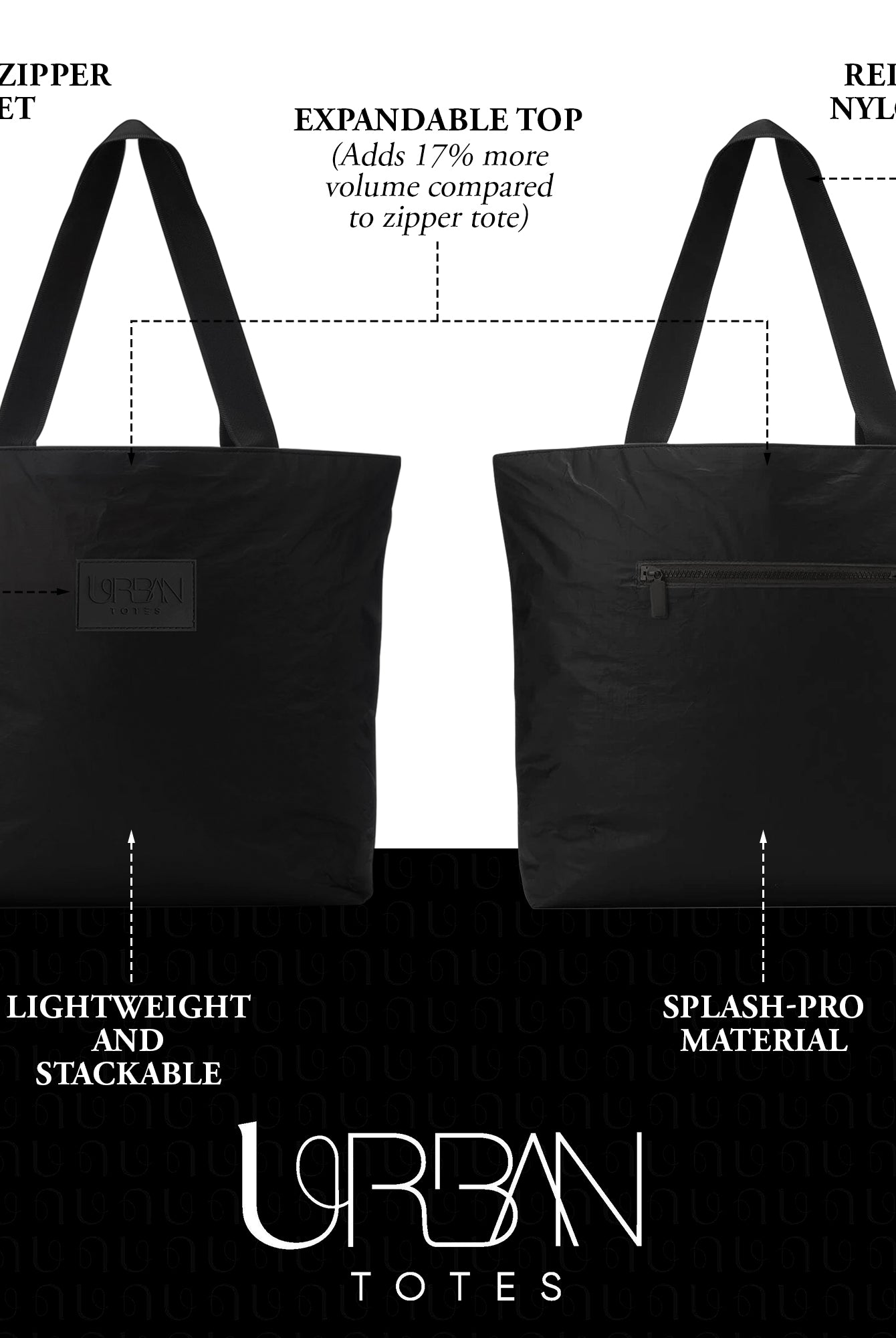
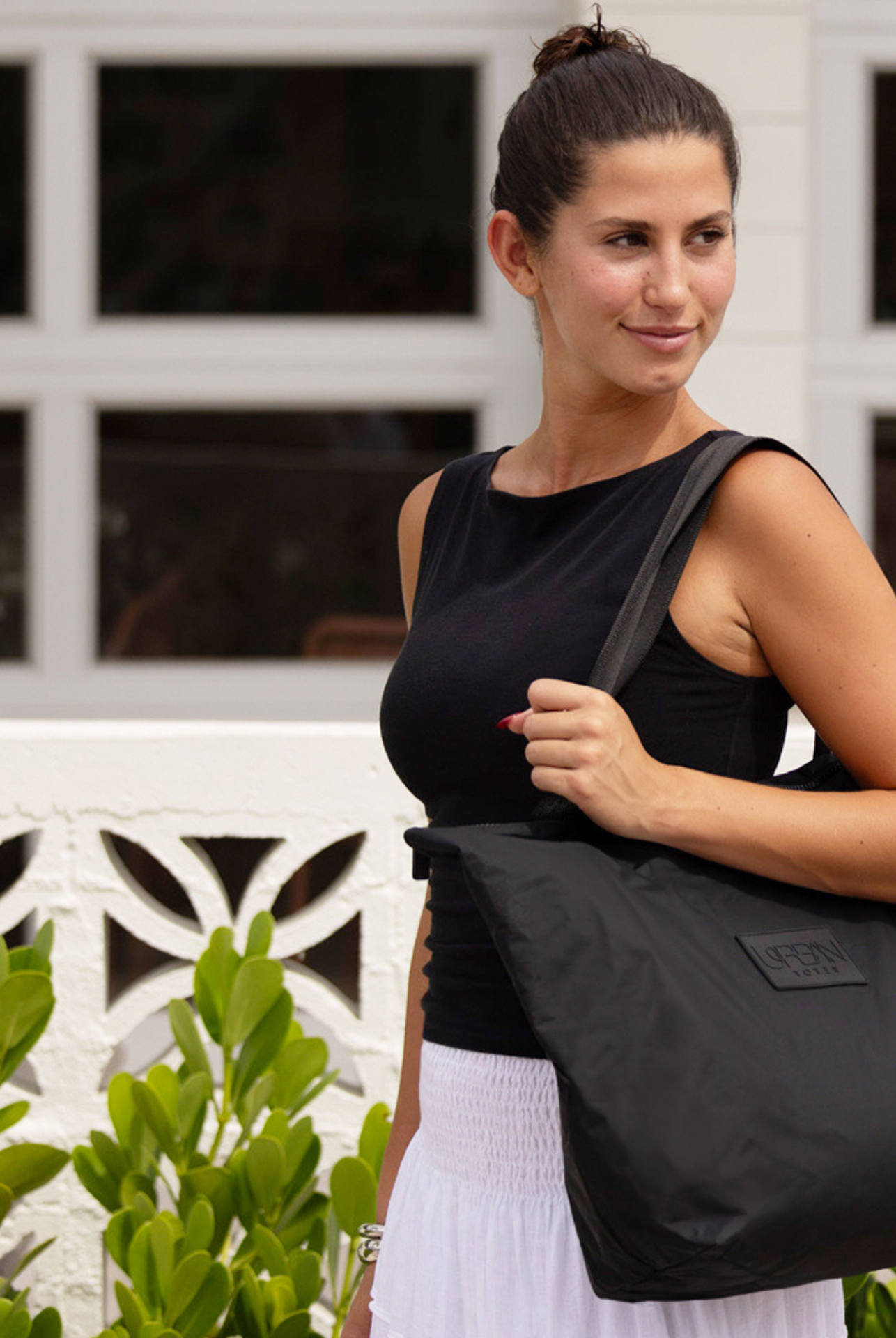
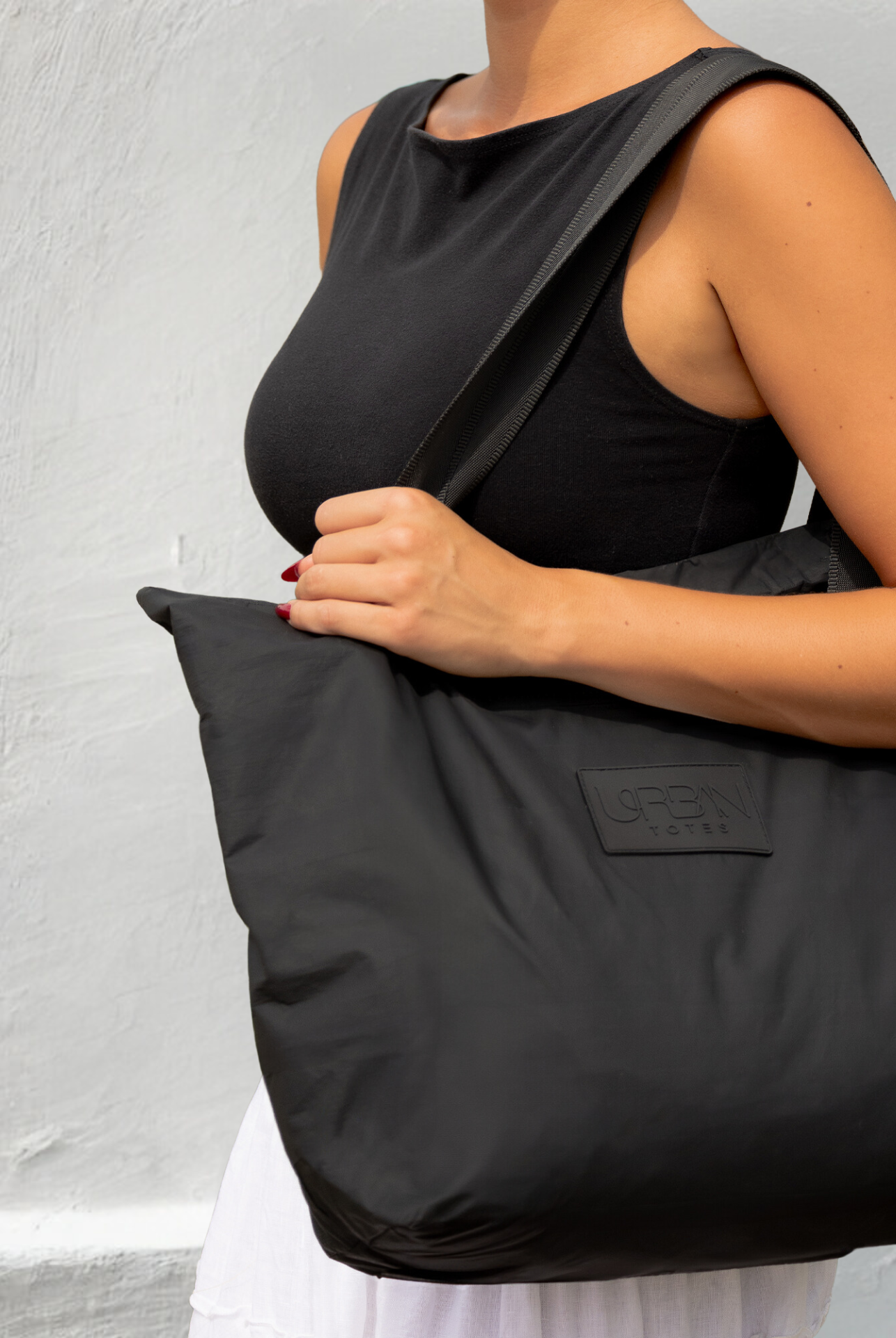
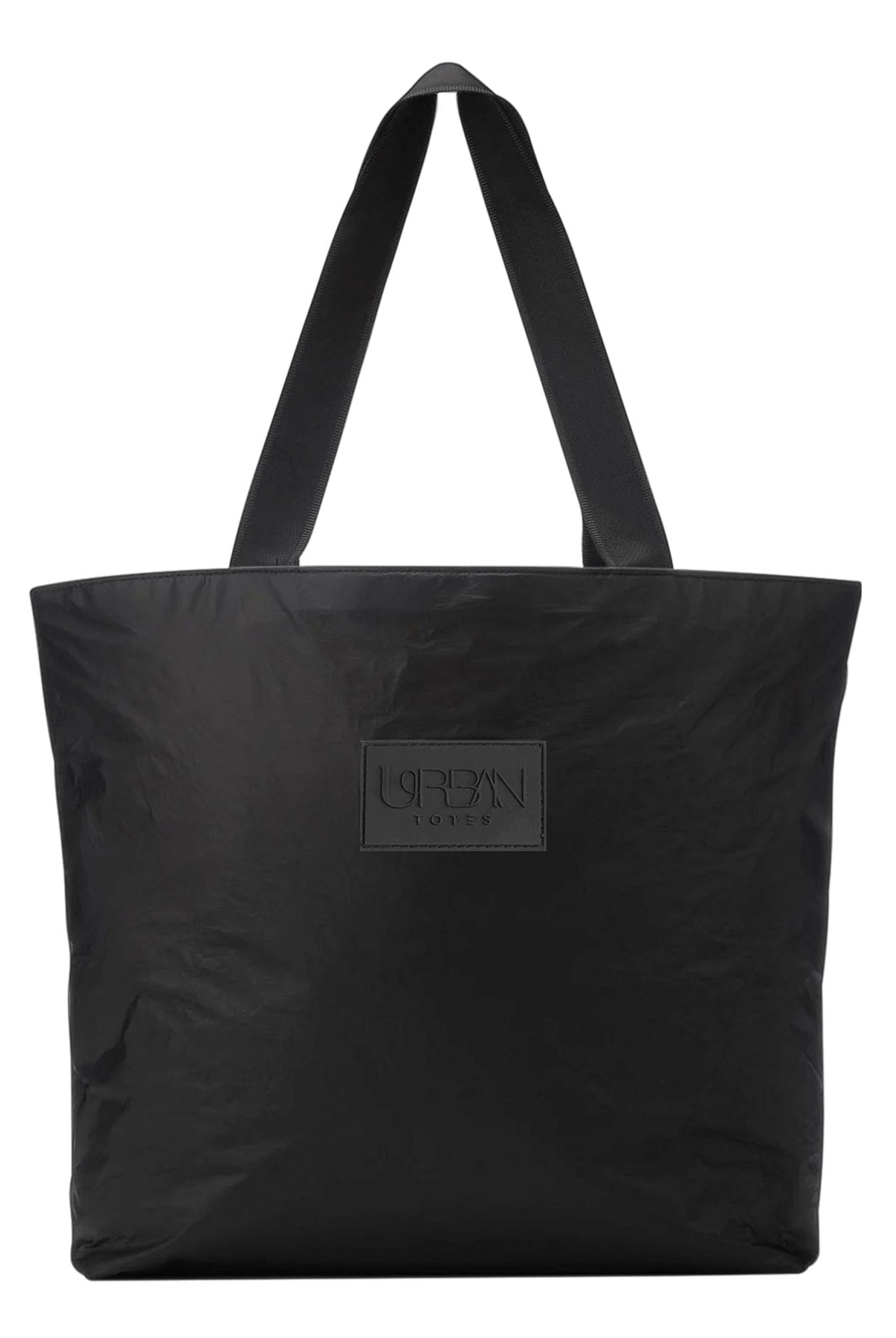
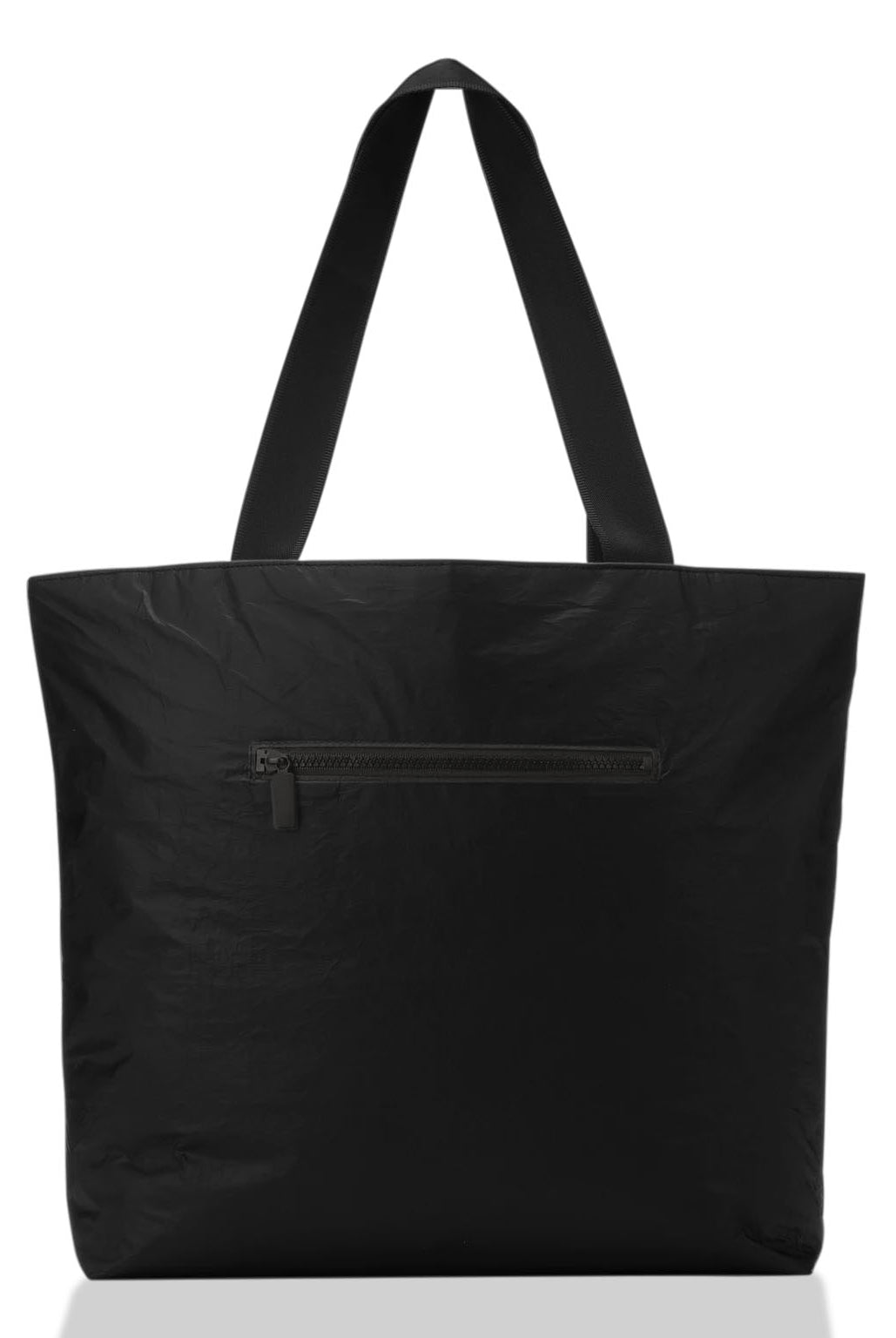
A larger tote still has its place. Urban Totes' OG Zipper Tote Bag is the kind of carry-all that makes sense when you need more volume for motherhood days, beach gear, or travel, while a crossbody makes more sense when you want the bag to disappear into the rhythm of your day.
Materials, Hardware, and Long-Term Durability
A crossbody lives or dies on build quality. The shape can be right, but if the bag feels heavy when it's empty, the strap slips, or the surface marks up the second you set it down, you stop reaching for it. Materials and hardware matter more than the marketing card on the shelf because they decide how the bag feels on your body, how it handles weather, and how long it keeps looking presentable.
The material trade-offs you'll feel in daily use
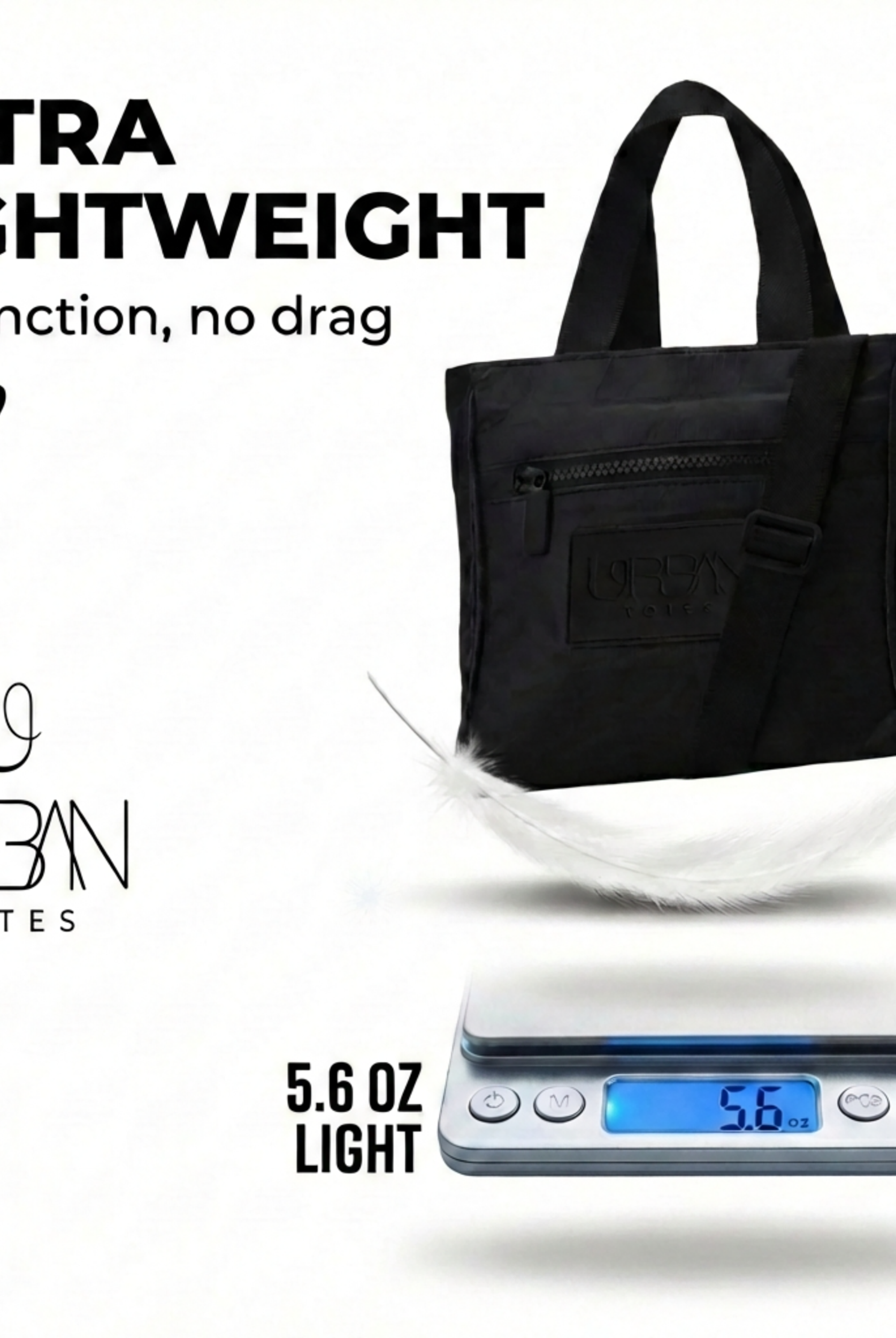
Nylon and similar technical fabrics are the easiest choice for daily life if you care about weight and cleaning. They stay light, travel well, and do not ask for much maintenance. Vegan leather can look more polished, but it usually adds weight and brings more concern around scuffs and care. Genuine leather gives you the richest look and the most structure, but it usually asks for more upkeep and can feel heavier on the shoulder by the end of the day.
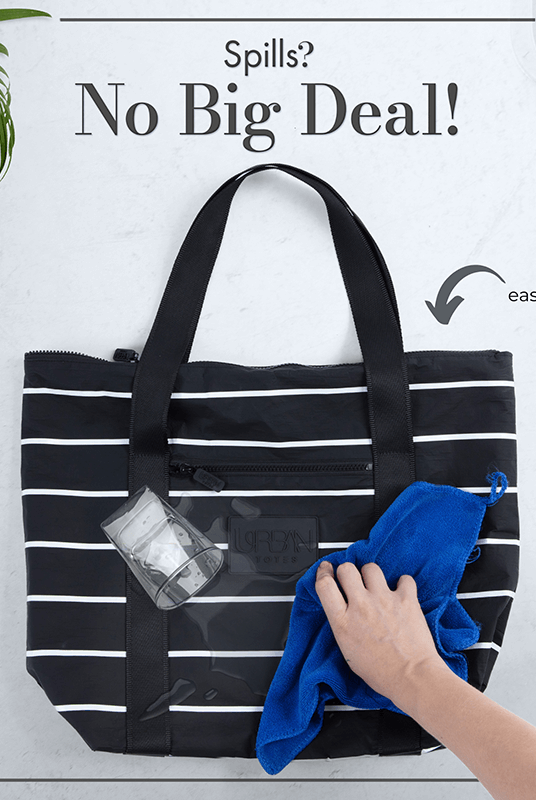
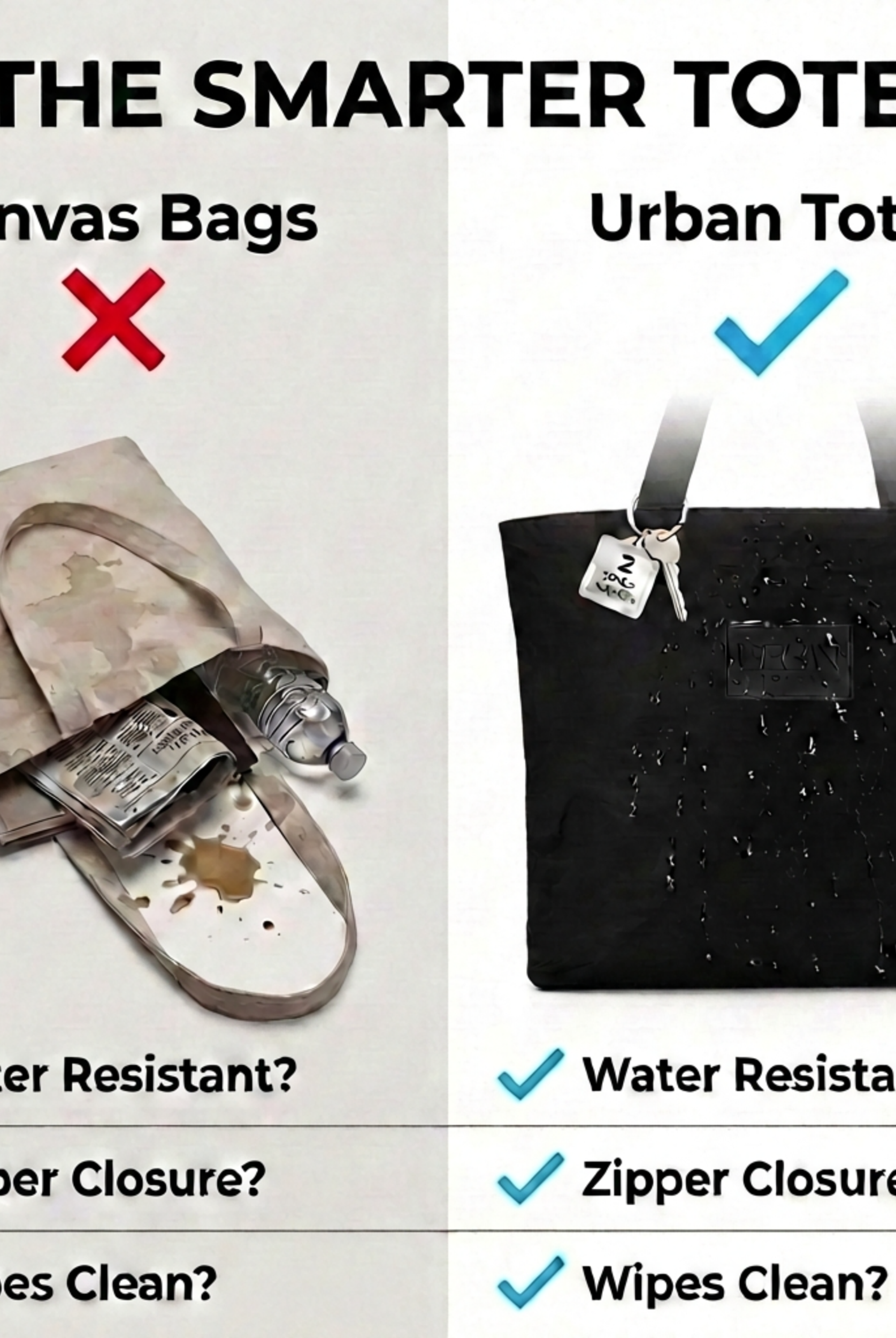
Water resistance matters here too. A water-resistant bag handles everyday moisture better than an untreated one, which is what you want when you are walking through a drizzle, setting the bag near a wet swimsuit, or dealing with the occasional coffee spill. The point is simple, the bag should be less fussy in real life.
A useful benchmark is the compact crossbody profile sold in retail, which often stays around 0.32 lb to 1 lb and measures roughly 9.4 to 10.6 inches wide, 8.7 to 10.5 inches high, and 1.5 to 2.5 inches deep, keeping the bag usable without turning it into a brick (Target product benchmark). If a bag looks sleek but feels heavy before you put anything inside, skip it. A bag that starts out burdensome rarely gets better once you add phone, keys, wallet, and sunglasses.
Hardware tells you fast whether a bag will last
Zippers should move smoothly and close cleanly. Strap adjusters should feel firm, not loose or fragile. Attachment points should be reinforced, because that is where cheap bags start to give out first.
Good hardware is boring. It just works every time you grab the bag, which is exactly what you want.
A crossbody is a system, so the strap, hardware, and interior all need to hold up together. If one piece feels flimsy, the whole bag becomes annoying faster than you expect. That is why I pay attention to zipper teeth, stitch quality around the strap anchors, and whether the closures feel secure when the bag is full.
For a more specific look at how fabric choice changes weight, structure, and care, Urban Totes' bag material guide is useful when you are deciding between easy-care fabric and a more polished finish.
If you want a bag that can handle commuting, errands, and weather without babying it, prioritize nylon or another technical fabric first, then move up to leather only if you really want the look and you are willing to deal with the upkeep. For a dependable everyday crossbody, that trade-off is worth making carefully.
For parents who need a bag that can stand in for a daily carry-all on busier days, the diaper bag packing checklist is a good reality check for what a bag needs to survive when the load gets messy.
Smart Organization and Everyday Carry
The difference between a good crossbody and a useless one is often what happens inside it. A bag can look slim and stylish from the outside, but if you have to paw through the whole thing for keys while standing in a parking lot, it's not doing its job. Smart organization turns a small bag into an everyday system.
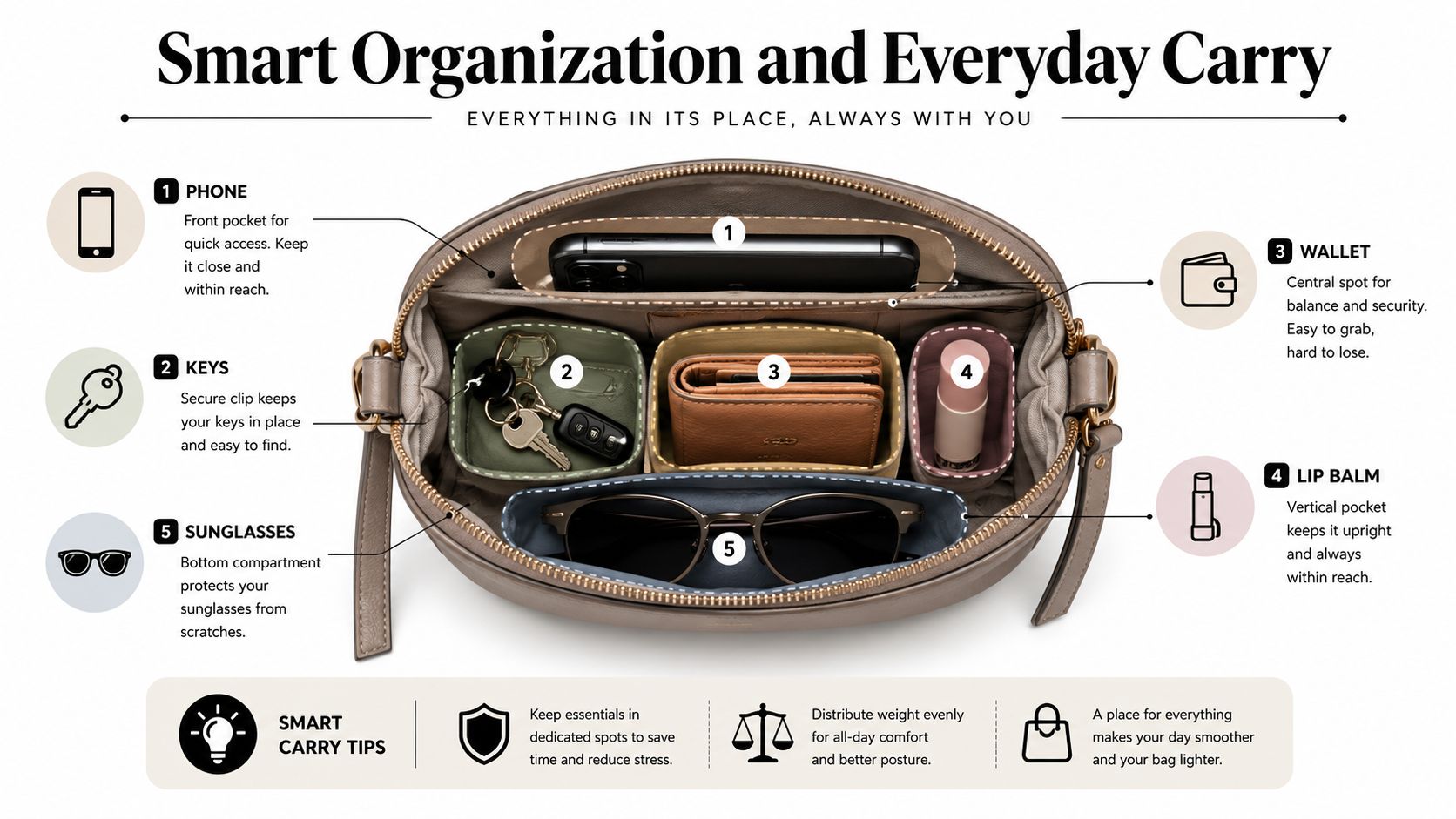
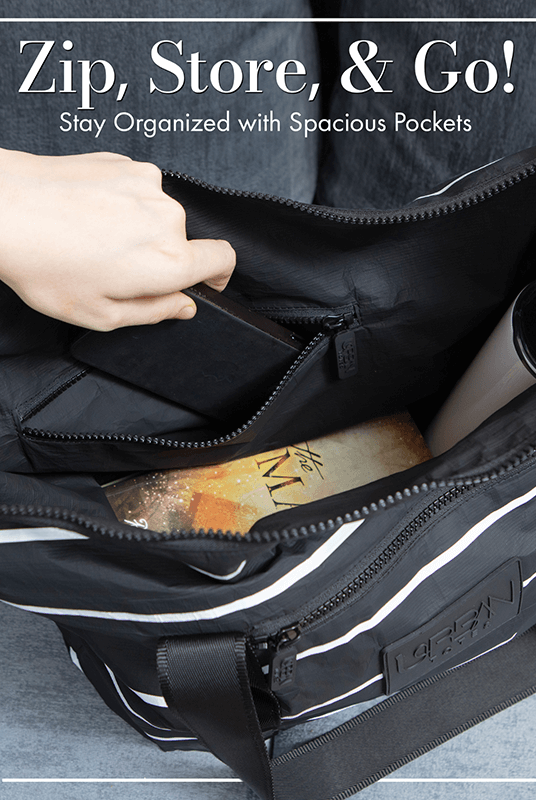
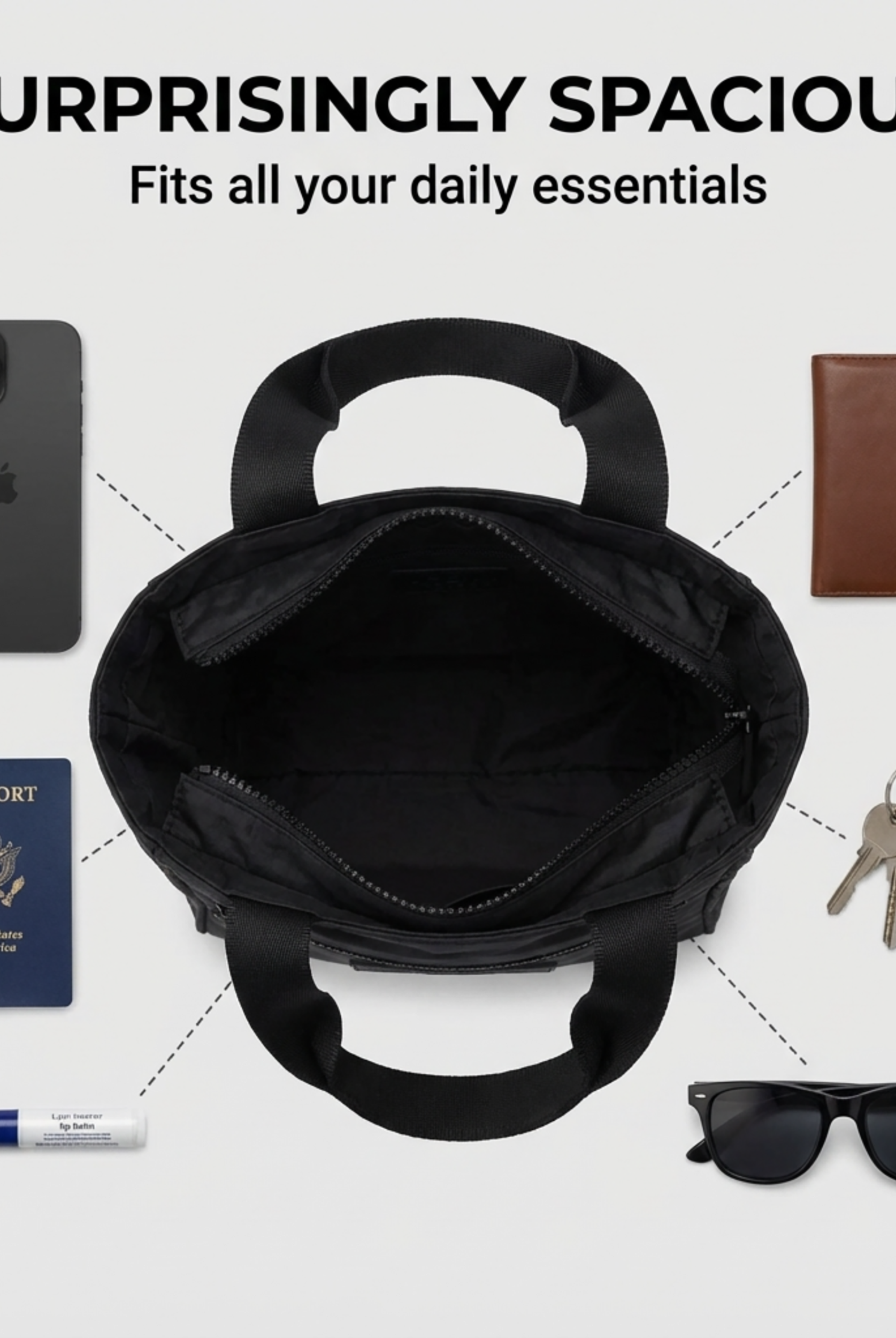
A useful crossbody usually gives you a quick-access exterior pocket, an interior zip pocket for valuables, and at least one section that keeps loose items from rattling around. That can mean a phone pocket, a key leash, card slots, or just enough room separation that your lip balm doesn't disappear under your wallet.
What to put where
- Phone in the front pocket, so you're not unzipping the whole bag every time it buzzes.
- Keys on a clip or in a secure pocket, because loose keys are the fastest way to waste time.
- Wallet and cards in the main body or zip pocket, where they're protected but still easy to reach.
- Lip balm, sunglasses, and headphones in smaller zones, so they don't get buried under everything else.
That layout matters even more for moms and travelers. If you're packing a diaper bag or crossbody for a kid-heavy day, it helps to think in terms of zones instead of one giant compartment. A practical diaper bag packing checklist is a good reference for that mindset, even if you're not carrying a full diaper bag anymore.
The best crossbody interiors are not overcomplicated, they're intentional. You want enough separation to stop the dig, but not so many tiny pockets that the bag becomes annoying to use. Urban Totes' multiple compartment purse guide aligns with that thinking, because compartment count only helps when the layout matches what you reach for most often.
A crossbody that organizes well becomes the bag you grab without thinking. That's the win, not just “lots of pockets,” but fewer small frustrations all day long.
Fit, Comfort, and Styling Across Body Types and Outfits
A crossbody has to sit right on your body before it can look right with your outfit. That's the part most shopping guides skip, and it's the part that decides whether the bag feels easy or annoying for petite women, tall women, plus-size women, and postpartum bodies that do not want a strap cutting across at a strange point.
Fit first, style second
The strap should adjust enough to let the bag land where it belongs, usually around the hip or just above it. Petite frames usually need the strap shortened so the bag does not sit too low and drag the eye downward. Taller women often need a longer strap so the bag does not ride too high and feel cramped.
Bag depth matters too. A shallow, compact crossbody moves less and bounces less when you walk. A deeper bag can hold more, but once it sticks out too far, you feel it against your side every time you move. Fit and proportion matter more than the dimensions on a product page.
Best fit test: if the bag keeps sliding to your front, hitting your elbow, or swinging too much, the strap length or bag shape is wrong for your body.
Outfits that work without overthinking
A compact crossbody looks easy with denim and sneakers. It also works with a midi dress, a blazer and trousers, athleisure, or a beach cover-up when you want the outfit to stay relaxed but intentional. Match the bag's finish to the outfit's level of polish, and do not force everything to look identical.
For a more minimal wardrobe, a structured neutral bag stays in rotation longer. For a more casual closet, a soft or packable shape tends to feel more natural. The bag should support your clothes, not compete with them.
Fit and outfit style need to be part of the same decision. A bag that sits well and moves well gets worn far more often than one that only looks good in a flat lay.
Security, Weather Resistance, Care, and Travel Packing
A crossbody should do more than look tidy. It should help you keep track of your stuff, stay usable in bad weather, and survive the ordinary mess of coffee, sunscreen, gym bags, and travel days. If a bag can't handle that, it's decorative, not functional.
Closures and materials that keep up
Zip-top closures are the most practical choice when you care about keeping items contained. Magnetic snaps and flap closures can look nice, but they usually trade away some control over spills or quick access. Drawstrings feel relaxed, but they're rarely the best answer for security or weather.
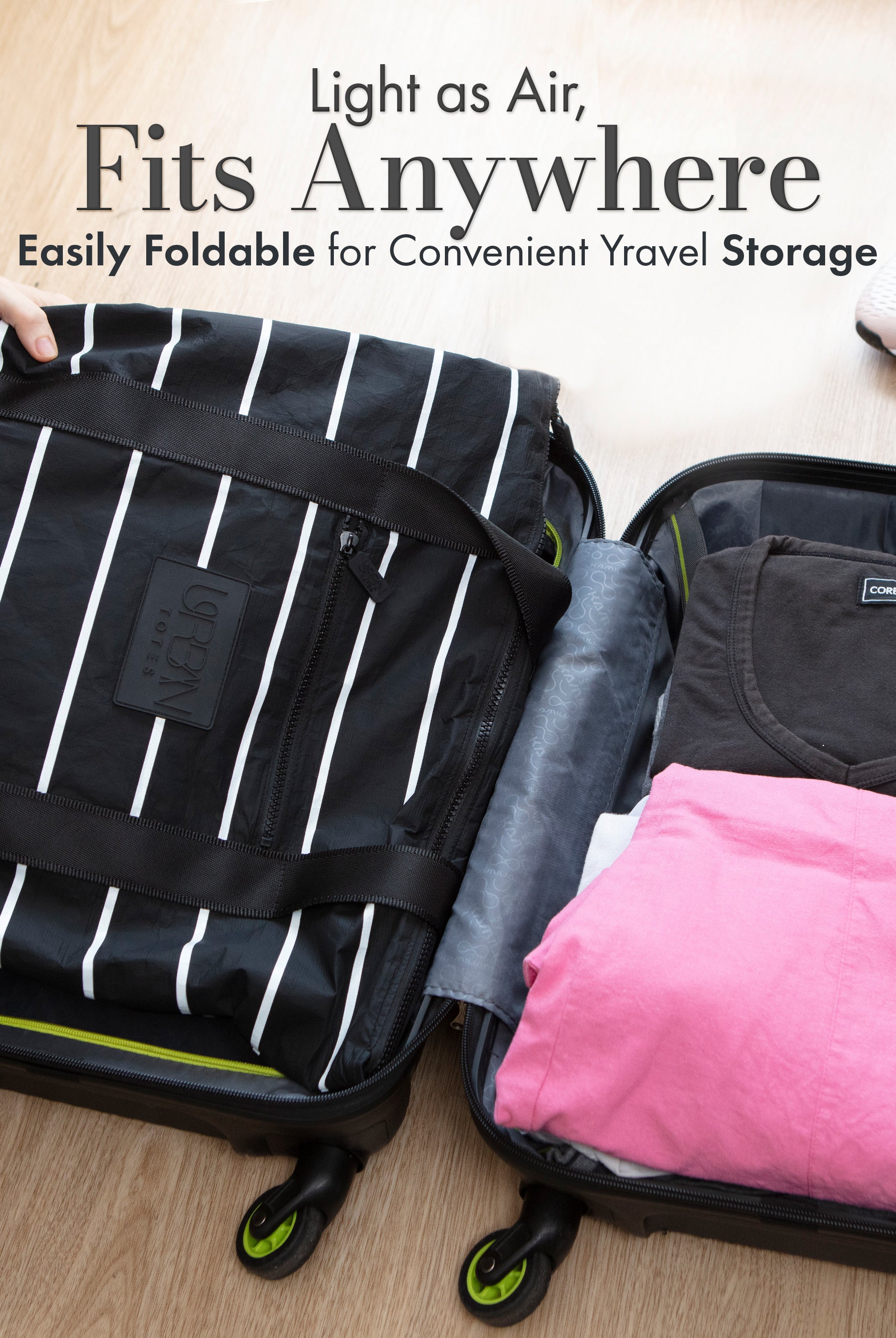
The same logic applies to materials. If you want easy care, look for fabrics that wipe down cleanly after gym use, travel, or a beach day. If you want a more polished finish, expect more maintenance. A packable, foldable crossbody made from lightweight technical material is especially useful when you want a bag that can disappear into a larger weekender and reappear for city walking once you arrive.
For travel planning, a practical travel security bag guide is worth a look because it reinforces the same idea, access, closure, and carry comfort matter as much as appearance when you're away from home.
Care routines that actually stick
A bag you use constantly needs a simple care routine. Wipe it down after messy days, empty it regularly, and store it so it keeps its shape instead of collapsing into itself. If the bag is machine washable, that's a big advantage for everyday carry, especially for commuters and beach-day moms.
Urban Totes' lightweight, water-resistant, packable, and foldable approach fits this kind of use case naturally. If your bag works for errands at home and also folds into a carry-on for a trip, you're more likely to keep using it instead of swapping bags every weekend.
For a packing-minded style reference, the Jolitee style guide for trips is a handy reminder that travel accessories should make movement easier, not more complicated.
A bag that's easy to clean and easy to pack earns its spot. That's what keeps it in the rotation long after the novelty wears off.
Smart Buying Checklist and Final Takeaways
Buy the bag that fits your day, not the bag that just looks nice in a thumbnail. Crossbody shopping gets much easier when you check a few things in order and ignore the fluff. If a bag passes these checks, it deserves a real look.
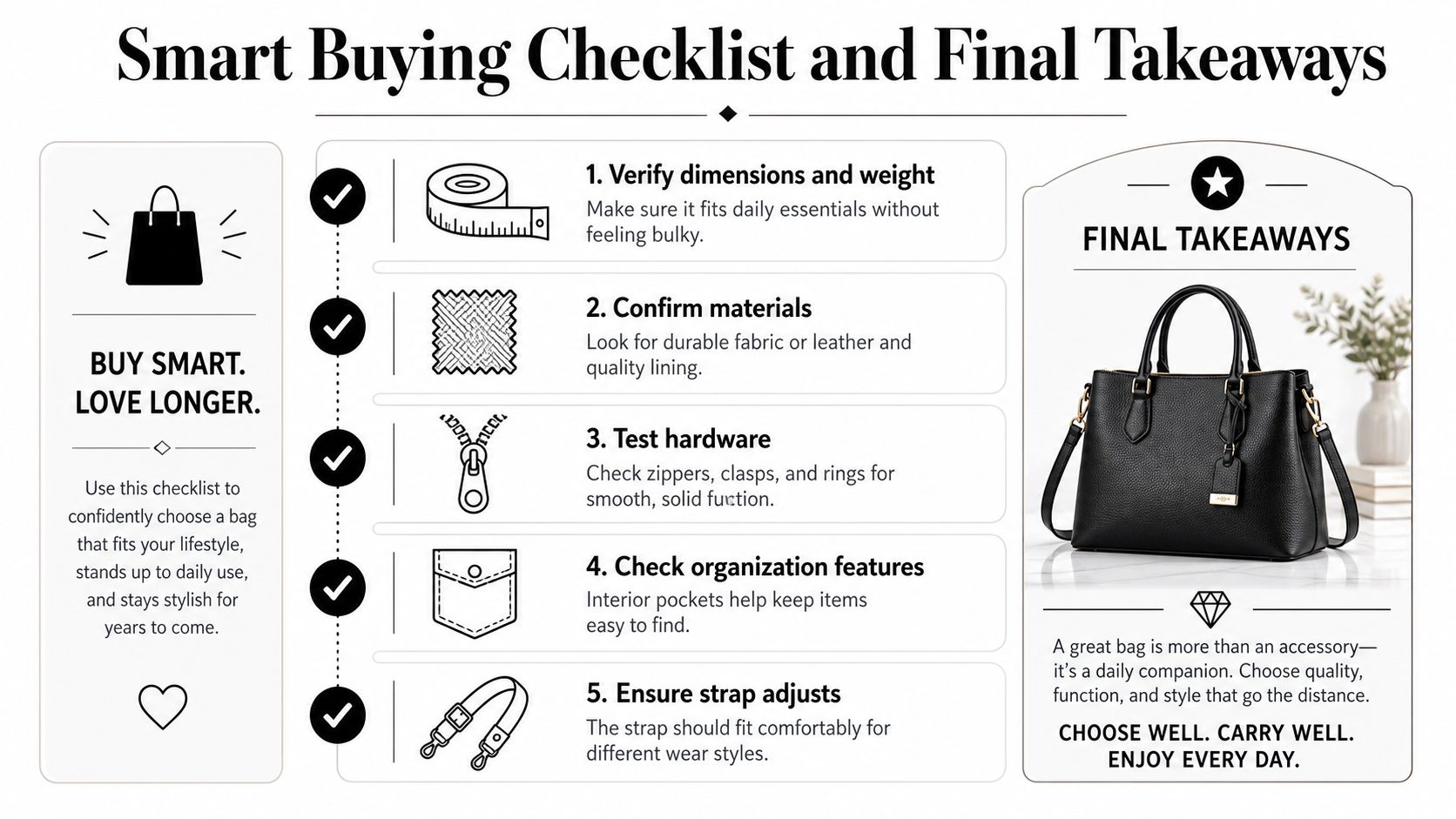
The checklist I'd use in real life
Start with fit and carry comfort. A good crossbody bag women reach for every day should sit close to the body without digging in, and it should stay comfortable whether you are walking, commuting, or chasing errands with one free hand.
- Verify dimensions and weight. Keep the bag compact enough to stay comfortable, and make sure the empty weight doesn't start out annoying.
- Confirm the material. Choose nylon or technical fabric for easy care, leather if you want polish, and only buy something heavier if you want that feel.
- Test the hardware. The zipper, strap adjuster, and attachment points should feel secure, not delicate.
- Check the organization. A phone pocket, a secure zip pocket, and a clear place for keys are worth more than random extra slots.
- Make sure the strap adjusts well. If the bag can't sit comfortably on your frame, skip it.
Security and weather resistance matter just as much. A zip closure, hardware that does not feel flimsy, and a material that can handle a wet commute or an unexpected spill are the details that keep a bag useful instead of fussy.
The biggest mistake is buying for aesthetics first and trying to make the bag work later. The second mistake is overstuffing a small style that was never meant to hold everything. If you need more room for diapers, beach gear, or travel extras, a larger carry-all is the better tool.
For a broader travel-and-organization perspective, Jolitee style guide for trips is a handy reminder that travel accessories should make movement easier, not more complicated. That same rule applies here.
A crossbody bag women reach for again and again is usually lightweight, organized, secure, and comfortable on the body. If you want a woman-owned, Boise-made brand that stays focused on water-resistant, lightweight, packable, foldable, multi-pocket, zipper-closure design, Urban Totes is built around that exact lane. Shop the full collection and choose the bag that keeps up with your real life.
Find your go-anywhere bag at Urban Totes, and pick the crossbody that fits your body, your routine, and your travel days without the daily fuss. If you want a bag that's organized, water-resistant, and ready for errands, commute days, and weekends away, start there and don't settle for anything that makes your life harder.