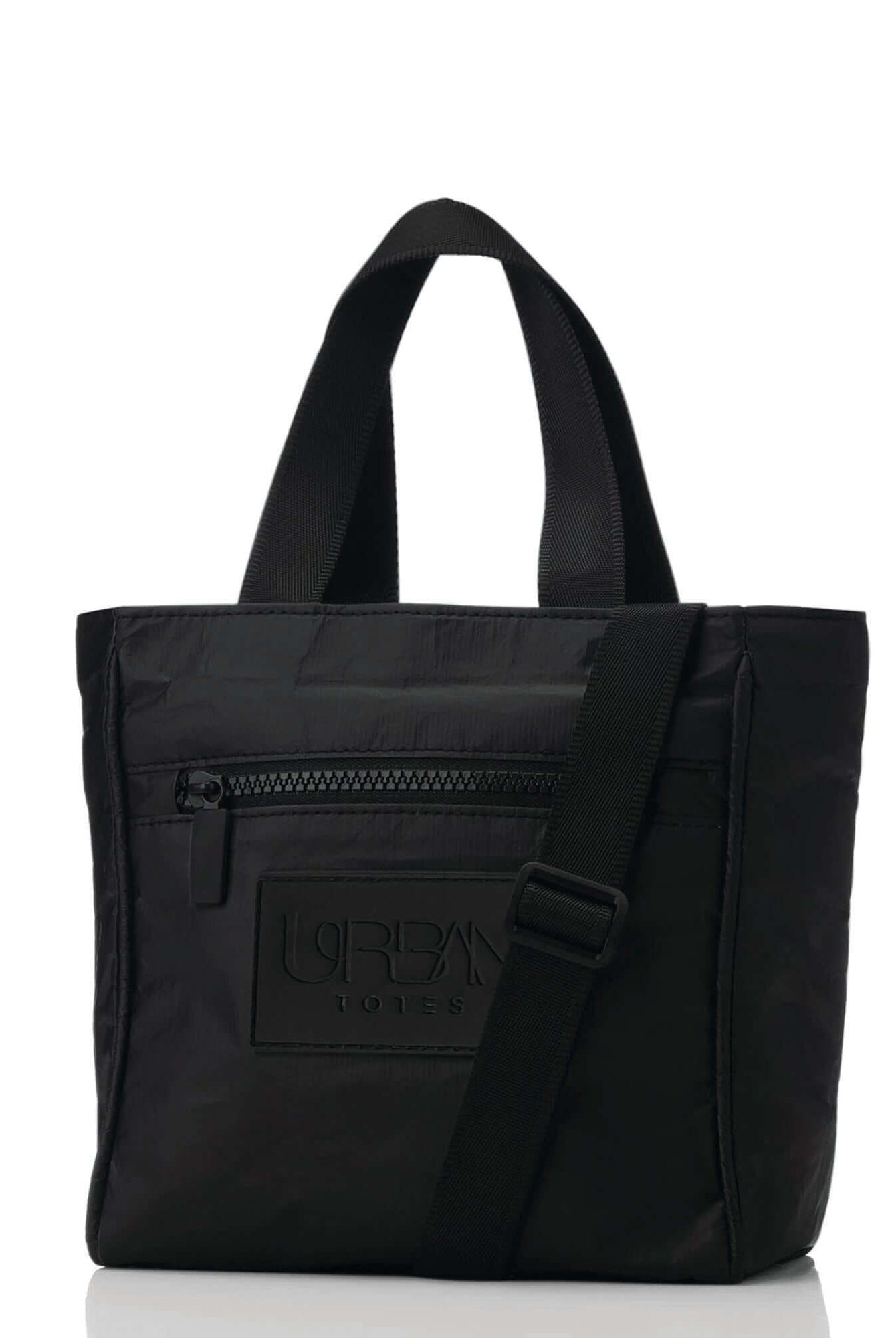
You're standing in the school pickup line with a coffee in one hand, a laptop in the other, and a tote bag on the passenger seat that was supposed to do it all. Then the weather turns, your grocery stop runs long, and the bag you grabbed because it looked cute is now the one thing making your day harder. A lightweight waterproof tote bag solves that exact problem, because it keeps up when your schedule gets messy, your commute gets damp, or your beach towel still isn't dry when you're packing to head home.
The reason this category matters now is simple, people want everyday carry that doesn't feel heavy, bulky, or overly technical. Waterproof carry solutions are no longer a niche outdoor buy, they're a growing mainstream category, with one market estimate valuing the global waterproof bags market at USD 20.12 billion in 2023 and projecting USD 29.8 billion by 2031 at a 5.6% CAGR over 2024 to 2031, while another puts the waterproof bag market at USD 1.71 billion in 2023 and USD 2.5 billion by 2032 at a 4.28% CAGR Verified Market Research. That growth tells you what busy women already know, the right bag has to handle rain, spills, sand, and life without feeling like outdoor gear.
For a quick look at how travel and daily carry can stay practical without becoming bulky, the idea lines up with resources like high-performance portable workout gear, where portability matters as much as function. The same logic applies here, if a bag is hard to carry, you won't reach for it.
Table of Contents
- Why Your Everyday Bag Needs to Keep Up With Real Life
- Understanding Water-Resistant vs Waterproof Construction
- Key Features That Make or Break Your Tote Experience
- Real-World Use Cases for Every Lifestyle
- Sizing, Packing, and Care for Long-Lasting Performance
- Sustainability and Material Choices That Align With Your Values
- Your Decision Framework for Choosing the Perfect Tote
Why Your Everyday Bag Needs to Keep Up With Real Life
You leave the house thinking the day is under control. The weather app says chance of rain, your bag has your charger, snack bars, and a change of shoes, and then the sky opens up on the walk from the parking lot to the office. Or you get to the beach and realize the same canvas tote that looked perfectly fine in the car soaked through the minute wet towels touched it.
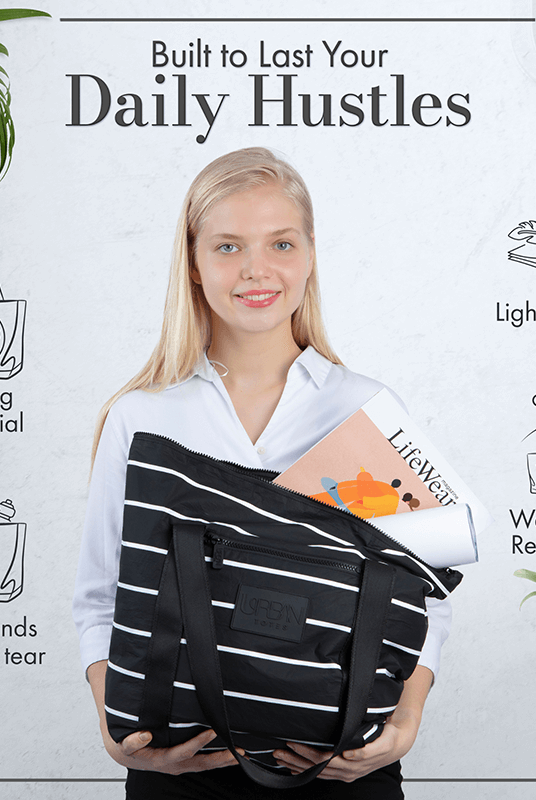
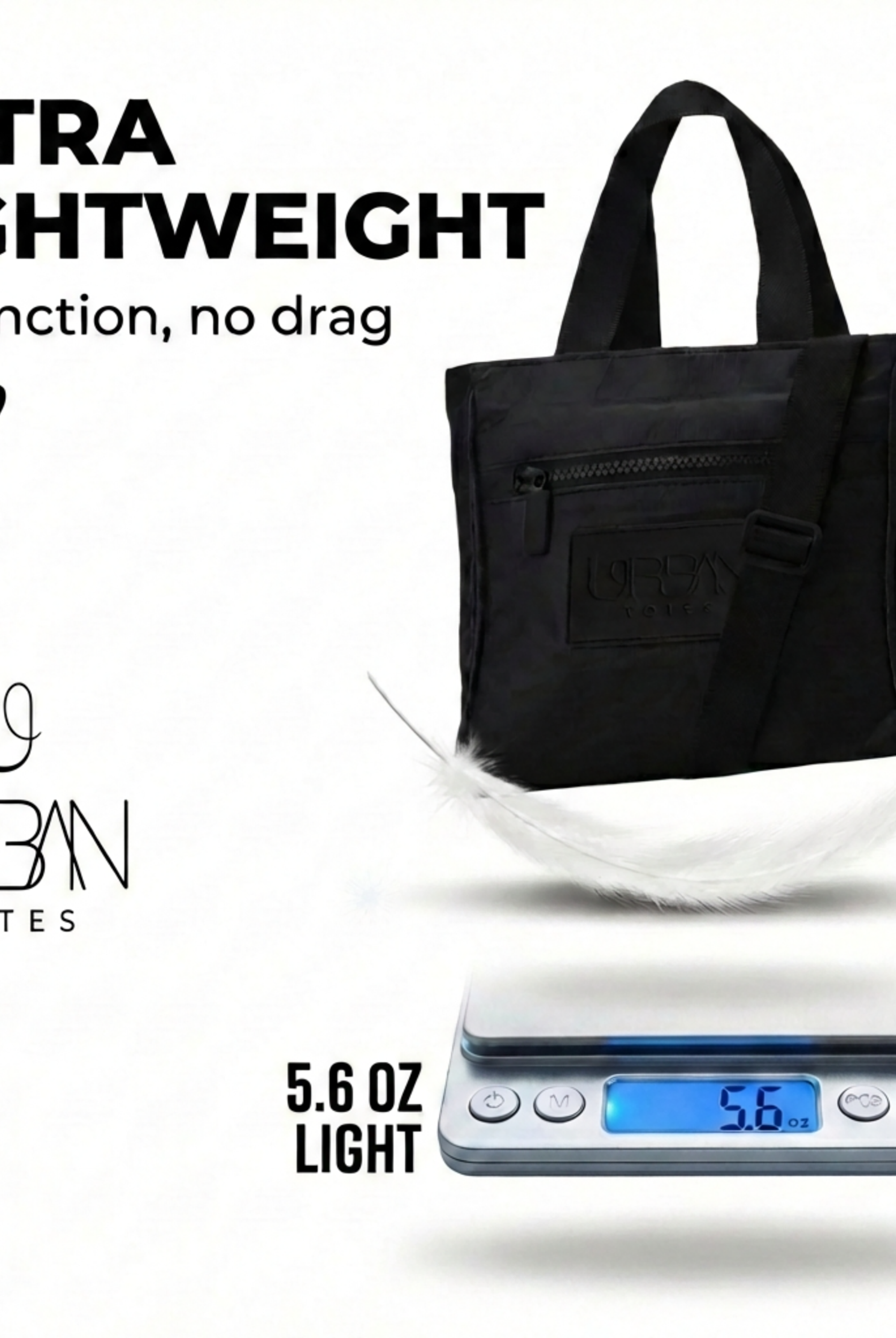
A lightweight waterproof tote bag solves that mismatch between how you live and how your bag performs. Many women are carrying more than a wallet and keys, they are moving lunch, tech, kid stuff, workout layers, and travel essentials through crowded sidewalks, airports, school drop-off lanes, and grocery runs. If the bag itself feels heavy before you put anything in it, it turns into a burden fast.
The fundamental shift is from niche to daily-use
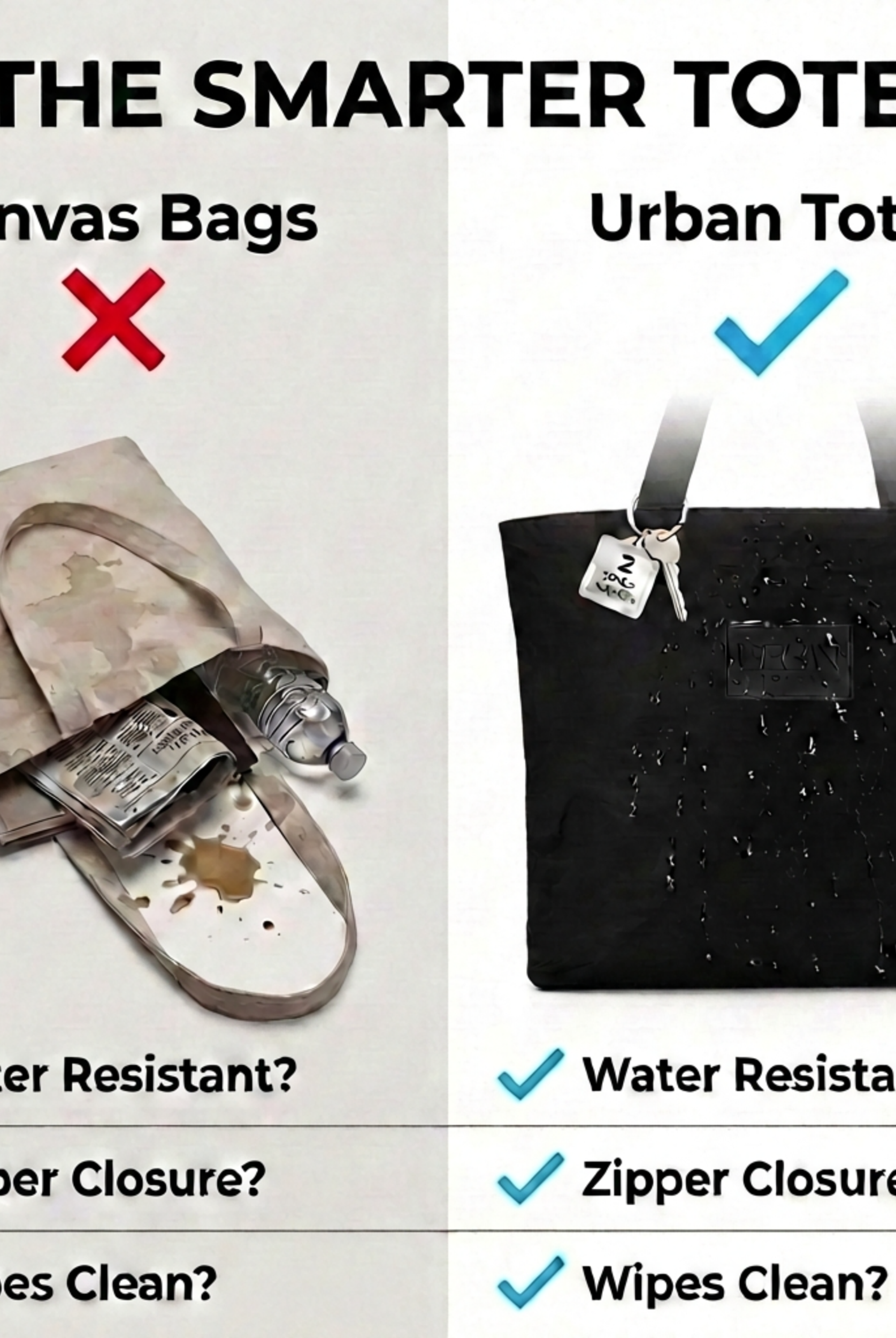
The old idea of waterproof meant something stiff, sporty, and hard to wear with normal clothes. That is not the category now. Modern technical fabrics and lighter constructions let a bag feel polished enough for errands and still handle wet floors, rain, or a damp towel without turning into a soggy burden.
Practical rule: if you would hesitate to pick up the bag when you are already carrying a coffee, a child's backpack, or your own laptop, it is too heavy for daily life.
That is why the best options sit at the intersection of comfort and protection, not one or the other. A commuter needs a bag that does not absorb rain and does not drag on the shoulder. A beach-day mom needs a tote that will not punish her after a long walk from the car.
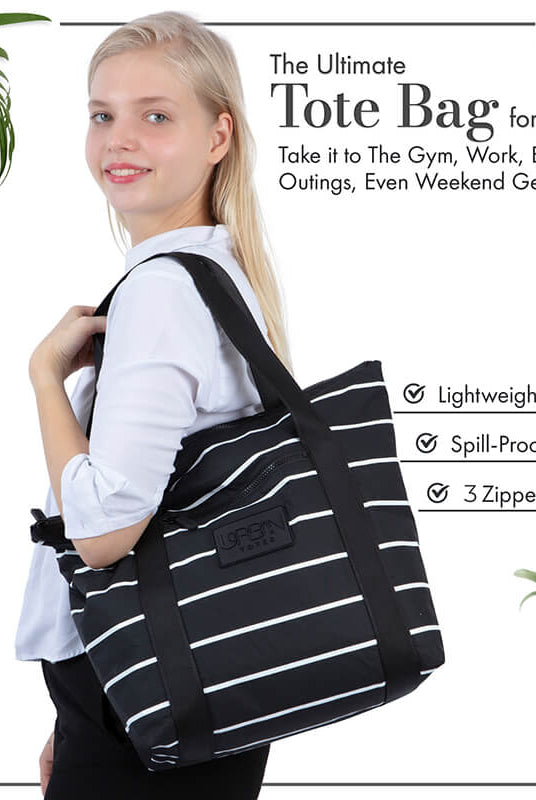
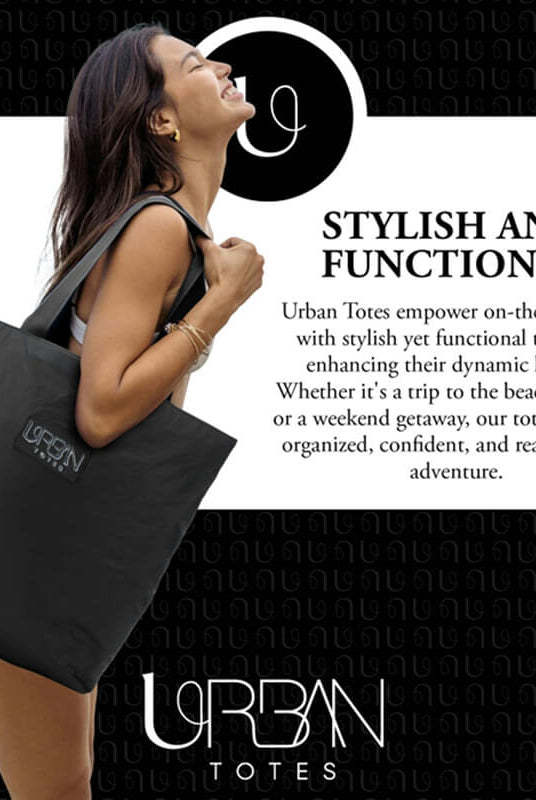
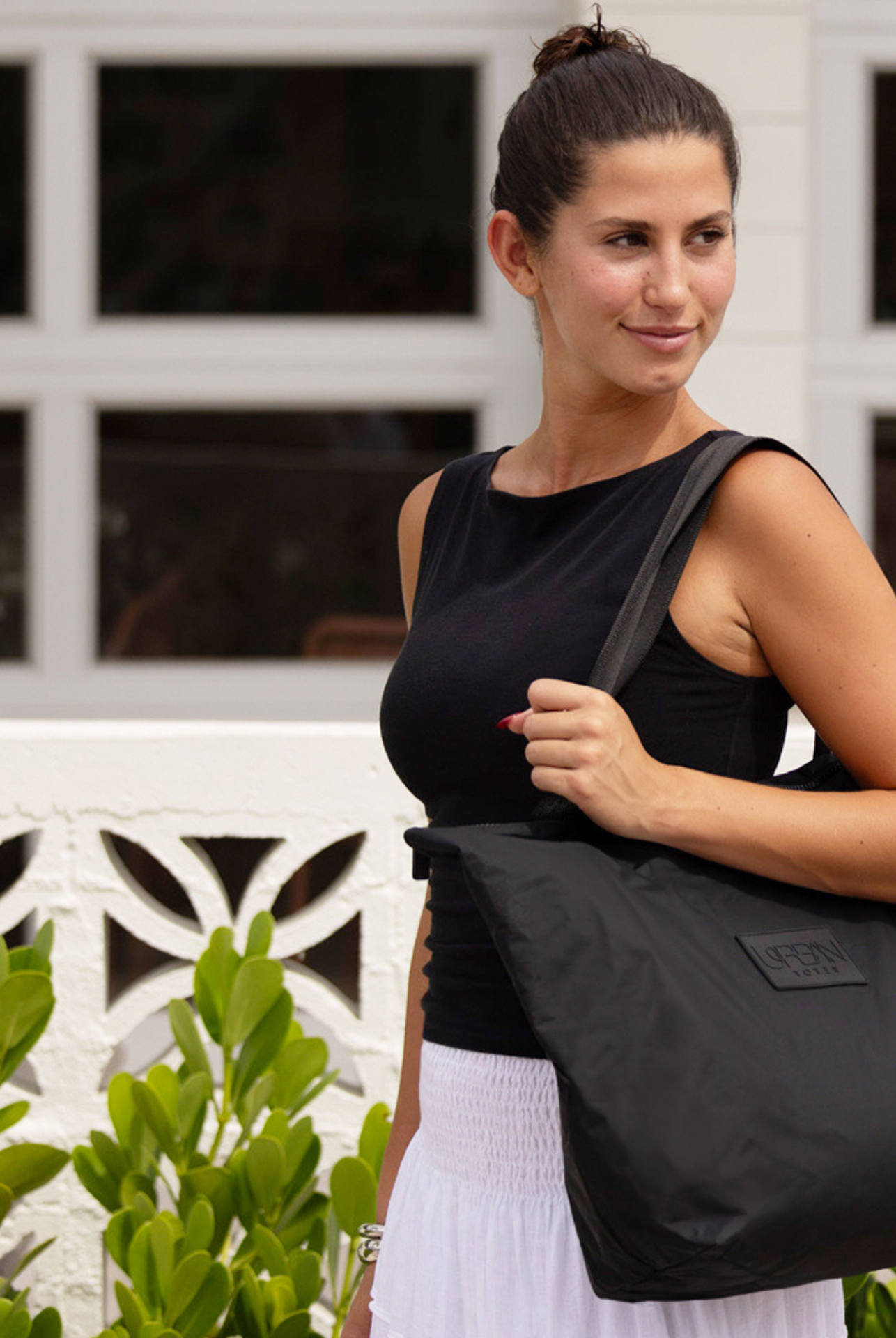
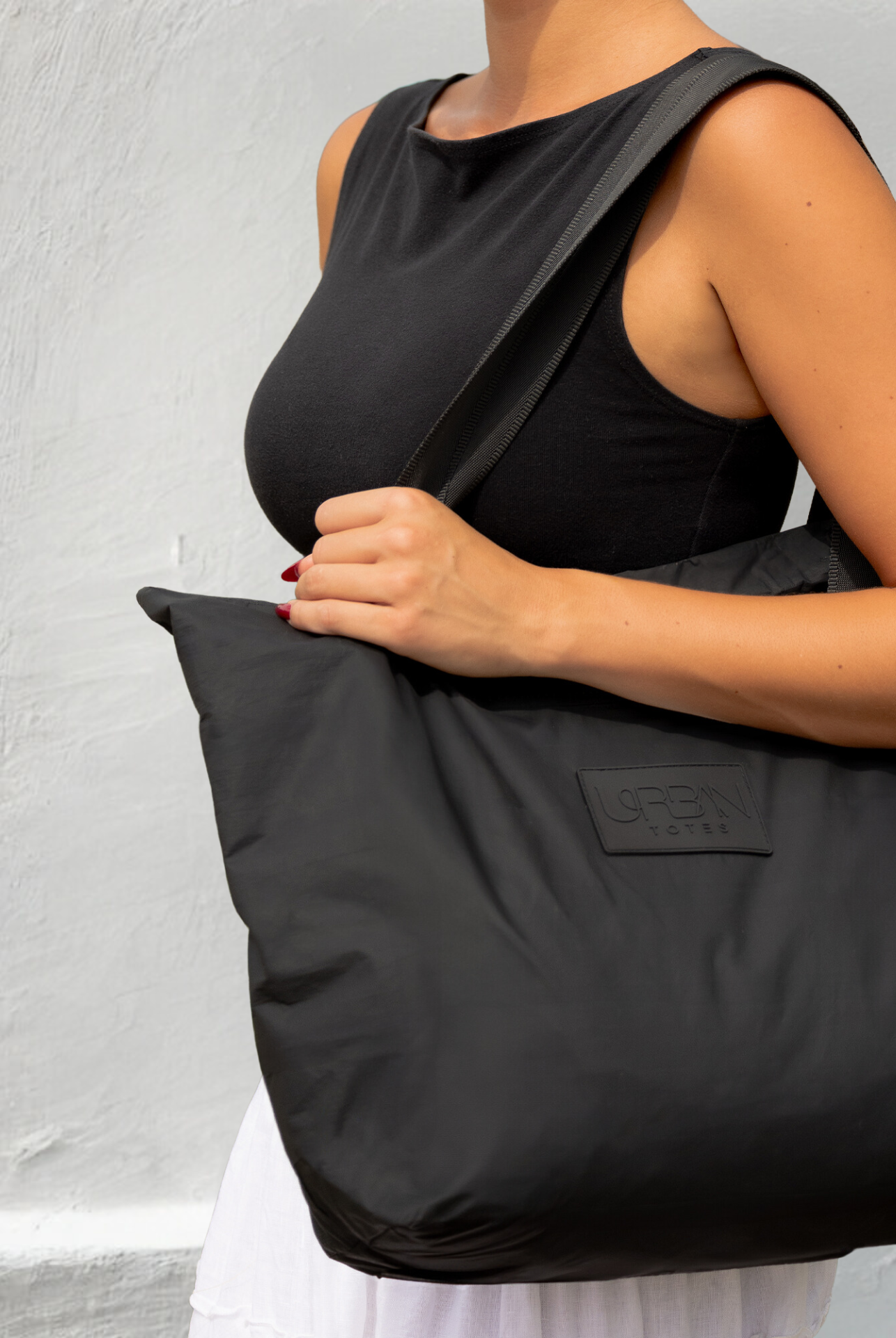
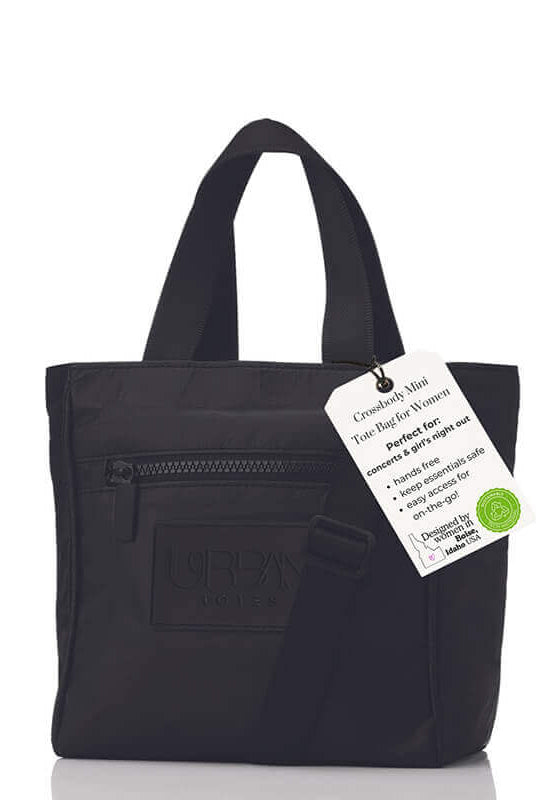
A woman-owned brand like Urban Totes, based in Boise, Idaho, fits that mindset well, because the point is to build something that works for actual routines, not just styled photos. If your day changes by the hour, your tote should be ready for it. For readers comparing water-resistant and waterproof options, this clear breakdown of tote bag protection levels helps separate what sounds strong from what protects your stuff.
A busy lifestyle also demands a bag that can pull double duty. It should carry your work gear on Monday, then hold pool towels, snacks, or high-performance portable workout gear on the weekend without feeling like overkill. That is the core value of choosing the right level of protection. You pay for the performance you need, and you avoid overbuying features that stay unused.
Understanding Water-Resistant vs Waterproof Construction
A lot of shoppers overpay for “waterproof” when what they really need is water-resistant. Others underbuy and end up with a bag that looks fine until the first real storm, gym floor spill, or beach day. The difference isn't just marketing, it comes down to fabric, seams, and closures working together.

Fabric choice does the first layer of work
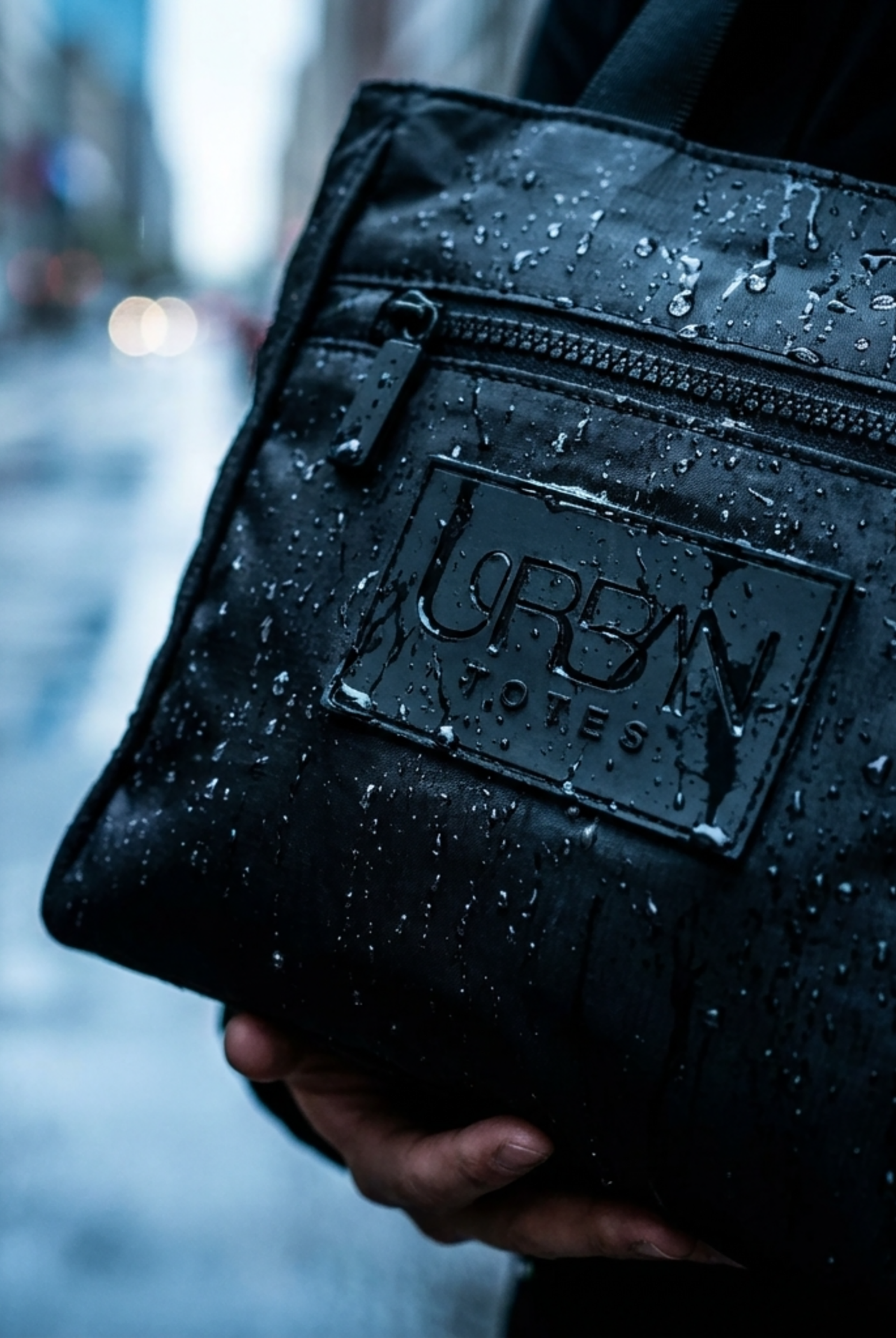
Think of water-resistant like a windbreaker and waterproof like a raincoat. Nylon and polyester naturally resist moisture better than untreated canvas, while PVC or vinyl and specially coated fabrics do more when you need stronger protection Rush Order Tees guide to tote bags. Untreated canvas is the easiest example of what not to rely on if rain is part of your real life.
That distinction matters because a tote can look structured and still let moisture creep in if the fabric isn't built for it. A beach bag that only needs to survive a little mist is a different purchase from the one you use for laptops, lunch, or change-of-clothes carry.
Seams and closures are where many bags fail
The shell is only half the story. Stitched seams can create tiny holes that become leak paths, while welded or sealed seams reduce that risk. Closure style matters too, because a zipper closure gives you more protection than an open top, and a drawstring usually sits somewhere in the middle depending on the material and fit.
A bag doesn't need to be fully submersible to be useful. It just needs to match the kind of moisture your life actually throws at it.
That's why shopping for “waterproof” should feel more specific than chasing a label. If you want a clear way to sort through the claims, Urban Totes has a focused explainer on the difference between is water resistant waterproof, and it's the kind of comparison every tote buyer should understand before checking out.
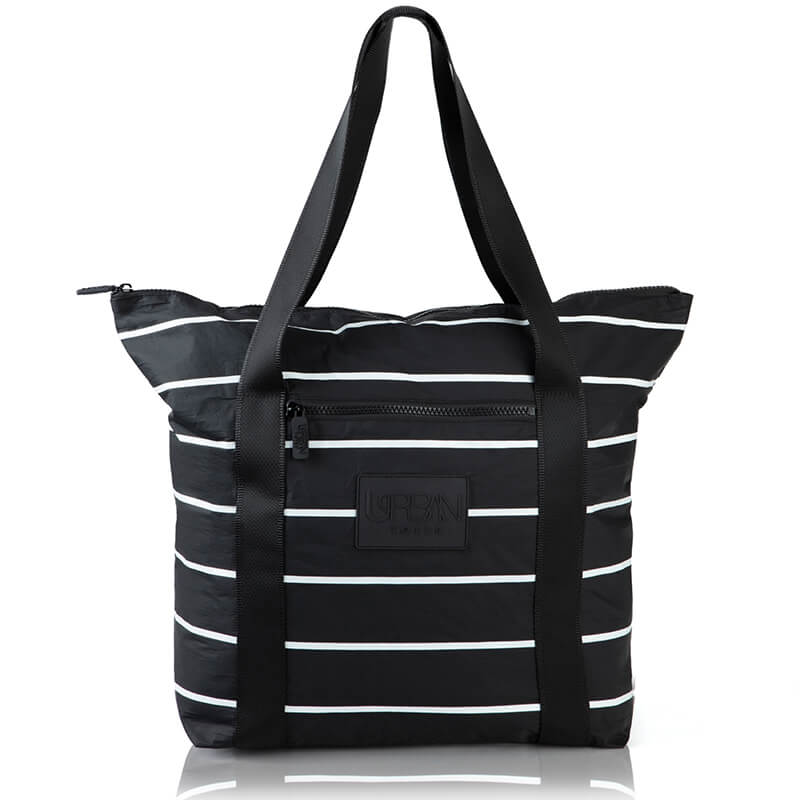
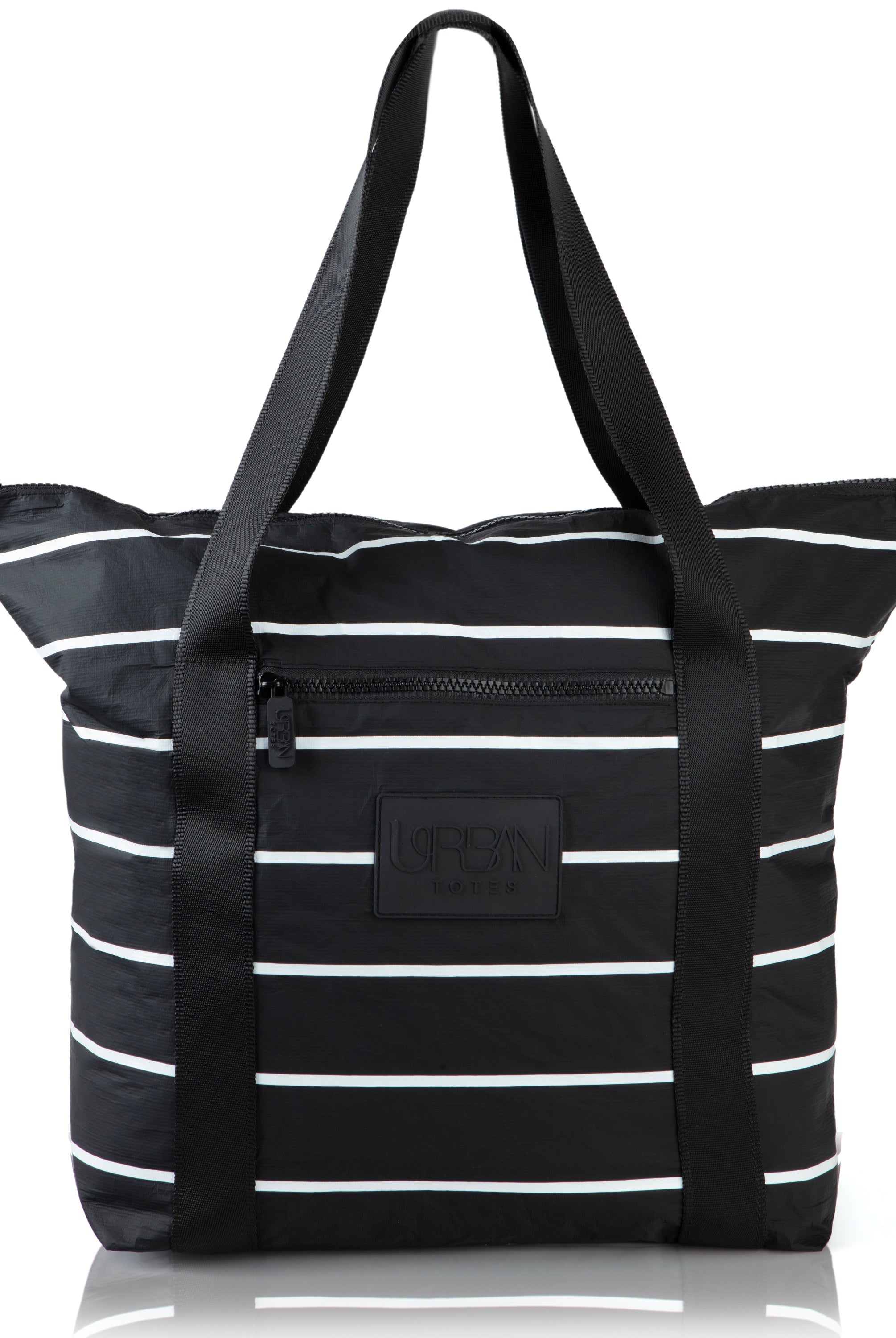
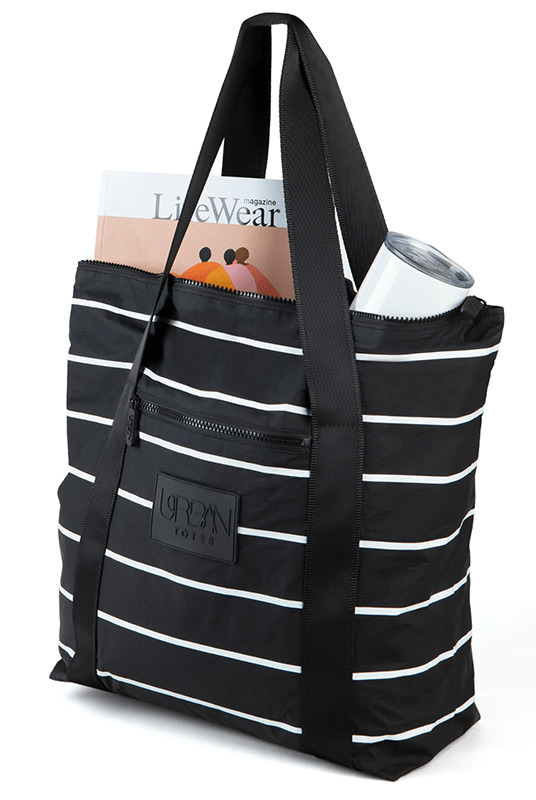
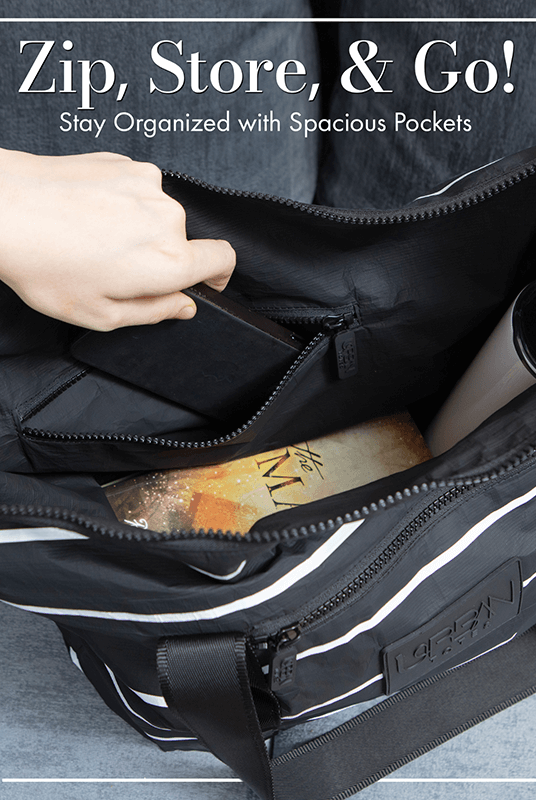
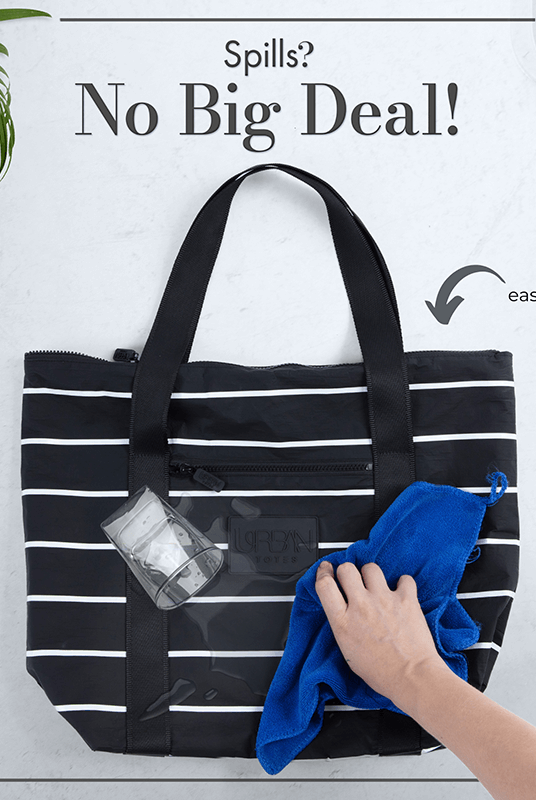
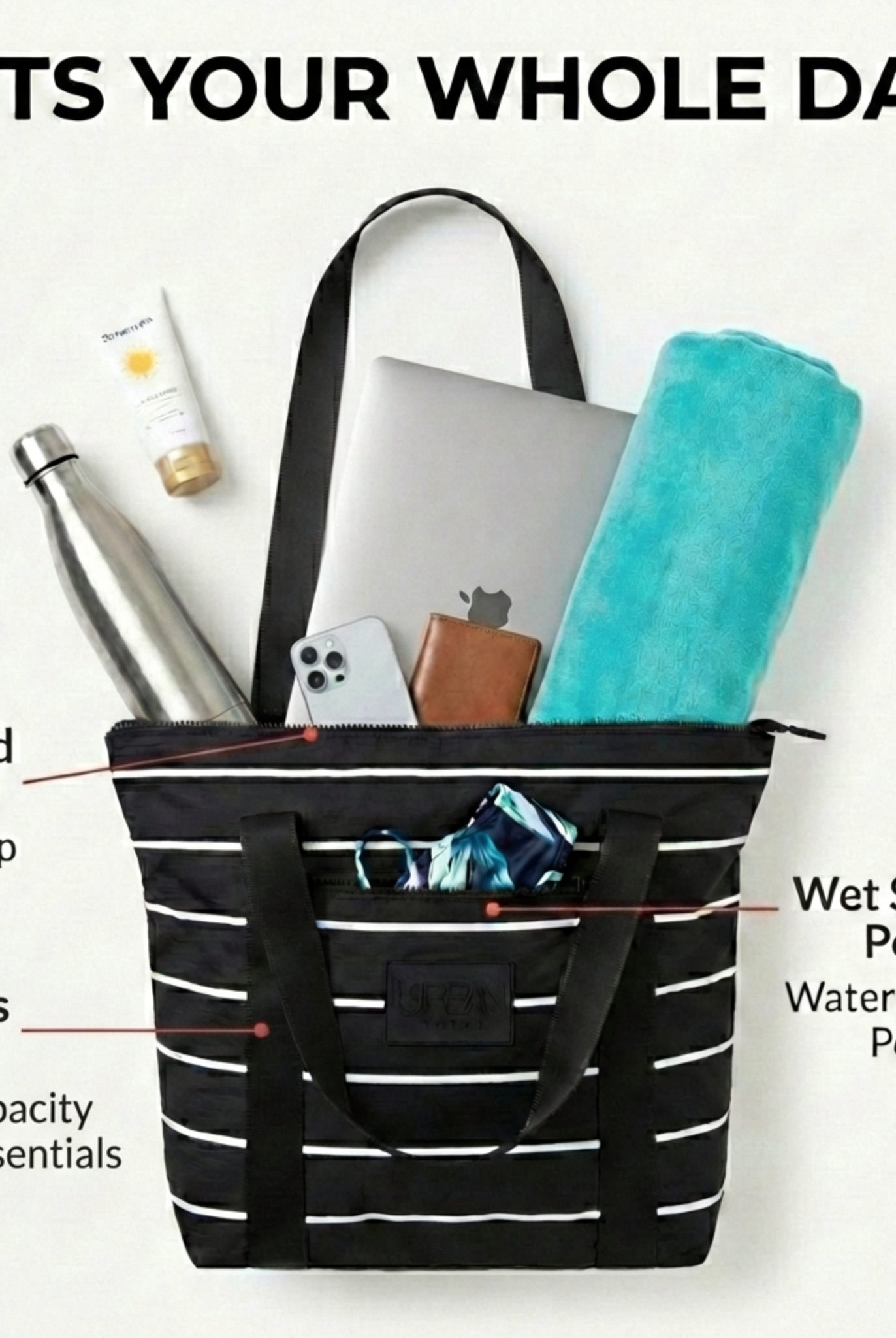
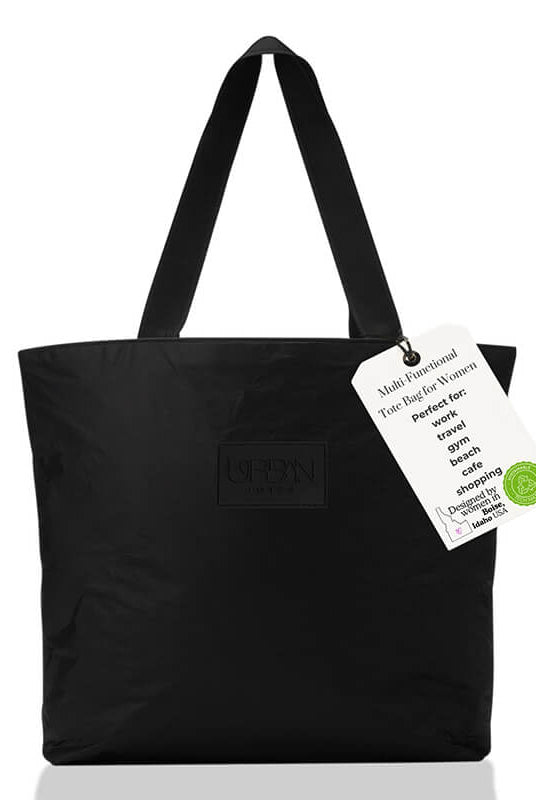
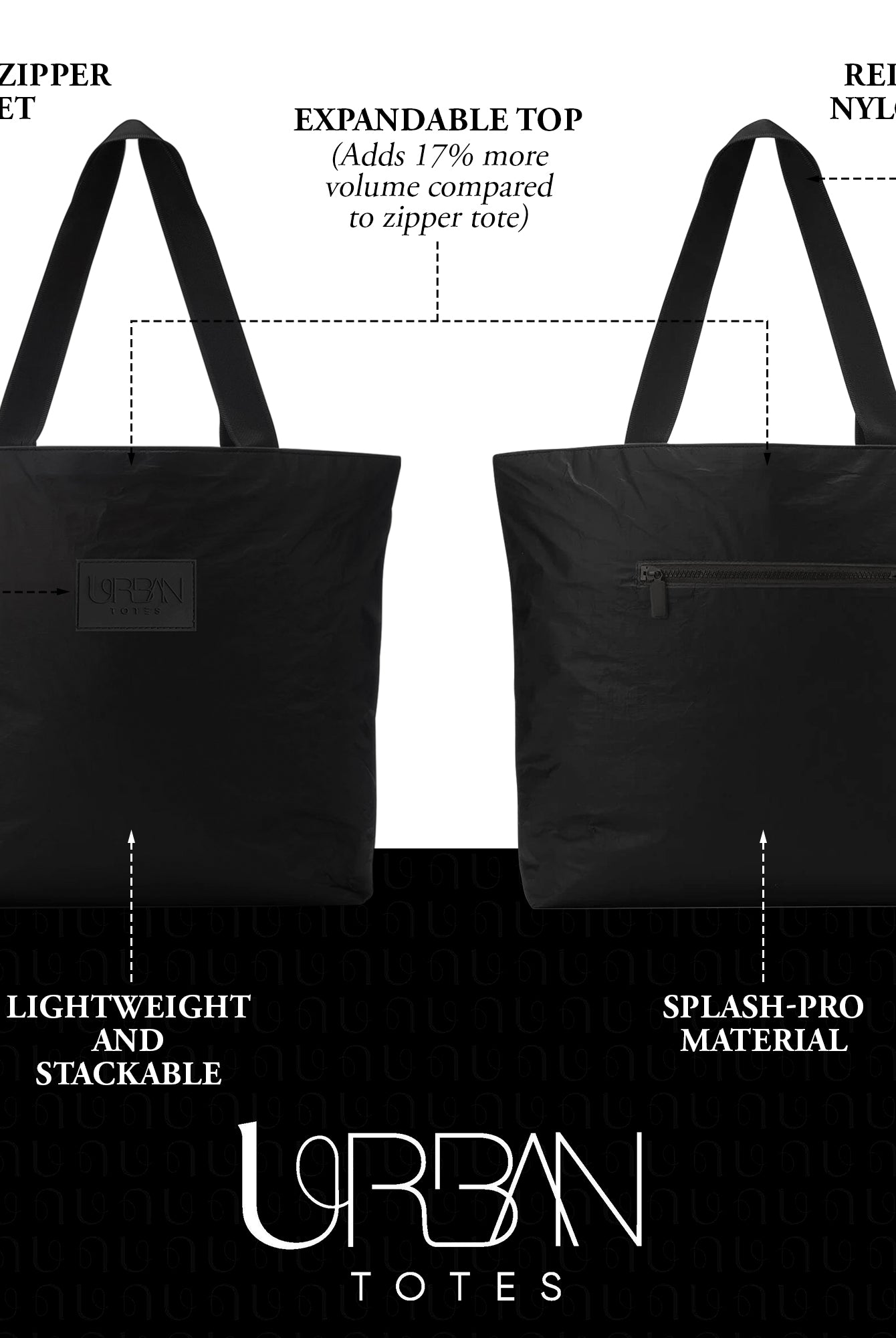
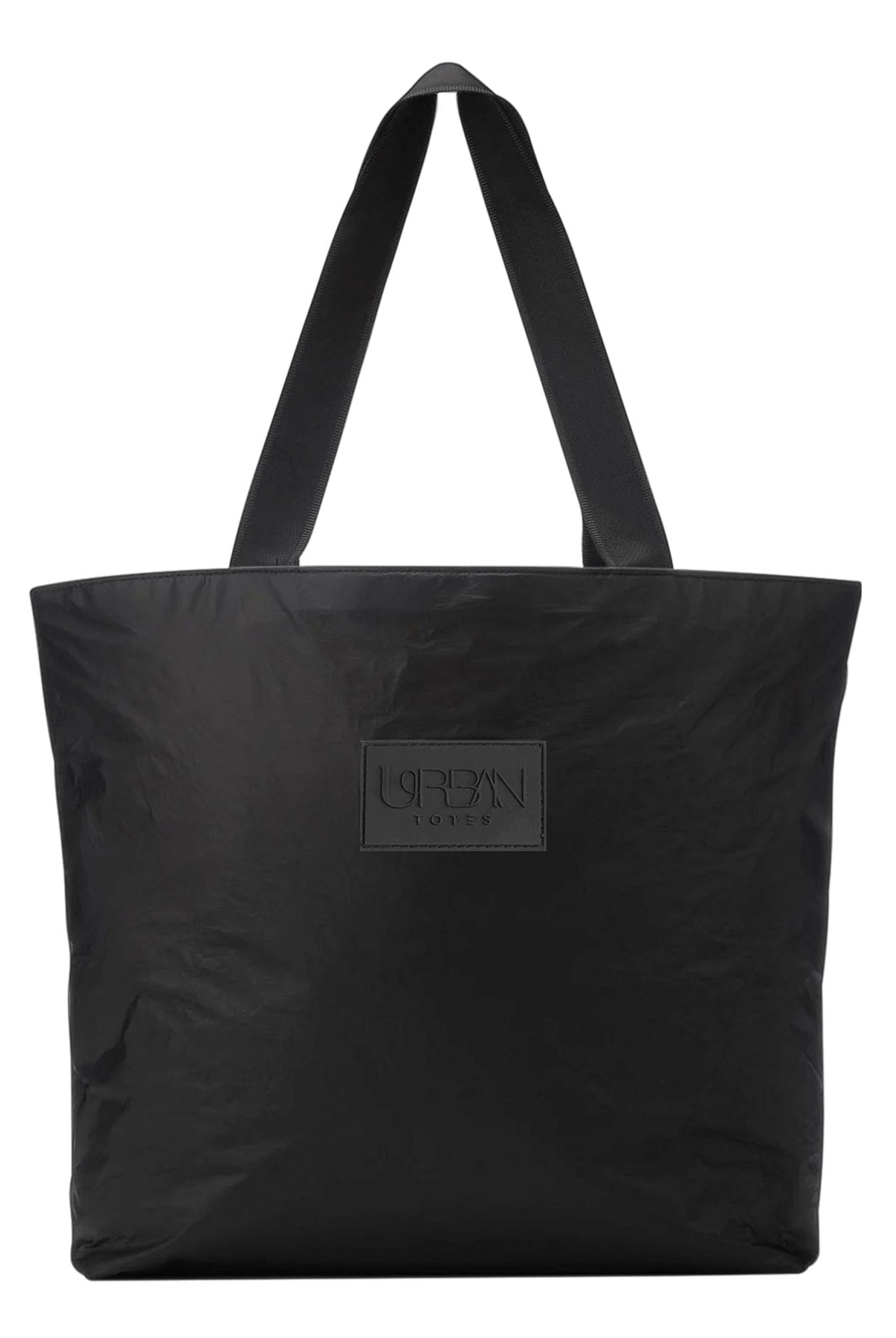
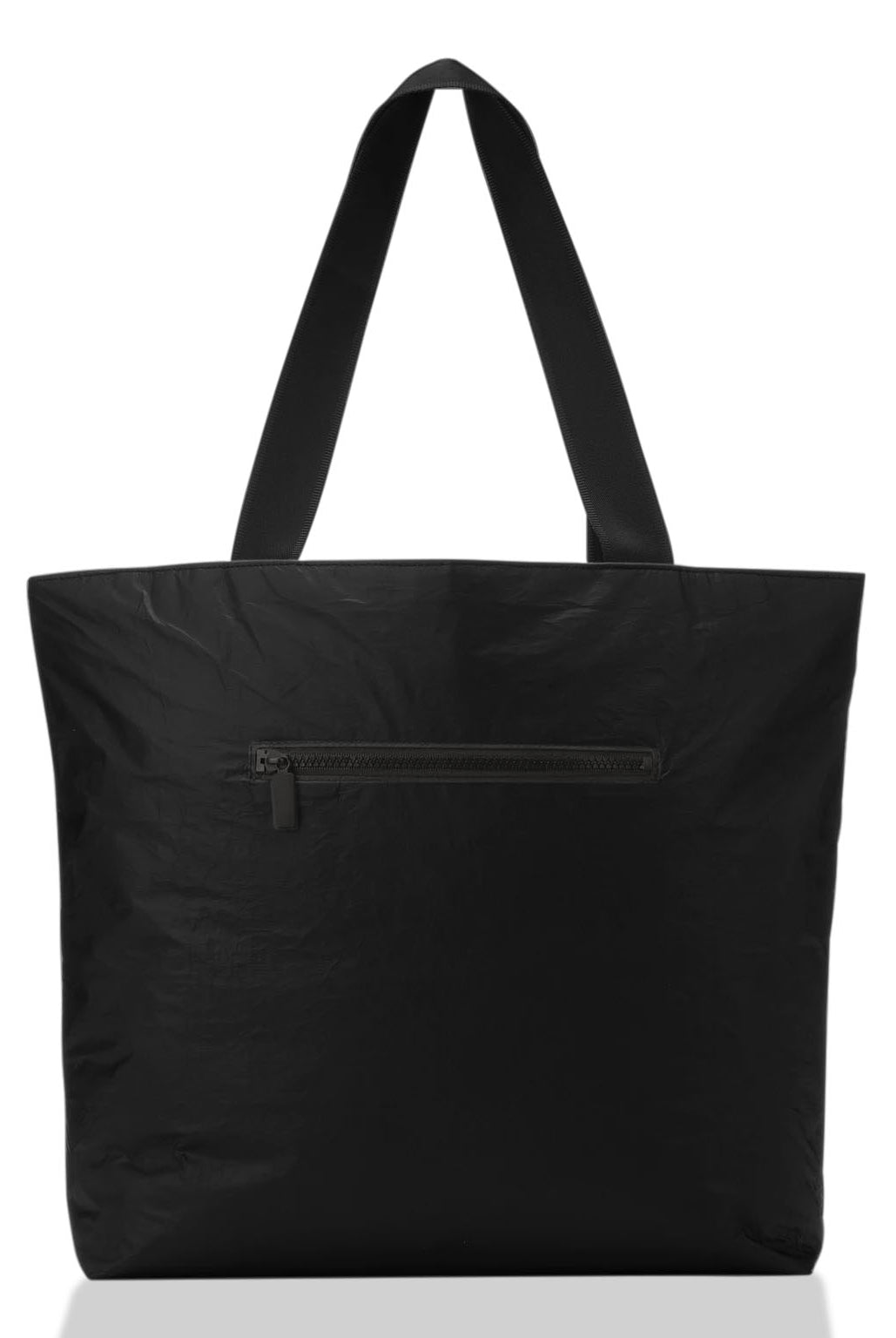
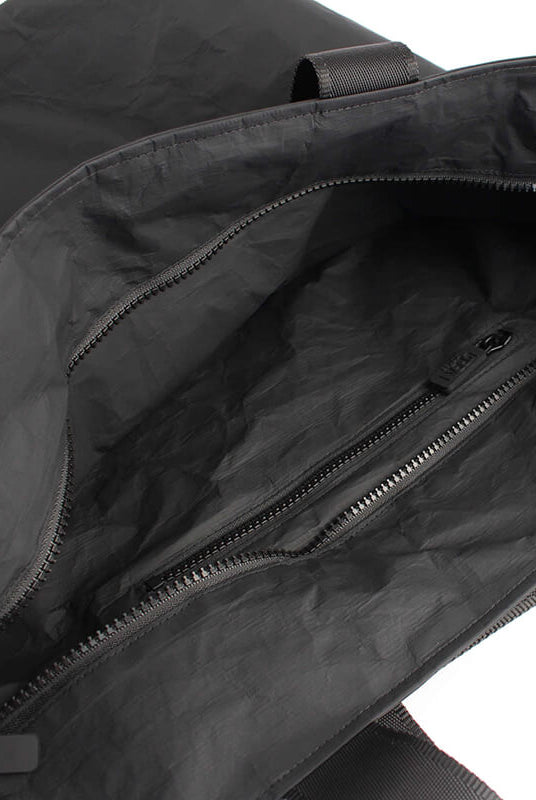
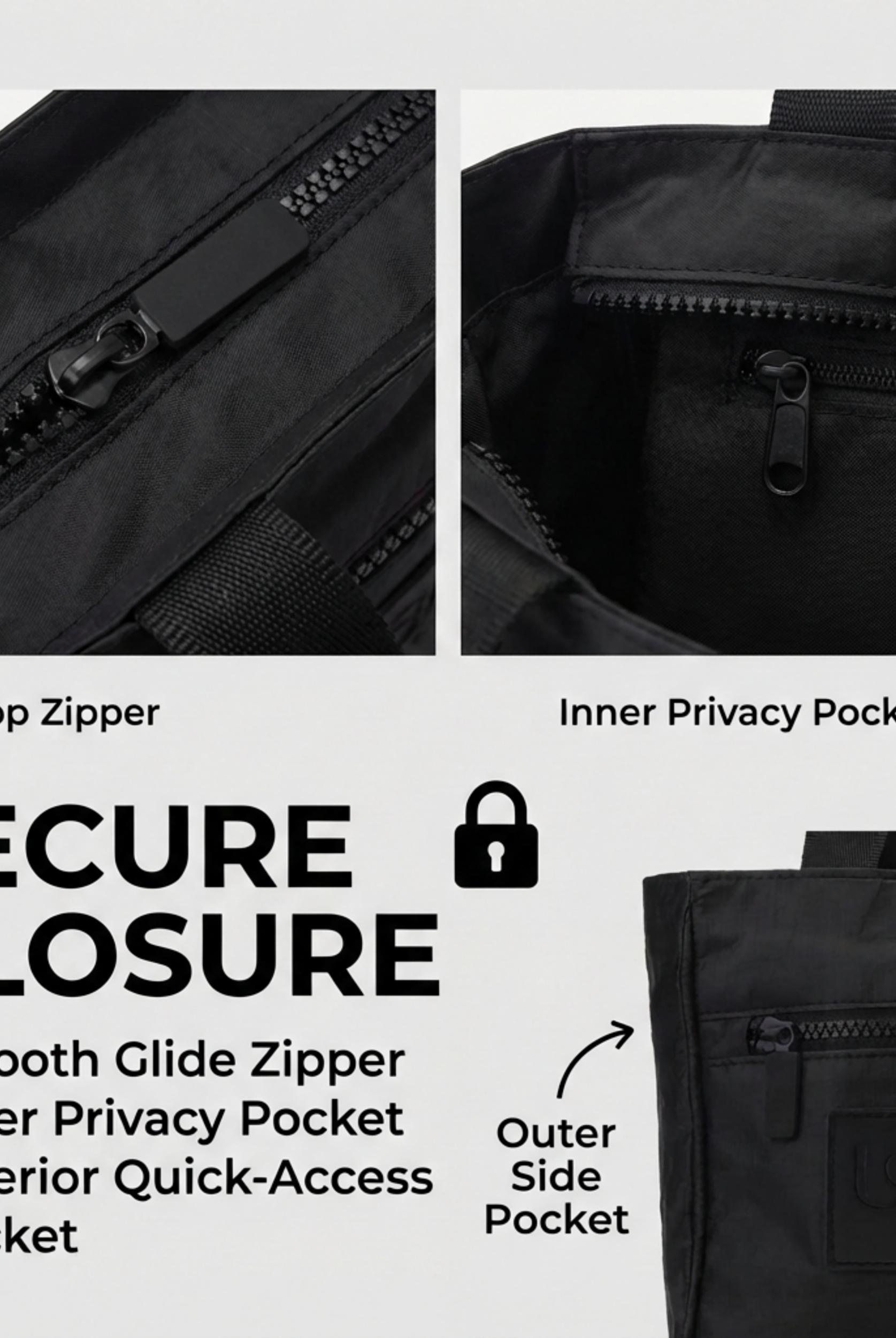
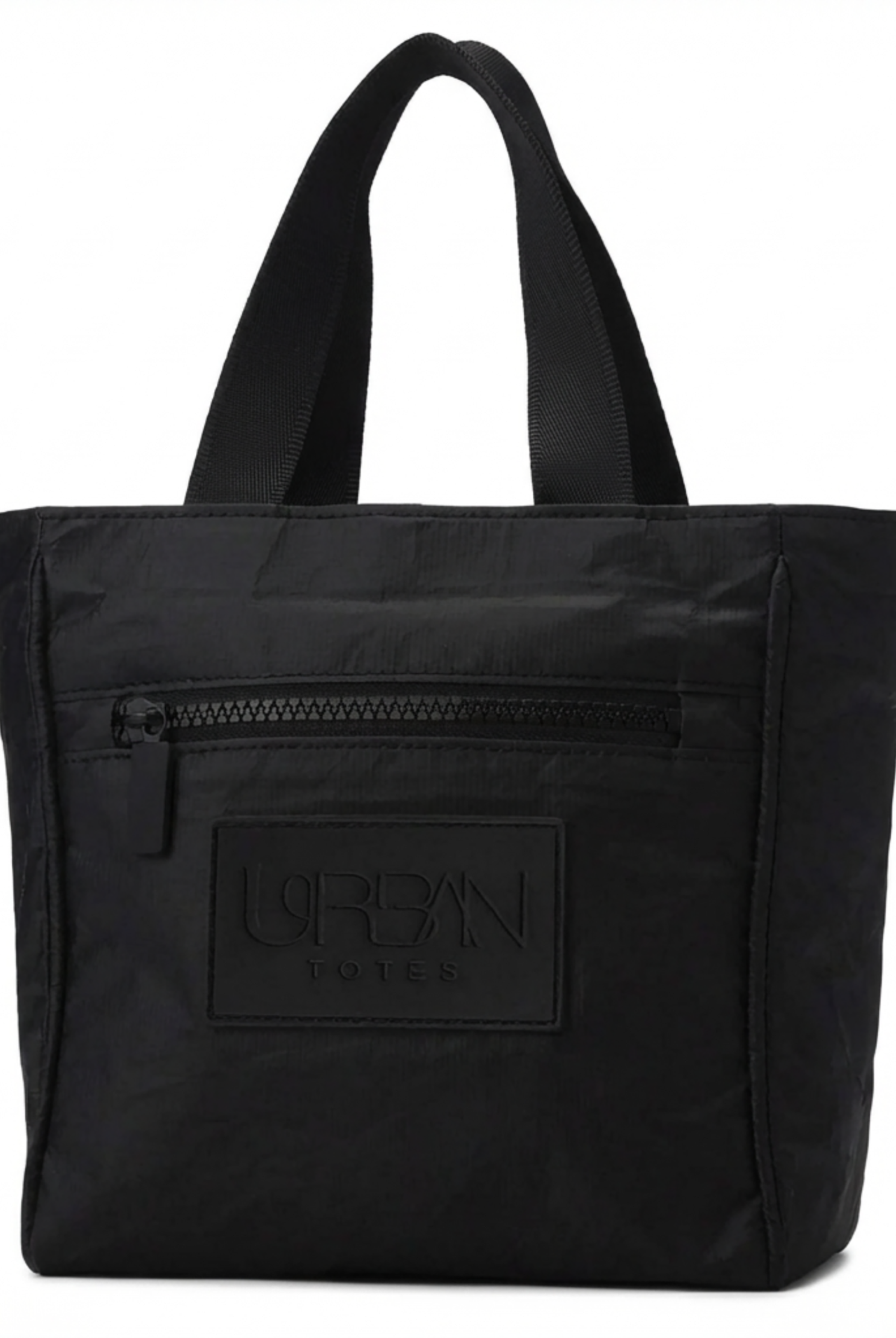
For a real product example, Elevate Every Adventure with The OG Zipper Tote Bag by Urban Totes shows how a zipper closure, water-resistant construction, and organized pocket layout can serve daily life. Its listed features include three large pockets, inside and outside zipper pockets, a lightweight feel, packability, and a wipe-clean or machine-washable care approach, which is exactly the kind of practical specification that helps shoppers judge protection without guessing.
If you're also comparing tote-style carry for weather, the same logic appears in a Nike rain jacket for football, because the outer material alone never tells the full story. Construction details do the heavy lifting.
Key Features That Make or Break Your Tote Experience
A tote can look perfect on a product page and still annoy you every single day. The difference usually comes down to four things, weight, organization, closure security, and strap comfort. If any one of those is wrong for your life, the bag turns into a regret purchase fast.

Weight matters more than shoppers admit
Published measurements show how wide the range can be. Pack Hacker's review of the Nanobag reusable shopping bag lists a 19L standard version at 0.8 oz (22.7 g), a 15L mini version at 0.7 oz (19.8 g), and a 14L drawstring version at 0.9 oz (25.5 g) Pack Hacker. In tote testing, Wirecutter's coverage lists a zip-closure tote at 13 ounces and another large tote at 1 pound 10 ounces.
That spread tells you what matters in practice. A tote can feel easy all day or wear you out depending on what it's made from and how much structure it carries. For errands, lighter is better. For beach days or heavier loads, a little extra structure can be worth the trade-off.
Organization prevents daily friction
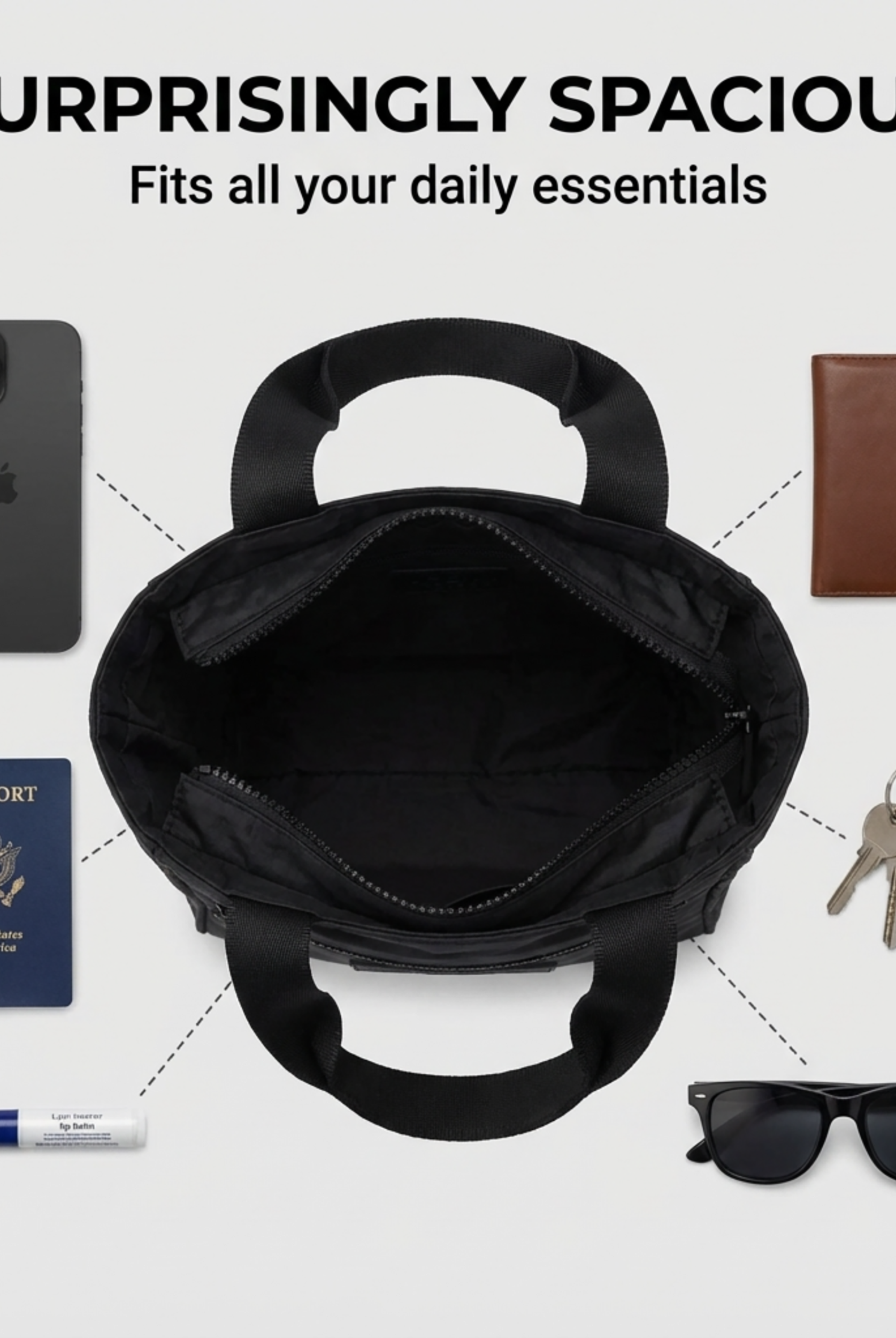
A bag without compartments turns every small item into a search party. Keys sink, lip balm disappears, and your phone ends up at the bottom under a water bottle and receipts. That is why internal and external pockets matter so much, especially for commuters and caregivers.
If pocket layout is one of your top priorities, Urban Totes has a useful breakdown on tote bag compartments, and that topic deserves real attention because organization is what keeps a tote practical after the first week of use.
My take: one smart zipper pocket beats three shallow pockets every time if you actually carry a phone, keys, and wallet daily.
The right closure changes how you use the bag. A zipper closure is better for transit and crowded spaces. An open tote feels easier at the farmers market, but it gives you less peace of mind when the subway is packed or the weather turns.
Real-World Use Cases for Every Lifestyle
A lightweight waterproof tote bag is only useful if it fits the day you have. The bag that works for a beach-day mom can feel clumsy for a commuter, and the one that is perfect for gym runs can be wrong for an airport day. Match the features to the way you move, not to the biggest promise on the tag.
Beach days and pool runs
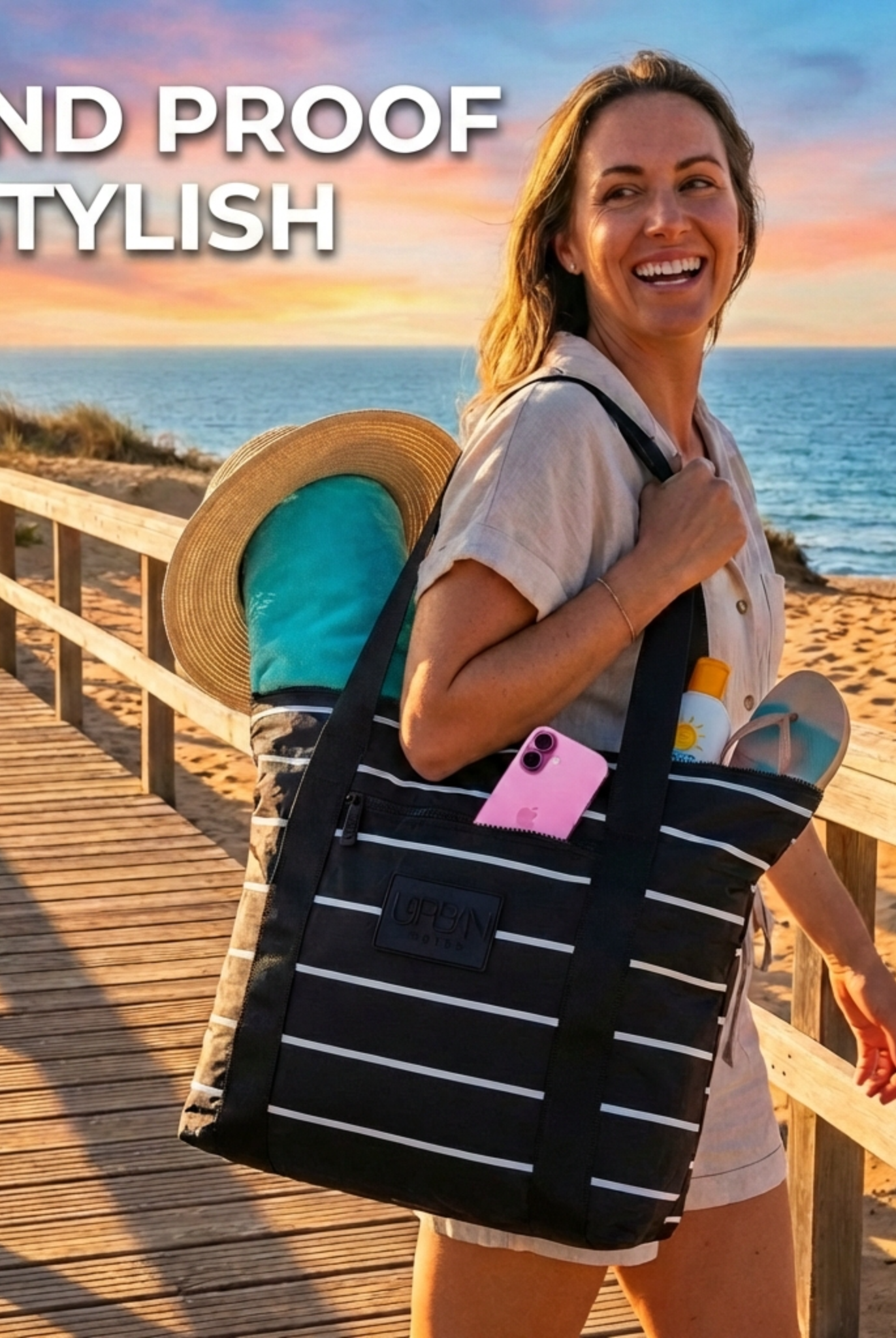
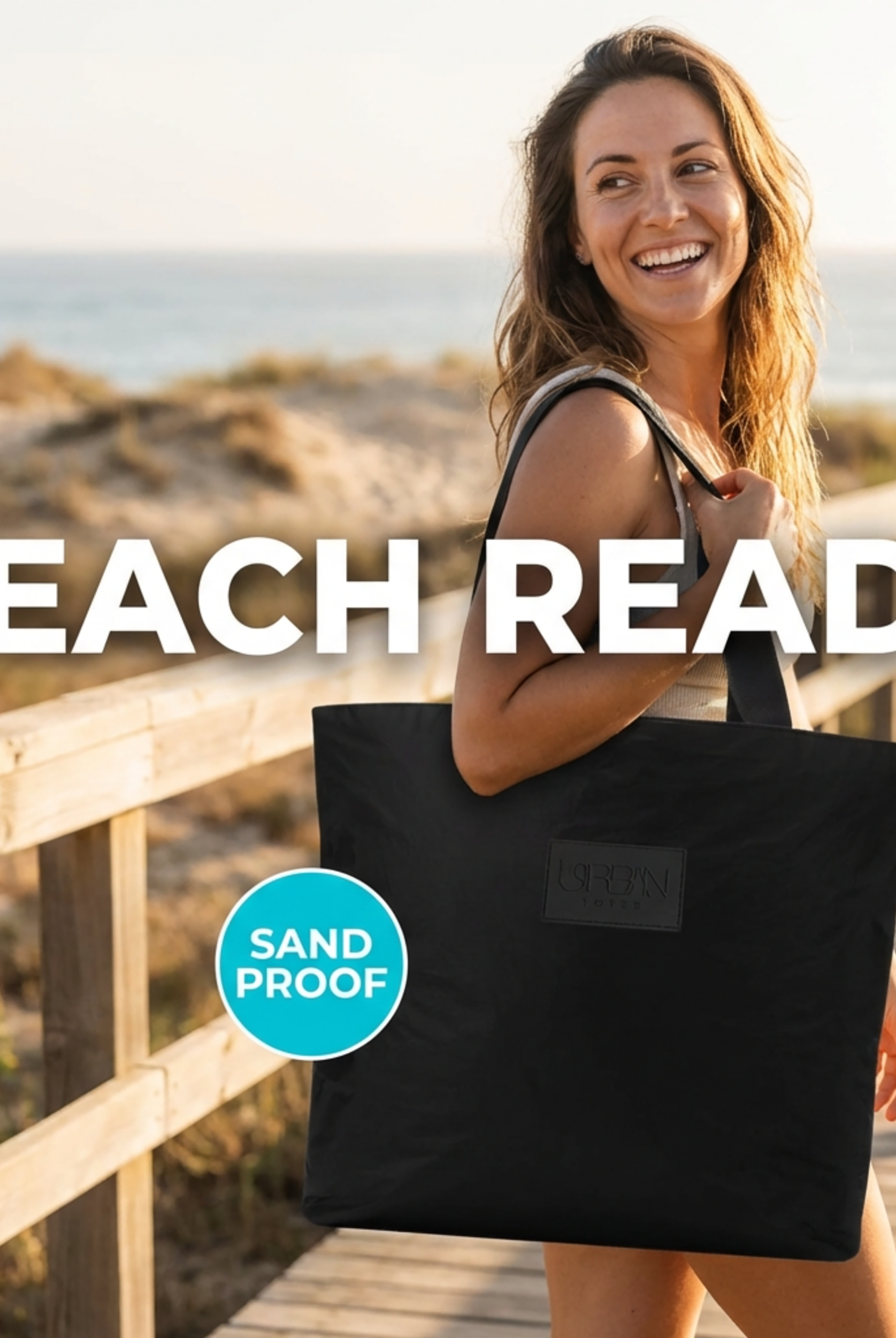
Wet swimsuits, sunscreen, snacks, and a towel pile up fast. In that setting, a water-resistant shell may handle splashes, but a true waterproof build gives you more confidence when the bag gets set on damp concrete or tossed in the trunk after a swim. A simple interior helps cut down on sand buildup, while zipper pockets keep small items from sinking to the bottom of a wet mess.
Beach-bag testing has shown a practical trade-off, pockets help, but too many openings also trap grit Wirecutter. If you carry wet gear often, choose a tote that shakes out easily, wipes clean fast, and does not hold onto sand in seams or corners.
Airport days and weekend trips
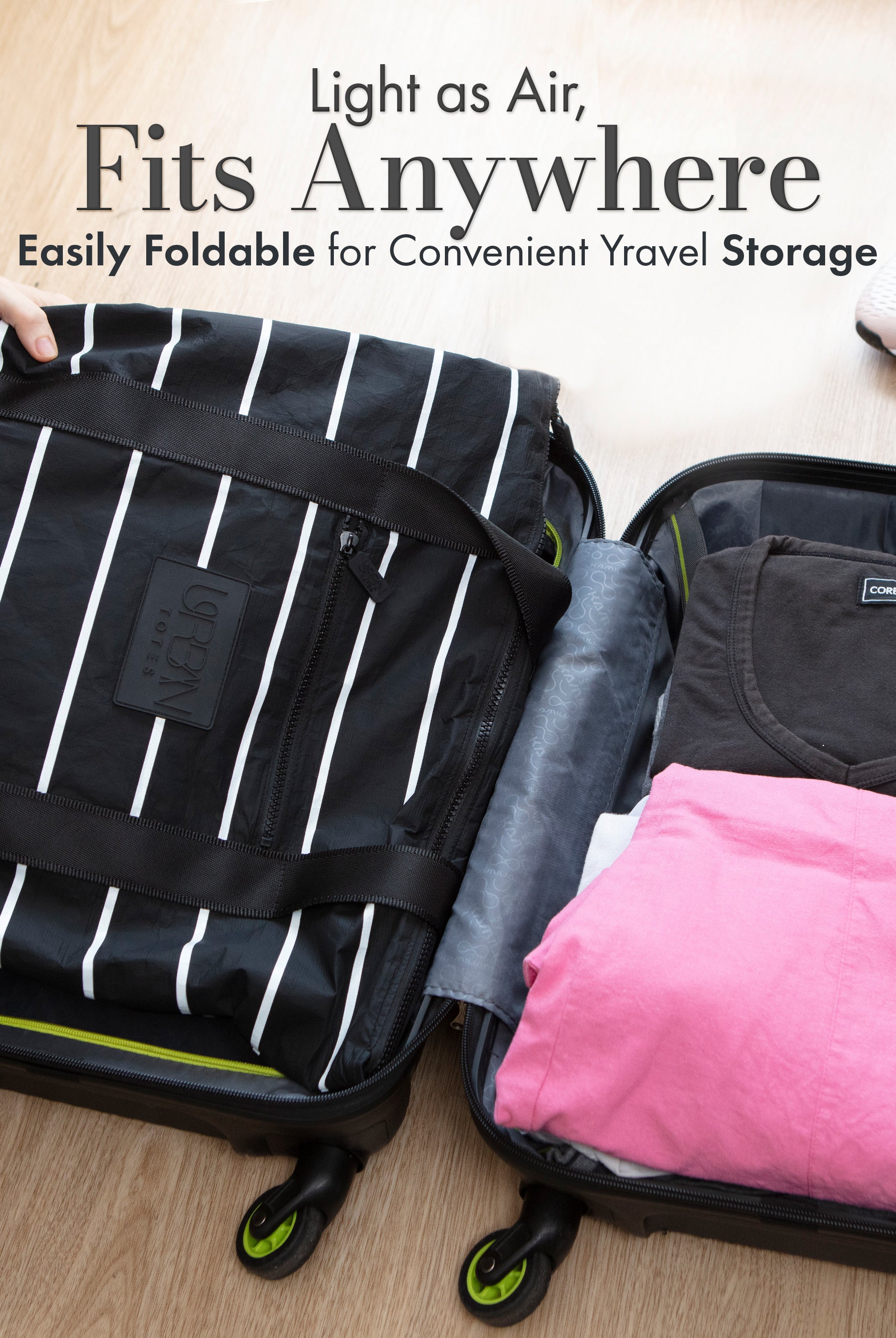
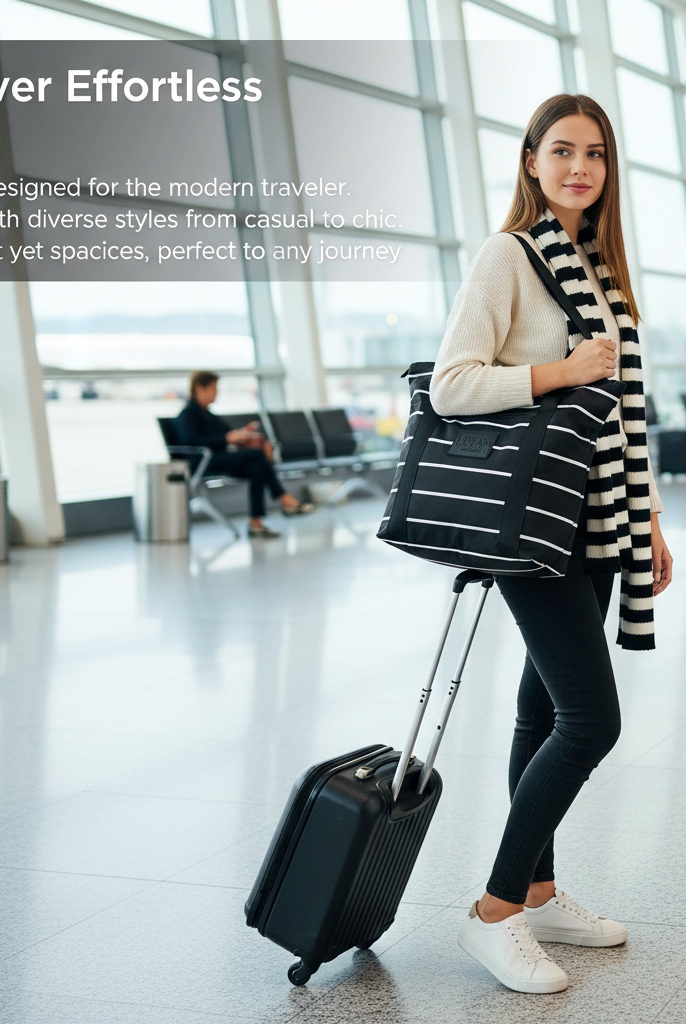
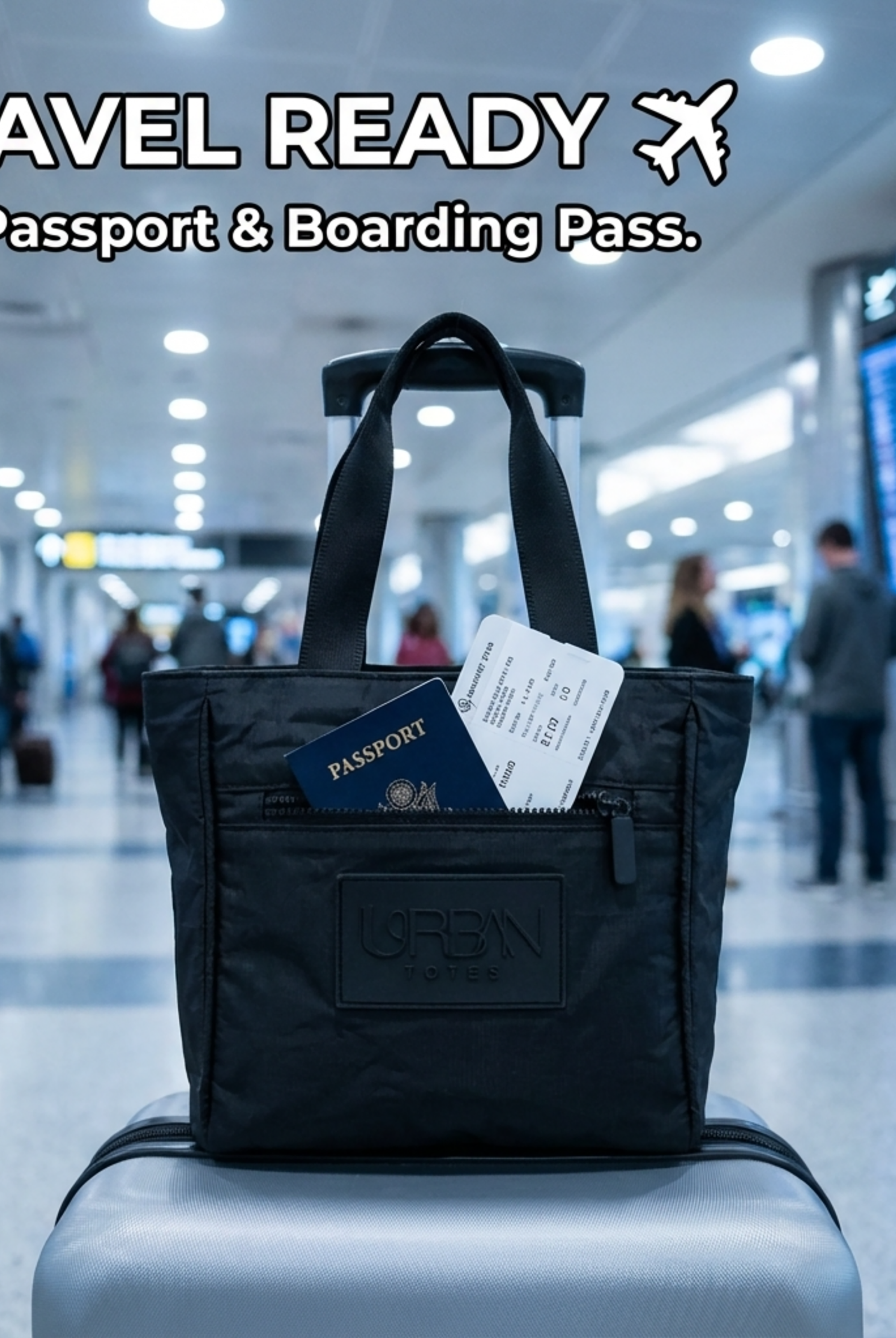
Travel bags get opened constantly, so access has to stay organized. A good travel tote should hold a book, charger, snacks, and a layer without turning into a black hole. Packability matters too, because a tote that folds down easily earns its place when it is packed inside luggage between trips.
The sweet spot for city travel is a bag that looks polished enough for a café or hotel lobby and still works when you are moving between gates, rideshares, and check-ins. A lightweight build with secure pockets usually beats a stiff oversized tote in these situations, because it gives you enough structure without making the bag feel bulky or awkward to carry.
Commutes, errands, and gym transitions
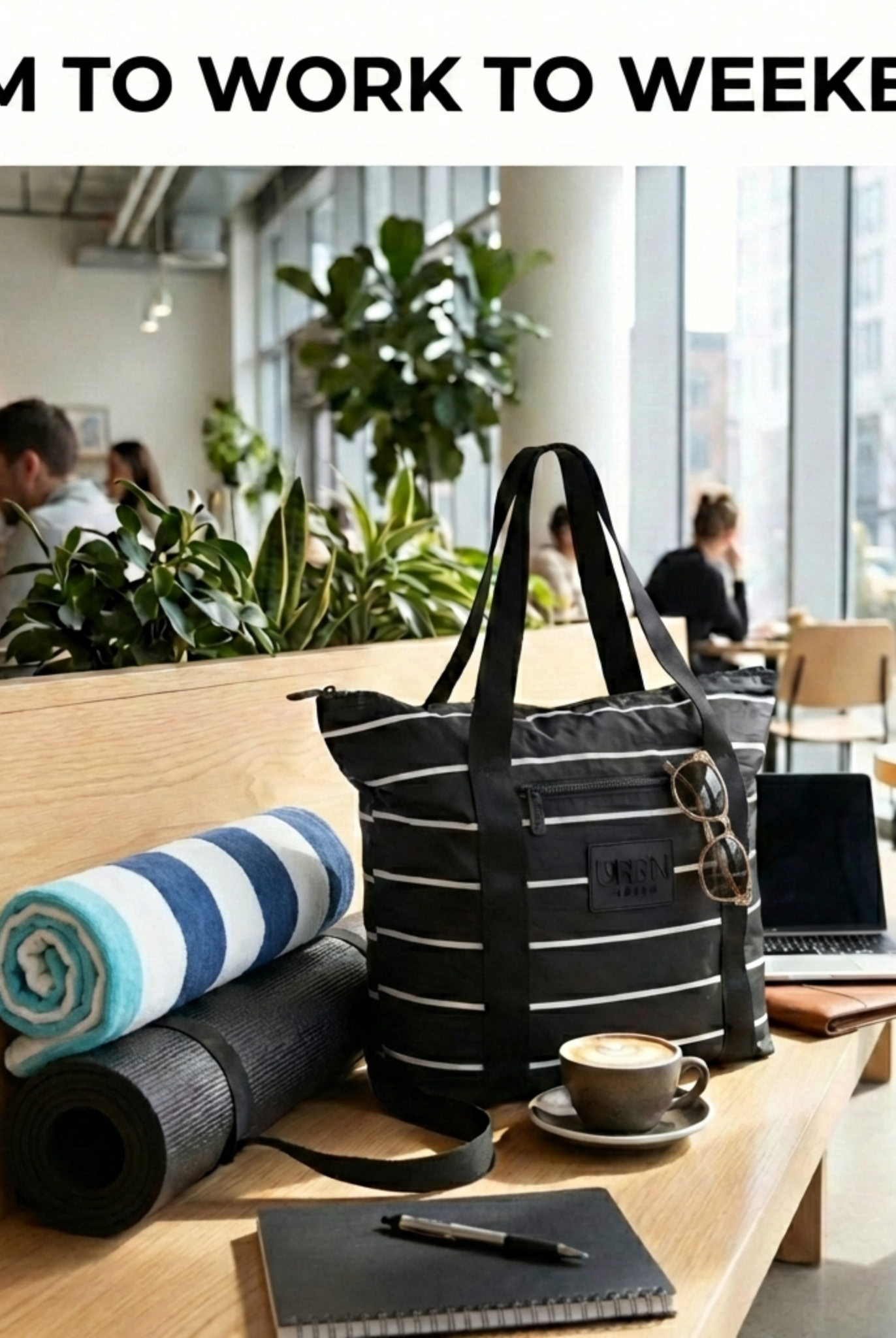
For daily commuting, water resistance is usually enough unless you carry electronics in exposed weather all the time. If you regularly go from office to workout, a zipper closure and an easy-clean lining matter more than decorative extras. Urban Totes' gym tote bag guide fits that use case well, because sweaty gear needs separation, not just more space.
A tote that handles this kind of day should make the switch from work mode to workout mode without forcing you to repack everything. That means a clean division between dry items and damp ones, plus a closure that keeps the bag from spilling open on the train or in the car.
Farmers markets and caregiver days
Comfort and quick access matter most here. You need a bag that can hold produce, flowers, diapers, or a snack stash, then sit on a bench or stroller without collapsing. Open-top totes can work in this setting, but only if the contents are not valuables and the day stays low-risk.
The test is how the tote behaves when your hands are full. If you are lifting a child, carrying groceries, or setting the bag down and picking it up again, the best choice is the one that stays upright, opens wide, and does not force you to rummage. For busier and wetter days, prioritize zipper closure, wipe-clean materials, and organized pockets. For calmer, lighter routines, easy access and packability matter more.
Sizing, Packing, and Care for Long-Lasting Performance
Choosing the right size is not about picking the biggest bag that fits everything. It's about finding the tote that fits your body, your load, and the way you move through the day. A too-large bag becomes a clutter trap, and a too-small one makes every outing feel cramped.

Match the size to the job
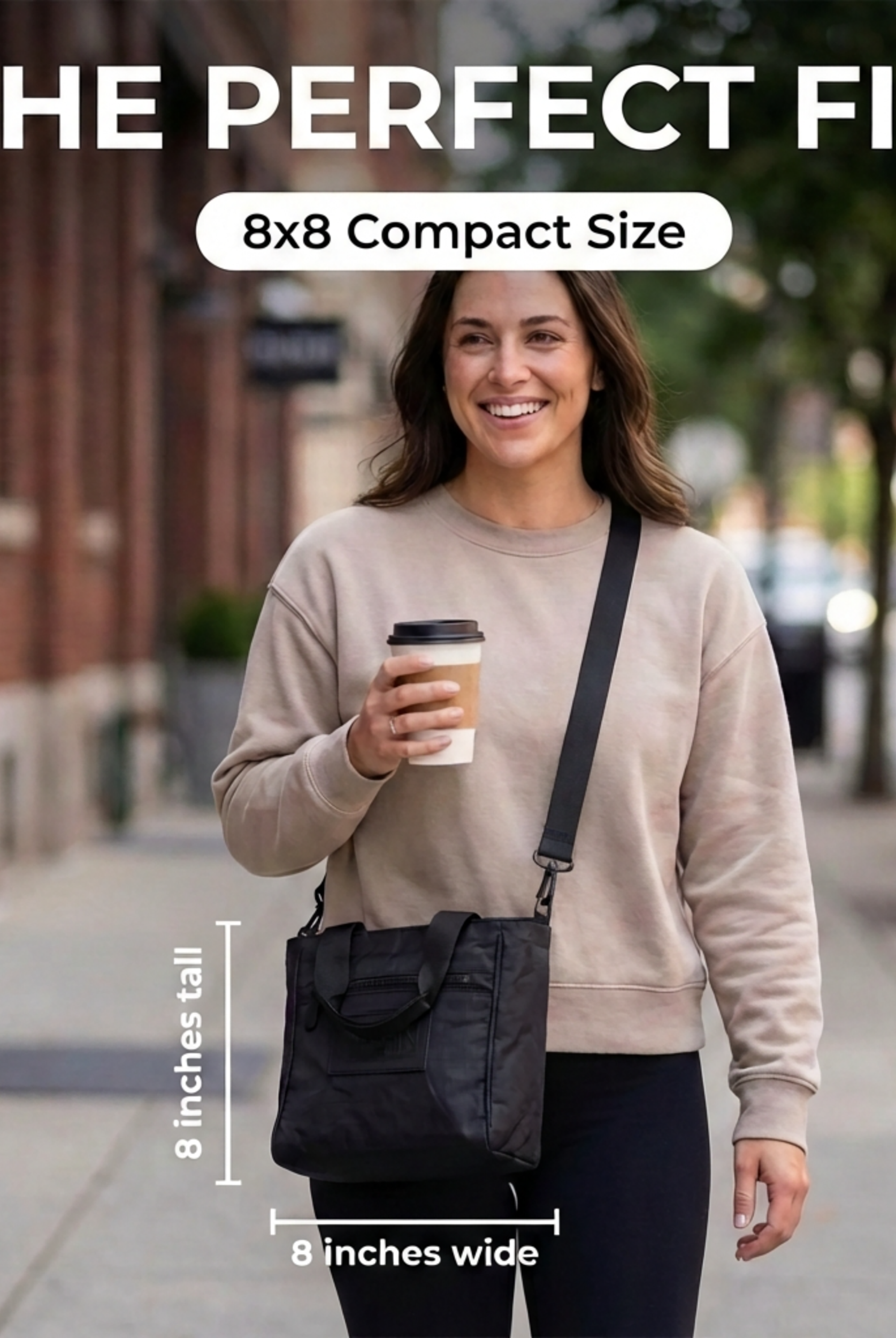
Compact styles make sense when you carry a wallet, phone, keys, and one or two extras. Medium everyday totes work best for errands and commuting. Larger travel-ready options are better when you're carrying layers, snacks, electronics, or kid gear.
The benchmark range from current waterproof tote examples shows that practical designs cluster around 20 to 35L with weights from 204 g to 771 g Troubadour Goods and Skog Å Kust. That range is a useful reminder that capacity and weight move together, so don't chase size alone.
Pack smart so the bag keeps its shape
Put the heaviest item closest to your body side of the tote. Keep liquids upright. Use pockets for items you grab often, like keys, transit cards, or a phone. If you overstuff the bag, you stress seams and straps, which is where lightweight designs can start feeling flimsy.
Best habit: stop packing when the bag still closes comfortably. If you have to force the zipper or bulge the sides, you've already gone too far.
Clean it before buildup becomes a problem
Most waterproof or water-resistant totes are meant to be wiped clean, and some can be machine washed if the maker says so. Dirt, salt, sunscreen, and gym residue can shorten the life of any bag if you leave them sitting too long. Urban Totes has a care guide on how to care for your tote bag maintenance tips and tricks, and that kind of simple maintenance is what keeps a go-anywhere bag ready for the next trip.
The rule is straightforward. Dry it out, empty it fully, and don't treat water resistance like permission to ignore buildup.
Sustainability and Material Choices That Align With Your Values
A bag can look good and still leave you uneasy if you care about what it's made from. The smarter approach is to focus on material choices, durability, and what a brand can prove, not vague feel-good language. Lightweight waterproof totes get interesting here because performance and values do not always point in opposite directions.
One practical material benchmark is rPET, a recycled synthetic option that can be lighter than canvas while still supporting lower shipping weight in bulk orders. Verified Market Research has pointed to that kind of build as part of why lighter synthetic totes are appealing in modern design. I would not treat that as a magic answer, because coatings and construction still matter, but it does show why weight, materials, and transport efficiency deserve attention together.
Durable bags waste less over time
A tote you use for years is easier to justify than a pretty one that falls apart after a season. That does not mean every durable bag is perfect, but it does mean longevity belongs in the sustainability conversation. If a bag handles commuting, errands, travel, and beach days without being replaced constantly, that is a real practical win.
The coatings deserve attention too. Waterproof shells usually rely on some kind of laminate or treatment, and those choices affect how the bag feels, folds, and ages. If you care about values alignment, ask whether the bag is easy to maintain and whether the brand gives clear material information instead of hiding behind broad claims.
Read the label, not the mood board
If a bag says water-resistant, that is fine when your life calls for weather protection, not submersion resistance. If a brand mentions recyclable or recycled materials, that is useful, but it still does not replace seam quality, zipper construction, or day-to-day usability. For a plain-language example of how brands can talk about materials without overselling, see Urban Totes' page on sustainable tote bags.
The best values-aligned purchase is the one you will regularly carry. A stylish tote that sits in the closet helps nobody.
Your Decision Framework for Choosing the Perfect Tote
Forget the hype and pick the bag that fits your routine. Start with your main use case. If you're mostly commuting, you need a different answer than someone heading to the beach twice a week or hauling gym clothes after work.

Use these four questions to narrow it down
- How wet is your real life? Light drizzle and coffee spills call for water-resistant construction. Rainy commutes, beach spray, and damp gear call for stronger waterproof design.
- How much weight feels comfortable? If a tote already feels heavy when it's empty, you'll resent it once it's full.
- Do you need quick access or secure closure? Open tops work for casual carry. Zippers win in transit and crowded spaces.
- What causes the most daily frustration? If you keep losing keys, prioritize organization. If you hate bulky bags, prioritize packability and a lighter shell.
A good lightweight waterproof tote bag should solve your most annoying problem first, not just look versatile online. That's the part shoppers skip when they buy for aesthetics alone.
My direct recommendation
Choose the most protective construction you'll use, not the most extreme one available. If your routine includes rain, sand, or wet clothes, go for a zipper closure, sealed seams, and a wipe-clean interior. If your days are mostly dry and you just need insurance against spills, a lighter water-resistant tote may be the smarter spend.
Urban Totes builds around that practical middle ground, with lightweight, packable, organized styles that fit daily carry without feeling overbuilt. If you want a bag that can handle errands, travel, gym days, and beach runs without making you think twice, shop the collection at Urban Totes and choose the tote that matches your real life.