You know the moment. You're juggling coffee, keys, a phone that won't stop buzzing, and a tote that's either too floppy, too heavy, or one zipper pull away from failure. That's when a vegan leather tote bag stops being a style choice and starts being a daily survival choice.
The label sounds simple, but it's more complex than it appears. Some vegan leather totes are plastic in a nicer outfit, some are plant-based composites with real promise, and some are built from newer materials like mycelium that still need scrutiny. If you're carrying a laptop to work, snacks to school pickup, or a wet swimsuit home from the beach, the material matters as much as the shape.
A good tote should make your life easier, not become the bottleneck in it. Go Anywhere. Tote Everything.
Table of Contents
- When Your Bag Becomes the Bottleneck
- What Vegan Leather Actually Means
- How Vegan Leather Compares to Genuine Leather
- Choosing the Right Tote for the Way You Actually Live
- Three Real-Life Ways to Carry It
- Care and Cleaning That Actually Works
- Your Vegan Leather Tote Buying Checklist
When Your Bag Becomes the Bottleneck
At 7:48 a.m., your coffee is hot, your toddler is already negotiating, and your tote is doing that awful half-open sag that means trouble. One broken zipper, one weak strap, one overstuffed pocket, and suddenly your laptop is sliding toward the sidewalk while you're still trying to get out the door. That's not a bag problem. That's a daily-life problem wearing a bag.
The real frustration is usually hidden
They don't start shopping for a better vegan leather tote bag because they're chasing a trend. They start because the old one is too small, too heavy, or falling apart in the middle of a normal Tuesday. The wrong tote turns every errand into a small act of management.
That's why the label alone doesn't matter much. What matters is whether the tote is lightweight, organized, easy to clean, and sized for your actual load, not some polished fantasy version of your day.
The market is giving shoppers plenty of reason to look harder. The broader vegan leather market was valued at US$73.38 billion in 2023 and is projected to reach US$139.02 billion by 2030 at a 9.58% CAGR from 2024 to 2030, while luxury vegan handbags were estimated at US$1.34 billion in 2023 and forecast to reach US$2.83 billion by 2030 at an 11.3% CAGR. At the same time, the global tote bag market is projected to grow from USD 2.75 billion in 2025 to USD 4.09 billion by 2034 at a 4.53% CAGR. Together, those numbers explain why tote shoppers are paying more attention to construction, not just appearance. vegan leather market report
A tote should remove friction from the day, not add another thing to babysit.
If your bag is slowing you down, the fix isn't more stuff. It's a smarter shape, better closure, and a material that matches how you move.
For a practical organizing baseline, this guide on how to organize tote bags is worth keeping handy.
What Vegan Leather Actually Means
Vegan leather is a category, not one material. That label can cover a slick bag that cleans up fast, or one that starts peeling once your daily routine gets busy, and the difference usually comes from what sits under the surface.
Three constructions show up most often
Traditional synthetic vegan leather is usually PU or PVC. PU is flexible and familiar, while PVC is stiffer and less forgiving. A durability and sustainability overview from Dooney notes that a large share of vegan leather on the market is polyurethane, with a smaller share made from PVC, which means many “vegan” bags are still mostly petroleum-based polymers bonded to fabric backings. Dooney's durability and sustainability overview
Plant-based composites work differently. They blend fruit or vegetable fibers with resin, so the finish can feel more layered than plastic. Depending on the recipe, you may see cactus, apple, pineapple, corn, or olive named on the tag, but the plant material is usually part of a mixed structure rather than the whole bag body. For background on how recycled fabrics fit into modern bag materials, see our guide on recycled fabric construction.
Mycelium-based materials are newer. They come from fungal structures that are grown and then finished into a usable surface, so the result can feel softer and more organic than standard synthetic coatings. A vegan leather guide from Mush Mycel groups vegan leather into traditional synthetic leather, plant-based composite leather, and bio-based leather made from mycelium. vegan leather guide

A tote listing that says “vegan leather” without naming the construction tells you very little. If a brand names PU, a plant-based composite, or mycelium, you can judge the bag for what it is instead of guessing from the photo.
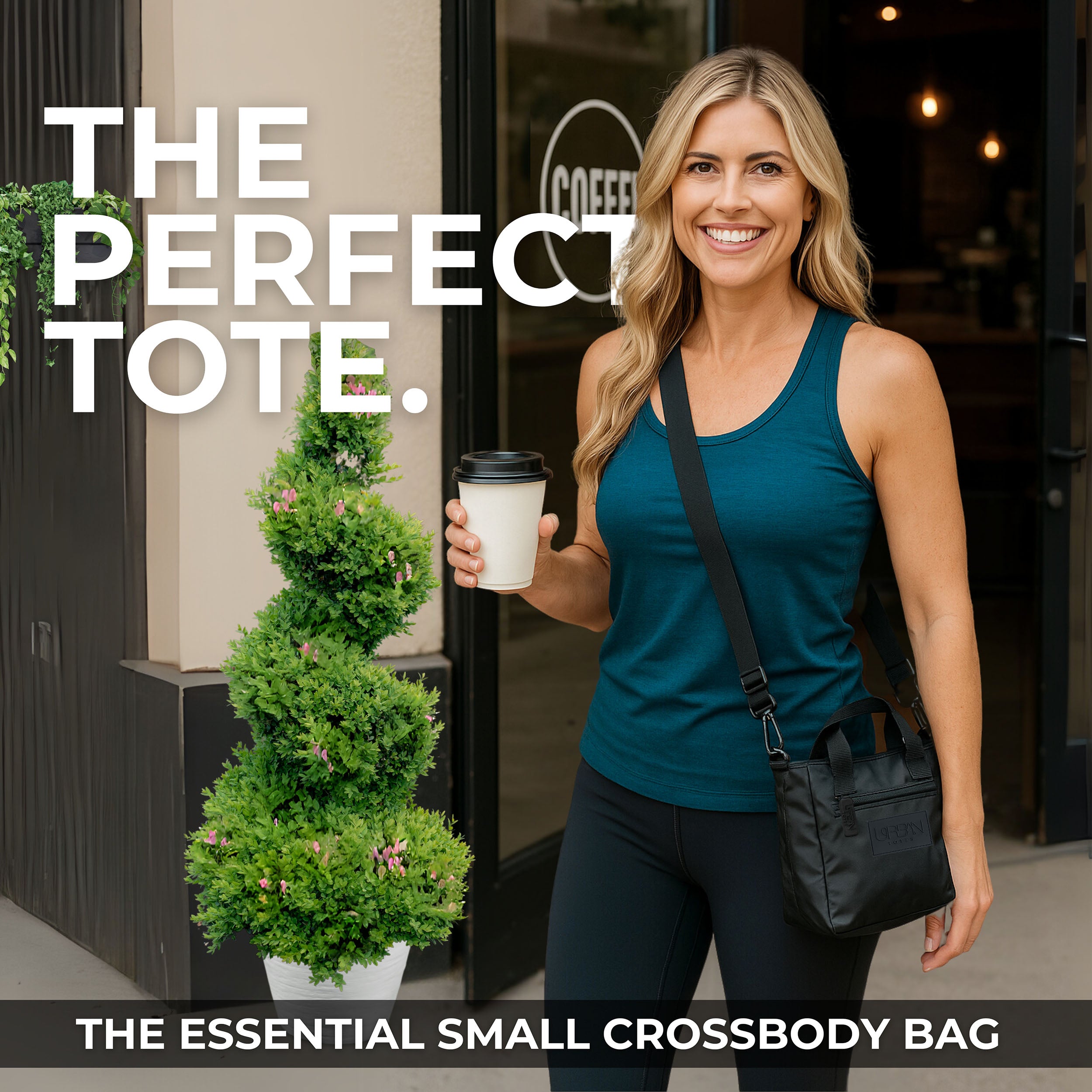
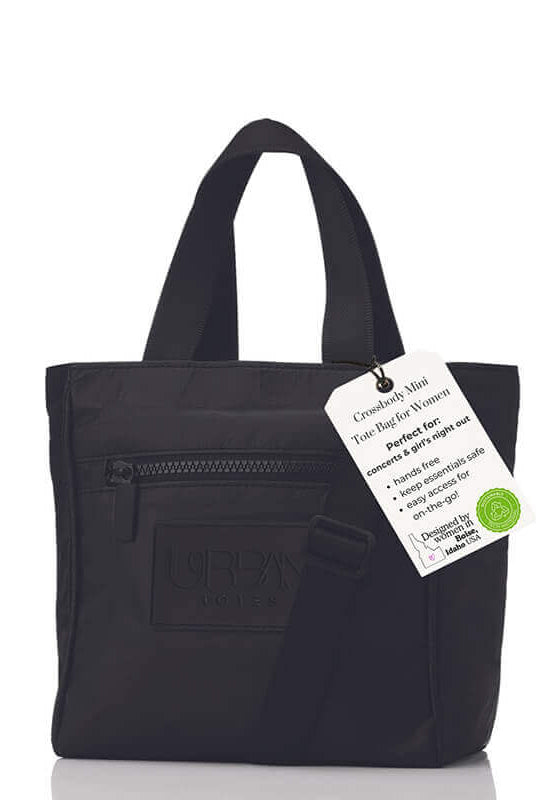
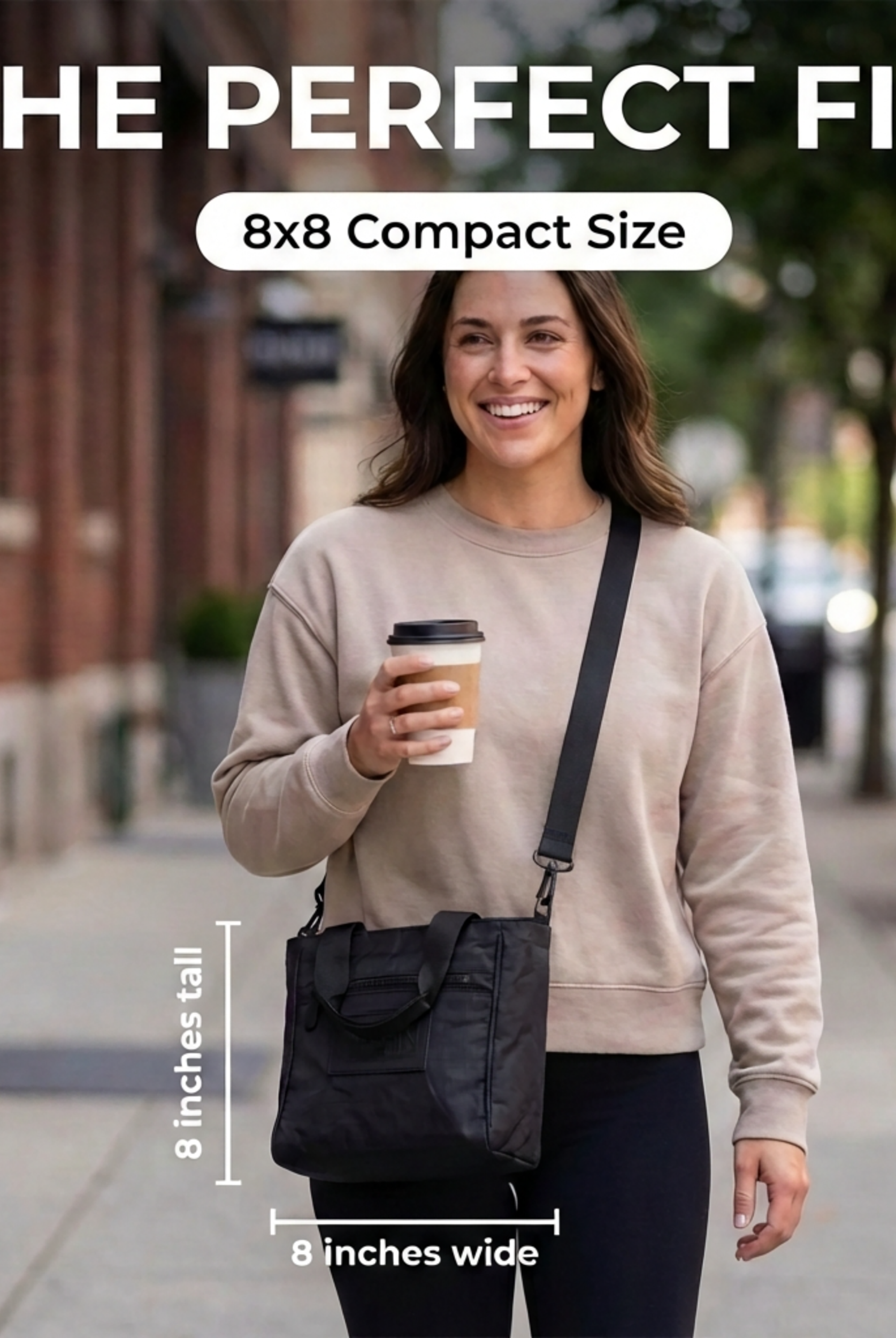
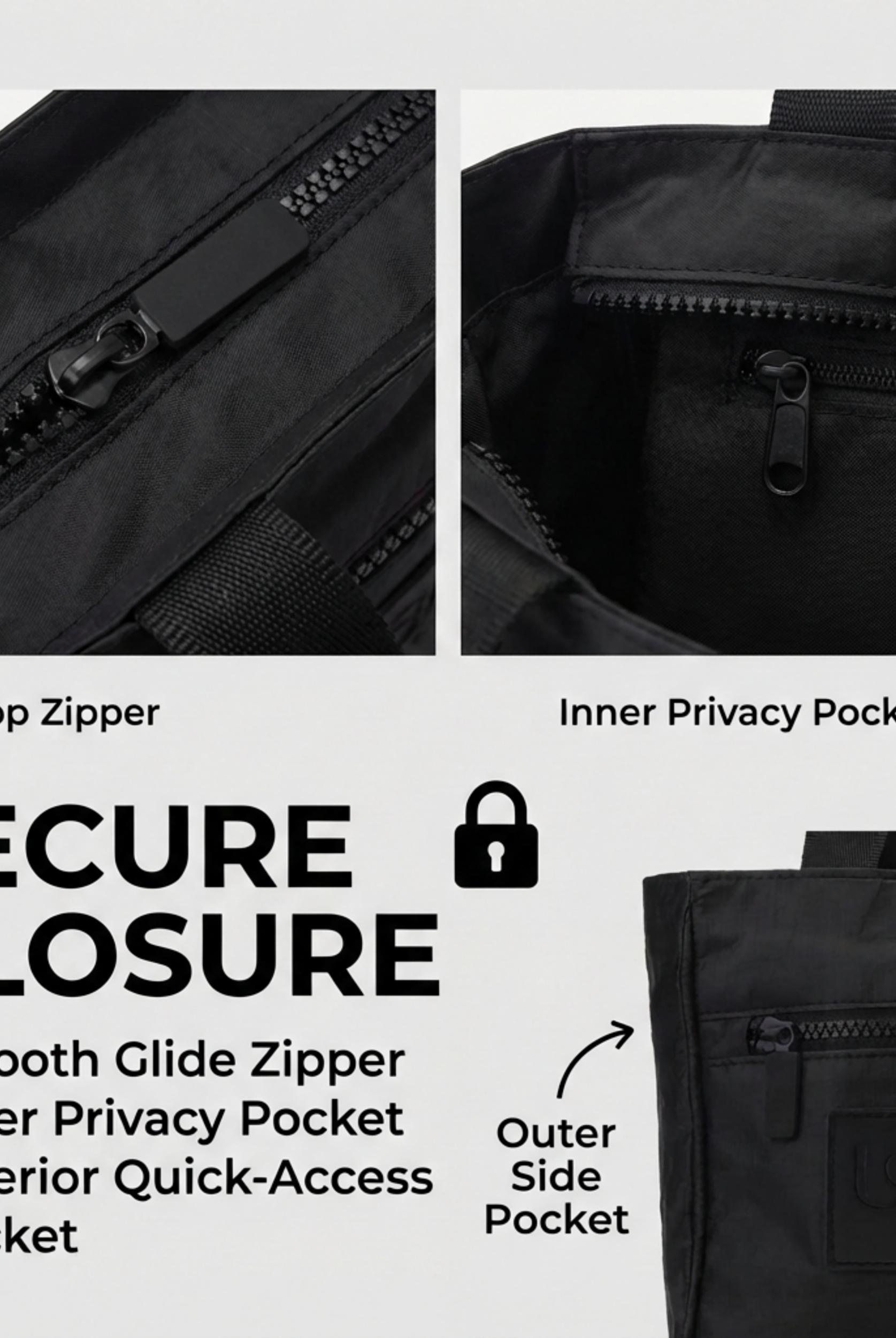
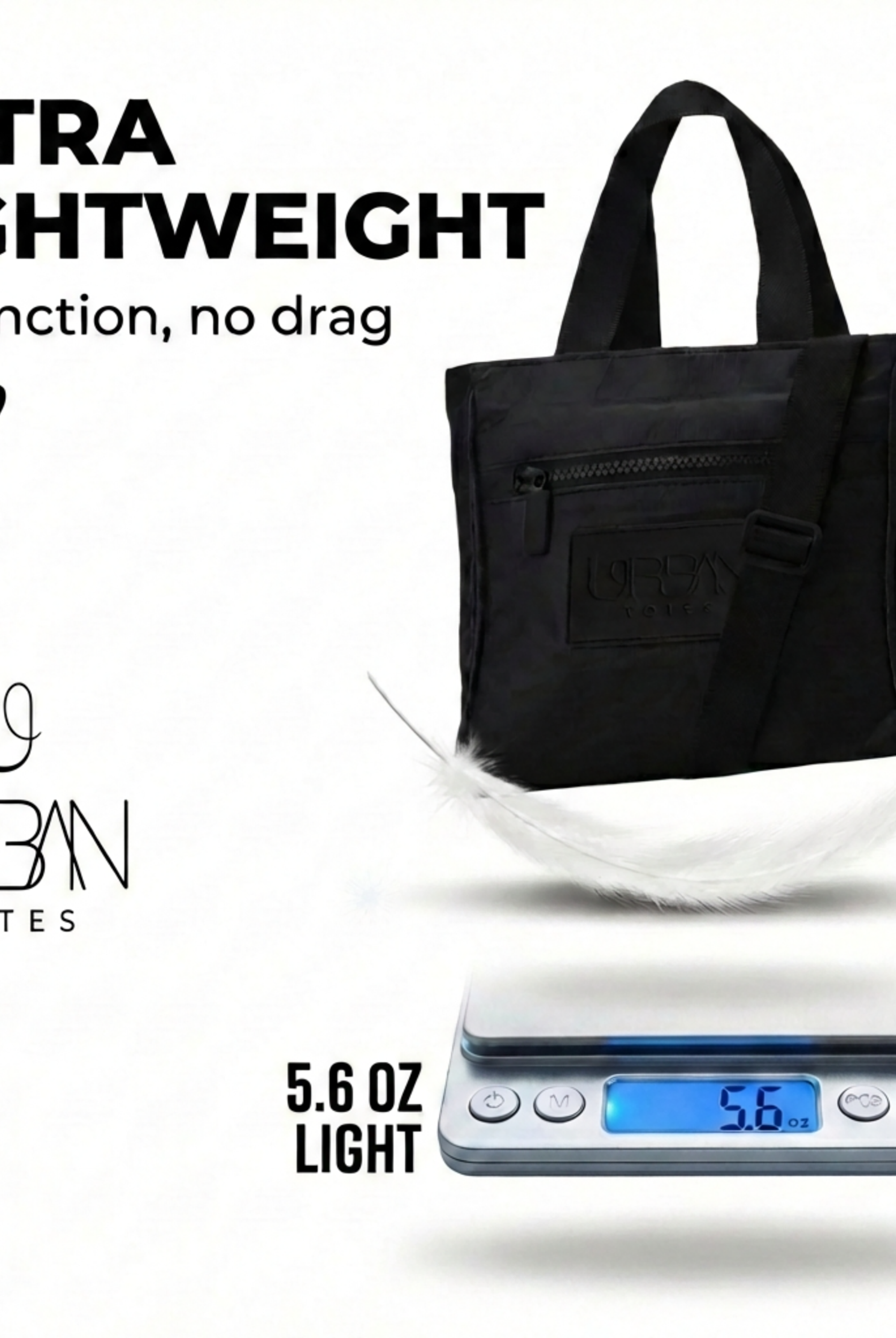
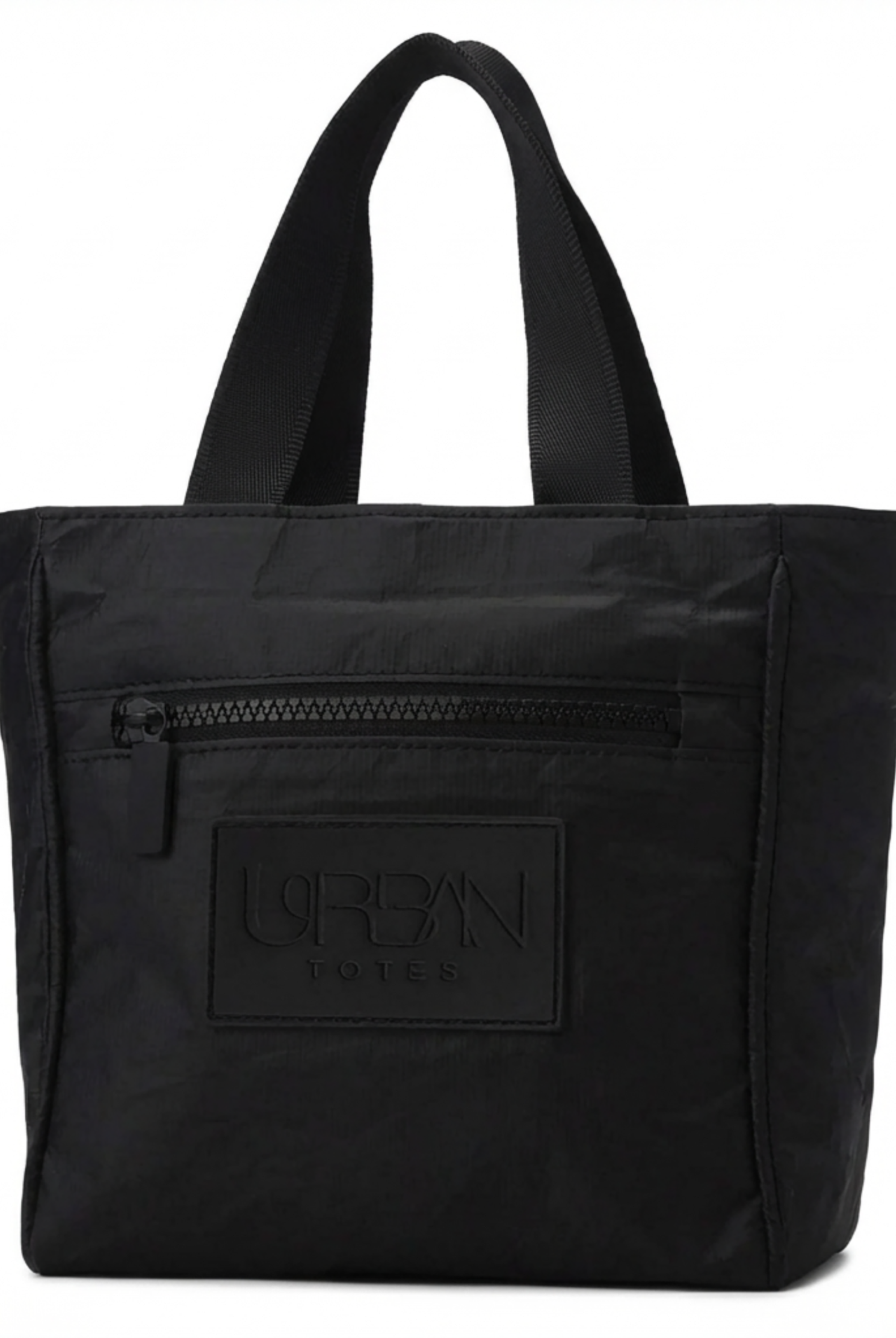
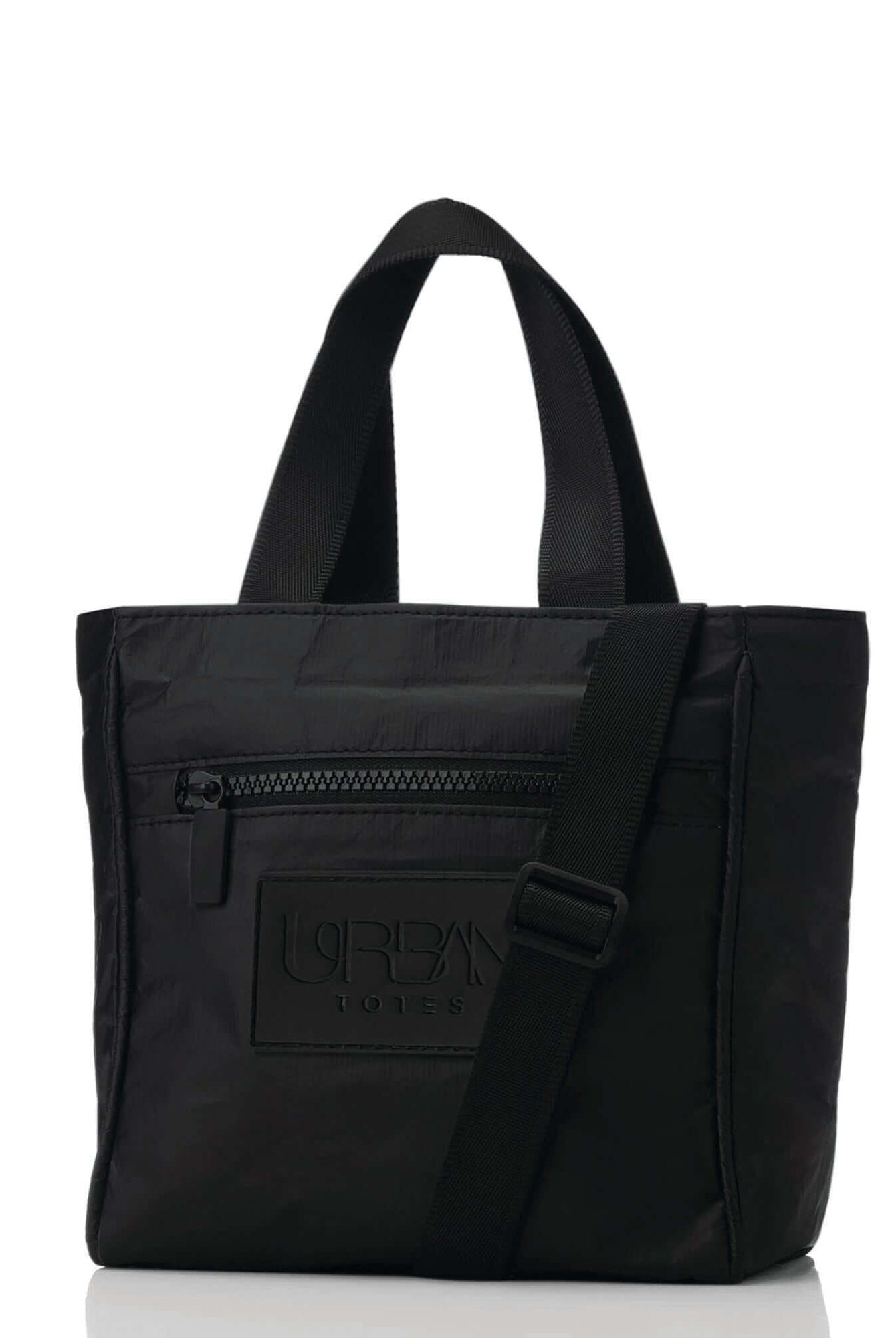
A style like the Crossbody Tote Bag Mini Purse makes that clear. The details that matter are the zip-top closure, outside pocket, weight, and how the material behaves when you're carrying it through a full day. That is the level of specificity shoppers should expect.
How Vegan Leather Compares to Genuine Leather
You feel the difference fast. Vegan leather and genuine leather split on care, weight, feel, and price, so the better pick depends on how hard you carry the bag.
The trade-offs that matter
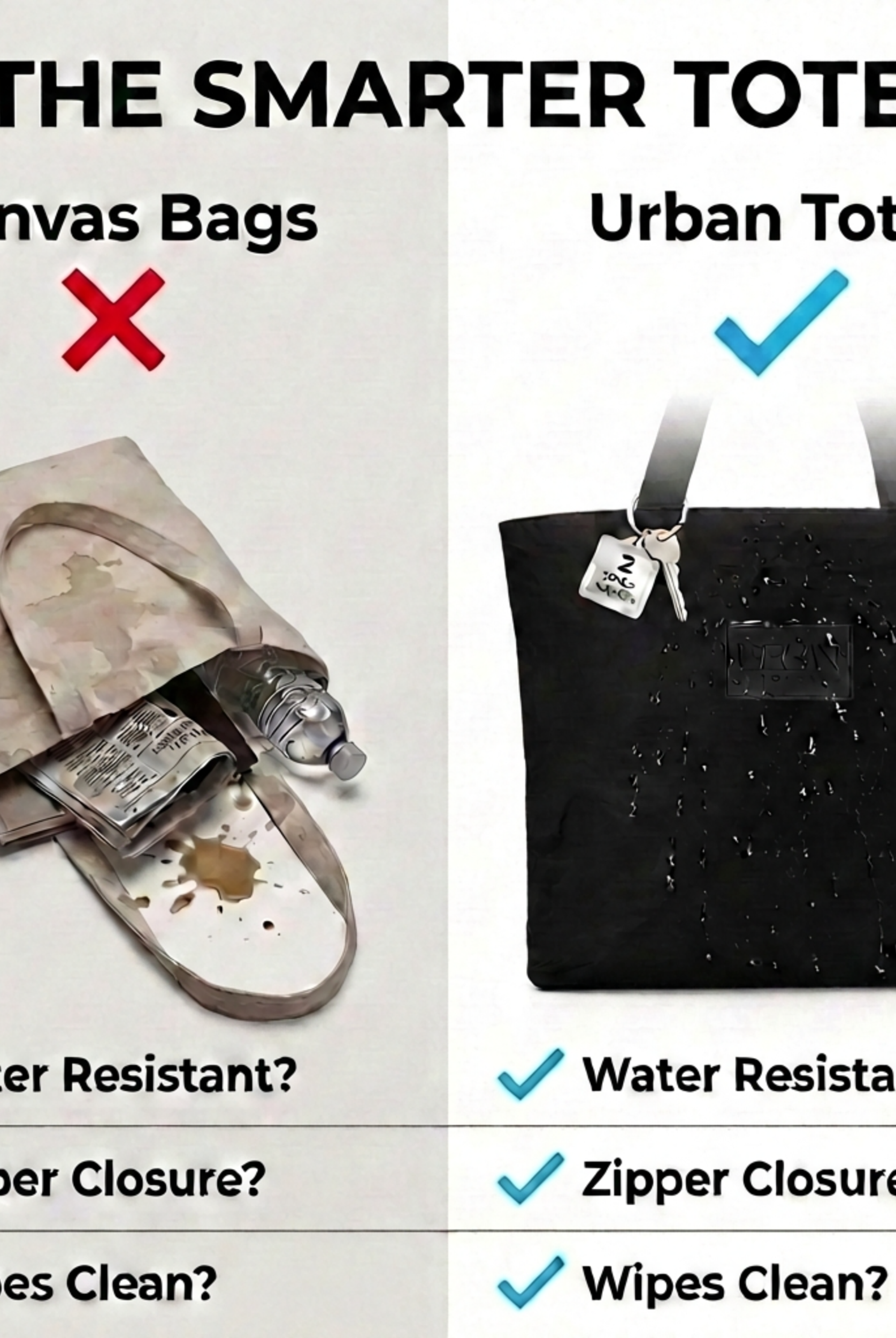
Vegan leather usually wins on easy care. Wipe most of it clean, and that makes sense for school drop-offs, coffee spills, and beach days. Genuine leather asks for more upkeep, including regular conditioning, which matters when the bag lives in a car, under an airport seat, or by your desk all day.
Durability is where the trade-off gets real. Some vegan leather holds up well, but lower-grade versions can break down faster than buyers expect. A durable tote is a different story from a fashion-first one, and the material choice changes that outcome. Genuine leather still tends to last longer if you care for it, while vegan leather makes more sense if you want easier maintenance and a lighter carry. vegan leather vs genuine leather honesty
Vegan Leather vs Genuine Leather at a Glance
| Trait | Vegan Leather | Genuine Leather |
|---|---|---|
| Durability | Usually shorter lifespan, varies by material | Usually longer-lasting with care |
| Maintenance | Low, usually wipe clean | Higher, condition regularly |
| Price | Usually lower | Usually higher |
| Feel in daily use | Often lighter and easier to carry | Often heavier and more structured |
Weight matters more than people admit. A tote that feels heavy before you load it up gets annoying by noon. That is why many busy women reach for vegan constructions, especially when the bag has to survive airports, parking lots, classrooms, and train platforms. For a closer look at what brands mean by each material, the Urban Totes tote bag material guide separates the useful details from the marketing fluff.
Practical rule: If you pack heavy and carry often, choose the lightest construction that still has real structure.
Sustainability needs a plain answer. A “vegan” label does not automatically mean low-impact, because many vegan leathers are still plastic-based. If the material is not clearly named, assume you are buying convenience first and a material story second.
That is also why naming the construction matters so much on a product page. A tote made from PU, a plant-based composite, or mycelium each behaves differently in daily use, and the right choice depends on whether you need something for beach days, commutes, school drop-offs, or weekend flights. A style like the Cedar & Lily Clothier slouchy tote advice points in the same direction, since shape, structure, and carry comfort matter just as much as the label on the front.
Choosing the Right Tote for the Way You Actually Live
A tote should fit your life before it tries to fit your style. If you're carrying a laptop, snack bags, sunglasses, keys, a charger, and maybe a random library book, the right features matter more than the trend cycle.
Start with the load, not the logo
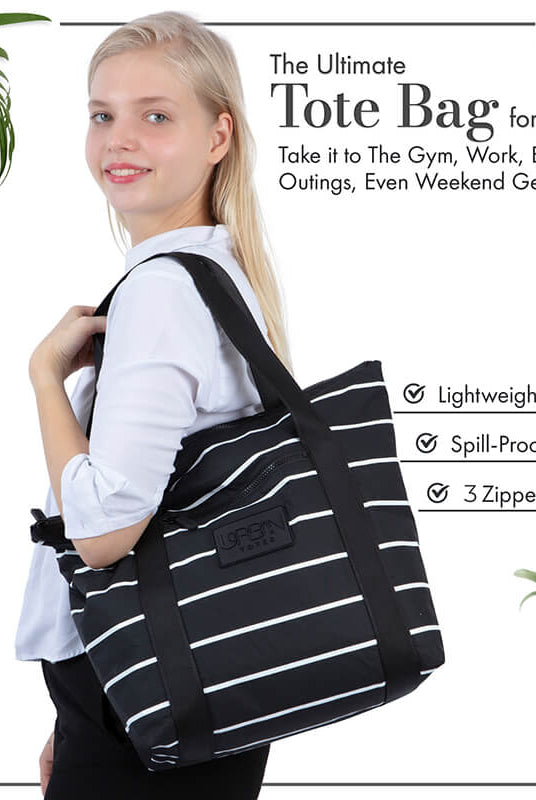
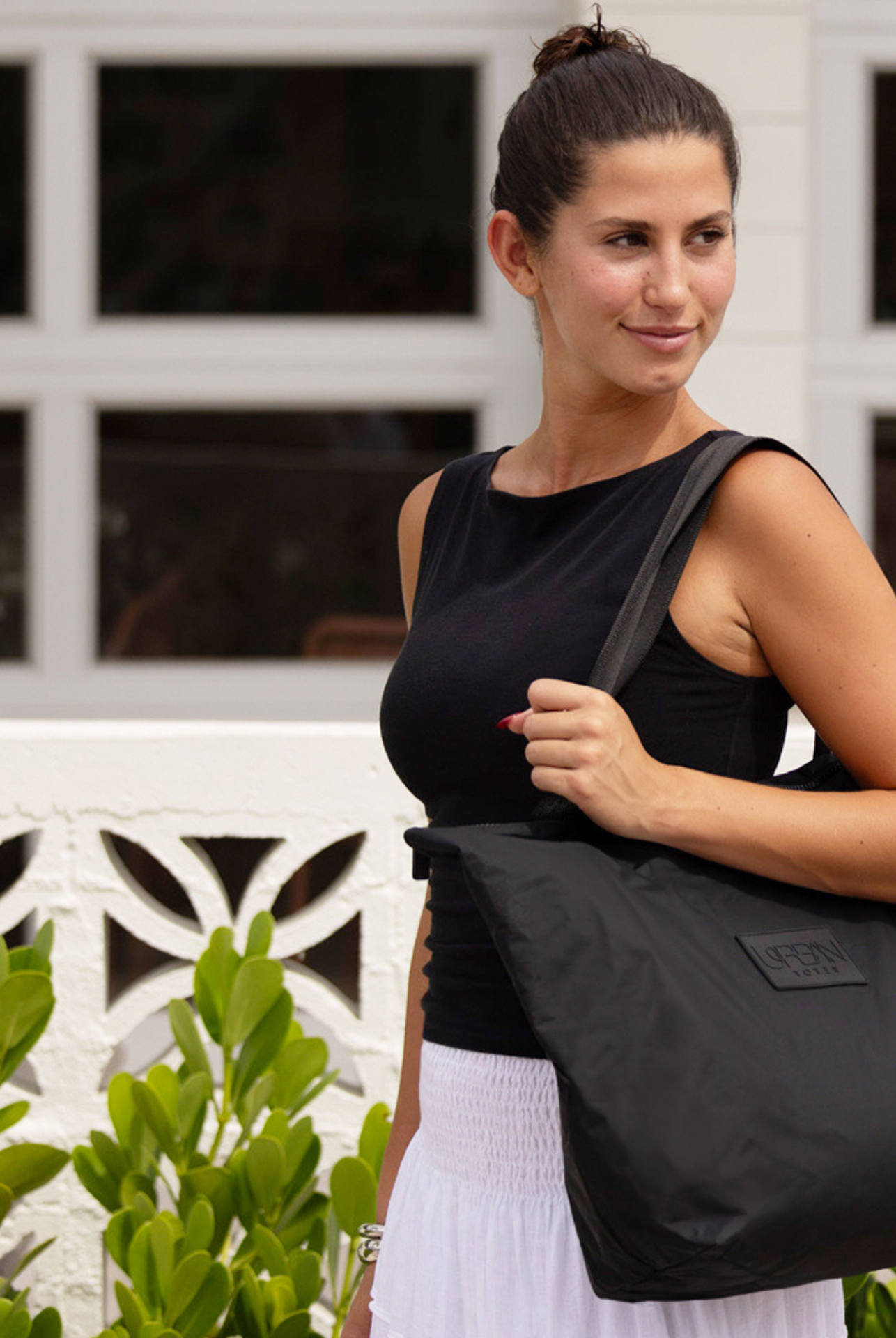
Size is the first decision. Think about what the bag has to hold on an ordinary day, then add the extras that always sneak in, like a water bottle or a last-minute kid item. The beach-day mom needs room for a towel and a damp suit, the commuter needs a laptop sleeve or at least a stable interior, and the weekend traveler wants a tote that can pull double duty as a personal item.
Closures are next. Zipper closure bags are the safest choice for transit, crowded markets, and car seats full of distraction. Open tops can feel casual, but they're a headache when you're standing in line, boarding a plane, or leaning over a stroller.
Compartments change the way the day feels
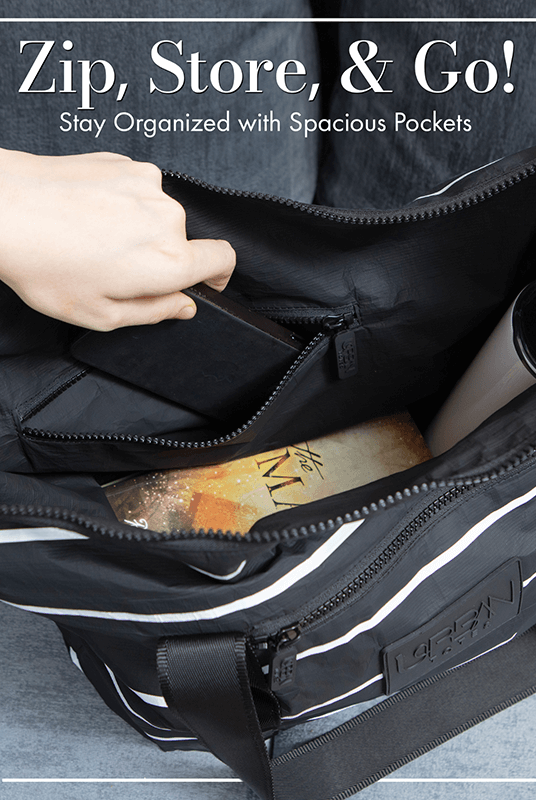
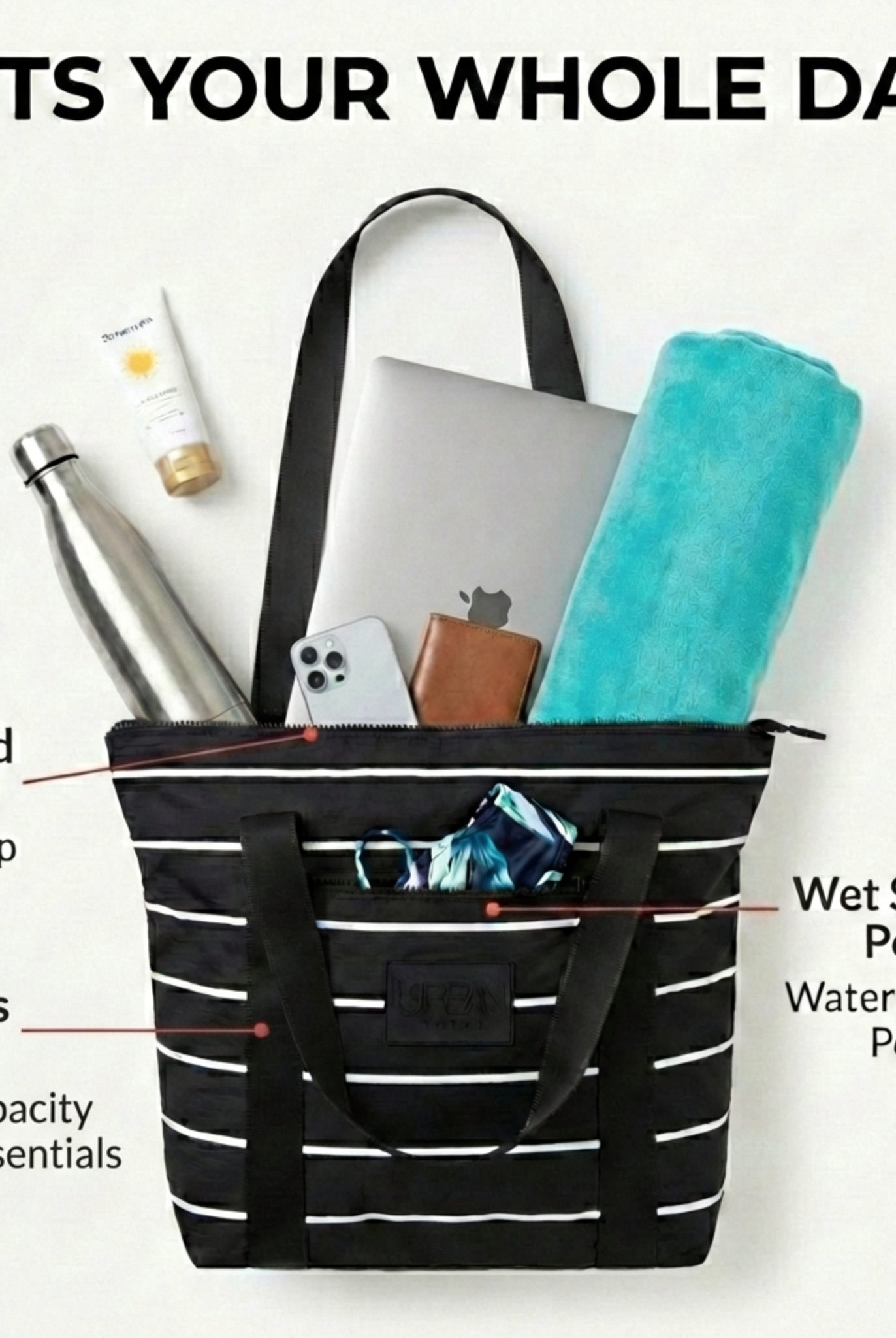
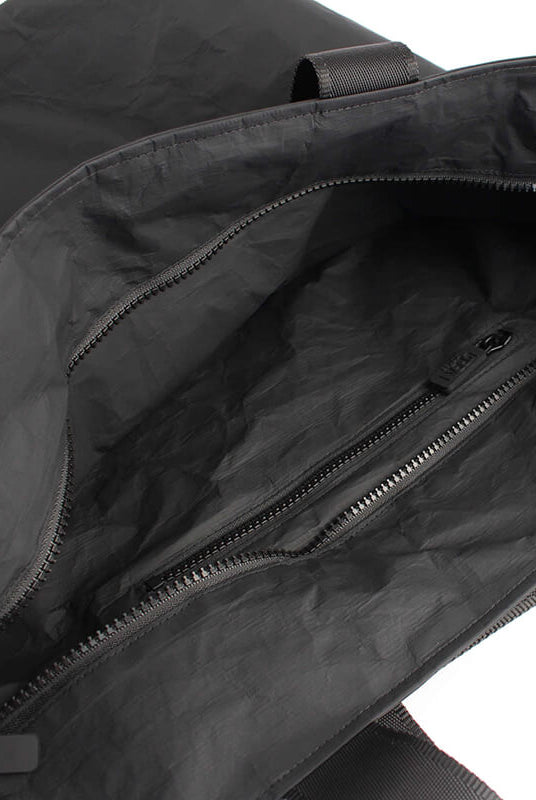
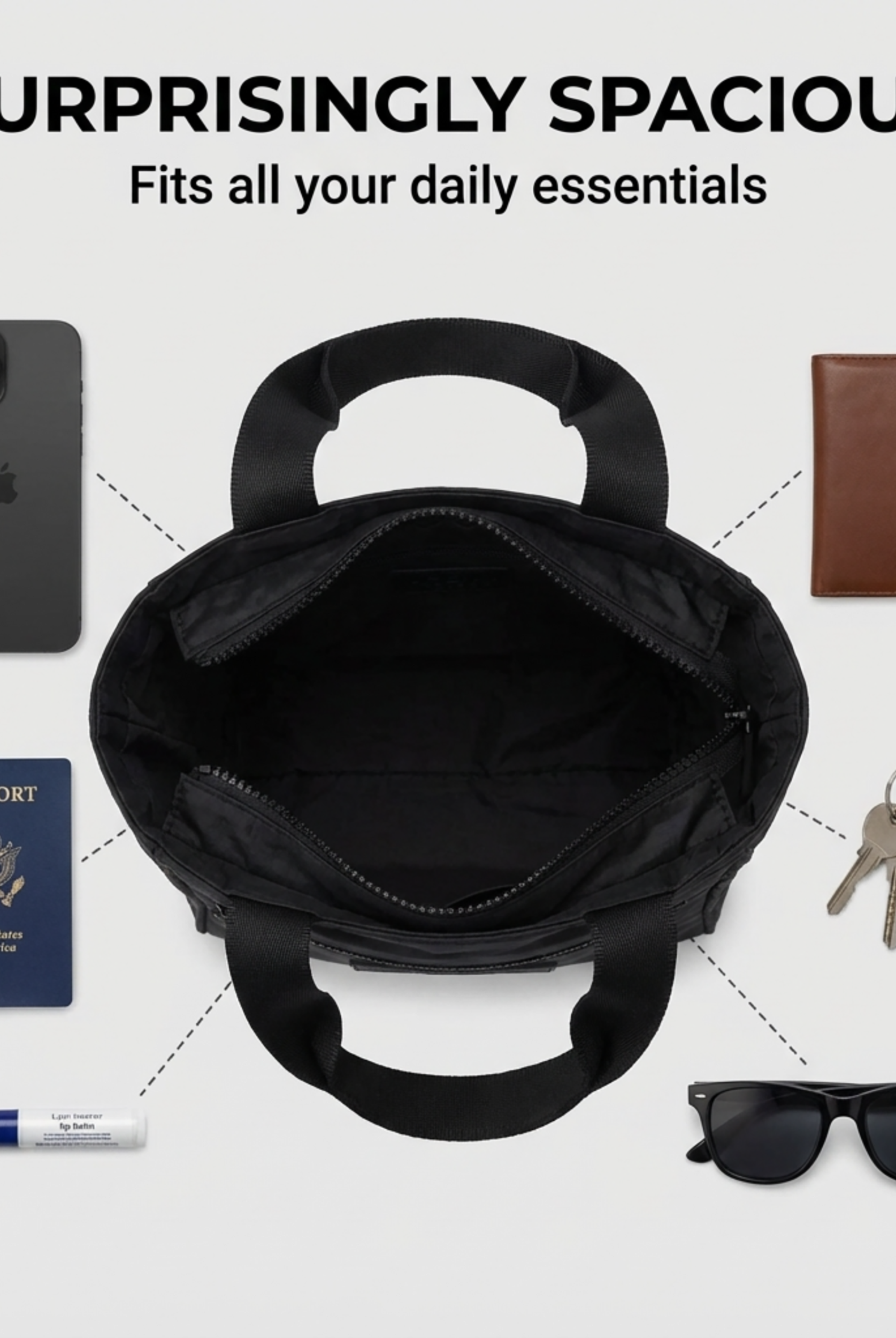
A true multi-pocket tote isn't just more organized, it's less annoying. Keys shouldn't live at the bottom of the bag. Your phone shouldn't share a pocket with receipts, lip balm, and sand. If you've ever dug through a tote while the light changed or the gate started boarding, you already know why compartment layout matters.
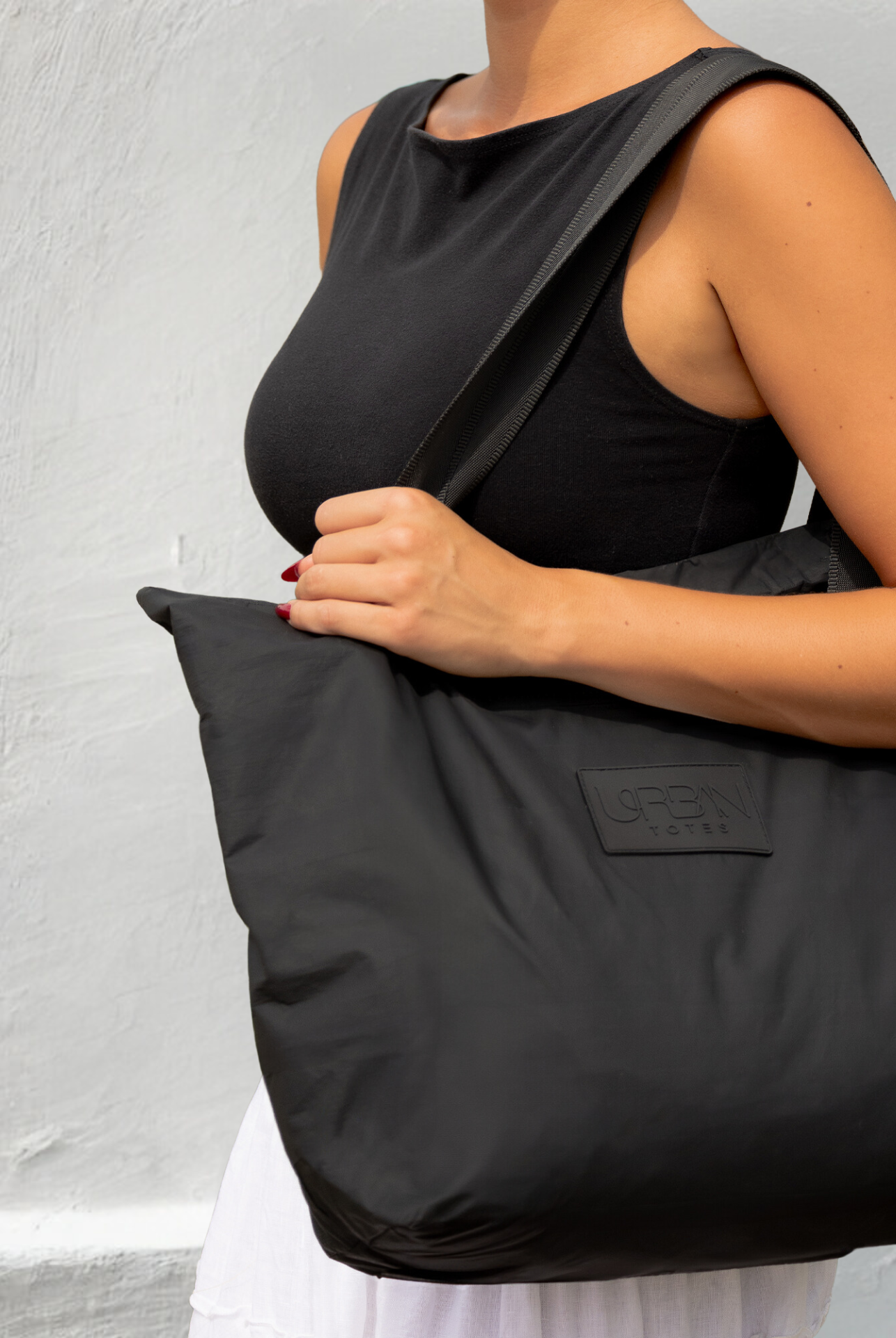
Strap length also changes how usable the bag is. Shoulder carry is easy for quick errands, but longer straps or a crossbody option are better when your hands are full. The Cedar & Lily Clothier slouchy tote advice is useful here because it treats shape and drape as part of the buying decision, not an afterthought.
A good tote doesn't make you adapt to it. It adapts to school pickup, airport lines, and the grocery run.
If you want a one-minute checklist, use this:
- Match size to routine: Daily commuter, beach day, or overnight trip, each one needs a different carry depth.
- Choose a closure first: Zip-top if you move through crowds, open-top only if you value ease over security.
- Check pocket logic: One phone pocket is nice. A real layout for keys, wallet, and charger is better.
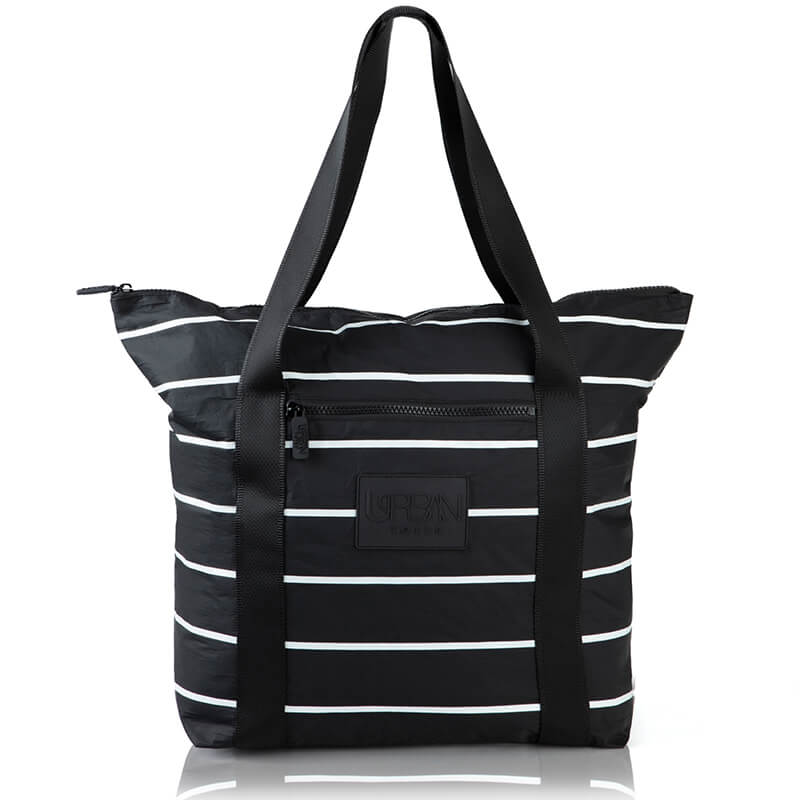
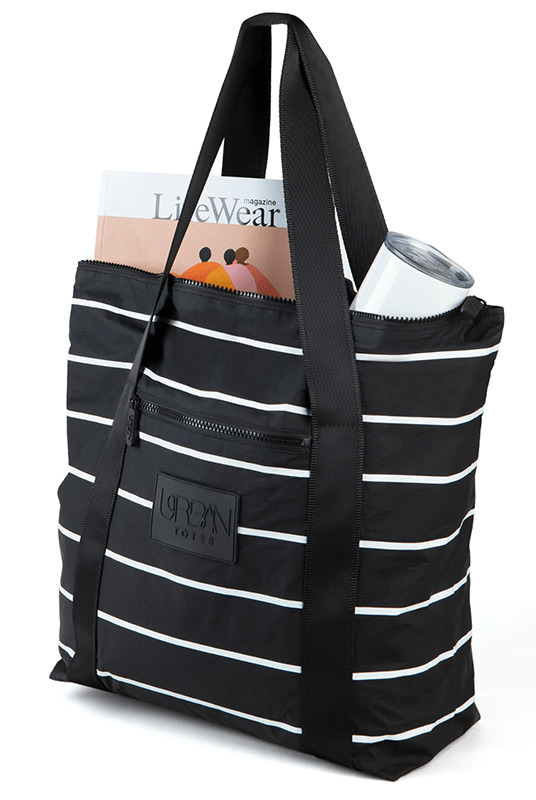
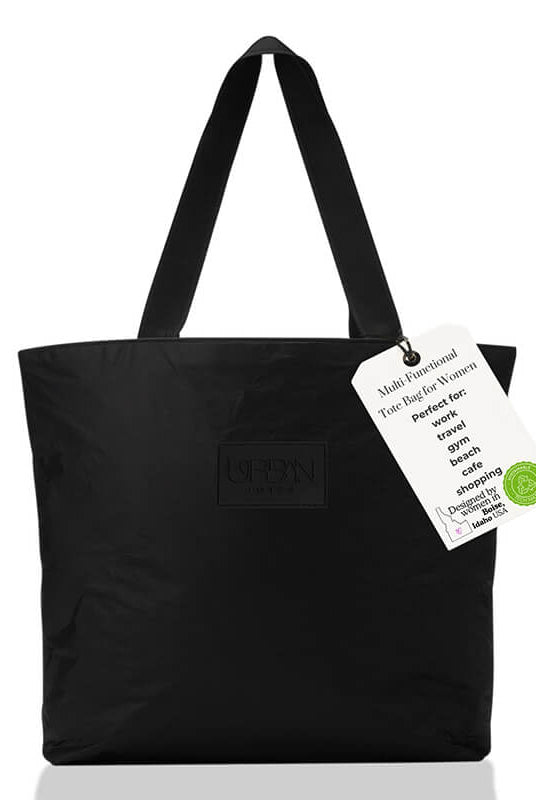
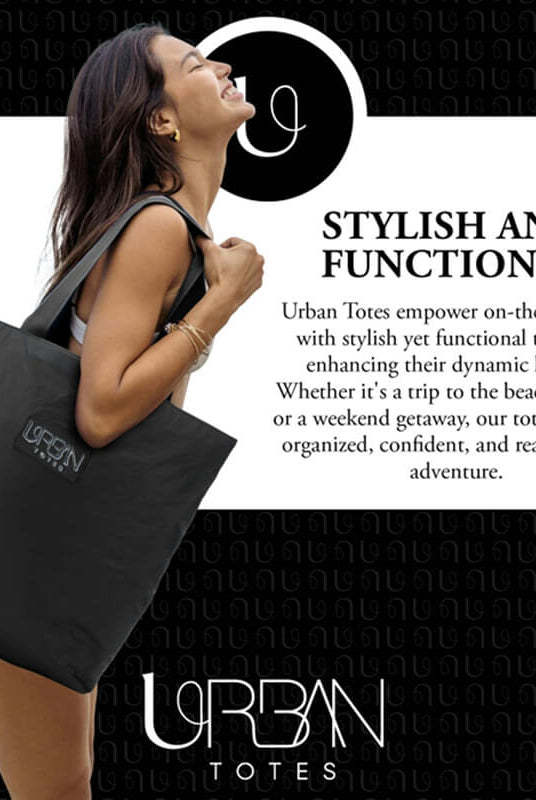
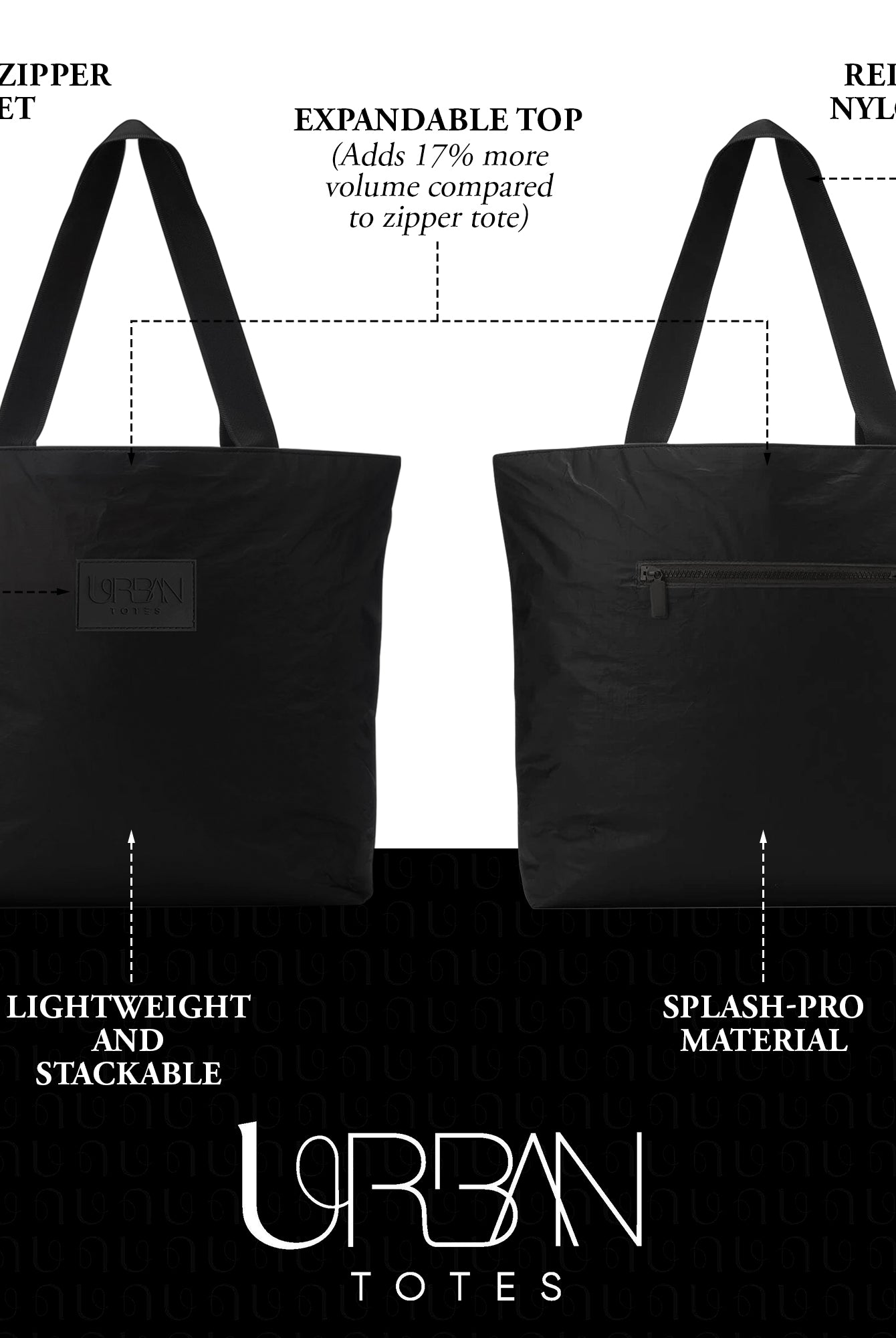
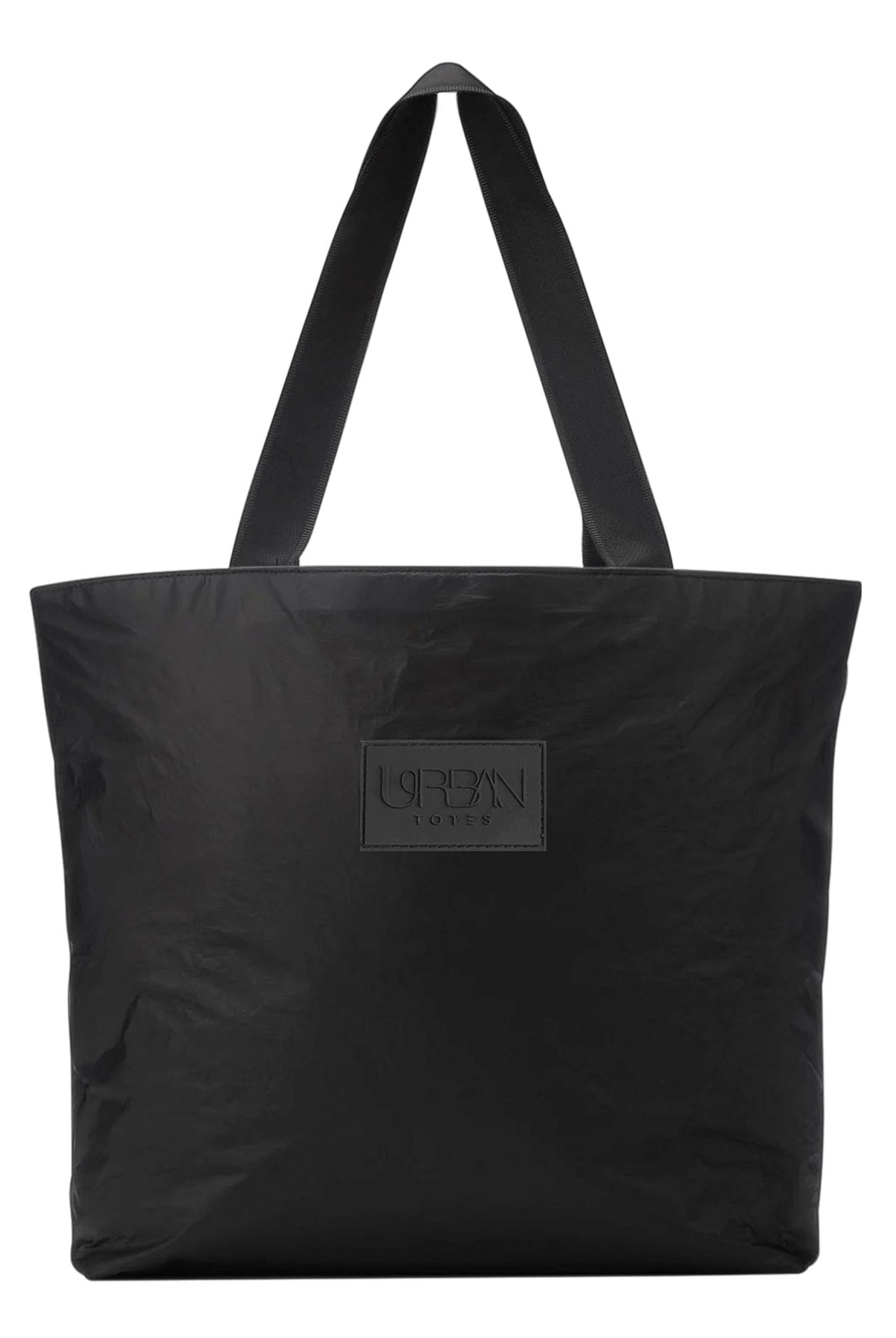
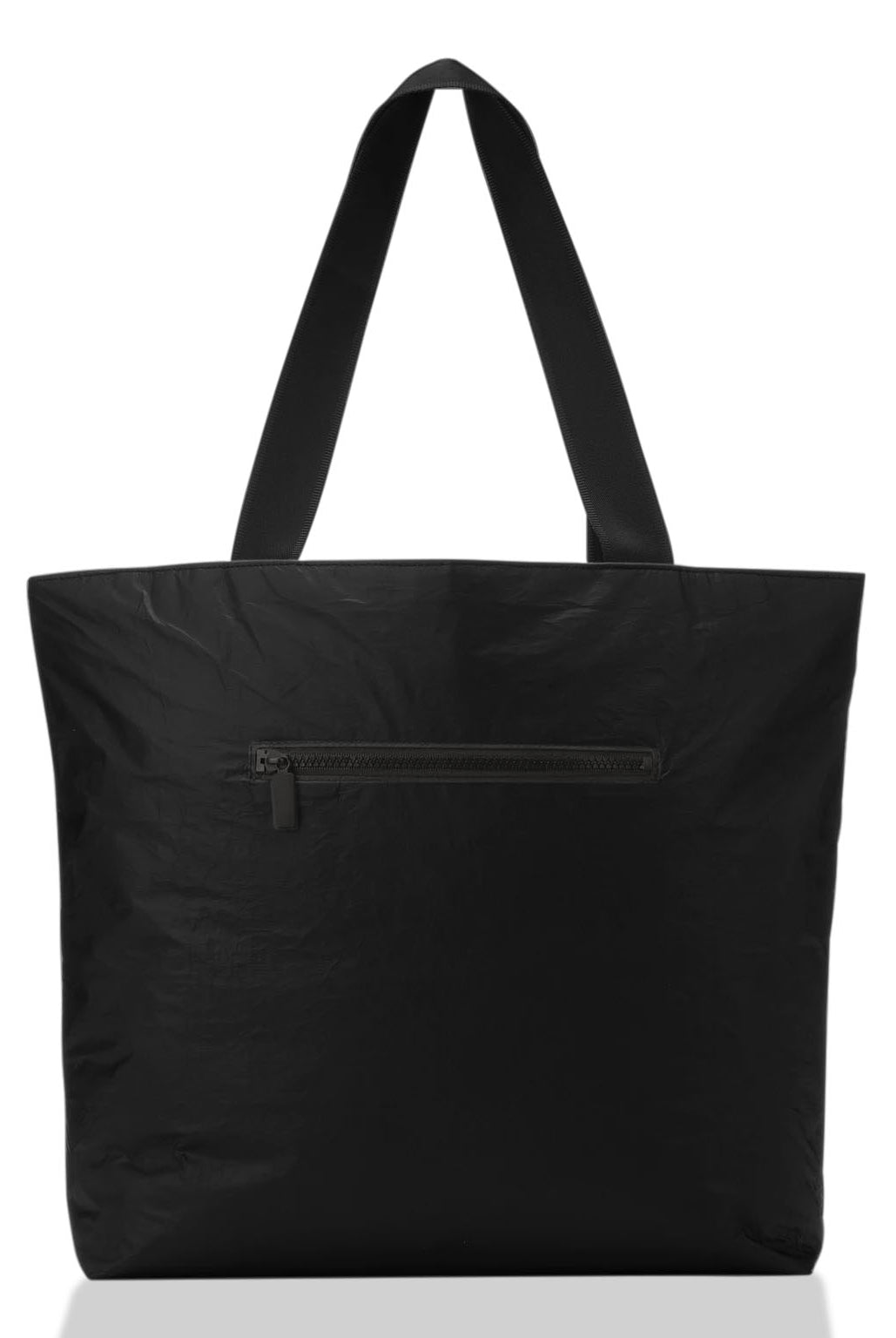
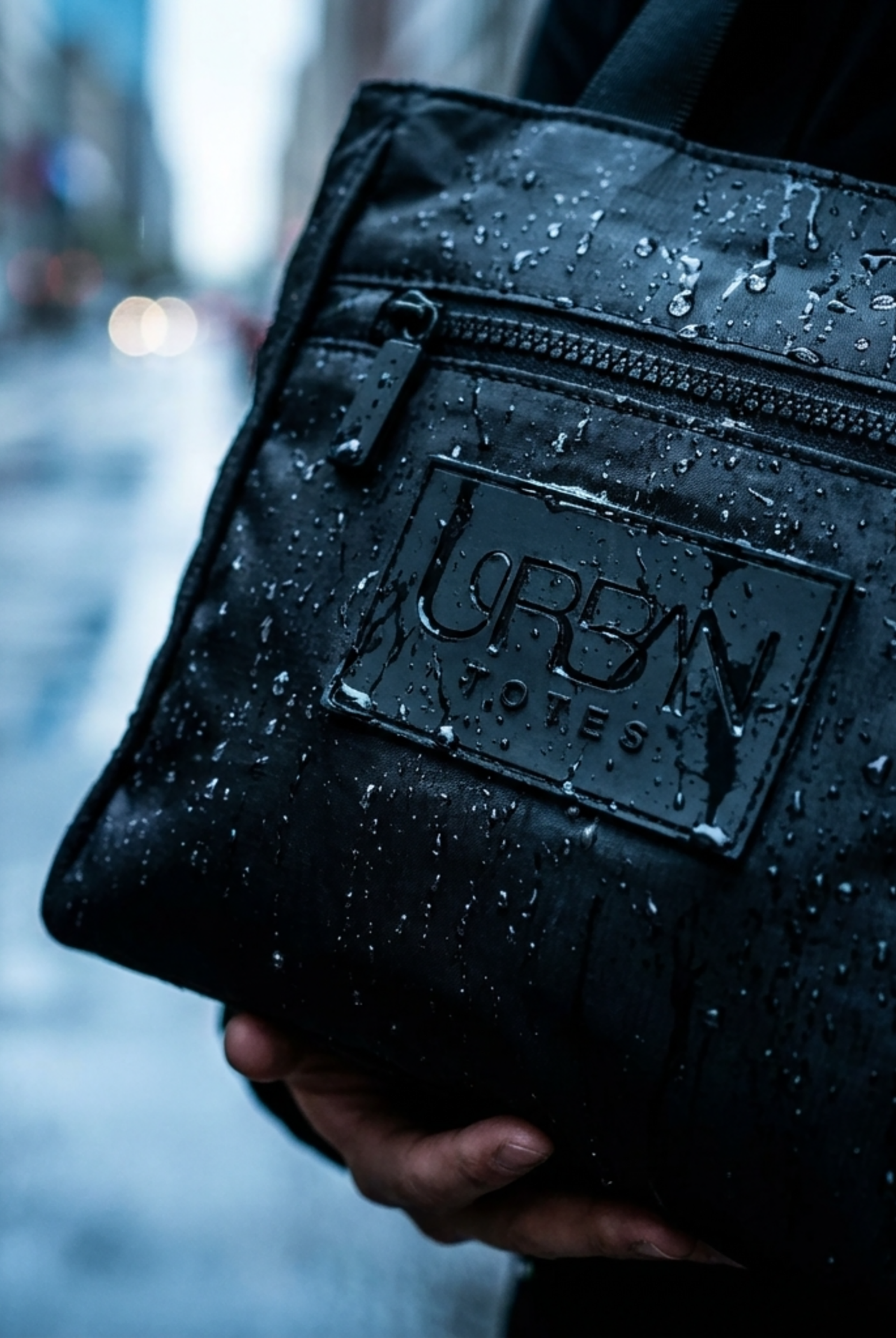
The final detail is empty weight. A tote that already feels dense on your shoulder before you've packed it is a bad bet for long days. Urban Totes offers water-resistant, lightweight, packable, foldable bags with zipper closures and multiple compartments, which is the kind of practical design language that matters when life is moving fast. If you're comparing options, start there.

Three Real-Life Ways to Carry It
A tote proves itself in motion, not on a product page. The same bag can feel perfect at breakfast and useless by dinner if it can't handle the day you live.
Beach-day mom
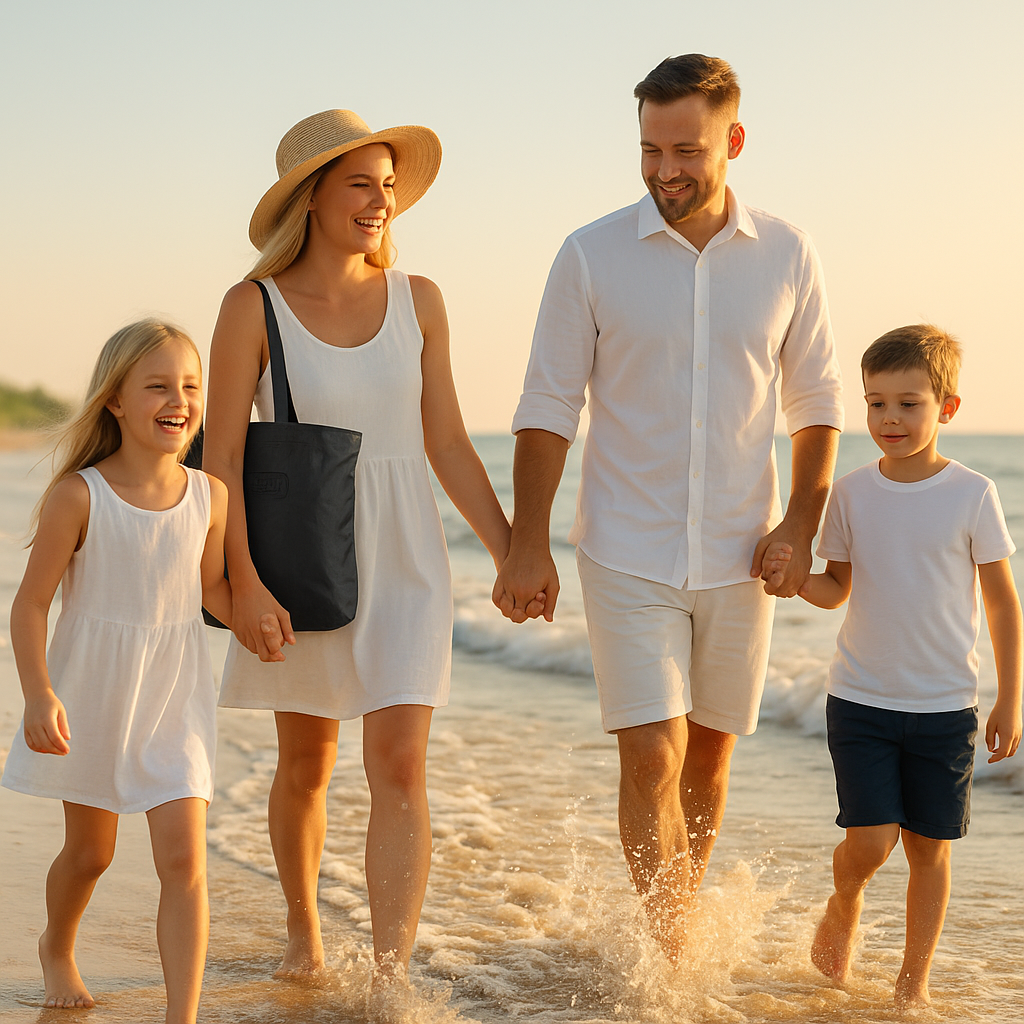
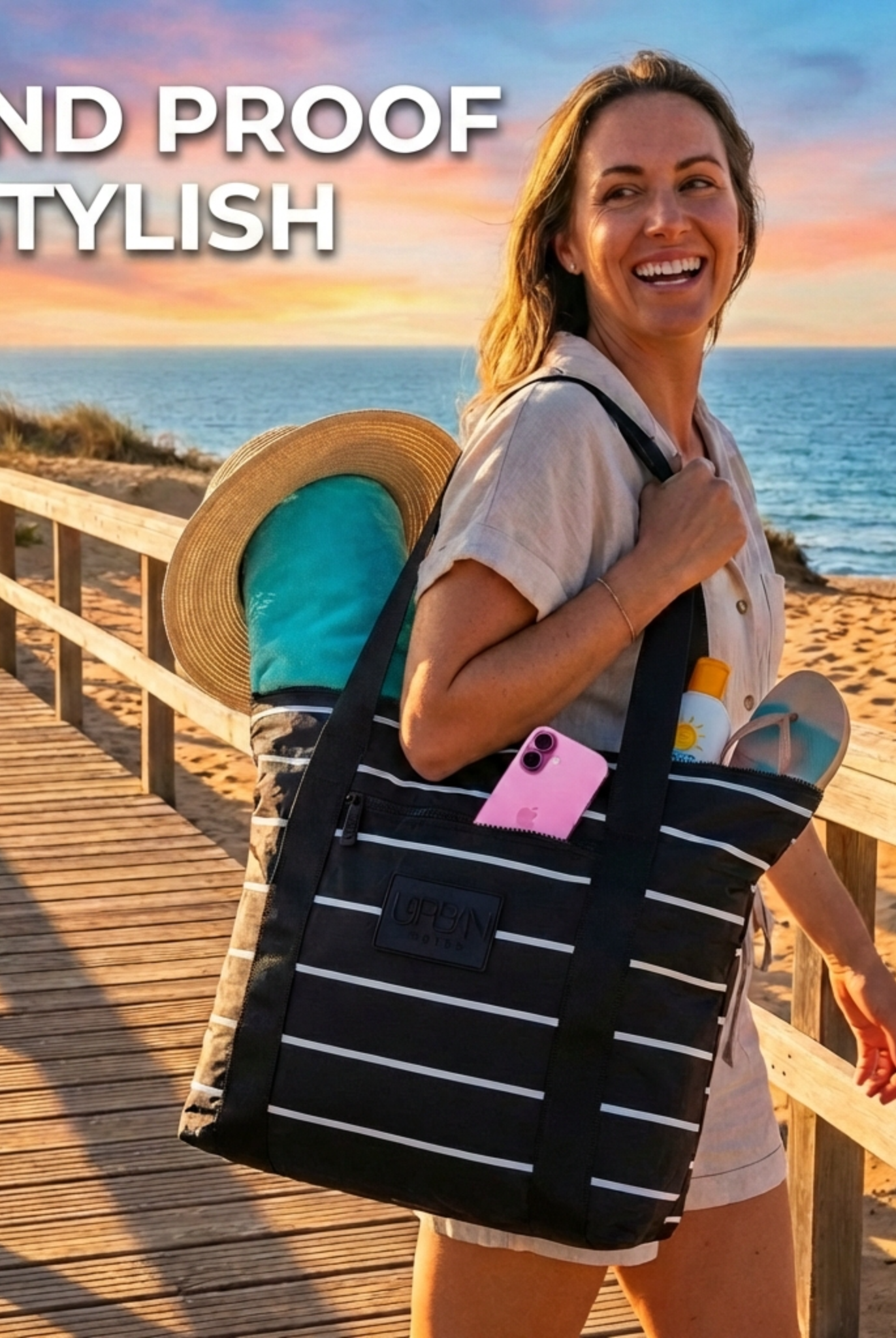
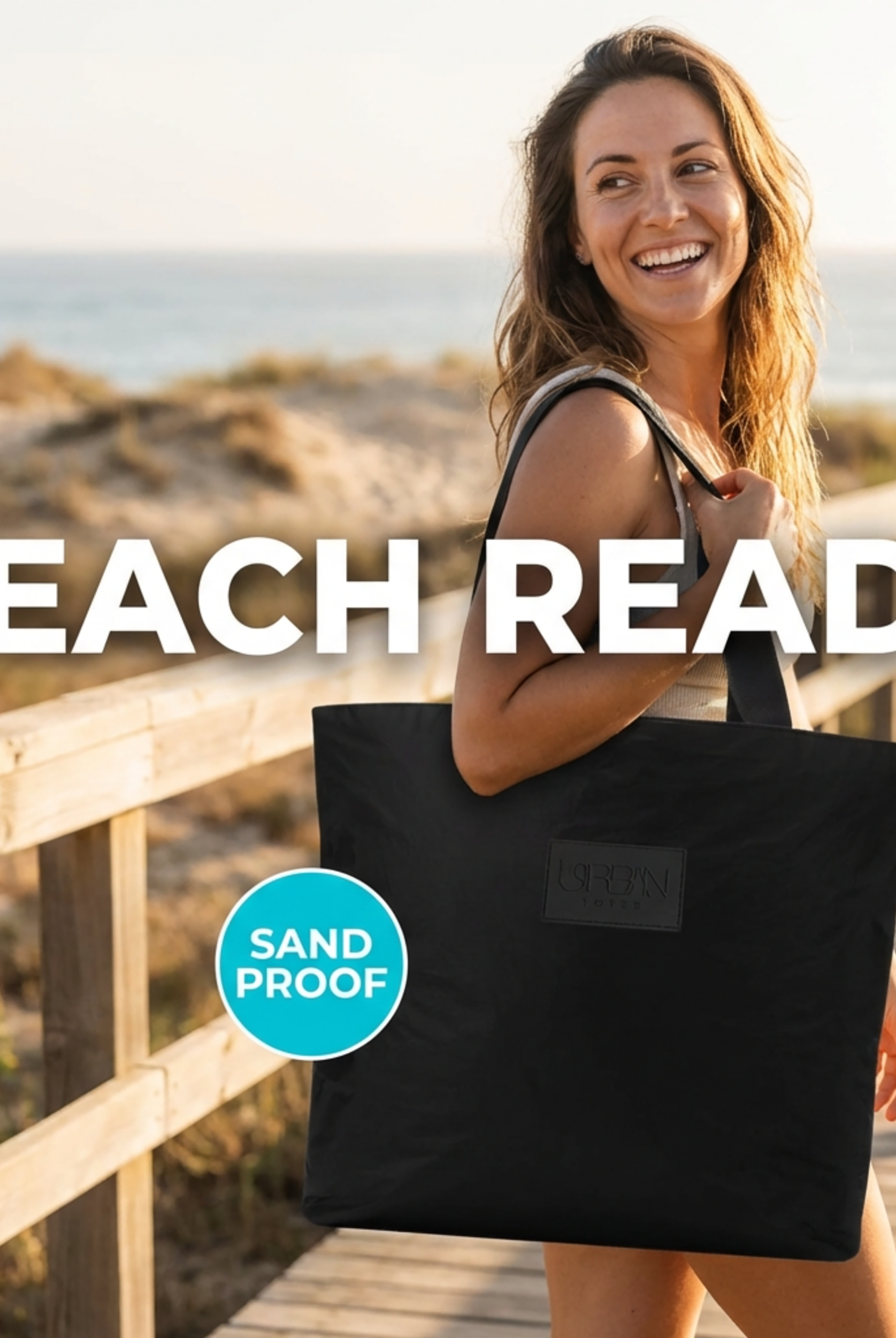
You're loading sunscreen, a rolled towel, snacks, and a wet swimsuit into one bag while trying not to leave half the contents in the sand. Interior separation matters more than fashion language ever will. A structured tote with pockets keeps the dry things dry enough to stay usable and gives the wet stuff its own corner instead of a full bag takeover.
If you've ever had a damp suit soak into your wallet or sunglasses case, you know why closure and pocket planning matter. A tote that keeps everything in loose, open contact is a mess waiting to happen.
Weekend traveler
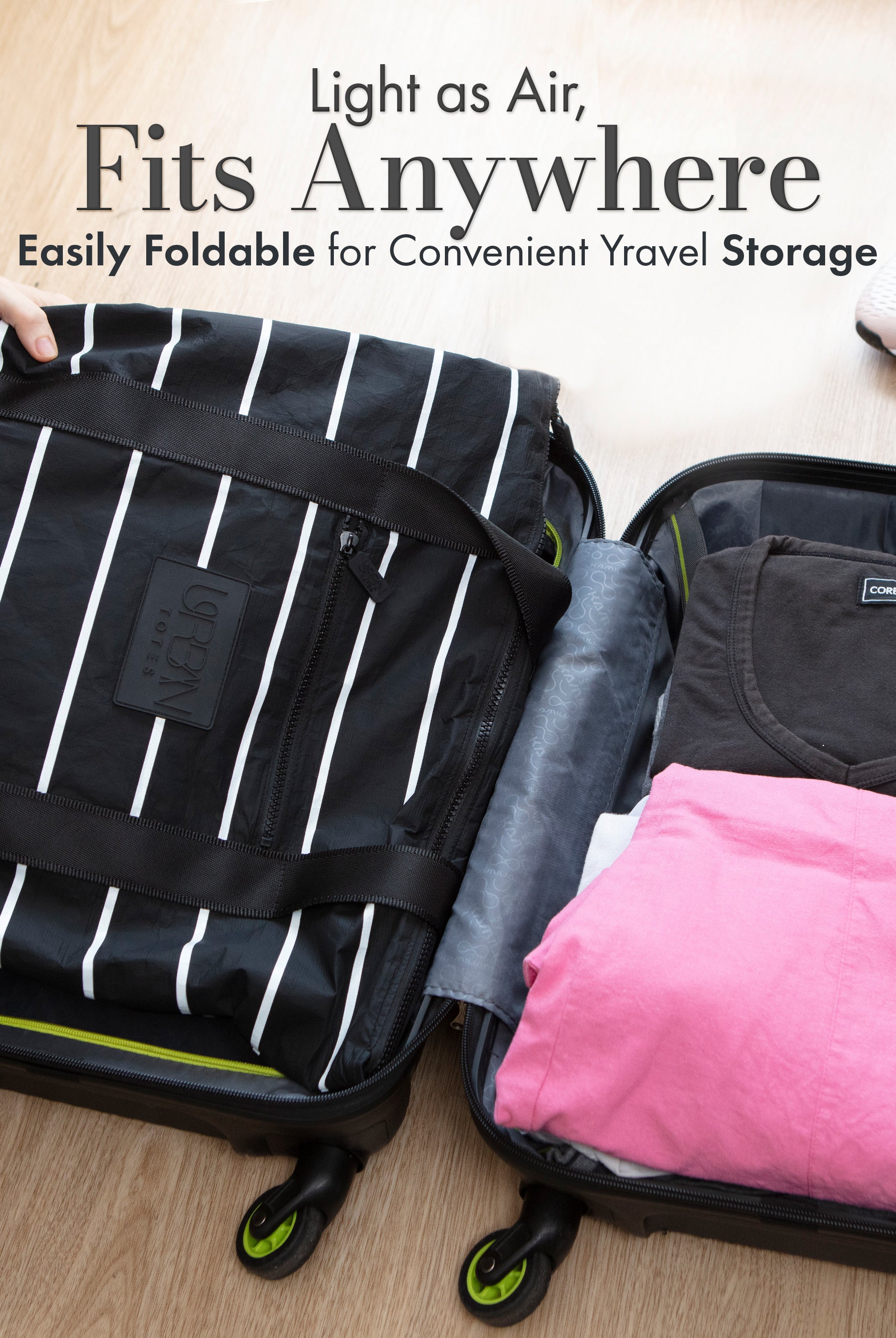
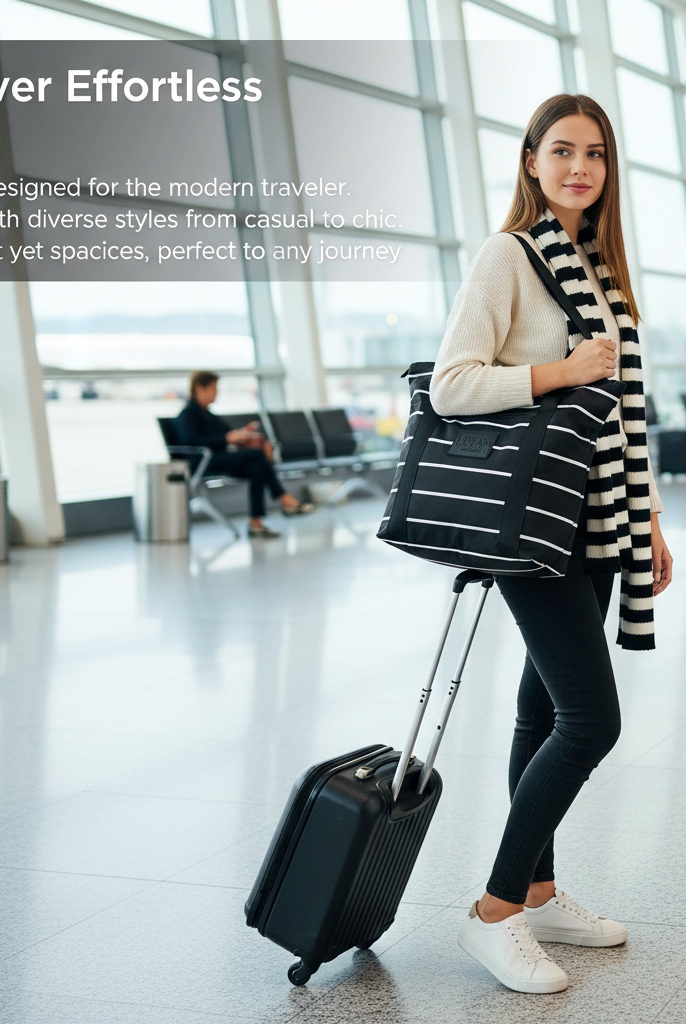
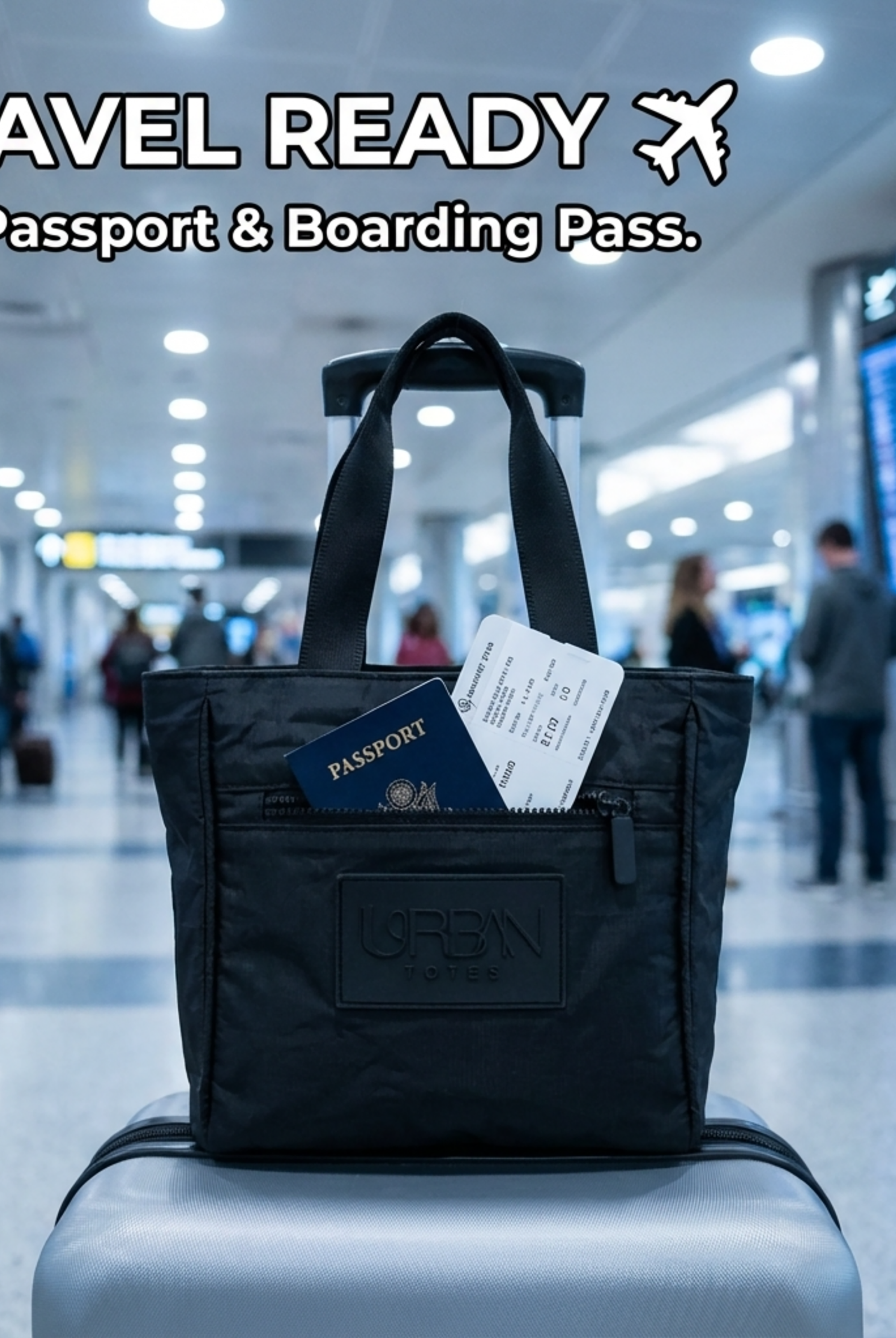
On a short flight, a packable tote earns its keep fast. It can ride as a personal item, then unfold for a farmers market, a park stop, or a hotel breakfast run the next morning. That flexibility beats carrying a second bag you have to babysit.
Lightweight construction matters most. A bag that folds down easily and still opens into a usable everyday carry shape is more valuable than a stiff tote that looks polished but hogs space in your suitcase.
Daily commuter
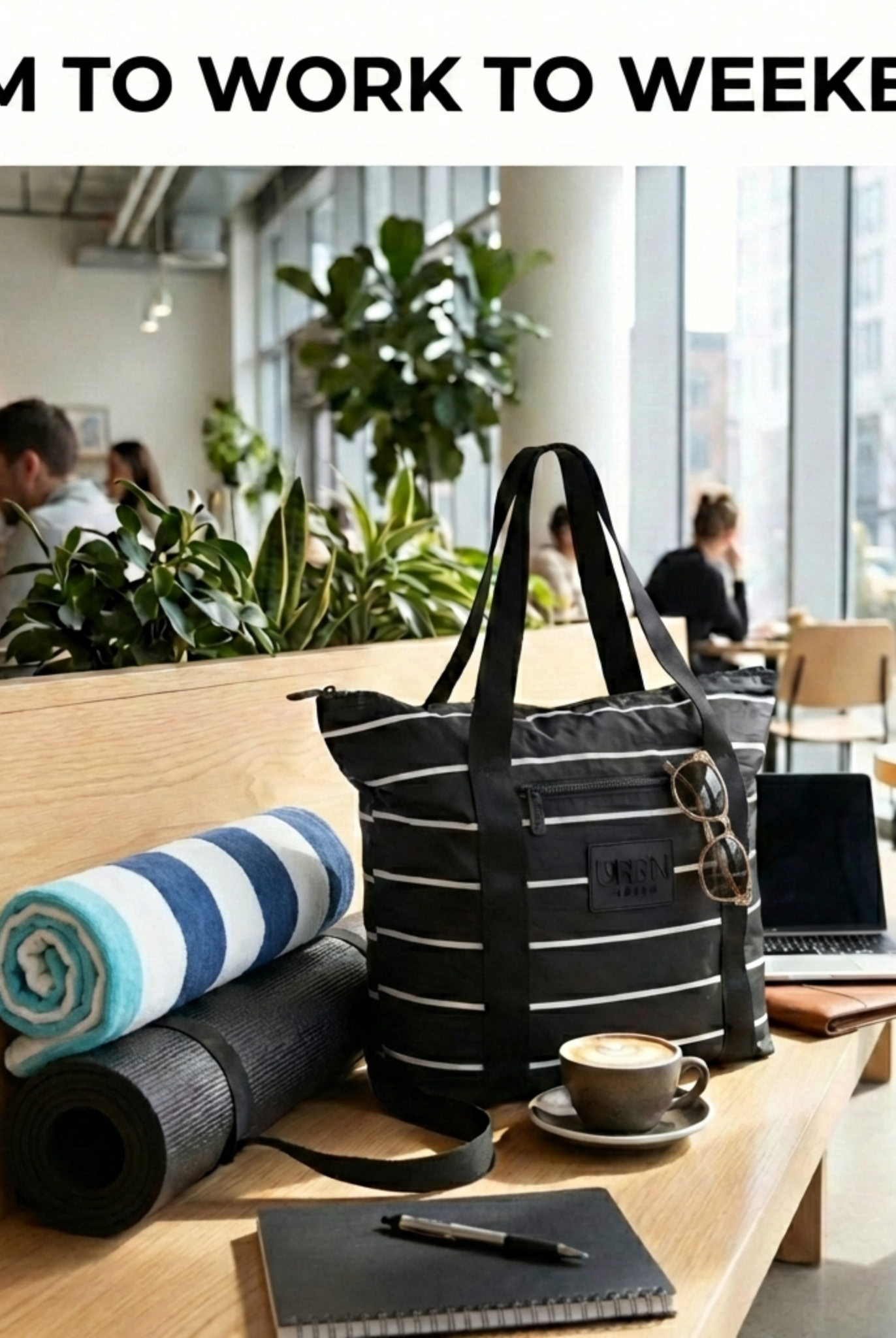
The commuter test is simple. Can you reach your laptop, wallet, and keys without doing a dig-through ritual at the turnstile? If not, the tote is failing you.
A multi-pocket layout changes that routine completely. Dedicated spots for a phone, charger, and transit card save time in the exact moments that matter. If you want another lens on styling and wear, the how to wear a tote bag guide is a useful complement.
The best commuter tote is the one that doesn't make you think about it once you leave home.
For women moving through school drop-off, office time, or weekend errands, the right tote disappears into the day in the best way. It's there when you need it, and it never asks for extra effort.
Care and Cleaning That Actually Works
Most vegan leather totes live longer when you keep the care routine boring. That's a good thing. Boring care is easier to repeat, and repeating it is what keeps a bag from looking tired after one busy season.
Keep it simple
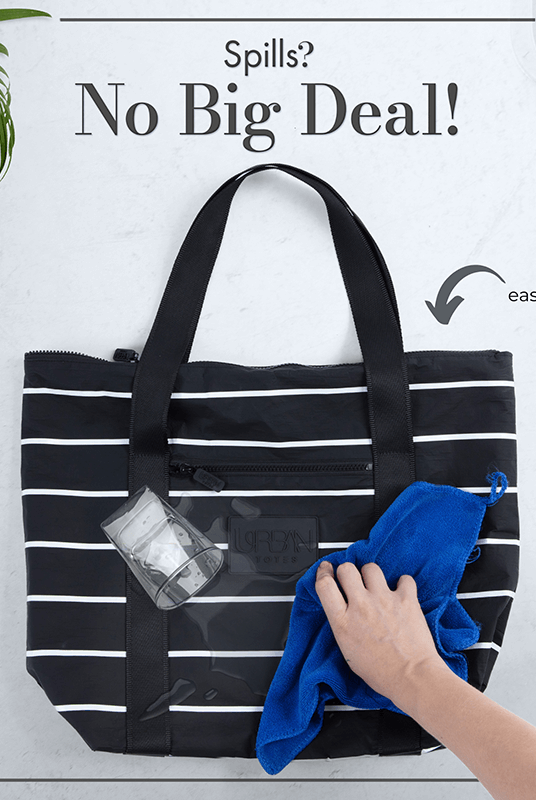
Wipe the tote weekly with a damp cloth. If there's a spot, use a mild soap solution and clean it gently instead of scrubbing hard. Skip alcohol-based wipes unless the care tag specifically allows them, because they can dry out coatings and leave the finish looking rough.
If the tag says machine washing is safe, use that option carefully and air dry the bag afterward. Don't rush it with heat. Heat can warp structure and shorten the life of the finish.
Storage matters too. Foldable totes should be stuffed lightly or kept flat so they don't develop permanent creases. Tuck the straps in when you store it, because loose straps rub and create wear points over time.
The bag gets dirty from real life, not from doing anything wrong. Farmers markets leave dust, school pickup leaves crumbs, and travel leaves scuffs. A tote that's easy to wipe clean is easier to keep in rotation.
Clean it before it looks bad. Once grime settles into seams and corners, every wipe takes longer.
For a fuller routine, the maintenance tips and tricks guide is a solid companion when you want the bag to keep looking sharp.
Your Vegan Leather Tote Buying Checklist
If you're standing in front of a product page or holding a tote in a store, use the same checklist every time. It cuts through marketing fast.
What to inspect before you buy
Start with the material name. If the listing only says vegan leather, keep digging. A real answer tells you whether you're looking at PU, PVC, a plant-based composite, or mycelium, and that changes how the bag will wear, clean, and feel.
Then look at the build. Check seam quality, edge finishing, and hardware weight. Cheap hardware can make an otherwise decent tote feel flimsy, especially when you fill it with a laptop or water bottle. If the bag has a zipper closure, open and close it a few times if you can. It should feel smooth, not sticky or thin.
Now look at function. Ask where the phone goes, where the keys go, and whether there's a pocket that keeps the important stuff from disappearing. A multi-pocket tote is more useful than a pretty empty shell. Strap drop matters too, because a tote that slips off your shoulder gets annoying fast.
Use this quick filter:
- Material clarity: Know what the “vegan leather” label means.
- Everyday structure: Look for zipper closure, pockets, and a shape that holds up in real use.
- Carry comfort: Prioritize lightweight construction and straps that match how you move.
Finally, think about your actual week. If you mainly commute, you need stable organization. If you travel, you need packability. If you live at the beach or in the carpool lane, you need easy cleaning and low fuss. That's the ultimate test, not whether the tote looks good in a flat lay.
Urban Totes makes woman-owned, Boise-made bags that lean into the practical side of this equation, with water-resistant, lightweight, packable, and foldable designs built for commuting, errands, travel, and everyday carry. That's the kind of shortlist worth starting from when you want one bag that can keep up with a full day.
If you want a tote that works as hard as you do, start with the features that matter in real life, not the label on the front. Explore the modern, practical carry options at Urban Totes, and choose a bag that's ready for school drop-off, the airport, the beach, and everything in between.