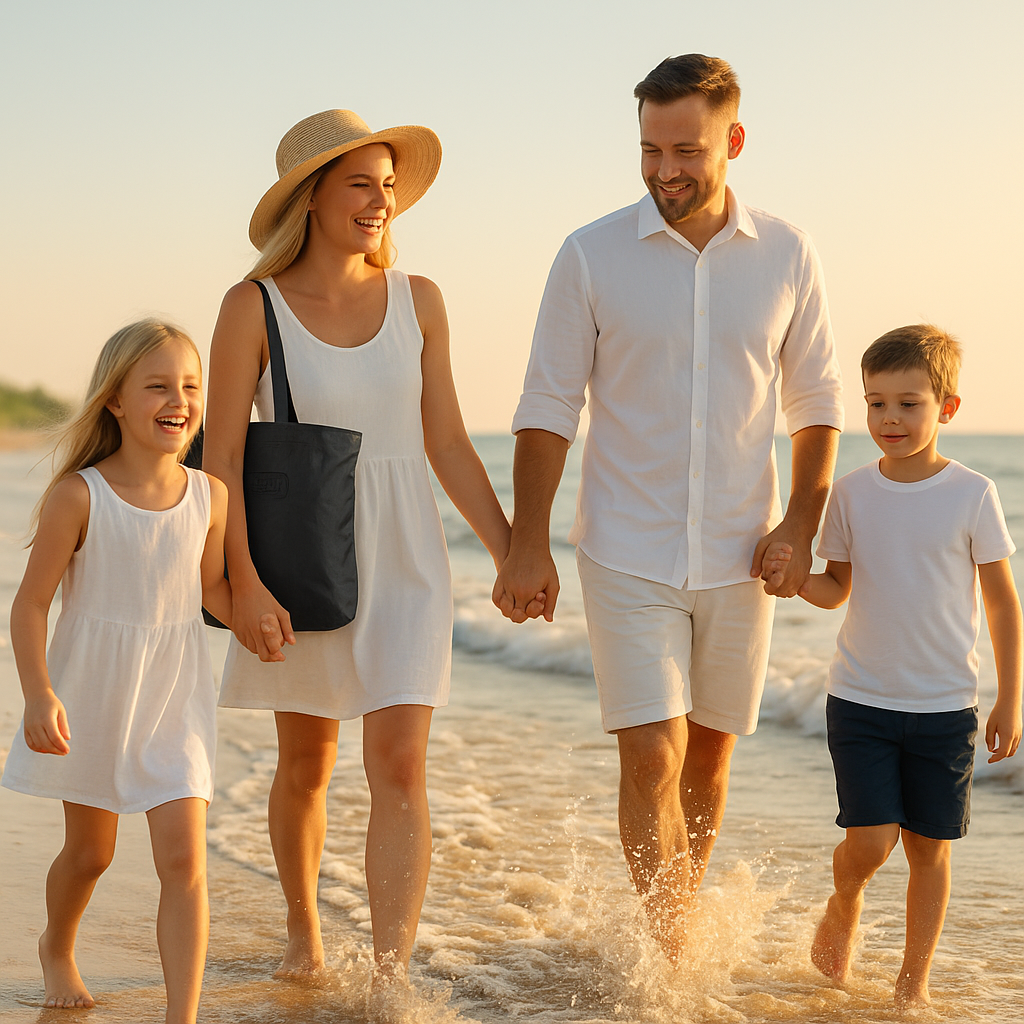
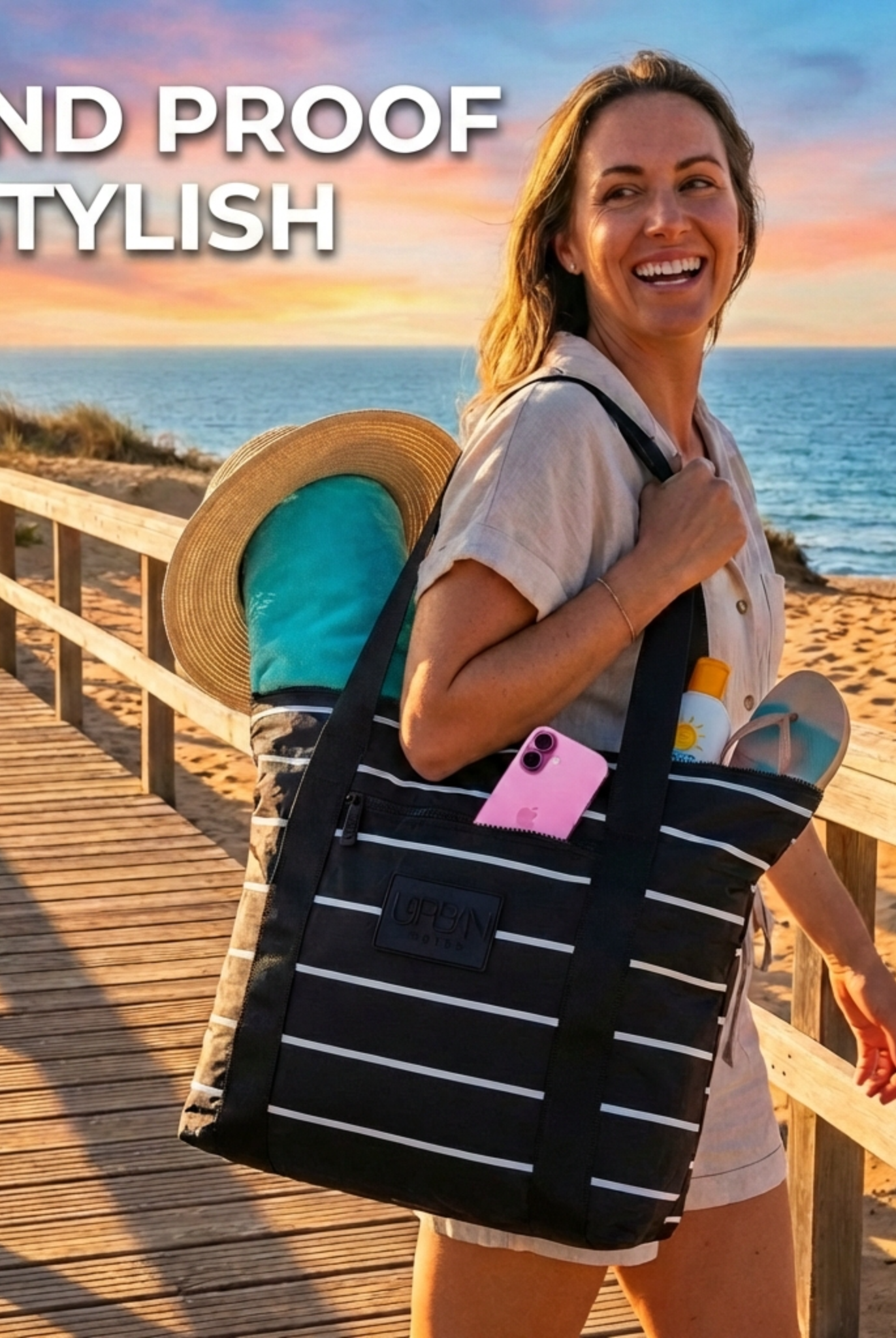
You're at the beach, one hand on a chair, the other digging through a sagging canvas tote for sunscreen while sand works its way into everything. That's the moment most women realize the problem isn't beach day itself, it's the bag. A foldable beach bag solves the wrong kind of bulk, but only if it still holds its shape, keeps things organized, and doesn't turn into a floppy mess the second it's full.
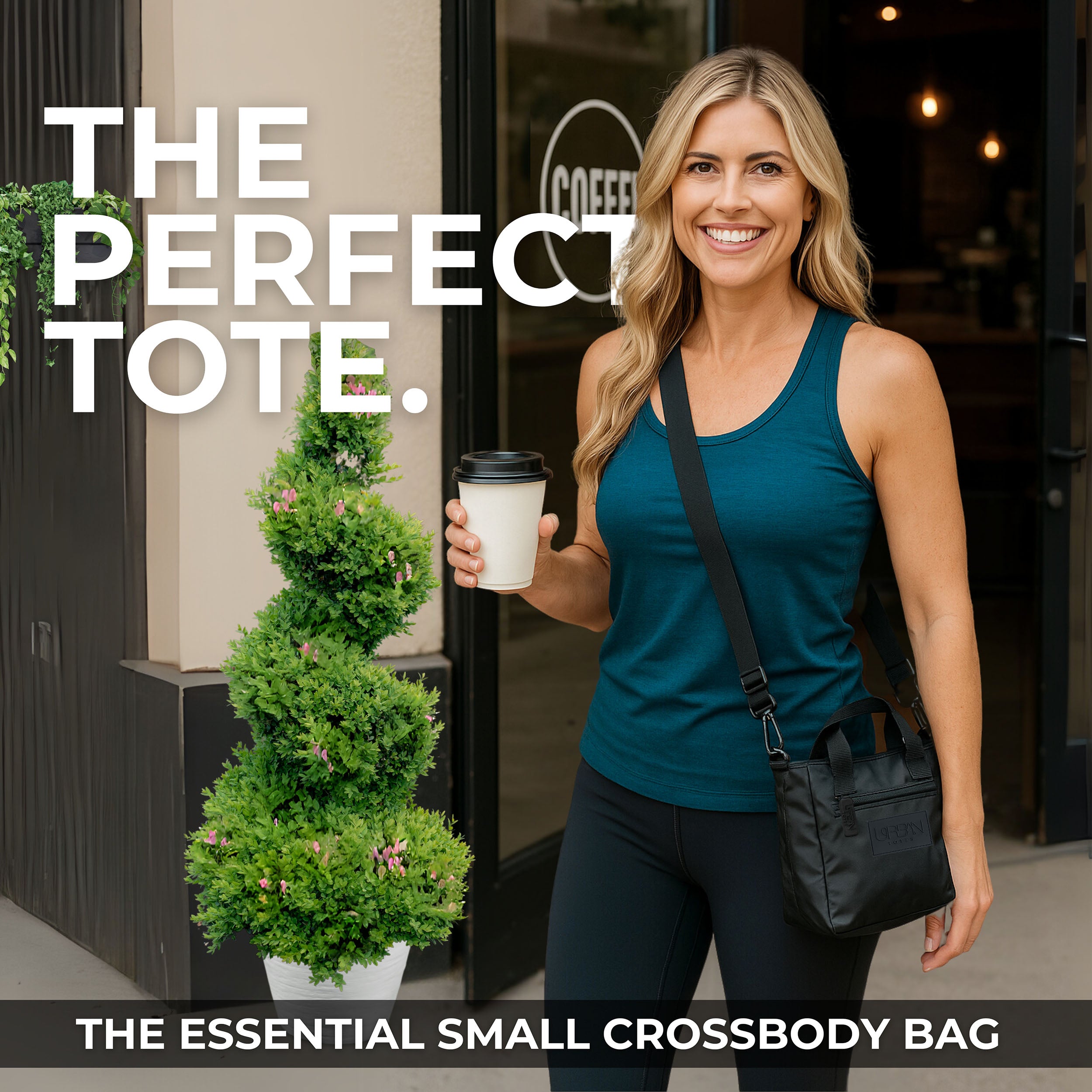
The key is choosing a bag that packs small without acting small once you open it. For busy moms, commuters, and travelers, that tradeoff matters more than the cutest print or the tiniest fold. Urban Totes builds around that same practical idea, Go Anywhere. Tote Everything.
Table of Contents
- Why Your Beach Bag Needs an Upgrade
- The Engineering Behind Packable Totes
- Materials and Features That Actually Matter
- Choosing the Right Bag for Your Lifestyle
- Packing Strategies and Care Tips
- Beyond the Sand Multi-Environment Utility
- Frequently Asked Questions
Why Your Beach Bag Needs an Upgrade

A big, floppy beach tote looks fine at first. Then you're on the sand, digging past a damp towel, a crushed snack bag, and sunscreen caked with grit around the cap. That is the problem with old-school beach bags. They are bulky, they are awkward to clean, and they waste valuable space with a shape that looks generous but performs badly.
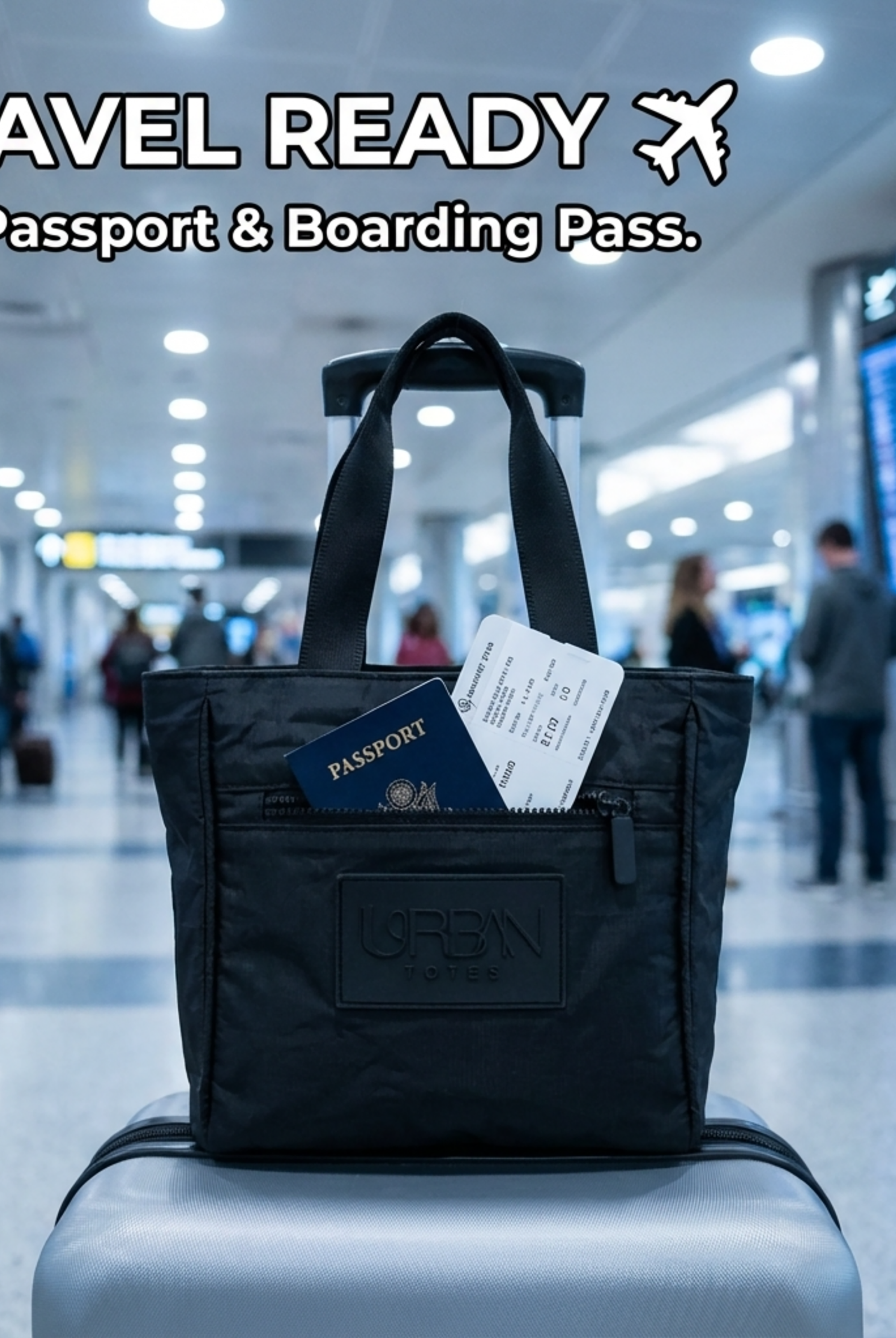
The better answer is a bag that packs down without becoming useless once it opens. That trade-off matters more than people admit. Families need structure so bottles, wipes, snacks, and spare clothes do not sink into one loose pile. Commuters need a tote that fits in a work bag or car console without turning into a mess. Travelers need something that stows flat, then still holds its shape when it is pulled out for a hotel pool, a ferry ride, or a last-minute beach stop.
If you want a simple reference for what that kind of setup should look like, the packing guidance in this internal tote bag beach guide shows how a beach bag has to work in real use, not just on a product page.
The beach bag market is large because the use case is real. The broader U.S. beach bag segment was valued at about USD 1 billion in 2022 and was expected to grow at roughly 5% CAGR through 2028, which points to steady demand for portable carry options in a major market (pmarketresearch). Foldable beach bags sit right inside that demand because they overlap with beach totes, packable travel bags, and other lightweight carry goods built for leisure and weekend travel.
What makes a foldable bag different
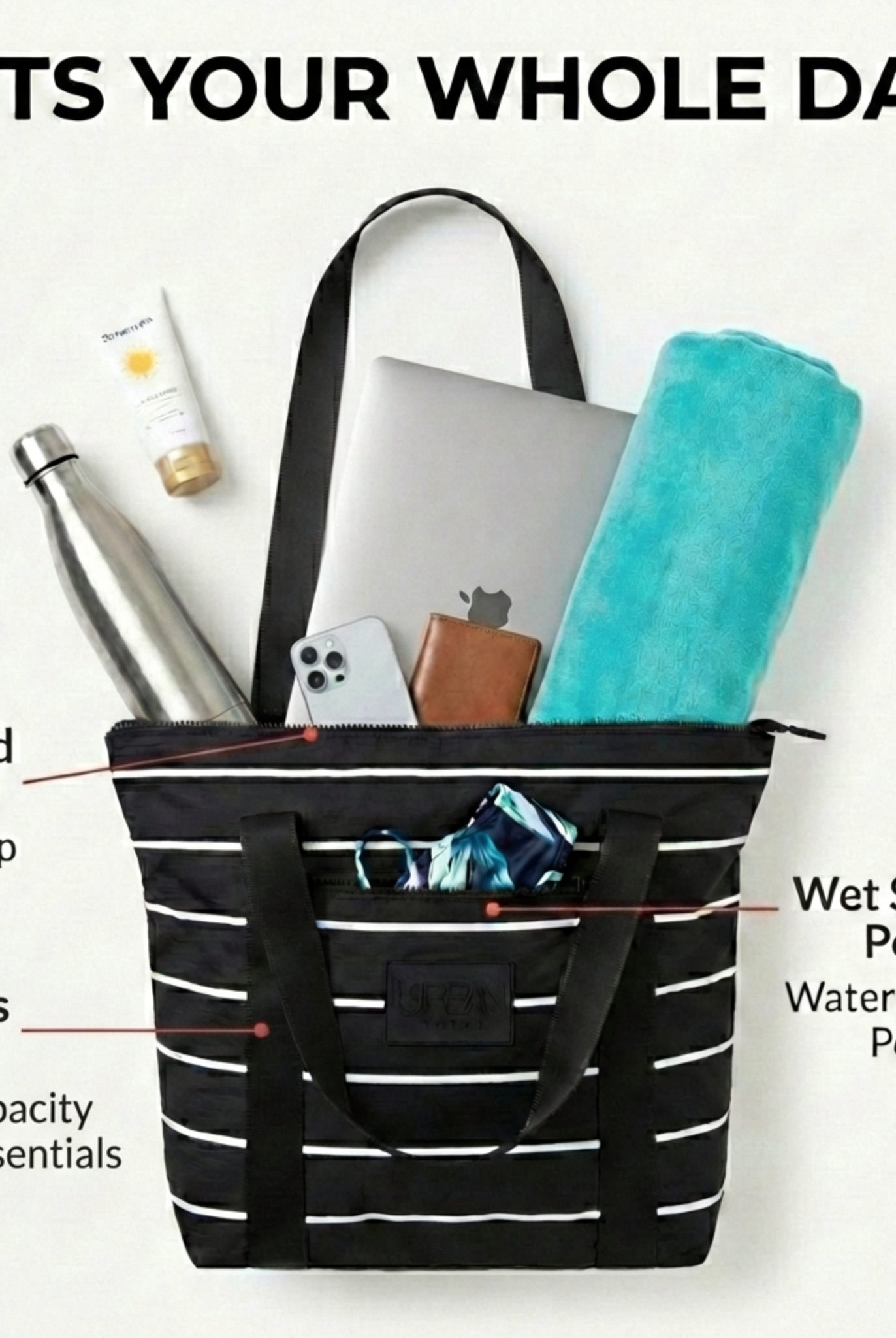
A foldable beach bag is not just a thin pouch. It is a carry solution that collapses into a compact form, then opens into a tote with enough room for towels, sunscreen, water bottles, and the extra items every family ends up carrying. The good ones fold small and still keep enough shape to stay organized once they are open.
That structure is what separates a useful bag from a cheap one. A tote that disappears into a tiny bundle sounds smart until it turns into a sagging sack the second you load it. A bag like that does not solve anything for a parent juggling kids, a commuter carrying lunch and sandals, or a traveler who needs one bag to do more than one job.
The strongest bags also match how women move through the day. A bag that works for a solo beach walk should be different from one that has to survive school drop-off, an airport, and a sandy afternoon with kids. That is why the best foldable beach bags feel less like novelty items and more like everyday carry with a travel-friendly reset button.
Practical rule: If a beach bag folds tiny but turns into a shapeless sack when loaded, it is not solving the problem. It is just hiding it.
The Engineering Behind Packable Totes

The best way to judge a packable tote is by its packability ratio, which is the balance between how small it folds and how much it can carry once opened. That's the whole game. If a bag compresses beautifully but loses its structure the second you load it with towels and gear, it fails the actual use case.
Self-storage versus separate pouch design
Some bags fold into an attached pocket or built-in pouch, which is ideal when you want one less thing to lose in the bottom of a suitcase. Others rely on a separate pouch, which can work well for travel but adds one more item to track. A mesh beach bag can be very compact, but mesh alone isn't enough if the seams and edges don't hold up under wet sand and repeated folding.
Reinforced fabric binding matters because mesh stretches and abrades faster than many shoppers expect. Polyester and Oxford fabric panels help stabilize stress points, especially around handles and the base. One OEM mesh beach bag folds into its own front zipper pocket, with a full-size sample of 45 × 65 cm and a front pocket of about 20 × 15 cm, a clear example of how brands shrink storage footprint without sacrificing open-tote volume (initigift).
Low weight doesn't mean weak
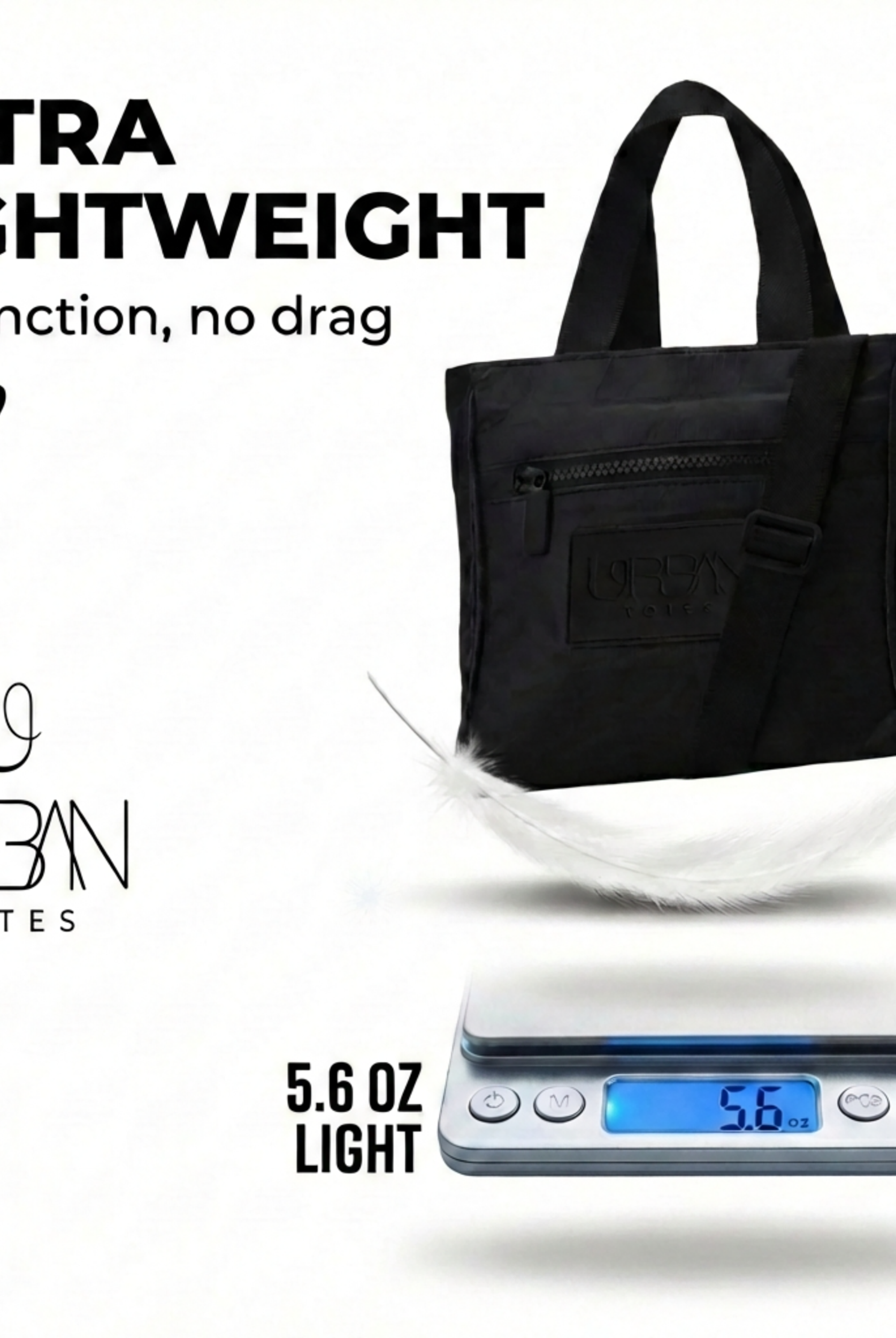
A good foldable beach bag should feel light before you load it and dependable after you do. One product spec lists a 35 L foldable mesh beach bag at about 330 g with a static load capacity of about 10 kg, while another waterproof foldable beach tote is listed at 21.65 × 25.59 × 6.69 inches and 0.99 lb (goritta). The lesson is simple, low tare weight helps portability, but real carry performance comes from reinforcement at the handles, seams, and base.
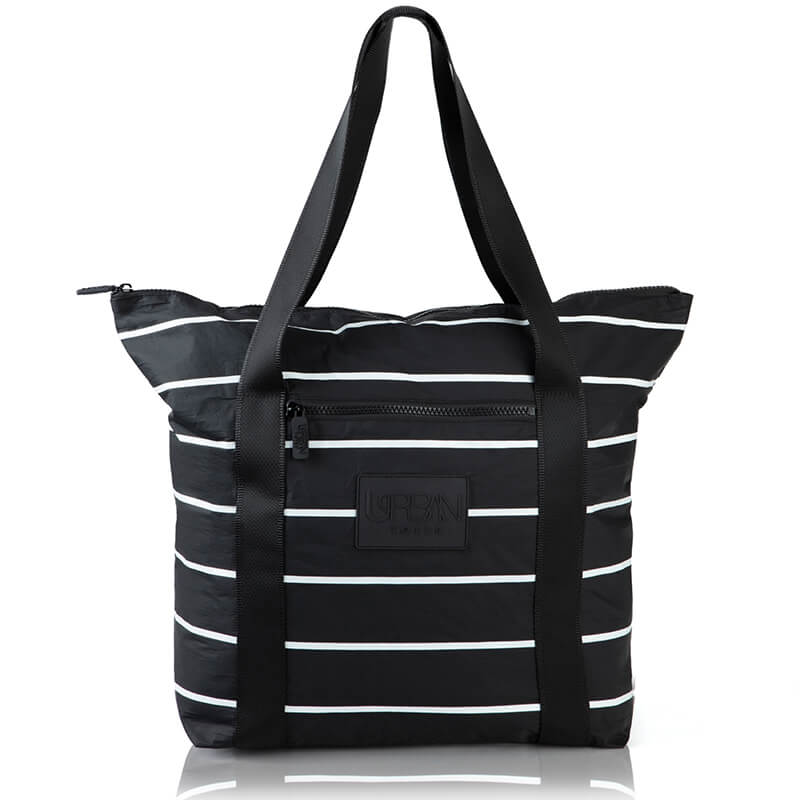
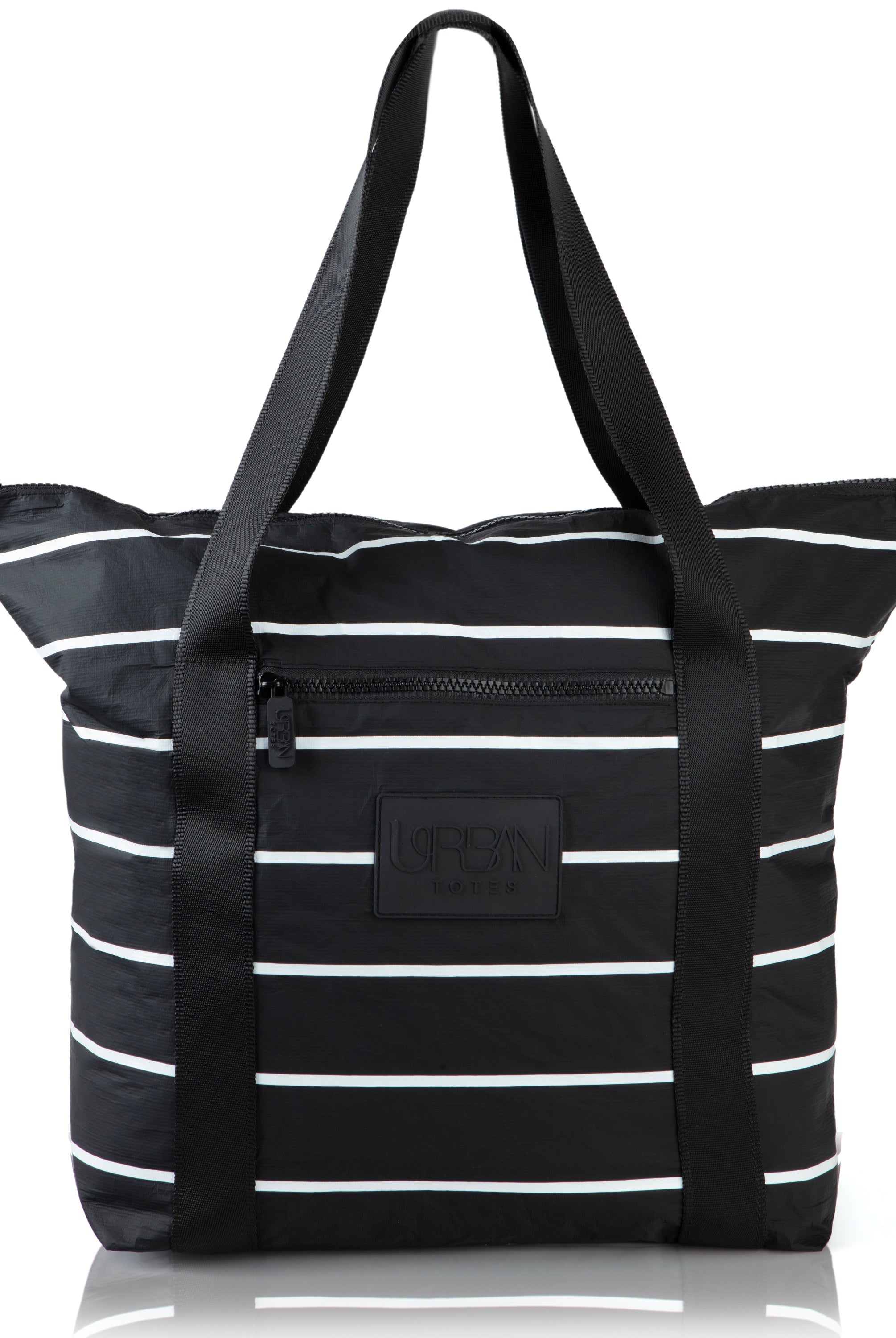
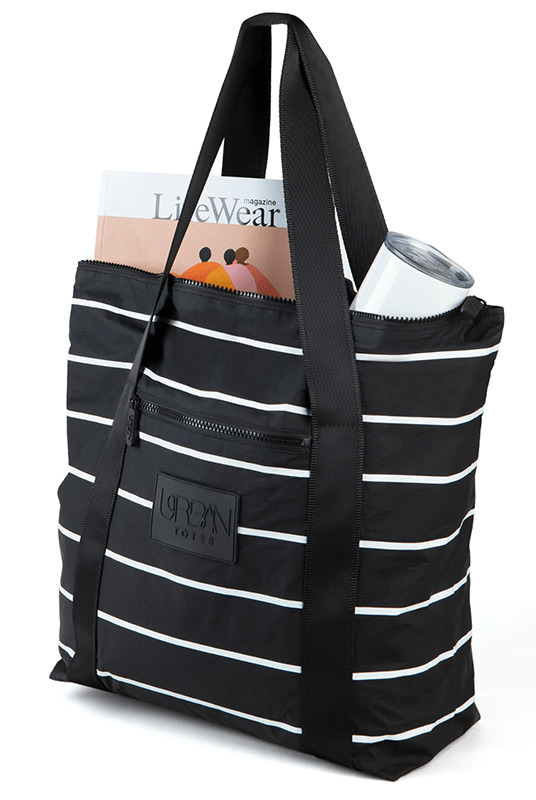
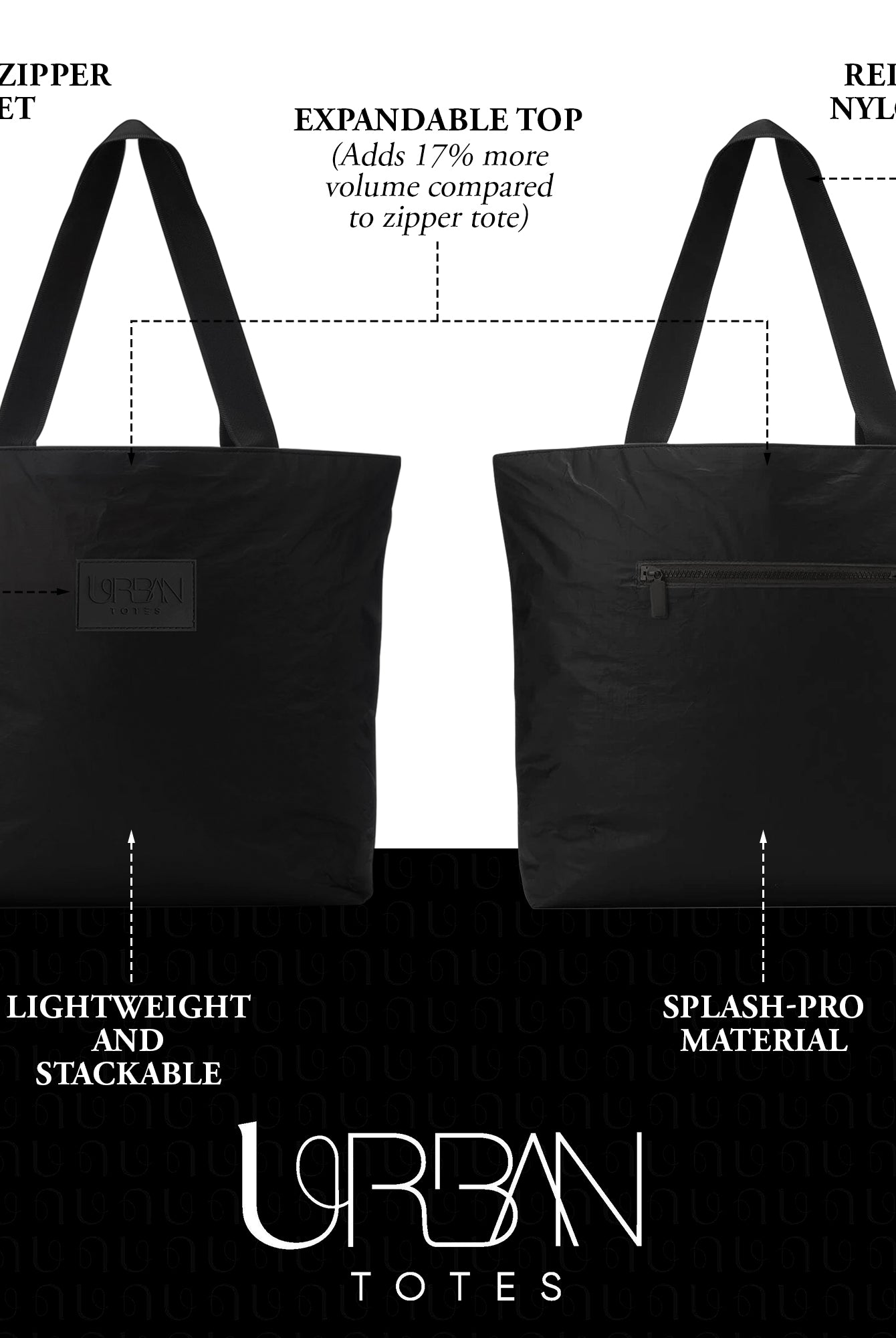
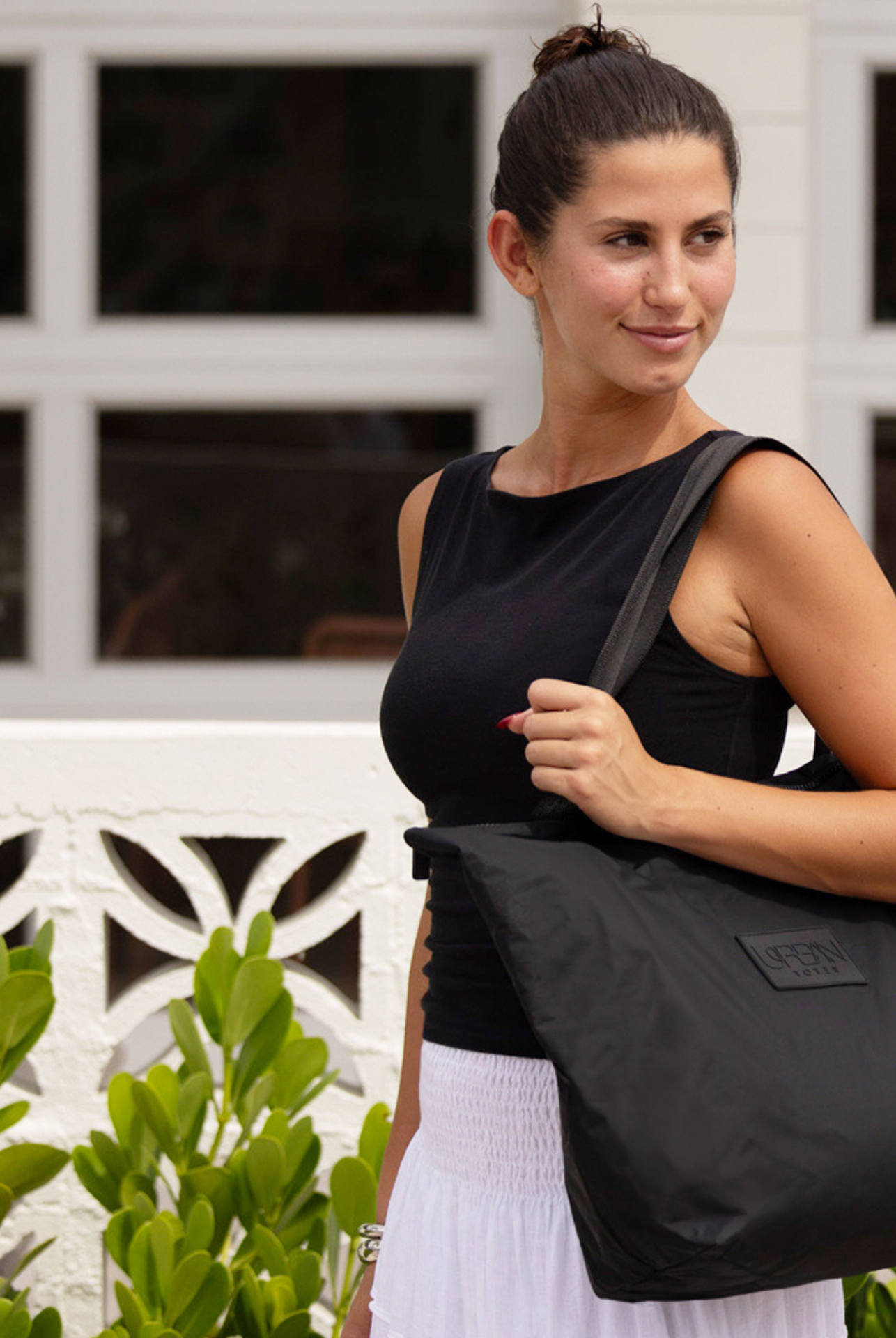
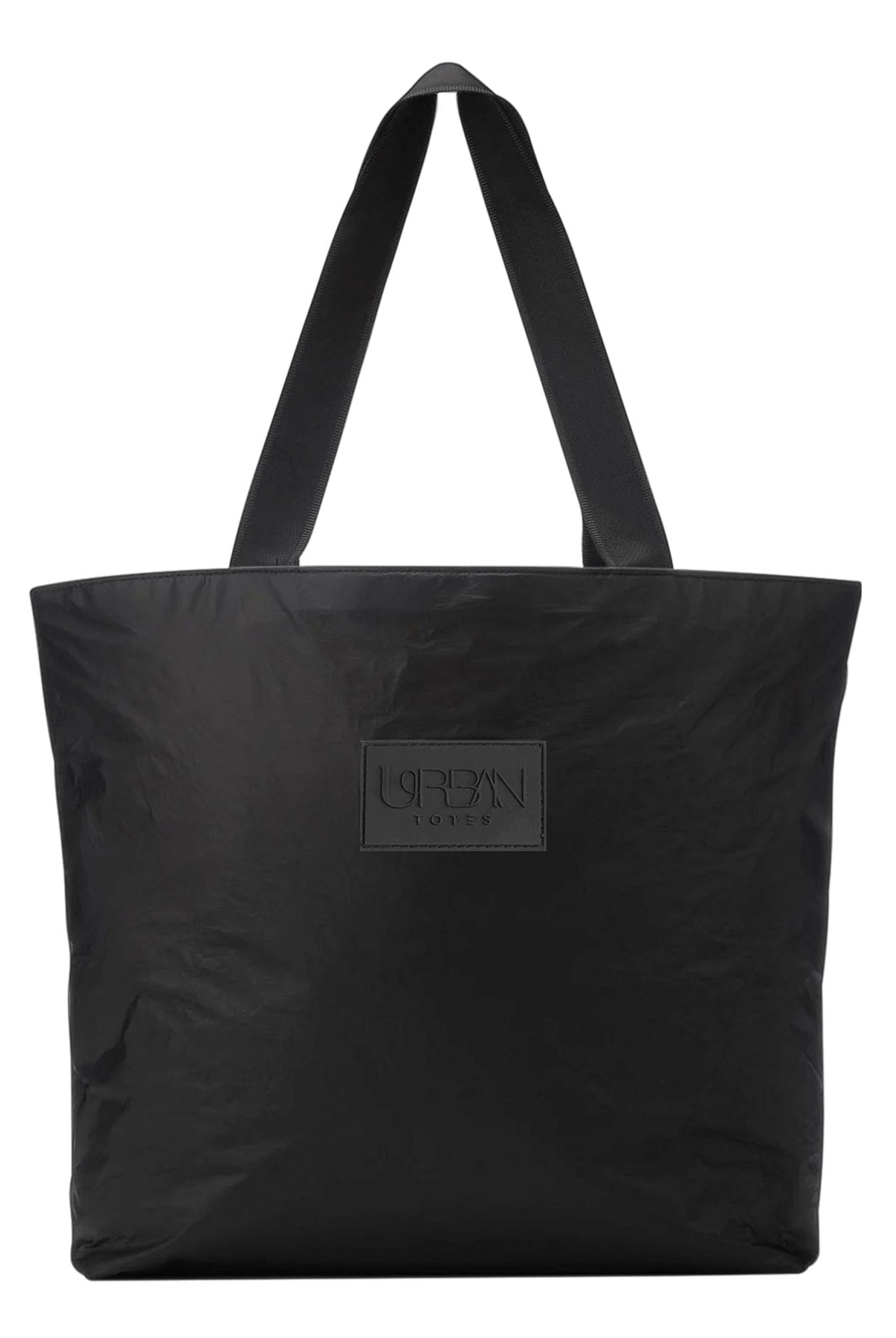
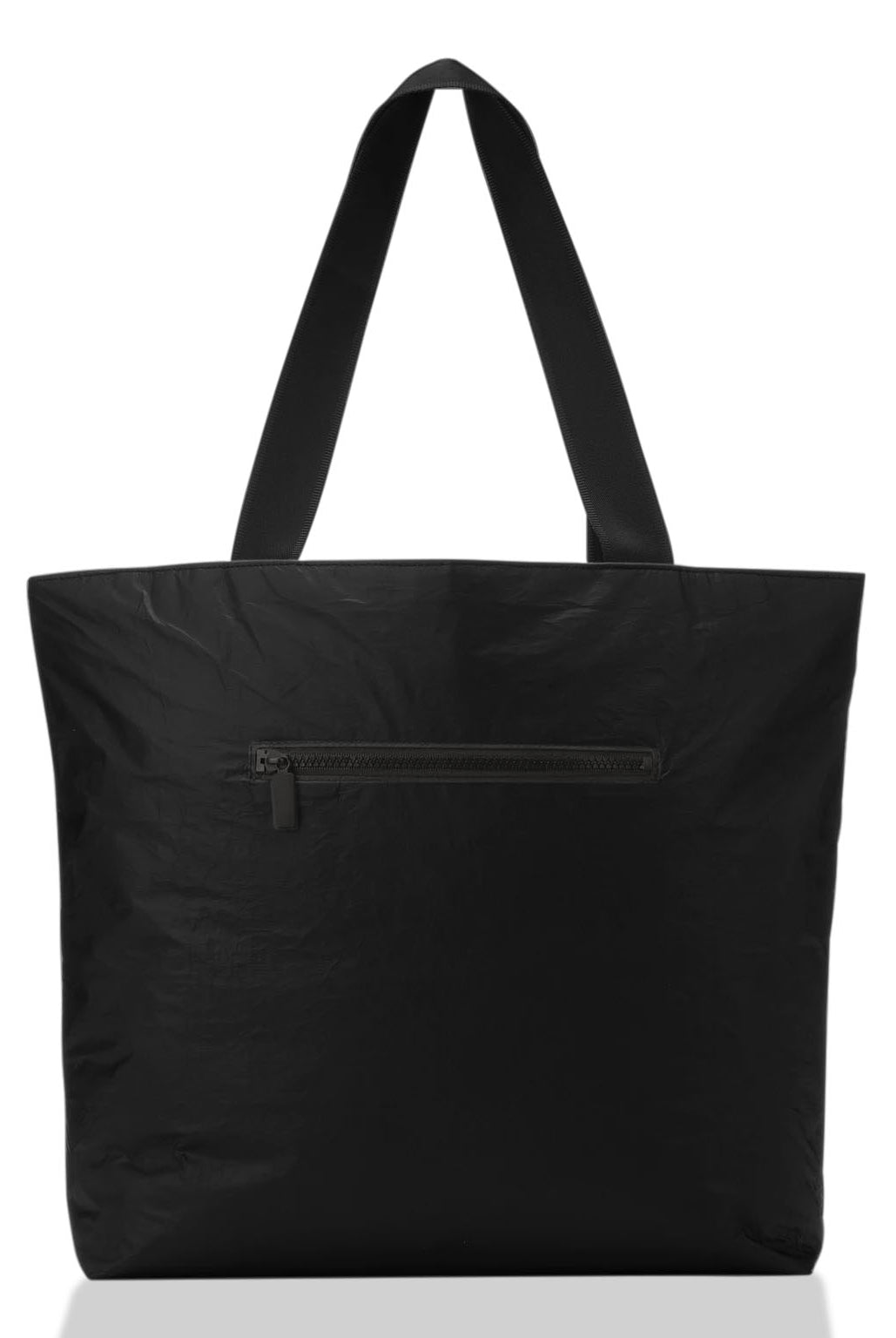
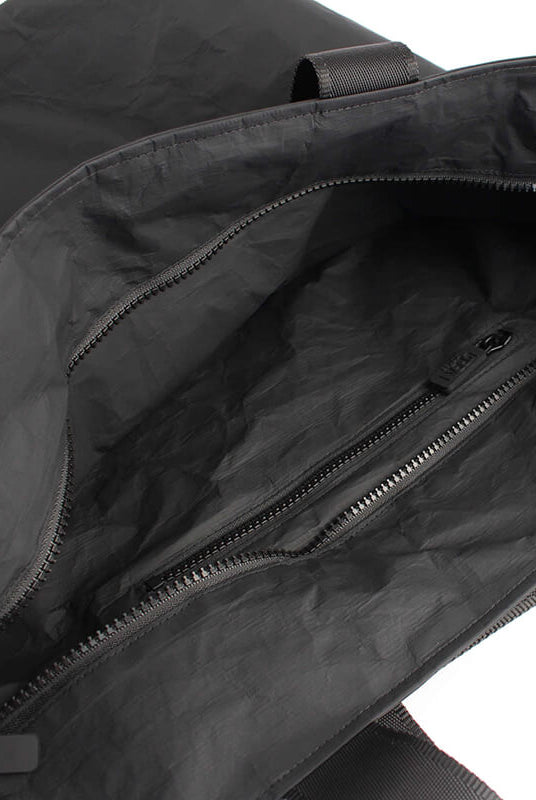
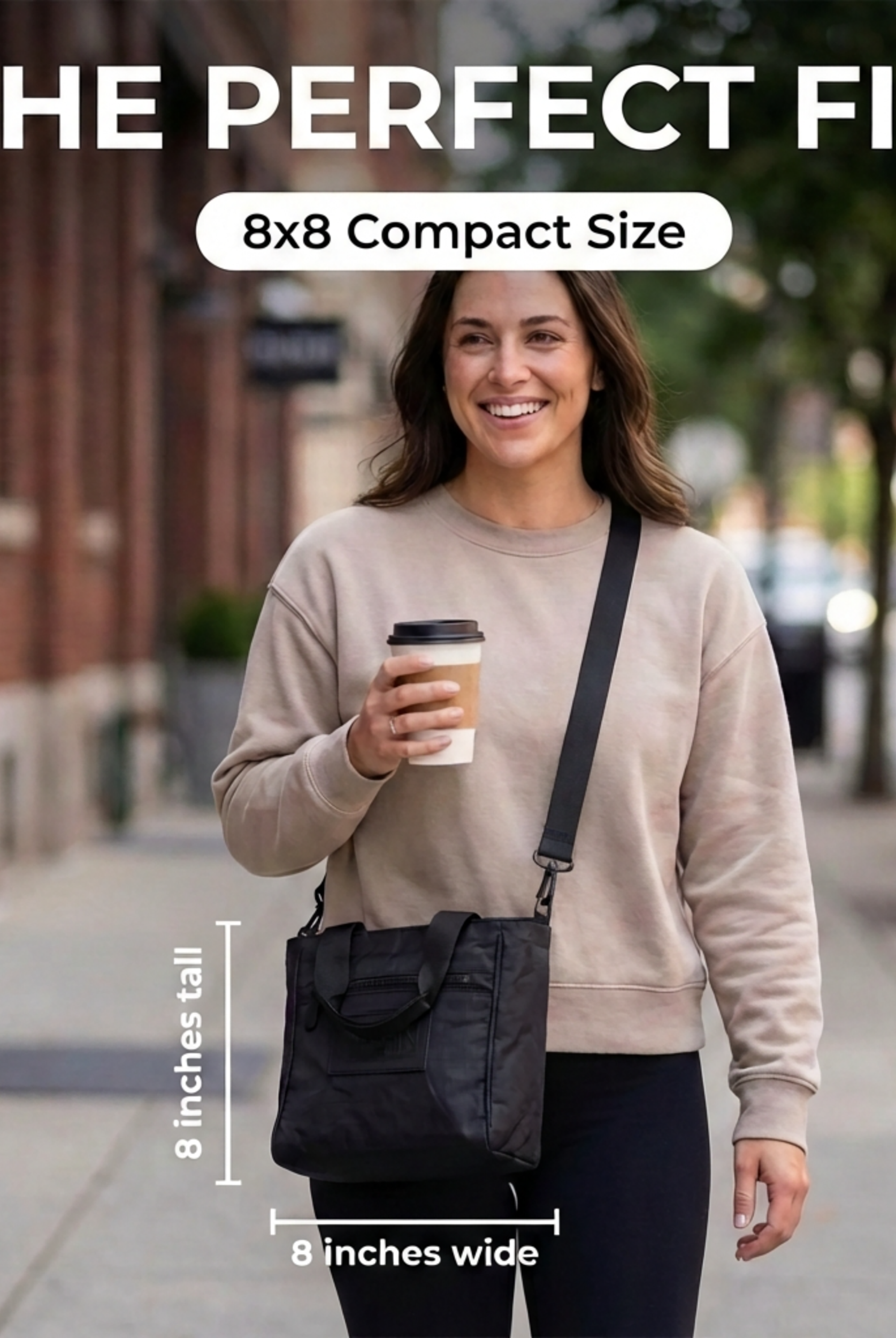
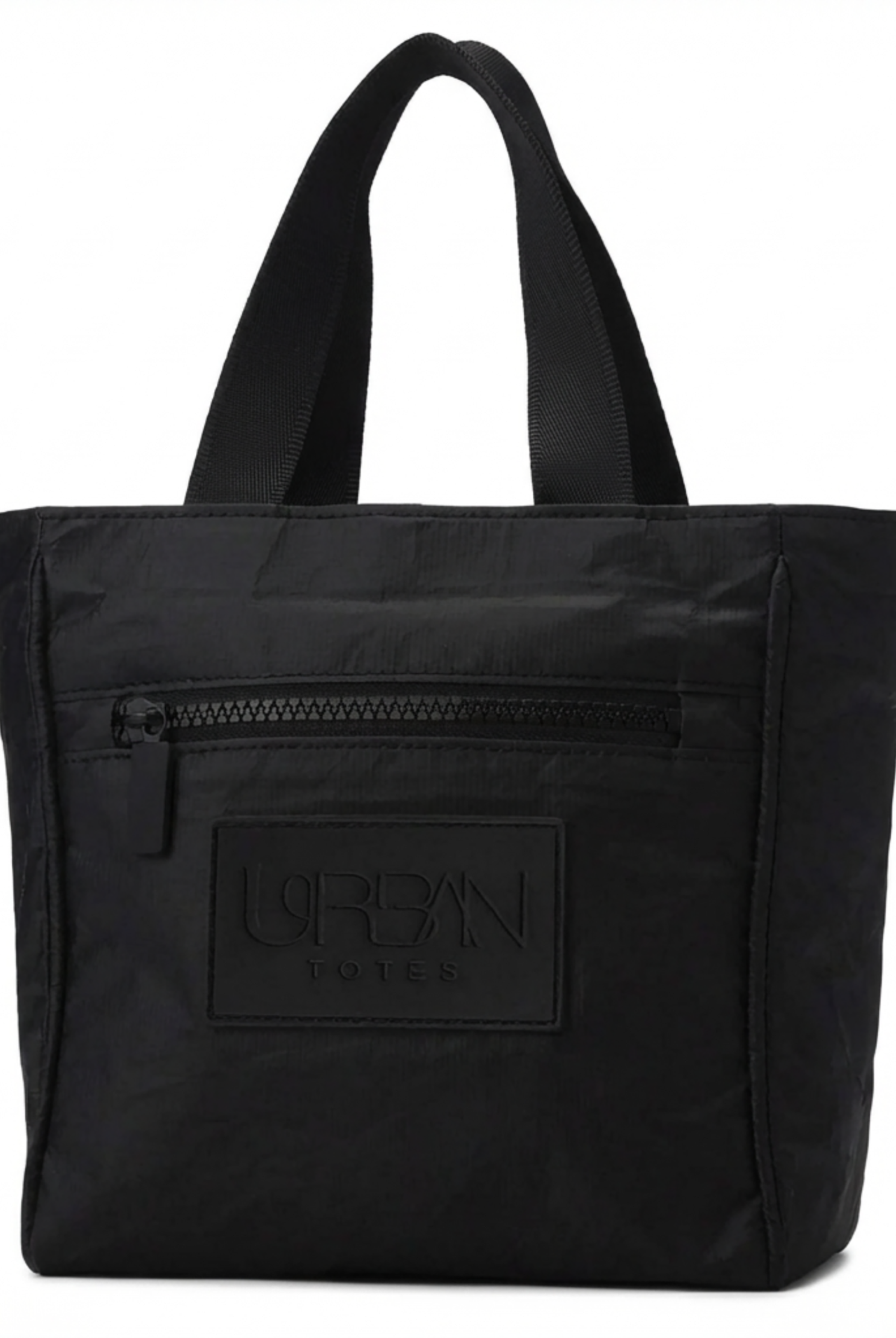
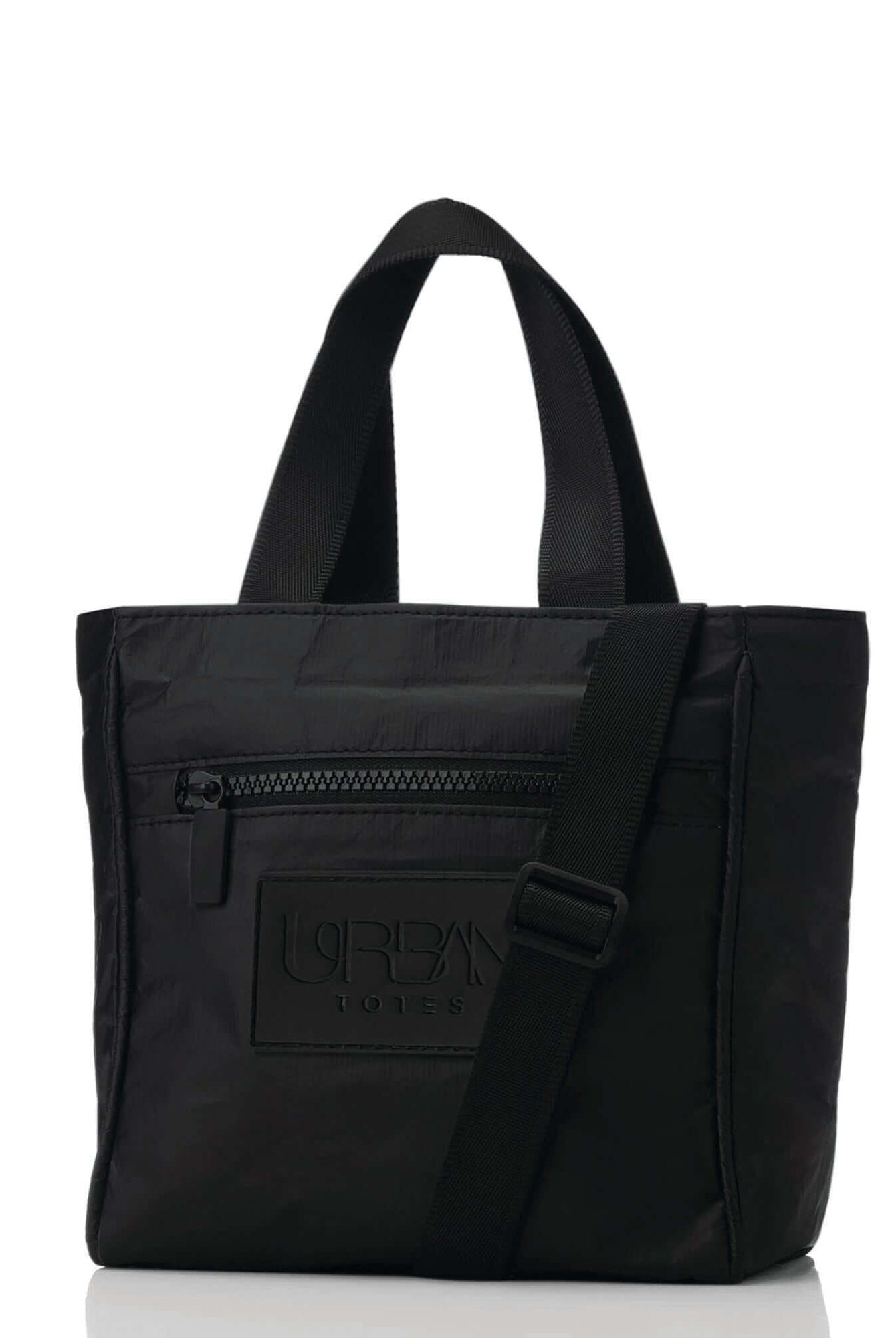
Urban Totes' The Go Anywhere Day Trip Tote Bag by Urban Totes fits this logic well, because its first job is to stay organized and travel-ready, not just look compact on a shelf.
Design note: Foldability should never mean fragile. A beach tote still has to handle repeated folds, wet gear, and closure stress without losing shape.
The technical standard for textiles backs that up. The NIST paper on test methods cites a folding endurance requirement of not less than 10,000 double folds in both machine and cross directions, along with a breaking strength of not less than 3 times for bags and an adhesive strength of not less than 30 minutes (NIST). Those numbers make one thing clear, a good foldable beach bag should be built for repetition, not one cute weekend.
Materials and Features That Actually Matter
The material choice decides whether a foldable beach bag feels like a real tool or a temporary fix. Some fabrics dry fast and stay light. Others hold their shape better and wipe clean more easily. The right answer depends on how messy your life gets at the beach, at the gym, or during a rushed weekend.
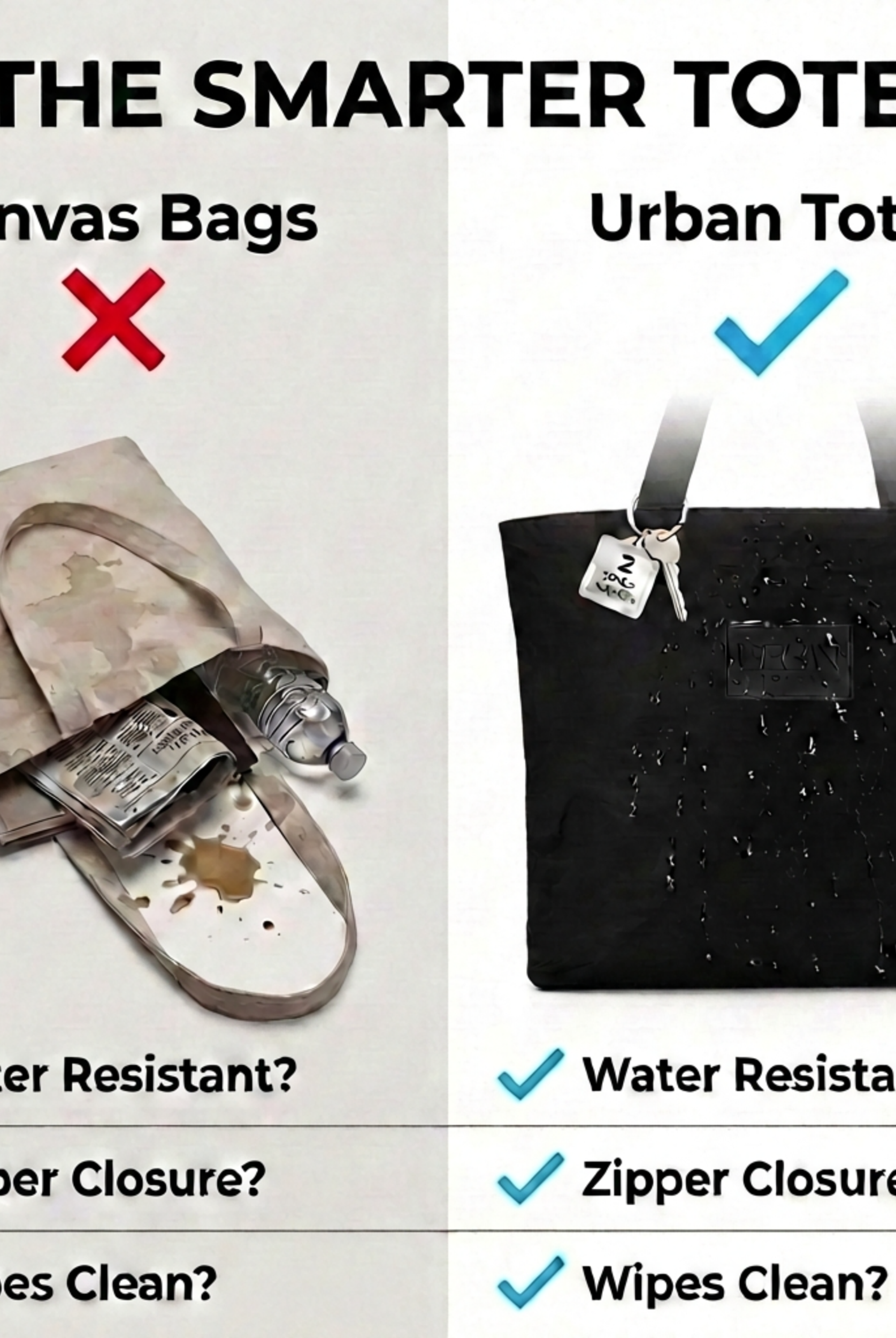
A practical buying rule is to favor bags that balance water-resistant fabric, secure closures, and enough structure to keep the opening usable. That matters more than chasing the thinnest shell possible. Product listings for packable beach totes often highlight zip closures, exterior pockets, and lightweight shells, which tells you where the category is heading, low bulk, fast drying, easy maintenance.
Material Comparison for Foldable Beach Bags
| Material | Best For | Pros | Cons |
|---|---|---|---|
| Mesh | Quick beach trips, sandy gear | Breathes well, drains fast, folds small | Less structure, can stretch under load |
| Polyester | Everyday beach use, family carry | Lightweight, flexible, often easy to clean | Quality varies a lot by construction |
| Oxford fabric | Travel, organized carry, heavier loads | More structure, better shape retention, durable feel | Can be a little bulkier when packed |
| Structured synthetic blend | Commuting, beach-to-errands use | Balances packability and form, usually easy to wipe clean | Usually more dependent on reinforcement details |
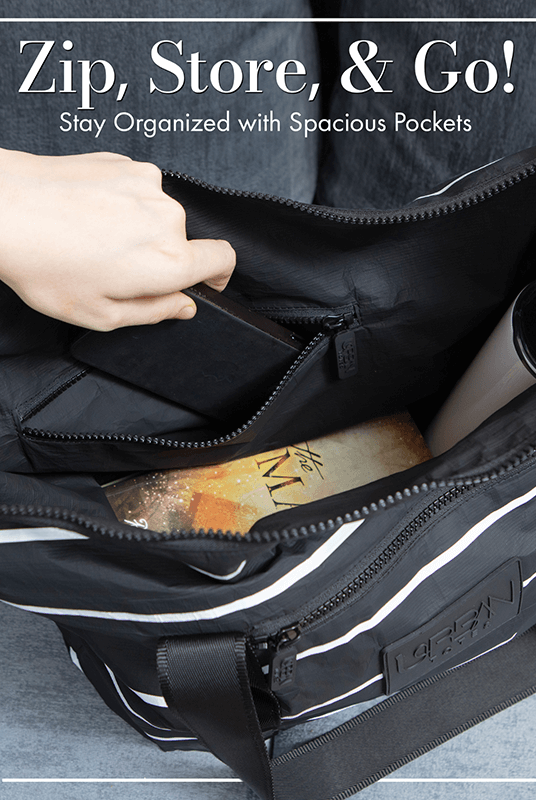
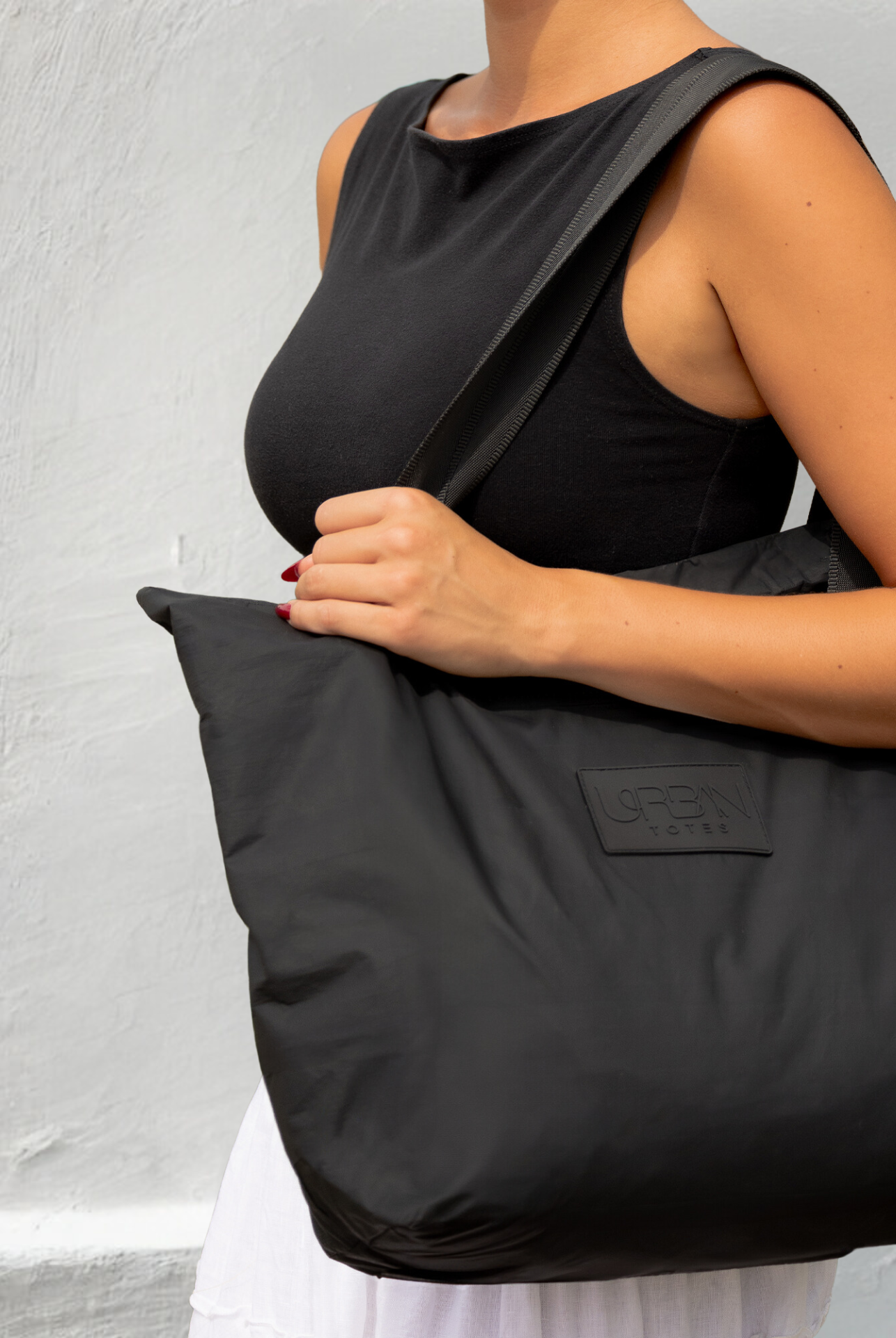
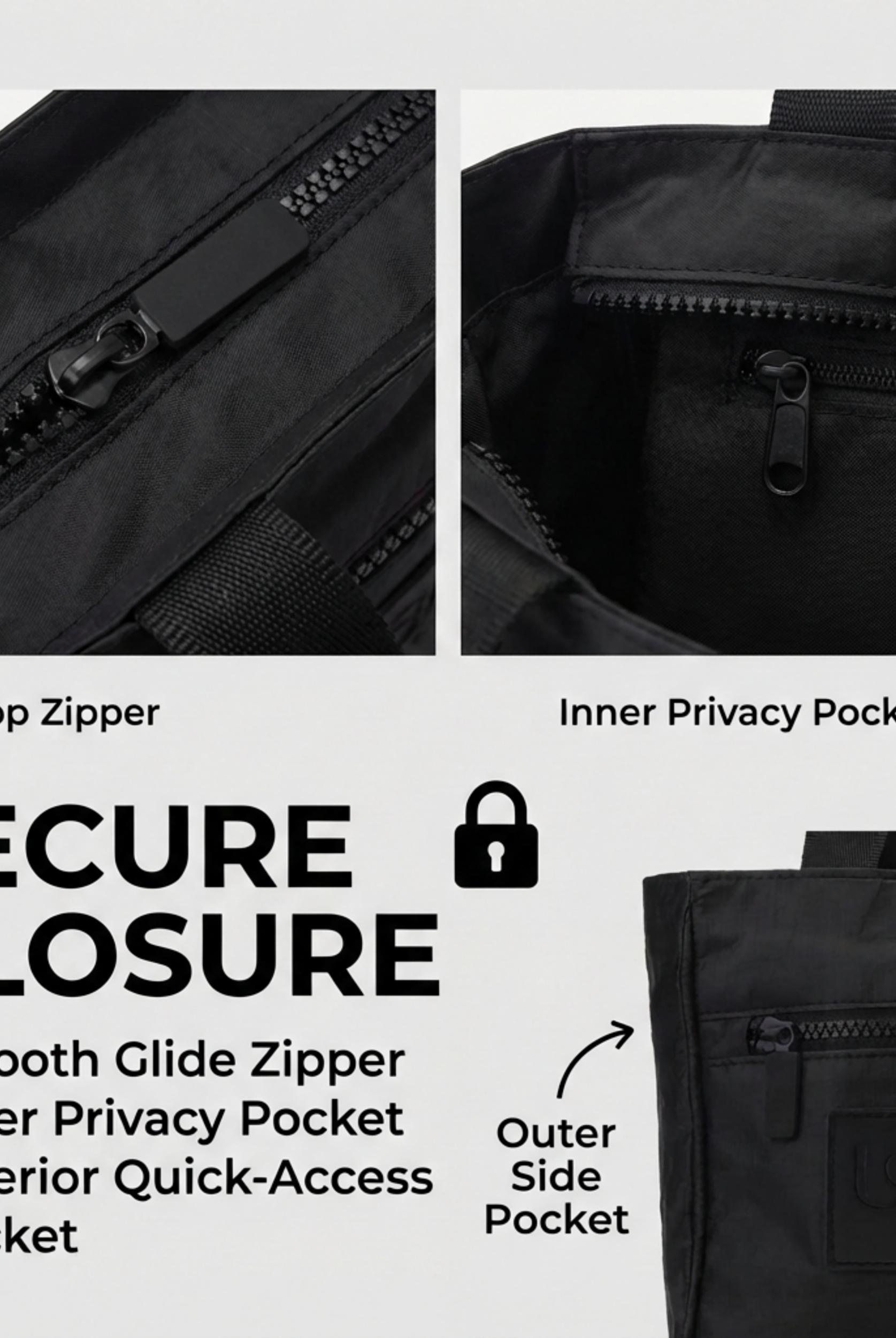
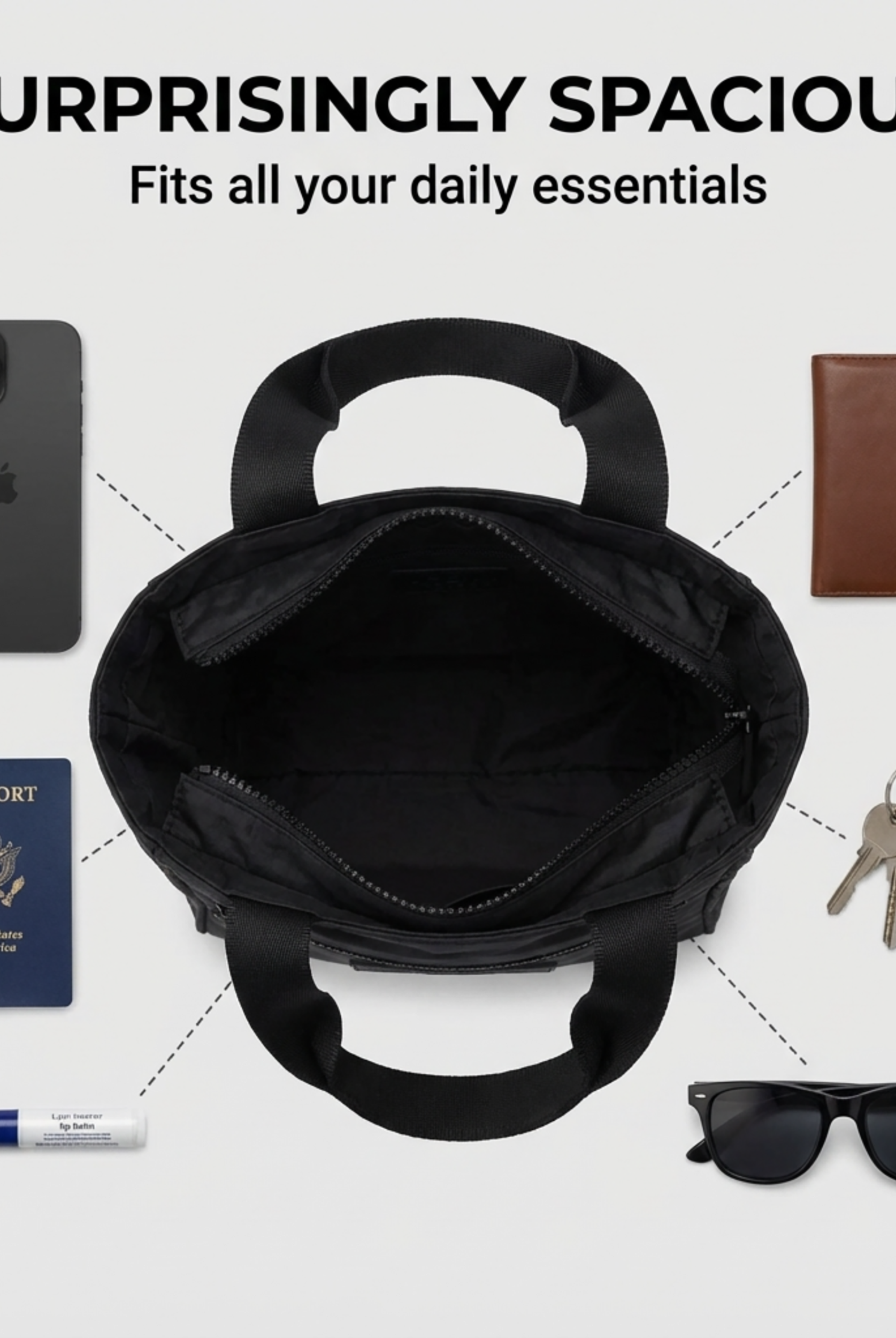
The feature set should be easy to spot. Zipper closures help keep sand out and stop small items from spilling when the bag tips over in the car. Multi-pocket interiors keep phone, keys, and lip balm from disappearing into the bottom. Comfortable strap length matters too, because a bag that's annoying to carry will stay home.
A bag can be light, water-resistant, and stylish, but if the strap digs into your shoulder, you won't reach for it twice.
If you like material-first shopping, Urban Totes has a useful internal breakdown in its tote bag material guide. That's the kind of detail shoppers should look for, because fabric alone doesn't make a bag functional, construction does.
Choosing the Right Bag for Your Lifestyle
The right foldable beach bag depends on who's carrying it and what gets stuffed inside. A beach-day mom needs different features than a commuter who wants something polished enough for the office and useful enough for errands afterward. The smartest purchase is the one that fits your routine without making you adjust your routine around it.
Beach-Day Mom
Capacity comes first. Towels, sunscreen, snacks, a change of clothes, and toys demand a bag that opens wide and keeps dry items separate from wet ones. Parents also need a bag that's easy to clean fast, because nobody wants to baby a beach bag while chasing a toddler down the sand.
Weekend Traveler
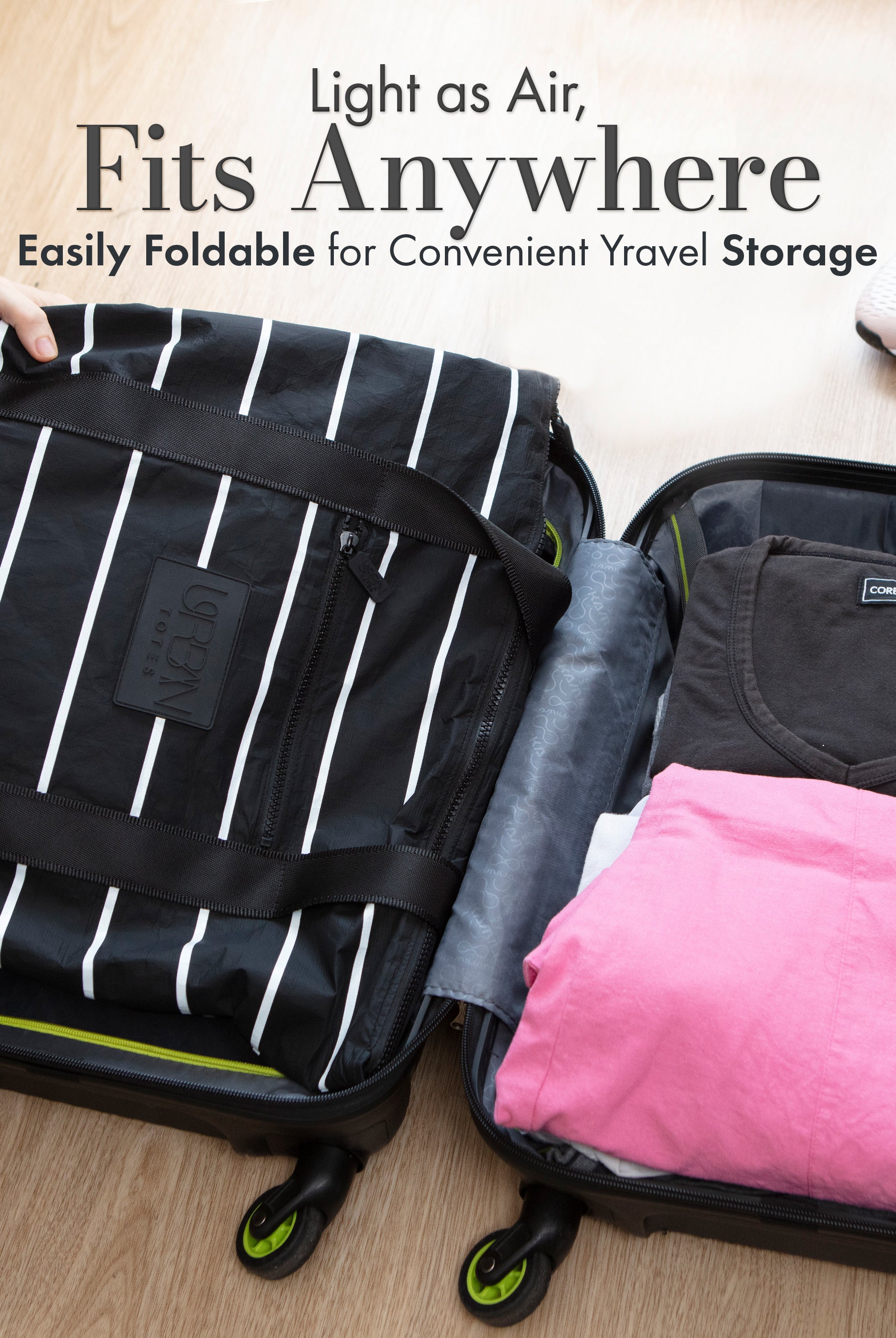
Packability matters most here, but only if the bag still works once you arrive. A good travel tote should compress easily into luggage and then expand into something you want to use at the destination. People's packable beach bag coverage points to the appeal of bags that are easy to stuff inside luggage or fold down into an accompanying pouch, which is the kind of convenience travelers keep asking for (People).
Daily Commuter
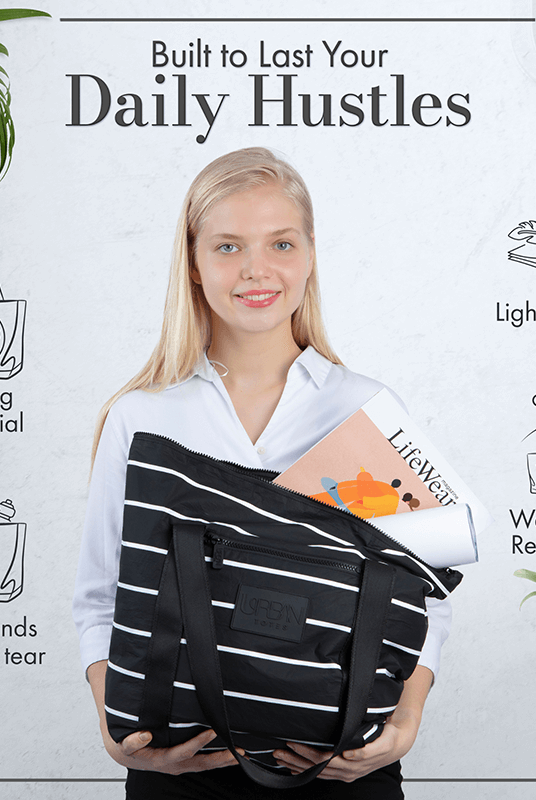
This shopper needs style plus order. A beach bag that also handles a laptop sleeve, notebook, and water bottle starts feeling like a real daily carry solution. That's where a structured look and zipper closure matter more than a huge open mouth, because the bag has to fit into work life as smoothly as it fits into weekend life.
Gym-Goer
Ventilation and easy-clean surfaces matter more than fashion fluff. Wet clothes, shoes, and a water bottle create a different kind of mess than beach towels, so the best choice is usually a bag that dries quickly and doesn't hold odors. A wipe-clean interior is a bigger win here than decorative extras.
For a broader outdoor-use mindset, PADL's outdoor recreation with PADL offers a useful example of how people want one bag to move between active settings without fuss. That same multi-use idea keeps shaping what buyers expect from foldable bags.

Packing Strategies and Care Tips
A good bag gets better when you pack it with intention. Start with the heaviest items at the base, then layer softer items around them so the tote keeps its shape. If the bag has pockets, use them aggressively, phone in one, keys in another, sunscreen where you can grab it fast.
Rolling soft items beats stuffing them loose. It keeps towels and coverups from ballooning inside the main compartment, and it makes room for small extras without turning the interior into a pile. Packing cubes also help when the same bag moves from beach day to overnight travel because they separate clean clothes from damp ones.

Beach-day prep checklist
- Put dry items in first. Sunglasses, phone, wallet, and sunscreen should sit where they won't get crushed.
- Keep wet items separate. If your bag has compartments, use them. If it doesn't, use a pouch.
- Fill dead space smartly. Socks, wipes, or a light wrap can stabilize the load.
- Check the closures. Zippers should glide cleanly before you leave the house.
Post-trip care that actually helps
After a beach day, shake out the sand before it gets trapped in seams and pockets. Rinse with fresh water if the fabric picked up salt or grit, then air dry fully before you store it. Urban Totes has a helpful care overview in its tote bag maintenance tips and tricks, and that basic logic applies to most foldable bags too.
Store the bag flat in a cool, dry place. That keeps the fold lines from getting sloppy and gives the fabric a better chance of staying crisp over time. If the bag is still damp when you stash it, you're asking for odor and trouble later.
Beyond the Sand Multi-Environment Utility
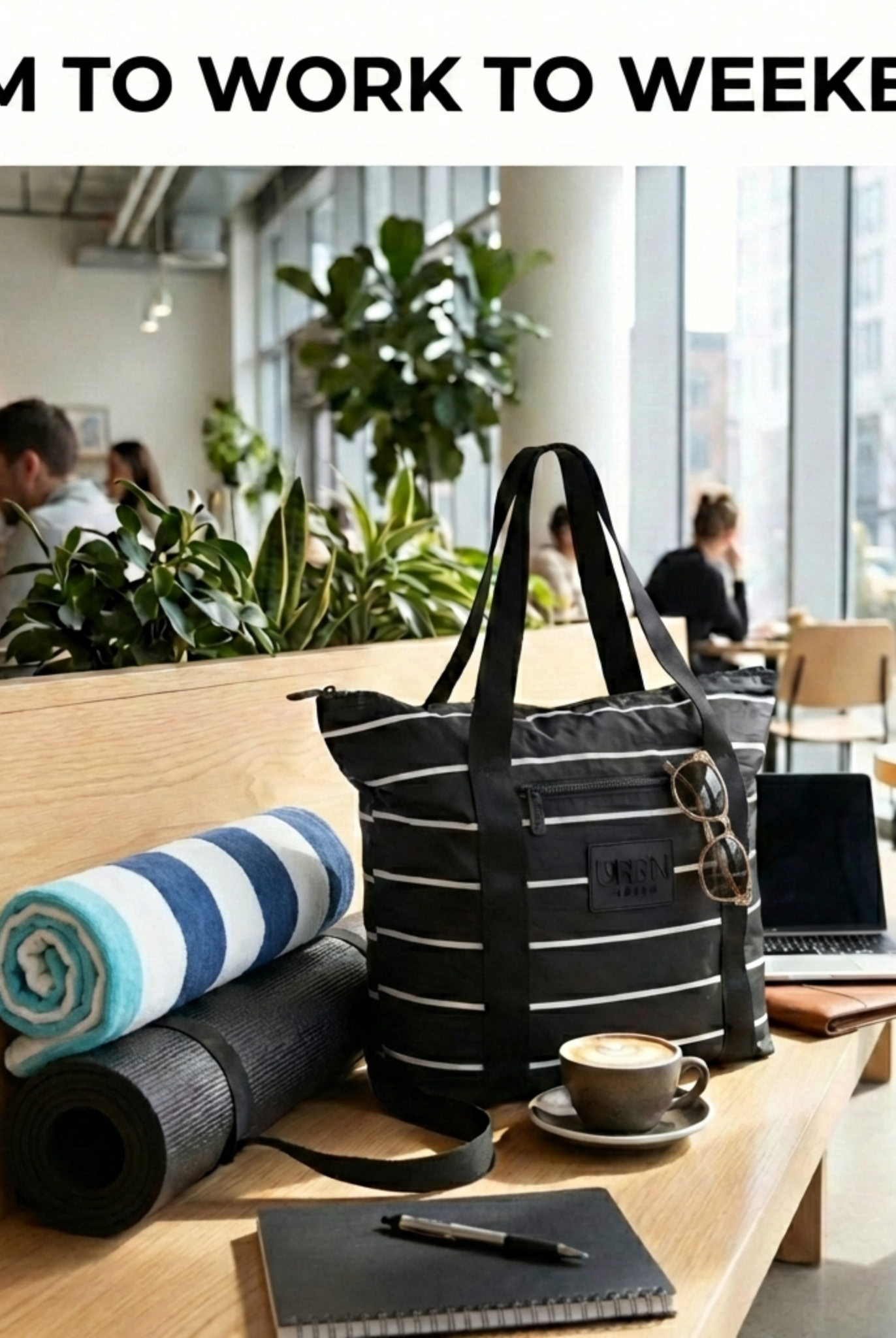
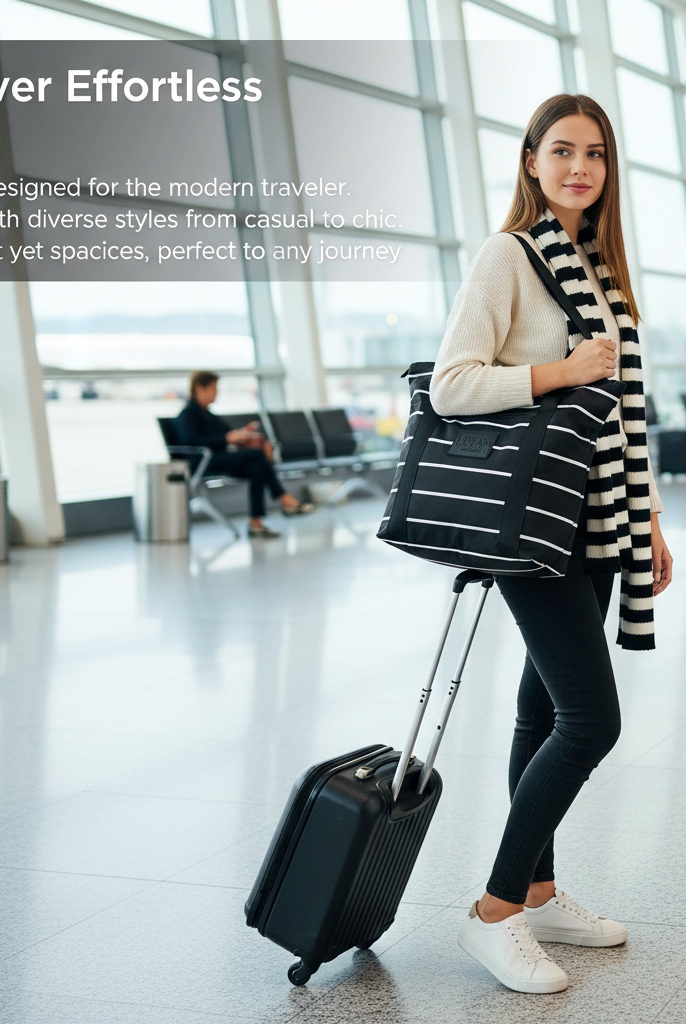
A foldable beach bag earns its place when it keeps working after the sand is gone. It should handle the farmers market, the airport terminal, and school drop-off without looking like a bag that only belongs on vacation. Busy women need one carryall that fits several parts of the day, and the win is portability with enough structure to stay useful outside the beach.
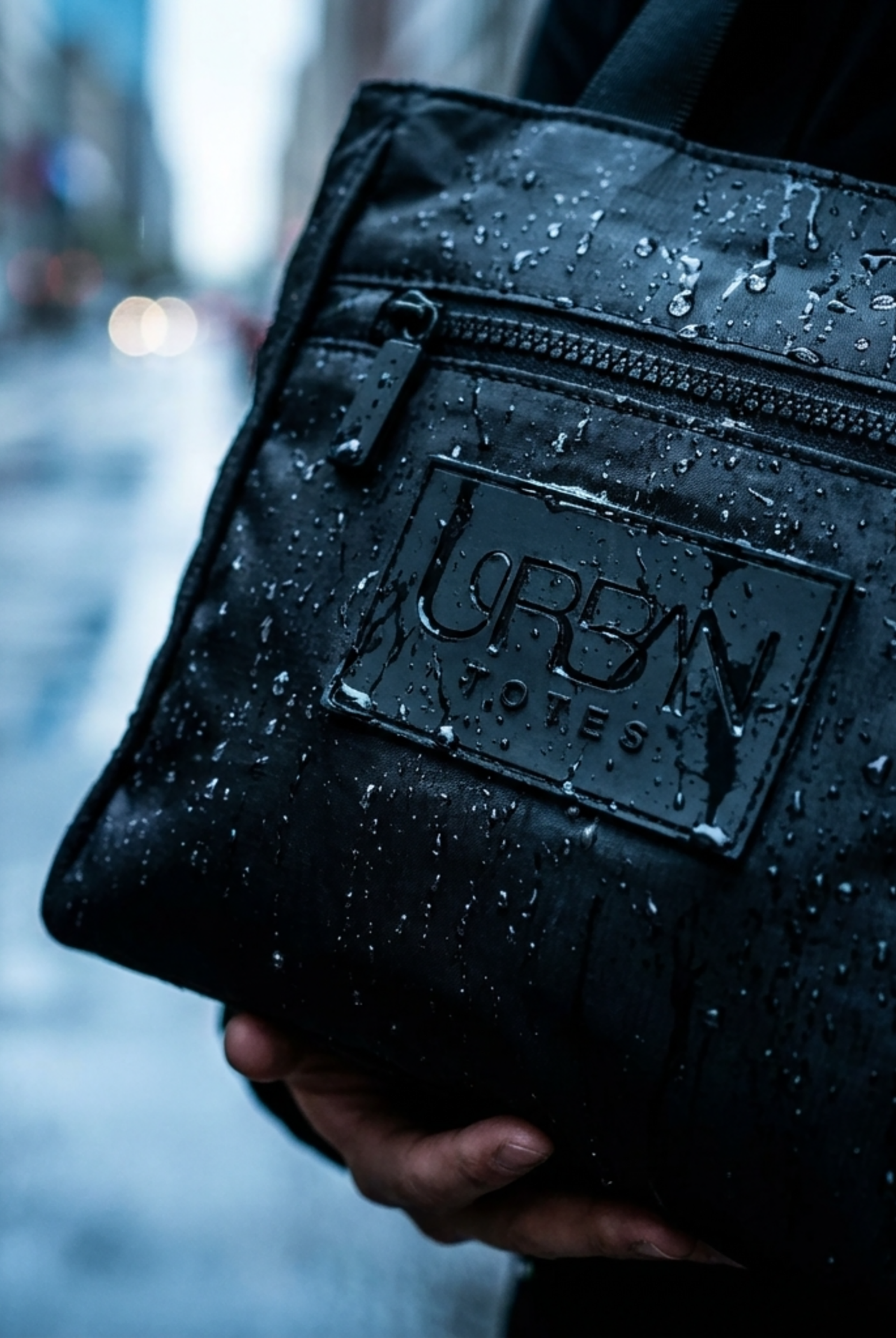
The strongest bags are not just small when folded. They offer multi-environment utility, which means they pack down easily for travel, then open into something organized, water-resistant, and polished enough for errands in the city. A lightweight tote with a sloppy interior stops feeling like a smart purchase fast, because the fold matters less when the bag turns into a jumble once it is open.
A good foldable tote can hold a cold drink in the morning and groceries after lunch. It should also take a cardigan, a notebook, and a lunch container without slumping into itself. That matters for commuters and moms in particular, because their bag has to shift from one setting to another without forcing them to carry a second bag for every errand.
The larger bags-and-containers industry was estimated at USD 48.19 billion in 2024 and projected to reach USD 62.18 billion by 2030, with a 4.2% CAGR, which shows how much room exists for subcategories like foldable beach bags. Industry coverage from pmarketresearch points to steady growth, but the practical takeaway is simpler. Bags that handle more than one role are the ones people keep using.
A useful reference for this crossover use is Urban Totes' lightweight waterproof tote bag guide, because it reinforces the same point, a bag should move with your day instead of getting in the way.
Frequently Asked Questions
Can I machine wash my foldable beach bag?
Some can, some can't. Check the care label first, because water-resistant synthetics and zippered construction often need gentler cleaning than you'd assume. If the bag is spot-clean only, rinse out sand and wipe it down instead of tossing it into a heavy wash cycle.
Are packable bags durable enough for heavy groceries?
Sometimes, but that depends on reinforcement, not just the foldable design. Bags built with stronger seams, reinforced handles, and a stable base can handle more real-world weight than flimsy pack-flat styles. If you want one bag for groceries and beach days, pick structure over the smallest fold.
How do I prevent mold in a wet bag?
Dry it completely before storage. That means shaking out sand, emptying pockets, and leaving the bag open until every seam is dry. Don't zip up a damp bag and hope for the best, because trapped moisture is what causes problems.
A foldable beach bag should earn its place in your routine by being stylish, organized, and easy to live with. If you're ready for one bag that can move from sand to errands to travel without drama, shop Urban Totes and choose a bag that fits the way you really live.