Most advice says a reusable bag is the greener choice, full stop. The story is messier, and more useful: a reusable bag only earns its place when you keep using it. A bag that lives in a closet or gets forgotten in the trunk doesn't help the planet at all, no matter how good the intention behind it is.
That's why the most important facts about reusable bags aren't just about material, they're about behavior, durability, and repetition. Life-cycle research keeps pointing to the same practical truth, the benefit shows up after enough real-world reuse to offset production, washing, and storage. If you want the bag to pull its weight, the question isn't “Do I own one?” It's “Will I use it enough to matter?”
Table of Contents
- Why Reusable Bags Are Not Automatically the Greener Choice
- How Many Times You Need to Use Each Bag Type
- The Forgetting Problem and How to Actually Use Your Bags
- What Makes a Reusable Bag Durable Enough to Last
- Keeping Your Reusable Bags Clean and Safe
- Understanding the Scale of the Single-Use Bag Problem
- Choosing a Bag That Fits Your Life and Values
Why Reusable Bags Are Not Automatically the Greener Choice
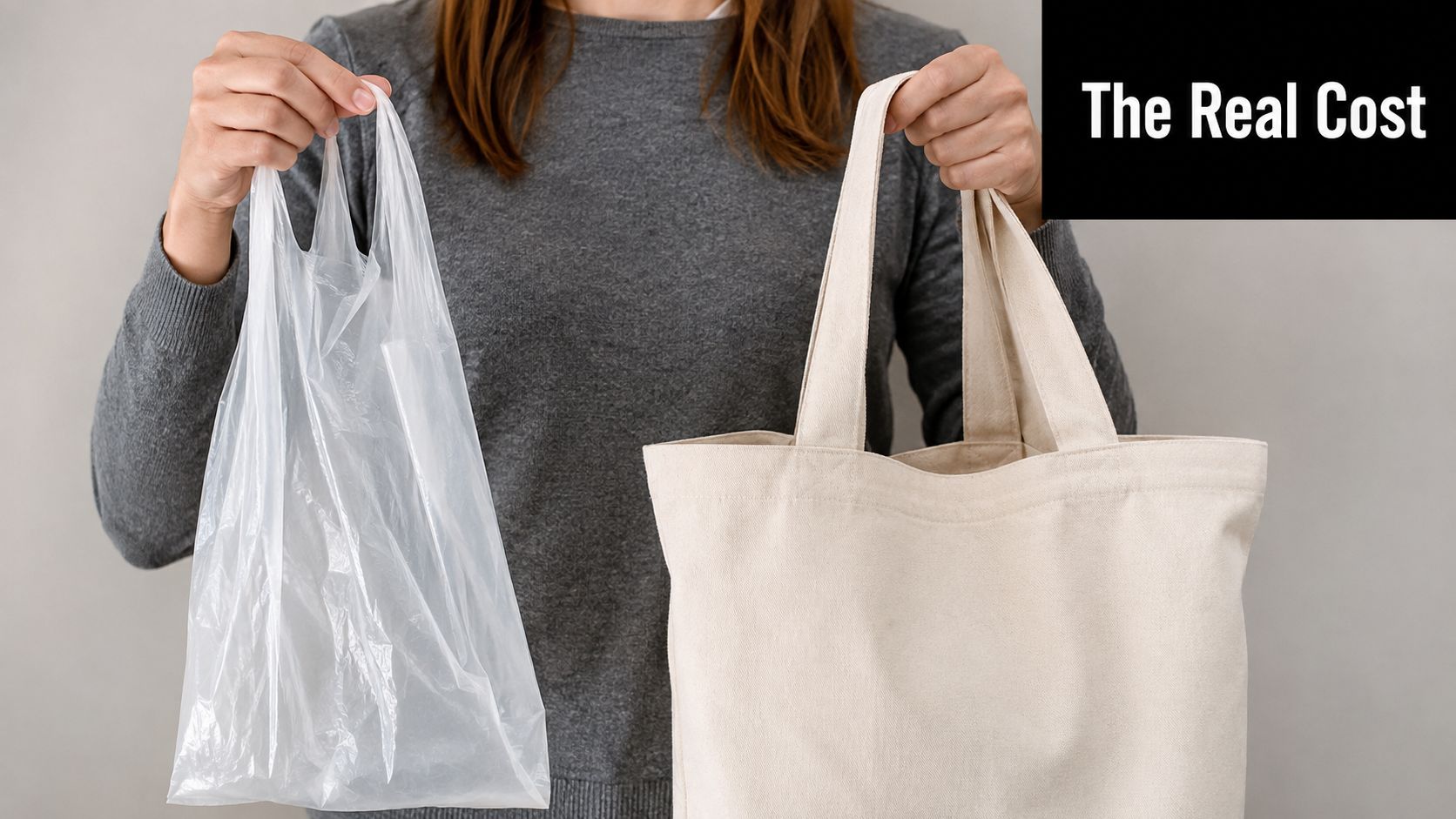
The biggest mistake people make with reusable bags is treating ownership like impact. A reusable bag matters environmentally only when it replaces disposable bags again and again. That is the logic behind life-cycle assessment, which looks at the full footprint of a product from materials and manufacturing through use and disposal.
The U.K. government's life-cycle assessment found that reusable bags generally have lower environmental impacts than single-use bags, including lightweight HDPE and degradable bags. That still does not mean every reusable bag is the better choice from the moment you buy it. The advantage depends on how often the bag gets used. If it sits at home while disposable bags keep coming into the house, the environmental math never shifts in its favor. For a broader look at the category, see Urban Totes' sustainable tote bags guide.
Reuse is the threshold that matters
That is where the idea of a break-even point comes in. A California life-cycle study found that reusable plastic bags can outperform single-use polyethylene bags after just 8 uses (California life-cycle assessment). Other life-cycle work for the Life Cycle Initiative shows that the threshold changes by material, with reusable LDPE bags often lower-impact after about 6 to 9 reuses, NWPP bags around 13 to 20 reuses, and cotton bags needing roughly 50 to 150 uses to beat a single-use plastic bag on climate impact (U.K. government life-cycle assessment).
That spread surprises a lot of people because “reusable” sounds like one category. It is not. Some bags carry a much larger manufacturing footprint, so they need far more trips before they pay that debt back. The practical takeaway is simple. Choose a bag you will bring on errands, school drop-off, commuting days, and travel days, because repeated use is the whole point.
Practical rule: If a reusable bag will not realistically replace dozens of disposable bags in your routine, it is not doing much environmental work.
How Many Times You Need to Use Each Bag Type
The confusing part is that “reusable” does not point to one clear environmental outcome. Different bag materials carry different manufacturing burdens, so the number of trips a bag needs before it pays off can change a lot. The cleanest way to read the science is to compare those break-even points by material and then ask a practical question, will this bag be used often enough in real life to cross that line?
A helpful place to see those material differences is Urban Totes' tote bag material guide, because the material choice affects durability, weight, and how often a bag is likely to come along on errands. That matters for daily use, especially when the bag moves between the car, the kitchen counter, the office, and the beach chair without wearing out too quickly.
Reuse thresholds by material
| Bag Material | Minimum Reuses to Break Even | Key Considerations |
|---|---|---|
| Recycled polyethylene | 8 uses | Low footprint relative to single-use plastic after only a few trips, especially when the bag is durable enough for regular errands (City of Napa) |
| LDPE reusable bags | 6 to 9 uses | Can reach lower average impacts fairly quickly, but only if they're brought along often |
| NWPP bags | 13 to 20 uses | Stronger threshold than thin bags, but still depends on repeated grocery and commute use |
| Cotton bags | 50 to 150 uses | Heavier production footprint means a much longer runway before climate impact balances out |
| Reusable plastic bags | 8 uses | The California assessment found lower energy use, pollution, greenhouse-gas emissions, and solid-waste generation after that point |
The point people miss is simple. A reusable bag is not better because of the label alone, it is better when it keeps showing up in your routine. A bag that fits into a diaper tote, a work bag, or a glove compartment is easier to use again than one that feels bulky or awkward to carry.
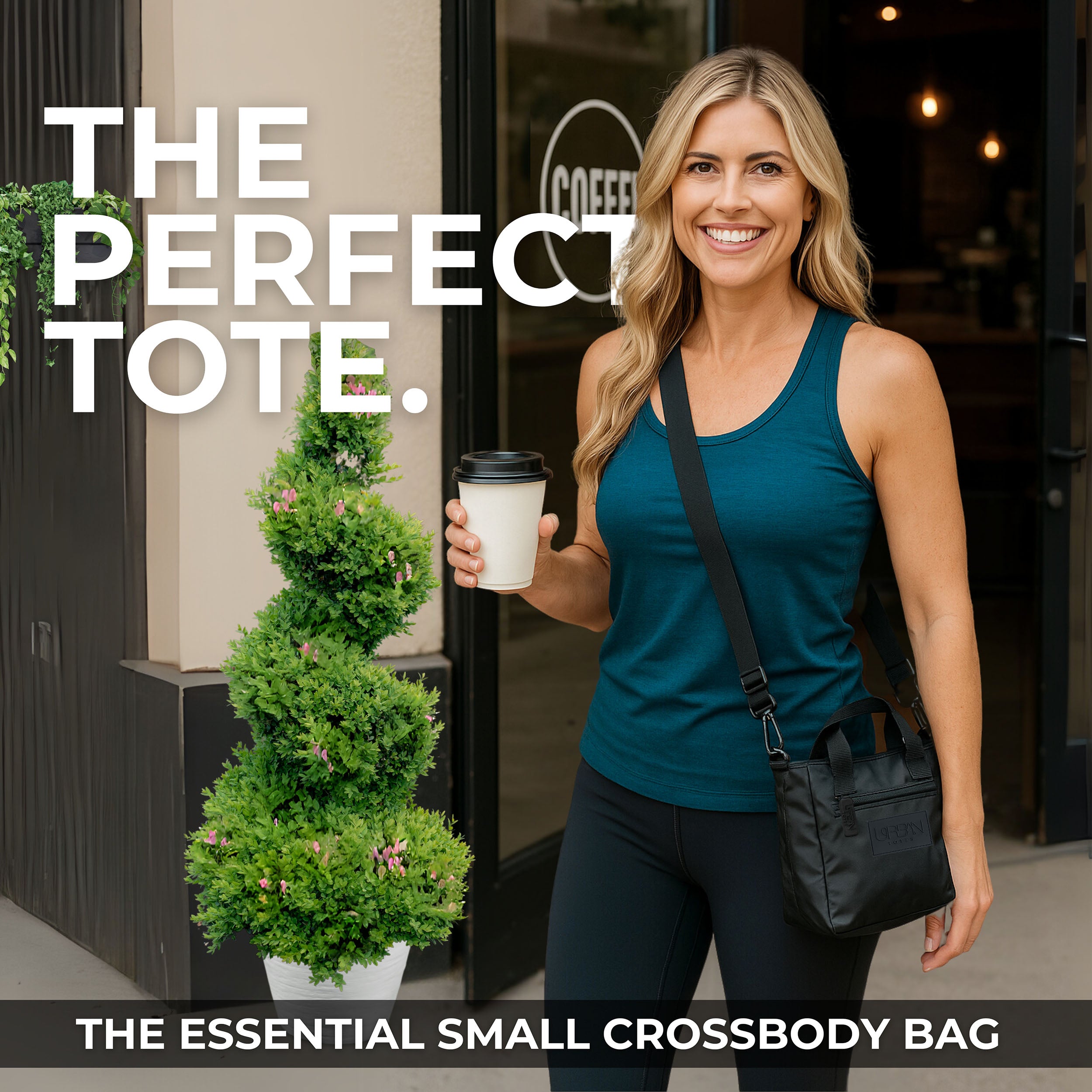
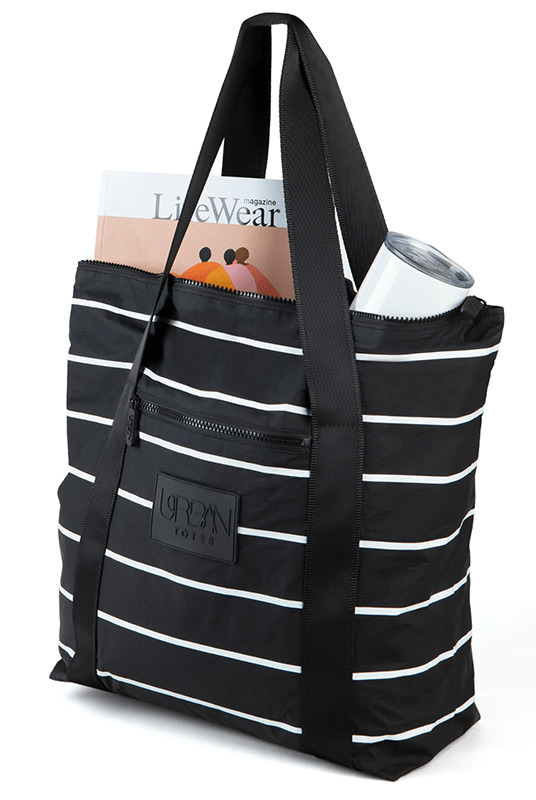
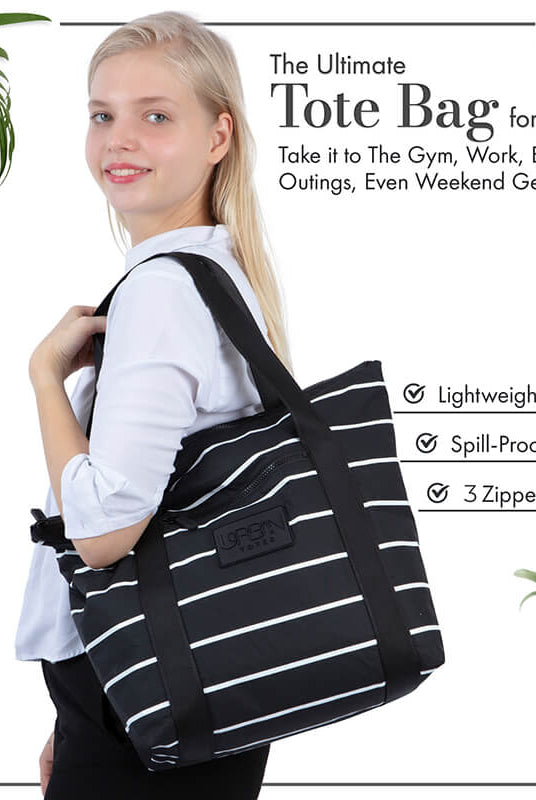
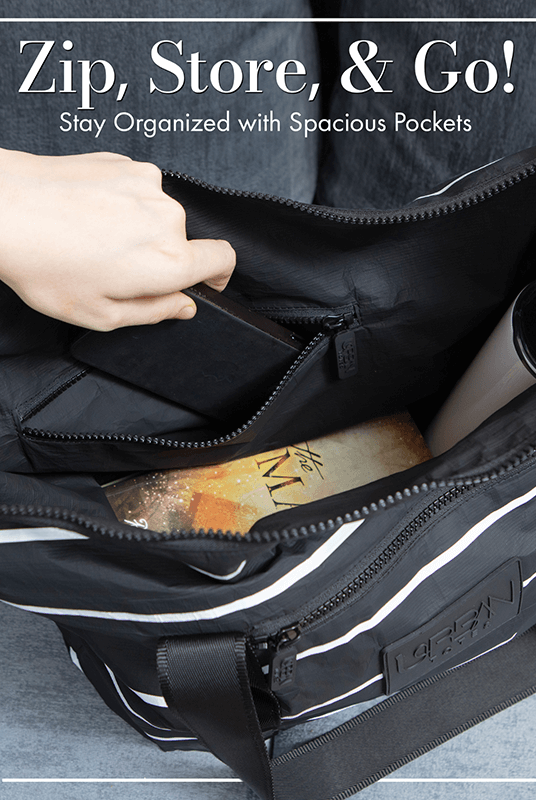
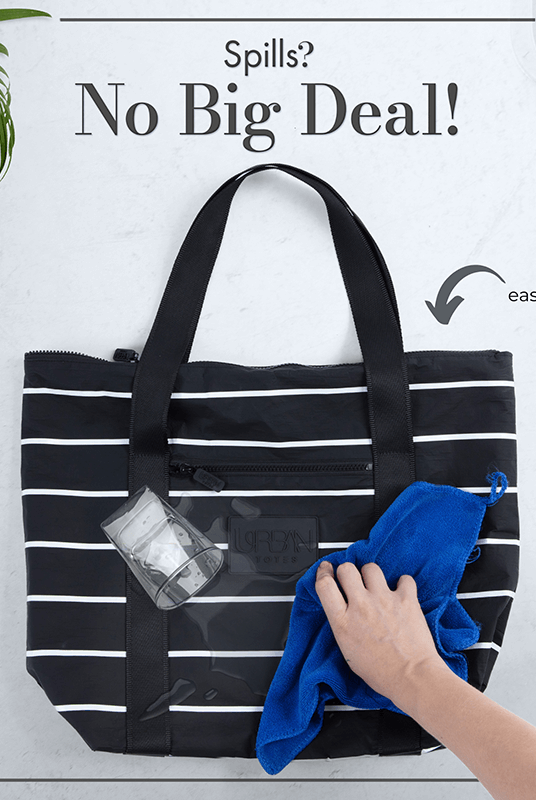
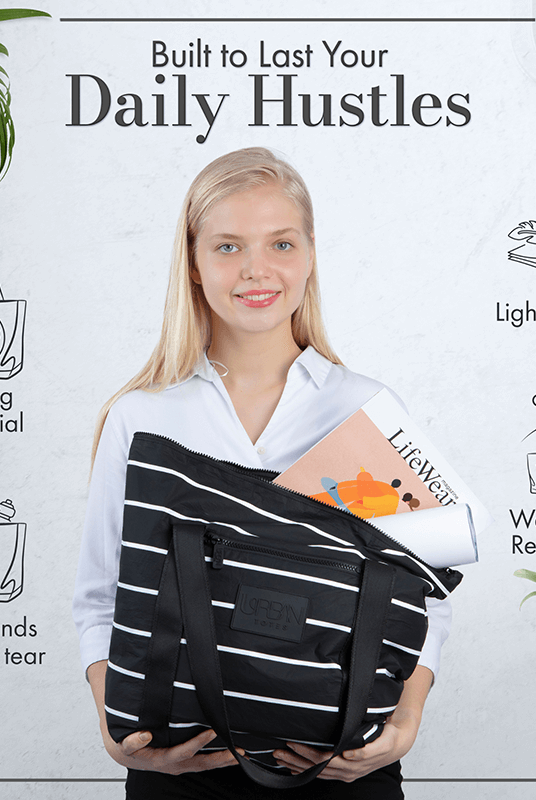
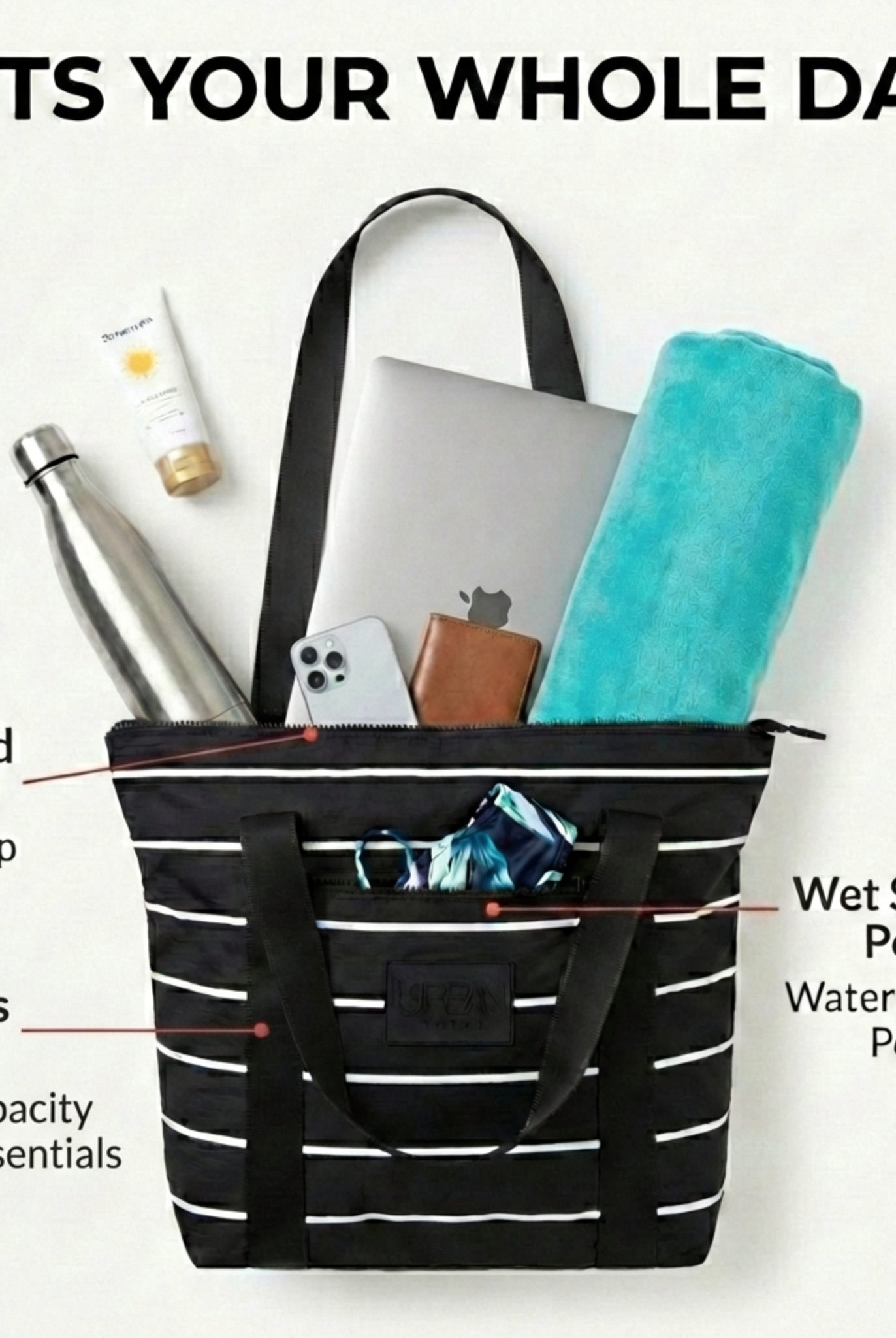
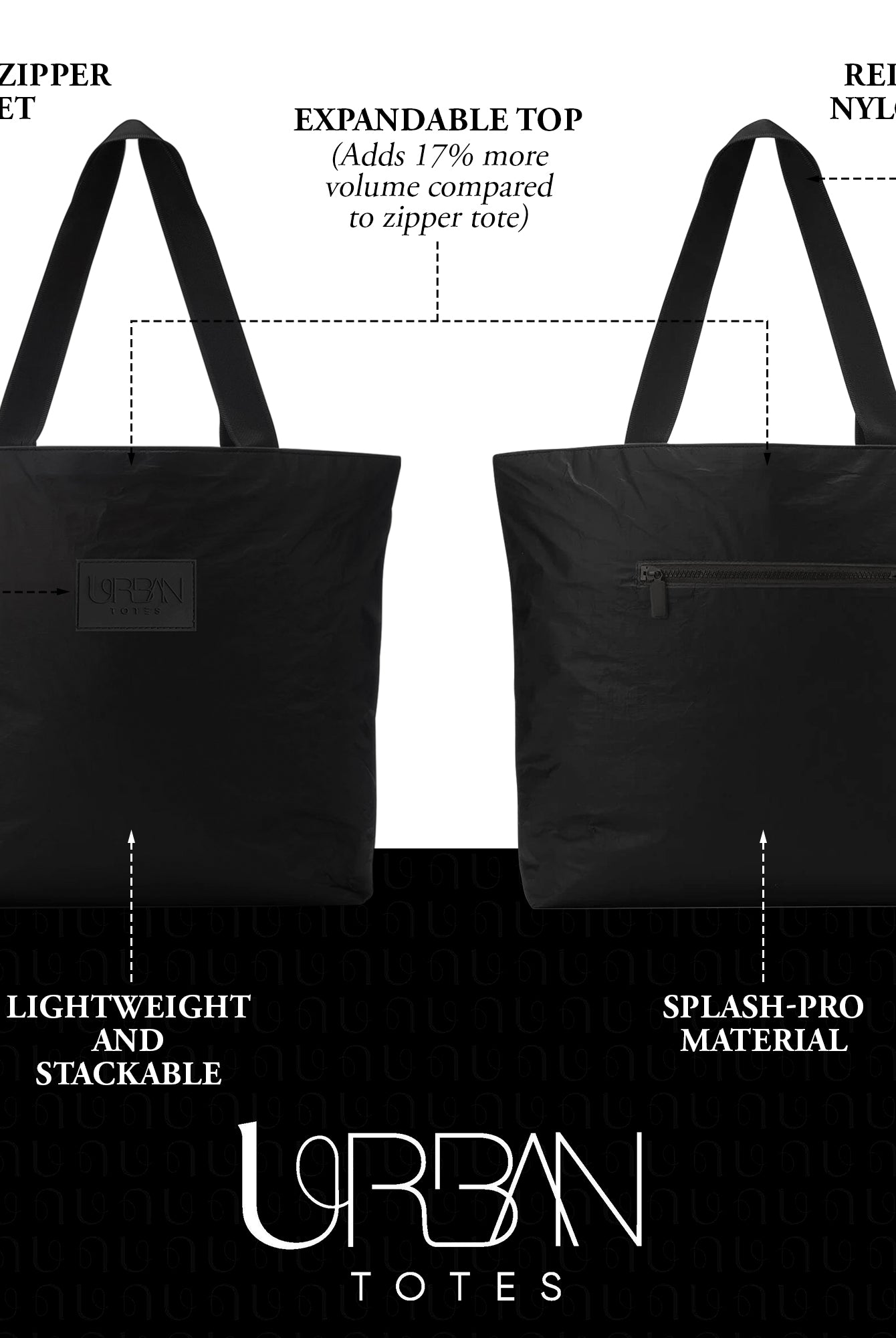
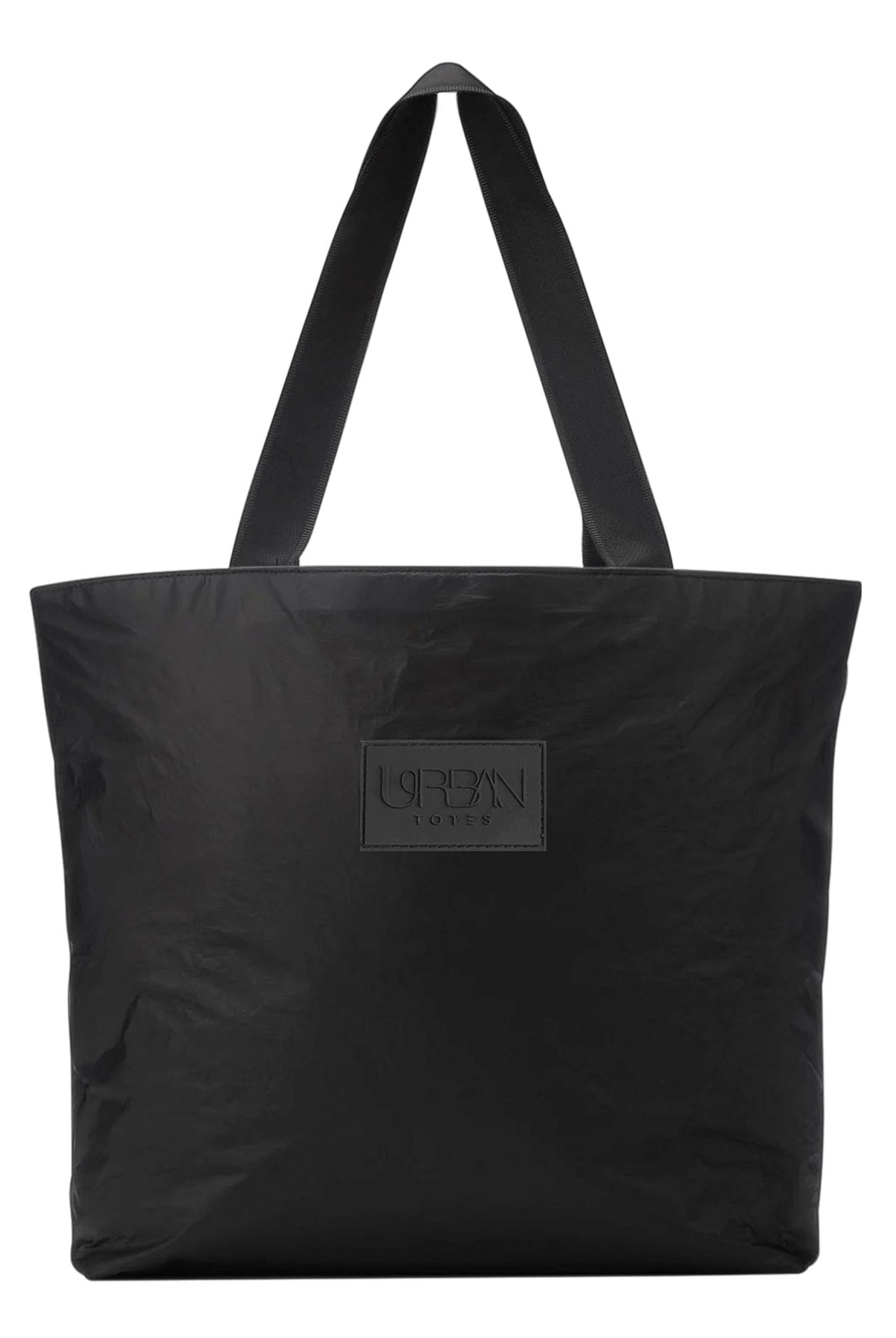
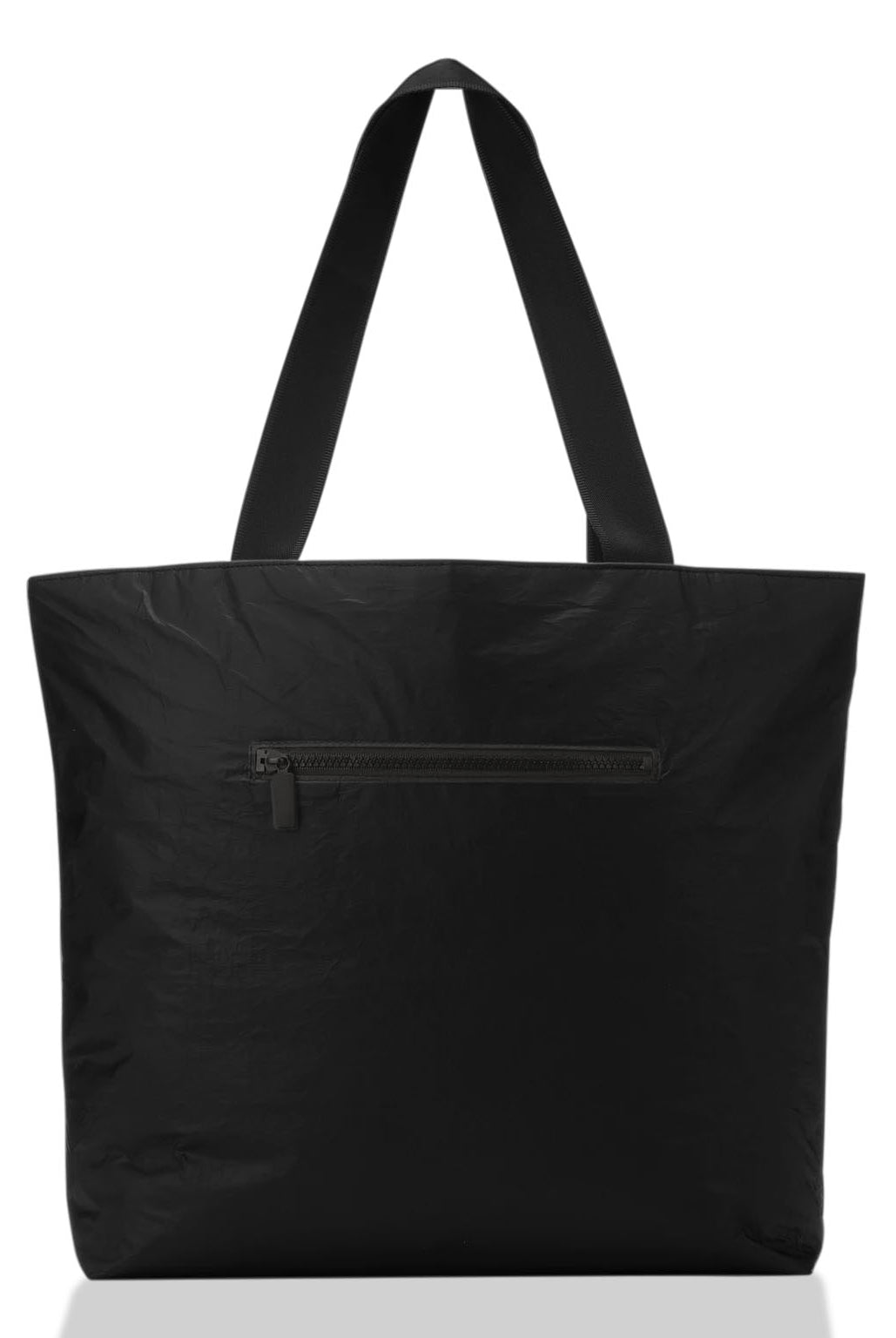
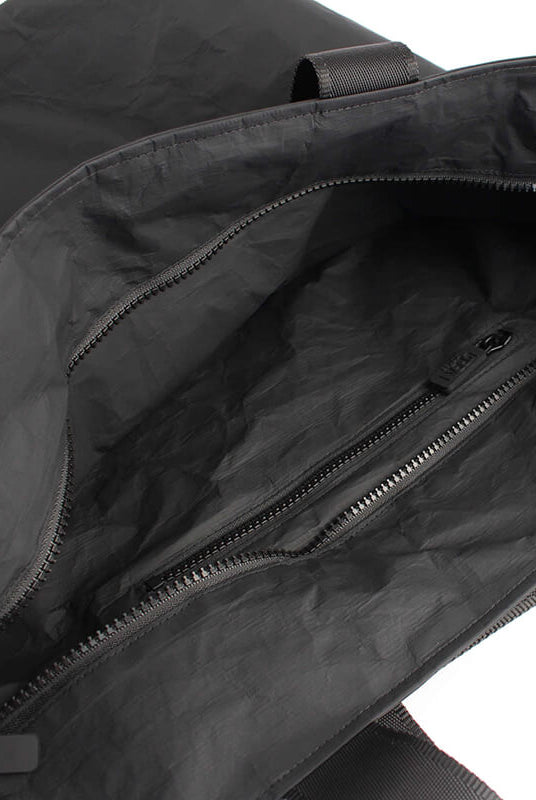
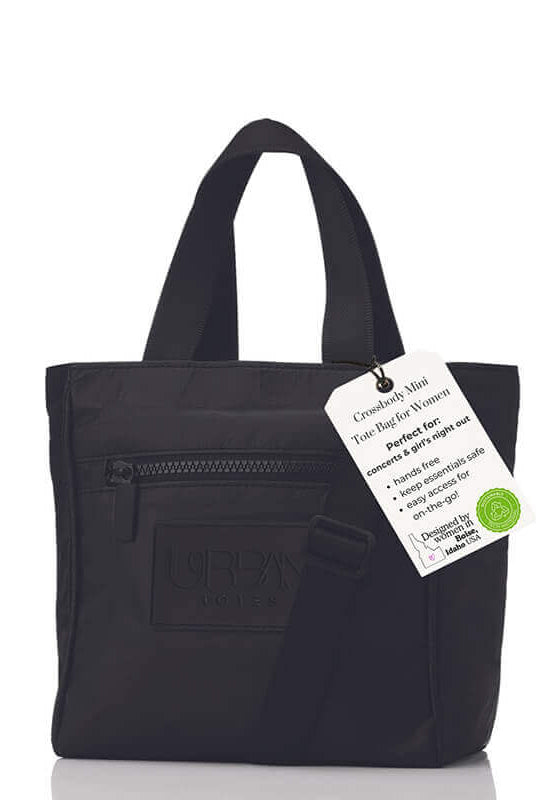
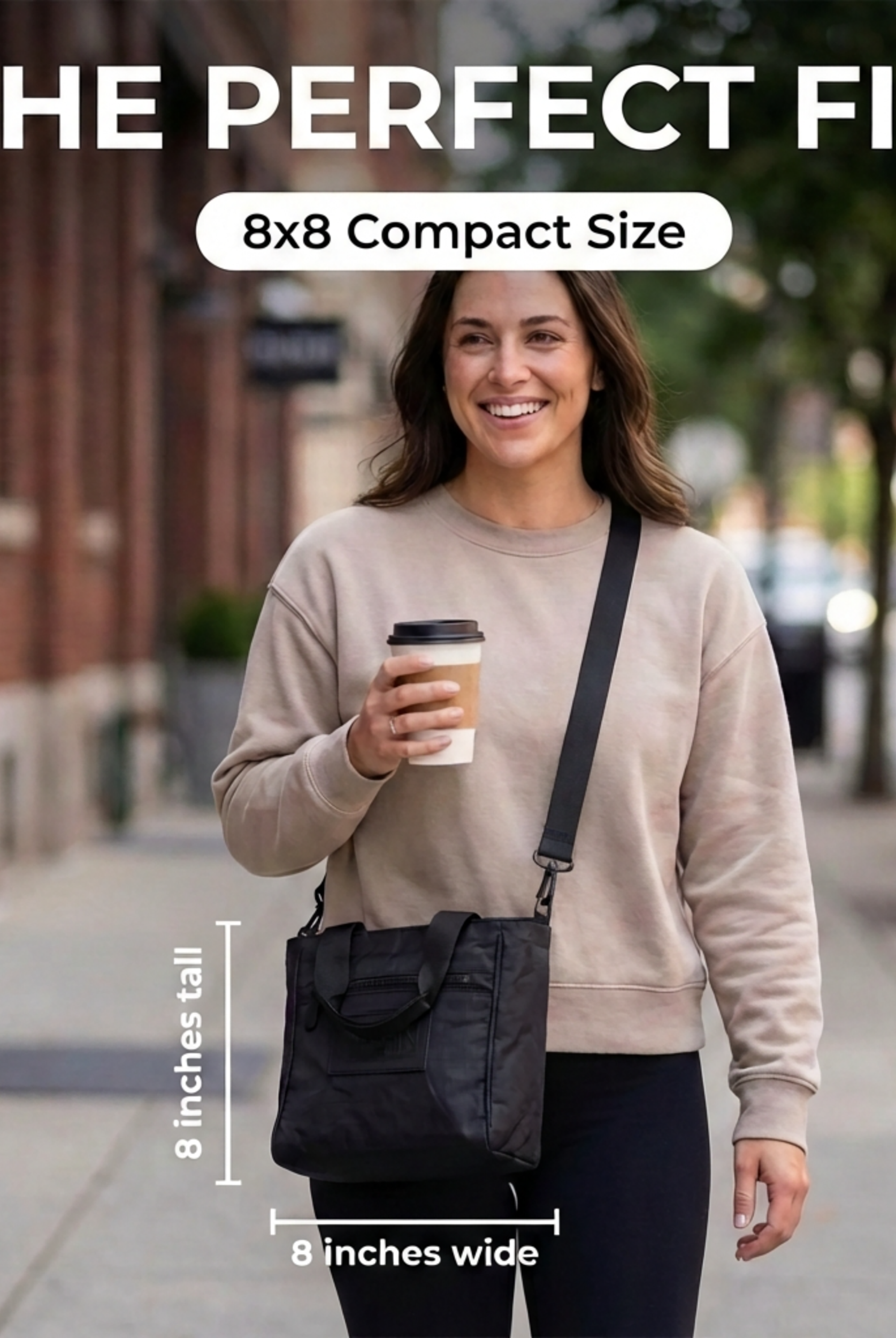
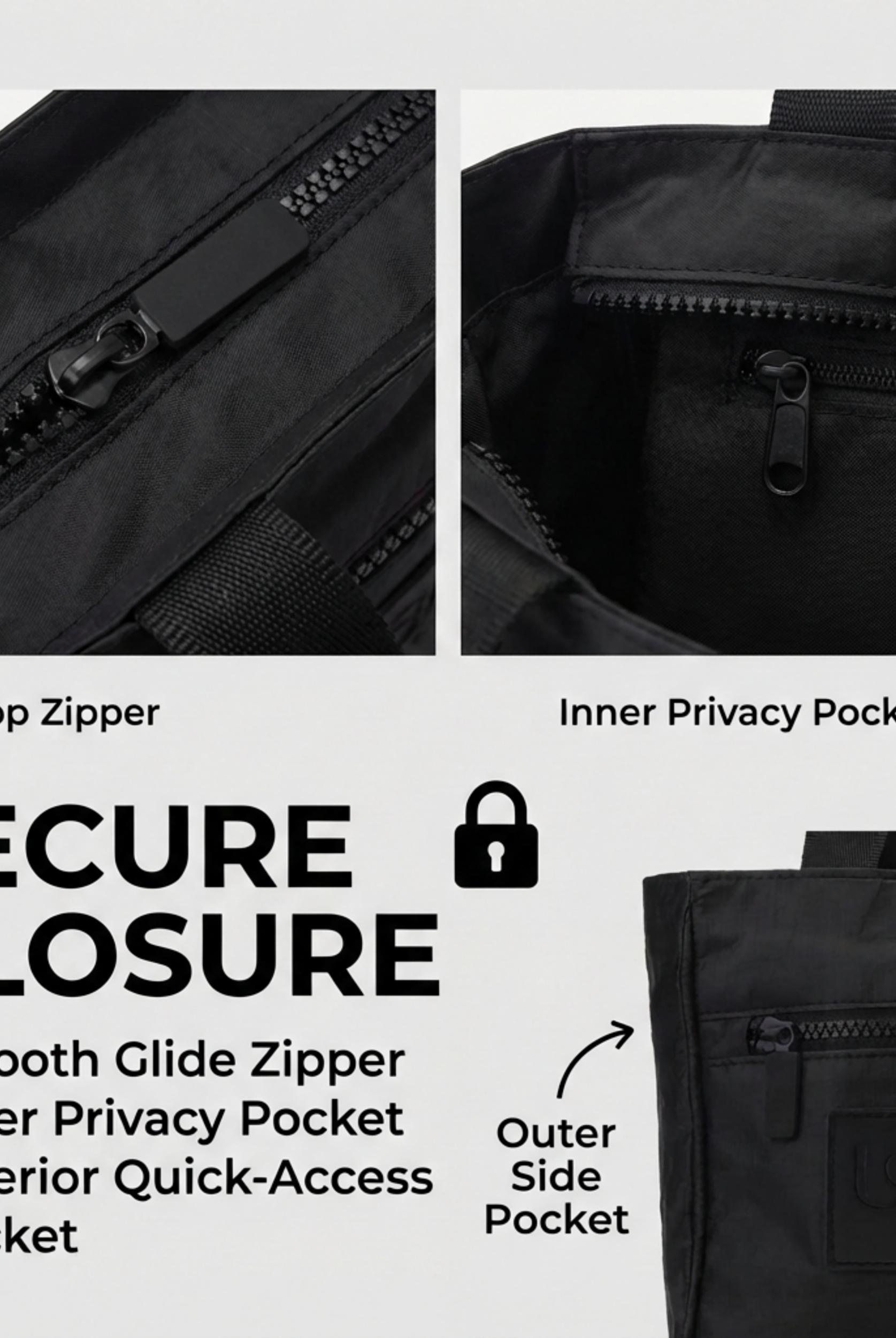
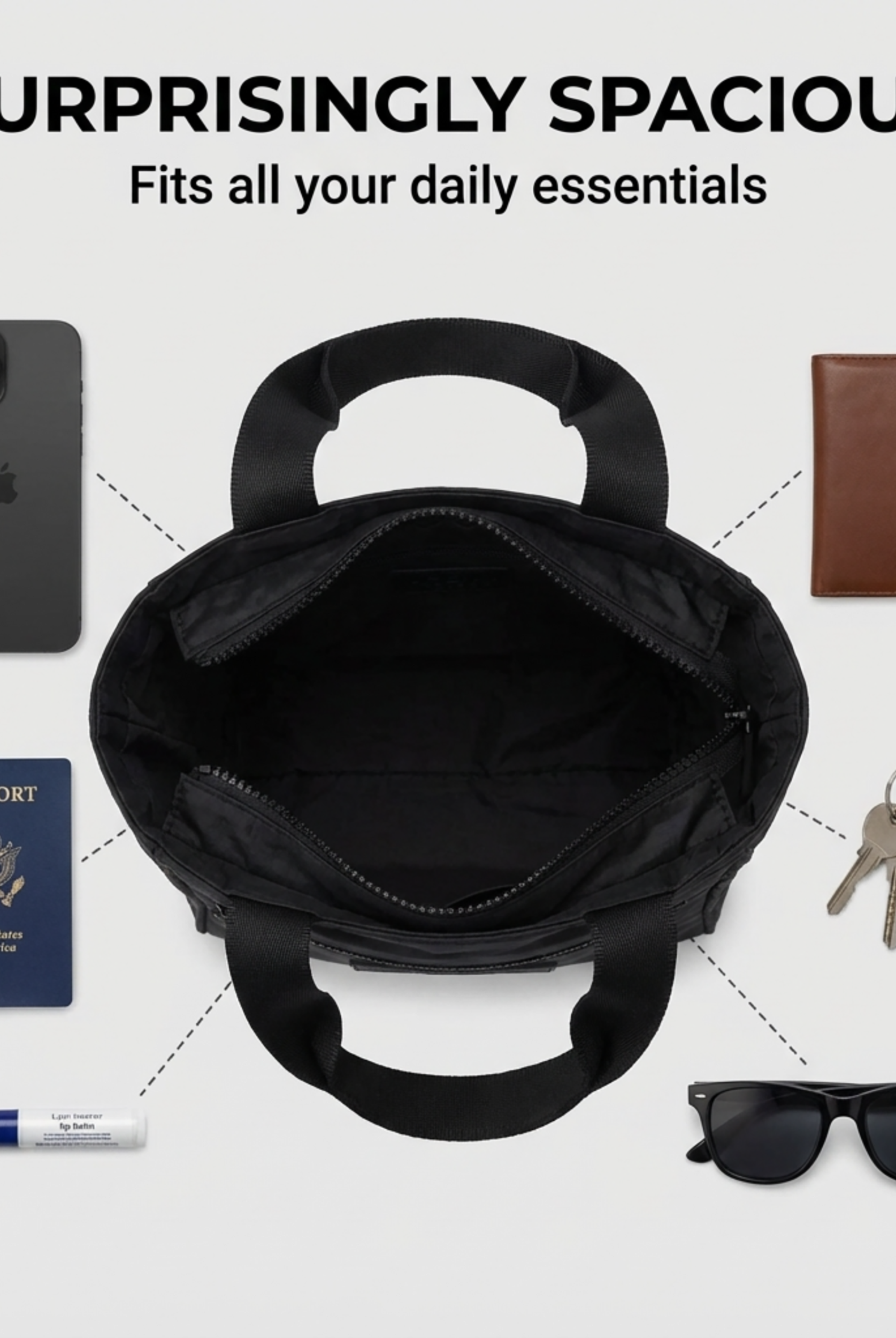
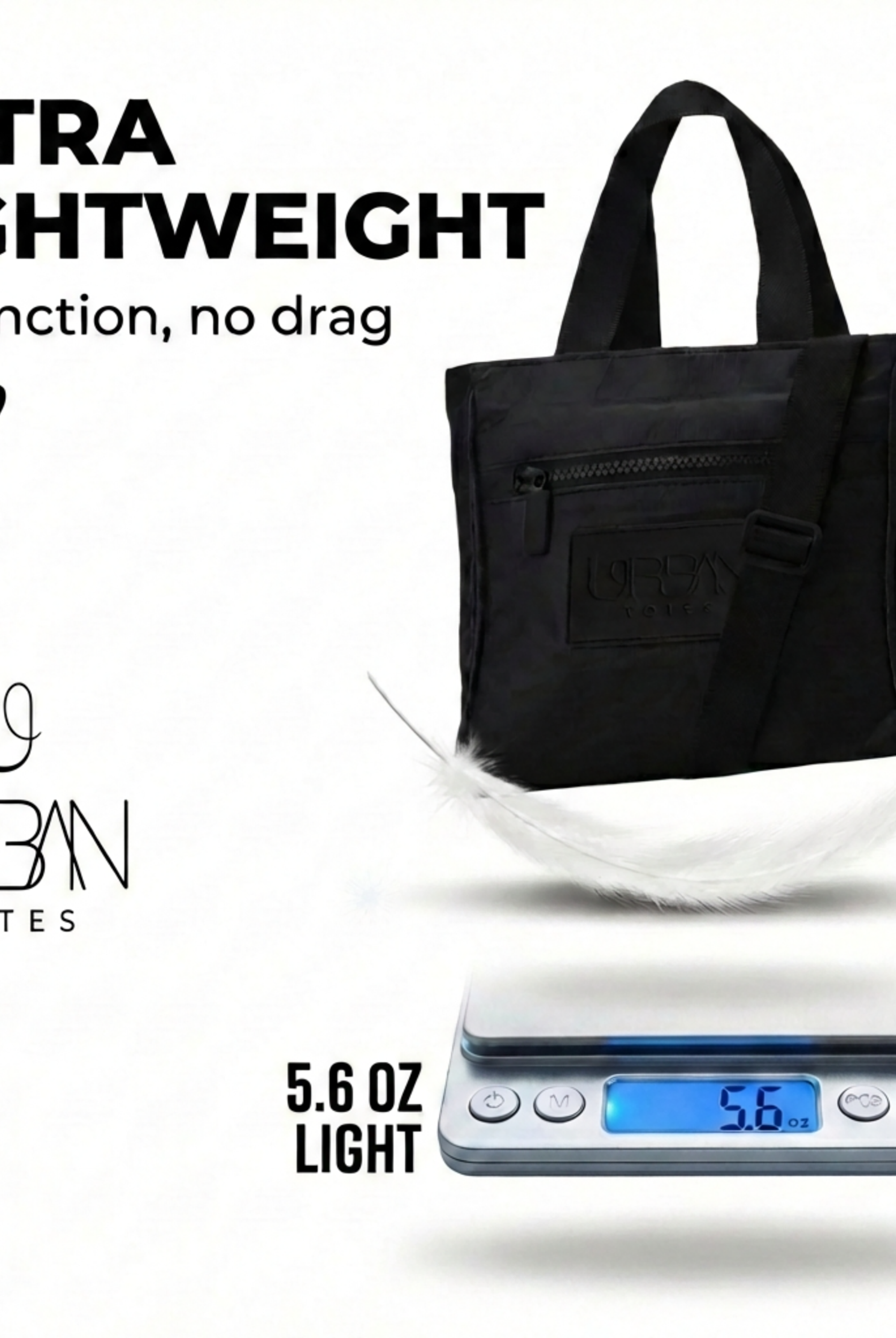
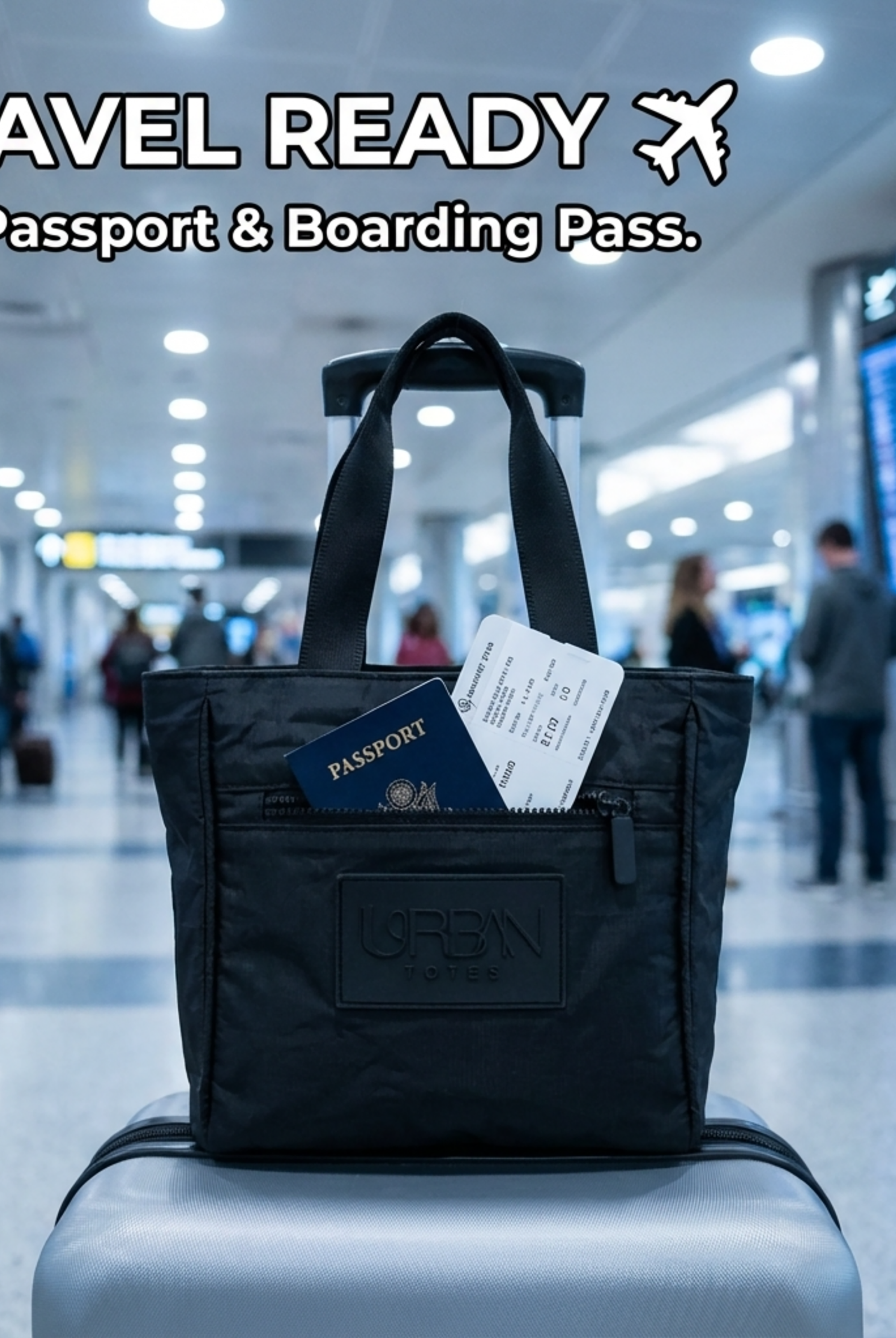
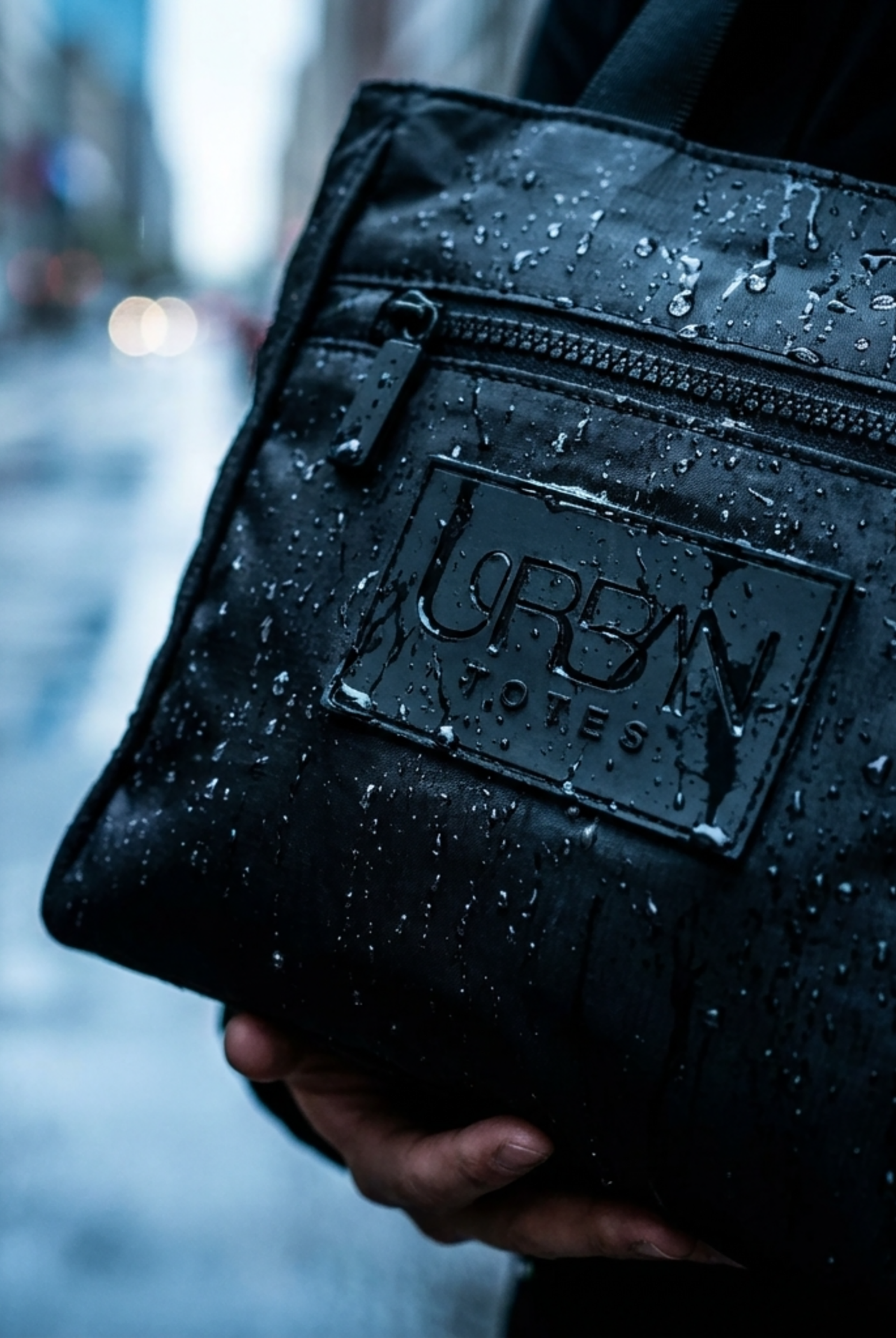
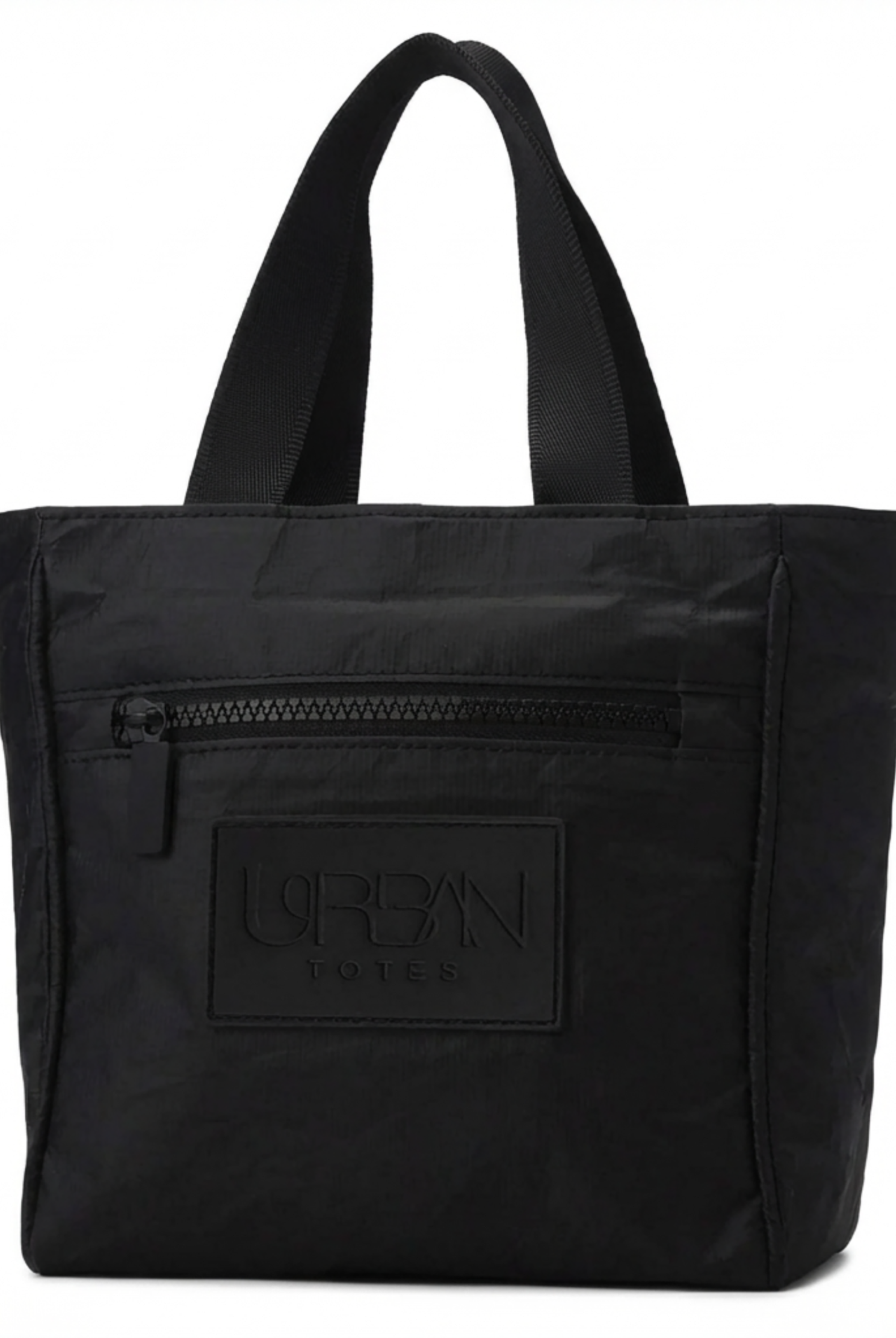
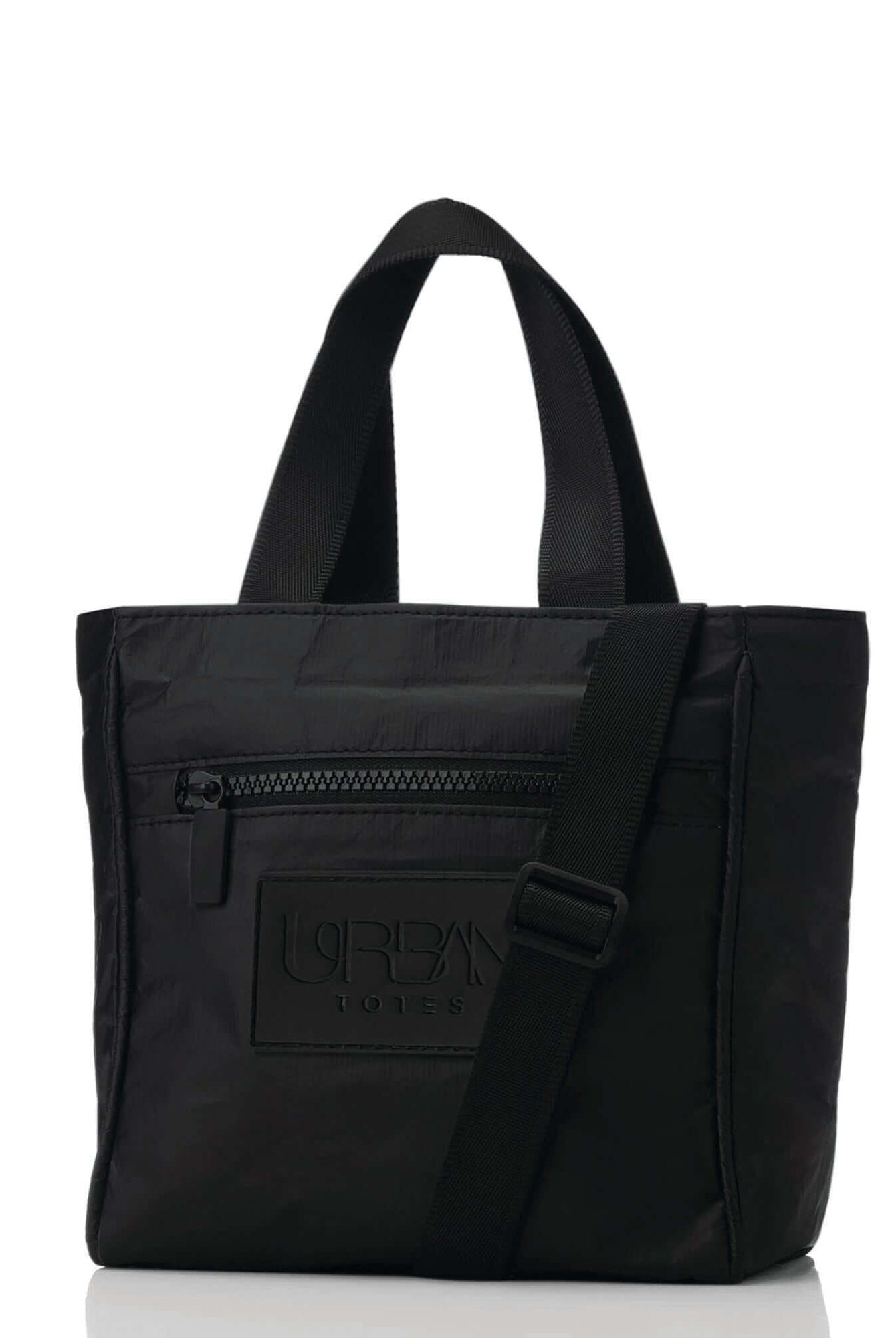
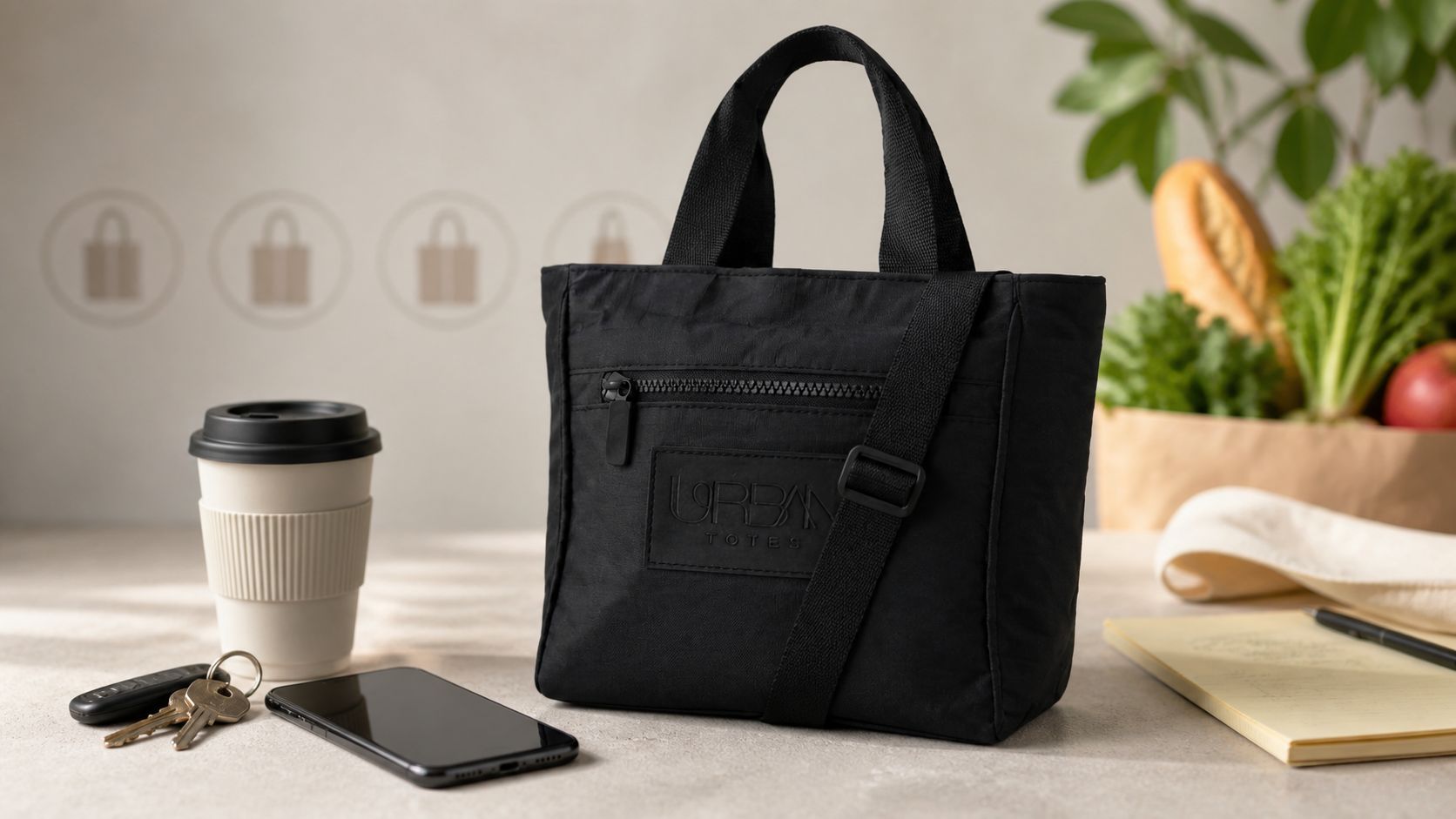
One compact option that fits that everyday-use logic is the Crossbody Tote Bag Mini Purse ($24.95), which is described as lightweight, foldable, water-resistant, and organized with zipper pockets. That kind of design supports the habit of taking a bag along instead of leaving it behind.
Bottom line: the environmental payoff depends less on the bag category and more on whether the bag matches your routine closely enough to be used again and again.
The Forgetting Problem and How to Actually Use Your Bags
Don't skip reusable bags because the idea is unappealing. They get skipped because people are rushing out the door, carrying coffee, wrangling kids, or juggling a phone and keys at the same time. A U.S. survey summarized by OSU found that among grocery shoppers who still use plastic bags, 63% said they do so because they forget to bring reusable bags, and 57% of reusable-bag users keep them in the car (OSU summary).
That's the behavioral gap. People already agree with the idea, but the routine breaks down at the exact moment they need the bag. A 2022 review in Frontiers in Psychology also argues that reuse depends on routines, prompts, and situational friction, not just awareness. For a practical organizing approach, Urban Totes' bag organization guide fits the same logic.
Build the habit into the places you already go
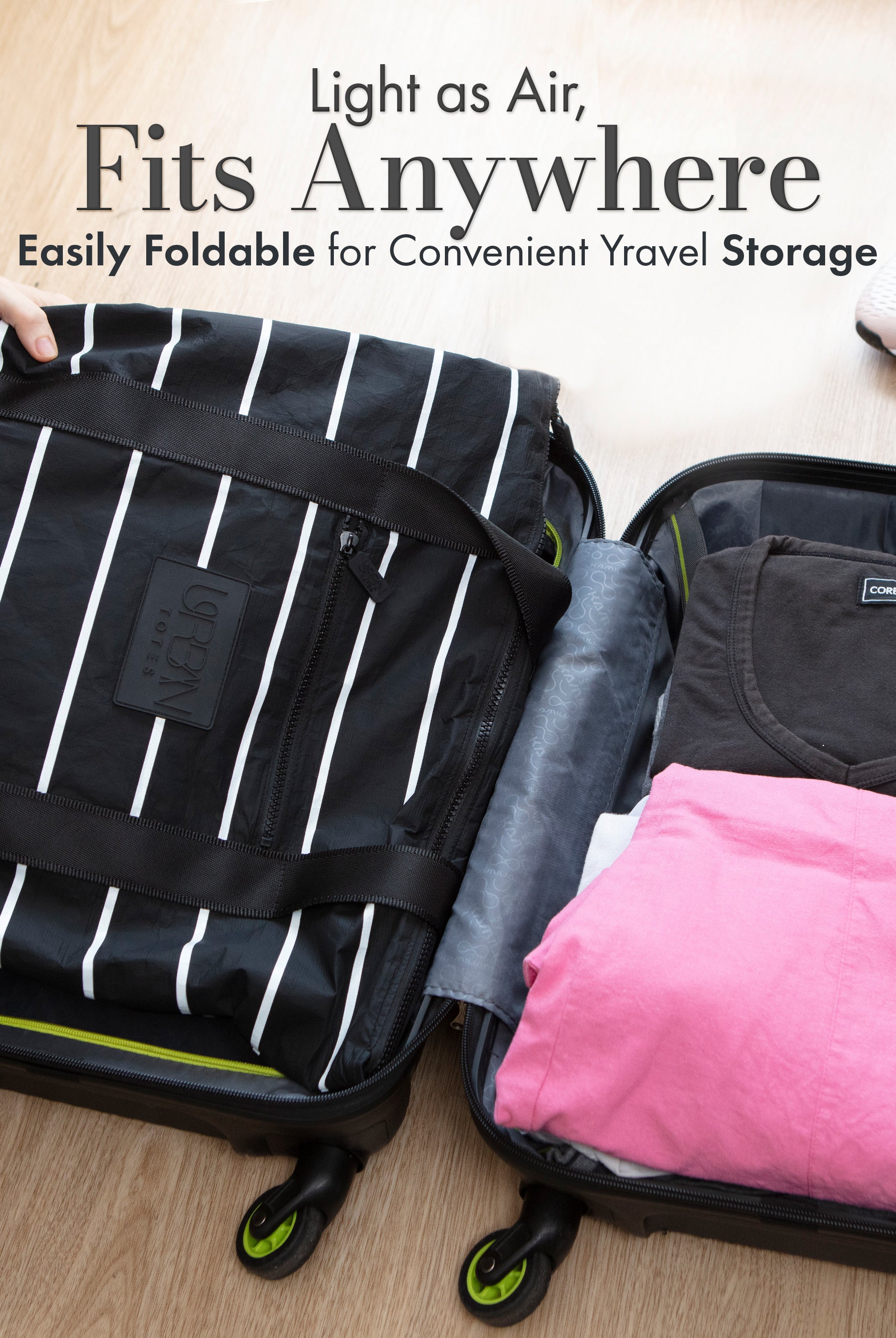
The easiest fix is to make the bag visible and reachable. Foldable bags work well here because they slide into a purse, a car console, a commuter tote, or a gym bag without taking over the whole space. If a bag is packed away neatly but out of sight, it's easy to forget.
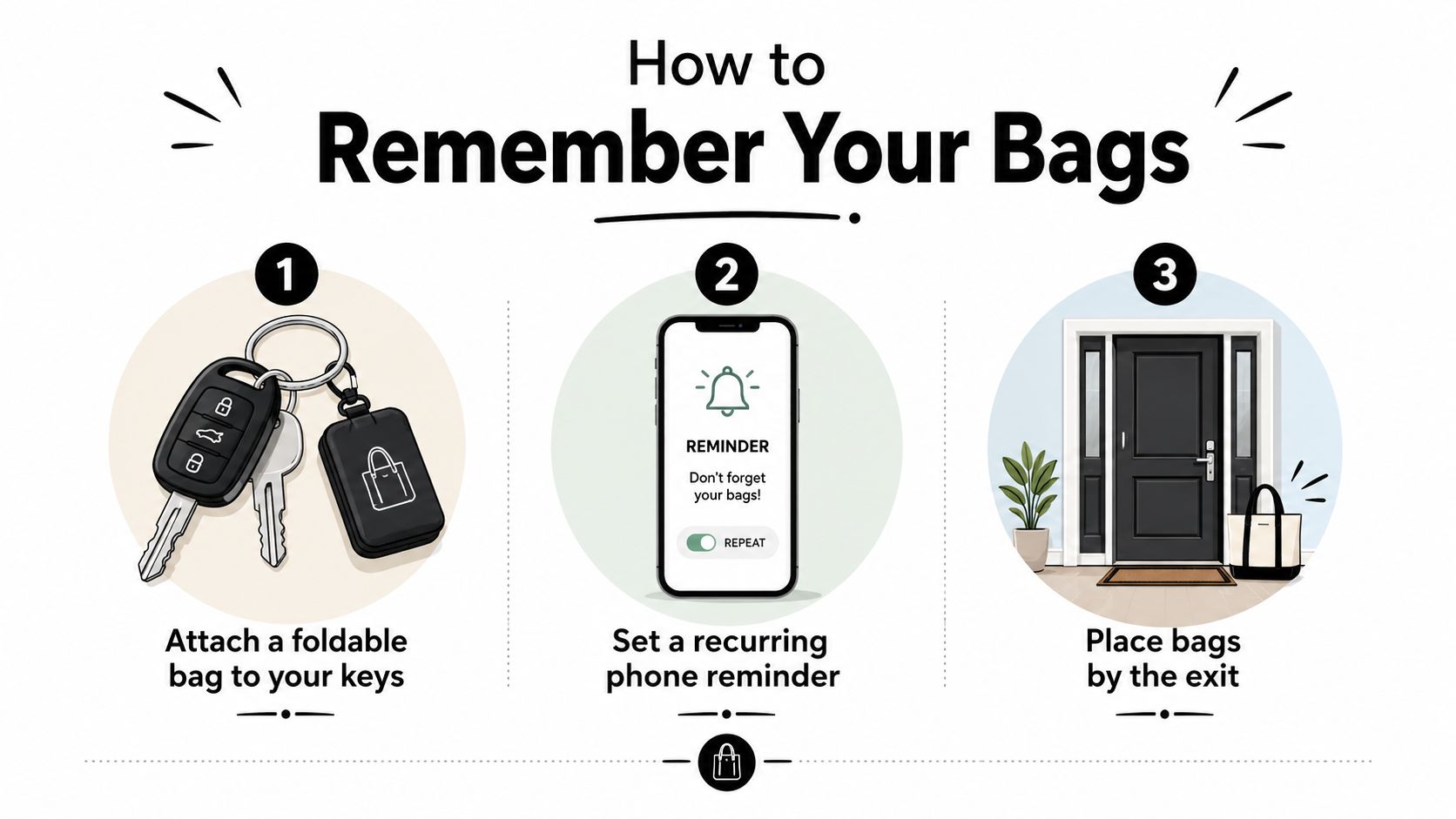
Use simple cues that fit a busy life:
- Attach a foldable bag to your keys: If the bag travels with your keychain, you'll feel the reminder every time you lock the door.
- Set a recurring phone reminder: A gentle alert before grocery day or school pickup can interrupt autopilot.
- Place bags by the exit: A stack near the door works because you see it at the exact moment you leave.
Put the bag where your hands already go, not where your good intentions go.
For women who live out of a car, a purse, or an everyday carry setup, the best reusable bag is often the one that disappears until needed. That's why lightweight, packable, foldable designs have real value. They lower friction, and lower friction makes reuse more likely.
What Makes a Reusable Bag Durable Enough to Last
Durability sounds vague until you look at the specs. A bag that feels sturdy in your hand might still lose shape, split at the seam, or stretch at the handle after a few grocery runs. The smarter way to judge quality is to look at the build details that control how long the bag can keep doing its job.
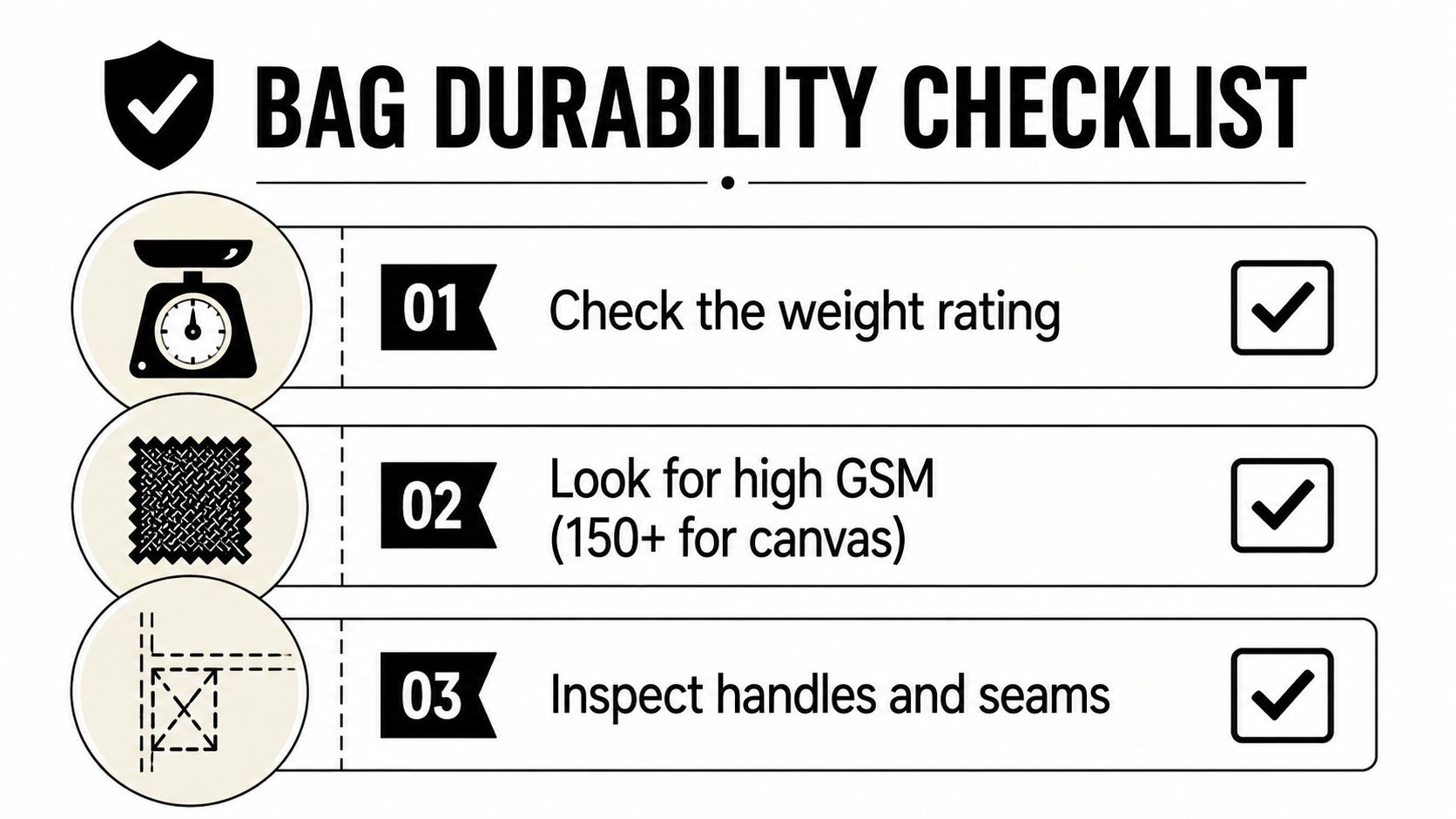
New York State's procurement standard gives a practical benchmark. It requires at least 15 liters of capacity, a non-stretch handle, and construction from recycled PET, non-woven polypropylene, woven polypropylene, or natural fiber cloth. For recycled PET and PP bags, it also requires 80 GSM fabric weight minimum and 50% total recycled content, with 100 GSM or higher encouraged for better durability (New York State reusable bag standard).
What to check before you buy
GSM, or grams per square meter, tells you how much material is in the fabric. Higher GSM usually means better structure and better resistance to tearing under everyday load. That doesn't make every thick bag perfect, but it's a strong clue that the bag can survive repeated commuting, grocery trips, or a damp towel after the beach.
If you're comparing totes for work or travel, Urban Totes' durable tote bag guide is a helpful companion because it focuses on the kind of build features that matter in daily use.
A quick quality checklist
- Check the handles: Non-stretch or reinforced handles are less likely to dig in or fail under weight.
- Look at the seams: Clean stitching and reinforced edges usually hold up better than thin, loose construction.
- Read the fabric spec: GSM gives you a better clue than a vague “heavy-duty” label.
- Match the bag to the task: Grocery runs, school drop-off, beach days, and travel all put different strain on a bag.
For readers comparing printing and fabrication styles, tote bag printing methods compared is a useful reference because construction choices and decoration methods both affect how a bag wears over time.
A useful lifestyle benchmark from Mississippi State University Extension says reusable bags generally cost $1 to $5 each and, if properly maintained, can last at least 4 years while keeping more than 600 single-use bags out of the environment (Mississippi State University Extension). That's the kind of lifespan that makes sense for a bag you use on repeat, not just for one season.
Keeping Your Reusable Bags Clean and Safe
Reusable bags get handled a lot, then they get dropped in trunks, kitchens, carts, and changing rooms. That means cleaning isn't optional, especially if the same bag carries groceries one day and gym gear the next. A University of Arizona study summarized by Bag the Ban found 51% of reusable bags contained coliform bacteria and 12% contained E. coli (Bag the Ban health summary).
That doesn't mean you need to panic. It does mean you should treat reusable bags like washable everyday gear instead of forgetting about them after checkout. The goal is simple, reduce buildup, keep the bag fresh, and avoid turning a convenient habit into a messy one.
A practical cleaning routine
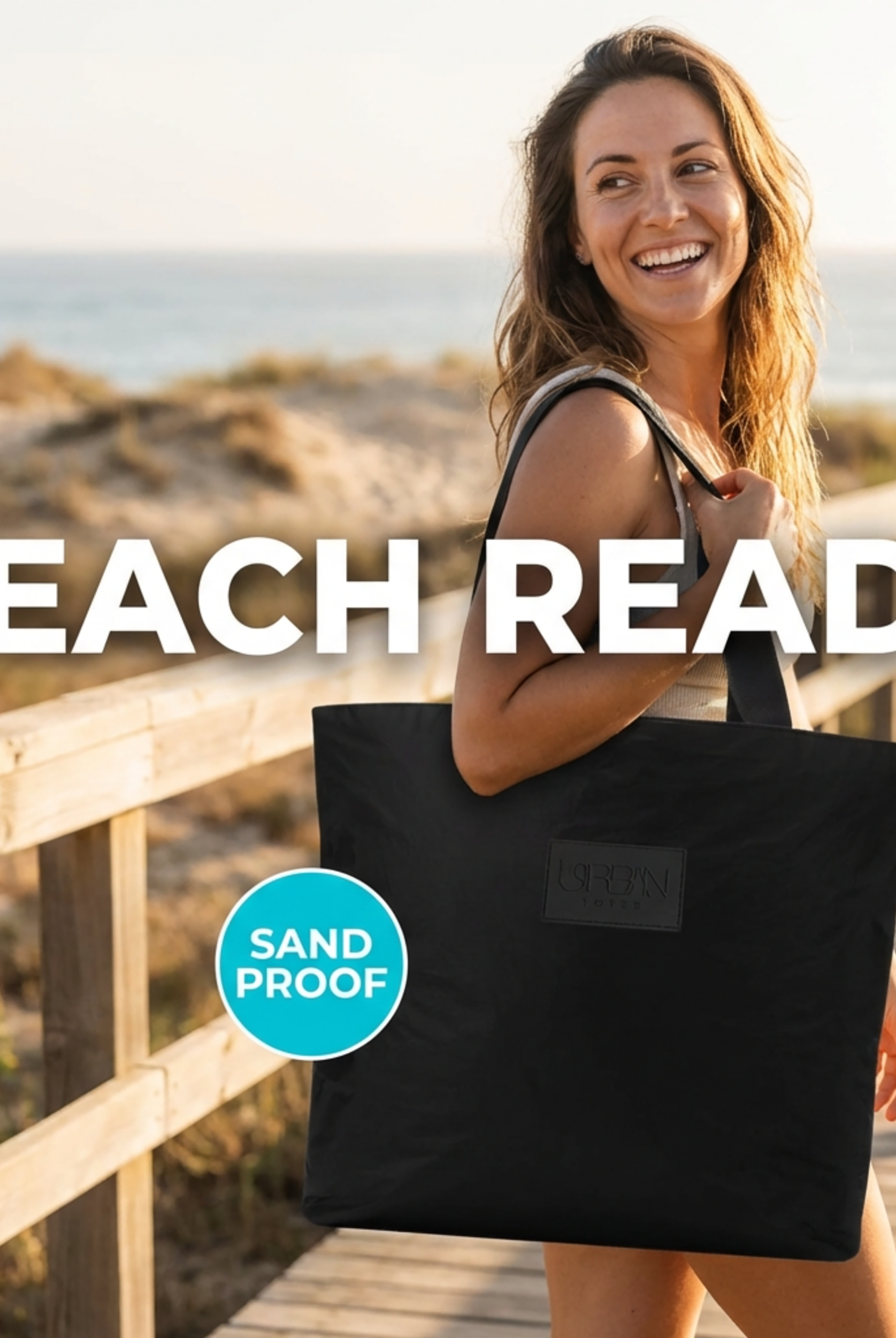
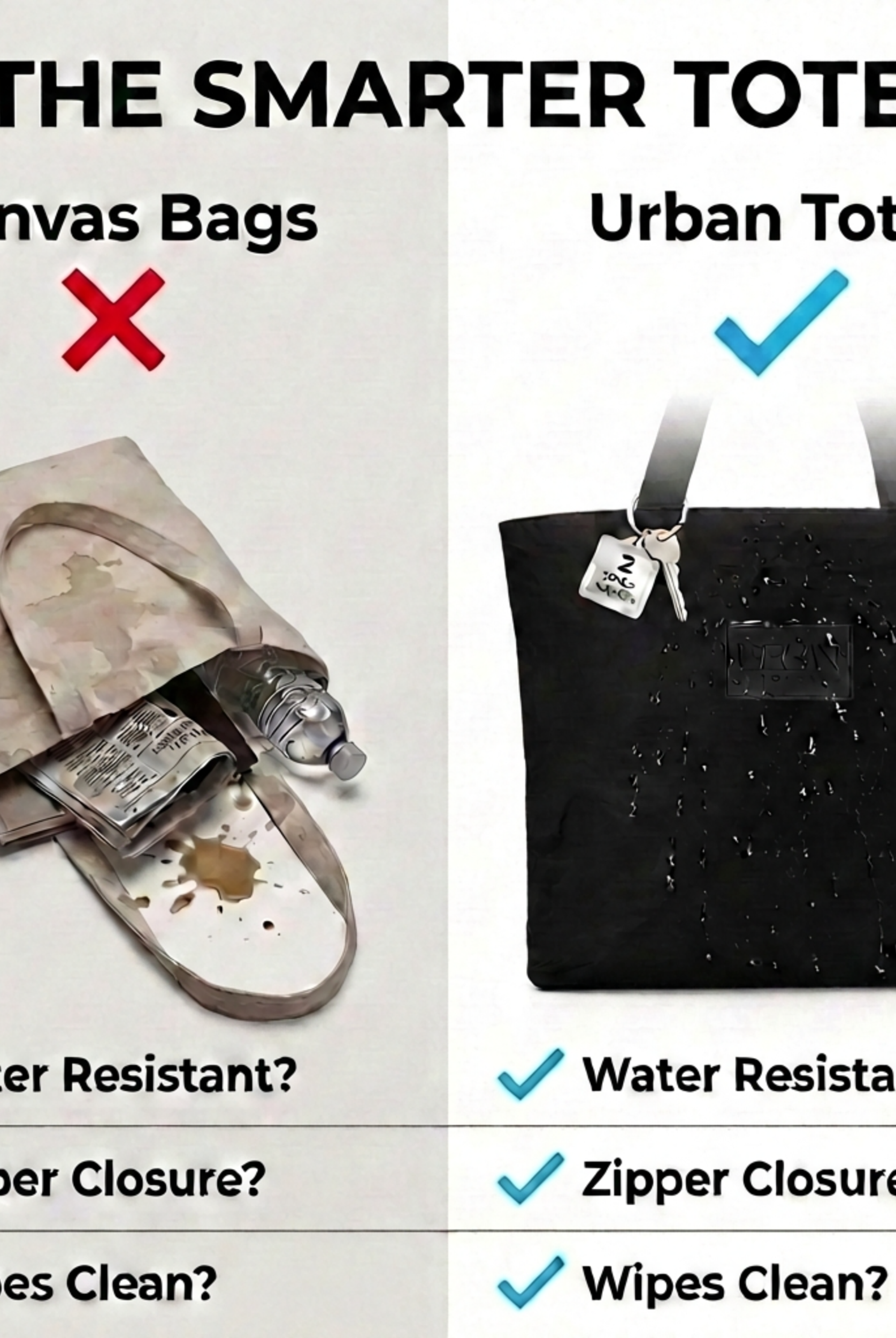
For cotton and polypropylene bags, machine washing is the easiest reset when the bag has carried raw meat, spilled produce, or anything that leaves residue. Water-resistant bags can usually be wiped down after routine use, especially after gym sessions or beach days when sand, sweat, and damp fabrics show up together. Air-drying matters too, because it helps prevent mildew and keeps the bag from staying damp in a closed-up car or closet.
A simple schedule works well:
- After raw meat or messy produce: Wash the bag right away.
- After gym or beach use: Wipe the bag down the same day if the material allows it.
- For everyday carry bags: Give them a monthly deep clean if they're used often.
Clean bags don't have to be fussy. They just need a routine you'll actually keep.
The care approach is especially important for bags that move across settings, from farmer's market mornings to school pickup to weekend travel. If a bag is water-resistant and easy to clean, it's much more likely to stay in circulation instead of being retired early. For maintenance ideas, Urban Totes' care guide is a practical reference point.
Understanding the Scale of the Single-Use Bag Problem
Reusable bags make more sense once you see what they are replacing. In the United States, public-health and local-government materials cite more than 100 billion single-use bags consumed each year, which works out to nearly one bag per person per day. At the global level, one industry summary reports about 1 trillion one-time-use plastic bags used worldwide, with nearly 2 million discarded every minute, Suffolk County environmental impact report.
Those numbers help explain why reusable bags moved from a niche idea to a retail and policy issue in the 2000s and 2010s. When the waste stream is that large, even a small shift in behavior matters. The bag you bring from home is part of a much bigger replacement cycle, and the benefit depends on how often it gets used.
Why the policy shift changed shopping behavior
Bag bans and fees pushed shoppers to adapt quickly. That is one reason reusable bags became a familiar part of grocery runs, pharmacy stops, and weekend errands. Local materials also estimate that one reusable bag can replace 500+ single-use bags over its lifetime.
The key point is that the environmental story only works when the bag becomes part of routine life. A reusable bag can look excellent on paper and still underperform in practice if it is hard to remember, hard to clean, or awkward to carry. The benefit comes from repetition, because every trip the bag replaces another disposable bag.
A bag that stays near your keys, folds flat, and is easy to grab for the next grocery run is doing more environmental work than one that sits in a closet. That behavior gap is where many well-meaning purchases fall short, and it is also where a simple habit can make the biggest difference.
A reusable bag only changes the system when it replaces disposable bags often enough to matter.
Choosing a Bag That Fits Your Life and Values
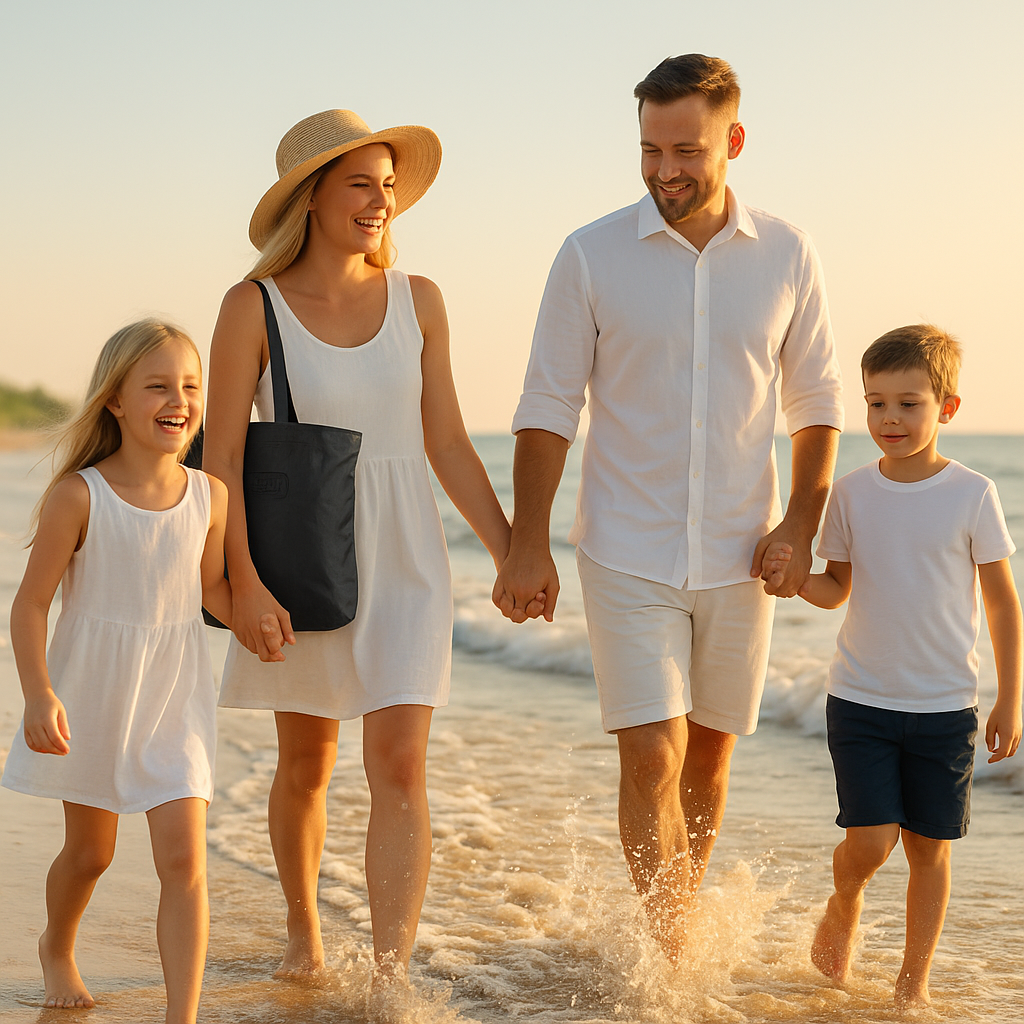
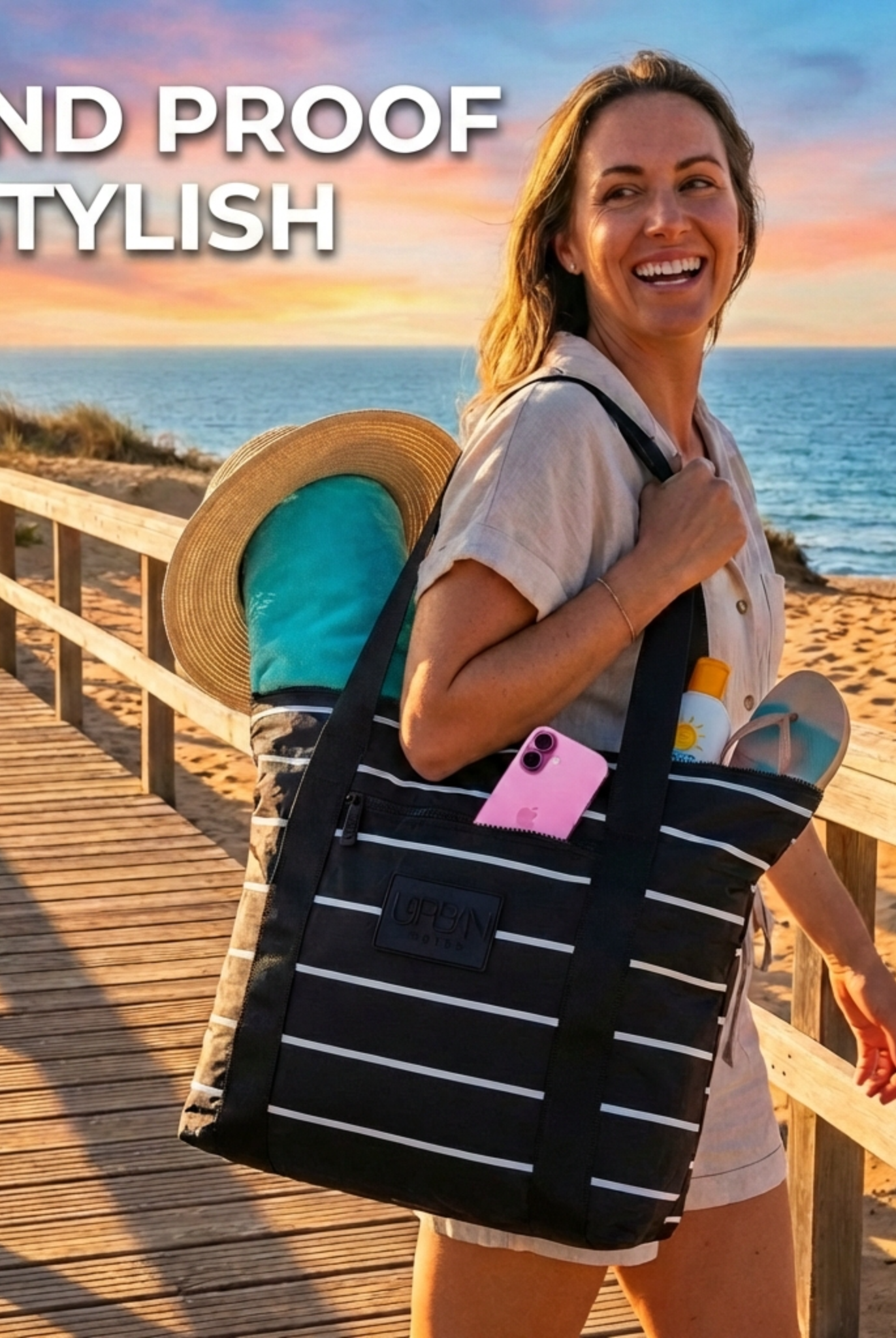
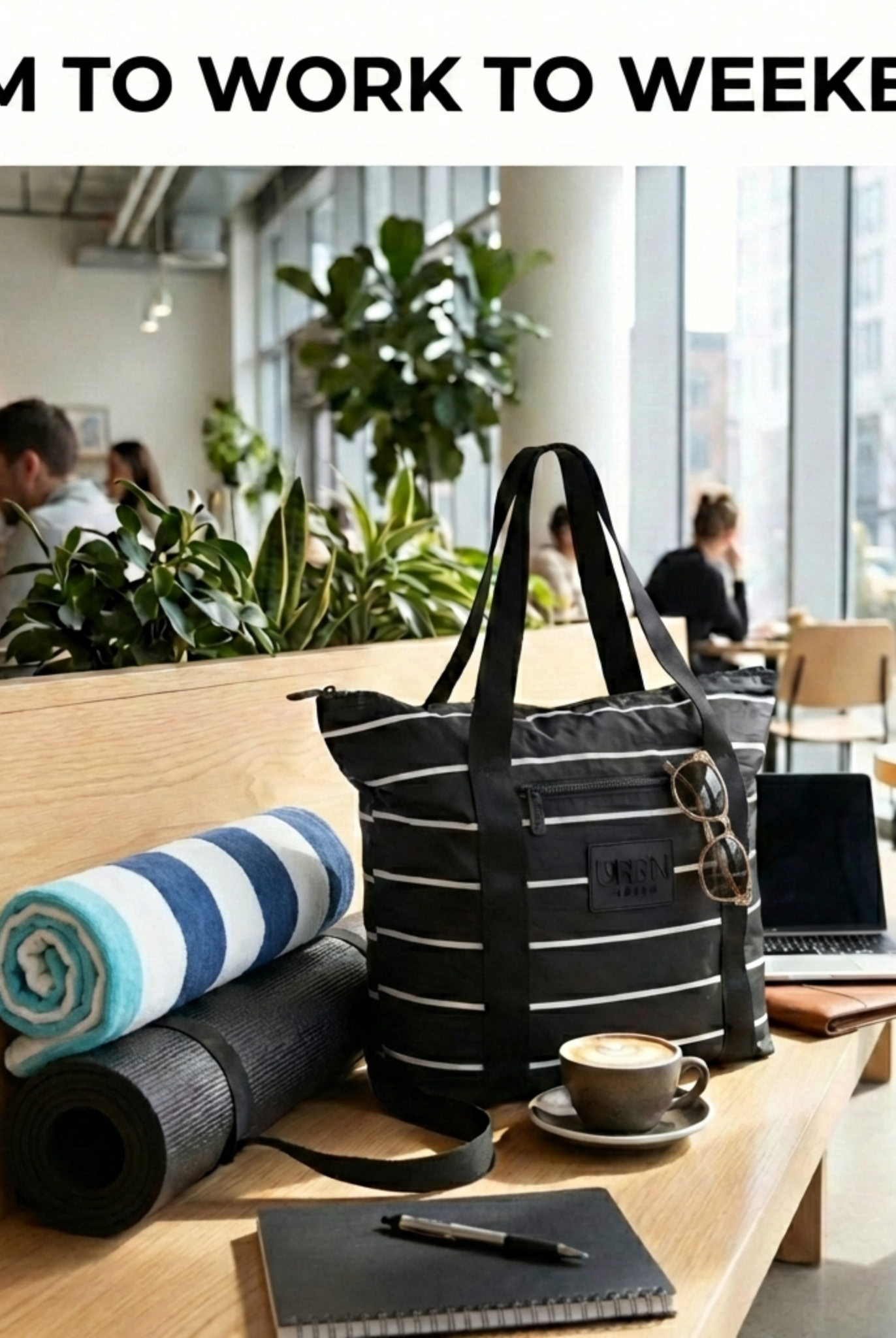
The best reusable bag is the one that fits the way you move through the day. A beach-day mom needs something different from a daily commuter. A weekend traveler wants a bag that folds down fast, while an errand-runner needs one that's easy to grab from the car, easy to wipe down, and easy to stash again.
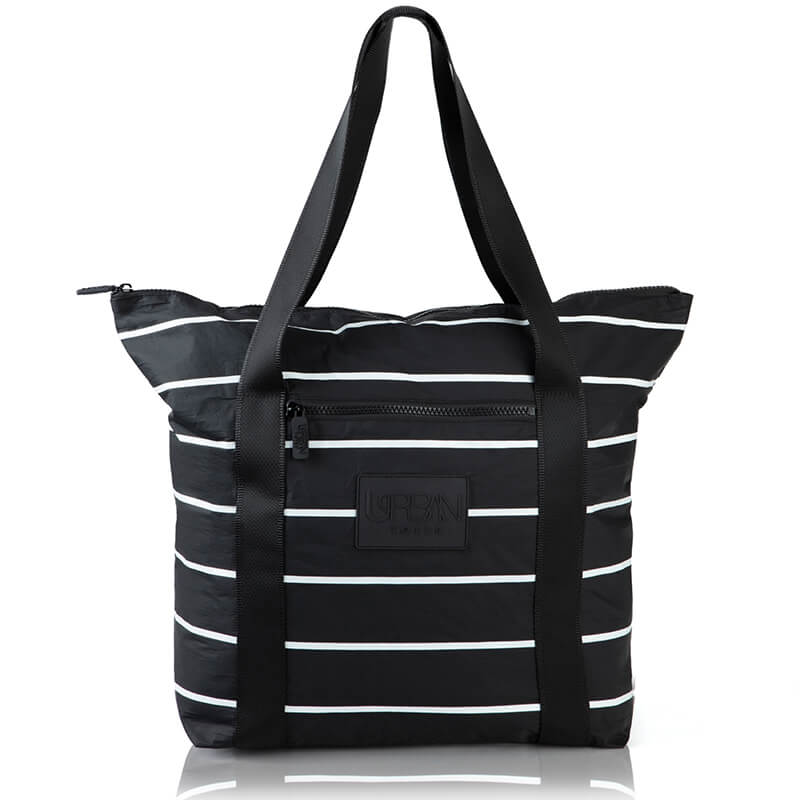
That's where features like water-resistant fabric, lightweight construction, packable folds, zipper closure, and multiple compartments earn their keep. They don't just sound nice, they make reuse more likely because the bag is easier to carry, easier to organize, and easier to trust with daily life. If you want a customizable everyday-carry option, Custom Mark reusable totes are another reference point for how practical tote design shows up in the market.
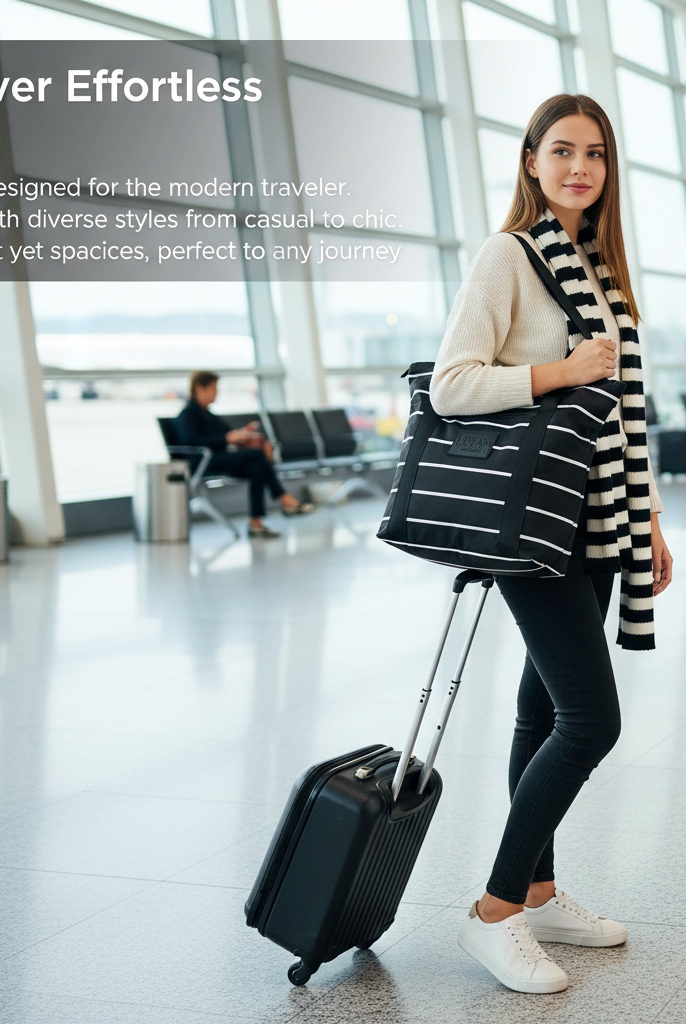
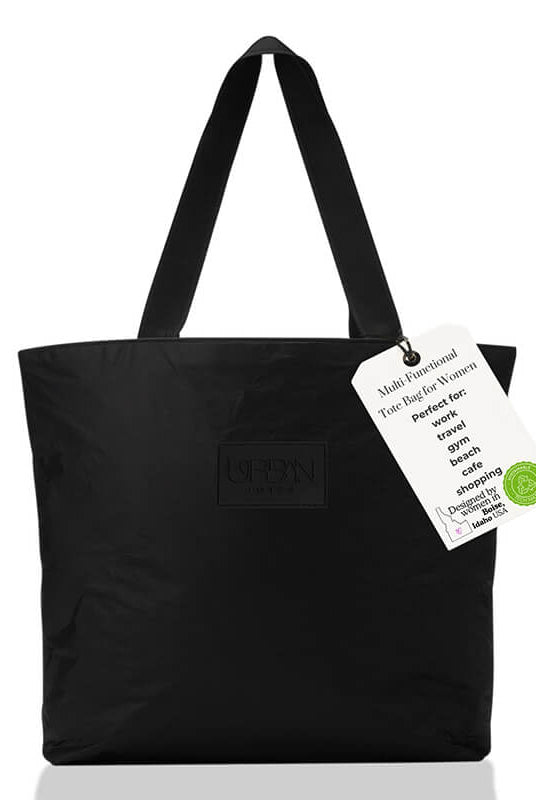
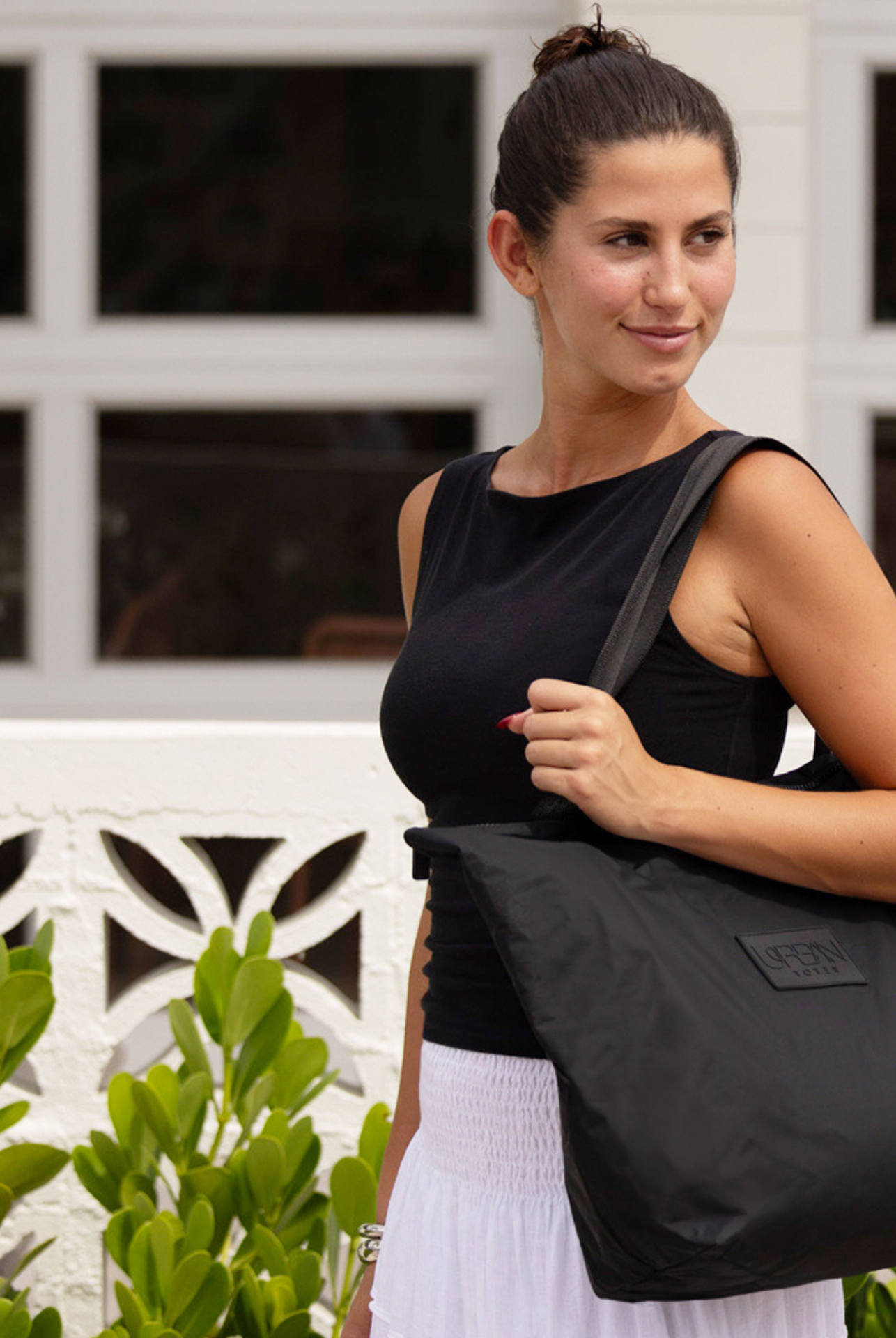
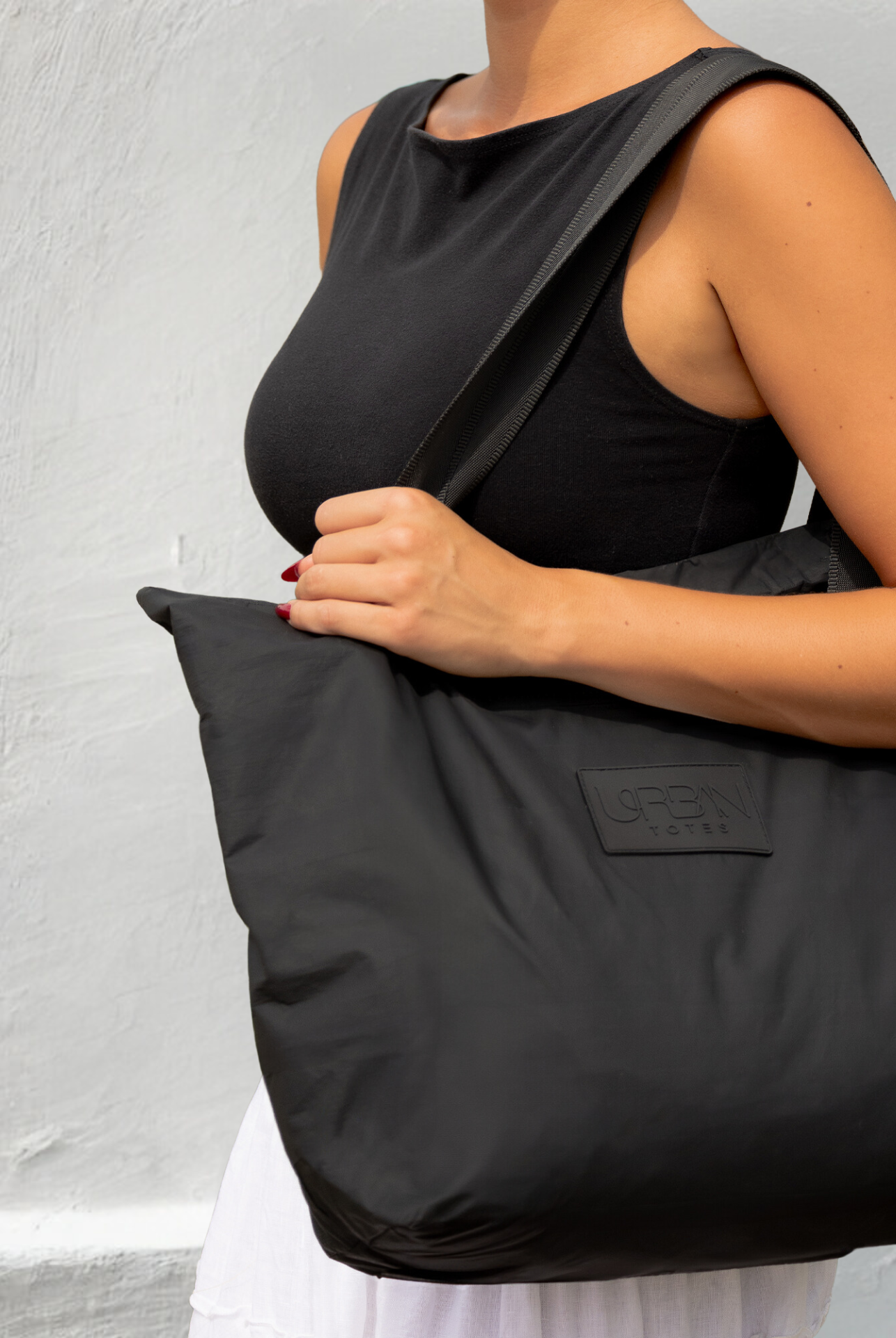
For women who want a bag that keeps up with work, travel, errands, and spontaneous plans, Urban Totes is built around that exact kind of rhythm. The brand is woman-owned, based in Boise, Idaho, and centered on thoughtfully designed, organized, versatile carry that works for commuting, beach days, and busy weekends. That matters because the bag you bring is the one that does the environmental work.
If you're choosing with real life in mind, focus on this order:
- Will I carry it often?
- Will it survive the way I use bags?
- Will it be easy to keep clean and easy to remember?
Urban Totes makes water-resistant, lightweight, packable bags with zipper closures and organized compartments for the days that don't stay neatly planned. If you want a go-anywhere tote that fits errands, travel, and everyday carry without adding clutter, visit Urban Totes and find the bag that matches how you really live.