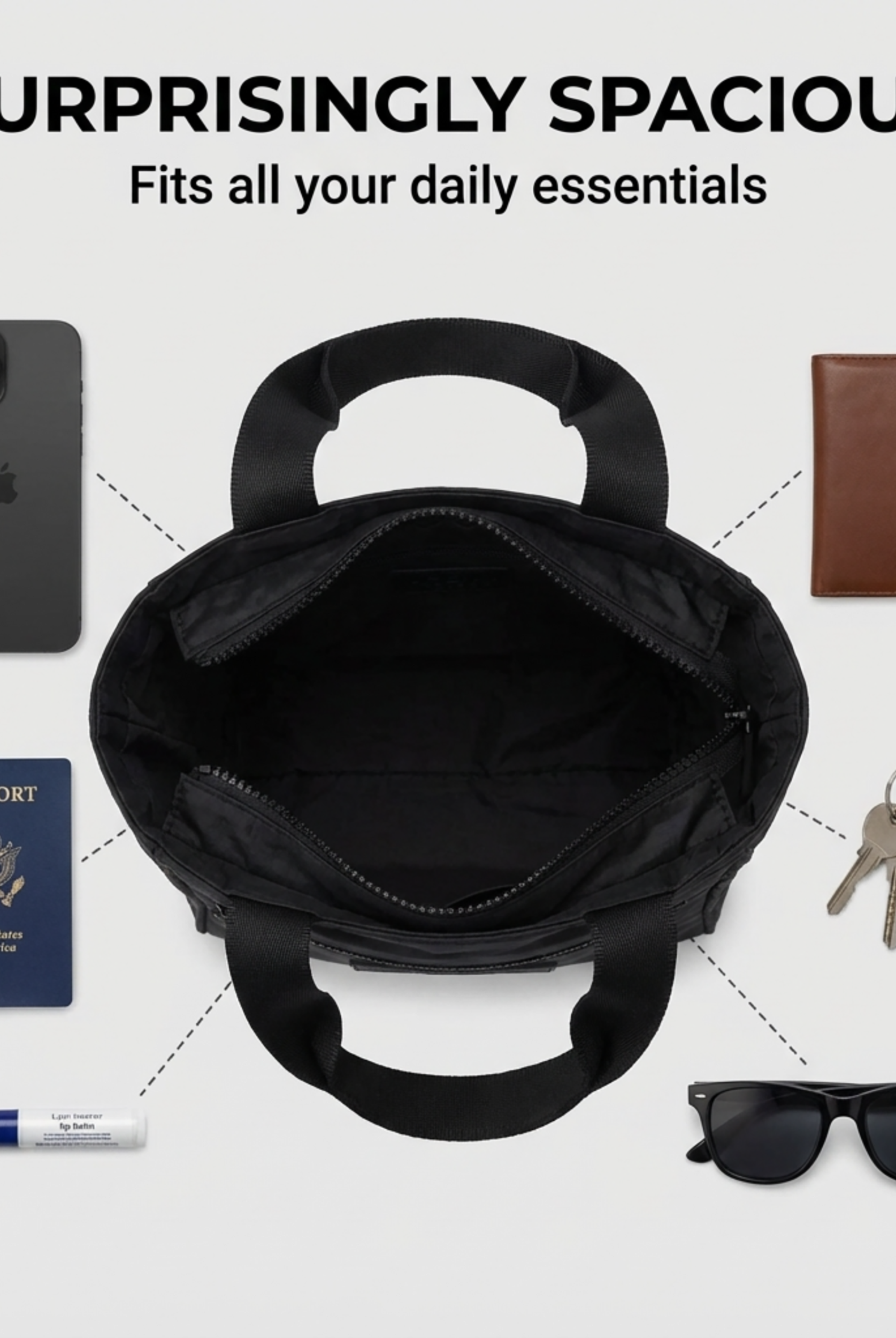
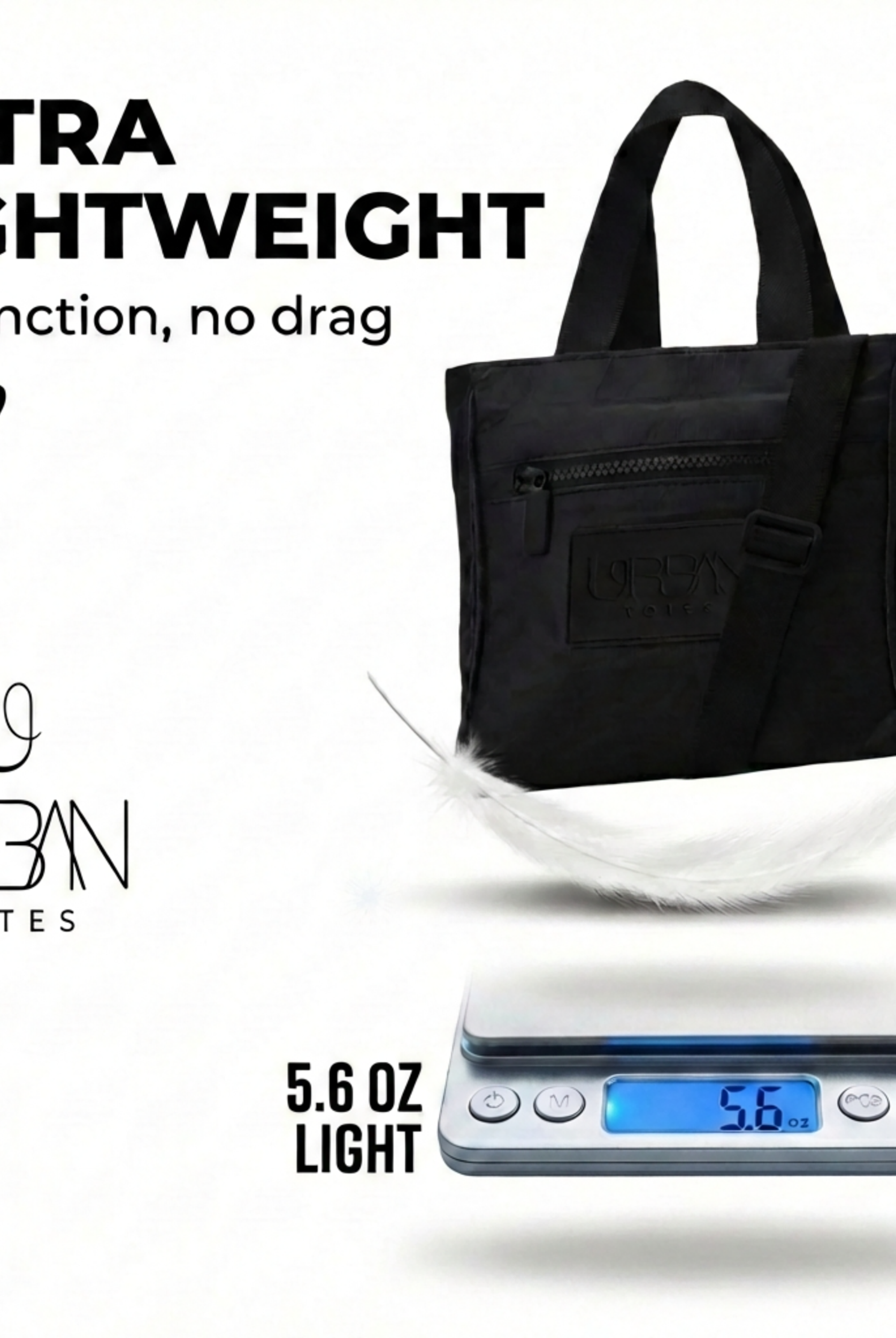
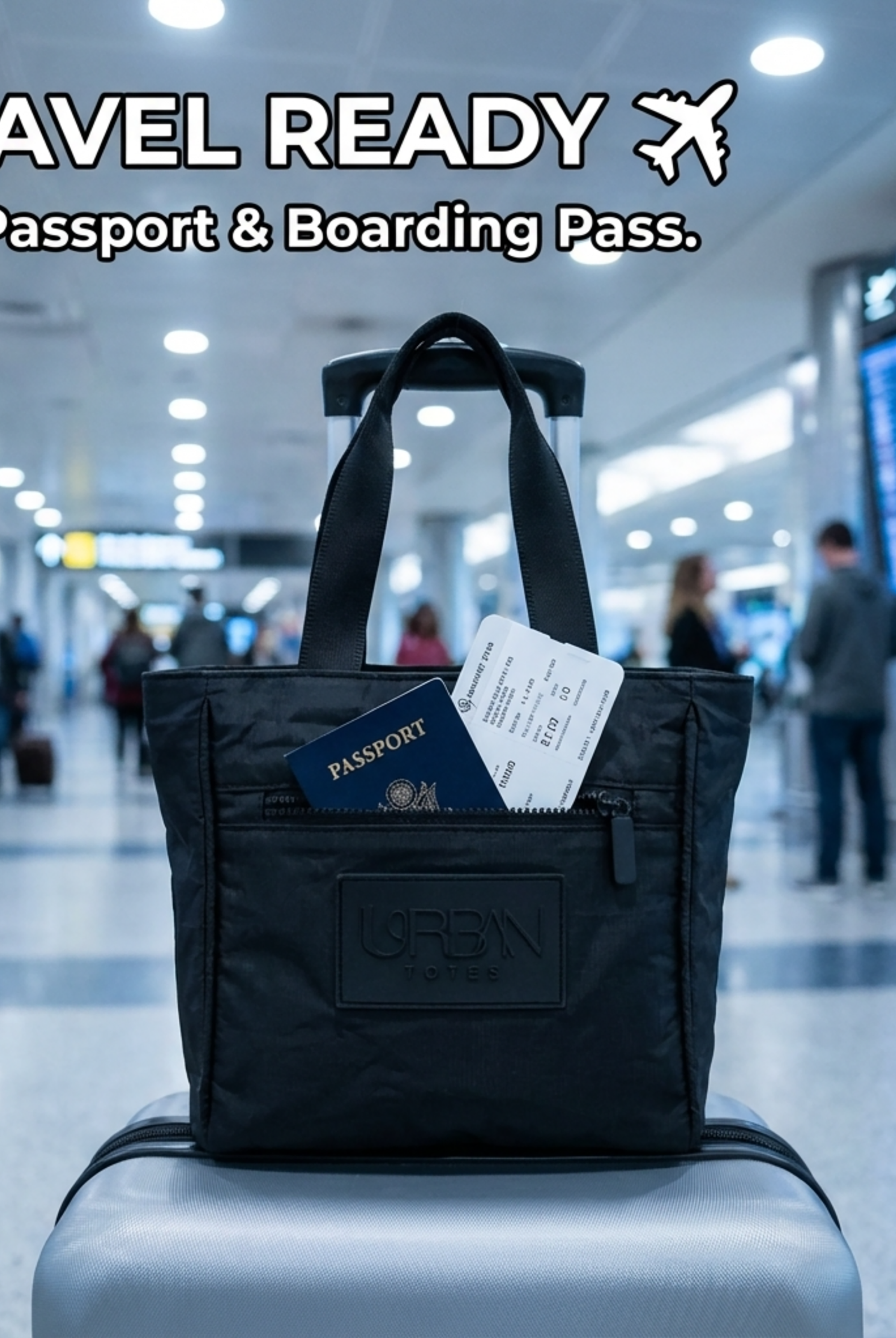
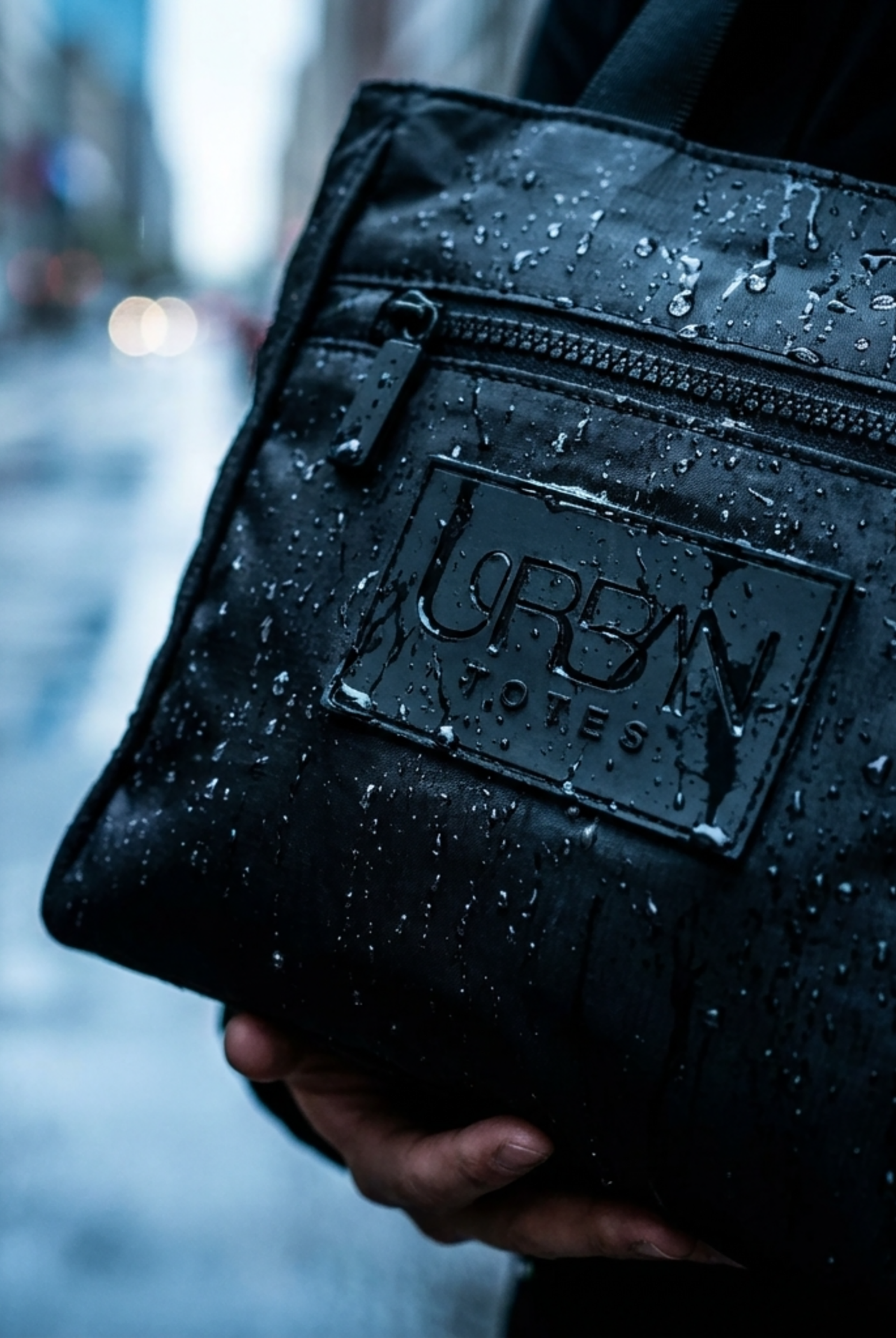
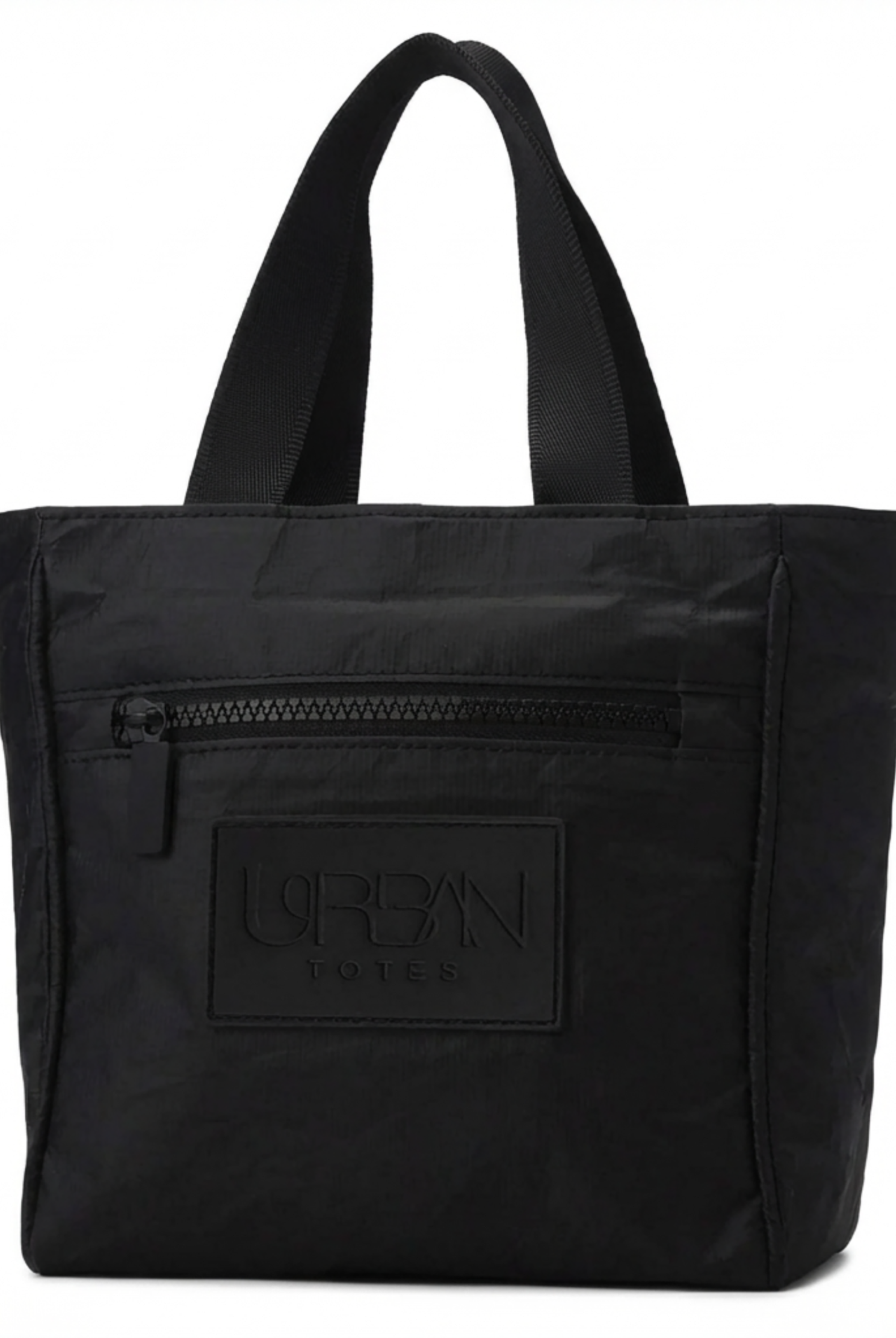
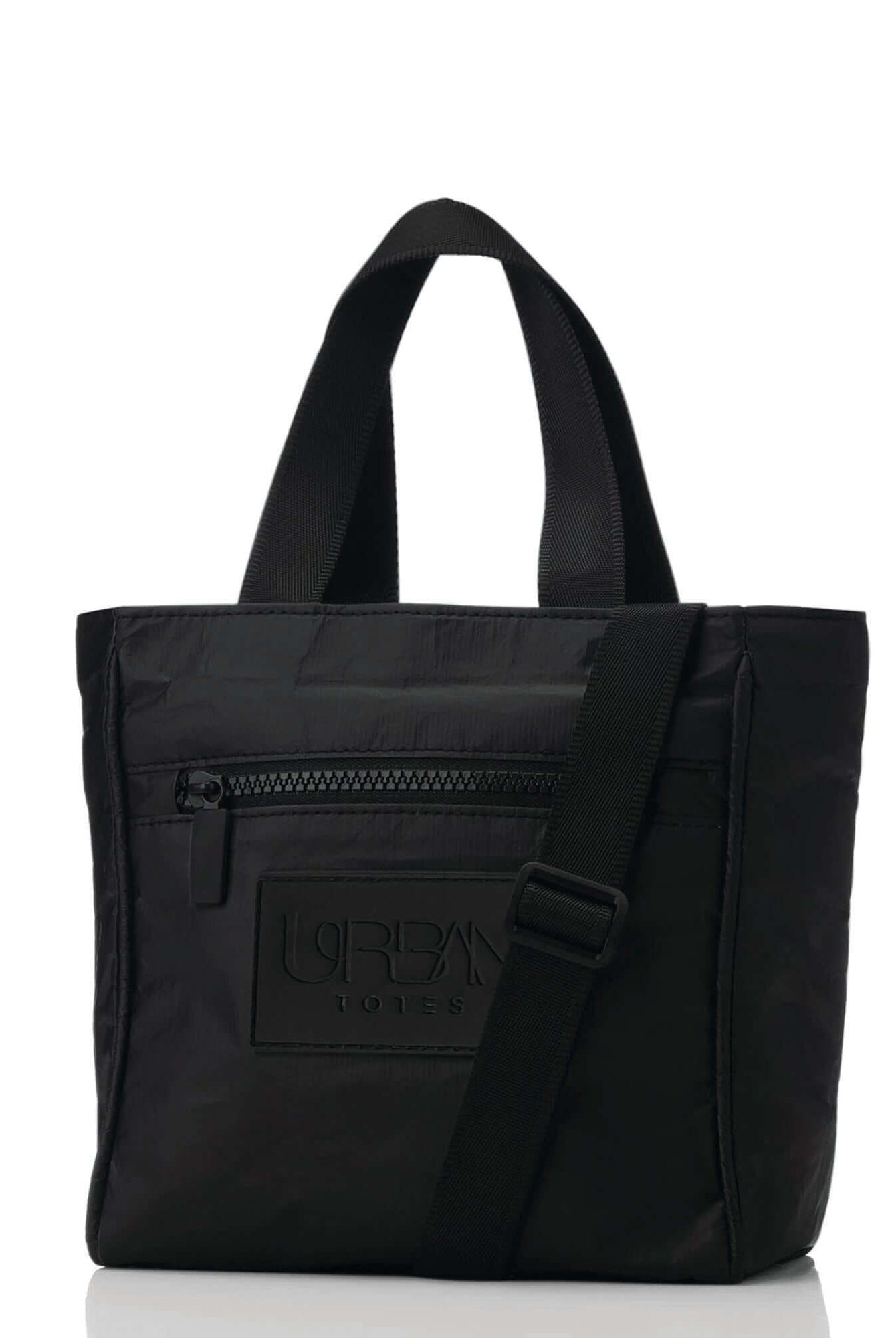
The bag was fine until Tuesday morning. Your keys slipped to the bottom, the lipstick rolled under your laptop, and the snack you meant for later ended up pressed against your gym shirt. That's the moment a bag with compartments stops being a style choice and starts being a daily relief, because the difference isn't really pocket count, it's whether your bag helps you move through your day without the little scavenger hunts.
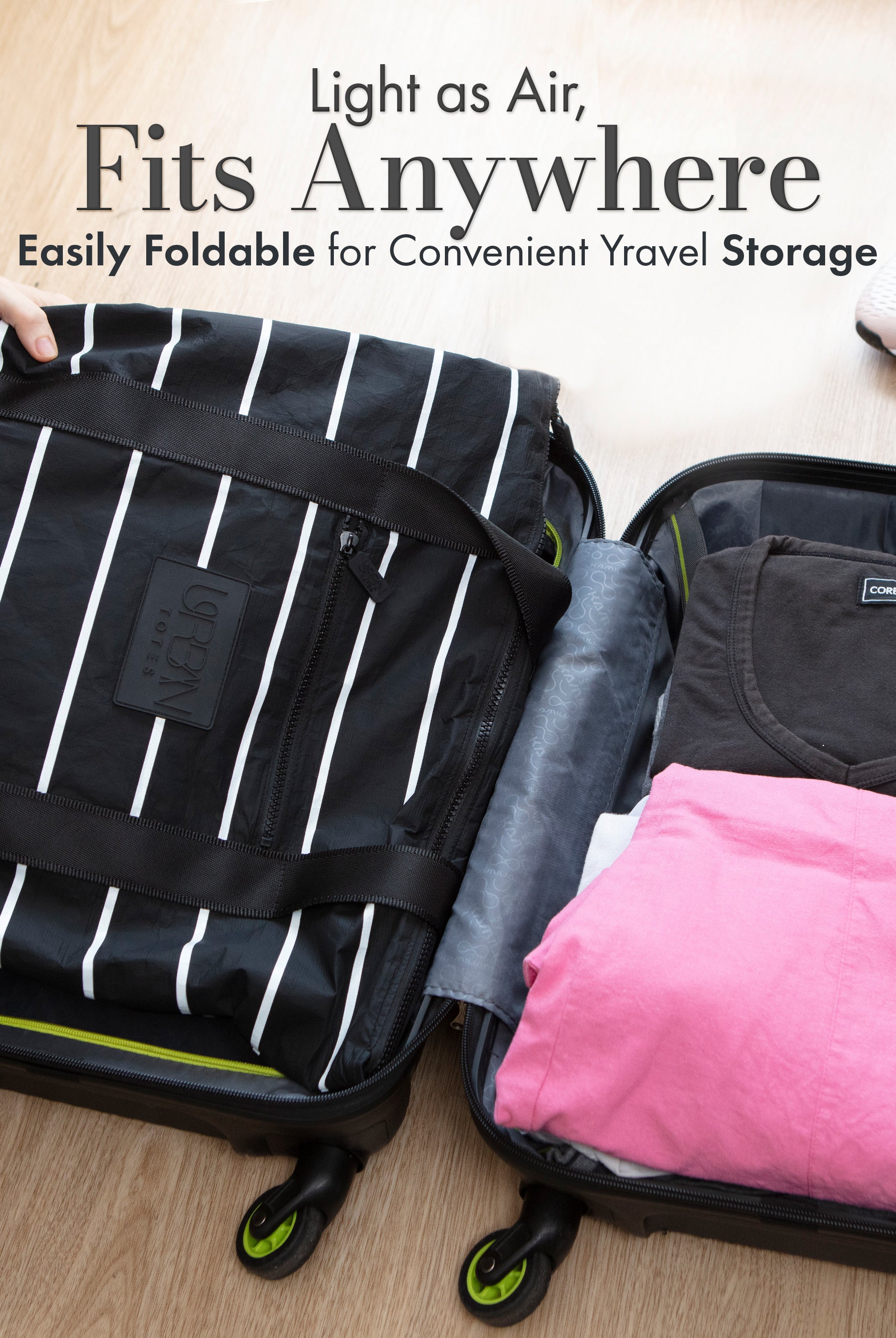
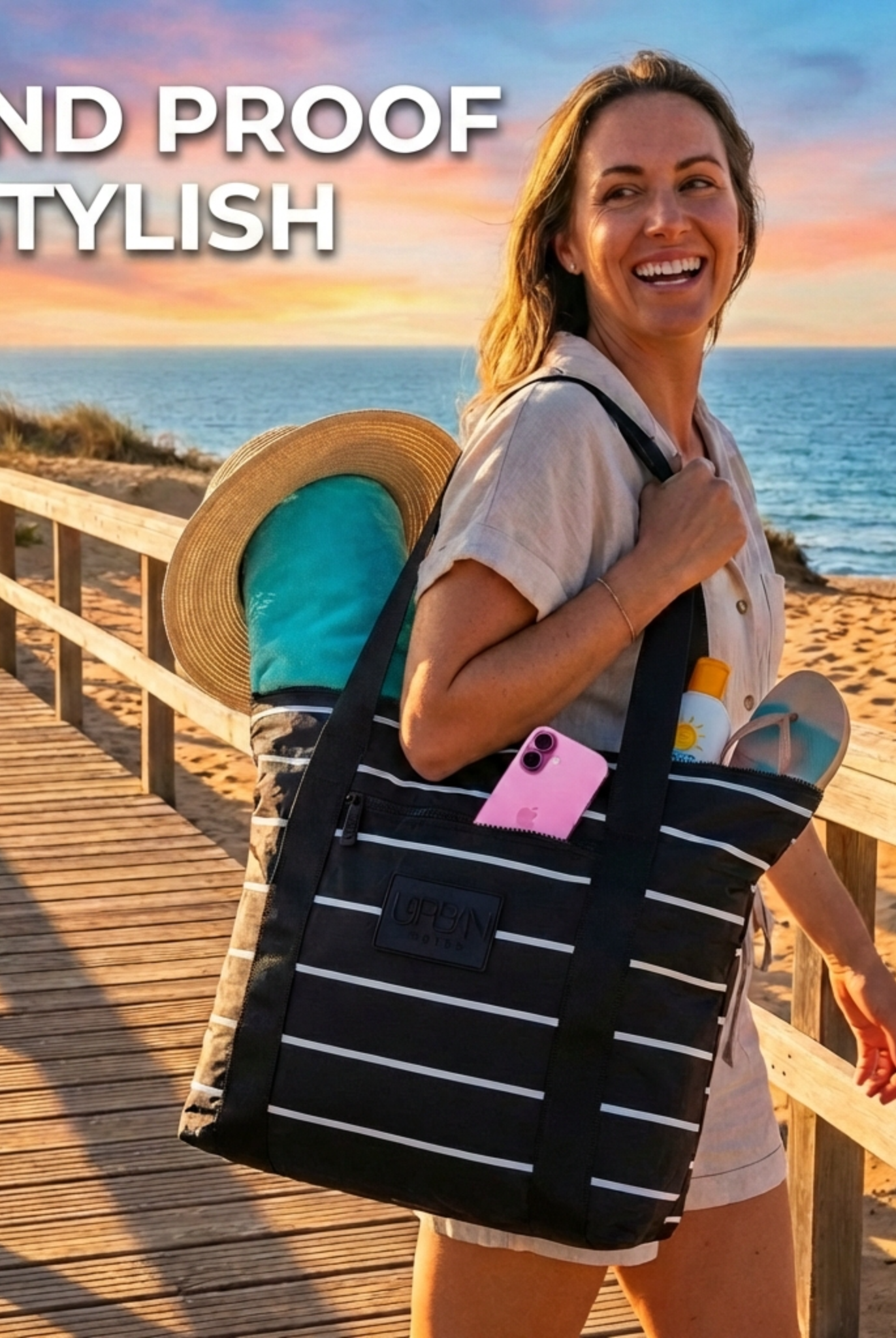
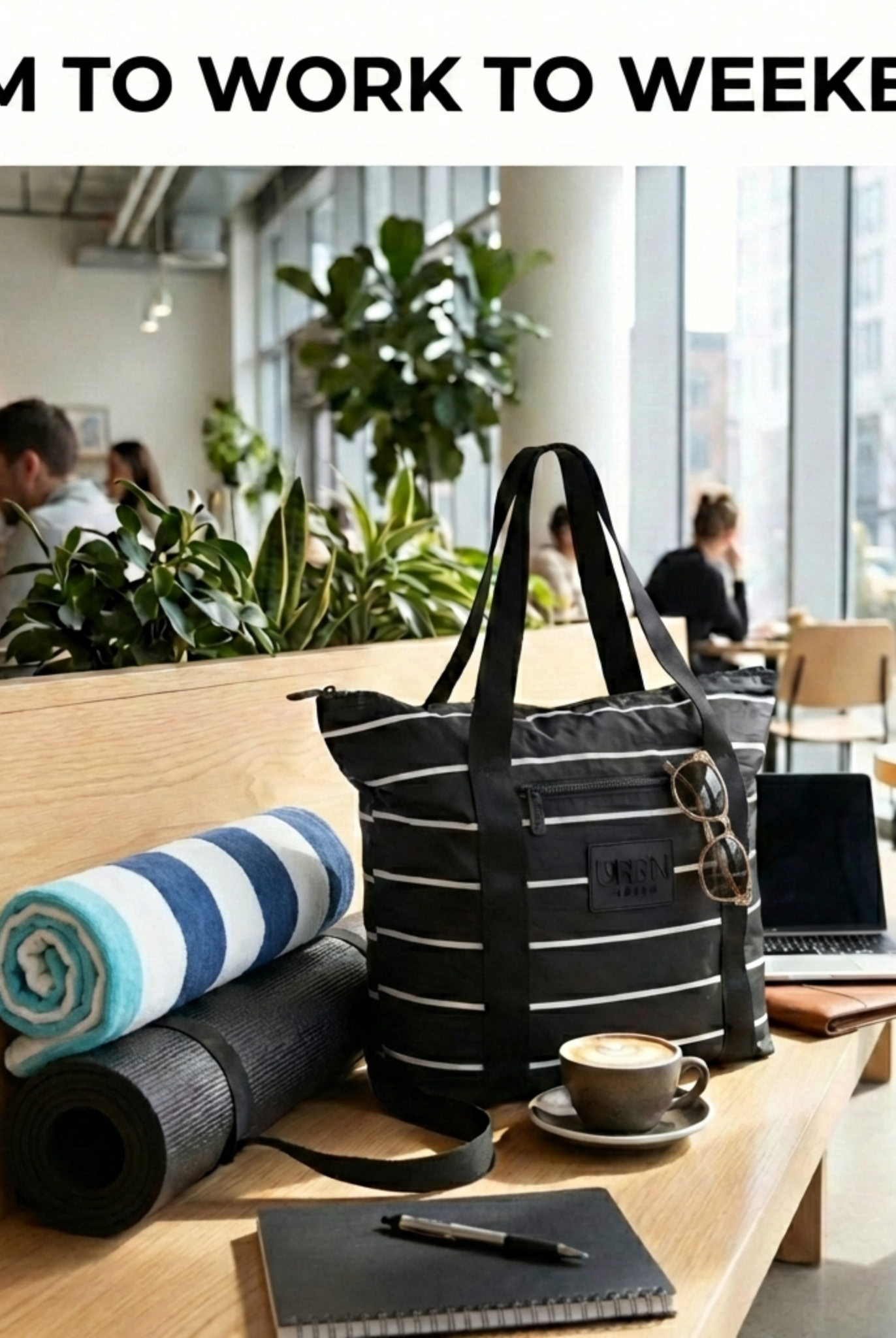
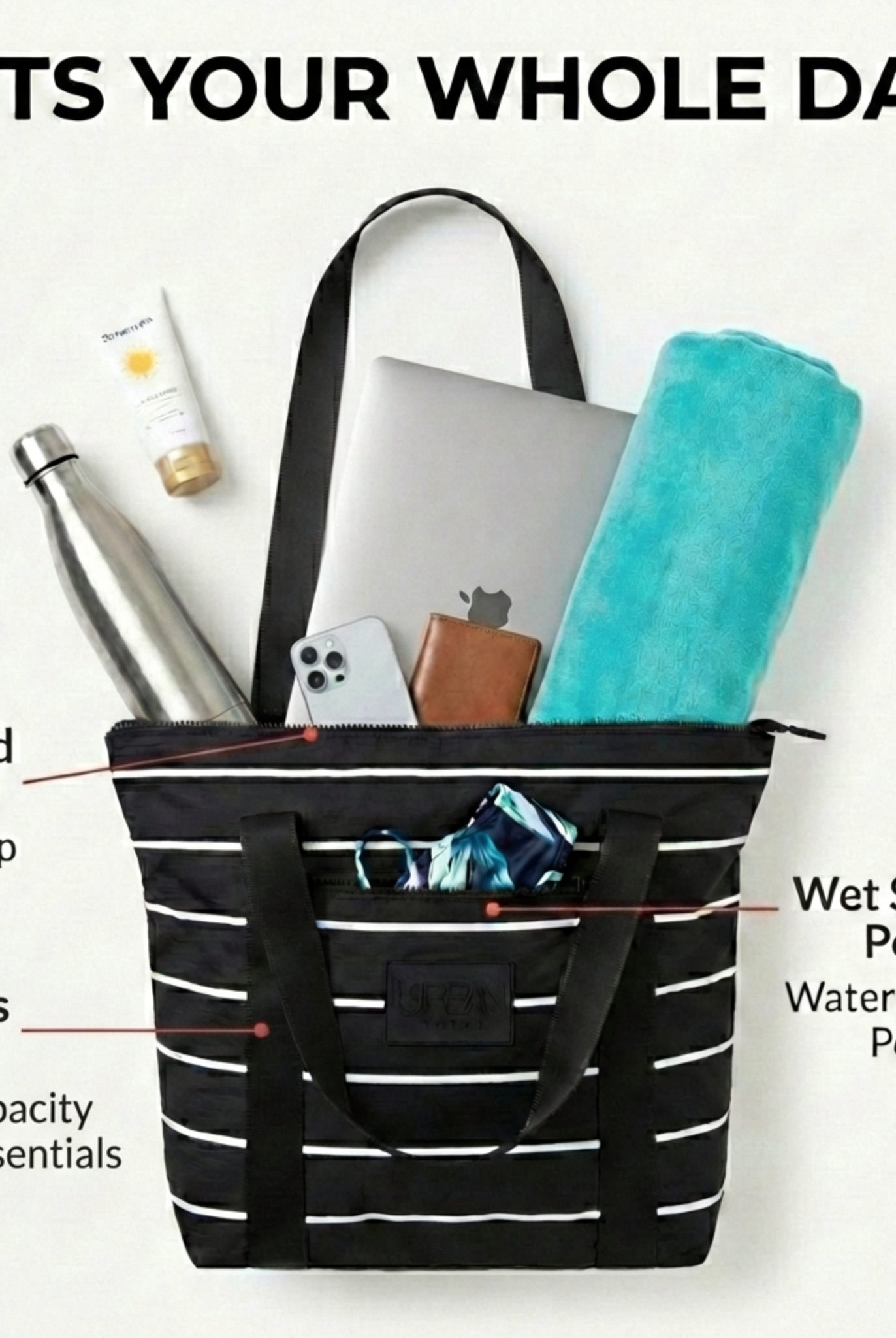
A well-zoned bag changes the mood of the whole routine. You stop dumping everything into one dark cavity and hoping for the best, and you start giving each item a place that matches how often you need it. Urban Totes builds around that same idea, with lightweight, packable, foldable styles that favor zipper closure layouts and organized everyday carry.
Table of Contents
- The Moment Your Bag Stops Working for You
- What Makes a Bag a Bag With Compartments
- The Features That Actually Change How a Compartmented Bag Performs
- Matching the Layout to the Way You Actually Live
- Why More Pockets Can Mean More Chaos
- Packing, Assigning, and Caring for Your Compartments
- Choosing Your Go-Anywhere Bag With Confidence
The Moment Your Bag Stops Working for You
You know the scene. You're standing in a parking lot, one hand holding a coffee, the other holding a kid's water bottle, and you're fishing for your phone with that half-panicked, half-annoyed feeling because the bag ate it again. The keys are somewhere in there. So is the lip balm. Probably the receipt you needed this morning, too.

That's why a bag with compartments feels different the moment it's loaded the right way. It turns a one-hand dig into a quick reach, and it turns the “where did I put that?” loop into a routine that barely takes thought. If you've ever wished your tote had a place for everything without feeling fussy, the problem usually isn't the size of the bag, it's the layout.
Practical rule: If the things you grab most often are buried behind the things you use least, your bag is working against your day.
A lot of readers start here, with one messy bag and a very specific frustration. Maybe it's a beach tote with sunscreen, wet towels, and snacks all touching each other. Maybe it's a commuter bag where a charger, notebook, and earbuds all get tangled together before lunch. For a clean reset idea, this organizing guide for tote bags is a useful companion read.
The emotional cost is small but constant. You waste seconds, then minutes, then a little bit of patience every time you have to unzip, rummage, and repack. A compartmented bag doesn't solve a chaotic schedule, but it does remove one of the most annoying parts of it.
What Makes a Bag a Bag With Compartments
At the kitchen table, the work bag is open, the keys are missing, the charger is wrapped around a pen, and the wallet has slid under a notebook. A bag with compartments fixes that kind of morning by giving each item a place that matches how it gets used. The layout matters because a laptop, transit card, snack, water bottle, and keys all need different access, not just more fabric around them.
Main zones and quick-access spaces
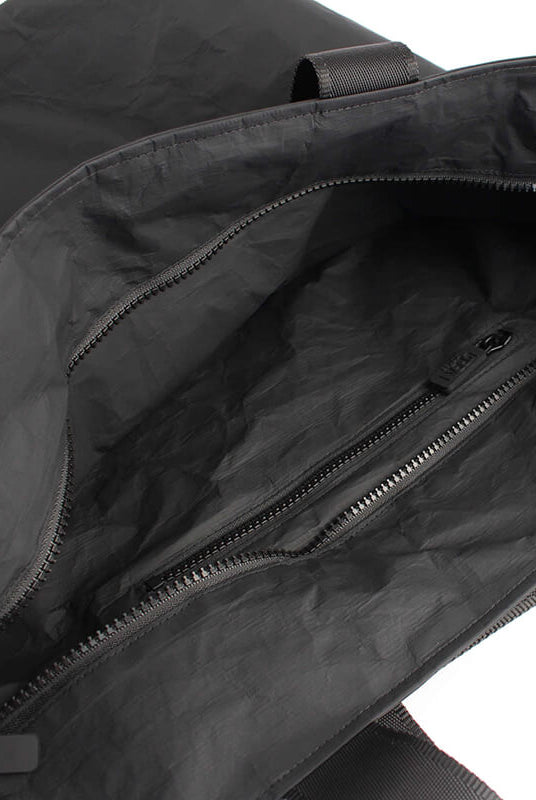
A compartment is a zone with a job. A main section holds the bulky items, while smaller pockets handle the things you reach for on the way out the door. That difference shows up fast in real life. A commuter wants a front pocket for a transit pass. A parent wants a side pocket for wipes. A traveler wants a place for the passport that does not sit under a sweater and a lunch container.
The quickest way to read a bag is to look at how it separates the day's load. A good layout does not treat every opening the same. It gives the bag a few clear jobs, such as keeping a laptop flat, keeping documents from bending, and keeping small items from disappearing into the main cavity. The shape can still stay simple, which is why a well-planned interior often feels easier to use than a bag stuffed with random pockets. For a related look at work carry options, this guide to a work bag with a laptop compartment shows how a protected sleeve changes the way a bag gets used through the day.
A bag with compartments works best when each zone answers one question, what goes here, and how fast do I need it?
That is also why a single bag can feel right for one routine and wrong for another. A visible pocket for a transit card helps a commuter. A padded sleeve helps someone carrying a laptop every day. A separate shoe or wet pocket helps when the bag has to move between the gym, the pool, or a weekend away. The layout matters more than the number of openings because the right pocket in the wrong place still slows you down.
A simple way to read the layout
If you are comparing bags, start with the way the space is divided instead of counting every zipper. A useful layout usually gives you:
- A main cavity for bulkier items like a sweater, lunch, or a packing cube.
- A protected sleeve for anything fragile, flat, or expensive.
- One or two fast-access pockets for the things you reach for constantly.
- A separate zone for items that need isolation, like shoes, wet gear, or documents.
That is the anatomy of a bag with compartments. The point is not to add openings for the sake of it. The point is to decide what lives where, so the bag fits the way you move through the day.

The Features That Actually Change How a Compartmented Bag Performs
A compartmented bag works best when the layout and the build pull in the same direction. A neatly divided interior does little if the bag slumps once you put a laptop, water bottle, and charger inside. A tough shell also misses the point if the pockets sit in awkward places and slow you down at the train gate, gym counter, or office lobby.
The useful test is simple, how does it carry, how does it close, and how does it hold up once the day gets messy?
Materials, weight, and structure
Durability and comfort come from the way the compartments work with the fabric, the reinforcement, and the way weight spreads across the bag. High-wear compartmented bags often use materials such as 1680D ballistic nylon or 1000D Cordura, along with YKK zippers and structured padding. One tactical shoulder bag lists Cordura 1000D, 3D mesh plus polyethylene foam dampeners, and a weight of 1160 g at 29 × 36 × 8 cm, while a tool backpack with compartments is rated for a 10 kg permissible load and 20 L volume (flasharmy.com.ua).
That matters in daily use because every compartment edge becomes a stress point. Stitching, zipper tape, and seam reinforcement keep getting pressed when a lunch box, laptop, shoes, or toiletries shift from one zone to another. If the structure is too soft for that kind of movement, the bag can start failing at the seams long before the shell fabric gives out.
Security, access, and weather
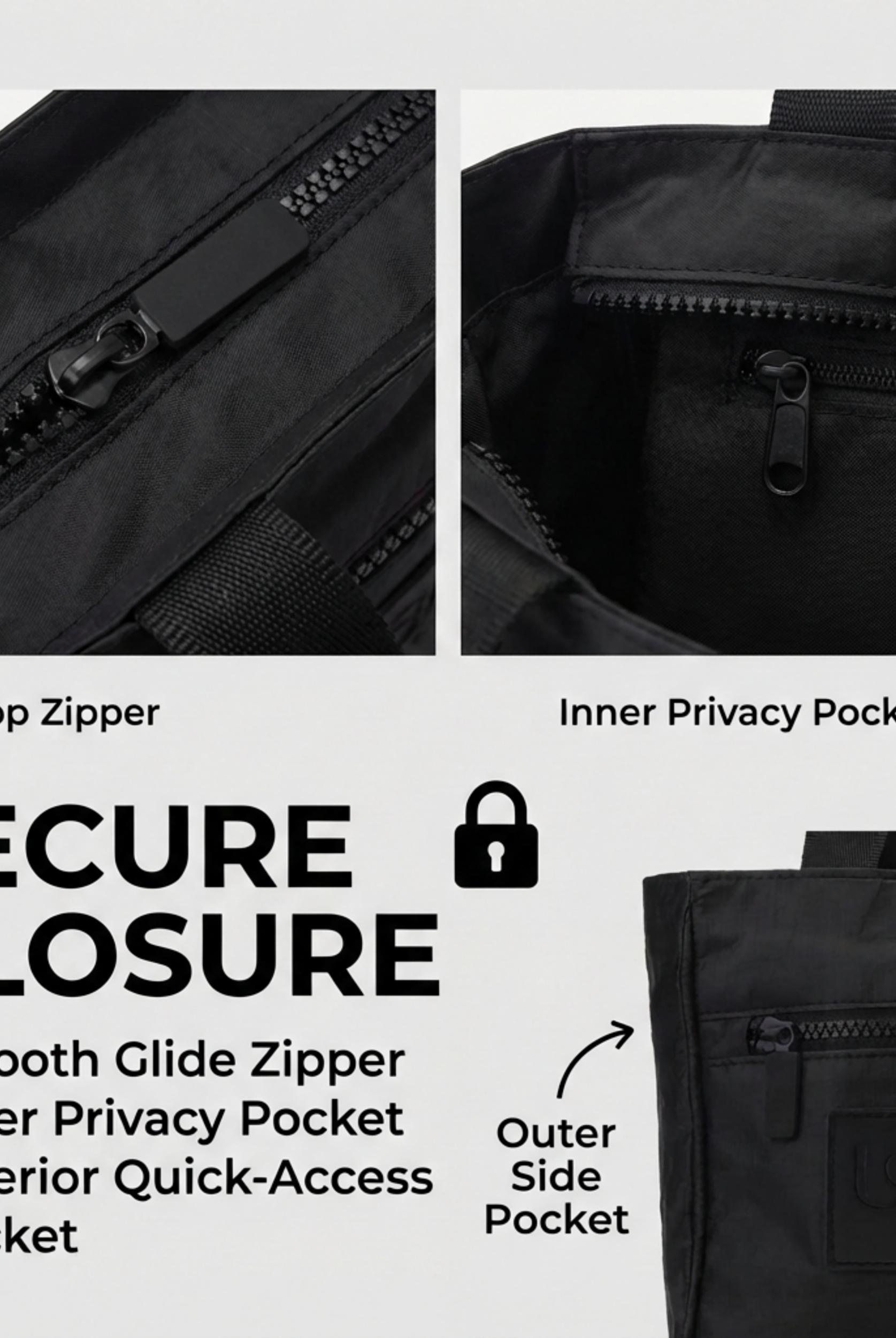
Security works best when it is part of the layout. A bag with organized sections can keep valuables zipped away while still leaving visible or mesh pockets for things you need to check at a glance. That balance matters in a crowded station, airport line, or parking lot, where you want quick access without opening the whole bag every time you reach for a passport, wallet, phone, or keys.
Weather protection belongs in the same conversation. A double-layer or multi-zone bag is often recommended for commuters in rain, frequent travelers, or anyone who needs to separate electronics from personal items, and that extra construction can add cost and weight in exchange for cleaner separation (Alibaba product guidance).
For a practical look at how a water bottle slot changes everyday carry, this bag guide on water bottle holders gives a clear real-world reference. For commuters who also care about bike rides and stop-and-go access, Punk Ride's bag advice is worth a look.
Shopping shortcut: If a bag feels overbuilt where it does not need extra bulk and flimsy where the zippers meet the fabric, the layout may look organized but will age badly.
Matching the Layout to the Way You Actually Live
The right layout depends on what your day looks like. A commuter, a mom, a traveler, a gym-goer, and a student all want “organized,” but they mean very different things. One person needs speed. Another needs separation. Another needs a place for wet gear so the rest of the bag stays usable.
Compartment Layouts by Daily Routine
| User | Top Priority Compartments | What It Solves |
|---|---|---|
| Commuter | Padded laptop bay, phone pocket, transit-card slip | Fast access at work, on trains, and at security checkpoints |
| Mom | Wipes pocket, snack zone, hidden valuables pocket | Keeps kid essentials close and separates small must-haves from the rest |
| Traveler | Shoe compartment, liquids pocket, documents sleeve | Helps keep travel items grouped and easy to pull out |
| Gym-goer | Wet/dry split, side pocket, small organizer | Keeps sweaty gear away from clean clothes and keys |
| Student | Laptop sleeve, pen organizer, water-bottle pocket | Holds class tools where they're easy to find between stops |
A commuter wants a predictable front load. If the laptop lives in a padded bay and the transit card sits in an external slip, the bag opens less often and the day moves faster. A parent needs the same kind of clarity, but with wipes, snacks, and a secure place for small valuables that shouldn't disappear under a pile of toys or receipts.
Travel is different. The bag has to make documents easy to reach, keep shoes away from clean clothes, and give liquids their own place so you aren't unpacking everything at a checkpoint. Gym bags have one job people care about first, keeping damp items separated from dry ones. Students usually need a middle ground, because they're carrying tech, pens, charger cables, and a bottle, often all in one run between buildings.
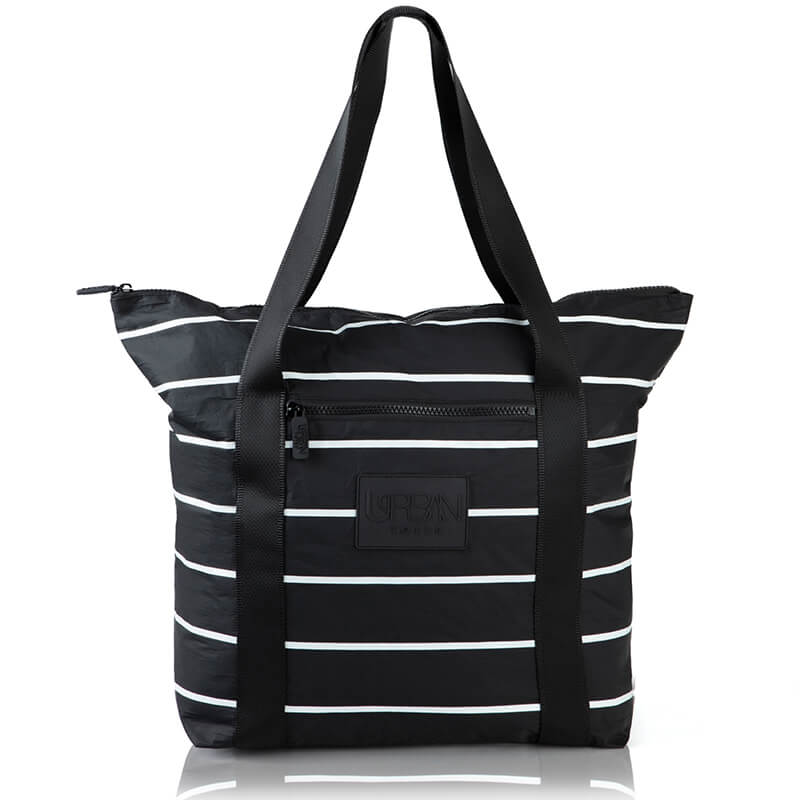
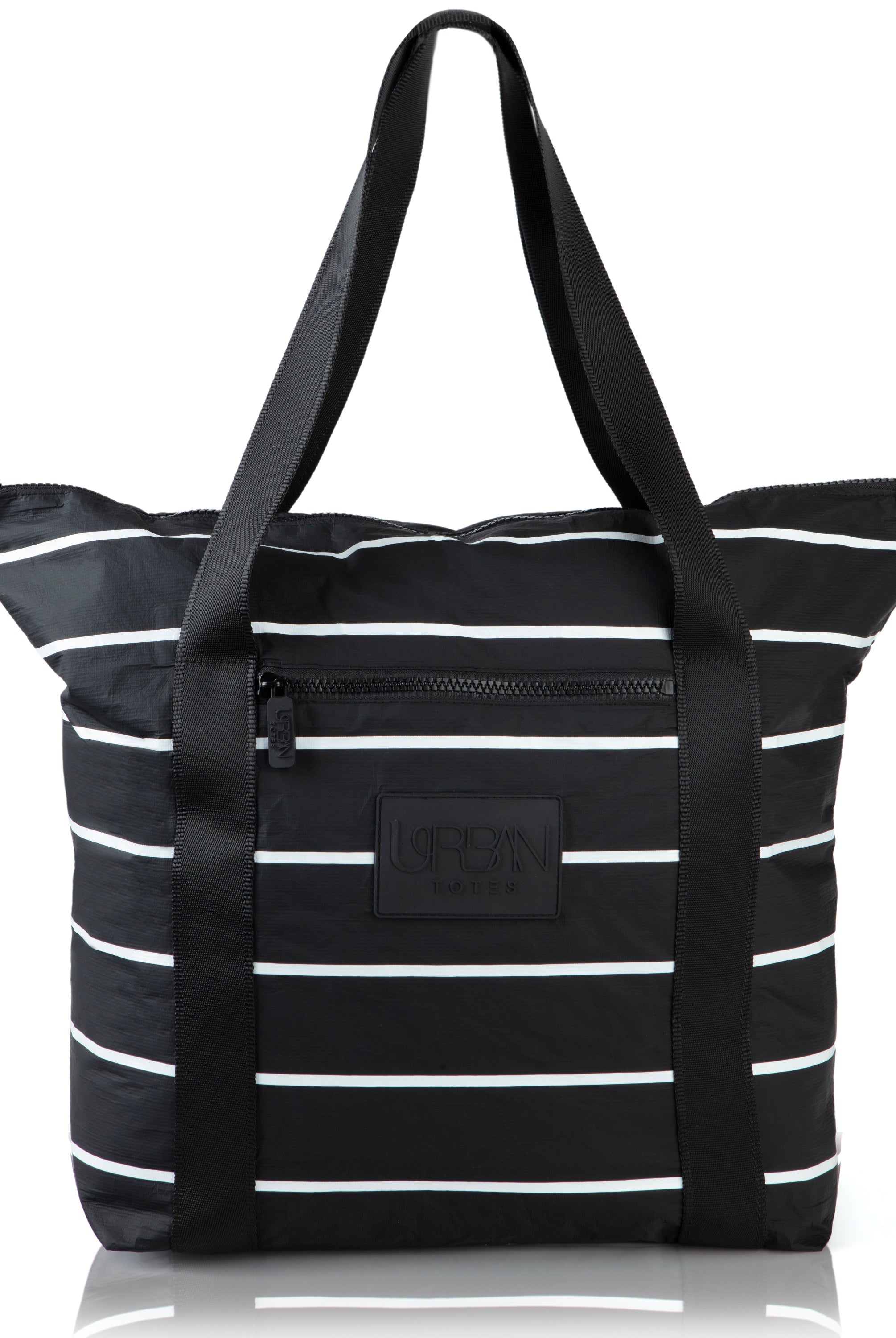
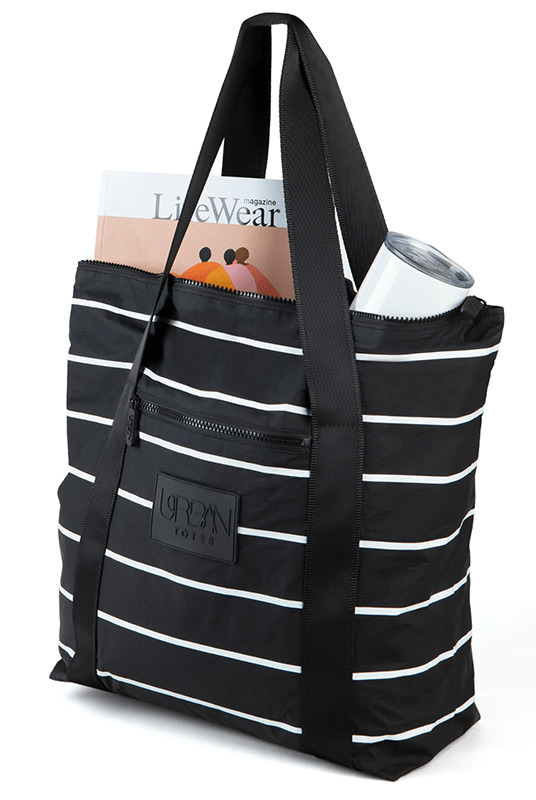
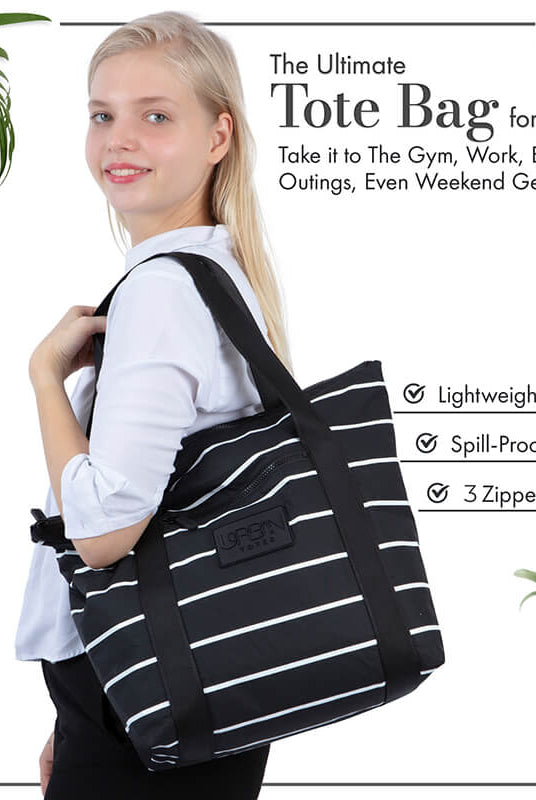
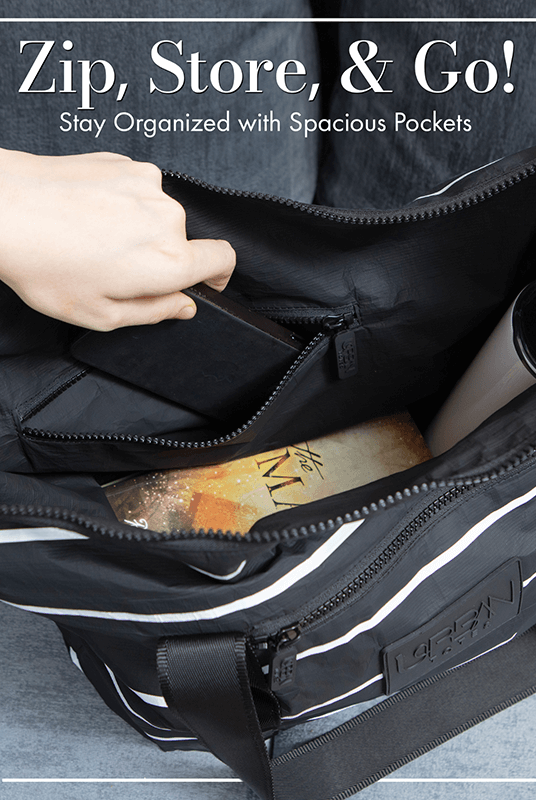
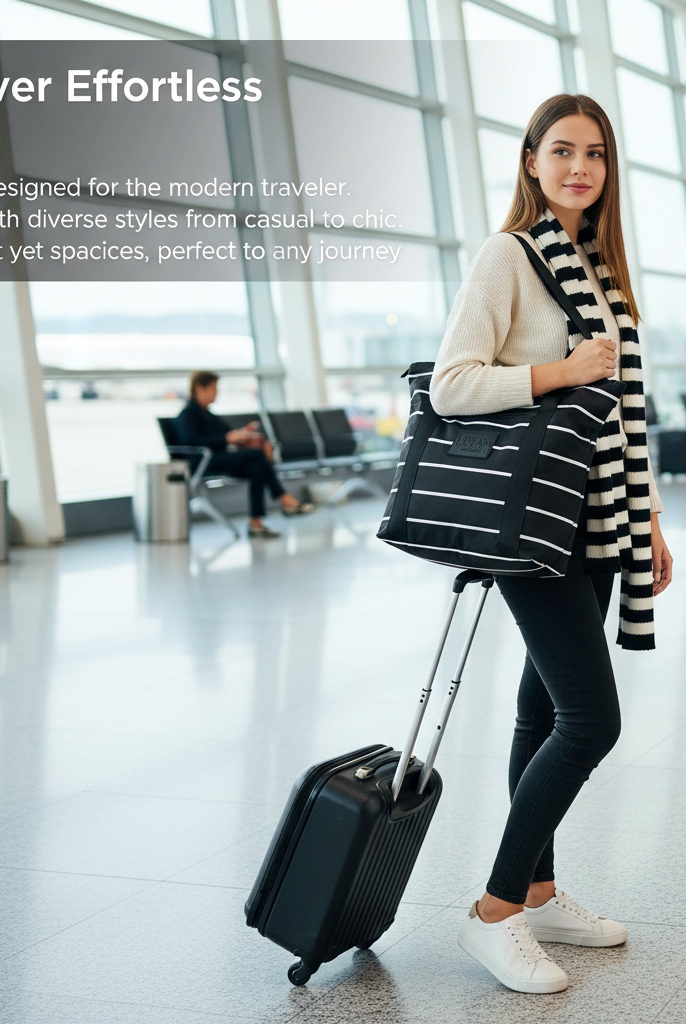
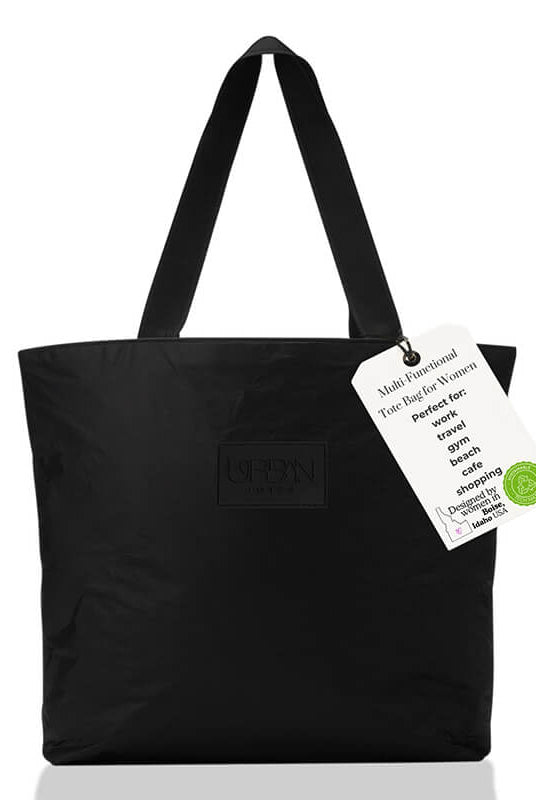
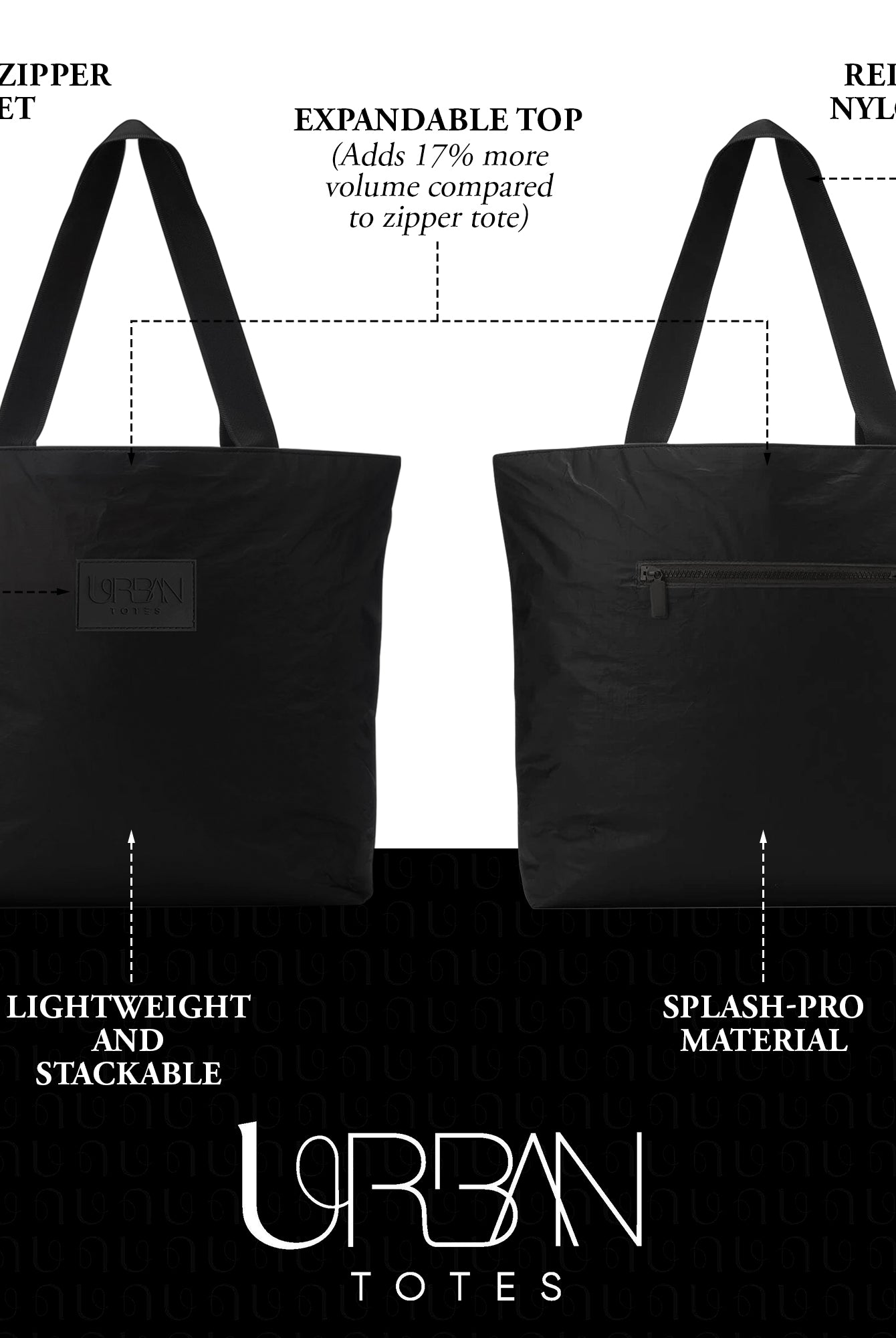
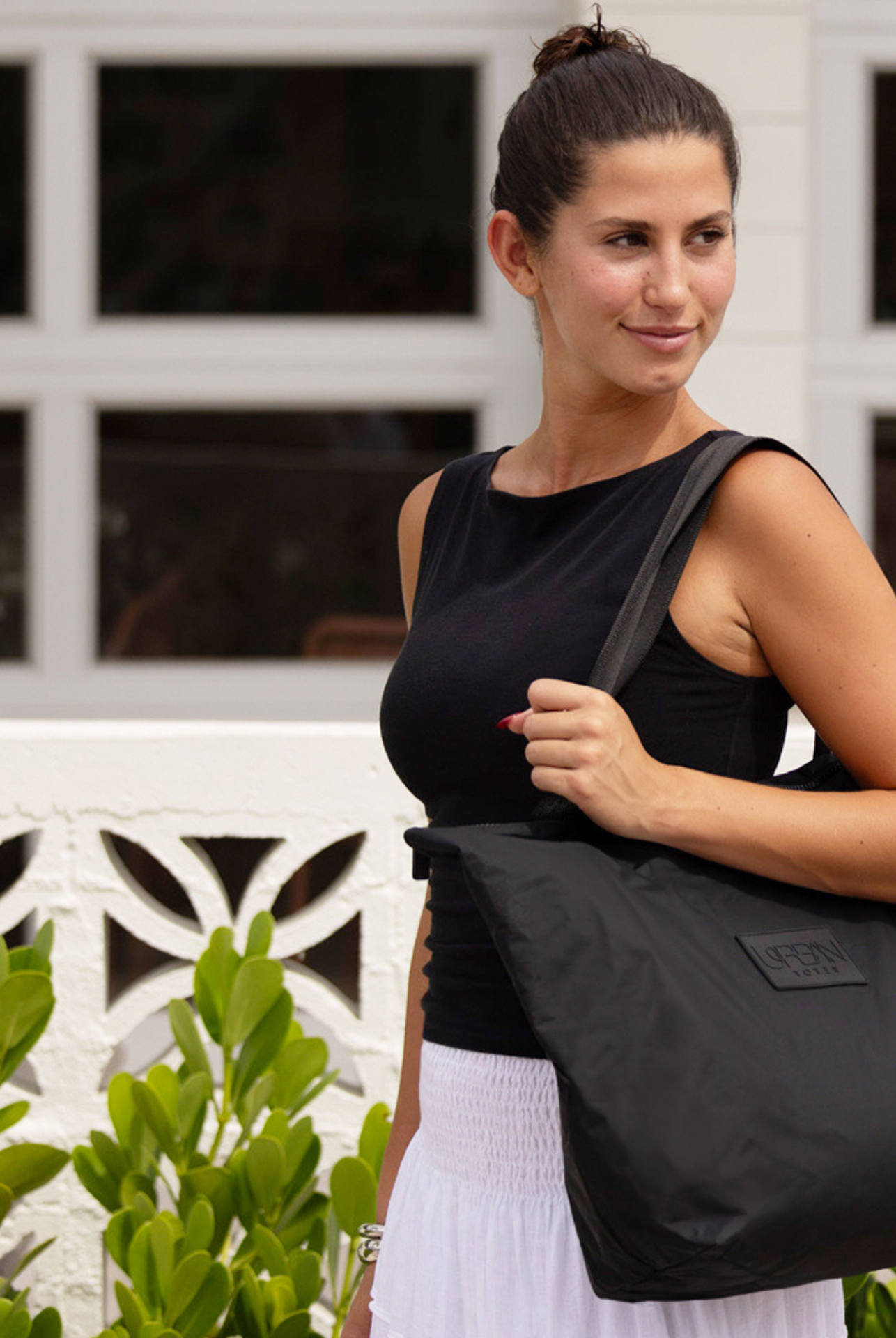
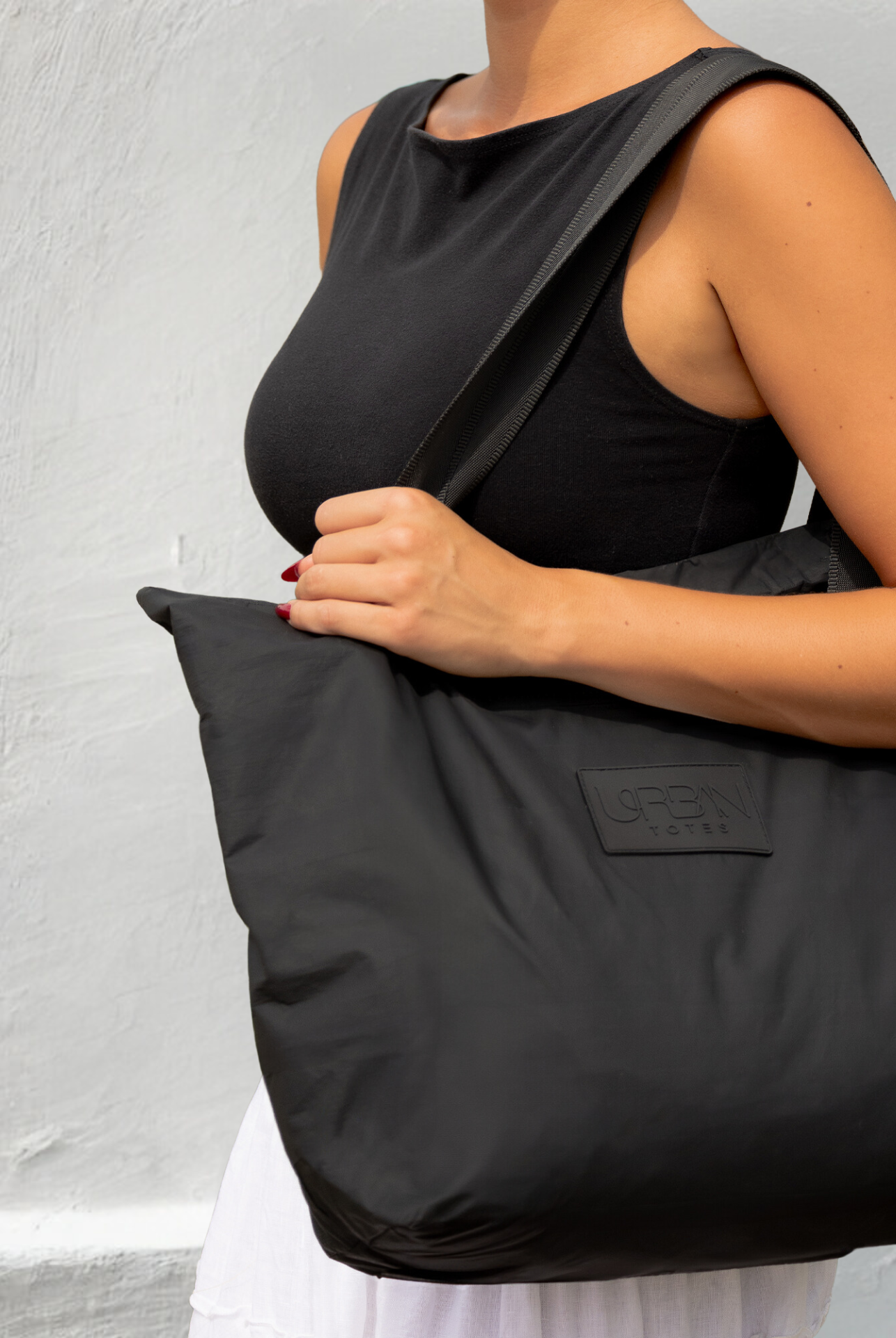
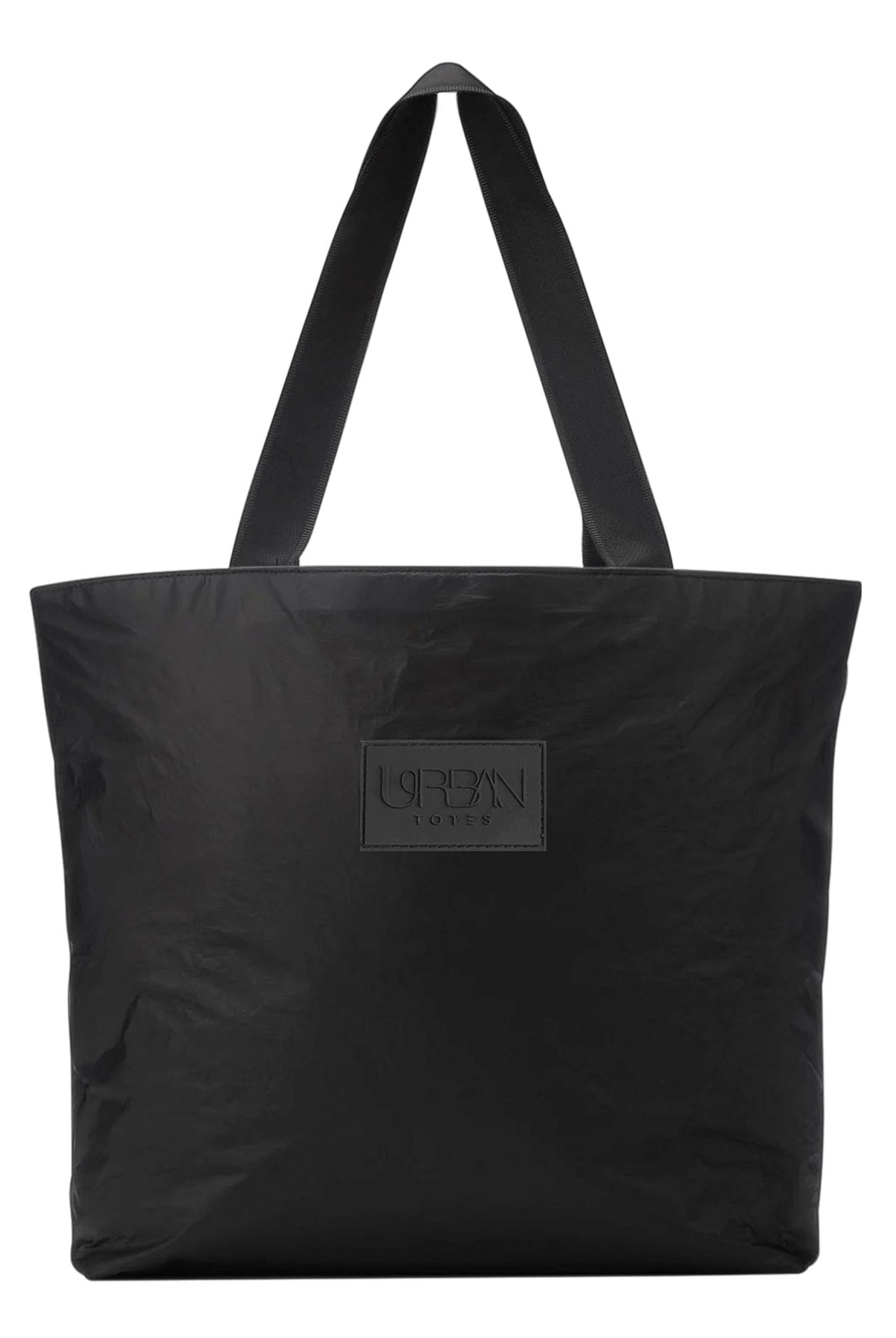
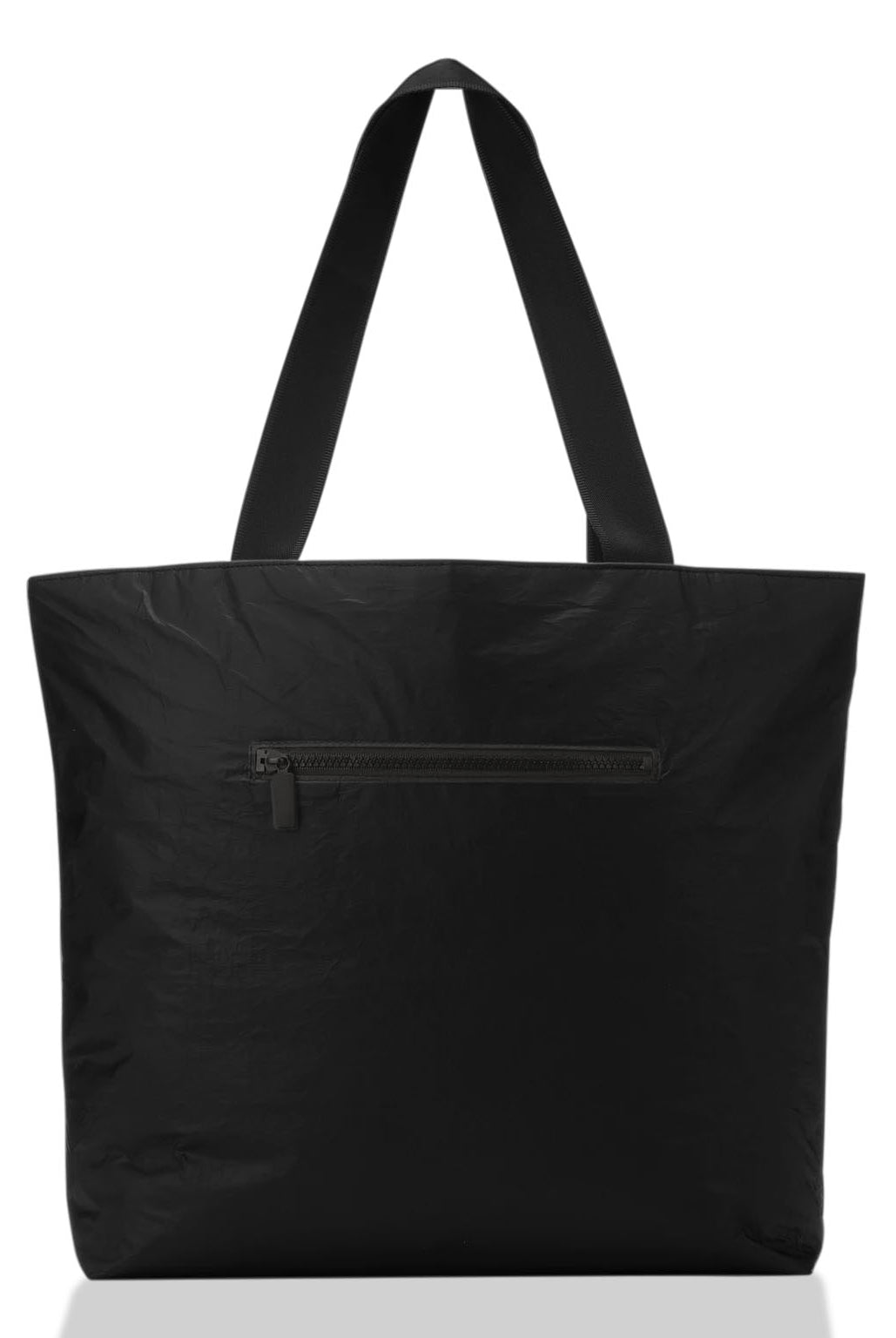
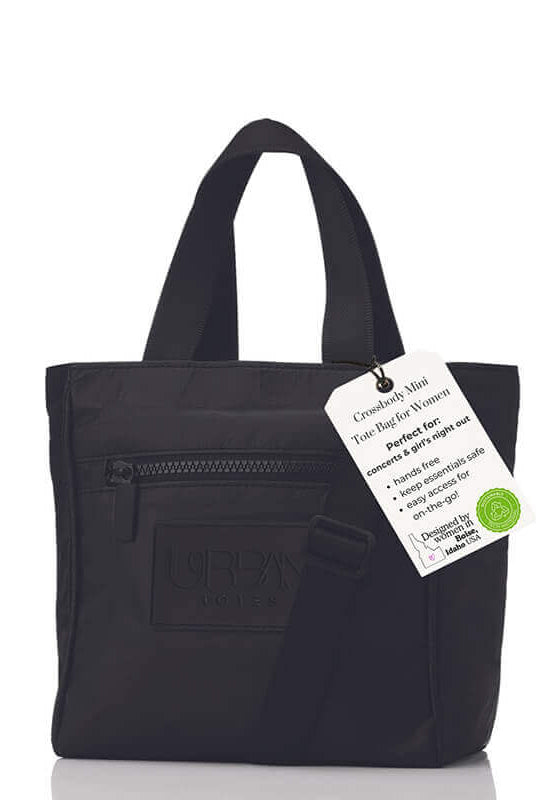
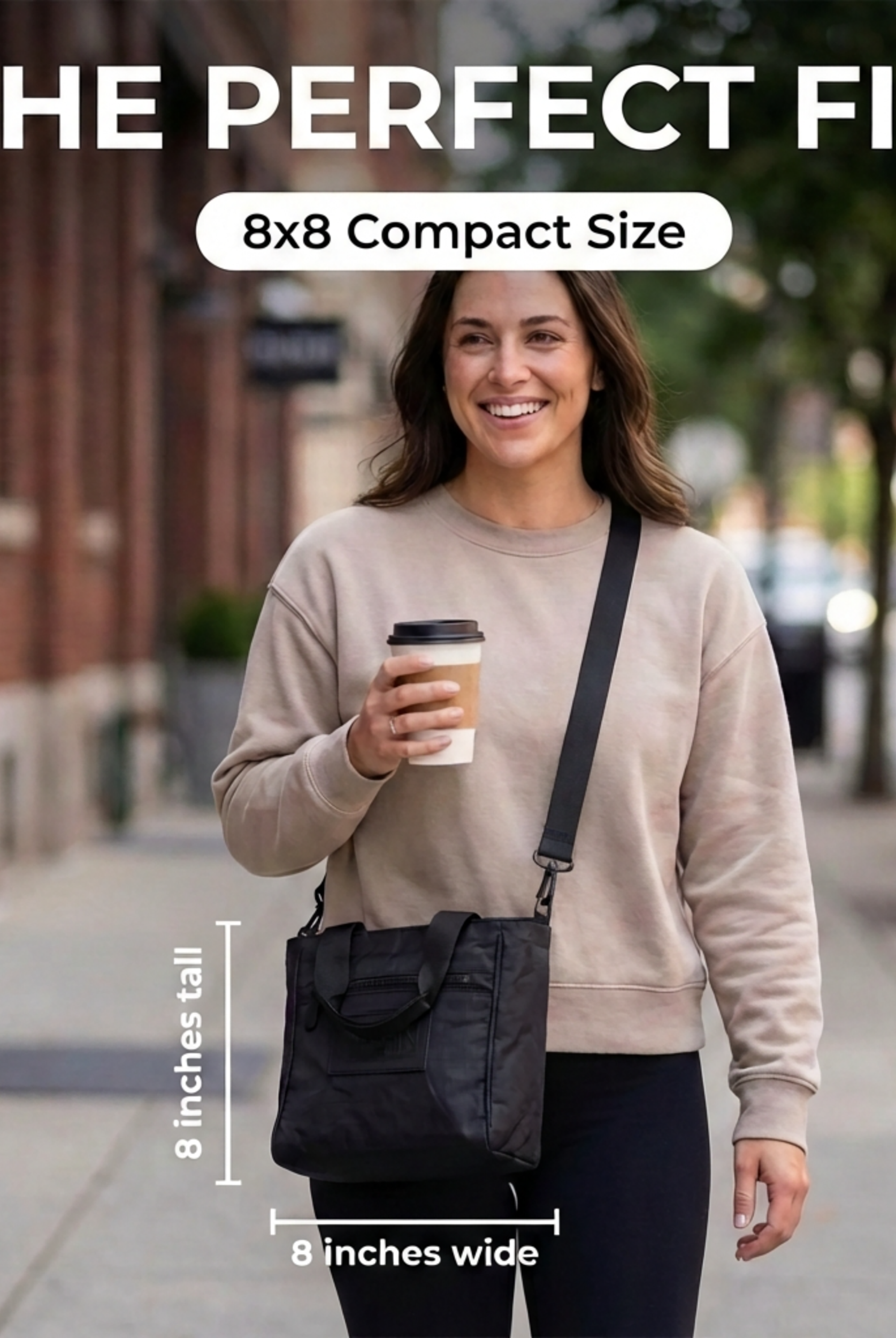
For everyday carry ideas that map neatly to these routines, this guide to bag essentials is worth a look. In Urban Totes' own lineup, styles like the The OG Zipper Tote Bag by Urban Totes pair multiple large pockets, inside and outside zipper pockets, and a lightweight, packable build with the kind of real-life zoning that fits errands, beach days, and quick trips.
Why More Pockets Can Mean More Chaos
More pockets sound helpful until you start using them every day. Then the tiny pockets become hiding places, and the bag turns into a puzzle with too many pieces. Carryology's bag guidance notes that internal pockets only help when they're intuitive and visible, and bags with more than seven tiny pockets can become cluttered rather than organized (Carryology).
When quantity gets in the way
A lot of shoppers confuse pocket count with usability. A bag can look clever on a product page and still force you to open three compartments before you find your charger. The problem isn't pockets themselves, it's pockets that don't match the way you move through the day.
Rule of thumb: If every pocket needs a memory test, the bag is doing too much.
That's why clear zones usually beat a maze of tiny spaces. One pocket for valuables, one sleeve for tech, one quick-access zone for daily items, that's often enough. Once you add too many narrow sections, you can end up with forgotten lip balm, crushed receipts, and odd little gaps where nothing fits neatly.
Usable layout beats pocket bragging
A good bag with compartments feels obvious once you start packing it. Phone here. Keys there. Sunglasses in the spot you can reach without dumping the whole bag. The interior should help you remember where things belong instead of giving you a dozen places to lose them.
Raw features matter less than everyday behavior. A shopper doesn't need the most pockets. She needs the fewest frustrating ones, arranged well enough that she can get to what matters without slowing down.
Packing, Assigning, and Caring for Your Compartments
The easiest way to keep a compartmented bag organized is to assign each zone before the bag starts filling up. Put the phone in the exterior slip, the laptop in the padded sleeve, snacks in a washable pocket, and wet items in a dedicated side space if the bag has one. Then stop changing the system every time you repack, because inconsistency is what turns a good layout back into clutter.
For family and trip prep, the ultimate family travel packing list can help you decide what deserves a spot in the bag instead of getting tossed in at the last minute.
Keep the system easy to reset
A weekly reset keeps the bag from drifting back into chaos. Empty the crumb catcher items, move receipts out, check chargers, and put the most-used things back in the same zones. That small reset matters because the bag works best when your habits support the layout.
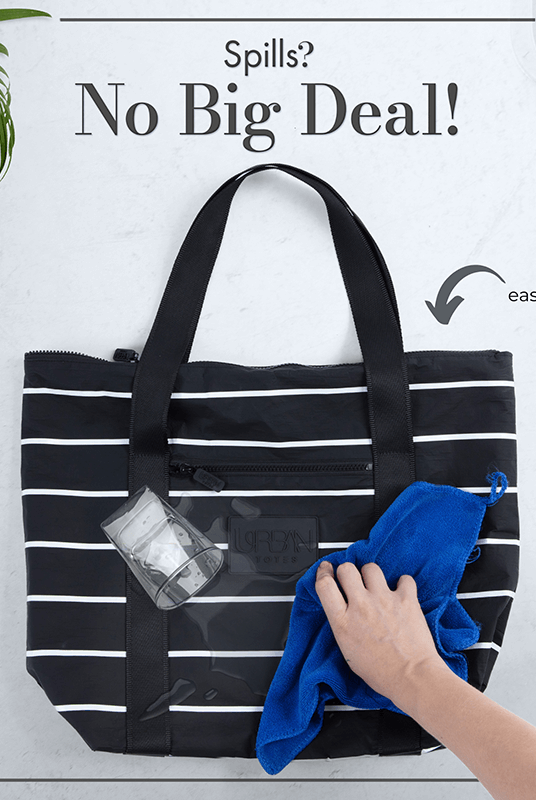
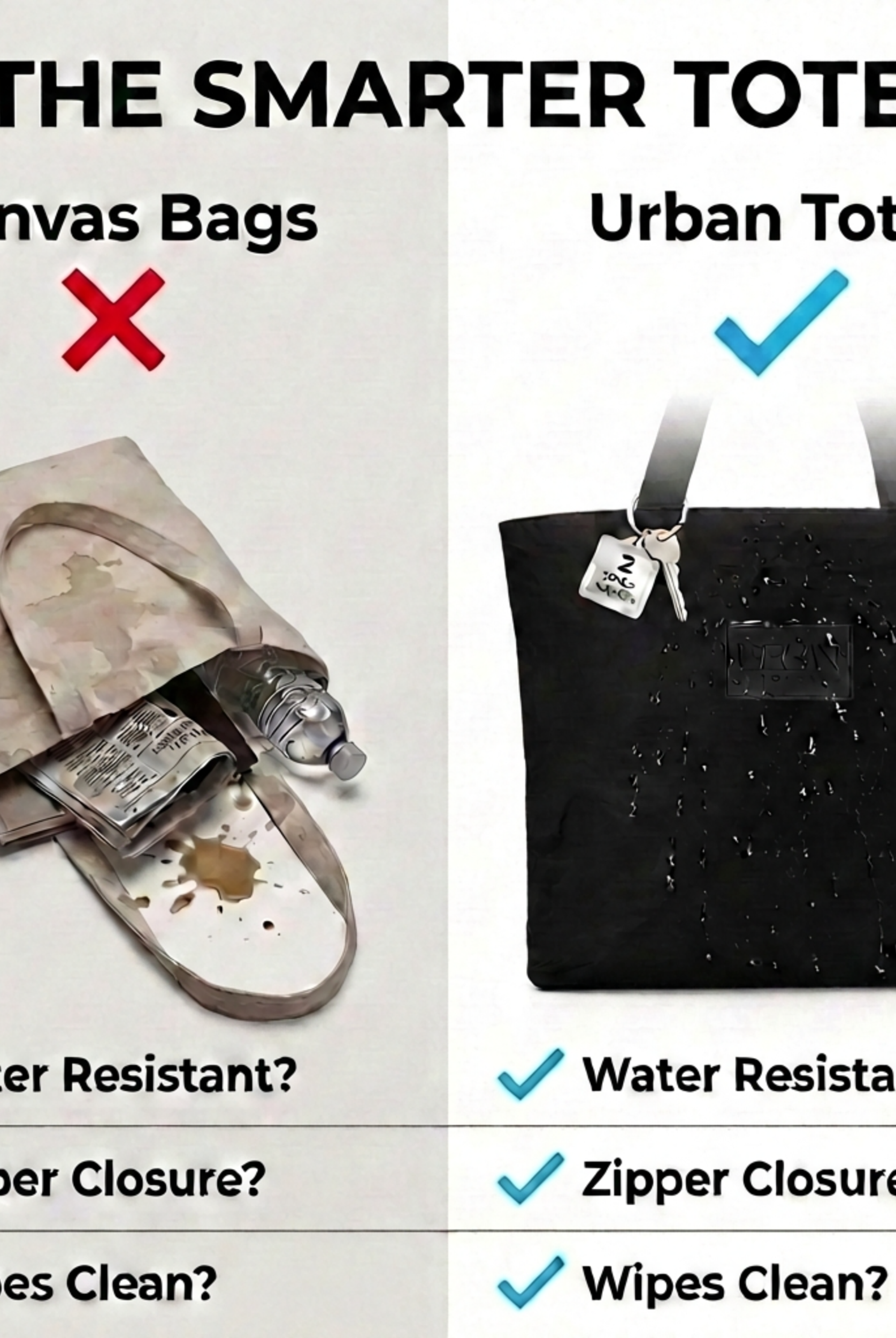
For care, Urban Totes' own product positioning emphasizes water-resistant surfaces, easy cleaning, and packable convenience, so the maintenance routine stays simple. Wipe down the exterior after spills, and if the bag is machine-washable, clean it the way the care label says so the compartments stay usable over time. For packing a travel setup, this guide to packing cubes pairs well with a compartmented tote or weekender because cubes keep the interior from turning into one loose pile.
A bag stays organized when the zones are easy to remember and easy to clean.
Choosing Your Go-Anywhere Bag With Confidence
The next time you shop, ask three questions. What do I carry every single day? What do I carry once a week? What do I only need occasionally? Those answers tell you whether you need a padded sleeve, a quick-access pocket, a wet/dry split, or just one clean main space with a few smart zones.
If your routine is commuter-heavy, look for a bag that protects tech and lets you reach small items fast. If you're packing for kids, travel, or the gym, separate zones matter more because they keep unrelated items from colliding. If you're mostly carrying a simple daily load, fewer but better-placed compartments usually beat a crowded interior.
That's the difference between a bag that looks organized and one that feels organized. One is about features. The other is about whether your morning, your commute, and your errands feel a little smoother.
If you want a go-anywhere bag that's built around everyday zoning instead of pocket clutter, explore the lightweight, water-resistant, packable, and foldable styles at Urban Totes. You'll find bags made for real routines, from school drop-off to airport terminals, with compartments that help you tote everything without the daily scramble.