You know that moment when the tote is on the floor by the door, the flight's in six hours, and somebody's asking where the charger, the sandals, or the tiny bag of snacks ended up? That's usually the point where packing stops being about “fitting things in” and starts being about having a system. Learning how to pack with packing cubes is less about buying a gadget and more about giving your bag a repeatable layout that doesn't fall apart the second you get busy.
The difference shows up fast. Regular cubes can save about 10-15% of suitcase space, and compression cubes can save 20-50% for soft, bulky clothing like sweaters or T-shirts, according to travel guidance from CarryCubes. But the bigger win is usually mental. You stop stacking loose clothes, start sorting by category, and spend less time digging through a bag that looked packed but never really looked organized.

If you've ever packed a weekender the night before a beach trip, or tried to re-pack for a return flight while a kid is hunting for shoes, cubes feel less like a travel trend and more like a quiet upgrade. They also play nicely with other travel setups, including pet travel prep, where Passpaw's pet carrier guide shows how much easier a trip gets when the gear has a clear place. For a broader suitcase reset, Urban Totes also has a helpful packing suitscases tips guide that pairs well with this approach.
Table of Contents
- Why Packing Cubes Actually Change the Way You Travel
- Choosing Cube Sizes That Fit Your Bag
- Folding vs Rolling and What Goes in Each Cube
- Packing Each Cube the Right Way
- Setting Up Cubes Inside a Tote or Carry-On
- Trip-Ready Packing Templates You Can Steal
- Care Access Speed and Making the System Last
Why Packing Cubes Actually Change the Way You Travel
Packing cubes change the bag, but they also change the routine. Instead of dropping clothes into one open cavity and hoping for the best, you create small zones that stay readable. That matters on the way out and on the way home, because a bag that opens cleanly is easier to live with.
The benefit is structure
The best cubes do not create space out of nowhere. They compress loose packing into a shape you can manage, which is why even a modest space gain matters so much in a carry-on or tote. Travel guidance notes that regular cubes often deliver that 10-15% space improvement through better structure, while compression cubes do more for soft, bulky items when the fabric cooperates.
Practical rule: pack for visibility first, then pack for fit.
That is the part people miss when they treat cubes like a miracle product. They are a modular system, one that makes shirts, bottoms, underwear, accessories, and toiletries easier to separate, easier to repack, and easier to spot at a glance. For a broader suitcase reset, Urban Totes' packing suitcases tips guide follows the same logic, keep the bag calm, not chaotic.
Why the habit sticks
Cubes became mainstream in the 2010s for a simple reason, they fit the way people travel now. Carry-on-only trips, weekend hops, and mixed-purpose bags reward modular packing more than loose stacking ever did. That is also why organizer-led guidance, including the approach described by Condé Nast Traveler, keeps returning to the same point, sort by type first, then assign cubes by category.
A bag feels different when each cube has a job. One cube for tops, one for bottoms, one for underwear, one for chargers, and suddenly the whole interior makes sense. That is the shift, stop treating the suitcase like a single pile and start treating it like a set of drawers.
If you have ever packed a beach weekend the night before, or repacked while a kid is looking for shoes, that structure is what saves time. It also holds up in real life, whether you are using a carry-on, a school-drop-off tote, or a bag built around a pet travel setup like Passpaw's pet carrier guide.
Choosing Cube Sizes That Fit Your Bag
The easiest way to get packing cubes wrong is to buy a random set and hope it matches your bag later. It usually doesn't. The smarter move is to size cubes to the actual footprint of your tote, carry-on, or weekender, so the system fits the bag instead of forcing dead air into the corners.
Use a three-size core
A practical setup starts with large, medium, and small cubes. One guide recommends roughly 13-15 liters for large cubes, 9-11 liters for medium cubes, and 5-7 liters for small cubes, then matching those volumes to the luggage rather than guessing at a starter kit. For a 40-liter carry-on, a 14L + 10L + 6L combination gives a clean structure, and a 50L+ bag can add a fourth cube around 12L from the same sizing logic Traveldiaryy.
| Bag Type | Cube Combo (approx.) | Best Use |
|---|---|---|
| Small tote or weekender | 10L + 6L | One or two outfits, intimates, charger, slim toiletries |
| 40L carry-on | 14L + 10L + 6L | A balanced trip setup with room for layers and accessories |
| 50L+ bag | 14L + 12L + 10L + 6L | Longer trips, bulkier clothing, more separation |
| Smaller tote interior | Fewer, flatter cubes | Keep corners clear, avoid fighting the shape |
The rule is simple, fill the footprint without clogging the seams. Too many cubes can make the bag less efficient, especially in compact interiors where every edge matters. That's why a single tote often works better with two or three cubes than with a pile of tiny ones.
Match the bag before you match the wardrobe
For tote-style packing, geometry matters more than habit. A structured tote with a zipper closure can handle cubes differently than a narrow carry-on, and a bag with compartments lets you split valuables, clothes, and quick-grab items instead of stacking everything in one tower. The travelling with pets guide is a useful reminder of the same principle, travel goes smoother when each item has a fixed place.
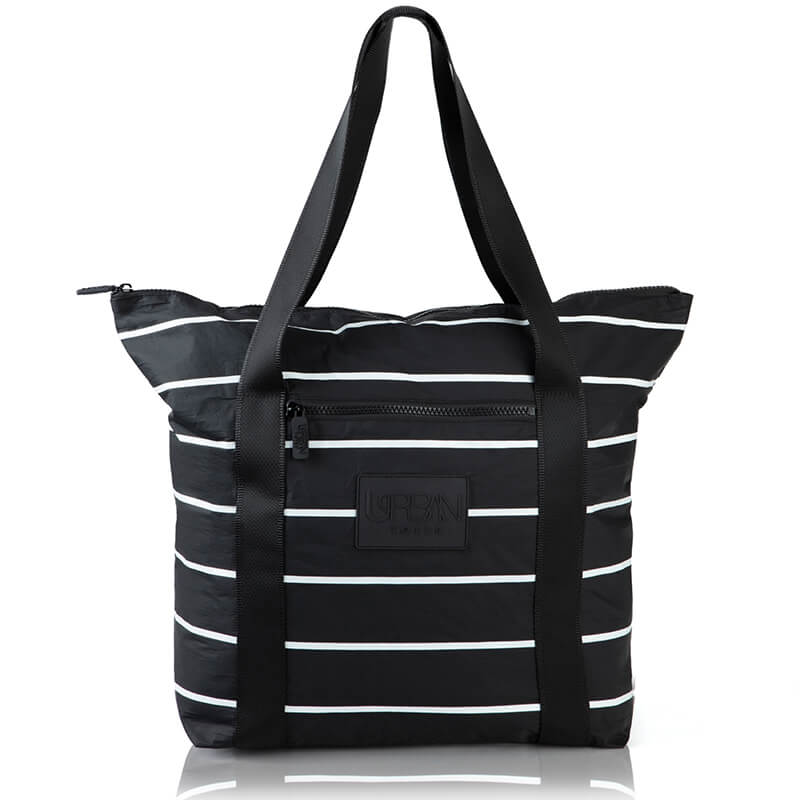
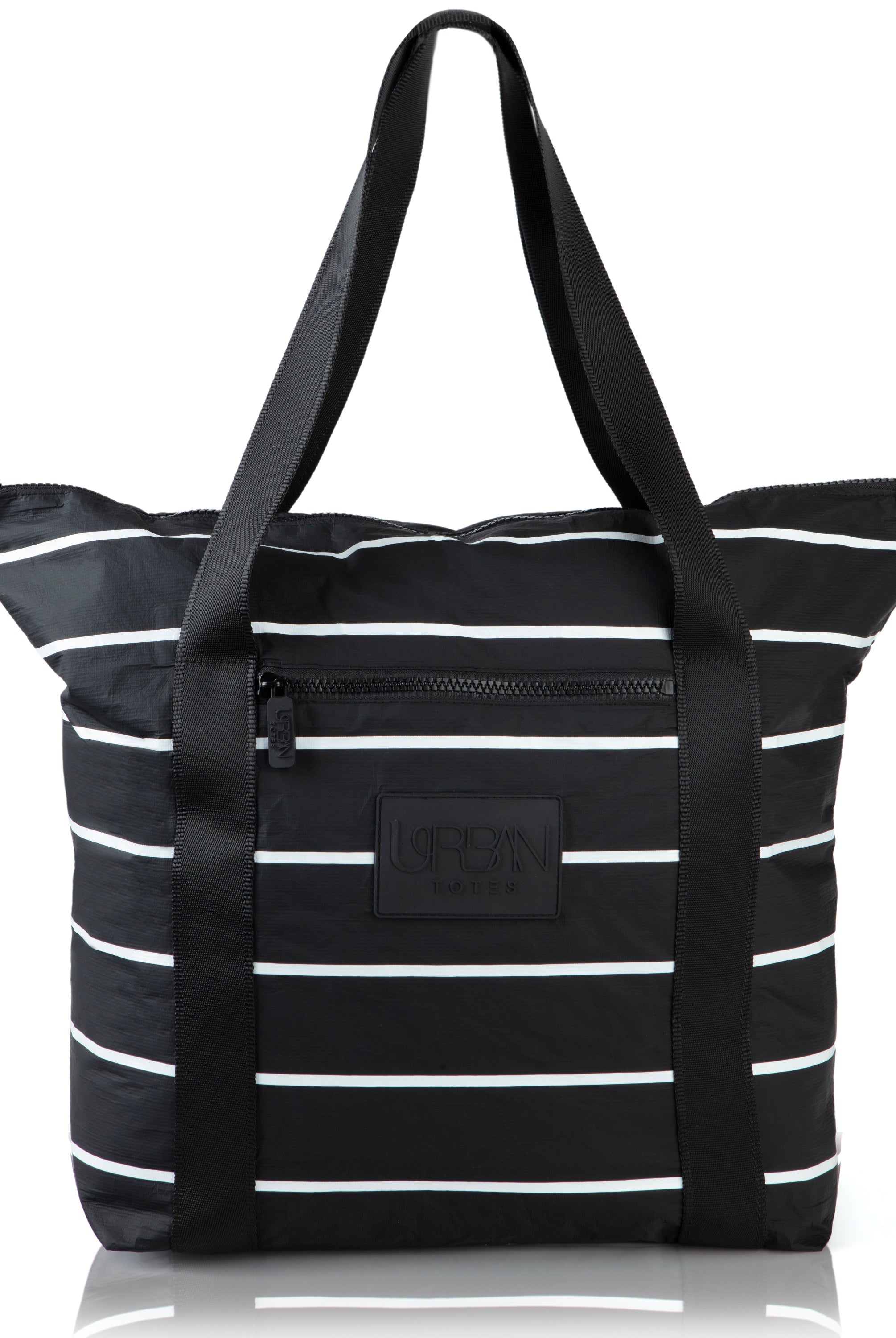
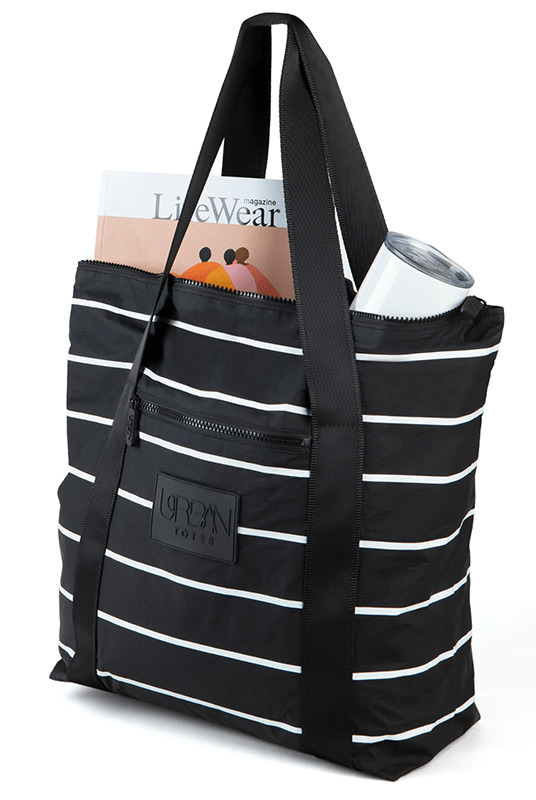
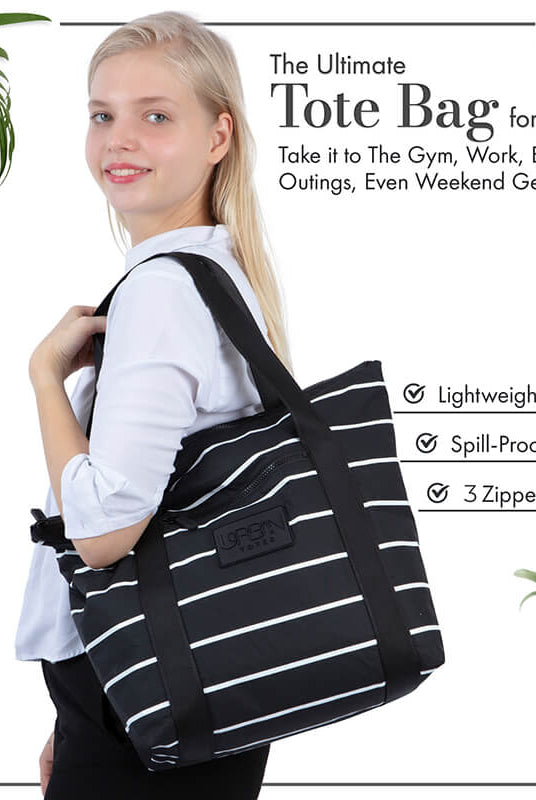
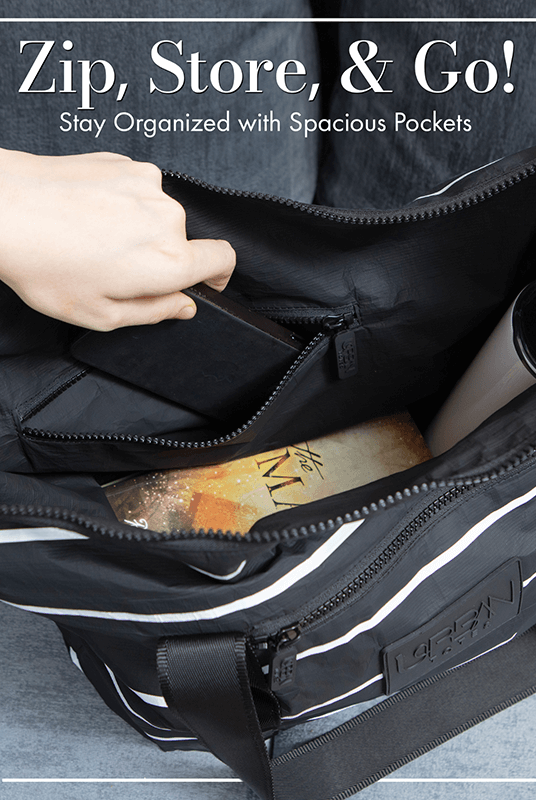
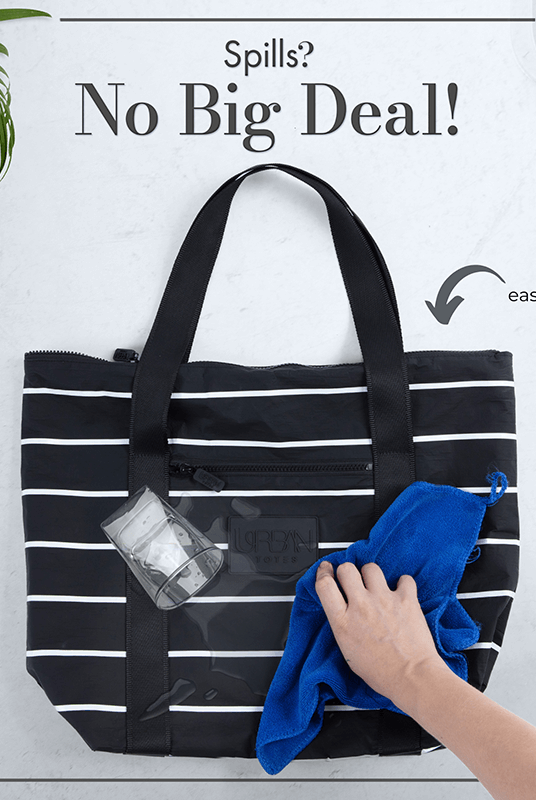
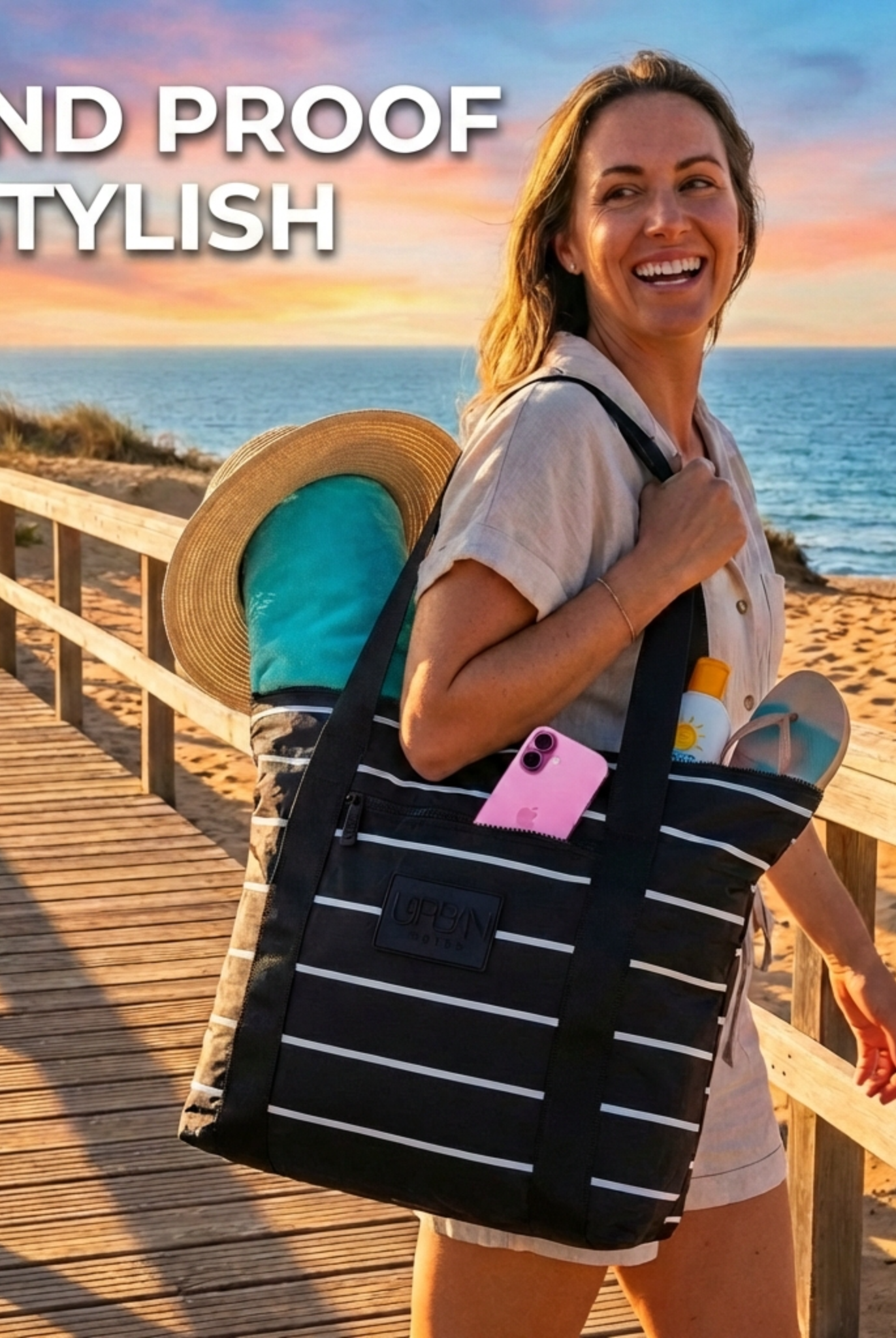
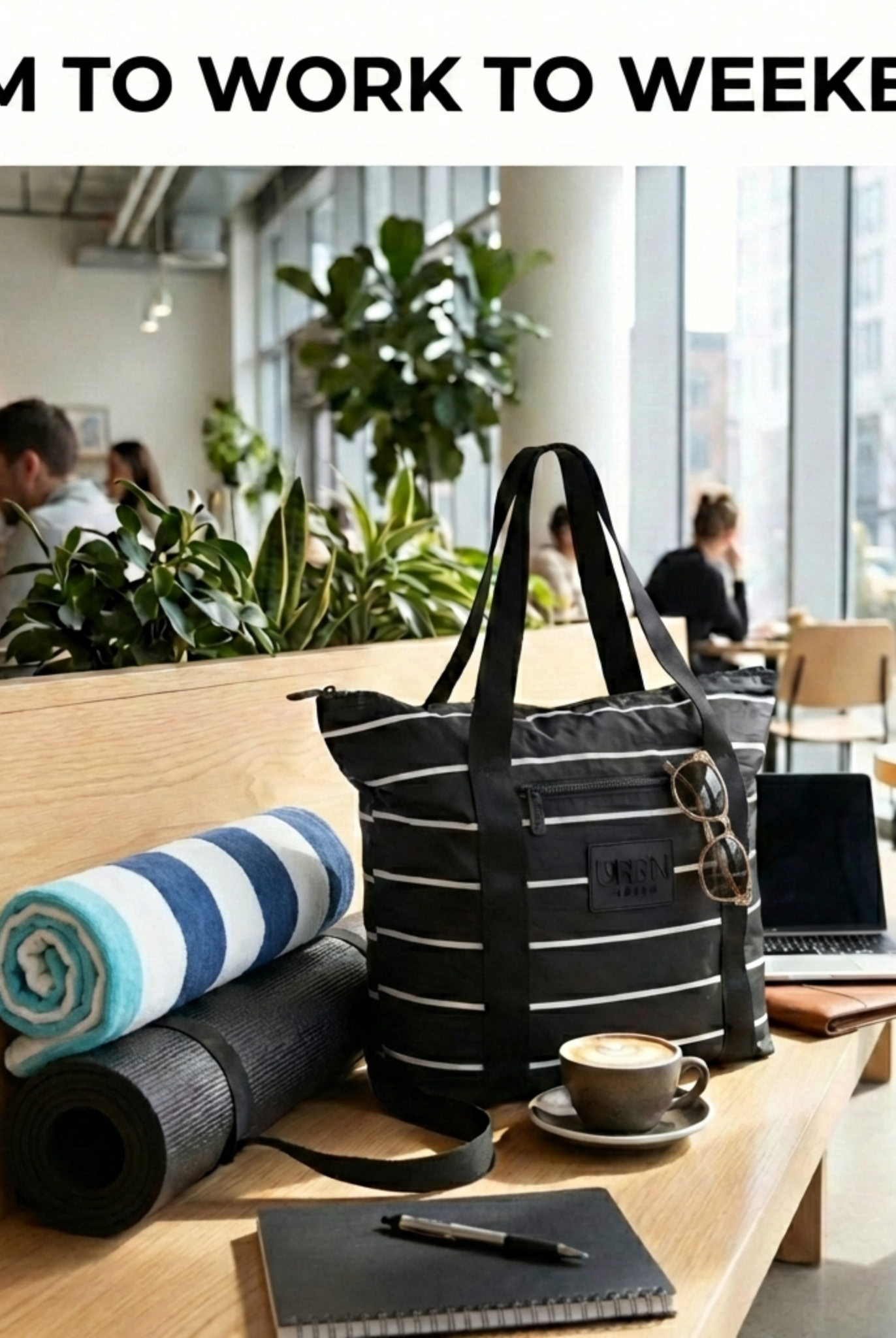
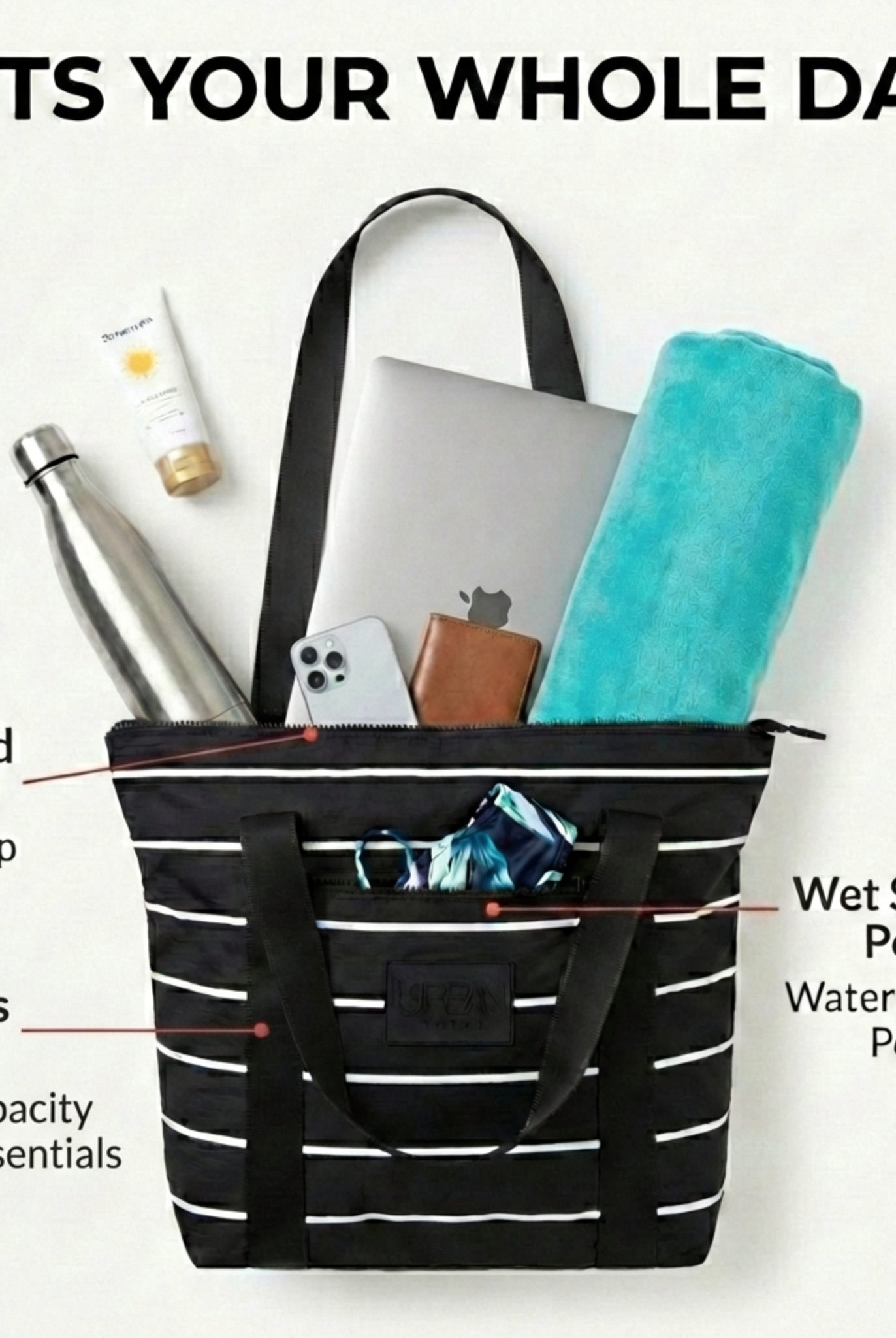
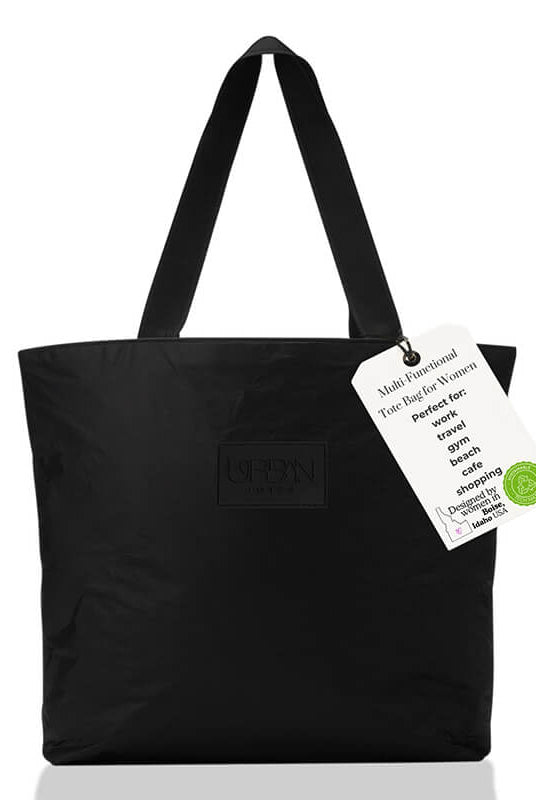
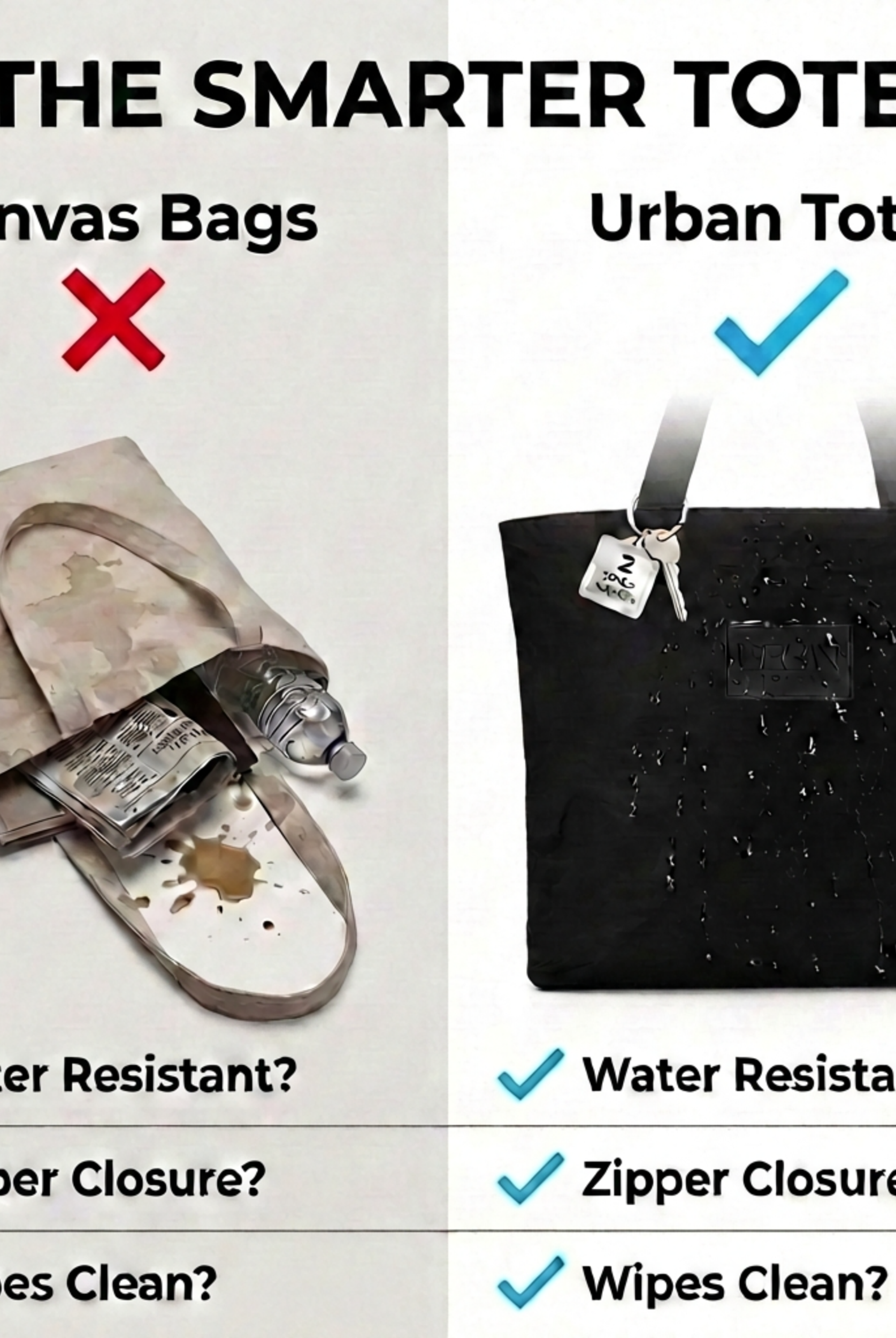
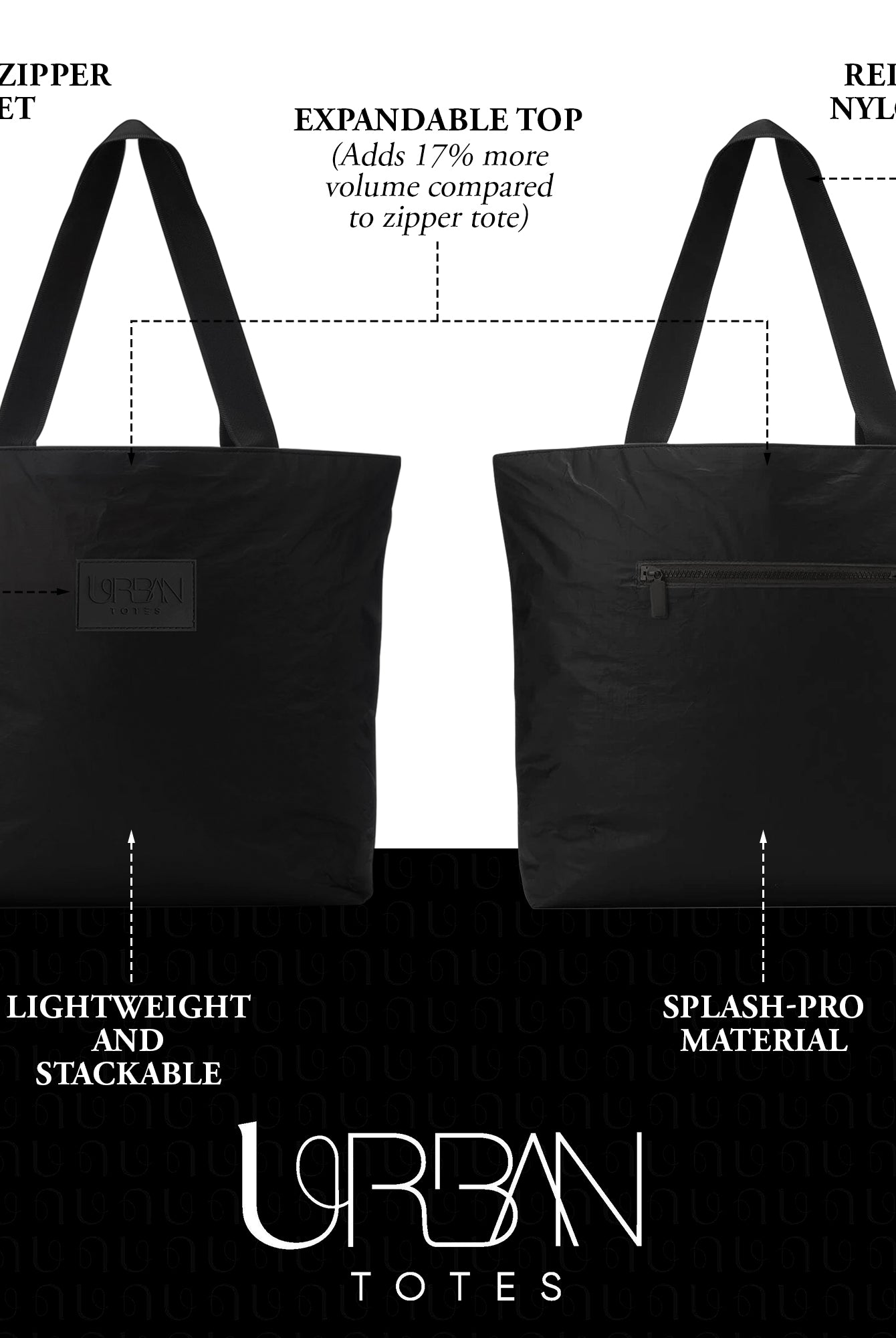
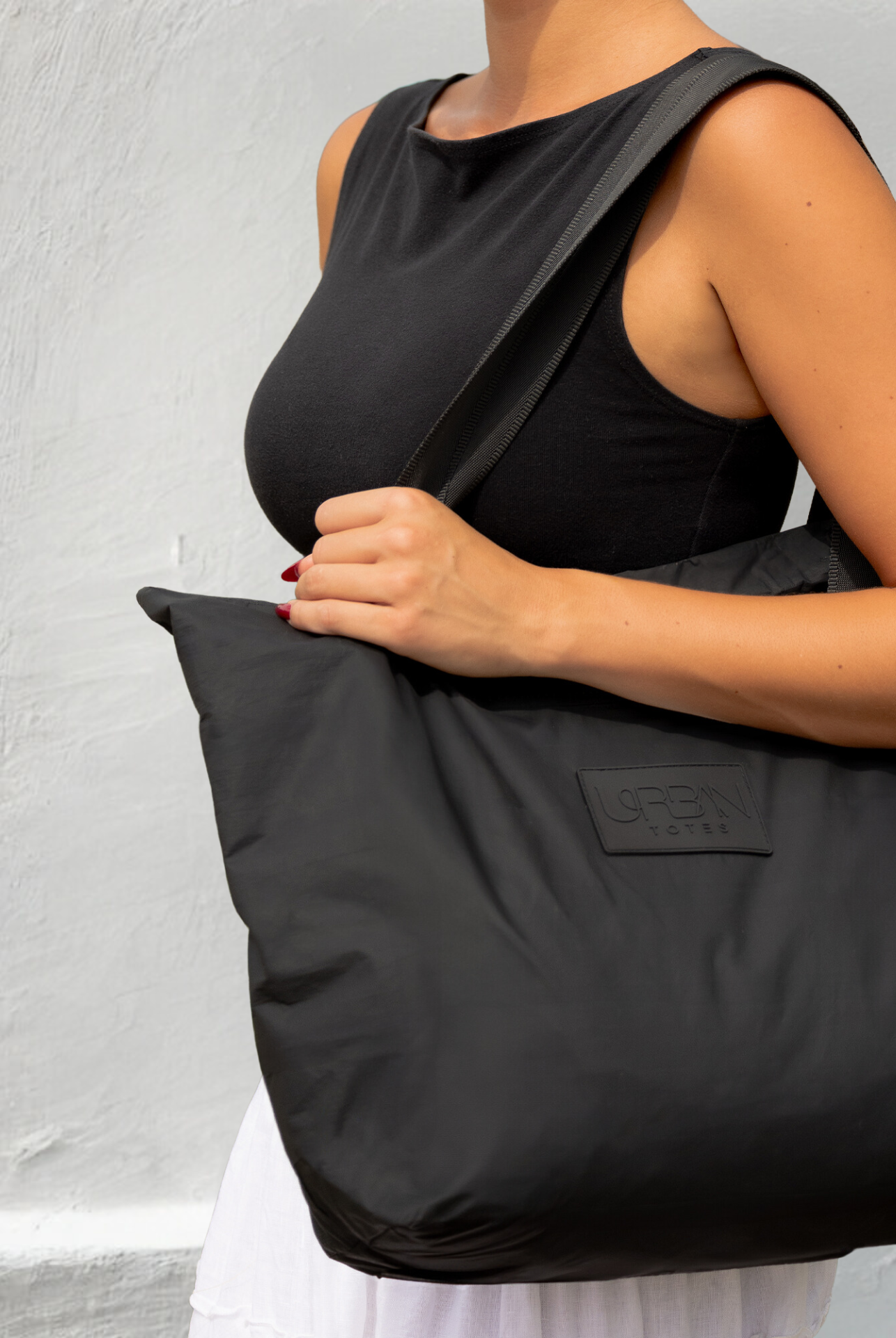
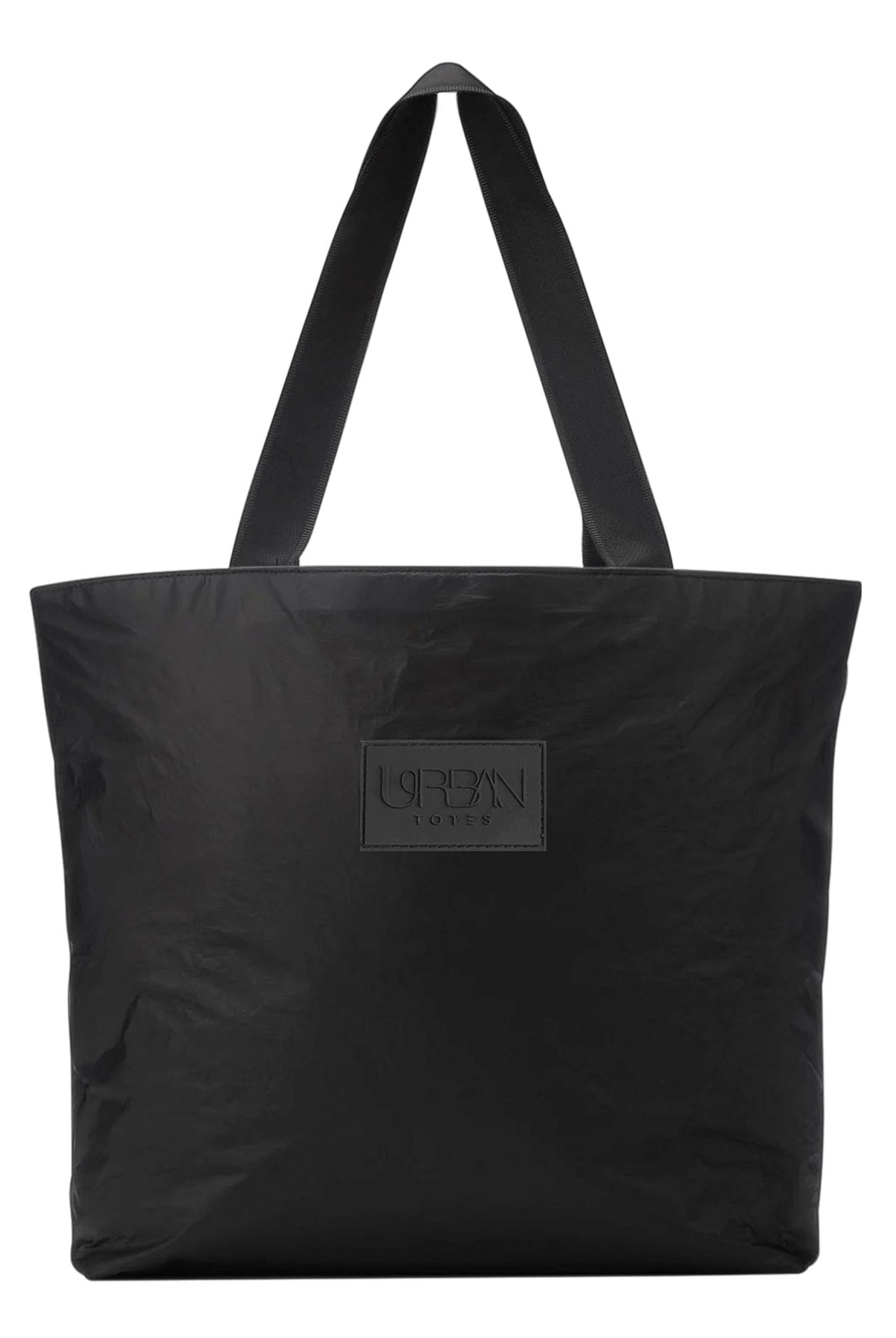
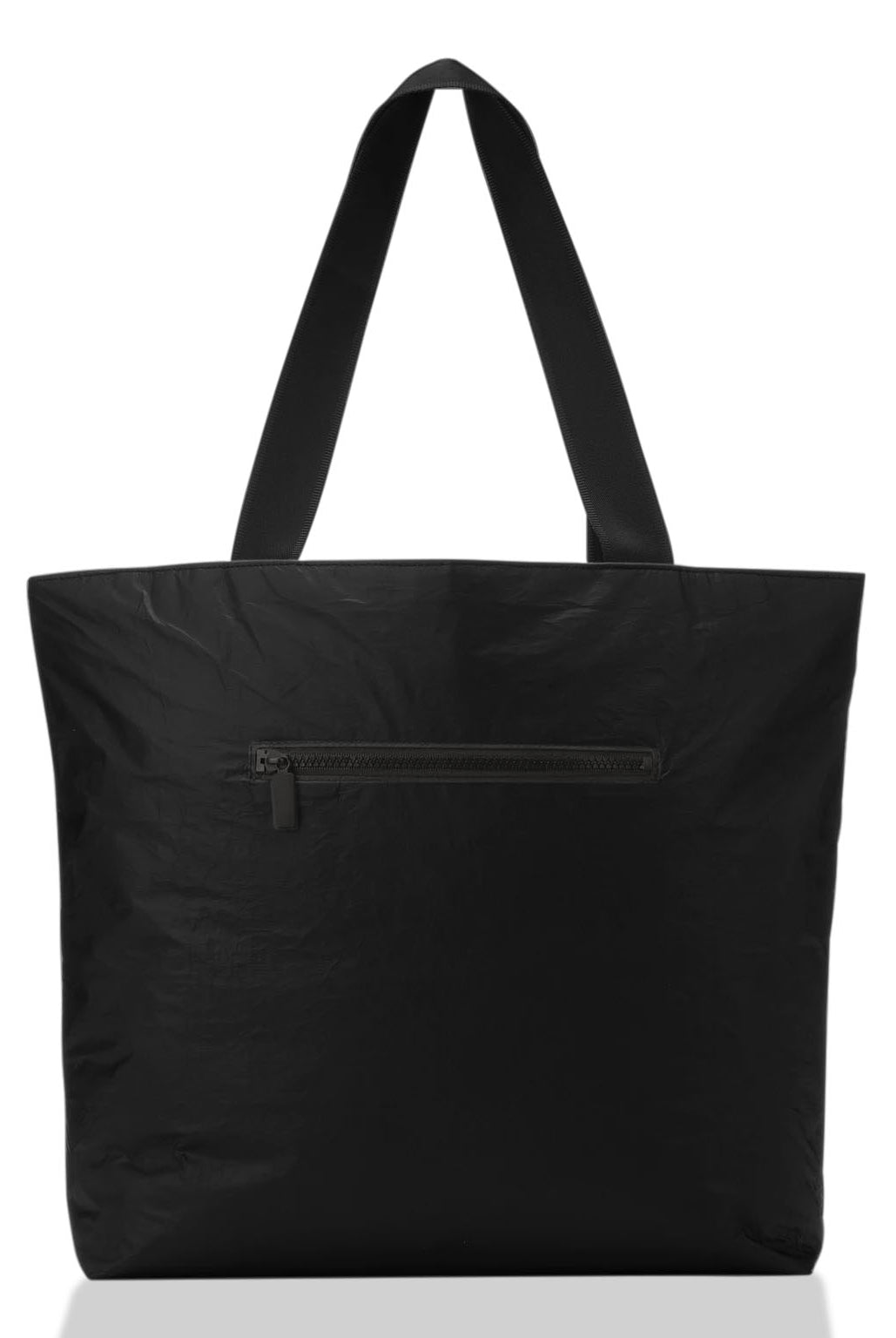
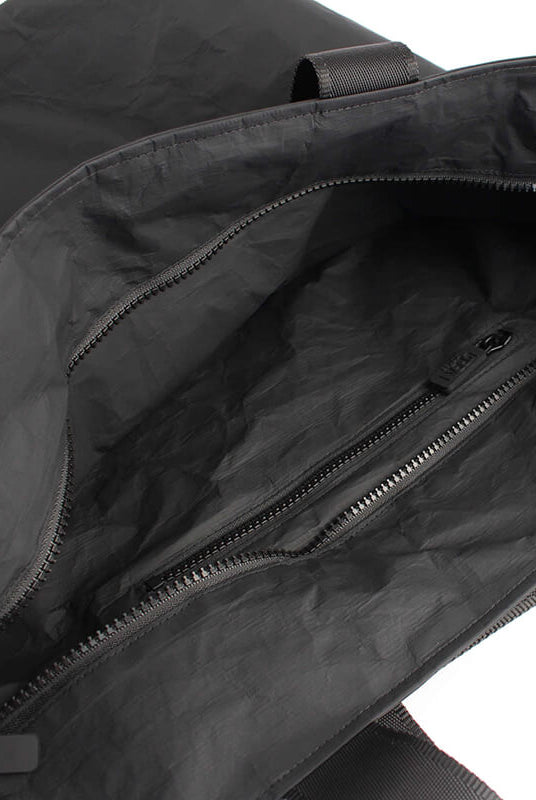
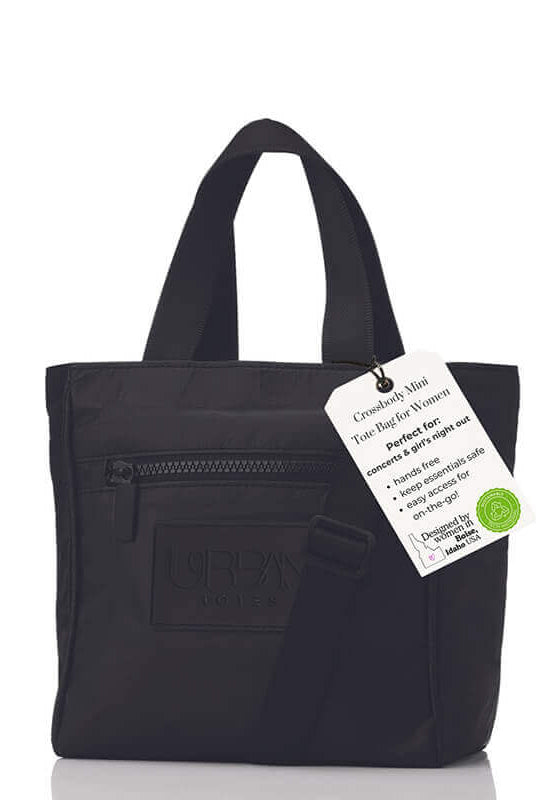
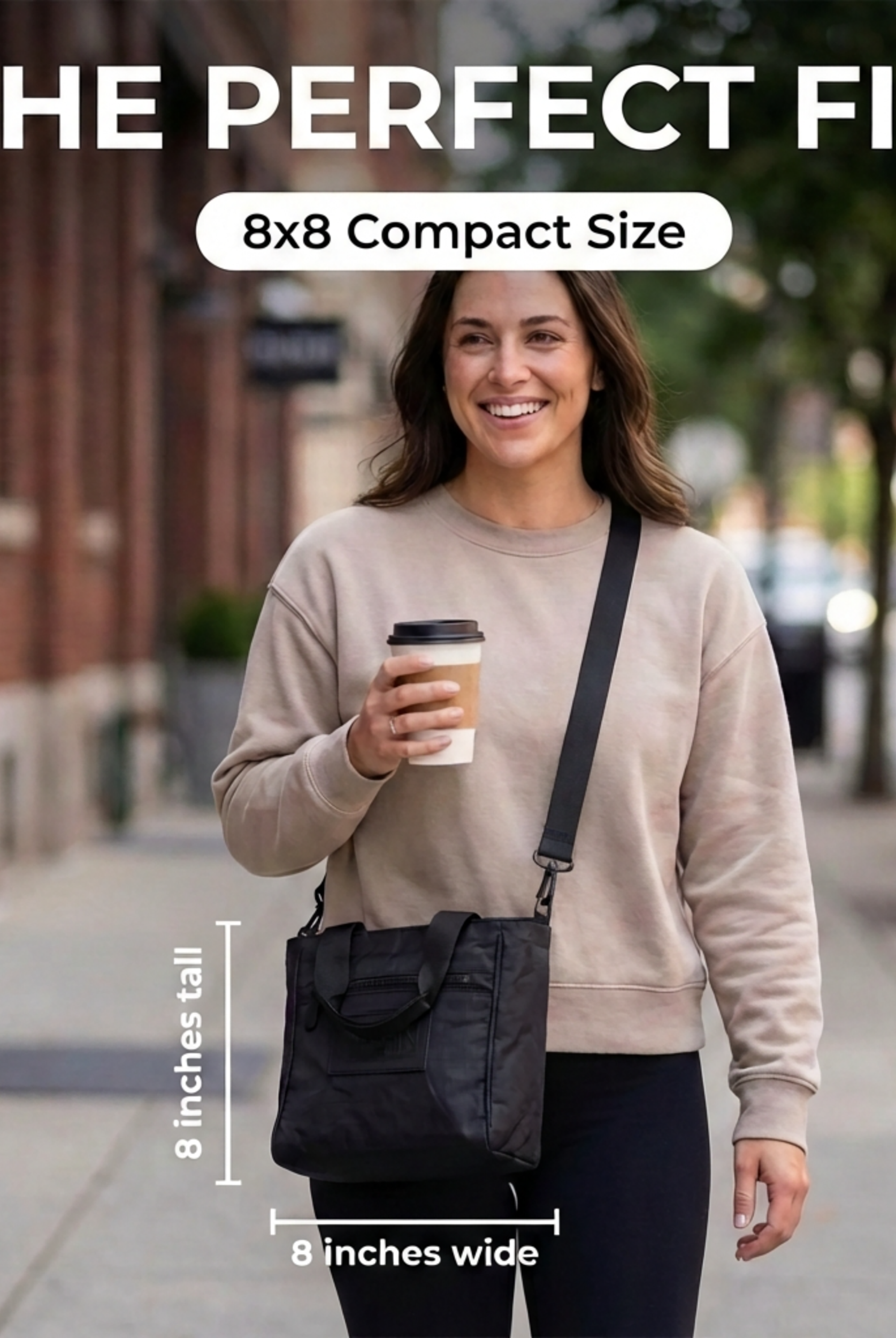
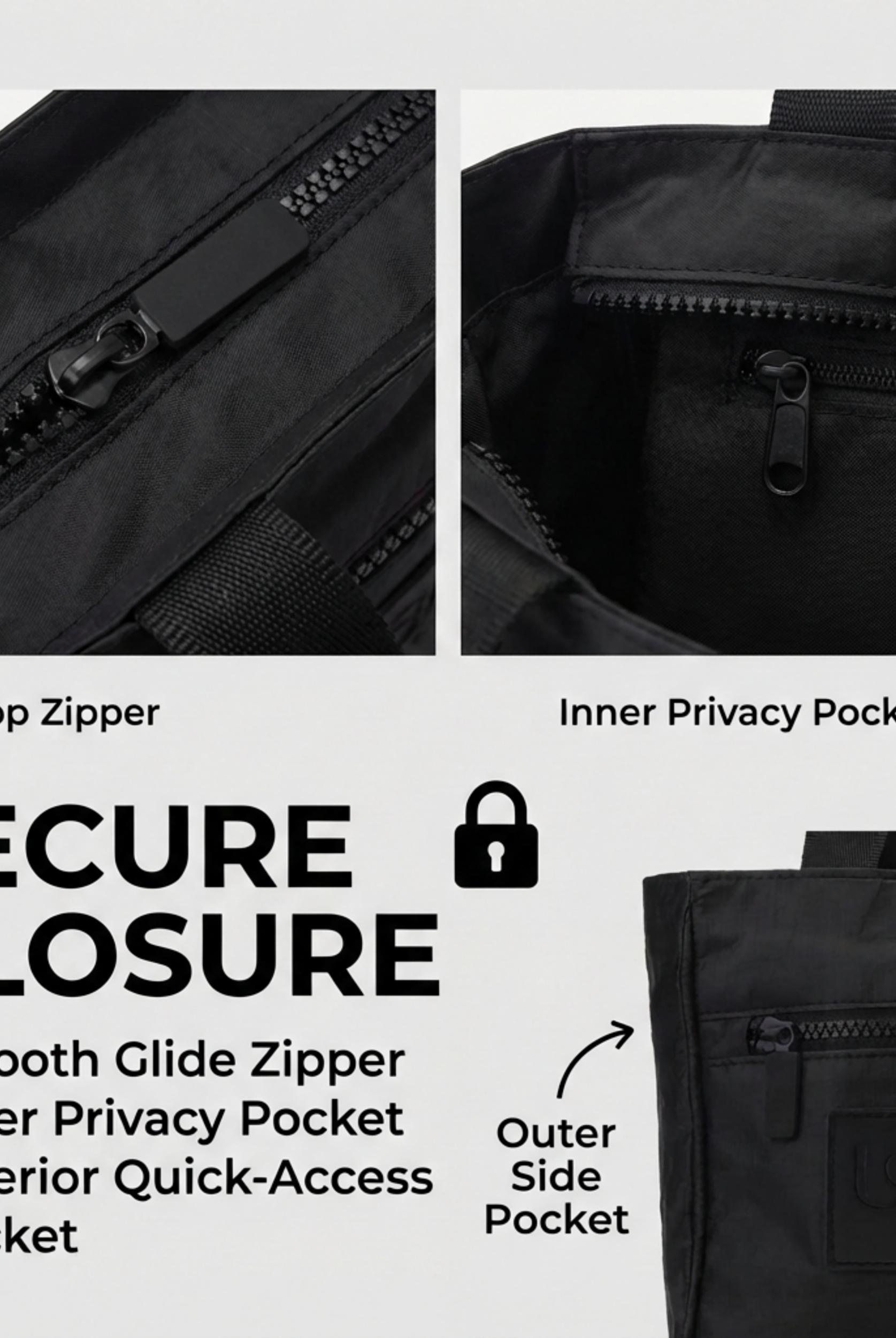
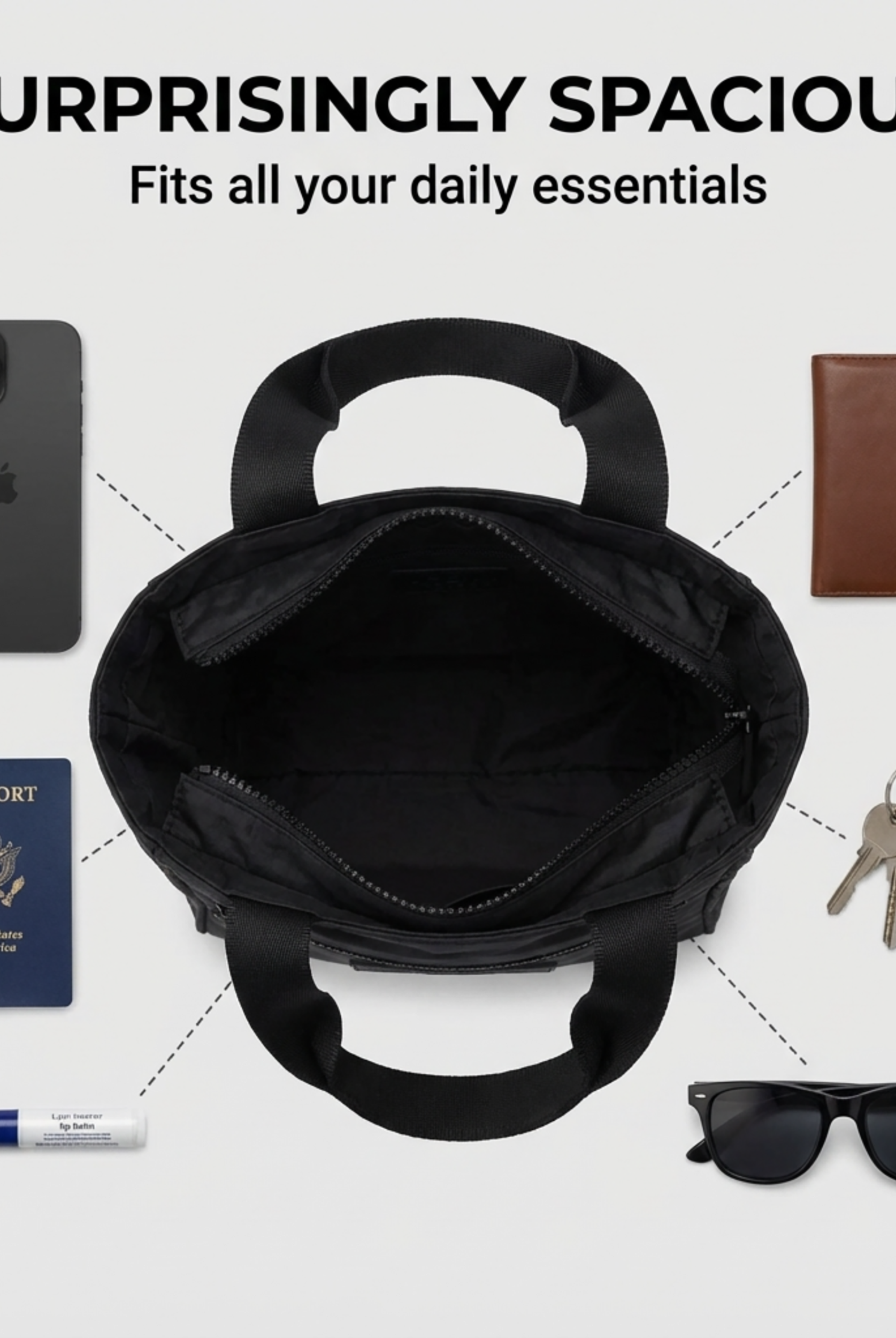
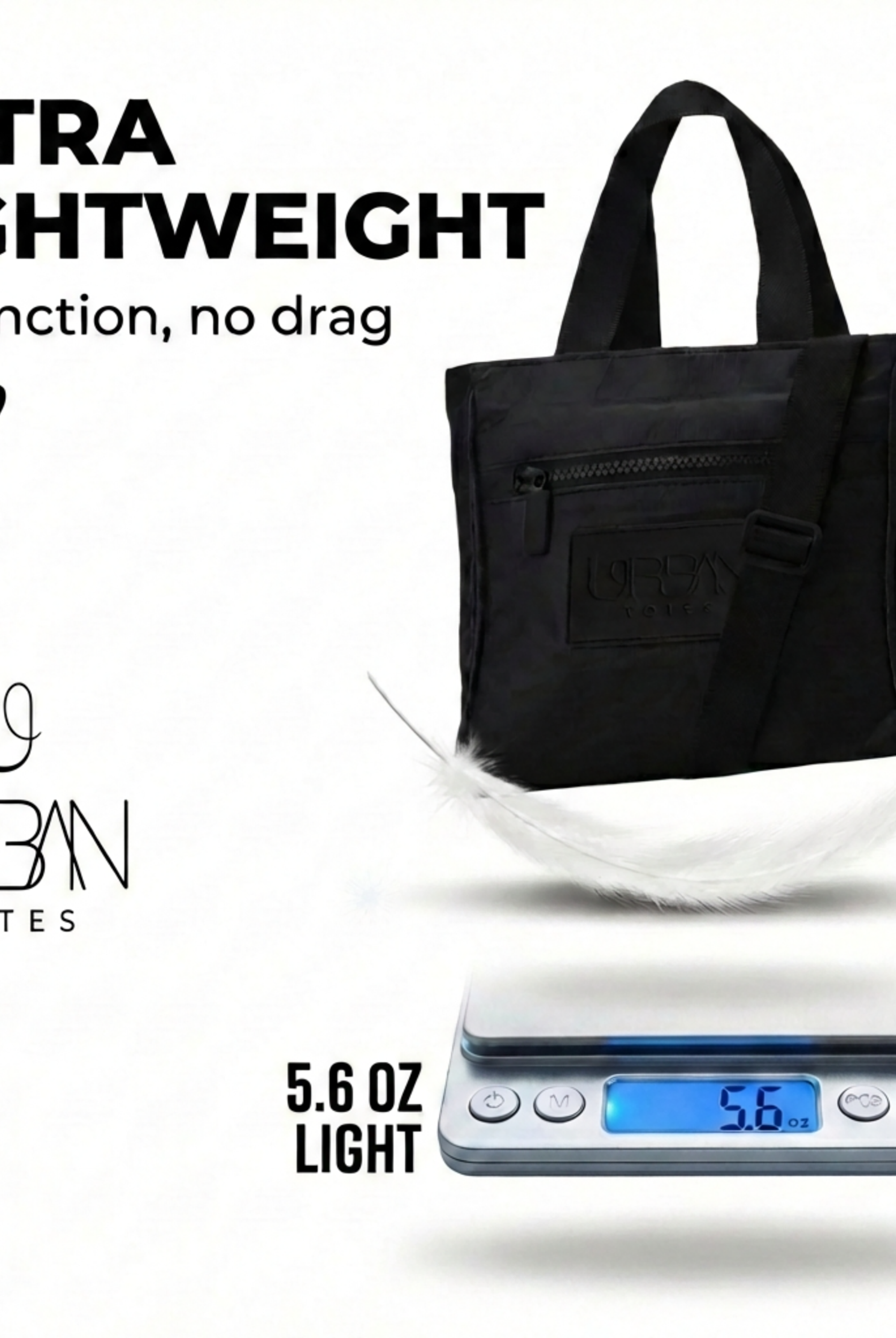
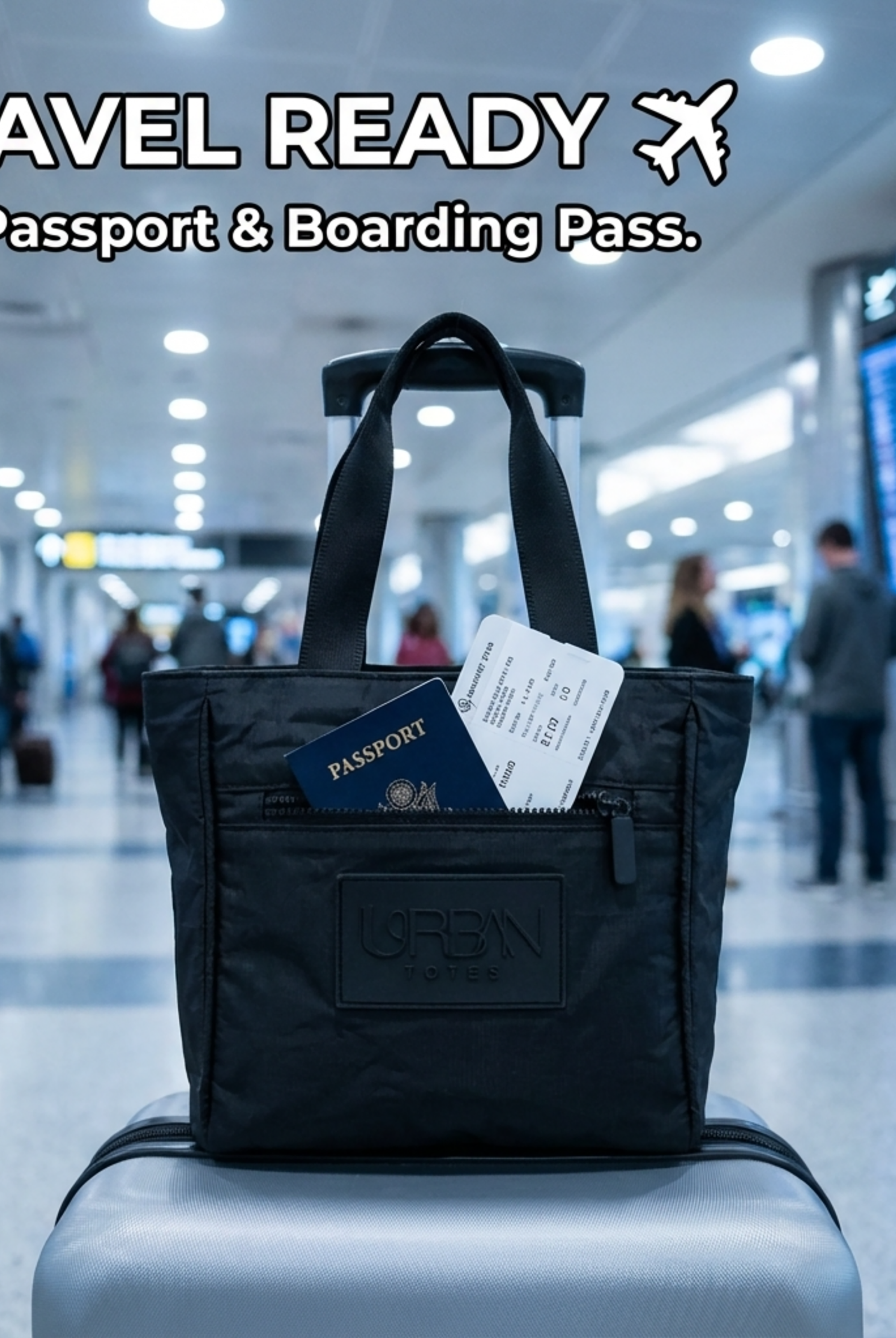
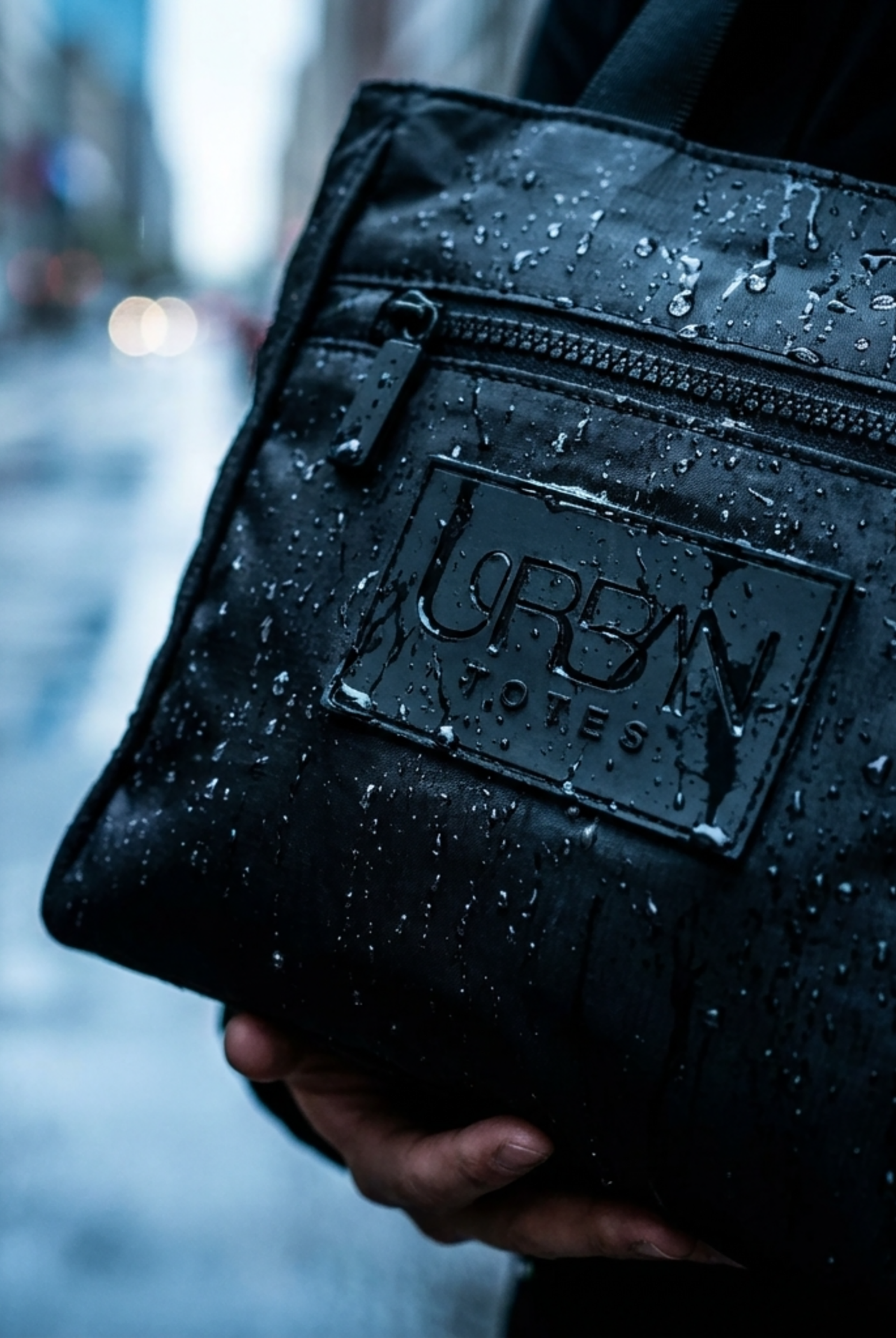
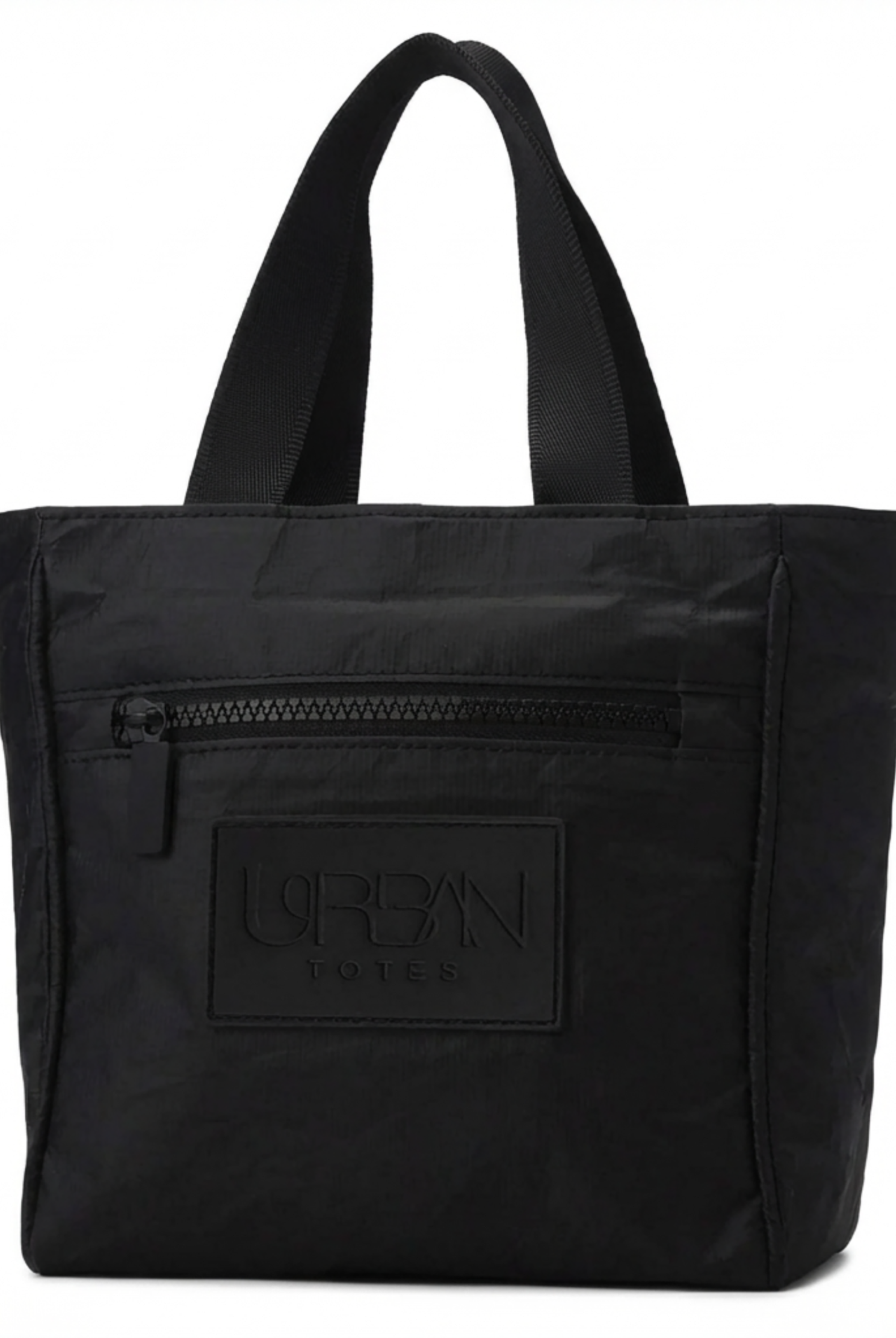
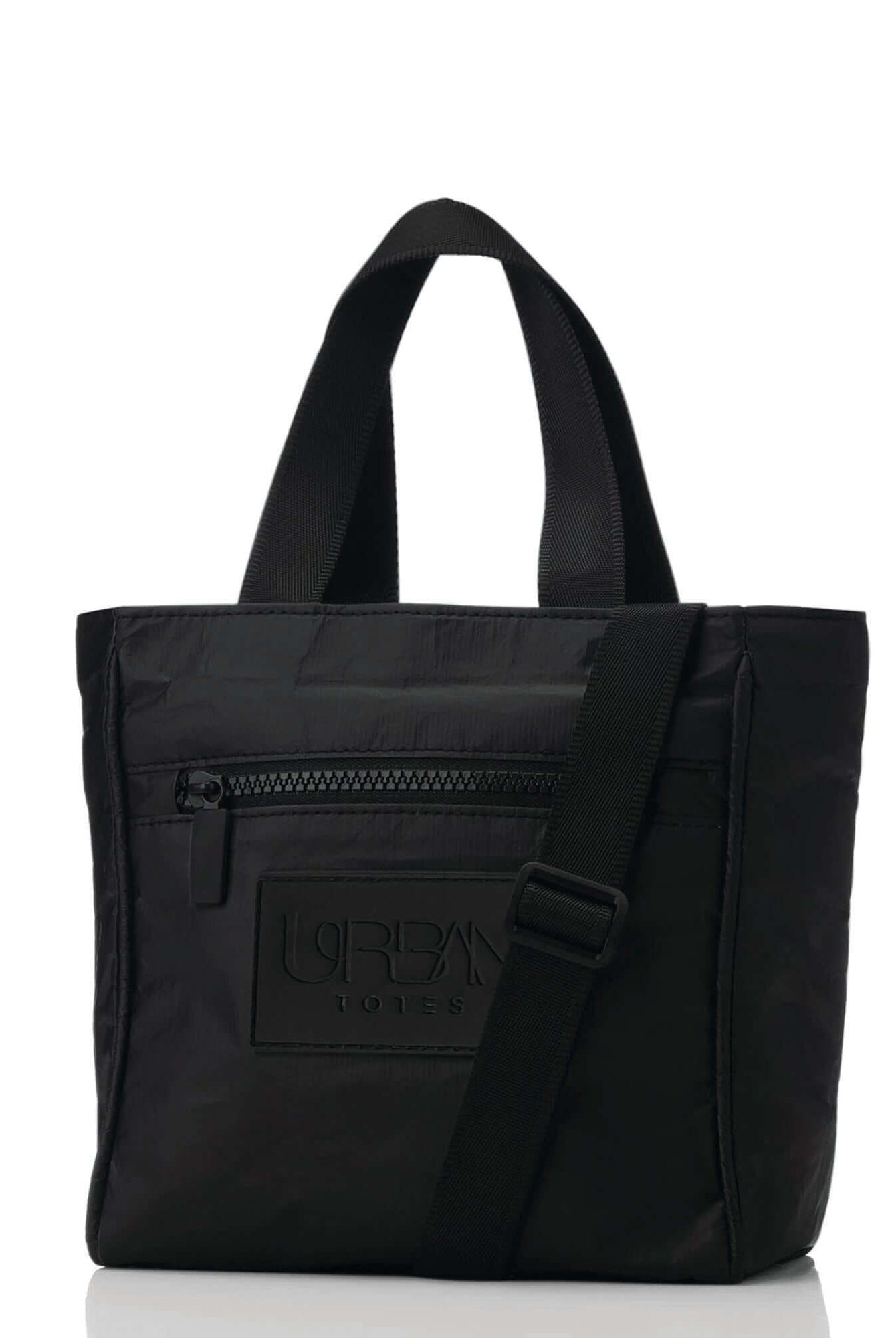
If you're using Elevate Every Adventure with The OG Zipper Tote Bag by Urban Totes, the dimensions listed in the product snapshot make it a strong example of why bag shape matters. The tote has inside and outside zipper pockets, a lightweight build, and a packable feel, which makes it easier to use cubes plus pocket storage without overstuffing the main compartment. For sizing your own weekender, the weekender bag dimensions guide can help you think in measurements instead of guesses.
Folding vs Rolling and What Goes in Each Cube
The folding-versus-rolling debate gets overcomplicated fast. The practical answer is that different fabrics behave differently, and the cube should follow the fabric, not some rigid packing philosophy. Once you see it that way, the whole thing gets easier.
Fold what holds shape, roll what doesn't
Denim, structured knits, and button-downs that crease at the seams usually do better when folded. Thin layers, T-shirts, and activewear usually pack more cleanly when rolled. If the outfit needs to come out looking presentable straight away, a fold-then-roll hybrid can work, especially for pieces you want to keep together in one cube.
When in doubt, fold bulky items and roll thin ones.
That rule is blunt, but it saves time. Bulky items need flatter placement so they don't fight the cube, while light layers can be rolled to reduce loose air. I use that split constantly for beach weekends and short city breaks, because there's no point overthinking a cotton tee that just needs to stay neat.
Assign the technique to the cube
Small cubes are good for rolled intimates, socks, chargers, and other little things that disappear in a bigger compartment. Medium cubes work well for rolled everyday tops, underwear, and travel-day layers. Large cubes are where folded bottoms, sweatshirts, or bulkier pieces make sense, especially if you want to keep a clean edge on arrival.
For a more detailed take on the compression side of this, the compression packing cubes guide is useful because it separates what compresses well from what shouldn't be forced. That matters with structured clothing. Bras, heavy sweaters, and more irregular pieces can lose shape if you try to treat every item like it belongs in the same cube.
The simplest way to decide is to ask one question, does this piece want to sit flat or sit tight? Flat items fold. Flexible items roll. Anything awkward gets its own space or stays out of the cube entirely.
Packing Each Cube the Right Way
A cube works best when it closes flat, not when it's been bullied shut. The loading order matters more than you might think, because the inside of the cube still has to behave like a shape, not a stuffed pillow.
Build a stable base first
Start with the heaviest or flattest pieces at the bottom so the cube has a solid foundation. Then layer lighter, more flexible items above that, keeping one flat face aimed toward the zipper. That helps the cube close cleanly and keeps the packed stack from slumping sideways when you lift the bag.

For compression cubes, leave about 10% headspace before closing the second zipper so the compression panel can do its job without stressing the seams or sliders Viral Rang. That tiny bit of air is part of the system. If the cube is already jammed full, the zipper has to fight the contents instead of working with them.
Keep the shape honest
The two common mistakes are predictable. Overstuffing stops compression from working and makes the zipper feel like it's under strain, while irregular items that don't fit cube geometry should usually be packed separately. If a piece is oddly shaped, stiff, or likely to poke the cube into a weird lump, it's probably better off outside the cube.
The cube should close with a firm hand, not a wrestling match.
One practical trick is to fold garments to the width of the cube before they go in, then decide whether the stack needs rolling or flat packing based on thickness. That gives the zipper a cleaner line and keeps the cube from ballooning in the middle. The result is boring in the best way, a flat, predictable block that slides into the bag without drama.
Setting Up Cubes Inside a Tote or Carry-On
Tote interiors aren't suitcases, and that's exactly why cube strategy has to change. A tote usually gives you a main compartment plus pockets, not a big rectangle with fixed rails. So the question isn't just what goes in each cube, it's where each cube lives once the bag is zipped.
Treat the pockets like zones
Zippered inside compartments are the right spot for valuables, tech, and anything you don't want shifting around. Open side pockets can hold rolled layers, a swimsuit, or other items that need faster access. The main compartment is where the largest cube usually belongs, because that's the space most likely to accept a clean rectangular block without wasting room.
Weight distribution matters too. Put denser cubes flat against the back panel or the side closest to your body, then stack lighter cubes on top so straps don't dig in and the bag doesn't feel lopsided. The most useful cube is the one you'll grab first, so keep it on top or closest to the opening, not buried at the bottom under extra layers.
Carry-on and tote geometry are not the same
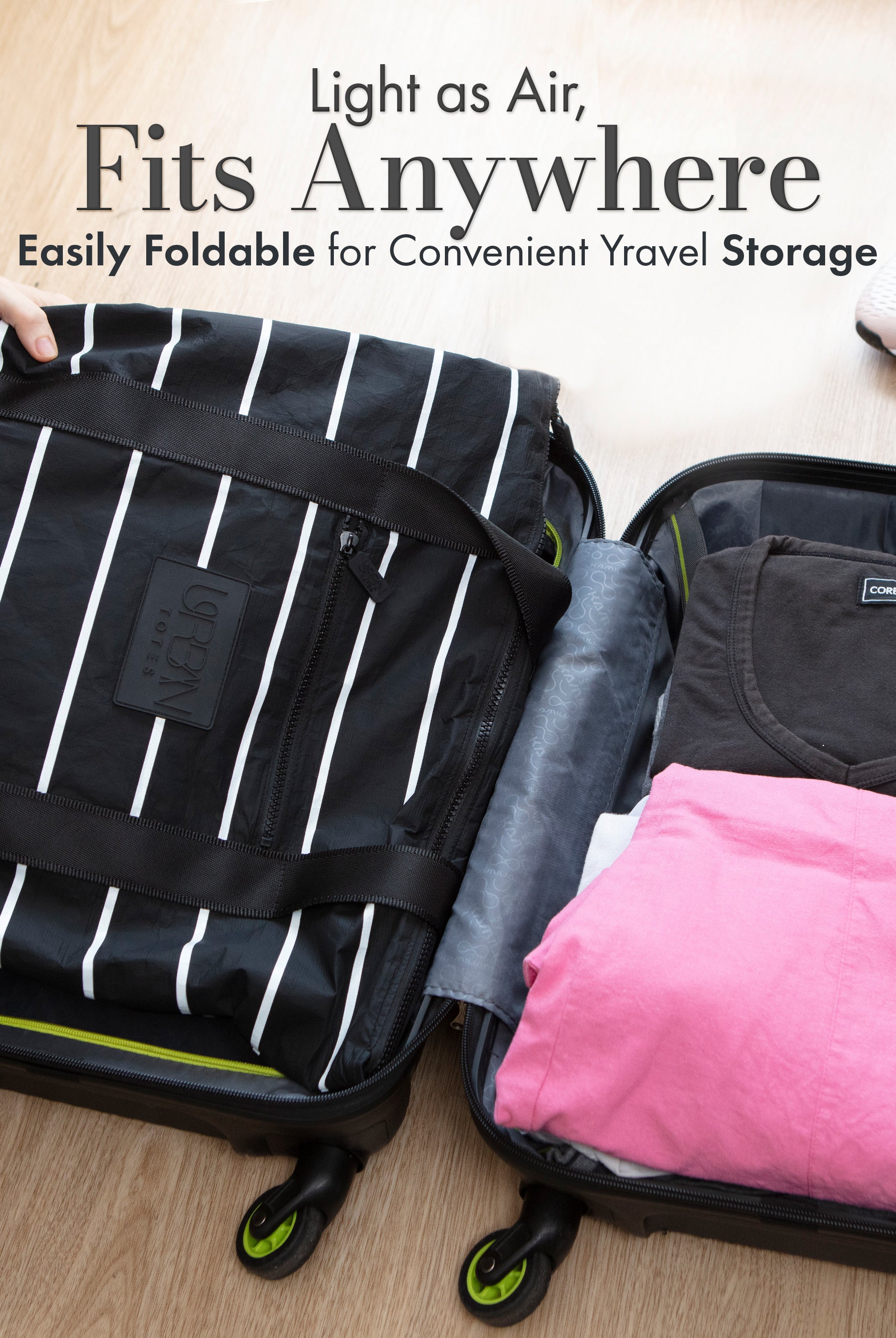
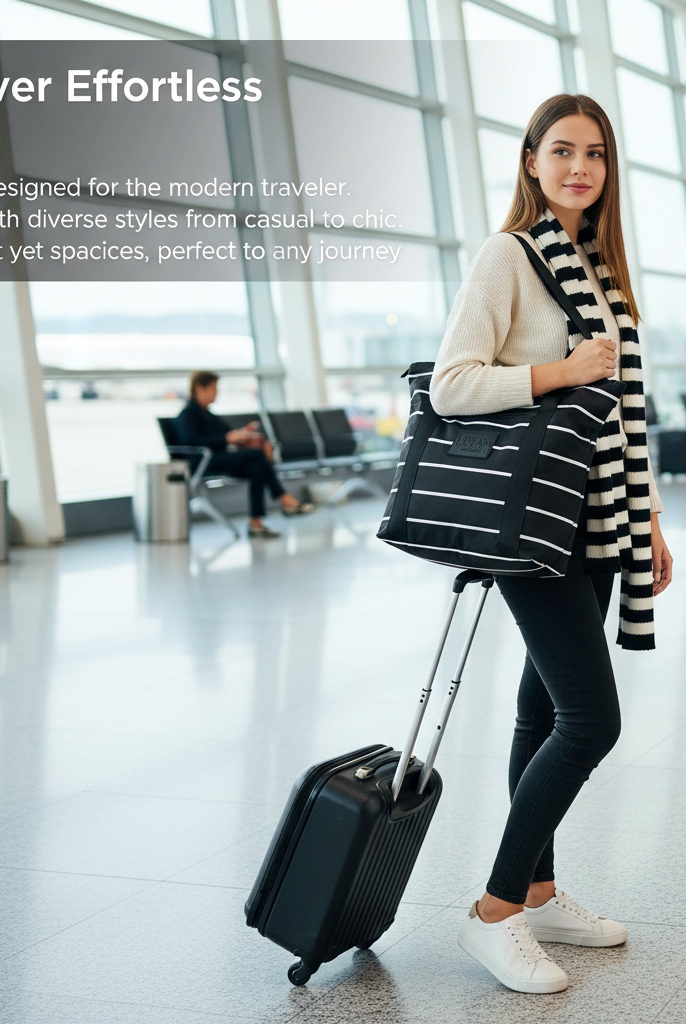
Carry-ons often work best when cubes are stacked like bricks, with a toiletries cube near the top for easy security access and one flatter cube oriented upright if the bag shape allows it. Tote-style bags need more pocket discipline. A multi-pocket, zipper-closure bag gives you more ways to split the load, which is why a versatile tote can feel more organized than a boxy carry-on when you're moving through a full day.
The screenshot from Urban Totes fits this idea well because it shows how a zipper organizer setup can support fast access without turning the bag into one open pile. For a tote that's intended to move from errands to airport terminal to beach chair, that matters. A bag that keeps the right cube near the right pocket just feels calmer.
Trip-Ready Packing Templates You Can Steal
A good template saves you from standing over the bed and renegotiating every outfit. The trick is to keep the setup small enough that you can repeat it, then adjust it for the trip instead of rebuilding from scratch each time.
The Weekender
For a two-night trip, use one medium cube for outfits and one small cube for intimates, socks, and a charger. A flat pouch can hold toiletries and slip into an inside pocket so it doesn't mix with clothing. If you're using a tote with zipper pockets, keep the cube you'll need first near the top and the smaller pouch in a compartment you can reach fast.
The Carry-On
A longer trip needs one more layer of structure. Add one large cube for bulkier pieces like jeans or sweatshirts, then keep a dedicated tech cube for cables, adapters, earbuds, and a slim wallet. That setup works well when you want quick access at the airport but still need room for layers once you arrive.
The Gym Run
The gym template should be tiny on purpose. One small cube for a change of clothes, one rolled towel, and maybe a hair tie or deodorant is enough, then the cube drops into the main compartment with a laptop sleeve or lunch bag. It keeps sweaty gear from floating around your everyday carry.
The Adventure Medical Kits expedition packing list is a good outside example of the same mindset, specialized trips need specialized packing logic. Travel doesn't get easier because you pack more, it gets easier because you pack with intent.

Care Access Speed and Making the System Last
A packing system only works if it survives the second and third trip. Cubes take abuse from sand, airport floors, spilled lotion, and the general mess of real travel, so a little maintenance keeps them useful instead of sad and crushed in a closet.
Keep the cubes functional
Wipe interiors after trips, especially if you used them for shoes, swimsuits, snacks, or anything that picked up grit. Skip fabric softener on mesh panels, because it can interfere with the way those surfaces behave over time. Store cubes flat when they're not in use so they don't warp into awkward shapes that fight the next packing job.
For tote care and storage habits that support the same kind of low-friction routine, Urban Totes' care and maintenance tips are a useful companion read.
Make the bag faster to use
Color-coded cubes or simple tags help when you're packing for more than one purpose, or more than one person. Put the tonight outfit on top if you know you'll arrive late and want the fastest possible unpack. I also like leaving one empty flat pouch at the bottom of the bag for the return trip home, because something always needs a landing spot after a beach day, grocery run, or souvenir stop.
Break the system when the item needs its own shape. Very bulky outerwear and structured pieces often do better outside a cube, where they can keep their form.
That's the part people don't always say out loud. Packing cubes are wonderful for modular travel, but they're not a moral code. If an item loses its shape under compression, give it space. The point is a bag that just works, not a bag that looks overengineered.
If you want a tote that plays nicely with cubes and real life, shop Urban Totes and build the go-anywhere setup that fits your errands, your beach days, and your next carry-on trip.